

Loading Events

Bird Walk at Hingonia Catchment Area, Mehlan Bagry, Jaipur, Rajasthan

About Hingonia Catchment Area

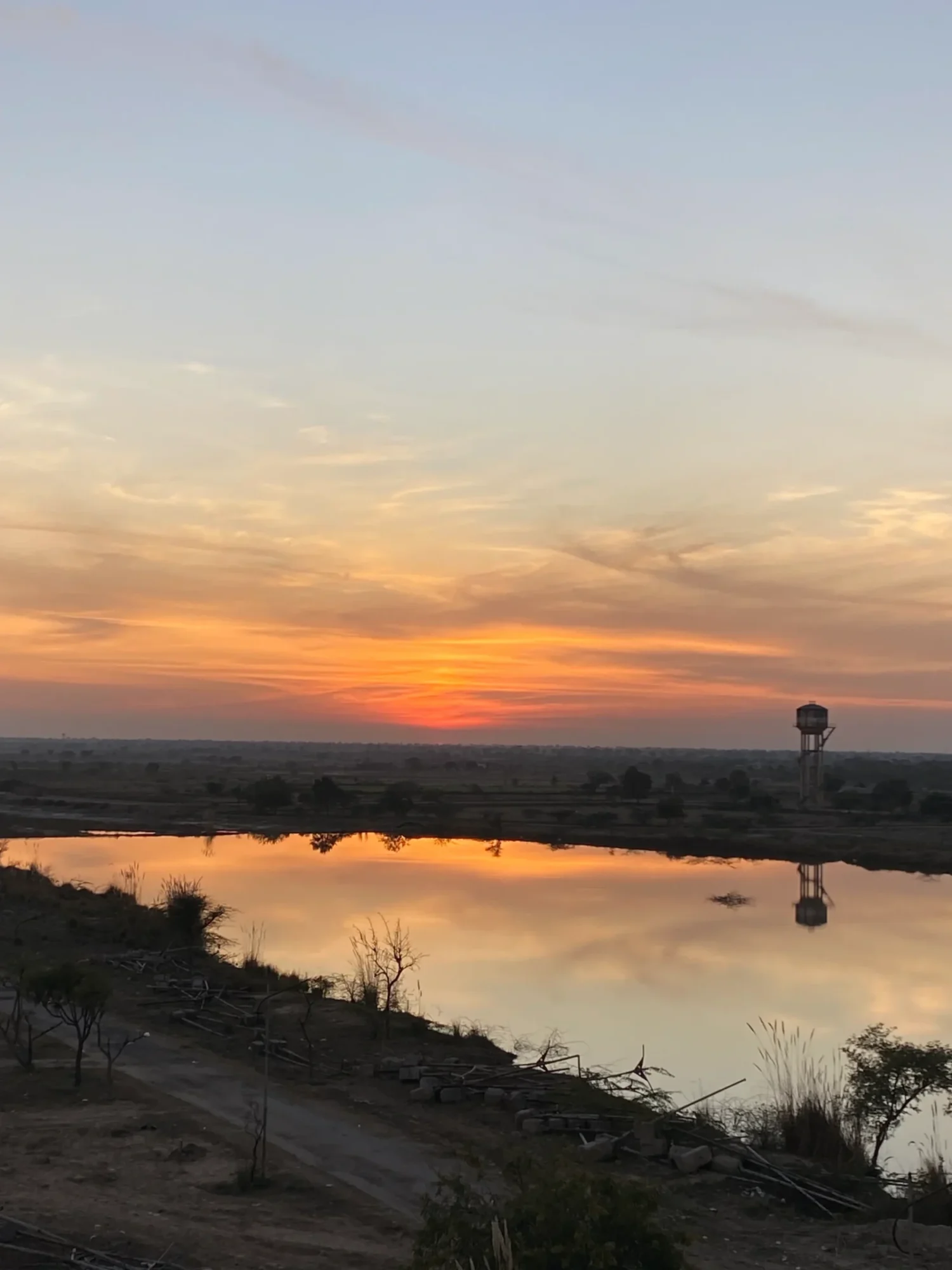
The Hingonia Catchment Area, including the Mehlan Bagry landscape around the Hingonia Dam, sits at the heart of an intriguing mosaic of freshwater, grassland and scrub habitats in eastern Rajasthan. Although this region is shaped primarily by the dam’s catchment and seasonal water flows rather than dense forest, it supports a remarkable blend of aquatic plants, reed beds, scrub vegetation and open grasslands that come alive with wildlife, especially in the post-monsoon months. These varied habitats create rich feeding and resting grounds for birds, amphibians and small mammals, and offer a snapshot of how water and dryland ecosystems intersect across the semi-arid plains of the state.

For nature lovers and birdwatchers, the Hingonia catchment is particularly rewarding as wetland fringes and shallow pools attract a variety of resident and migratory waterbirds, alongside more typical scrub and grassland species found throughout Rajasthan. Observers often spot ducks, herons, waders and other wetland visitors in wetter seasons, while open lands and scrub beckon insectivores and small passerines. However, this ecological tapestry faces mounting pressures from encroachment, unregulated construction, waste deposition and changes to the natural flow of streams and rivers, which can disrupt habitat quality and water availability. Recent interventions by authorities to survey and address encroachments underscore the need for balanced land-use planning, habitat protection and sustainable practices to ensure that the Hingonia catchment remains a thriving refuge for both wildlife and local communities.

Bird Guide: Arun Nair

He has been birding since 2014, recording 750+ species across the subcontinent and 350+ species in Rajasthan. An experienced naturalist and excellent storyteller, he brings birds and their habitats to life through engaging and insightful guiding.
Bird walk Location

Common birds of Hingonia Catchment Area​

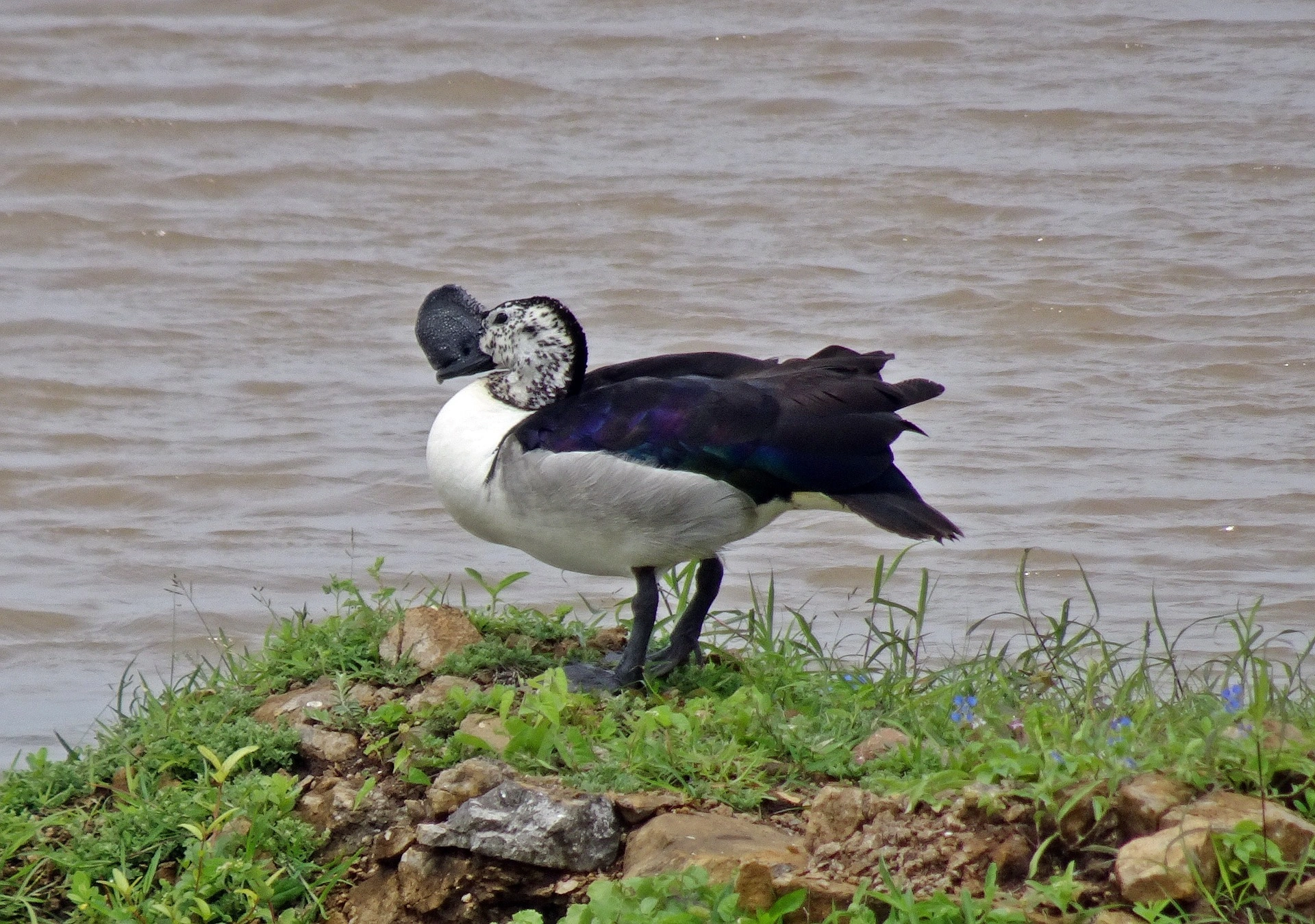
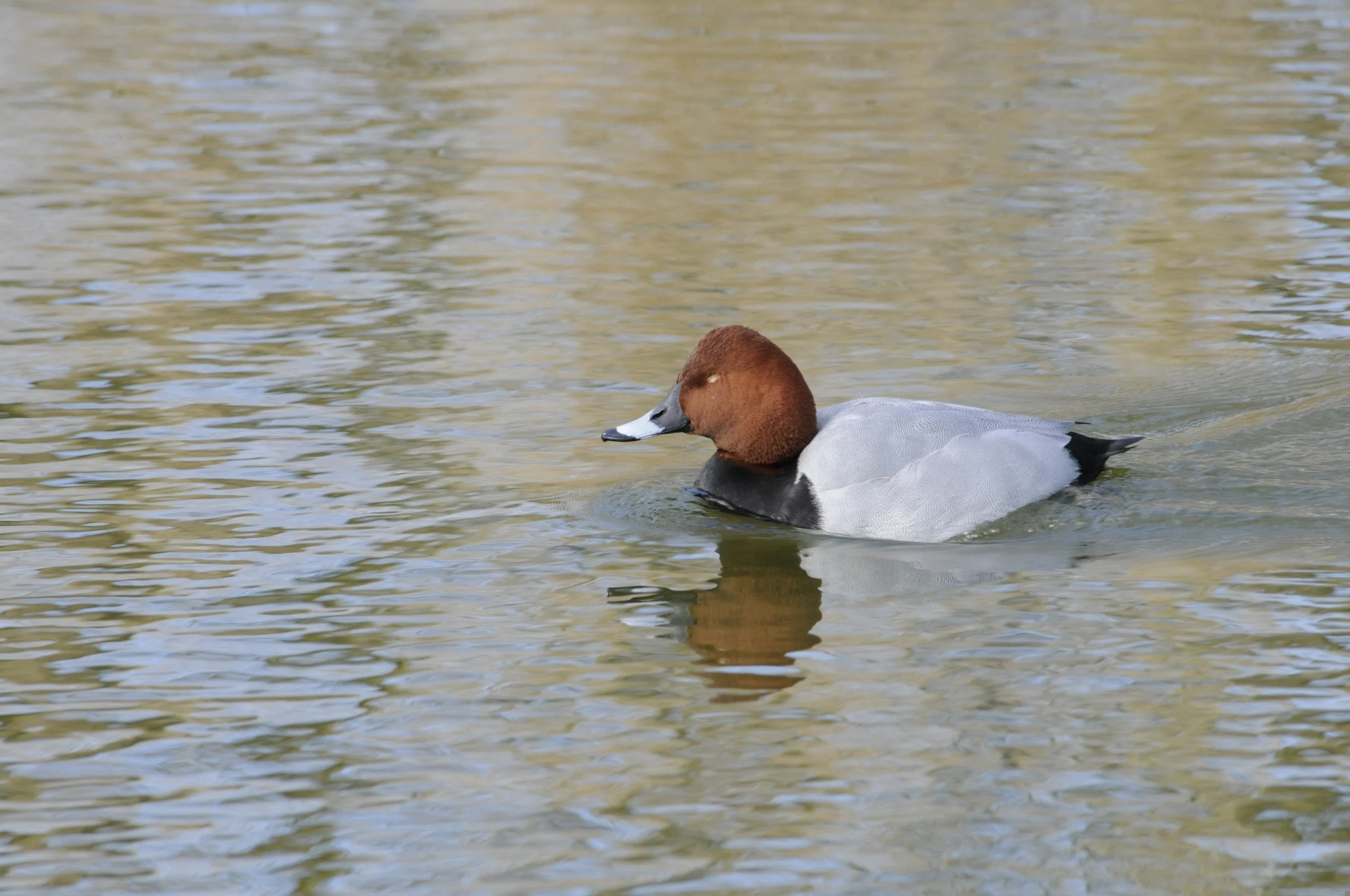
The Hingonia Catchment Area is a significant birding landscape, with an impressive 370 bird species recorded, reflecting the richness of its wetlands, grasslands and scrub habitats. Seasonal waterbodies attract large and charismatic waterbirds such as the Bar-headed Goose and Graylag Goose, alongside wetland specialists including Knob-billed Duck, Northern Shoveler, Indian Spot-billed Duck, Green-winged Teal and Common Pochard. Marshy edges and reed-filled shallows support species like Eurasian Moorhen, Eurasian Coot and Gray-headed Swamphen, while the surrounding dry scrub and agricultural land host birds such as Gray Francolin, Red Collared-Dove, Spotted Dove, Laughing Dove and the nocturnal Savanna Nightjar. Even urban-tolerant species like the Rock Pigeon form part of this diverse avian community, making Hingonia a fascinating site where migratory waterfowl and hardy resident birds come together in a dynamic semi-arid landscape.
Bar-headed Goose
Knob-billed Duck
Common Pochard
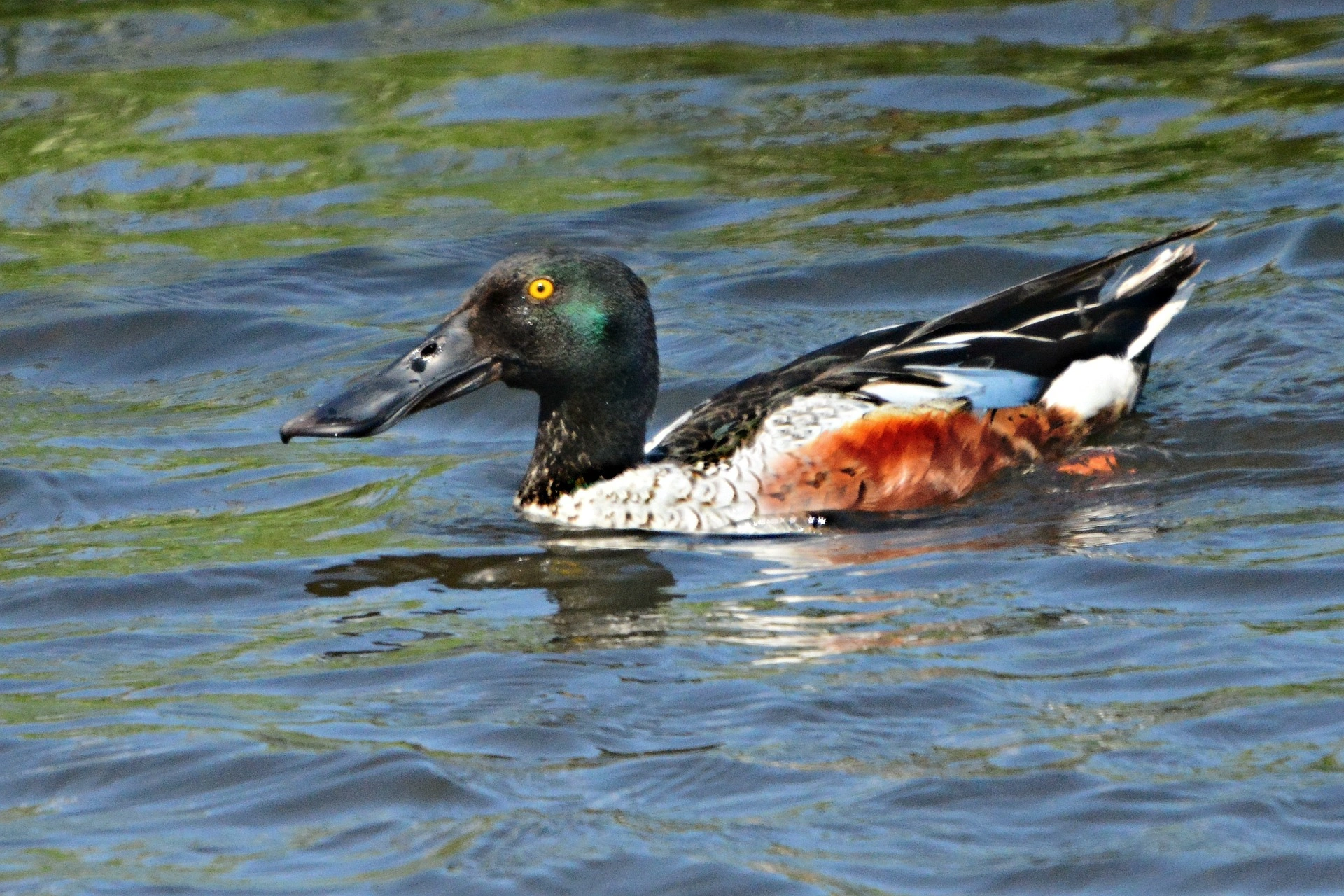
Northern Shoveler
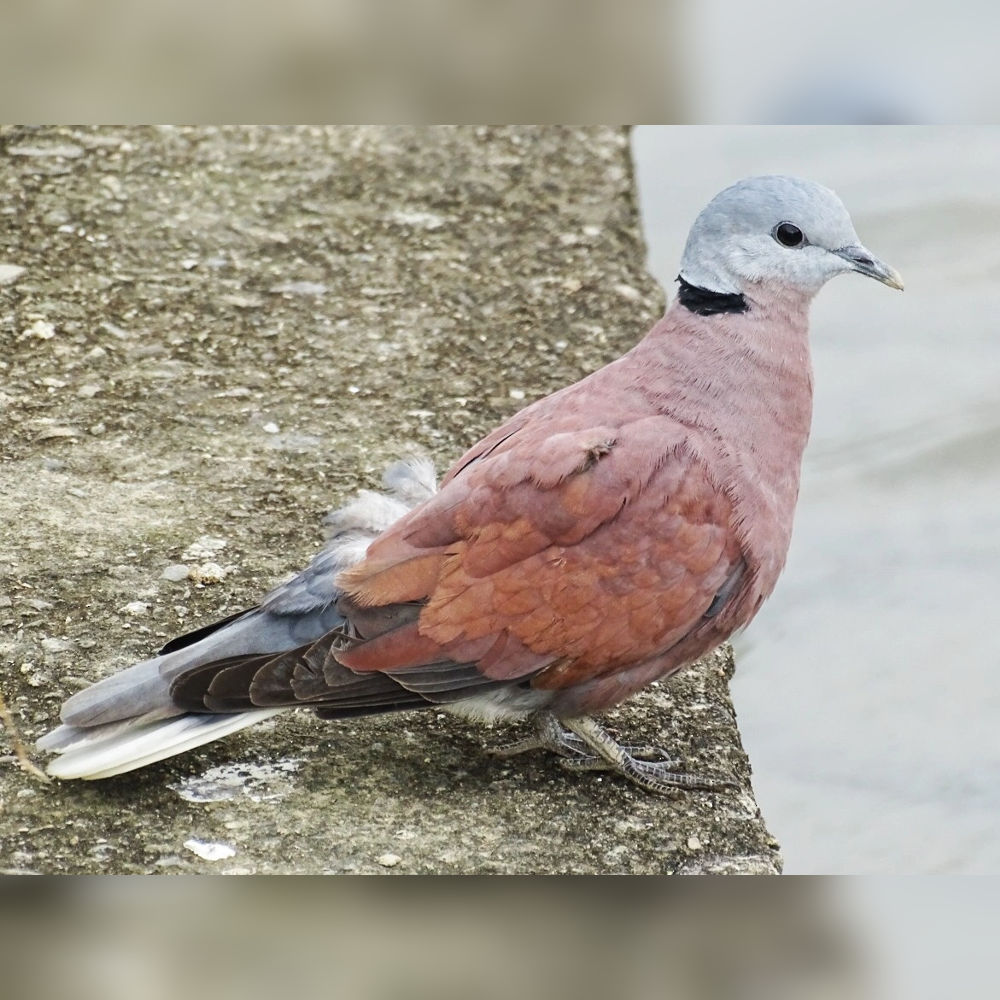
Red-collared Dove
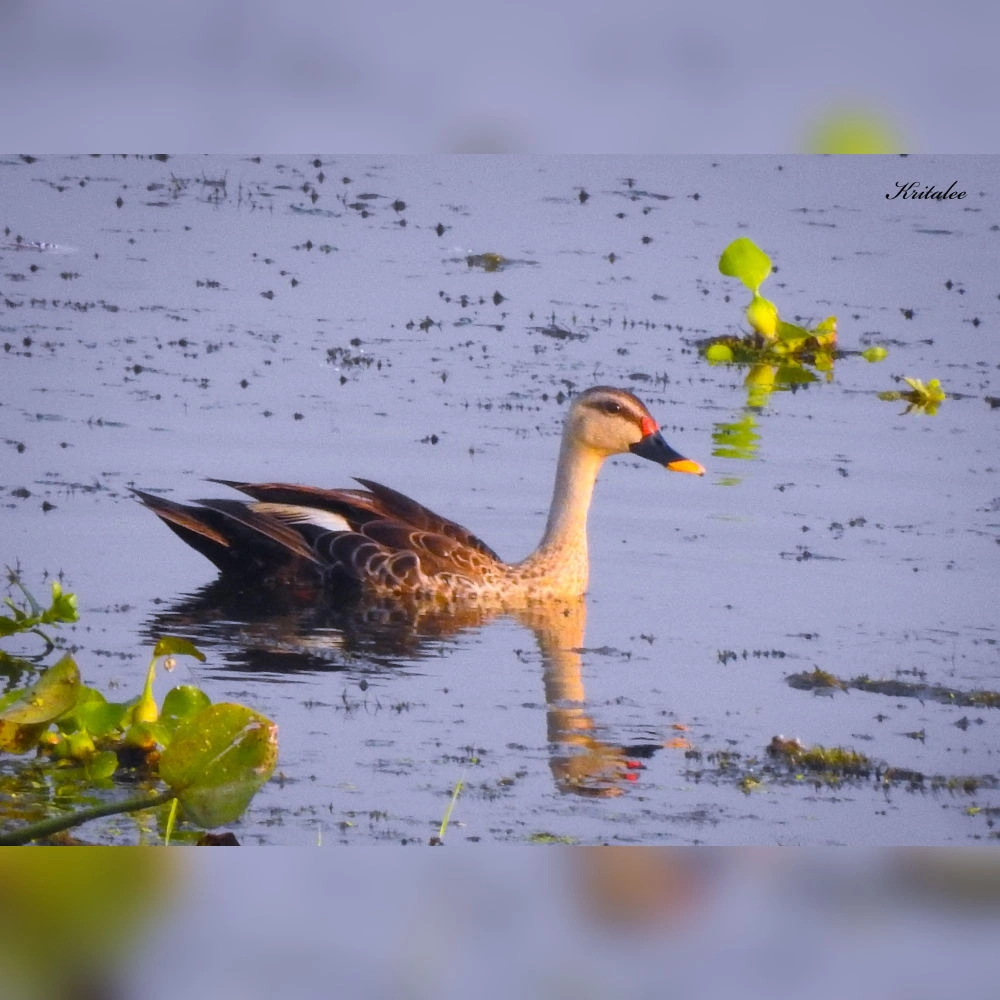
Indian Spot-billed Duck
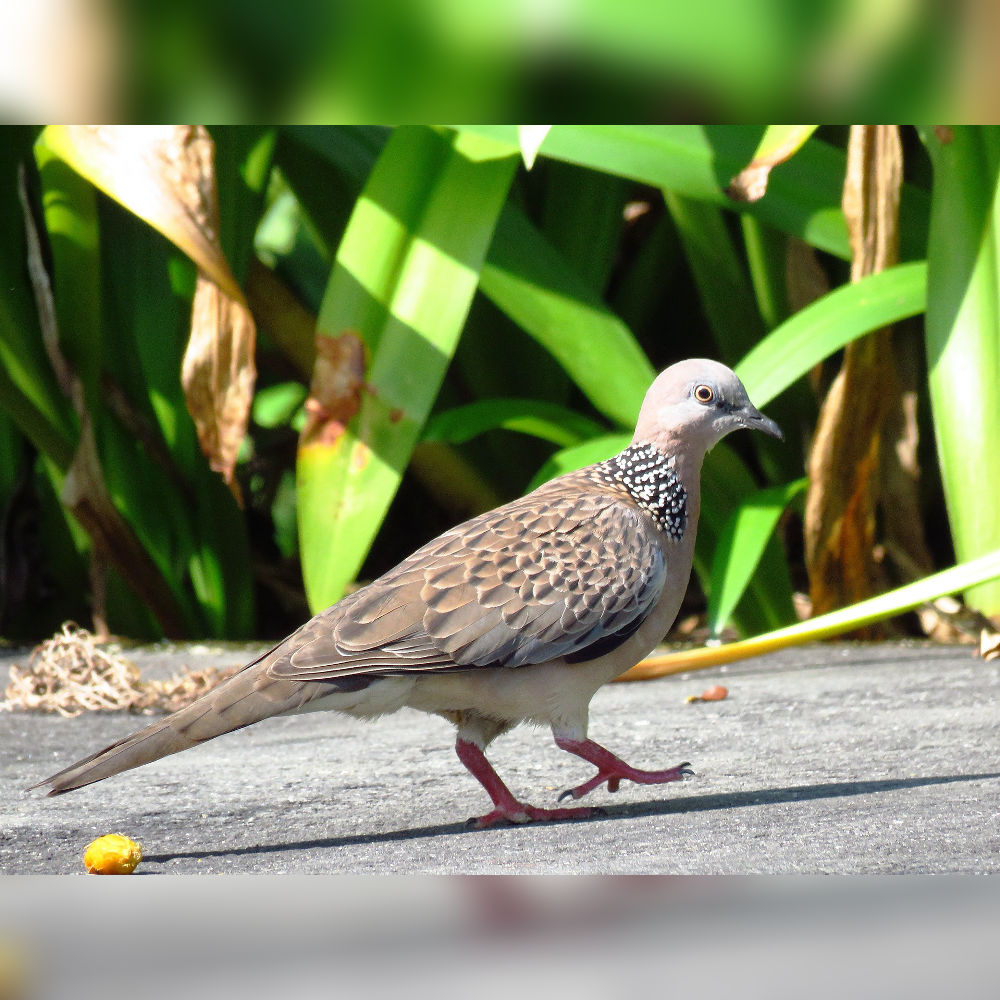
Spotted Dove
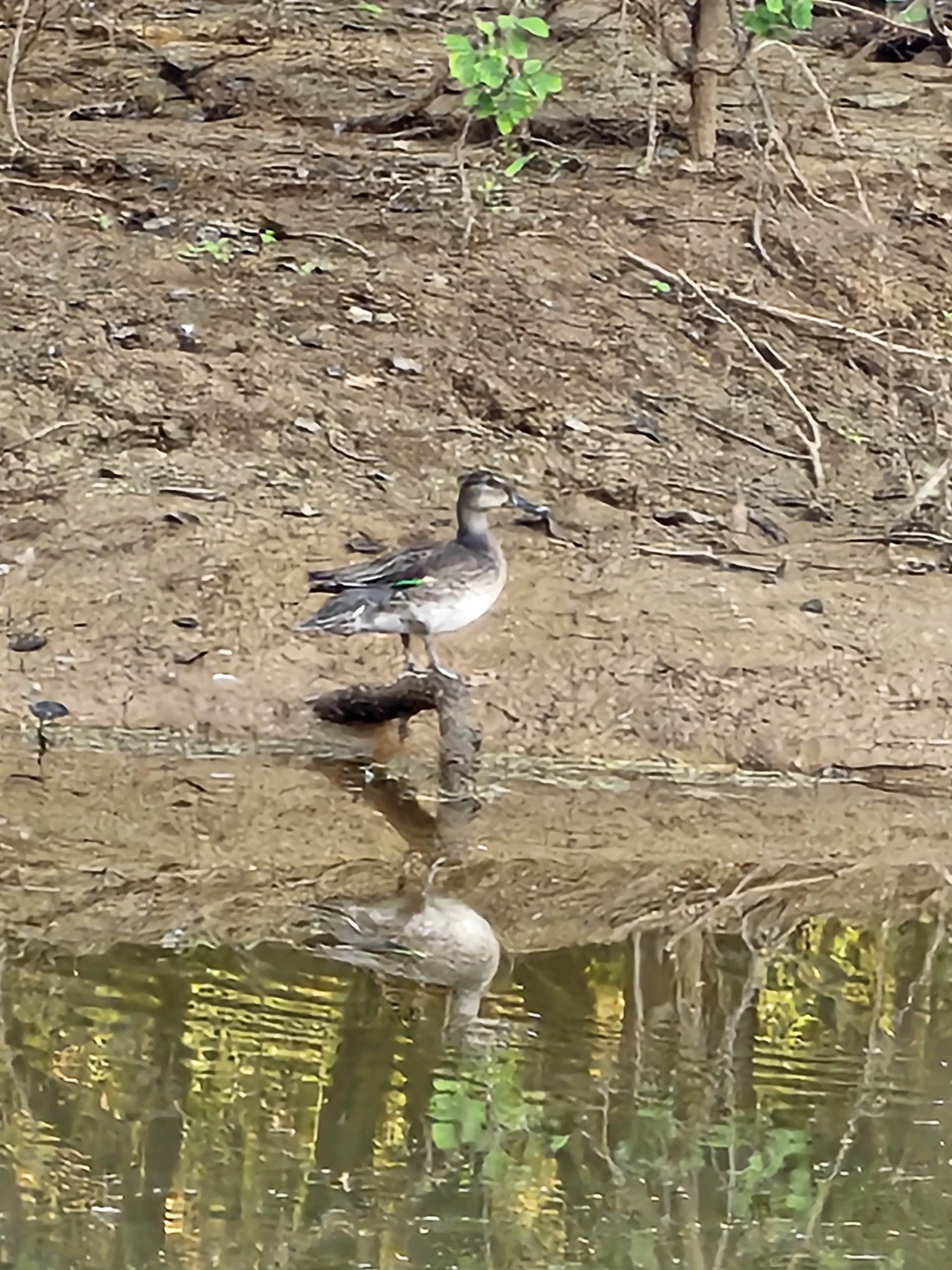
Green-winged Teal
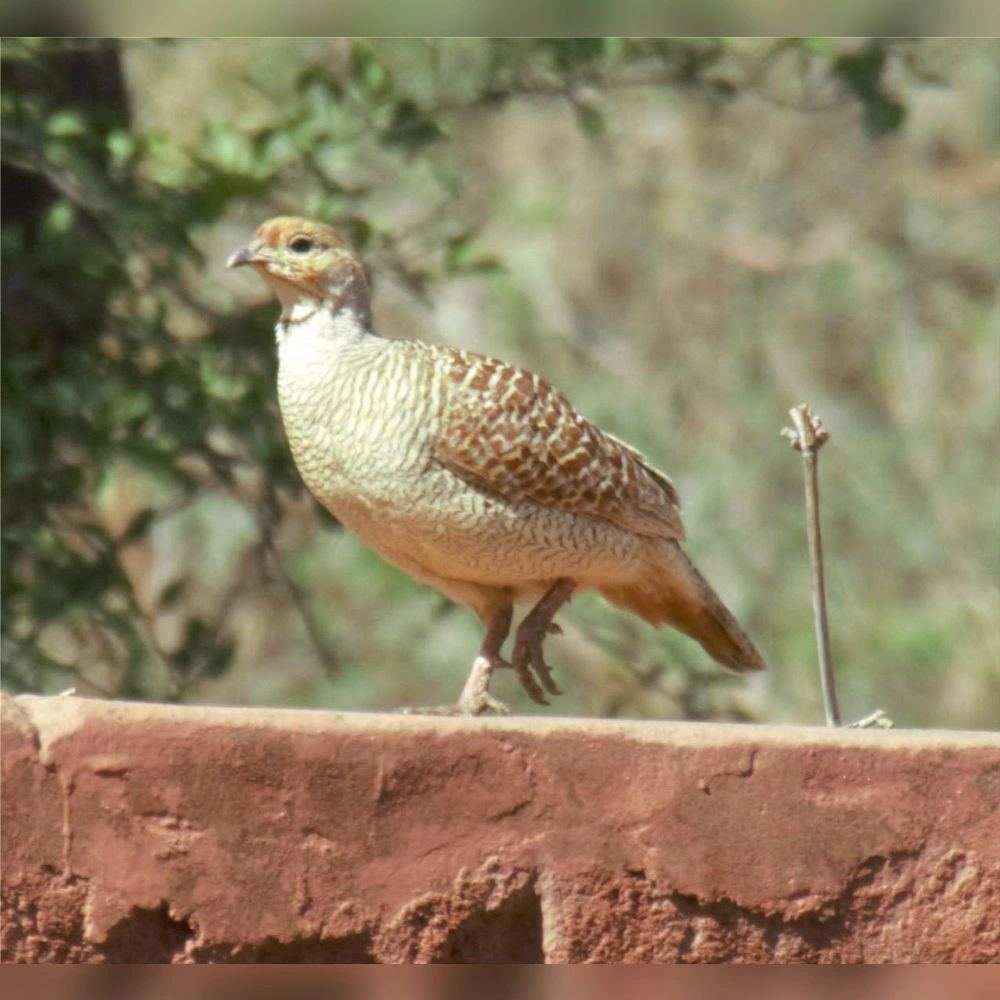
Grey Francolin
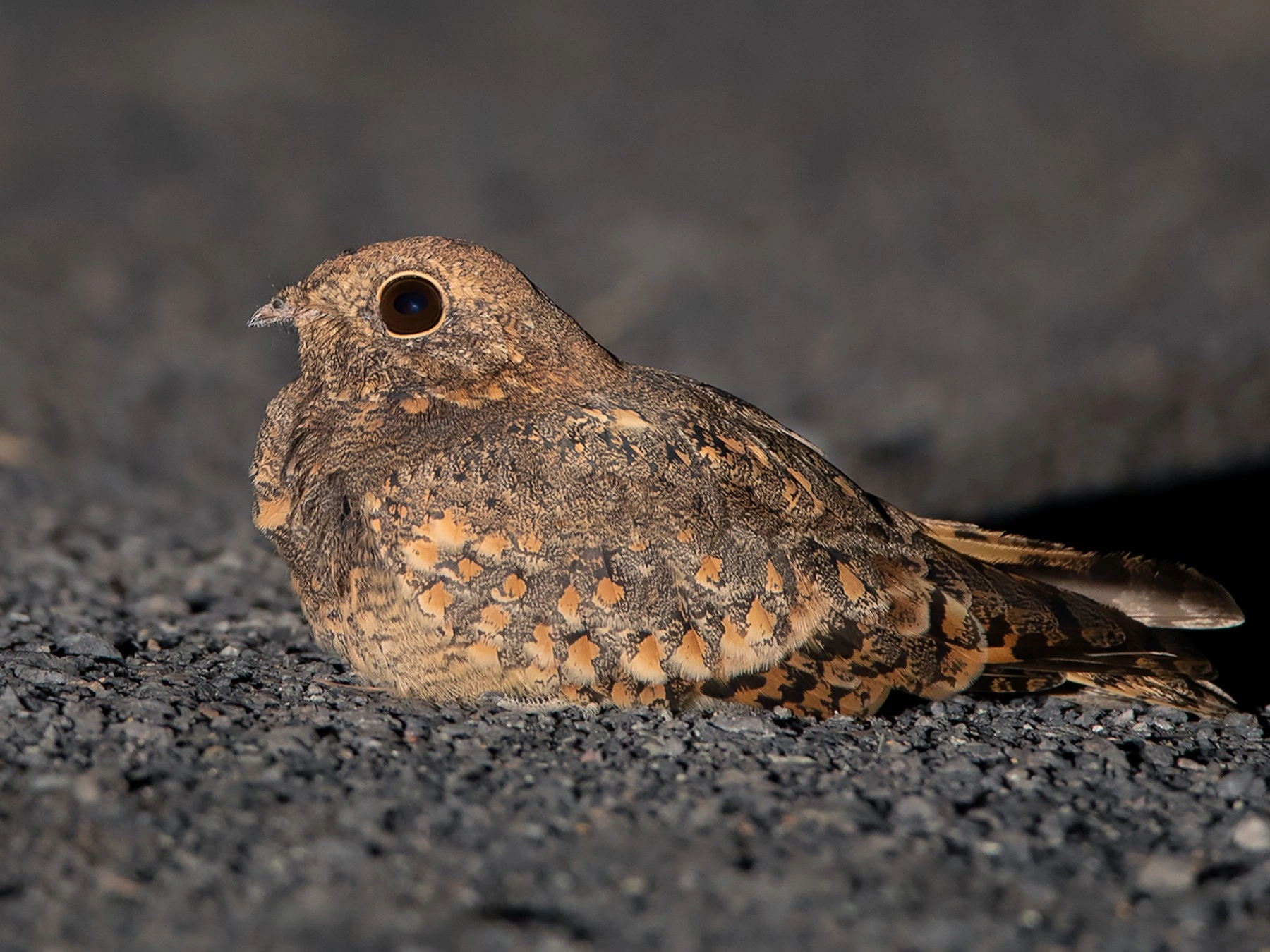
Savanna Nightjar
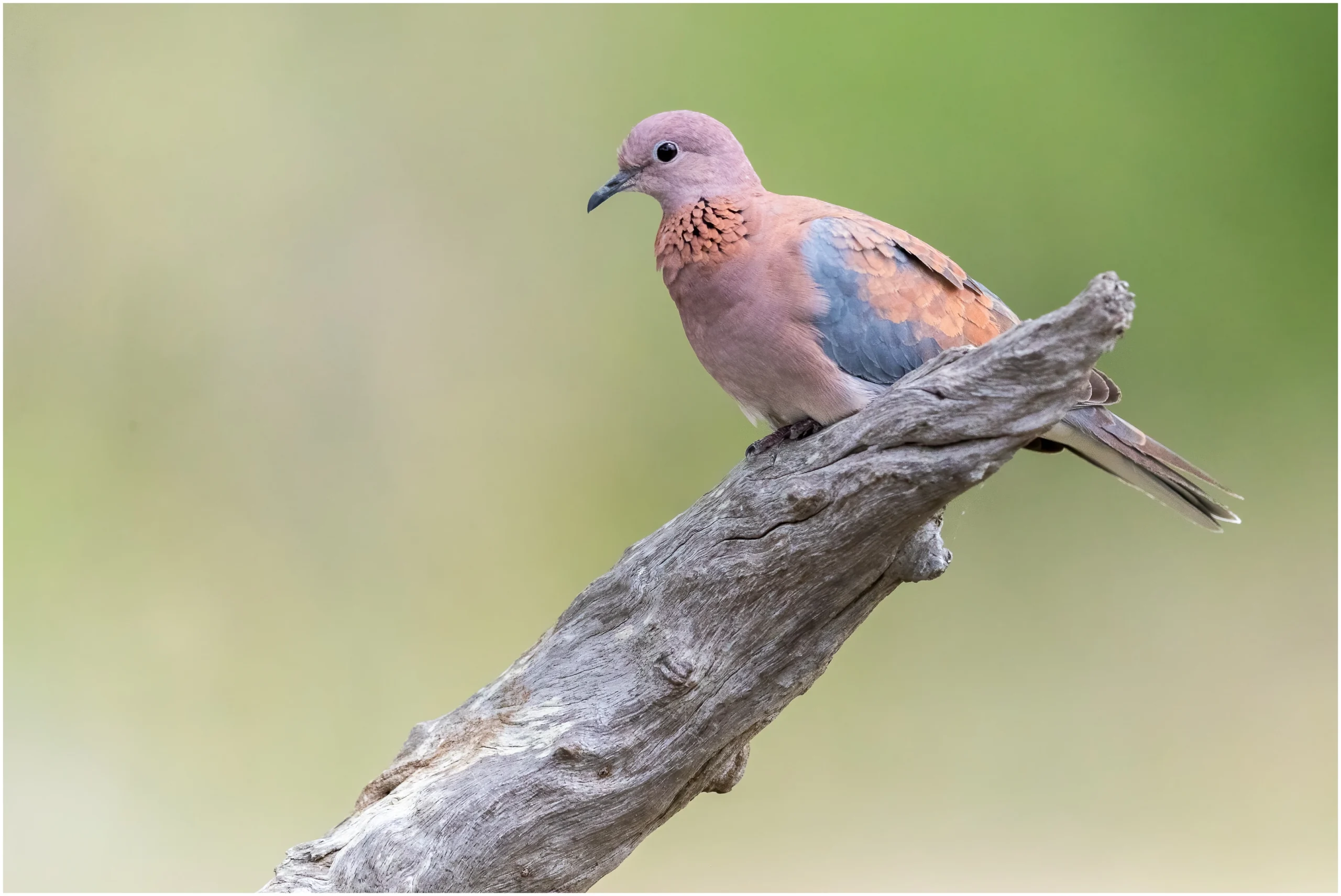
Laughing Dove
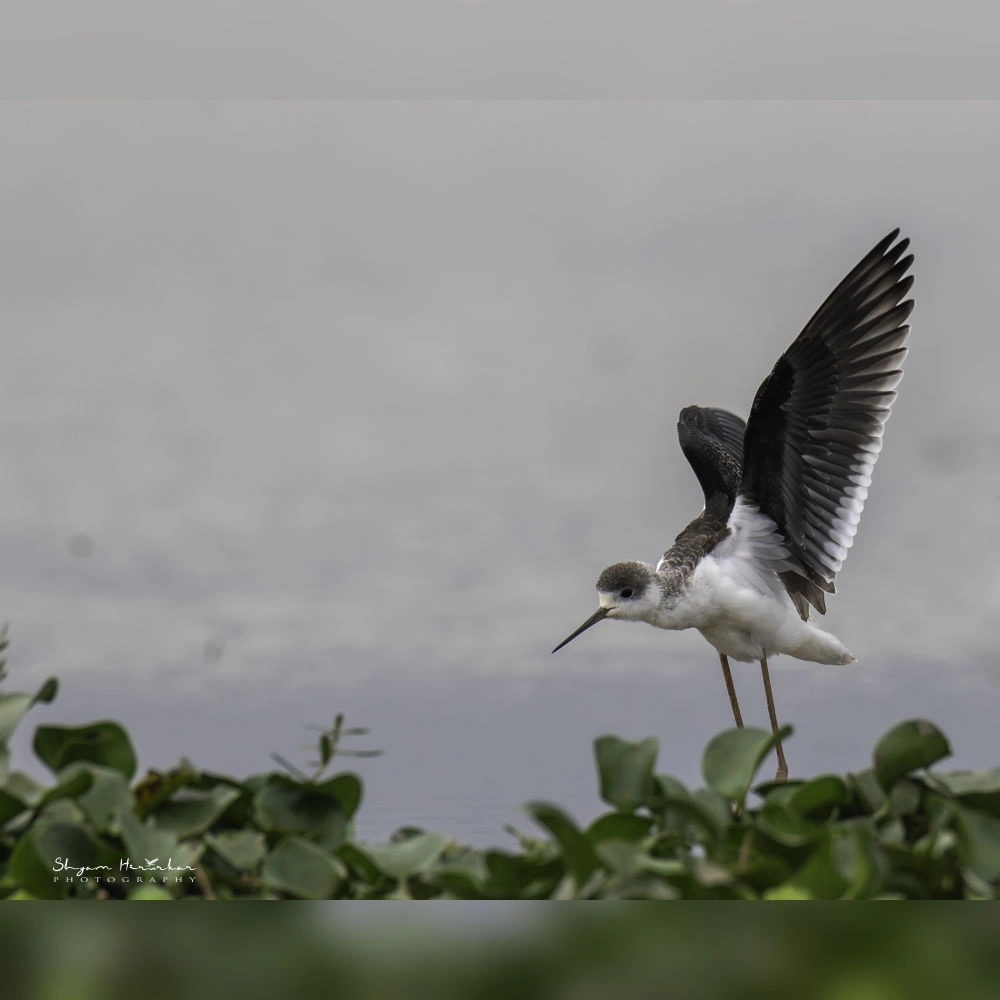
Black-winged Stilt
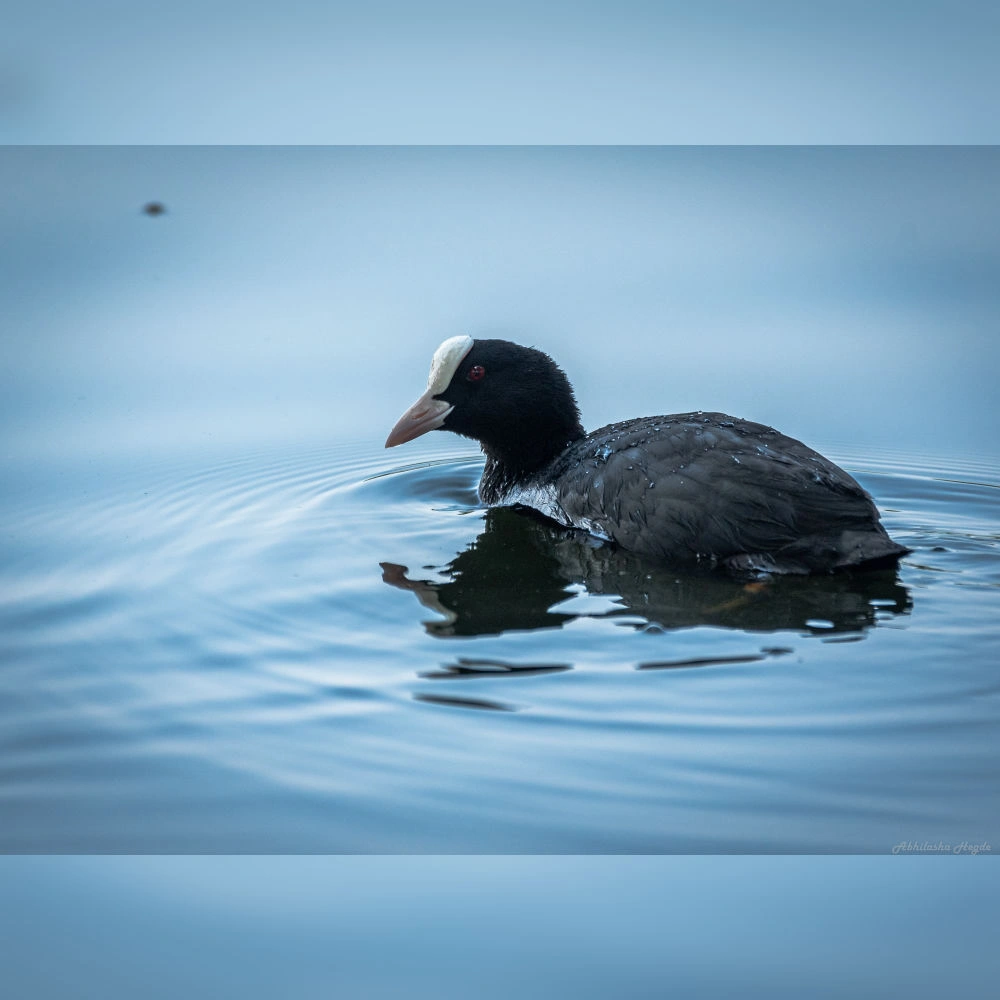
Eurasian Coot
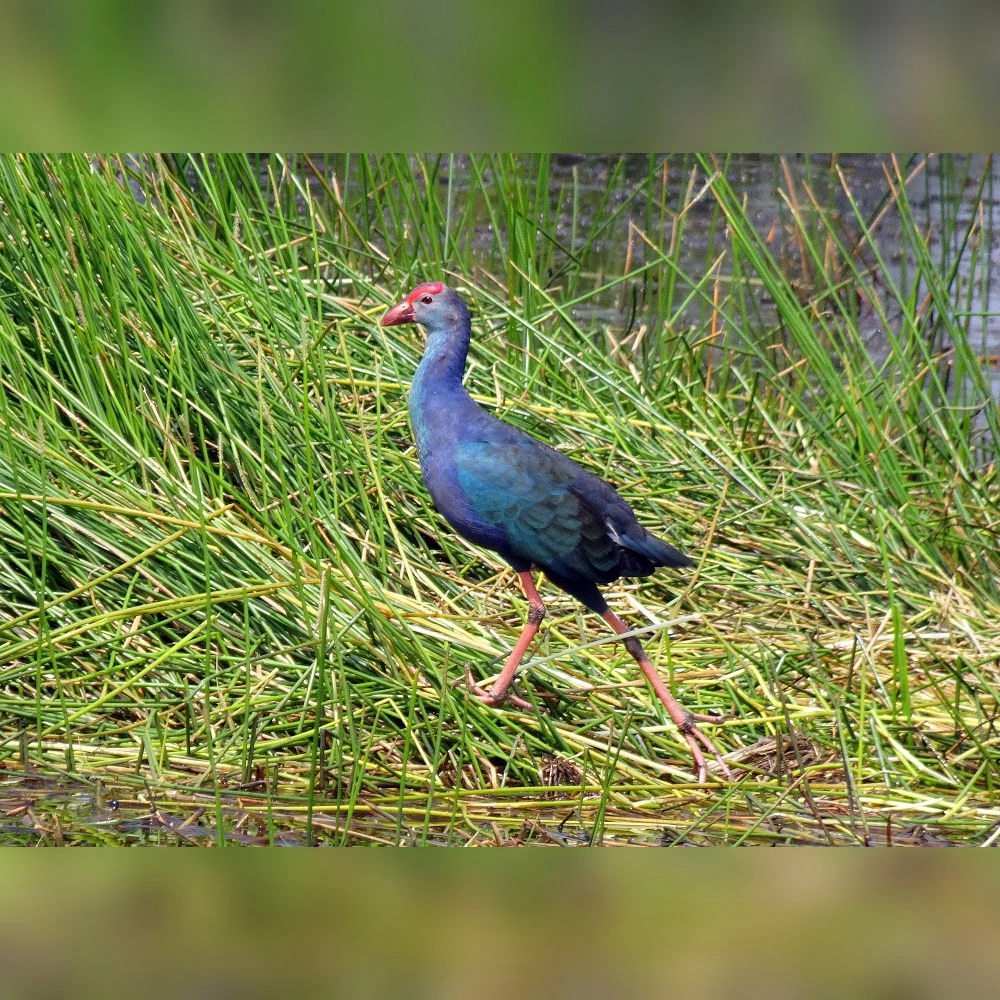
Grey-headed Swamphen
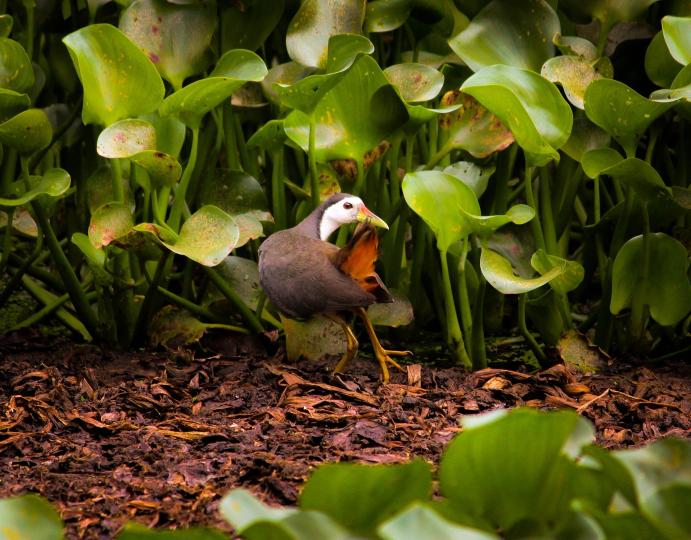
White-breasted Waterhen
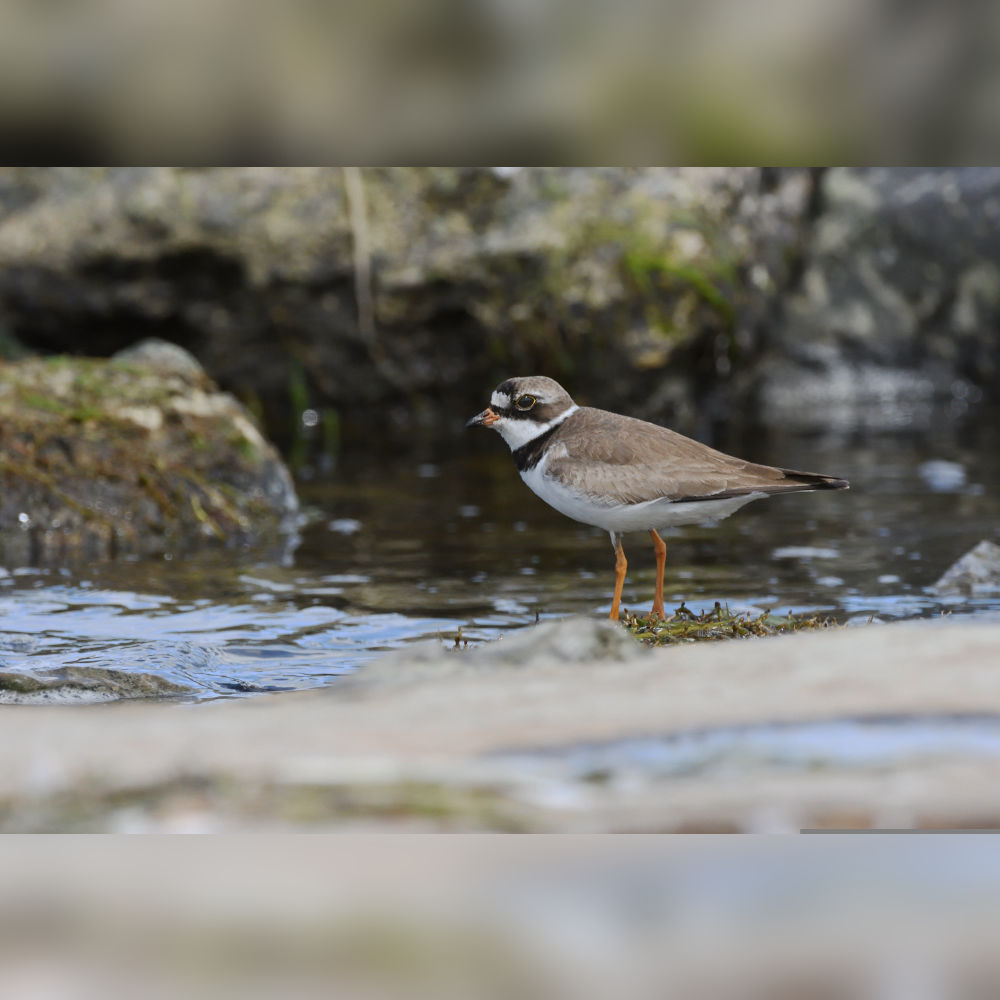
Little Ringed Plover
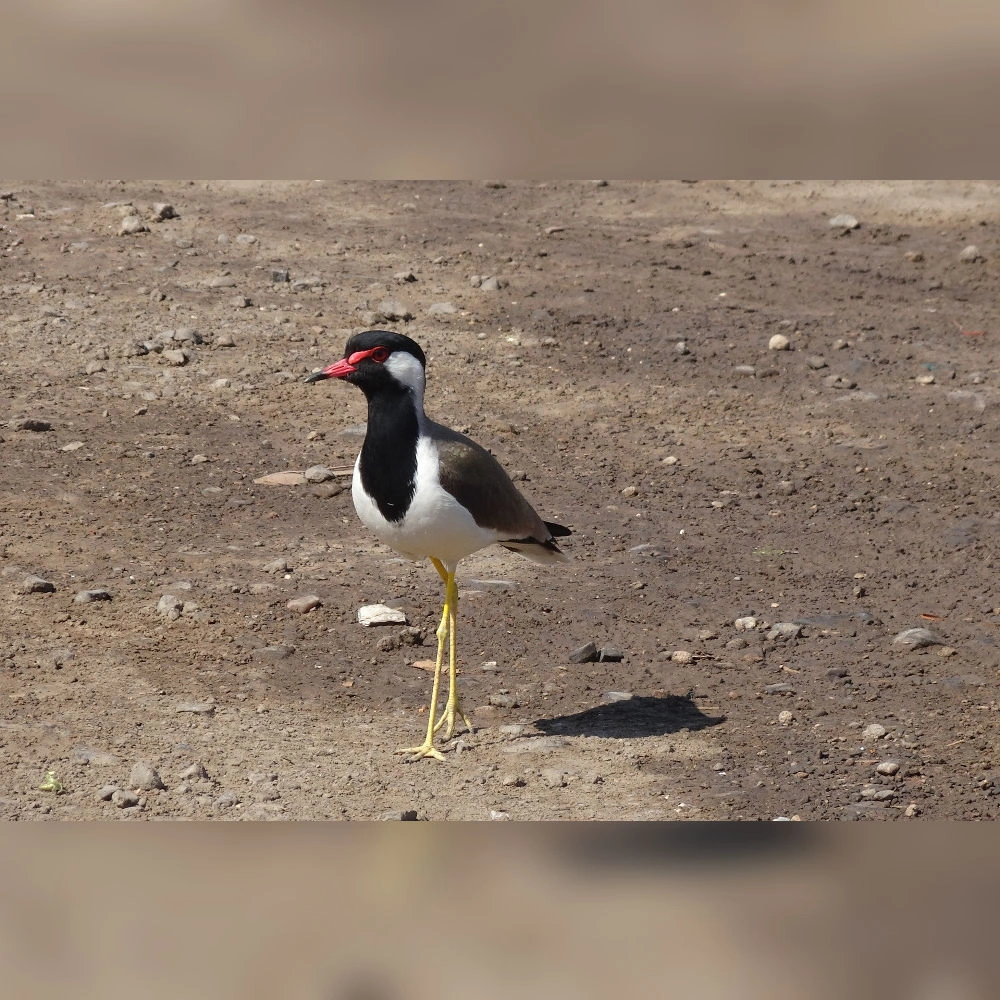
Red-wattled Lapwing
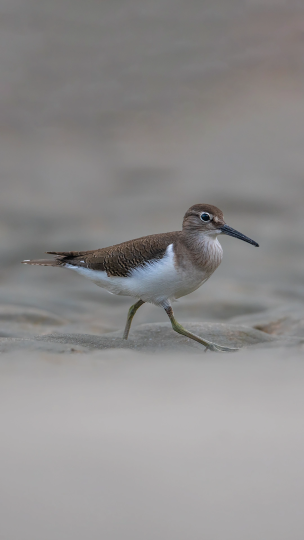
Common Sandpiper
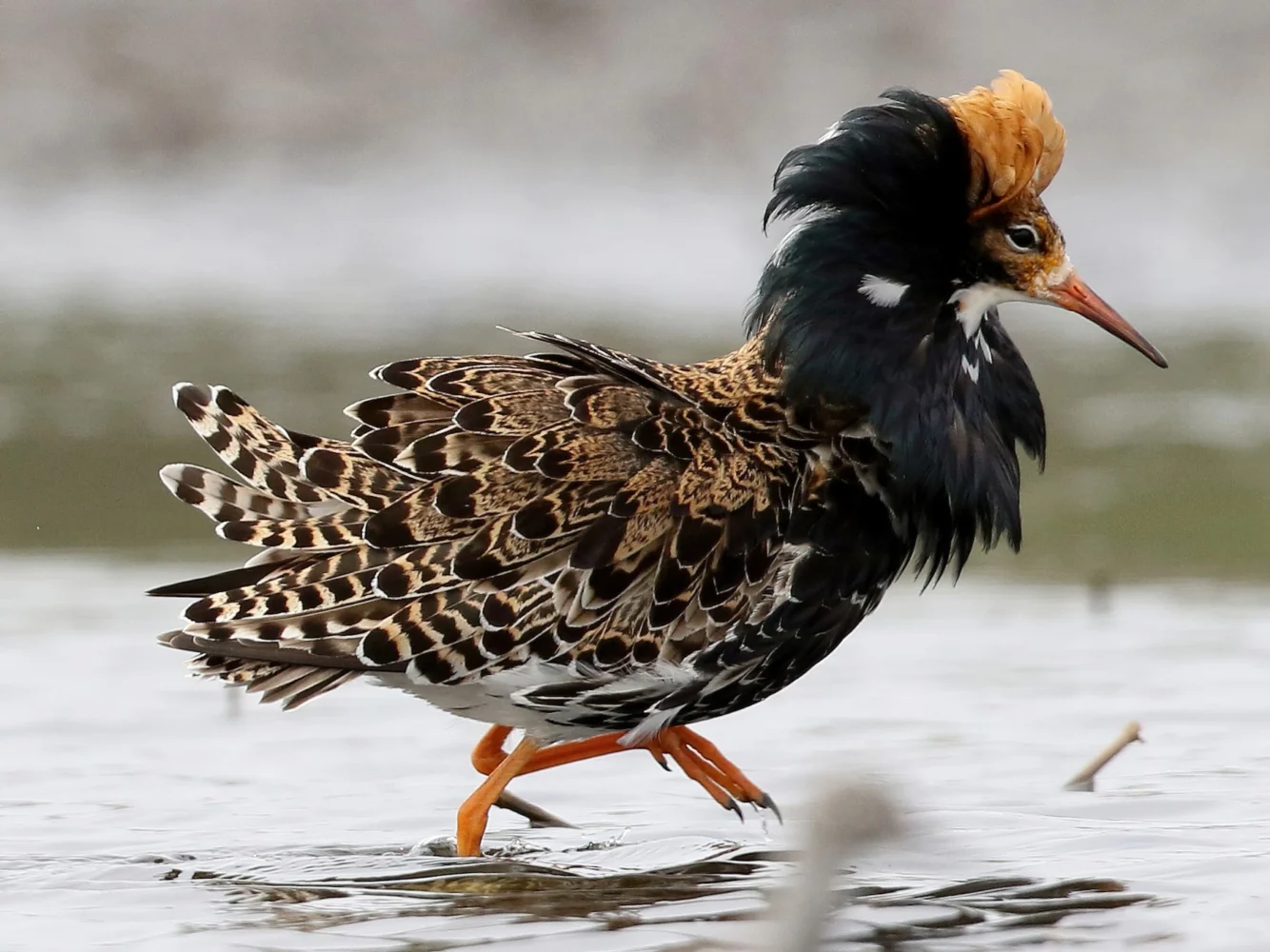
Ruff
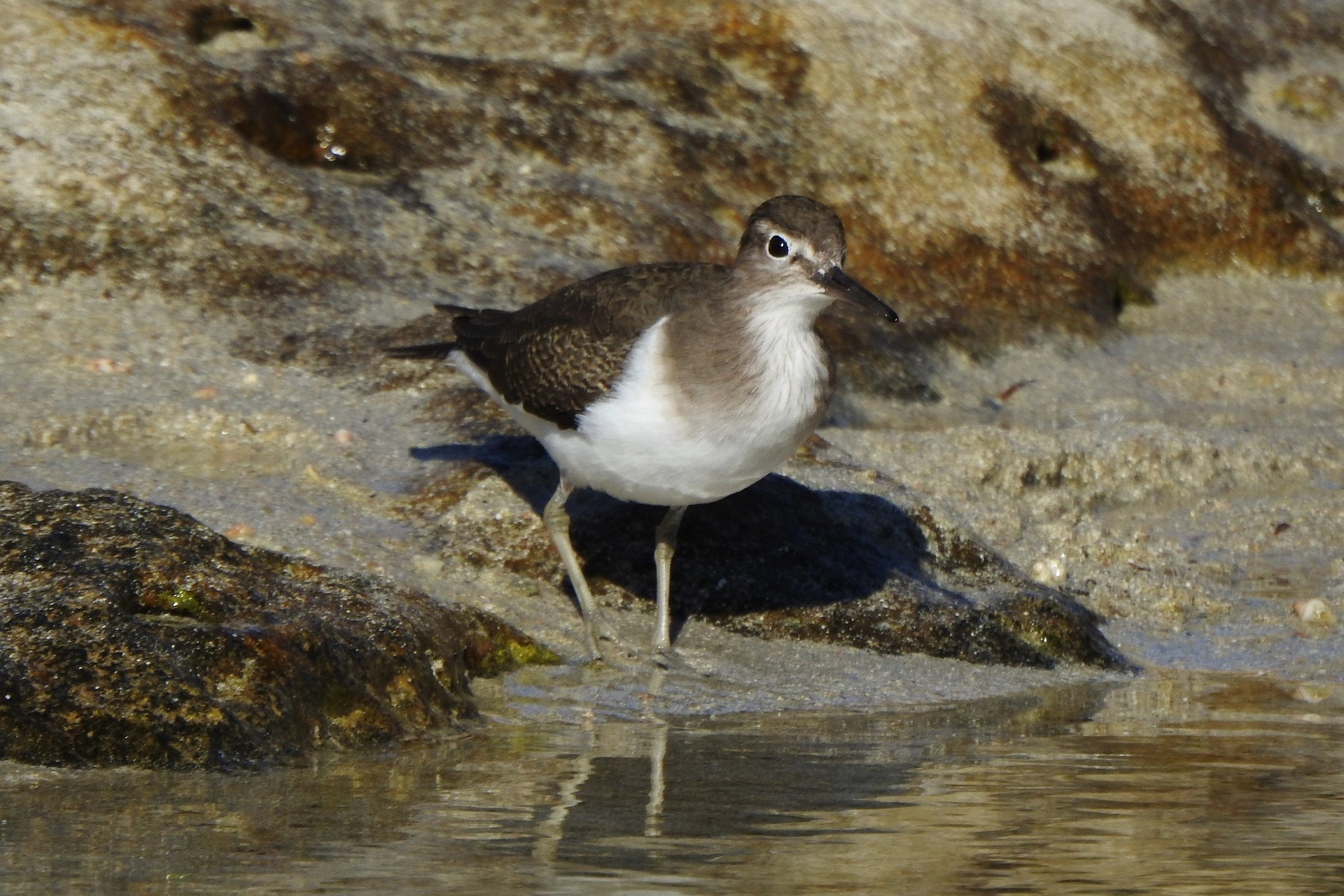
Little Stint

Summary of Walk

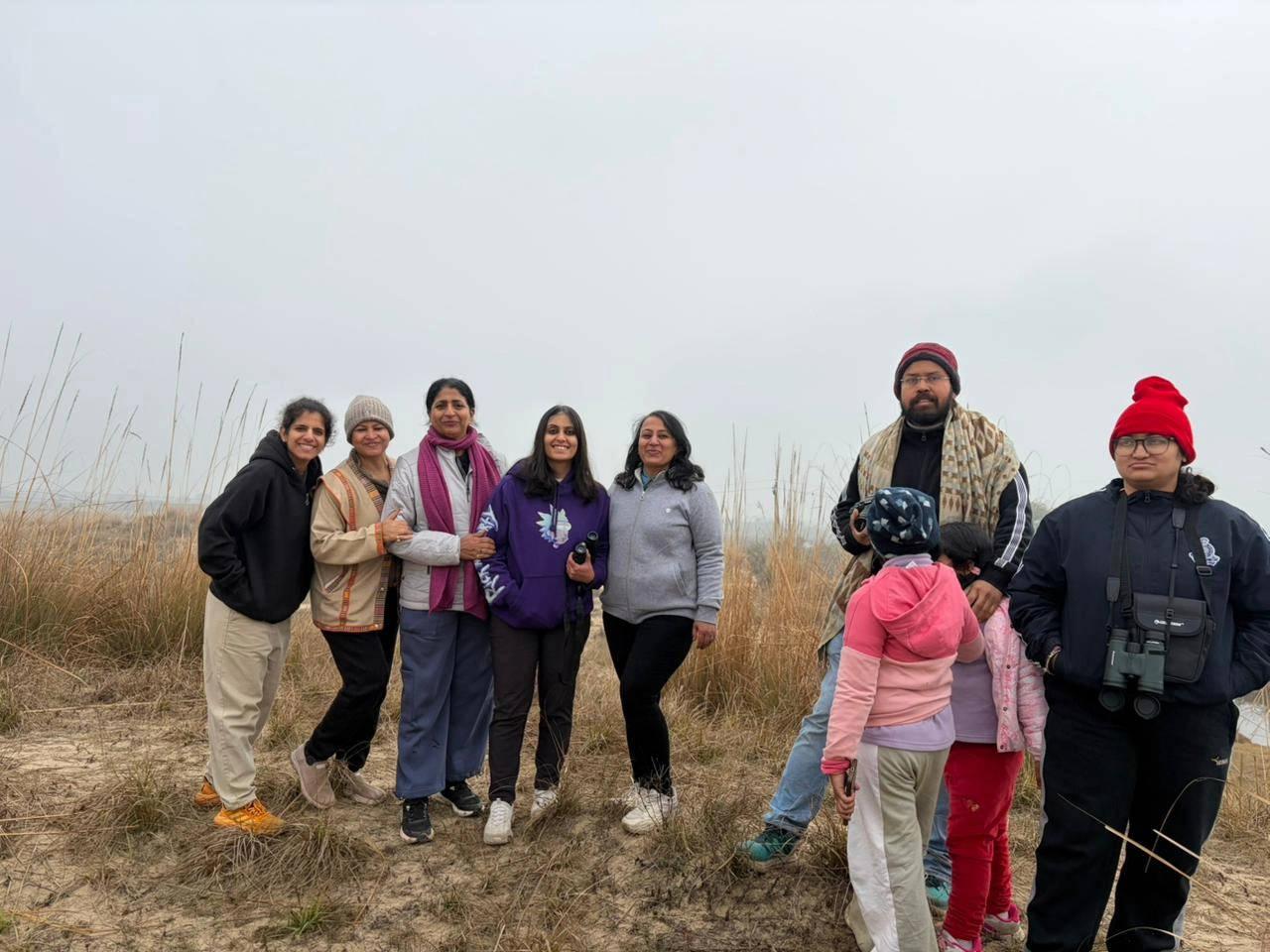
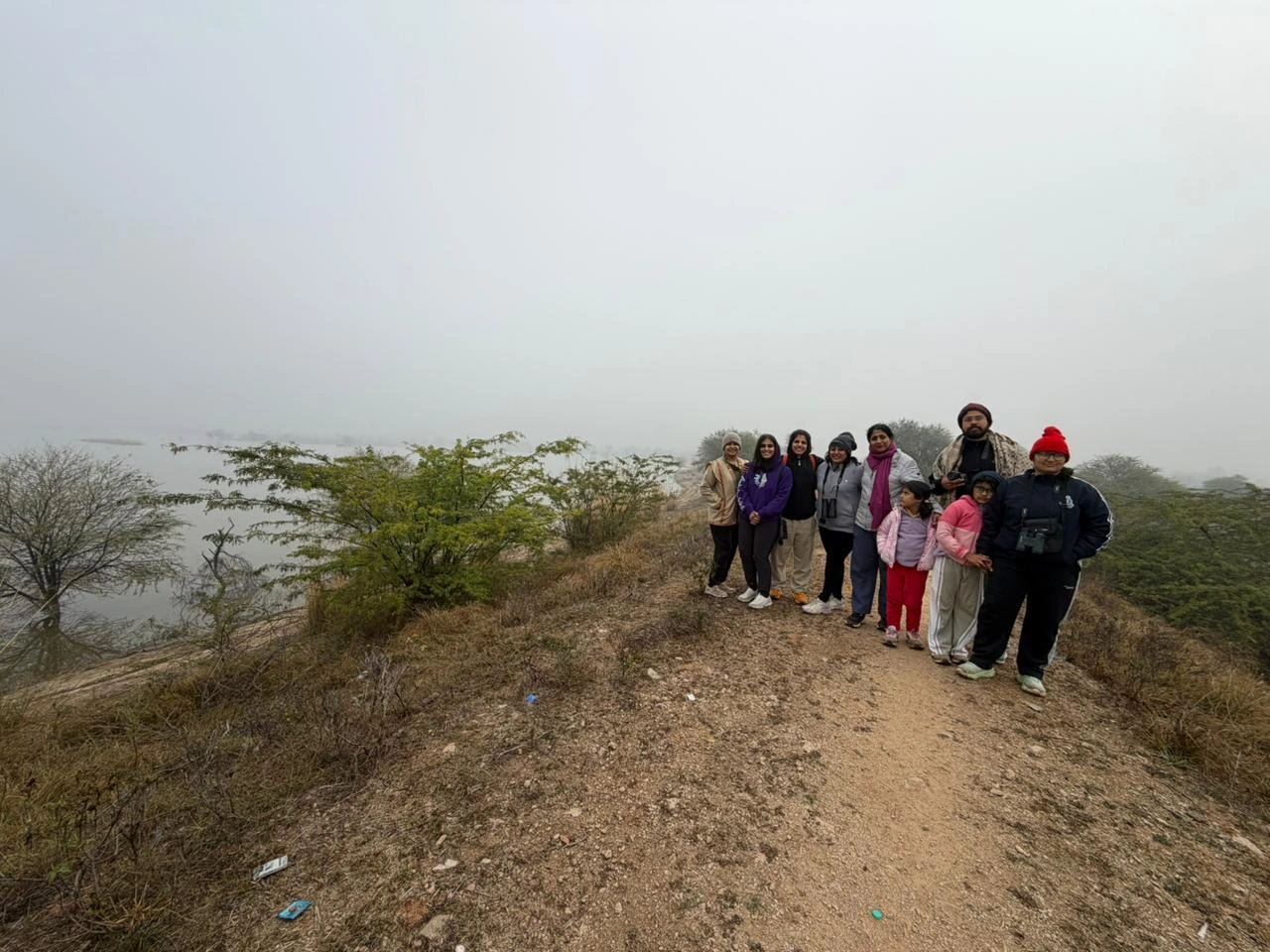
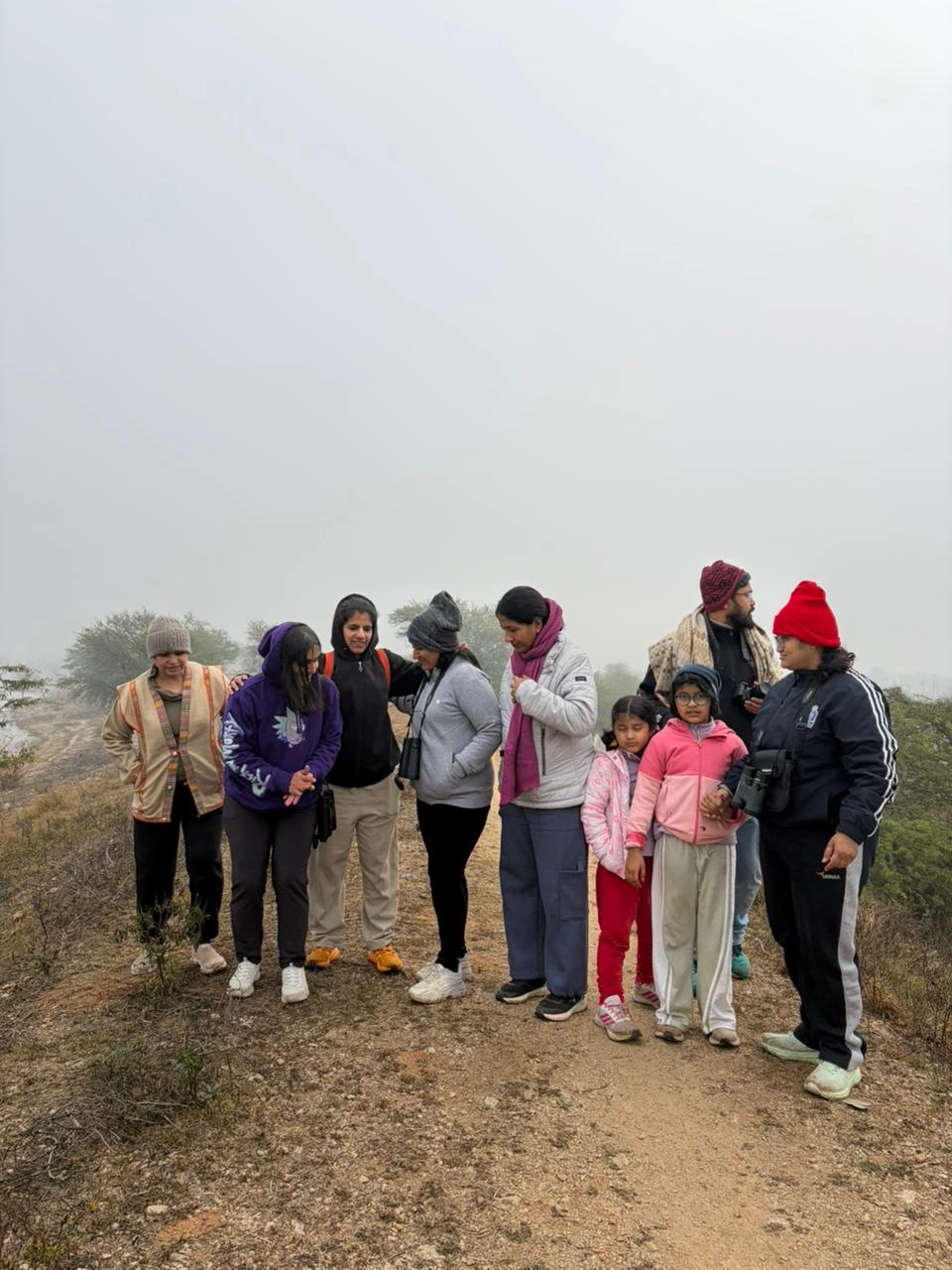
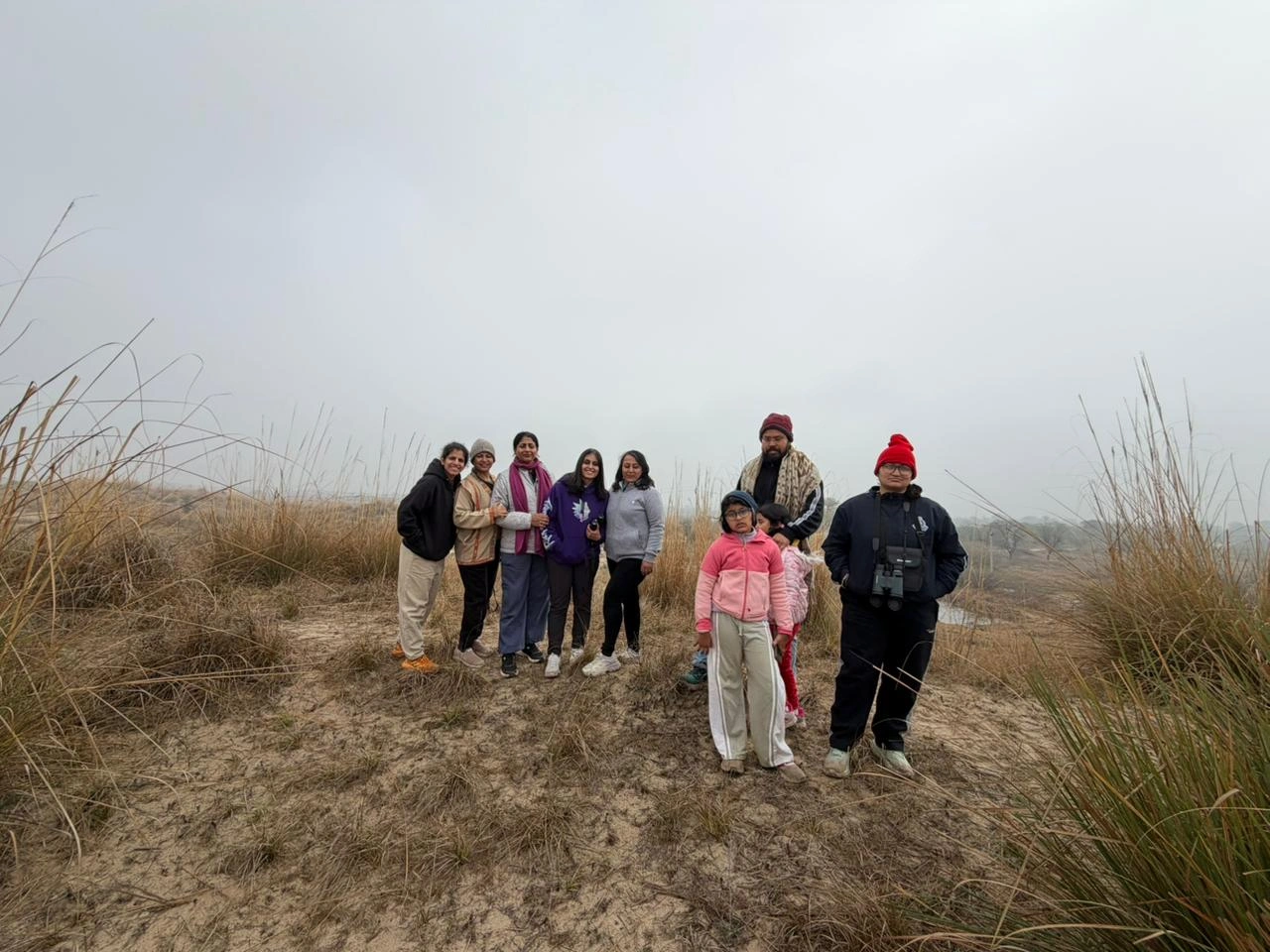
The bird walk at the Hingonia Dam catchment area, led by Arun Nair, brought together 12 enthusiastic participants for an enriching experience in nature. The walk offered a wonderful opportunity to observe a diverse range of bird species across different habitats, including waders along the water’s edge, lively wagtails, ducks gliding across the reservoir, as well as shrikes, babblers, kites, and the striking red-breasted flycatcher. As the group moved through the landscape, participants learned to identify birds by their calls, movements, and behaviors, gaining deeper insights into the rich biodiversity of the catchment area. In total, the group recorded 103 bird species in 2hrs 20min from 3 different habitat types in a 5.8km walk.

For both adults and children, the walk proved to be truly memorable and inspiring. The excitement of spotting new species, exchanging observations, and learning directly in the field created a joyful and educational atmosphere. Children were especially engaged, developing curiosity and appreciation for birds and wildlife, while adults found the experience refreshing and meaningful. By the end of the walk, everyone left with lasting memories, a stronger connection to nature, and a renewed appreciation for the importance of conserving such vibrant natural ecosystems.
Number of Participants
0
Scroll to Top