

Loading Events

Bird Walk at Dhaulpur, Rajasthan

About Dhaulpur, Rajasthan

Dhaulpur, located in eastern Rajasthan along the Chambal River basin, is a landscape where rugged ravines, riverine wetlands and open scrub come together to create a biologically rich and visually striking region. Covering a mix of semi-arid plains, badlands (beehad), seasonal wetlands, agricultural fields and river edges, the area supports dry deciduous and thorny vegetation dominated by babul, khejri, grasses and riparian plants along watercourses. This habitat mosaic sustains a wide range of wildlife, including reptiles, small mammals and an impressive diversity of birds. Dhaulpur is especially well known among birders for its proximity to the Chambal river system, one of northern India’s most important refuges for riverine species, and for wetlands that attract waterbirds during the winter months.

For birdwatchers, Dhaulpur offers rewarding encounters with both resident and migratory species, from waterbirds and waders along rivers and ponds to raptors soaring over ravines and grasslands. Species associated with wetlands, open country and scrubland thrive here, making it a dynamic birding destination throughout the year. However, the region also faces significant conservation challenges, including habitat degradation from sand mining, river modification, agricultural expansion and increasing human disturbance. Protecting riverine habitats, ravines and seasonal wetlands through sustainable land use, regulated extraction and community awareness is essential to maintain Dhaulpur’s ecological balance. Preserving these landscapes not only safeguards wildlife but also highlights the importance of lesser-known ecosystems in Rajasthan’s natural heritage.

Bird Guide: Divya Vaswani

She is an avid birdwatcher with over three years of active field experience, regularly leading birding excursions and contributing to bird surveys for forest departments. Closely associated with the Rajasthan Forest Department, she has worked extensively in the Chambal–Dholpur region, monitoring avifauna across riverine, ravine and forest habitats, and is passionate about conservation, ethical birding and sharing ecological knowledge with visitors.
Bird walk Location

Common birds of Dhaulpur

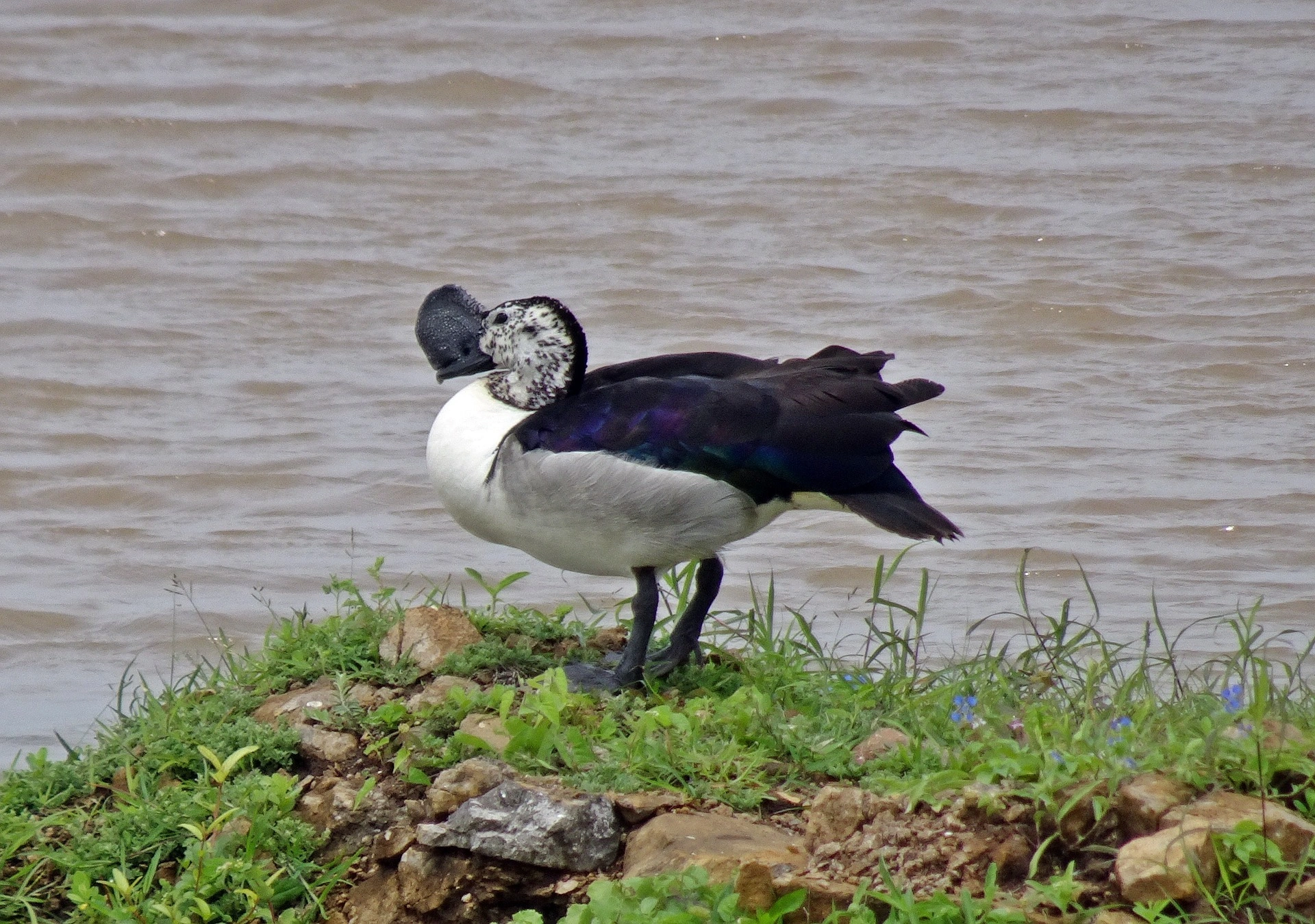
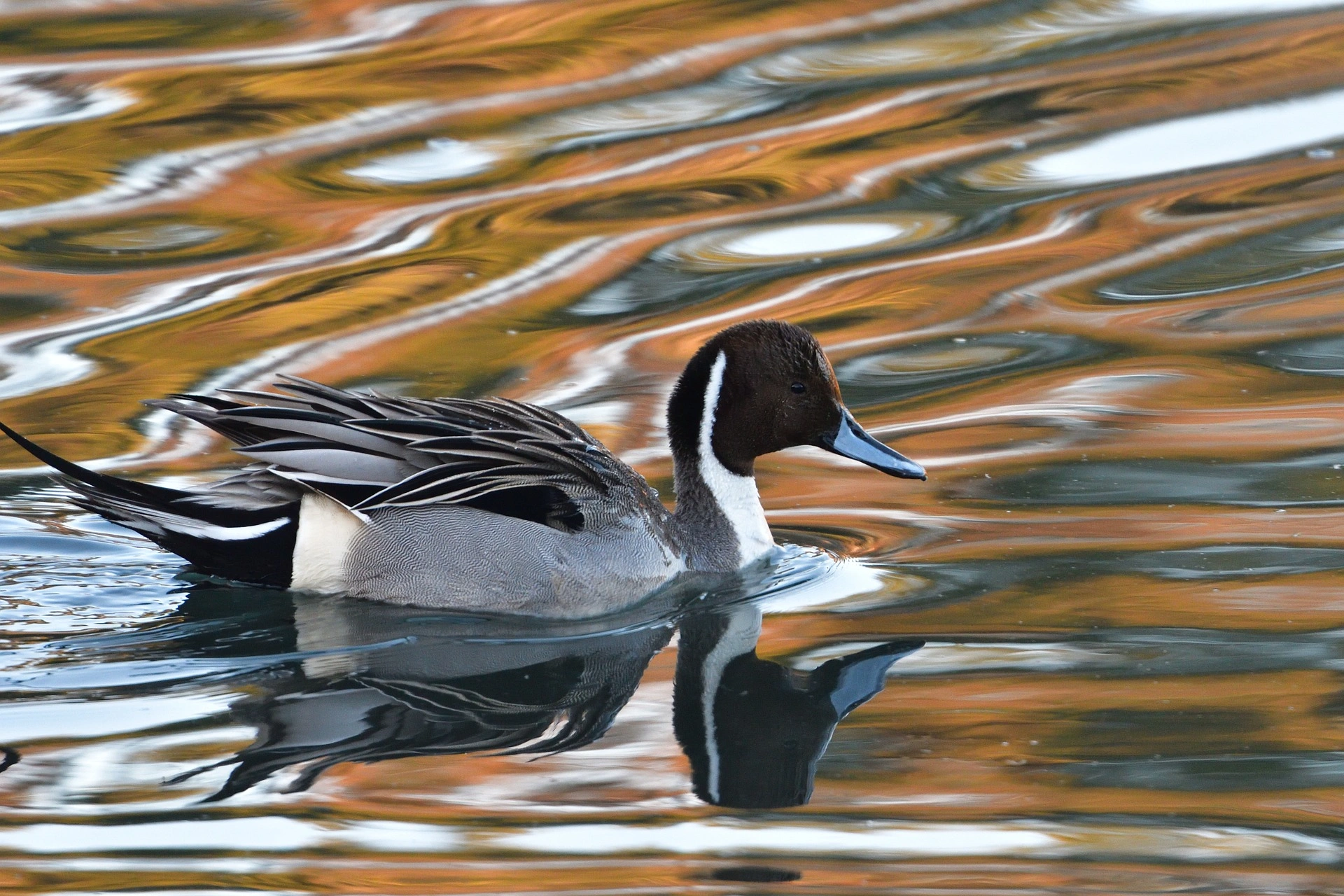
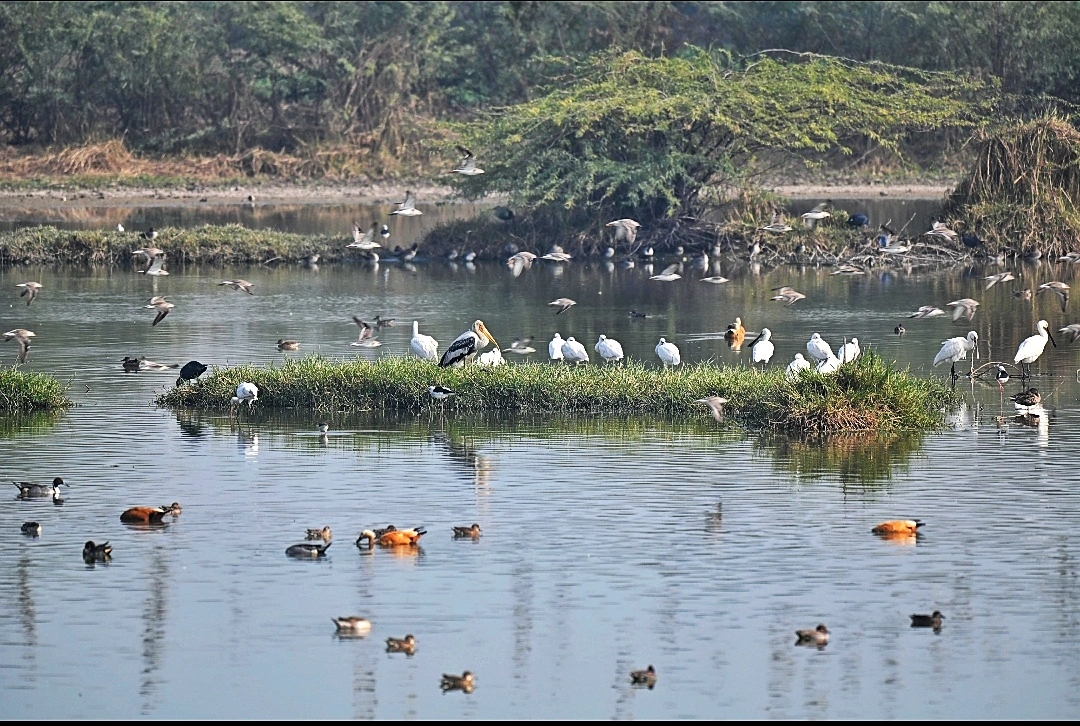
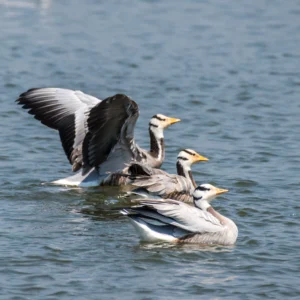
Dhaulpur’s wetlands and riverine landscapes host a rich mix of waterbirds and open-country species, contributing to an impressive 293 bird species recorded from the region. In winter, lakes and floodplains come alive with migratory ducks and geese such as the iconic Bar-headed Goose, Ruddy Shelduck, Knob-billed Duck, Northern Shoveler, Gadwall, Northern Pintail, Green-winged Teal and Indian Spot-billed Duck. Marshy edges and open water support birds like the Eurasian Coot, Gray-headed Swamphen and Little Grebe, while shallow wetlands and mudflats attract elegant waders including Black-winged Stilt, Pied Avocet, Ruff and Common Sandpiper. Surrounding villages and fields add familiar sights such as Rock Pigeon, Eurasian Collared-Dove and Laughing Dove, rounding out a birding experience that beautifully reflects Dhaulpur’s role as a vital stopover and winter refuge along the Chambal basin.
Bar-headed Goose
Knob-billed Duck
Northern Pintail
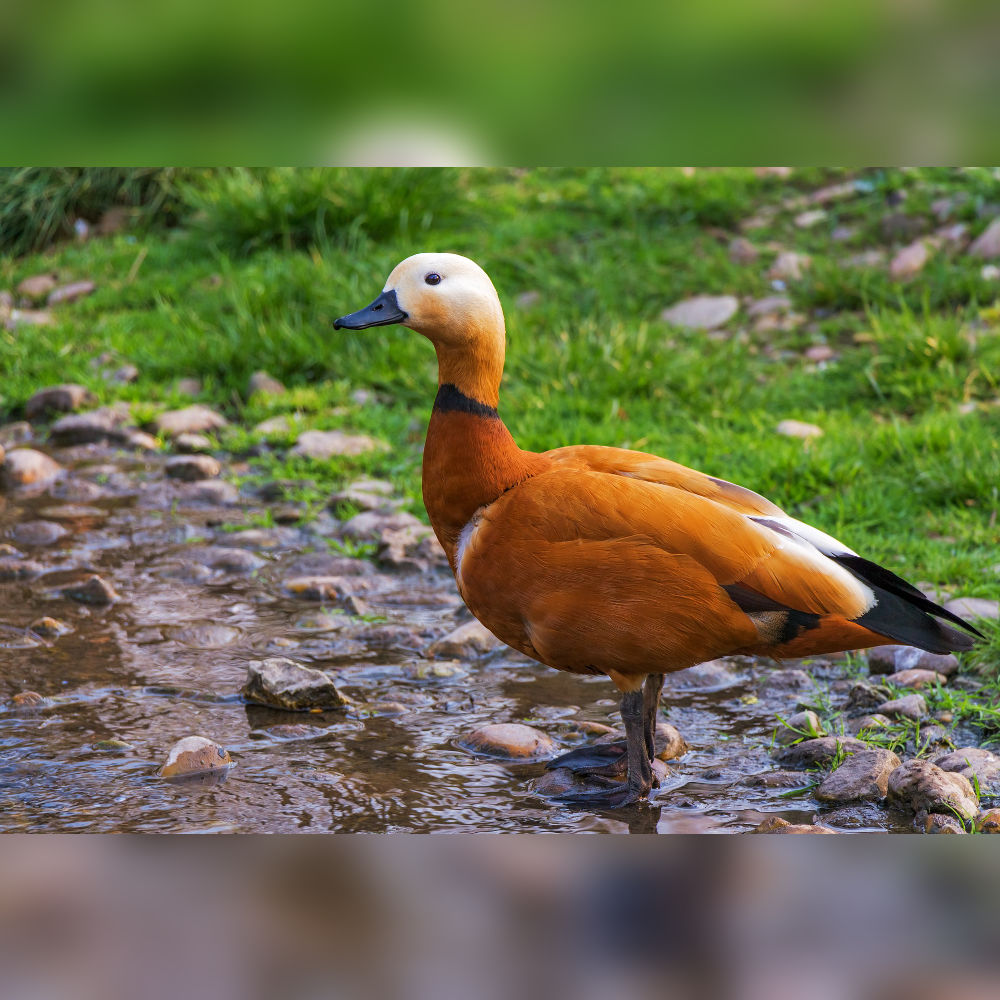
Ruddy Shelduck
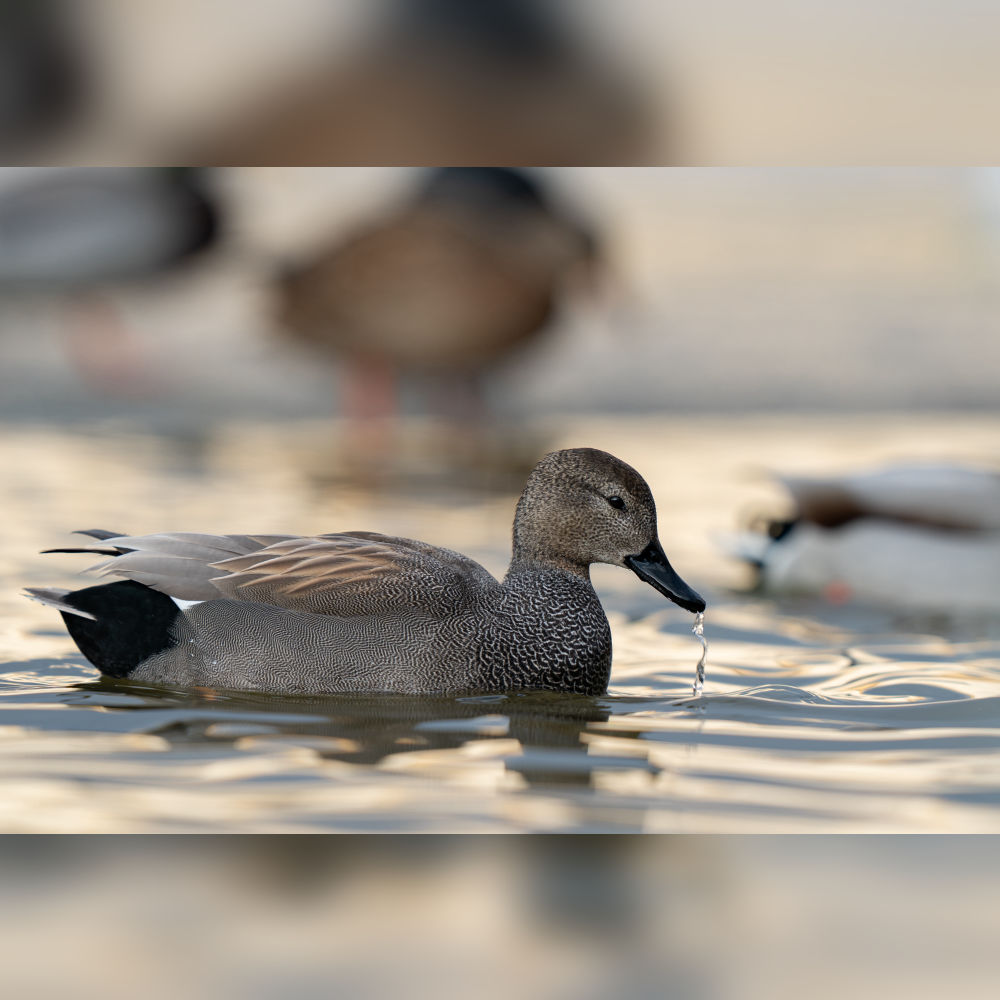
Gadwall
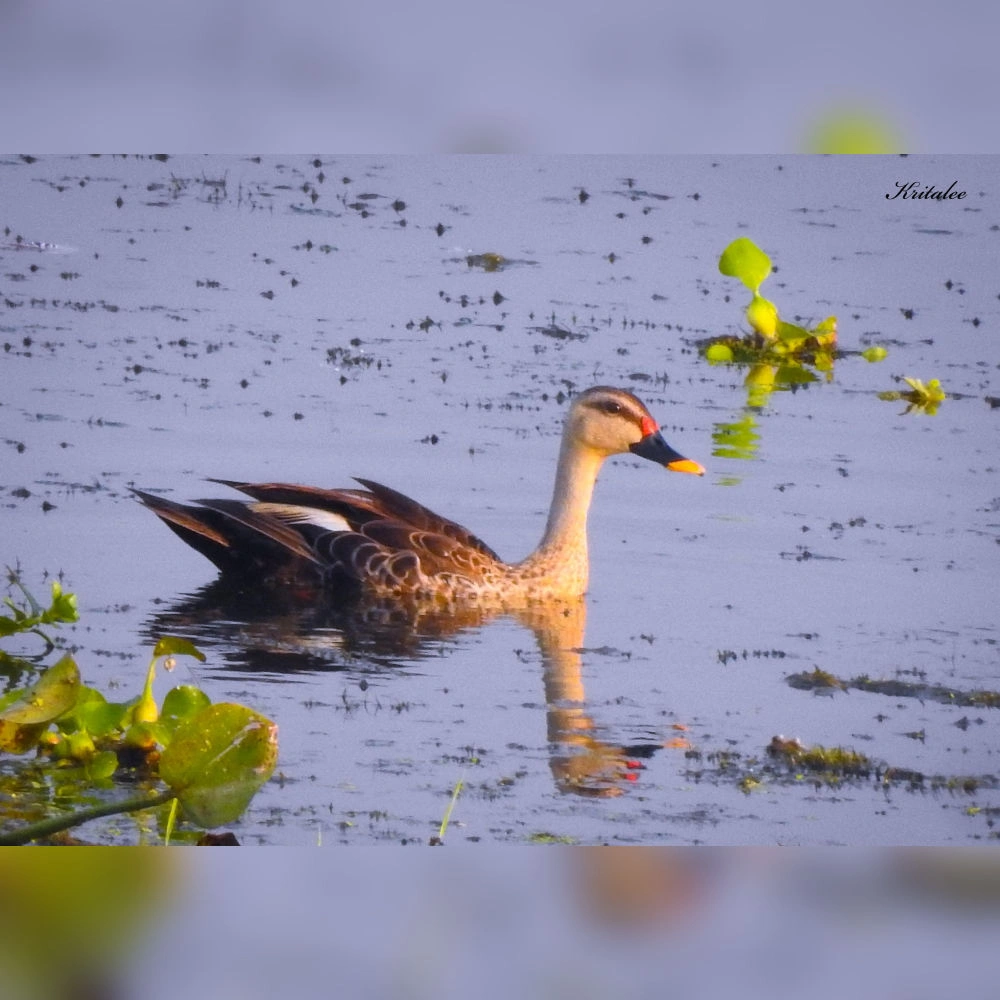
Indian Spot-billed Duck
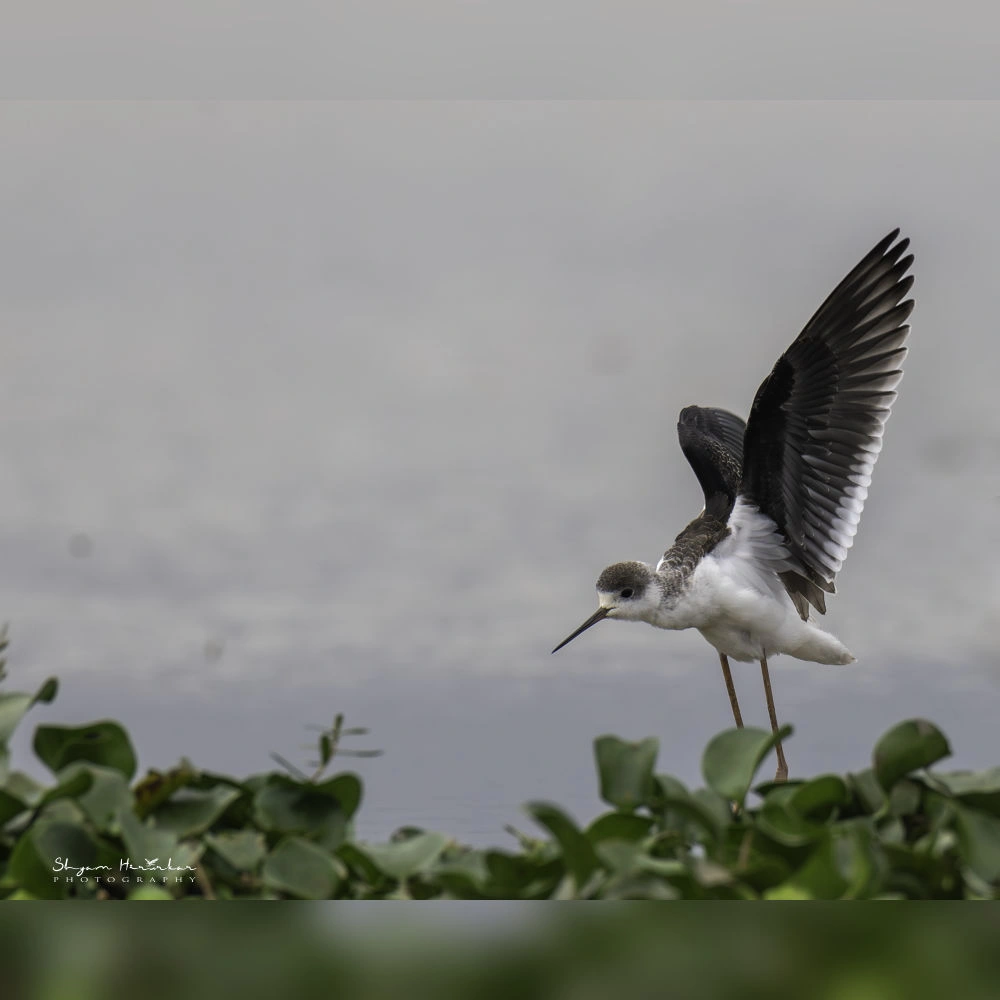
Black-winged Stilt
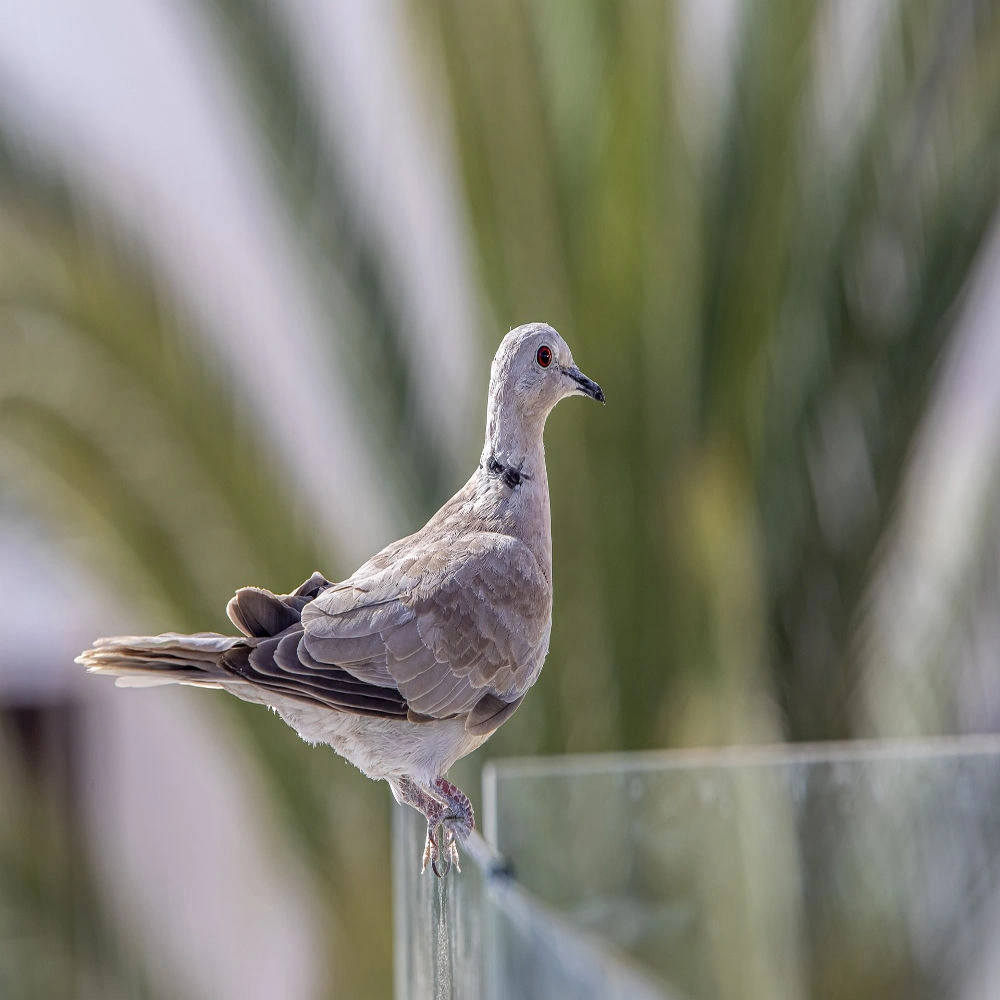
Eurasian-collared Dove
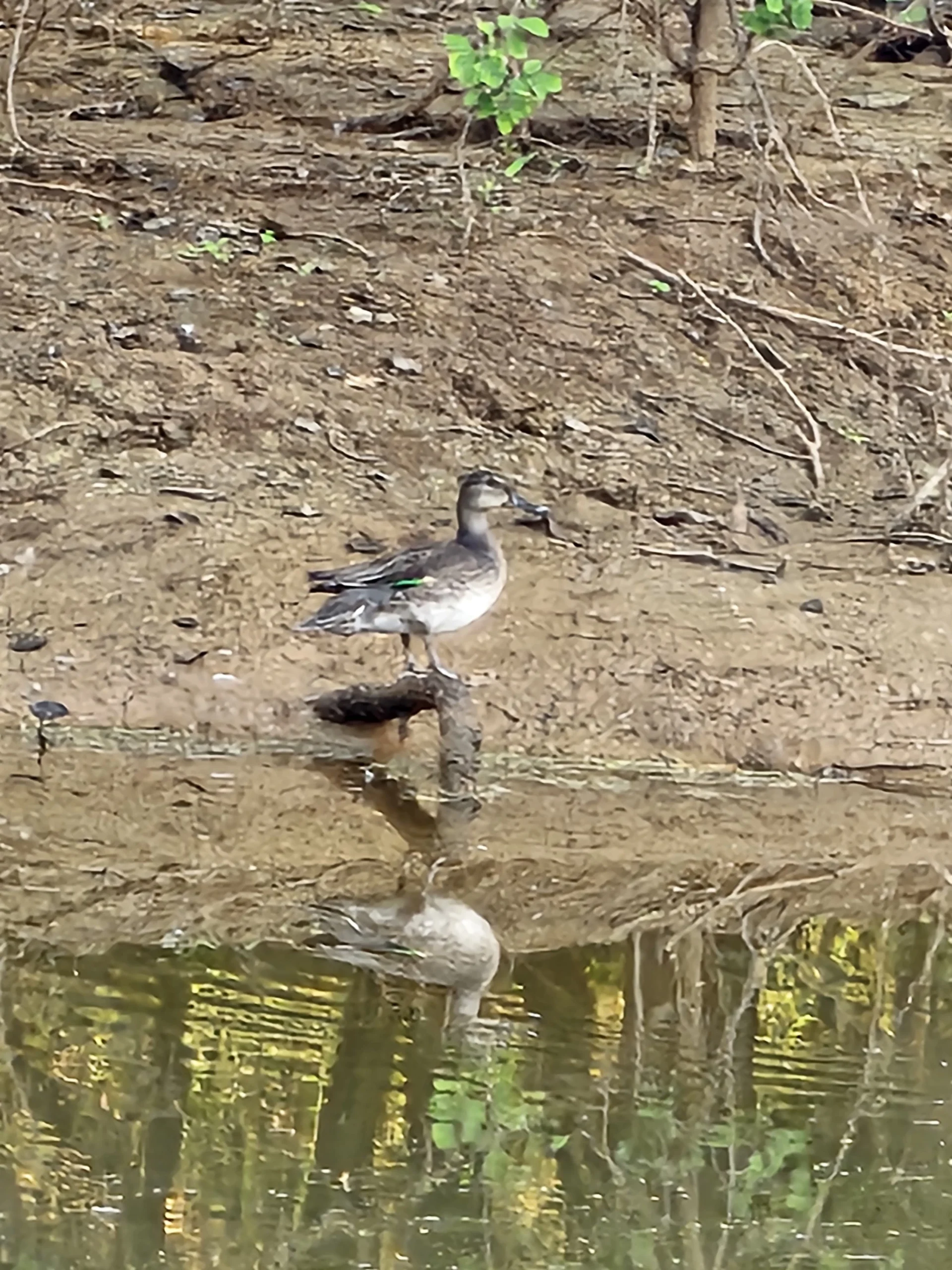
Green-winged Teal
Common Sandpiper
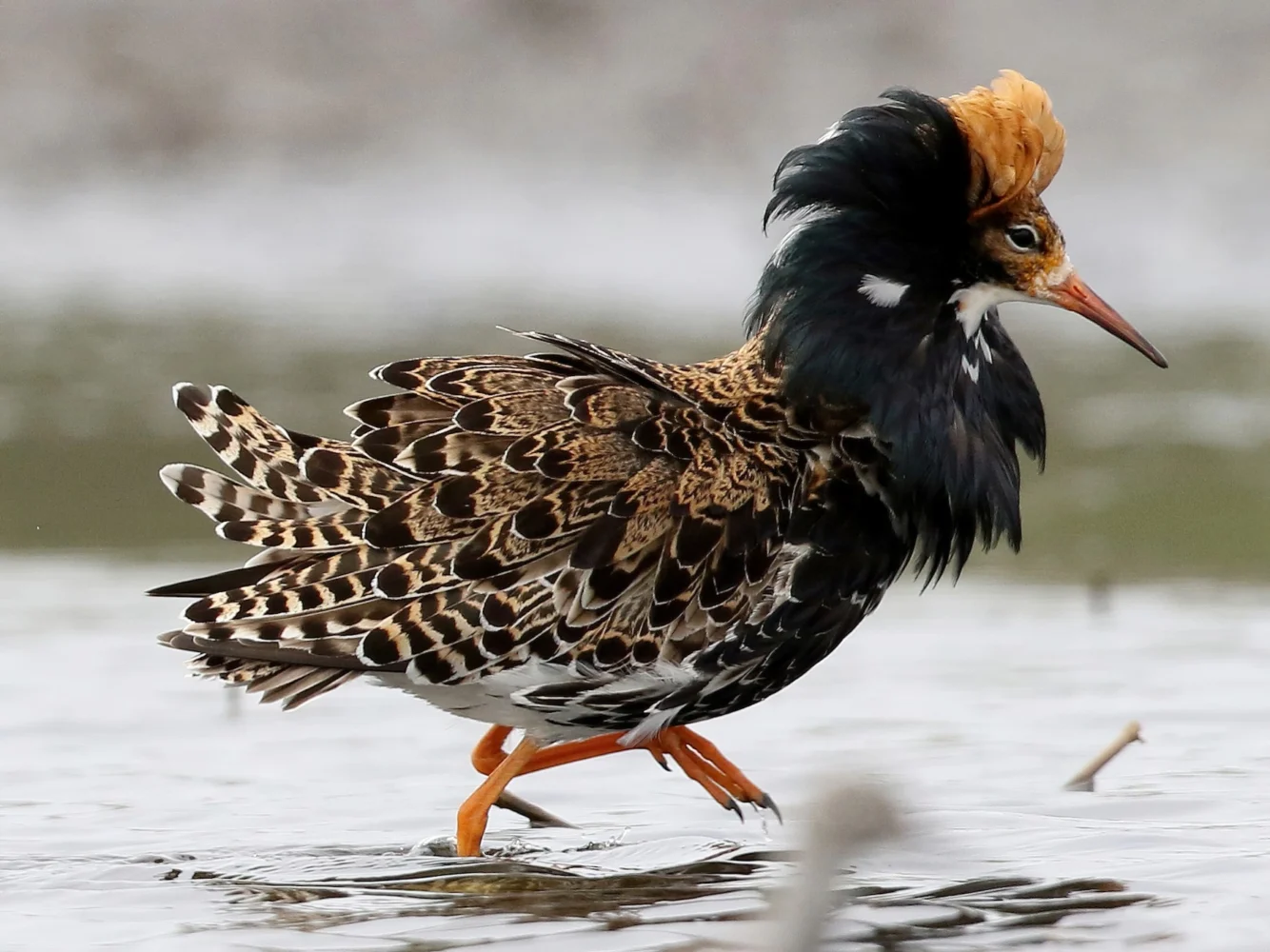
Ruff
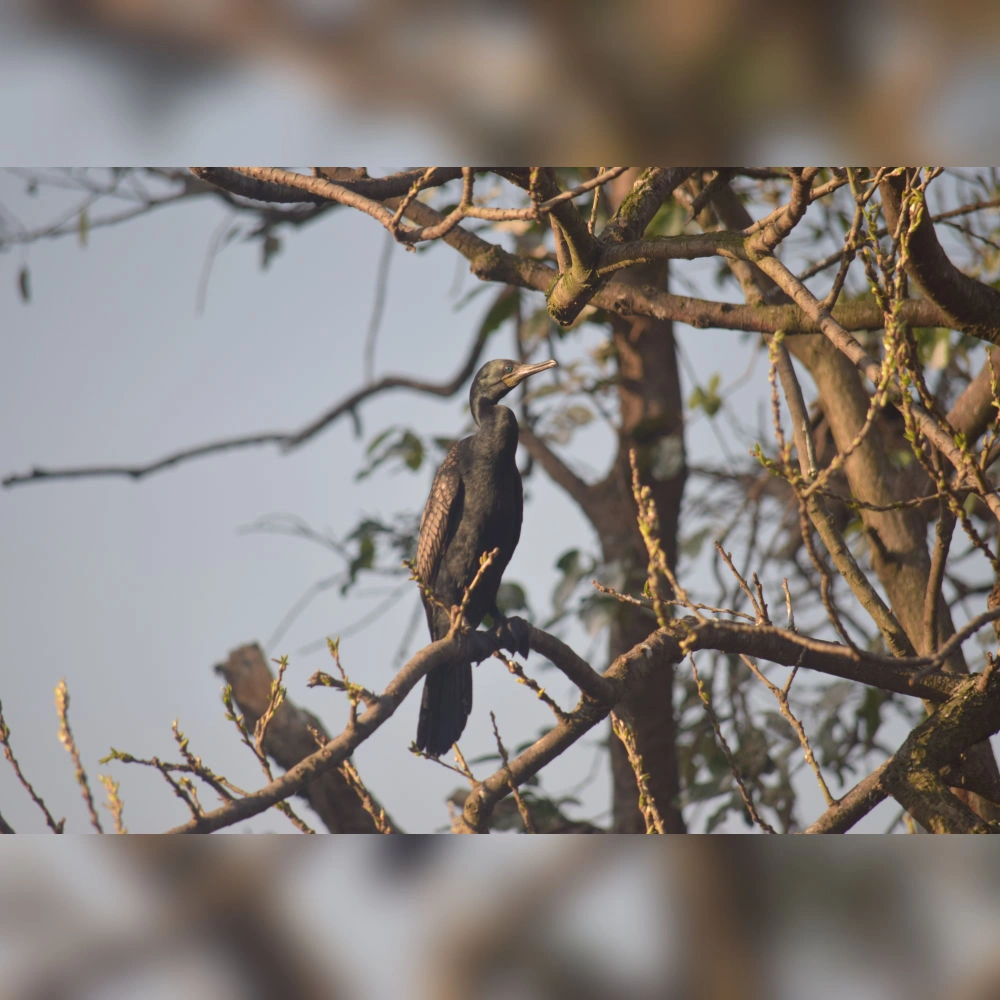
Indian Cormorant
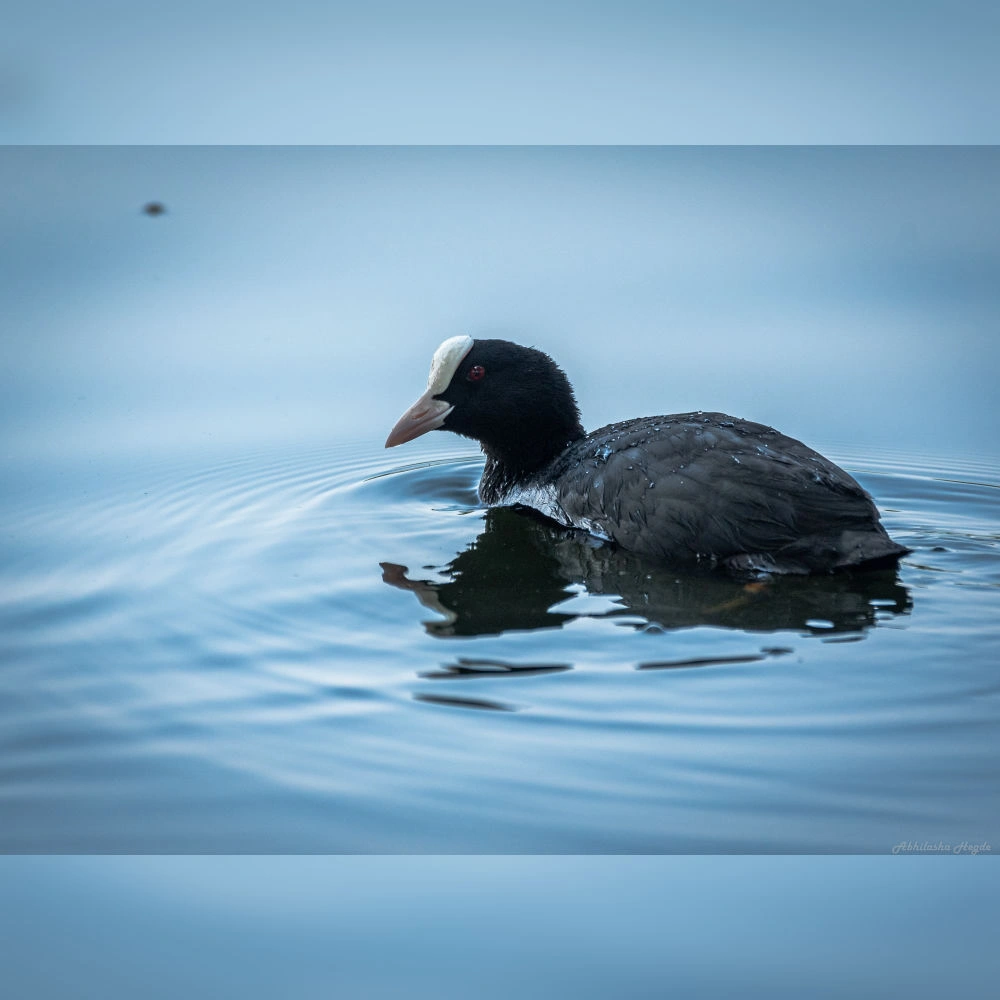
Eurasian Coot
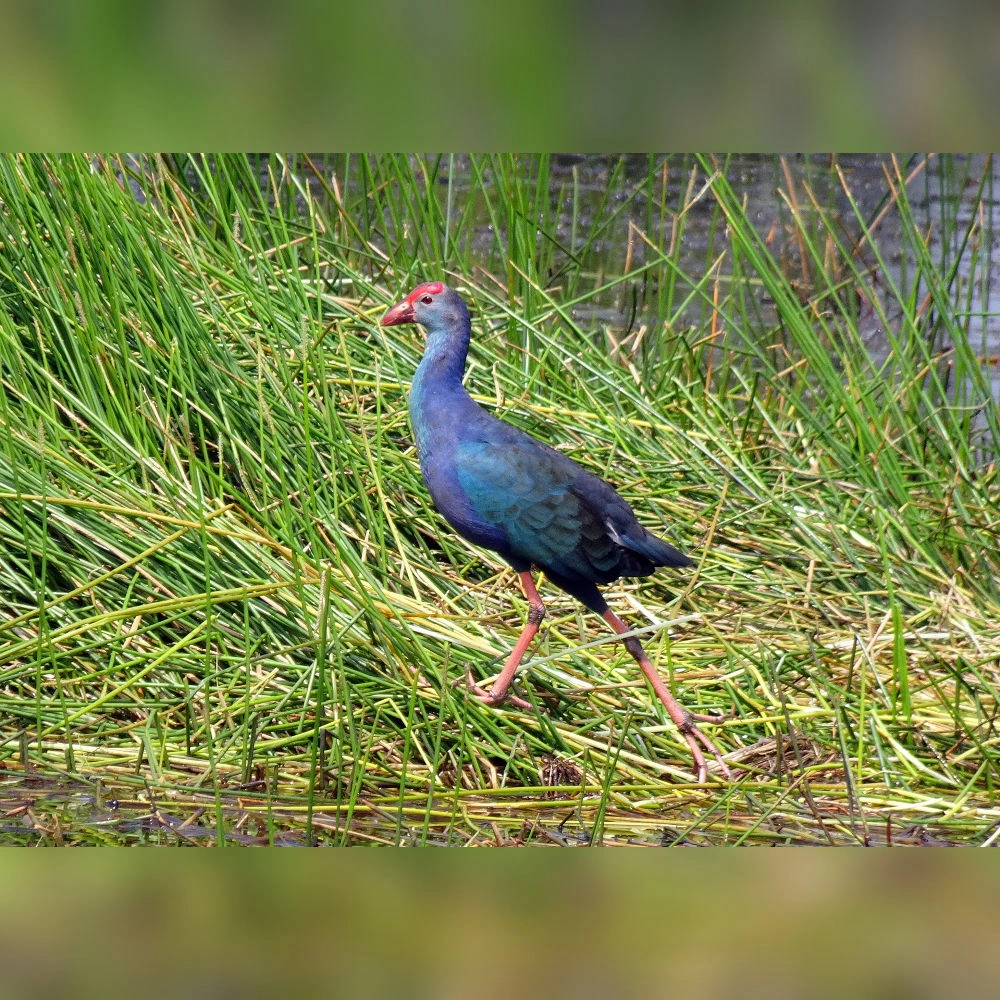
Grey-headed Swamphen
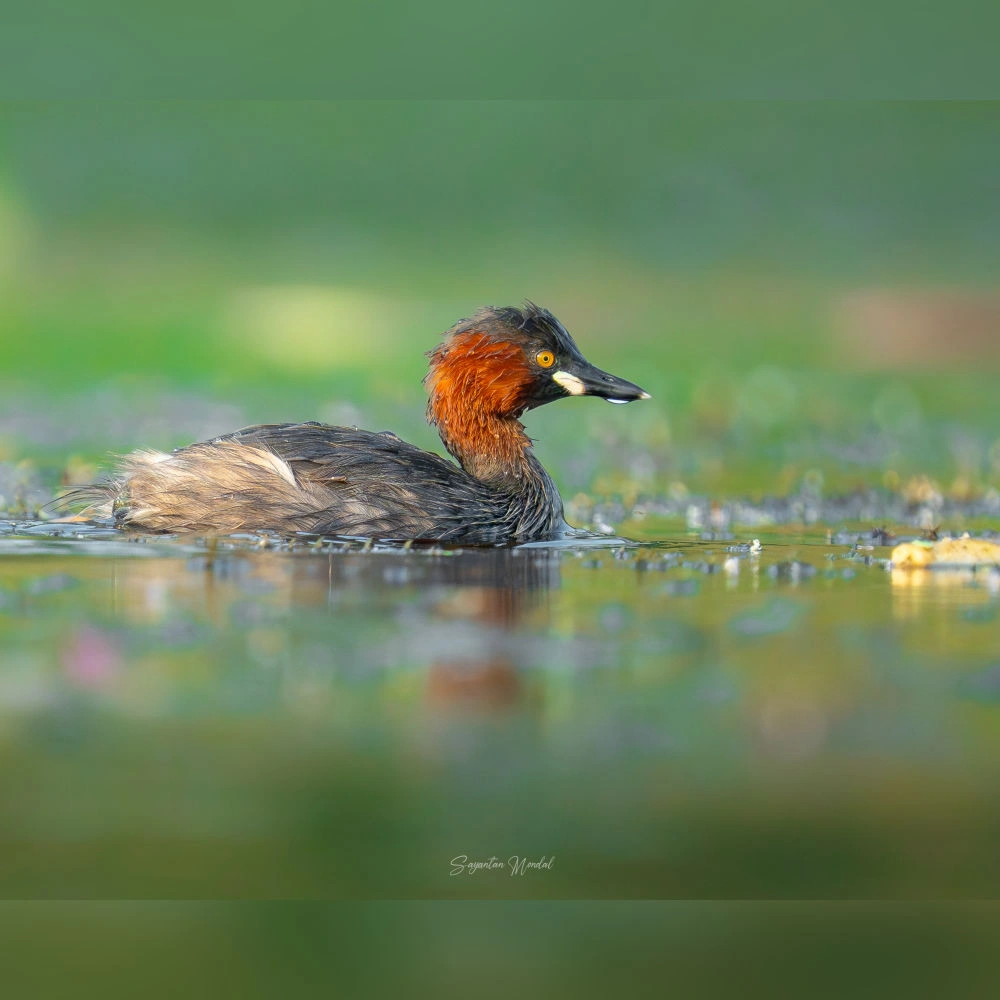
Little Grebe
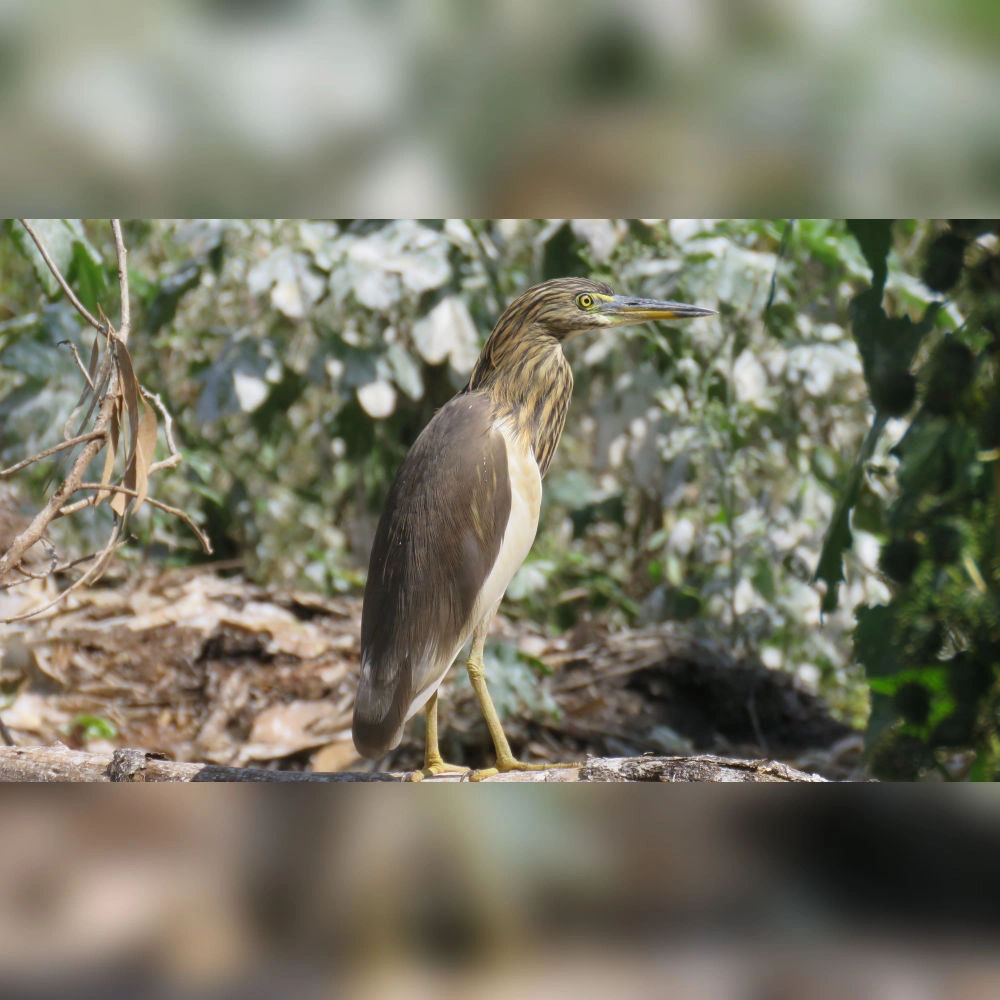
Pond Heron
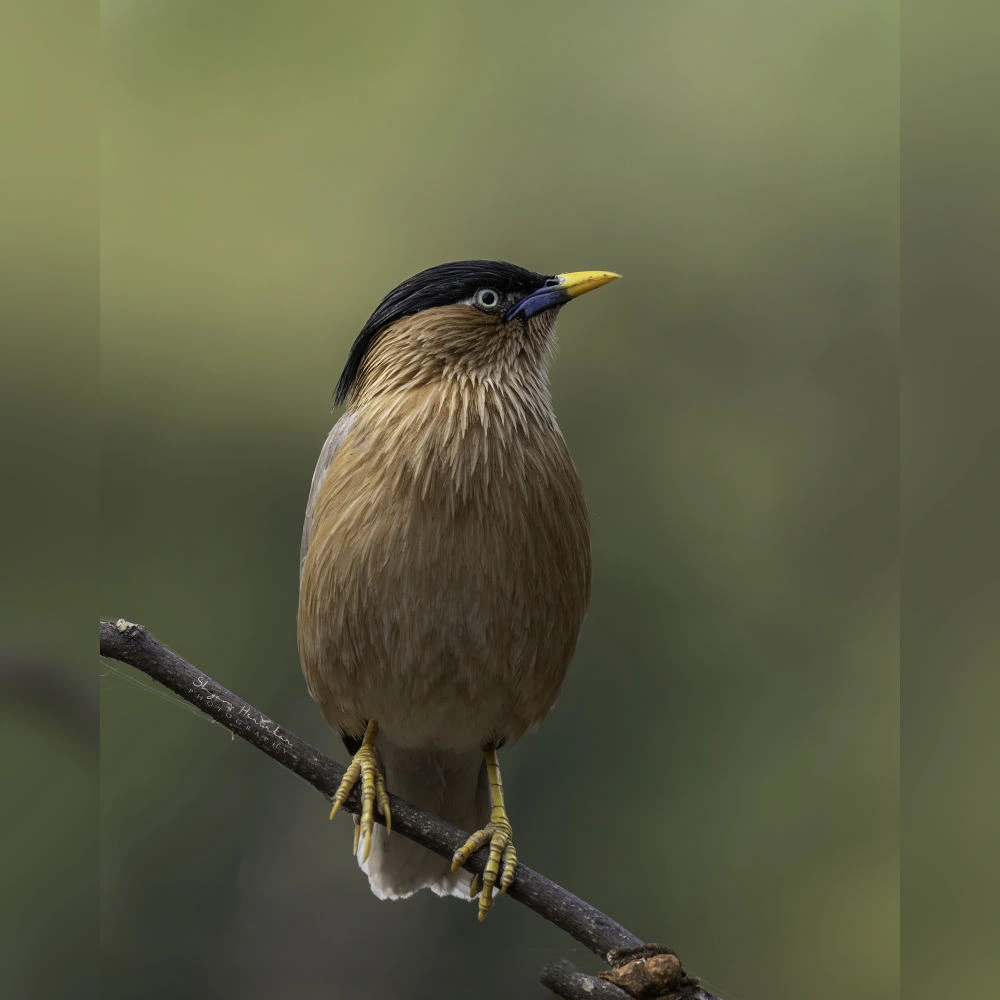
Brahminy Starling
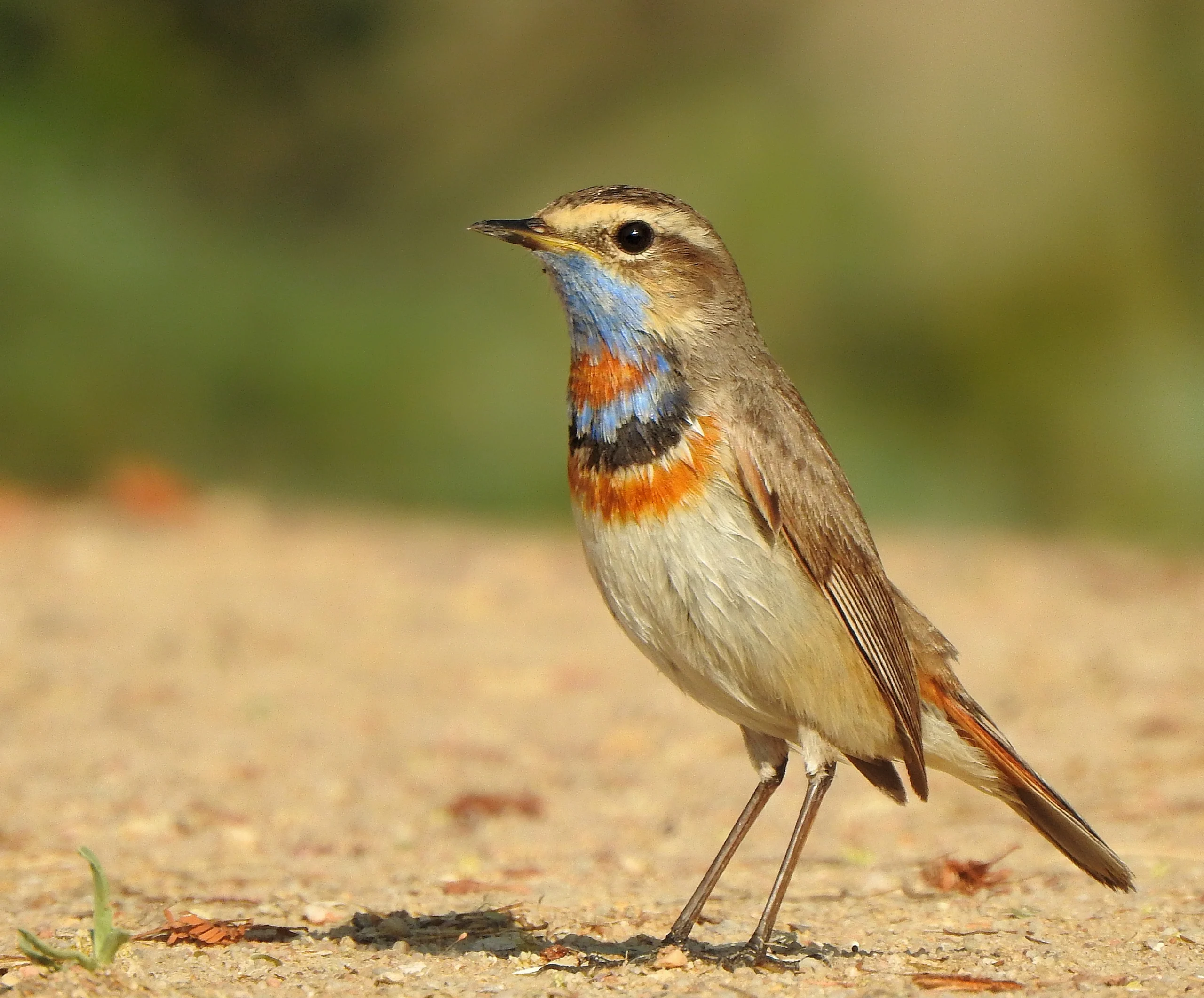
Bluethroat
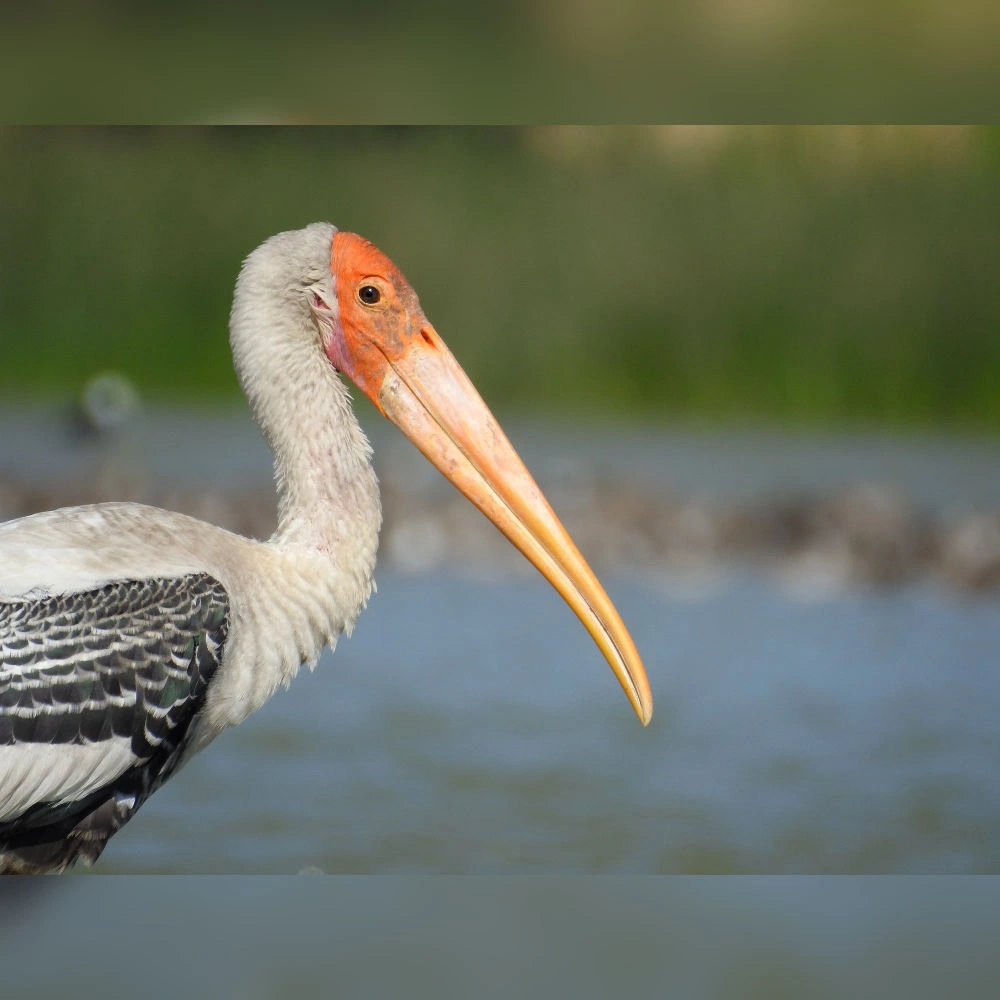
Painted Stork
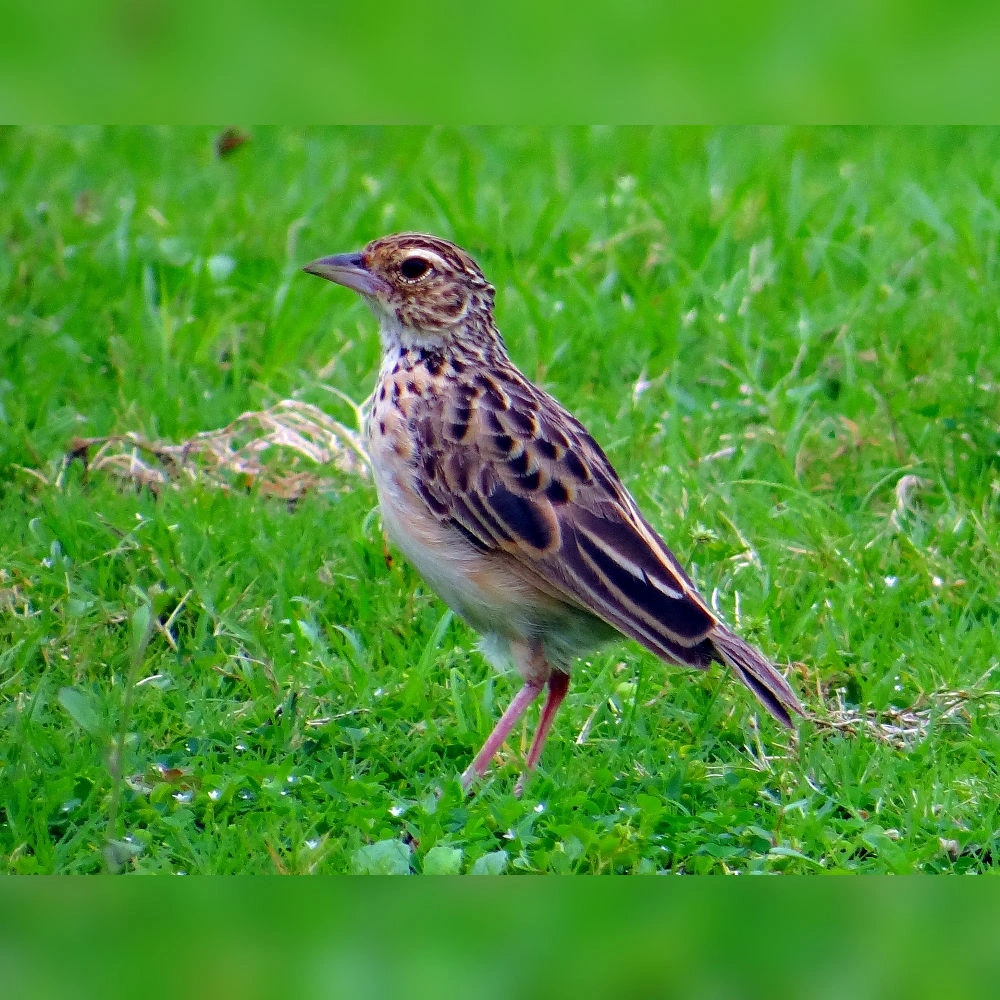
Paddyfield Pipit

Summary of Walk

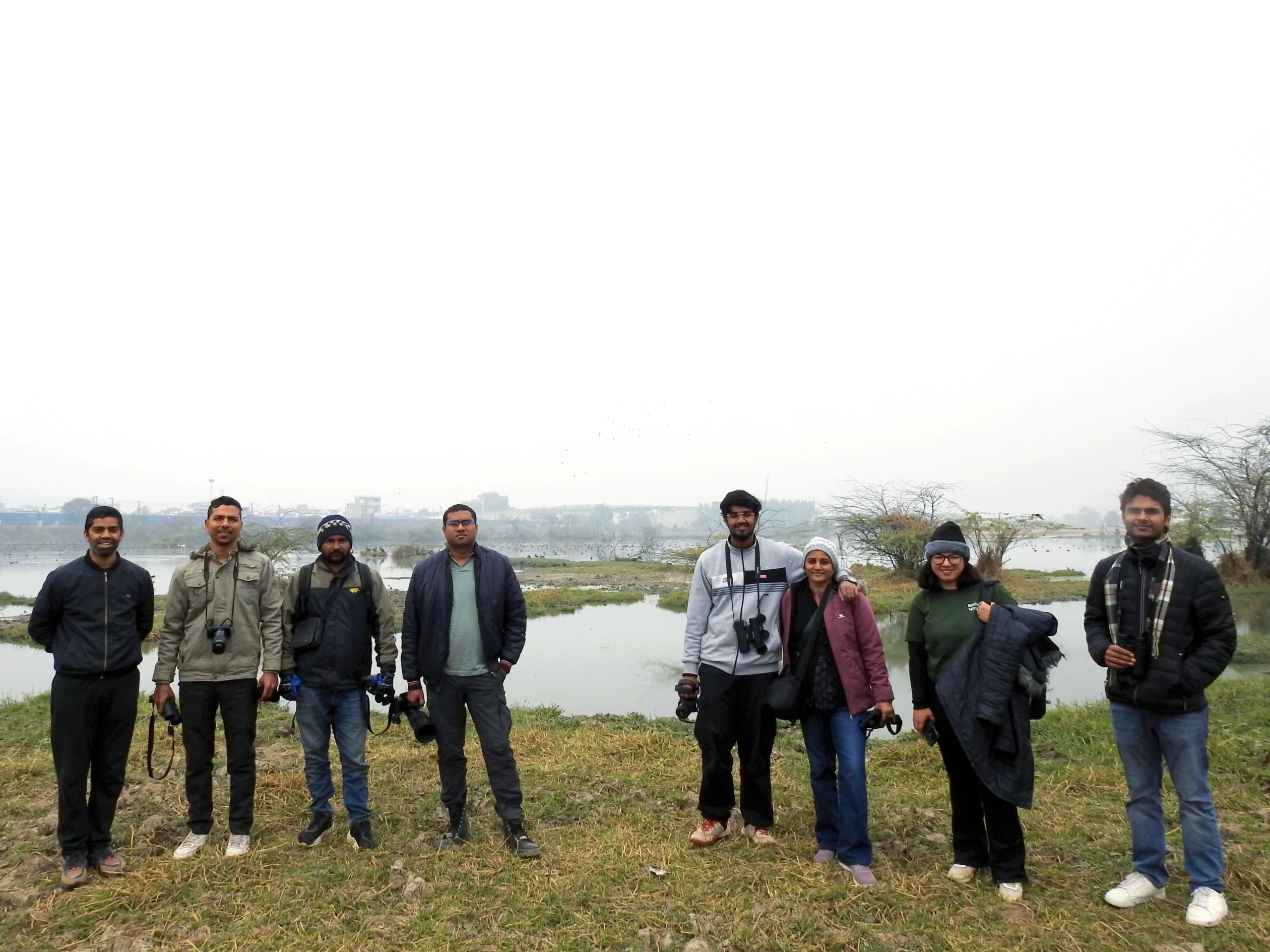
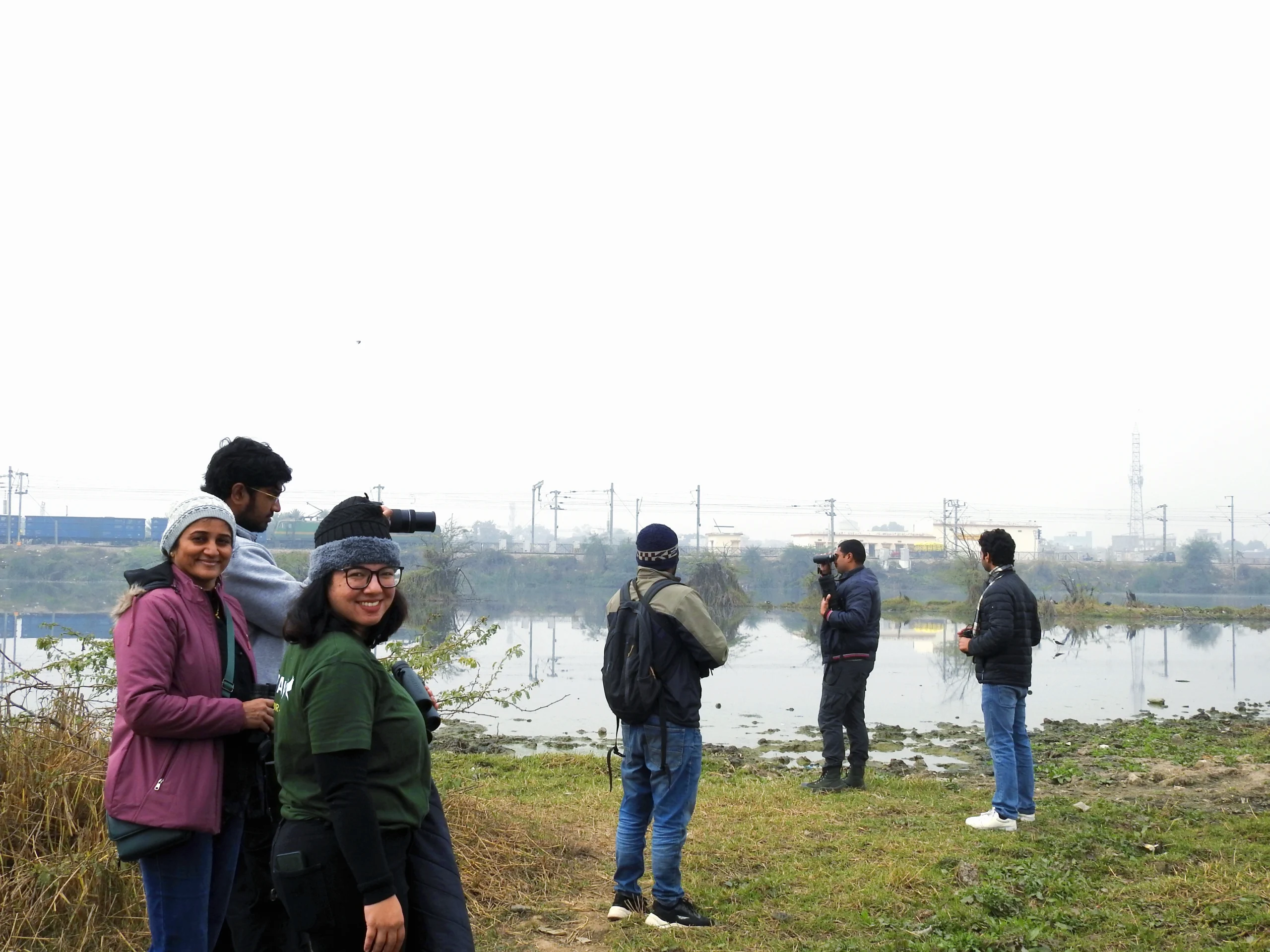
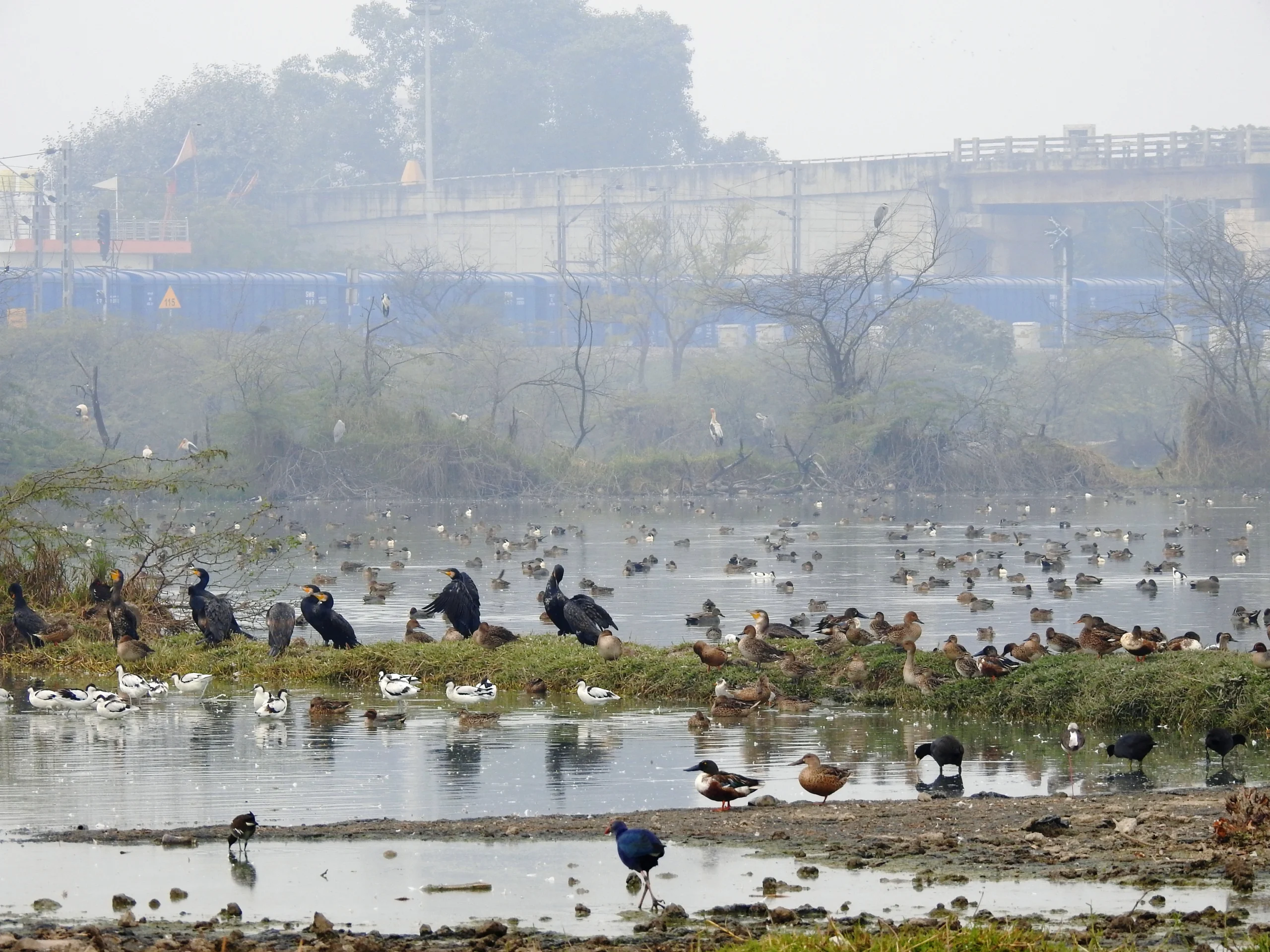
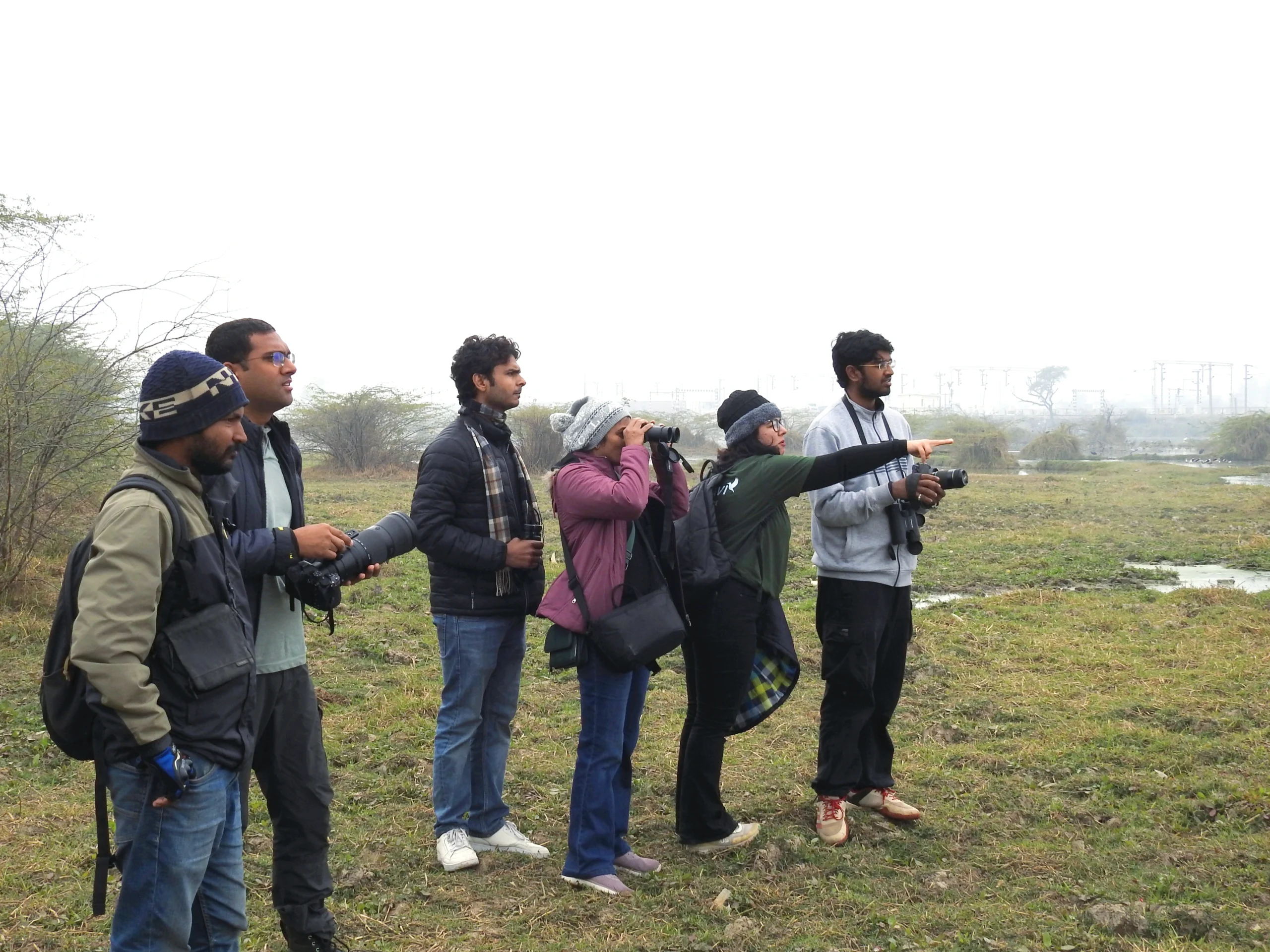
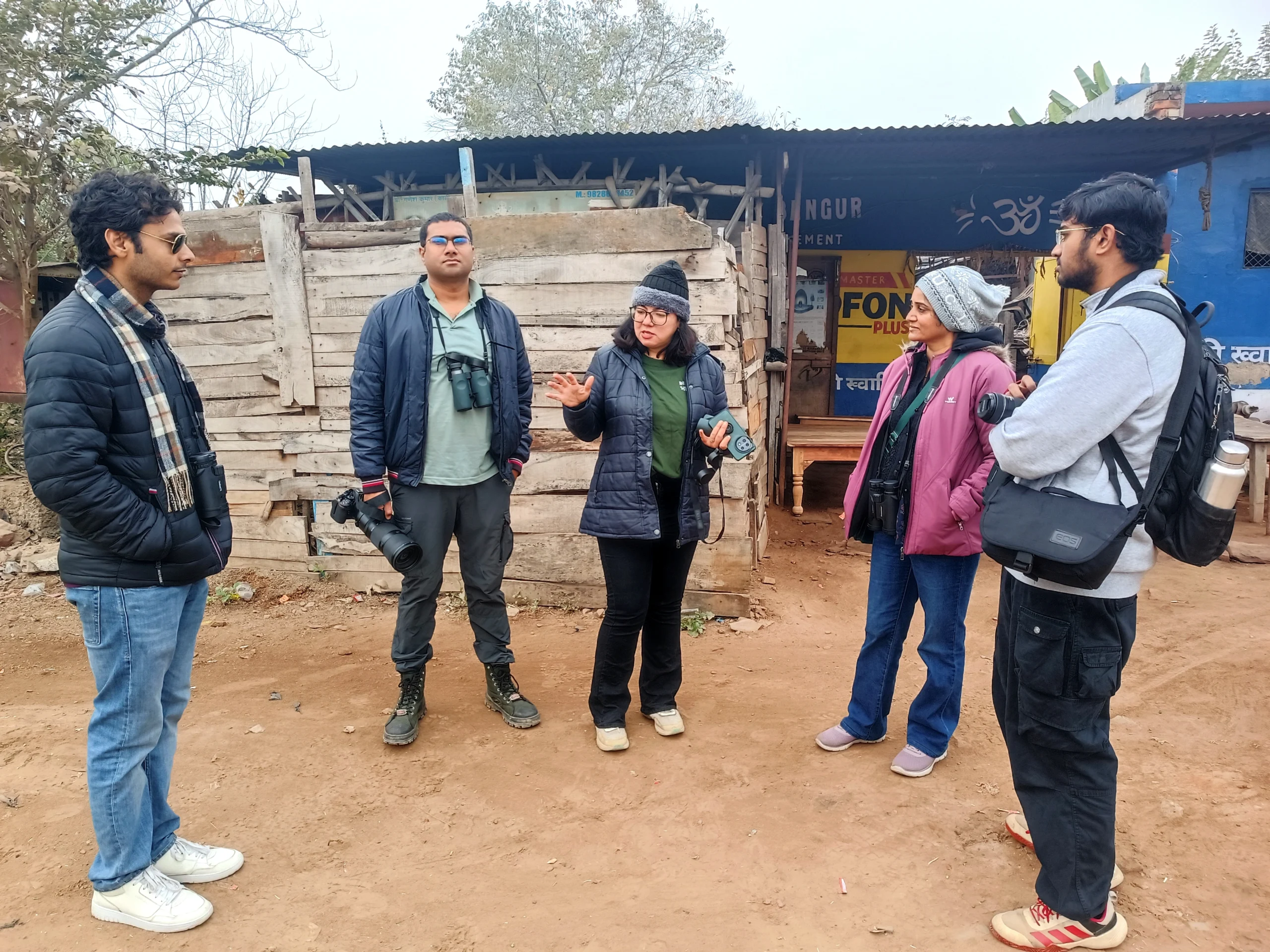
A bird walk at Dhaulpur, Rajasthan, led by Divya Vaswani, was conducted at the Tagawali Wetland near the Dhaulpur railway station—an often-overlooked extension of the sewage treatment plant that transforms into a vibrant habitat for birds during winter. The walk included five participants, four of whom were completely new to birdwatching. Together, the group explored the wetland and surrounding scrubland, observing a rich diversity of migratory ducks, waders, swamp birds, warblers, and other species. Participants learned how to differentiate between resident and migratory birds and gained insights into bird behaviors such as foraging and breeding, along with the vital role wetlands play in supporting these ecosystems.
The participants were especially amazed by the variety of ducks and pleasantly surprised to discover such remarkable biodiversity so close to their homes. During the walk, 45 bird species were recorded on the Ataavi app, and participants were introduced to its features, conservation initiatives, and ways to contribute through regular use. The session proved to be both educational and inspiring, deepening their understanding of birds and habitats while encouraging continued involvement in conservation and citizen science efforts.
Number of Participants
0
Scroll to Top