

Bird Walk at Kajjarla Lake, Telangana
- Adilabad
- 11 January, 2026
- Chaitanya Reddy Kinnerla
About Mavala Park
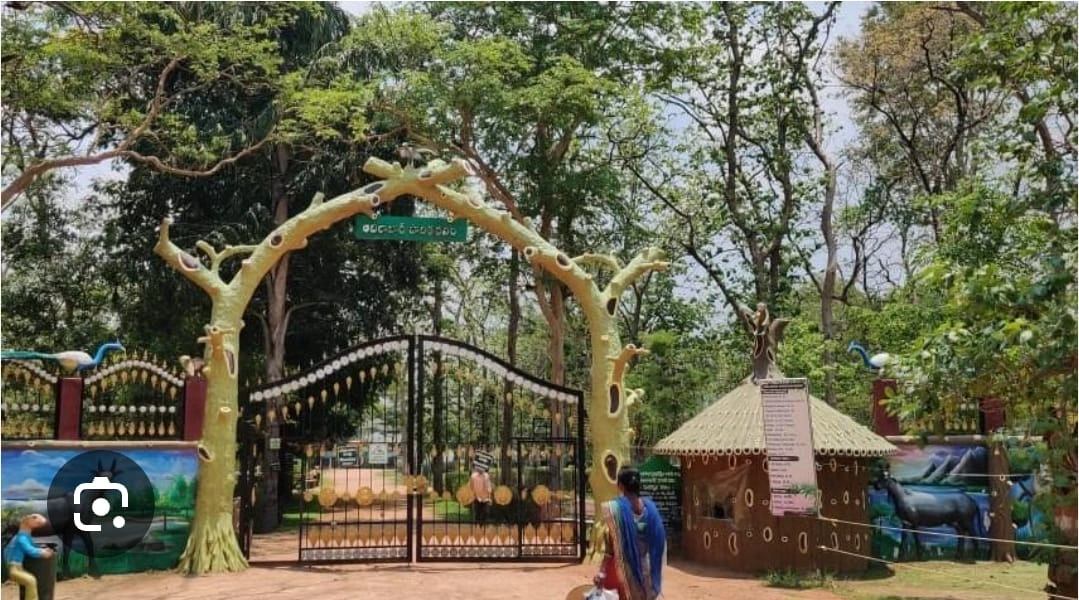
Mavala Park, Telangana is a refreshing green oasis set amidst a rapidly changing landscape, offering visitors a welcome pause into nature. The park comprises a mix of open lawns, scrub patches, native and ornamental trees, and seasonal waterlogged areas that together create a small but diverse urban habitat. Neem, banyan, peepal, acacia and flowering trees support a range of insects, butterflies and small reptiles, while mammals such as squirrels and bats are commonly seen. For birdwatchers, Mavala Park is especially rewarding—its mosaic of habitats attracts a variety of urban and semi-forest birds including prinias, bulbuls, drongos, parakeets, kingfishers and seasonal migrants, making early mornings and late evenings particularly lively with calls and movement.
Despite its importance as a local biodiversity refuge, Mavala Park faces pressures typical of urban green spaces. Encroachment, littering, excessive foot traffic, noise pollution and poorly planned landscaping threaten native vegetation and disturb wildlife. The replacement of indigenous plants with ornamental species and declining water availability can further reduce habitat quality for birds and insects. Protecting Mavala Park’s ecological value depends on thoughtful management—promoting native planting, maintaining undisturbed corners, responsible visitor behaviour and community awareness. With mindful conservation, this modest park can continue to serve as a vital green lung and a meaningful nature experience for residents and visitors alike.

Bird Guide: Chaitanya Reddy Kinnerla
She is a conscious, nurturing mother of two daughters and the author of a children-led parenting book. Through her work and the Endangered Stitches project, she is deeply committed to creating biodiversity awareness and connecting people with nature.
Bird walk Location
Common birds of Mavala Park
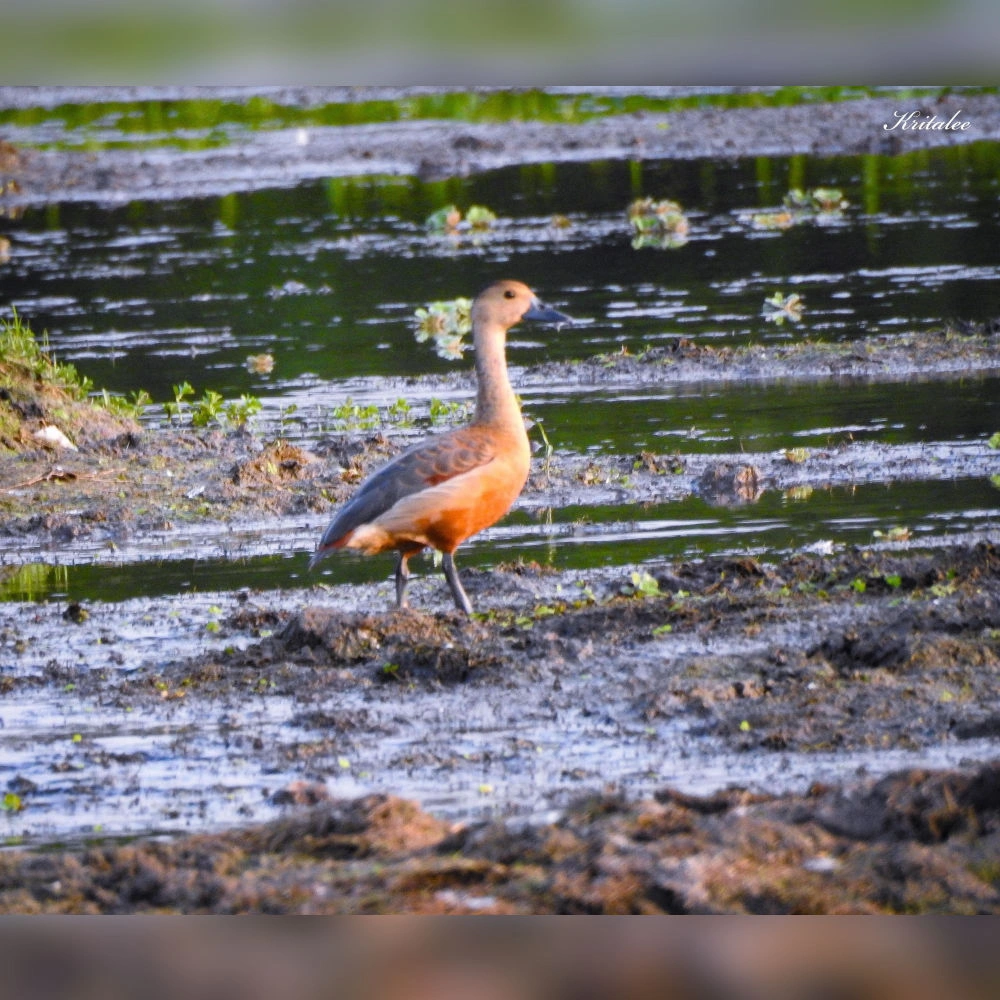
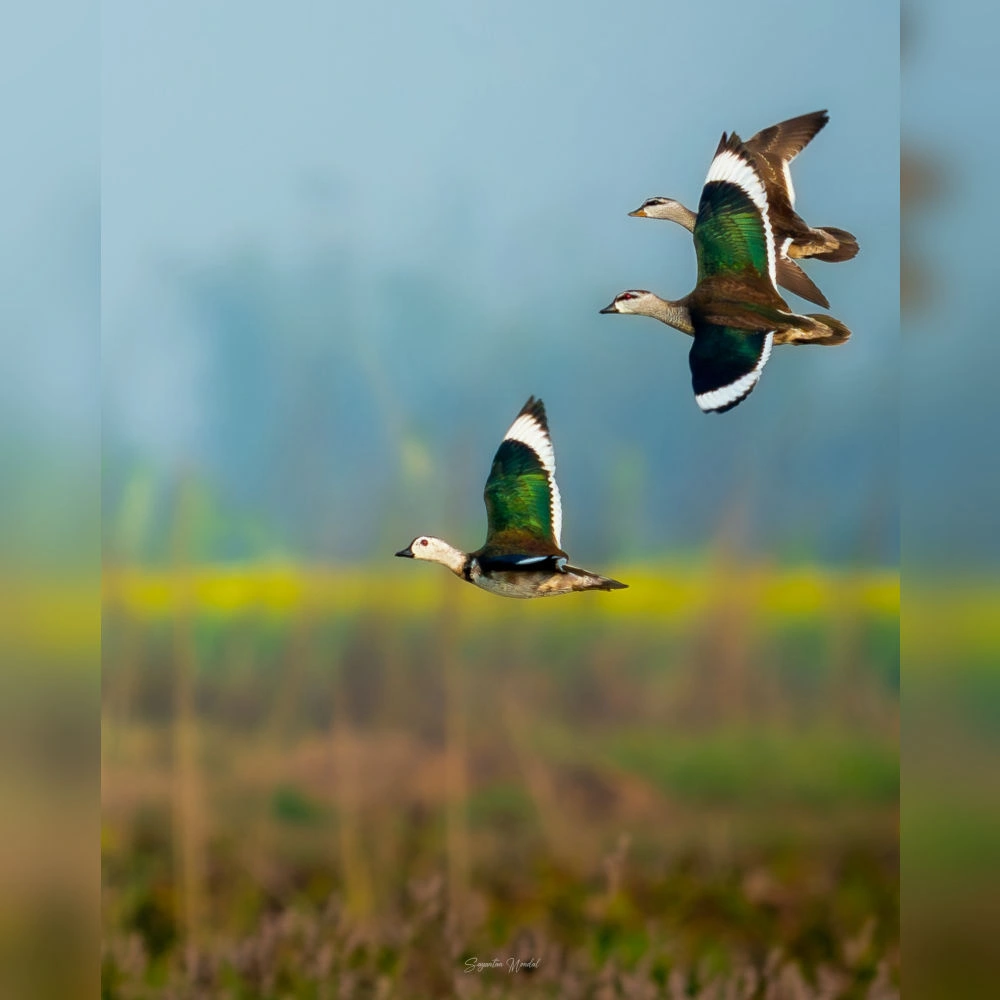
Mavala Park is a surprisingly rich birding spot, where water and woodland habitats come together to host an engaging mix of resident and migratory birds. The park’s wetlands attract an impressive variety of waterfowl, including Lesser Whistling-Ducks, Cotton Pygmy-Geese, Ruddy Shelducks, Gadwalls, Northern Pintails, Red-crested Pochards and Indian Spot-billed Ducks, often seen resting or feeding alongside elegant Bronze-winged Jacanas and Gray-headed Swamphens. Waders and waterside birds such as Red-wattled Lapwings, Green Sandpipers, River Terns, Little Grebes and multiple species of cormorants, herons and egrets add constant movement to the water’s edge. Away from the wetlands, tree cover supports Indian Peafowl, Yellow-footed Green-Pigeons, Asian Koels, Greater Coucals and a variety of doves, while open areas echo with familiar urban species. Together, these commonly seen birds form the everyday tapestry of Mavala Park’s avifauna and contribute to an impressive checklist of around 158 bird species, making the park a rewarding destination for both casual visitors and keen birdwatchers.

Lesser Whistling Duck

Cotton Pygmy Goose
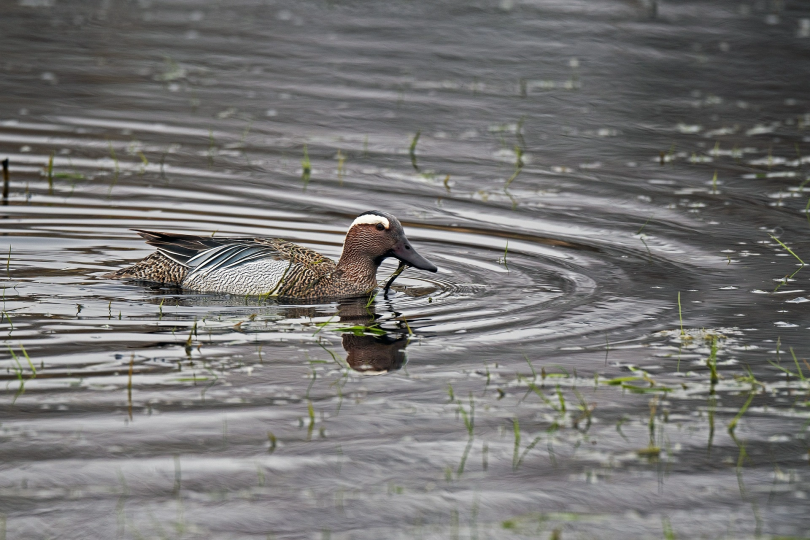
Garganey
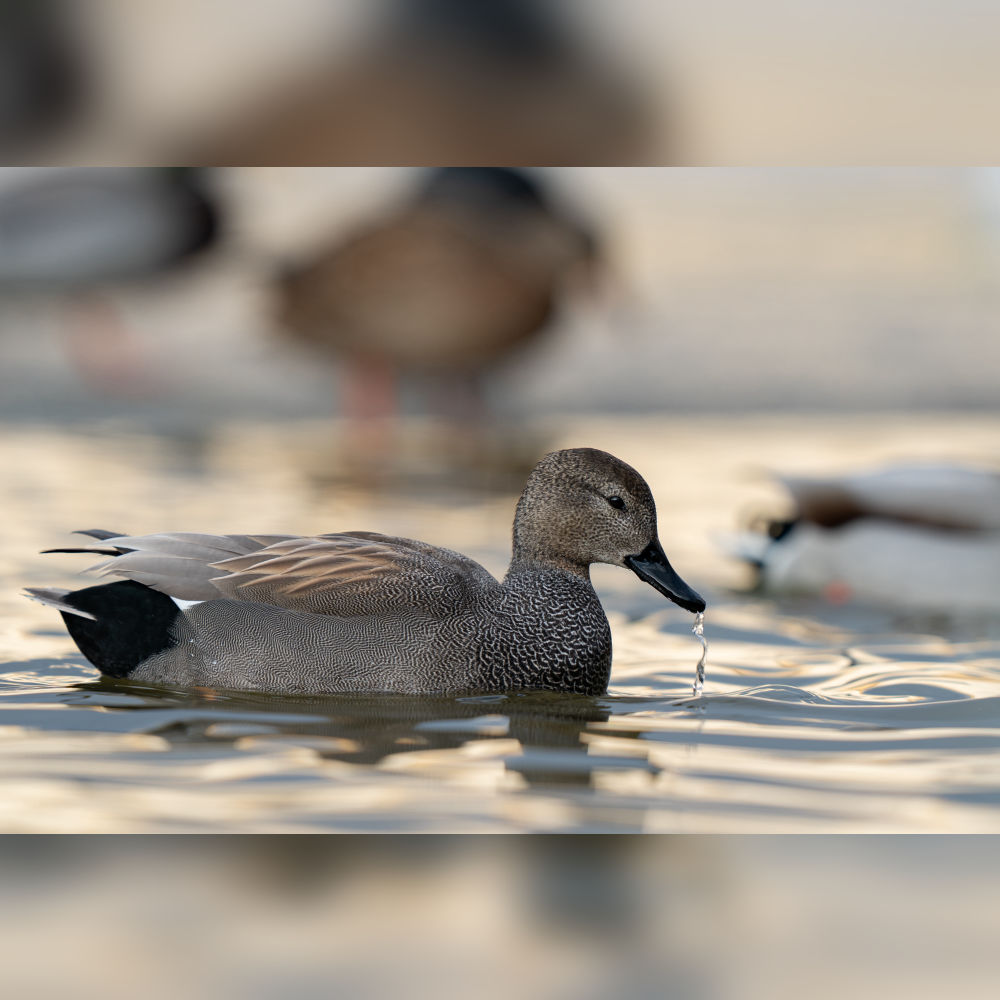
Gadwall
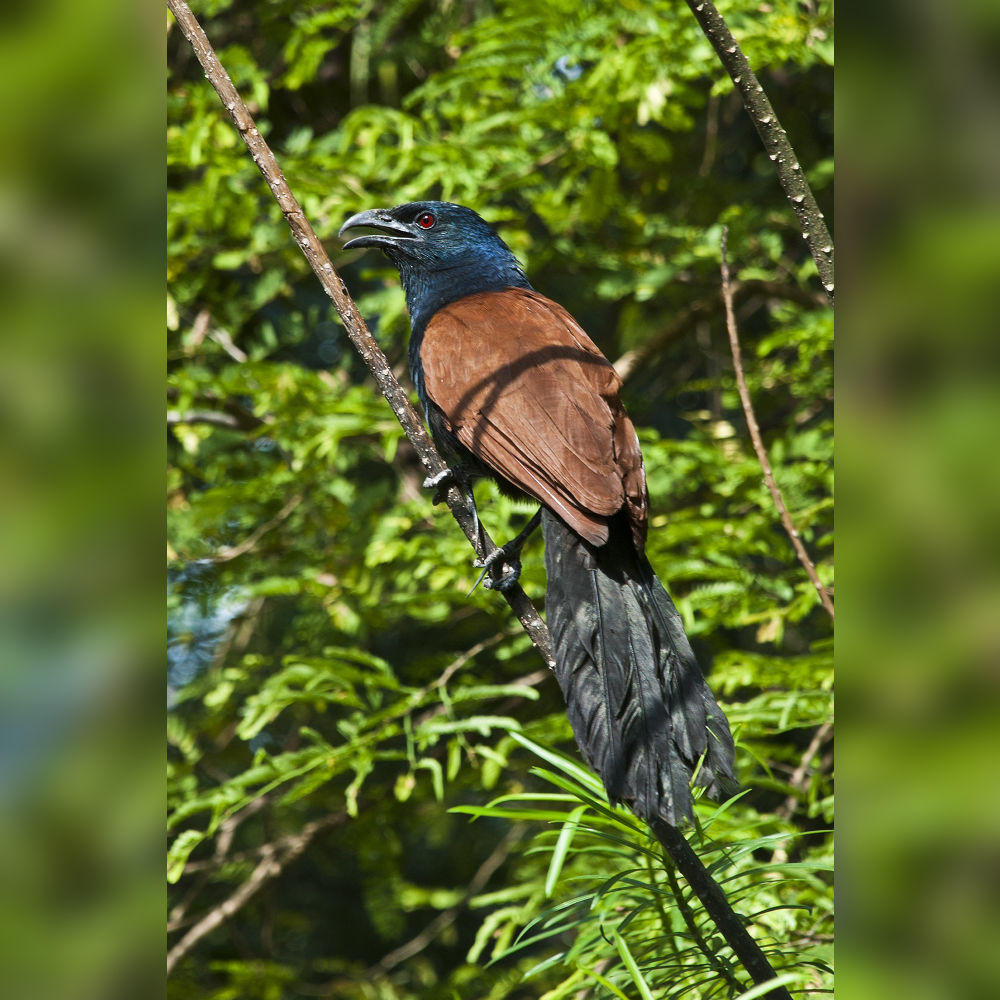
Greater Coucal
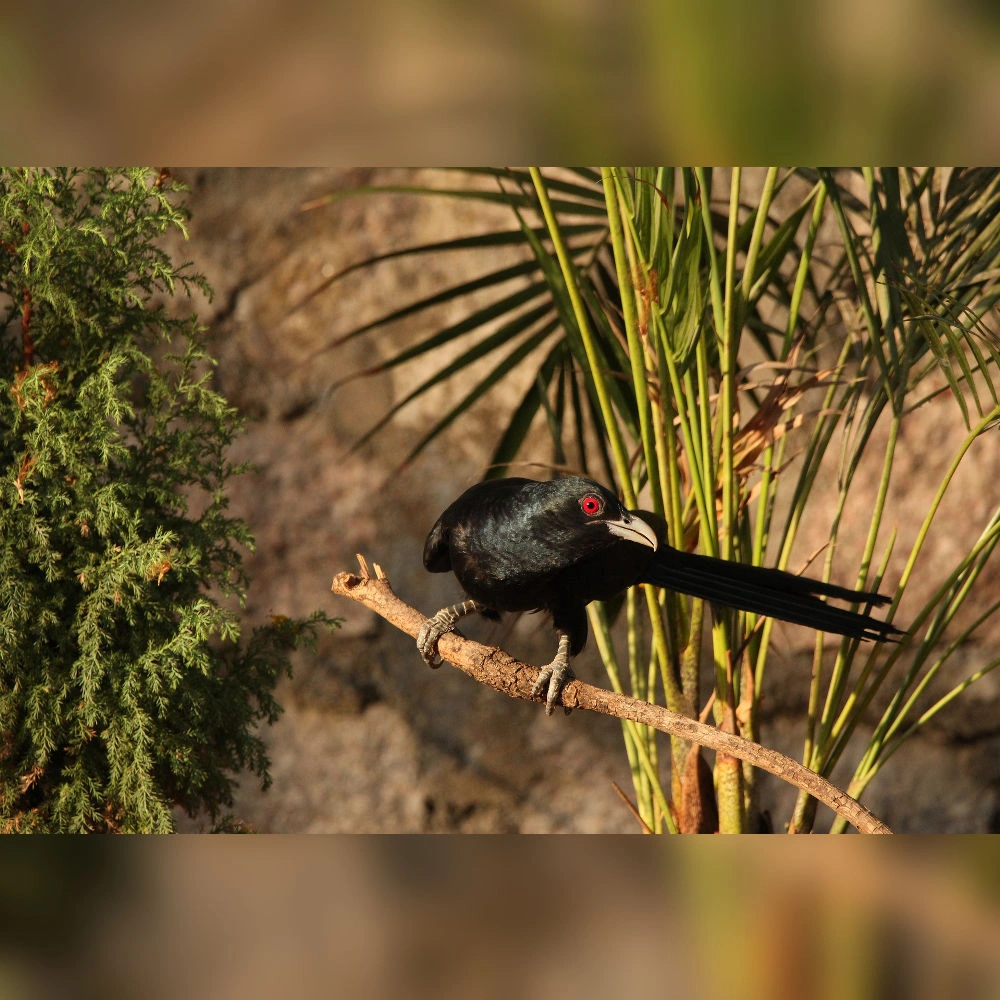
Asian Koel
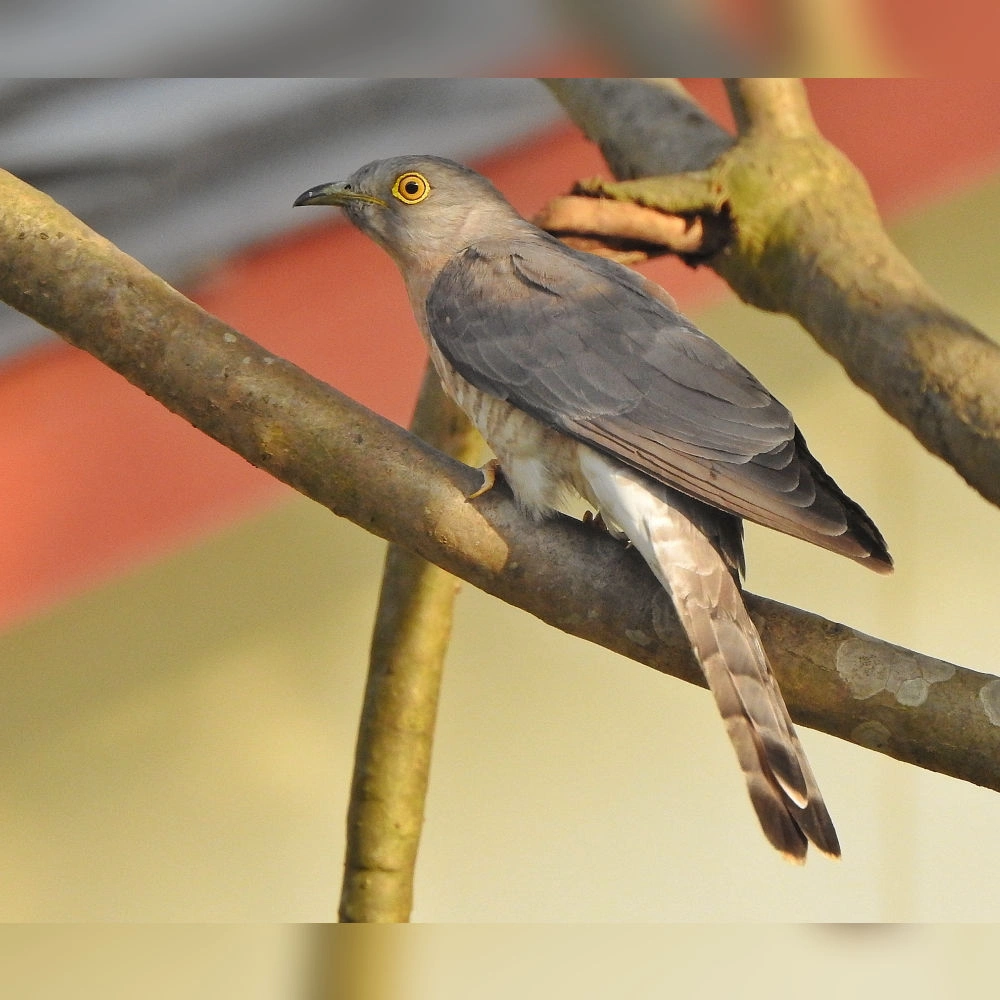
Common Hawk-Cuckoo
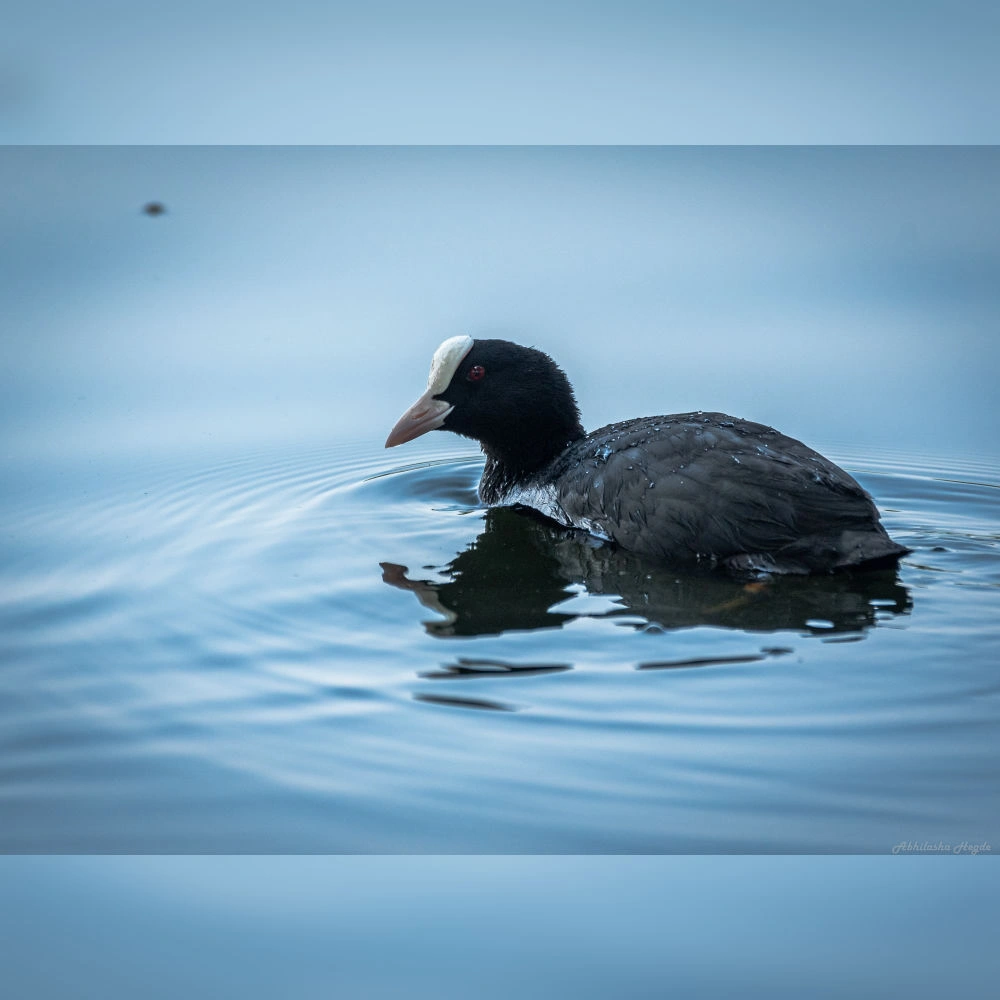
Eurasian Coot
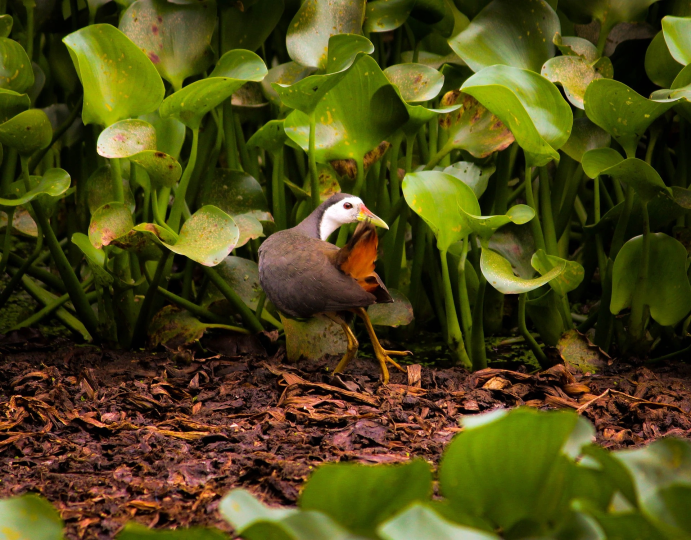
White - breasted Waterhen
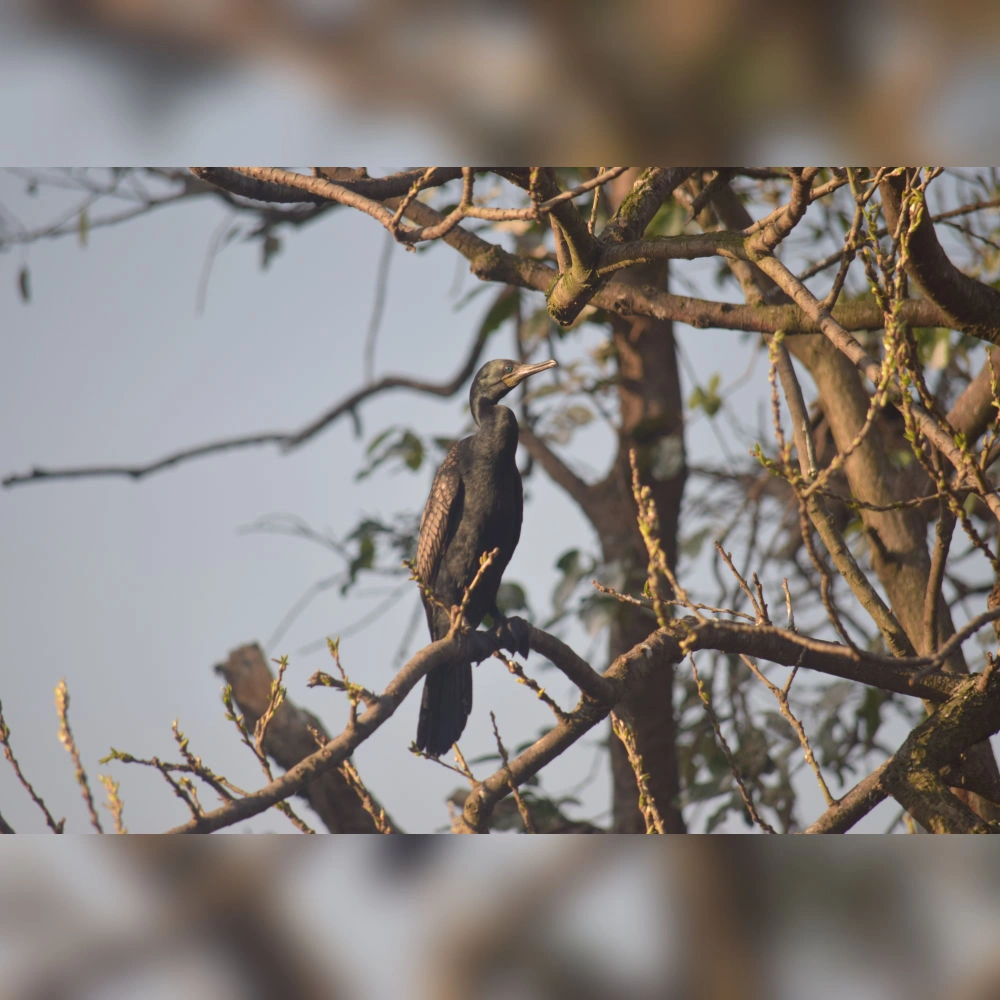
Indian Cormorant
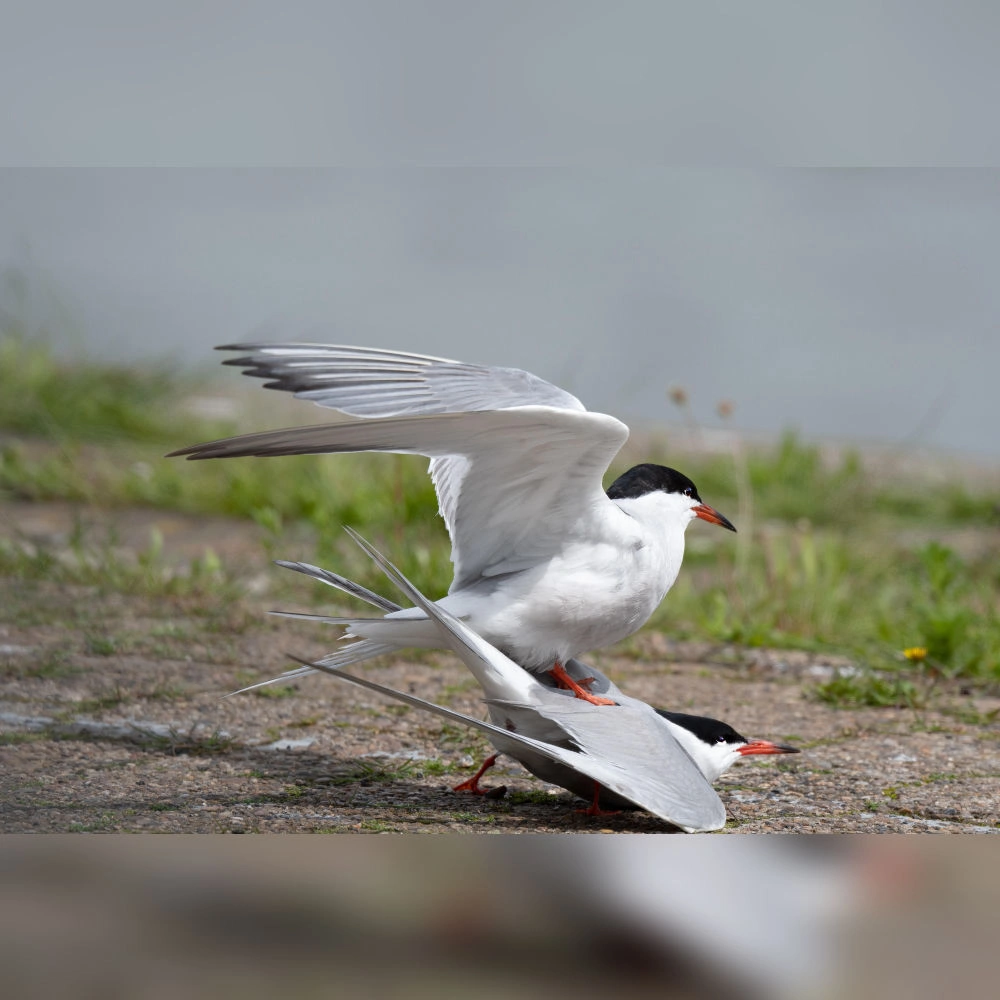
River Tern
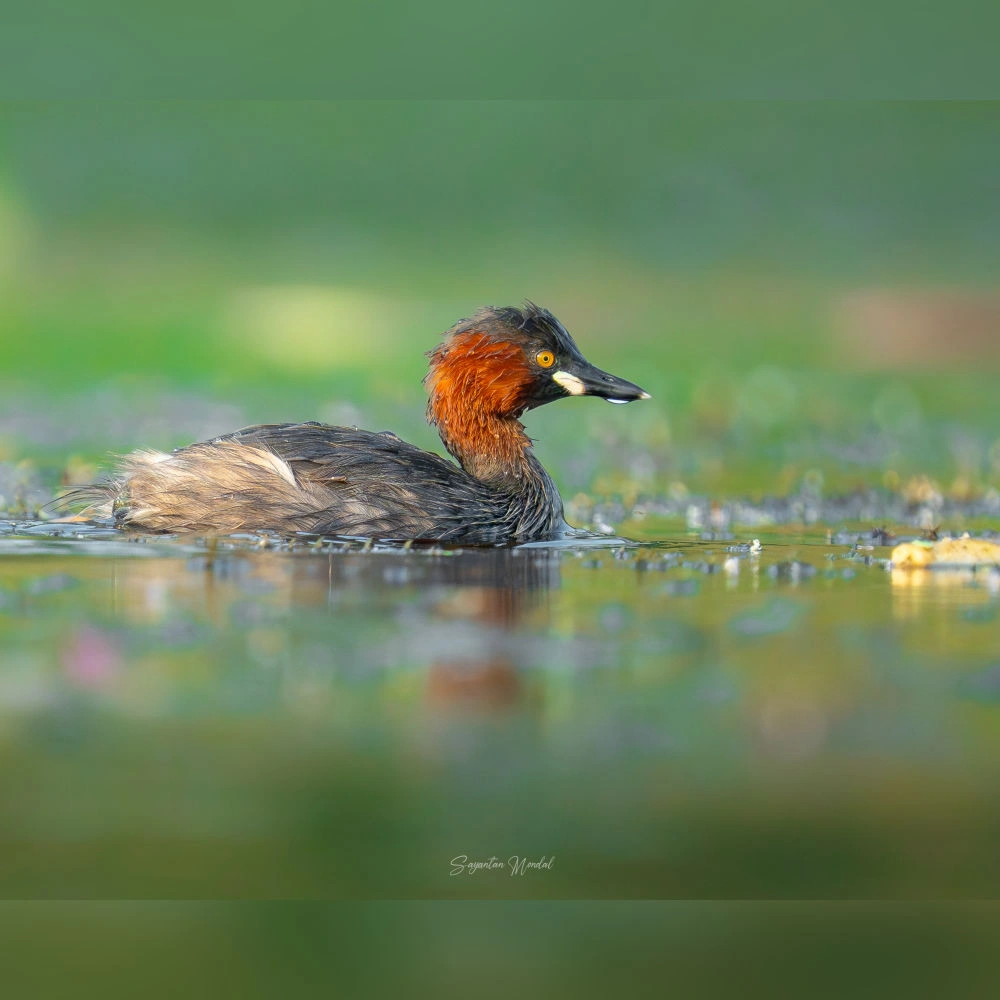
Little Grebe
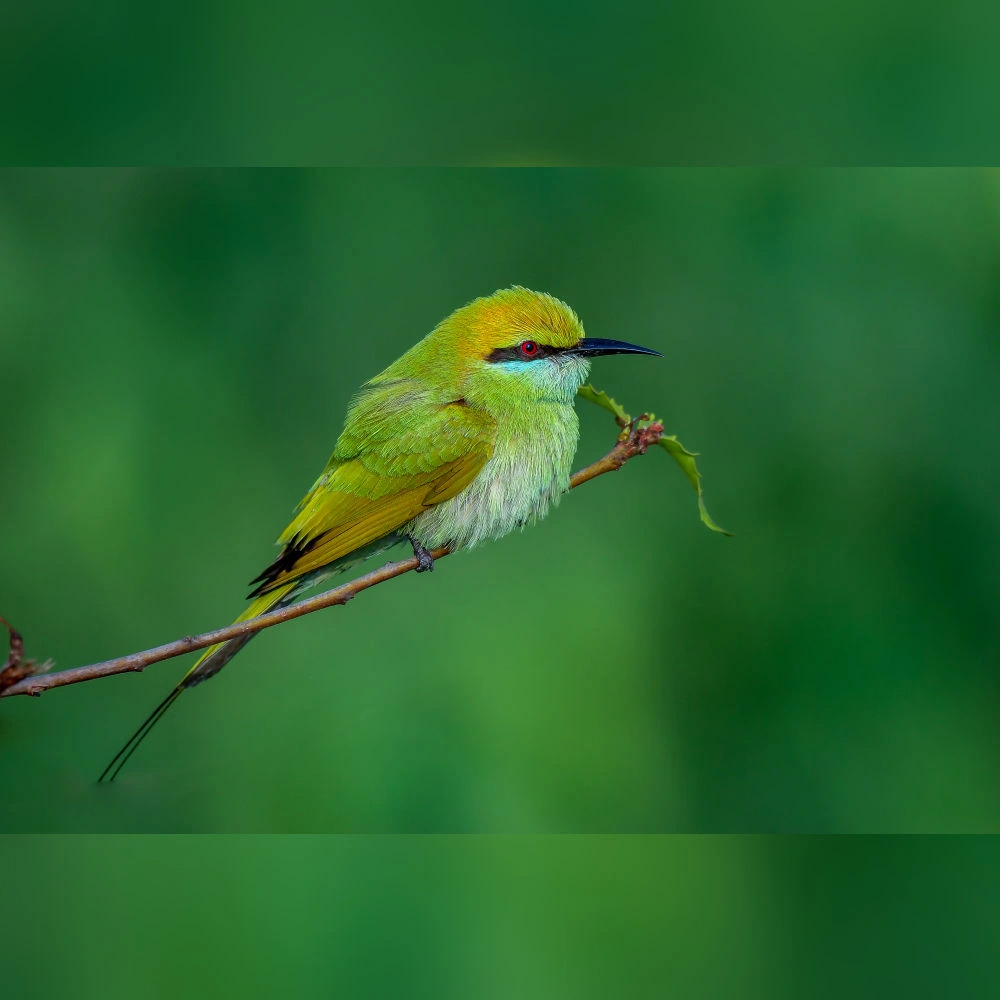
Asian Green Bee-eater
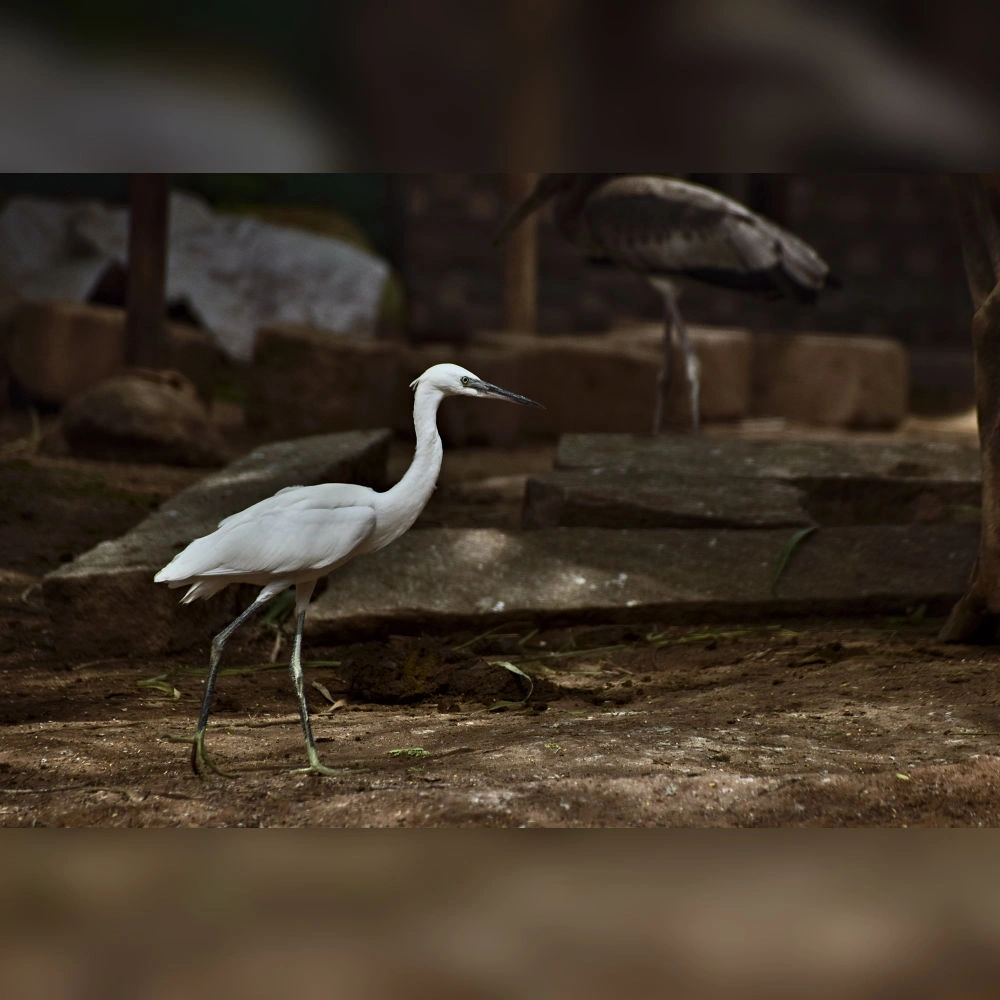
Little Egret
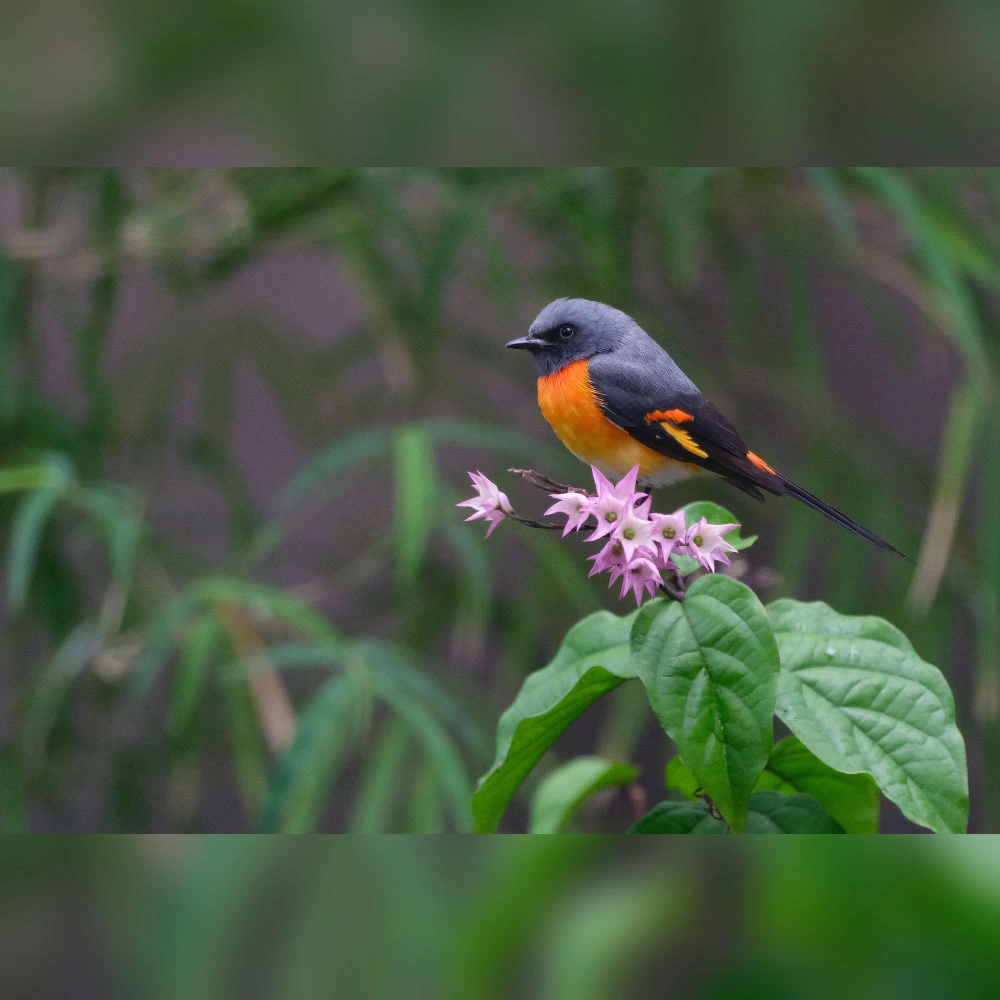
Small Minivet
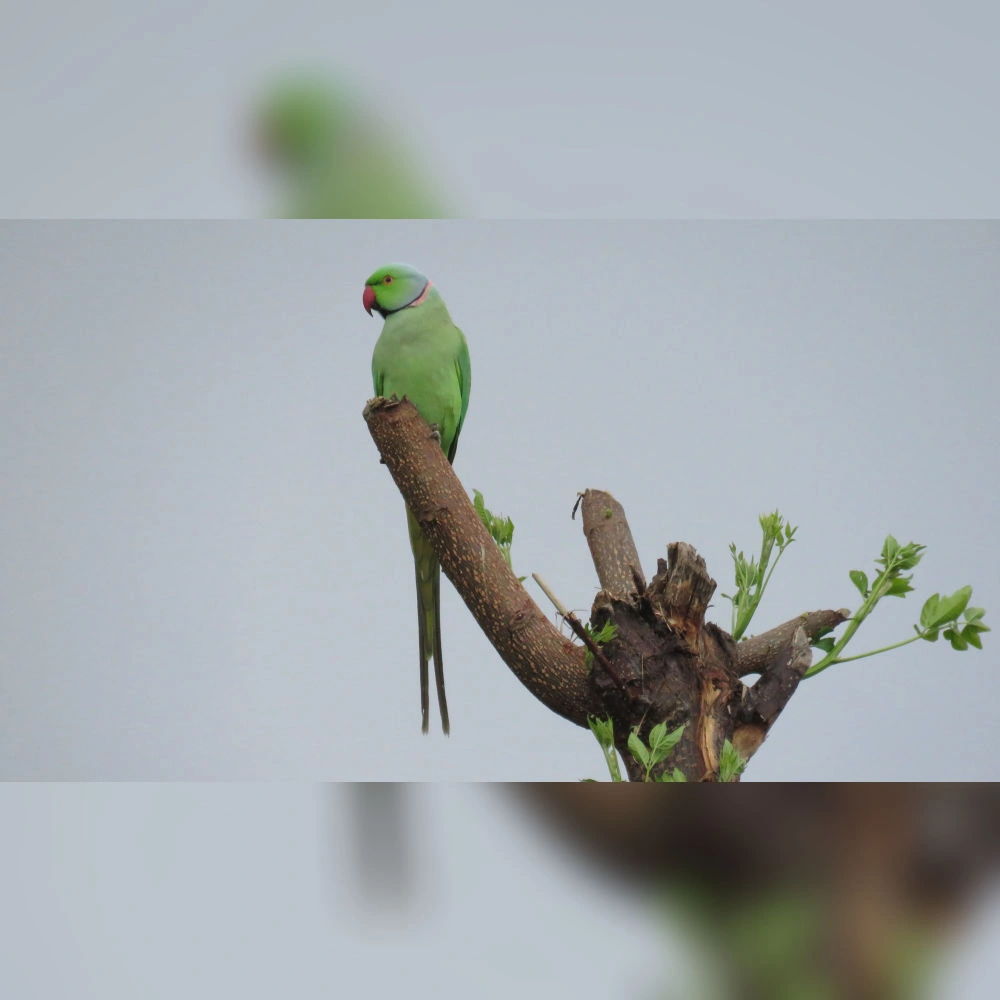
Rose - ringed Parakeet
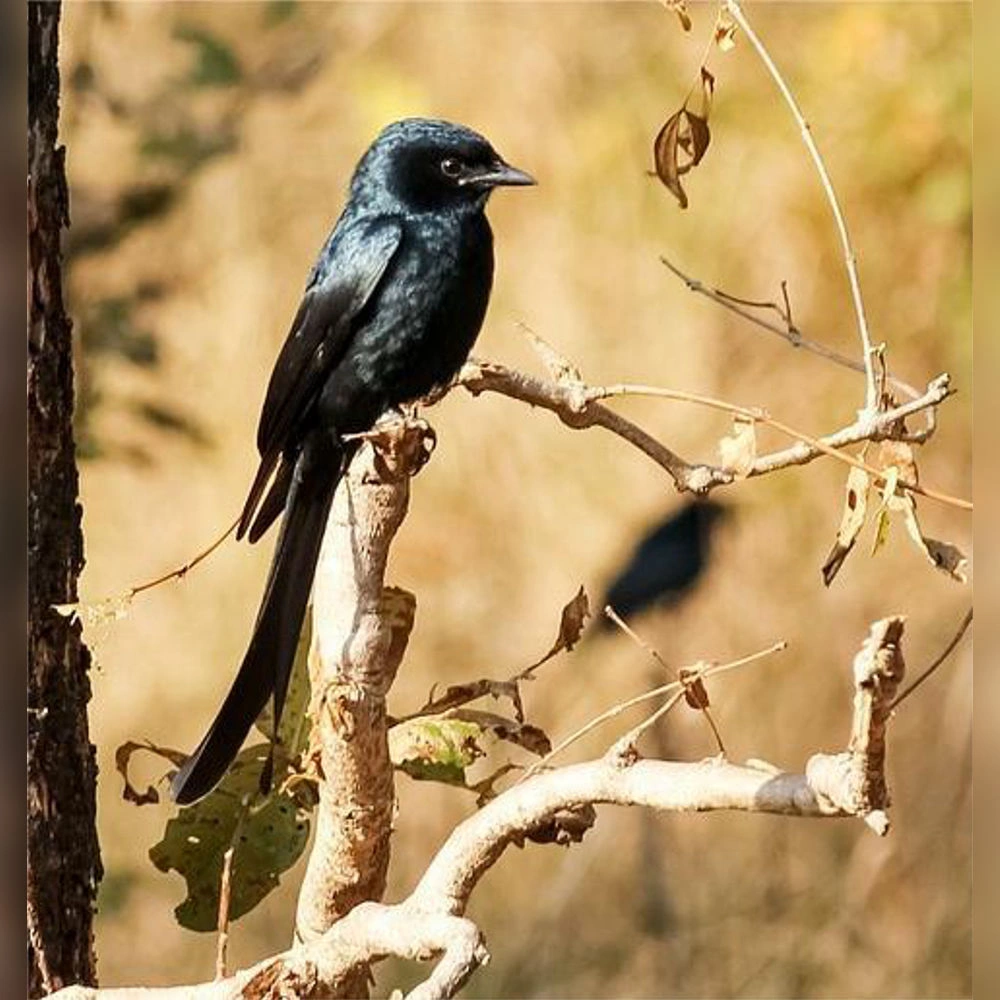
Black Drongo
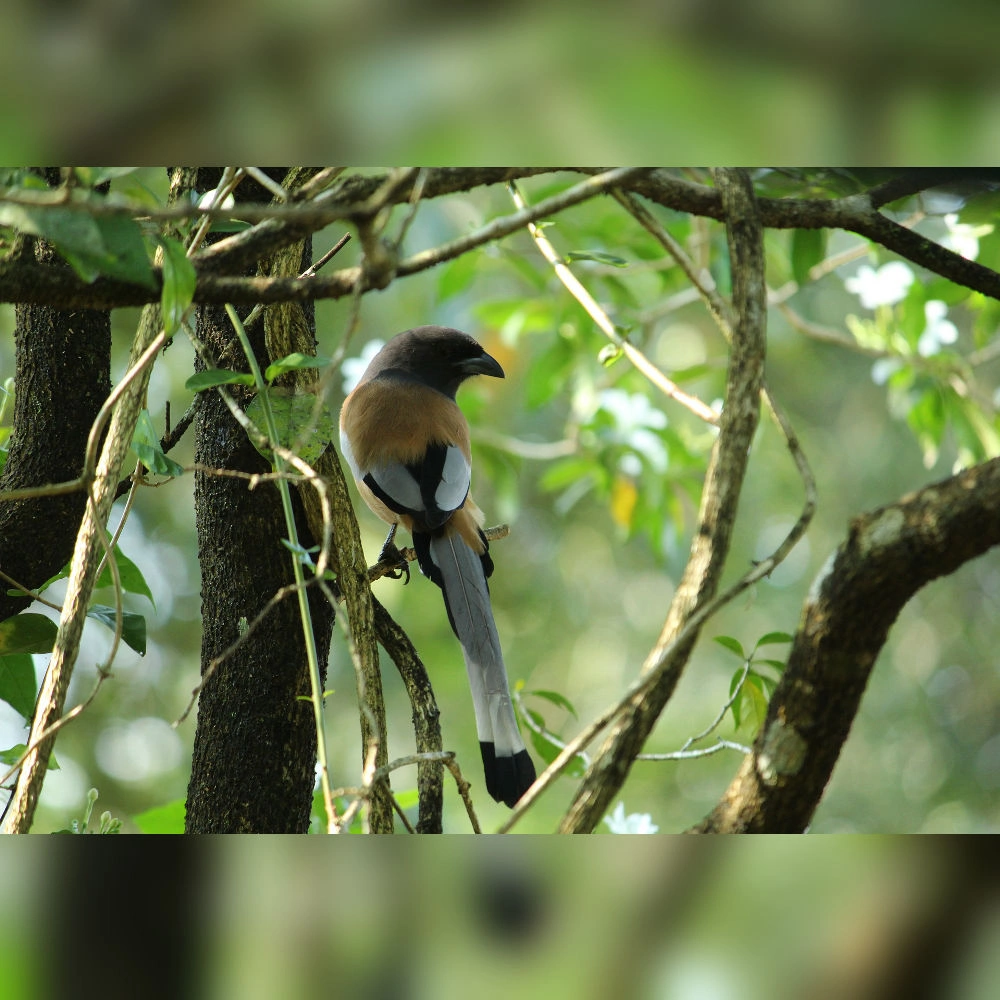
Rufous Treepie
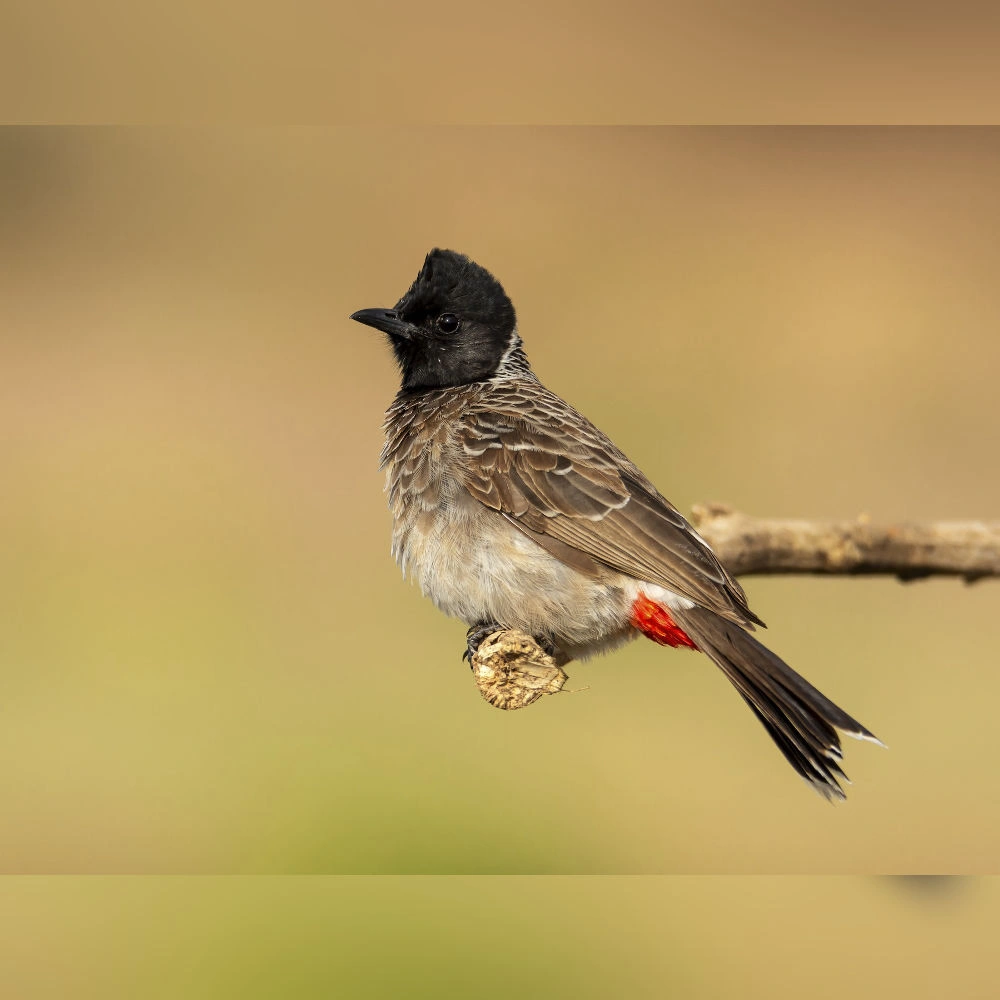
Red - vented Bulbul
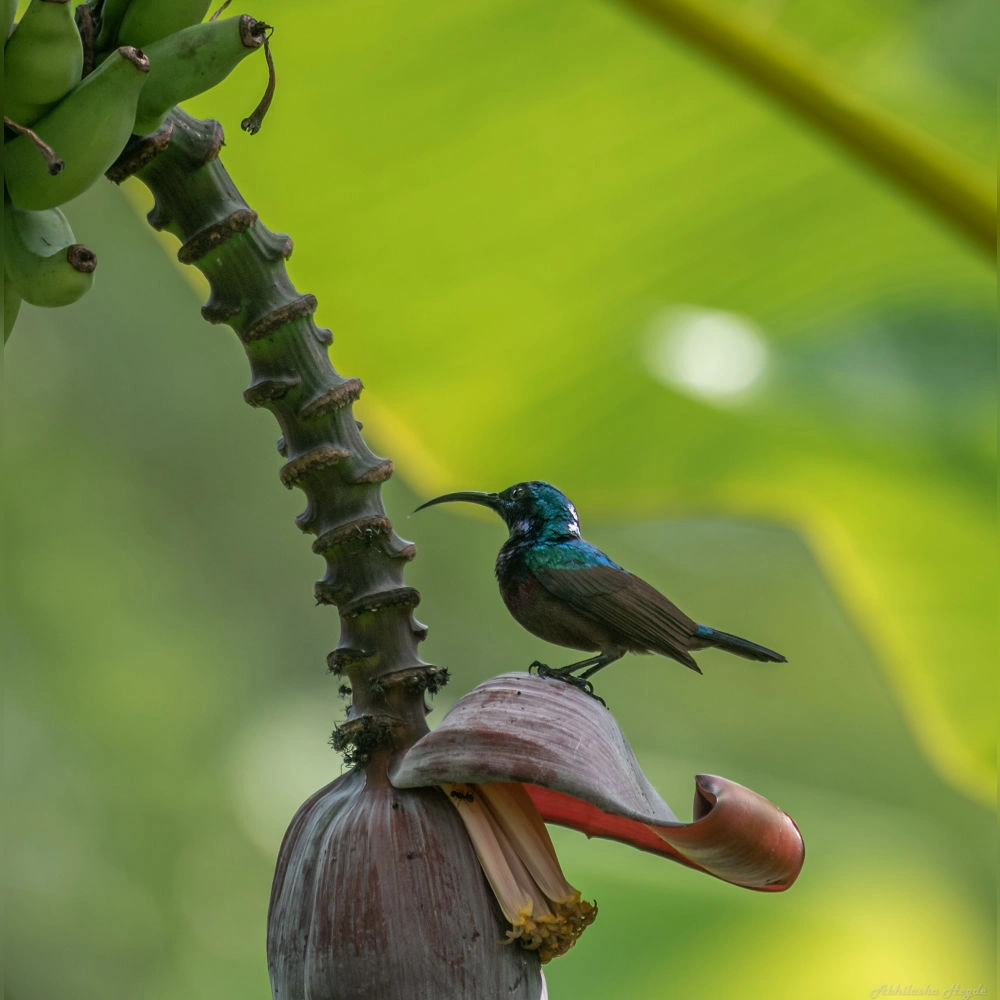

Purple Sunbird
Summary of Walk
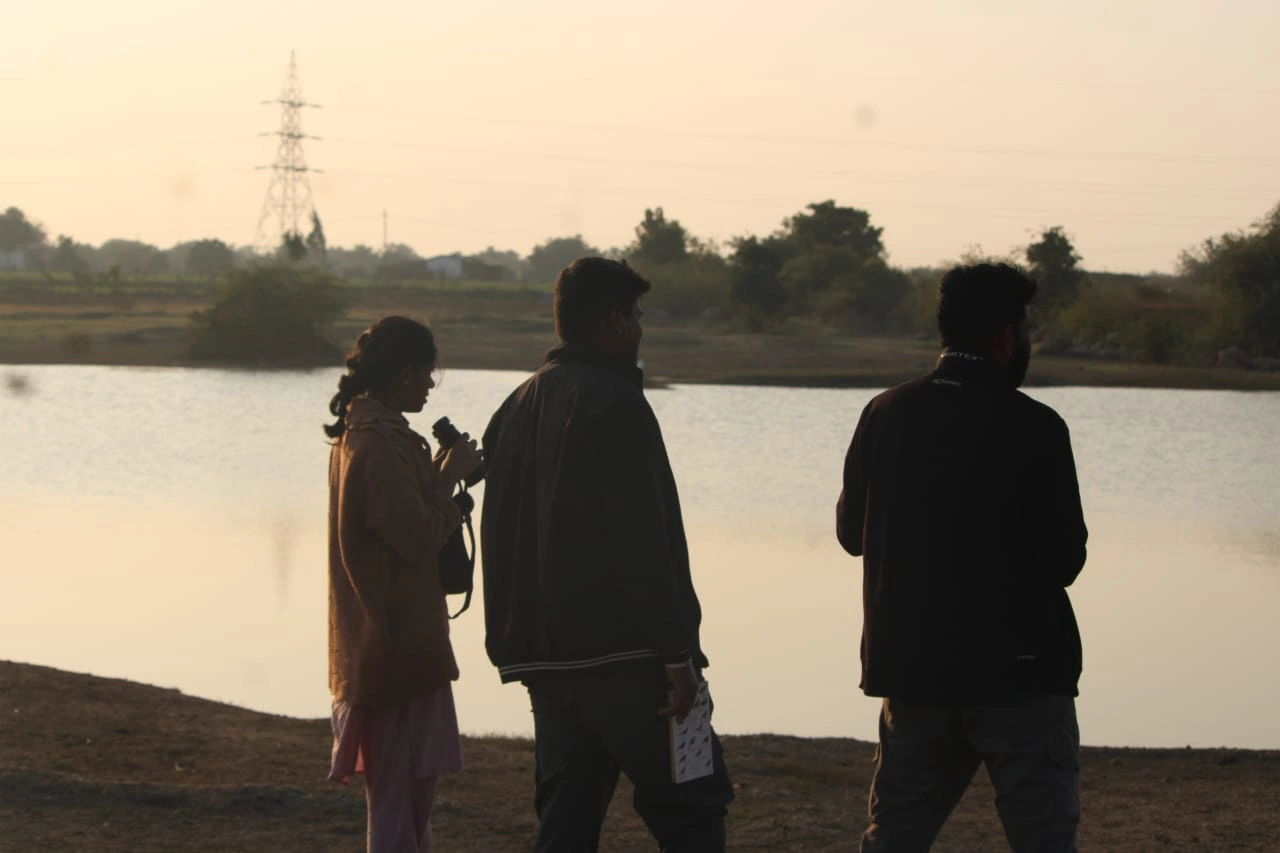
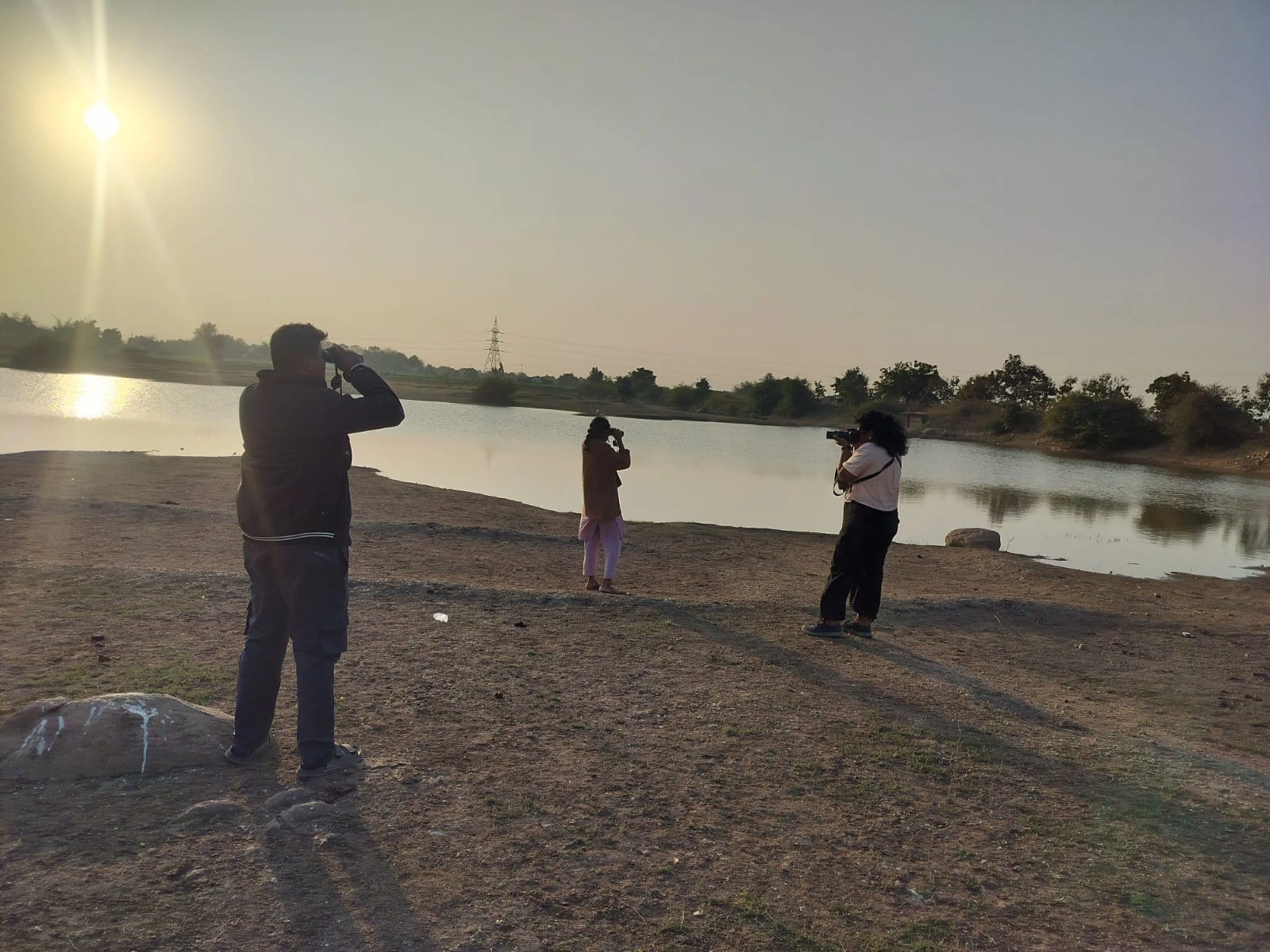
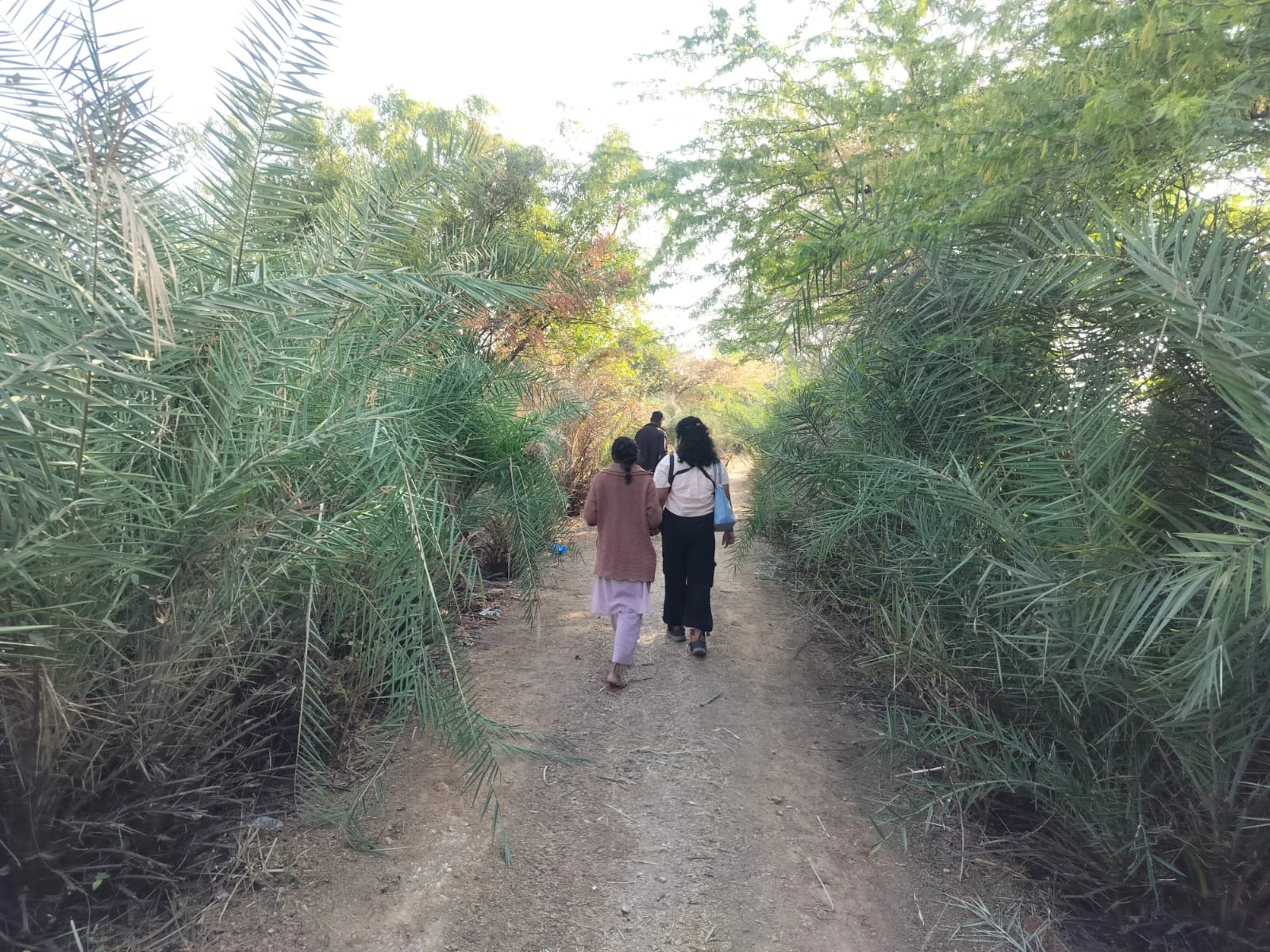
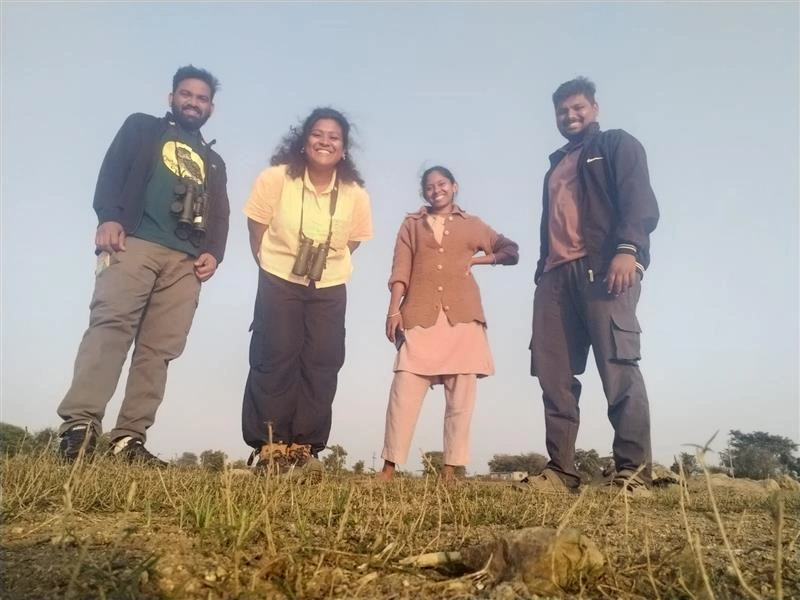
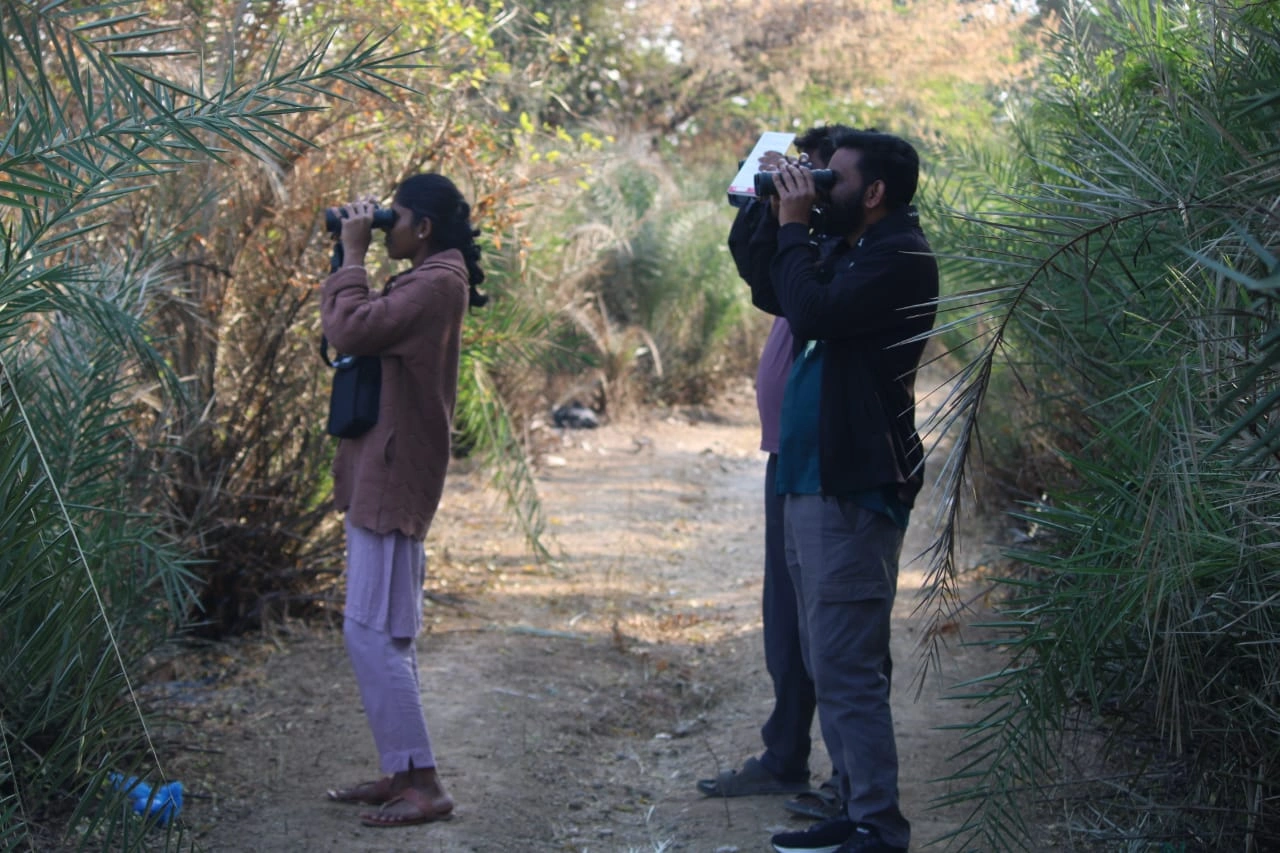
A calm and focused bird walk was held at Kajjarla Lake, led by Chaitanya Reddy Kinnerla, with a small group of four participants that allowed for an immersive and collaborative birding experience. The group observed close to 50 bird species around the lake’s rich waterbody habitat, making the walk especially rewarding. Notable sightings included winter migrant Little Ringed Plovers along the shoreline, highlighting the importance of the lake as a stopover for migratory birds. The peaceful setting, combined with attentive observation and shared learning, made the walk a fulfilling experience and reinforced the value of such wetlands for biodiversity and conservation.
Number of Participants
0