

Loading Events

Bird Walk at Bhondsi Forest, Gurugram

About Bhondsi Forest

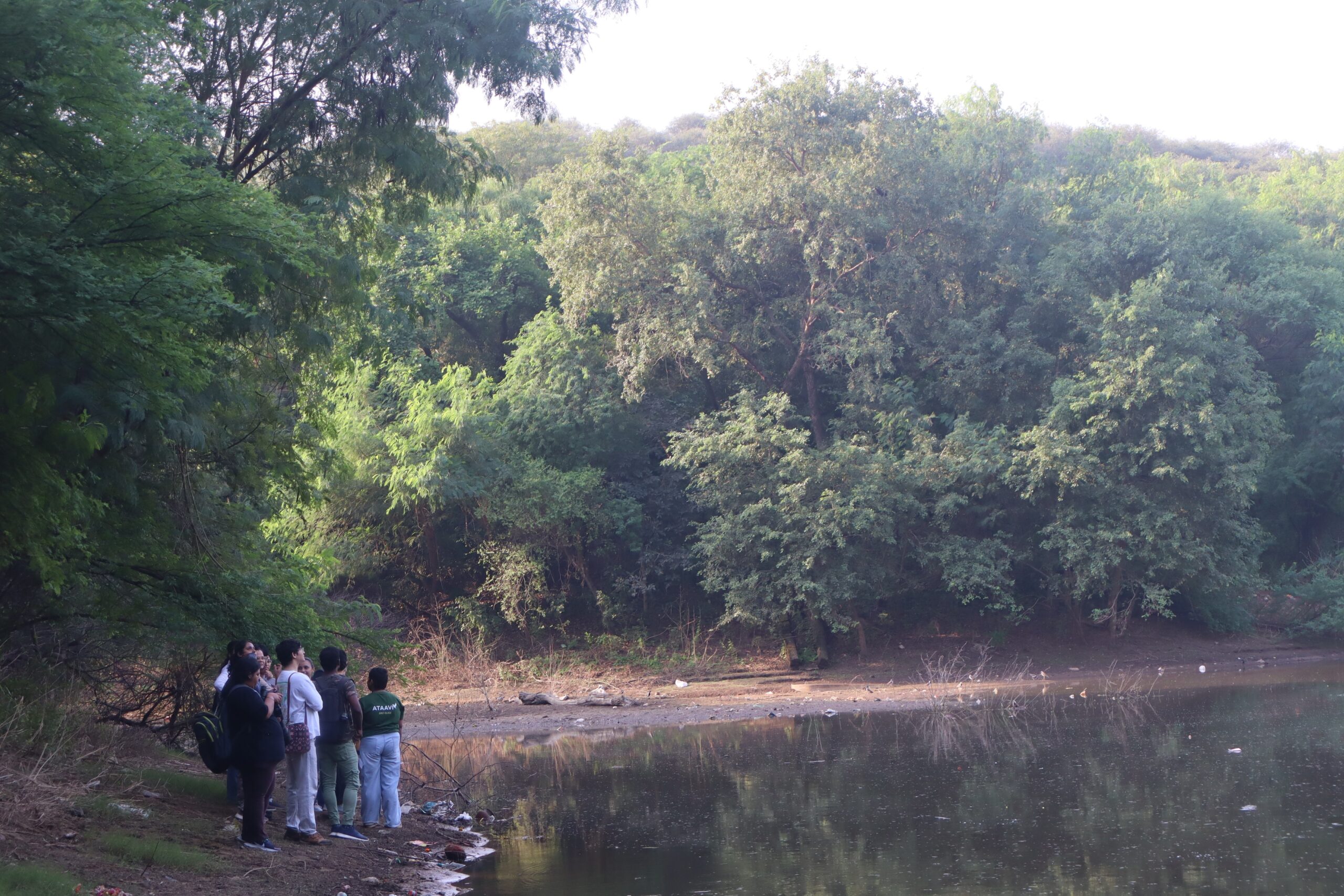
Bhondsi Forest (also called Bhondsi Nature Park) is a lush patch of the Aravalli foothills about 15 km south of Gurugram city centre, on Sohna Road. It spans roughly 100 acres of forested terrain (although some sources cite up to 558 acres when including adjoining forest land) that includes semi-evergreen woodland, rocky outcrops, scrub, dry foliage, seasonal water bodies, and native tree species like dhak, salai, kadam, and basa. This area is a rich birding spot, hosting nearly 46% of Haryana’s bird species, including both resident birds and seasonal migrants. Notable sightings include the Indian Pitta, Indian Paradise Flycatcher (a summer visitor), Fire-capped Tit (a rarer winter visitor), Grey-winged Blackbird, drongos, kingfishers, and many other warblers and forest-edge species.

However, the park faces several threats. Human intrusion during nesting seasons, especially by photographers who use playback calls or crowd around nests—is causing disturbance and even nest abandonment among ground-nesting species. Other threats include encroachment, road littering, garbage dumping, road-side disturbance, and games or activities being allowed in sensitive bird-nesting zones. Conservation efforts are underway: forest department efforts have included restoring water bodies, afforestation and removal of garbage, fencing roads to reduce disturbance, and proposals to regulate trekking and visitor movement. Also, authorities are pushing for better signage and enforcement of rules against disruptive activities (playback calls, approaching nests, etc.).

Partnered with

Bird Guide: Mansi Lodhi

Nature educator and birding guide with Midori Walks, Mansi blends ecology and mindfulness to create enriching outdoor experiences in urban green spaces.
Bird walk Location

Common birds of Bhondsi Nature Park

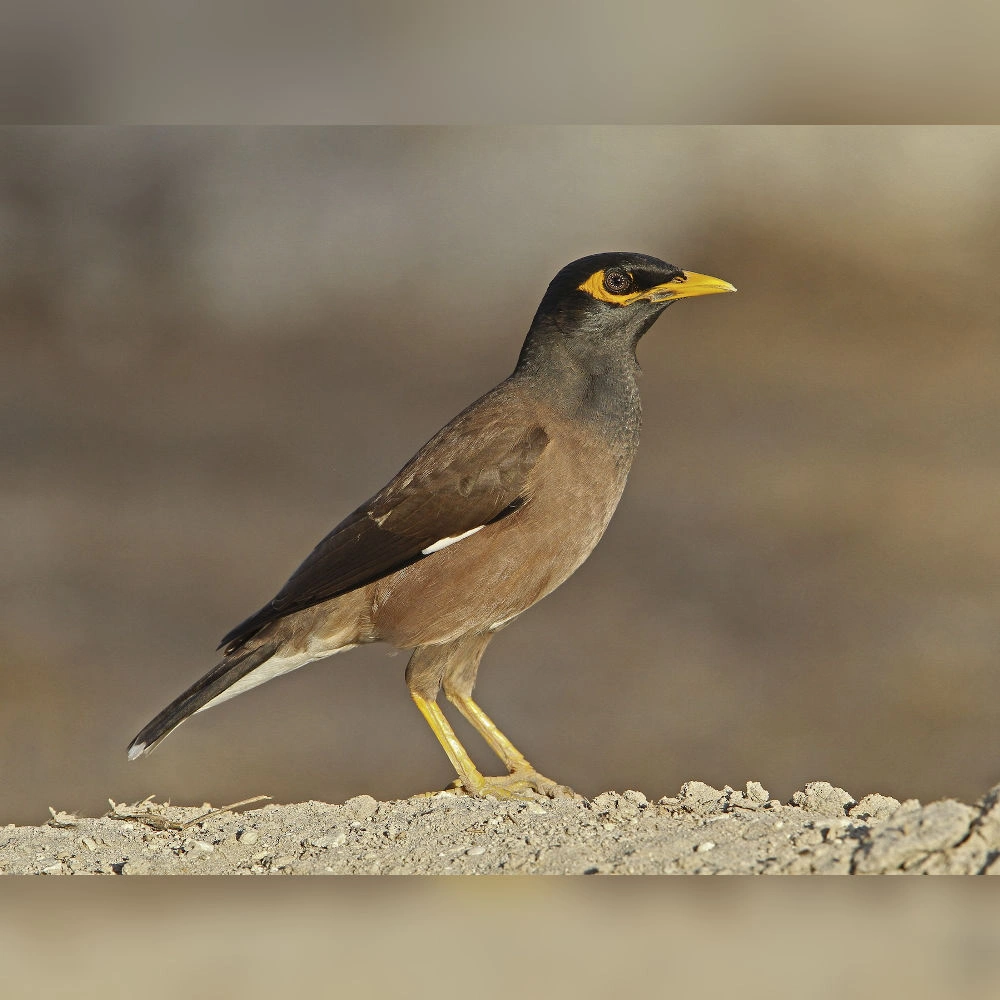
Bhondsi Forest in Gurugram is a remarkable birding hotspot, with 254 species recorded, making it one of the most bird-rich sites in Haryana. Its mosaic of scrub, dry deciduous patches, water bodies, and forest edges supports both resident and migratory species. Common residents like the Common Myna, Jungle Babbler, Indian Peafowl, Red-vented Bulbul, Rose-ringed Parakeet, and Indian Robin thrive in its varied habitats, while wetland-associated birds such as the Eastern Cattle Egret, Eurasian Moorhen, White-breasted Waterhen, and Little Grebe use its water features. The park also hosts colorful woodland species including Asian Green and Blue-tailed Bee-eaters, Rufous Treepie, Brahminy Starling, Ashy Prinia, and Indian Silverbill, adding vibrancy to the landscape. Raptors such as the Shikra, Black Kite, White-eyed Buzzard, Oriental Honey-buzzard, and Black-winged Kite indicate a healthy food web, while owls like the Spotted Owlet and Indian Scops-Owl underline the richness of its nocturnal avifauna.

Seasonal migrants further elevate Bhondsi’s importance, with species like the Greenish Warbler, Hume’s Warbler, Lesser Whitethroat, Western Crowned Warbler, and Blyth’s Reed Warbler frequenting the park in winter. Flycatchers such as the Taiga Flycatcher, Verditer Flycatcher, and Red-breasted Flycatcher, along with wagtails and swallows, add seasonal variety. Even rarer or habitat-specialist birds like the Sirkeer Malkoha, Indian Gray Hornbill, Yellow-footed Green-Pigeon, and Indian Paradise-Flycatcher have been observed, reflecting the park’s diverse niches.

Common Myna
Jungle Babbler
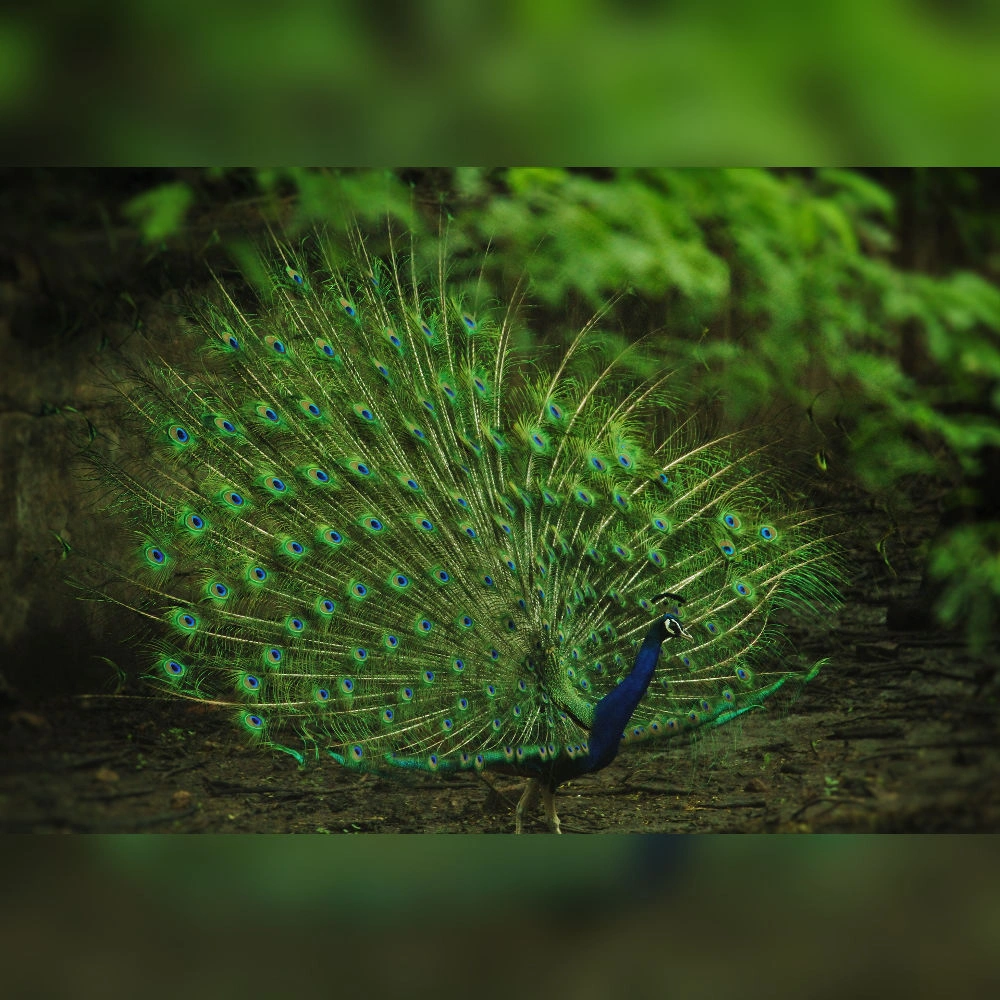
Indian Peafowl
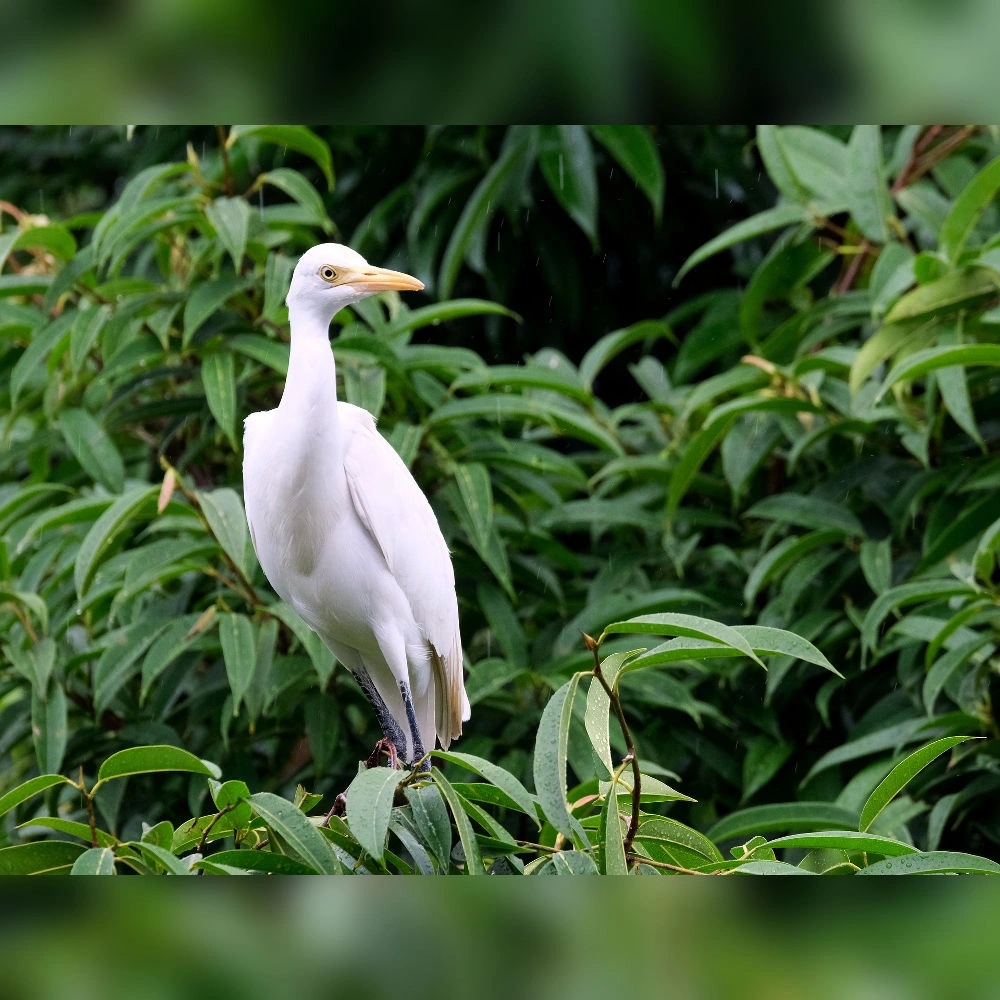
Eastern Cattle Egret
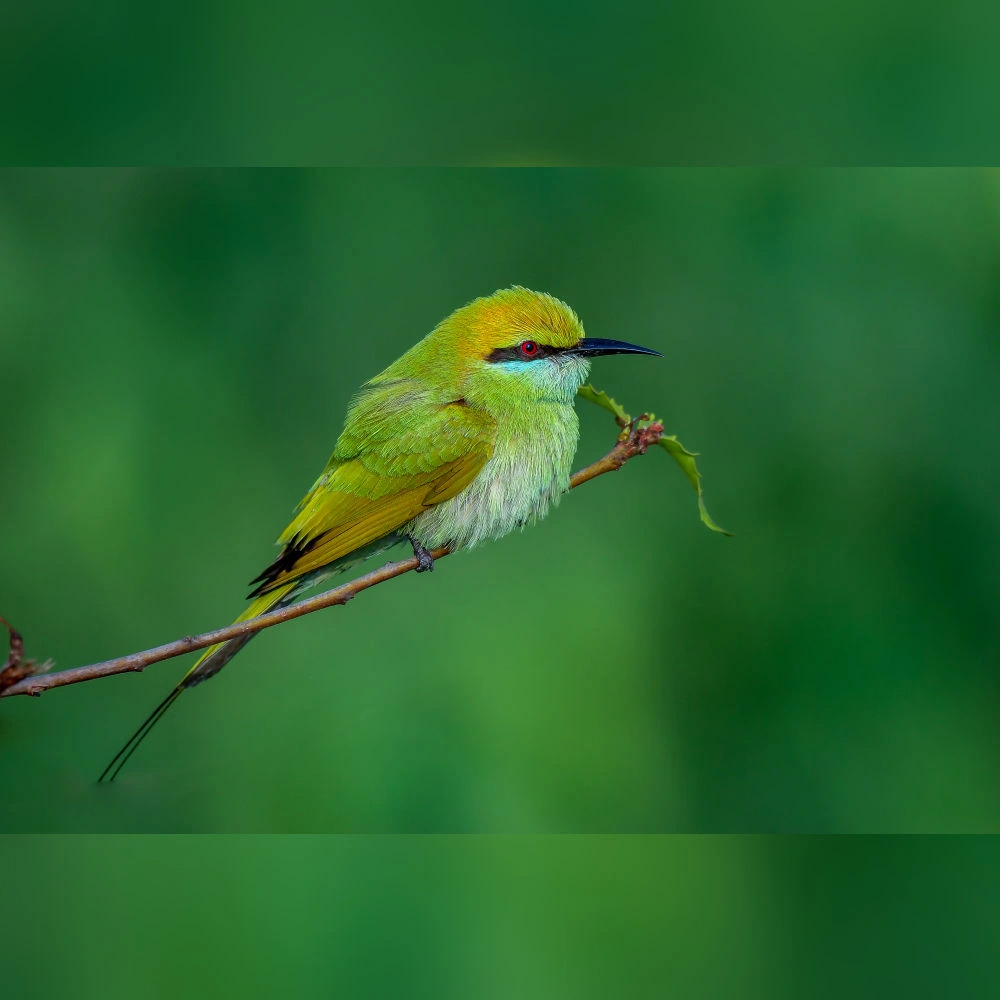
Asian Green Bee-eater
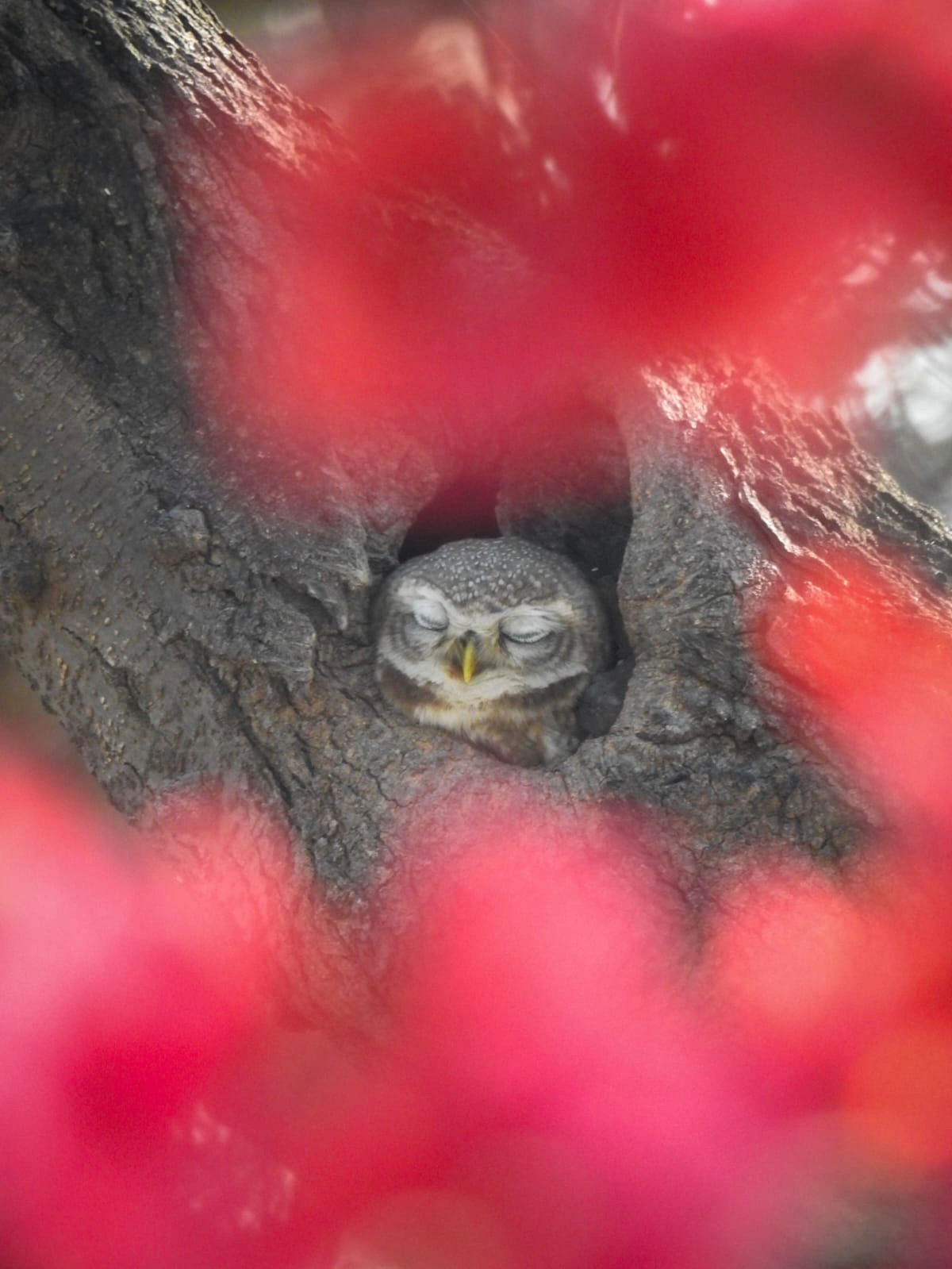
Spotted Owlet
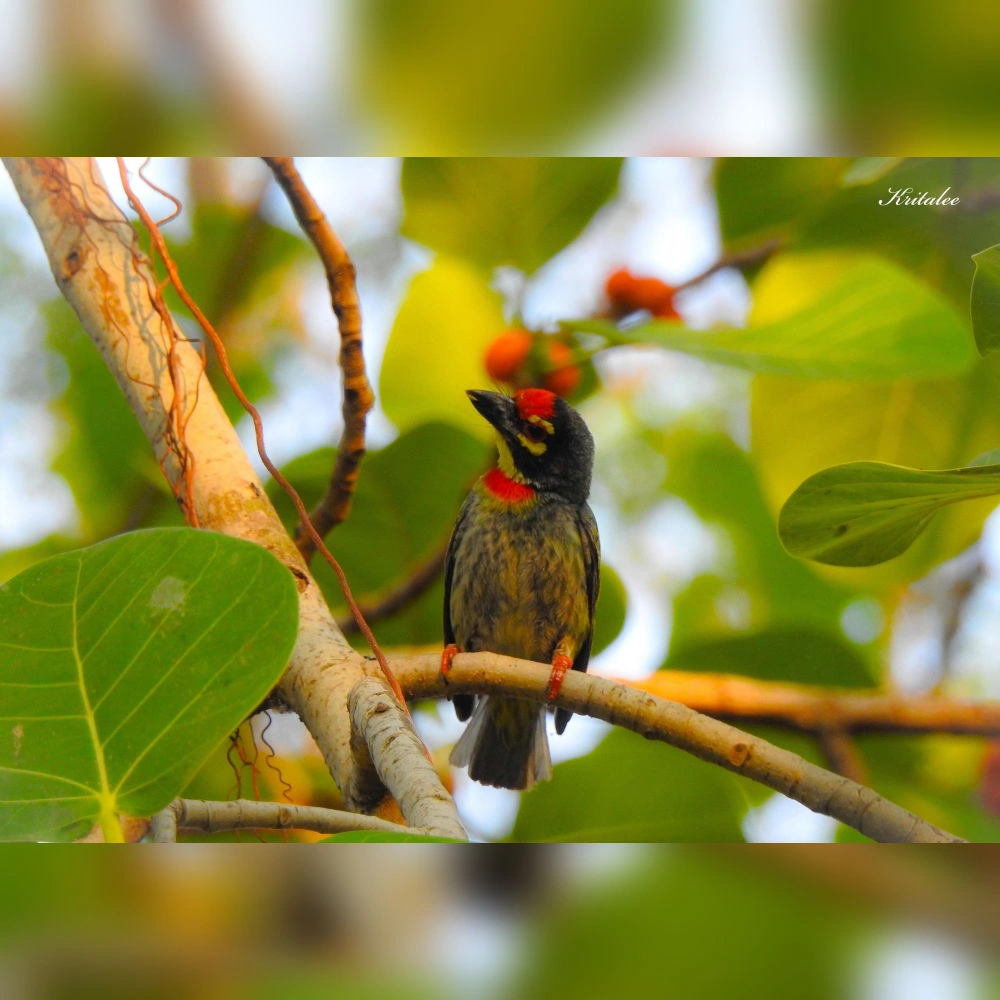
Coppersmith Barbet
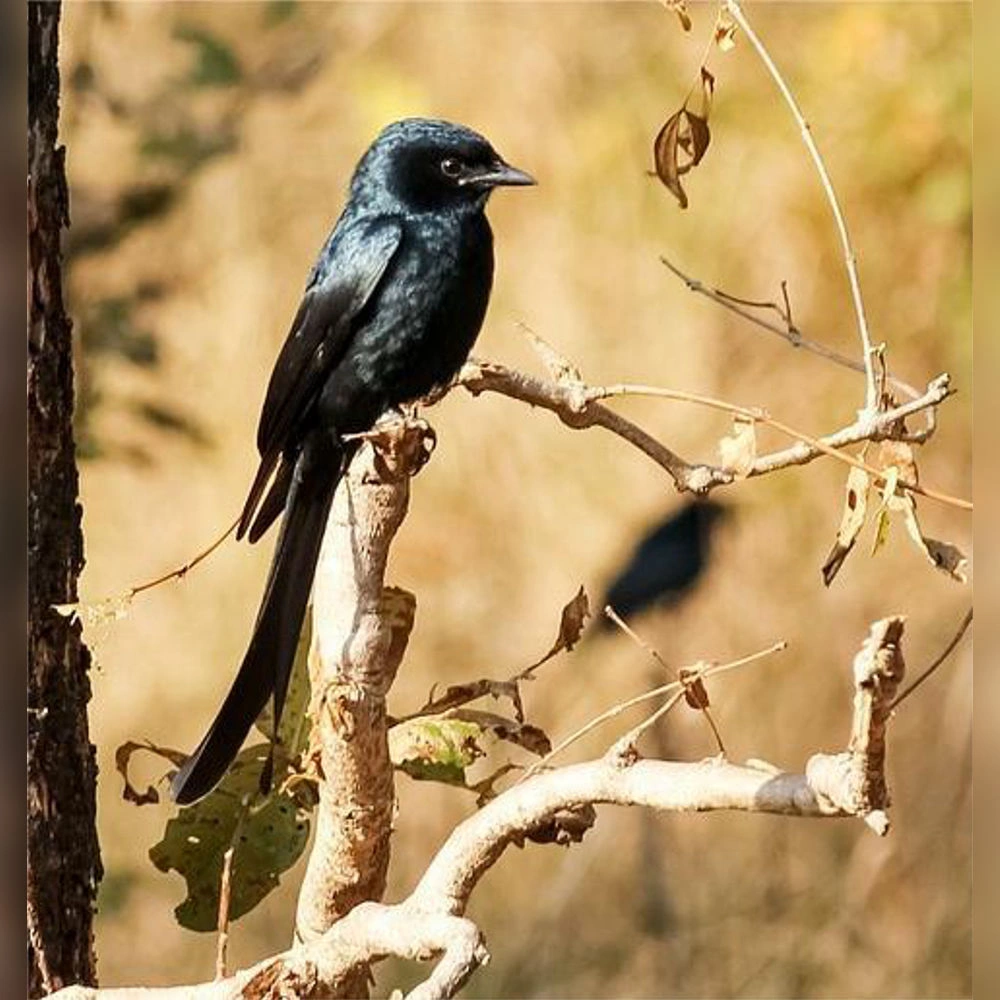
Black Drongo
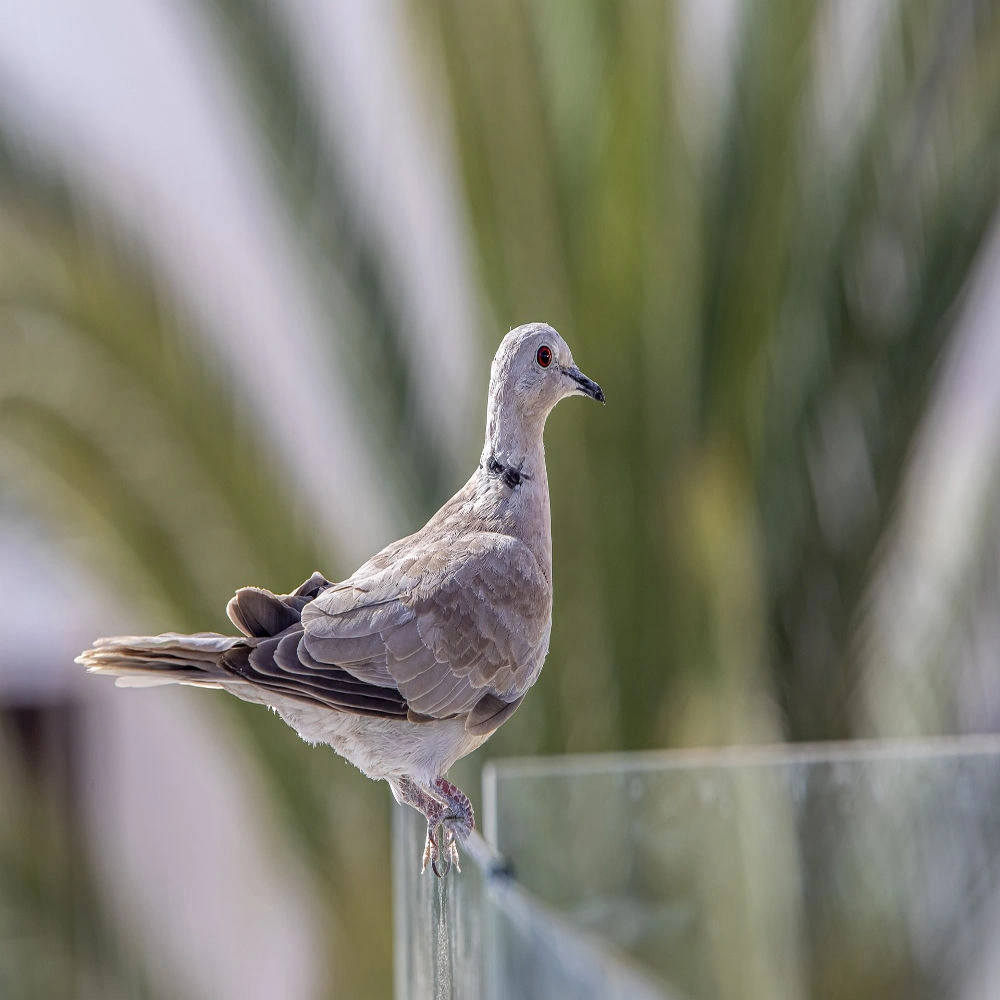
Eurasian-collared Dove
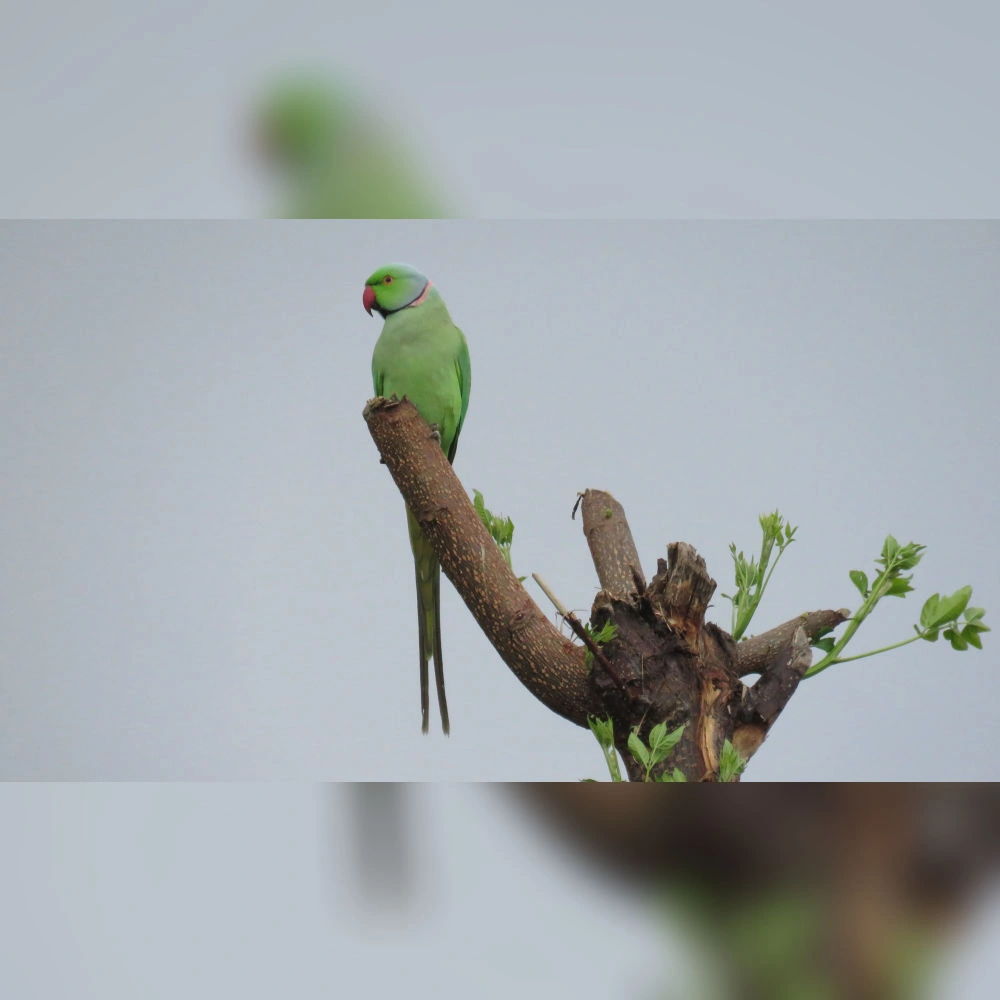
Rose-ringed Parakeet
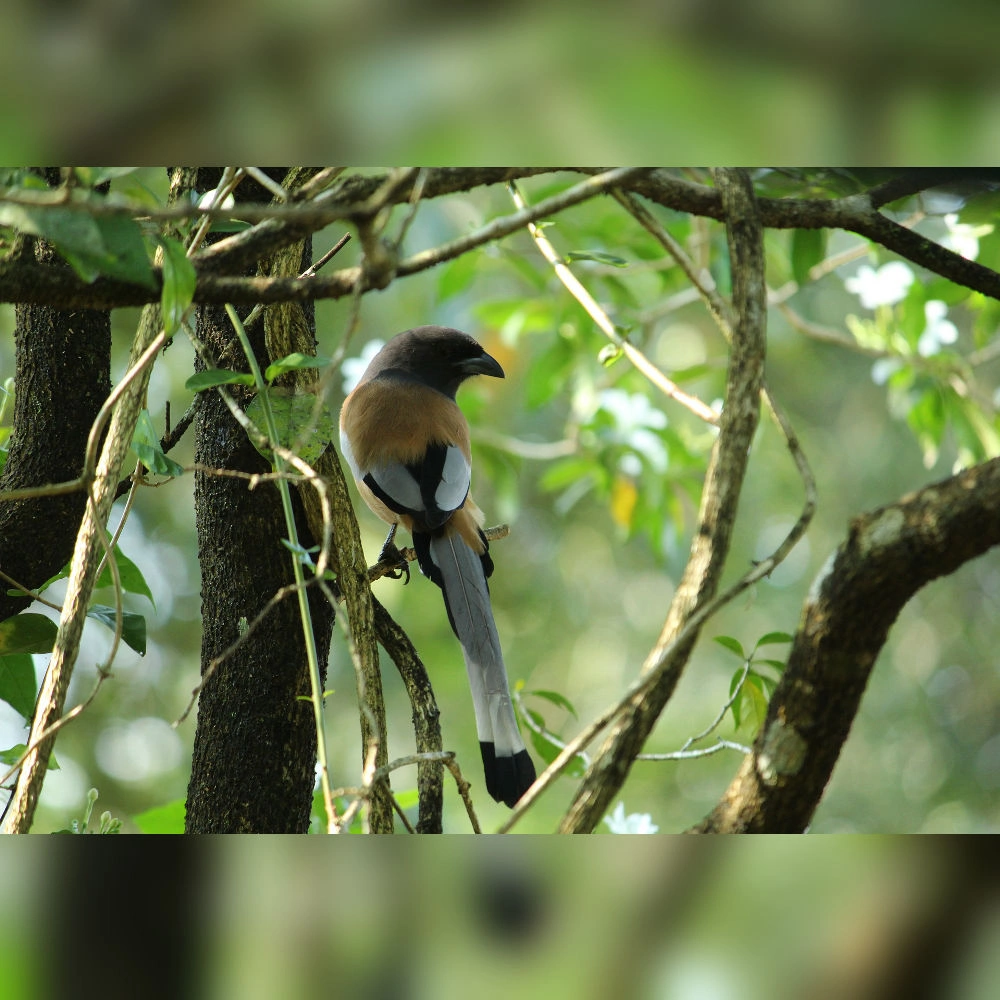
Rufous Treepie
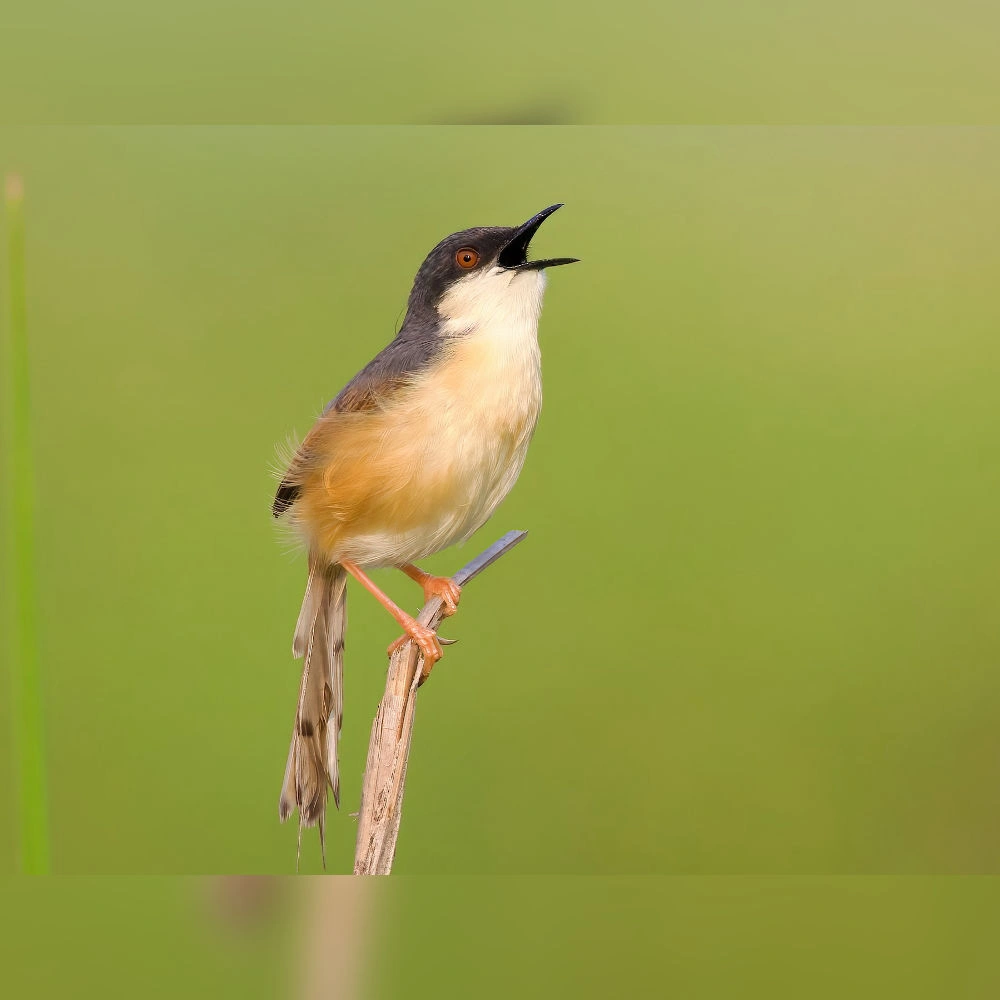
Ashy Prinia
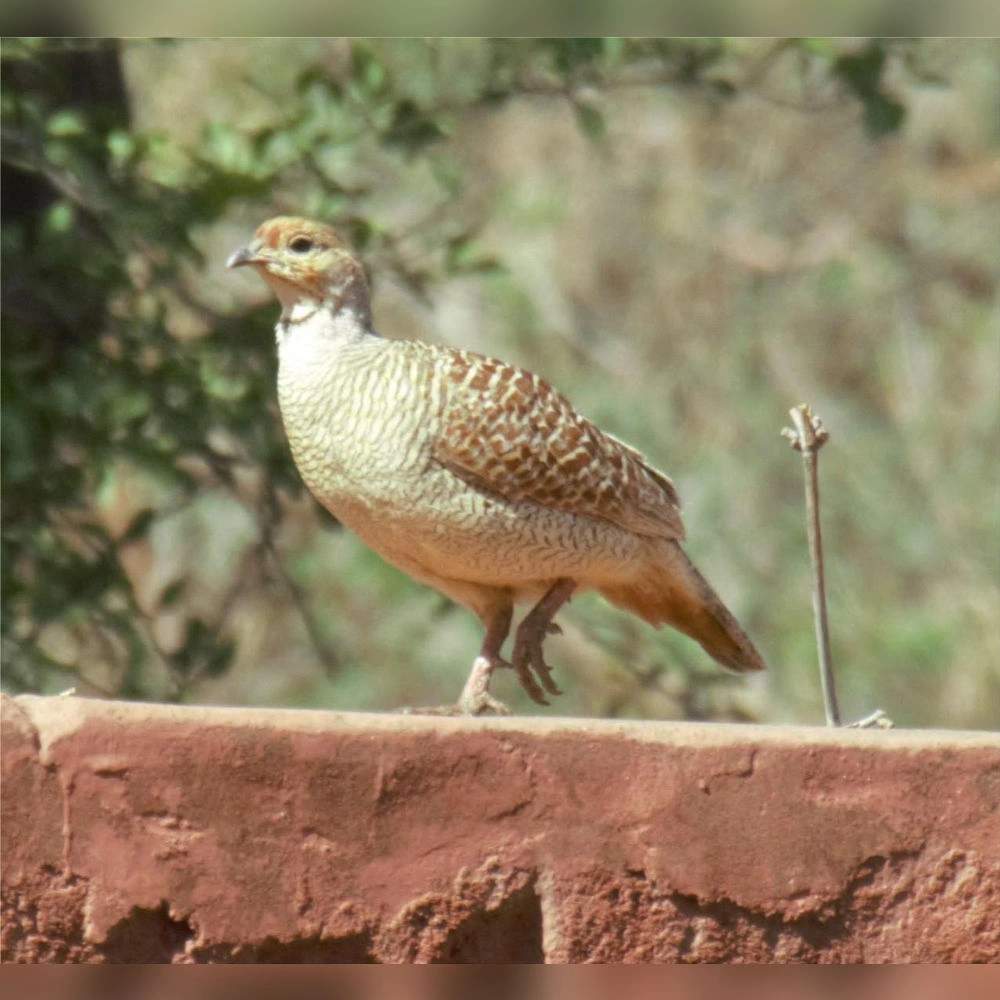
Grey Francolin
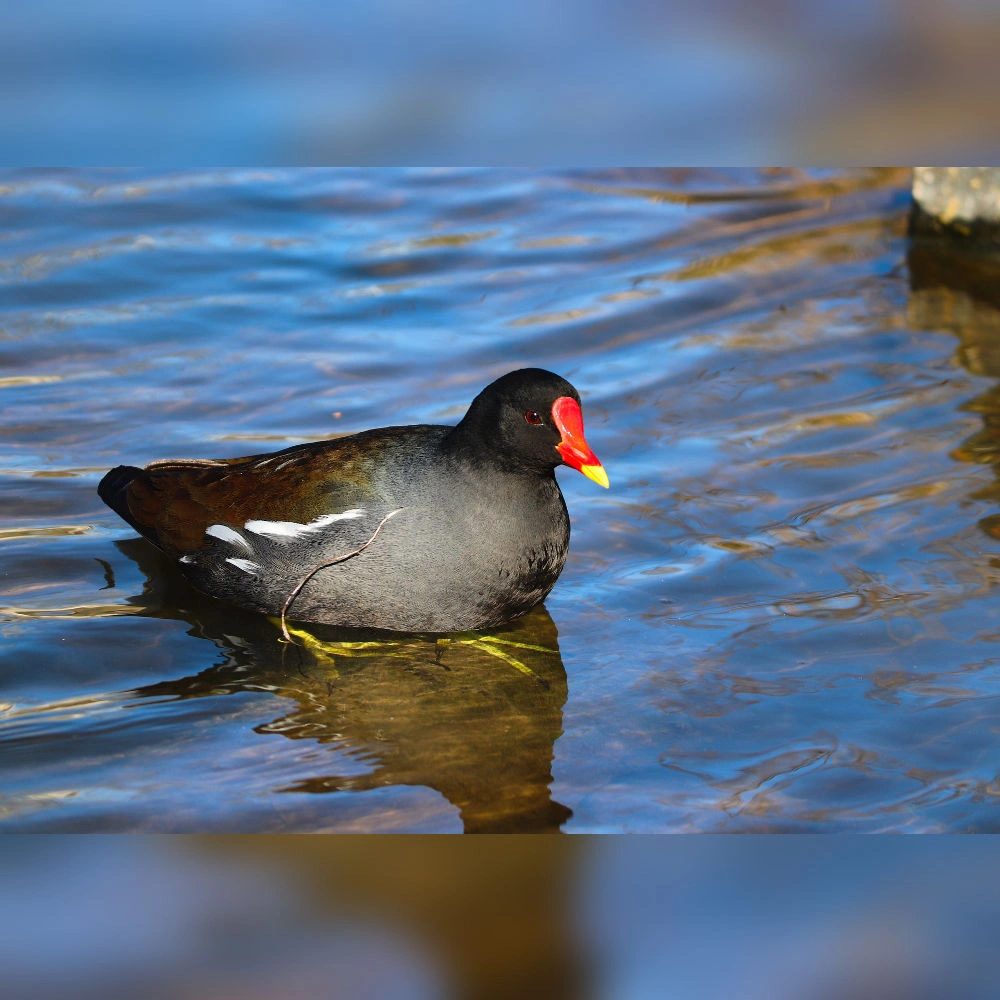
Eurasian Moorhen
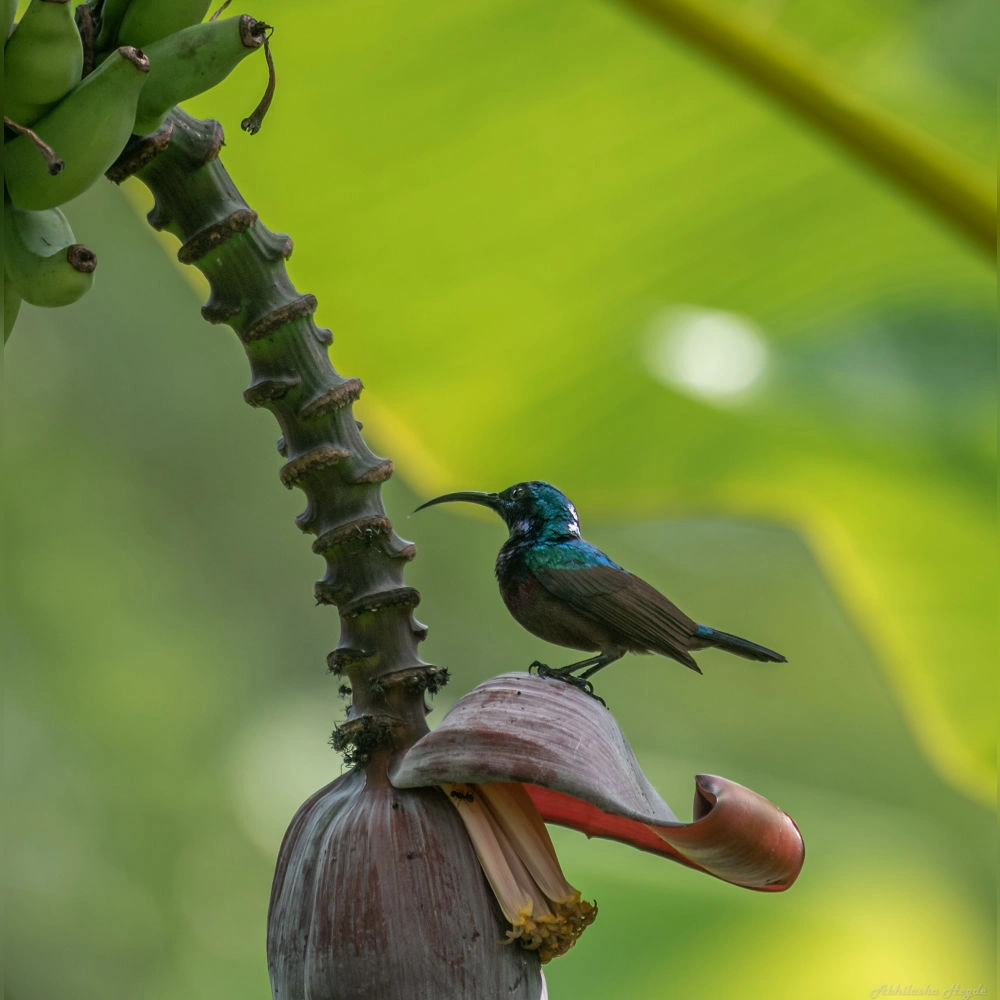
Purple Sunbird
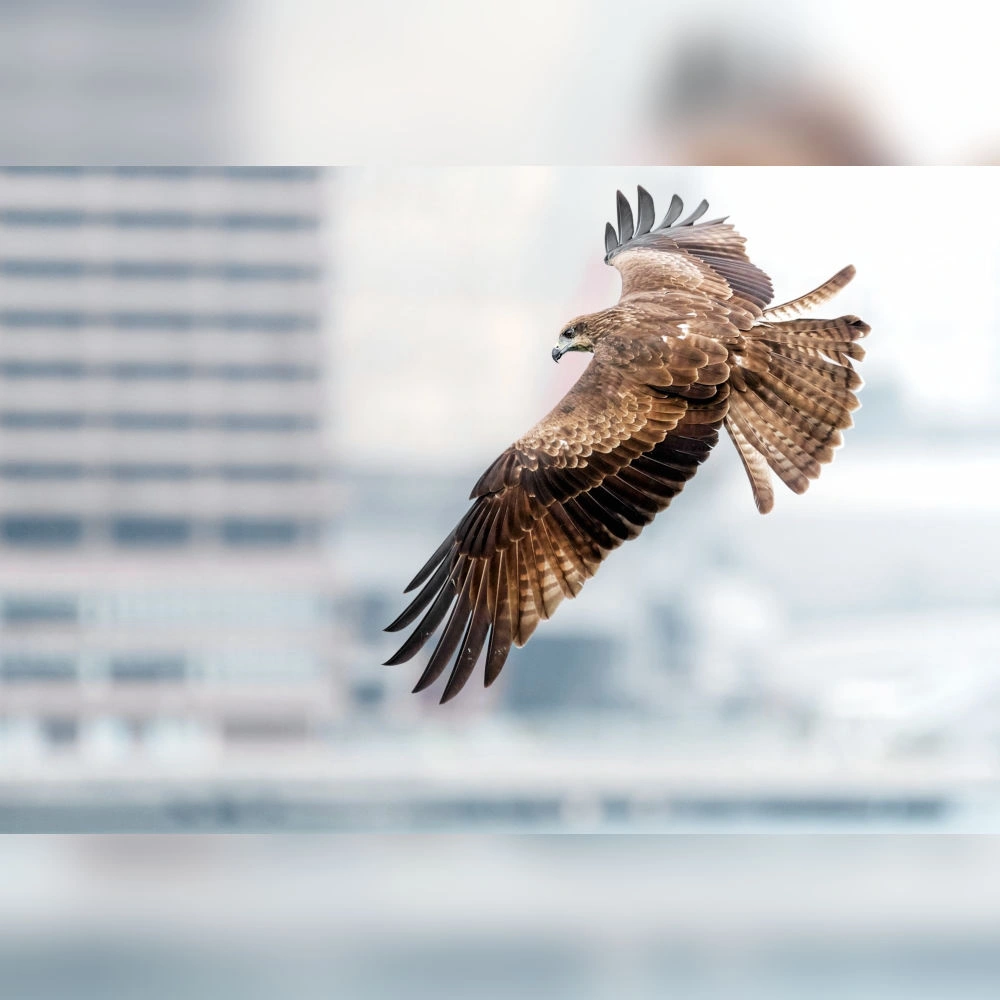
Black Kite
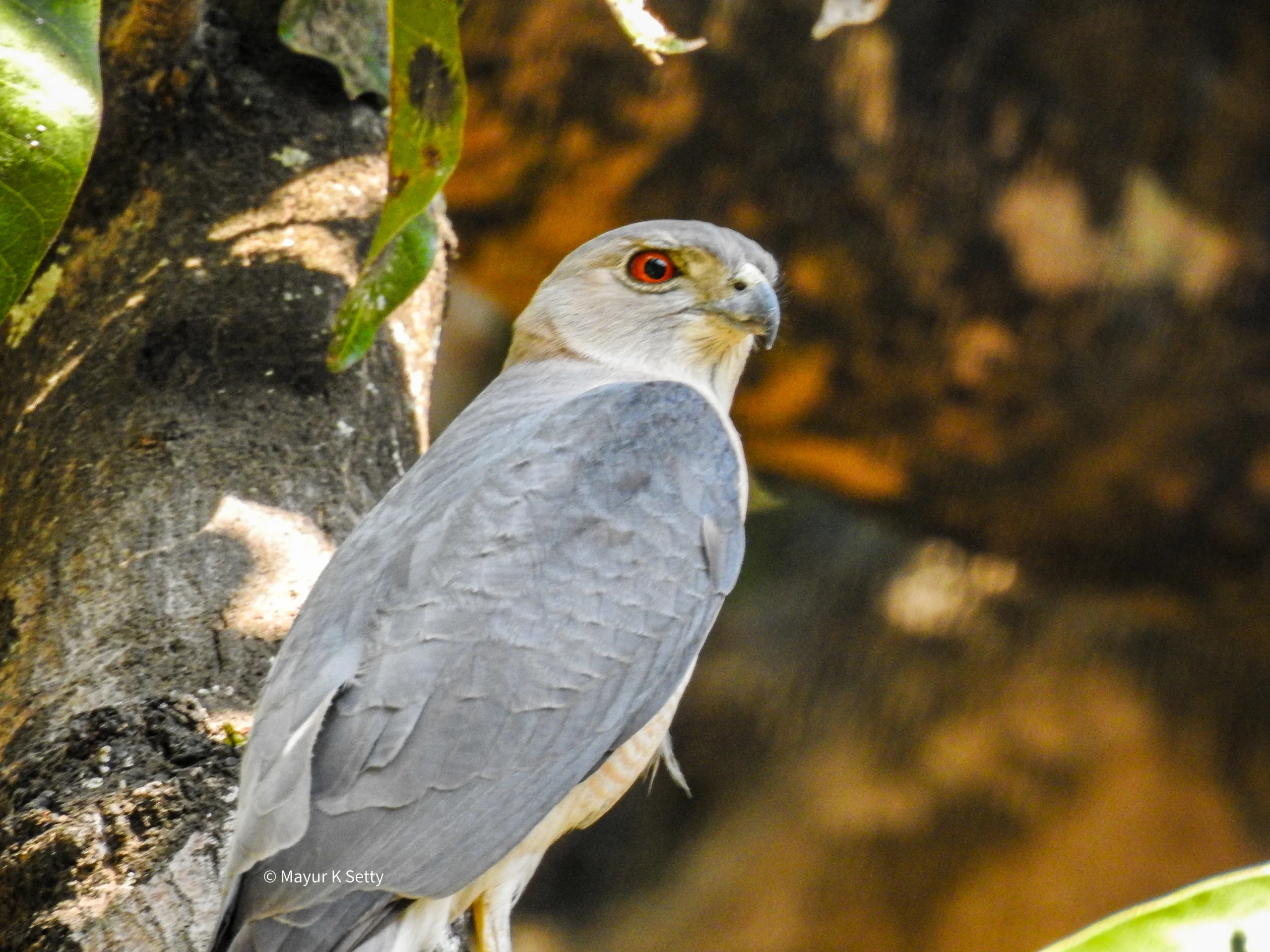
Shikra
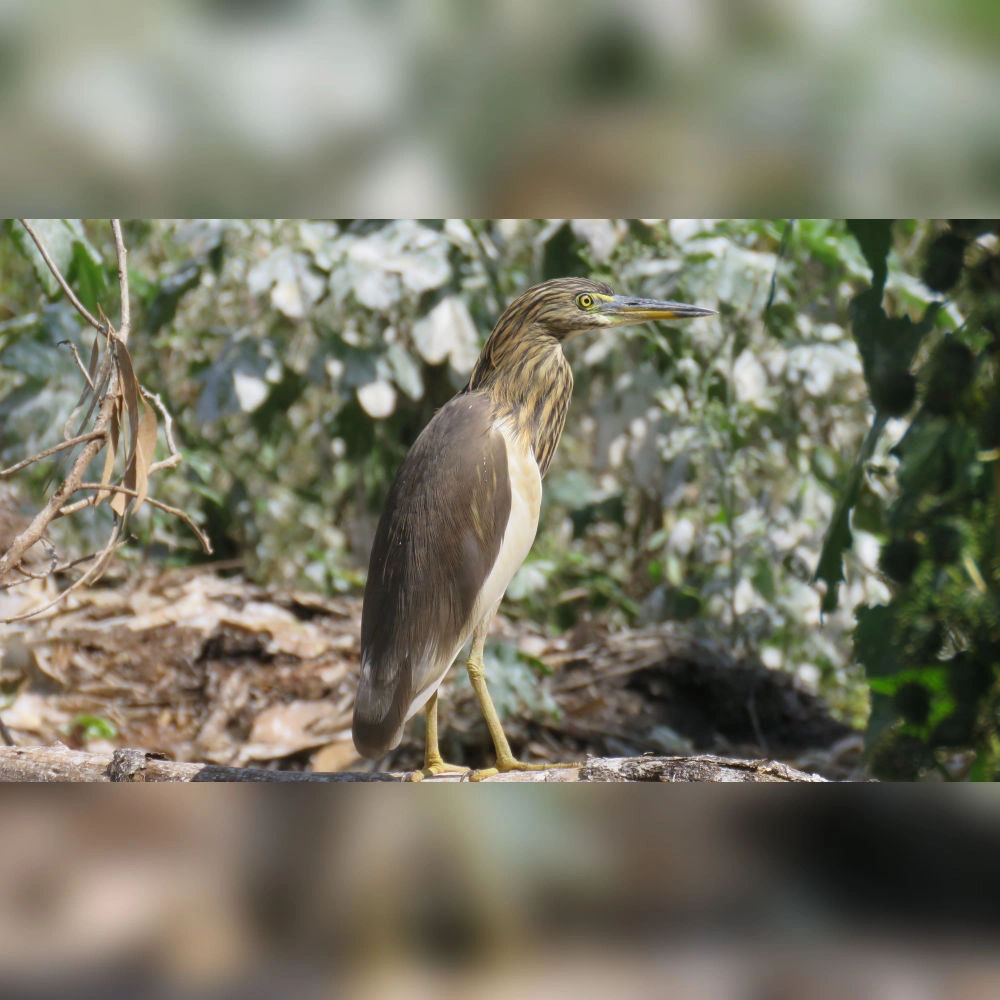
Indian Pond Heron
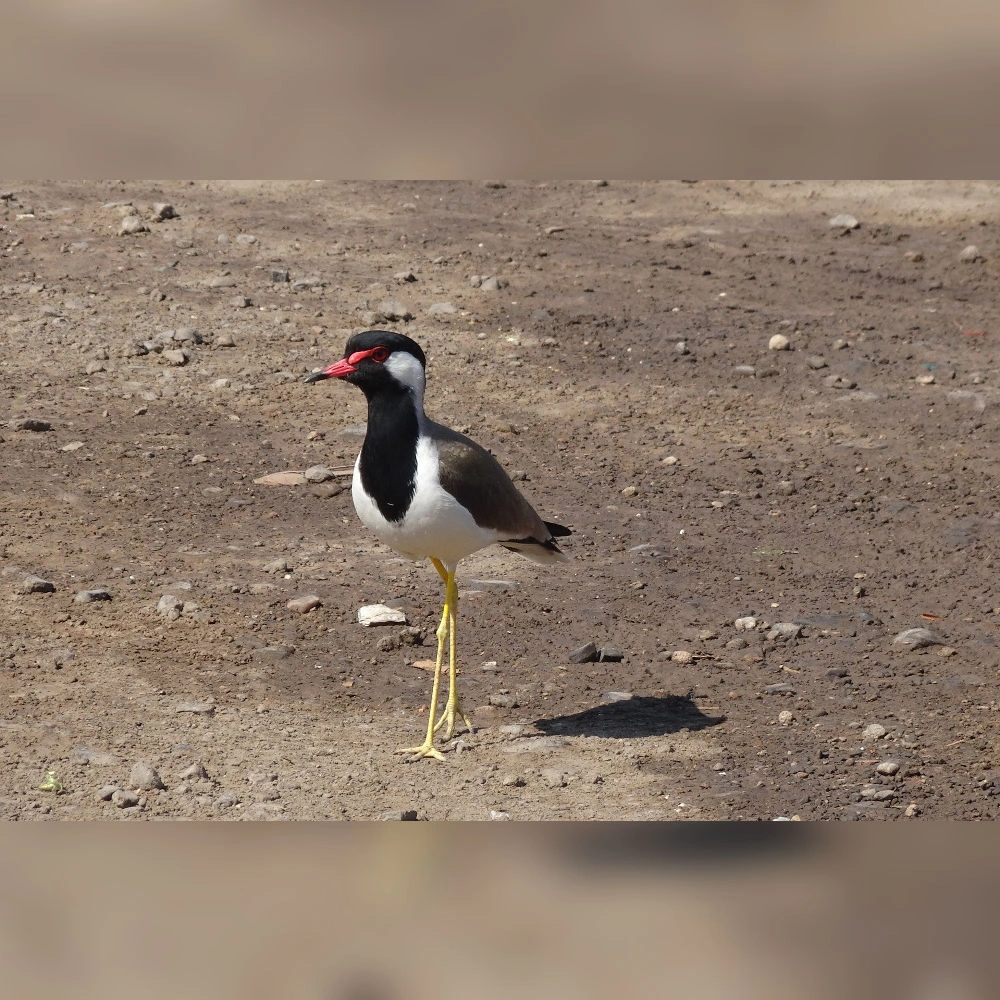
Red-wattled Lapwing
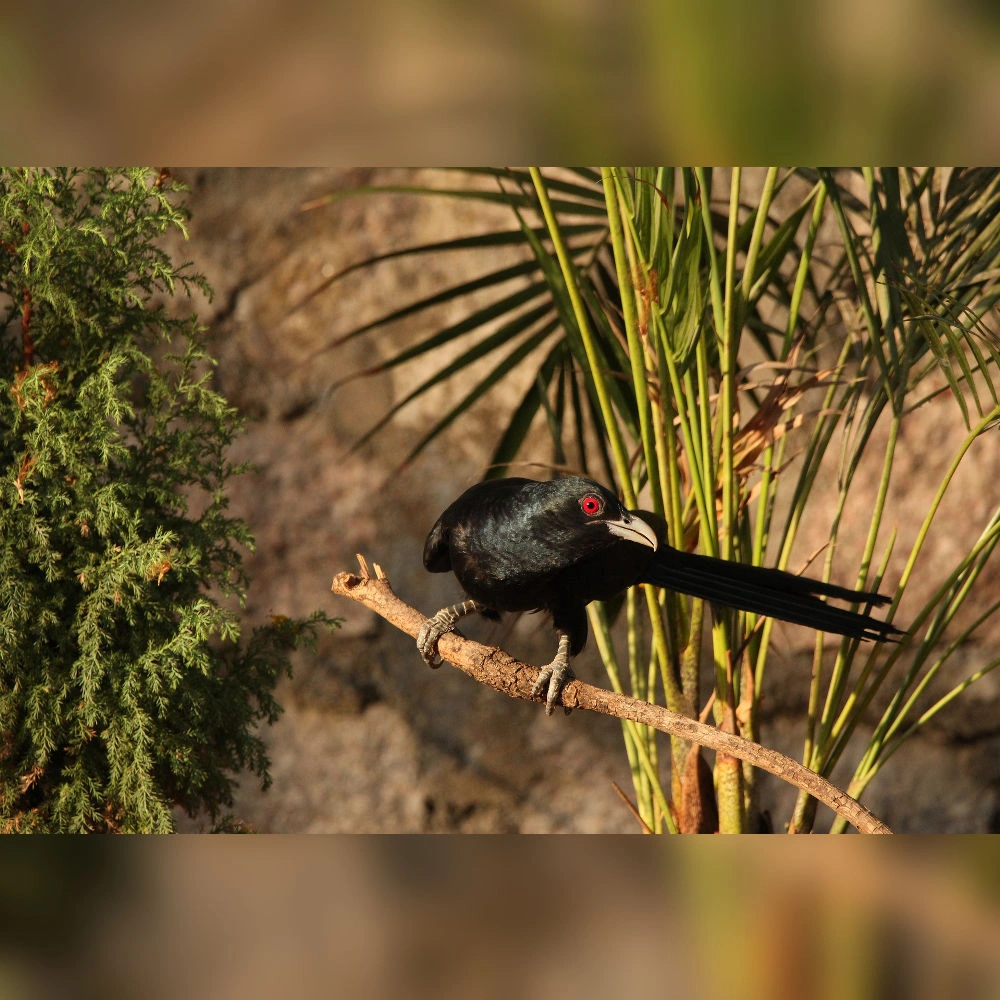
Asian Koel

Summary of Walk

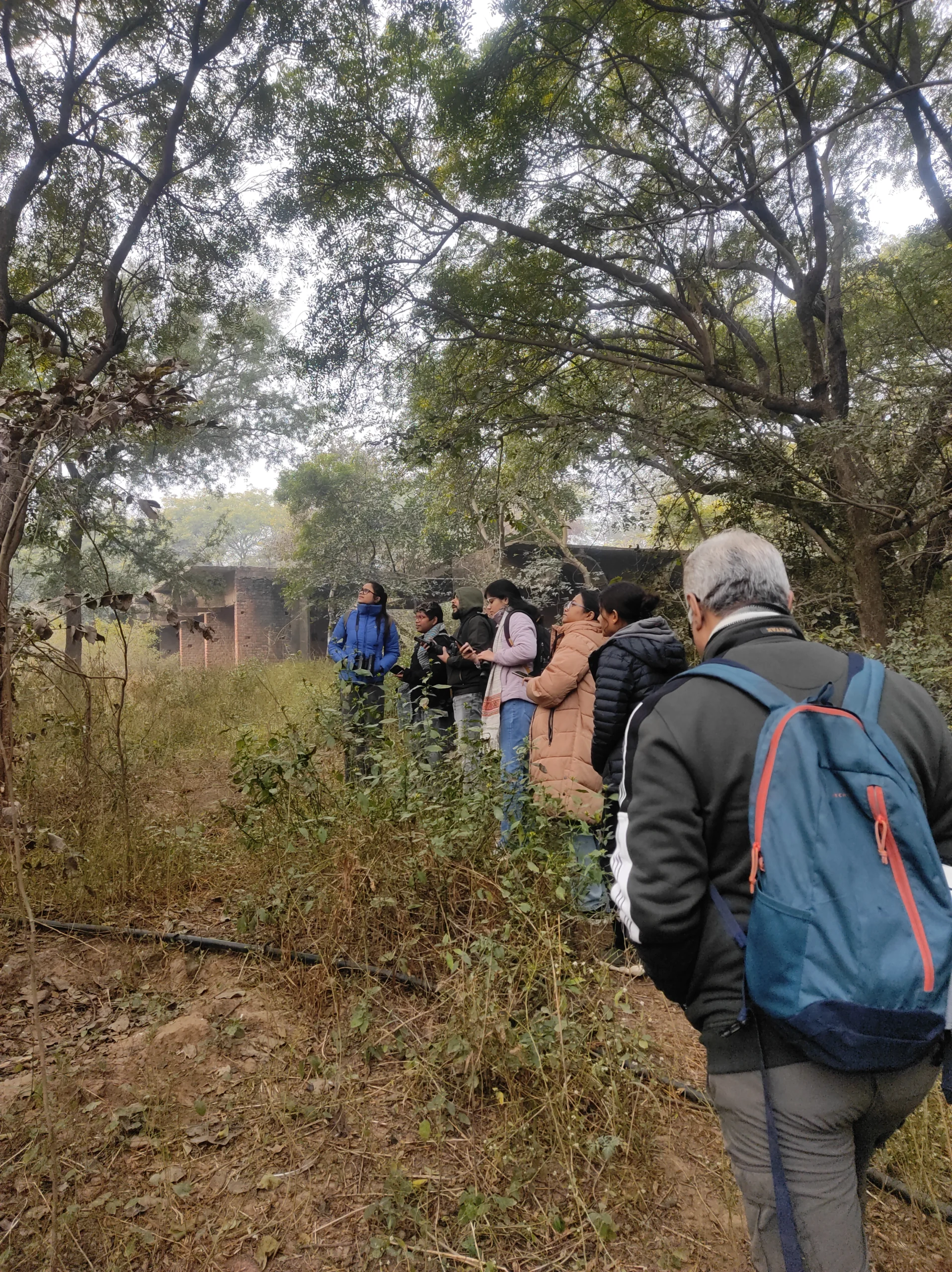
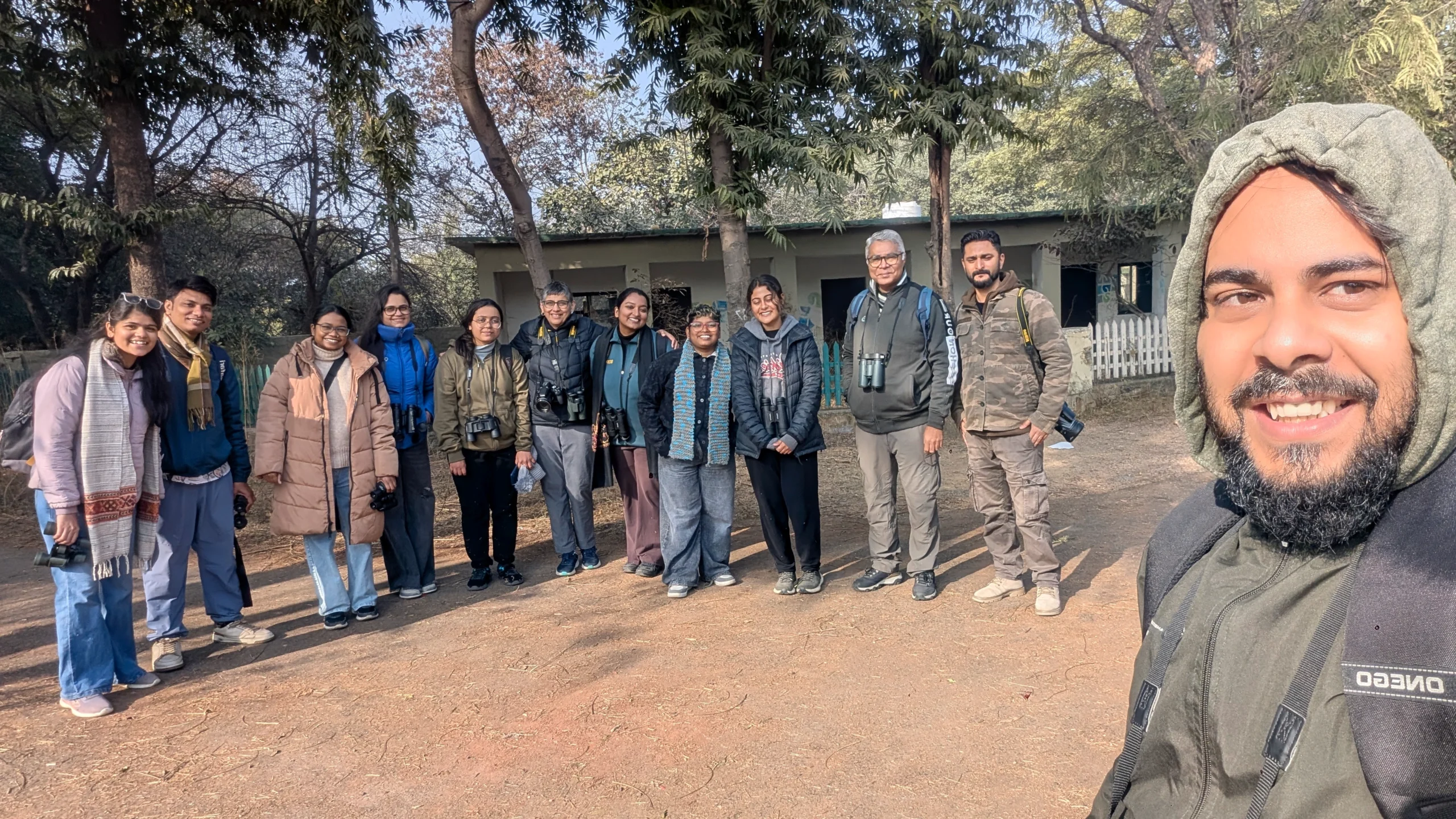

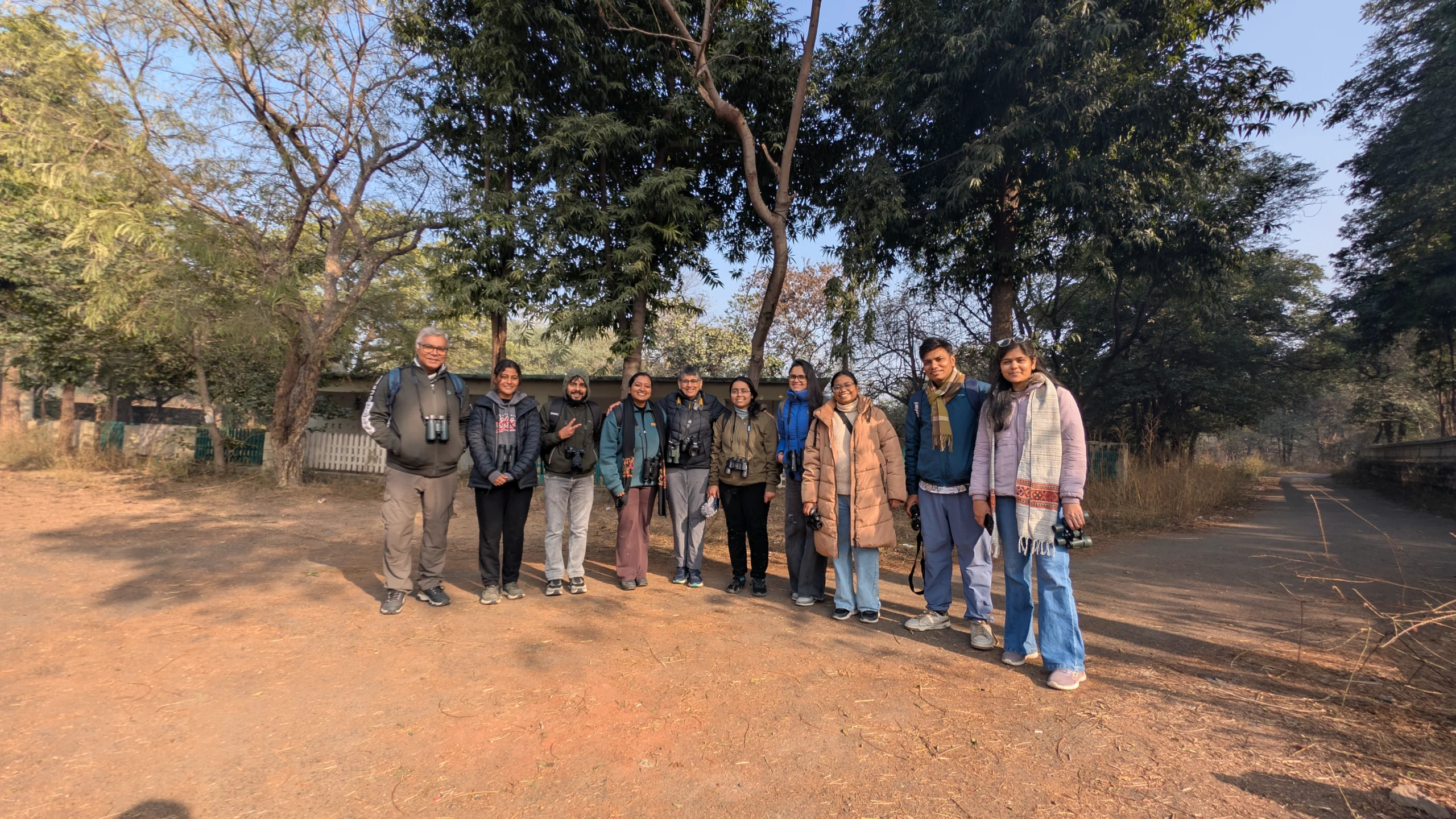
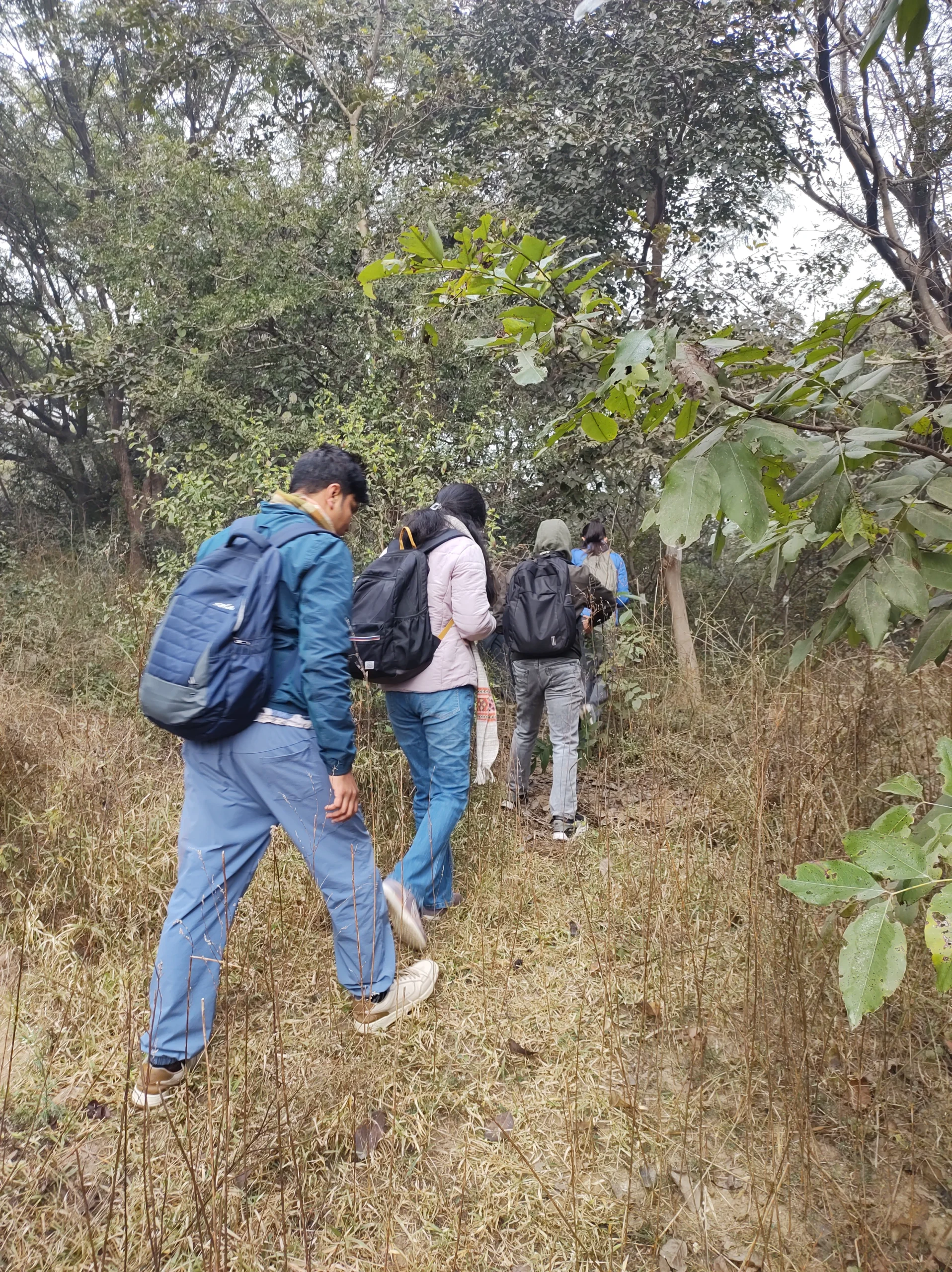
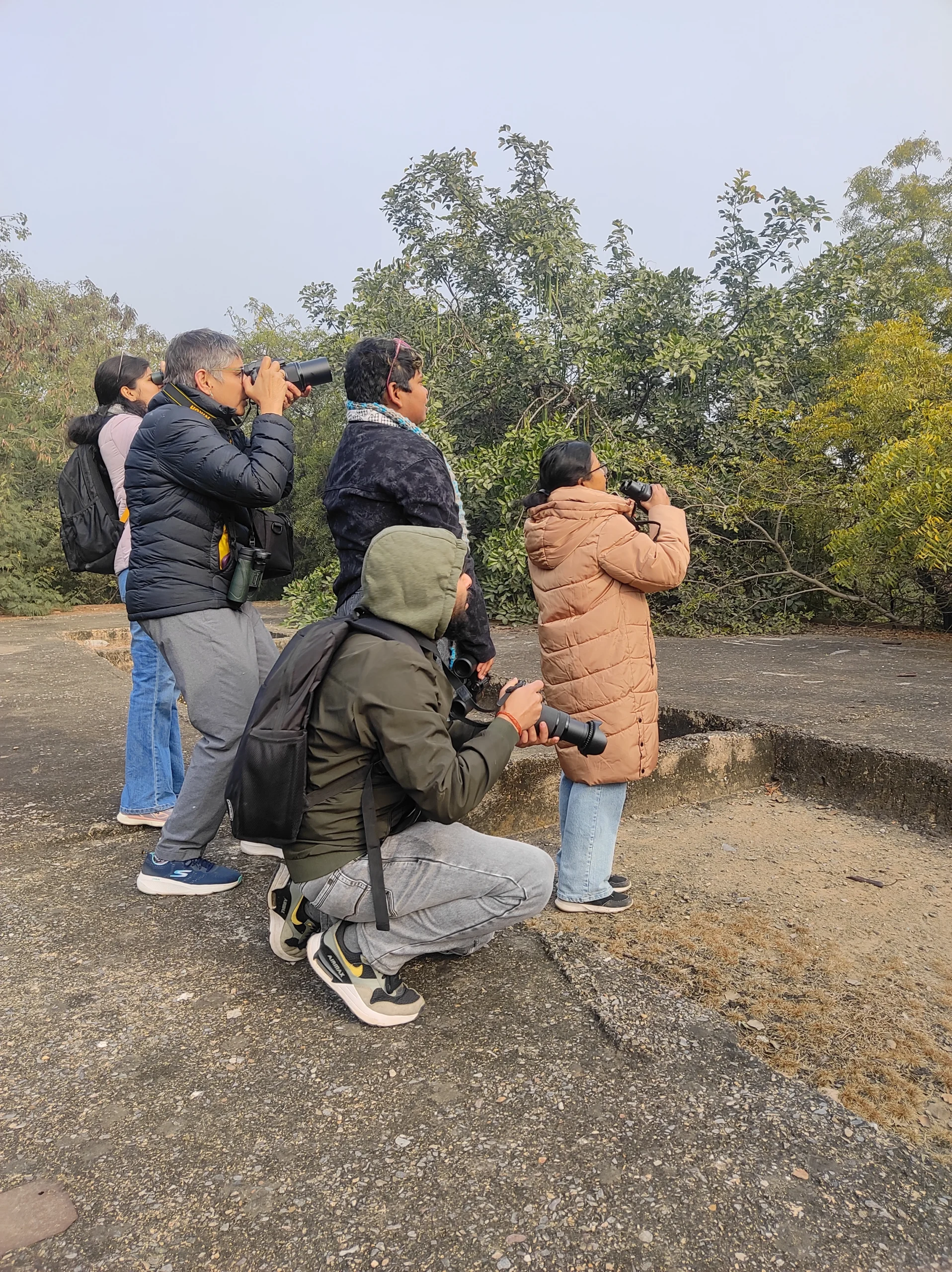
A bird walk at Bhondsi Forest, led by Mansi Lodhi in collaboration with Midori Walks, brought together 10 participants for a deeply enriching forest birding experience that highlighted forests as the true natural habitat of birds. Unlike gardens and parks, participants observed rare and natural behaviors such as two peafowls fighting and jungle babblers grooming each other, offering a glimpse into authentic forest life. One of the most memorable moments was spotting a Hume’s Warbler quietly hopping between branches—an exciting experience for many who had only ever heard its call, much like finally seeing a barbet when it is silent. The walk also featured sightings of Asian Tit, Small and Red Minivets, Red-breasted and Grey-headed Flycatchers, Common Woodshrike, Taiga Flycatcher, White-breasted Waterhen, Red-wattled Lapwing, Rufous Treepie, White-throated Kingfisher, and several other forest species. In total, 21 bird species were recorded during the walk. For several participants, this was their first forest bird walk, and many shared how the experience helped them slow down, discover the natural side of Gurgaon beyond the cyber city, and develop a deeper appreciation for the rich avian diversity of the Delhi NCR region.

Number of Participants
0
Scroll to Top