

Bird Walk at T.S. Chanakya Birding Area, Navi Mumbai
- Navi Mumbai
- 14 January, 2026
- Shmes Sufyan
About T.S. Chanakya
T.S. Chanakya in Seawoods, Navi Mumbai, is a serene green pocket nestled between urban development, mangroves, and tidal wetlands, offering a refreshing natural escape for residents and nature enthusiasts. Once known for the maritime training institute located here, the area has gradually transformed into a favored birding and walking spot thanks to its mix of freshwater pools, grassy patches, and scattered trees. The sight of sunrise over the wetlands, with distant mangrove silhouettes and gentle ripples on the water, lends the place a peaceful charm that contrasts beautifully with the bustling city around it.
Today, T.S. Chanakya stands as a cherished recreational and ecological space where walkers, joggers, and birdwatchers cross paths with fishermen and locals enjoying quiet moments. The tidal influence from the creek and the mix of wetland habitats draw a variety of wildlife, particularly during the migratory season when the site comes alive with the calls and movements of visiting birds. Efforts by local naturalists and birding groups have helped highlight the ecological significance of the area, encouraging appreciation and awareness for conserving this rare green-lung space amid rapid urban growth.

Bird Guide: Shmes Sufyan
Birding guide with 10+ years of experience, holding a Master’s in Biodiversity, Wildlife Conservation, and Management. Skilled at not just spotting birds but also explaining their ecology, behavior, and habitats in a simple, engaging way.
Bird walk Location
Common birds of T.S. Chanakya
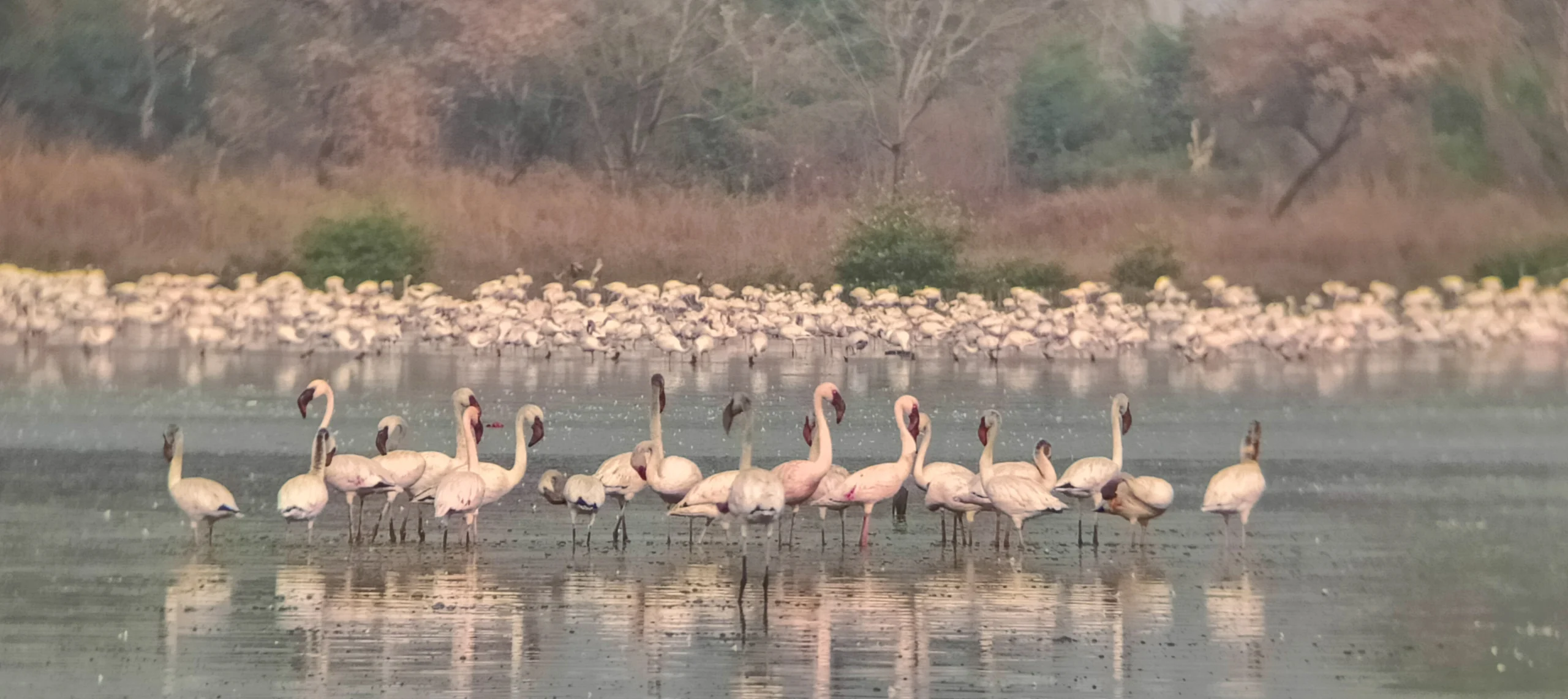
The wetlands and open grasslands around T.S. Chanakya support a rich variety of birdlife, making it one of Navi Mumbai’s popular birding spots. Large waders such as Lesser and Greater Flamingos gather in impressive numbers, often joined by Painted Storks, Grey-headed Swamphens, and Spot-billed Ducks along the shallow pools. The edges of the water bustle with activity from Wood Sandpipers, Little Stints, Eurasian Curlews, and Common Sandpipers, while Whiskered Terns skim gracefully over the water surface. The marshes and trees around the site host Little and Great Egrets, Little Cormorants, and charismatic kingfishers like the White-throated and Common Kingfisher. In the surrounding scrub and grassland, birdwatchers can spot smaller but equally charming species including the Bluethroat, Eurasian Hoopoe, Ashy Prinia, Ashy Drongo, and White-eared Bulbul, making the area a vibrant mosaic of wetland and woodland birdlife.

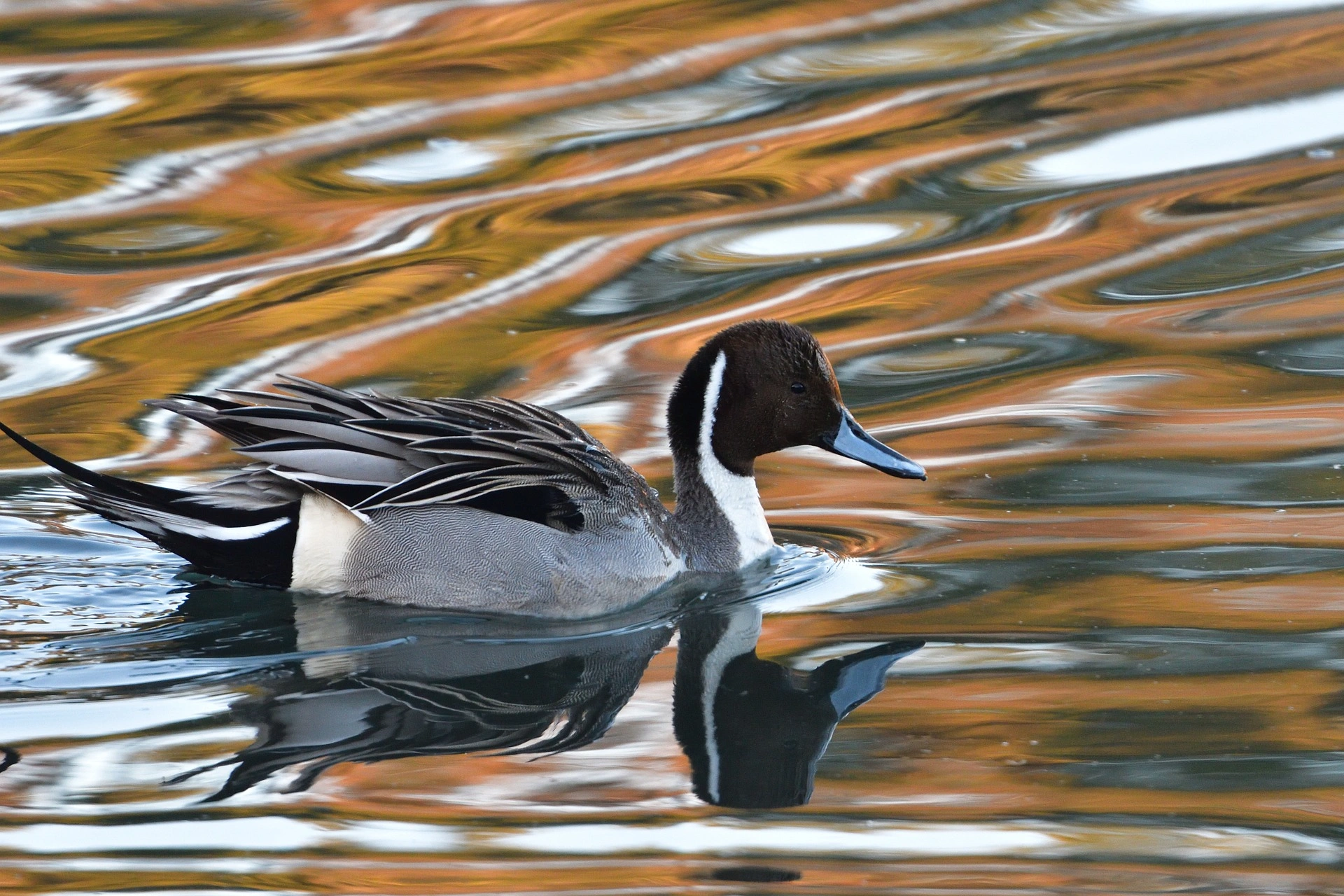
Northern Pintail

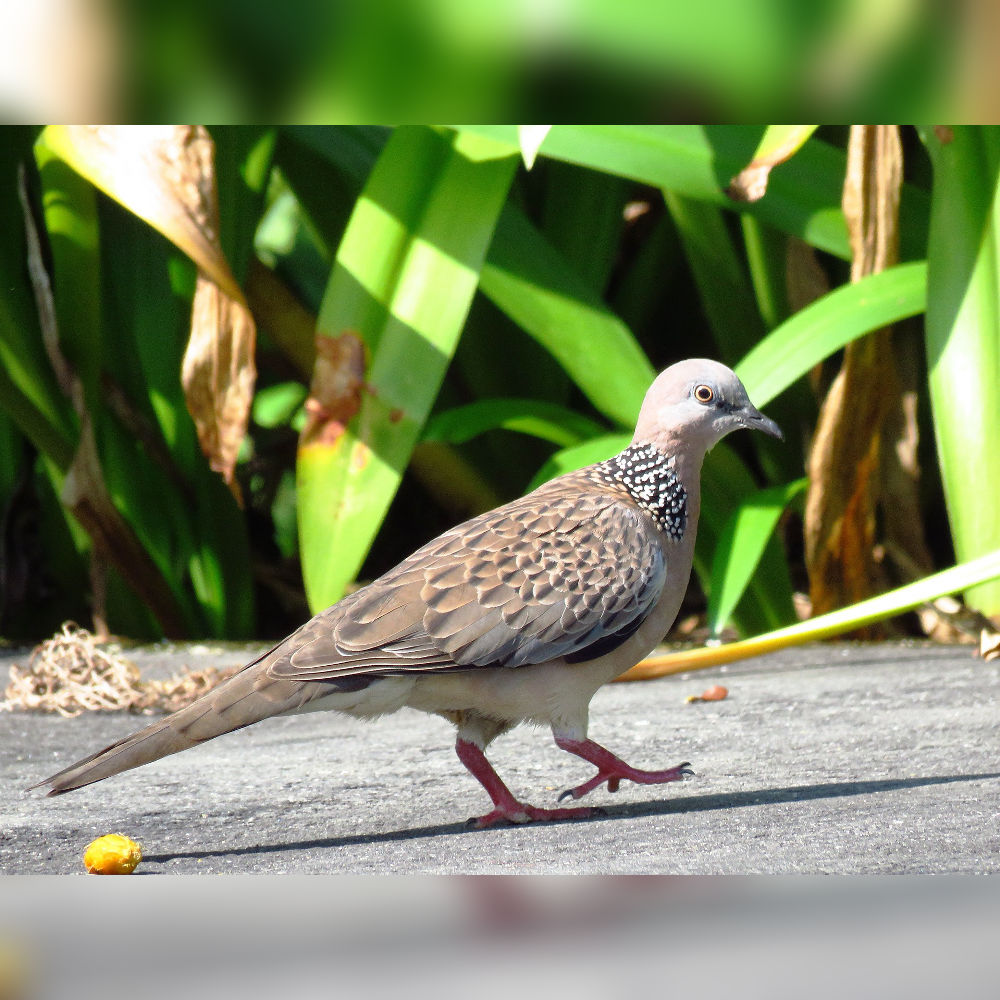
Spotted Dove

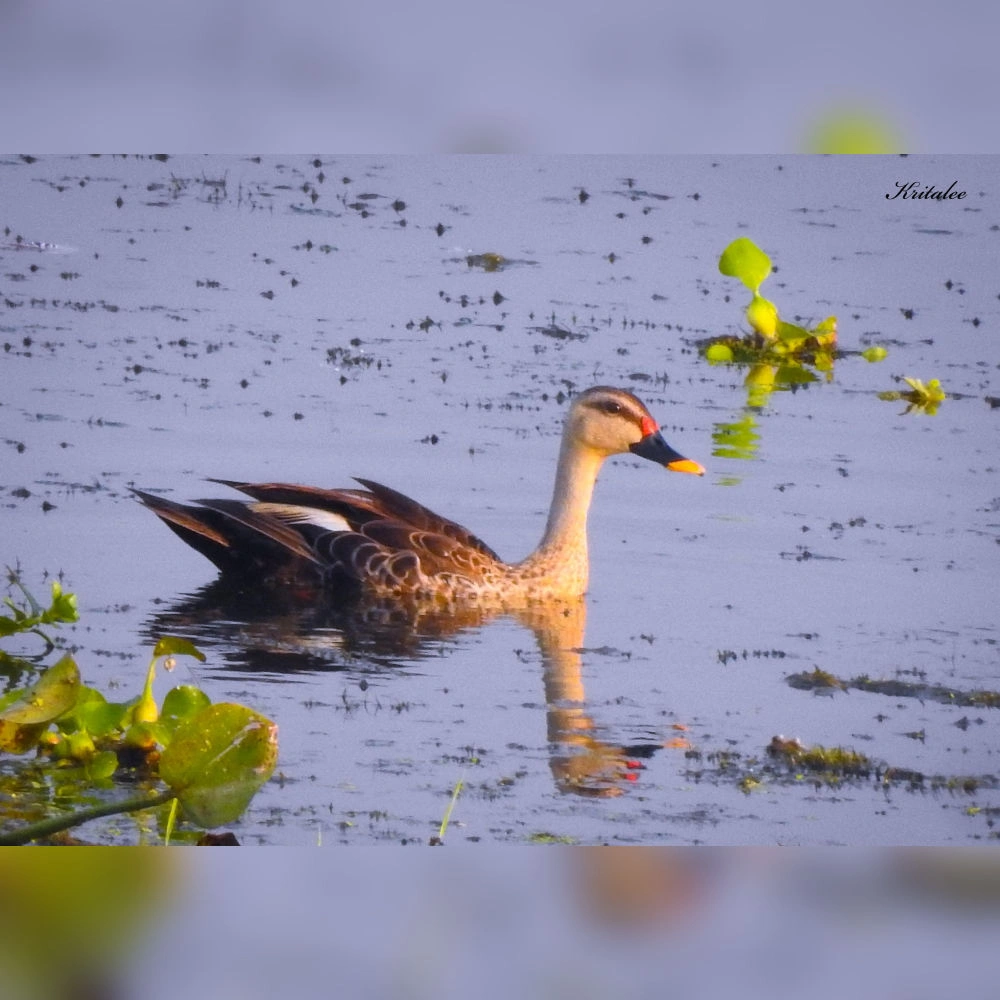
Indian Spot - billed Duck
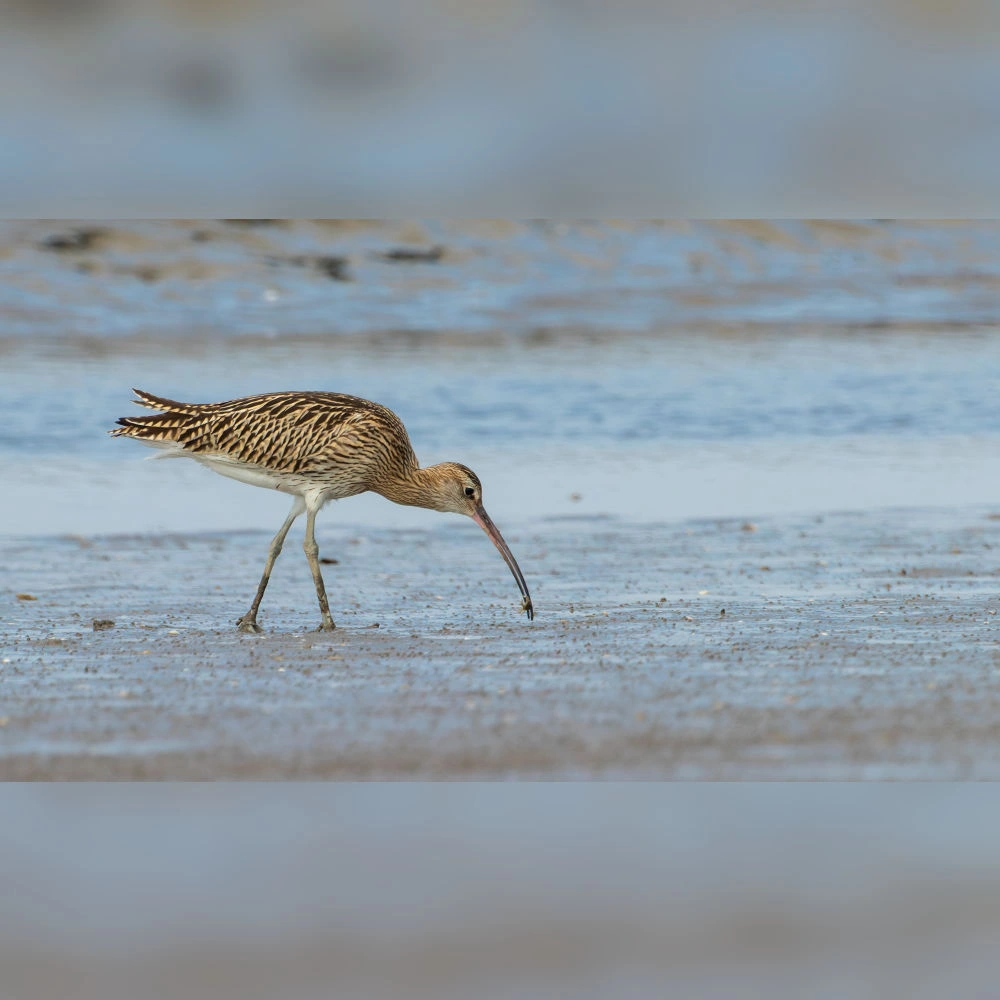
Eurasian Curlew
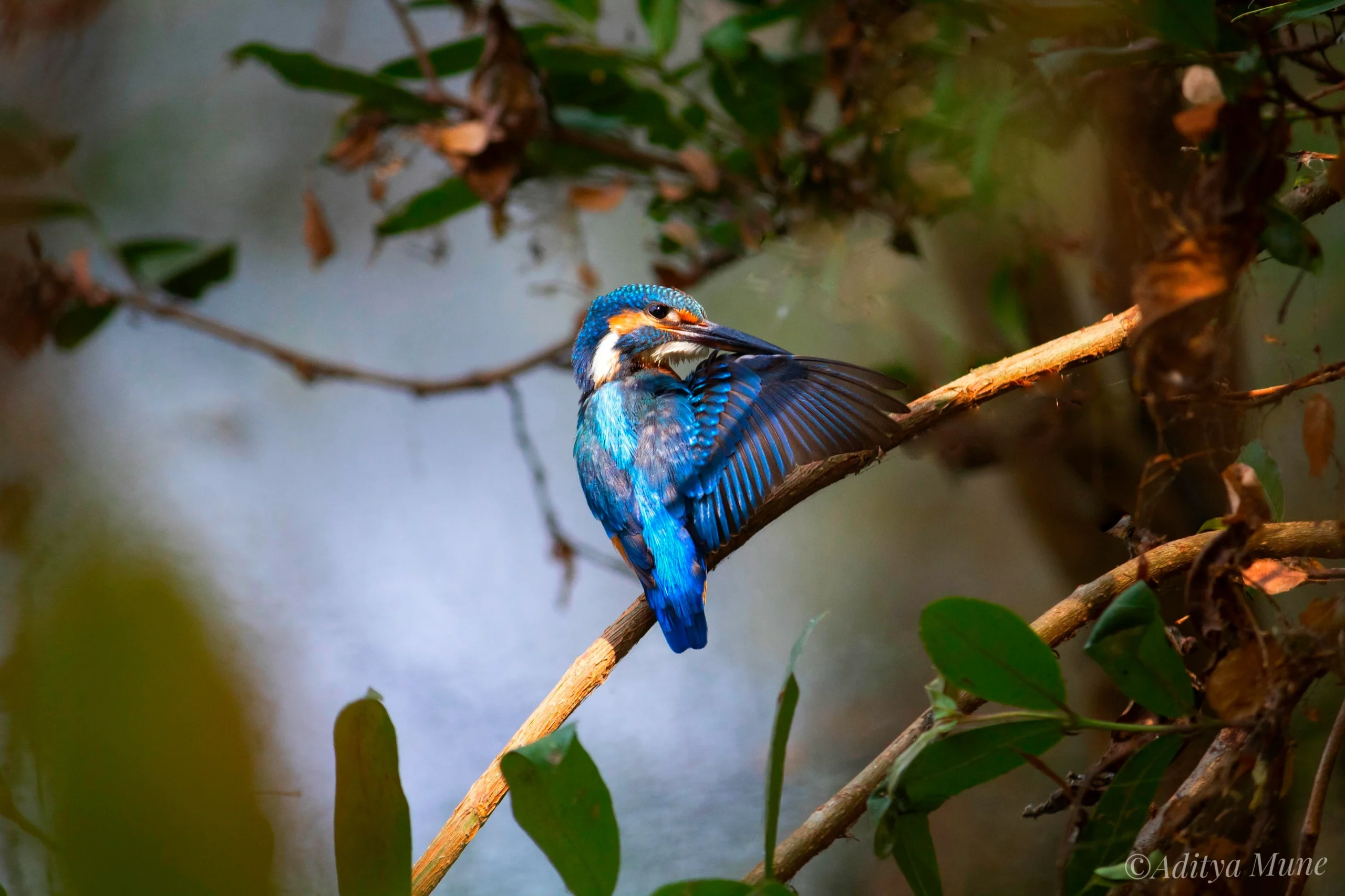
Common Kingfisher
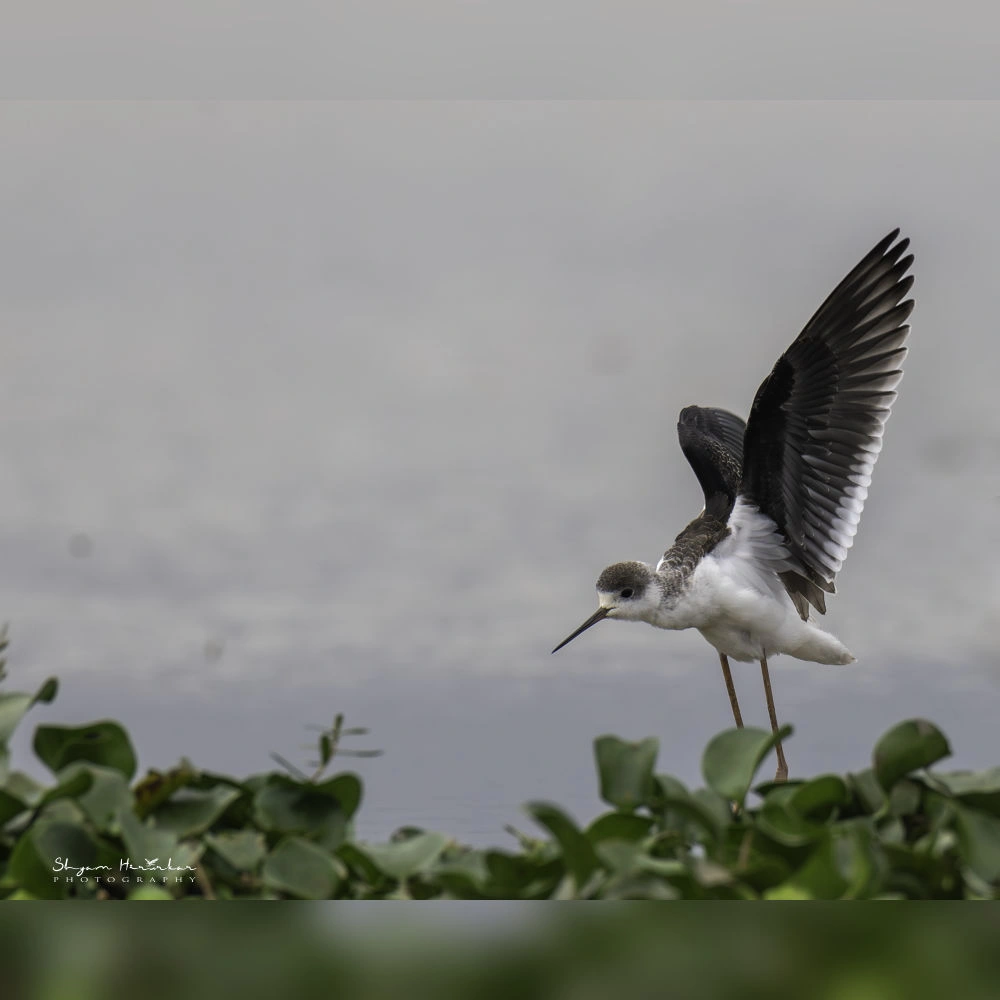
Black-winged Stilt

Common Sandpiper
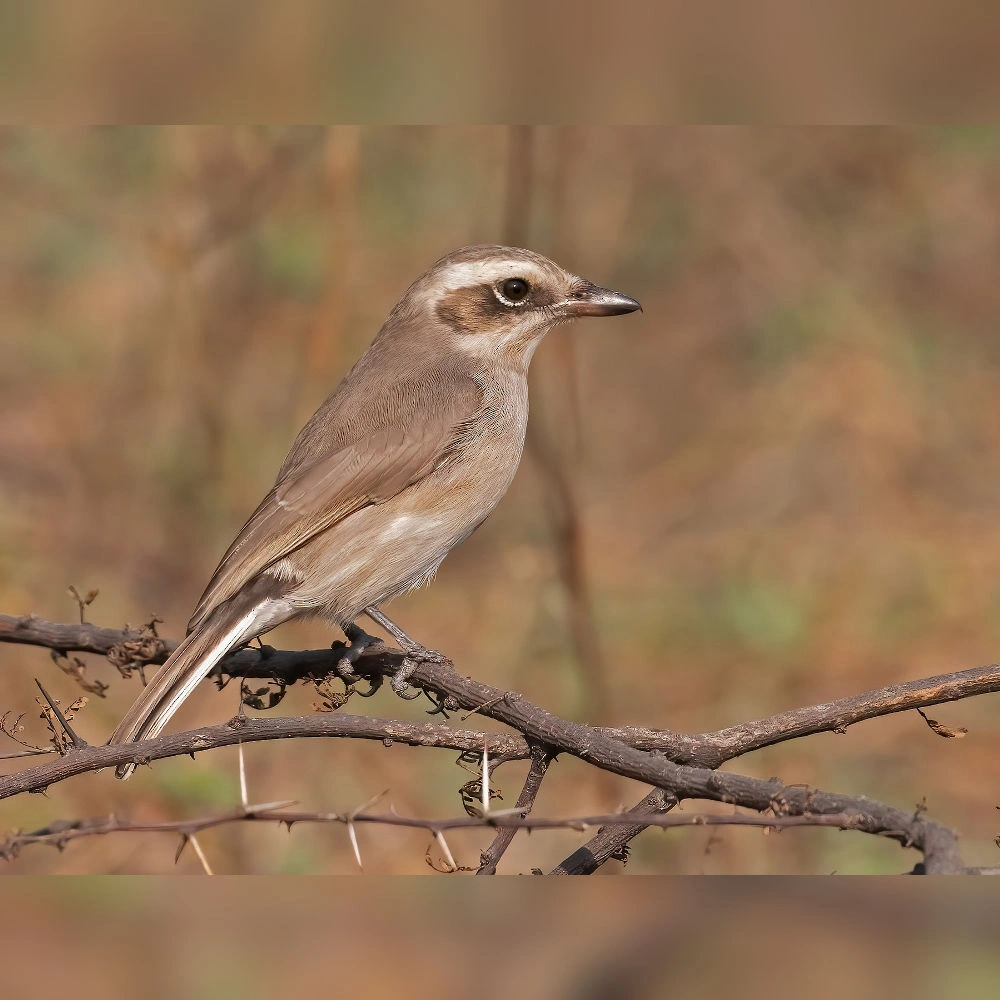
Common Woodshrike
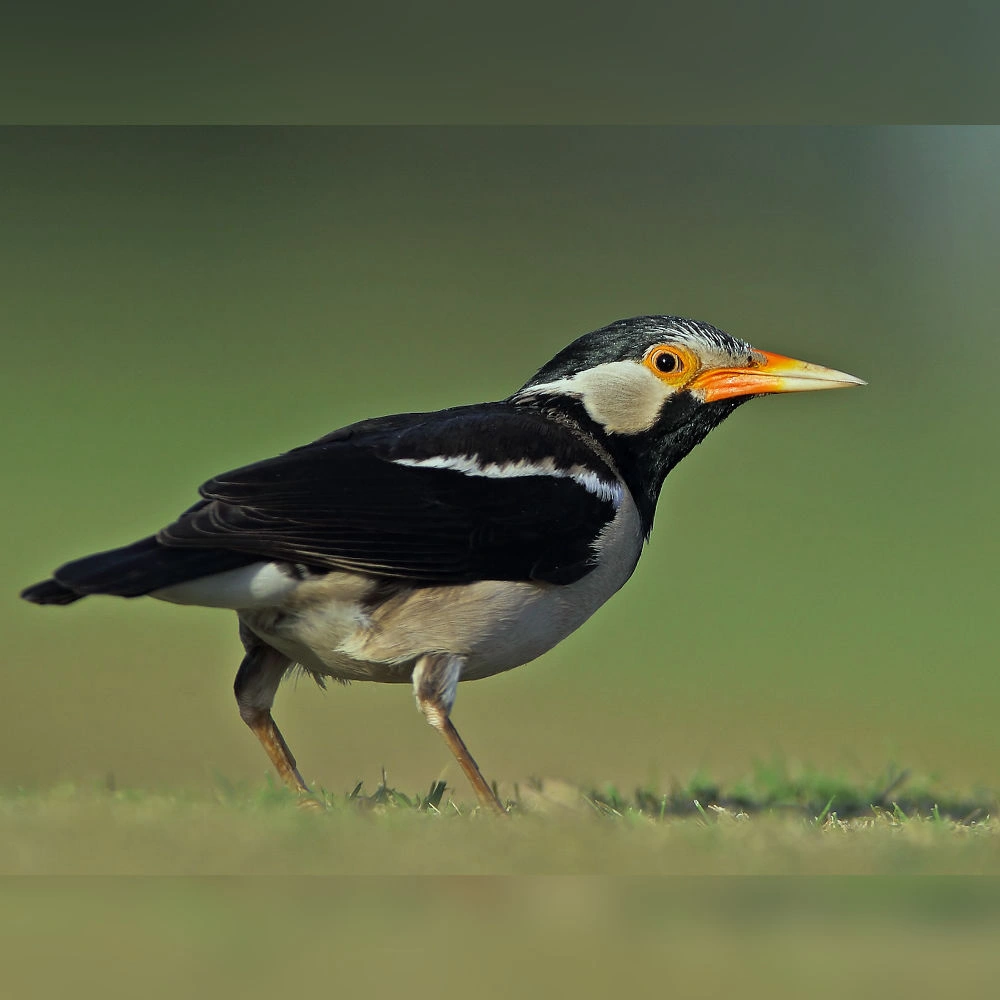
Indian Pied Starling
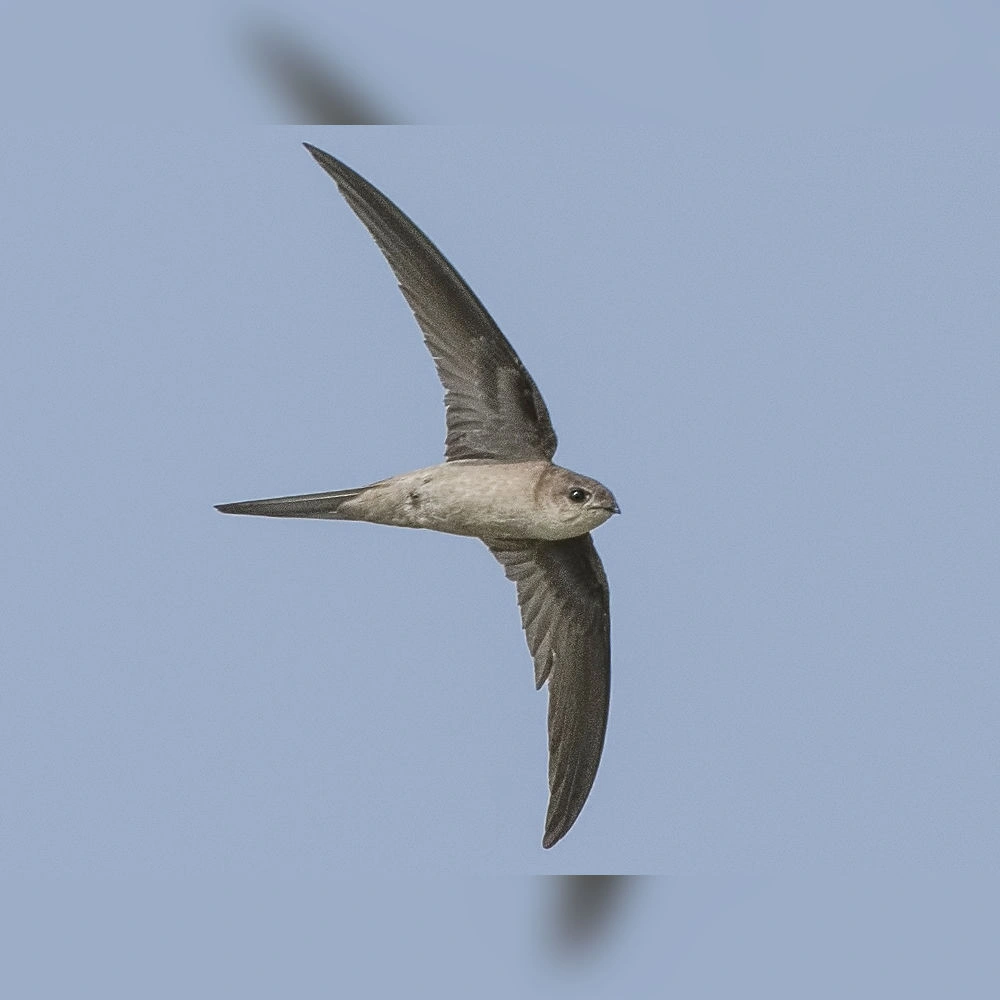
Asian Palm Swift

Jungle Babbler
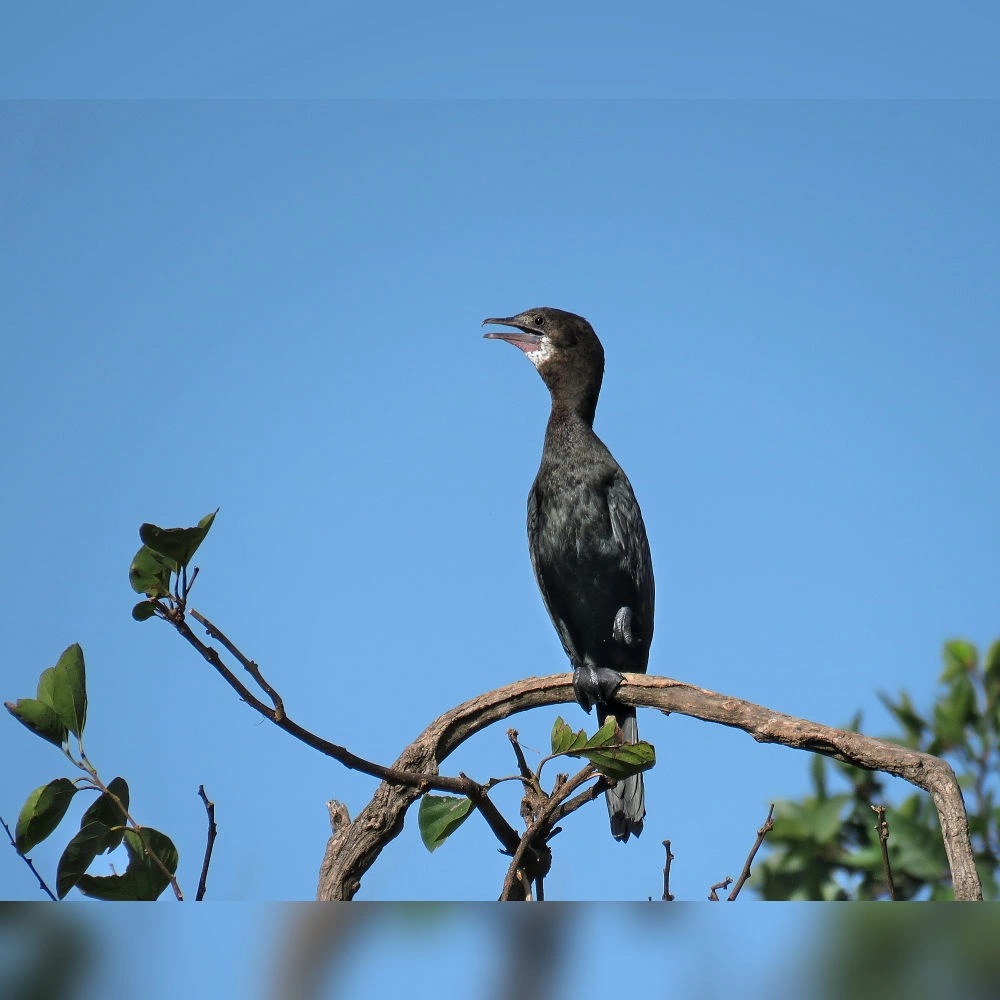
Little Cormorant
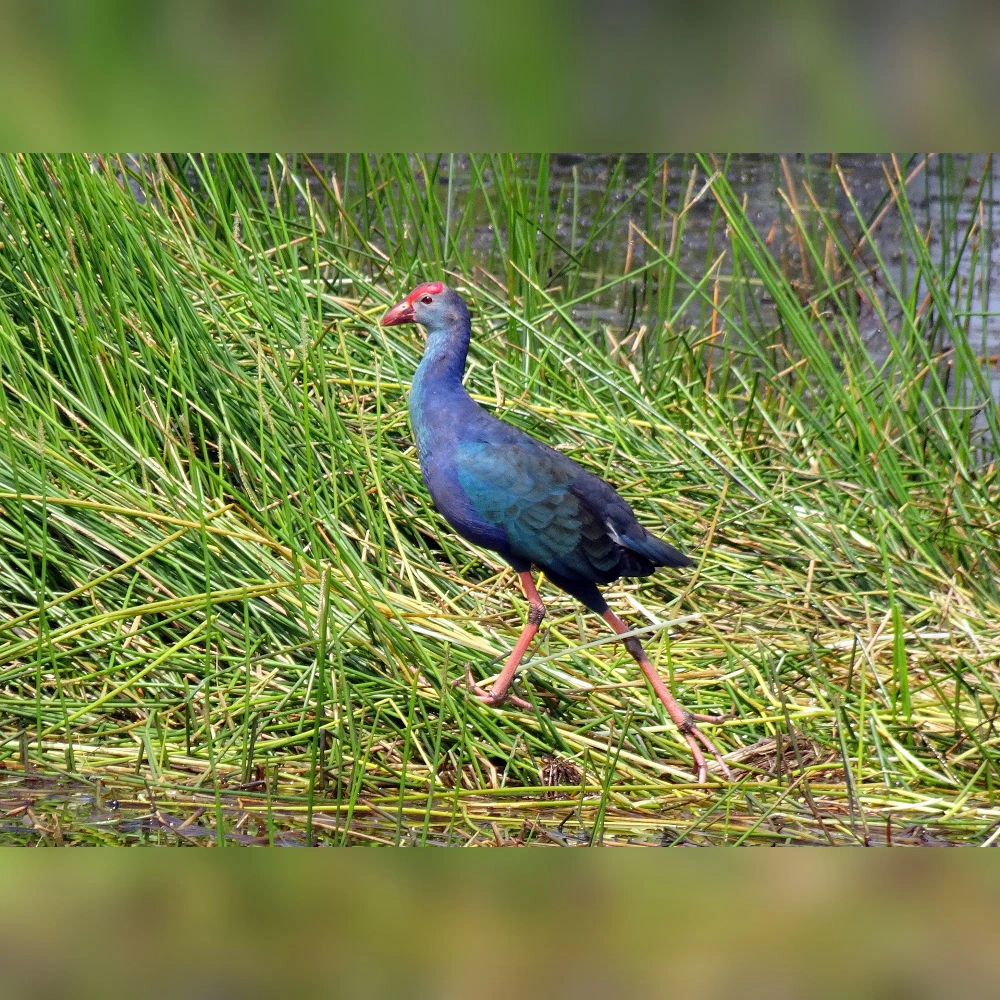
Grey-headed Swamphen
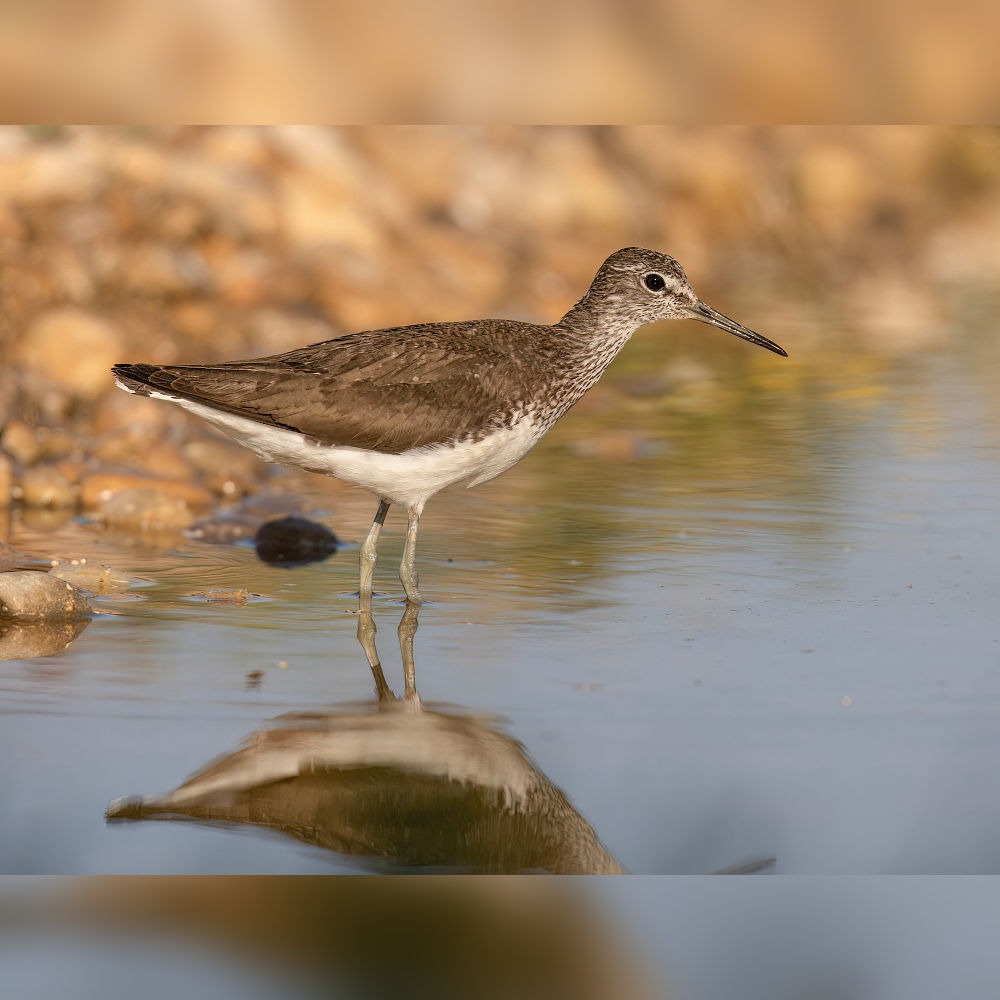
Green Sandpiper
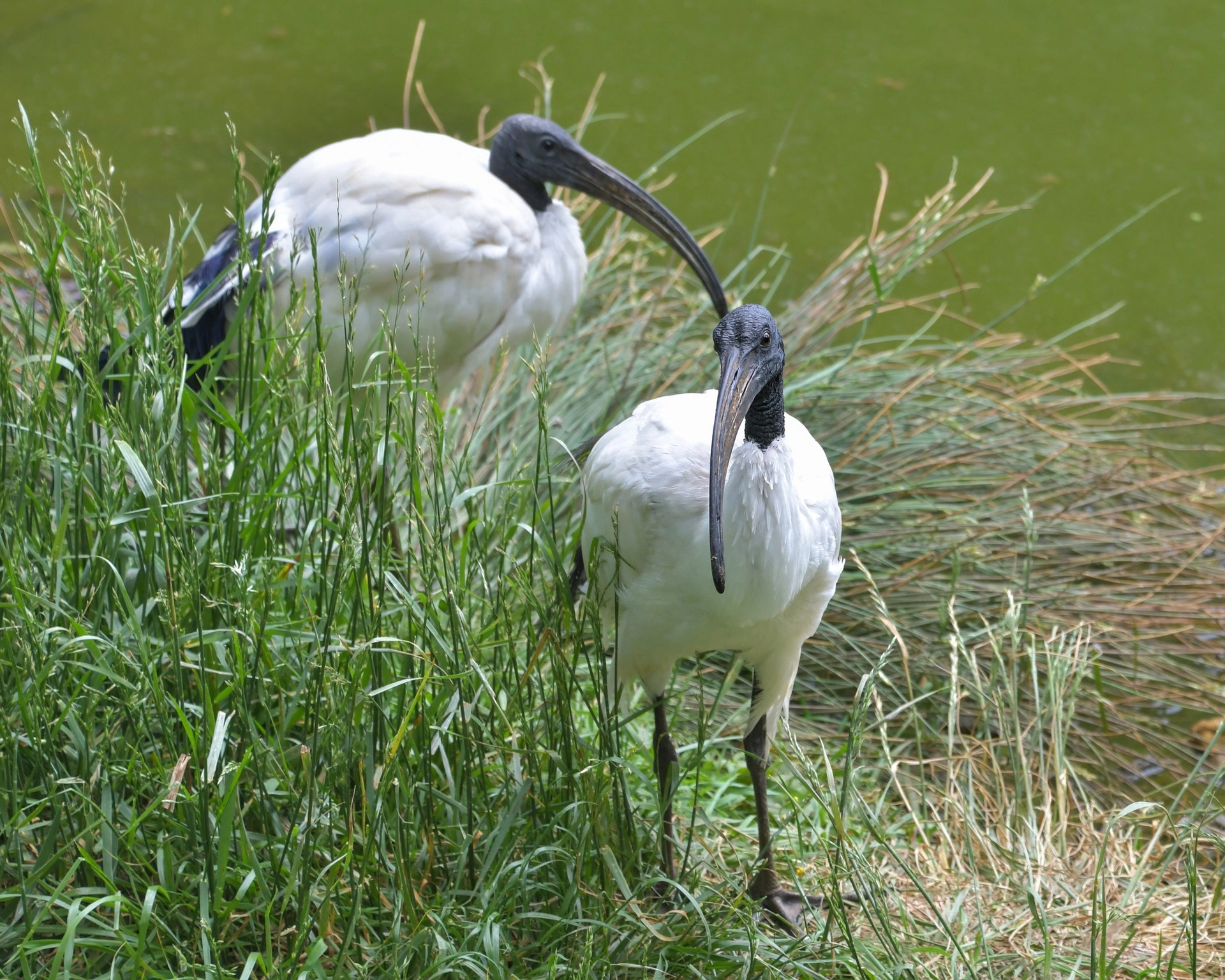
Black-headed Ibis
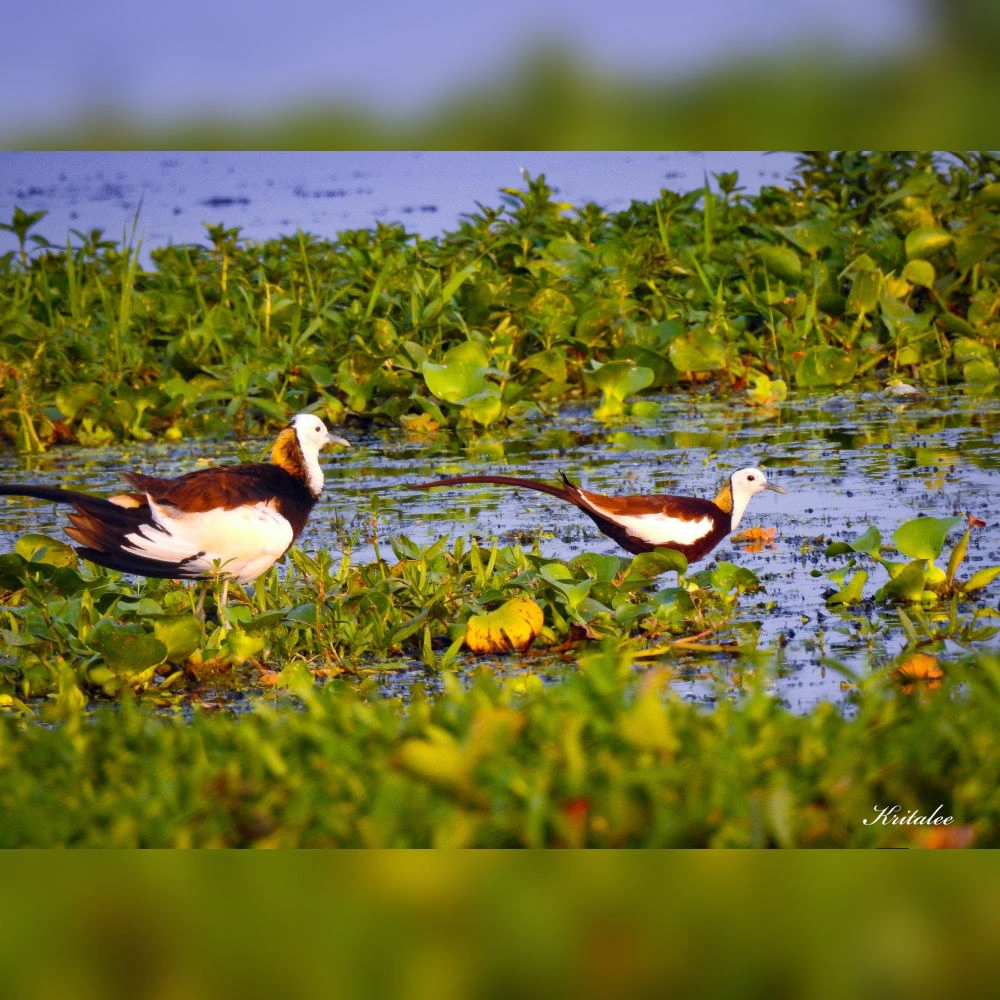
Pheasant-tailed Jacana
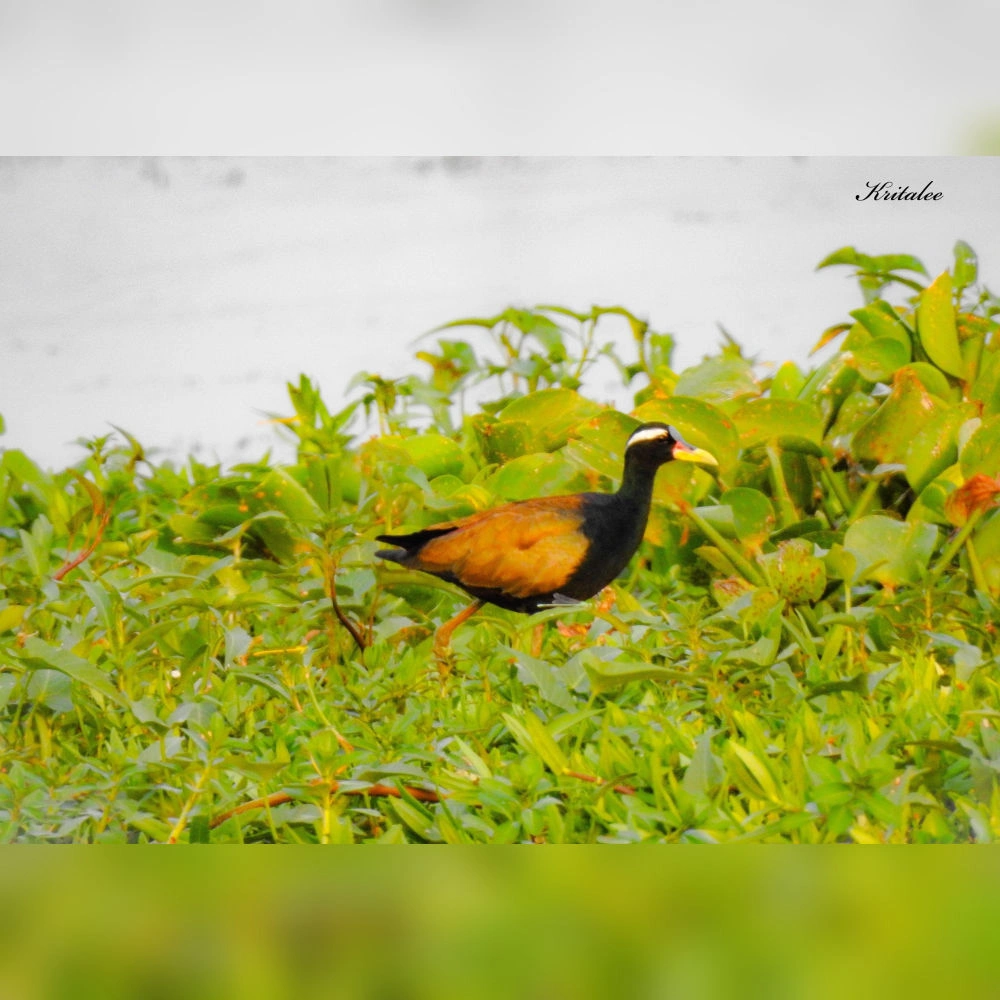
Bronze-winged Jacana
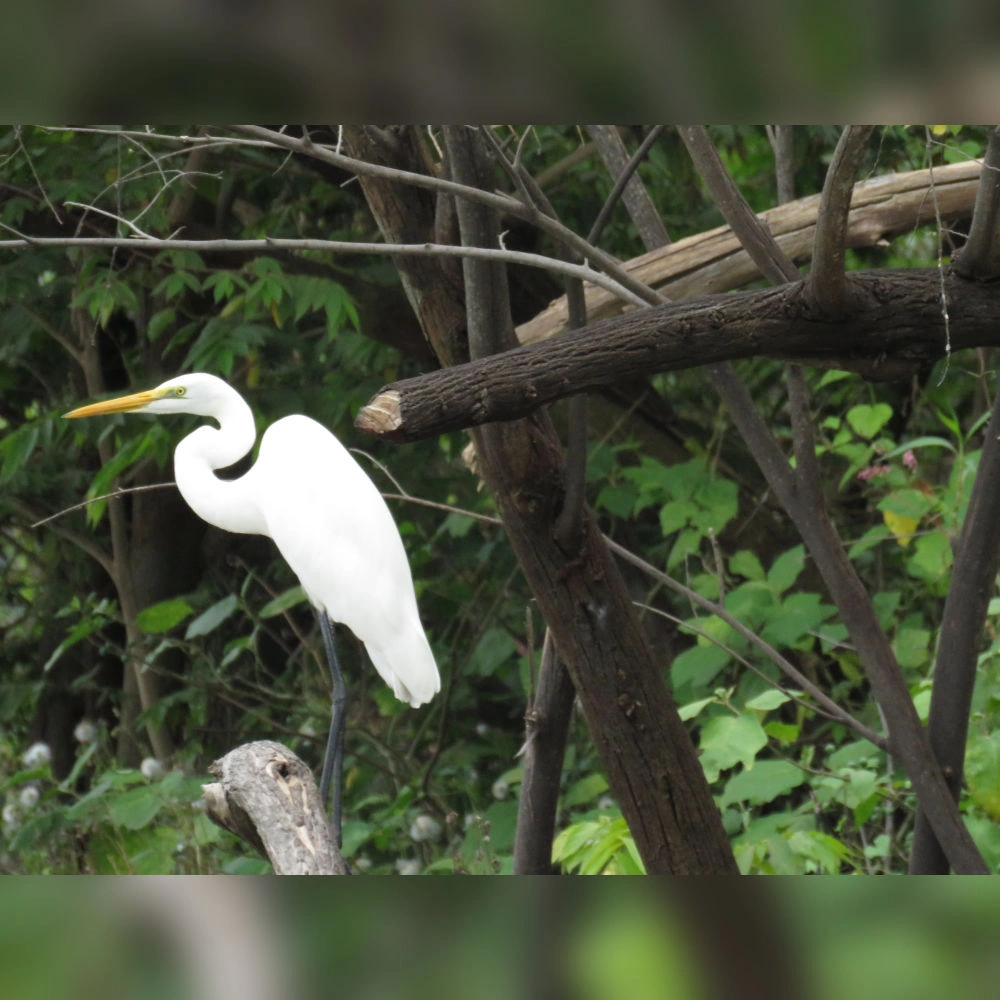
Great Egret
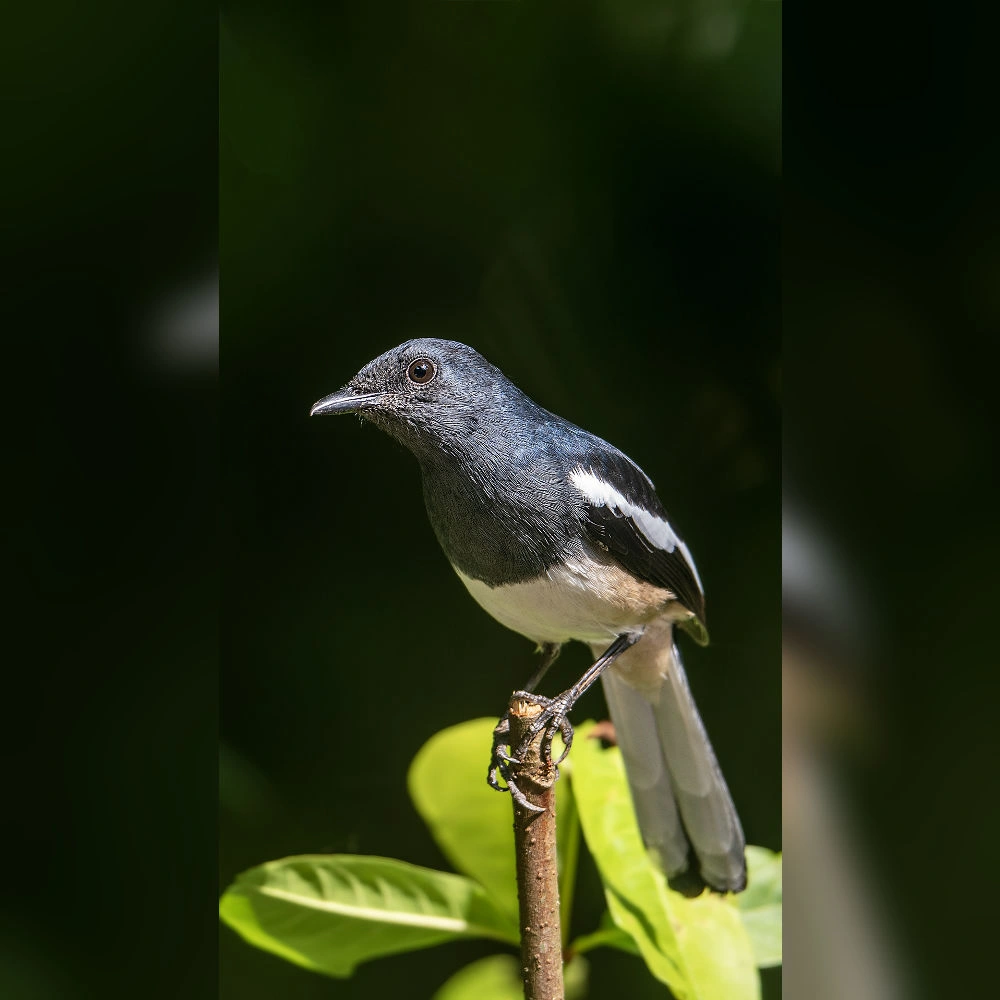
Oriental Magpie Robin
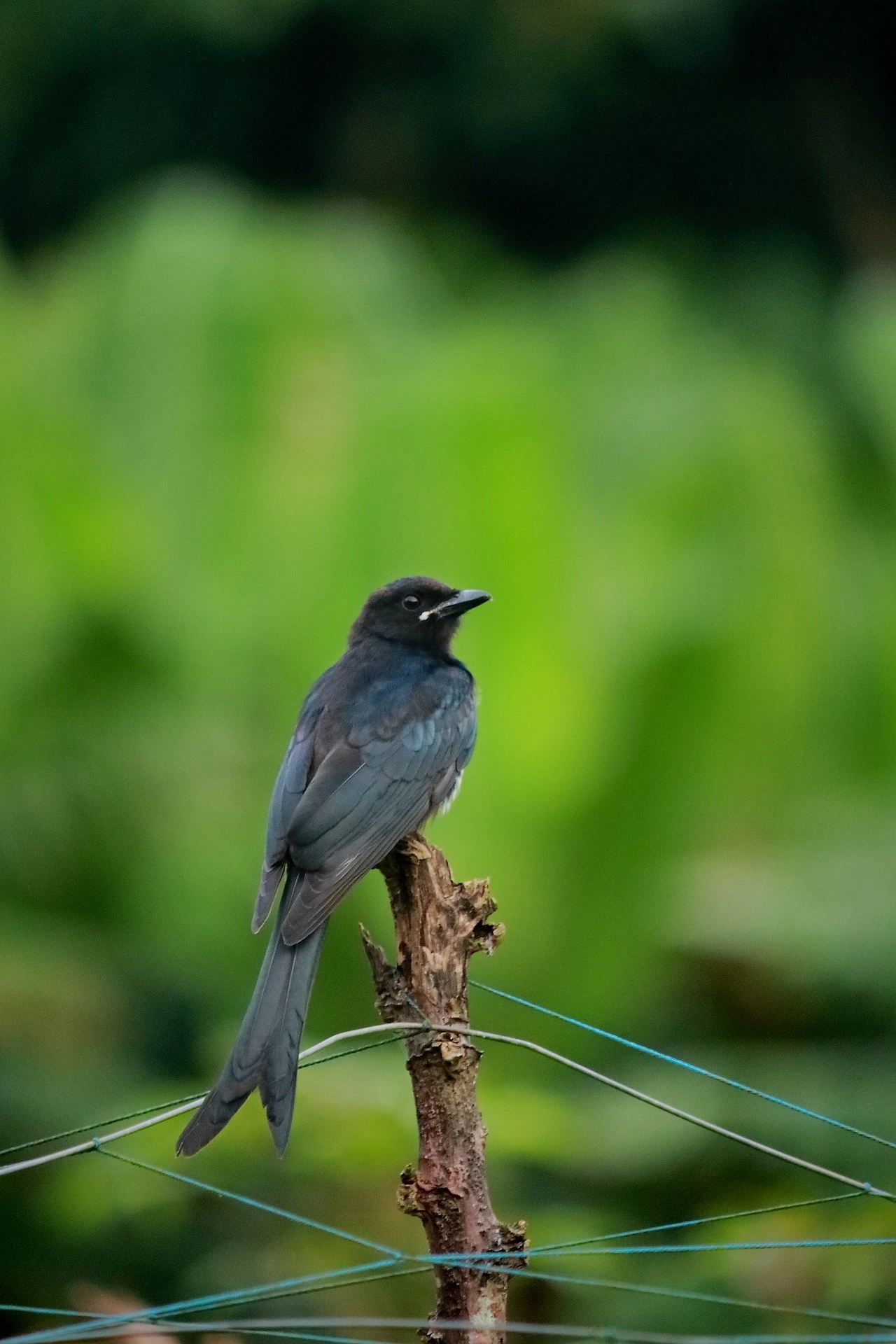

Ashy Drongo
Summary of Walk
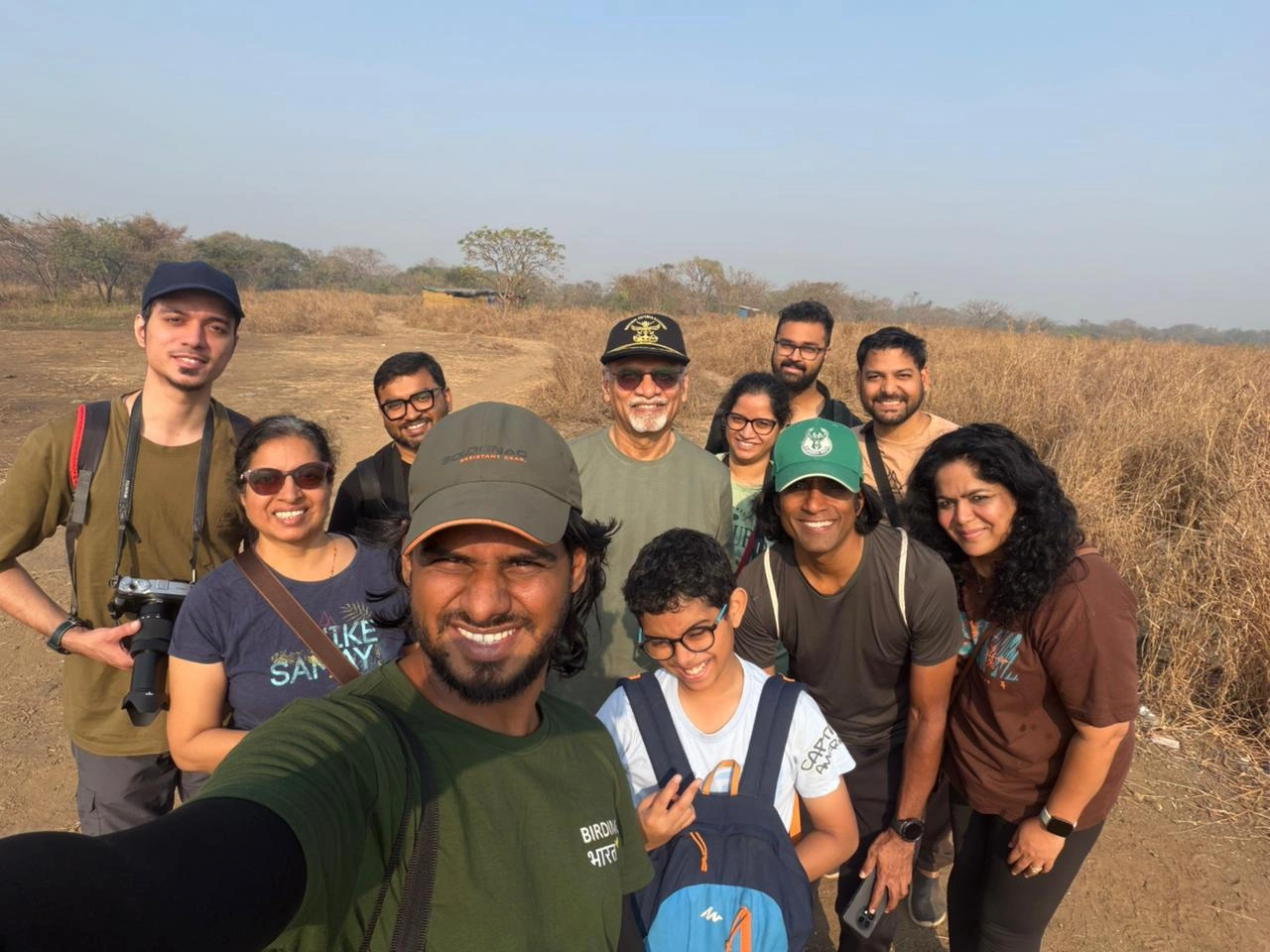
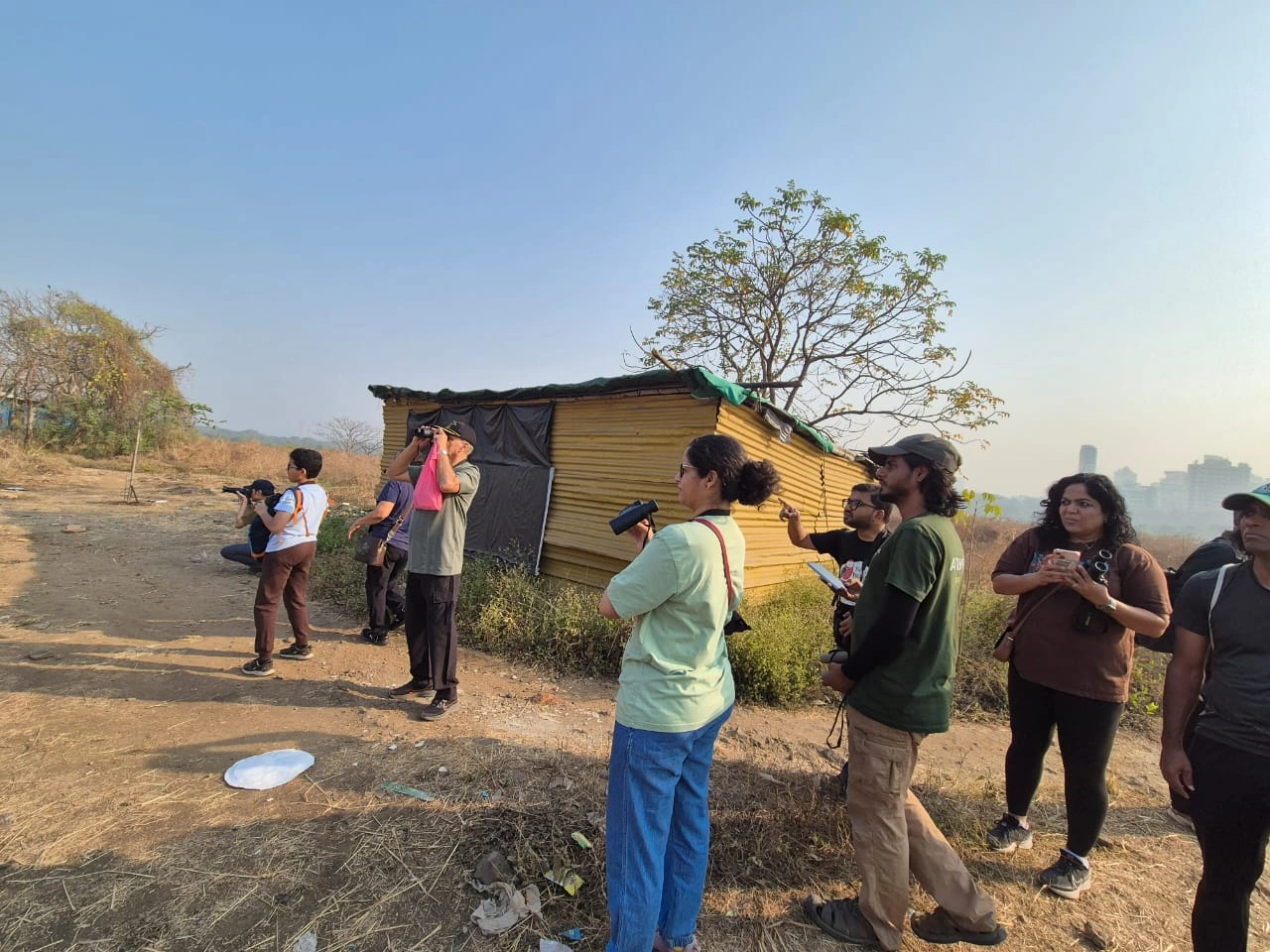
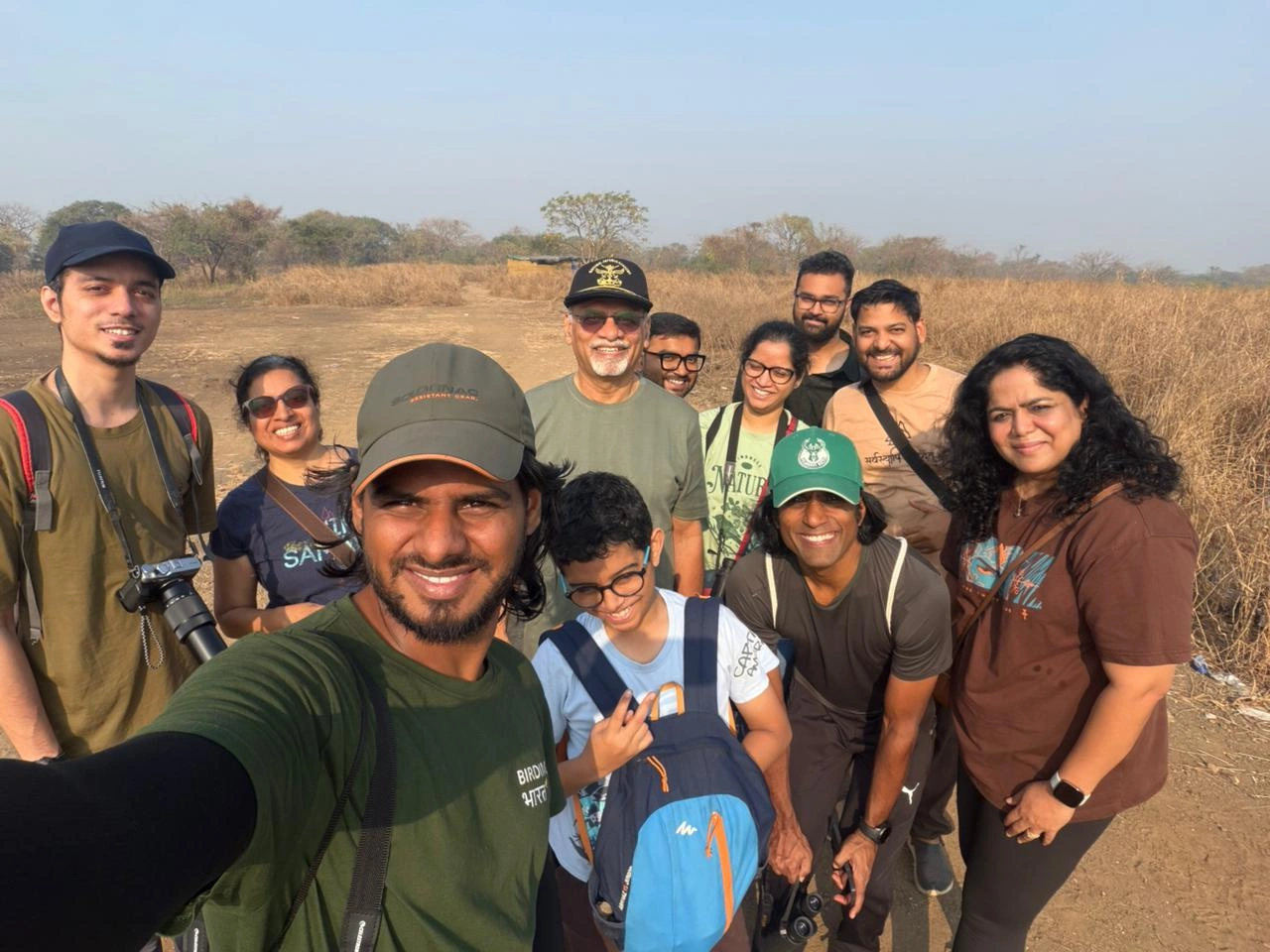
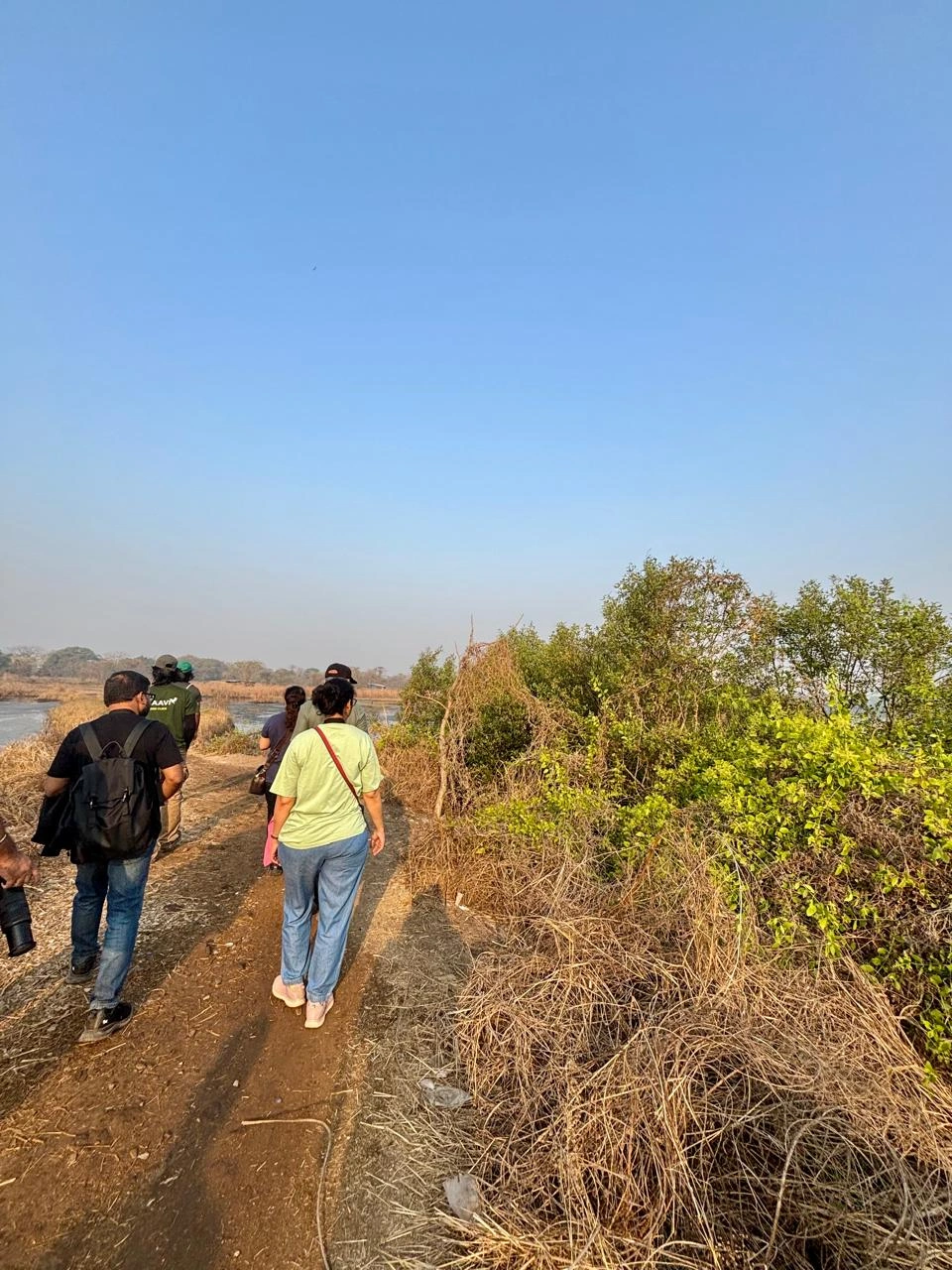
A bird walk was conducted at T.S. Chanakya, led by Shmes Sufyan, with 11 participants on a calm and unhurried morning. The group maintained a slow pace and showed remarkable patience, which greatly enhanced the experience and allowed for significantly closer and clearer bird sightings. This mindful approach created an ideal atmosphere for observation and learning.
During the walk, close to 50 bird species were recorded. Notable sightings included the Red Avadavat, Great Egret, Isabelline Shrike, White-eared Bulbul, along with several species of kingfishers and herons. The combination of rich bird diversity and the participants’ attentive approach made the walk highly rewarding, reinforcing the value of patience and quiet observation in birding.
Number of Participants
0