

Loading Events

Bird Walk at Maguri Wetland, Tinsukia, Assam

About Maguri Wetland

Maguri Wetland, locally known as Maguri Motapung Beel is one of Assam’s most enchanting freshwater ecosystems, nestled near Motapung village in the Tinsukia district on the south bank of the Dibru River. Covering about 9.6 km², this expansive shallow lake and its surrounding grasslands form part of the larger Brahmaputra floodplain and the Dibru-Saikhowa Biosphere Reserve, creating a dynamic habitat of open water, aquatic vegetation, swampy grasslands and reed beds. Declared an Important Bird and Biodiversity Area (IBA) in the late 1990s, the wetland supports rich fauna, including dozens of fish species that once sustained abundant populations of local catfish — from which Maguri gets its name — as well as amphibians, insects and mammals that thrive in this mosaic landscape. The wetland’s seasonal rhythms and productive waters make it a lifeline for both wildlife and local communities who depend on fishing and natural resources.

Maguri Wetland transforms into a birdwatching paradise especially from November to March, when winter temperatures draw flocks of resident and migratory birds along the Central Asian Flyway. Birders can witness over a hundred species, from elegant dabbling ducks, geese and herons to grassland specialists and rare sightings that turn the beel into a spectacle of wings, calls and color. Beyond its avian allure, the wetland faces growing conservation challenges: habitat pressures from fishing intensity, agricultural encroachment on seasonal grasslands, and the lingering impacts of oil spills and nearby industrial activity have threatened aquatic life, water quality and bird populations over the years. Efforts to balance local livelihoods with biodiversity protection are underway, highlighting the need for sustainable wetland management to ensure this ecological gem continues to flourish as both a natural haven and a cultural treasure of Assam.

Bird Guide: Toto Hazarika

Toto Hazarika is a passionate bird enthusiast and experienced birding tour guide from Northeast Assam, with nine years of field expertise across the region’s rich and diverse habitats. He specializes in showcasing the extraordinary birdlife of Northeast India, offering insightful, immersive experiences for birders of all levels.

Bird walk Location

Common birds of Maguri Wetland

Maguri Wetland in Assam is a spectacular birding destination, with an astounding 409 recorded bird species turning its open waters and grasslands into a living tapestry of wings and sound. In winter, majestic flocks of Bar-headed Geese and Greylag Geese descend from Central Asia, sharing the wetlands with rafts of Lesser Whistling Ducks, Northern Shovelers, Gadwalls, Northern Pintails, Green-winged Teals, Indian Spot-billed Ducks, and the richly colored Ferruginous Duck. The calm waters are dotted with nimble Little Grebes, while floating vegetation becomes a stage for elegant Pheasant-tailed Jacanas and shimmering Bronze-winged Jacanas. Overhead, the sky comes alive with swooping Barn Swallows and agile Common House Martins, especially during migration. Along the fringes and nearby settlements, the bold calls of the Great Myna add to the wetland’s vibrant soundtrack. From migratory waterfowl to resident wetland specialists, Maguri offers a breathtaking spectacle year-round—an ever-changing avian drama that makes it one of Northeast India’s most exciting birding hotspots.
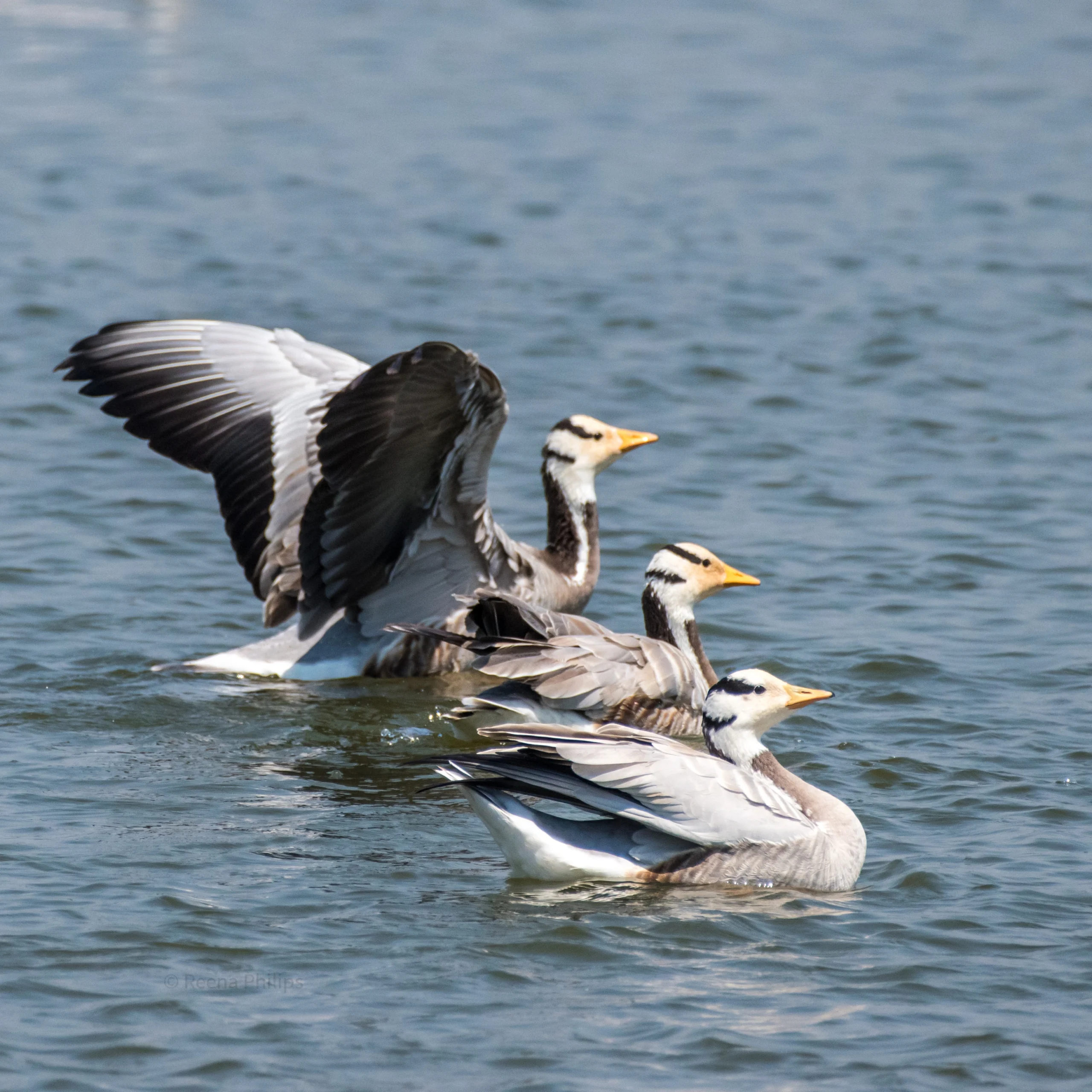
Bar-headed Goose
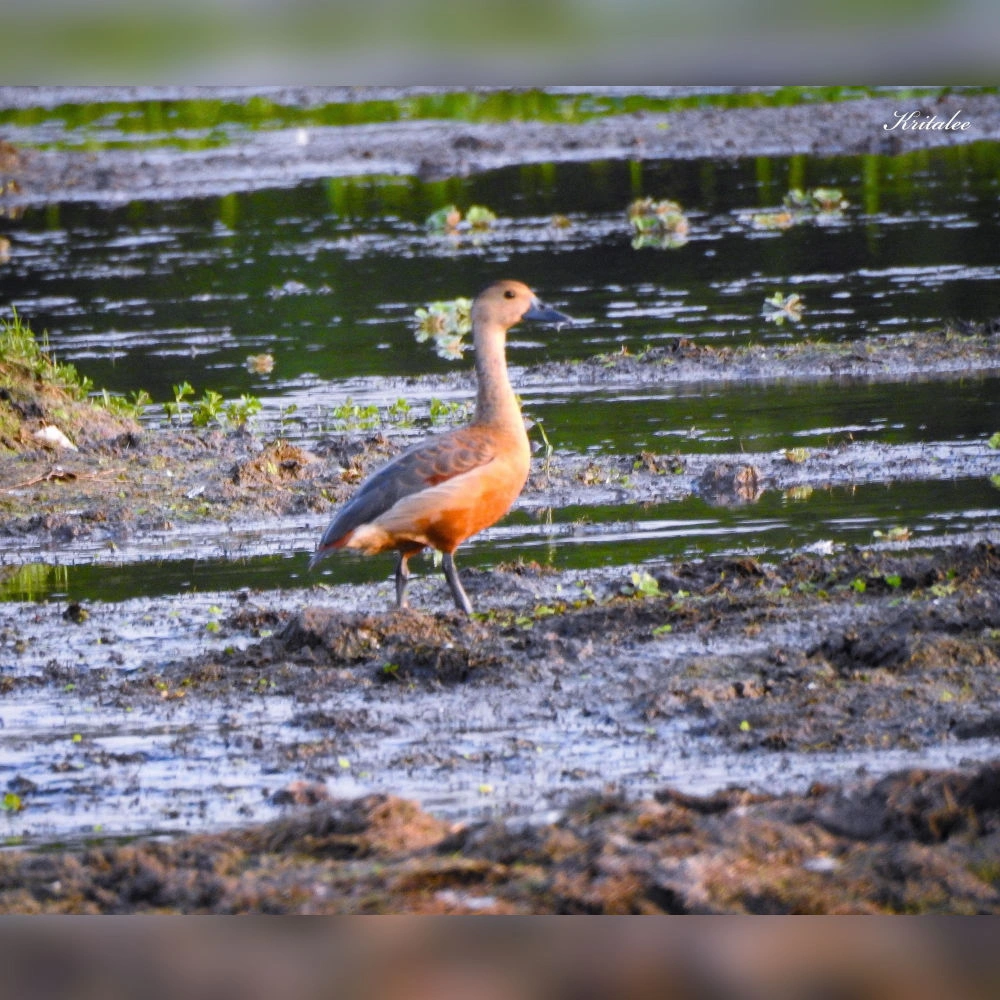
Lesser Whistling Duck
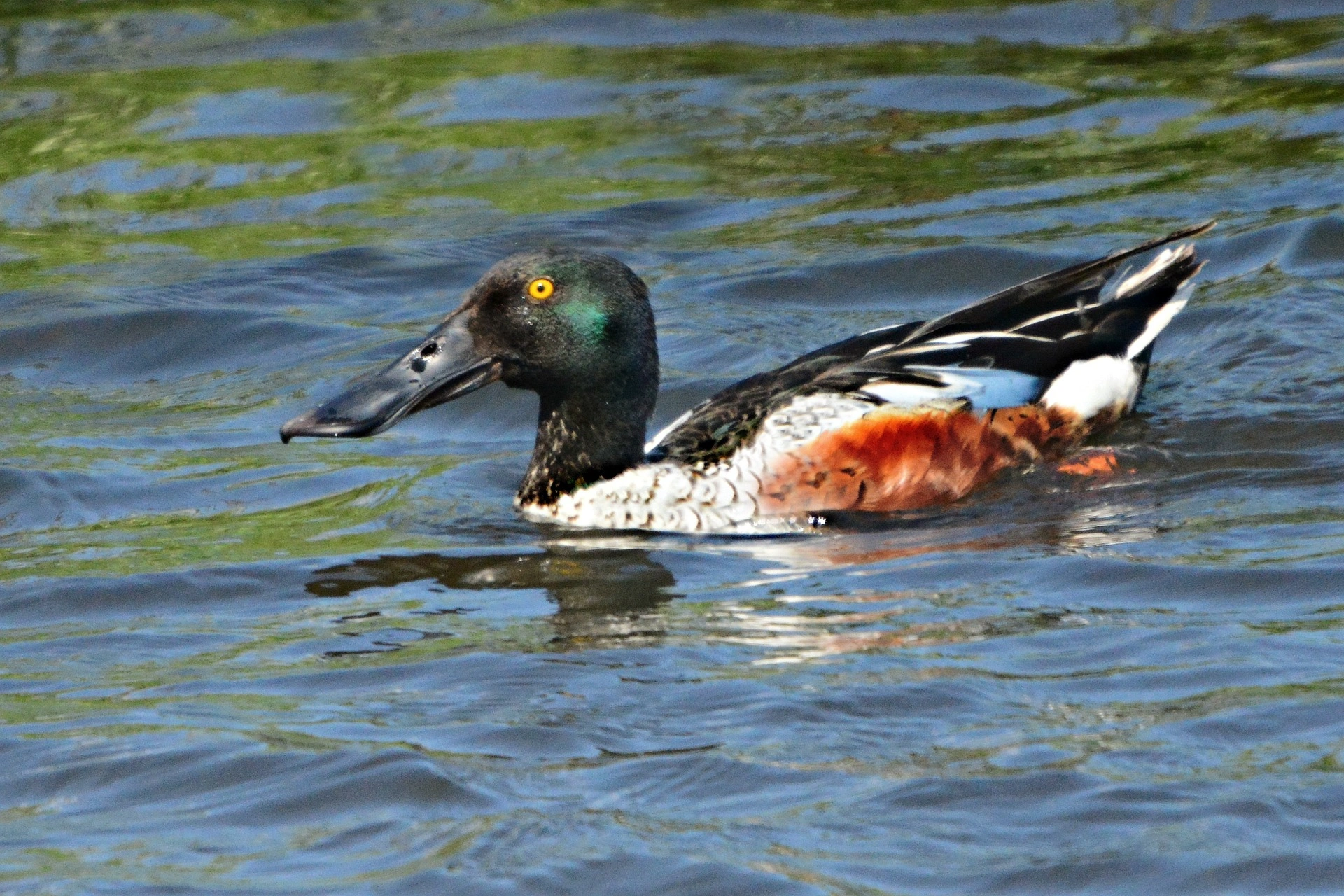
Northern Shoveler
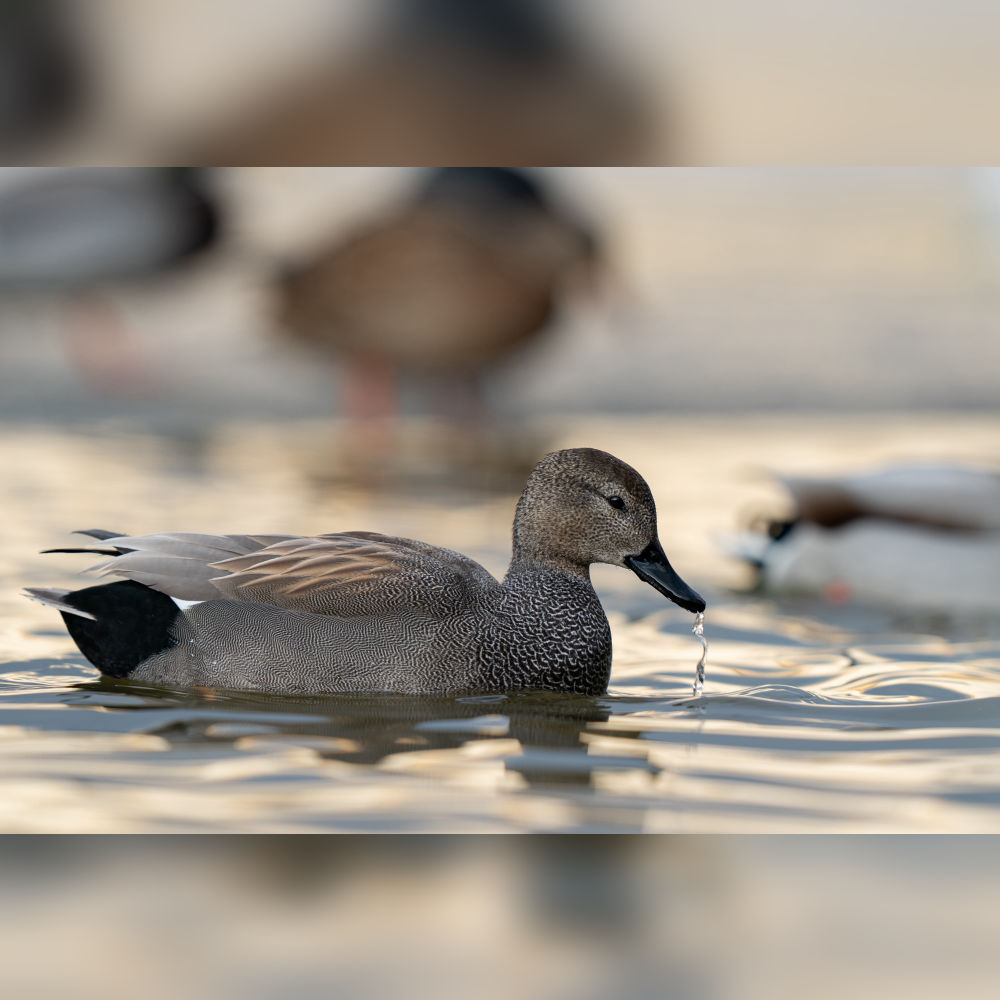
Gadwall
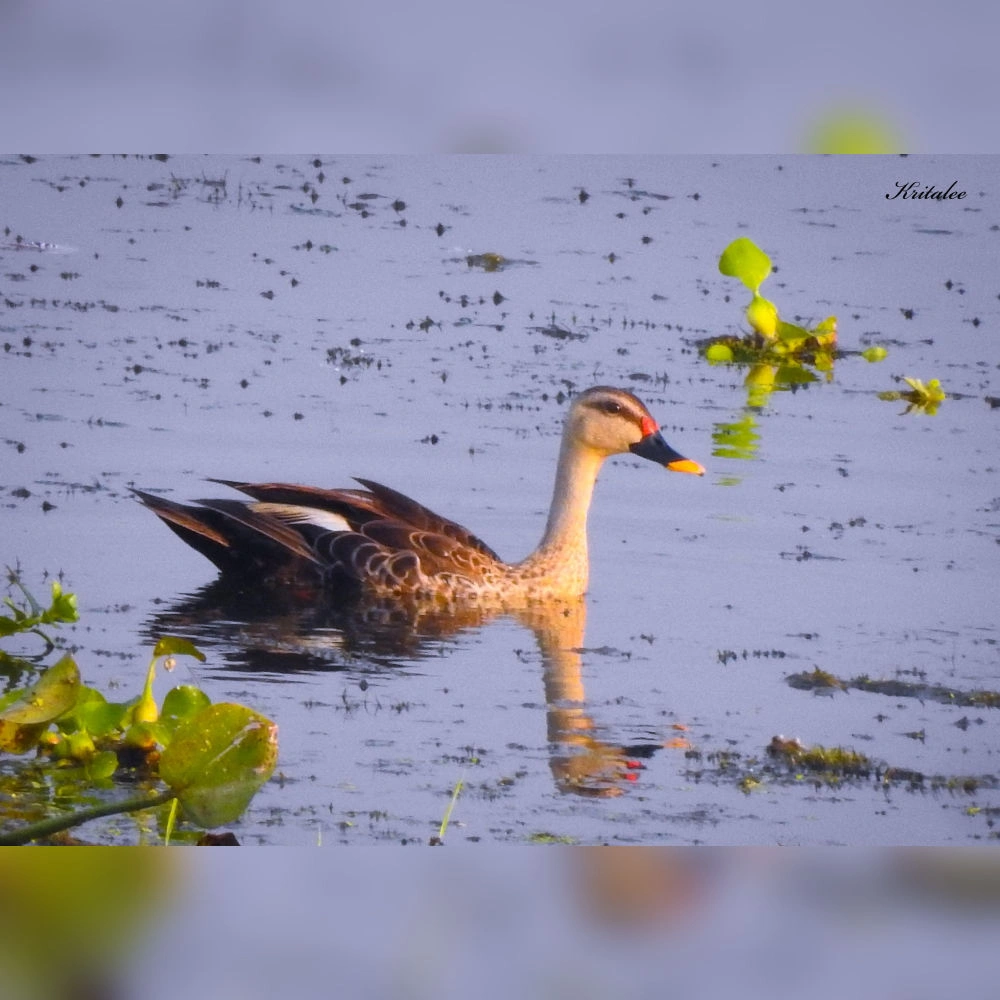
Indian Spot-billed Duck
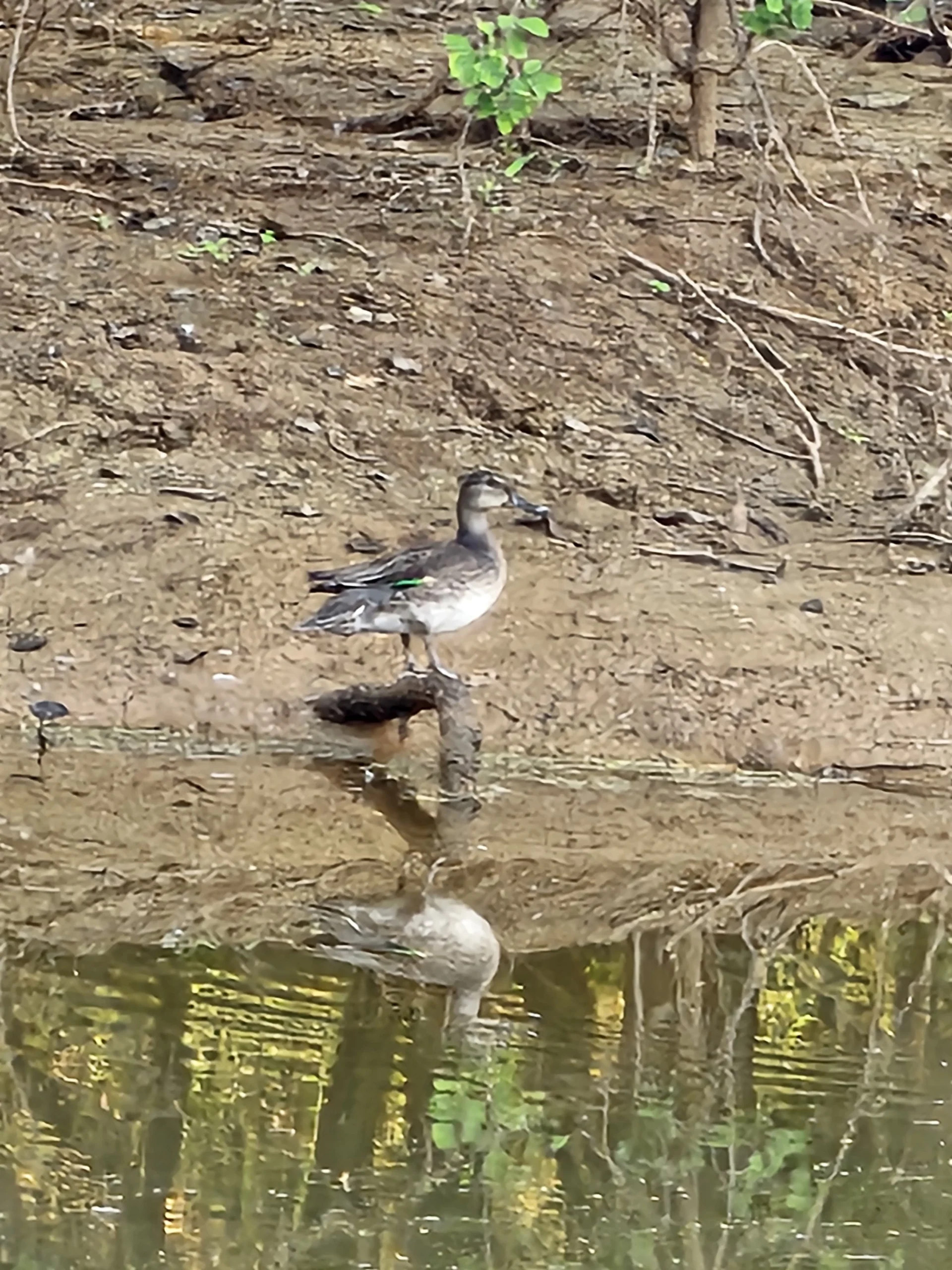
Green-winged Teal
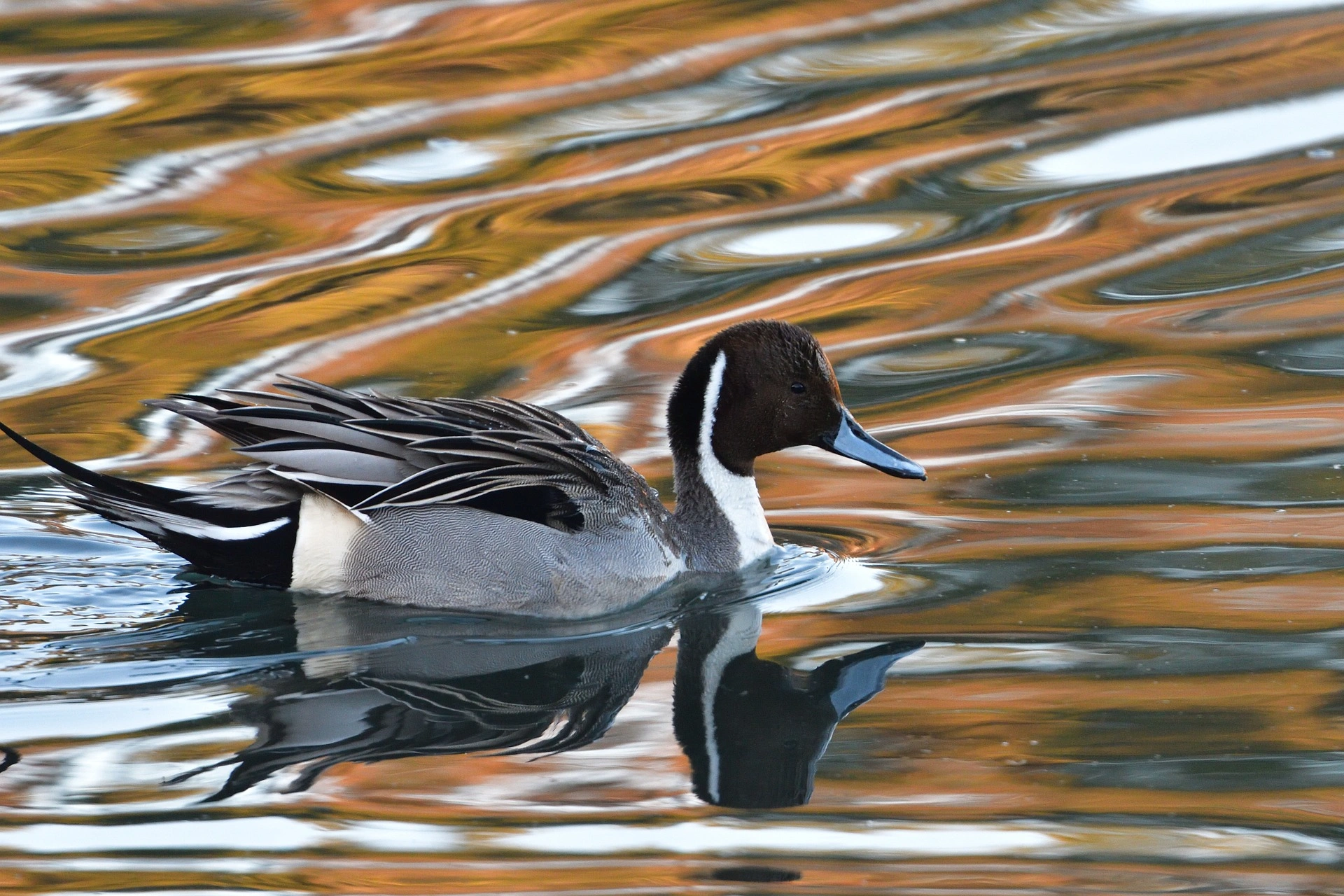
Northern Pintail
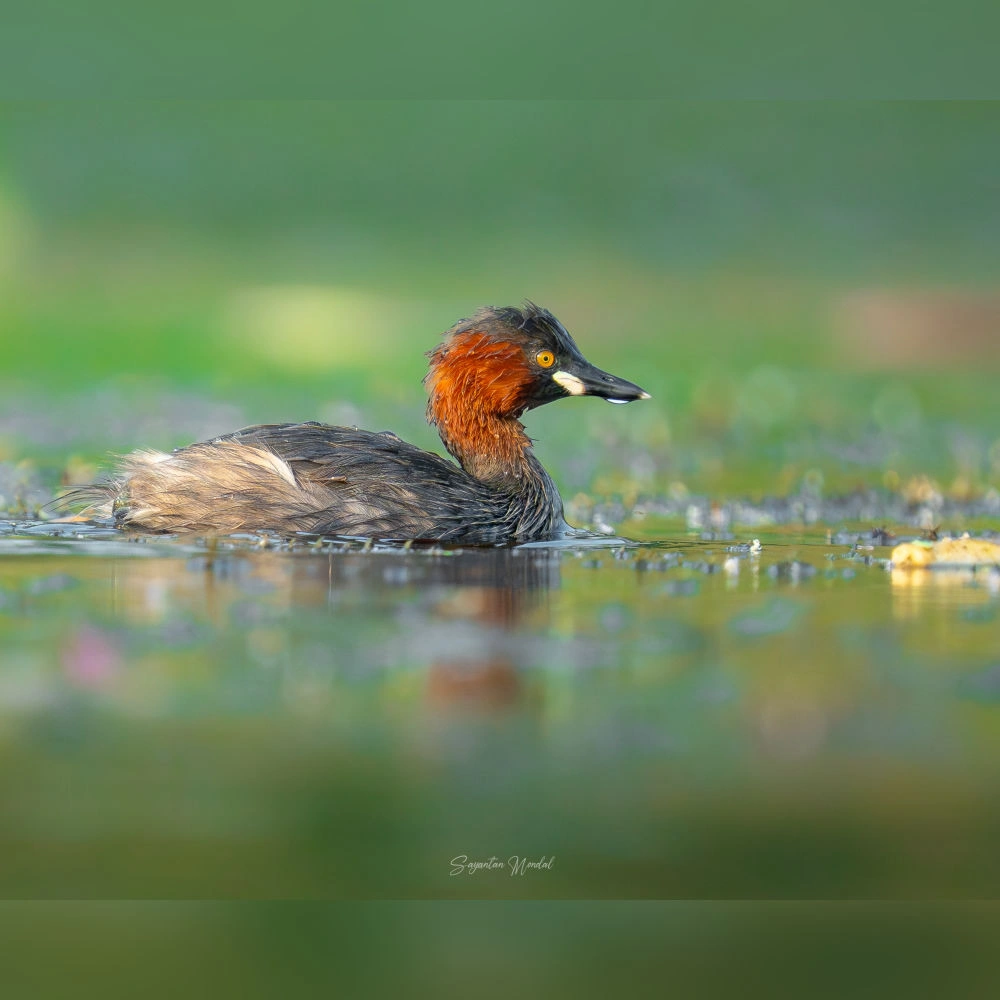
Little Grebe
Ferruginous Duck
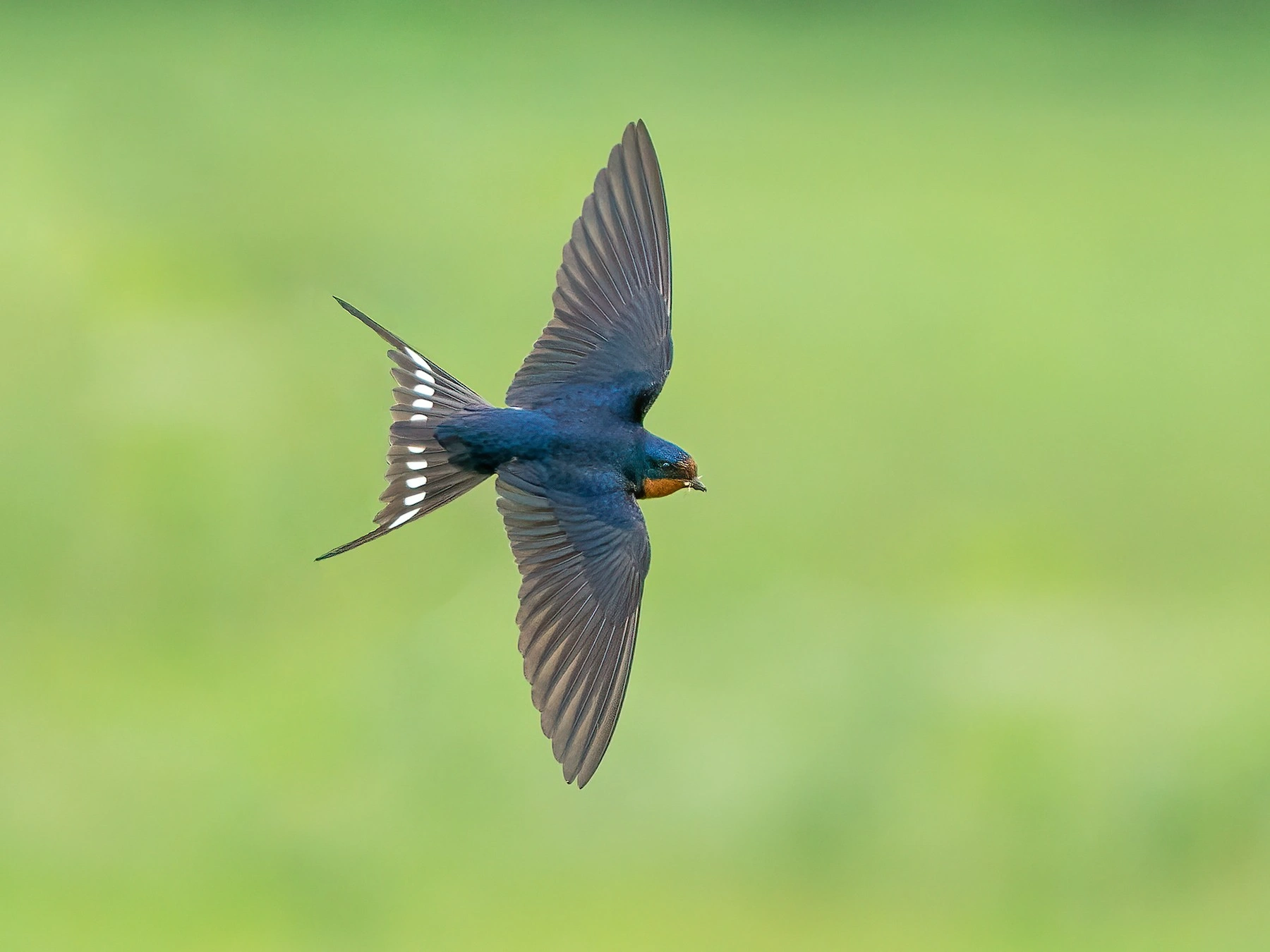
Barn Swallow
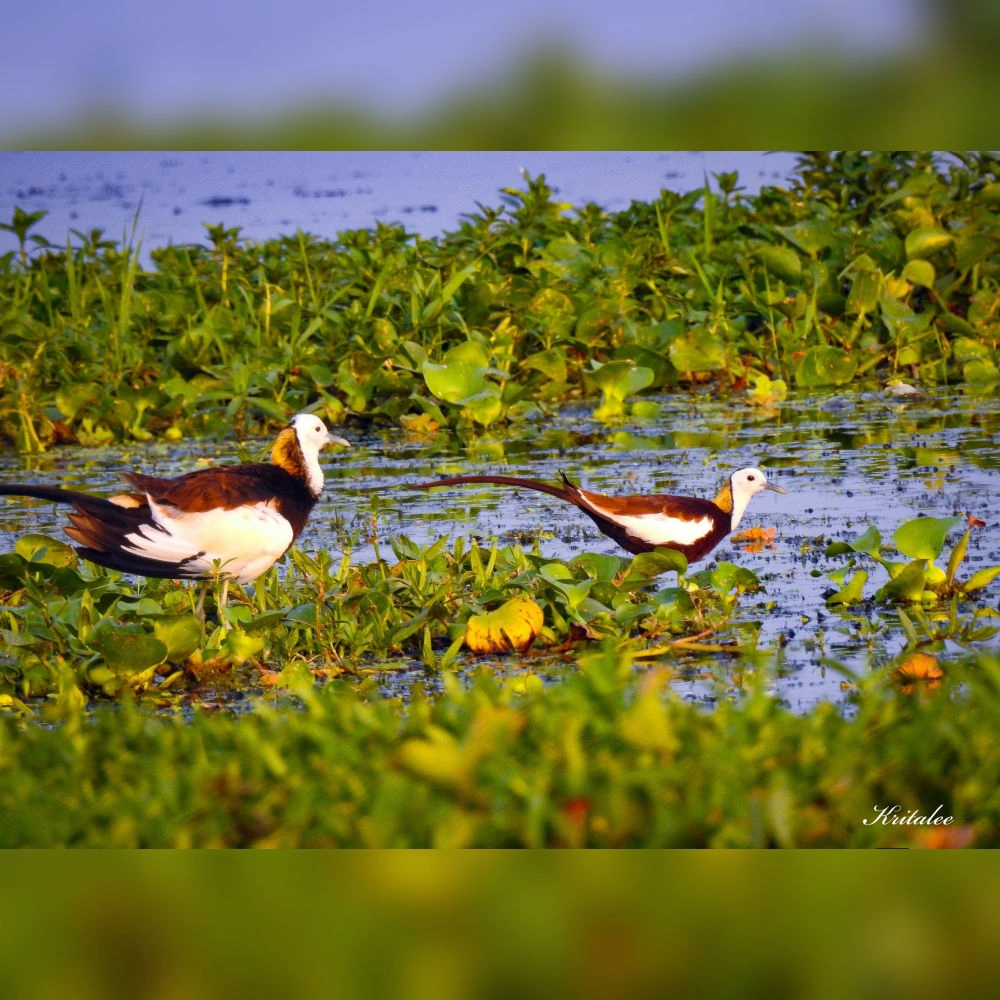
Pheasant-tailed Jacana
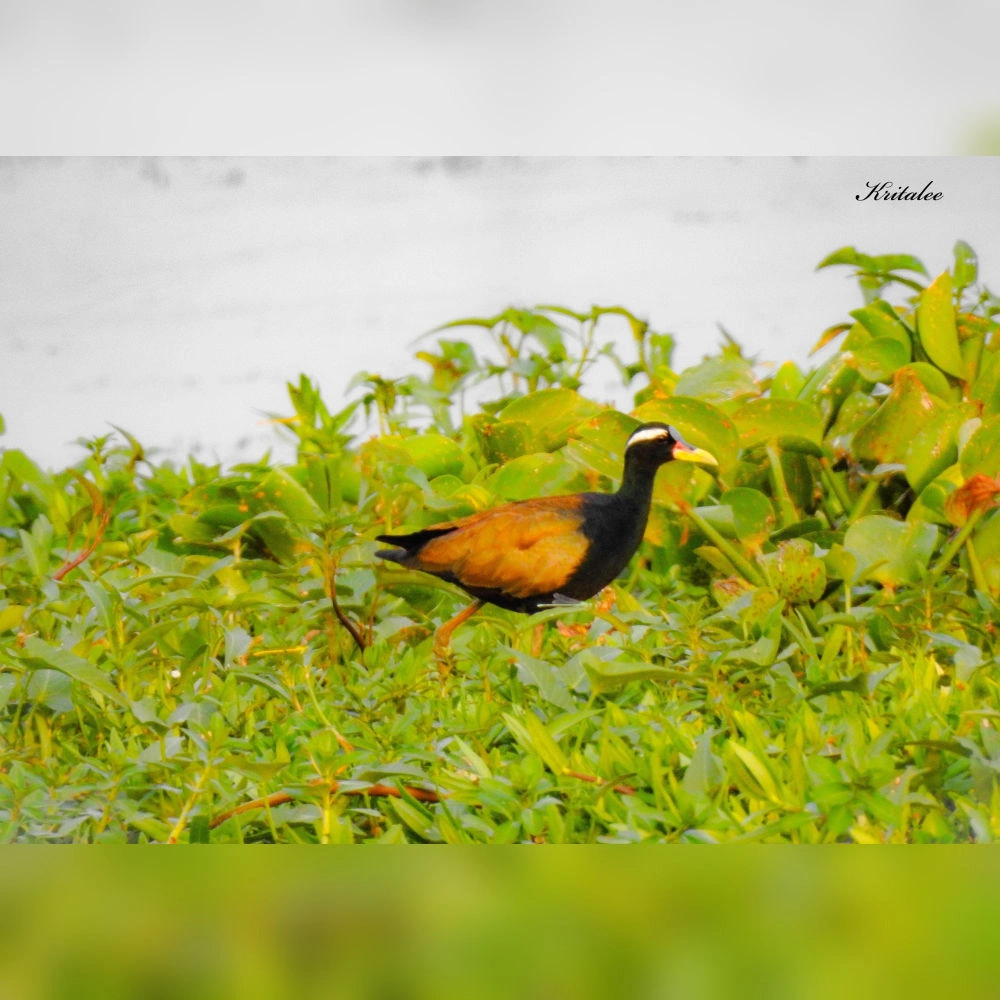
Bronze-winged Jacana
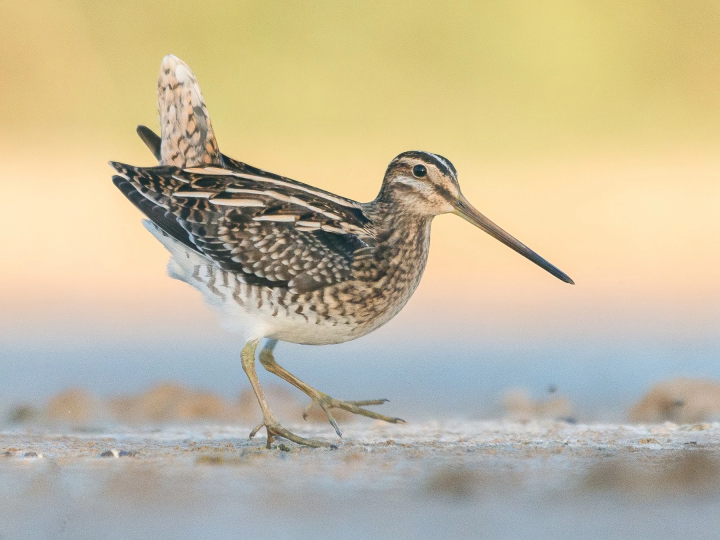
Common Snipe
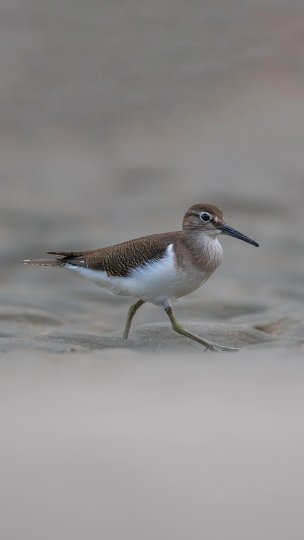
Common Sandpiper
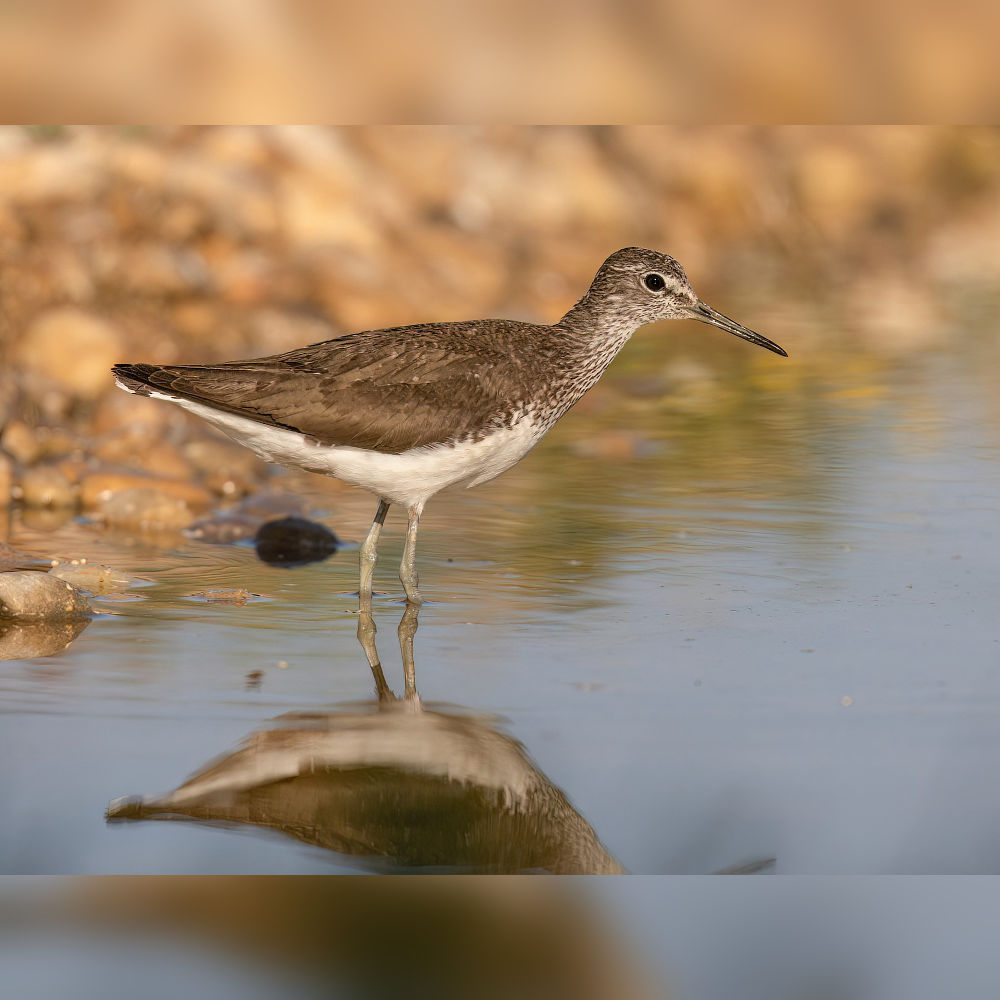
Green Sandpiper
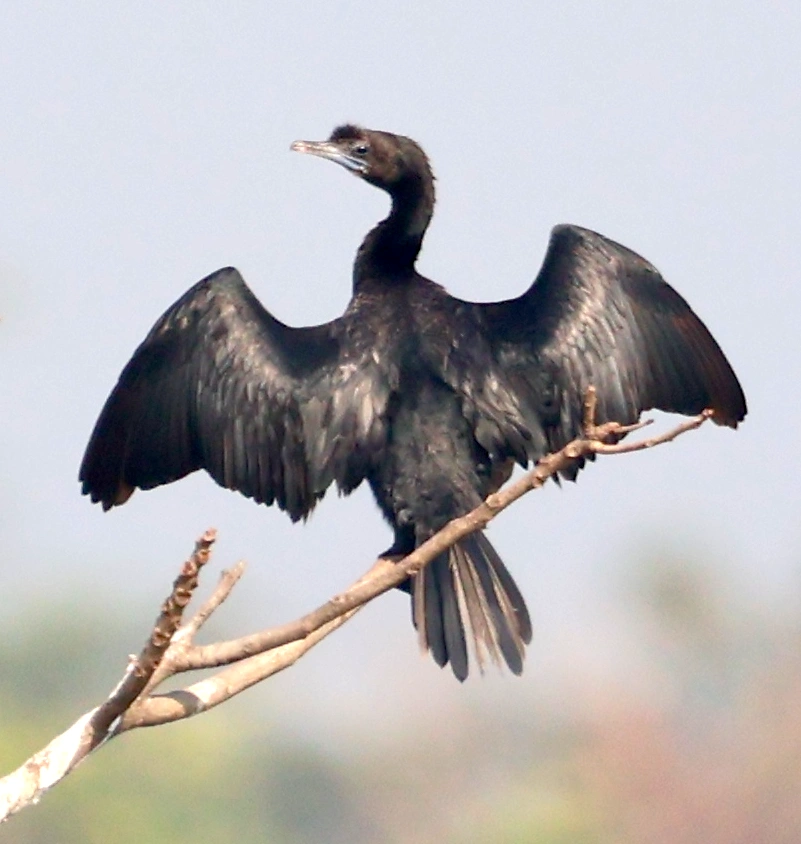
Little Cormorant
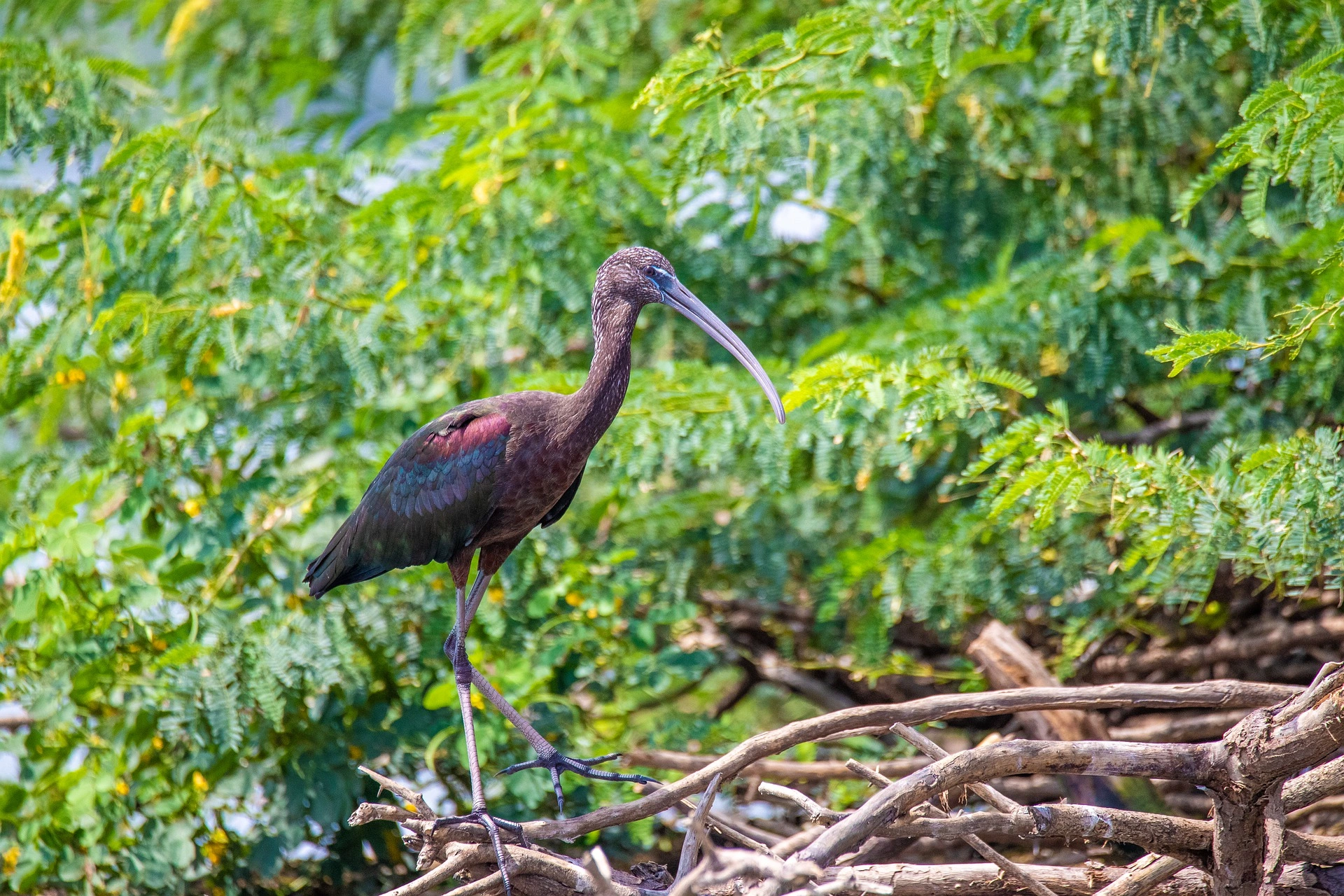
Glossy Ibis
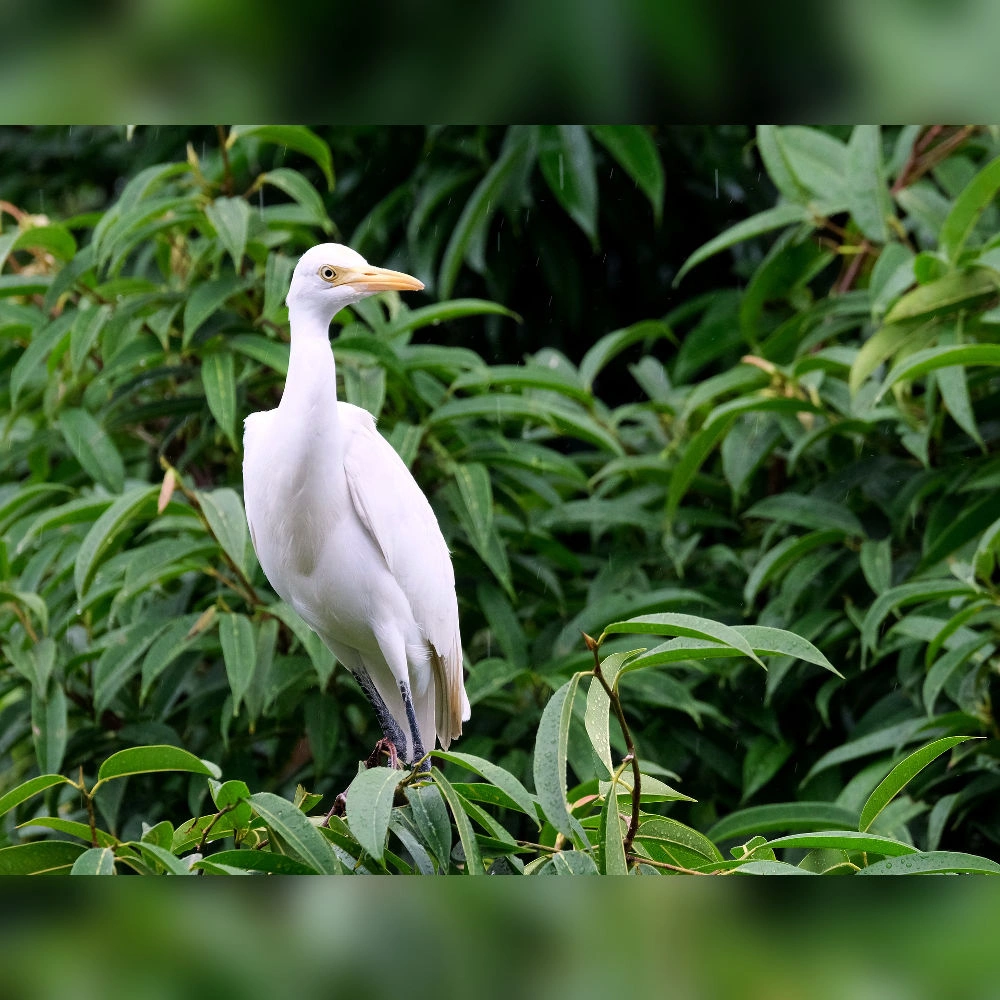
Eastern Cattle-Egret
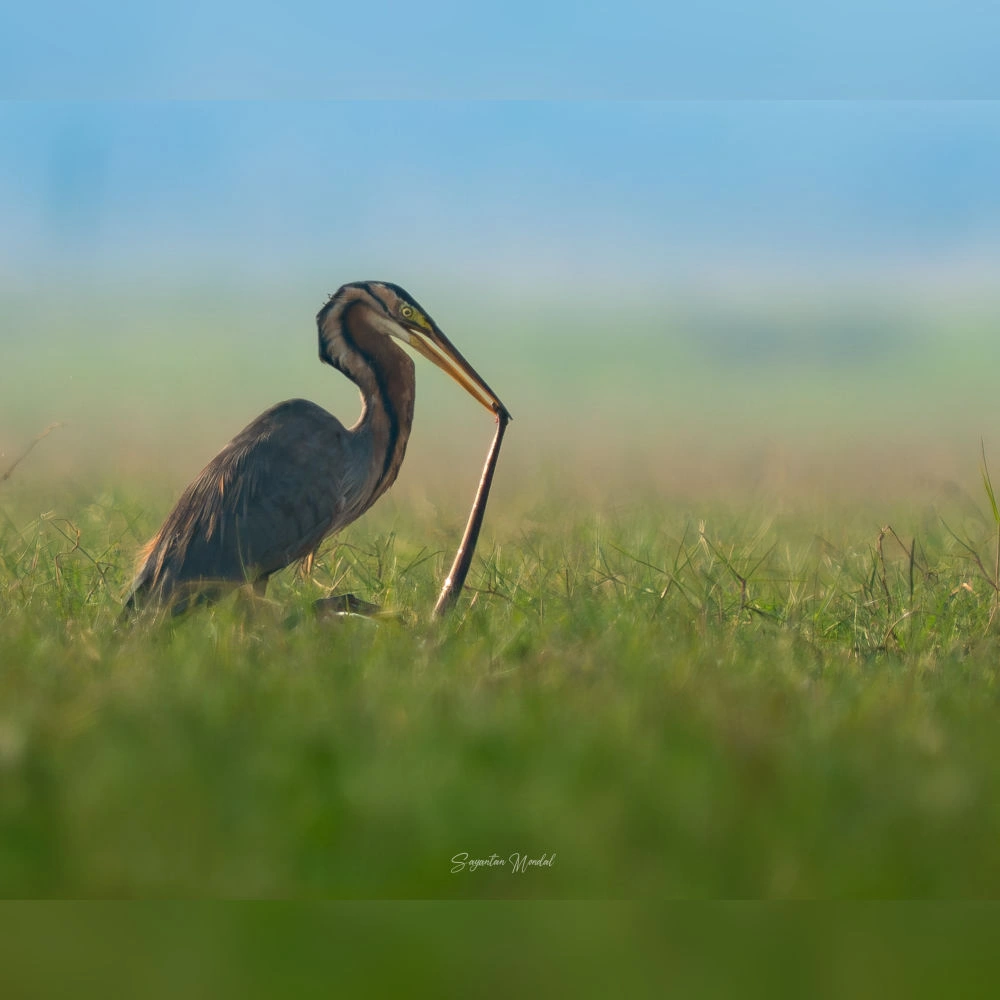
Purple Heron
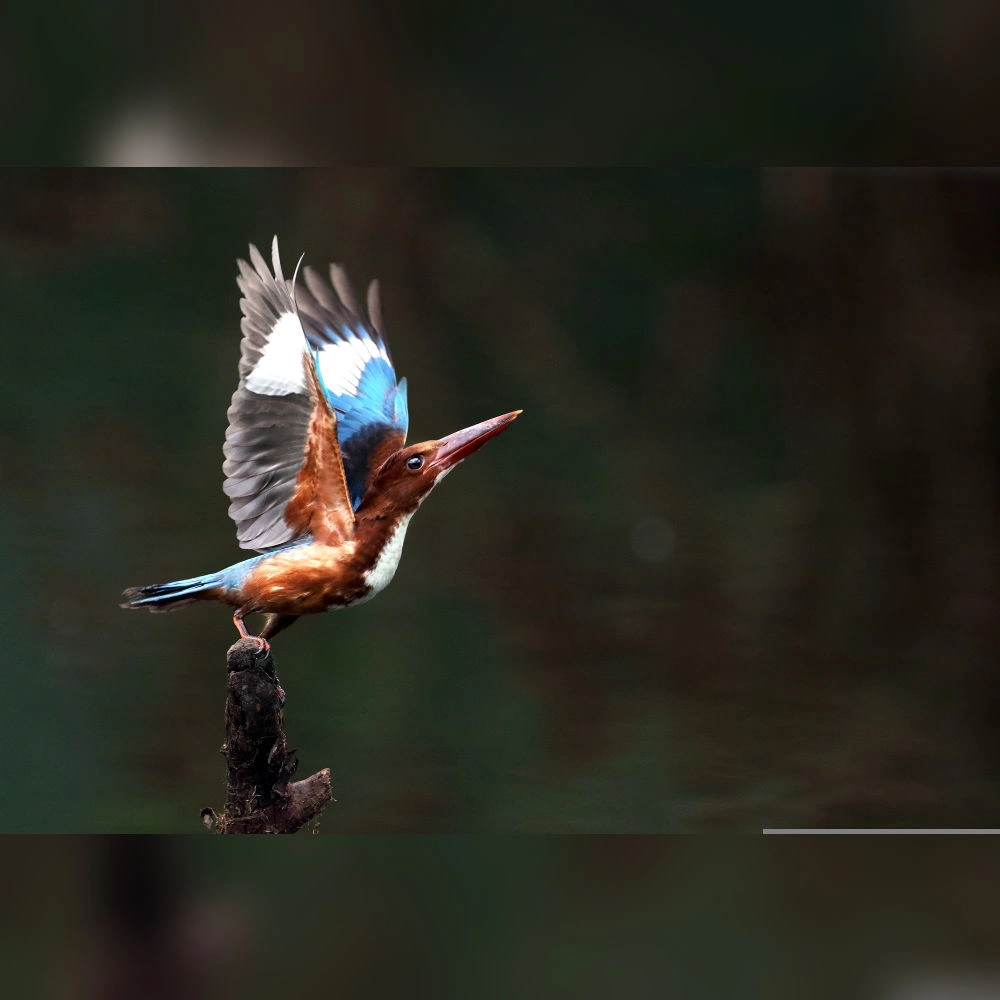
White-throated Kingfisher

Summary of Walk

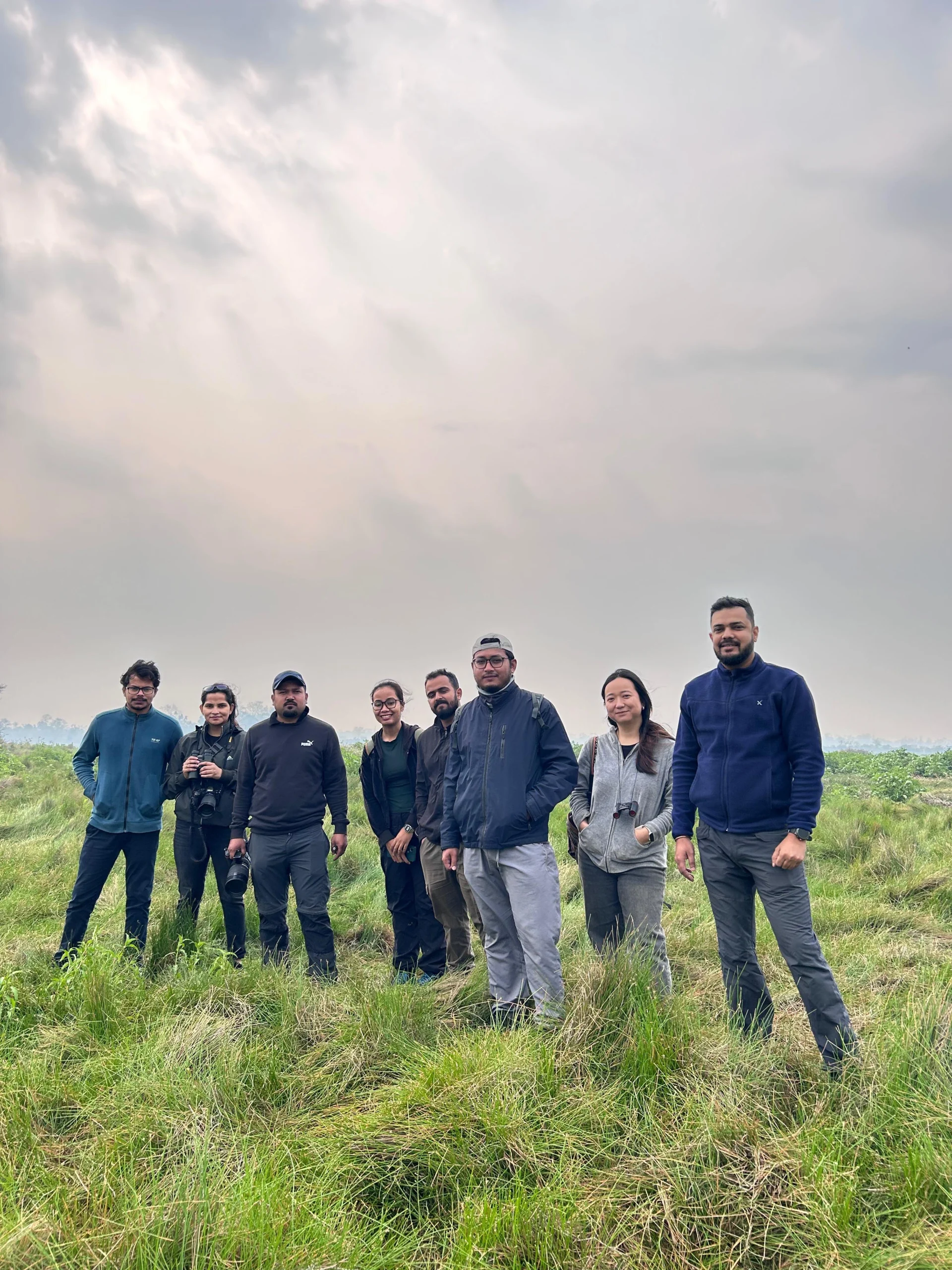
Maguri Wetland offered an extraordinary day of birding under the guidance of Toto Hazarika, with eight participants witnessing an impressive congregation of winter migrants and resident waterbirds. The vast expanse of water shimmered with flocks of Lesser Whistling-Ducks, Bar-headed Geese, Graylag Geese, and Greater White-fronted Geese, creating a truly spectacular scene.
The marshy edges were alive with jacanas, lapwings, and sandpipers actively feeding, while raptors like Osprey and Eastern Marsh Harrier patrolled the skies. A surprise sighting of an Asian Barred Owlet added excitement to the day. Toto’s explanations about migratory routes and wetland ecology deepened participants’ understanding of the site’s importance, making it both educational and awe-inspiring.
Number of Participants
0
Scroll to Top