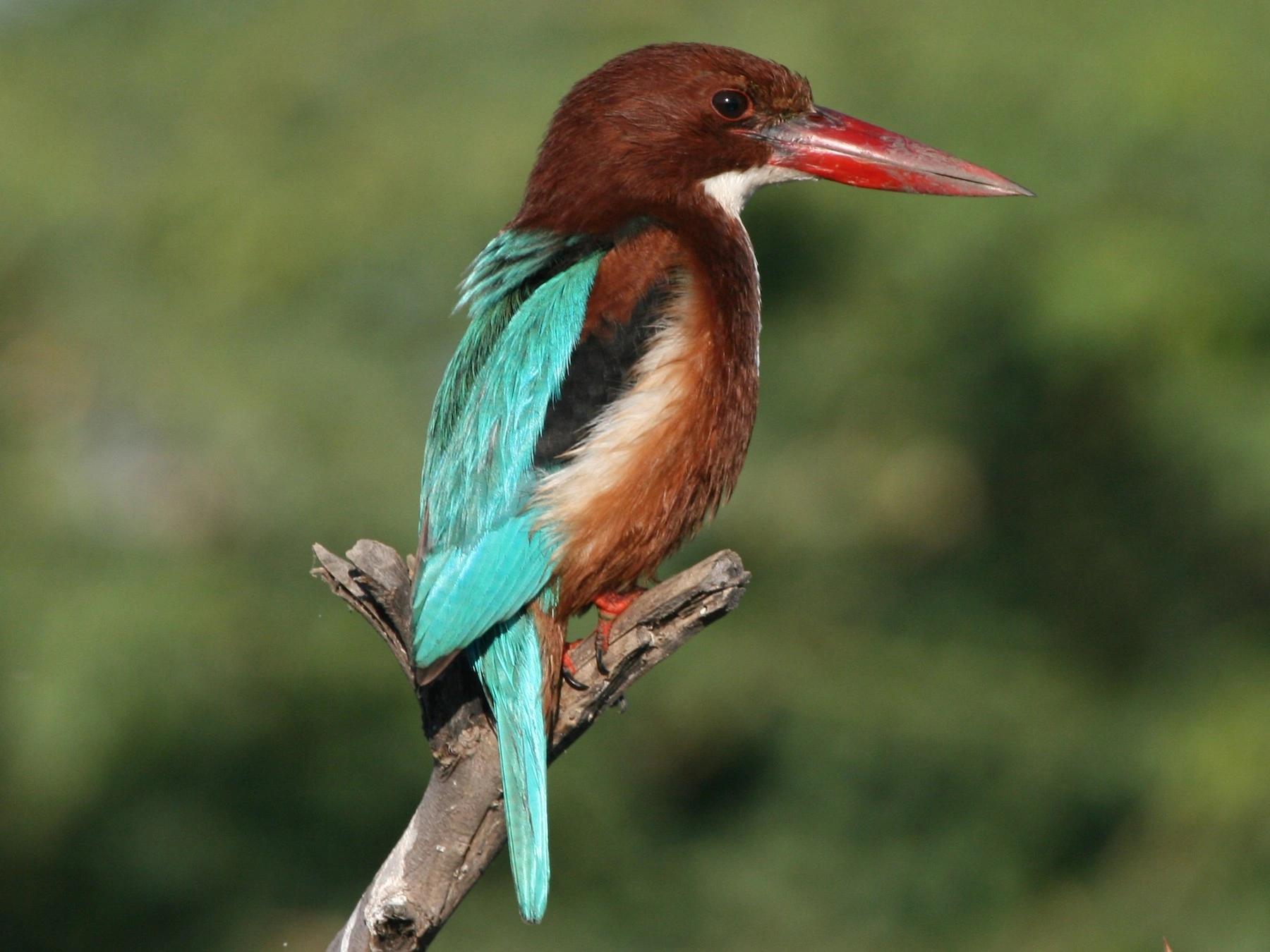



Bird walk at Kaziranga National Park, Assam
- Assam
- 7 March, 2026
- Rs 150/- per head
- Fee collected goes entirely to the bird guide. Ataavi does not retain or profit from this amount.
About Kaziranga National Park
Sprawling across the floodplains of the mighty Brahmaputra River in Assam, Kaziranga National Park covers over 850 square kilometers of dynamic and ever-changing wilderness. Recognized as a UNESCO World Heritage Site, the park is a mosaic of tall elephant grasslands, marshes, oxbow lakes, and patches of semi-evergreen and moist deciduous forests. This rich habitat supports an extraordinary range of flora and fauna, most famously the world’s largest population of the Great One-horned Rhinoceros. Kaziranga is also home to Asian Elephants, Wild Water Buffalo, Swamp Deer, and elusive Bengal Tigers, making it one of India’s most iconic conservation landscapes. Seasonal floods of the Brahmaputra, though dramatic, play a vital ecological role by replenishing nutrients and maintaining the health of its grasslands and wetlands.
For bird lovers, Kaziranga is nothing short of paradise. The park hosts over 500 bird species, including migratory waterfowl, raptors, storks, hornbills, and grassland specialists. Wetlands teem with pelicans, storks, and ducks in winter, while the grasslands echo with the calls of larks, pipits, and floricans. Despite its protected status, Kaziranga faces ongoing challenges such as annual flooding intensified by climate change, habitat fragmentation, human-wildlife conflict, and pressure from nearby development. Conservation efforts—including anti-poaching patrols, habitat management, and community involvement—have been crucial in safeguarding its wildlife. Today, Kaziranga stands as a powerful symbol of successful conservation, offering visitors an unforgettable glimpse into one of South Asia’s richest natural treasures.
Partnered with

Bird Guide - Kumud Tamli
With a strong passion for birding and sharp identification skills, he knows his bird names well and enjoys helping others recognize and learn about different species in the field.

Bird walk Location
Common birds of Kaziranga National Park
The wetlands and surrounding woodlands came alive with a vibrant mix of waterbirds, grassland specialists, and melodious songsters, creating a truly immersive birding experience. Elegant Gray-headed Lapwings and Red-wattled Lapwings strode confidently along the muddy edges, while flocks of Cattle Egrets dotted the fields in bright white contrast. Near the water, Little Cormorants perched with wings spread wide to dry, and flashes of electric blue from White-throated Kingfishers and a Common Kingfisher lit up the scene. The sight of towering Woolly-necked Storks and Asian Openbill Storks added grandeur to the wetland panorama, while a graceful White Wagtail and the lively Eastern Yellow Wagtail kept the grasslands animated with constant movement.
In the surrounding trees and scrub, familiar urban adapters like Common Mynas and Asian Pied Starlings shared space with the bold Black Drongo and the ever-watchful Indian Pond Heron. The soft cooing of Spotted Doves blended with the cheerful calls of the Oriental Magpie Robin and the rich tones of the Black-hooded Oriole. A secretive Zitting Cisticola flitted low through the grass, while forest-edge gems like the White-rumped Shama and the striking Black-backed Forktail delighted keen observers. Altogether, this diverse checklist reflects the incredible ecological variety of the habitat, where wetlands, open fields, and wooded patches merge to host an exciting range of birdlife.

Common Myna

Cattle Egret

White-throated Kingfisher
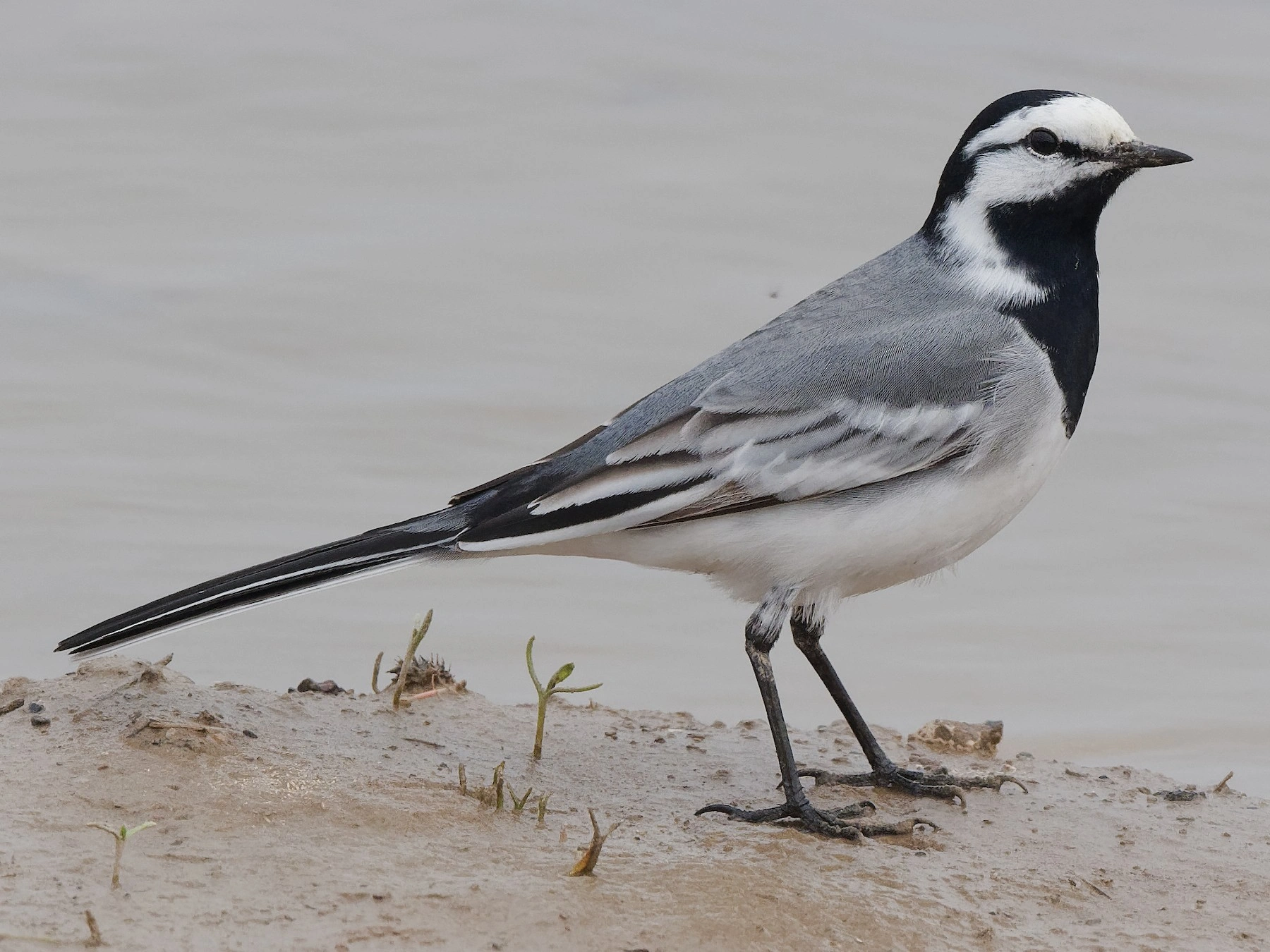
White Wagtail
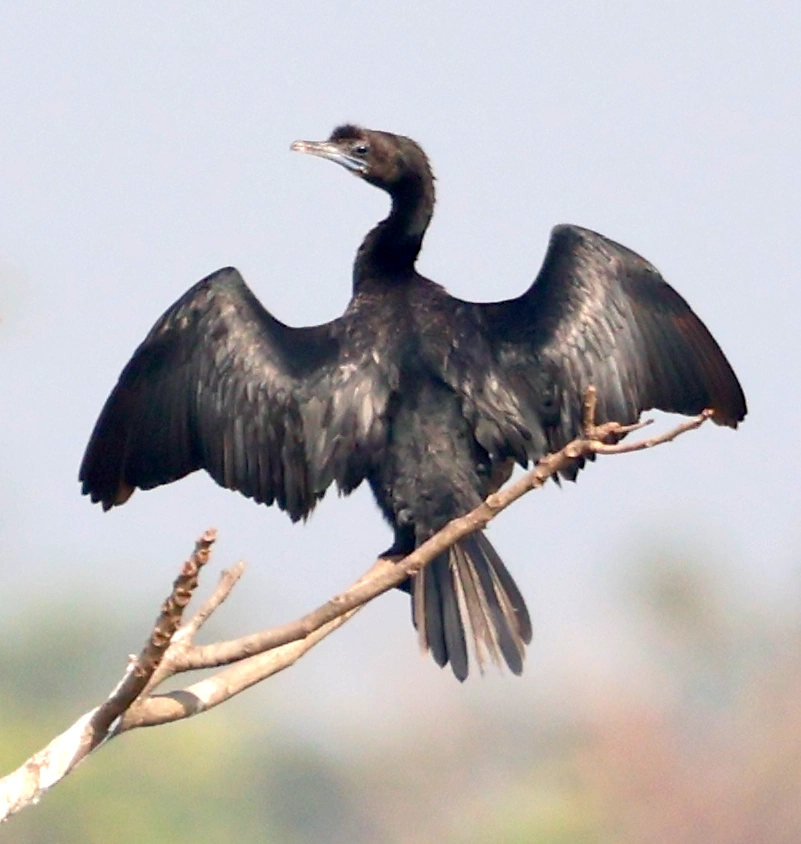
Little Cormorant
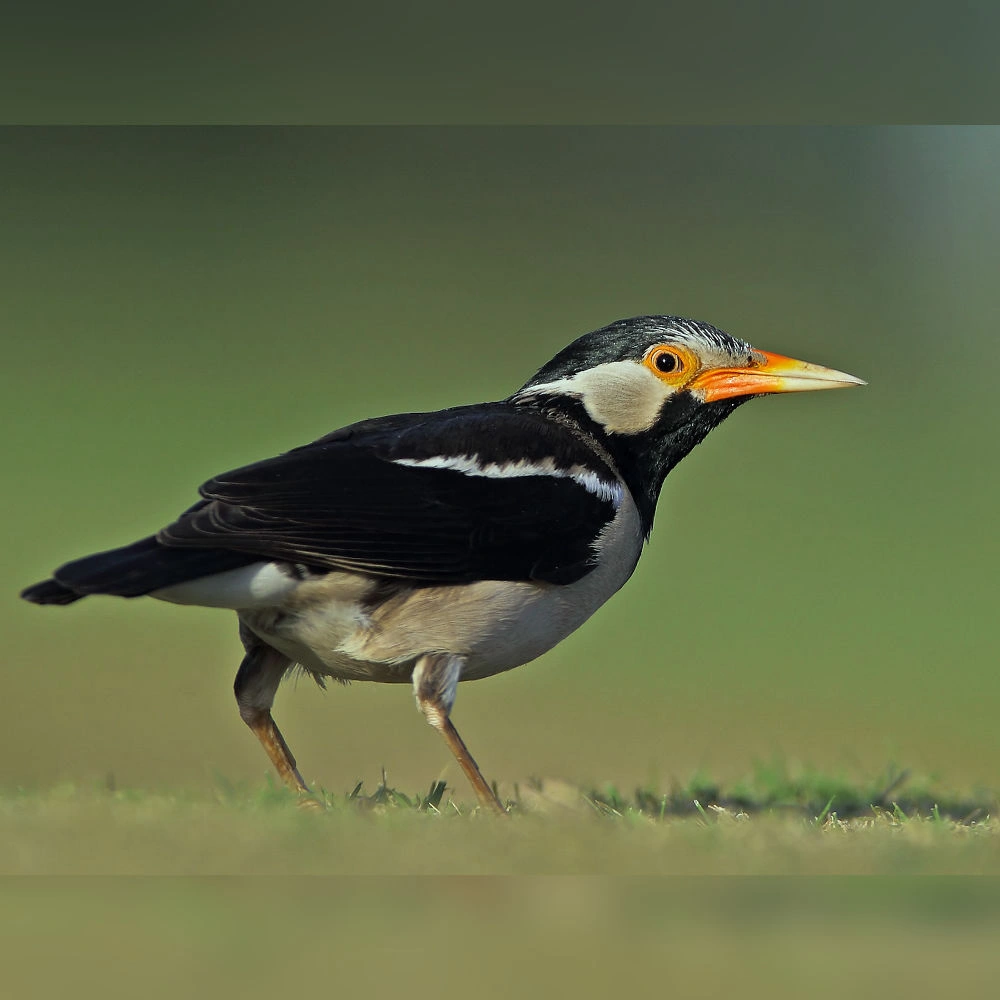
Asian Pied Starling

Black Drongo
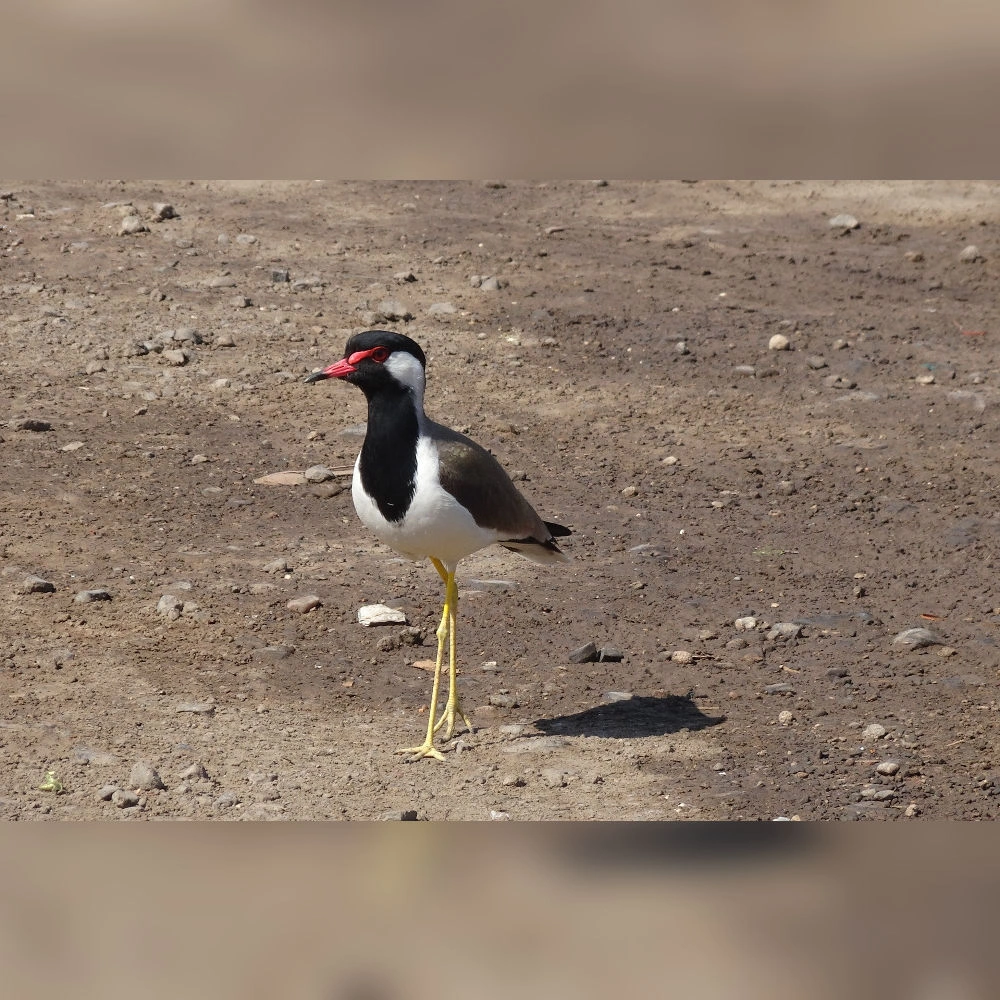
Red-wattled Lapwing
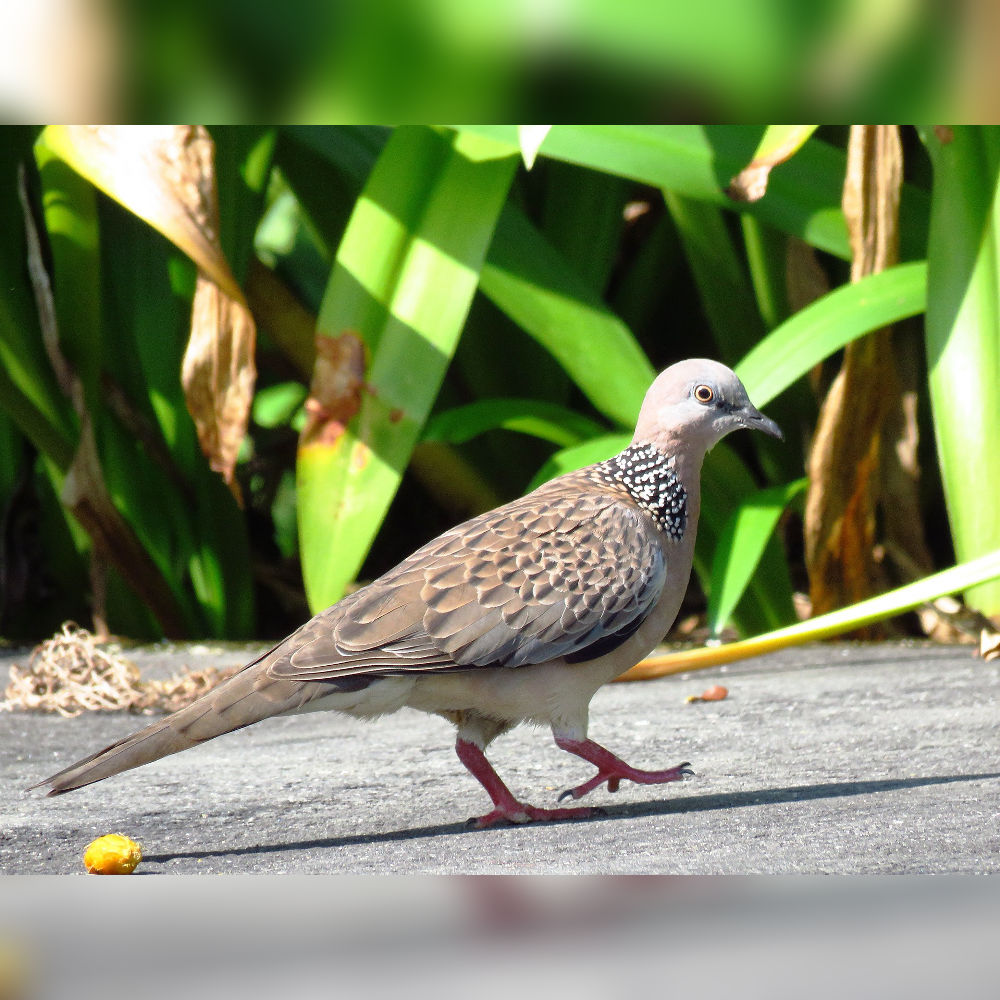
Spotted Dove
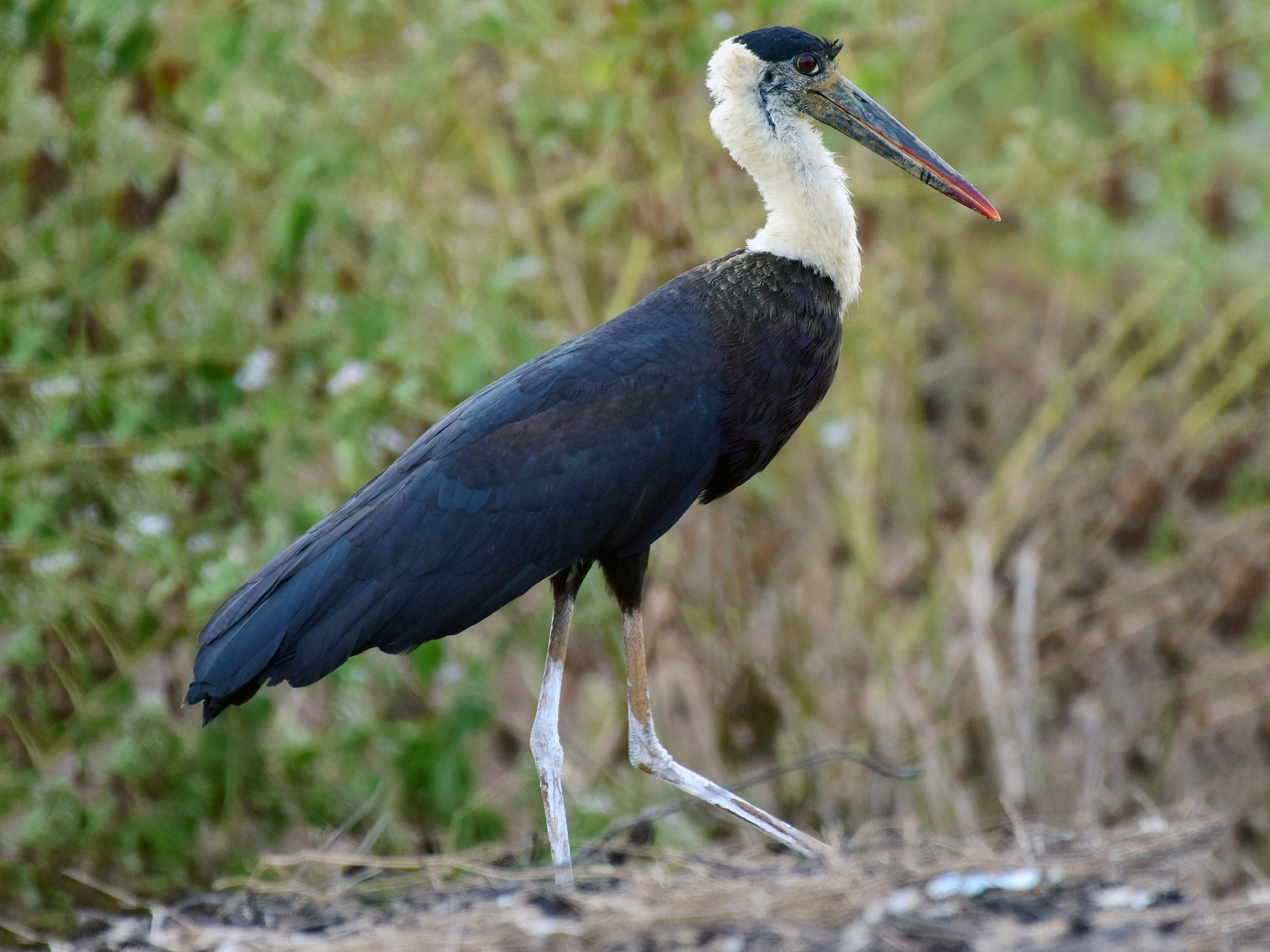
Woolly-necked Stork
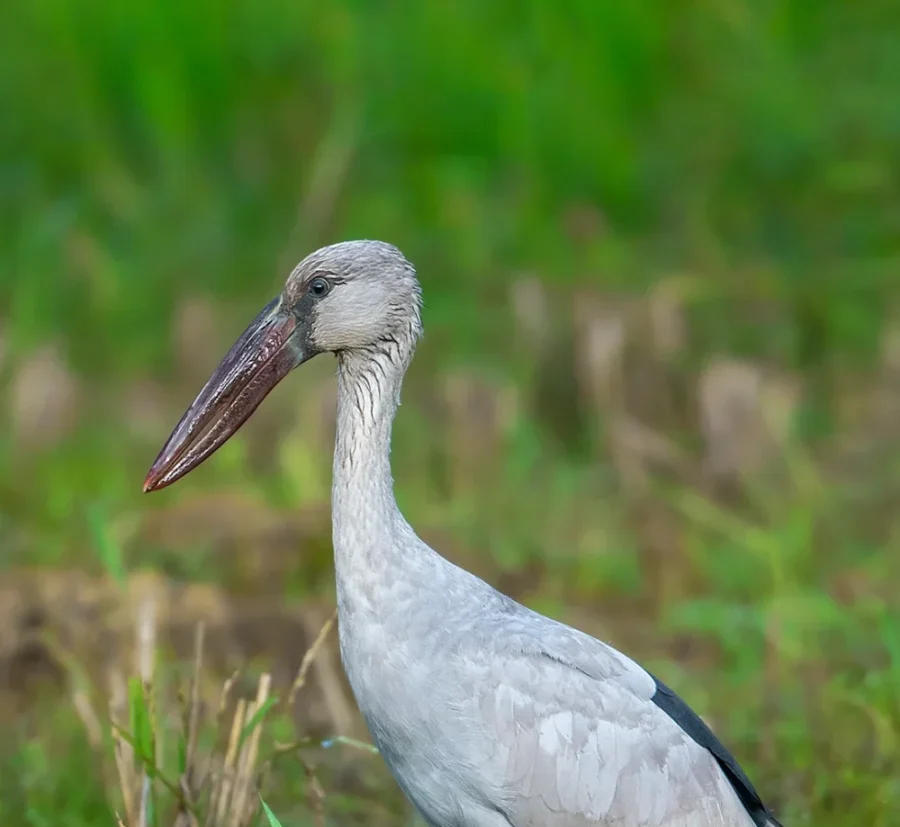
Asian Openbill
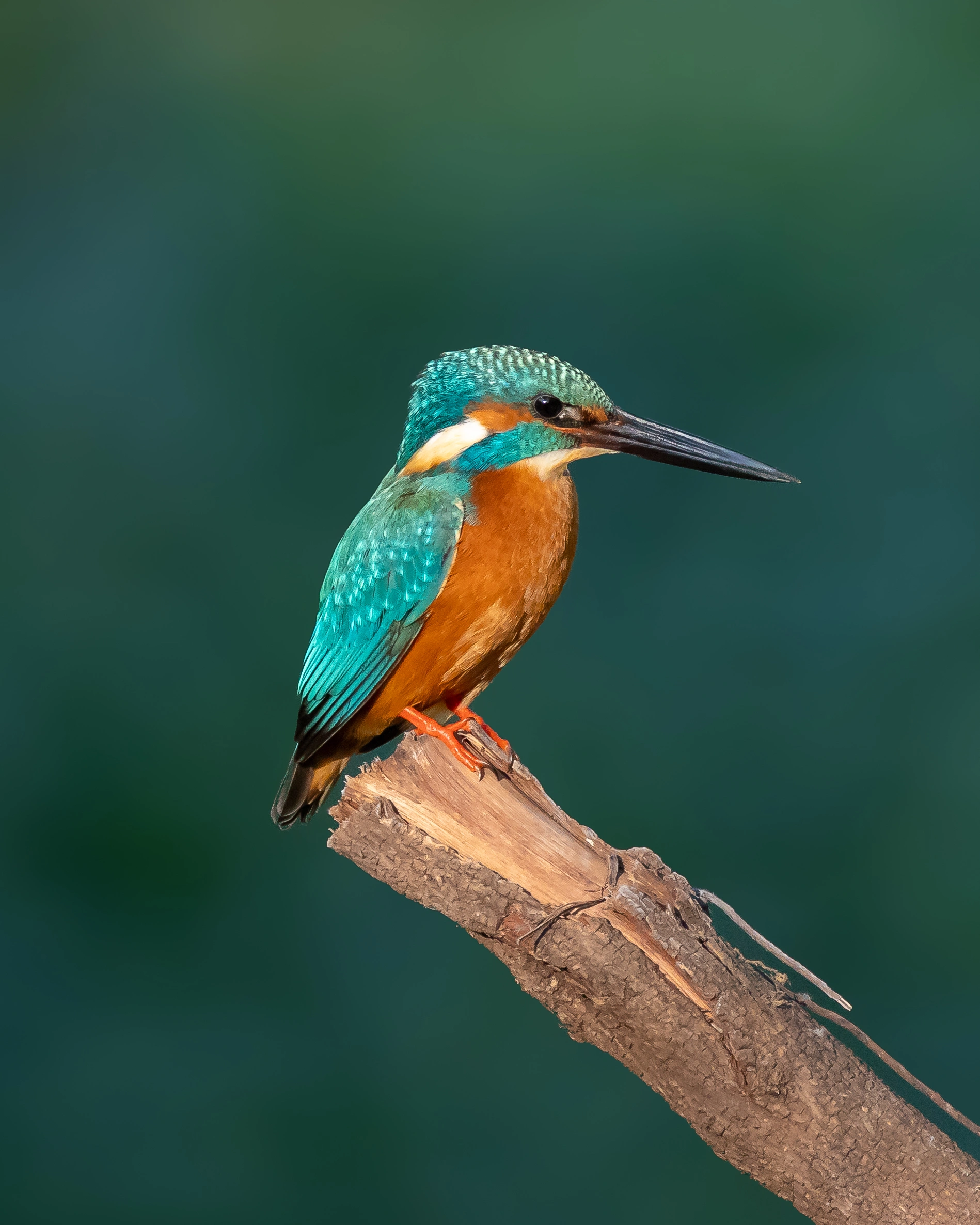
Common Kingfisher
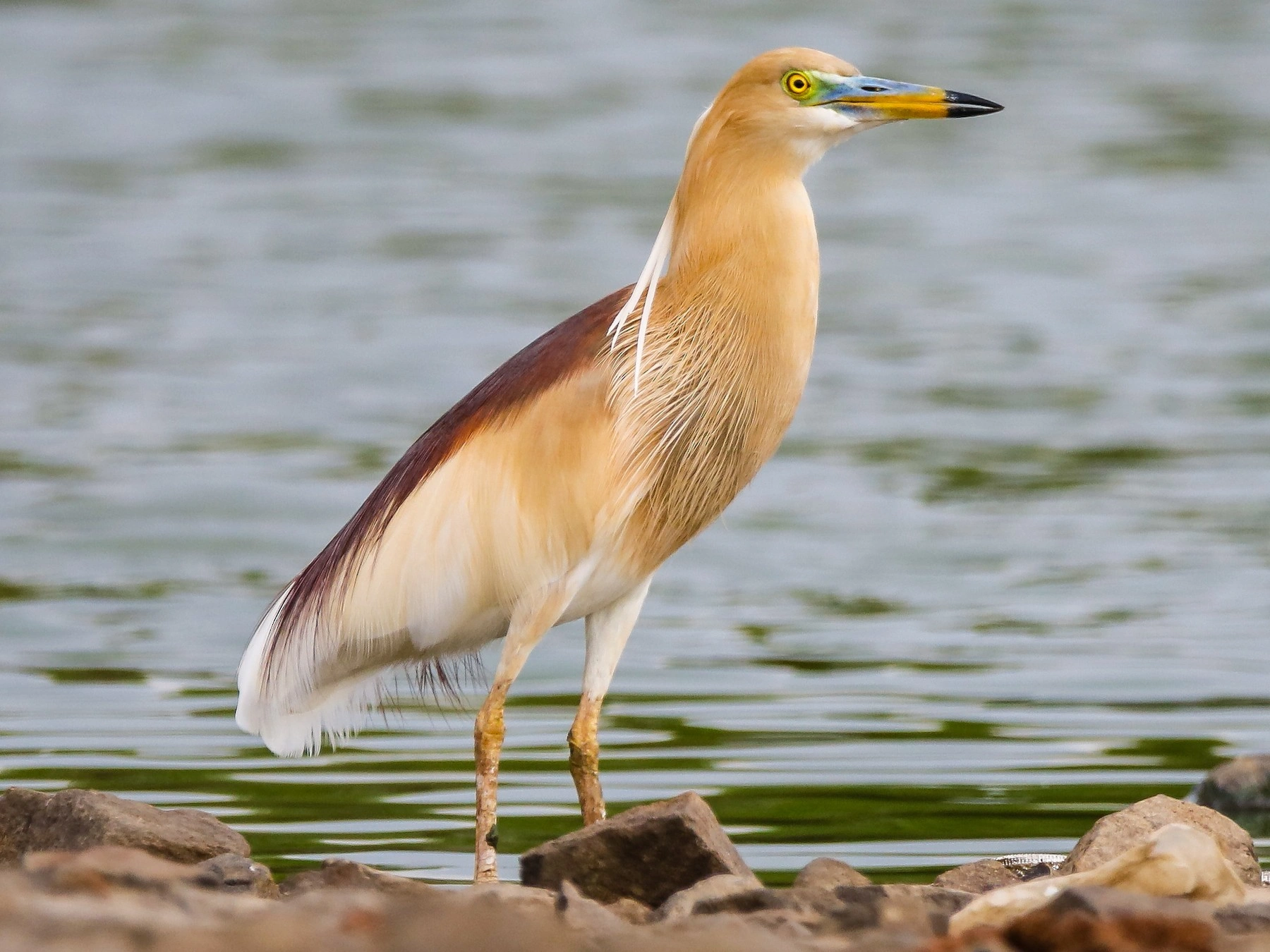
Indian Pond Heron
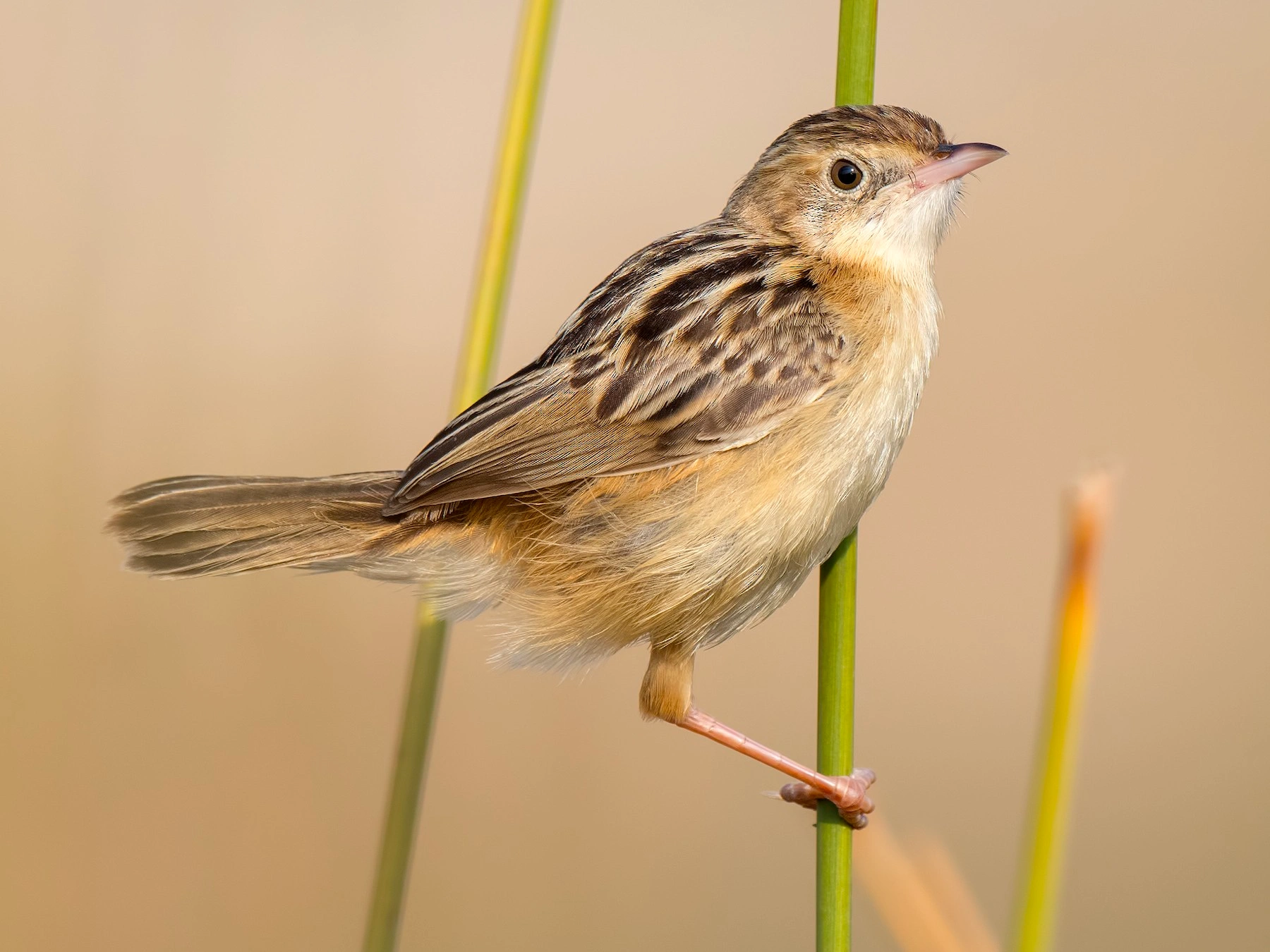
Zitting Cisticola

Oriental Magpie Robin
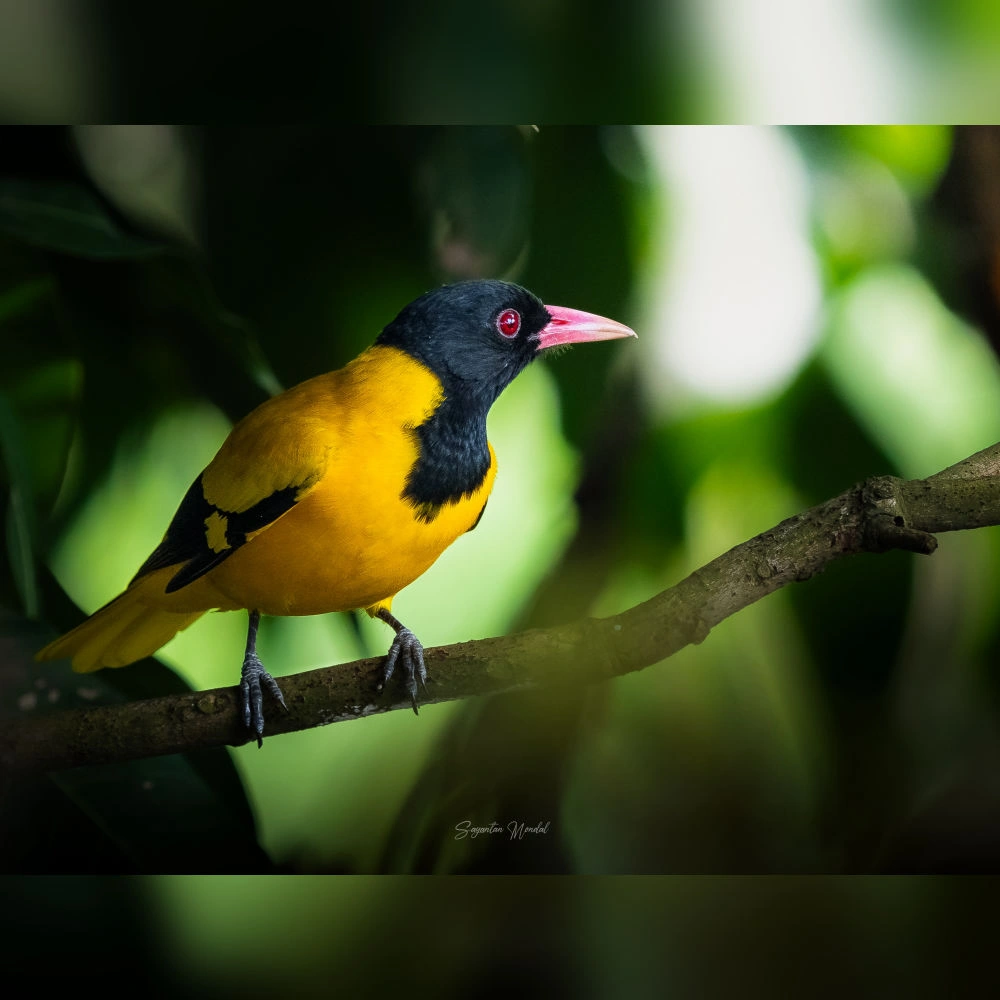
Black-hooded Oriole
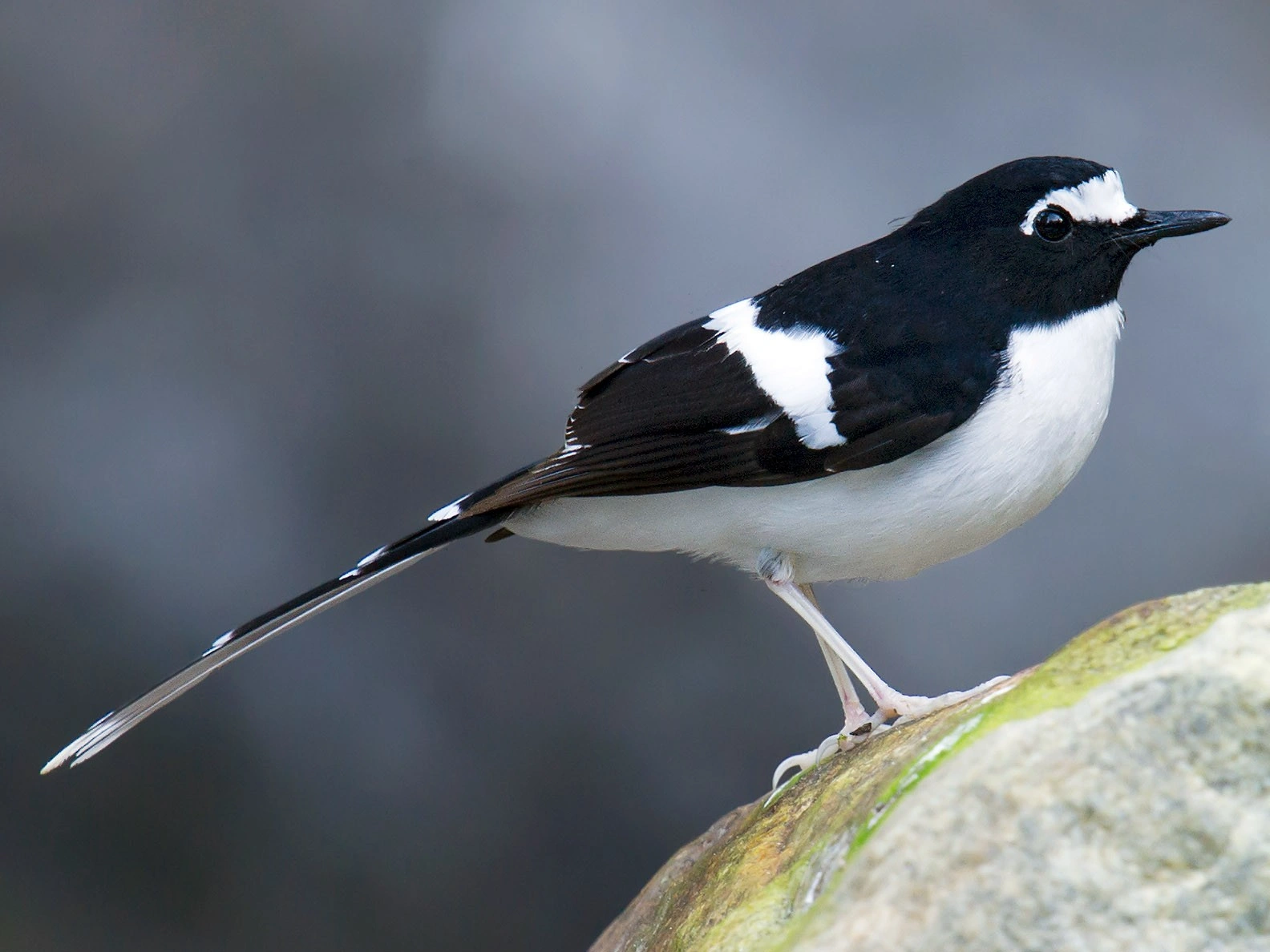
River Tern
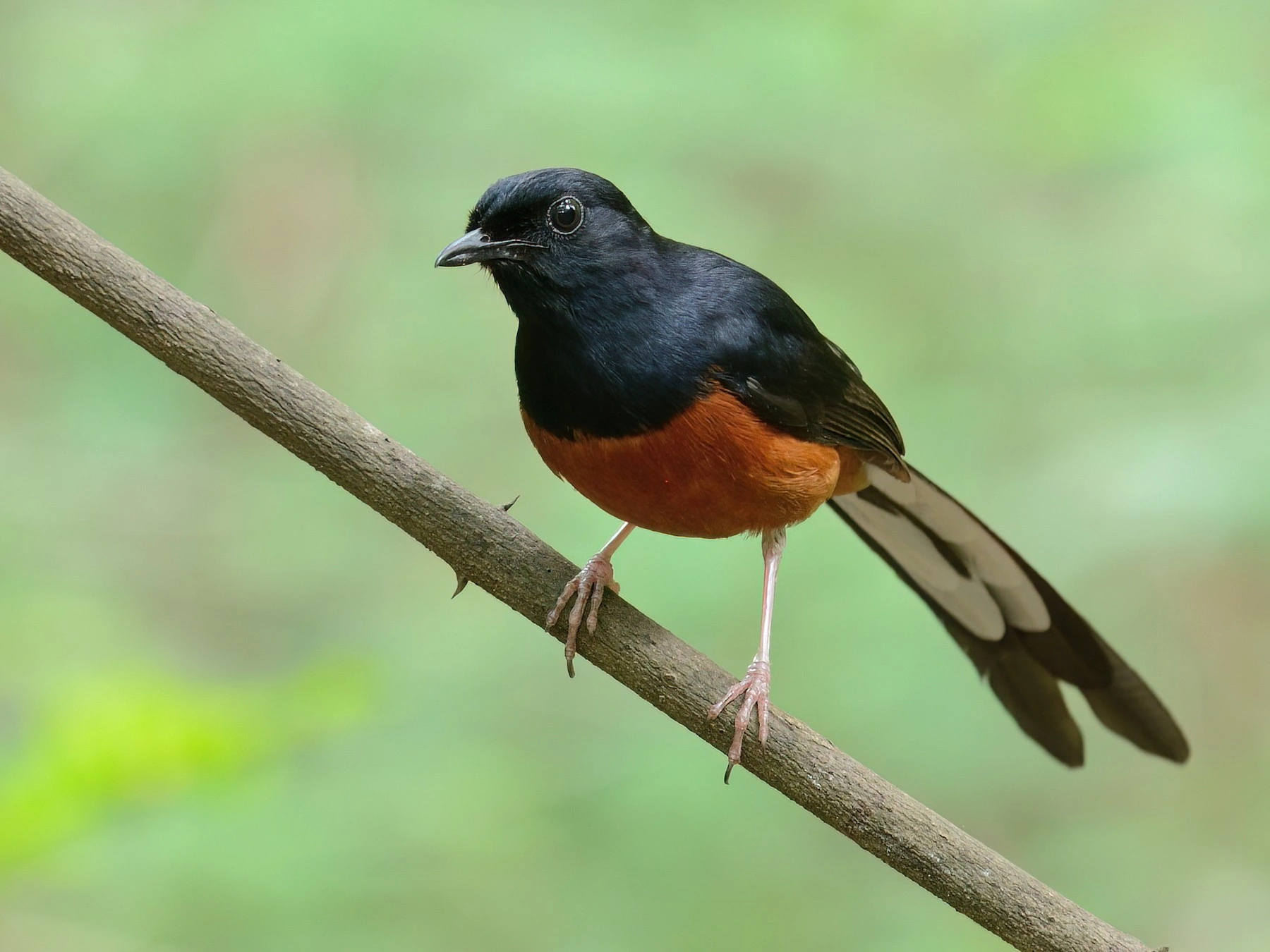
White-rumped Shama
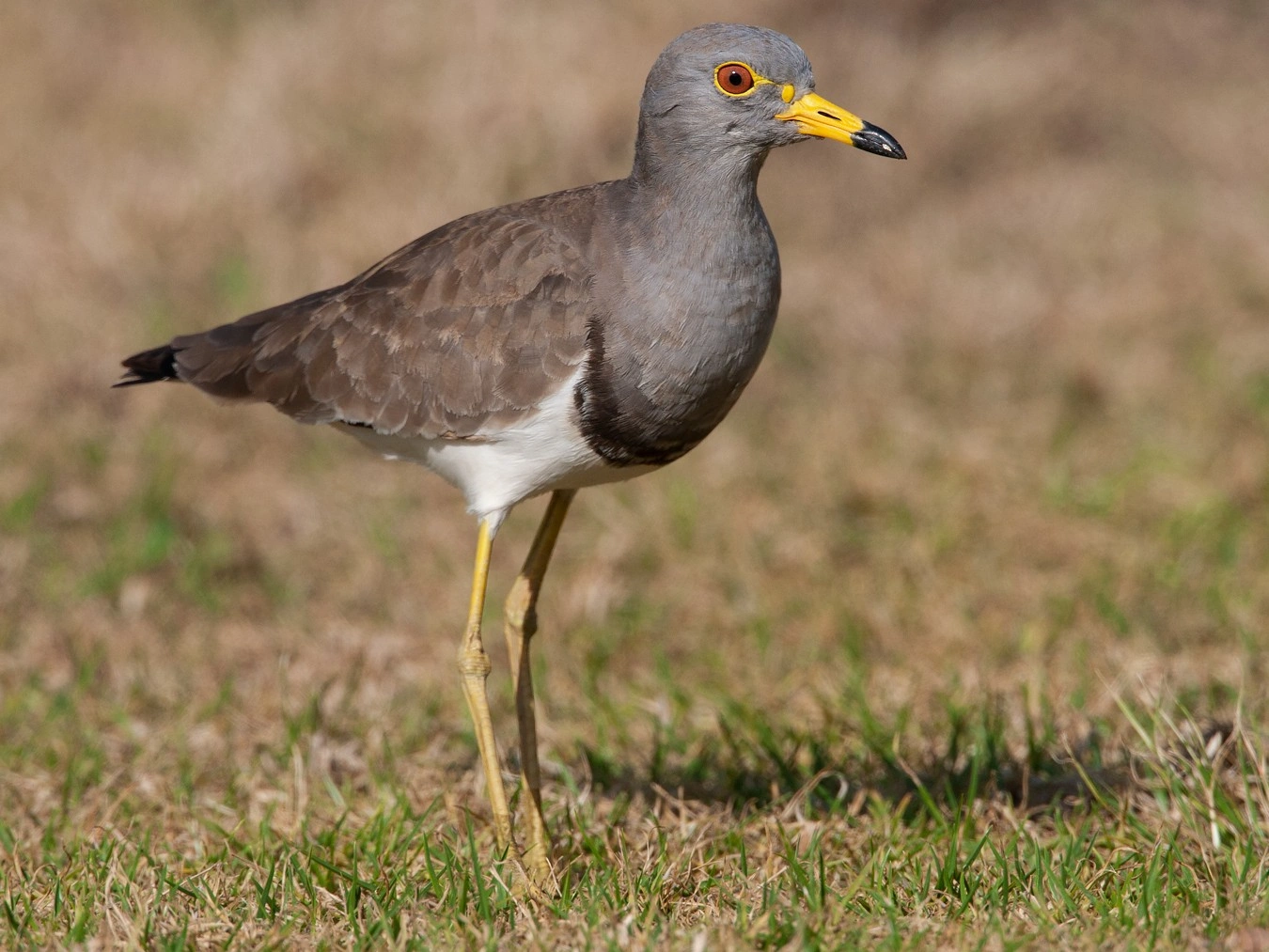
Gray-headed Lapwing
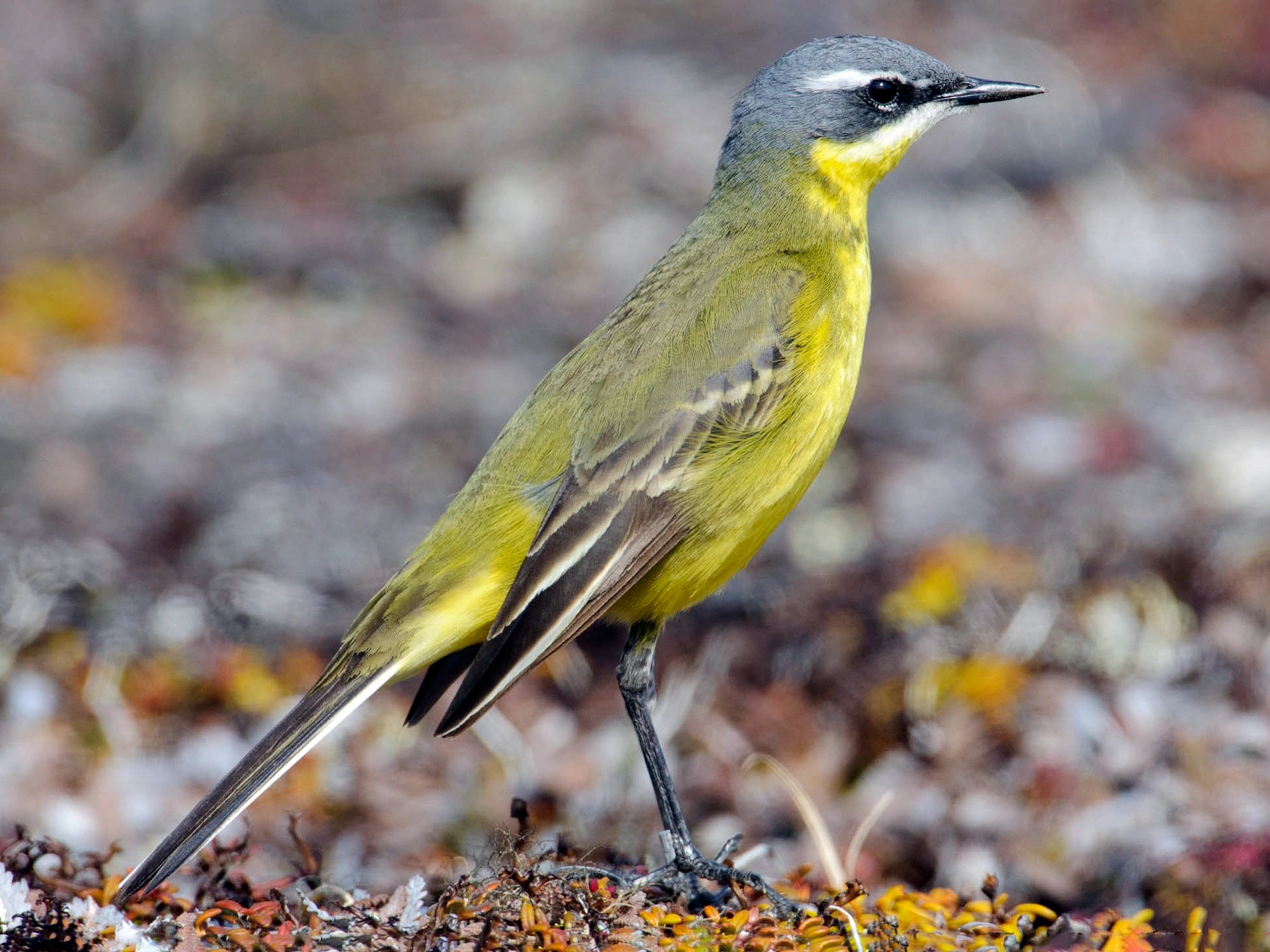

Eastern Yellow Wagtail
- Fee collected goes entirely to the bird guide. Ataavi does not retain or profit from this amount.