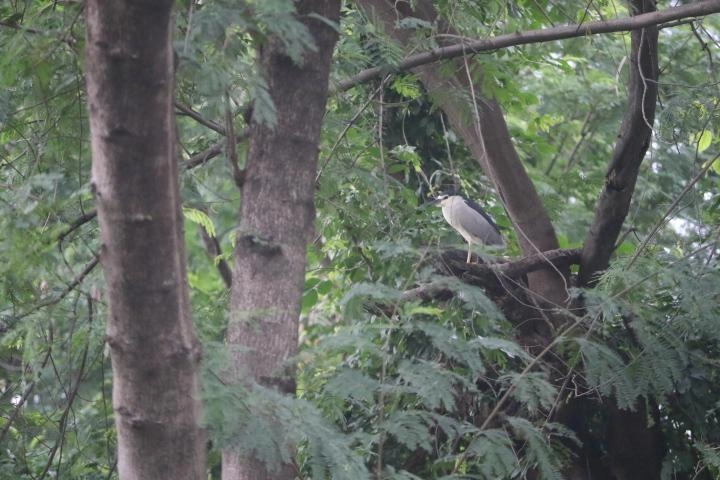


Bird Walk at Ambazari Biodiversity Park, Nagpur, Maharashtra
- Nagpur
- 15 August, 2026
- Devansh Agarwal
About Ambazari Biodiversity Park
Spread across nearly 750–758 hectares, Ambazari Biodiversity Park is a remarkable green oasis within the city’s urban landscape. Characterised by a mosaic of dry deciduous forest, grasslands, scrub, and wetland backwaters, the park supports an impressive ecological diversity. Over 400 plant species have been recorded here, including several endemic varieties, along with rich grass diversity that sustains the open habitats. This blend of ecosystems makes the park not just scenic, but ecologically significant—offering refuge to mammals like jackals and deer, along with reptiles, insects, and other fauna.
For birders, Ambazari is a quiet paradise. With over 160 bird species recorded, including migratory visitors, its grasslands and water edges create ideal conditions for both resident and seasonal birds. Early mornings reveal a chorus of calls and movement, making it a rewarding space for observation and photography. However, like many urban biodiversity hotspots, the park faces growing pressures—frequent grassland fires, habitat disturbance, infrastructure expansion, and pollution threaten its fragile ecosystems. Continued conservation efforts and awareness initiatives remain crucial to ensure that Ambazari thrives as both a biodiversity refuge and a living classroom for nature enthusiasts.

Bird Guide: Devansh Agarwal
He has been passionate about birdwatching and wildlife photography since his teenage years, a journey that began alongside his father. More than 10 years later, he continues to explore nature with him every weekend, strengthening both his connection to wildlife and his appreciation for the outdoors. His long-standing passion is reflected in his dedication to observing, documenting, and sharing the beauty of birds and their habitats.
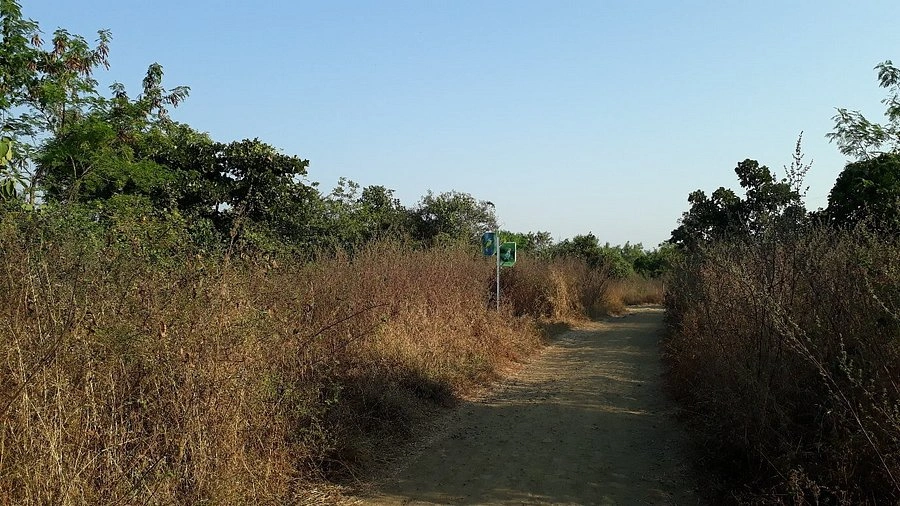
Bird walk Location
Common birds of Ambazari Biodiversity Park
At Ambazari Biodiversity Park, birdlife is both abundant and captivating, with over 165 species recorded across its varied habitats. The park’s open grasslands and forest edges are often graced by the stately Indian Peafowl and the shy Gray Francolin, while a variety of doves—from Spotted Dove to Laughing Dove—add gentle movement to the landscape. Wetland fringes attract species like the White-breasted Waterhen, Little Egret, and Indian Pond-Heron, while lapwings call loudly from open grounds. The trees echo with the calls of Asian Koel and Common Hawk-Cuckoo, and the elusive Greater Coucal moves quietly through undergrowth. Overhead, raptors such as the Shikra, Black-winged Kite, and Oriental Honey-buzzard patrol the skies, completing a dynamic birding experience that makes Ambazari a rewarding destination for both beginners and seasoned birdwatchers.

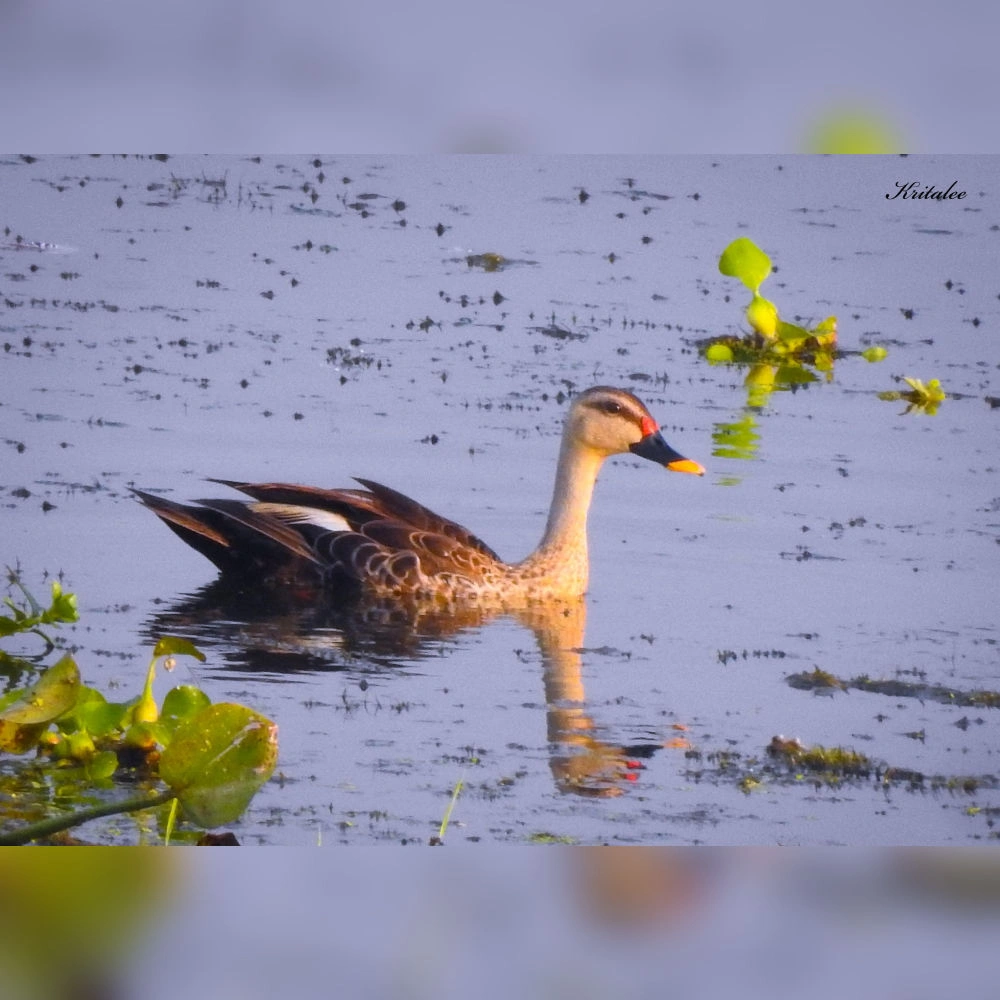
Indian Spot-billed Duck

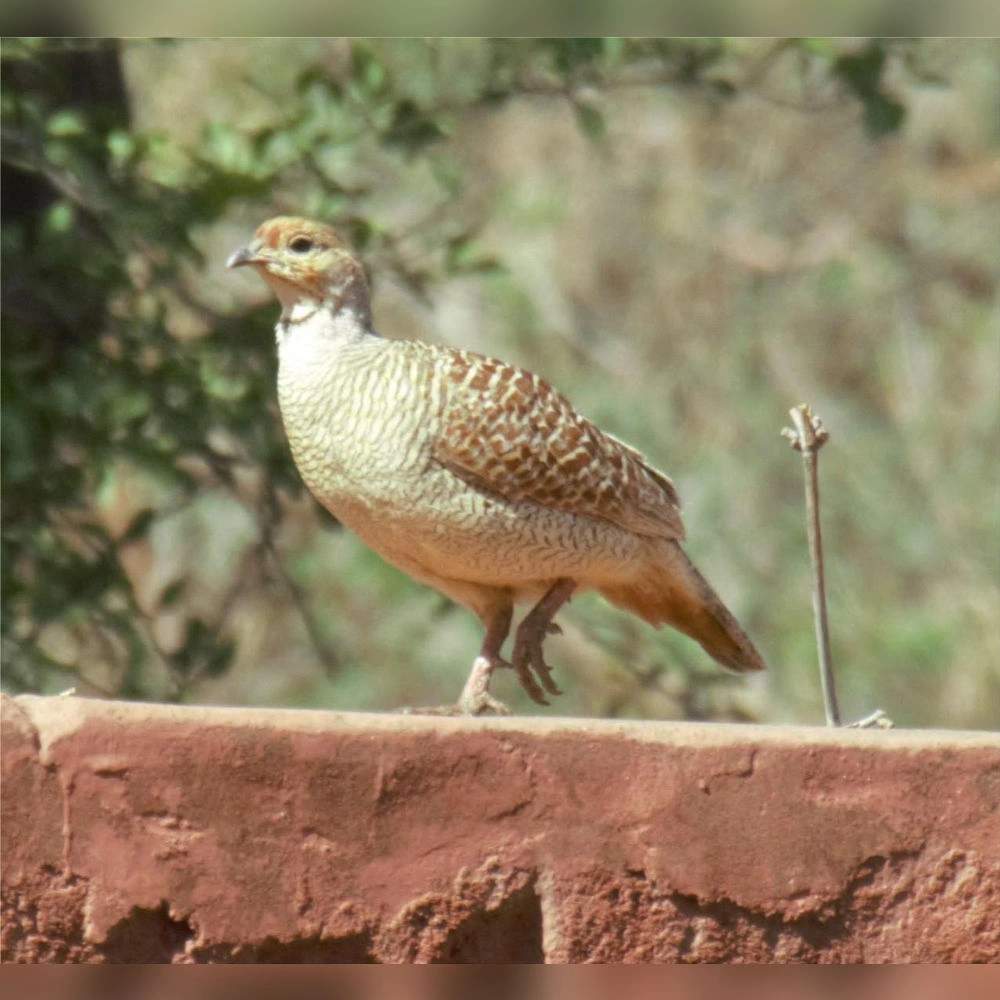
Grey Francolin
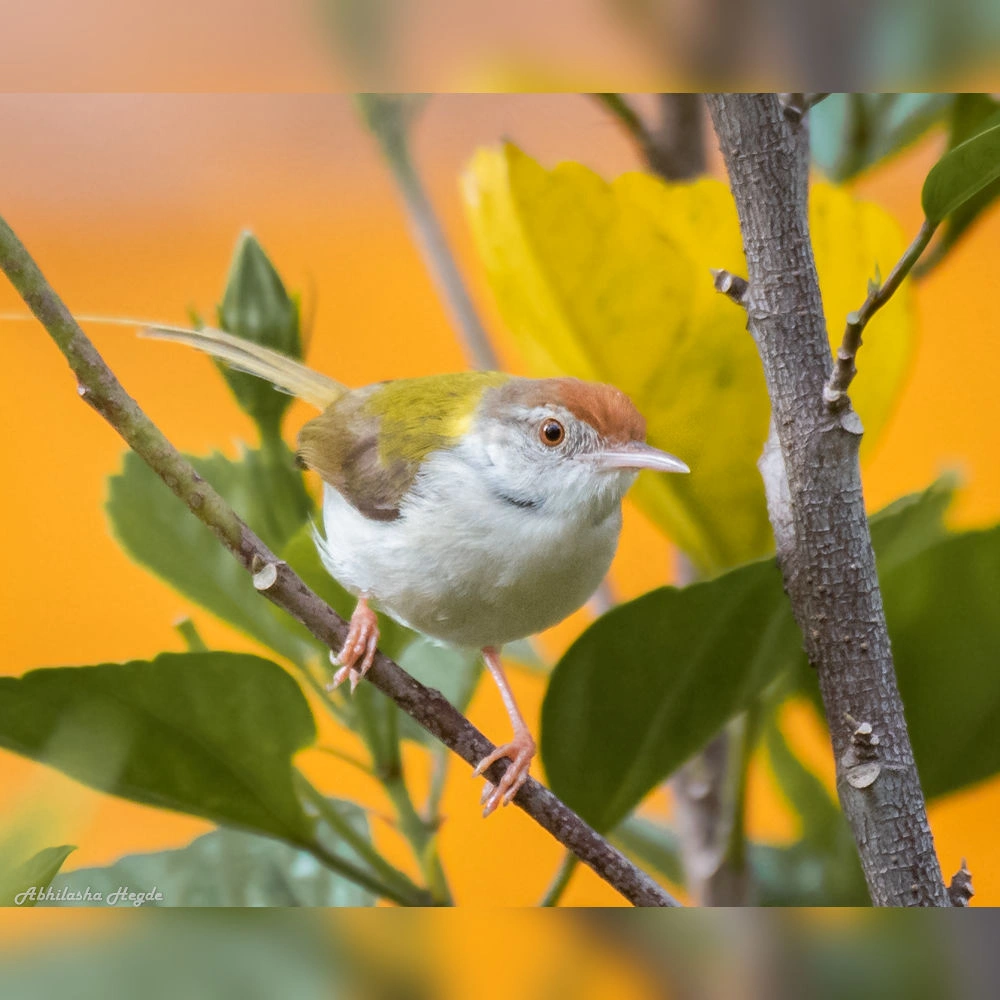
Common Tailorbird
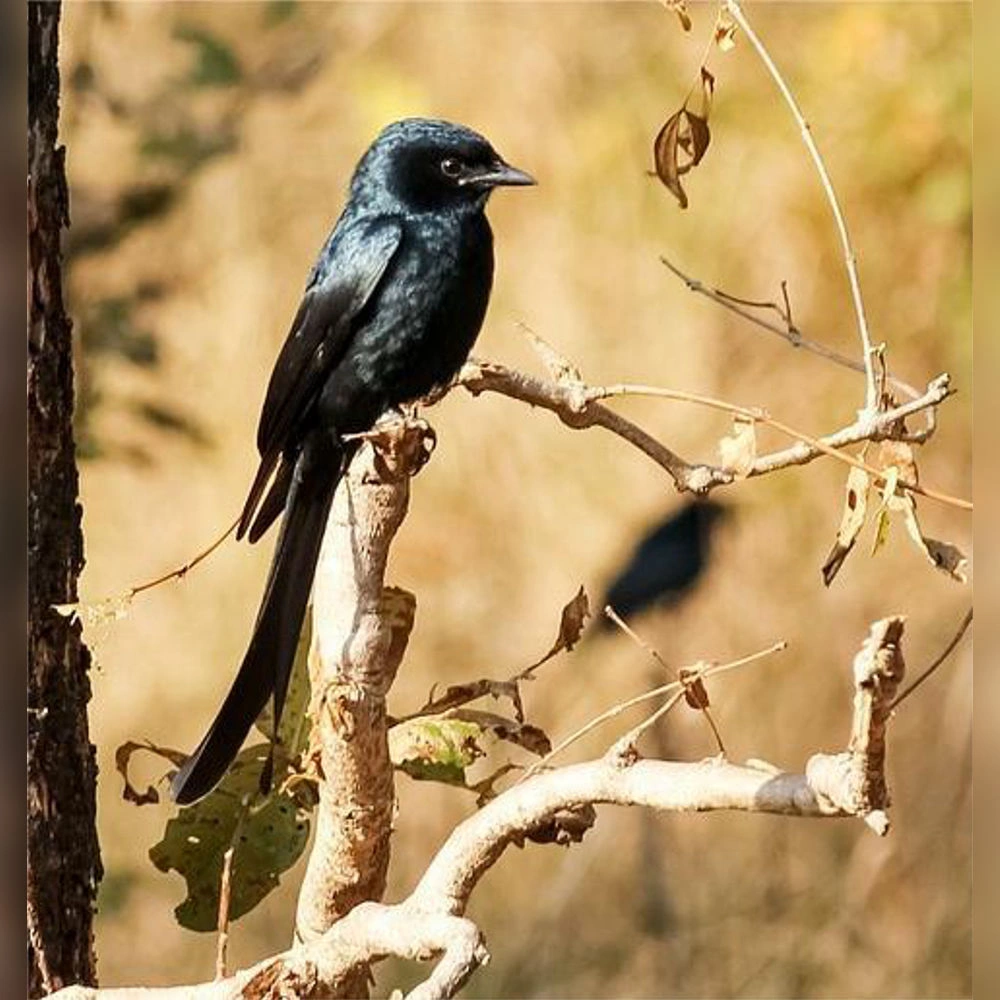
Black Drongo
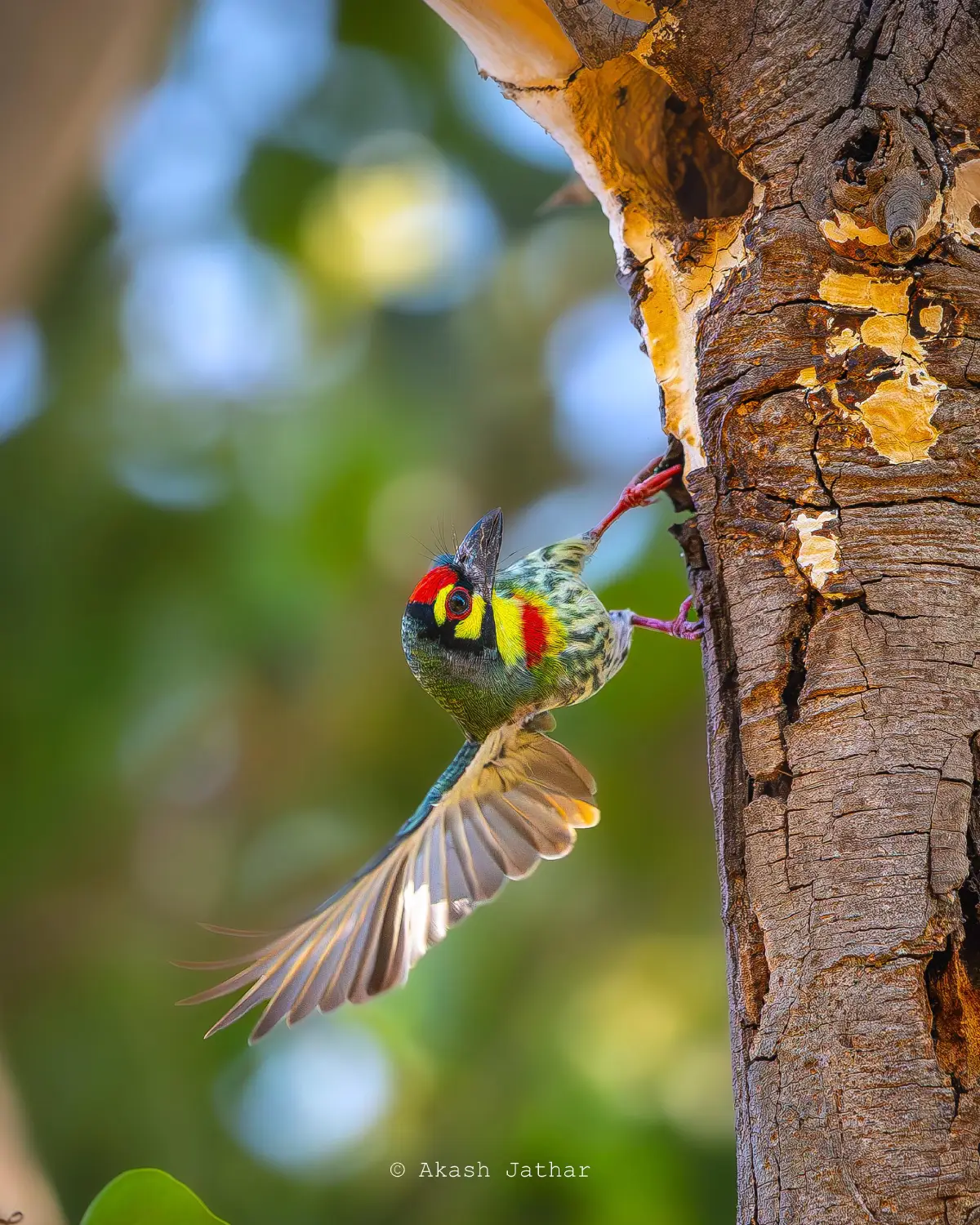
Coppersmith Barbet
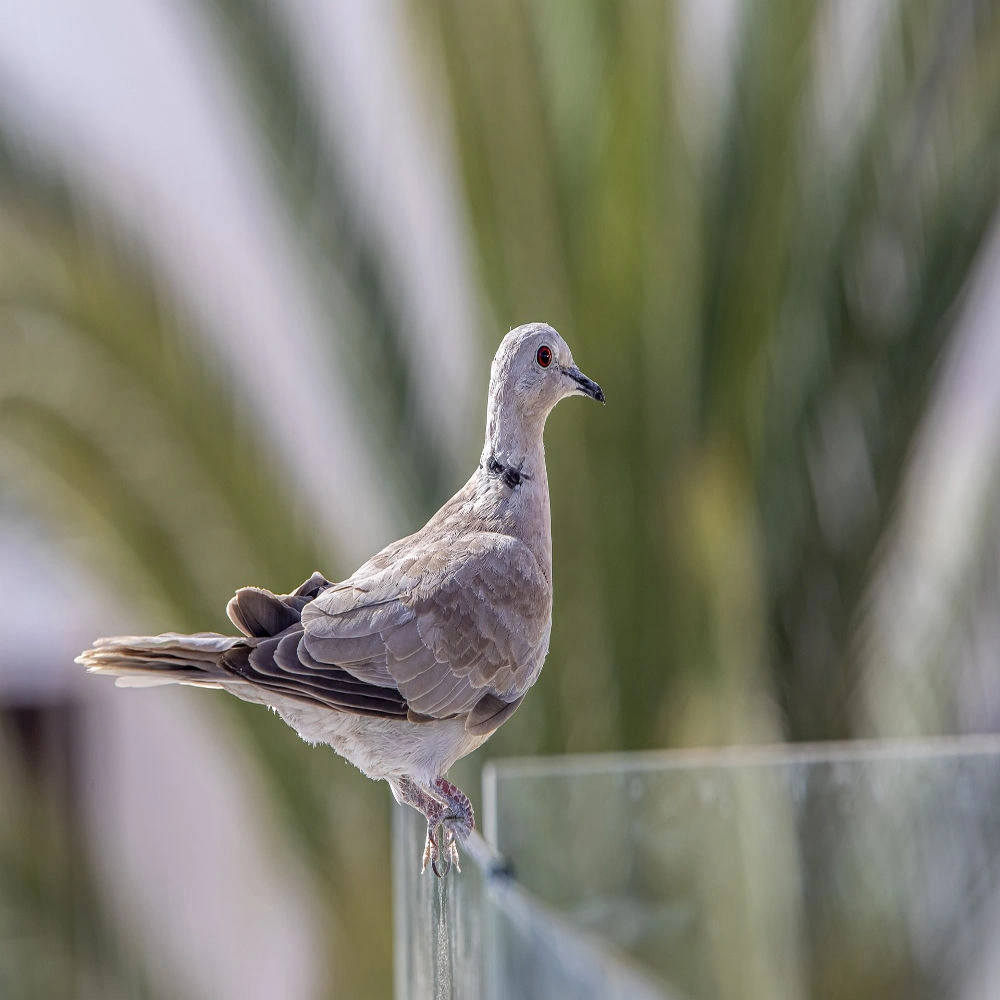
Eurasian Collared Dove
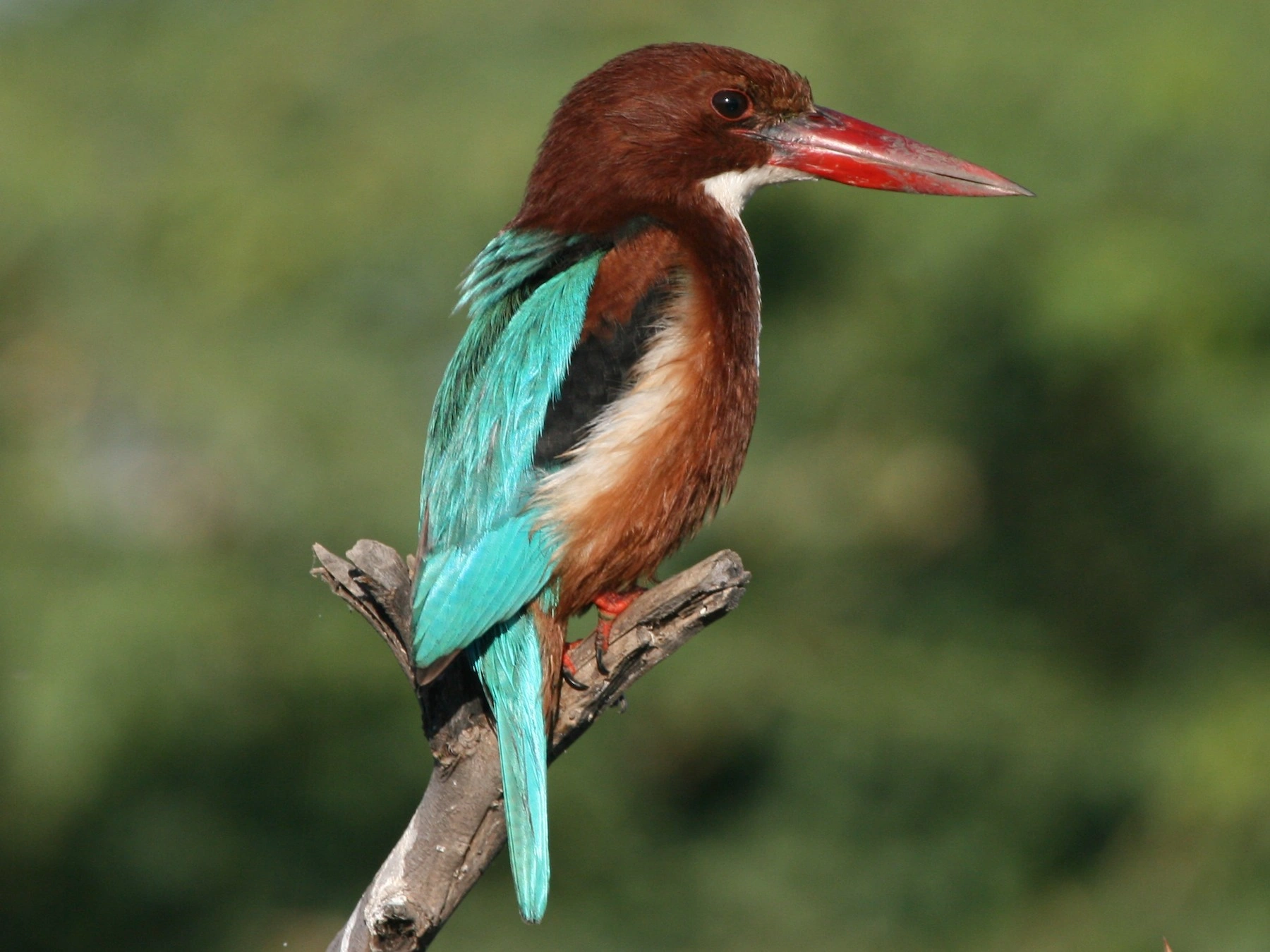
White-throated Kingfisher
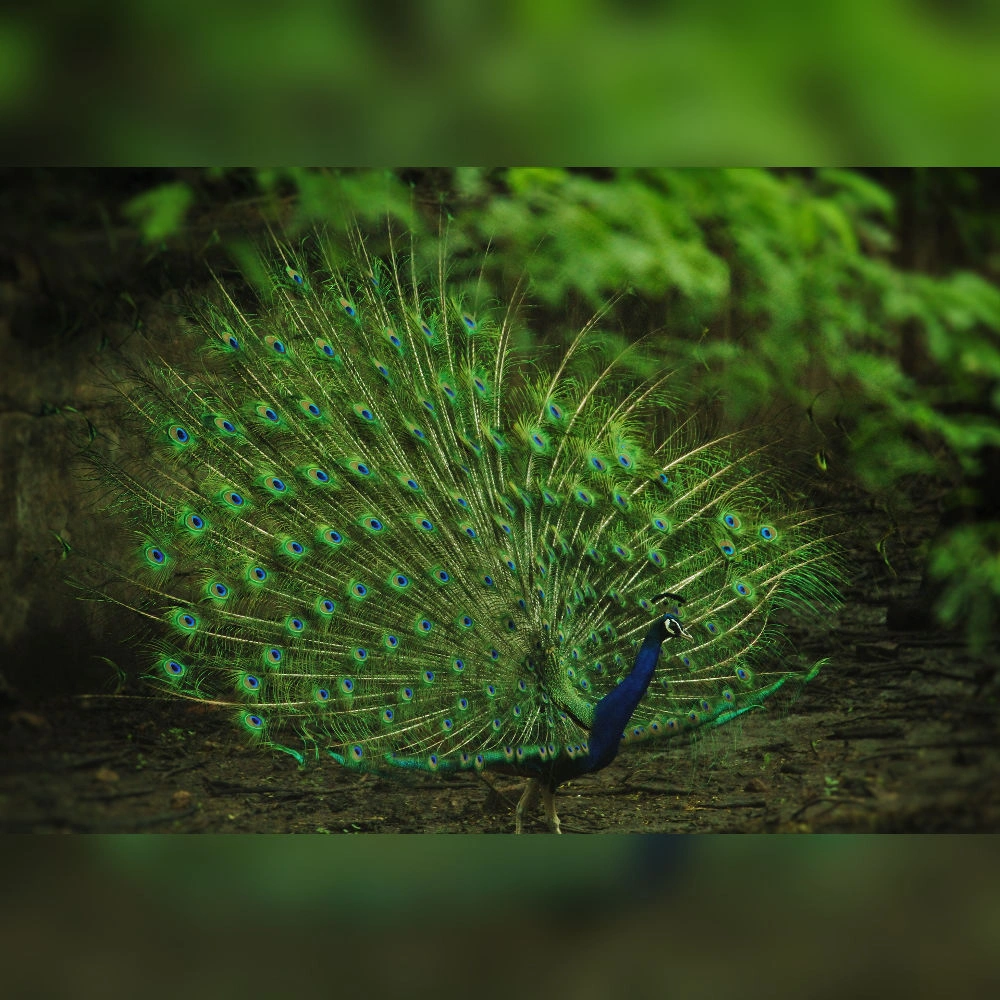
Indian Peafowl
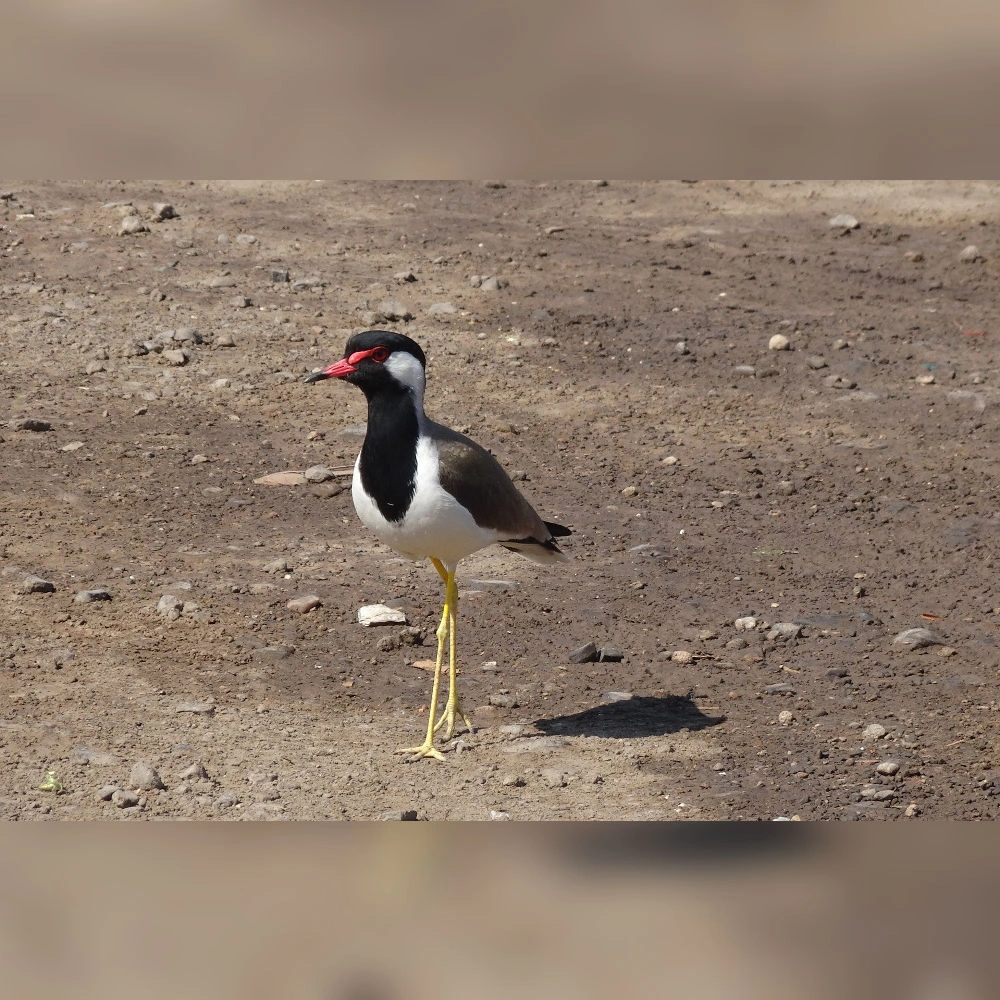
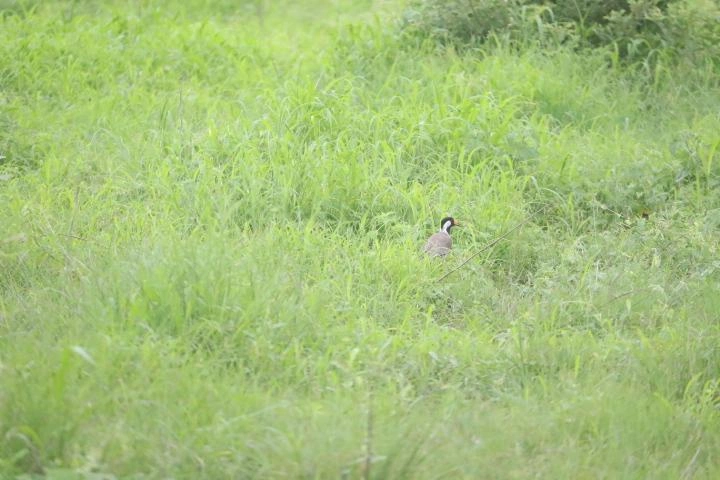
Red-wattled Lapwing
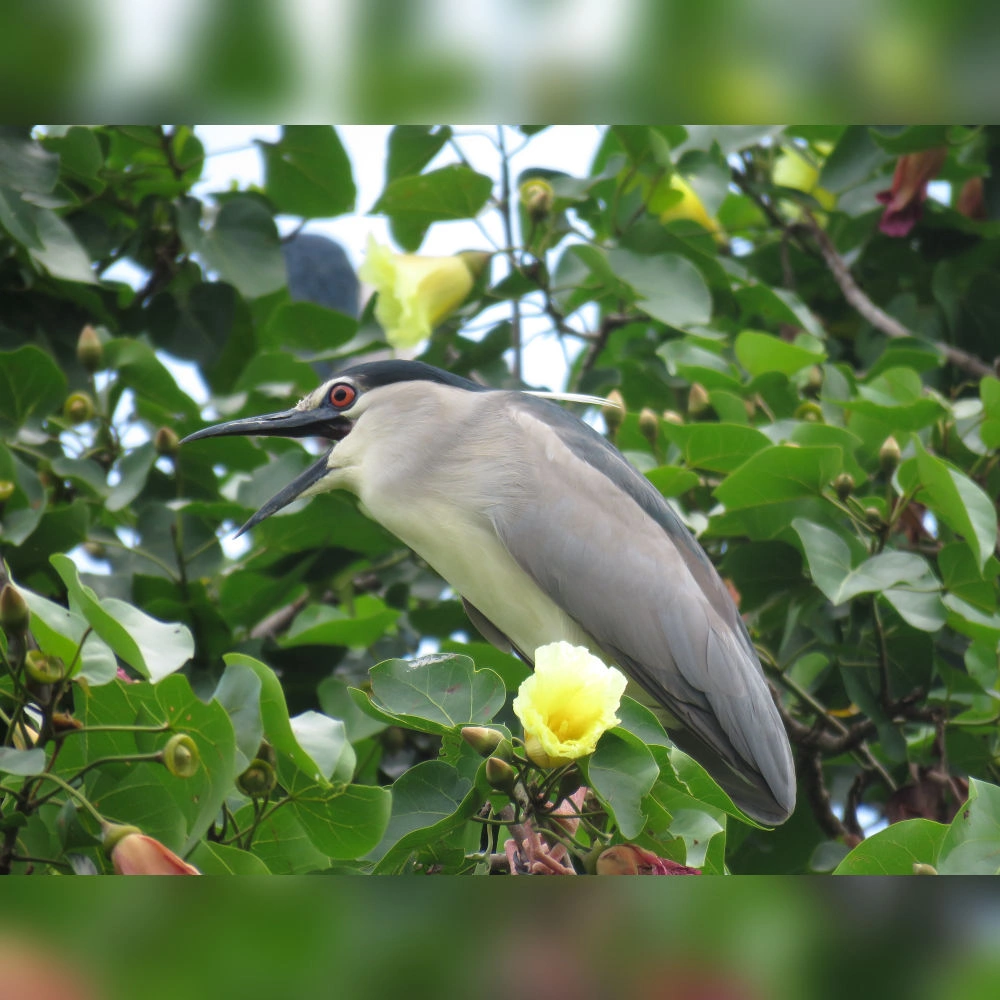
Black-crowned Night Heron
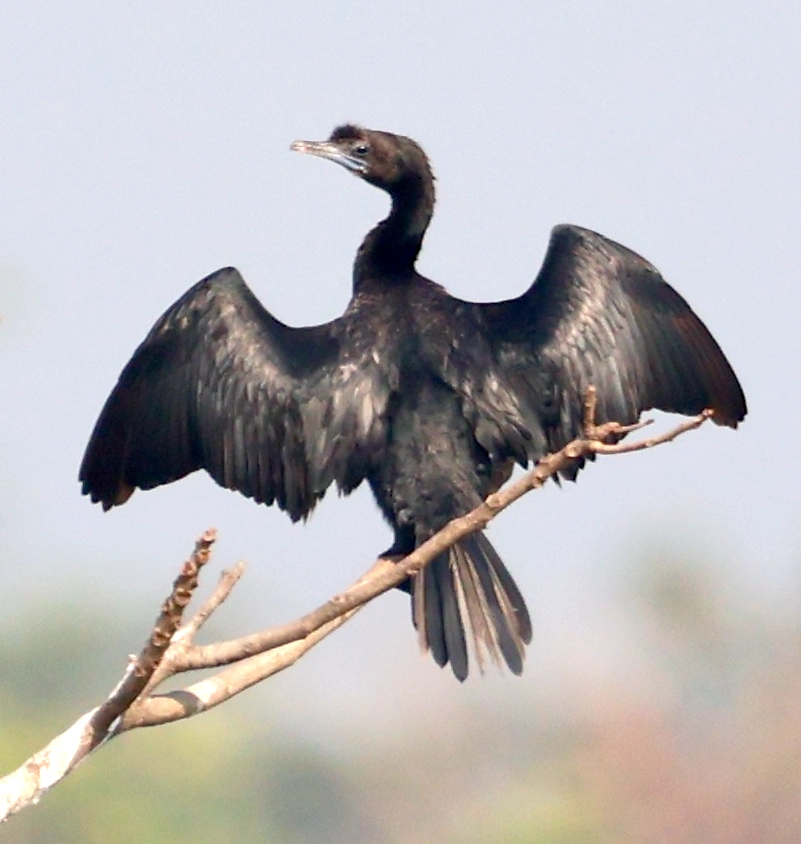
Little Cormorant
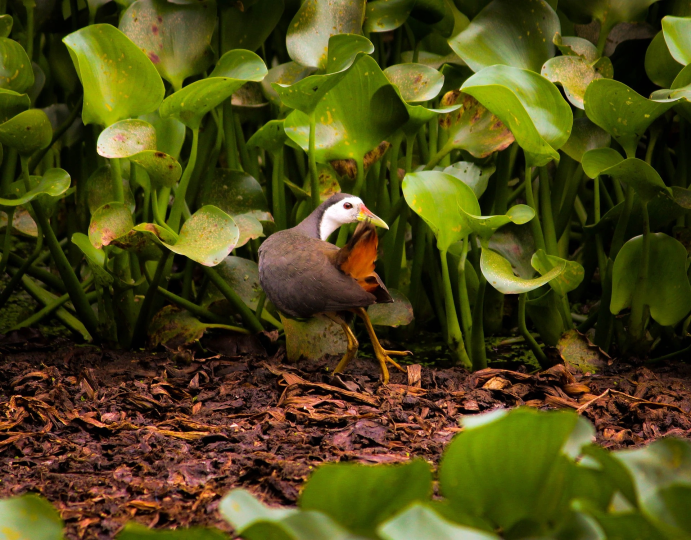
White-breasted Waterhen
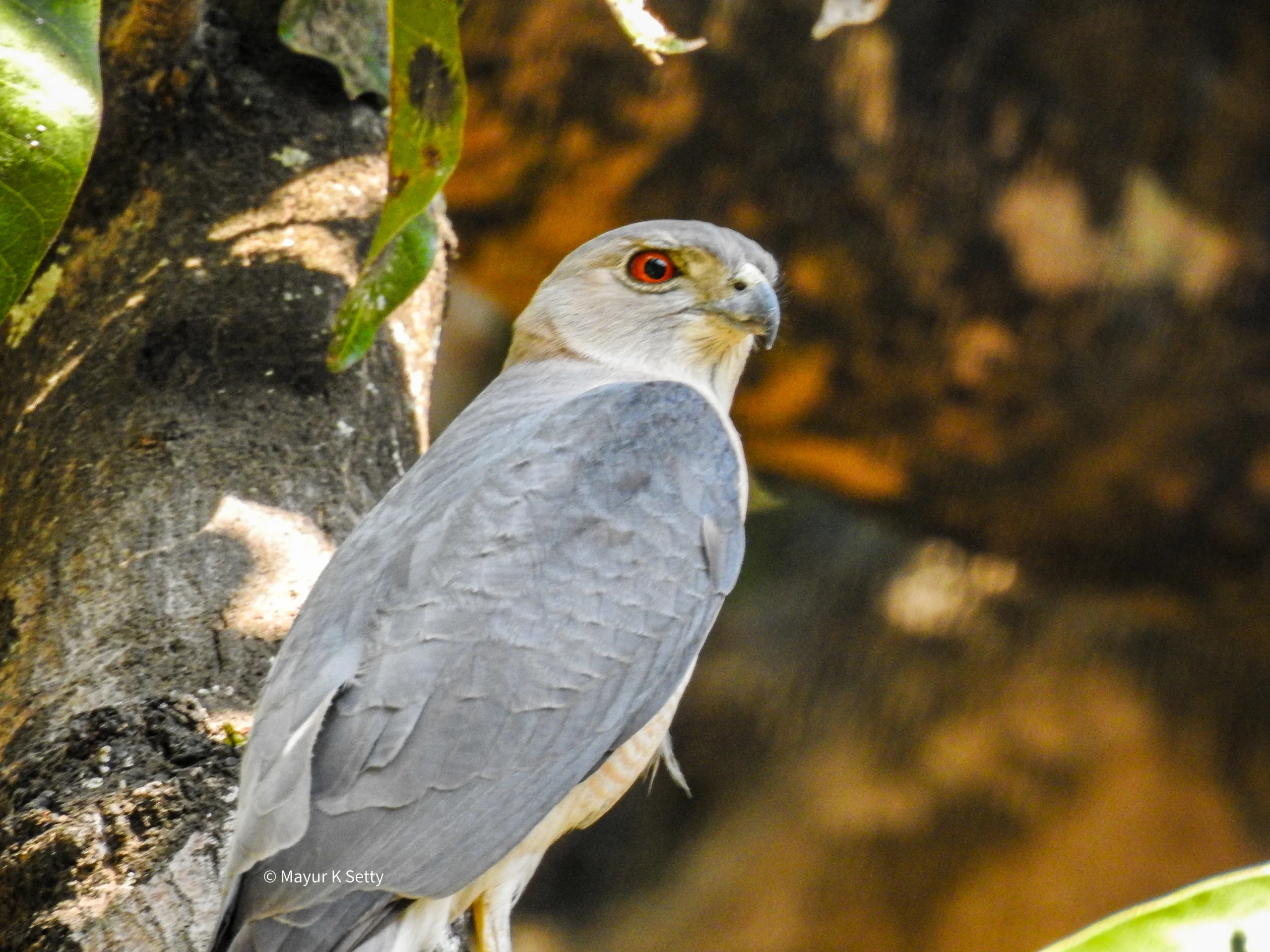
Shikra
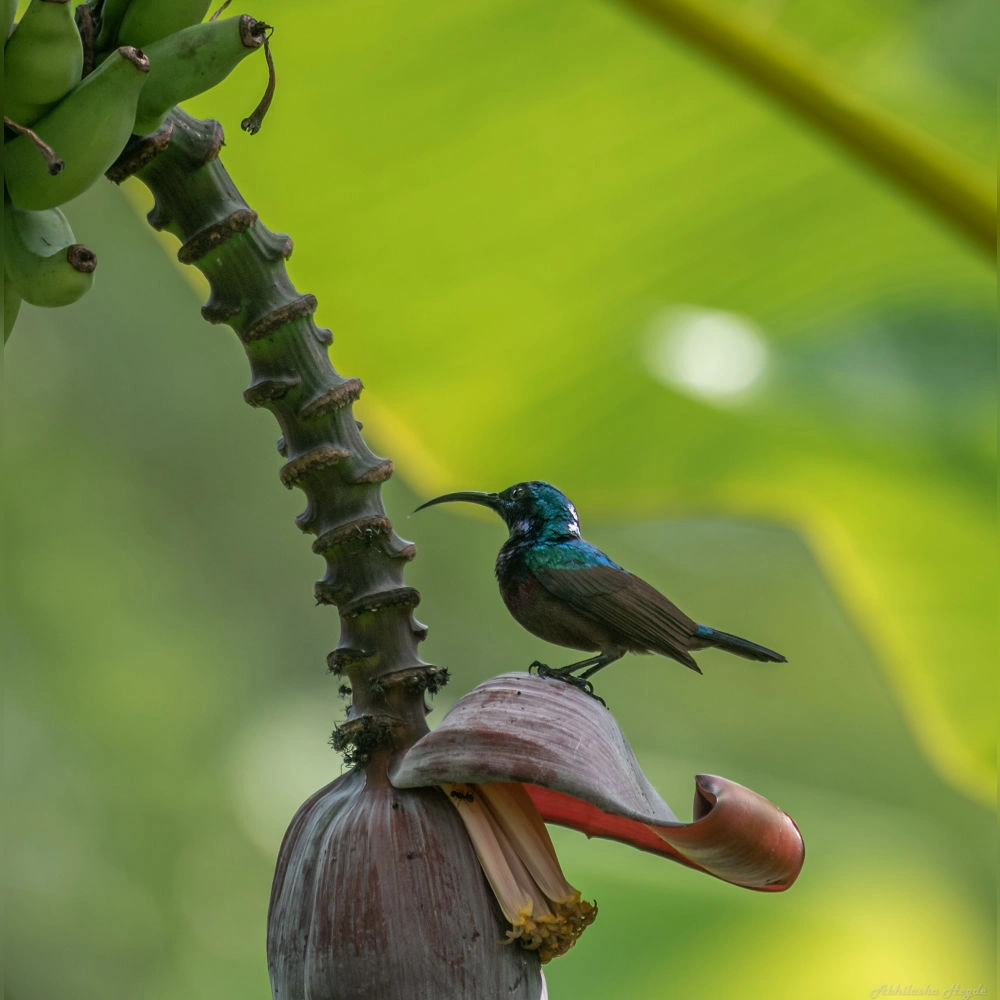
Purple Sunbird
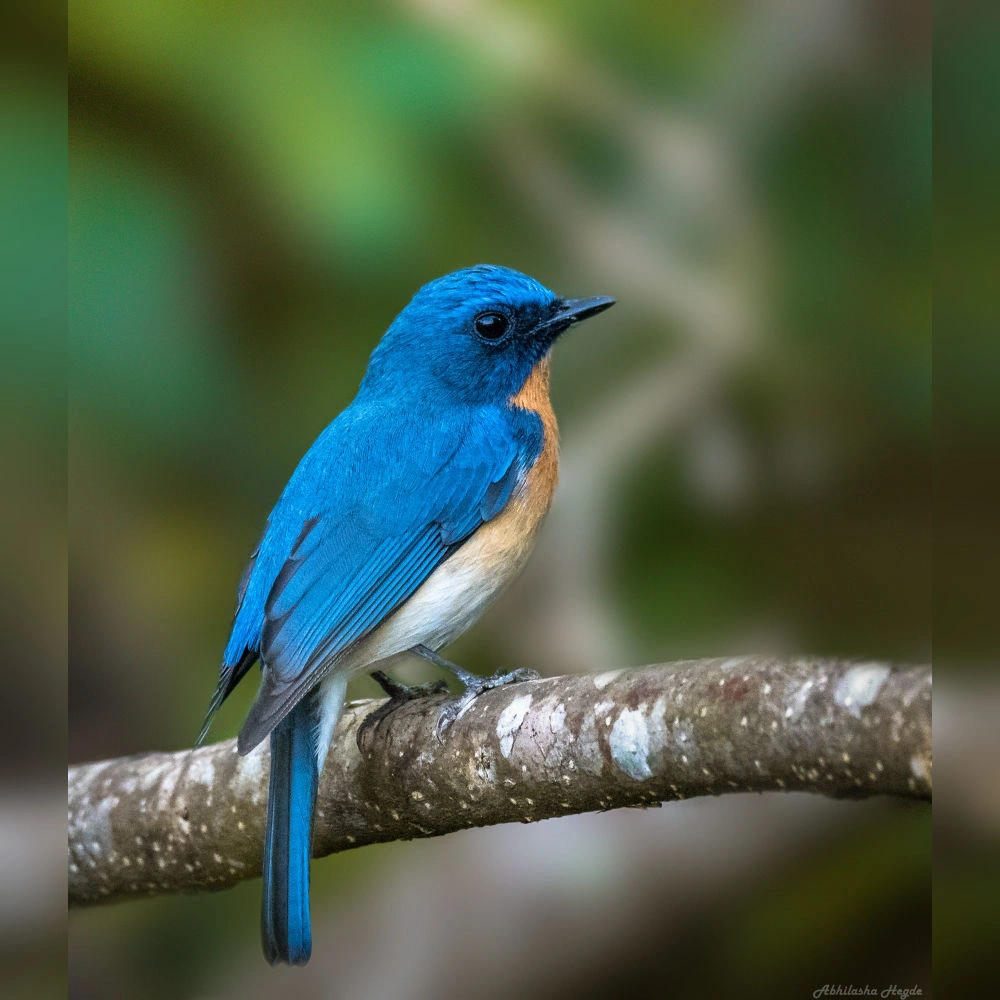
Tickell's Blue Flycatcher
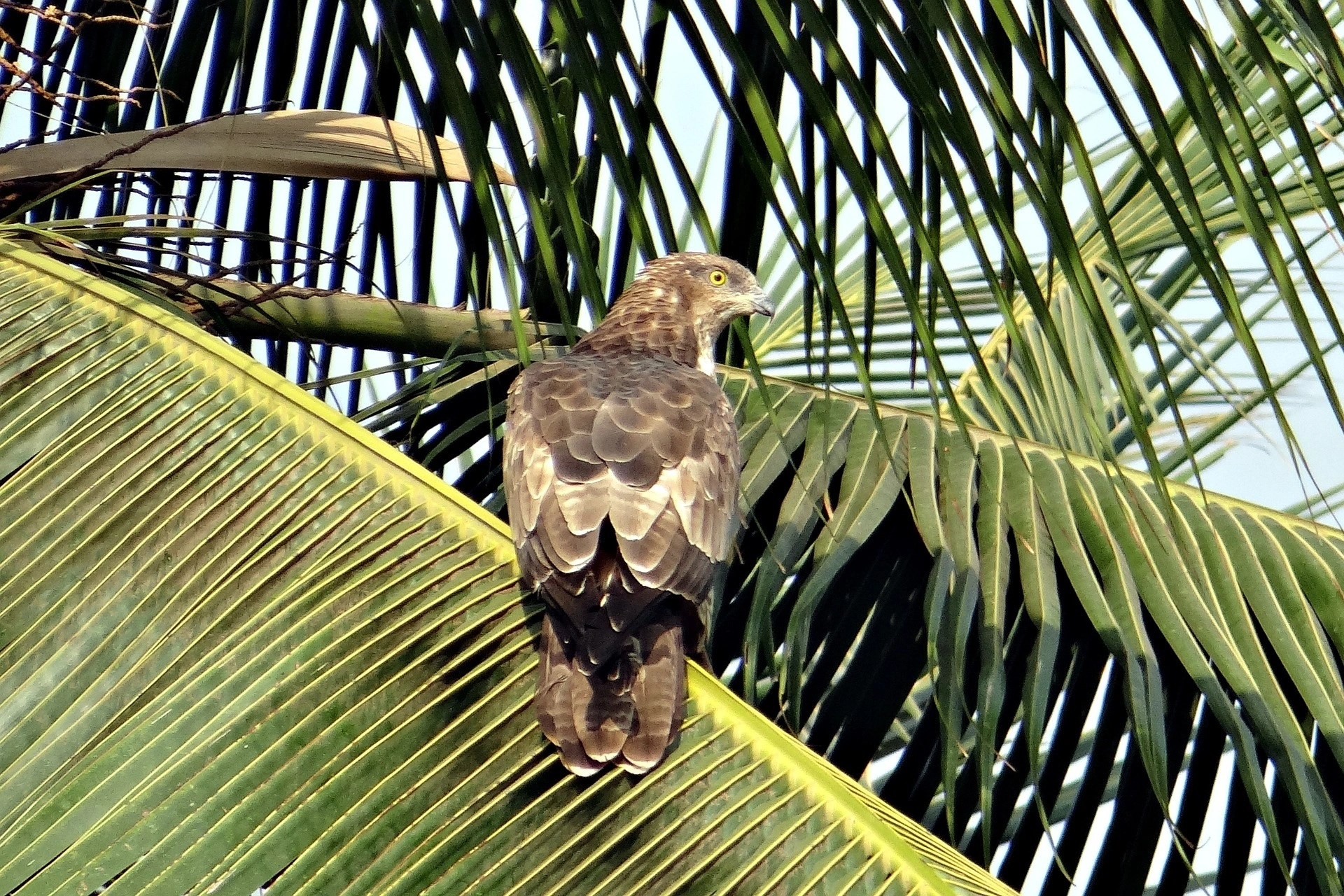
Oriental Honey Buzzard
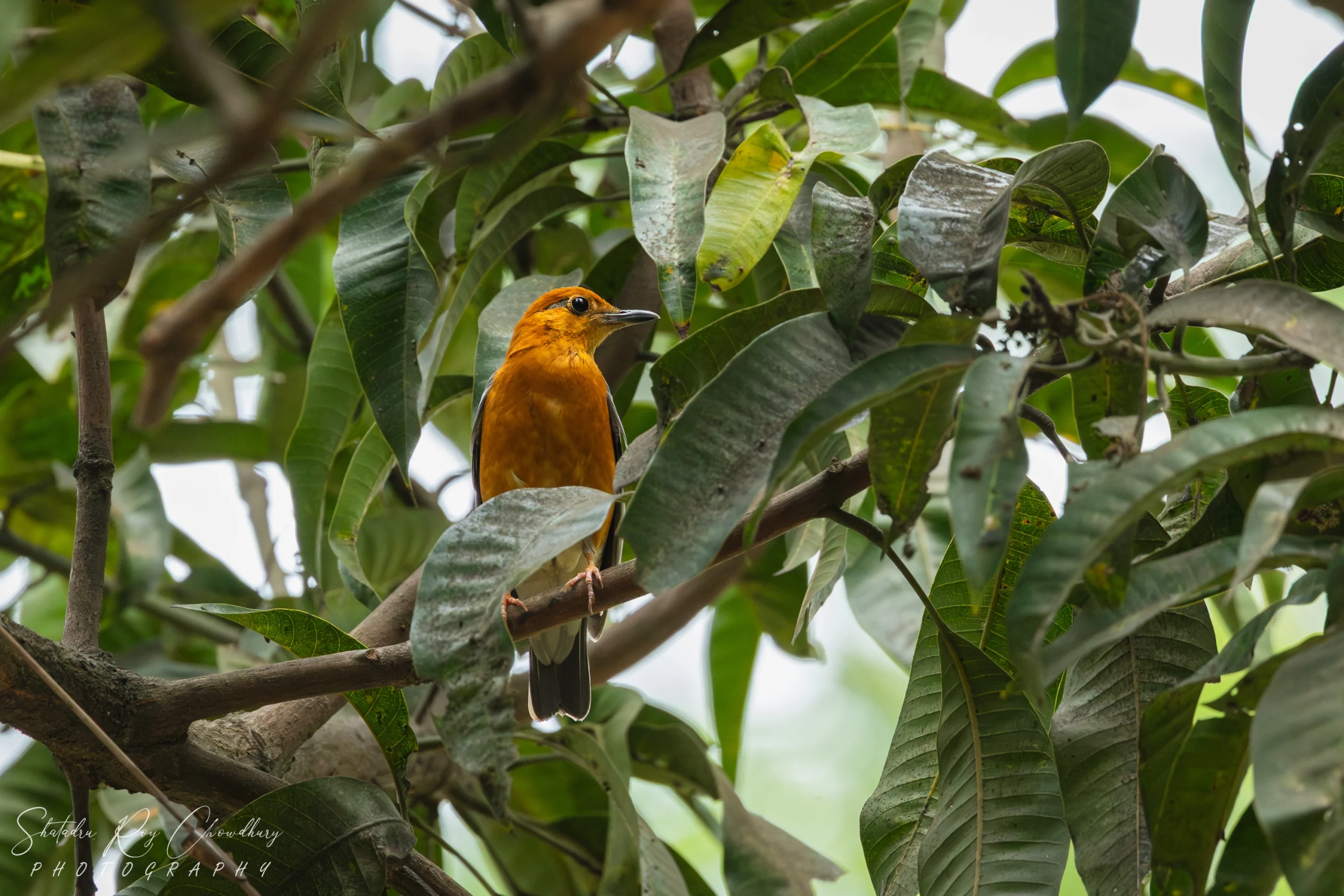
Orange-headed Thrush
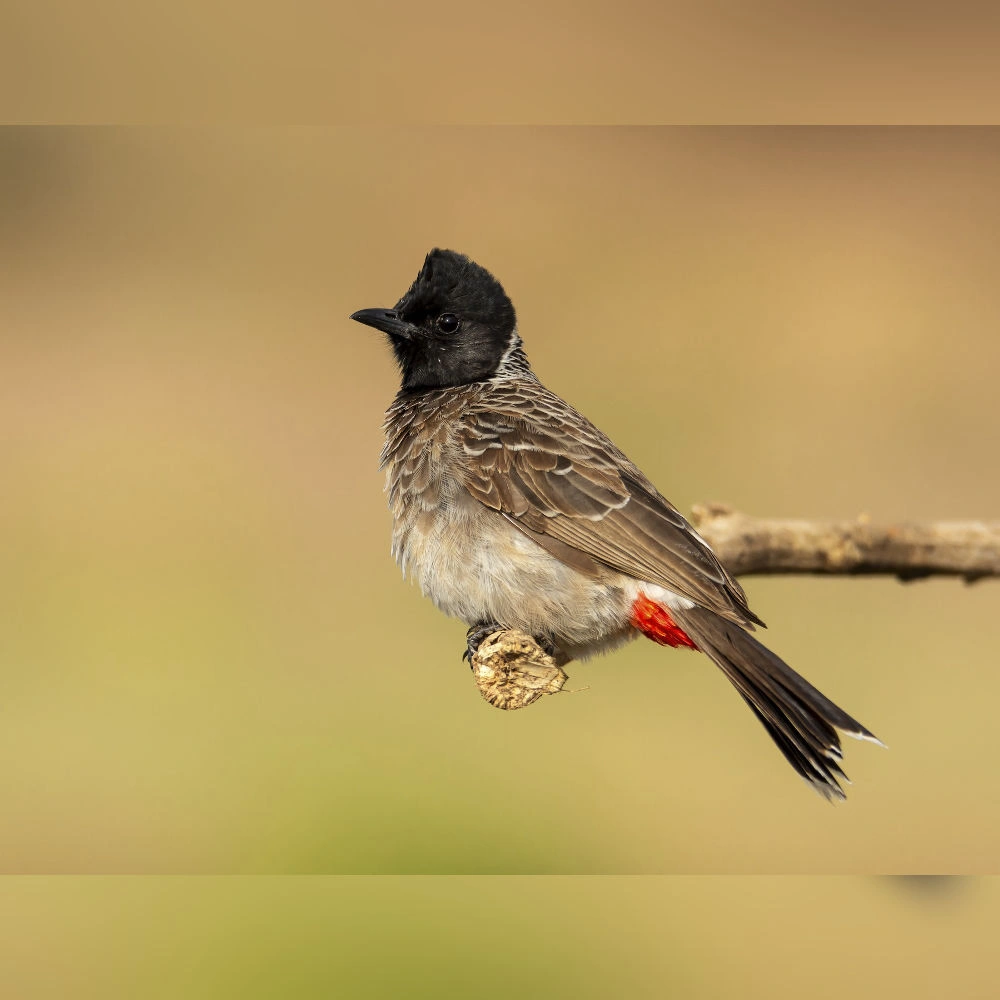
Red-vented Bulbul
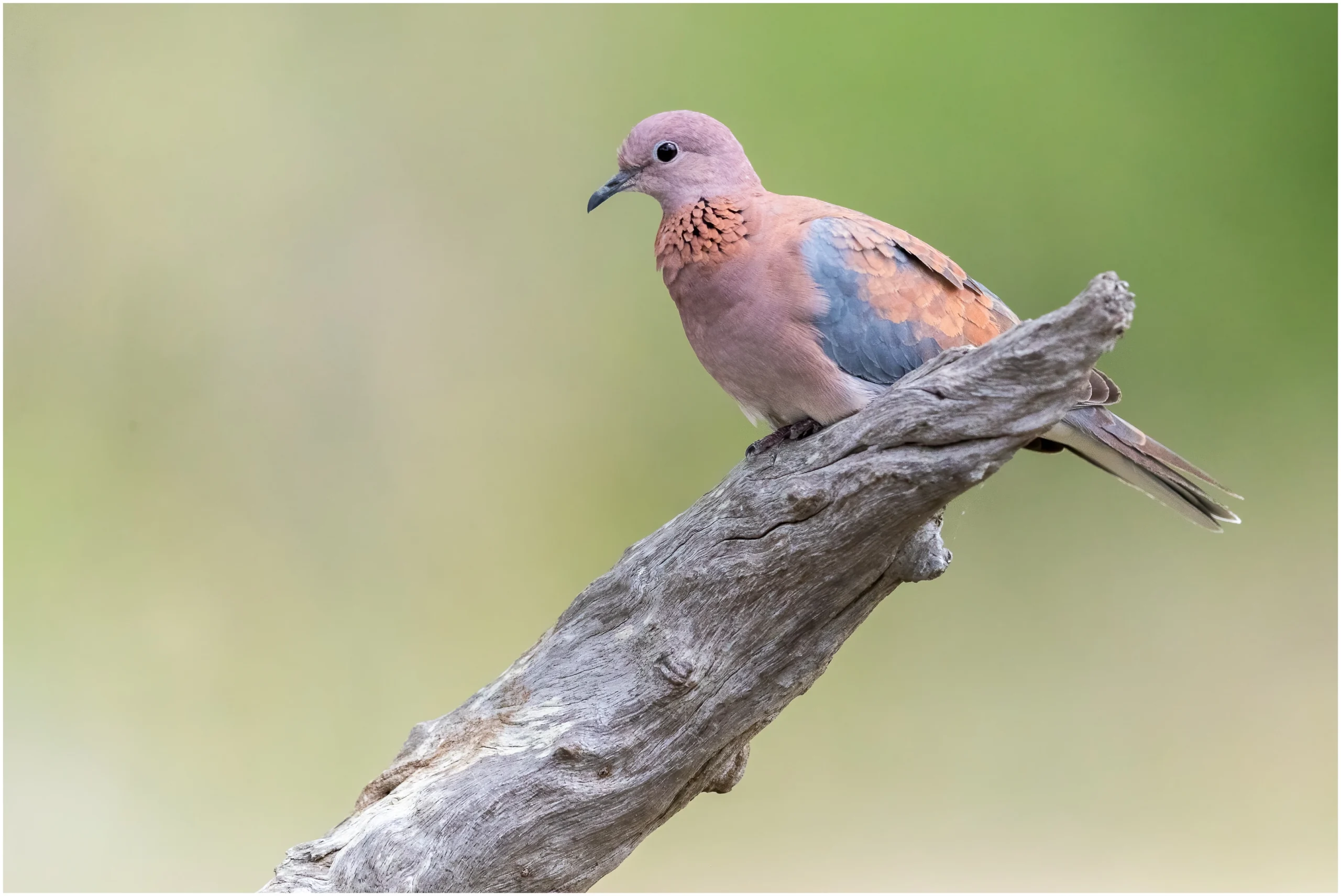
Laughing Dove
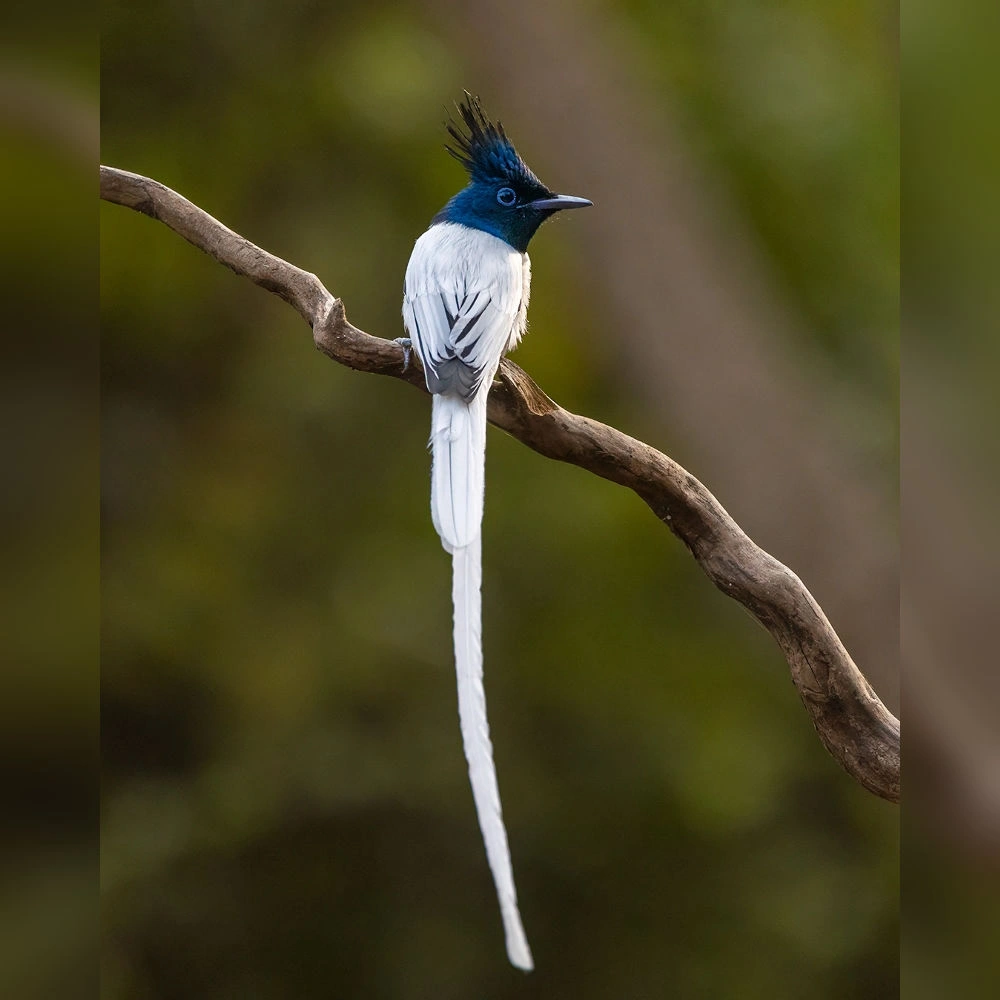

Indian Paradise Flycatcher
Summary of Walk
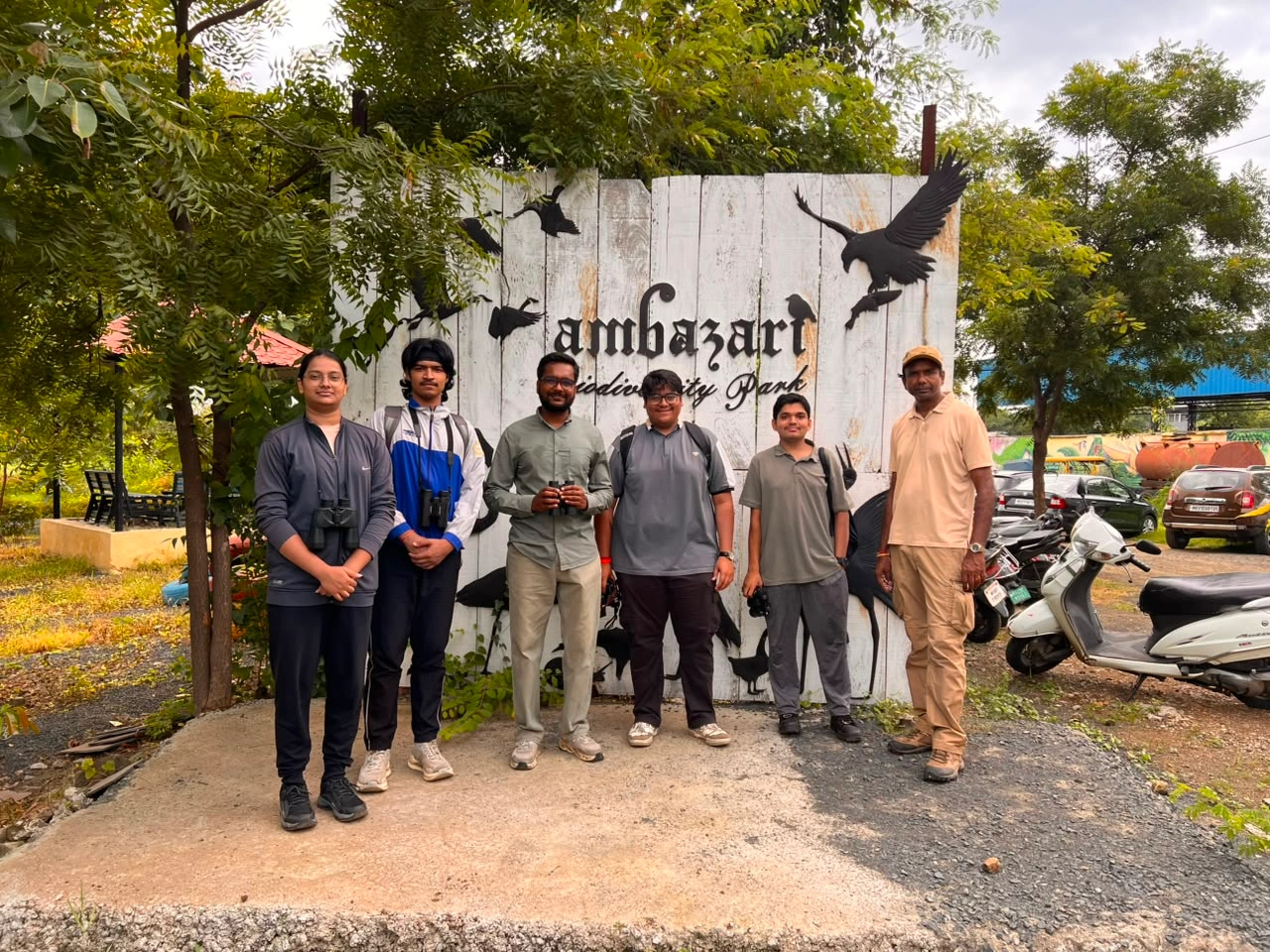
A small but dedicated group of 4 participants joined guide Devansh Agarwal at Ambazari Biodiversity Park in Nagpur for a walk on a beautifully clear morning with pleasant weather throughout. Despite the modest turnout, the session proved highly rewarding, with the group spotting around 19 to 20 species, including rarer finds such as the Cinnamon Bittern and a Black-crowned Night Heron tucked away in the park’s wetland patches, both species that reward patient, careful observation rather than quick group movement along the trail.
The clear highlight of the walk was a Baya Weaver actively engaged in nesting, giving Devansh the opportunity to explain the intricacies of nest construction and mating behaviour in detail to an attentive audience. A Black-shouldered Kite was also seen hovering distinctively over open ground nearby, and a Common Kingfisher rounded out the list of top sightings for the day at the park’s water body. The small group size allowed for closer, more personal engagement with each sighting, and participants brought enthusiastic energy throughout, making for an intimate but thoroughly satisfying walk through Ambazari’s biodiversity park and its surrounding green cover, with Devansh noting that smaller groups often make it easier to hold a nesting bird’s attention without disturbing it.
Number of Participants
0