Loading Events

Bird Walk at Ameenpur Lake, Hyderabad, Telangana

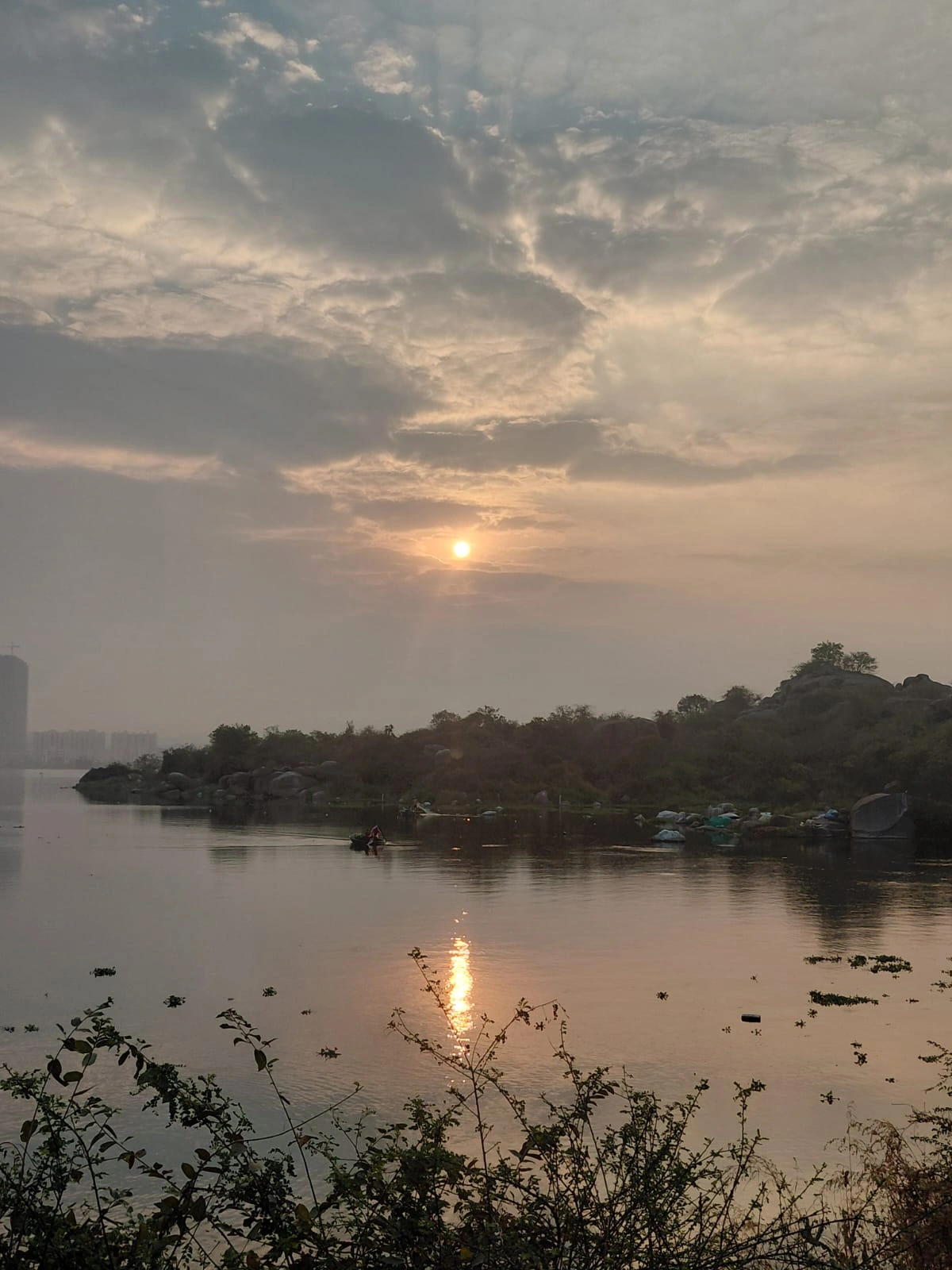
About Ameenpur Lake

Ameenpur Lake is a well-known urban wetland on the outskirts of Hyderabad and is an important refuge for birds within a rapidly developing landscape. The lake and its surrounding habitats include open water, shallow margins, mudflats, aquatic vegetation, scrub, grassland and patches of trees, creating a variety of feeding and roosting opportunities for resident and seasonal birds. The wetland is particularly valuable for waterbirds that depend on shallow water and vegetated edges, while the surrounding scrub and trees support passerines, sunbirds and other terrestrial species. Its location within an expanding urban area makes it an interesting example of how wetlands can continue to support biodiversity even when surrounded by human habitation and infrastructure.
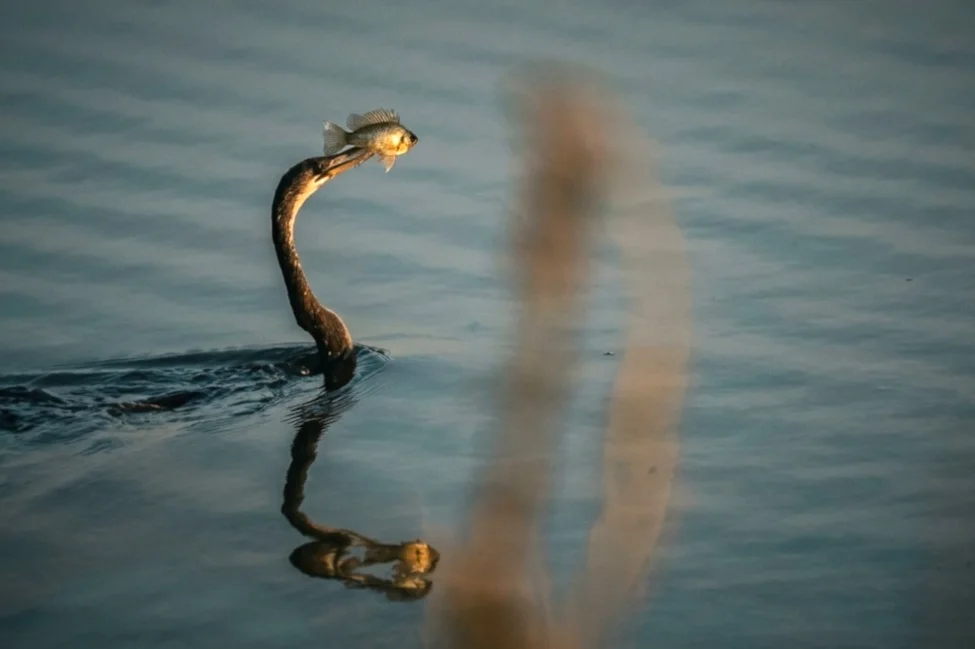
The mosaic of habitats around Ameenpur Lake makes it suitable for birdwatching throughout the year. Early mornings can be especially rewarding, with herons and egrets feeding along the shoreline, jacanas moving across floating vegetation and sunbirds visiting flowering plants. Species such as Gray-headed Swamphen and Lesser Whistling-Duck add to the wetland character, while prinias, munias, tailorbirds and bulbuls can be found in the surrounding vegetation. The lake also holds ecological importance as an urban green space, offering opportunities for nature education, bird monitoring and raising awareness about wetland conservation.

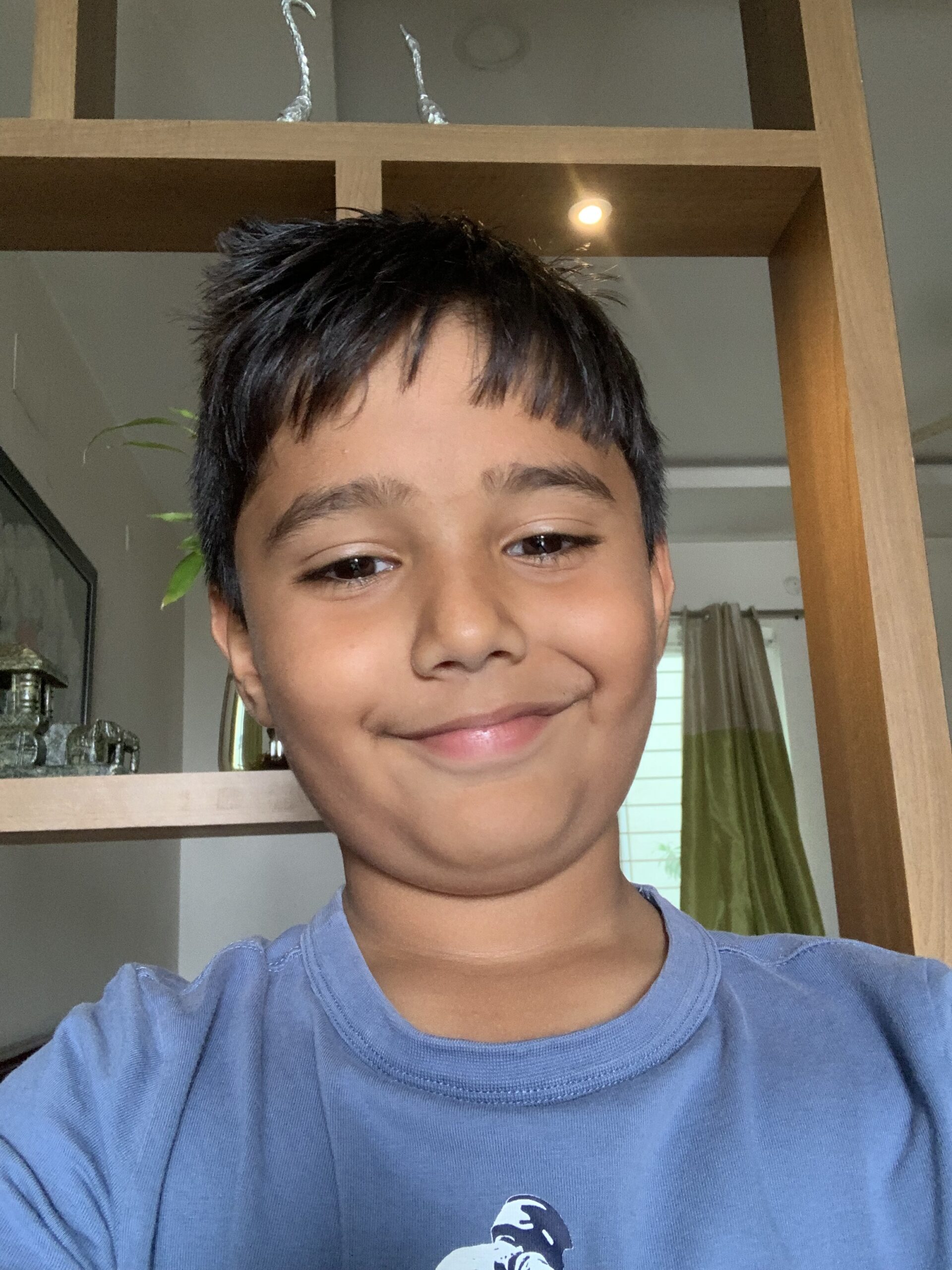
Bird Guide: Kabir Kumar and Gaurav Kumar

Kabir is a nine-year-old birder from Hyderabad, Telangana, with three years of birding experience. He can identify 150+ bird species and recognize the calls of around 50 common birds across India. He is accompanied by his dad, Dr. Gaurav J Kumar, who has been an avid birder for the past seven years.
Bird walk Location

Common birds of Ameenpur Lake

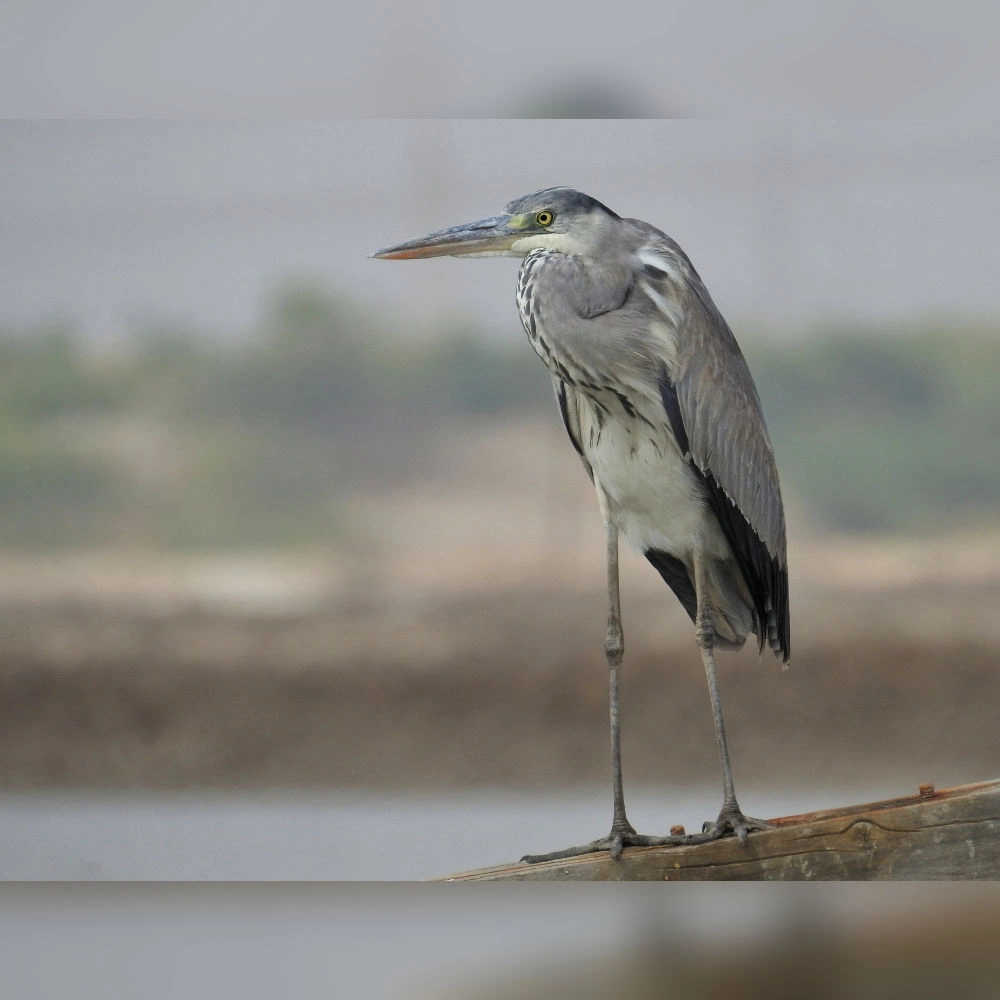
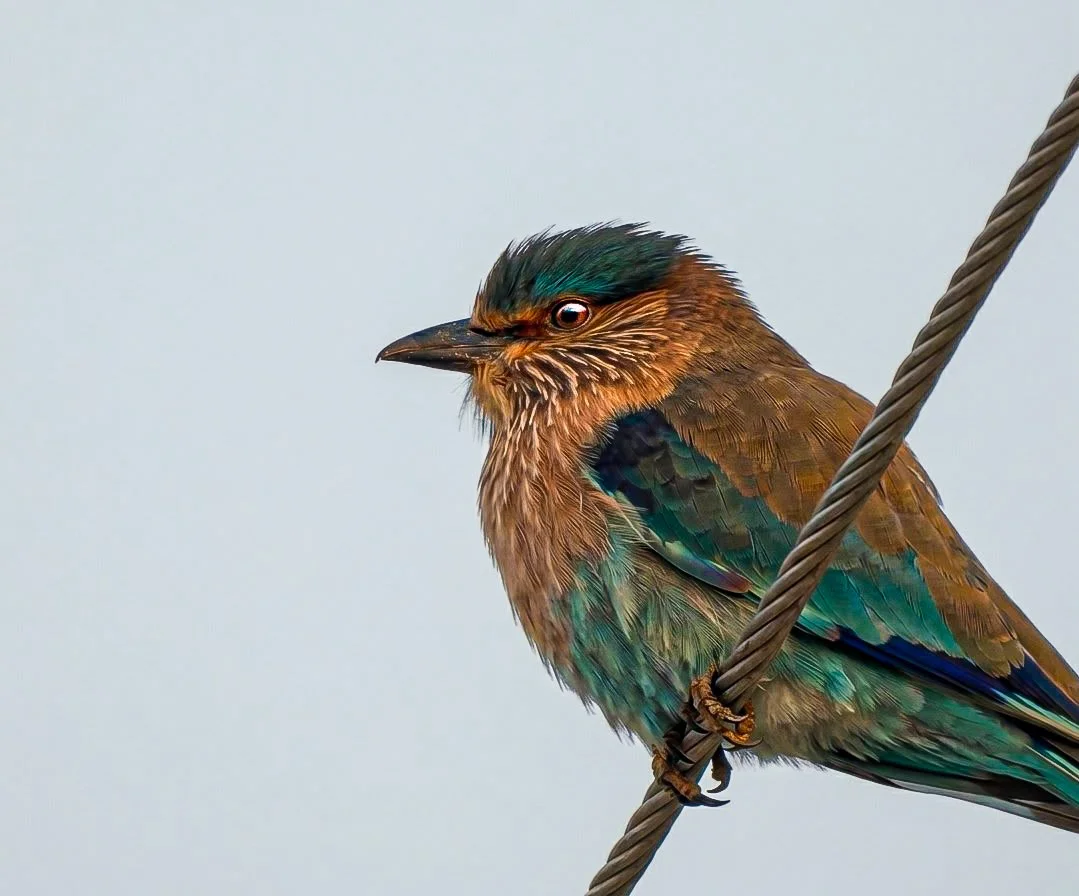
The birdlife recorded at Ameenpur Lake reflects the diversity of its wetland, grassland and surrounding vegetation. Waterbirds such as Eastern Cattle Egret, Grey Heron, Purple Heron, Indian Pond-Heron, Gray-headed Swamphen and Bronze-winged Jacana are among the notable species, while Lesser Whistling-Duck represents the lake’s waterfowl diversity. The surrounding vegetation supports Purple Sunbird, Purple-rumped Sunbird, Ashy Prinia, Plain Prinia, Scaly-breasted Munia, Indian Silverbill, House Sparrow and Common Tailorbird. Asian Green Bee-eater, Greater Coucal, Spotted Dove and Red-vented Bulbul further add to the variety of species observed around the lake.
Eastern Cattle Egret
Grey Heron
Purple Heron
Purple Sunbird
Purple-rumped Sunbird

Ashy Prinia
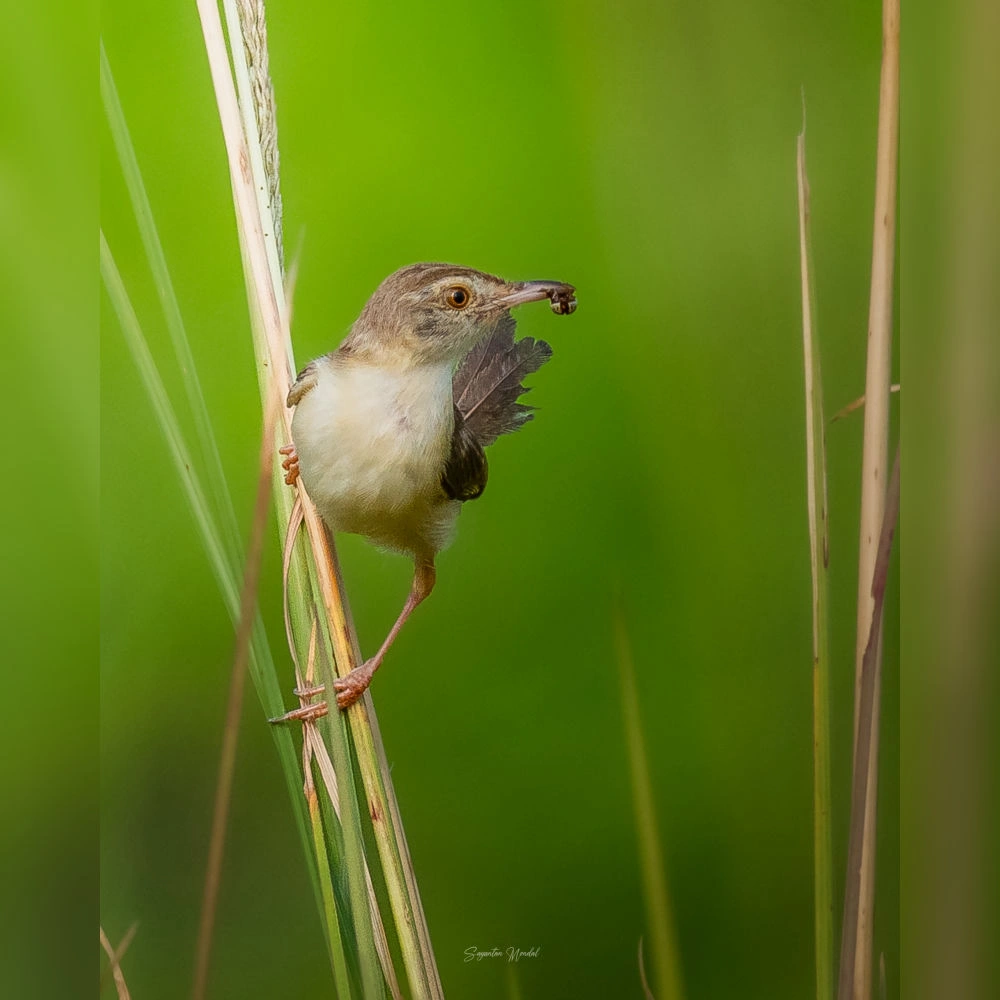
Plain Prinia
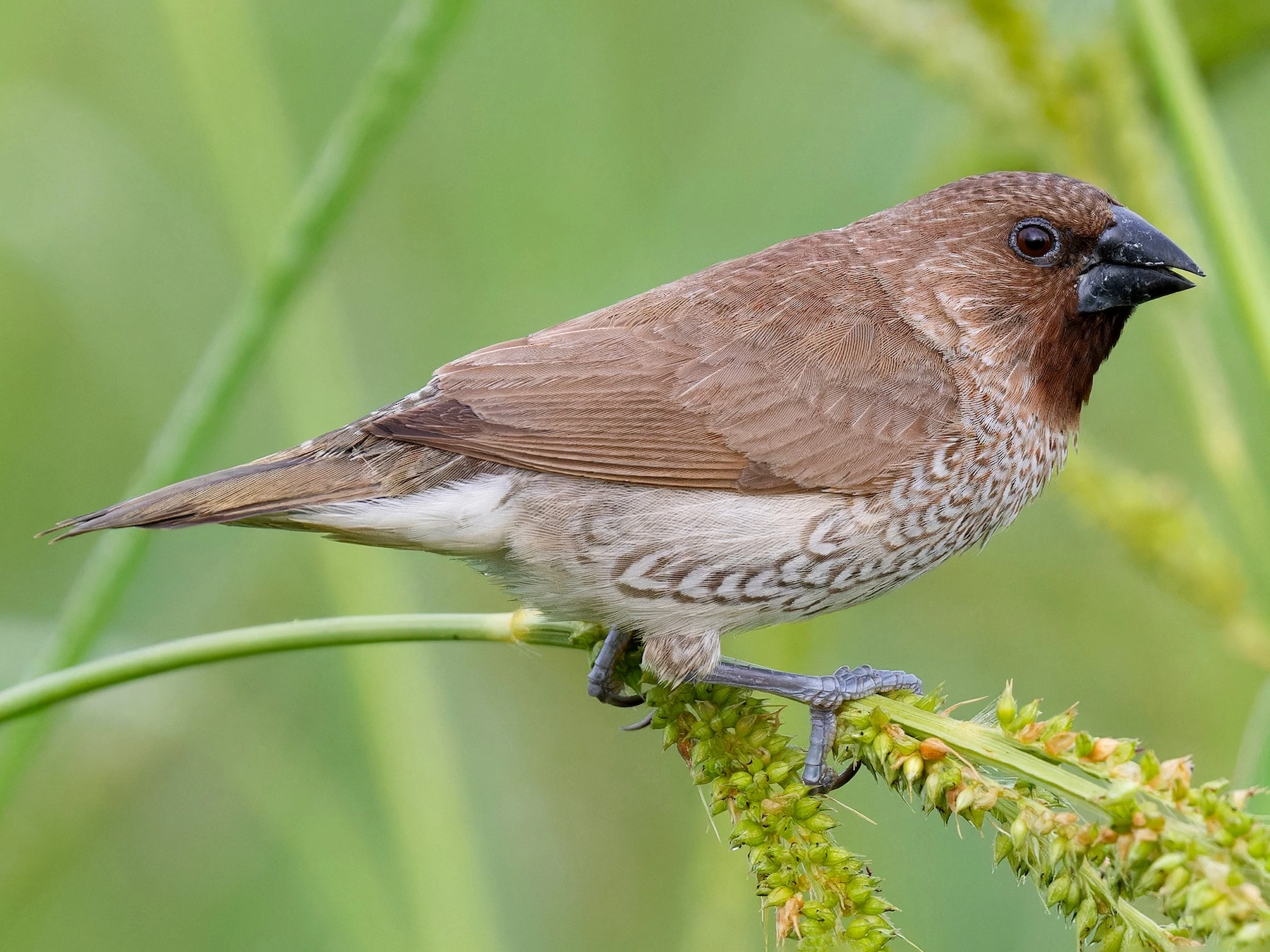
Scaly-breasted Munia
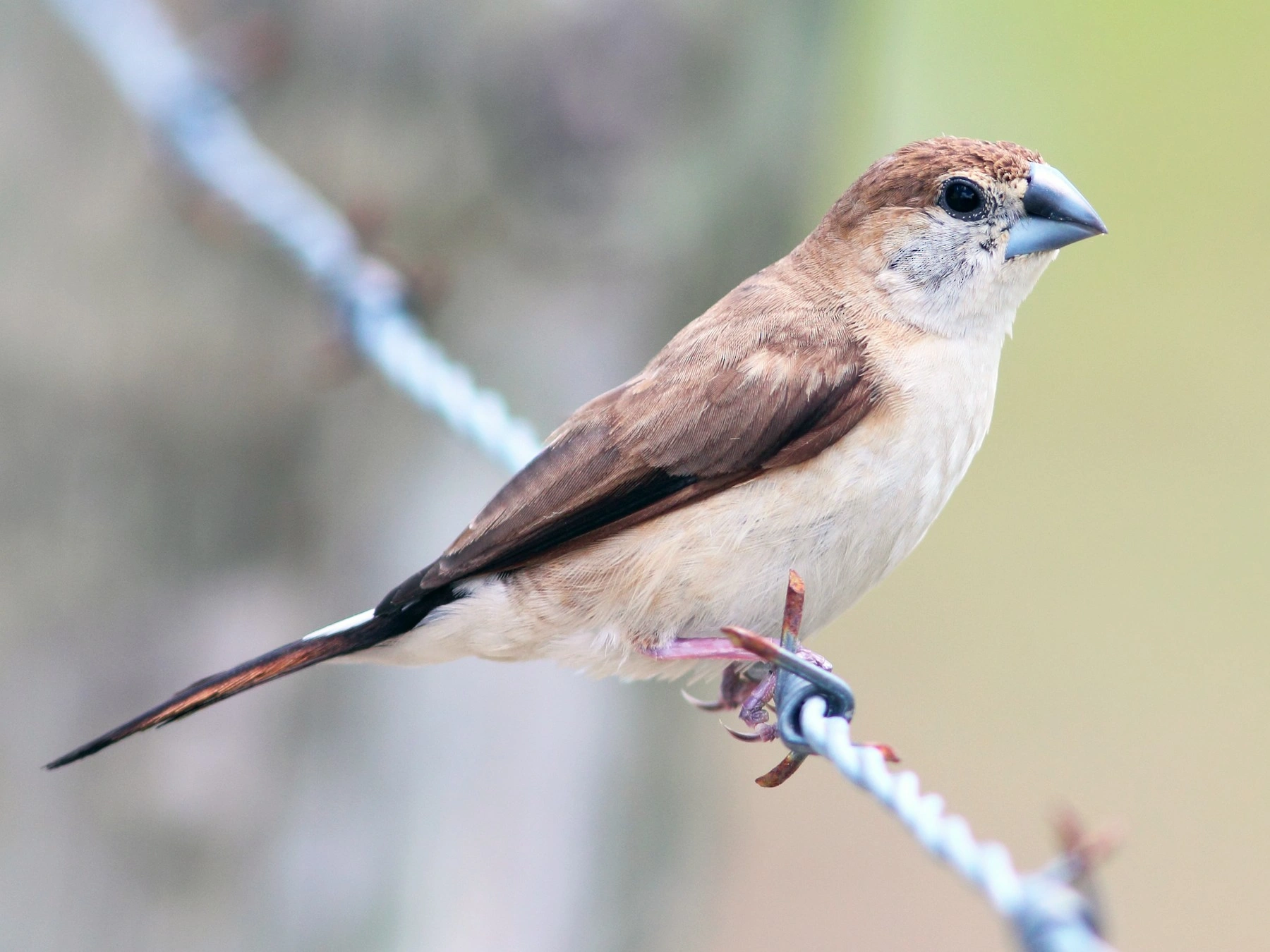
Indian Silverbill
House Sparrow
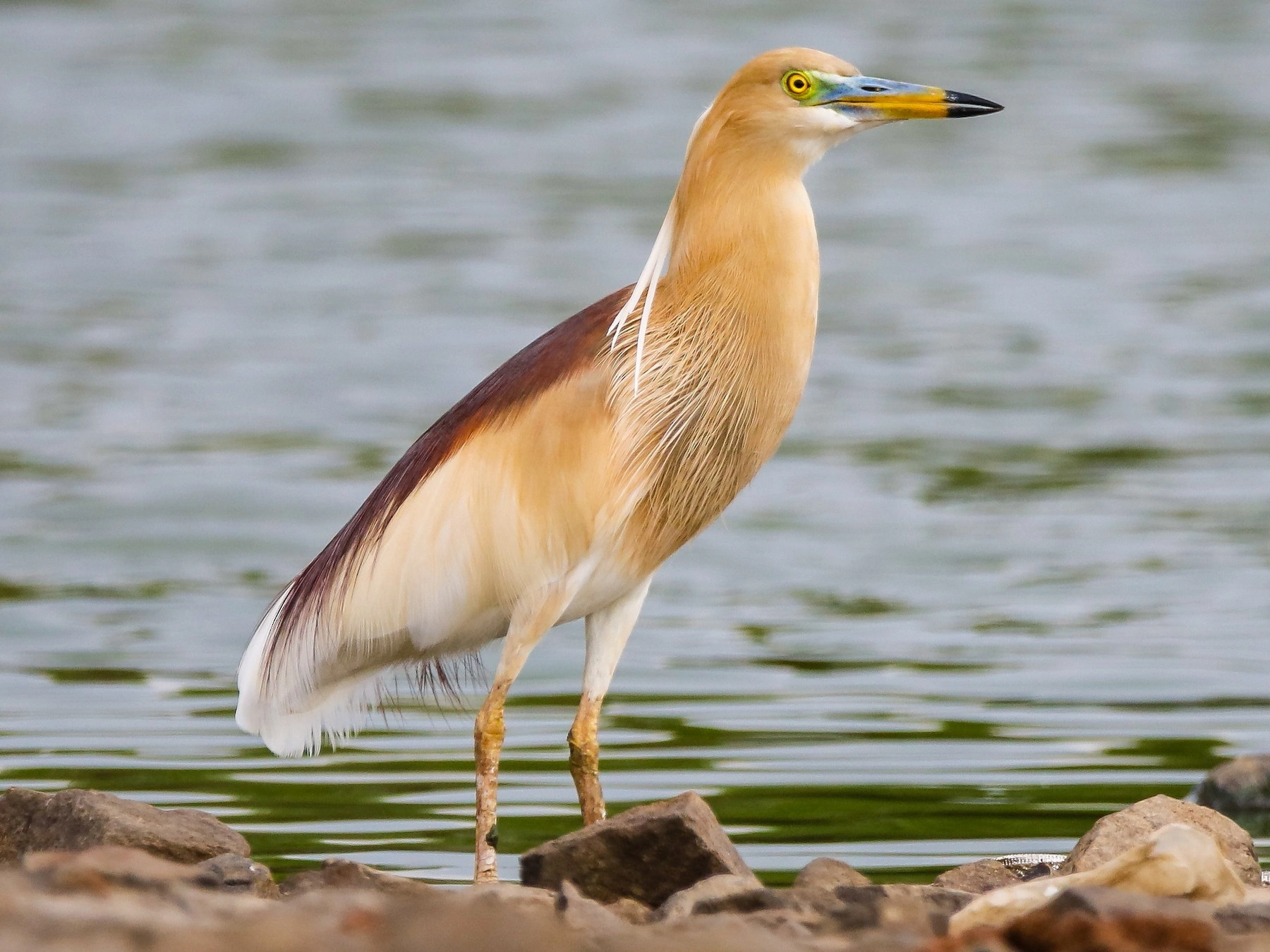
Indian Pond-Heron
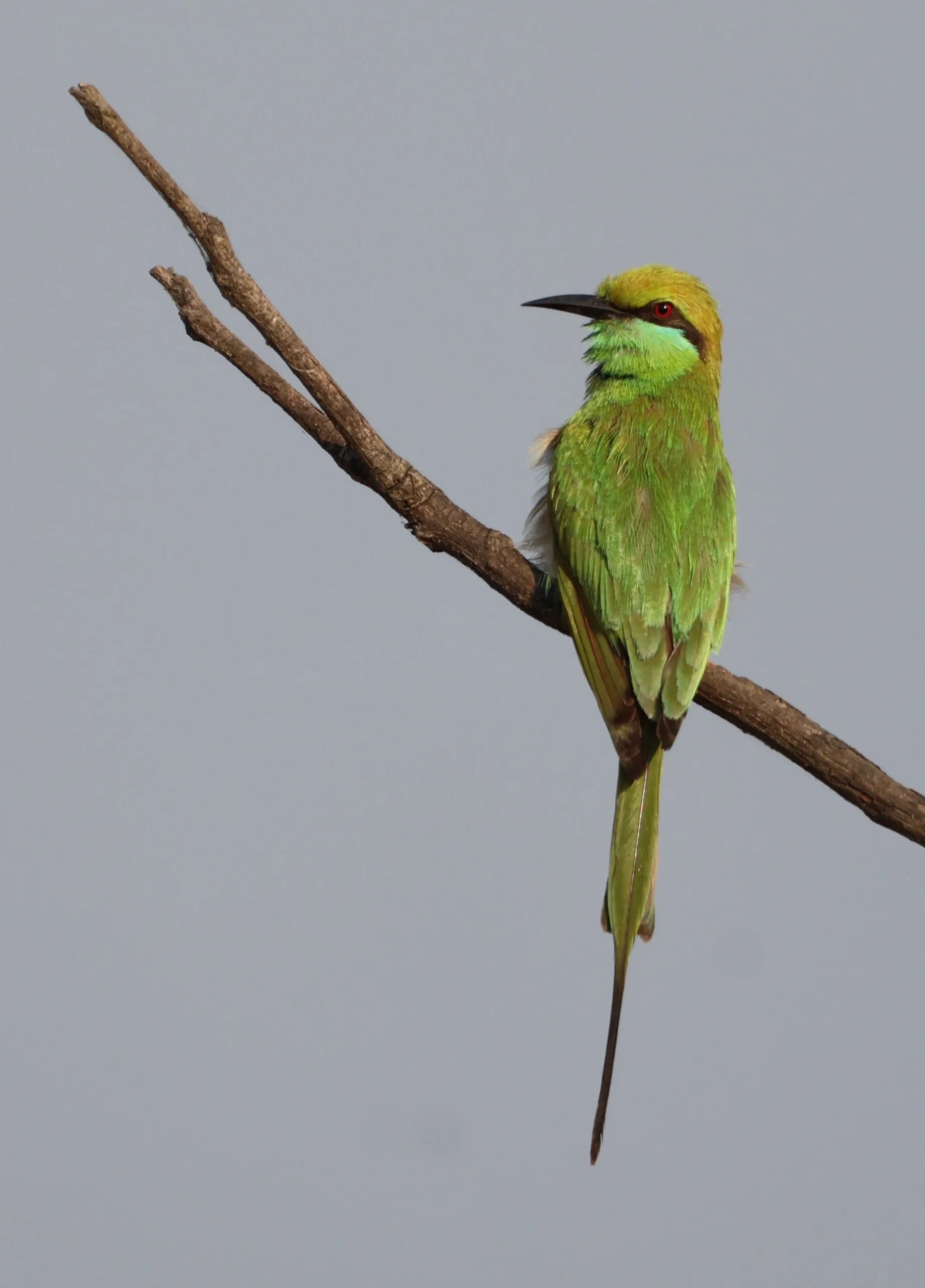
Asian Green Bee-eater
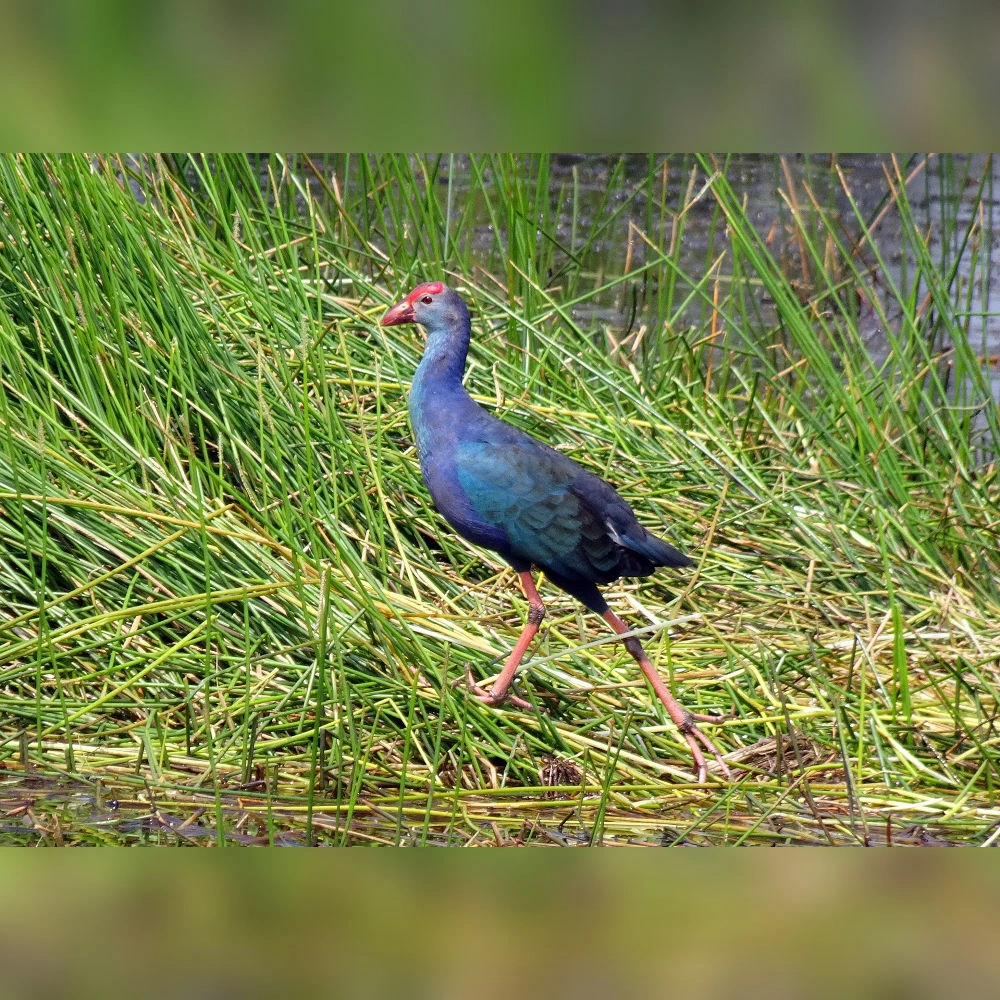
Gray-headed Swamphen
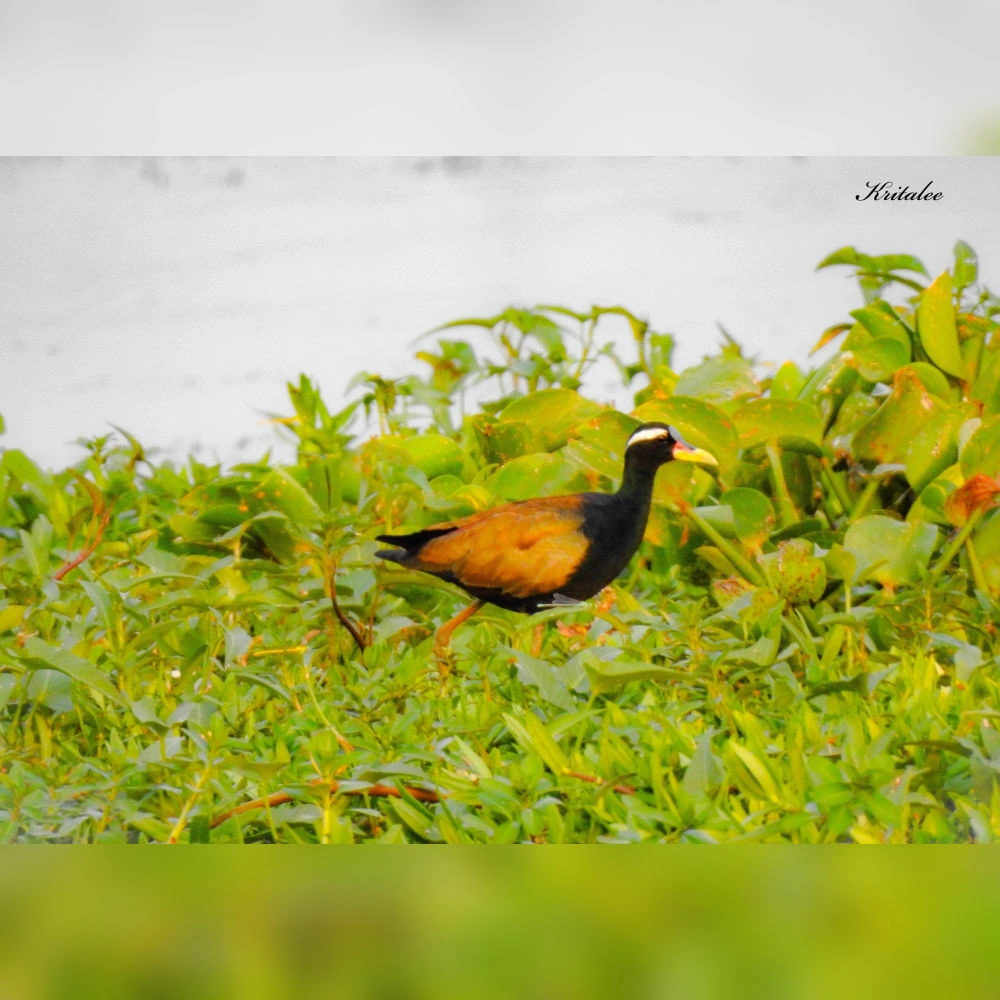
Bronze-winged Jacana
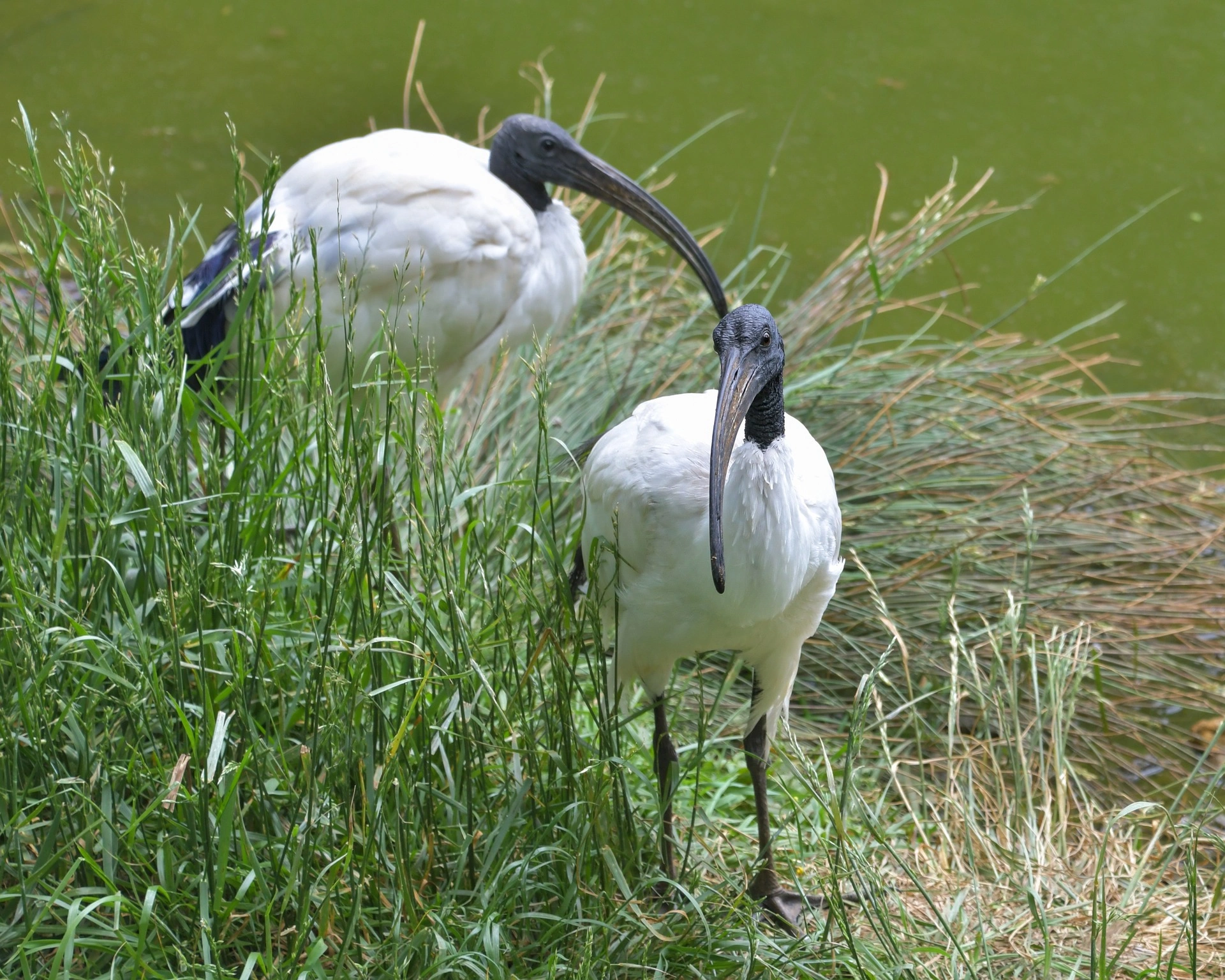
Black-headed Ibis
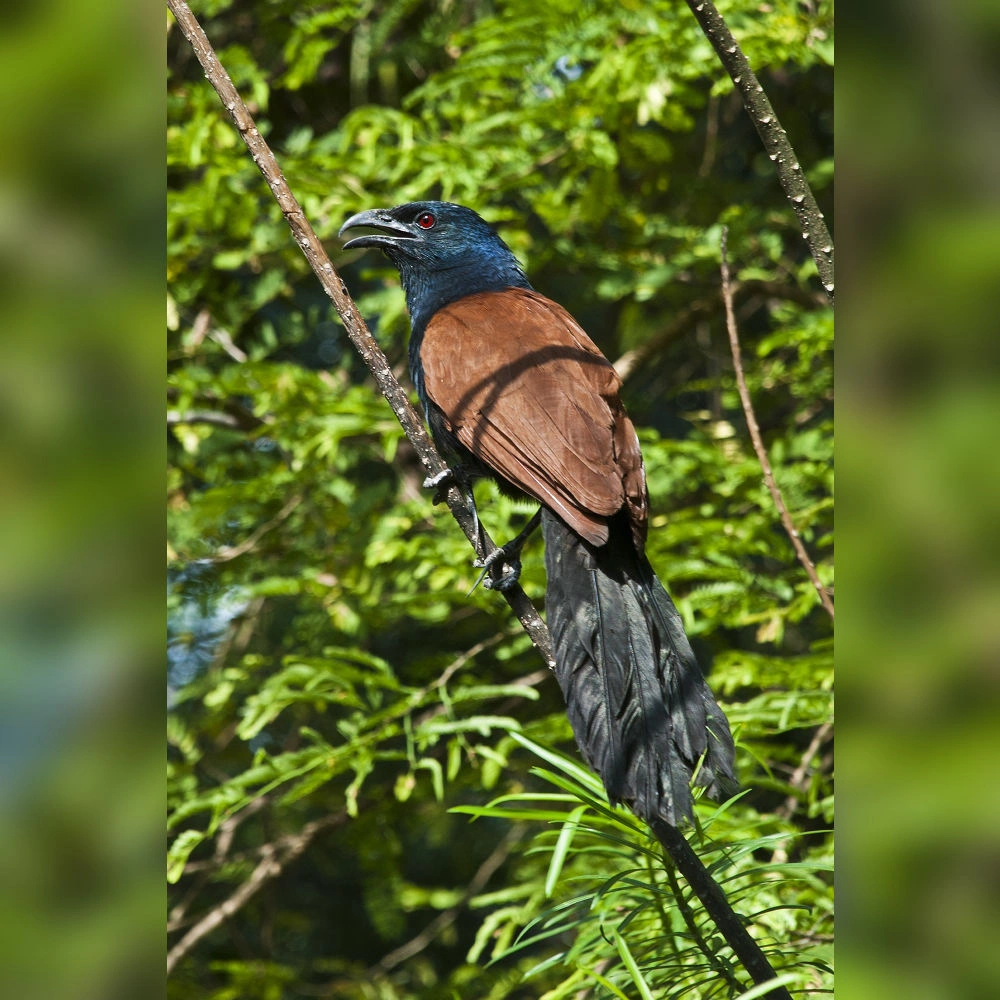
Greater Coucal
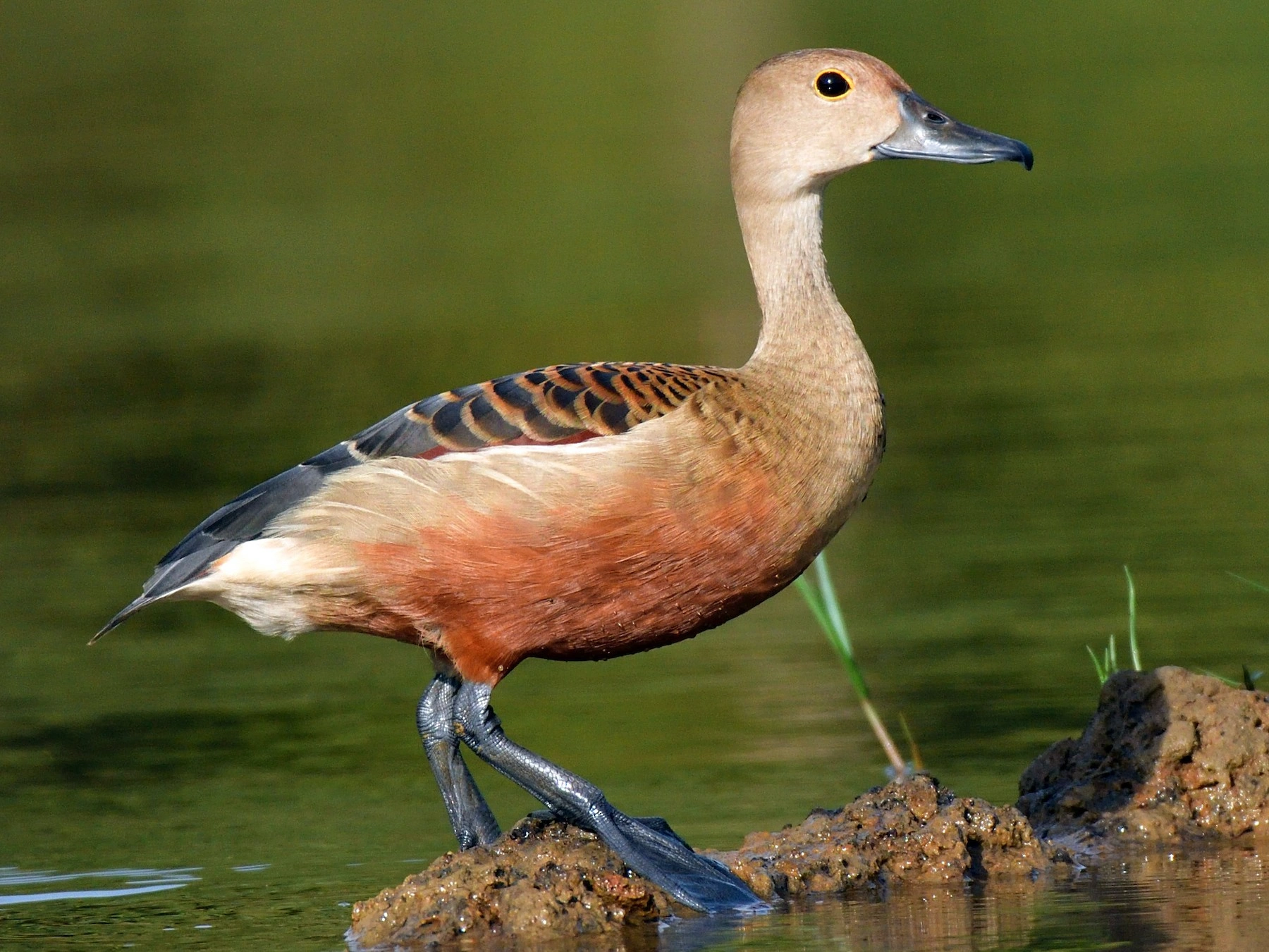
Lesser Whistling-Duck
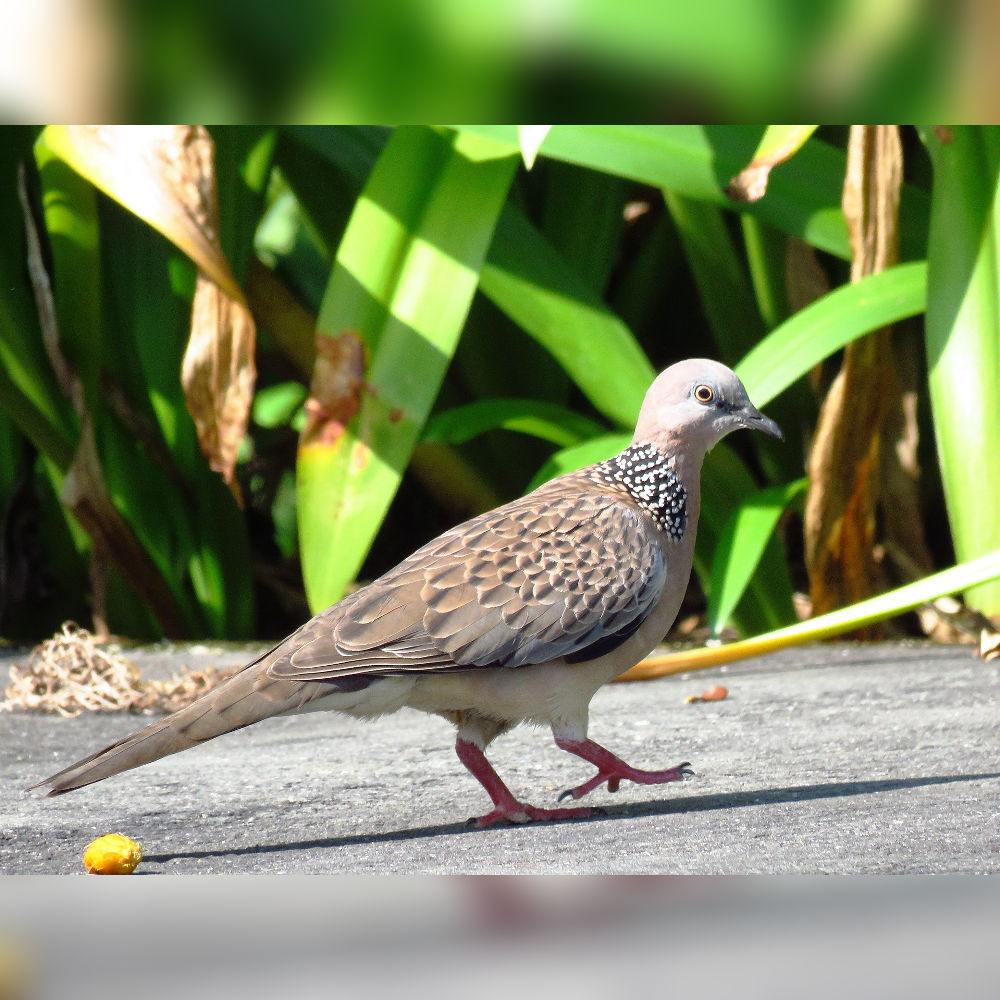
Spotted Dove
Common Tailorbird
Red-vented Bulbul

Summary of Walk

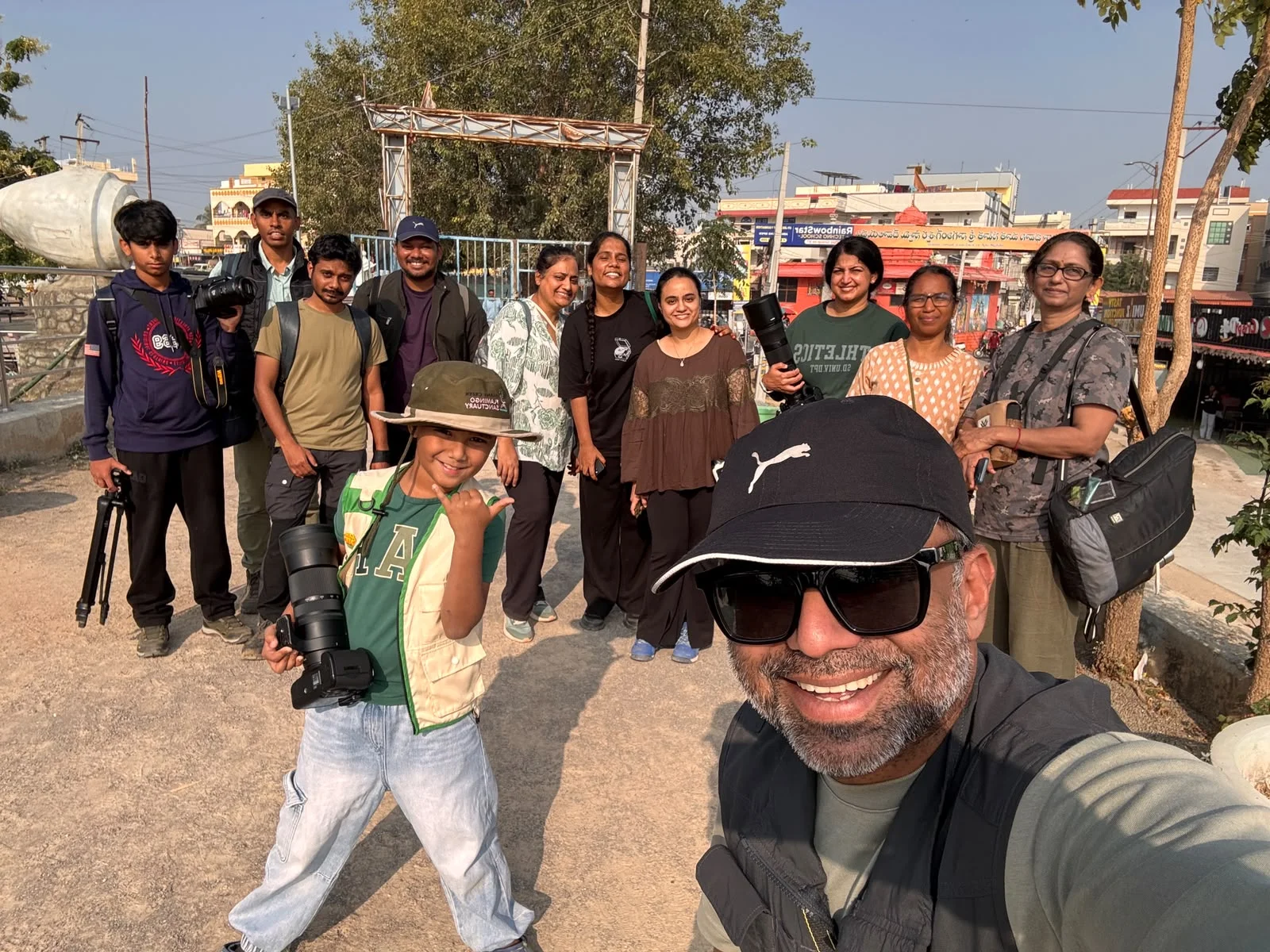
Birders joined guides Kabir Kumar and Gaurav Kumar at Ameenpur Lake on the edge of Hyderabad on 21 November for a morning at one of Telangana’s most celebrated birding sites. Ameenpur holds a special place in India’s conservation story as the first water body in the country to be declared a Biodiversity Heritage Site, and its open water, marshy margins and surrounding scrub draw an impressive variety of resident and migratory birds every winter. Its wide waters and quiet margins make it a favourite with Hyderabad’s birders, especially in the winter months when migrants arrive. 

Lakes like Ameenpur are known for herons, egrets, storks, ibises, ducks, waders, kingfishers and raptors, along with larks, pipits and other open-country birds in the grassland around the edges, and the group enjoyed scanning each habitat in turn. Kabir and Gaurav guided the walk together, helping participants use binoculars, pick out field marks and listen for the calls that give birds away, and they shared why a protected lake like this matters for birds arriving from far away. The morning was a lovely introduction to the rich birdlife on Hyderabad’s doorstep, and participants left with new species on their lists and plenty to talk about. 

Scroll to Top