


Bird Walk at Amona Fields, Goa
- Goa
- 16 November, 2025
- WildFootPrints
About Amona Fields
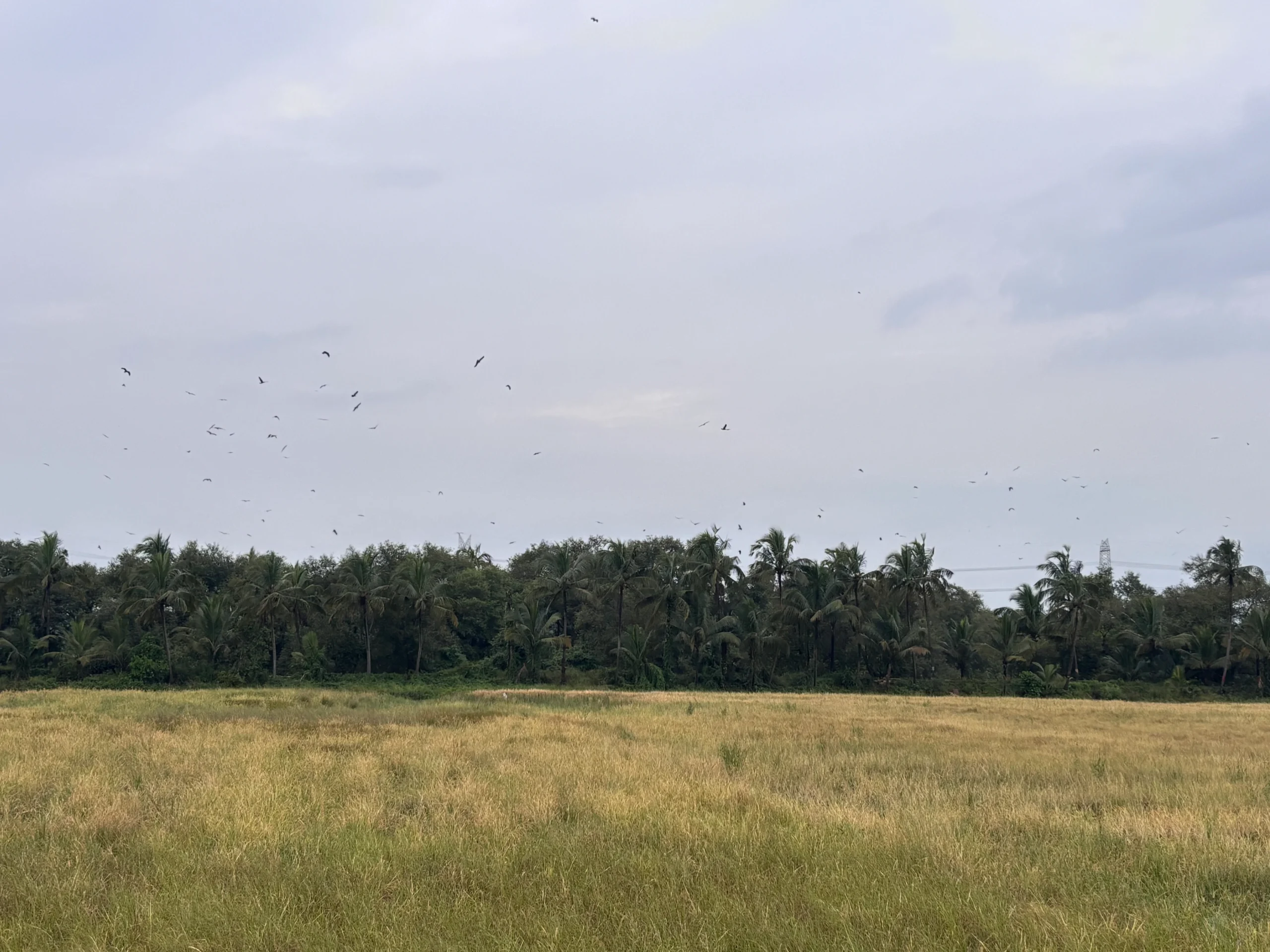
Amona fields in Goa offer a peaceful rural landscape that beautifully contrasts with the state’s popular beaches and bustling tourist hubs. Located near the banks of the Mandovi River, the area is characterised by expansive paddy fields, gently rolling terrain, and pockets of coconut groves and village homes. The green fields stretch across the horizon, creating a refreshing space where time seems to move slower, and traditional Goan agricultural life continues in harmony with nature. Early mornings and late afternoons are especially enchanting, with soft golden light illuminating the fields and local farmers tending to their crops.
Beyond their agricultural value, the Amona fields are a haven for wildlife and a delightful retreat for nature enthusiasts. With seasonal wetlands, grazing patches, and tree-lined edges, the area supports diverse birdlife and offers scenic walking paths for those seeking quiet moments away from city noise. The calm water channels reflect the sky, while gentle breezes carry the sounds of rural life — cattle bells, rustling palms, and village conversations. Amona fields provide a glimpse into Goa’s lesser-seen countryside charm, where nature, farming traditions, and cultural simplicity come together in a serene and inviting landscape.
Partnered with

Bird Guide: Jalmesh Karapurkar
He is the coordinator of the Goa Bird Atlas initiative and serves as the eBird Reviewer for Goa, playing a key role in documenting avian biodiversity across the state. He also runs an inclusive ecotourism initiative aimed at making nature and wildlife experiences accessible and enriching for all.
Bird walk Location
Common birds of Amona Fields
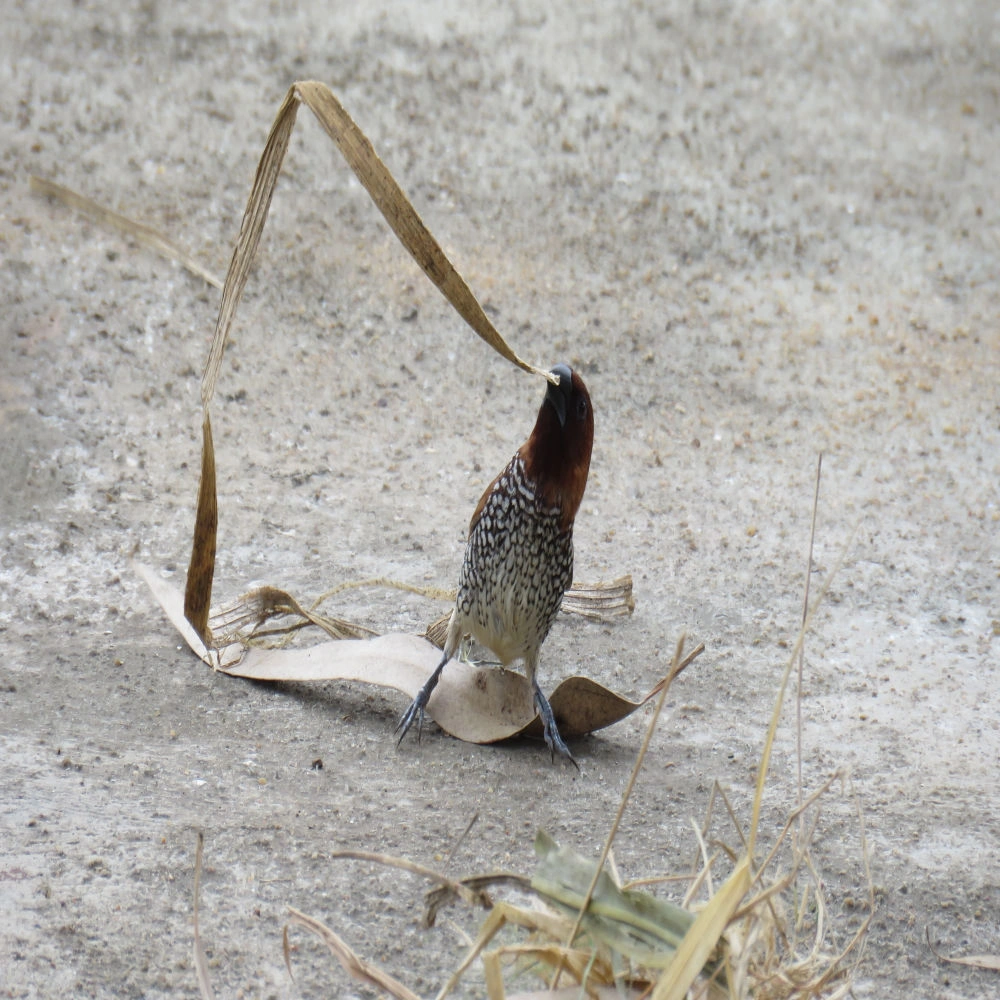
Amona fields in Goa are home to a rich variety of birdlife, with 107 species recorded across its paddy landscapes, hedgerows, and scattered trees. Seed-eating birds like Red Avadavats, Scaly-breasted Munias, and Tricoloured Munias are a common sight, moving in lively flocks between crops and tall grasses. Insect-loving species such as Pied Bushchats, Siberian Stonechats, and Paddyfield Pipits add animation to the fields, often perched on low stems or hopping across open ground. Blue-tailed Bee-eaters and Common Kingfishers bring splashes of colour as they hunt for insects and fish along field channels, while the Oriental Skylark fills the air with its characteristic hovering song displays. Overhead, Brahminy and Black Kites circle gracefully, scanning for prey or carrion as they glide over the open countryside.
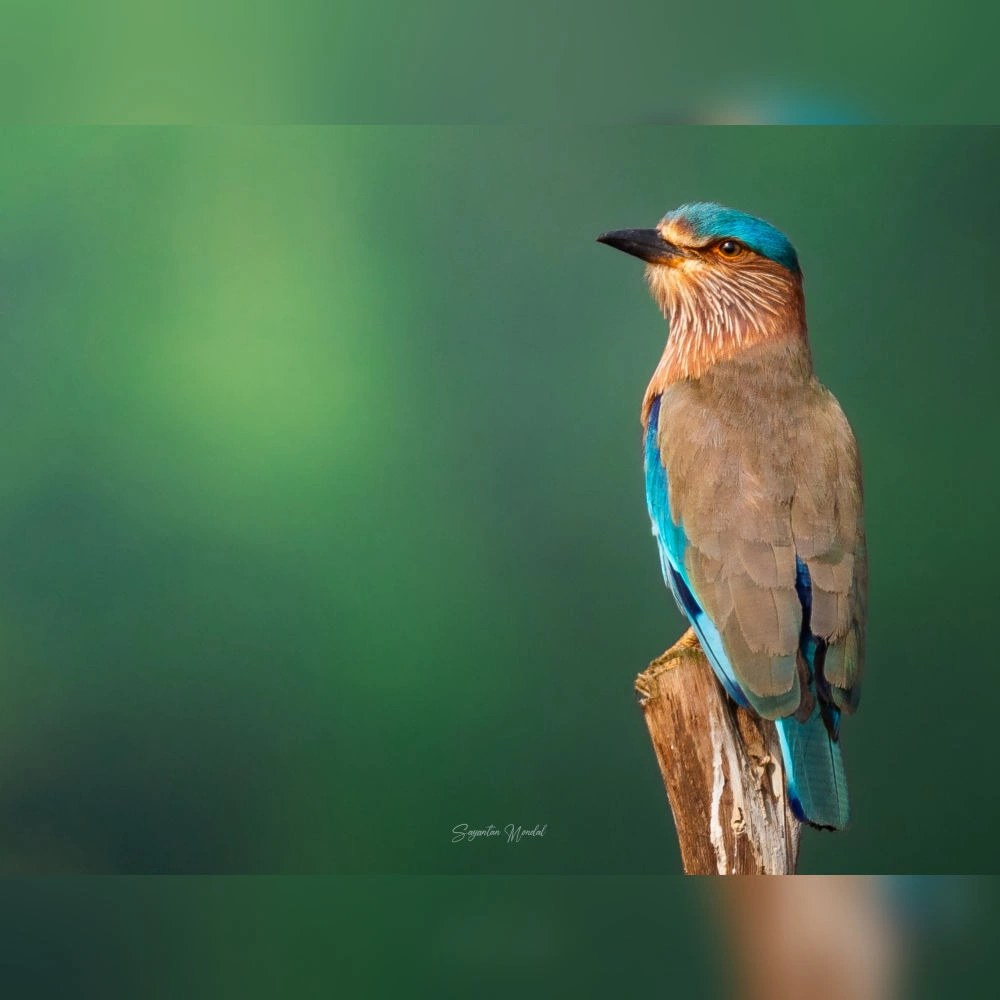
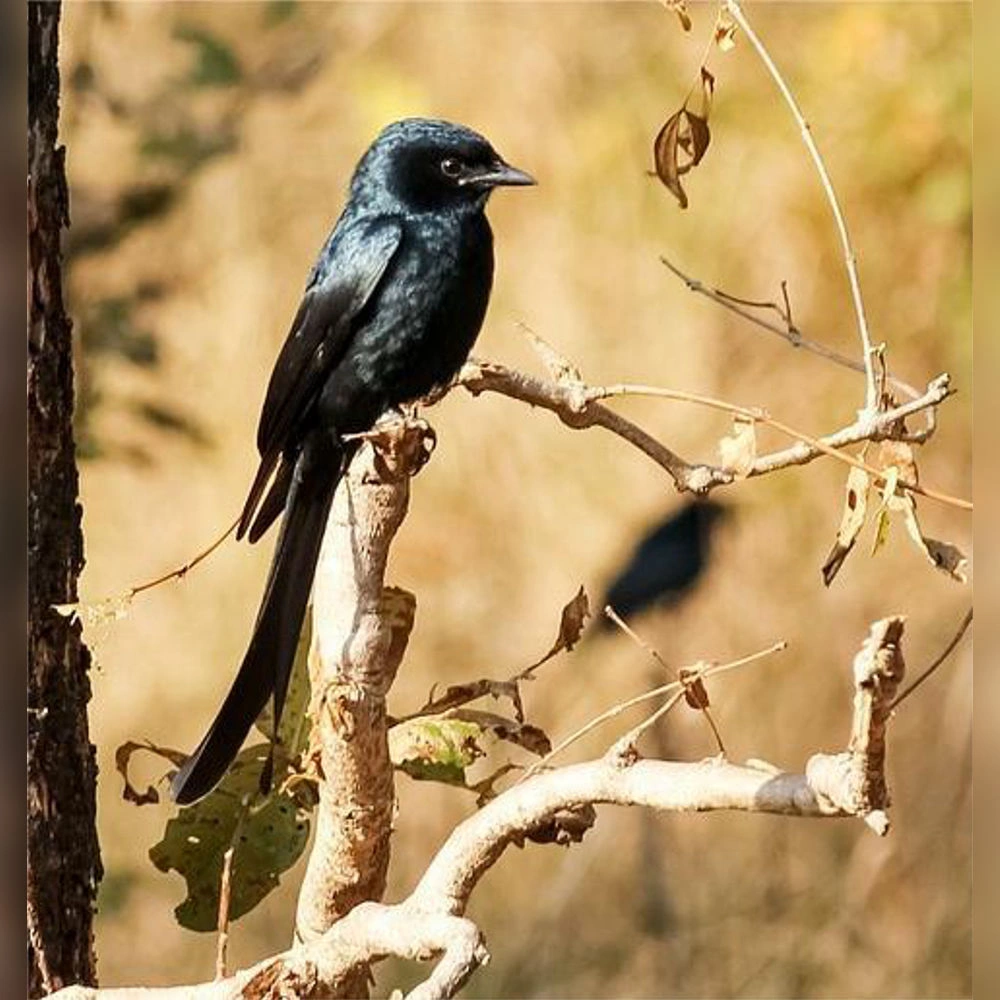
Amona’s rural landscape also hosts charismatic residents and seasonal visitors that add to its birding charm. Indian Rollers flash their brilliant blues in flight, while the elegant Gray Heron stands watchfully near water edges. Baya Weavers are especially captivating during the breeding season when they weave intricate hanging nests in reeds and roadside trees. The distinctive call of the Pied Cuckoo signals the arrival of the monsoon, while Rosy Starlings appear in flocks during certain seasons, feeding noisily in fields and fruiting trees. Yellow-throated Sparrows, Tree Pipits, and Black Drongos further enrich the habitat, demonstrating the ecological diversity that these agricultural landscapes support. Together, these species make Amona fields a rewarding place for both seasoned birders and anyone who enjoys the beauty of nature woven into everyday rural life.

Indian Roller

Black Drongo

Scaly-breasted Munia
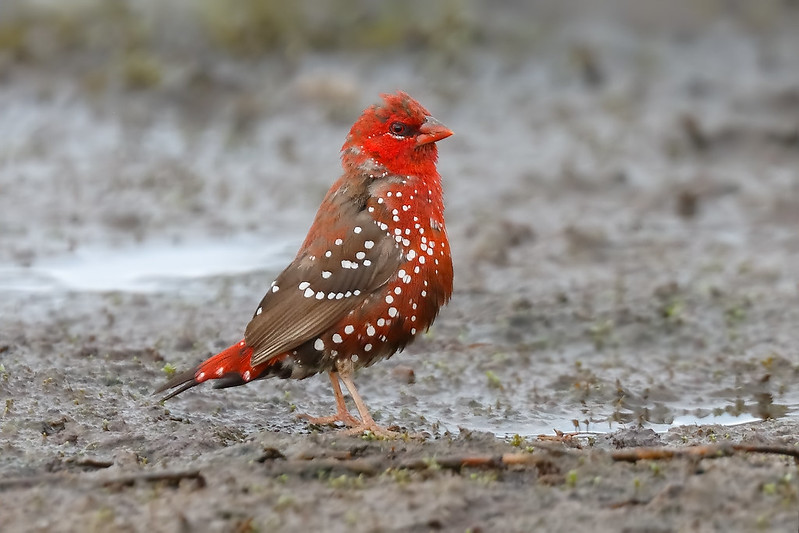
Red Avadavat
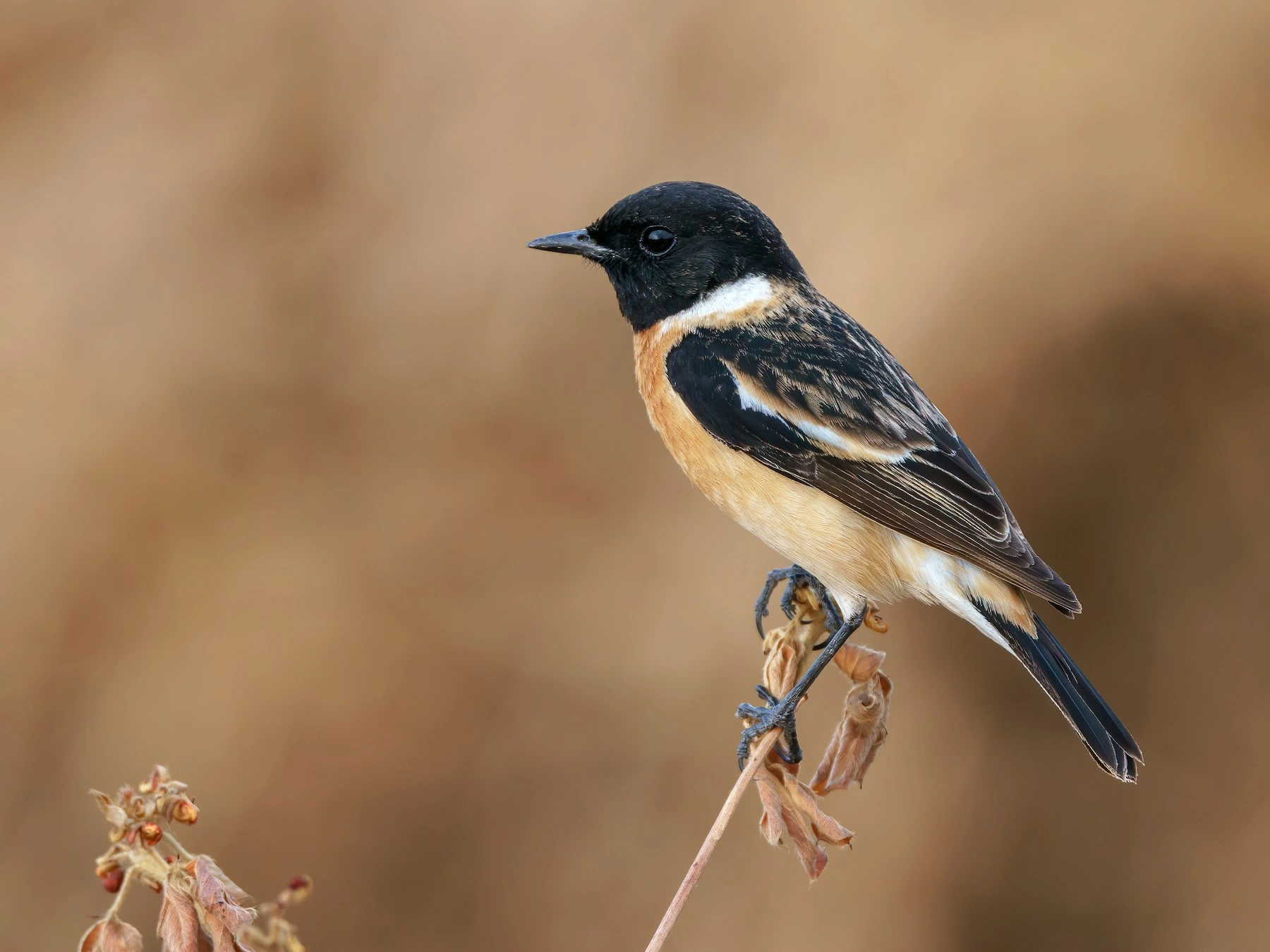
Siberian Stonechat
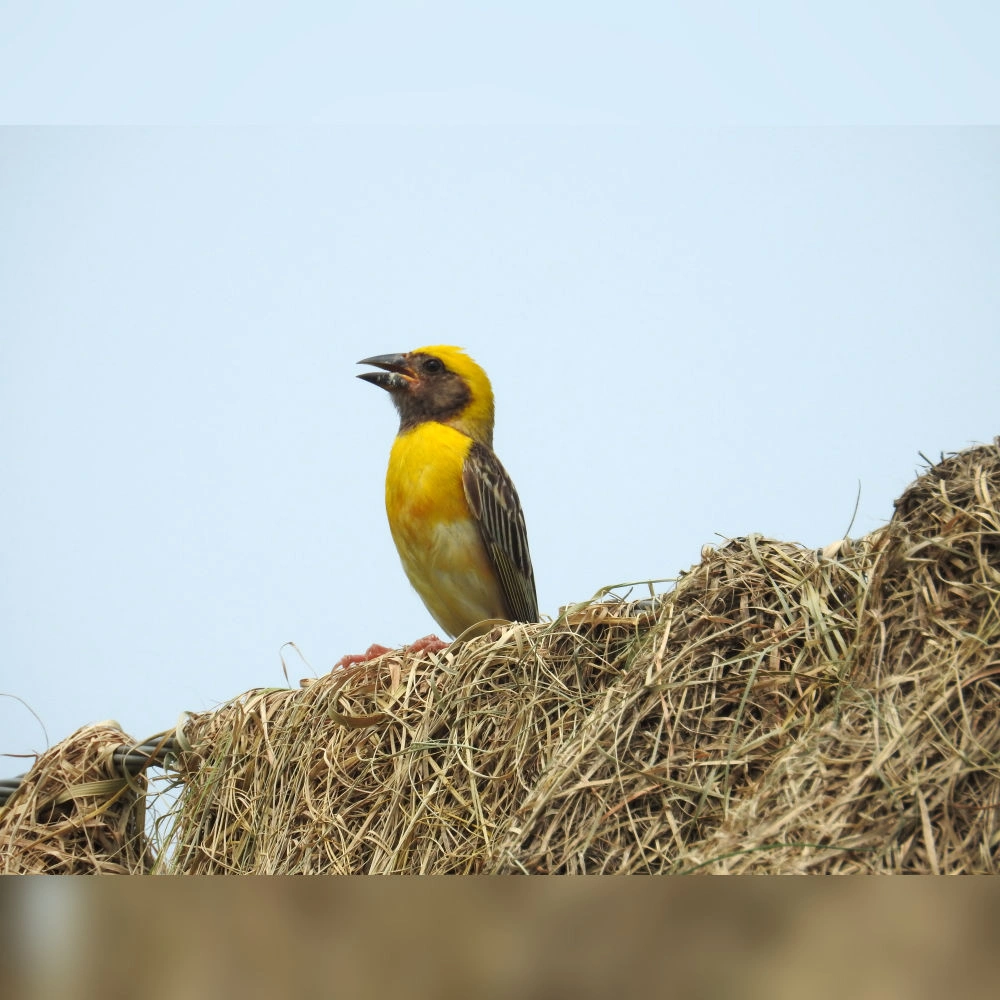
Baya Weaver
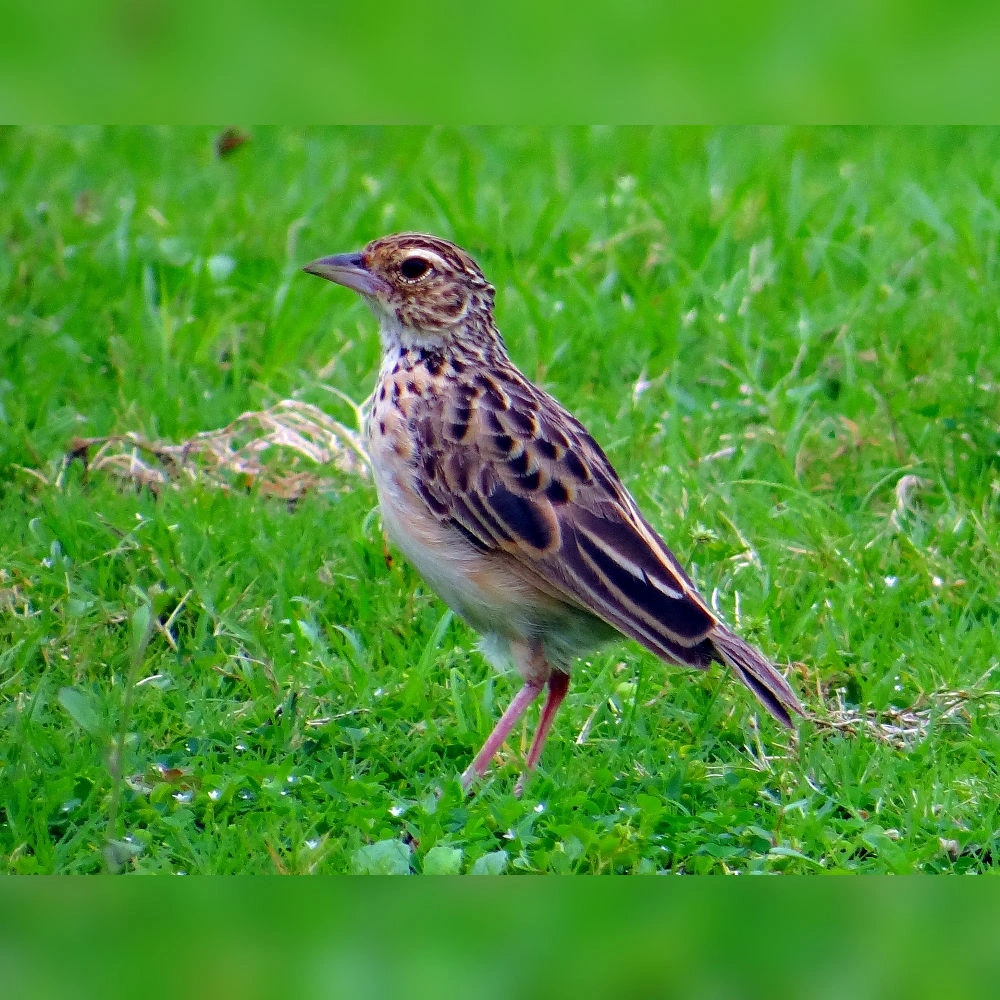
Paddyfield Pipit
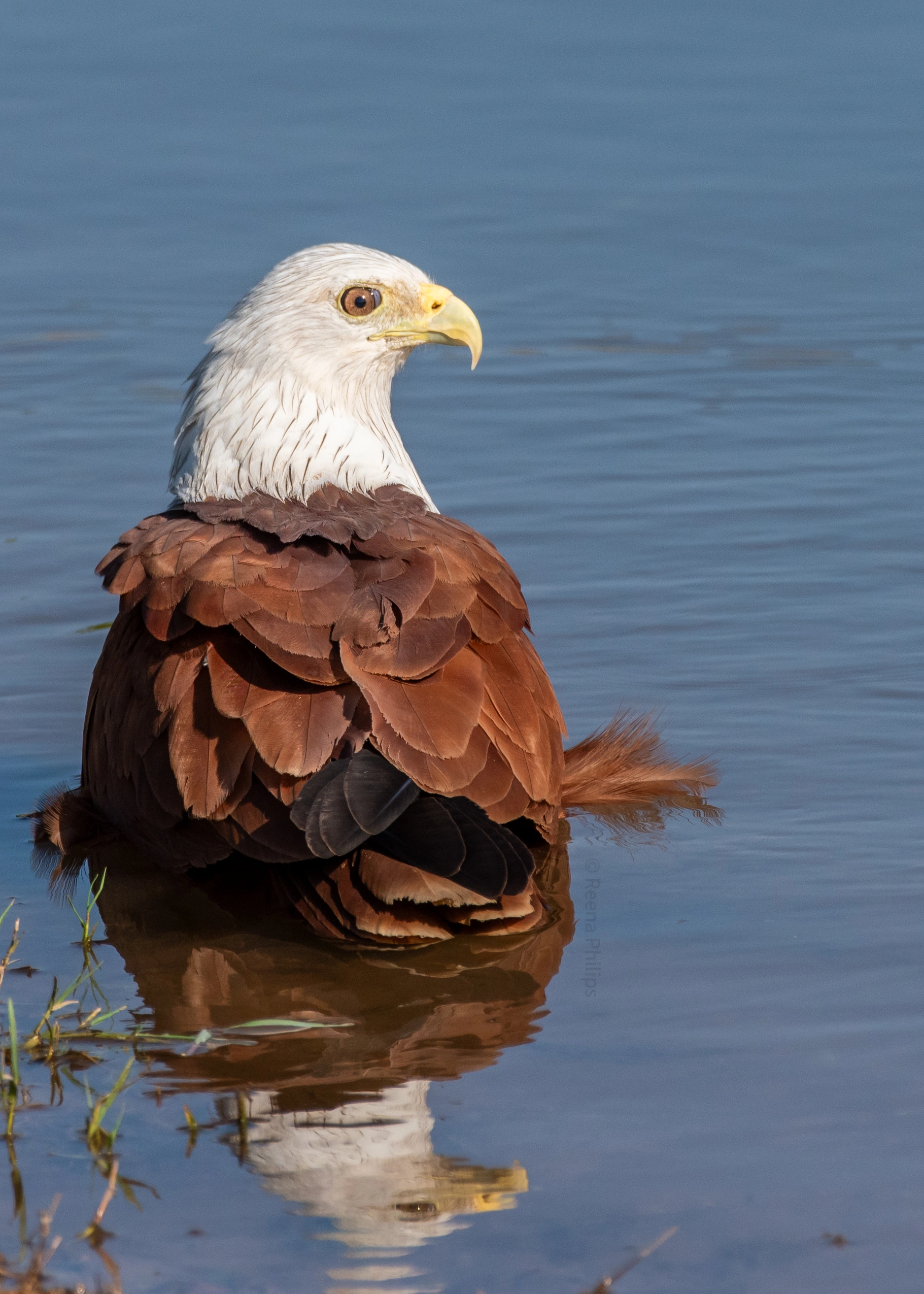
Brahminy Kite
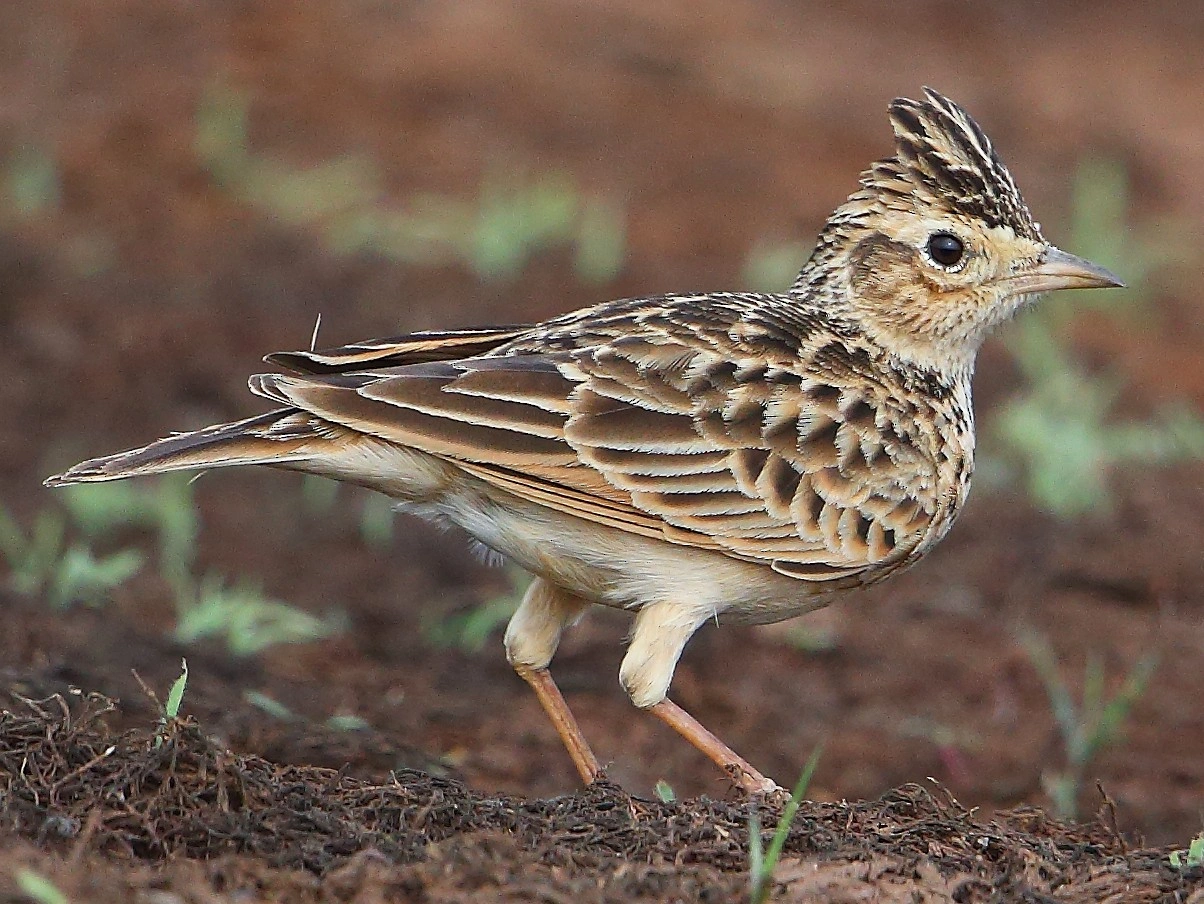
Oriental Skylark
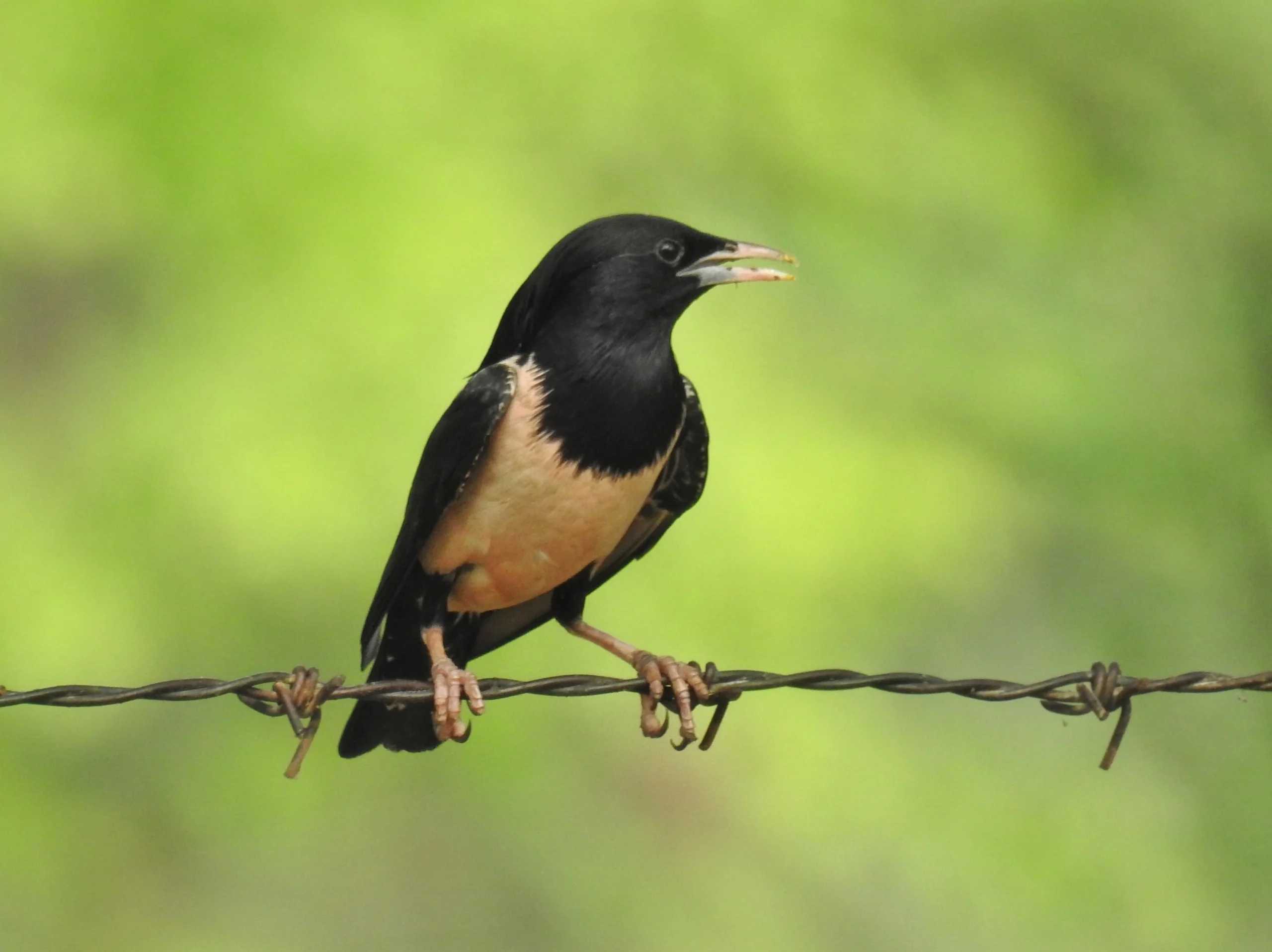
Rosy Starling

Black Kite
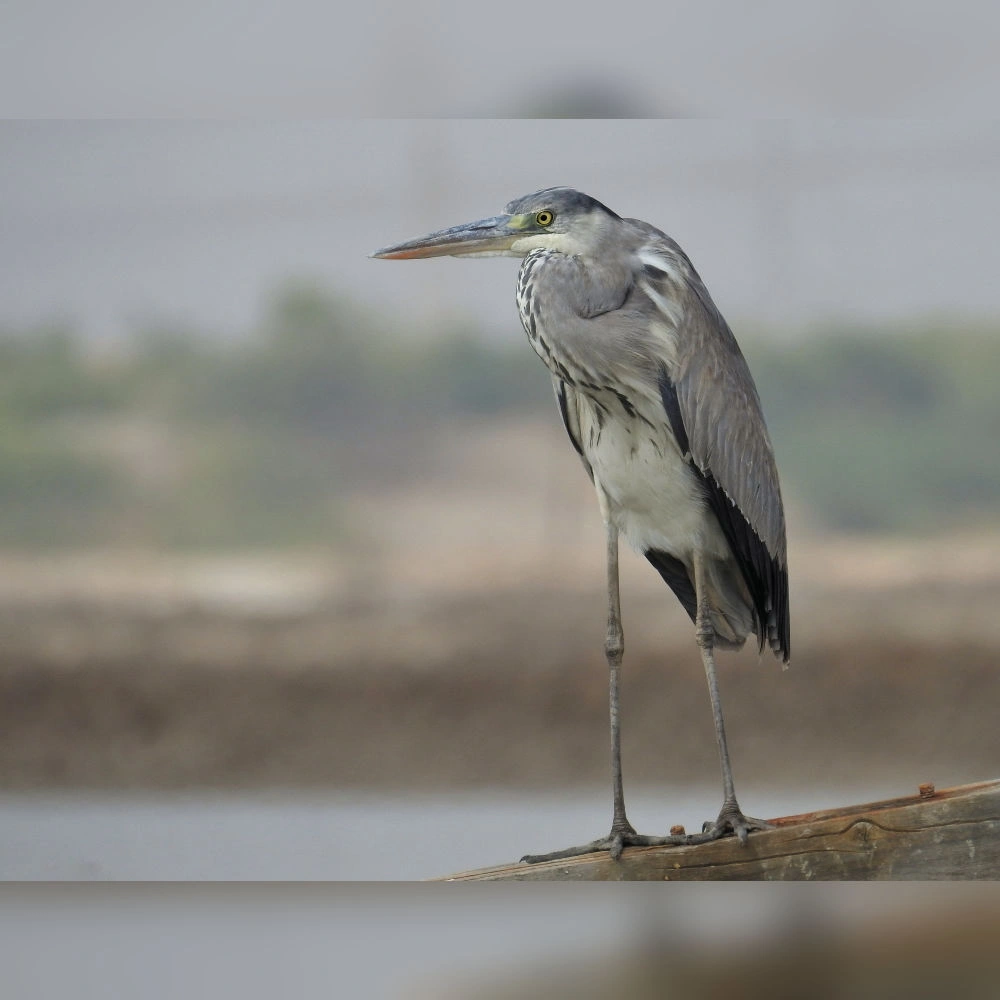
Grey Heron
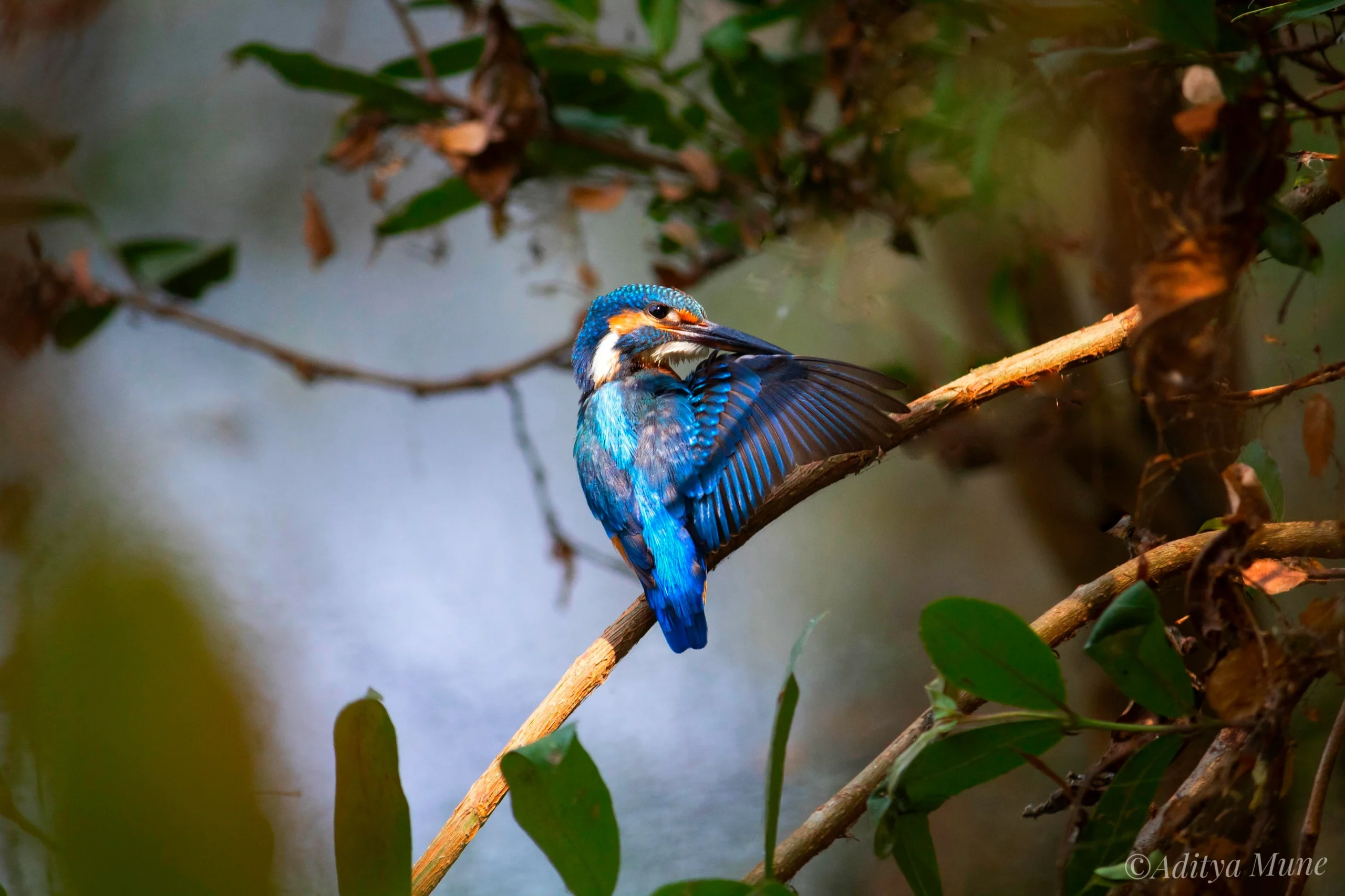
Common Kingfisher
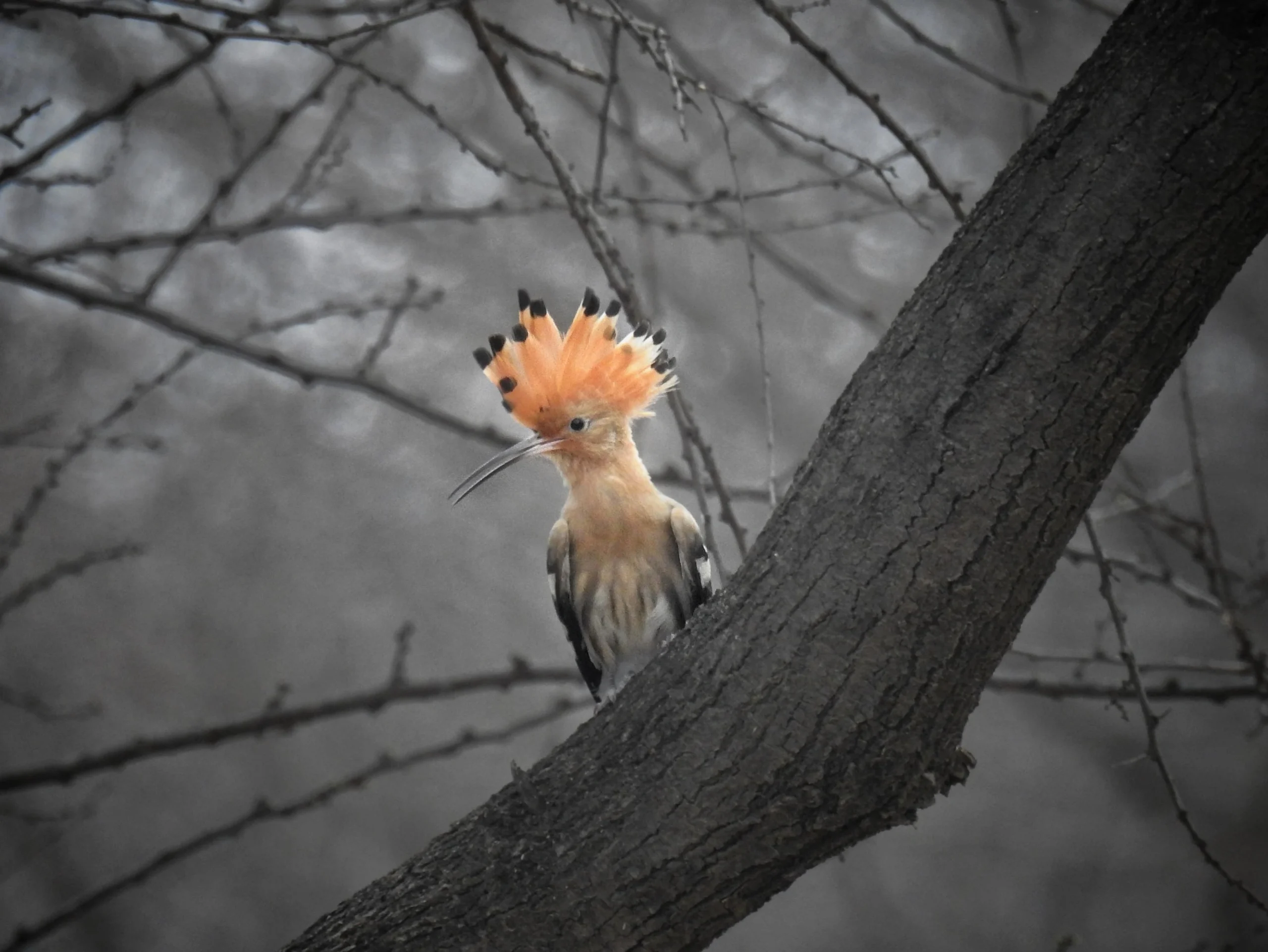
Eurasian Hoopoe
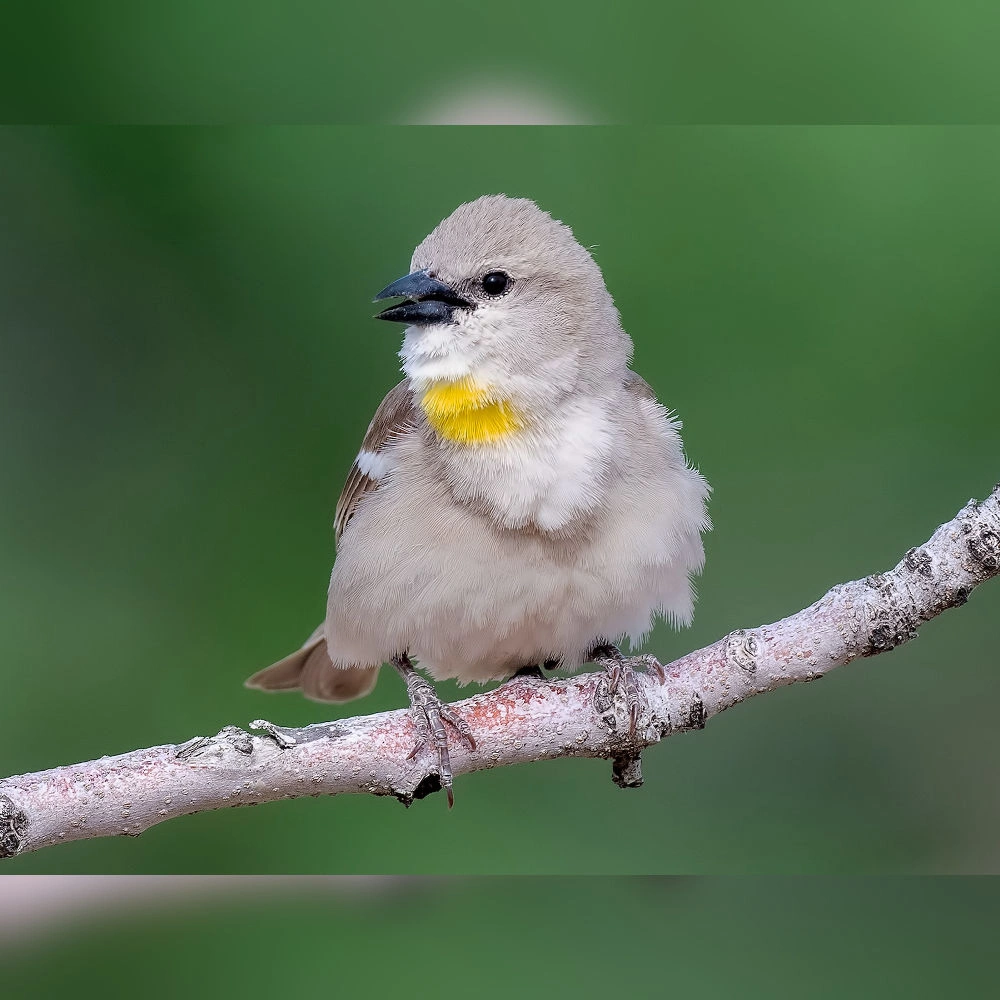
Yellow-throated Sparrow
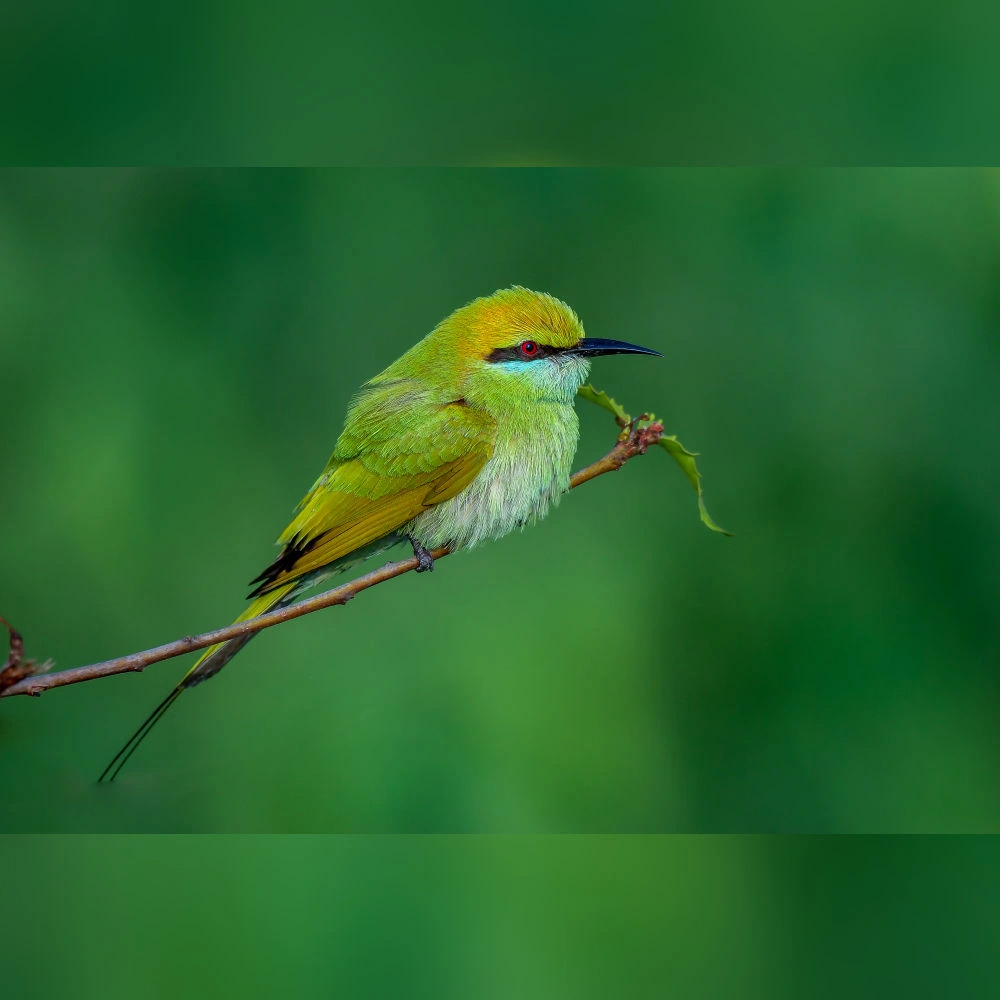
Asian Green Bee-eater
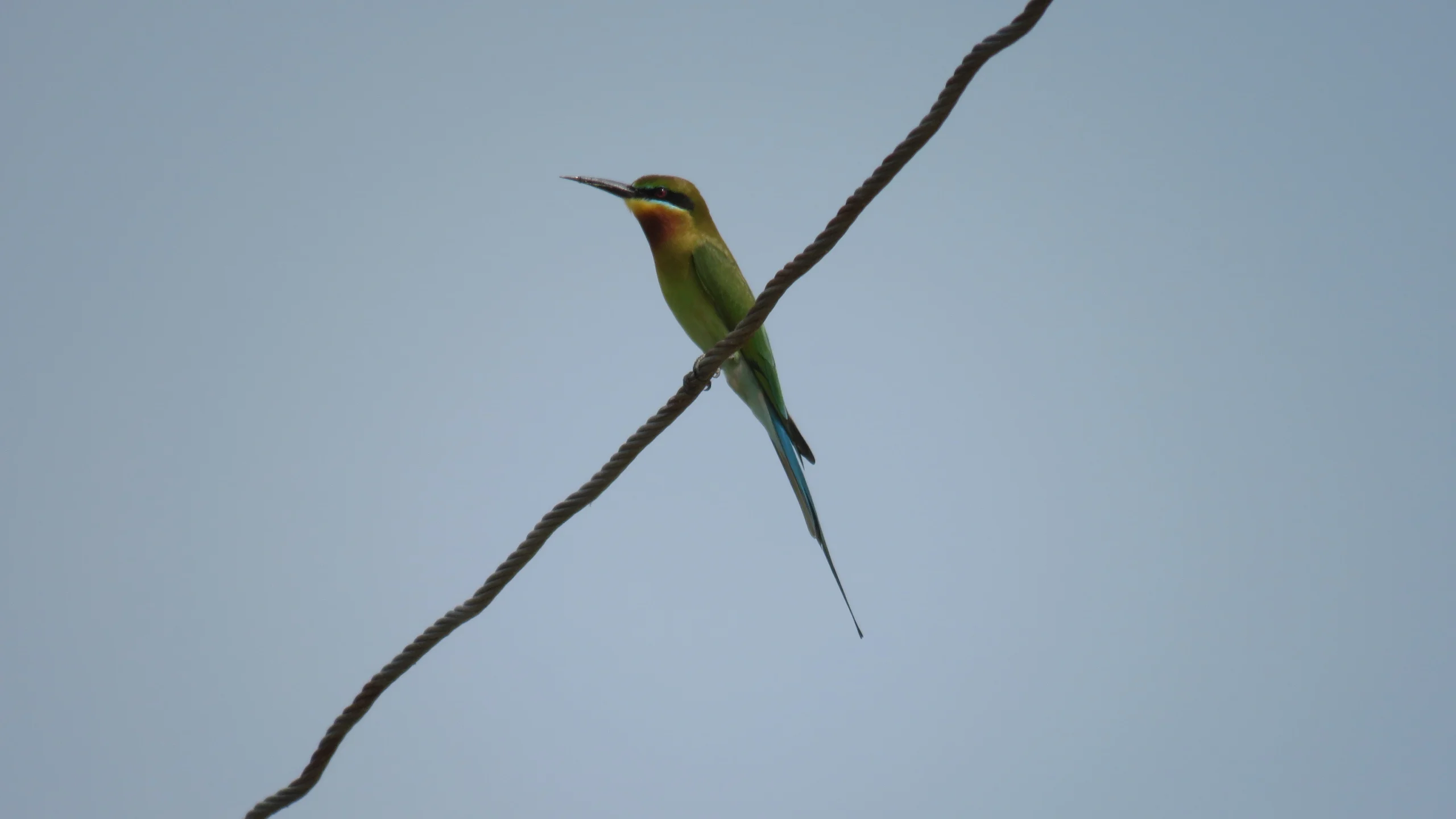
Blue-tailed Bee-eater
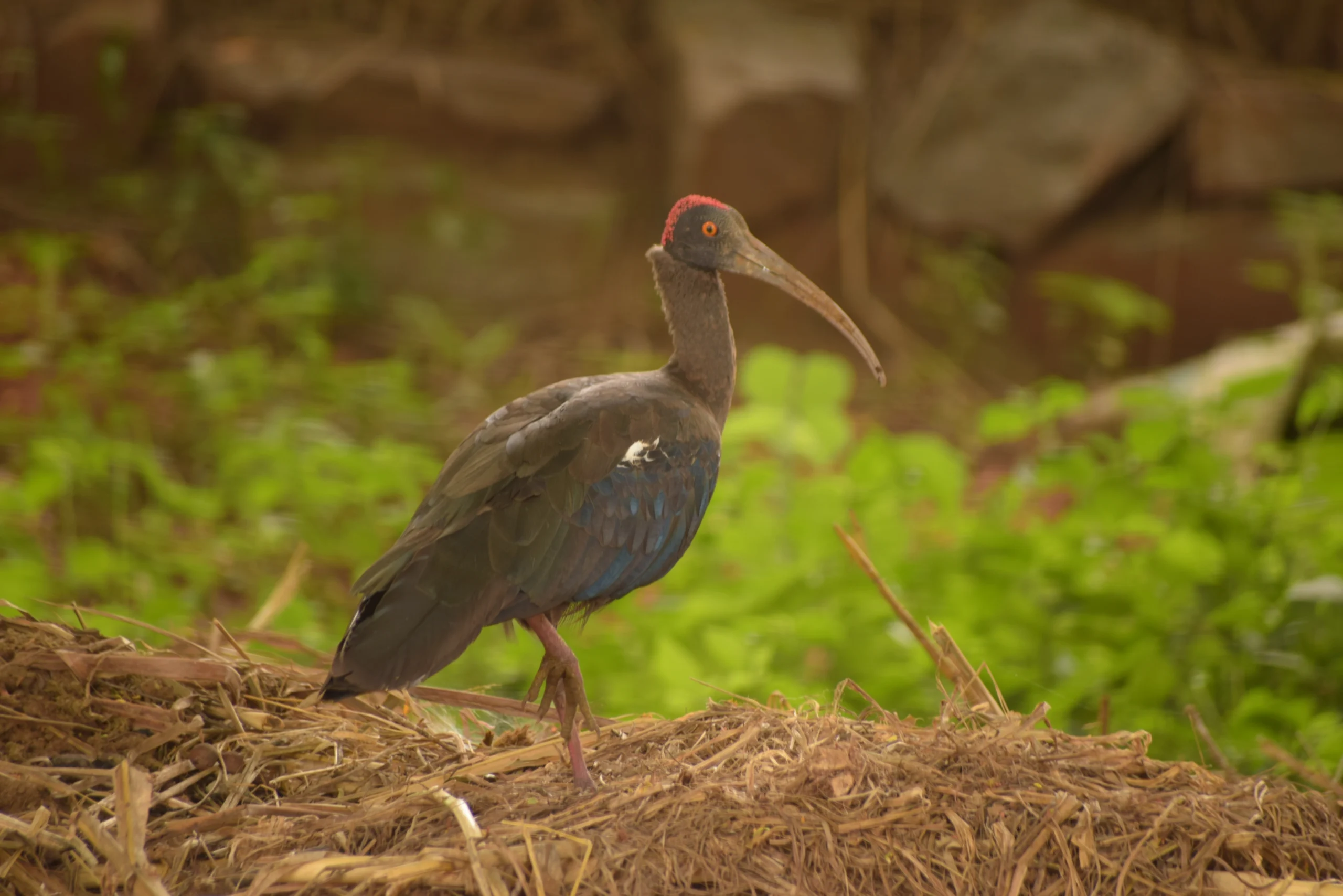
Red-naped Ibis
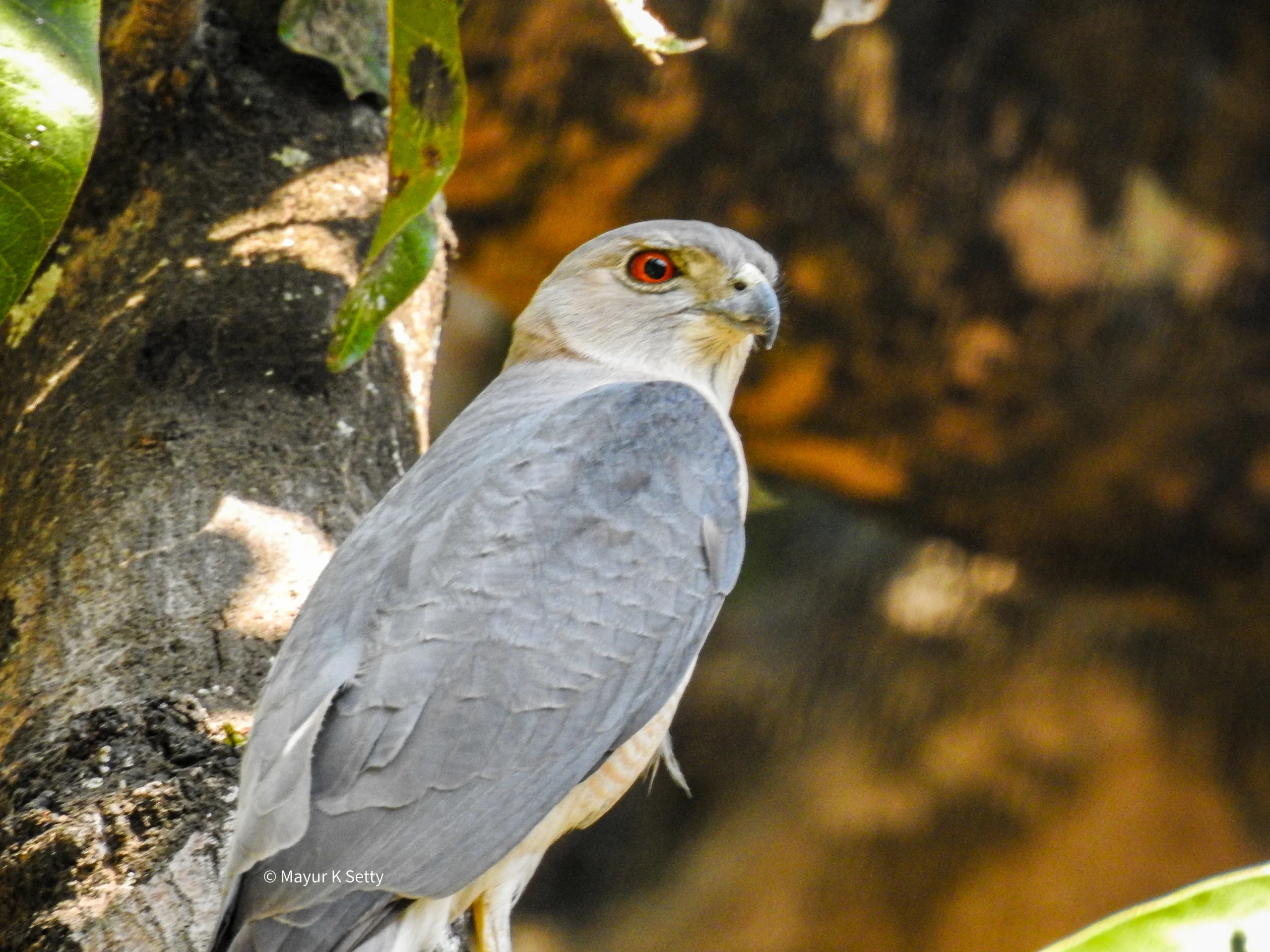
Shikra
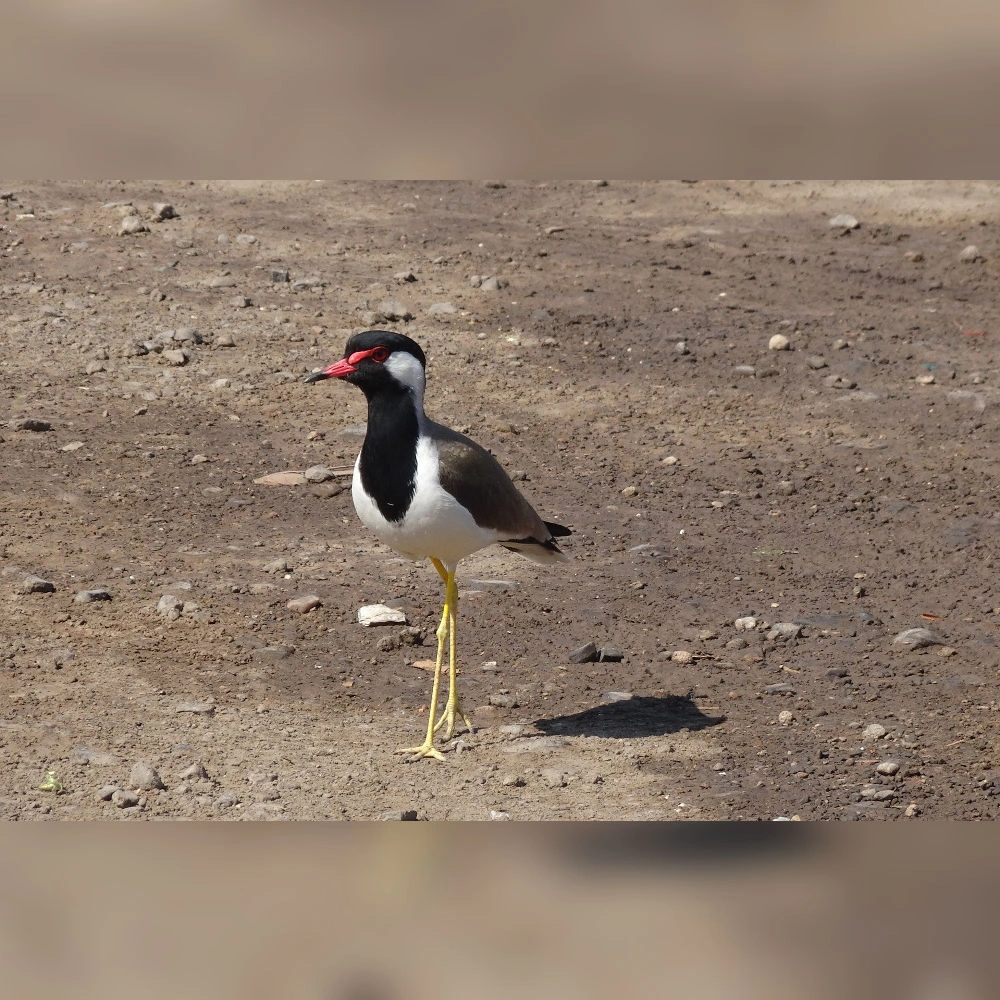

Red-wattled Lapwing
Summary of Walk
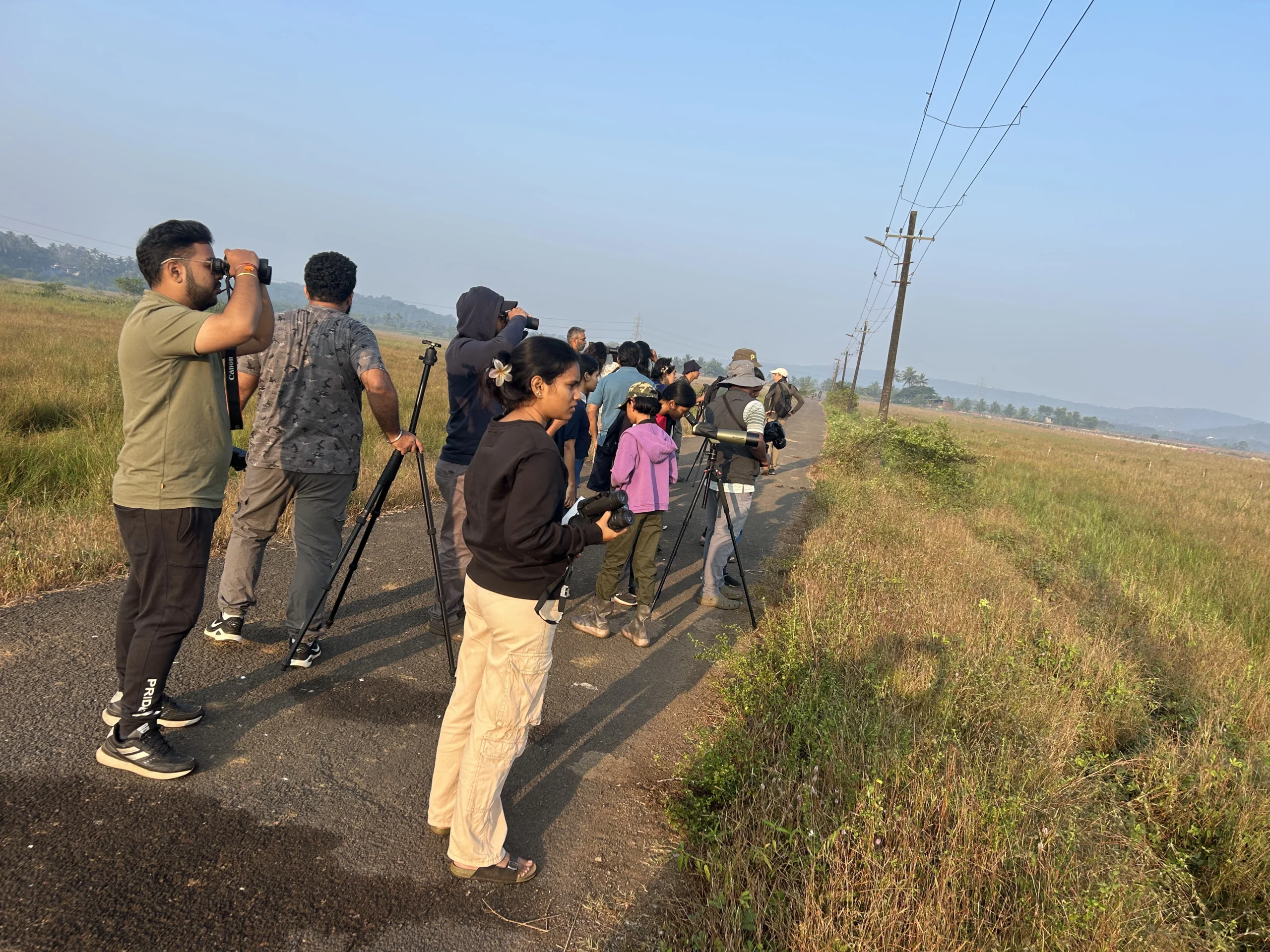
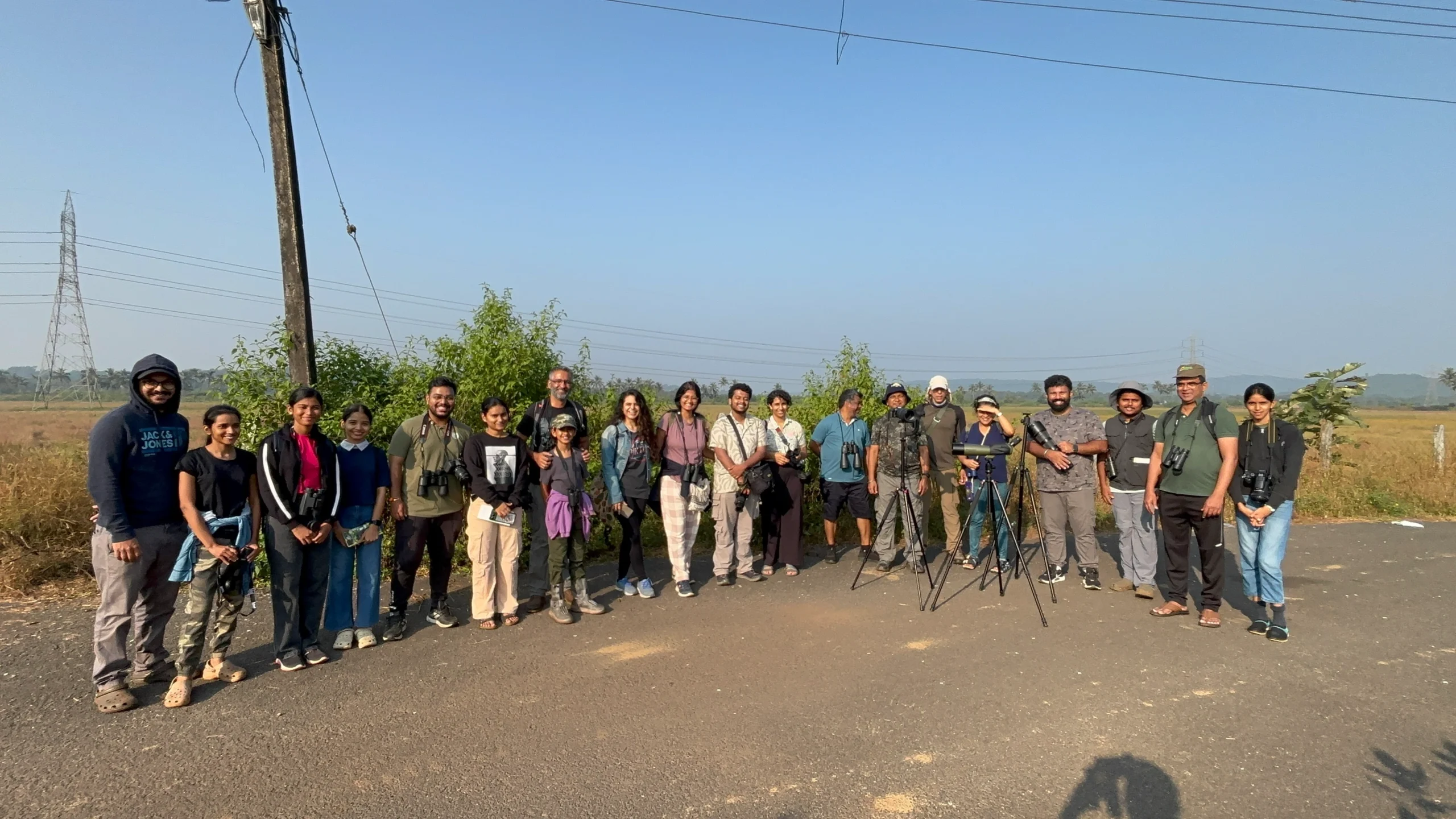
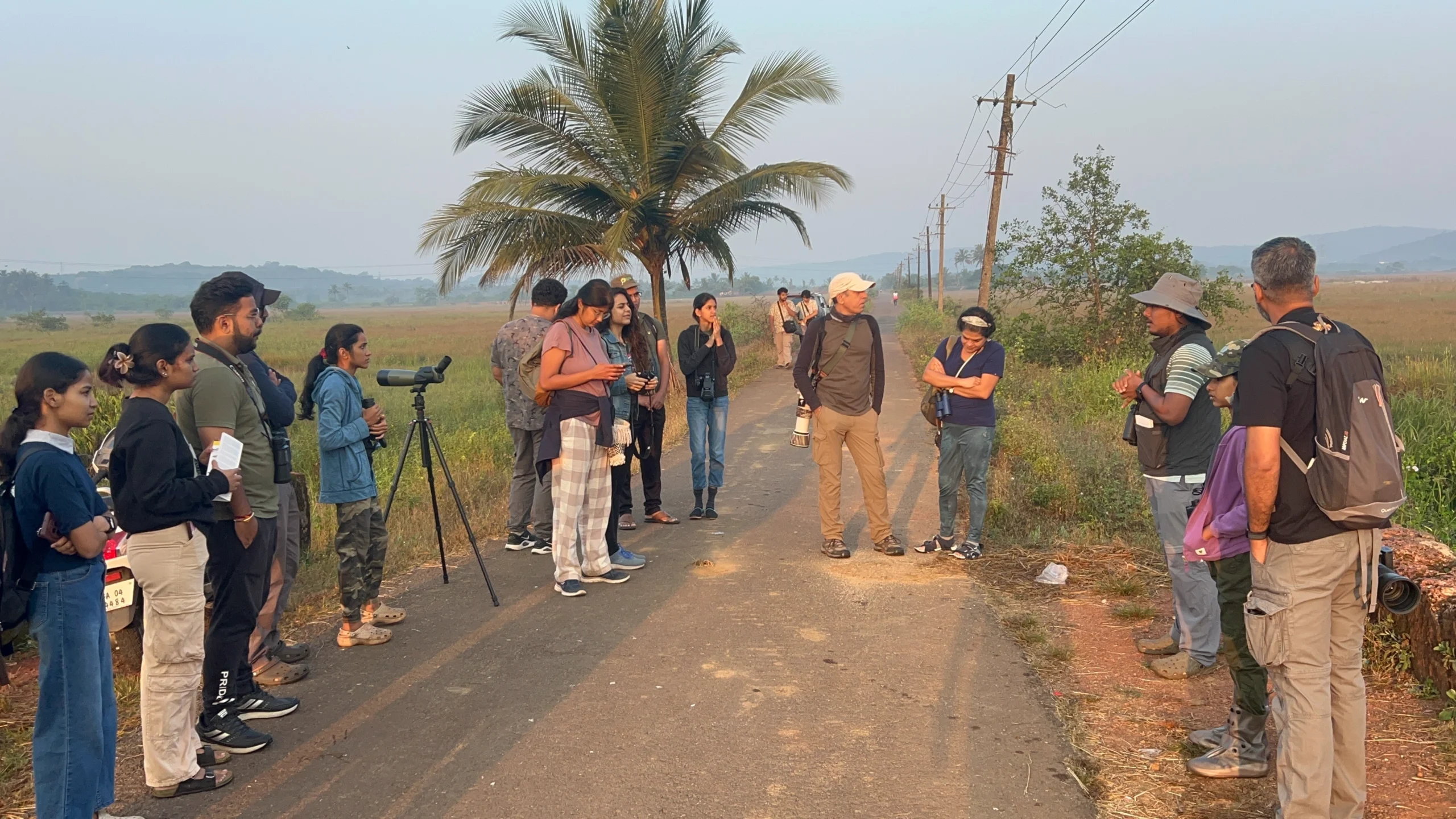
At Amona Fields, 20 participants embarked on an adventurous exploration through diverse habitats rich in birdlife. The group recorded an impressive 72 species, including highlights such as Lesser Adjutant, Yellow Bittern, Greater Spotted Eagle, Western Marsh Harrier, Malabar Grey Hornbill, Vernal Hanging Parrot, and an extraordinary sighting of 200 Baya Weavers. Binoculars and spotting scopes helped participants enjoy detailed views of these spectacular species.
The group also learnt how to observe behaviours, identify birds accurately, and understand ecological interactions. The walk emphasized the importance of birdwatching as a gateway to understanding conservation challenges. It was an immersive experience that brought people closer to the hidden wonders of the fields.
Number of Participants
0