

Loading Events

Bird Walk at Ankodia Lake, Vadodara, Gujarat

About Ankodia Lake

Ankodia Lake is a natural freshwater body situated near the village of Ankodia close to Vadodara city. It functions as a wetland habitat, providing open water and marshy edges that support a variety of aquatic and semi-aquatic flora and fauna. The lake and its surroundings serve as an important stopover and feeding ground for various waterbirds, including painted storks and other local and migratory avifauna. Fish, amphibians, reptiles, and aquatic invertebrates further contribute to the lake’s food web, making it a locally important biodiversity hotspot and a nature retreat for residents and visitors. 

Despite its ecological value, Ankodia Lake faces several conservation pressures and threats common to wetlands near expanding urban and agricultural landscapes. Without formal protection status, its area and water quality could be vulnerable to encroachment, pollution, and habitat degradation from nearby development, runoff, or changes in land use — trends observed in other urban and peri-urban lakes across Gujarat and India as a whole. Wetlands broadly are among the most threatened ecosystems due to factors like unregulated urban expansion, nutrient loading, and loss of vegetation, which reduce biodiversity and ecosystem function. Conservation of Ankodia Lake would benefit from measures such as habitat protection, water quality monitoring, and community-based stewardship to ensure the persistence of its biological diversity and cultural value for Vadodara’s environment and recreation.

Bird Guide: Naiya Patel

As her name suggests, She is sailing through life's waves. Exploring and unwinding the new chapters of life.
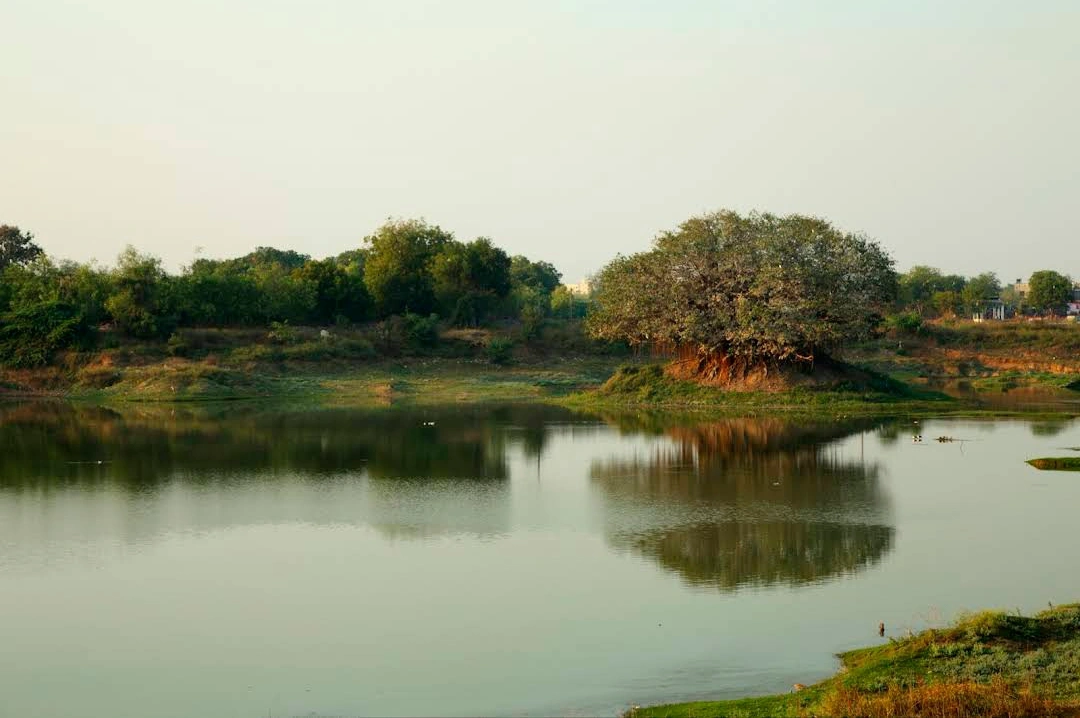
Bird walk Location

Common birds of Ankodia Lake

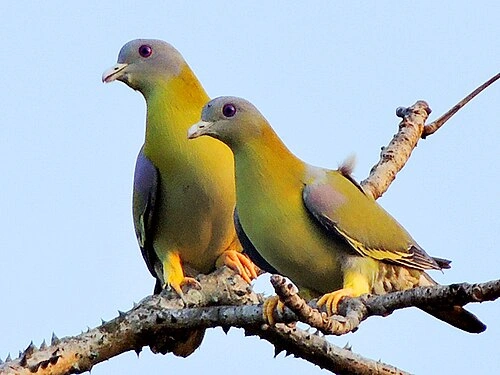
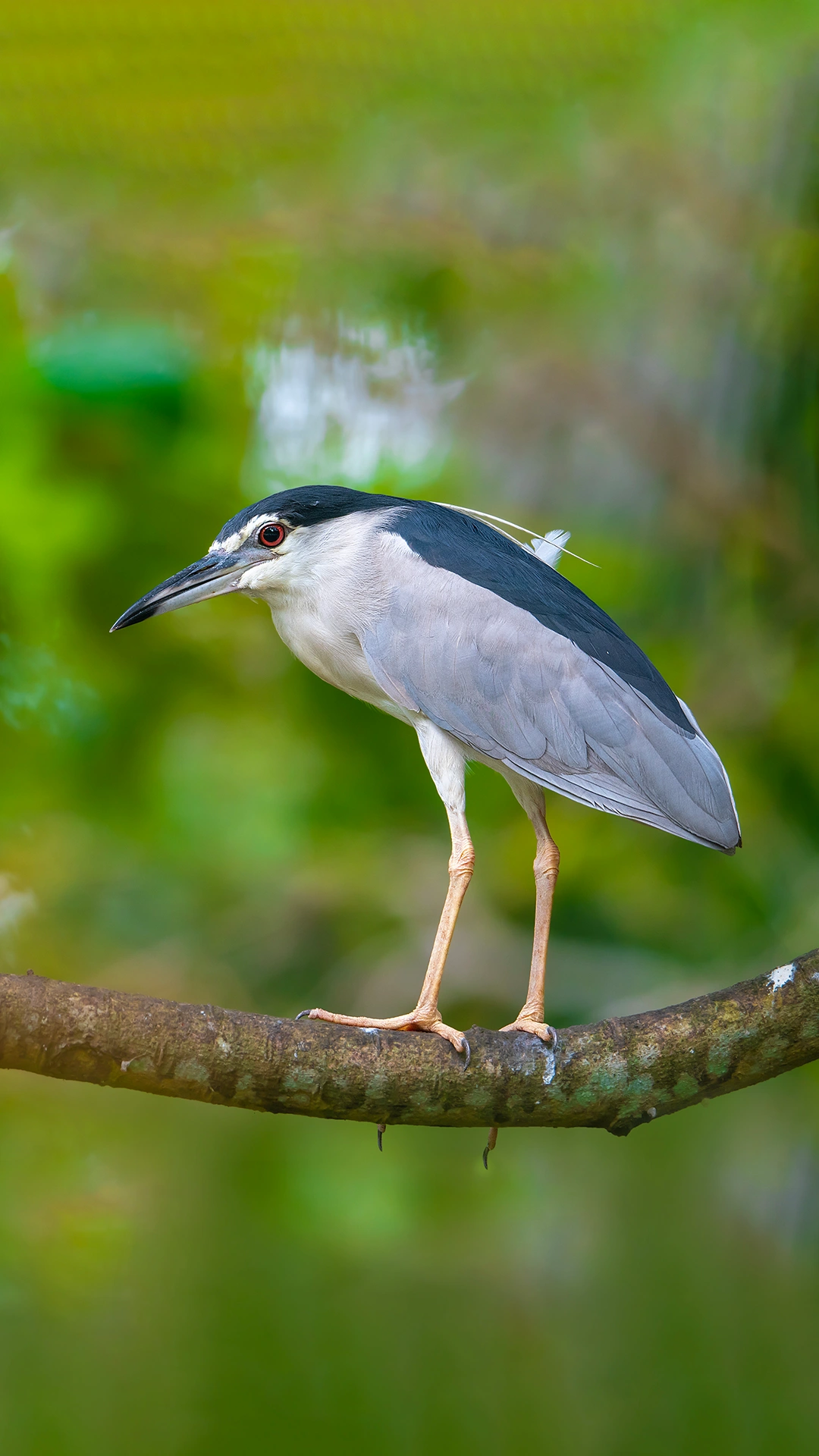
Ankodia Lake is a vibrant haven for wetland and countryside birds, making it one of the most interesting local birding sites around Vadodara. Large, eye-catching species such as the Painted Stork are often seen wading through shallow waters, while Night Herons, Oriental Darters, cormorants, and egrets hunt fish along the lake margins. The muddy edges and exposed shallows attract elegant waders including stilts, sandpipers, Common Greenshank, Marsh Sandpiper, and Wood Sandpiper, indicating healthy feeding conditions. Ibises, notably the Glossy Ibis and Red-naped Ibis, add to the wetland’s visual richness as they probe the soft mud for insects and small aquatic life. Beyond the water’s edge, Ankodia Lake also supports a diverse mix of tree-dwelling and open-country birds. Spot-billed Ducks and the impressive Knob-billed Duck are regular waterfowl, while nearby vegetation shelters species such as the Yellow-footed Green-Pigeon and the Indian Peafowl.  Overhead, Little Swifts sweep through the air, adding constant movement to the landscape. Together, these birds illustrate the ecological importance of Ankodia Lake, showcasing how even a small freshwater wetland can support remarkable avian diversity when natural habitats are preserved.

Black-crowned Night Heron
Yellow-footed Green Pigeon
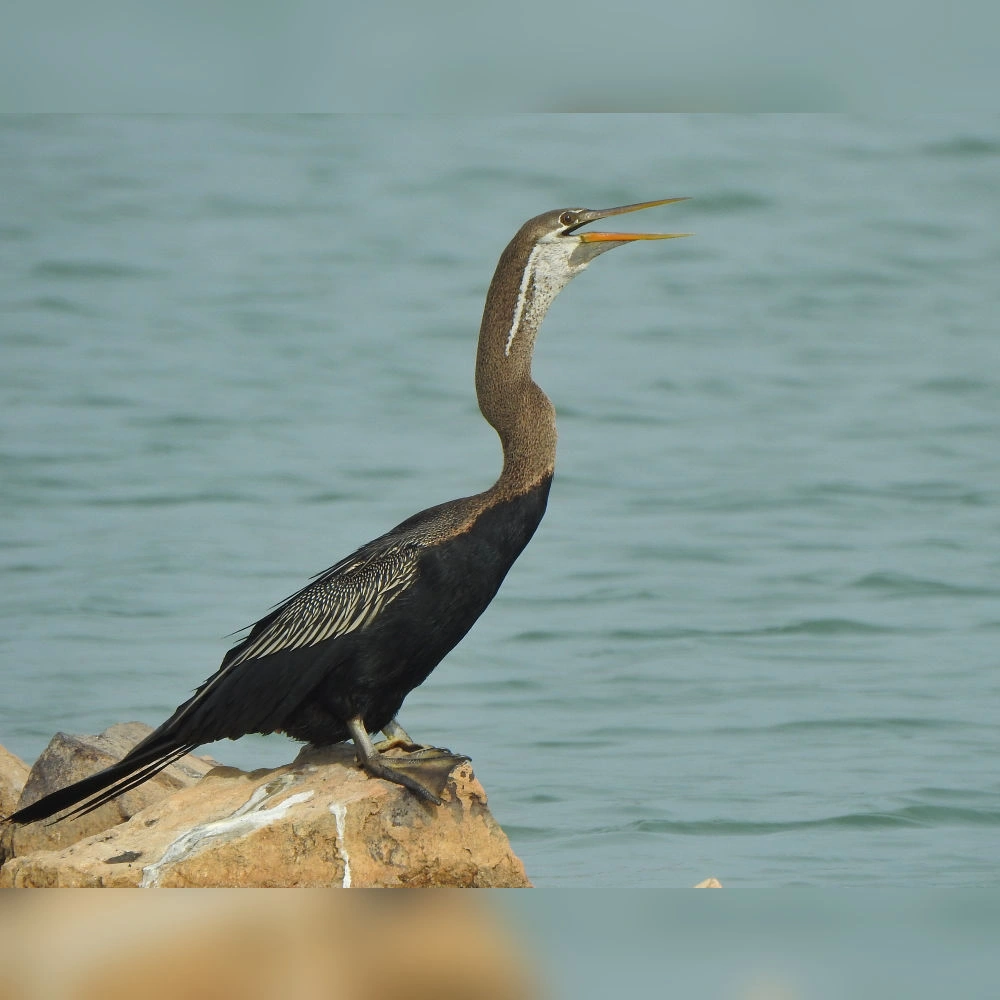
Oriental Darter
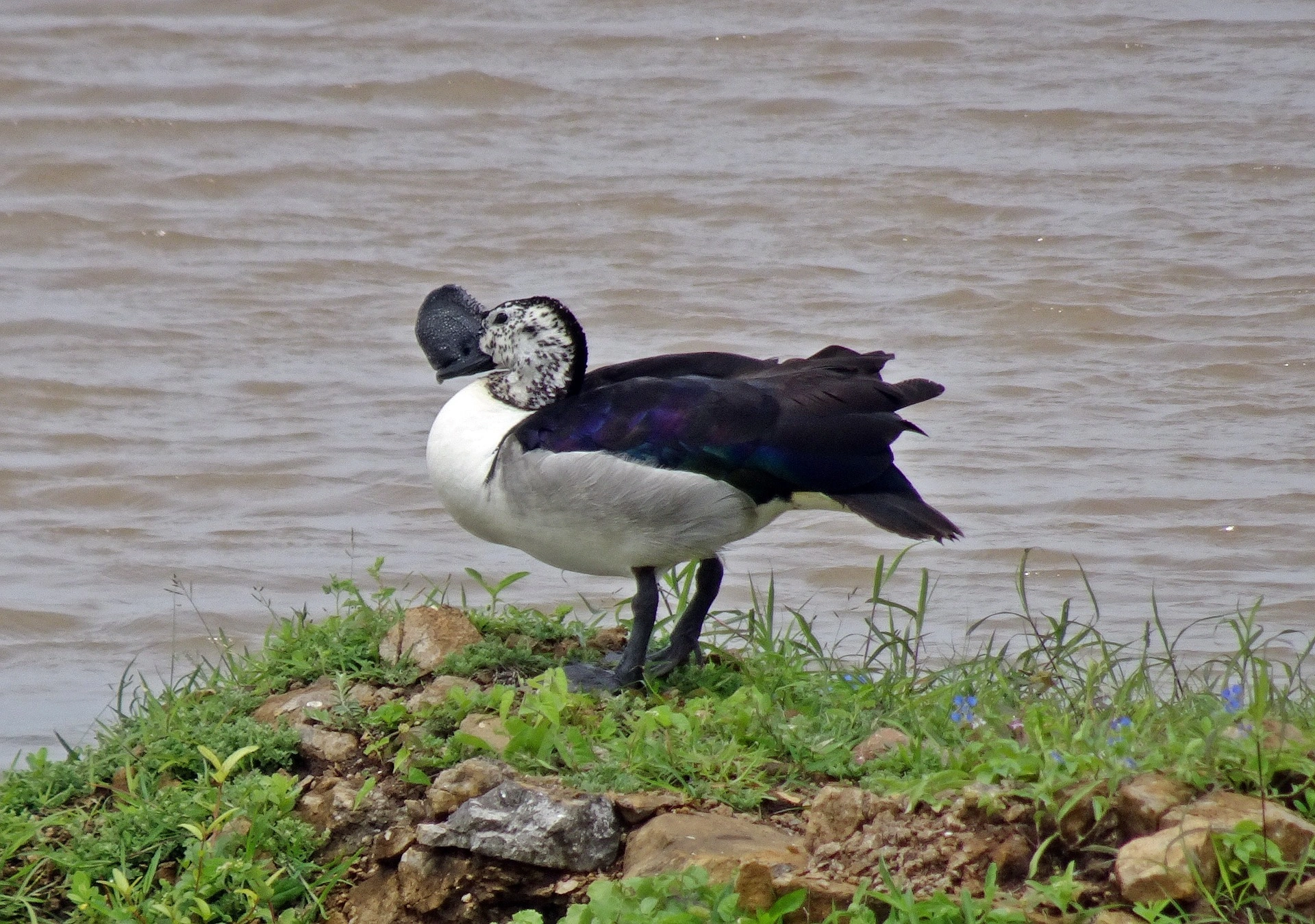
Knob-billed Duck
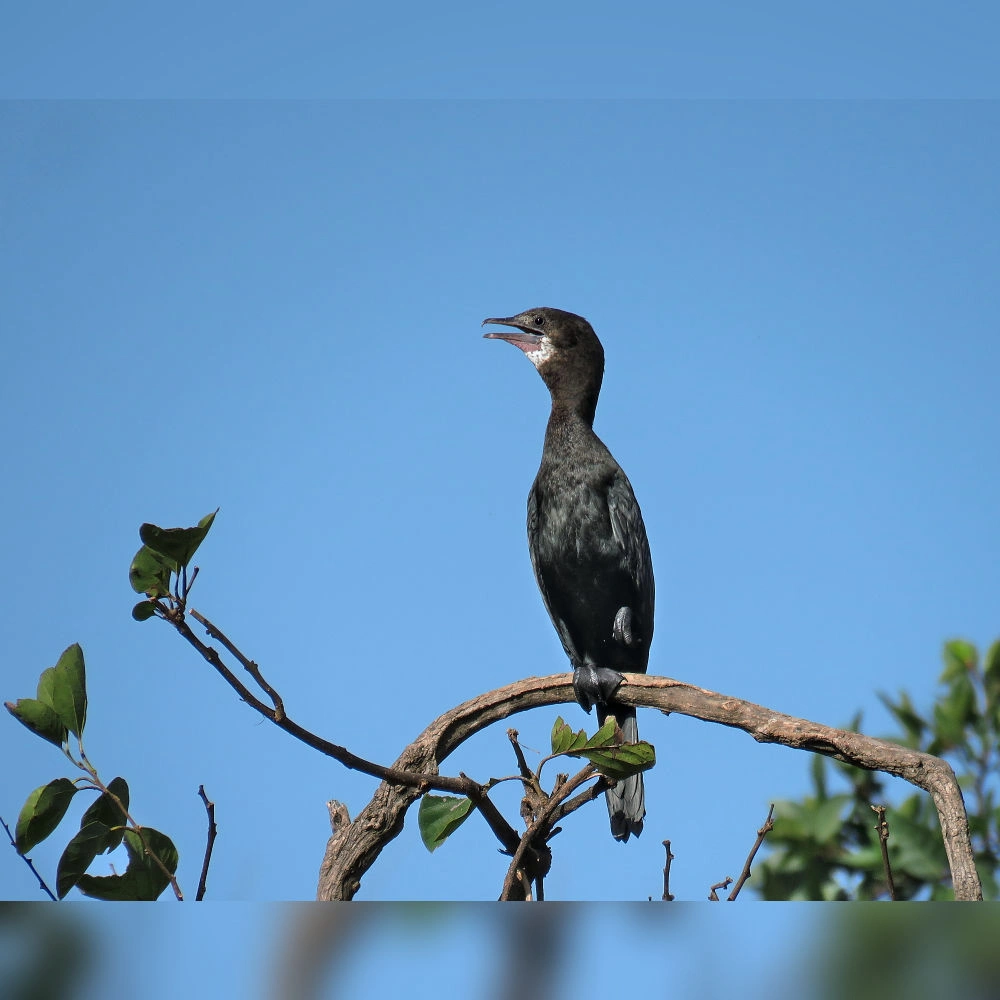
Little Cormorant
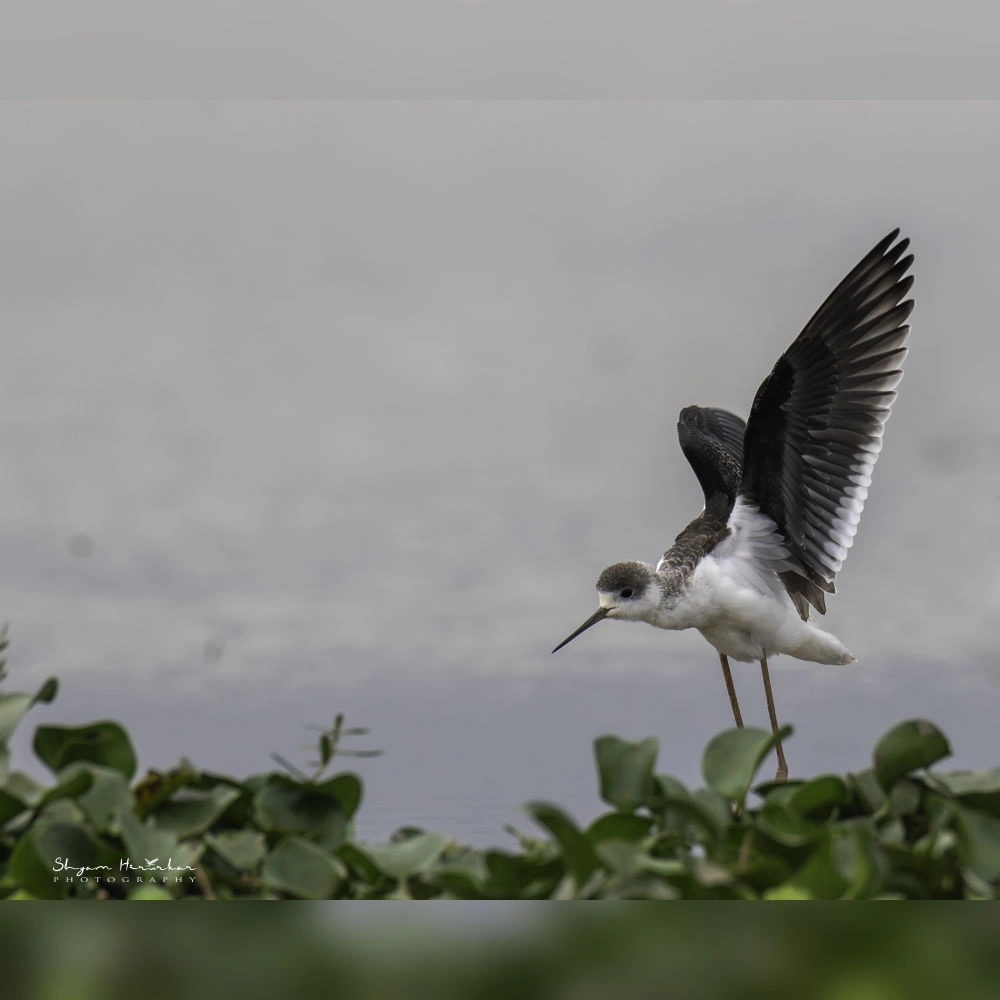
Black-winged Stilt
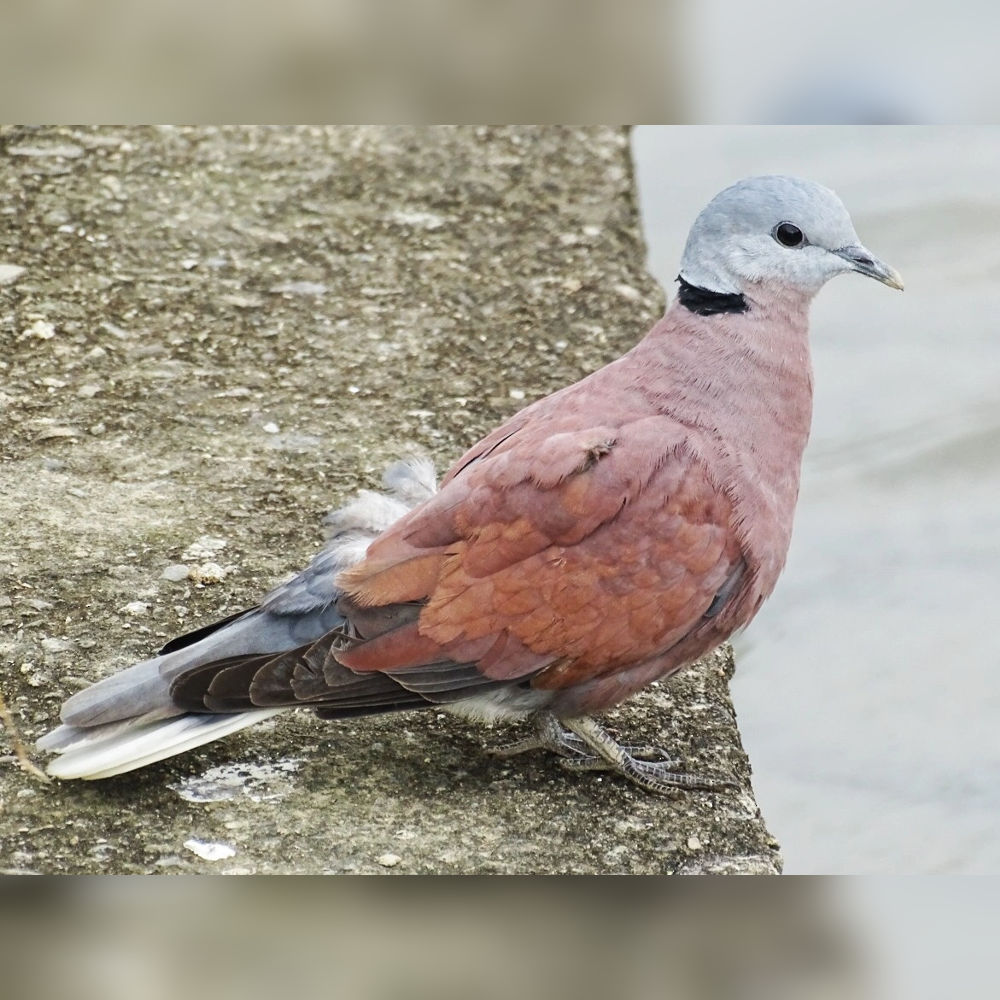
Red-collared Dove
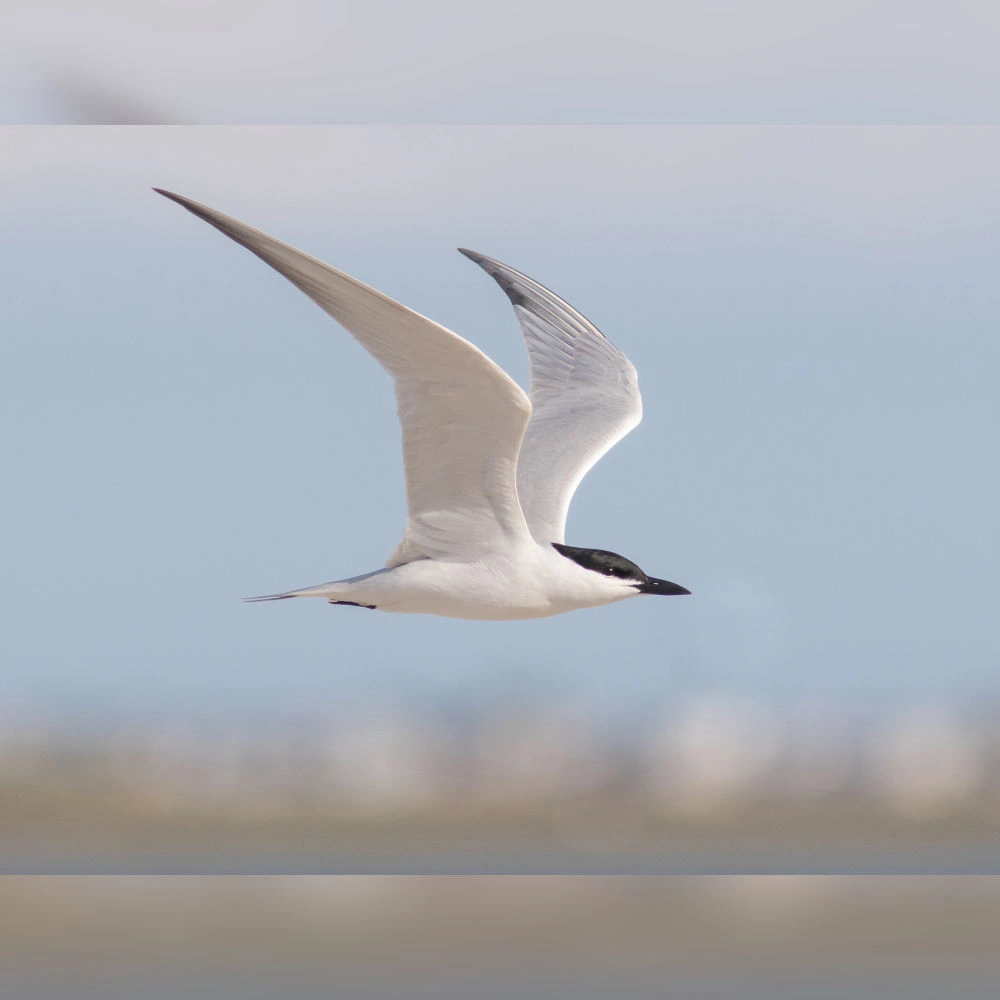
Gull-billed Tern
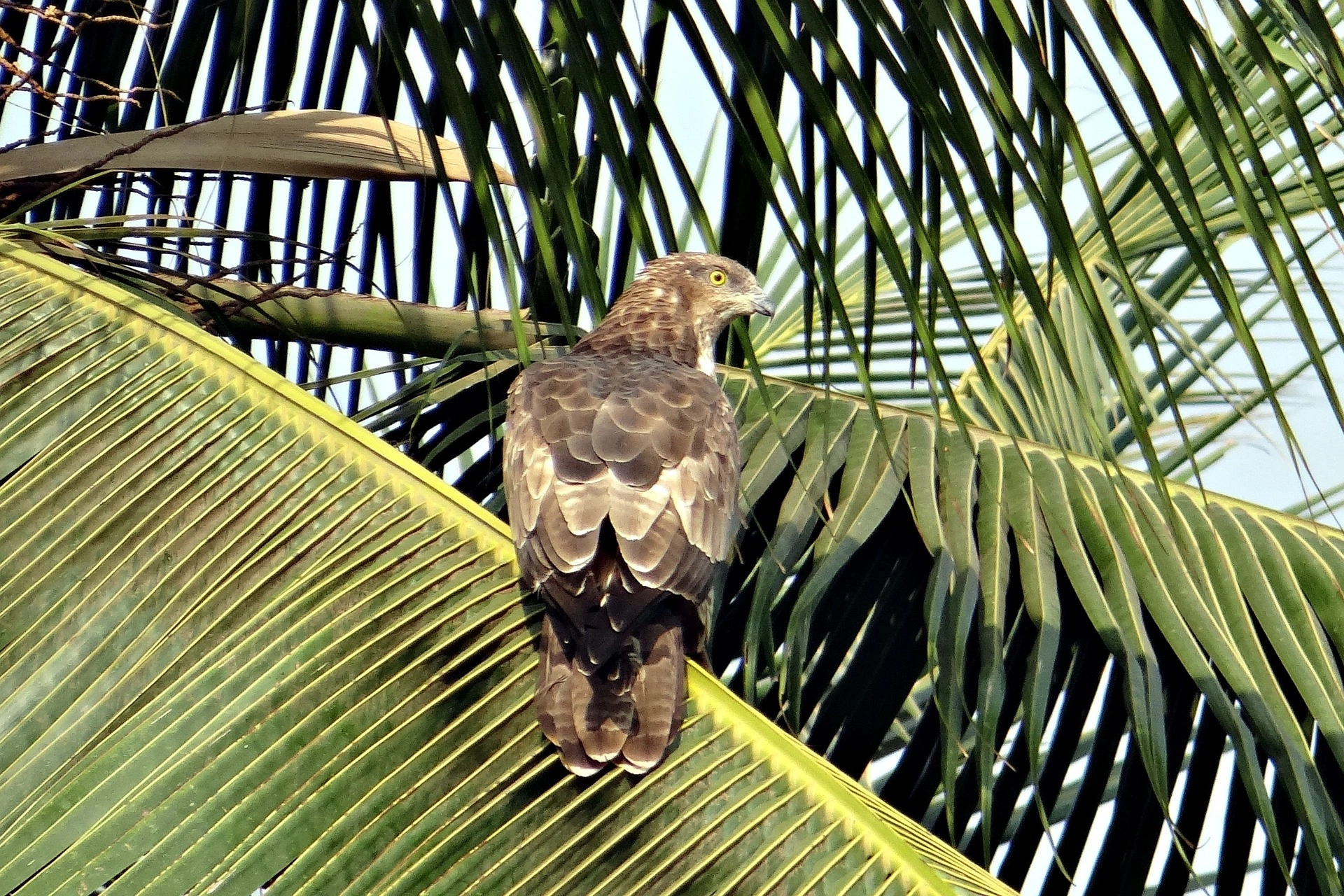
Oriental Honey Buzzard
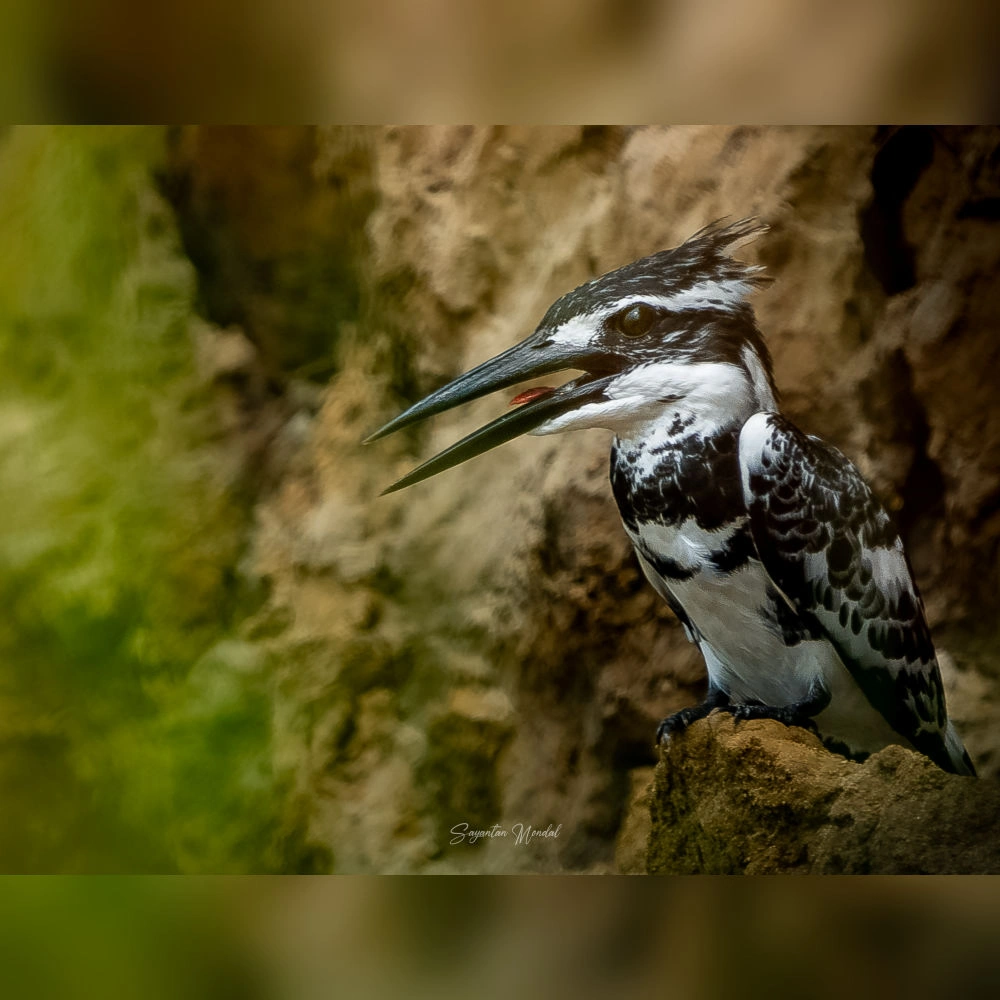
Pied Kingfisher
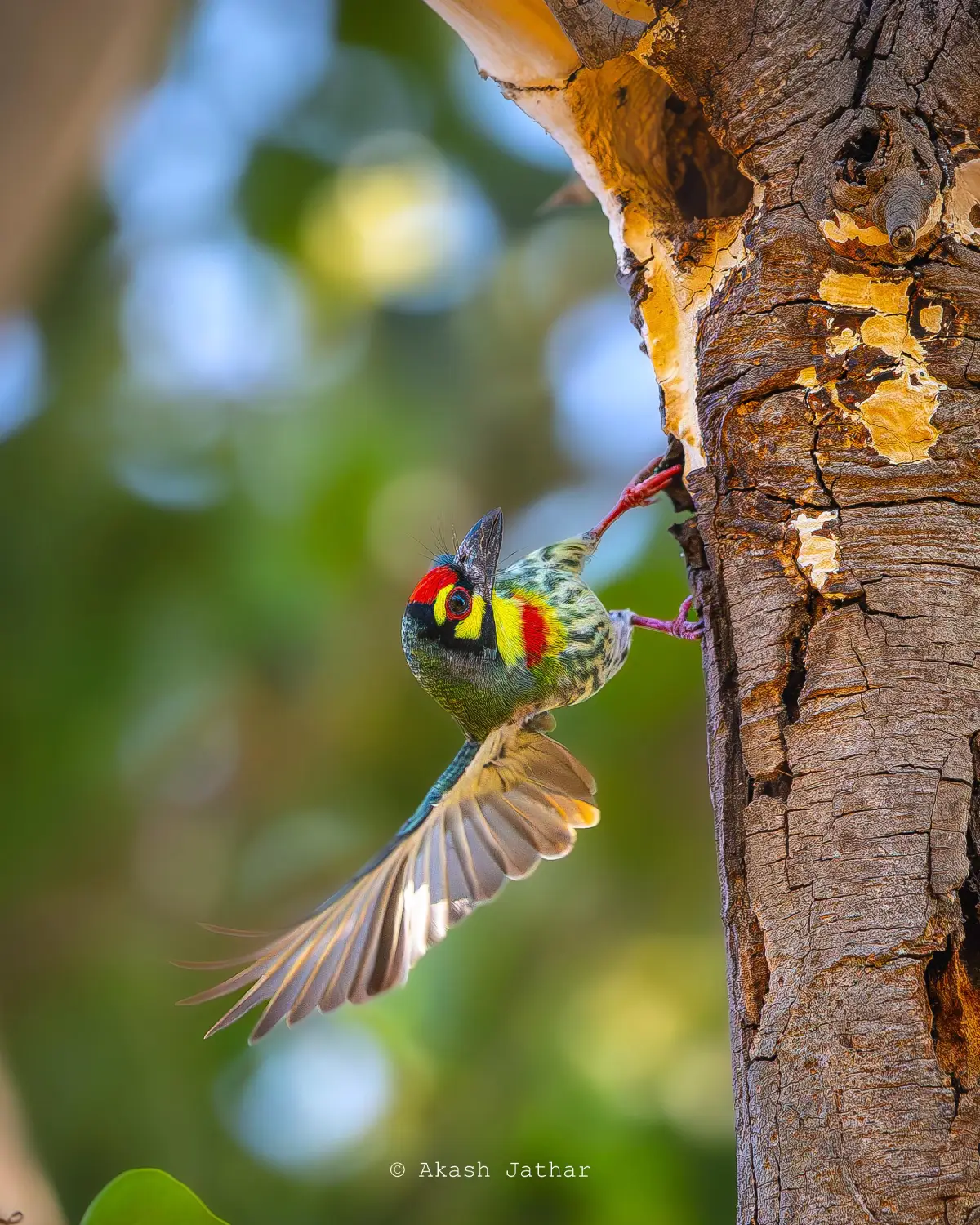
Coppersmith Barbet
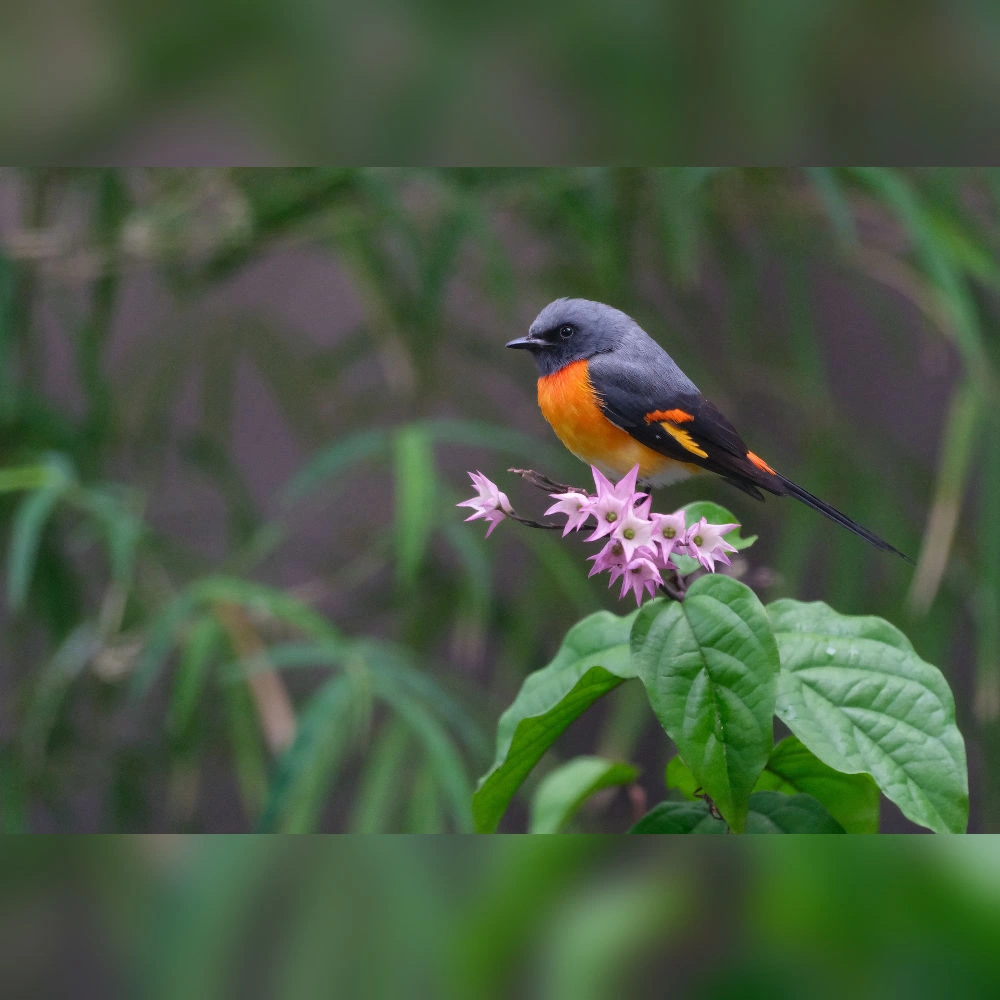
Small Minivet
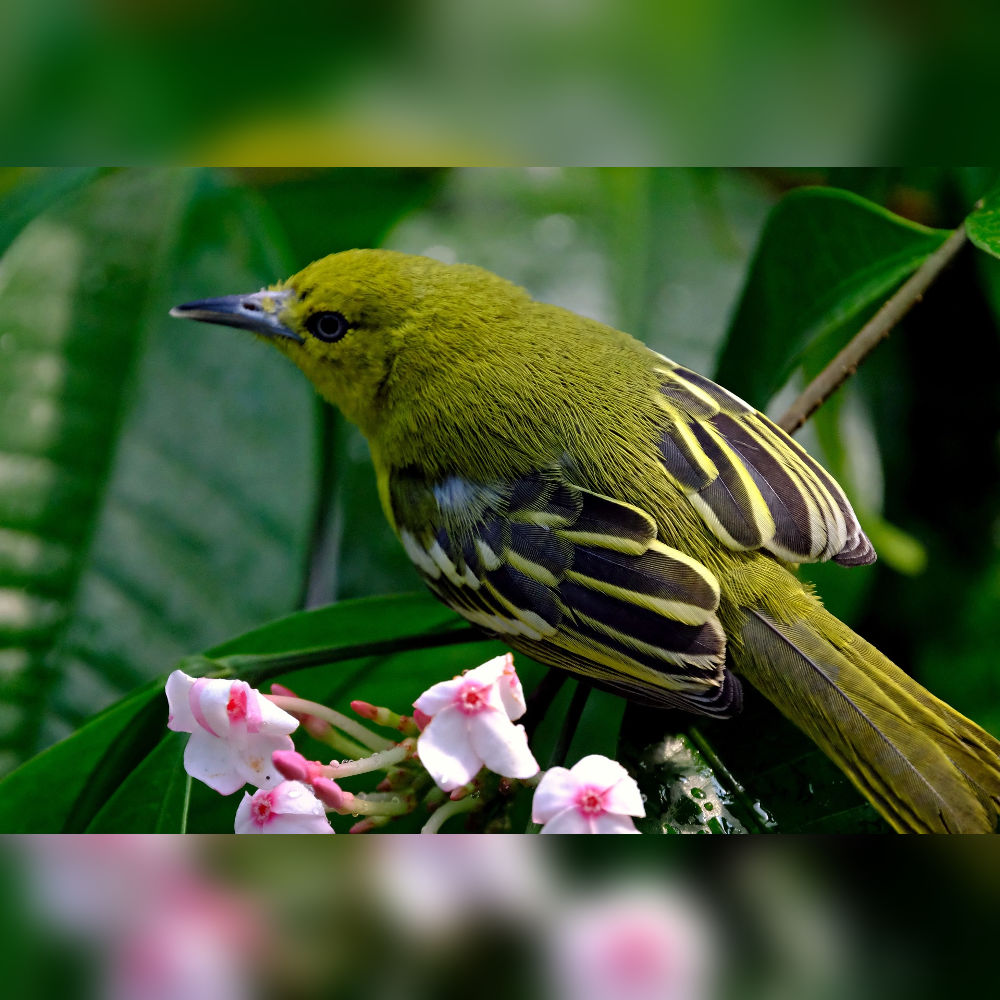
Common Iora
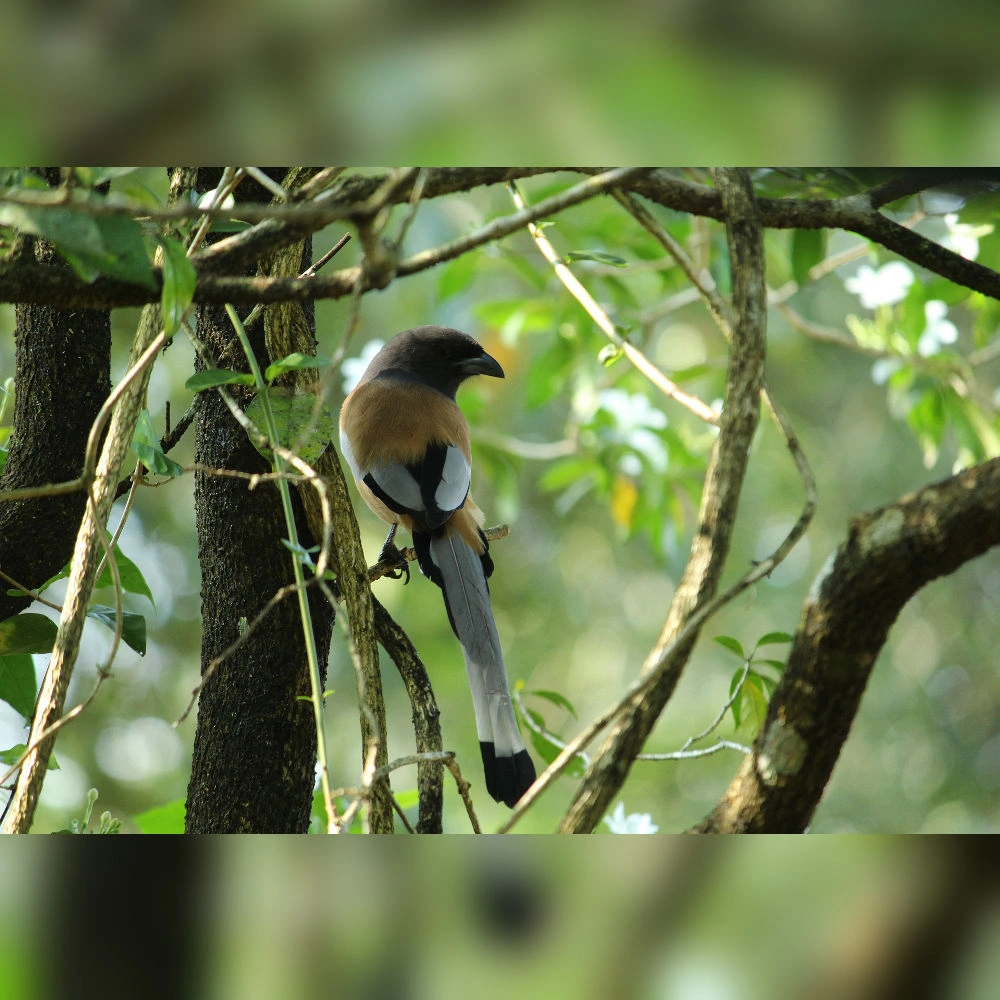
Rufous Treepie
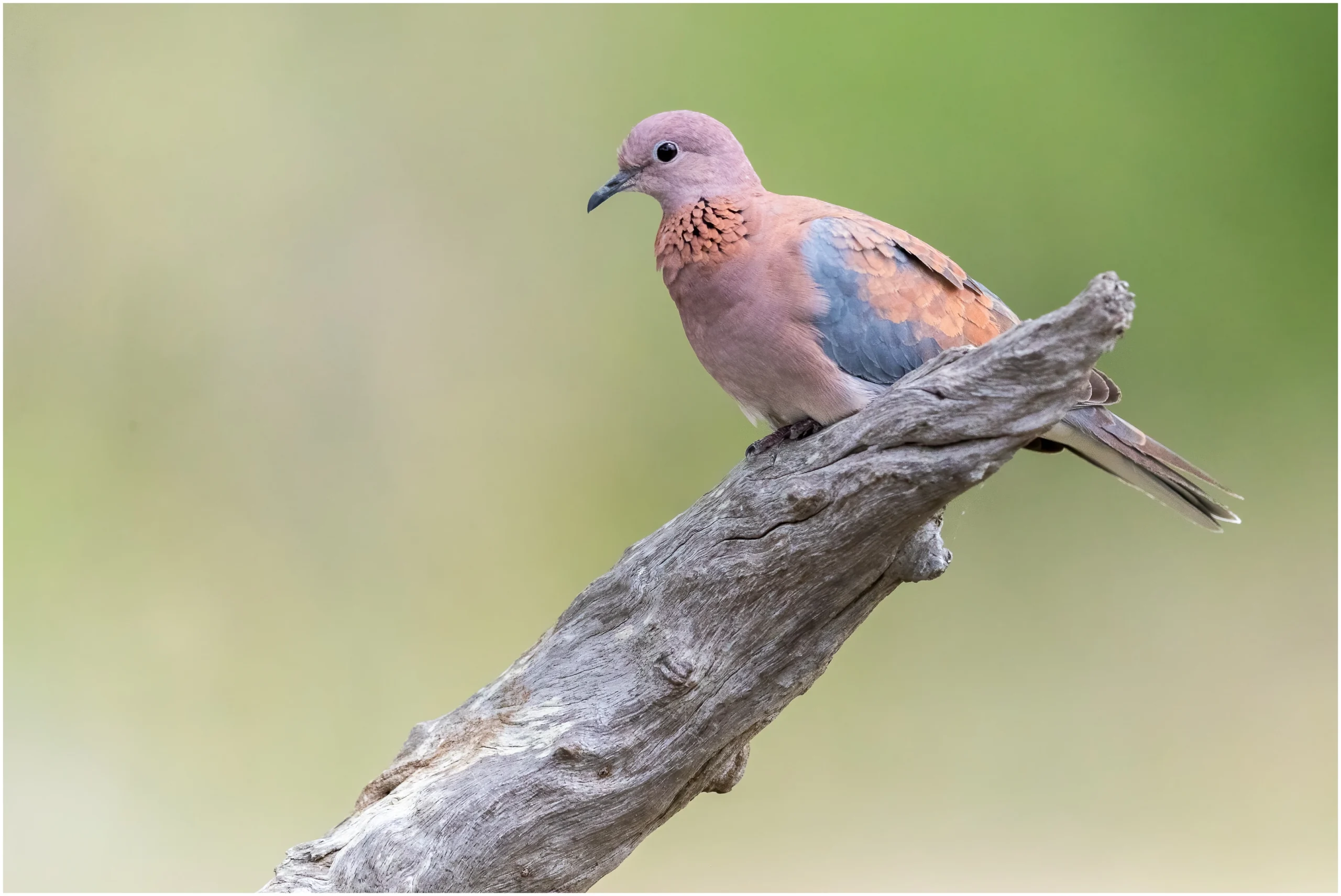
Laughing Dove
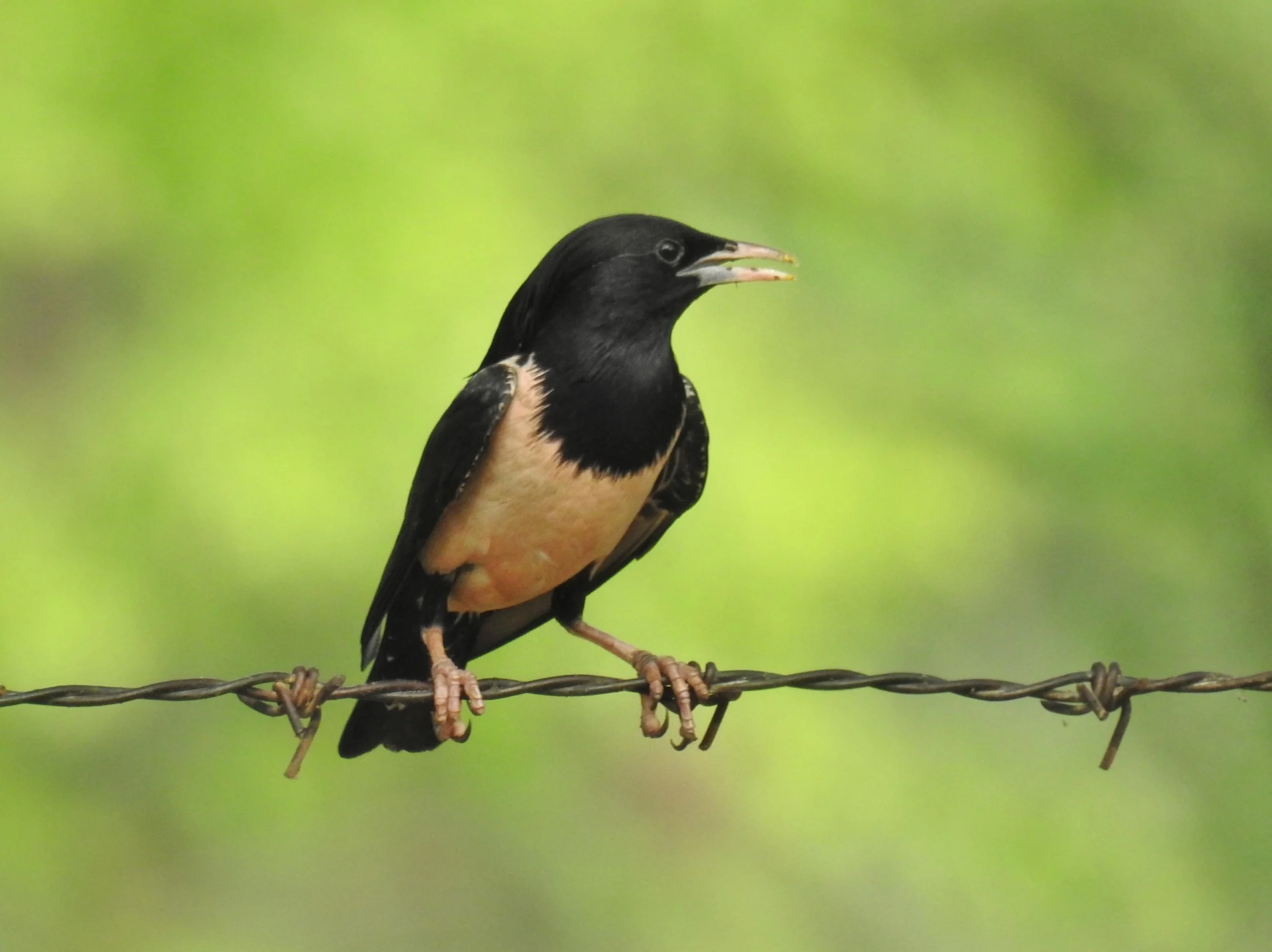
Rosy Starling
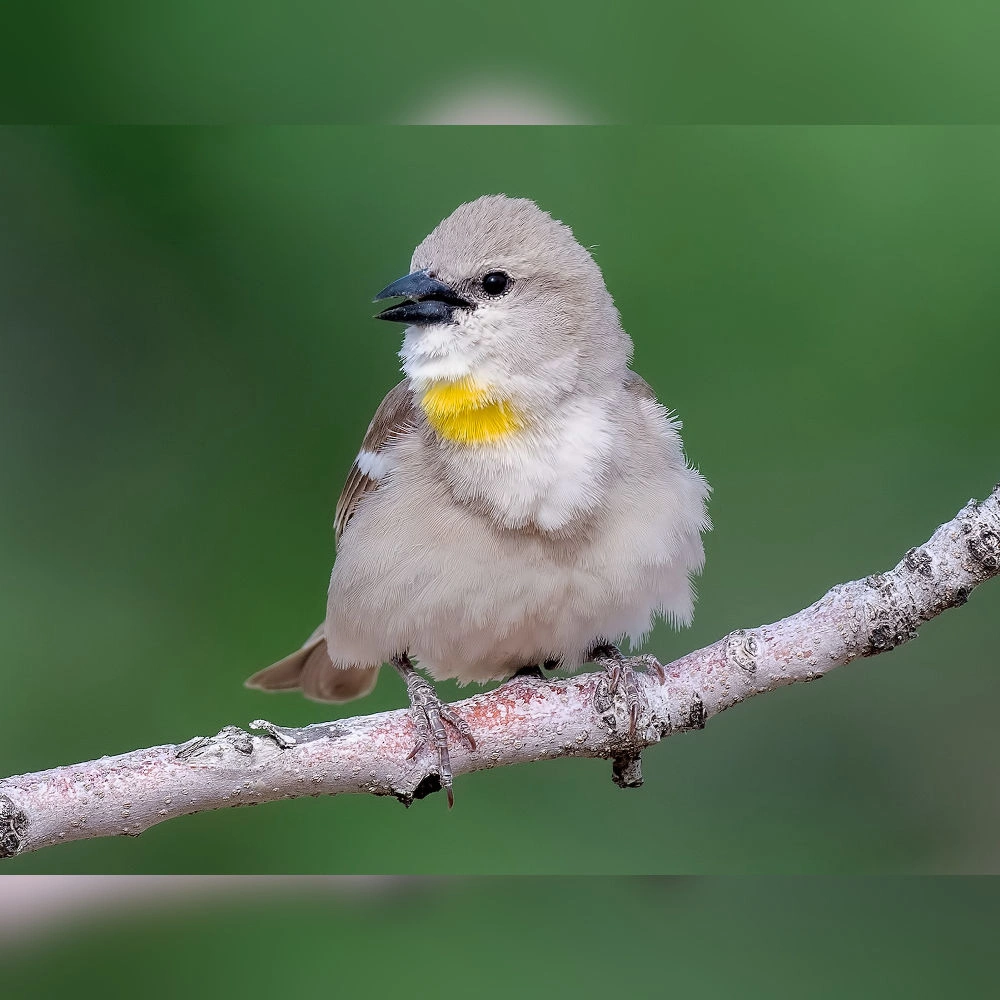
Yellow-throated Sparrow
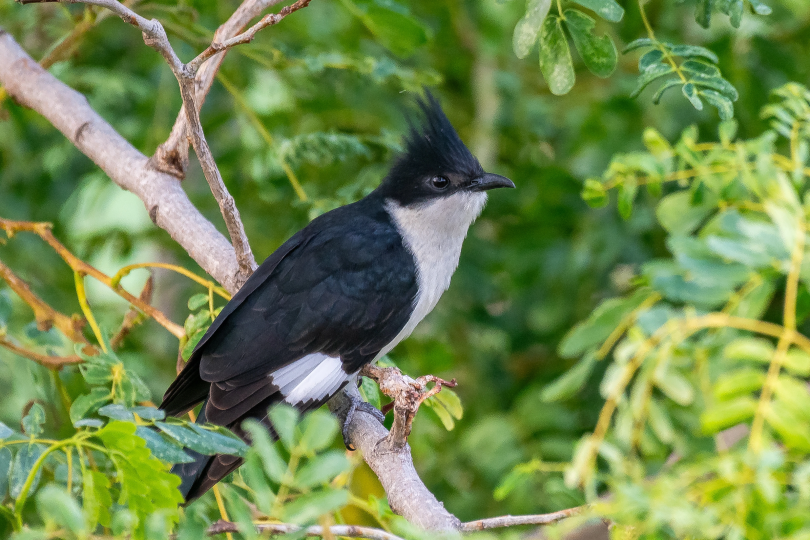
Pied Cuckoo
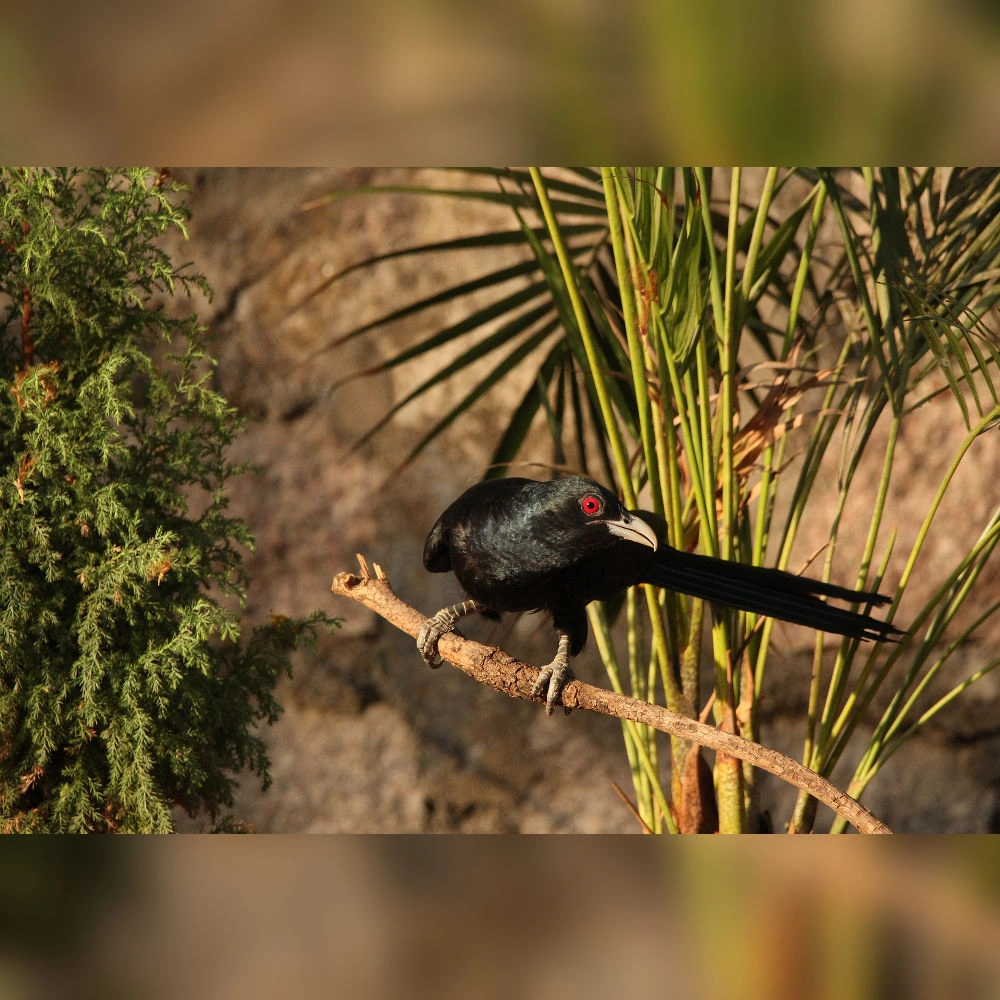
Asian Koel
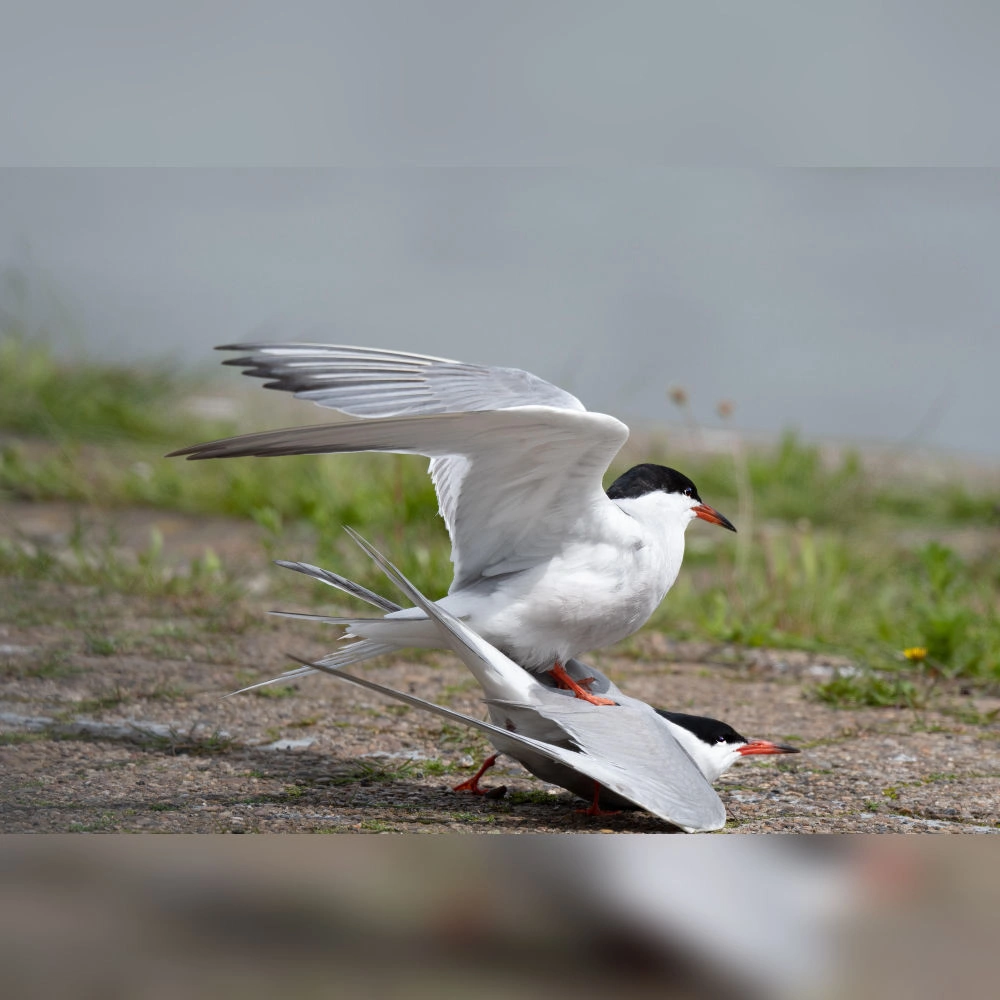
River Tern

Summary of Walk

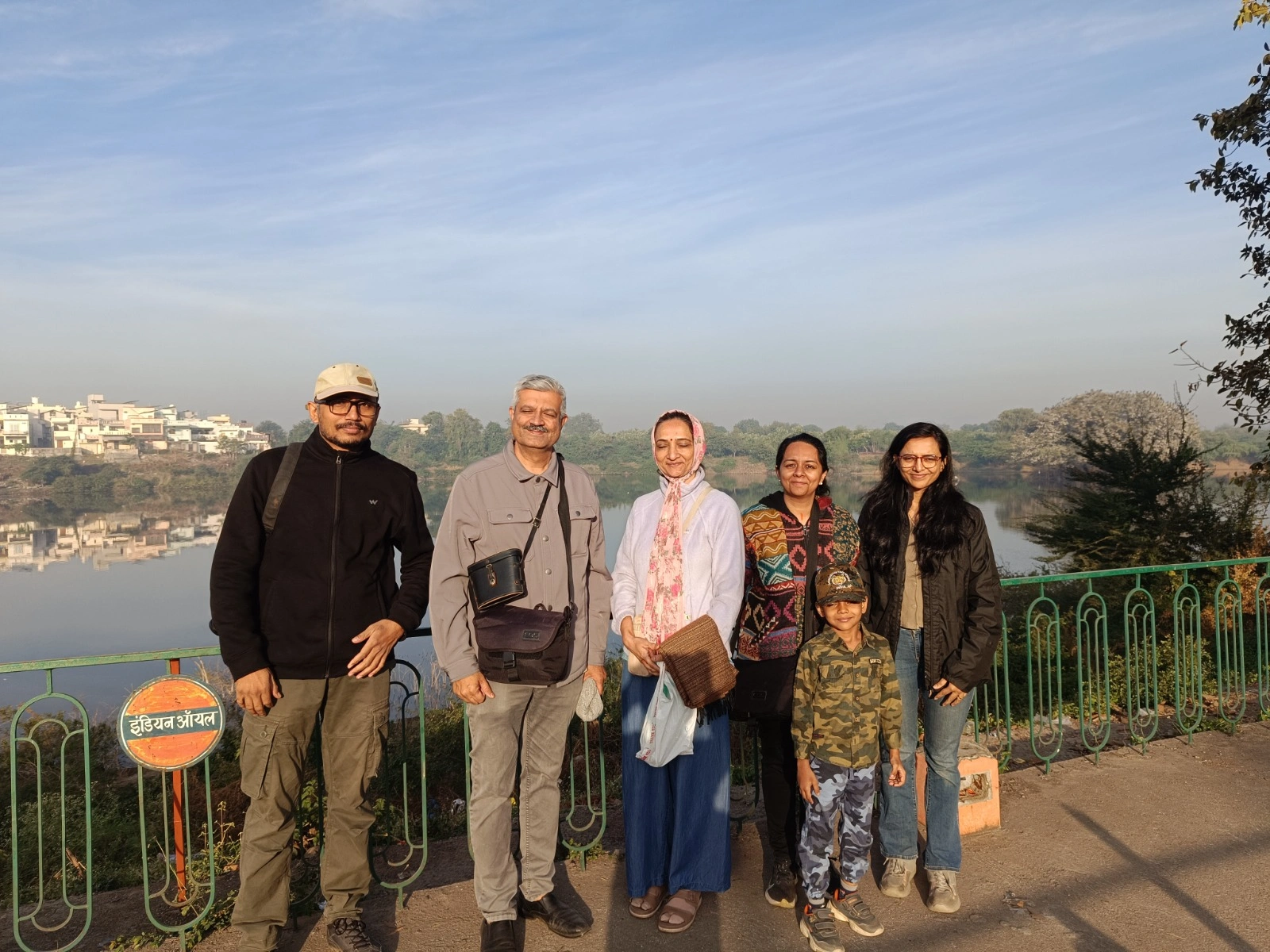
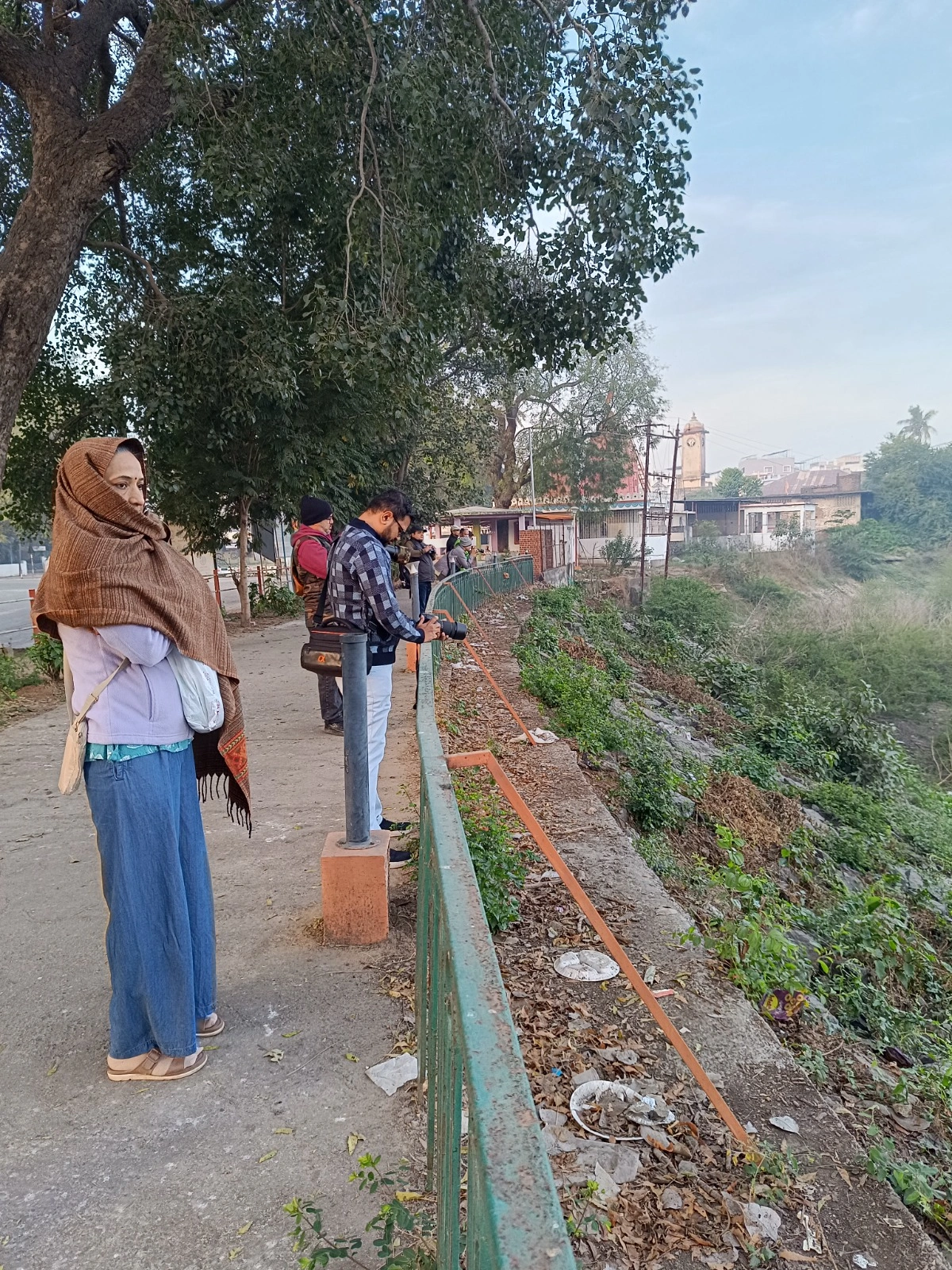
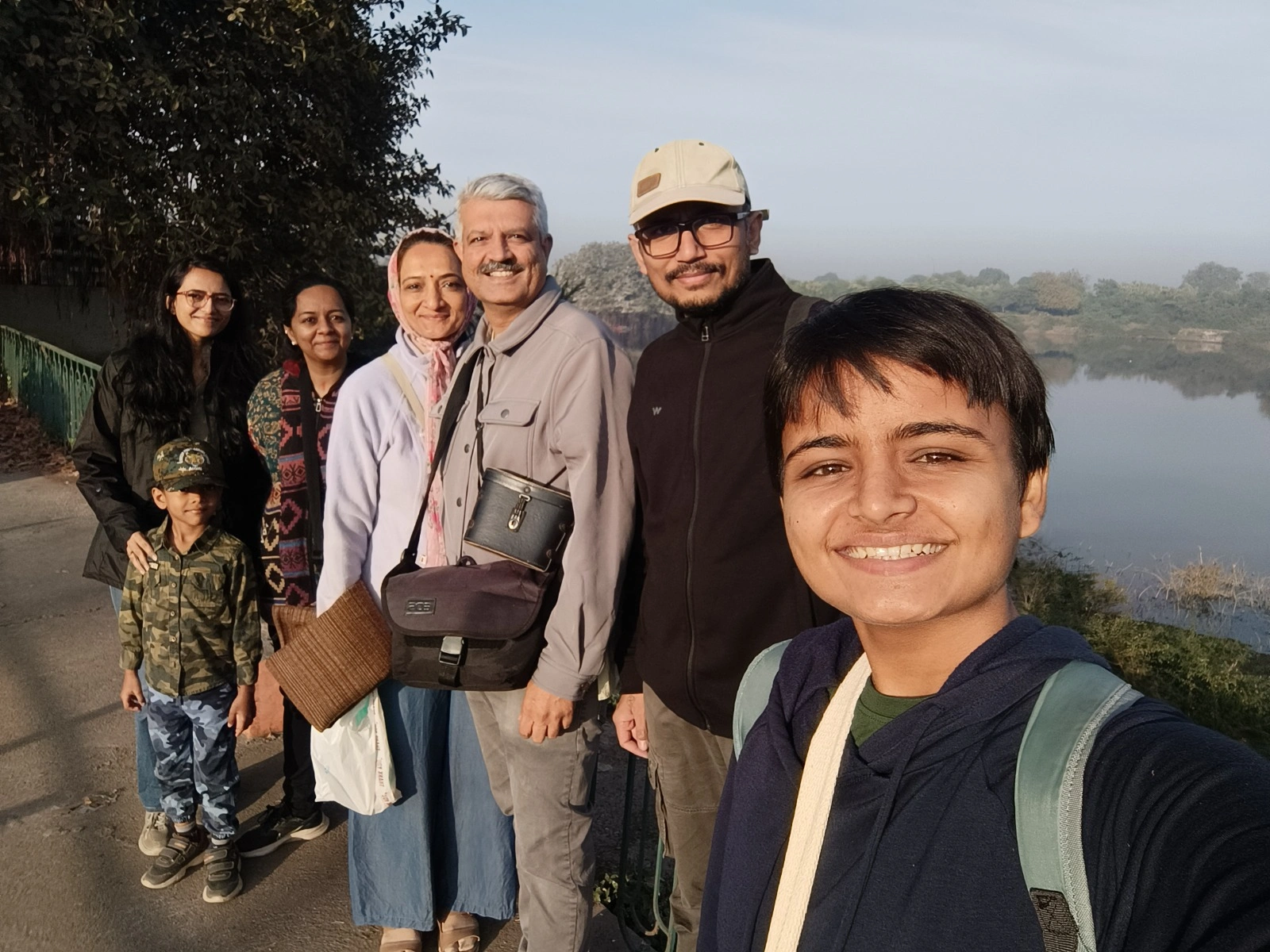
The bird walk at Ankodia Lake, led by Naiya Patel, was attended by 20 participants and began even before dawn. Several participants arrived earlier than the meeting time, and since it was still dark, the group enjoyed a brief stargazing session while waiting for everyone to gather. Once all participants had arrived, Naiya gave a short briefing on birdwatching ethics, demonstrated how to use binoculars, and introduced the Ataavi app. The walk then commenced with lively sightings of large flocks of egrets, followed by the graceful Painted Stork, setting an exciting tone for the morning.

As the walk progressed, participants were thrilled by the dramatic hovering and hunting behavior of the Pied Kingfisher, which left many mesmerized. The group also recorded several wetland species, including Spot-billed Duck, Oriental Darter, cormorants, Purple Heron, and White-breasted Waterhen. A fun and engaging aspect of the walk was learning bird names in both Gujarati and English, which participants found easy and enjoyable to remember. The walk concluded on a cheerful note, with everyone having had an informative and memorable experience by the lakeside.

Number of Participants
0
Scroll to Top