
Loading Events

Bird Walk at Aravalli Biodiversity Park, New Delhi

About Aravalli Biodiversity Park, New Delhi

Aravalli Biodiversity Park, New Delhi, is a 699-acre ecological restoration site situated on the northwestern edge of Vasant Vihar. Once heavily degraded by mining and dominated by the invasive Prosopis juliflora, the park is now being transformed into a mosaic of native dry deciduous forest, scrub, and grassland ecosystems—aimed at reviving the near-extinct biodiversity of the Delhi Aravallis.

This rewilded urban forest sustains over 205 bird species, from prinias and paradise flycatchers to owls and raptors, and also shelters jackals, nilgai, and reptiles. Functioning as a vital ecological buffer, the park aids in groundwater recharge, carbon capture, and urban heat regulation. Recognized as India’s first OECM site, Aravalli Biodiversity Park showcases the potential of urban restoration to create resilient green lungs in the heart of a rapidly expanding city.

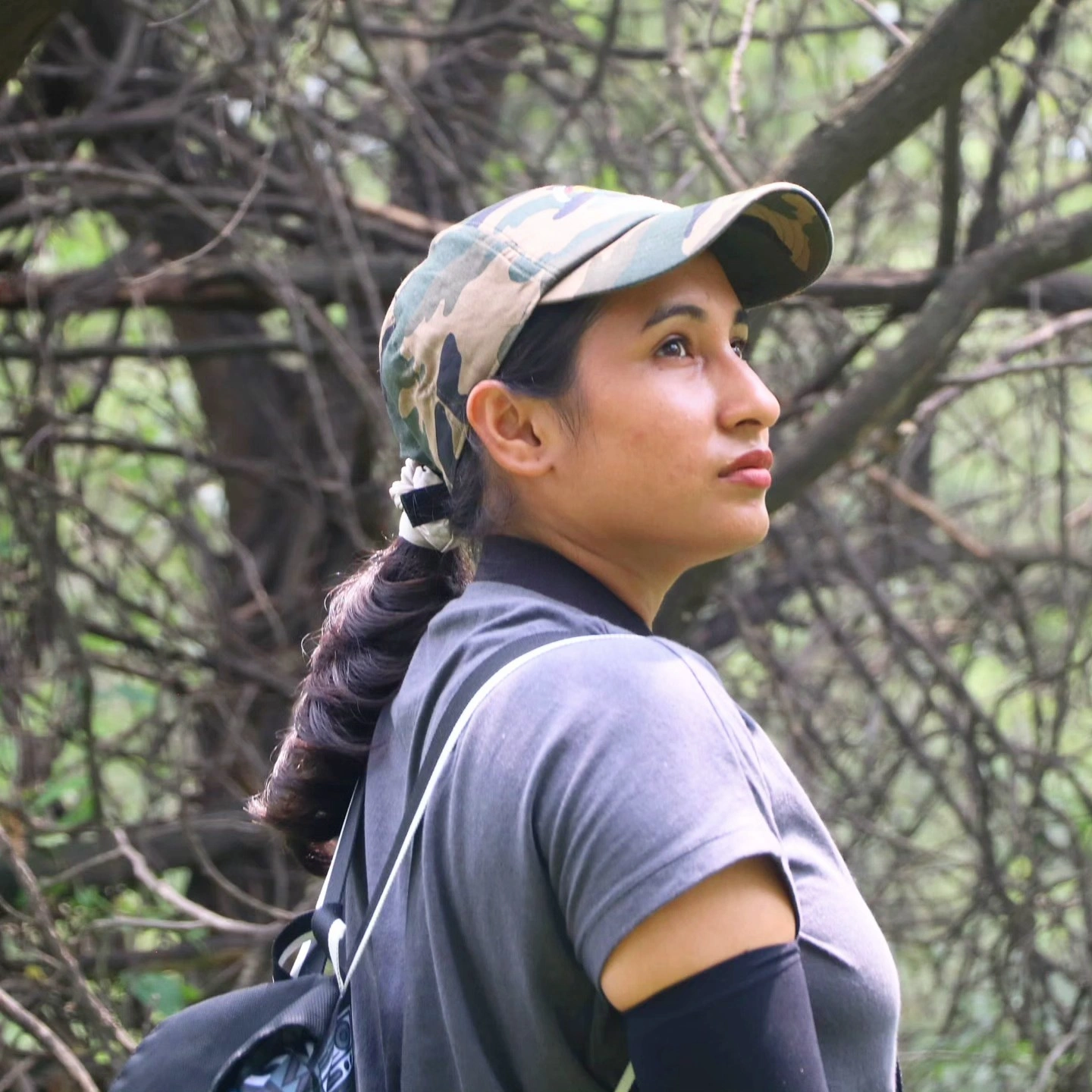
Bird Guide: Anjali Bhardwaj

A passionate birder and researcher, I am currently a PhD scholar in biogeography at Jamia Millia Islamia with 3.5 years of experience studying urban birdlife in Delhi. My work focuses on bird occupancy, vocalisations, and their relationship with tree species,combining field birding with research to offer deeper, more insightful birding experiences.

Bird walk Location

Common birds of Aravalli Biodiversity Park

Aravalli in New Delhi continues to be a thriving refuge for a remarkable diversity of birdlife. A total of 205 bird species have been recorded so far, ranging from common residents like the Indian Peafowl, Jungle Babbler, and Red-vented Bulbul to more elusive visitors such as the Indian Paradise-Flycatcher, Indian Scops-Owl, and Yellow-footed Green-Pigeon. Raptors like the Shikra, Black Kite, and Oriental Honey-buzzard patrol the skies, while grassland and scrub-loving species such as Baya Weavers, Rufous Treepies, and Small Minivets remain active in the lower canopy and thickets. Water-associated birds like the Indian Spot-billed Duck, Eurasian Moorhen, and White-breasted Waterhen have also been noted in the park’s seasonal wetlands.
Migratory and wintering species such as the Green-winged Teal, Taiga Flycatcher, Siberian Stonechat, and Bluethroat add seasonal richness to the park’s avifauna. The presence of woodland specialists like the Indian Grey Hornbill, Spotted Owlet, and Black-rumped Flameback, alongside warblers and buntings like the Booted Warbler, Lesser Whitethroat, and White-capped Bunting, indicates the variety of microhabitats now available. These observations reaffirm Aravalli Biodiversity Park’s success as a restored urban ecosystem, offering vital habitat for both resident and migratory birds within the heart of the capital.
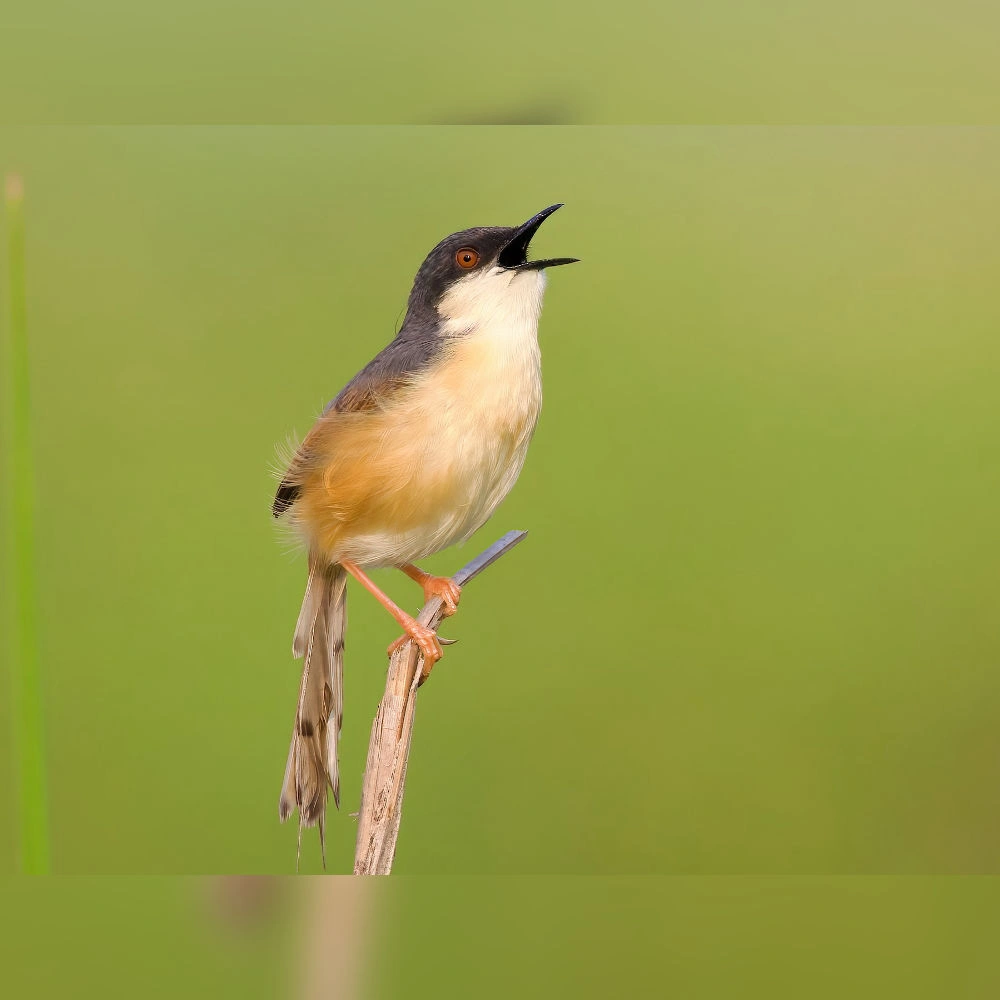
Ashy Prinia
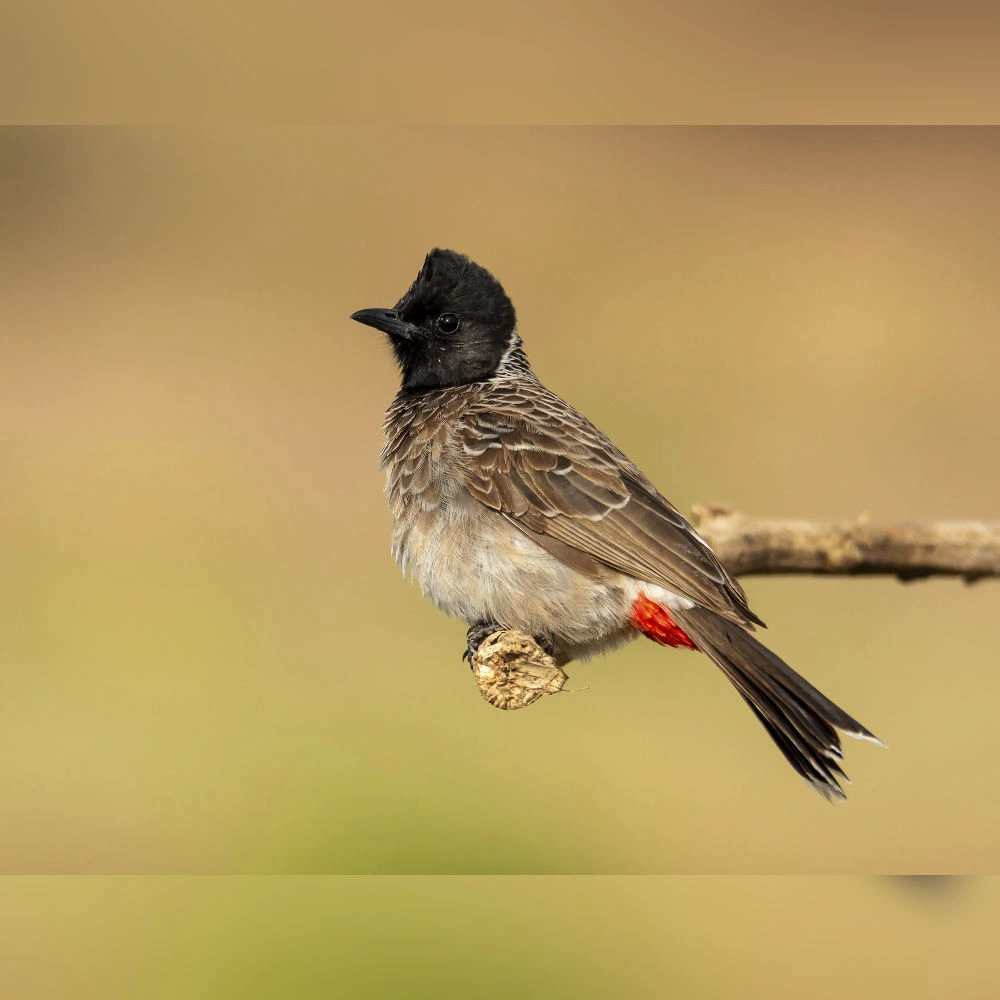
Red-vented Bulbul
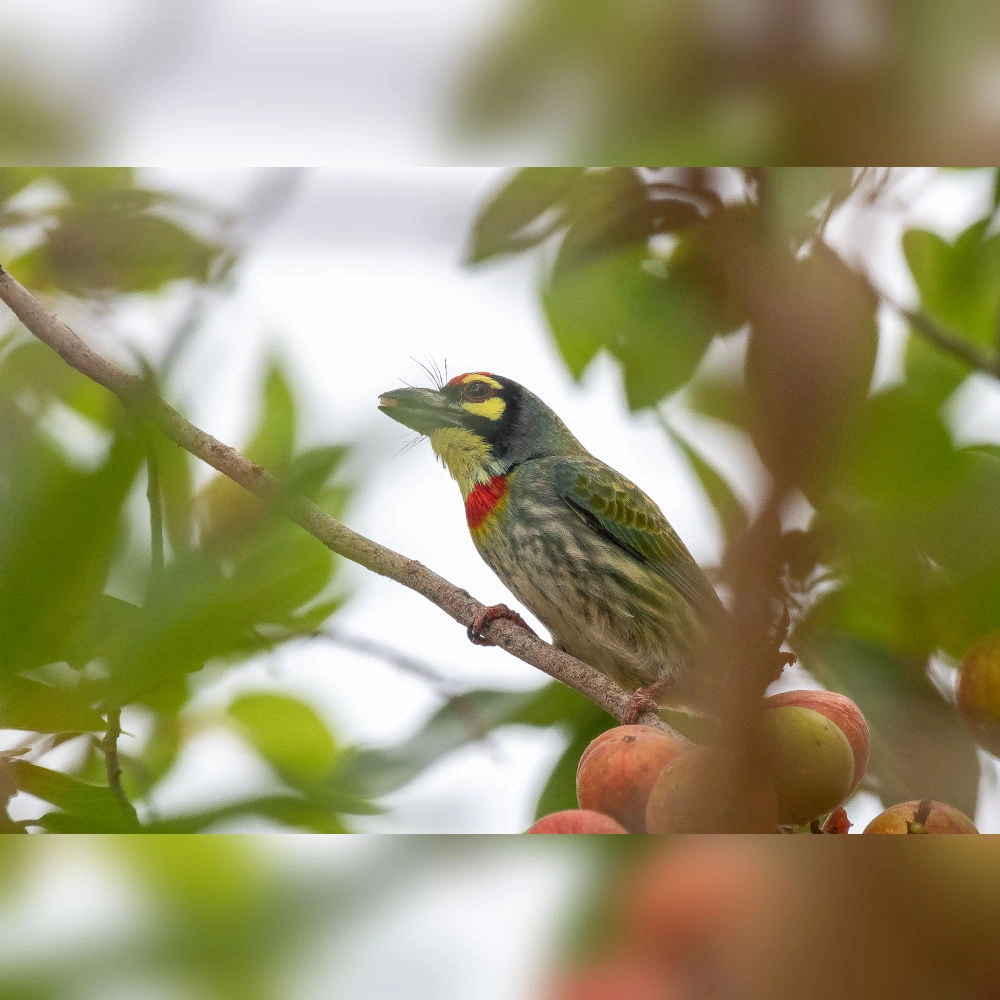
Coppersmith Barbet
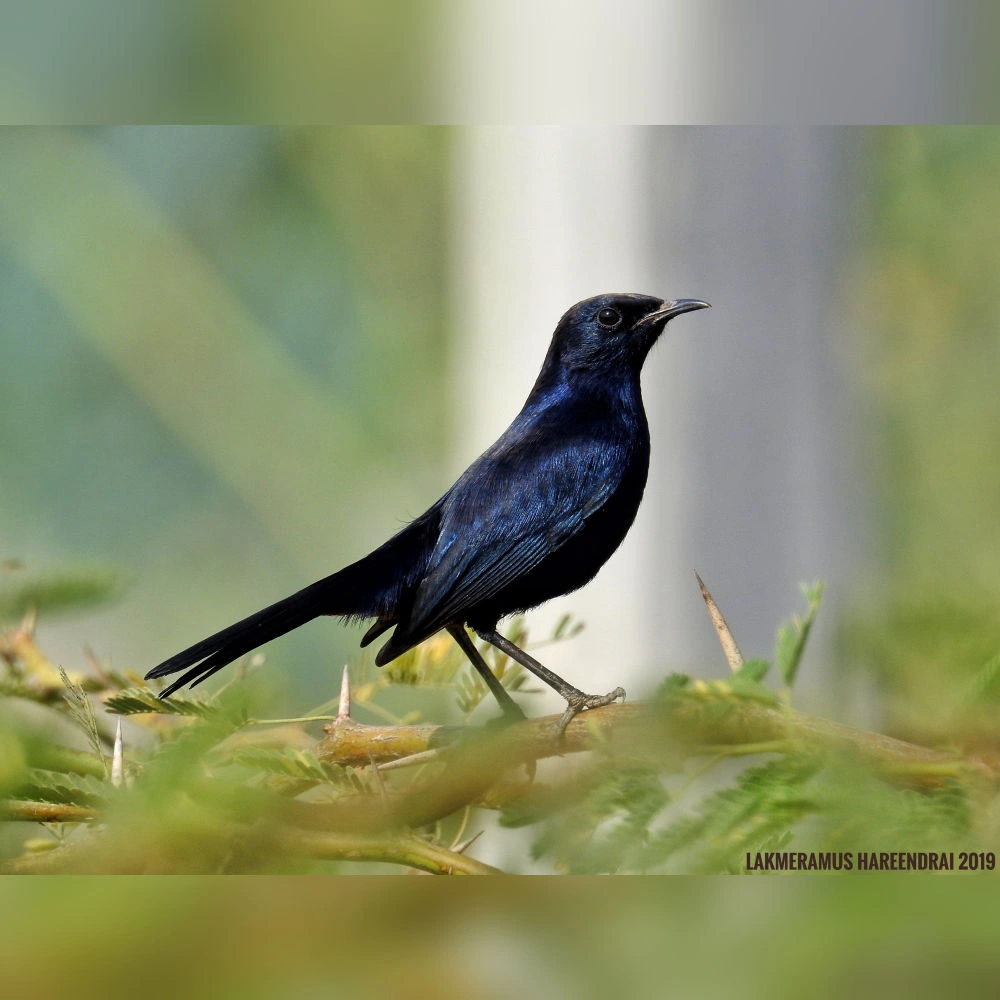
Indian Robin
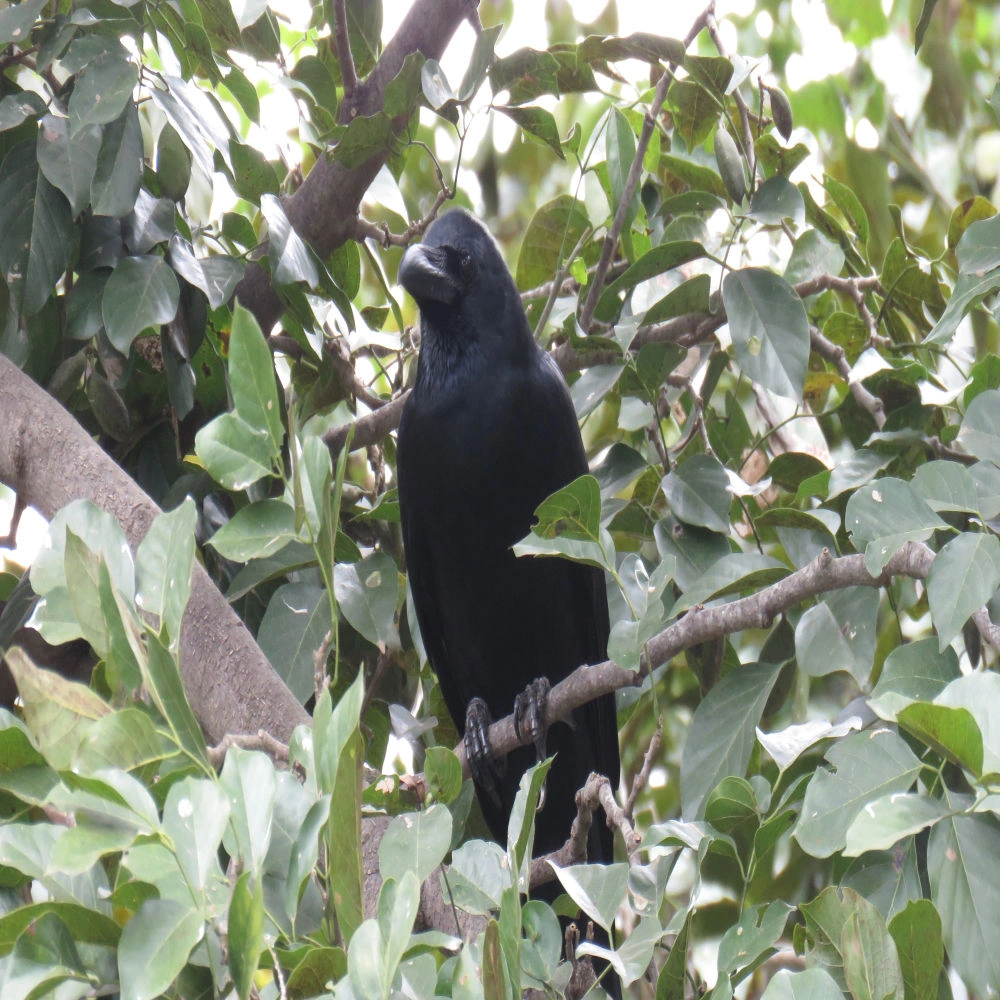
Large-billed Crow
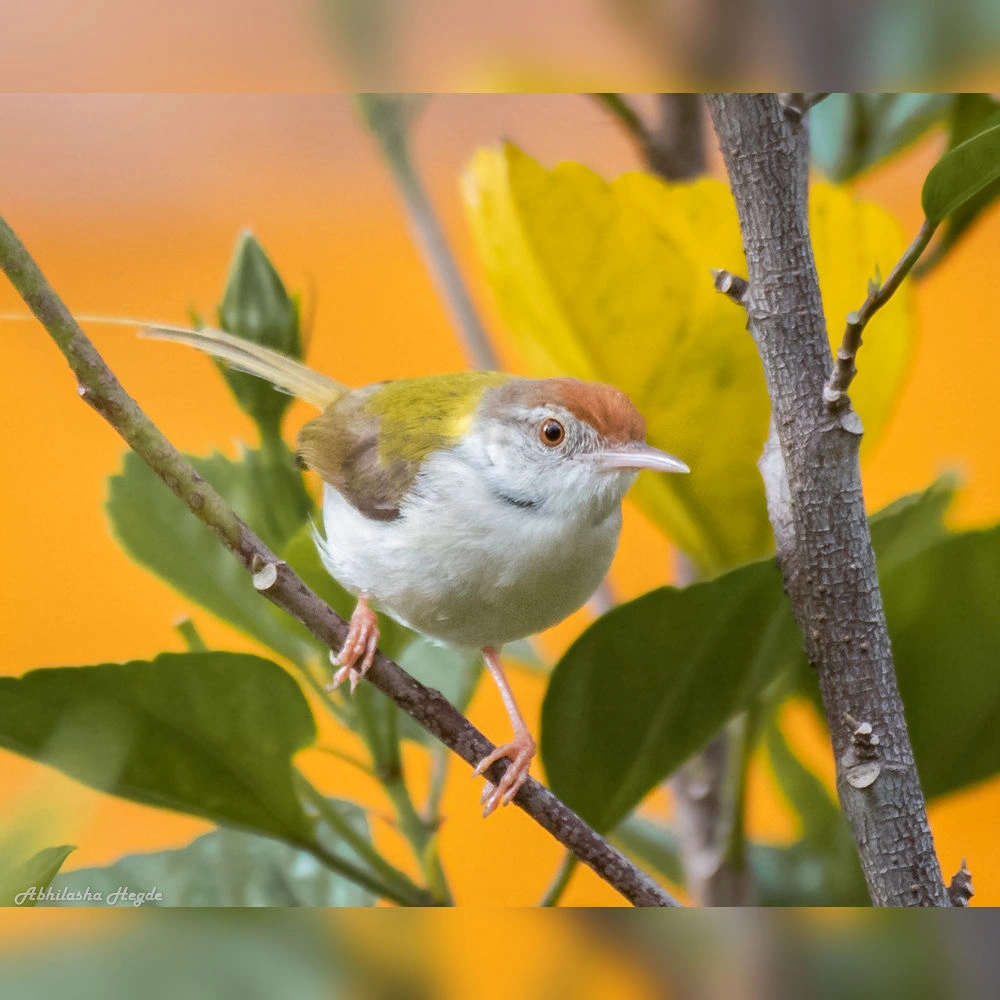
Common Tailorbird
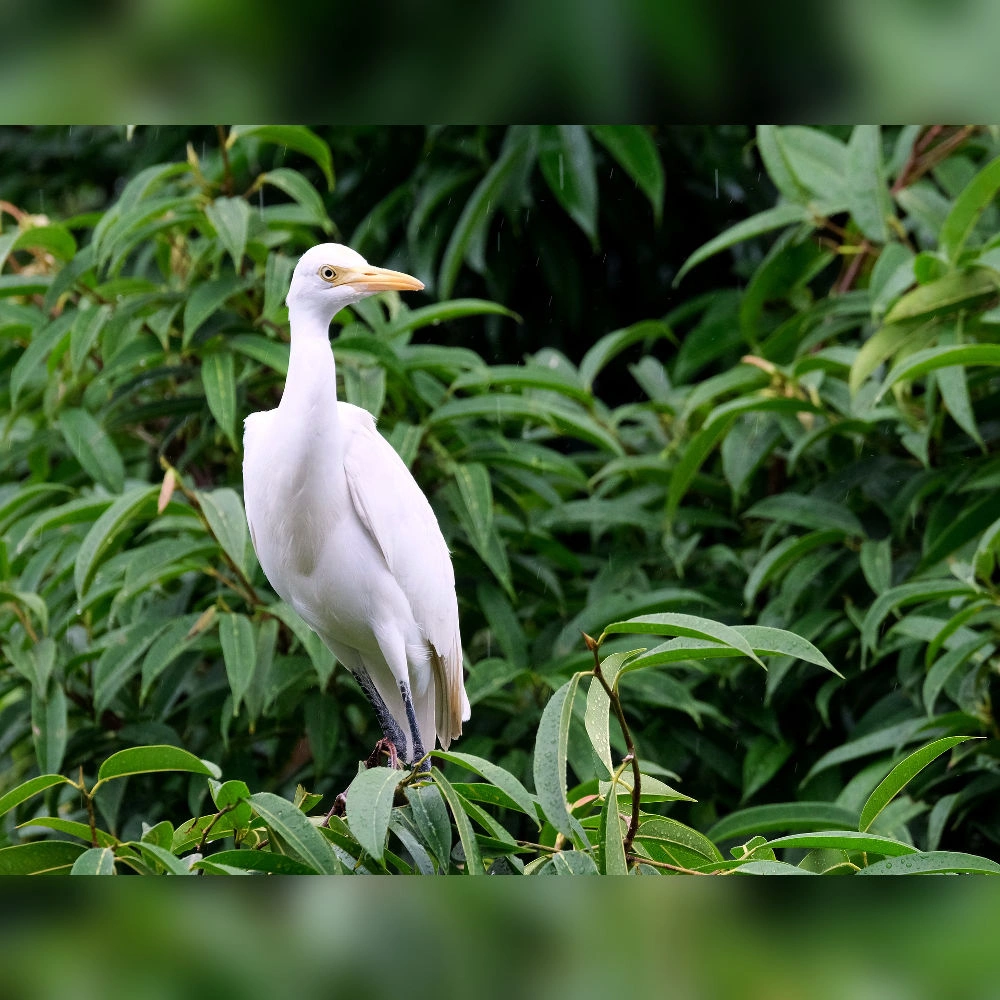
Eastern Cattle Egret
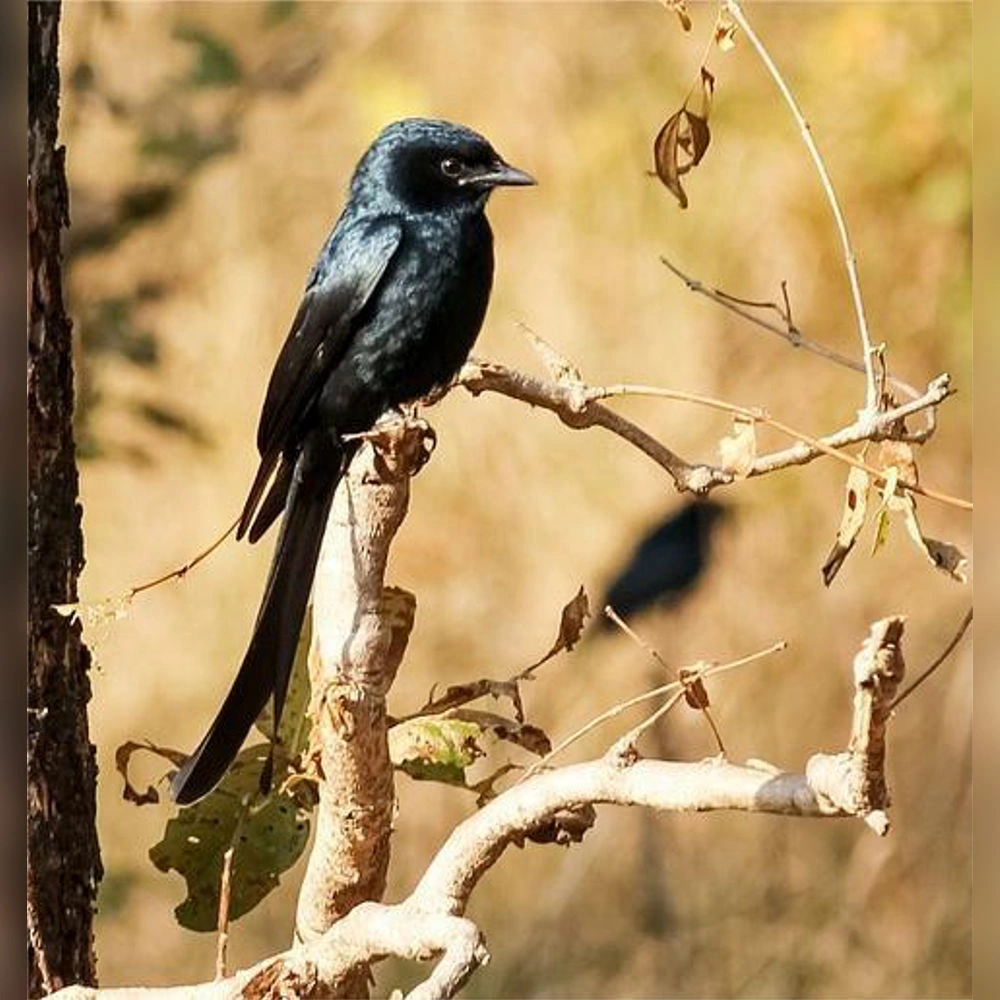
Black Drongo
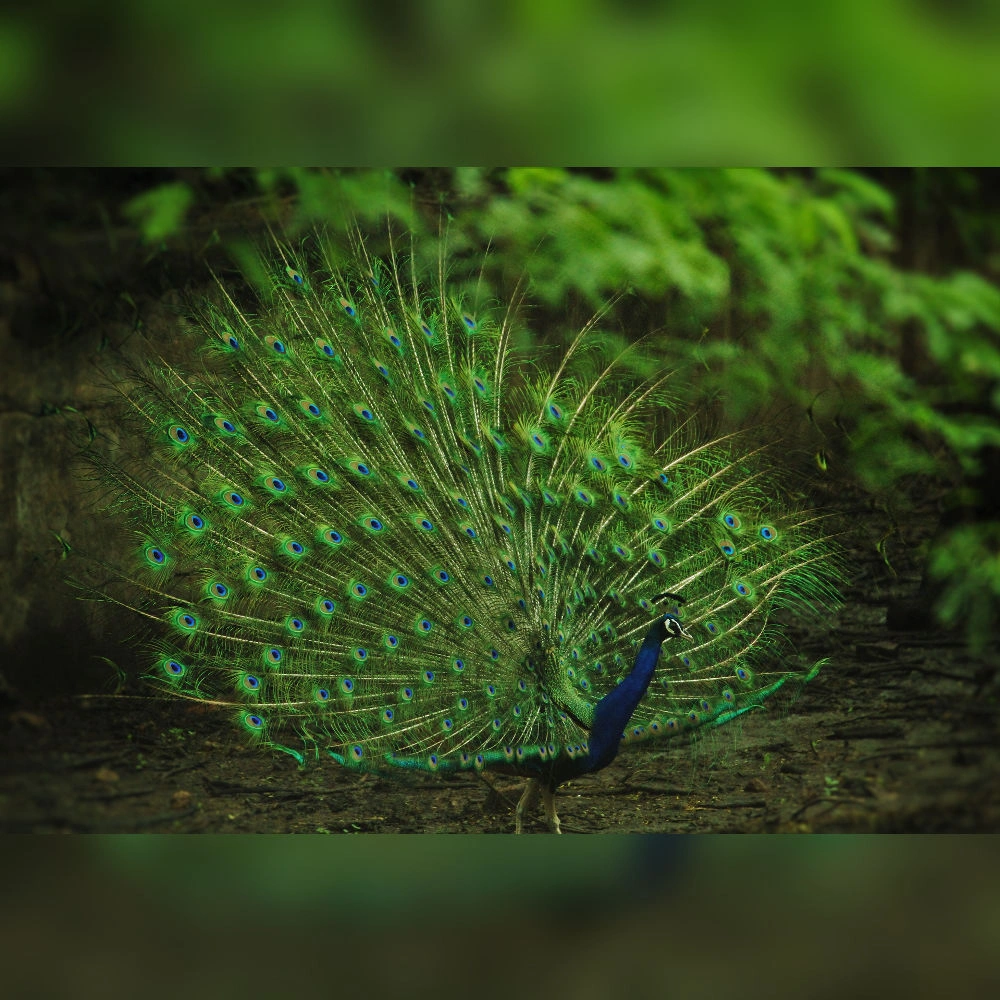
Indian Peafowl
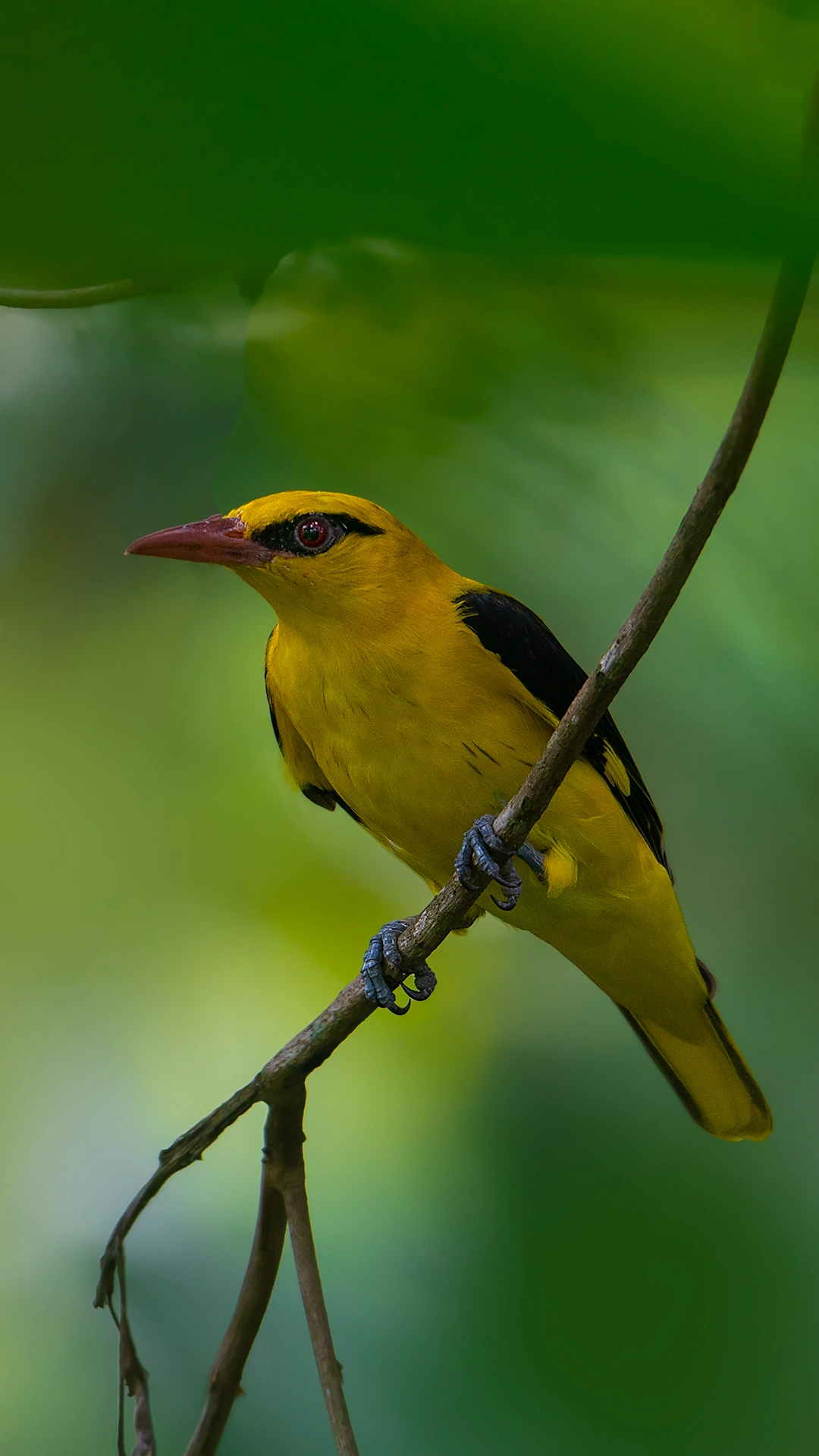
Indian Golden Oriole
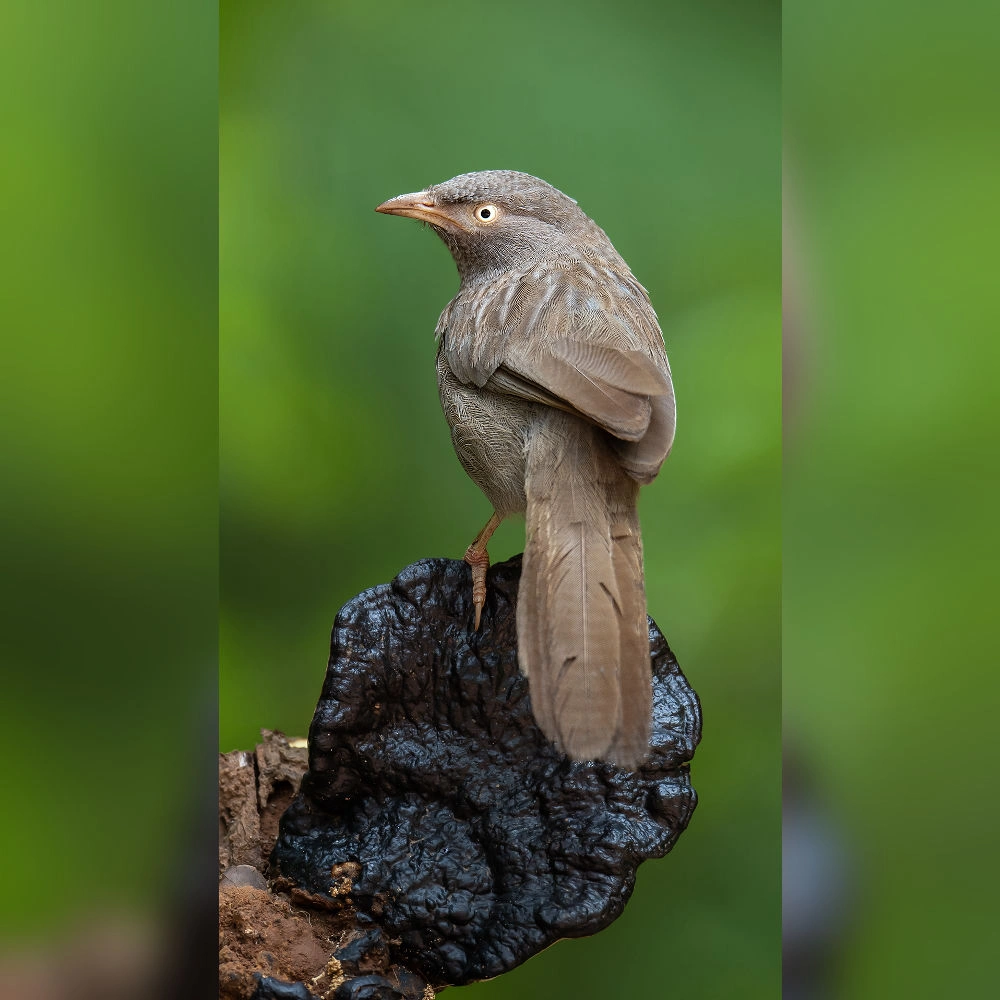
Jungle Babbler
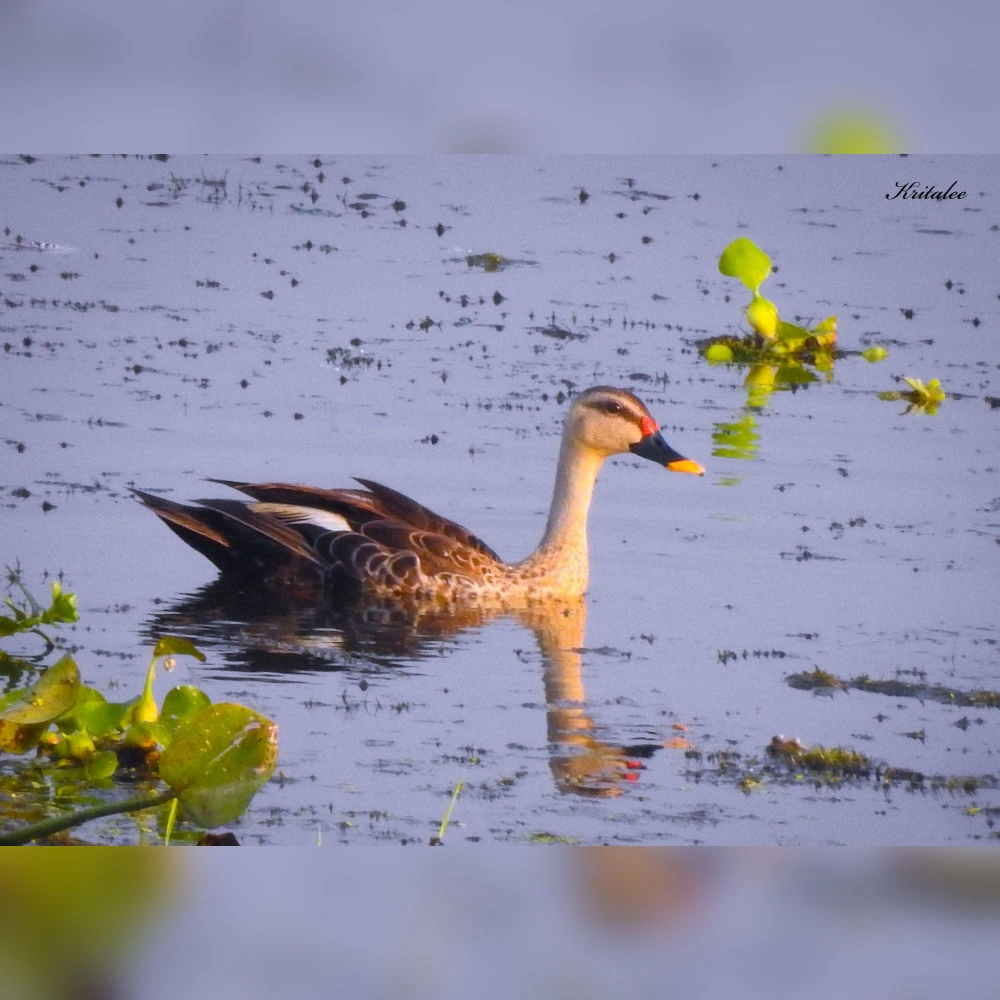
Indian Spot-billed Duck
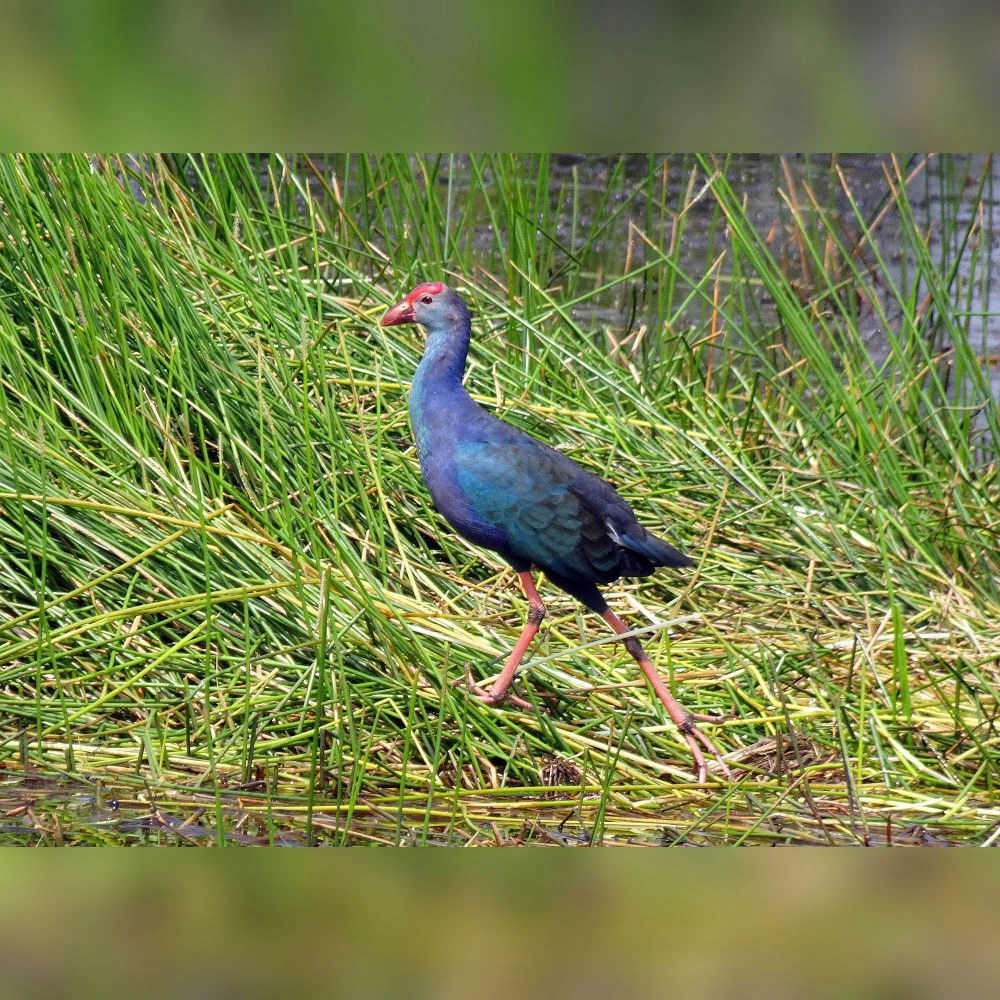
Grey-headed Swamphen
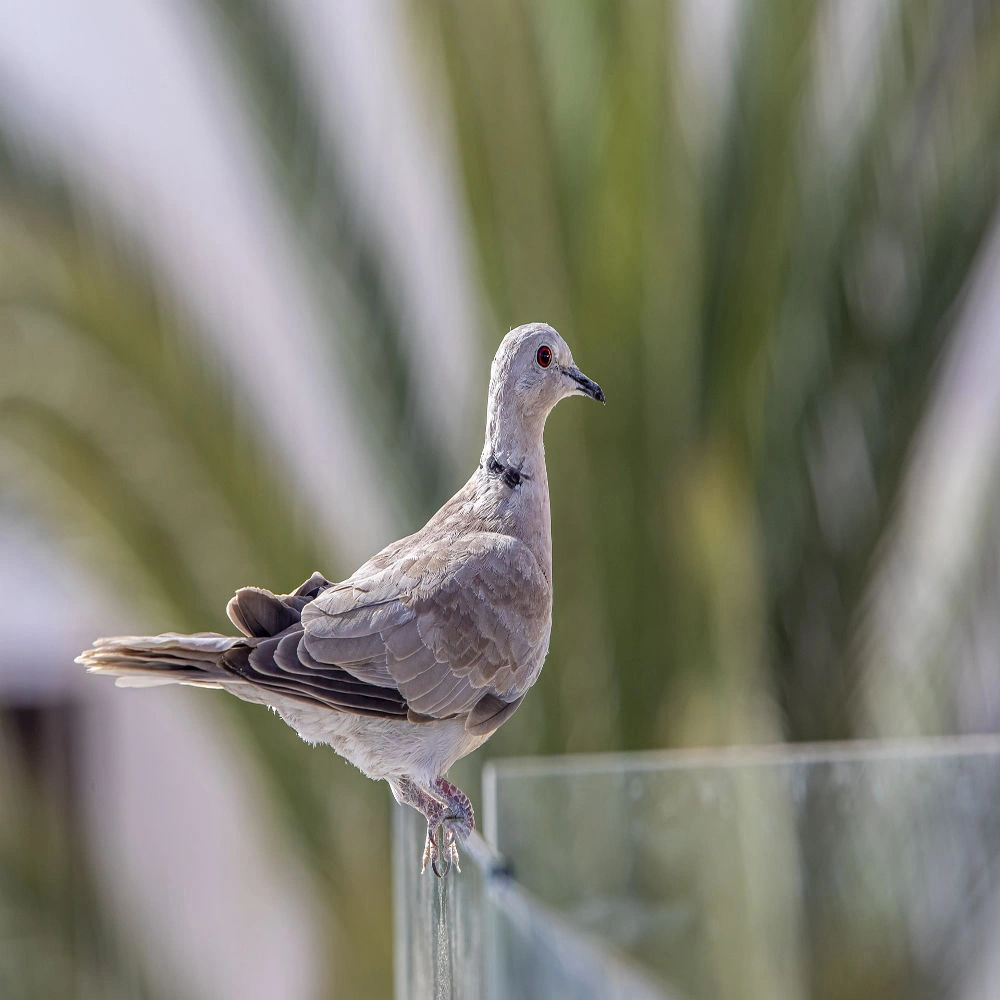
Eurasian Collared Dove
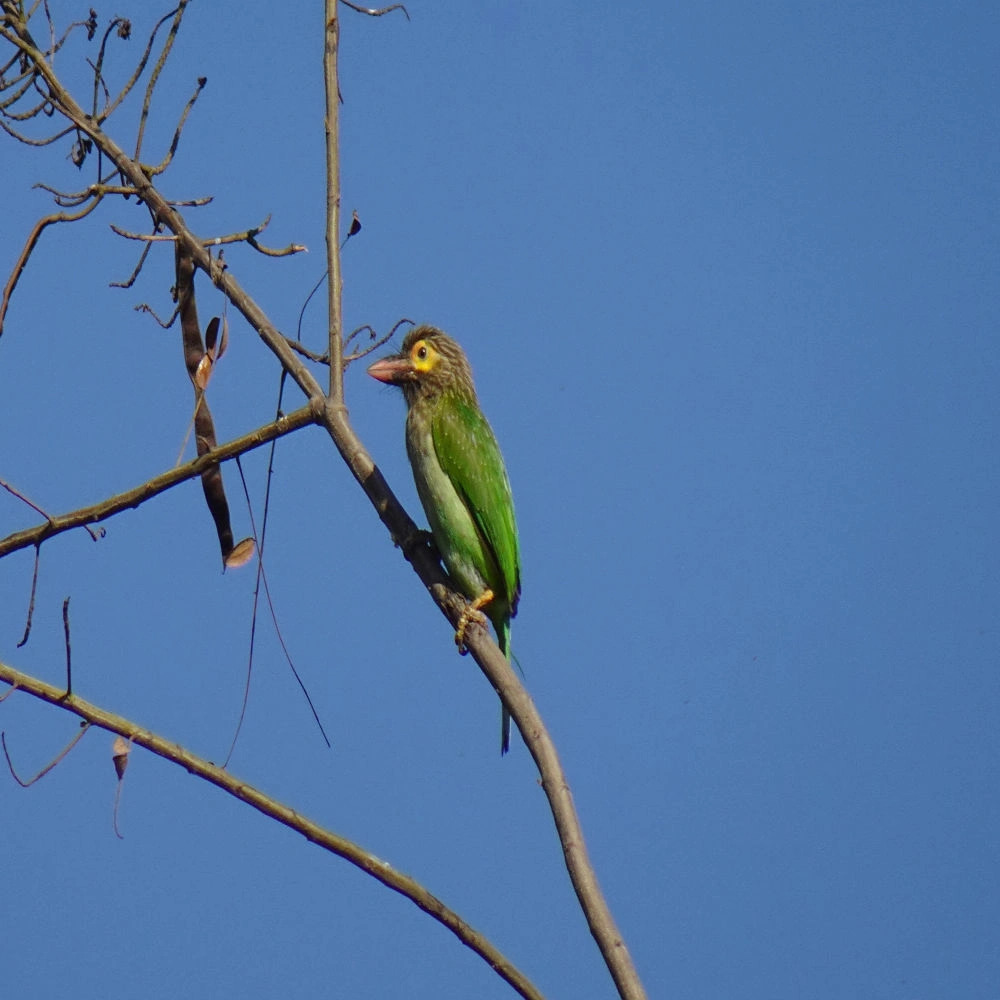
Brown-headed Barbet
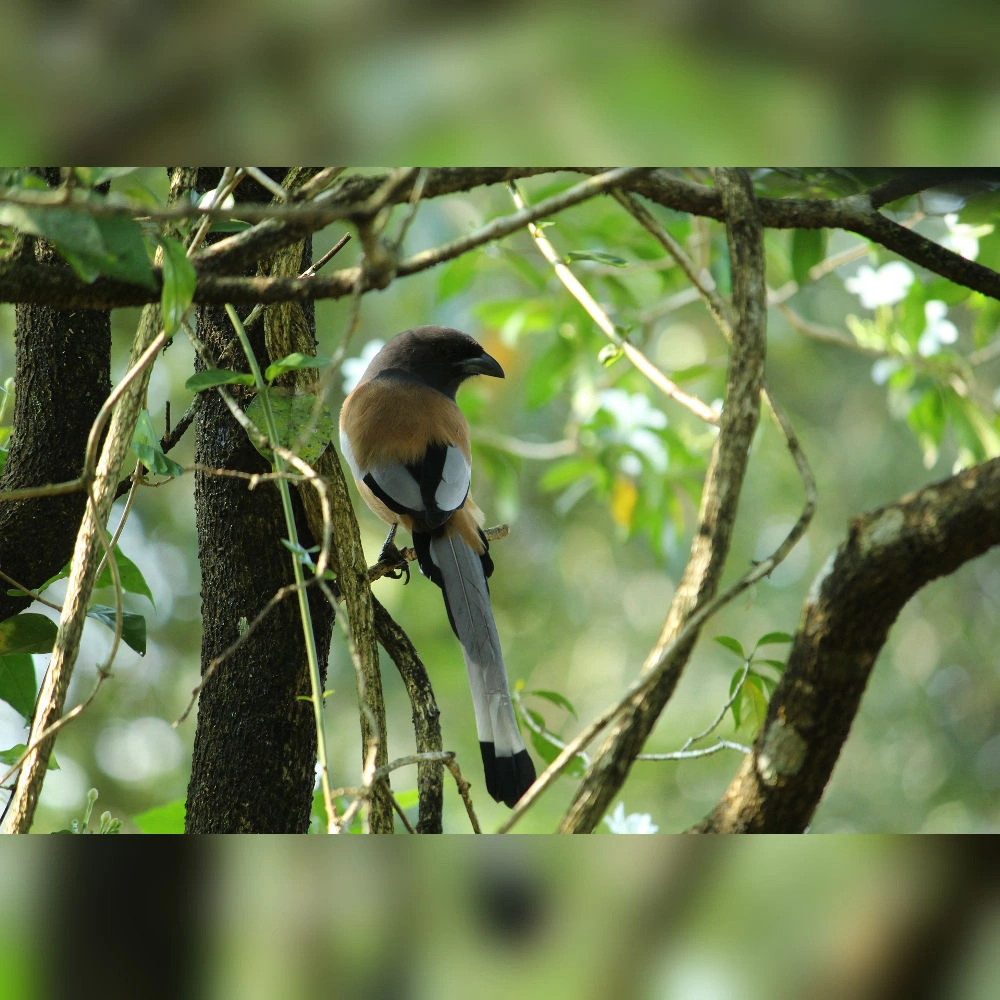
Rufous Treepie
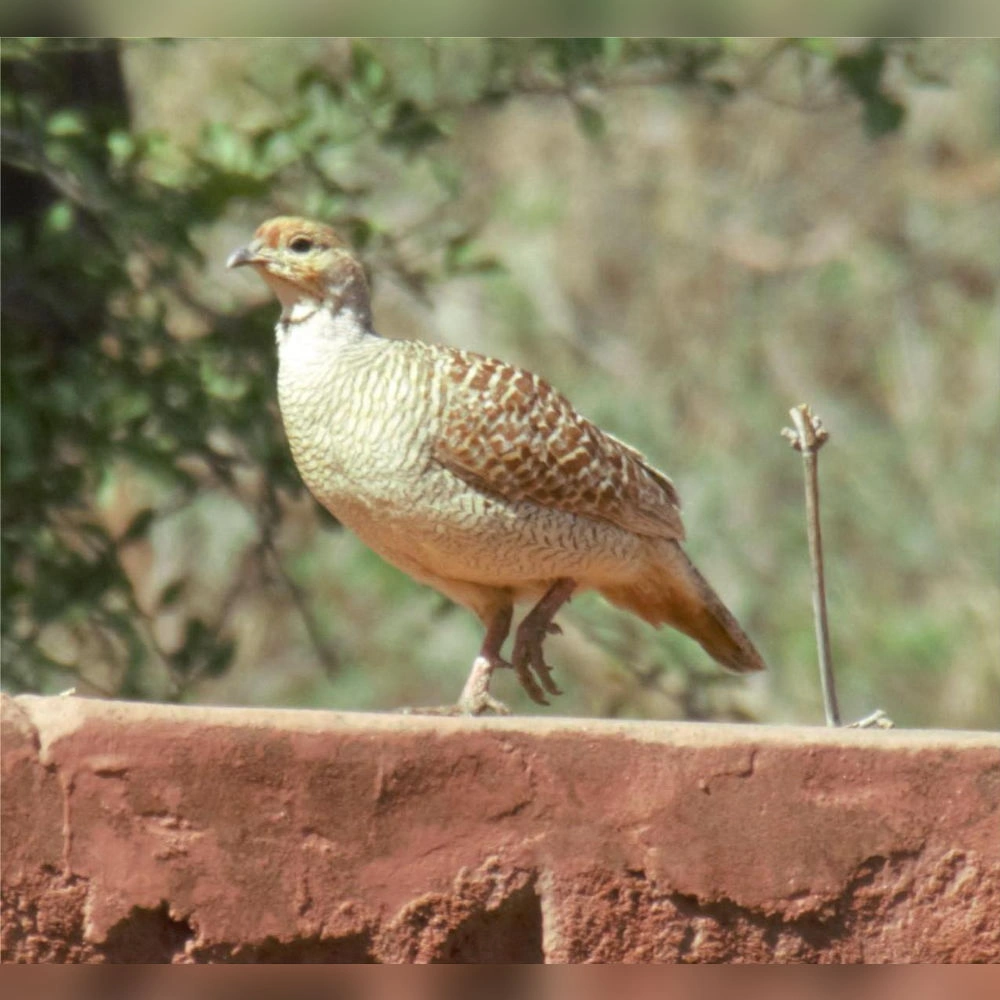
Grey Francolin
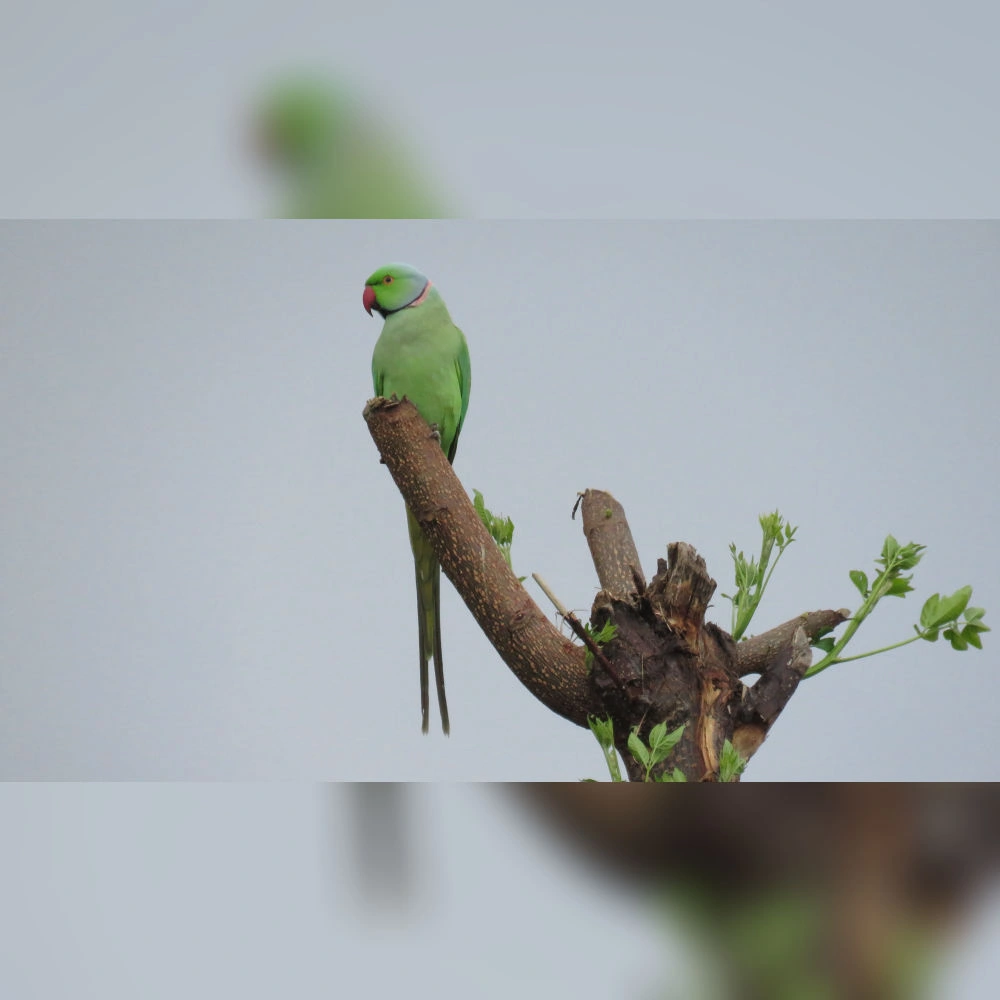
Rose-ringed Parakeet
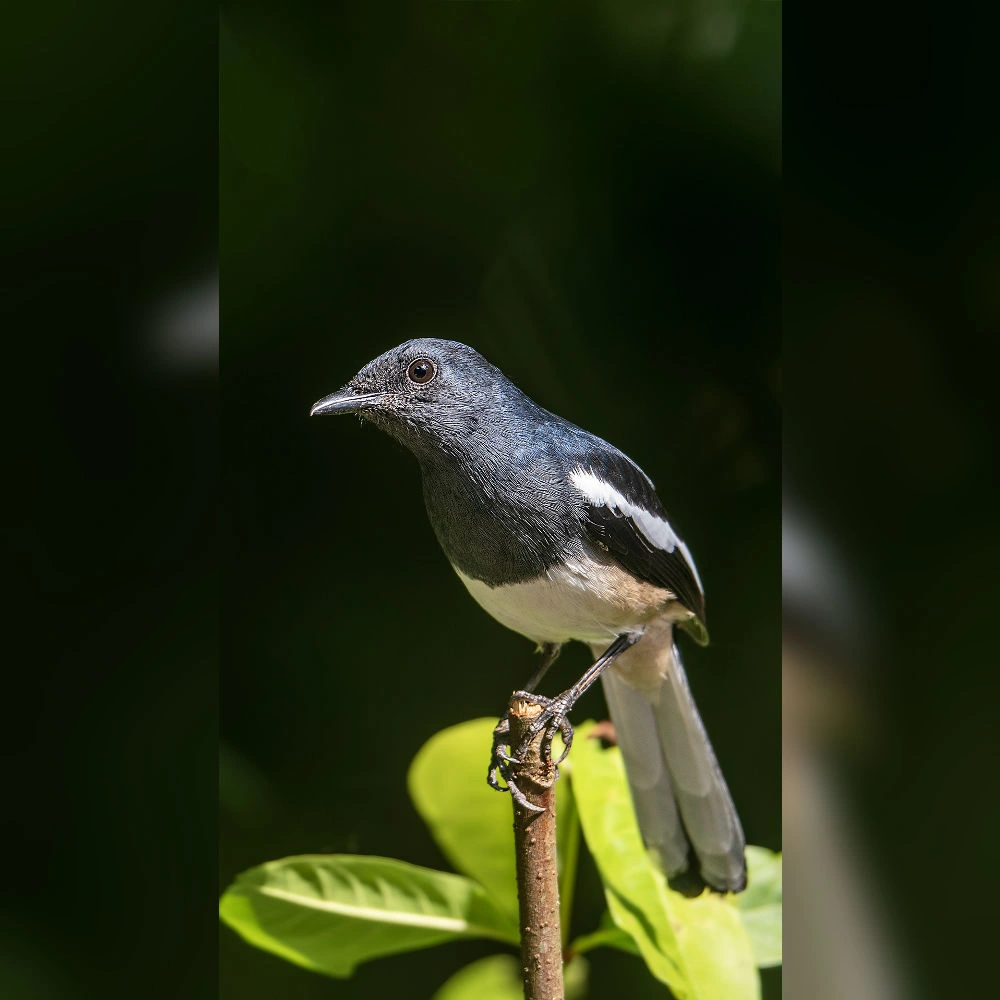
Oriental Magpie Robin
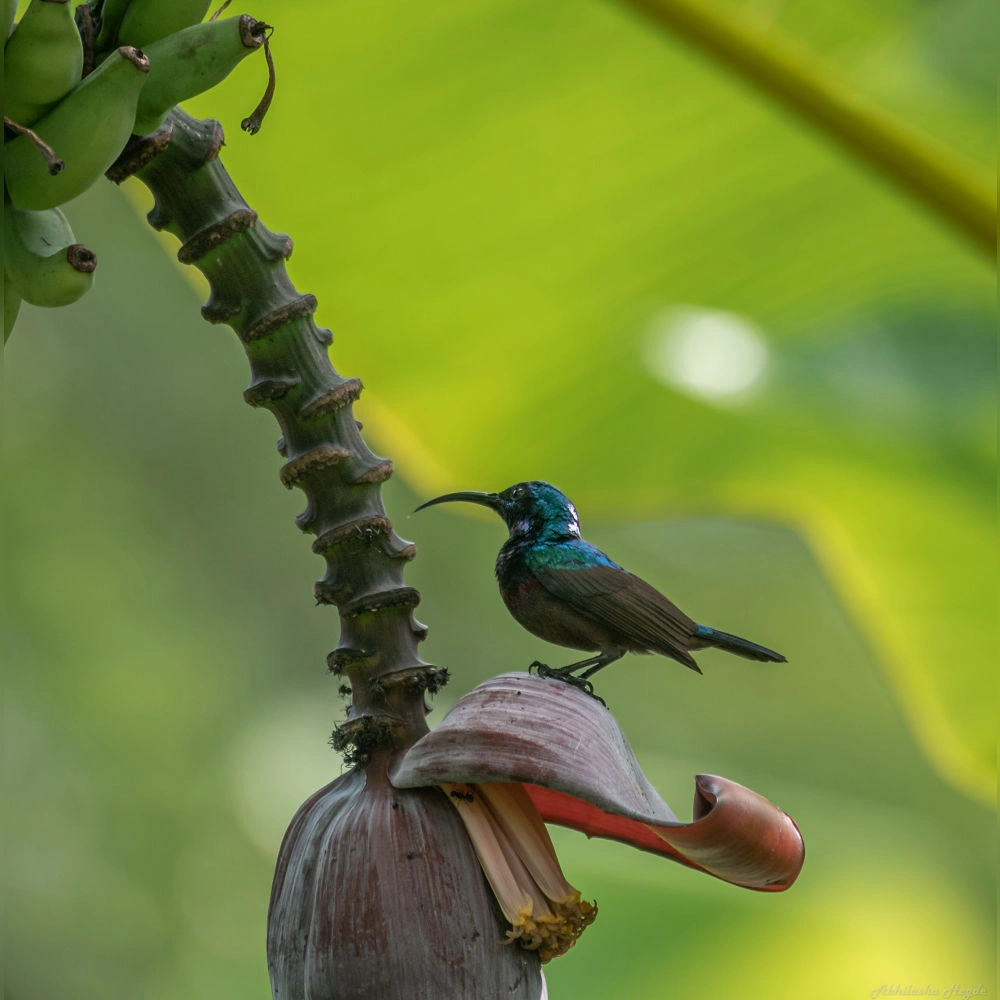
Purple Sunbird

Summary of Walk

Ataavi’s 6 September 2026 walk at Aravalli Biodiversity Park in New Delhi brought together 12 participants, including an especially enthusiastic eight-year-old, for a session led by guide Anjali Bhardwaj. Anjali also shared insights from her PhD research over the course of the walk, giving participants a deeper scientific perspective on the park’s ecology and its role as a green lung for the capital. The group recorded 25 species during the outing, moving between scrub, grassland, and wooded stretches of the park across the morning. The park’s mosaic of native grassland, scrub, and woodland continues to attract researchers and casual birders alike, and Anjali’s dual role as both made for particularly rich conversation throughout. Highlights included a Grey-breasted Prinia caught in the act of catching a worm, an Indian Peafowl seen without its train feathers mid-moult, and a Greenish Warbler marking the early signs of autumn migration. The group also tracked a familiar Red-wattled Lapwing juvenile that Anjali had been following since June, along with the calls of Common Hawk-Cuckoo and Pied Cuckoo. The young participant’s enthusiasm added extra charm to a morning rich in both sightings and scientific insight at the park. The eight-year-old’s constant questions kept the pace lively, and several adults in the group said his curiosity reminded them why they started birdwatching in the first place. It was a morning that blended fun and science in equal measure.
Number of Participants
0
Scroll to Top