


Loading Events

Bird Walk at Aravalli Biodiversity Park, Gurugram

About Aravalli Biodiversity Park

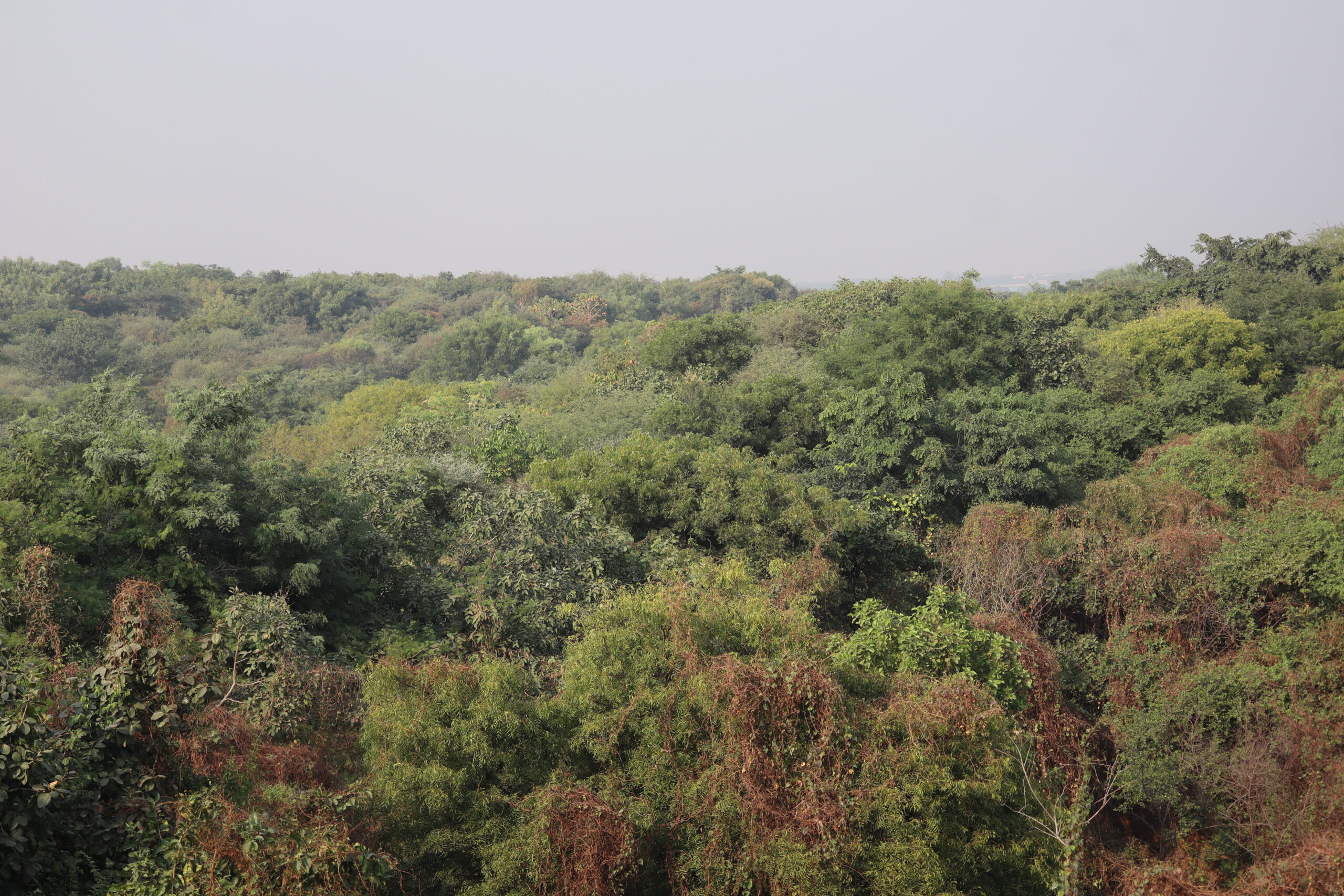
Aravalli Biodiversity Park is a restored green landscape in Gurugram, spread across former mining and degraded land along the Delhi–Gurugram border. The park is part of the ancient Aravalli landscape and has been developed with native trees, shrubs, grasses, wetlands and rocky patches that recreate several habitats found across the region. This diversity makes it an important urban refuge for birds and other wildlife. The park’s vegetation includes native Aravalli species, while its open grasslands and scrub support birds adapted to dry and semi-arid environments. Early mornings are especially rewarding, when the park is active with bird calls and movement among the trees and shrubs.
Beyond its value as a birding destination, the park is an important example of urban ecological restoration. The regeneration of native vegetation has helped create habitat for birds, butterflies, insects, reptiles and small mammals while also providing residents with access to nature within a rapidly developing city. Seasonal changes bring variations in flowering, fruiting, insect activity and water availability, influencing the birds found across the park. The landscape also serves as an important green corridor within the larger Aravalli ecosystem. Continued protection from development, invasive species, pollution and excessive disturbance is essential to preserve its ecological character. For birdwatchers and nature enthusiasts, Aravalli Biodiversity Park offers an opportunity to experience the distinctive flora and fauna of the Aravallis while witnessing how degraded urban land can be transformed into a thriving habitat.

Partnered with

Bird Guide: Mansi

Nature educator and birding guide with Midori Walks, Mansi blends ecology and mindfulness to create enriching outdoor experiences in urban green spaces.
Bird walk Location

Common birds of Aravalli

Aravalli in New Delhi continues to be a thriving refuge for a remarkable diversity of birdlife. A total of 205 bird species have been recorded so far, ranging from common residents like the Indian Peafowl, Jungle Babbler, and Red-vented Bulbul to more elusive visitors such as the Indian Paradise-Flycatcher, Indian Scops-Owl, and Yellow-footed Green-Pigeon. Raptors like the Shikra, Black Kite, and Oriental Honey-buzzard patrol the skies, while grassland and scrub-loving species such as Baya Weavers, Rufous Treepies, and Small Minivets remain active in the lower canopy and thickets. Water-associated birds like the Indian Spot-billed Duck, Eurasian Moorhen, and White-breasted Waterhen have also been noted in the park’s seasonal wetlands.
Migratory and wintering species such as the Green-winged Teal, Taiga Flycatcher, Siberian Stonechat, and Bluethroat add seasonal richness to the park’s avifauna. The presence of woodland specialists like the Indian Grey Hornbill, Spotted Owlet, and Black-rumped Flameback, alongside warblers and buntings like the Booted Warbler, Lesser Whitethroat, and White-capped Bunting, indicates the variety of microhabitats now available. These observations reaffirm Aravalli Biodiversity Park’s success as a restored urban ecosystem, offering vital habitat for both resident and migratory birds within the heart of the capital.
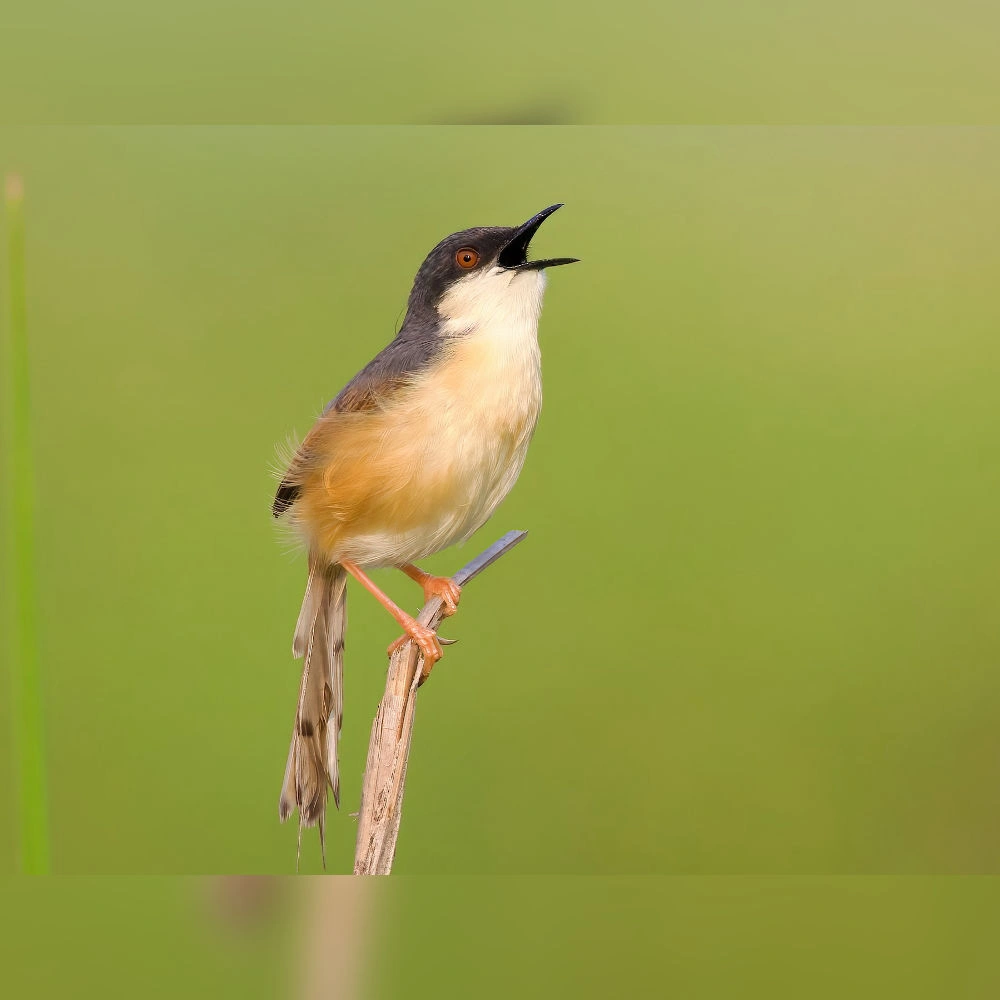
Ashy Prinia
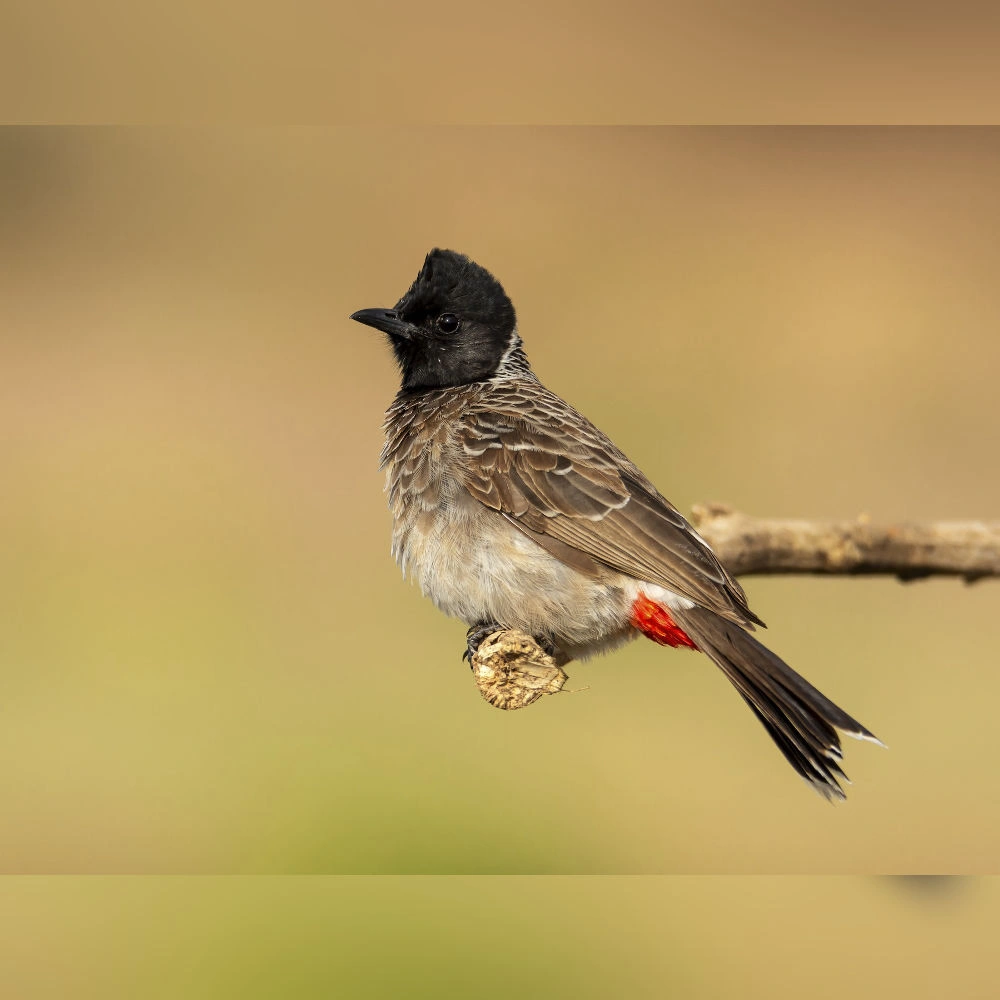
Red-vented Bulbul
Coppersmith Barbet
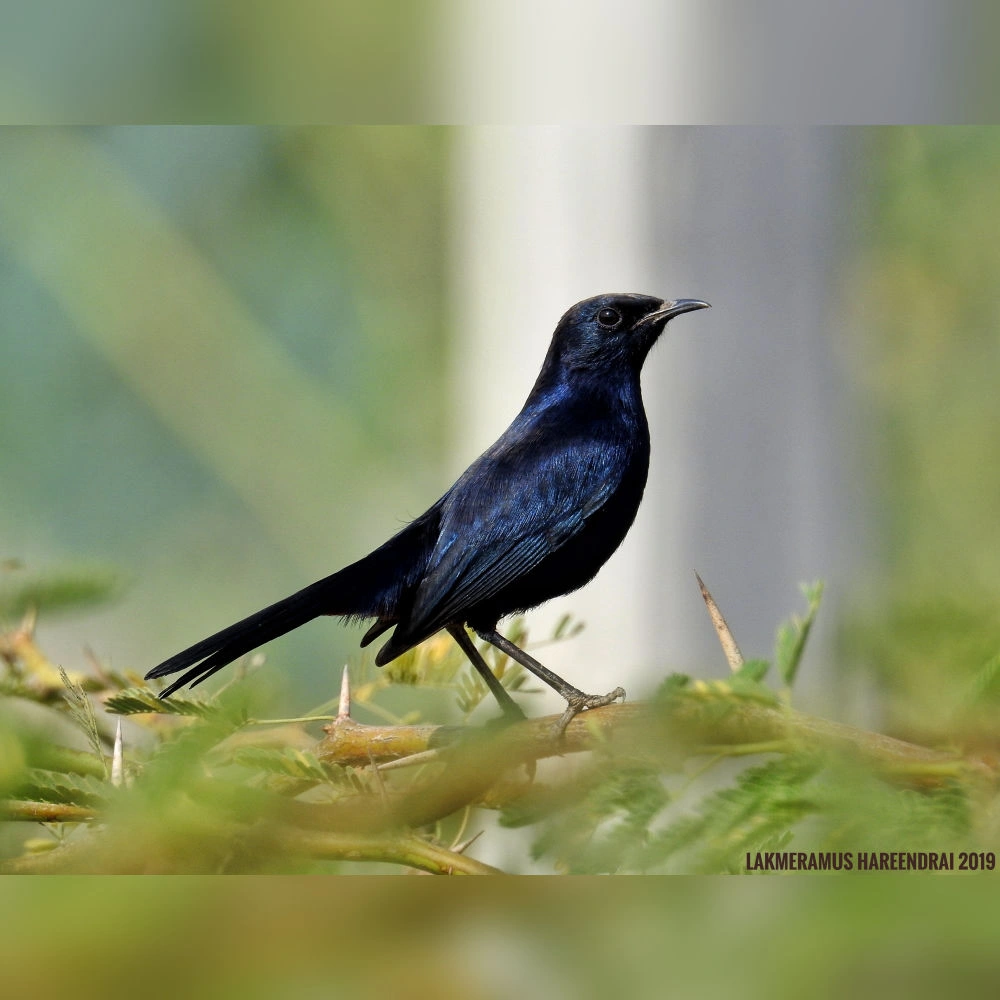
Indian Robin
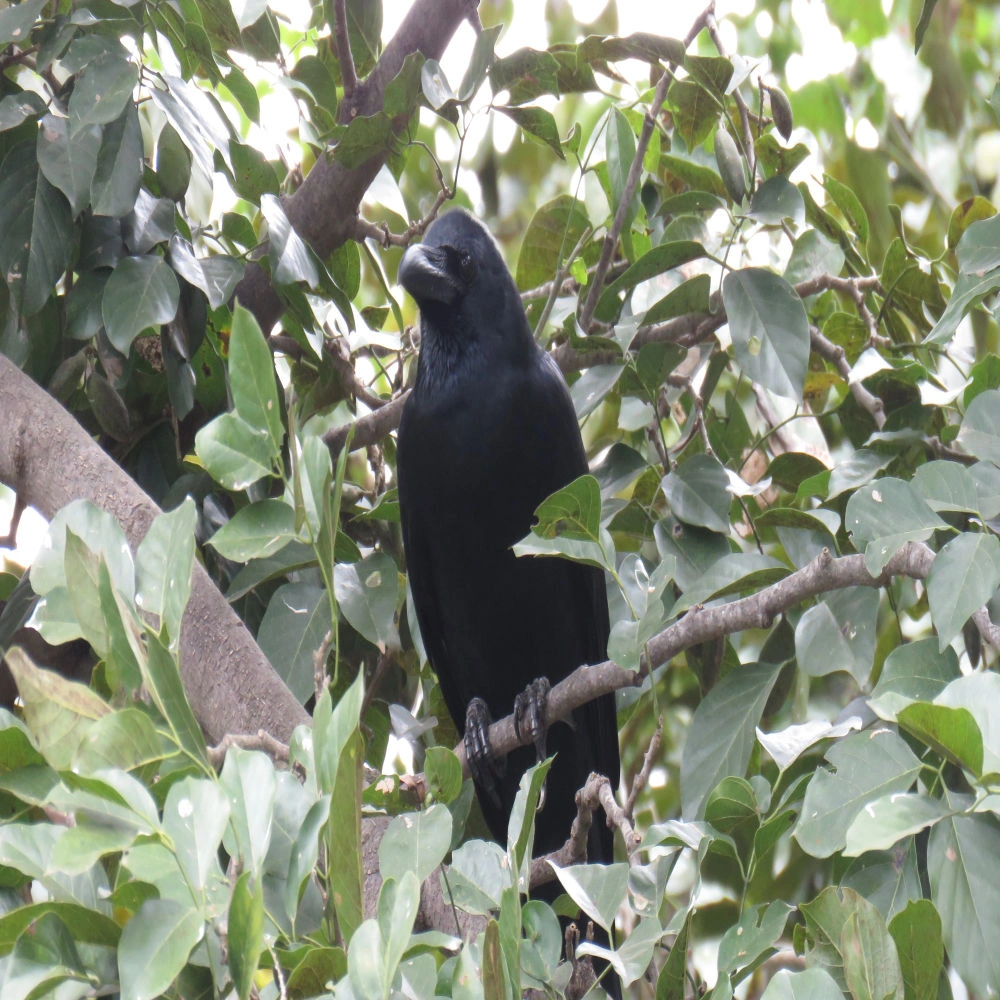
Large-billed Crow
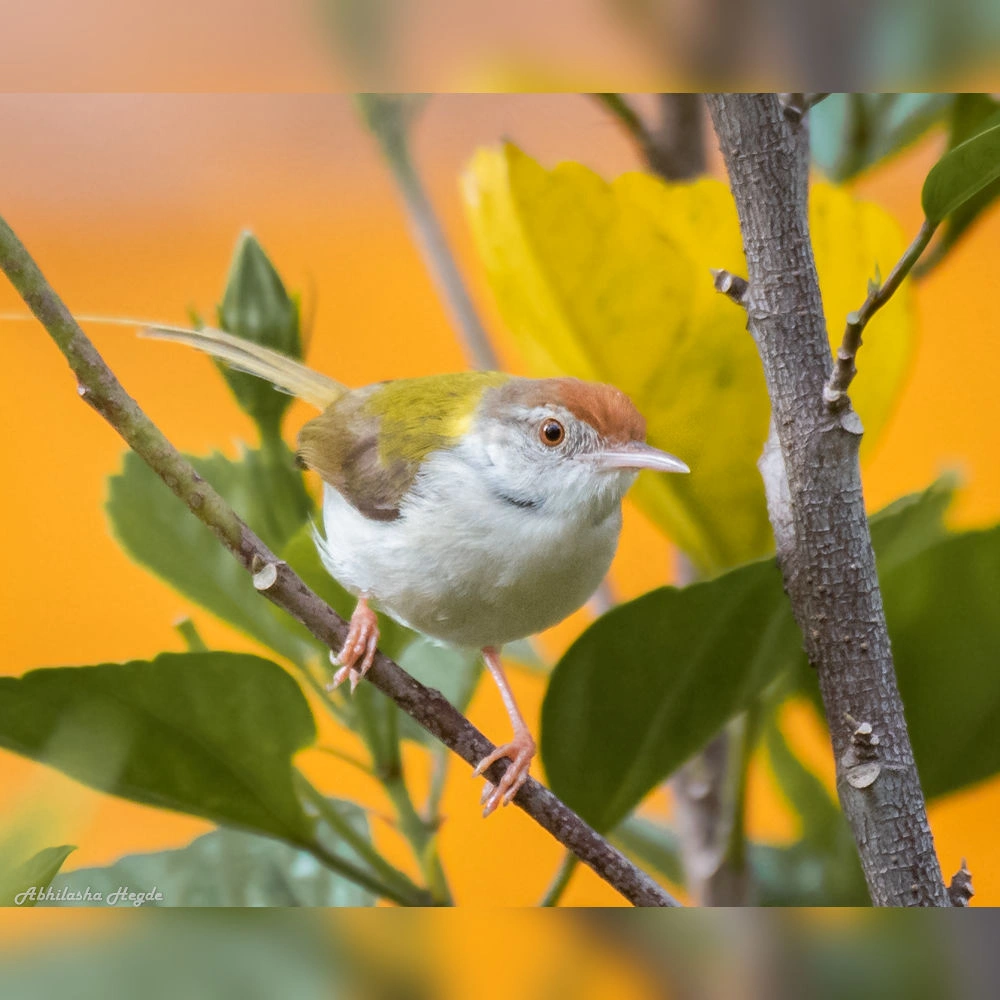
Common Tailorbird
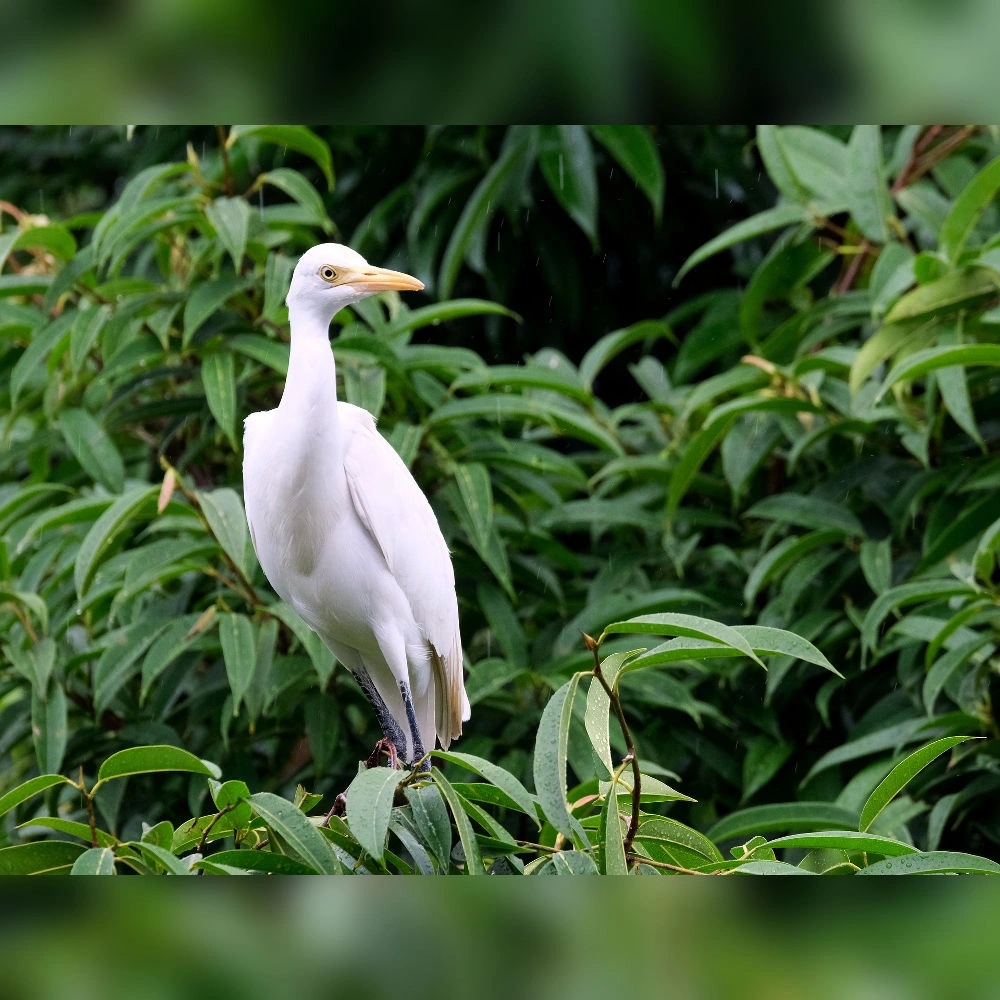
Eastern Cattle Egret
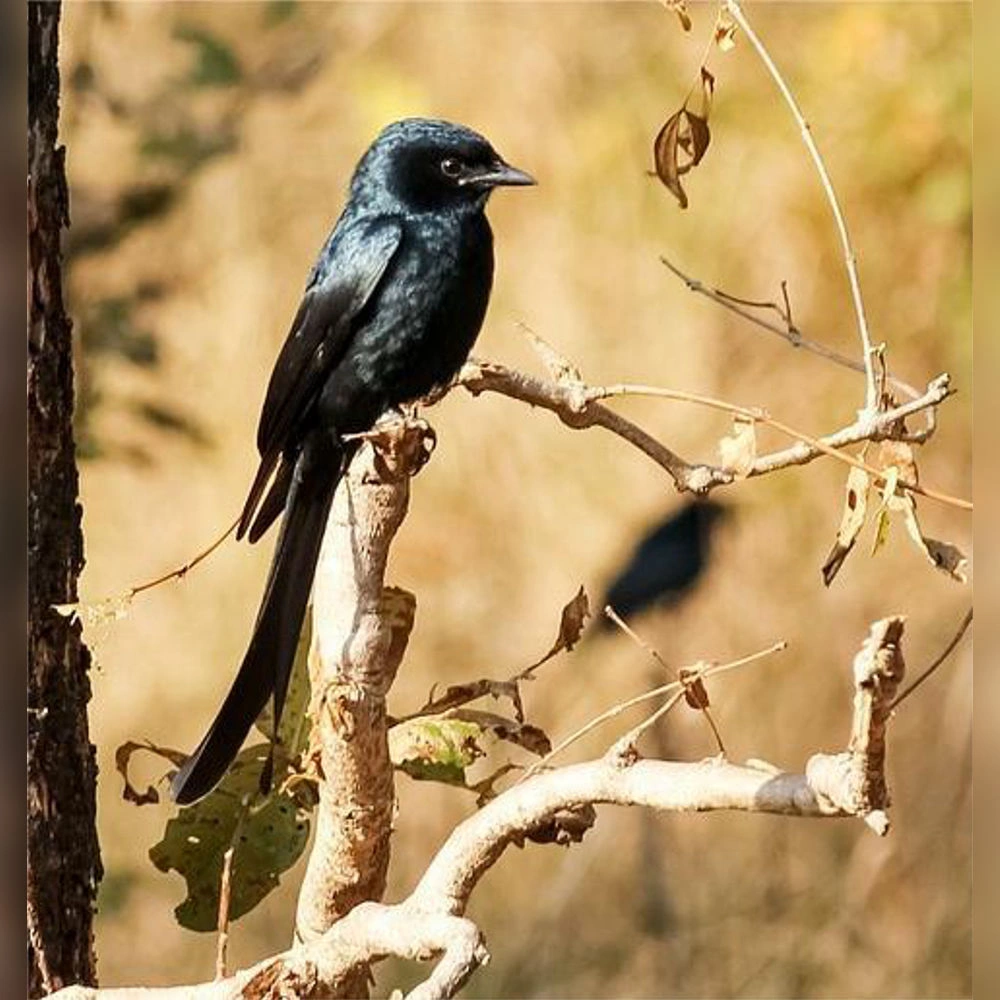
Black Drongo
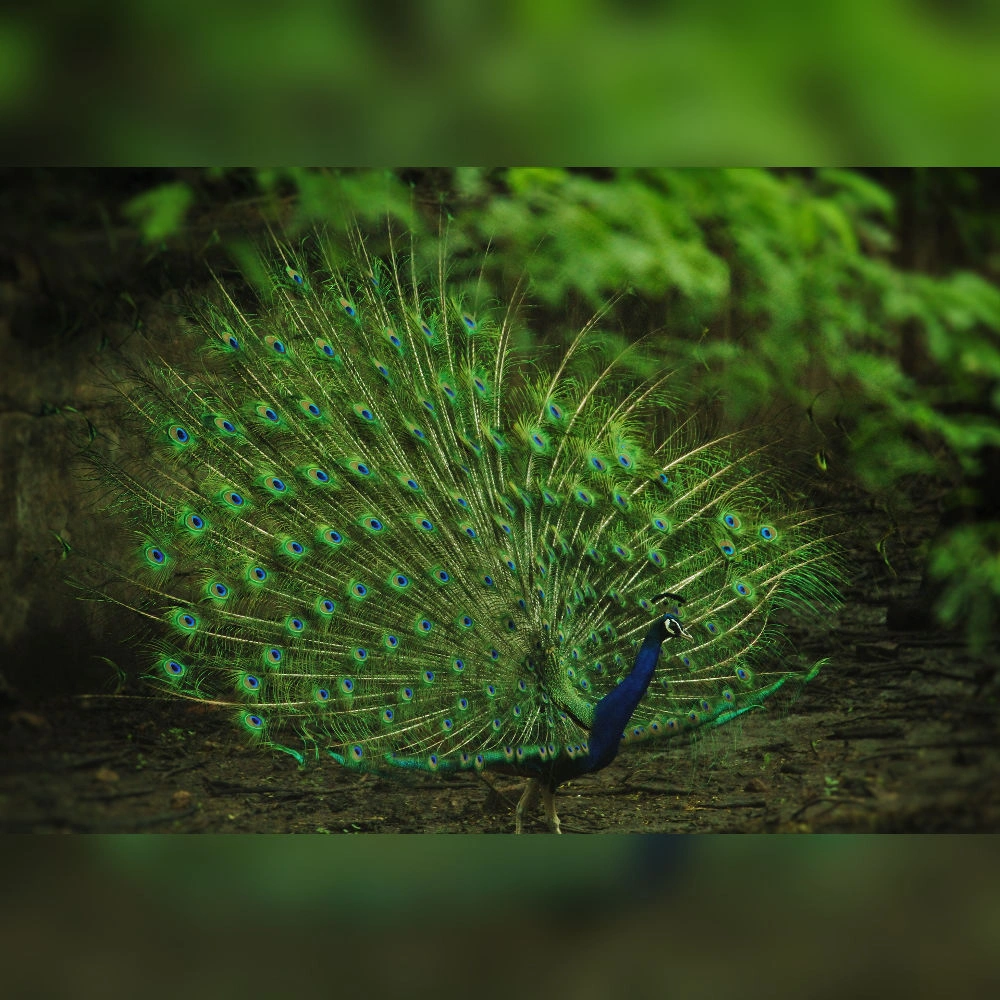
Indian Peafowl
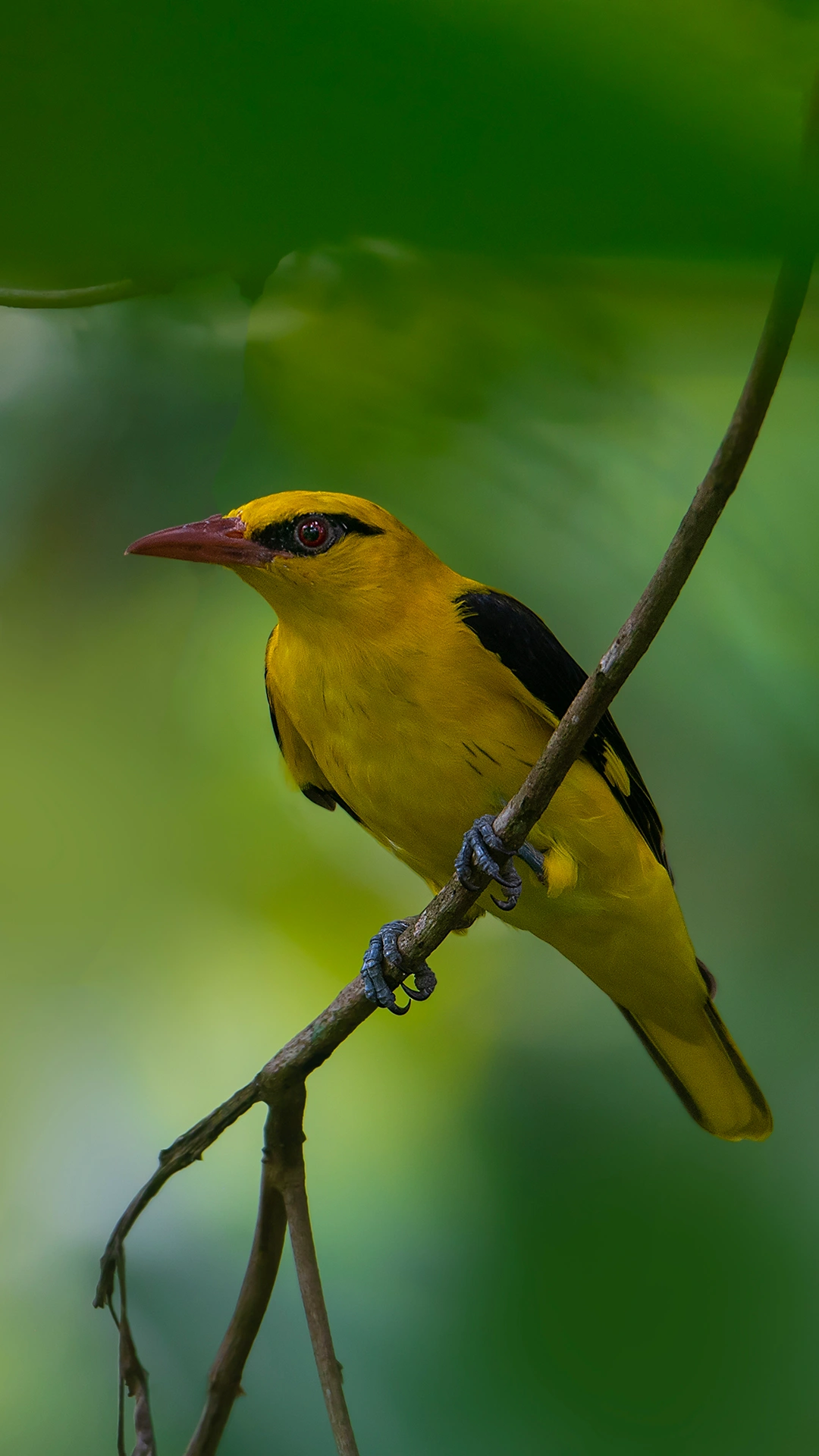
Indian Golden Oriole
Jungle Babbler
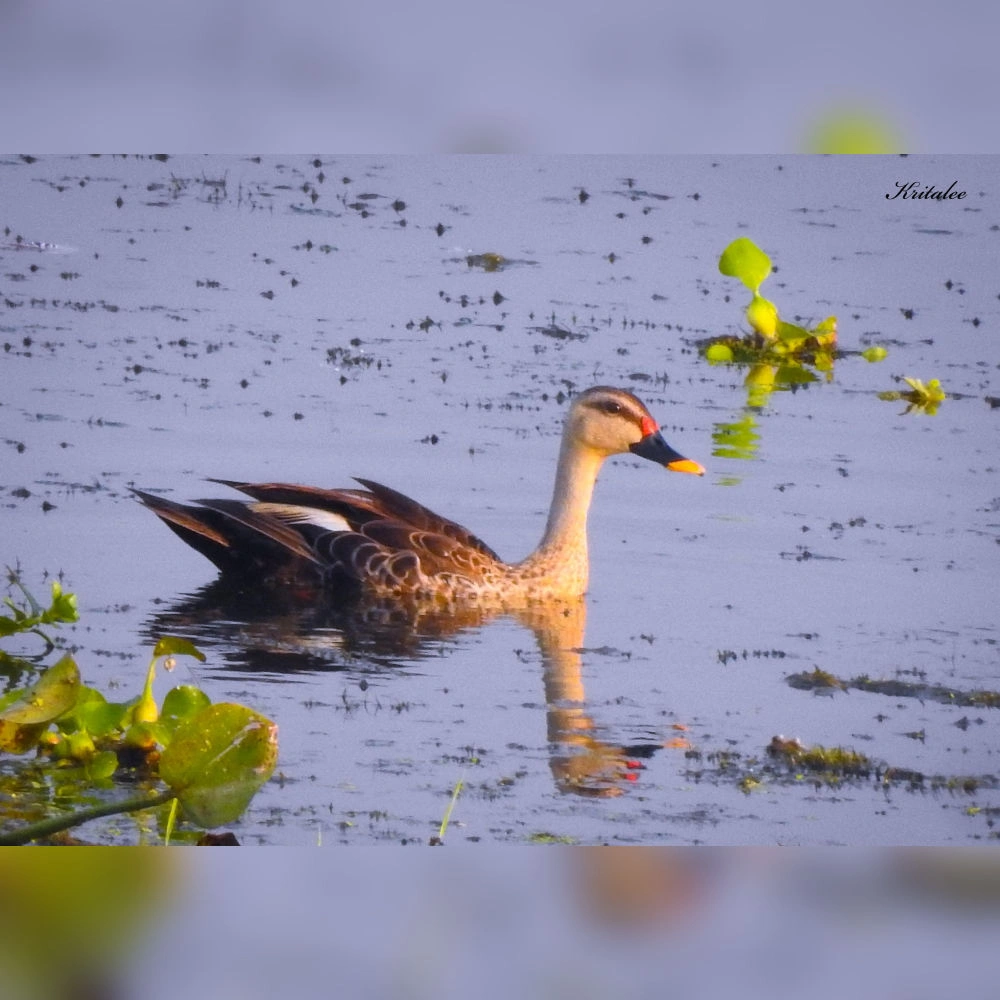
Indian Spot-billed Duck
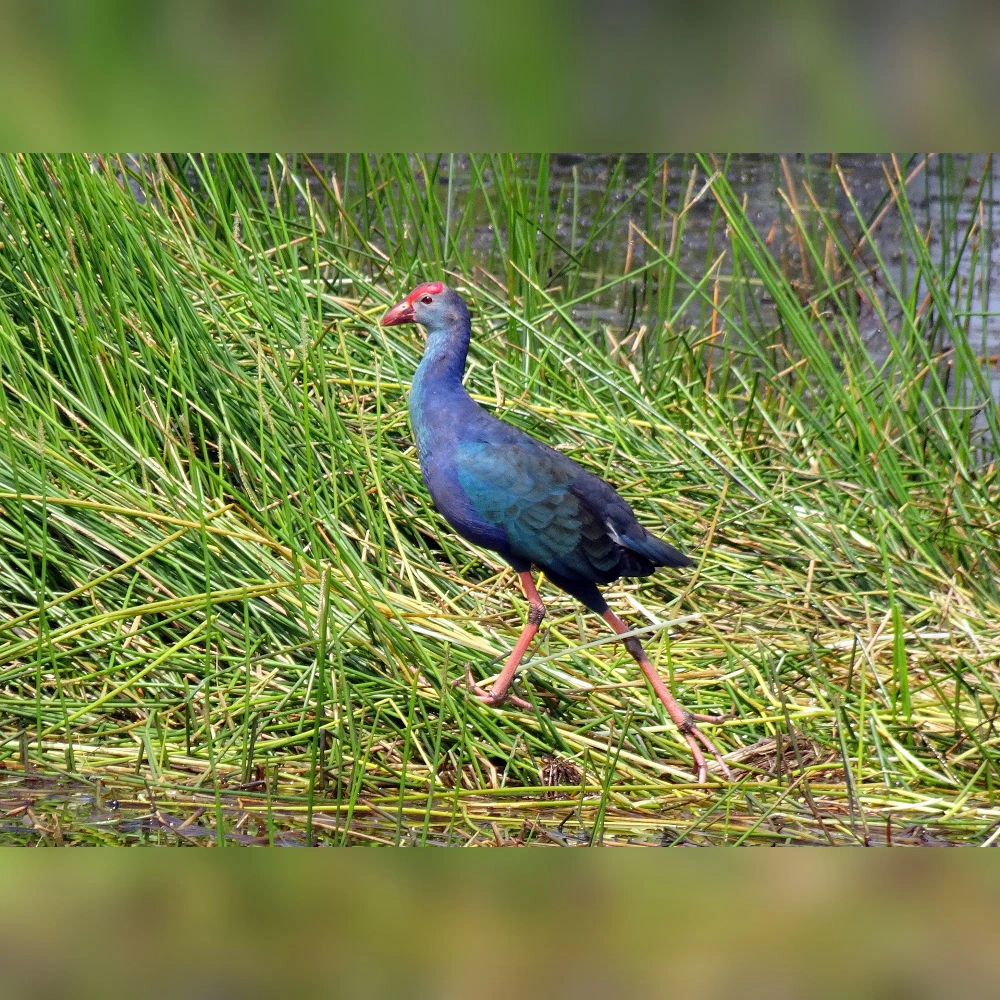
Grey-headed Swamphen
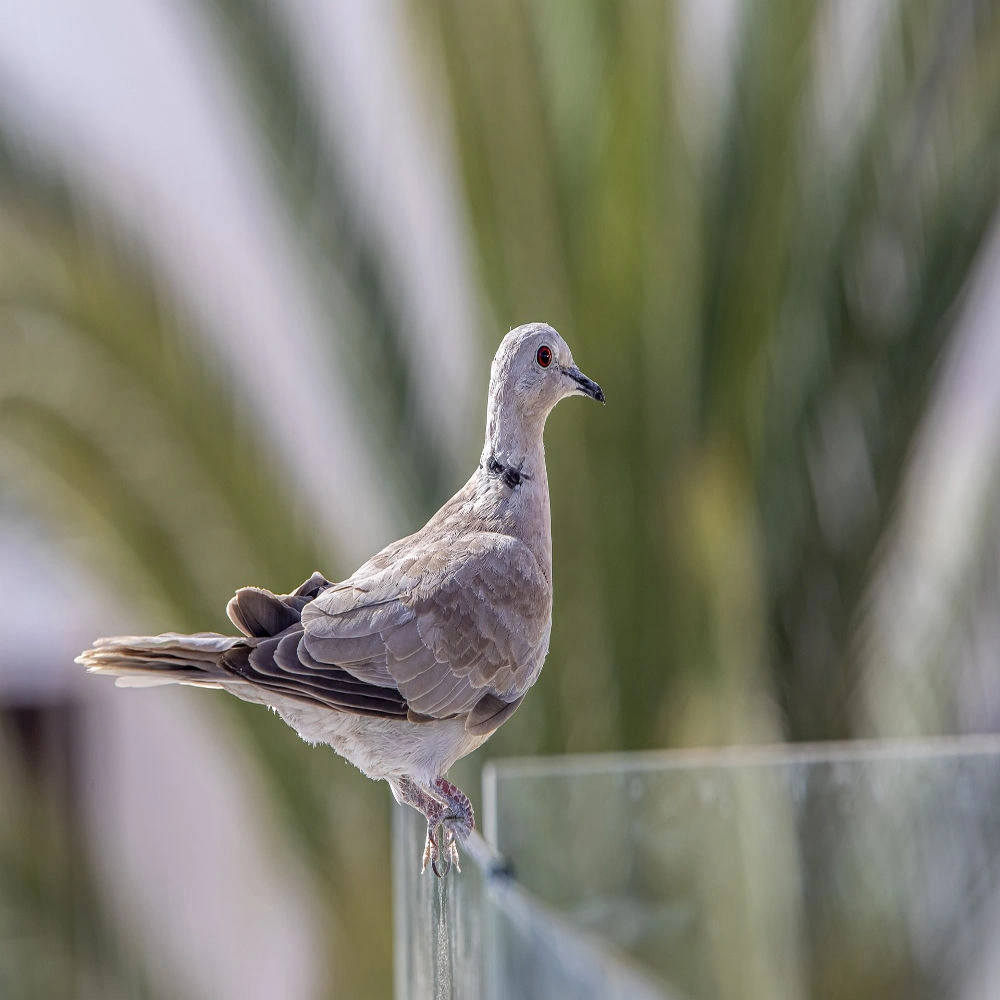
Eurasian Collared Dove
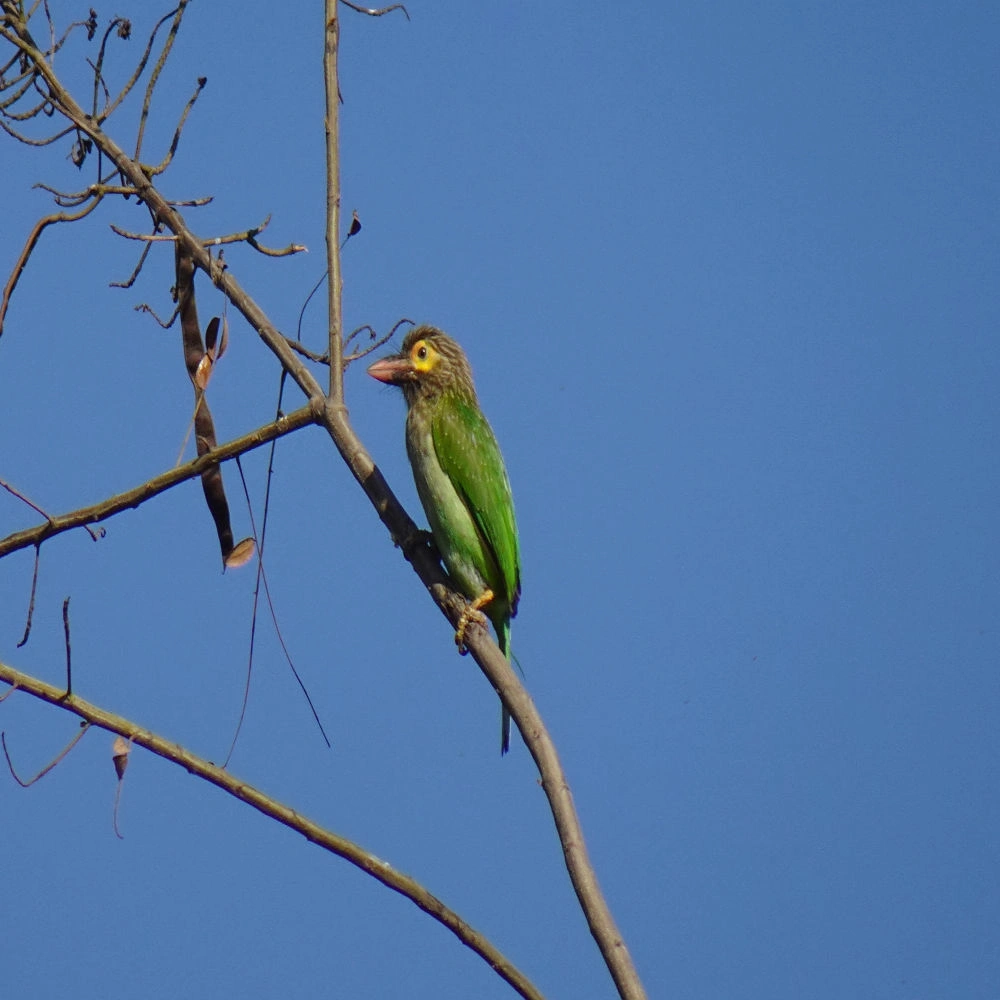
Brown-headed Barbet
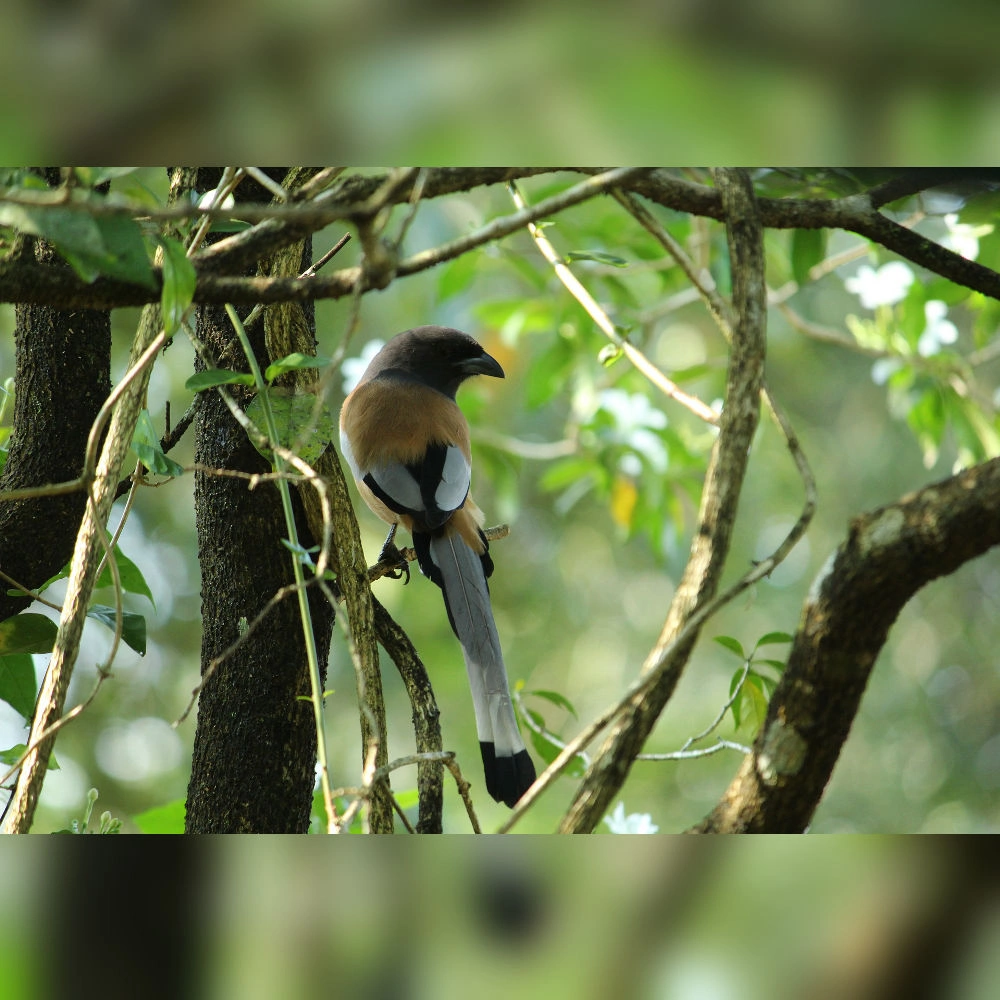
Rufous Treepie
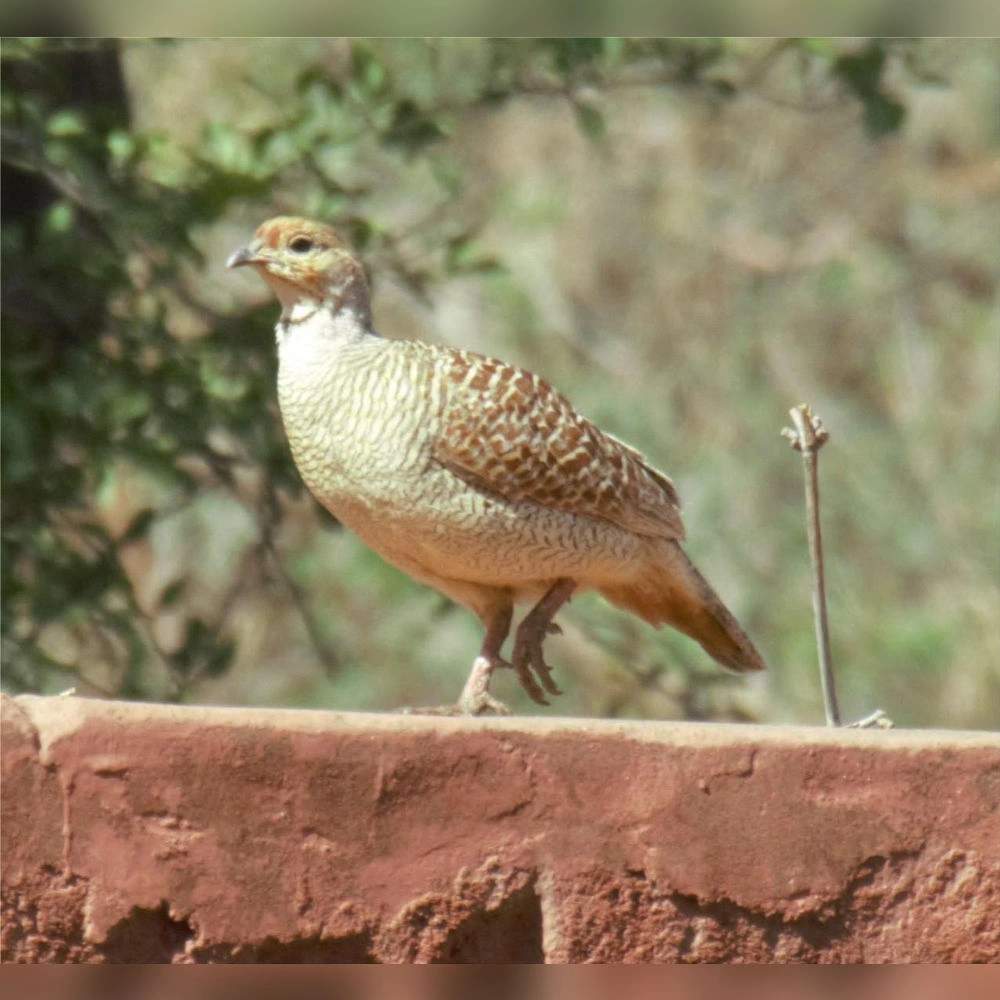
Grey Francolin
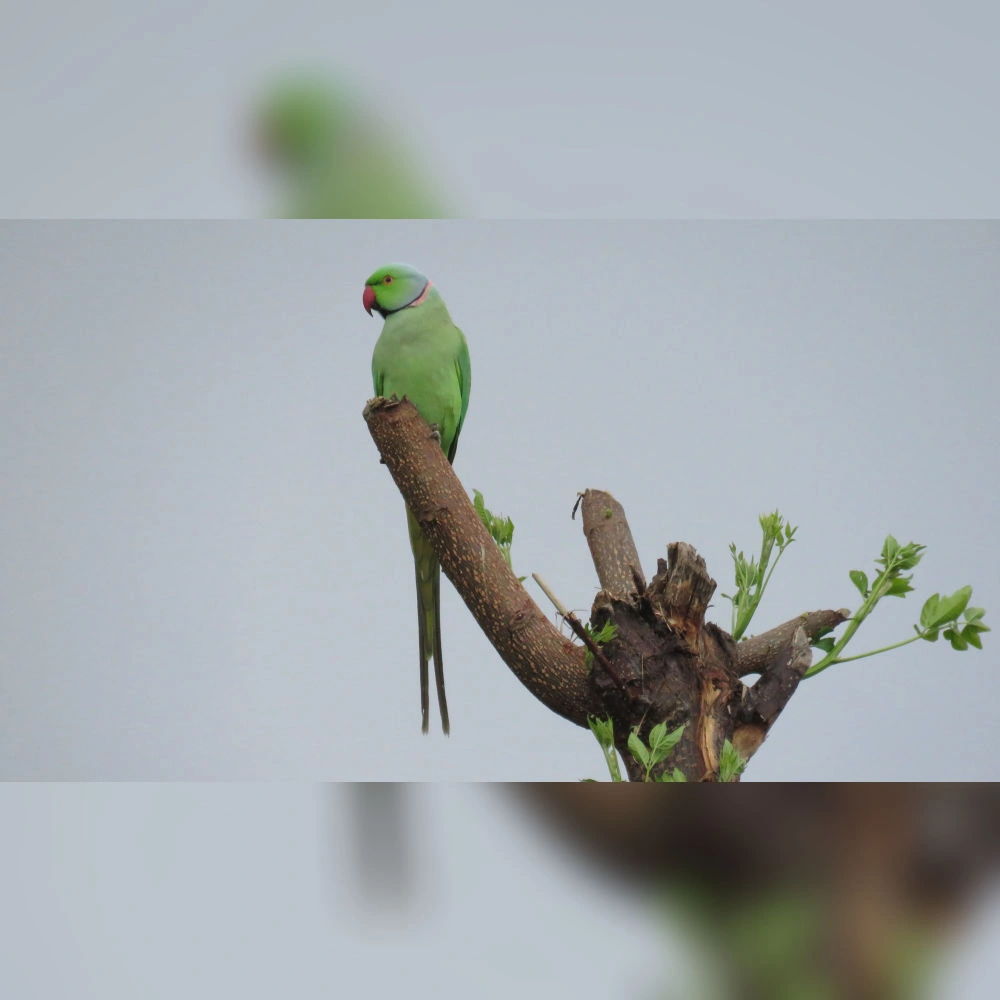
Rose-ringed Parakeet
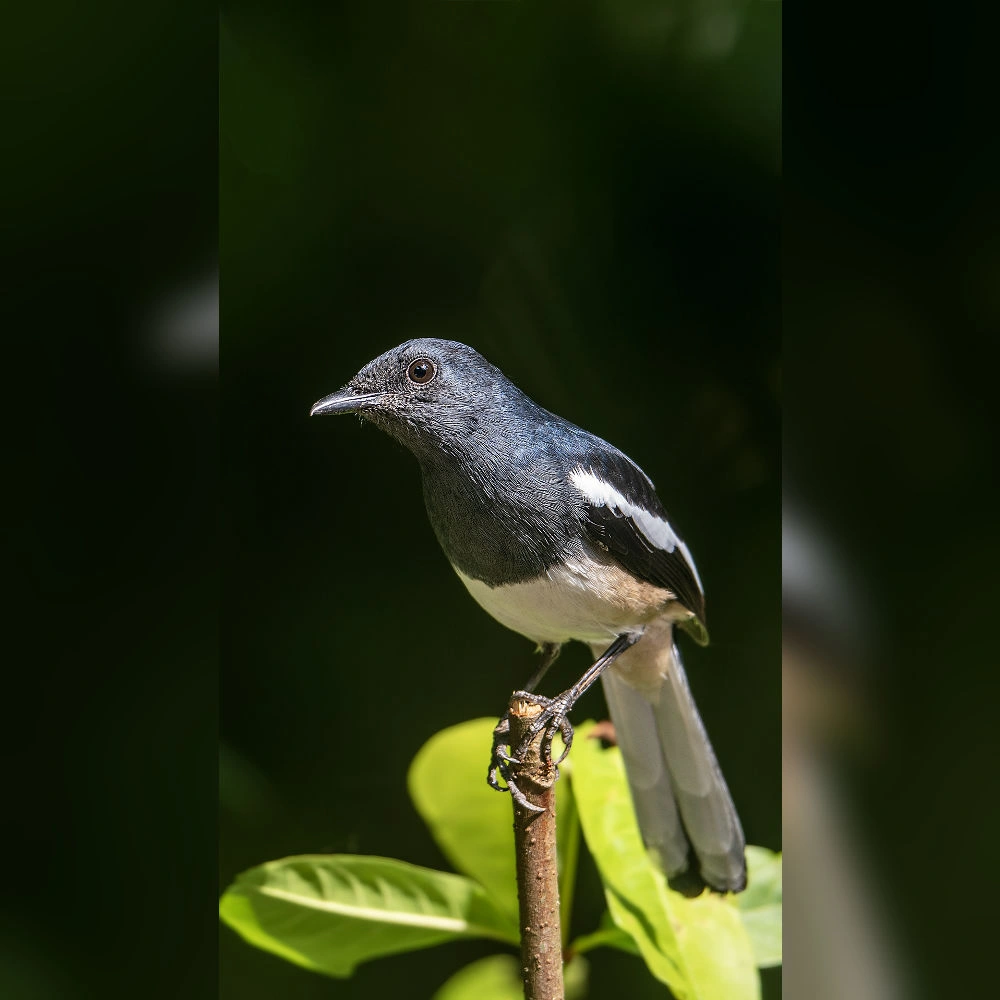
Oriental Magpie Robin
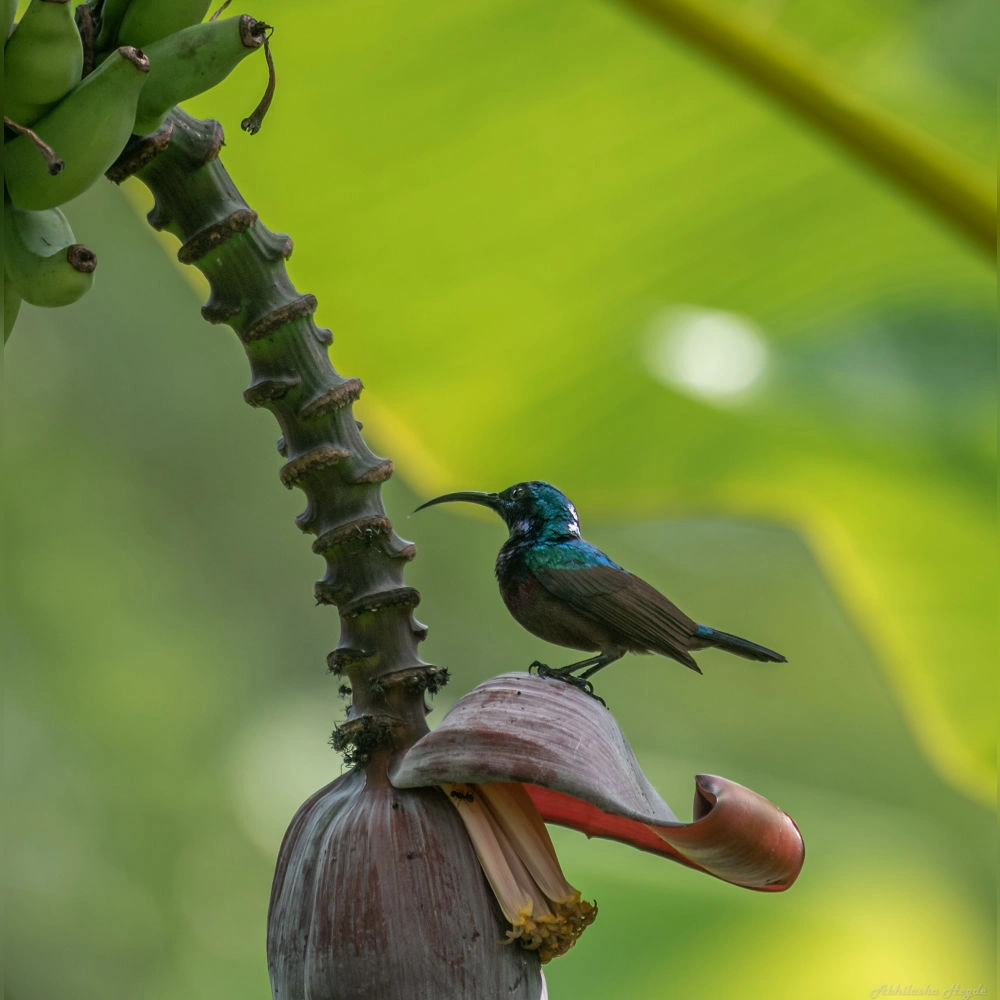
Purple Sunbird

Summary of Walk

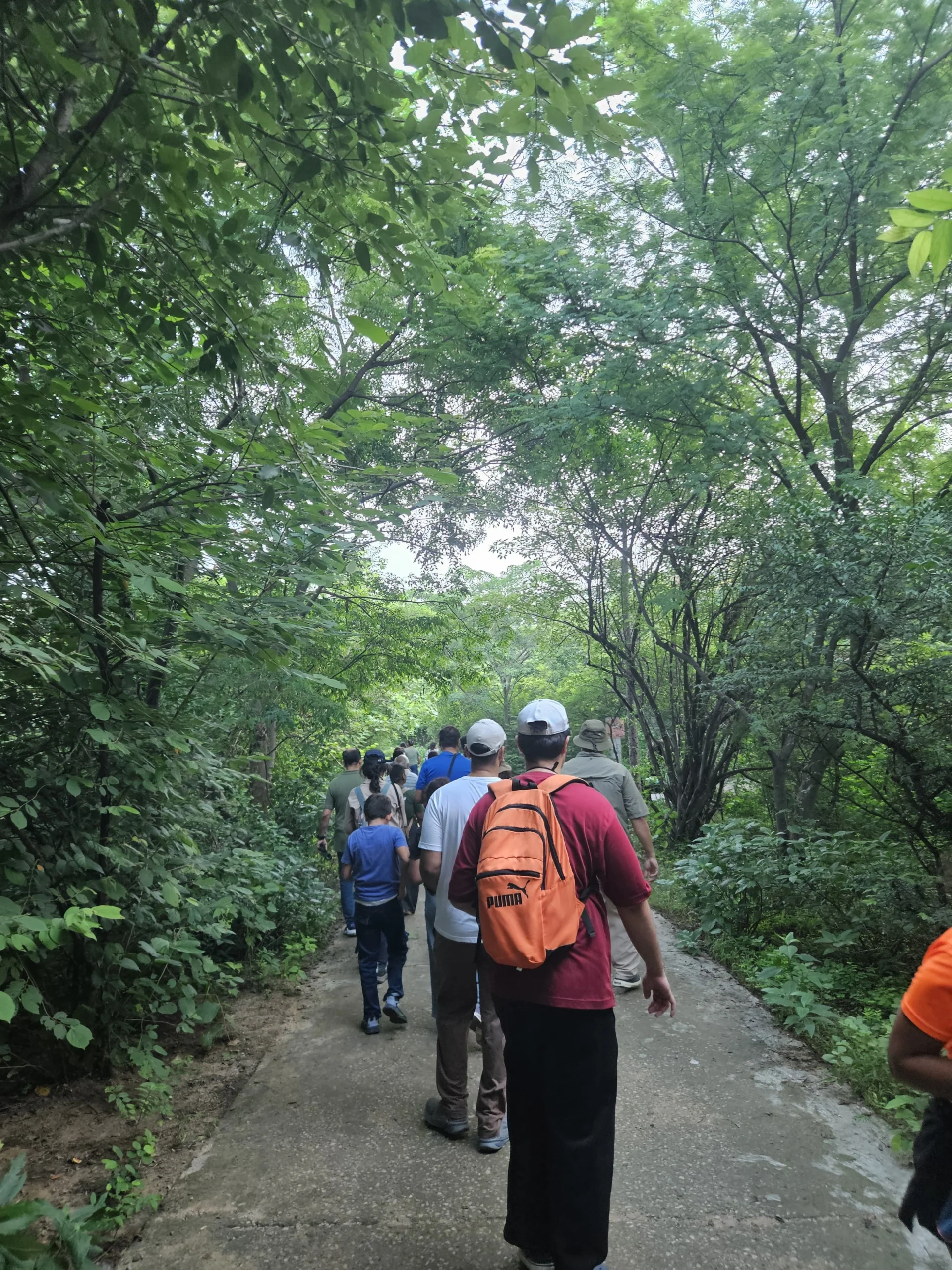
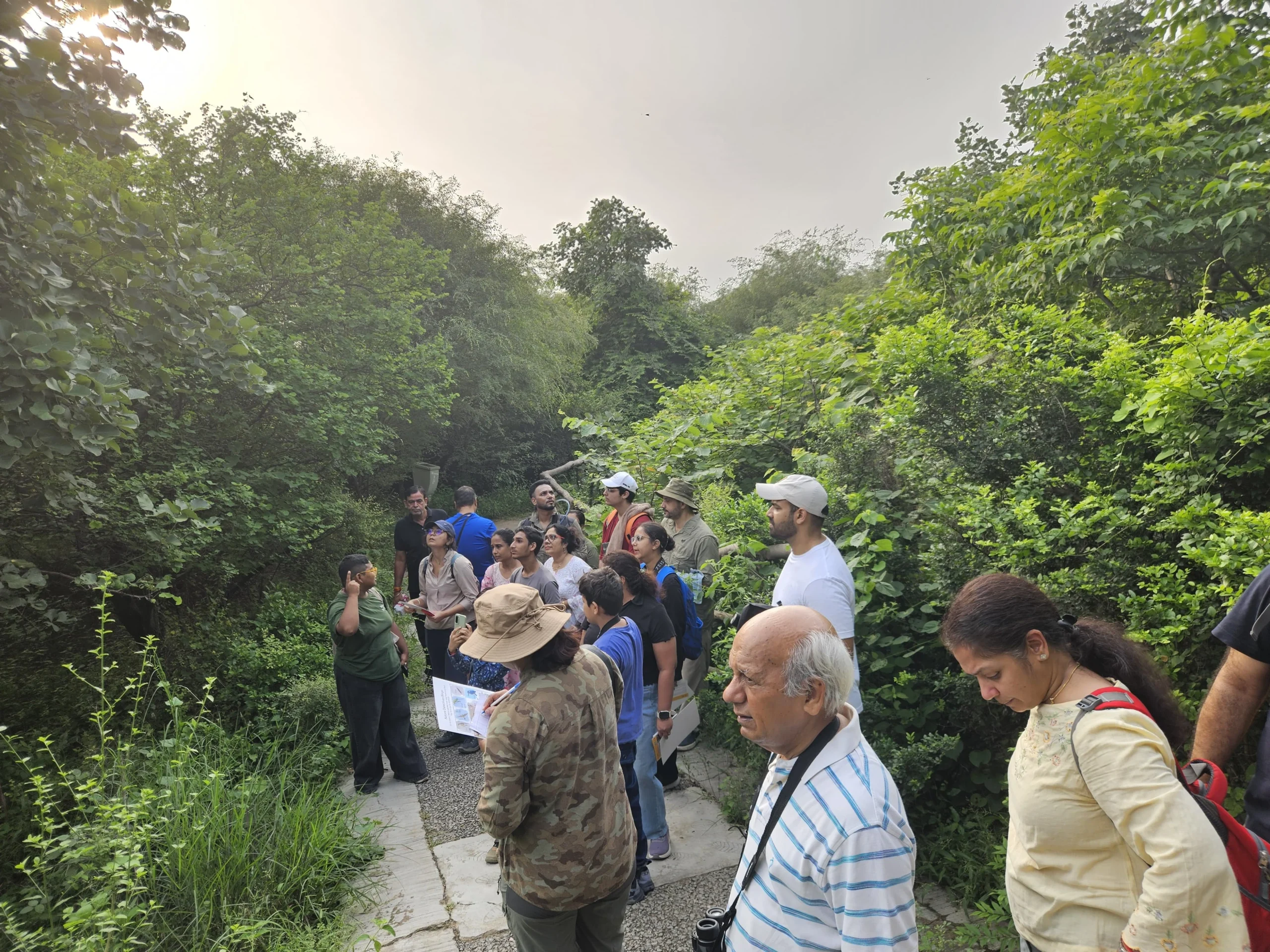
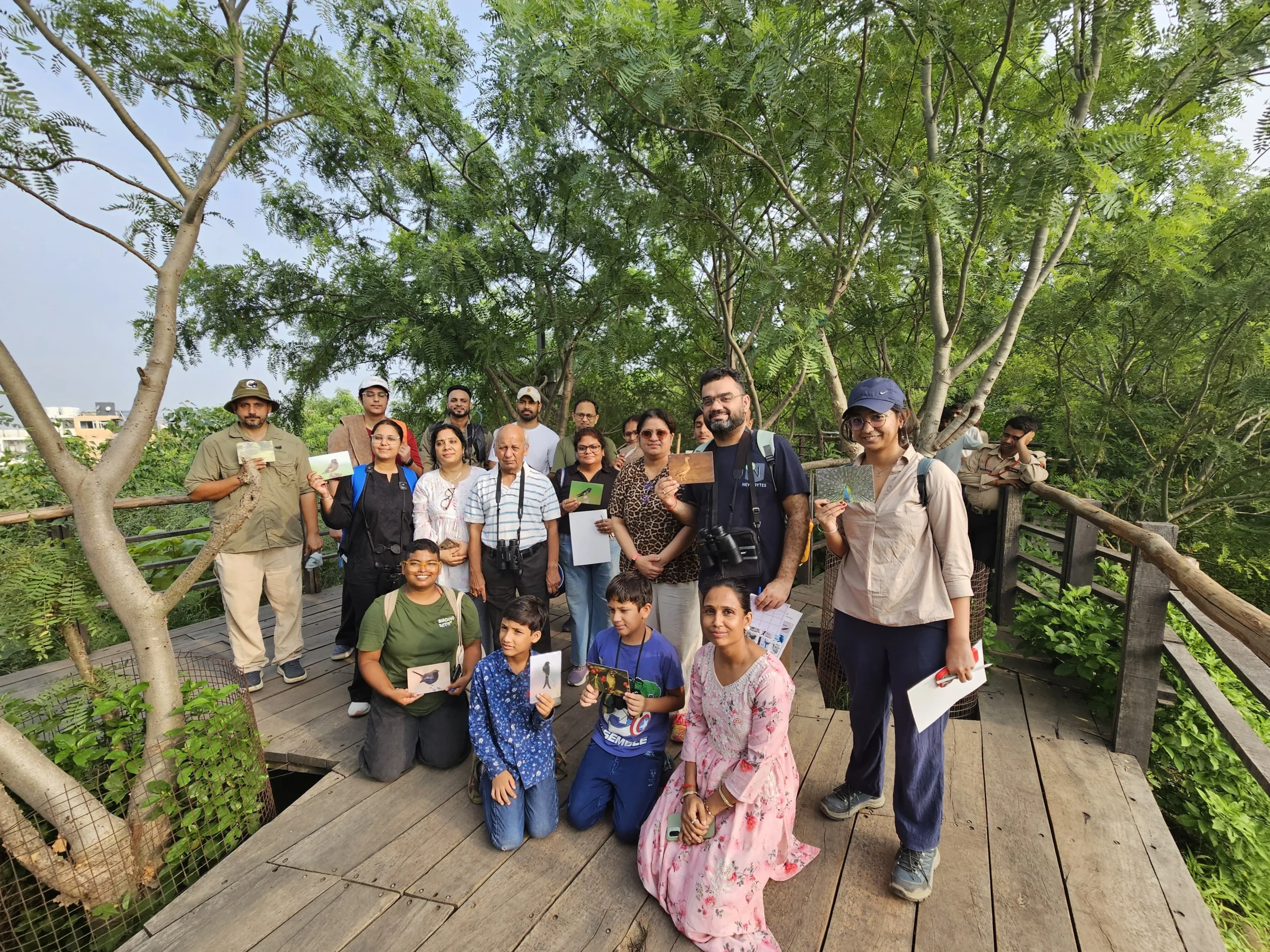
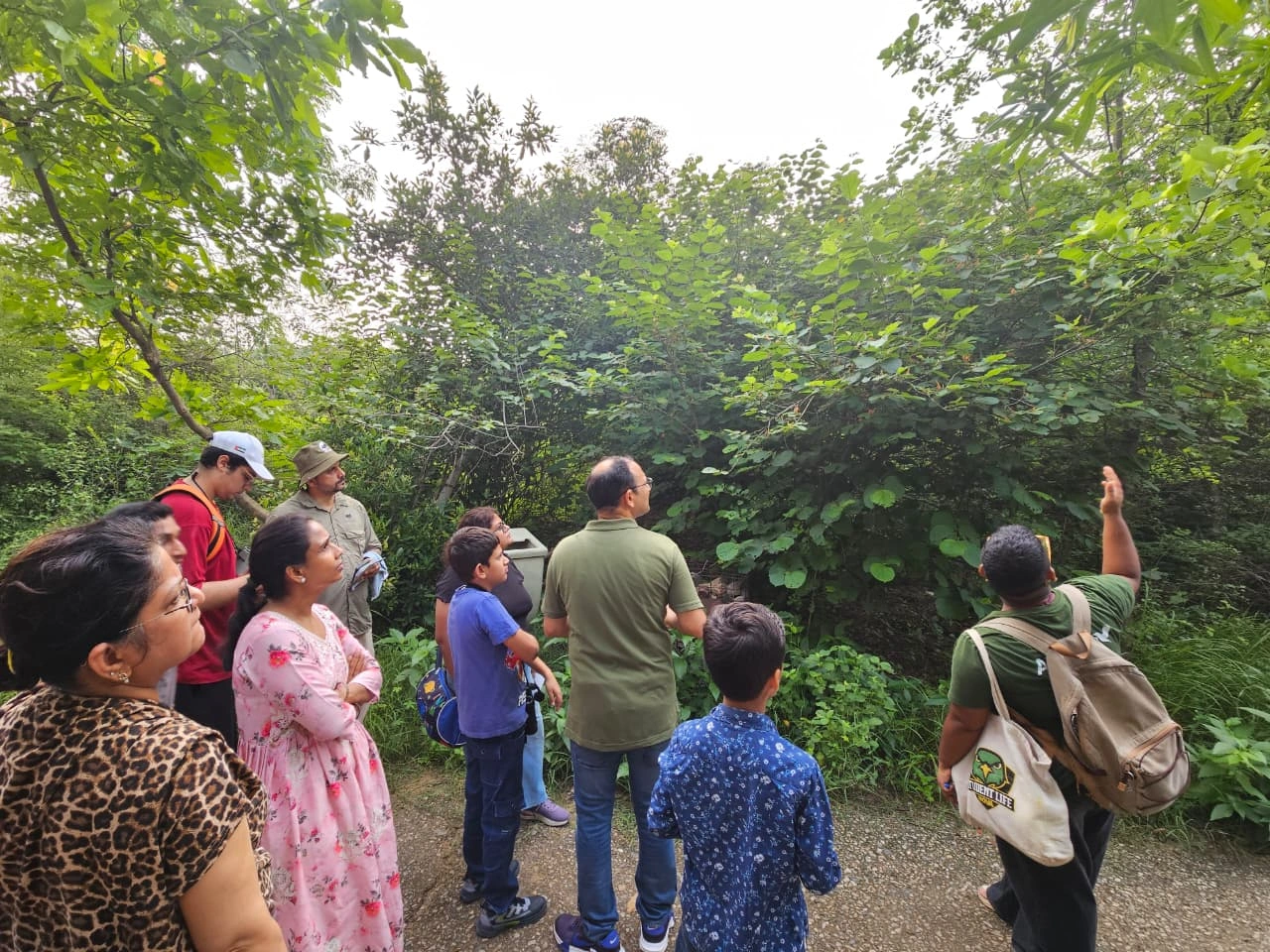
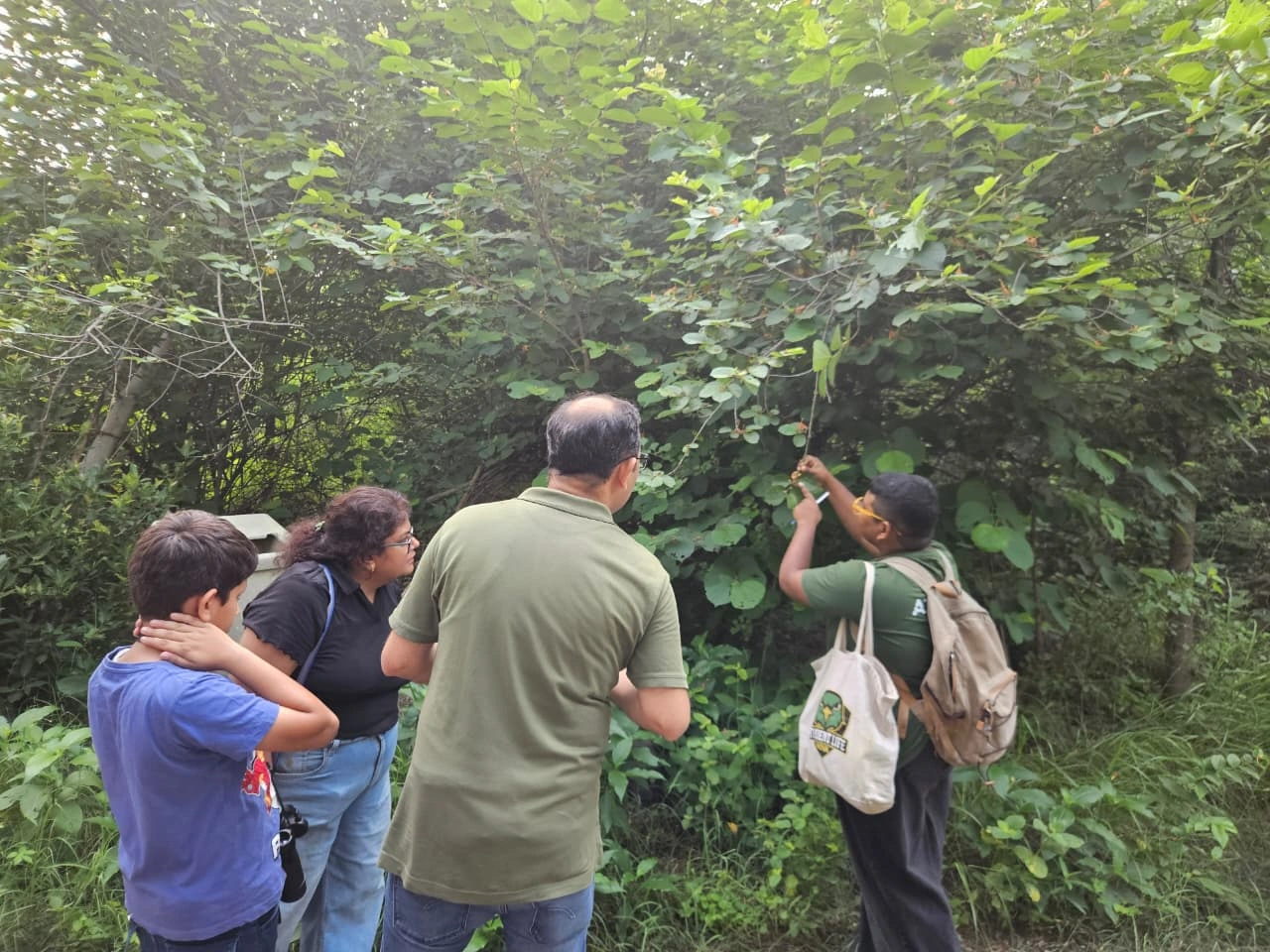
Nineteen participants, including several family groups, joined guide Mansi Lodhi at Aravalli Biodiversity Park for a walk built around interactive, community-style learning rather than a straightforward species checklist. Mansi paired up participants who didn’t know each other using bird flashcards, then handed out bird bingo cards so pairs could mark off behaviours and activity evidence as they walked the trail together. Many beginners in the group said they loved walking through the trails simply listening to bird calls drifting out of the surrounding jungle, even before formally identifying a single species by sight.
Sightings for the morning were limited to around nine or ten species, but each one stayed in view long enough for detailed behavioural observation, which Mansi used to full advantage throughout the walk. A standout moment came with an Indian White-eye seen hopping at close range around a flowering Marodfali shrub, a plant also favoured by Purple Sunbirds for feeding on its nectar. The group also watched a family of Black Drongos, including juveniles and parents, in flight together, offering a chance to draw parallels between drongo social behaviour and human family dynamics, a memorable and thoughtful close to the session at Aravalli, one that left even the youngest family members asking when the next walk would be held.

Number of Participants
0
Scroll to Top