

Loading Events

Bird Walk at Ayurvan’s Aura Farm, Kathalabodi, Nagpur, Maharashtra

About Ayurvan’s Aura Farm, Kathalabodi

Located on the outskirts of Nagpur, Ayurvan’s Aura Farm at Kathalabodi is a peaceful nature retreat where orchards, native trees, farmland, ponds, and patches of woodland create a thriving habitat for wildlife. The diverse landscape supports a rich variety of flowering plants, butterflies, insects, reptiles, and small mammals, while its freshwater ponds attract numerous bird species throughout the year. Combining natural habitats with sustainable green spaces, the farm offers an excellent setting for birdwatching, wildlife photography, and immersive nature experiences.
The blend of wooded areas, open fields, and wetlands makes Aura Farm an ideal refuge for both resident and seasonal birds. As urbanisation continues to expand around Nagpur, preserving such privately managed green spaces becomes increasingly important for maintaining biodiversity and ecological connectivity. Responsible land management, habitat restoration, and community participation play a vital role in conserving this unique bird-friendly landscape.

Bird Guide: Nayanika Bhatia

Nayanika Bhatia is a certified nature guide and founder of Nagpur Nature Trails, with 4 years of experience and over 100 guided walks across India’s forests,known for her keen eye for birds and the stories they carry.
Bird walk Location

Common birds of Ayurvan’s Aura Farm, Kathalabodi

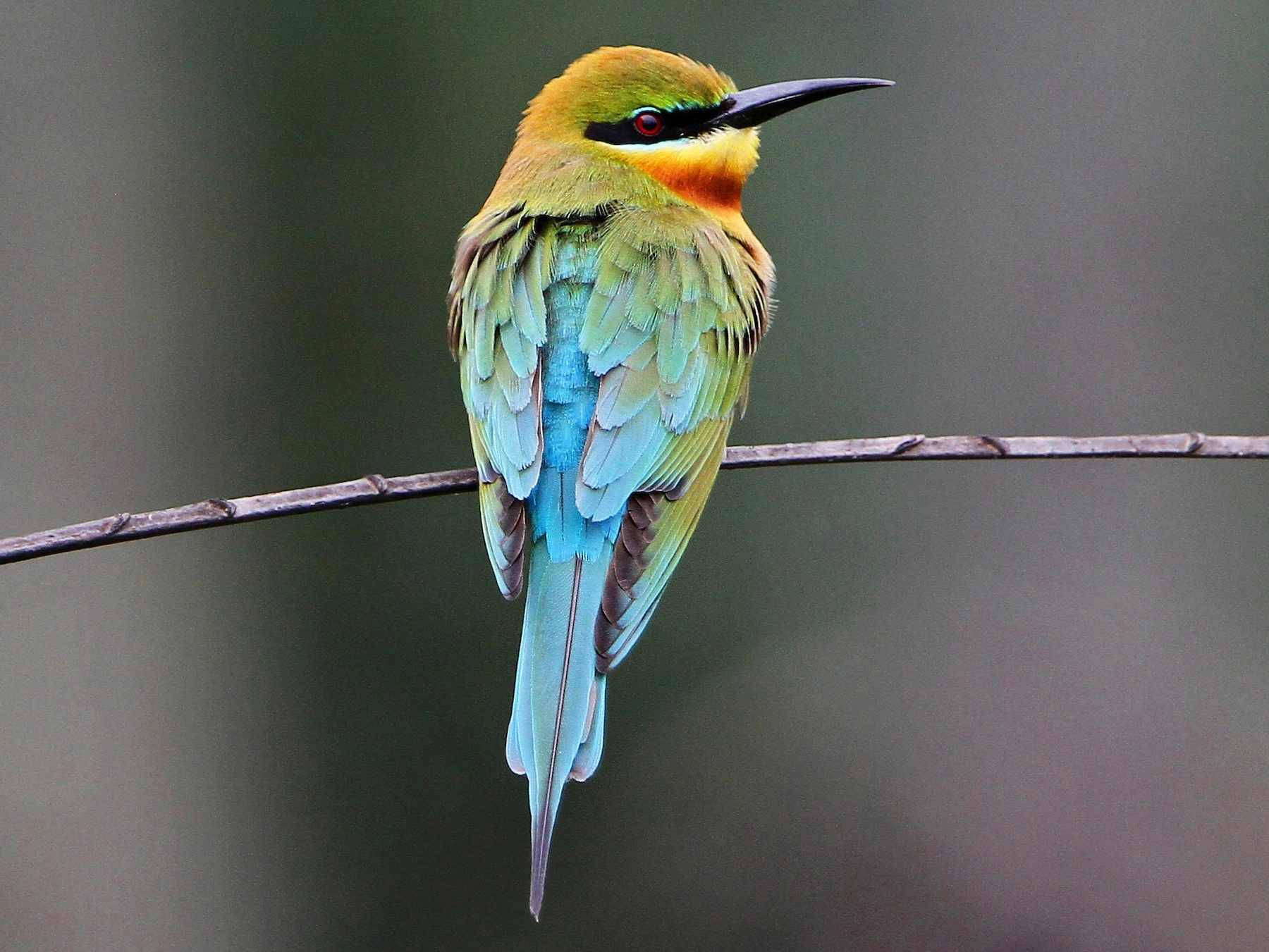
Ayurvan’s Aura Farm offers a rewarding birdwatching experience, with its ponds, orchards, and woodland attracting a colourful mix of forest, farmland, and wetland birds. Visitors can encounter the vibrant Tickell’s Blue Flycatcher and Blue-tailed Bee-eater, while Indian Grey Hornbills, Spotted Owlets, and Indian Peafowl are among the farm’s most sought-after residents. The ponds provide excellent opportunities to observe kingfishers hunting along the water’s edge, while Black Drongos patrol the open fields and Purple Sunbirds feed among flowering trees. Small flocks of Indian Silverbills add activity to the grasslands, making every walk through the farm a delightful opportunity to experience central India’s diverse birdlife.

Blue-tailed Bee-eater
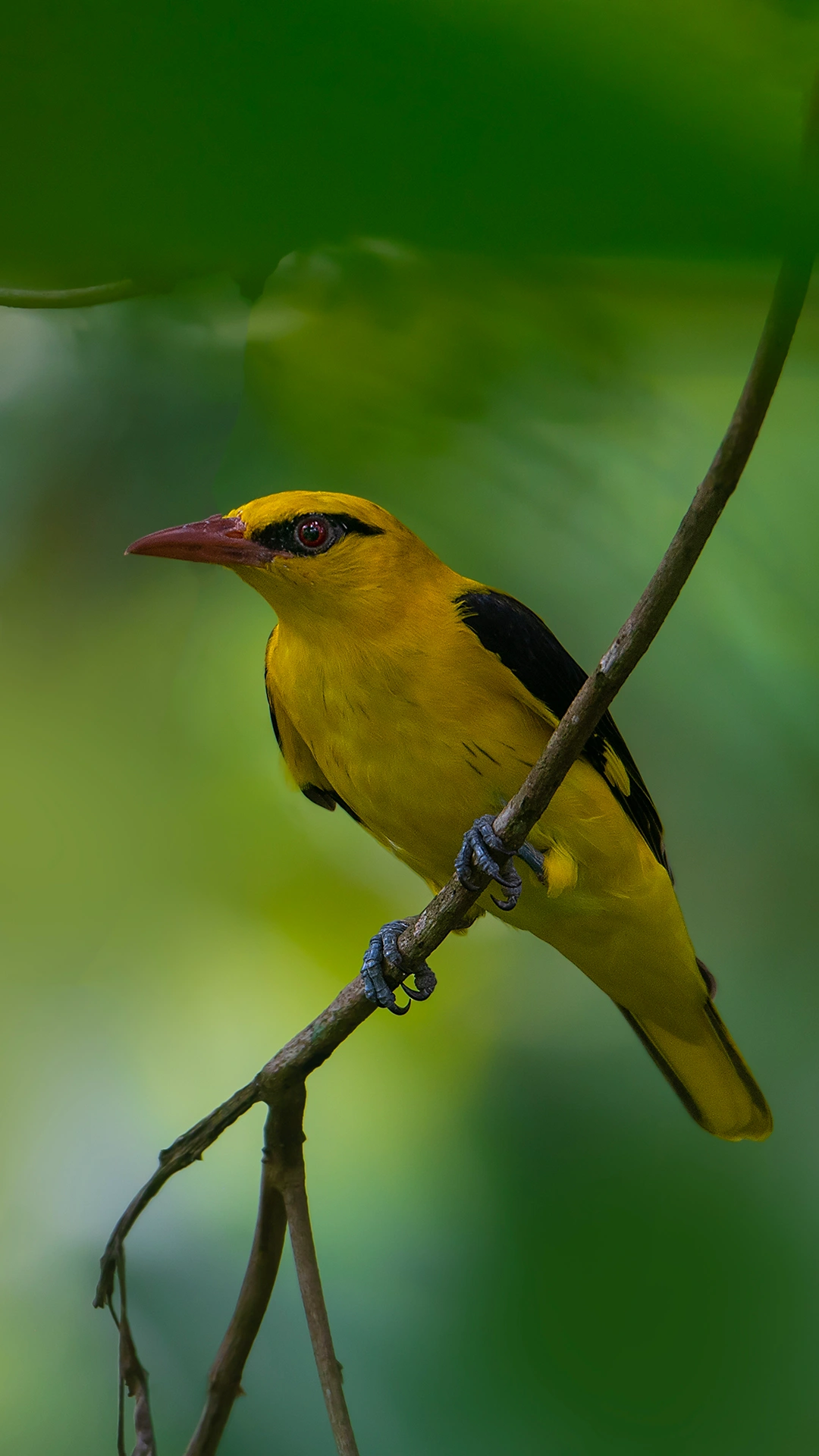
Indian Golden Oriole
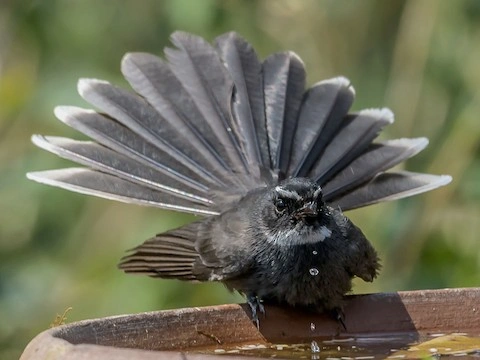
White Throated Fantail
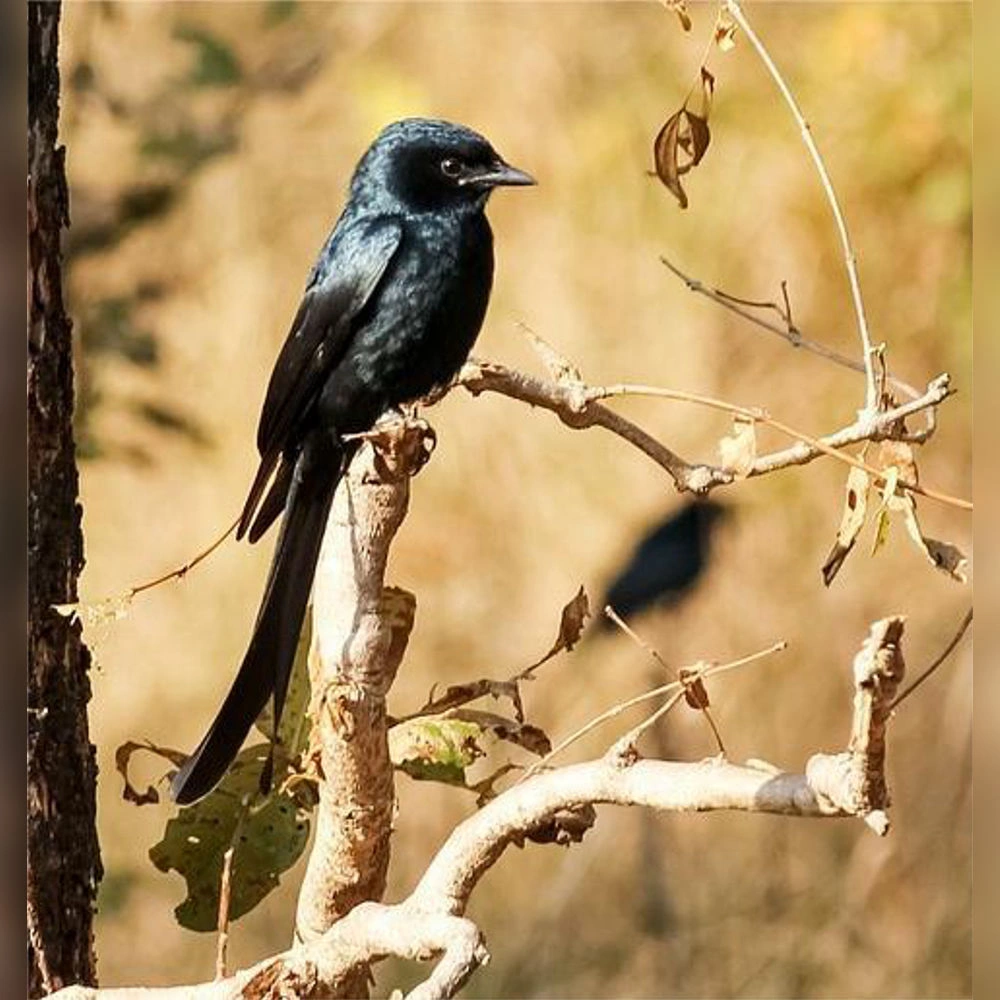
Black Drongo
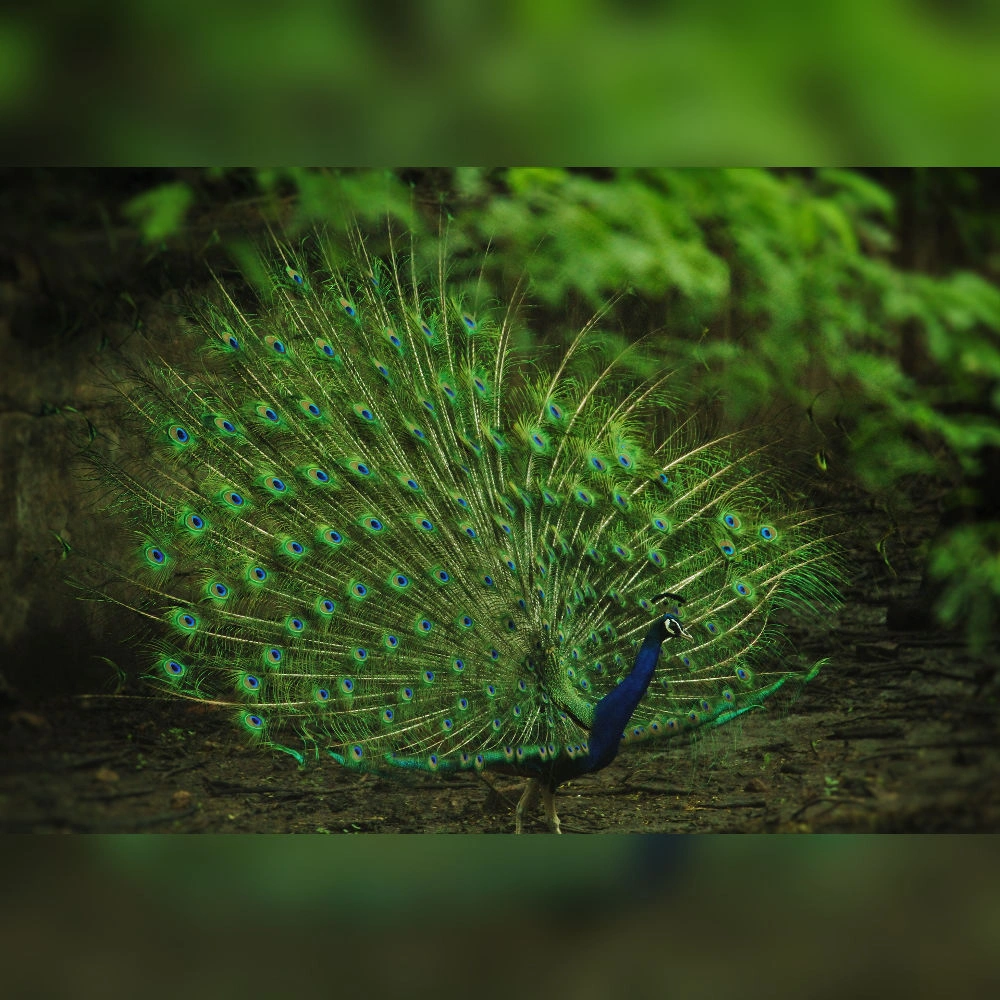
Indian Peafowl
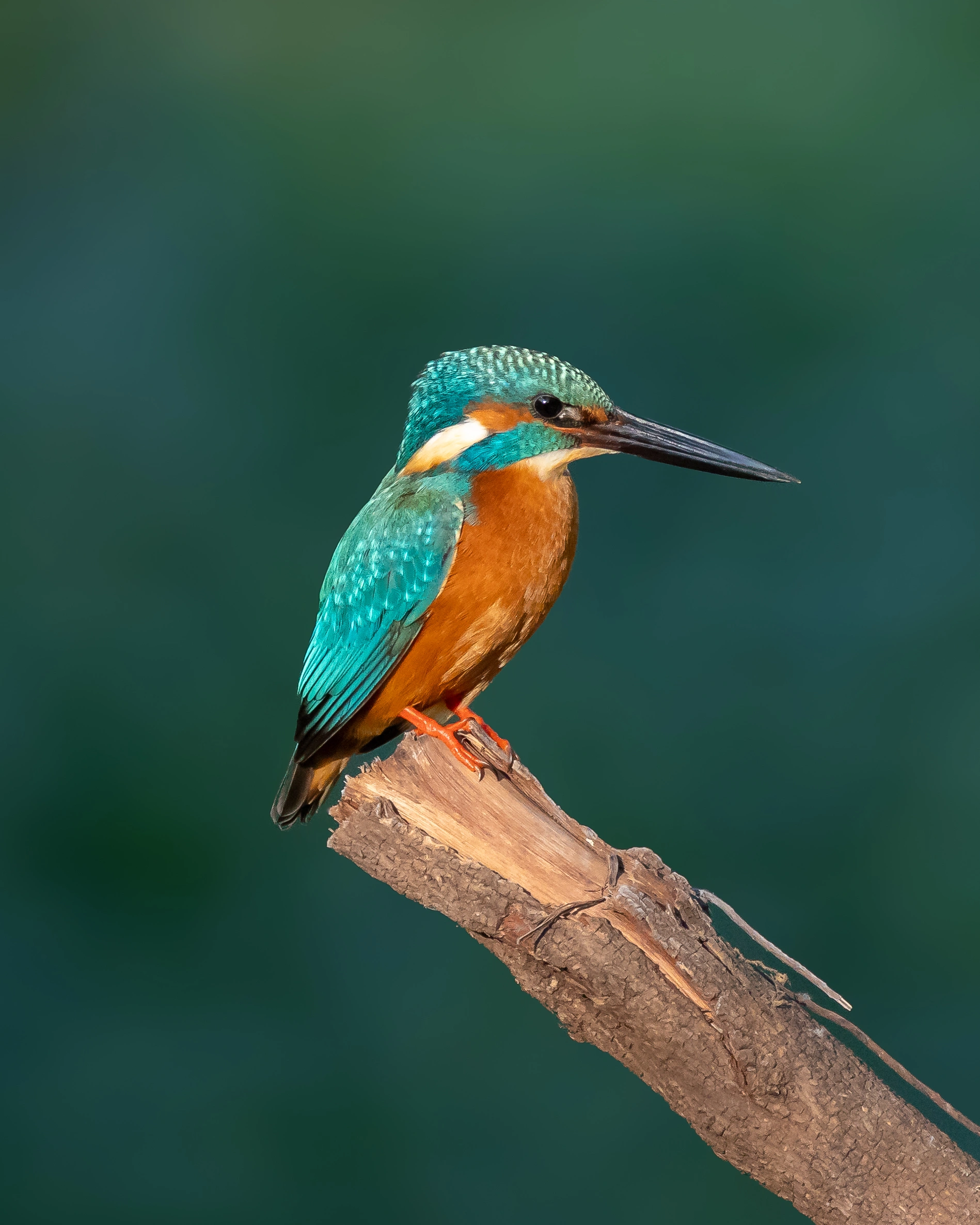
Common Kingfisher
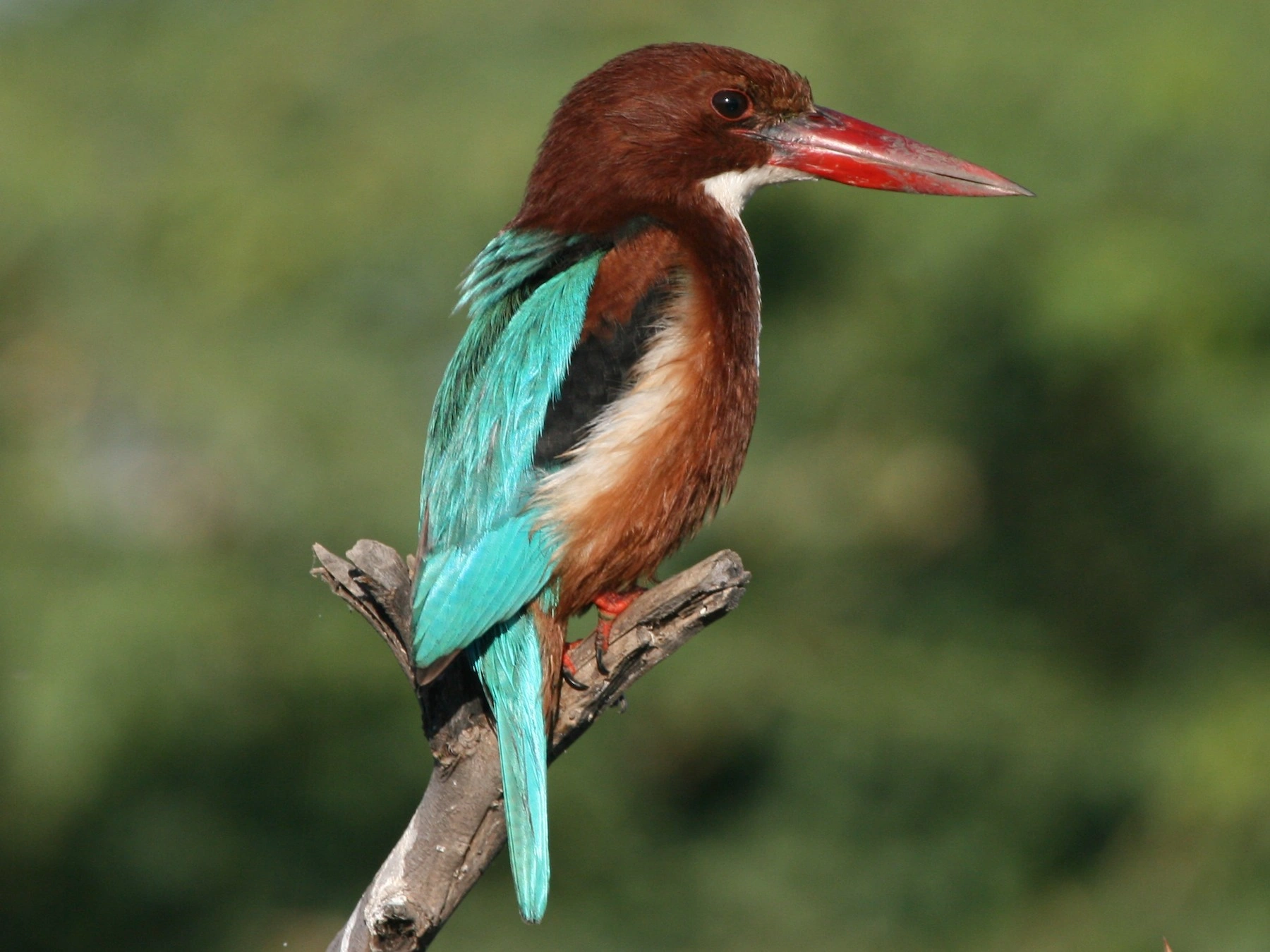
White-throated Kingfisher
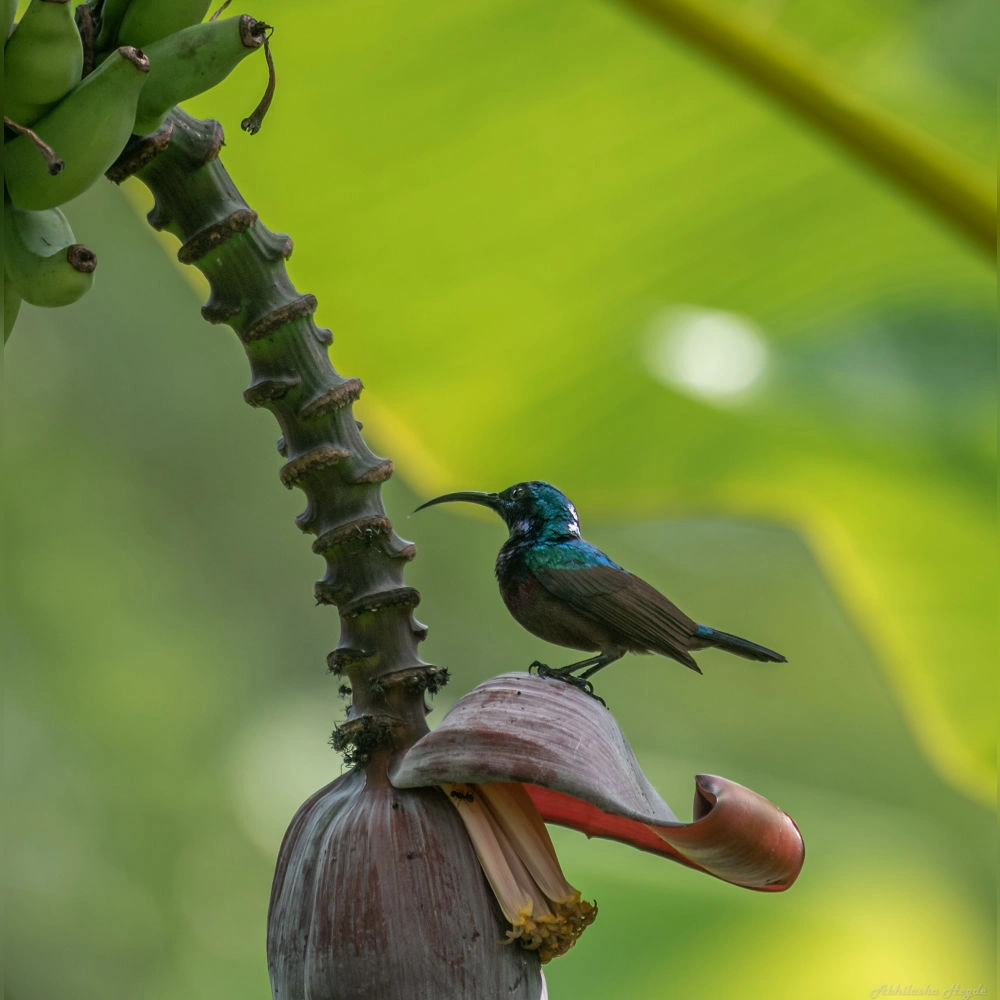
Purple Sunbird
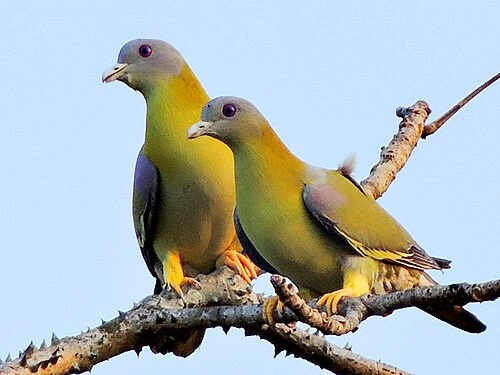
Yellow-footed Green Pigeon
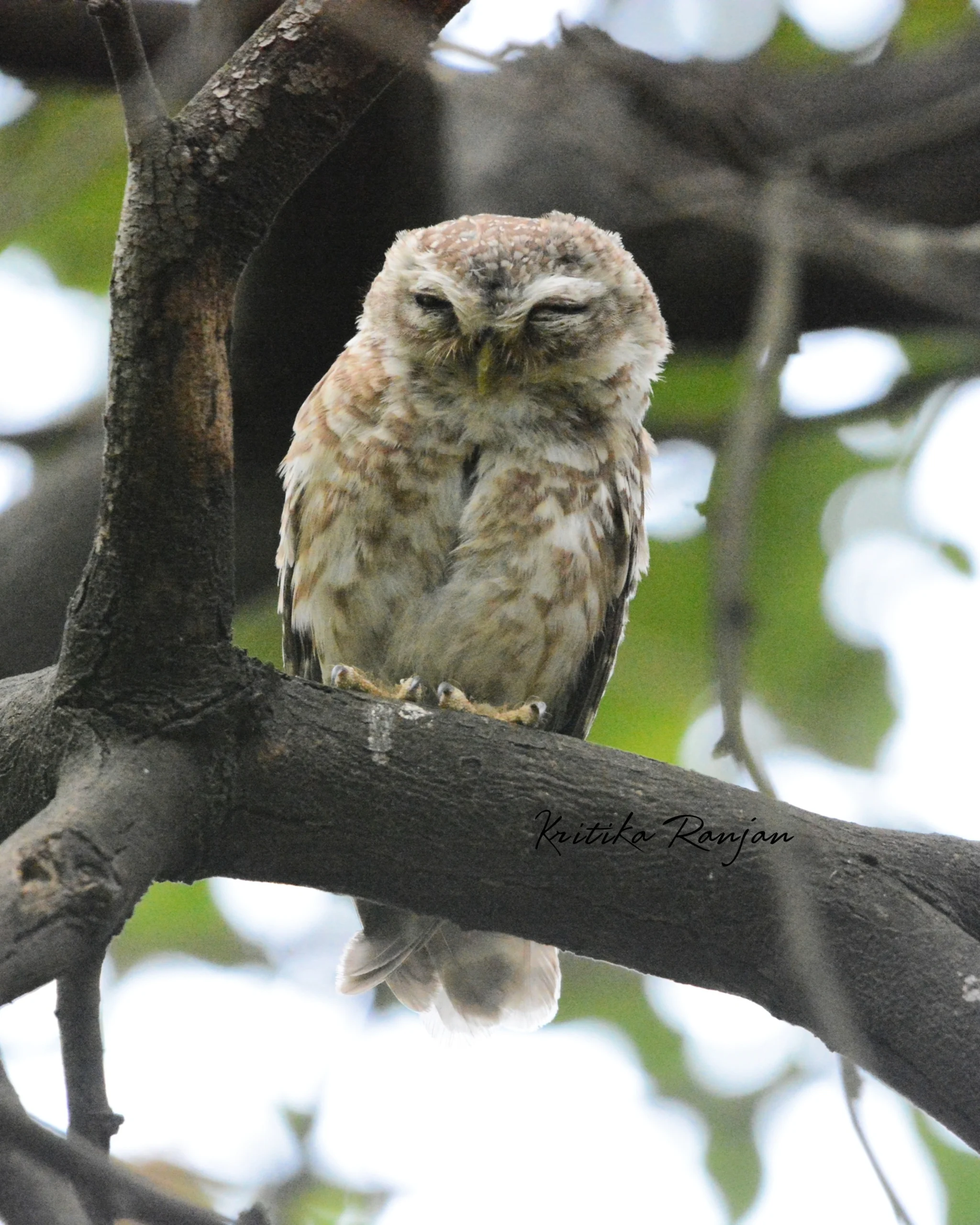
Spotted Owlet
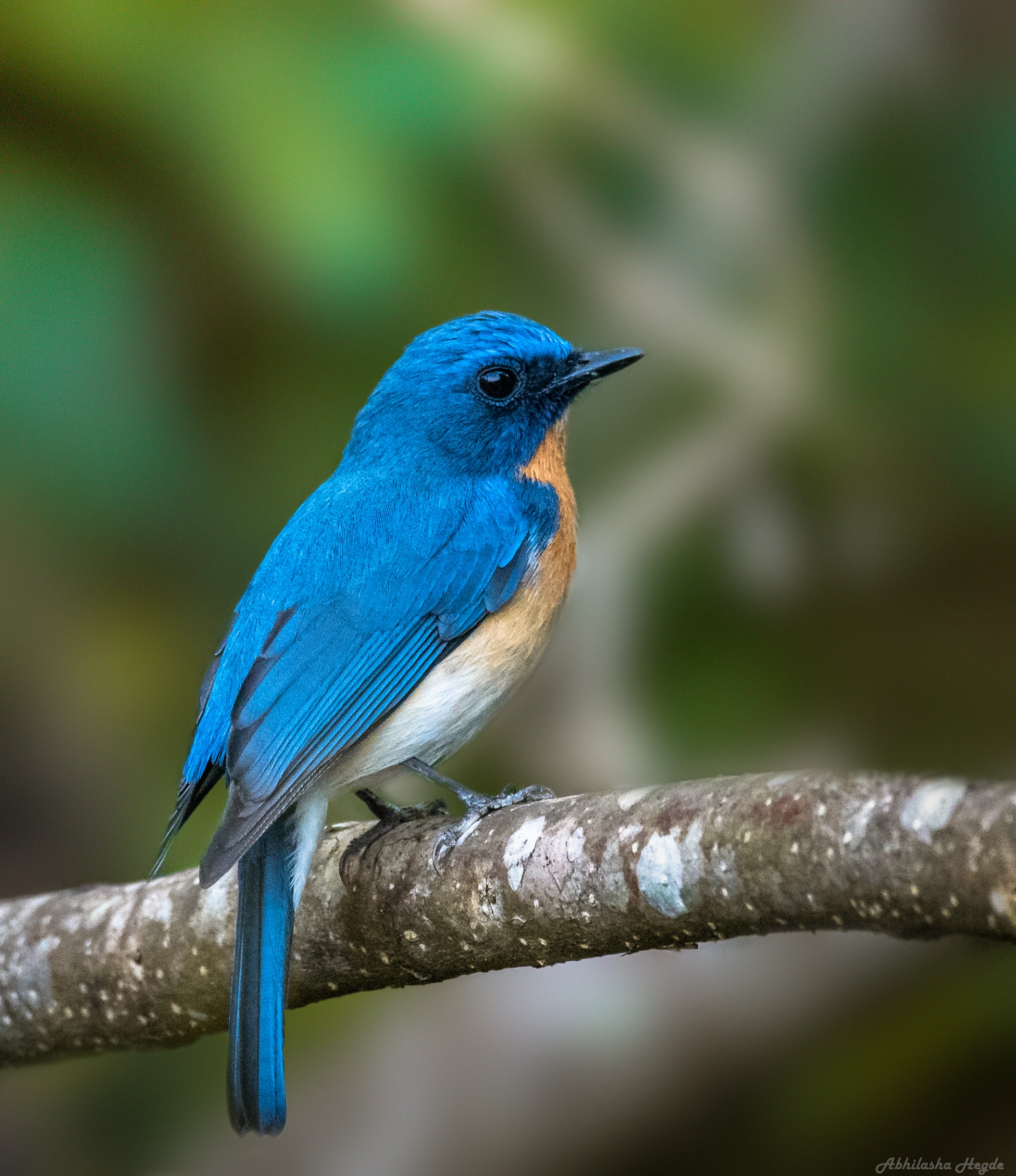
Tickell's Blue Flycatcher
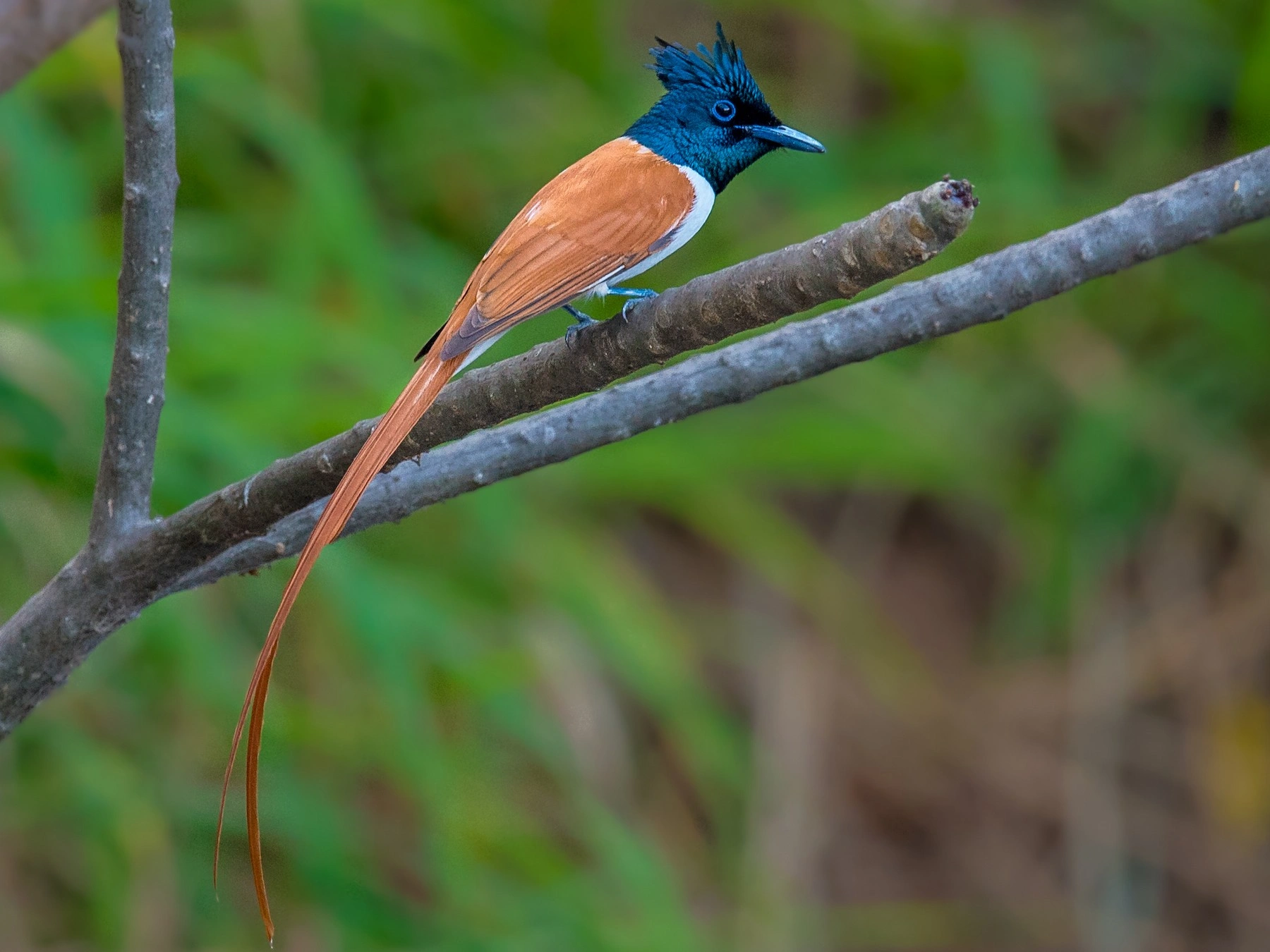
Indian Paradise Flycatcher
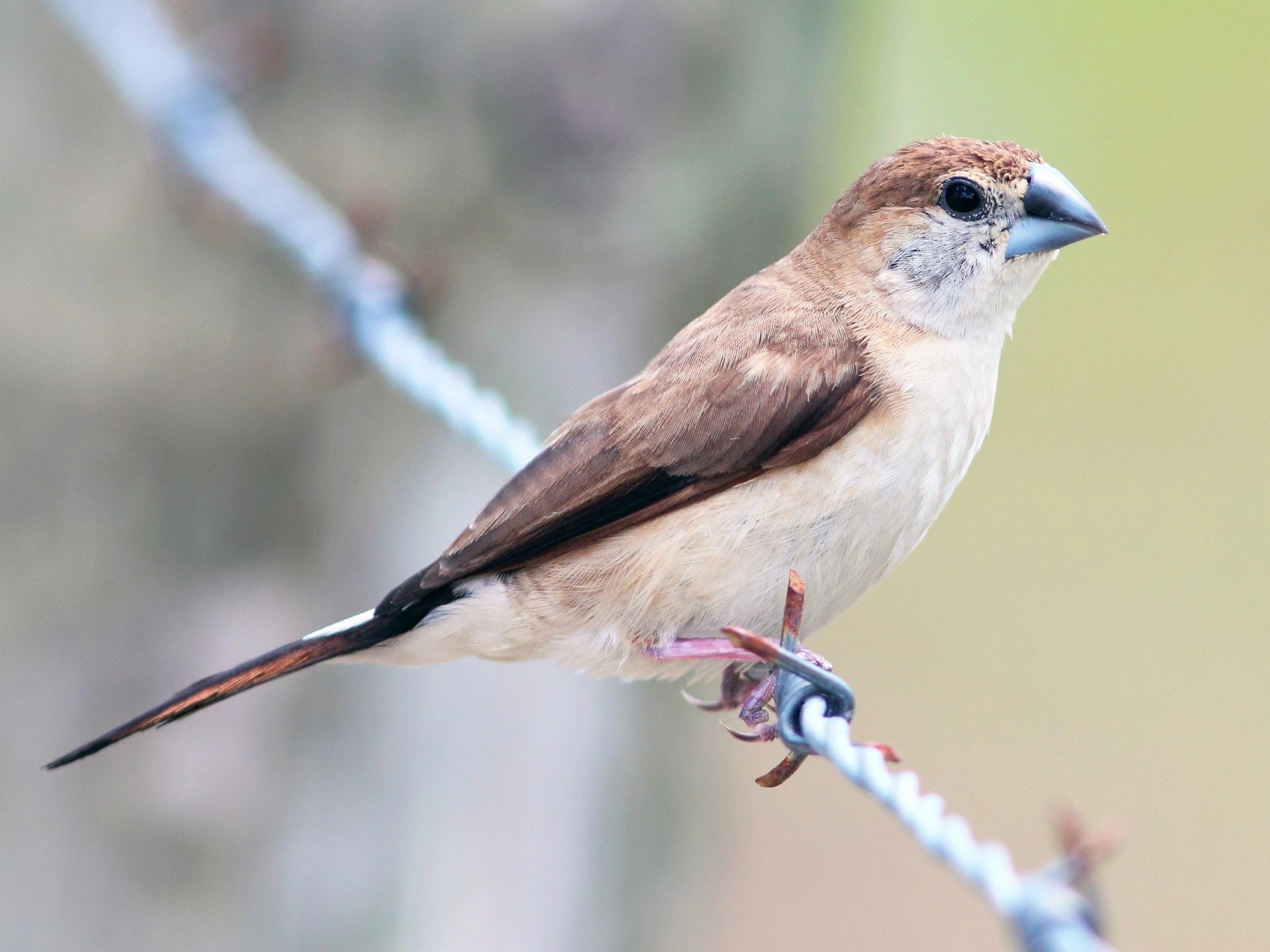
Indian Silverbill
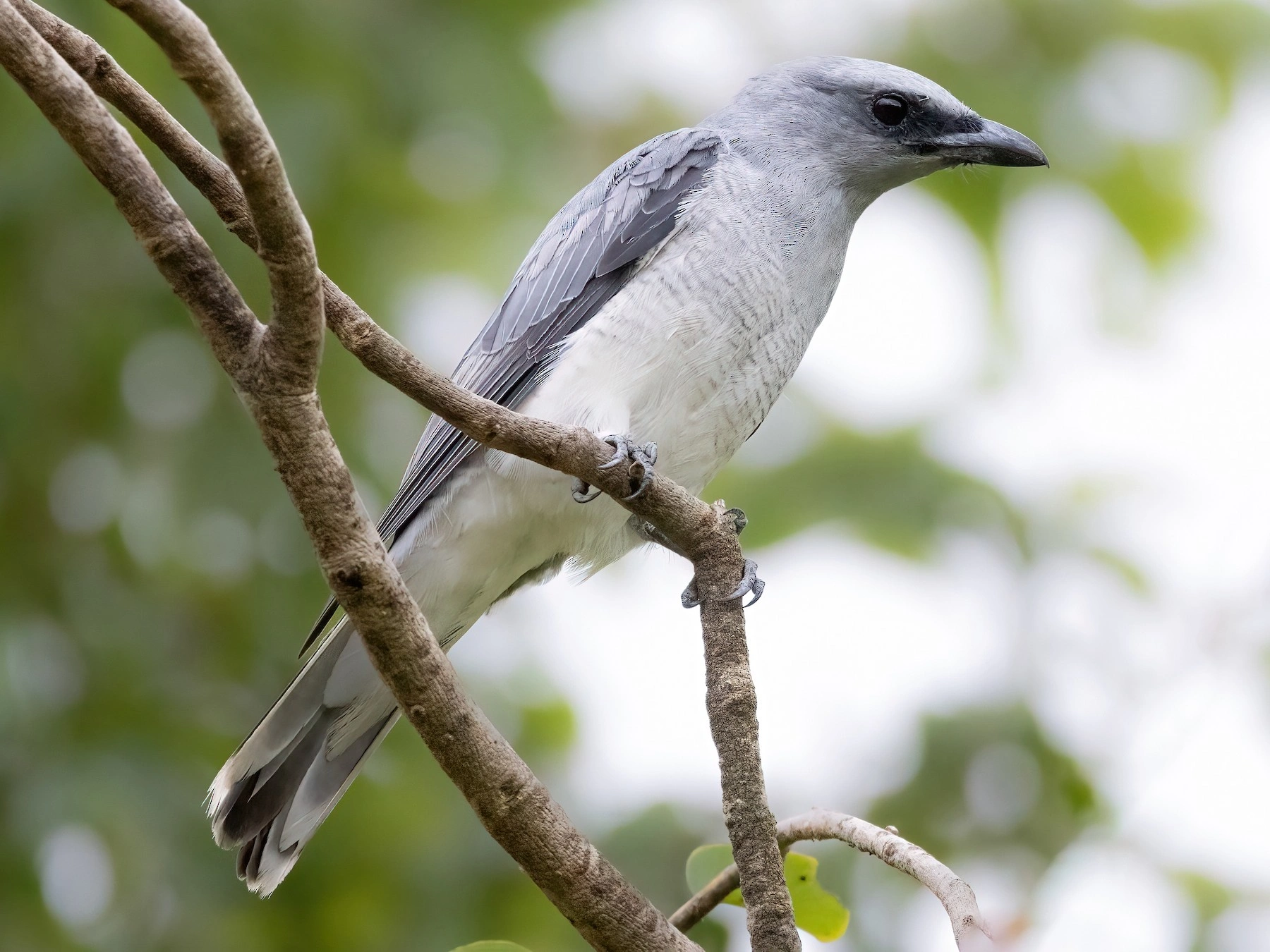
Indian Cuckooshrike
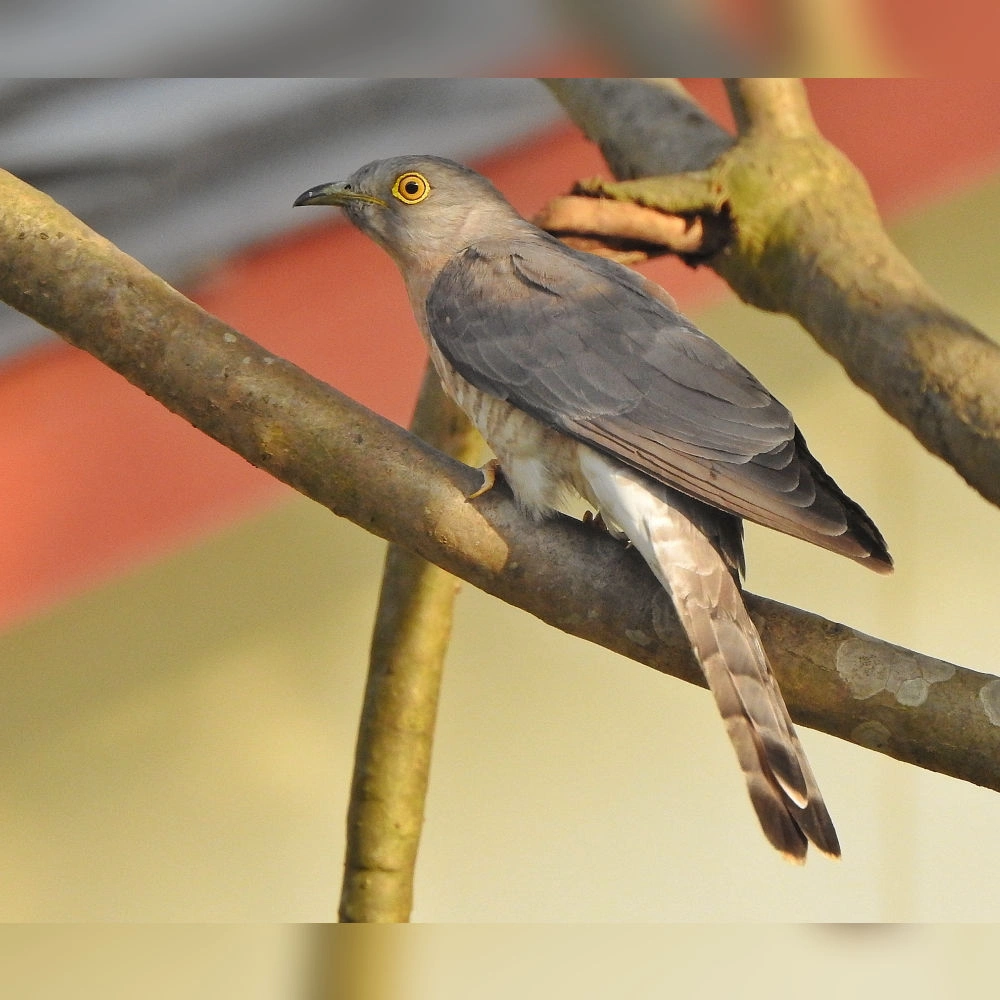
Common Hawk Cuckoo
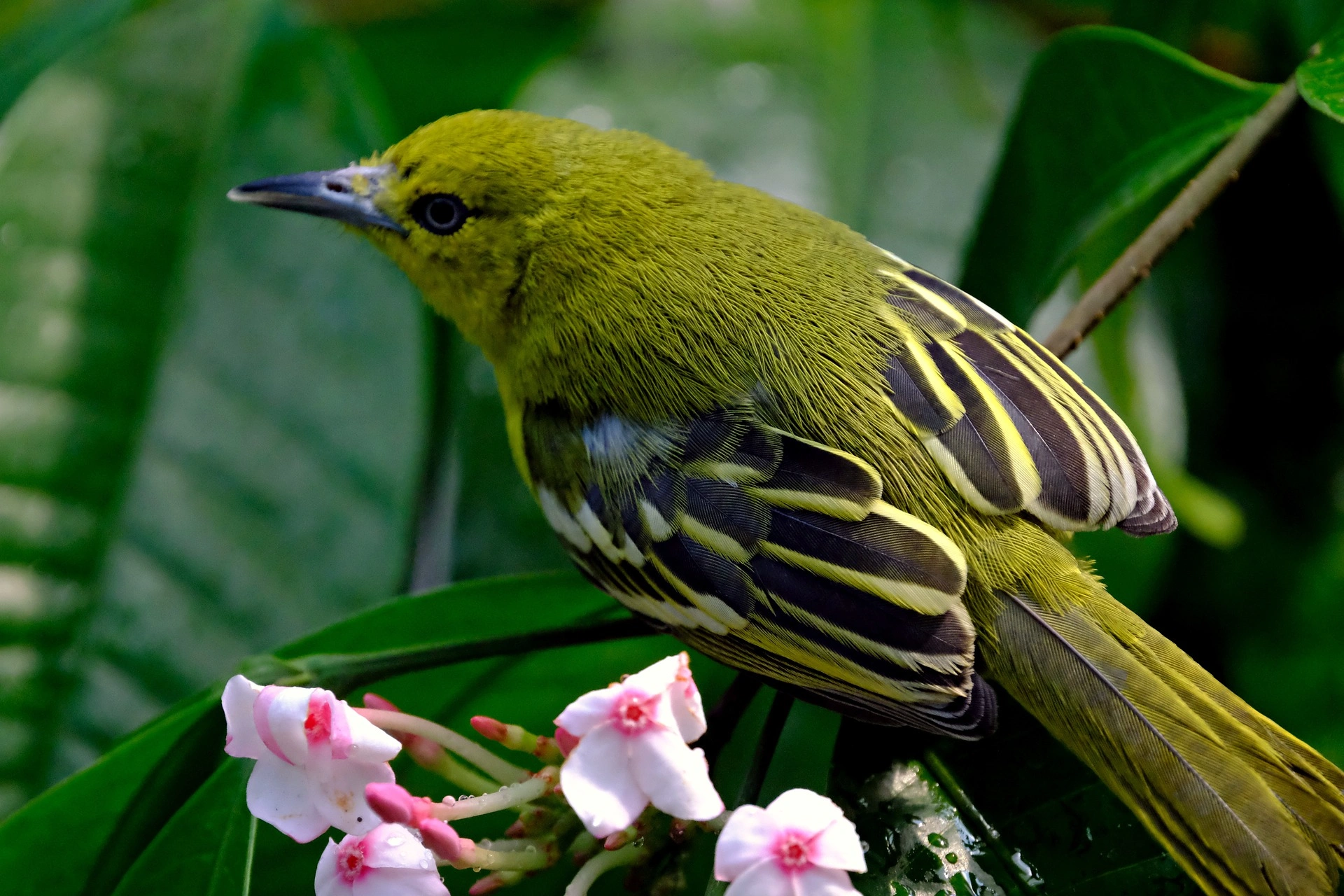
Common Iora
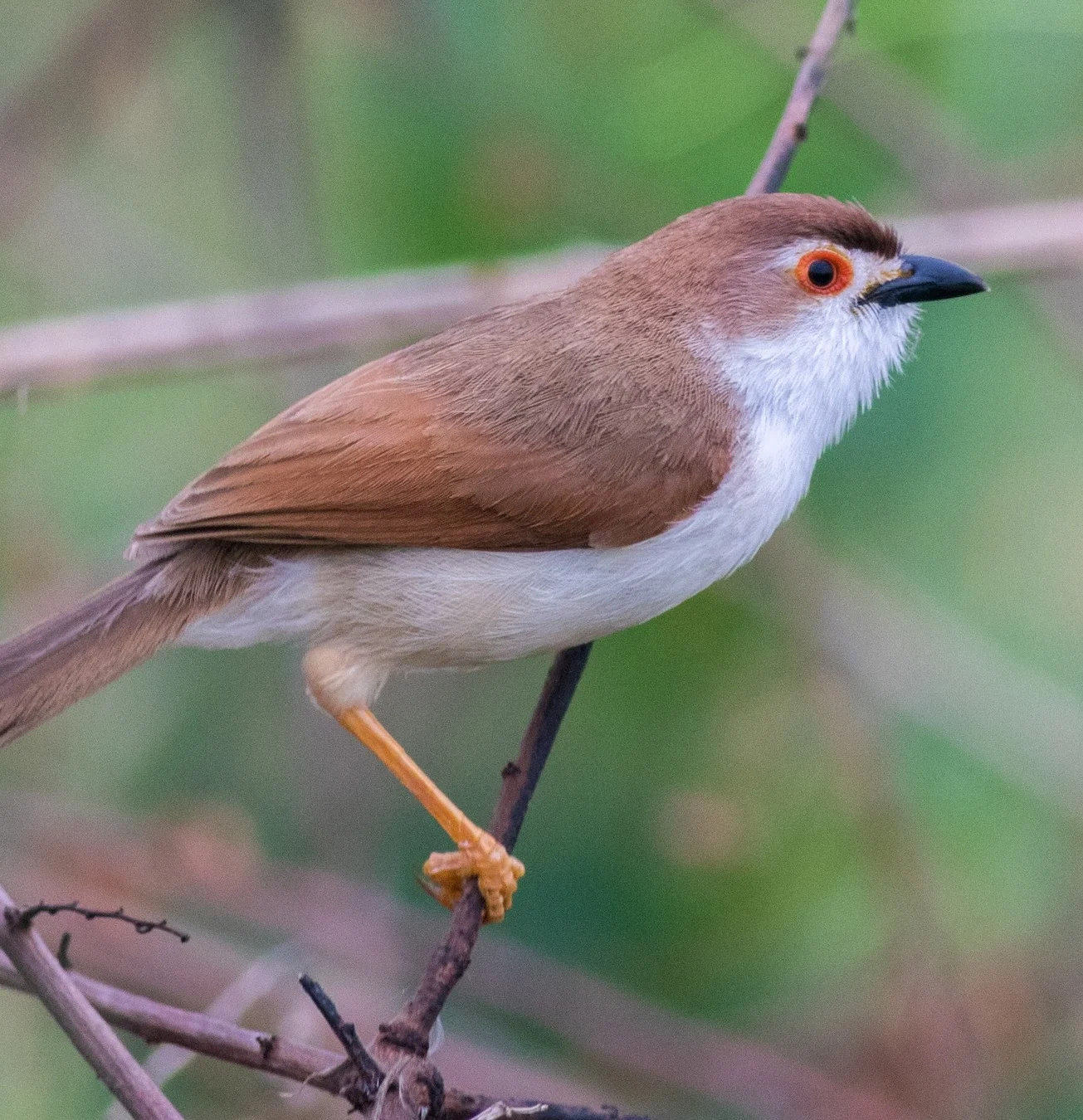
Yellow Eyed Babbler
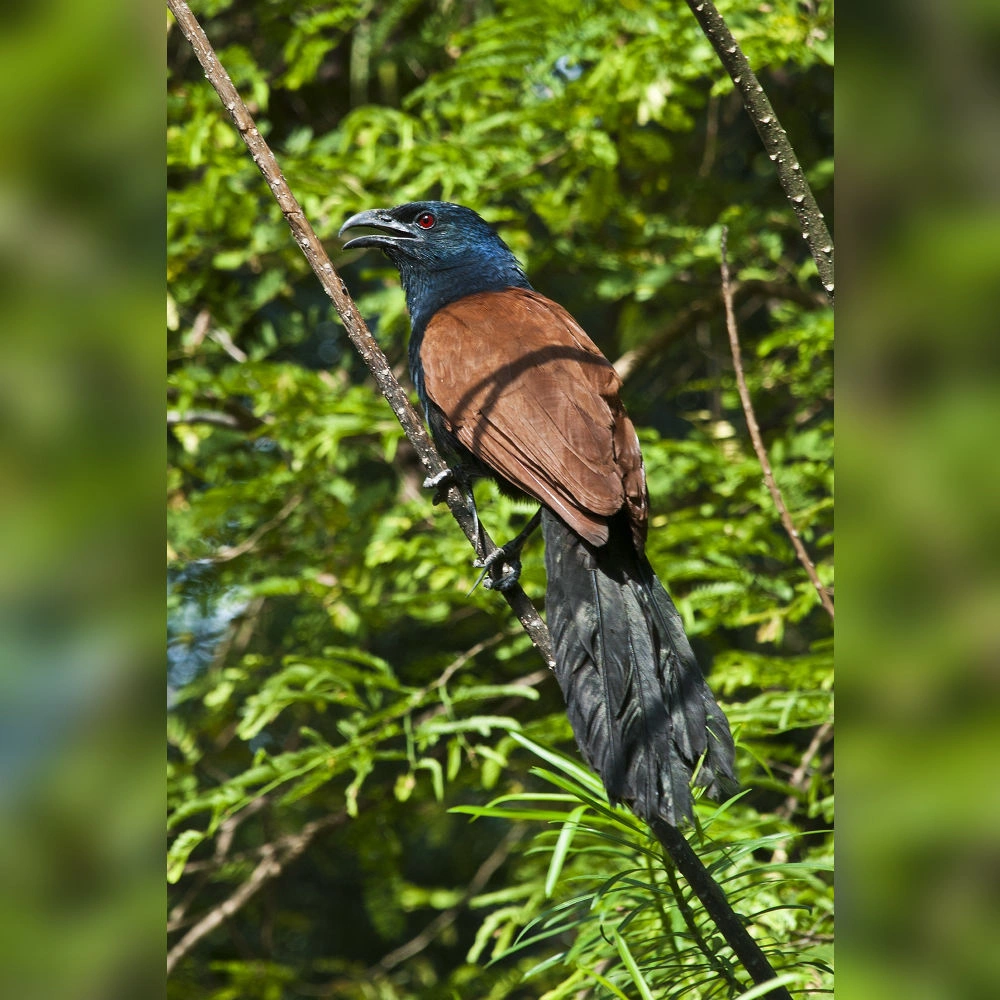
Greater Coucal
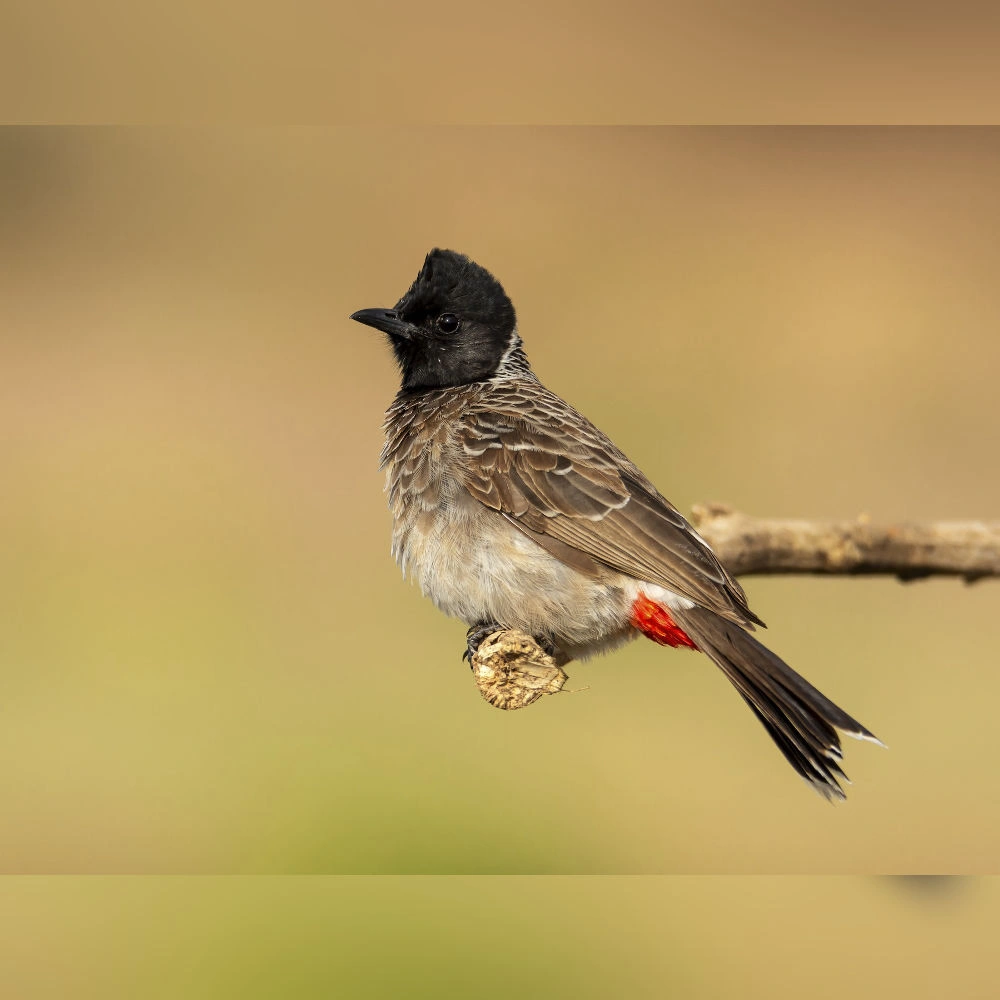
Red Vented Bulbul
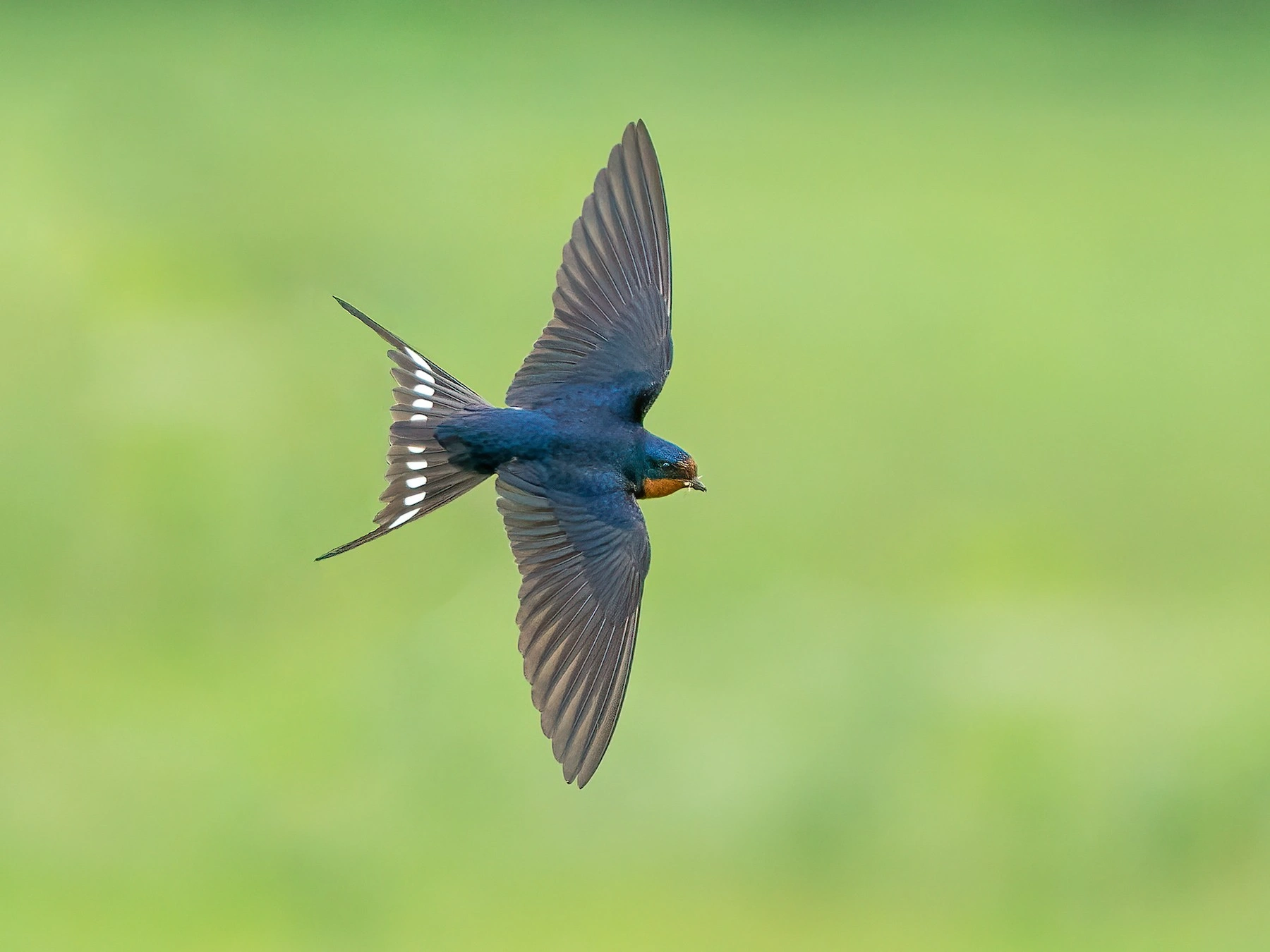
Barn Swallow

Summary of Walk

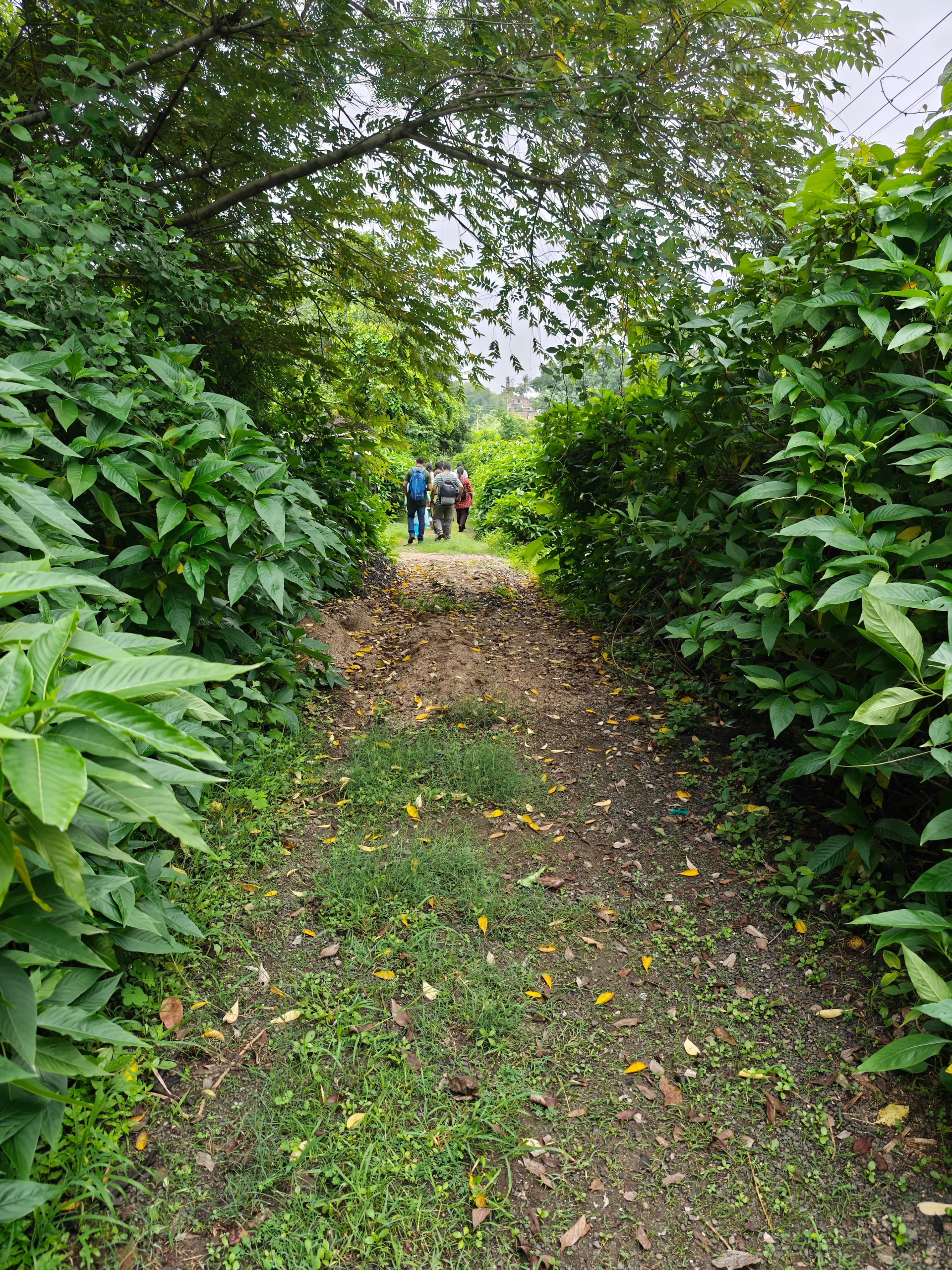
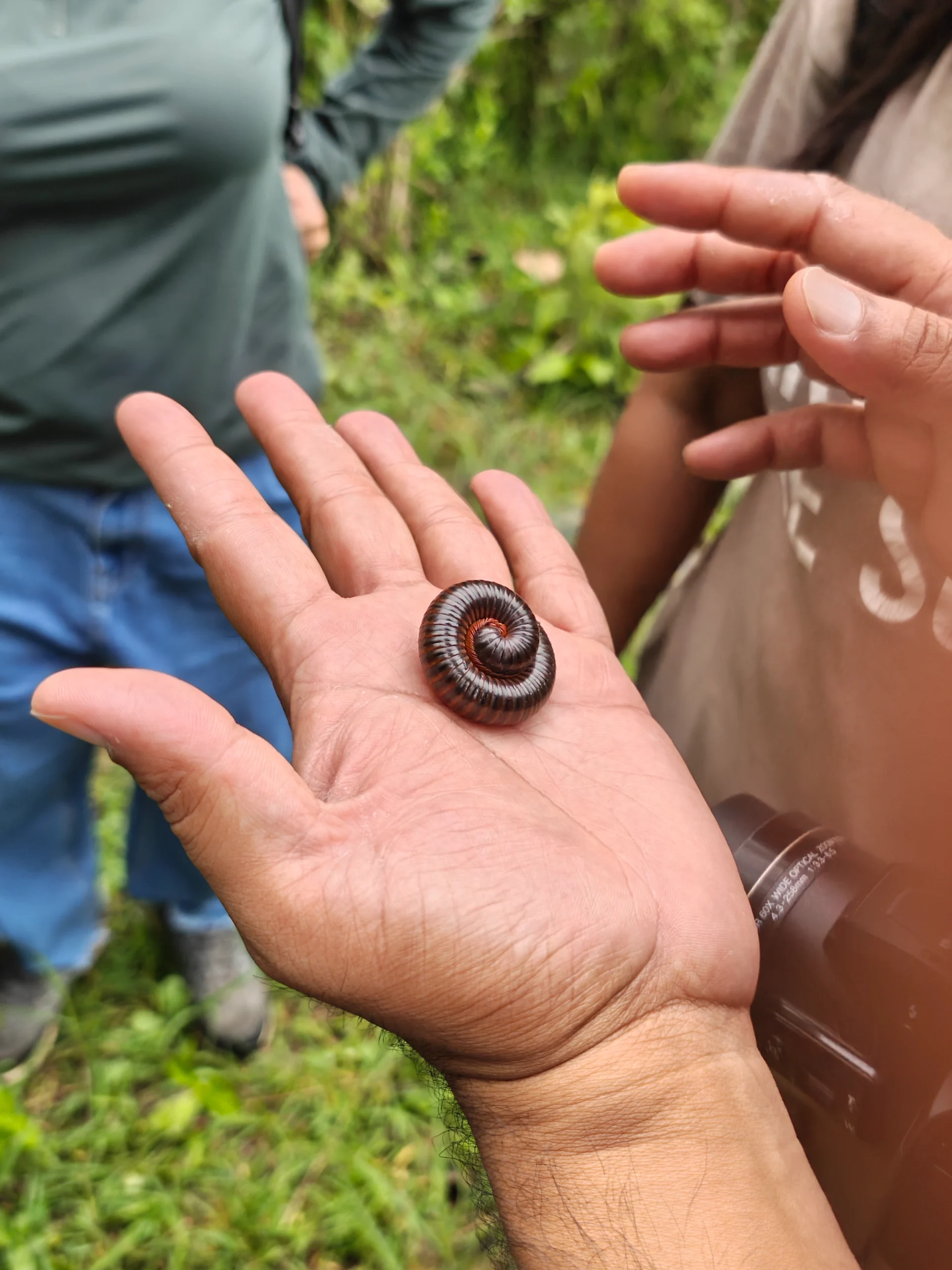
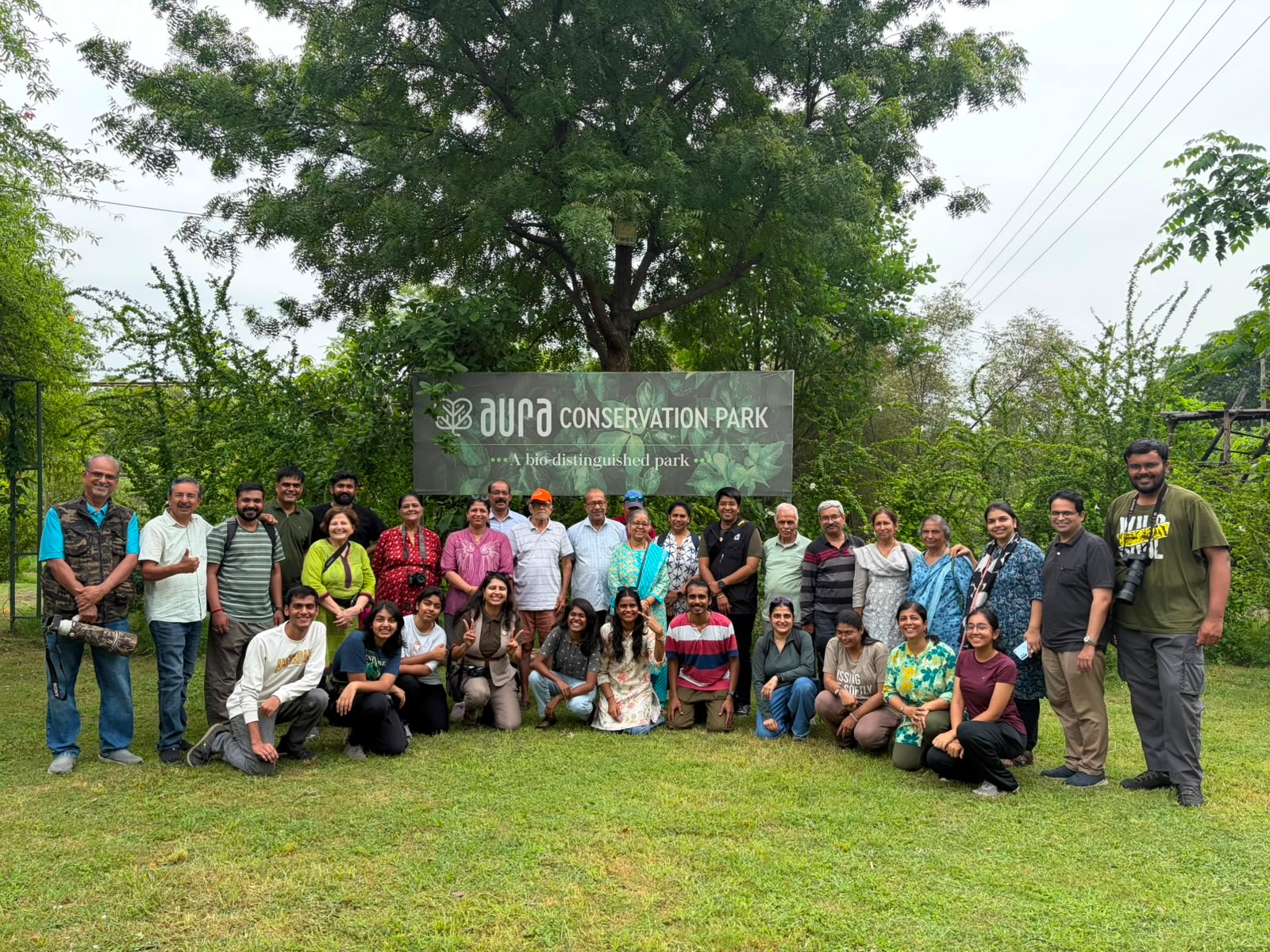
The guided bird walk at Aura Conservation Park brought together 22 participants representing a wonderful mix of youngsters, photographers, working professionals, and senior citizens. The group travelled together to the park, a unique conservation farm dedicated to protecting rare and endangered species of native plants and trees. The morning began with a lively icebreaker where participants introduced one another, creating a welcoming atmosphere before setting off on the birding trail. Over the next one and a half hours, participants explored the property’s rich habitats while learning about bird identification, behaviour, and the close relationship between healthy forests and thriving bird populations. The walk concluded with breakfast and enthusiastic conversations, with many participants choosing to stay longer because they enjoyed the location so much. A total of 34 bird species were recorded during the outing. The highlights included sightings of the colourful Indian Roller, the elusive Indian Pitta, and flocks of Scaly-breasted Munias, each adding excitement to the morning’s observations. The combination of native vegetation and well-protected habitats makes Aura Conservation Park an important sanctuary for birds and other wildlife. Beyond birdwatching, participants also gained a deeper understanding of the importance of habitat restoration and plant conservation in supporting biodiversity. The walk beautifully demonstrated how conserving native ecosystems benefits both wildlife and people while encouraging participants to become stronger advocates for nature conservation.
Number of Participants
0
Scroll to Top