


Bird Walk at Azhankal Walkway, Neeramankara, Trivandrum, Kerala
- Trivandrum
- 14 November, 2026
- Rs 200 per head
- Fee collected goes entirely to the bird guide. Ataavi does not retain or profit from this amount.
About Azhankal Walkway, Neeramankara
In the heart of Thiruvananthapuram, the Azhankal Walkway at Neeramankara follows the green banks of the Karamana River. It’s one of the city’s favourite riverside paths for morning and evening walks. The river winds slowly between banks lined with coconut palms, bamboo, wild figs and tangled undergrowth, with shallow edges, overhanging branches and patches of water plants along the way. Nearby fields and garden trees add to the mix. Fish, frogs, water snakes, monitor lizards and countless dragonflies and butterflies live along the water, making this narrow green corridor a lifeline for wildlife in a busy city.
For birders, the walkway offers an easy, rewarding stroll. Storks, ibises, darters and herons fish along the river. The giant Stork-billed Kingfisher waits on shady branches, and barbets, flamebacks, drongos and flowerpeckers fill the trees. In winter, migrants add to the variety. Like many urban rivers in Kerala, though, the Karamana is under pressure. Sewage and household waste flow into the water, and plastic collects along the banks. Sand mining and riverbank construction reshape its edges, and concrete beautification projects can replace the natural vegetation birds need for shelter and nesting. Keeping the river clean, protecting the trees and soft, green banks, and encouraging people to care for the walkway will help it stay a haven for birds.

Bird Guide: Malavika S Nair
She is a researcher with over three years of experience in ornithological research and is currently working as a researcher at the Wildlife Institute of India – Salim Ali Centre for Ornithology and Natural History (SACON), Coimbatore. She has also worked on a vulture conservation project with the Tamil Nadu Forest Department and has extensive fieldwork experience in Mudumalai Tiger Reserve. Beyond her research, she has volunteered in various forest and urban bird surveys across Kerala and Tamil Nadu. Her fieldwork has involved bird identification, monitoring and biodiversity assessments across diverse habitats, contributing to wildlife research, ecological understanding and conservation efforts.
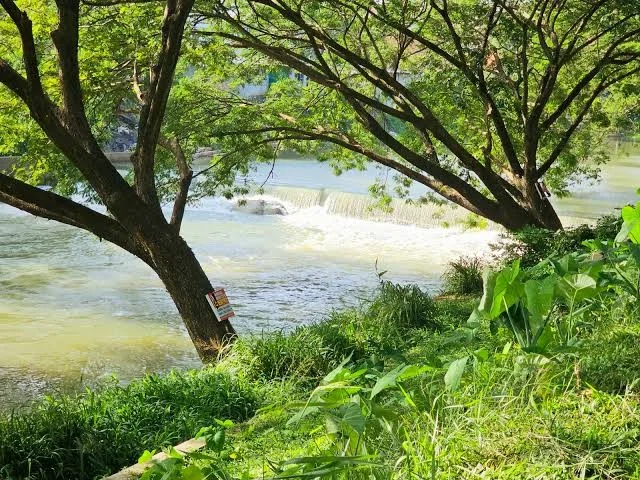
Bird walk Location
Common birds of Azhankal Walkway
The Karamana riverbank at Neeramankara holds some impressive birds. The Stork-billed Kingfisher, one of India’s largest kingfishers, sits quietly on a shady branch over the water, its massive red bill ready to snap up a fish. Nearby, the little Jungle Owlet, finely barred and fierce for its size, often calls and hunts in broad daylight. The Greater Racket-tailed Drongo trails two long tail wires tipped with “rackets”, and it can mimic the calls of other birds with remarkable skill. Along the river, the Oriental Darter, or “snakebird”, swims with only its thin neck above the surface. Asian Openbills crack snails with their oddly gapped bills, and Black-headed Ibises probe the muddy edges. The tall Gray Heron, Little Egrets and Eastern Cattle-Egrets hunt patiently in the shallows. The White-throated Kingfisher flashes electric blue from its perch. In the trees, the White-cheeked Barbet keeps up its steady call, and the Black-rumped Flameback drums on old trunks. The tiny Pale-billed Flowerpecker darts between mistletoe clumps. Common Tailorbirds, Rose-ringed Parakeets, the booming Greater Coucal and the Asian Koel fill the riverside greenery, while Black Kites circle overhead.

Stork-billed Kingfisher

Jungle Owlet

Greater Racket-tailed Drongo
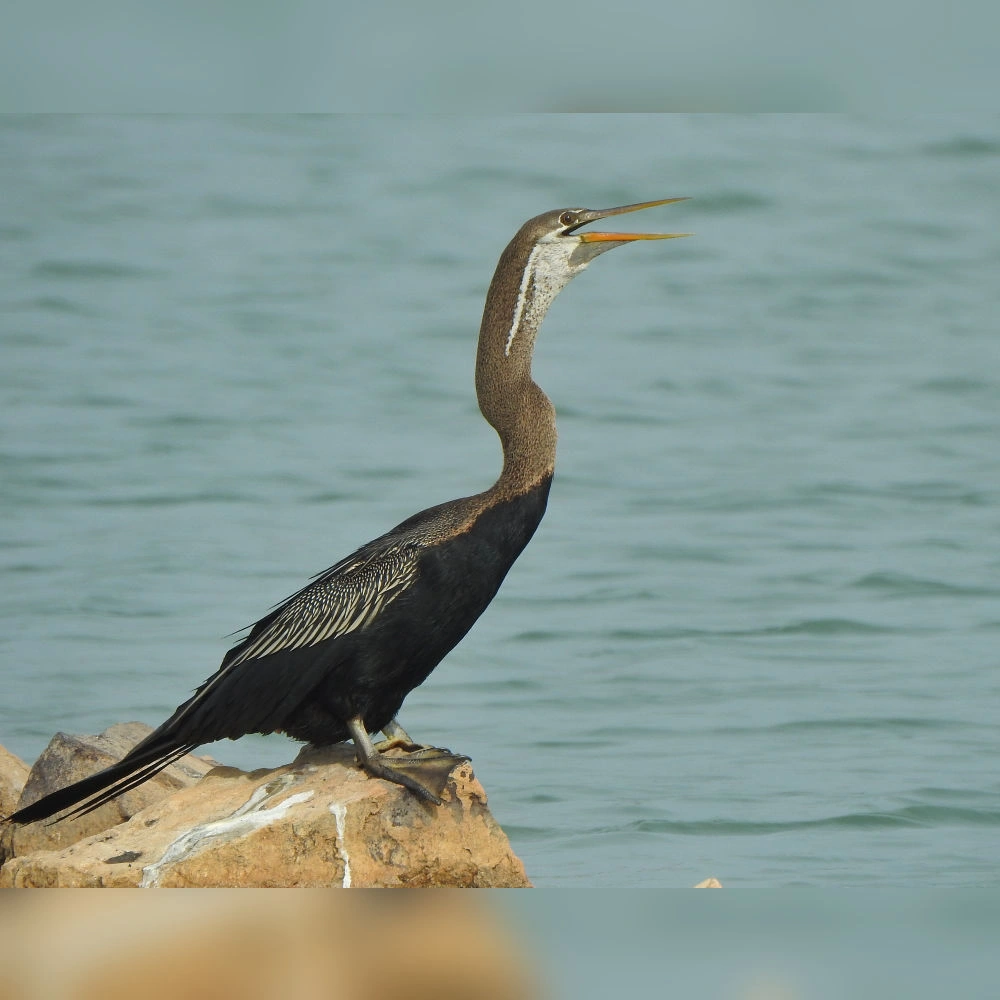
Oriental Darter
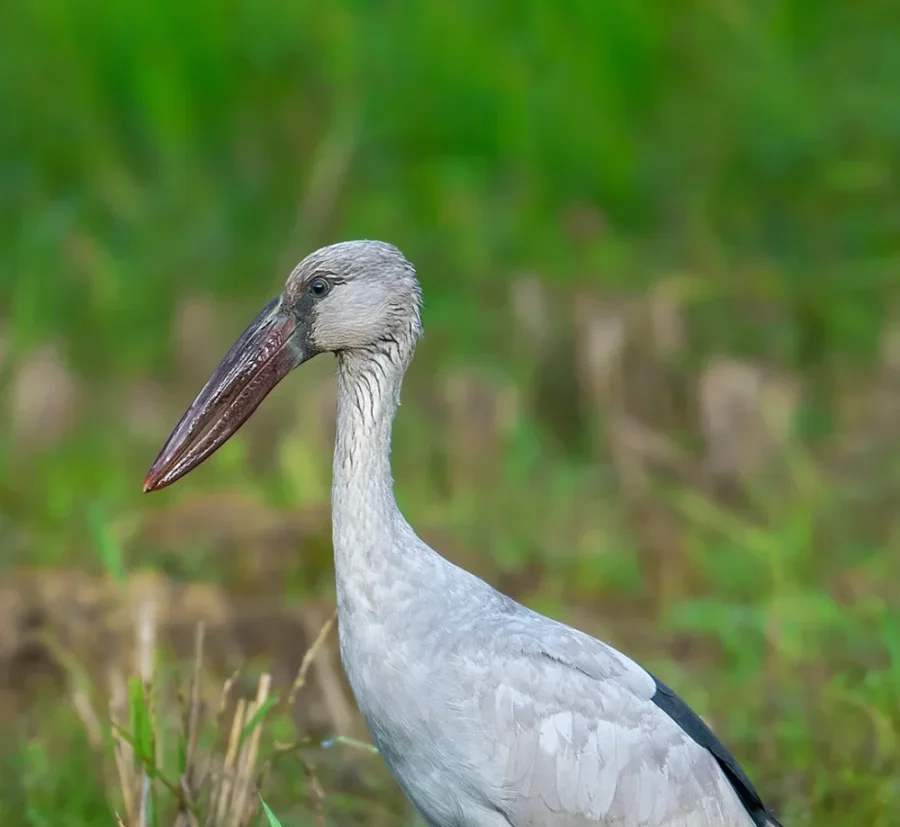
Asian Openbill
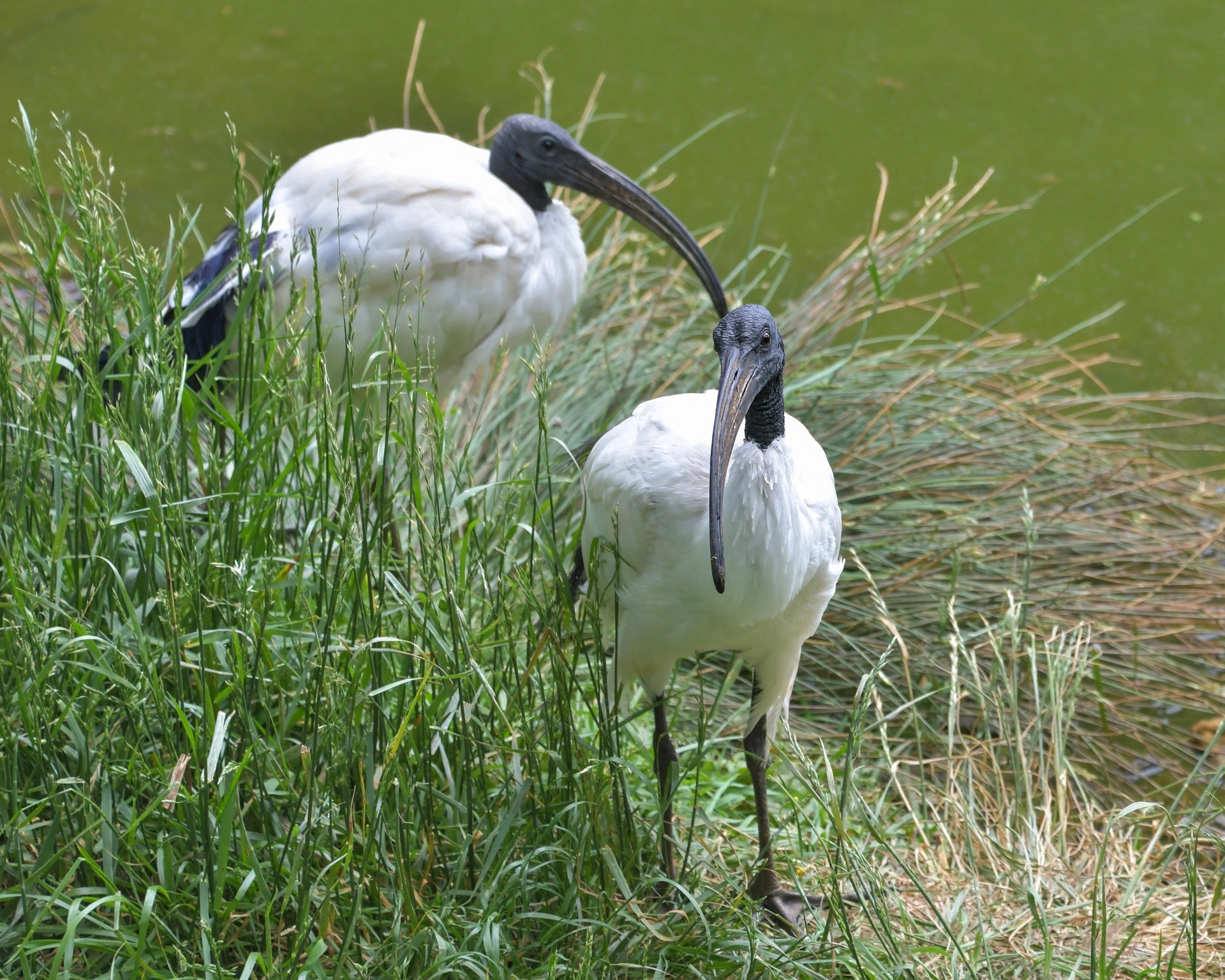
Black-headed Ibis
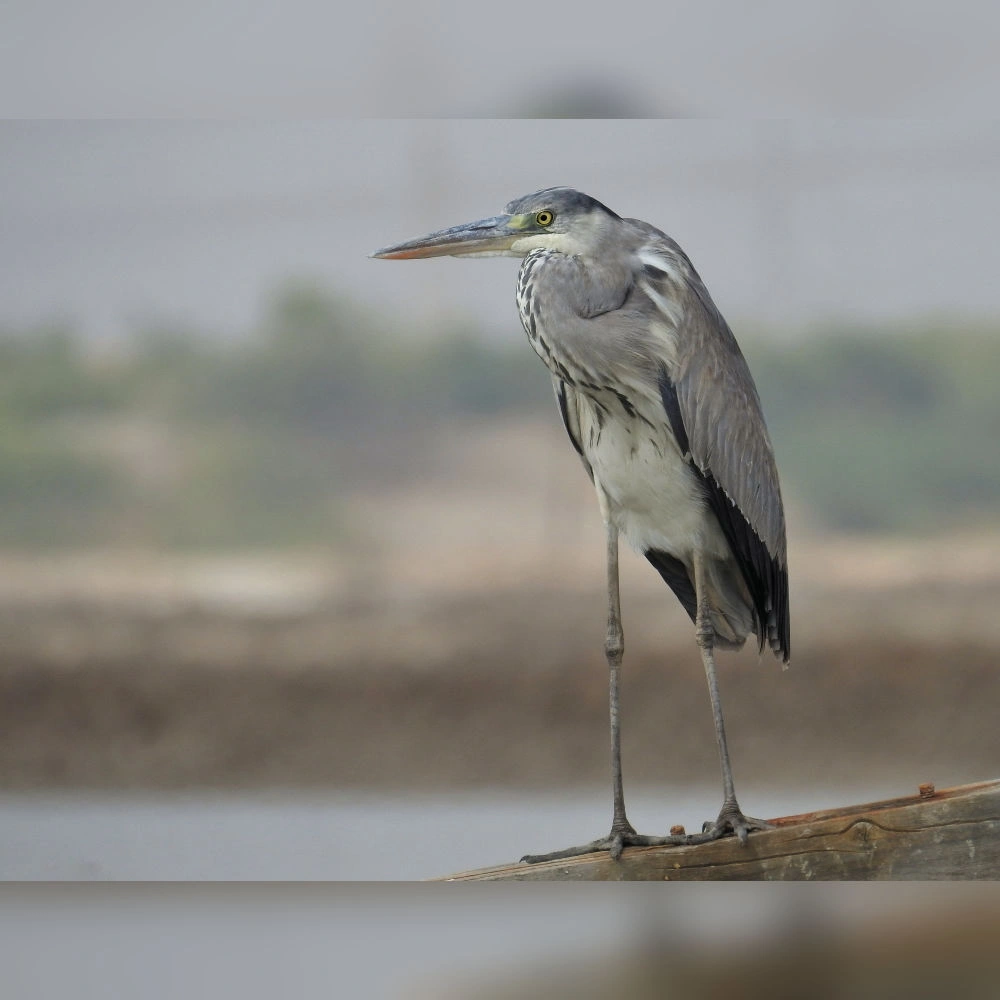
Grey Heron
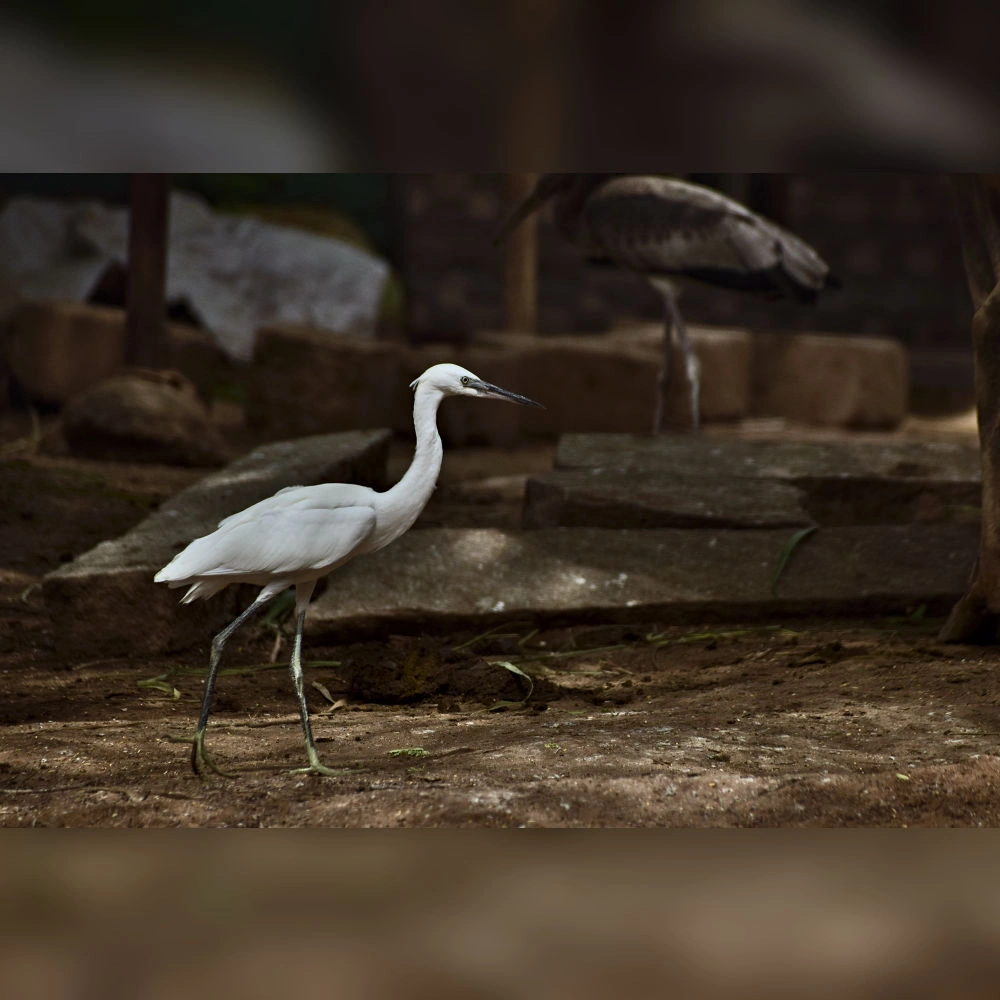
Little Egret
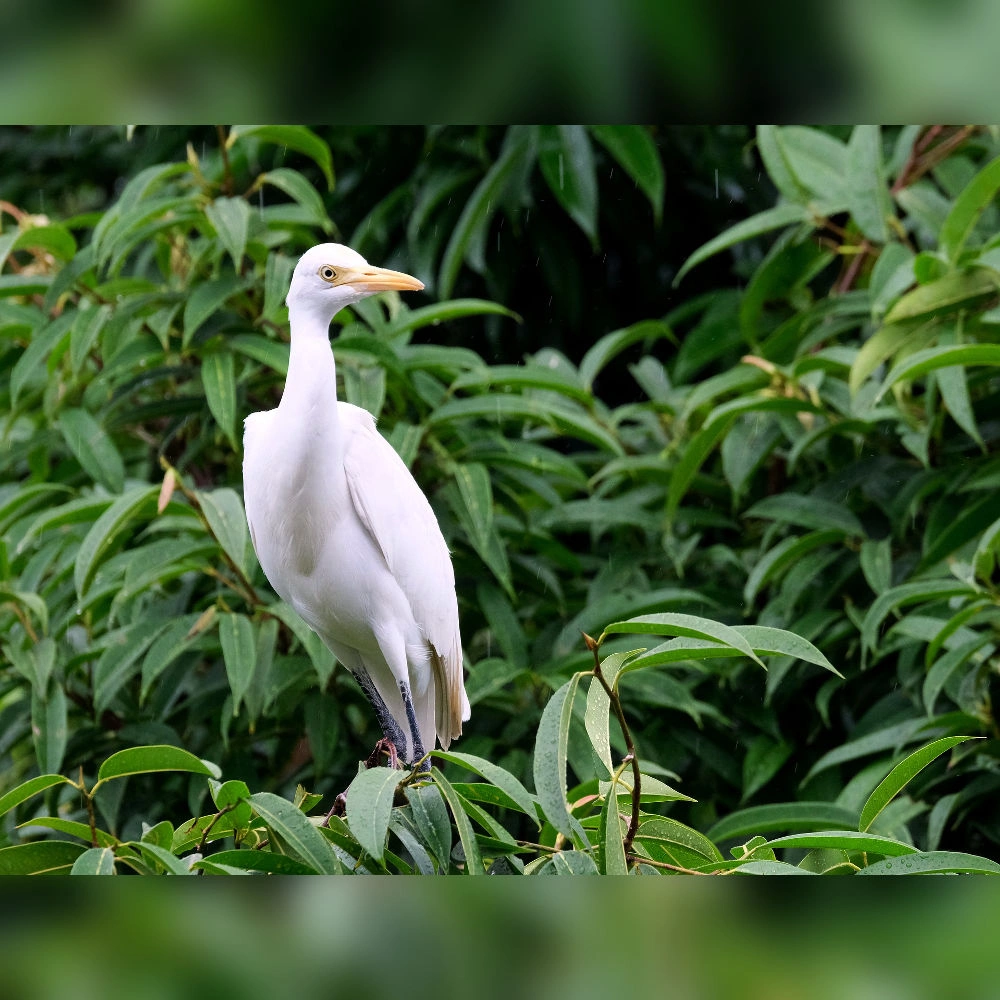
Eastern Cattle-Egret
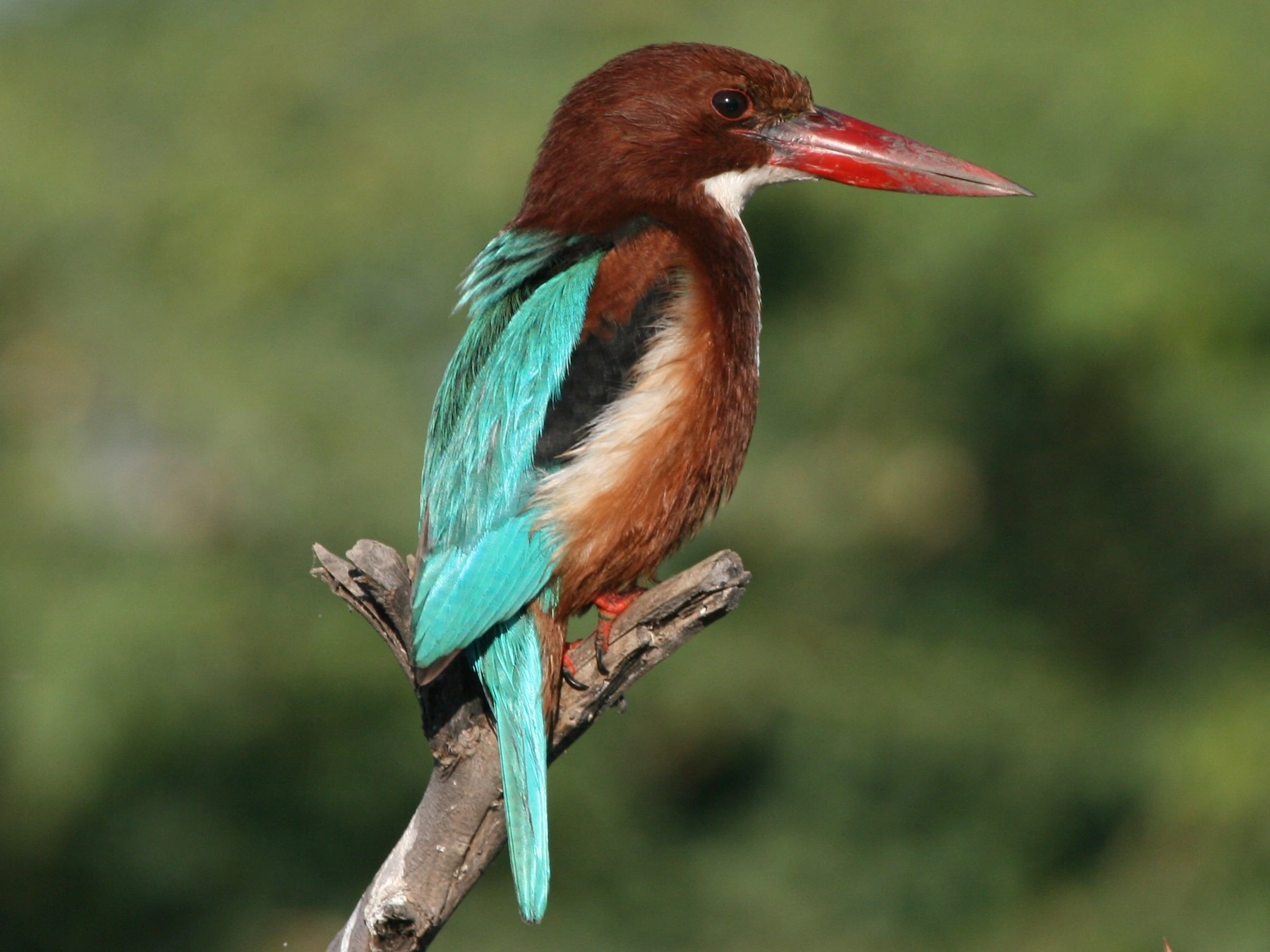
White-throated Kingfisher
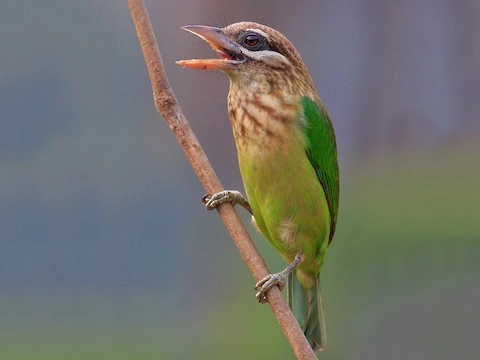
White-cheeked Barbet
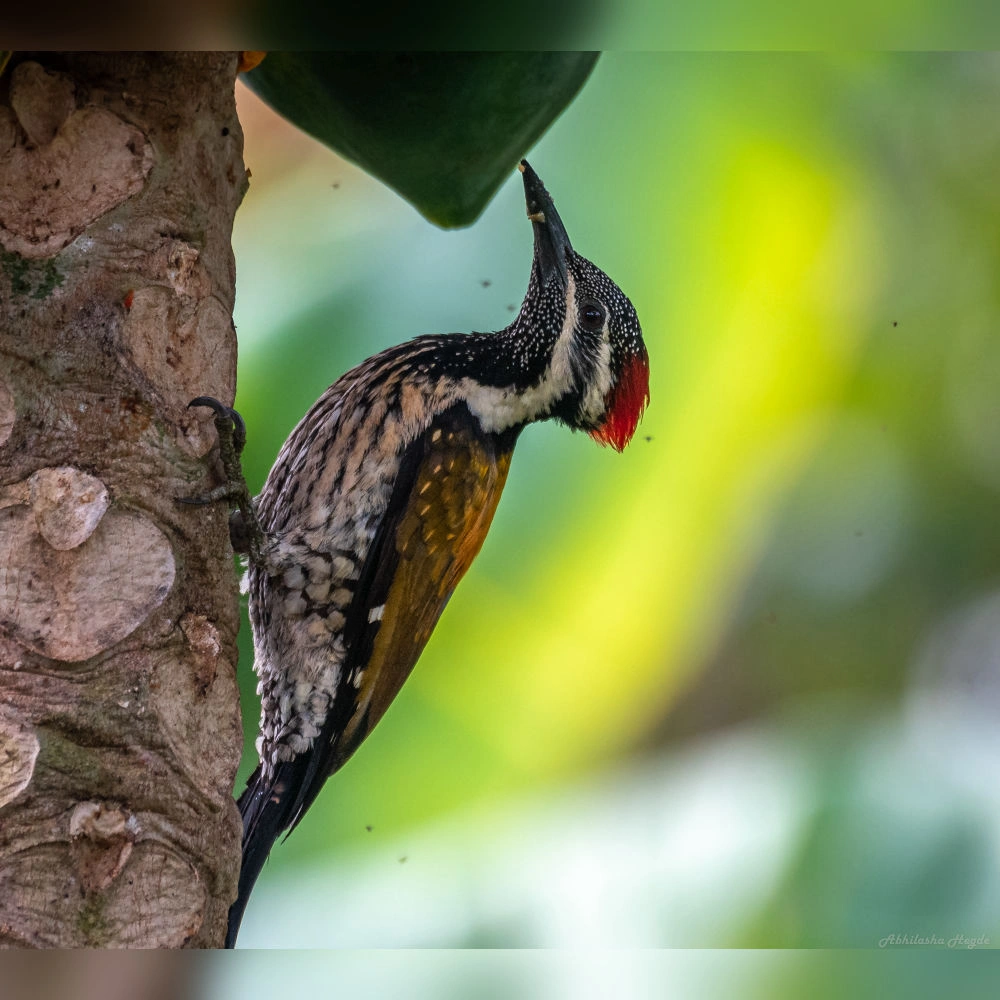
Black-rumped Flameback
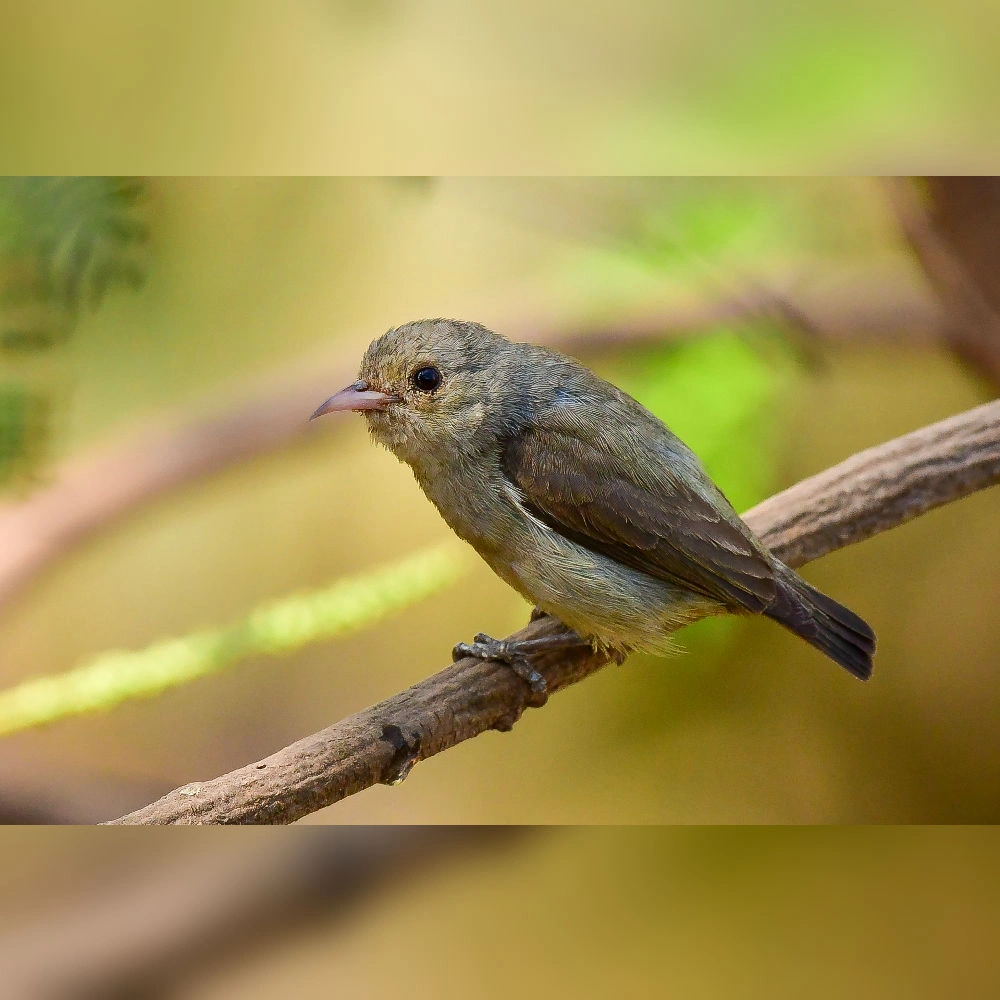
Pale-billed Flowerpecker
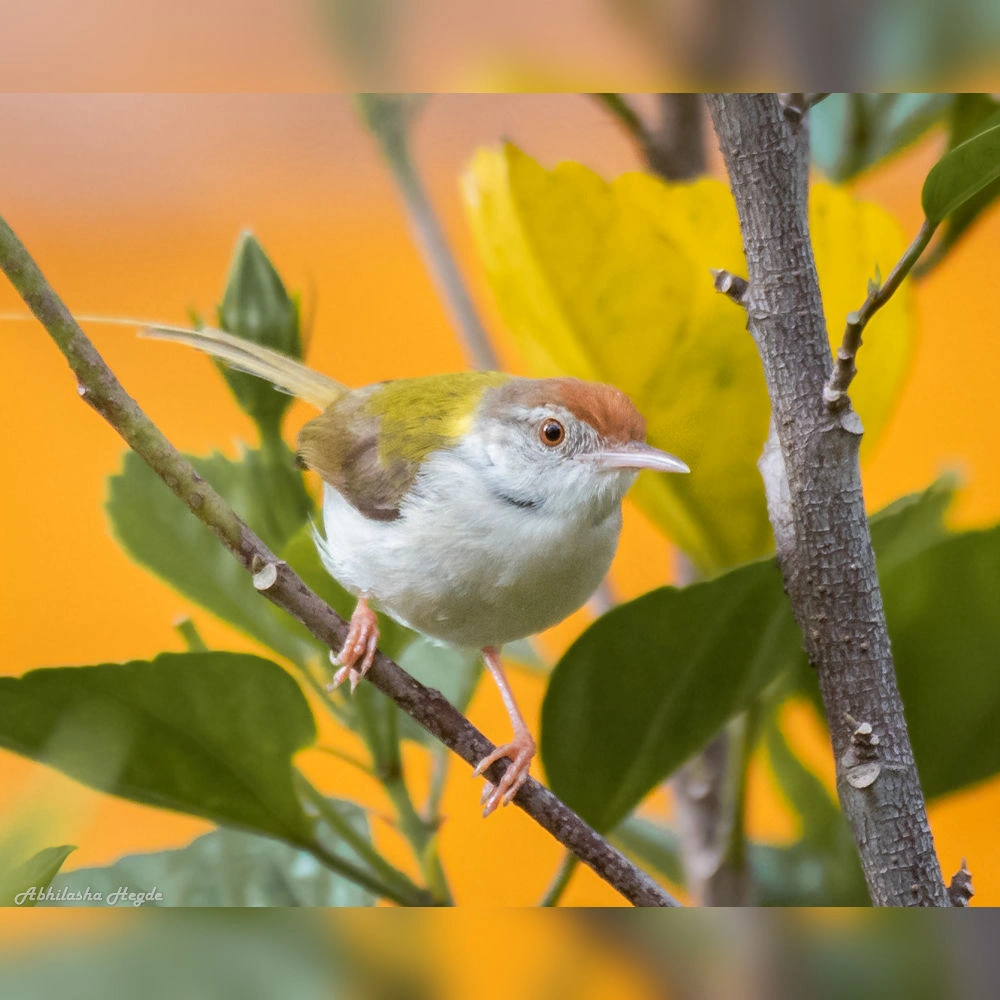
Common Tailorbird
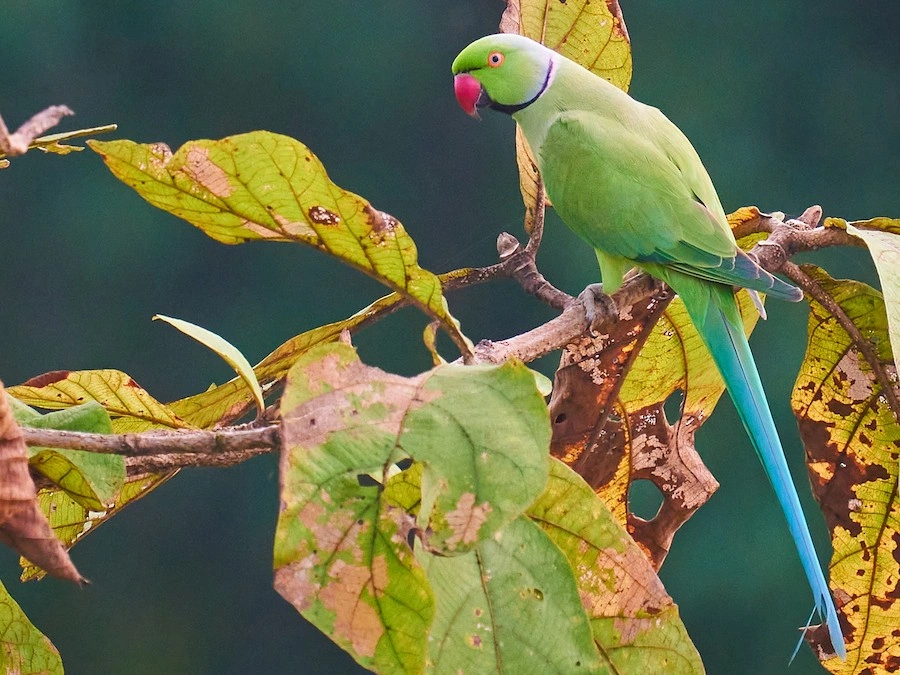
Rose-ringed Parakeet
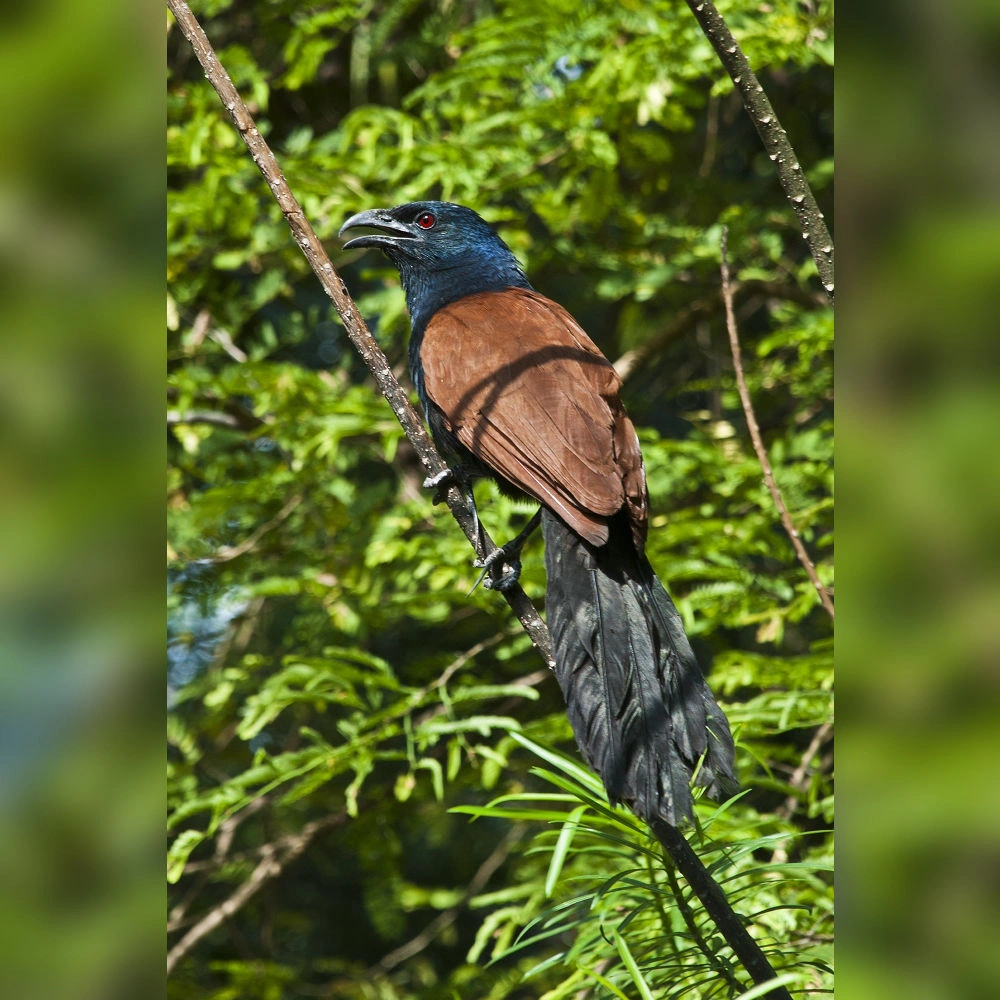
Greater Coucal
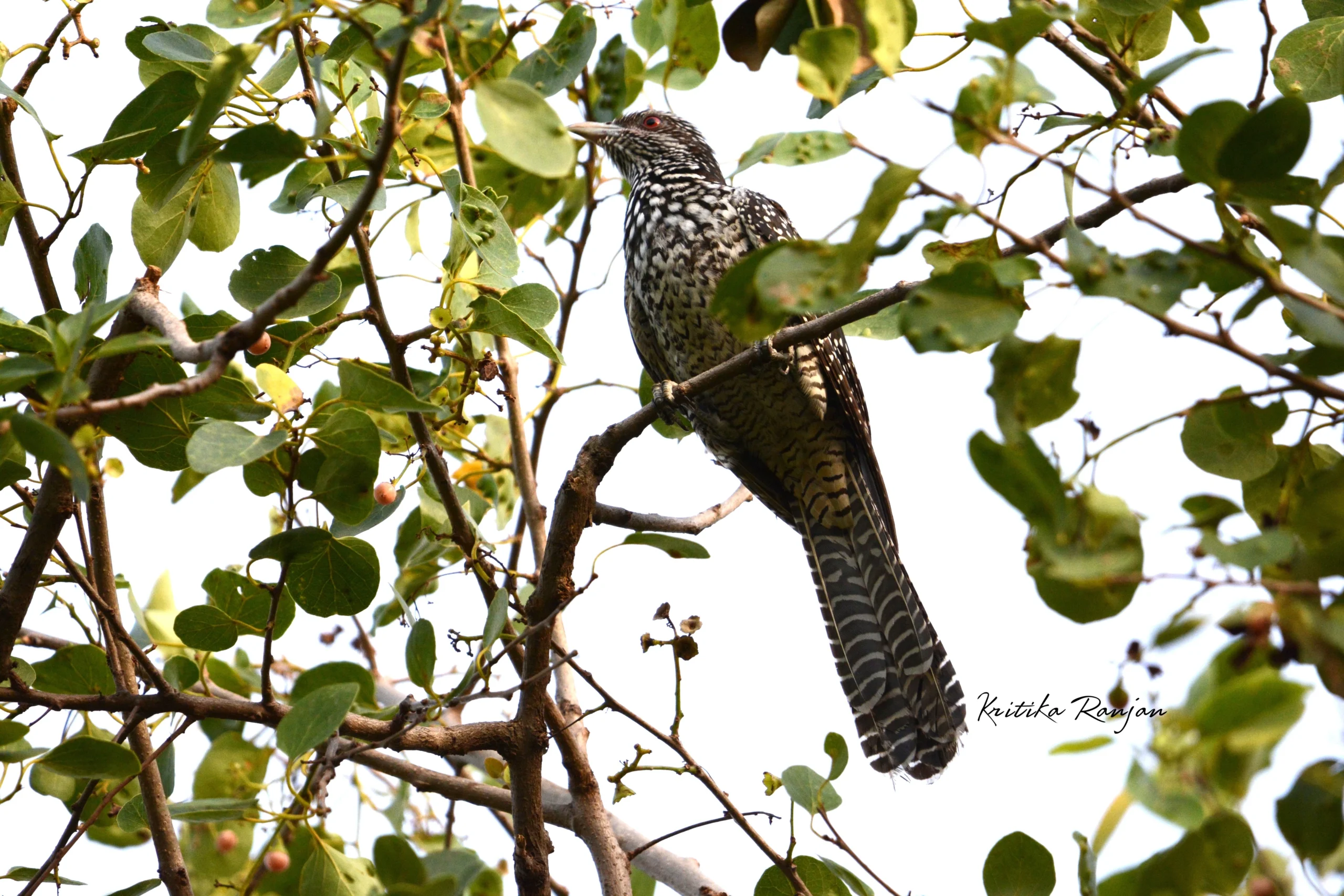
Asian Koel
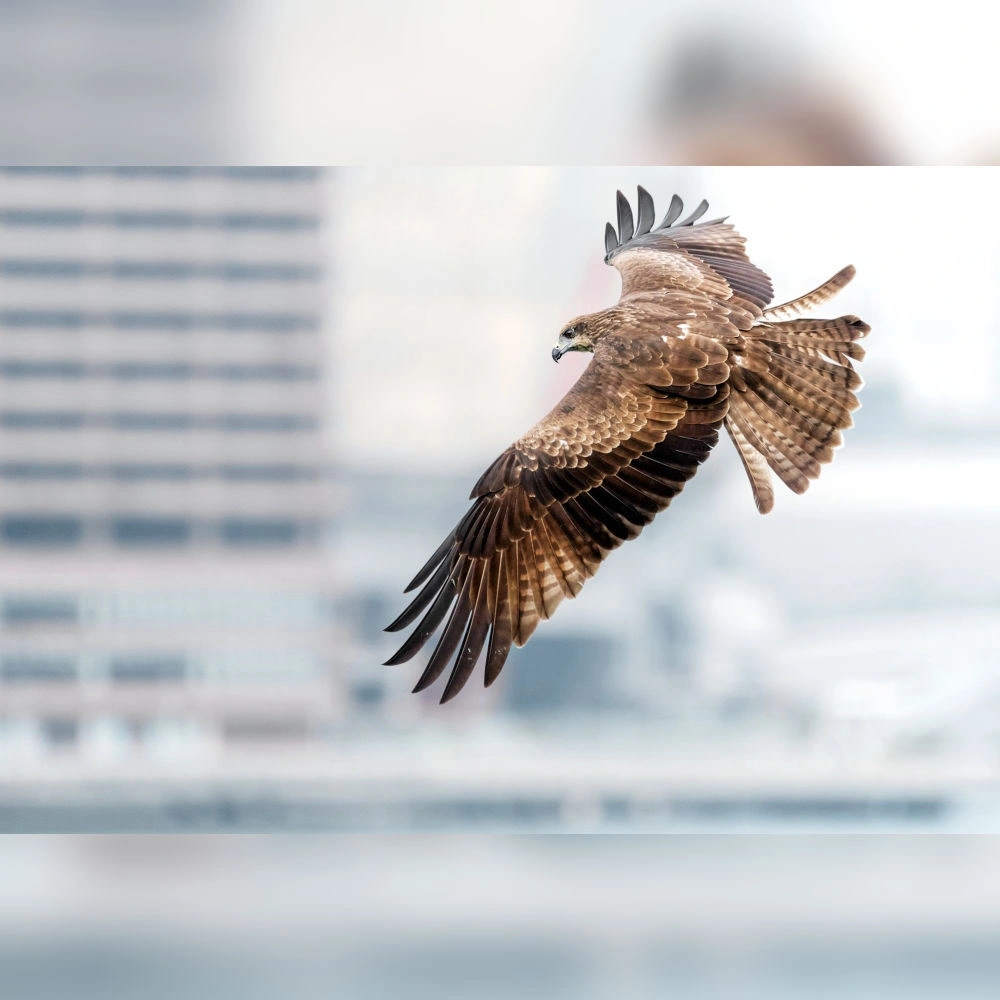
Black Kite
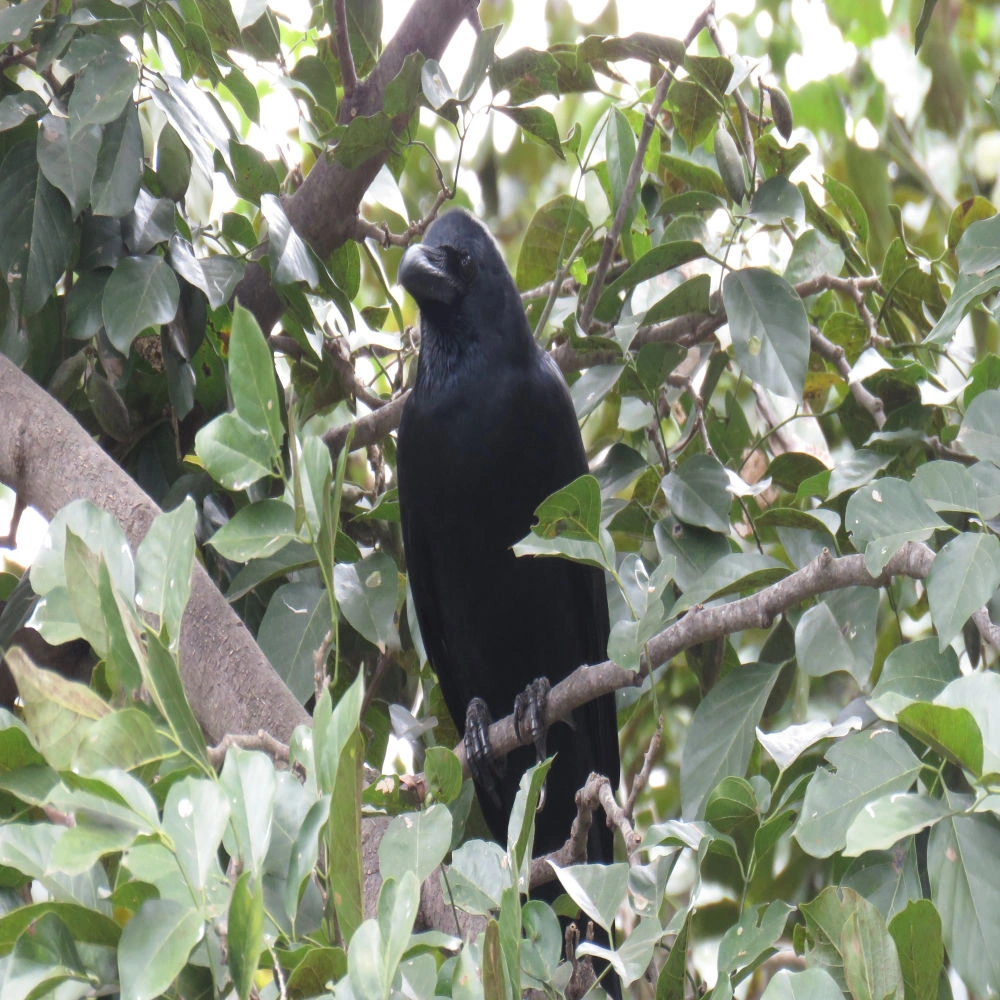
Large-billed Crow
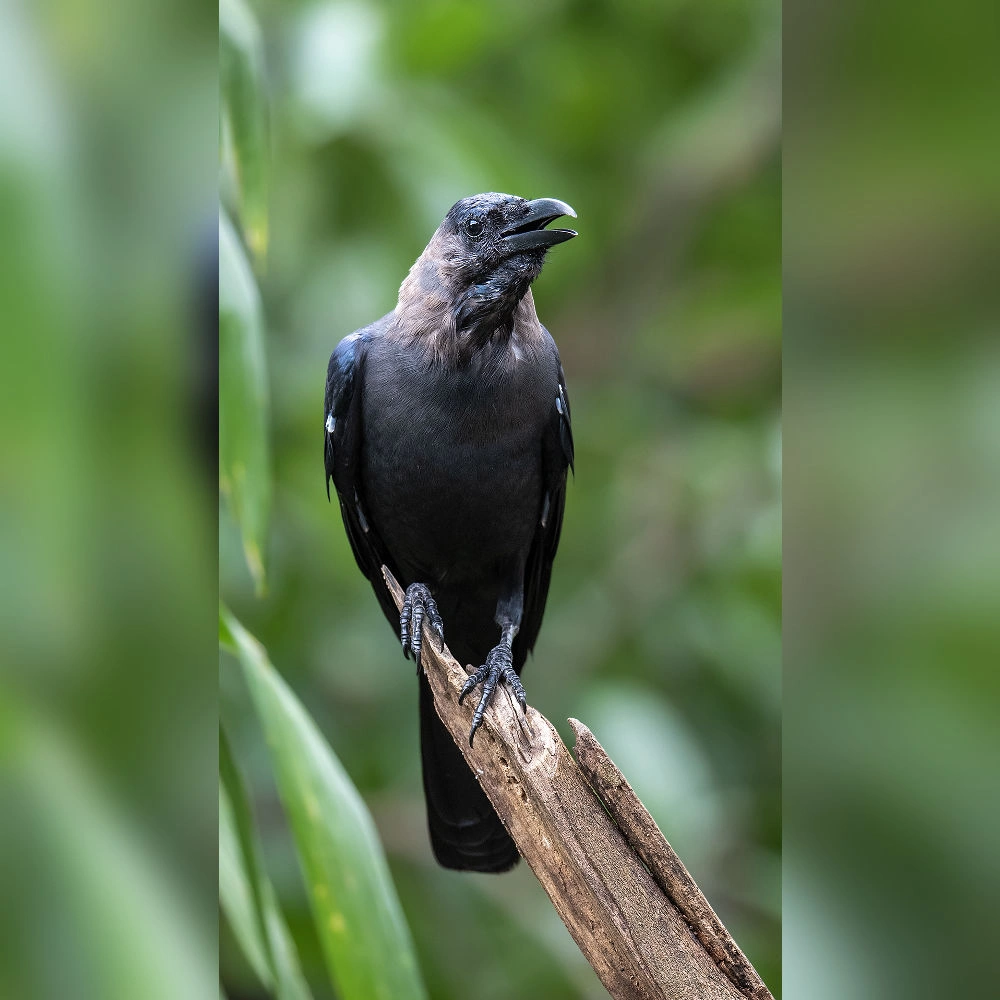
House Crow

- Fee collected goes entirely to the bird guide. Ataavi does not retain or profit from this amount.