


Loading Events

Bird Walk at Bhamori Forest , Bhopal, MP

About Bhamori Forest Plantation

Bhamori Forest Plantation, situated on the outskirts of Bhopal, forms a natural extension of the ecologically significant Bhoj Wetland. Once a degraded patch of land, it has been transformed through sustained afforestation and habitat restoration efforts into a thriving mosaic of native tree species, scrublands, and grassy clearings. This green corridor not only complements the wetland ecosystem but also serves as a quiet retreat for walkers, students, and local residents who frequent its shaded paths and open spaces.

Ecologically, Bhamori plays a key role in buffering the Bhoj Wetland by reducing soil erosion, improving groundwater recharge, and supporting ecological connectivity. The plantation helps regulate the local microclimate and serves as a barrier against encroaching urban development. As Bhopal continues to expand, Bhamori Forest Plantation stands as a vital ecological and social asset—enhancing the resilience of the wetland system while offering long-term environmental and well-being benefits to the city’s population.

Partnered with

Bird Guide: Kritalee Chindarkar

She is the Founder of the Tarang Eco Tours where they organize nature trails and camps focused on sustainable tourism and to create environmental awareness among people.

Bird walk Location

Common birds of Bhamori Forest Plantation

Bhamori Forest Plantation, forming part of the larger Bhoj Wetland landscape, offers a unique blend of wetland and woodland habitats that support a rich diversity of birdlife. Along the marshy fringes and water-filled depressions, one can frequently observe wetland-associated species such as the Sarus Crane, Asian Openbill, and Black-headed Ibis—graceful waders that rely on the area’s shallow waters for feeding and roosting. These birds are often accompanied by egrets, herons, and the occasional Indian Spot-billed Duck, reflecting the ecological continuity with the nearby wetland systems.
Moving into the drier, tree-dotted areas of the plantation, the birdscape shifts to include open-country and forest-edge species like the Paddyfield Pipit, Grey-backed Shrike, Asian Green Bee-eater, and Indian Roller. The presence of insectivorous birds such as the Common Woodshrike and the agile Black Drongo highlights the plantation’s value as a foraging ground. Together, this mosaic of aquatic and terrestrial birds underscores Bhamori’s role as a transitional habitat—supporting a wide range of avifauna and enhancing the ecological fabric of the Bhoj Wetland complex.
Black Redstart
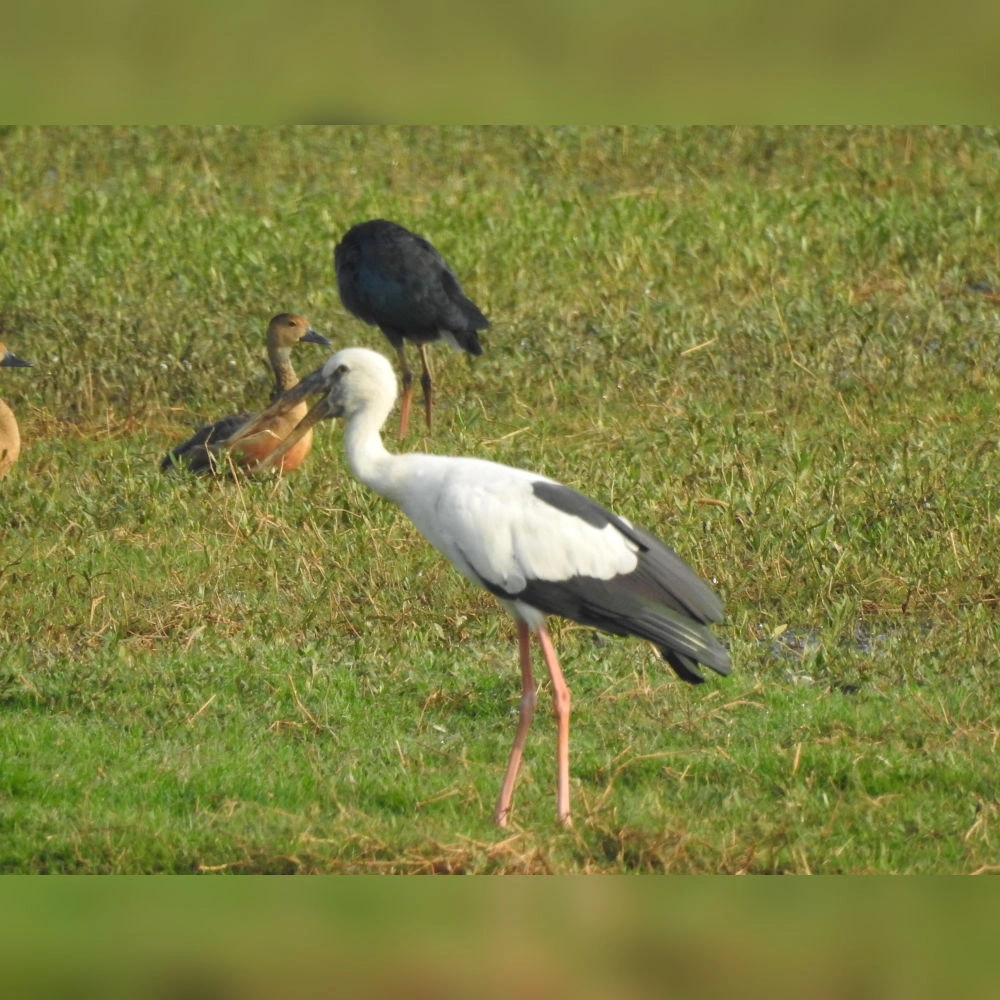
Asian Openbill
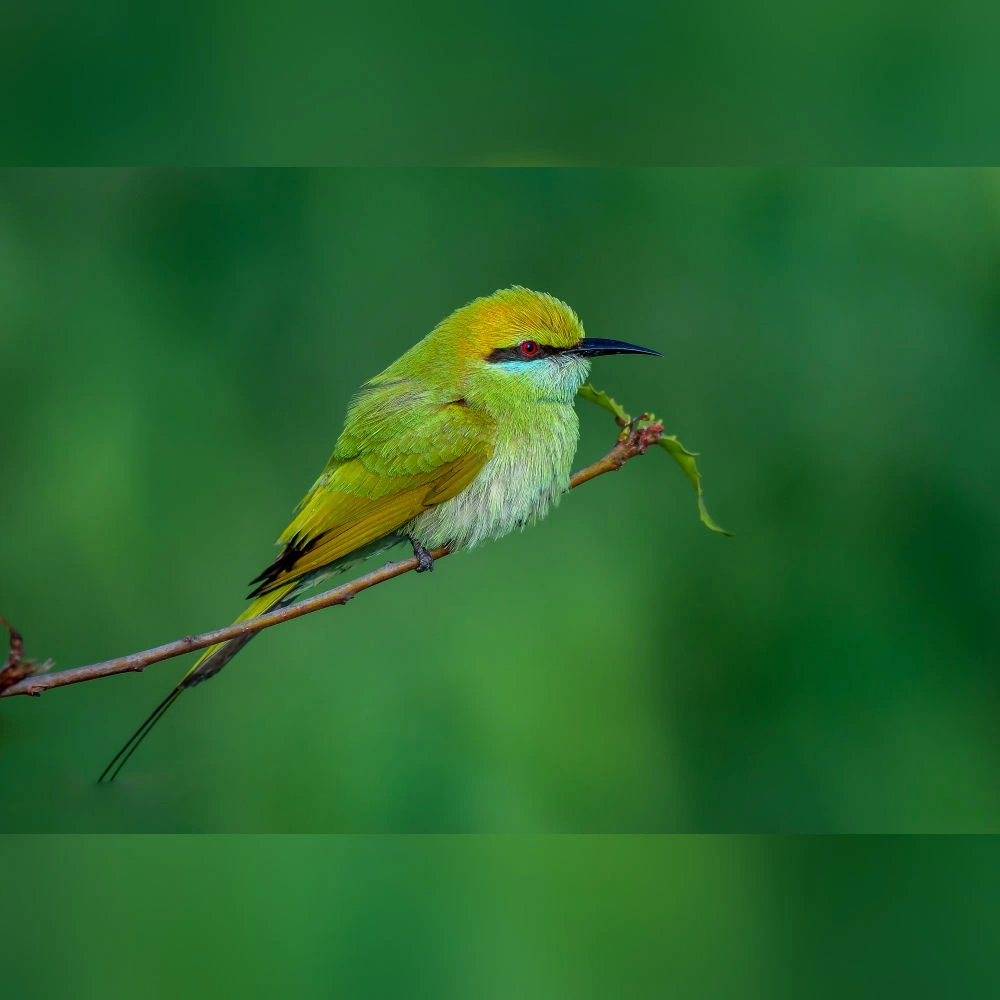
Asian Green Bee-eater
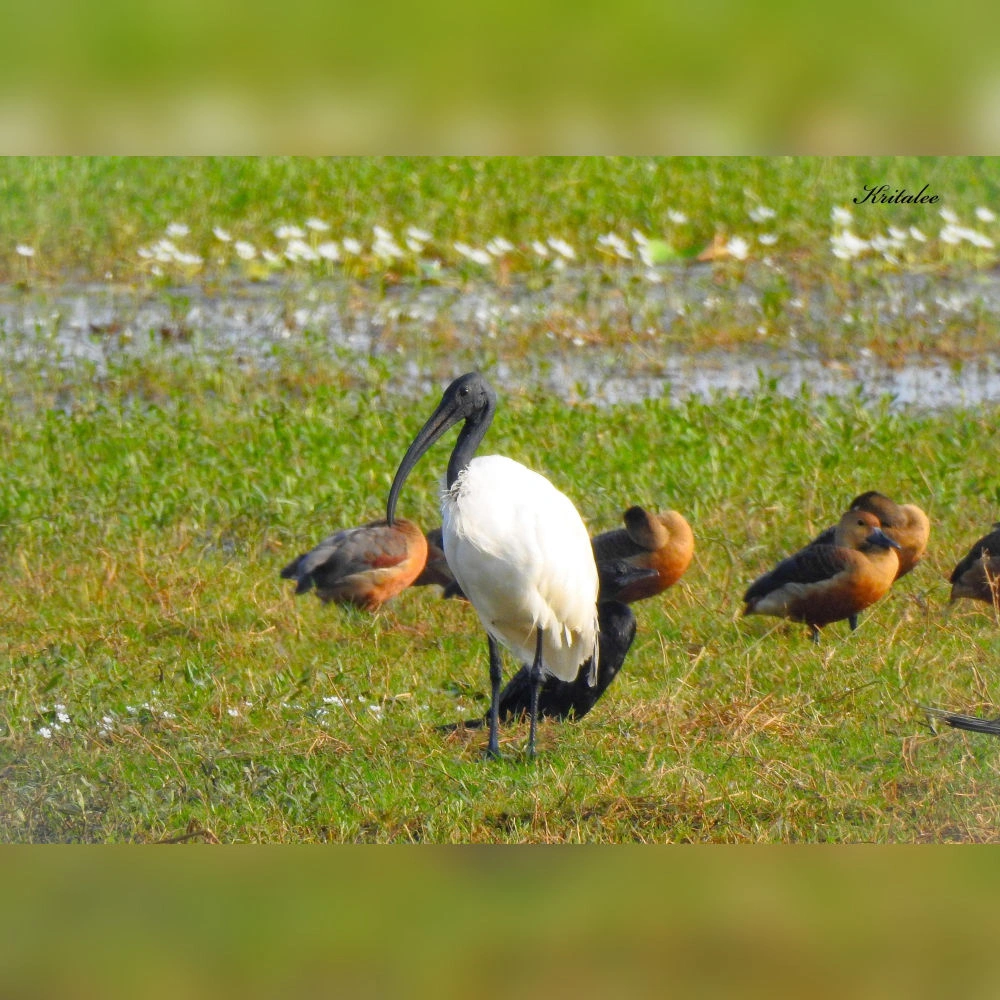
Black-headed Ibis
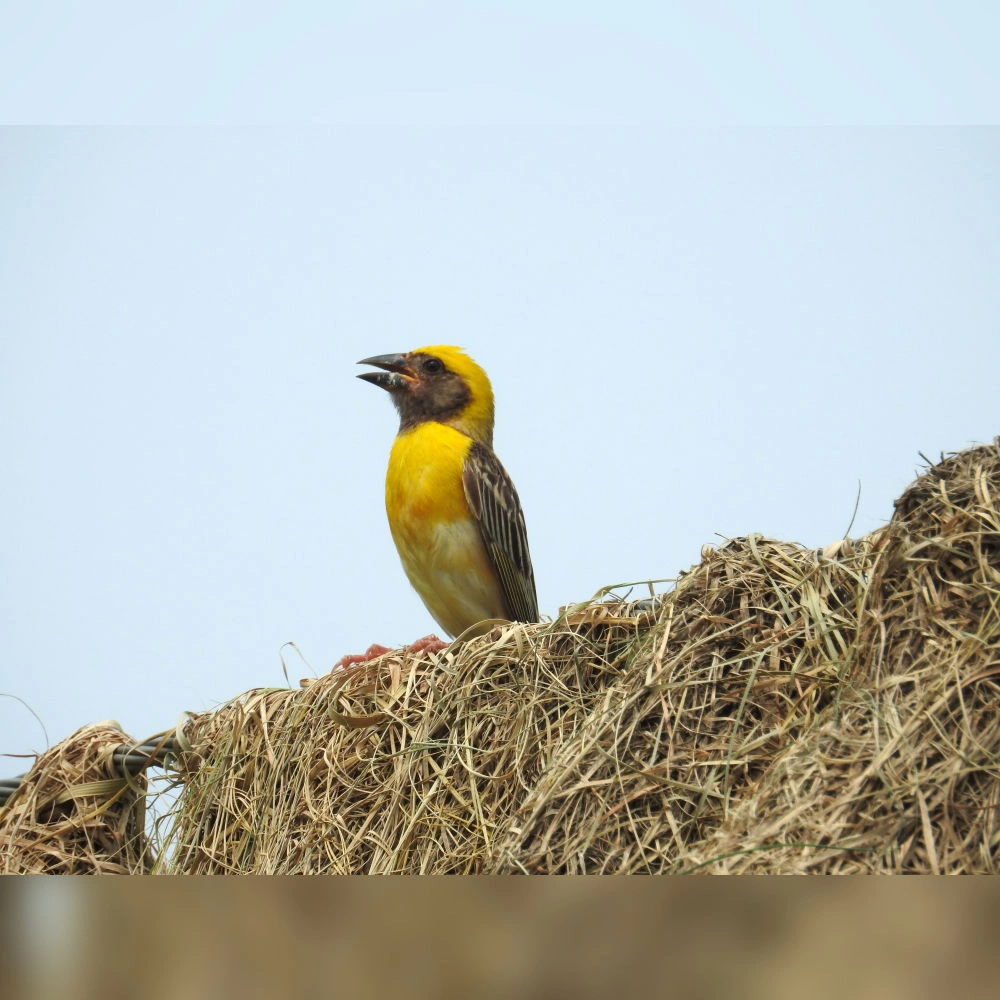
Baya Weaver
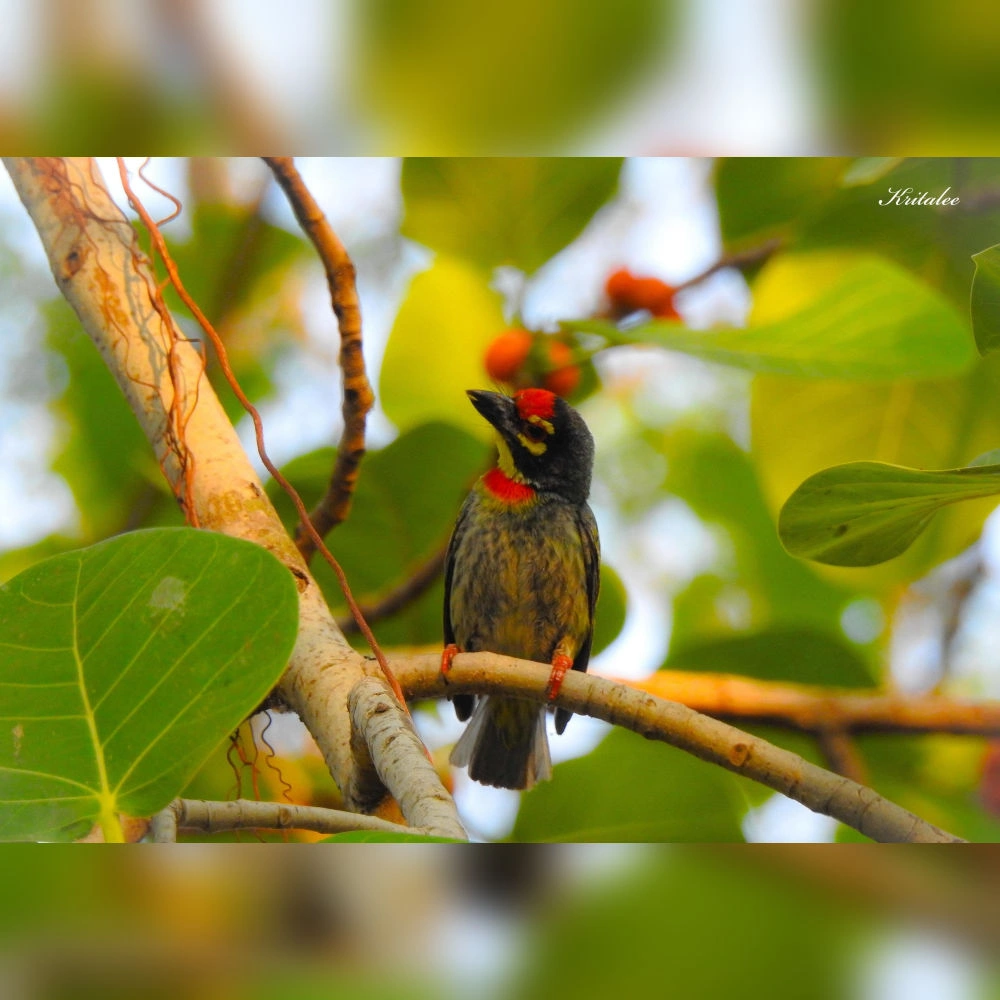
Coppersmith Barbet
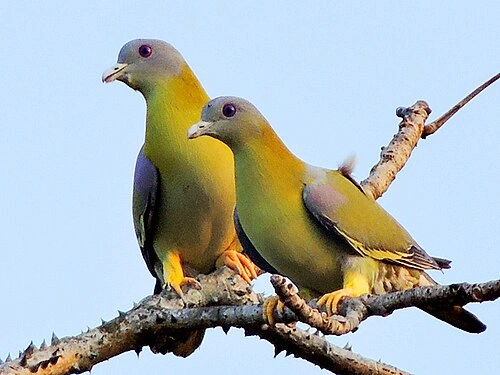
Yellow-footed Green Pigeon
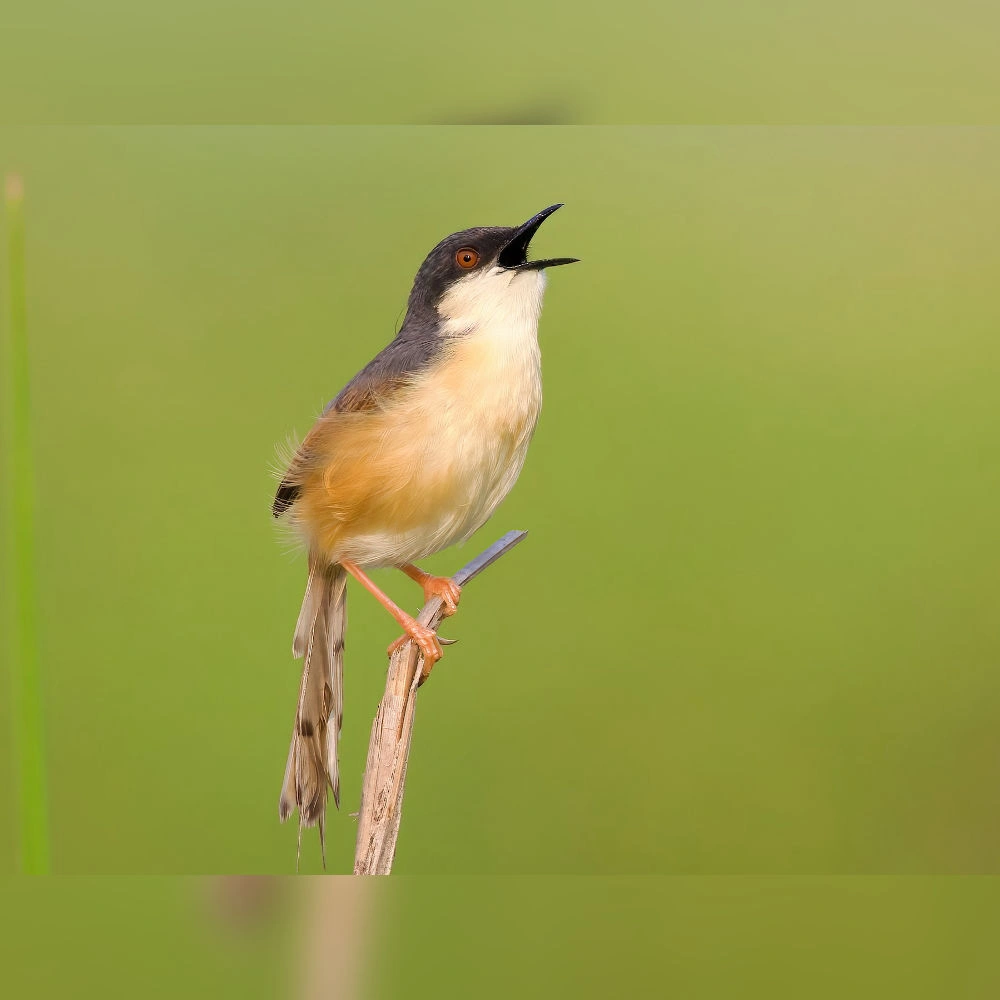
Ashy Prinia
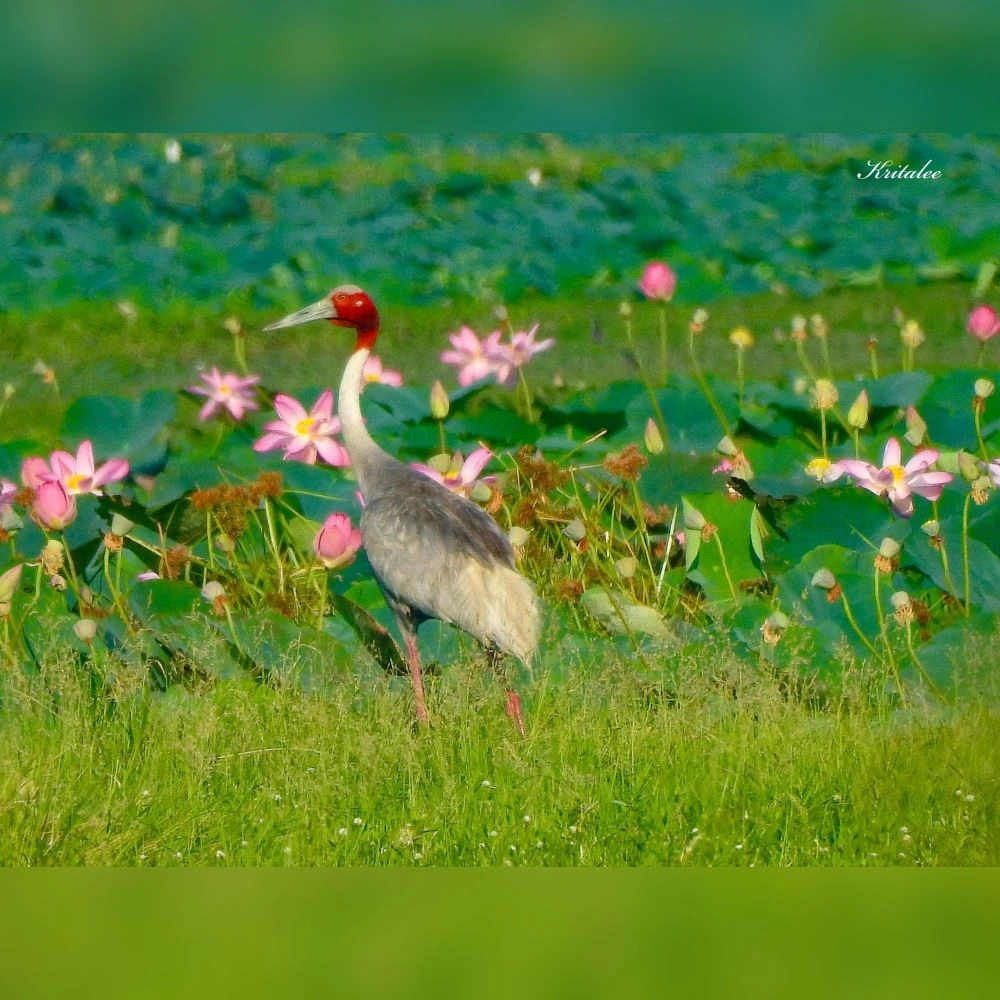
Sarus Crane
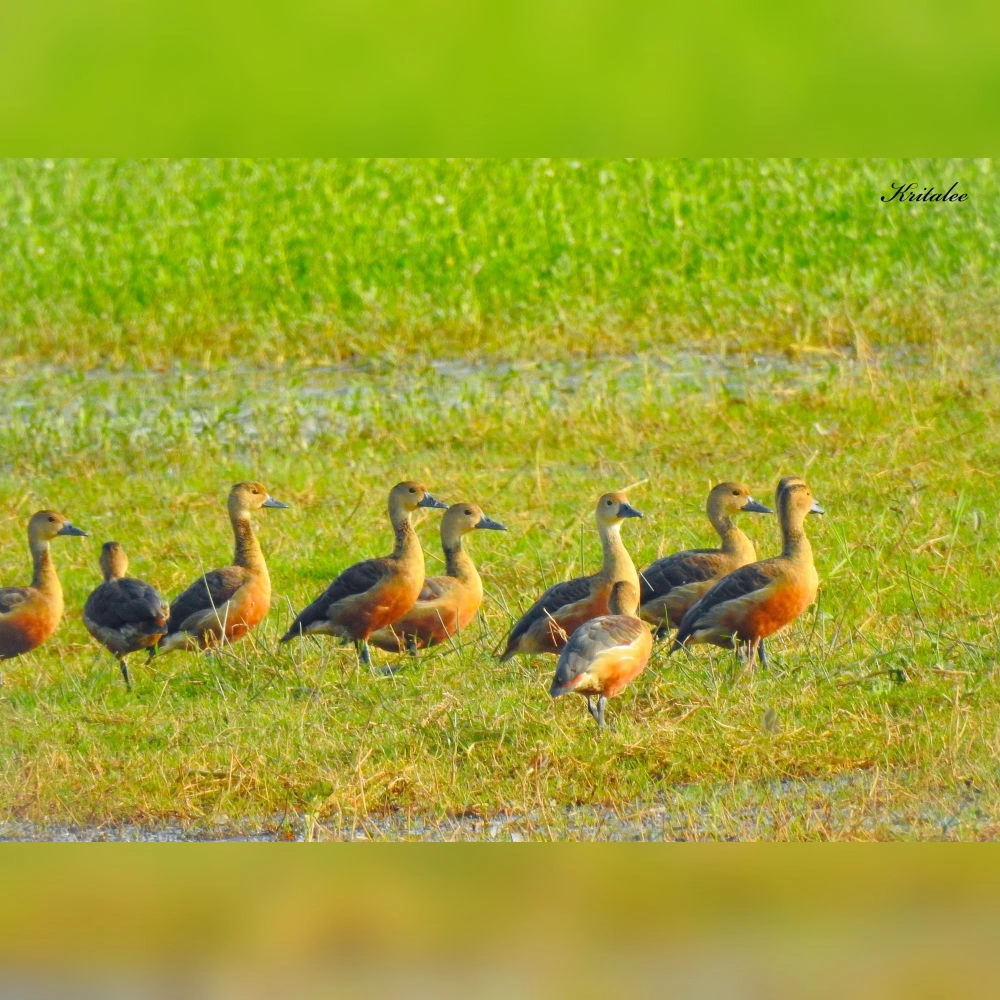
Lesser Whistling Duck
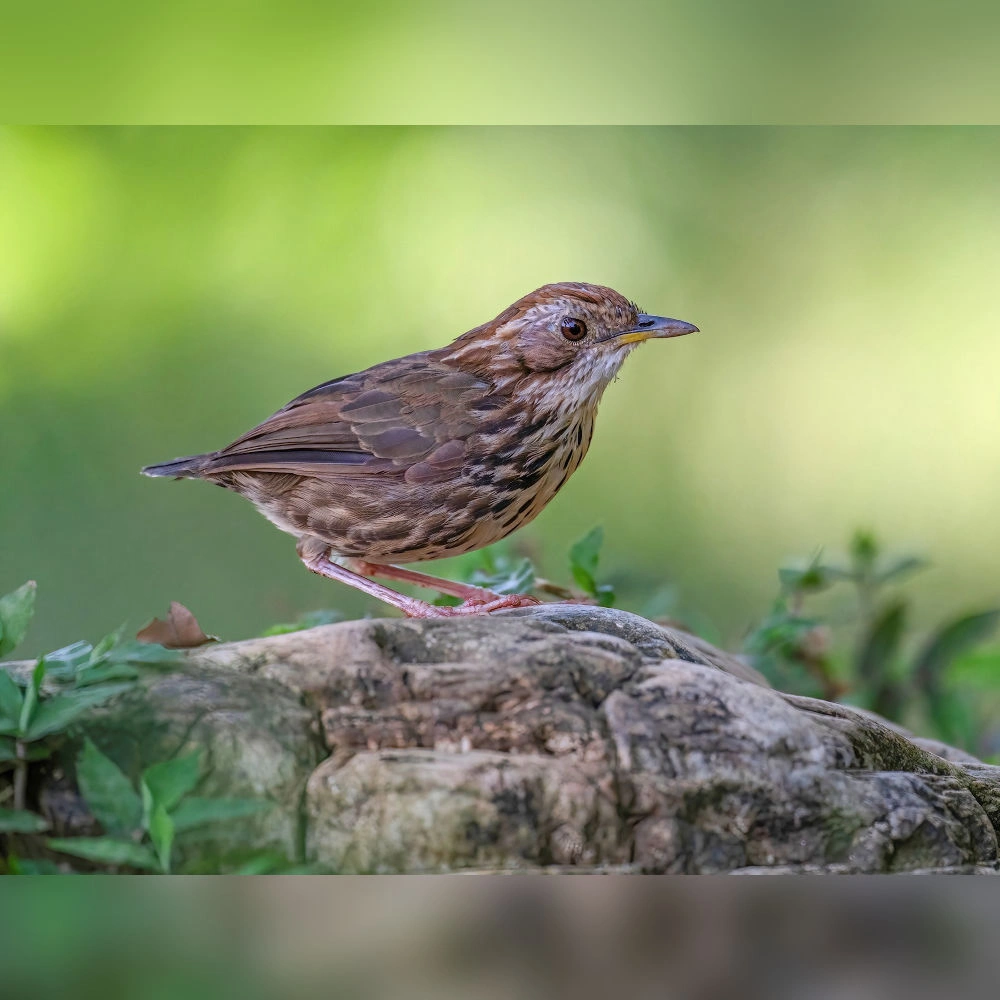
Paddyfield Pipit
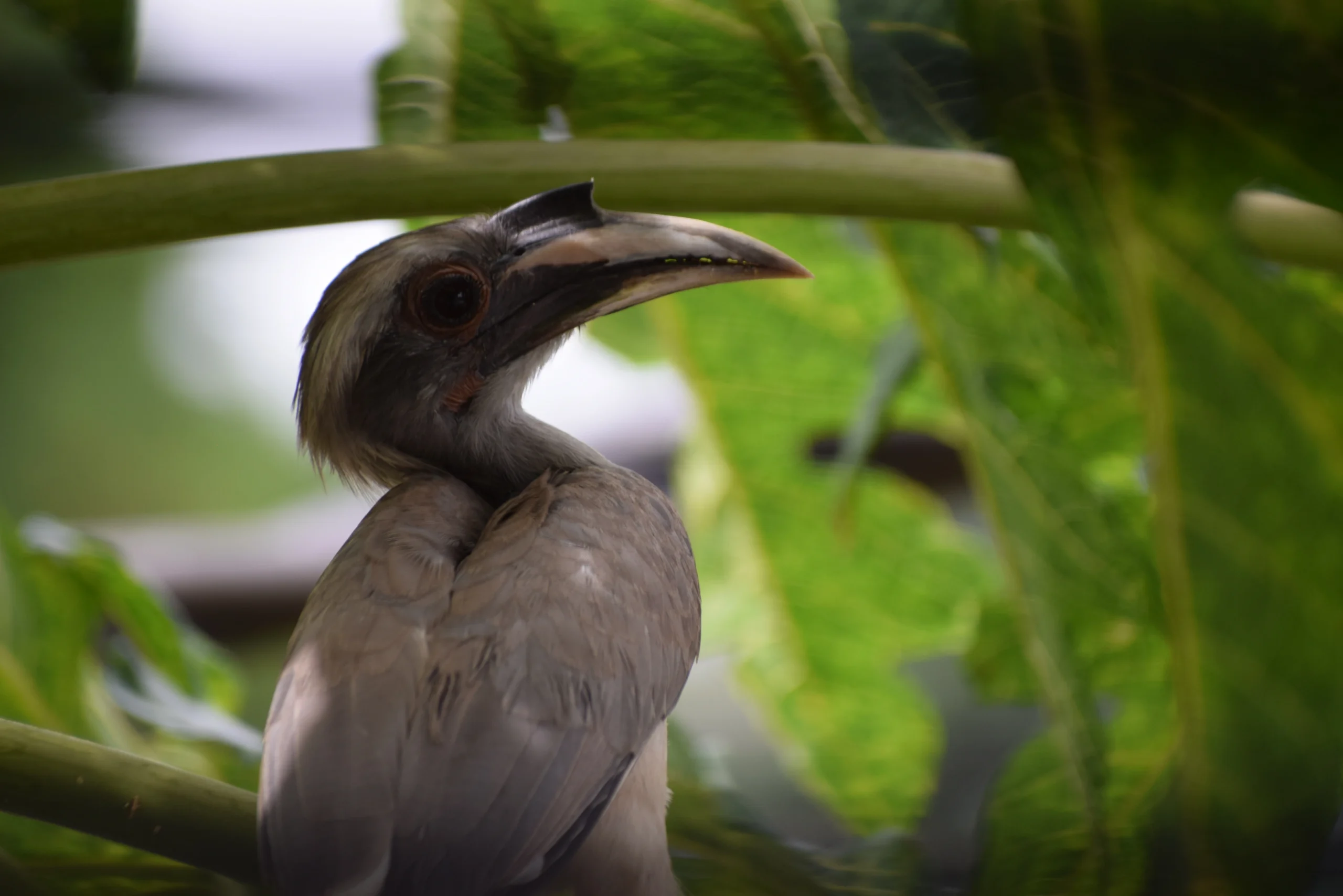
Indian Grey Hornbill
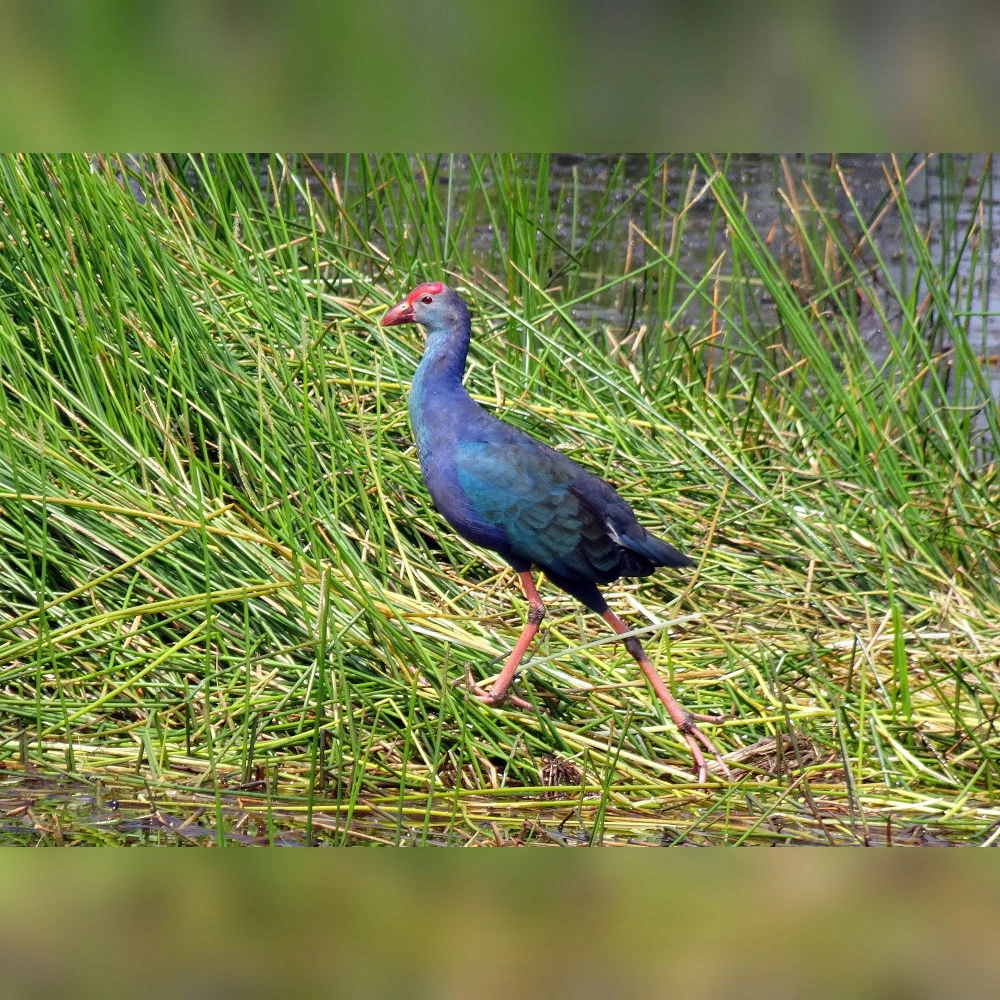
Grey-headed Swamphen
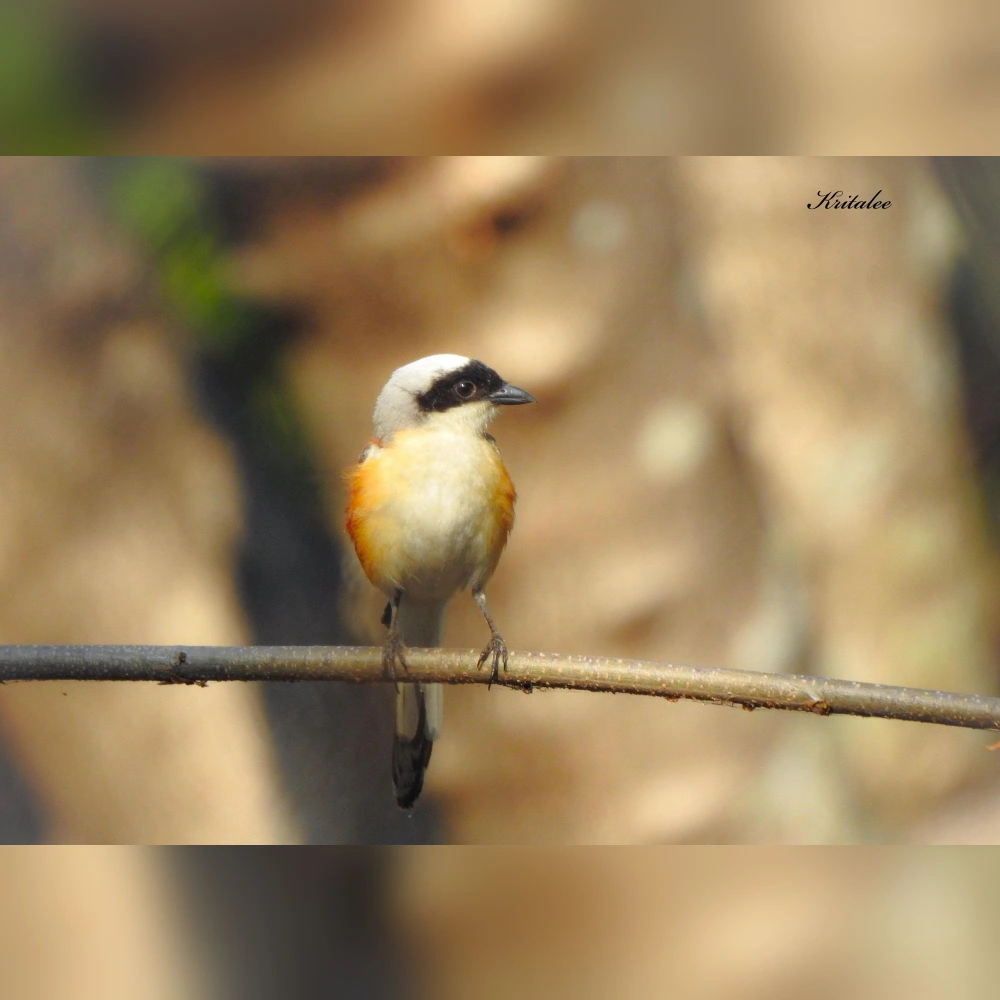
Grey-backed Shrike
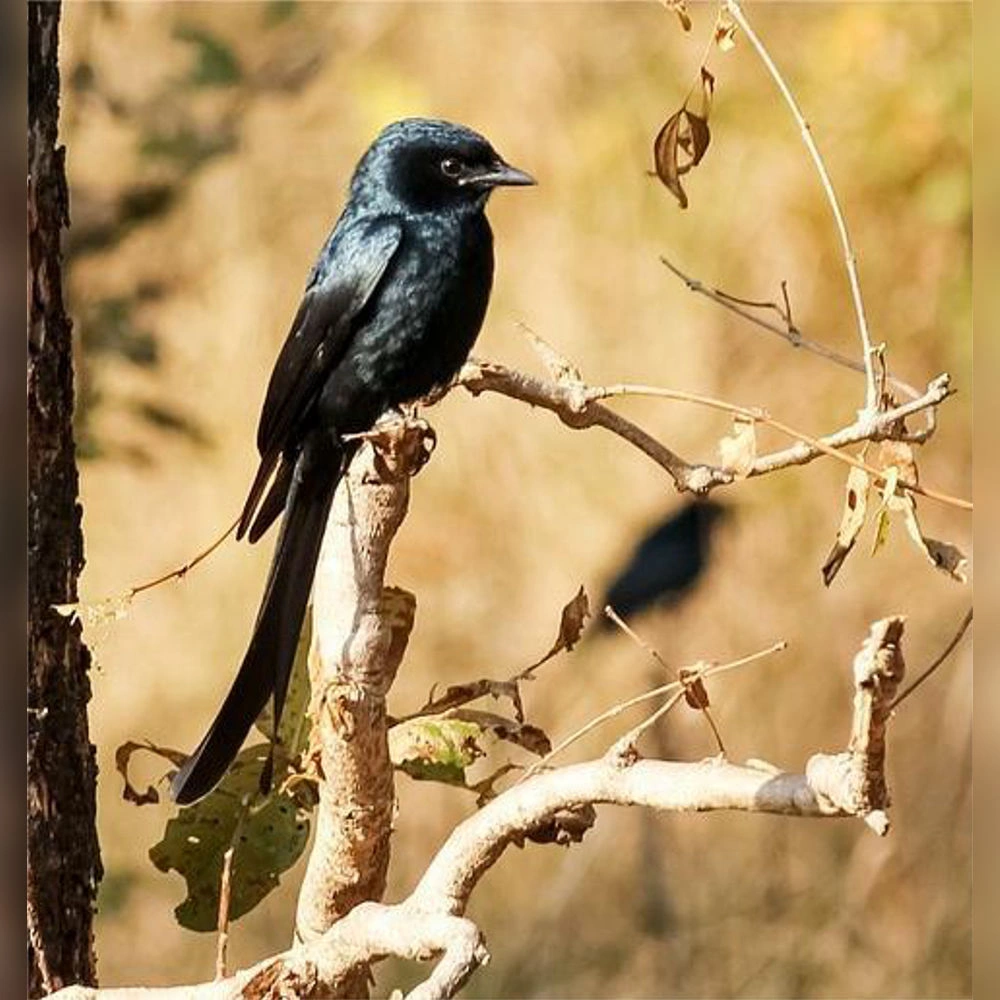
Black Drongo
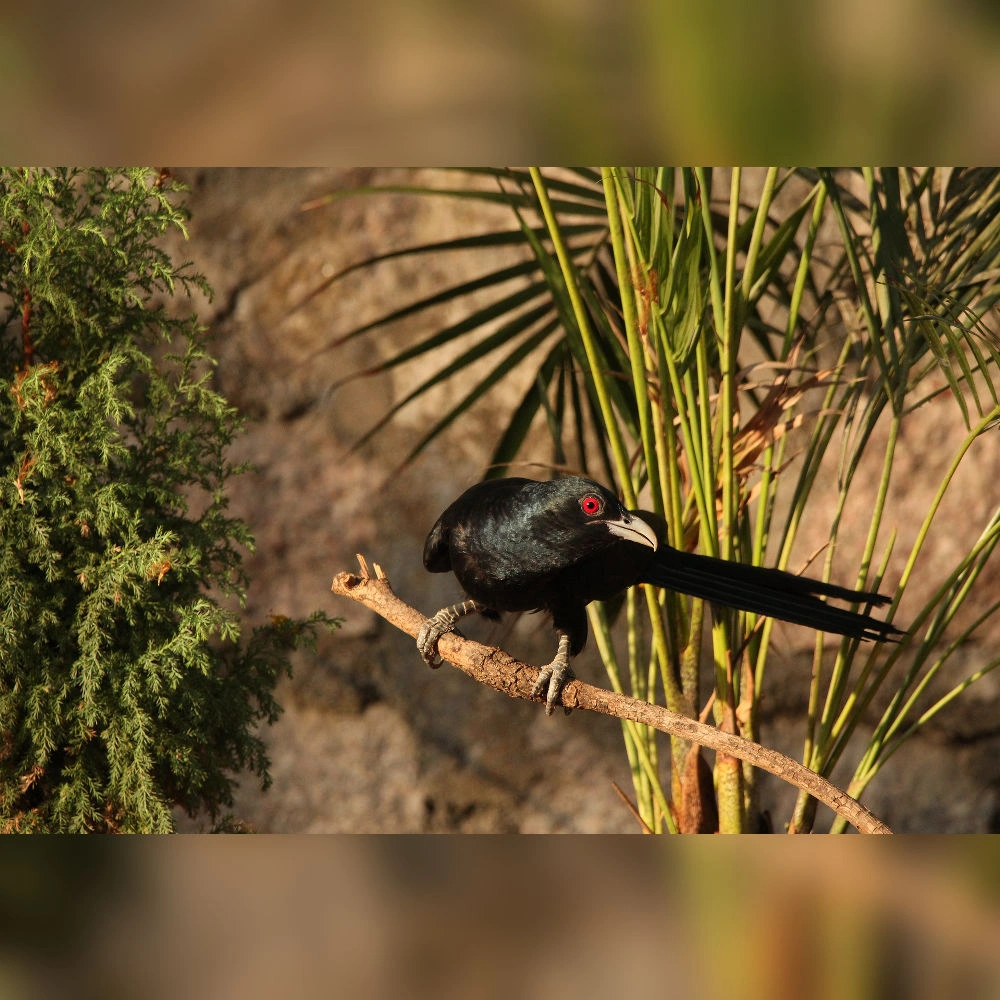
Asian Koel
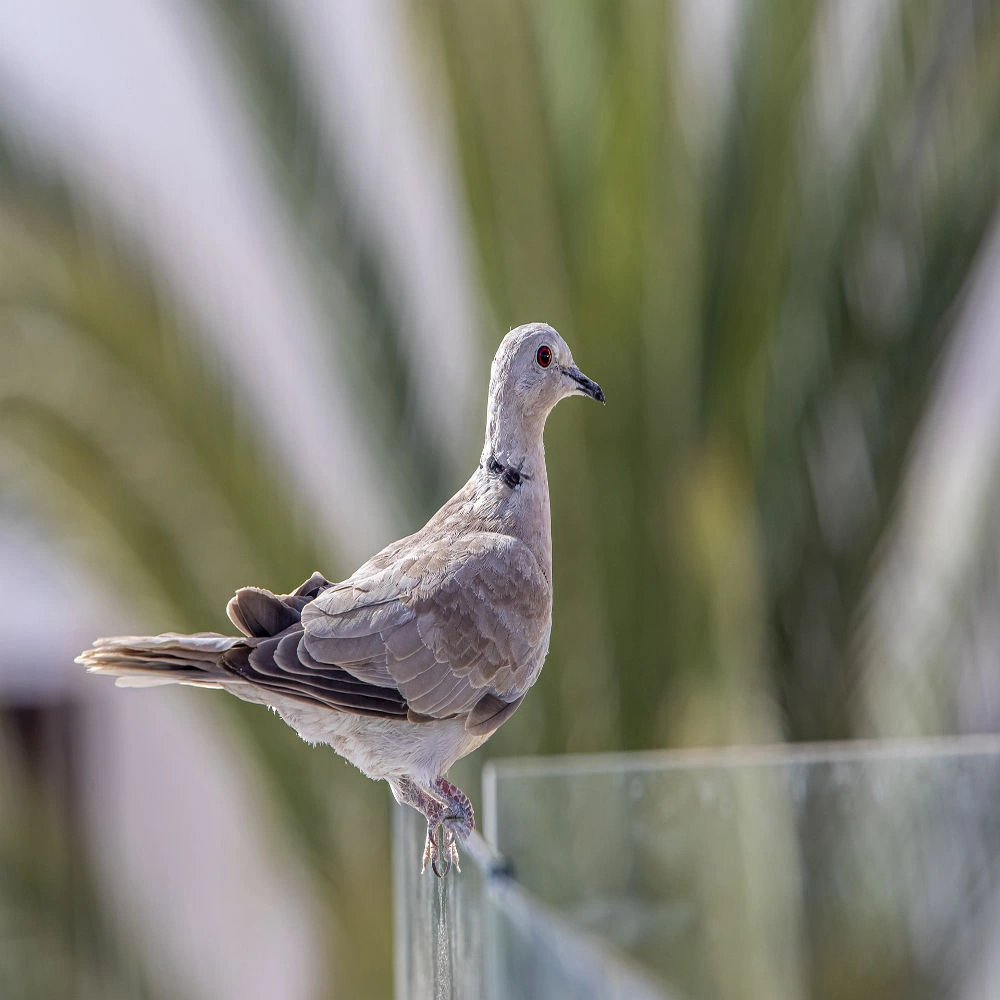
Eurasian Collared Dove
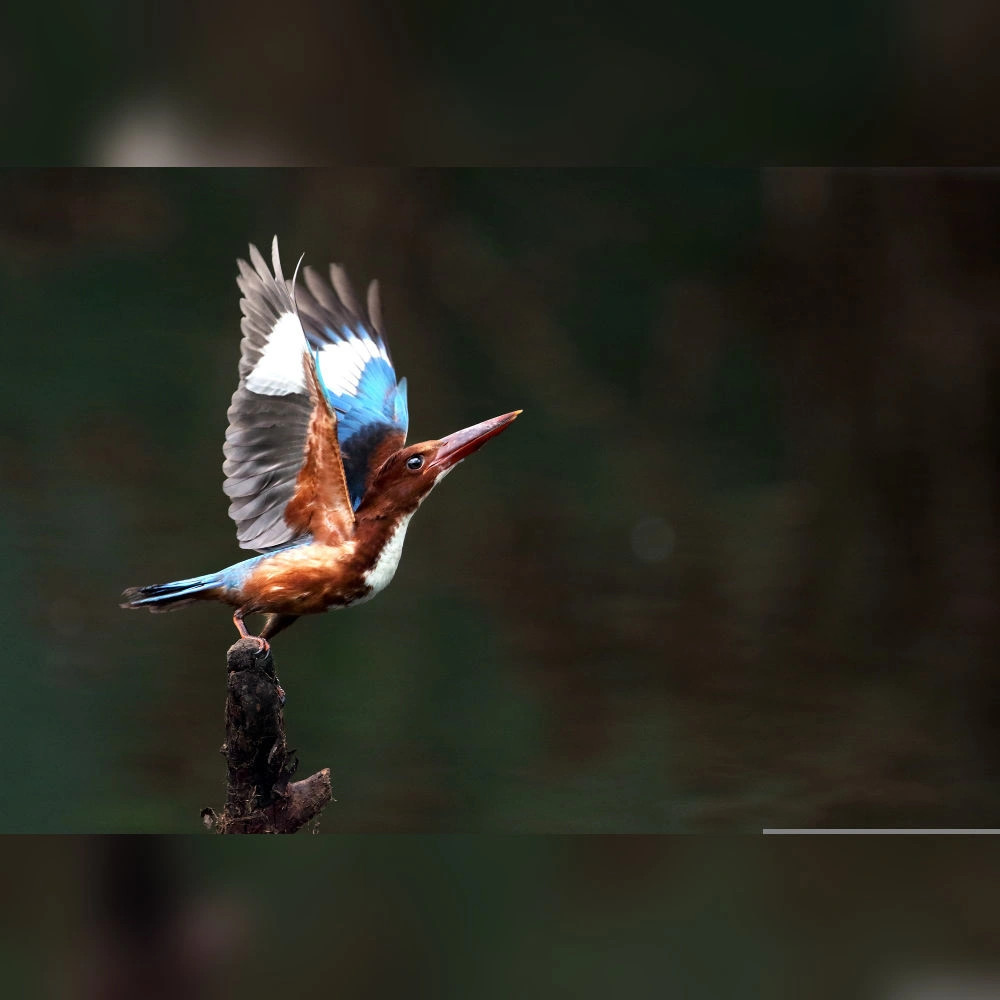
White-throated Kingfisher
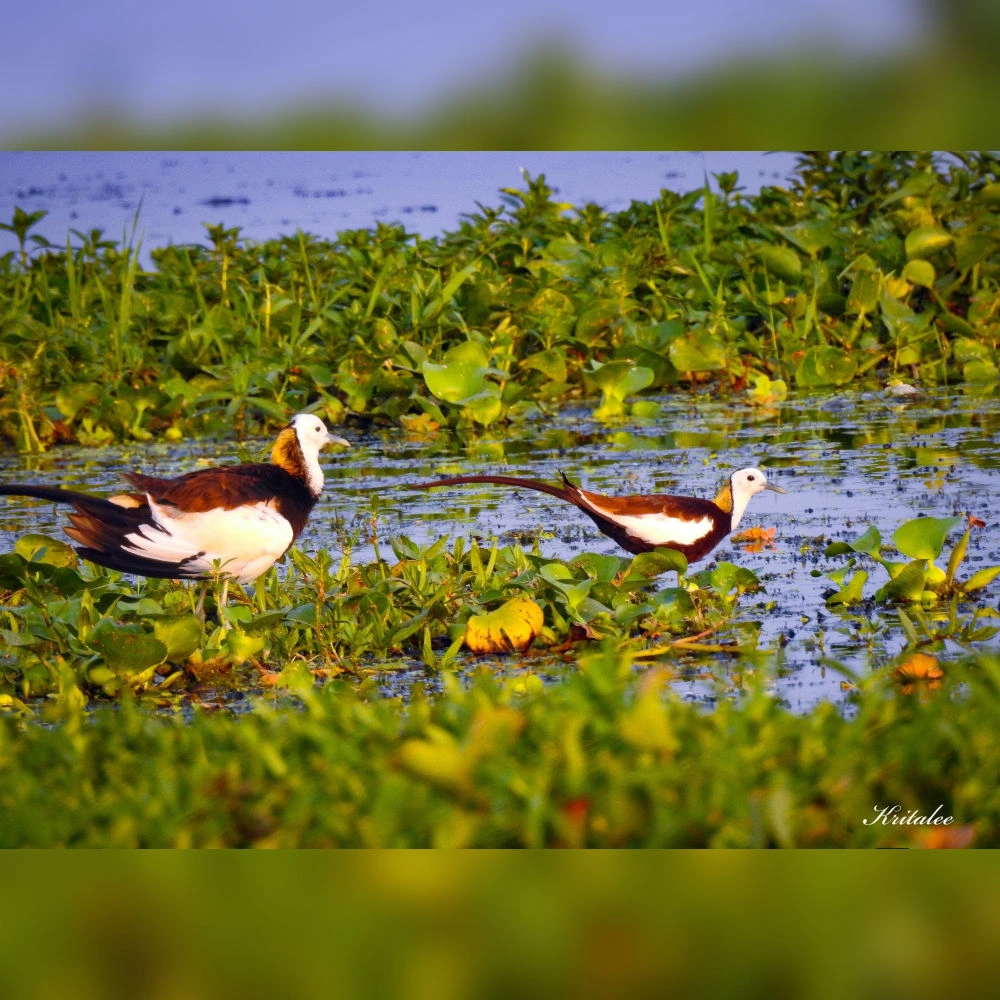
Pheasant-tailed Jacana
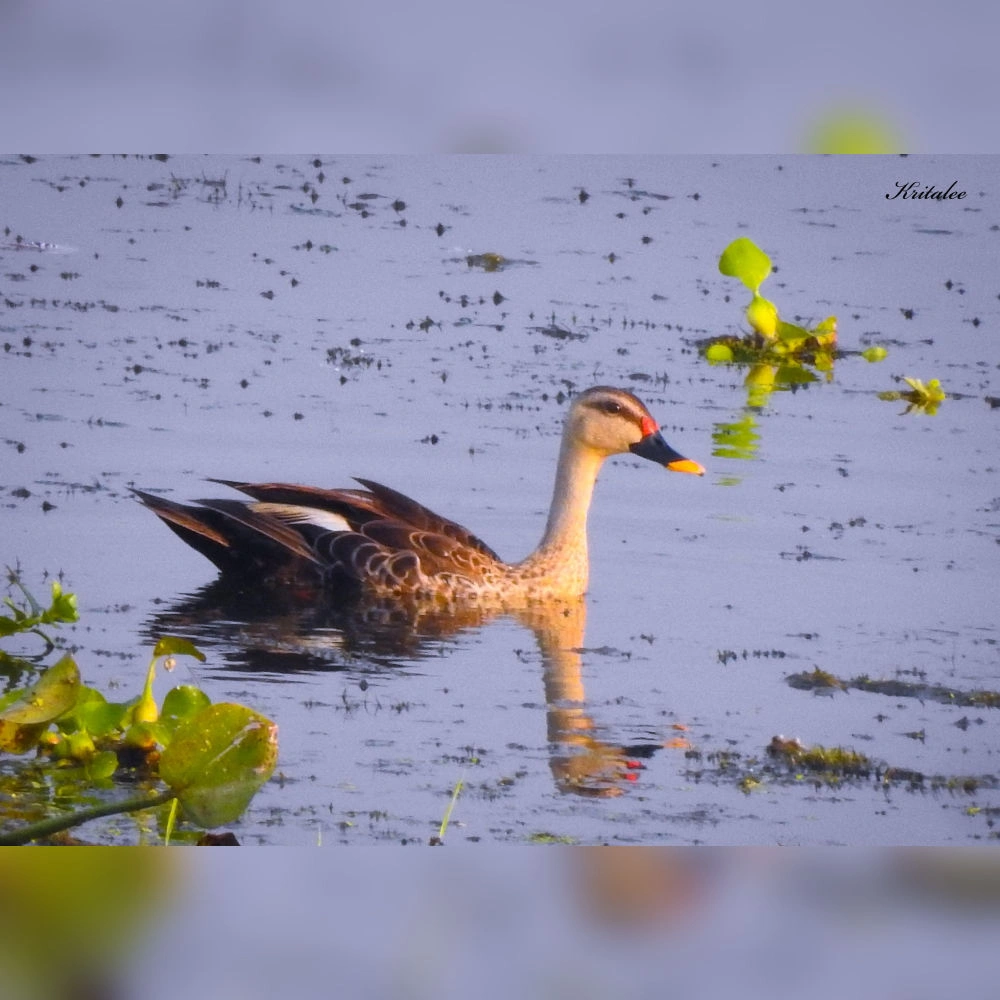
Indian Spot-billed Duck

Summary of Walk

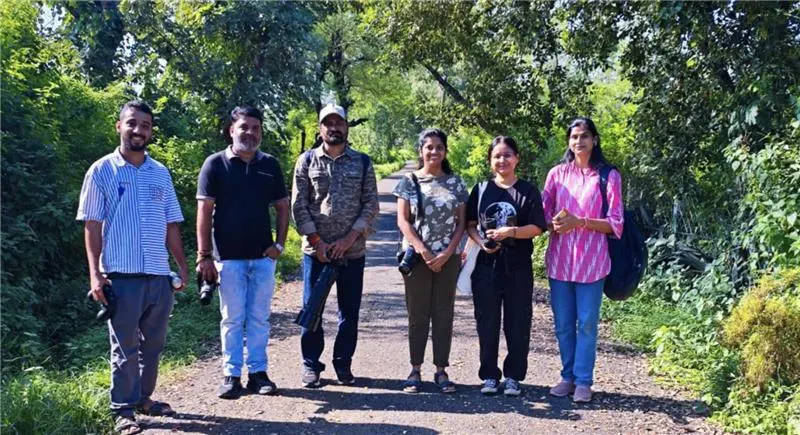
Six participants joined guide Kritalee, founder of Tarang Ecotours, for a bird walk at Bhamori Forest Plantation — a session that had been rescheduled from its original 6 September date. The smaller, closely-knit group made for a relaxed and attentive walk through the plantation’s trails, with Kritalee sharing plenty of background on bird identification and behaviour along the way. The group recorded an excellent 35 species by the end of the morning, with a Yellow-crowned Woodpecker and a Spotted Owlet standing out as the walk’s undisputed highlights. The woodpecker gave the group a good look at its foraging technique on a nearby trunk, while the owlet’s calm, camouflaged perch made for a memorable photo opportunity. It was a rewarding session that made the short wait since the original date well worth it, with Bhamori Forest Plantation once again proving itself a dependable spot for a rich variety of birdlife.
Number of Participants
0
Scroll to Top