


Loading Events

Bird Walk at Bhilkheda Village, Bhoj Wetland, Bhopal

About Bhoj Wetland

Bhoj Wetland, also known as Bhojtal (Upper Lake) and the adjoining Lower Lake, lies on the western side of Bhopal, Madhya Pradesh. Created in the 11th century by Raja Bhoj and later expanded around 1794, this twin-lake system spans approximately 32 km² and drains a catchment of roughly 361 km², much of which is rural with increasing urban pressures.

This dynamic habitat sustains over 238 bird species, including migratory ducks, storks, and cranes, and serves as a critical water source for nearly half of Bhopal’s population. Acting as a natural buffer, Bhoj Wetland plays a key role in flood control, groundwater recharge, and microclimate regulation in the urban ecosystem. Despite rising threats from encroachment, untreated sewage, and siltation, this Ramsar site remains a vital refuge for biodiversity and offers a living example of how urban and ecological priorities can converge in a shared landscape.

Bird Guide: Ankit Malviya

He is a naturalist, bird guide, wildlife photographer from Bhopal. Birding since last 7 years and loves to share exciting bird stories and knowledge with everyone.
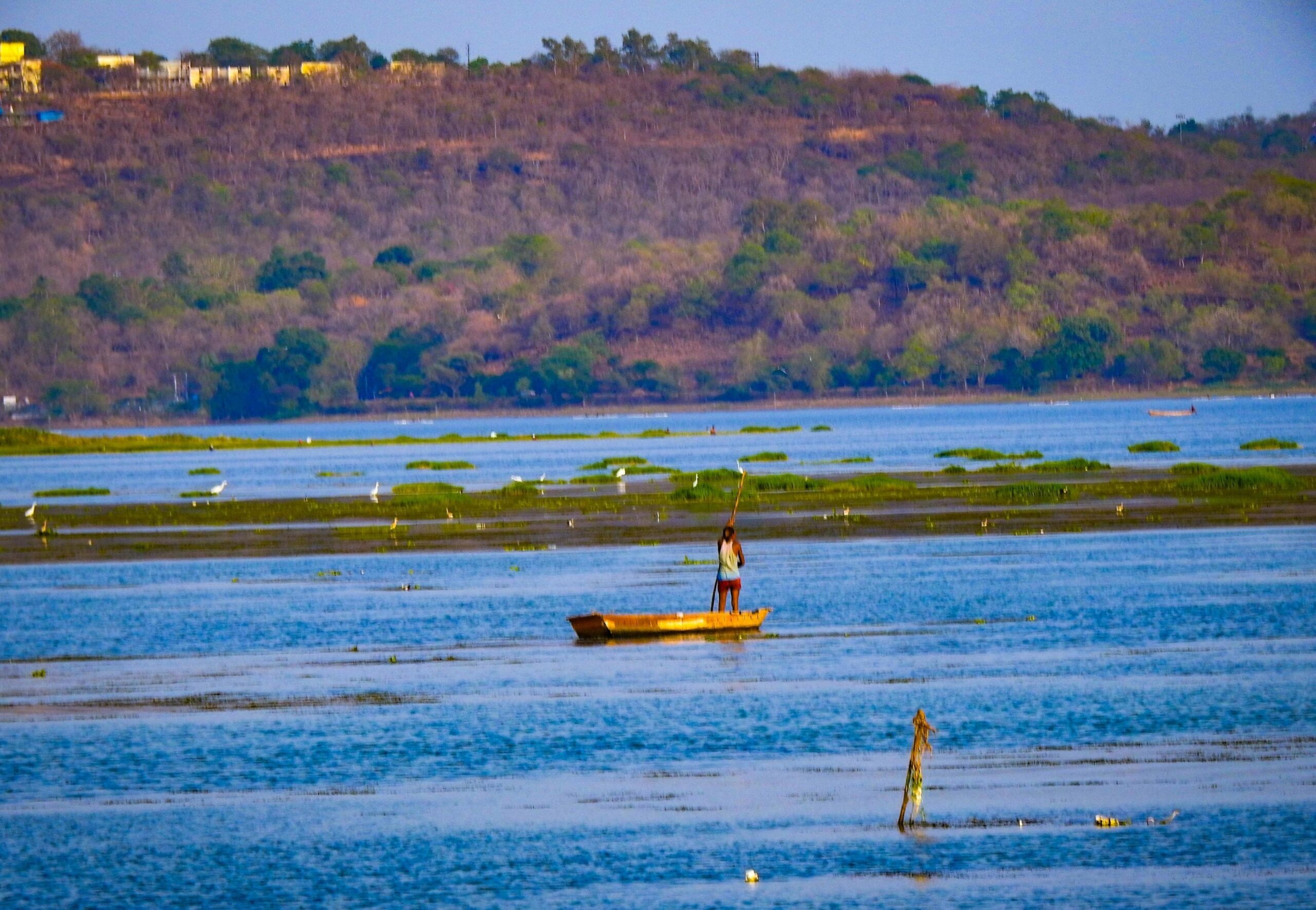
Bird walk Location

Common birds of Bhoj Wetland

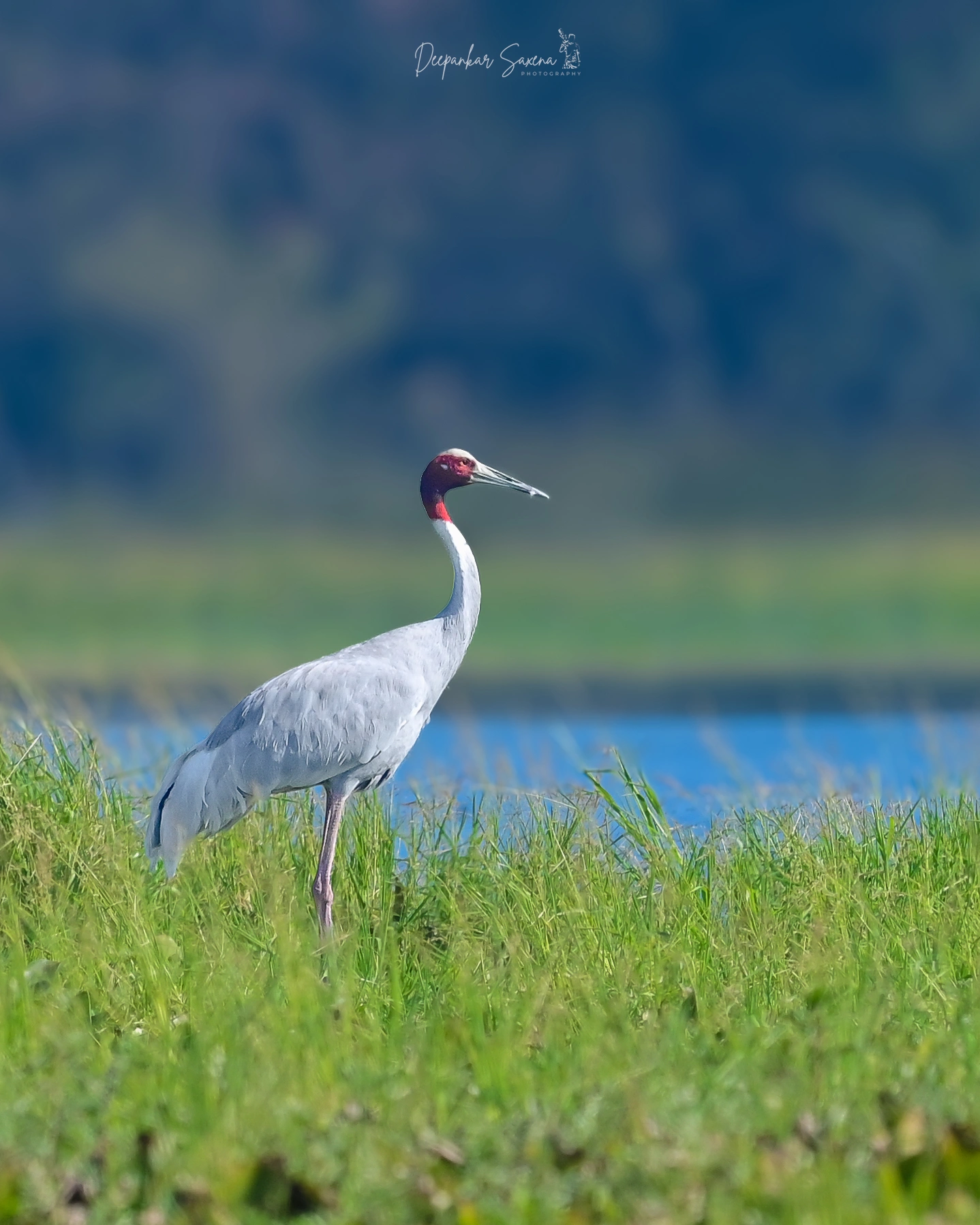
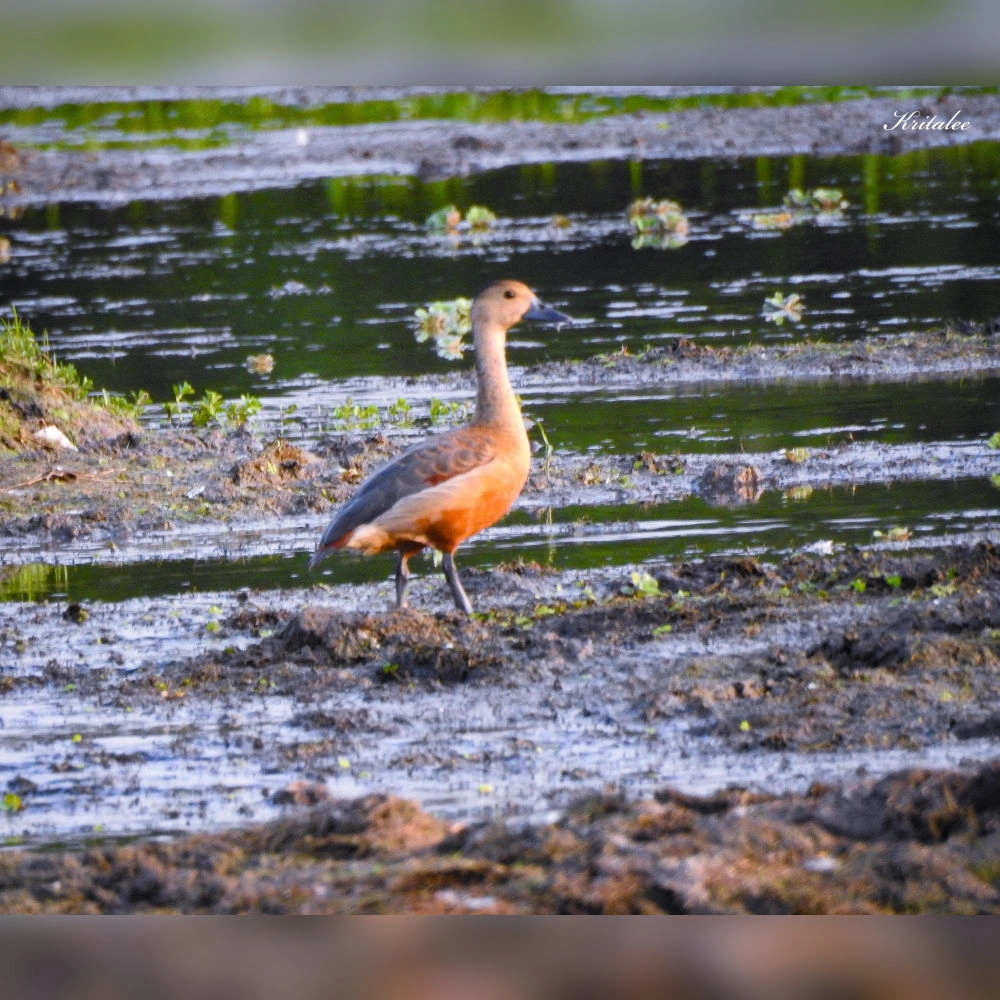
Wetland hosts a vibrant assemblage of waterbirds and terrestrial species, reflecting its ecological richness. Among the most frequently observed birds are the Lesser Whistling-Duck, Little Egret, Red-wattled Lapwing, and Black-winged Stilt, all of which favor the lake’s marshy edges and open waters. Waders like the Eastern Cattle Egret, Pheasant-tailed Jacana, and Bronze-winged Jacana add to the wetland’s dynamic birdscape, alongside the elegant River Tern, Indian Spot-billed Duck, and Gray-headed Swamphen. On the fringes of the wetland, scrub and agricultural zones attract species such as the Paddyfield Pipit, Large Gray Babbler, Indian Pied Starling, Common Woodshrike, and Oriental Magpie-Robin. The presence of forest-edge birds like the Yellow-throated Sparrow, Brahminy Starling, Black Drongo, and Indian Paradise-Flycatcher underlines the habitat mosaic of the region. With occasional sightings of Sarus Crane, Asian Openbill, and Eurasian Spoonbill, Bhoj Wetland remains an important refuge for both common and near-threatened bird species across seasons.

Lesser-Whistling Duck
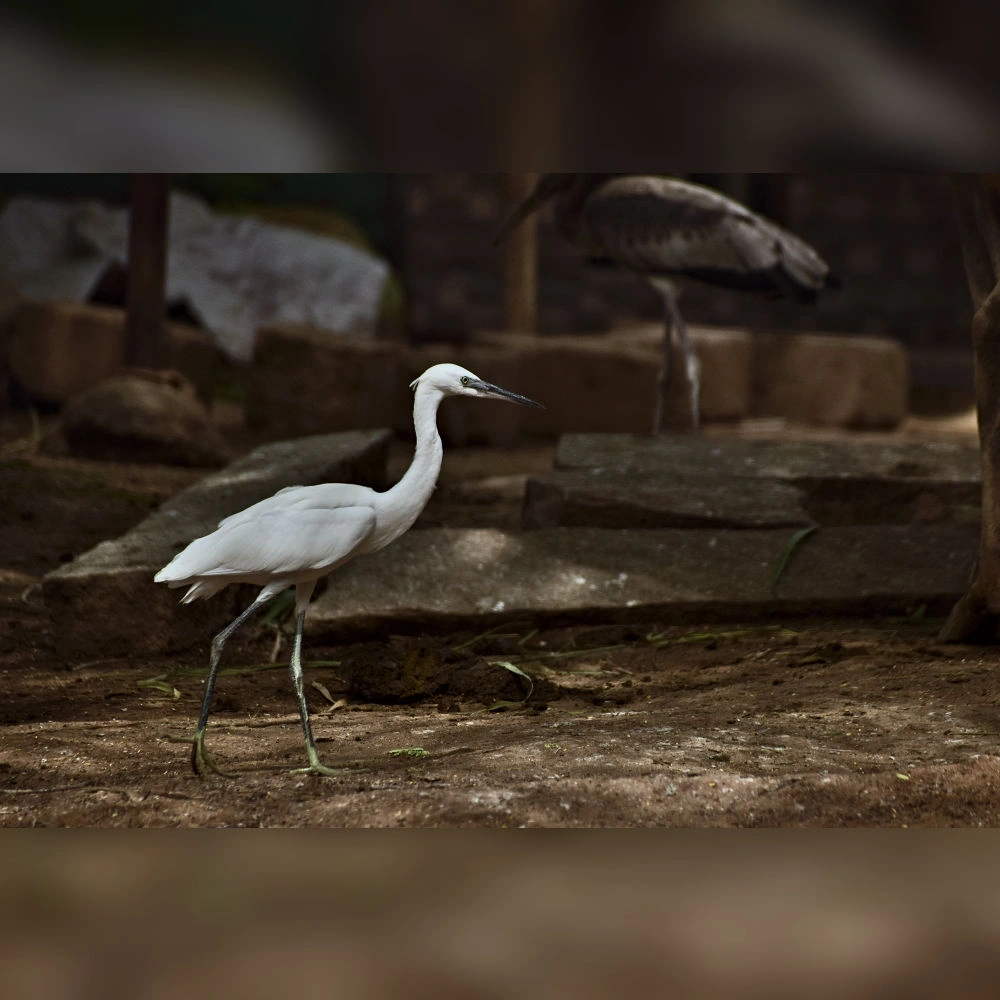
Little Egret
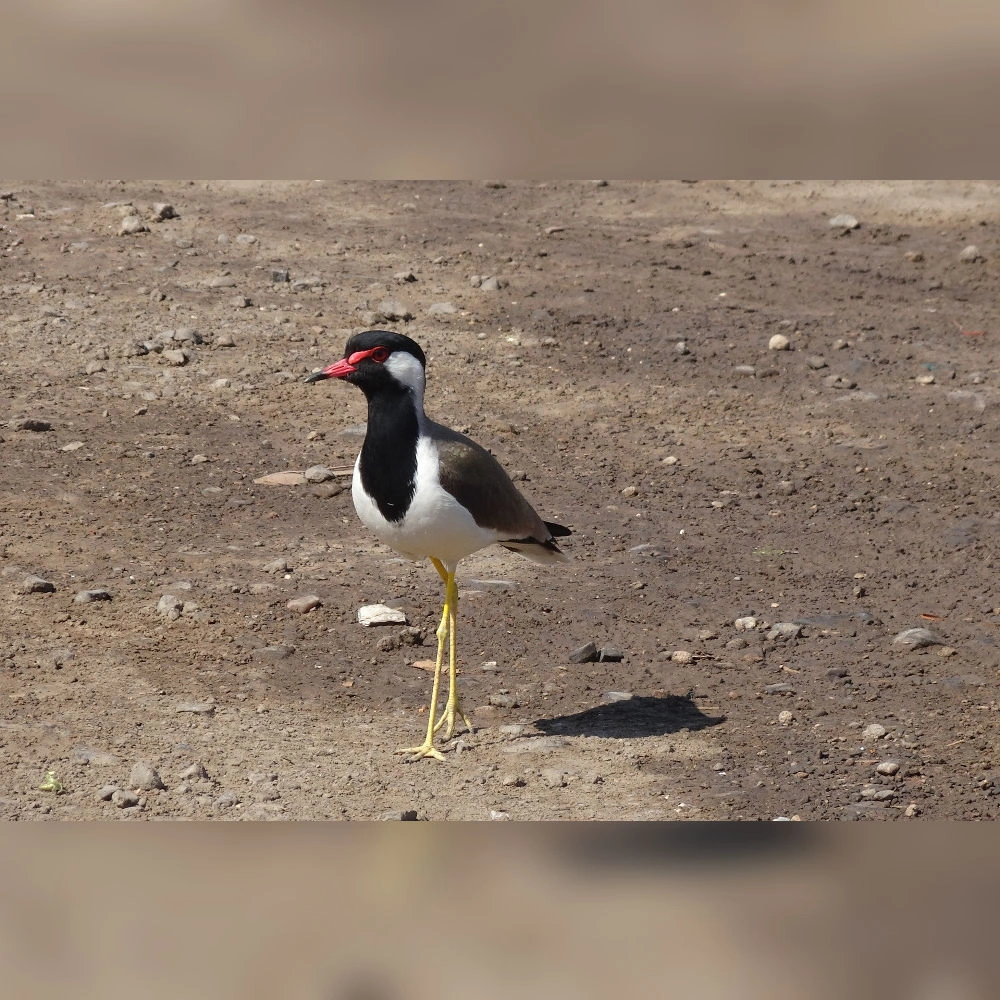
Red-wattled Lapwing
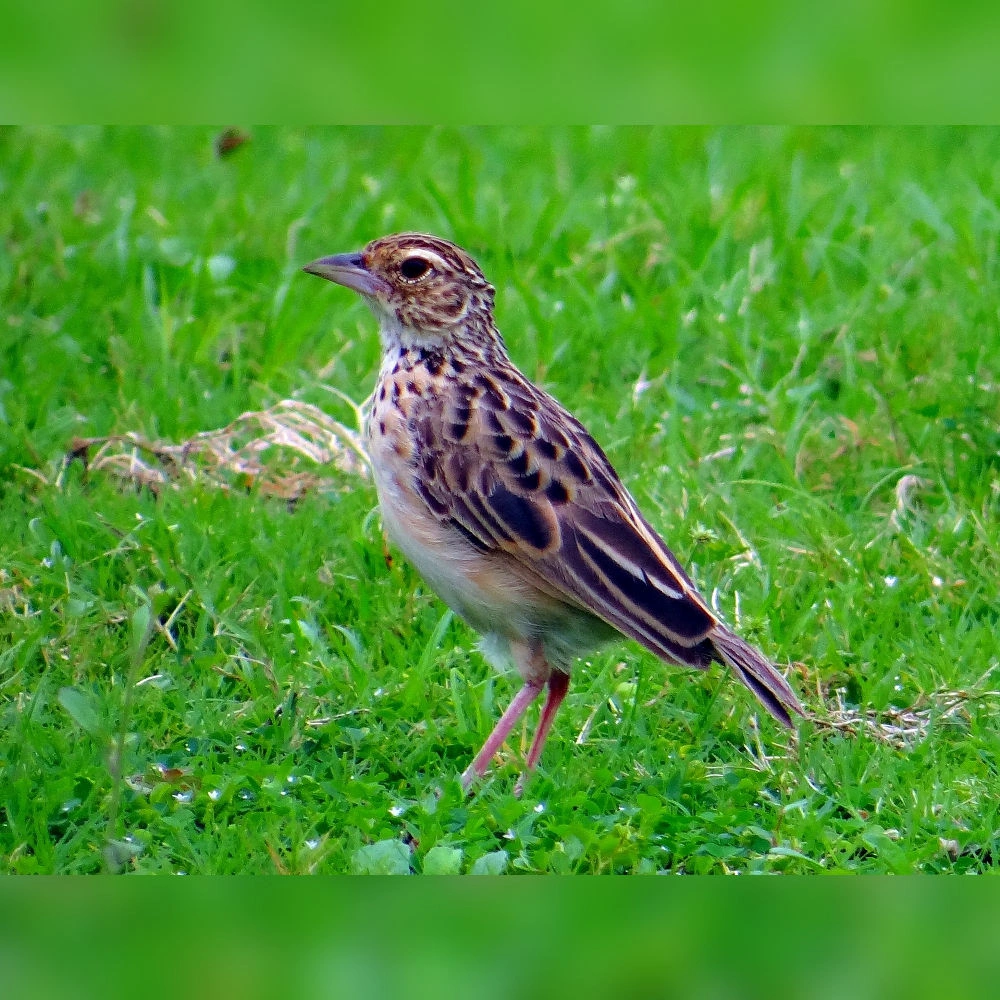
Paddyfield Pipit
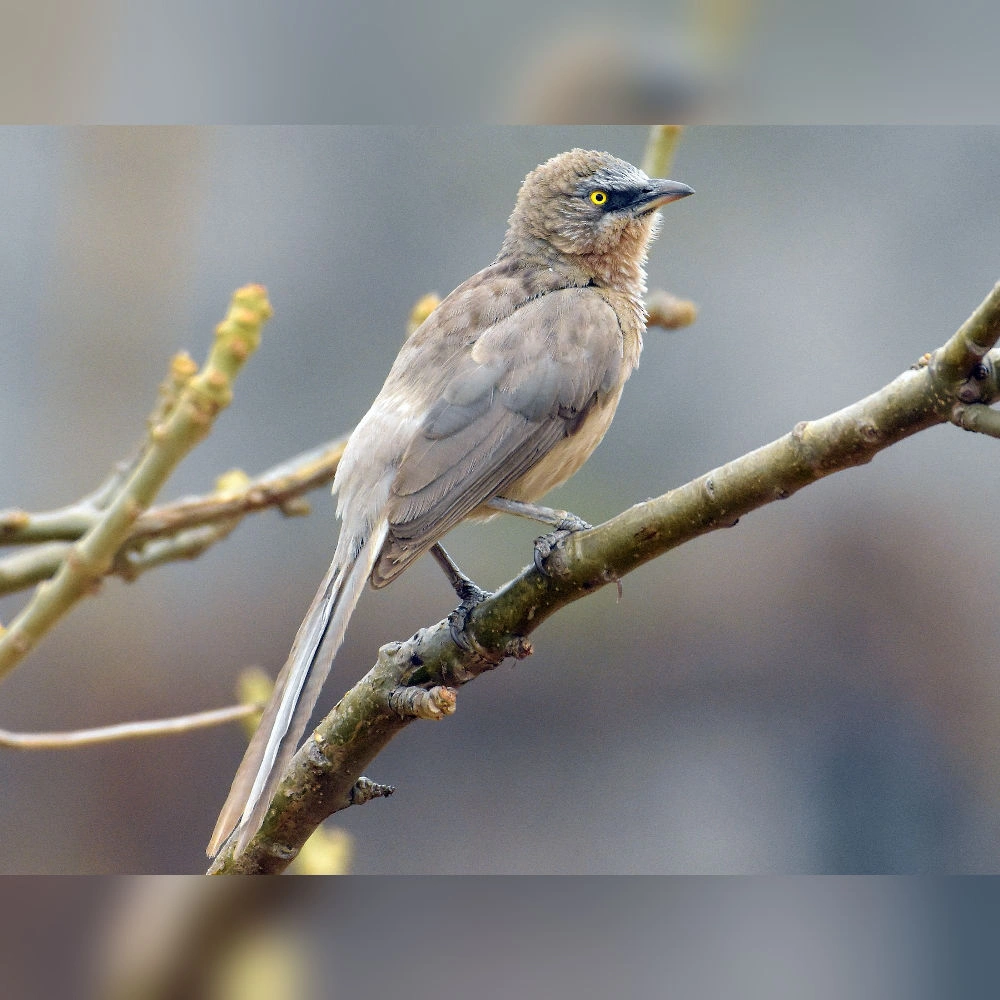
Large Grey Babbler
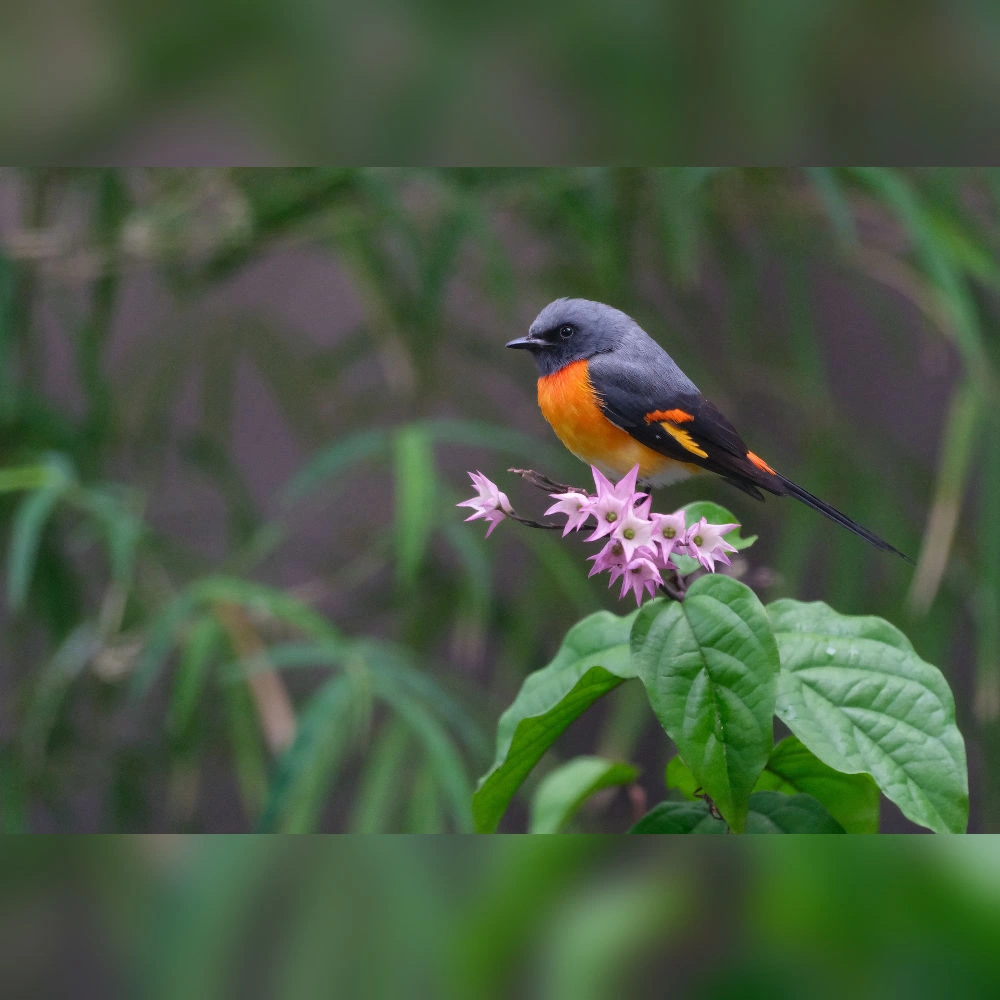
Common Woodshrike
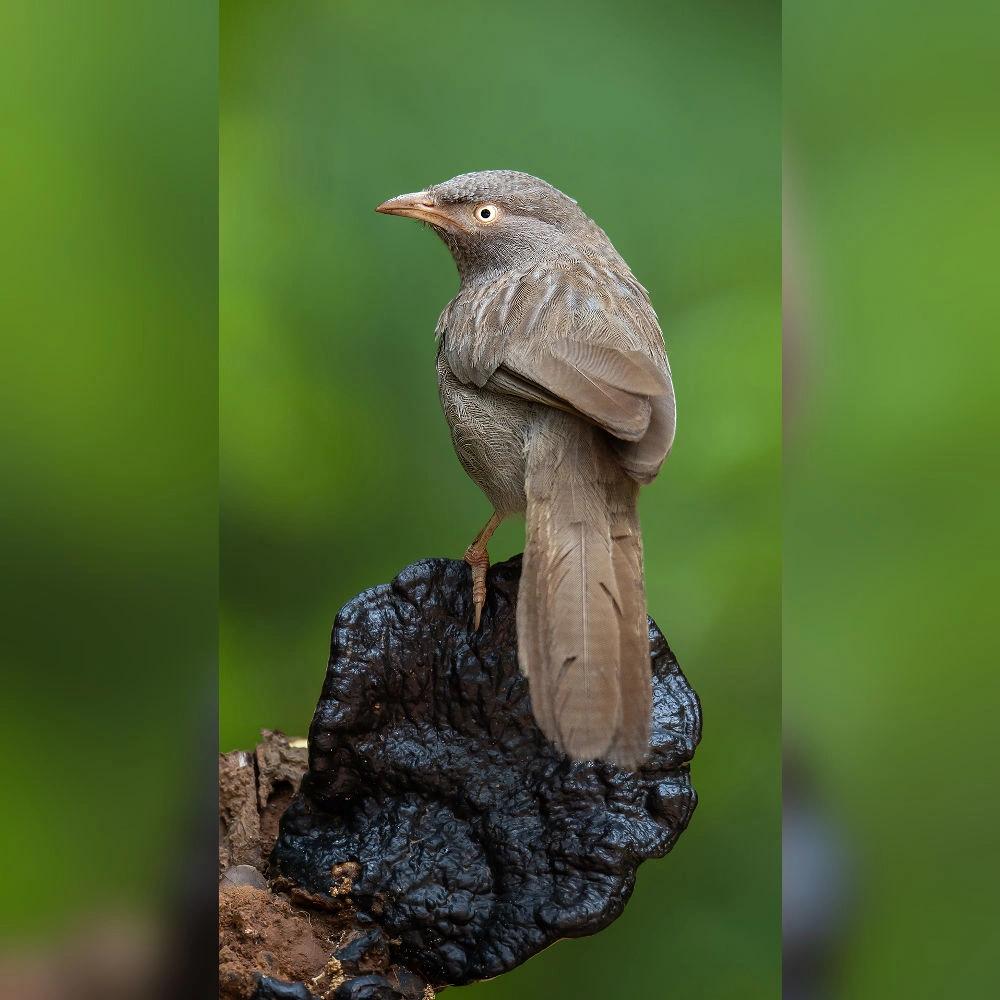
Jungle Babbler
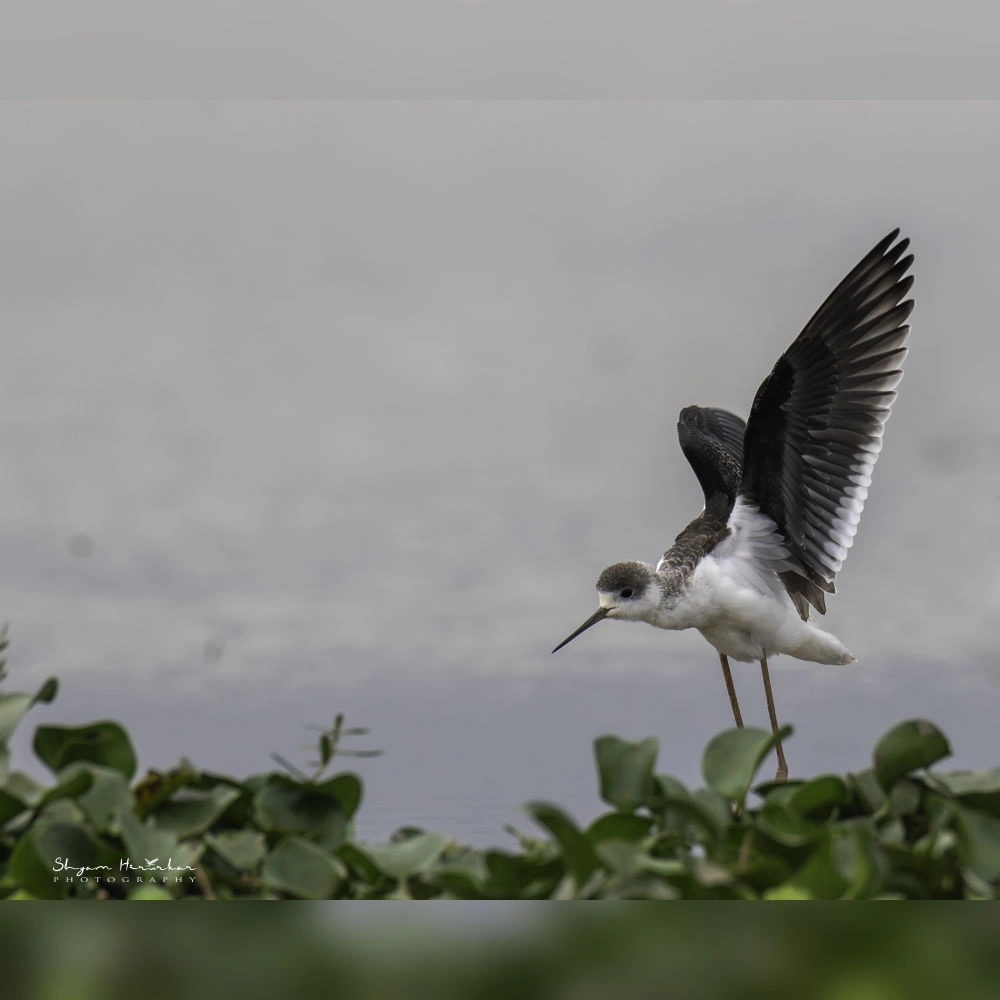
Black-winged Stilt
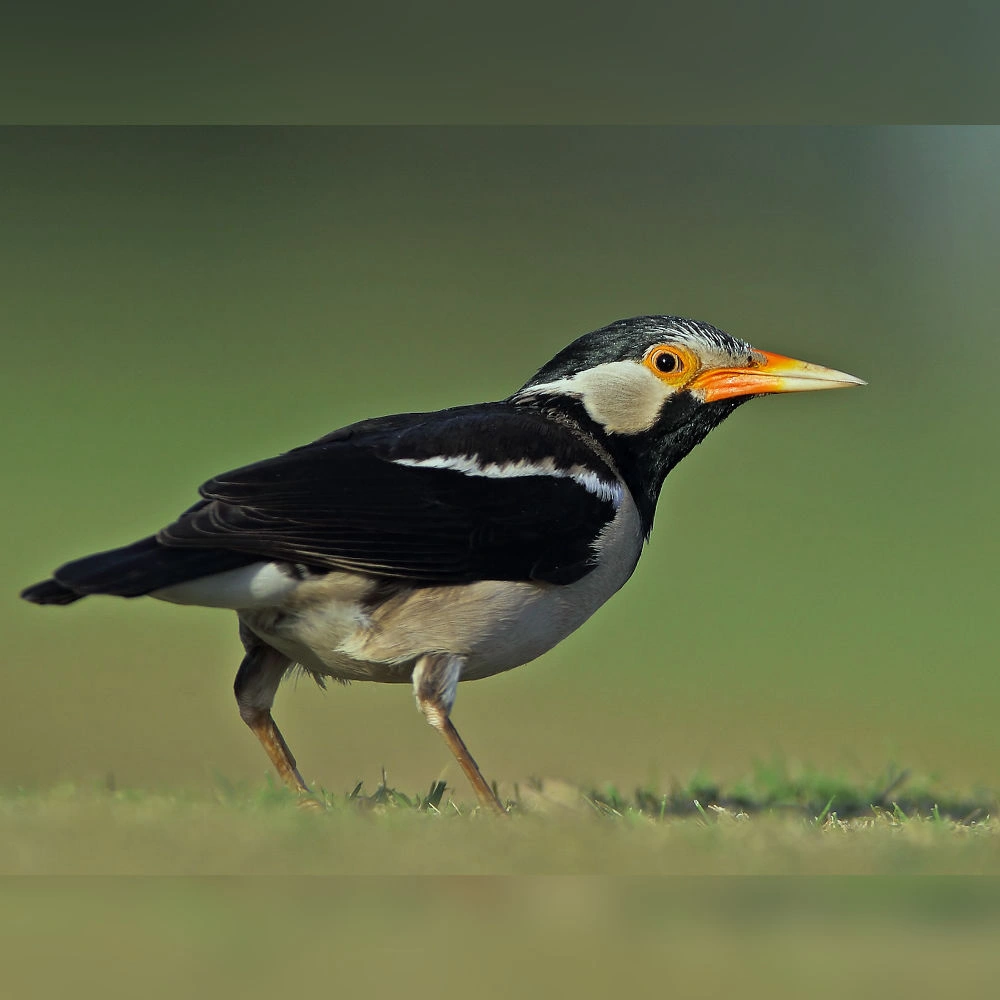
Asian Pied Starling
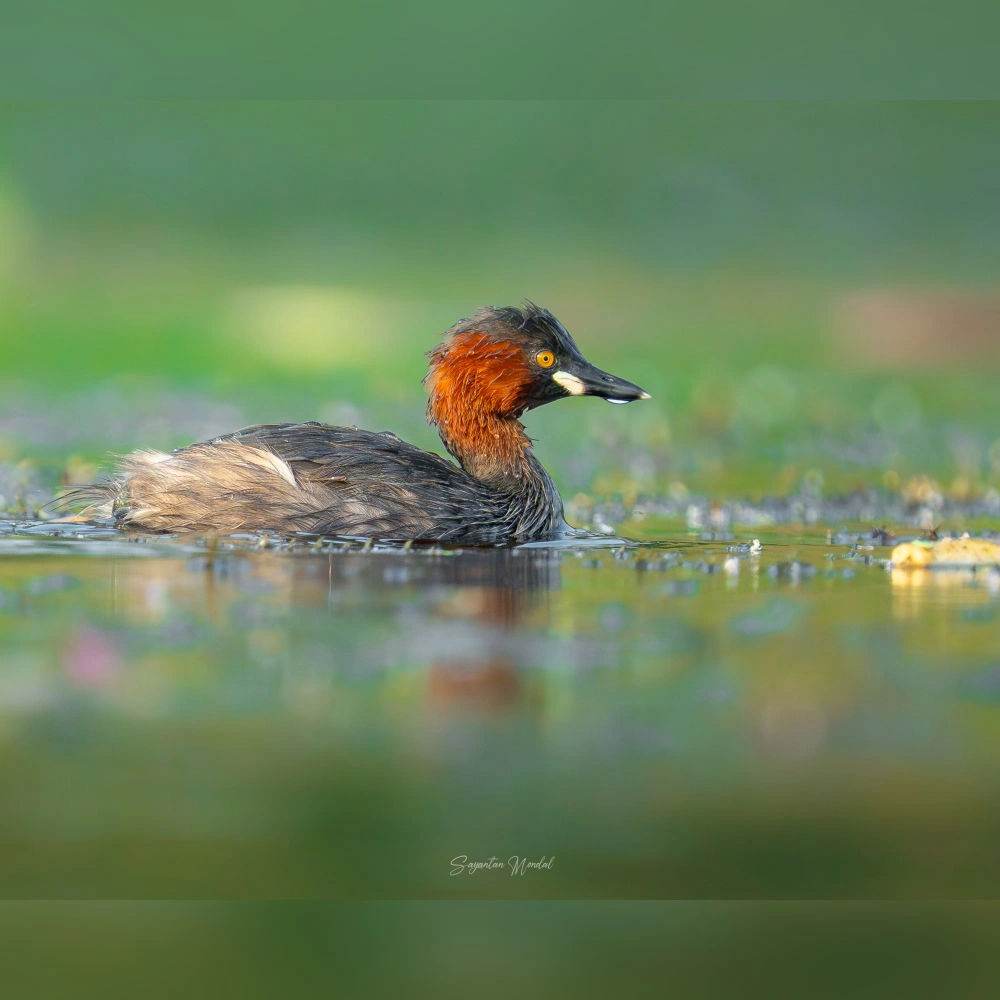
Little Grebe
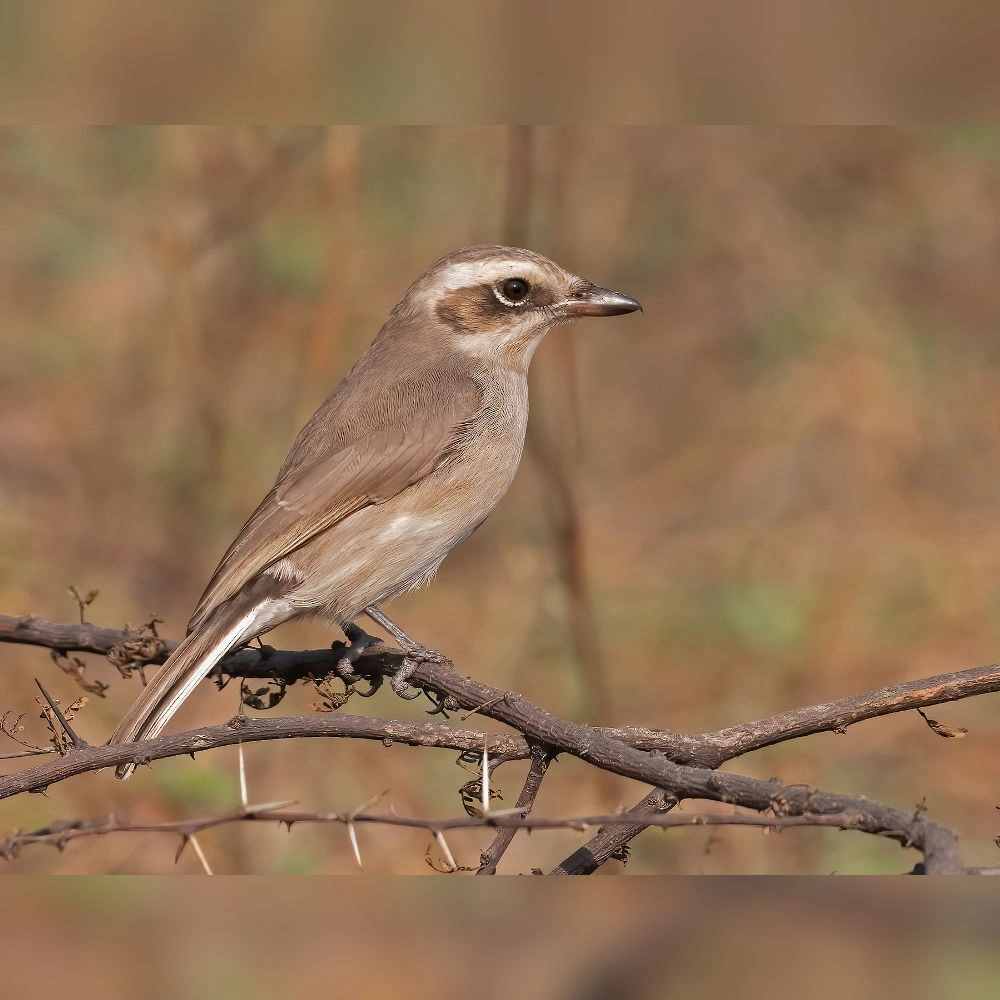
Common Woodshrike
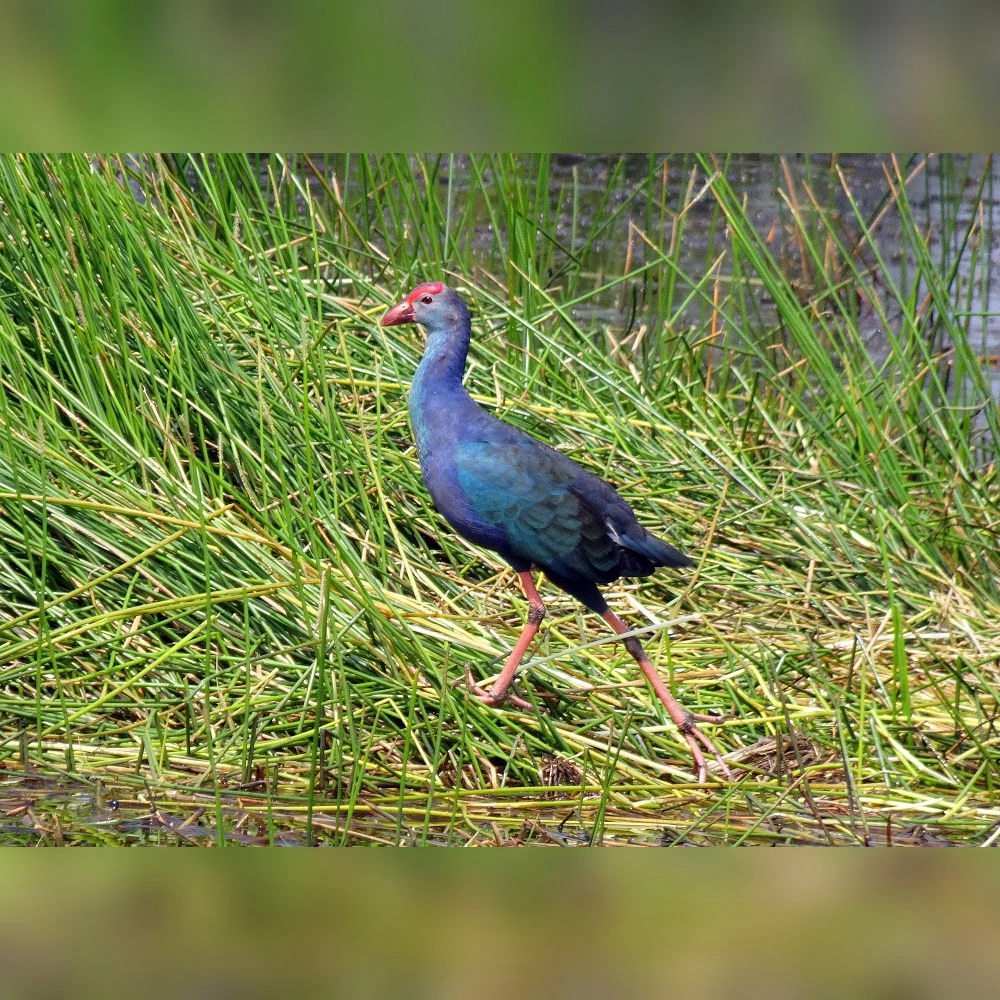
Grey-headed Swamphen
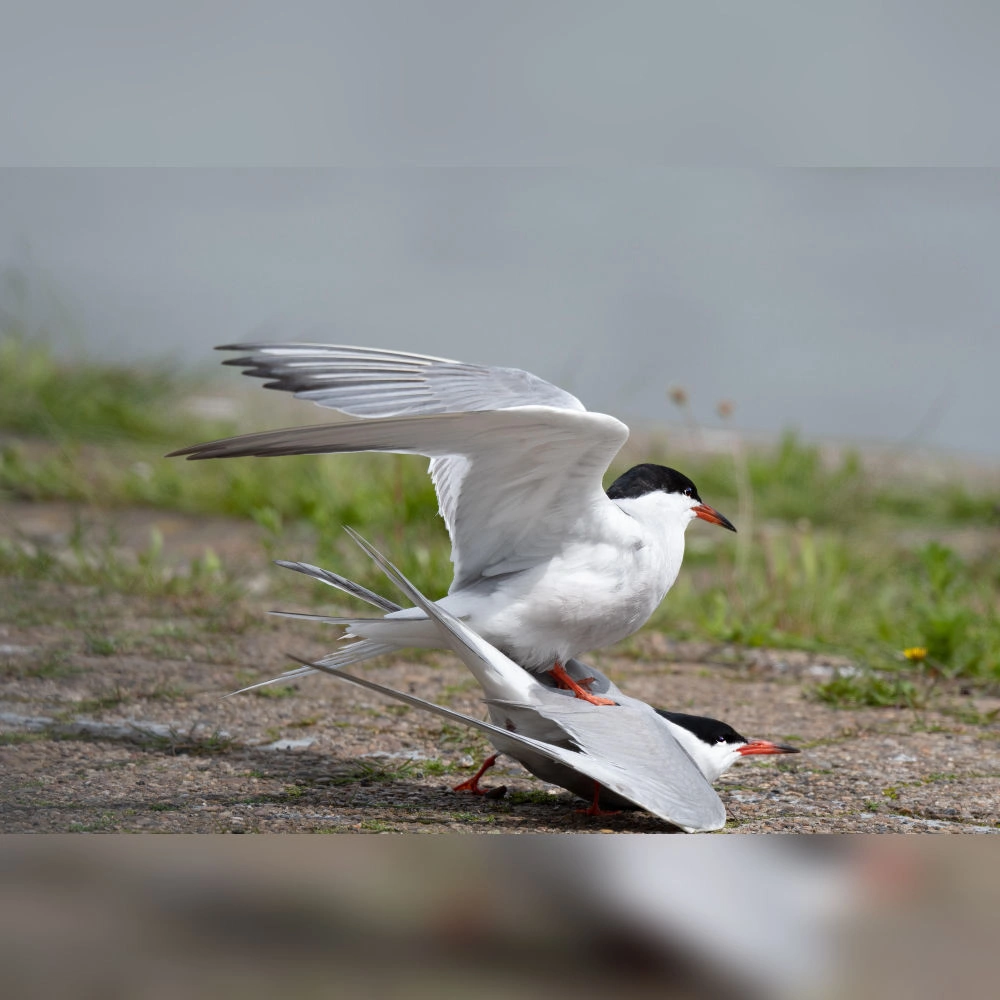
Black Kite
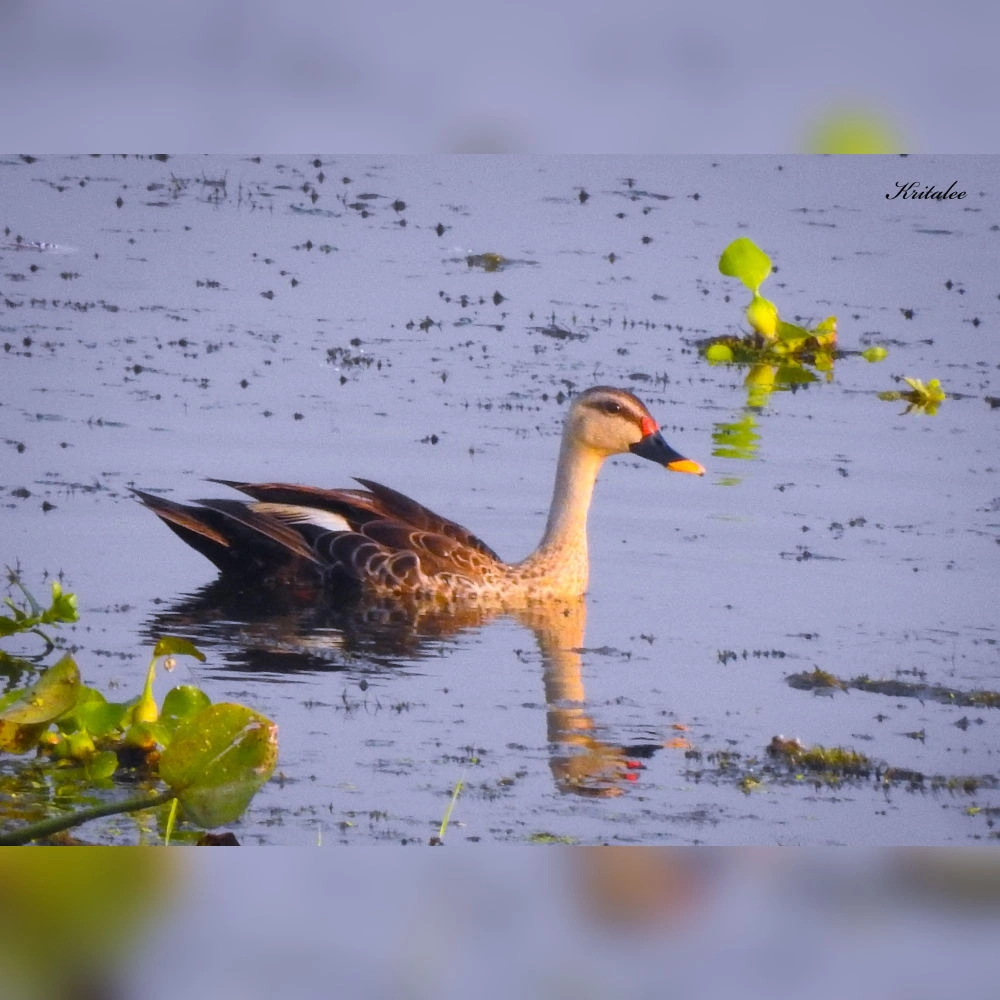
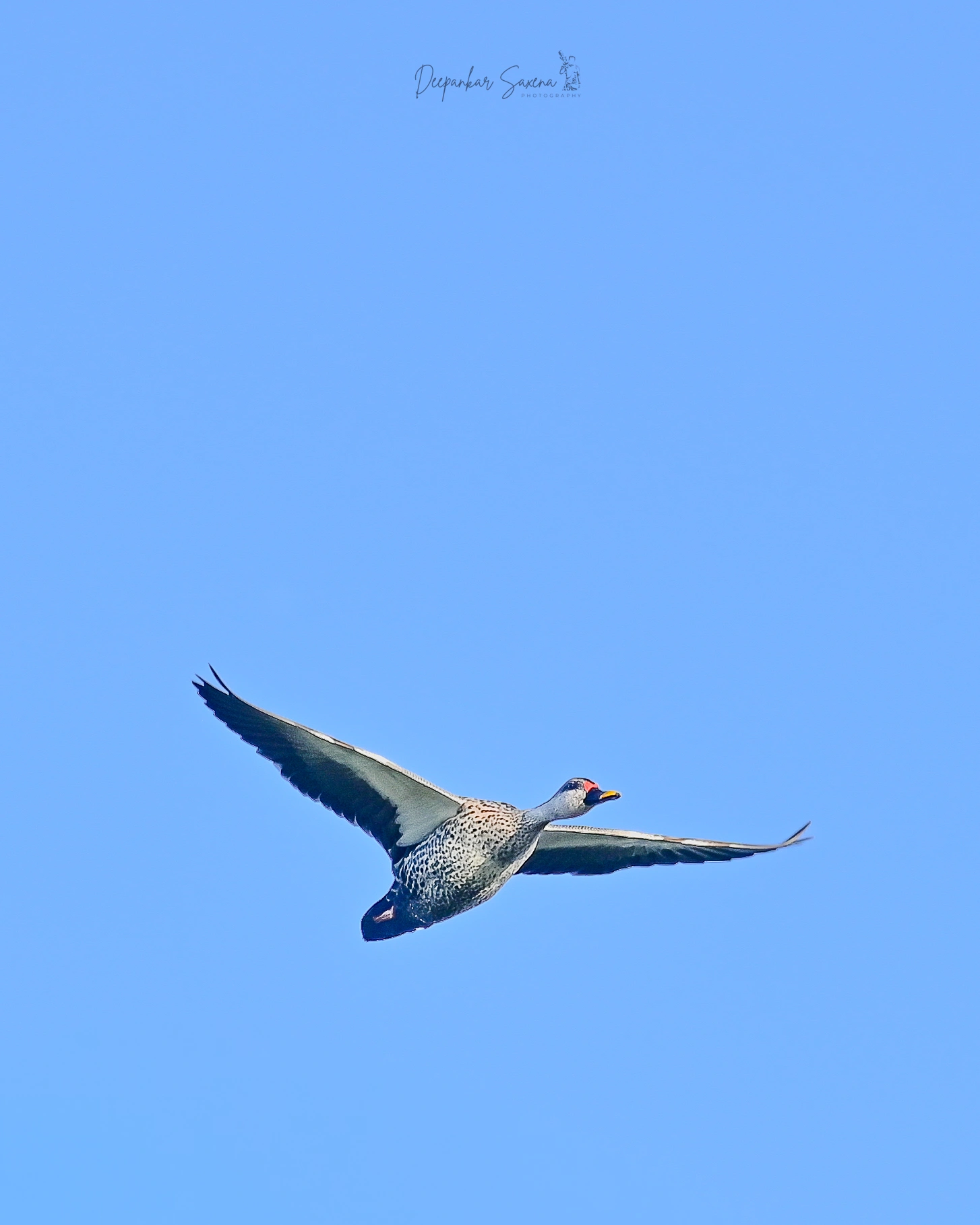
Indian Spot-billed Duck
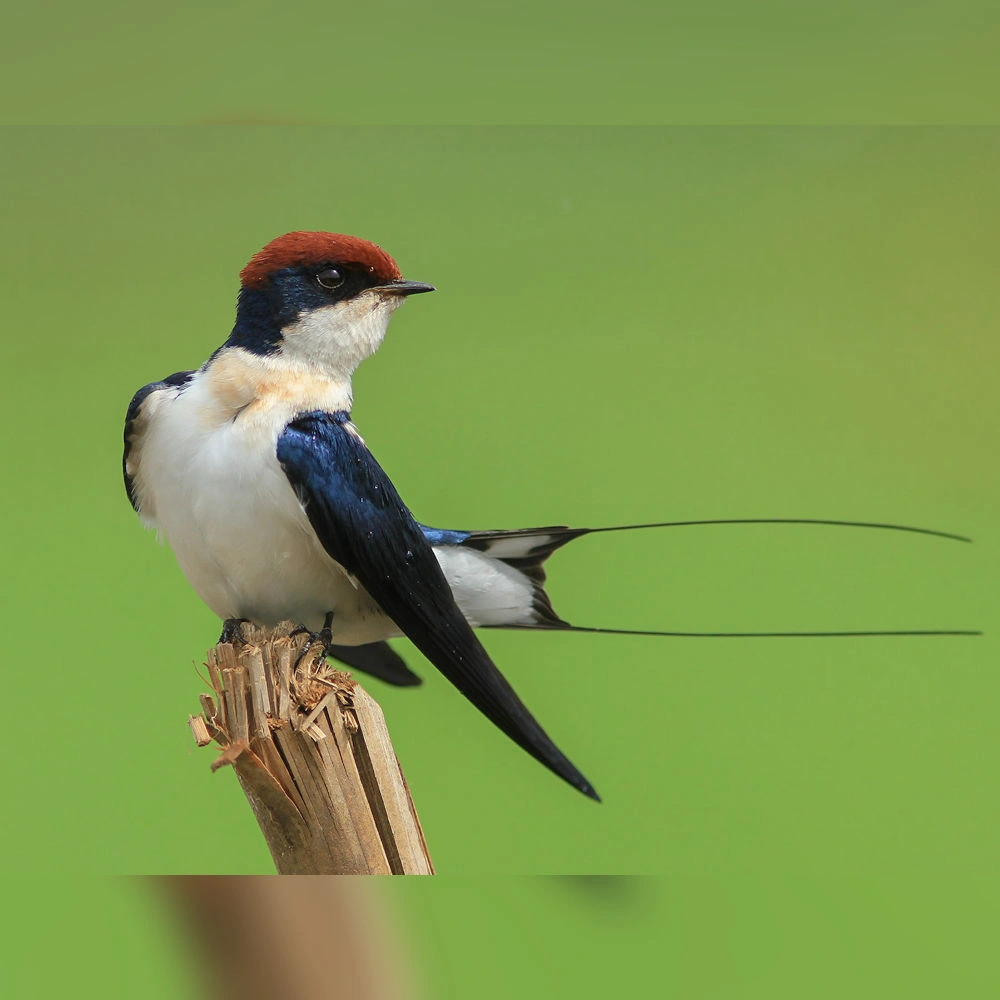
Wire-tailed Swallow
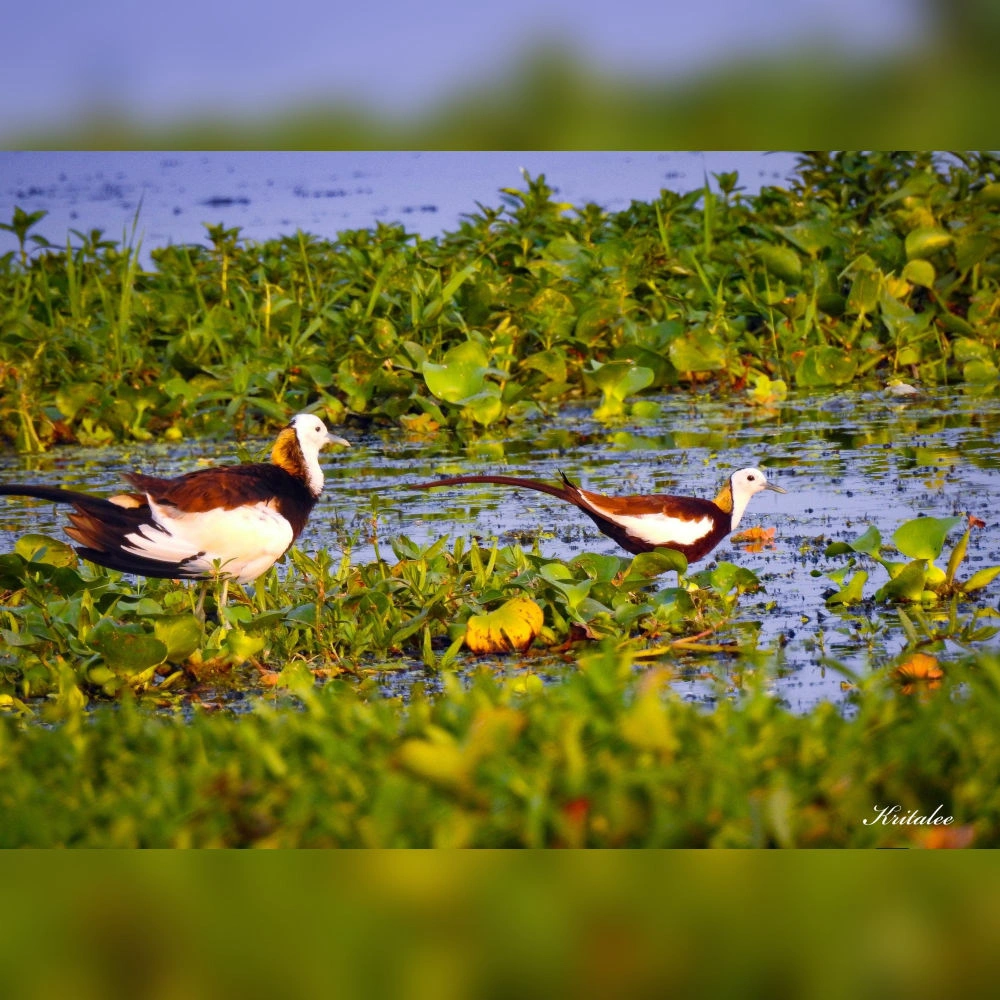
Pheasant-tailed Jacana
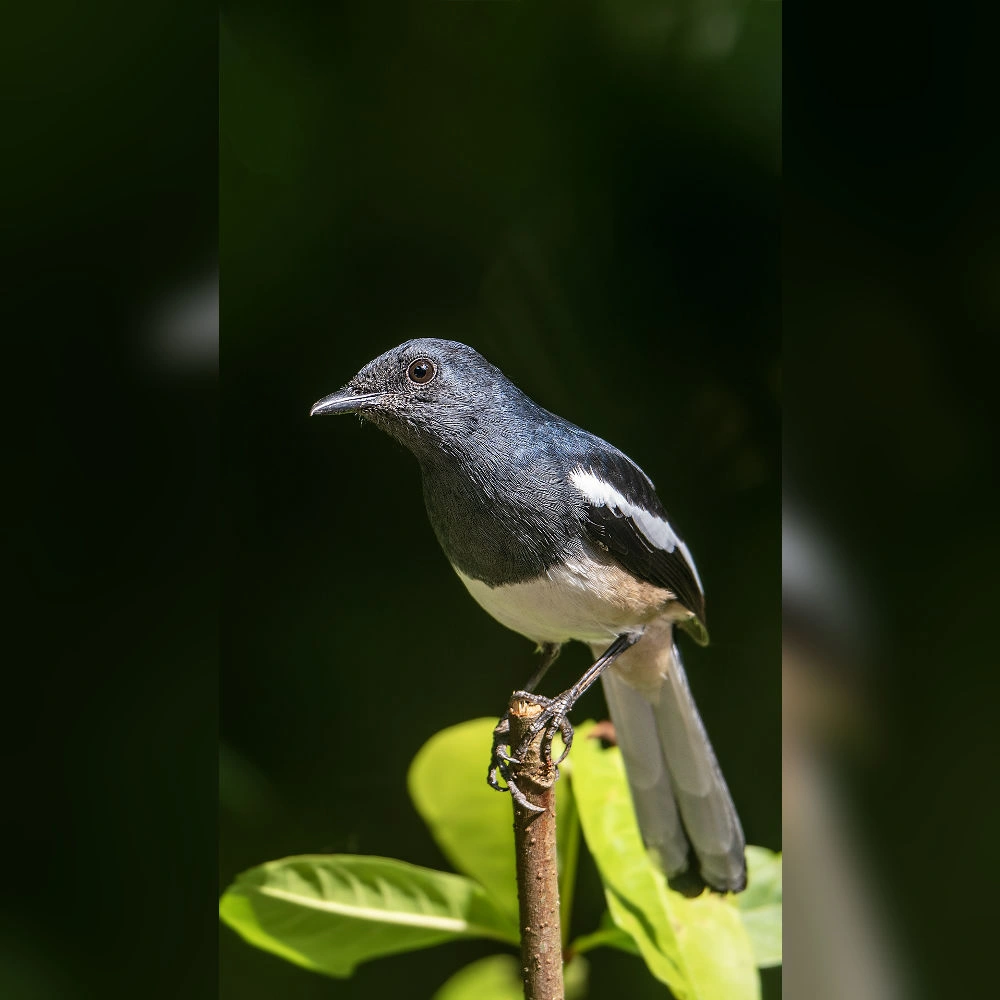
Oriental Magpie Robin
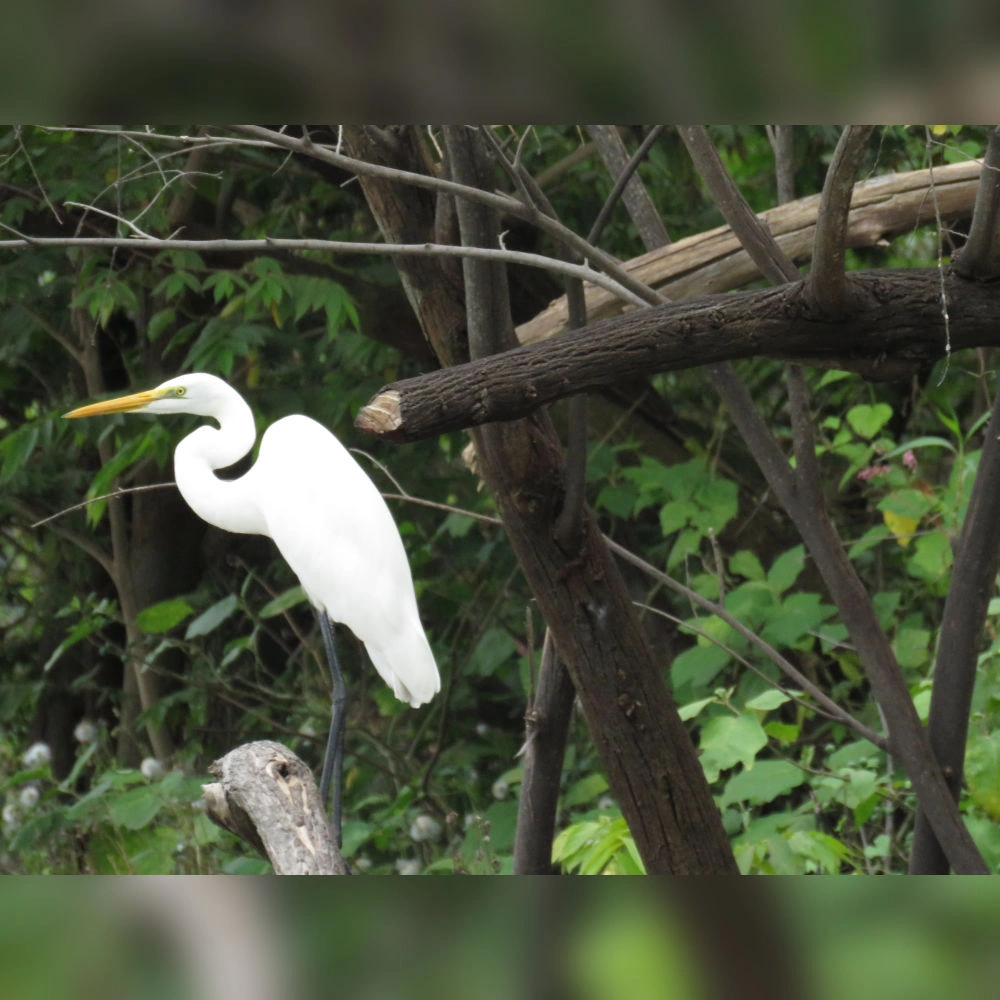
Great Egret
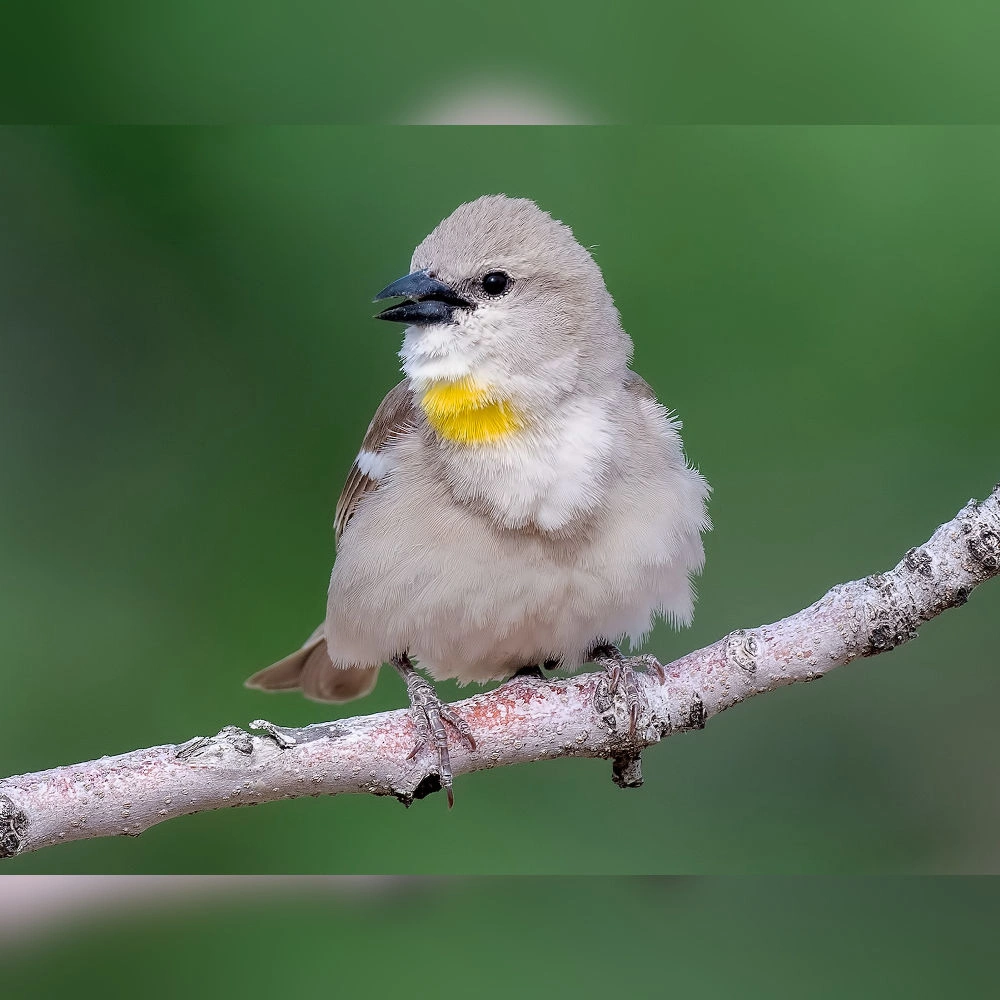
Yellow-throated Sparrow
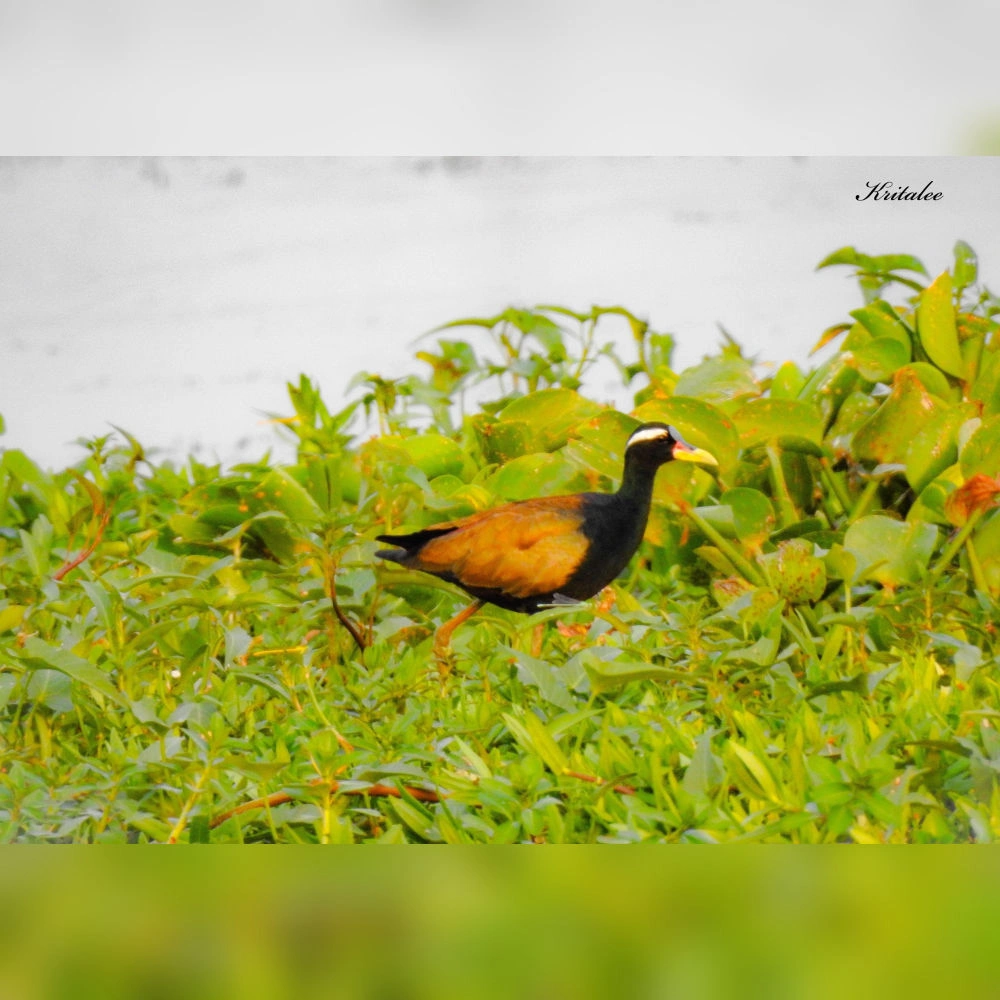
Bronze-winged Jacana

Summary of Walk

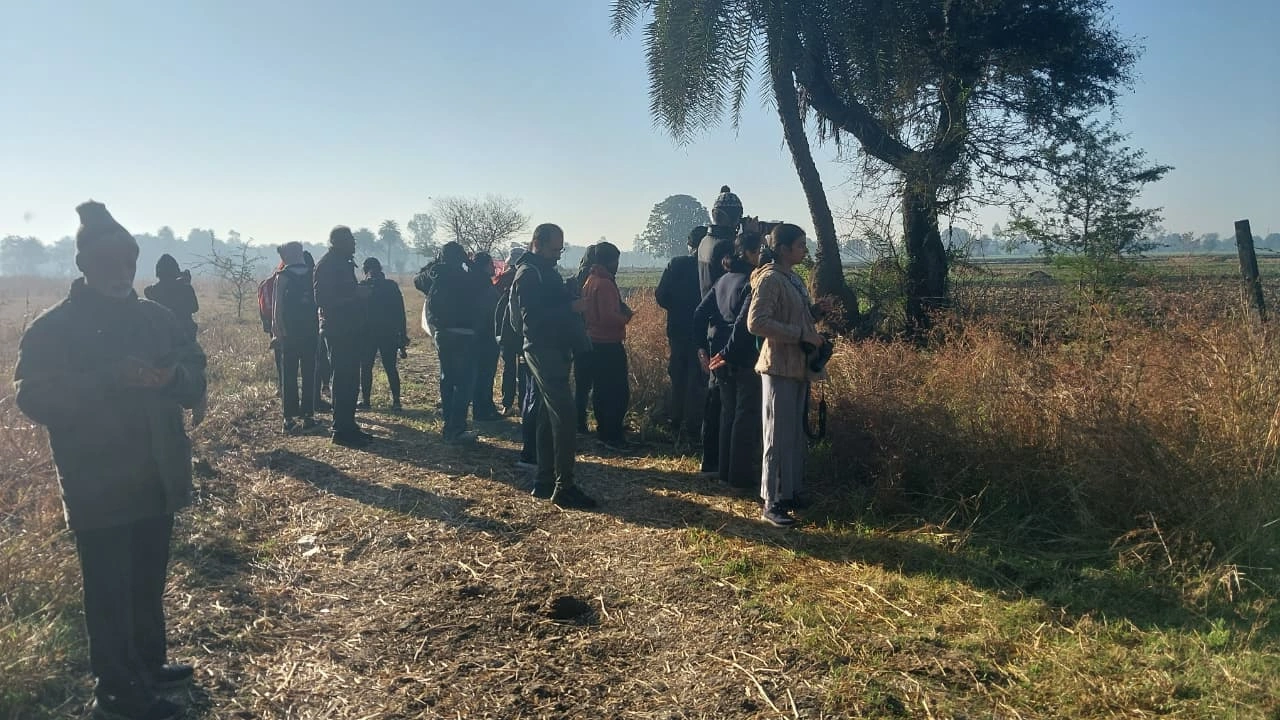
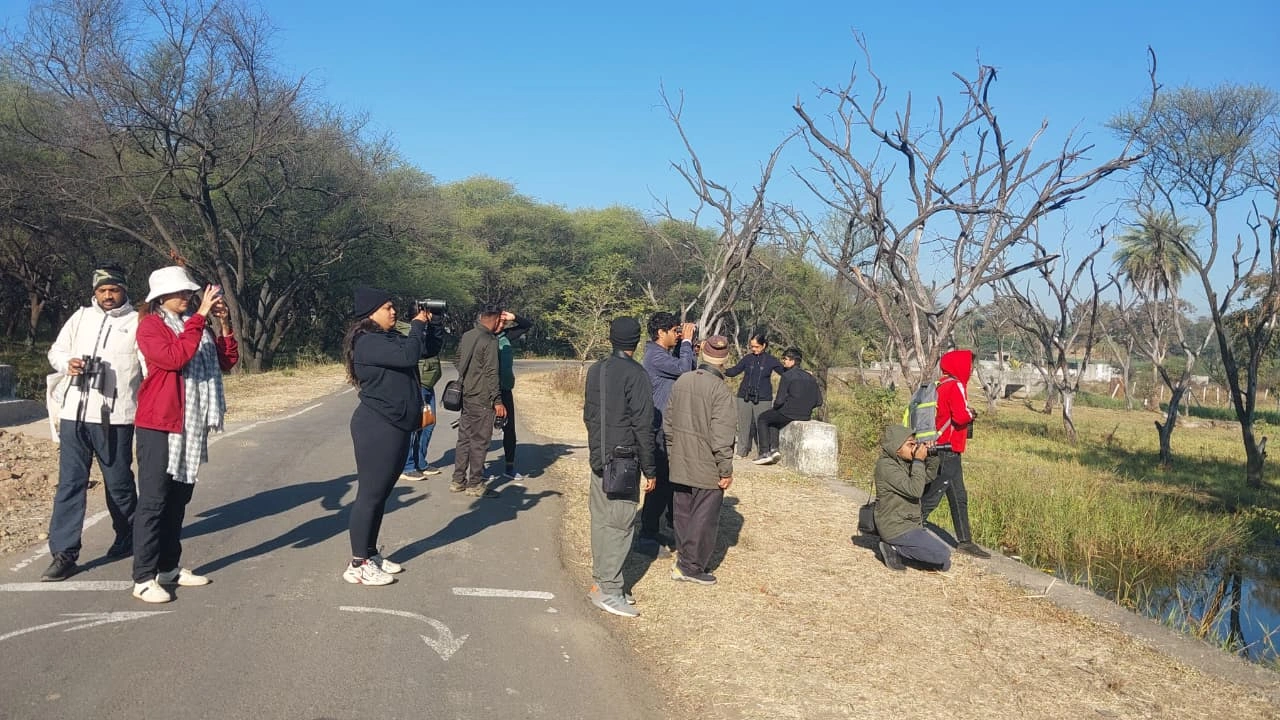
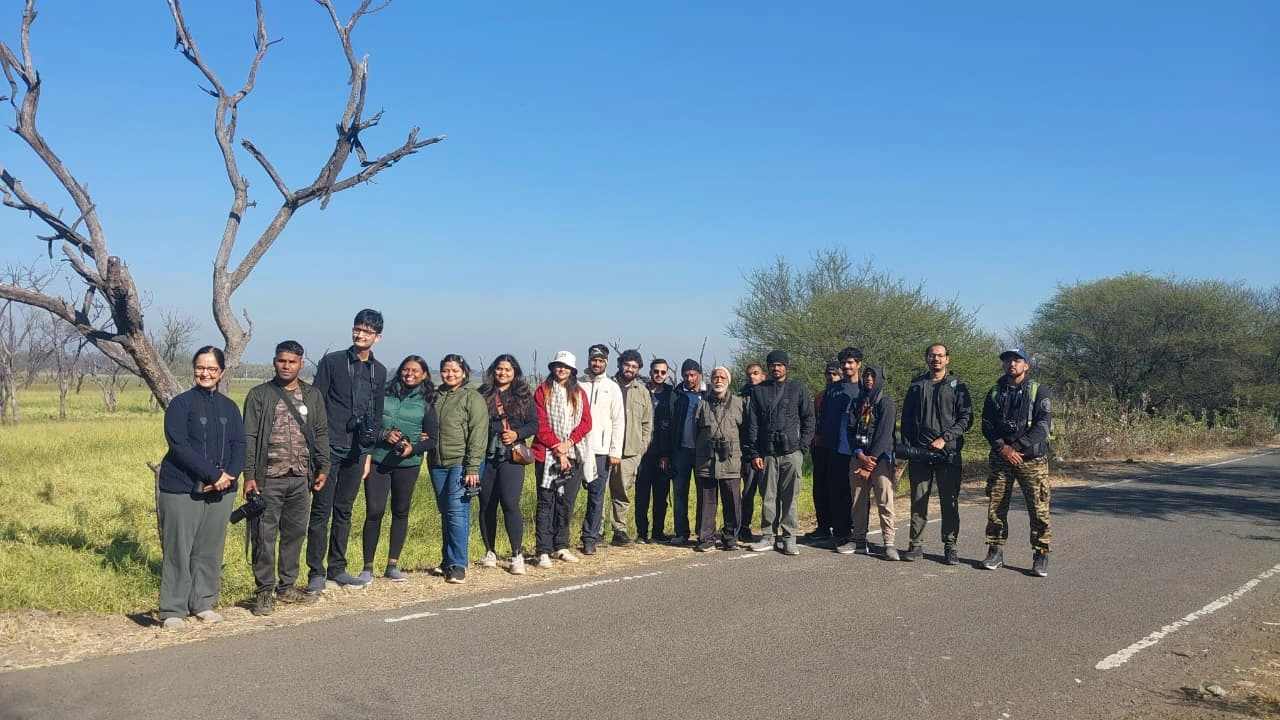
The winter bird walk at Bhilkheda Village Bhoj Wetland, a Ramsar site and Important Bird Area, covered a vast 3-square-kilometer mosaic of wetland, agricultural land, and grassland habitats. Twenty-one participants gathered to witness the seasonal abundance of migratory waterbirds, with the wetland hosting large congregations during peak winter. The landscape supported an extraordinary number of birds, making it an ideal site for winter birdwatching.
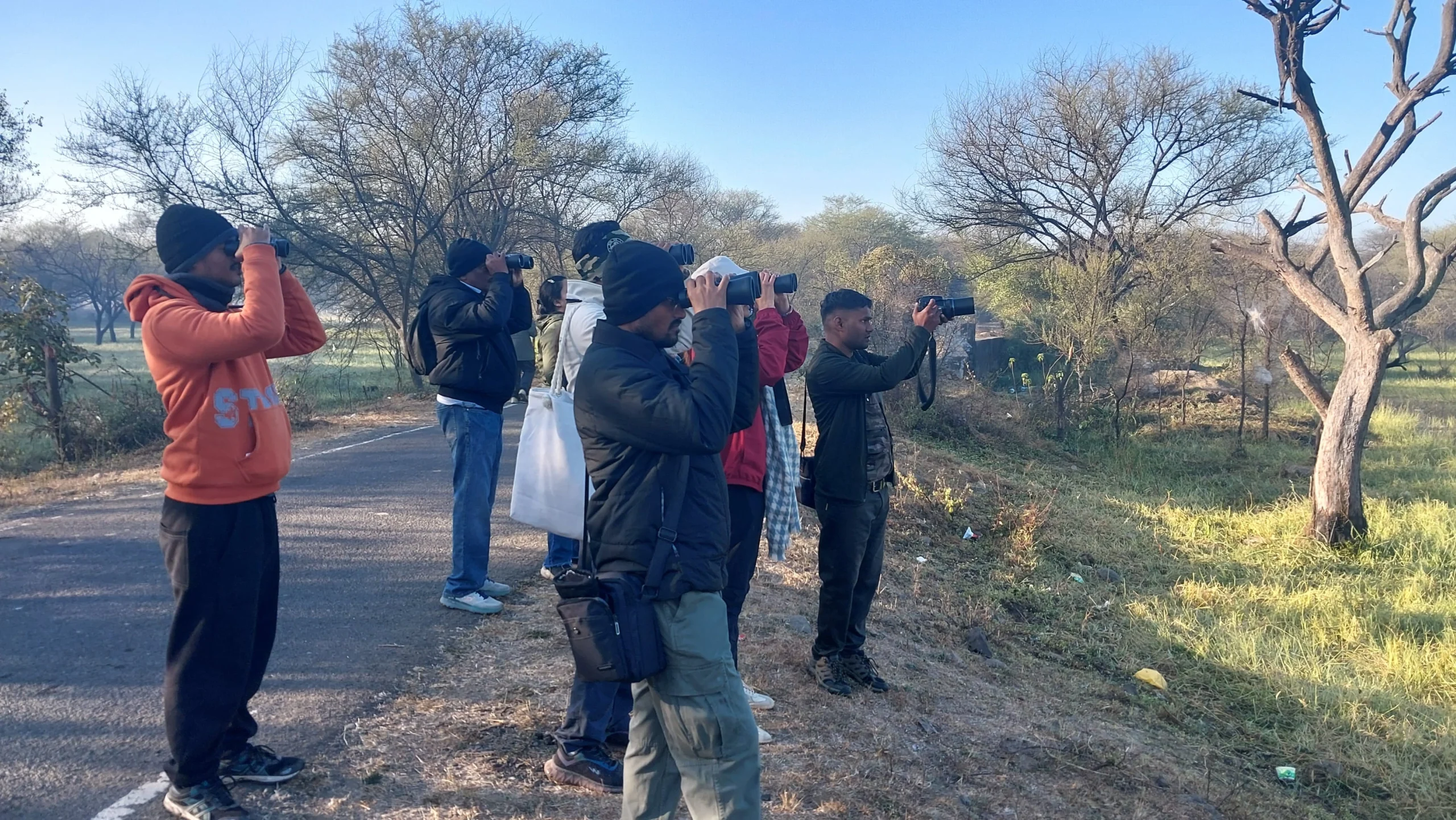
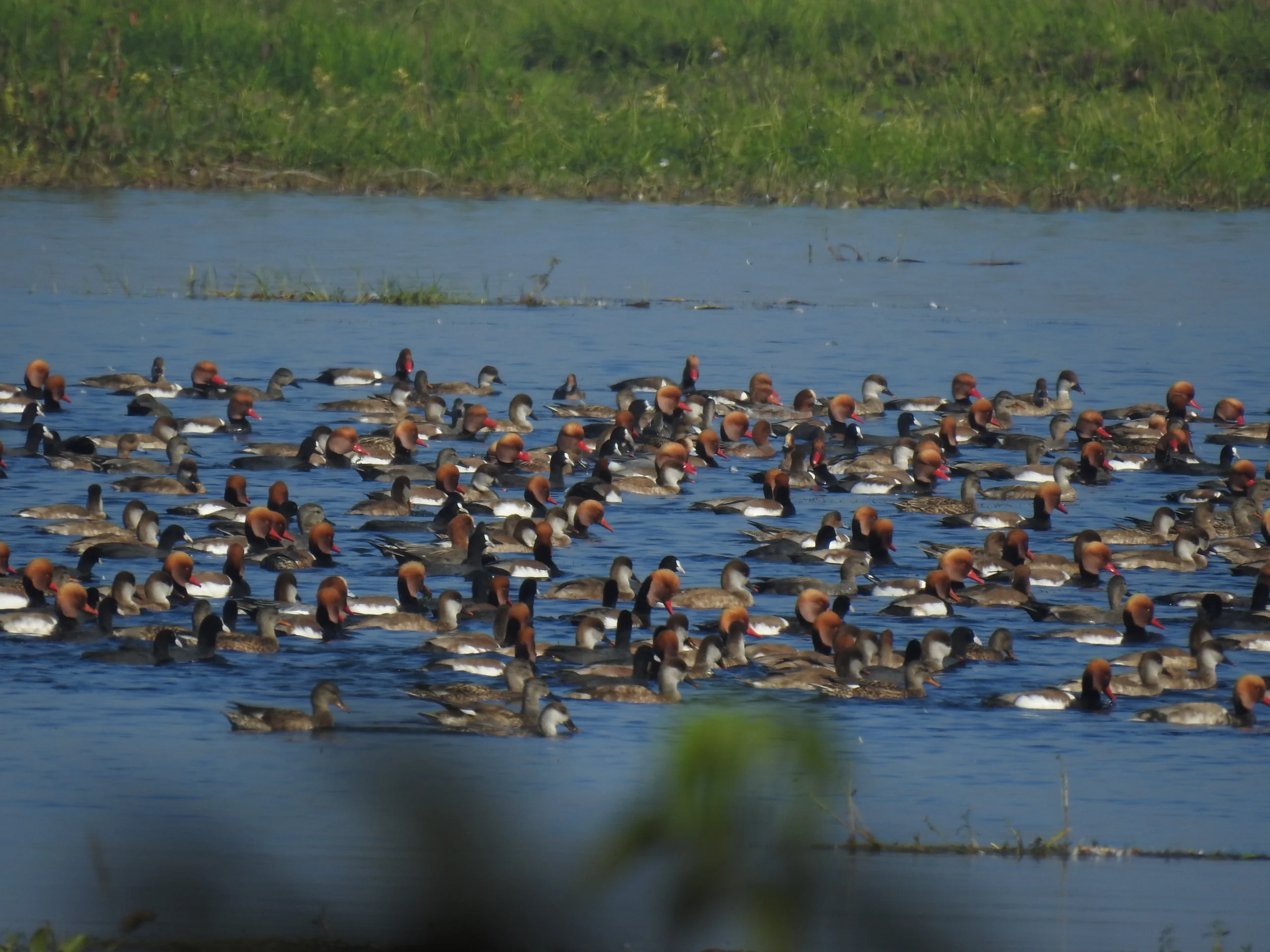
A highlight of the walk was the presence of over 1,500 Red-crested Pochards and large flocks of Common Coots, alongside Sarus Cranes, Asian Open-billed Storks, raptors, herons, wagtails, flycatchers, and numerous waterfowl. Under the guidance of Ankit Malviya, participants explored the diversity of habitats and learned to identify birds across guilds, making the walk both visually overwhelming and educationally enriching.
Number of Participants
0
Scroll to Top