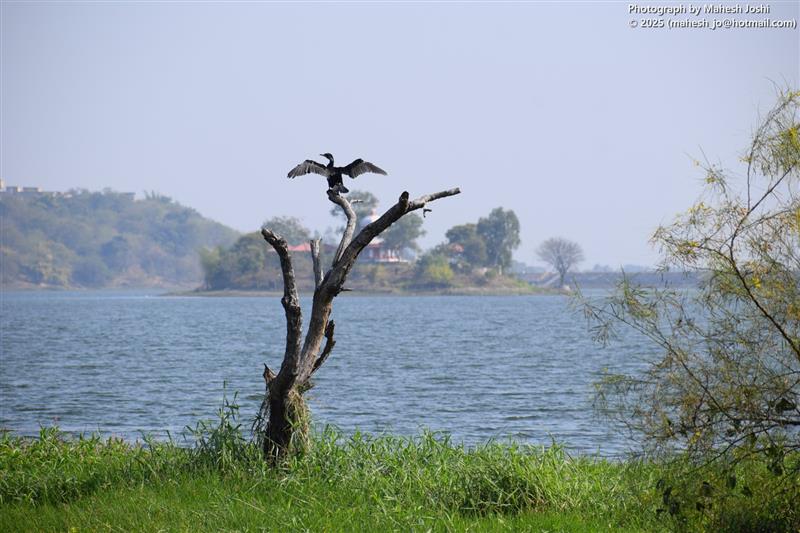
Located on the outskirts of Bhopal, Bisankhedi is a serene rural landscape where wetlands, open grasslands, and agricultural fields blend seamlessly into one another. Part of the larger Bhoj wetland region influence, this area benefits from seasonal water retention, shallow marshes, and village ponds that support rich biodiversity. The habitat is a mix of freshwater wetlands, scrub vegetation, croplands, and scattered native trees such as neem, banyan, babool, and acacia. During the monsoon and winter months, the landscape transforms into a thriving ecological pocket, attracting both resident and migratory wildlife.
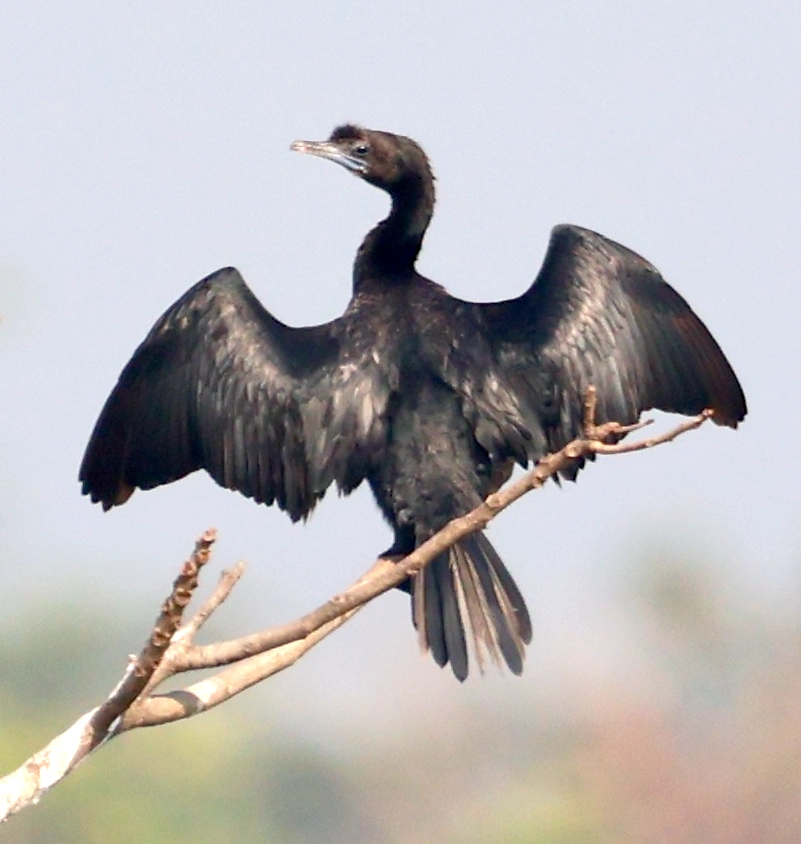
Bisankhedi is especially rewarding for birding. Waterbirds such as herons, egrets, cormorants, and storks frequent the shallow waters, while lapwings, wagtails, and pipits forage along the edges. Winter often brings migratory ducks and waders, adding to the seasonal diversity.
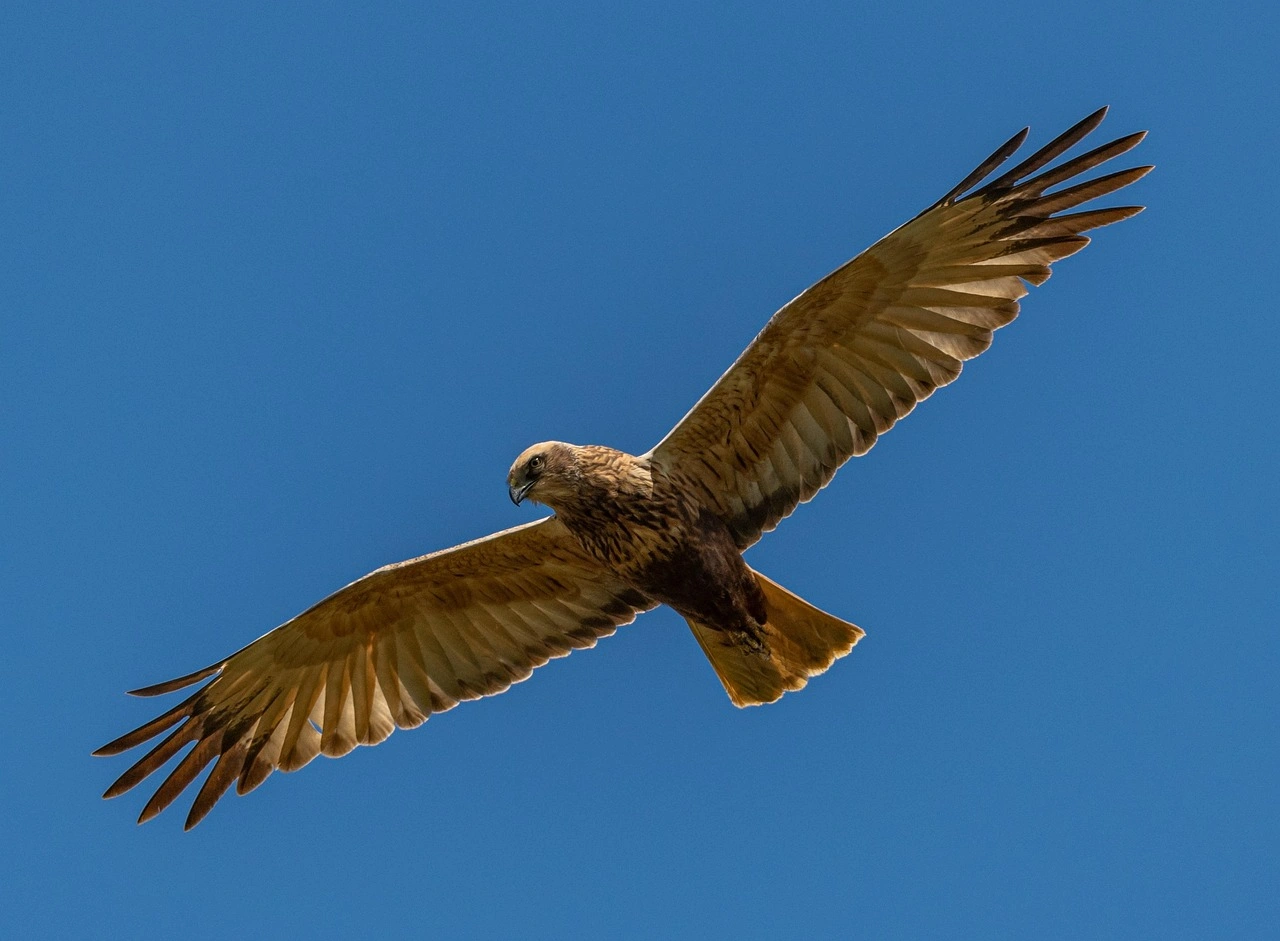
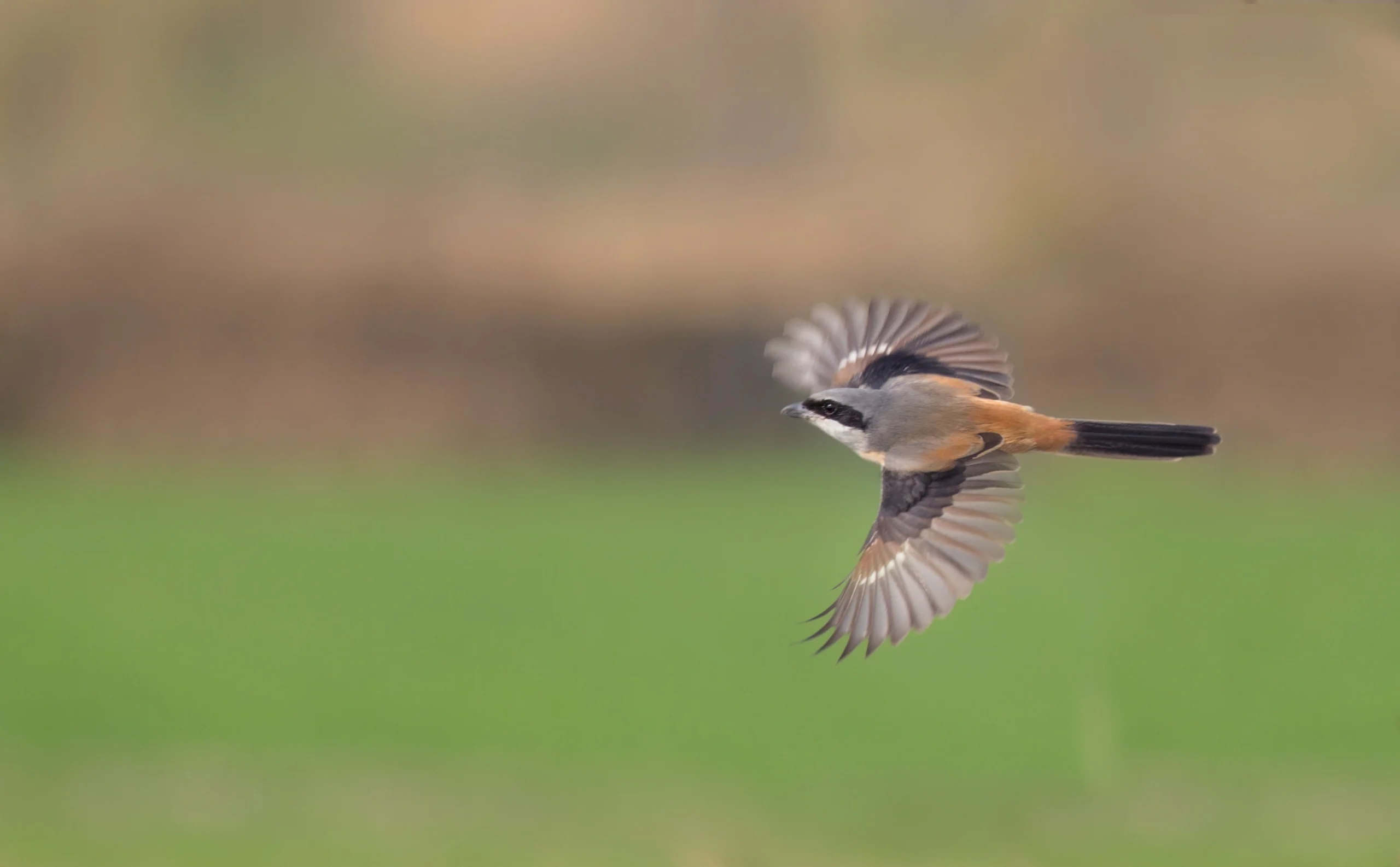
The surrounding scrub supports shrikes, prinias, bee-eaters, and larks, while raptors like kites and harriers patrol the skies above open fields. Beyond birds, the area also supports reptiles, amphibians, small mammals, and a vibrant insect population, reflecting the ecological richness of central India’s semi-rural wetlands.
However, like many peri-urban natural areas, Bisankhedi faces increasing pressure from rapid urban expansion, land-use change, wetland encroachment, waste dumping, and water pollution. Agricultural intensification and infrastructure development further threaten the fragile balance of this habitat. Conservation awareness, responsible tourism, and community-led wetland protection efforts are crucial to ensuring that Bisankhedi continues to serve as a refuge for biodiversity. Quiet yet ecologically significant, it stands as a reminder of how vital small wetlands are to sustaining wildlife in and around growing cities like Bhopal.
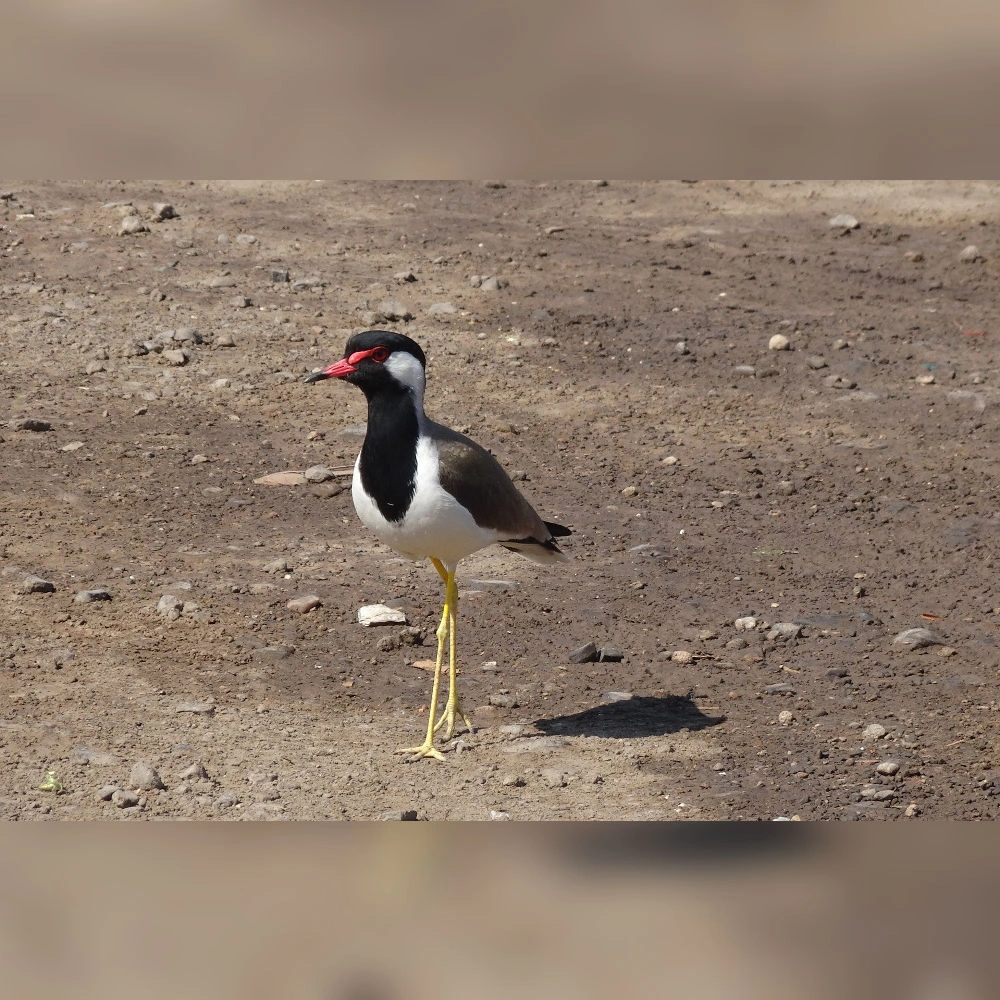
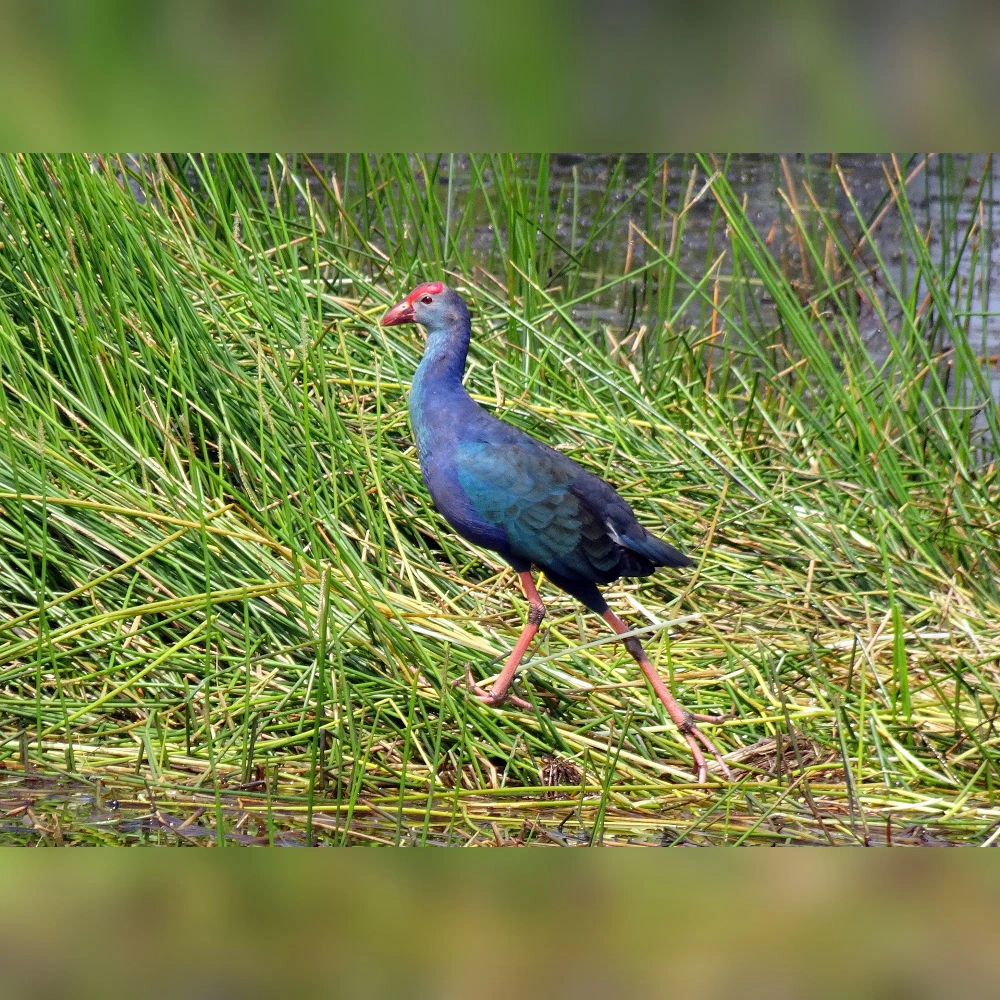
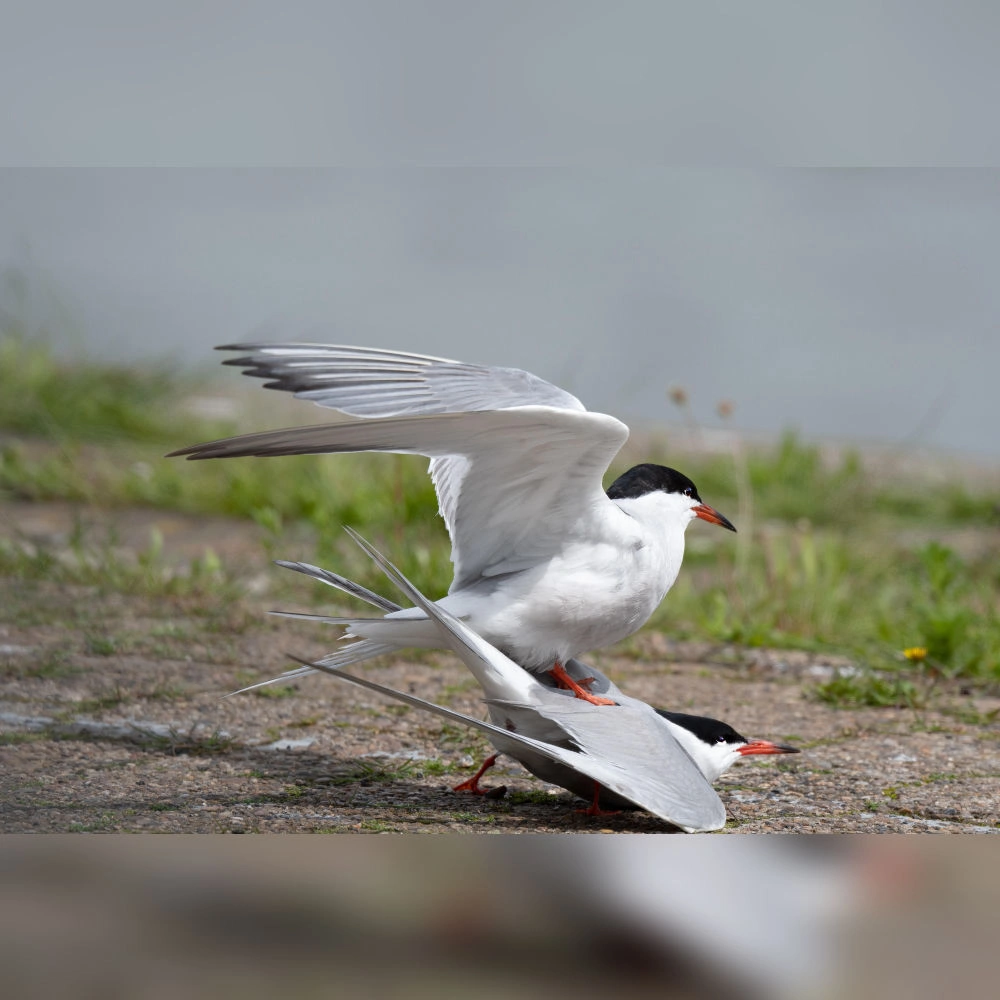
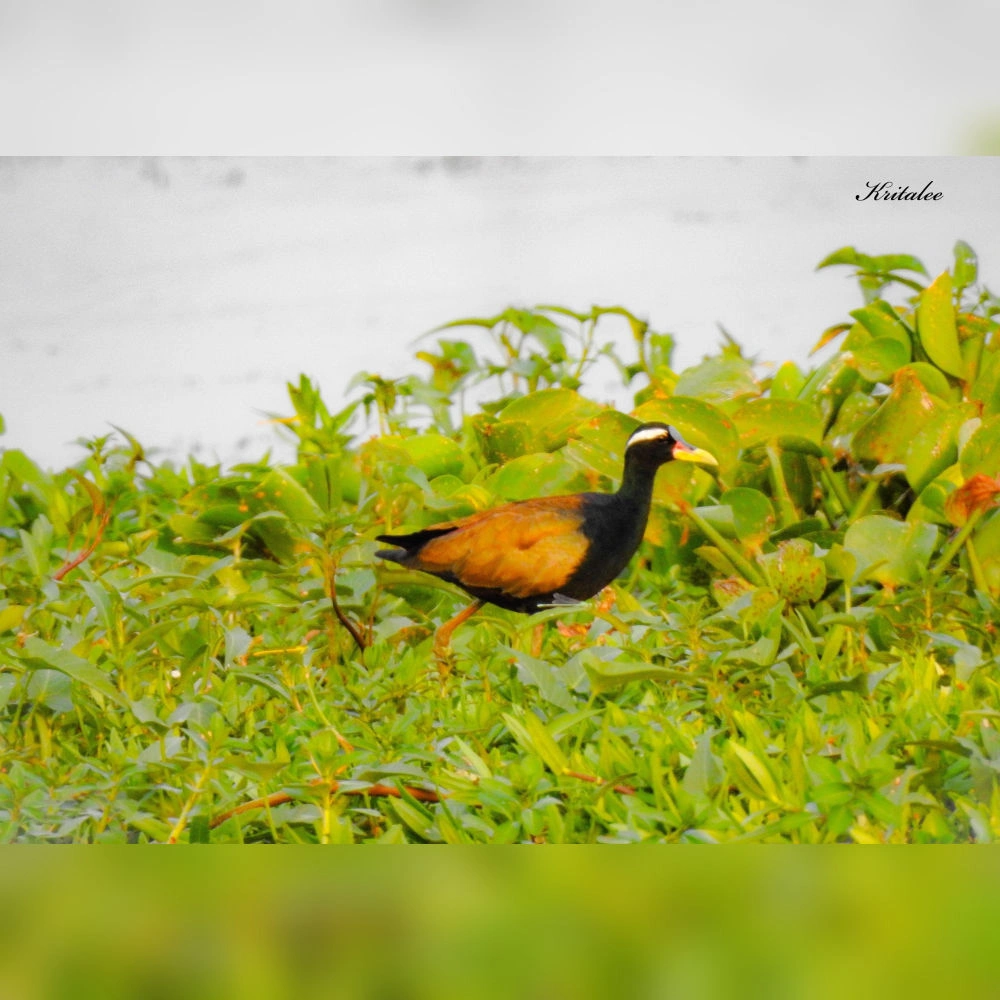
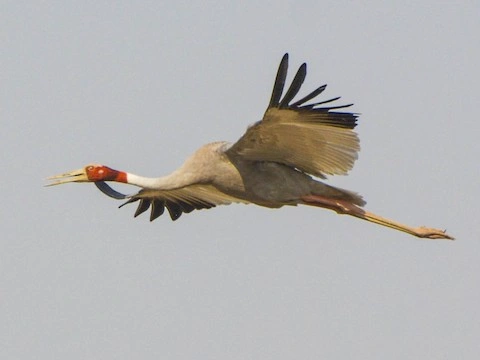
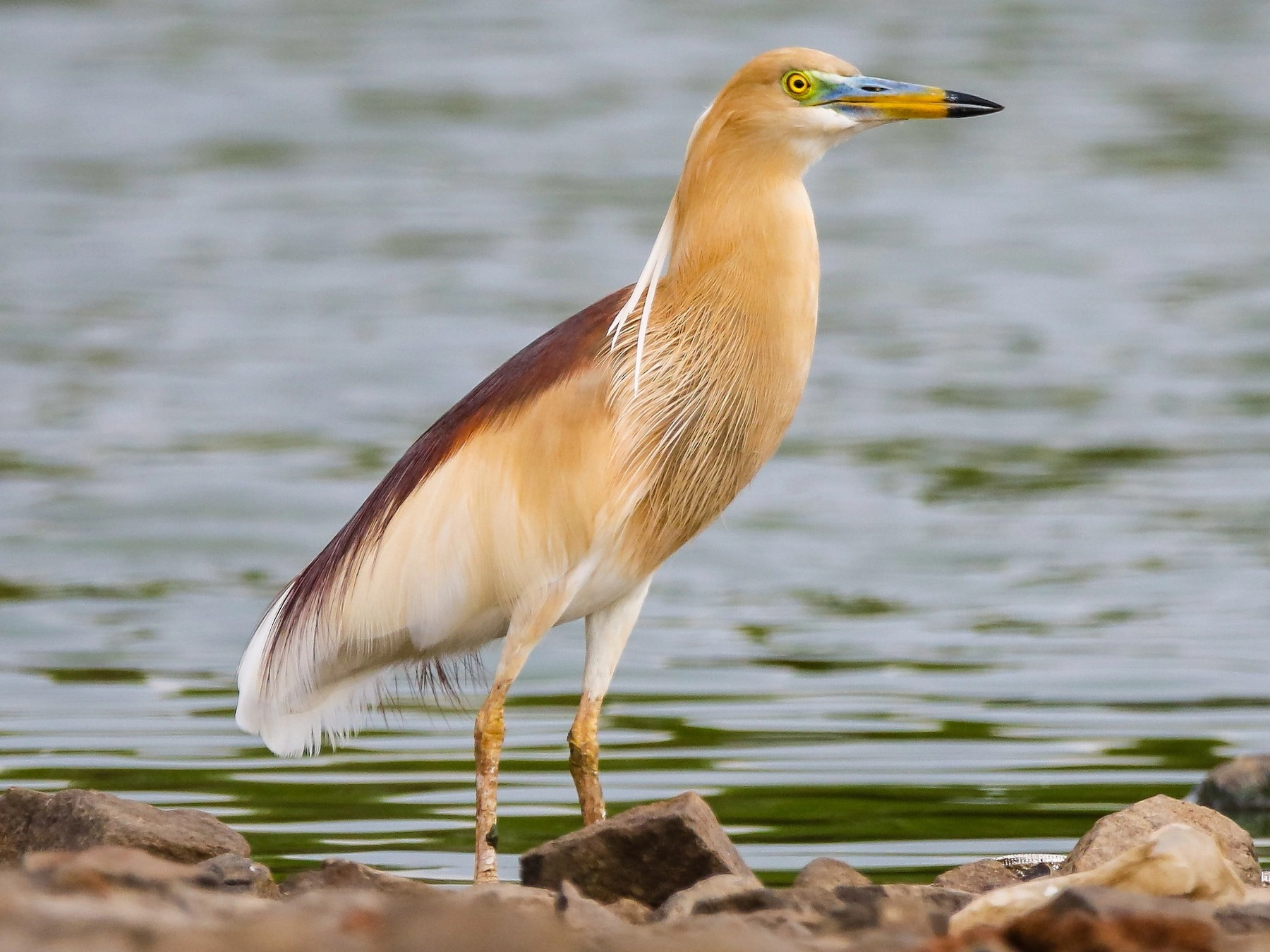
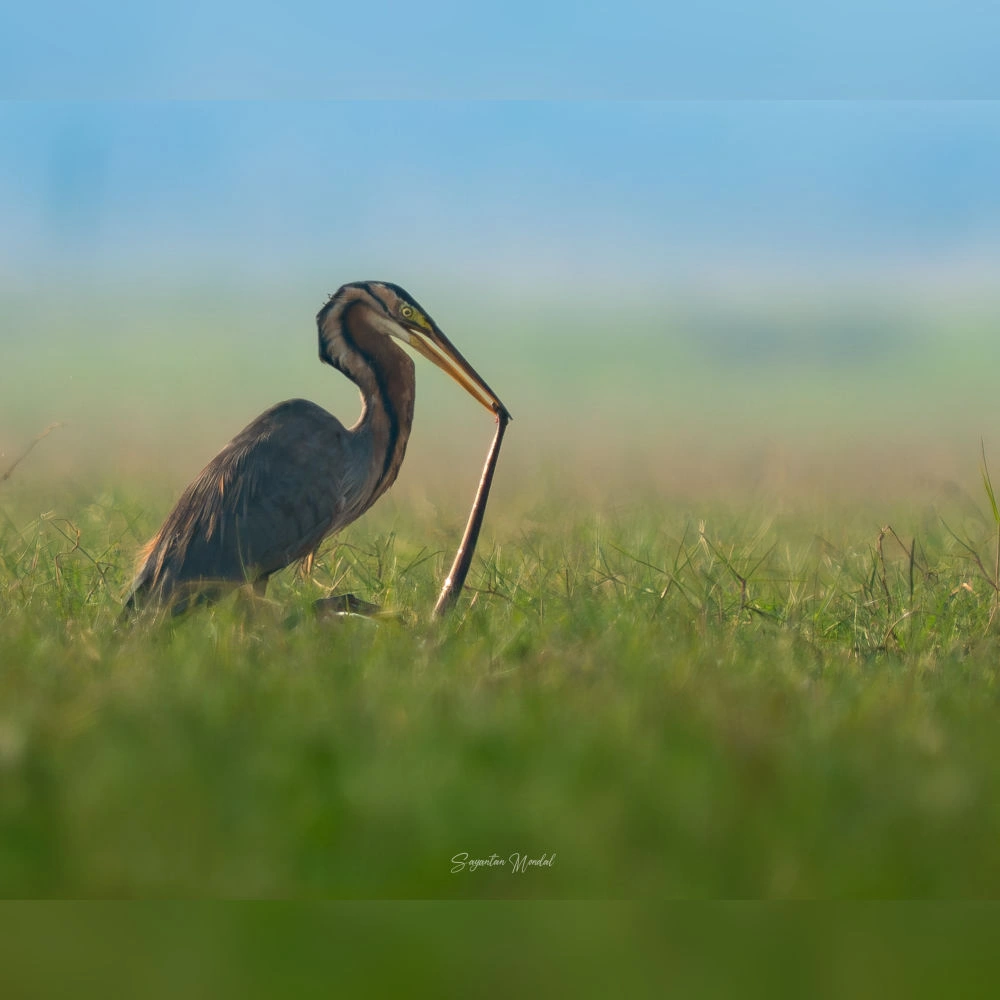
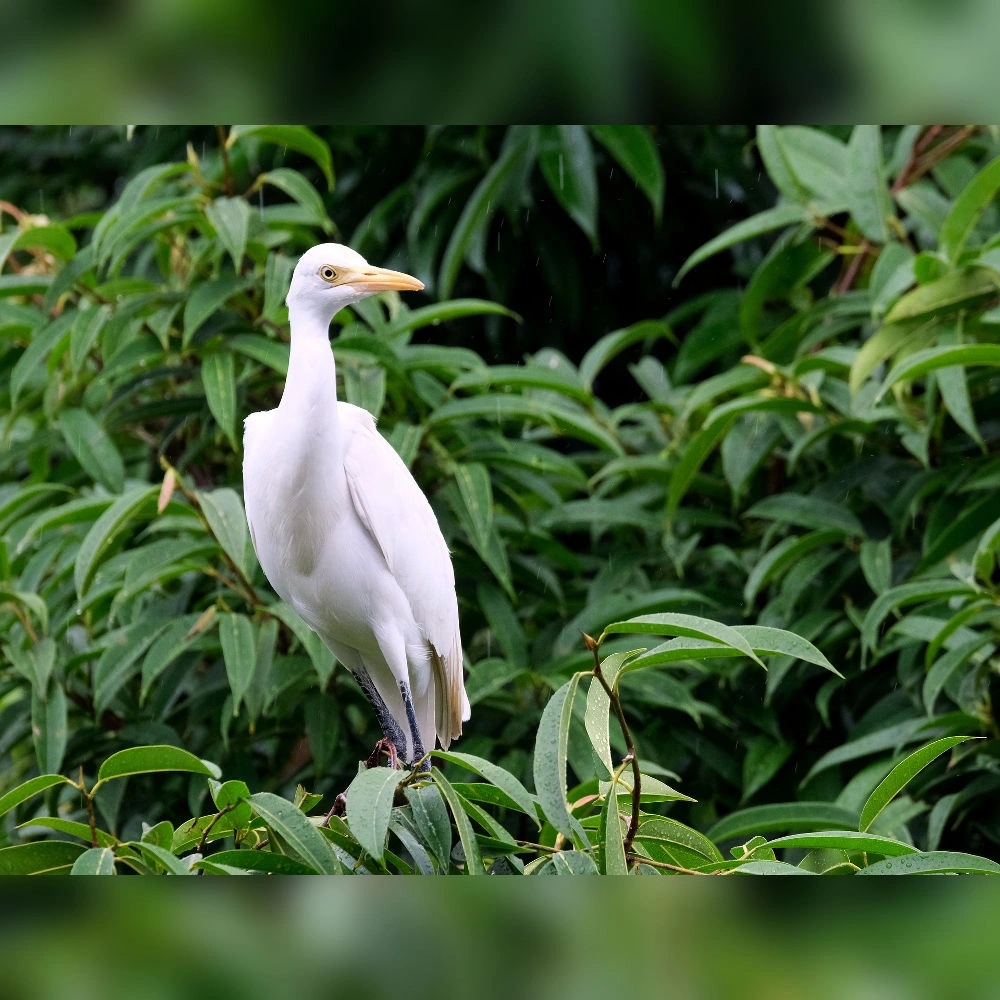
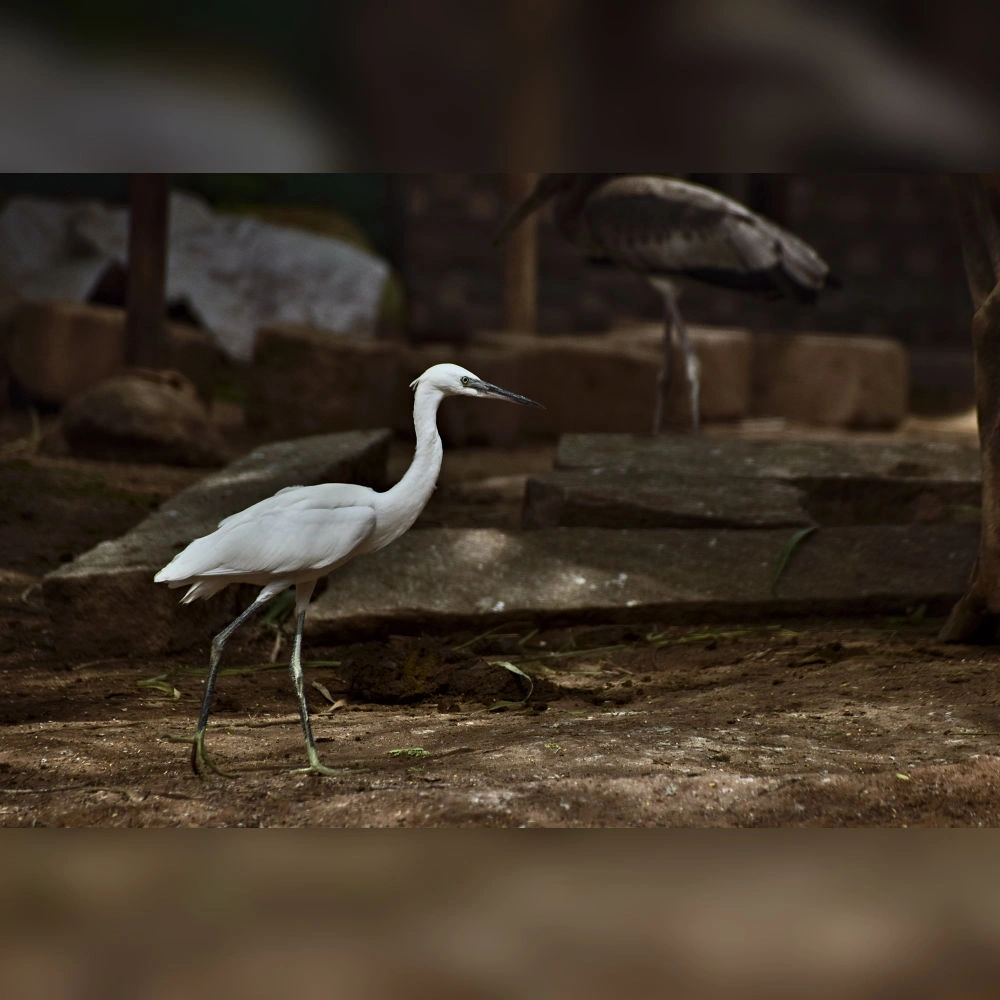
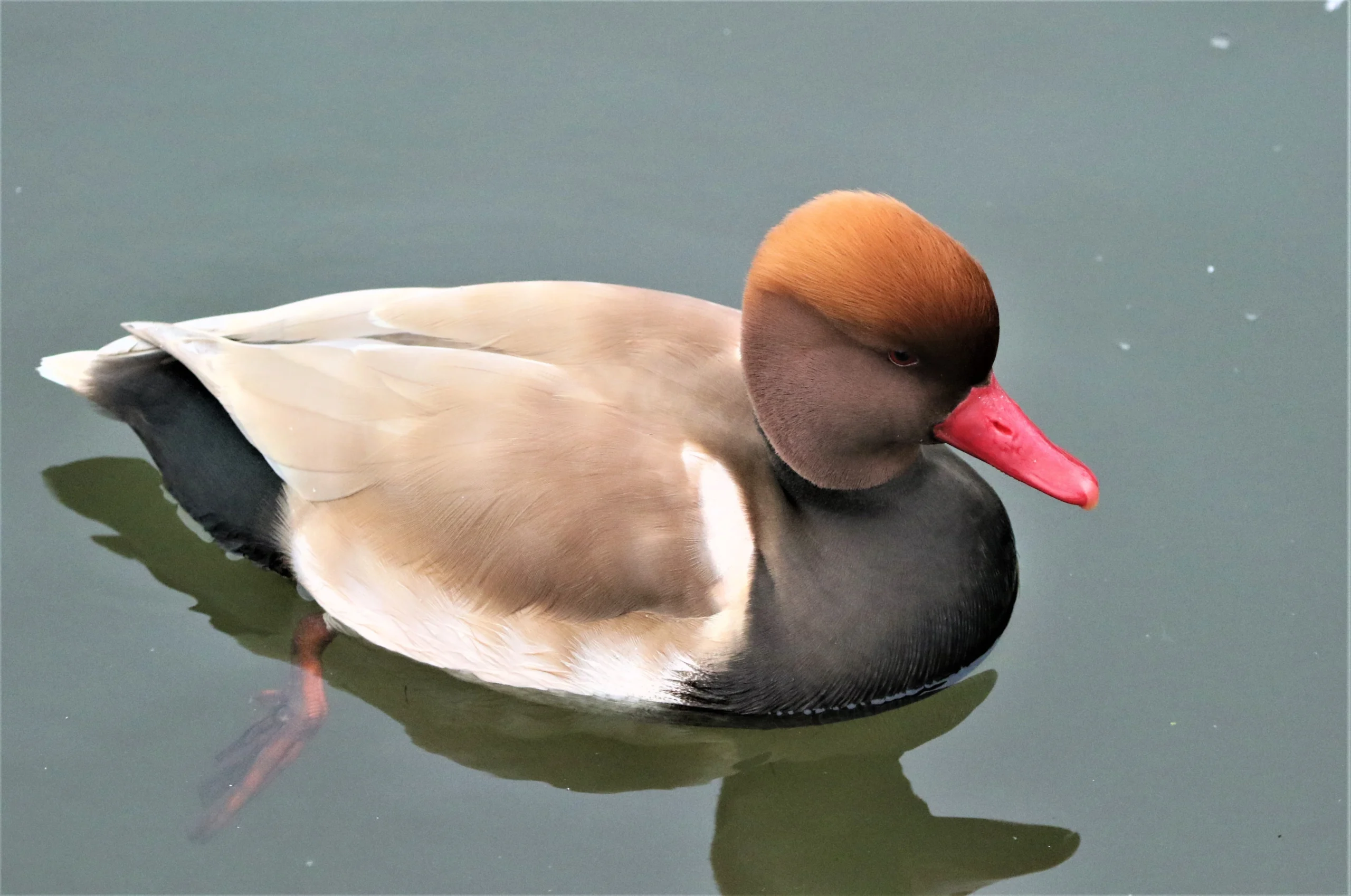
The wetlands and surrounding scrublands come alive with an extraordinary mix of raptors, waterbirds, and songbirds, creating a spectacle for every birder. Majestic Sarus Cranes stride gracefully through the marshes, while flocks of over 1,500 Red-crested Pochards and gatherings of Common Coots transform the water into a bustling winter haven. Ducks such as Cotton Pygmy Goose, Ruddy Shelduck, Knob-billed Duck, and Spot-billed Duck add to the diversity, joined by waders like Red-wattled Lapwing and elegant River Terns skimming the surface. The reeds shelter Grey-headed Swamphens, White-breasted Waterhens, Purple Herons, Indian Pond Herons, and egrets of all sizes, while Asian Openbills forage methodically in the shallows. Overhead, Western Marsh Harriers, Greater Spotted Eagles, Black-winged Kites, Shikras, and Black Kites patrol the skies, asserting the dominance of these thriving wetlands.
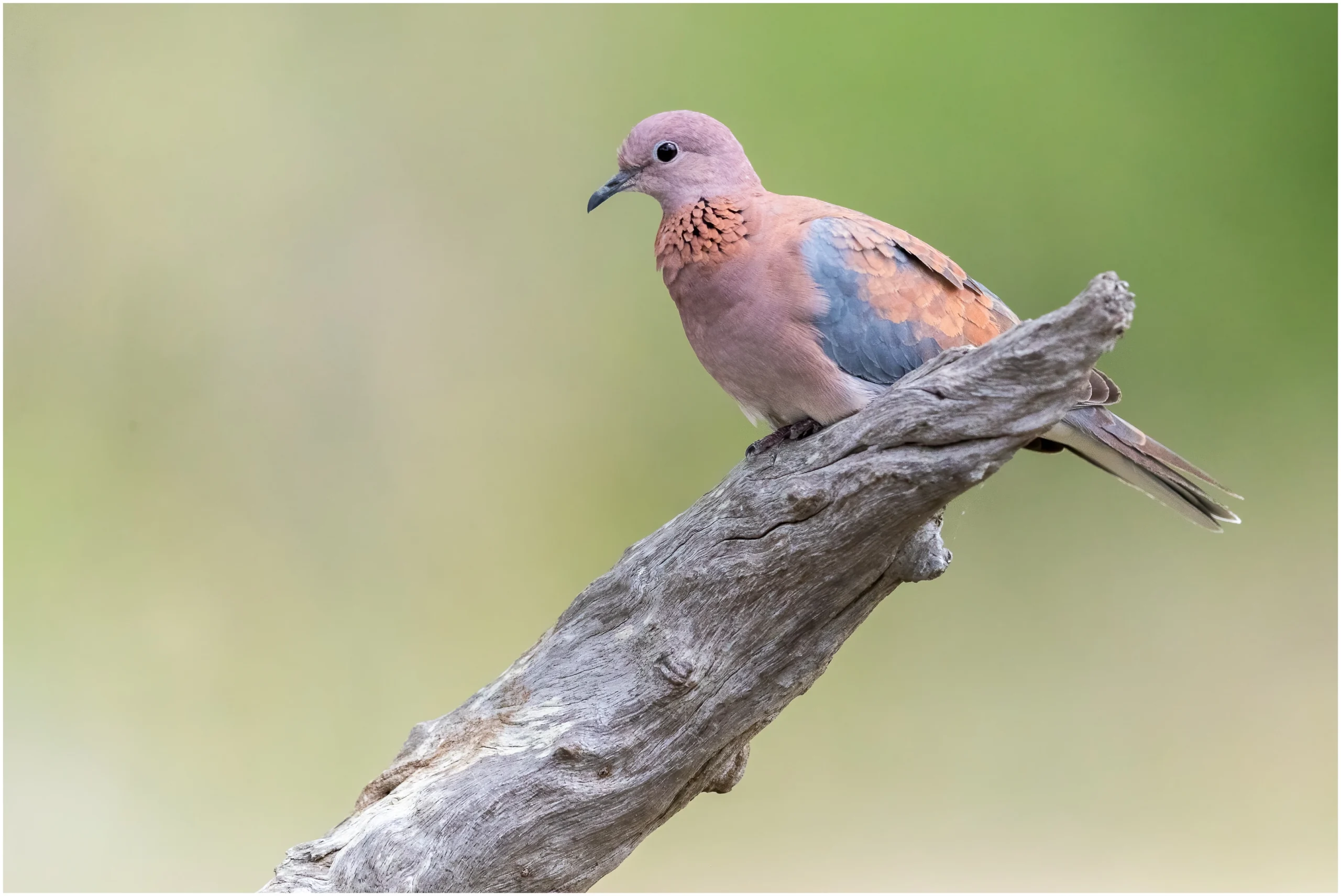
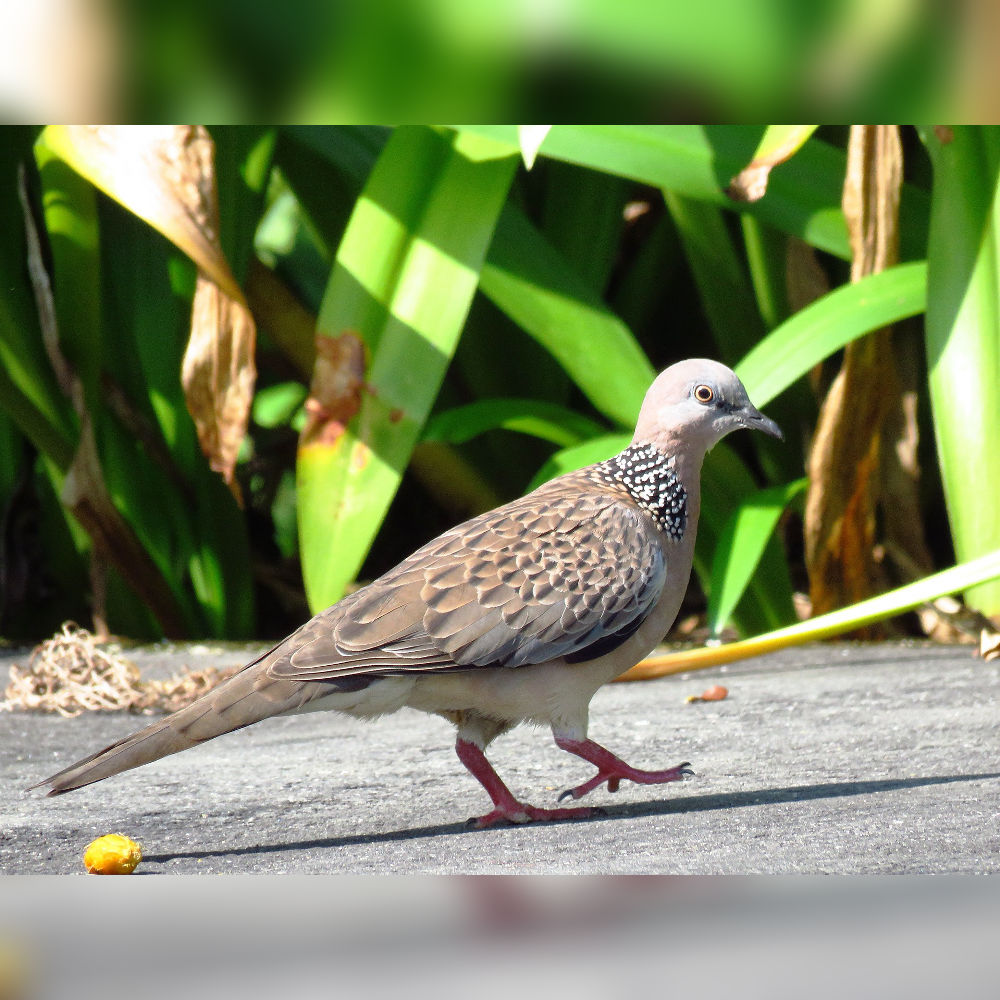
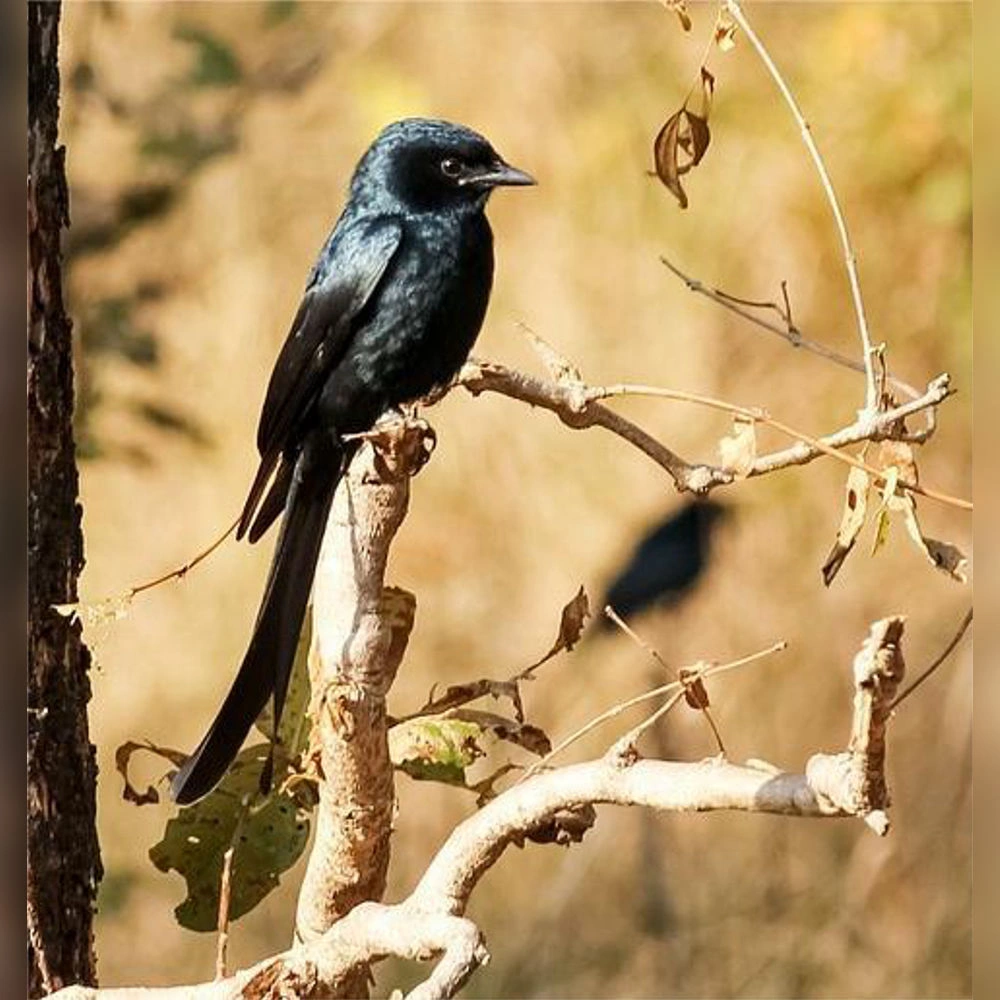
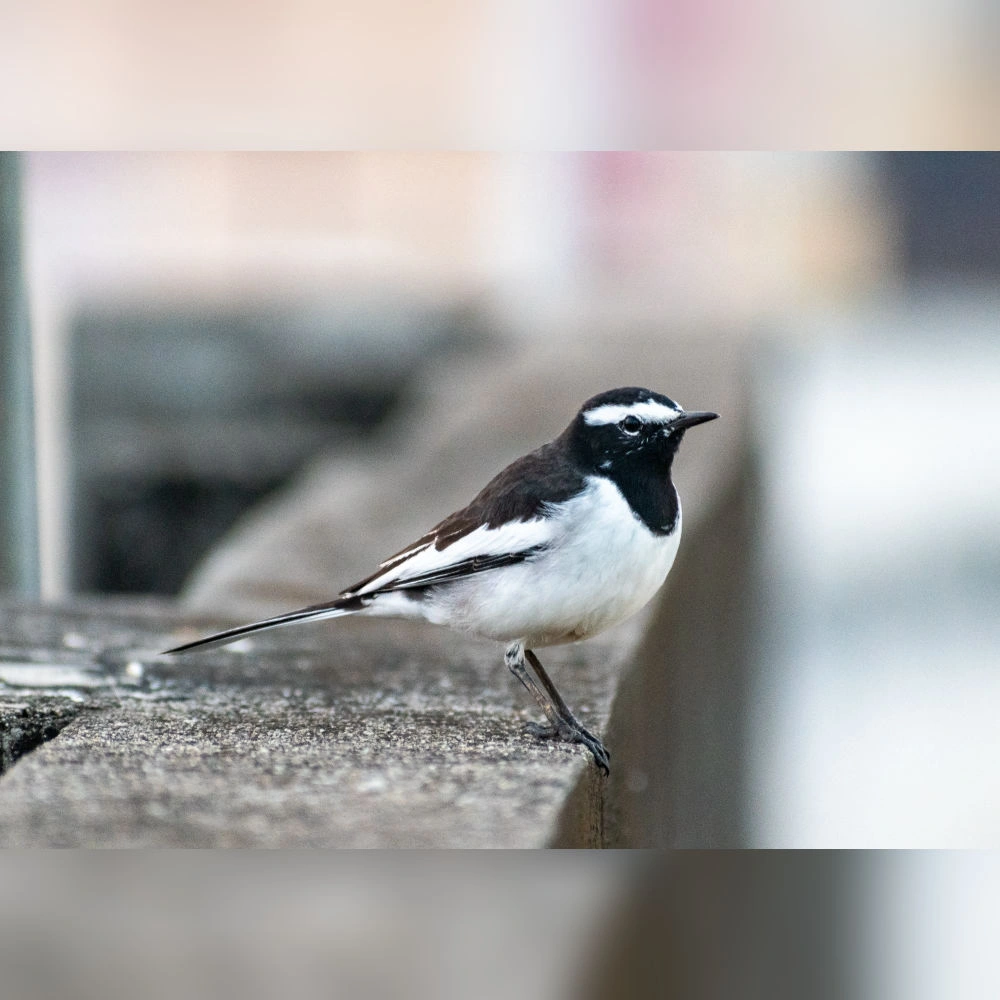
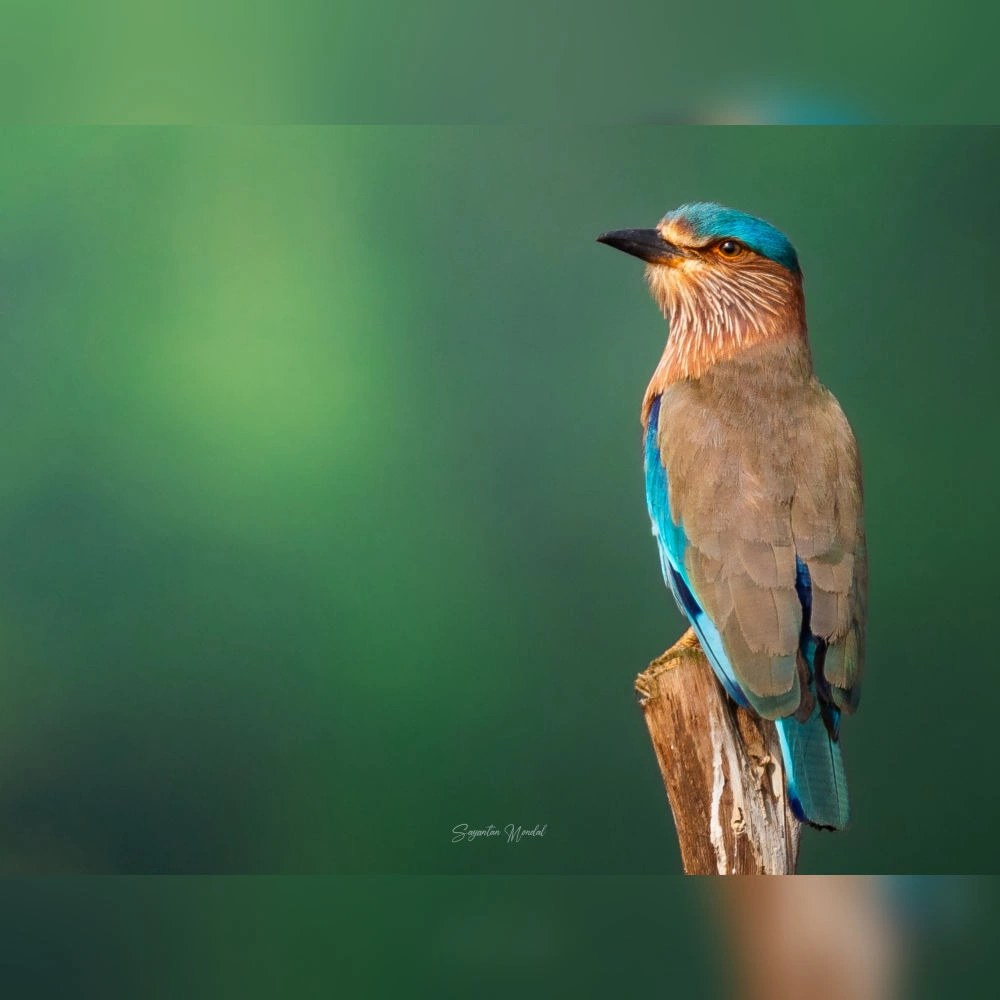
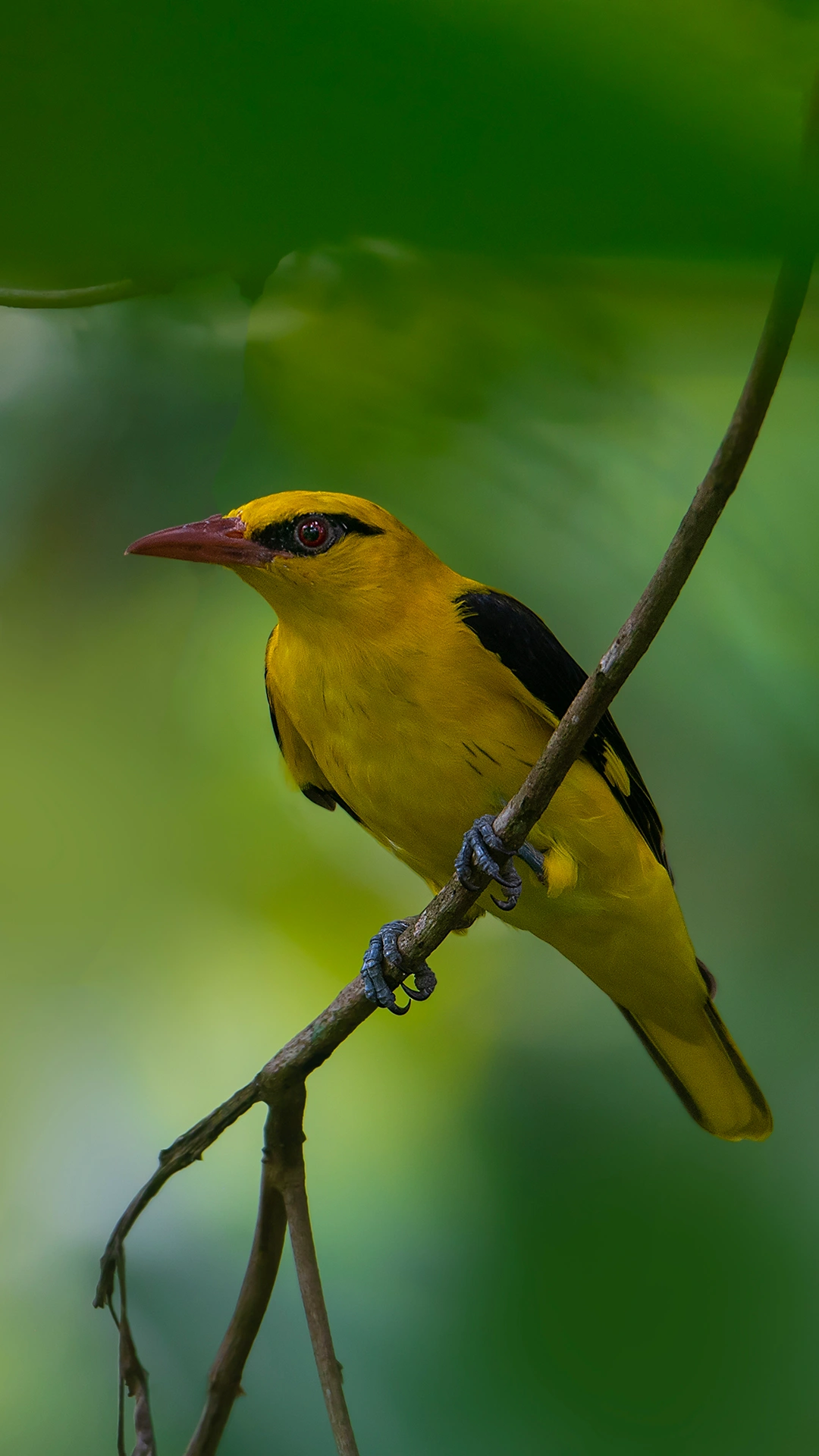
Beyond the water’s edge, the surrounding trees and grasslands resonate with bird calls and flashes of color. Golden Orioles glow among foliage, Indian Rollers perch conspicuously along open fields, and White-throated Kingfishers add brilliance to the landscape. Shrikes, drongos (including White-bellied and Black), Rufous Treepies, and Green Bee-eaters animate the scrub, while warblers such as Greenish and Blyth’s Reed Warbler quietly forage in vegetation. Flycatchers like Tickell’s Blue and Taiga Flycatcher delight observers in winter, and wagtails — Grey and White — bob along muddy banks. Pied Starlings, Oriental Magpie Robins, Indian Robins, Pied Bushchats, Laughing and Spotted Doves, Rock Pigeons, Tailorbirds, and even the distant call of Grey Francolin complete this vibrant checklist. Together, these 50 species paint a vivid portrait of a landscape rich in biodiversity — a place where migratory marvels and resident regulars coexist in spectacular harmony.