
Loading Events

Bird Walk at Chamasari Trail , Dehradun

About Chamasari Trail

Above Dehradun, where the Doon Valley starts climbing towards Mussoorie, the Chamasari Trail winds through some of the richest foothill forest in the region. The path passes through mixed subtropical forest of sal, oak, rhododendron and wild fig. It crosses shaded ravines and moss-covered stream beds, and it runs past terraced village fields and open, scrubby slopes. Tangled bamboo, climbers and dense undergrowth grow along the streams, and ferns and orchids cling to the rocks and old trunks. Barking deer, wild boar, yellow-throated martens, langurs and Himalayan giant squirrels share these slopes, and the forest buzzes with butterflies after the rains.
For birders, Chamasari sits right where the plains and the Himalayas meet, so birds from both overlap here. Pheasants scratch in the leaf litter. Laughingthrushes, scimitar-babblers and leiothrixes skulk in the undergrowth, and noisy mixed flocks of tits, nuthatches, warblers and flycatchers sweep through the canopy. In winter, warblers and flycatchers come down from higher up the mountains or arrive from Central Asia, adding even more variety. Like most of the Doon Valley, though, the trail is under growing pressure. Dehradun is spreading fast up the hillsides. Road widening, new resorts and homes, cattle grazing, firewood collection and forest fires are breaking up the forest. Invasive Lantana chokes the undergrowth, and landslides scar the slopes. Protecting the forest cover and the streams, and keeping the trail quiet and free of litter, is key to keeping Chamasari so rich in birds.

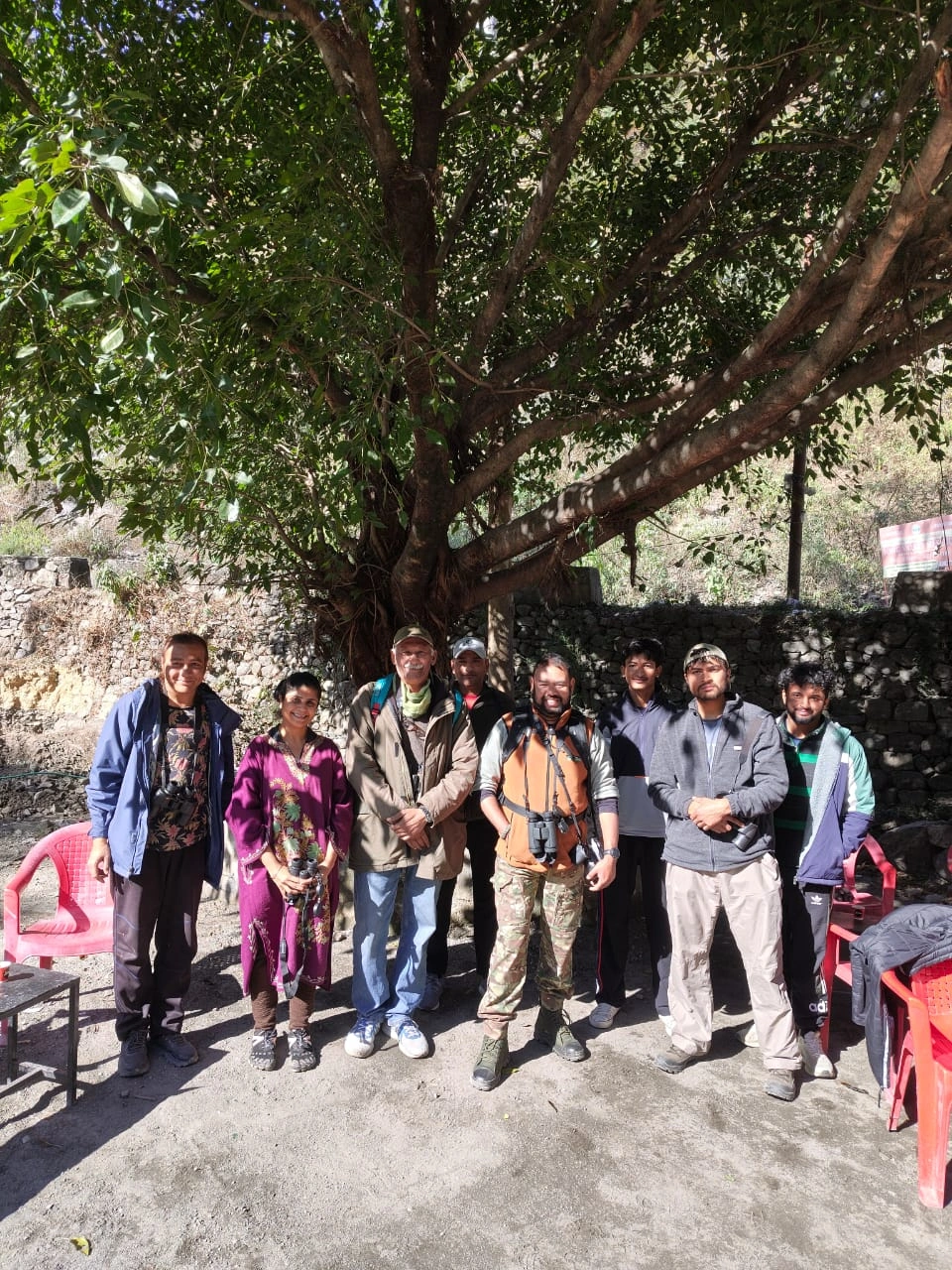
Bird Guide: Arun Sarkar

He is a naturalist from Dehradun and a dedicated learner and practitioner of social work. Introduced to birdwatching by a friend in 2015, what began as a hobby quickly grew into a lasting passion. Since then, he has become an avid birder, actively exploring birdlife while fostering a deeper appreciation for nature and conservation through his field experiences.
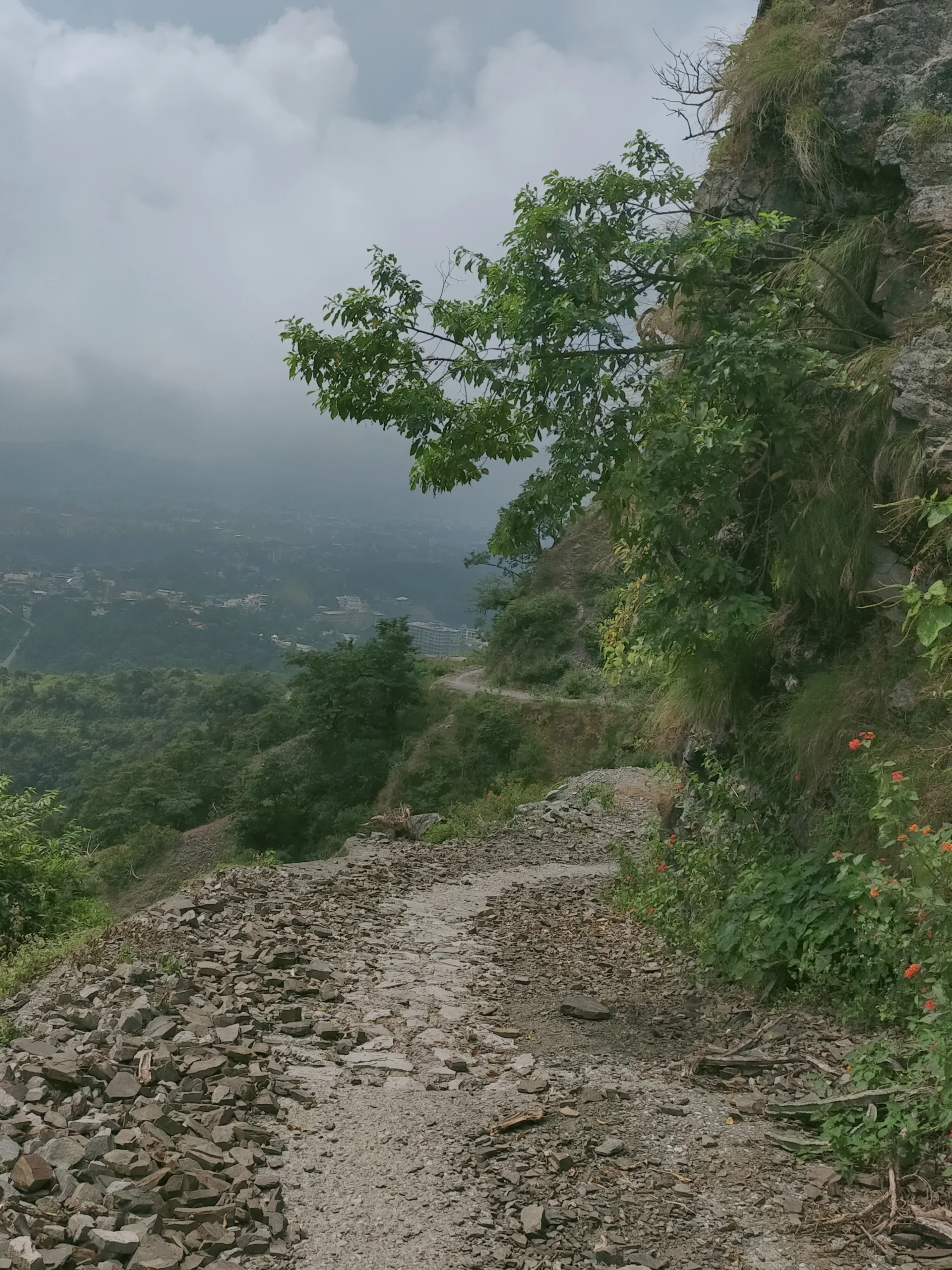
Bird walk Location

Common birds of Chamasari Trail

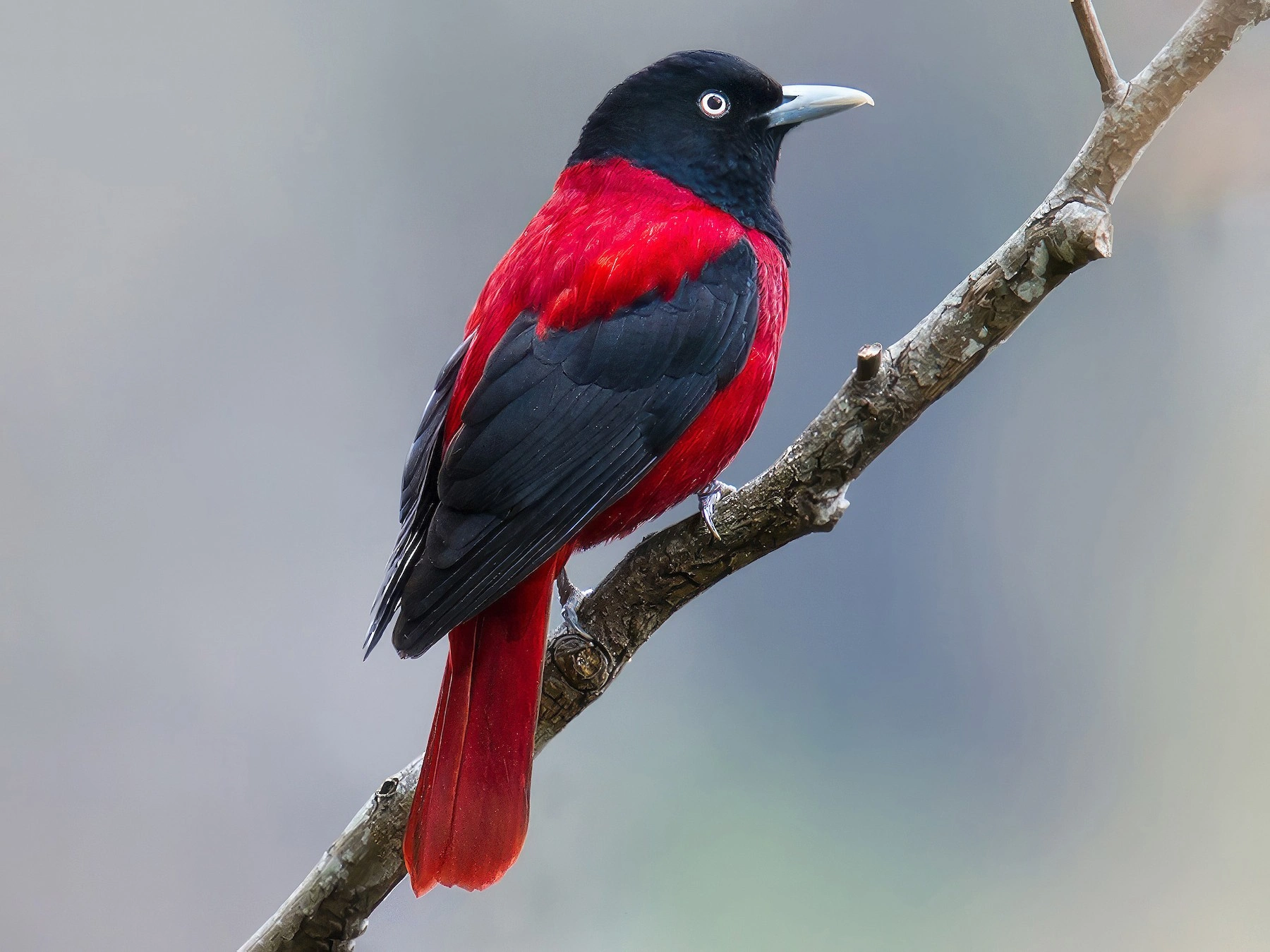
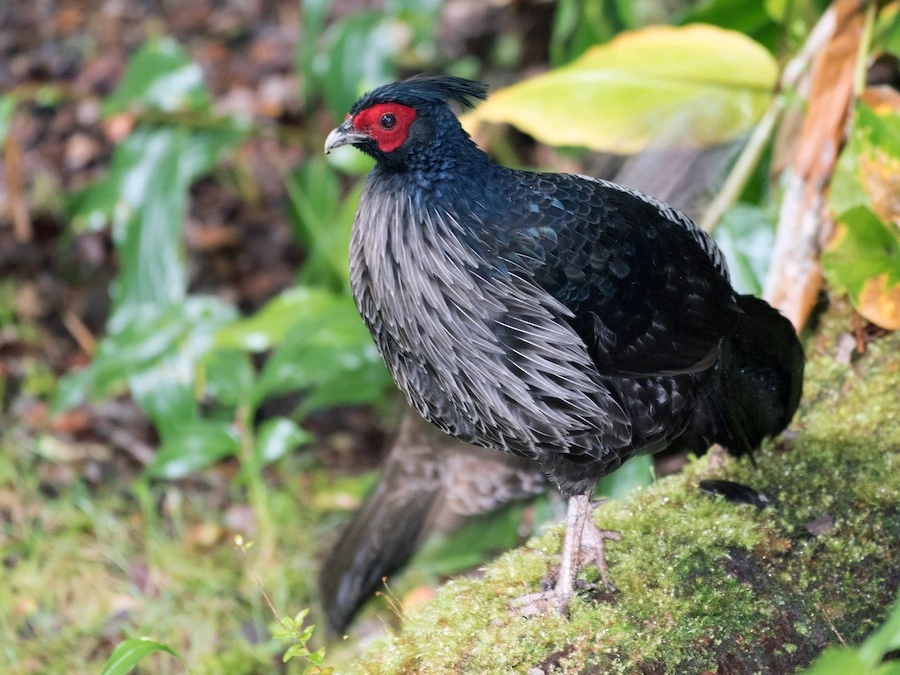
On the Chamasari Trail, the dark, glossy Kalij Pheasant scratches quietly through the leaf litter before slipping away into the undergrowth. High in the canopy, the Maroon Oriole glows deep wine-red. The Great Barbet’s mournful “piho” rings across the valley, and the Gray-headed Woodpecker drums on old trunks. Flocks of Plum-headed Parakeets whistle overhead, and the Yellow-footed Green-Pigeon feeds quietly on figs. The undergrowth belongs to the skulkers. The colourful Red-billed Leiothrix, the curved-billed Rusty-cheeked Scimitar-Babbler, and chattering groups of White-throated and Streaked Laughingthrushes all hide in the thick cover. Bird waves sweep through the trees: tiny Black-throated Tits with rusty caps, the crested Himalayan Black-lored Tit, Velvet-fronted Nuthatches running along the branches, and the Bar-winged Flycatcher-shrike. The White-throated Fantail dances with its tail spread, while the bright Gray-headed Canary-Flycatcher and the turquoise Verditer Flycatcher sally after insects. The Gray-hooded Warbler and the little Black-chinned Babbler call from the thickets. Black Bulbuls gather in noisy flocks, Himalayan Bulbuls show off their crests, and a Eurasian Sparrowhawk, a winter visitor, keeps every small bird on alert.
Kalij Pheasant
Maroon Oriole
Red-billed Leiothrix
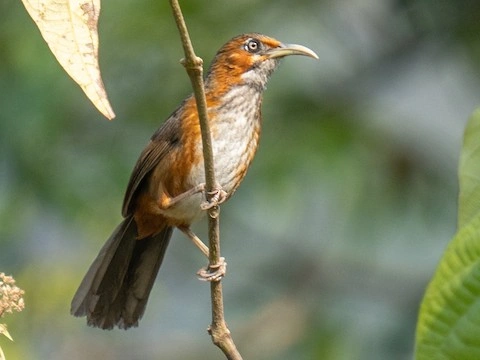
Rusty-cheeked Scimitar-Babbler
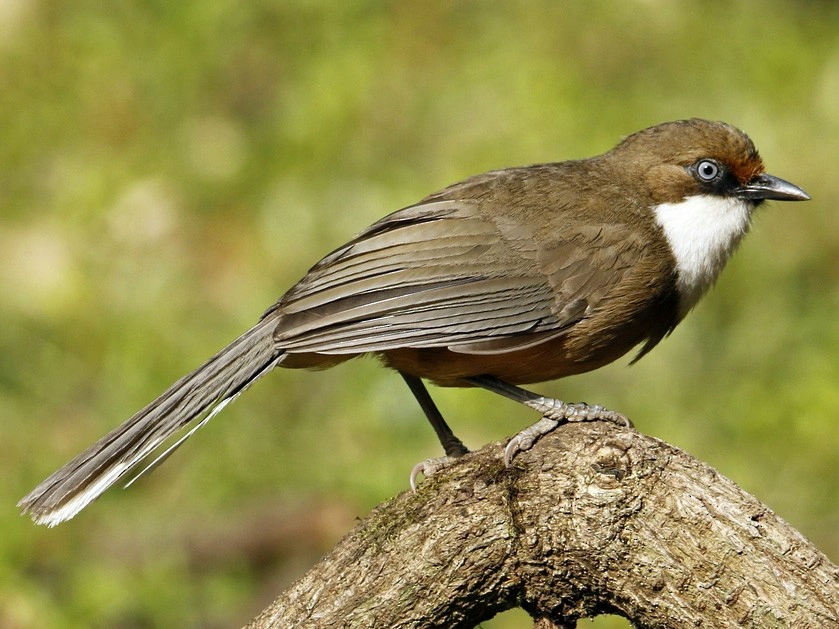
White-throated Laughingthrush
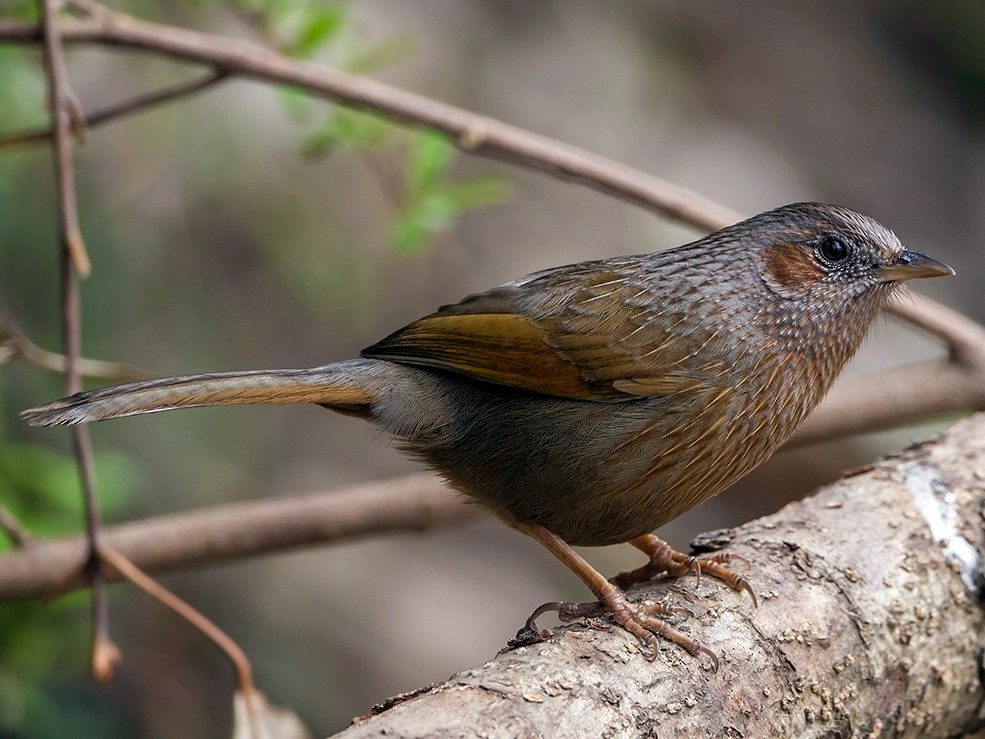
Streaked Laughingthrush
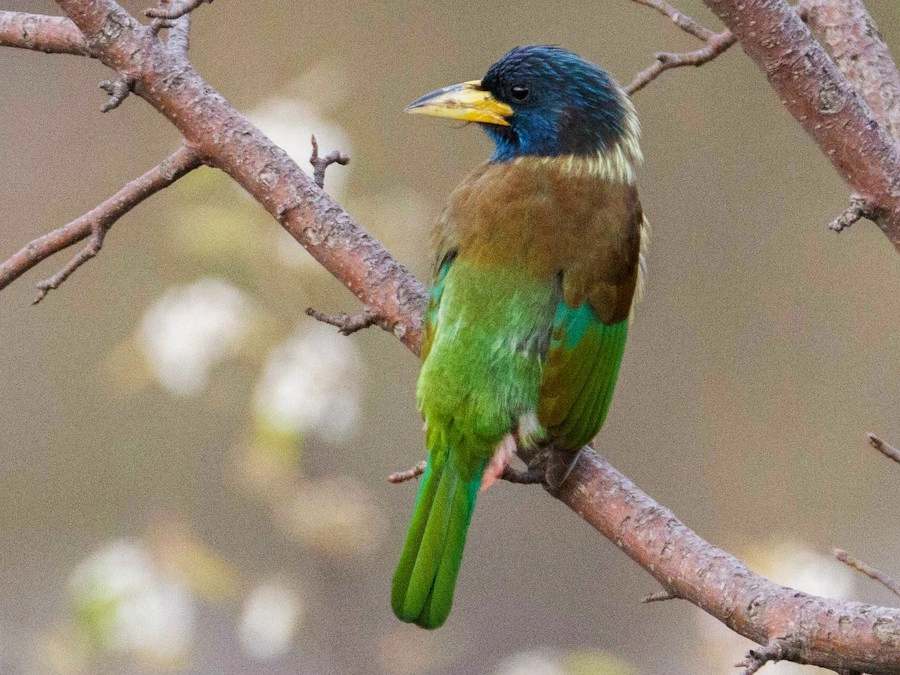
Great Barbet
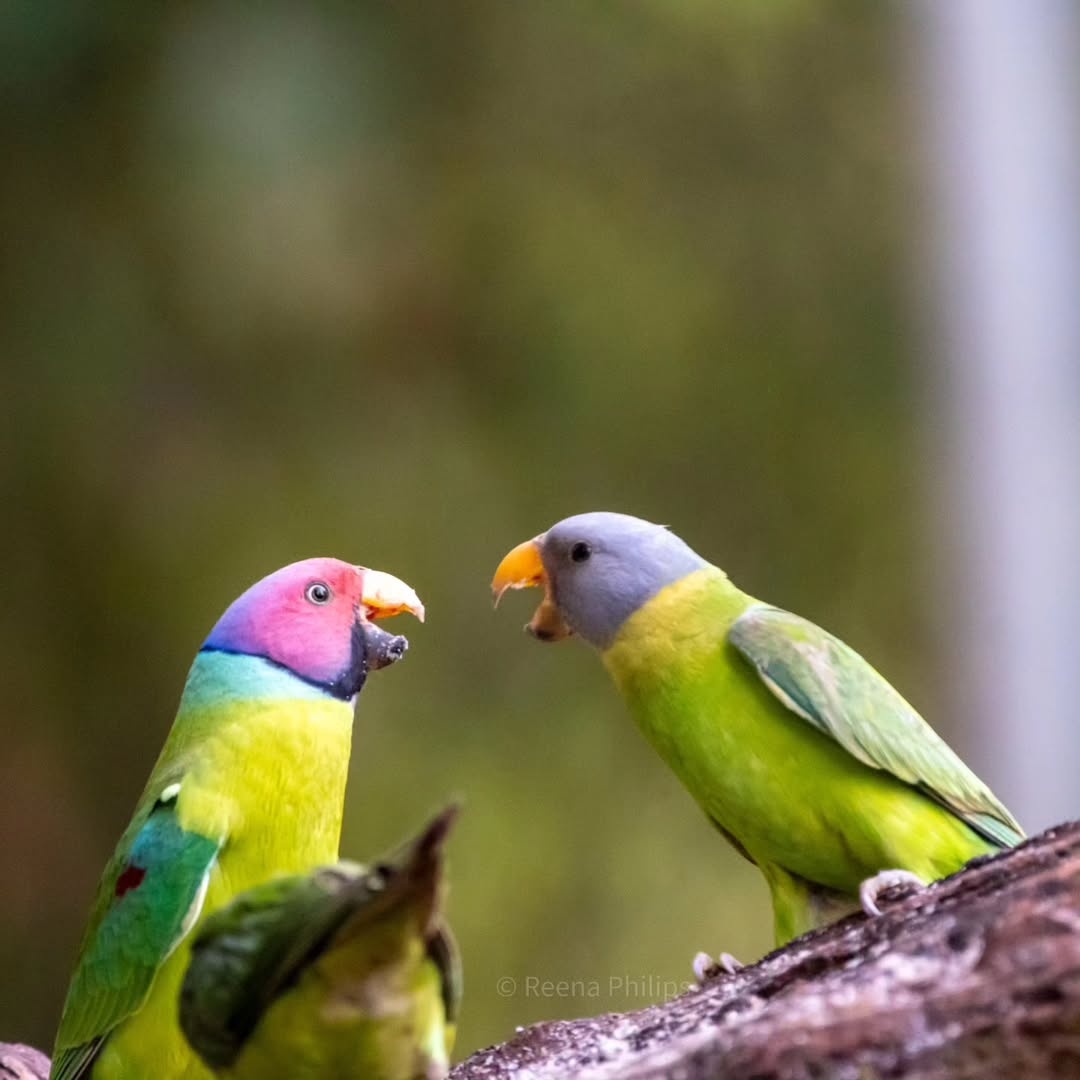
Plum-headed Parakeet
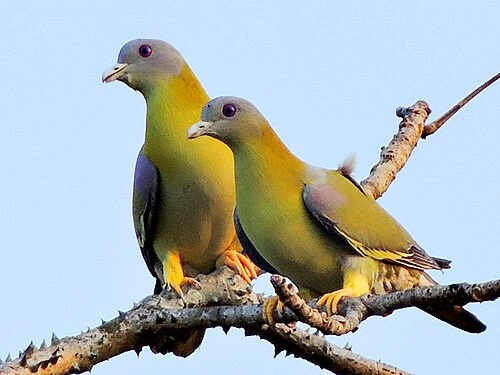
Yellow-footed Green-Pigeon
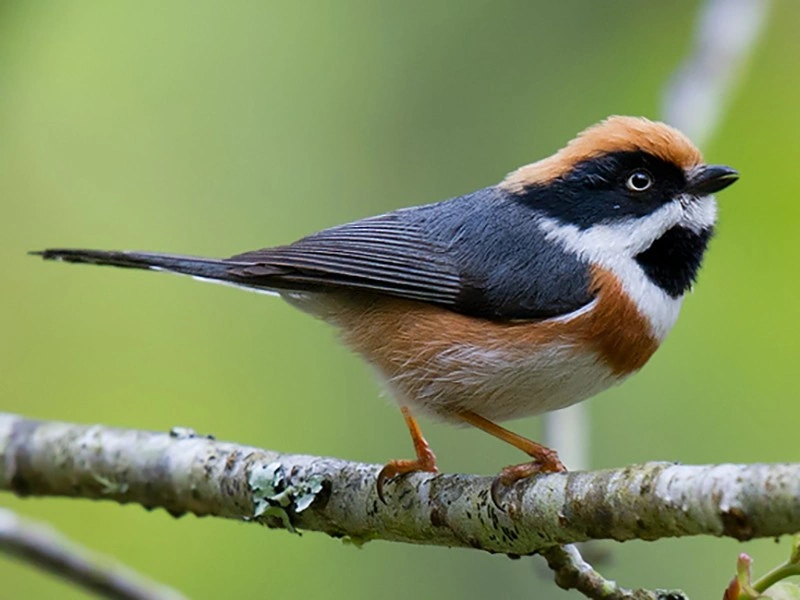
Black-throated Tit
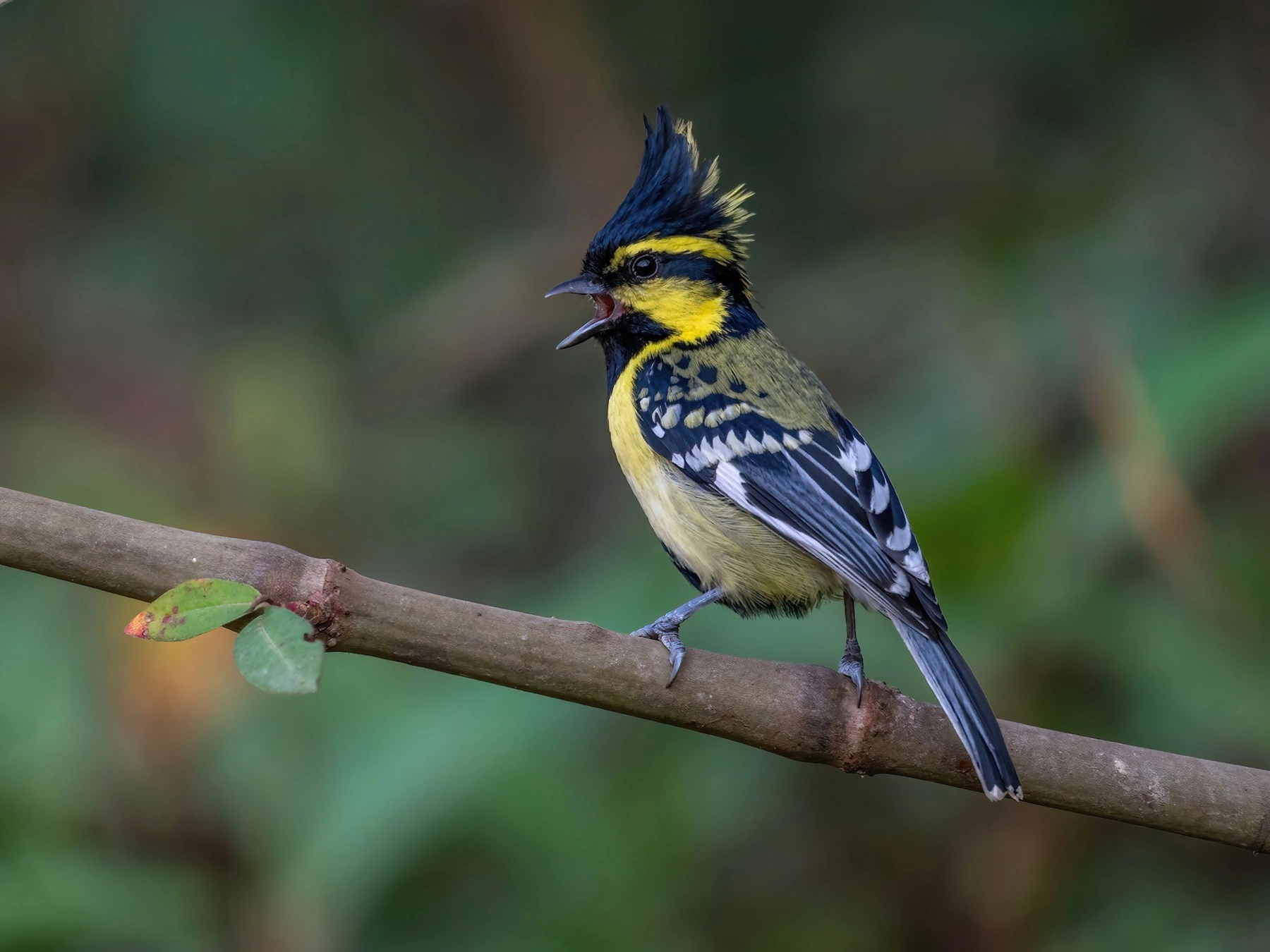
Himalayan Black-lored Tit
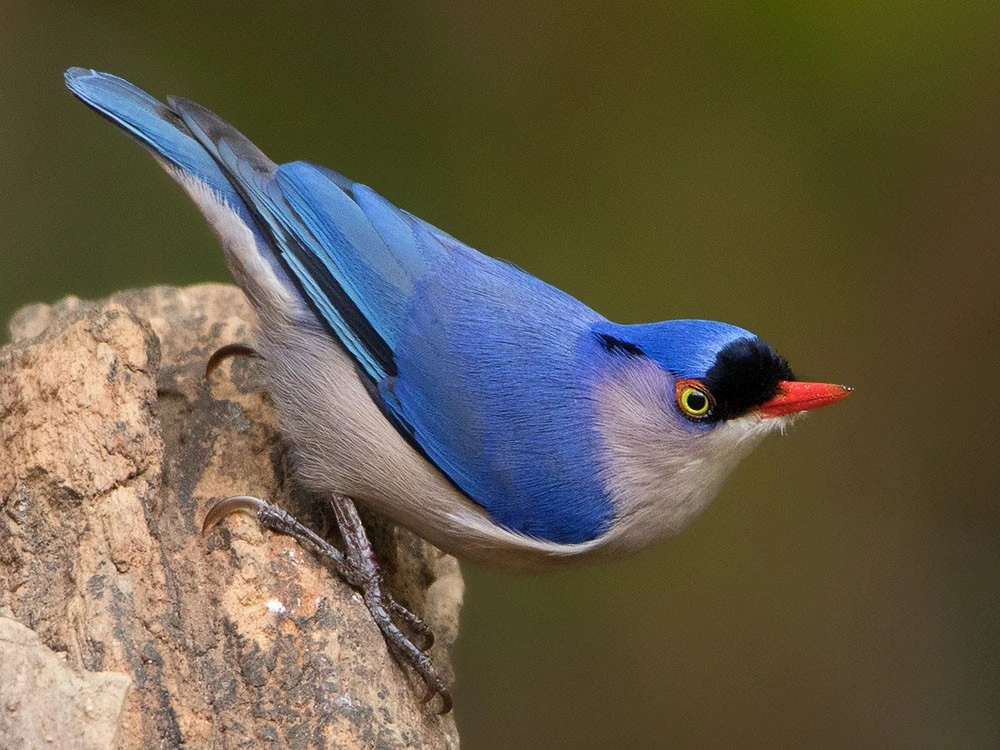
Velvet-fronted Nuthatch
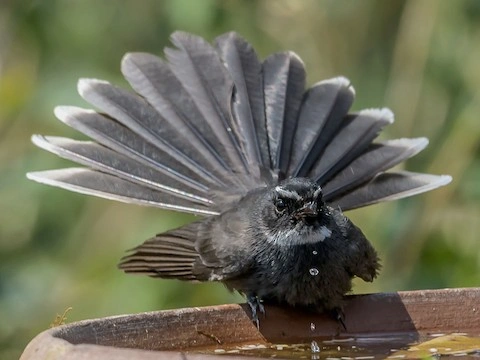
White-throated Fantail
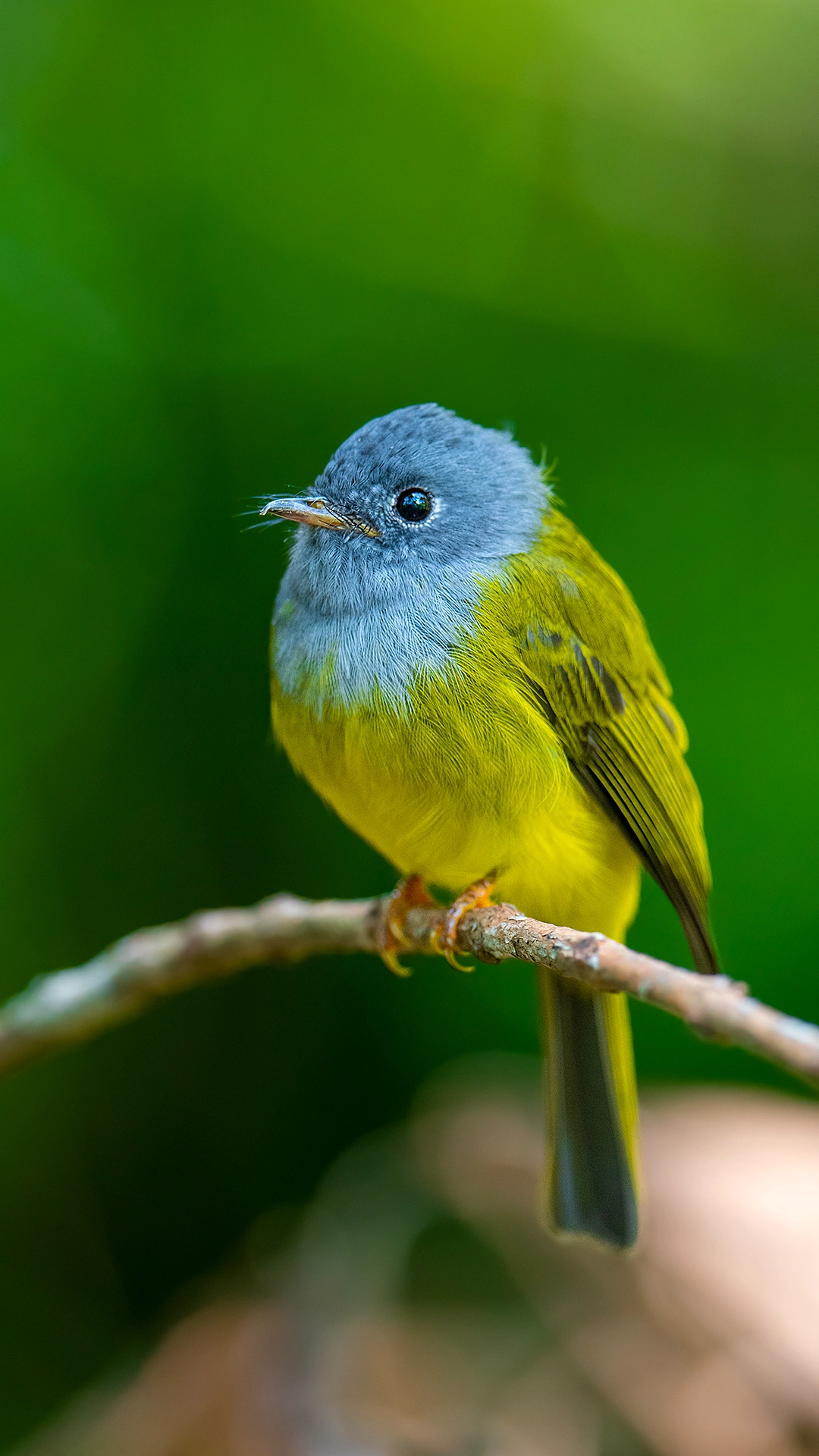
Grey-headed Canary-Flycatcher
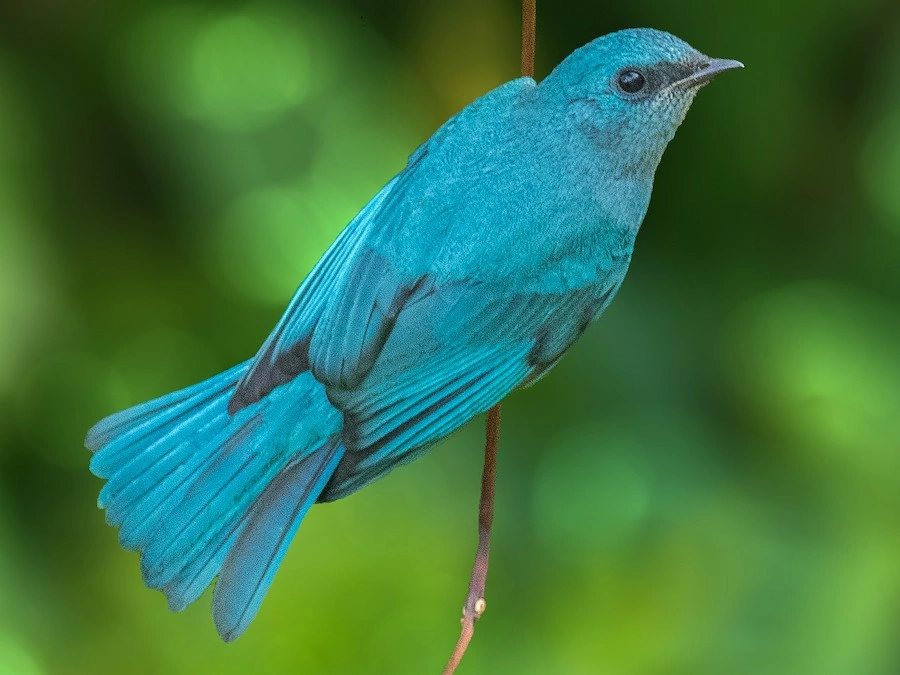
Verditer Flycatcher
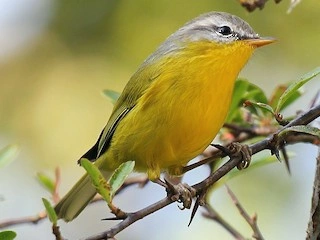
Grey-hooded Warbler
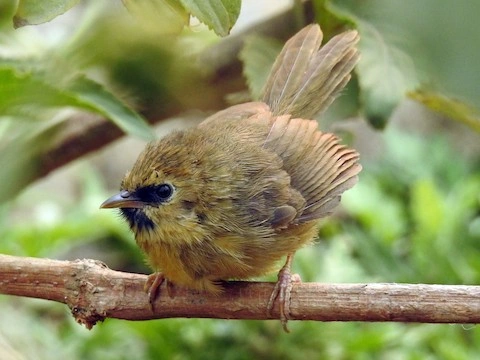
Black-chinned Babbler
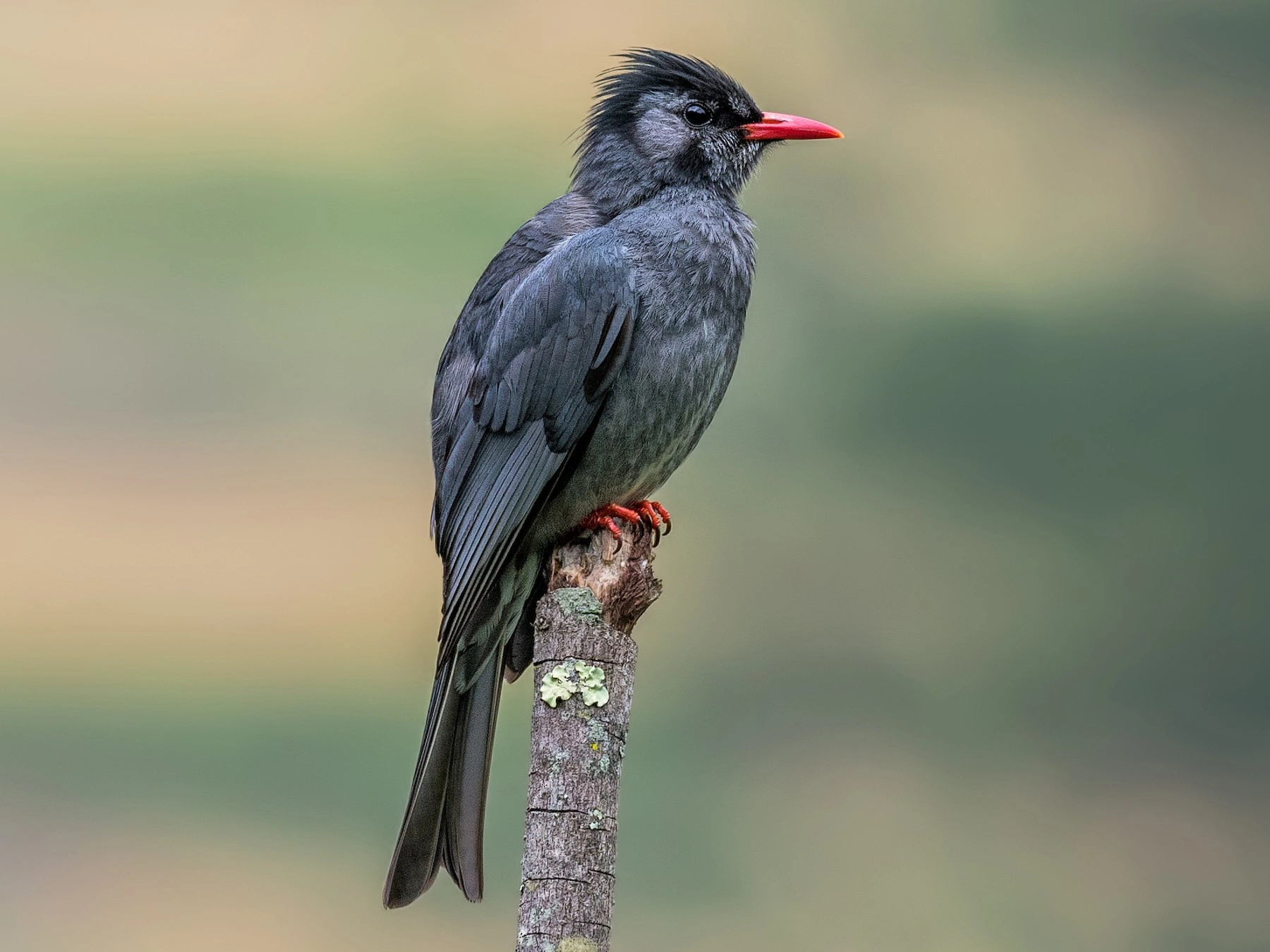
Himalayan Black Bulbul
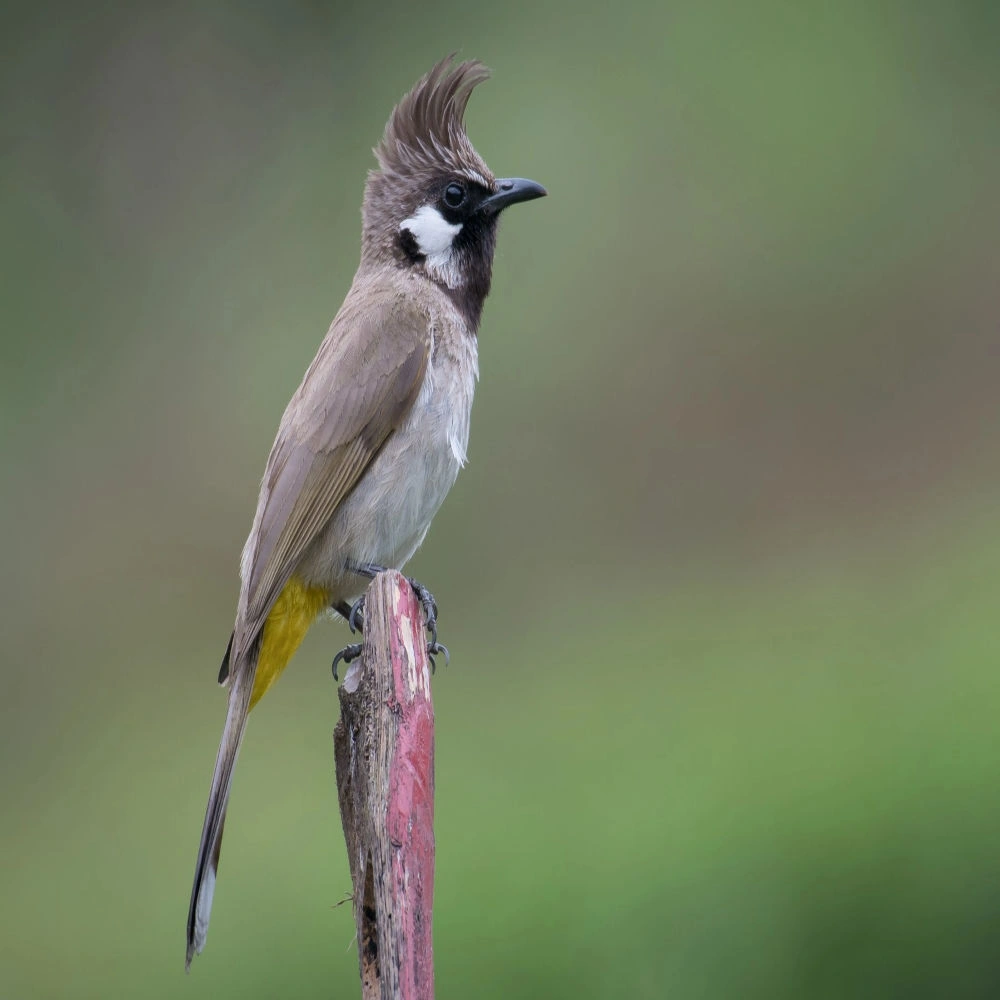
Himalayan Bulbul
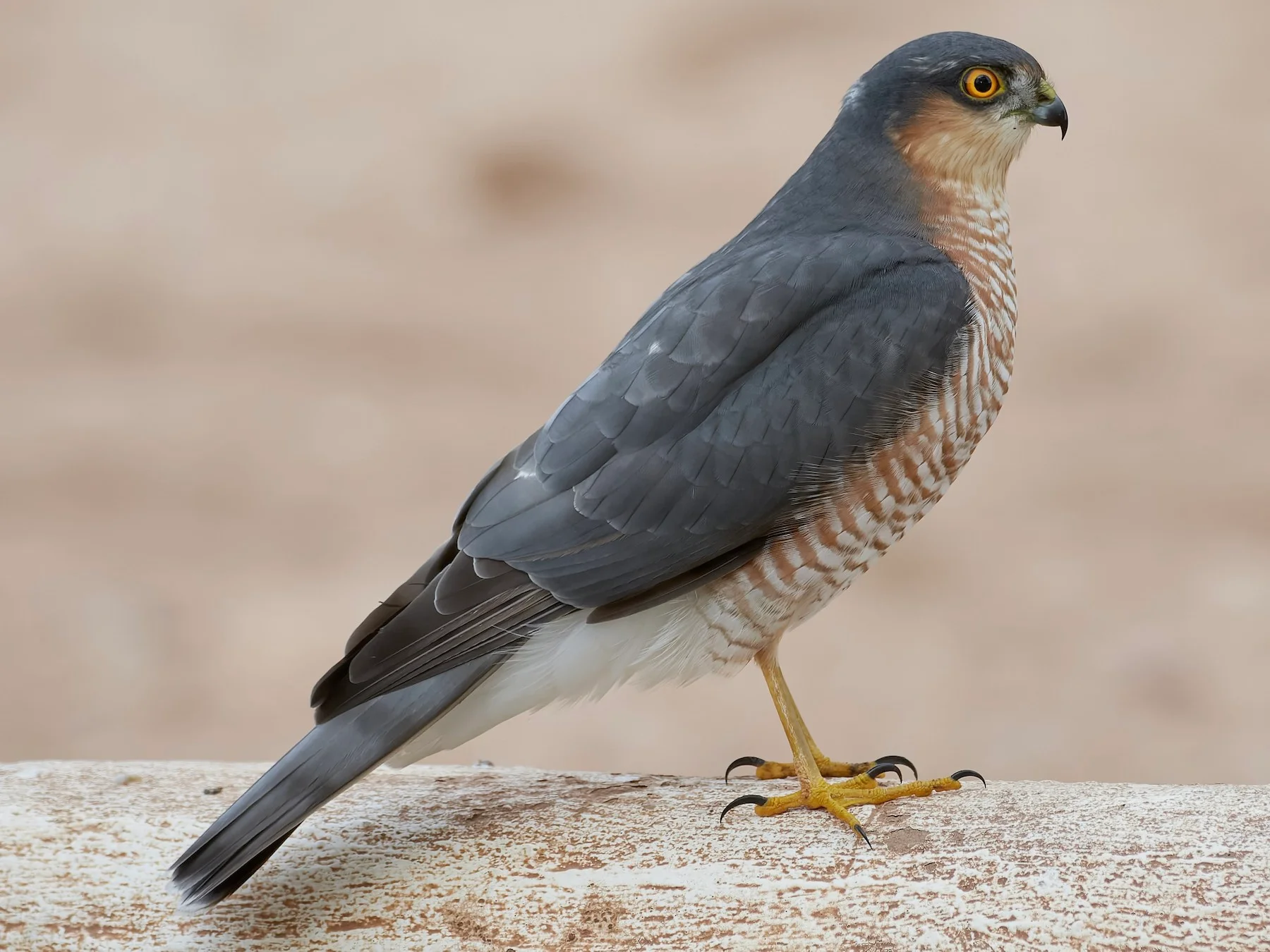
Eurasian Sparrowhawk

Scroll to Top