Loading Events

Bird Walk at Chandlai Lake, Jaipur, RJ

About Chandlai Lake

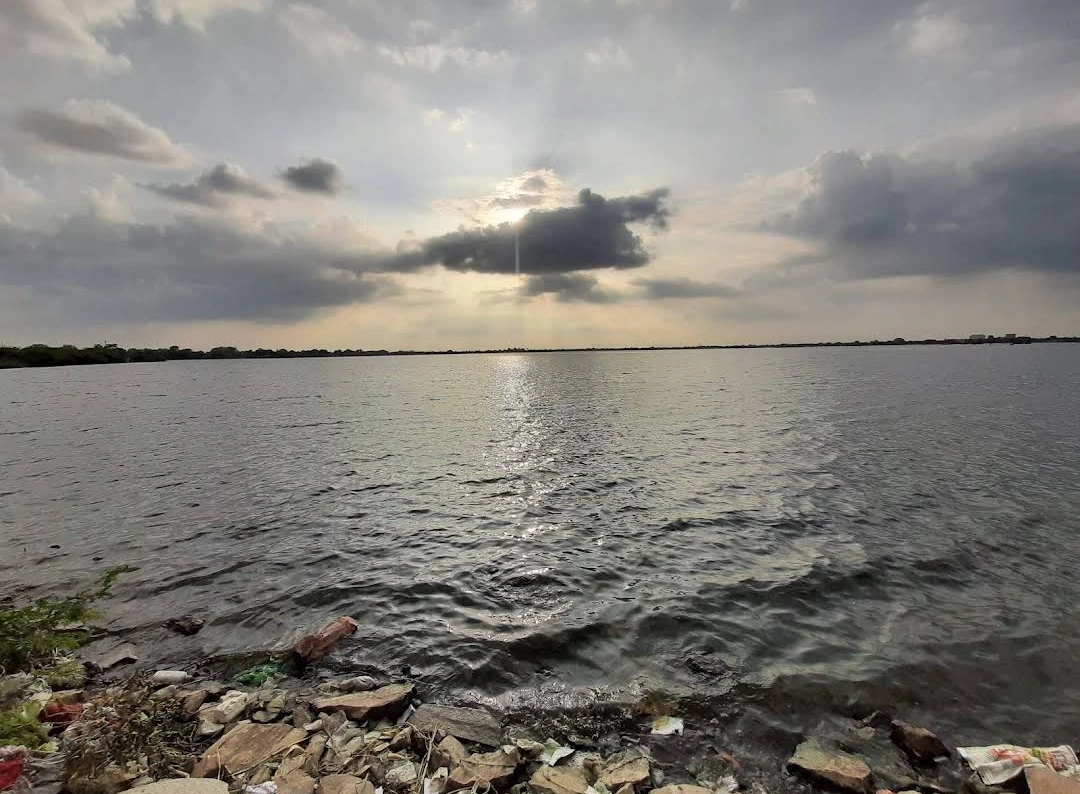
Chandlai Lake, located near Shivdaspura on the outskirts of Jaipur, is one of the city’s oldest and most significant inland water bodies, with its origins dating back over 140 years when it was constructed as a reservoir in 1872. The lake spans a substantial area and is fed mainly by rainfall and the seasonal inflow from the Dravyawati River, creating a shallow freshwater habitat that historically supported rich wetland vegetation and aquatic life. Over the decades it has become a popular spot not just for locals looking for a scenic picnic or a peaceful walk by the water, but also for birdwatchers and nature enthusiasts who visit especially during the winter months to catch glimpses of migratory waterbirds arriving from Central Asia, Europe, and beyond. Efforts have been underway to protect and possibly declare the lake a protected or Ramsar-type wetland to enhance its conservation and eco-tourism value.
Ecologically, Chandlai Lake has long been recognized as an important birding site, attracting a variety of both resident and migratory species. In its better years, bird counts numbered in the tens of thousands, with sightings of ducks, waders, flamingos, and other waterfowl enriching winter landscapes, although recent decades have seen fluctuations in bird numbers due to water extraction, habitat pressures, and pollution challenges. Despite these stresses, the lake continues to be a focal point for birdwatching around Jaipur, drawing enthusiasts eager to observe diverse avian life against the backdrop of Rajasthan’s arid plains. Its combination of natural beauty, birdlife, and proximity to the Pink City makes Chandlai a valuable ecological and recreational destination deserving of ongoing conservation attention.

Partnered with

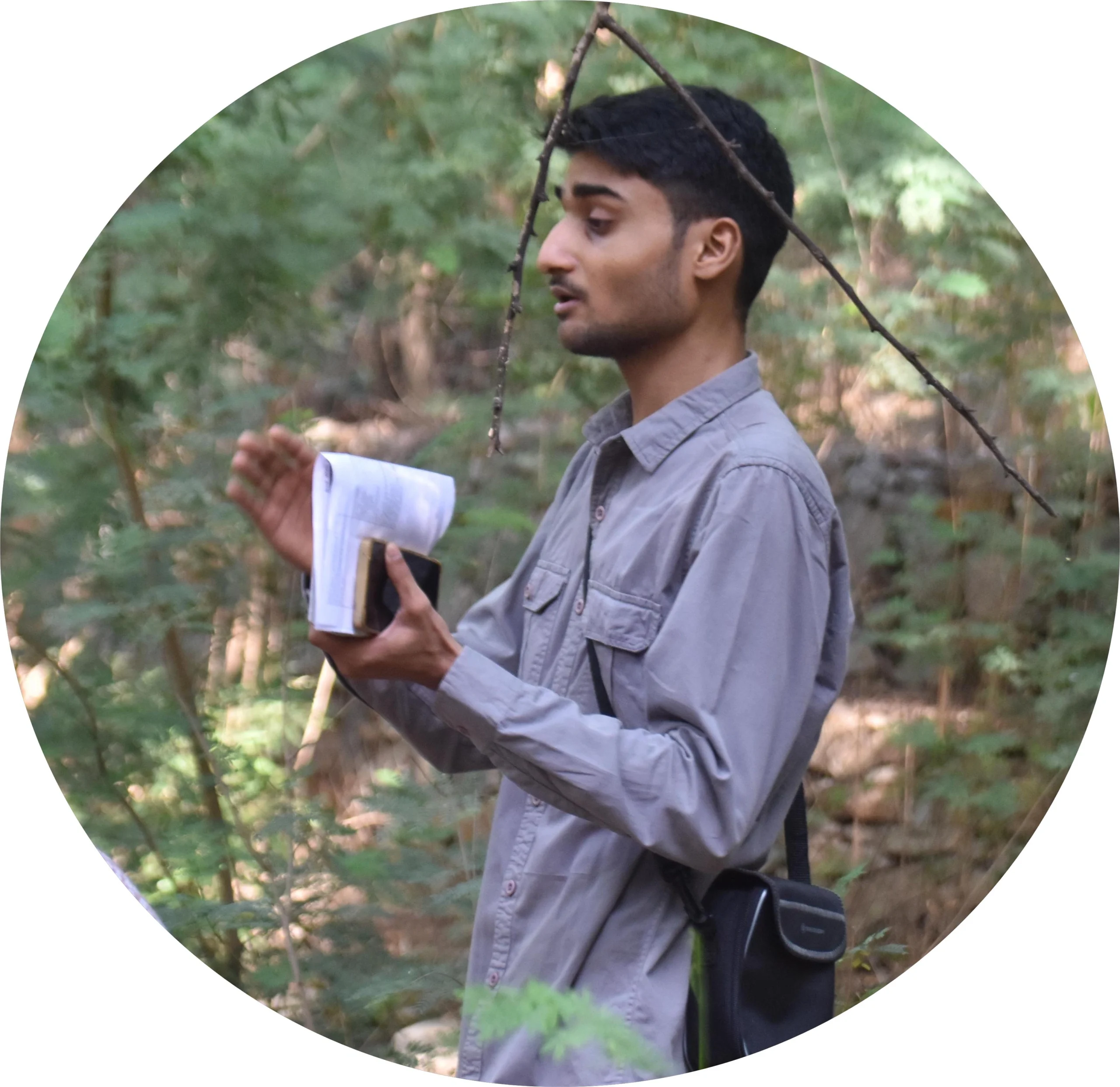
Bird Guide: Bhavya Sharma

A passionate student and wildlife enthusiast. He is especially fascinated by ornithology and entomology, always eager to learn about birds and insects and their roles in nature. Exploring wildlife and understanding ecosystems truly inspires him to protect and conserve our natural heritage.
Bird walk Location

Common birds of Chandlai Lake

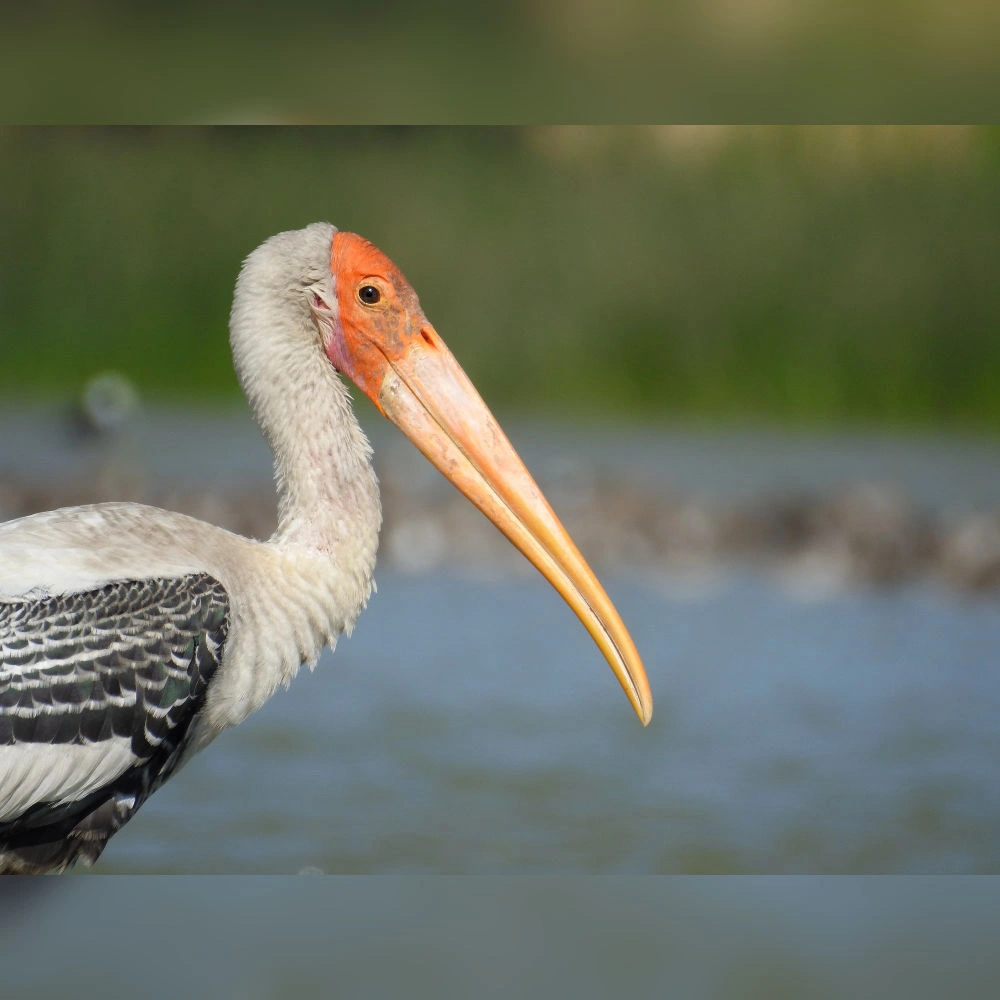
Chandlai Lake supports a rich diversity of wetland birds, making it one of the most important birding sites around Jaipur, especially during the winter season. Large waterbirds such as Painted Stork, Oriental Darter, Great Cormorant, Black-headed Ibis, Grey Heron, and Purple Heron are commonly seen feeding and roosting in the open waters and along the marshy edges. The lake attracts a variety of ducks and geese, including Knob-billed Duck, Spot-billed Duck, Eurasian Wigeon, Ruddy Shelduck, and Bar-headed Goose, which use the lake as a crucial wintering ground. Shallow mudflats host waders like Pied Avocet, Ruff, Black-winged Stilt, Little Ringed Plover, Common Redshank, and Spotted Redshank, while smaller waterbirds such as Little Grebe, Common Coot, and Grey-headed Swamphen are frequently observed. Terrestrial associates like White Wagtail add to the seasonal abundance, highlighting Chandlai Lake’s significance as a vital wetland habitat in Rajasthan’s semi-arid landscape.

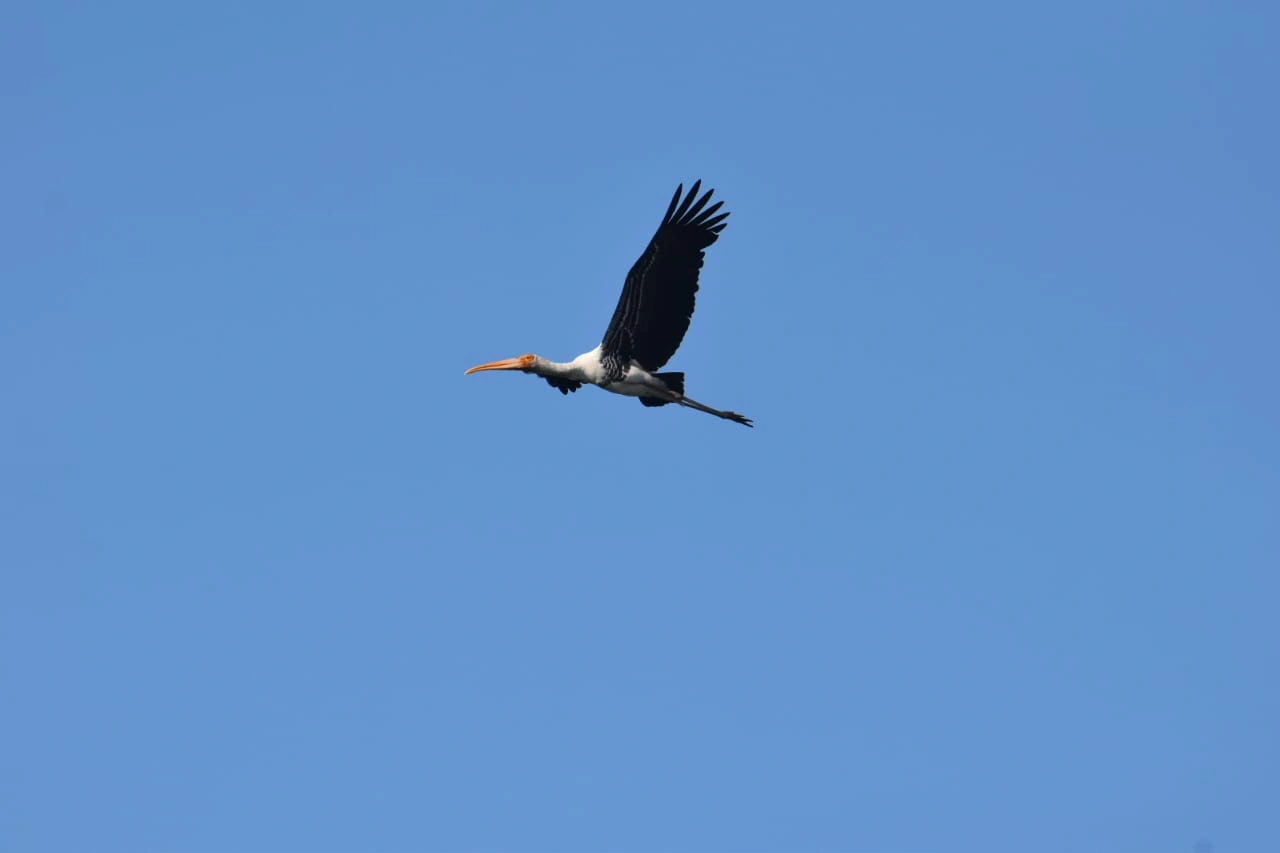
Painted Stork
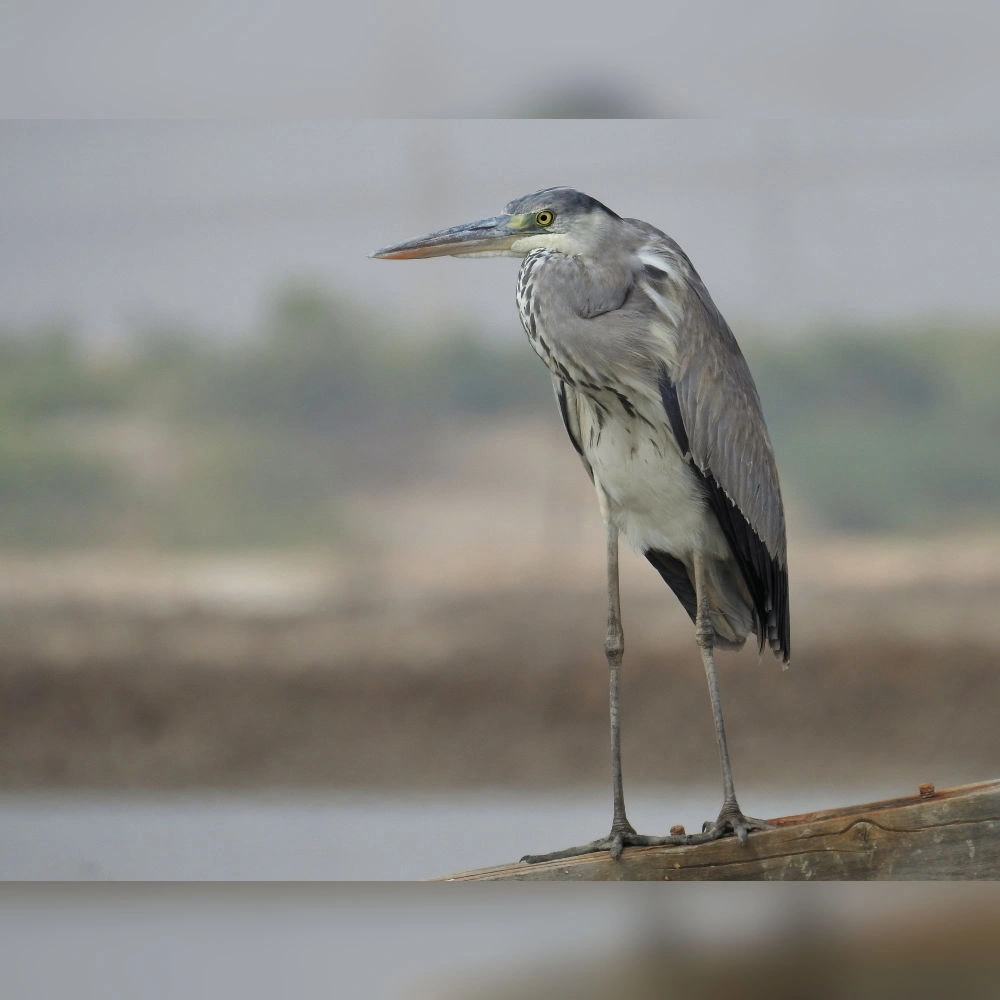
Grey Heron
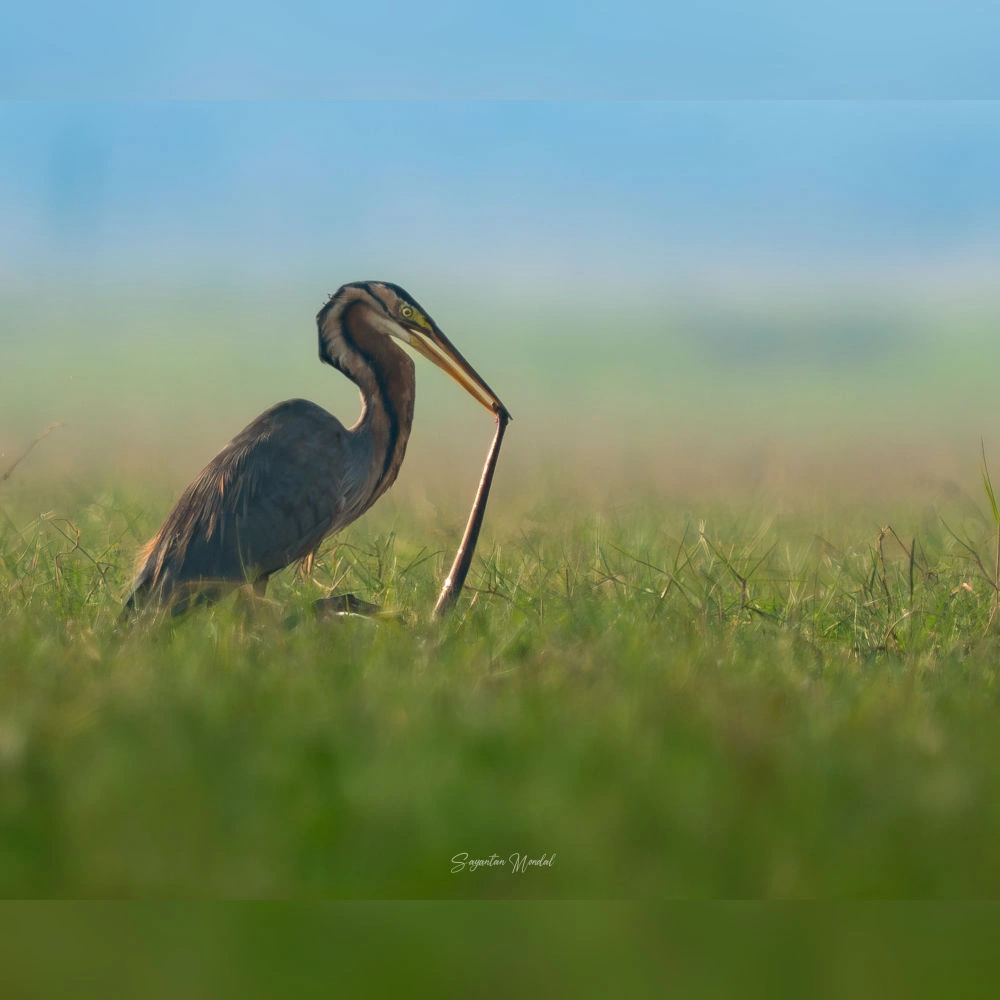
Purple Heron
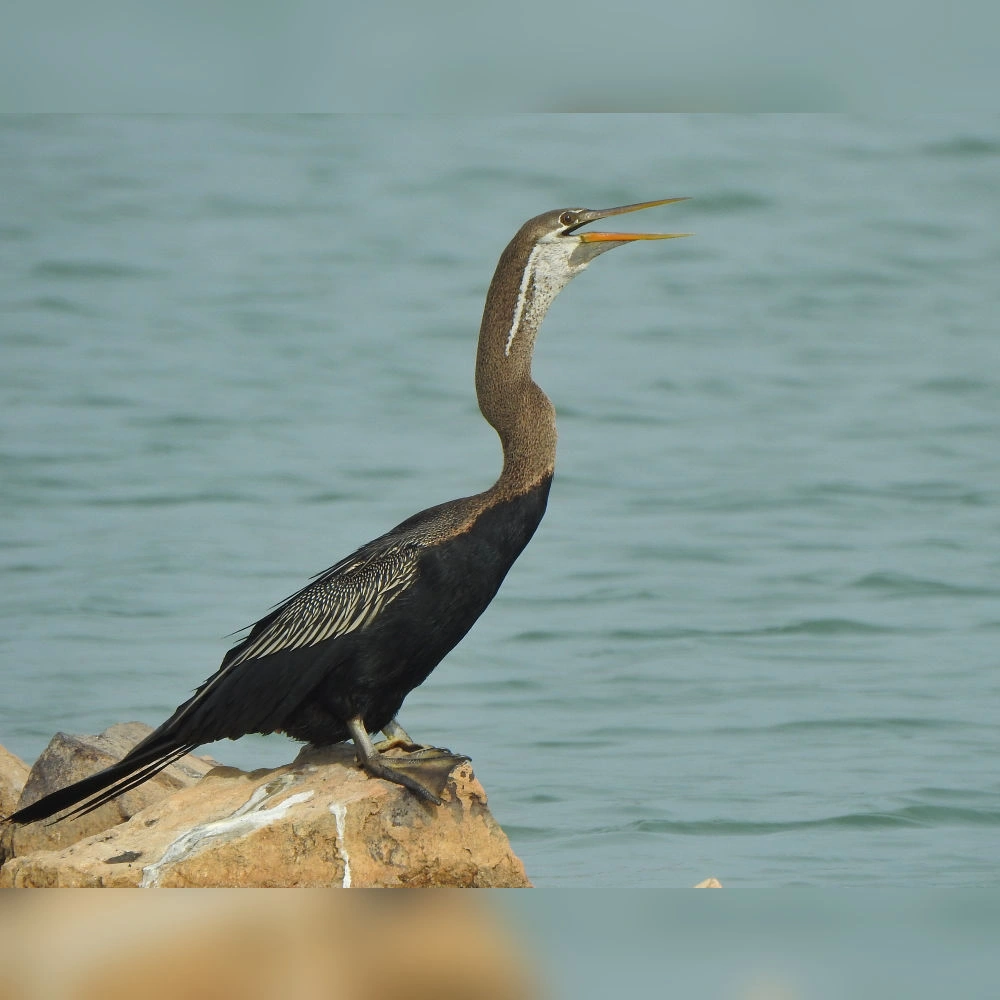
Oriental Darter
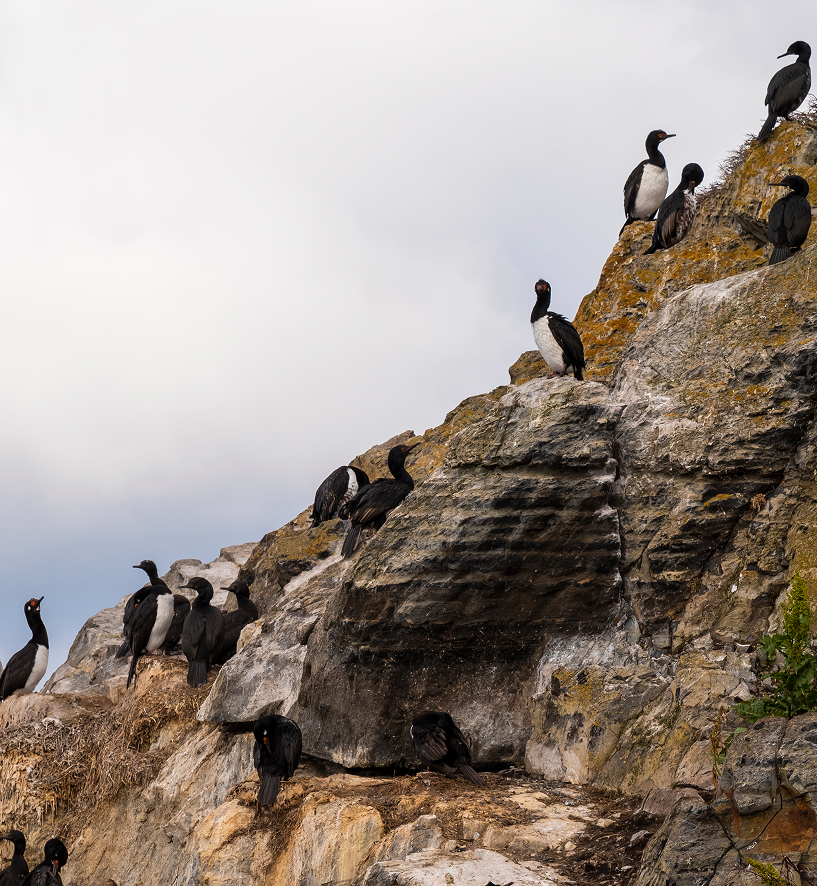
Great Cormorant
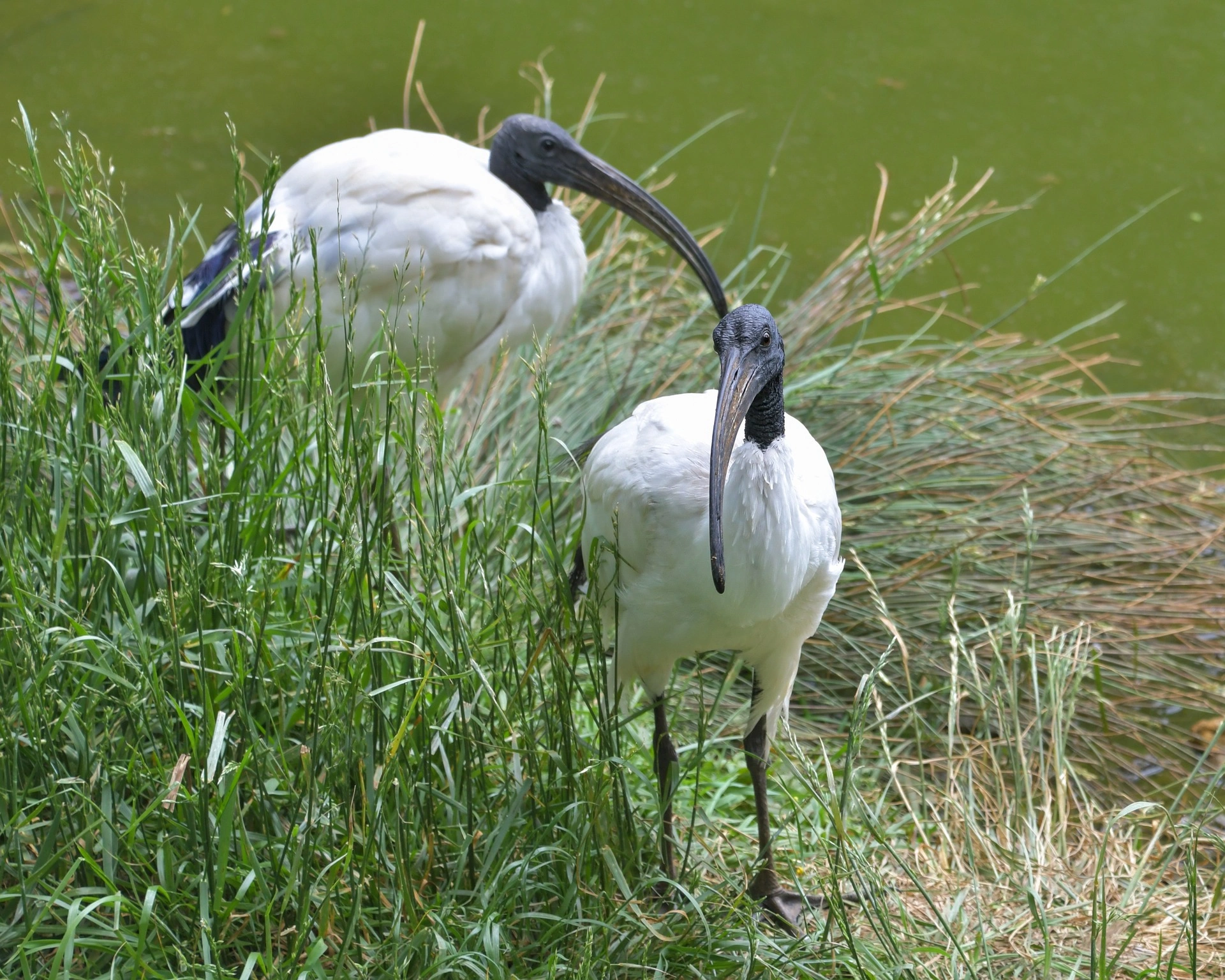
Black-headed Ibis
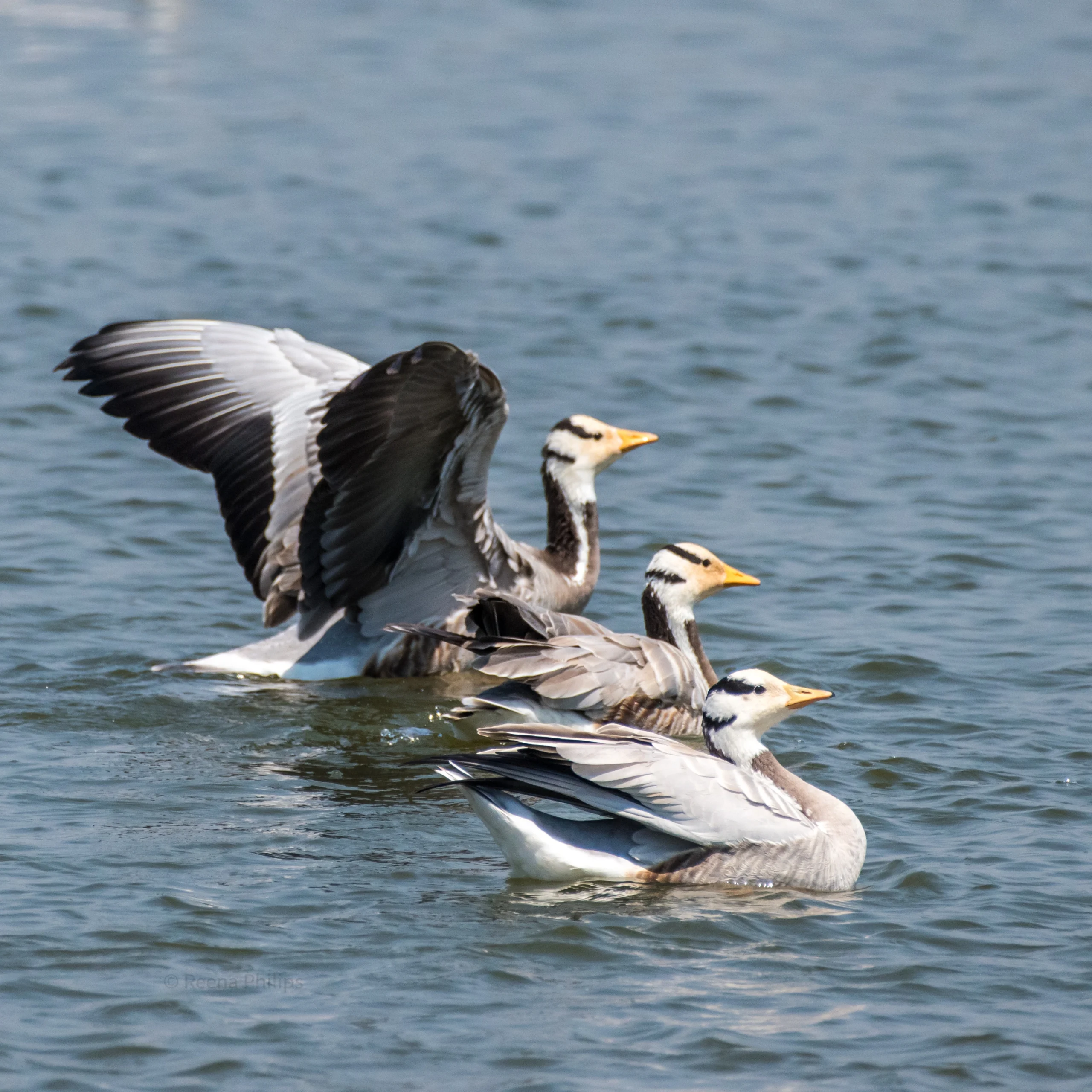
Bar-headed Goose
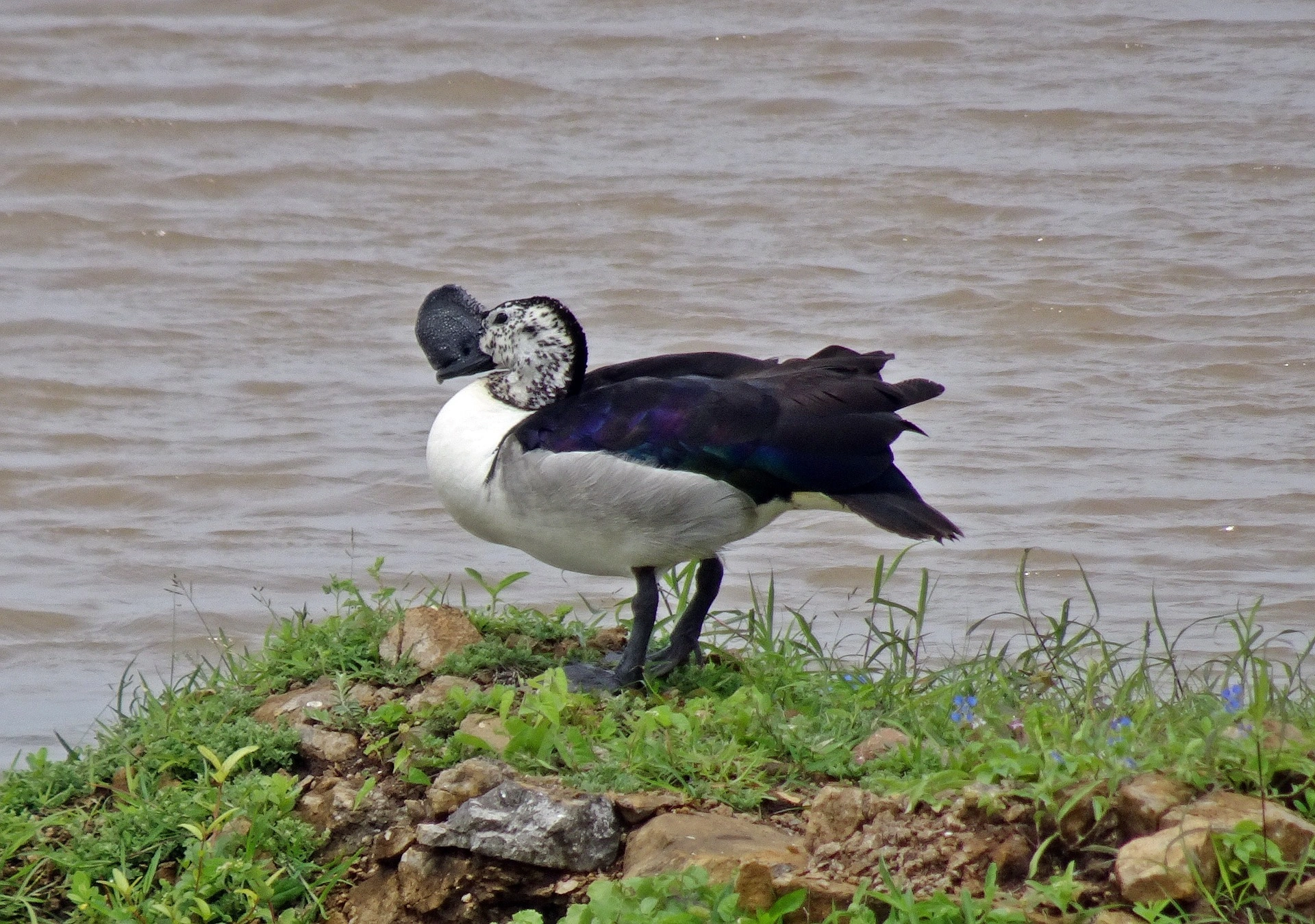
Knob-billed Duck
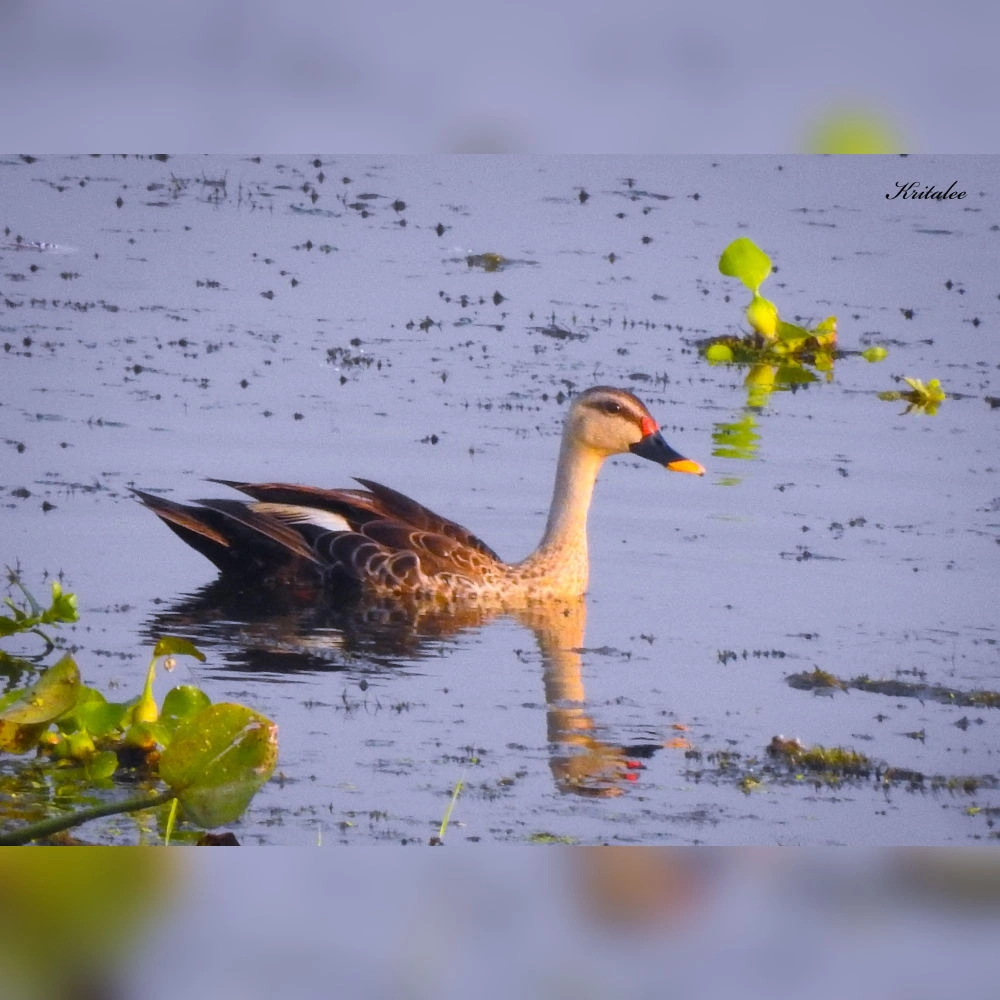
Spot-billed Duck
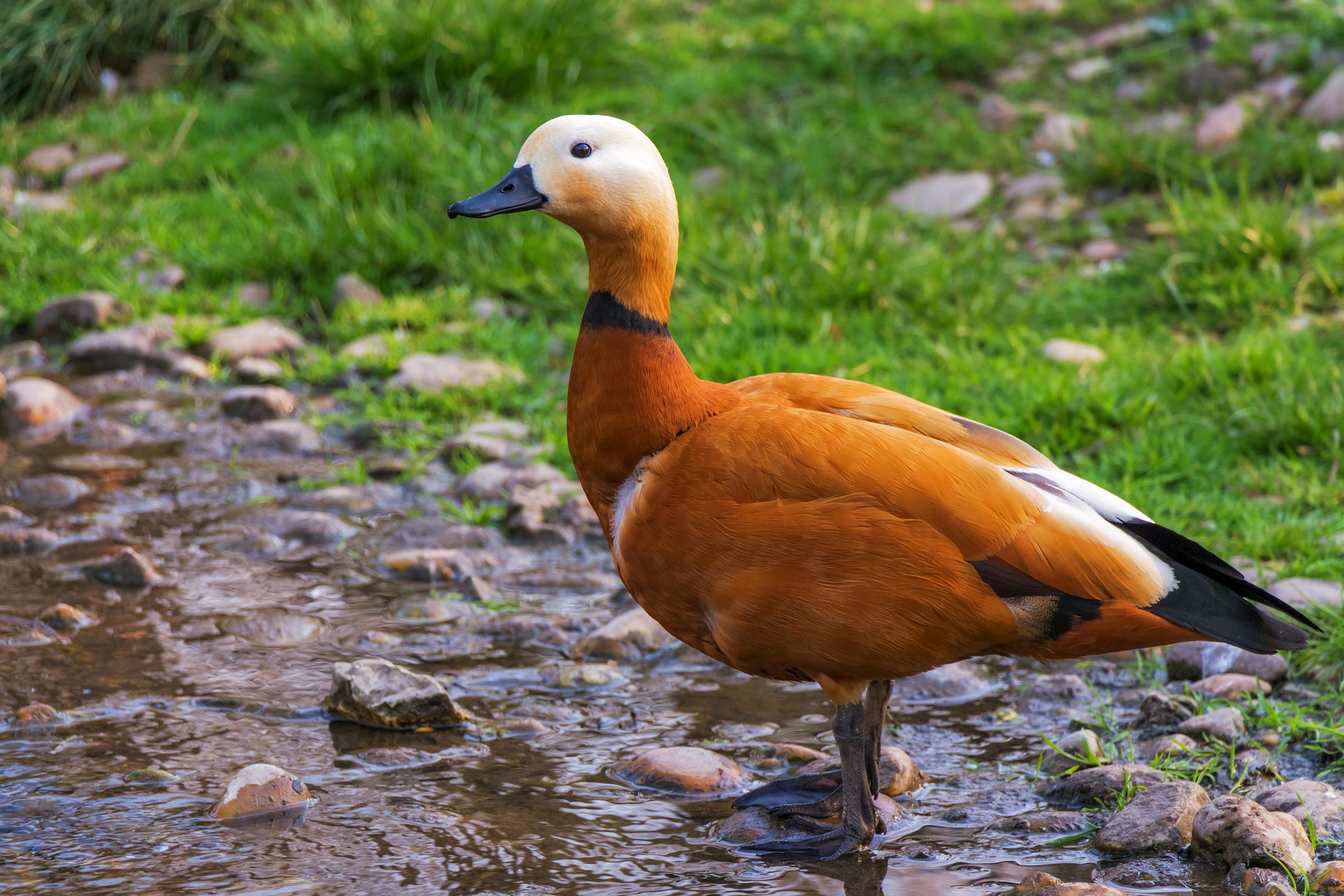
Ruddy Shelduck
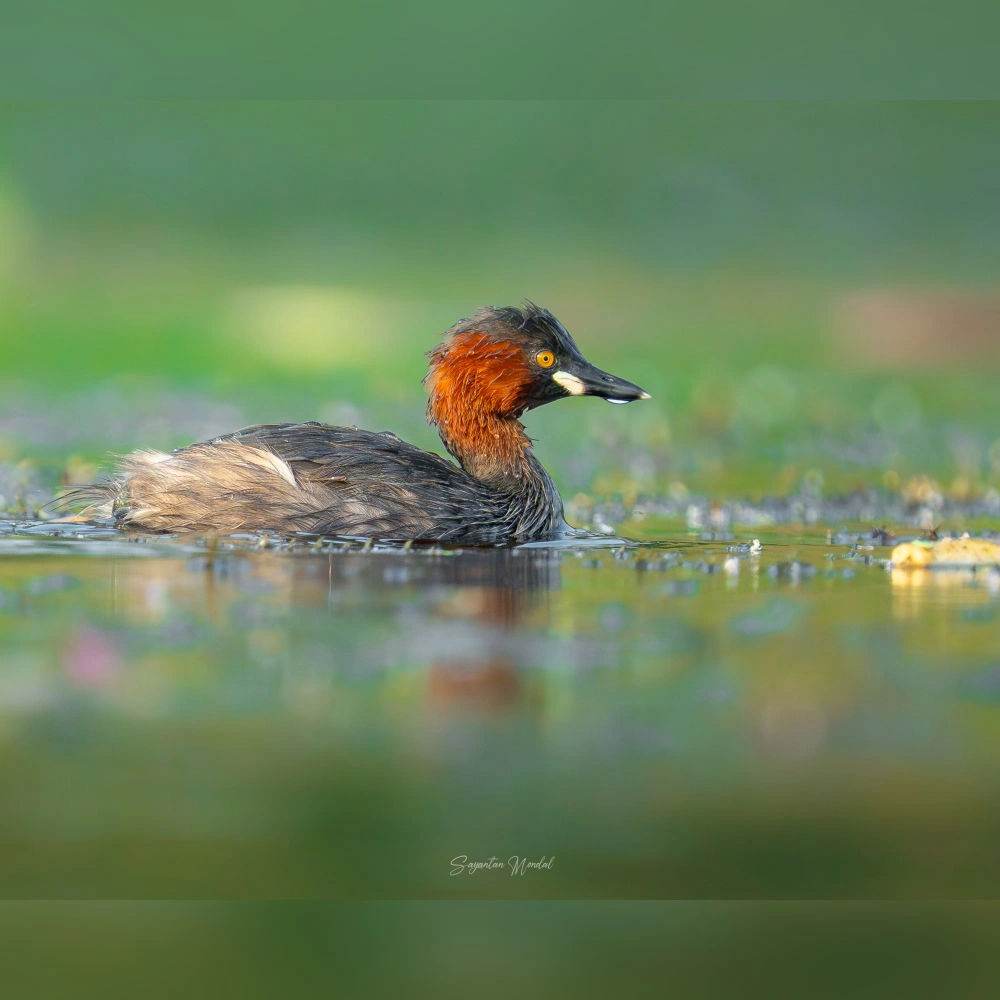
Little Grebe
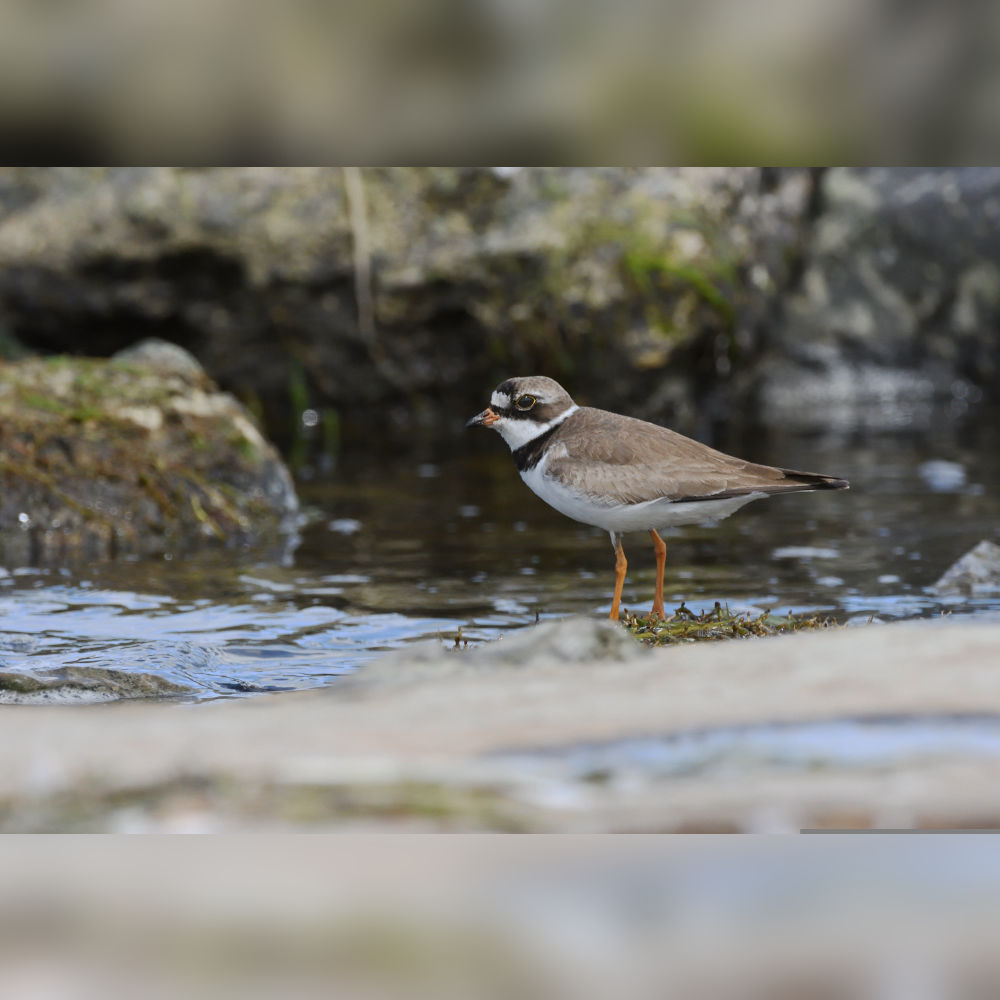
Little-ringed Plover
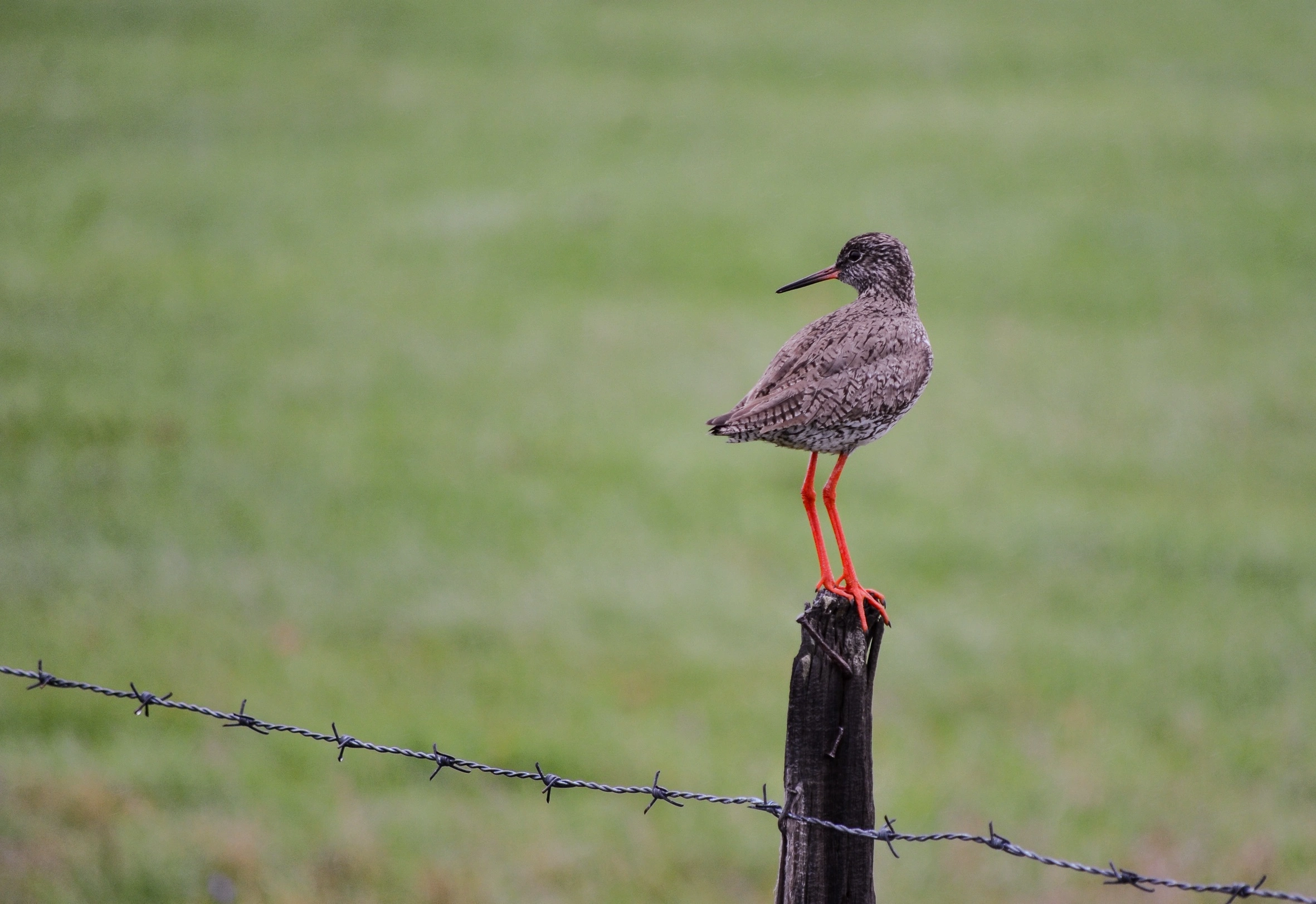
Common Redshank
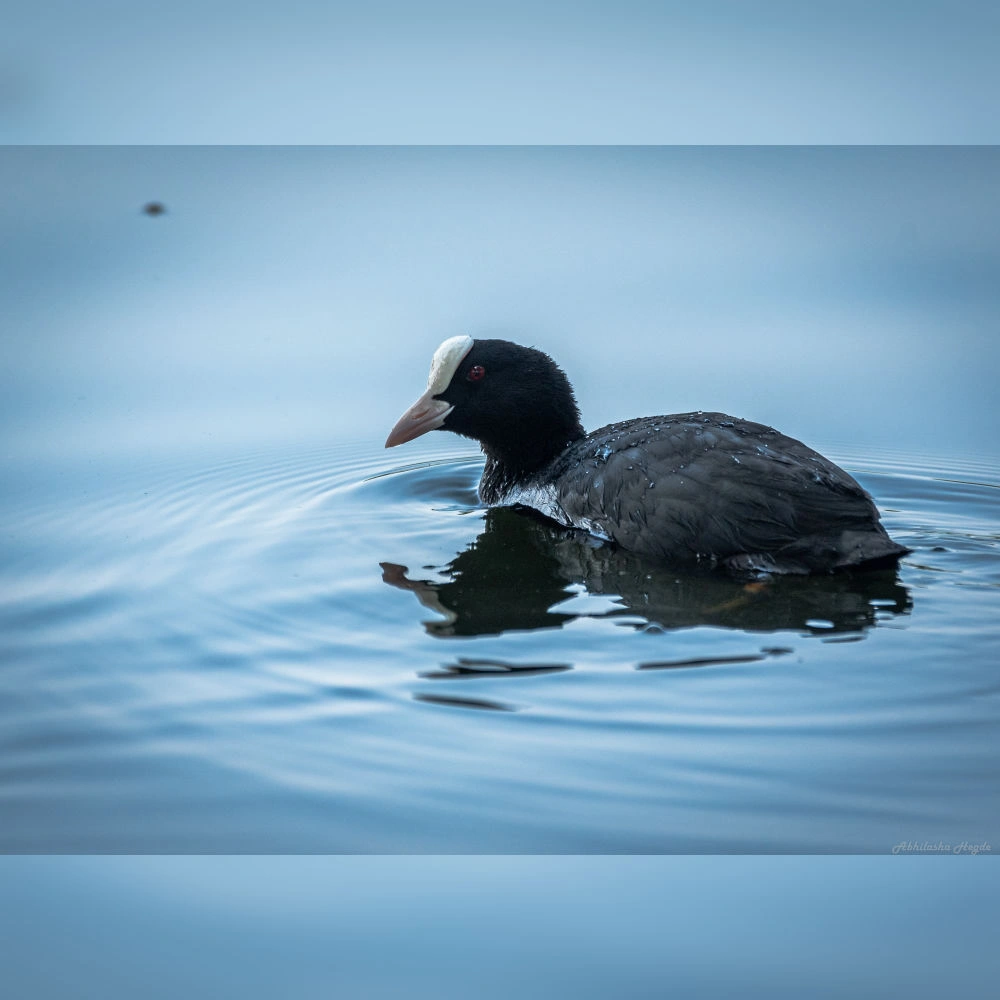
Eurasian Coot
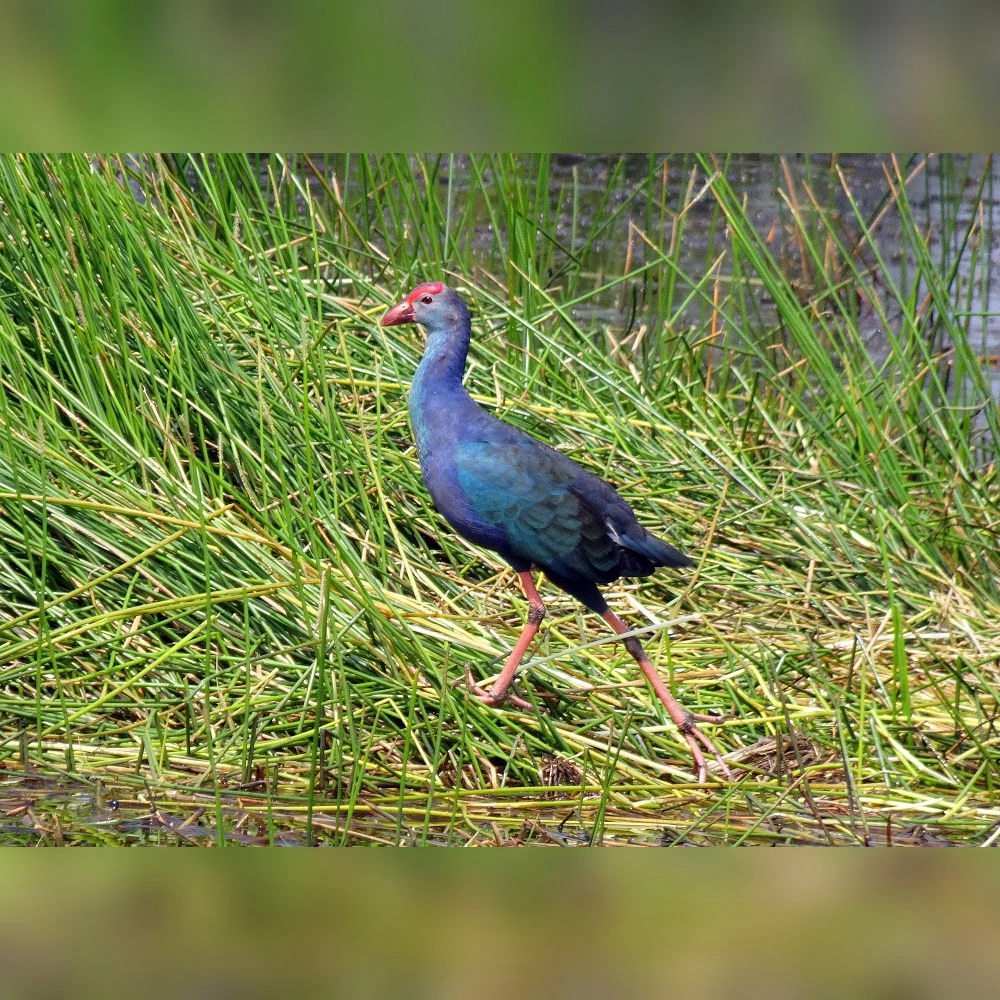
Grey-headed Swamphen
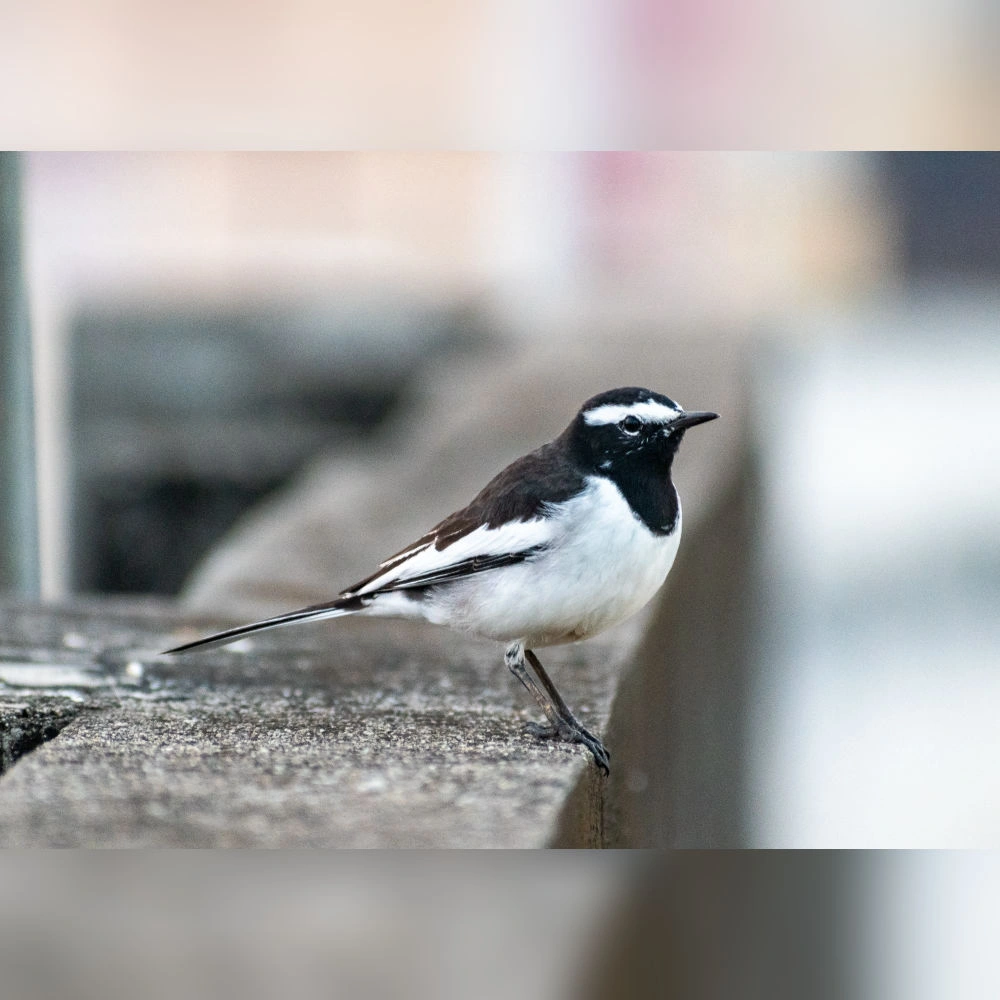
White-browed Wagtail
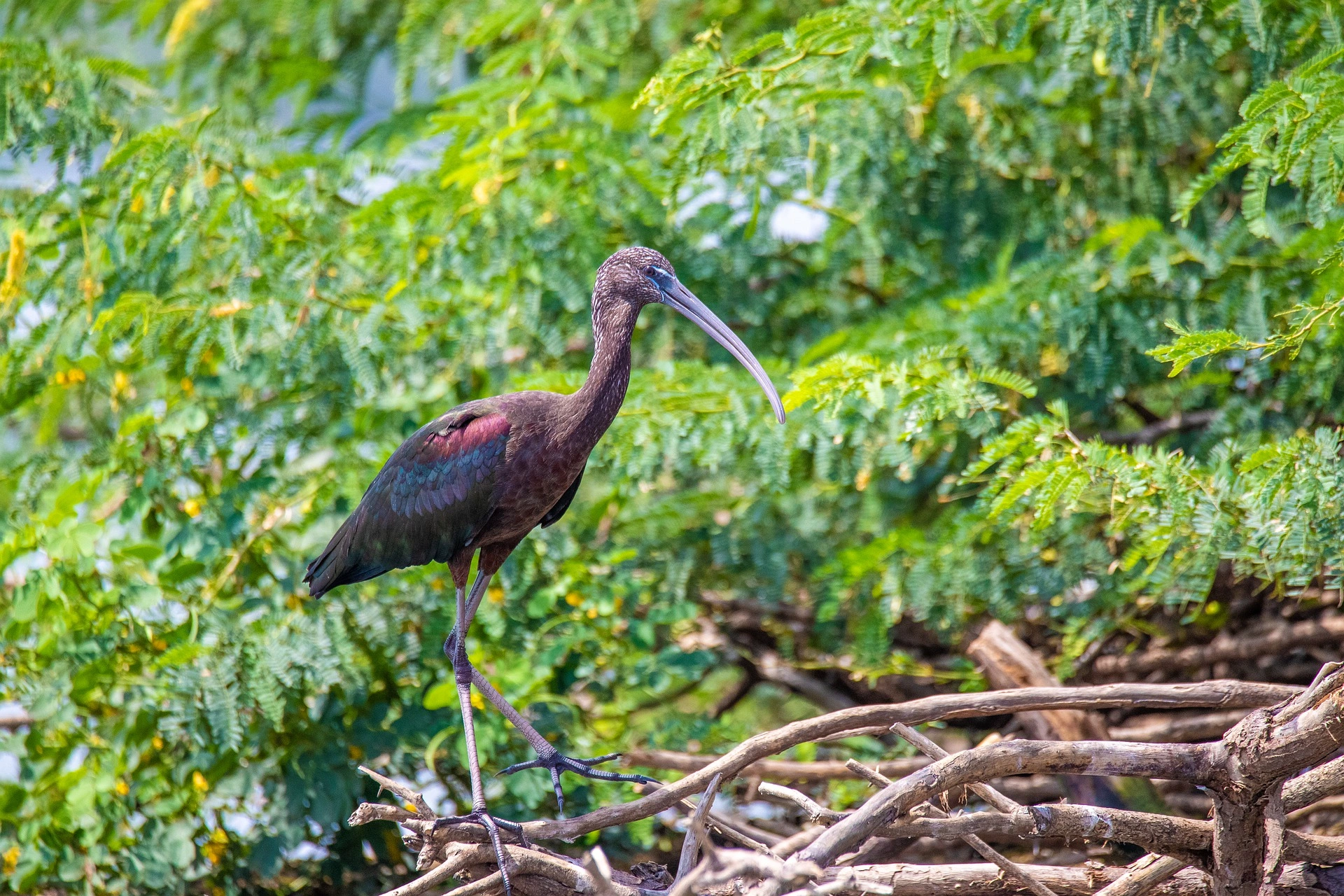
Glossy Ibis
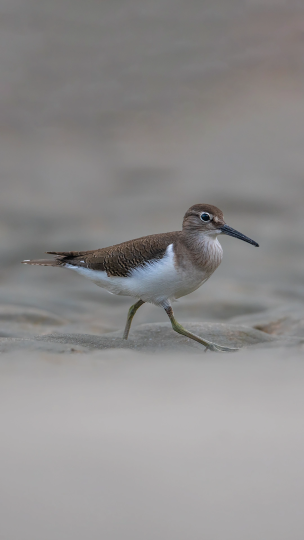
Common Sandpiper
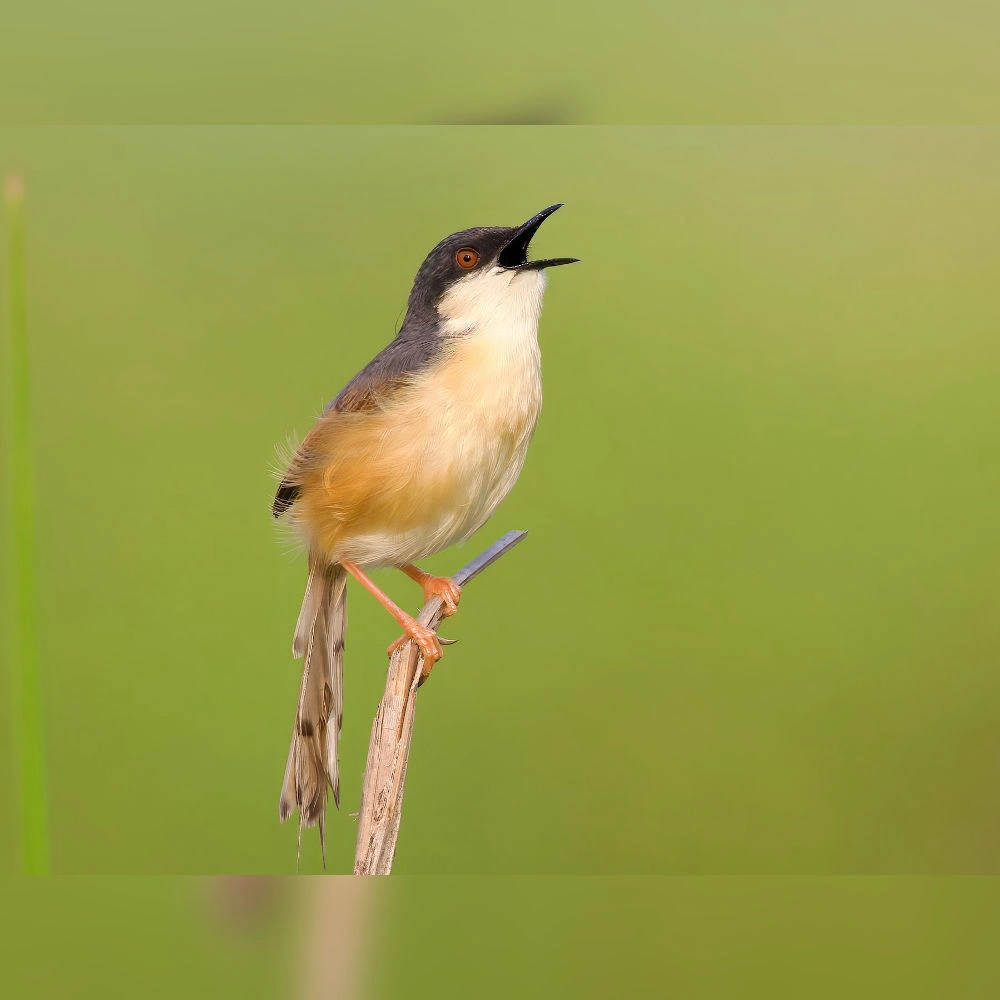
Ashy Prinia
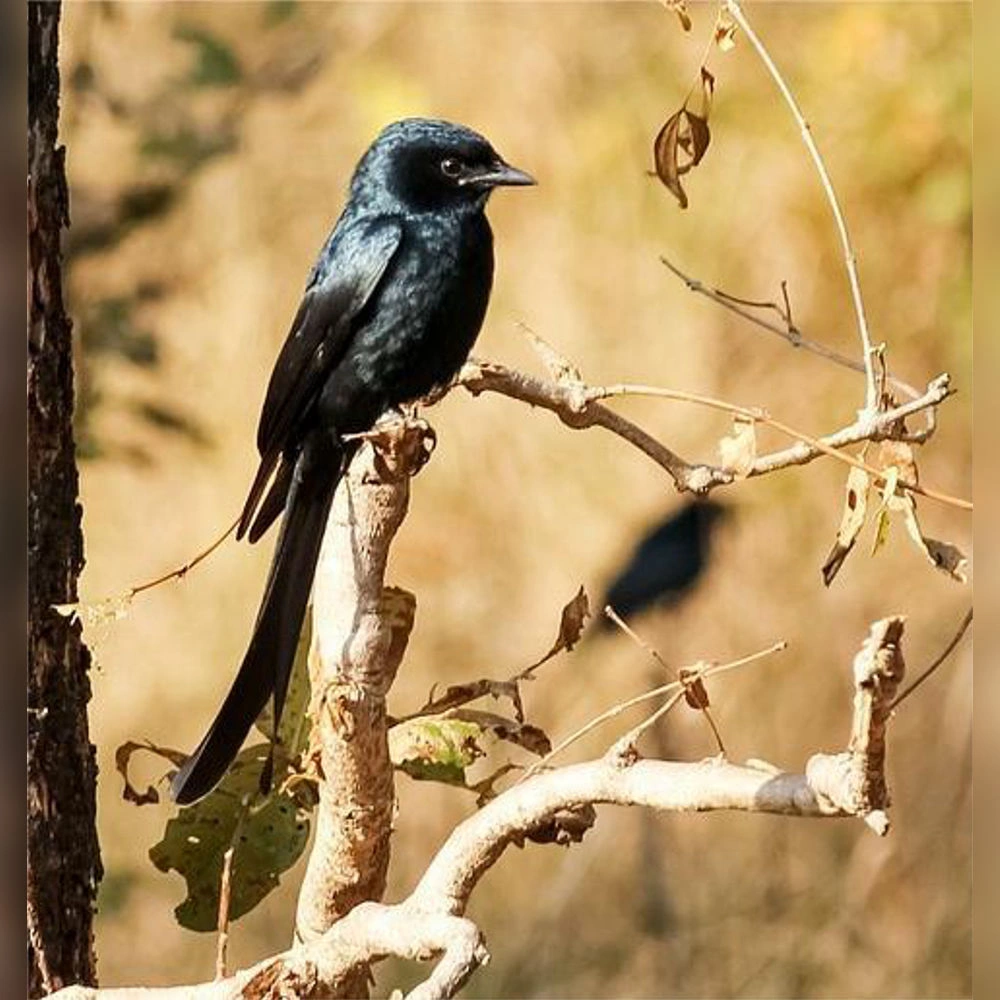
Black Drongo

Summary of Walk

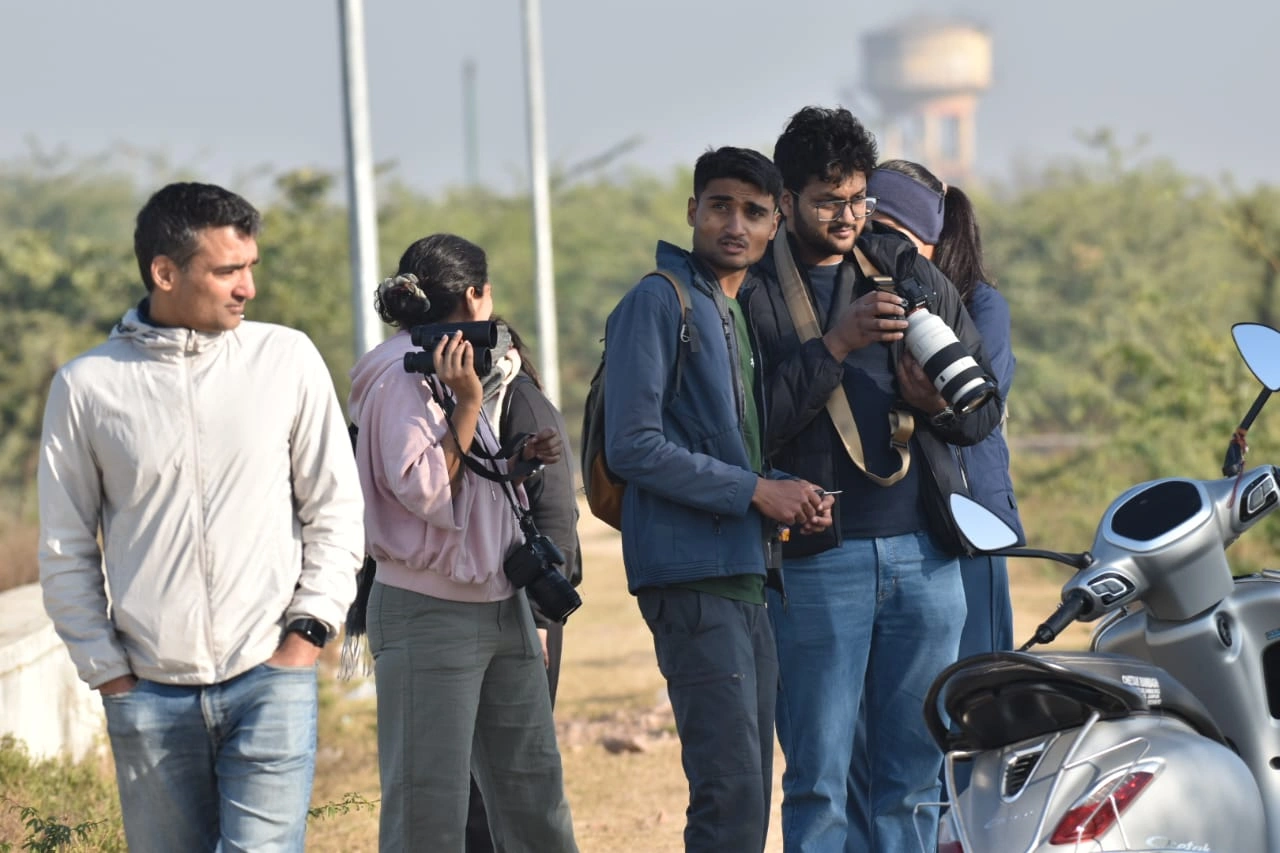
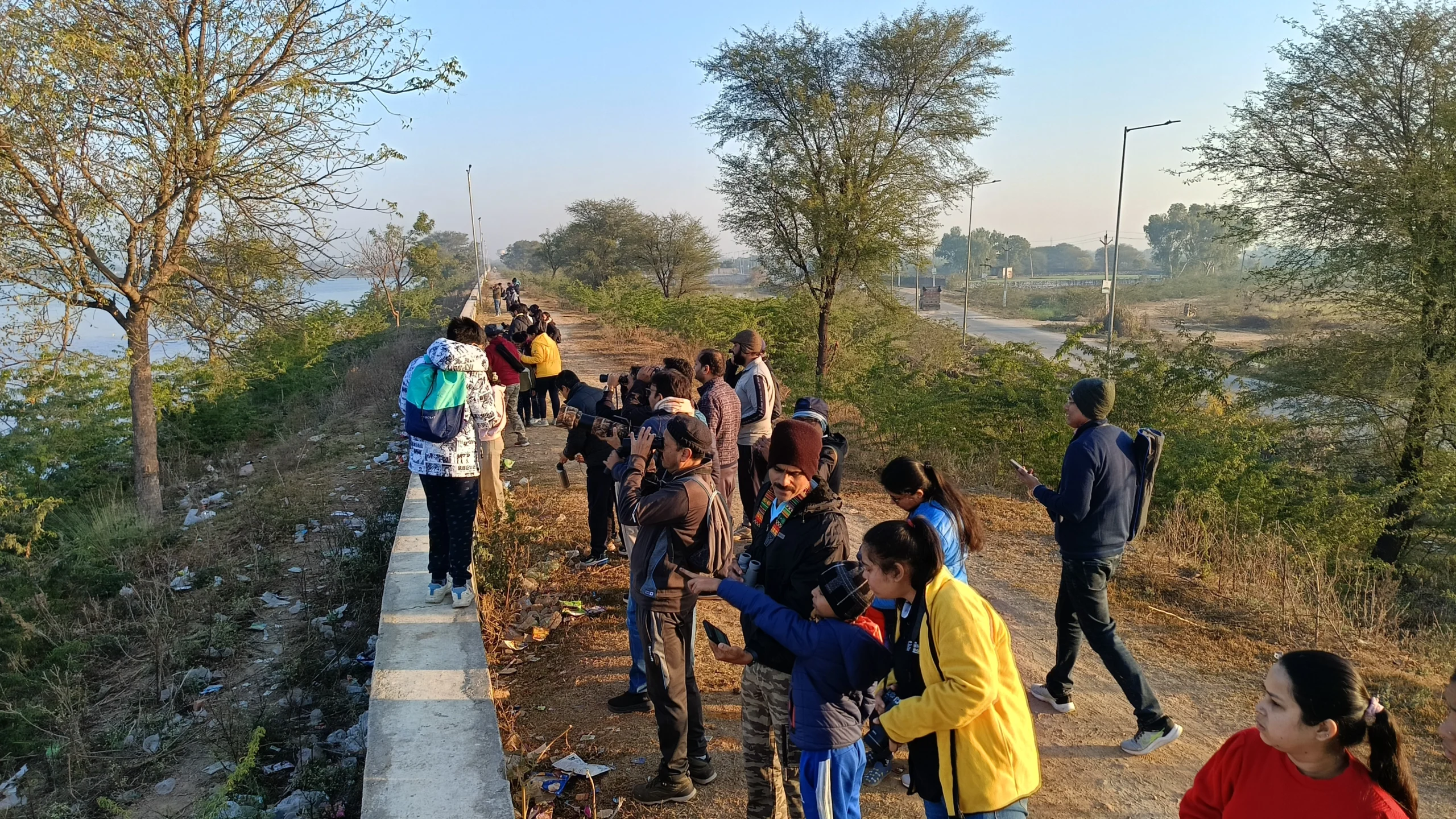
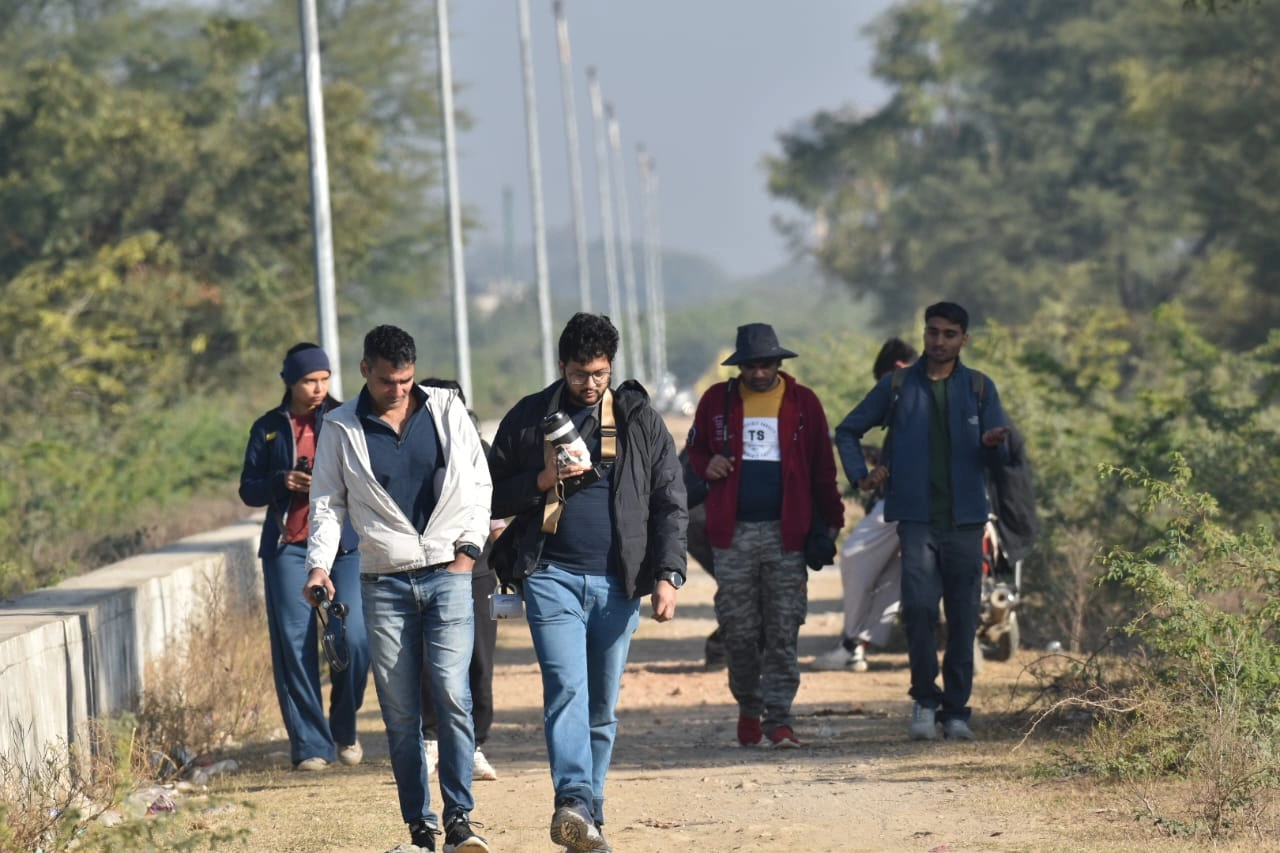
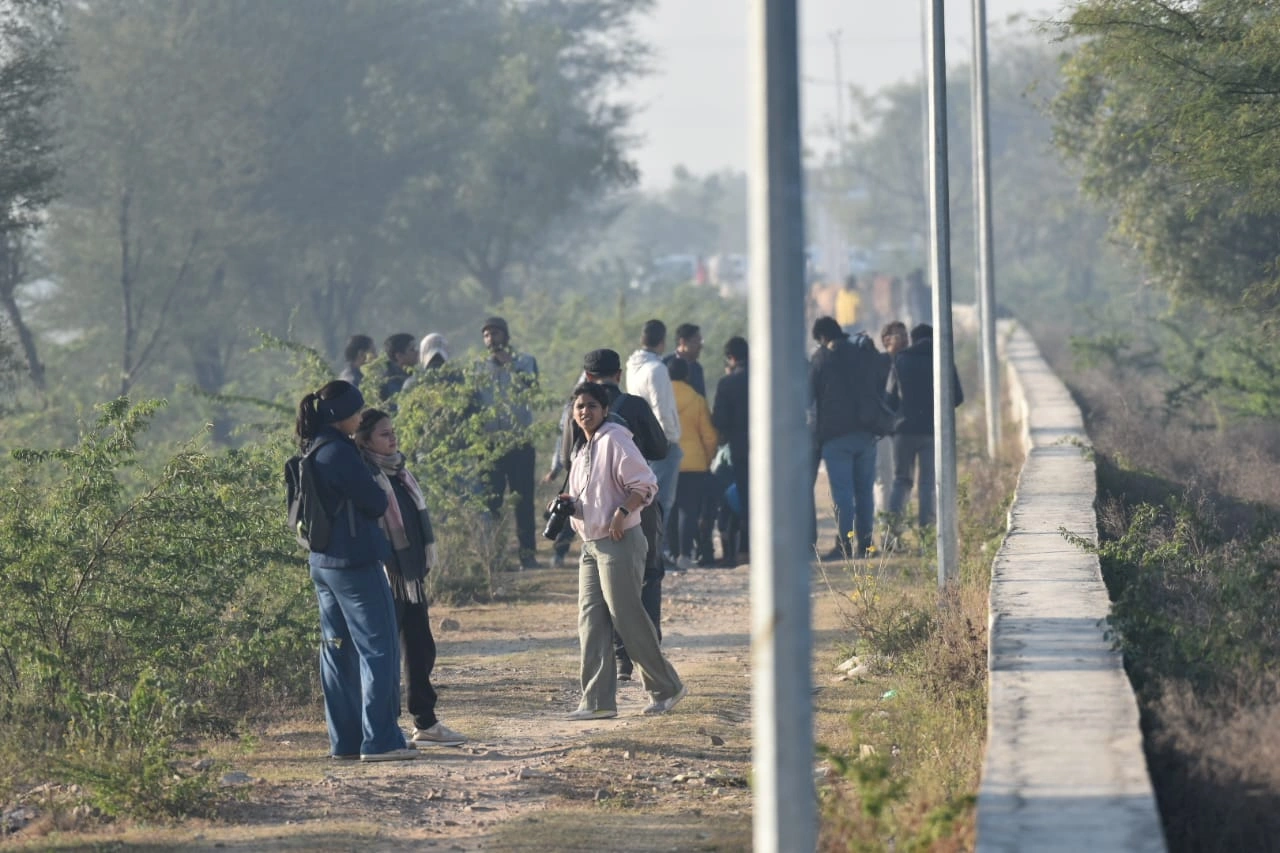
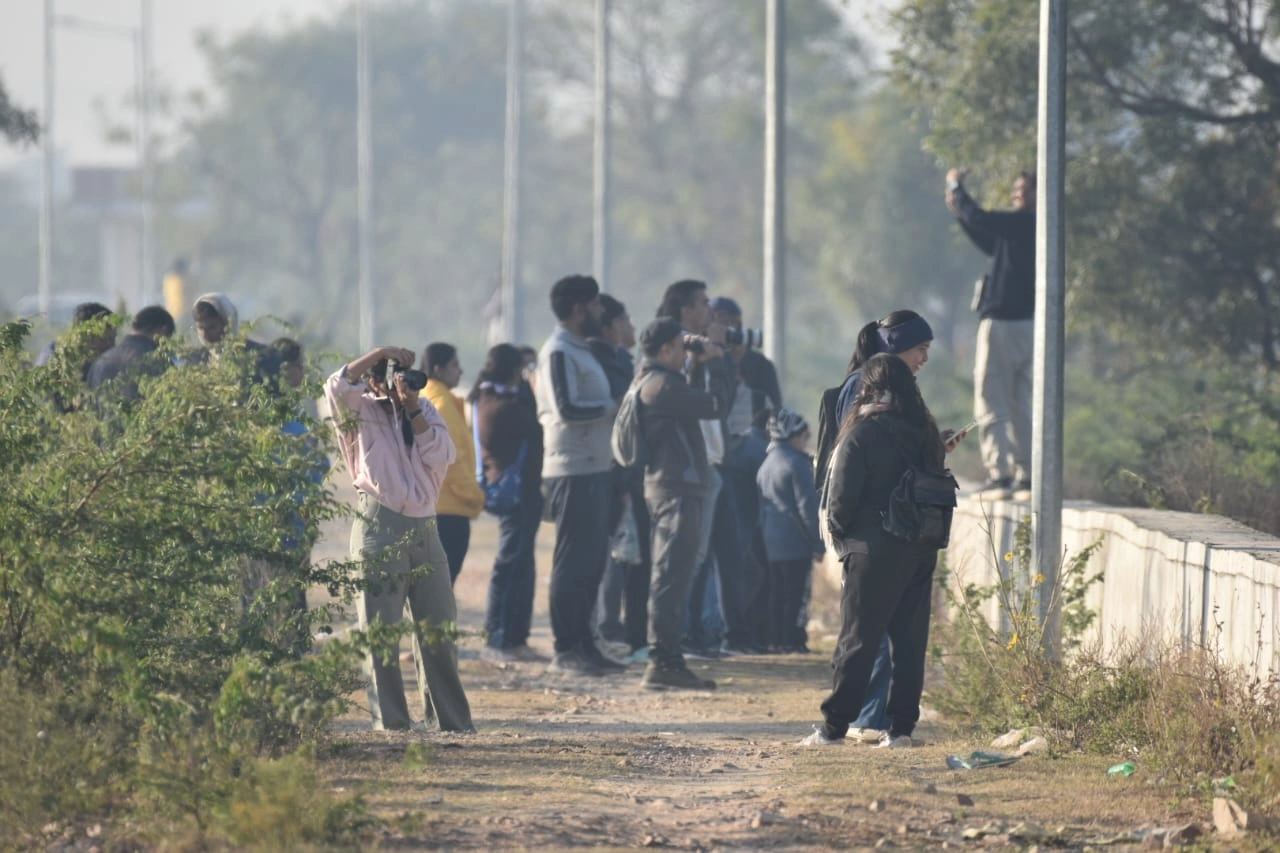
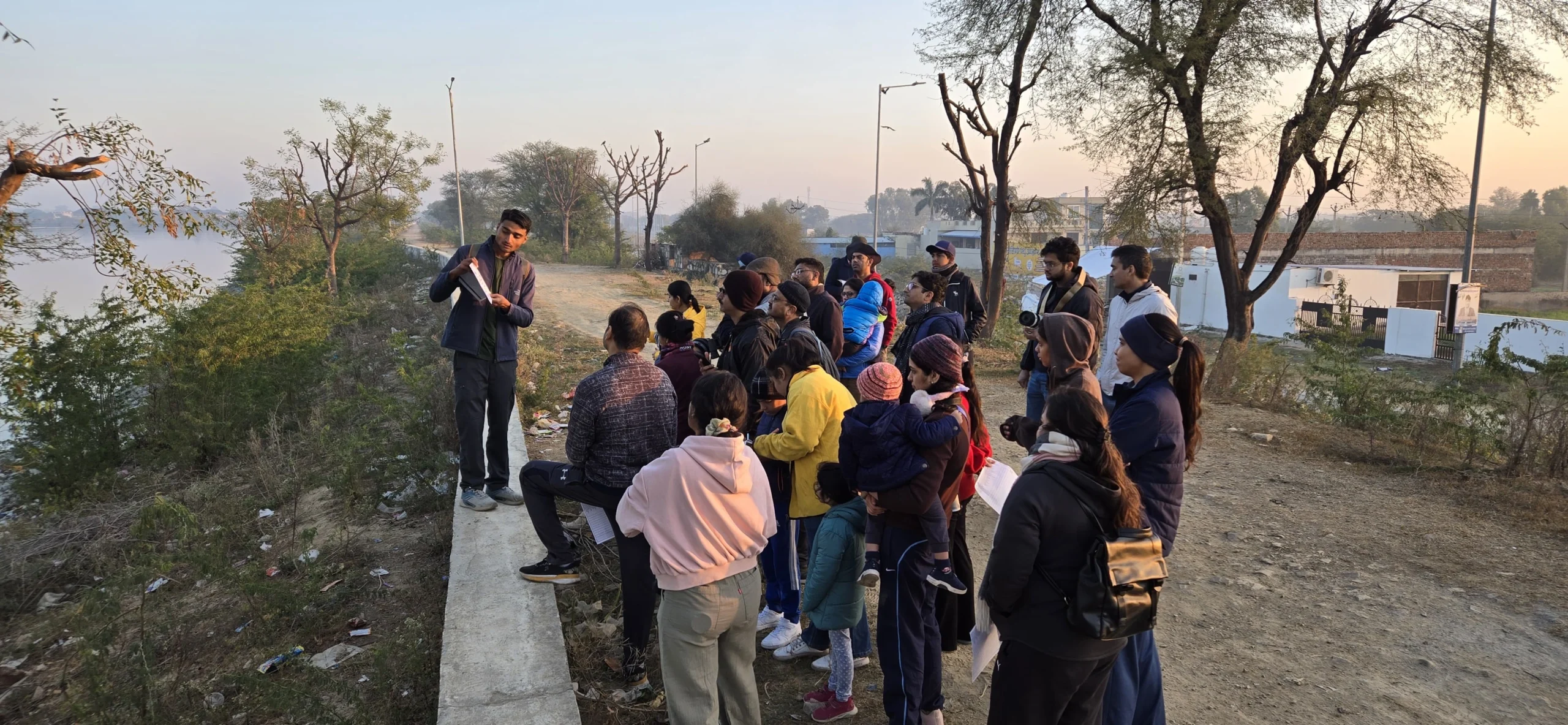
Despite a cold morning, participants arrived energized for the bird walk at Chandlai Lake. Each participant received a region-specific checklist and diary to document observations, adding structure and engagement to the experience. As the group explored the lake, even casual visitors were drawn into the calm, nature-filled atmosphere.
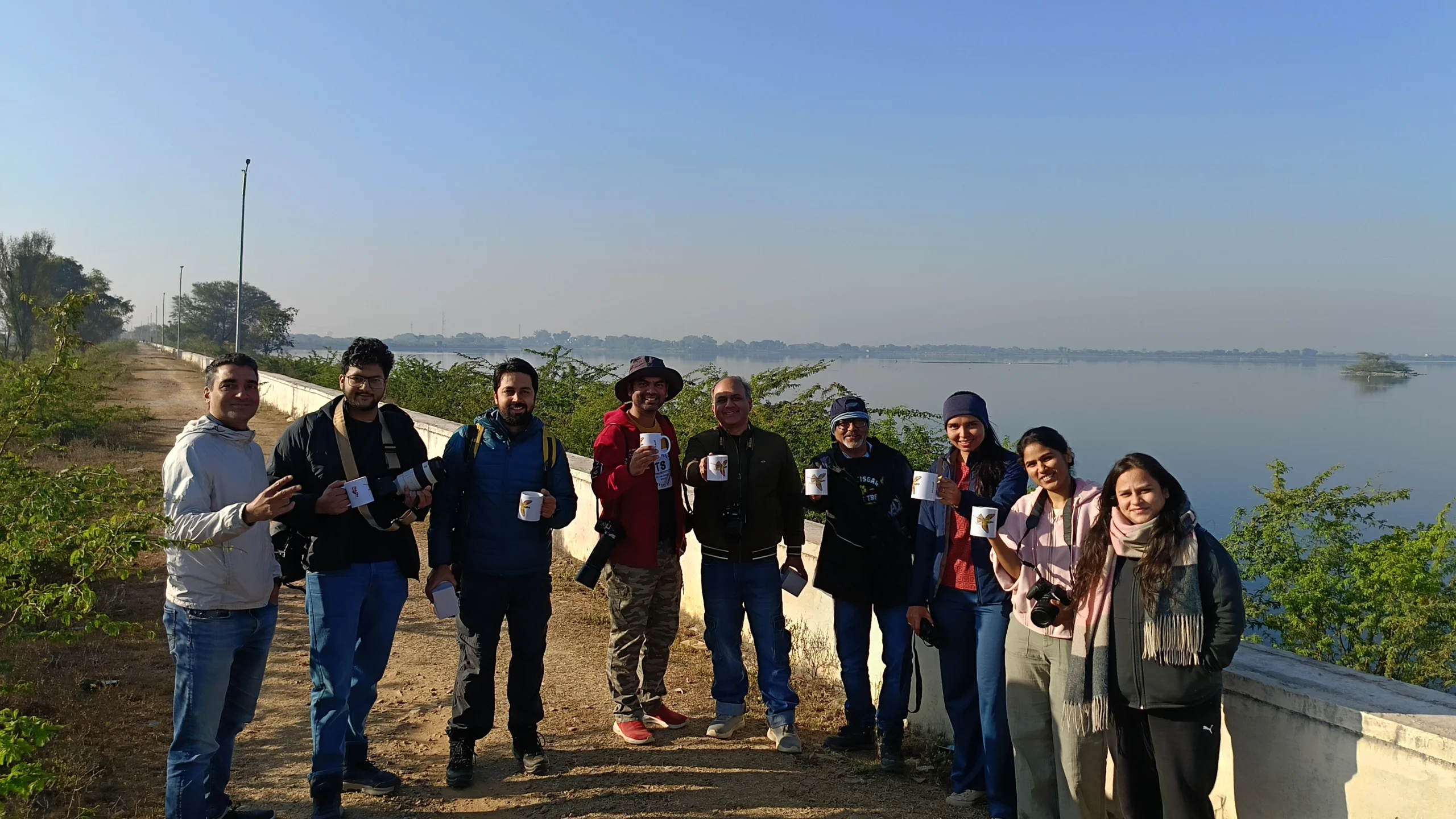
Early sightings included grebes, cormorants, and coots, followed by herons and gulls in denser areas. The highlight was Eurasian Spoonbills flying overhead, along with Painted Storks, while the Eurasian Wryneck became a lifer for many participants. Led by Bhavya Sharma, the walk concluded on a memorable note with participants receiving custom illustrated Asian Green Bee-eater coffee mugs.
Number of Participants
0
Scroll to Top