
Bird Walk at Chandu and Najafgarh Jheel, Gurugram, Delhi NCR
- New Delhi
- 18 July, 2026
- Navneeth Kaur Virk
About Chandu and Najafgarh Jheel
Chandu and Najafgarh Jheel form part of one of northern India’s most significant wetland landscapes, straddling the Delhi–Haryana border. Comprising extensive marshes, shallow lakes, reed beds, mudflats, grasslands, and surrounding agricultural fields, the area provides a vital habitat for a remarkable diversity of birds and other wildlife. Seasonal fluctuations in water levels create a dynamic ecosystem that supports aquatic vegetation, fish, amphibians, reptiles, and countless insects, making the wetland an important refuge for both resident and migratory species.
Renowned as one of the premier birding destinations around Delhi, Najafgarh Jheel attracts thousands of migratory waterbirds during the winter, while its marshes and grasslands remain active with resident birds throughout the year. However, the wetland faces increasing threats from urban expansion, encroachment, pollution, habitat degradation, and changes in hydrology. Continued conservation efforts, wetland restoration, and responsible birding are essential to protect this internationally important habitat and its extraordinary biodiversity.

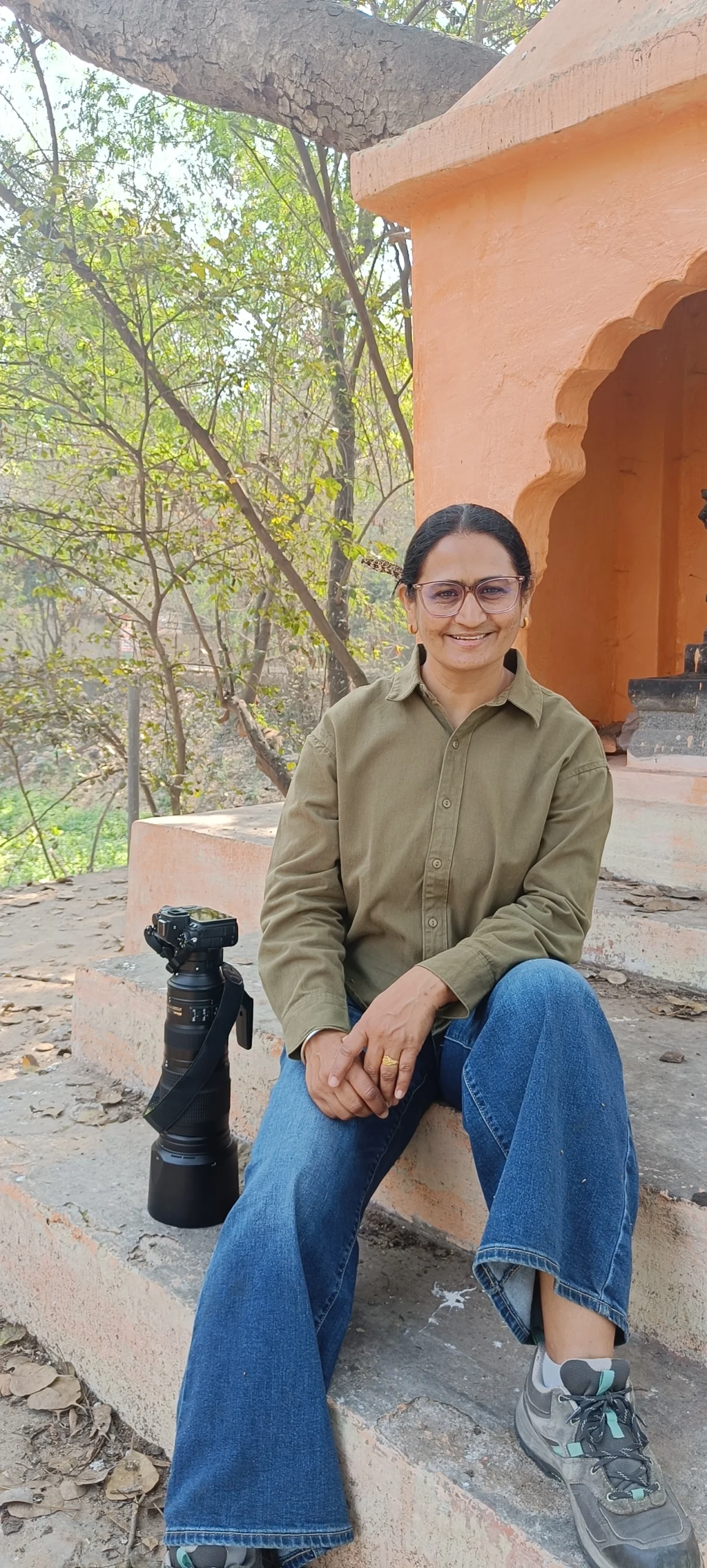
Bird Guide: Navneet Kaur Virk
A passionate birdwatcher since 2023, she spends her free time exploring the villages, wetlands, and agricultural landscapes around Gurgaon, documenting their rich birdlife through observation and photography. Her birding journey is driven by self-learning, field experience, and a growing interest in ornithology, with a strong focus on sharing nature and inspiring appreciation for local biodiversity.
Bird walk Location
Common birds of Chandu and Najafgarh Jheel
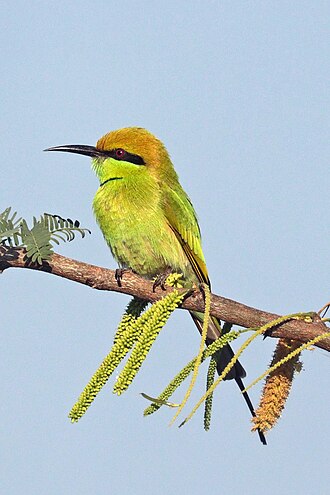
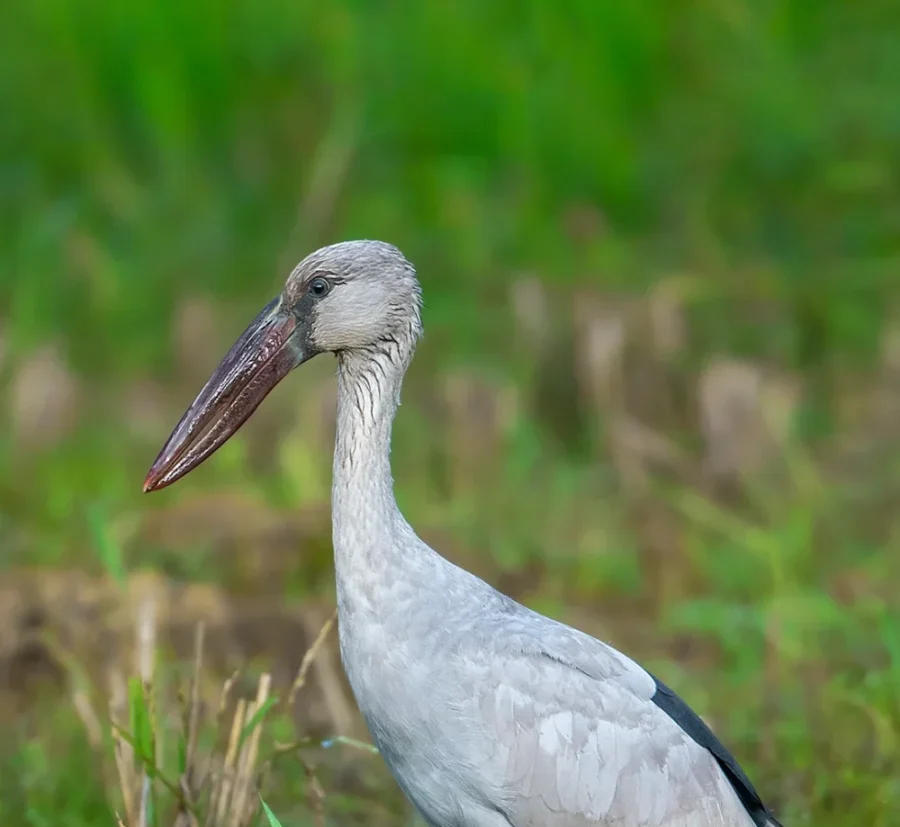
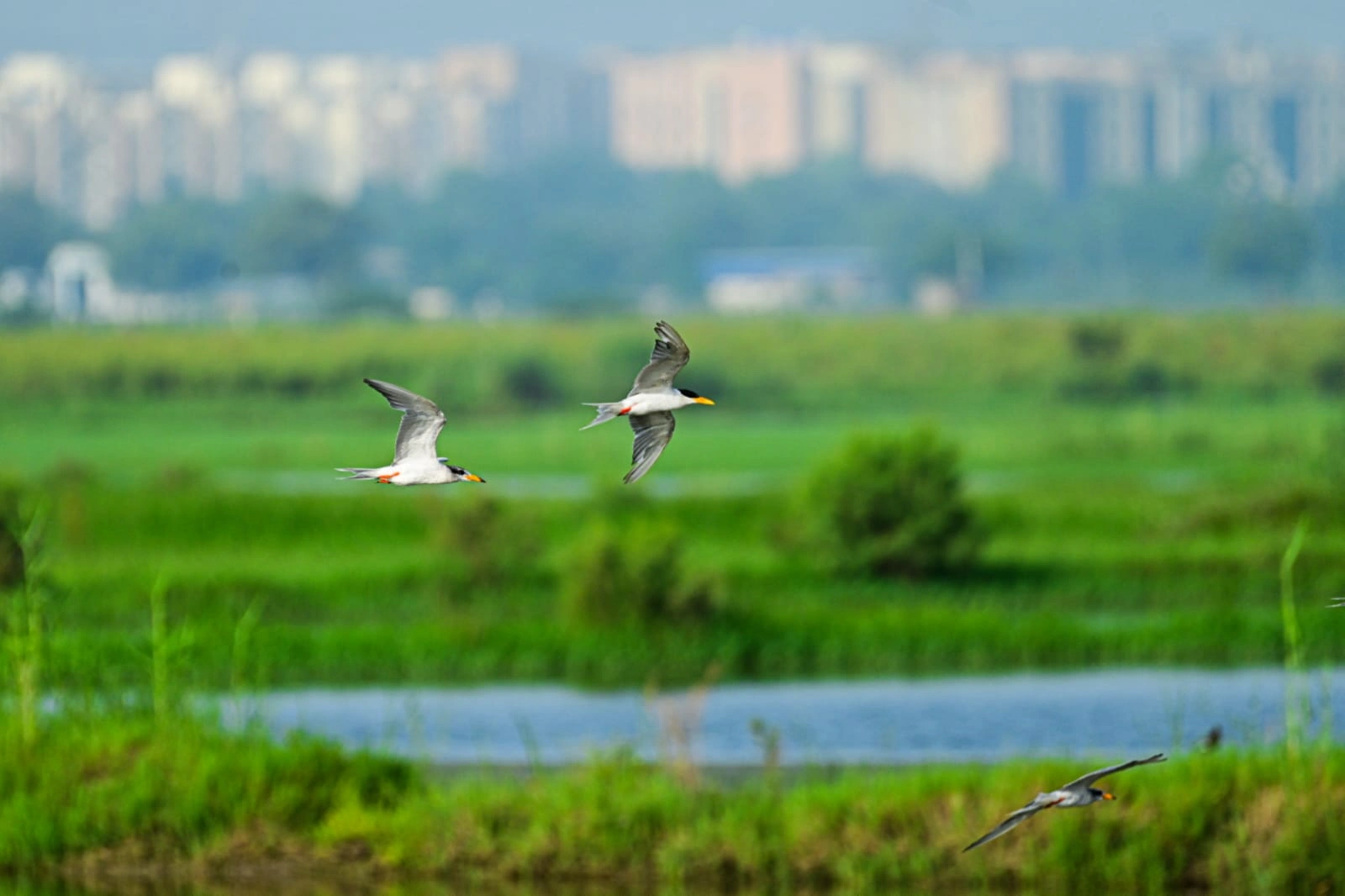
The wetlands of Chandu and Najafgarh Jheel offer exceptional birdwatching opportunities, with expansive open water and marshes supporting an impressive variety of waterbirds and grassland species. Visitors can encounter elegant Flamingos, Asian Openbill Storks, Black-winged Stilts, Indian Spot-billed Ducks, Eurasian Coots, Common Moorhens, Little Grebes, Little Egrets, Cattle Egrets, and the secretive Watercock among the reed beds. The surrounding grasslands and farmlands are equally rewarding, with Baya Weavers, Scaly-breasted Munias, Grey Francolins, Long-tailed Shrikes, Asian Green Bee-eaters, Greater Coucals, House Sparrows, and Red-wattled Lapwings adding to the area’s remarkable avian diversity. Whether during the peak winter migration or the breeding season, the wetlands provide unforgettable birdwatching experiences for nature enthusiasts.

Asian Green Bee-eater

Asian Openbill
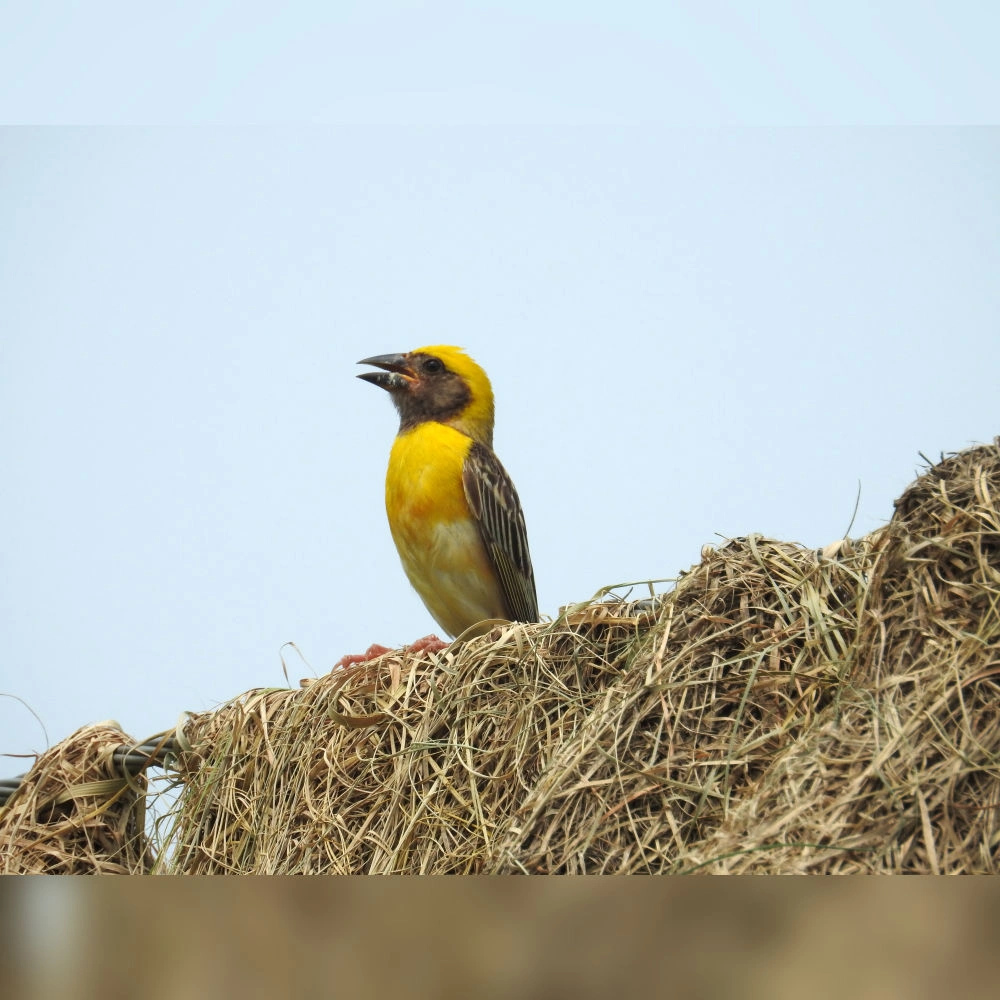
Baya Weaver
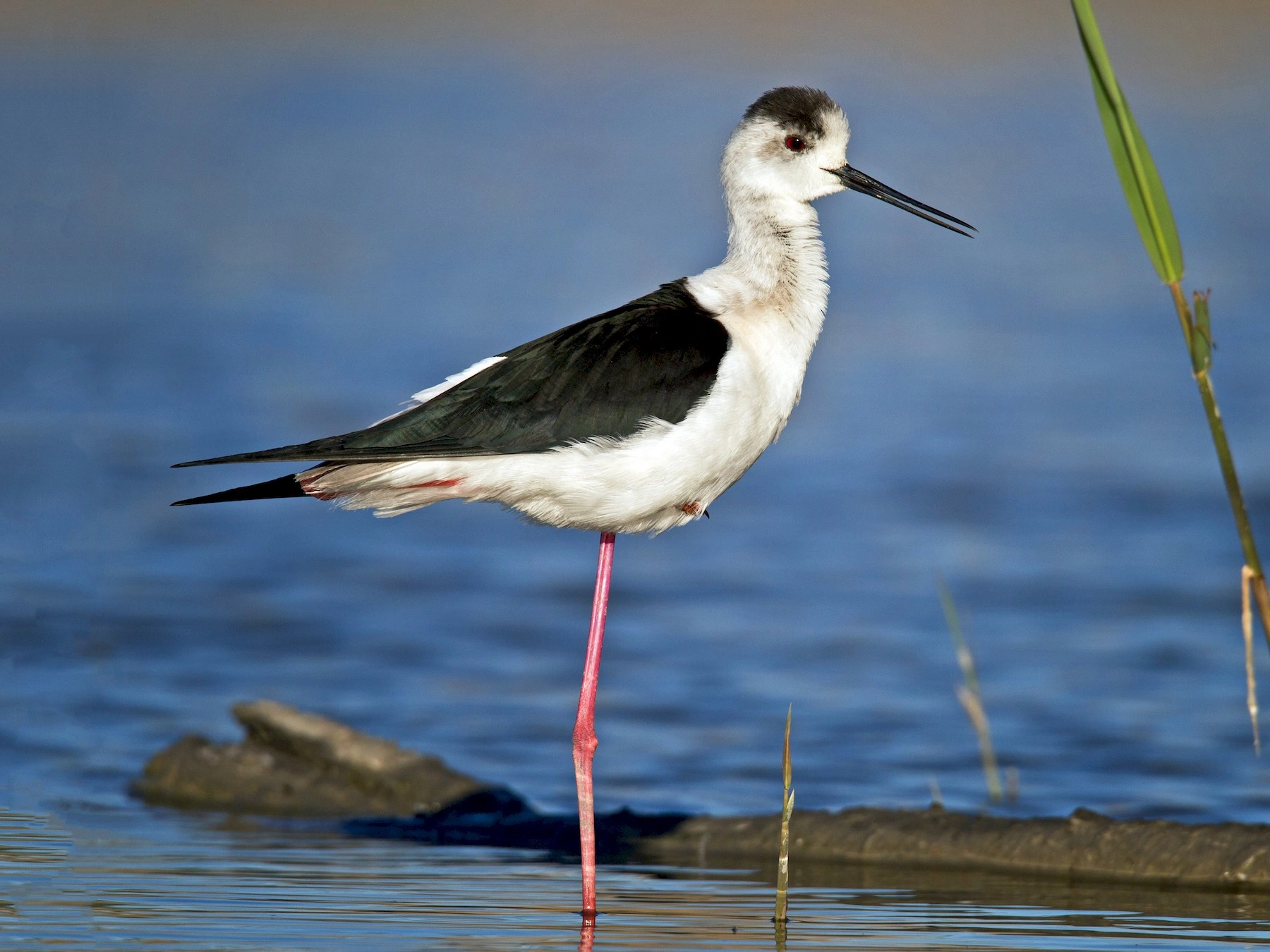
Black-winged Stilt

Cattle Egret
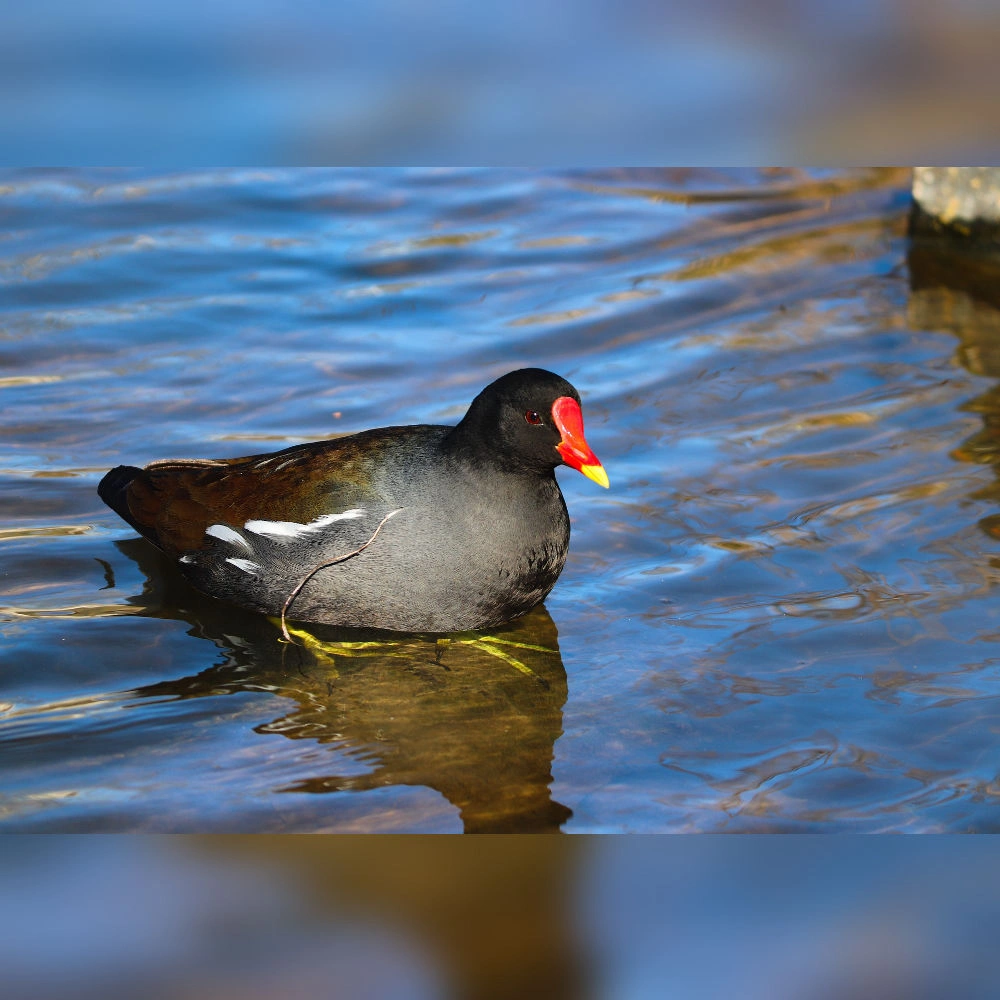
Common Moorhen
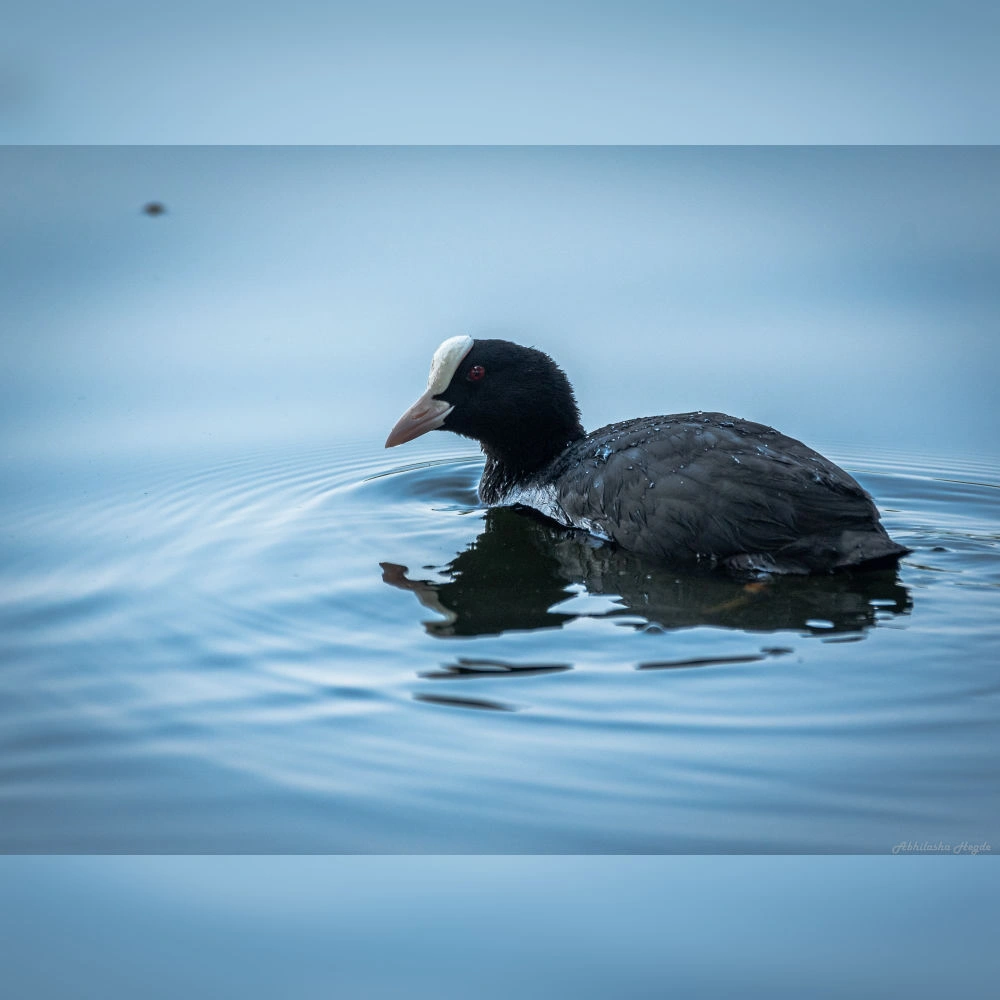
Eurasian Coot
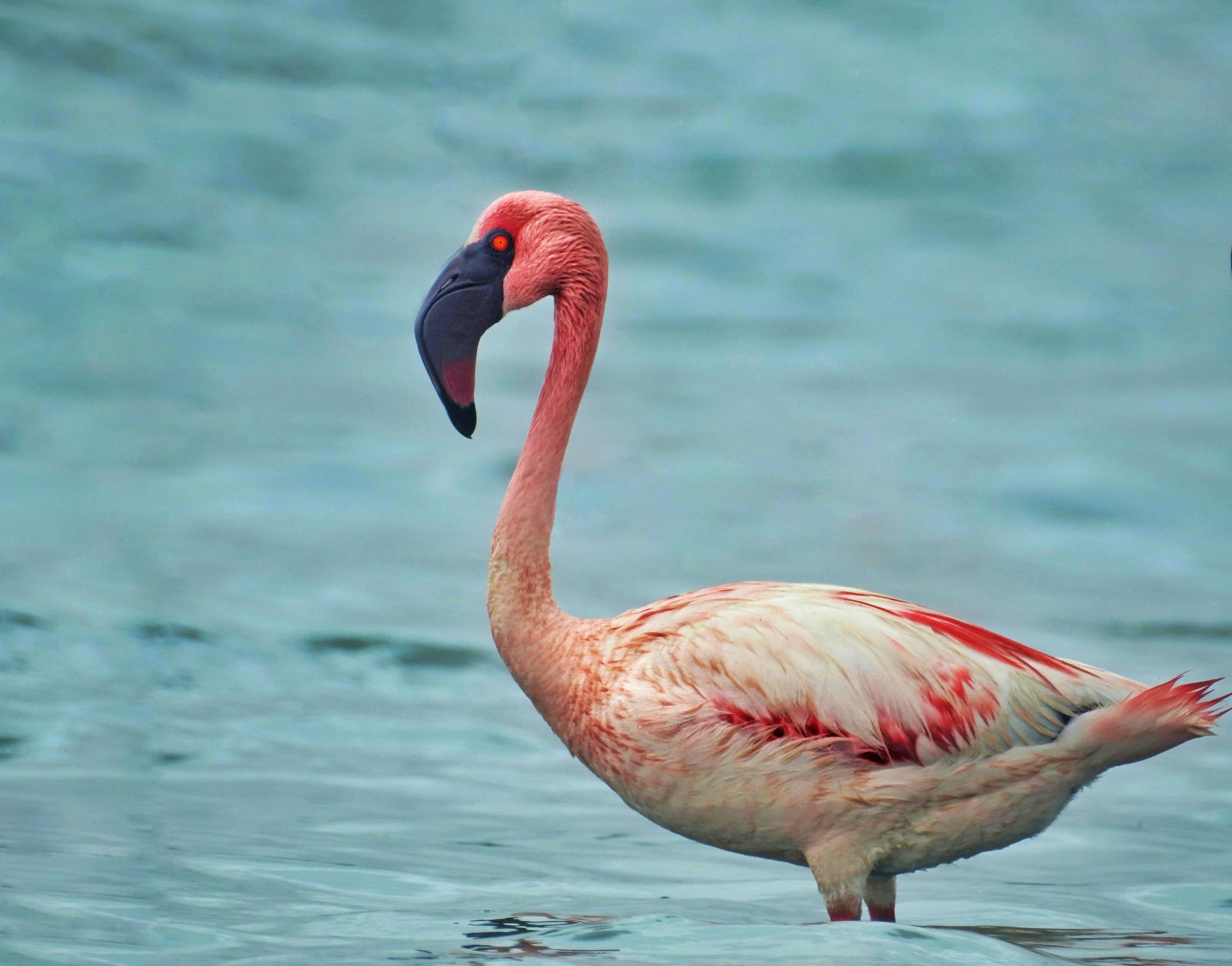
Flamingo
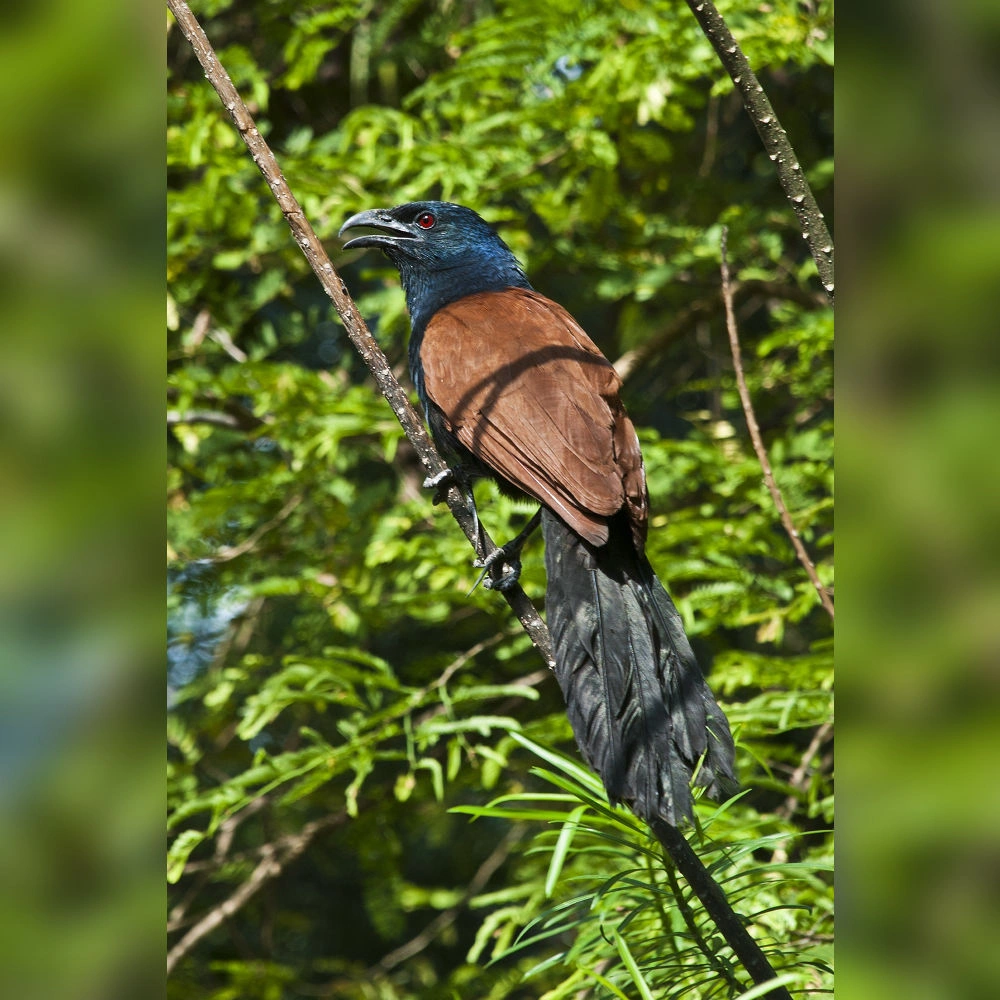
Greater Coucal

Grey Francolin

House Sparrow
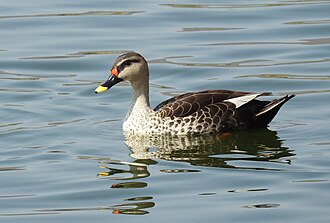
Indian Spot-billed Duck
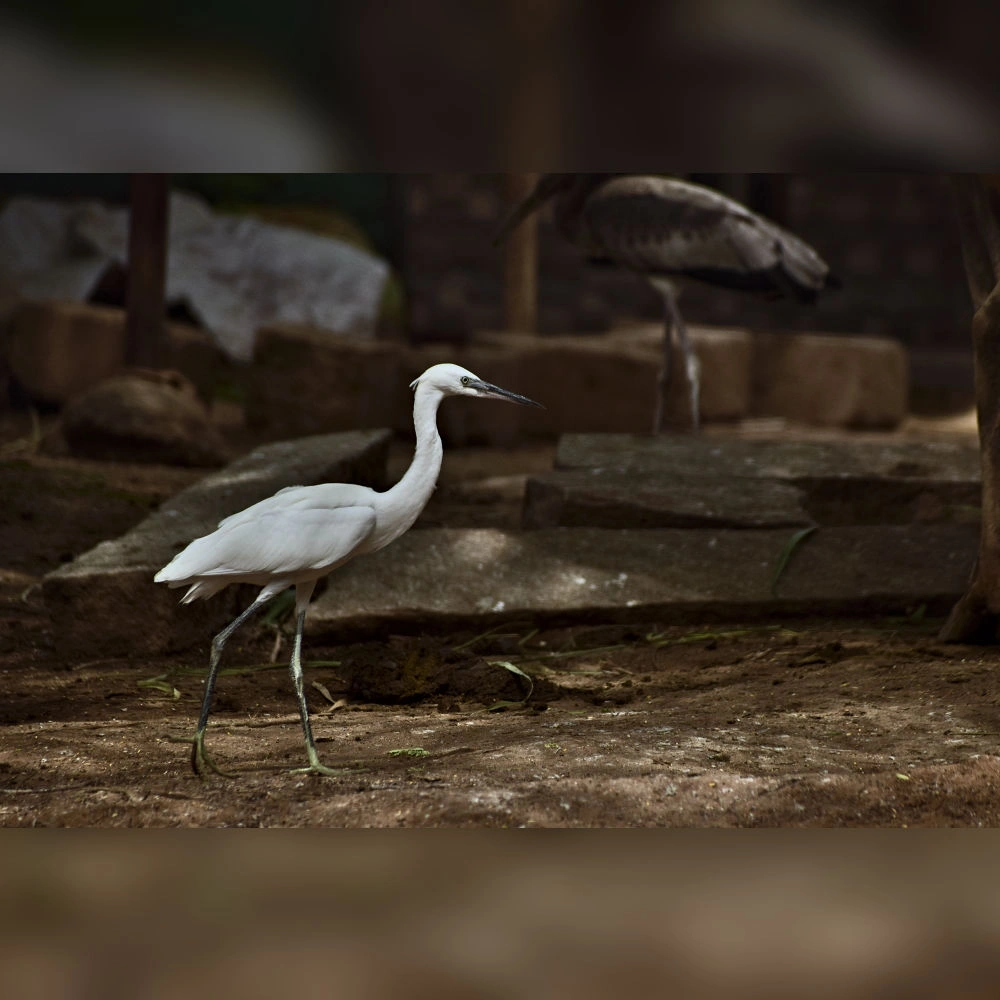
Little Egret

Little Grebe
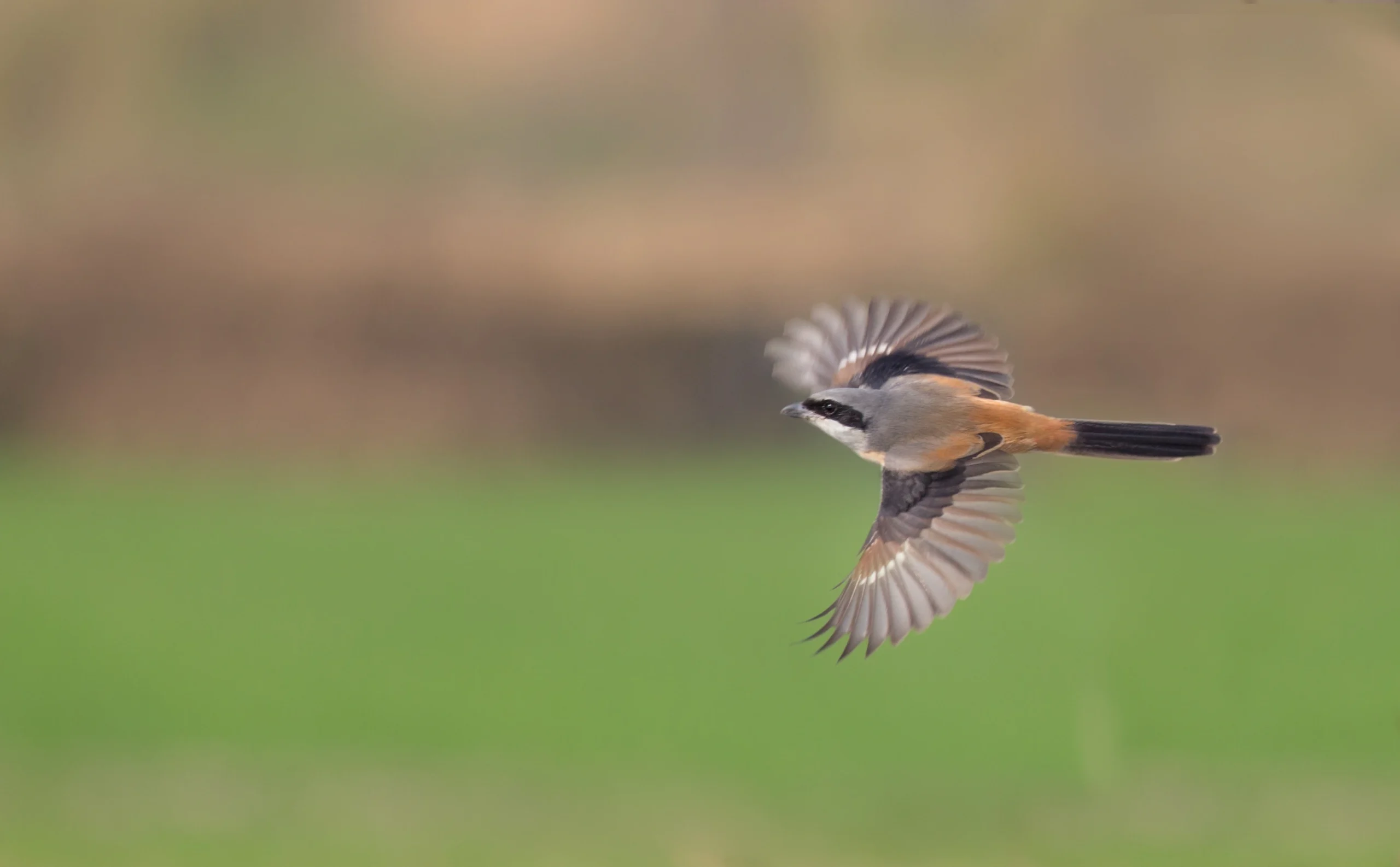
Long-tailed Shrike
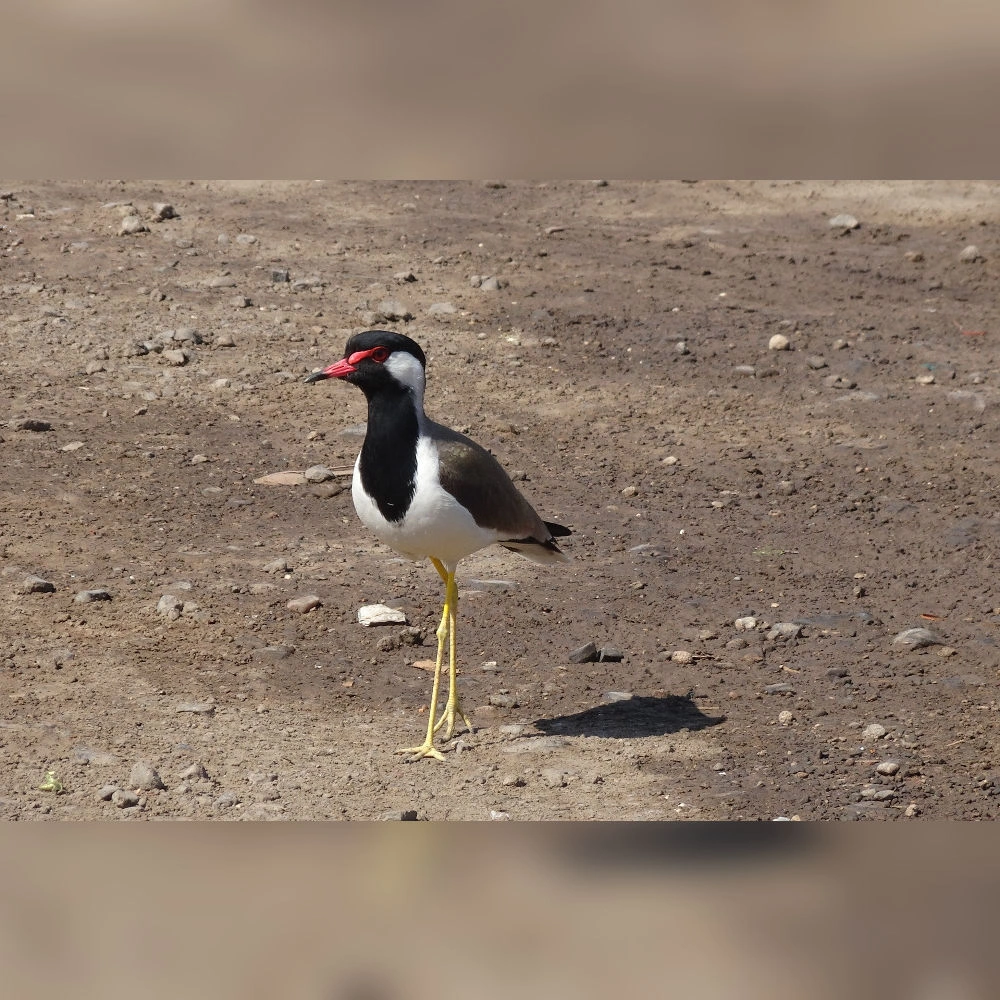
Red-wattled Lapwing
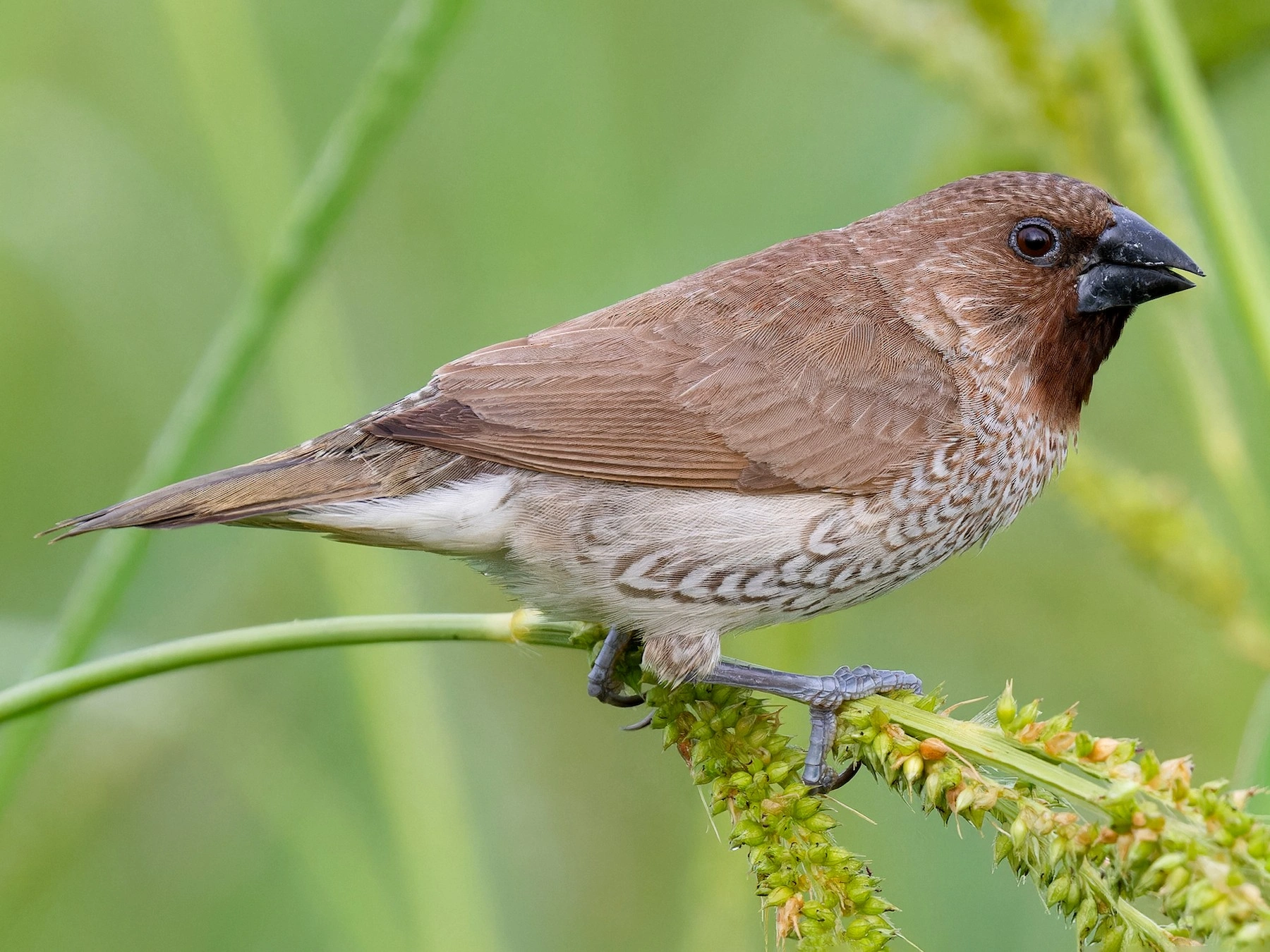
Scaly-breasted Munia
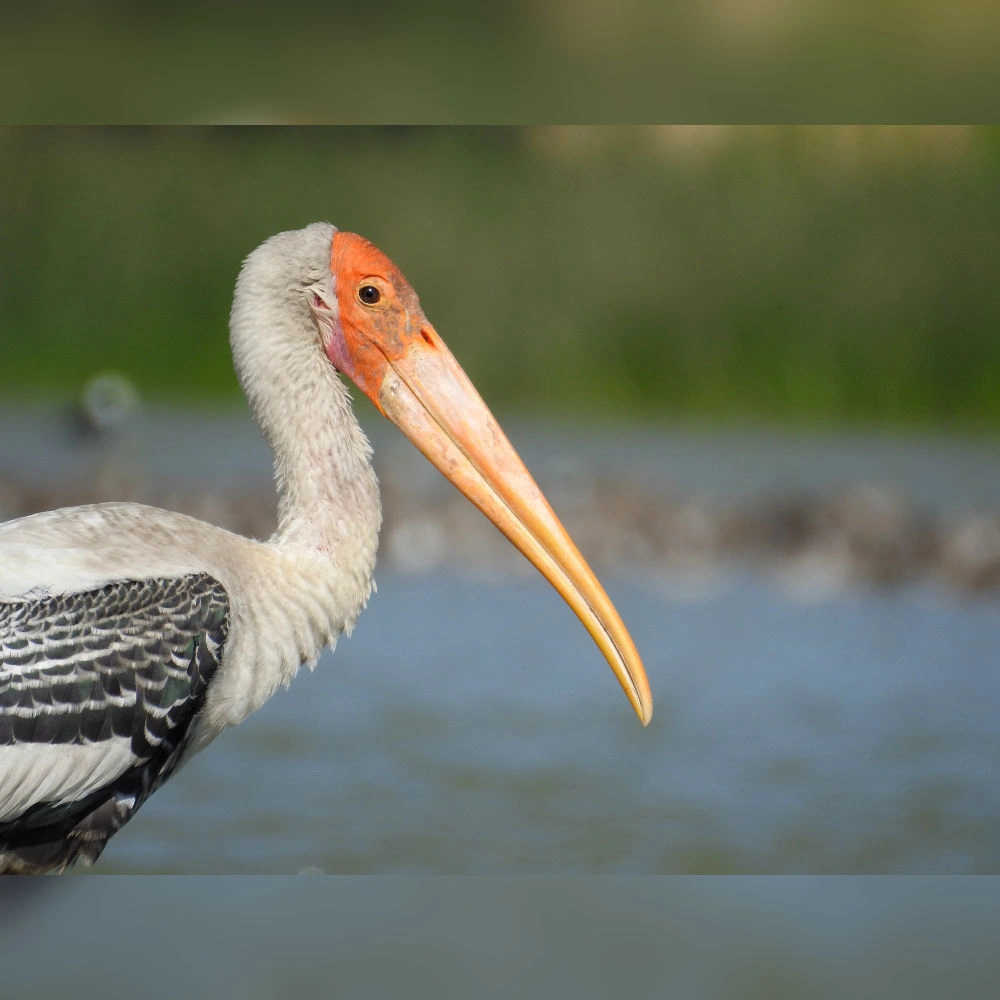
Painted Stork
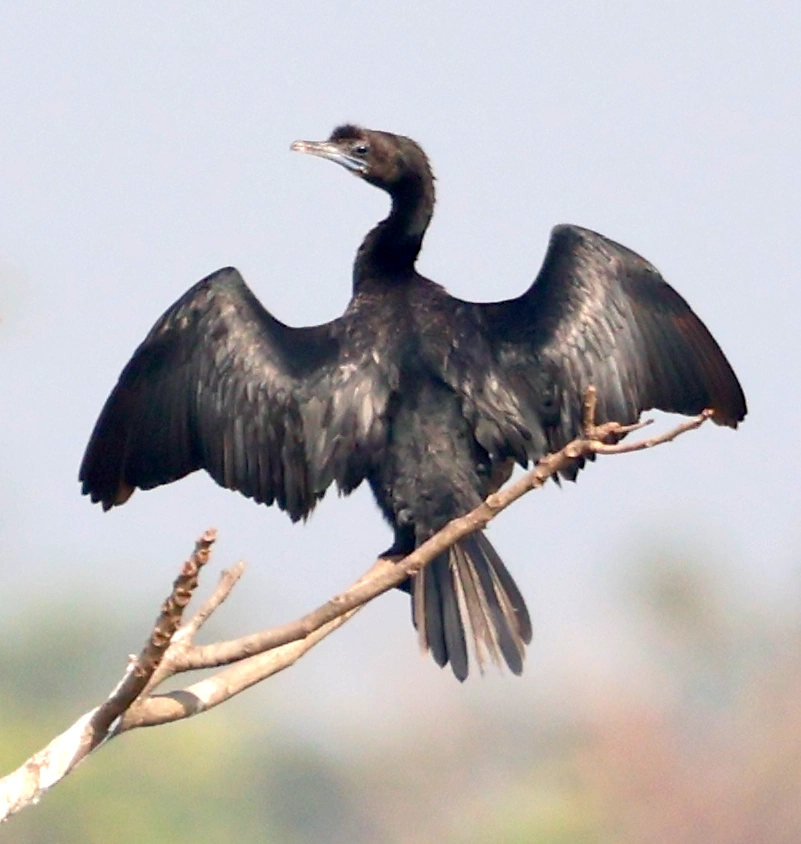
Little Cormorant


Purple Heron
Summary of Walk
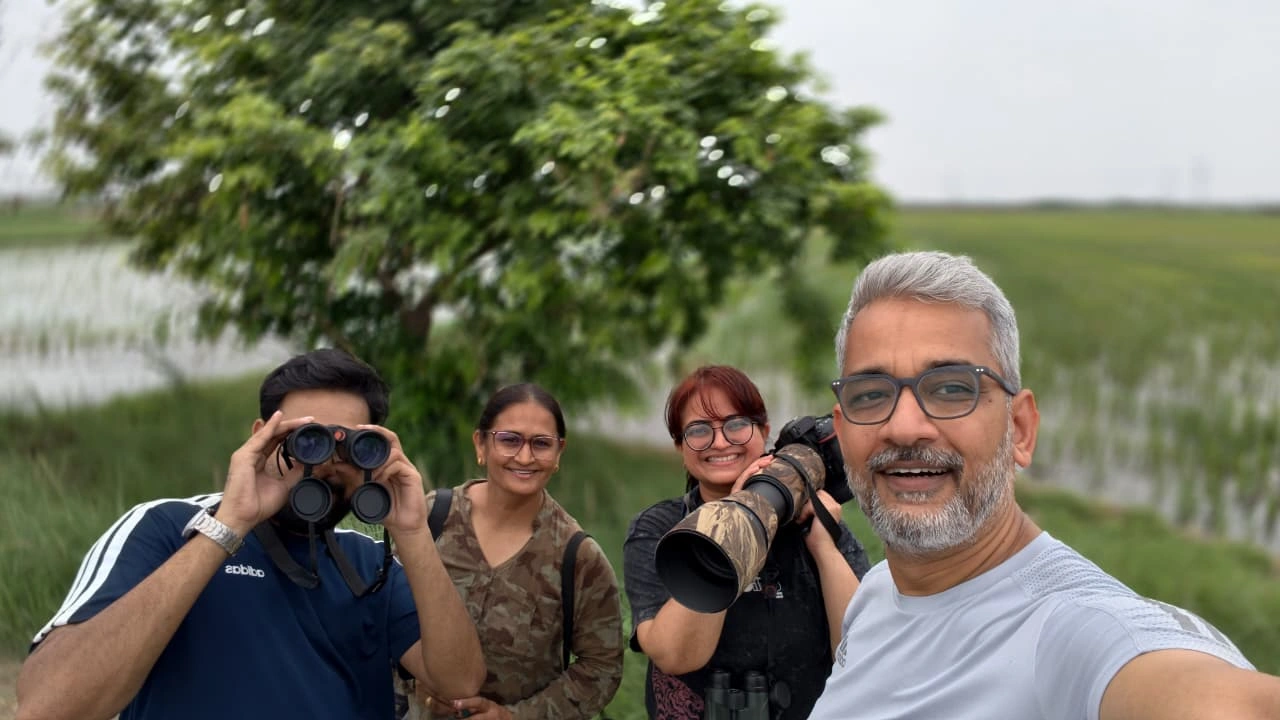
An intimate group of three participants gathered for an early morning bird walk at Chandu and Najafgarh Jheel, one of North India’s most productive wetland ecosystems. The primary objective was to witness the magnificent Greater Flamingos before they departed the area, and the group was rewarded almost immediately with a spectacular flock of nearly 50–60 birds standing gracefully in the shallow waters. Although the flamingos took flight shortly after sensing the group’s presence, the breathtaking sight became an unforgettable highlight of the morning. Overcast skies created a calm atmosphere that perfectly complemented the serene wetland landscape, while discussions throughout the walk covered wetland ecology, migration, and ethical birdwatching. Altogether, the group recorded an outstanding 42 bird species.
Beyond the flamingos, participants enjoyed exciting encounters with a White-throated Kingfisher performing dramatic hunting dives, the monsoon visitor Jacobin Cuckoo (Pied Cuckoo), and a flock of Ruffs displaying their fascinating moulting plumage. Every stop revealed new bird activity, keeping everyone engaged despite the small group size. Najafgarh Jheel continues to be one of the region’s most significant wetlands, supporting resident and migratory birds throughout the year. The walk highlighted the ecological importance of protecting such wetlands, where every visit offers unique discoveries and reinforces the need to conserve these vital habitats for future generations.
Number of Participants
0