
Bird Walk at Daulat Baroda lake, Indore, MP
- Indore
- 1 November, 2026
- Rs 200/- per head
- Fee collected goes entirely to the bird guide. Ataavi does not retain or profit from this amount.
About Daulat Baroda lake
About 40 km from Indore, off the AB Road, Daulat Baroda Lake, known locally as Chhoti Gulawat, is a quiet water body on the black-soil plains of the Malwa plateau. Like nearby Gulawat, it is known for its lotuses. After the monsoon, pink and white blooms spread across the water, framed by marshy margins, wet grassland, babul scrub and surrounding wheat and soybean fields. Gardens, walking trails and picnic spots draw visitors from the city. Fish, frogs, turtles and dragonflies thrive in the warm shallows, and the open fields support nilgai, jackals and hares.
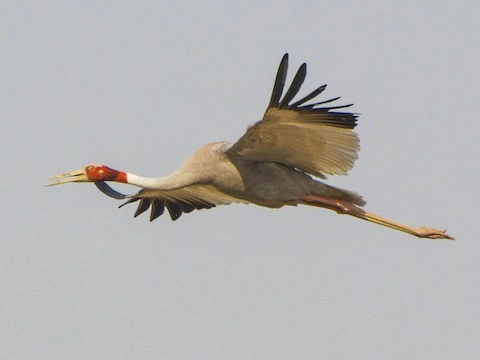
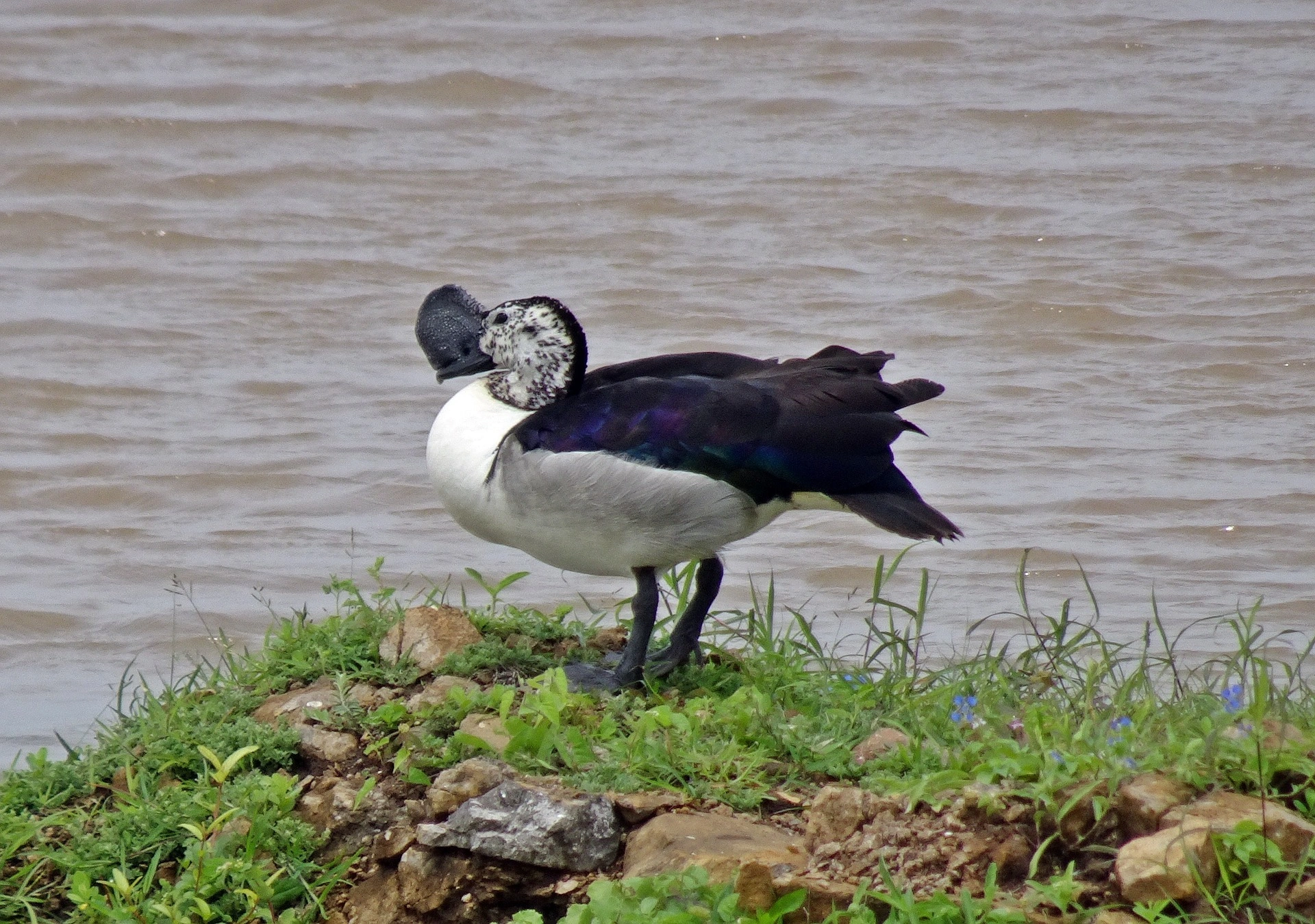
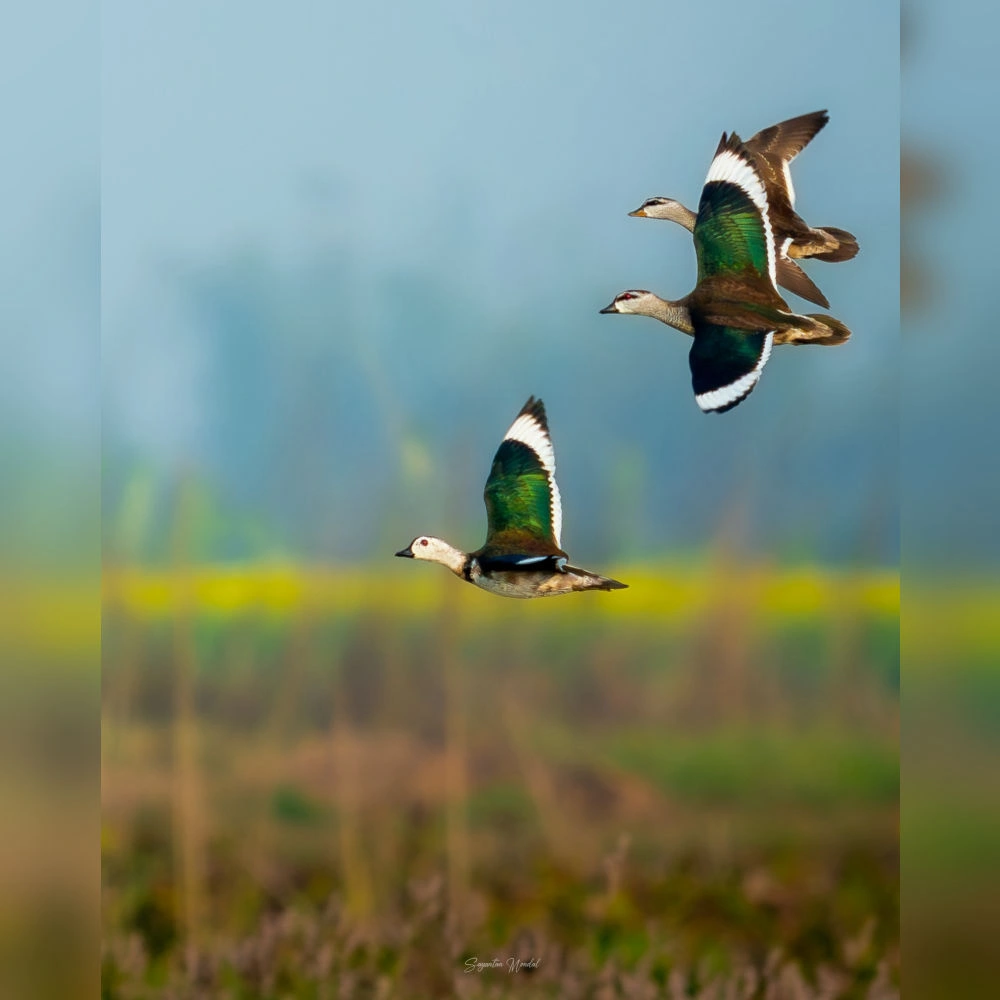
For birders, Daulat Baroda is an exciting mix of wetland and grassland. Sarus Cranes, the world’s tallest flying birds, feed in the fields. Knob-billed Ducks, Cotton Pygmy-Geese and whistling-ducks gather on the water, and painted storks wade the shallows. The grassy edges are alive with munias, silverbills and avadavats, and in winter the Bluethroat arrives in the reeds. As the lake grows more popular, it faces growing pressures. Visitor crowds, boating and litter disturb the birds, and lotus harvesting removes vital cover. Pesticide and fertiliser runoff from the farms pollutes the water, and changing water levels, encroachment and over-landscaping of the shoreline threaten the wetland. Keeping wild, reedy edges and protecting the surrounding fields will help Daulat Baroda remain a haven for its birds.

Bird Guide: Yash Yadav
With three years of birding experience and currently in the third year of a Zoology degree, he combines academic learning with hands-on field observation. Passionate about birds and nature, he enjoys sharing knowledge and encouraging others to explore birdwatching.
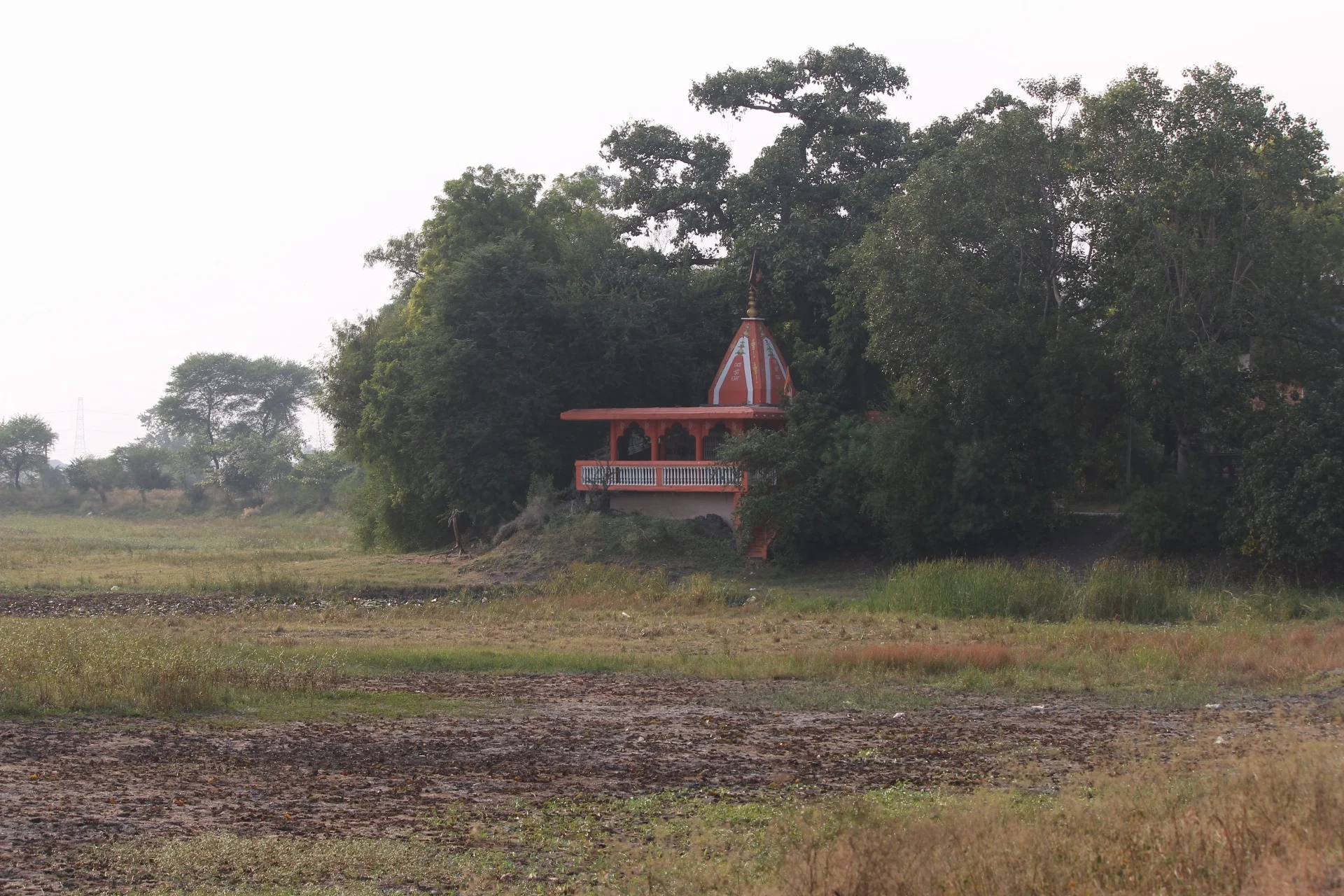
Bird walk Location
Common birds of Daulat Baroda lake
Daulat Baroda’s fields and marshes are home to the Sarus Crane, the tallest flying bird in the world. Pairs stay together for life and perform loud, trumpeting duets. On the water, the Knob-billed Duck stands out, as the male has a large black knob on its bill. The tiny Cotton Pygmy-Goose, India’s smallest waterfowl, rests among the lotus leaves, while Lesser Whistling-Ducks whistle softly in flight and Indian Spot-billed Ducks dabble nearby. Painted Storks wade through the shallows, their rosy wing feathers catching the light. Little Cormorants dive for fish, Gray-headed Swamphens pick through the weeds, and Little Ringed Plovers run along the muddy shore. In winter, the shy Bluethroat arrives from the north and creeps along the reed edges, the male flashing a brilliant blue throat. The grassy margins are full of small, colourful birds. The Red Avadavat sparkles crimson, Tricolored Munias show off their black, white and chestnut, and Indian Silverbills feed in tidy flocks. Plain and Ashy Prinias call from the grass. At dusk the Spotted Owlet peers out from a tree hollow. Indian Robins and Oriental Magpie-Robins, Black Kites and House Sparrows complete the scene.

Sarus Crane

Knob-billed Duck

Cotton Pygmy-Goose
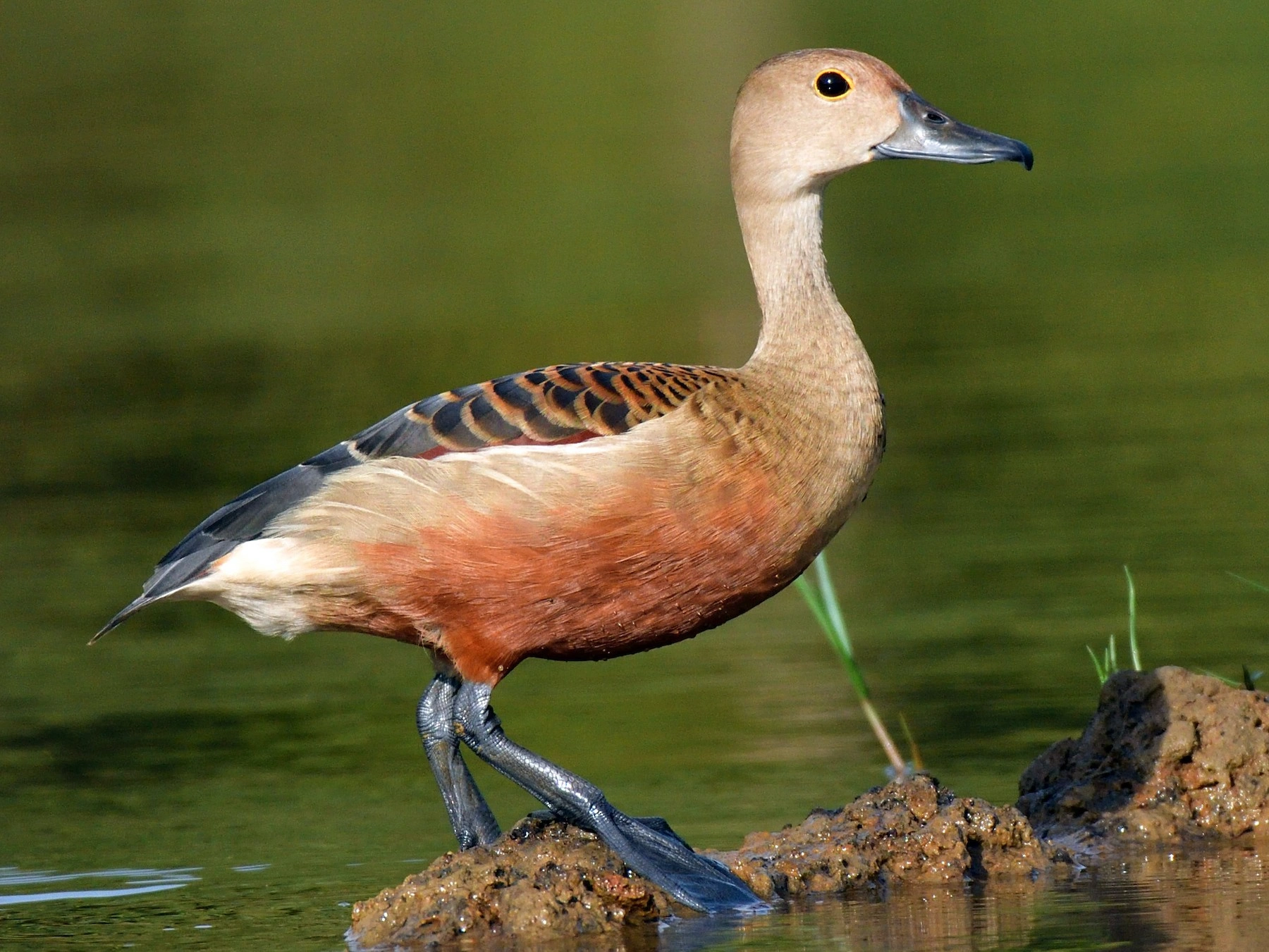
Lesser Whistling-Duck
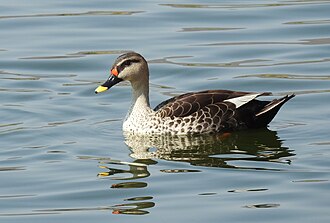
Indian Spot-billed Duck
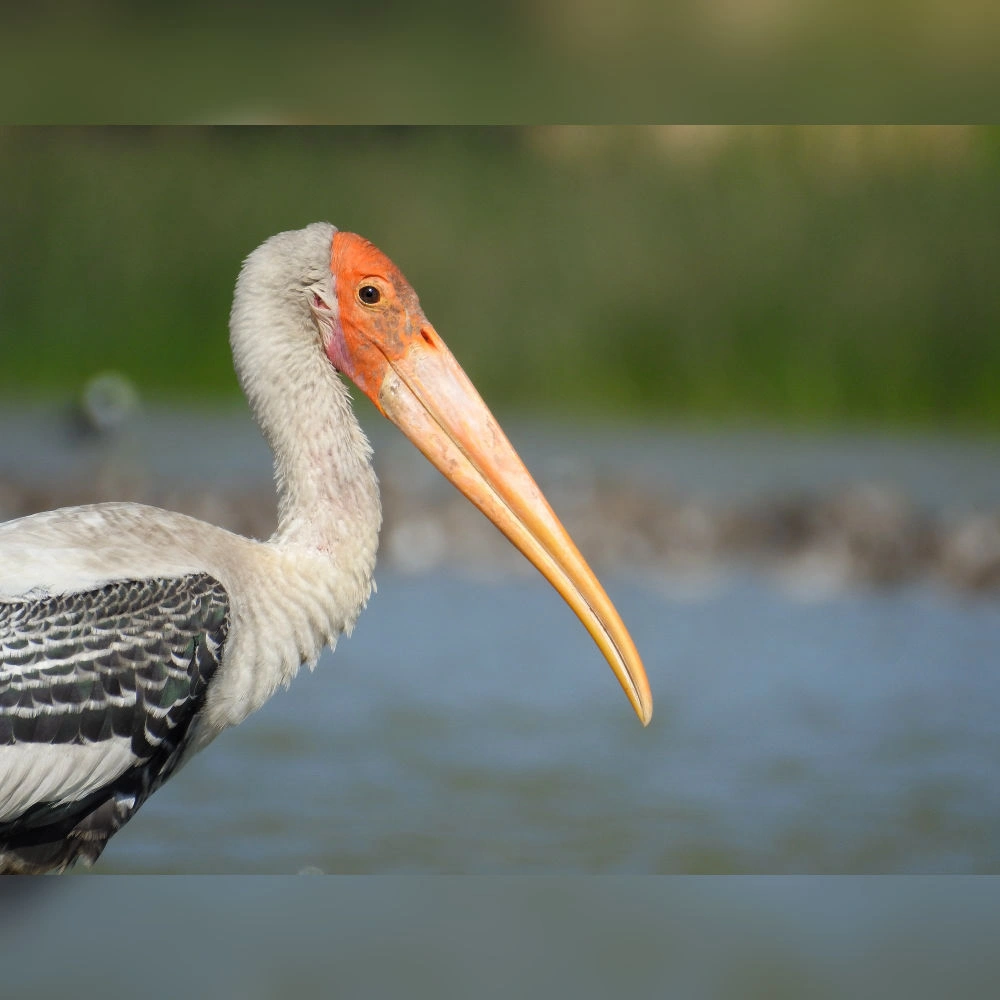
Painted Stork
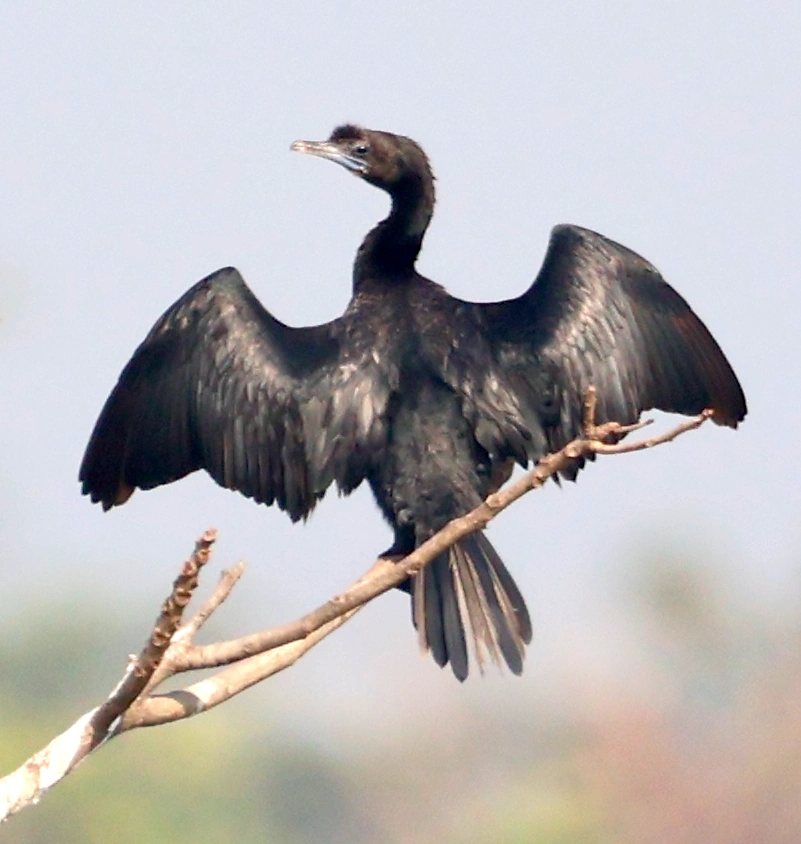
Little Cormorant
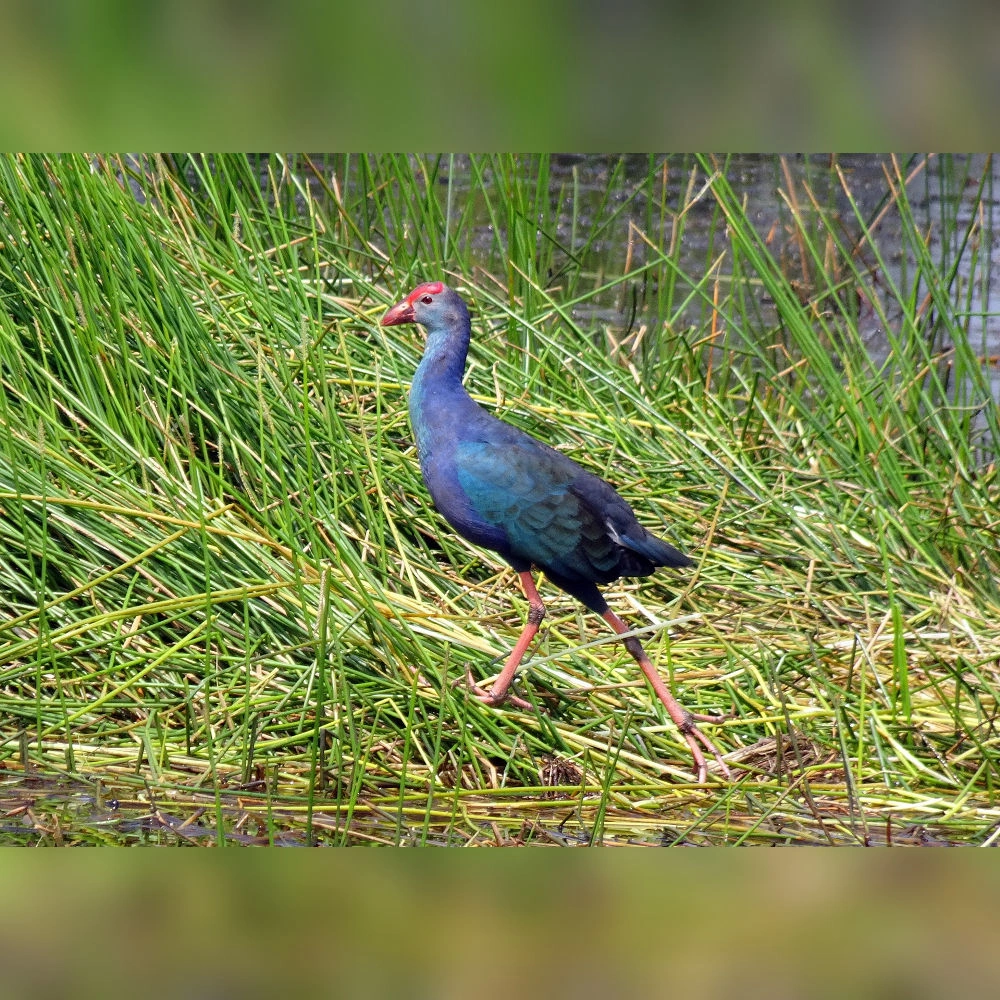
Grey-headed Swamphen
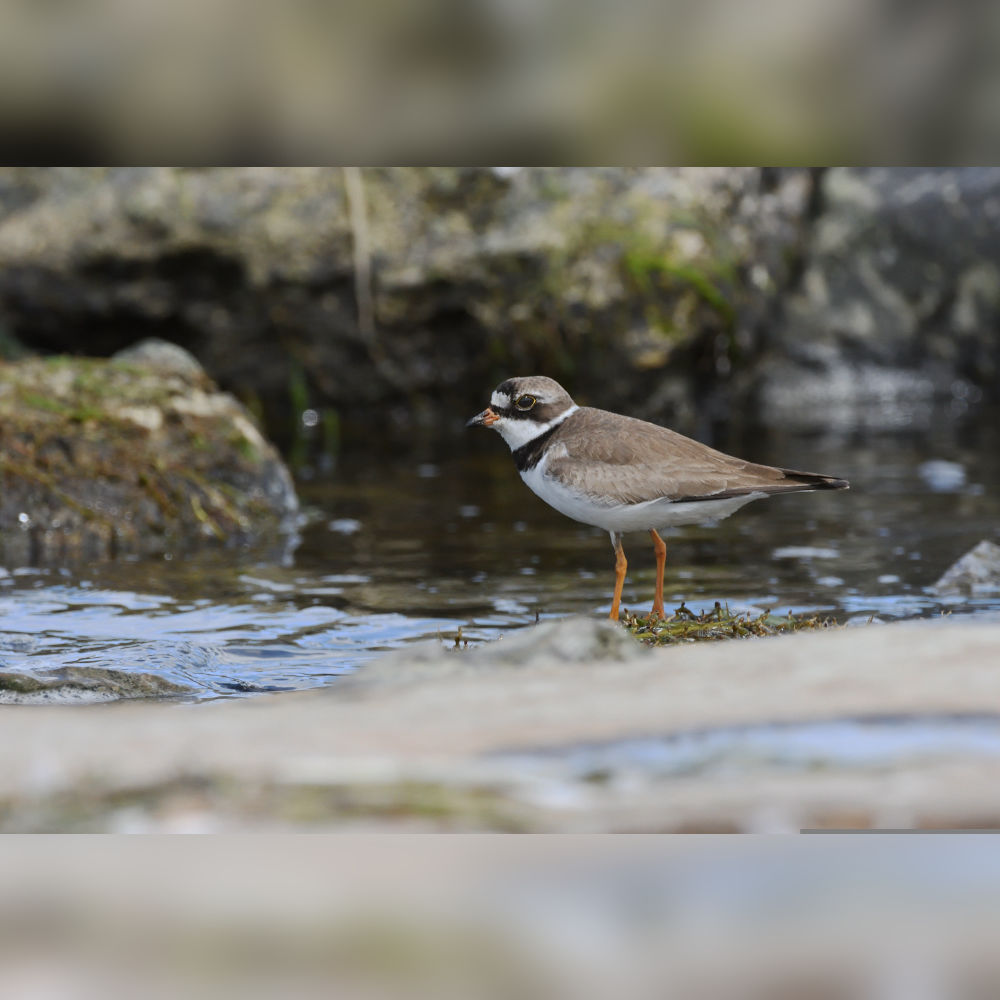
Little Ringed Plover
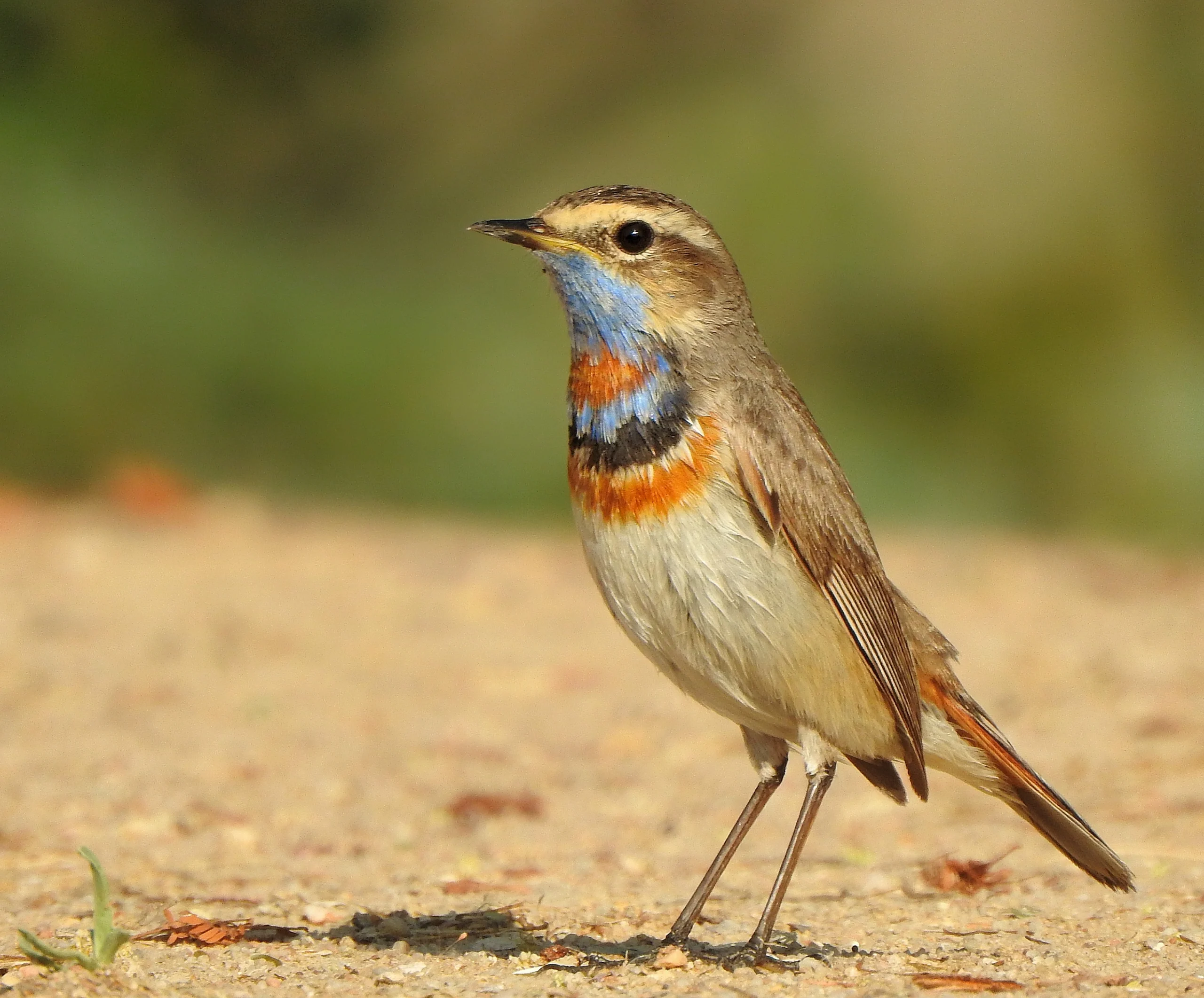
Bluethroat
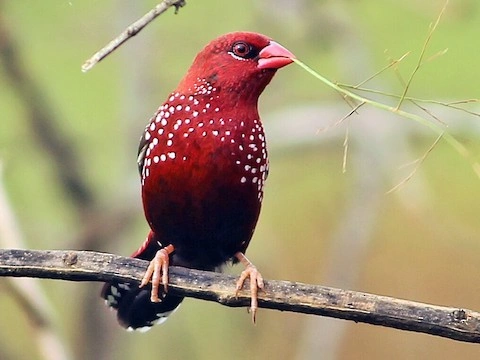
Red Avadavat
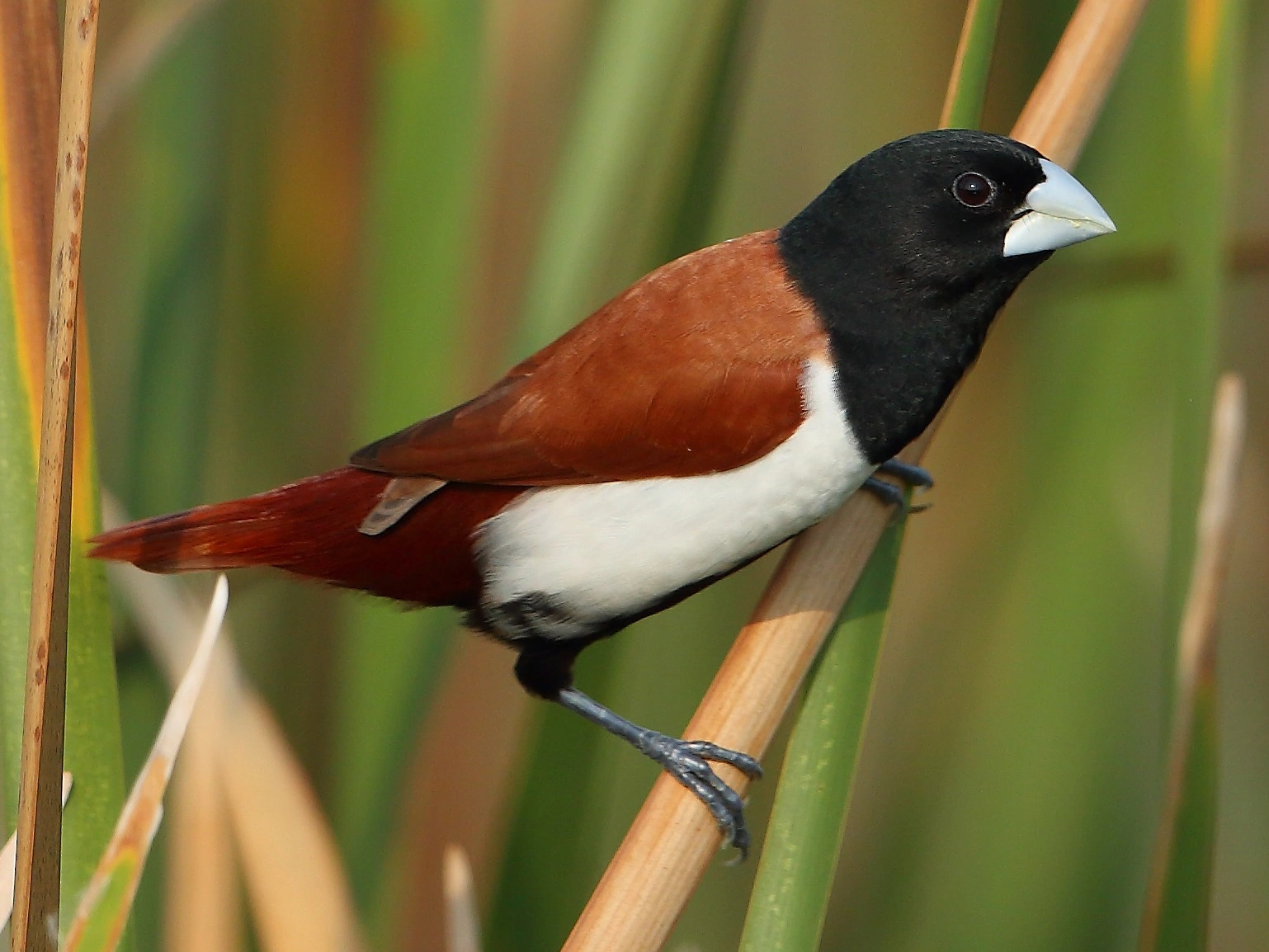
Tricolored Munia
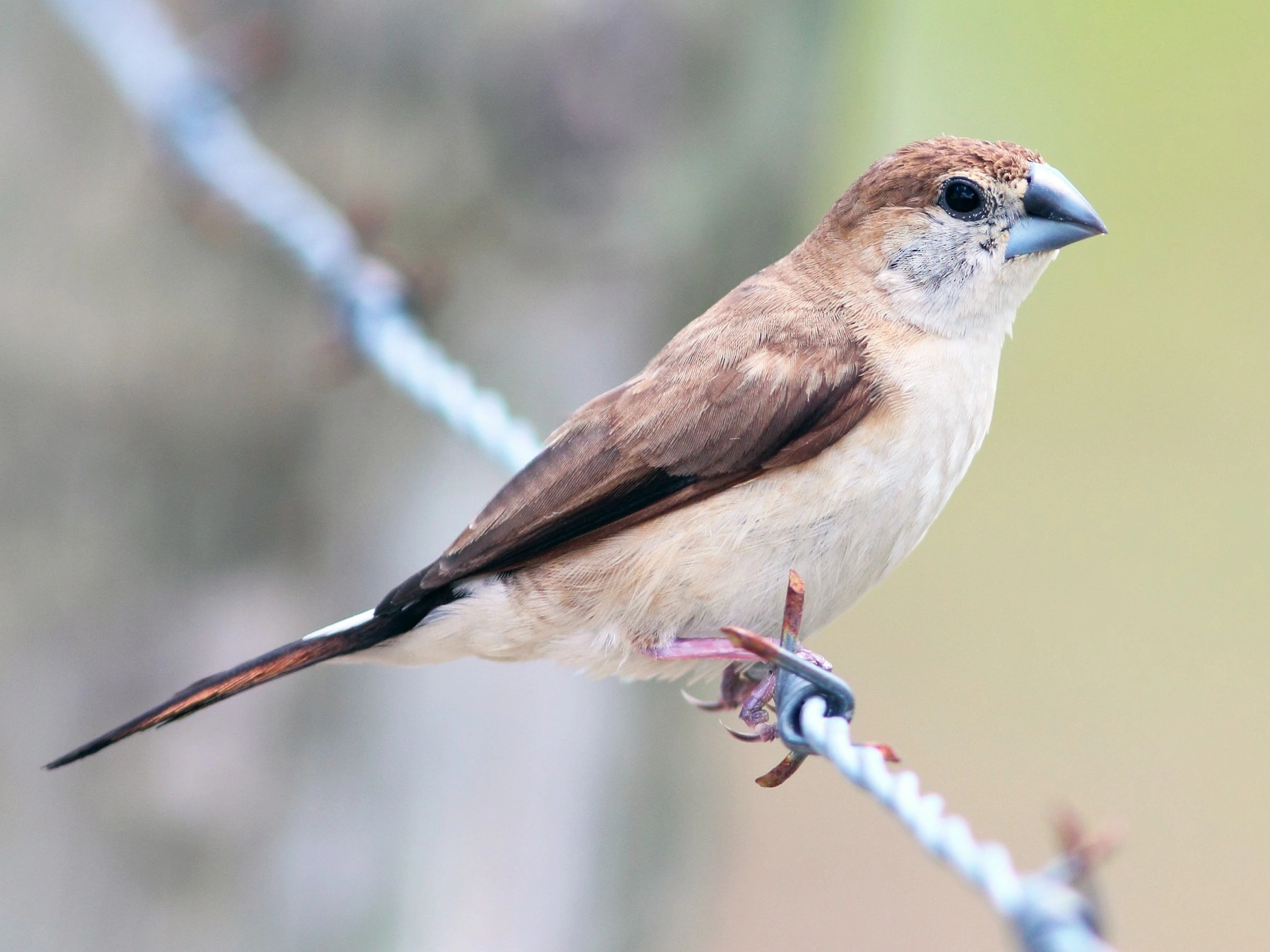
Indian Silverbill
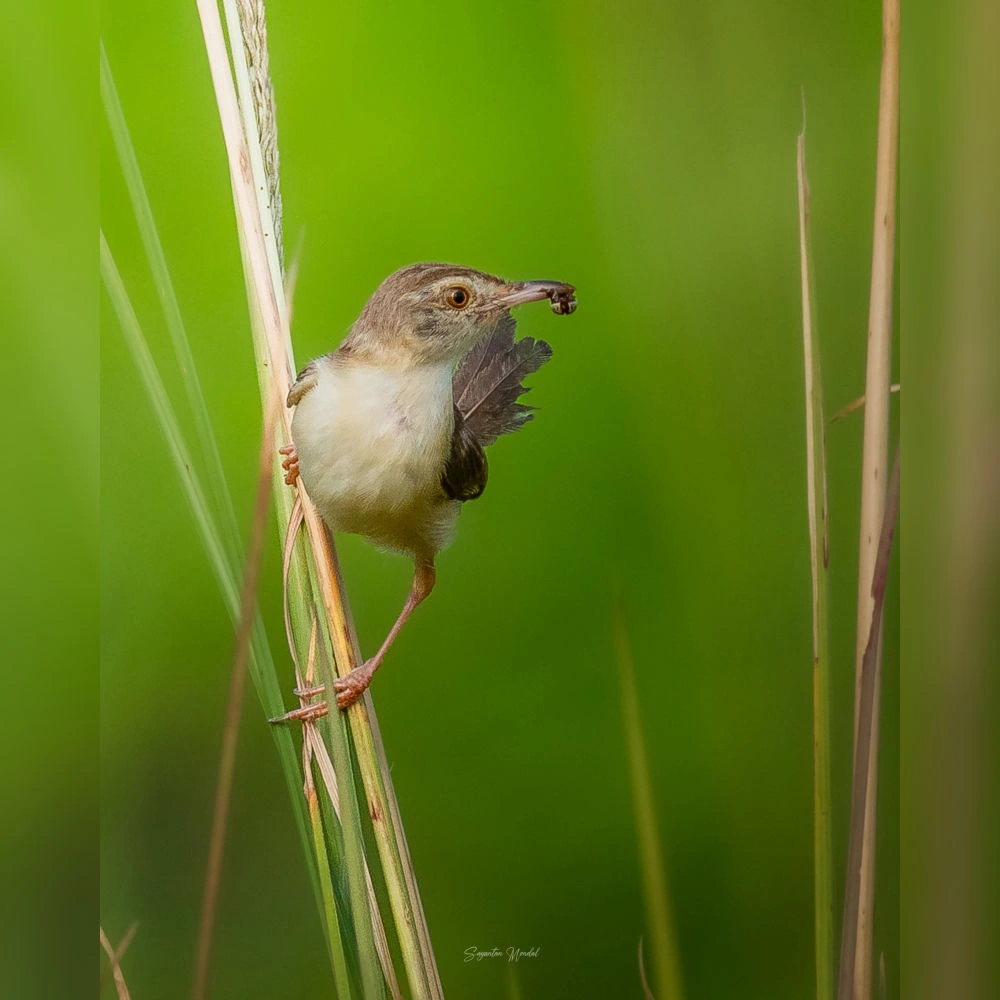
Plain Prinia
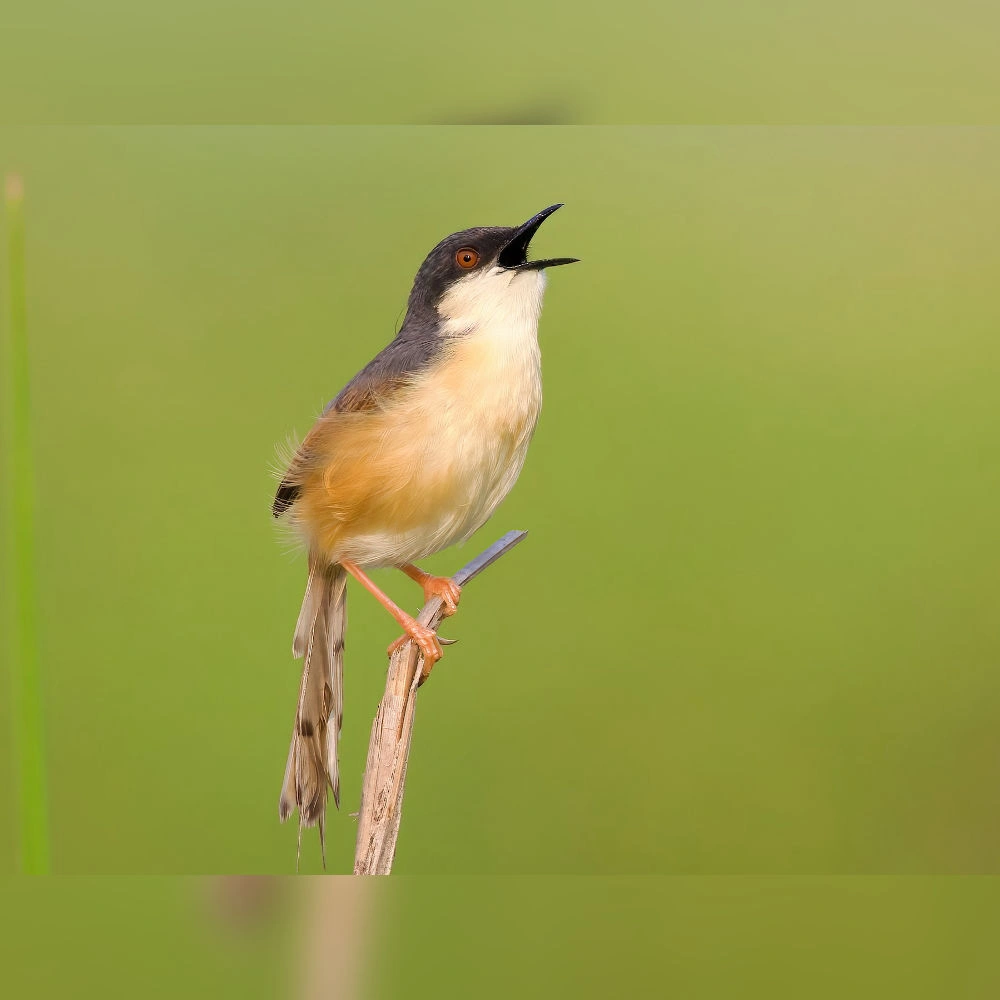
Ashy Prinia
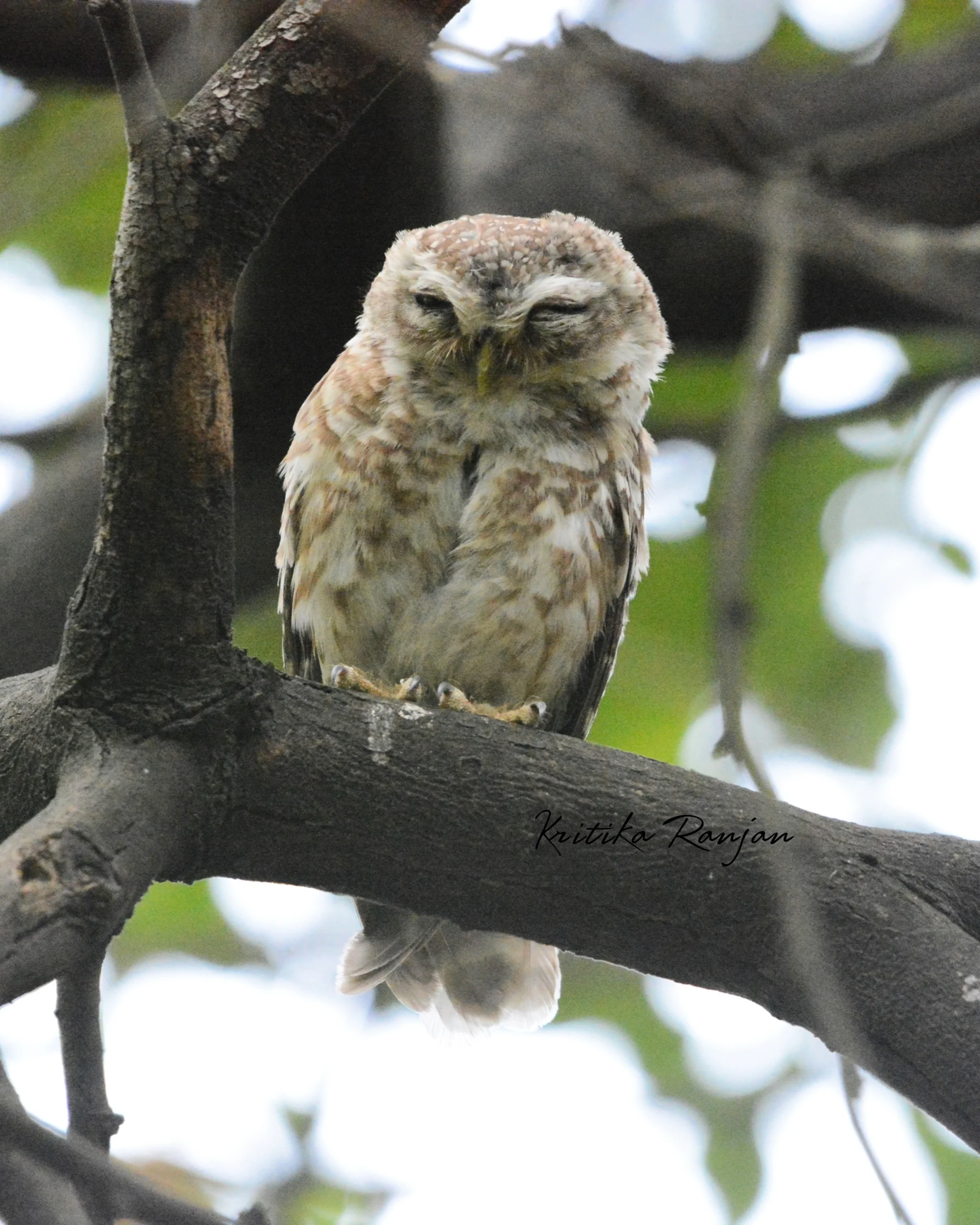
Spotted Owlet
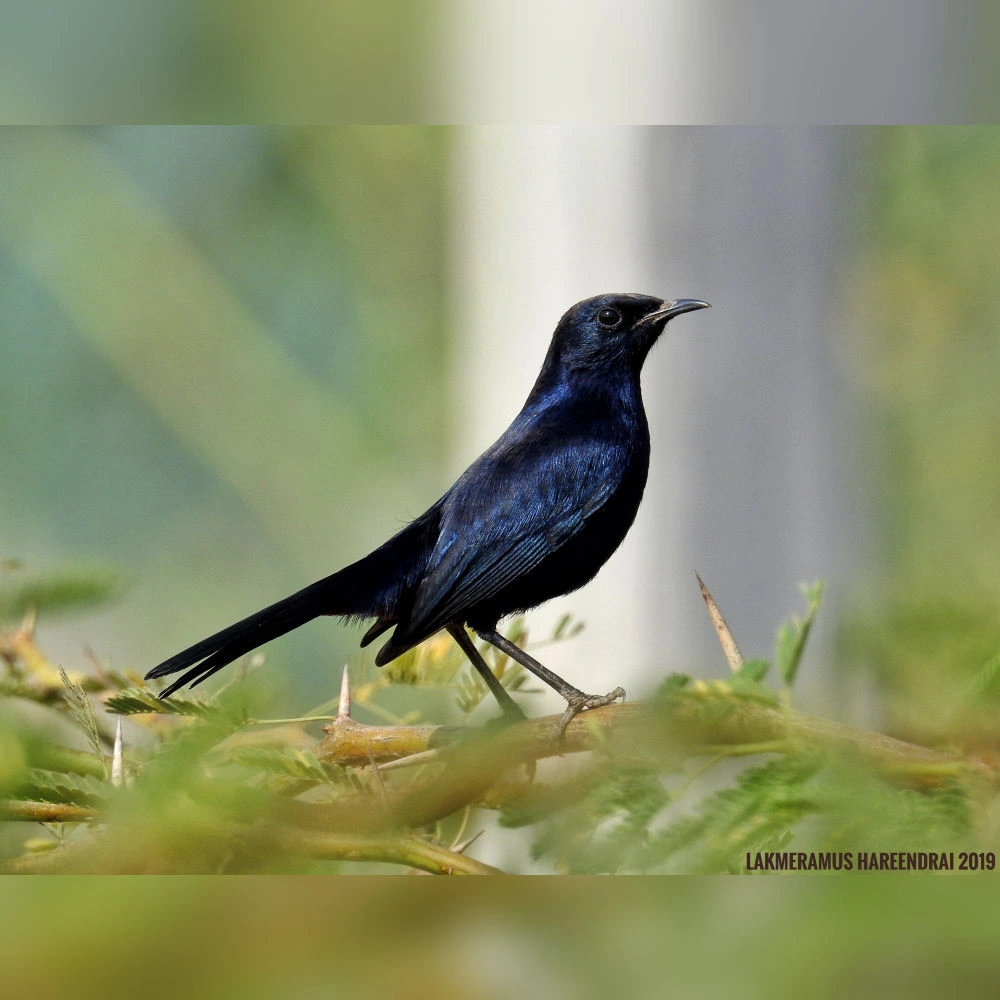
Indian Robin
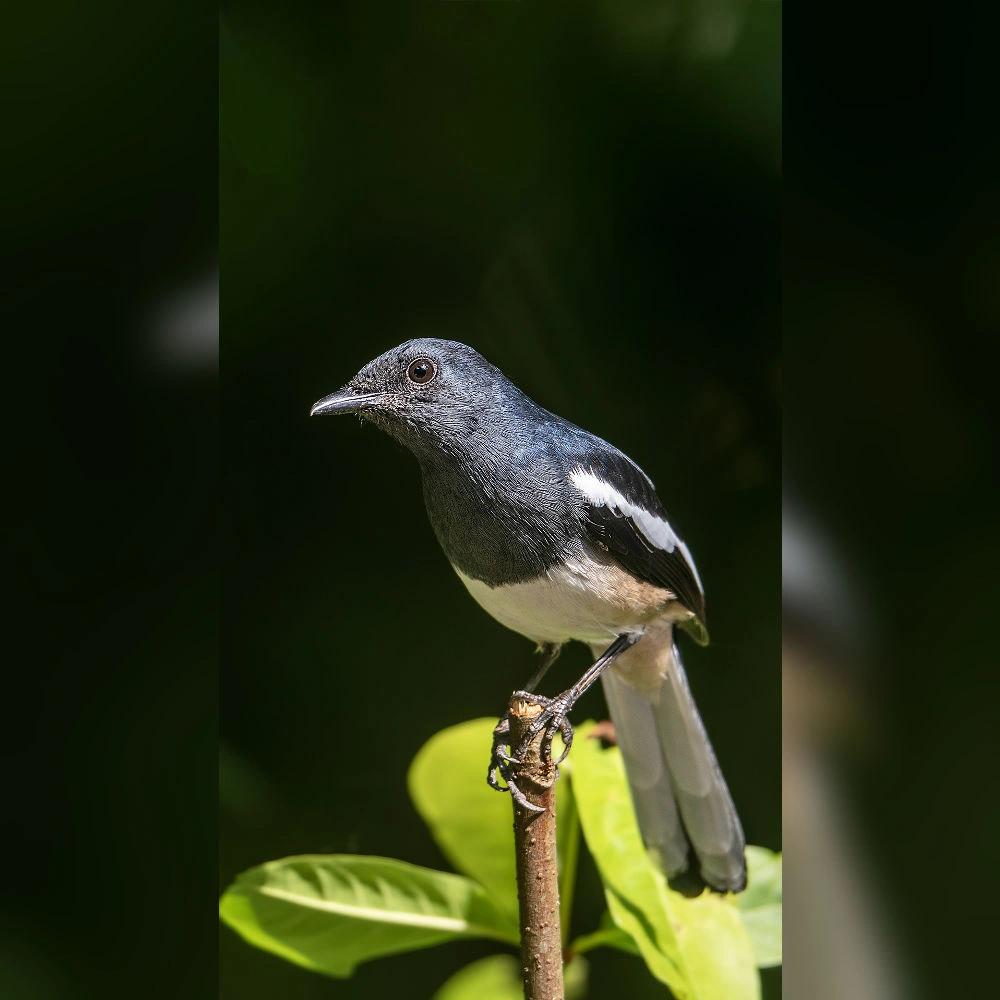
Oriental Magpie-Robin
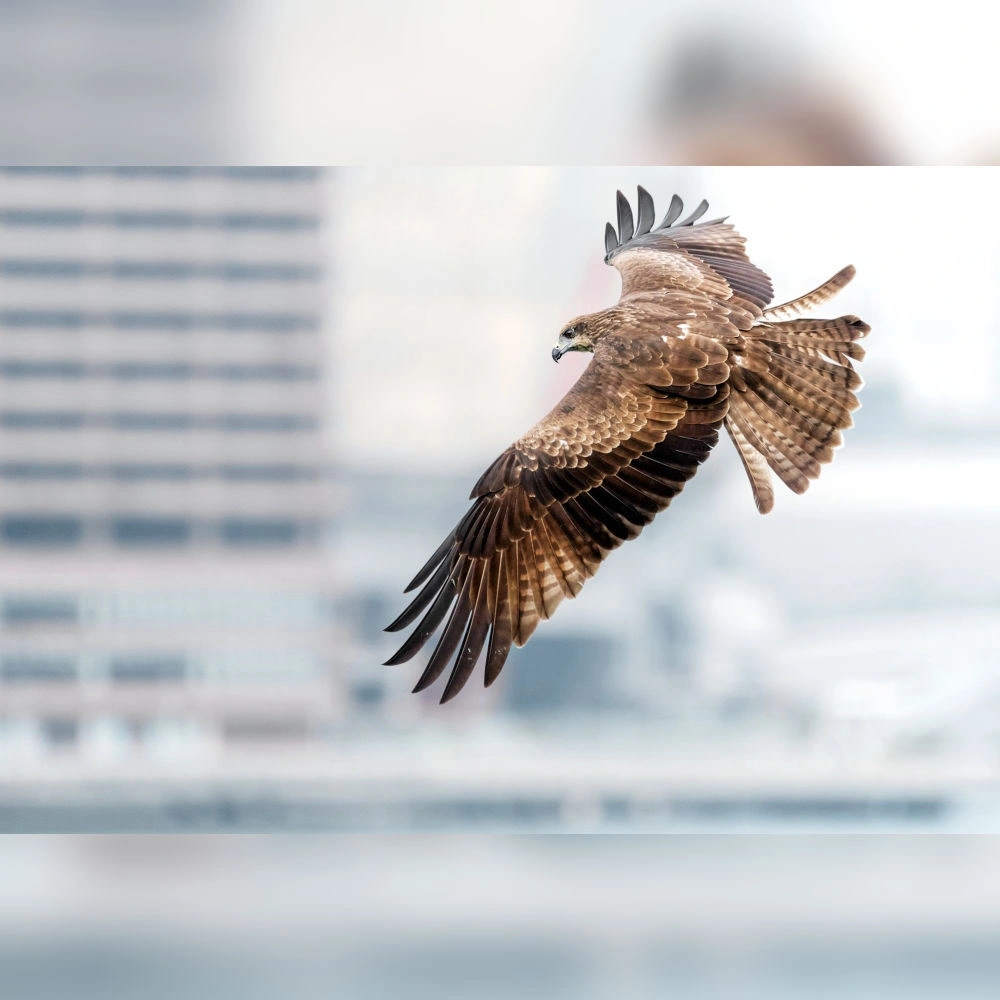
Black Kite

House Sparrow

- Fee collected goes entirely to the bird guide. Ataavi does not retain or profit from this amount.