
Bird Walk at Dhurwa Dam, Ranchi, Jharkhand
- Jharkhand
- 1 November, 2026
- Rs 200 per head
- Fee collected goes entirely to the bird guide. Ataavi does not retain or profit from this amount.
About Dhurwa Dam
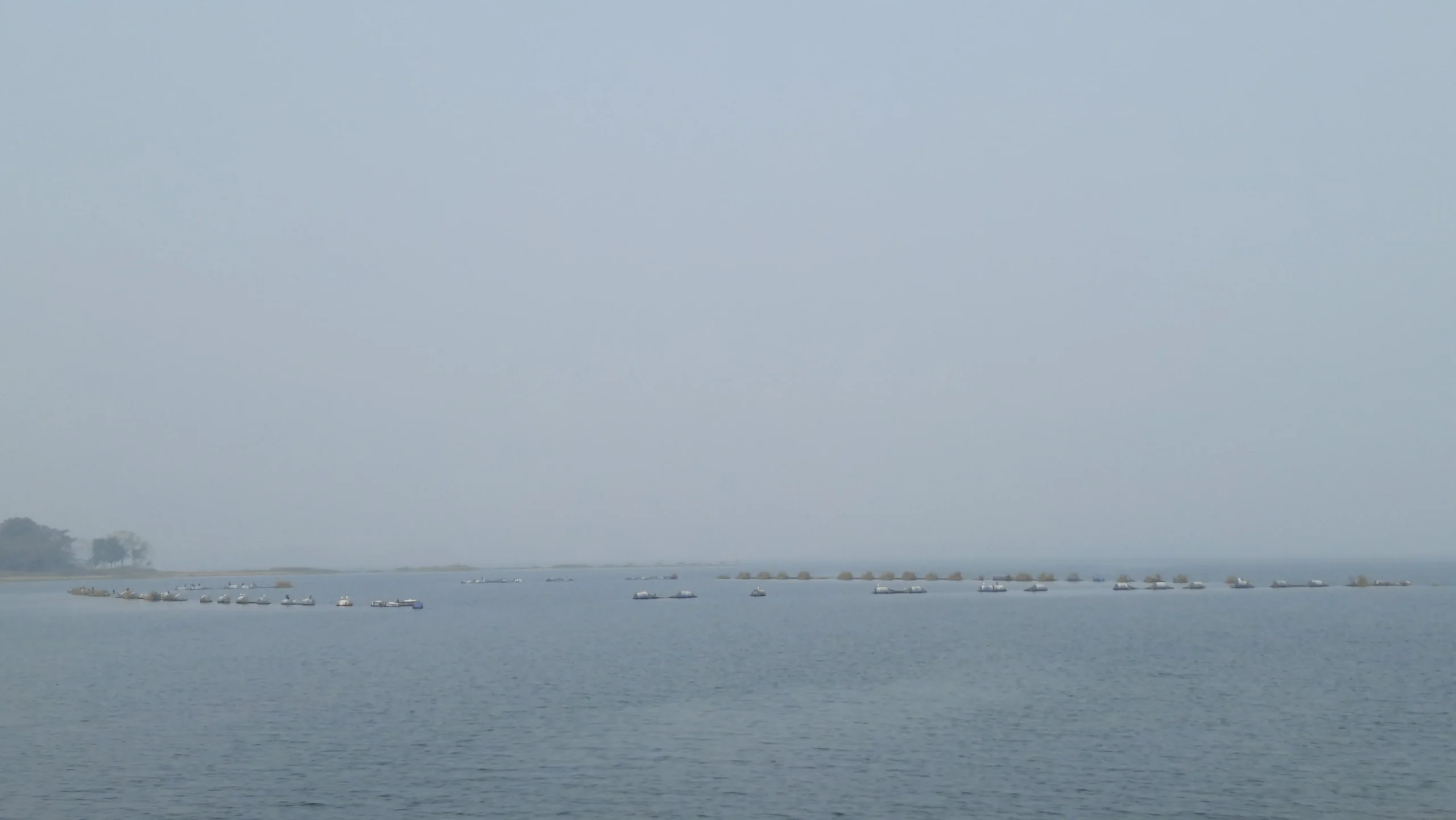
On the southwestern edge of Ranchi, Dhurwa Dam holds back the waters of the Subarnarekha River in a wide reservoir set among the rolling hills of the Chota Nagpur Plateau. It was built in the early 1960s to supply water to the Heavy Engineering Corporation township, and it remains one of the city’s key drinking-water sources and a favourite spot for evening walks. The shoreline mixes open water, shallow bays, reedy and weedy margins, grassy banks and laterite rock, with patches of sal and mahua forest and farmland beyond. Fish, frogs and dragonflies are abundant, and the surrounding countryside adds scrub and fields to the mosaic.
For birders, Dhurwa Dam is one of Ranchi’s richest wetlands. Three kinds of kingfisher hunt the shoreline. Jacanas and whistling-ducks gather on the weedy bays, and cormorants, grebes and herons fish the open water. Cisticolas, munias and wagtails fill the grassy banks. In winter, migrant ducks and waders add to the variety. The reservoir is under strain, though. Sewage and runoff from expanding neighbourhoods feed weeds and algal blooms, and siltation from the catchment reduces its depth. Encroachment, construction along the shore, litter and disturbance from crowds add to the pressure. Protecting the catchment, keeping natural, reedy edges and controlling pollution will help Dhurwa Dam stay healthy for both the city and its birds.

Bird Guide: Amresh Kumar
A Ranchi-based birdwatcher and ecologist with a Zoology background and 2 years of experience, actively engaged in bird monitoring, community outreach, and citizen science initiatives.
Bird walk Location
Common birds of Dhurwa Dam
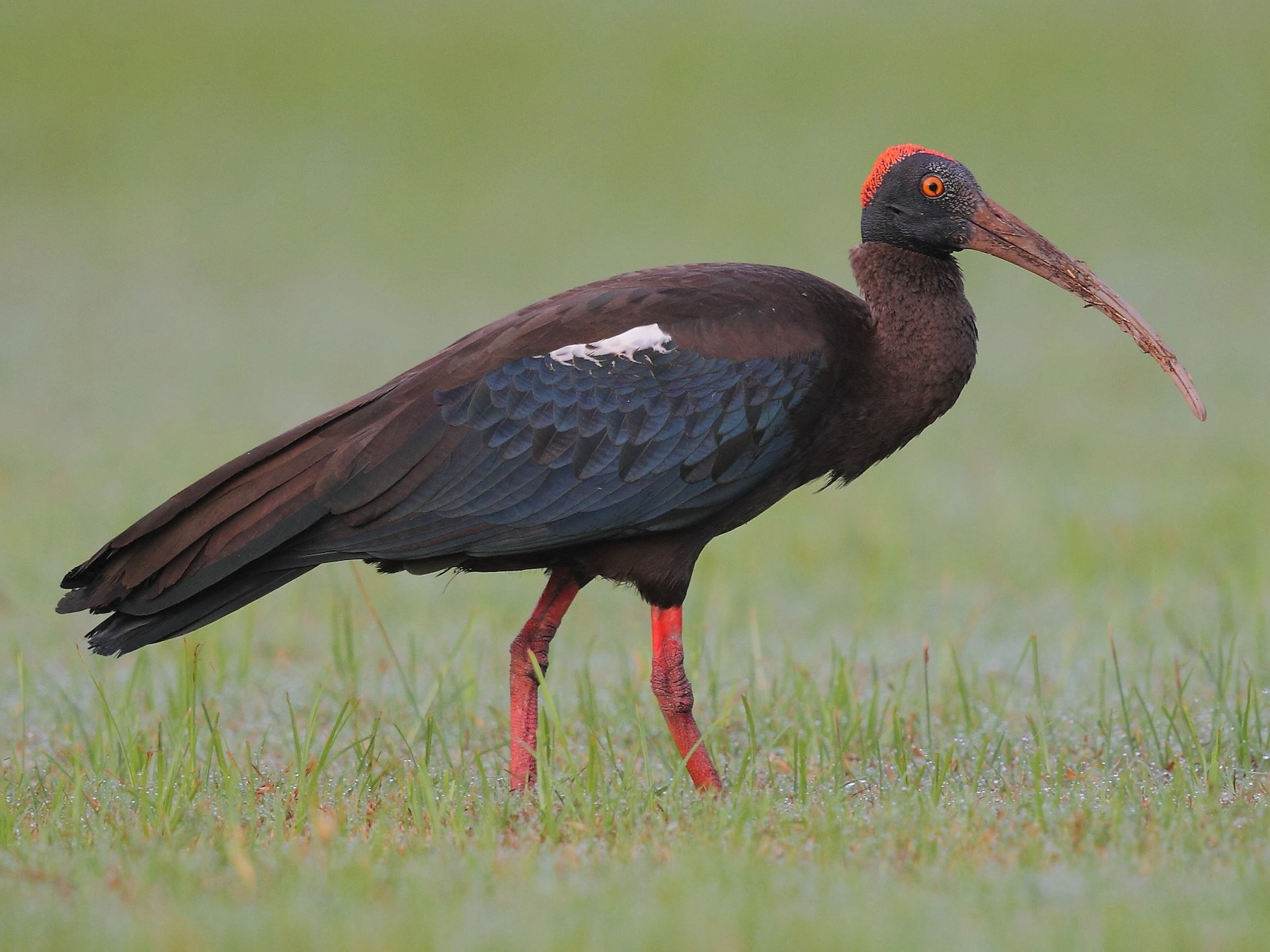
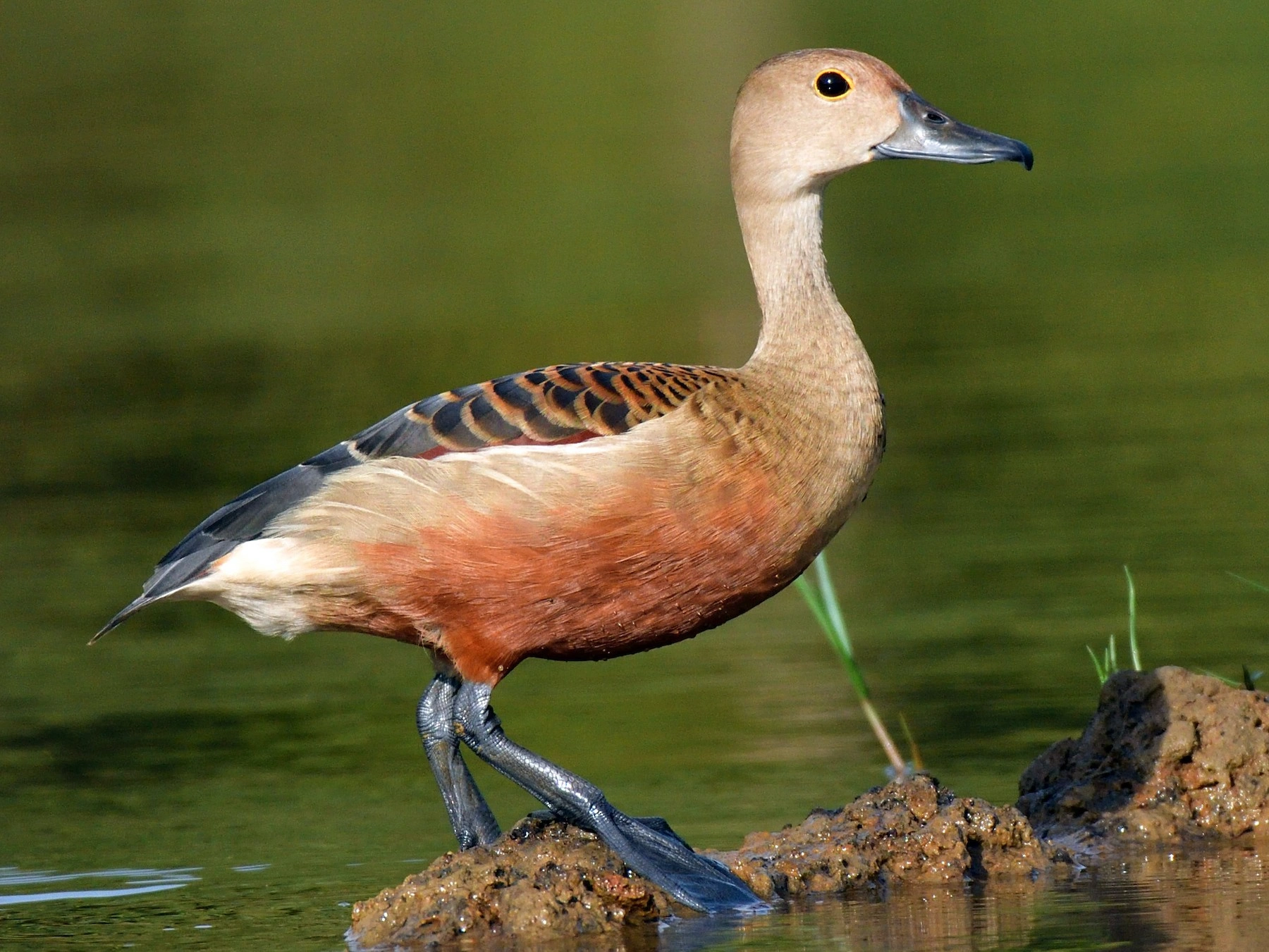
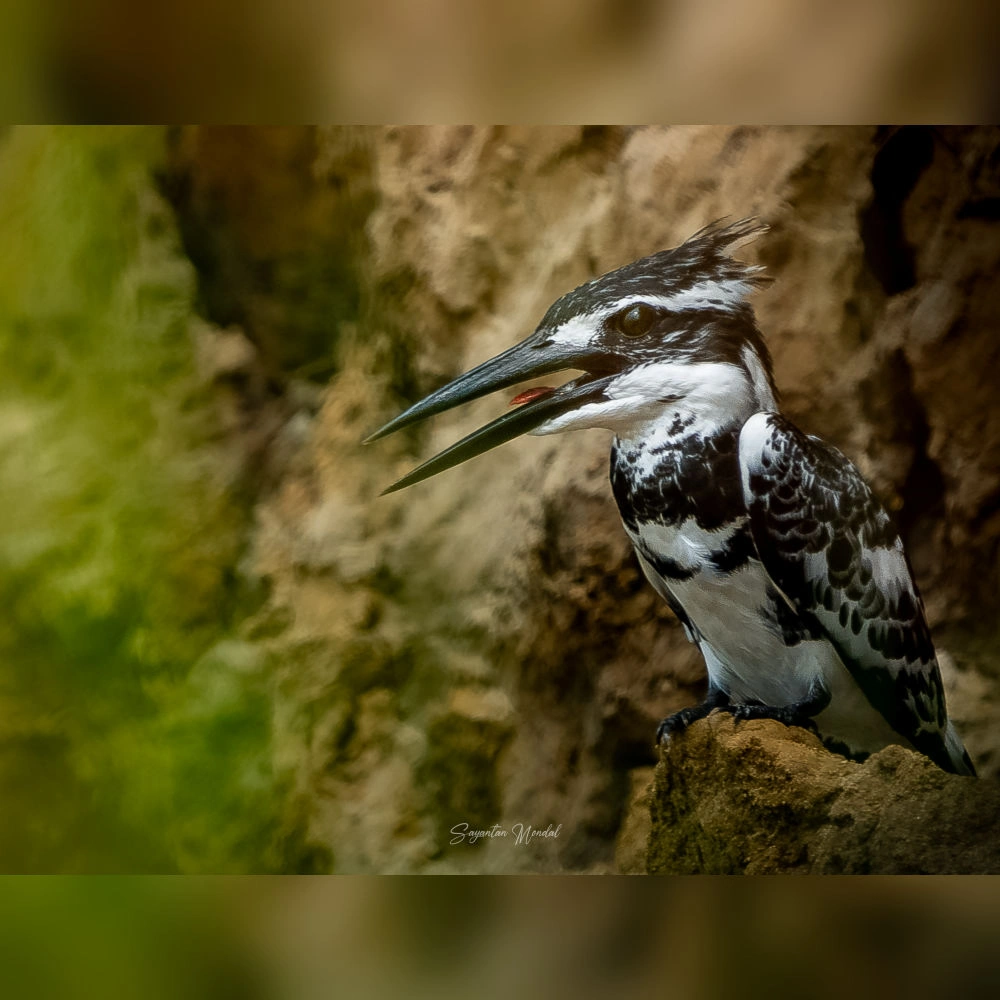
Dhurwa Dam is a great place to see kingfishers, with three species hunting the same shoreline. The black-and-white Pied Kingfisher hovers high over the water before diving straight down. The tiny Common Kingfisher streaks low along the bank in a flash of turquoise, and the White-throated Kingfisher calls loudly from a perch. On the floating weeds, the elegant Pheasant-tailed Jacana steps lightly on long toes. Flocks of Lesser Whistling-Ducks whistle softly as they fly in. The Red-naped Ibis, glossy black with a crimson patch on its head, probes the damp banks. Indian Cormorants fish in groups, and Little Grebes vanish beneath the surface in a blink. Indian Pond-Herons, Little Egrets and Eastern Cattle-Egrets hunt the shallows, while White-breasted Waterhens and Eurasian Moorhens slip through the reeds. Common Sandpipers bob along the rocks, White-browed Wagtails flick their tails, and Red-wattled Lapwings sound the alarm. On the grassy banks, Asian Green Bee-eaters sweep after insects, the Zitting Cisticola makes its “zit-zit” song flight, Scaly-breasted Munias feed in flocks, and the Oriental Magpie-Robin sings from the bushes.

Pheasant-tailed Jacana

Red-naped Ibis
Lesser Whistling-Duck
Pied Kingfisher
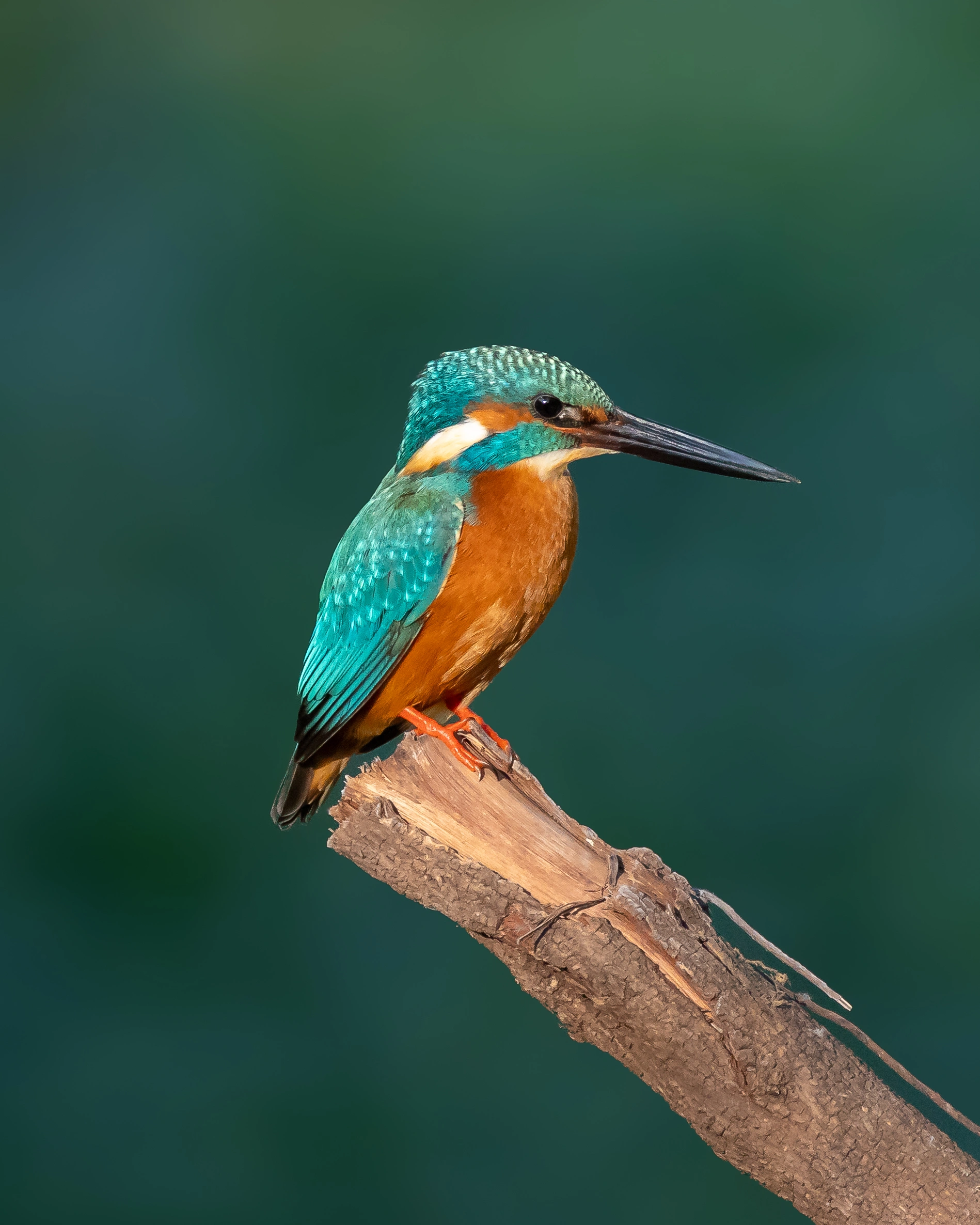
Common Kingfisher
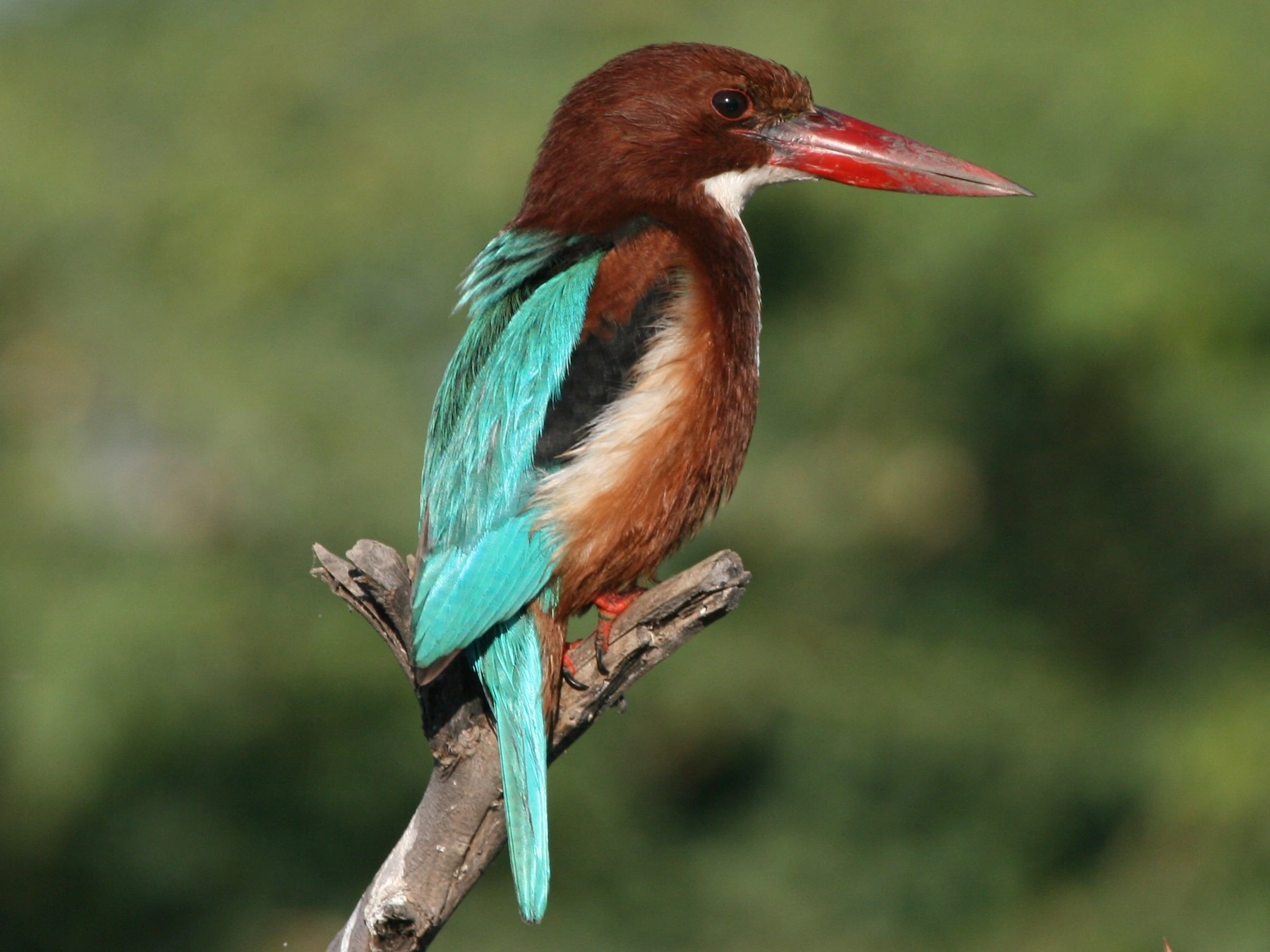
White-throated Kingfisher
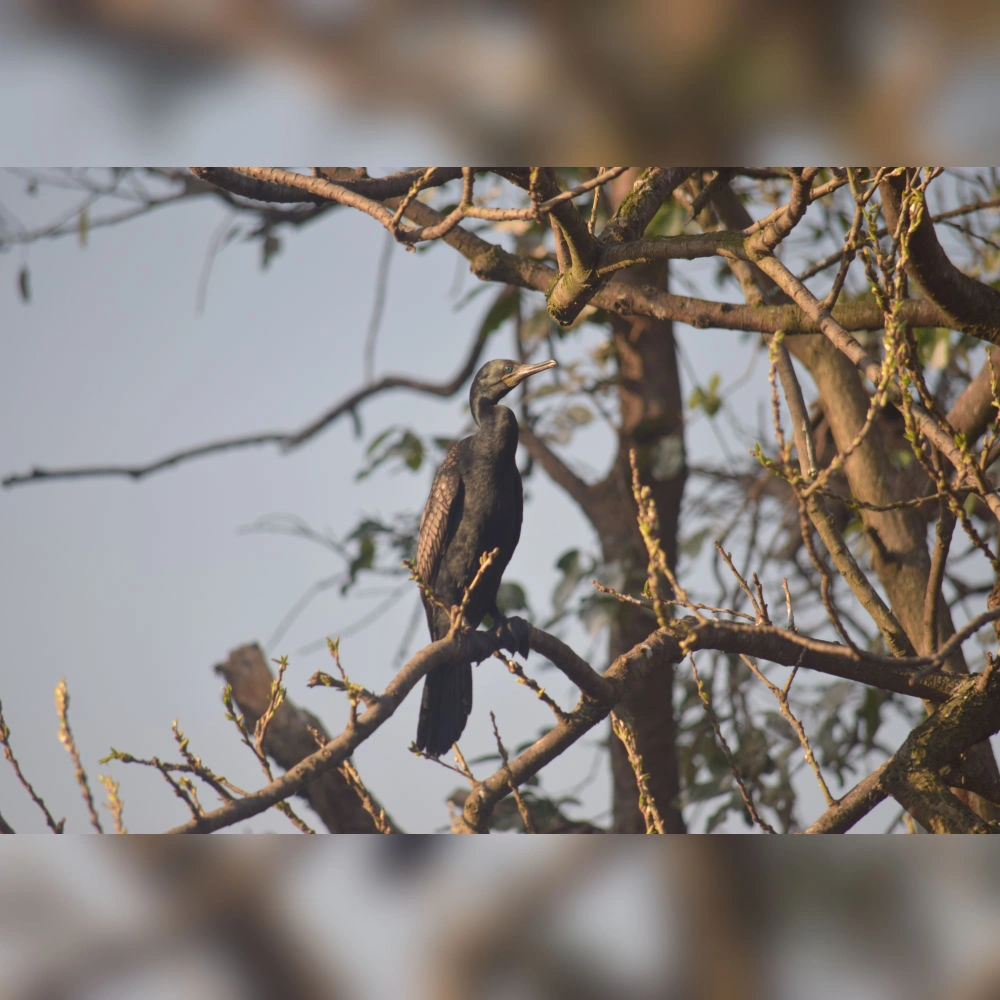
Indian Cormorant
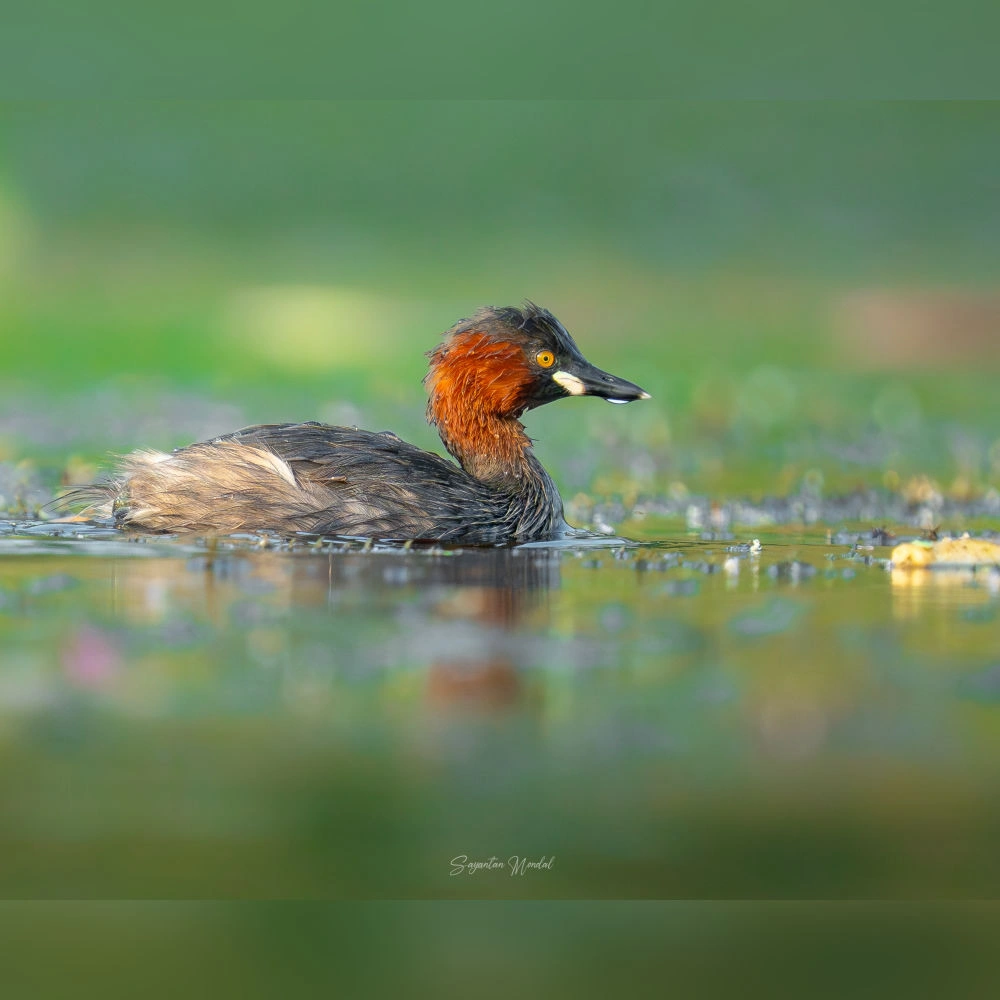
Little Grebe
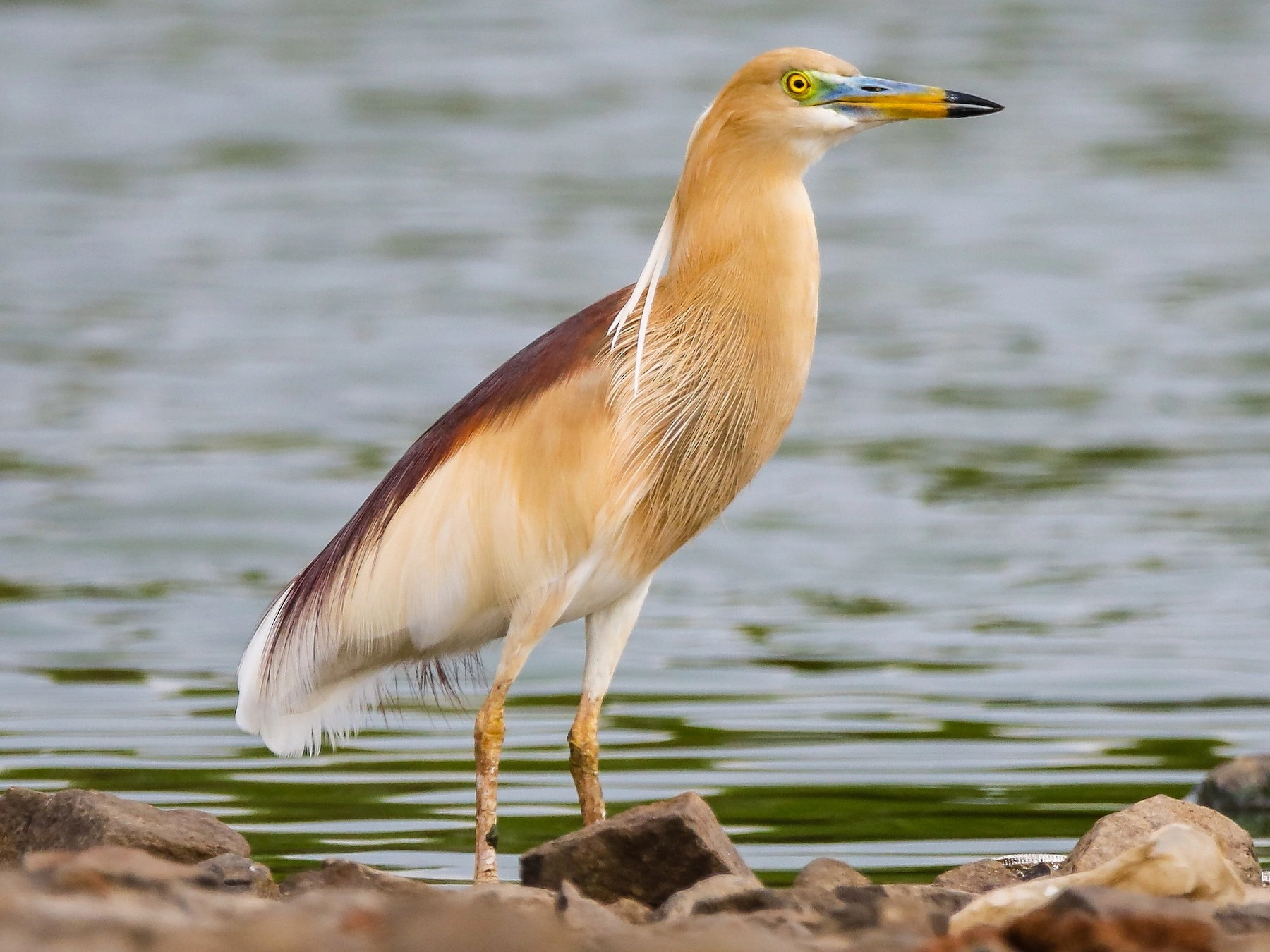
Indian Pond-Heron
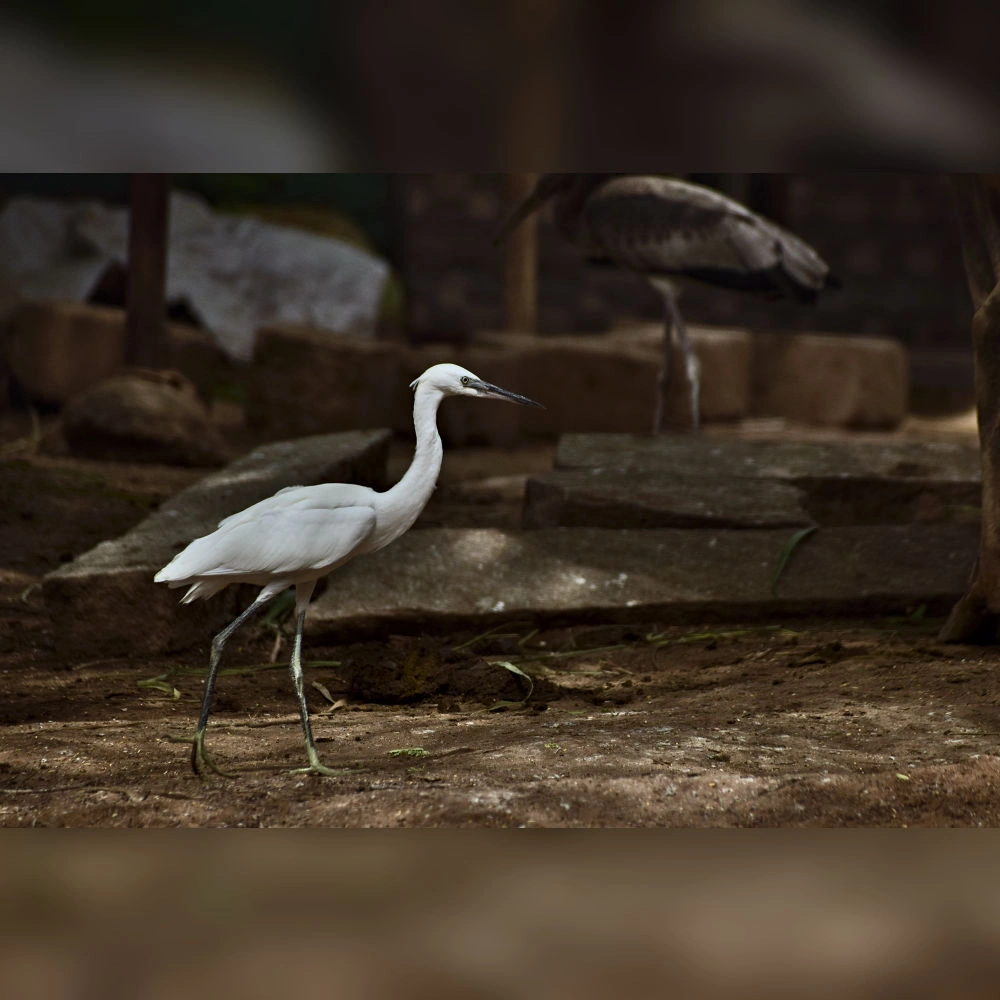
Little Egret
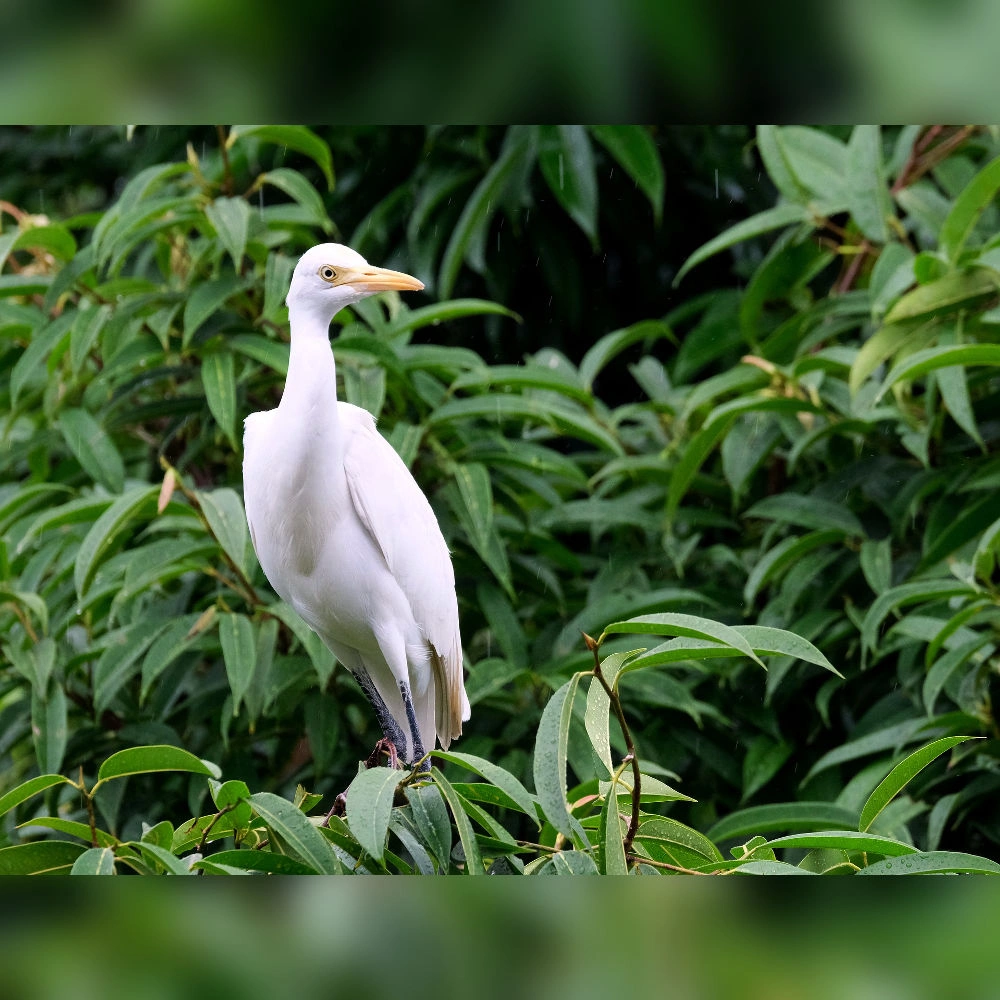
Eastern Cattle-Egret
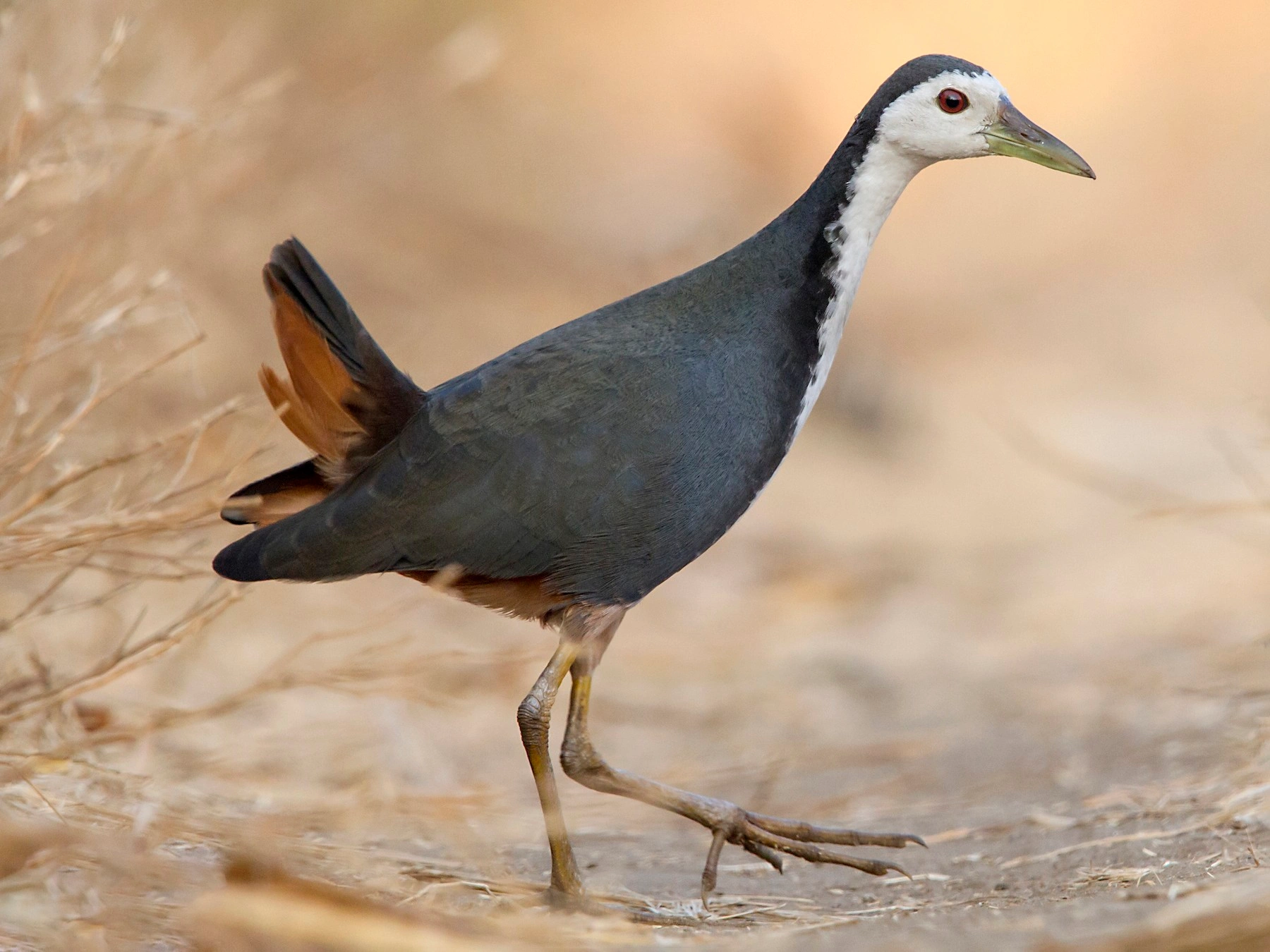
White-breasted Waterhen
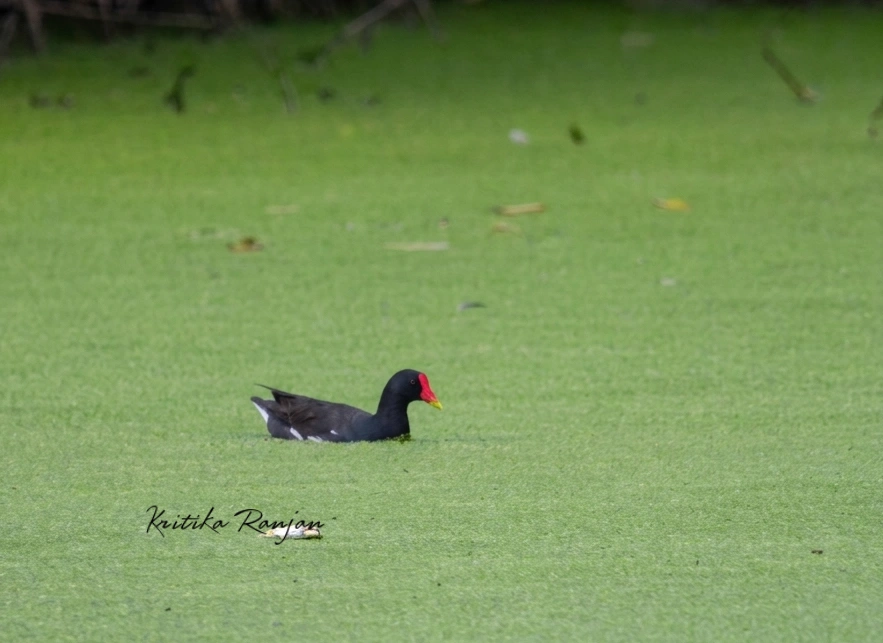
Eurasian Moorhen

Common Sandpiper
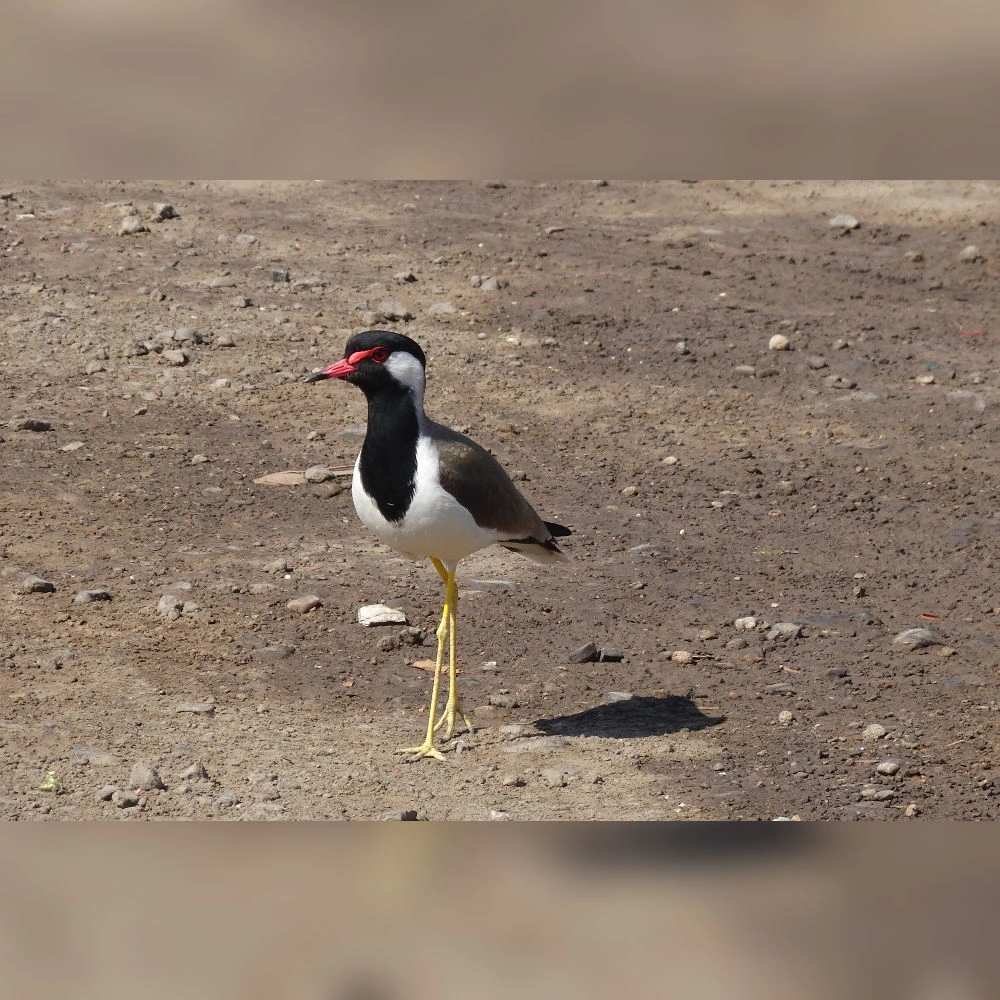
Red-wattled Lapwing
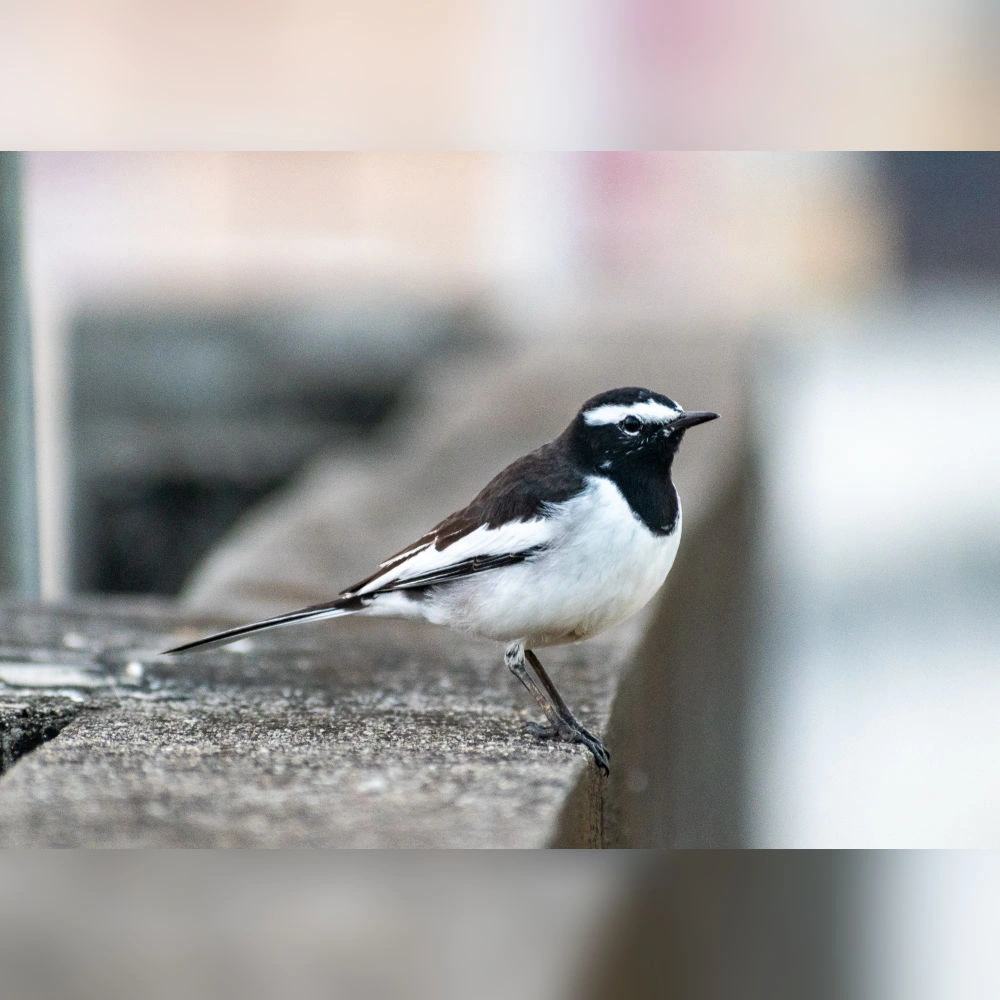
White-browed Wagtail
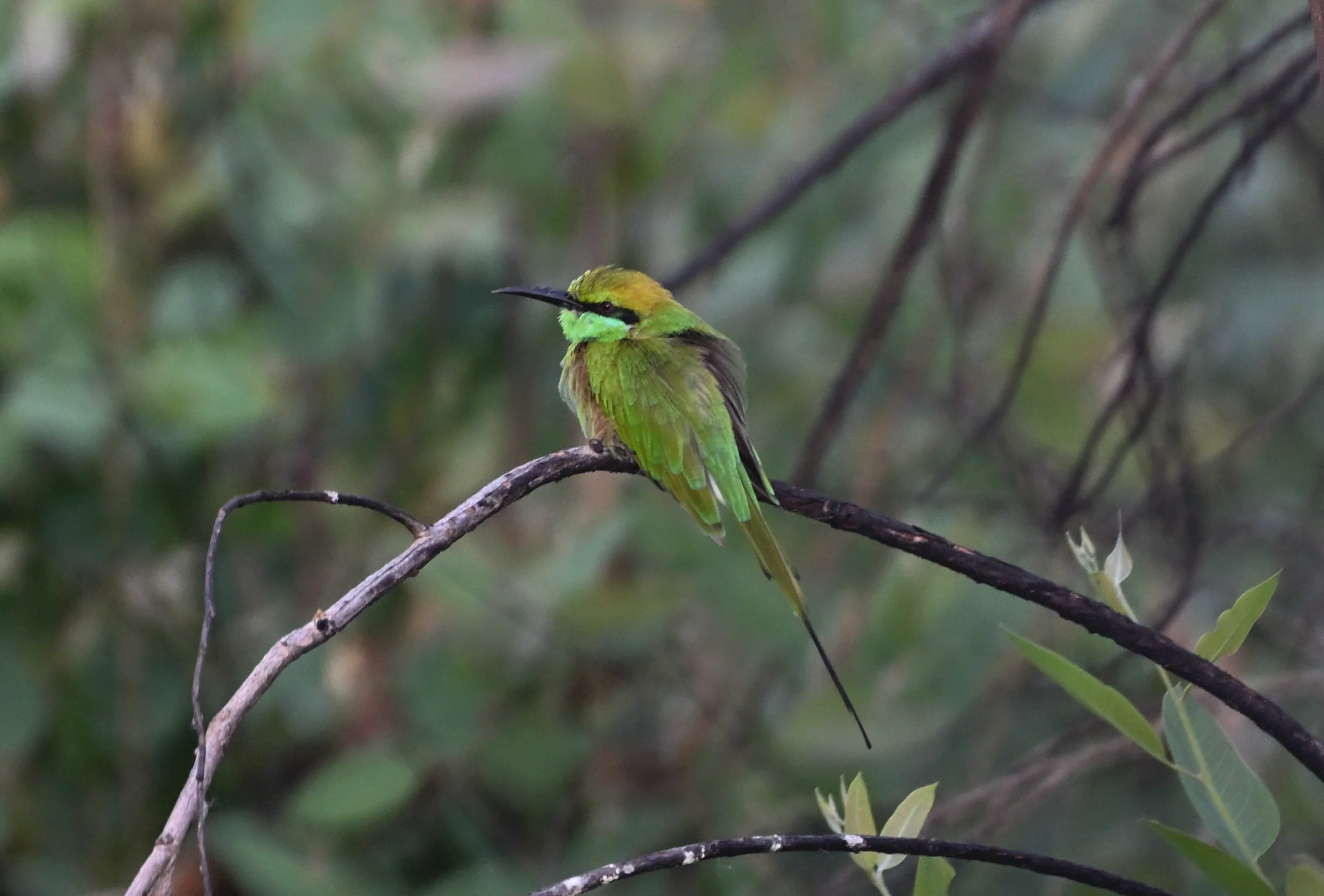
Asian Green Bee-eater

Zitting Cisticola
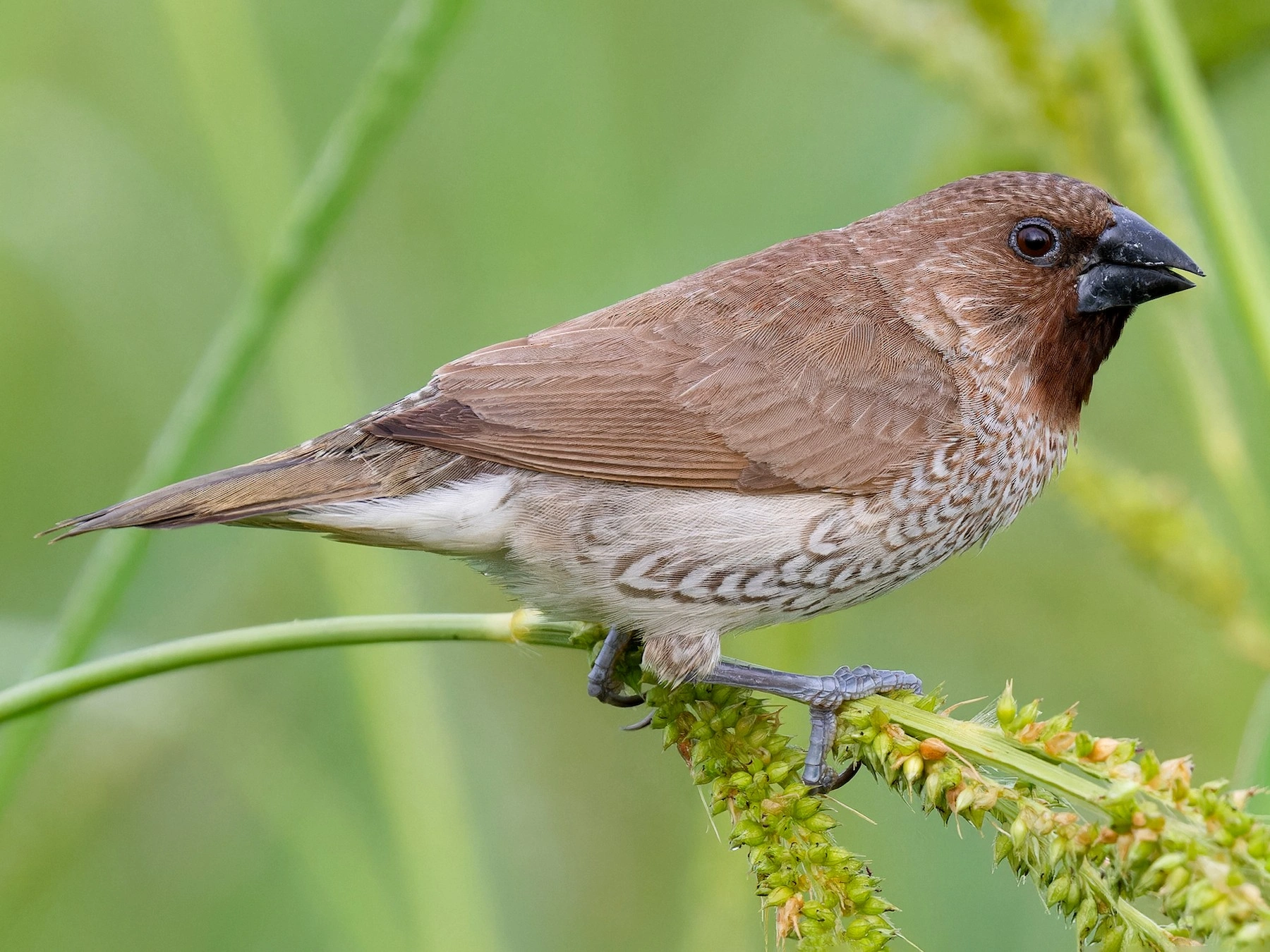
Scaly-breasted Munia
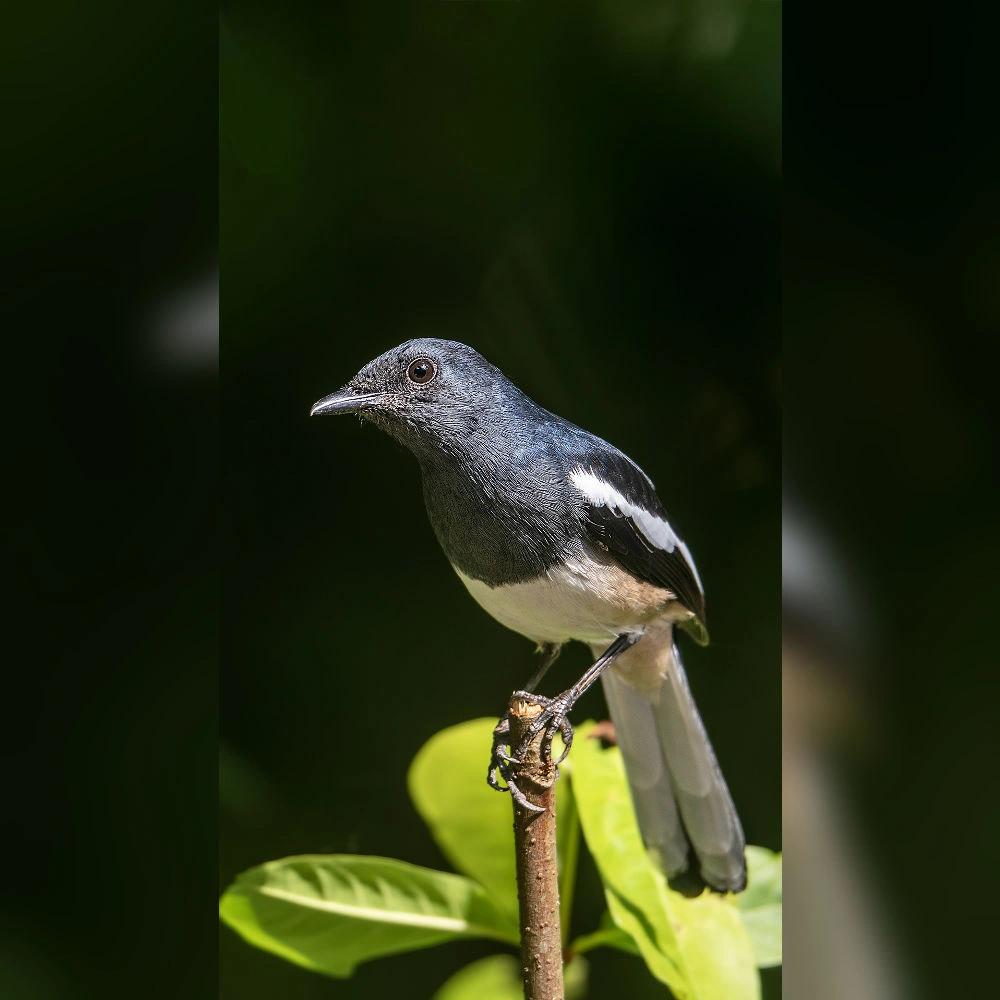
Oriental Magpie-Robin

- Fee collected goes entirely to the bird guide. Ataavi does not retain or profit from this amount.