
Loading Events

Bird Walk at Doddabommasandra kere, Bengaluru

About Doddabommasandra Kere

Doddabommasandra Kere is an urban lake located in the northern part of Bengaluru, Karnataka, surrounded by a mix of residential neighborhoods and patches of green space. Like many lakes in the city, it plays an important role in groundwater recharge, flood mitigation, and providing habitat for a variety of aquatic and terrestrial wildlife. The lake attracts local residents for walking and recreation while also serving as a valuable green refuge amid rapid urban development. Ongoing restoration and conservation efforts have helped improve the ecological condition of the lake, making it an increasingly important urban biodiversity hotspot.
The wetland and its surrounding vegetation support a rich diversity of birds throughout the year, making Doddabommasandra Kere a popular destination for birdwatchers and nature enthusiasts. Resident waterbirds such as herons, egrets, cormorants, moorhens, and kingfishers are commonly observed, while migratory ducks and waders visit during the winter months. The lake’s mosaic of open water, emergent vegetation, mudflats, and trees provides feeding, nesting, and roosting habitats for numerous species. In addition to birds, the lake supports fish, amphibians, reptiles, butterflies, and other urban wildlife, highlighting its ecological significance within Bengaluru’s network of wetlands.

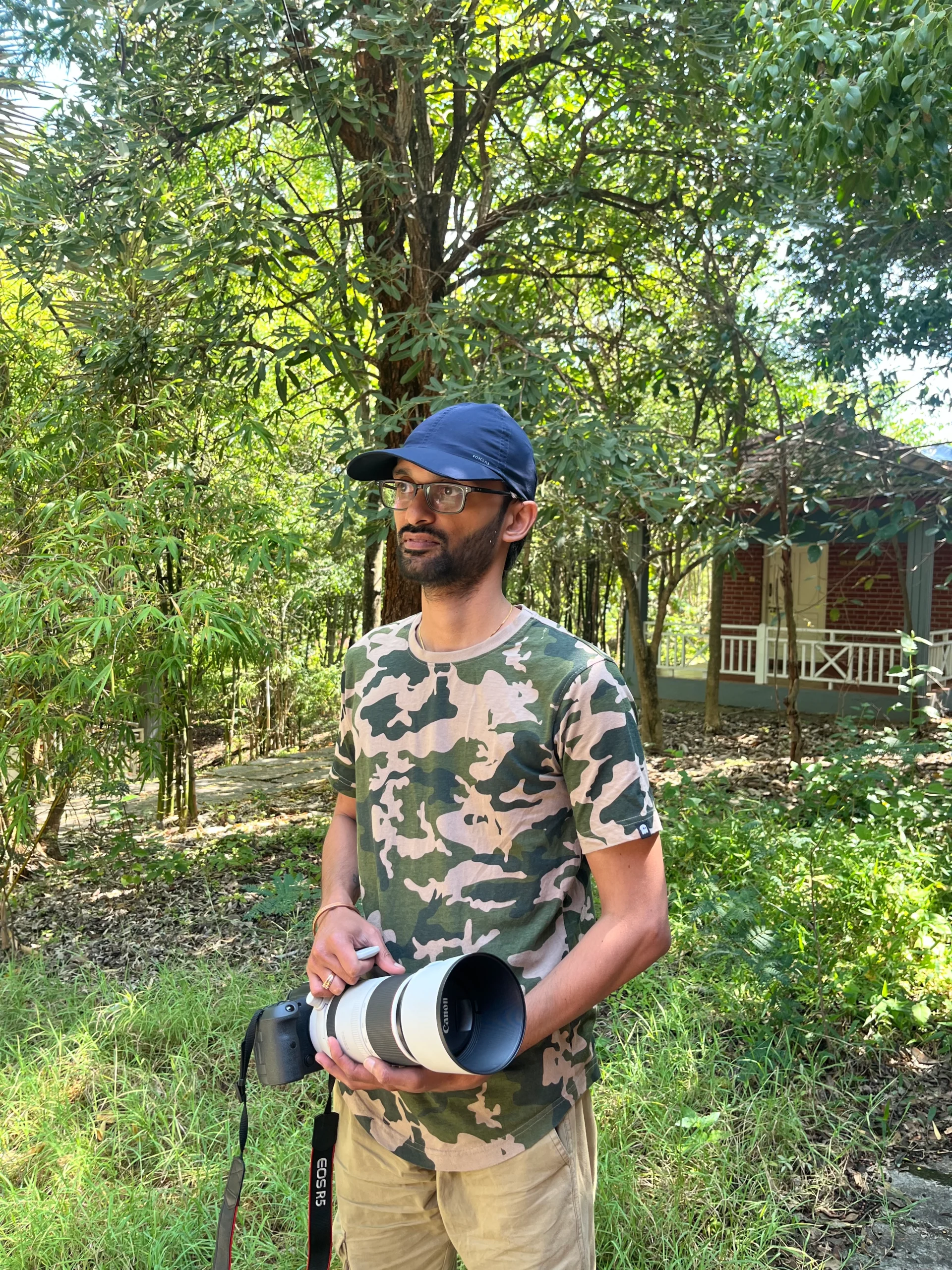
Bird Guide: Ghautham R.R.

Widlife photographer with a strong passion for observing, identifying, and documenting avian species in their natural habitats. Skilled in bird behavior observation, field tracking, and wildlife photography, with a commitment to conservation and educating others about birdlife.
Bird walk Location

Common birds of Doddabommasandra Kere

Doddabommasandra Kere supports a wide variety of waterbirds and terrestrial birds throughout the year, making it an excellent urban birdwatching site. Commonly observed species include the Spot-billed Pelican, Painted Stork, Black-crowned Night Heron, Grey Heron, Purple Heron, Indian Pond Heron, Little Egret, Intermediate Egret, Great Egret, Little Cormorant, Oriental Darter, Little Grebe, Common Moorhen, White-breasted Waterhen, Bronze-winged Jacana, Purple Swamphen, White-throated Kingfisher, Common Kingfisher, Black Drongo, Red-whiskered Bulbul, Red-vented Bulbul, Purple Sunbird, Indian Robin, Ashy Prinia, House Sparrow, and Rose-ringed Parakeet. During the winter season, migratory ducks and waders may also be encountered, further enhancing the avian diversity of this urban wetland.
Little Cormorant
Oriental Darter
Grey-headed Swamphen
White-throated Kingfisher
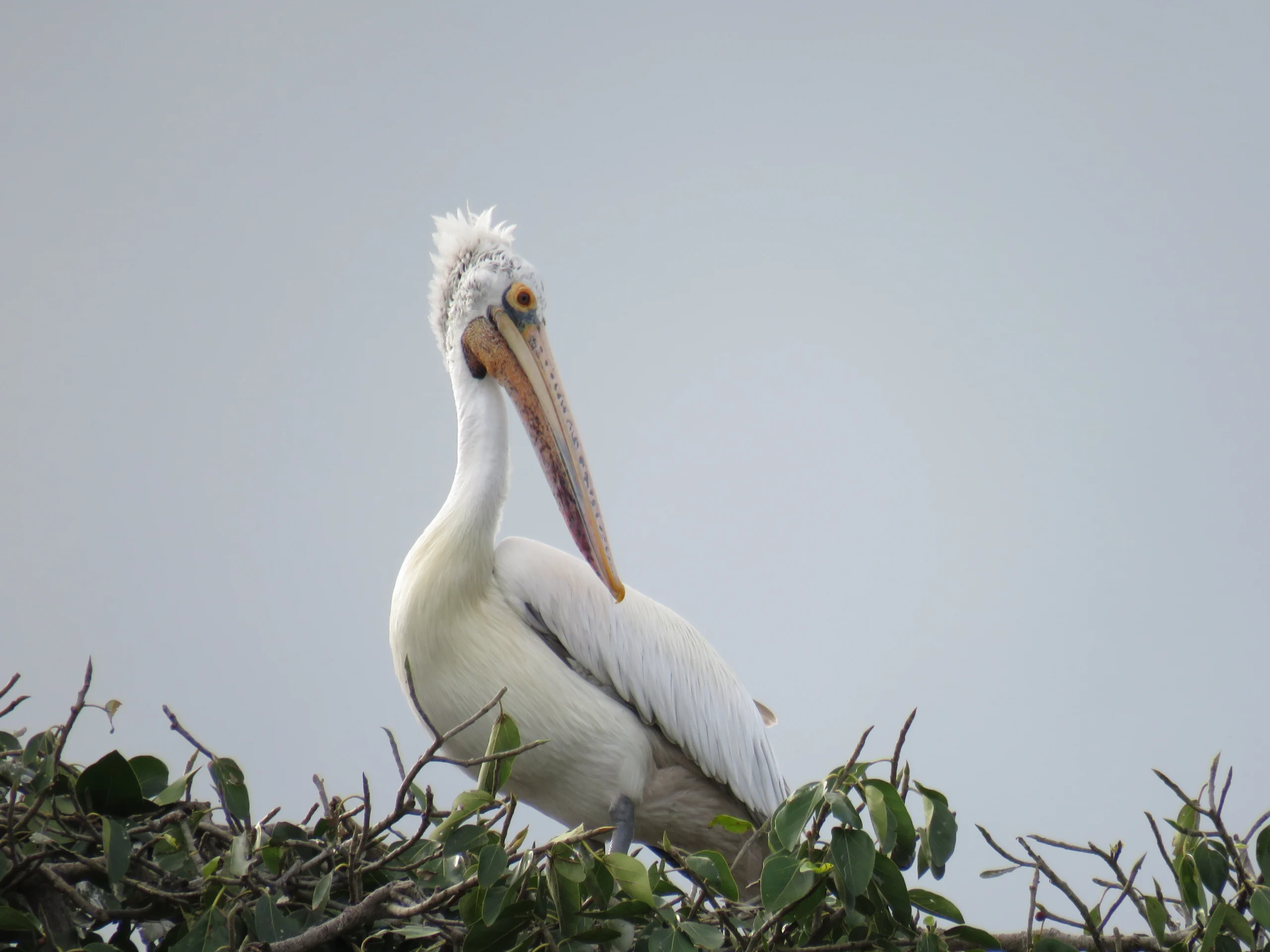
Spot-billed Pelican

Little Grebe
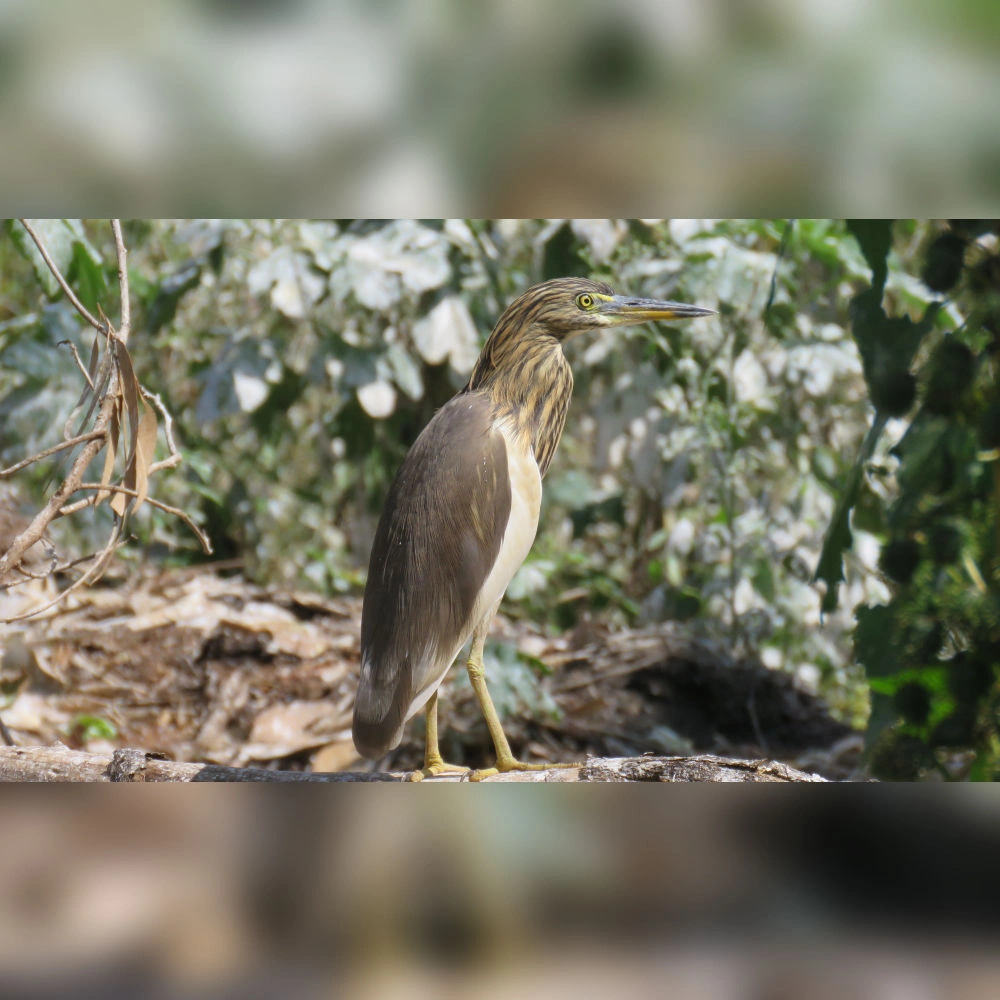
Indian Pond Heron
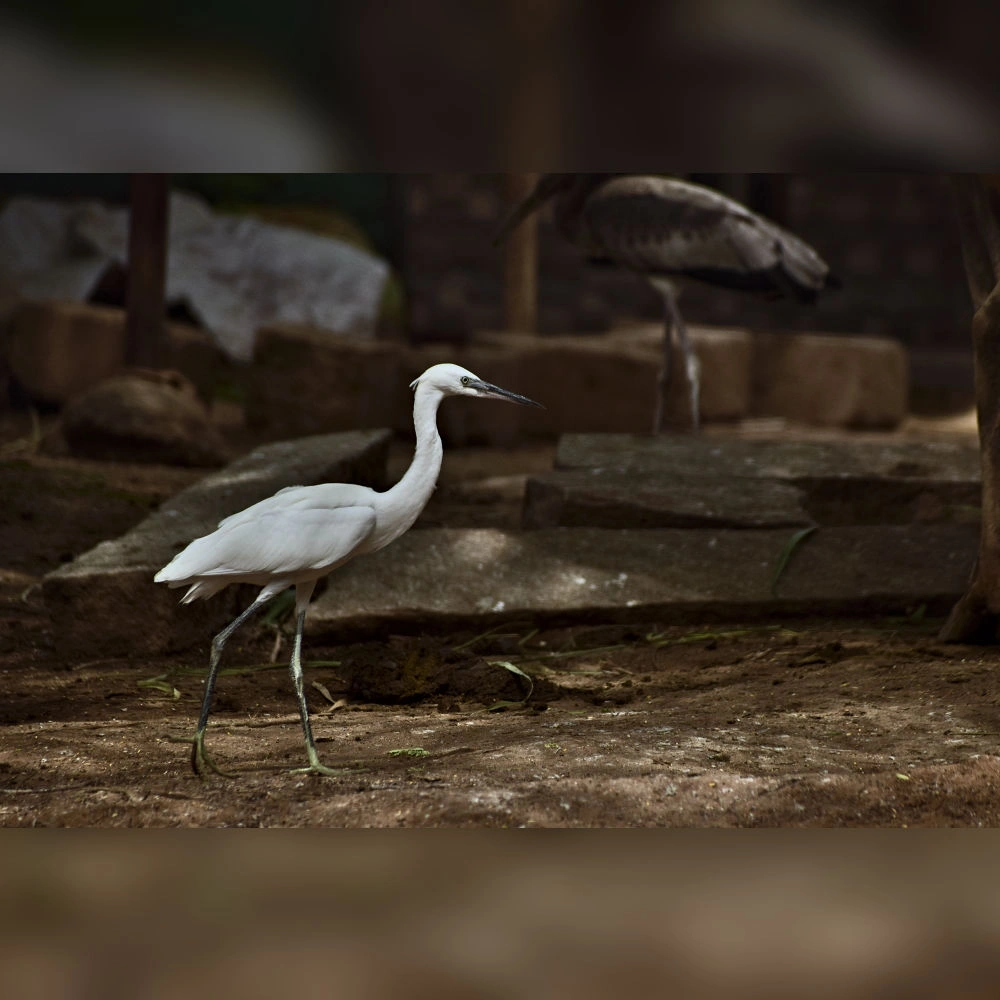
Little Egret
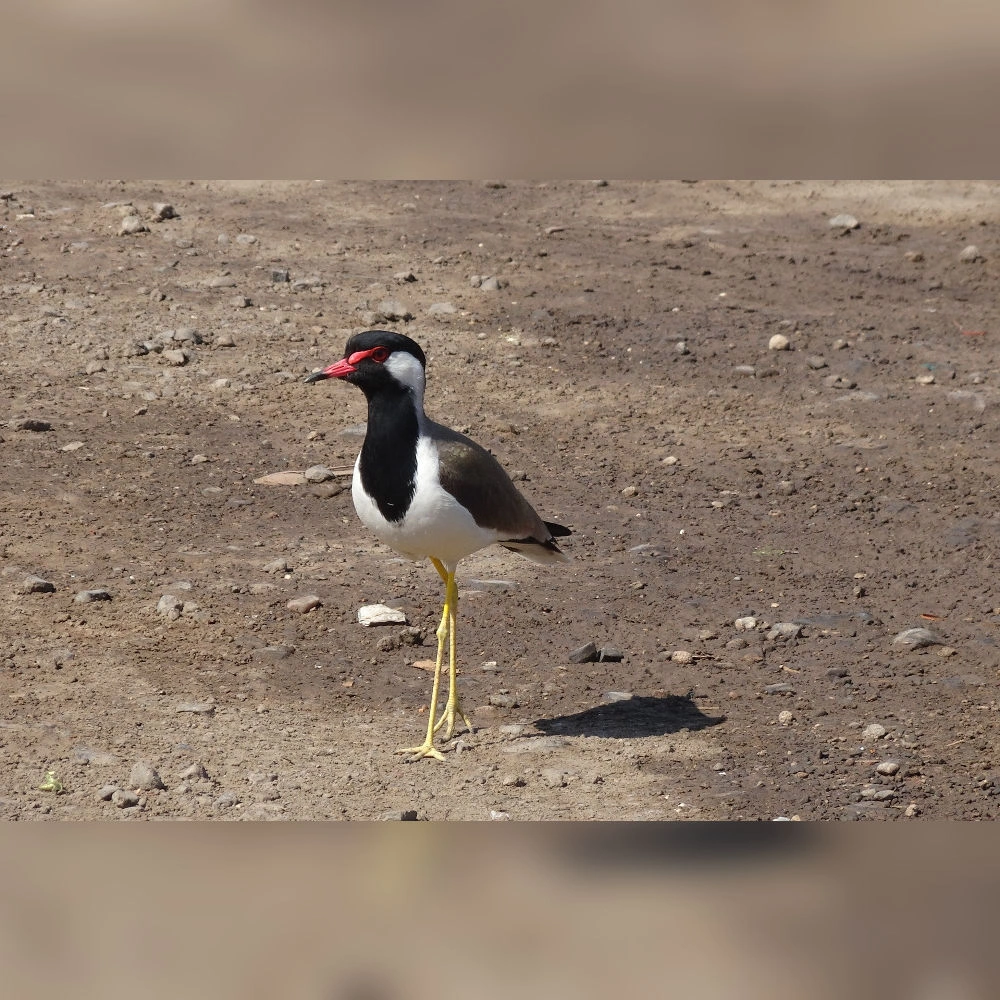
Red-wattled Lapwing
Indian Spot-billed Duck
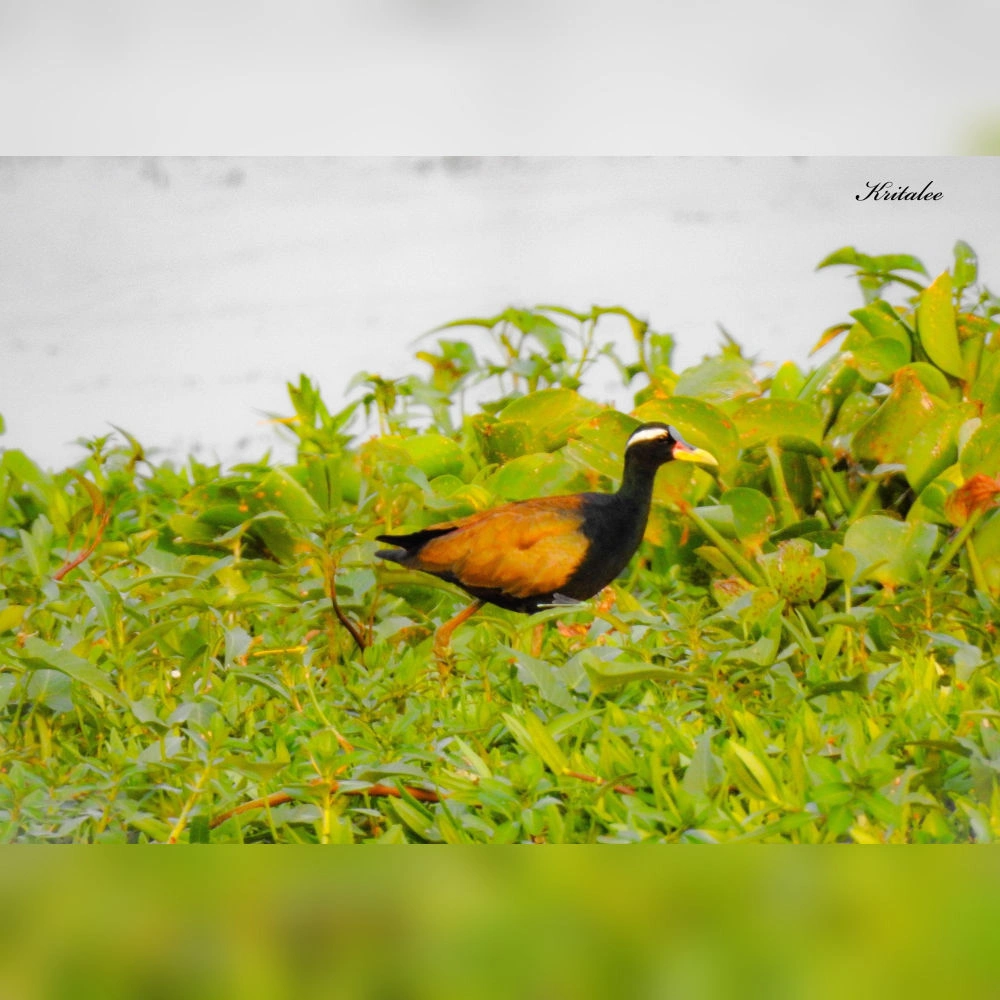
Bronze-winged Jacana
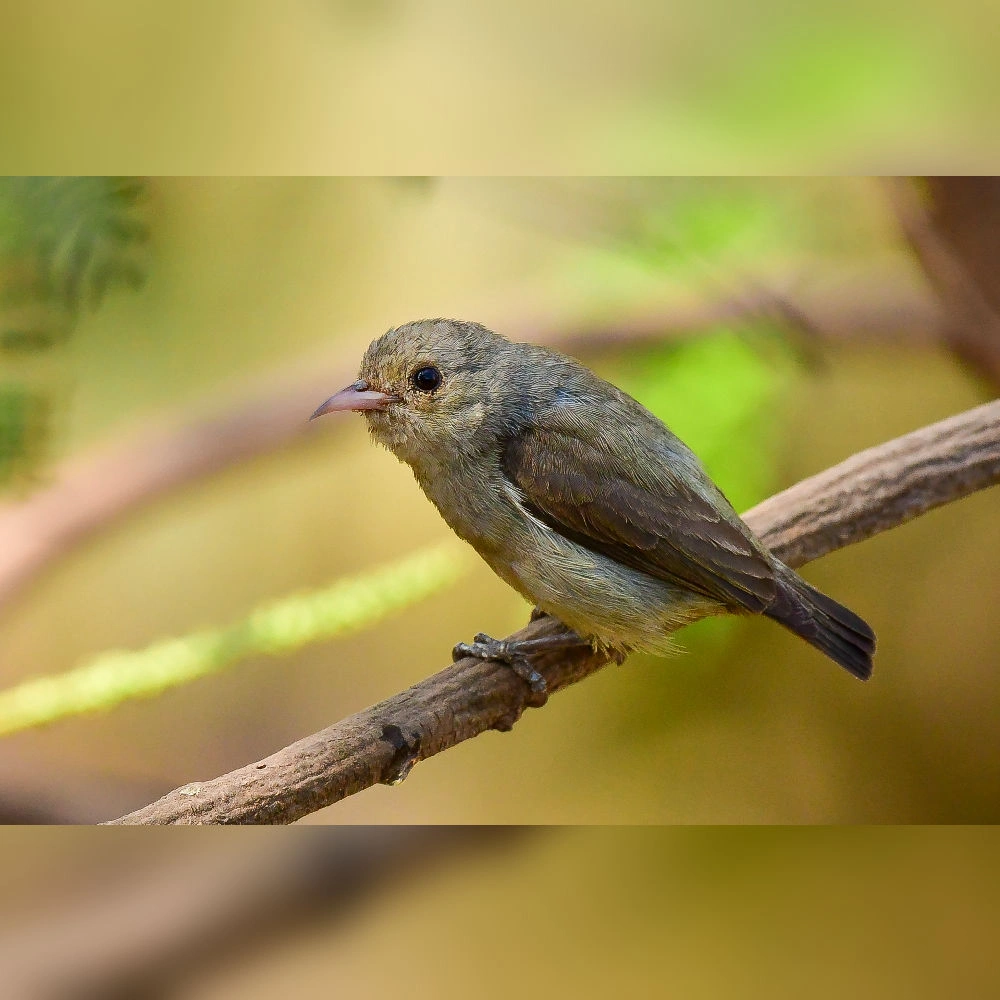
Pale-billed Flowerpecker
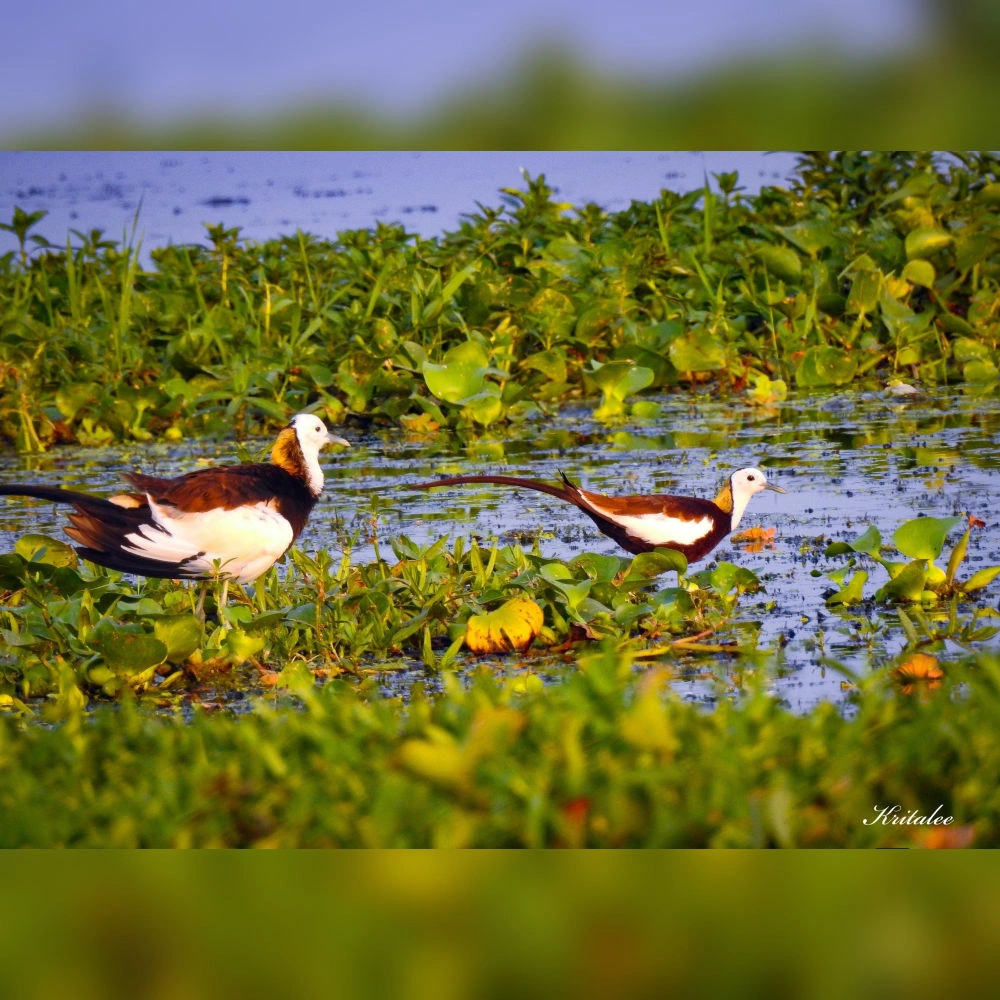
Pheasant-tailed Jacana
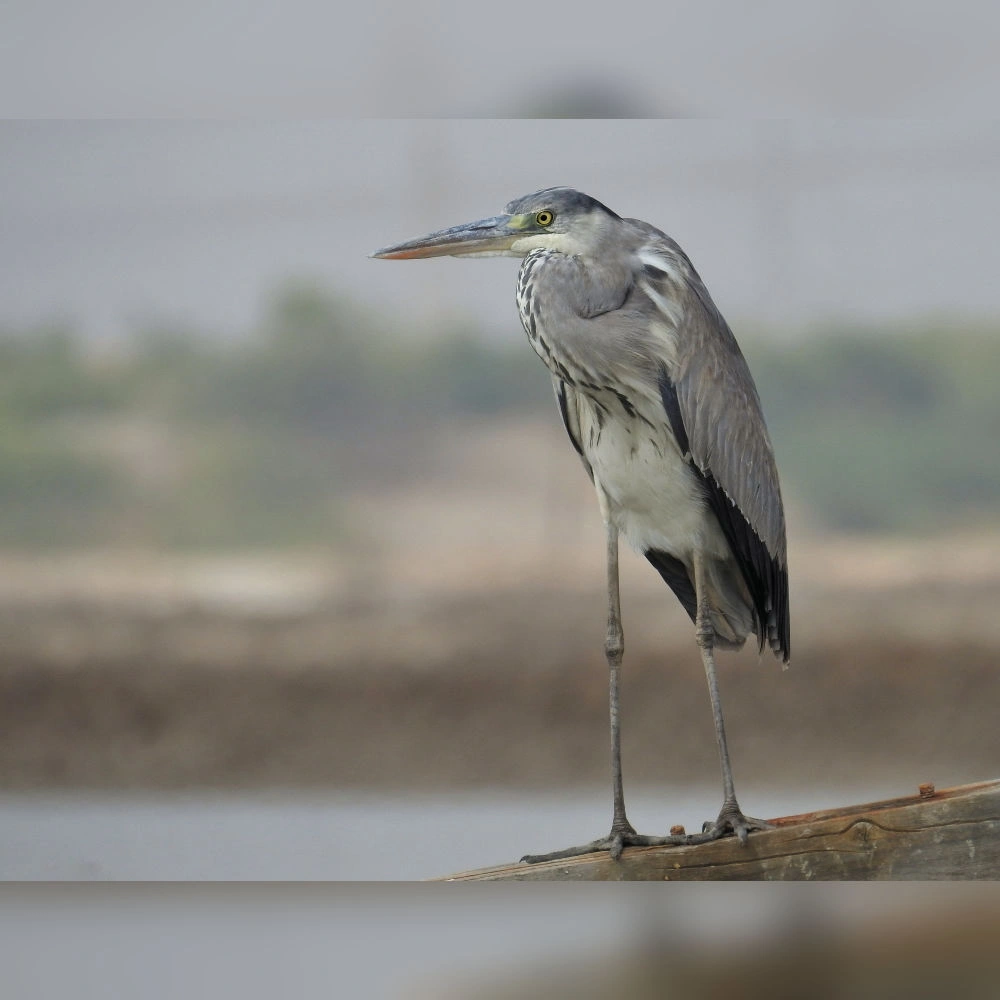
Grey Heron
Purple Heron
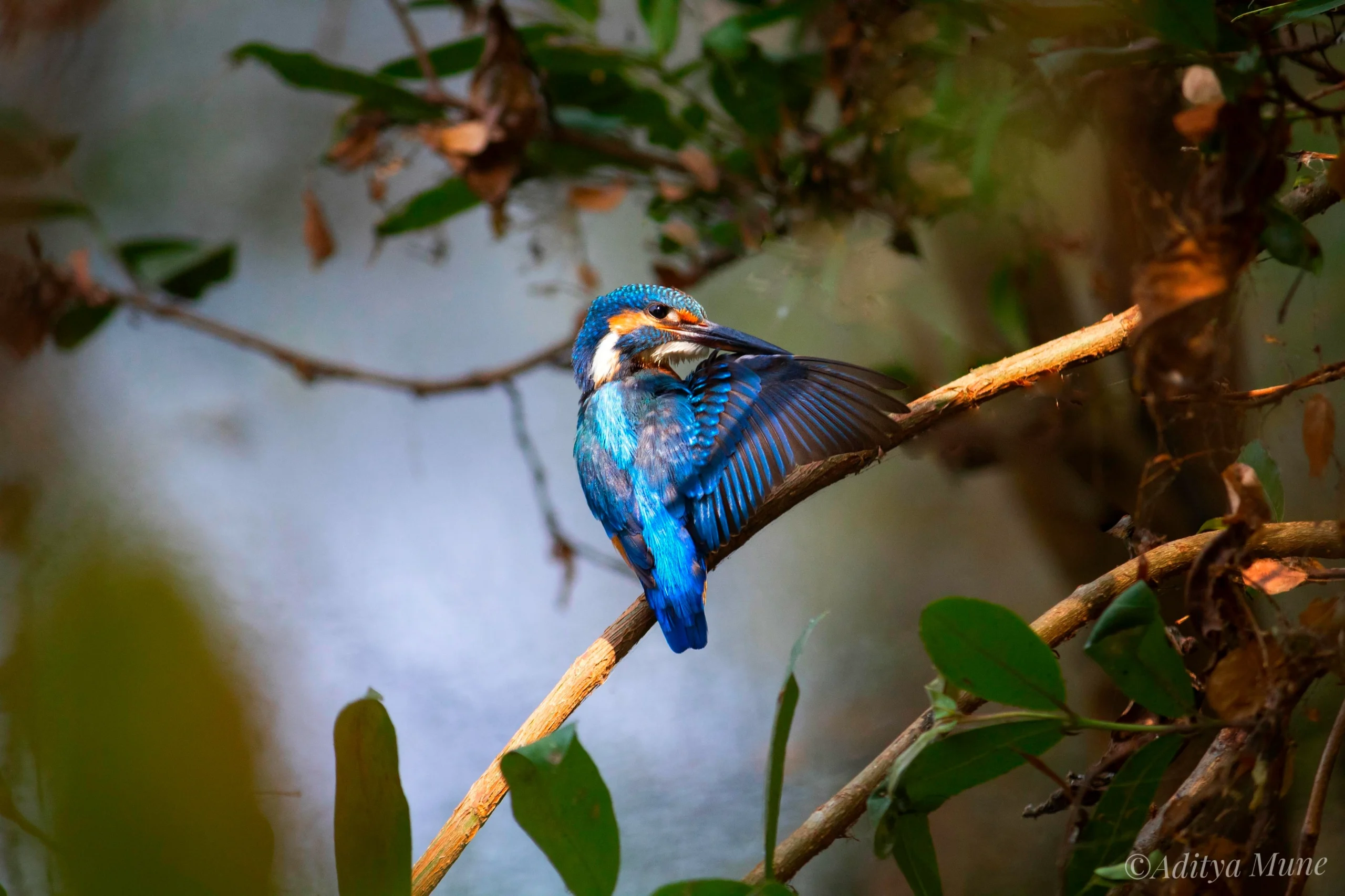
Common Kingfisher
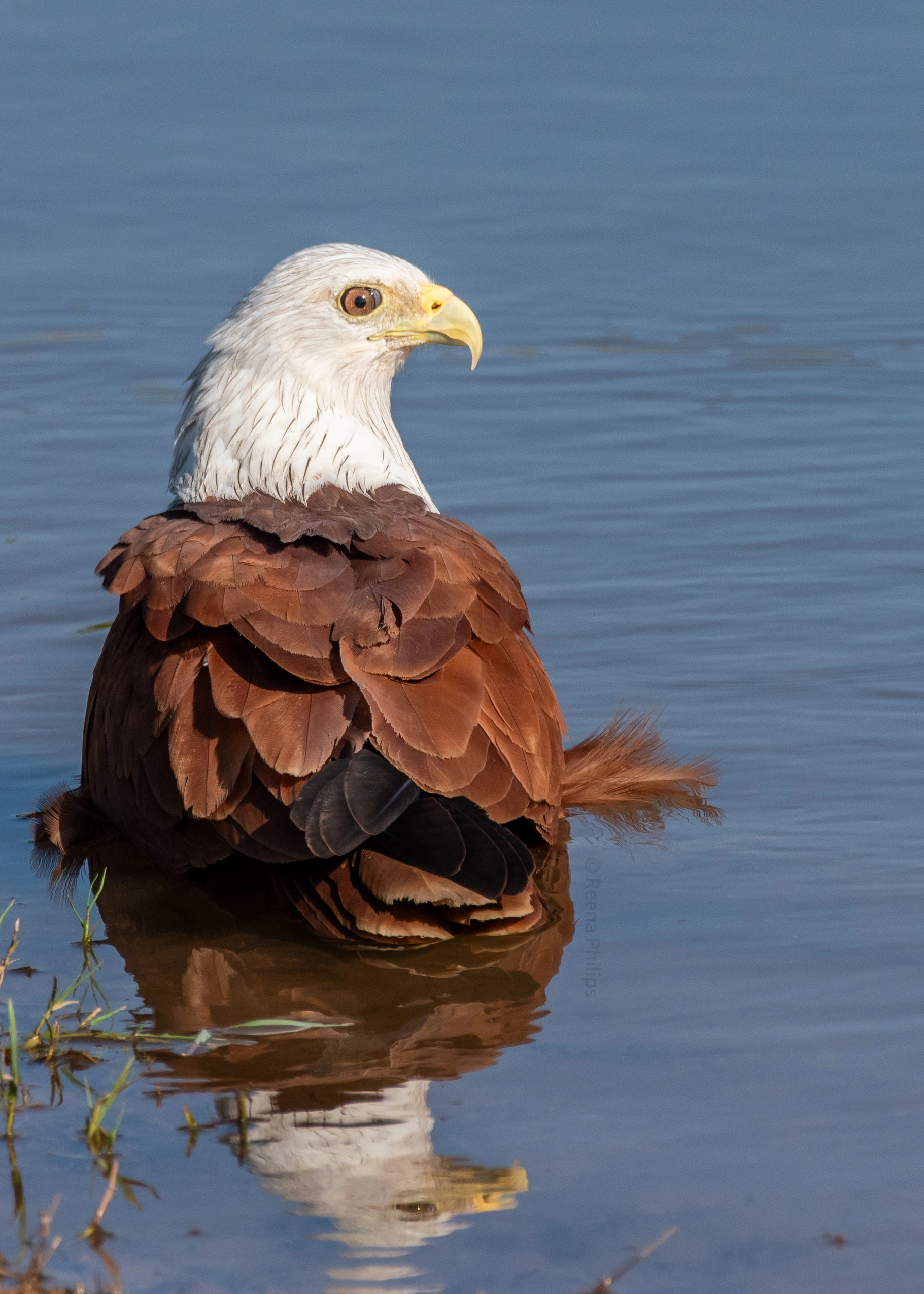
Brahminy Kite
Rose-ringed Parakeet
Black Drongo
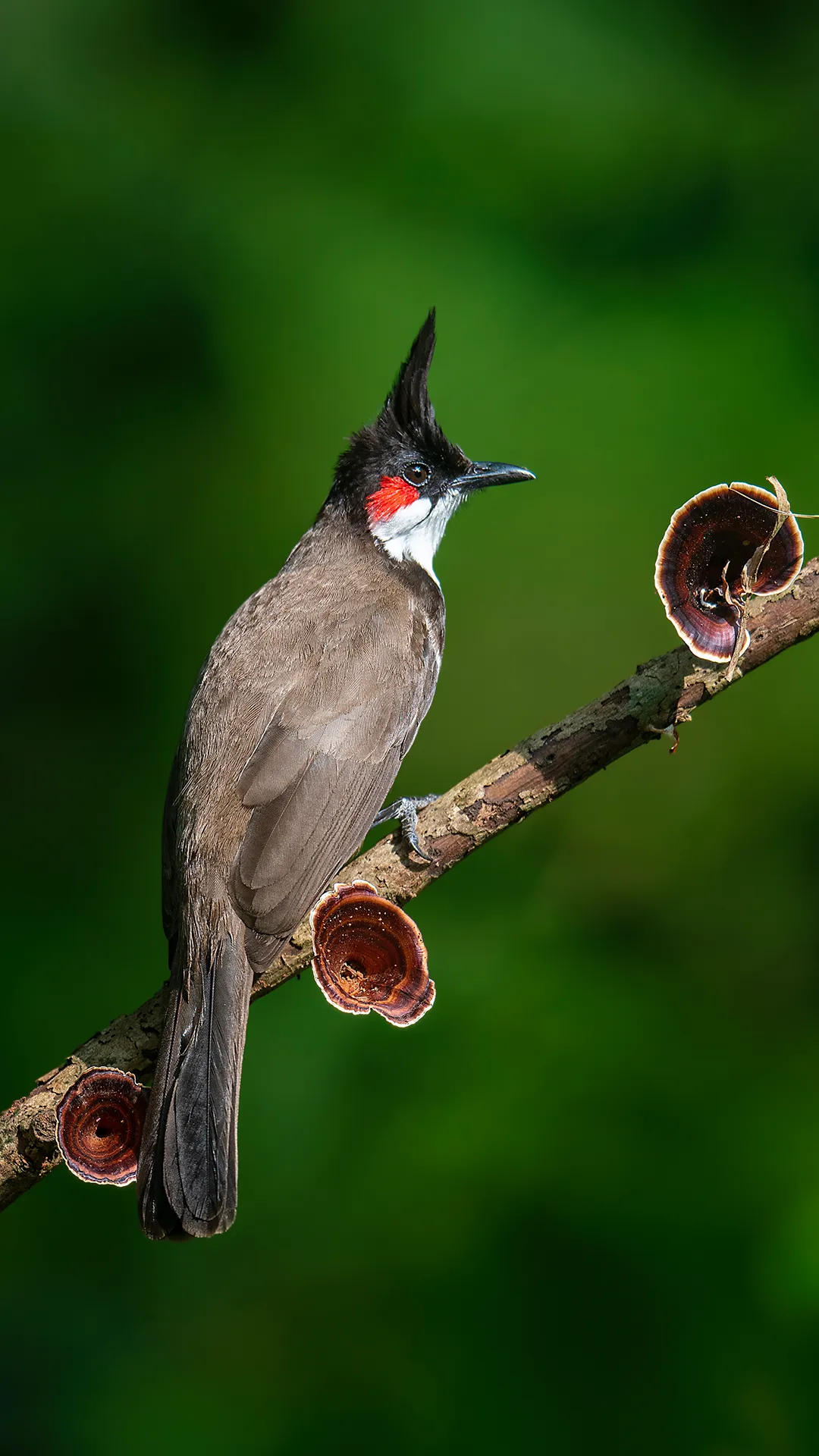
Red-whiskered Bulbul

Summary of Walk

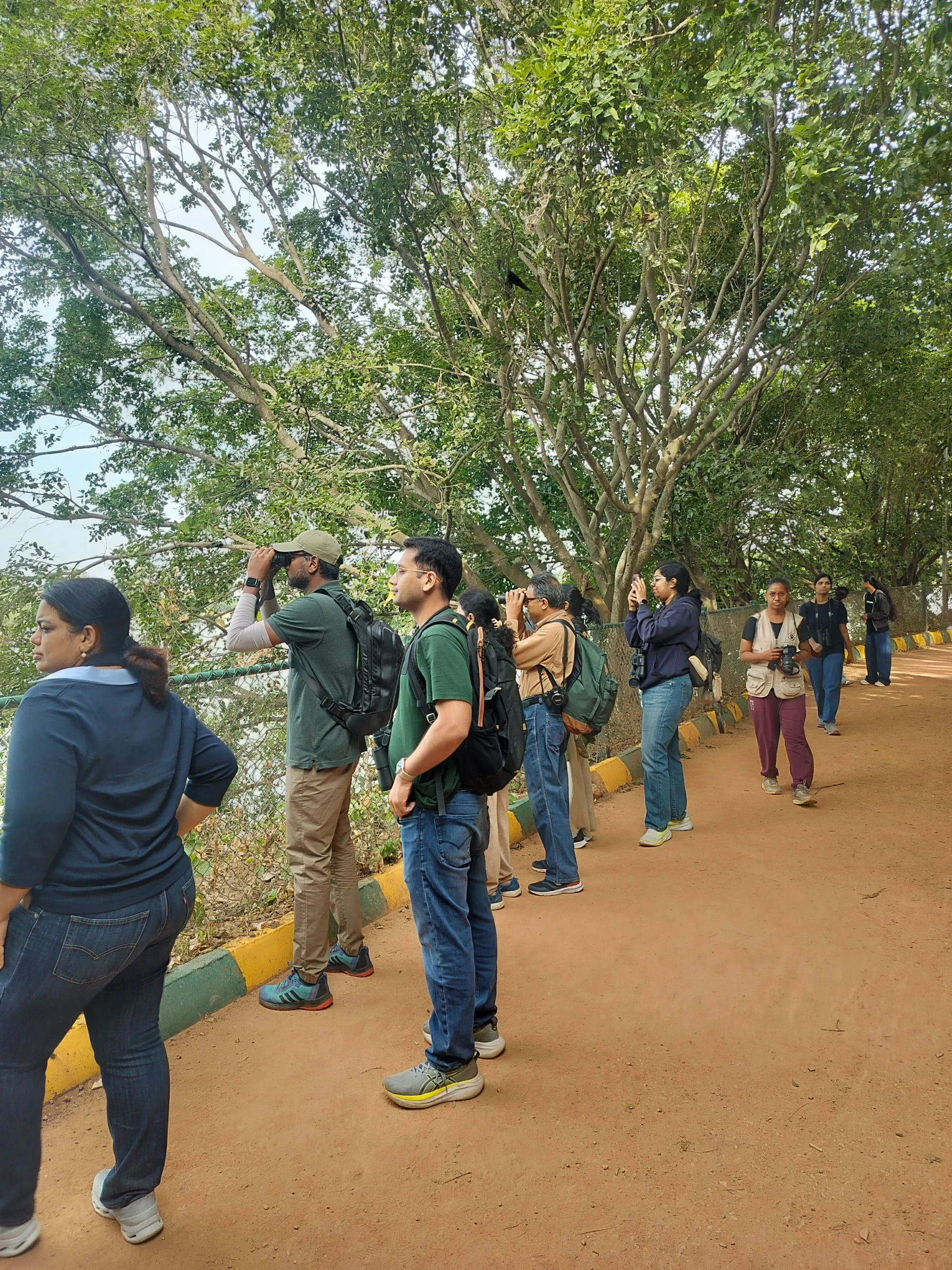
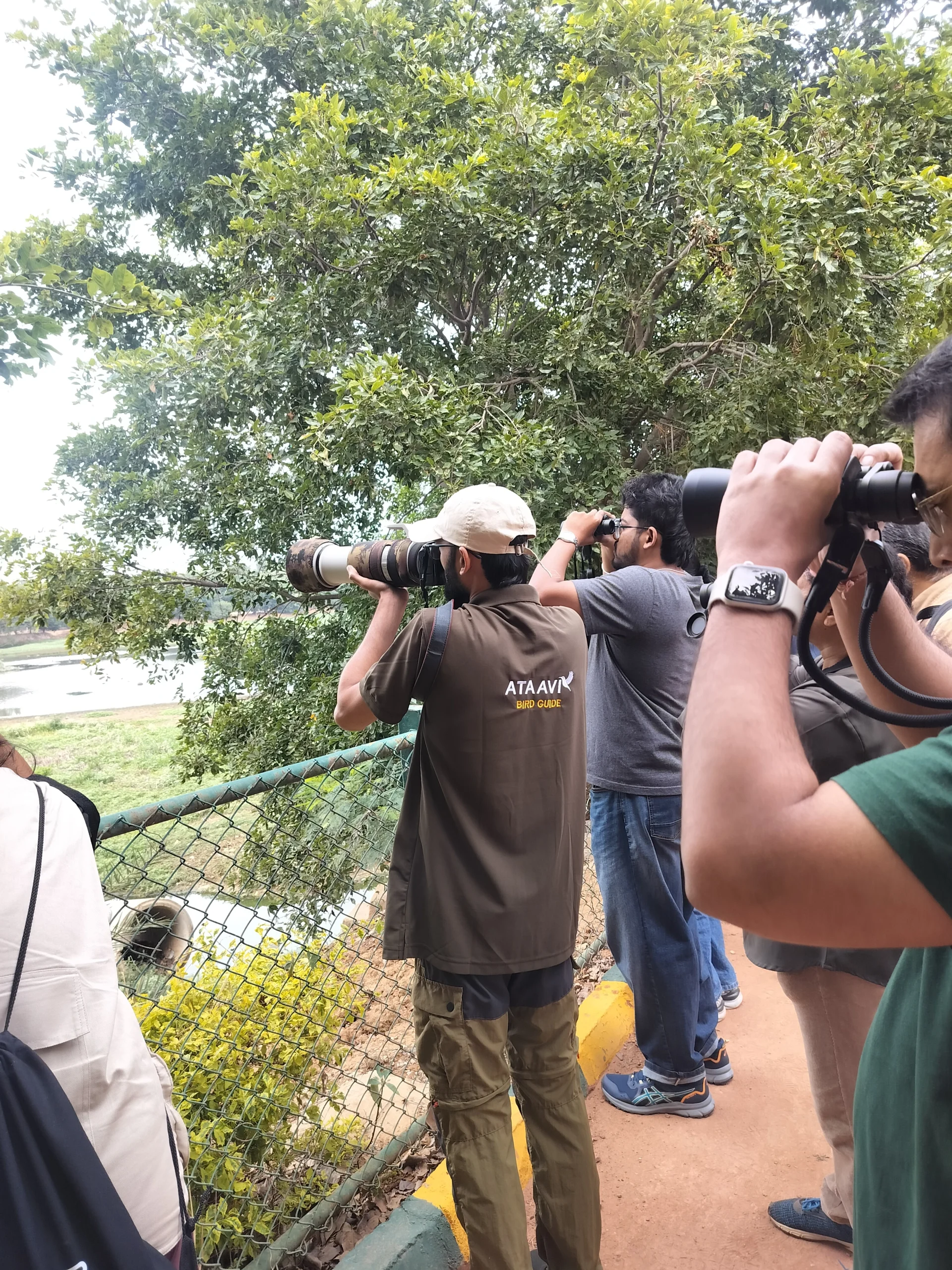
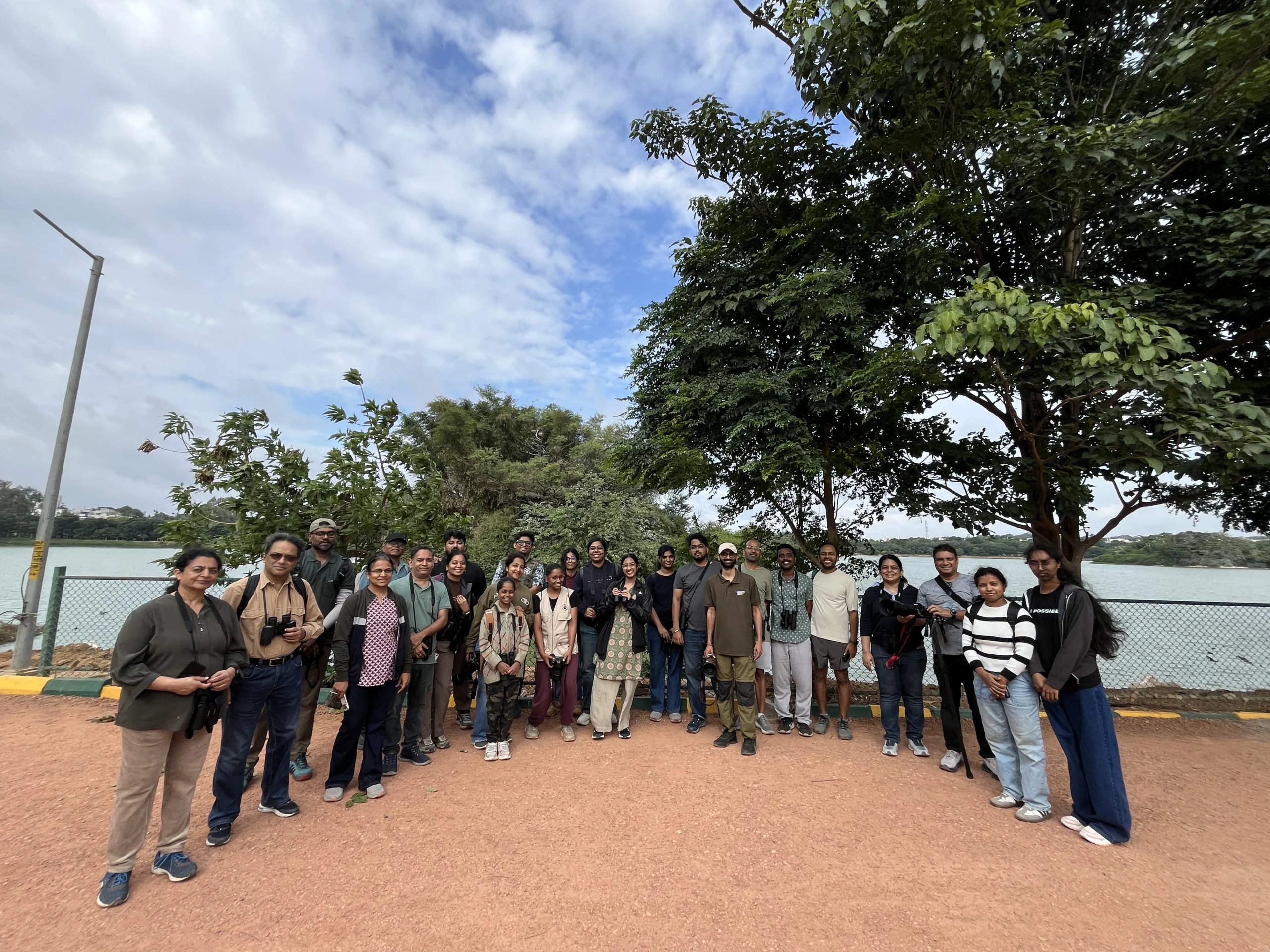
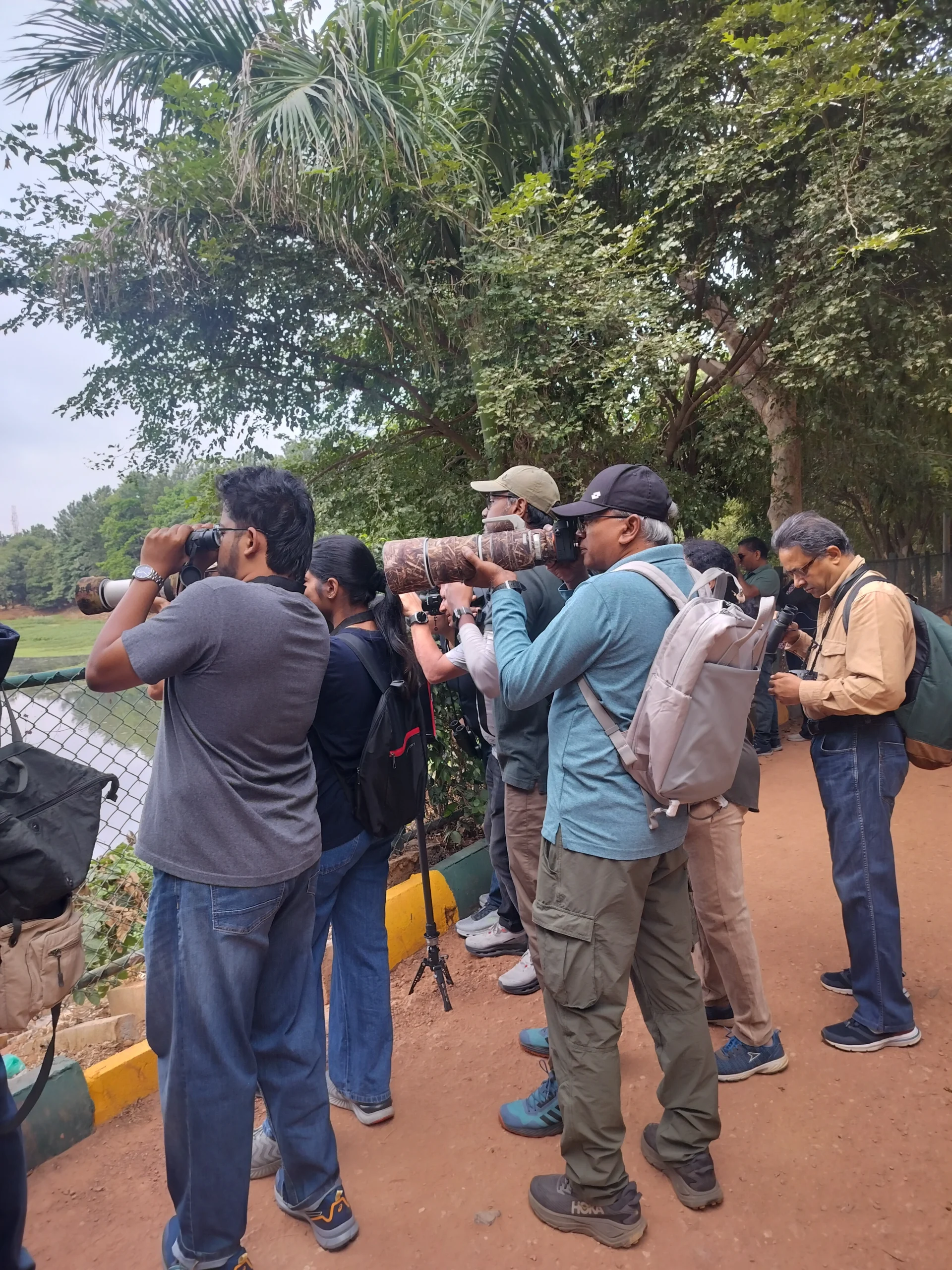
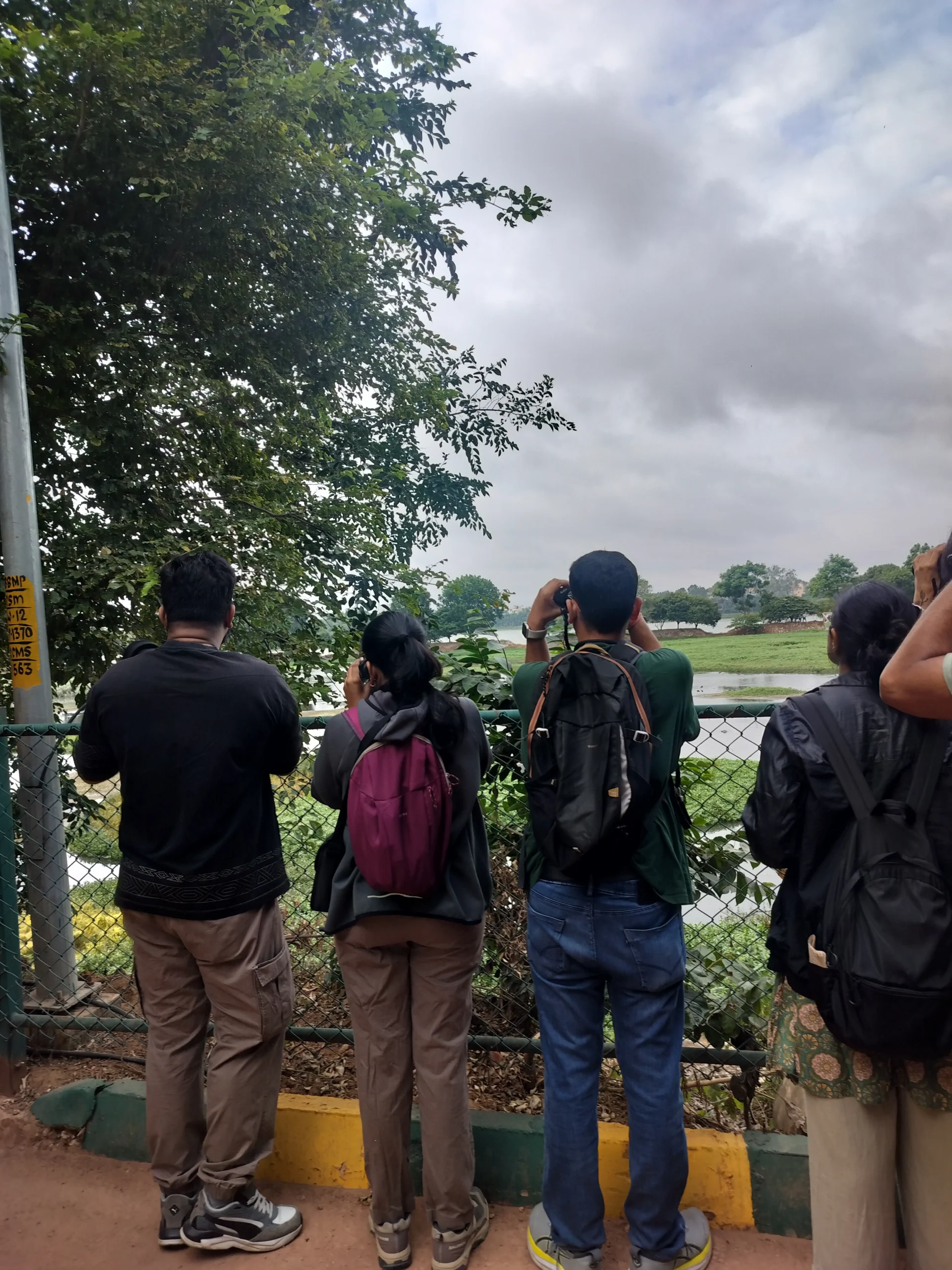
An early morning bird walk was organized at Doddabomasandra Kere, one of Bengaluru’s quieter wetland patches, guided by Ghautham R R and attended by 21 participants. The lake draws both resident and migratory species, making it a rewarding spot for birders, and walking along its bund as the day began allowed the group to experience a rich mix of waterbirds. The walk recorded 34 species in total, with the Spot-billed Pelican, Wood Sandpiper, and Lesser Whistling Duck standing out as the top highlights of the morning. Adding further to the excitement was a particularly large number of Bronze-winged Jacanas, seen in good numbers scattered across the lake throughout the walk. The combination of a quieter, less-explored location with strong species diversity gave participants a fresh perspective on the birdlife thriving within the city’s wetland patches. Overall, the walk at Doddabomasandra Kere offered a peaceful yet productive outing, reaffirming the ecological value of Bengaluru’s smaller, lesser-known lakes and leaving participants with a deeper appreciation for the waterbirds that depend on them for feeding and shelter.
Number of Participants
0
Scroll to Top