


Bird Walk at Ecological Park, Laharpur, Bhopal, Madhya Pradesh
- Bhopal
- 20 December, 2025
- Ankit Malviya
About Ecological Park Laharpur
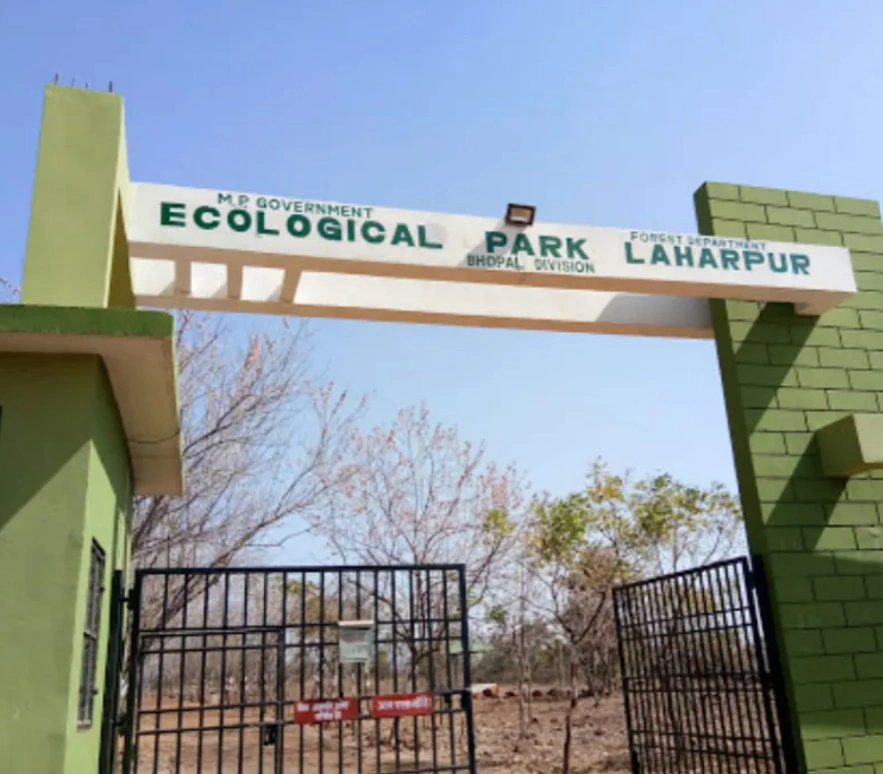
Nestled along the Bhopal–Indore bypass near the Katara Hills, Ecological Park Laharpur is one of Bhopal’s most significant green spaces, offering a refreshing blend of nature, learning, and recreation. Spread over a vast area of approximately 1,750 acres, the park represents the natural dry deciduous landscape of central India. Rolling grasslands merge with patches of native woodland, creating habitats rich in indigenous plant life such as neem, peepal, banyan, palash, harra, and behda. These plant communities not only define the park’s scenic beauty but also play a vital role in maintaining soil stability, supporting wildlife, and improving the city’s air quality. Carefully planned walking and cycling trails invite visitors to explore the landscape while learning about local ecosystems and sustainable living.
The park is equally vibrant in terms of wildlife and birdlife, making it a hidden gem for nature enthusiasts and students alike. Ecological Park Laharpur supports a wide variety of birds, from colorful resident species to migratory visitors that arrive seasonally, filling the park with calls, movement, and life. Small mammals, reptiles, butterflies, and insects thrive here, contributing to essential ecological processes such as pollination and seed dispersal. However, as an urban ecological reserve, the park faces conservation challenges including pressure from increasing visitors, waste management issues, fire risks during dry seasons, and the effects of nearby urban expansion. Protecting this park through responsible tourism, habitat restoration, and public awareness is crucial to ensuring that Laharpur remains a living classroom and a vital green lung for Bhopal for generations to come.

Bird Guide: Ankit Malviya
He is a naturalist, bird guide, wildlife photographer from Bhopal. Birding since last 7 years and loves to share exciting bird stories and knowledge with everyone.
Bird walk Location
Common birds of Ecological Park Laharpur
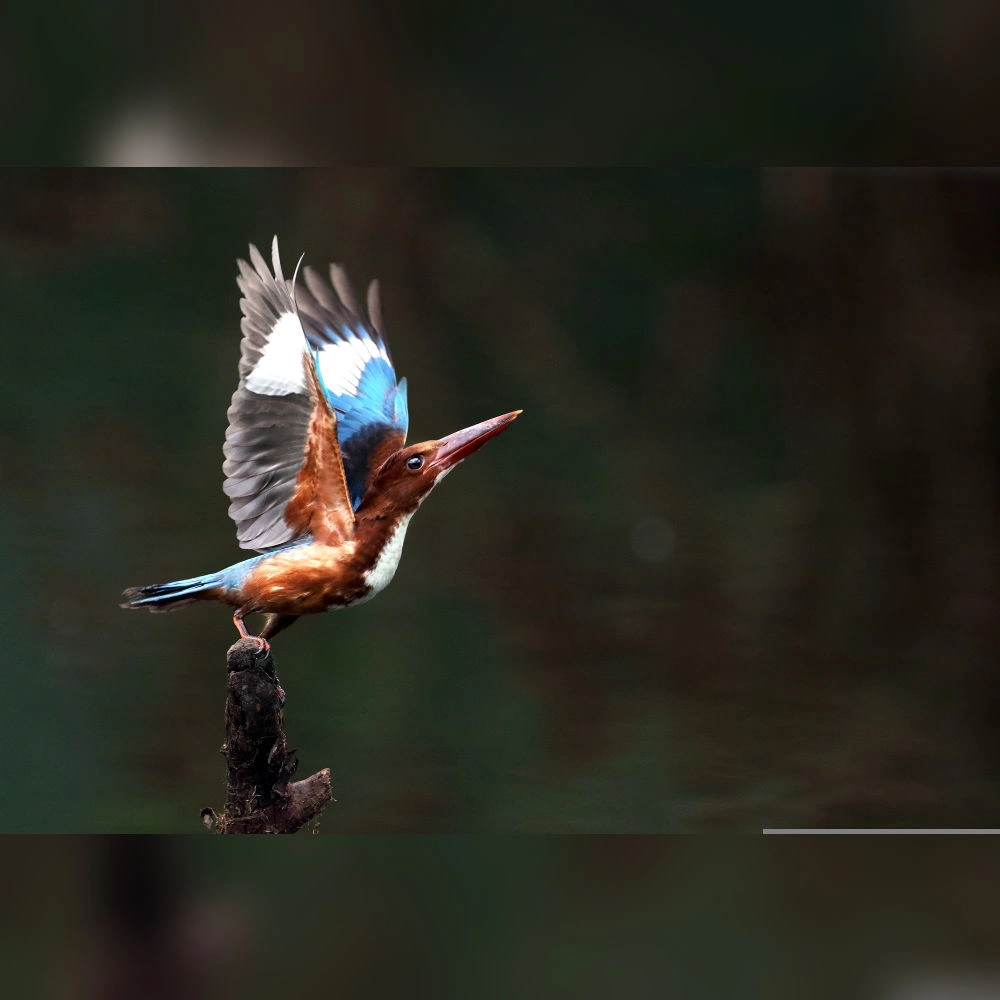
With an impressive record of over 334 bird species, Ecological Park Laharpur stands out as one of Bhopal’s richest urban birding destinations, where every habitat hums with avian life. Graceful wetland specialists such as the Pheasant-tailed Jacana stride across floating vegetation, while Black-winged Stilts, River Terns, Purple Moorhens, White-breasted Waterhens, Spot-billed Ducks, Pond Herons, Medium Egrets, Little Cormorants, and Greater Cormorants animate the park’s lakes and marshes. Open skies are patrolled by the Western Marsh Harrier, and the unmistakable calls of the Red-wattled Lapwing echo across grasslands. Trees and scrub burst into color with White-throated Kingfishers, Purple Sunbirds, Indian Peafowl, Pied Starlings, Common Ioras, Indian Robins, Ashy Prinias, Wood Shrikes, Greater Coucals, Black and Ashy Drongos, White-browed Fantails, Verditer and Grey-headed Canary Flycatchers, creating constant movement and sound. During winter, migrants such as Tree Pipits, Hume’s Warblers, and Red-breasted Flycatchers arrive, adding seasonal excitement for birdwatchers. This extraordinary diversity makes Laharpur not just a park, but a living aviary—an essential refuge for birds and a captivating space for learning, photography, and conservation awareness.

White-throated Kingfisher

Pheasant-tailed Jacana
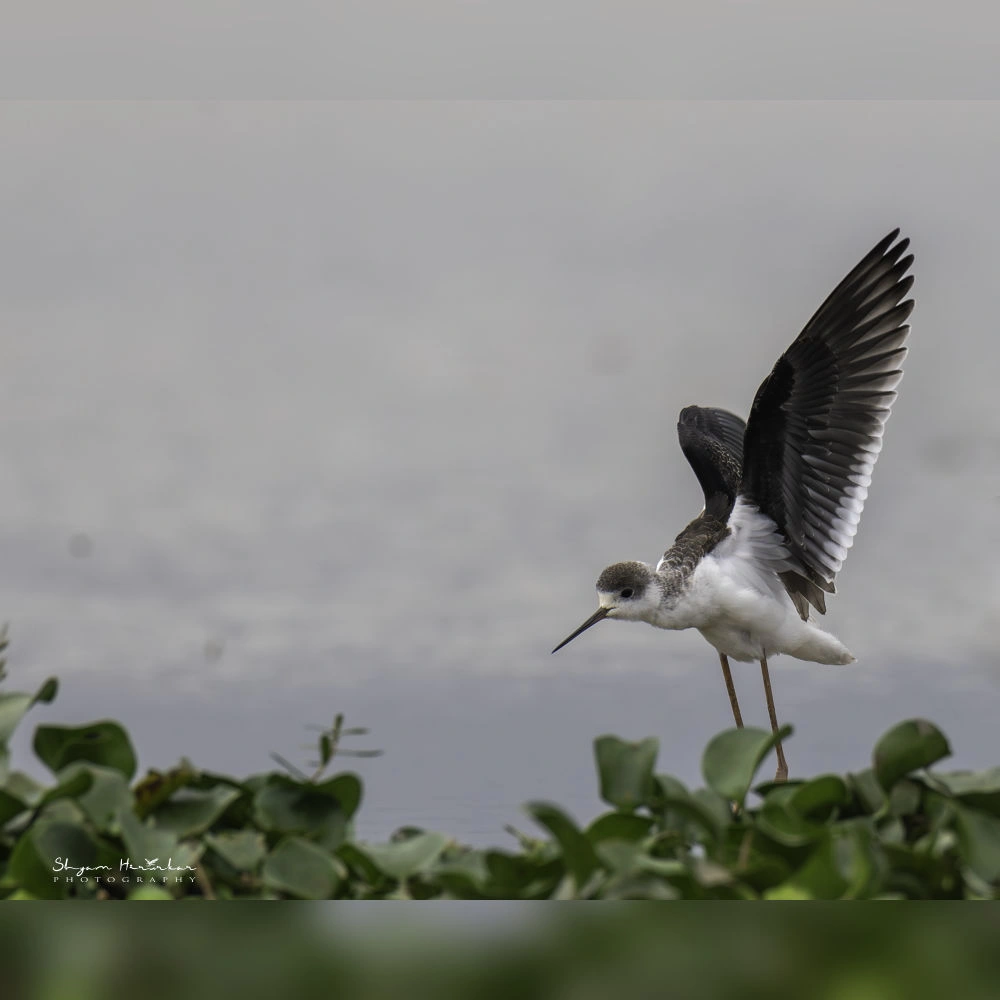
Black-winged Stilt

River Tern
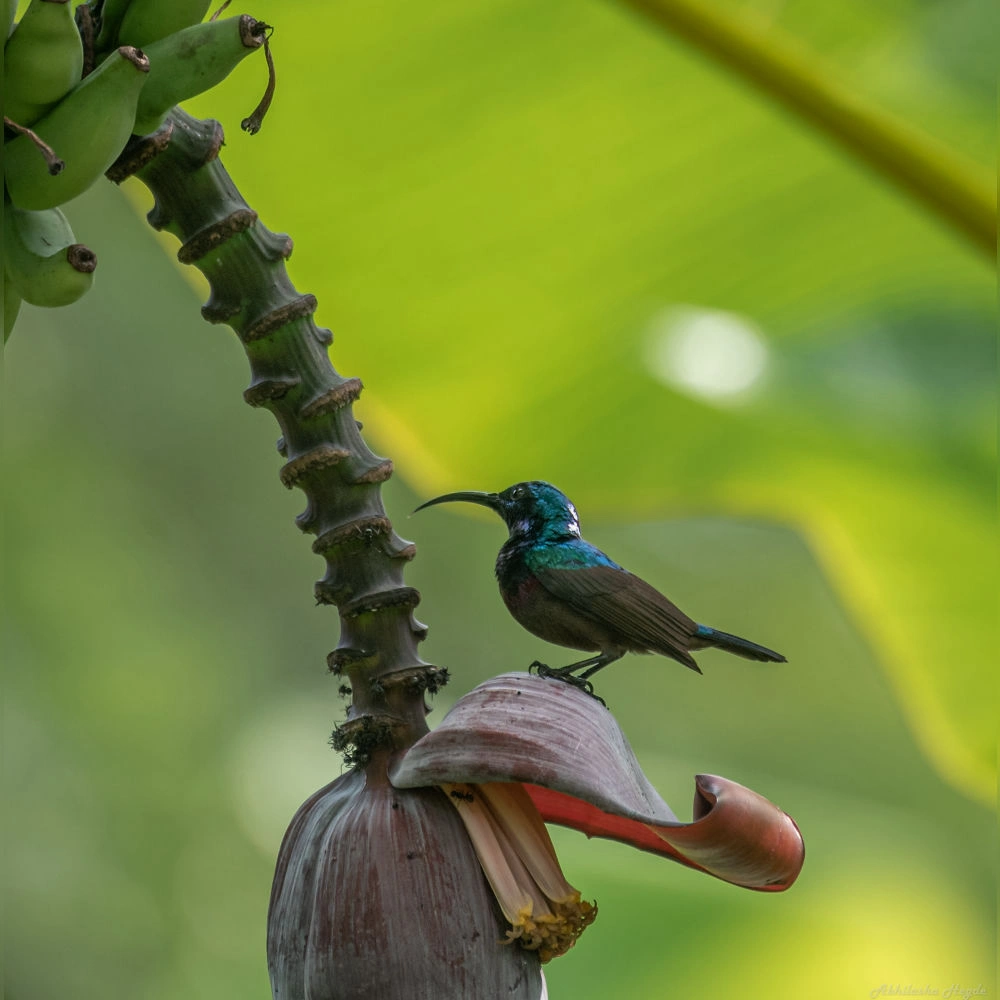
Purple Sunbird
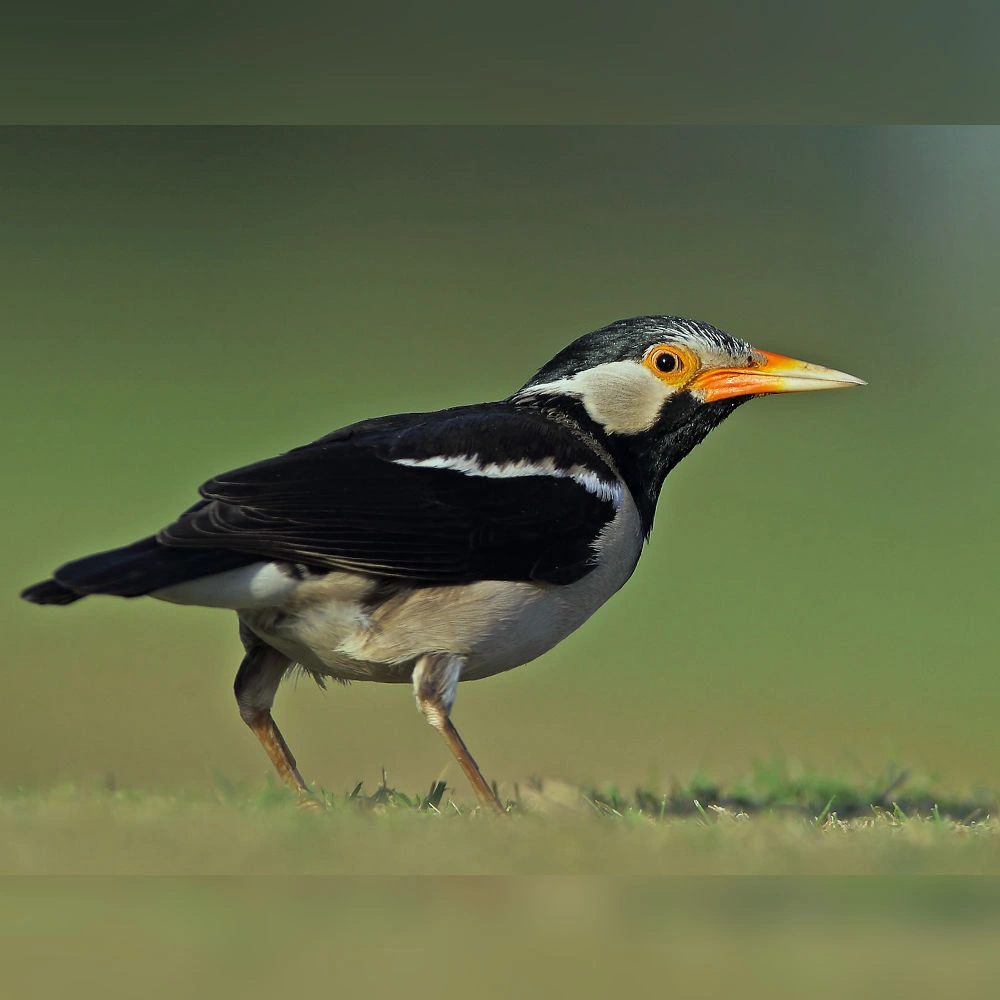
Asiann-pied Starling
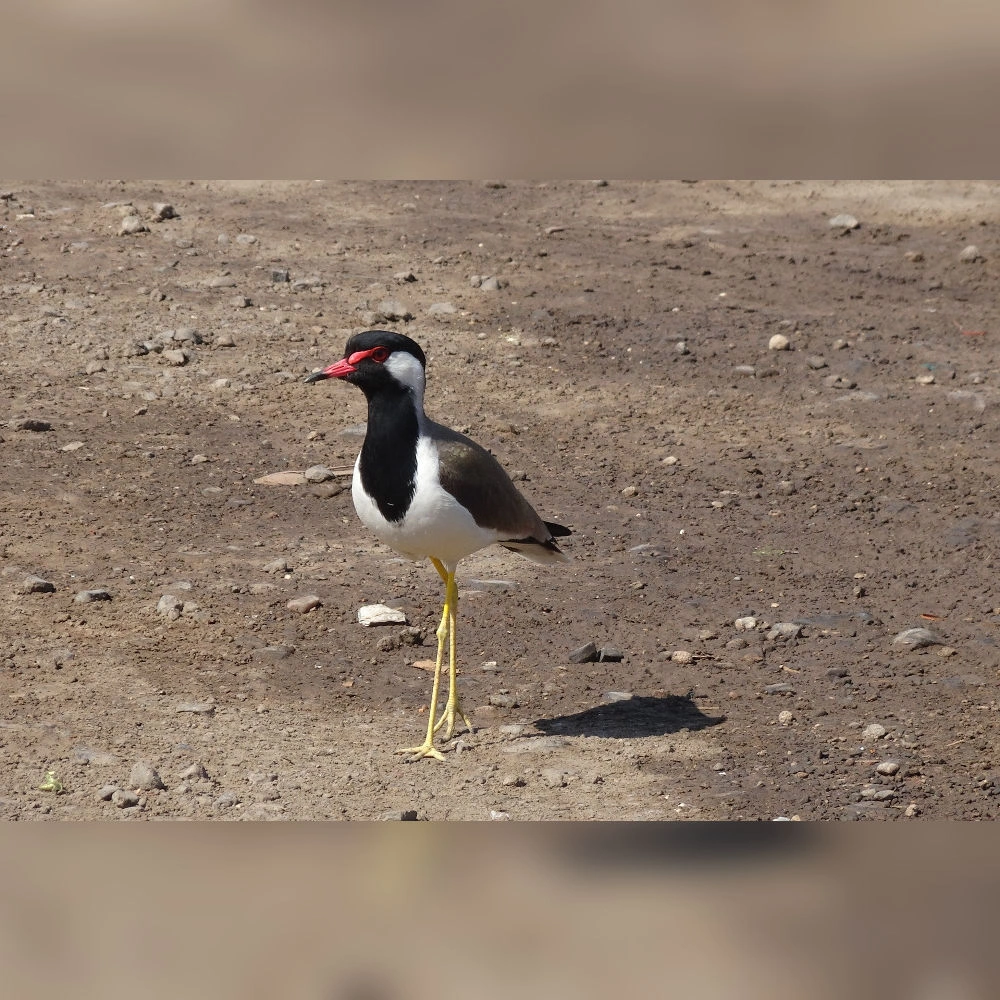
Red-wattled Lapwing
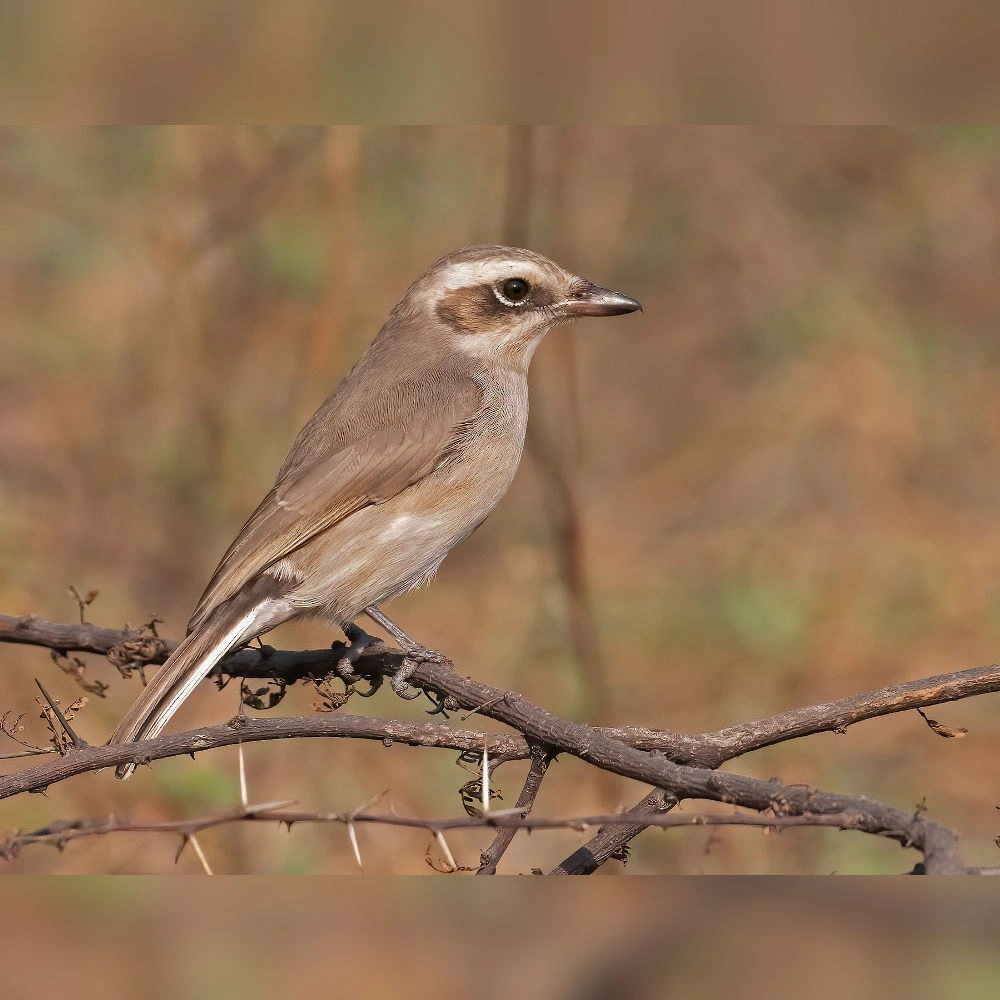
Common Woodshrike
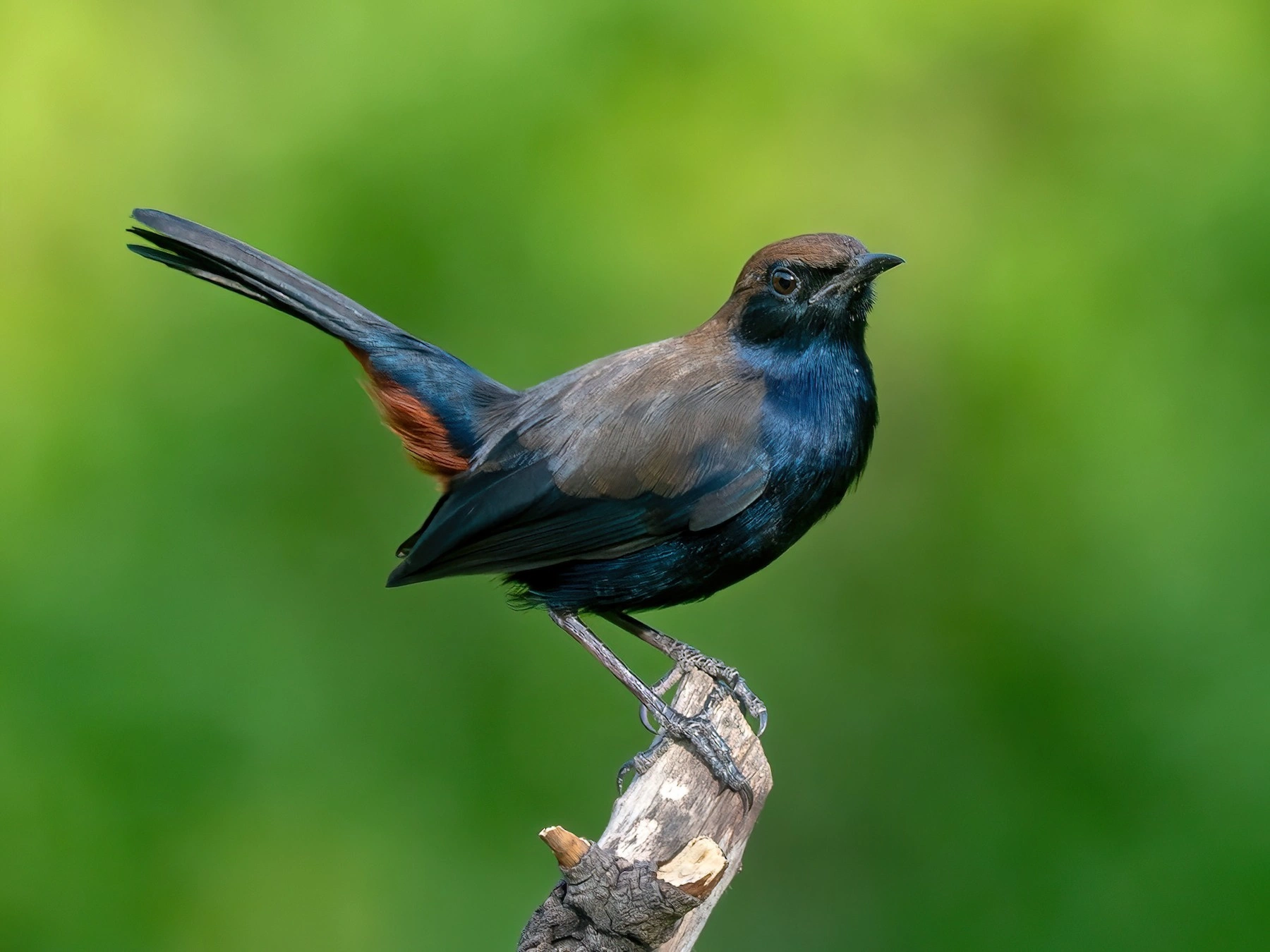
Indian Robin
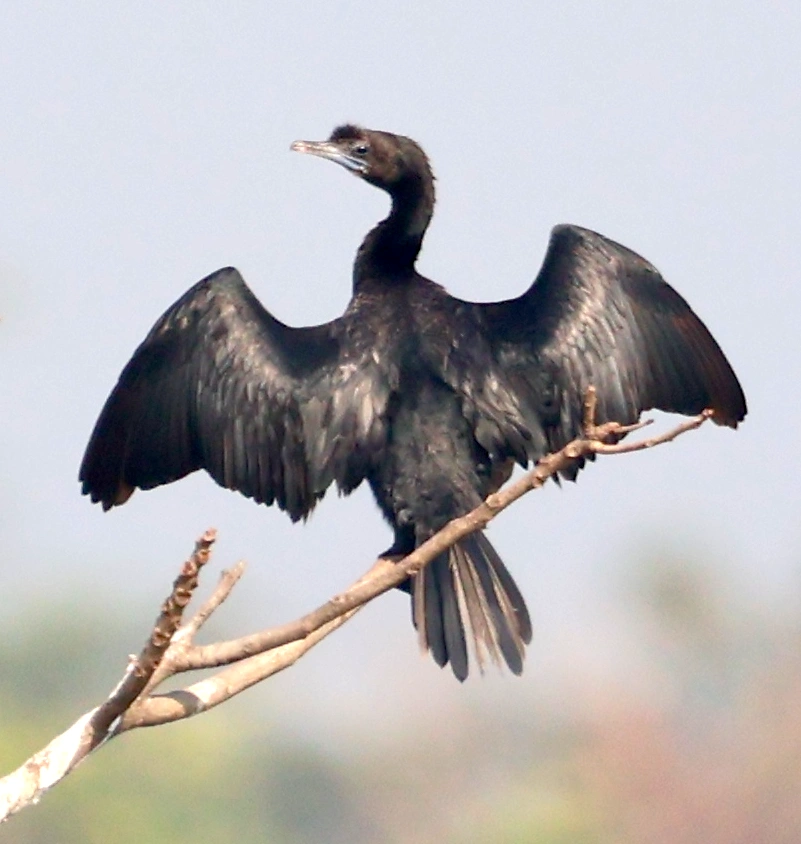
Little Cormorant
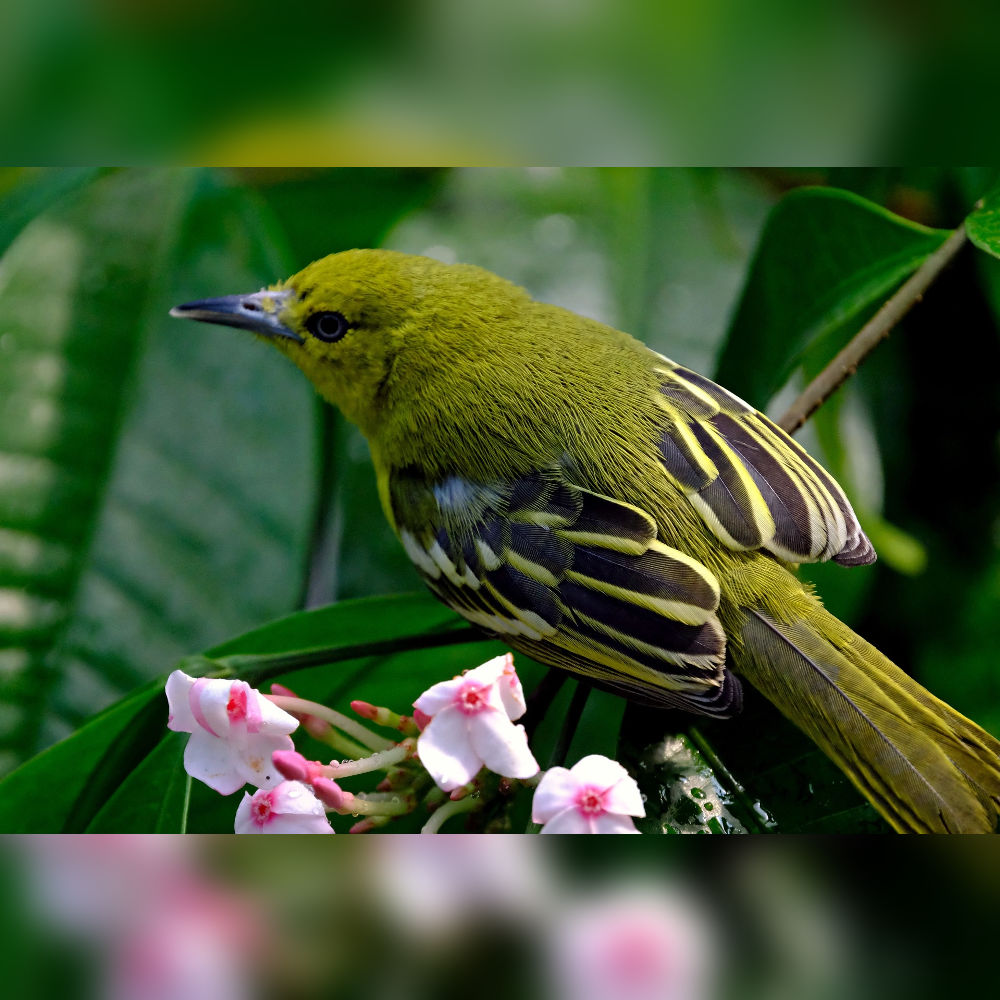
Common Iora
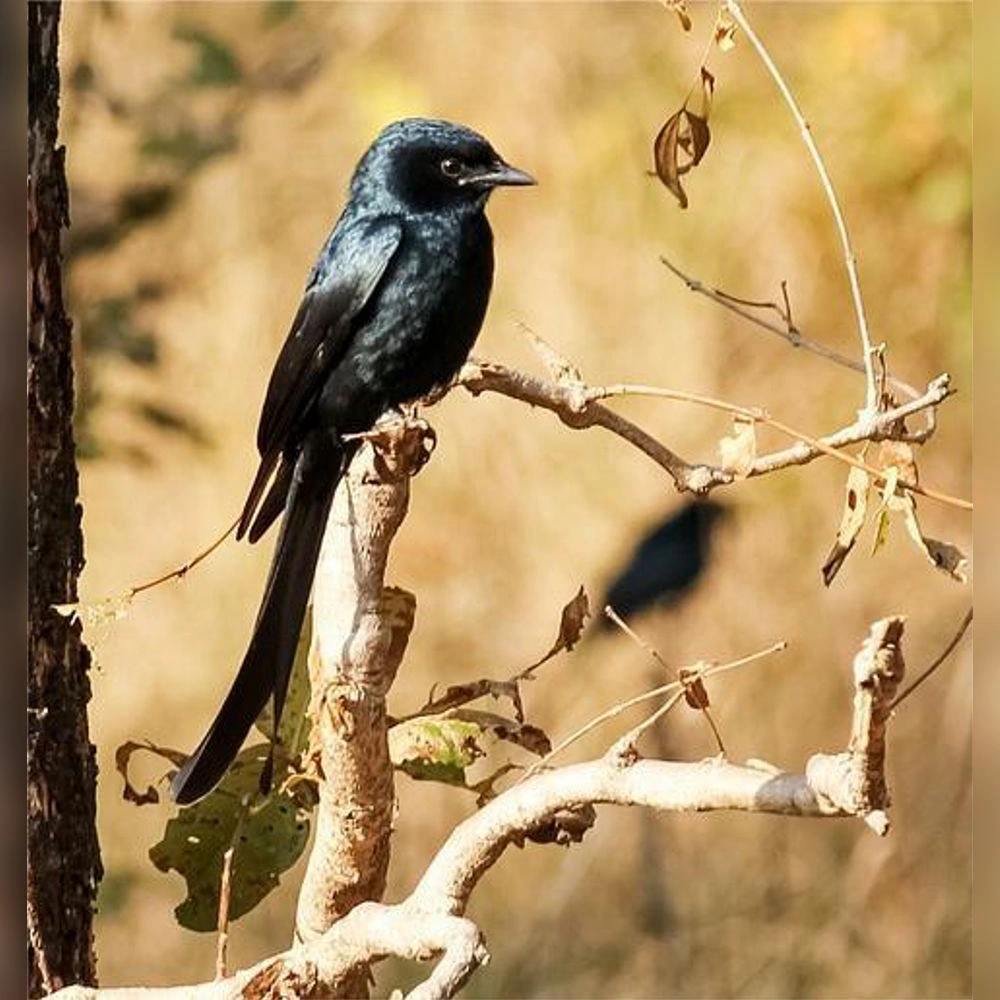
Black Drongo
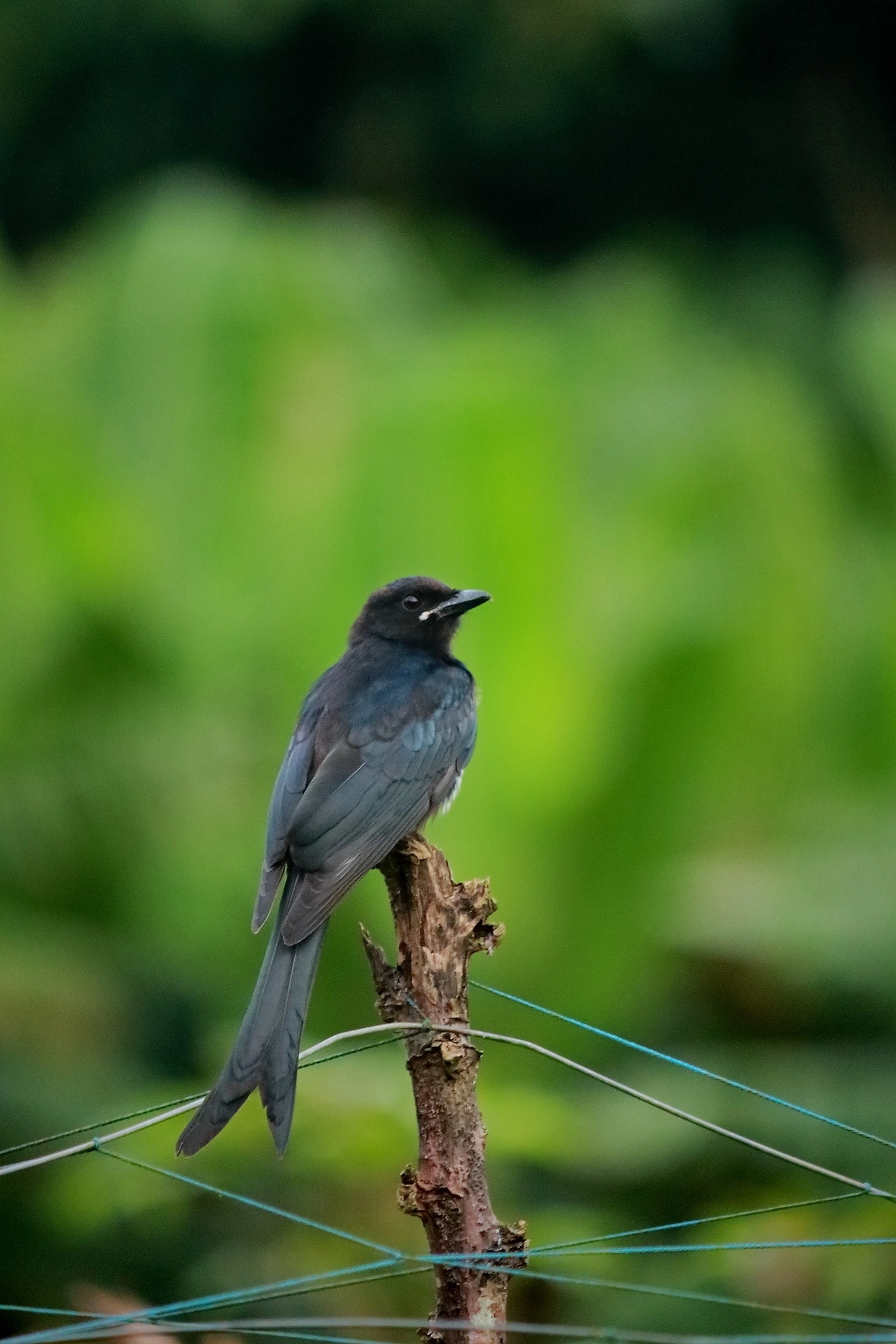
Ashy Drongo
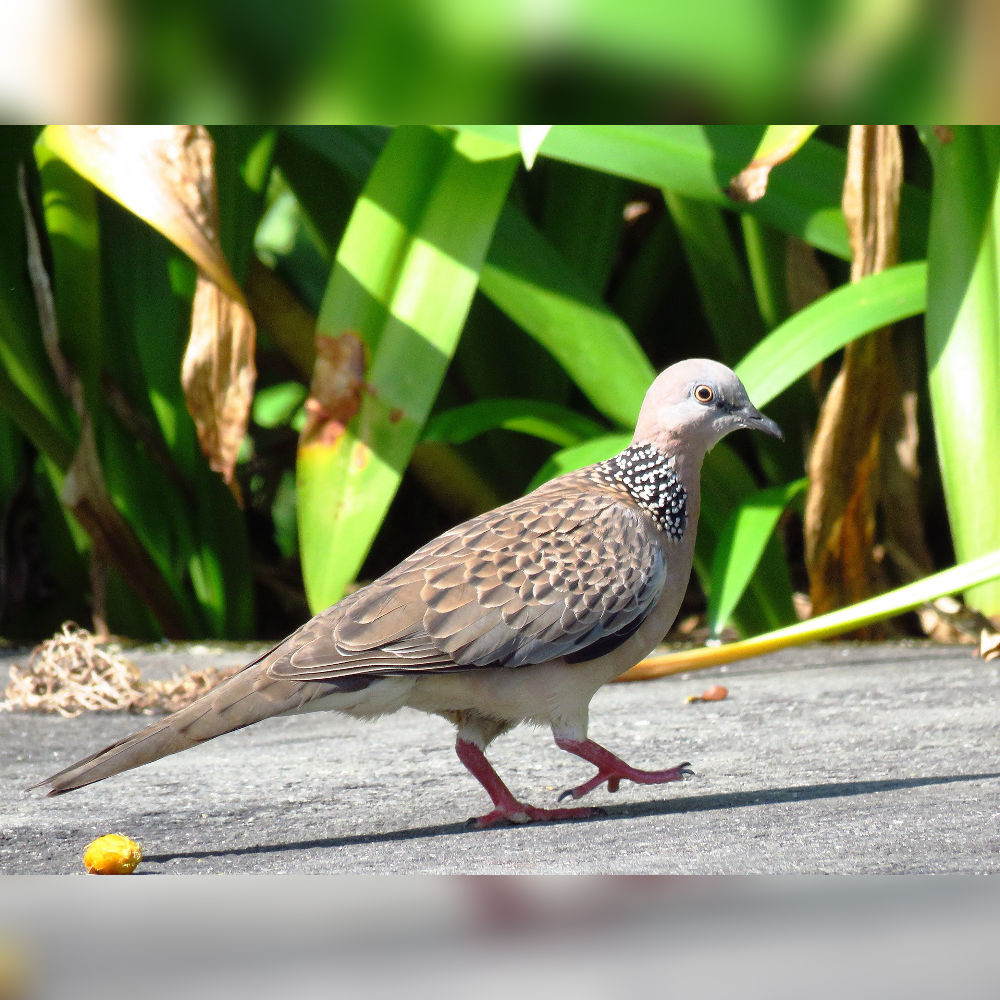
Spotted Dove
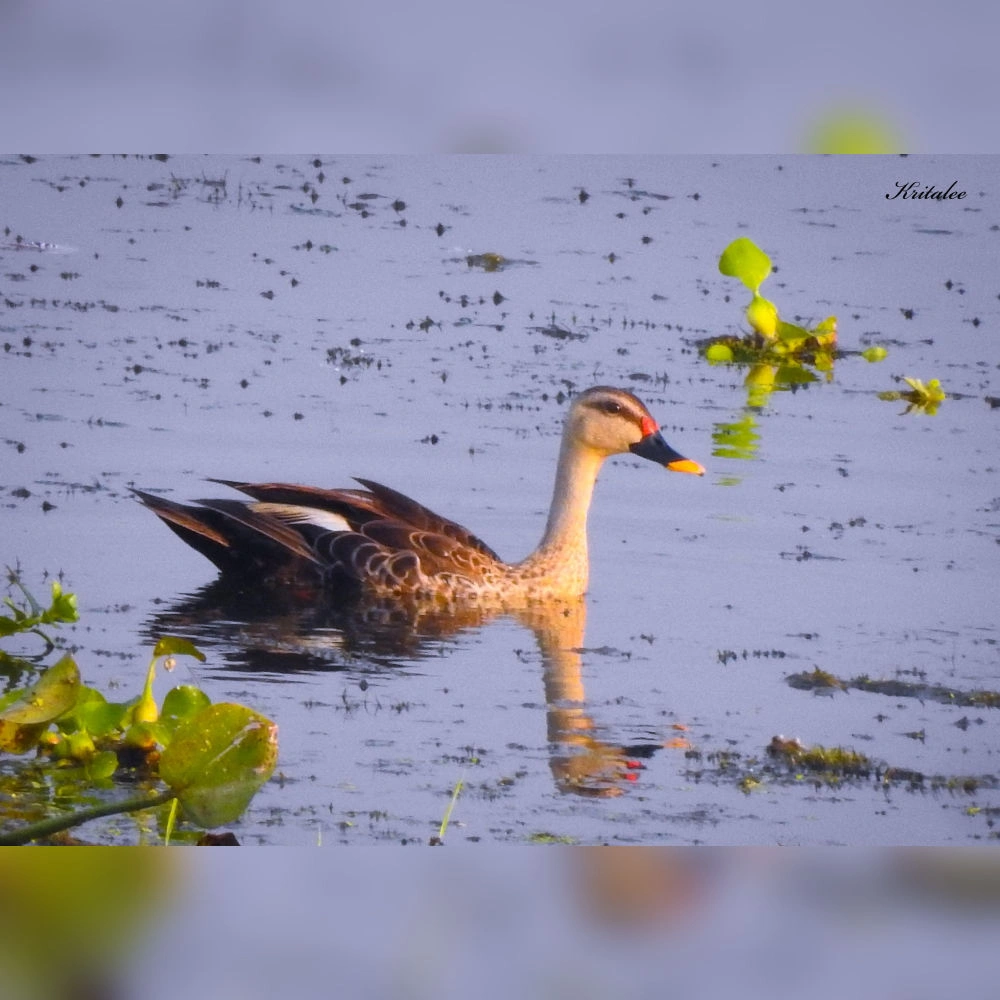
Spot-billed Duck
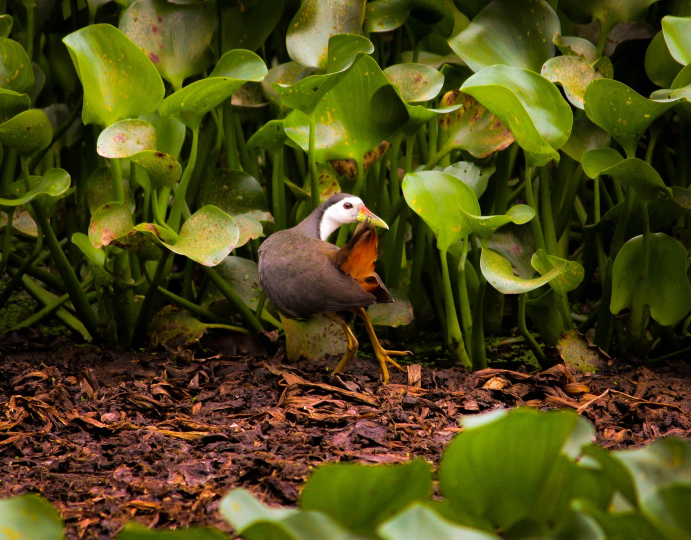
White-breasted Waterhen
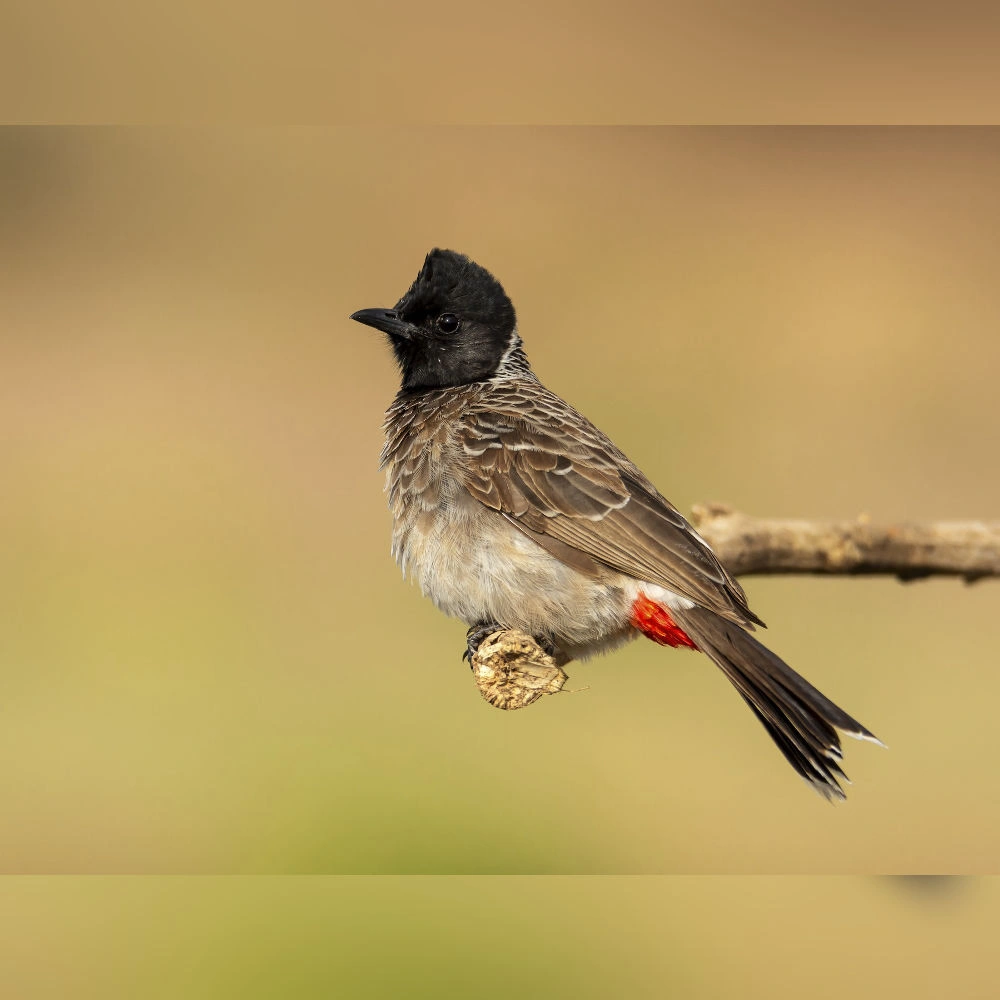
Red-vented Bulbul
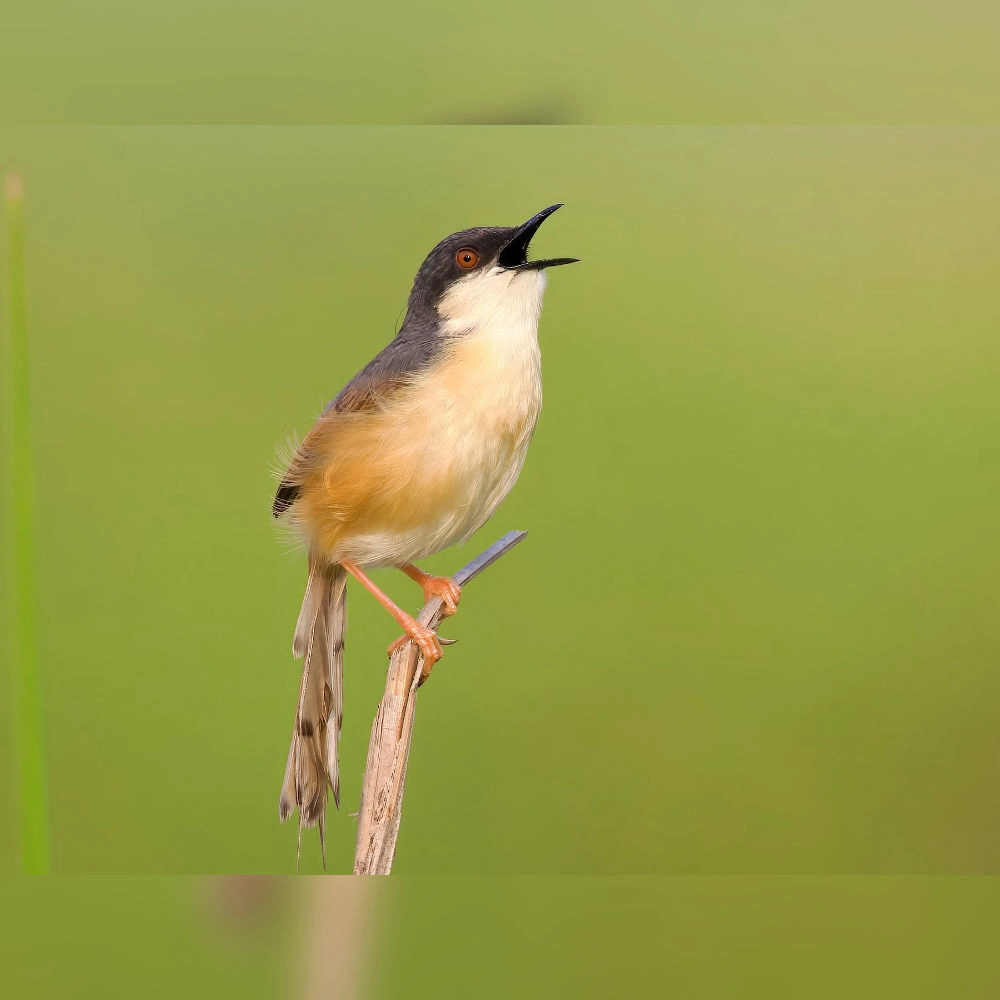
Ashy Prinia
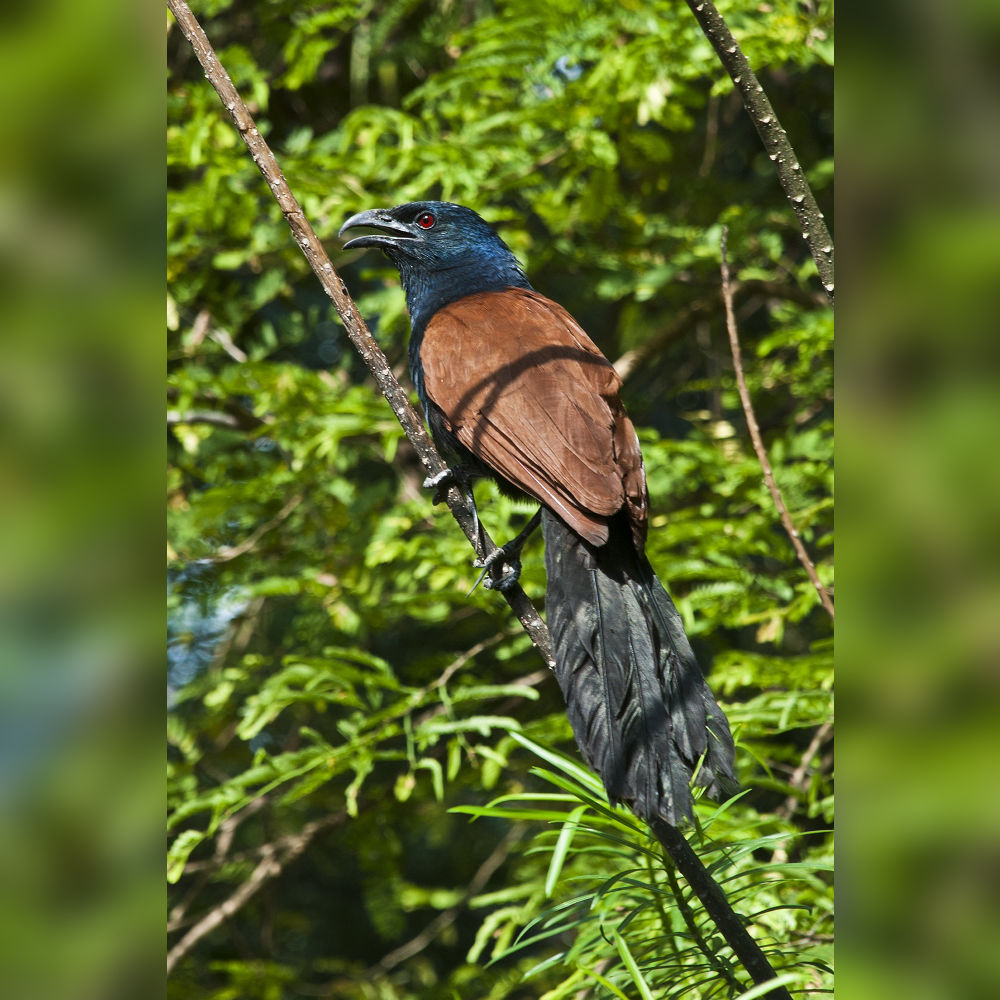
Greater Coucal
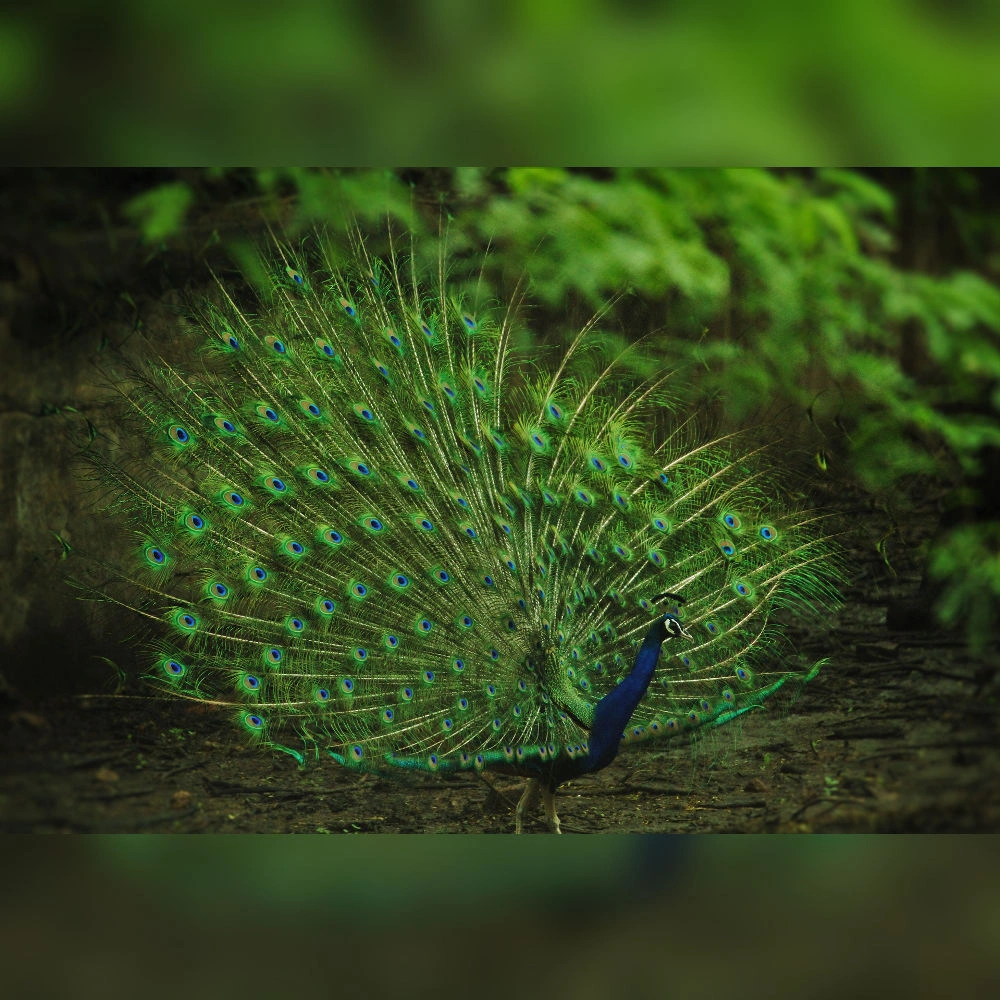

Indian Peafowl
Summary of Walk
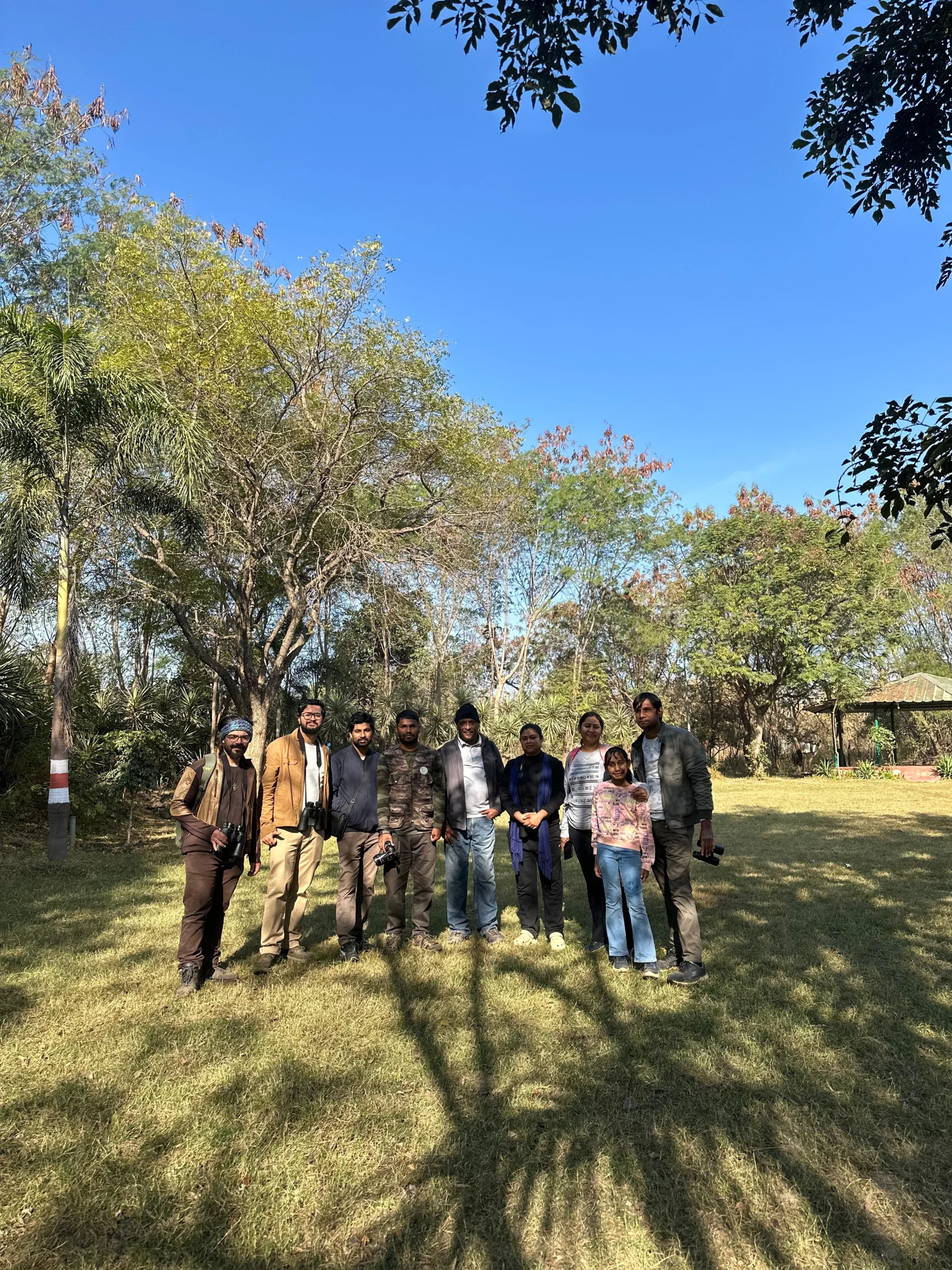
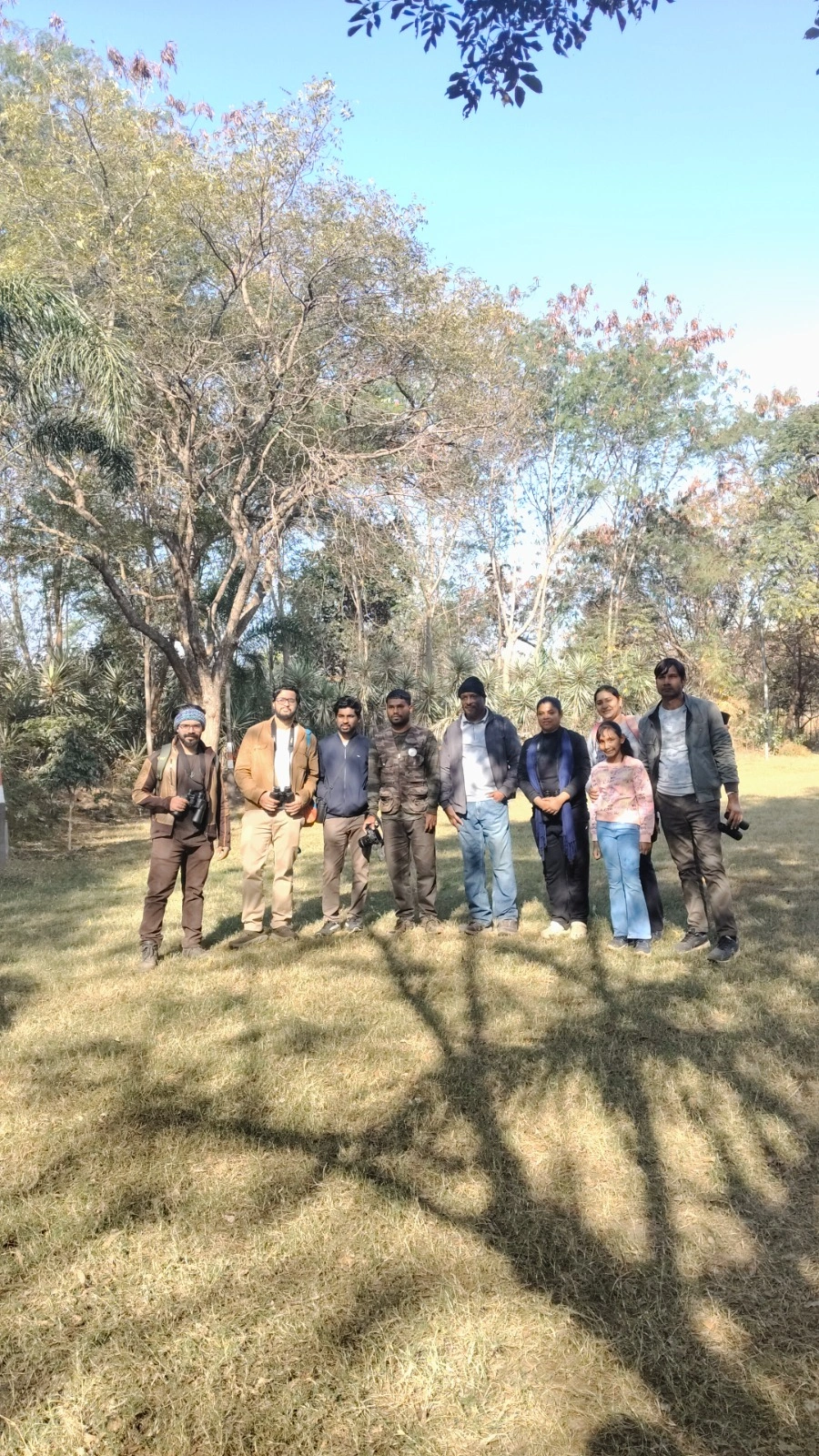
The bird walk at Ecological Park, Laharpur, led by Ankit Malviya, was attended by eight participants and offered an engaging exploration of the park’s avian diversity. The group moved through different habitats within the park, observing both woodland and open-area species. Throughout the walk, participants actively discussed identification features, calls, and behaviors, making the experience informative for both beginners and regular birdwatchers.
A total of 30 bird species were recorded during the walk, with notable sightings including White-browed Fantail, Small Minivet, Grey-headed Canary Flycatcher, Grey Francolin, and Rufous Treepie. These sightings highlighted the ecological richness of the park and reinforced its importance as a green space for urban wildlife. The walk concluded with participants appreciating the diversity they had encountered and gaining a deeper understanding of local birdlife and habitats.