
Loading Events

Bird Walk at Edulabad Lake , Hyderabad

About Edulabad Lake

Edulabad Lake is near Ghatkesar on Hyderabad’s eastern outskirts. It’s a large reservoir of about 5 sq km, set among paddy fields, farmland, scrub and rocky Deccan country. The water supports farming in the surrounding villages, and the mix of open water, marshy edges, crops and hedgerows makes it one of the more varied wetland habitats around the city. Acacia and palmyra palms stand along the bunds, and reeds and water plants grow thick in the shallows.

For birders, Edulabad is a place to count variety: one walk here has recorded more than 50 species. Pied Kingfishers hover and dive over the water, Black-winged Kites hunt the fields, and Ashy Prinias call from almost every bush. Red Avadavats, munias and Baya Weavers feed on the ripening crops. In winter, when the water drops, migrant waders, ducks and wagtails arrive. But the lake has a troubled past. Industrial effluent and sewage have badly polluted it, and at times the water has even turned pink from chemicals, killing fish and harming local residents. Controlling pollution, protecting the catchment, and having local birders monitor the lake are vital if Edulabad is to recover its full value as a wetland.

Bird Guide: Ashly Biji

He has over 4 years of experience as an official birder and has led nearly 500 nature walks across the Periyar Tiger Reserve and various parts of Telangana. His extensive field experience has deepened his understanding of birds, wildlife, and their habitats, while his work as a nature guide reflects his passion for connecting people with the natural world.

Bird walk Location

Common birds of Edulabad Lake

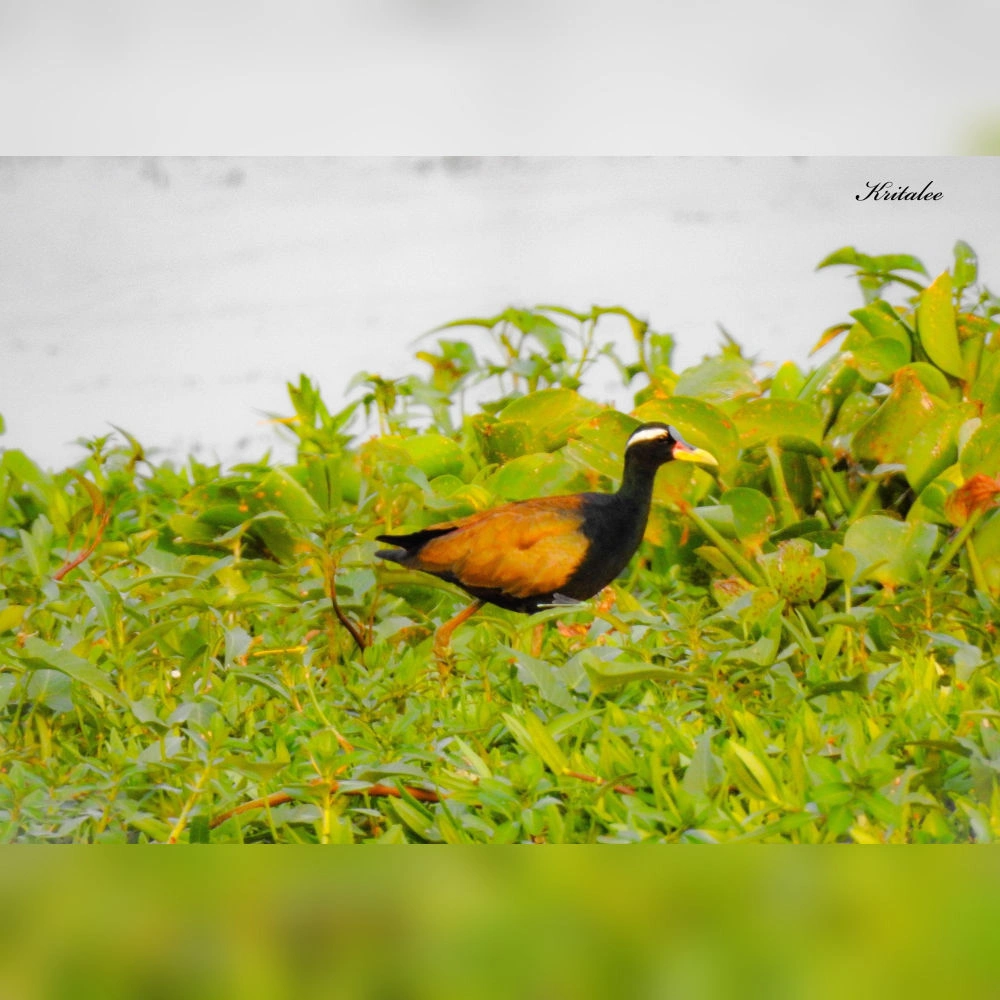
Edulabad is full of waterbirds, and the jacanas steal the show. The Pheasant-tailed Jacana, with its long, sweeping breeding tail, glides over the lily pads beside the glossy Bronze-winged Jacana. Painted Storks wade through the shallows, their pink-tinged wings catching the light. Asian Openbills hunt for snails, and Glossy Ibises probe the mud, shining bronze and green. The Oriental Darter, or “snakebird”, swims with only its thin neck above the water. River Terns hover and dive for fish, and Great Cormorants dry their wings on the snags. Indian Spot-billed Ducks, Little Grebes and Gray-headed Swamphens share the open water and weedy edges. On the muddy shores, Black-winged Stilts, Little Ringed Plovers, and Wood and Common Sandpipers feed busily, while both Red-wattled and the drier-country Yellow-wattled Lapwings keep watch. The surrounding scrub has its own surprises. The Blue-faced Malkoha, a green cuckoo with bright blue skin around its eyes, creeps through the thickets, and the Greater Coucal booms from the hedges. Red Collared-Doves, Gray Francolins and Indian Peafowl round out a list that shows Edulabad’s value despite its pollution.
Pheasant-tailed Jacana
Bronze-winged Jacana
Painted Stork
Asian Openbill
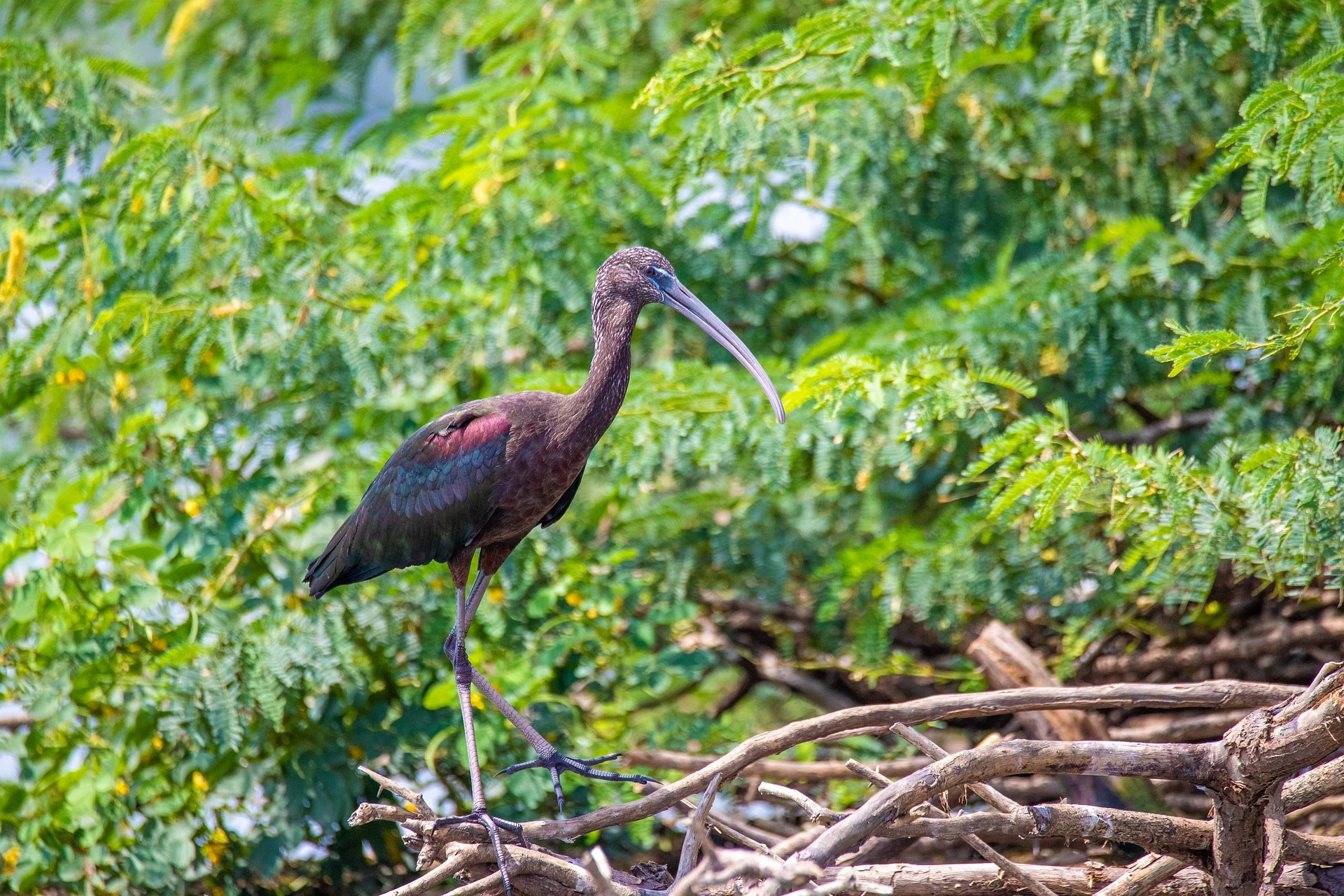
Glossy Ibis
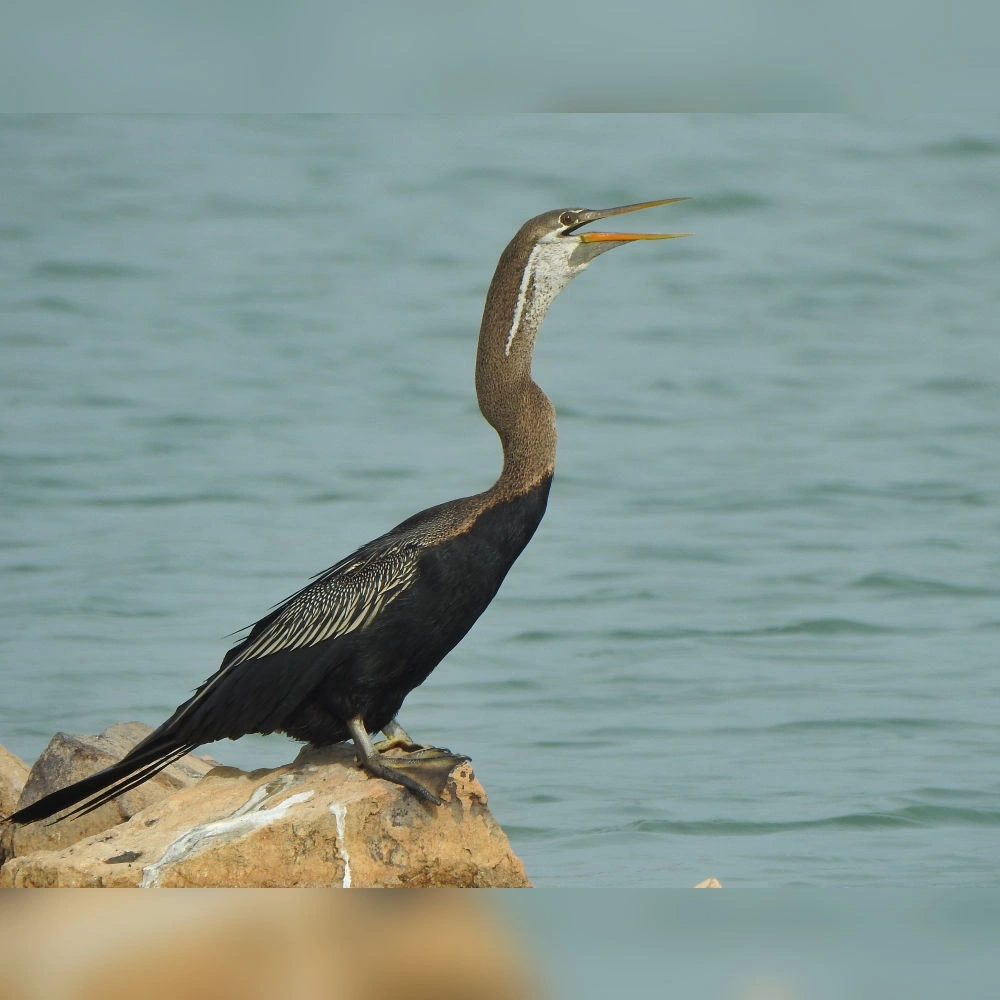
Oriental Darter
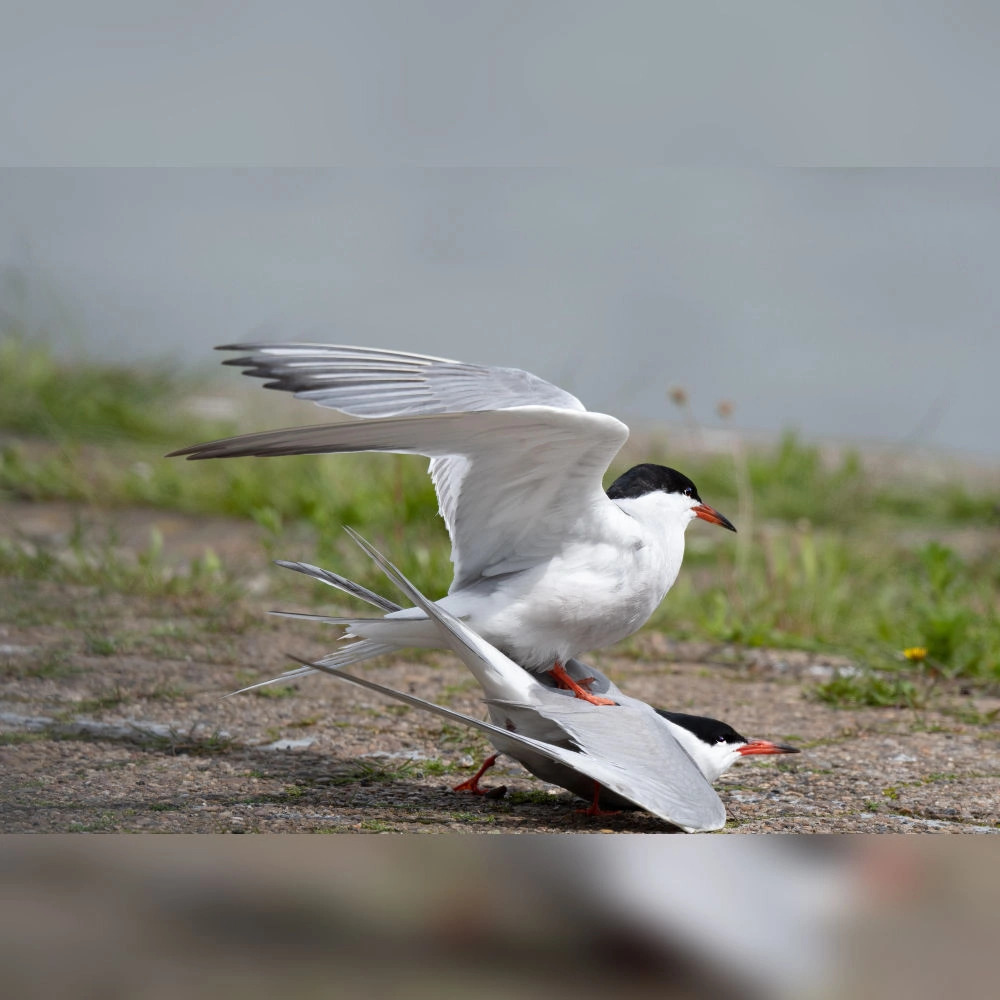
River Tern
Great Cormorant
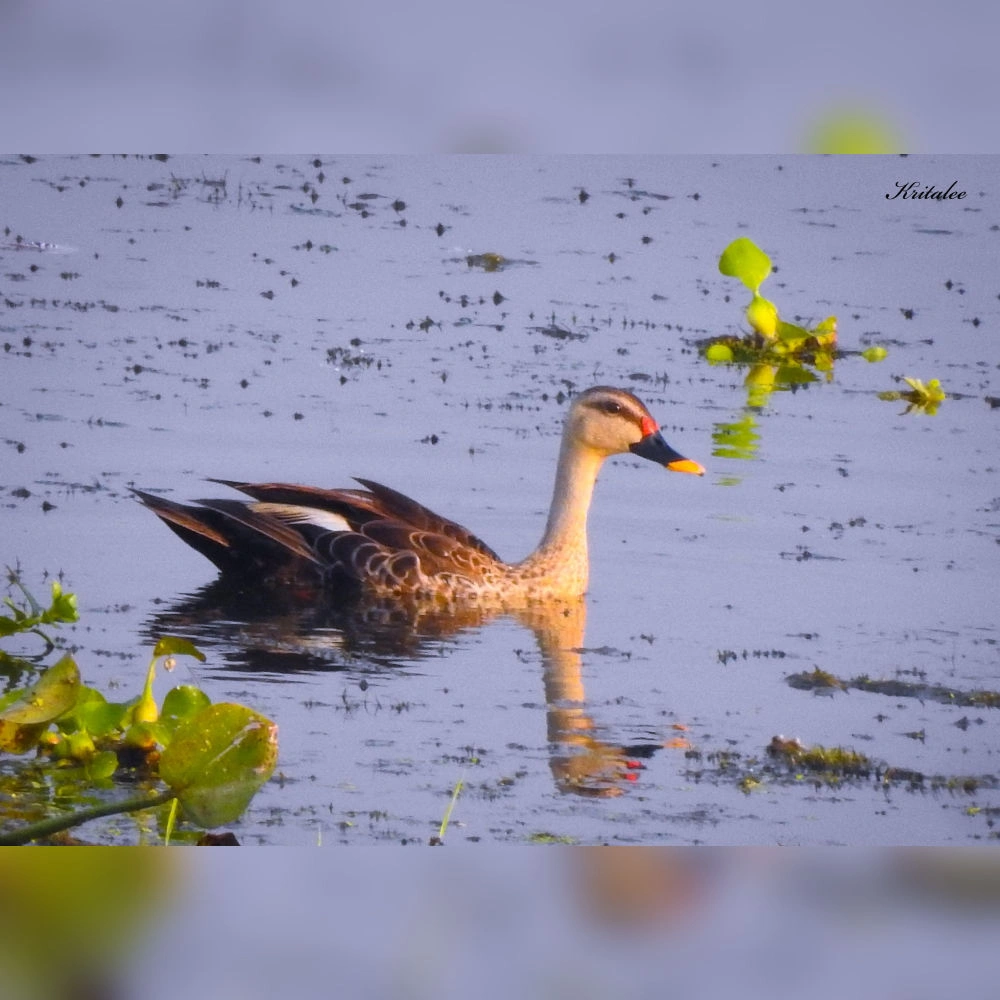
Indian Spot-billed Duck
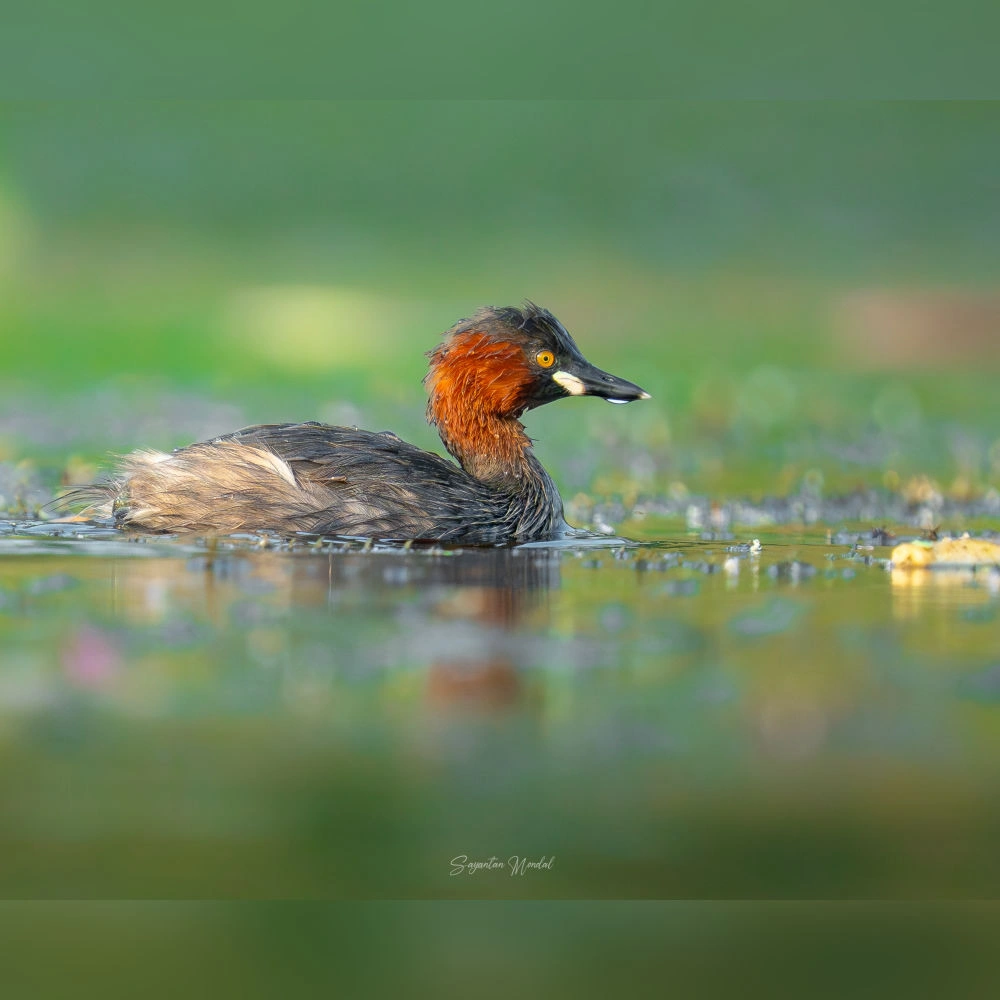
Little Grebe
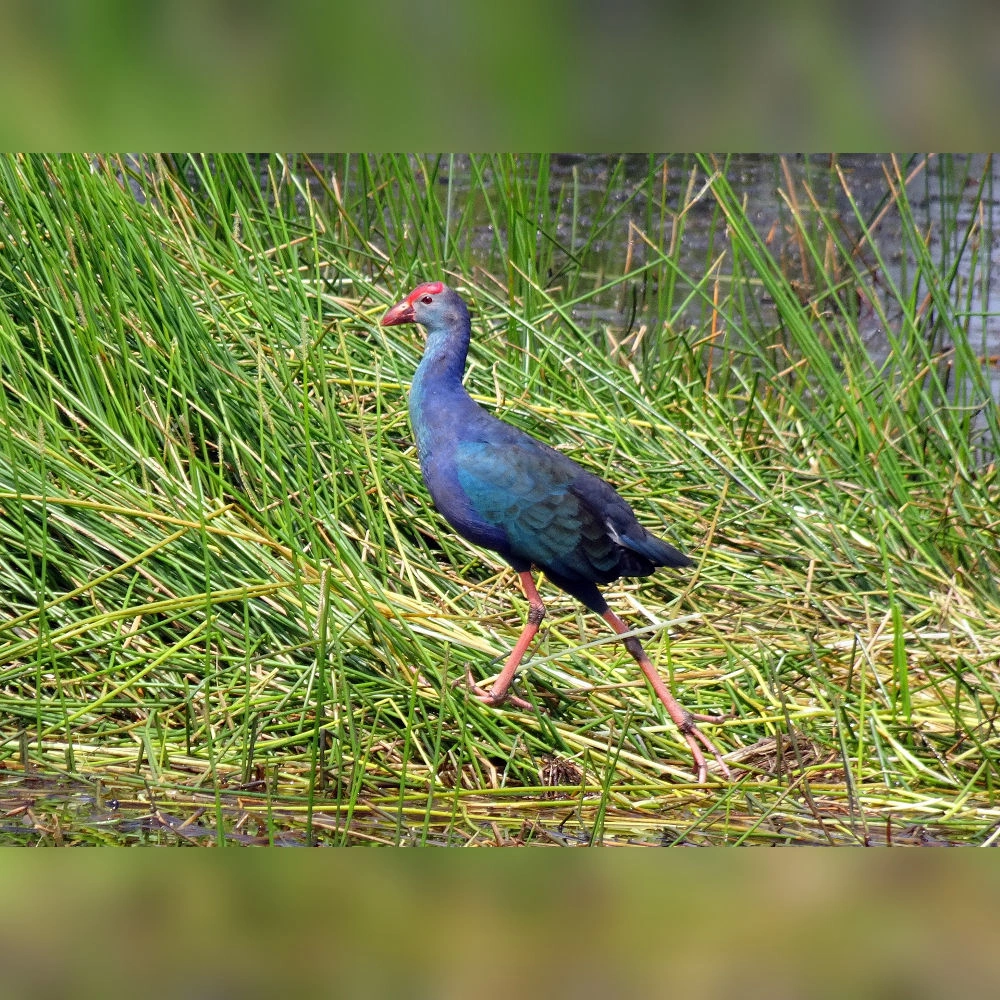
Grey-headed Swamphen
Black-winged Stilt
Yellow-wattled Lapwing
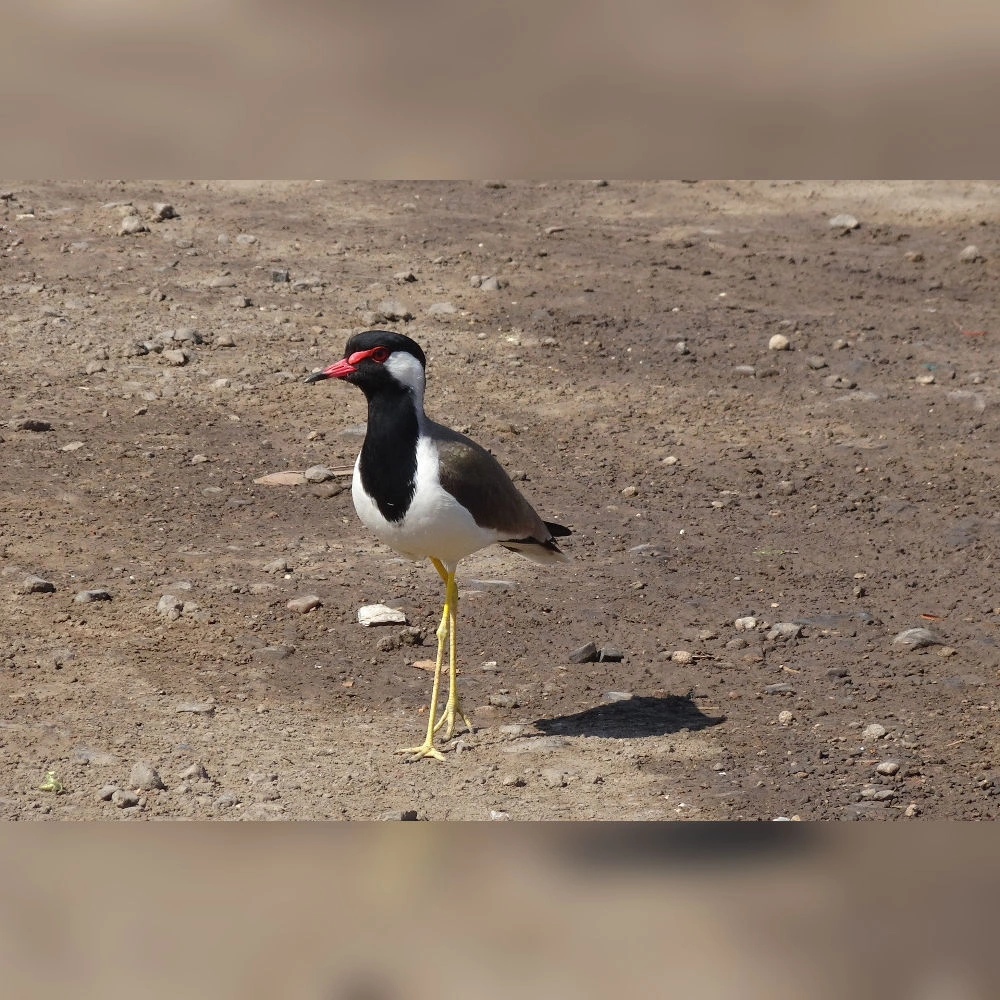
Red-wattled Lapwing
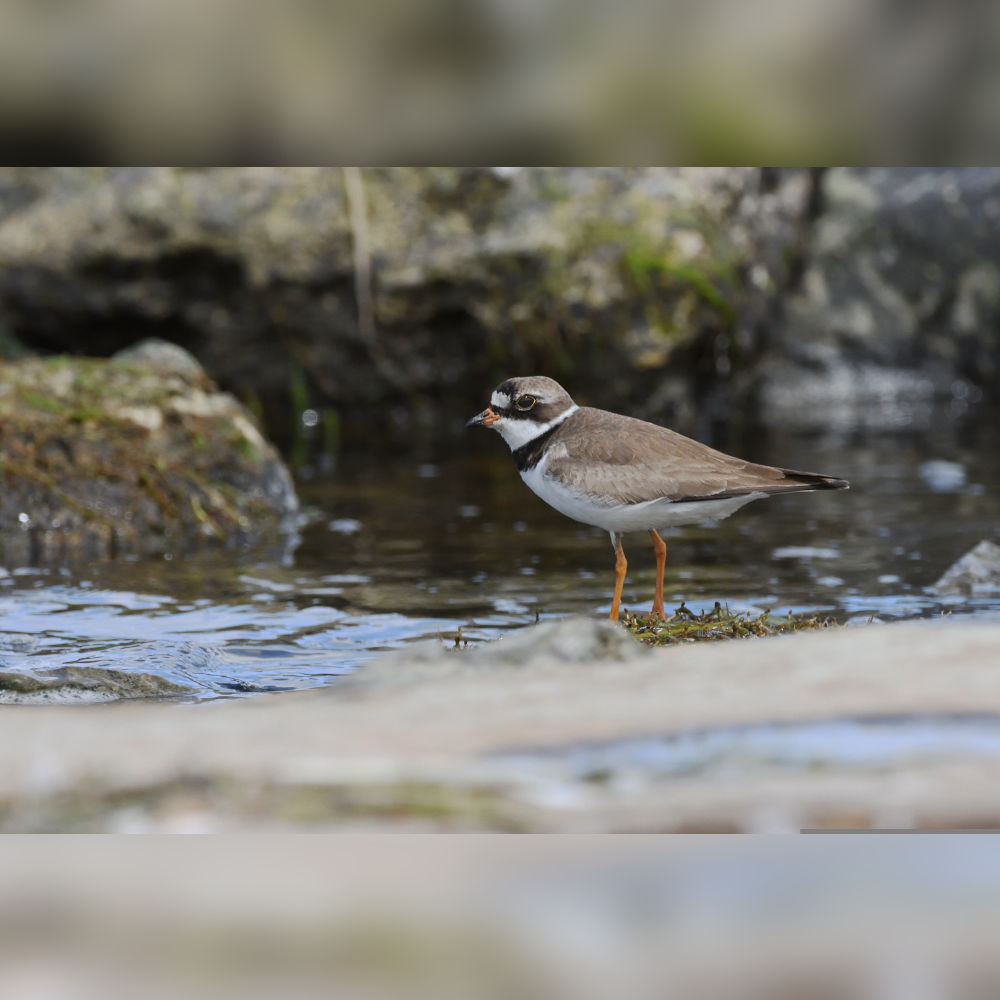
Little Ringed Plover
Wood Sandpiper
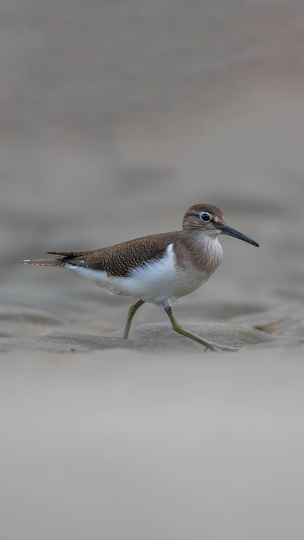
Common Sandpiper
Blue-faced Malkoha
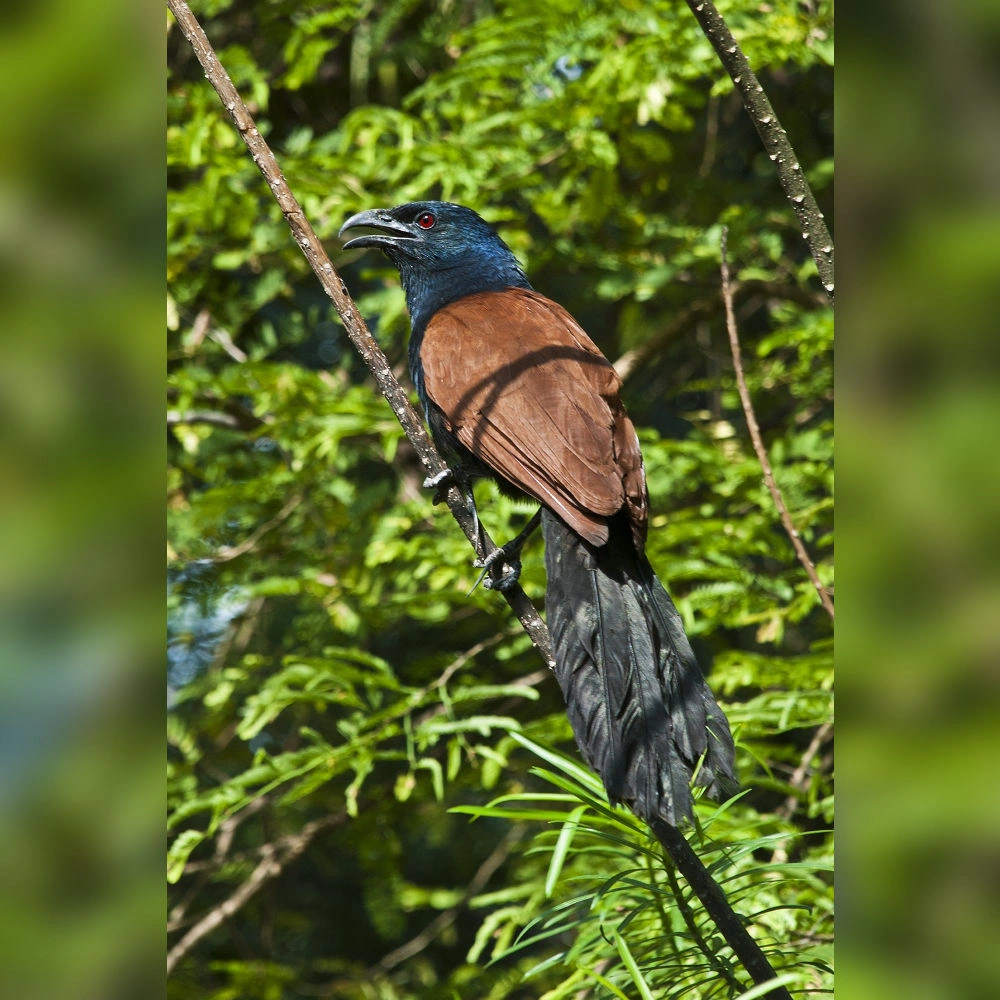
Greater Coucal
Red Collared-Dove

Summary of Walk

Ten birders joined guide Ashly Biji at Edulabad Lake near Hyderabad on 3 October for a calm and rewarding morning beside the water. The lake’s open shoreline, scattered trees and quiet surroundings create an inviting setting for birdwatching, and the group moved gently along the edge, scanning the shallows, the shrubs and the sky. By the end of the walk, they had recorded 17 species, a pleasing list that reflected the character of this peaceful spot. Two of the highlights made a particular impression: the White-browed Wagtail, an elegant black and white bird that strolled along the shoreline with its tail swaying, and the Ashy Woodswallow, a graceful bird that perches in neat rows on branches and wires before sweeping out to catch insects in the air. Lakes like this one are often visited by herons, egrets, cormorants, kingfishers and bee-eaters, and the group enjoyed watching how each species uses the shoreline in its own way. Ashly led the walk with a friendly and encouraging style, helping participants tune in to the details of colour, posture and call, and offering identification tips that made it easier to tell similar birds apart. The calm pace of the morning allowed the group to take in the scenery, share observations and enjoy the sound of birdsong carrying across the water. Even with a modest species list, the walk was a delight, showing how a quiet lake can offer a deeply satisfying birding experience when approached with patience and curiosity, and the participants left with new knowledge, new friendships and plans to return.
Number of Participants
0
Scroll to Top