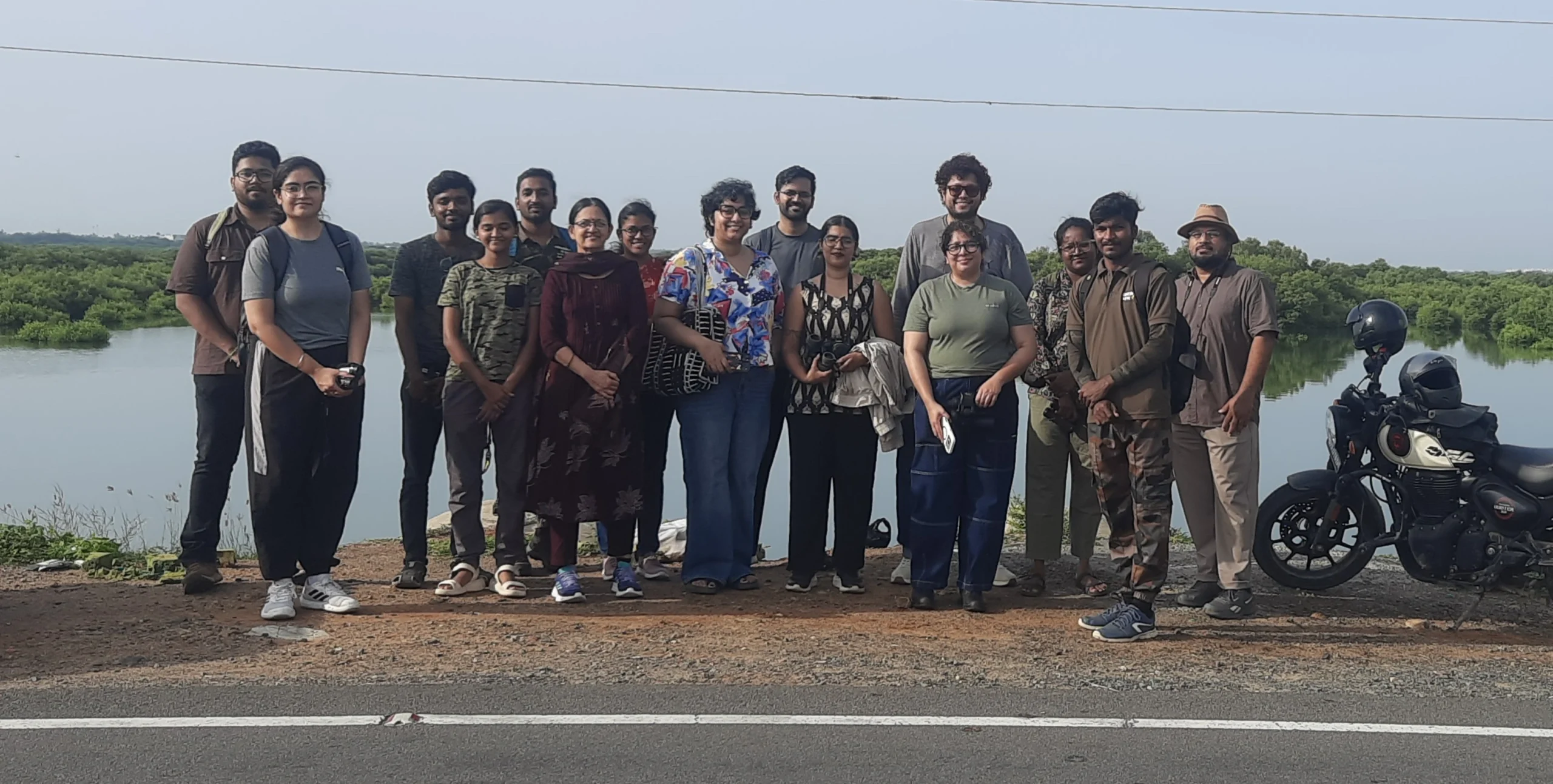

Bird Walk at E.F.I Bird Watching Point – Muttukadu Backwaters, Chennai
- Chennai
- 23 August, 2026
- Rs 150 per head
- Fee collected goes entirely to the bird guide. Ataavi does not retain or profit from this amount.
About E.F.I Bird Watching Point
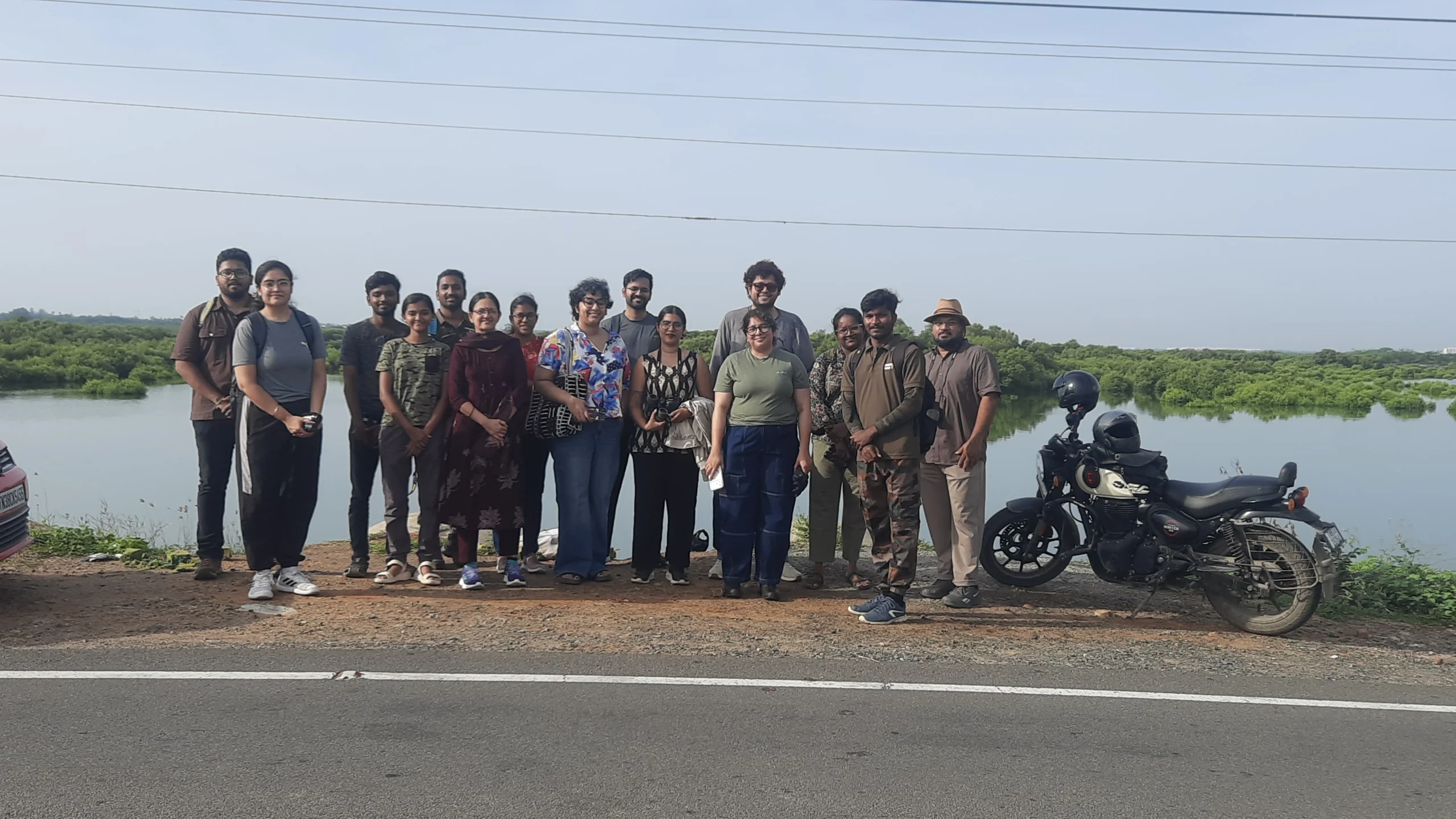
E.F.I Bird Watching Point at the Muttukadu Backwaters is situated along Chennai’s coastal wetland landscape, where the backwaters, mudflats, shallow waters, mangroves and surrounding vegetation create an important habitat for birds. Located along the East Coast Road, Muttukadu is part of the network of wetlands and waterways that connect Chennai’s urban landscape with the Bay of Bengal. The changing water levels expose muddy and shallow areas that can provide feeding grounds for waders and other waterbirds, while deeper sections support ducks, herons, egrets, cormorants and kingfishers. The mix of aquatic and terrestrial habitats also attracts smaller insectivorous and woodland species around the edges. Early mornings and low-tide periods can be particularly rewarding for birdwatching, when birds are actively feeding across the exposed wetland areas.
The Muttukadu Backwaters are ecologically significant as part of the broader coastal wetland system of Chennai and the surrounding Chengalpattu–East Coast landscape. Wetlands such as these provide important ecosystem services, including supporting aquatic biodiversity, regulating water and offering refuge to resident and migratory birds. The surrounding mangroves and wetland vegetation also provide shelter and breeding habitat for a variety of wildlife. However, increasing tourism, development, pollution, plastic waste, disturbance and changes to natural water flow can place pressure on these fragile habitats. Maintaining natural wetland vegetation, protecting shallow feeding areas and minimising disturbance are important for sustaining their ecological value. For birdwatchers, the EFI Bird Watching Point offers a convenient opportunity to explore Chennai’s coastal biodiversity and observe how birds utilise the interconnected backwaters, mudflats and vegetation of the Muttukadu landscape.

Bird Guide - Sudharna S
He is an MSc Zoology student with a strong curiosity to learn about nature and wildlife. Trained as a naturalist, mountaineer, and birdwatcher, he has participated in various bird and wildlife censuses, gaining valuable field experience in observing and documenting species. His academic background and hands-on experiences continue to strengthen his passion for understanding and conserving the natural world.
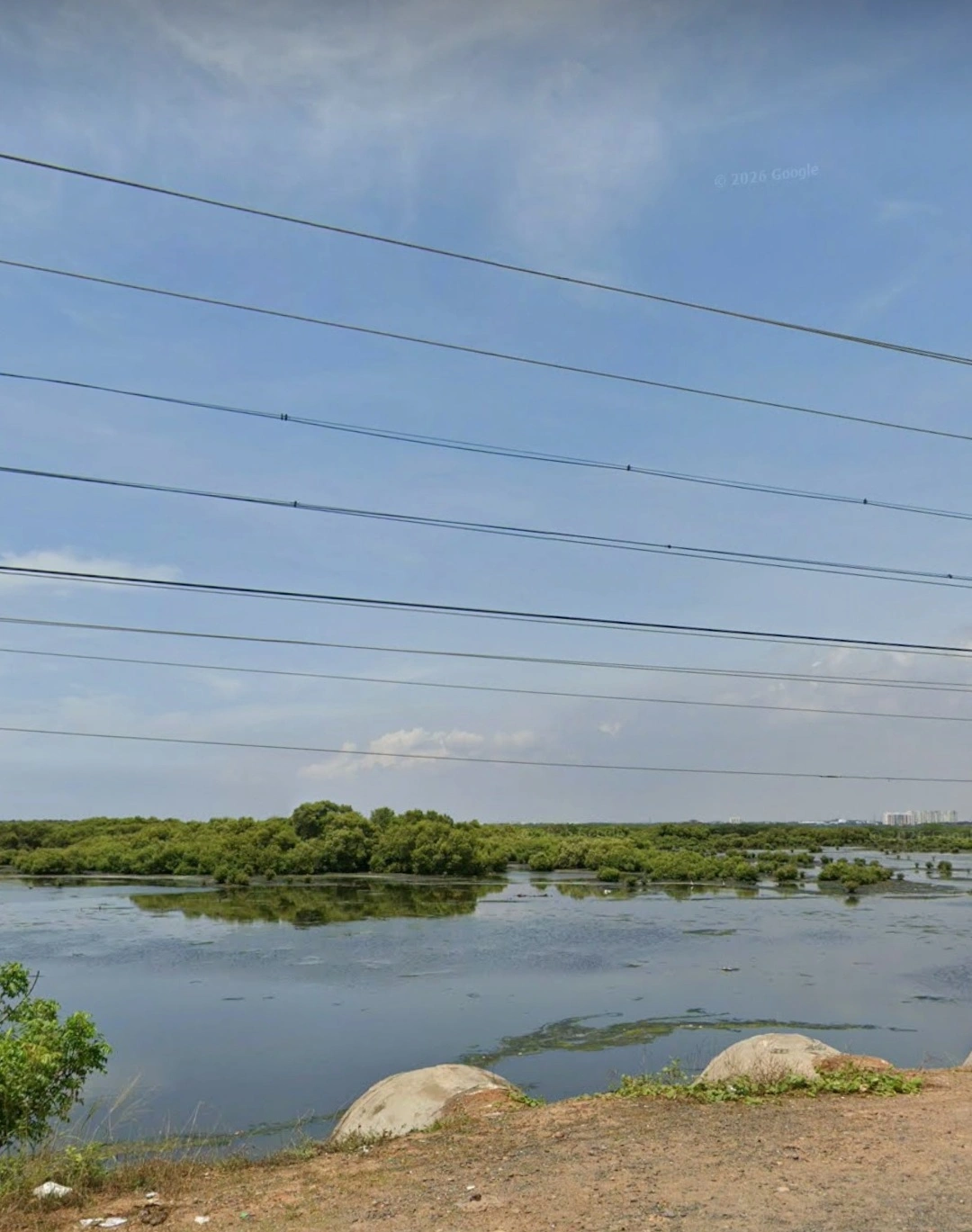
Bird walk Location
Common birds of E.F.I Bird Watching Point
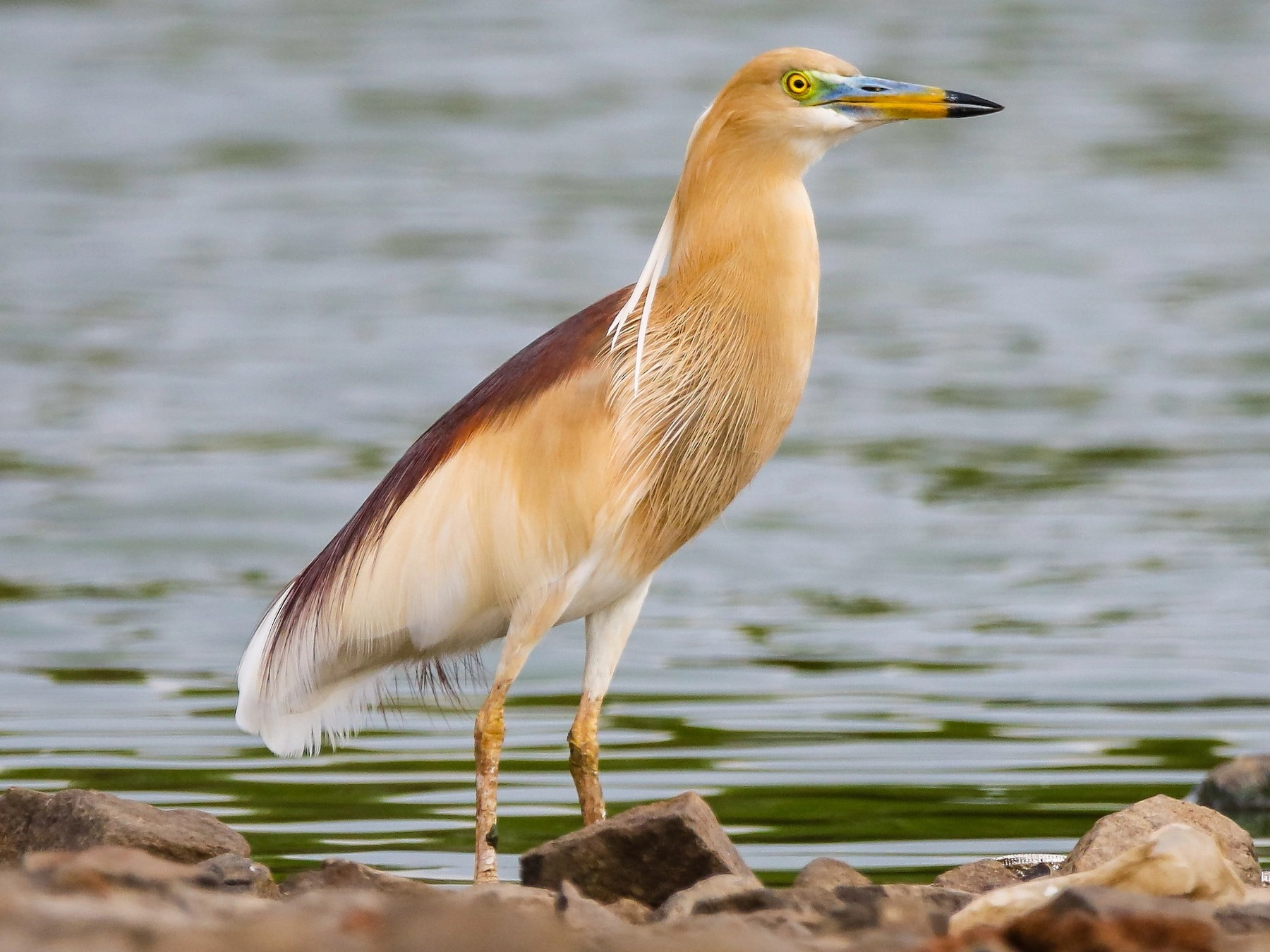
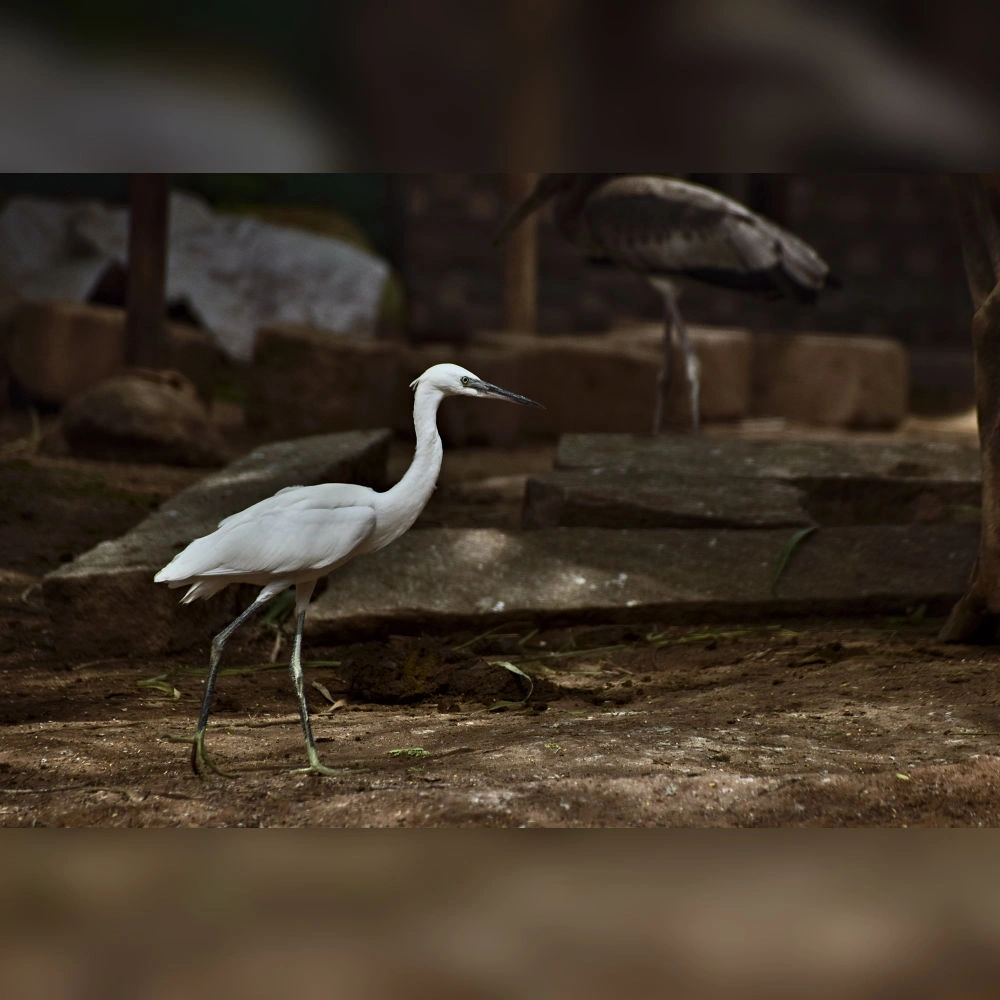
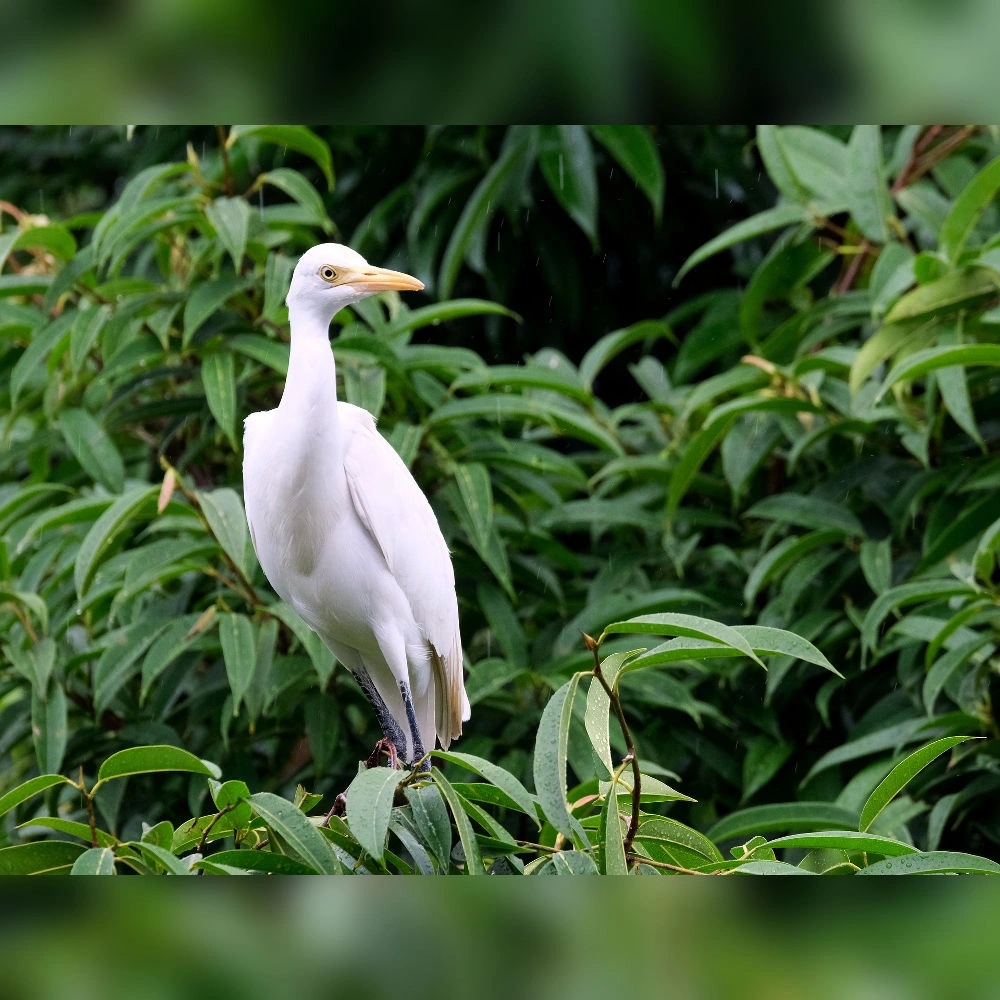
The location offers a good mix of wetland, wader and water-associated birds, making it particularly interesting for birdwatching. Herons and egrets are well represented, with Indian Pond-Heron, Little Egret, Cattle Egret, Grey Heron, Purple Heron and Black-crowned Night Heron using the wetland edges and shallow waters for feeding. Waterbirds such as Indian Spot-billed Duck, Little Cormorant, White-breasted Waterhen and Common Moorhen add further diversity, while Asian Openbill, Painted Stork and Black-headed Ibis are notable larger wetland species.
The muddy edges and shallow areas also attract migratory and resident waders, including Common Sandpiper and Green Sandpiper, while Whiskered Tern can be seen around the water. Raptors such as Black Kite and Brahminy Kite add another dimension to the birding experience, often scanning the wetland and surrounding areas for prey. Away from the water, Asian Koel and Rose-ringed Parakeet represent the tree-associated birdlife. Together, these species highlight the importance of maintaining healthy wetlands with open water, shallow margins and surrounding vegetation for a diverse range of birds.

Indian Pond-Heron

Little Egret

Eastern Cattle Egret
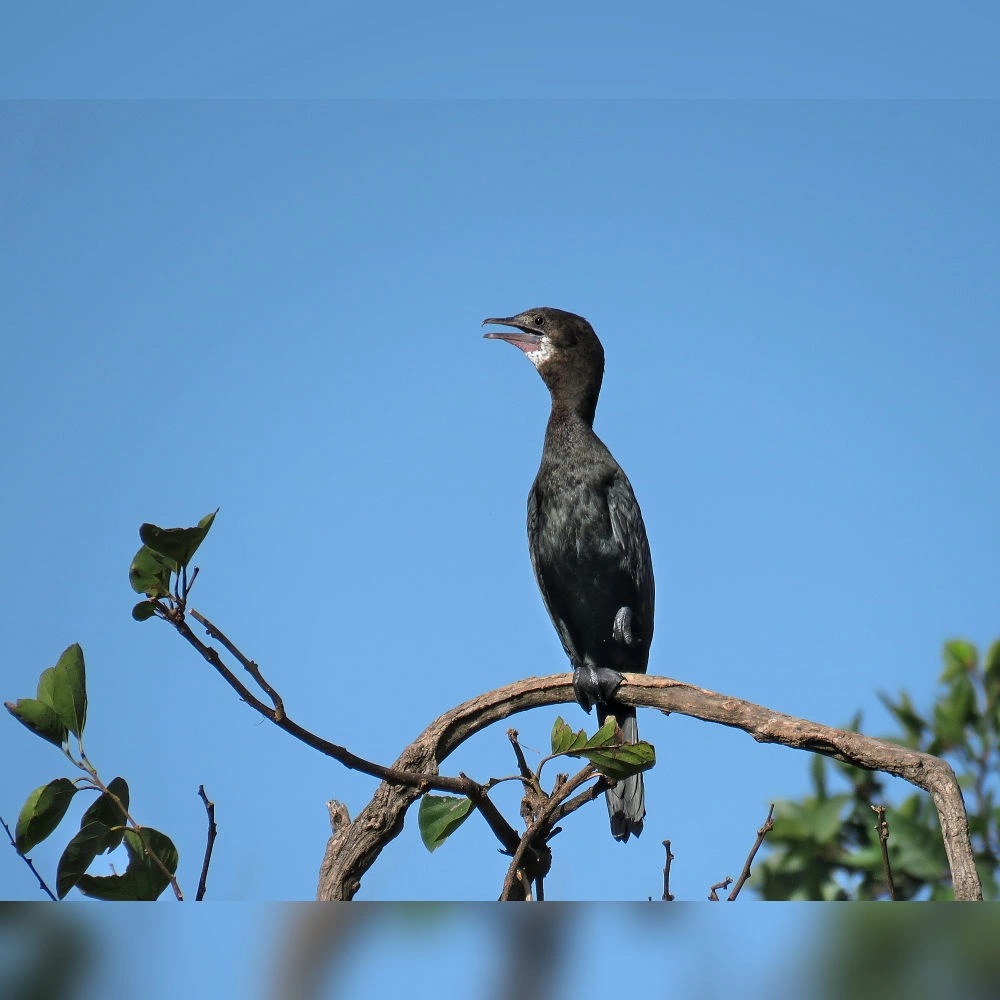
Little Cormorant
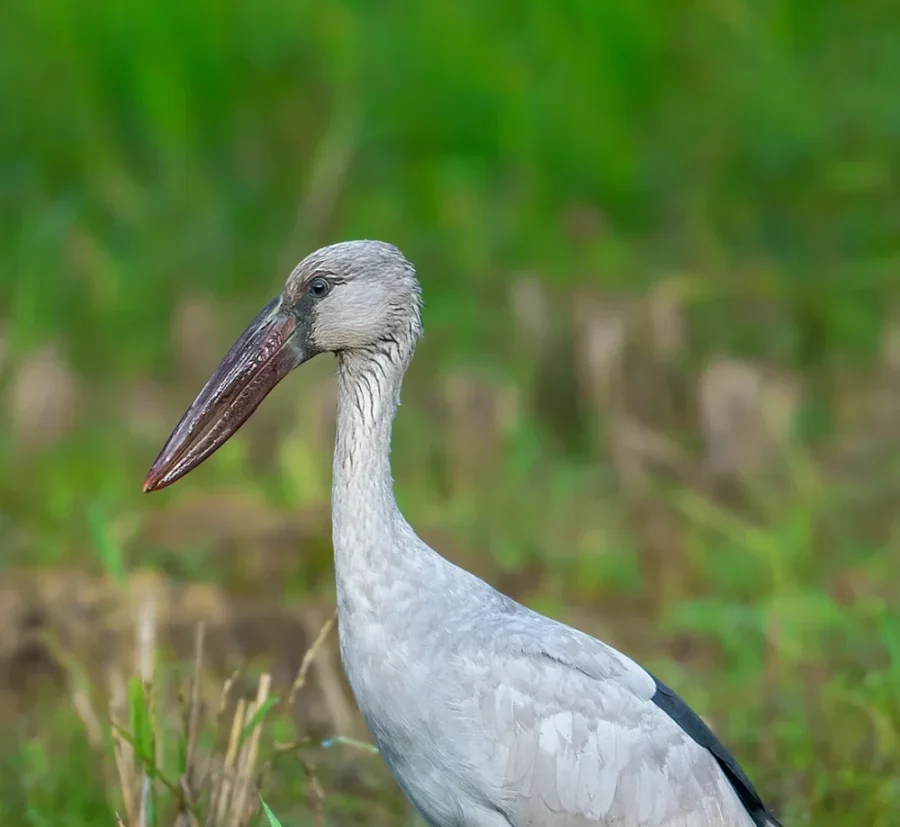
Asian Openbill
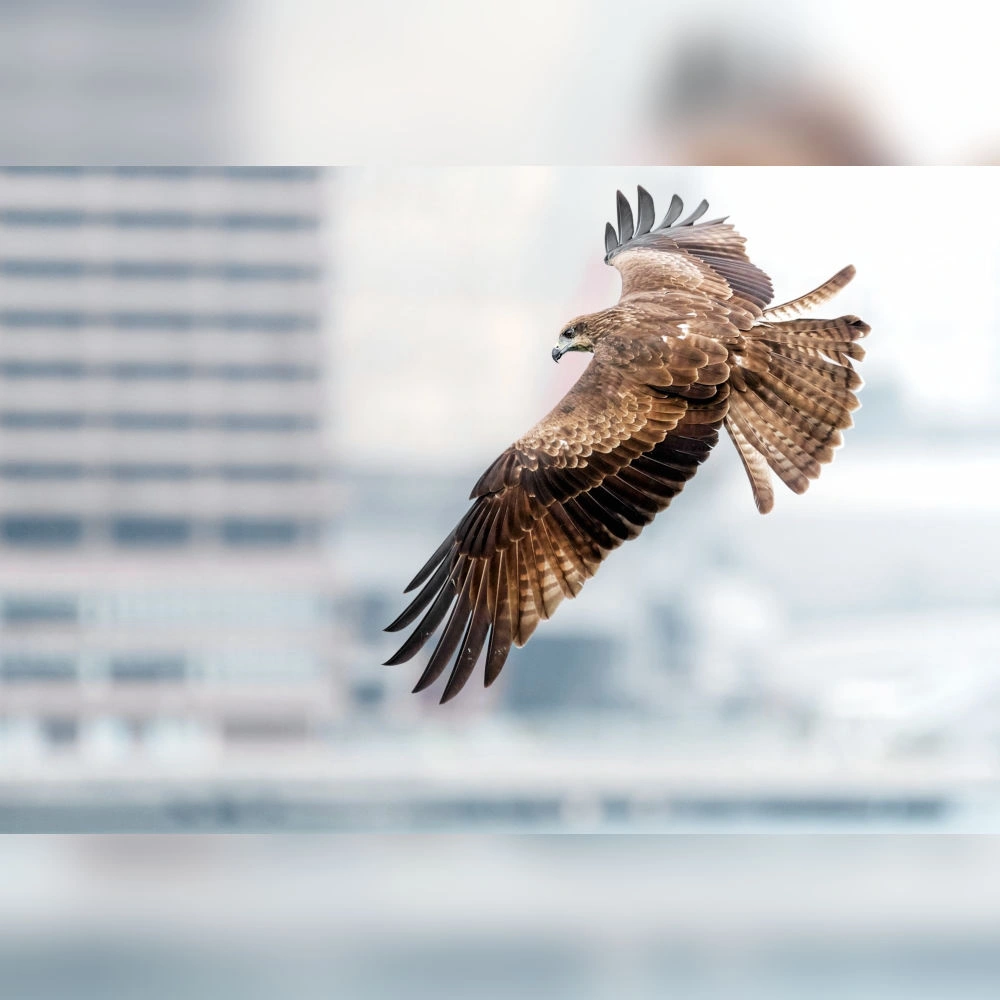
Black Kite
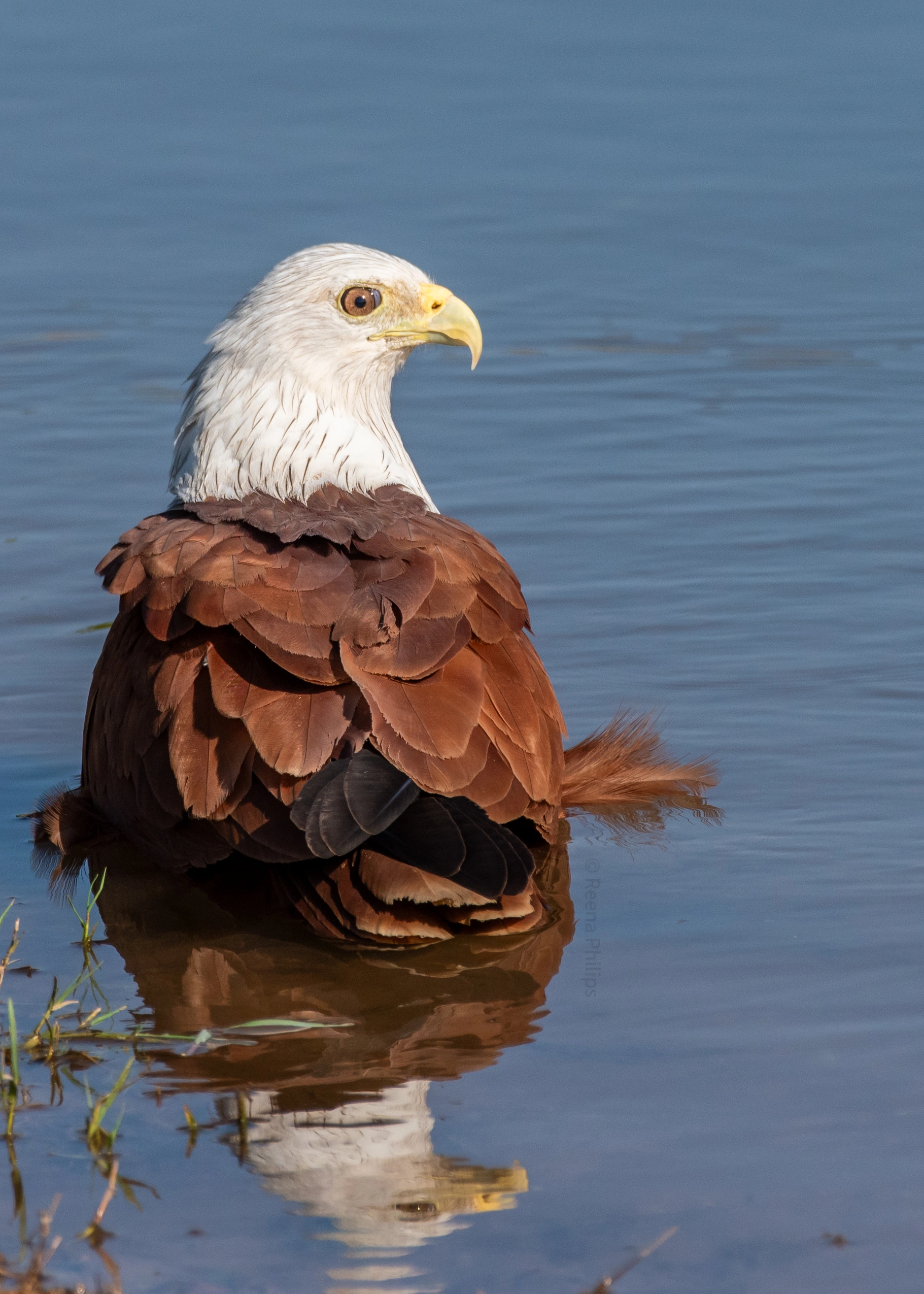
Brahminy Kite
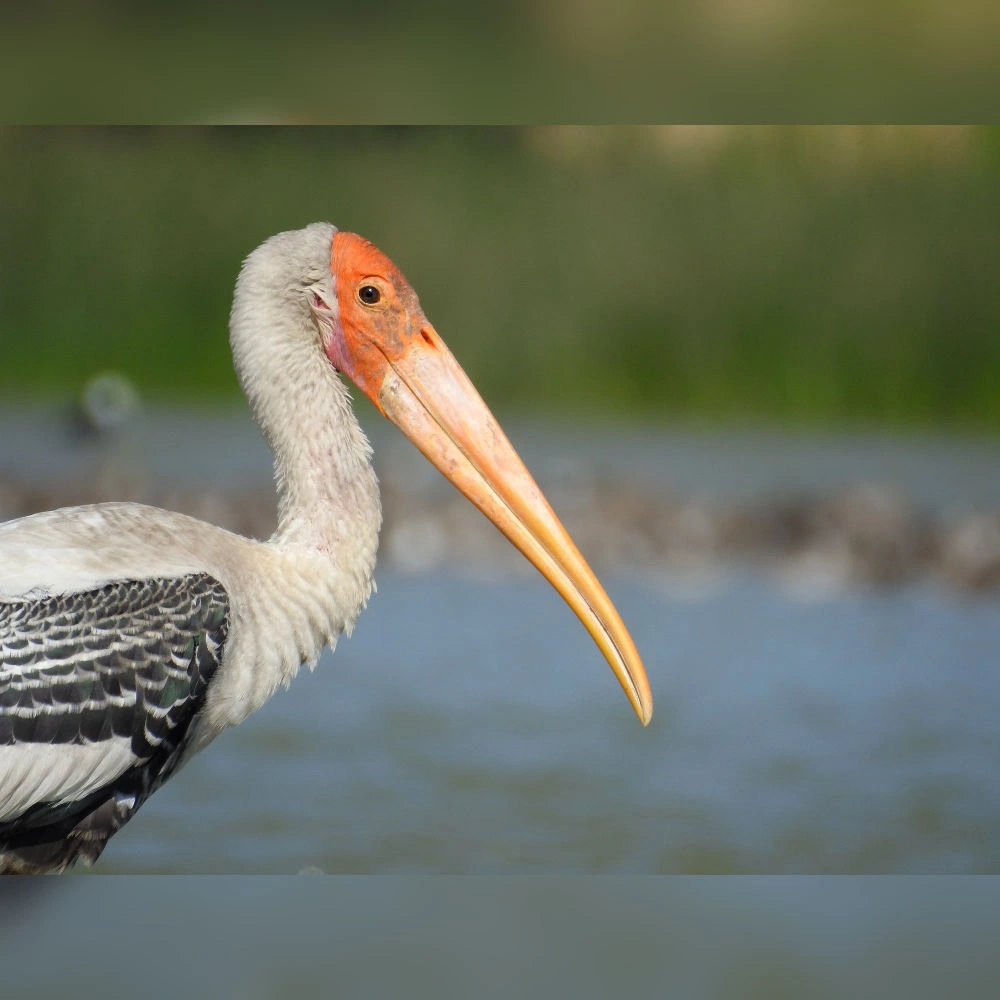
Painted Stork
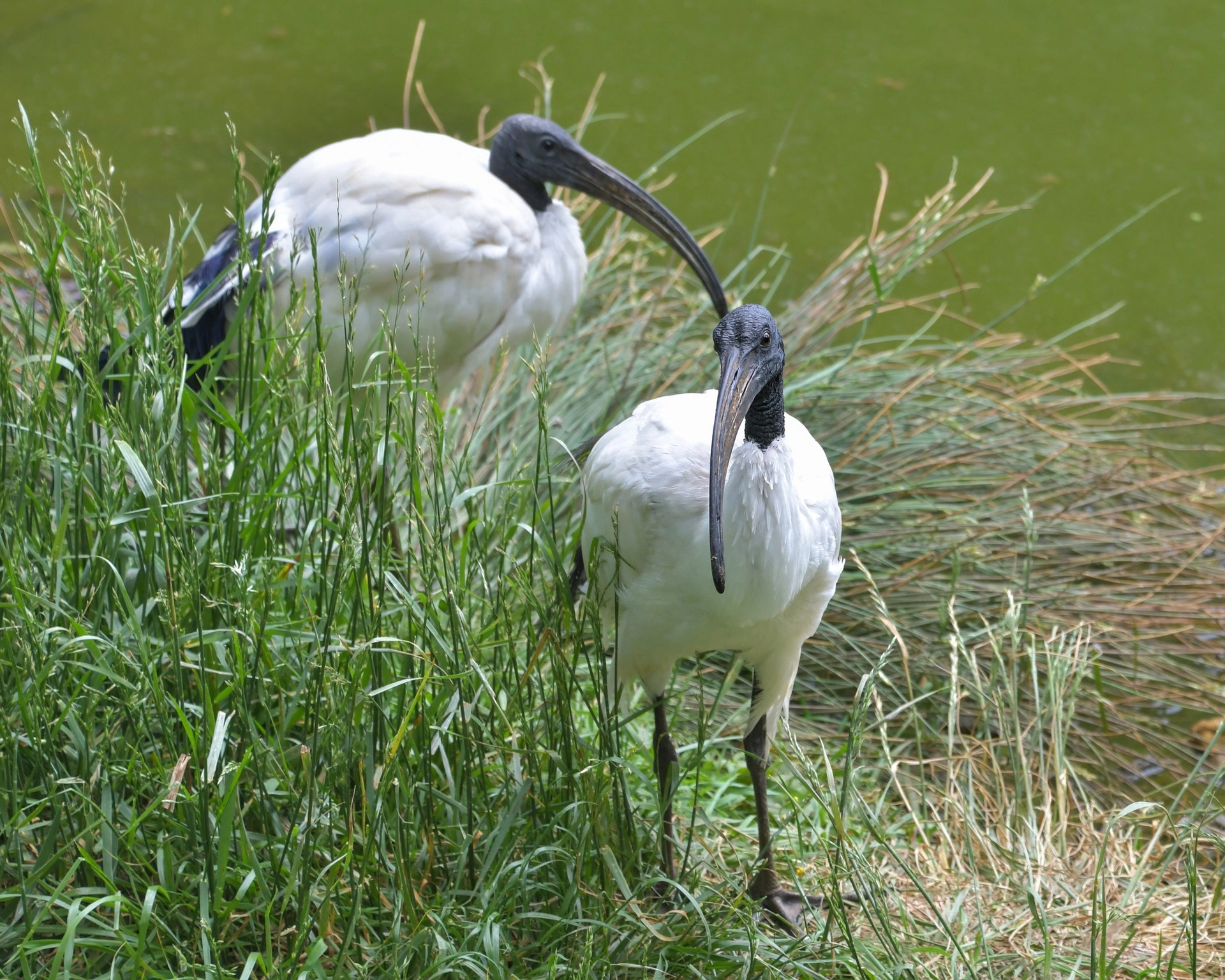
Black-headed Ibis
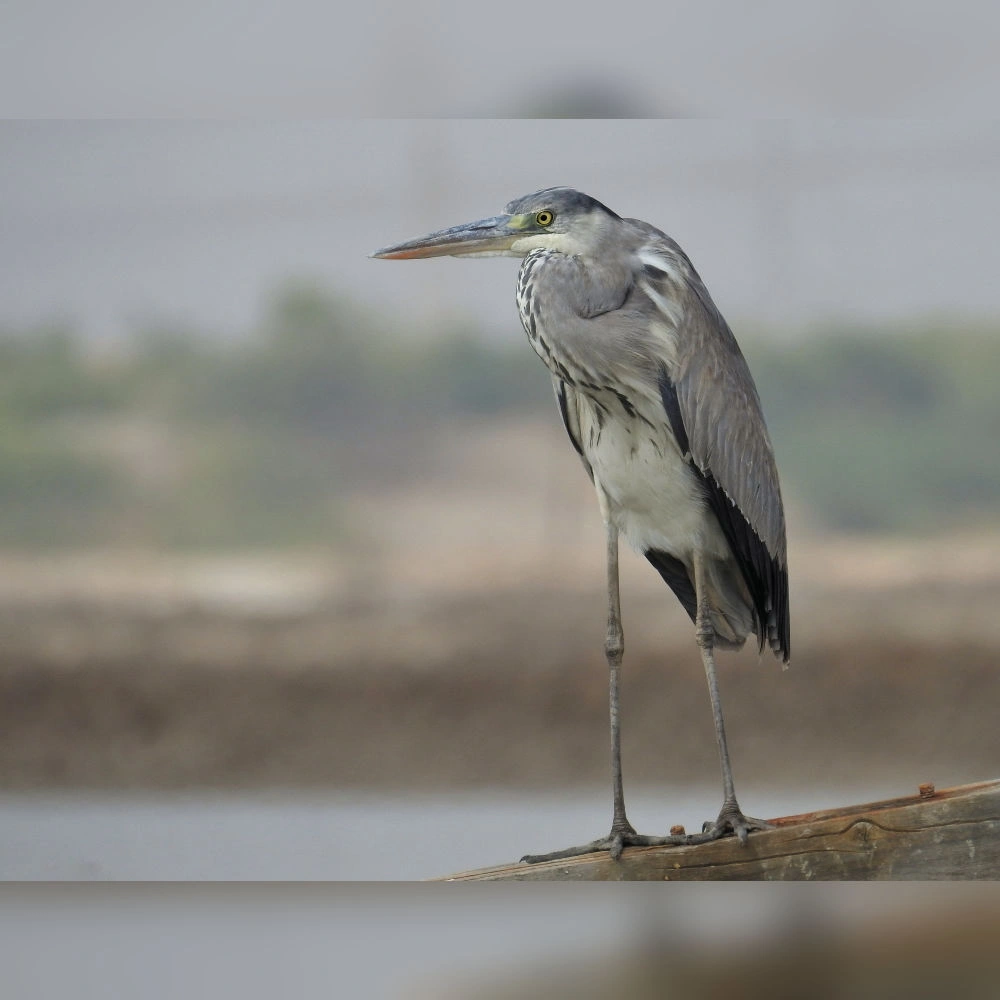
Grey Heron
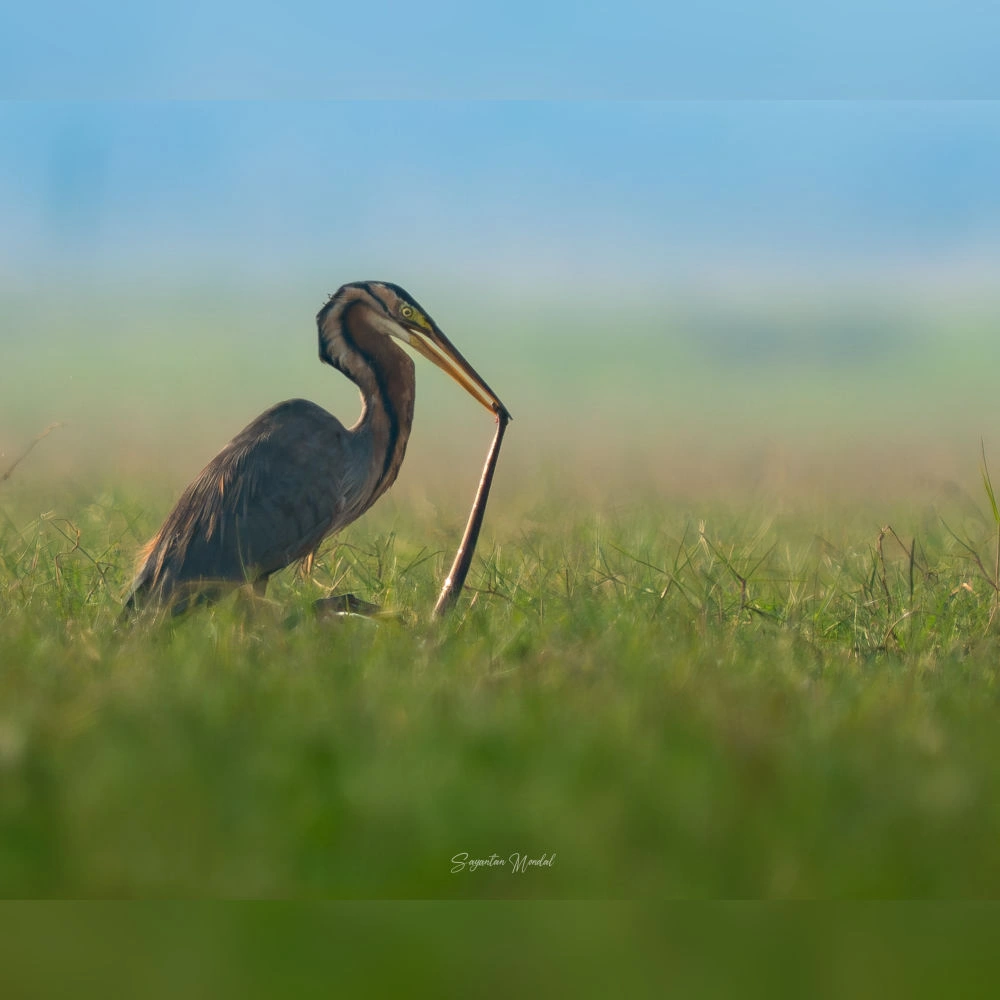
Purple Heron
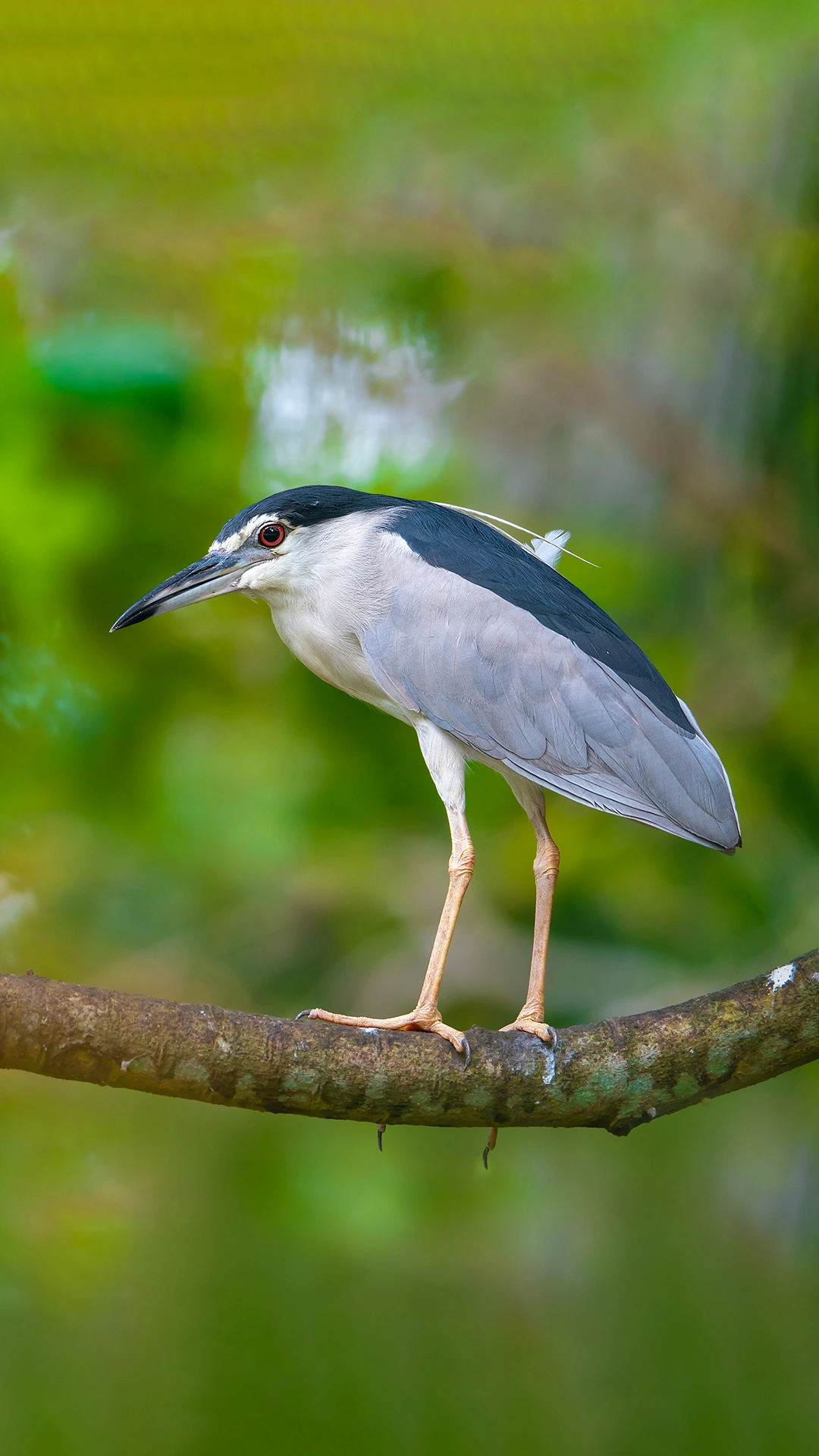
Black-crowned Night Heron
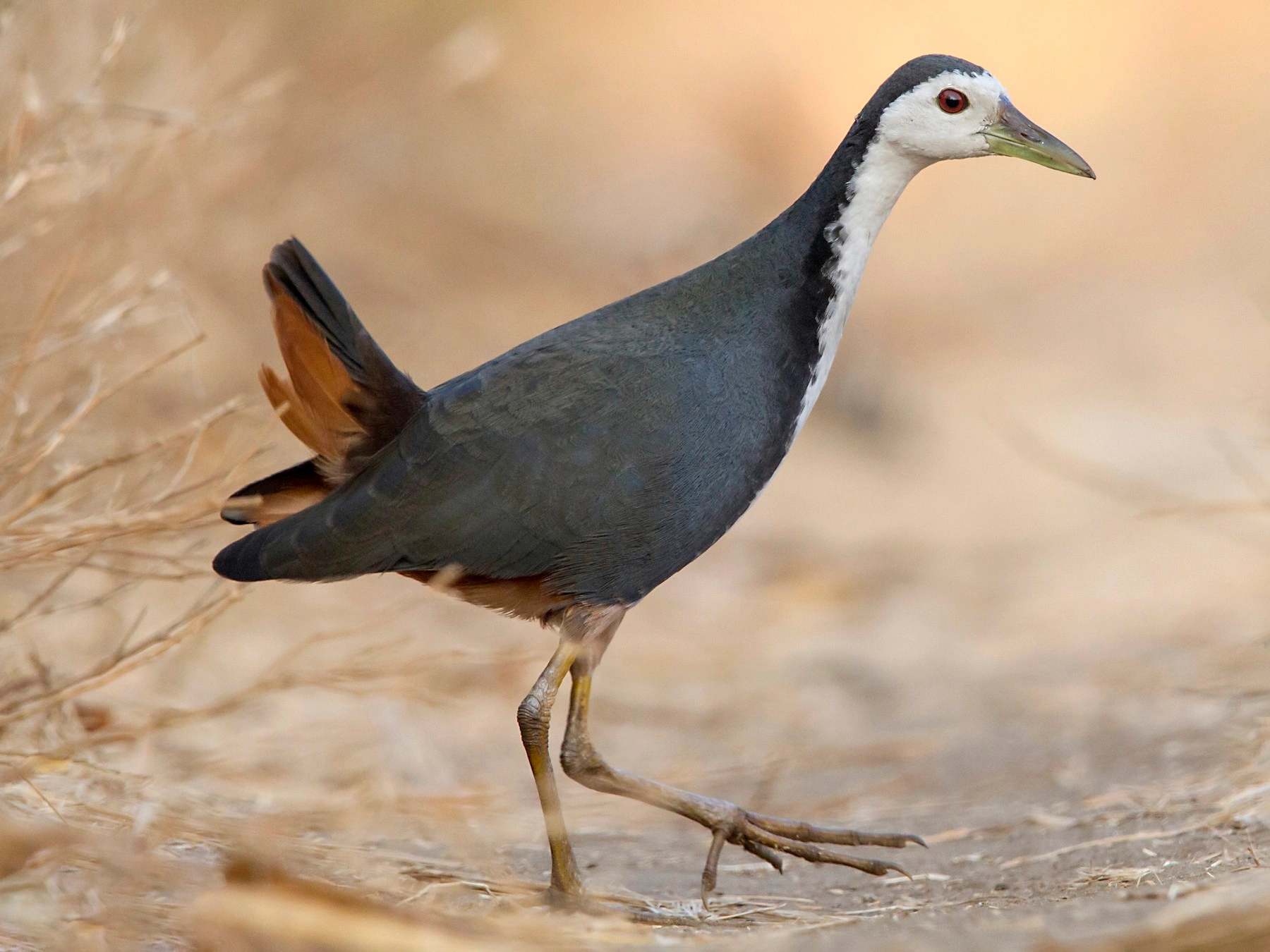
White-breasted Waterhen
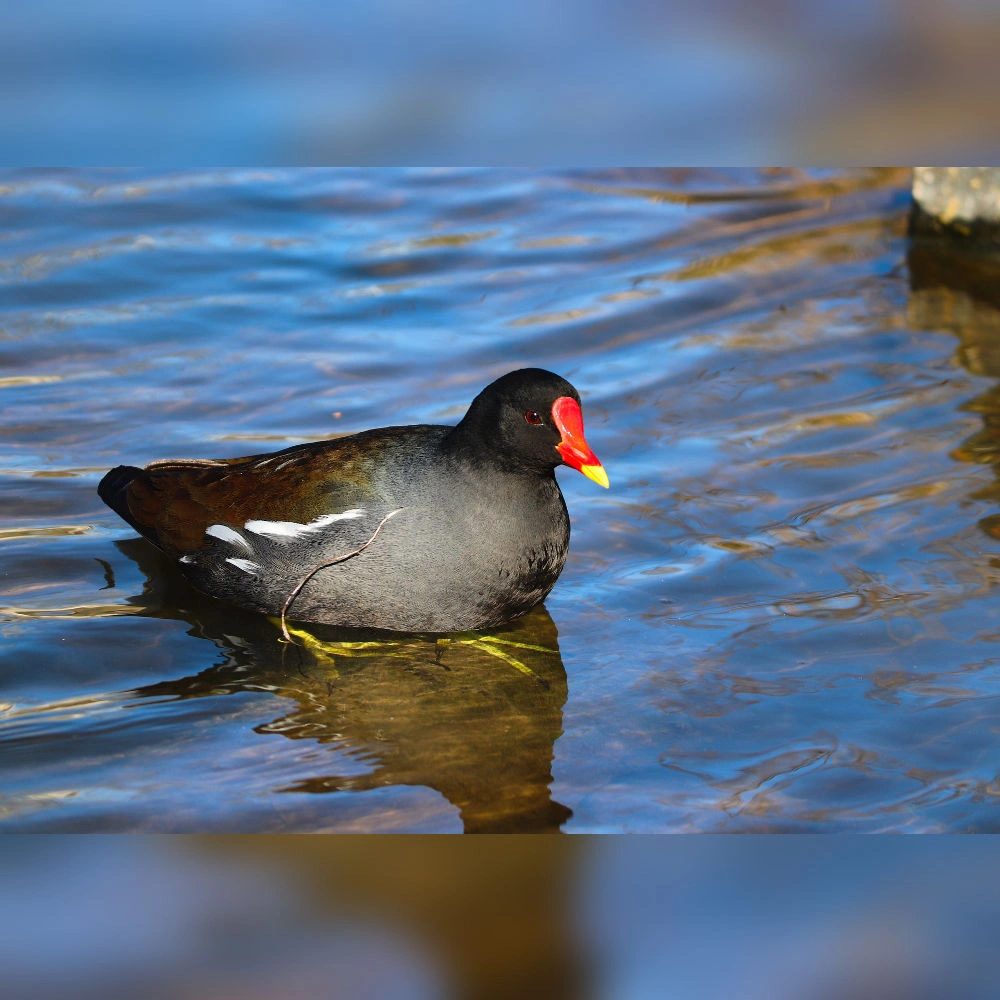
Common Moorhen

Common Sandpiper
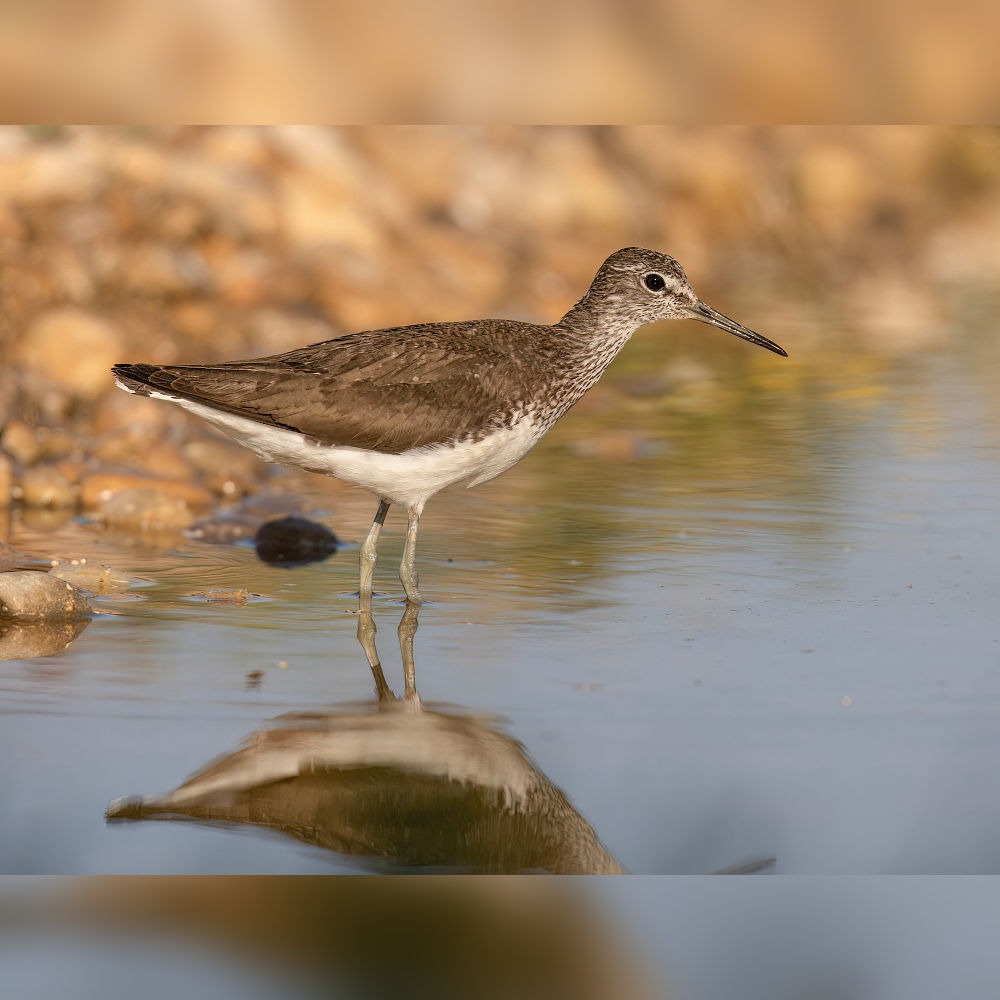
Green Sandpiper
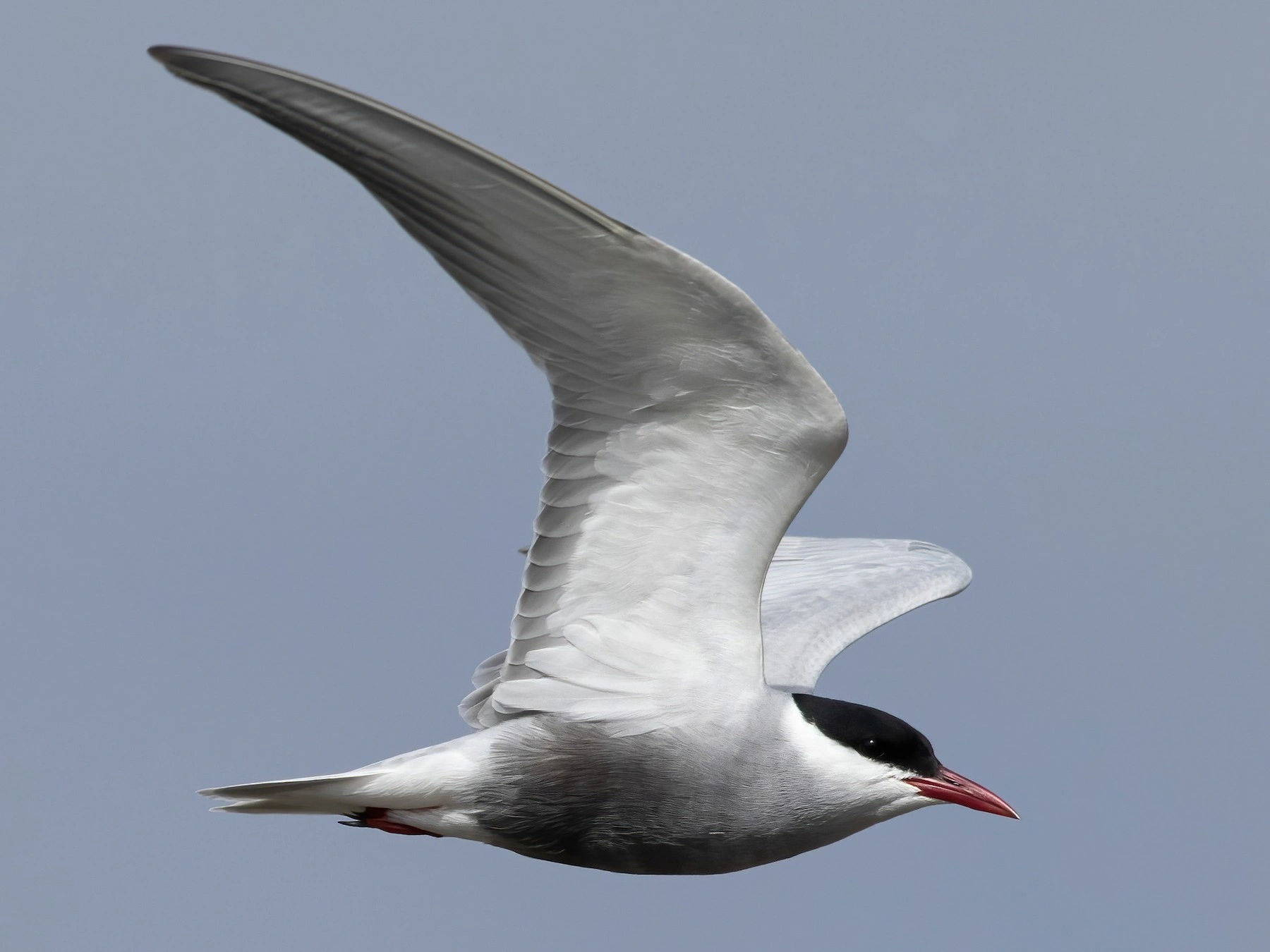
Whiskered Tern
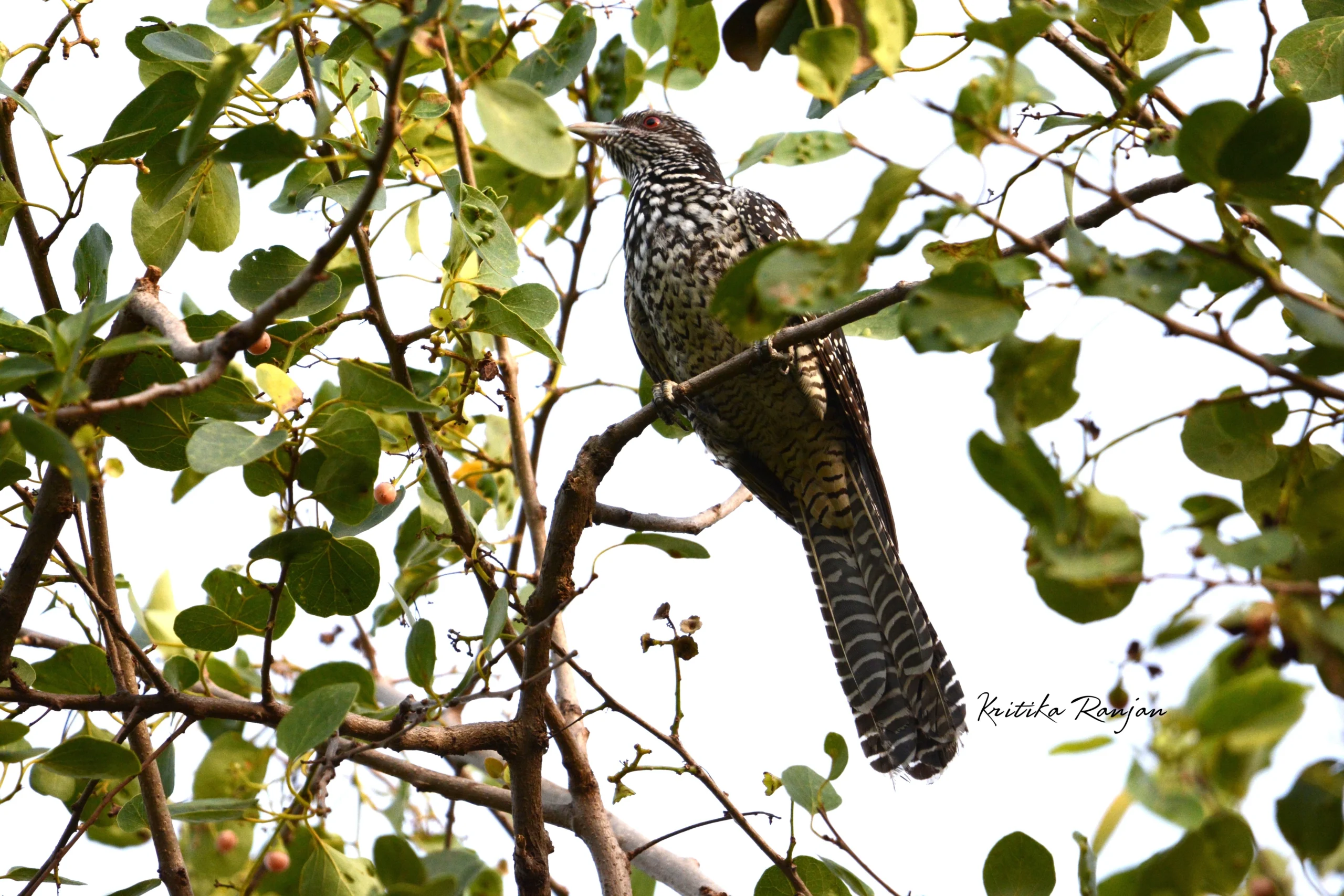
Asian Koel
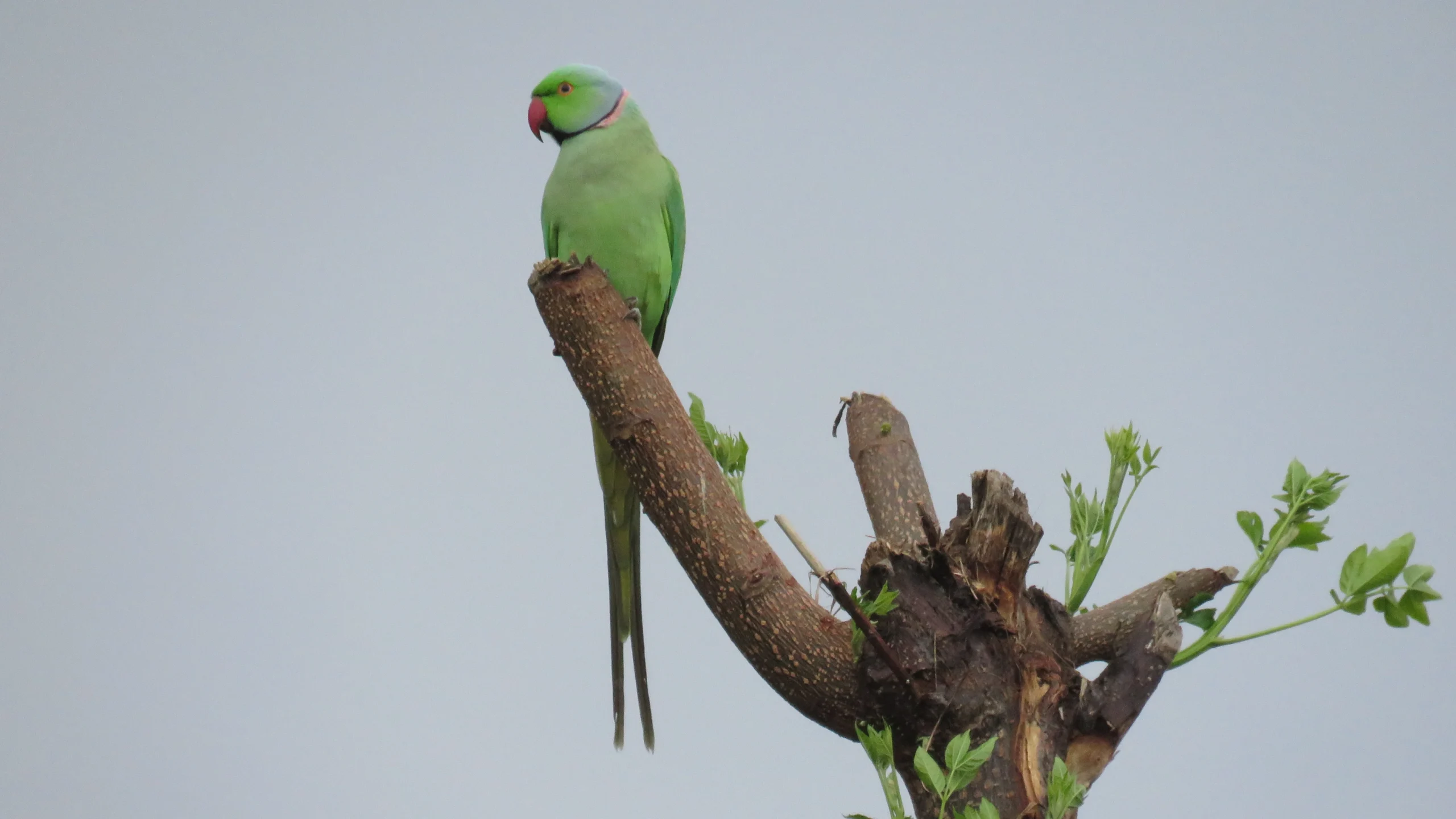
Rose-ringed Parakeet
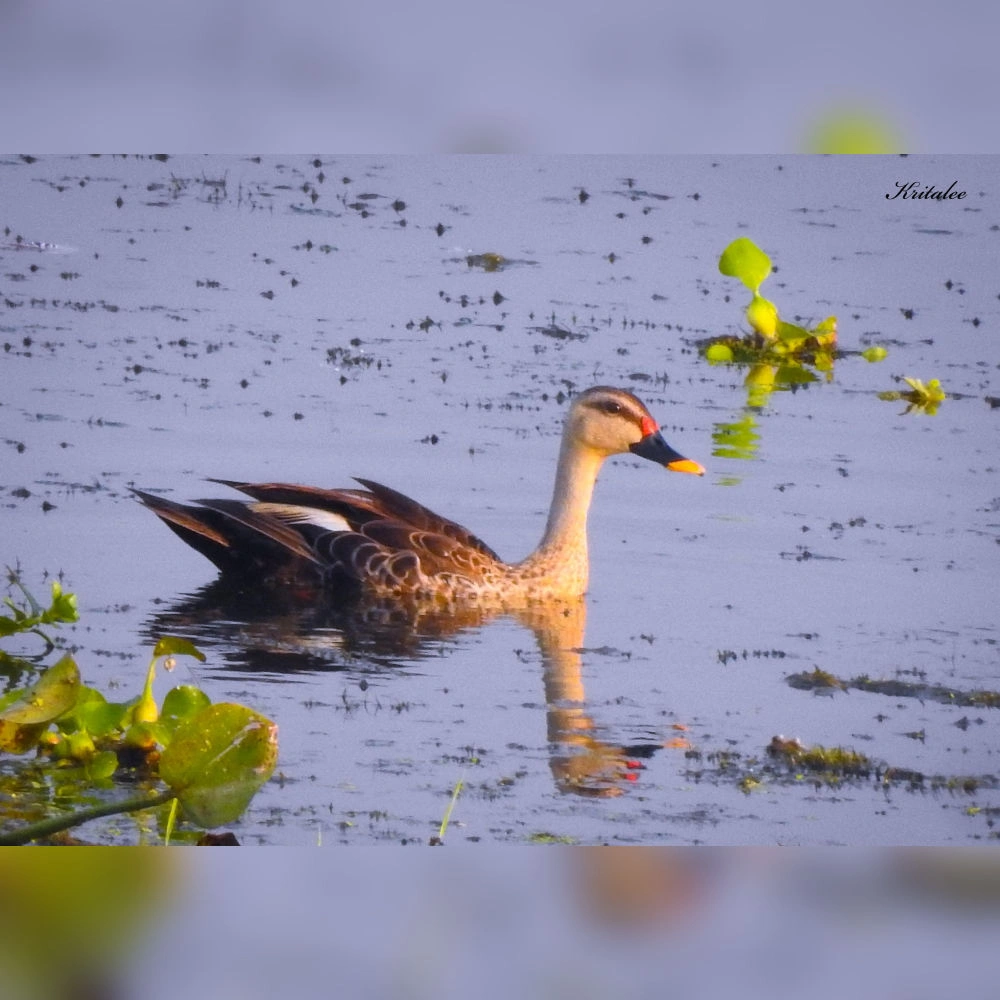

Indian Spot Billed Duck
- Fee collected goes entirely to the bird guide. Ataavi does not retain or profit from this amount.