

Loading Events

Bird Walk at Gangampalli Forest, Sathya Sai, Andhra Pradesh

About Gangampalli Forest

Tucked away in the arid landscapes of southern Andhra Pradesh, the Gangampalli Forest near Puttaparthi in Sathya Sai district is a hidden ecological treasure known for its unique dry deciduous habitats and cultural significance. Spread across rolling hills and scrub-covered plains, the forest forms part of the Eastern Ghats ecosystem and is home to a surprising diversity of flora and fauna adapted to its semi-arid climate. Despite its rugged terrain, Gangampalli supports a range of wildlife including jackals, hares, porcupines, and reptiles, alongside a rich birdlife that attracts birdwatchers and naturalists. Species such as peafowls, partridges, and drongos are commonly seen, while raptors like shikras and kites soar above the open canopies.
Beyond biodiversity, the forest holds cultural and ecological importance for local communities, serving as a source of fodder, fuelwood, and traditional medicine. Seasonal streams and small water bodies dot the landscape, offering critical lifelines for wildlife in the otherwise dry environment. In recent years, Gangampalli has also become a focus of conservation discussions, with an emphasis on balancing community needs and the preservation of fragile habitats. Much like a natural classroom, the forest provides opportunities for environmental education, research, and eco-tourism, allowing visitors to experience the resilience of dry forest ecosystems.

Bird Guide: Kayla Ashok Kumar

A software Engineer by profession and passionate to do the bird count, and observe bird behavior and guiding the communities through NGO's for conservation of birds and their role in biodiversity and also approach schools adjacents to forest areas and train about conservation of fauna.
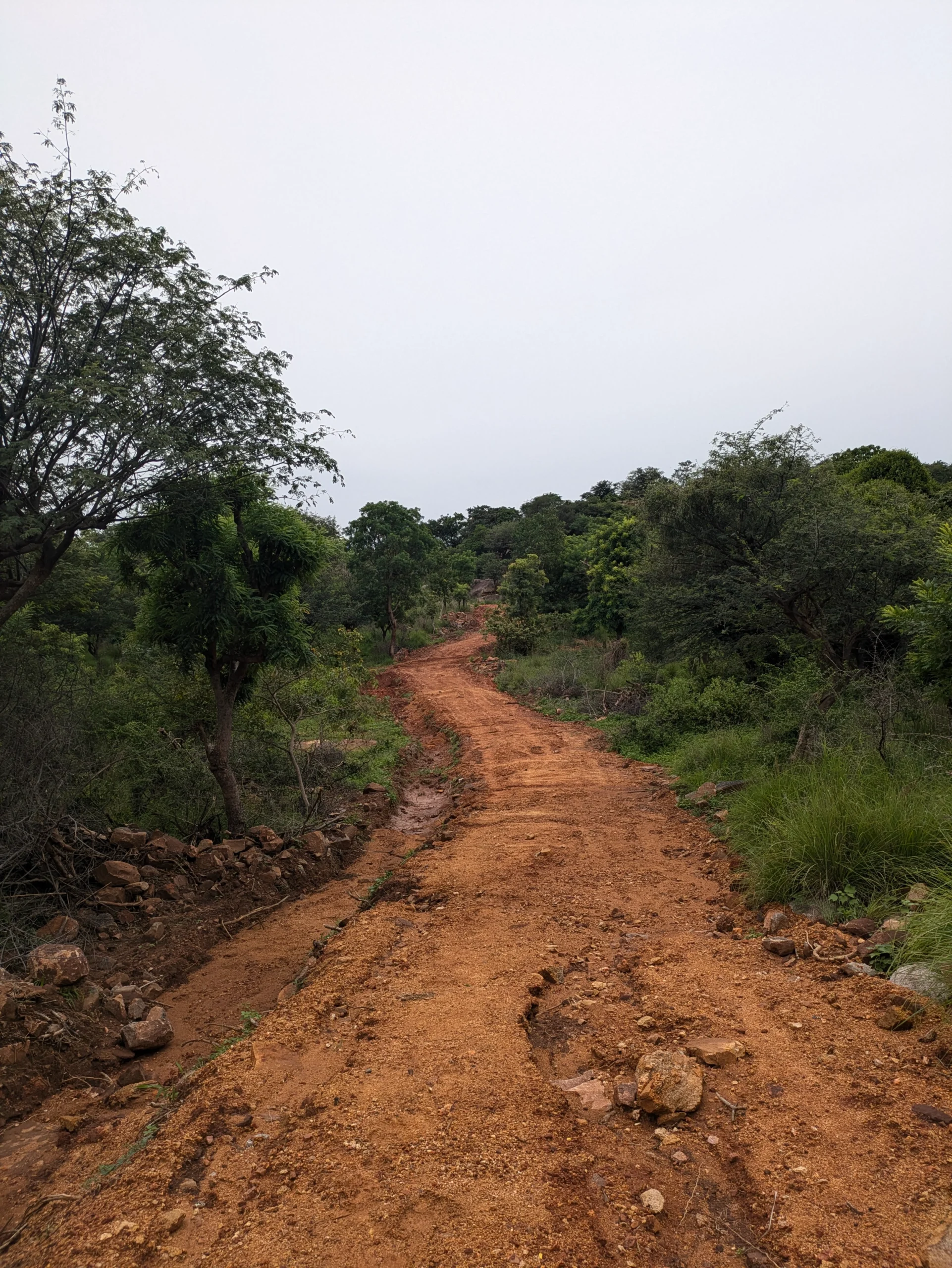
Bird walk Location

Common birds of Gangampalli Forest

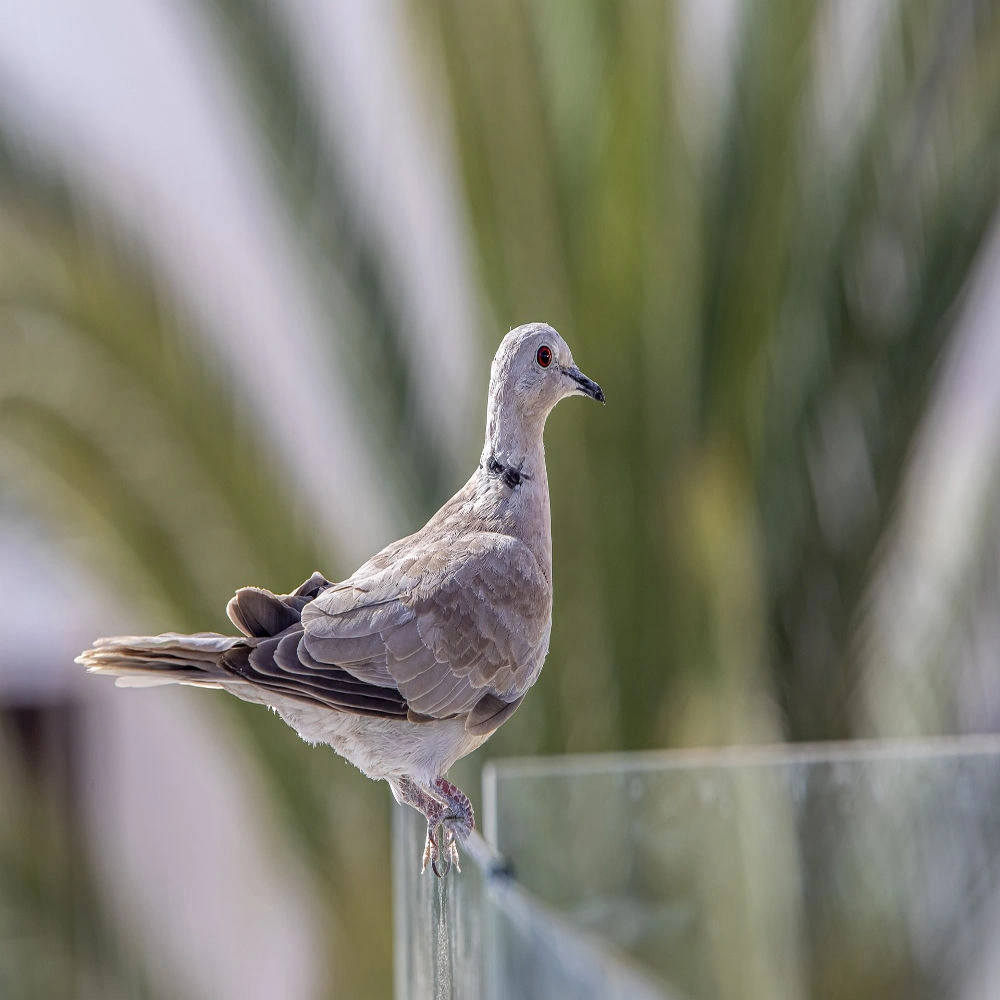
Gangampalli Forest, home to an impressive 157 recorded bird species, offers a vibrant mix of woodland, scrub, and open-country birdlife that delights visitors throughout the year. Graceful doves such as the Eurasian Collared-Dove and Laughing Dove flutter through the clearings, while the forests echo with the calls of vibrant Rose-ringed and Plum-headed Parakeets. Hidden among the dense undergrowth, elusive gems like the Indian Pitta, Sykes’s Warbler, and the striking Indian Golden Oriole add splashes of color. The sky above is just as exciting, with Little Swifts zipping overhead and Barn Swallows sweeping low in elegant arcs. Raptors like the Oriental Honey-Buzzard and Shikra patrol silently, contrasting with the bold antics of the Black Drongo. Perched prominently on thorny branches, the Bay-backed Shrike and Long-tailed Shrike watch over the landscape, while water edges and streams attract species like the Indian Pond-Heron and the brilliant Common Kingfisher. Adding charm to the forest’s trails are the charismatic Common Hoopoe, the melodious Common Iora, and the seasonal wanderer, the Pied Cuckoo. Together, these species make Gangampalli Forest a vibrant and unforgettable birding hotspot.

Pied Cuckoo
Eurasian Collared Dove
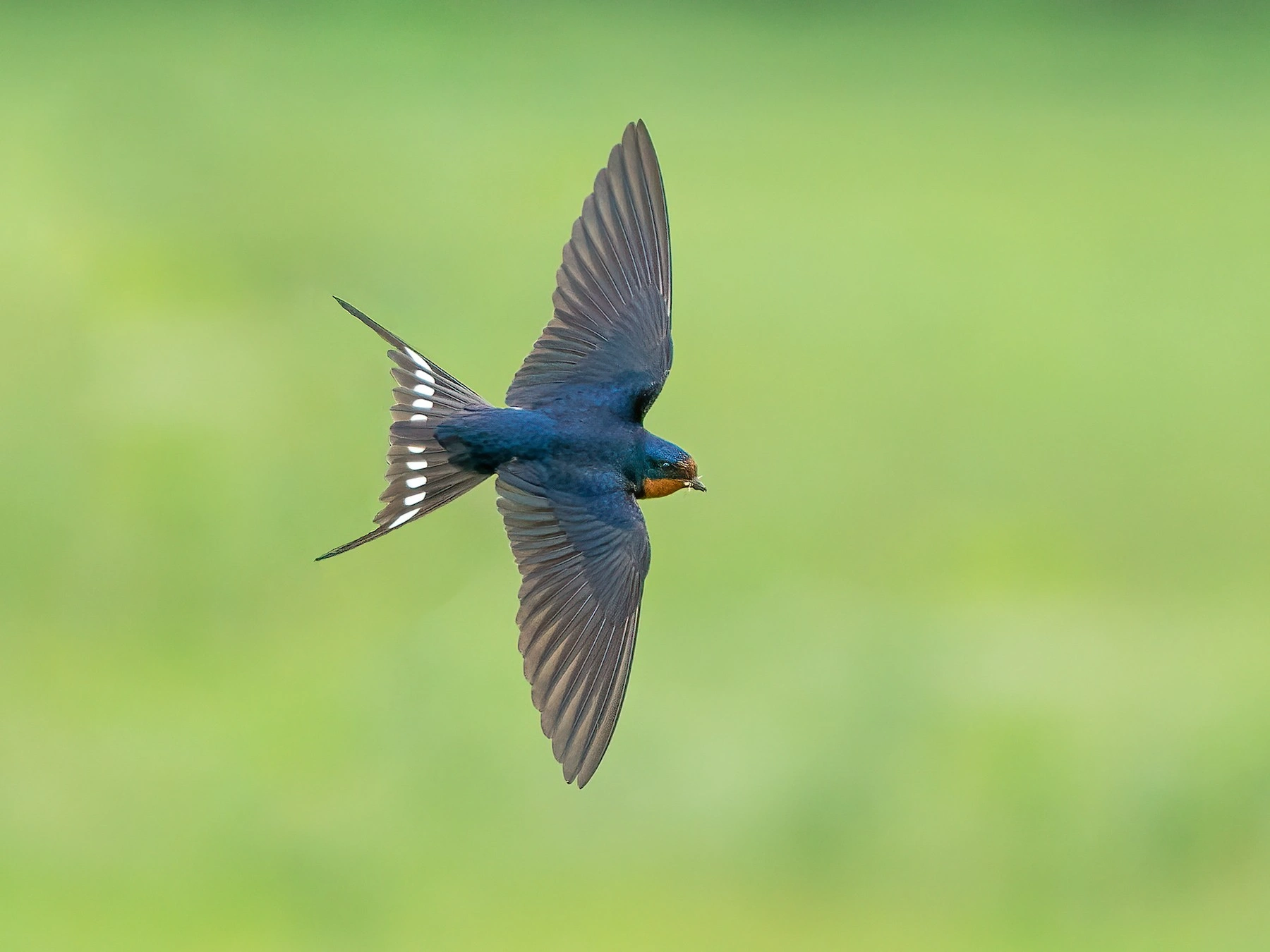
Barn Swallow
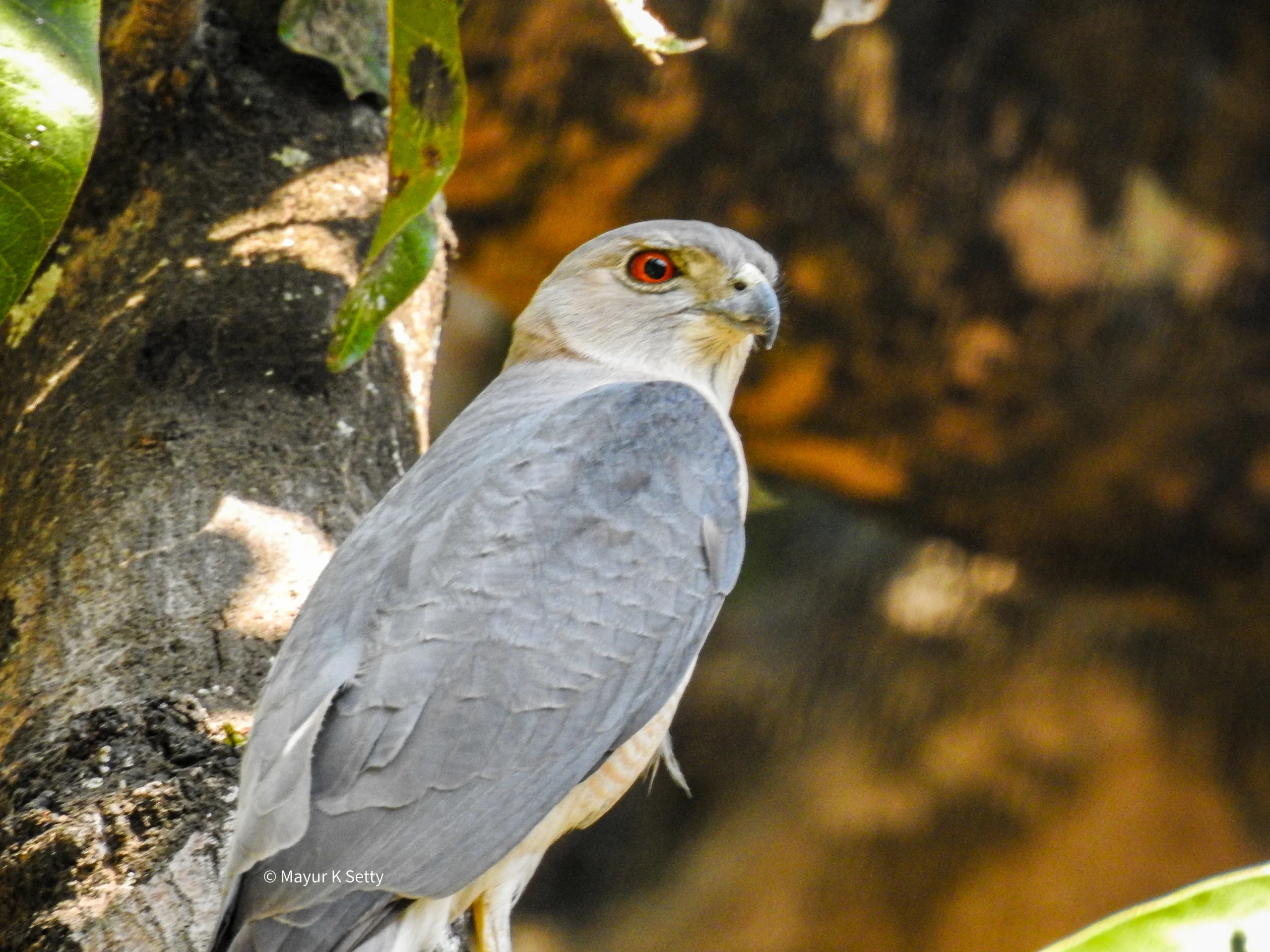
Shikra
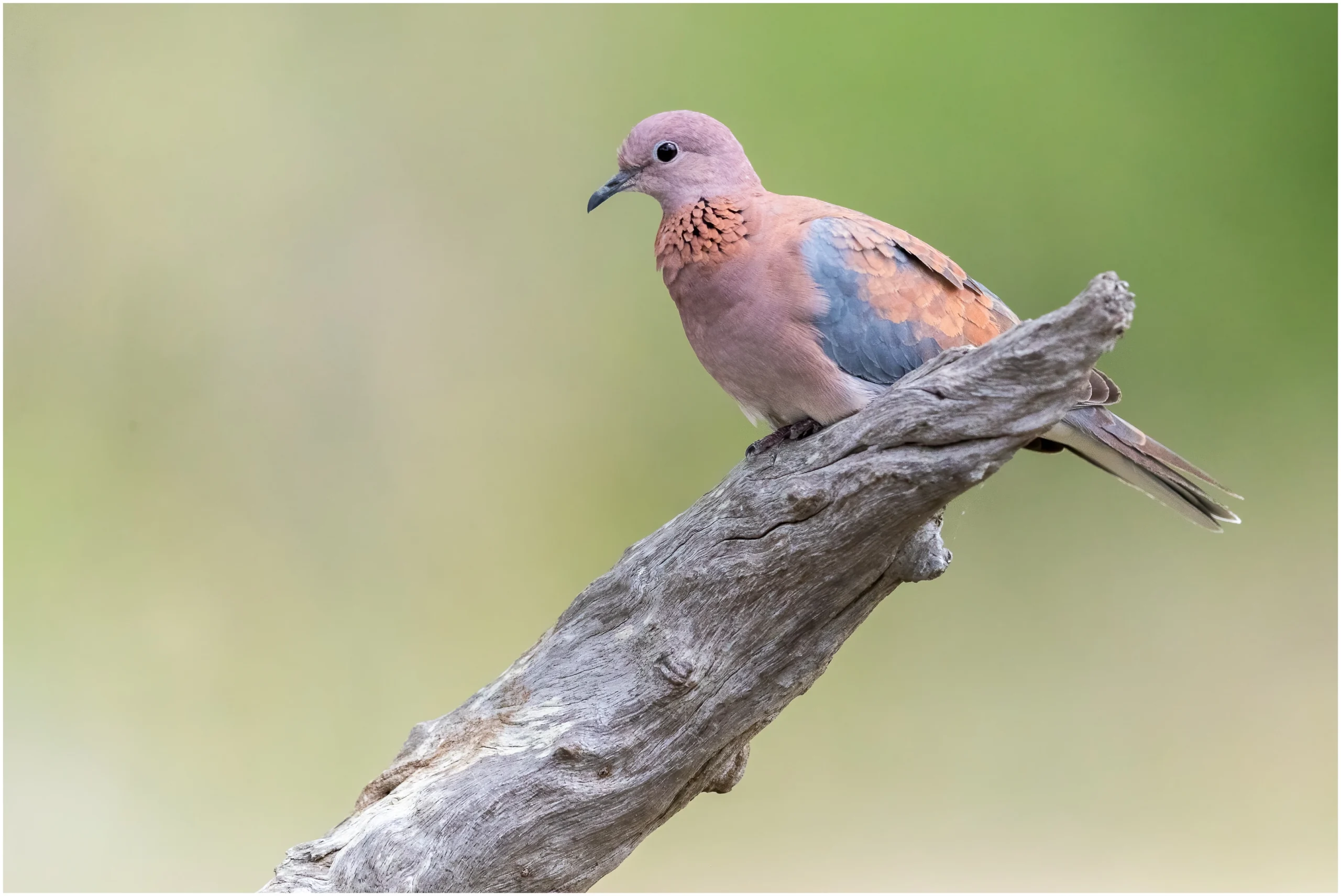
Laughing Dove
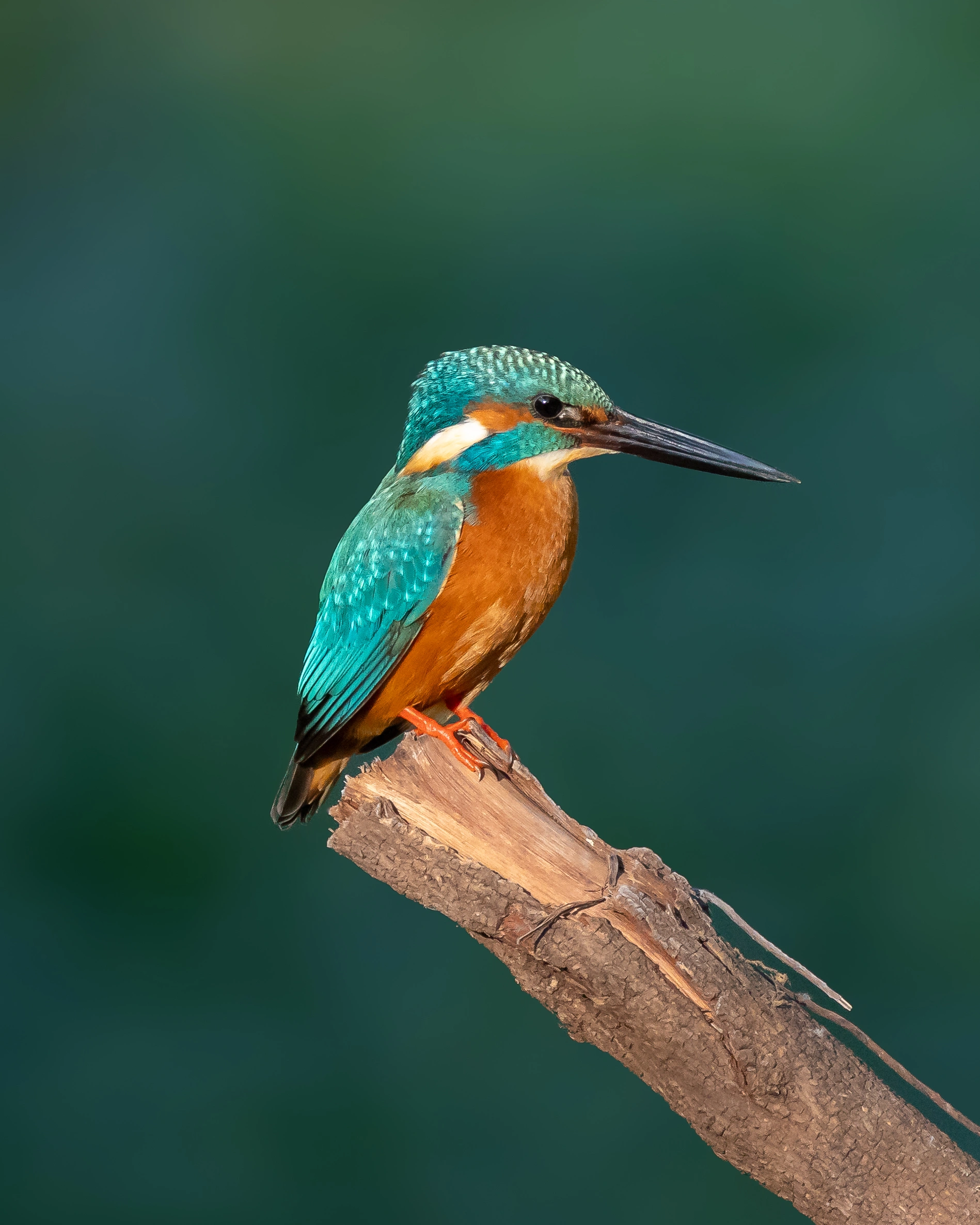
Common Kingfisher
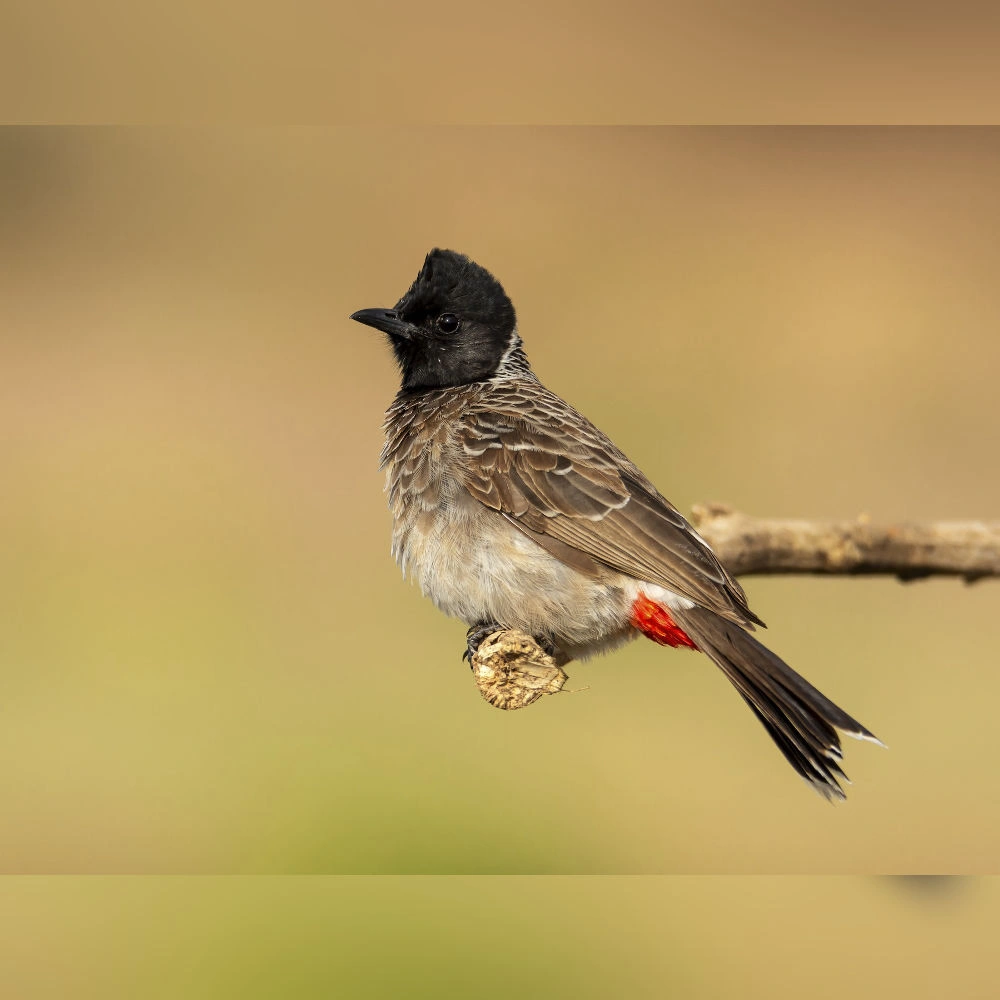
Red-vented Bulbul
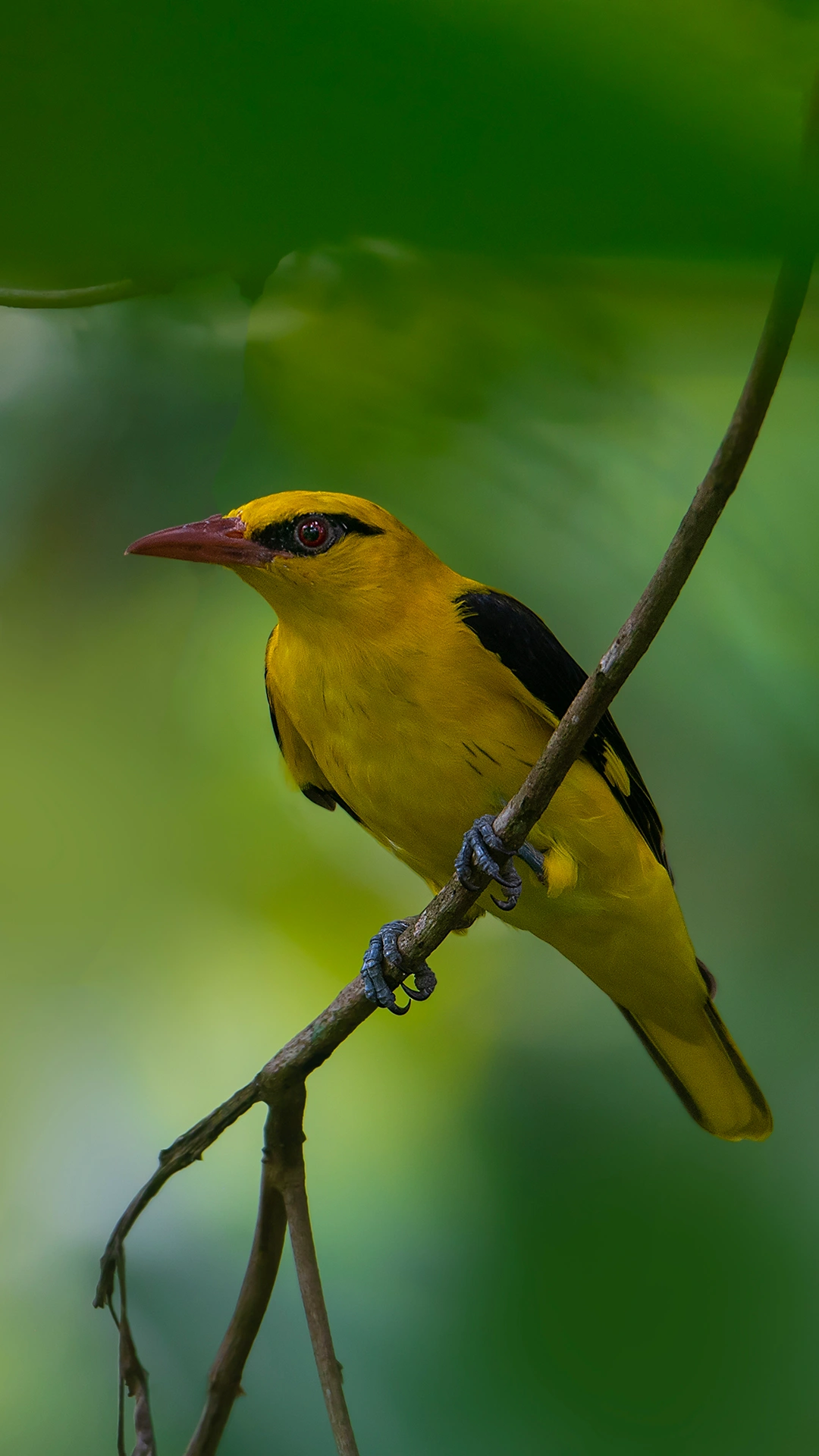
Indian Golden Oriole
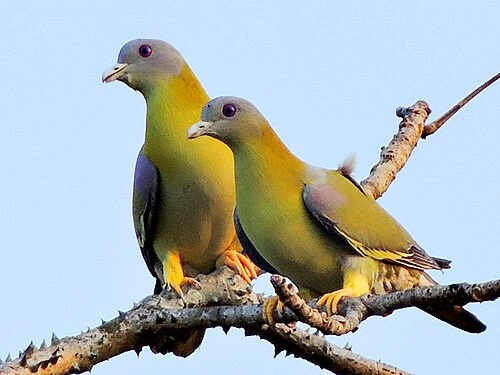
Yellow-footed Green Pigeon
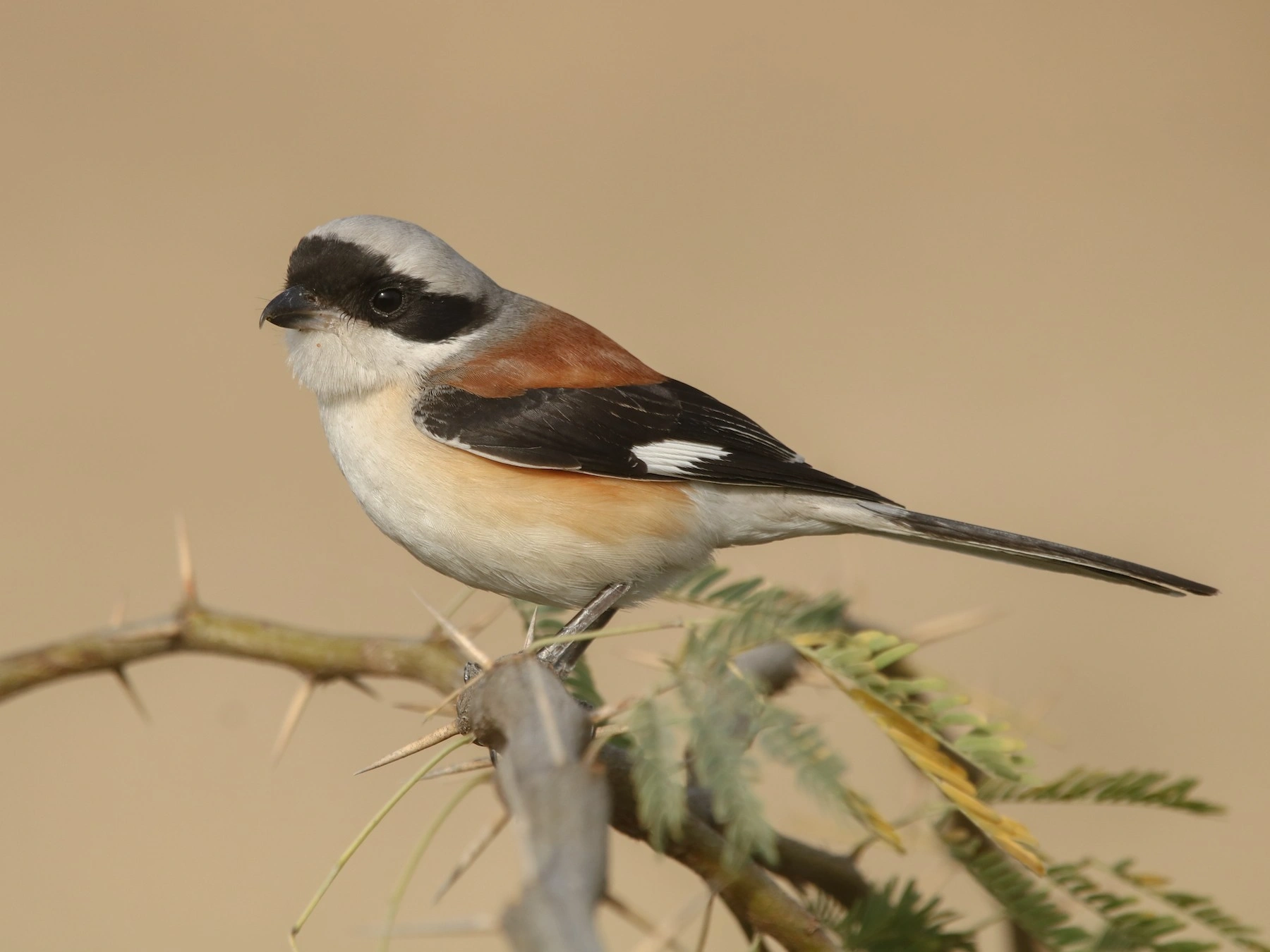
Bay-backed Shrike
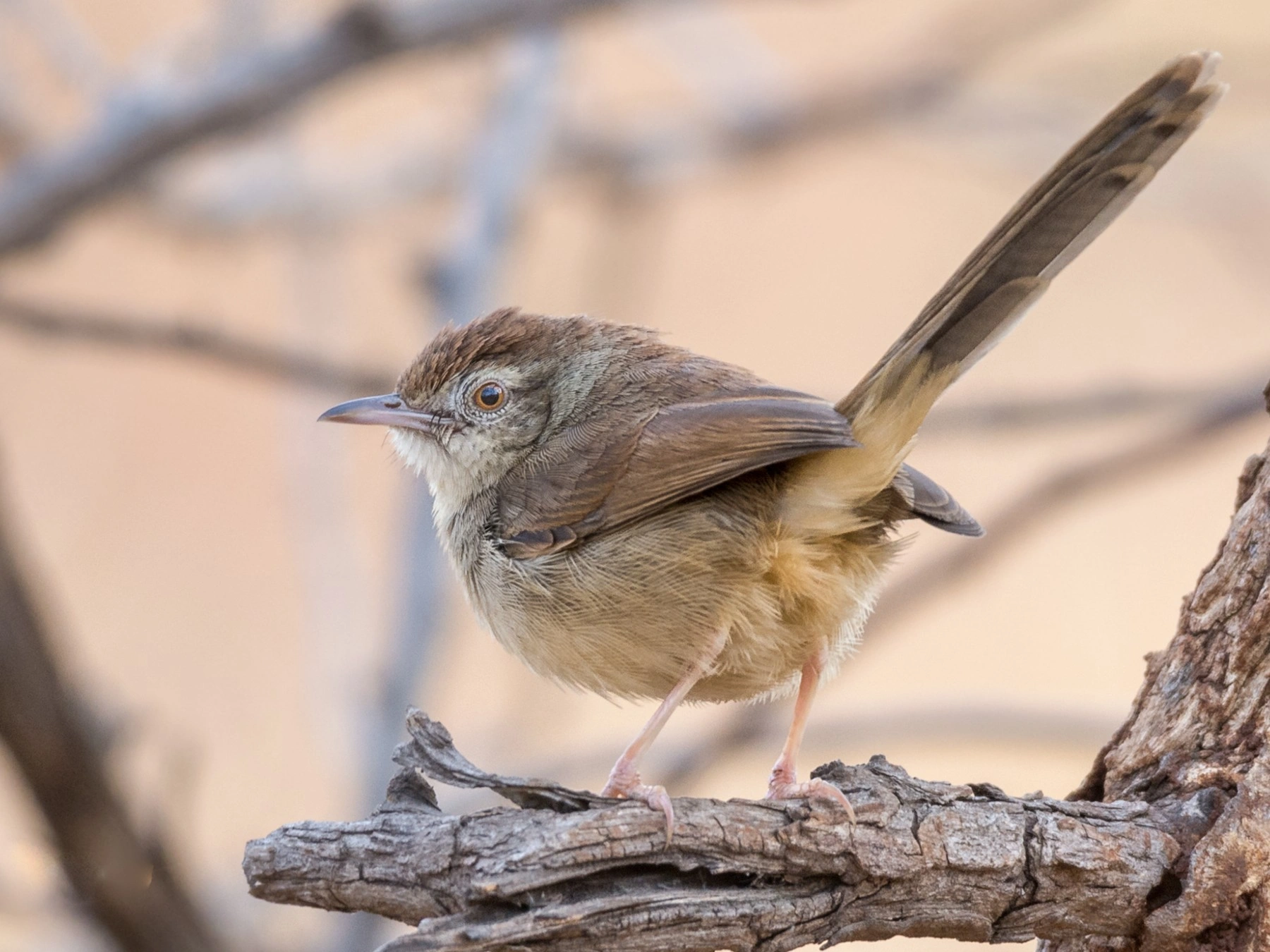
Jungle Prinia
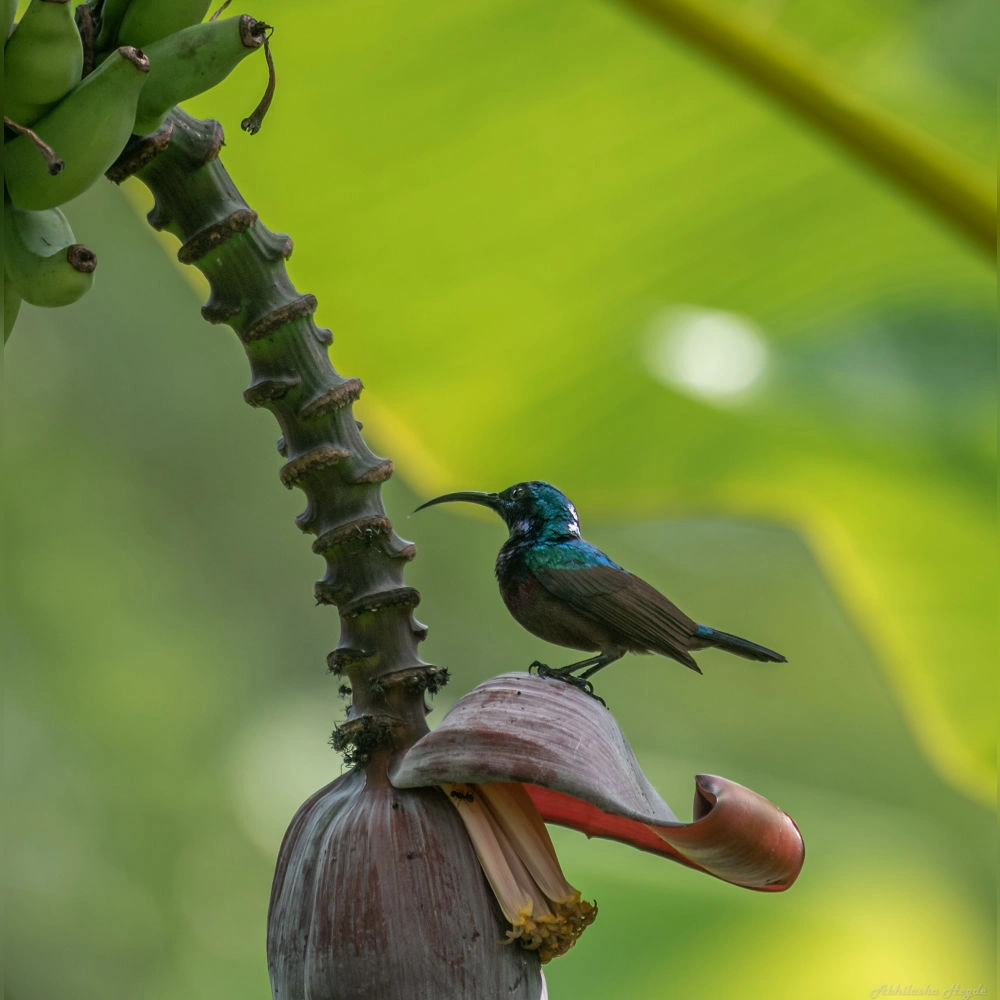
Purple Sunbird
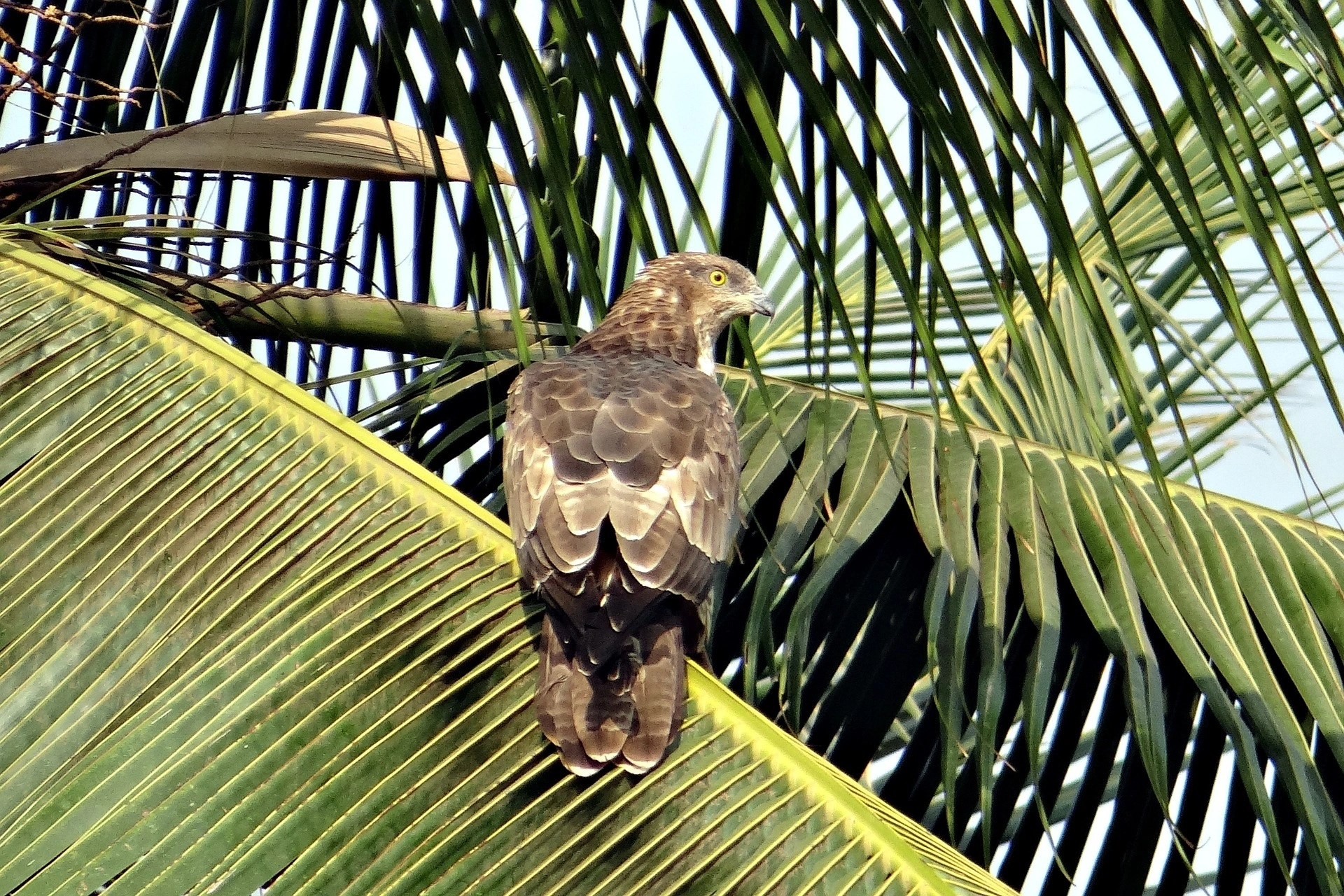
Oriental Honey Buzzard
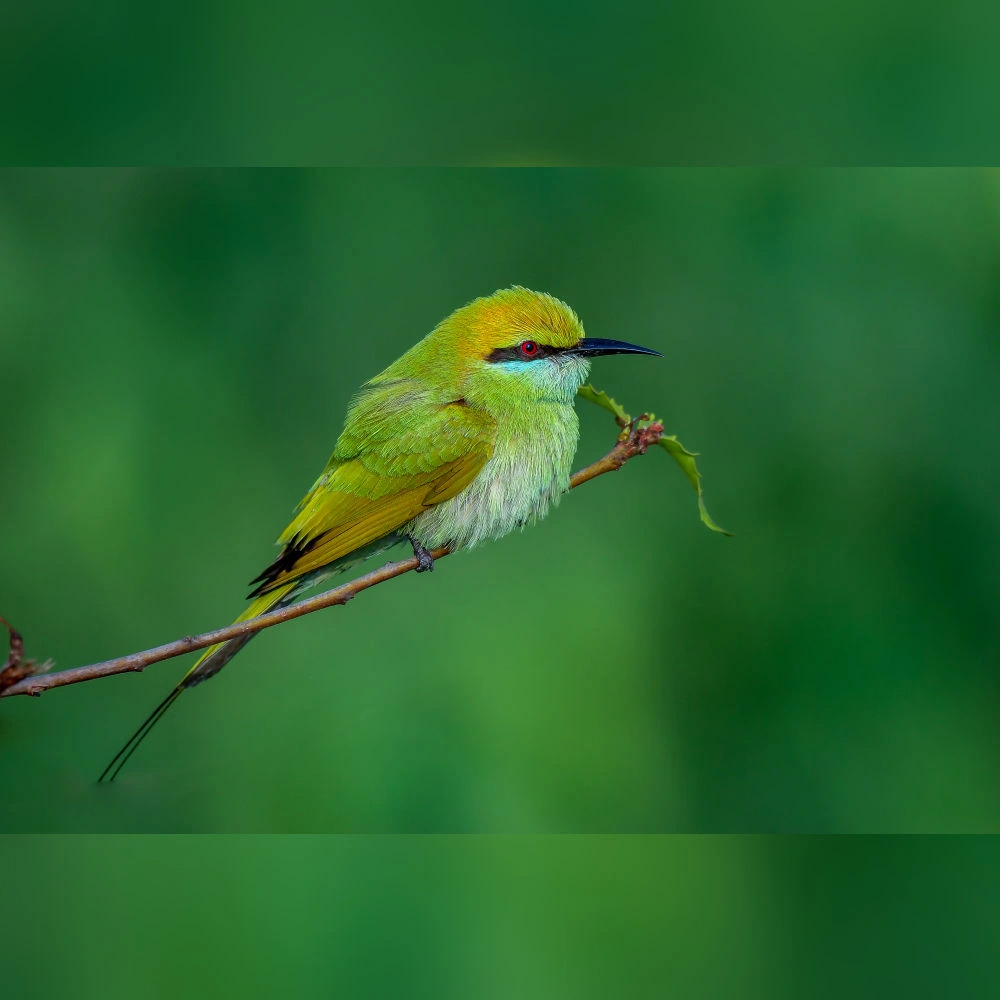
Asian Green Bee-eater
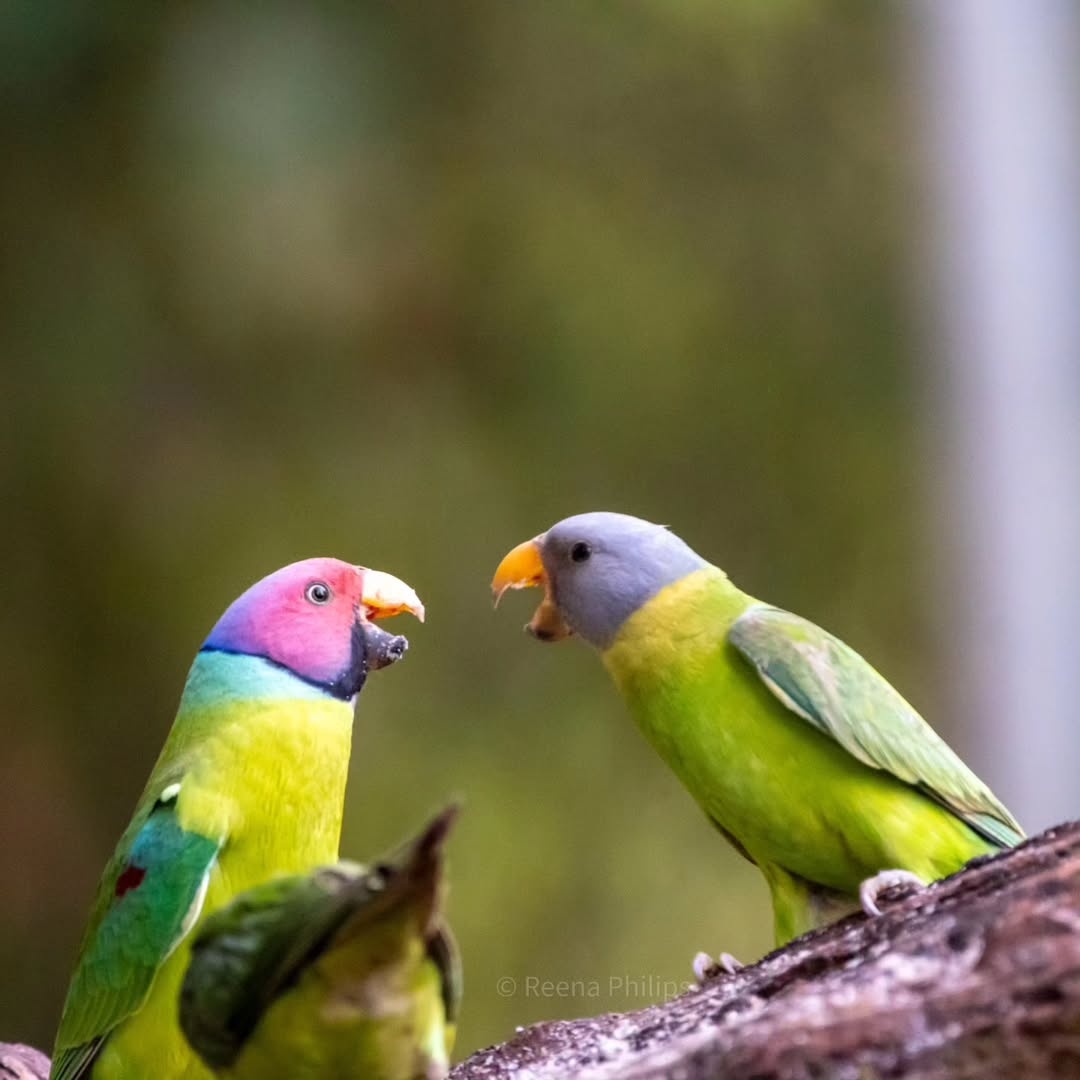
Plum-headed Parakeet
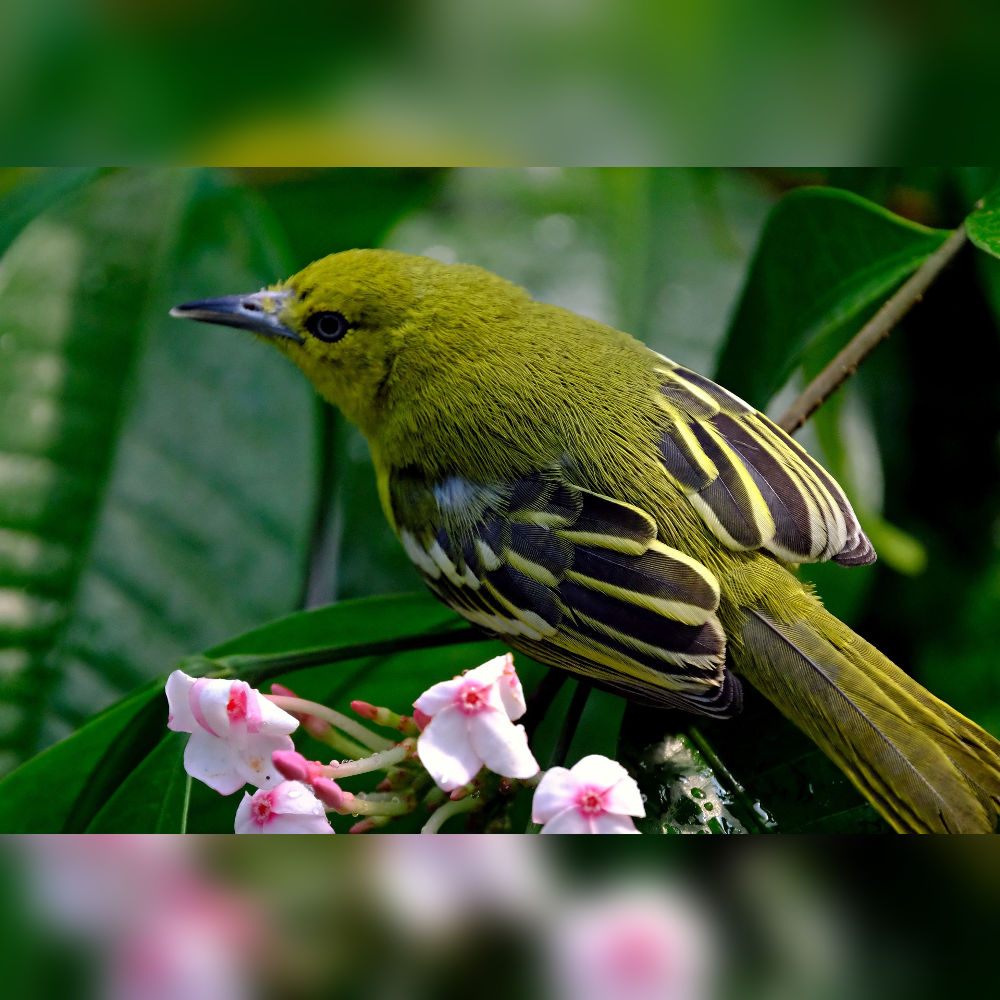
Common Iora
Bay-backed Shrike
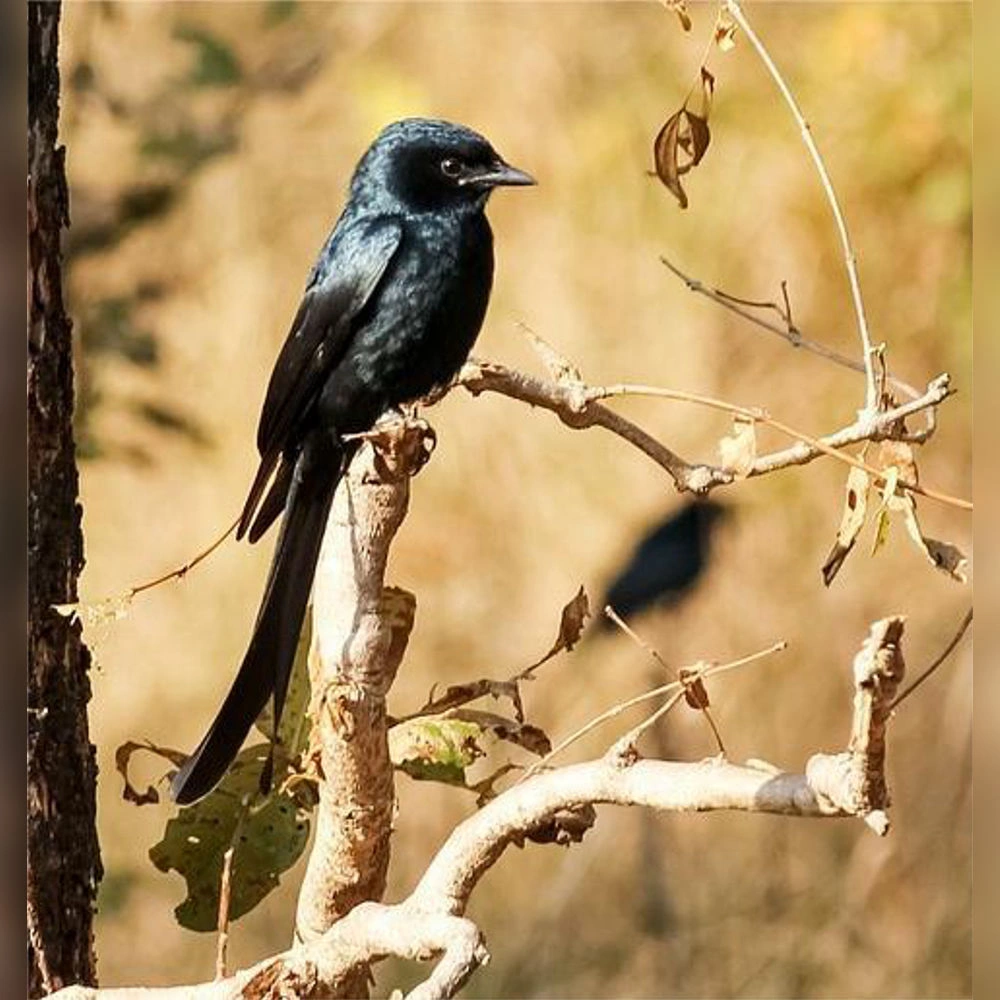
Black Drongo
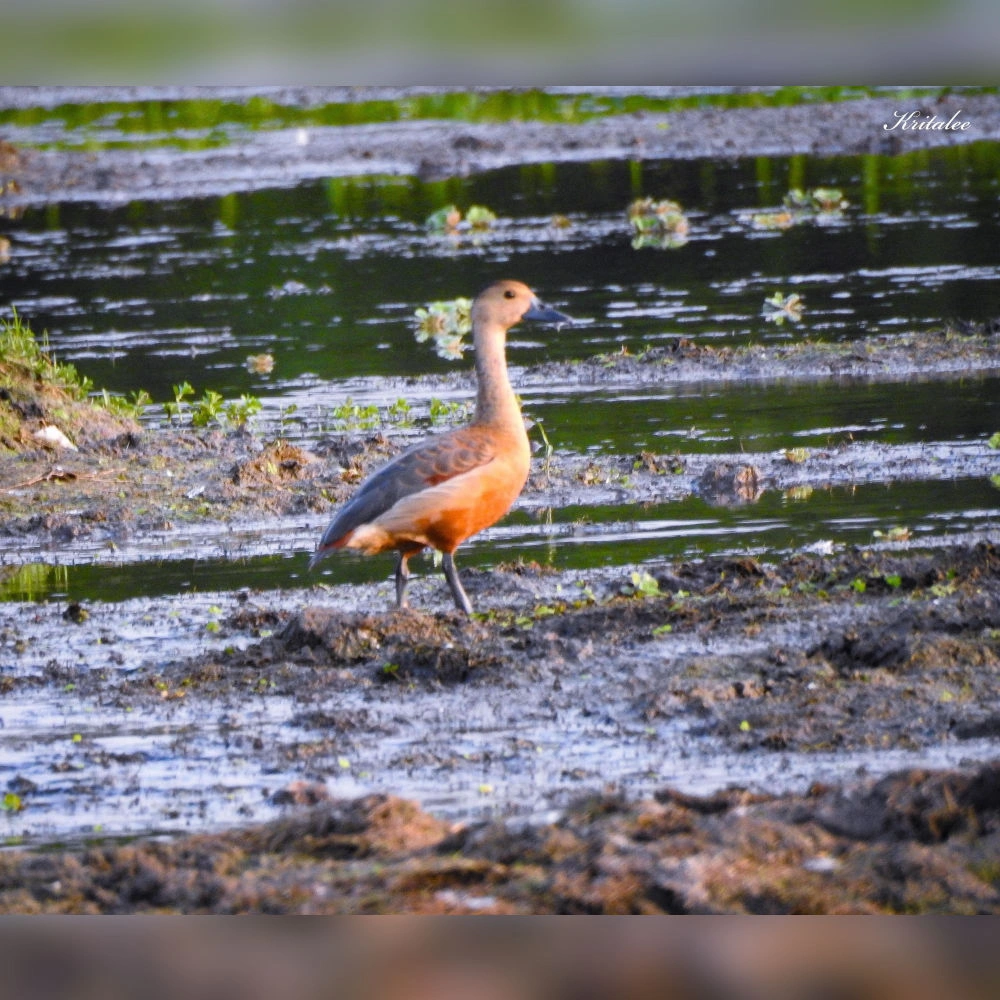
Lesser-whistling Duck
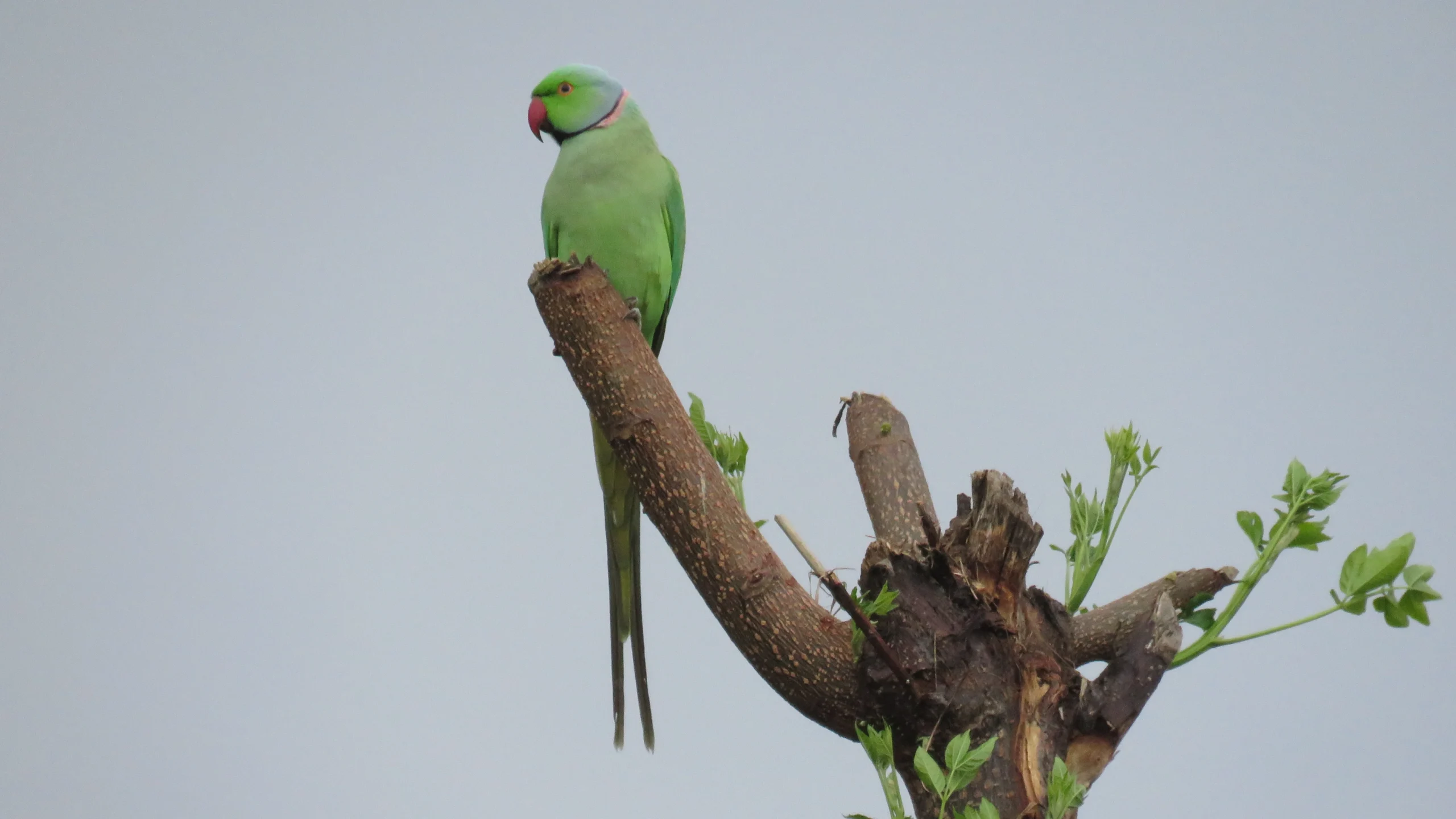
Rose-ringed Parakeet

Summary of Walk

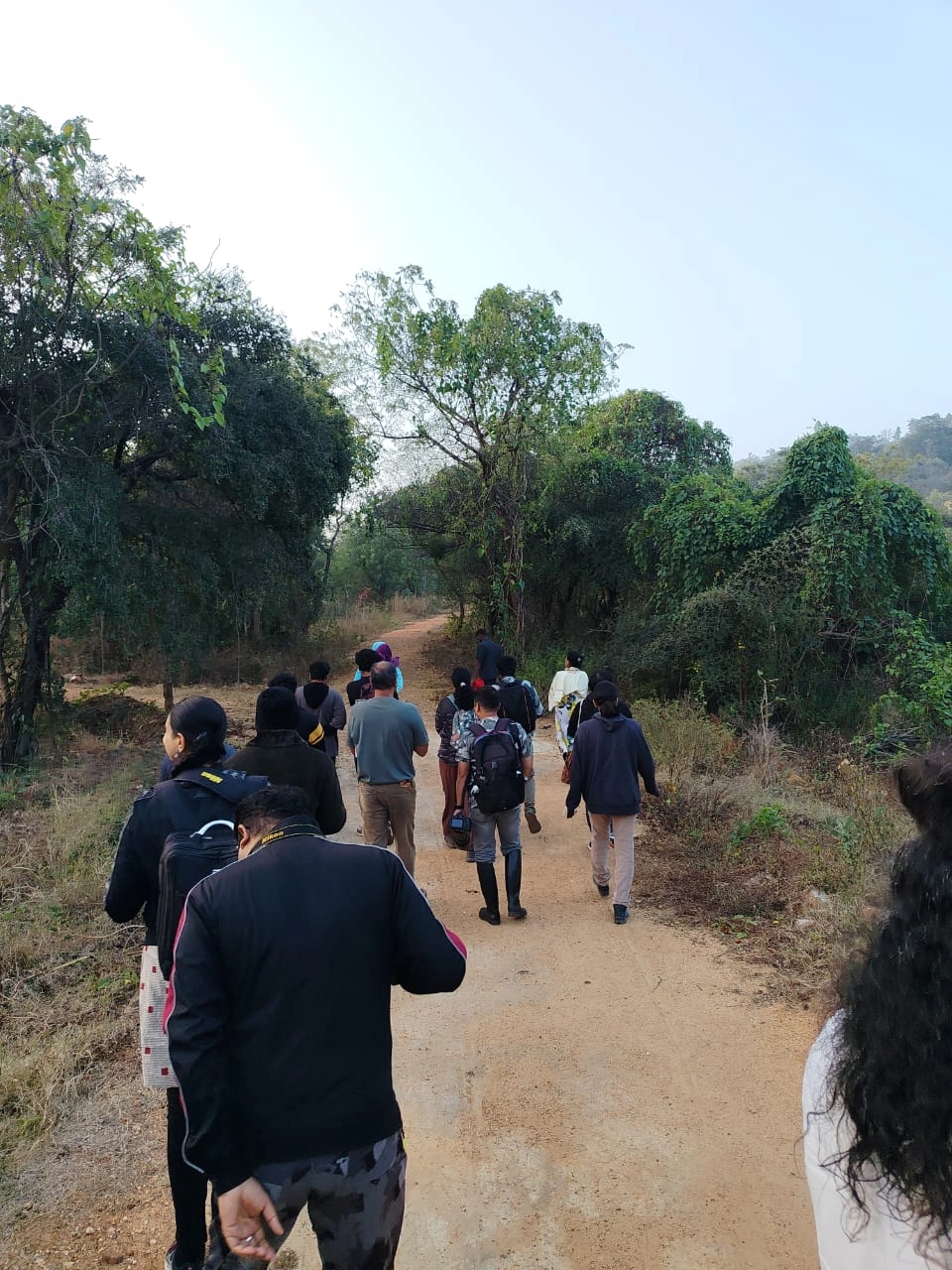
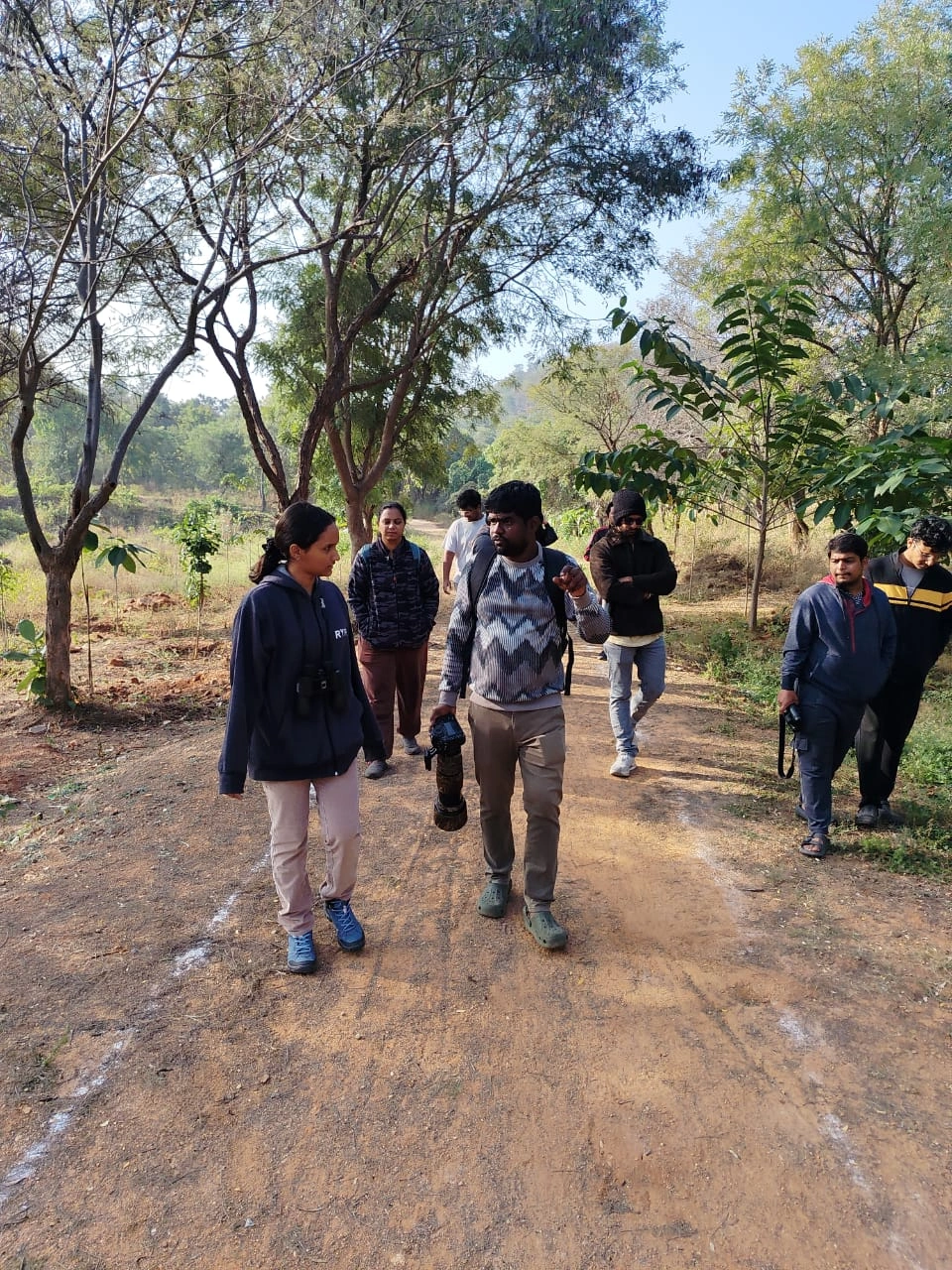
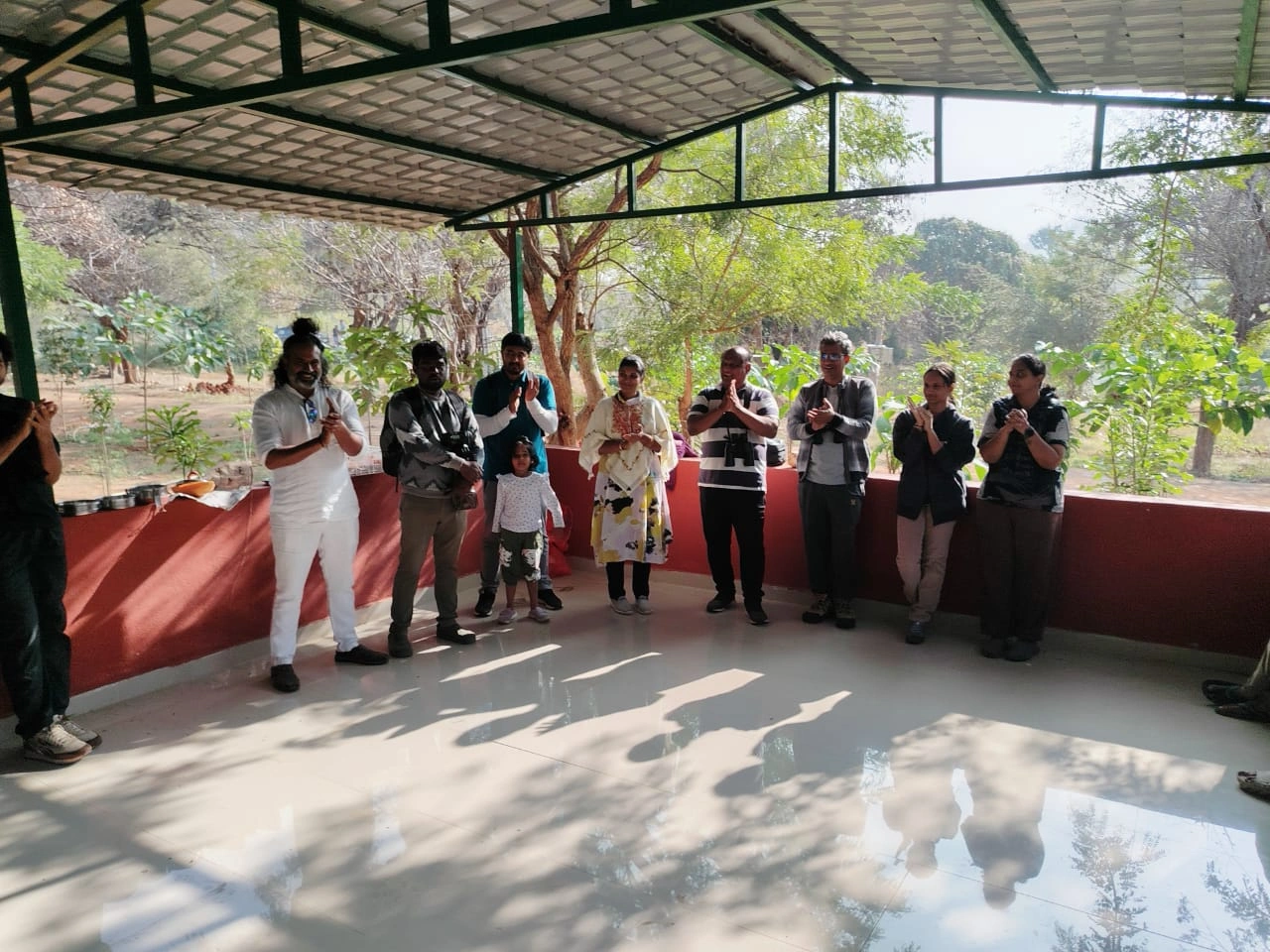
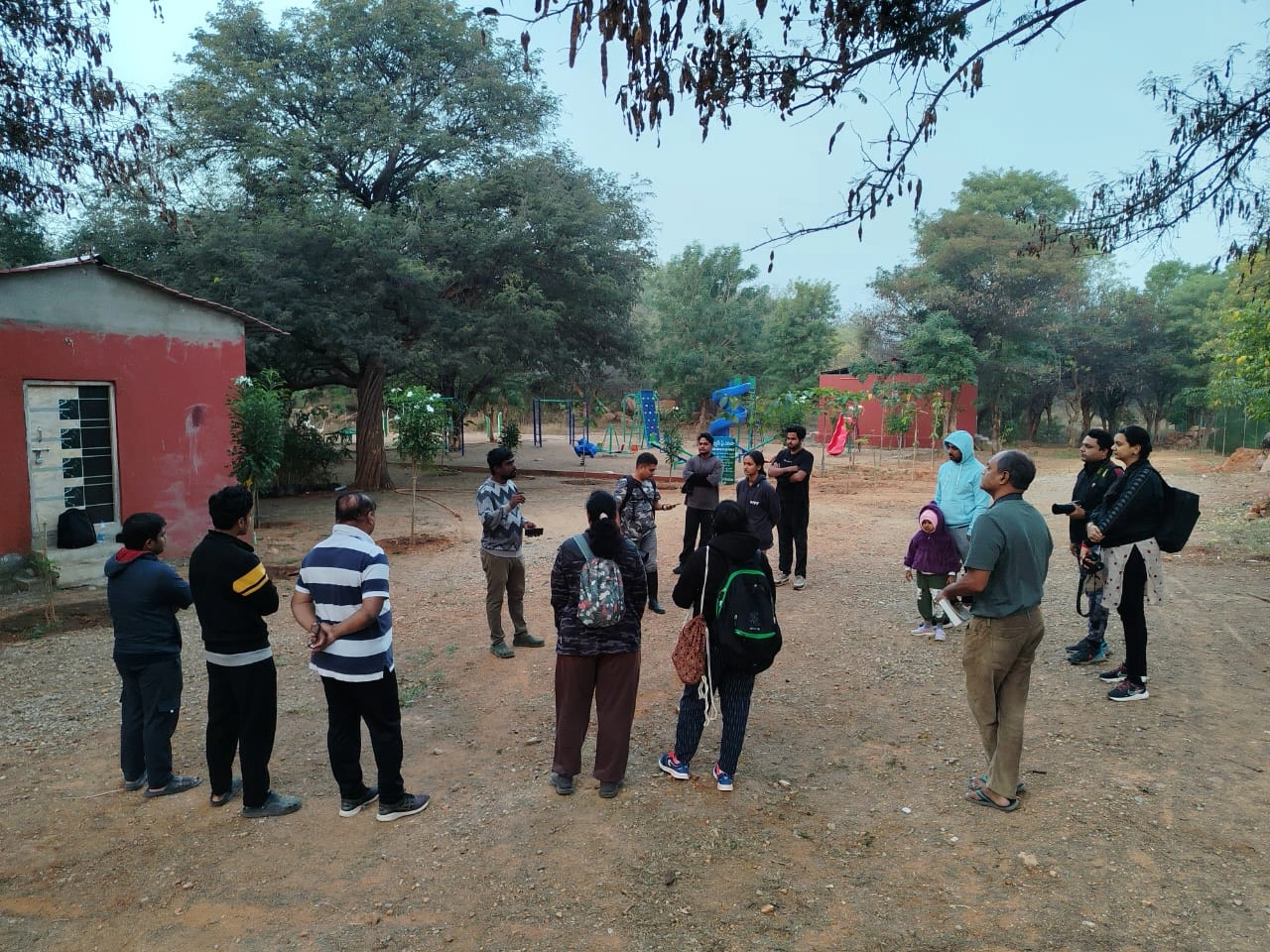
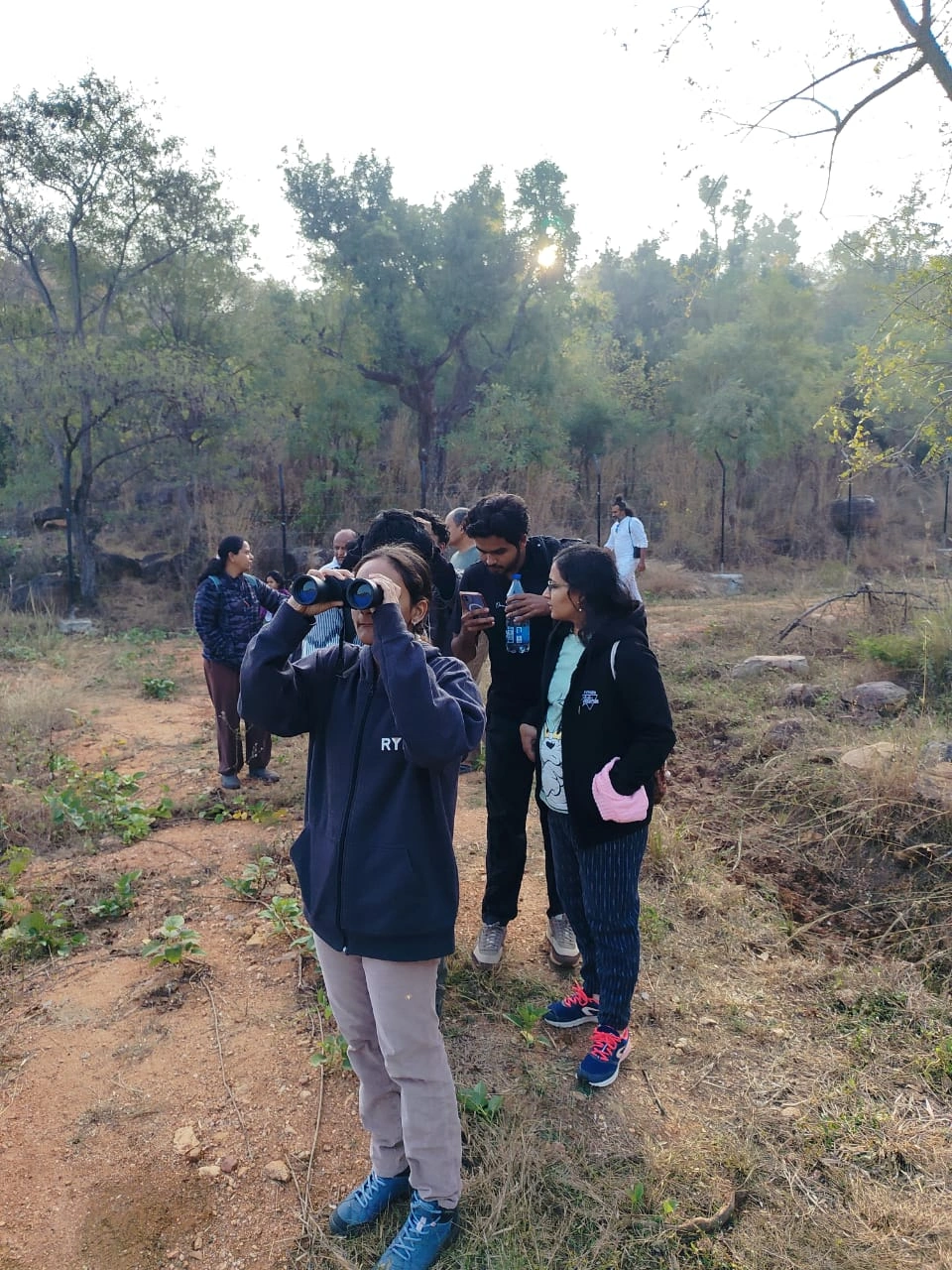
The bird walk at Gangamapalli Forest offered participants an engaging exploration of dry forest habitats, resulting in the identification of 39 bird species. The walk provided opportunities to observe both forest specialists and water-associated birds, demonstrating the ecological diversity supported by the region. Participants moved slowly through the forest, focusing on behavior as much as identification.
Among the most memorable moments were sightings of the Yellow-footed Green Pigeon and an exciting Common Kingfisher hunting sequence. Led by Kayala Ashok, the walk emphasized understanding bird behavior in natural settings, allowing participants to witness predation, movement, and habitat use firsthand. The experience deepened appreciation for forest ecosystems and the subtle interactions that sustain them.
Number of Participants
0
Scroll to Top