
Loading Events

Bird Walk at Gogte Salt Pans, Vasai, Maharashtra

About Gogte Salt Pans

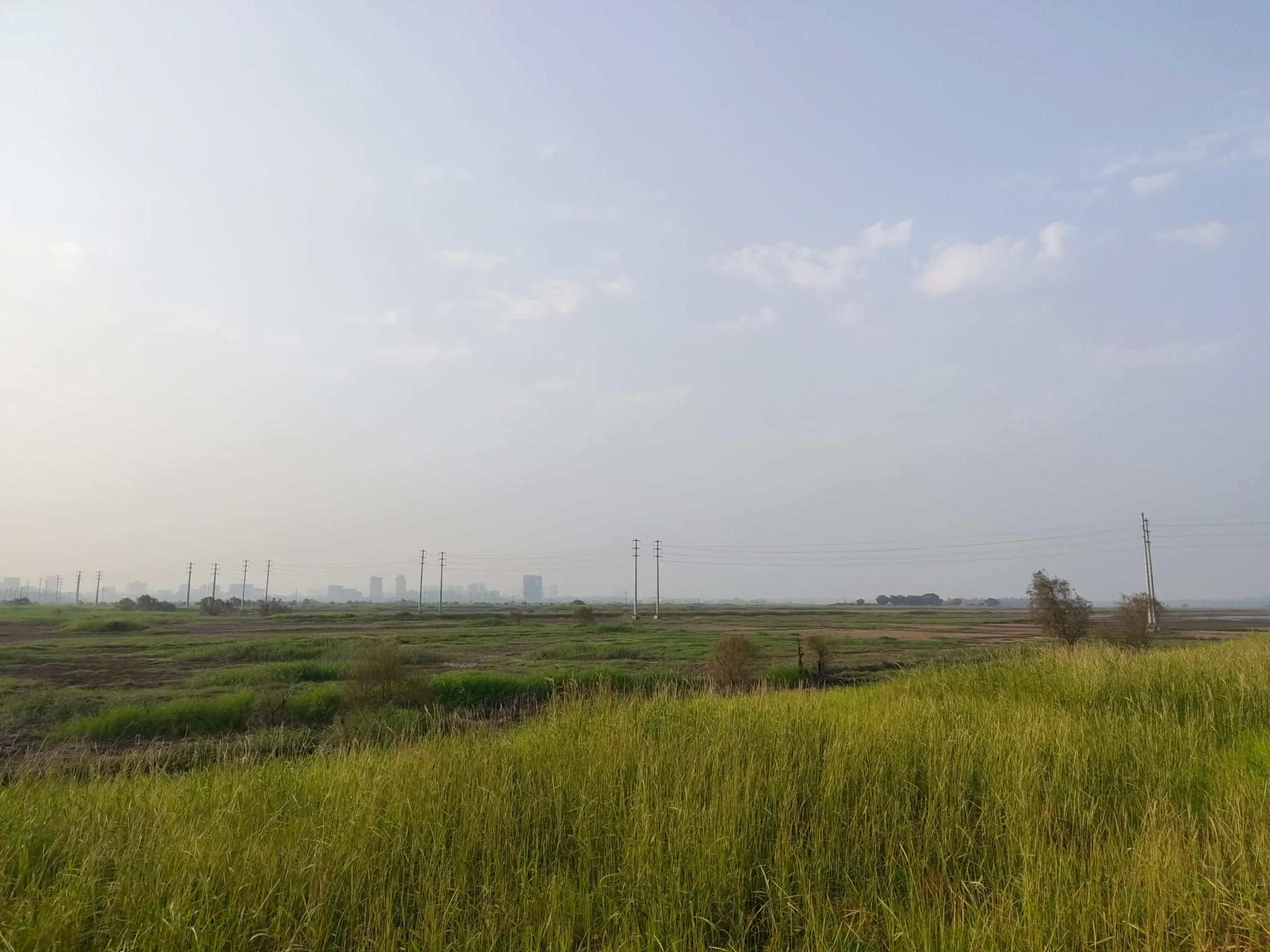
On the northern edge of the Mumbai region, beside Vasai Creek, the Gogte Salt Pans are a man-made wetland with a long history of salt-making. Here, shallow pans of seawater slowly evaporate under the sun. Low earthen bunds divide them, and they are surrounded by mangroves, mudflats, creeks, saline grassland and farmland. The mix of shallow brackish water, exposed mud and mangrove edge makes the pans a rich feeding ground, full of small fish, crabs, shrimps and insects. More than 250 bird species have been recorded here on eBird, making Gogte one of the best birding sites in the Vasai–Palghar area.
For birders, the salt pans are at their best from autumn through winter. Hundreds of Painted Storks gather to feed, and spoonbills, ibises and reef herons work the shallows. Ducks, terns, stints, plovers and sandpipers arrive on migration from northern Asia, and raptors hunt over the open pans. Like Mumbai’s other salt pans, though, Gogte is under severe threat. Salt pan land around the city is constantly targeted for reclamation and construction. Dumping of construction debris and garbage, mangrove cutting, new roads and infrastructure, and polluted creek water are all shrinking the habitat. Recognising salt pans as valuable wetlands, protecting the surrounding mangroves and stopping illegal dumping are essential if Gogte is to keep drawing its spectacular gatherings of birds.

Bird Guide - Ksheetij Pandey

Ksheetij Pandey is a Master’s graduate from Banaras Hindu University and a Mumbai-based birdwatcher with over 3.5 years of birding experience. Passionate about wildlife photography, he brings a sharp eye for birds and a naturalist’s curiosity to every outing.

Bird Guide: Sukhpreet Kohli

He is a passionate birder from Mumbai, has been exploring the city’s rich avian life for many years. He enjoys sharing his knowledge and leading engaging bird walks that connect people with nature.
Bird walk Location

Common birds of Gogte Salt Pans

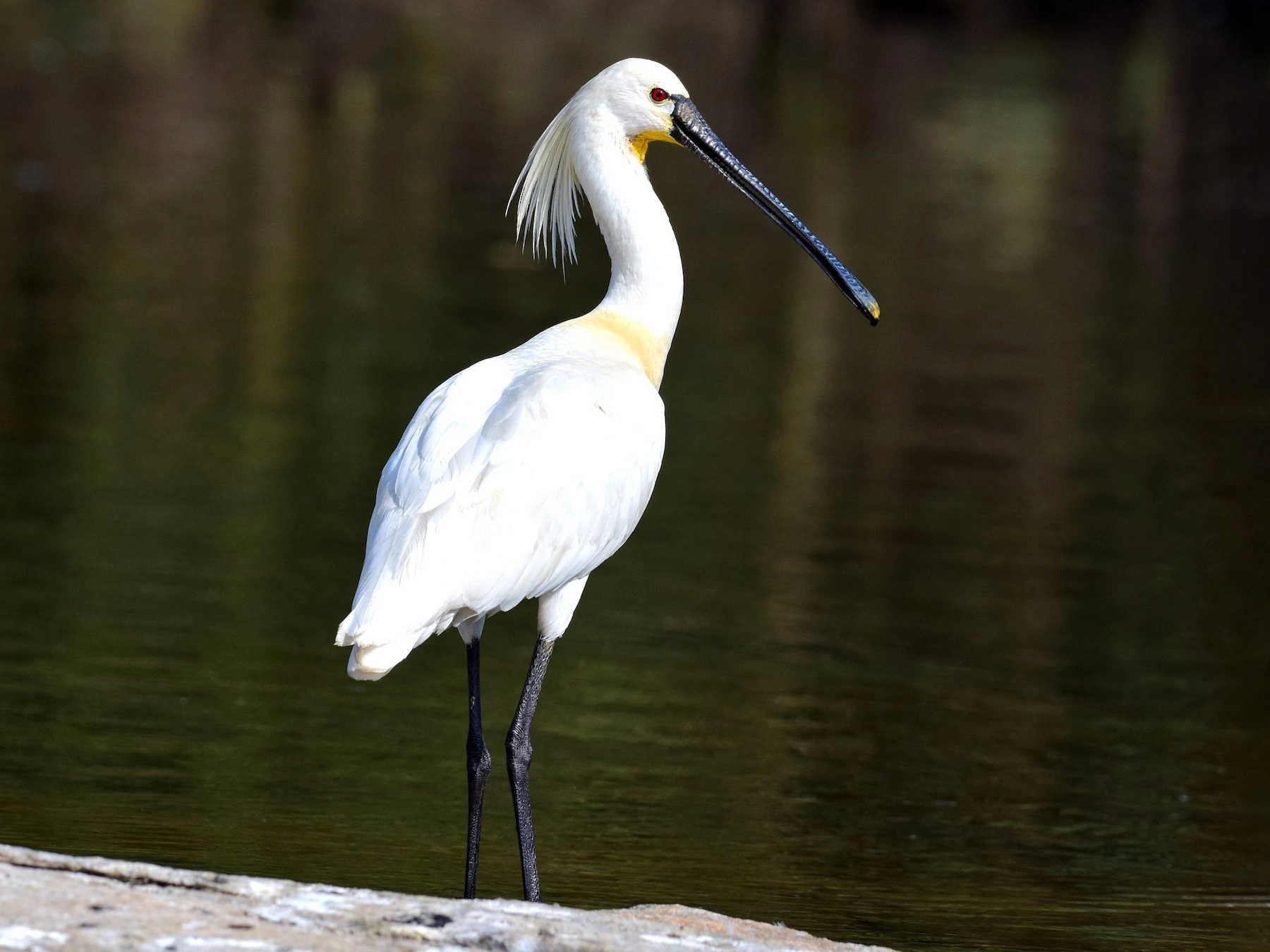
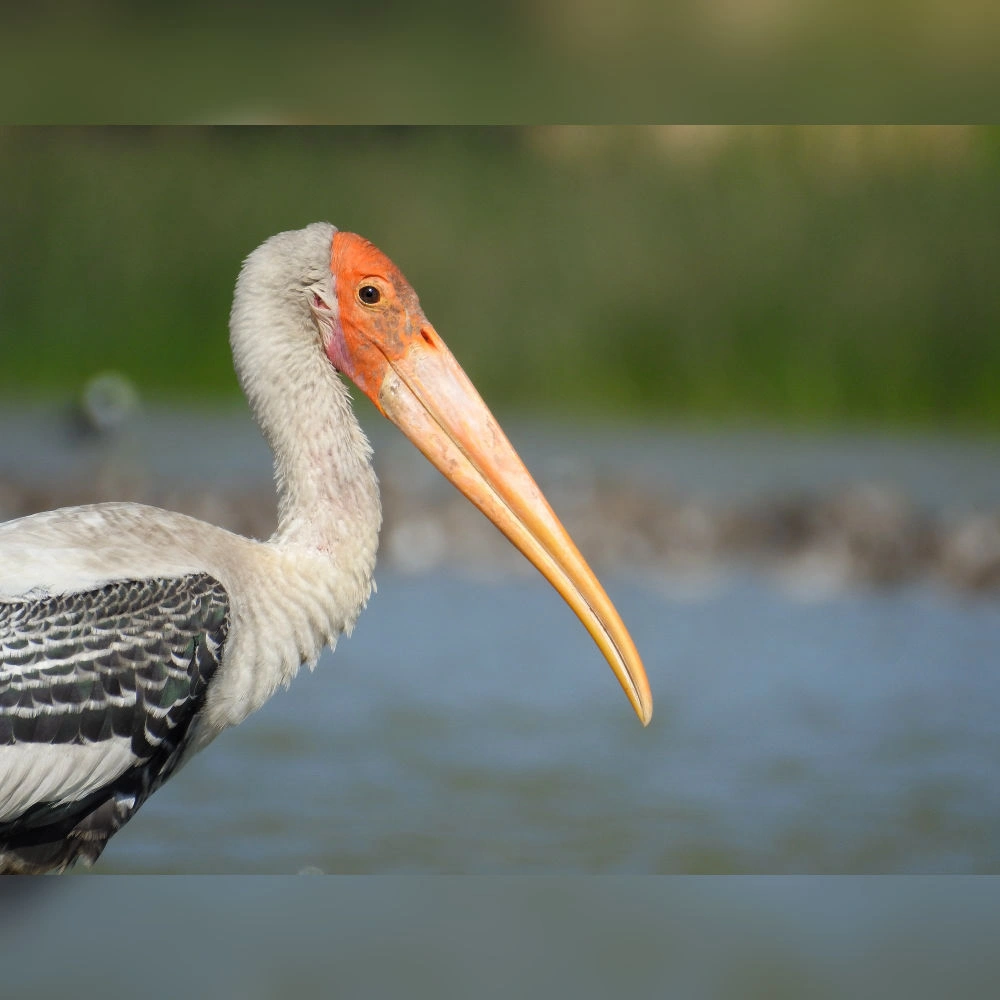
Gogte’s shallow pans can hold an amazing sight: flocks of up to a hundred Painted Storks, their rosy wings and heavy yellow bills lined up across the water. Eurasian Spoonbills sweep their flat, spoon-shaped bills from side to side to sift for food. The Western Reef-Heron, a coastal speciality, hunts along the bunds, and Glossy and Black-headed Ibises probe the mud. An Asian Openbill uses its odd bill to crack open snails. Green-winged Teal, among the first ducks to arrive in autumn, dabble beside Indian Spot-billed Ducks. Whiskered Terns dip delicately over the water, while the River Tern, a globally threatened species, dives after fish. Out on the mudflats, the tiny Little Stint, which breeds in the Arctic, feeds busily alongside Little Ringed Plovers and dozens of bobbing Common Sandpipers. Black-winged Stilts wade on long pink legs. Indian and Little Cormorants fish the deeper channels. Black-crowned Night Herons, Great and Little Egrets, Indian Pond-Herons and Eastern Cattle-Egrets hunt patiently. A Pied Cuckoo, passing through on migration, adds a surprise from the bushes.

Painted Stork
Eurasian Spoonbill
Glossy Ibis
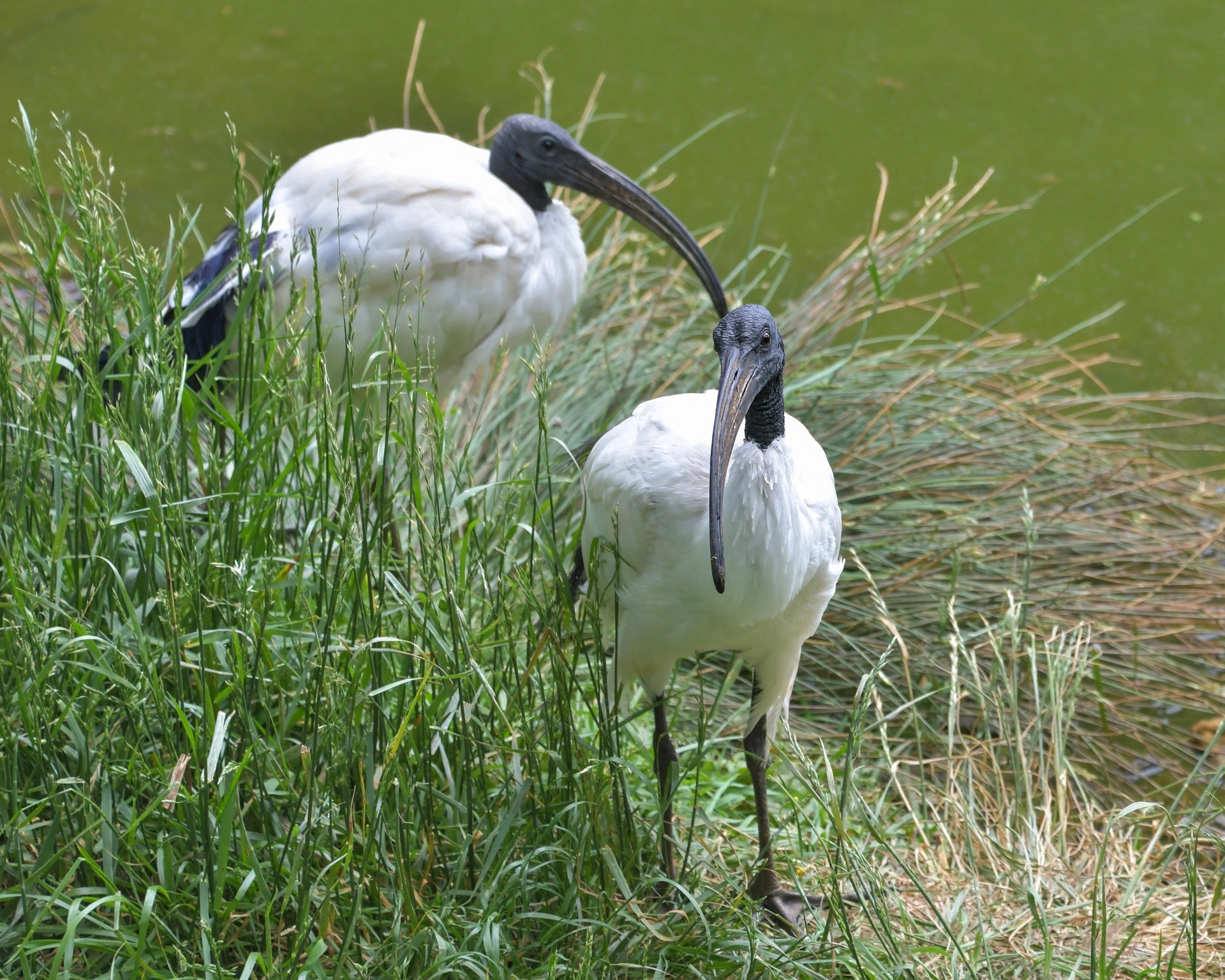
Black-headed Ibis
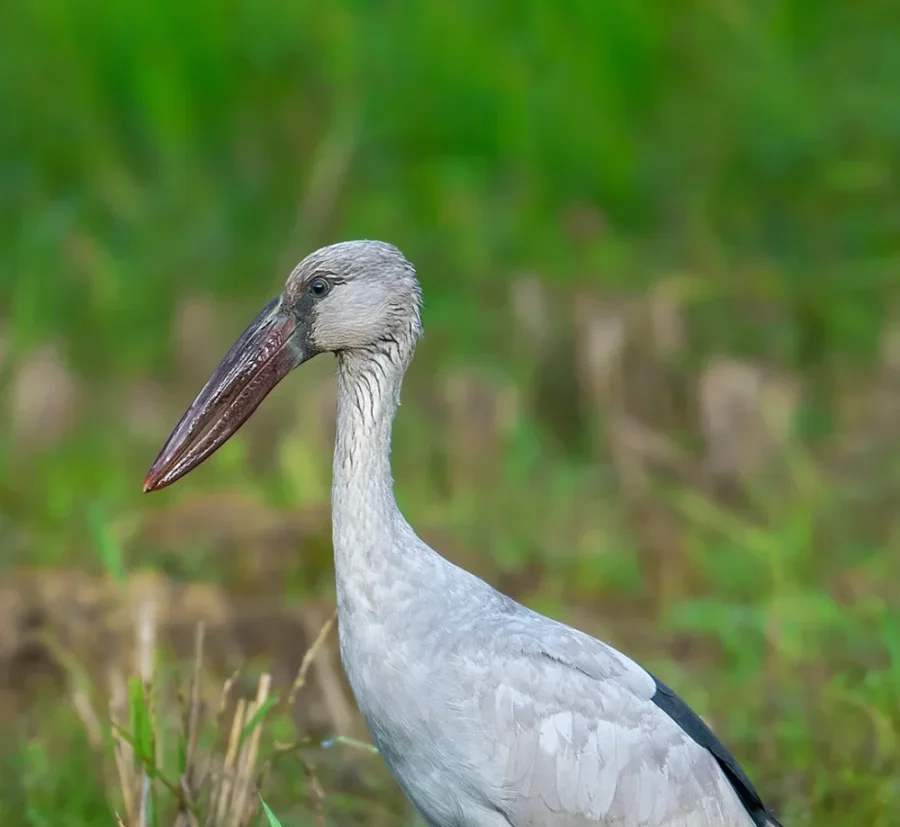
Asian Openbill
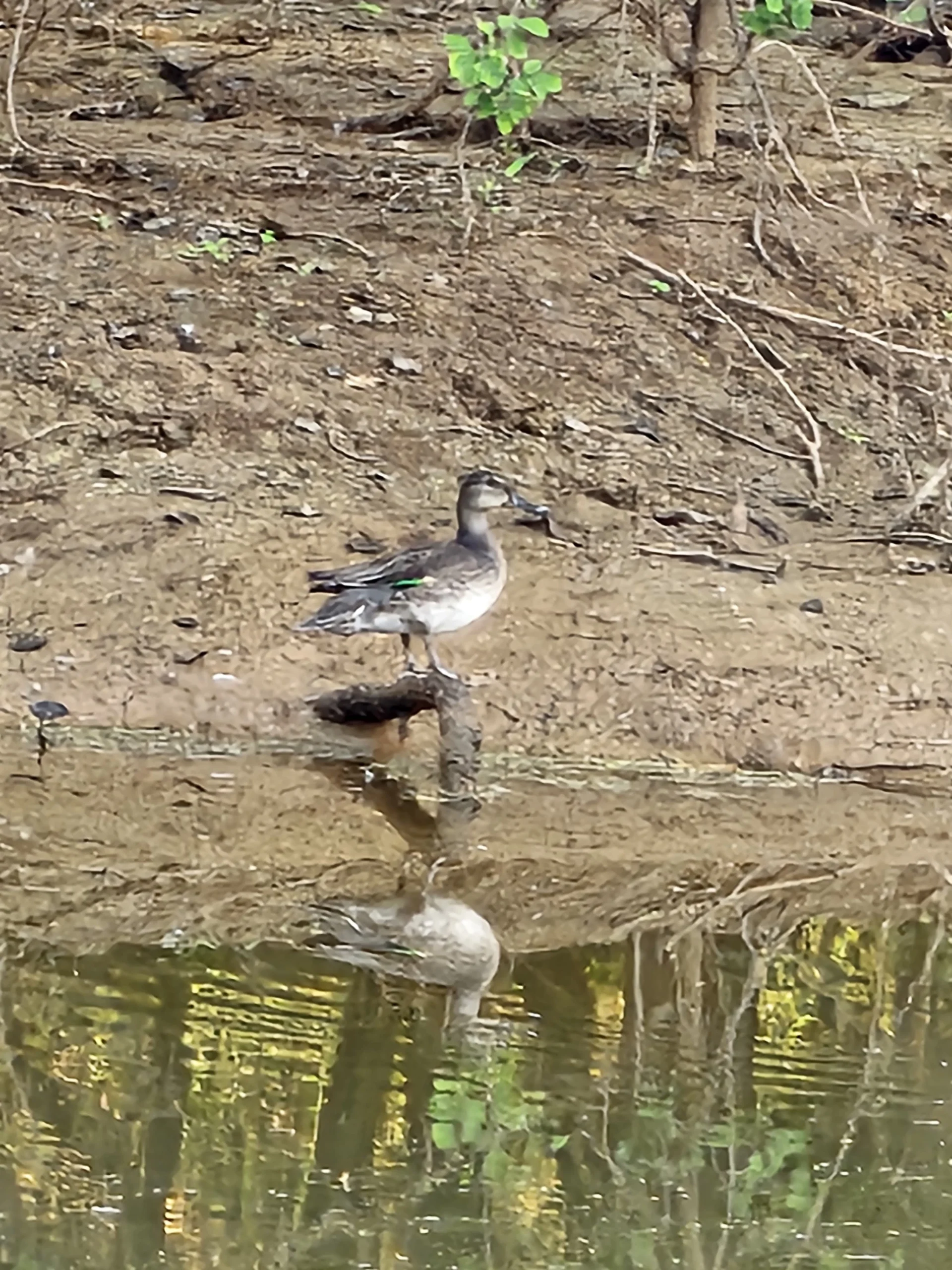
Green-winged Teal
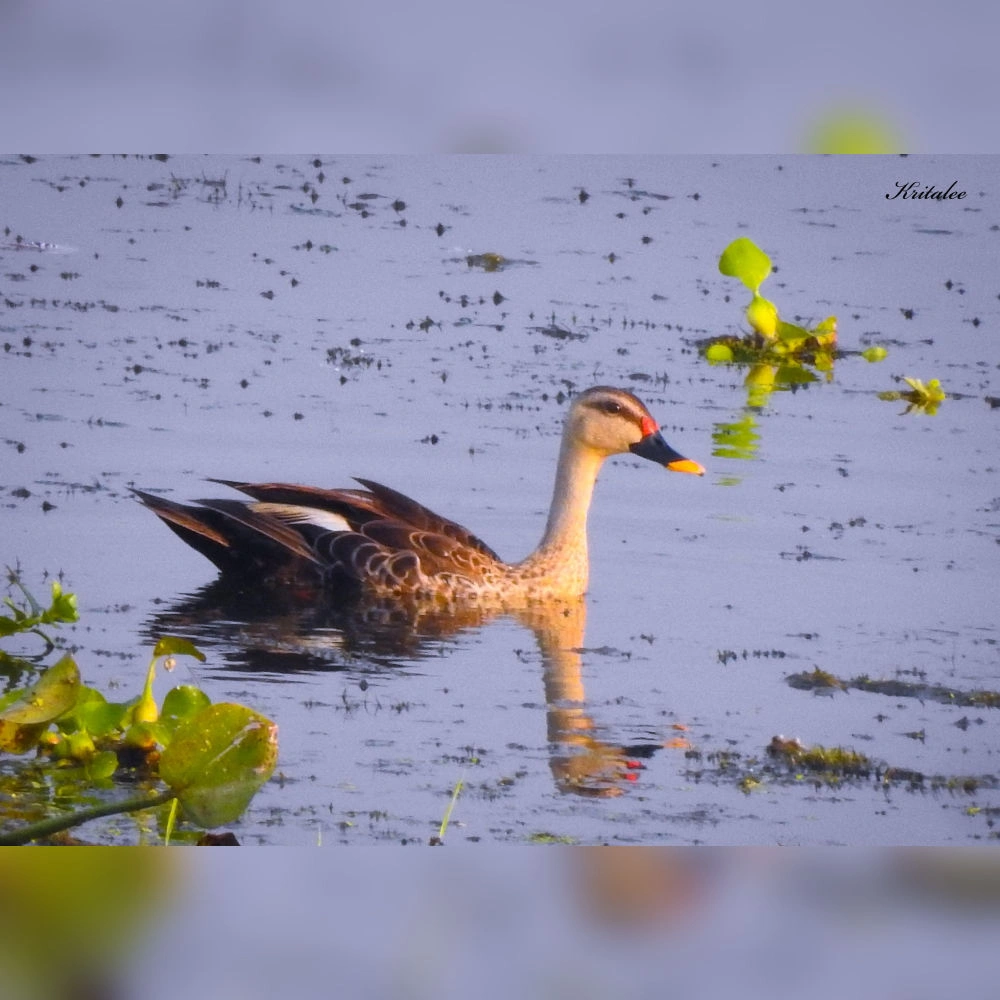
Indian Spot-billed Duck
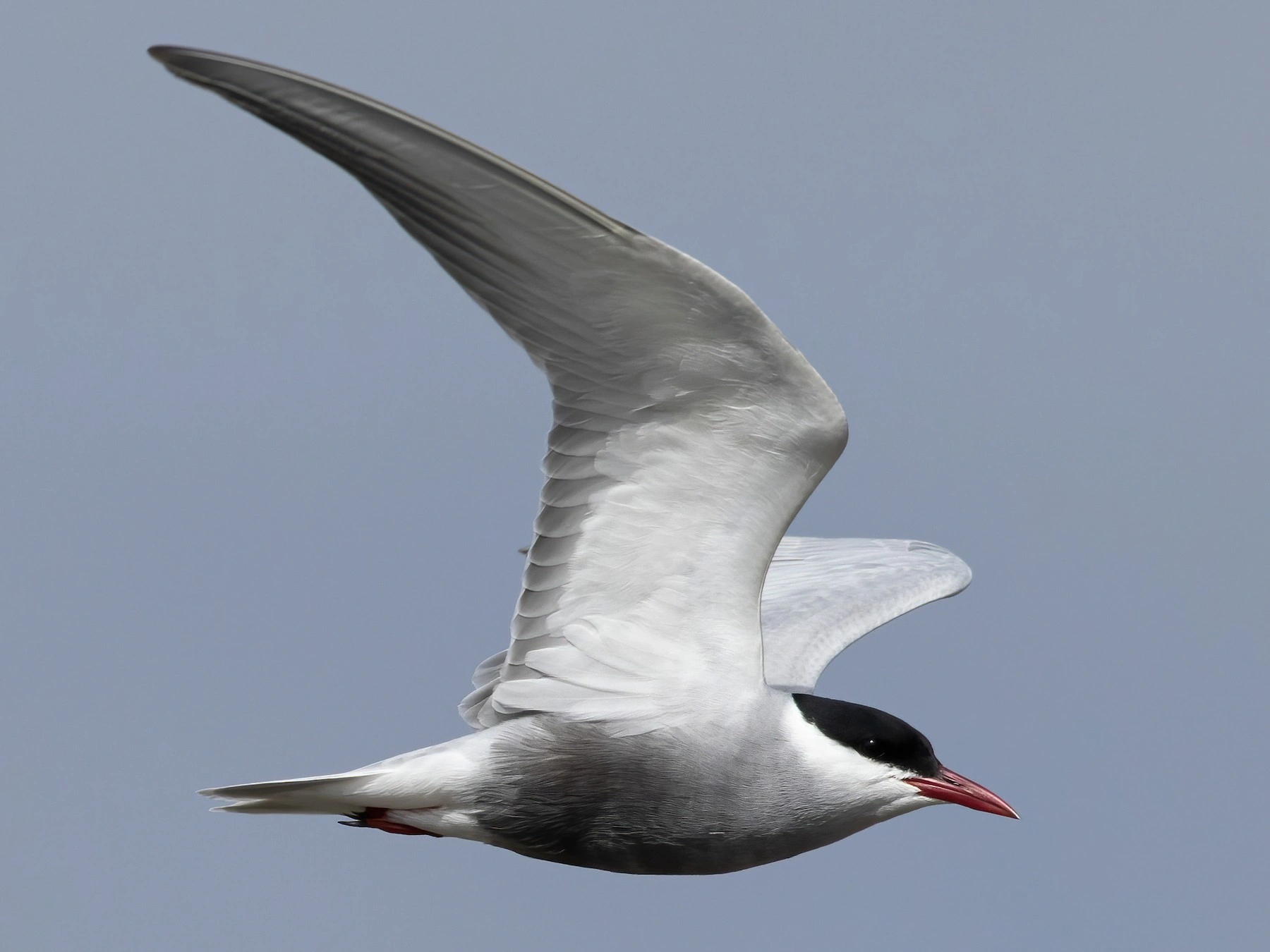
Whiskered Tern
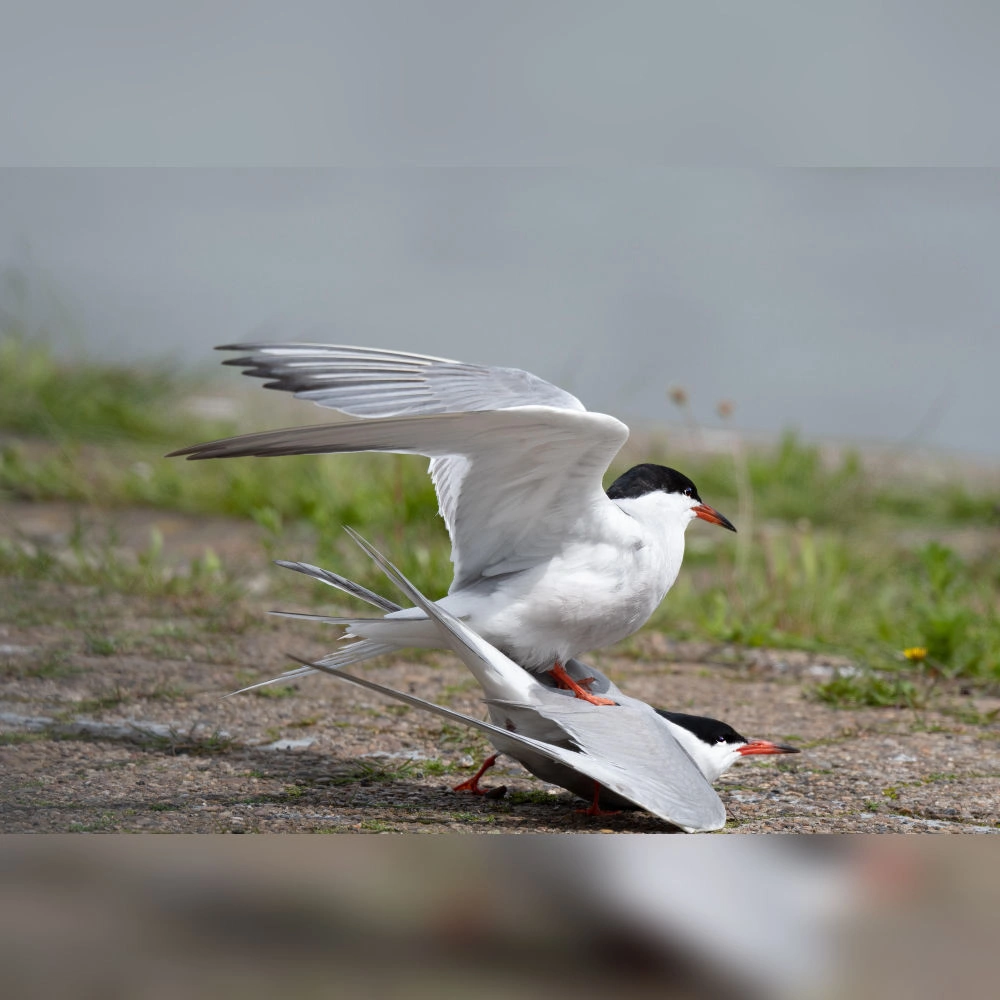
River Tern
Little Stint
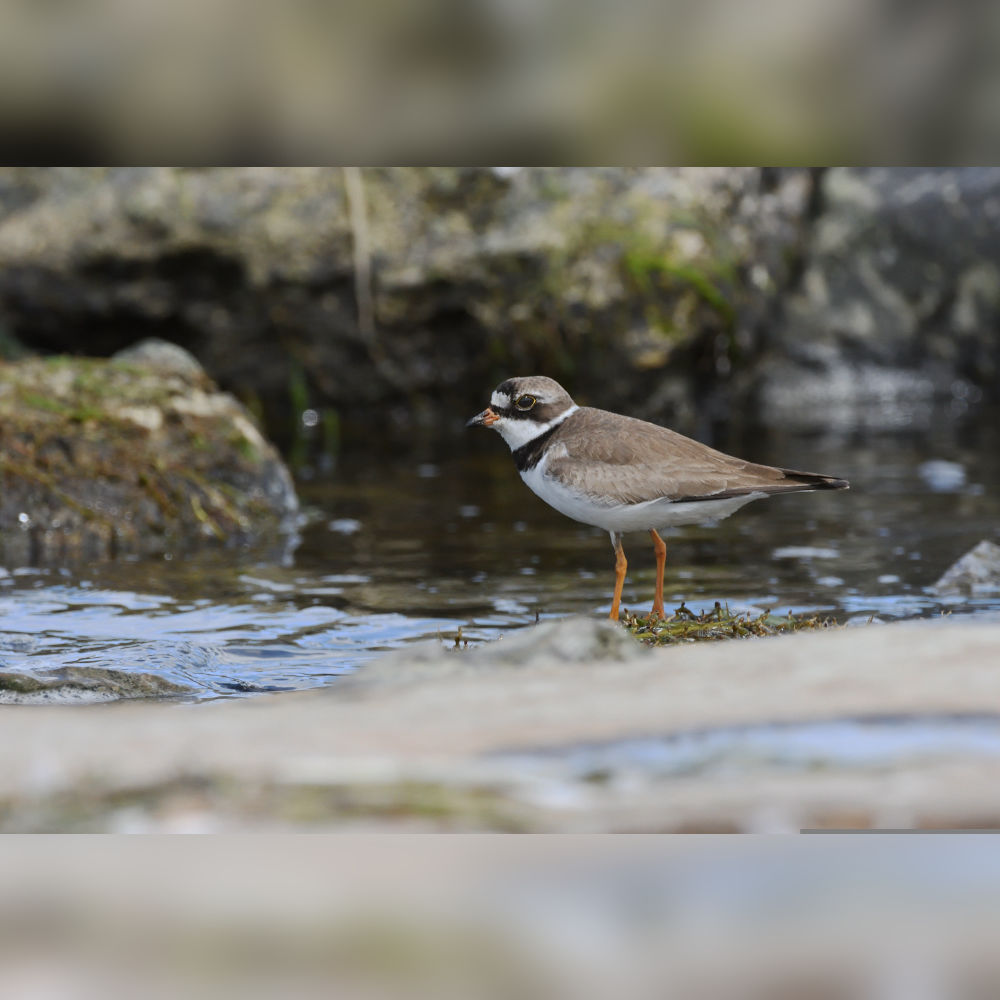
Little Ringed Plover
Common Sandpiper
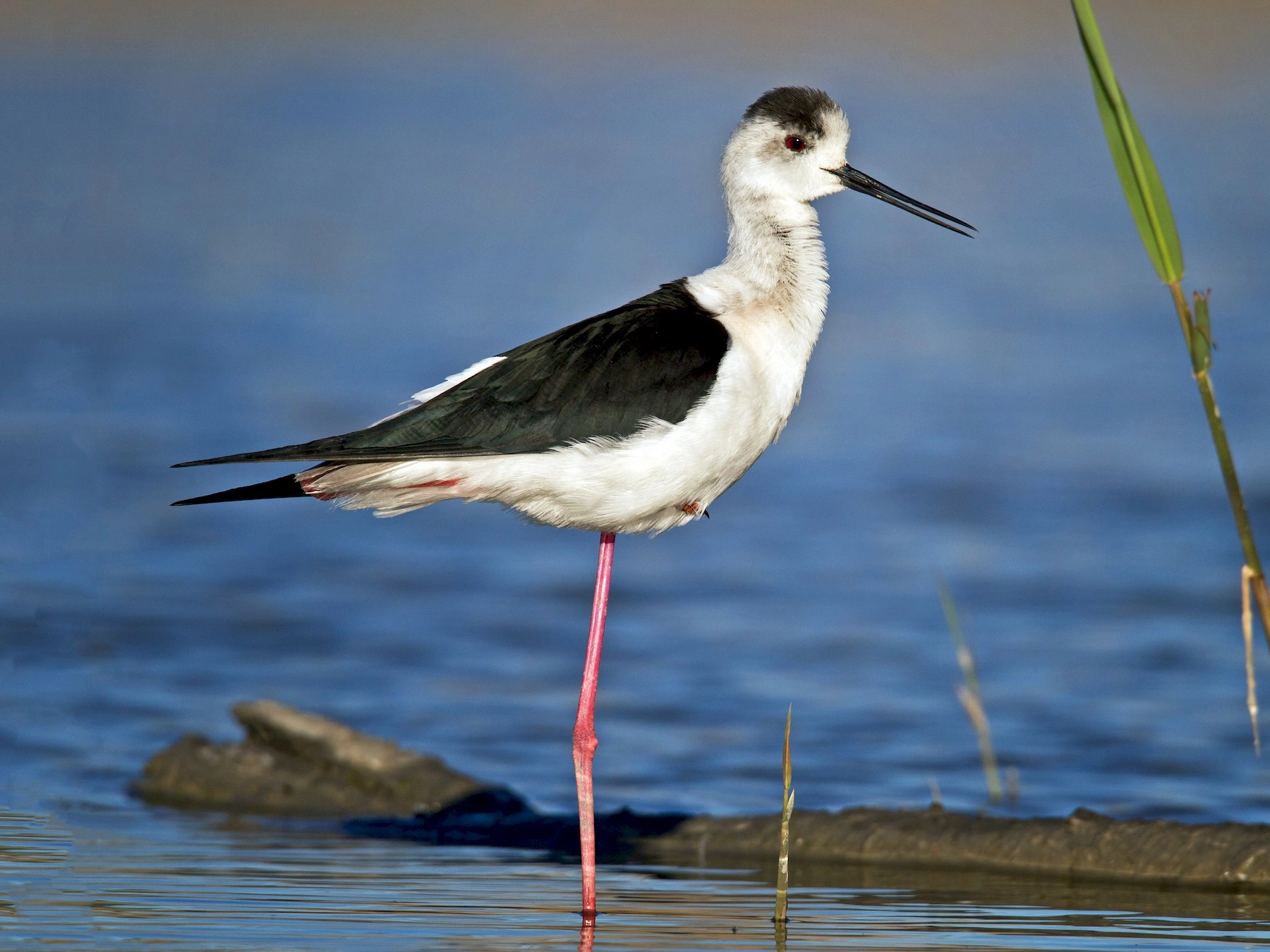
Black-winged Stilt
Pied Cuckoo
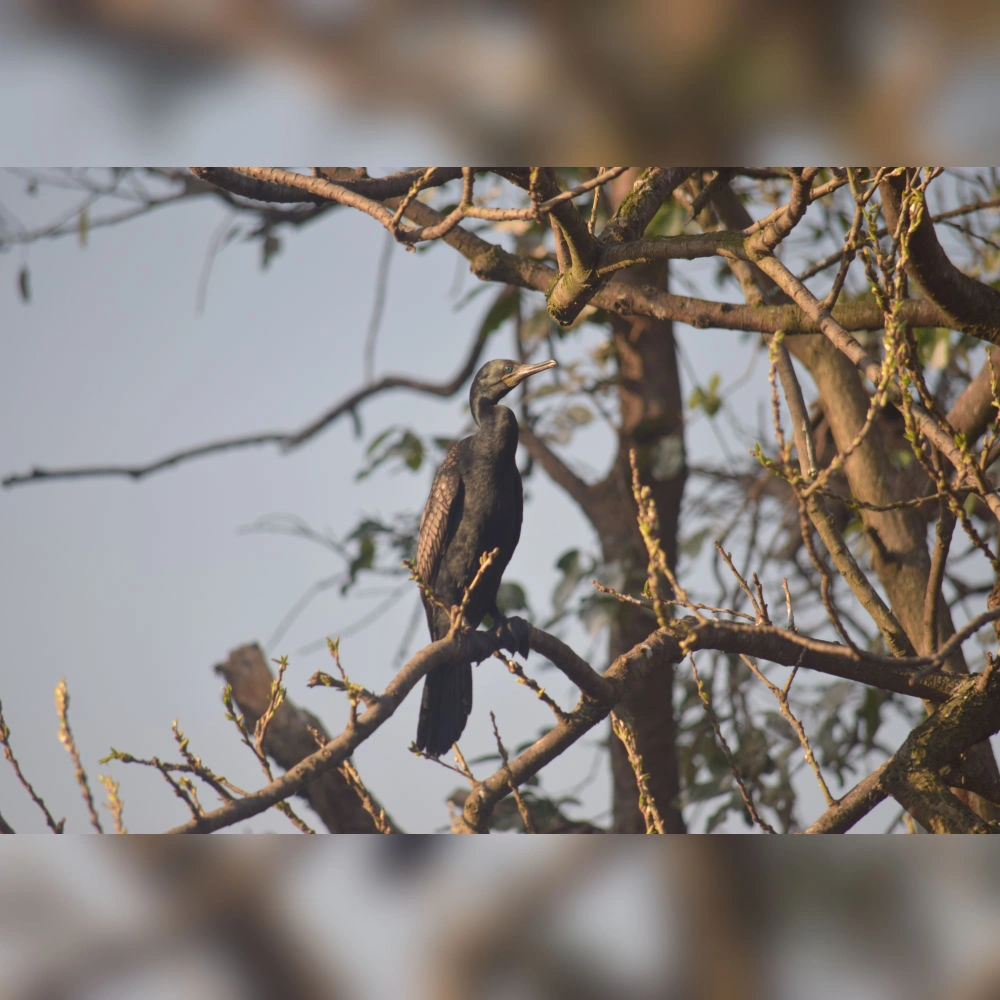
Indian Cormorant
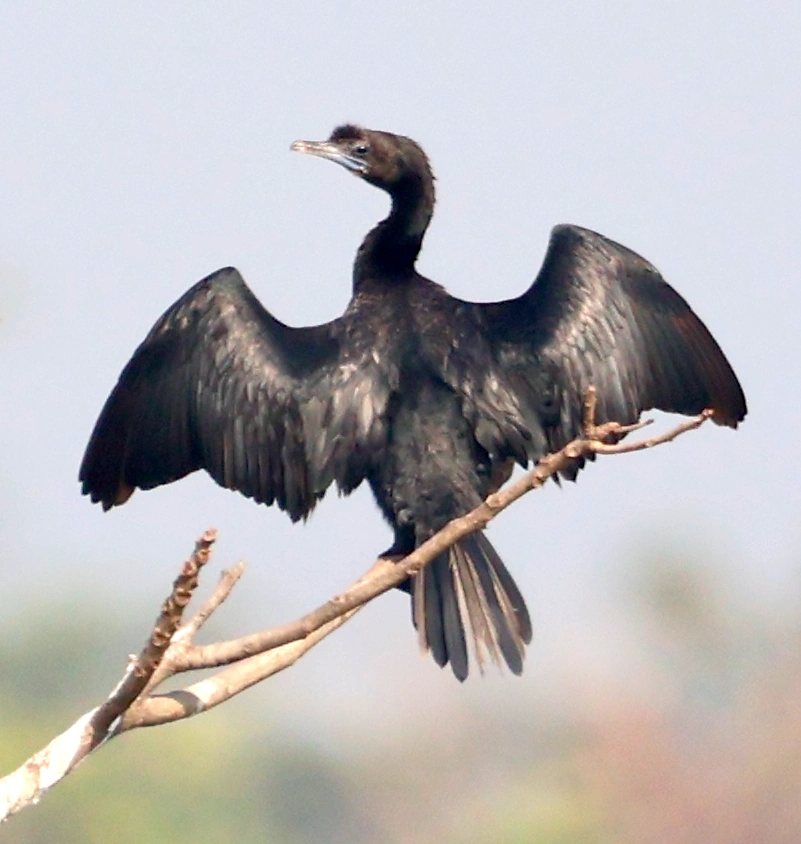
Little Cormorant
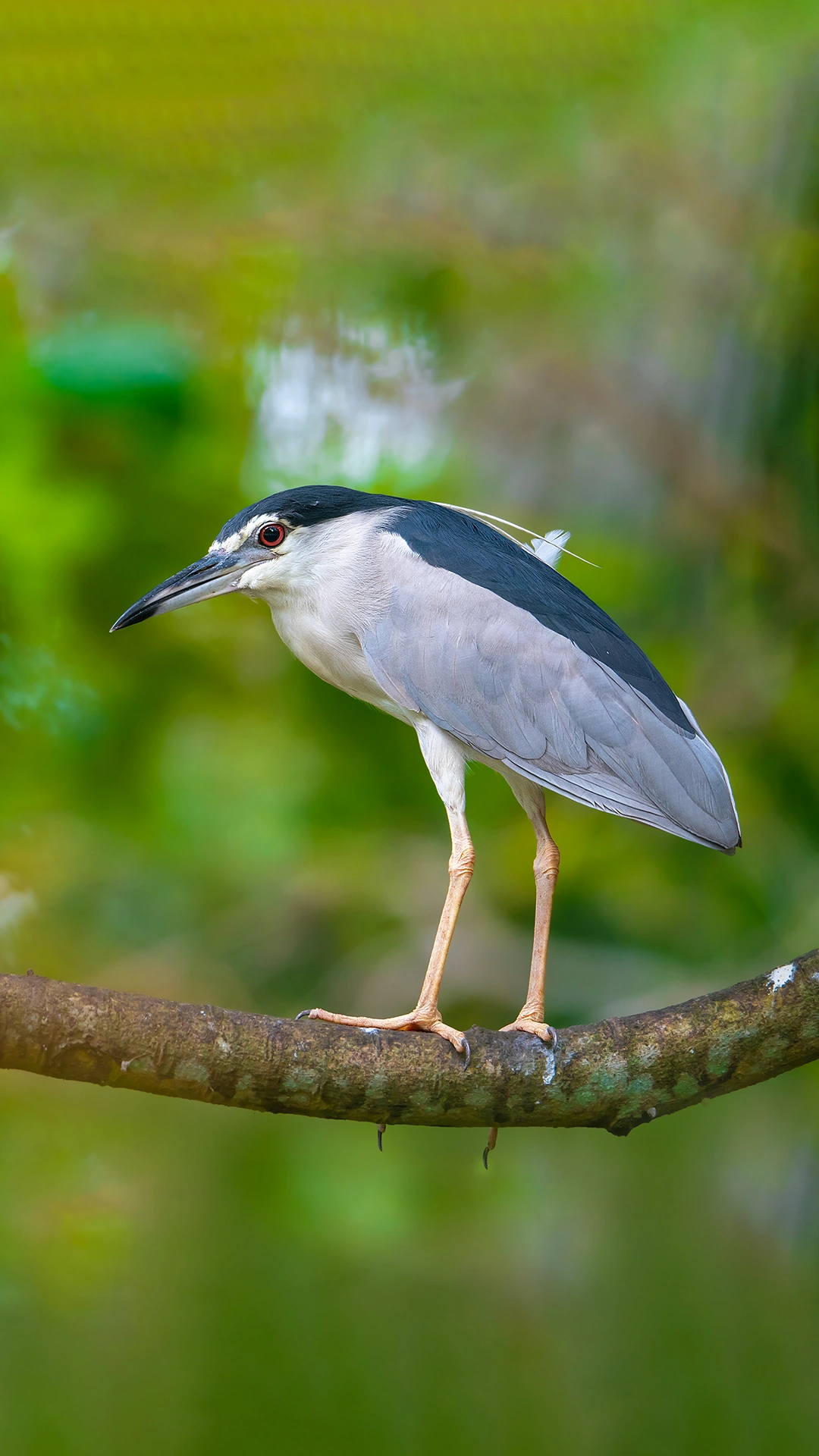
Black-crowned Night Heron
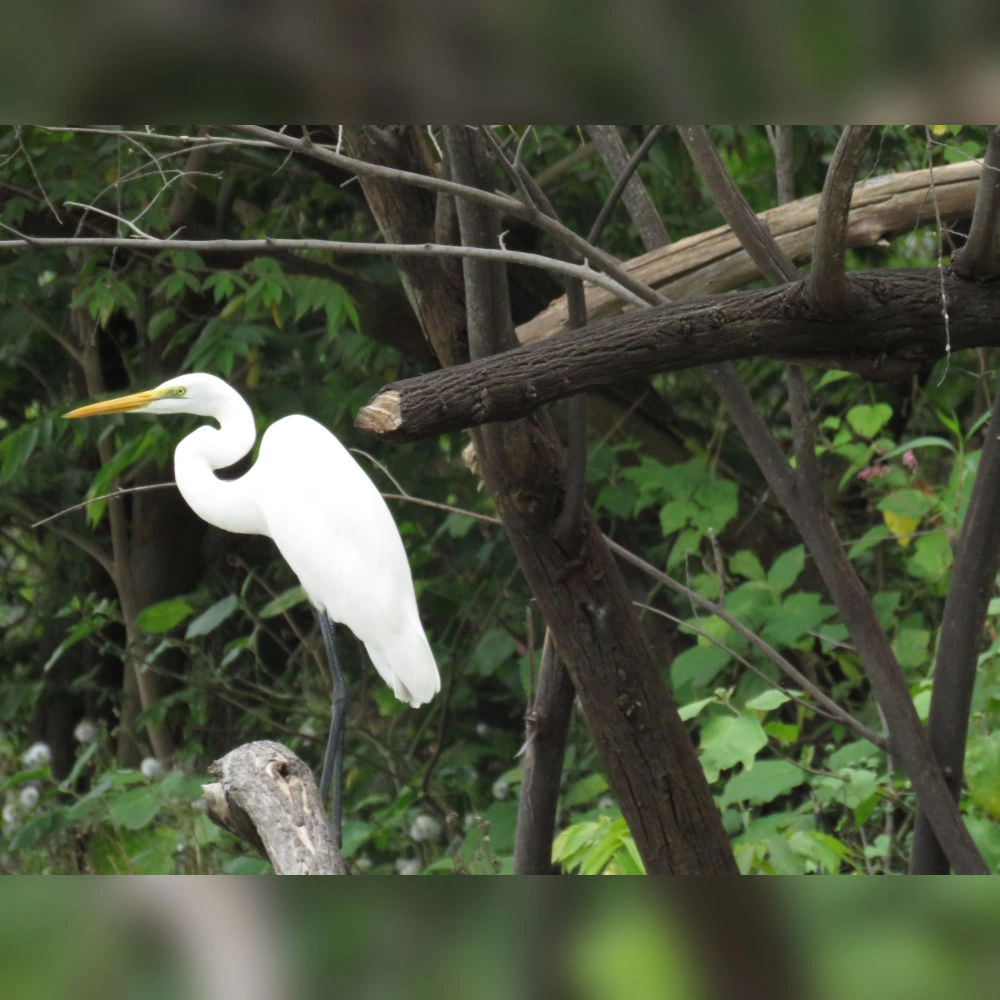
Great Egret
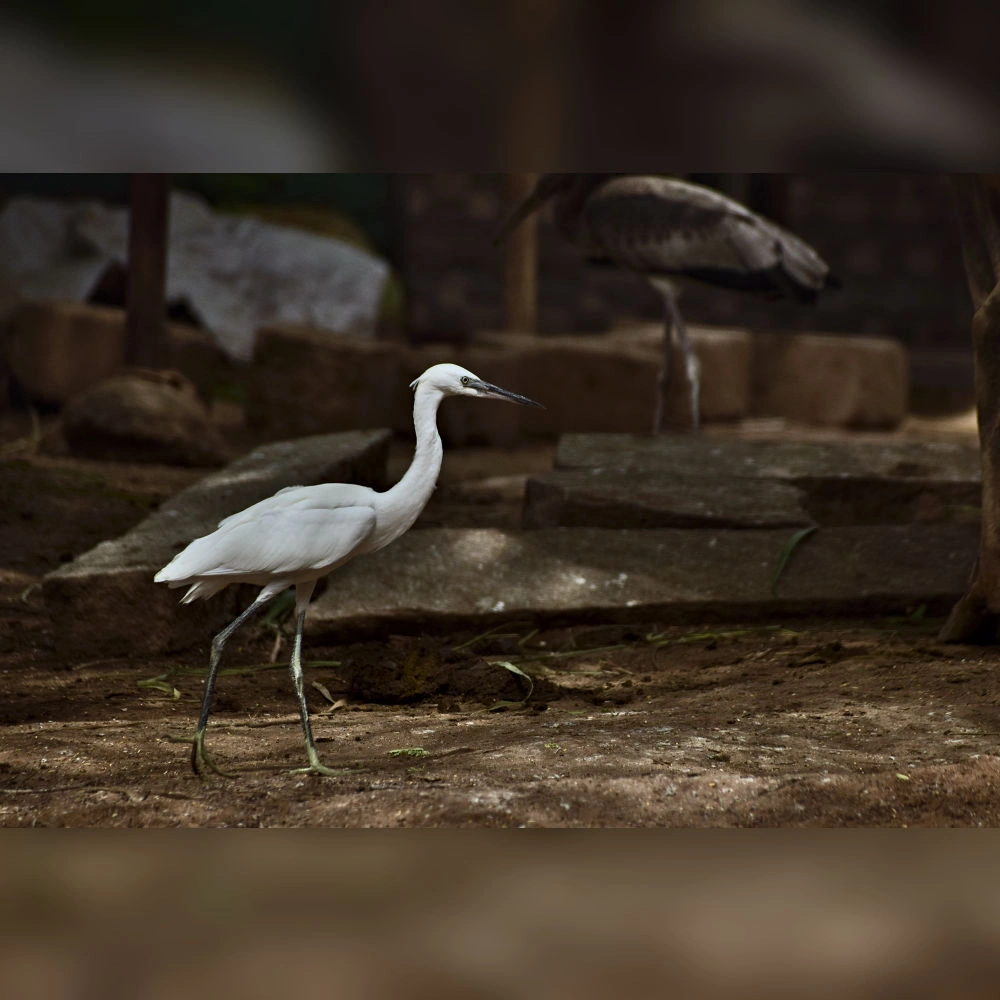
Little Egret
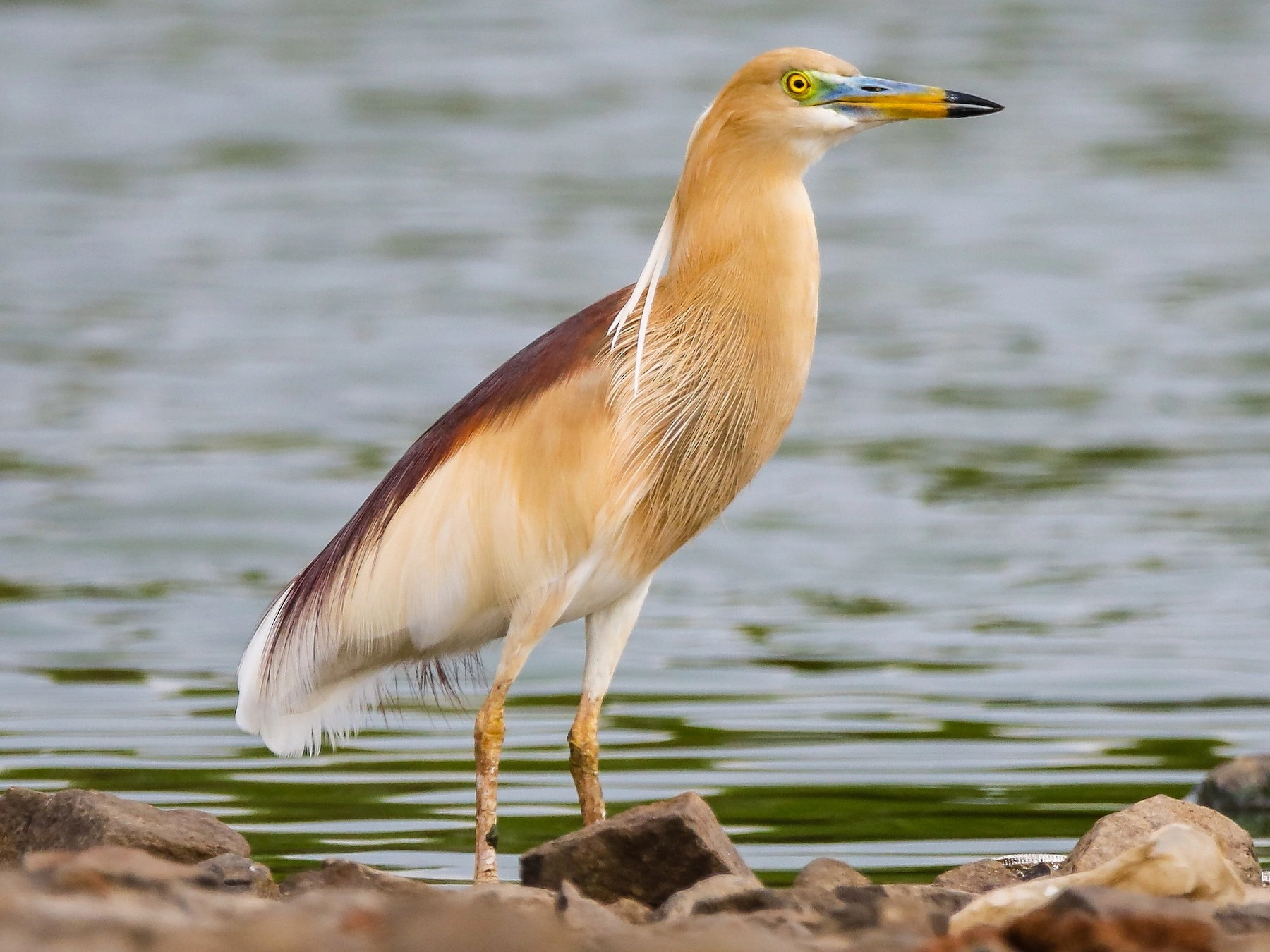
Indian Pond-Heron

Summary of Walk

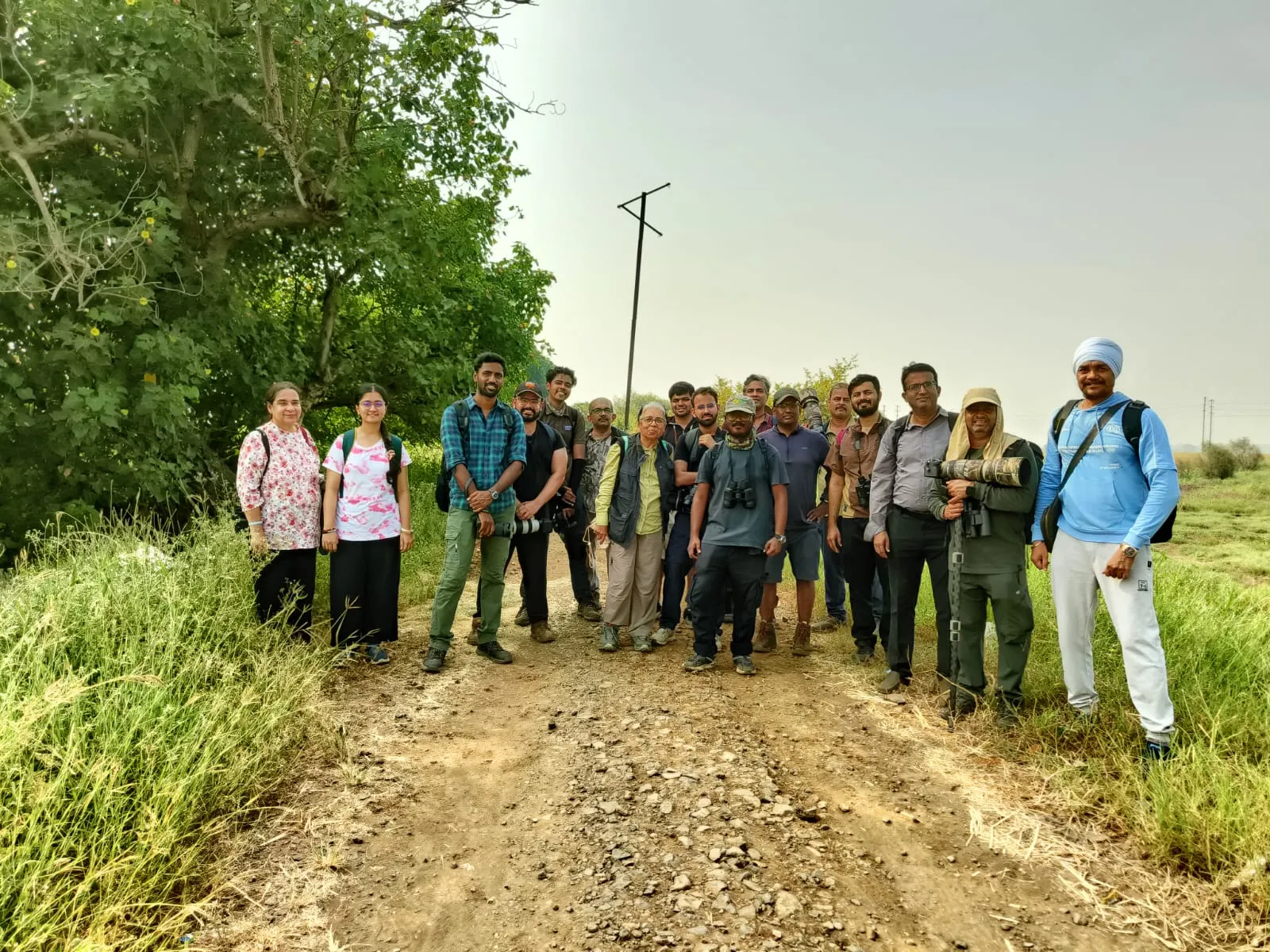
Sixteen birders joined guides Sukhpreet Kohli and Ksheetij Pandey at Gogte Salt Pans in Vasai on 17 October for a walk that turned into one of the richest of the weekend, with a superb 58 species recorded. The enthusiastic turnout was so large that the group split into two, those who arrived early and those who followed, and with two experienced guides leading the way everyone enjoyed close views and plenty of expert commentary. The open salt pans, creeks, mangroves and scrub of Gogte make a wonderful mosaic of habitats, and the walkers moved between them at an easy pace. The highlights included the Lesser Black-backed Gull, a big, dark-backed gull that is always a special find among the winter visitors, and the Eurasian Kestrel, hovering in the air as it hunted over the open ground. Red Avadavats, glowing like tiny embers in the grass, and the Pied Cuckoo, with its jaunty crest and black and white plumage, added more colour and interest to the list. The shorebirds, herons, egrets and waders feeding on the pans kept the spotting scopes busy, and the guides took time to explain how to tell similar species apart. Sukhpreet and Ksheetij shared stories about migration and the importance of salt pans as feeding and roosting grounds for birds, and participants asked plenty of questions along the way. With so many pairs of eyes and such a rich habitat, the walk was full of discoveries from start to finish. A tally of 58 species is a fine achievement and a testament to how precious Vasai’s wetlands are for birds.
Number of Participants
0
Scroll to Top