

Loading Events

Bird Walk at Gularbhoj Dam, Nainital, Uttarakhand

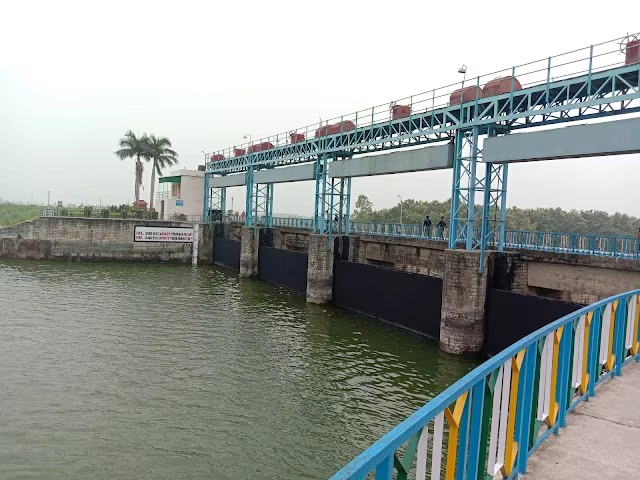
About Gularbhoj Dam

Gularbhoj Dam is a scenic reservoir landscape in the Nainital district of Uttarakhand, surrounded by agricultural fields, grasslands, patches of woodland and the broader Himalayan foothill ecosystem. The extensive water spread and its adjoining marshy edges create important habitats for a variety of resident and visiting birds. The relatively open surroundings also provide good visibility, making the area suitable for birdwatching and observing birds both on the water and along the shoreline.
The reservoir and its surrounding habitats support a diverse mix of waterbirds, waders, raptors and woodland species. During suitable seasons, the open water can attract ducks and other aquatic birds, while shallow edges and mudflats provide feeding areas for herons, ibises, storks, lapwings and kingfishers. The vegetation around the reservoir adds another layer of diversity, supporting bulbuls, barbets, drongos, mynas, magpie-robins and bee-eaters. With its combination of aquatic and terrestrial habitats, Gularbhoj Dam offers an interesting birding experience in the foothills of Uttarakhand.

Bird Guide - Prashant Kumar

Senior Wildlife Biologist with the Uttarakhand Forest Department, with 7 years of experience in wildlife research and fieldwork. He also conducts bird walks and birdwatching sessions around Haldwani and the Nandhaur Wildlife Sanctuary, helping participants explore the region’s rich birdlife and understand its ecology, behaviour, and natural habitats.
Bird walk Location

Common birds of Gularbhoj Dam

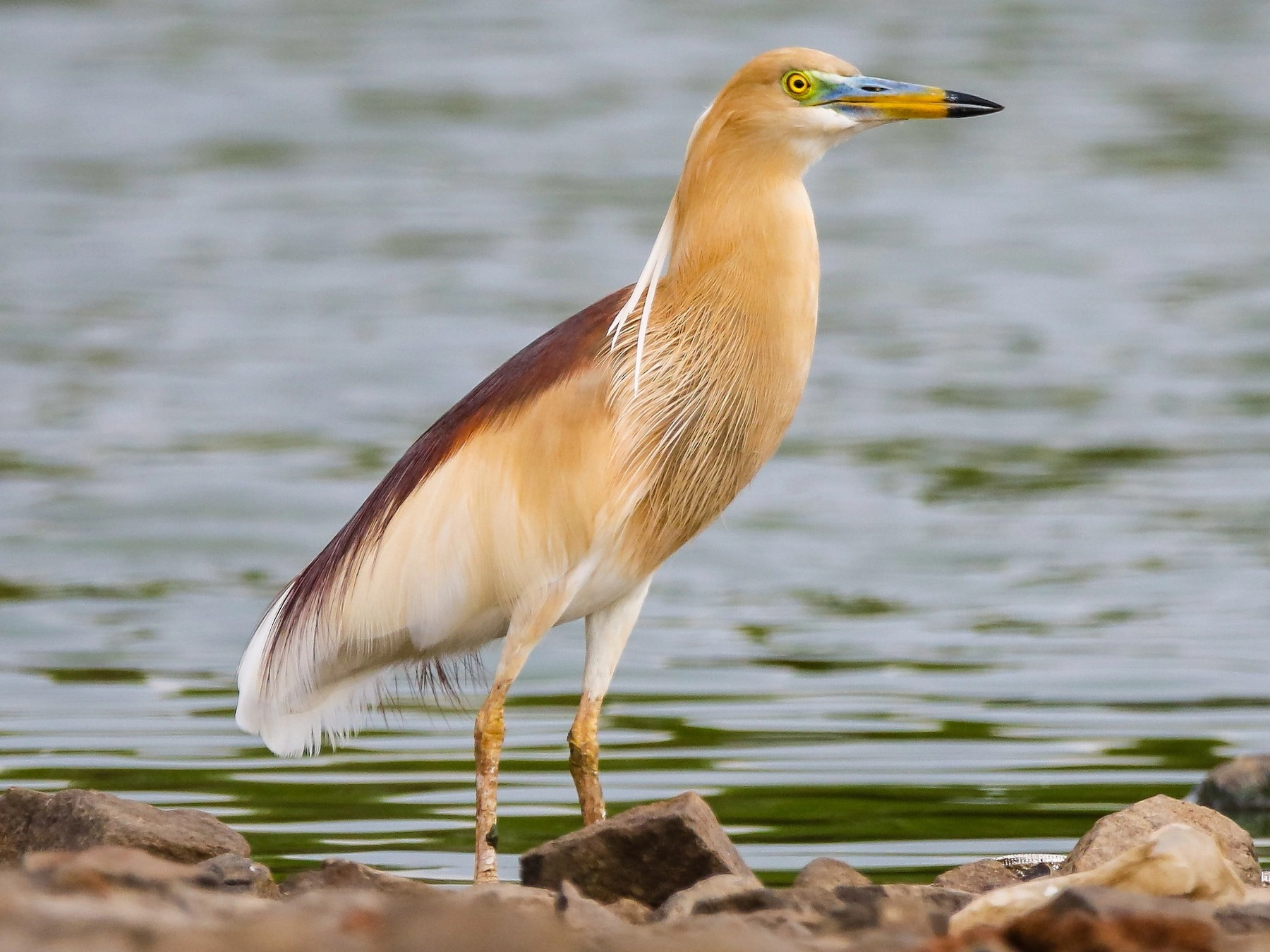
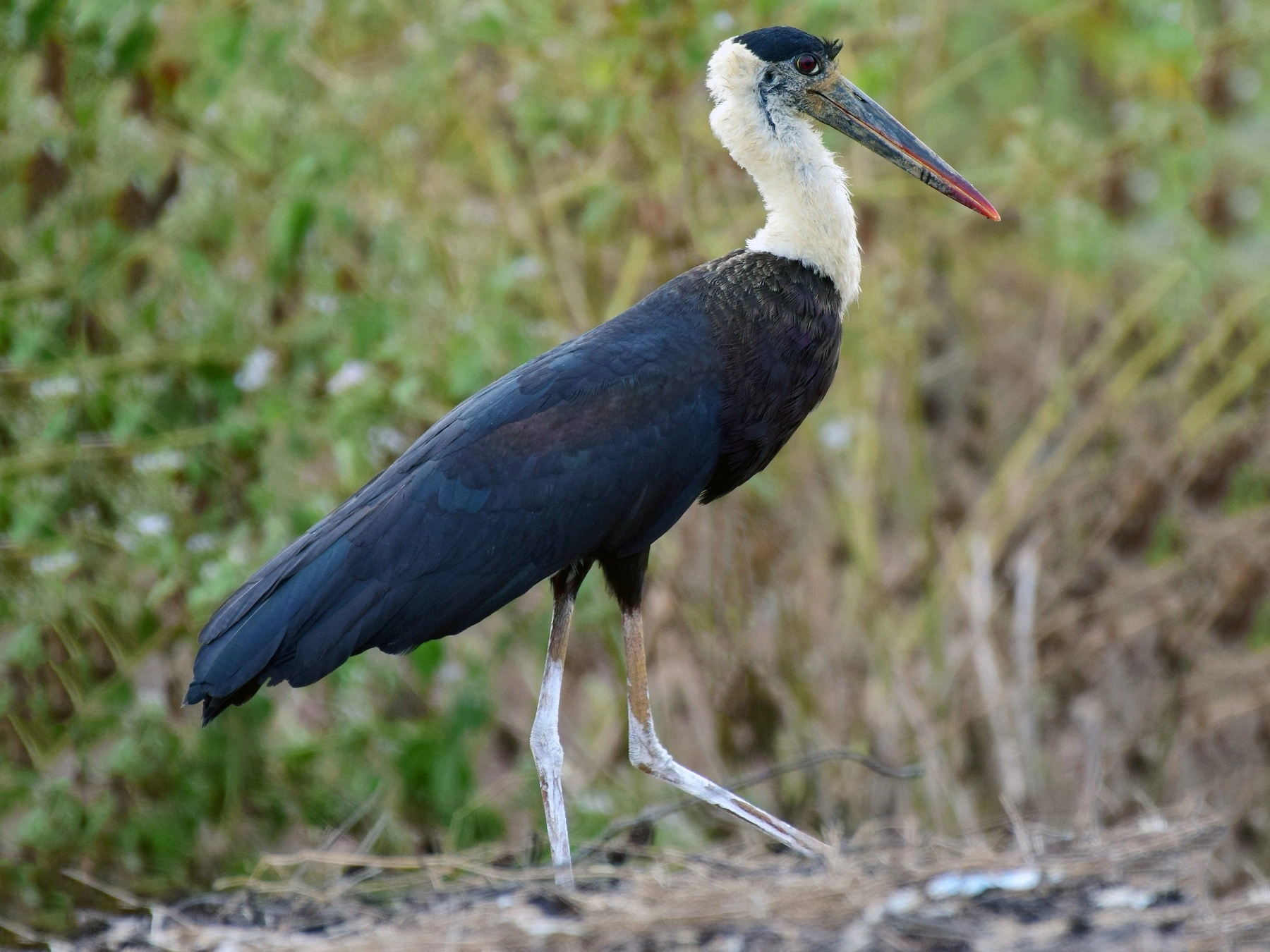
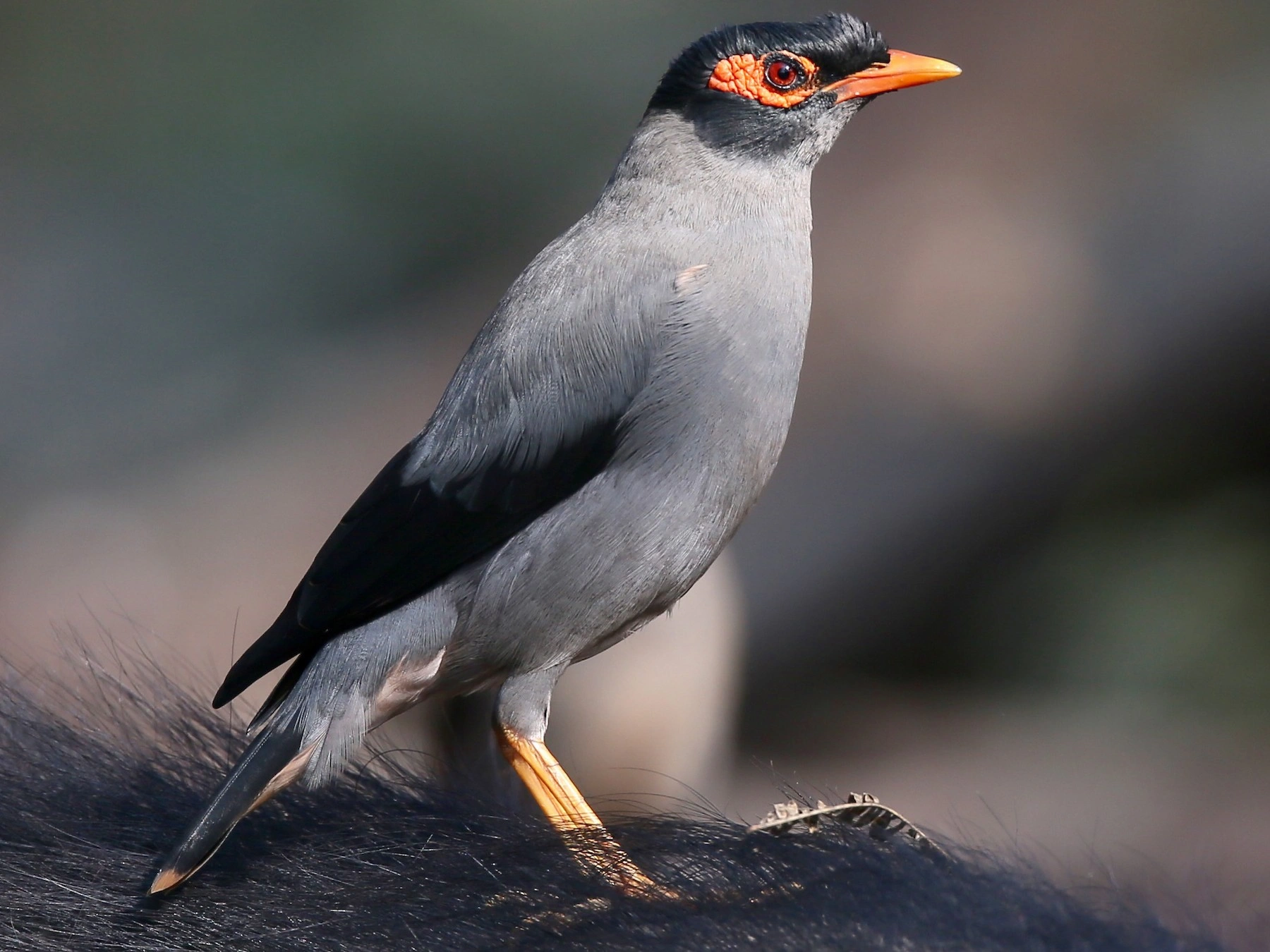
A birding visit to Gularbhoj Dam can offer a rewarding mix of wetland and terrestrial species. The reservoir supports several interesting waterbirds, including Indian Spot-billed Duck, Graylag Goose, Little Cormorant, Indian Pond-Heron and Asian Openbill. The sighting of the Asian Woolly-necked Stork and Red-naped Ibis adds particular interest to the bird list, while Red-wattled Lapwing can often be associated with the open shoreline and shallow areas. Kingfishers were also well represented, with both Pied Kingfisher and Common Kingfisher recorded around the water. Away from the reservoir, the surrounding vegetation and open areas support species such as Black Drongo, Greater Coucal, Brown-headed Barbet, Asian Green Bee-eater, Red-vented Bulbul and Oriental Magpie-Robin. Common Myna, Bank Myna, House Crow and Spotted Dove add to the familiar birdlife of the landscape, while Black Kite provides a raptor presence. The combination of reservoir, shoreline and surrounding terrestrial habitats makes Gularbhoj Dam a diverse birding location.
Bank Myna
Indian Pond-Heron
Asian Woolly-necked Stork
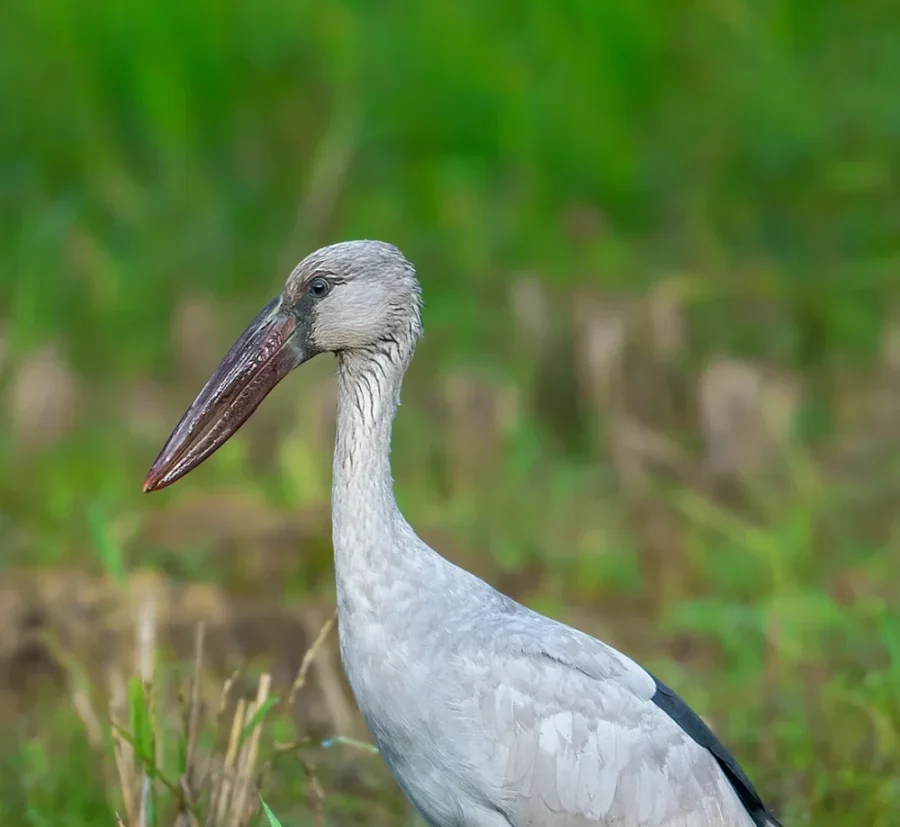
Asian Openbill
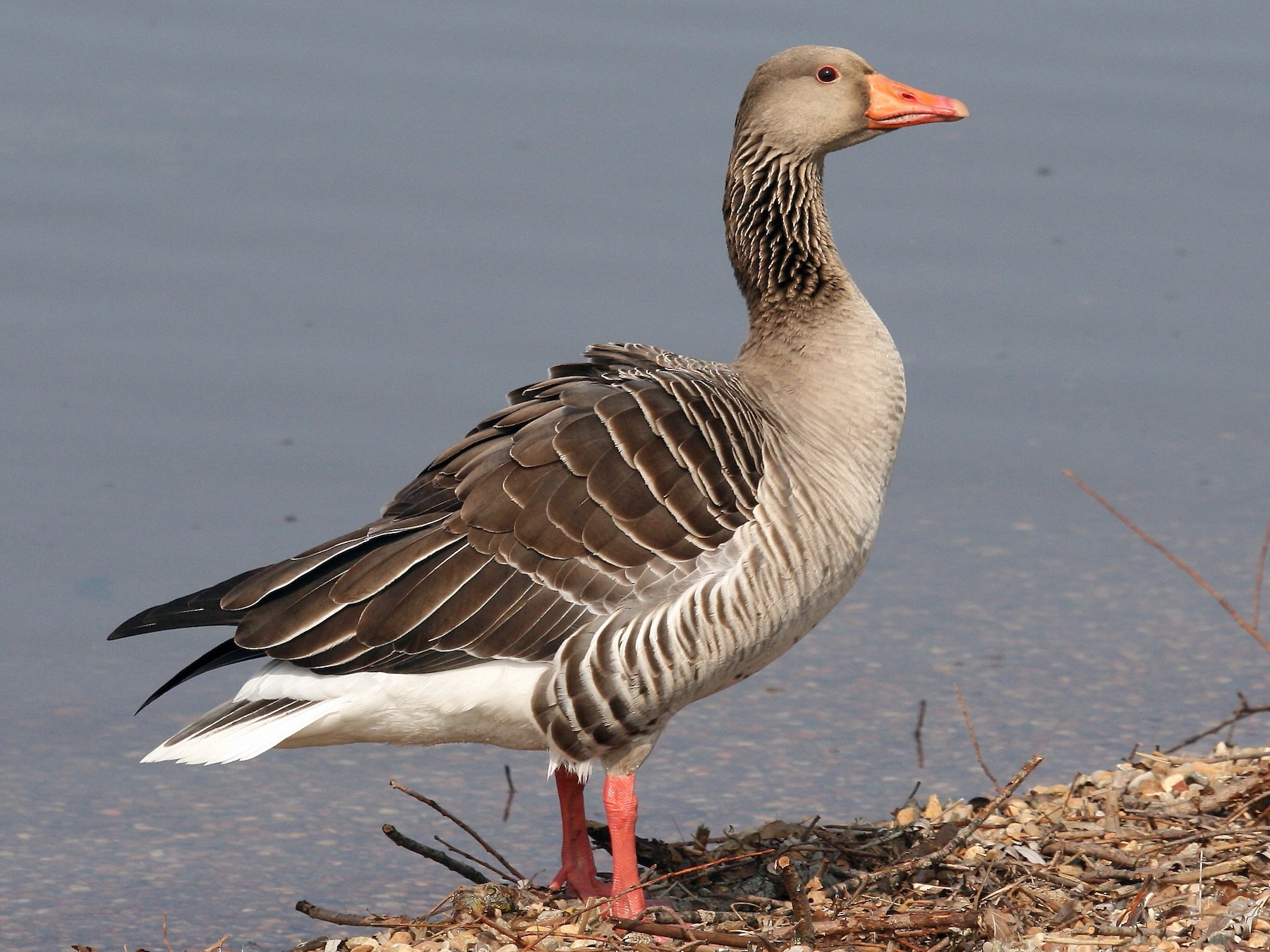
Graylag Goose
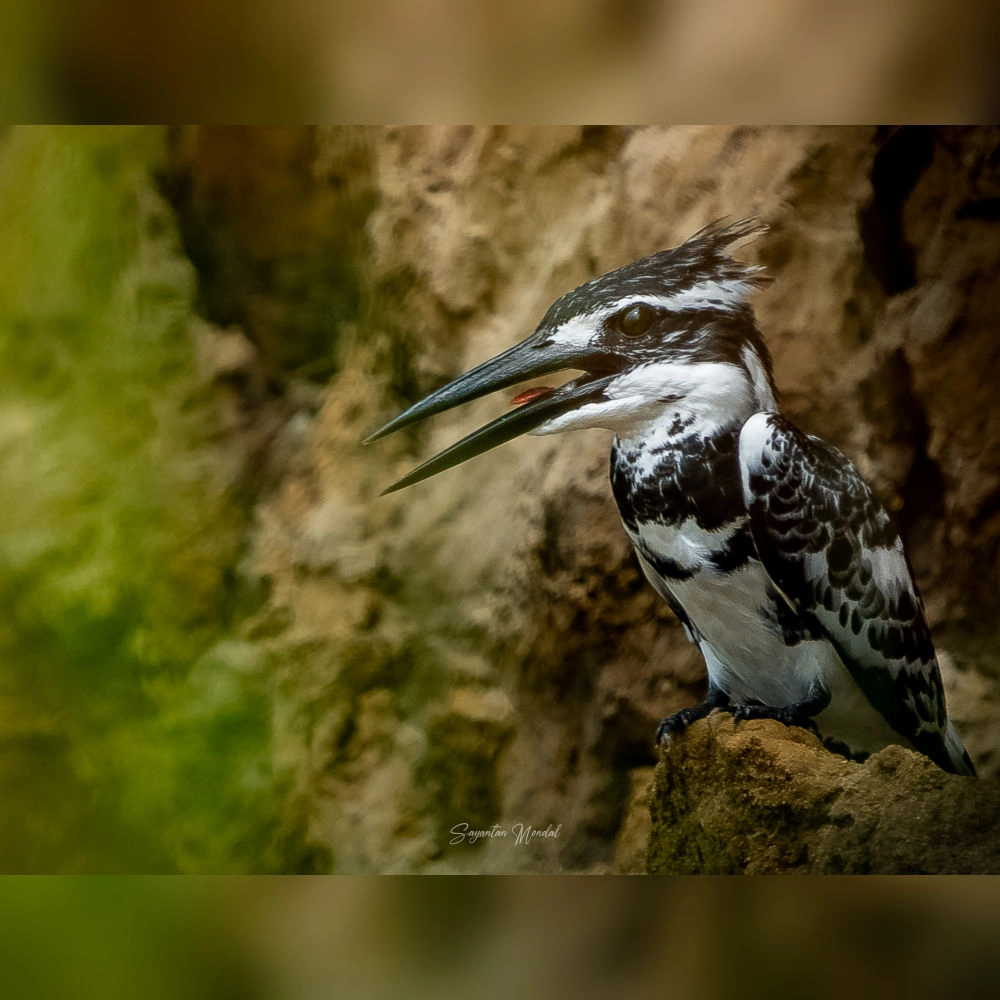
Pied Kingfisher
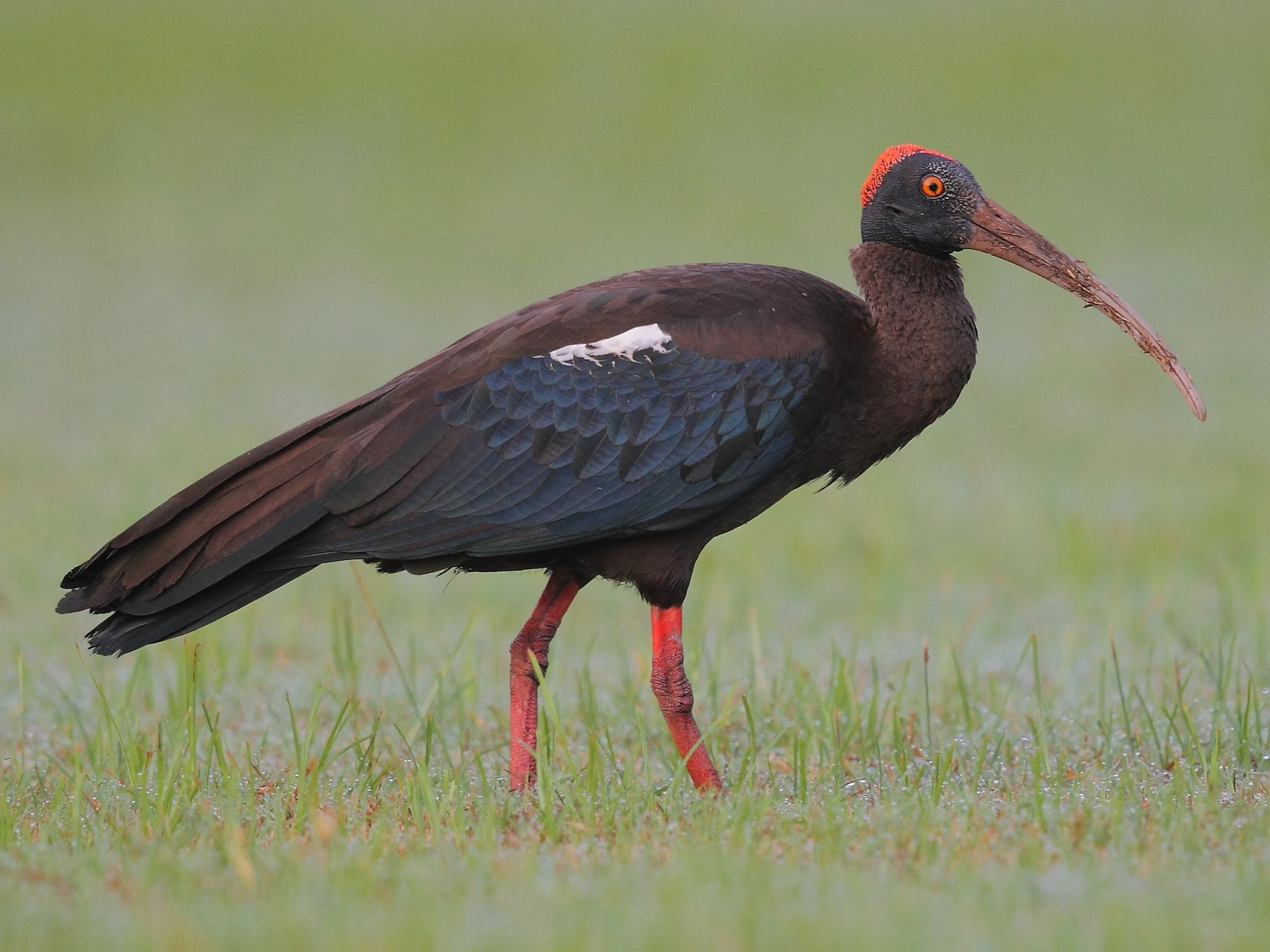
Red-naped Ibis
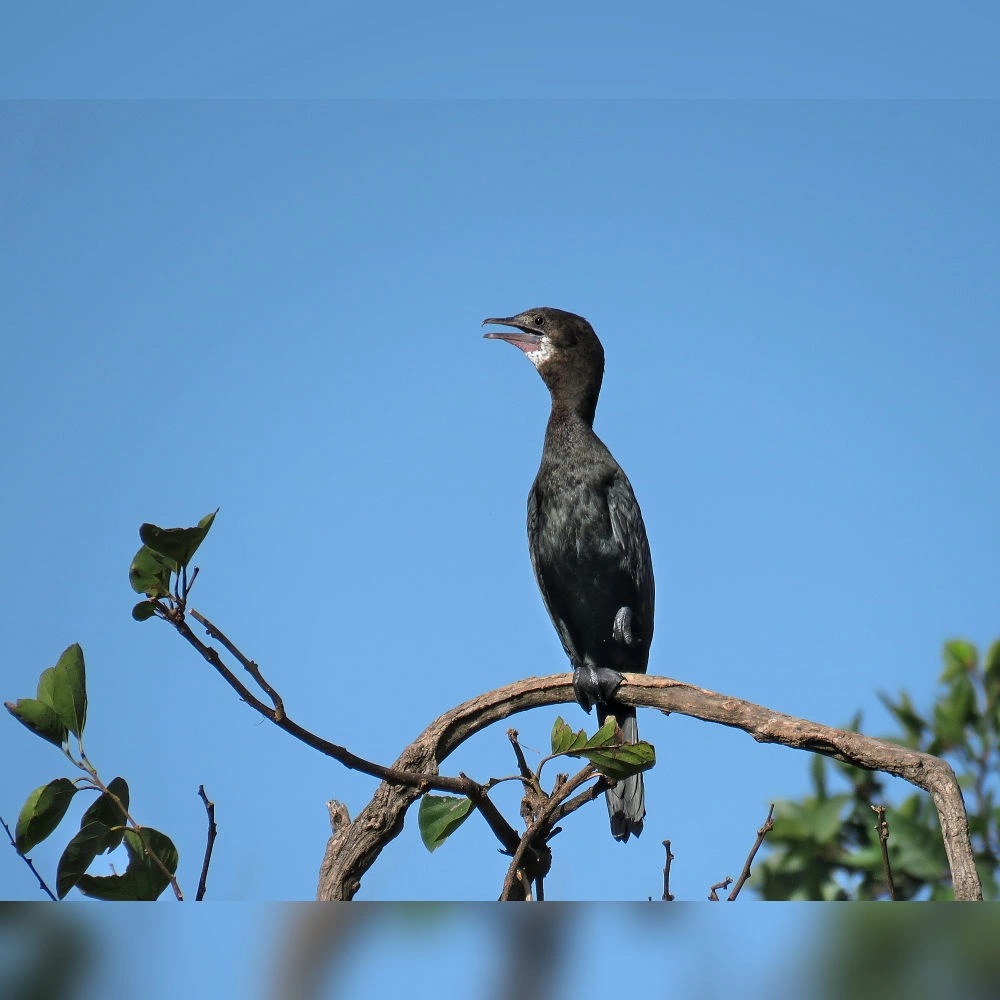
Little Cormorant
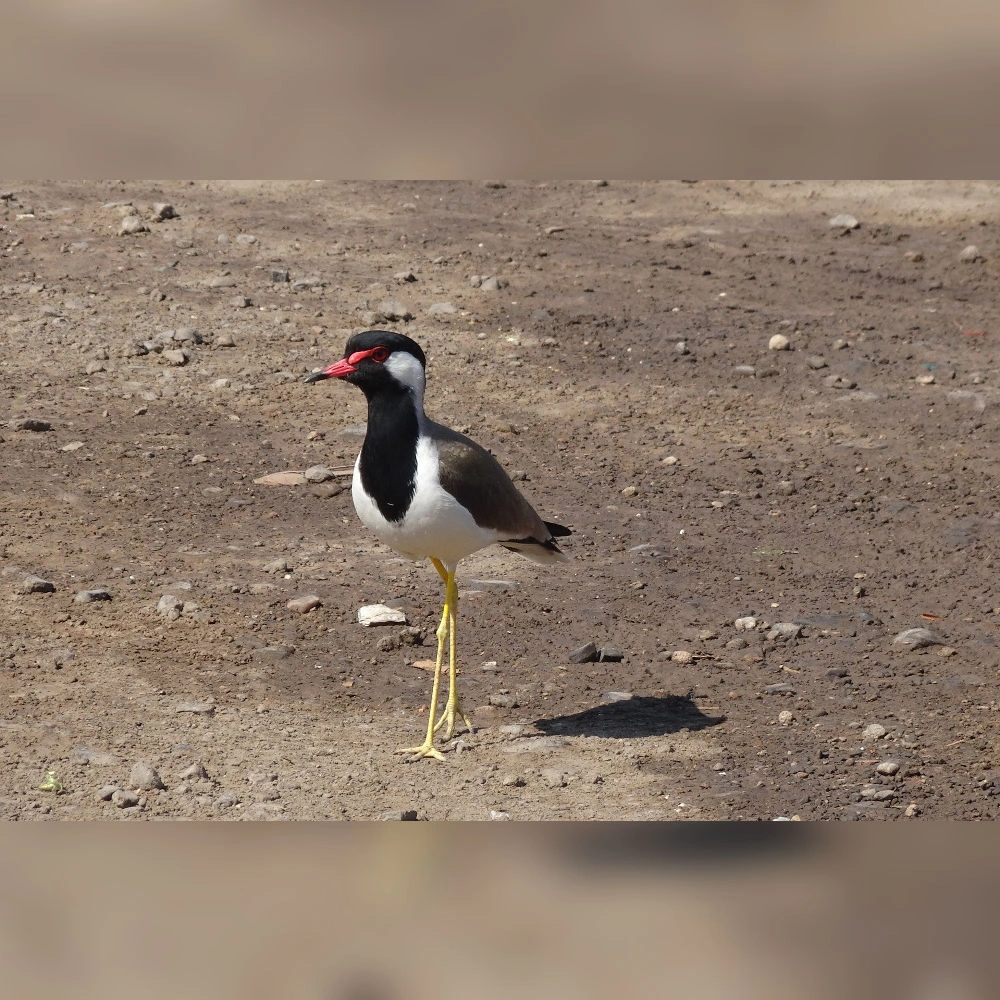
Red-wattled Lapwing
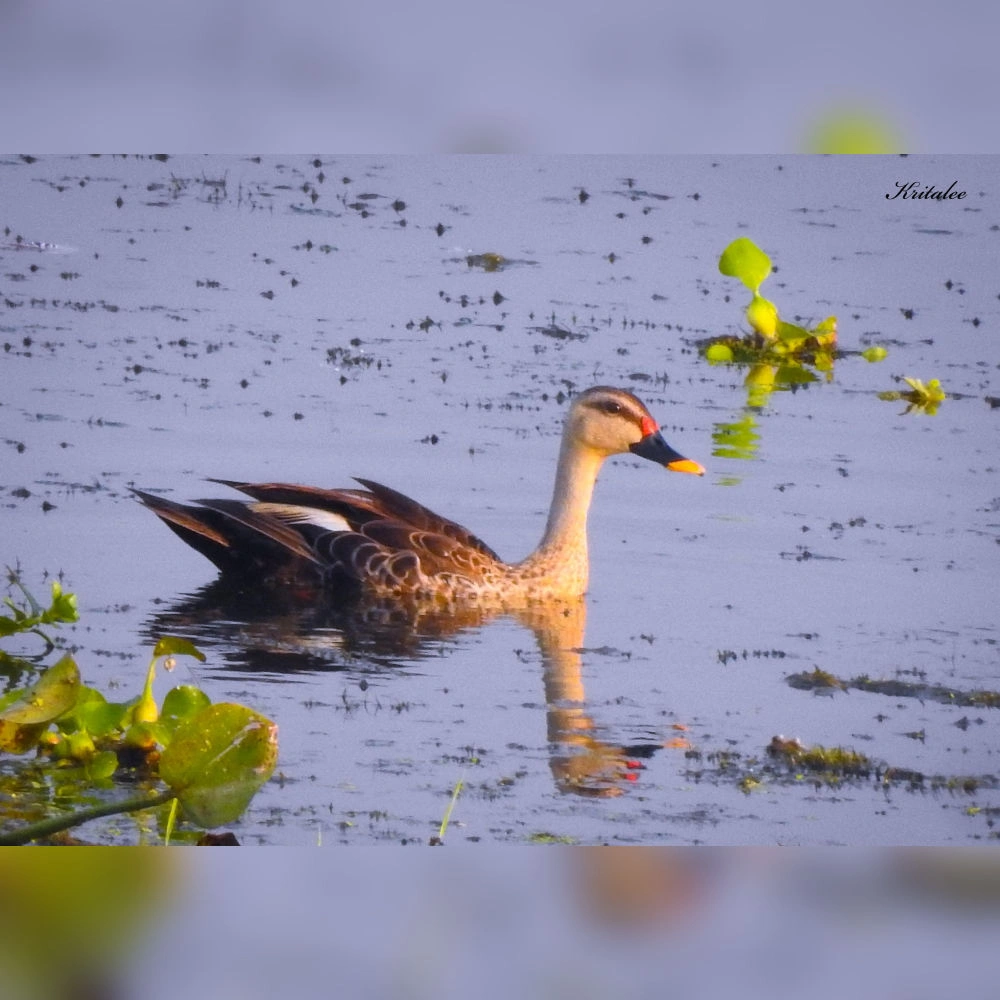
Indian Spot-billed Duck
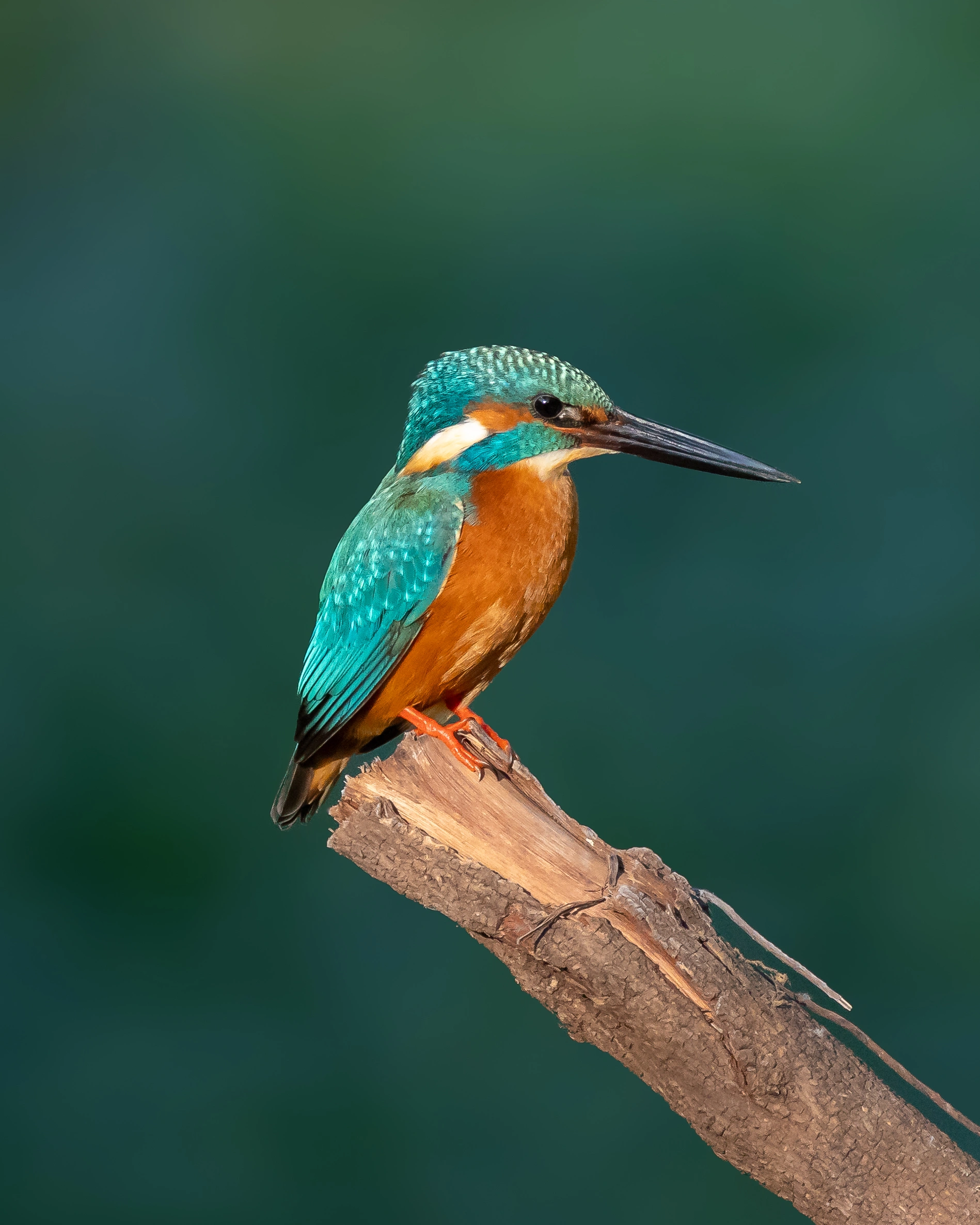
Common Kingfisher
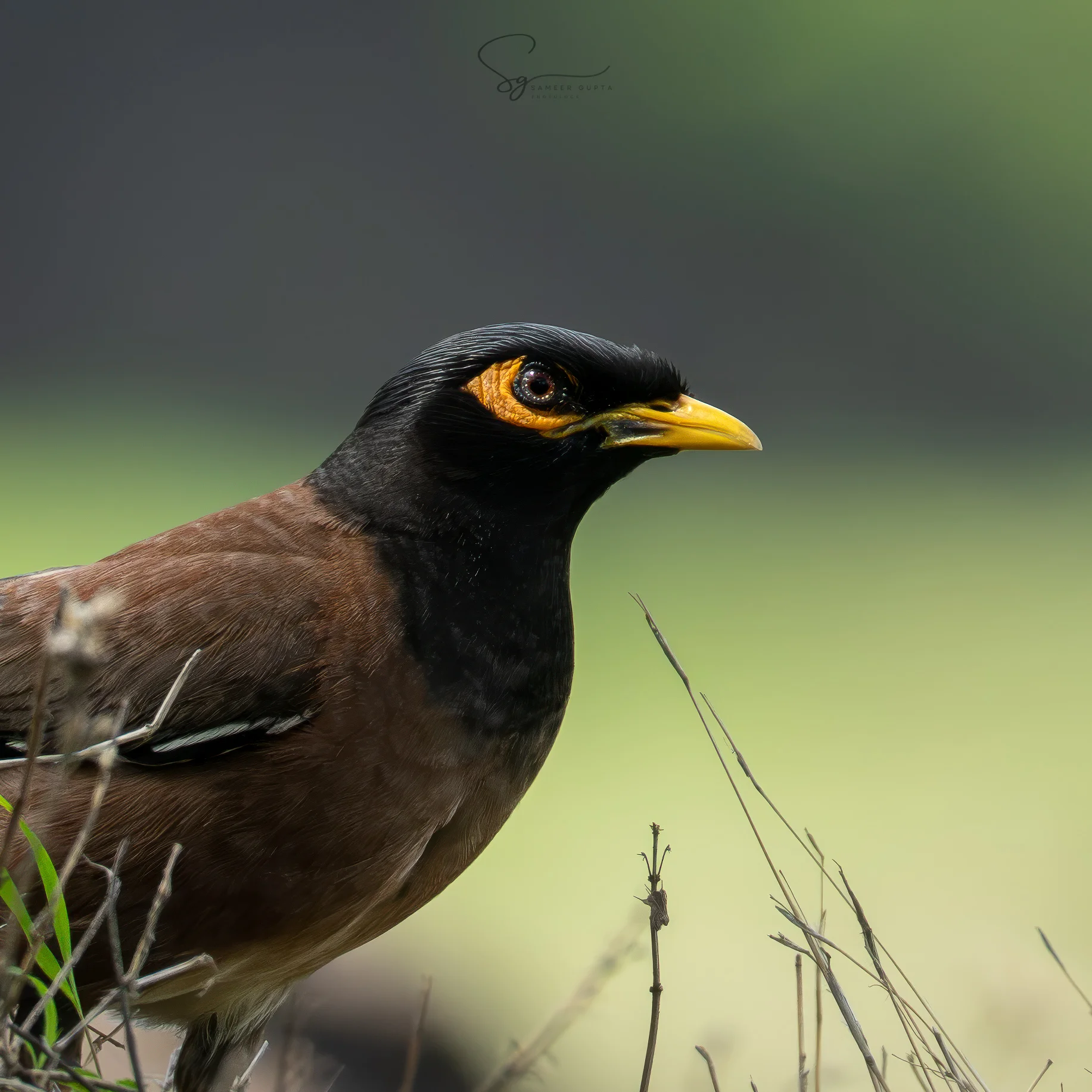
Common Myna
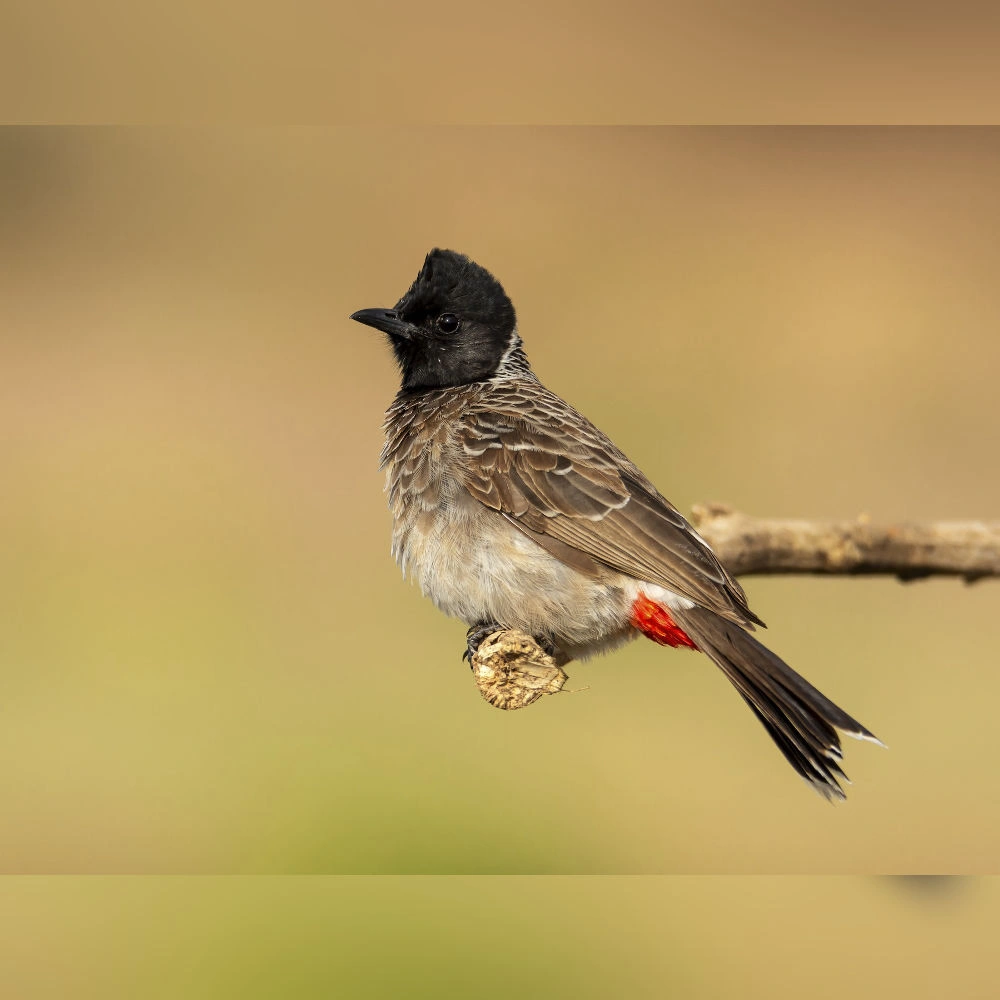
Red-vented Bulbul
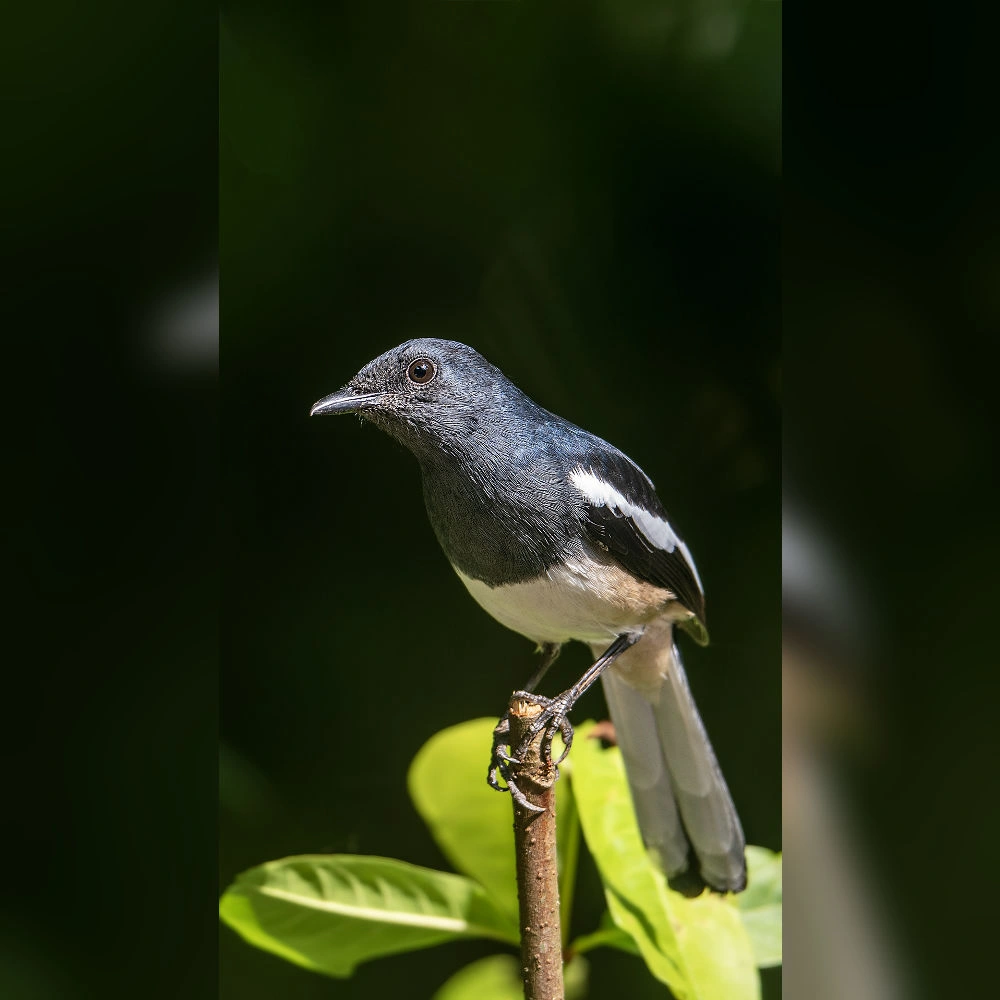
Oriental Magpie-Robin
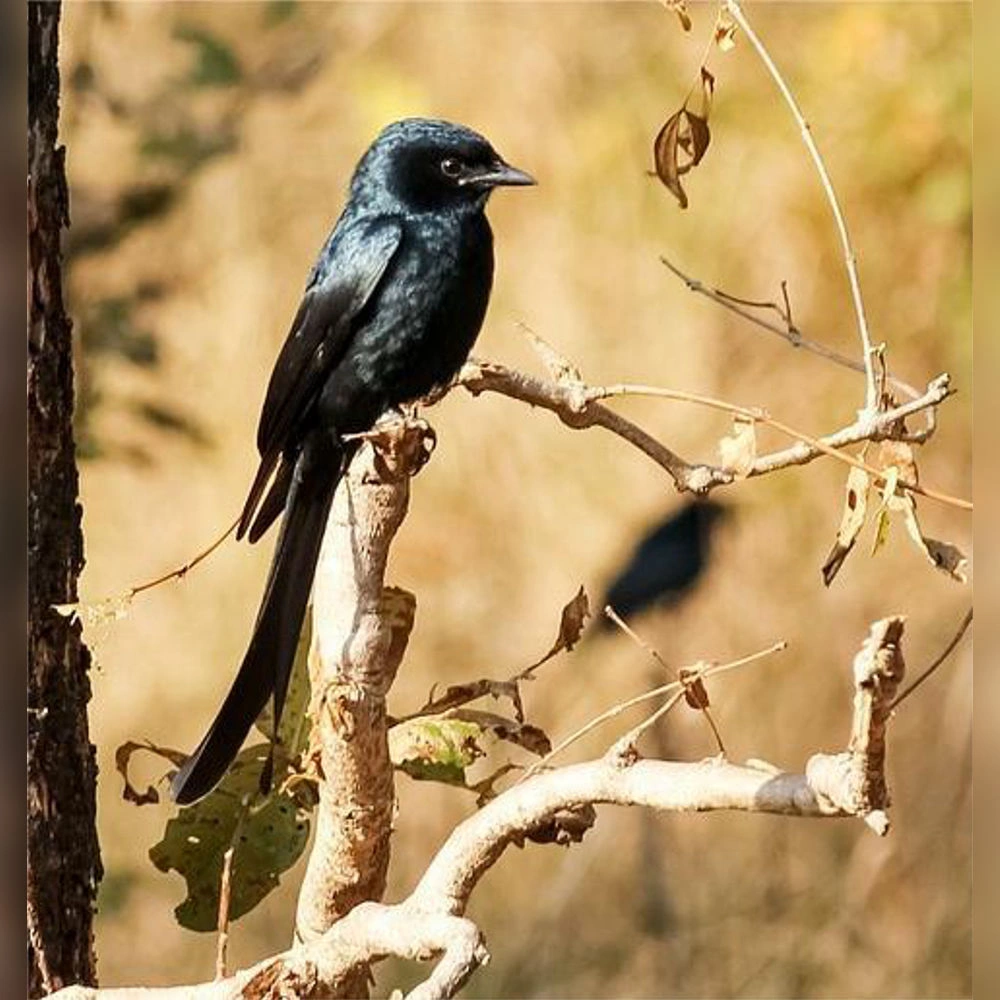
Black Drongo
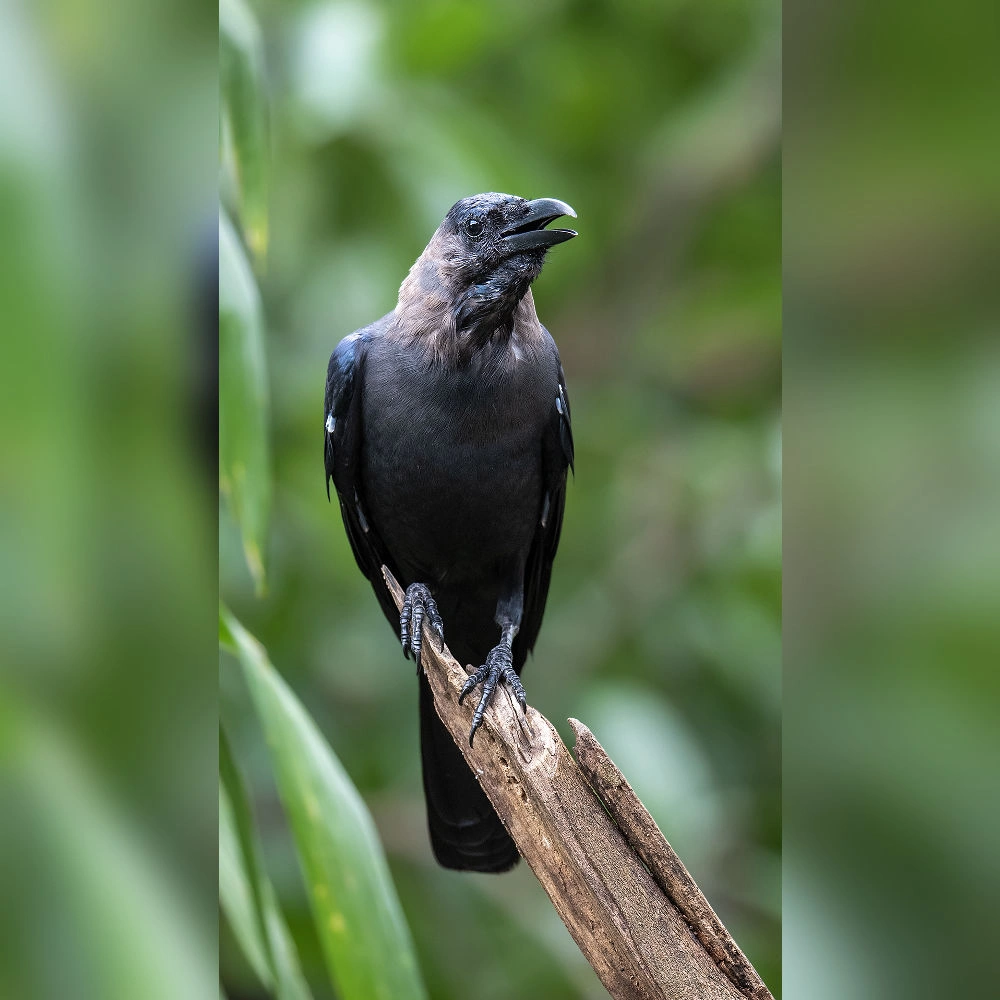
House Crow
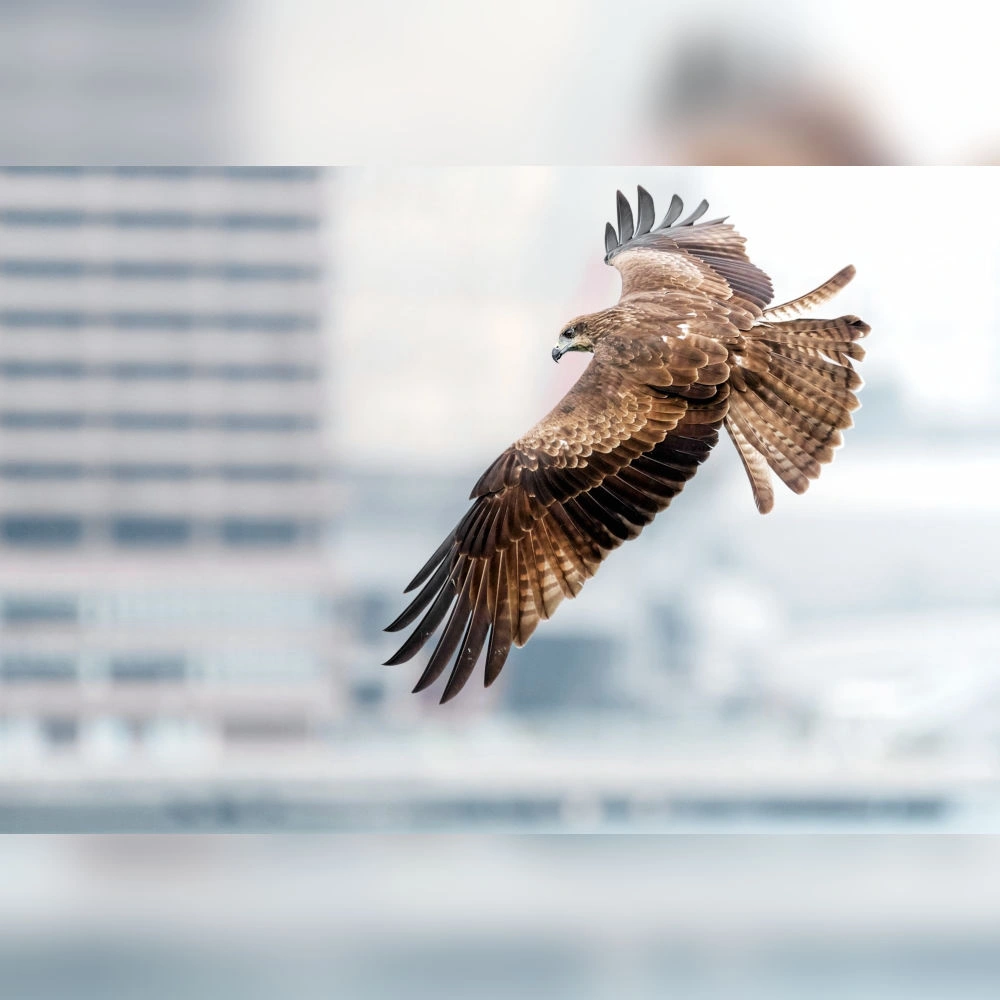
Black Kite
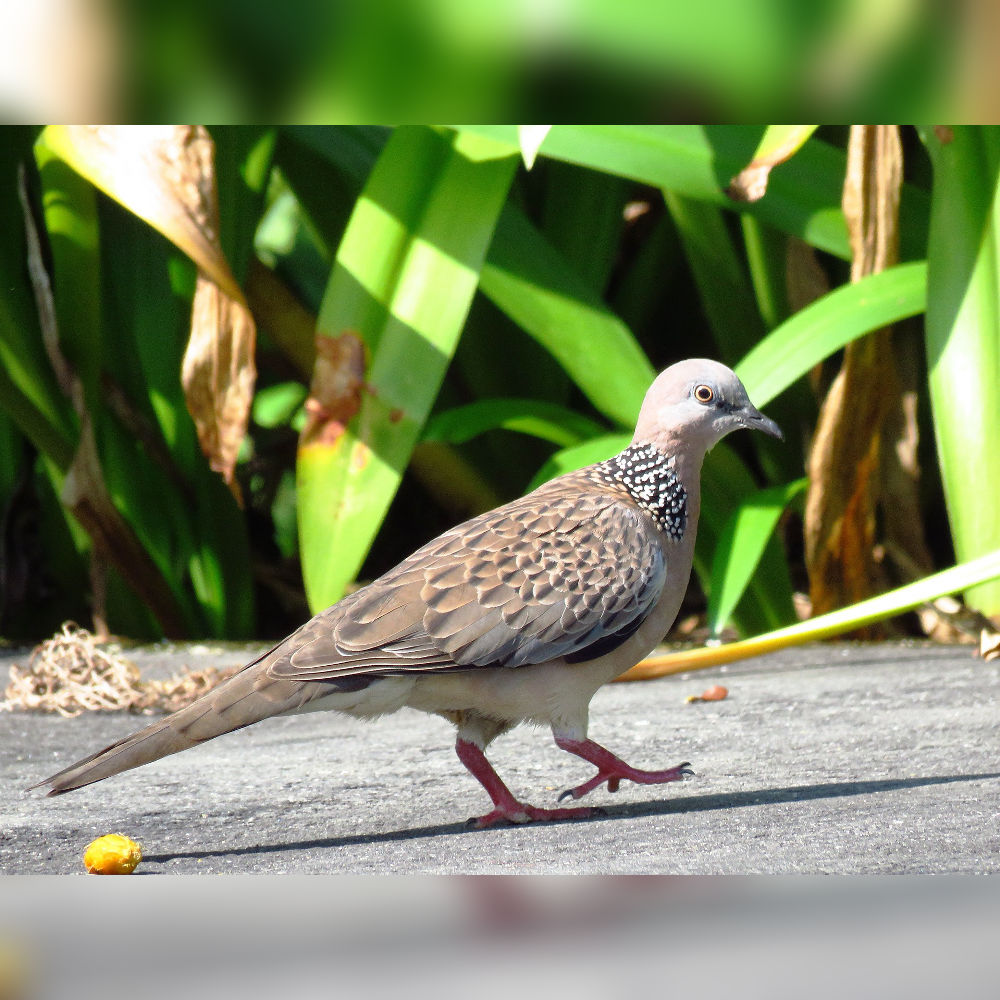
Spotted Dove
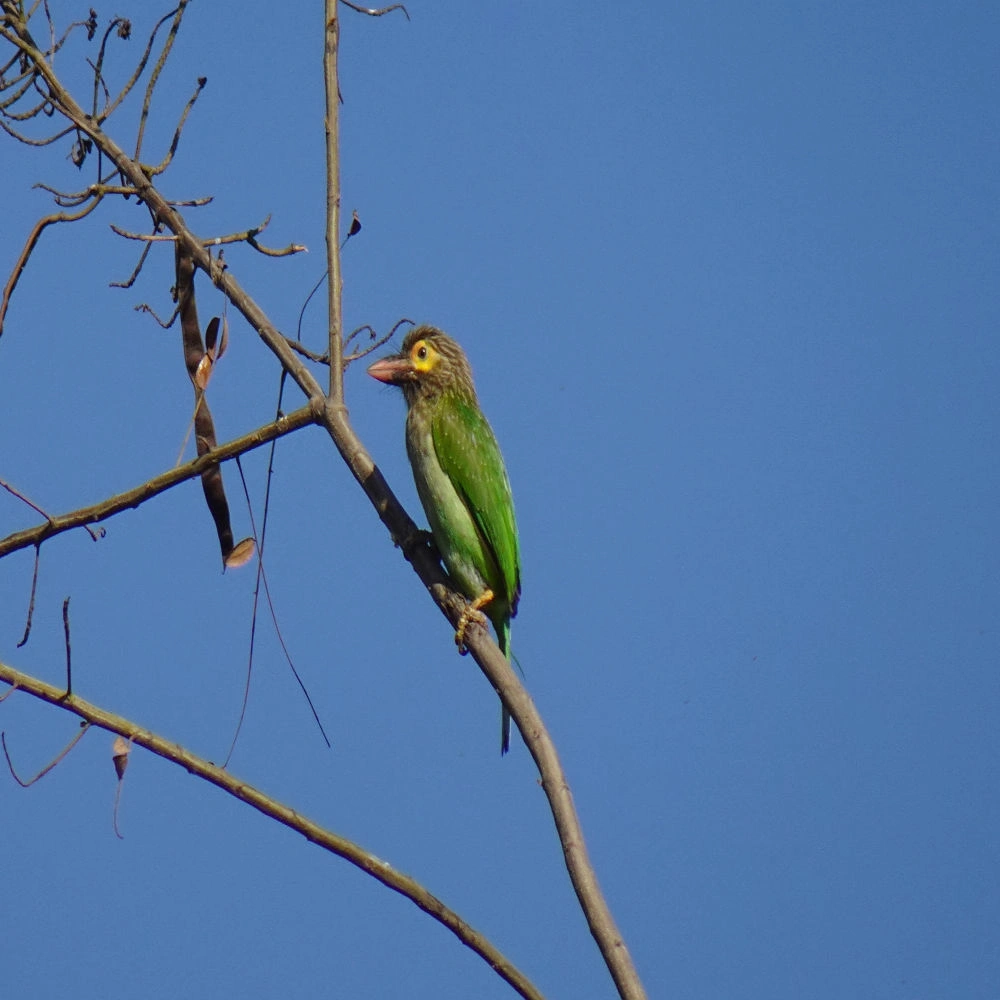
Brown-headed Barbet
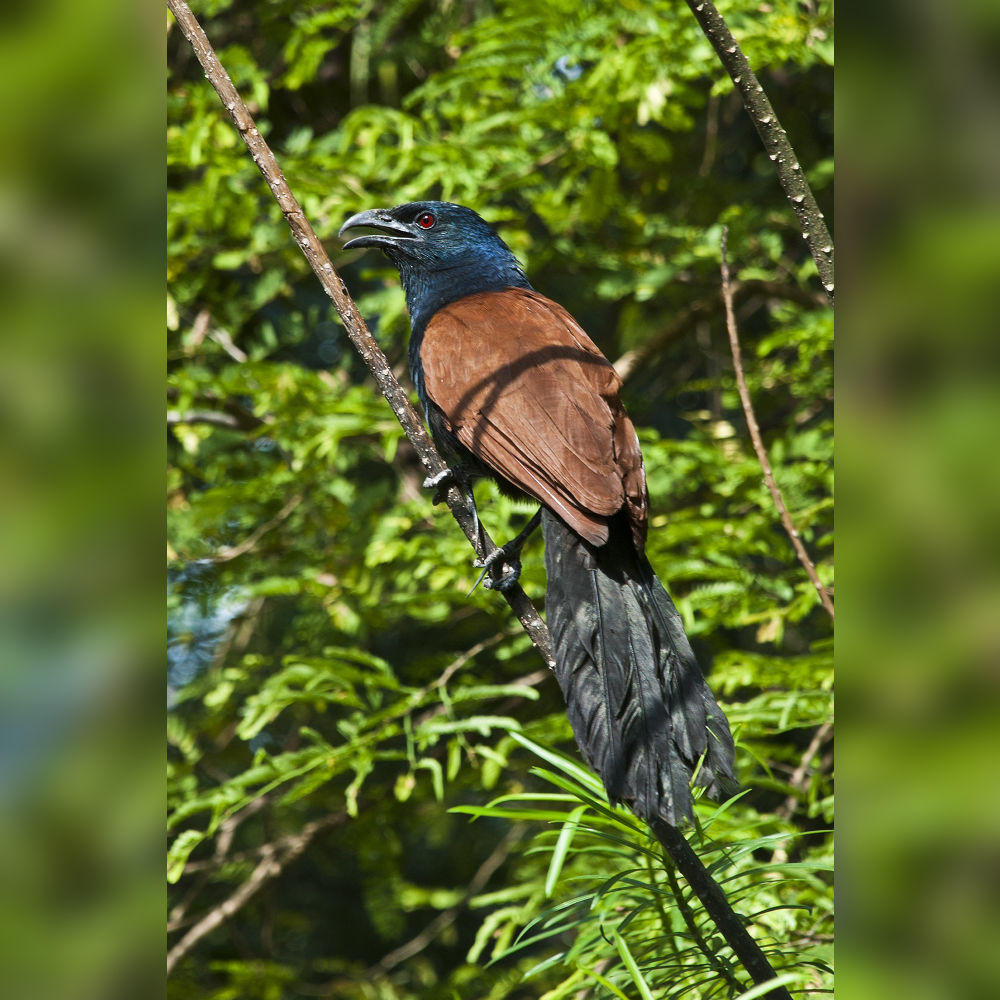
Greater Coucal
Scroll to Top