
Bird Walk at Haraluru Lake, Bengaluru
- Bengaluru
- 7 November, 2026
- Rs 300 per head
- Fee collected goes entirely to the bird guide. Ataavi does not retain or profit from this amount.
This is a special kids walk in collaboration with Young Birders Month. Free for children below 6 years of age. Anyone below 12 years requires to be accompanied by an adult.
About Haraluru Lake
In southeast Bengaluru, between HSR Layout and Sarjapur Road, Haralur Lake is a green refuge in one of the city’s fastest-growing neighbourhoods. Like most of Bengaluru’s lakes, it was once part of a chain of linked, rain-fed tanks built to store monsoon water for the farms that covered this area. Today it is ringed by apartments and offices. Its open water, reedy and weedy margins, grassy banks and tree-lined walking path still offer valuable habitat. Fish, frogs, turtles, dragonflies and butterflies thrive here, and the mature trees along the bund provide fruit, nectar and nesting sites in an increasingly concrete landscape.
For birders, Haralur Lake shows how much a small urban lake can hold. Kingfishers, cormorants and herons work the water, kites circle overhead, and the trees and shrubs are full of orioles, barbets, sunbirds, flowerpeckers and warblers, with winter migrants adding to the mix. Its easy, flat path also makes it an ideal introduction to birdwatching for families and young nature lovers. Like many of Bengaluru’s lakes, though, Haralur faces serious pressures. Sewage and storm-water inflows pollute the water and feed weeds, and garbage and plastic pile up along the edges. Rapid construction all around has shrunk the catchment, and concreting the banks removes the reeds and soft margins that birds depend on. Keeping the water clean, protecting the vegetated edges and old trees, and involving the local community will help Haralur remain a haven for birds.

Bird Guide - Megha Gupta
Megha is an avid birder with over 6 years of experience, based on the IIT Bombay campus. An AI professional and educator at heart, she has led multiple bird walks and completed formal birding courses. Her approach goes beyond identification, focusing on understanding bird behavior, habitats, and their role in the larger ecosystem.
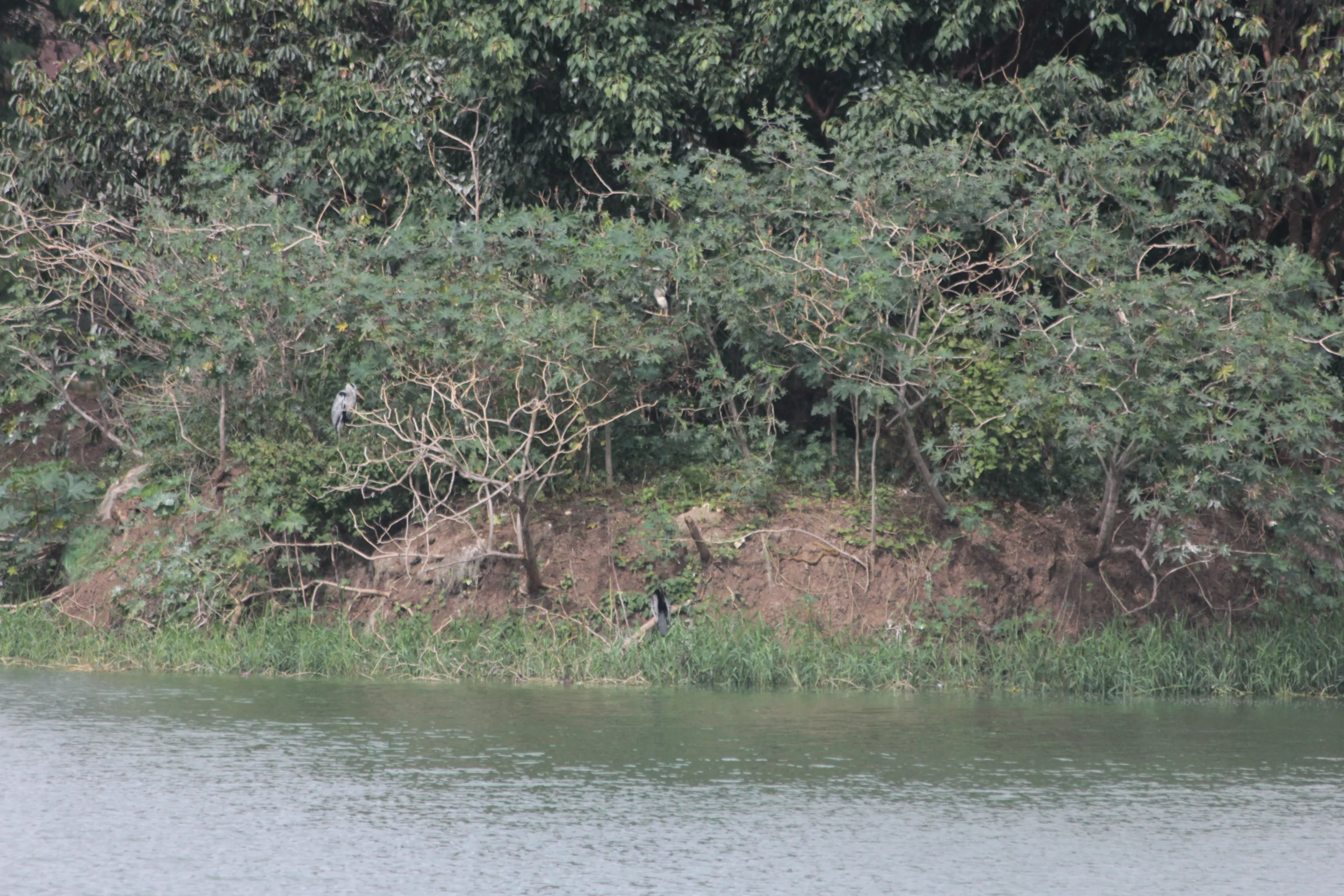
Bird walk Location
Common birds of Haraluru Lake
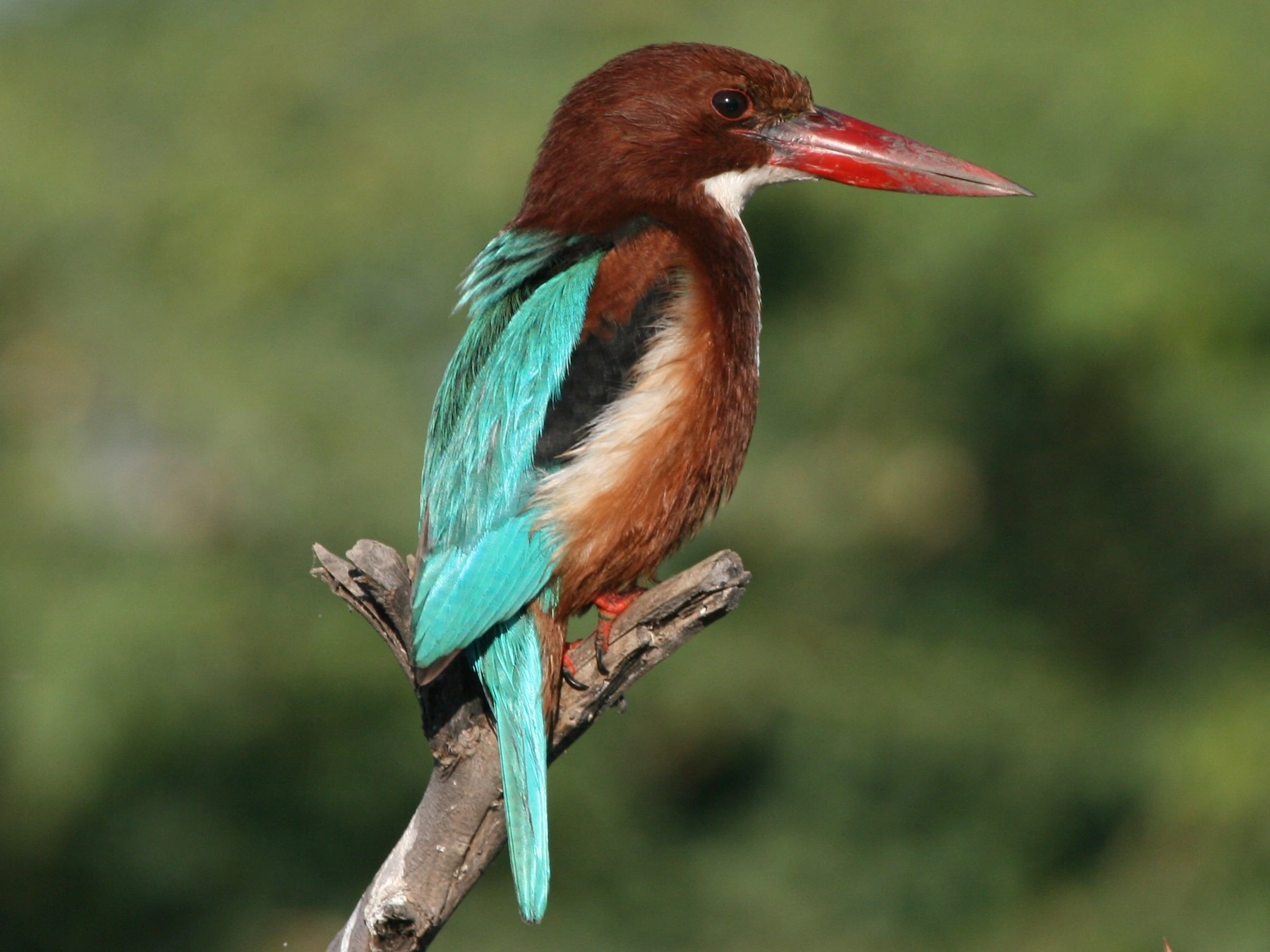
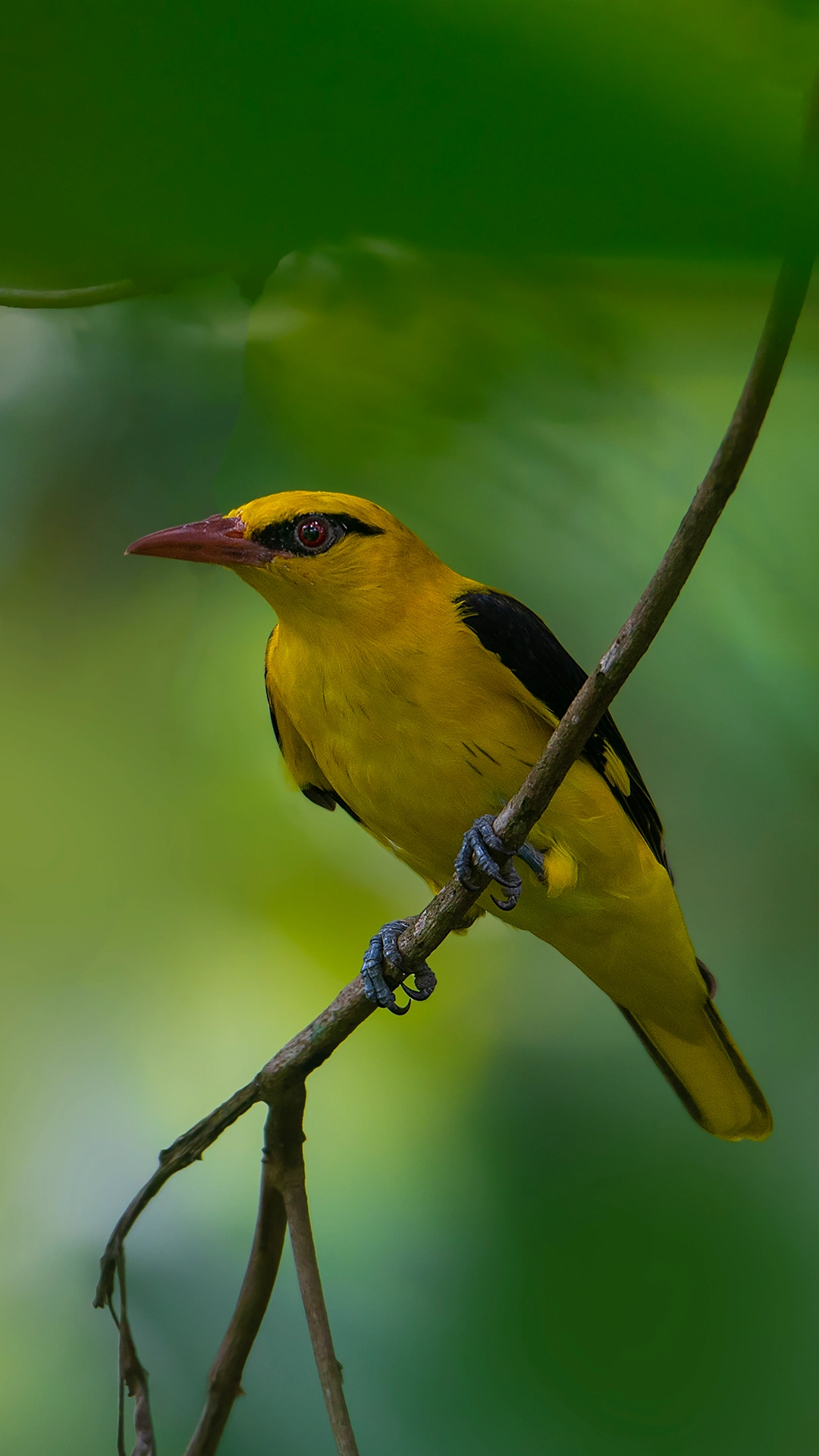
Haralur Lake is lively from first light. The White-throated Kingfisher, a flash of electric blue, calls loudly from its waterside perch before diving for fish or frogs. High in the canopy, the Indian Golden Oriole glows brilliant yellow, and its fluting whistle carries across the water. The White-cheeked Barbet, a Western Ghats speciality that has adapted to city trees, keeps up its steady call all morning. In the flowering shrubs, the tiny Pale-billed Flowerpecker, one of India’s smallest birds, darts between mistletoe clumps, while the shimmering Purple-rumped Sunbird sips nectar. Wire-tailed Swallows, trailing their fine tail streamers, skim low over the water. Little and Indian Cormorants dive for fish and then perch with their wings spread to dry. The tall Gray Heron stands motionless at the edge, and the Indian Pond-Heron hides in plain sight until it takes off on bright white wings. Eurasian Coots paddle across the open water, and Red-wattled Lapwings keep a noisy watch. Brahminy and Black Kites circle overhead. Rose-ringed Parakeets, Red-whiskered Bulbuls, Common Tailorbirds, Ashy Prinias and the Blyth’s Reed Warbler, a winter migrant from Central Asia, fill the trees and bushes. The Greater Coucal, Asian Koel and Large-billed Crow complete the scene.

White-throated Kingfisher

Indian Golden Oriole
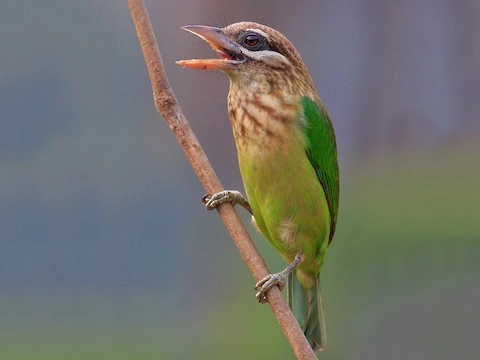
White-cheeked Barbet
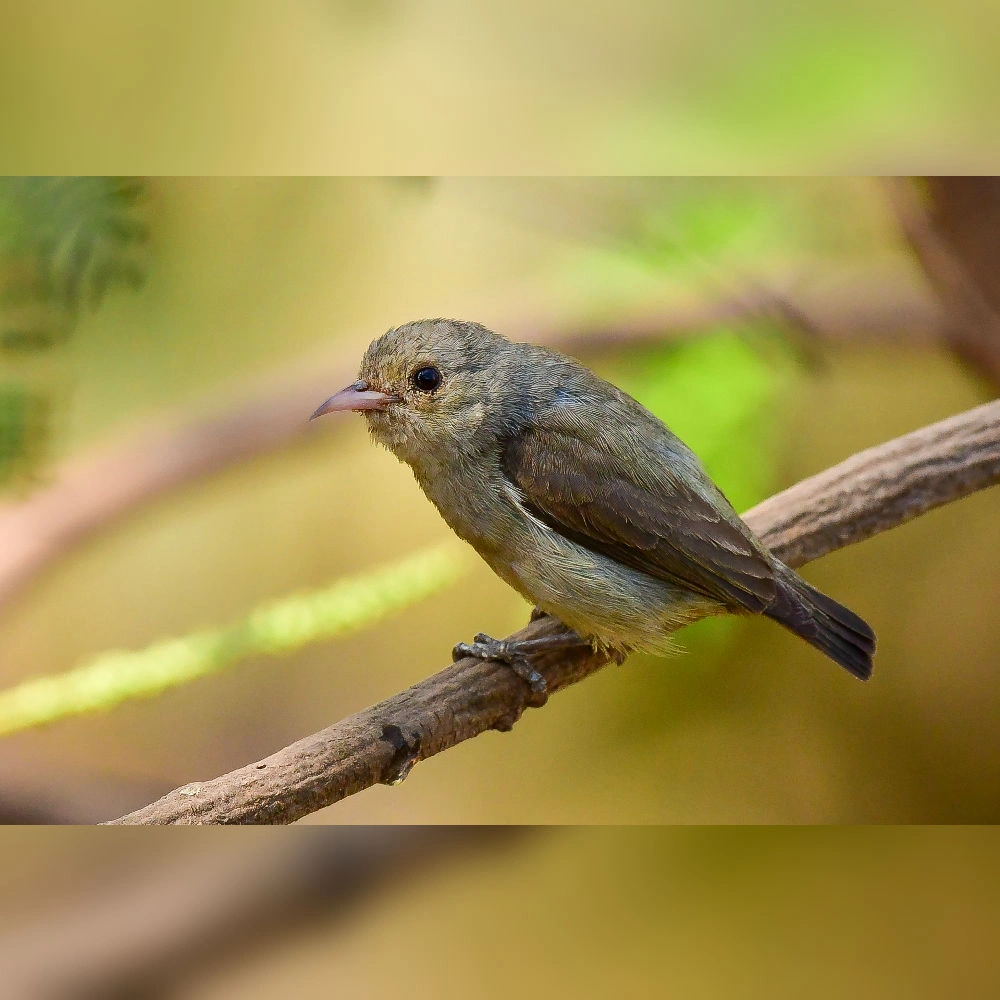
Pale-billed Flowerpecker
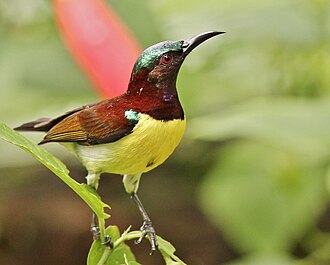
Purple-rumped Sunbird

Wire-tailed Swallow
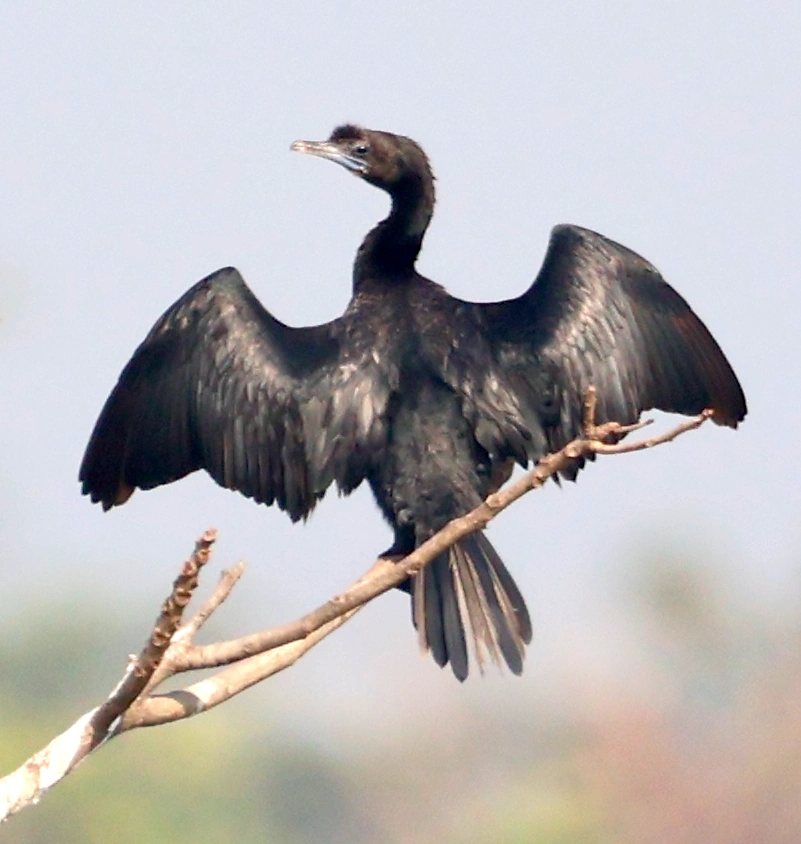
Little Cormorant
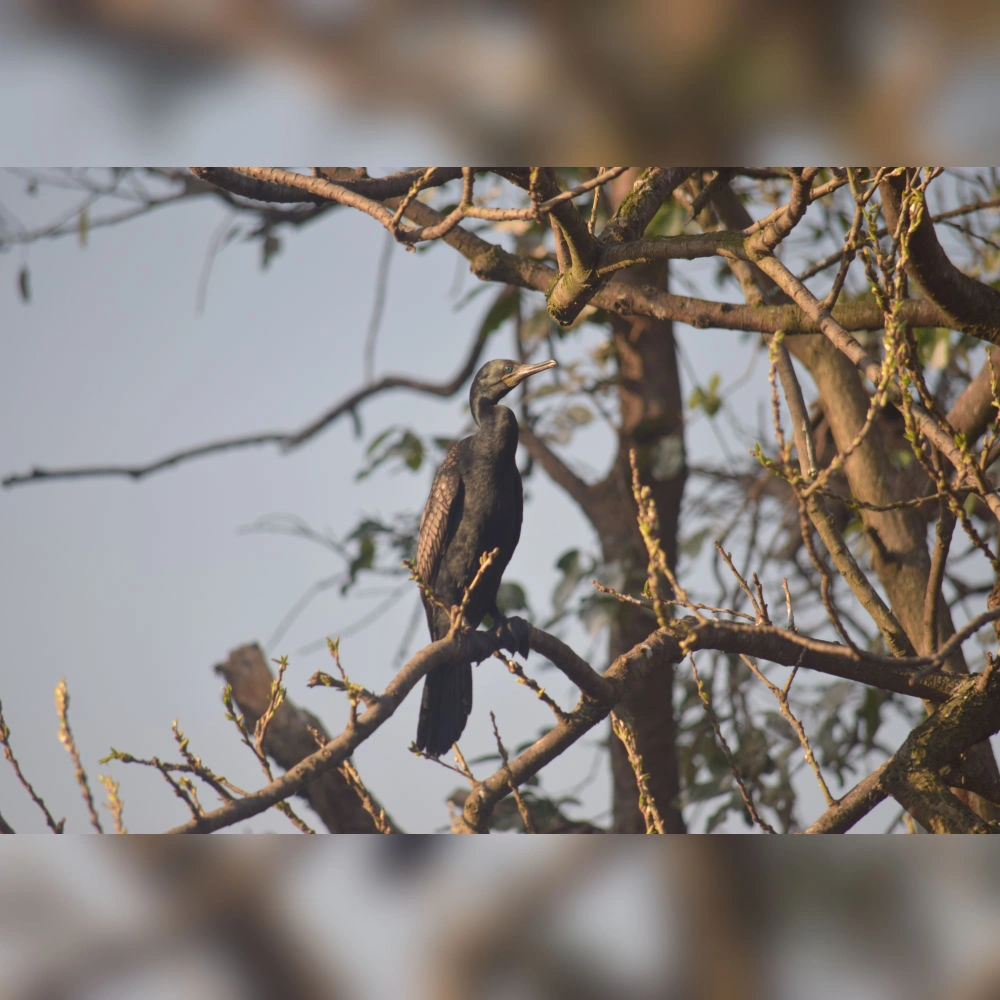
Indian Cormorant
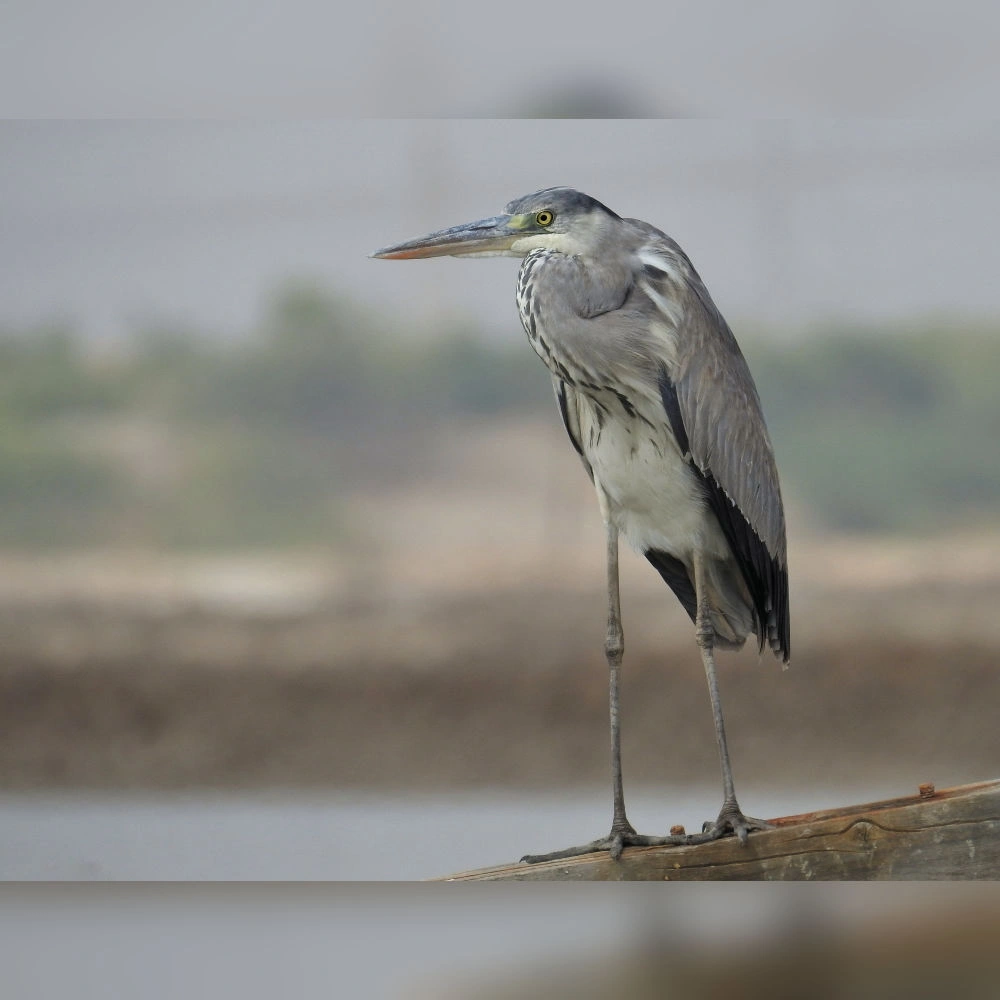
Grey Heron
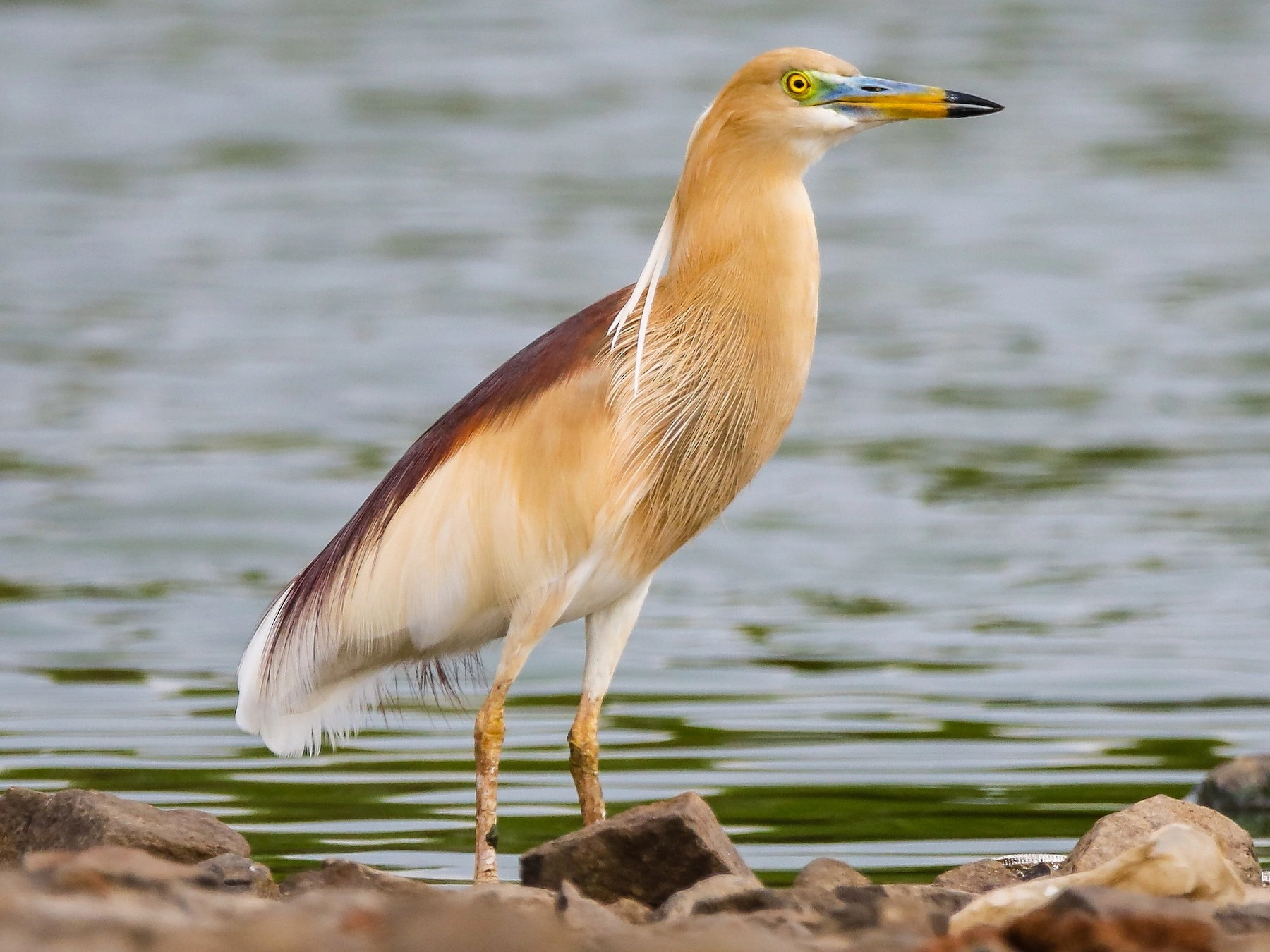
Indian Pond-Heron
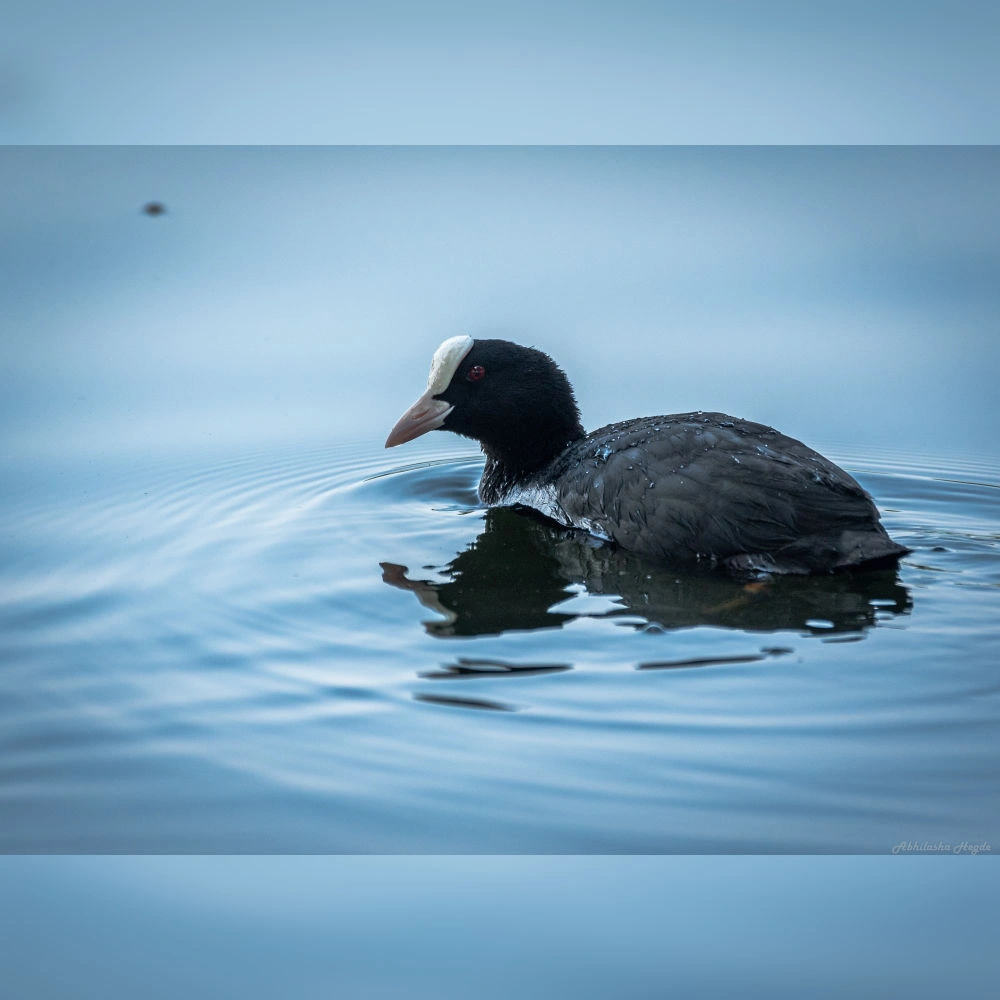
Eurasian Coot
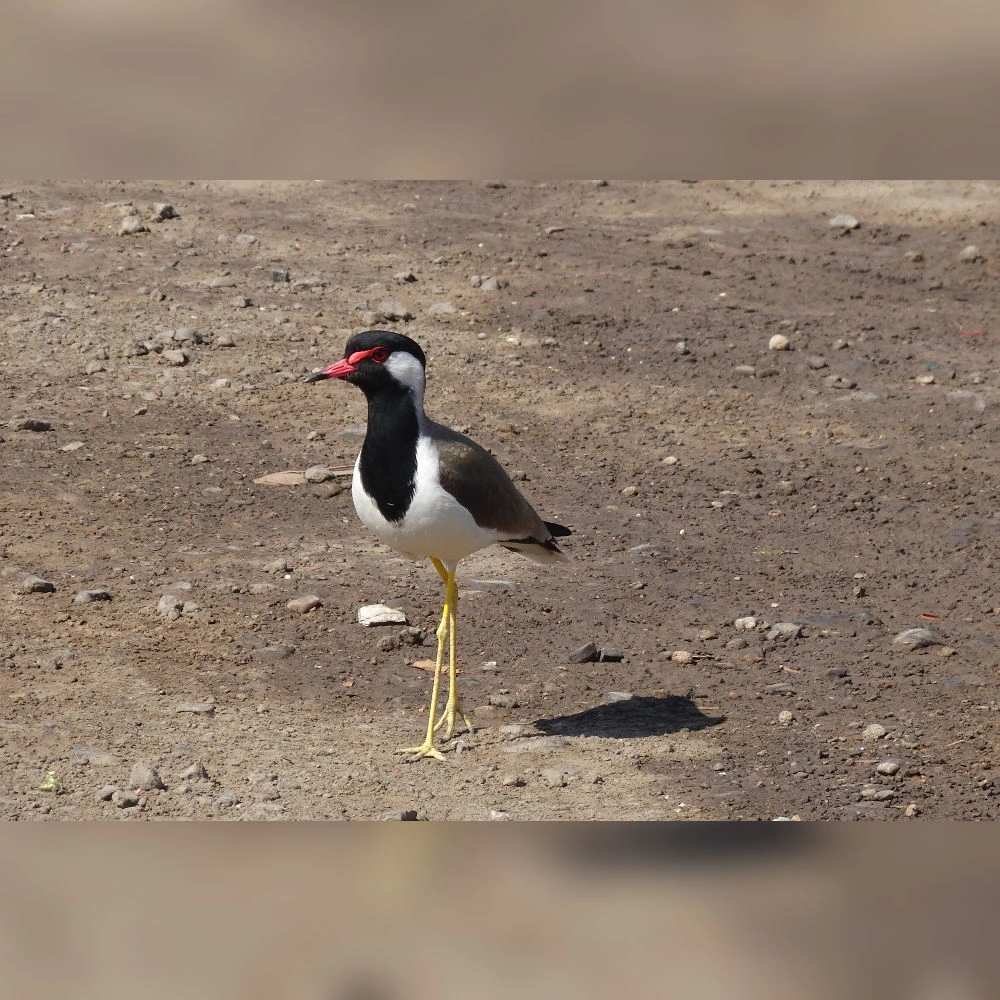
Red-wattled Lapwing
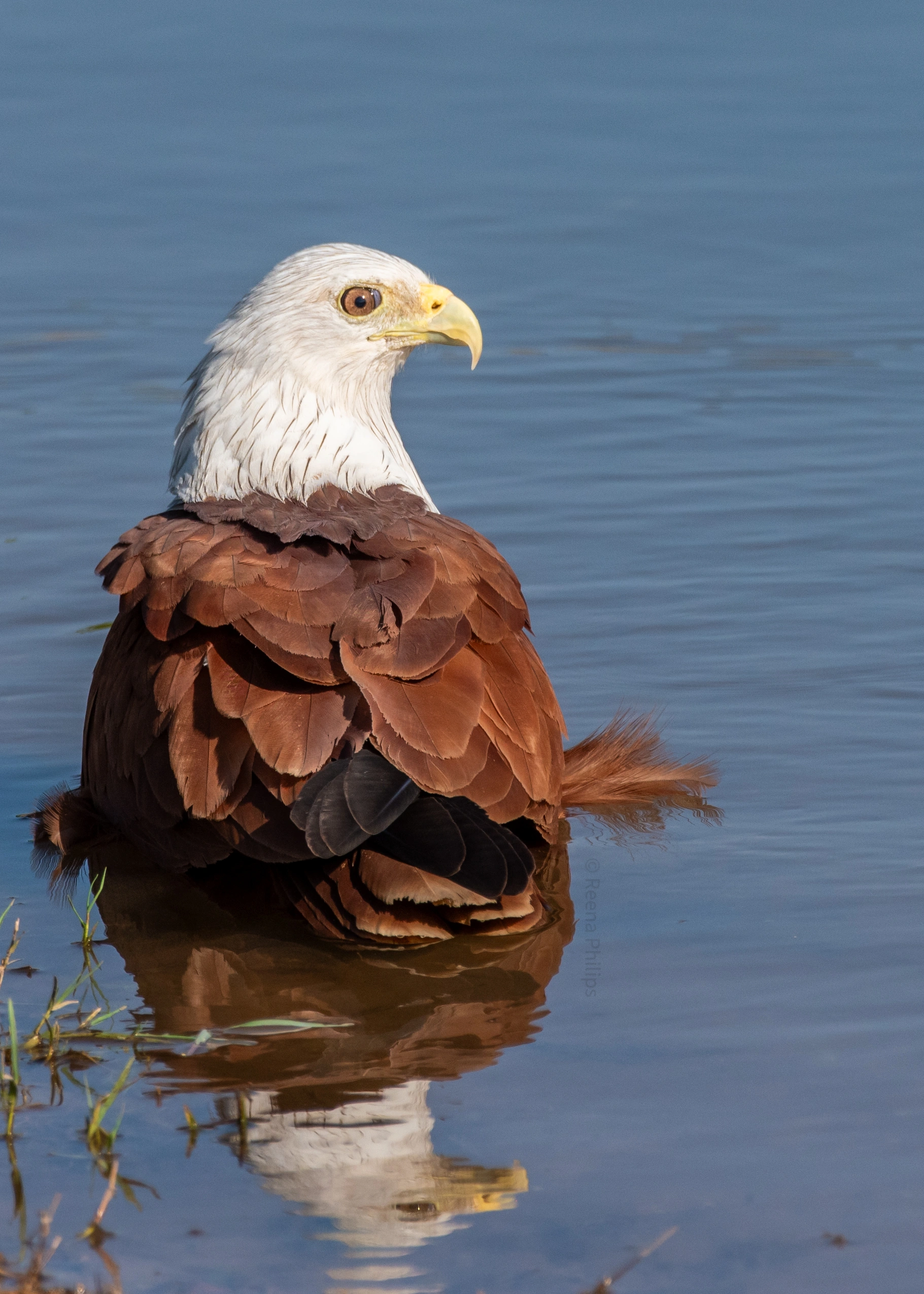
Brahminy Kite
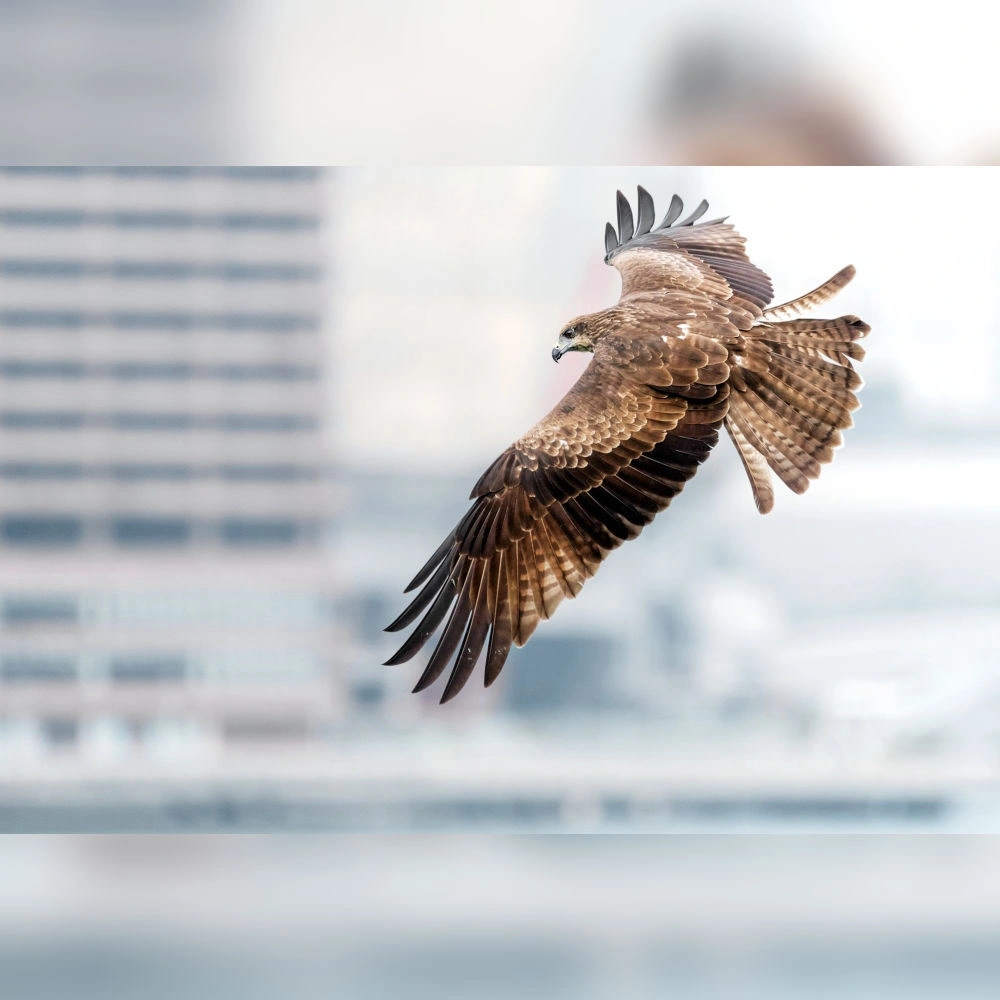
Black Kite
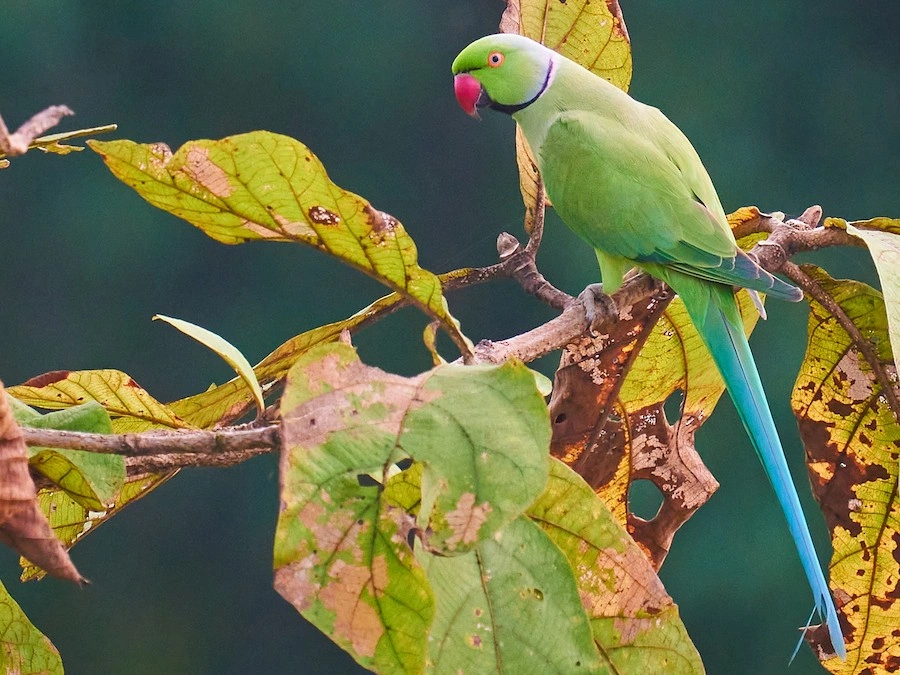
Rose-ringed Parakeet
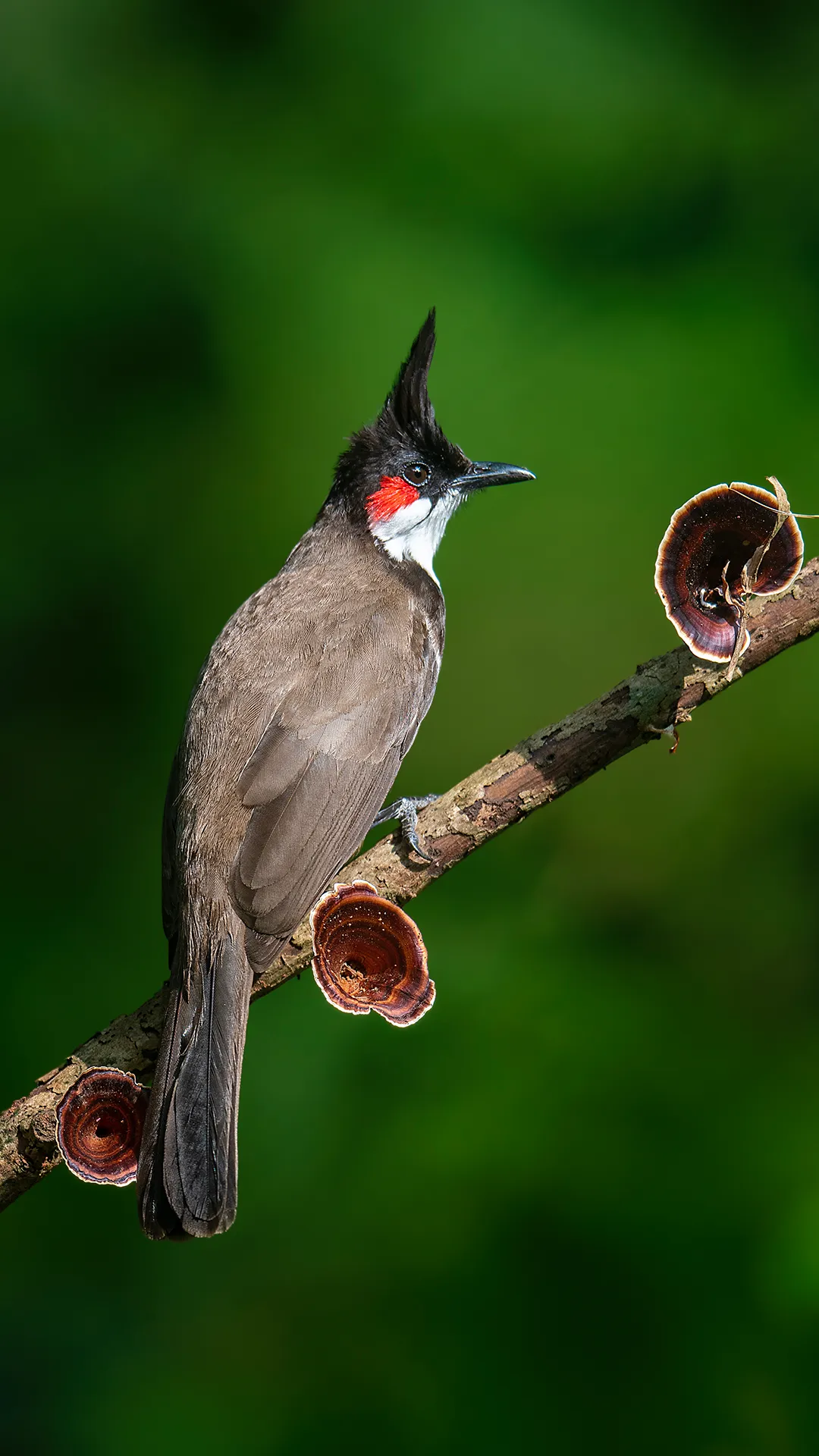
Red-whiskered Bulbul
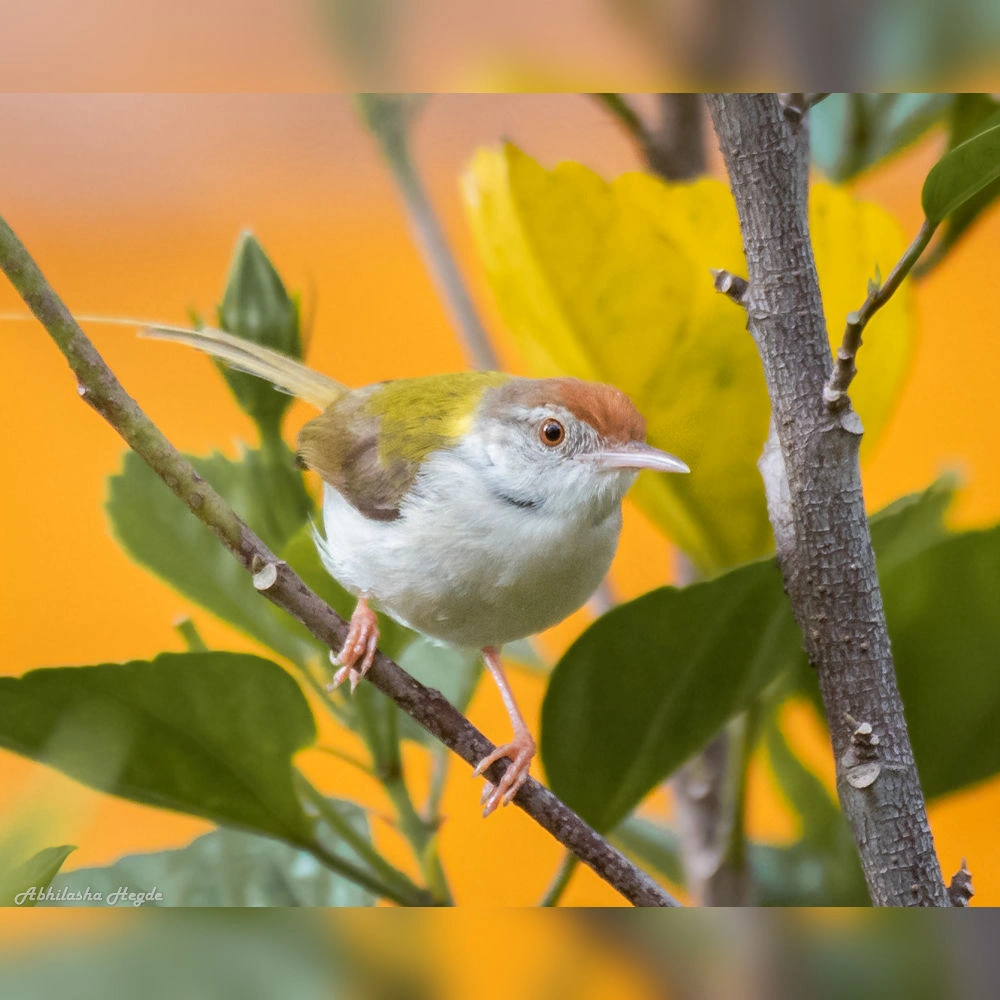
Common Tailorbird
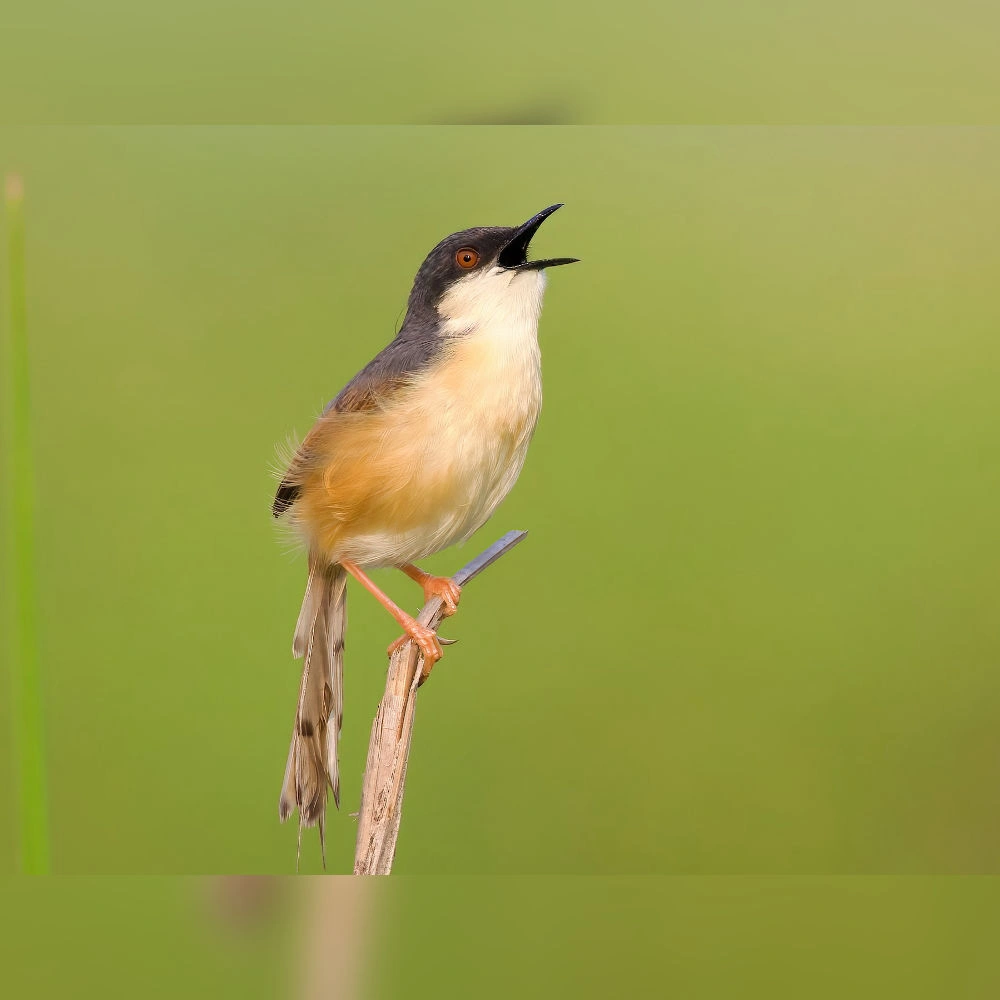
Ashy Prinia
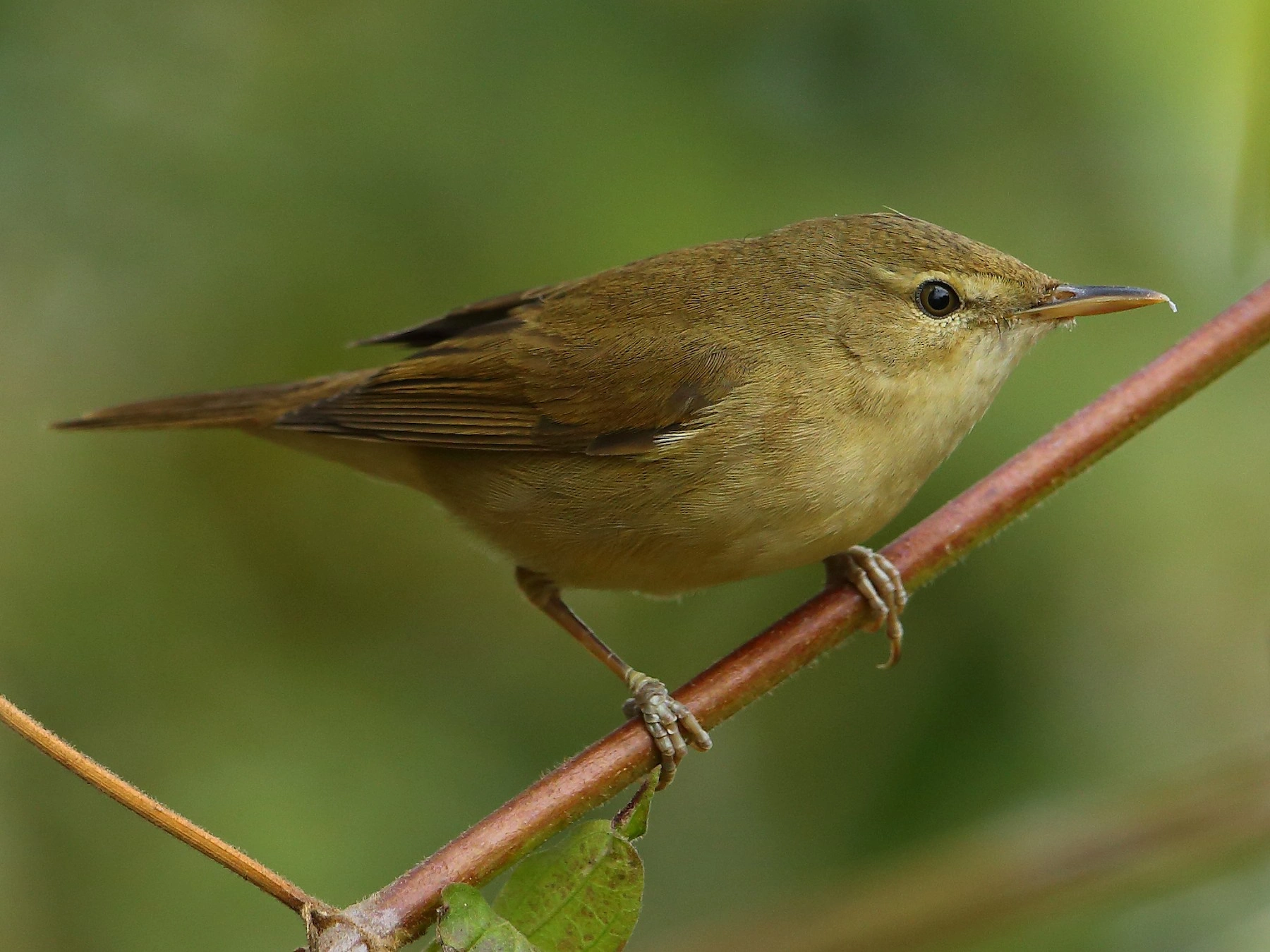
Blyth’s Reed Warbler
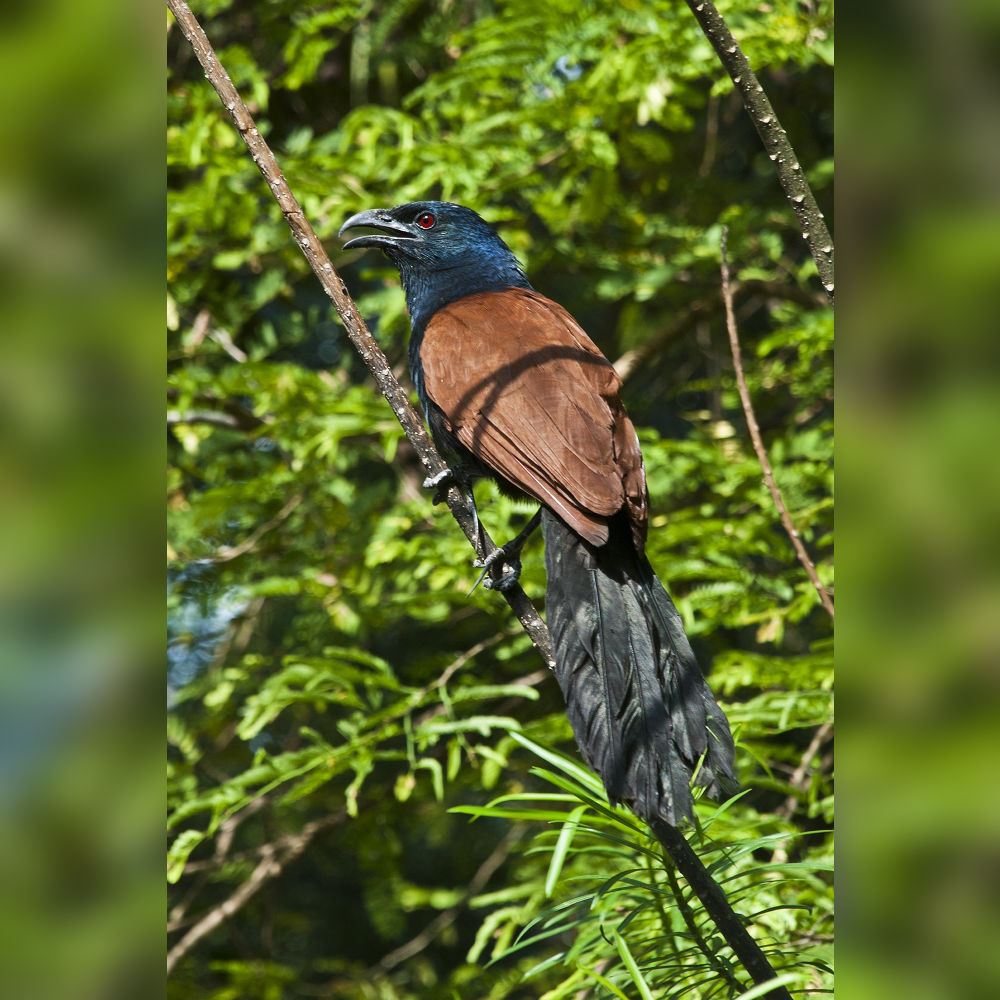
Greater Coucal

- Fee collected goes entirely to the bird guide. Ataavi does not retain or profit from this amount.