
Loading Events

Bird Walk at Harantale Lake, Pune, Maharashtra

About Harantale Lake

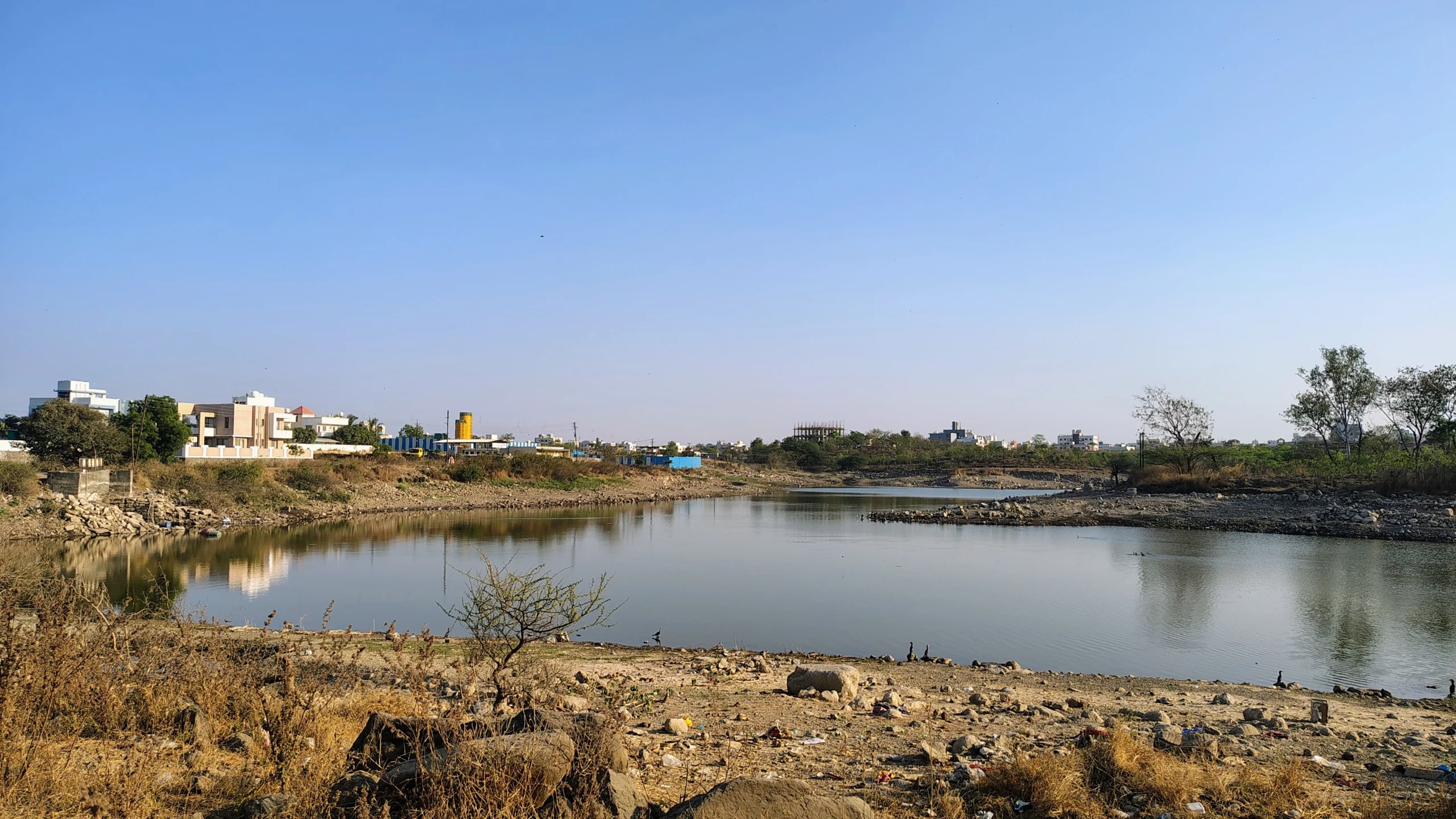
Nestled on the outskirts of Harantale Lake near Lohegaon, Harantale Lake is a quiet urban wetland that offers a refreshing escape from Pune’s rapidly expanding skyline. Surrounded by patches of scrub, grassland and scattered tree cover, the lake forms an important freshwater habitat within the city’s developing eastern fringe. Seasonal marshes, reed beds and open water attract a rich variety of insects, amphibians and aquatic life, while native vegetation around the shoreline supports butterflies, reptiles and small mammals. During the monsoon, the landscape transforms into a lush green oasis, creating a striking contrast against the surrounding urban development and making the lake feel like a hidden natural remnant within the city.

For birdwatchers, Harantale Lake holds enormous promise as an emerging birding hotspot. The wetland habitat attracts resident waterbirds, waders, kingfishers, herons and migratory visitors during winter, while surrounding scrubland shelters bulbuls, sunbirds, bee-eaters and raptors. Early mornings are especially rewarding, with calm waters reflecting flocks of birds and the calls of lapwings echoing across the grassland edges. However, like many urban wetlands in Pune, Harantale Lake faces growing threats from encroachment, pollution, habitat degradation and pressure from unchecked construction activity. Recent restoration and aquifer recharge initiatives by the Pune Municipal Corporation aim to revive the lake’s ecological health and improve water retention, recognising its importance for biodiversity and groundwater conservation. As Pune continues to urbanise, Harantale Lake stands as a reminder that even small wetlands can play a vital role in sustaining wildlife and preserving ecological balance within a modern city

Bird Guide - Kamlakar Bhopatkar

An ex-educationist in Computer Science with 20+ years of teaching experience and an amateur birder(eBird count - 375+) who is on a mission to share the joy of birding.
Bird walk Location

Common birds of Harantale Lake

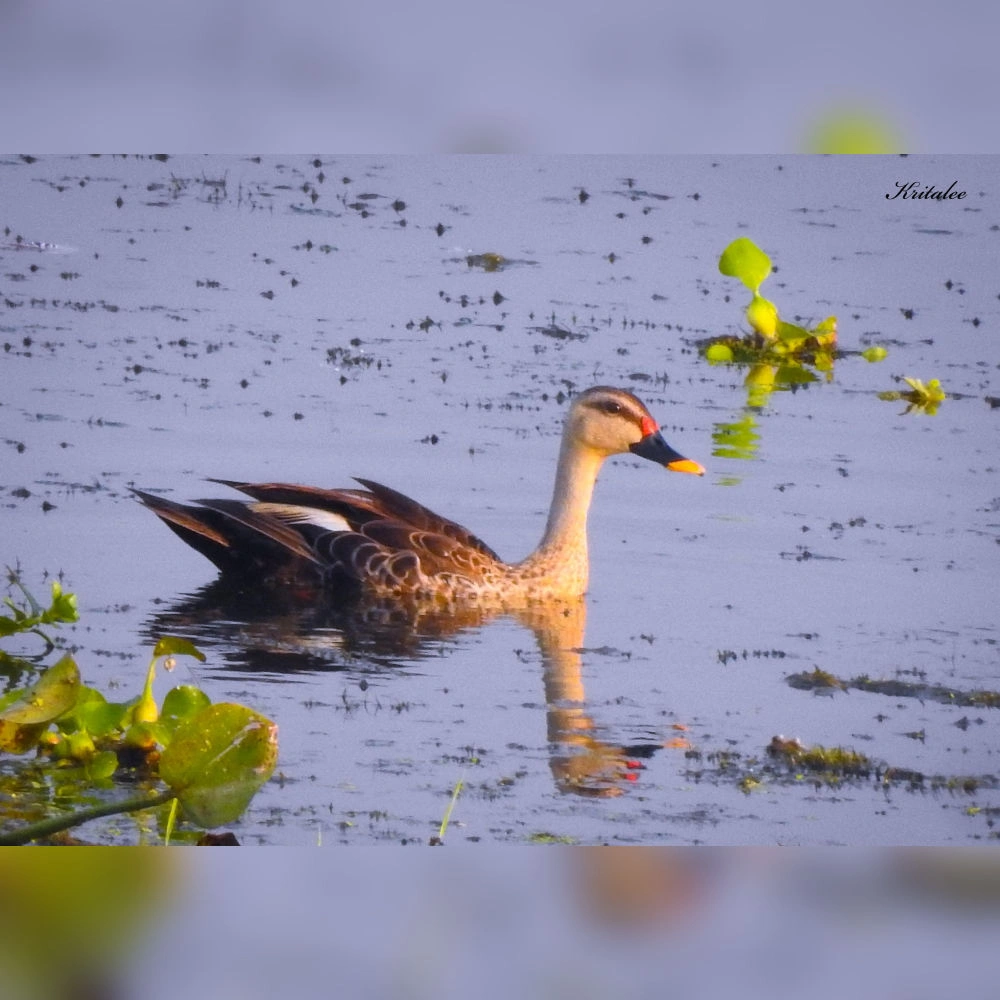
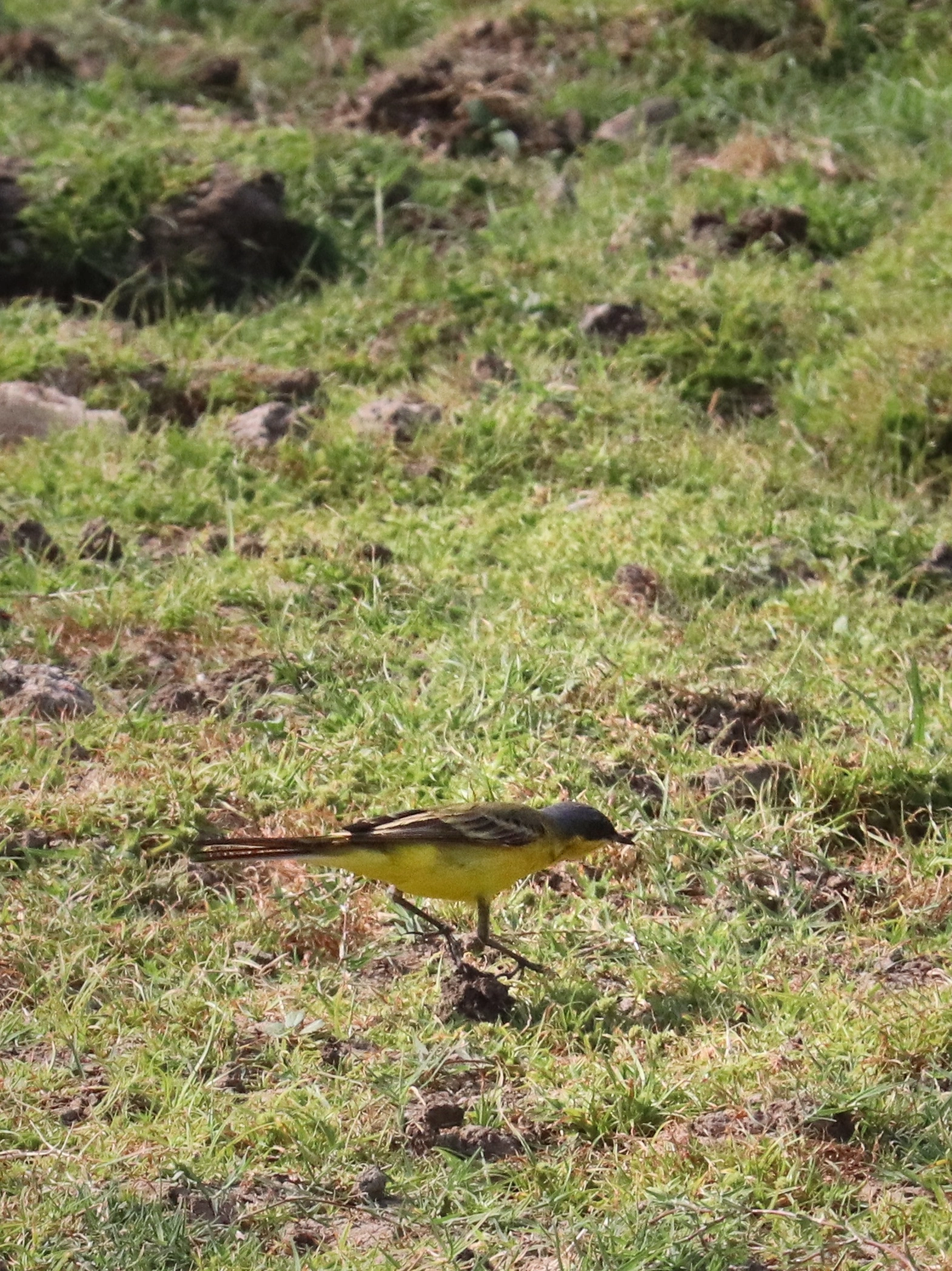
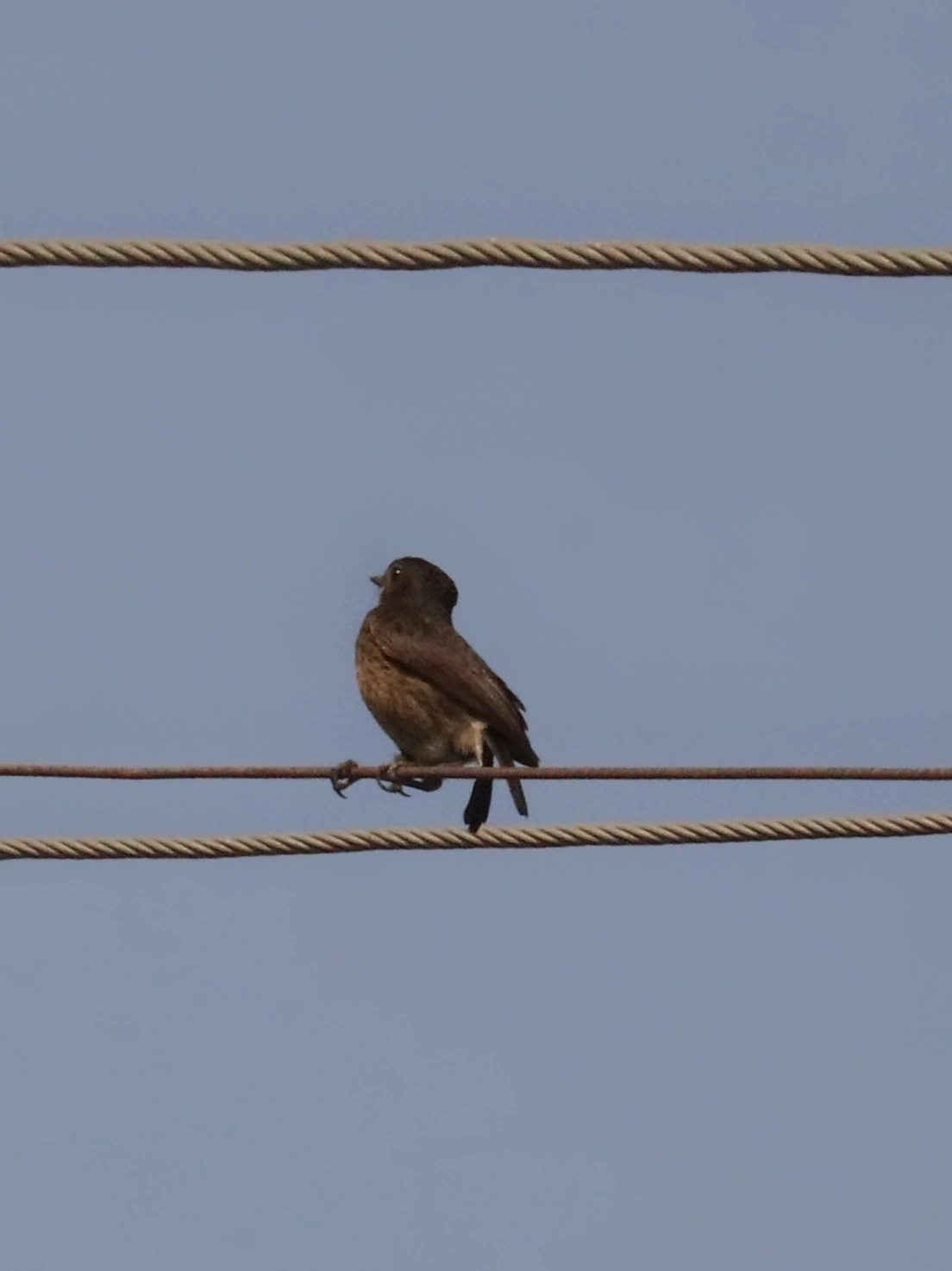
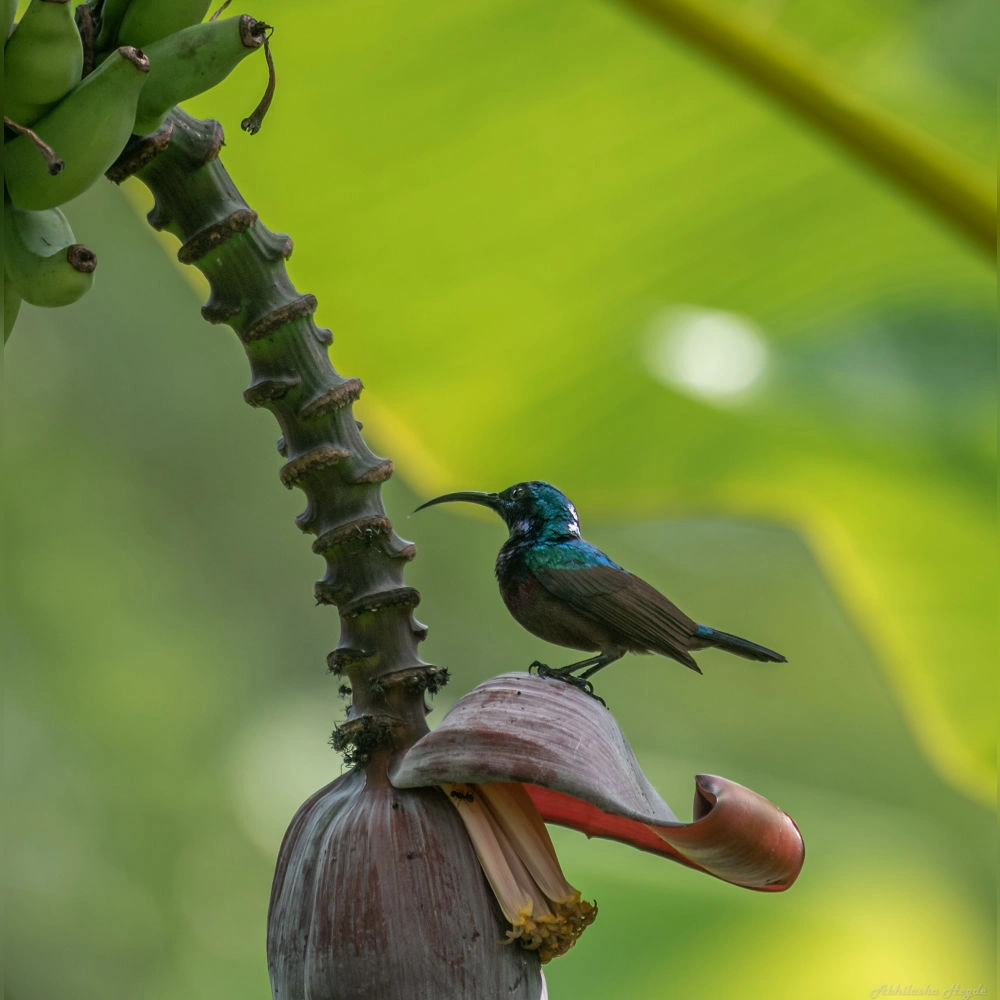
Harantale Lake supports a lively mix of wetland and grassland birds, making it an increasingly popular birding spot on Pune’s urban edge. The lake’s shallow waters attract Indian Spot-billed Ducks, Little Grebes, Little Cormorants and elegant waders such as Black-winged Stilts, Little Ringed Plovers, Green Sandpipers and Marsh Sandpipers that forage along muddy shores. Wetland specialists like Asian Openbills and Little Egrets add to the lake’s rich aquatic character, while a Common Kingfisher often darts low over the water in flashes of bright blue. Surrounding scrub and open ground shelter species such as Ashy-crowned Sparrow-Larks, wagtails and Purple-rumped Sunbirds, while the agile Shikra patrols overhead searching for prey. Together with familiar birds like Common Mynas, these species create a surprisingly vibrant ecosystem, transforming Harantale Lake into a peaceful refuge for birds and birdwatchers alike within the rapidly growing cityscape of Pune.
Purple Sunbird
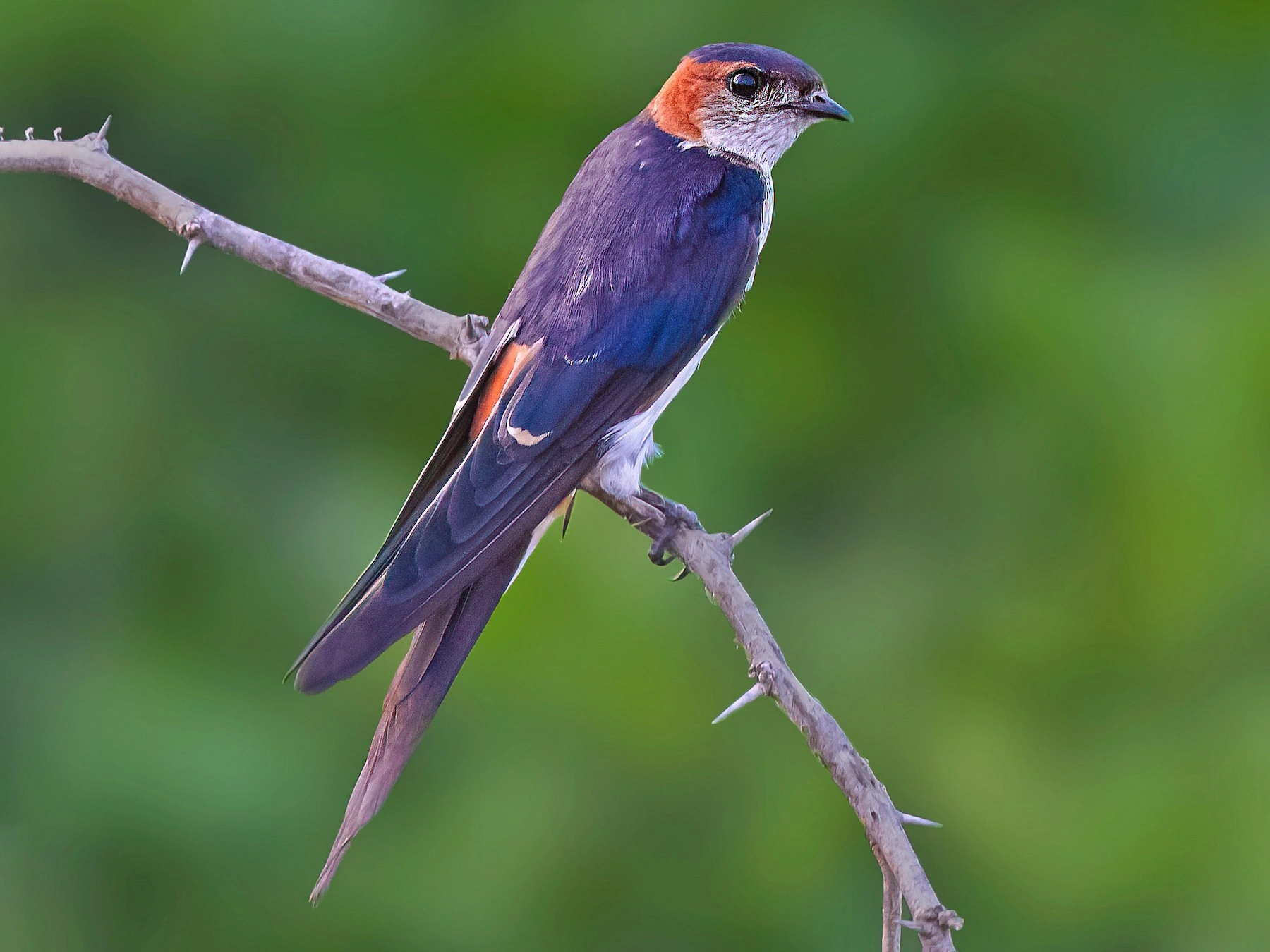
Red Rumped Swallow
Indian Spot-billed Duck
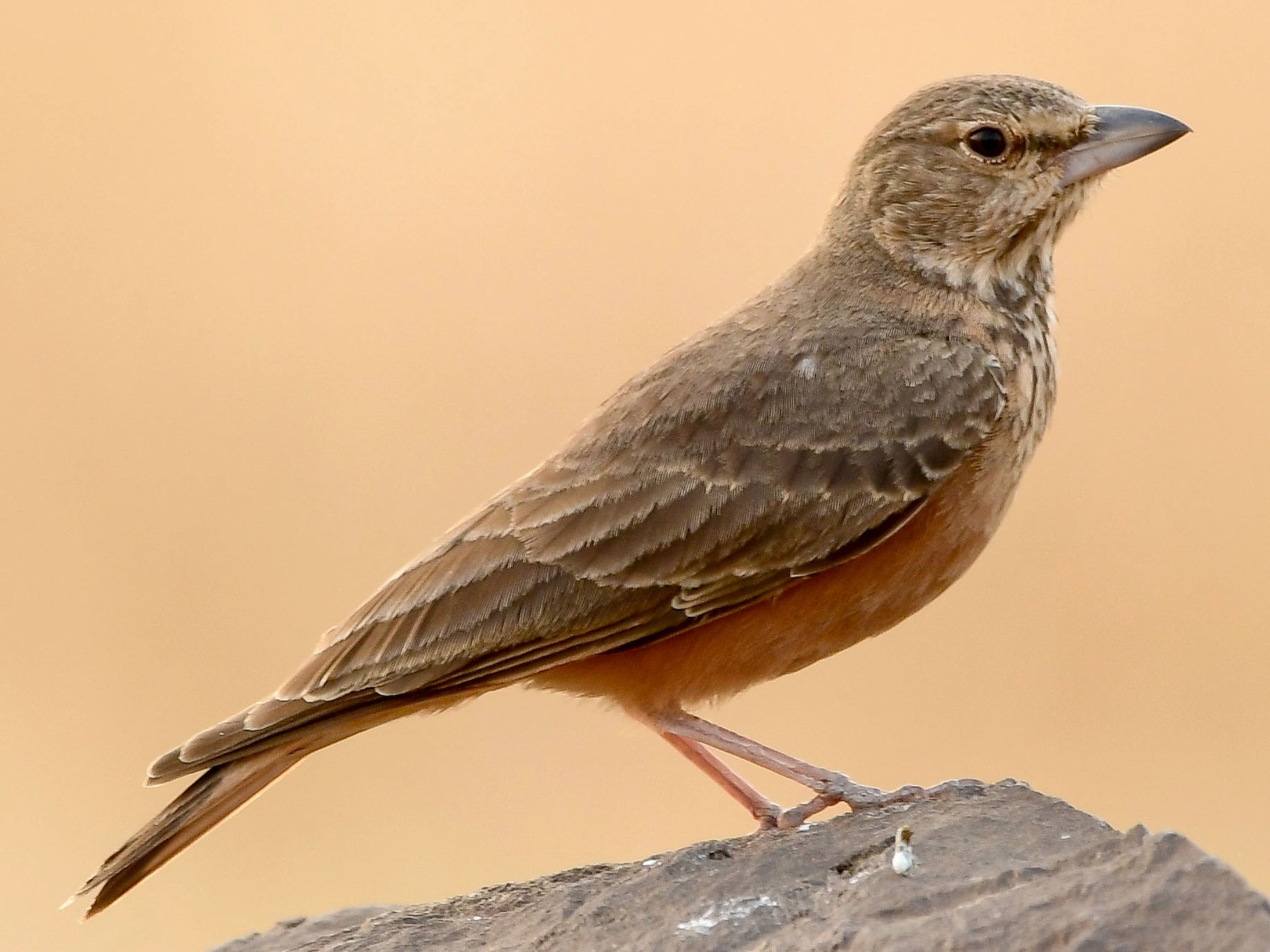
Rufous Tailed Lark
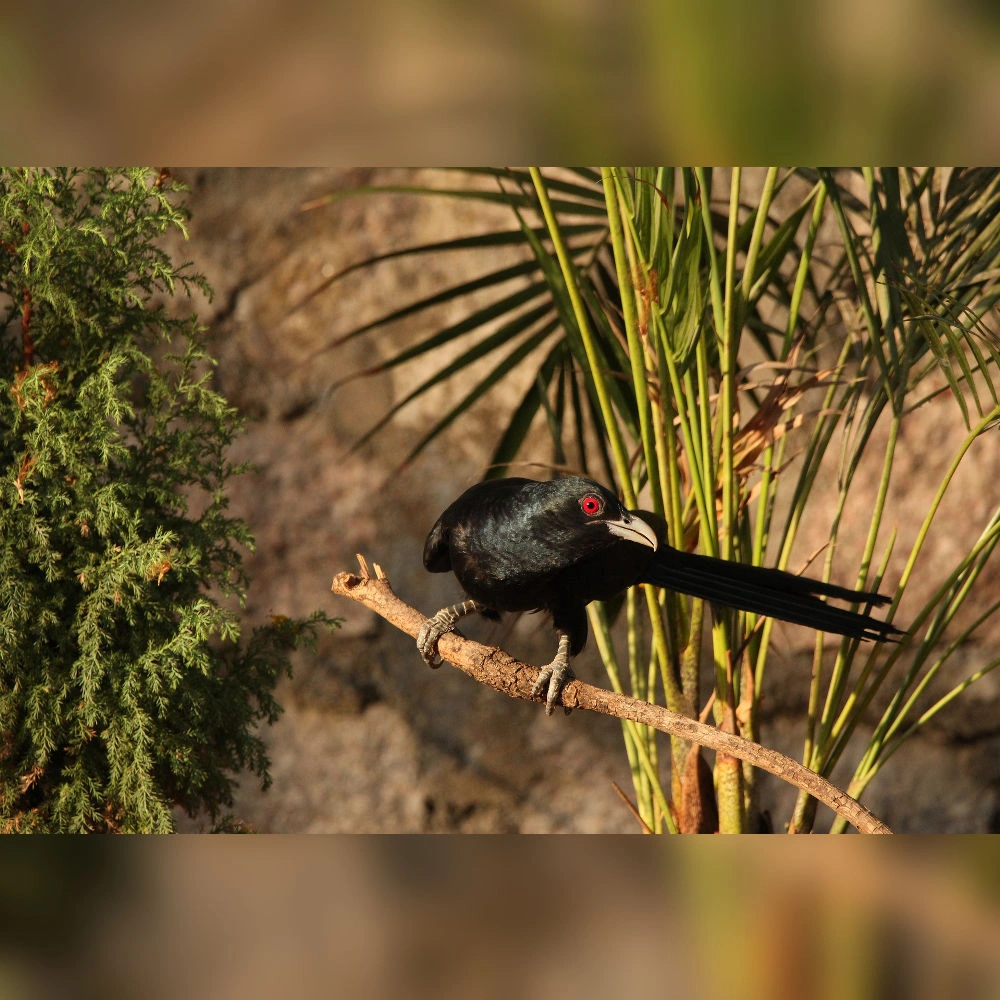
Asian Koel
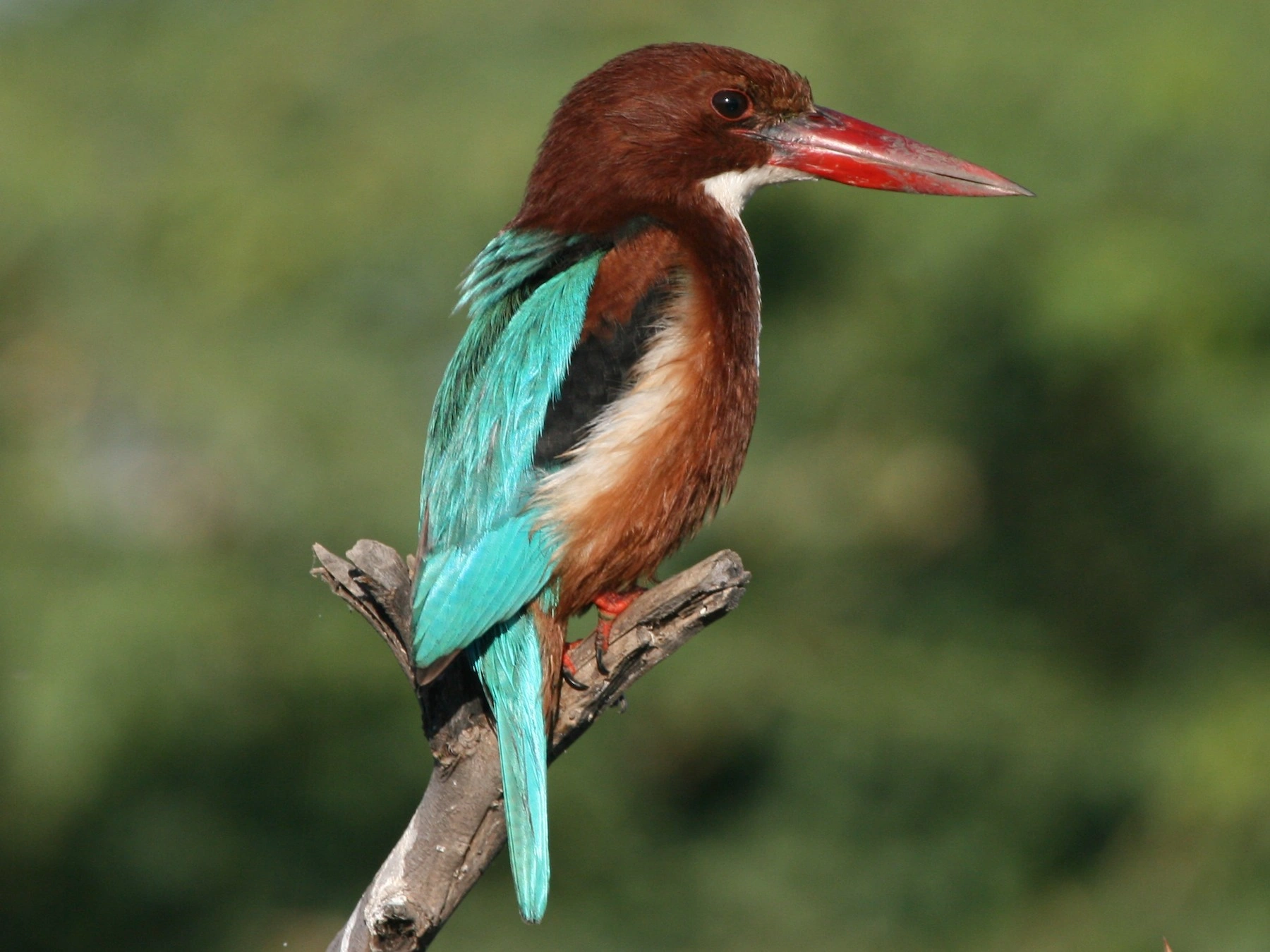
White Throated Kingfisher
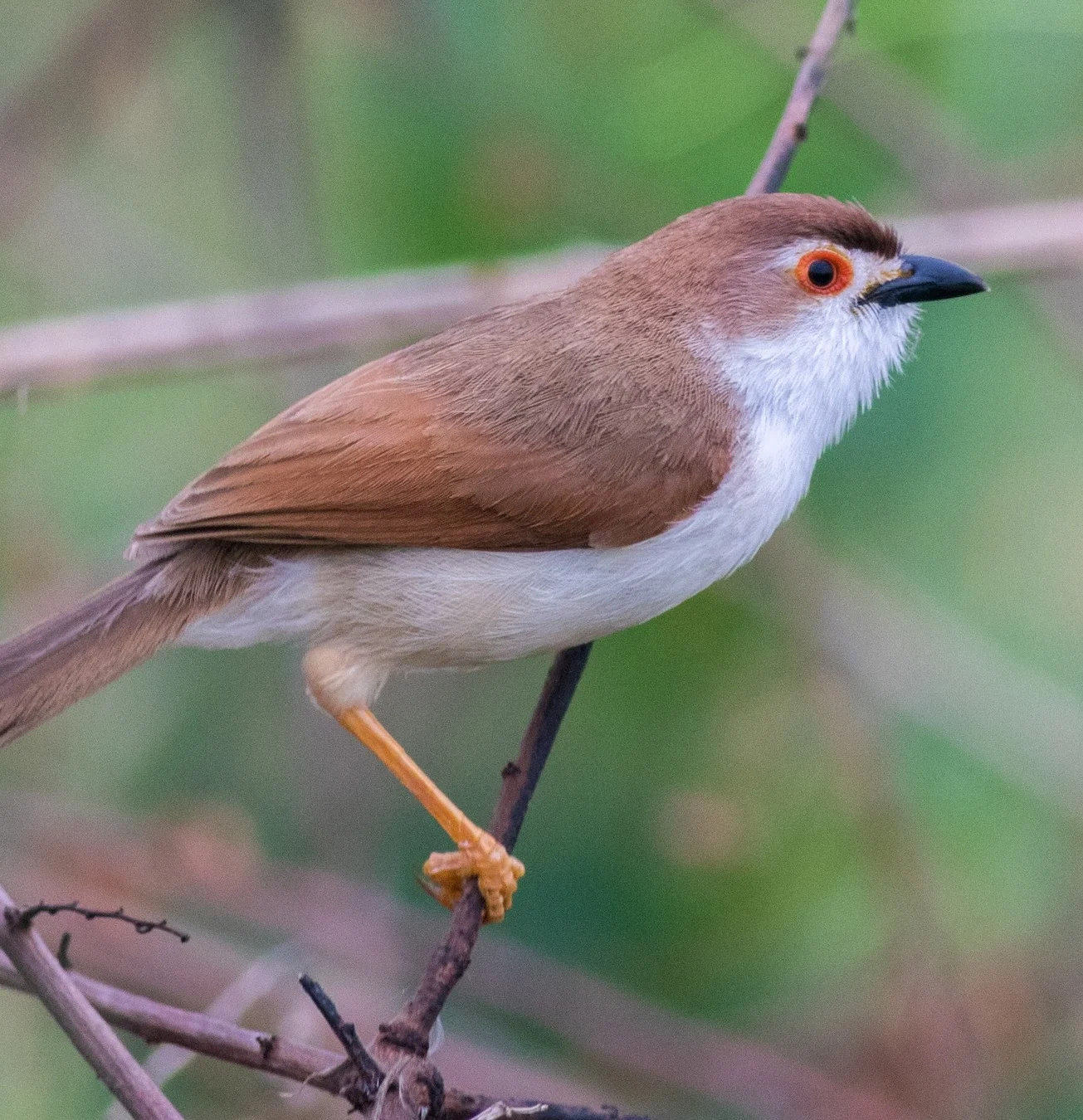
Yellow Eyed Babbler
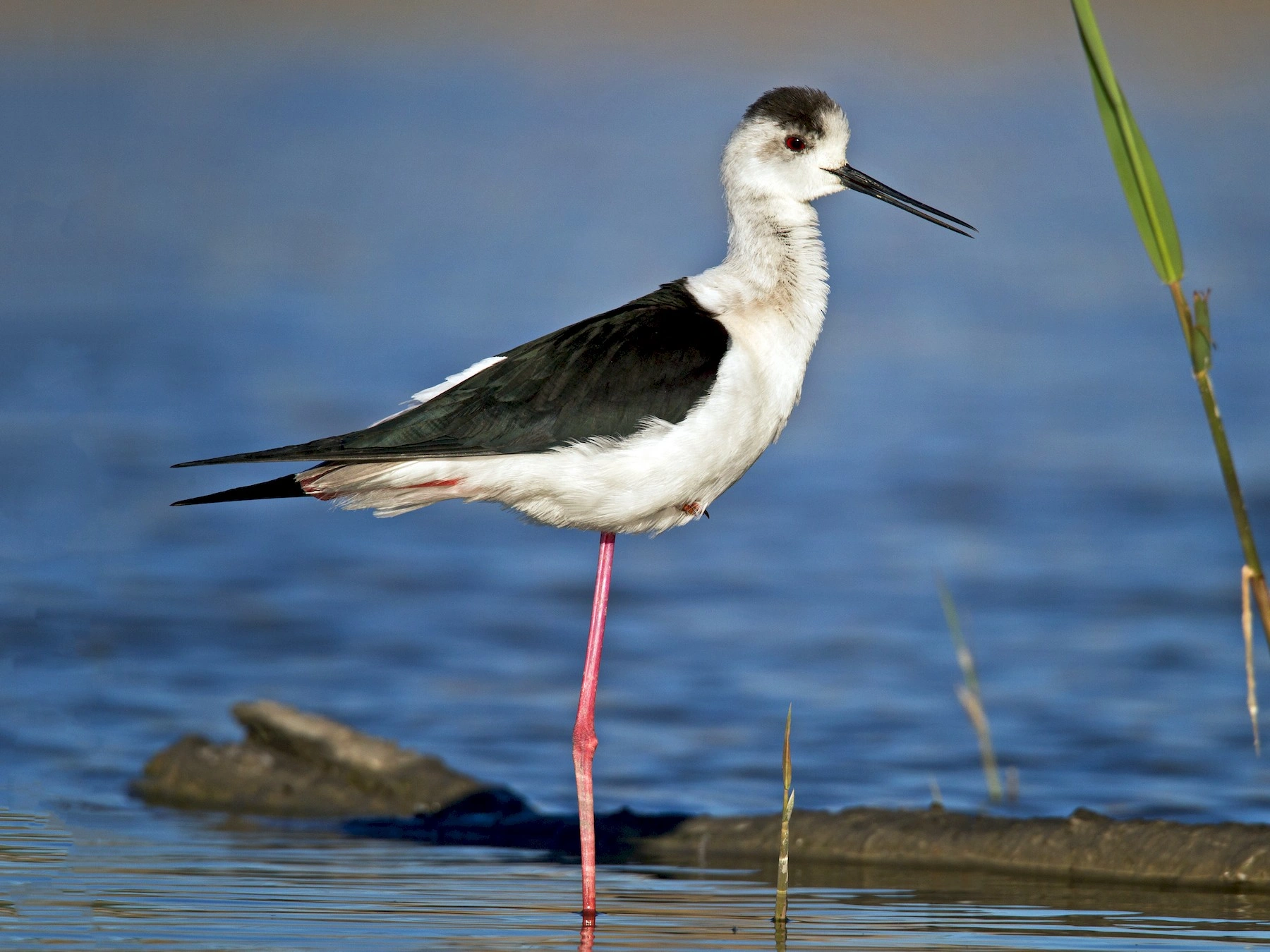
Black-winged Stilt
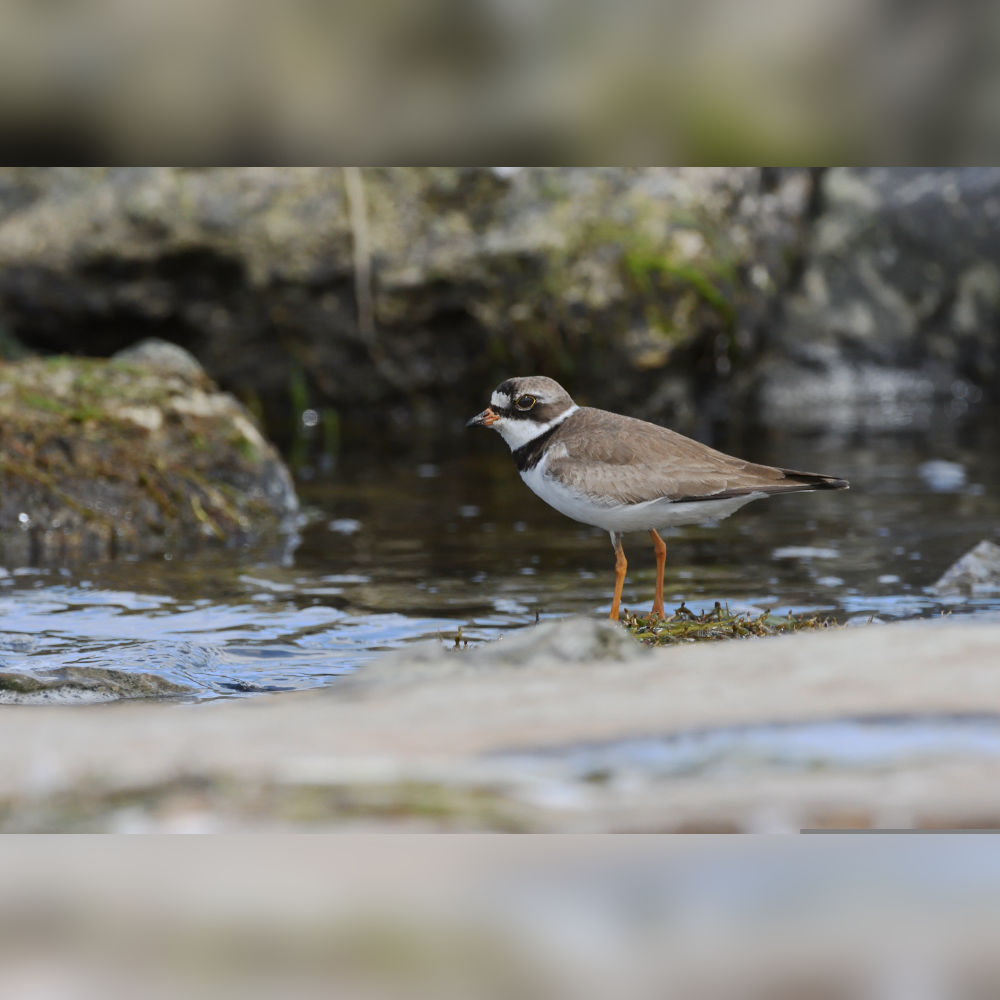
Little Ringed Plover
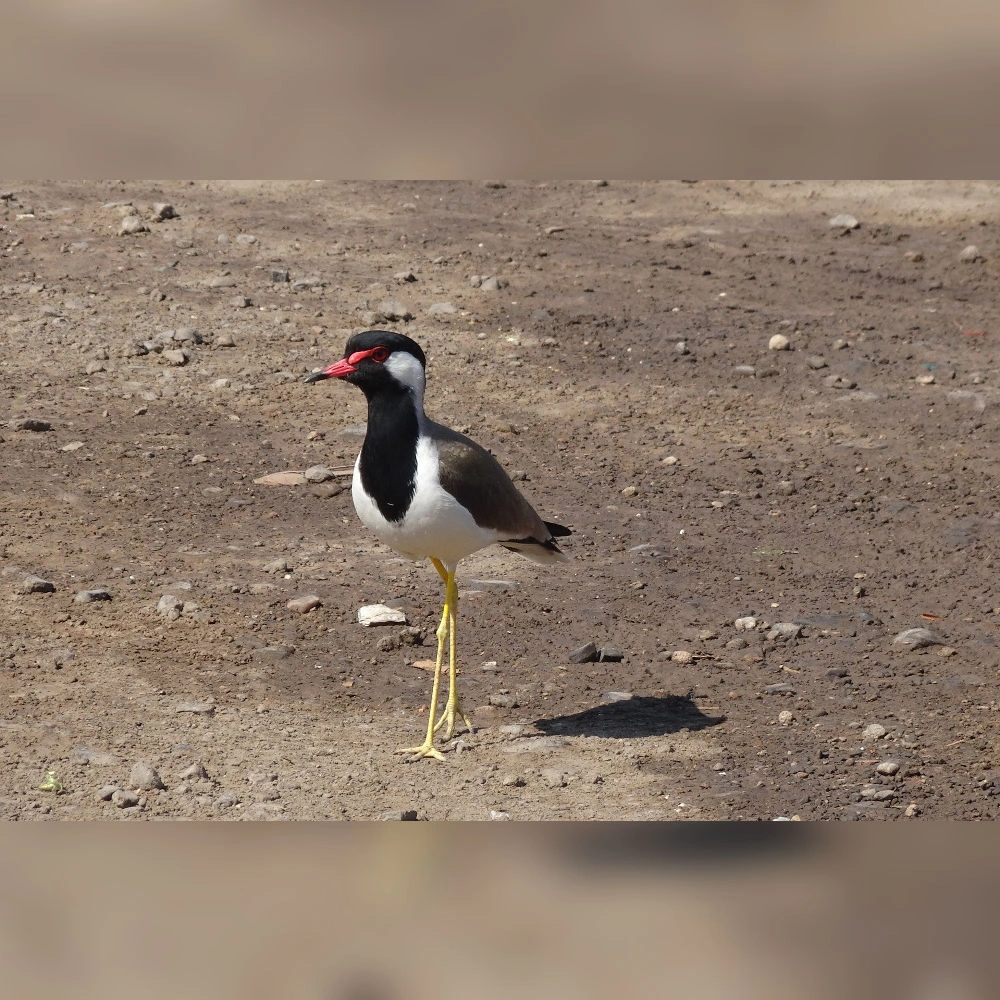
Red-wattled Lapwing
Common Sandpiper
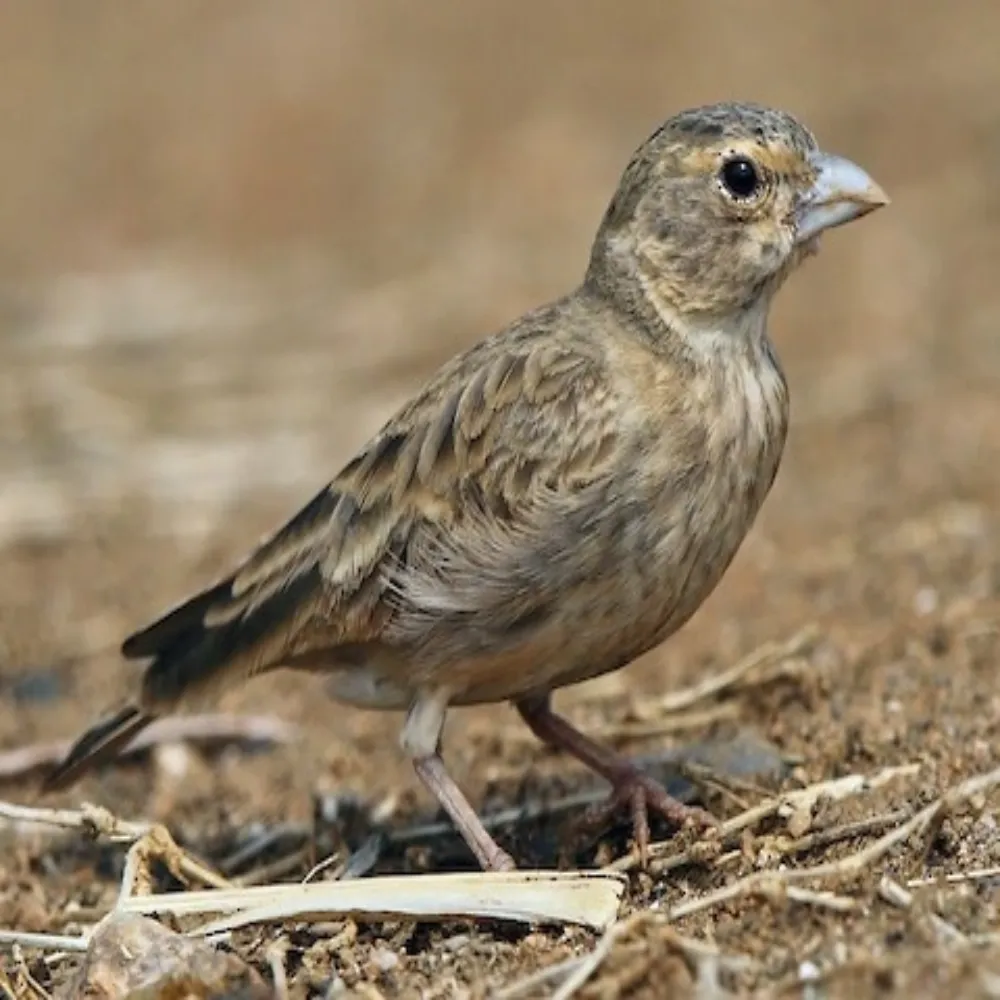
Ashy-crowned Sparrow Lark
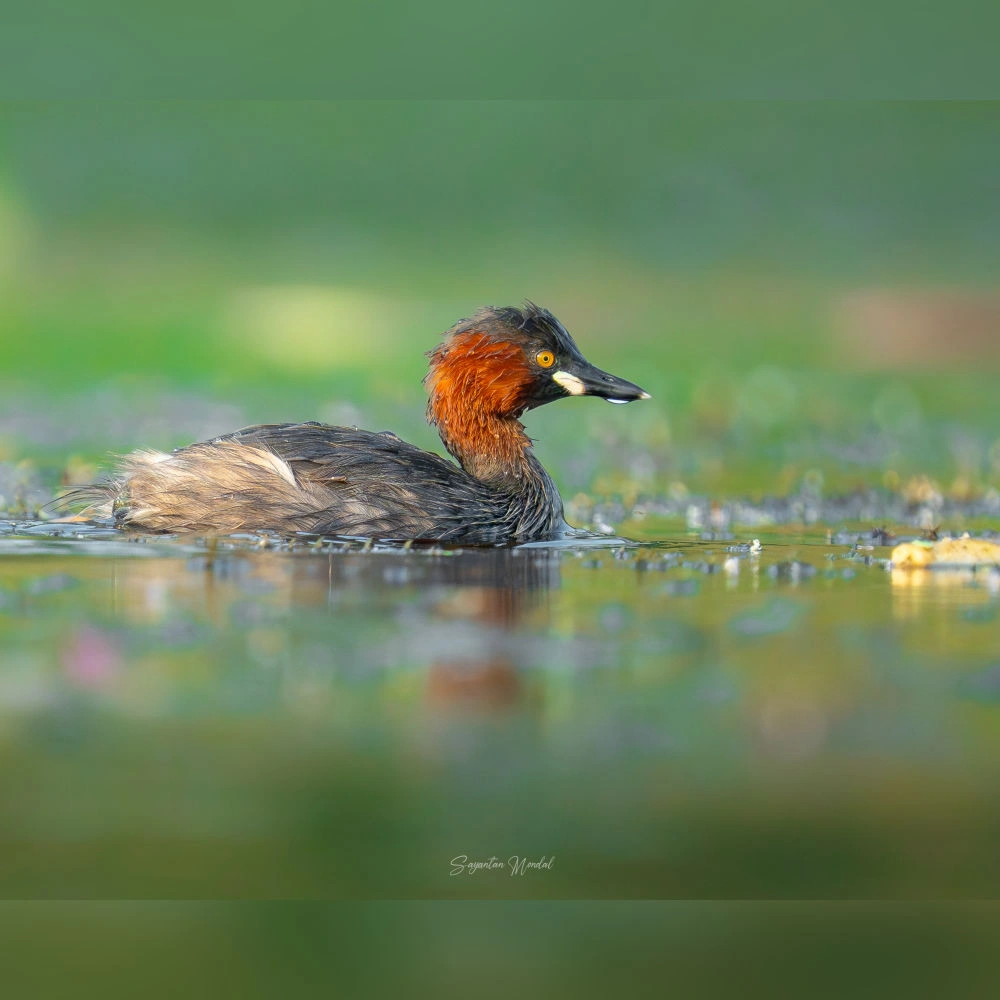
Little Grebe
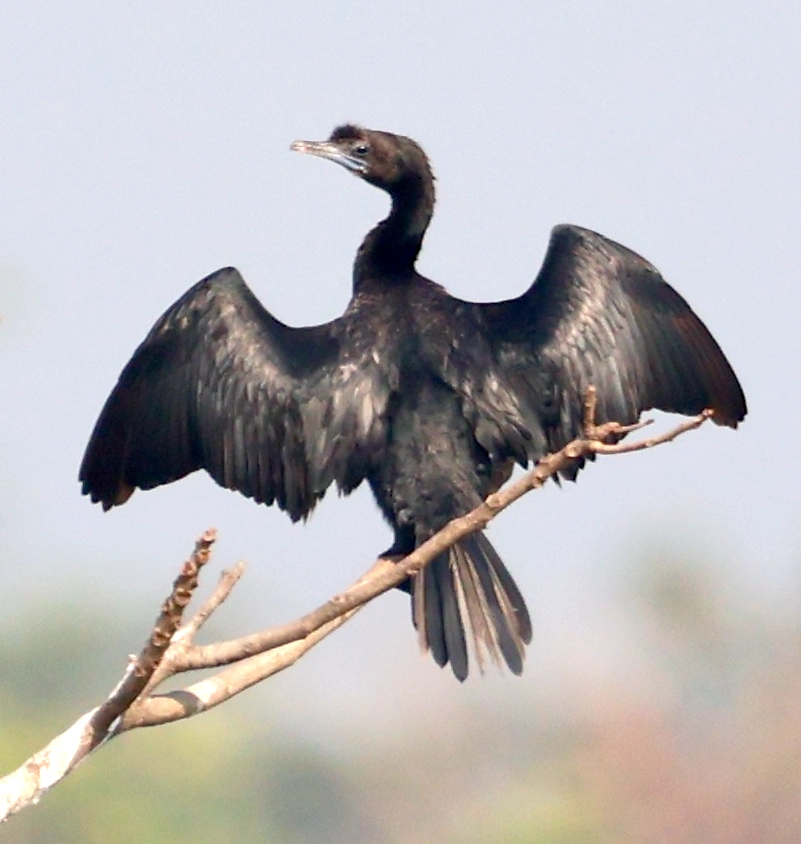
Little Cormorant
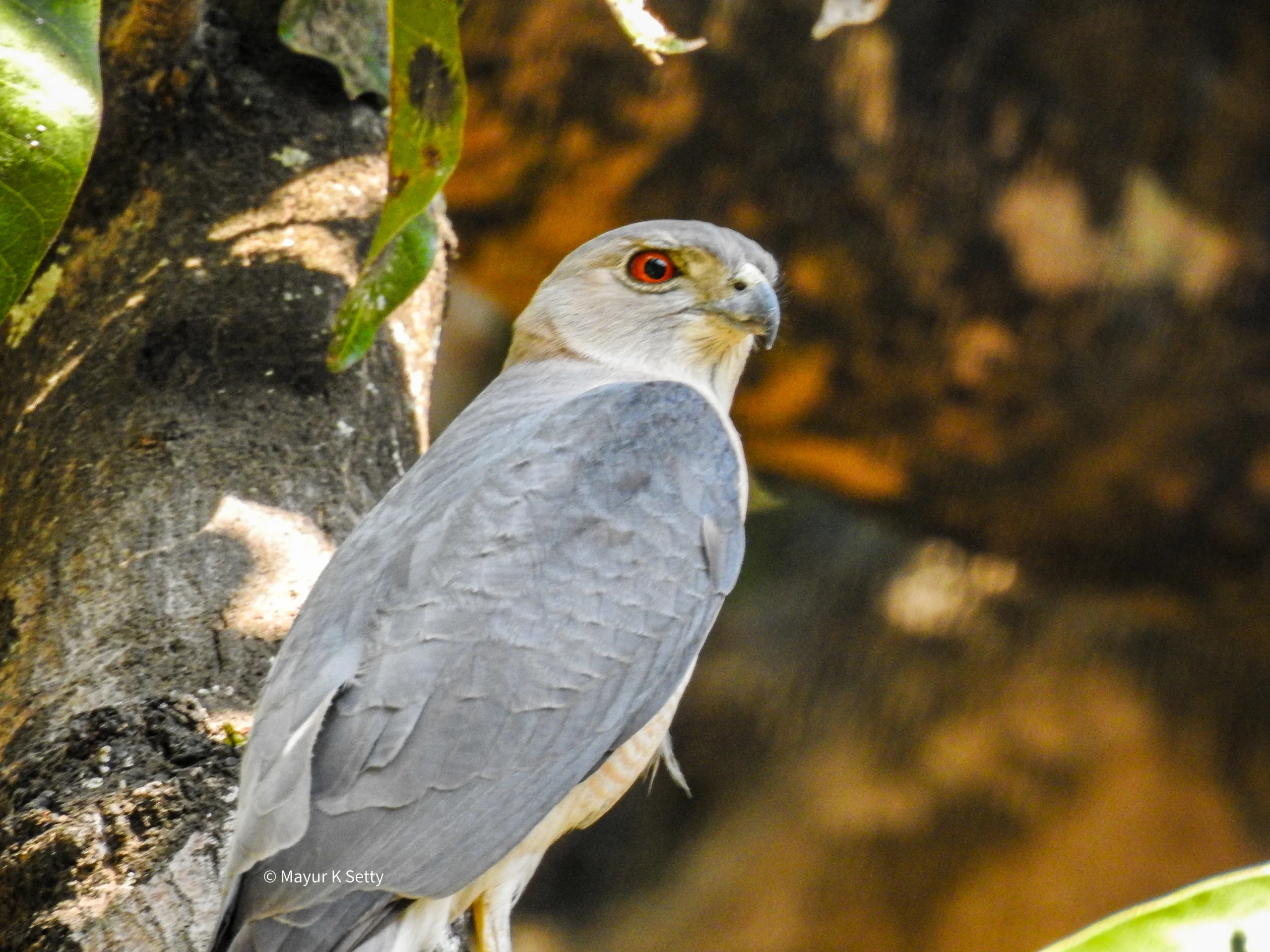
Shikra
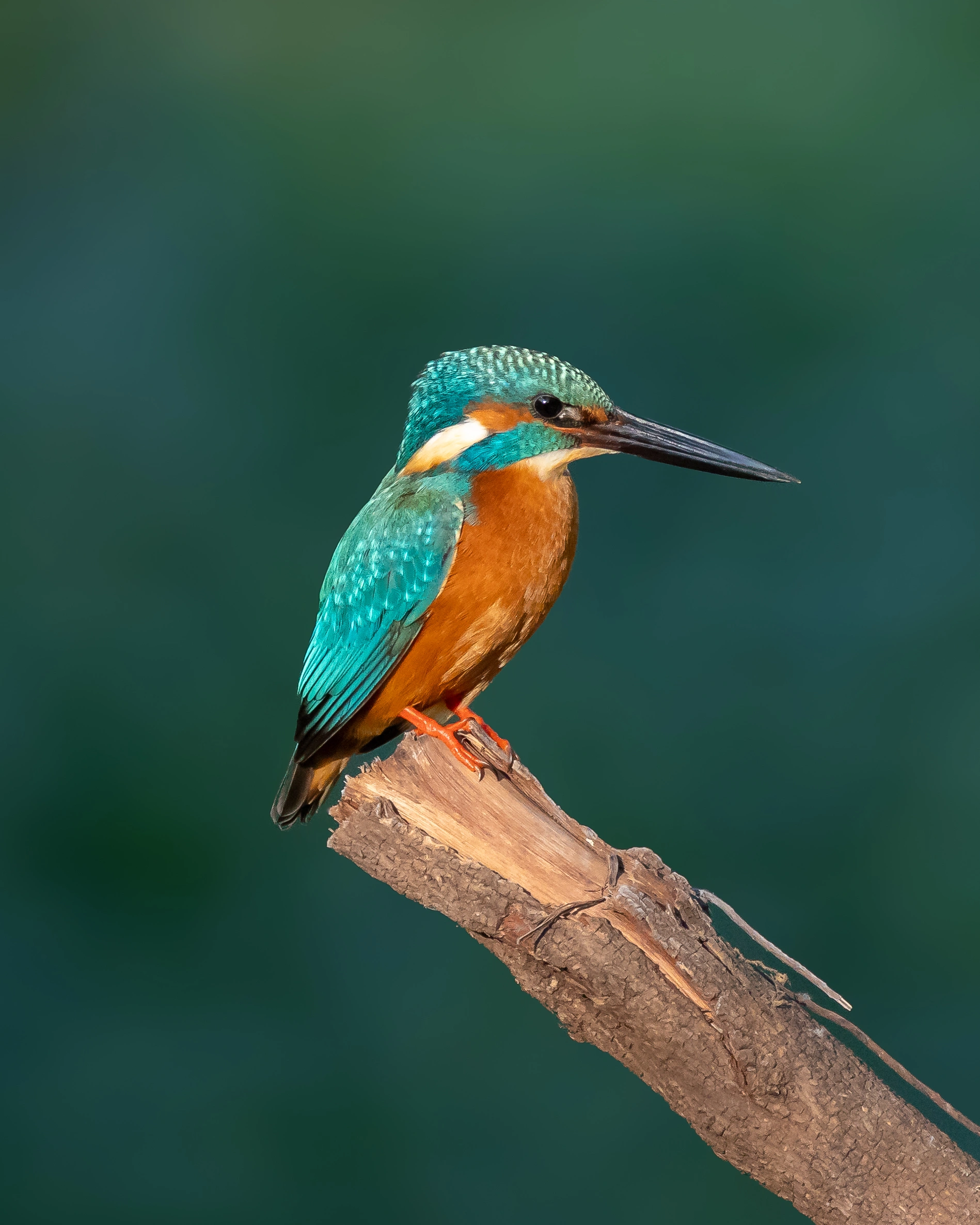
Common Kingfisher
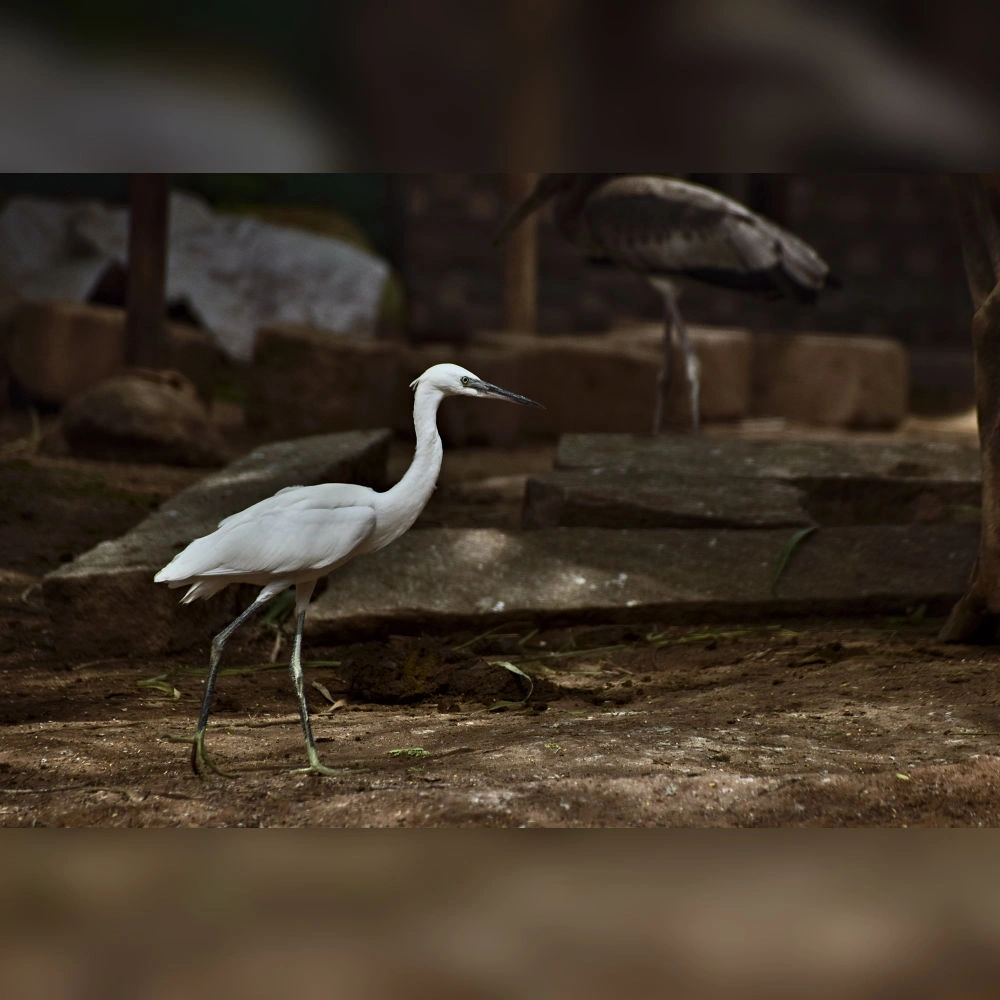
Little Egret
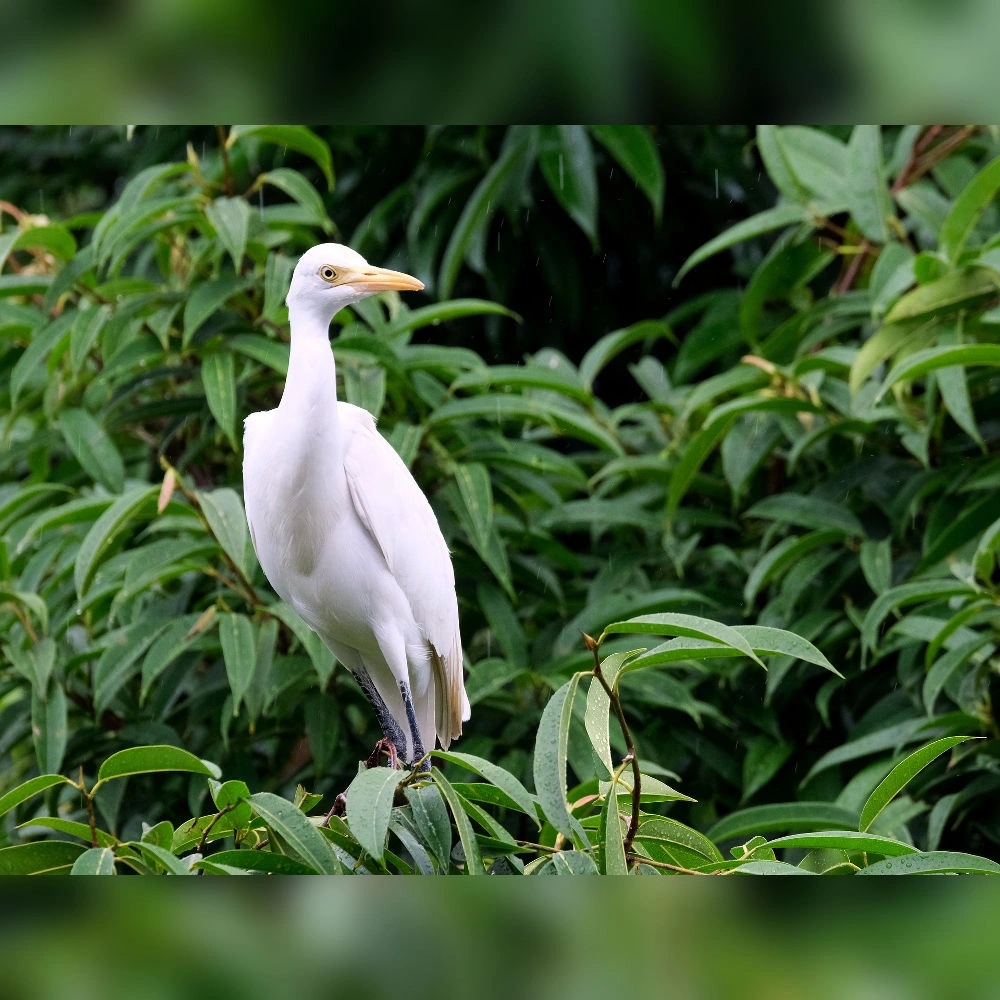
Eastern Cattle Egret
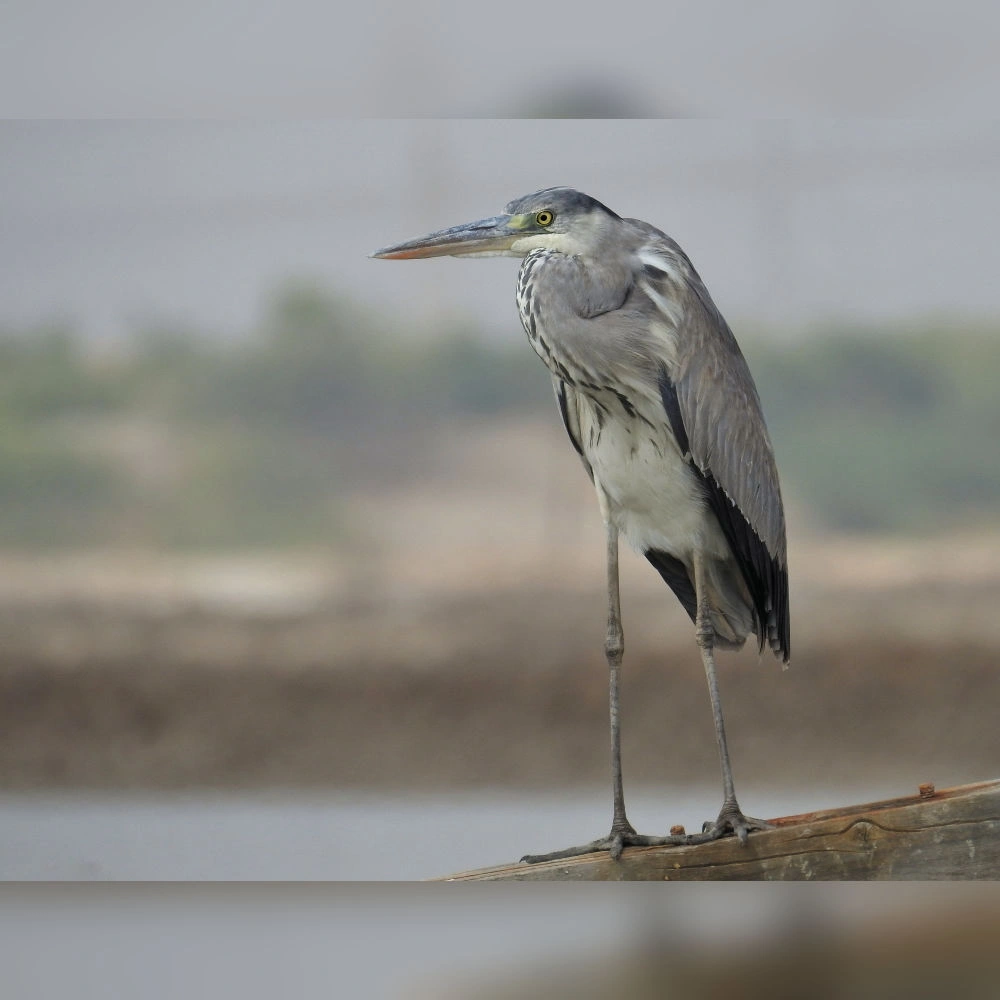
Gray Heron
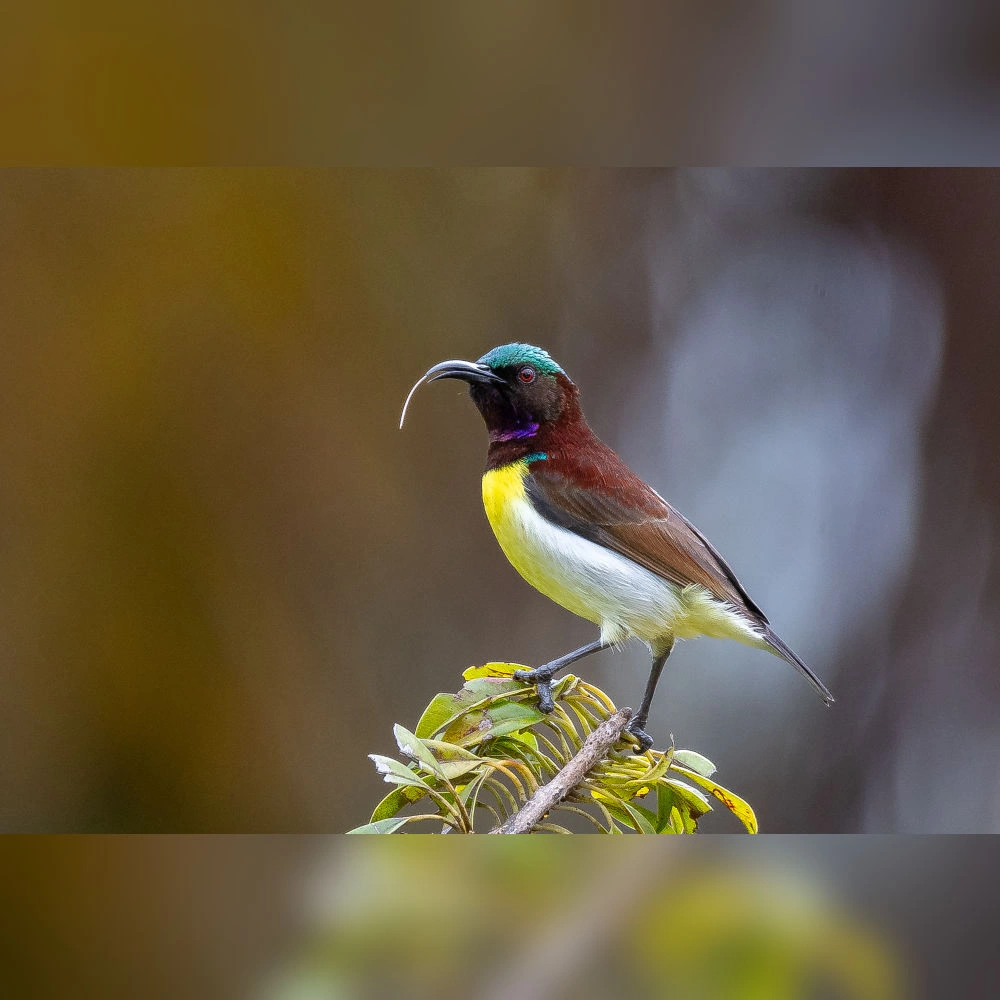
Purple-rumped Sunbird

Summary of Walk

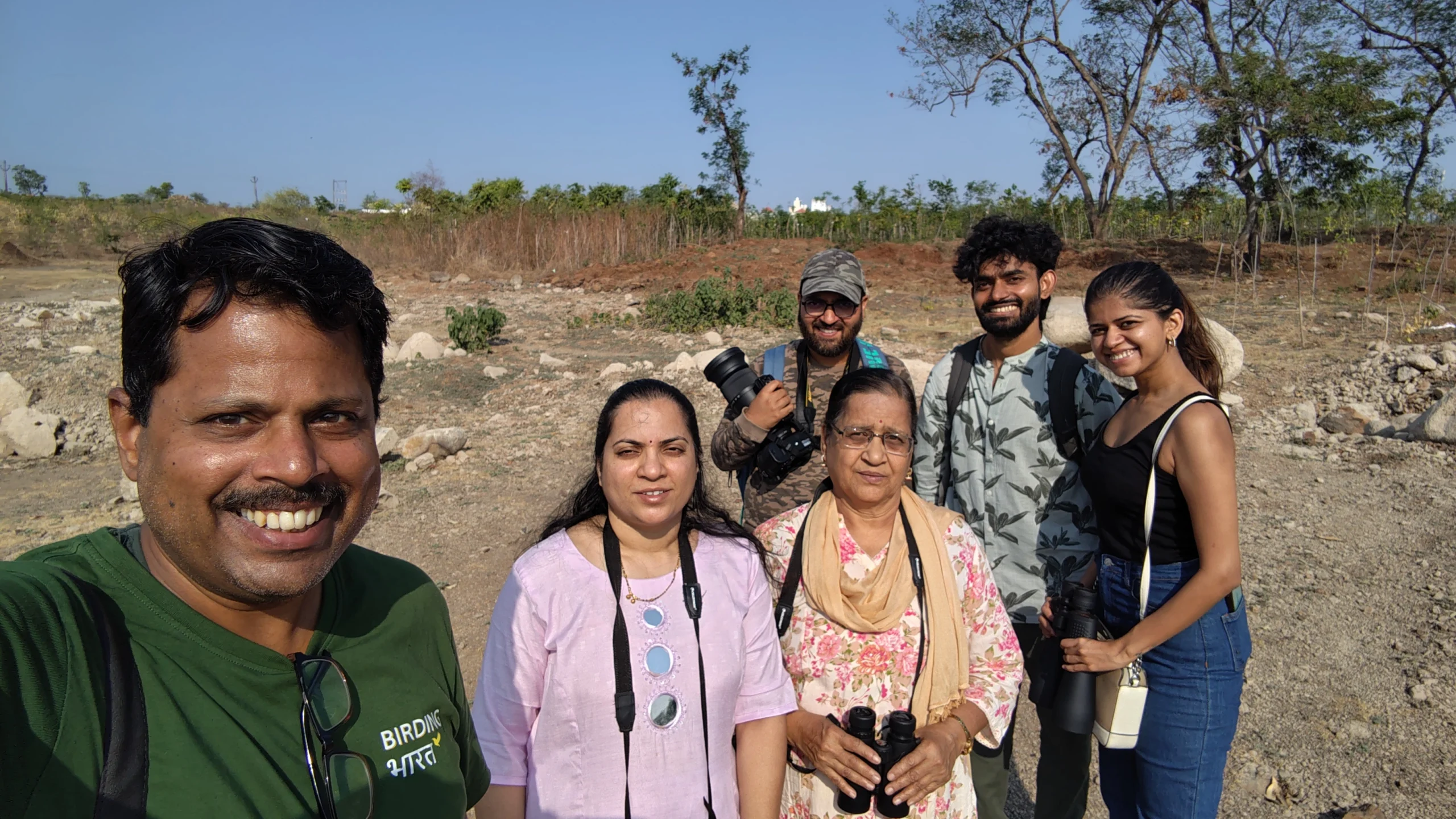
Exploring Harantale Lake for the first time, this walk introduced 7 participants to a promising new birding hotspot. The mixed habitat of wetland and grassland, combined with Miyawaki forest efforts, created a rich biodiversity zone. Participants were welcomed by Spot-billed Ducks and munias, setting the tone for an exploratory and discovery-driven session. Highlights included Red-naped Ibis nesting on a mobile tower, swallows collecting mud, and a striking White-throated Kingfisher in flight. With 34 species recorded, the walk not only showcased bird diversity but also community engagement, as locals shared their observations and experiences.
Number of Participants
0
Scroll to Top