Loading Events

Bird walk at Hadinaru Lake, Mysuru

About Hadinaru Lake

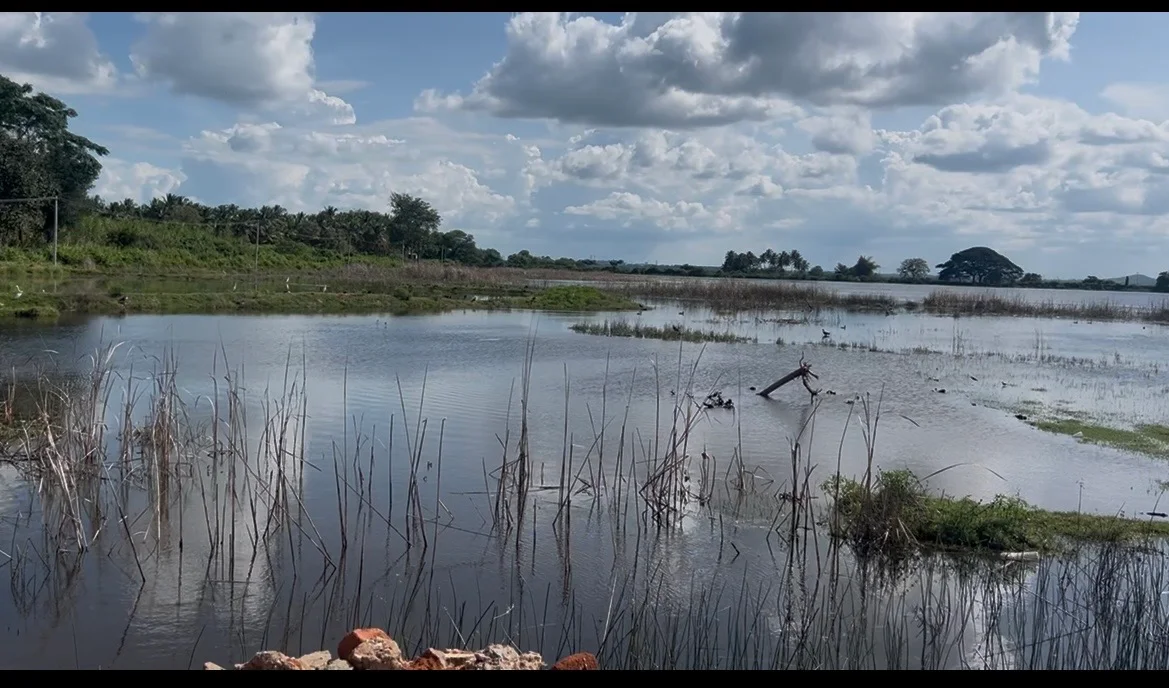
About 25 km from Mysuru, near the Kabini River in Nanjangud taluk, Hadinaru Lake is one of southern Karnataka’s most celebrated birding spots. The lake carries deep history too: it is linked to the Wadiyars of Mysuru, who are believed to have begun their rule from Hadinadu, later called Hadinaru, in 1399. Today, its wide open water, reedy edges and marshy shallows sit amid paddy fields, coconut groves and village farmland, with a lakeside park and temple adding to its charm. This mix of wetland and farmland draws more than 85 species of birds. Herons, ibises, swamphens and cormorants are here year-round, while winter brings the lake’s star attraction: bar-headed geese, which fly nearly 4,850 km across the Himalayas from Mongolia, Kazakhstan and Russia. They arrive as the paddy harvest ends and gather on the lake in large flocks.

Hadinaru’s popularity, however, brings its own challenges. Litter has been a recurring problem, and in one cleanup drive nearly 5 tonnes of garbage was removed from the lake. Growing crowds and photographers can disturb feeding and roosting birds, while urban and industrial growth along the Mysuru–Nanjangud corridor, pesticide runoff from farmland and changing water levels put further pressure on the lake. Encouragingly, local volunteers from the Hadinaru Nature Foundation have been recording the birds for a decade. Their work, along with respectful birding and a cleaner lakeshore, will help keep Hadinaru a winter haven for its remarkable visitors.

Bird Guide - Kavya M

She is a passionate birder from Mysuru, has been exploring the city’s rich avian life for many years. Love watching birds and helping others notice the small wonders around them
Bird walk Location

Common birds of Hadinaru Lake

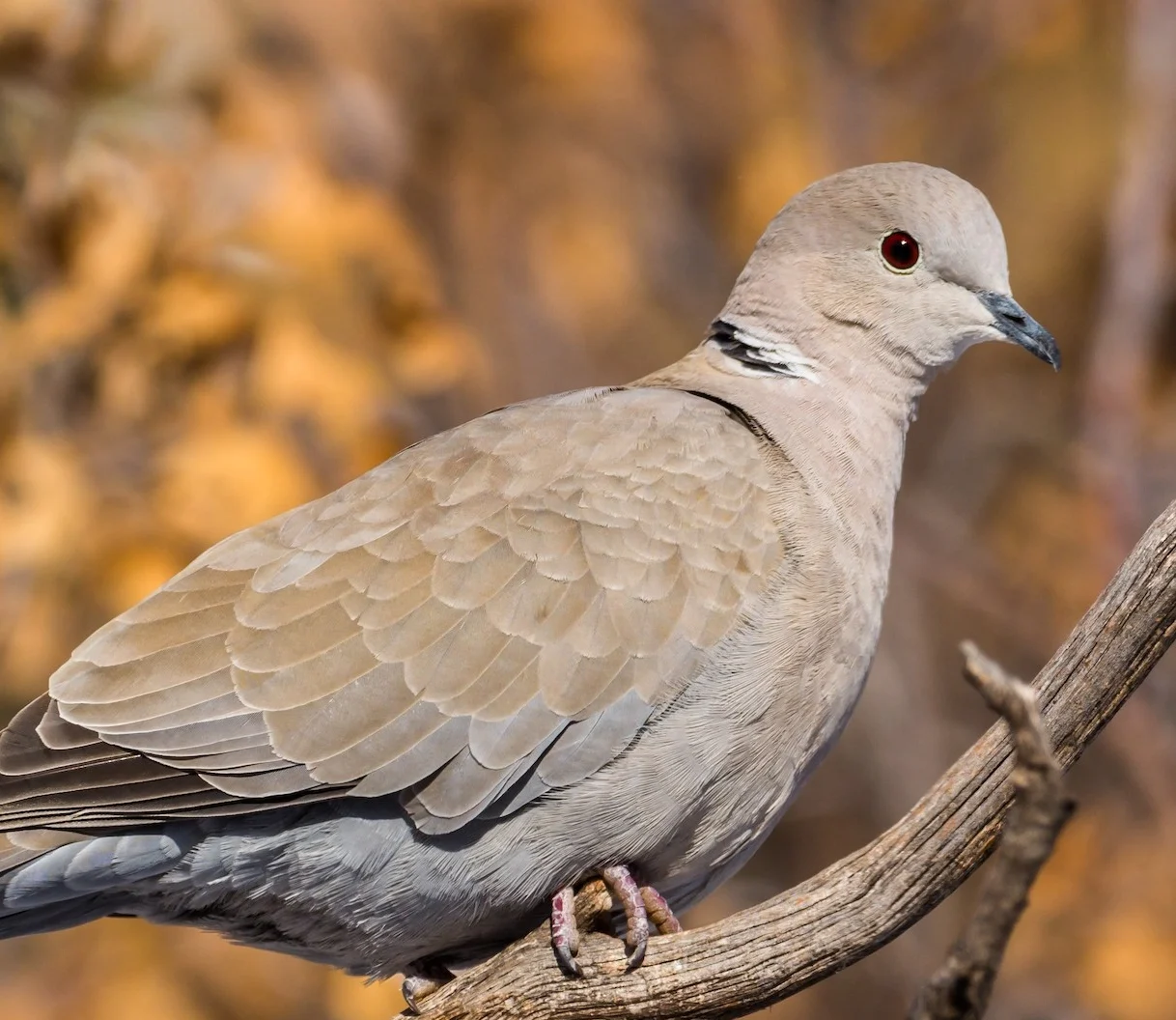
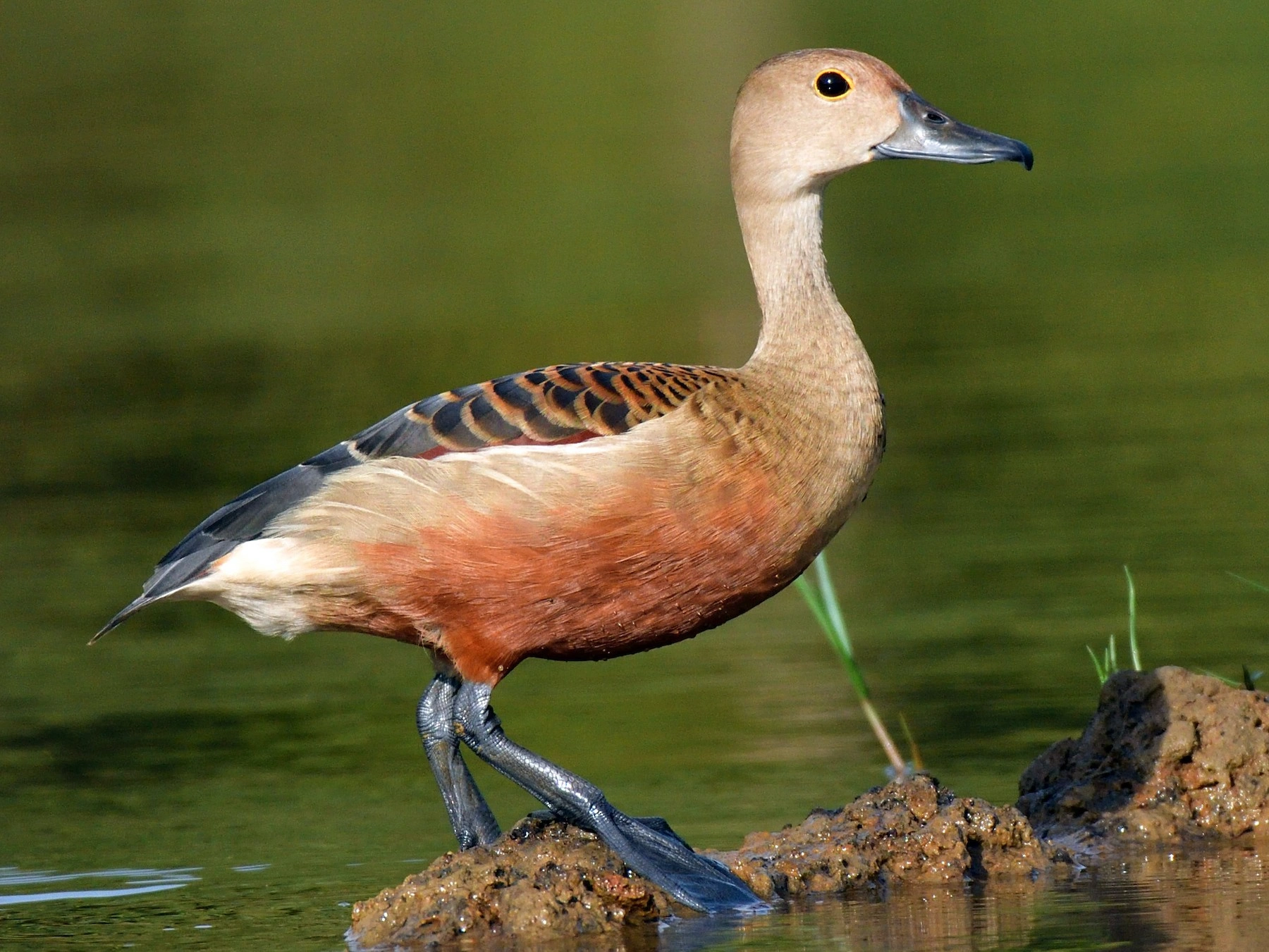
Hadinaru Lake is busy with birdlife throughout the day. On the water, Lesser Whistling Ducks float in small groups, while Gray-headed Swamphens stride across floating vegetation and reedbeds. Wood Sandpipers pick along the muddy margins, Red-wattled Lapwings keep watch along the banks, and Little Cormorants dive for fish. Flocks of Black-headed Ibises probe the shallows, joined by the bronze-sheened Glossy Ibis, while Little Egrets, Eastern Cattle Egrets, Gray Herons and secretive Purple Herons hunt along the edges. Brahminy Kites circle overhead. The surrounding fields and scrub are just as lively: Blue-tailed Bee-eaters and Barn and Wire-tailed Swallows hawk insects over the water, Black and Ashy Drongos sally from perches, and Baya Weavers stitch their hanging nests. Look closely in the open ground for Jerdon’s Bushlark, Ashy Prinias and small flocks of Indian Silverbills, while Eurasian Collared Doves and Laughing Doves forage along the paths.

Lesser Whistling Duck
Eurasian Collared Dove
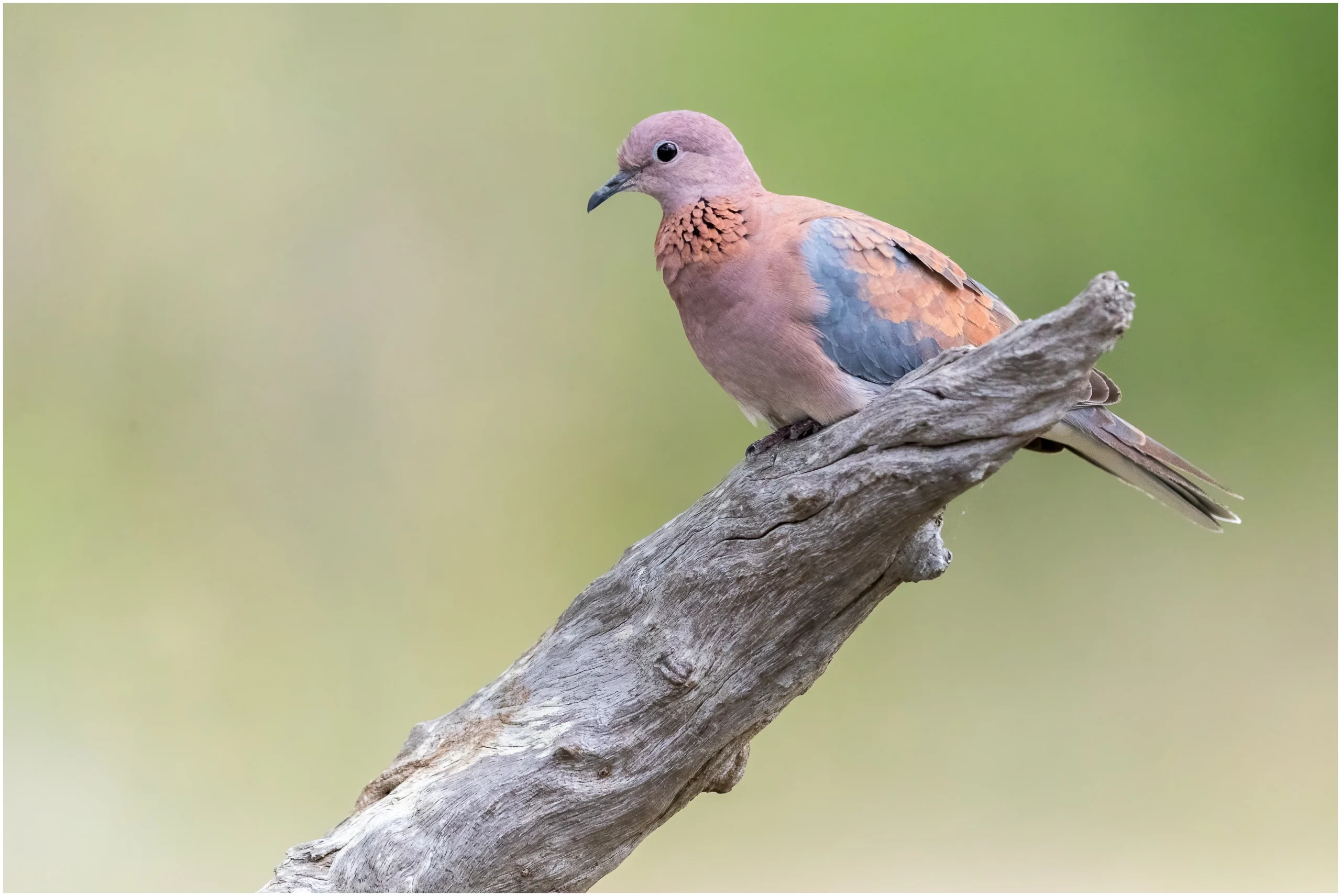
Laughing Dove
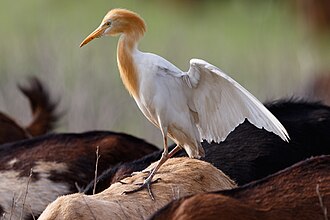
Eastern Cattle Egret
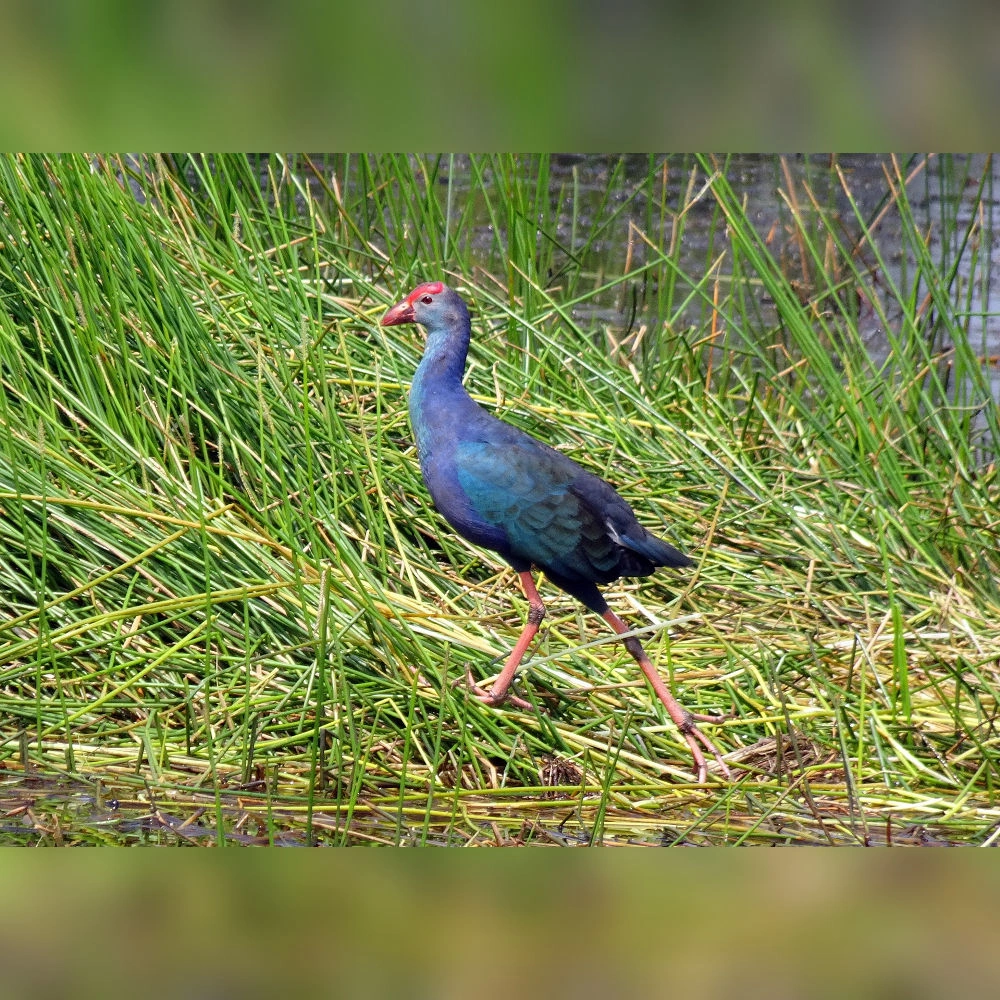
Gray-headed Swamphen
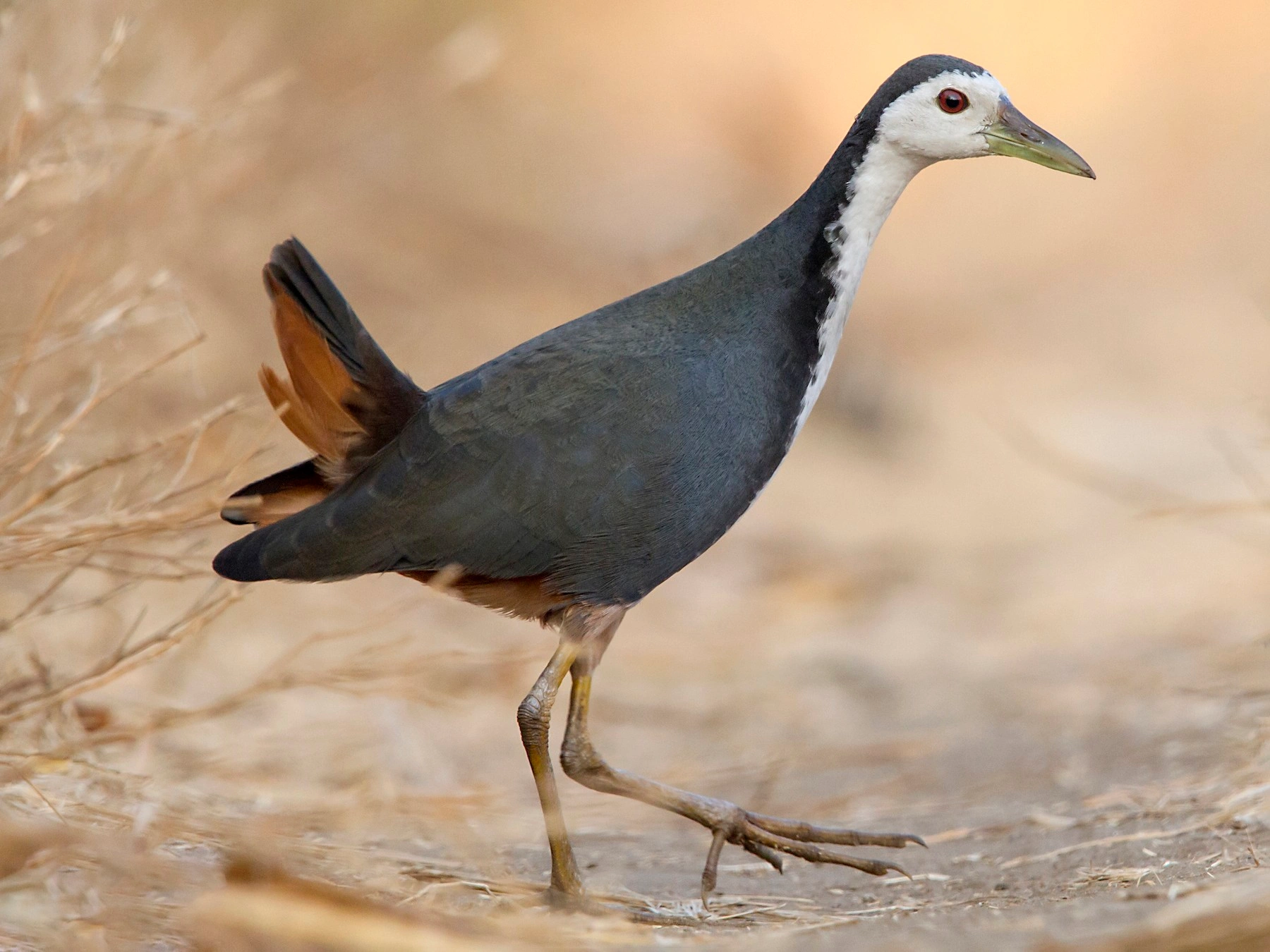
White-breasted Waterhen
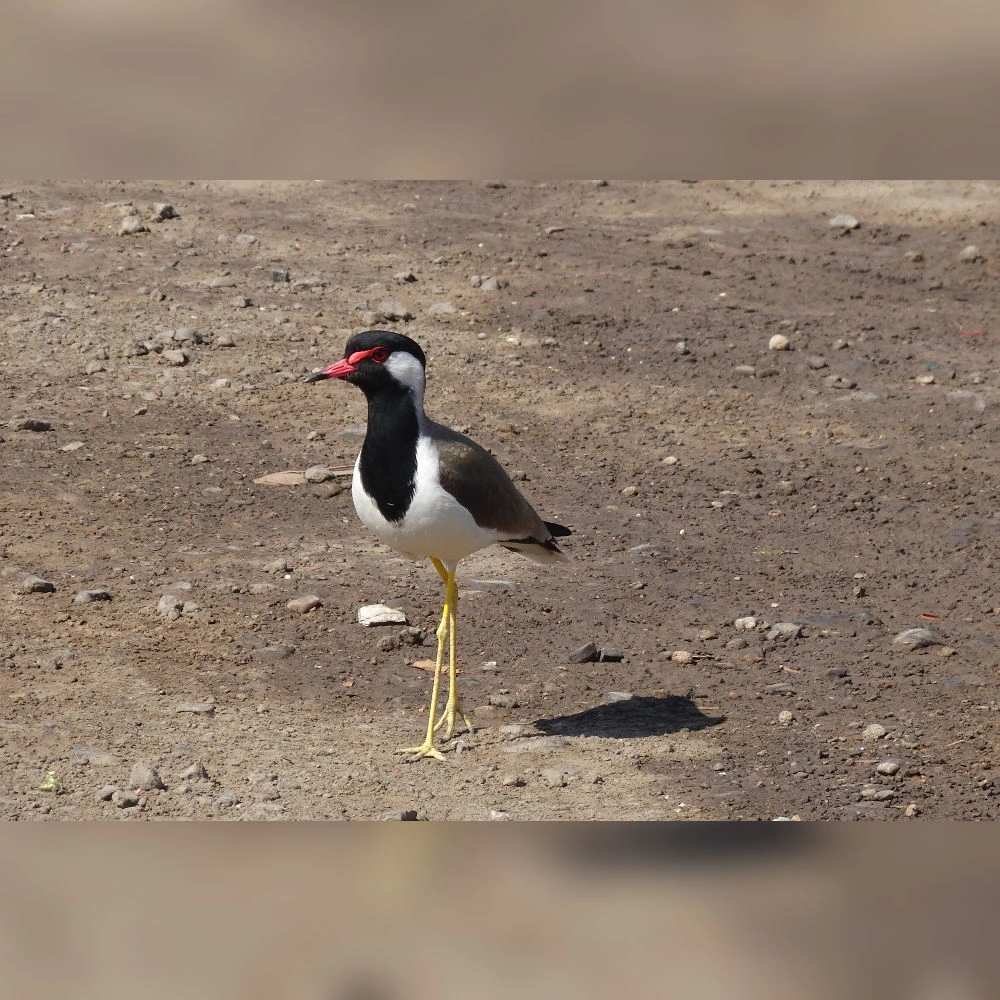
Red-wattled Lapwing
Glossy Ibis
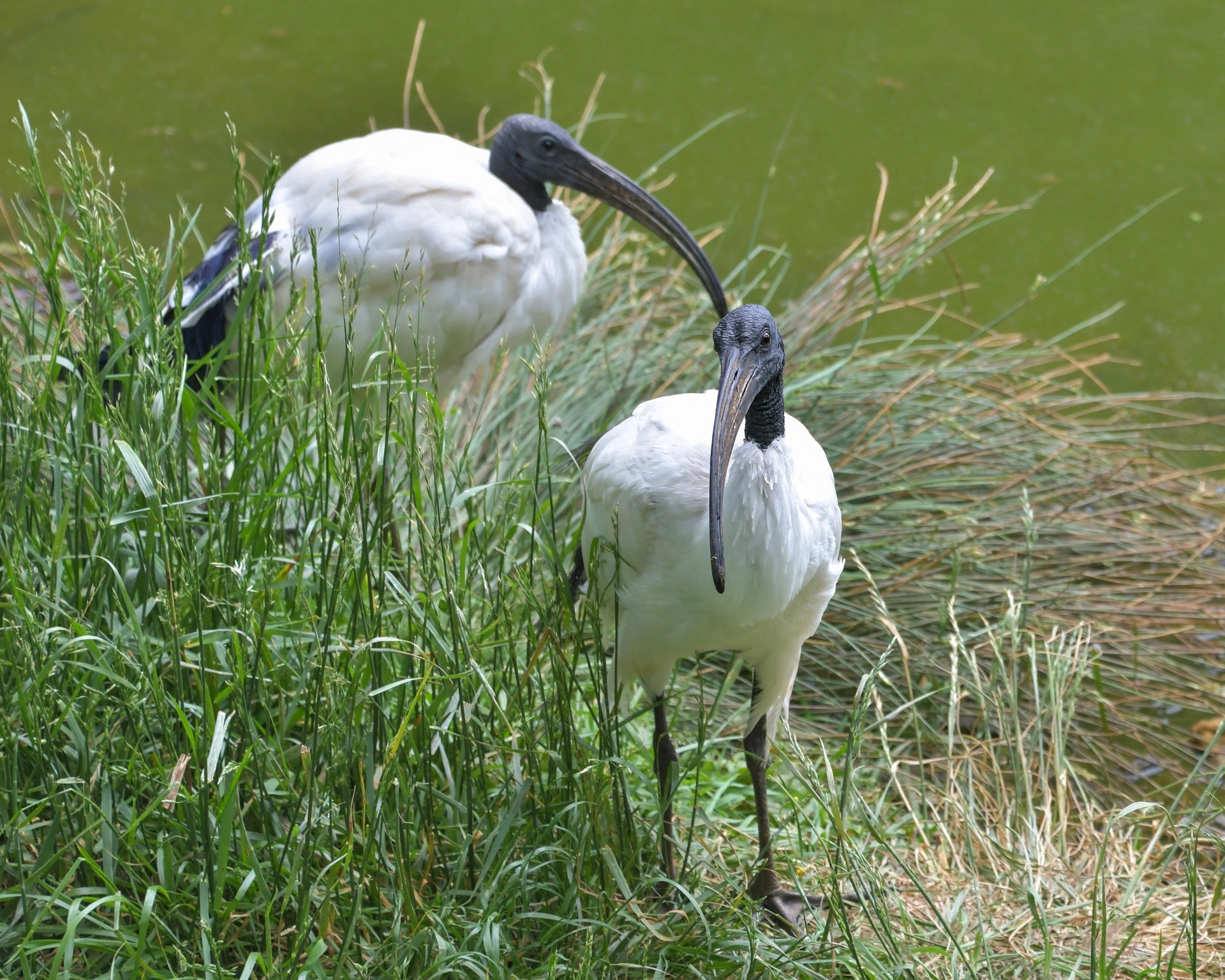
Black-headed Ibis
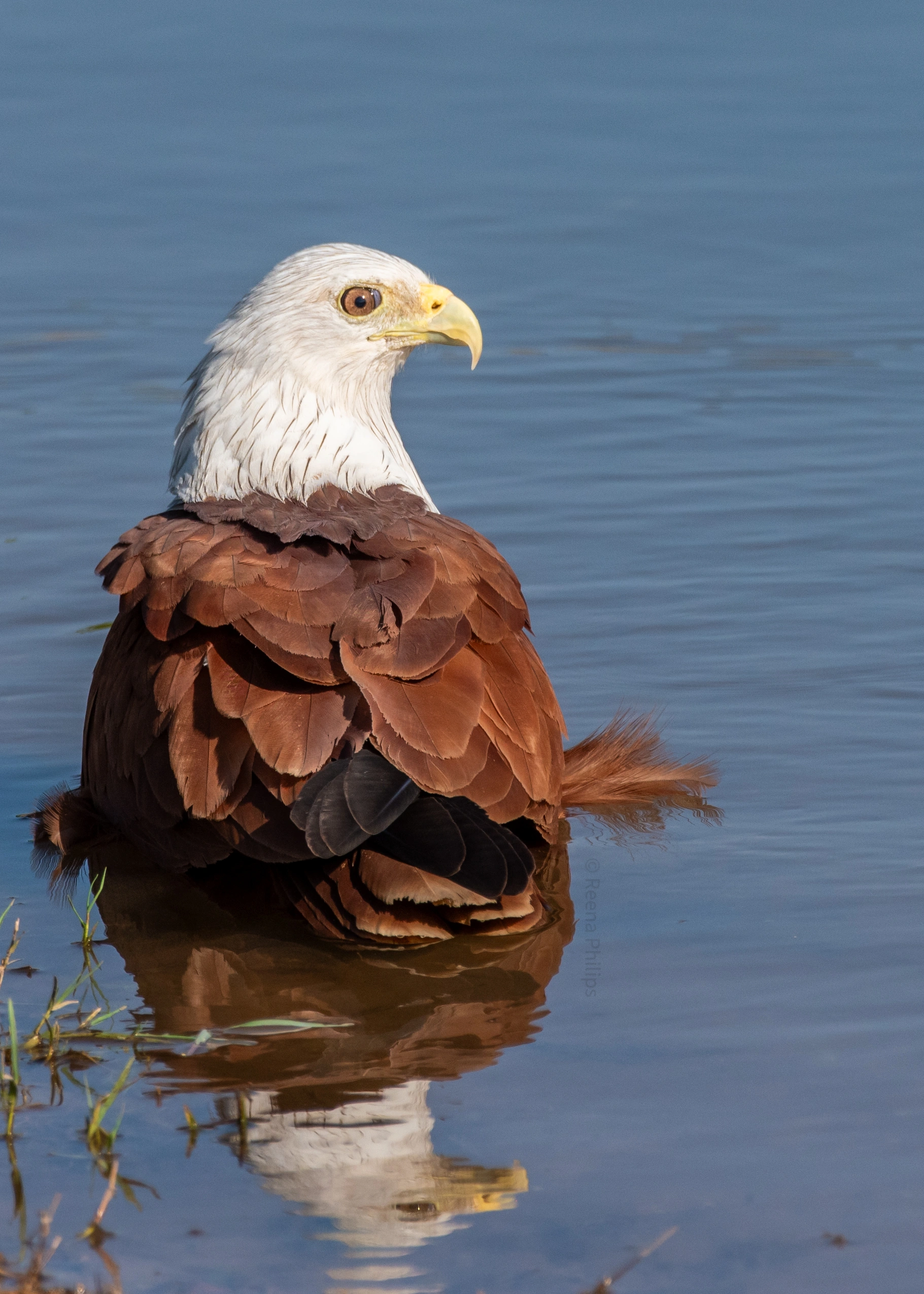
Brahminy Kite
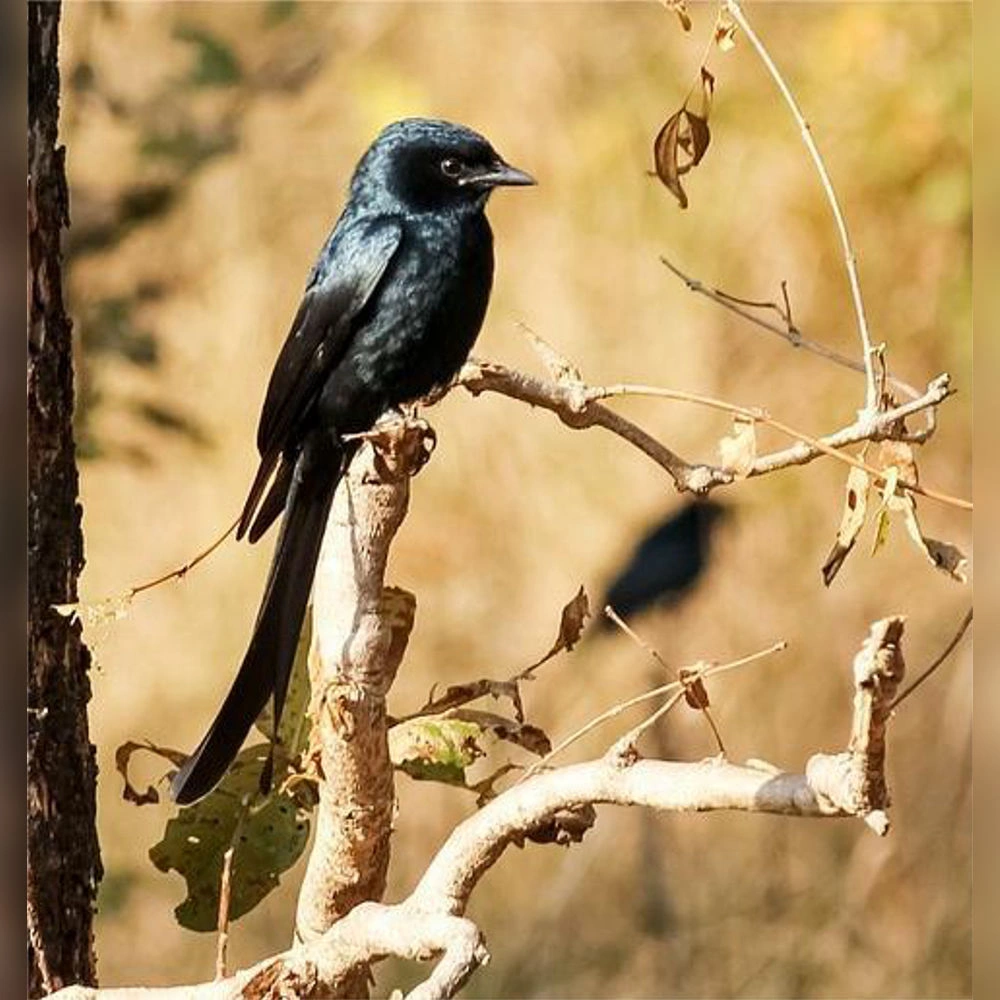
Black Drongo
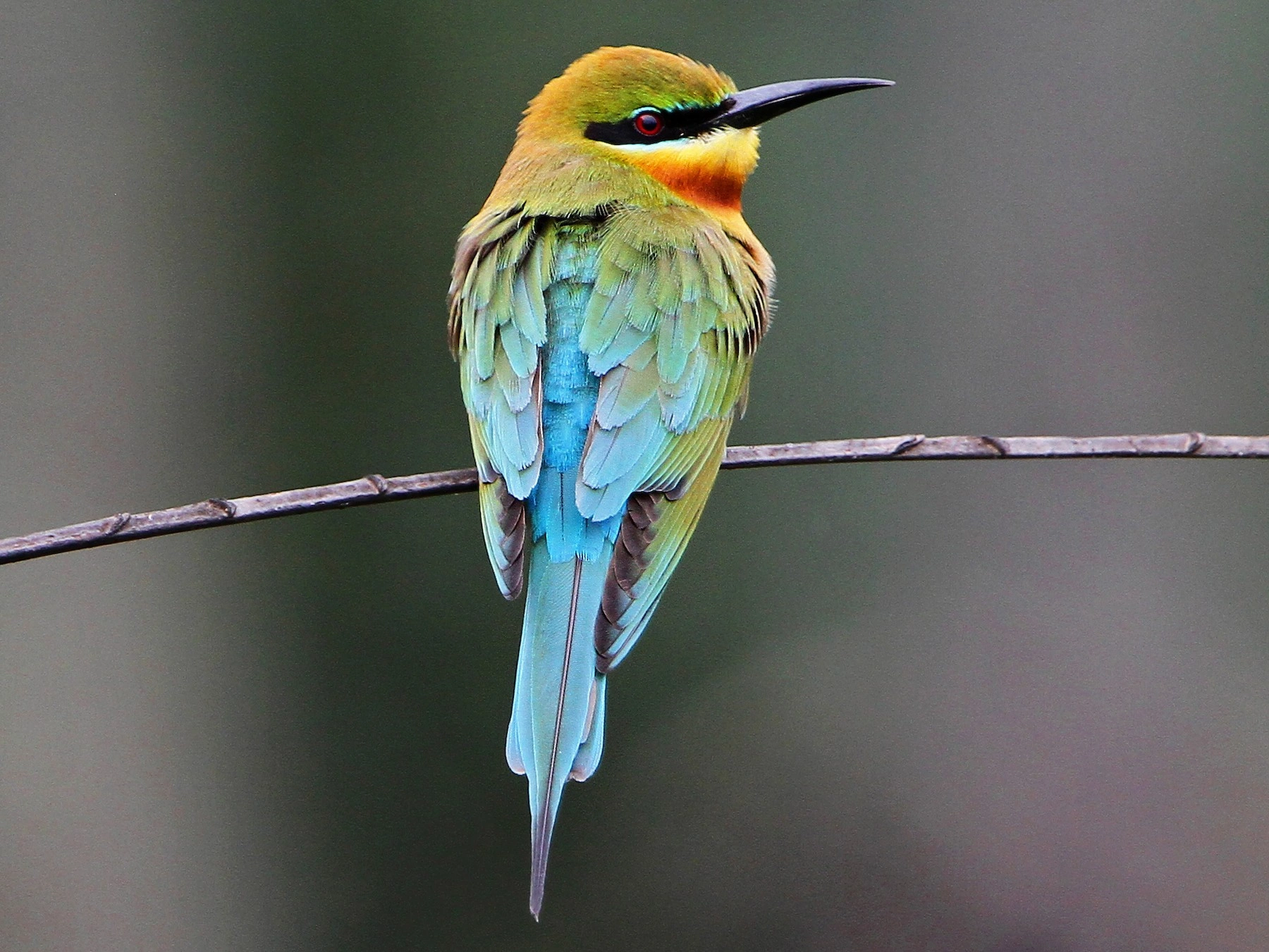
Blue-tailed Bee-eater
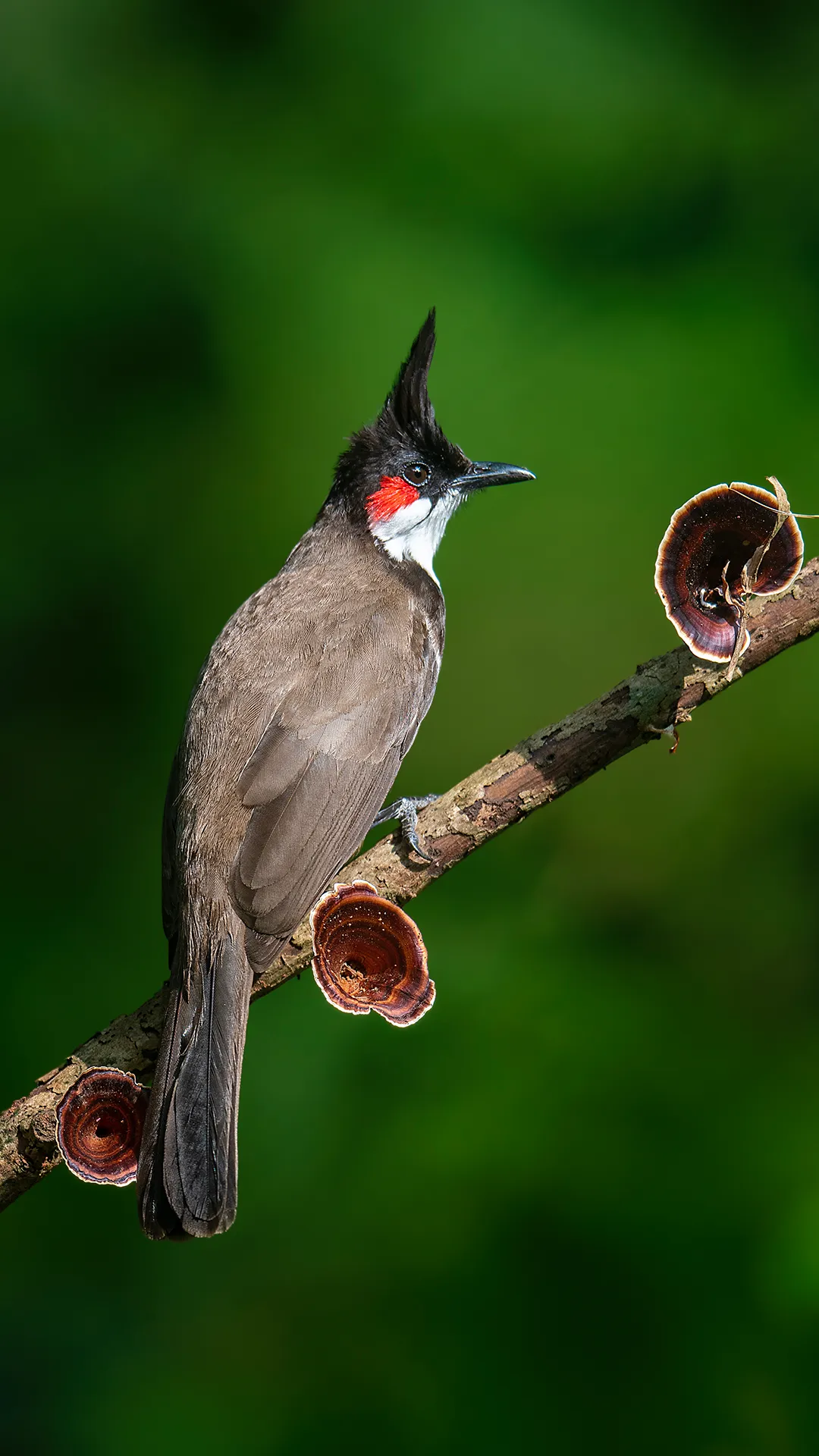
Red-whiskered Bulbul
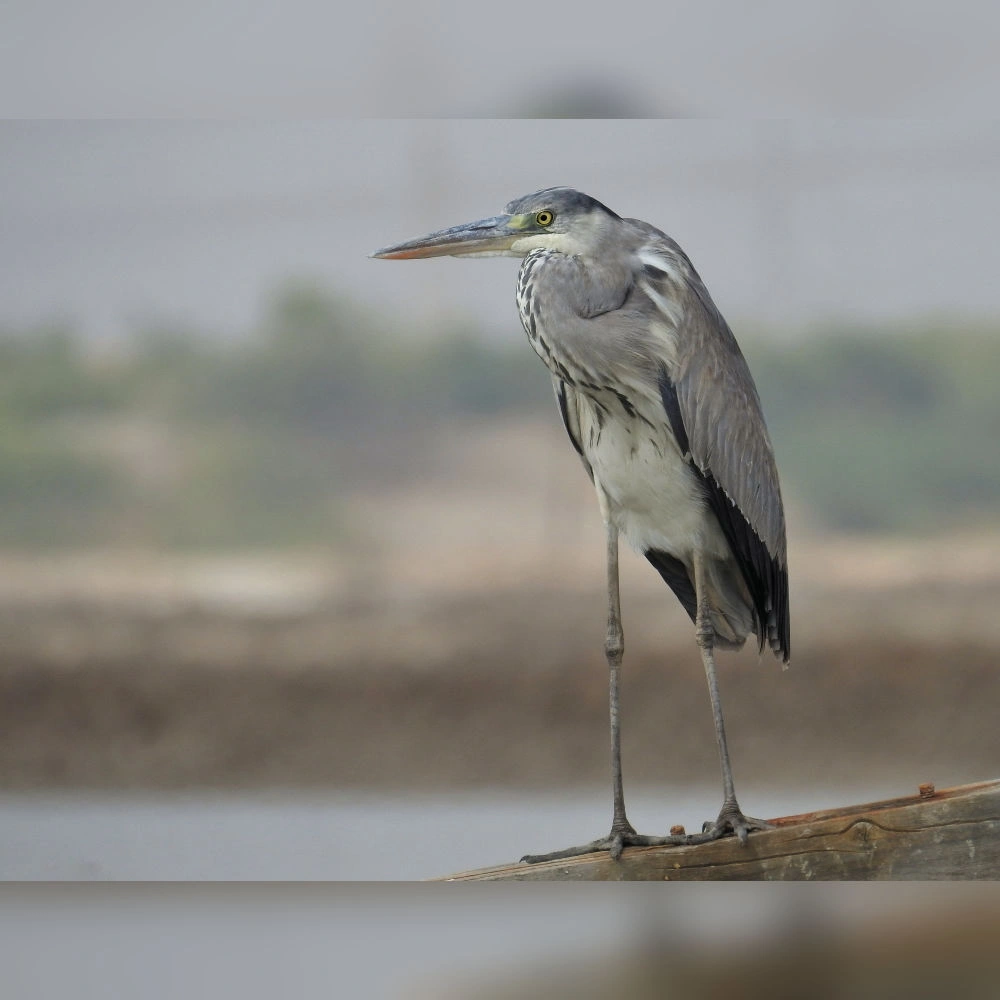
Gray Heron
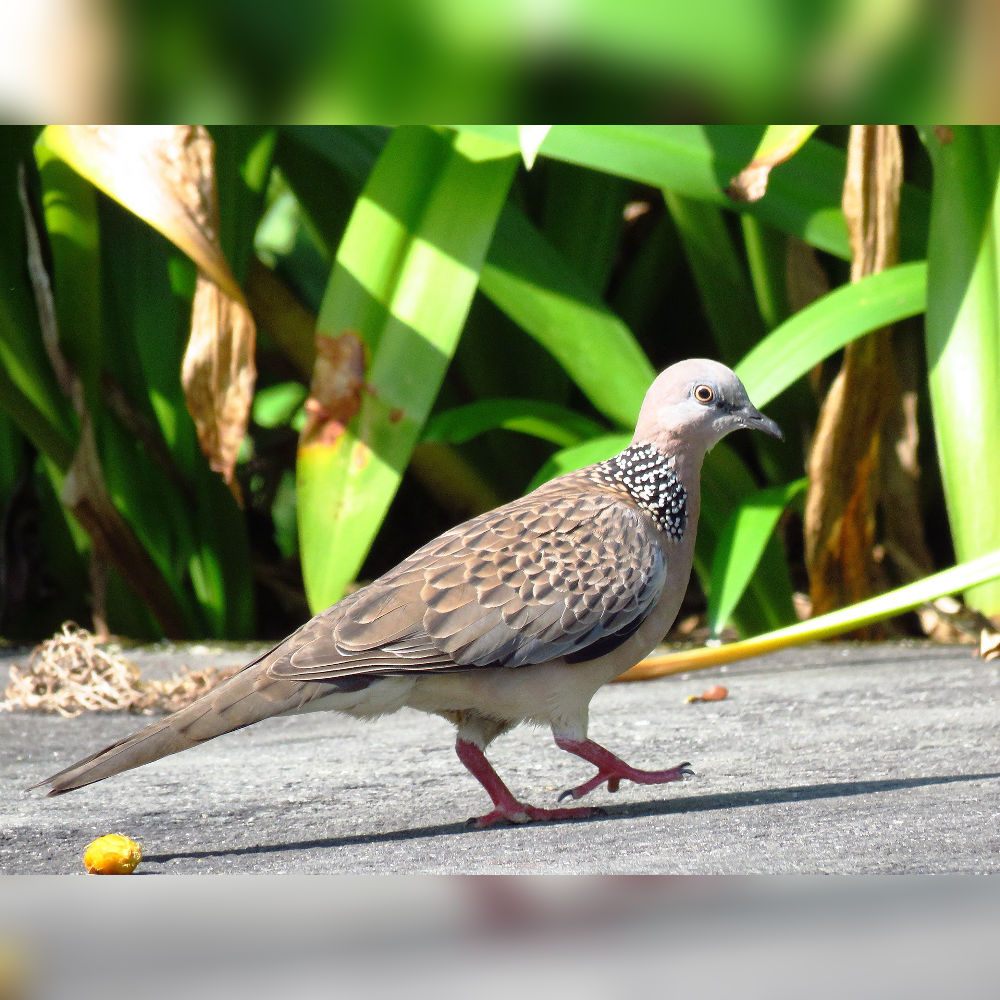
Spotted Dove
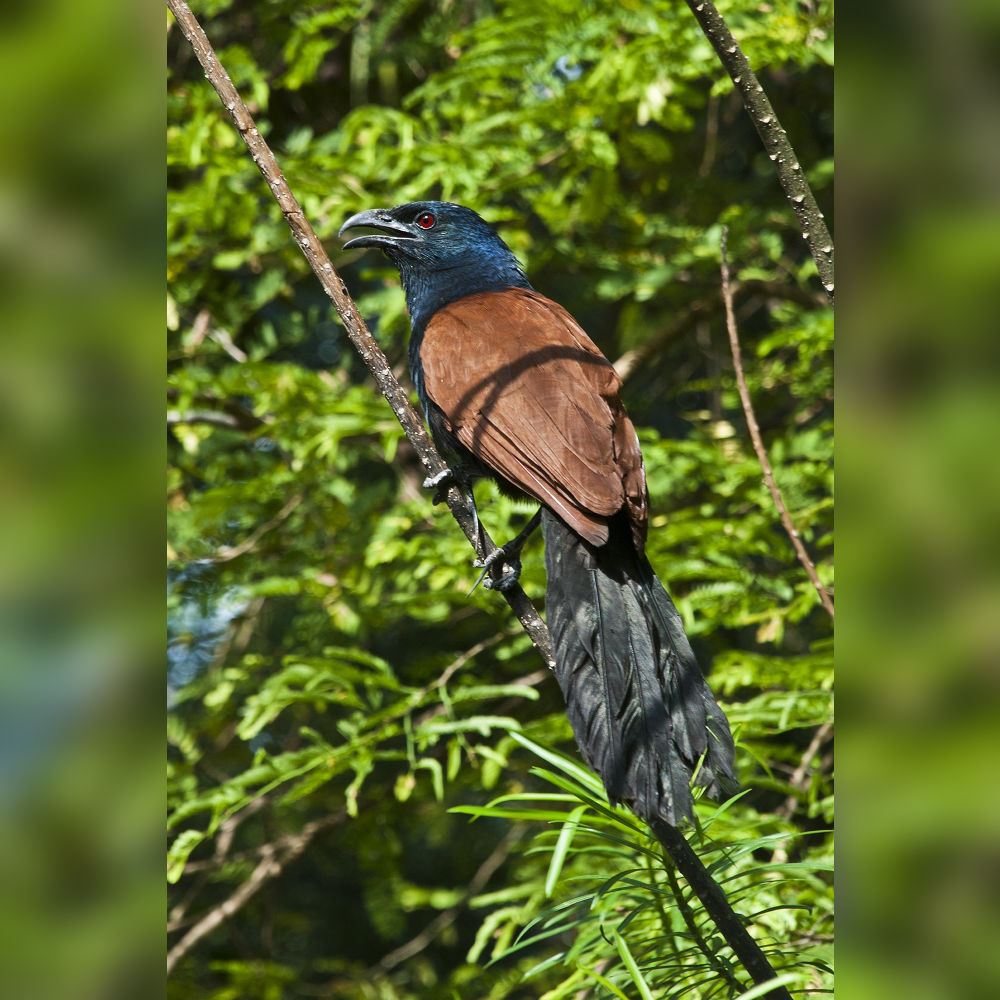
Greater Coucal
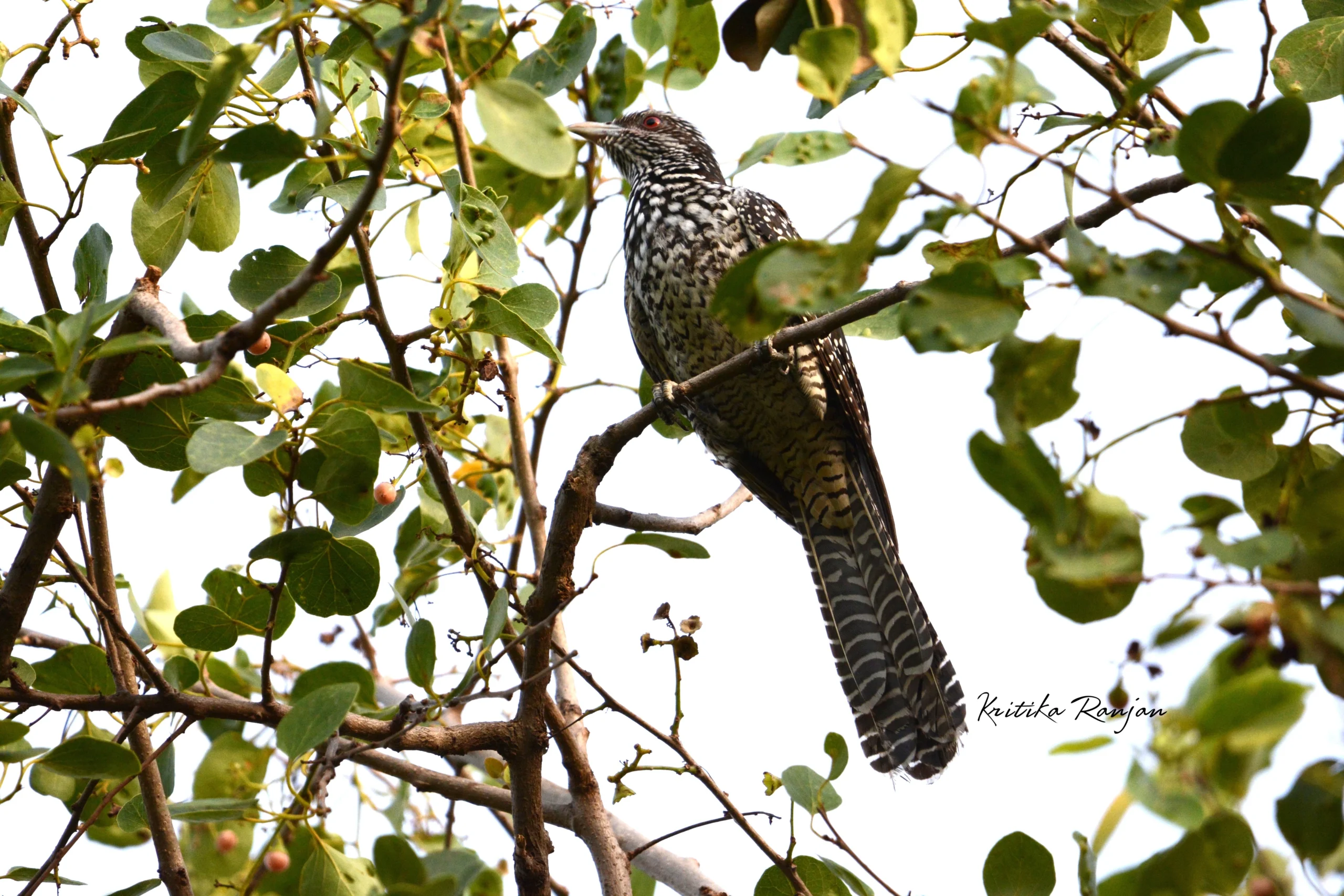
Asian Koel
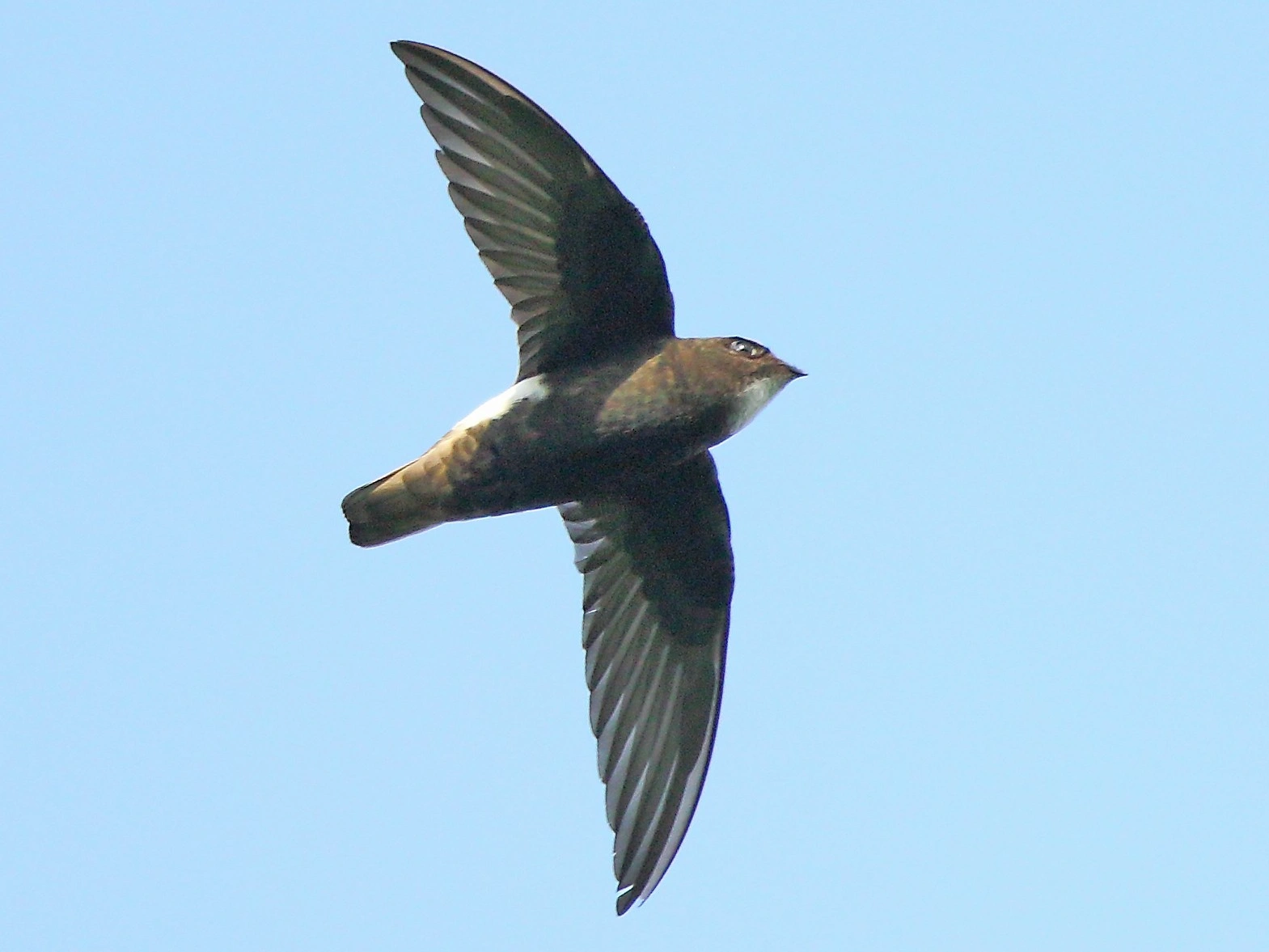
Little Swift
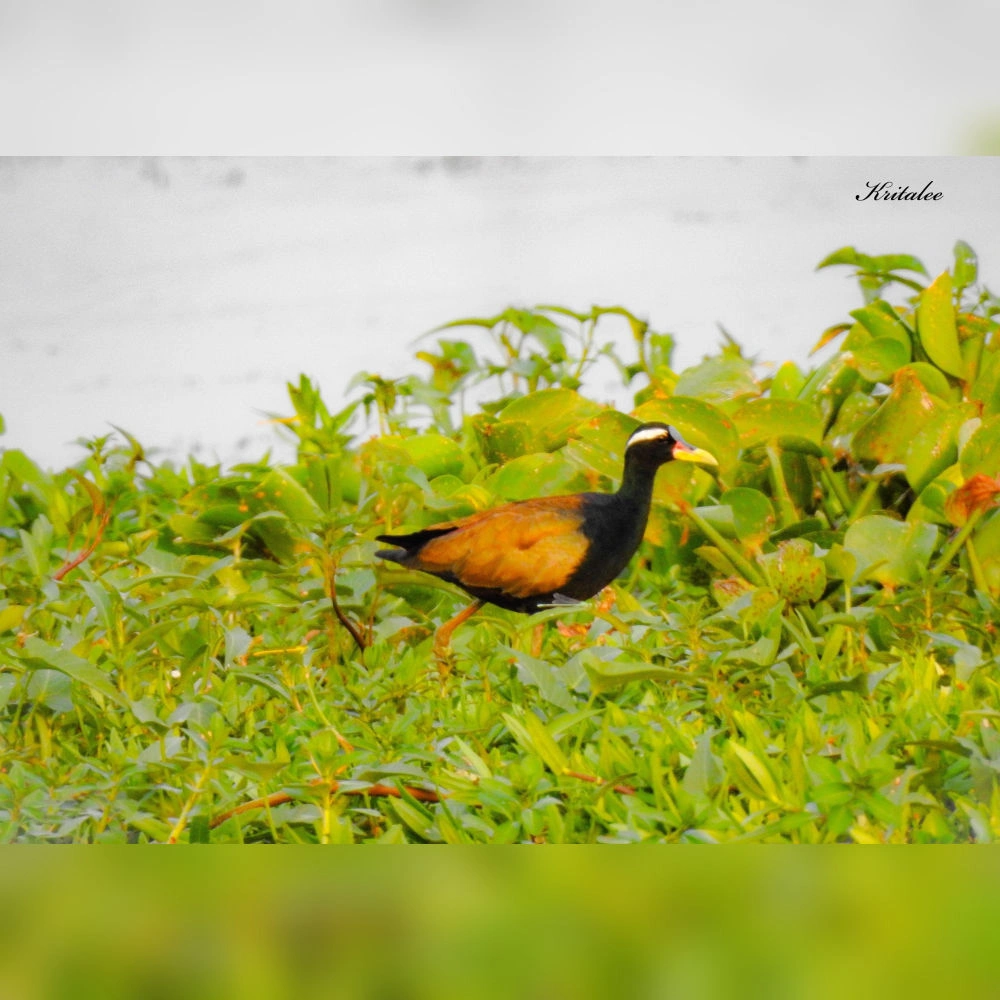
Bronze-winged Jacana
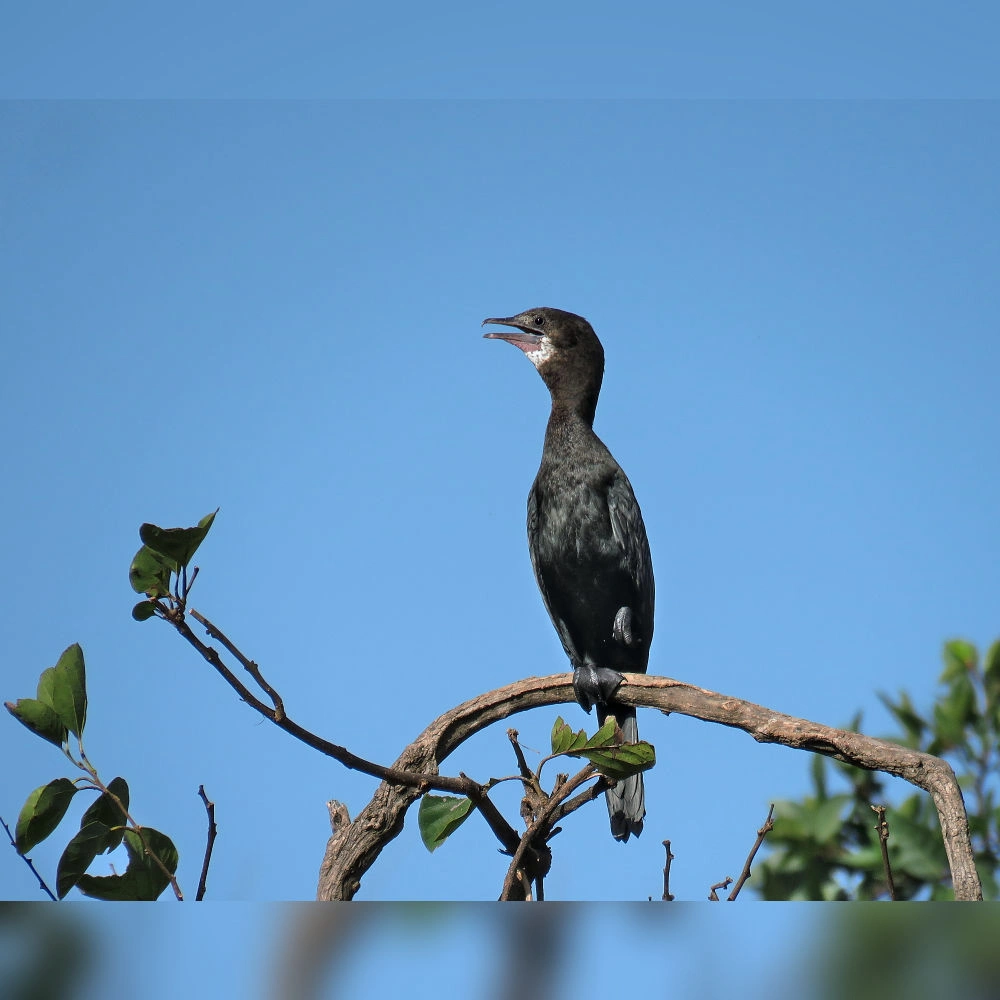
Little Cormorant

Scroll to Top