

Bird Walk at Hessarghata Lake, Bangalore, Karnataka
- Bangalore
- 8 November, 2026
- Munish
About Hessarghata Lake
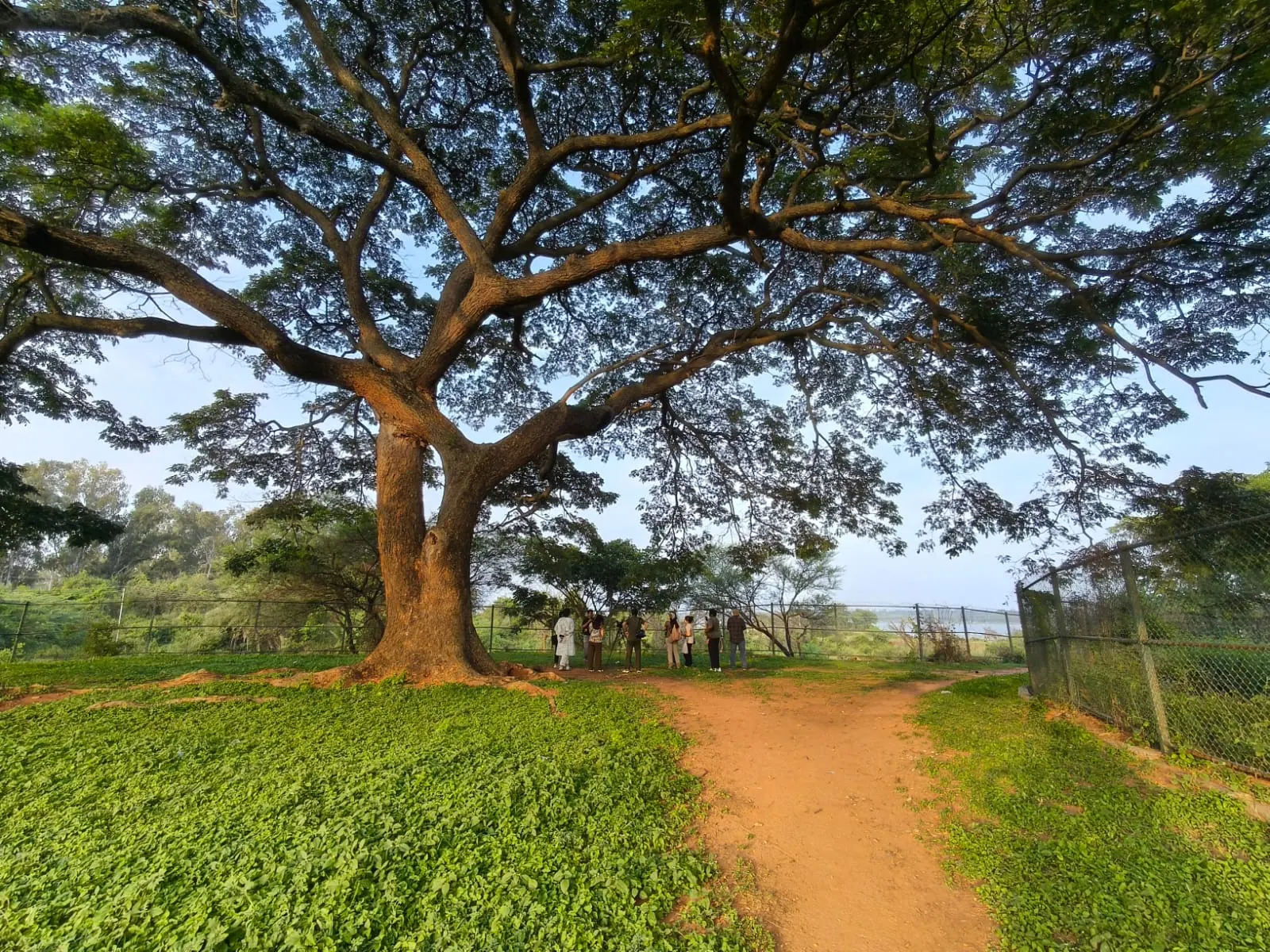
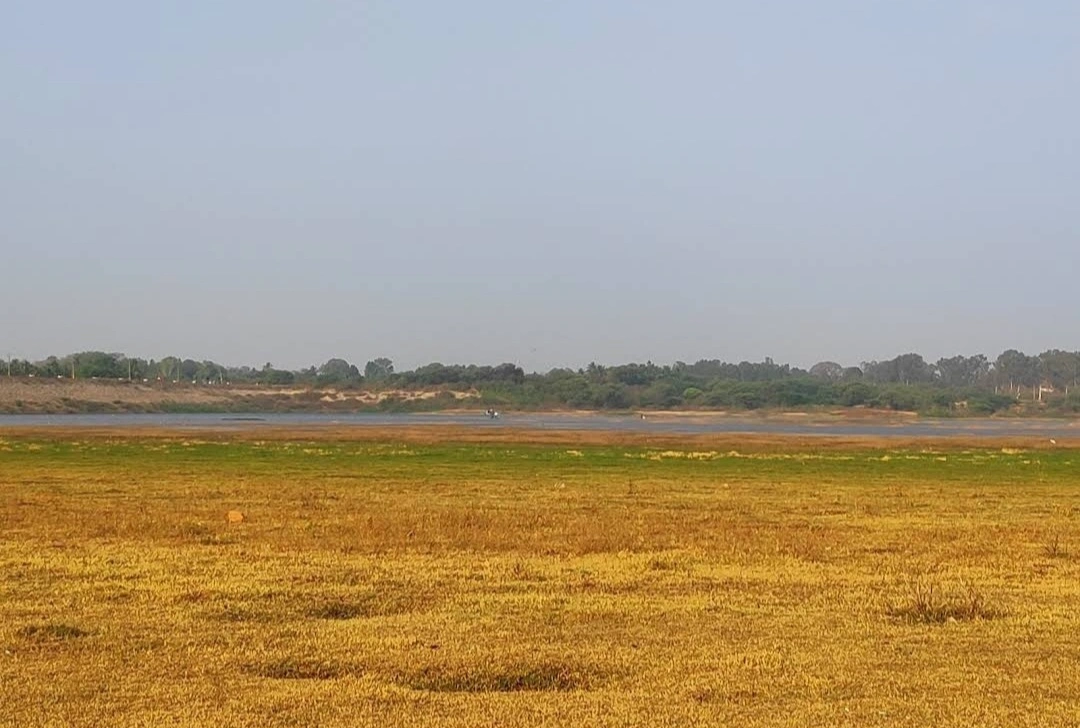
On the northwestern outskirts of Bangalore lies Hessarghatta Lake, a vast and ever-changing landscape that blends open grasslands, scrub, and seasonal wetlands into a unique ecological mosaic. Originally created as a reservoir, the lake today often transforms into expansive grass-covered plains during dry periods, supporting a rich diversity of flora such as native grasses, scattered acacia, and hardy shrubs. These habitats provide refuge to a variety of insects, reptiles, and small mammals, creating a thriving food web that sustains an impressive range of birdlife. The open skies, undisturbed stretches, and subtle shifts between wet and dry conditions make Hessarghatta a fascinating landscape for nature lovers.
For birders, Hessarghatta is a renowned hotspot, especially for grassland and raptor species that are becoming increasingly rare elsewhere. From larks and pipits camouflaged in the grass to majestic eagles and harriers gliding overhead, every visit offers something new. Seasonal water patches attract waders and waterbirds, while the surrounding scrub hosts a mix of resident and migratory species. However, this fragile ecosystem faces growing threats from urban expansion, habitat degradation, off-road activities, and waste dumping. Conserving Hessarghatta is crucial—not just for its birds, but as one of the last remaining grassland ecosystems near the city, offering a vital space for biodiversity and a peaceful escape into nature.

Bird Guide - Munish
An M.Sc. Wildlife Science student with a strong passion for birdwatching, wildlife photography, bird identification and conservation. He has documented over 750 bird species through extensive birding expeditions across India and international destinations. With five years of experience leading local bird walks, he is committed to promoting bird awareness, nature education and avian conservation.
Bird walk Location
Common birds of Hessarghata Lake
At Hessarghatta Lake near Bangalore, birdlife unfolds like a vibrant tapestry across water, grassland, and open skies. The lake attracts a rich congregation of waterbirds—Indian Spot-billed Ducks drifting calmly, Little Grebes diving beneath the surface, and elegant waders like Black-winged Stilts and Wood Sandpipers foraging along the edges. Larger, more striking species such as Black-headed Ibis, Glossy Ibis, and Purple Herons add drama to the wetlands, while River Terns glide gracefully above the water. As dusk approaches, the quiet emergence of Black-crowned Night Herons and the steady presence of cormorants and darters create a dynamic rhythm that reflects the lake’s ecological richness.
Beyond the water, the surrounding grasslands and scrub burst with activity. Raptors like Shikra and Brahminy Kite patrol the skies, while birds such as Greater Coucal, Eurasian Hoopoe, and Black-rumped Flameback bring character to the landscape. The air is often alive with the calls of drongos, bulbuls, and sunbirds, while parakeets flash green across the horizon. Ground-dwellers like Paddyfield Pipit and Red Avadavat add subtle beauty to the grasslands, making every step an opportunity for discovery. Together, these species create a lively and ever-changing birding experience, showcasing Hessarghatta as a true haven for both casual observers and passionate birders.

Indian Spot-billed Duck

Oriental Darter
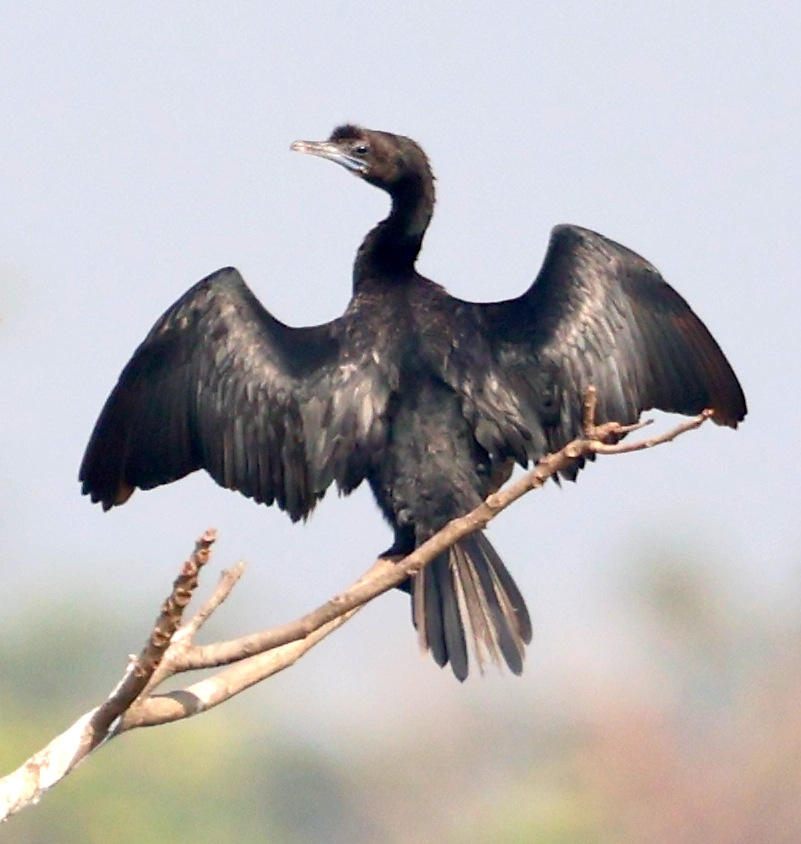
Little Cormorant

Great Cormorant

Little Grebe

River Tern
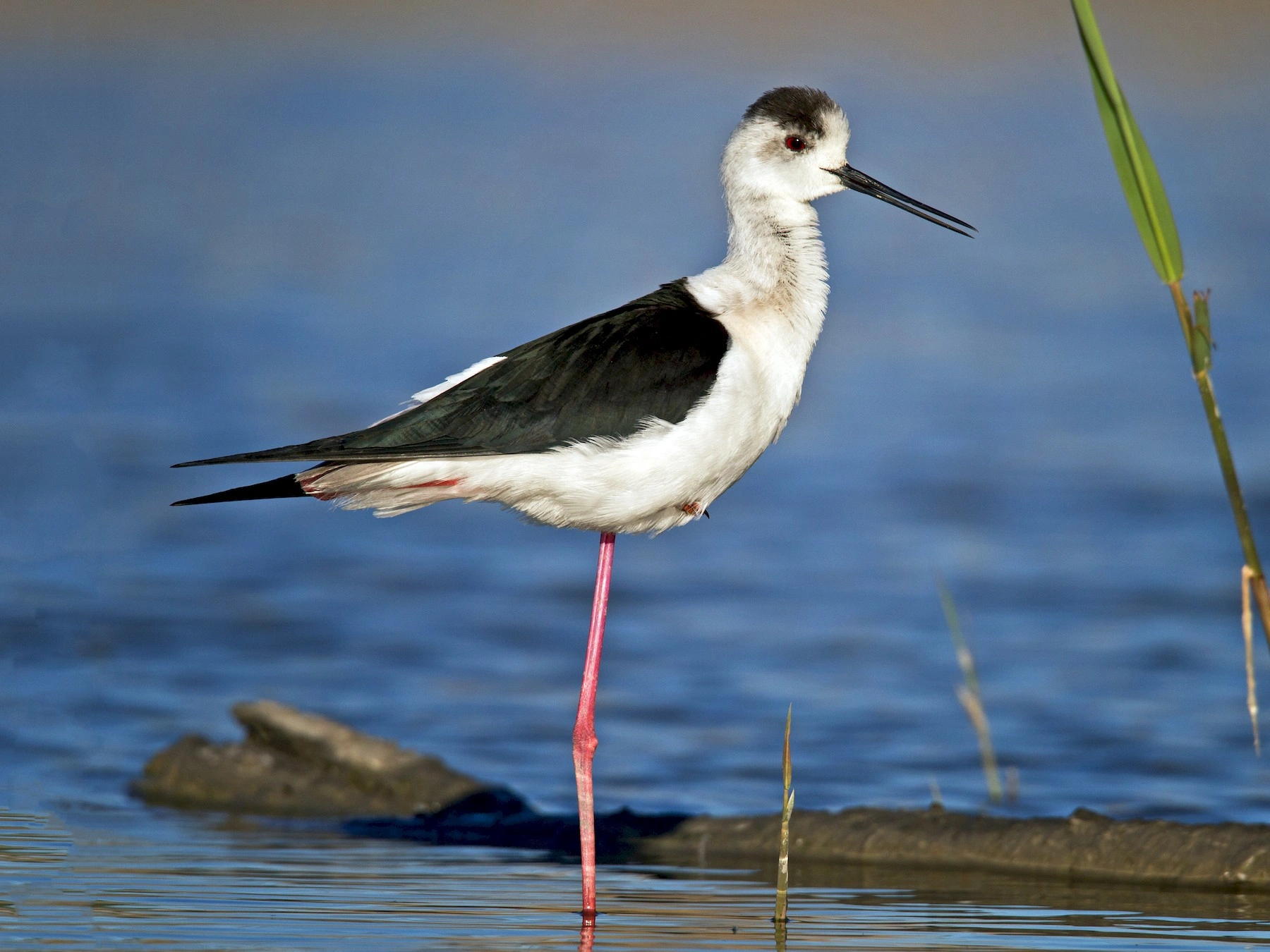
Black-winged Stilt
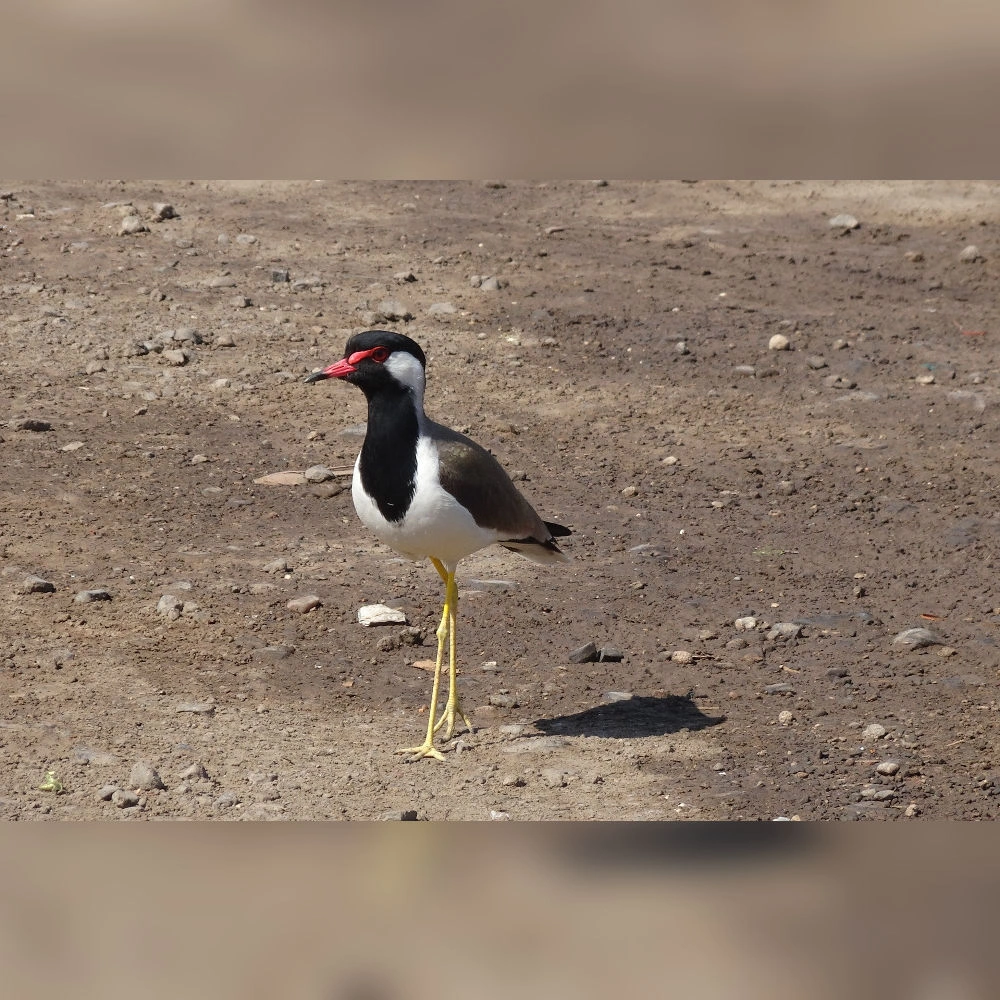
Red-wattled Lapwing
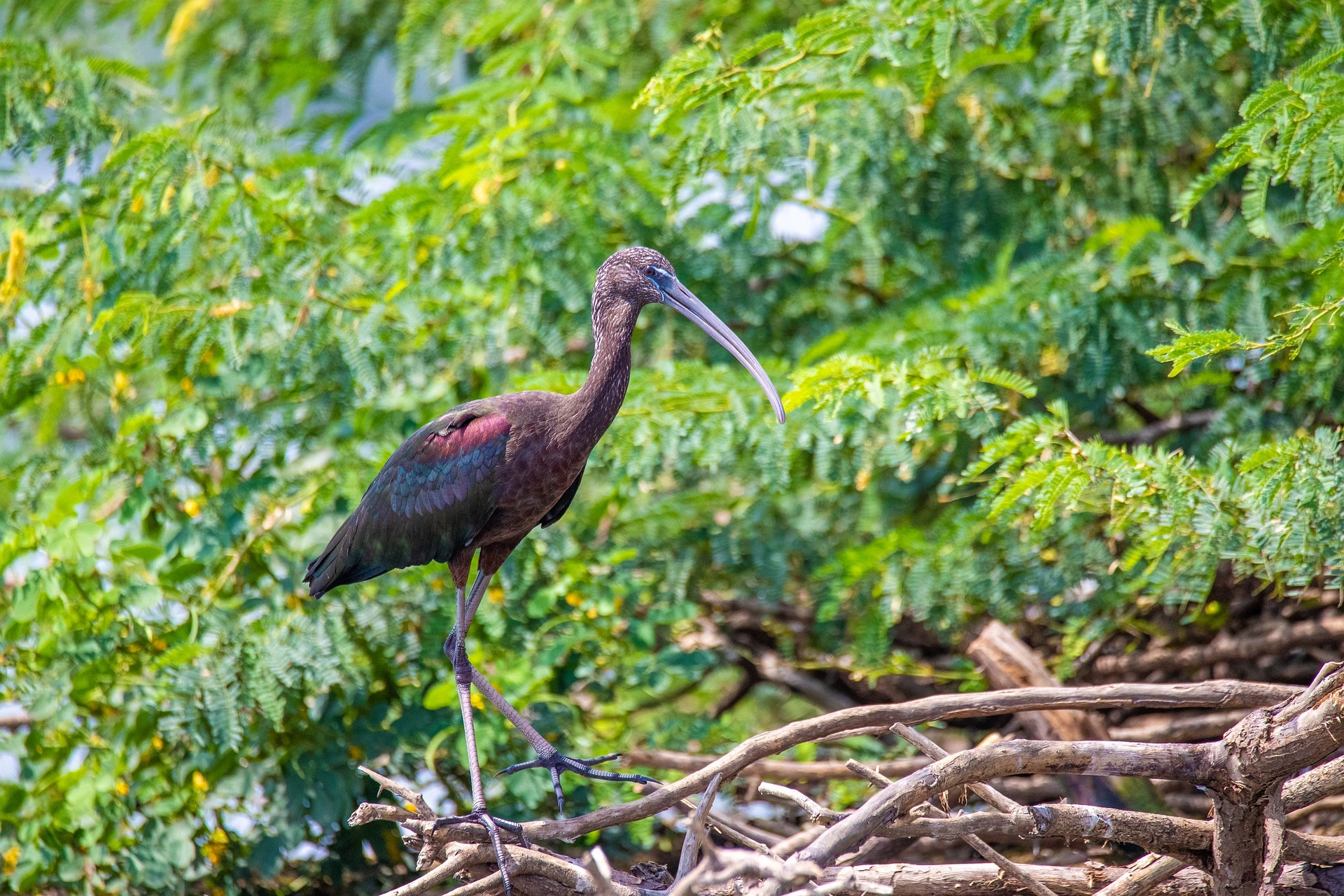
Glossy Ibis
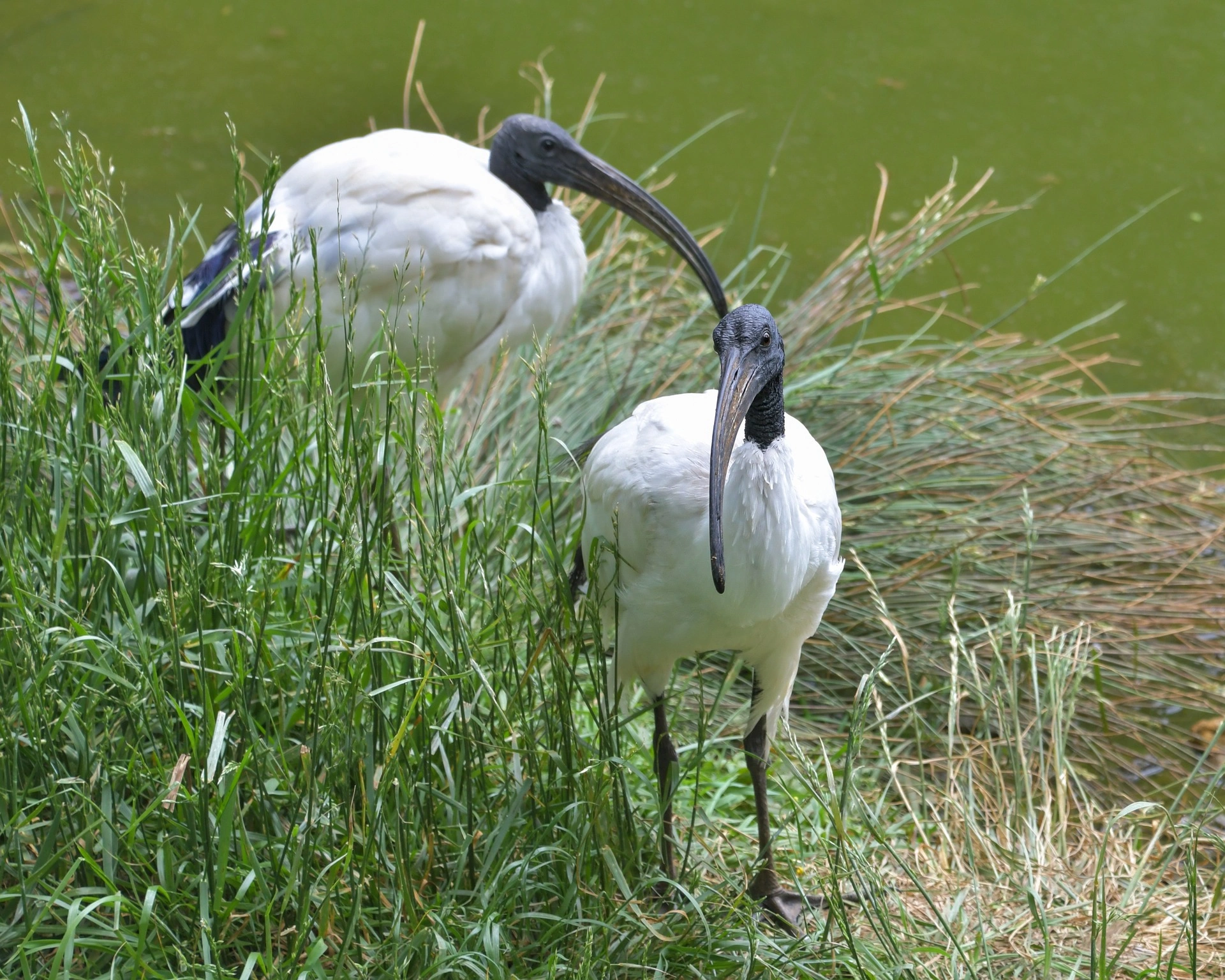
Black-headed Ibis
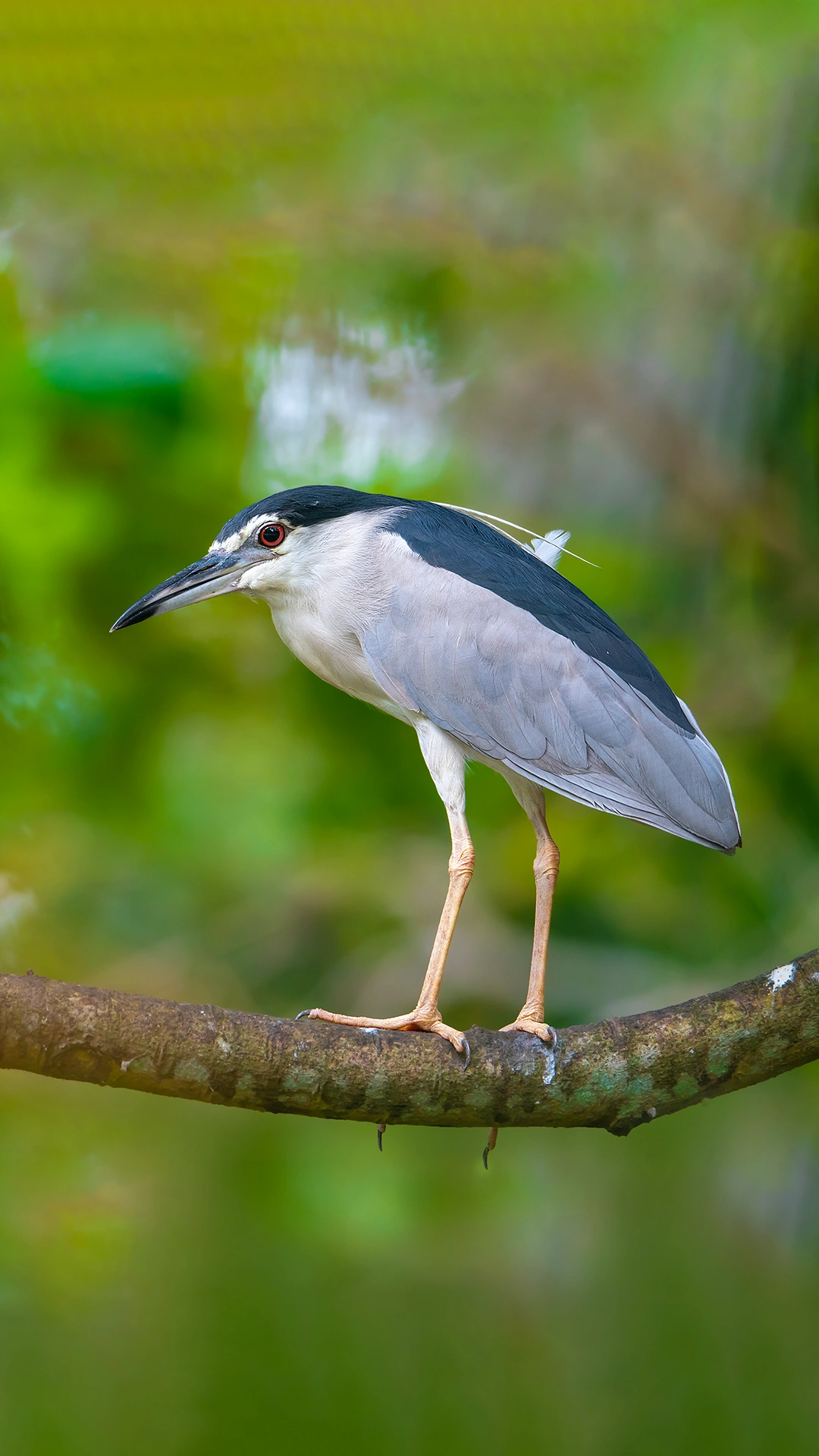
Black-crowned Night Heron
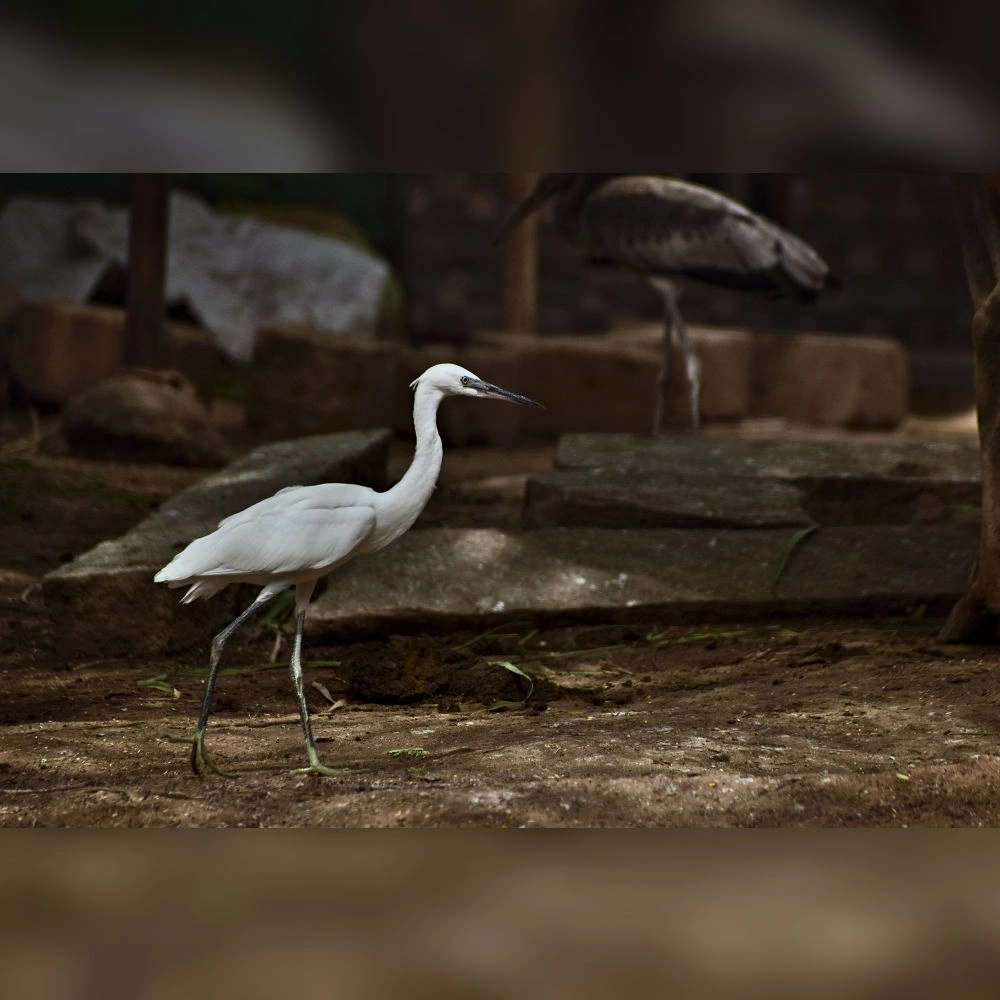
Little Egret
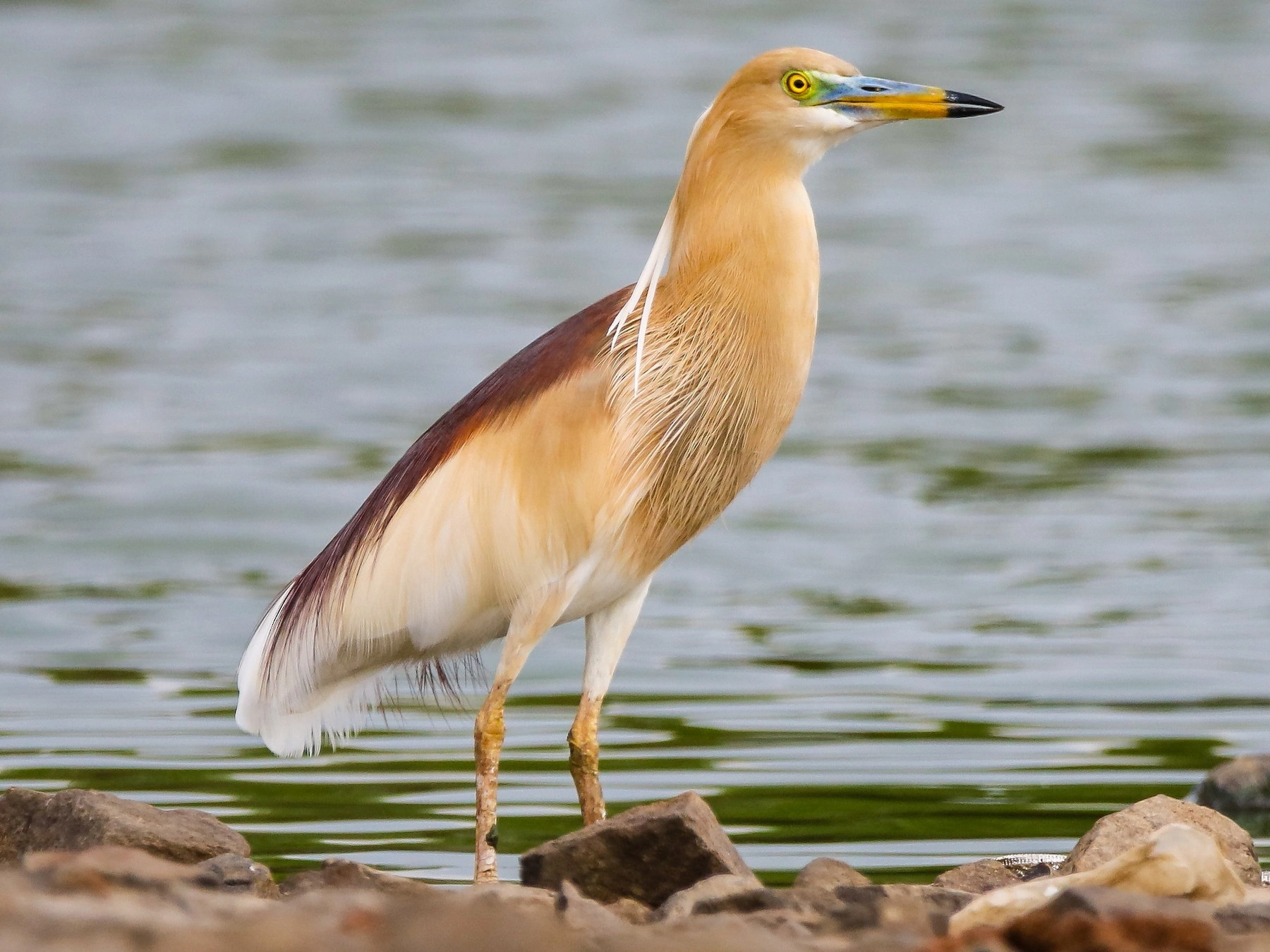
Indian Pond Heron
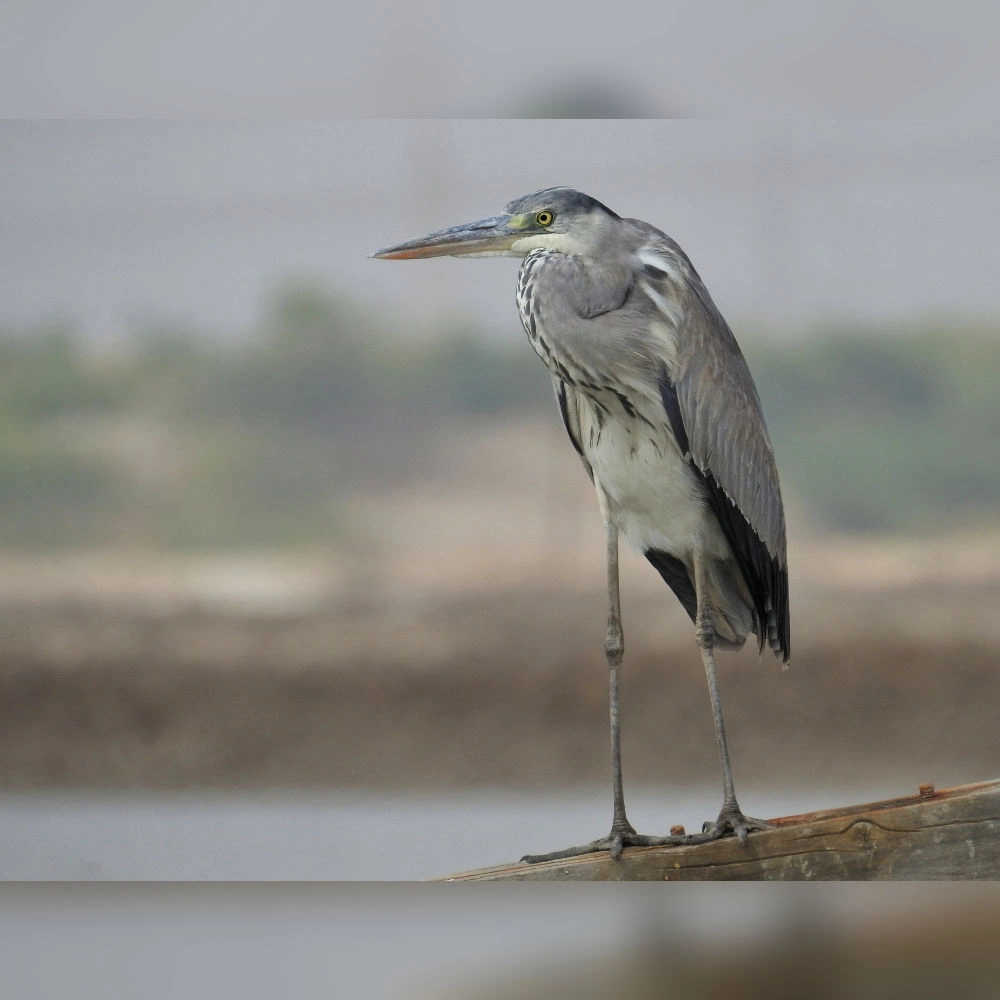
Grey Heron

Purple Heron
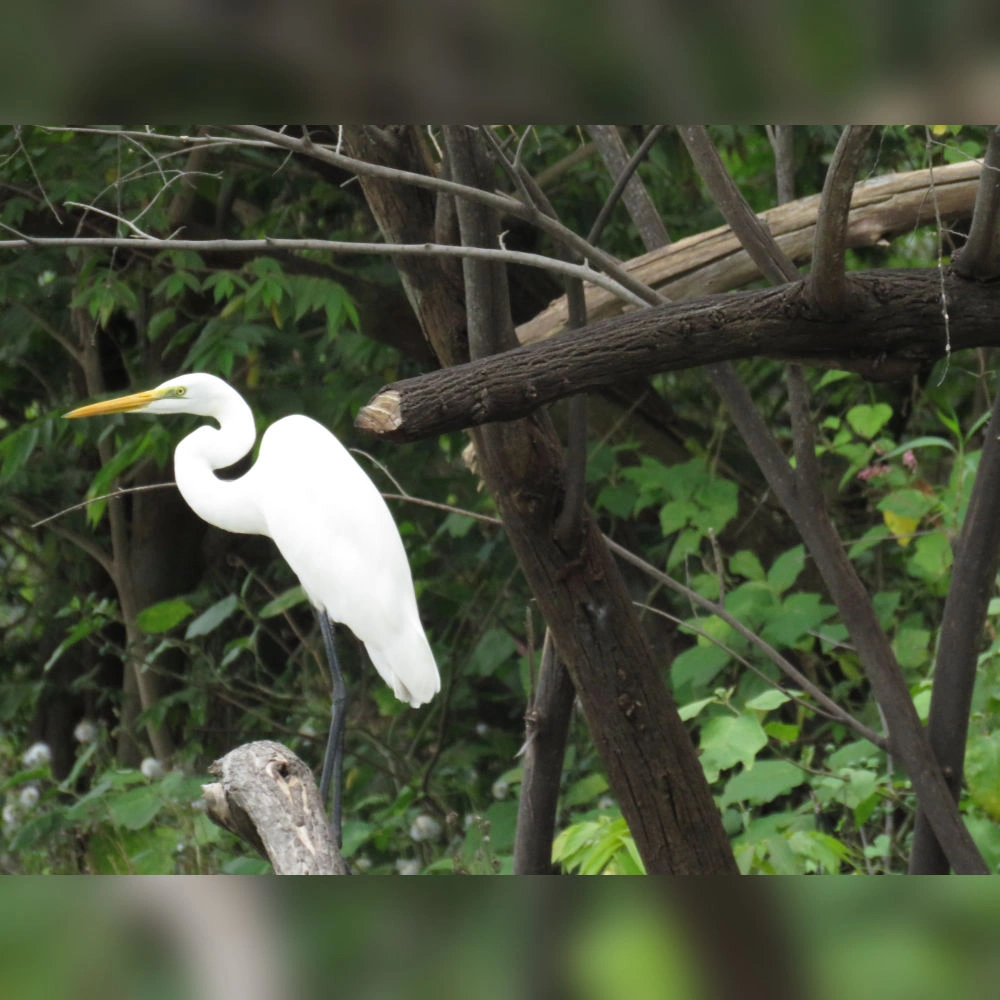
Great Egret
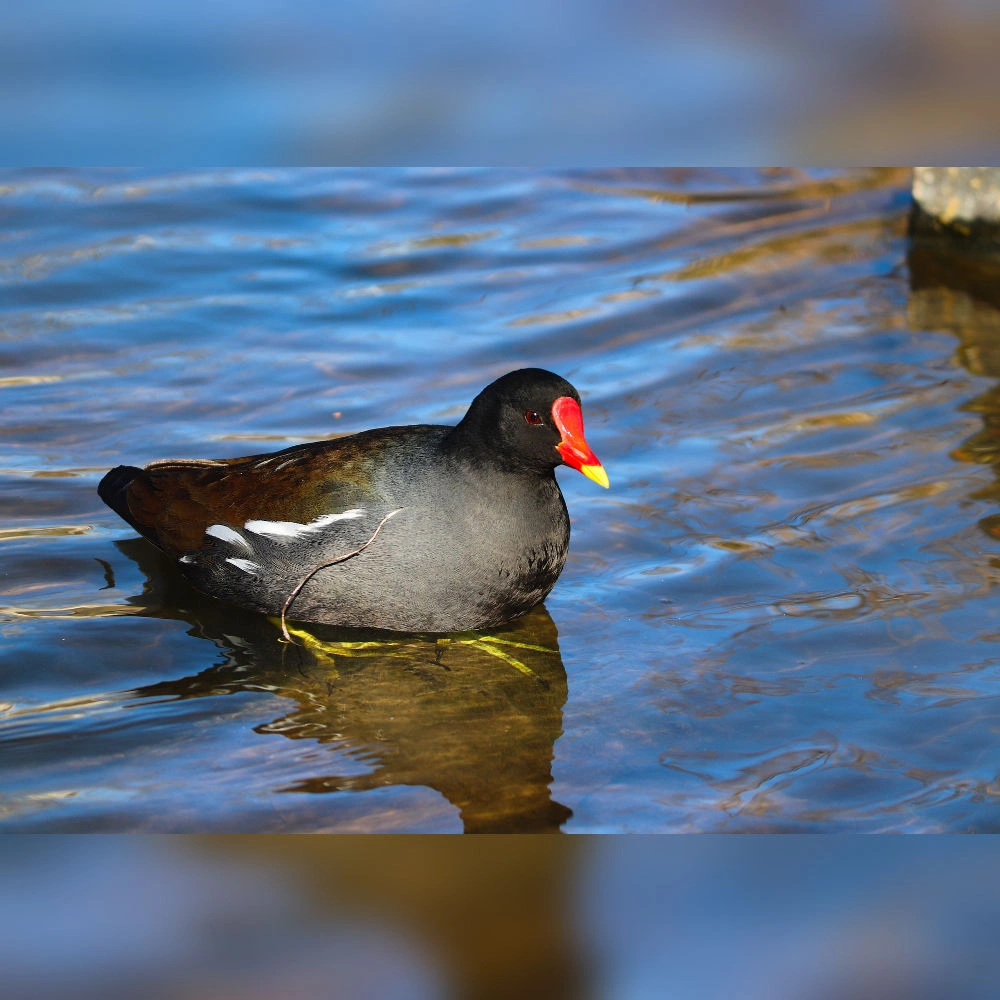
Eurasian Moorhen
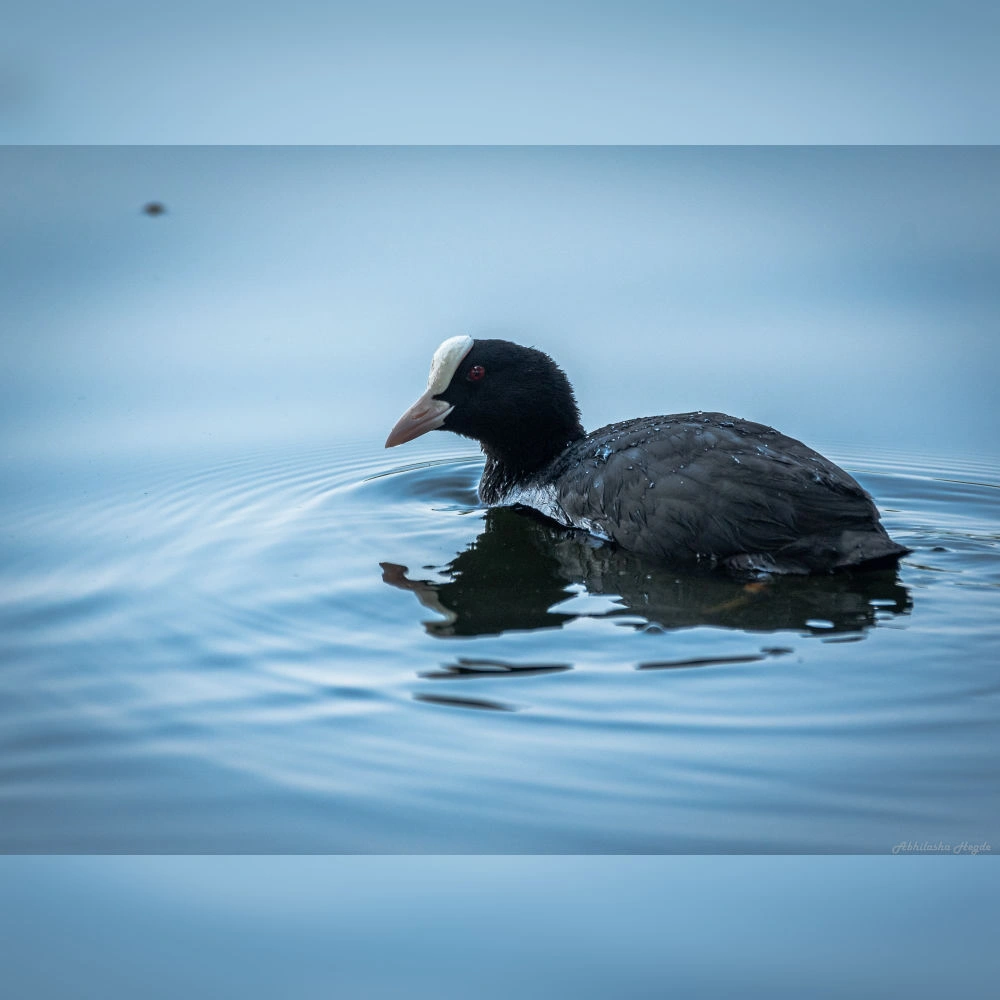
Eurasian Coot

Indian Peafowl
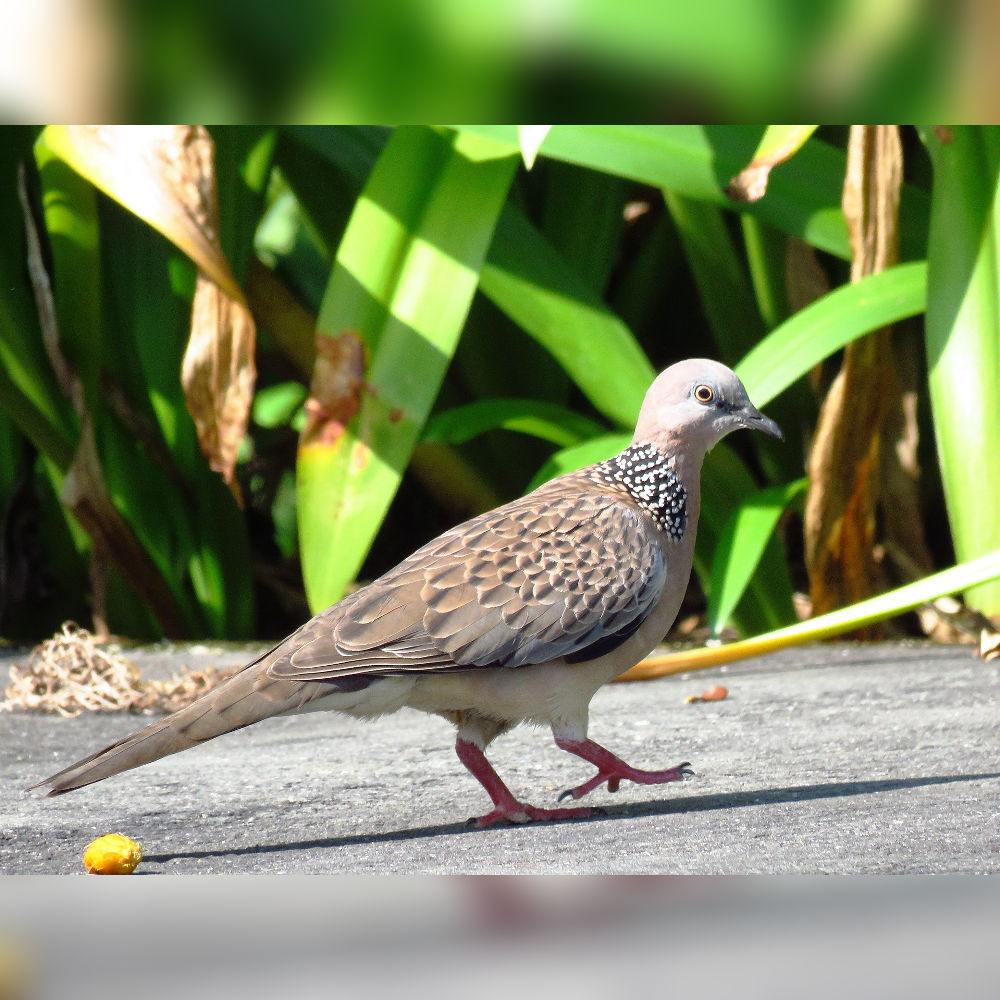

Spotted Dove
Summary of Walk
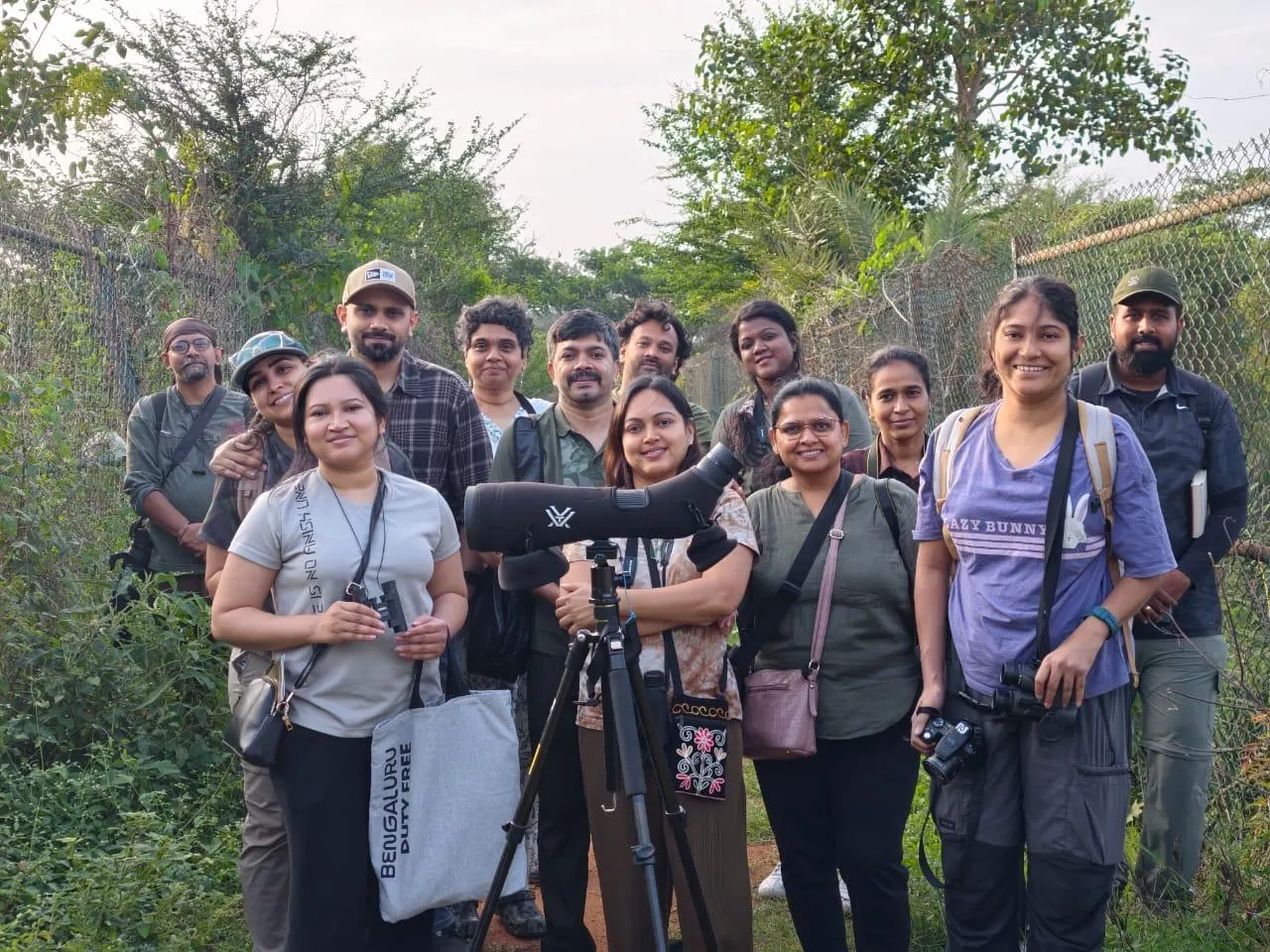
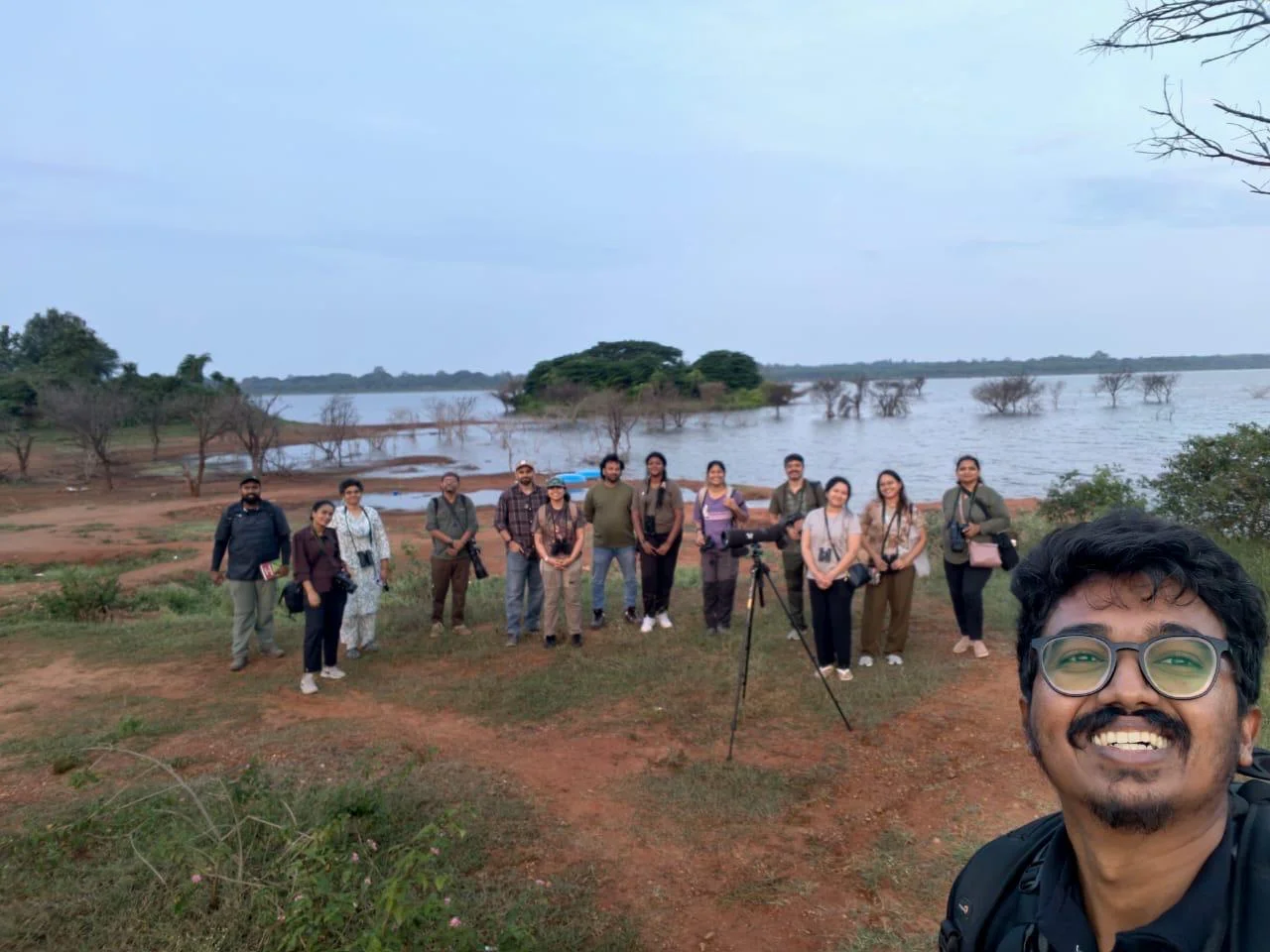
Fourteen birders joined guide Munish at Hesaraghatta Lake on the northern edge of Bengaluru on 8 November for a morning packed with learning, and the group recorded 53 species. Hesaraghatta’s large lake and surrounding grasslands form one of the most important open landscapes near the city, home to a wide variety of birds of water, scrub and grass.
Munish turned the walk into a lively field lesson. Participants learned to tell a Large-billed Crow from a House Crow, a Black Kite from a Brahminy Kite, and swifts from swallows. They learned how a White-browed Bulbul sounds, picked up interesting facts about cuckoos and swifts, and discovered that the Eurasian Coot, Eurasian Moorhen and Little Grebe, though often mistaken for ducks, belong to entirely different families. The star of the morning was a Blue-faced Malkoha that perched nearby for a long time, giving everyone superb views, while a Siberian Stonechat and a Eurasian Hoopoe completed the highlights. Massive flocks of starlings kept streaming in overhead, adding to the spectacle.
Number of Participants
0