
Loading Events

Bird Walk at Hoskote lake , Bengaluru, Karnataka

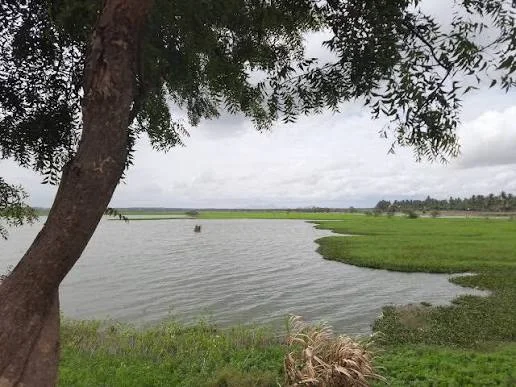
About Hoskote lake

On Bengaluru’s eastern outskirts, Hoskote Lake (Hoskote Doddakere) is one of the largest wetlands in the region, covering roughly 4 sq km. It is one link in the ancient chain of linked tanks along the Dakshina Pinakini (South Pennar) river, which rises in the Nandi Hills and flows southeast towards Tamil Nadu. The lake rises and falls with the seasons. Open water gives way to wide mudflats, reedbeds, wet grassland and scrubby lakebed, with farmland and village groves around the edge. That changing mosaic supports fish, frogs, snakes, monitor lizards and a wealth of insects. It is also why BirdLife International recognised Hoskote as an Important Bird Area.
For birders, Hoskote has a remarkable record, with more than 260 species logged on eBird. Large flocks of Spot-billed Pelicans and Painted Storks once fished here, and wintering ducks gathered in thousands. Herons, ibises, stilts and sandpipers still work the shallows, and raptors hunt over the grassy lakebed. But Hoskote is in decline. Over-pumping of groundwater, a damaged catchment and broken links between tanks have left the river dry for much of the year. Farming has encroached on the lakebed, and grazing, garbage dumping, vehicles and fragmentation have destroyed reedbeds and grassland. Ducks, storks and grassland raptors have all dwindled since the mid-2010s. A proposal to make it a Conservation Reserve has stalled. Clear boundaries, regulated use and revived water flows are urgently needed to save this important wetland.

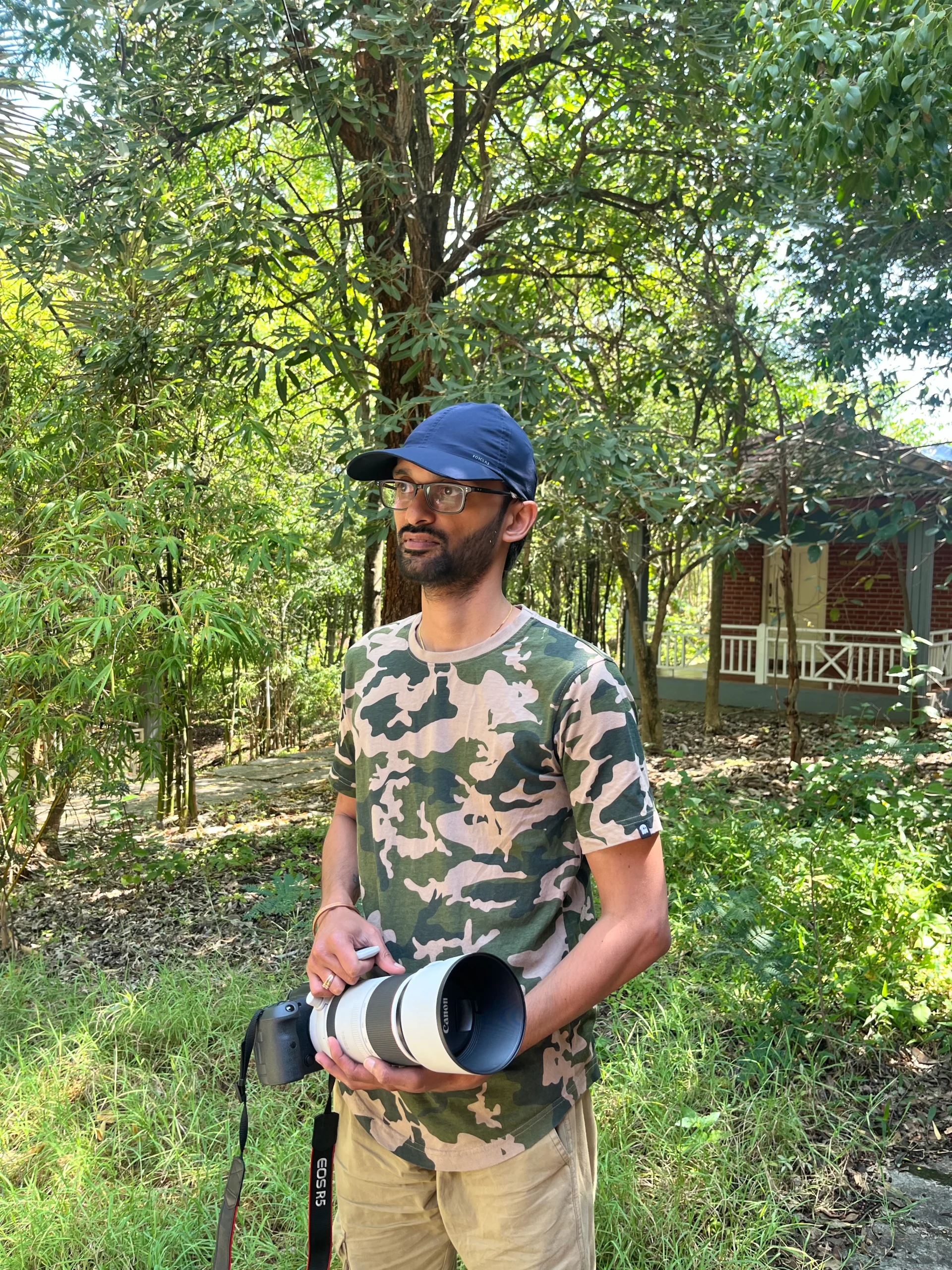
Bird Guide: Gautham R R

A wildlife photographer and birdwatcher with over 10 years of experience, he is passionate about observing, identifying, and documenting birds in their natural habitats. His work combines bird behaviour, field observation, and photography to promote conservation and inspire a deeper appreciation for avian diversity.
Bird walk Location

Common birds of Hoskote lake

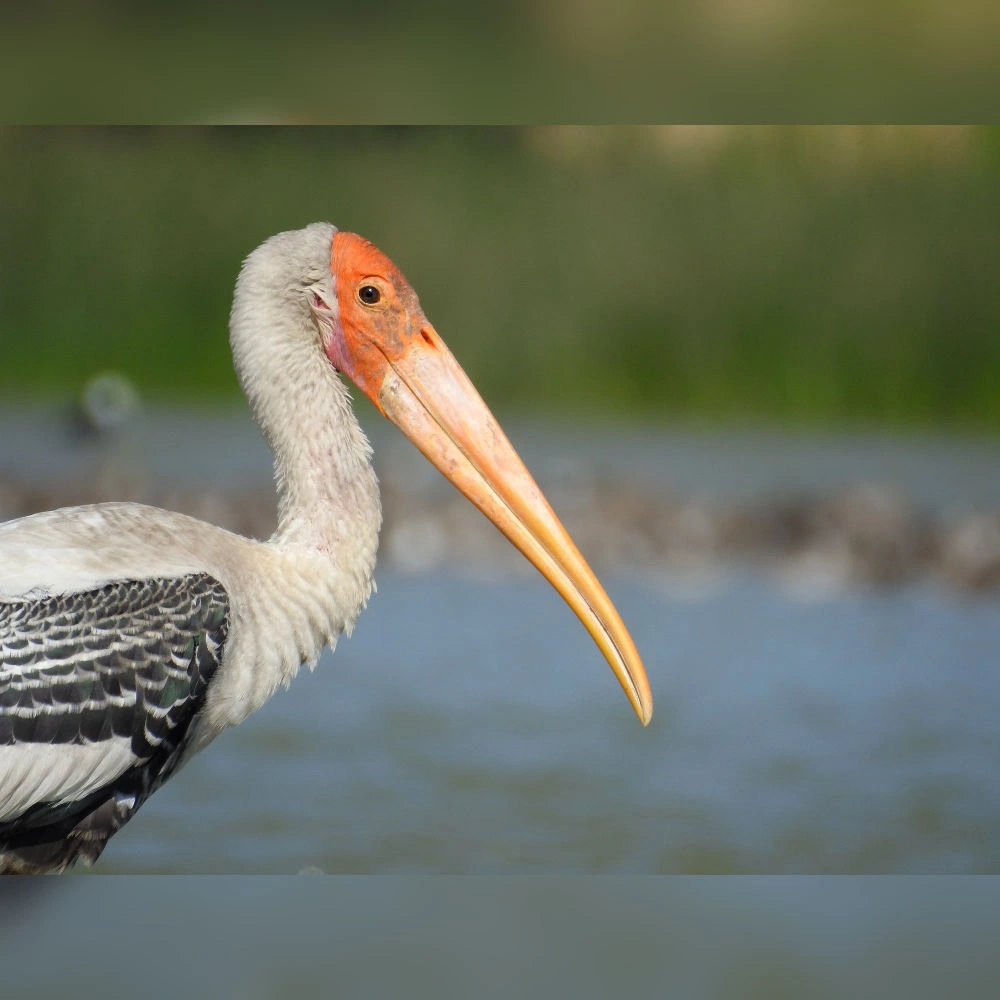
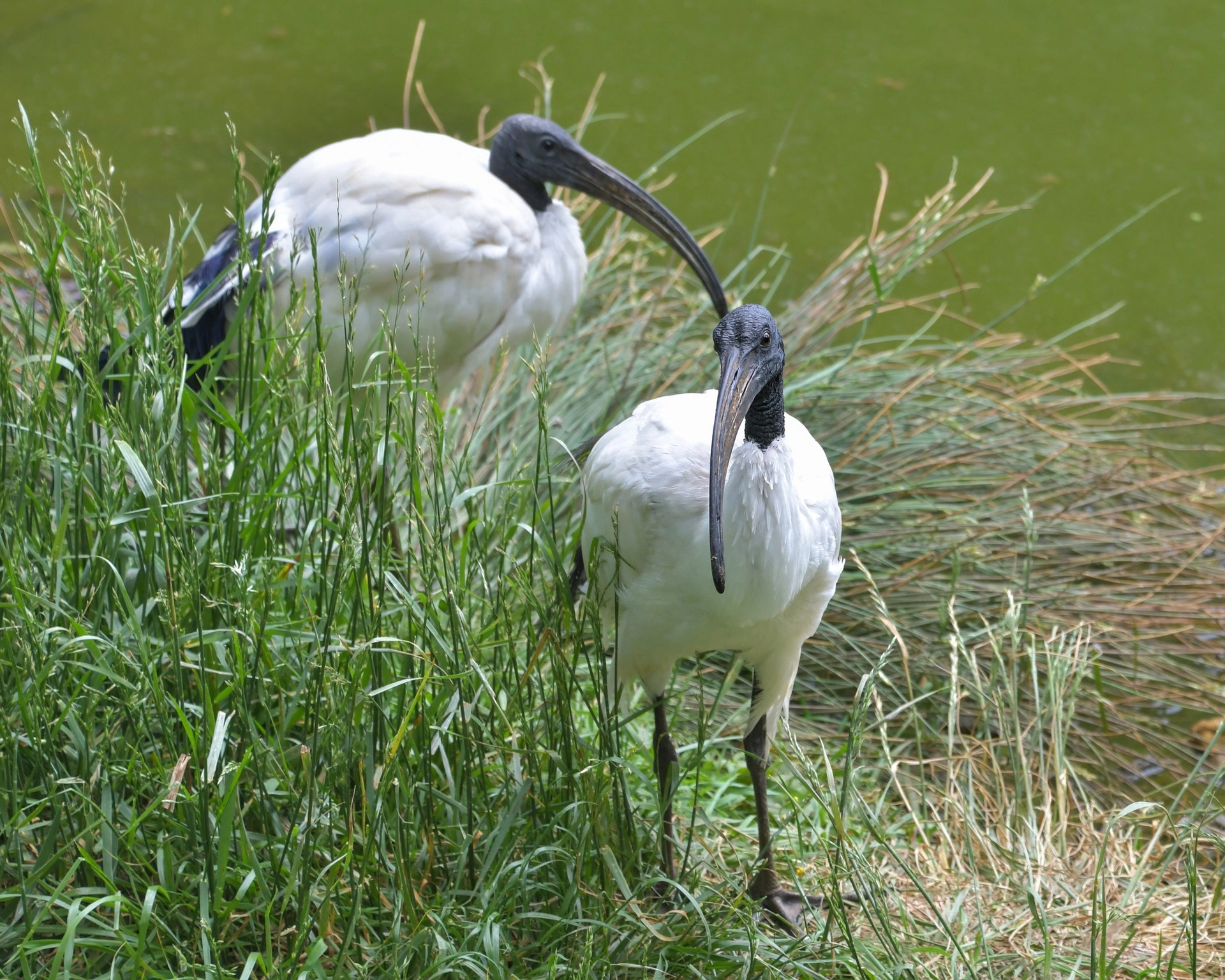
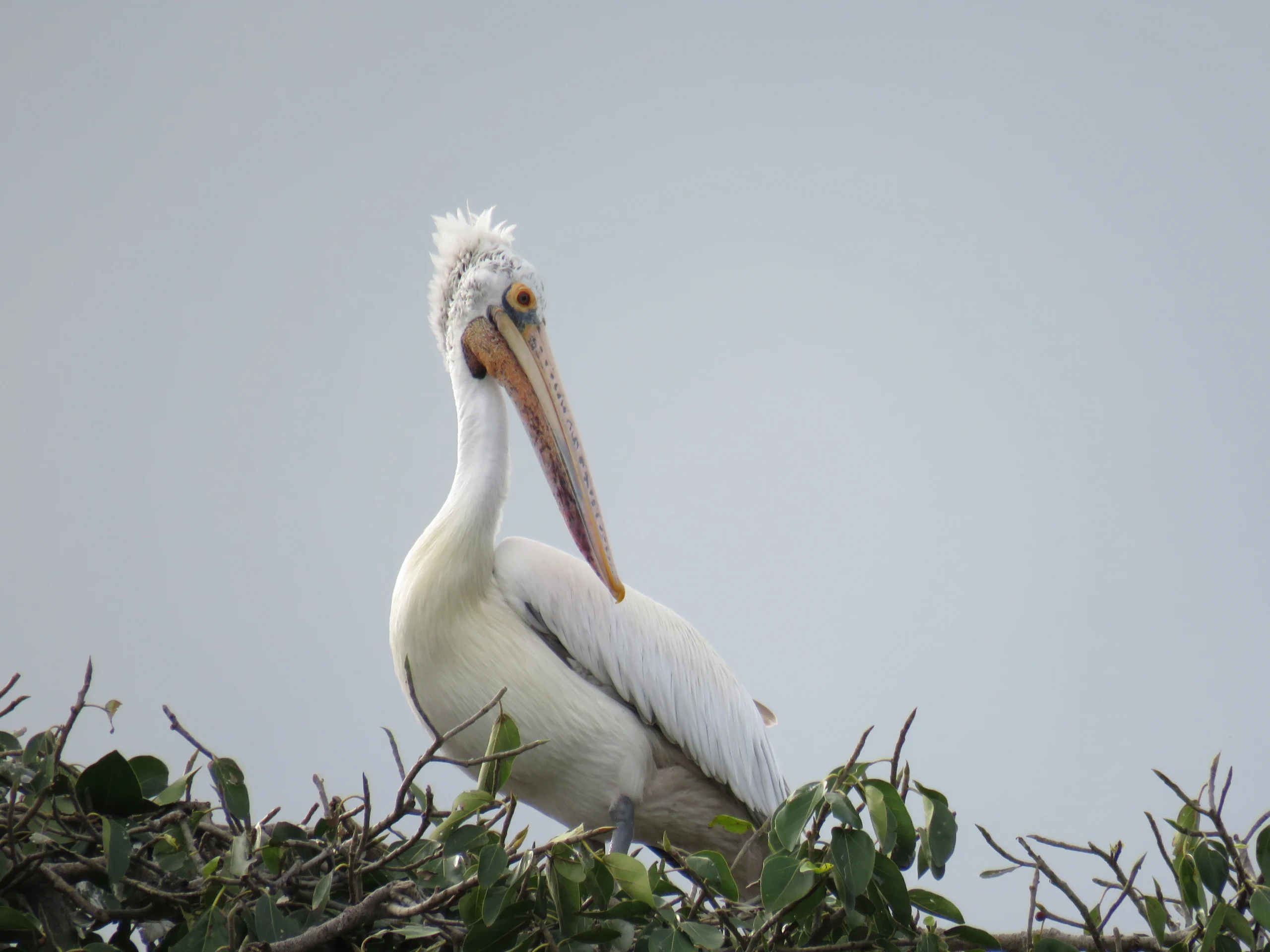
Hoskote’s big birds are its pride. Spot-billed Pelicans, huge and globally threatened, glide in on broad wings and fish together in the open water. Painted Storks wade through the shallows, their rosy wing feathers and heavy yellow bills catching the light. Black-headed Ibises probe the mud with long, curved bills. Tall Gray Herons stand as still as statues, while Indian Pond-Herons and Little Egrets hunt patiently along the edges. Little Cormorants dive for fish, and Indian Spot-billed Ducks float in small groups. The Gray-headed Swamphen, glowing purple-blue with a bright red bill, picks through the reeds. Black-winged Stilts step delicately on pink legs, and Red-wattled Lapwings shriek at anyone who comes too close. Wood and Common Sandpipers, migrants from the north, feed busily along the muddy shore. Overhead, the chestnut-and-white Brahminy Kite circles alongside Black Kites. On the grassy lakebed and in the scrub, the Pied Bushchat perches on bushes and the Plain Prinia sings from the grass. Purple Sunbirds, Red-vented Bulbuls and Common Mynas are busy around the edges.
Spot-billed Pelican
Painted Stork
Black-headed Ibis
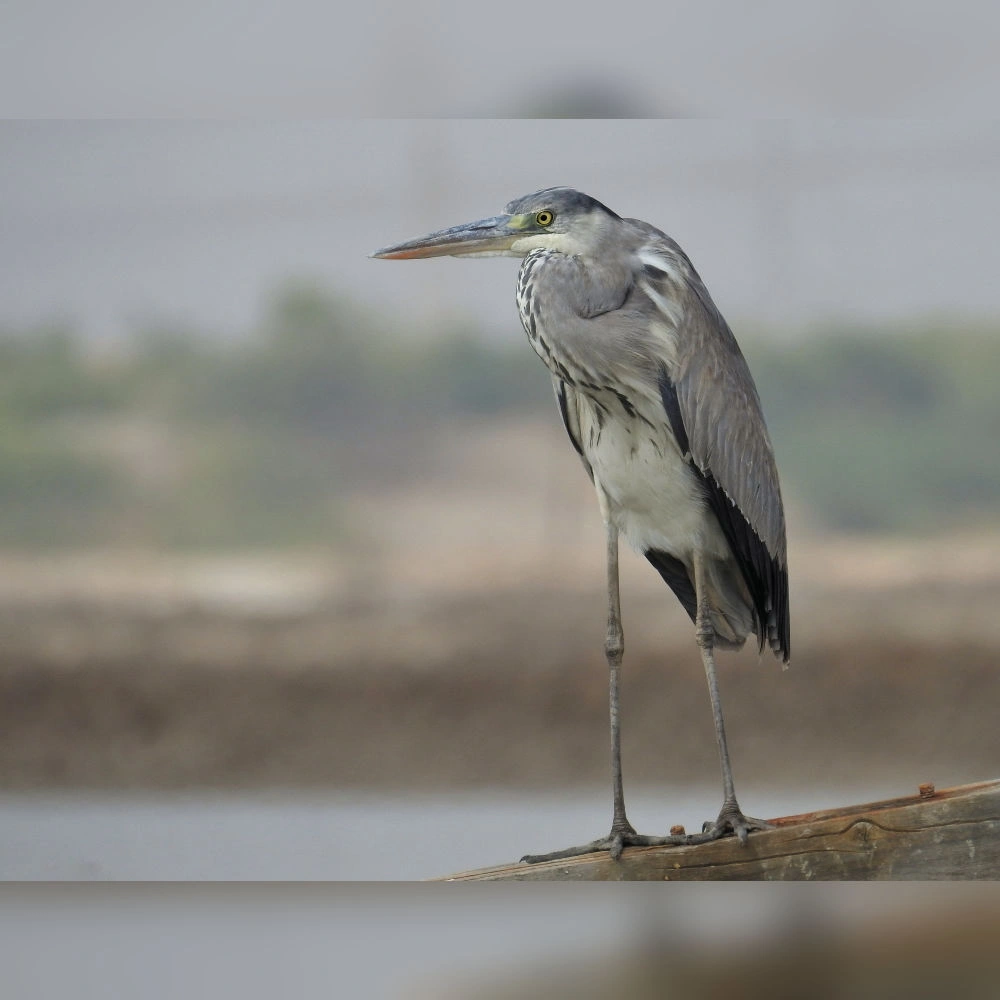
Grey Heron
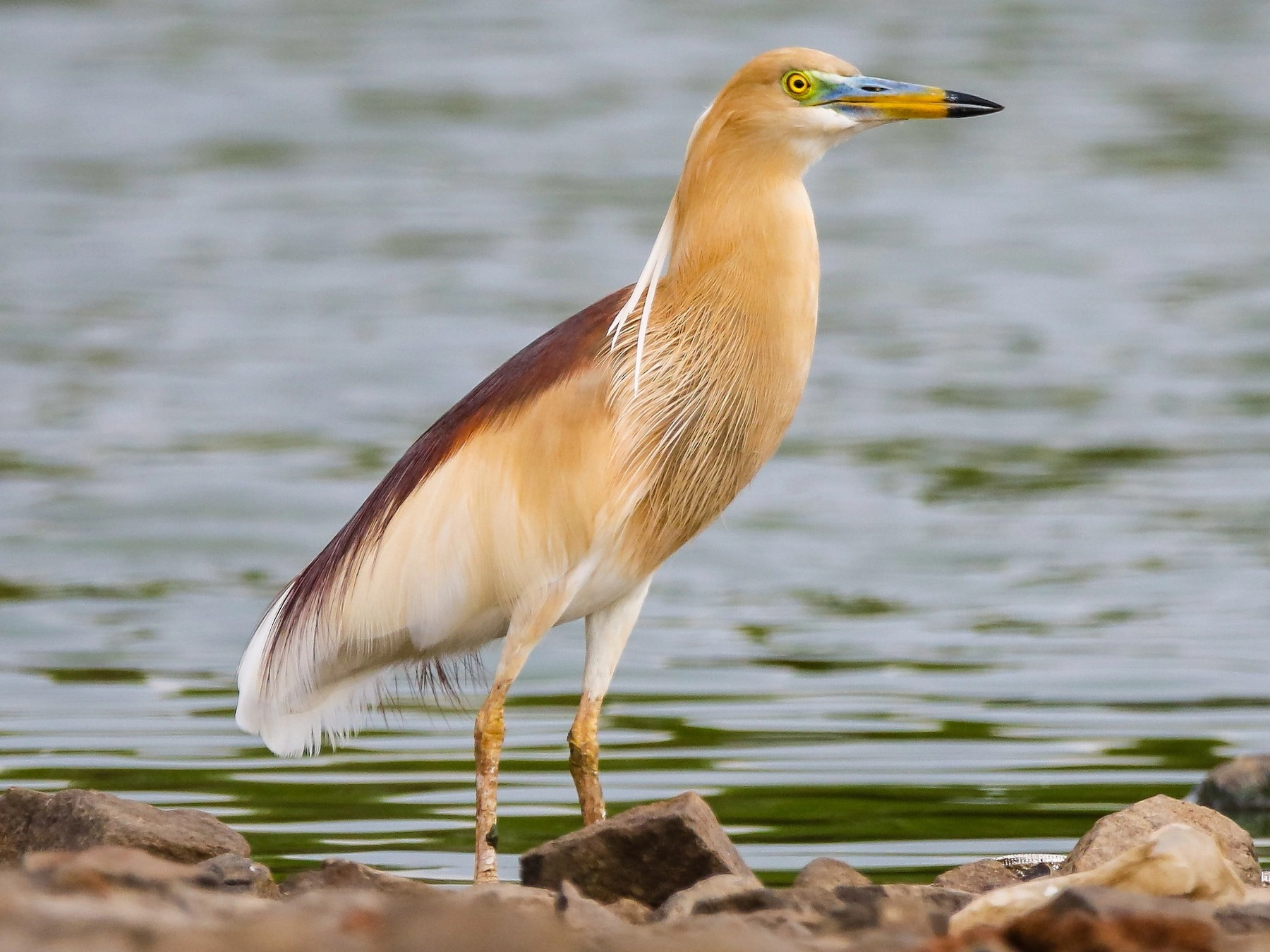
Indian Pond-Heron
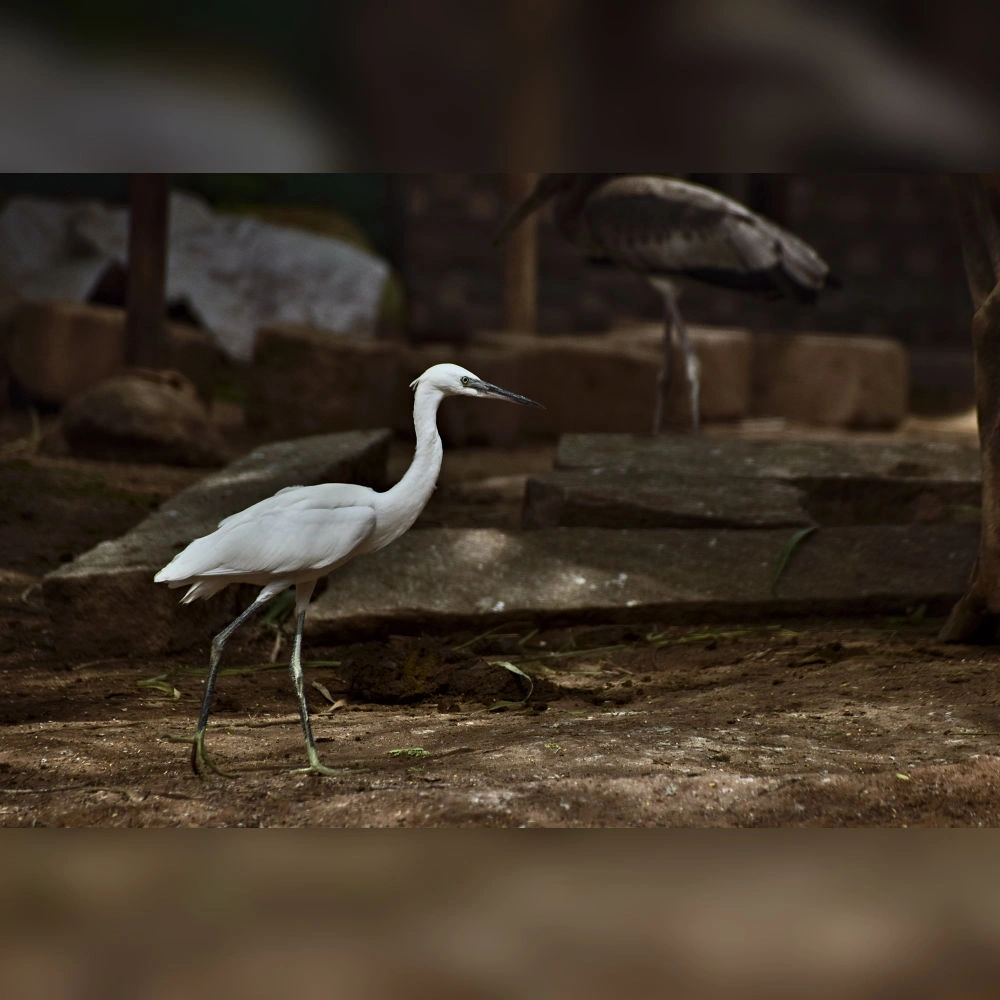
Little Egret
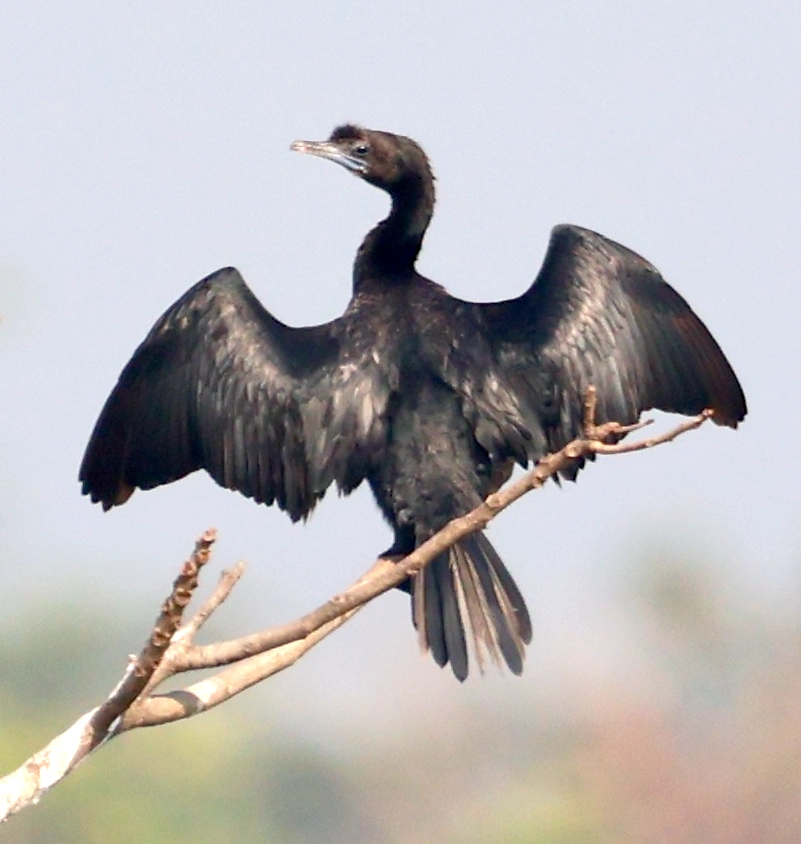
Little Cormorant
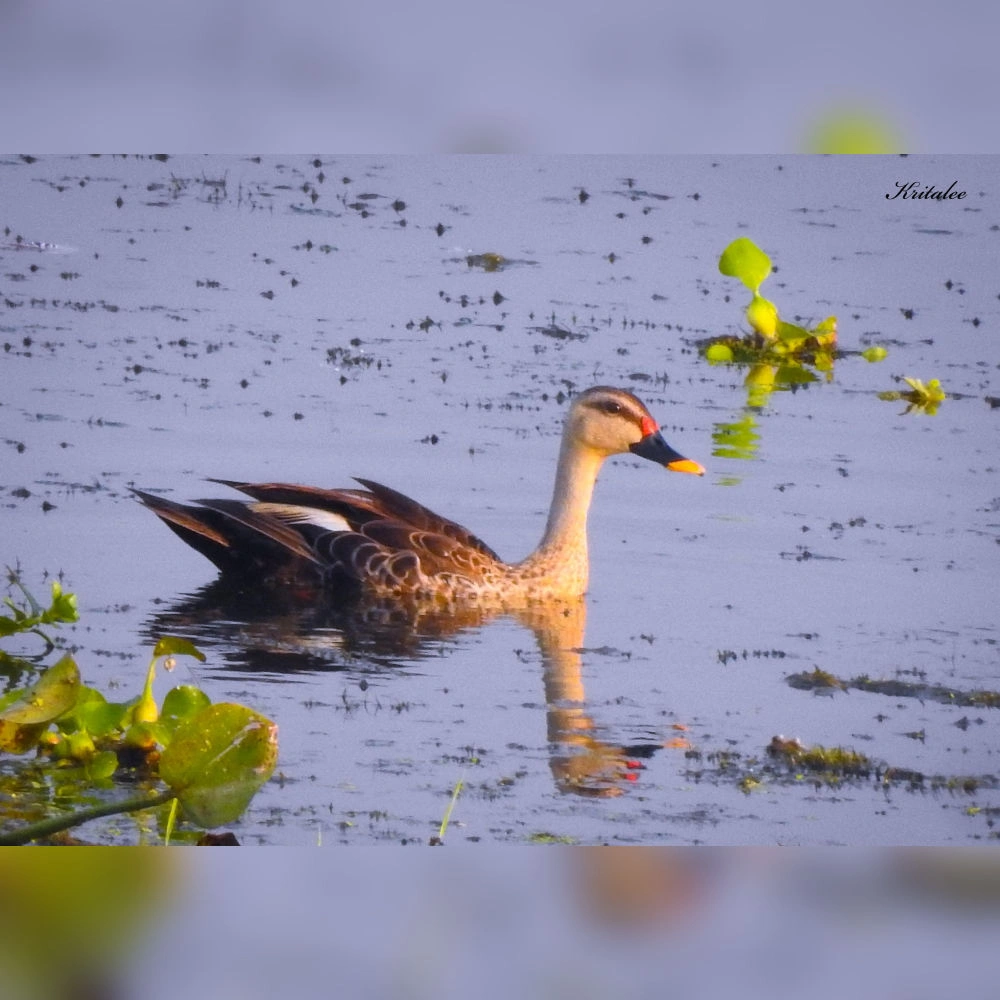
Indian Spot-billed Duck
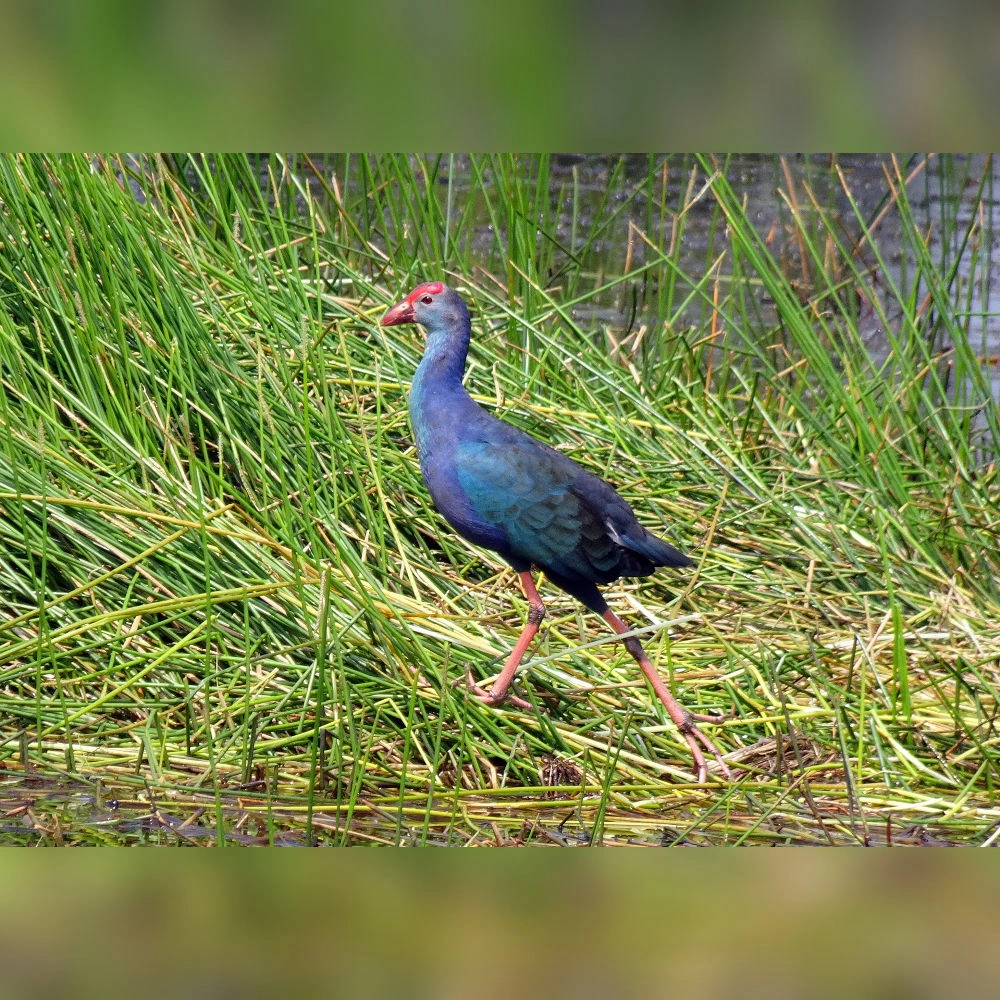
Grey-headed Swamphen
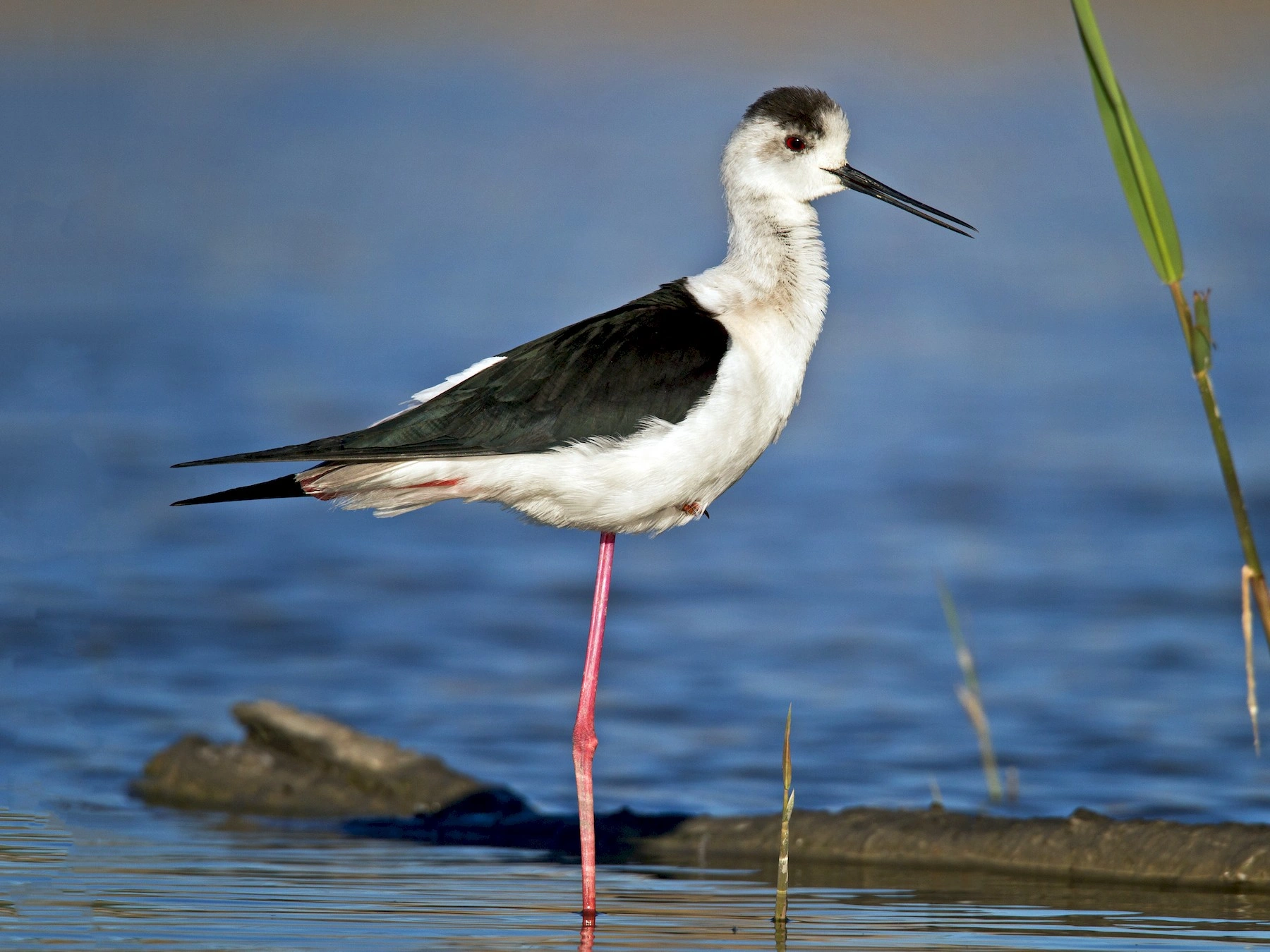
Black-winged Stilt
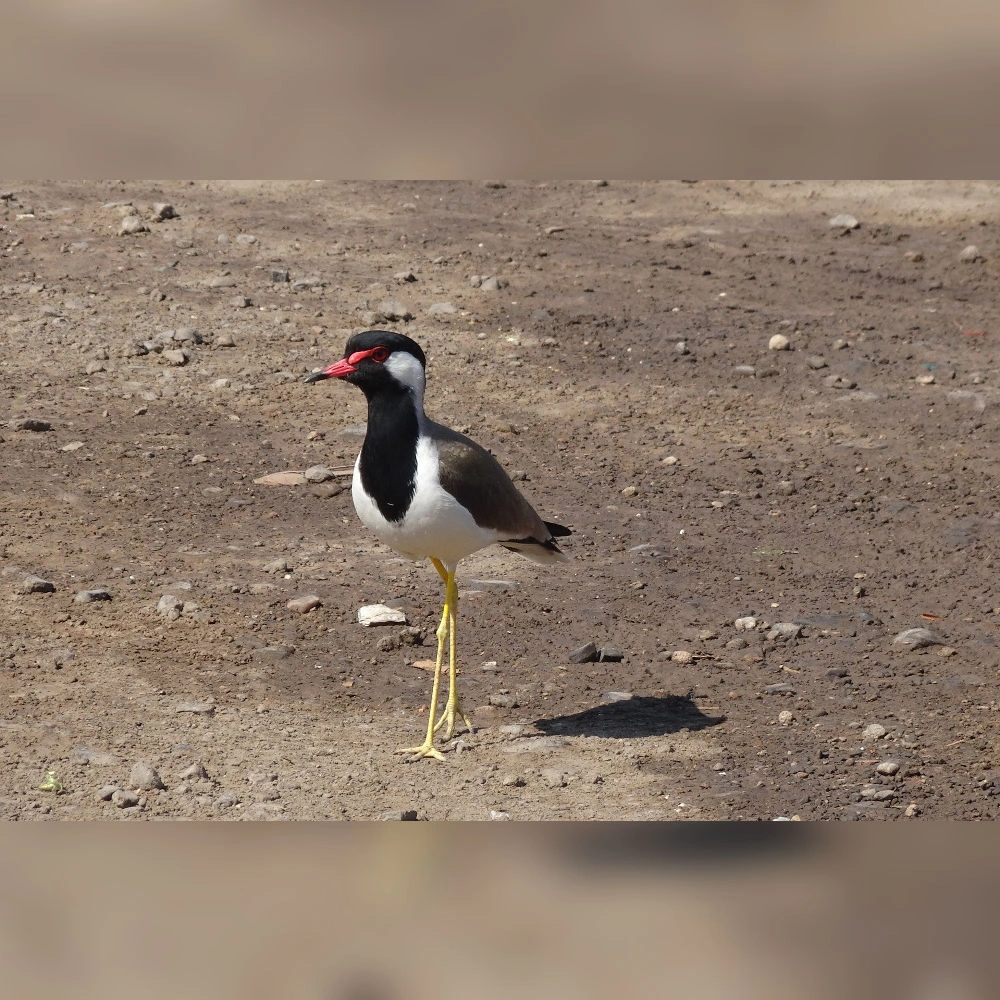
Red-wattled Lapwing
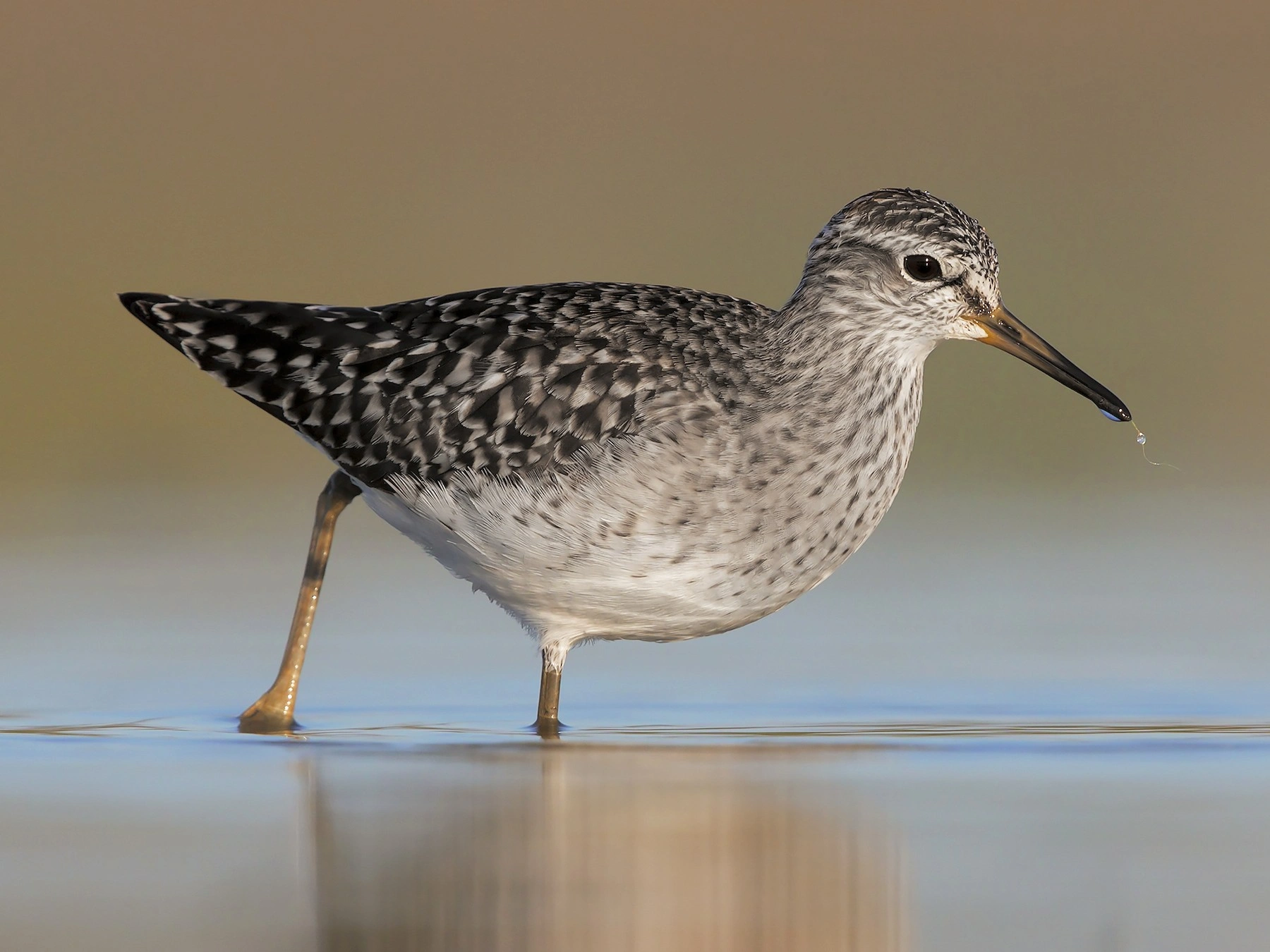
Wood Sandpiper
Common Sandpiper
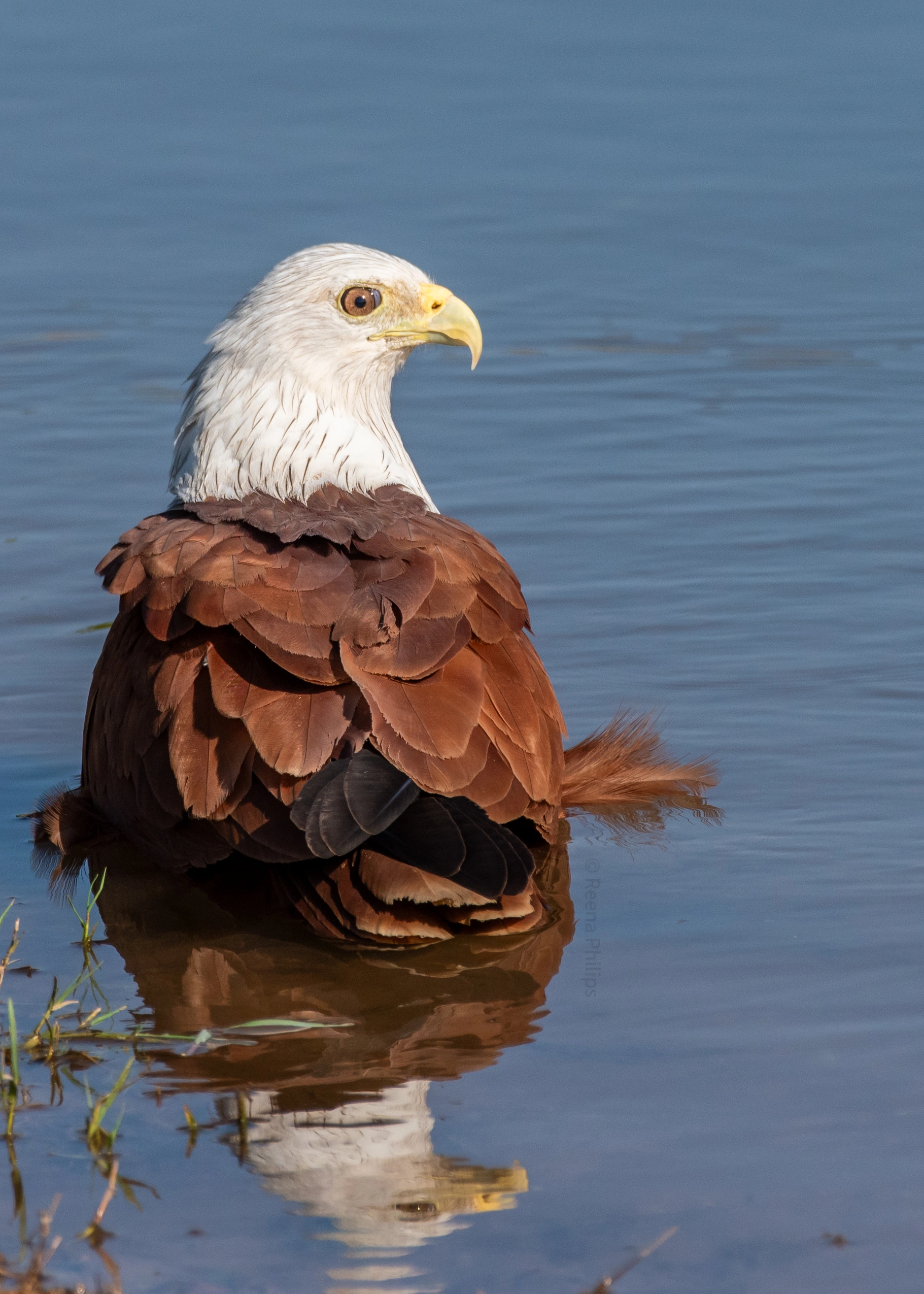
Brahminy Kite
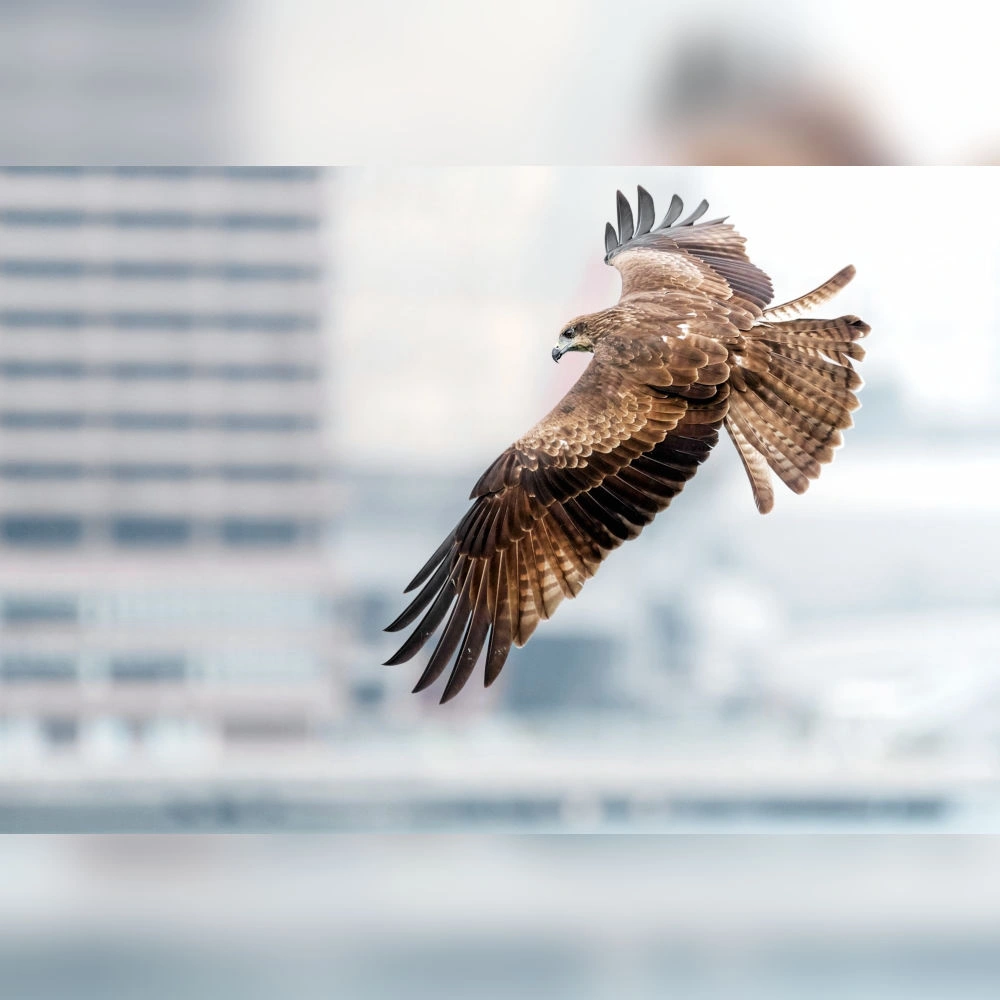
Black Kite
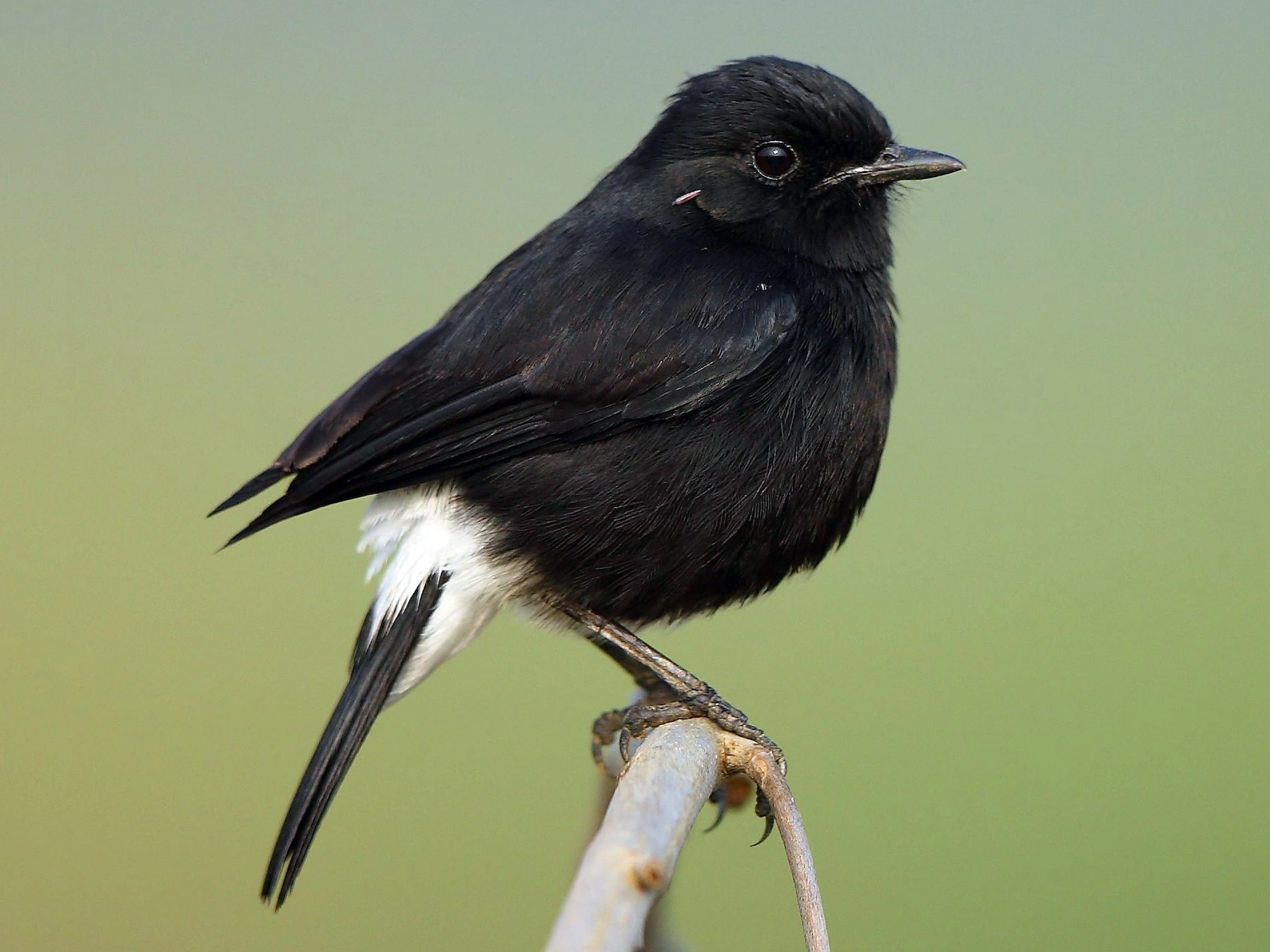
Pied Bushchat
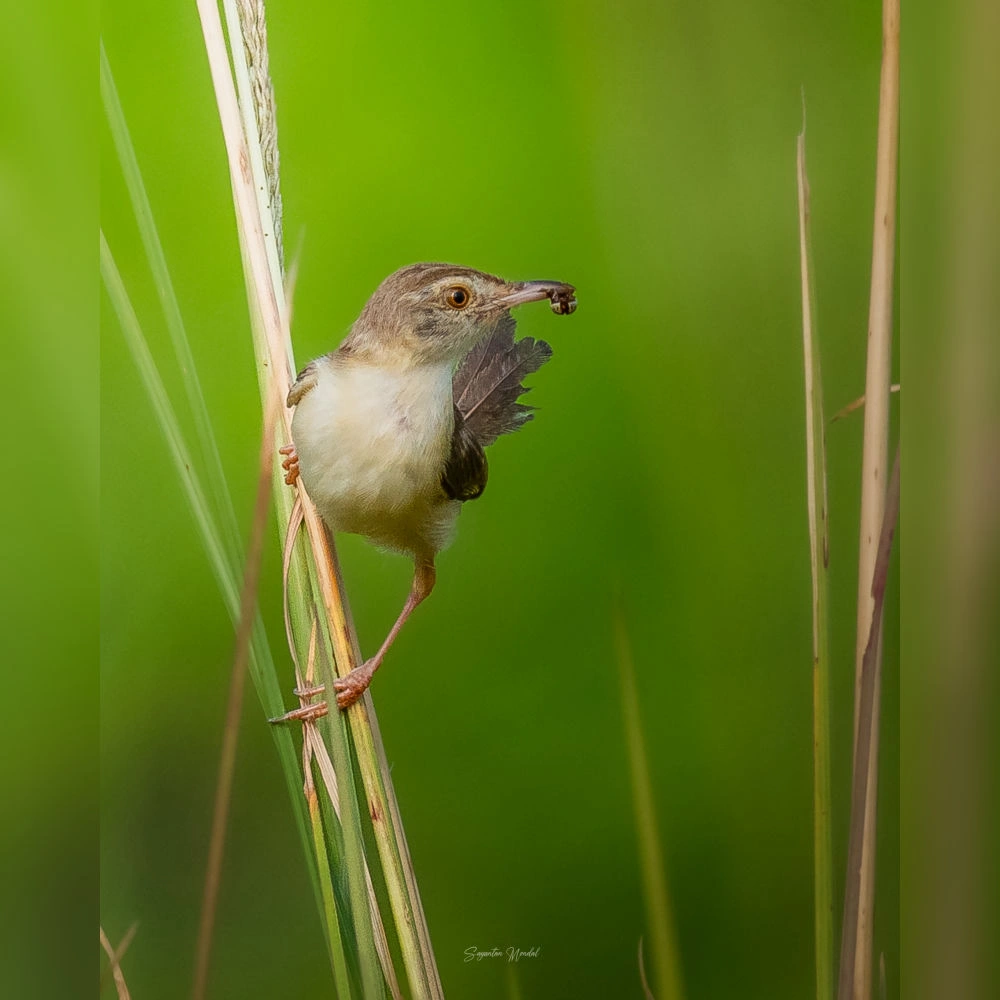
Plain Prinia
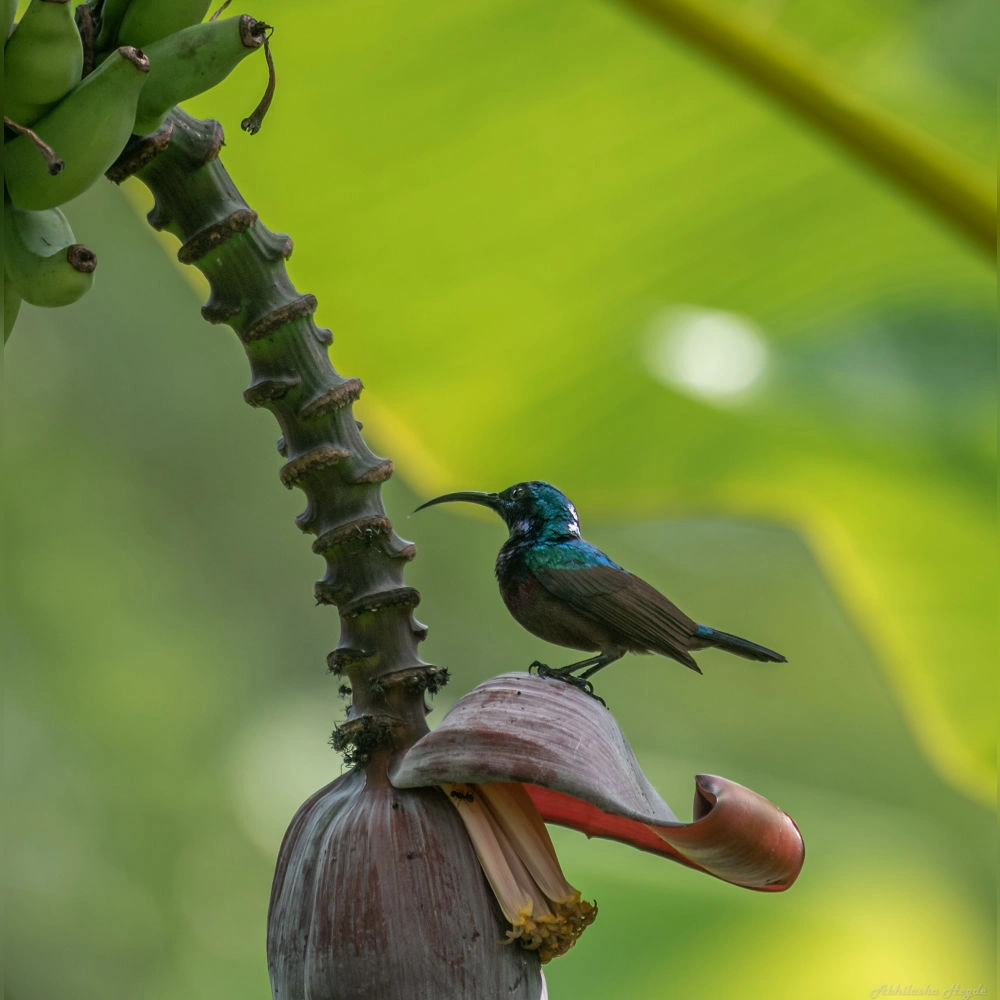
Purple Sunbird
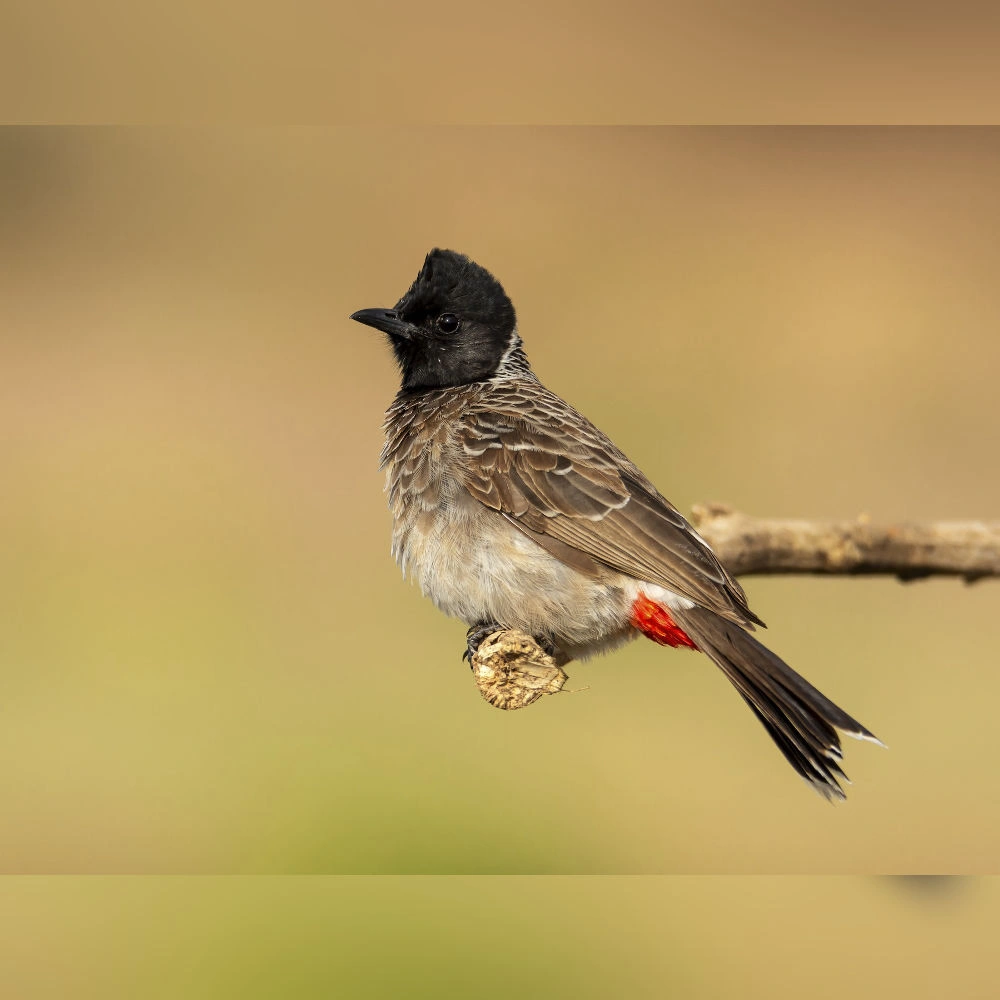
Red-vented Bulbul
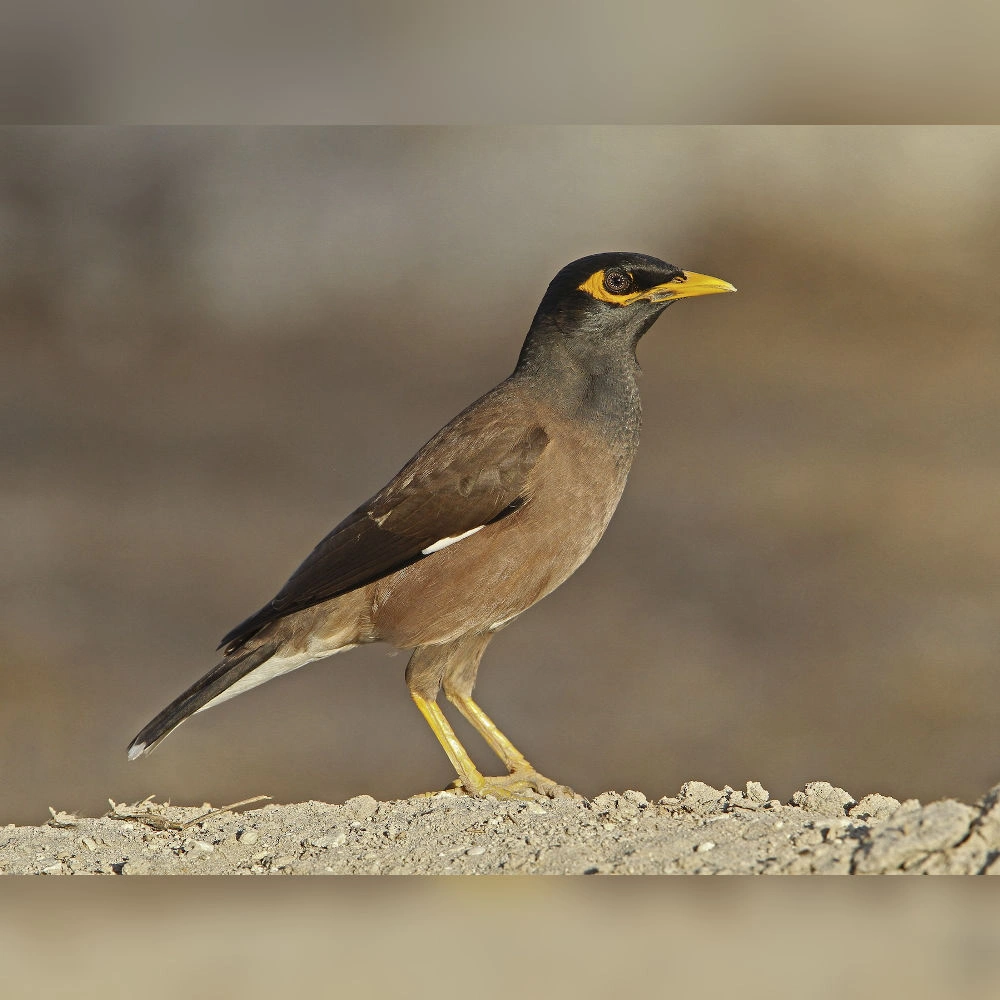
Common Myna

Scroll to Top