

Loading Events

Bird Walk at Japanese Garden, Sector 31, Chandigarh

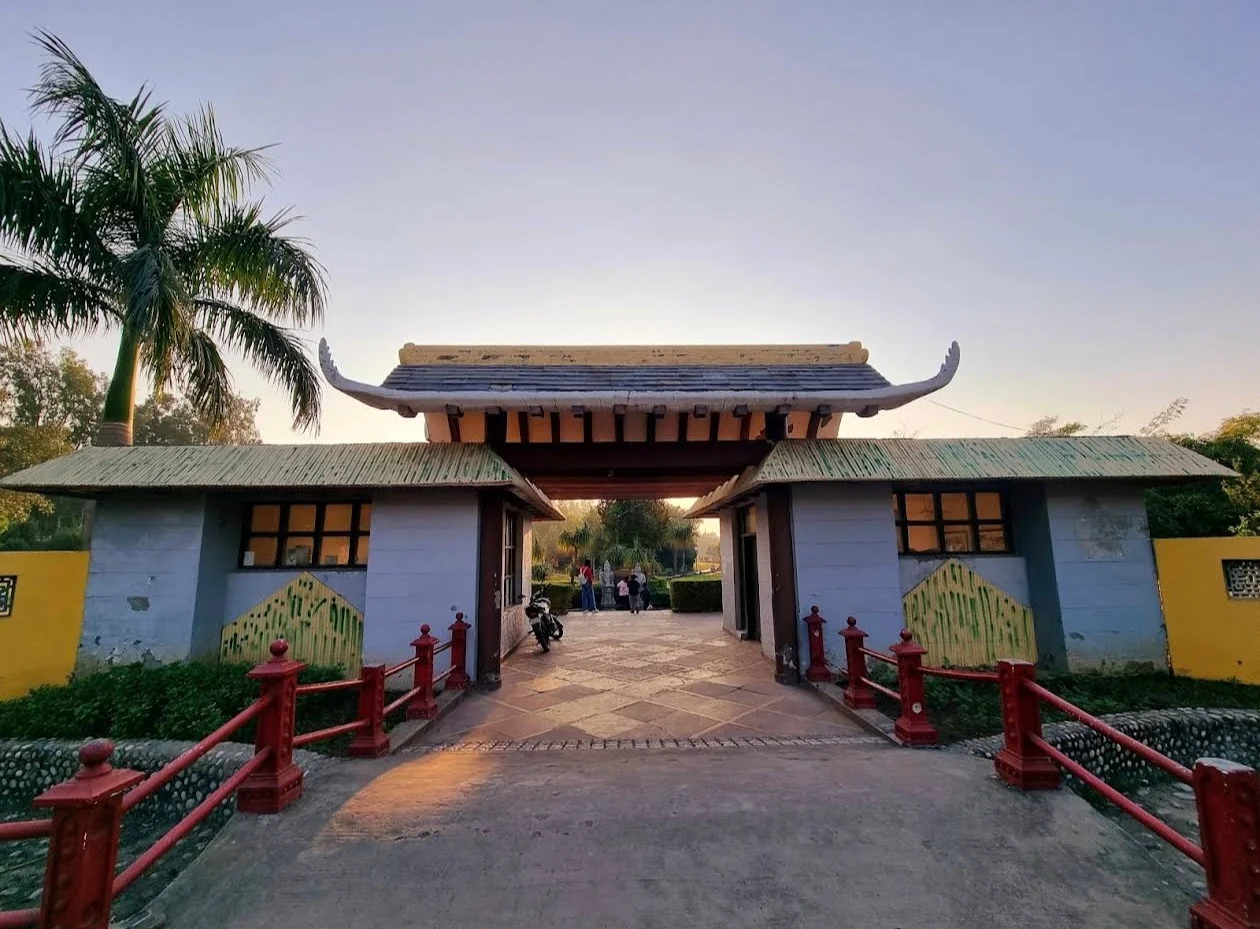
About Japanese Garden, Sector 31

Chandigarh’s Japanese Garden in Sector 31 opened in 2014 and covers 13 acres. It’s a calm, carefully designed space with pagoda towers, ponds, small waterfalls, stone lanterns and stands of golden bamboo, split across two phases joined by a decorative tunnel. The garden was built for people, but its mix of water, clipped lawns, flowering shrubs and mature trees has also made it a small green haven for urban wildlife. Butterflies visit the flower beds, dragonflies patrol the ponds, and squirrels run along the bamboo.
The garden is a good spot for relaxed birding, especially early in the morning. Resident barbets, bulbuls and mynas are joined in winter by warblers, wagtails and flycatchers arriving from the Himalayas and Central Asia. The water features draw birds that like wet ground, and the fruiting and flowering trees keep nectar and fruit eaters busy. The pressures are the usual ones for city gardens: too much tidying of undergrowth, plenty of exotic ornamental plants, noise, and fewer old trees with nesting holes. Keeping some wild corners, planting native trees such as ficus, kachnar and semal, and cutting down on pesticides would make this garden even better for birds.

Bird Guide: Gagandeep Singh

His birding and nature documentation work began in 2019, covering a wide geographical area that includes Chandigarh, Panchkula, Mohali, Solan, Sirmaur, Morni Hills, Dehradun, and other nearby locations.
Bird walk Location

Common birds of Japanese Garden, Sector 31

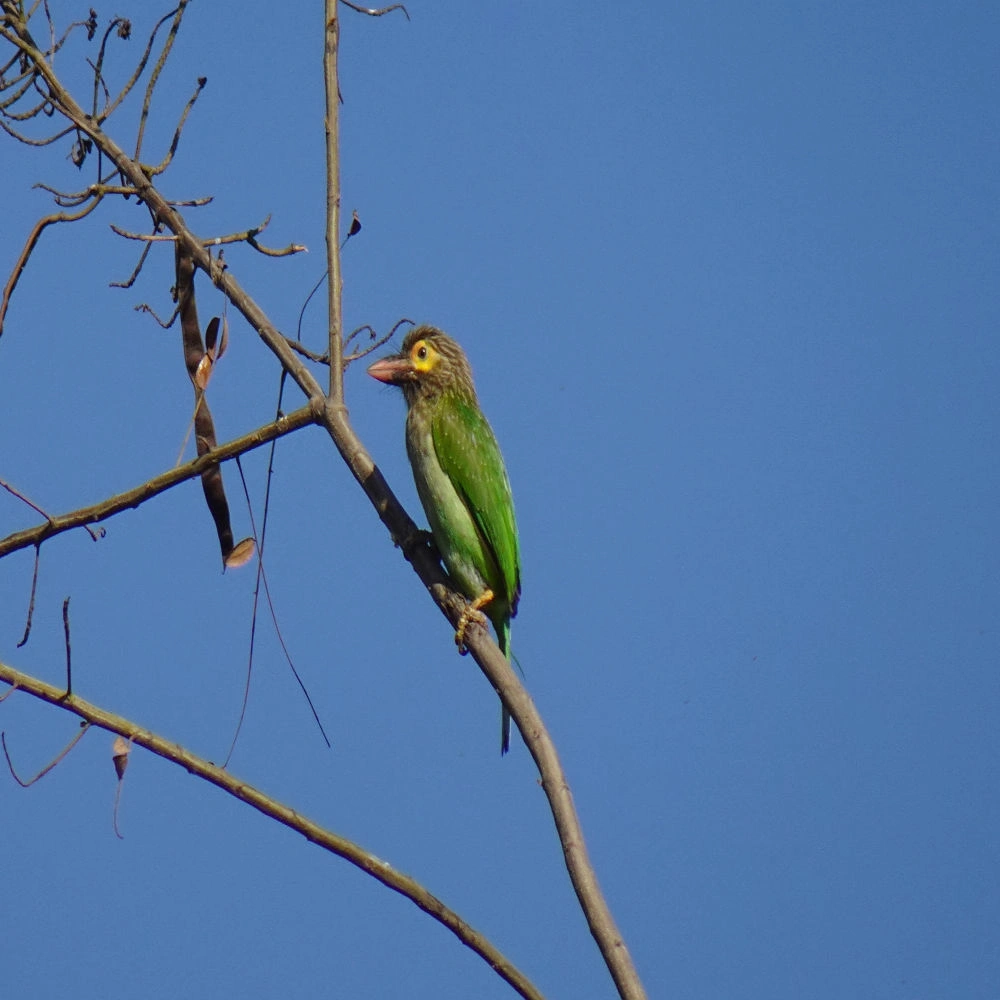
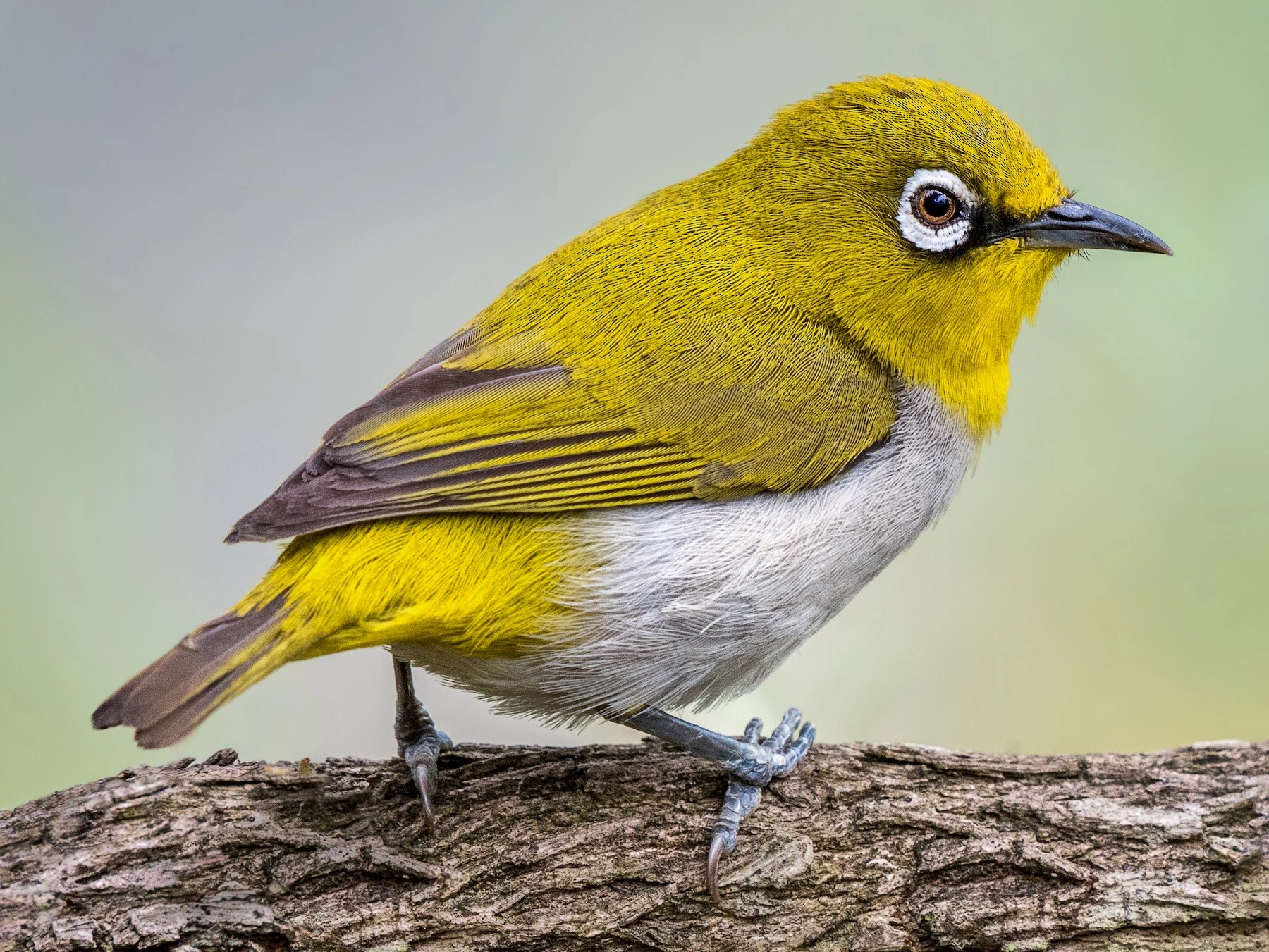
Walk quietly through the Japanese Garden and you’ll hear a steady “tuk-tuk-tuk” from the treetops. That’s the Coppersmith Barbet, while its green cousin the Brown-headed Barbet keeps up a louder, rolling call nearby. Flocks of tiny Indian White-eyes, each with a neat white ring around the eye, move through the bushes. Purple Sunbirds flash metallic colours as they hover at flowers. In winter, the garden fills with visitors from far away. Hume’s Warbler flicks through the canopy after insects. White and Gray Wagtails bob along the pond edges. The Taiga Flycatcher shows off its rusty throat from a low perch. Wire-tailed Swallows, trailing their fine tail streamers, skim low over the water. The Black-rumped Flameback, a crimson-crowned woodpecker, hammers at old trunks. The Oriental Magpie-Robin sings some of the sweetest songs in the garden. Brahminy Starlings and Jungle Mynas quarrel on the lawns. Greater Coucals stalk through the undergrowth, and Indian Peafowl are a reminder that wild India is never far away, even in the middle of a planned city.
Indian White-eye
Brown-headed Barbet
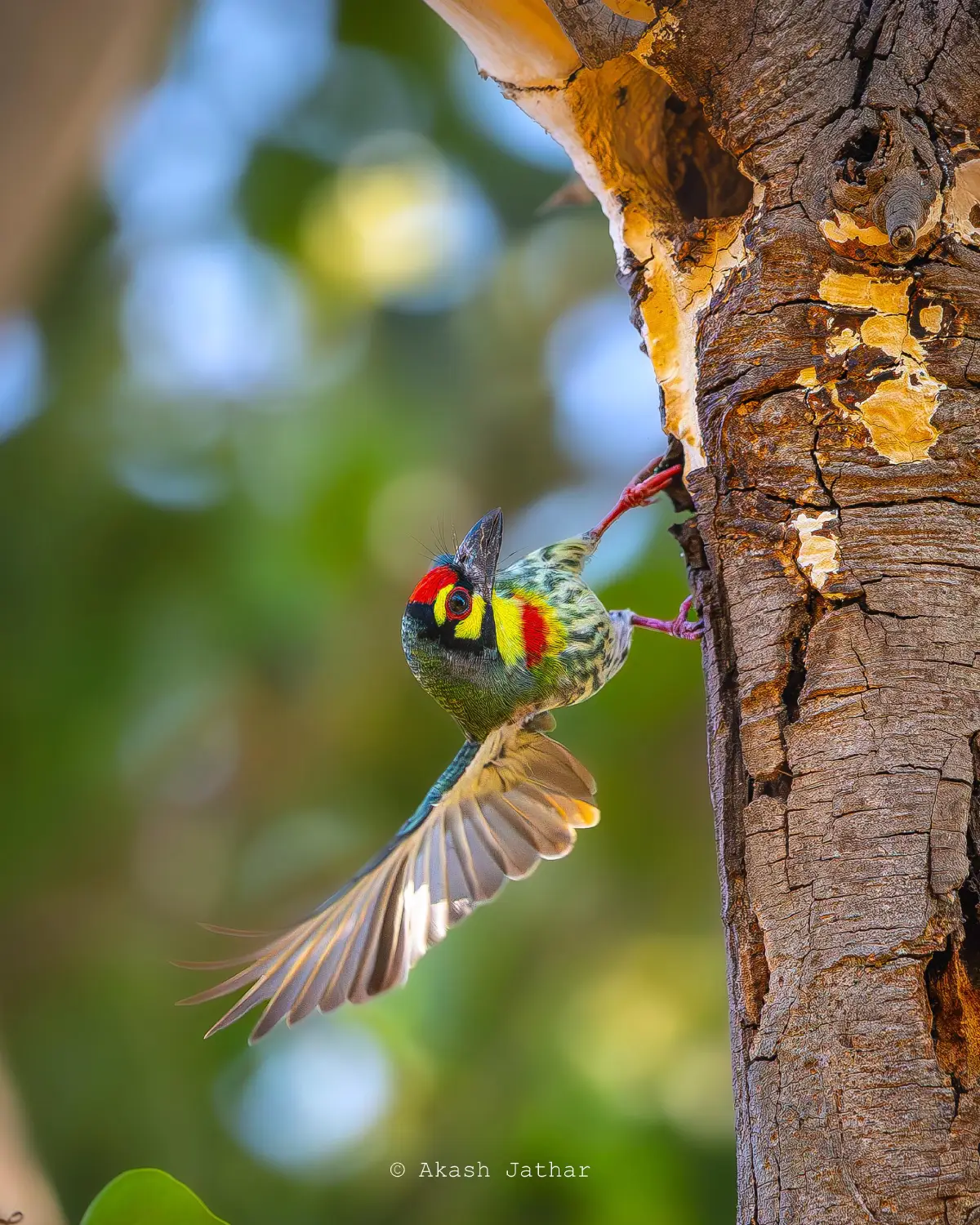
Coppersmith Barbet
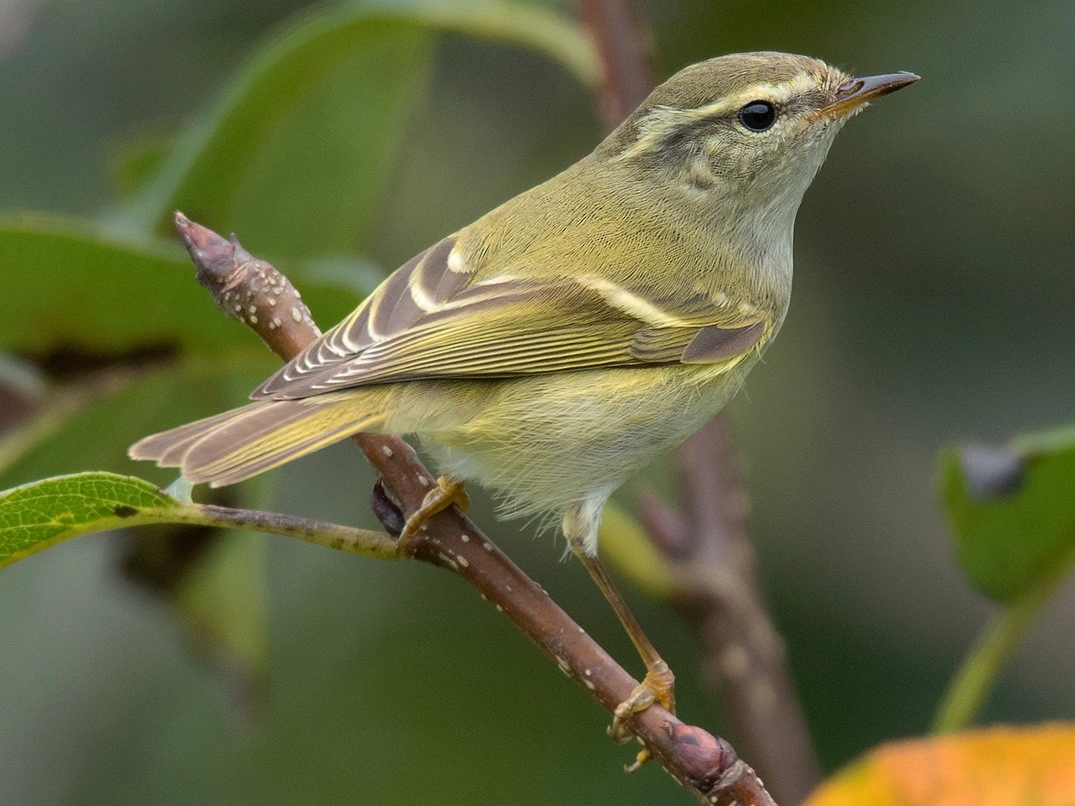
Hume's Warbler
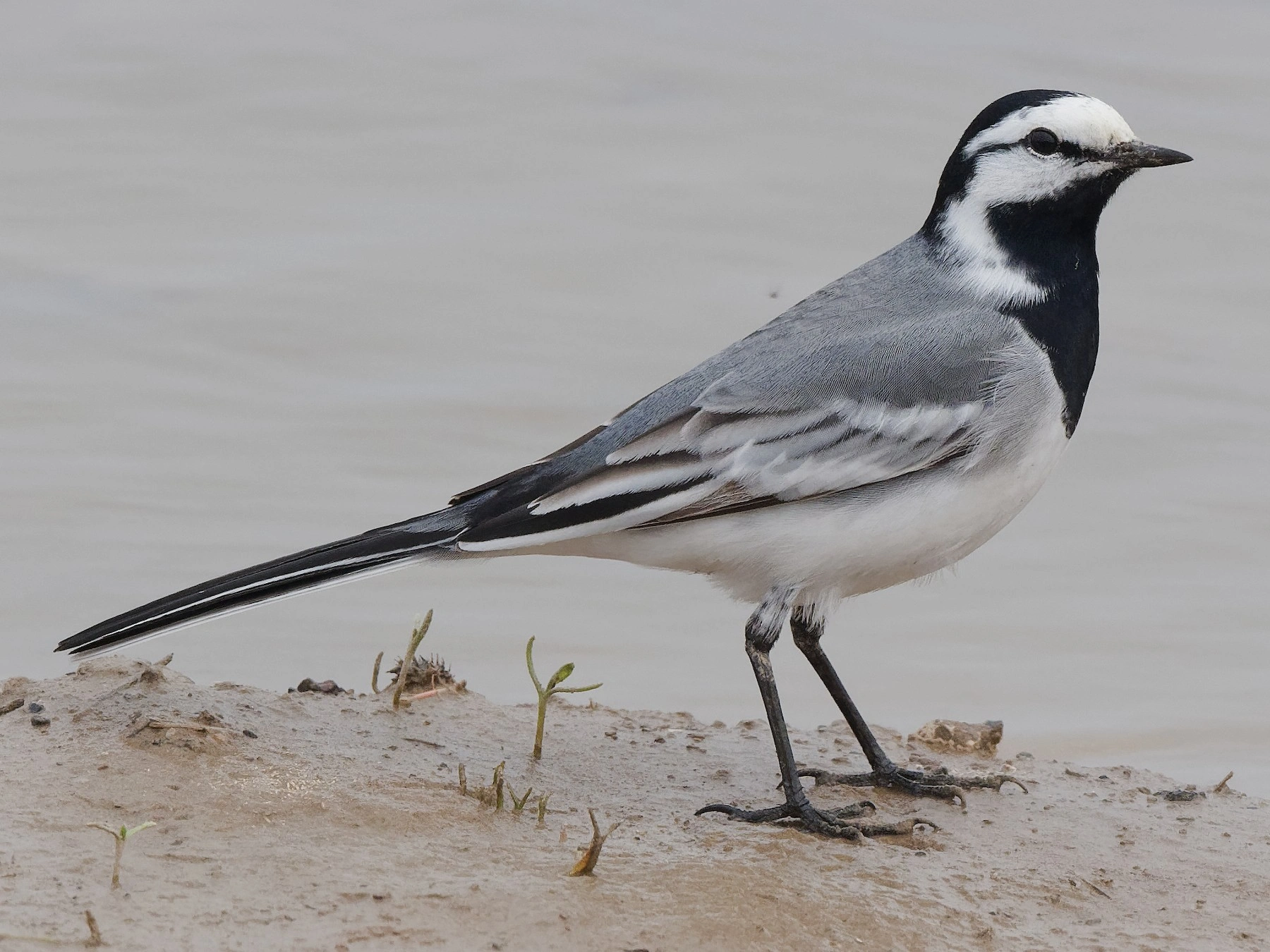
White Wagtail
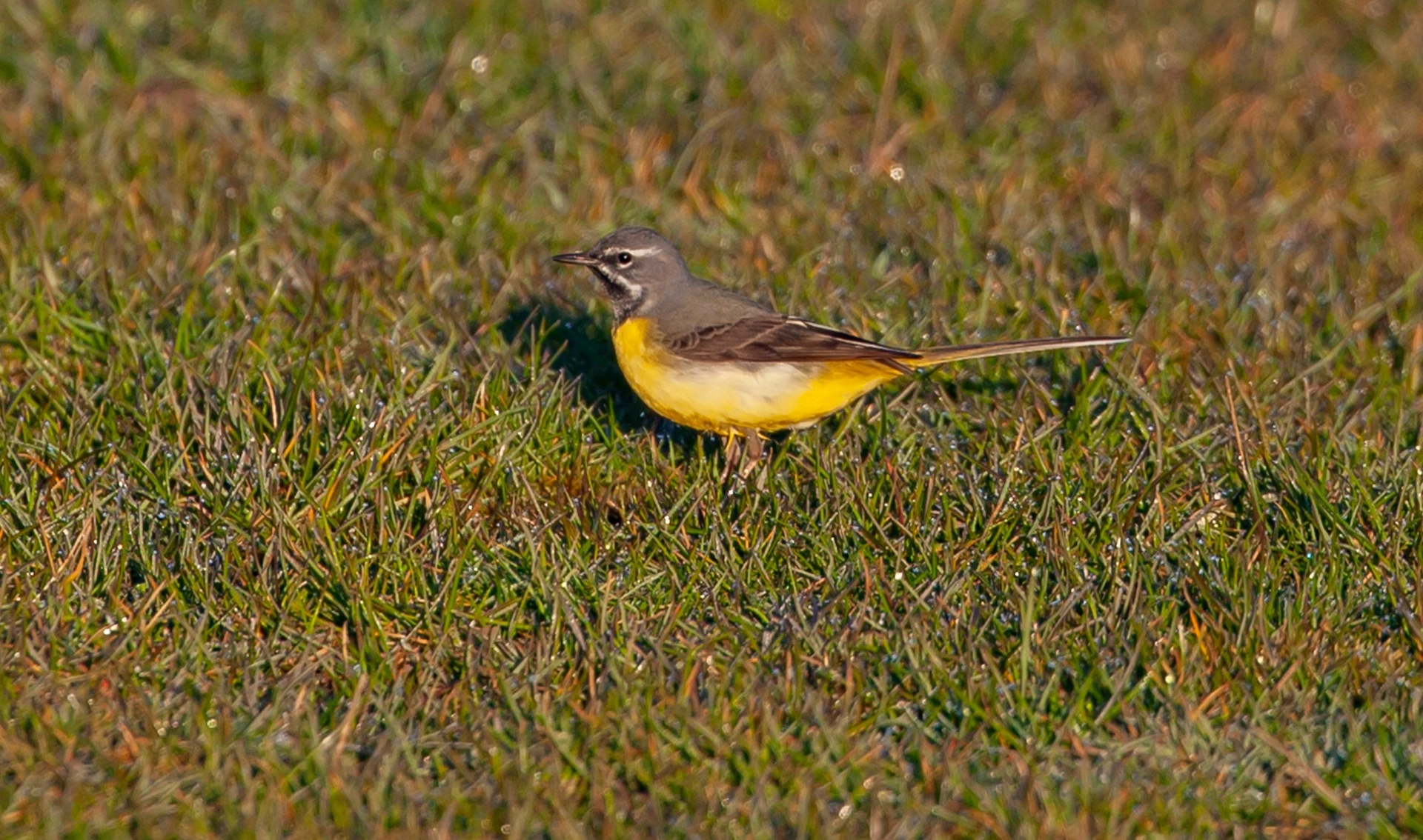
Grey Wagtail
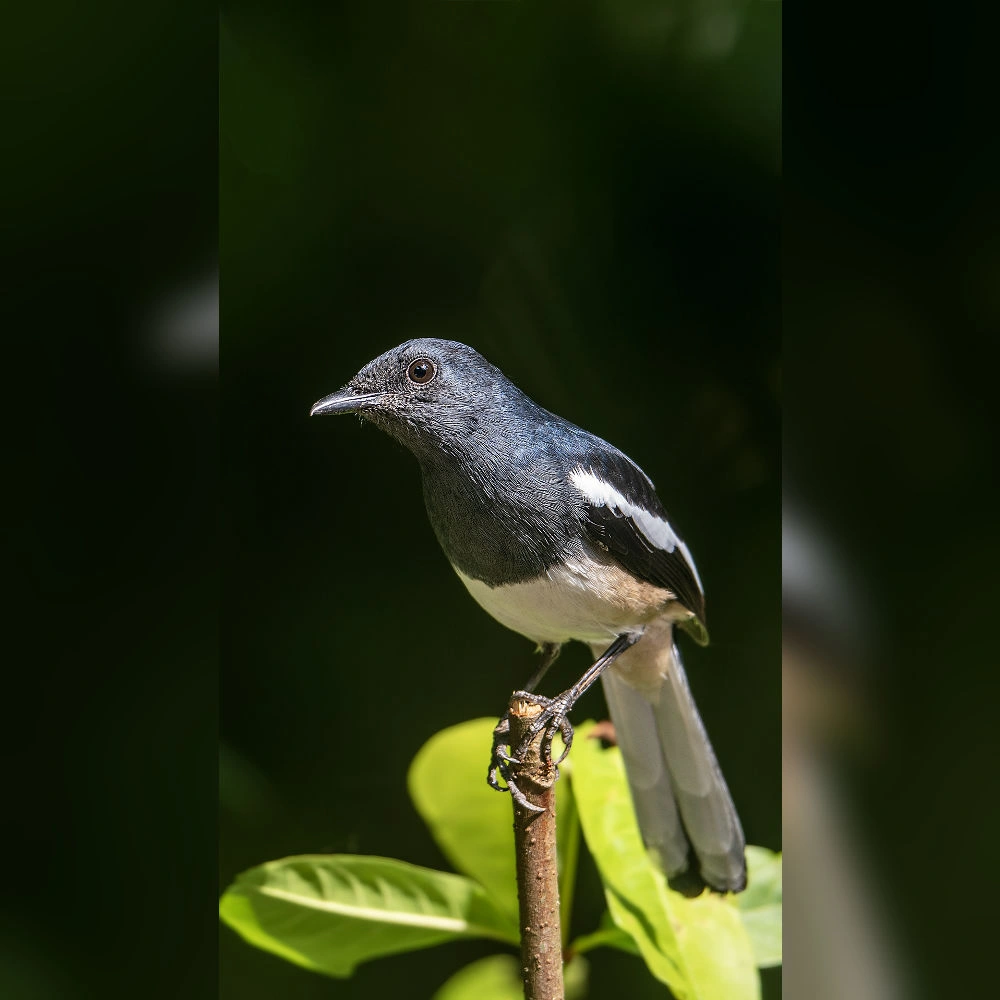
Oriental Magpie-Robin
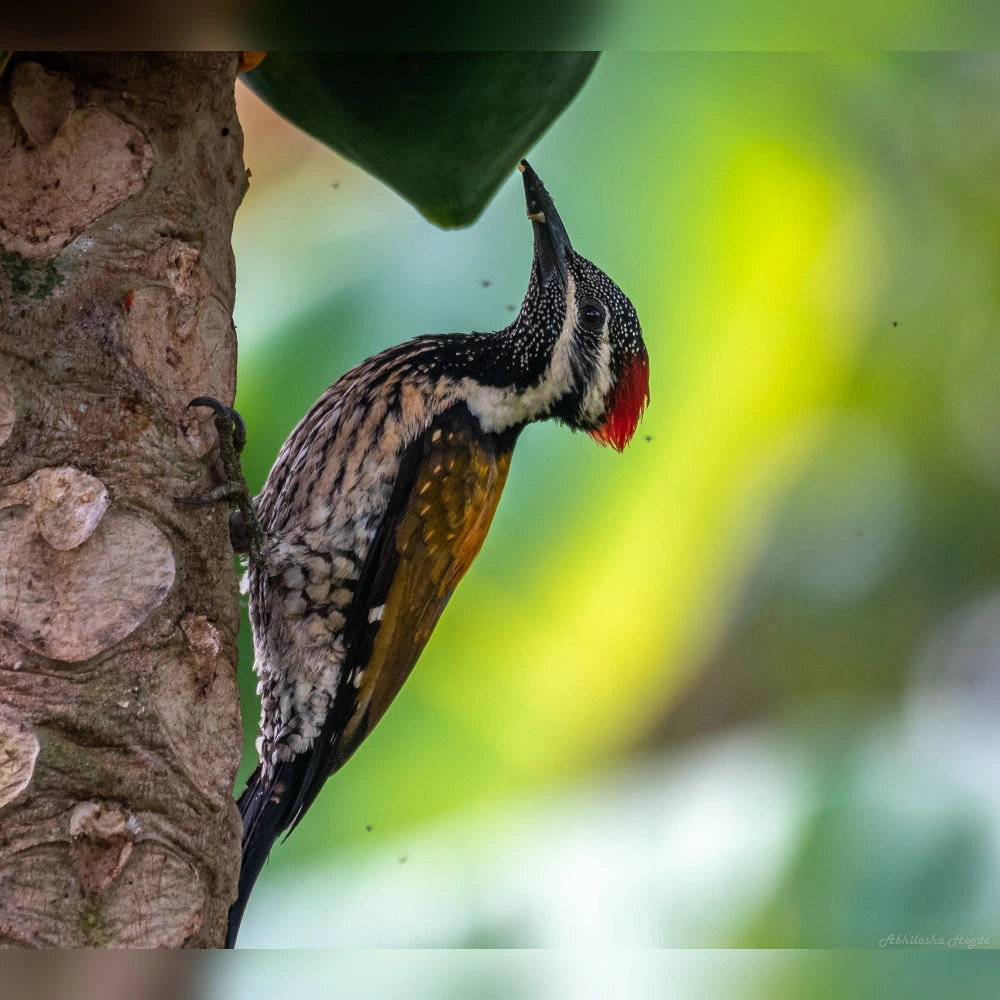
Black-rumped Flameback
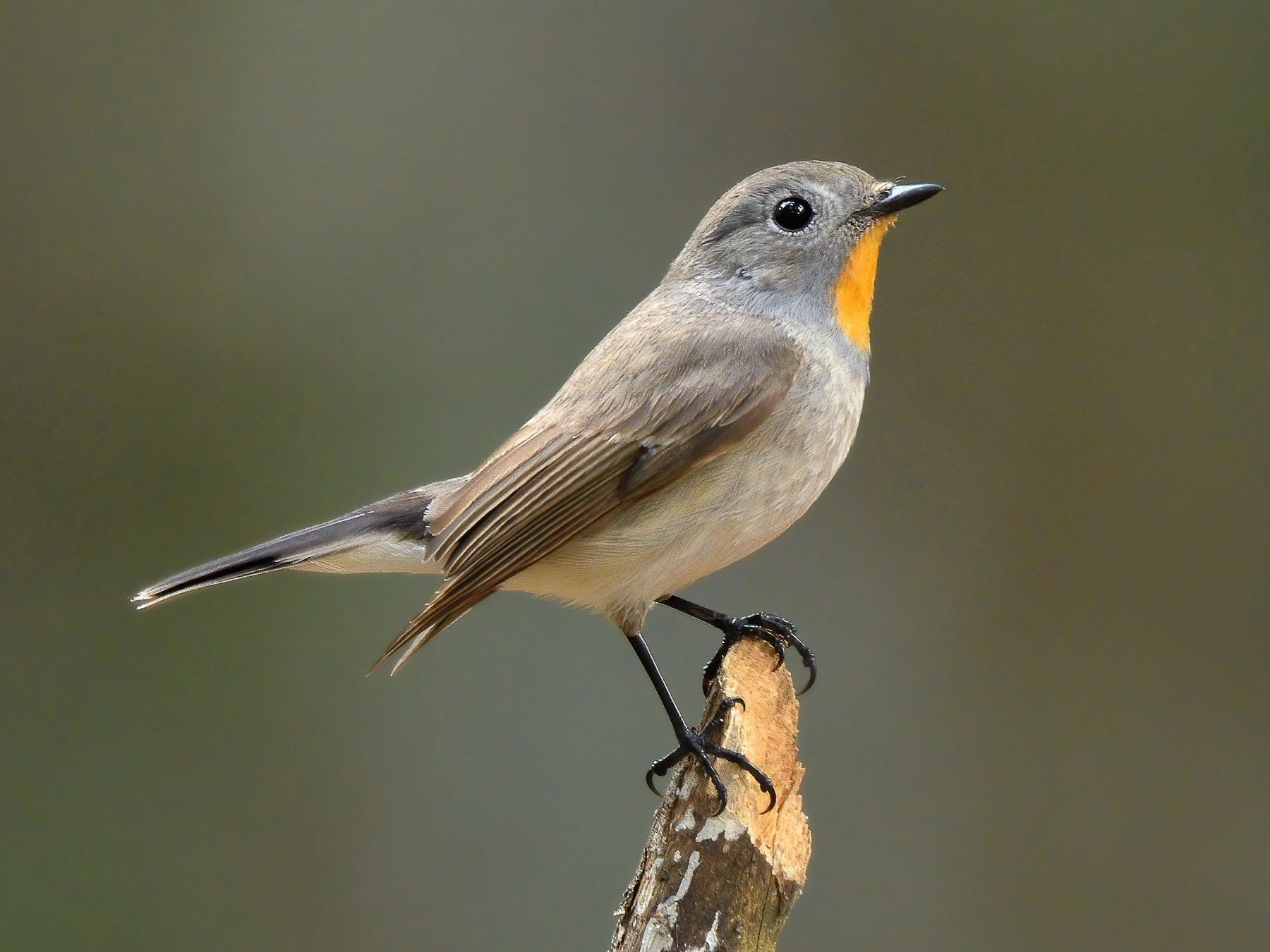
Taiga Flycatcher
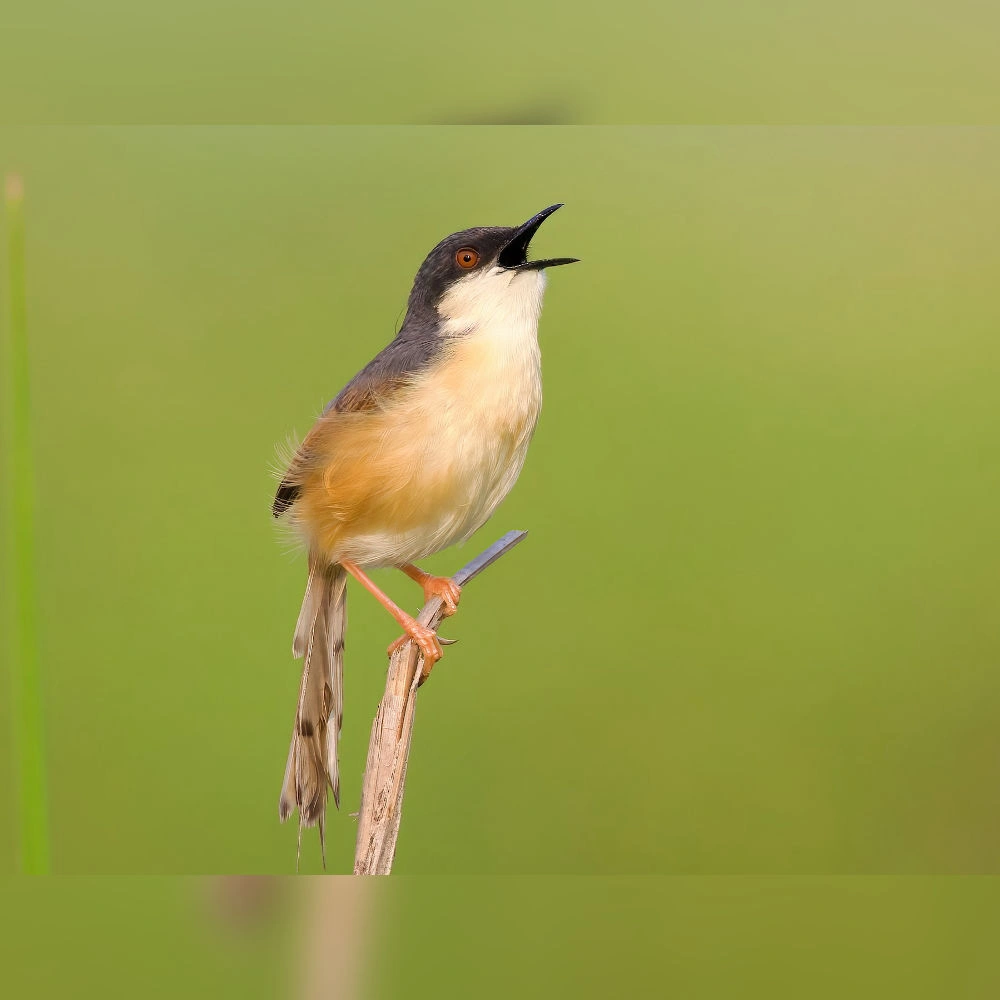
Ashy Prinia
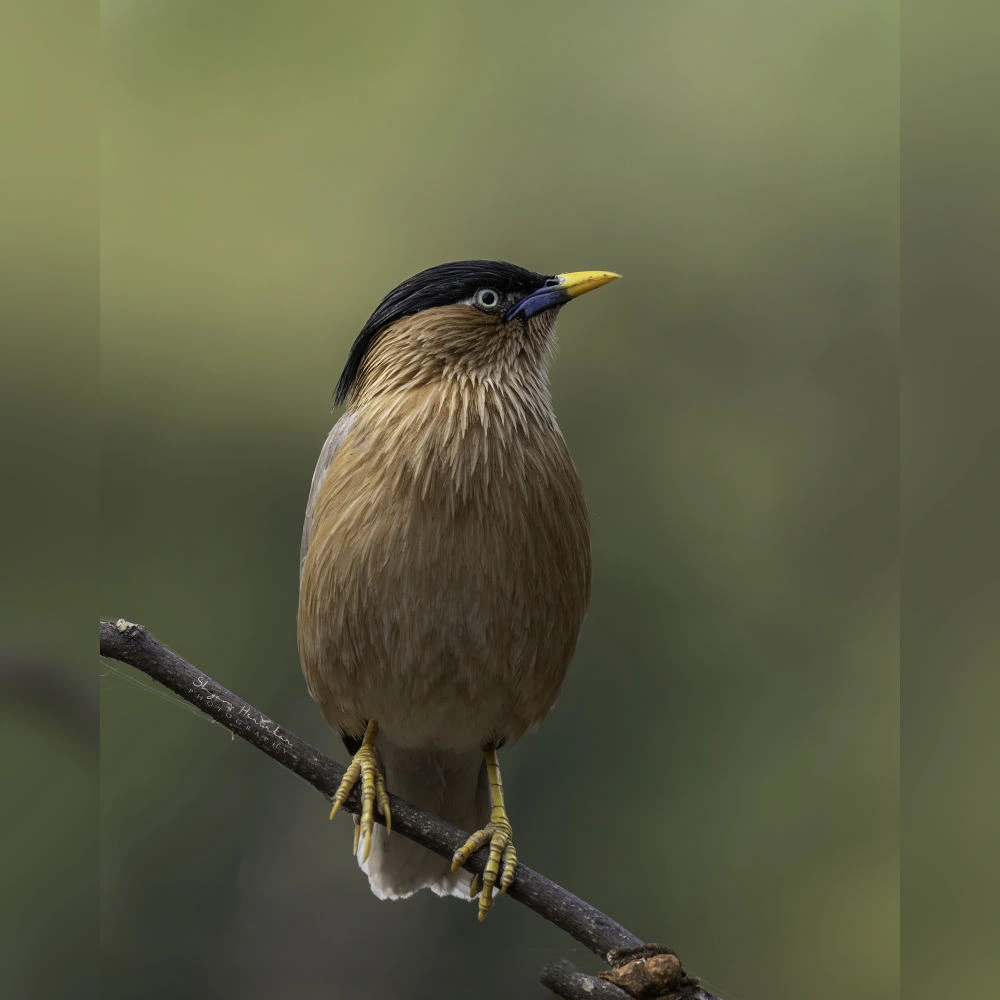
Brahminy Starling
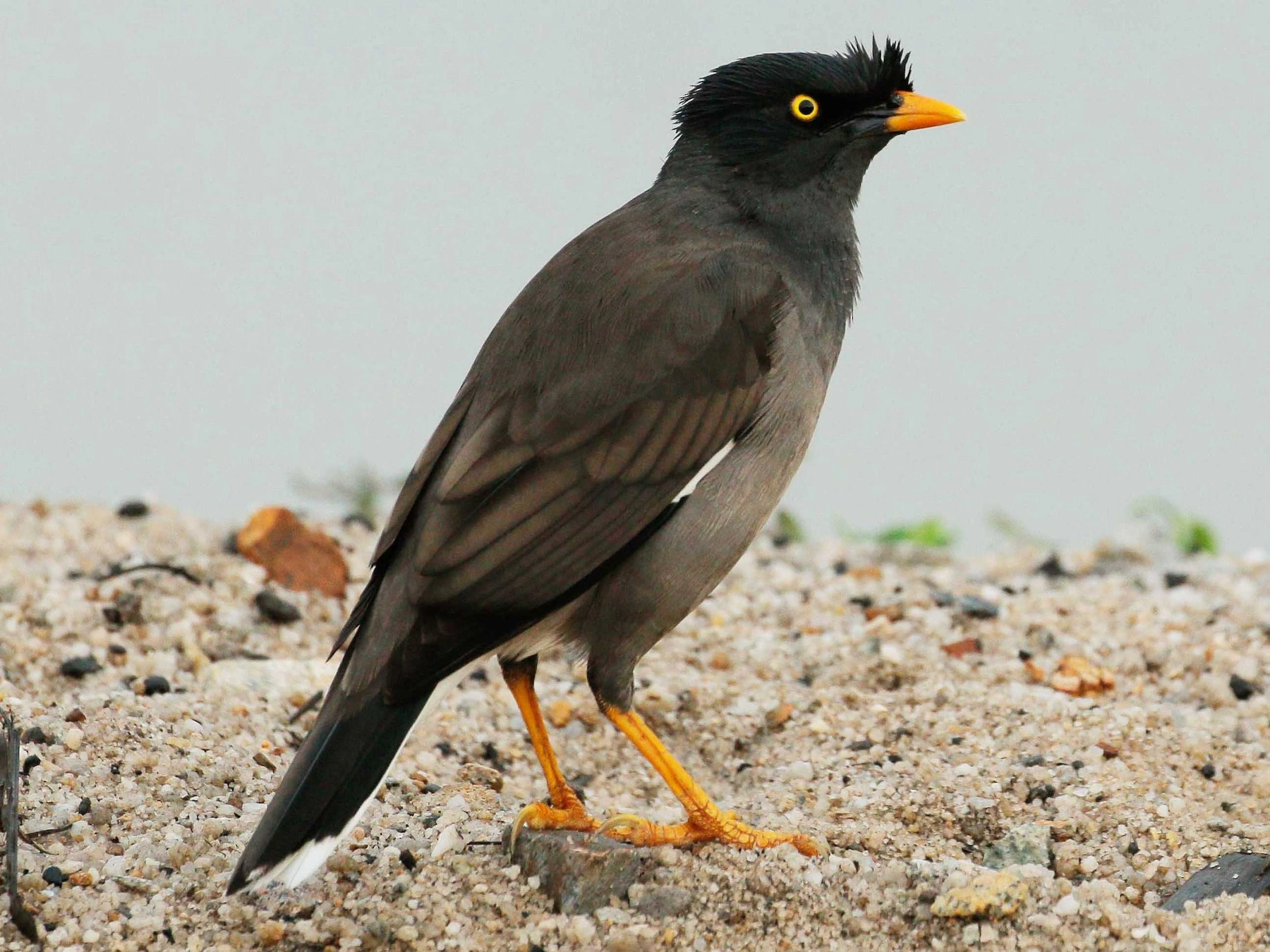
Jungle Myna
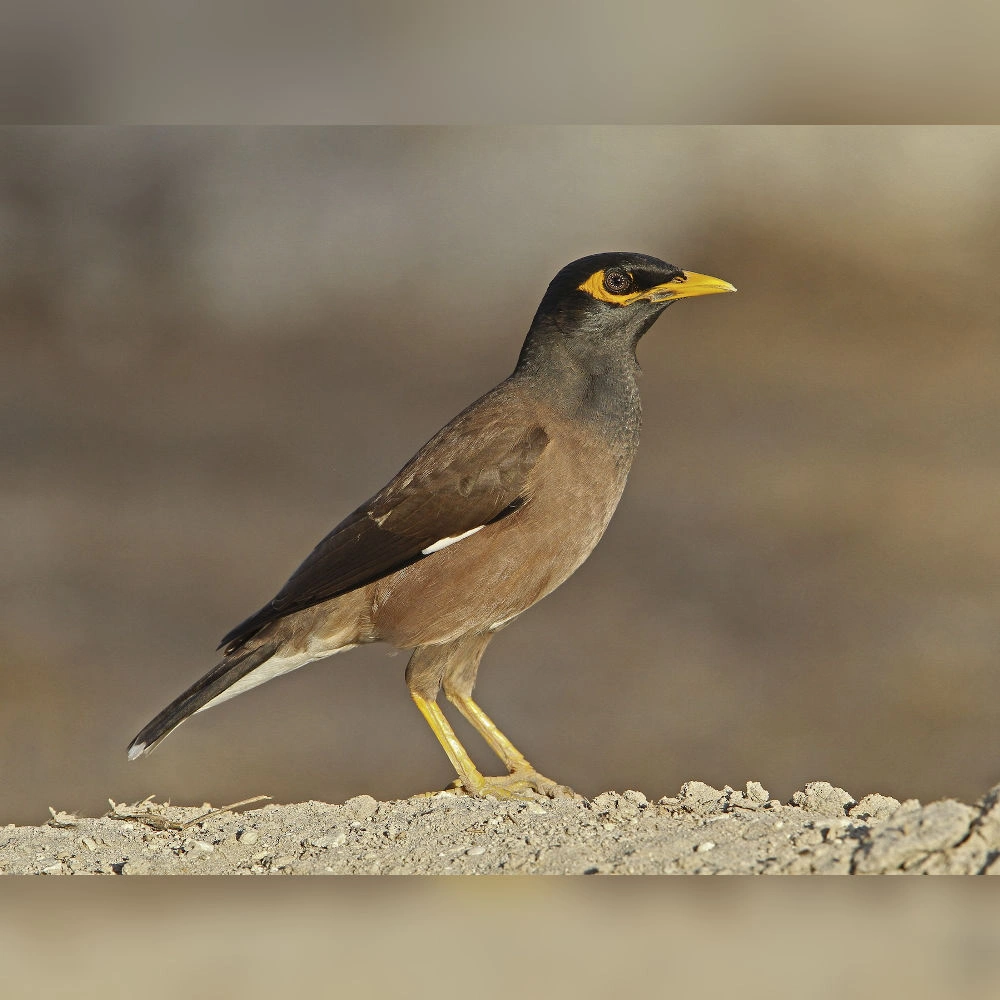
Common Myna
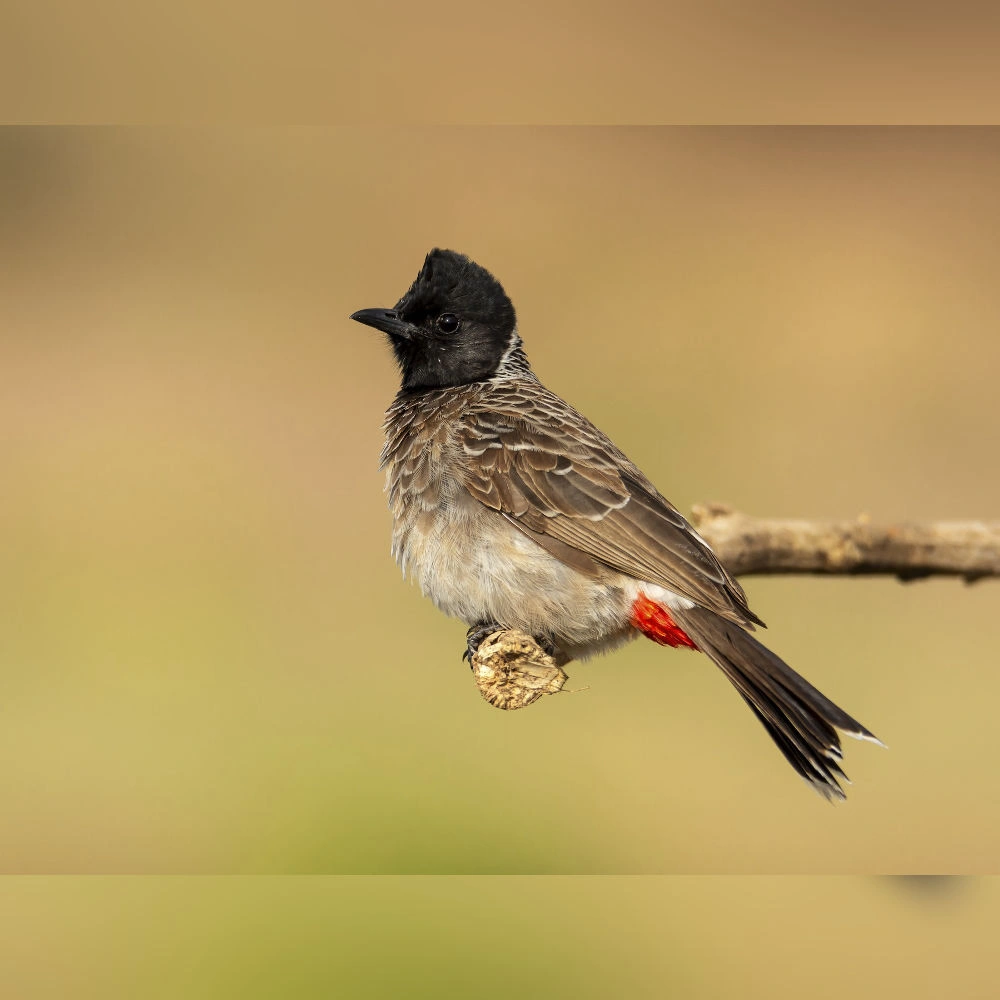
Red-vented Bulbul
Wire-tailed Swallow
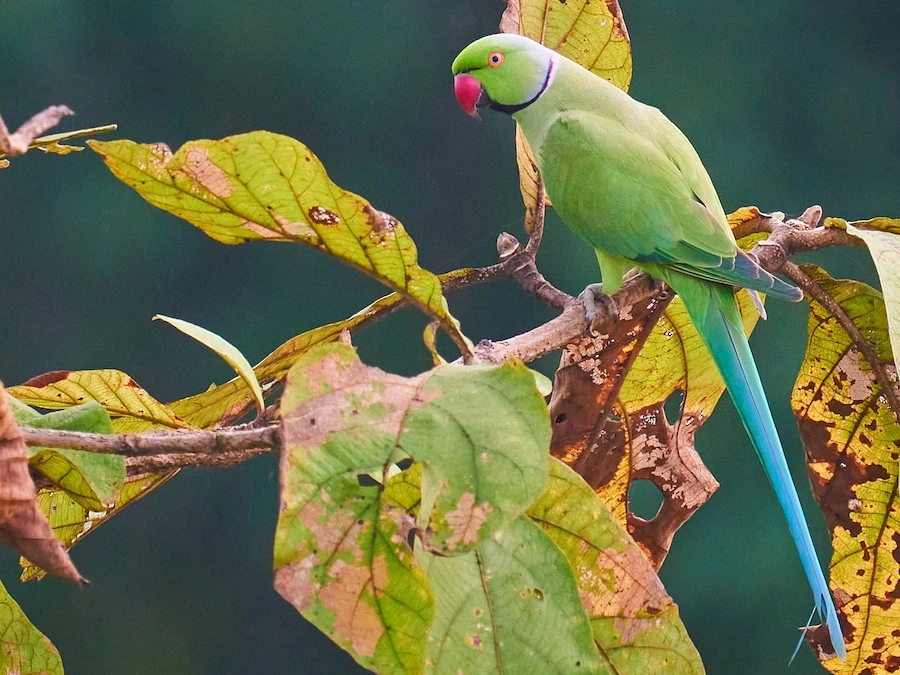
Rose-ringed Parakeet
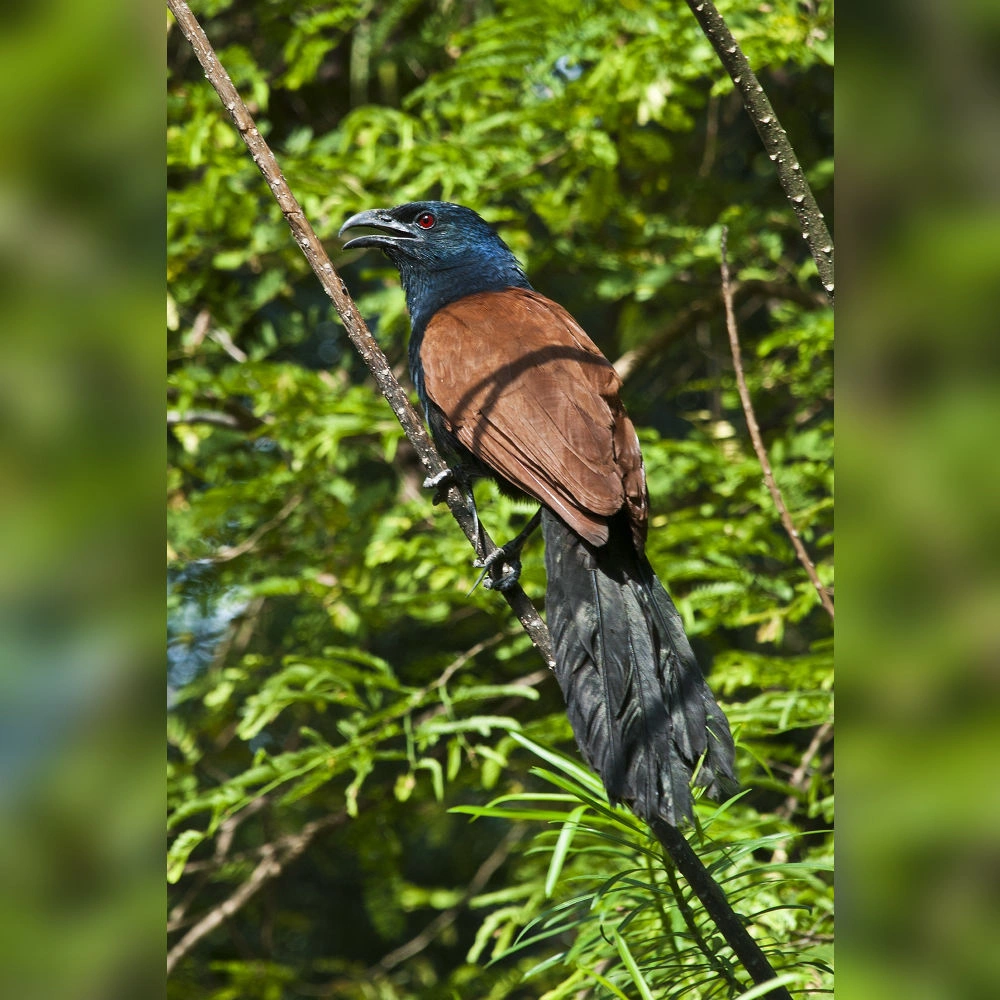
Greater Coucal
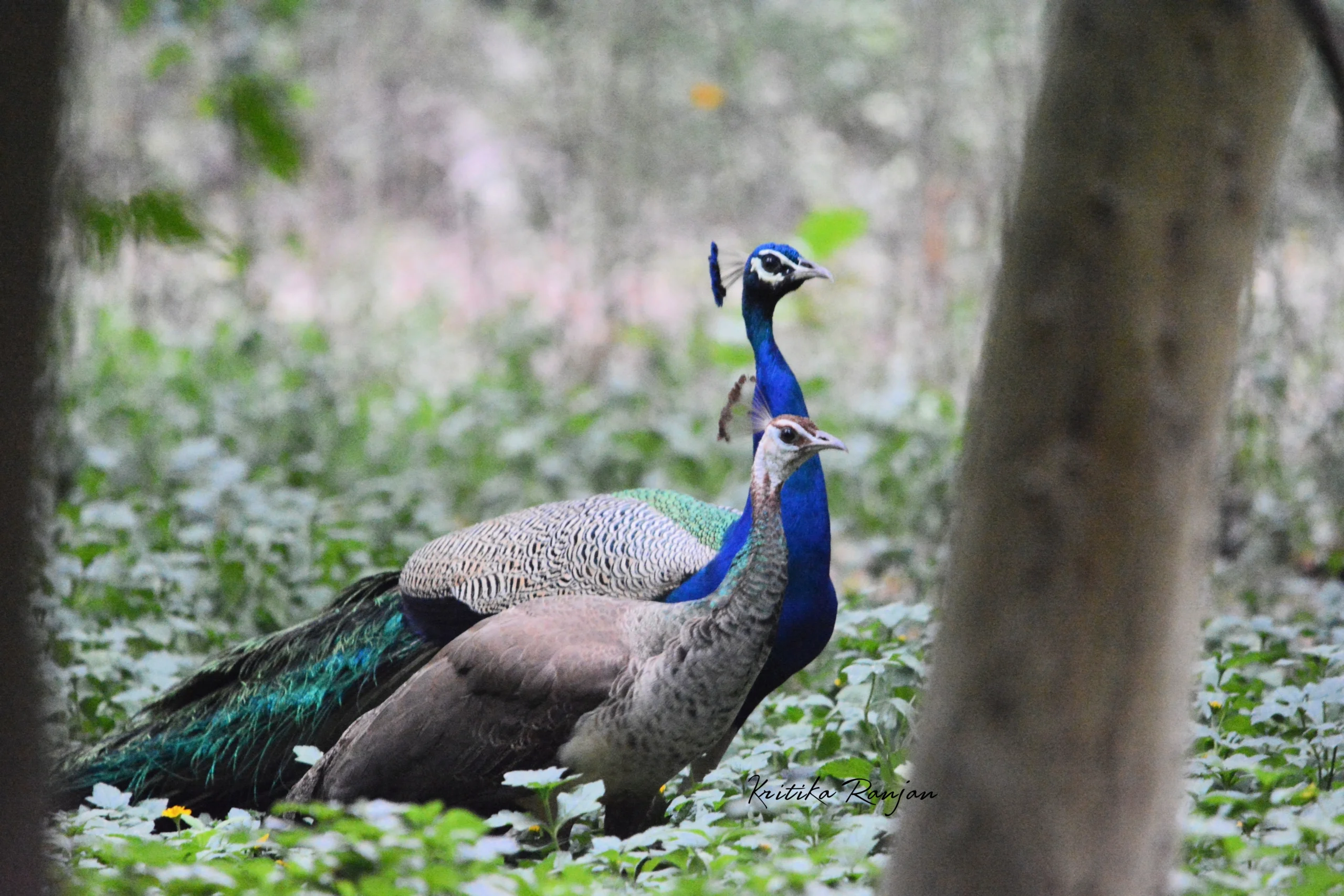
Indian Peafowl
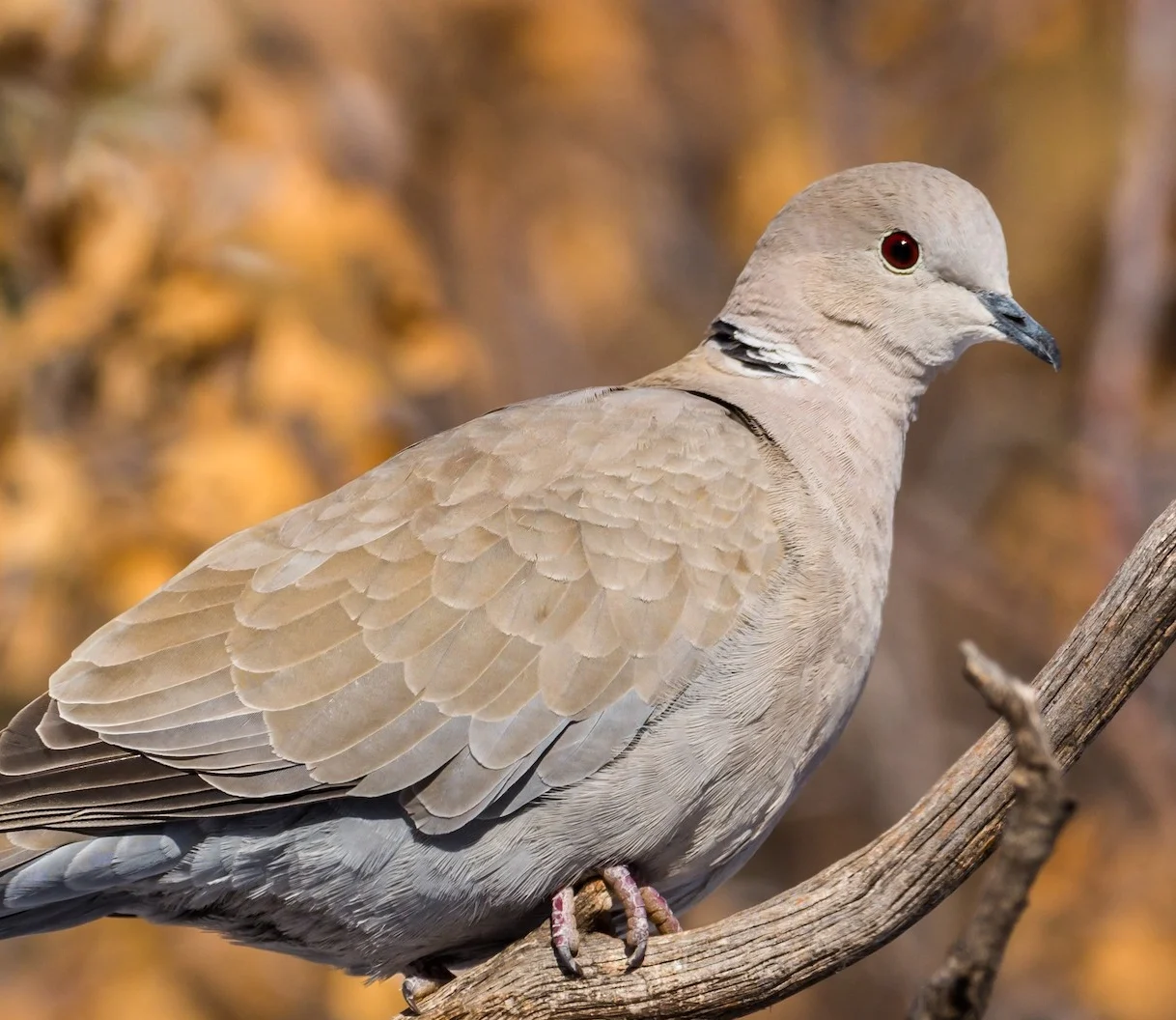
Eurasian Collared-Dove
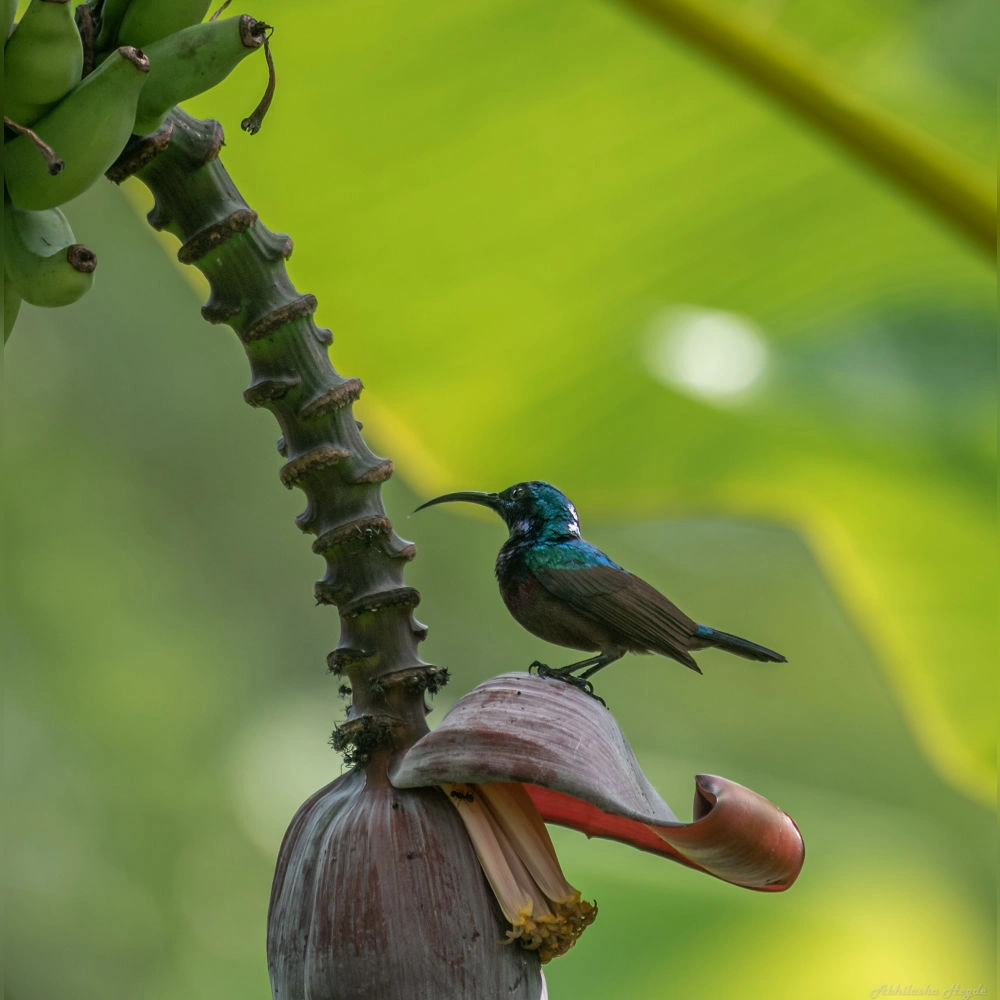
Purple Sunbird

Scroll to Top