Loading Events

Bird Walk at Jayamangali Black Buck Forest

About Jayamangali Black buck forest

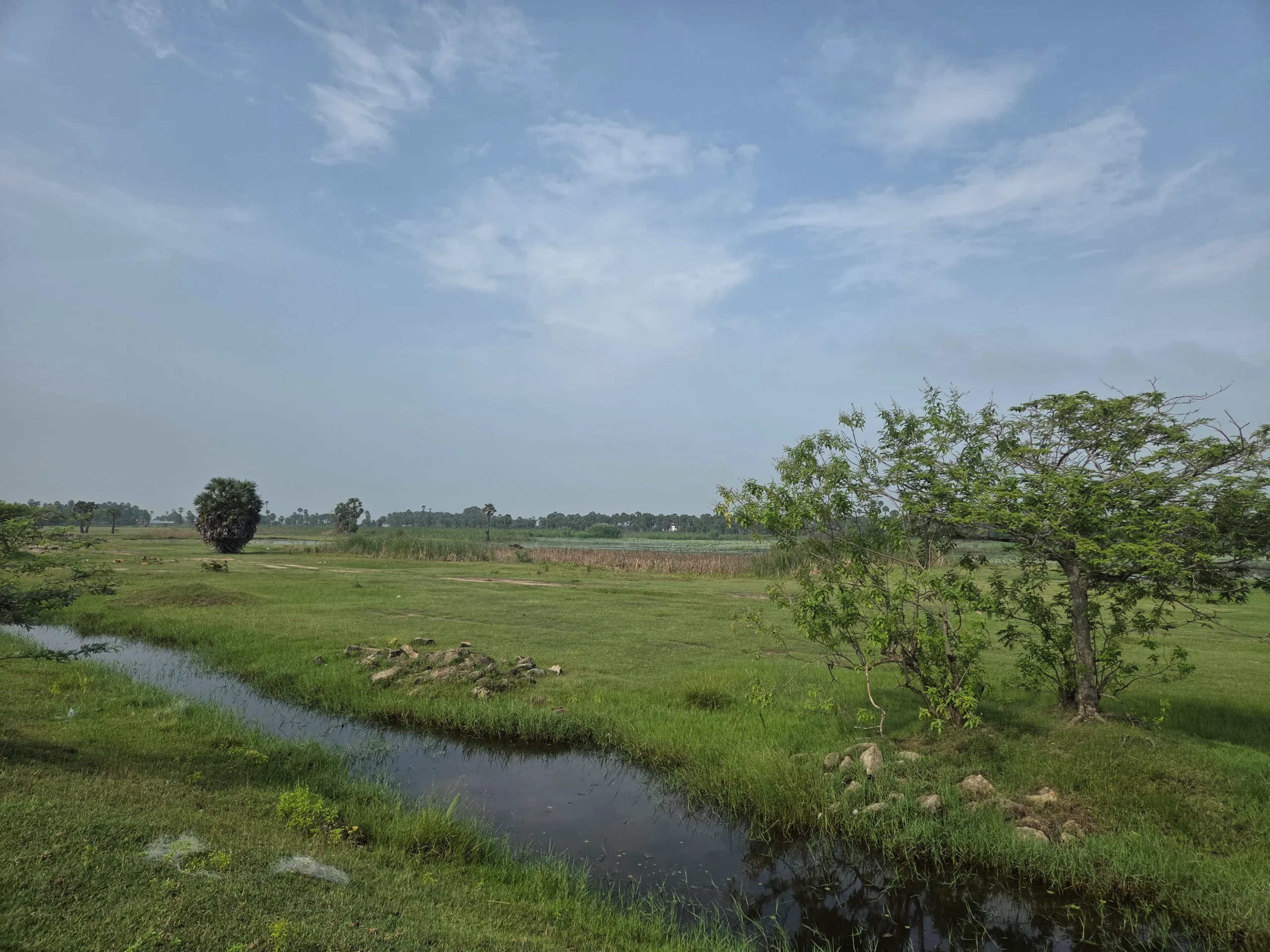
Near Maidanahalli village in Madhugiri taluk, at the north-eastern tip of Tumakuru district, the Jayamangali Blackbuck Conservation Reserve protects one of Karnataka’s last stretches of open savanna grassland. Notified in 2007 over about 798 acres, it is the district’s only protected area and named after the Jayamangali River that flows to its east. The reserve holds Karnataka’s largest population of blackbuck outside Ranebennur, and these elegant antelopes share the landscape with the Indian wolf, Indian fox, jungle cat, Indian hare and bonnet macaque. Rolling grassland, thorny scrub, rocky patches and scattered trees surrounded by farmland make this an excellent place for dry-country birds. Larks and pipits forage in the open, lapwings and francolins call from the grass, shrikes and bushchats perch on bush tops, and raptors such as the Greater Spotted Eagle soar overhead in winter.

Yet Jayamangali’s grasslands are fragile and fragmented. Studies have found that the habitat inside the reserve is broken up by shrubs and eucalyptus plantations, with twice as many blackbucks now found outside it as inside. Eucalyptus and acacia planted under social forestry, along with solar-fenced vineyards spreading around Maidanahalli, have eaten into grazing land. The reserve also lacks fencing, and entry remains unregulated. Restoring open grassland, removing plantations and working with local communities are key to protecting this unique landscape and its wildlife.

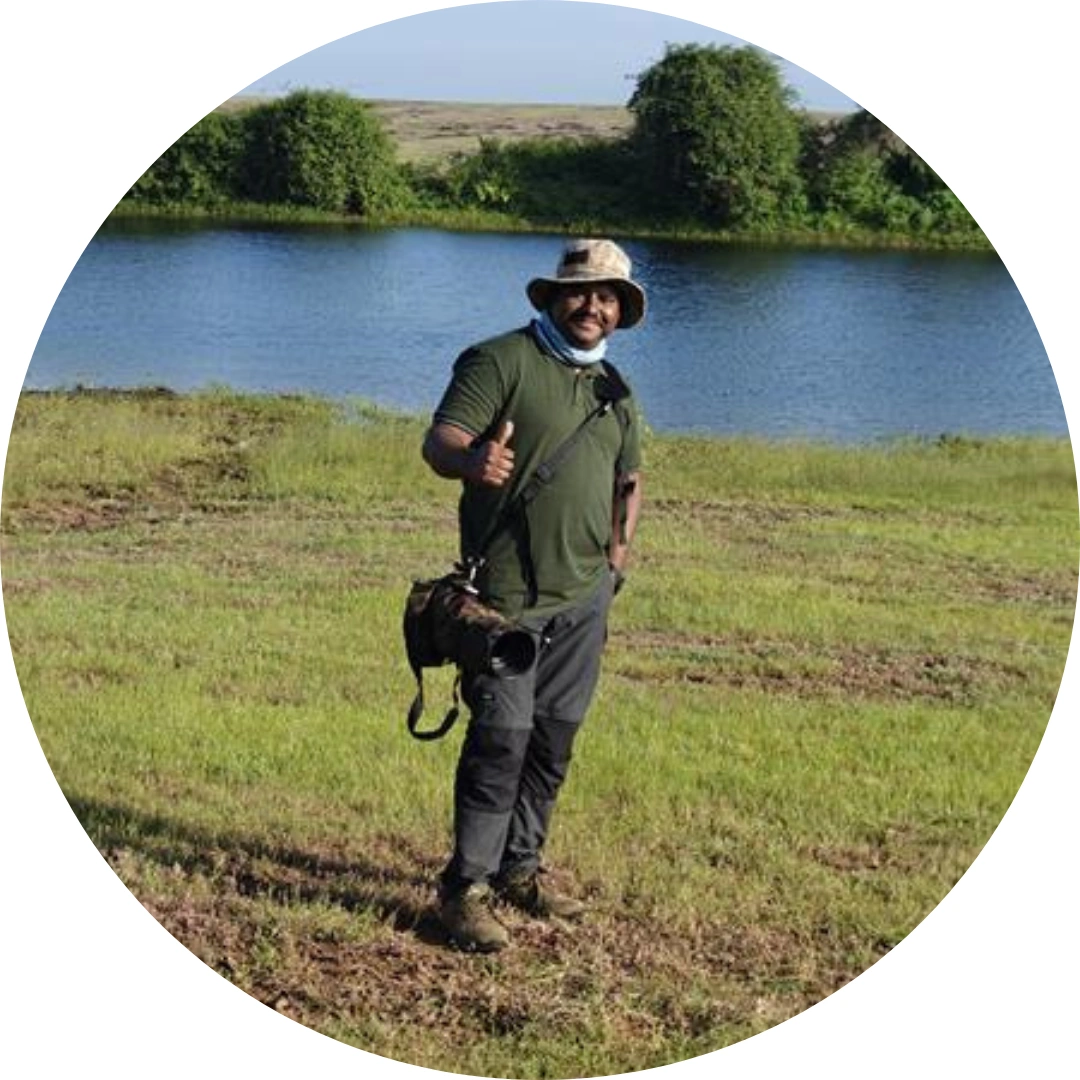
Bird Guide: Gurprasad K R

He is a passionate nature lover, birding photographer, and conservation advocate, with over a decade of experience observing and documenting birds. Deeply connected to nature and community, he finds joy and inspiration in birds, insects, and butterflies, and is driven to share this wonder to inspire others to connect with the natural world.
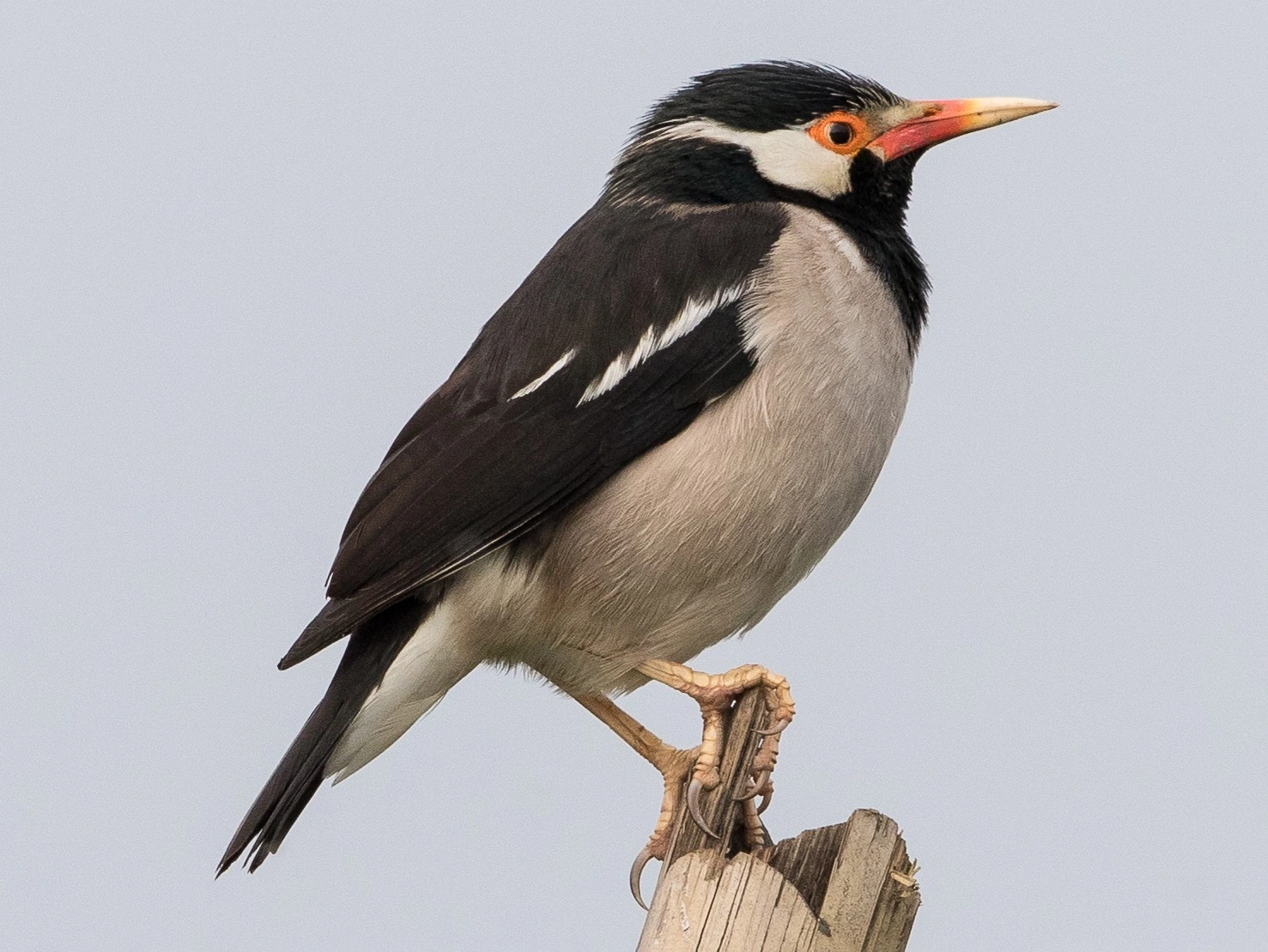
Bird walk Location

Common birds of Jayamangali Black buck forest

Jayamangali’s open grasslands are full of dry-country birds. On the bare ground, the Ashy-crowned Sparrow-Lark and Jerdon’s Bushlark forage quietly, Tree Pipits walk through the grass, and the striking Yellow-wattled Lapwing stands alert with its bright yellow face. The Gray Francolin calls loudly from the scrub, Indian Peafowl wander among the bushes, and the Common Hoopoe probes the soil with its long, curved bill. Doves are everywhere, with Eurasian Collared, Red Collared, Spotted and Laughing Doves feeding along the tracks. On bush tops and wires, the handsome Bay-backed Shrike watches for prey, Pied Bushchats and Indian Robins perch in the open, and Black Drongos and Asian Green Bee-eaters sally after insects. Noisy groups of Common Babblers move through the thorny scrub, while Brahminy Starlings and Common Mynas forage nearby. In the scattered trees, flocks of Small Minivets flash orange and grey, the Common Iora whistles from the leaves, the Common Woodshrike searches the branches, and the Common Tailorbird calls from the undergrowth. The Asian Koel calls from hidden perches, and overhead, the vulnerable Greater Spotted Eagle may soar in winter.

Greater Spotted Eagle
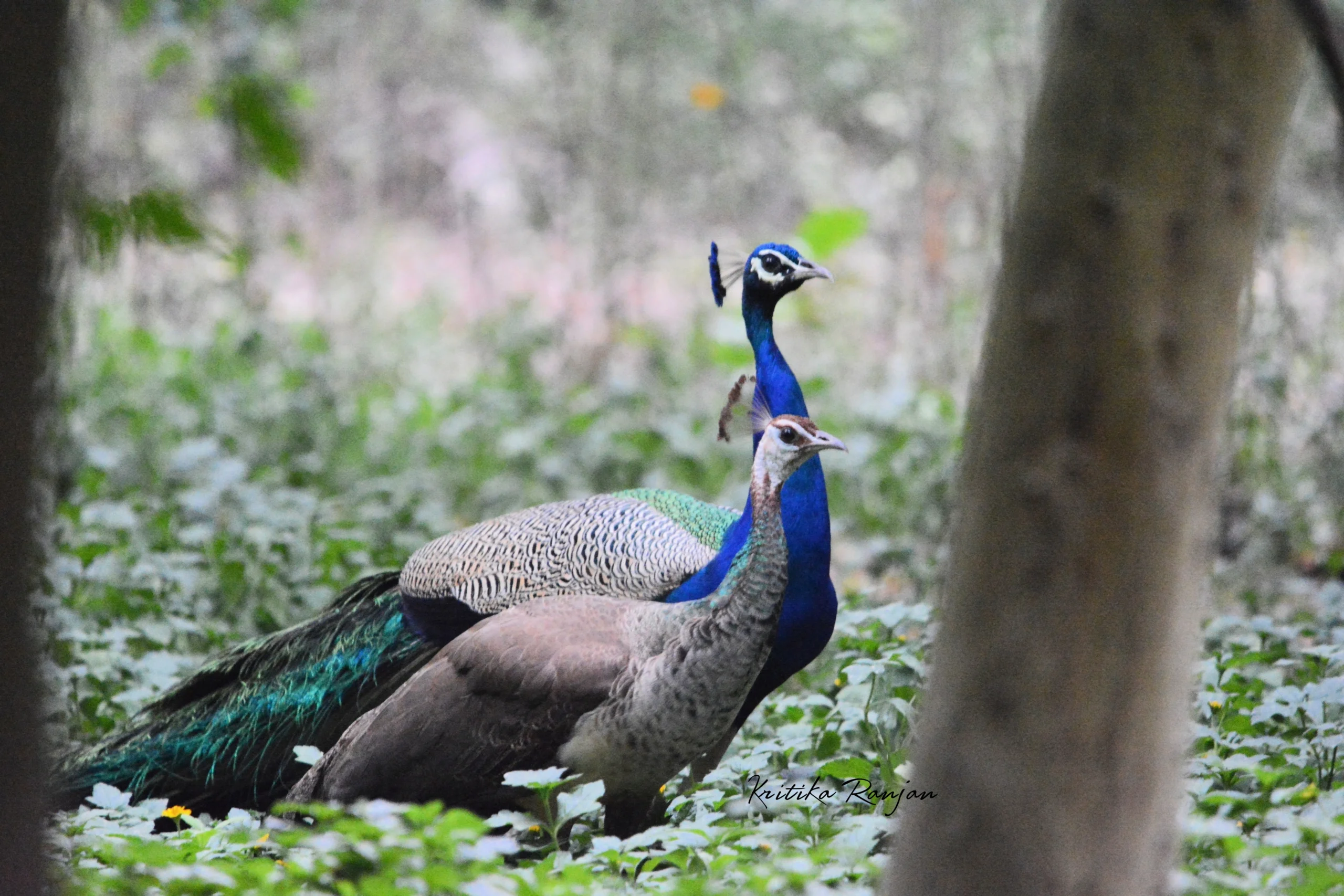
Indian Peafowl
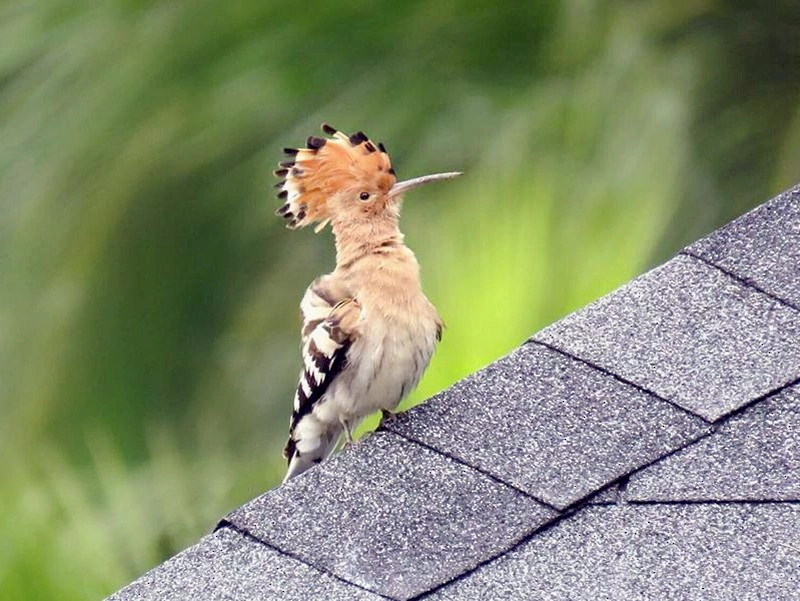
Common Hoopoe
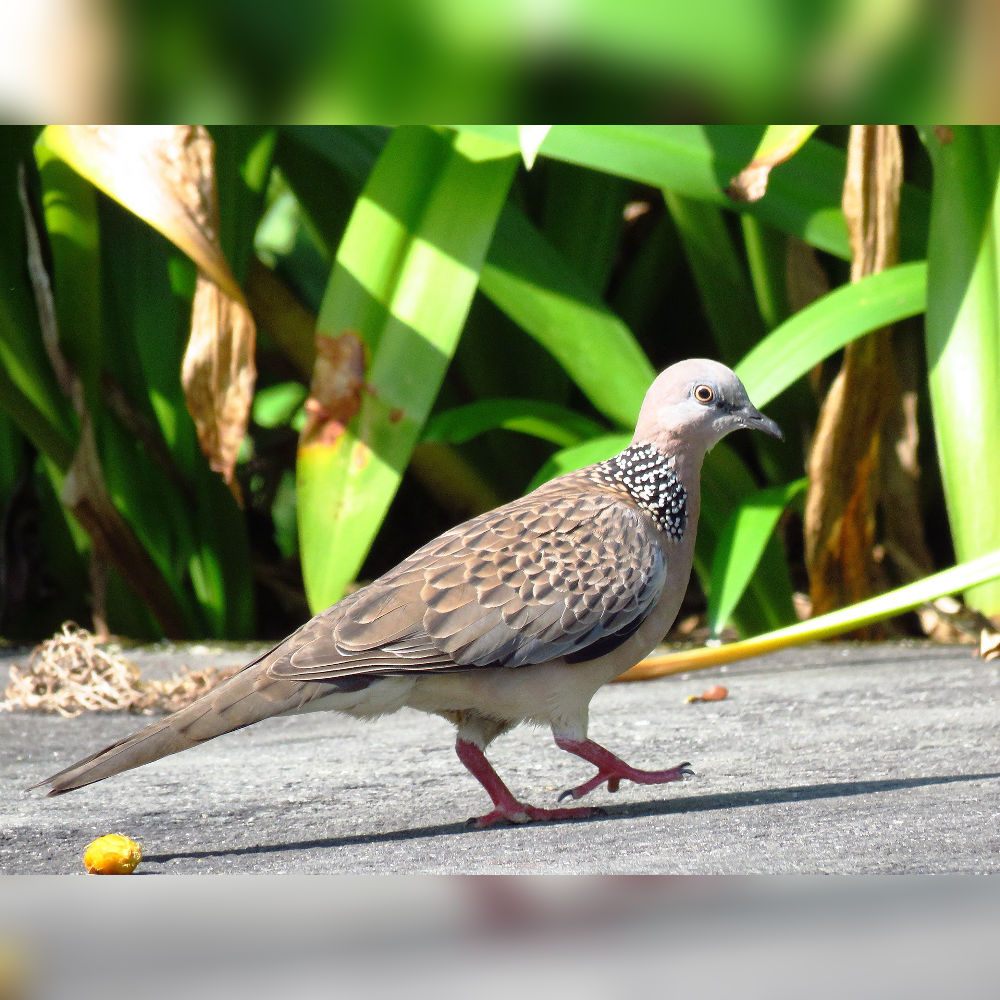
Spotted Dove
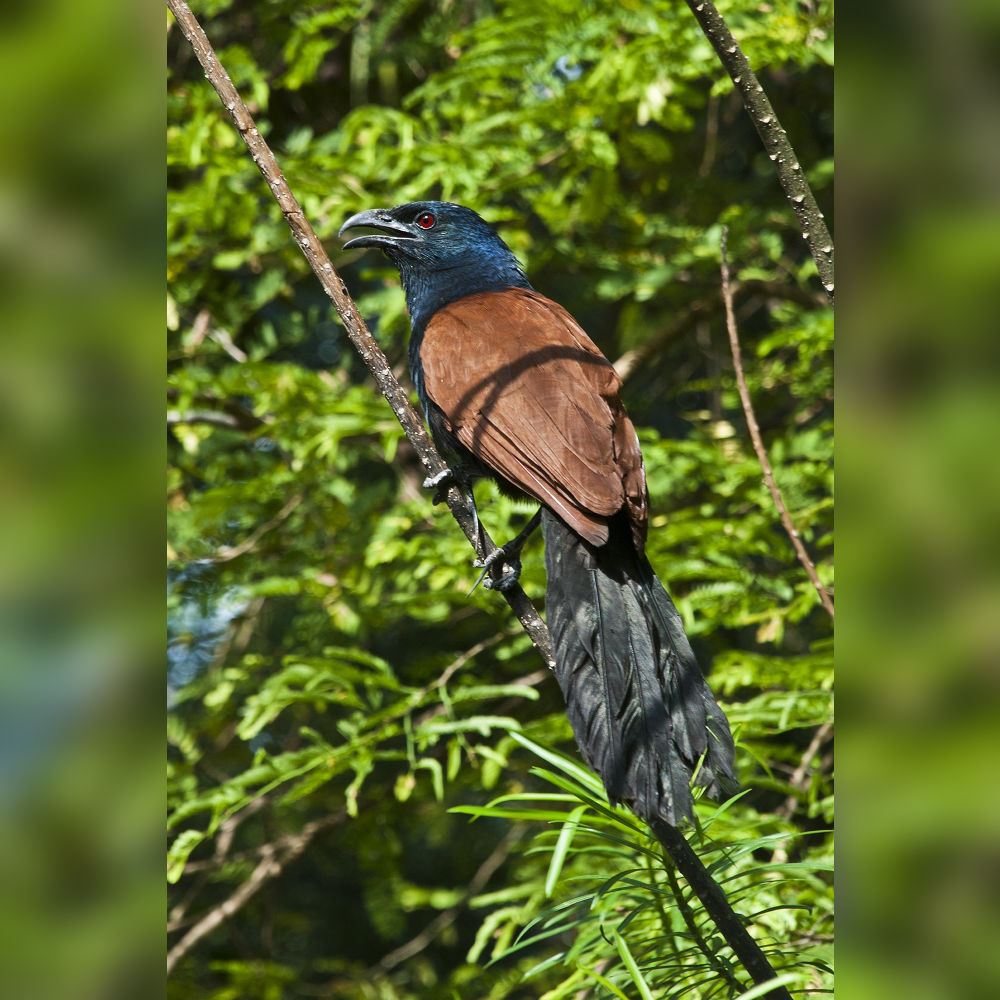
Greater Coucal
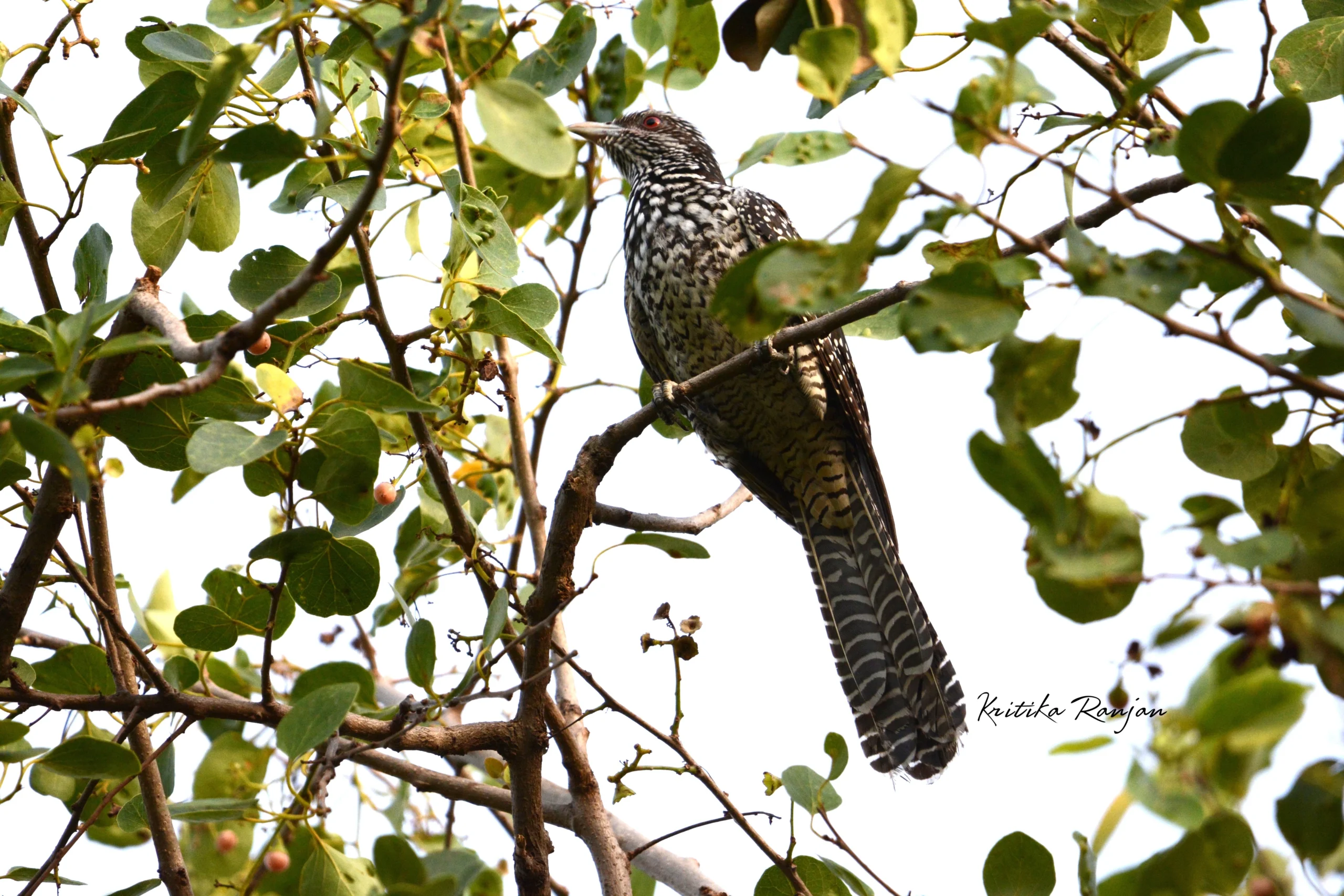
Asian Koel
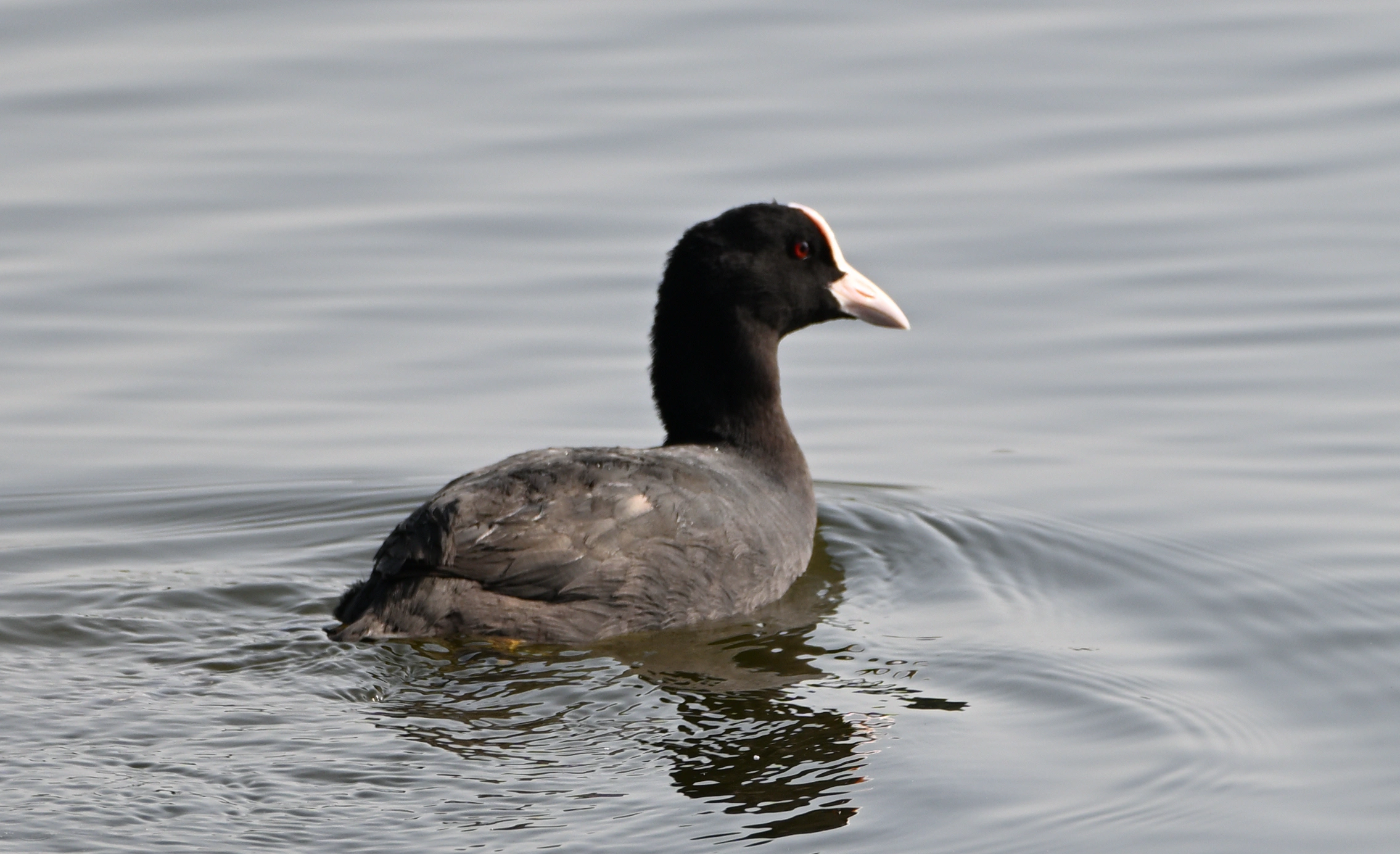
Eurasian Coot
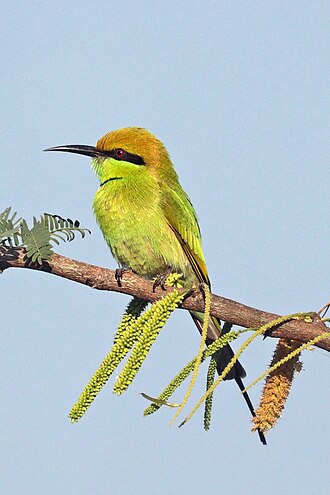
Asian Green Bee-eater
Common Sandpiper
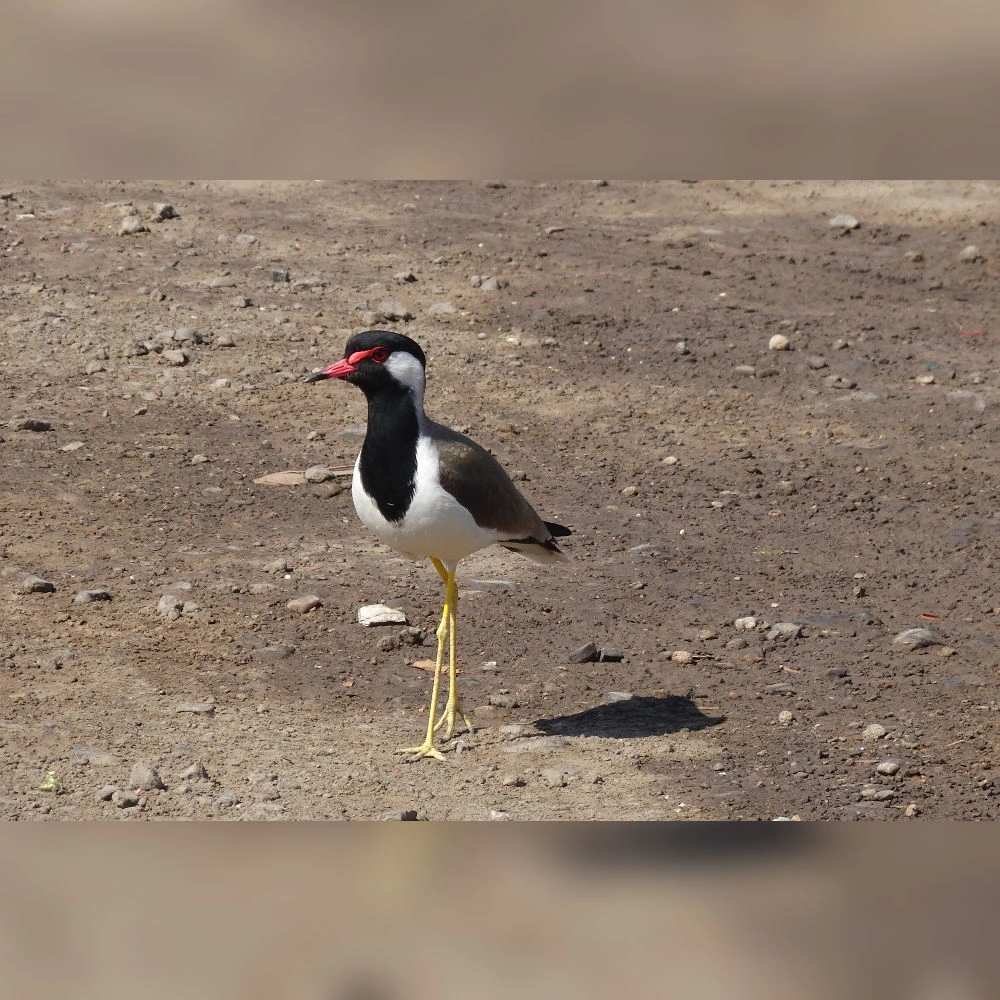
Red-wattled Lapwing
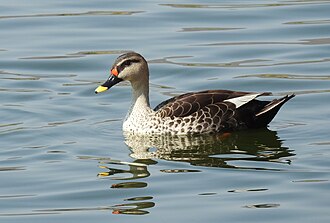
Indian Spot-billed Duck
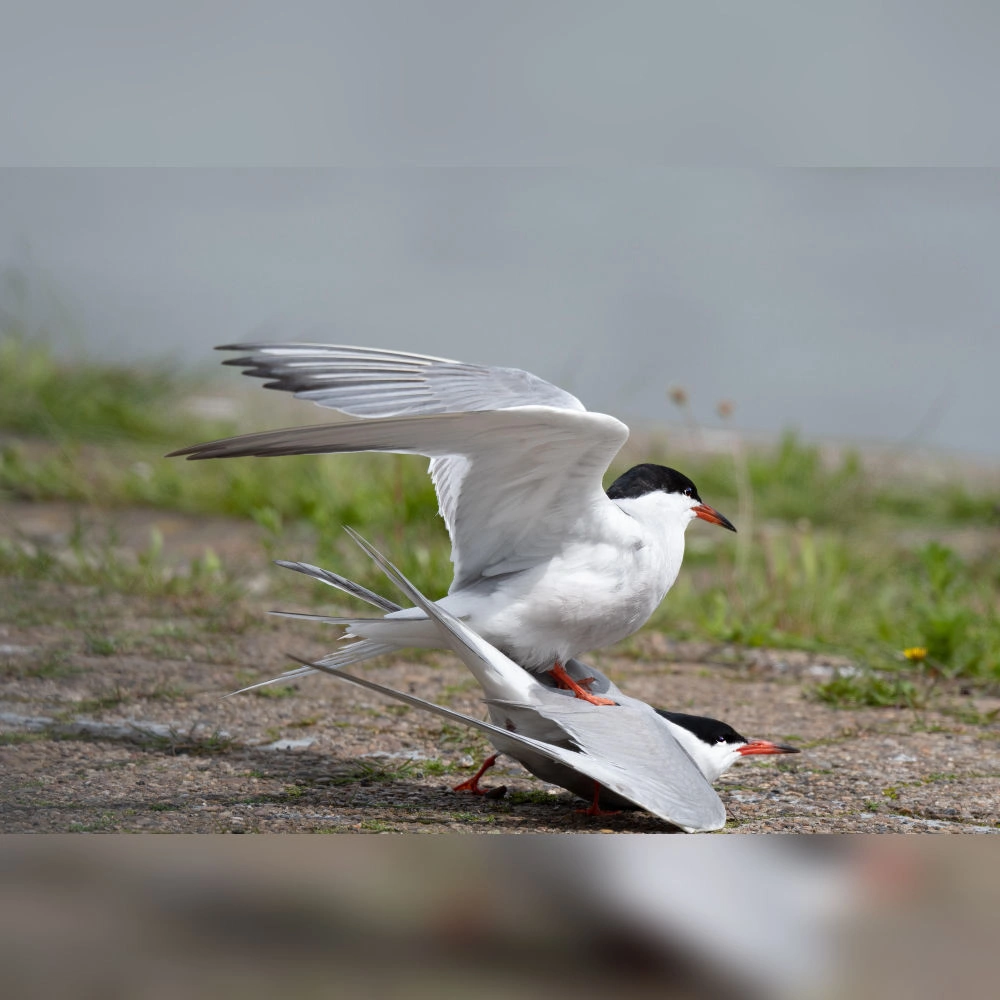
River Tern
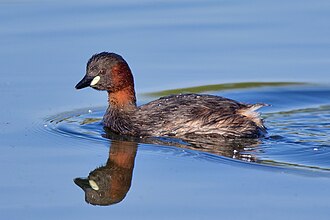
Little Grebe
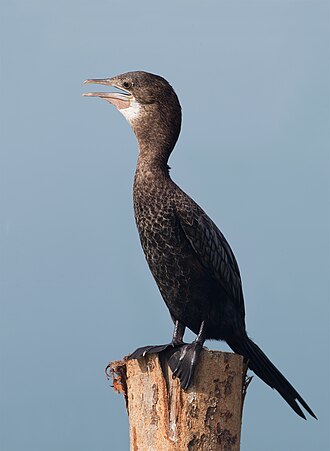
Little Cormorant
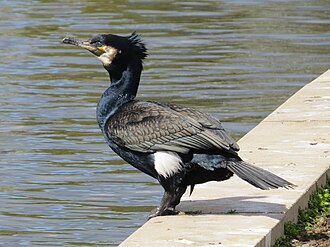
Great Cormorant
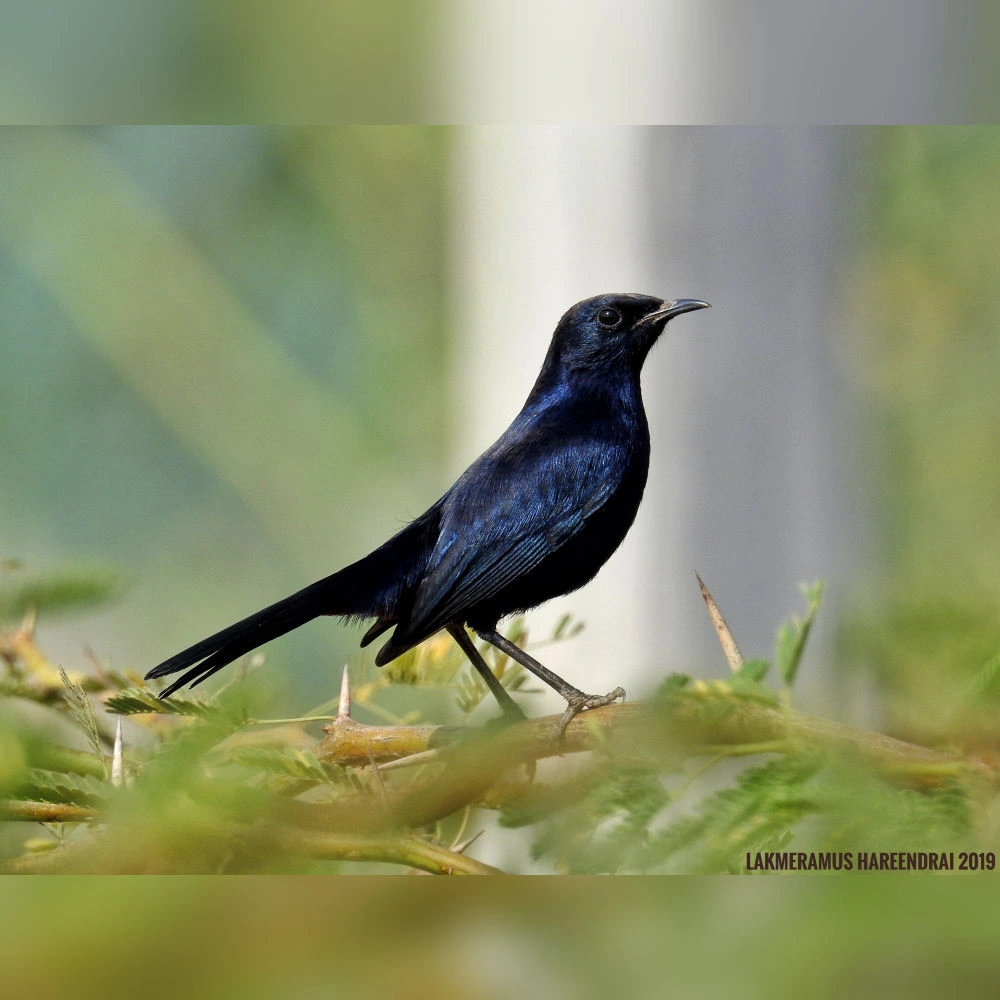
Indian Robin
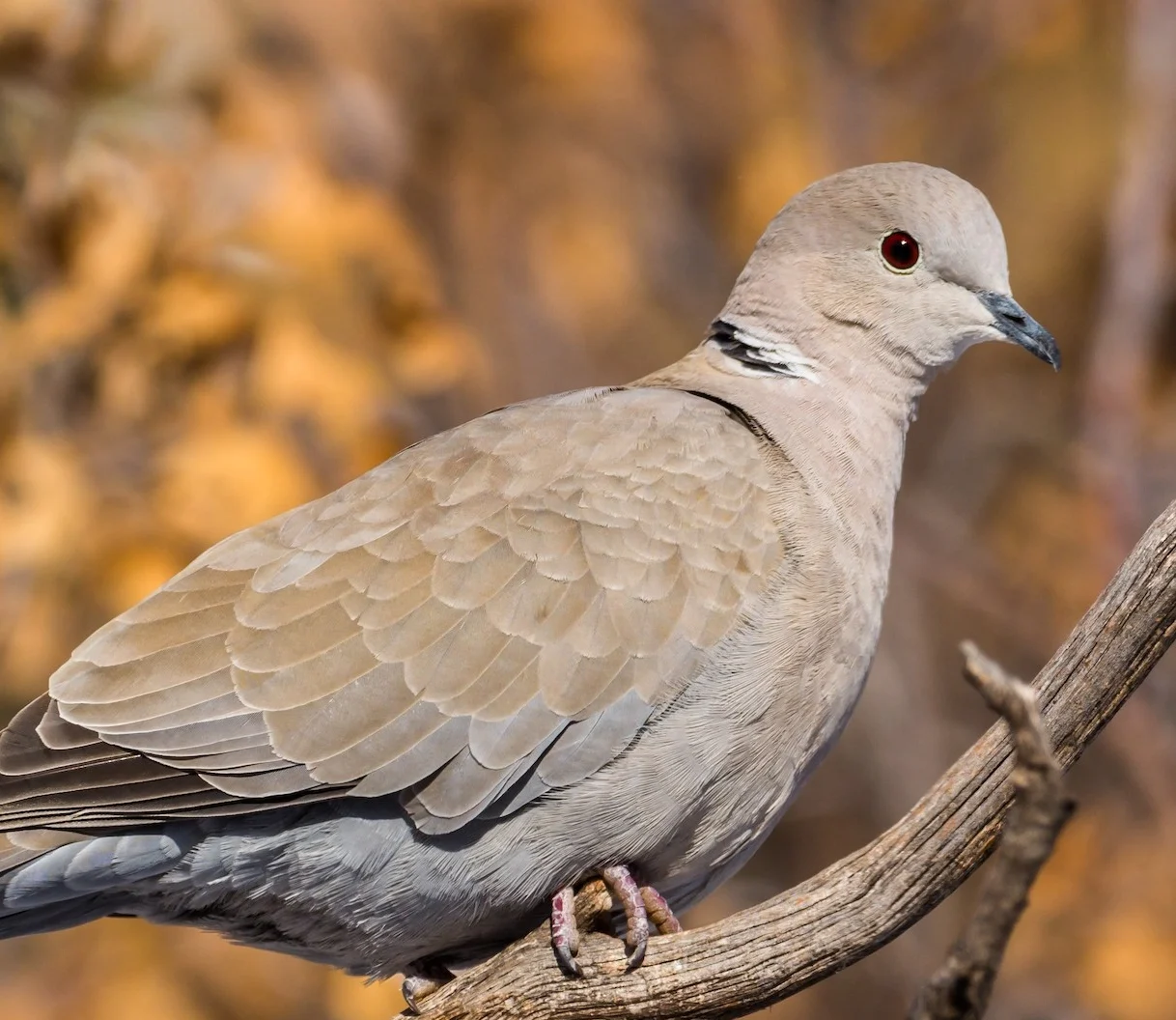
Red Collared-Dove
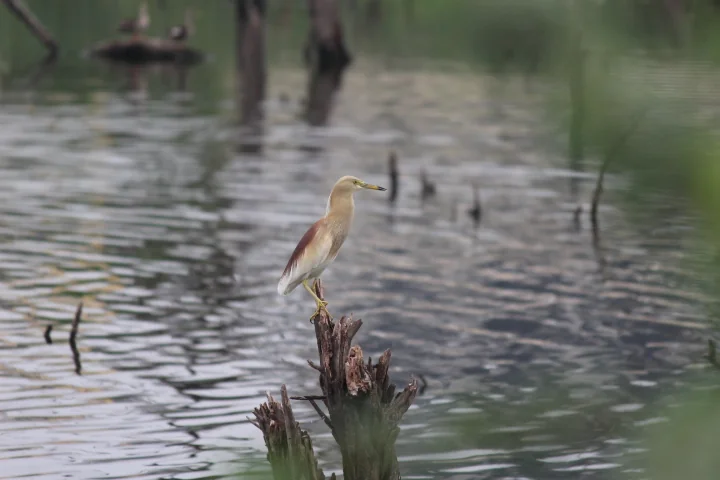
Indian Pond Heron
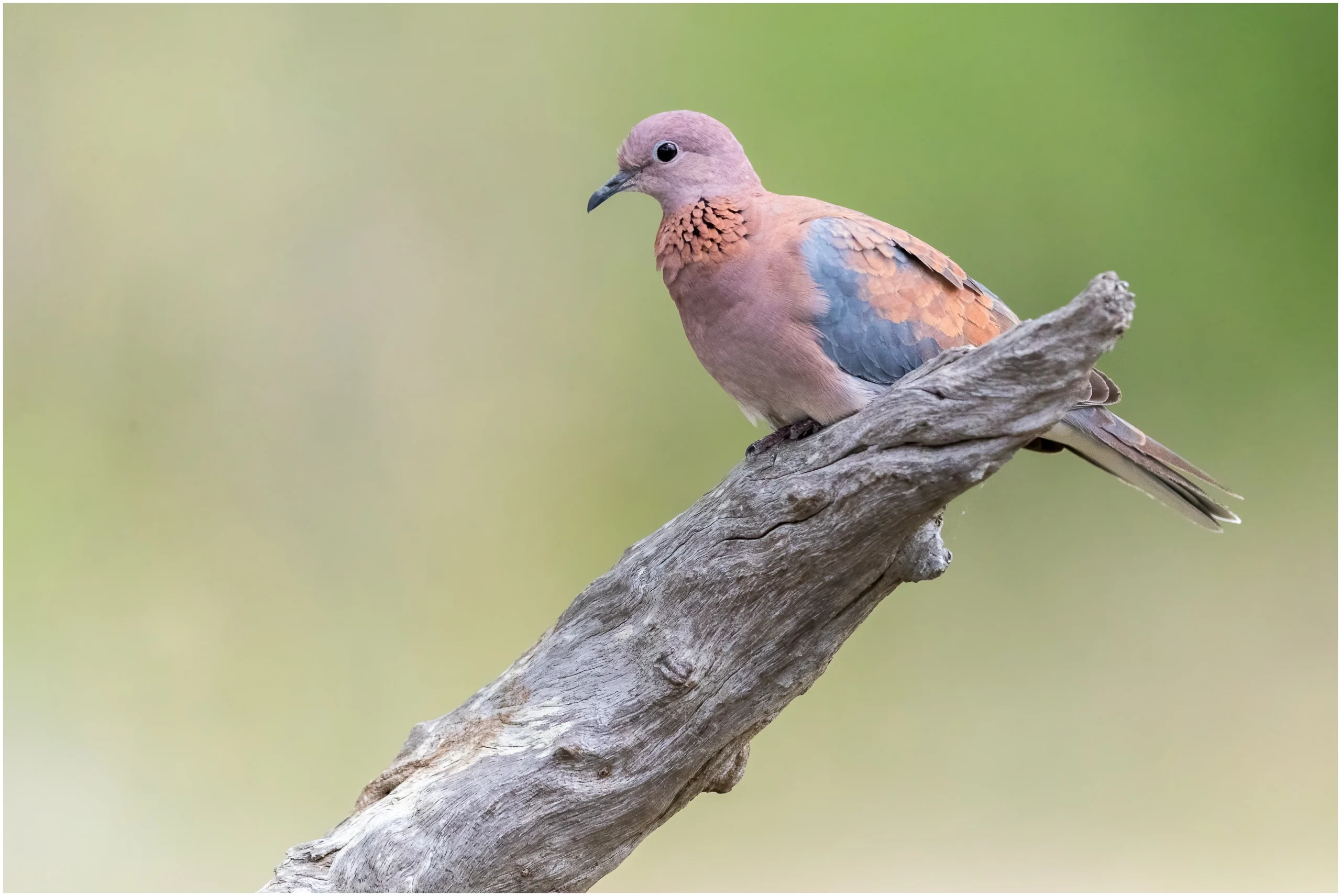
Laughing Dove
Eurasian Collared-Dove

Scroll to Top