

Bird Walk at JB Kaval Tree Park – Avalahalli State Forest, Bangalore, Karnataka
- Bangalore
- 18 July, 2026
- Guru Prasad
About JB Kaval Tree Park - Avalahalli State Forest
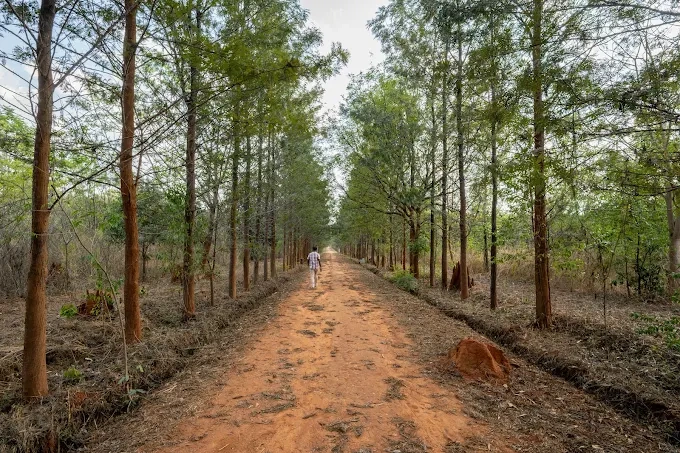
Located on the northern outskirts of Bengaluru, JB Kaval Tree Park (Jarakebande Kavalu Butterfly Park) forms part of the larger Avalahalli State Forest, one of the city’s most important remaining dry deciduous forest ecosystems. The landscape is characterised by native woodland, scrub forests, rocky outcrops, grasslands, seasonal streams, and small waterbodies that together support an exceptional diversity of flora and fauna. Rich in butterflies, reptiles, mammals, and birds, the forest serves as a vital green refuge amidst Bengaluru’s expanding urban landscape and offers an immersive experience for nature lovers and birdwatchers alike.
The varied habitats of Avalahalli State Forest provide excellent birdwatching opportunities throughout the year, with woodland specialists, grassland birds, and raptors thriving within the forest. However, increasing urban expansion, habitat fragmentation, invasive plant species, forest fires, and recreational pressures continue to threaten this ecologically significant landscape. Sustained habitat restoration, responsible ecotourism, and community participation are essential to conserving this valuable urban forest and its remarkable biodiversity.

Bird Guide: Gurprasad K R
He is a passionate nature lover, birding photographer, and conservation advocate, with over a decade of experience observing and documenting birds. Deeply connected to nature and community, he finds joy and inspiration in birds, insects, and butterflies, and is driven to share this wonder to inspire others to connect with the natural world.
Bird walk Location
Common birds of JB Kaval Tree Park - Avalahalli State Forest
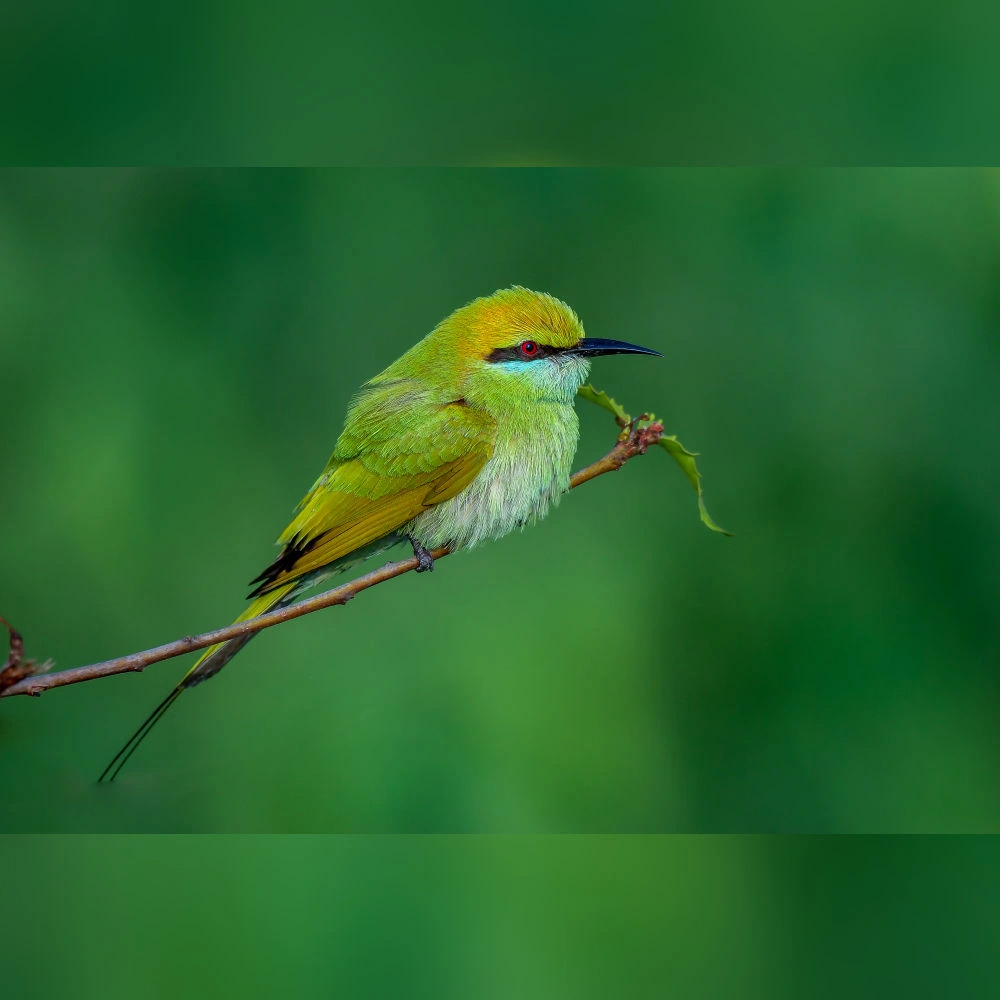
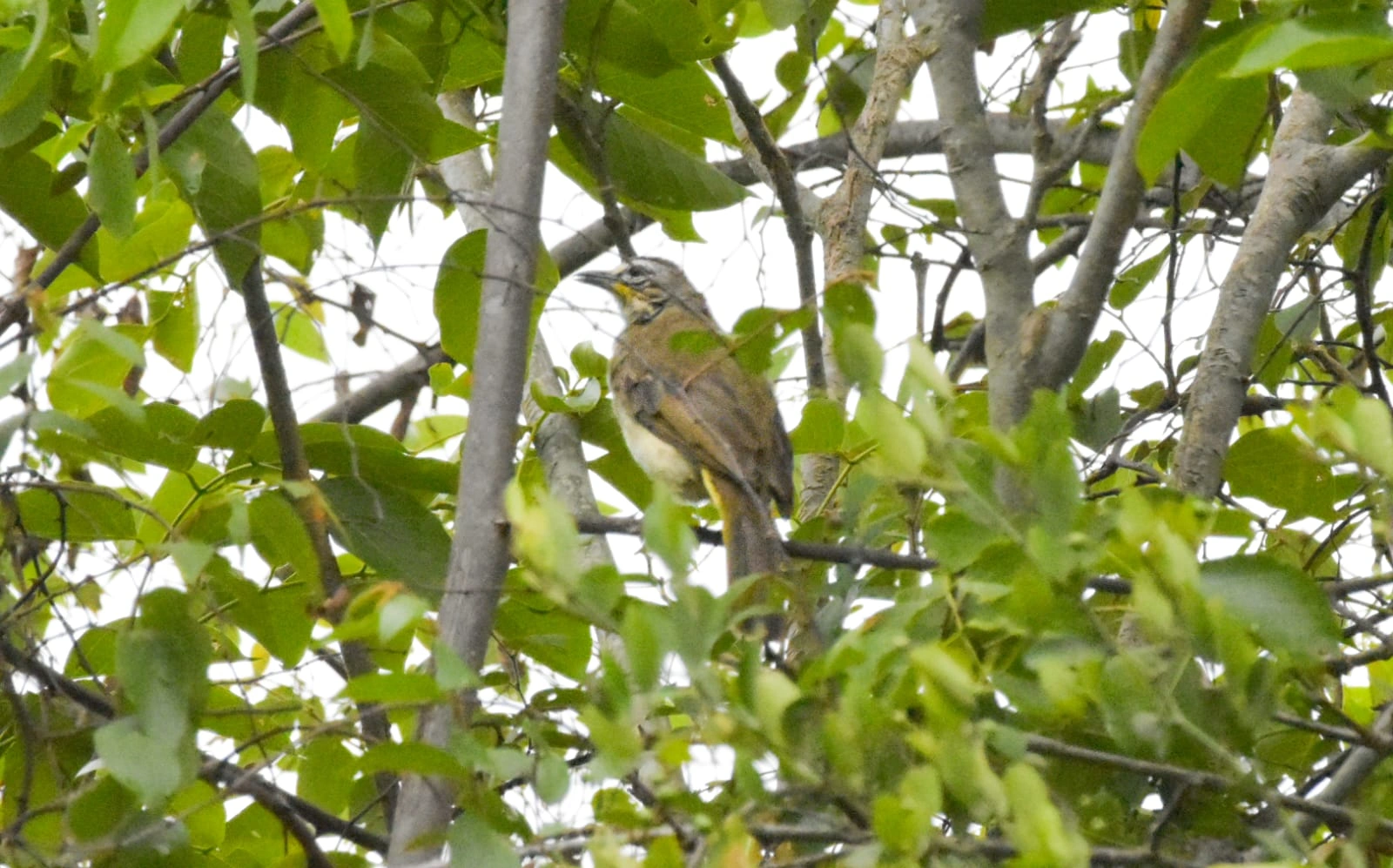
JB Kaval Tree Park is a rewarding destination for birdwatchers, with its dry forests and scrublands supporting an exciting variety of resident birds. Visitors may encounter Indian Peafowl, Grey Francolins, Indian Thick-knees, and Red-wattled Lapwings in open clearings, while the forest canopy shelters White-cheeked Barbets, Asian Tits, Purple-rumped Sunbirds, Pale-billed Flowerpeckers, and Oriental Magpie-Robins. The woodland also supports elusive species such as Jerdon’s Nightjar, Tawny-bellied Babbler, Gray-bellied Cuckoo, and Common Hawk-Cuckoo, while Black Kites, Shikras, Asian Green Bee-eaters, Indian Rollers, and Black Drongos add constant activity to the skies and forest edges. Together, these species make Avalahalli State Forest one of Bengaluru’s finest destinations for woodland birdwatching.

Asian Green Bee-eater

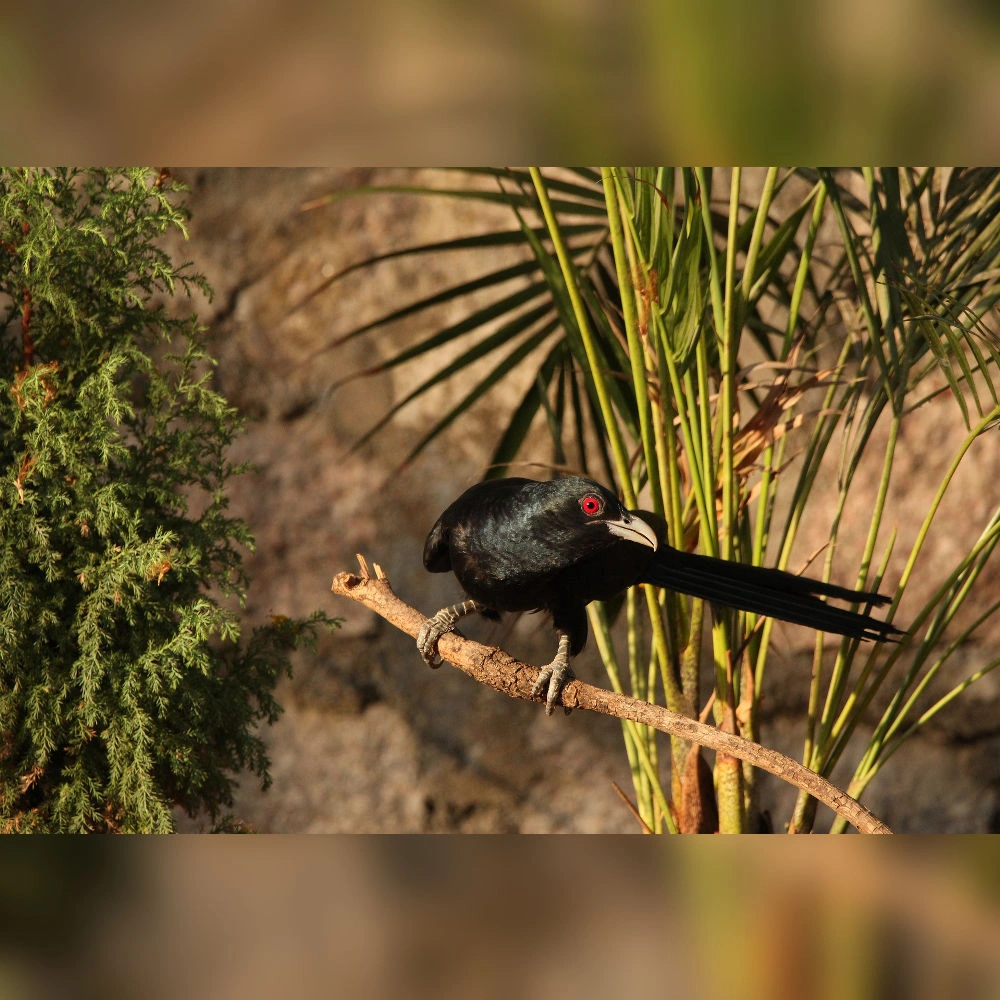
Asian Koel

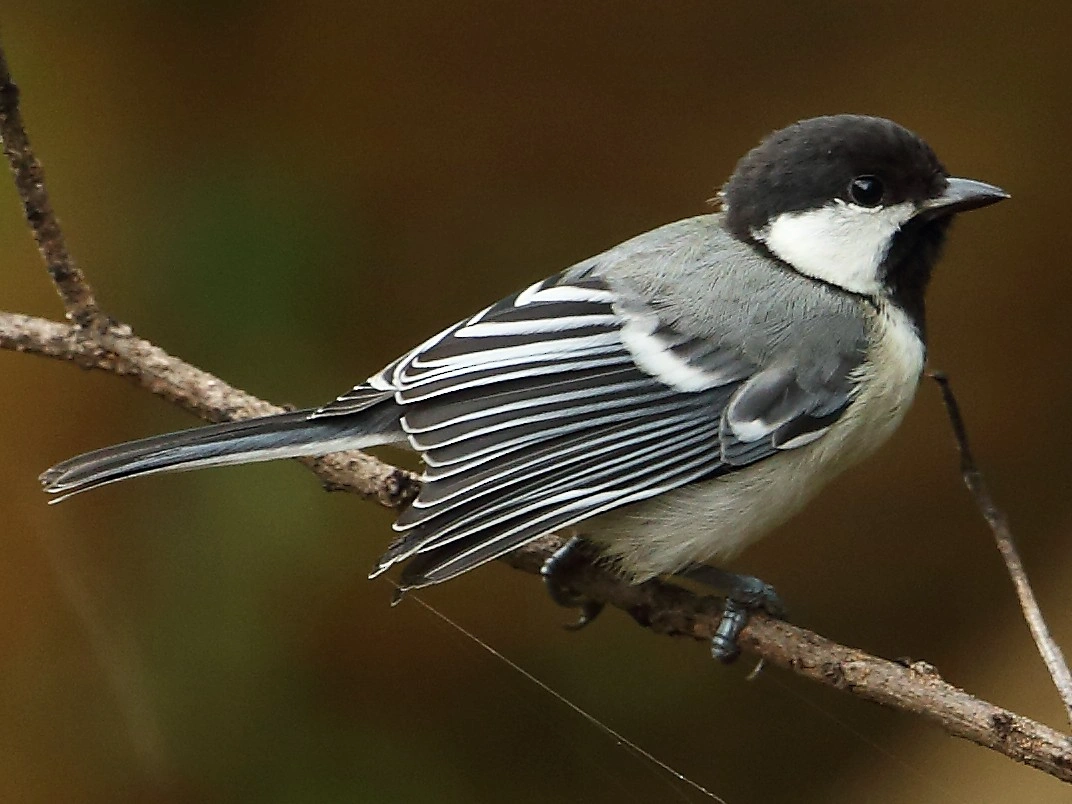
Asian Tit
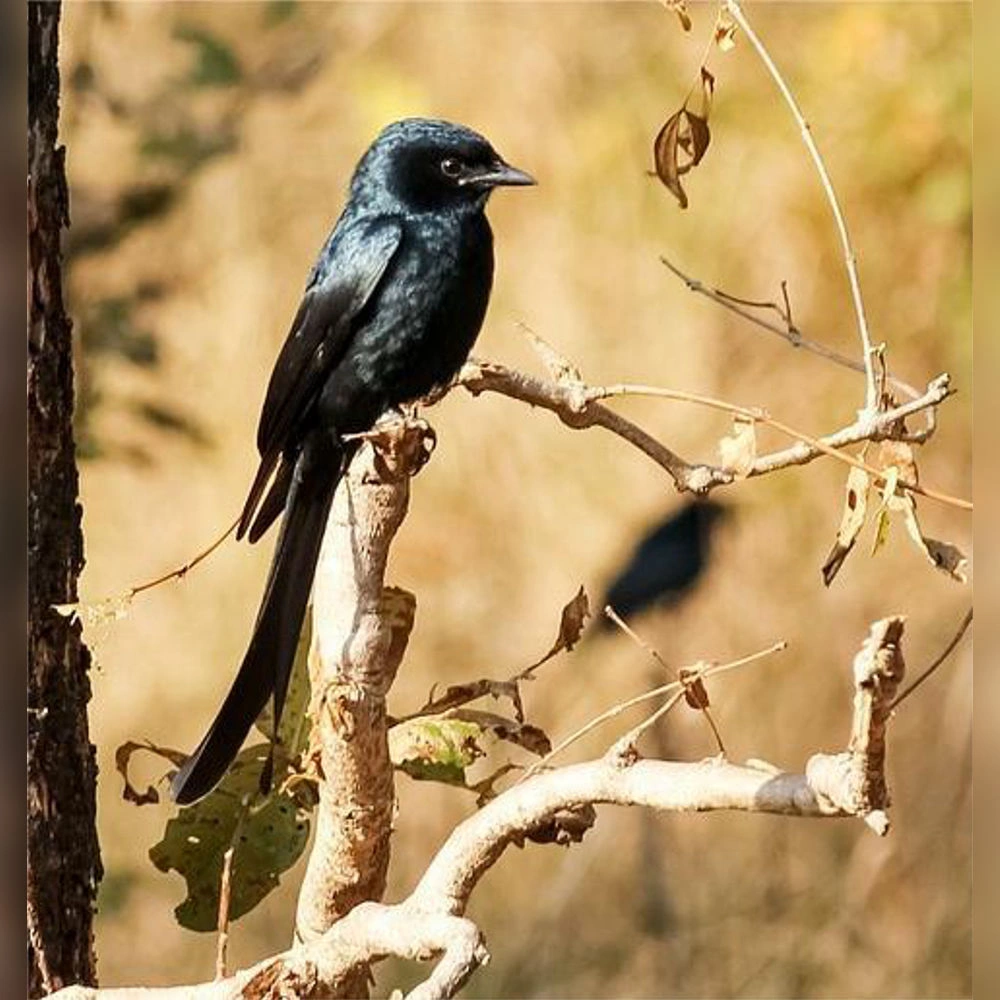
Black Drongo

Black Kite
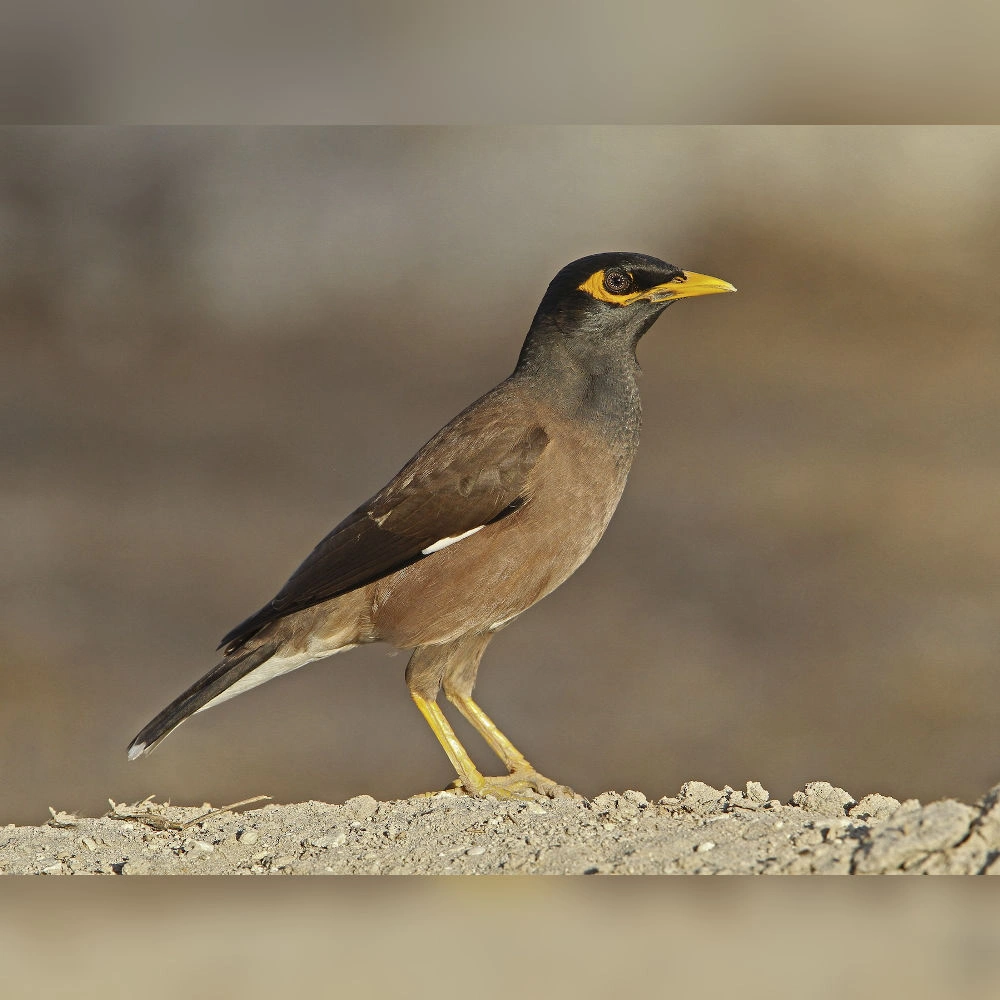
Common Myna
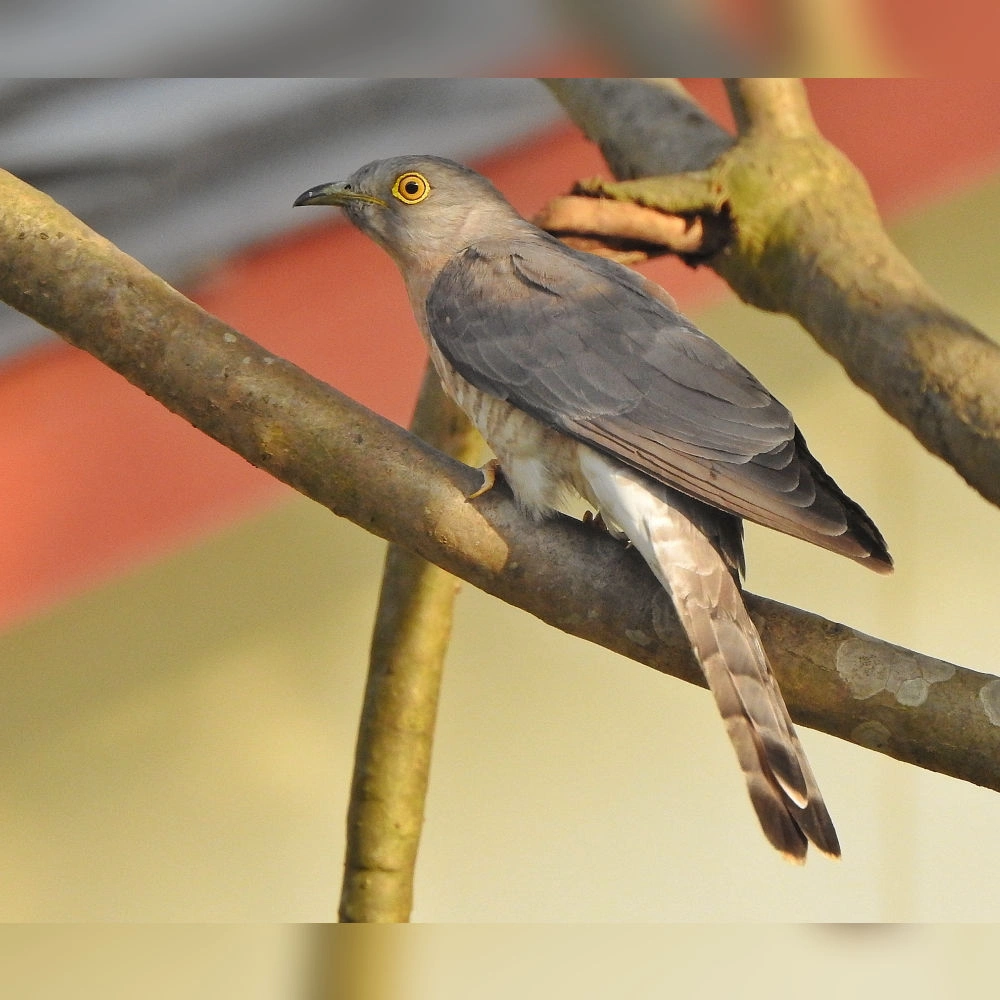
Common Hawk-Cuckoo
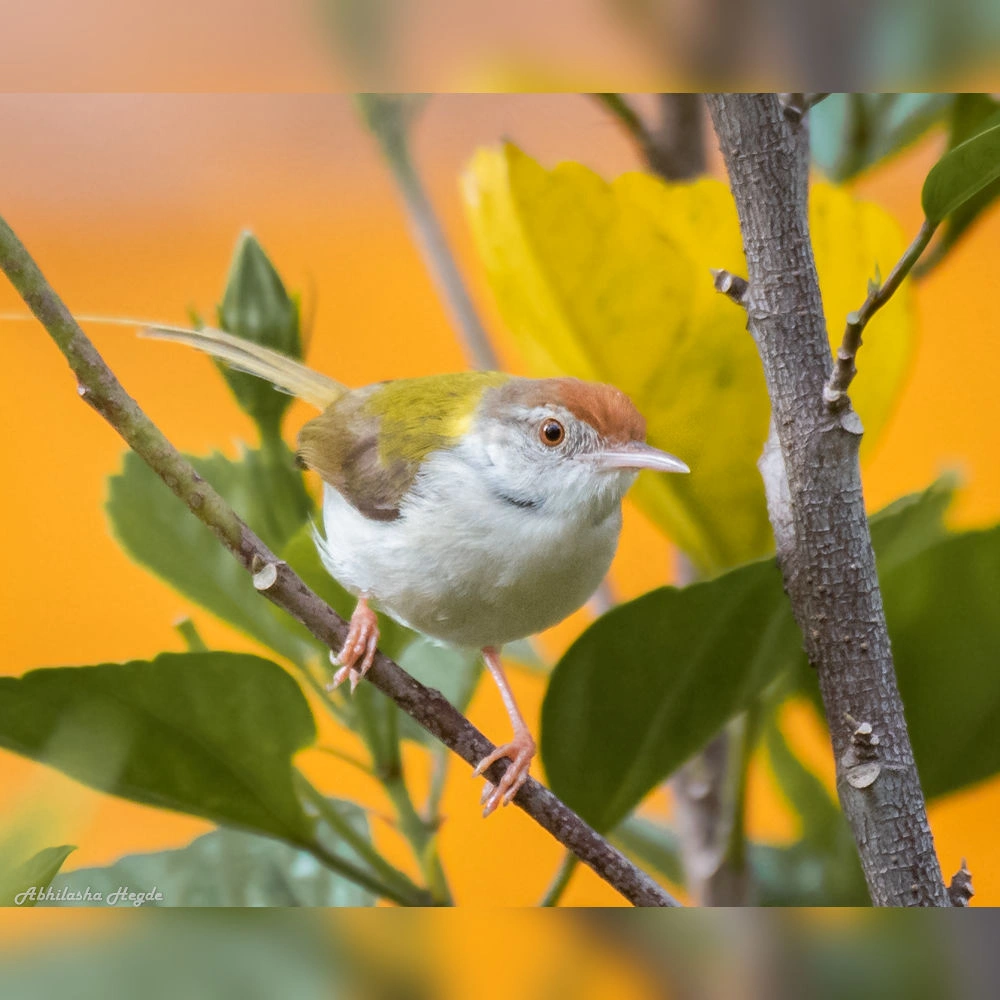
Common Tailorbird
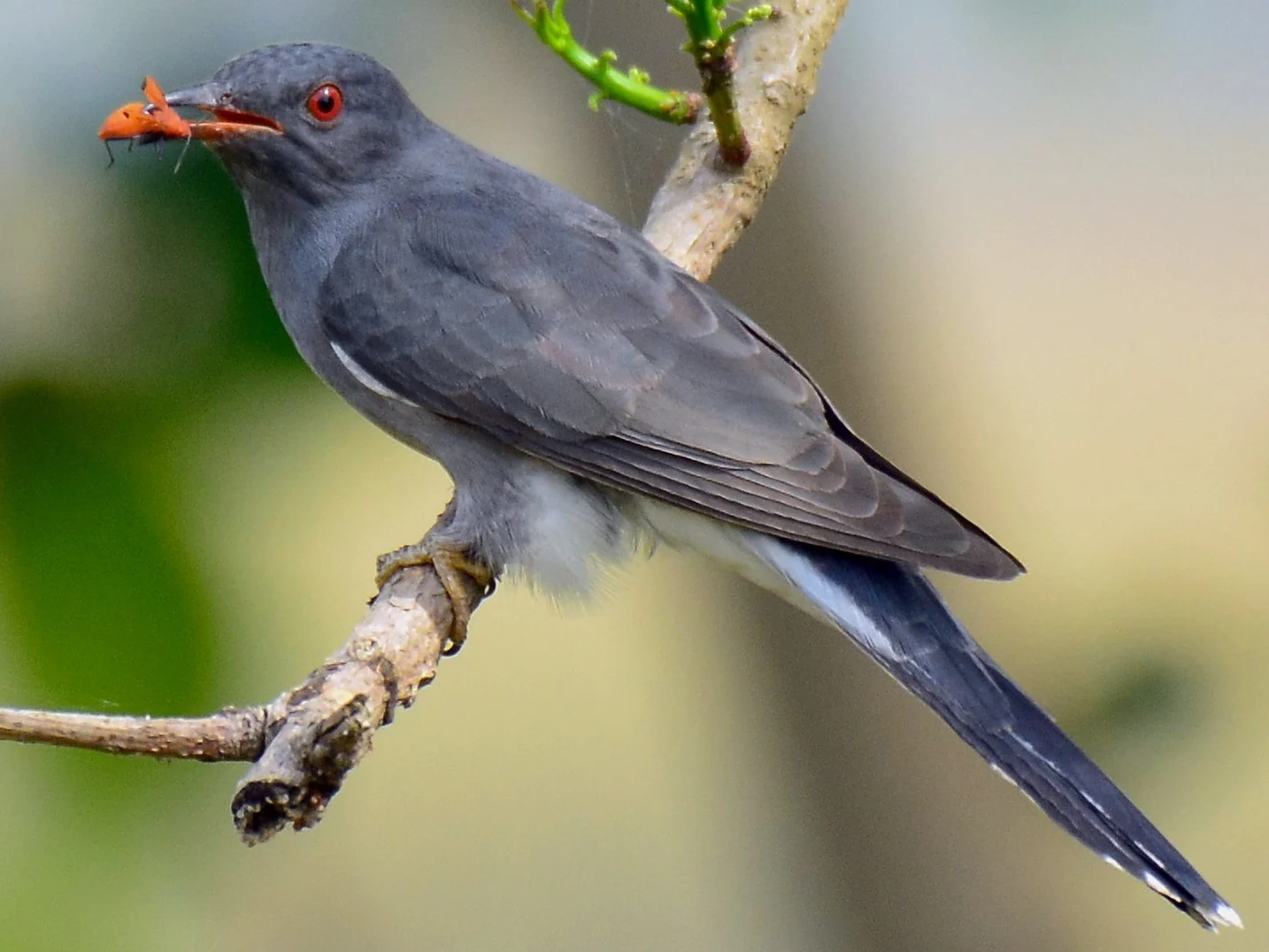
Gray-bellied Cuckoo
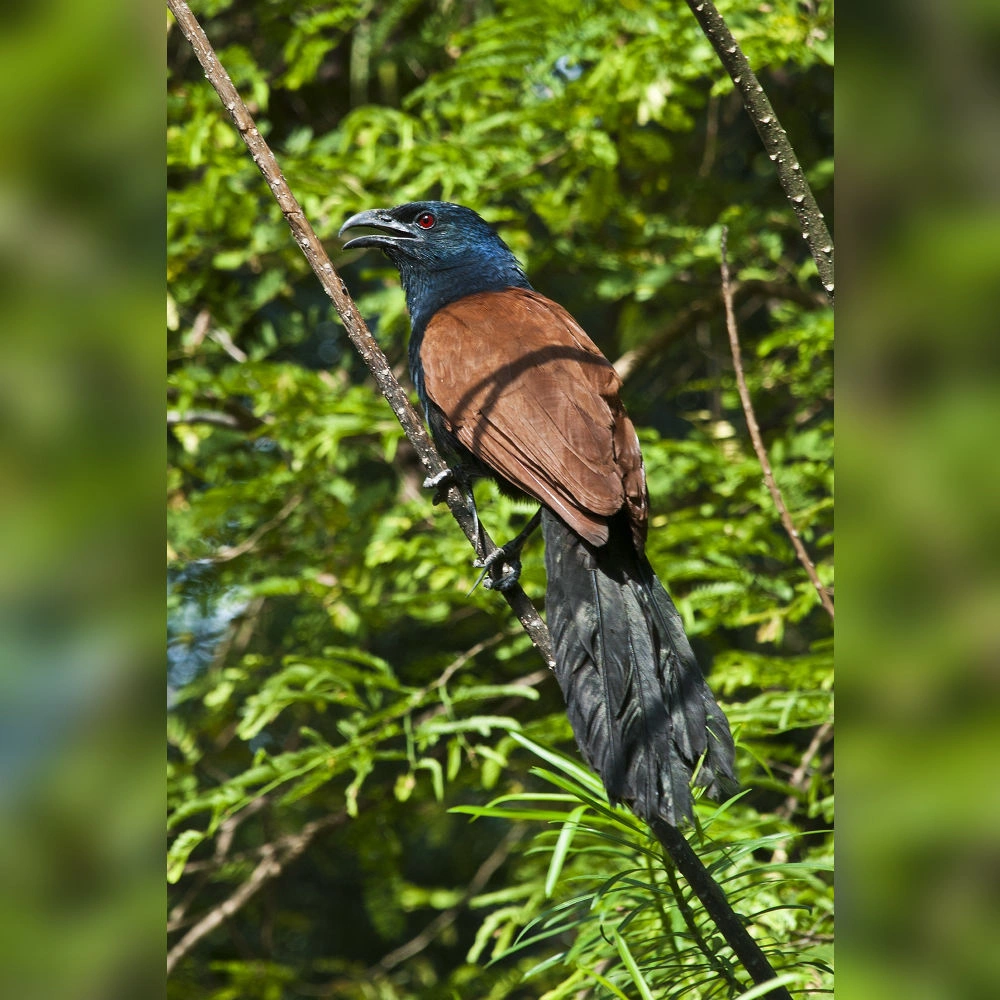
Greater Coucal
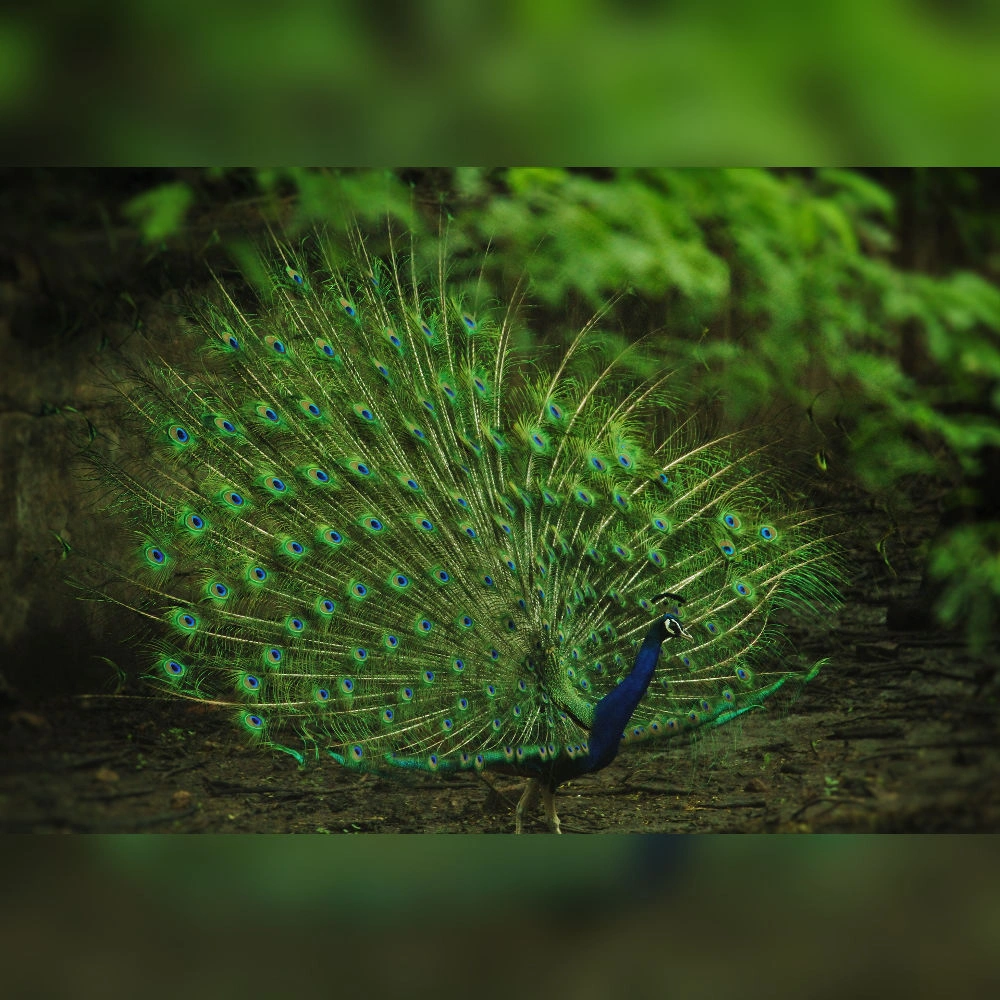
Indian Peafowl
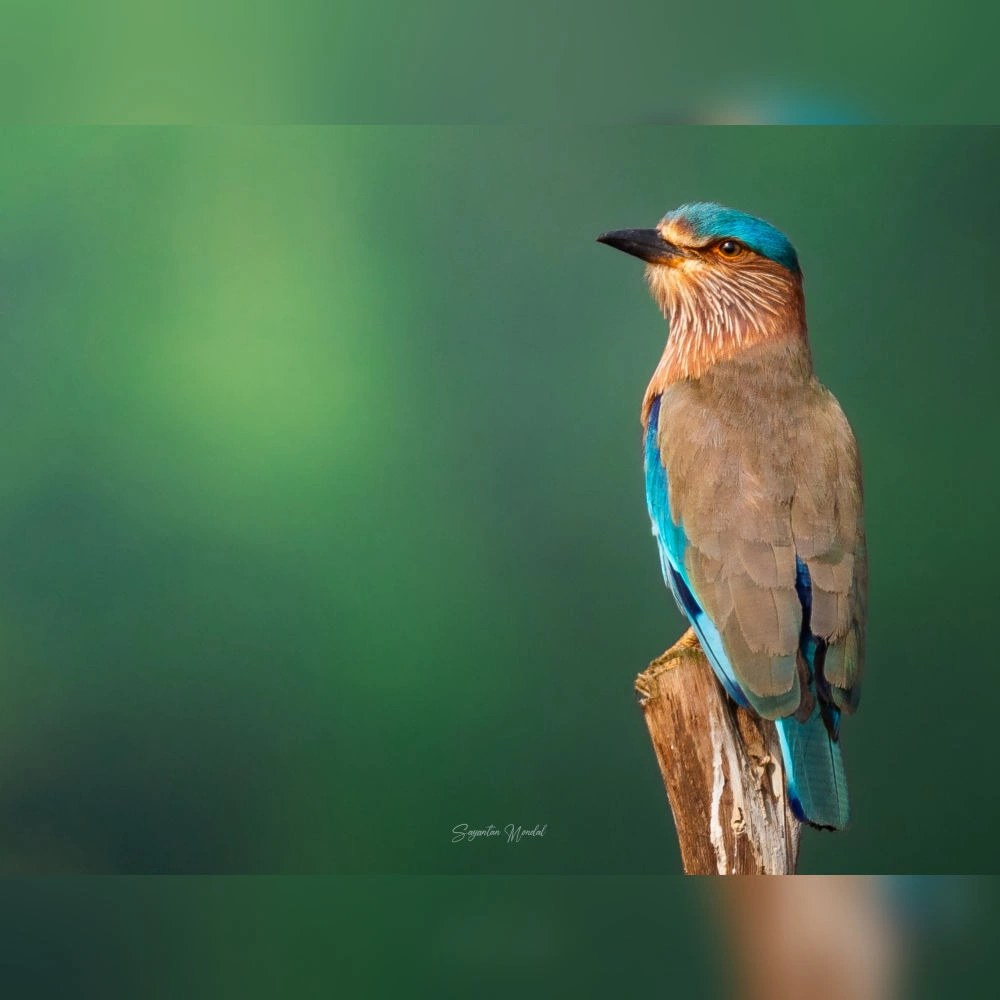
Indian Roller
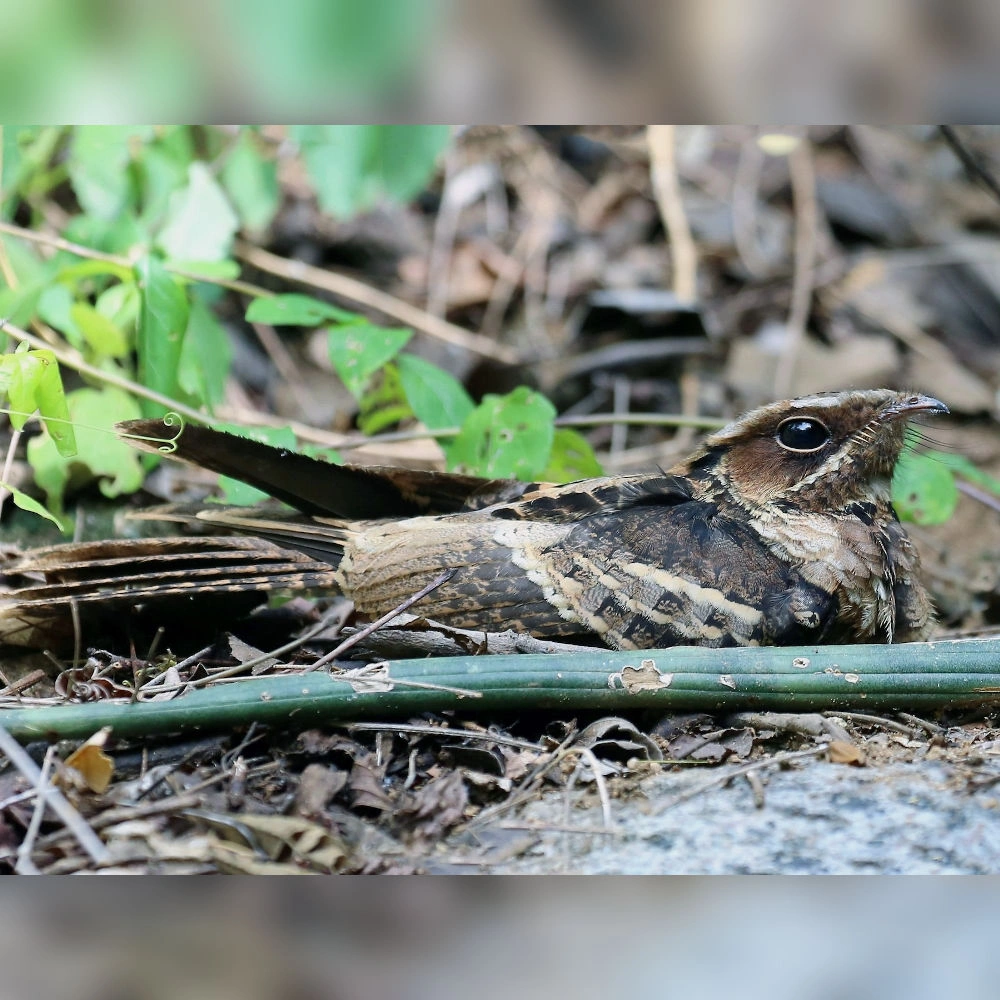
Jerdon's Nightjar
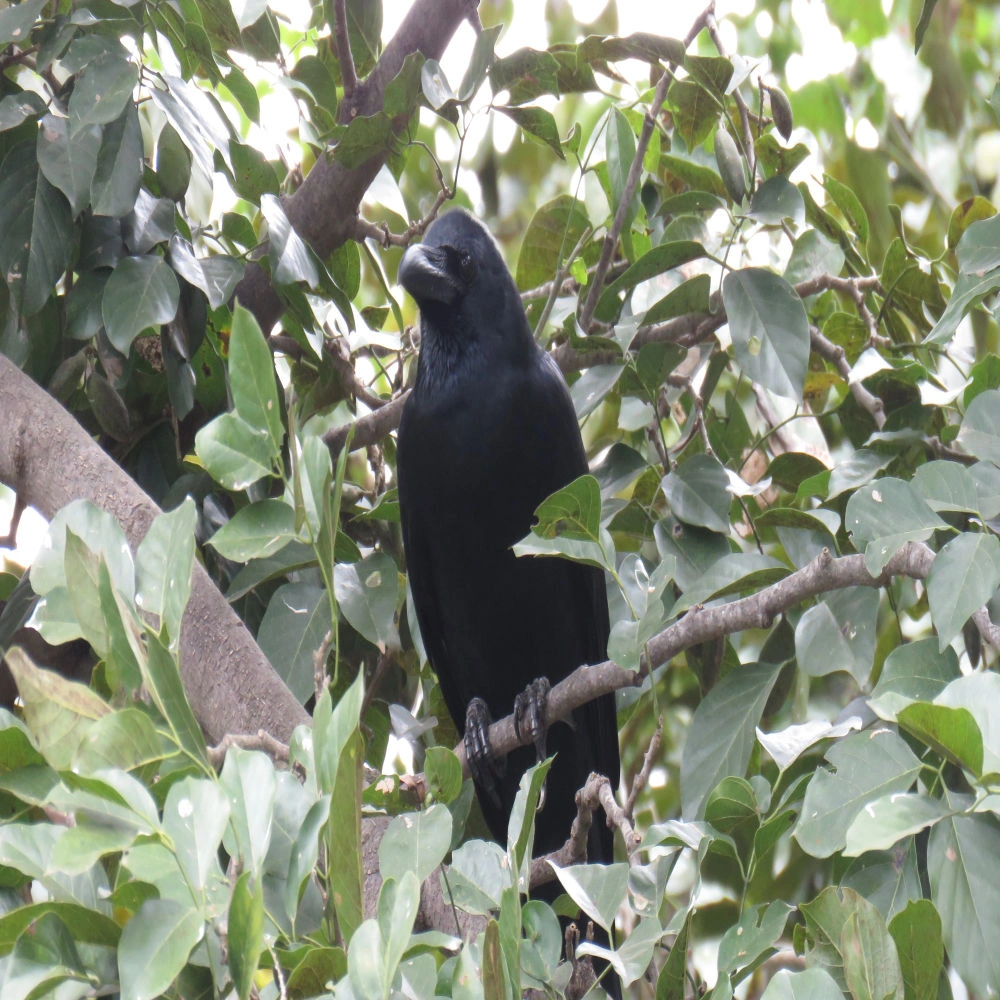
Large-billed Crow
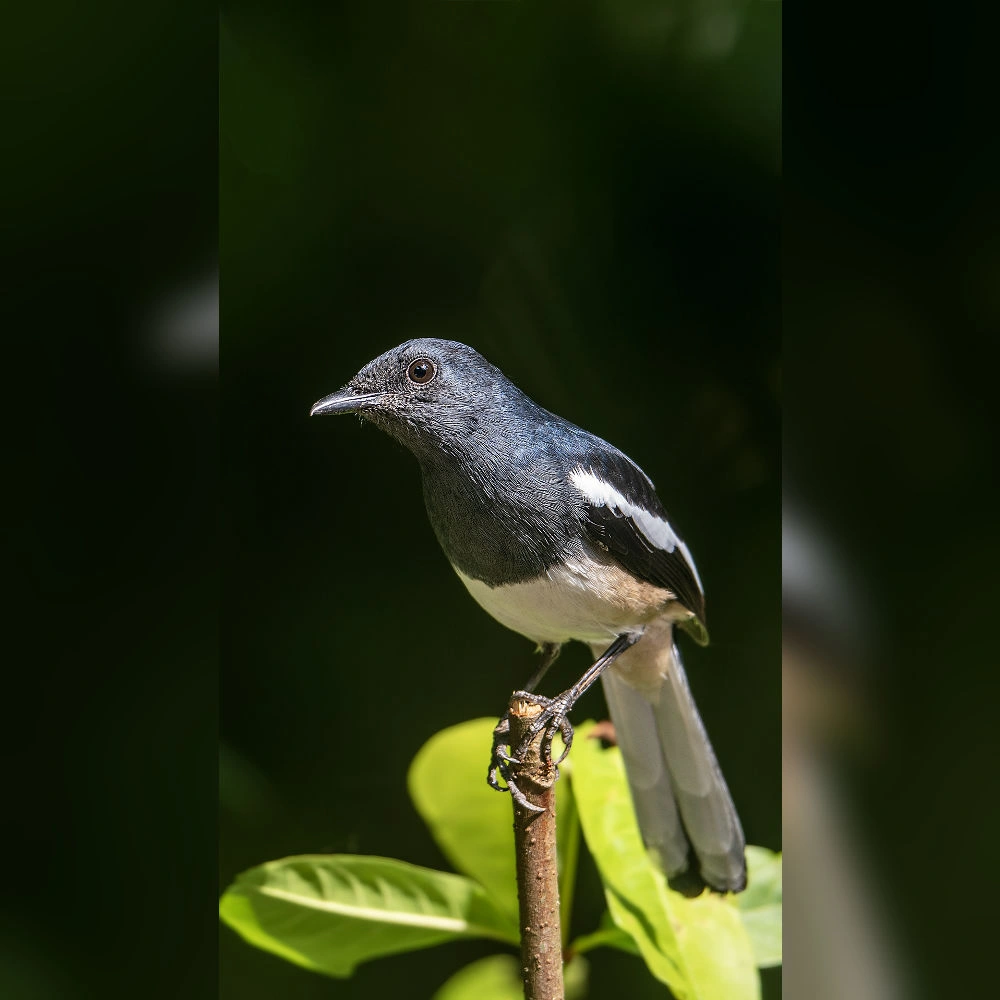
Oriental Magpie-Robin
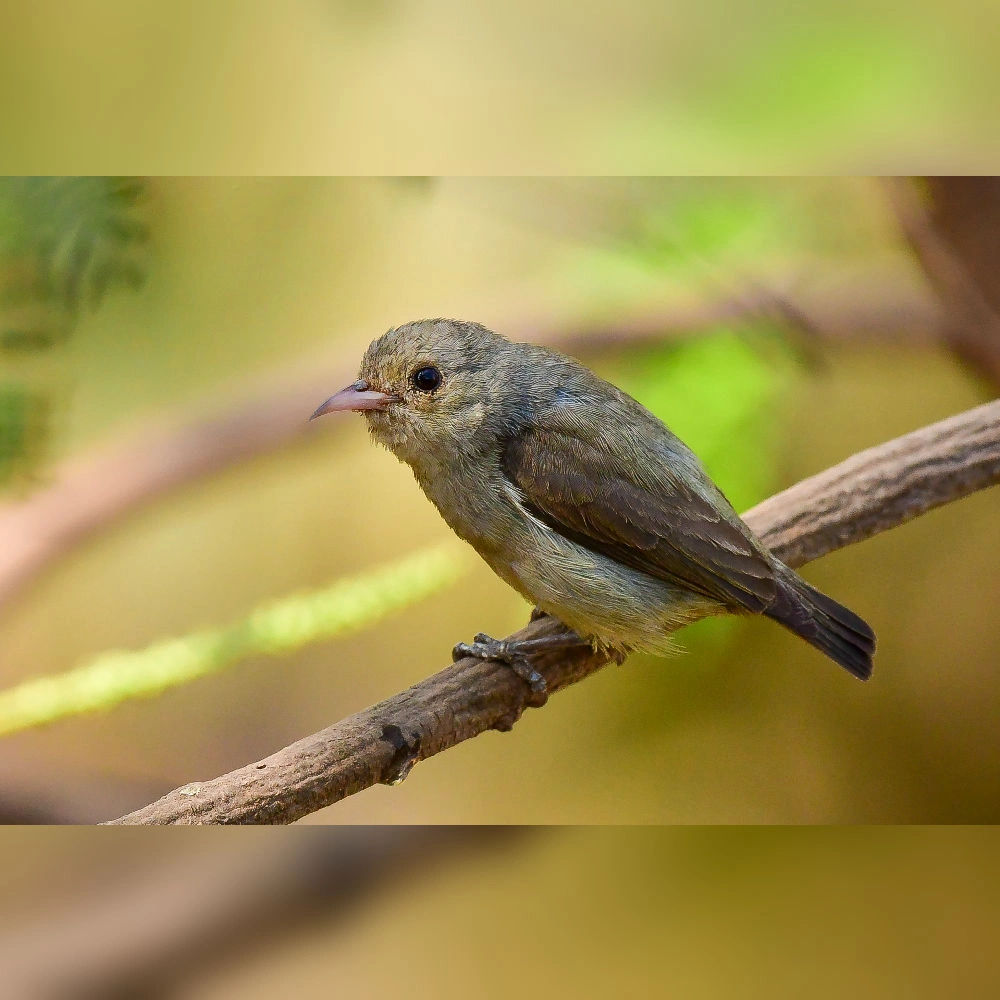
Pale-billed Flowerpecker
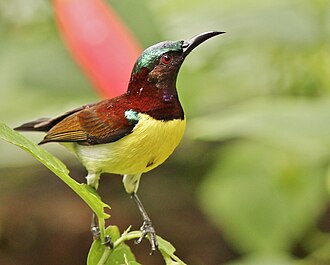
Purple-rumped Sunbird
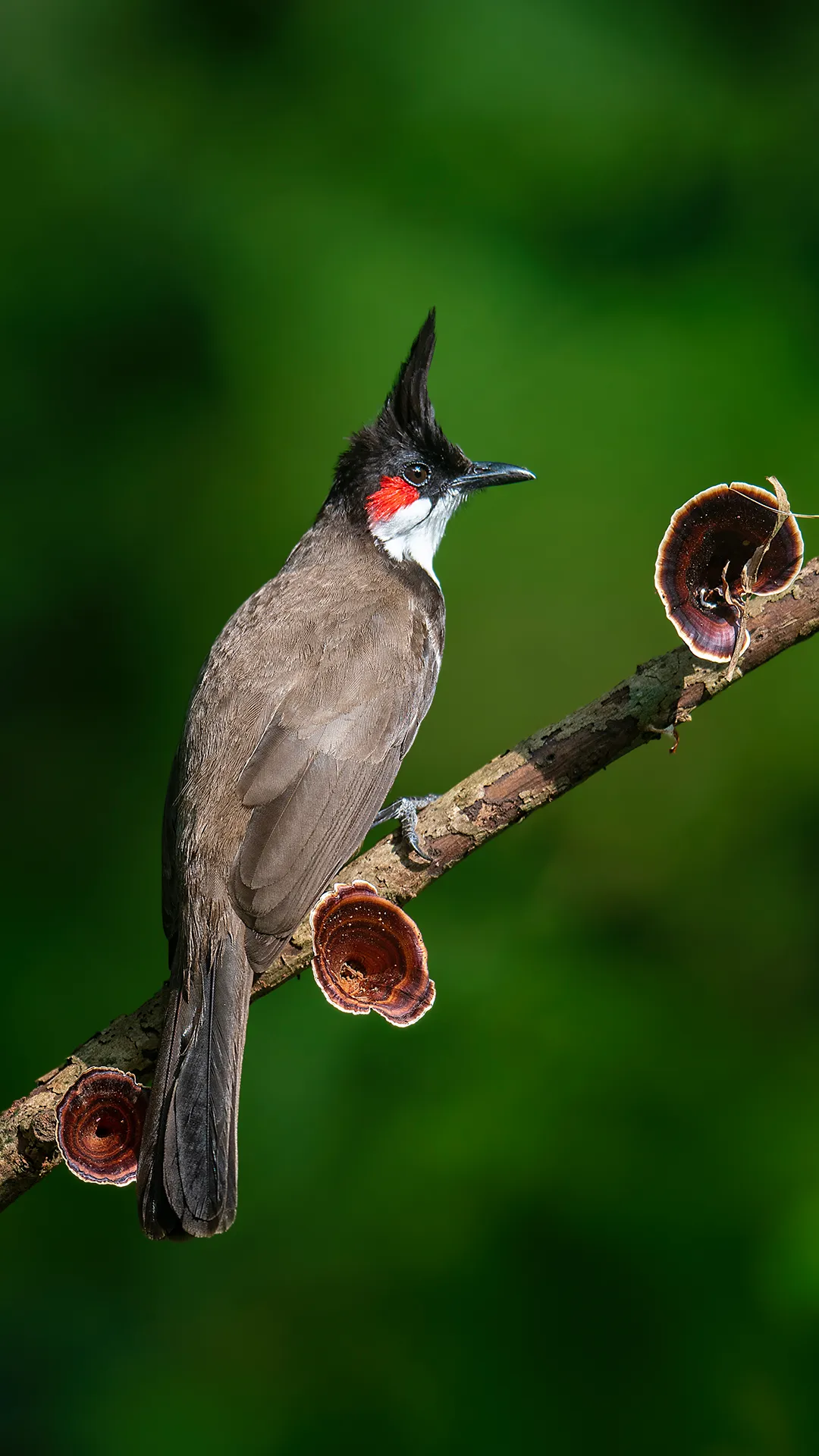
Red-whiskered Bulbul
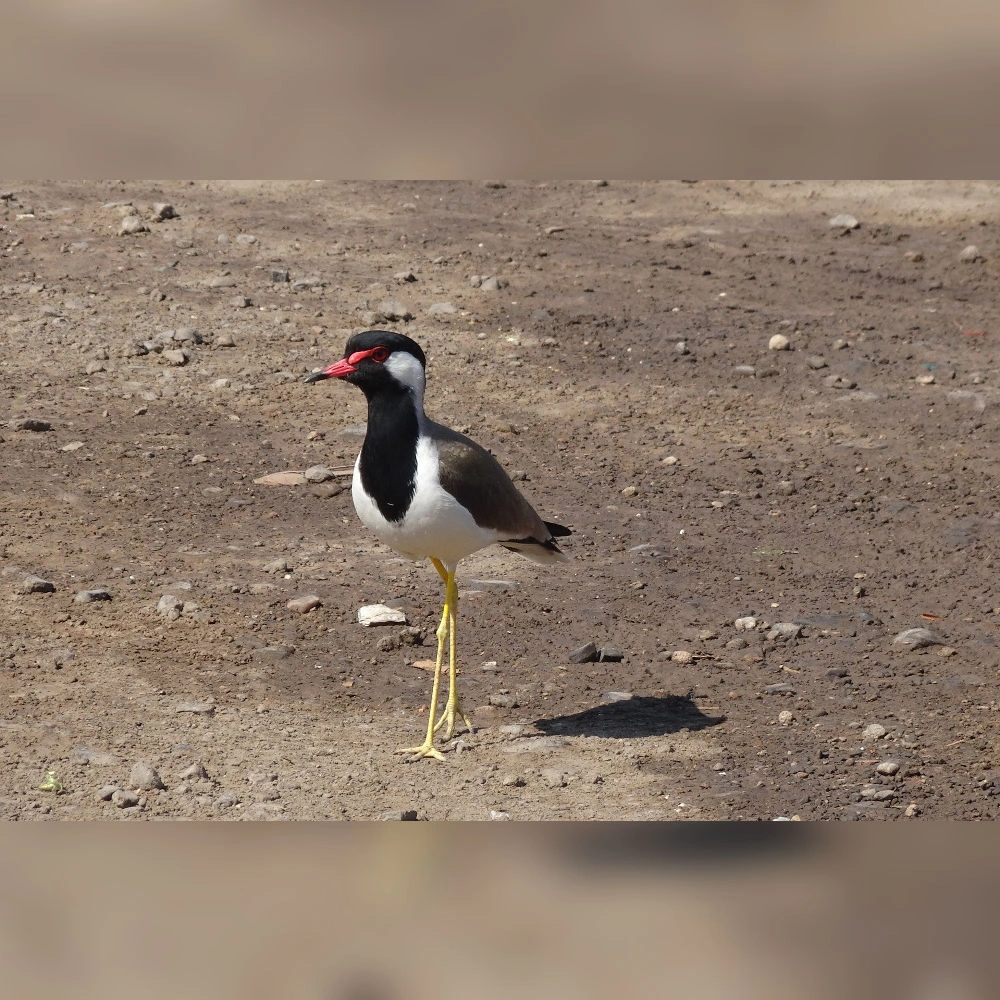
Red-wattled Lapwing
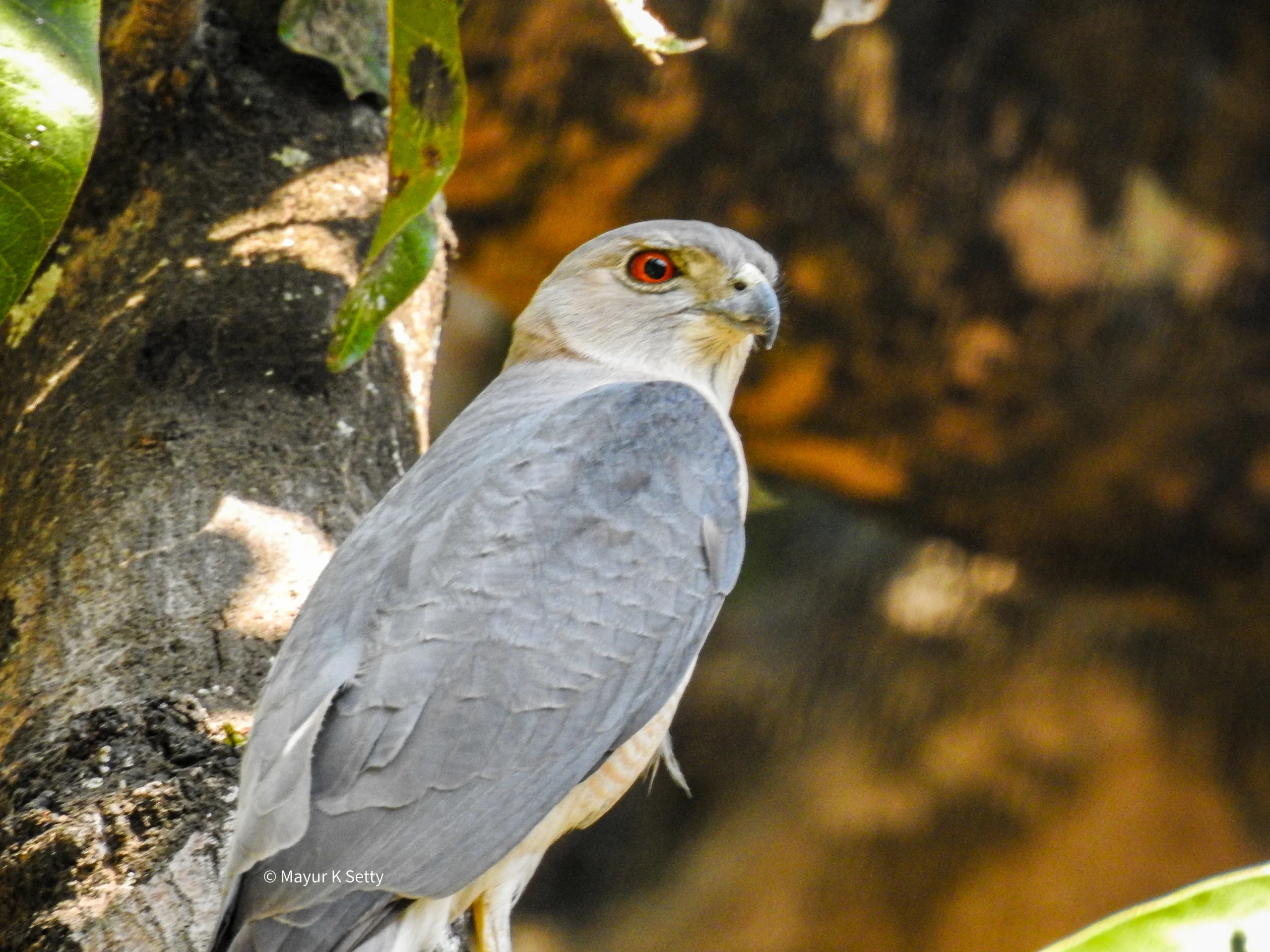

Shikra
Summary of Walk
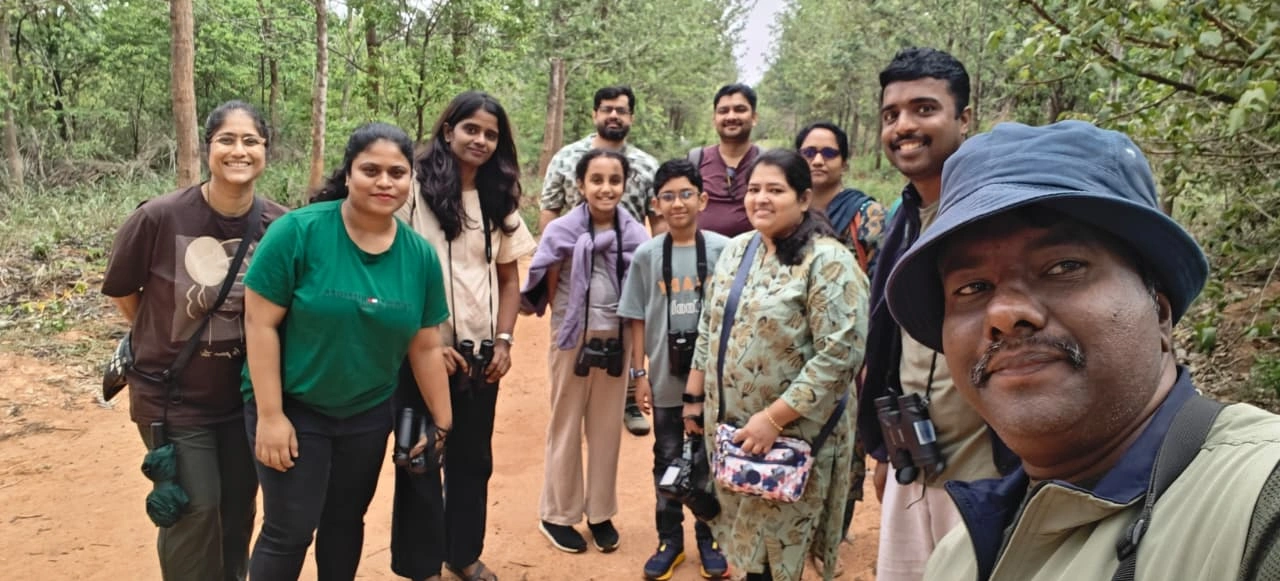
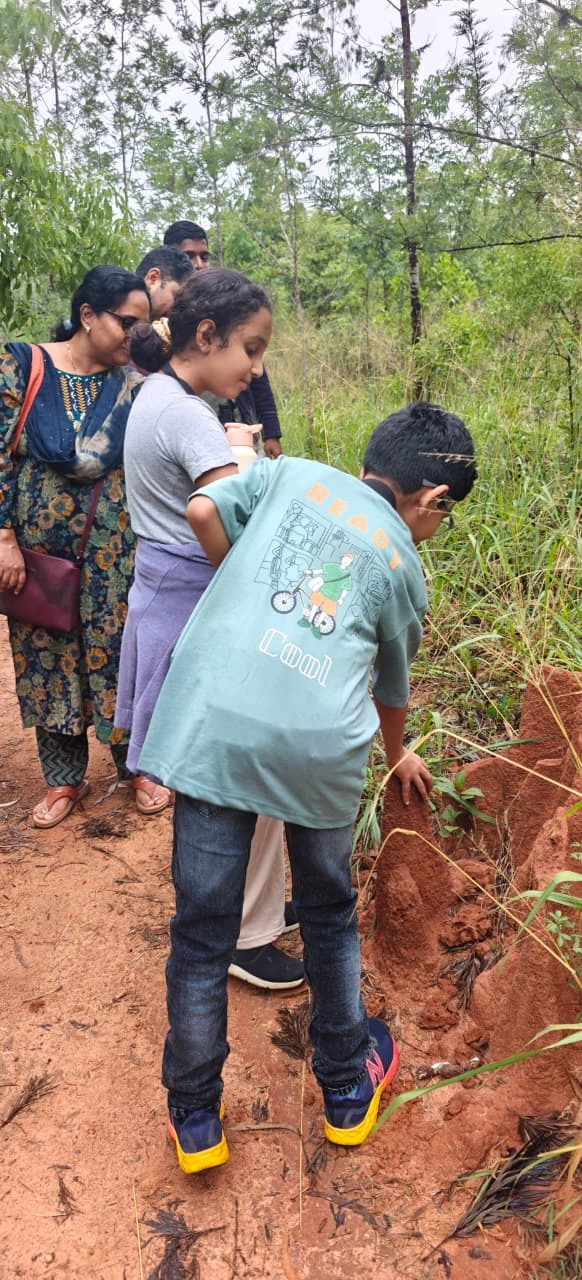
The guided bird walk at J.B. Kaval Tree Park welcomed 19 participants, including several first-time birdwatchers and young children, creating an energetic and interactive morning in one of Bengaluru’s beautiful urban forests. The walk focused on introducing participants to the fascinating world of birds through easy identification tips, observation techniques, and discussions on bird behaviour. The enthusiasm of the children added to the excitement as they eagerly spotted birds, listened to their calls, and asked thoughtful questions throughout the trail. The relaxed pace allowed everyone to appreciate the diversity of woodland birds while learning how even city parks can serve as important habitats for wildlife. The morning was filled with engaging conversations, memorable sightings, and plenty of opportunities for newcomers to develop an appreciation for birdwatching.
Some of the standout sightings included the Indian Grey Hornbill, Cinereous Tit (Asian Tit), and Scaly-breasted Munia, each showcasing the rich birdlife supported by the park’s mature trees and green spaces. Participants also observed interesting bird behaviours and interactions, making the experience both educational and enjoyable. J.B. Kaval Tree Park plays an important role in conserving urban biodiversity by providing nesting, feeding, and resting habitats for numerous resident bird species. The walk highlighted how accessible urban forests can inspire people of all ages to connect with nature while reinforcing the importance of protecting these valuable green spaces within rapidly growing cities.
Number of Participants
0