
Loading Events

Bird Walk at Jugibeel, Golaghat, Assam

About Jugibeel, Golaghat

Jugibeel, situated in Golaghat district of Assam, spans an estimated 150–200 hectares, encompassing open water, marshes, and peripheral vegetation. This wetland is part of the floodplain ecosystem of the Brahmaputra Valley and plays a critical role in maintaining the ecological balance of the region. Its shallow waters, reed beds, and small islands provide feeding, nesting, and roosting grounds for a wide variety of resident and migratory birds. The lake supports waterfowl, waders, raptors, and smaller passerines, making it an important stopover for migratory species traveling along the East Asian–Australasian Flyway. Jugibeel also contributes to groundwater recharge, local fisheries, and supports the surrounding rural communities through livelihoods connected to agriculture and sustainable fishing practices.
The habitat type at Jugibeel is primarily freshwater wetland with reed beds, marshes, and fringe forests, complemented by open water zones that attract diving and wading birds. This mix of habitats makes it a biodiversity hotspot for both birds and other wetland-dependent fauna. Conservation of Jugibeel is crucial due to pressures such as encroachment, pollution, and unsustainable resource use. Local initiatives and governmental wetland protection programs aim to preserve its ecological integrity, maintain water quality, and ensure safe nesting and foraging areas for birds. Awareness campaigns, eco-tourism, and birdwatching activities are increasingly used to involve communities in habitat conservation, highlighting Jugibeel’s role as a model for sustainable wetland management in Assam.

Bird Guide: Rahul Saikia

Nature enthusiast and avid birder with 1 year of experience exploring and learning about birds. Sharing knowledge and passion for avian wonders with others. Always eager to learn and discover more about the fascinating world of birds!
Bird walk Location

Common birds of Golaghat

Golaghat, located in the heart of Assam’s biodiverse Brahmaputra valley, is a remarkable region that supports an astounding 509 recorded bird species, reflecting its mosaic of wetlands, grasslands, and forest habitats. The area’s wetlands, such as Kosamari and Terenga Pothar, host large congregations of Lesser Whistling Ducks, Indian Spot-billed Ducks, and Bronze-winged Jacanas, creating a dynamic aquatic ecosystem. The Asian Openbill, Lesser Adjutant, Spot-billed Pelican, and Black-necked Stork are frequently seen foraging in shallow water, while elegant Egrets and Herons stalk the edges for prey. The nearby grasslands and open fields are alive with Gray-headed Lapwings, Temminck’s Stints, and Common Sandpipers, alongside agile Bee-eaters and Kingfishers like the Common, White-throated, and Stork-billed Kingfishers. Raptors such as the Black-winged Kite, Pallas’s Fish Eagle, and Gray-headed Fish Eagle soar above, indicating the area’s rich food chain and ecological balance.
Wooded groves and human settlements around Golaghat harbor a colorful mix of perching birds and songbirds, showcasing the diversity of the region’s avifauna. The Red Collared Dove, Yellow-footed Green Pigeon, and Oriental Pied Hornbill are common in fruiting trees, while the Black-hooded Oriole, Common Iora, and Fulvous-breasted Woodpecker add to the melody of the forest edge. Open scrublands and agricultural patches attract Drongos, Shrikes, and Bulbuls, while urban gardens bustle with Mynas, Tree Sparrows, and House Sparrows. The White-rumped Shama and Oriental Magpie Robin are among the most melodious residents of the region, often heard during dawn choruses. Small insectivores like the Dusky Warbler, Taiga Flycatcher, and Siberian Stonechat appear during migration seasons, signaling the area’s importance along the Indo-Asian flyway. With its blend of wetlands, grasslands, and forests, Golaghat stands as one of Assam’s most significant avian landscapes, vital for both resident and migratory species throughout the year.
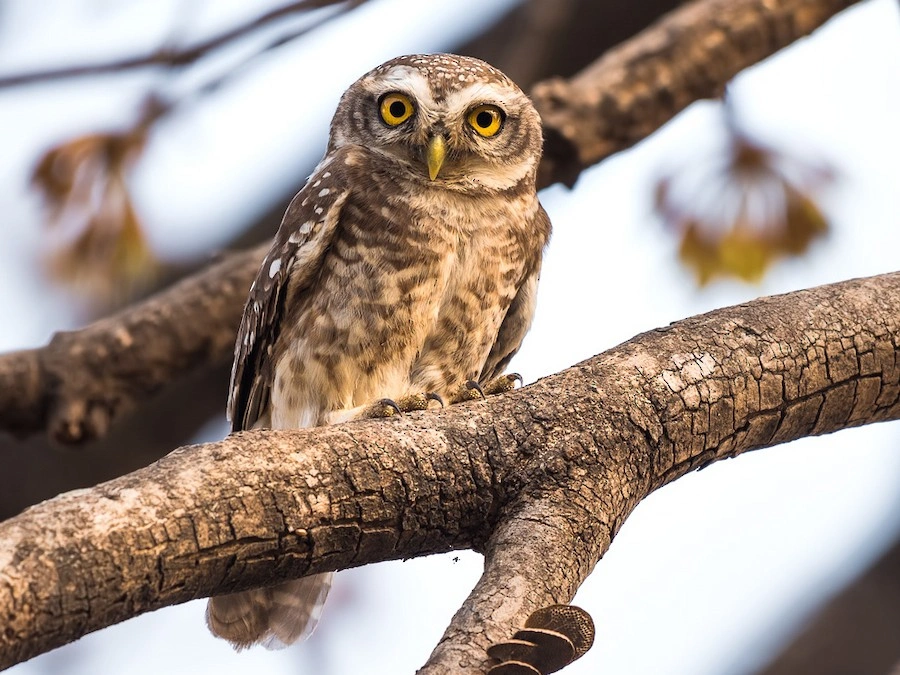
Spotted Owlet
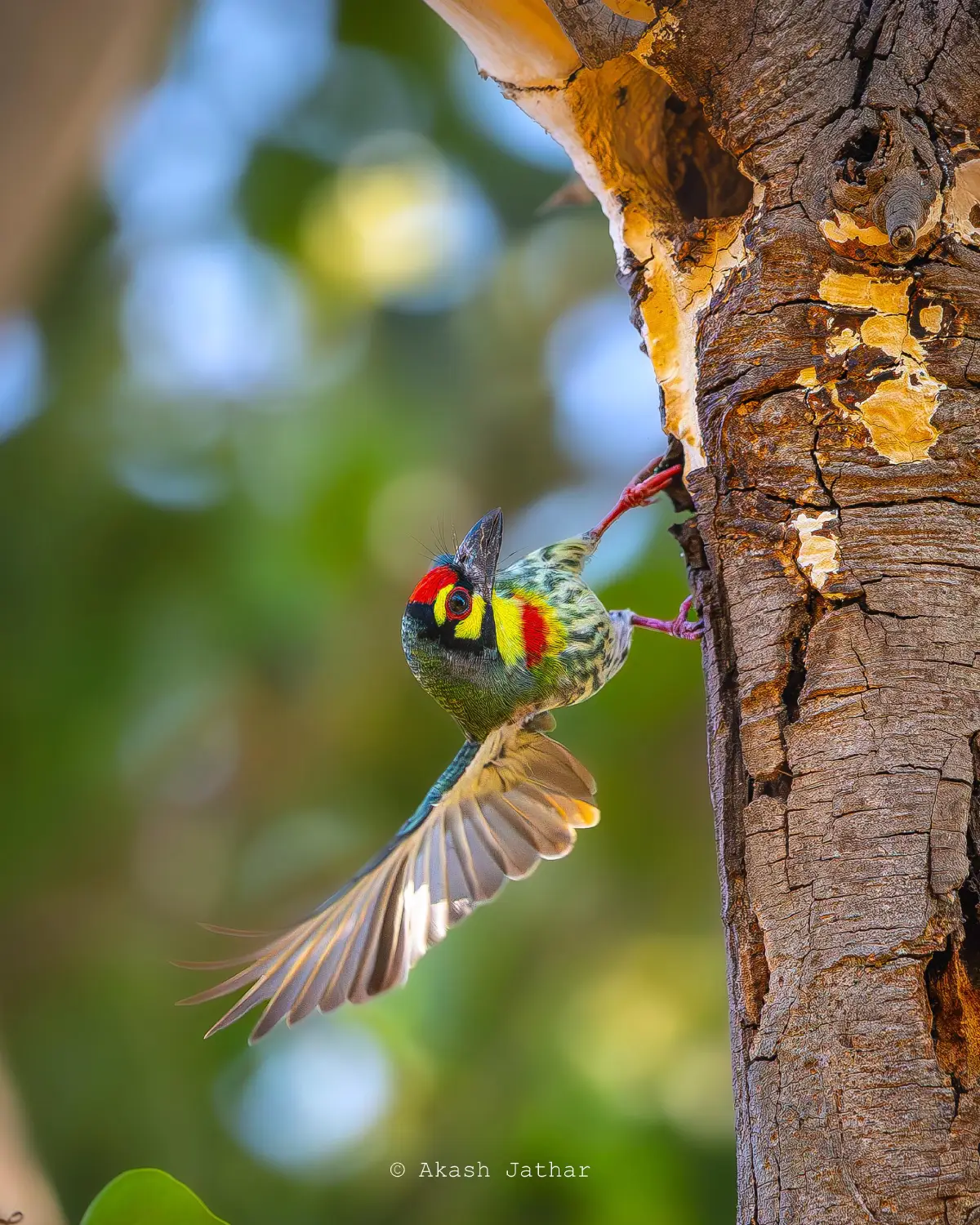
Coppersmith Barbet
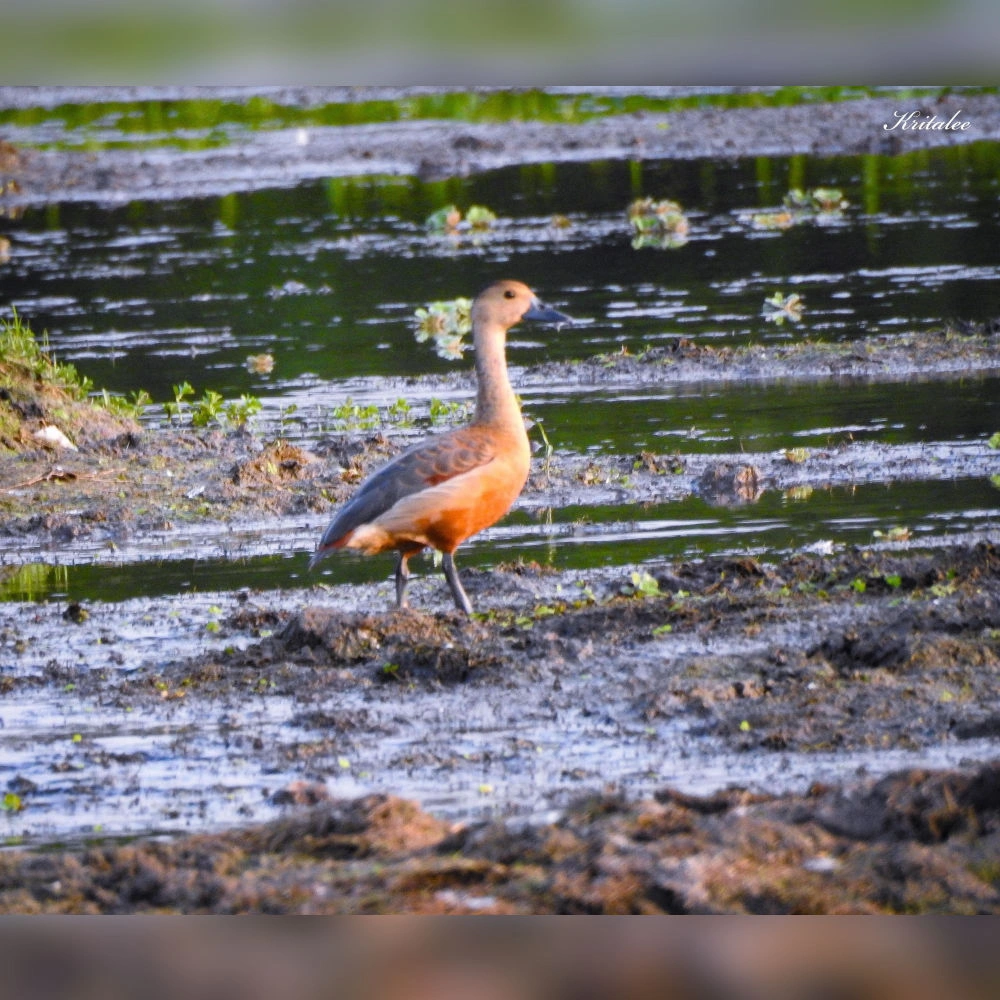
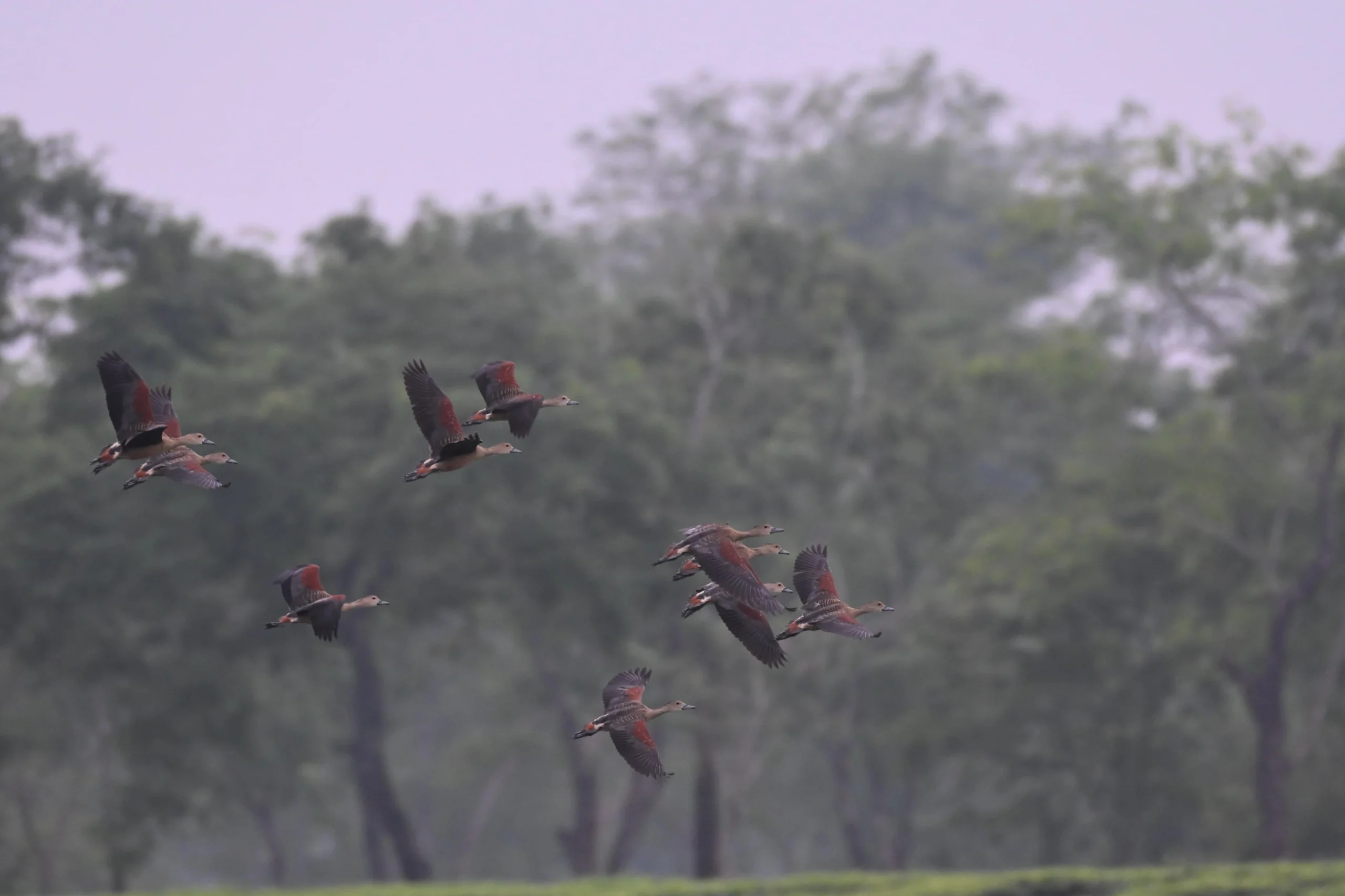
Lesser Whistling Duck
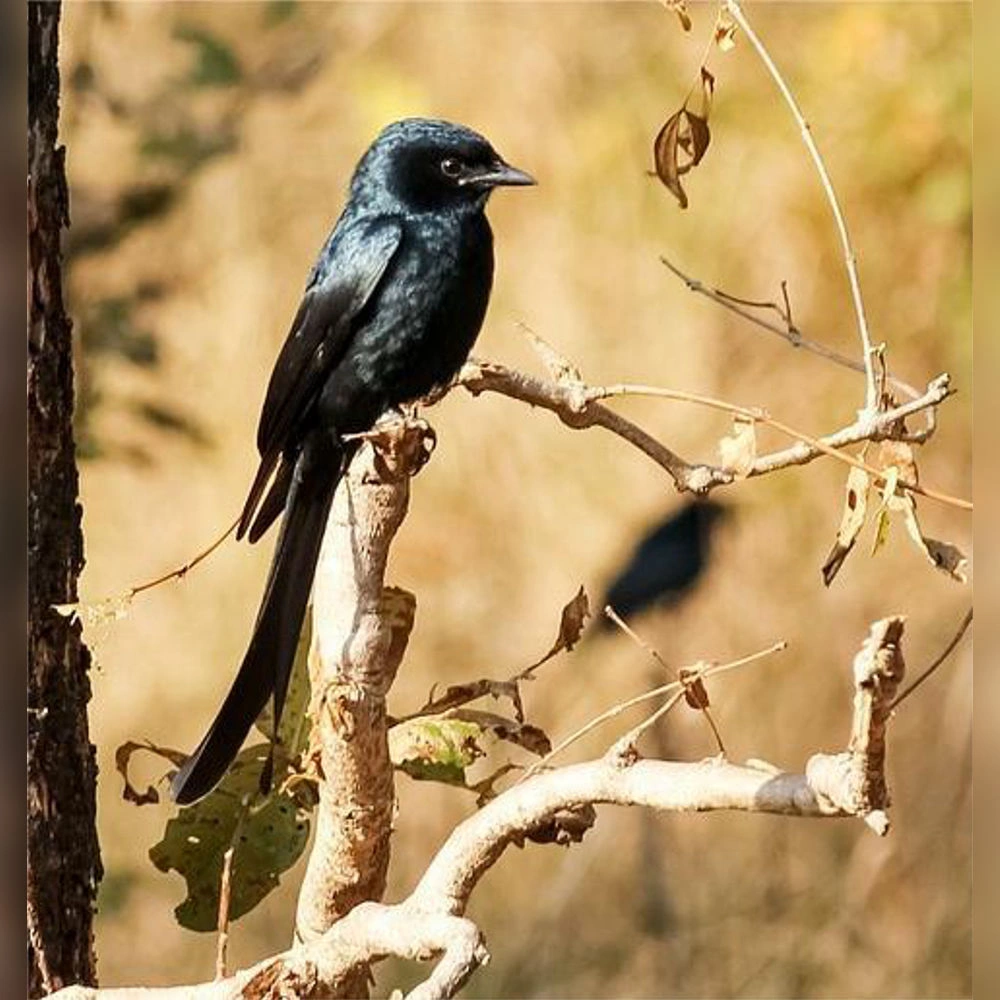
Black Drongo
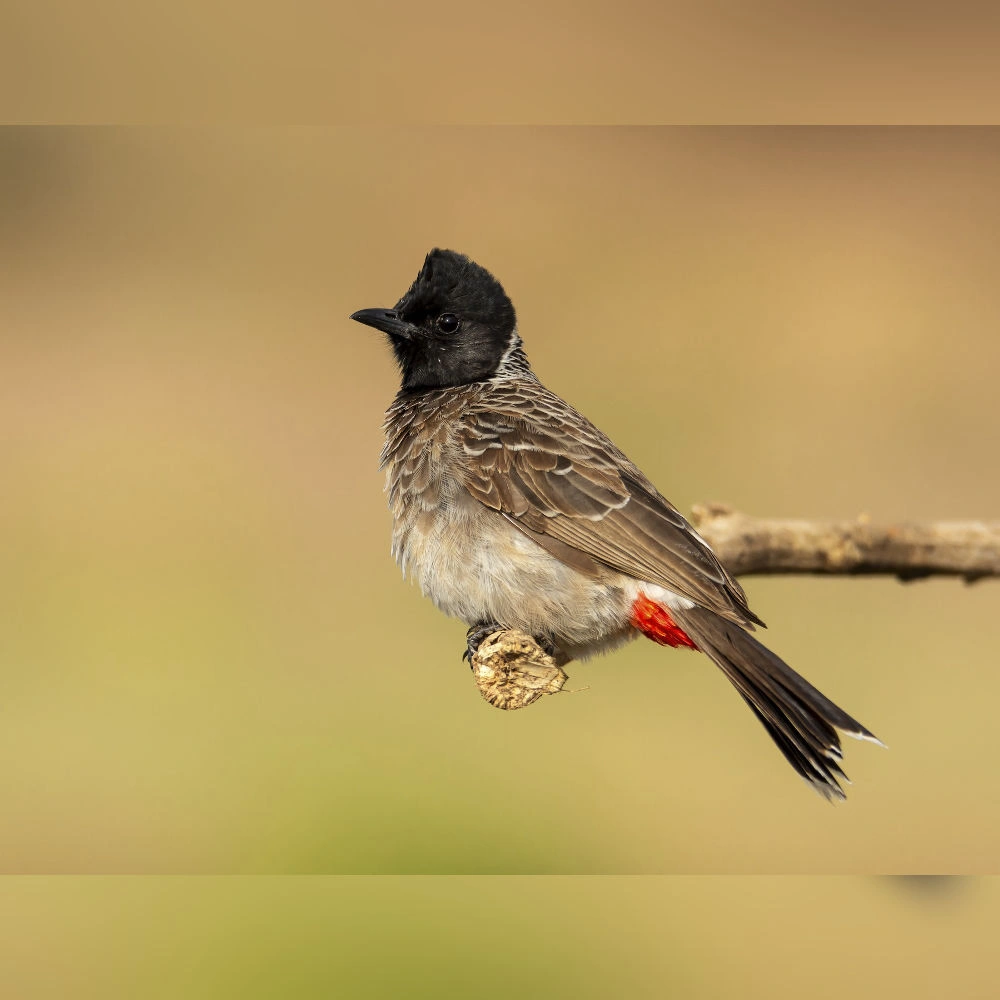
Red-vented Bulbul
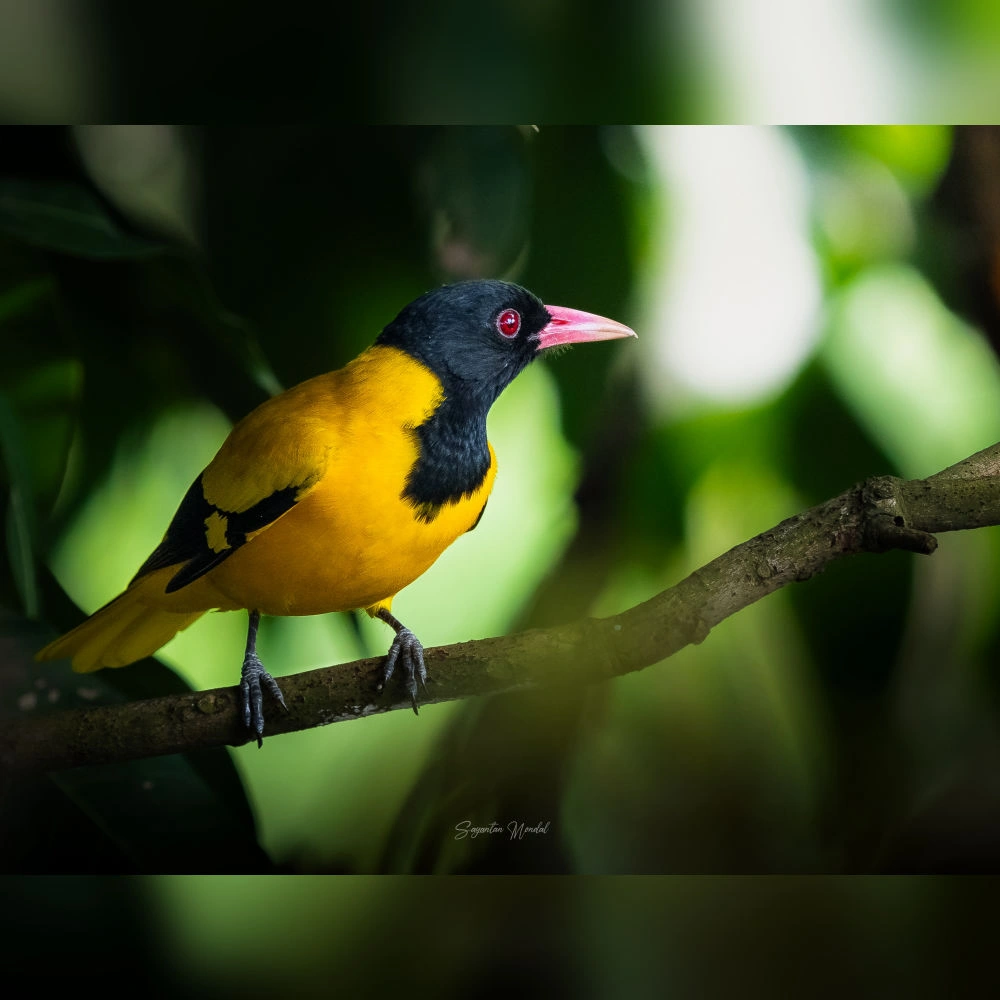
Black-hooded Oriole
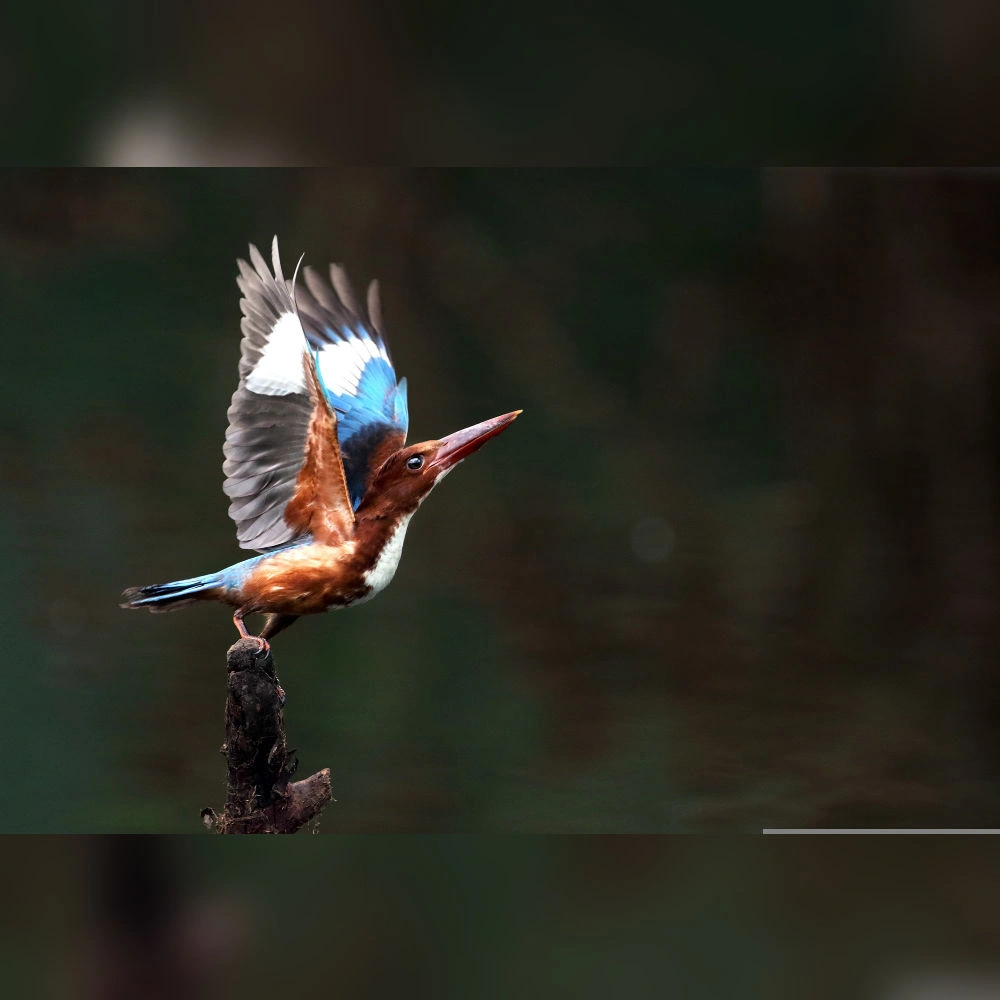
White-throated Kingfisher
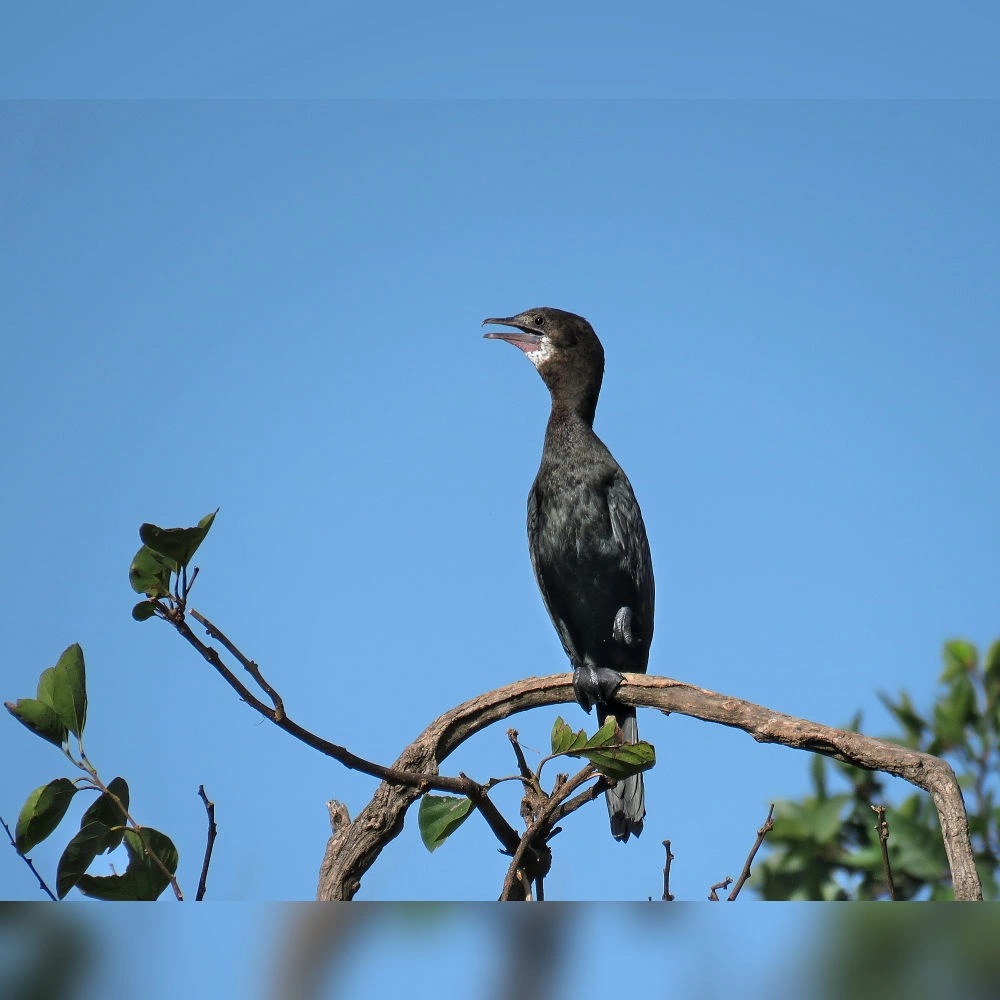
Little Cormorant
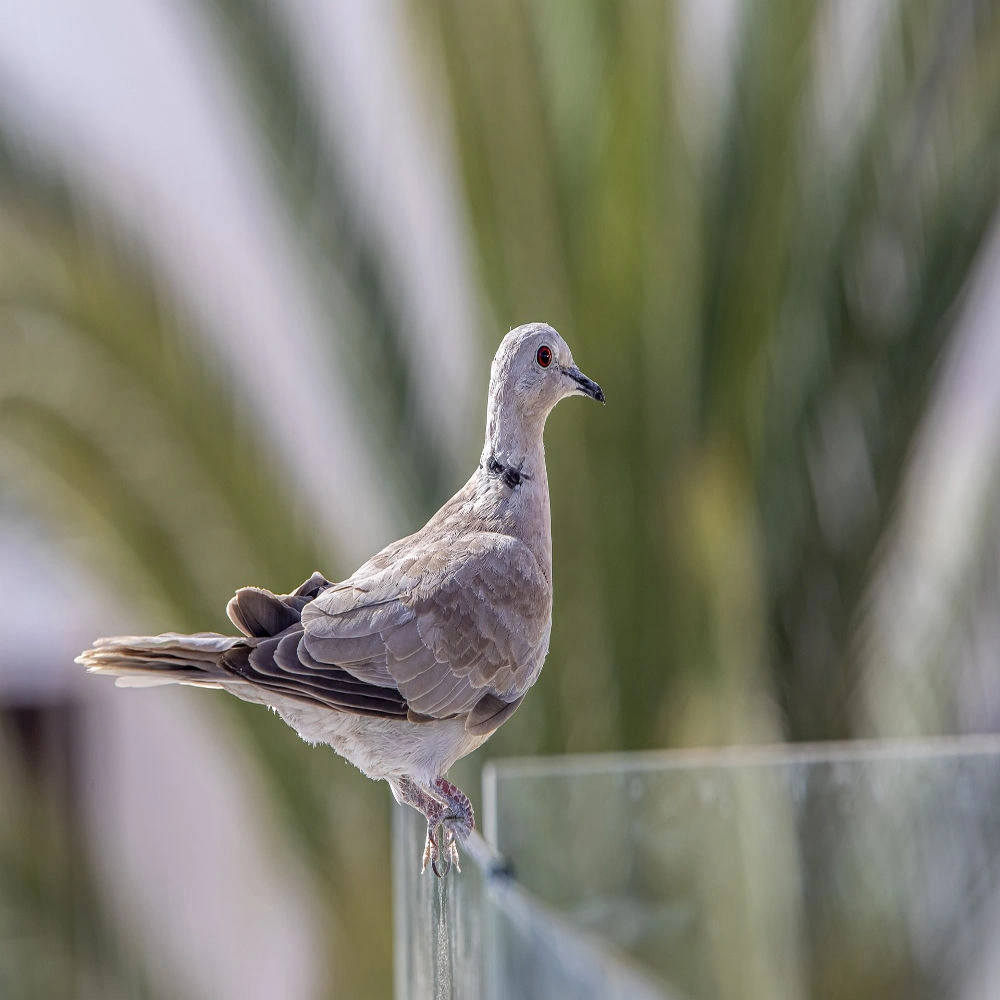
Eurasian-collared Dove
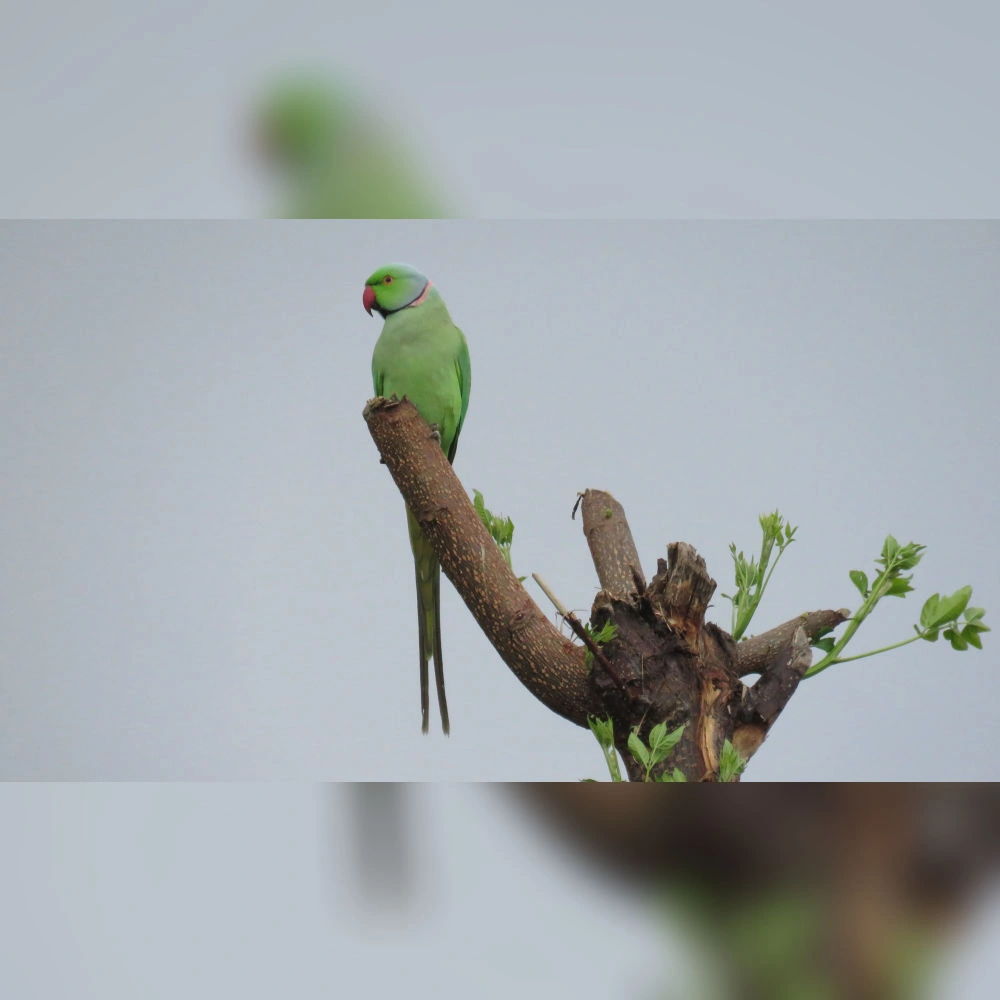
Rose-ringed Parakeet
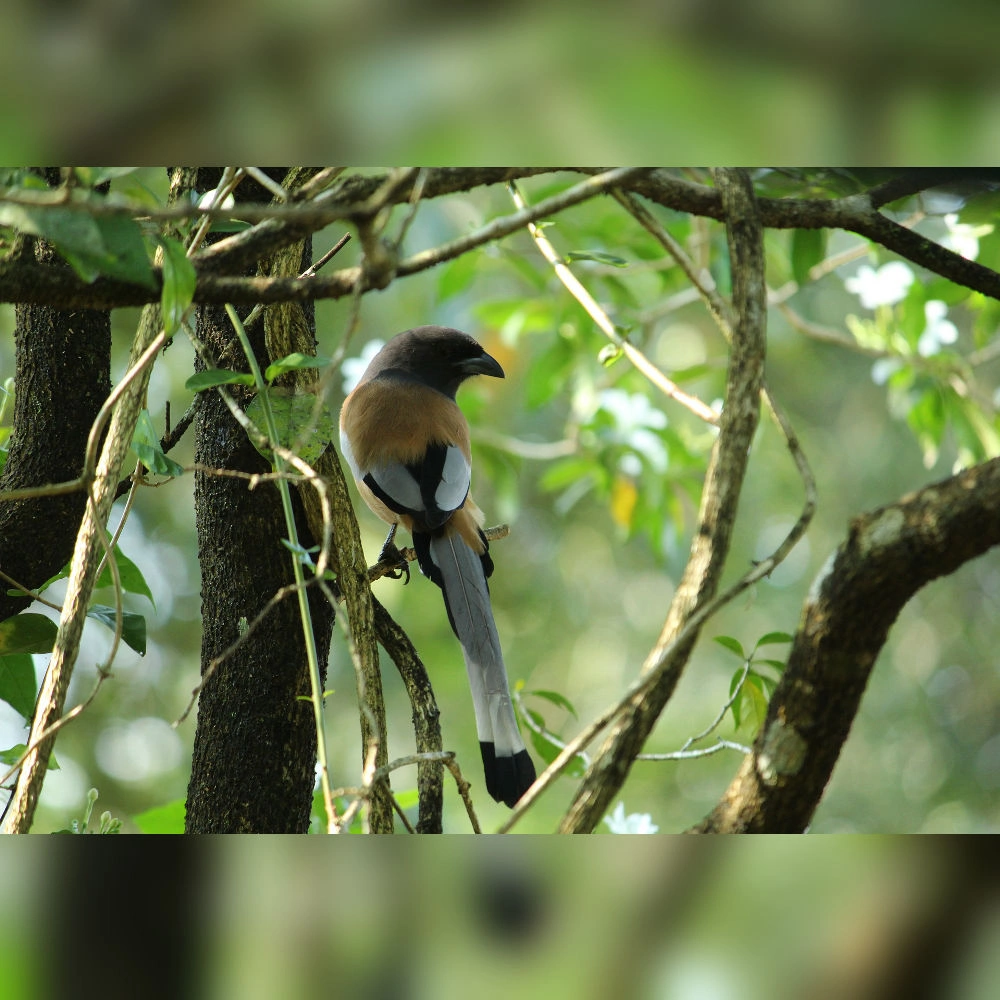
Rufous Treepie
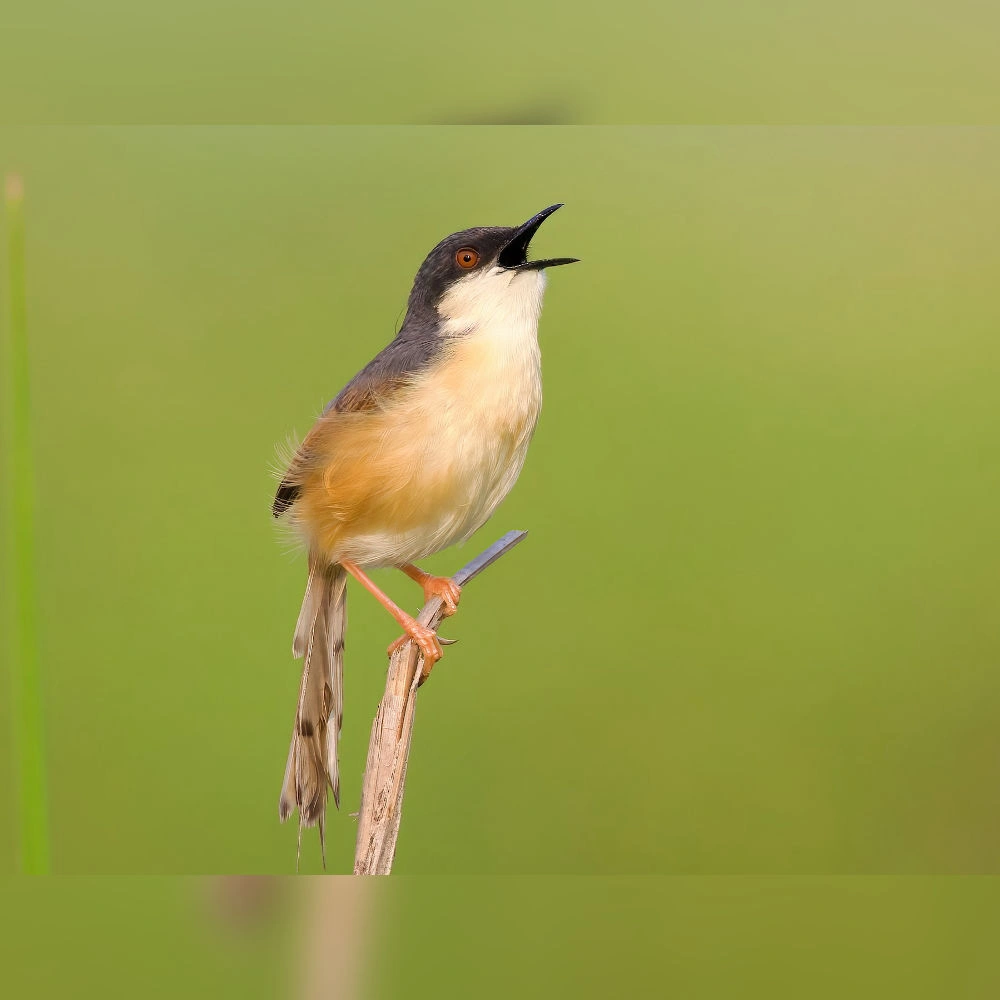
Ashy Prinia
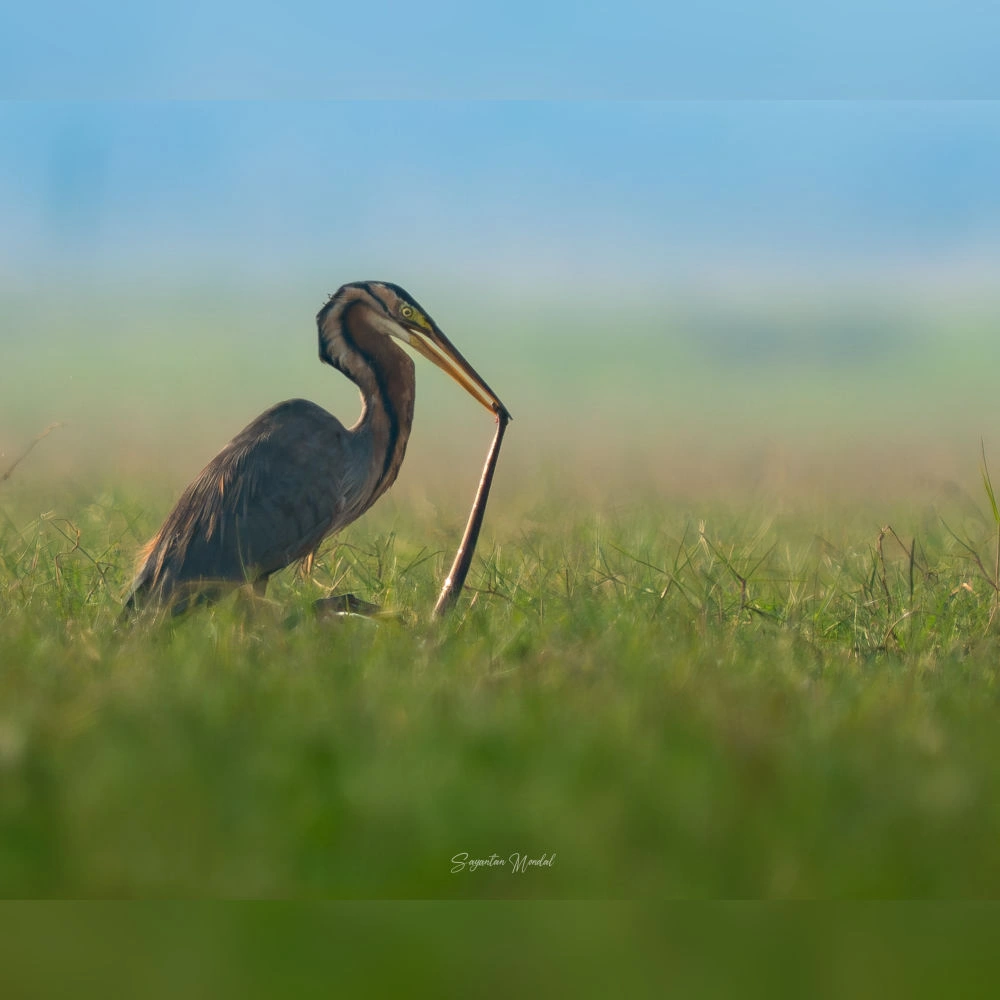
Purple Heron
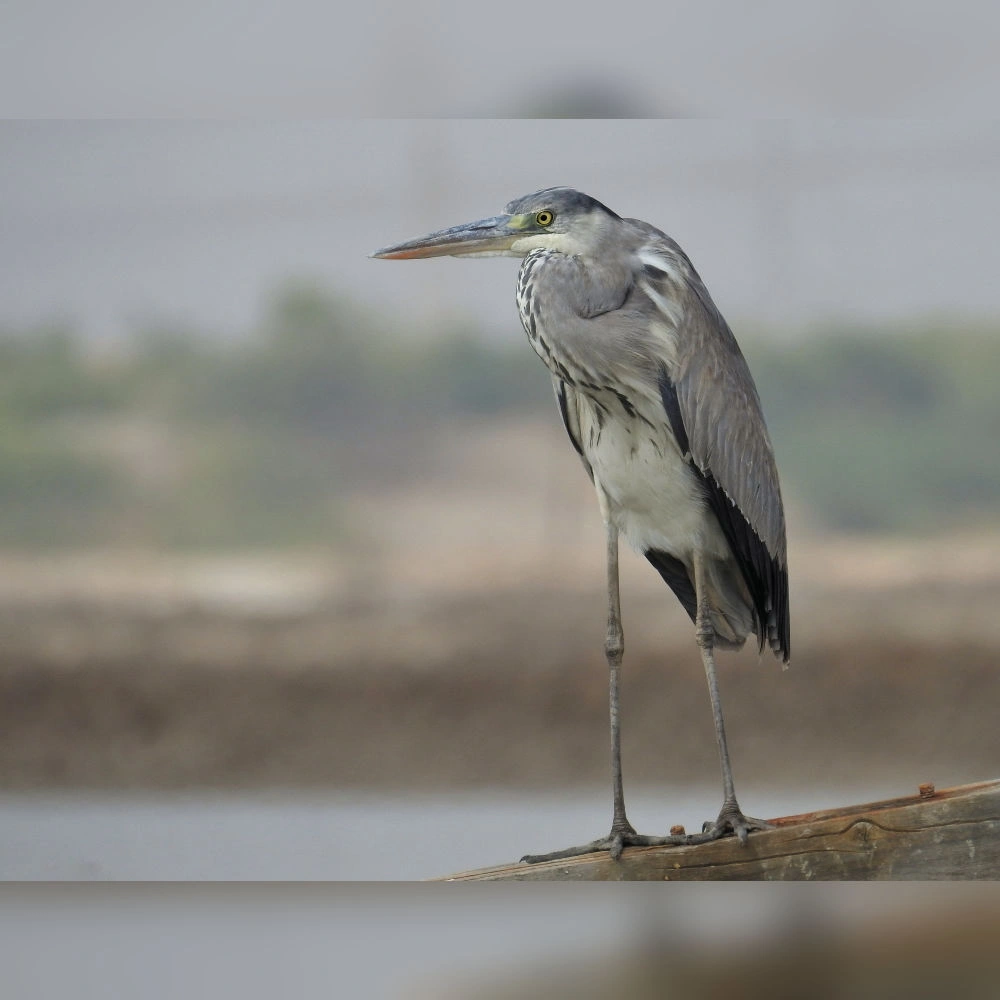
Grey Heron
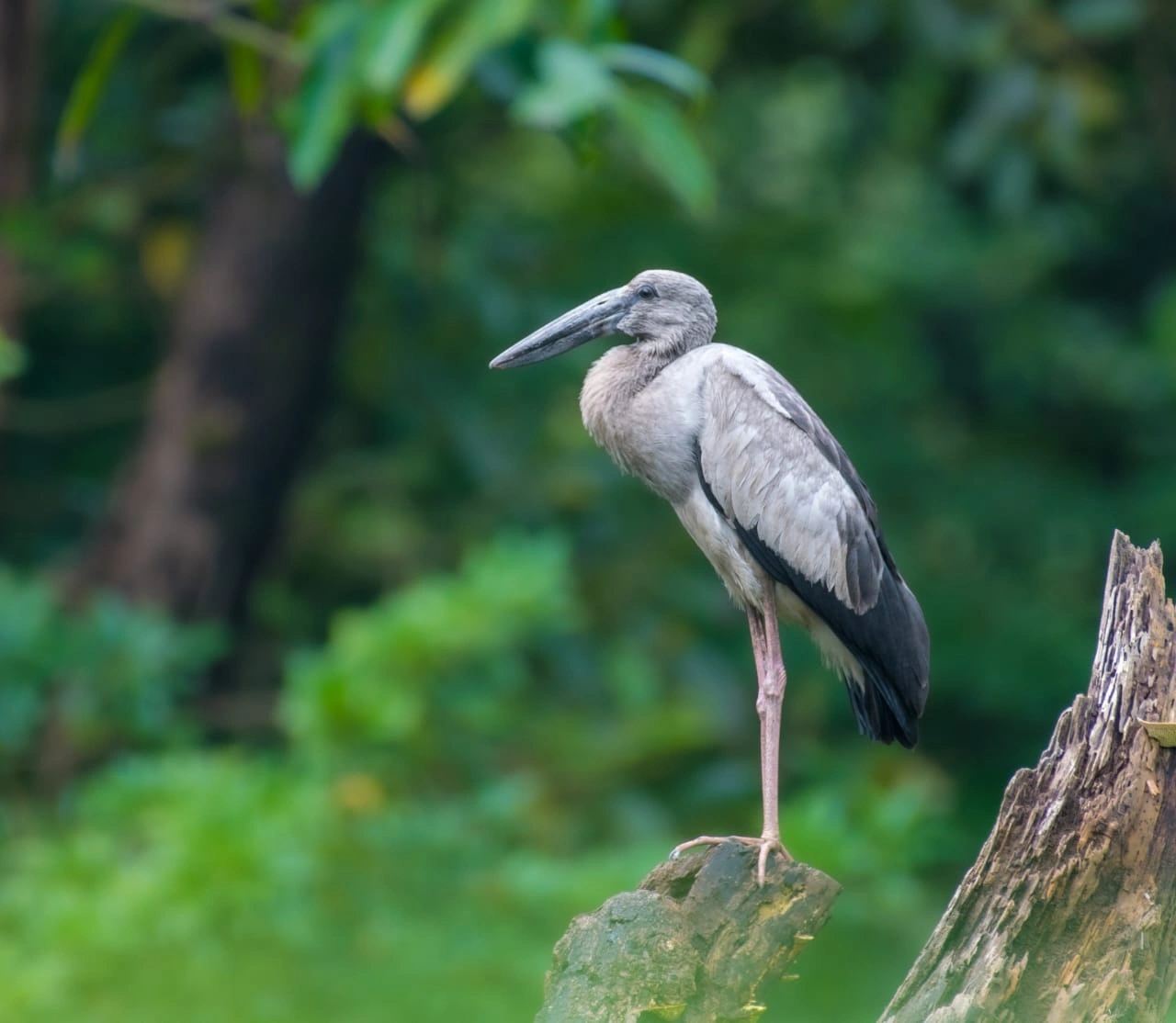
Asian Openbill
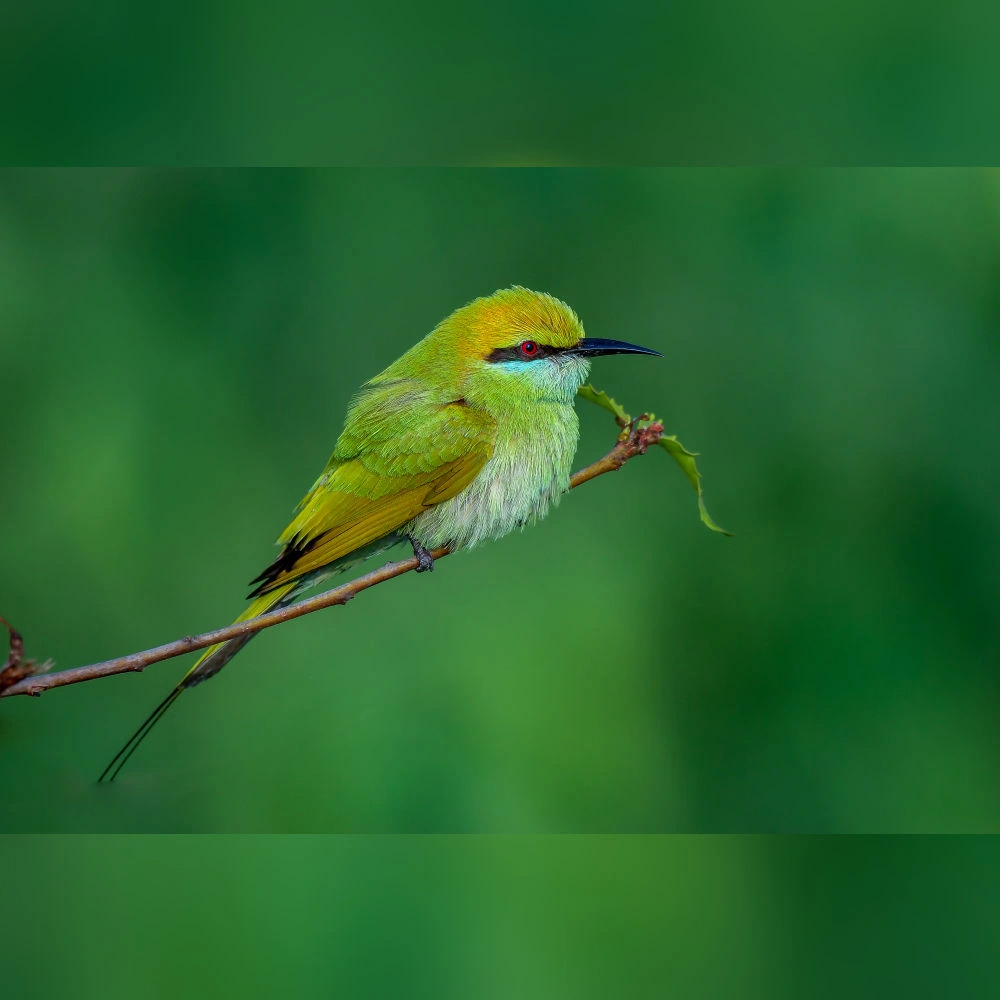
Asian Green Bee-eater
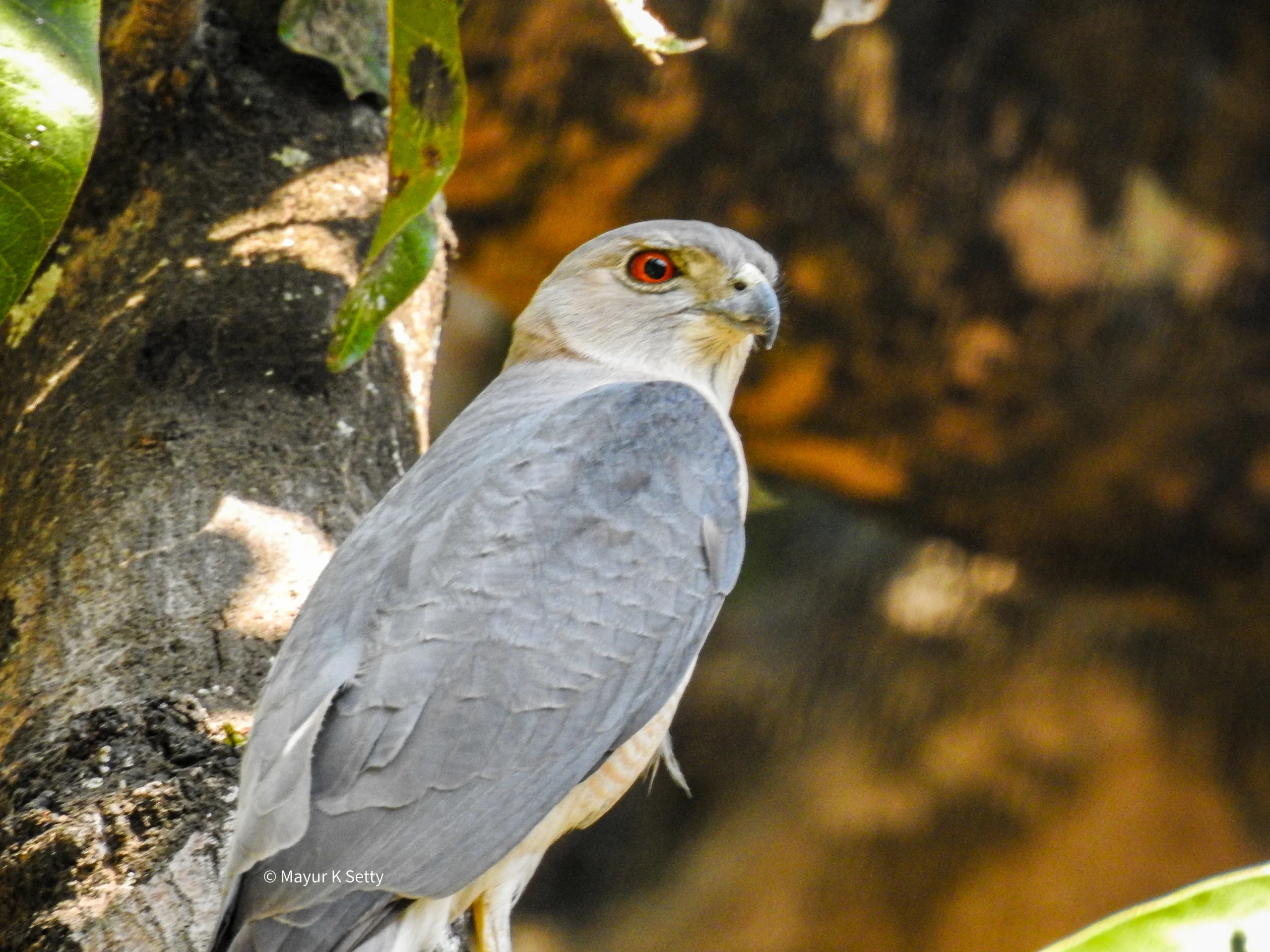
Shikra
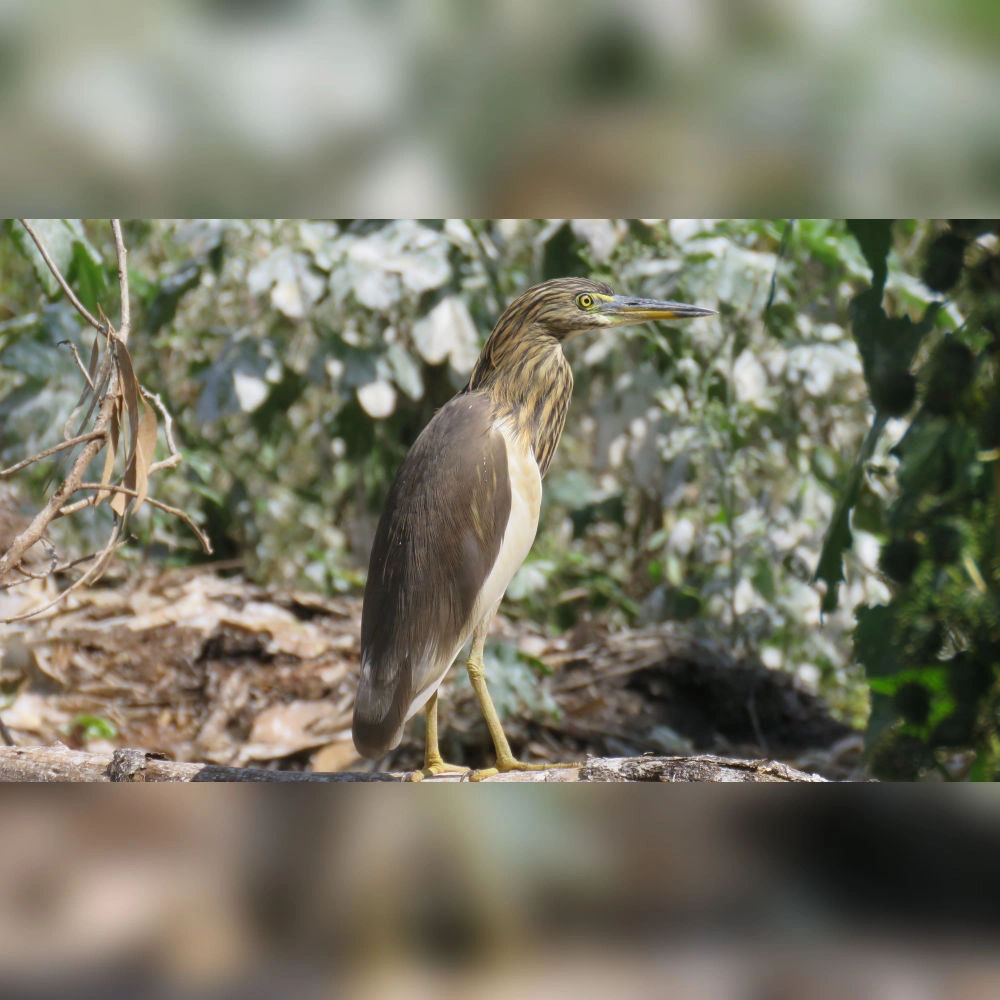
Indian Pond Heron
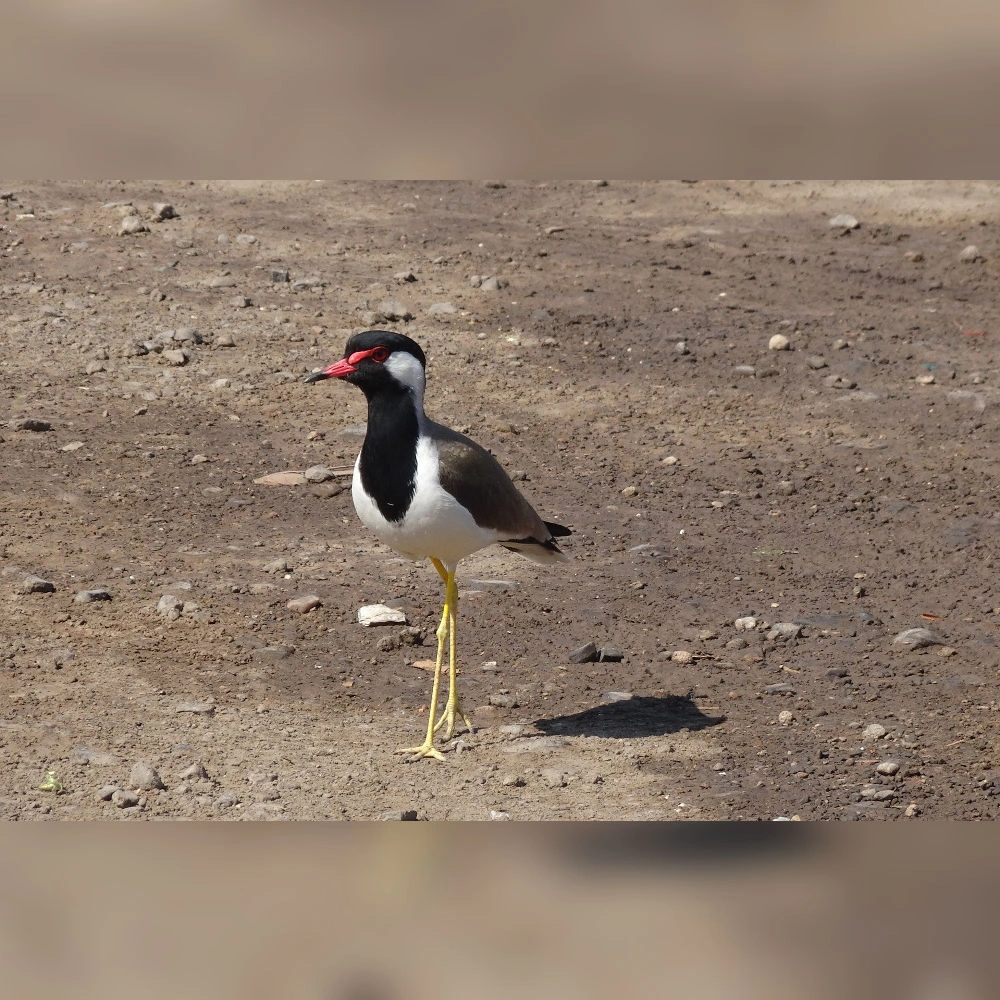
Red-wattled Lapwing
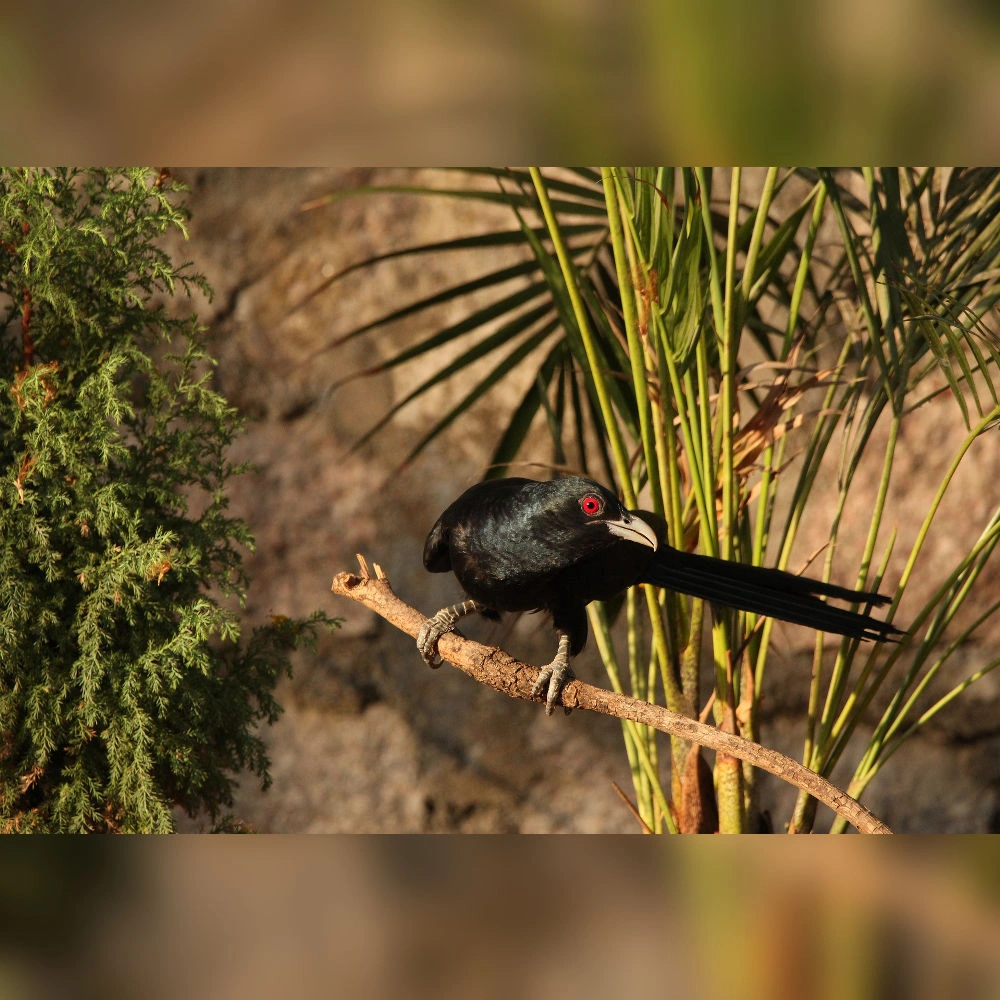
Asian Koel

Scroll to Top