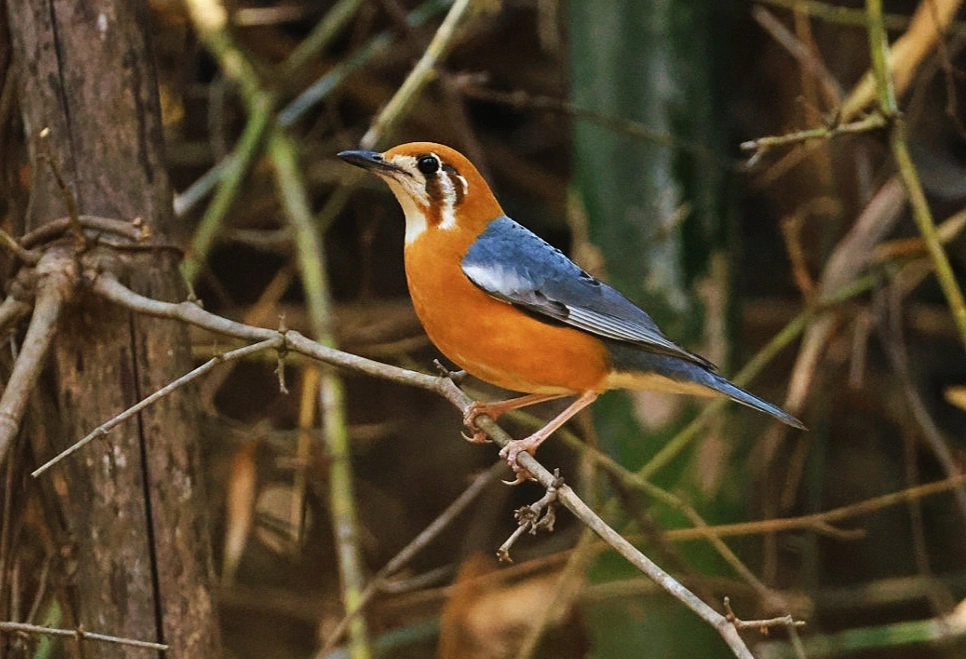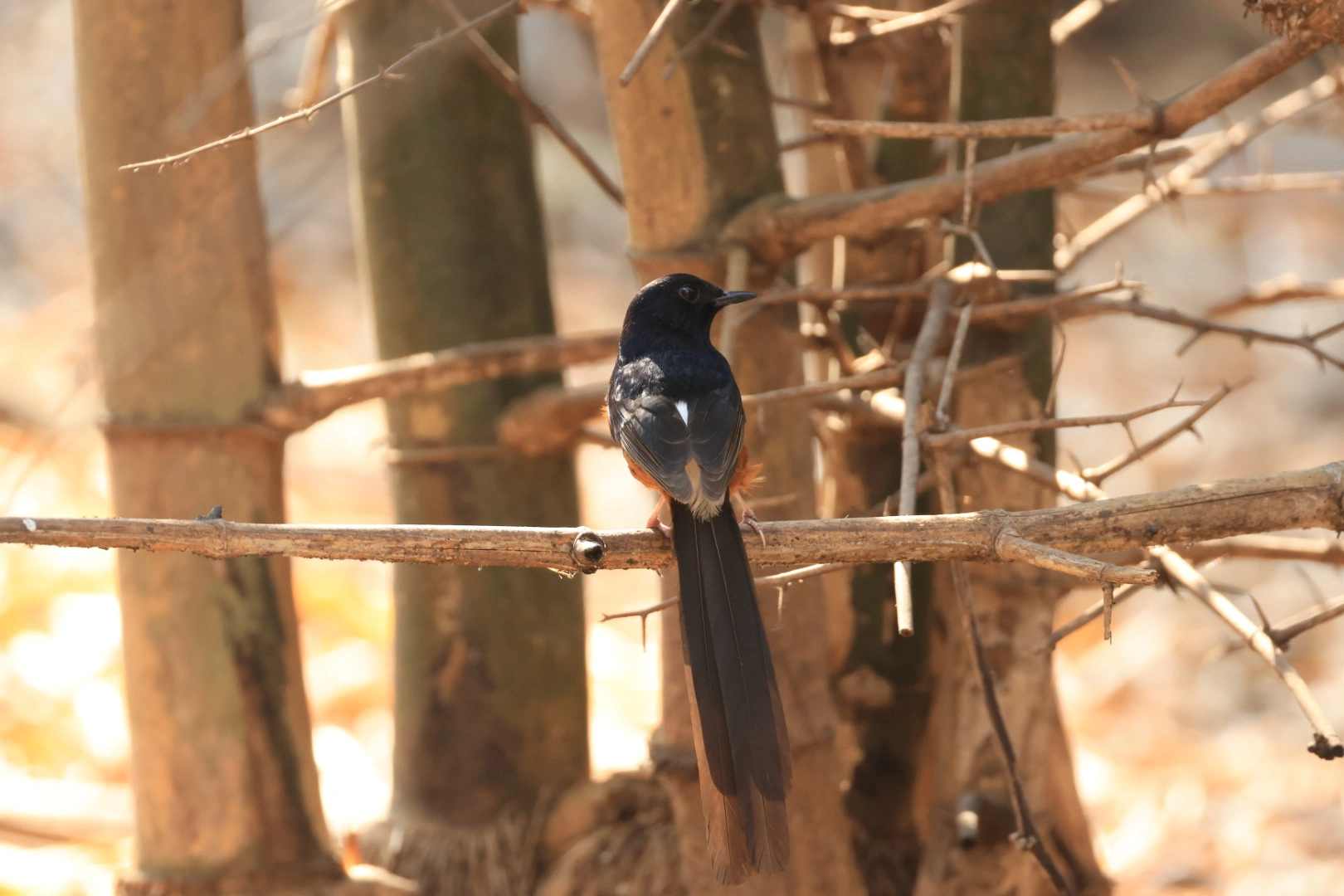


Loading Events

Bird Walk at Kanakagiri hills from Chandrugunda side, Telangana

About Kanakagiri Hills

Kanakagiri Hills, approached from the Chandrugunda side in Telangana, form a rugged landscape of granite outcrops, dry deciduous forests, and scattered scrub that together create a scenic and ecologically rich habitat. The terrain is characterized by rocky slopes, deep gullies, and scattered patches of Anogeissus, Boswellia, Acacia, and grassland pockets that support a wide range of wildlife. The hills hold cultural significance as well, with ancient pathways and viewpoints offering expansive vistas of the surrounding countryside. Small seasonal streams and rock pools sustain biodiversity through the hotter months, making Kanakagiri an important natural refuge in the region.
The area is known for its birdlife, mammals, and reptiles typical of the Deccan landscape. Common birds include Indian Eagle Owl, Yellow throated Bulbul, Sirkeer Malkoha, Indian Robin, Short toed Snake Eagle, Black Drongo, Brahminy Starling, and various larks and quails that thrive in rocky scrub. Mammals like Indian Hare, Four horned Antelope, and Sloth Bear may also be encountered in the less disturbed areas. While the hills remain relatively undisturbed compared to surrounding agricultural zones, they face growing pressures from quarrying, grazing, and expansion of nearby settlements. Conservation attention focused on habitat protection, regulated access, and community awareness can help preserve the unique ecological and cultural value of Kanakagiri Hills for the long term.

Bird Guide: Anne Sujeeth

Naturalist and conservationst having an exprience of 15 + years in wildlife conservation
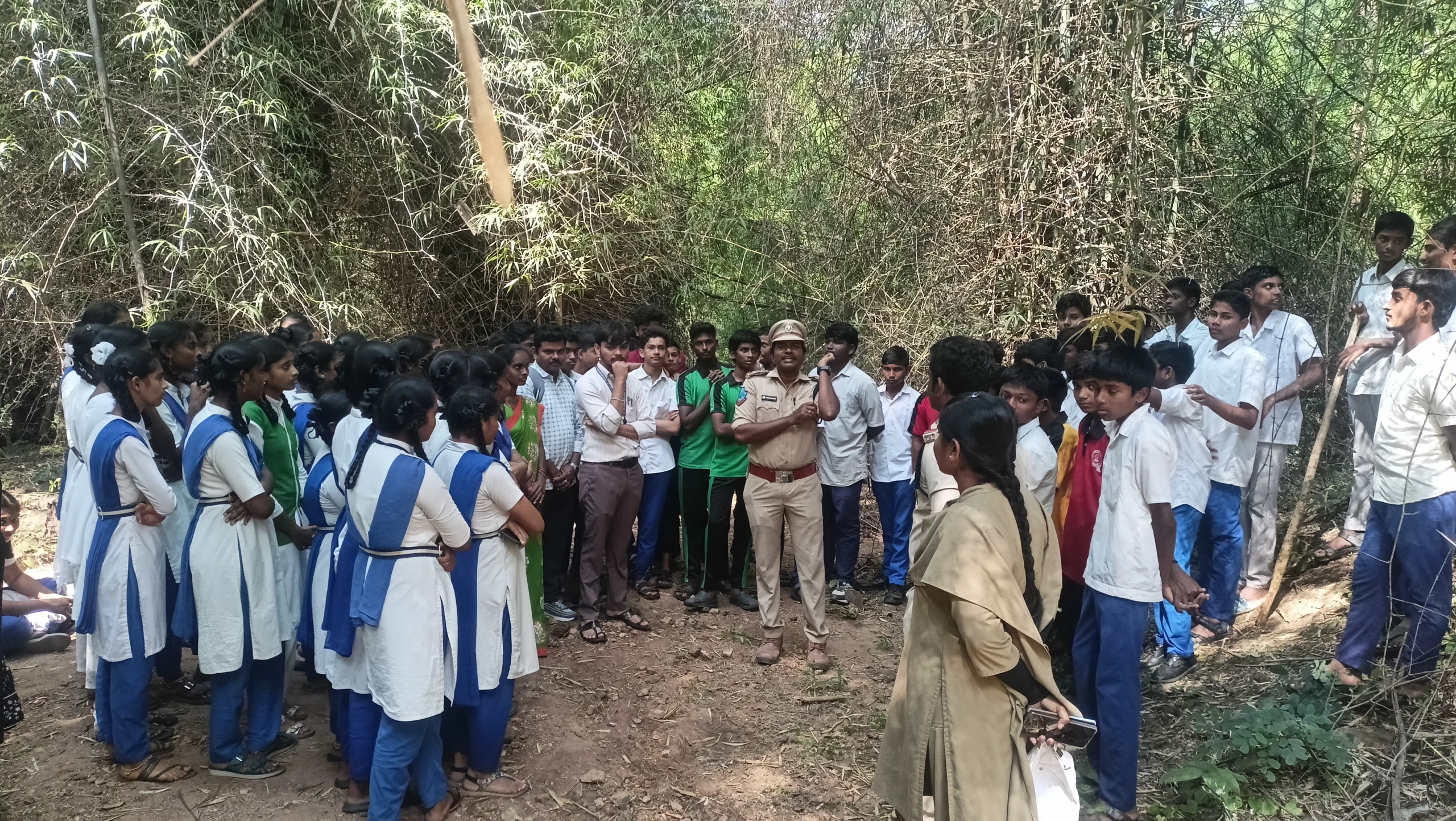
Bird walk Location

Common birds of Kanakagiri Hills

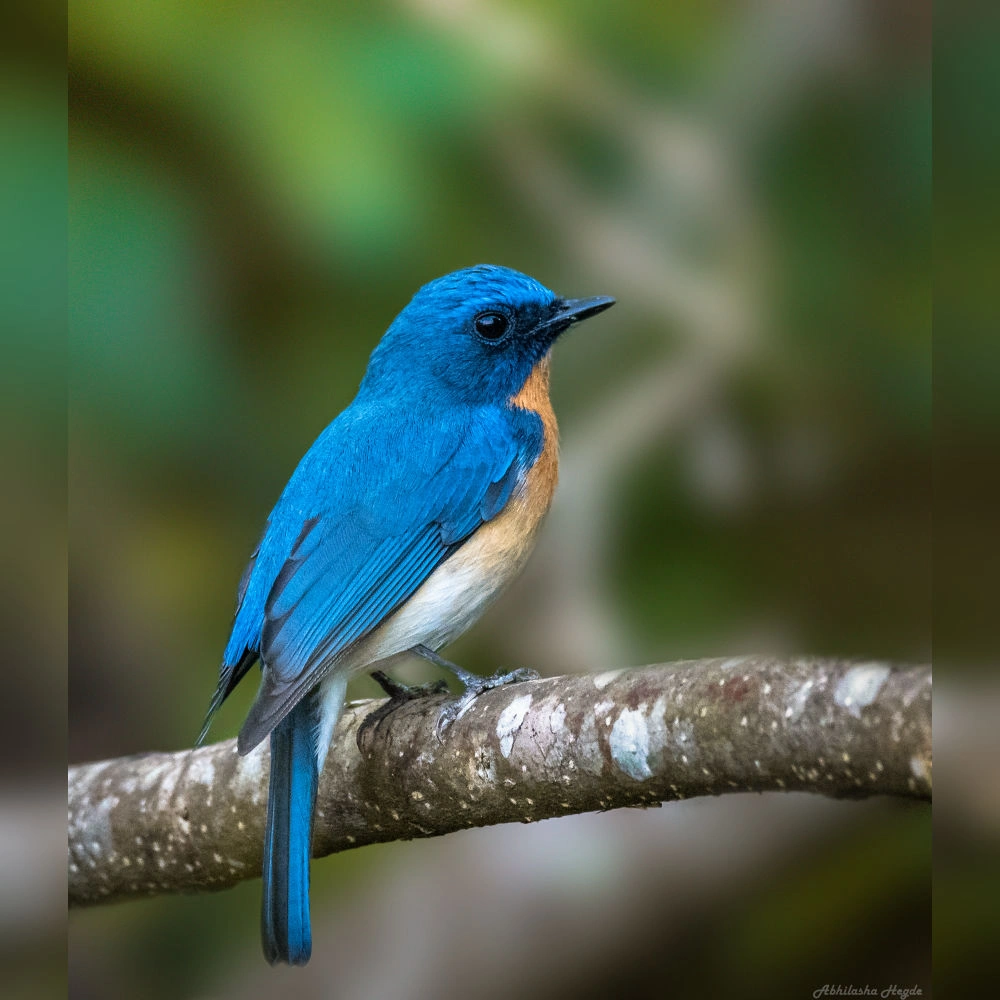
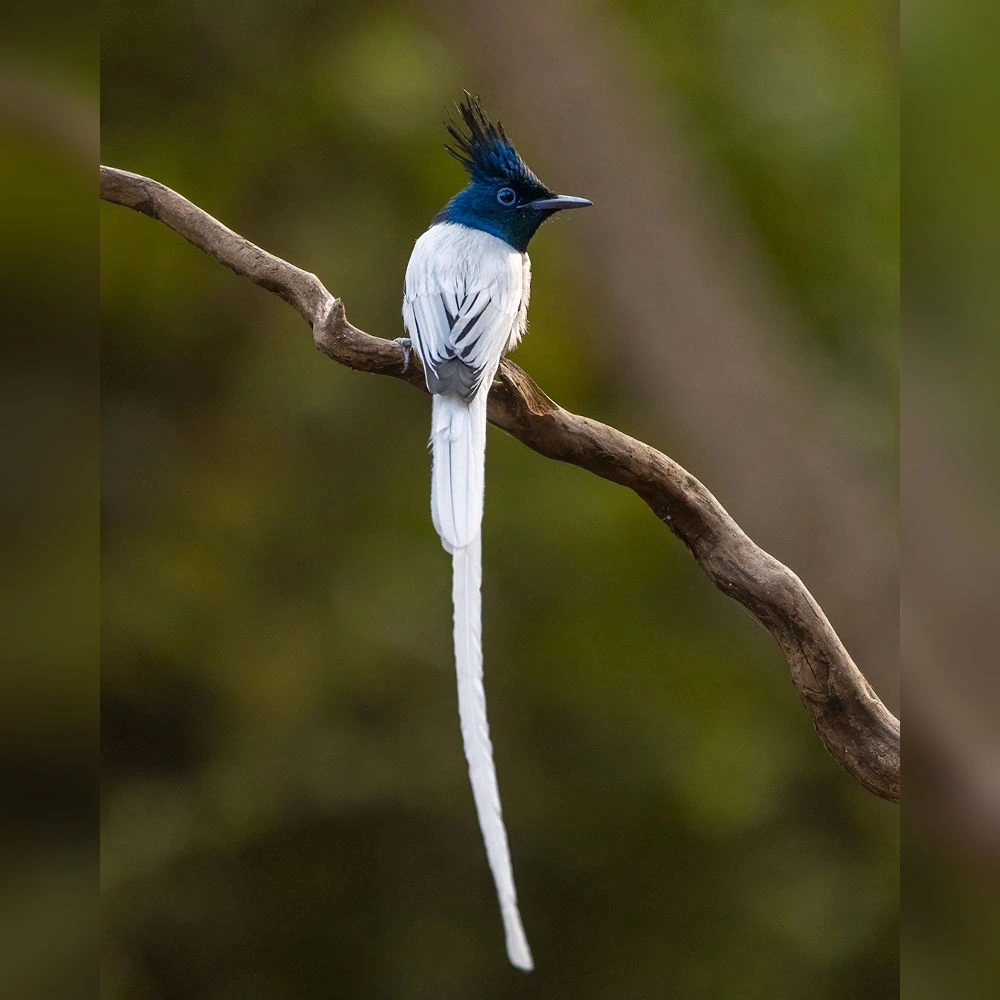
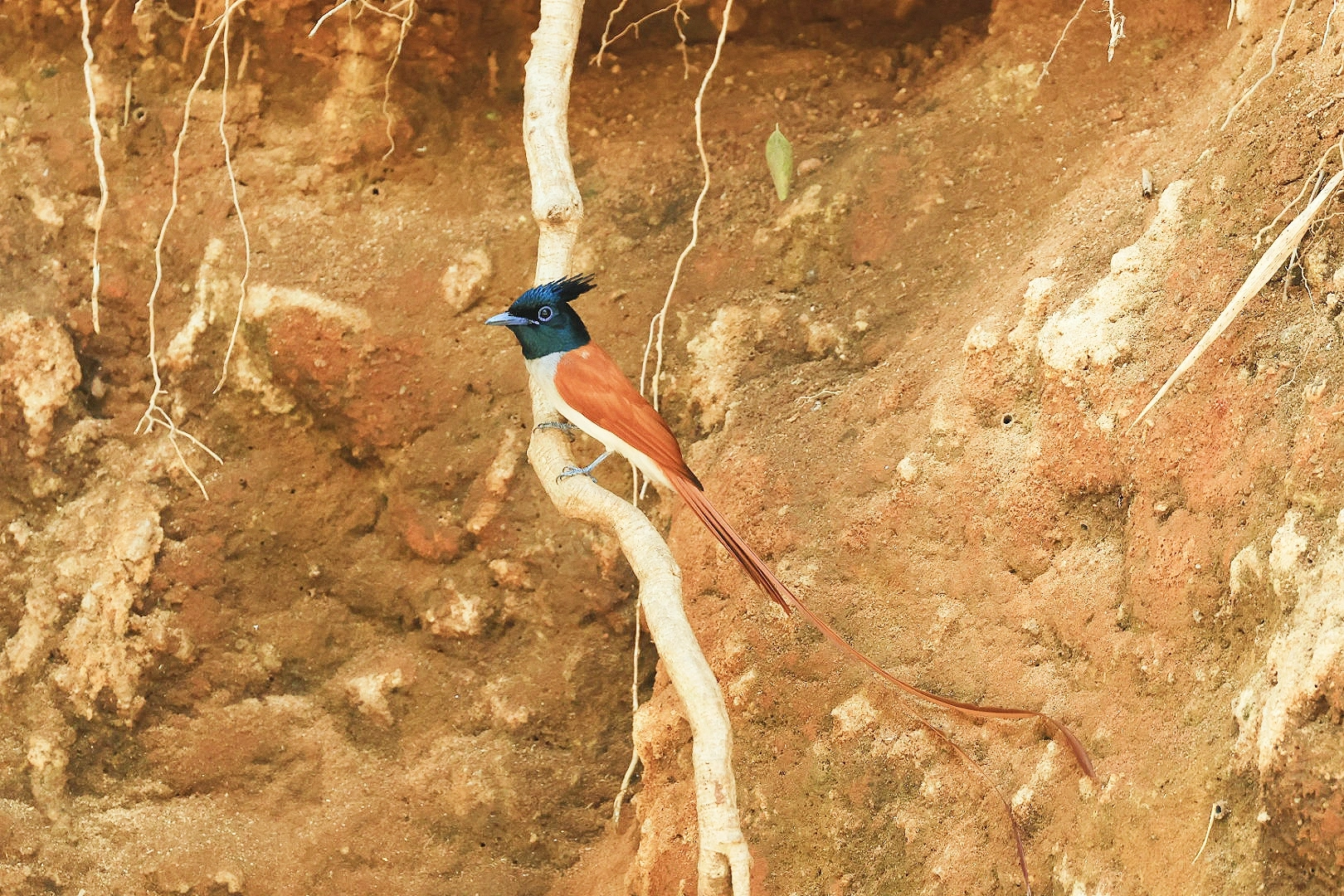
Kanakagiri Hills support a rich mix of forest, scrub, and riparian birds, making the landscape especially rewarding for birdwatchers. The wooded slopes often reveal flycatchers such as Tickell’s Blue Flycatcher, Taiga Flycatcher, Paradise Flycatcher, and the striking Blue capped Rock Thrush, while shady streams echo with the song of the Malabar Whistling Thrush. Drongos are common throughout the hills, including White breasted Drongo, Racket tailed Drongo, and the more widespread Common Drongo. Parakeets like Rose ringed and Plum headed Parakeet move through the canopy, while Hill Myna and Indian Blackbird add to the diversity of forest species. Riparian stretches and rocky pools host Common Kingfisher, Blue eared Kingfisher, White breasted Kingfisher, and Pied Kingfisher. The scrub and rocky edges support Yellow throated Sparrow, common cuckoo, Asian Koel, White rumped Shama, and White rump Munia, reflecting the region’s rich blend of habitats.

Tickell's Blue Flycatcher
Indian Paradise Flycatcher
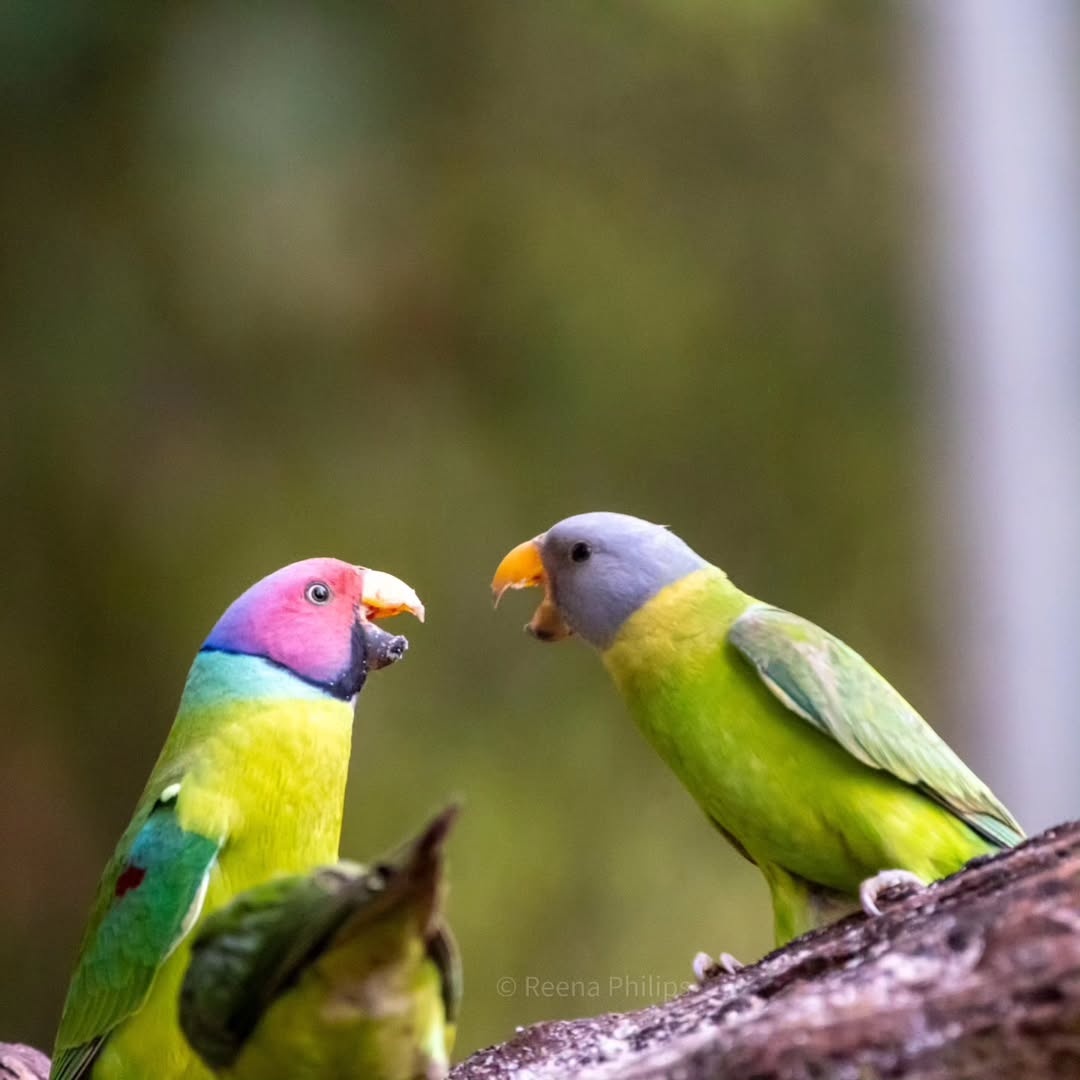
Plum-headed Parakeet
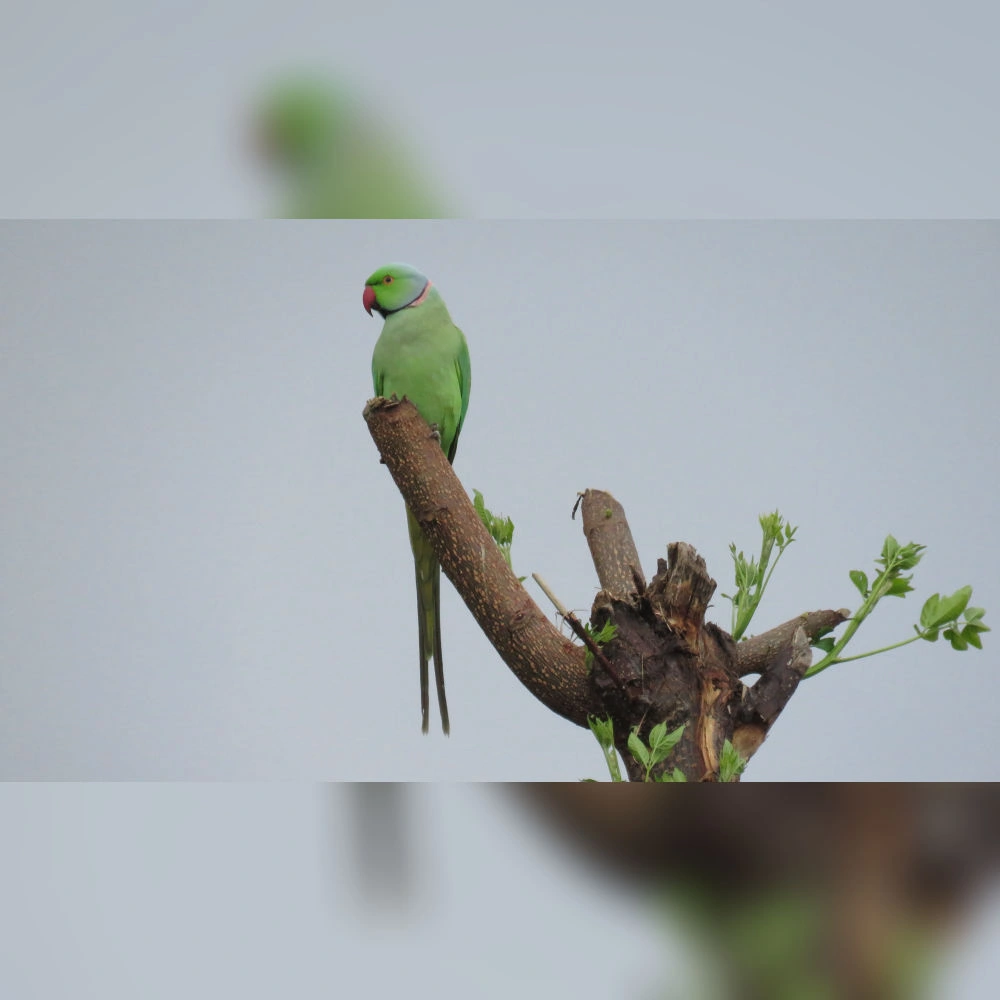
Rose-ringed Parakeet
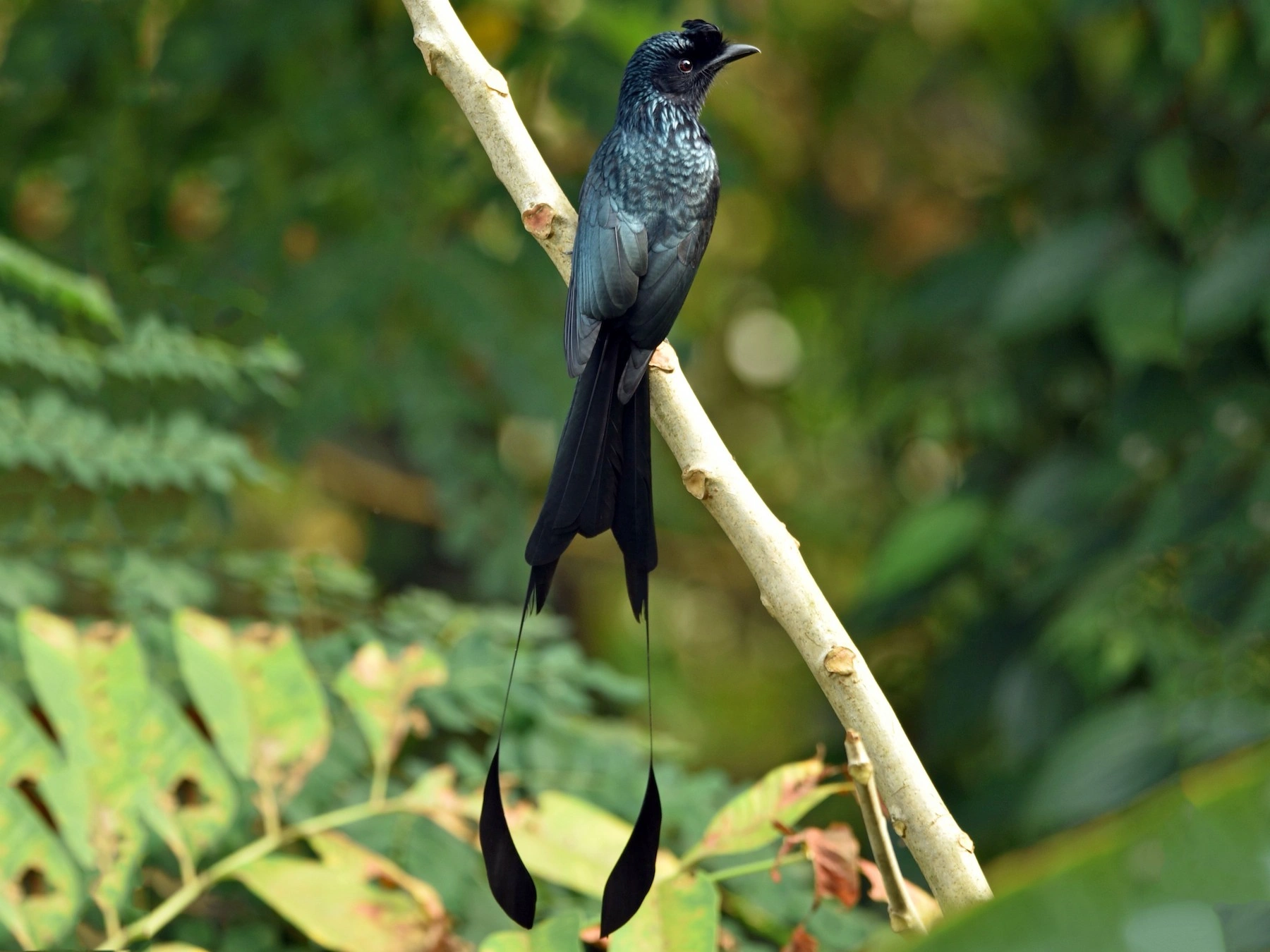
Greater-racket tailed Drongo
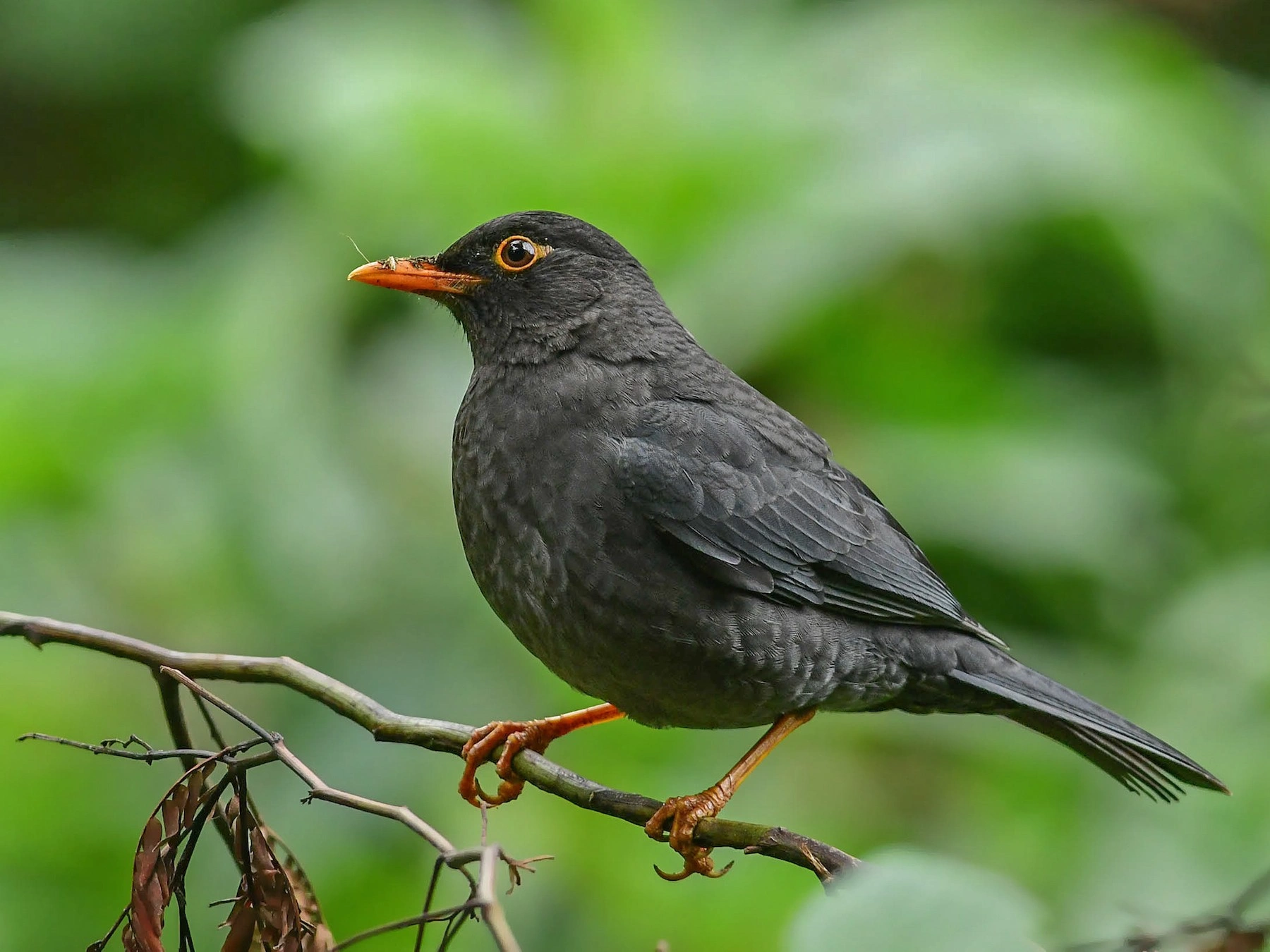
Indian Blackbird
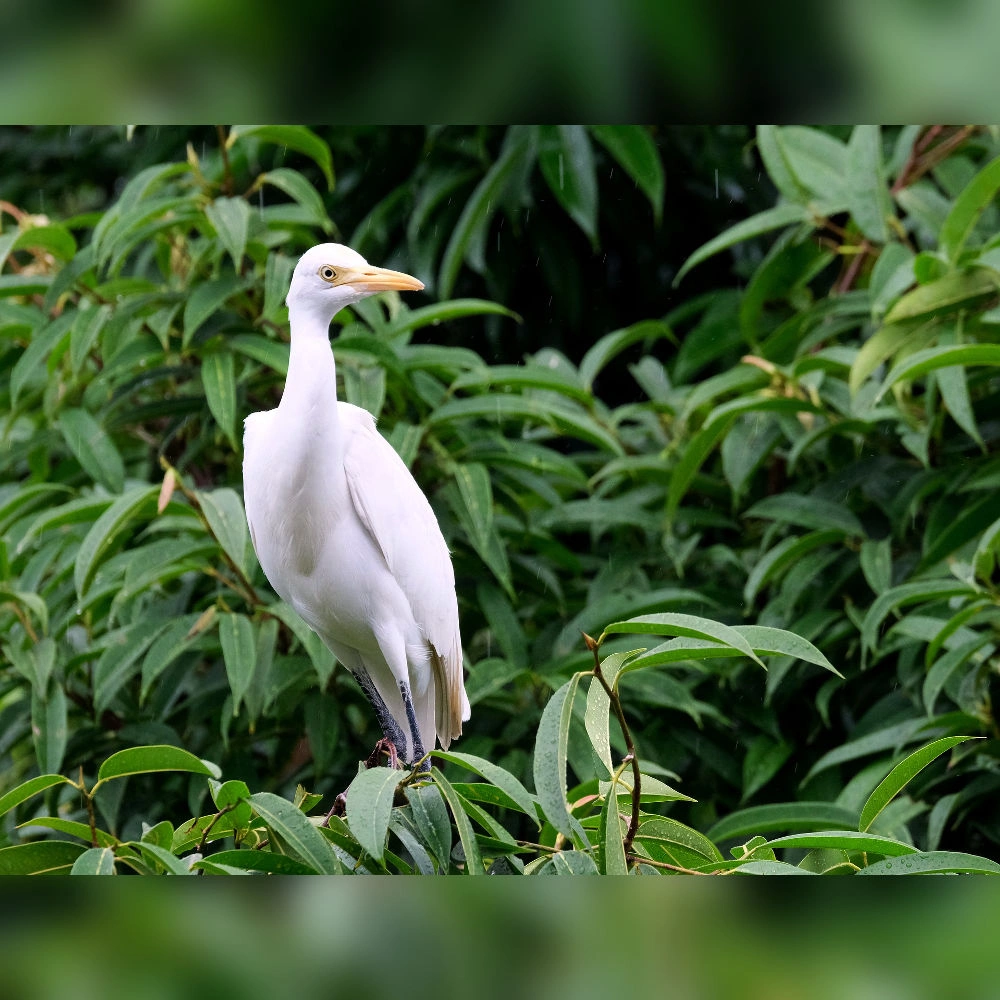
Eastern Cattle Egret
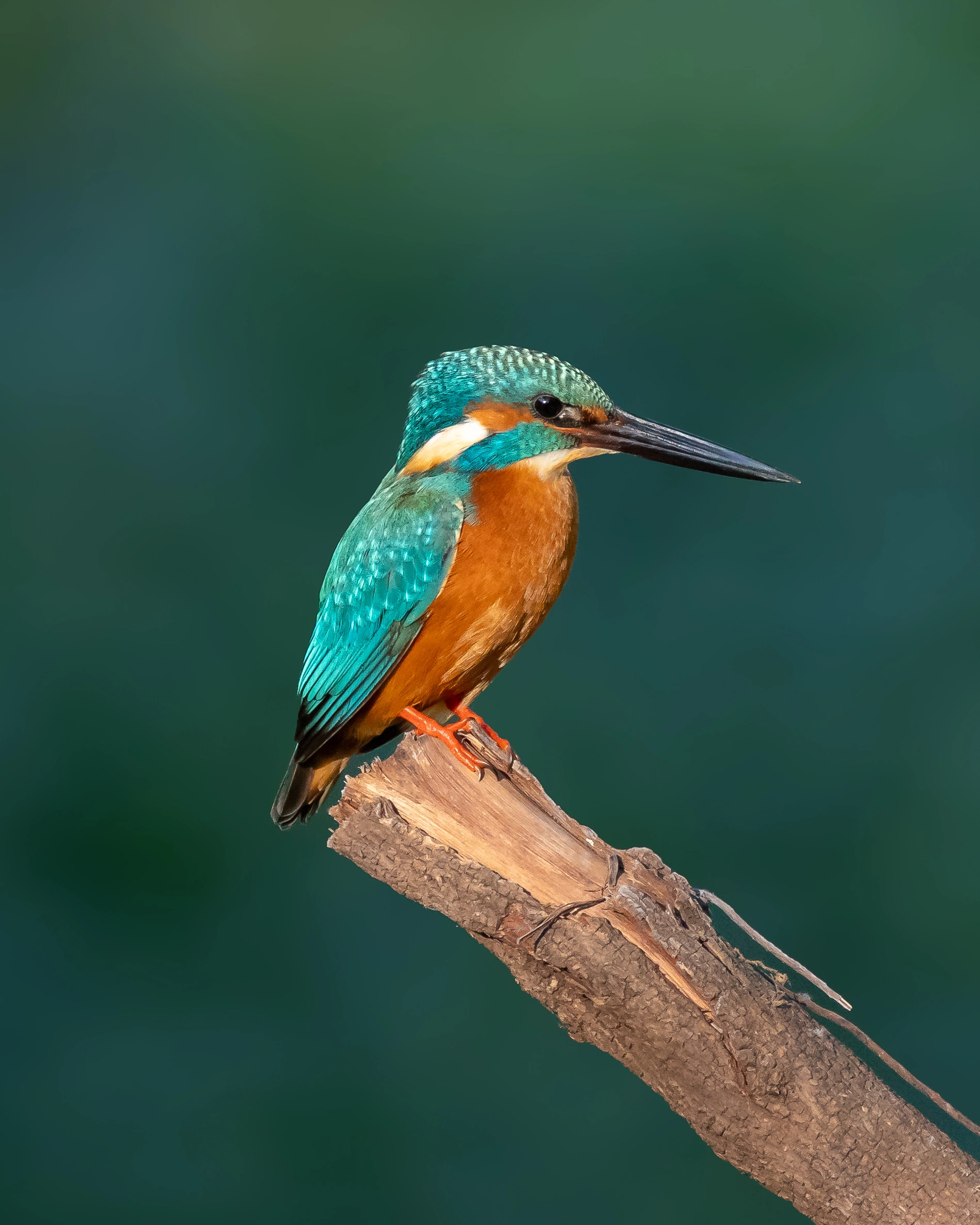
Common Kingfisher
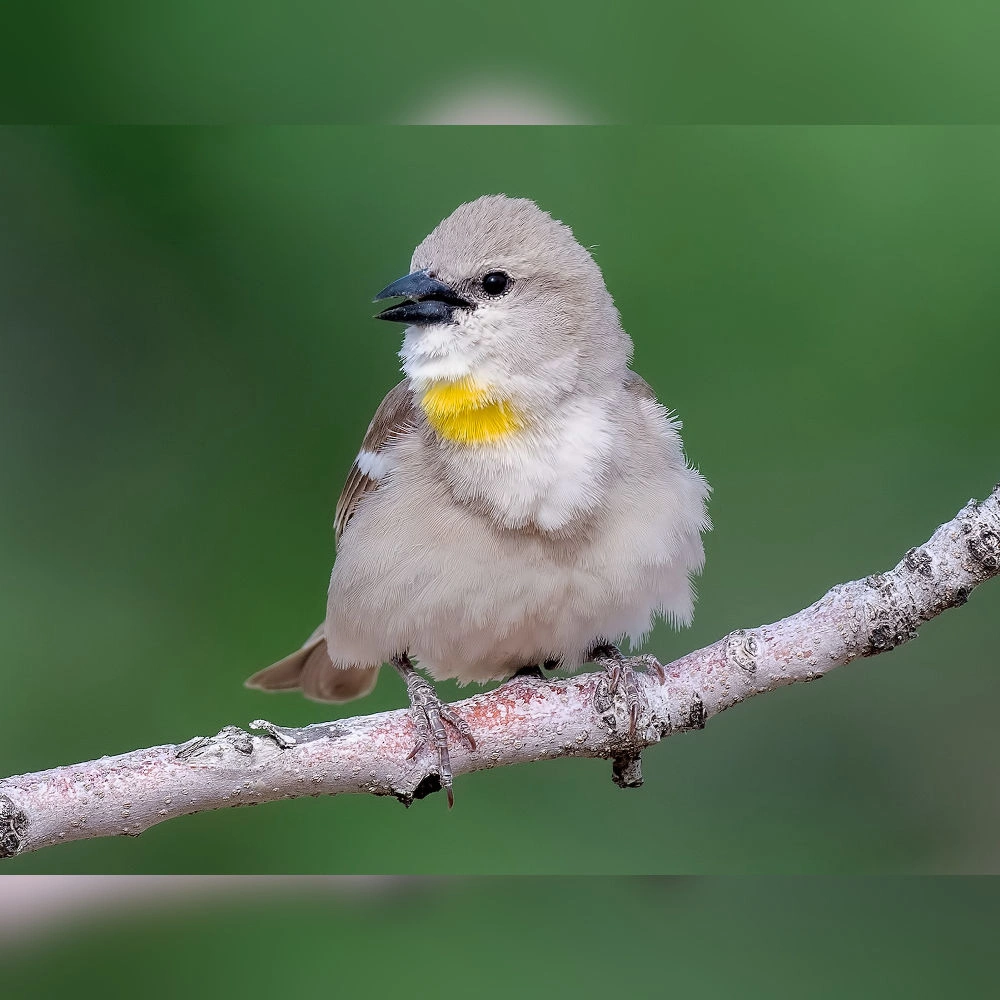
Yellow-throated Sparrow
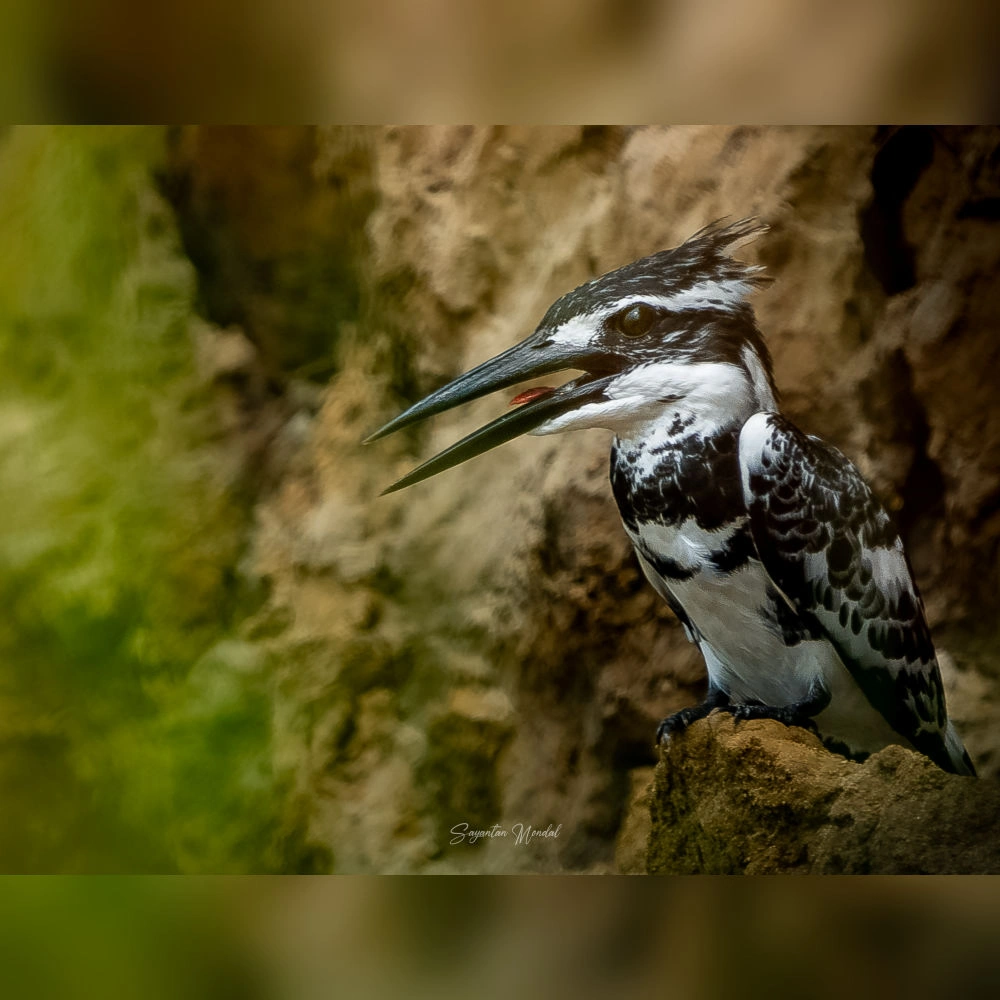
Pied Kingfisher
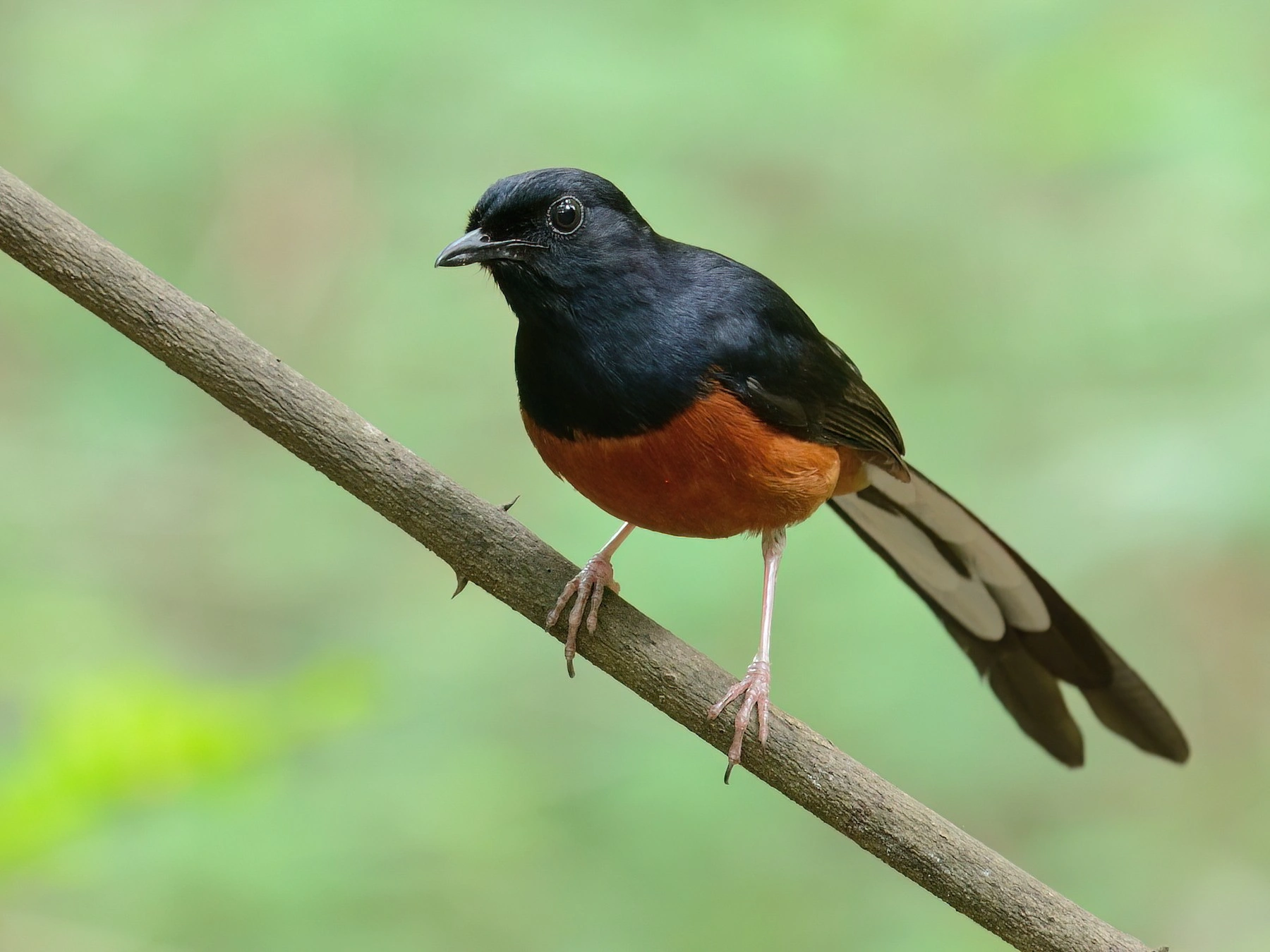
White-rumped Shama
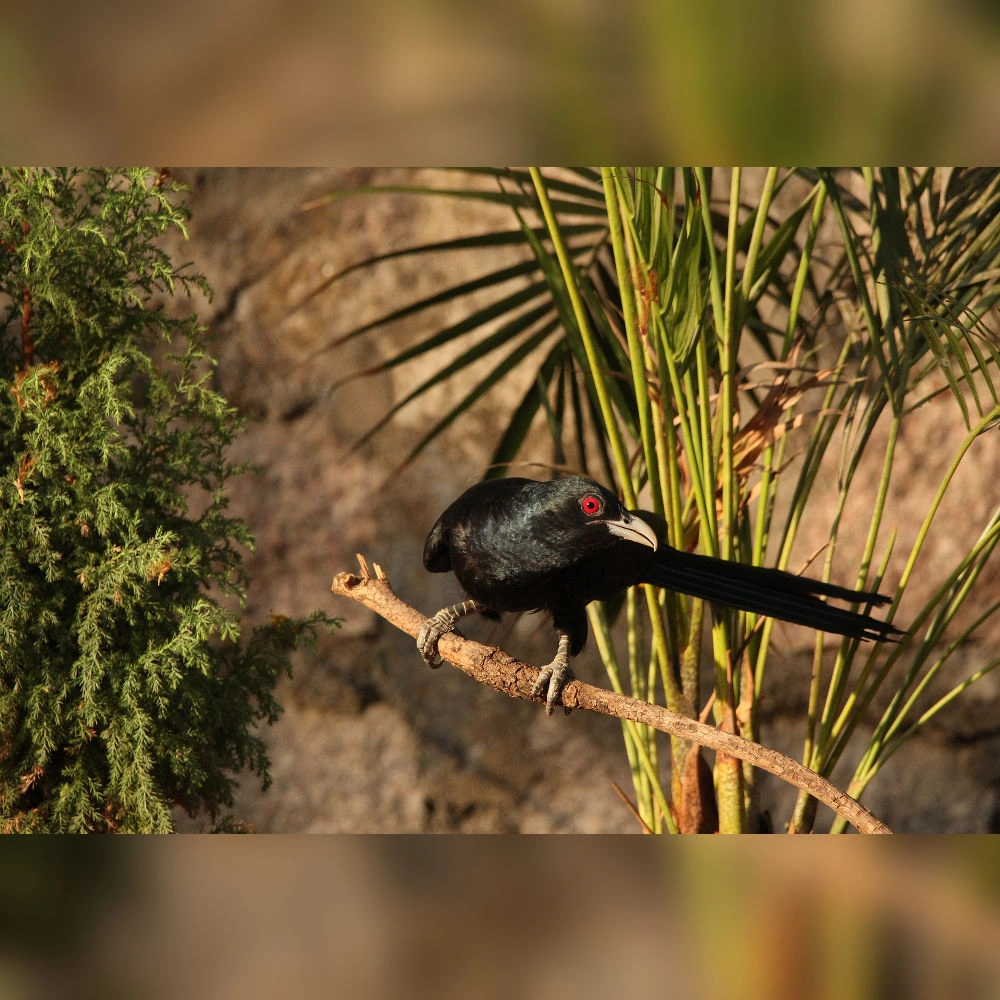
Asian Koel
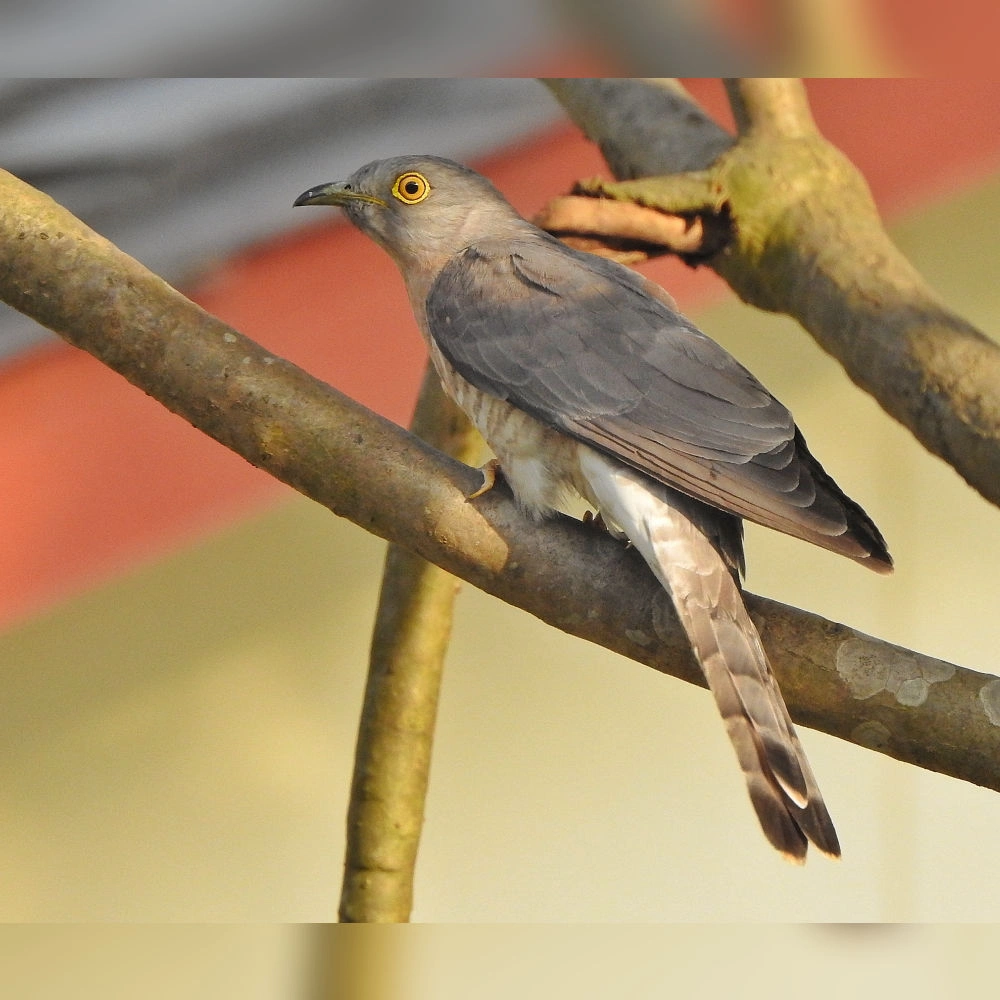
Coomon hawk-cuckoo
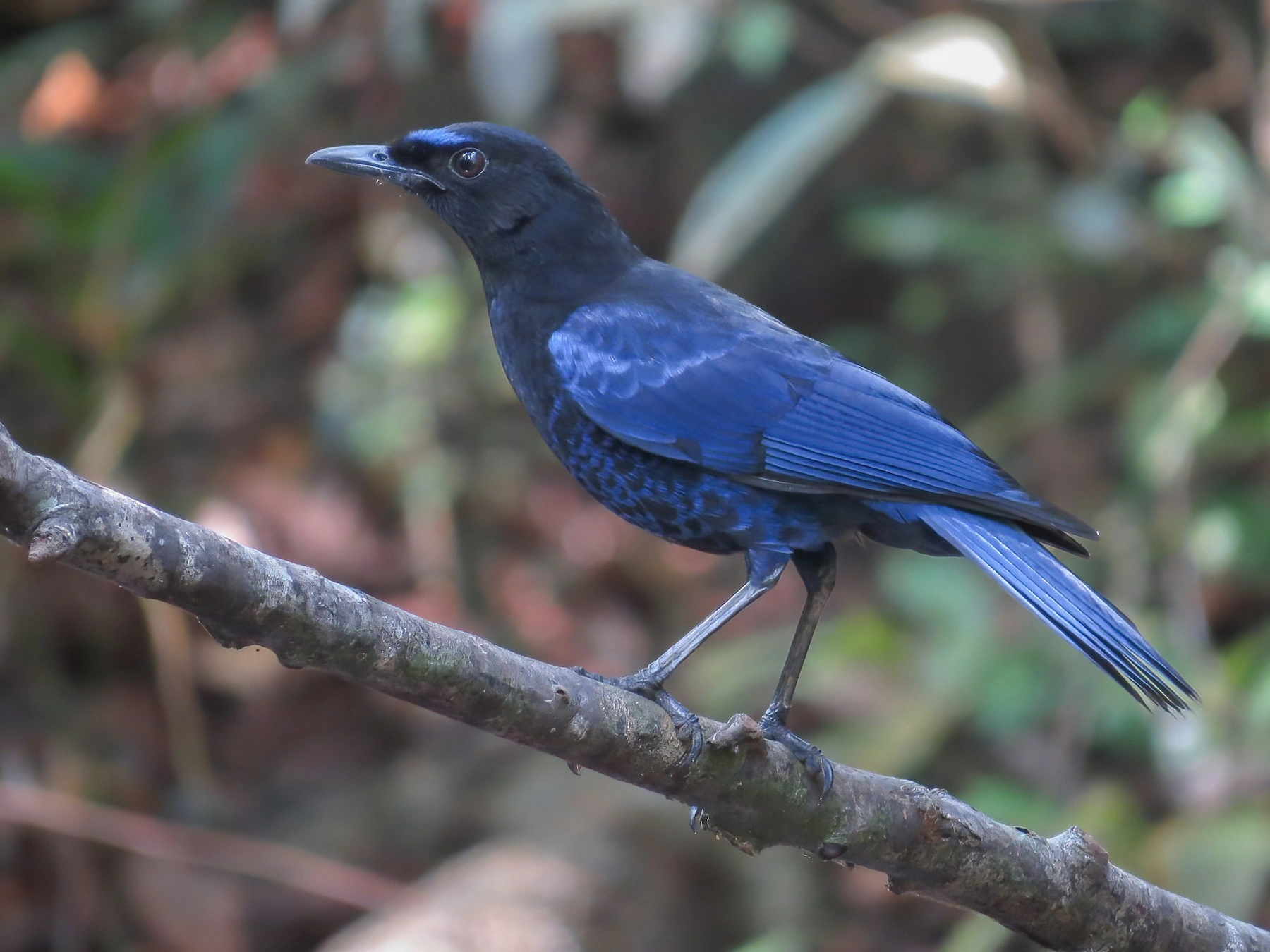
Malabar Whistling Thrush
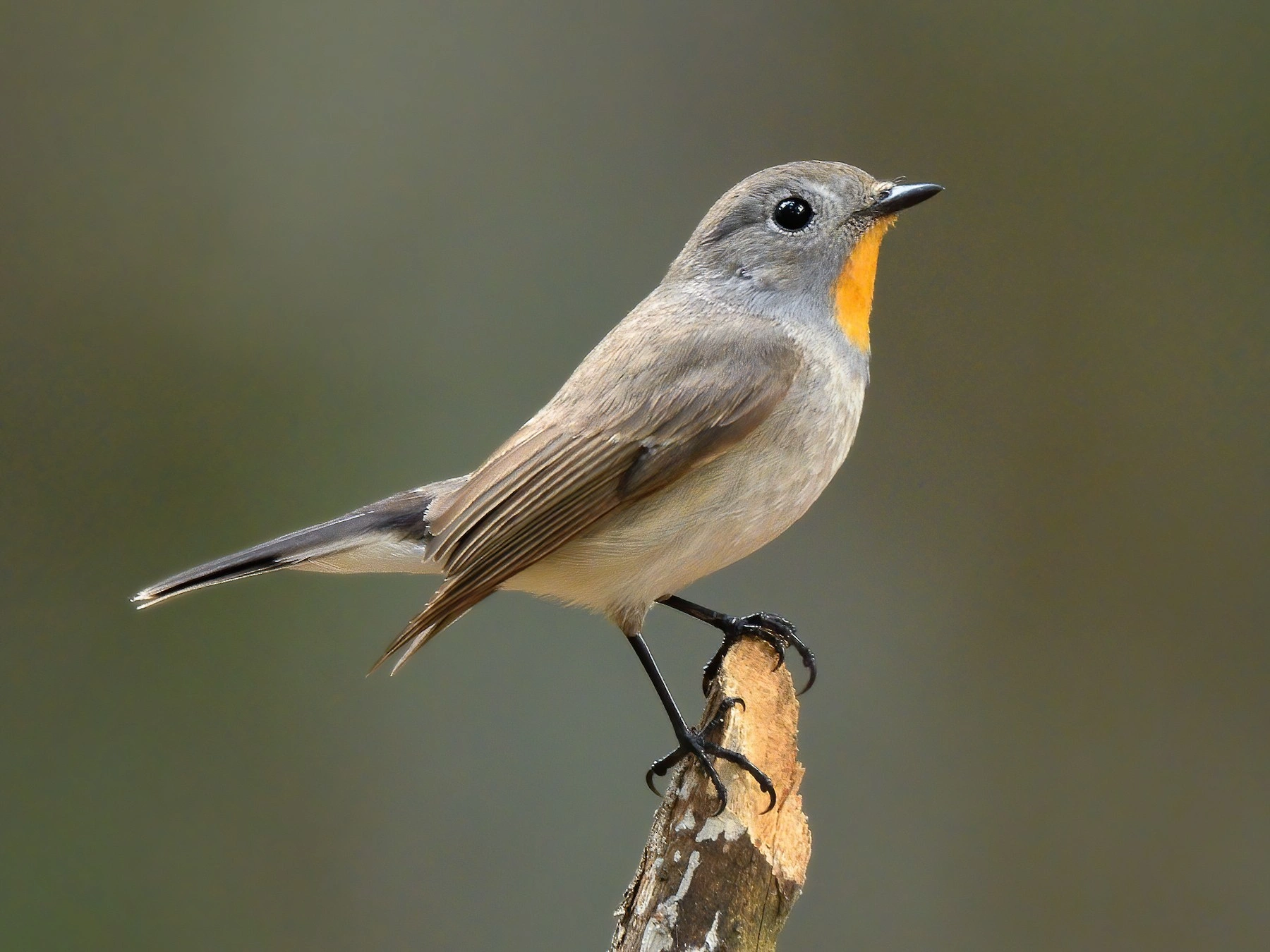
Taiga Flycatcher
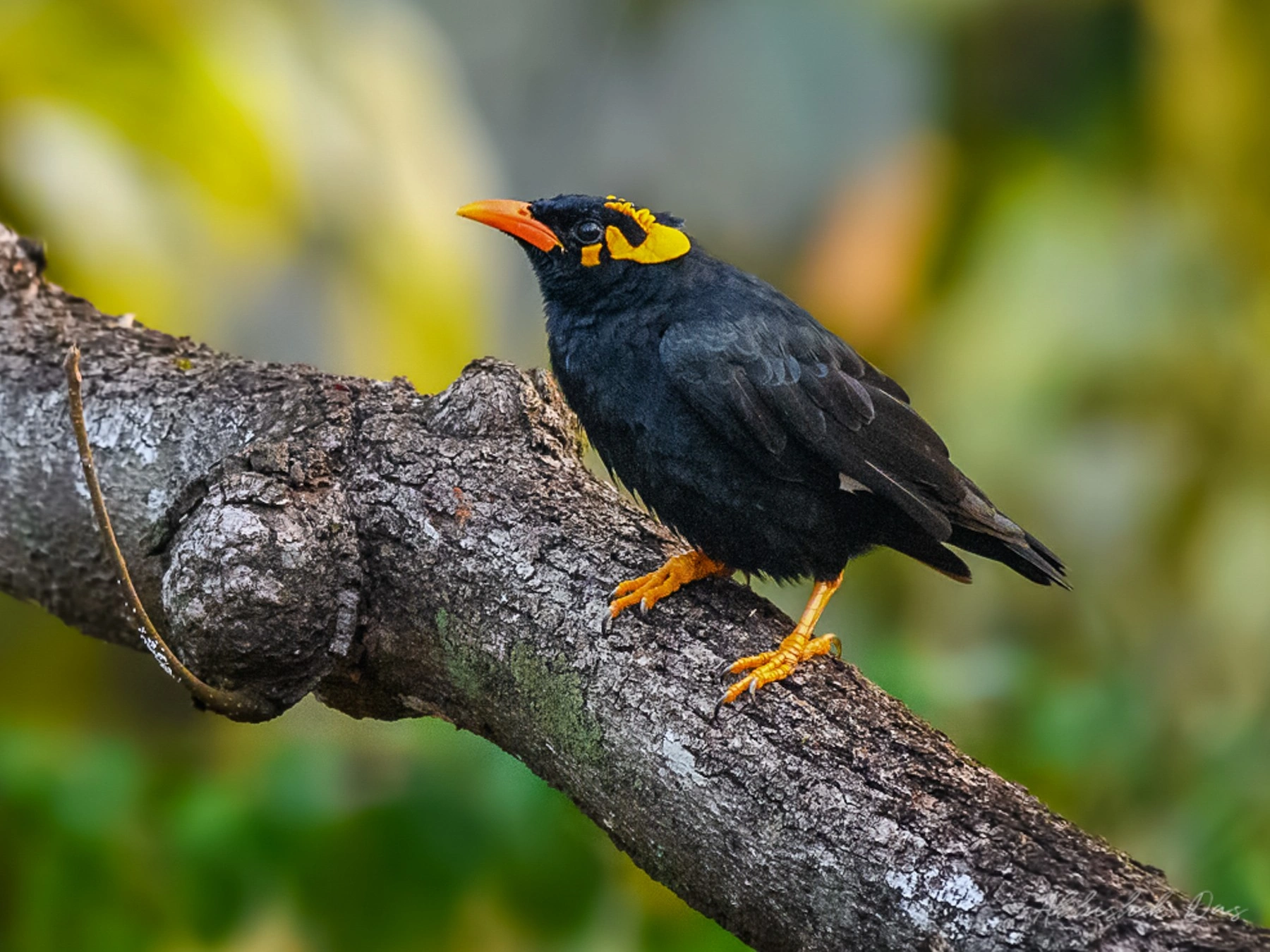
Southern Hill Myna
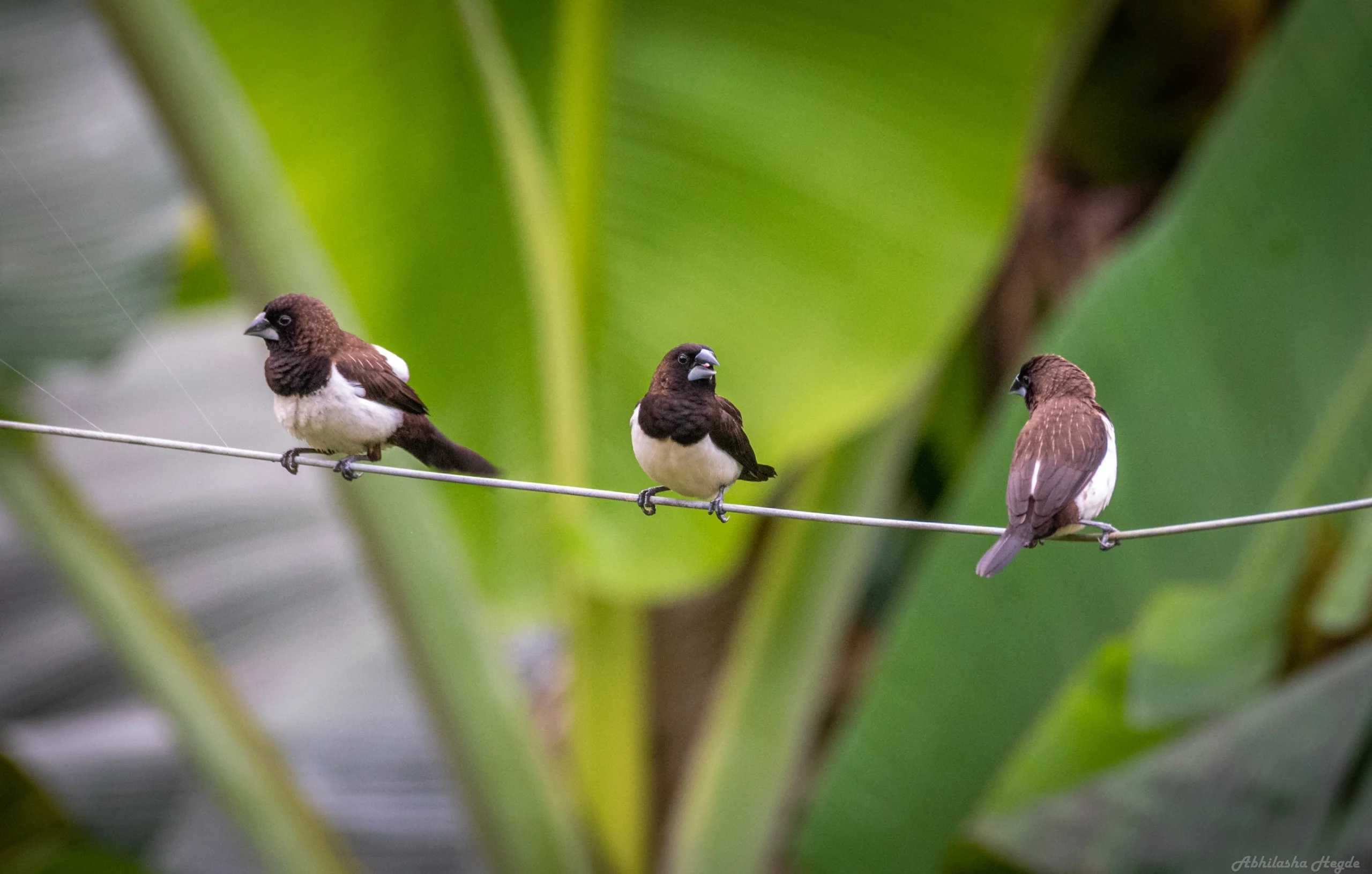
White-rumped Munia
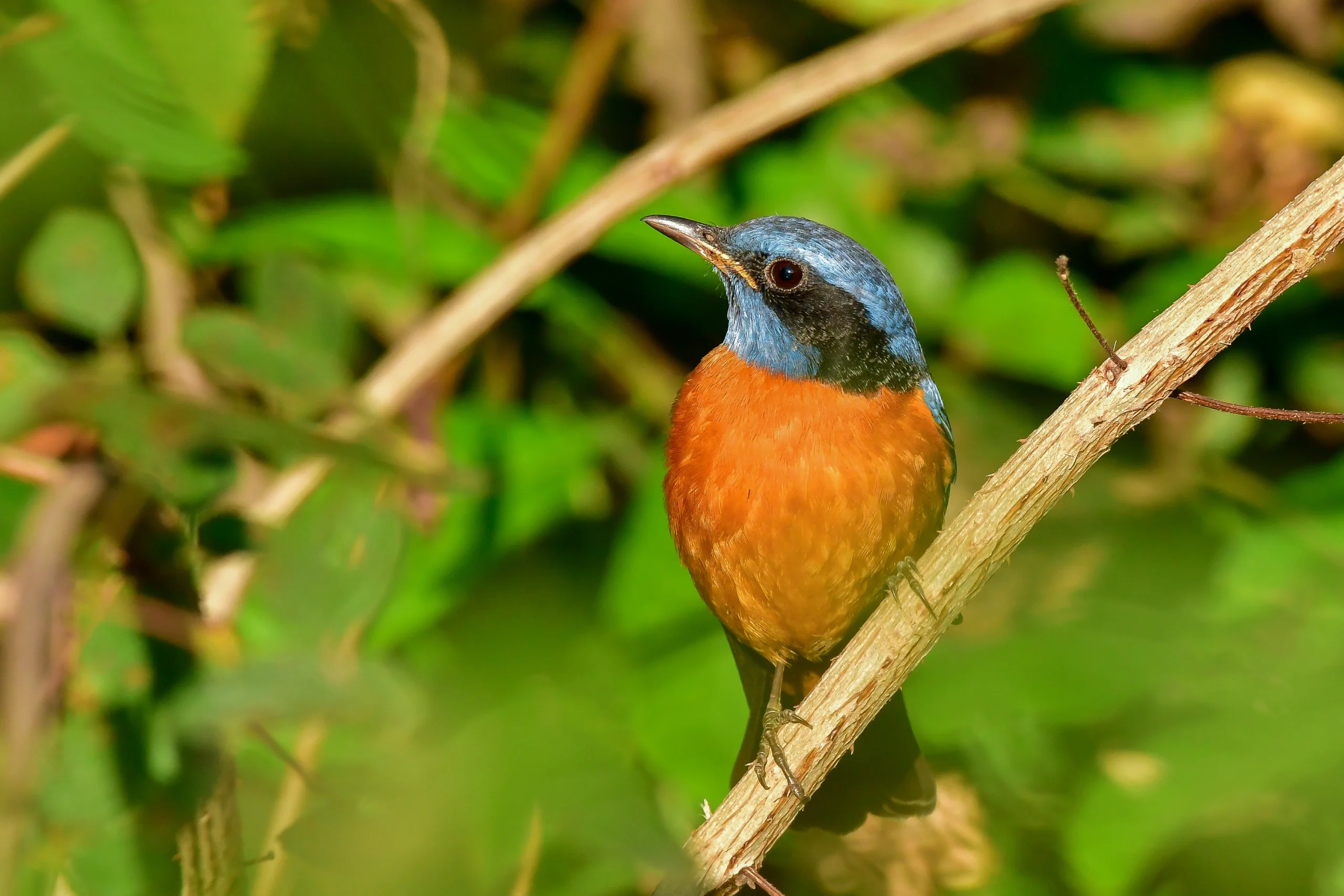
Blue-capped Rock Thrush
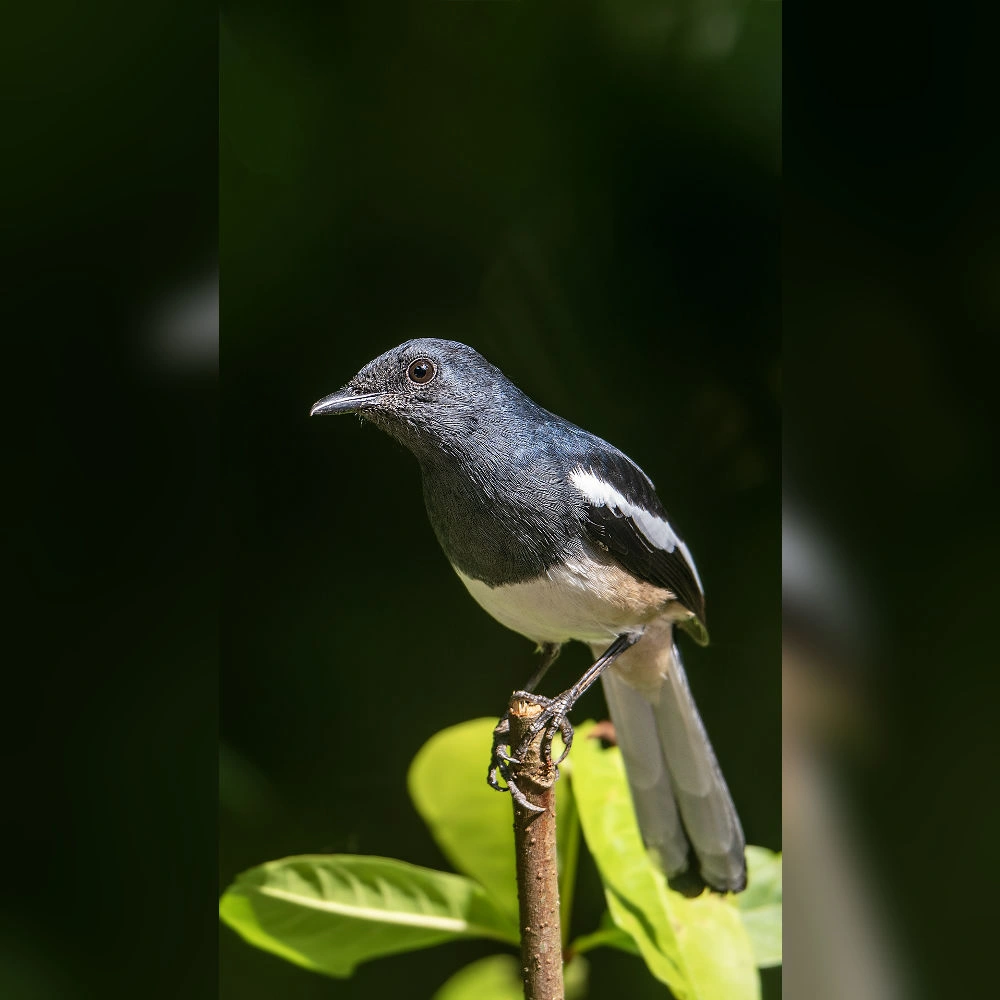
Oriental Magpie Robin
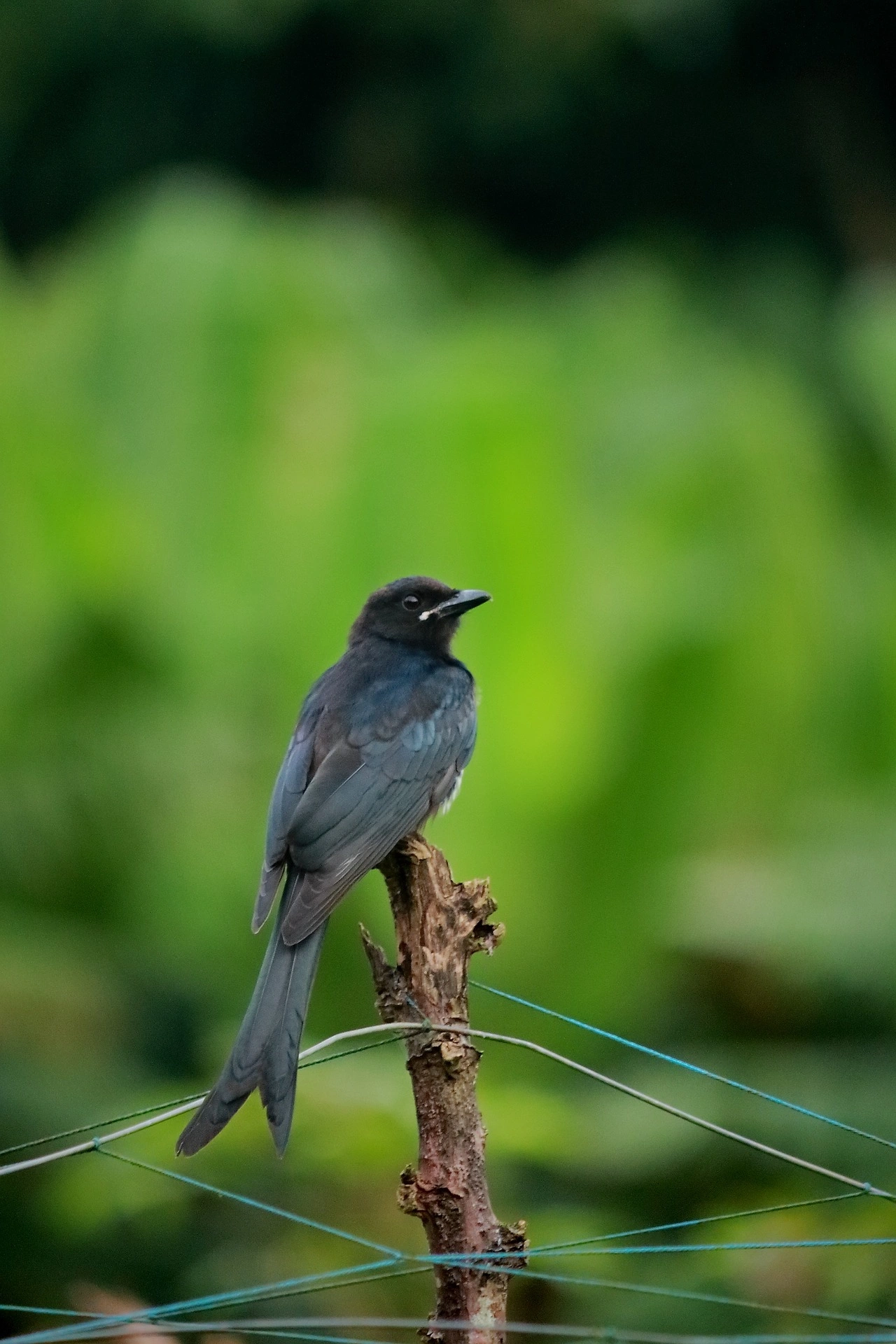
Ashy Drongo
Scroll to Top