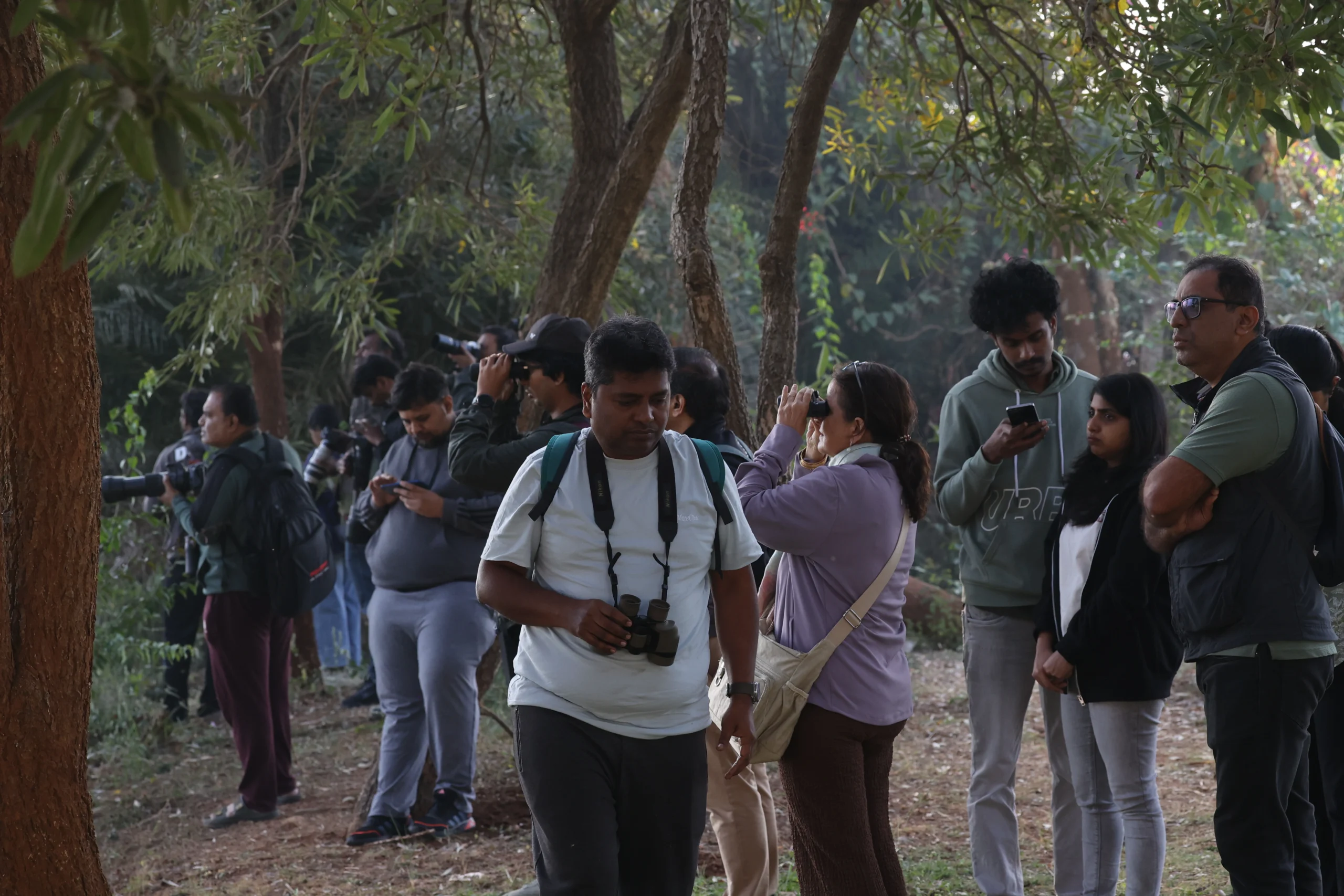


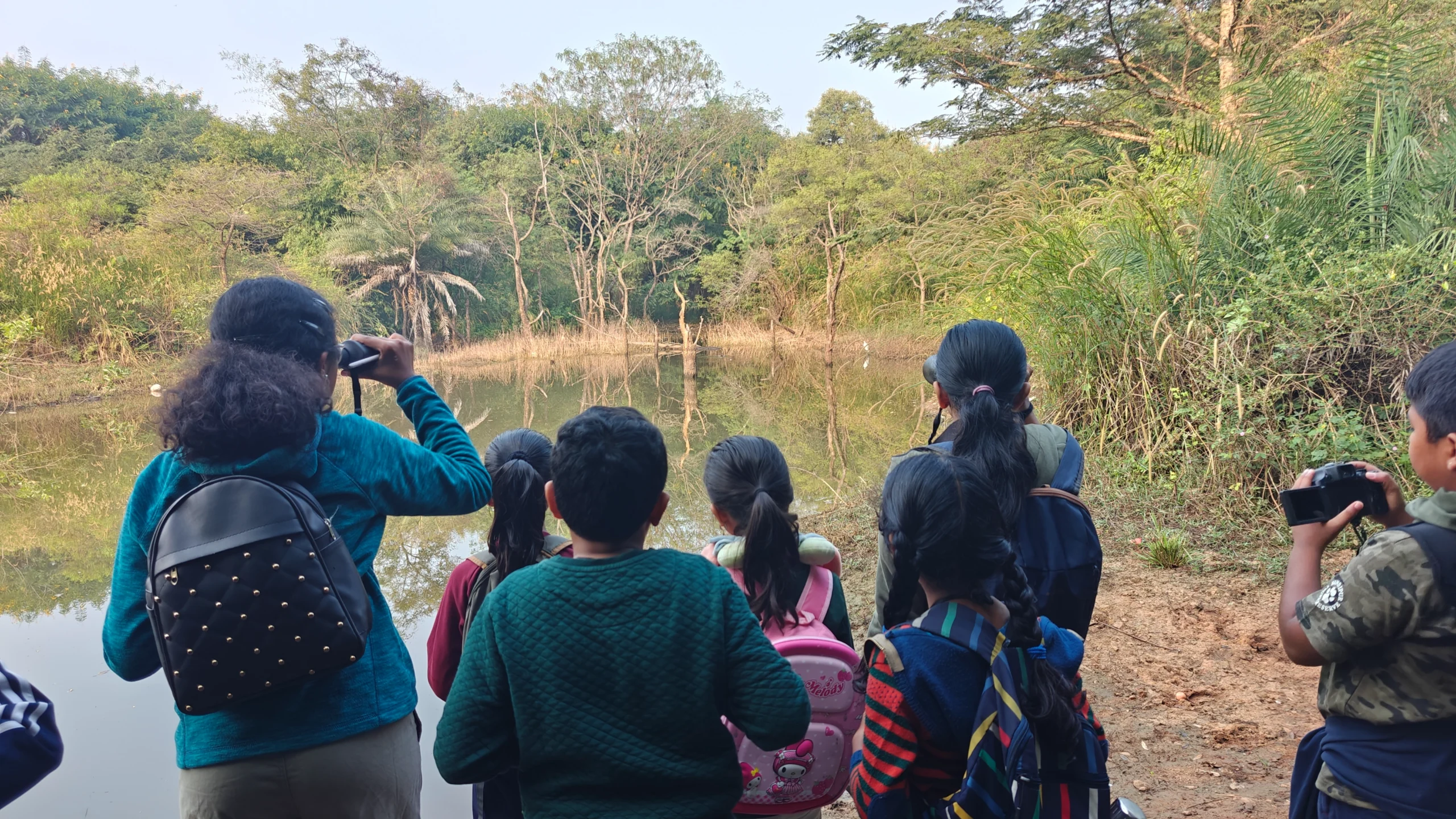
Bird Walk at Kommaghatta Lake, Bengaluru
- Bangalore
- 18 January, 2026
- Guruprasad K R
About Kommaghatta Lake
Kommaghatta Lake in southwest Bangalore’s Kengeri-Kommaghatta area is a tranquil urban wetland that once spanned roughly 32–34 acres, offering a rare slice of nature amid the city’s expanding suburbs. The lake is a shallow freshwater habitat fringed by paths and greenery that invite morning walkers and nature lovers alike. Its shores and floating vegetation support a rich range of flora and fauna, with peri-urban biodiversity surveys recording among the highest species diversity of plants, birds, insects and aquatic life in Bangalore’s lakes. Around 30–38 bird species have been documented here, including northern shovelers, garganeys, herons, egrets, lesser whistling ducks, and resident passerines like sunbirds and bulbuls — making it a rewarding pocket of birding close to the city. Local enthusiasts also regularly spot cormorants, black-crowned night herons and other waterbirds feeding or resting on the water’s edge, while the mix of trees, shrubs, and emergent flora shelters butterflies, odonates and small fauna that add to the lake’s lively mosaic of life.
However, this ecological gem is under threat. Urban pressures have significantly impacted Kommaghatta Lake’s health, with untreated sewage, chemical runoff, garbage dumping, and development around the lake degrading water quality and reducing habitat value. These stressors have led to episodes of fish kills and foul odors that worry both residents and birders, and they blunt the lake’s ability to support diverse wildlife long-term. Community petitions and local activism have called on authorities to divert sewage, manage waste, and restore natural hydrology, but sustainable solutions are still evolving. Protecting Kommaghatta Lake — through better pollution control, habitat restoration, native planting, and mindful public engagement — is crucial if it is to remain a vibrant stopover for birds and a green refuge for people in Bangalore’s busy urban landscape.

Bird Guide: Gurprasad K R
He is a passionate nature lover, birding photographer, and conservation advocate, with over a decade of experience observing and documenting birds. Deeply connected to nature and community, he finds joy and inspiration in birds, insects, and butterflies, and is driven to share this wonder to inspire others to connect with the natural world.
Bird walk Location
Common birds of Kommaghatta Lake
Kommaghatta Lake hosts a vibrant mix of resident, wetland, and migratory birds, making it a rewarding destination for birdwatchers of all levels. The open water and reed beds attract graceful waterfowl such as Lesser Whistling-Ducks, Northern Shovelers, and Indian Spot-billed Ducks, while rails and waterhens — including Eurasian Moorhen, Eurasian Coot, Gray-headed Swamphen, and White-breasted Waterhen — are often seen threading through floating vegetation. Waders like jacanas, lapwings, sandpipers, and marsh specialists forage along the muddy edges, sharing space with Little Grebes, Oriental Darters, and Little Cormorants that dive and dry their wings in the sun. Beyond the water, the surrounding scrub and trees echo with the calls of Asian Koels, Greater Coucals, doves, swifts, and even the occasional Indian Peafowl and Gray Francolin, adding color and character to the landscape. With over 165 bird species recorded, Kommaghatta Lake stands out as a surprisingly rich urban birding hotspot, where every visit offers the chance of new sightings and seasonal surprises.

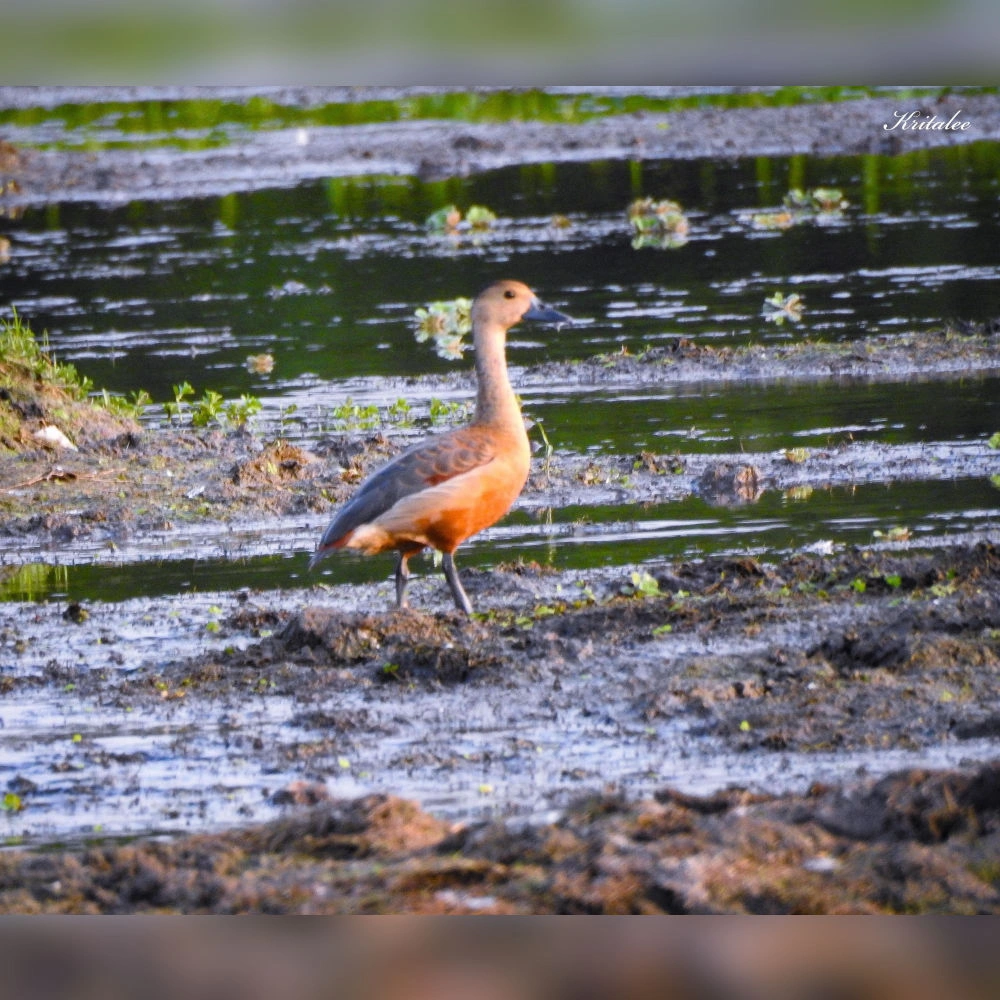
Lesser Whistling Duck

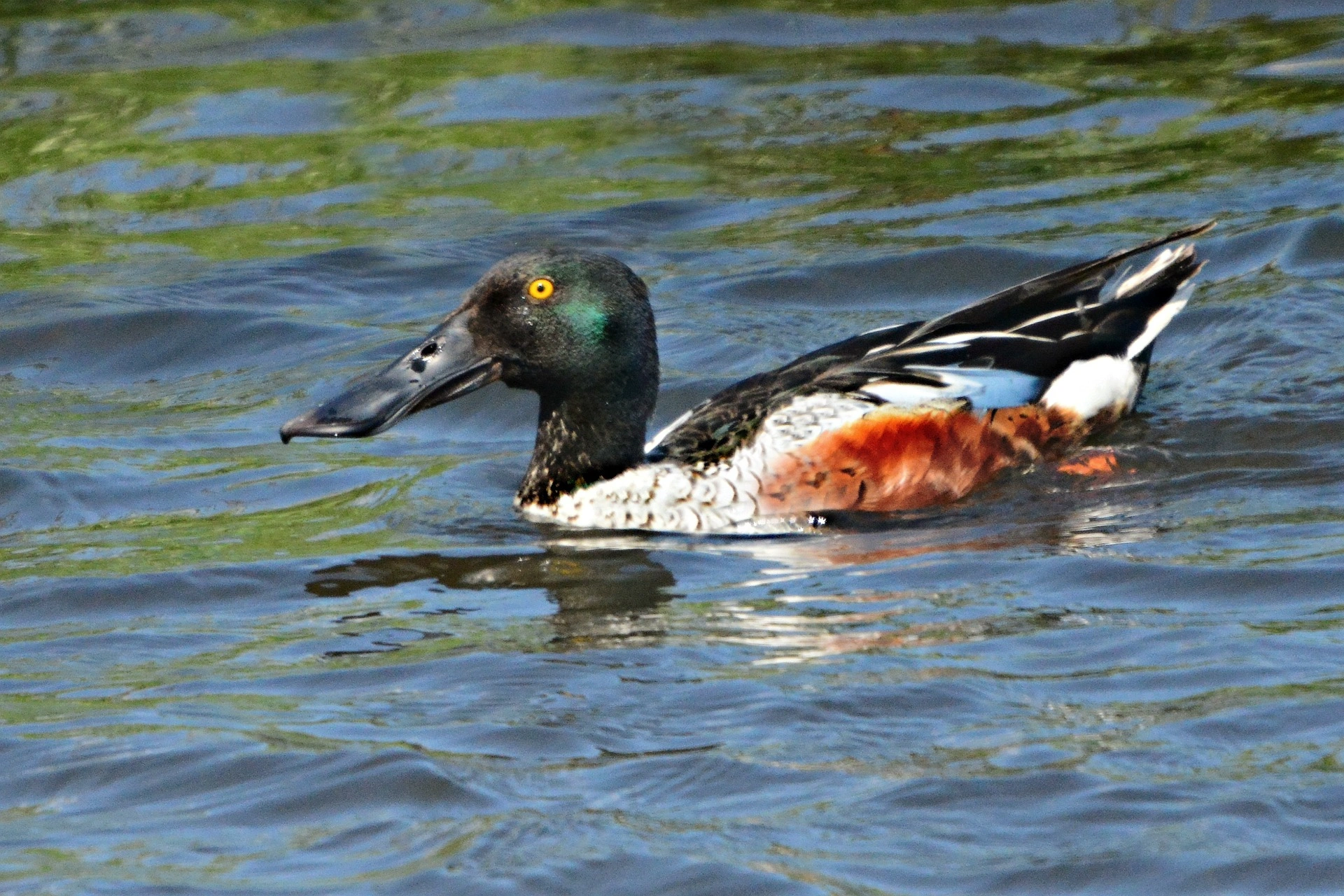
Northern Shoveler
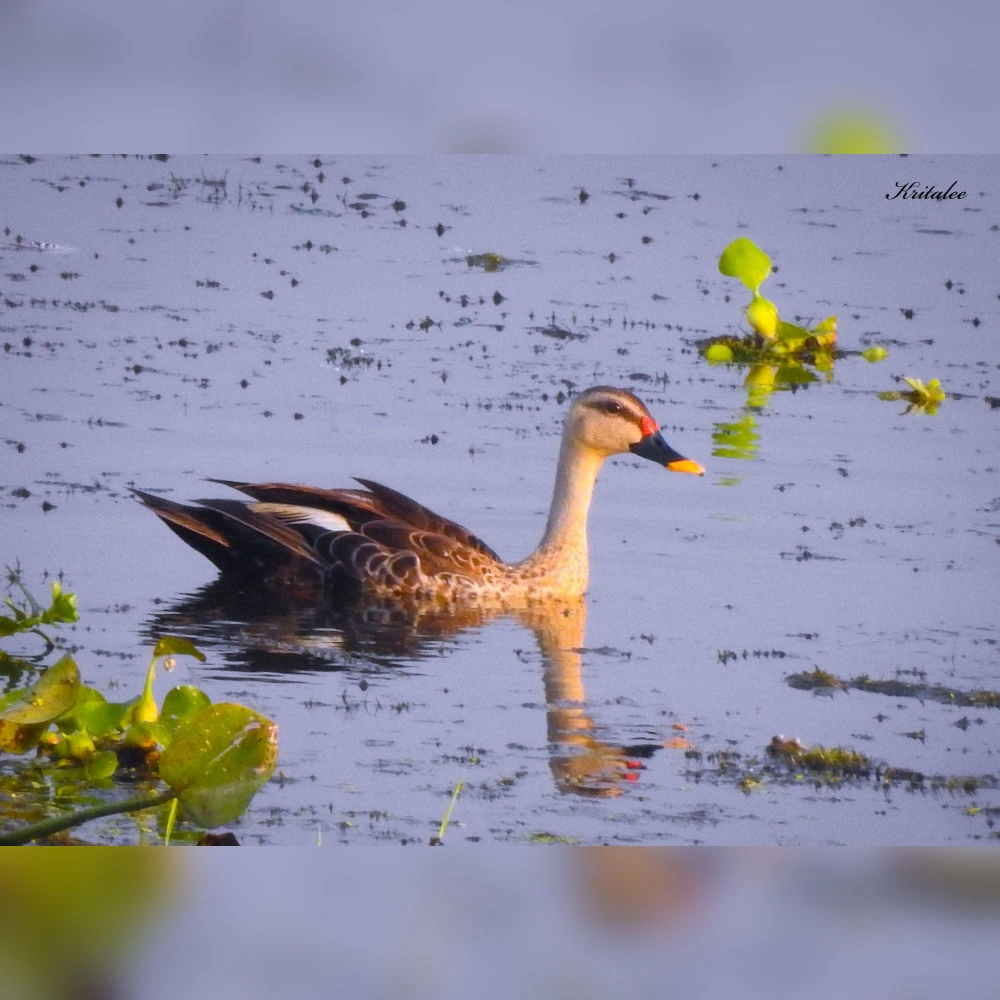
Indian Spot-billed Duck
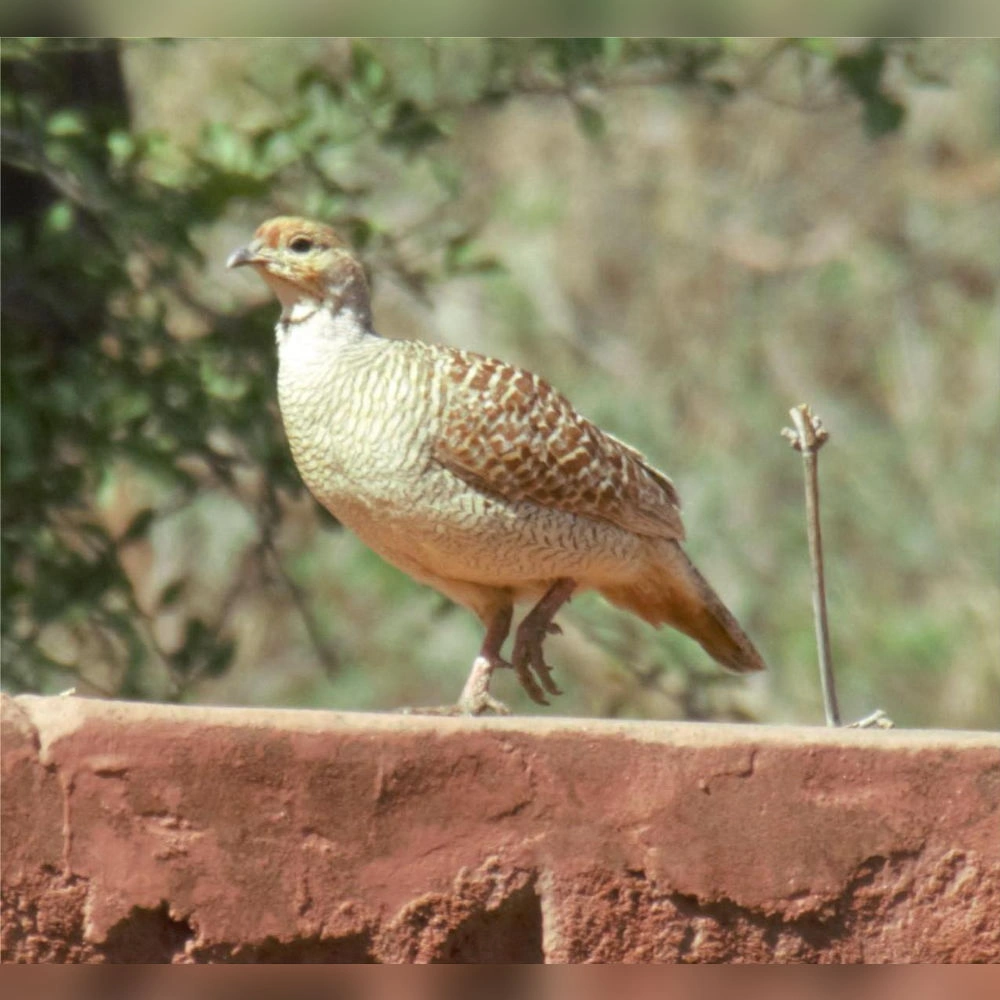
Grey Francolin
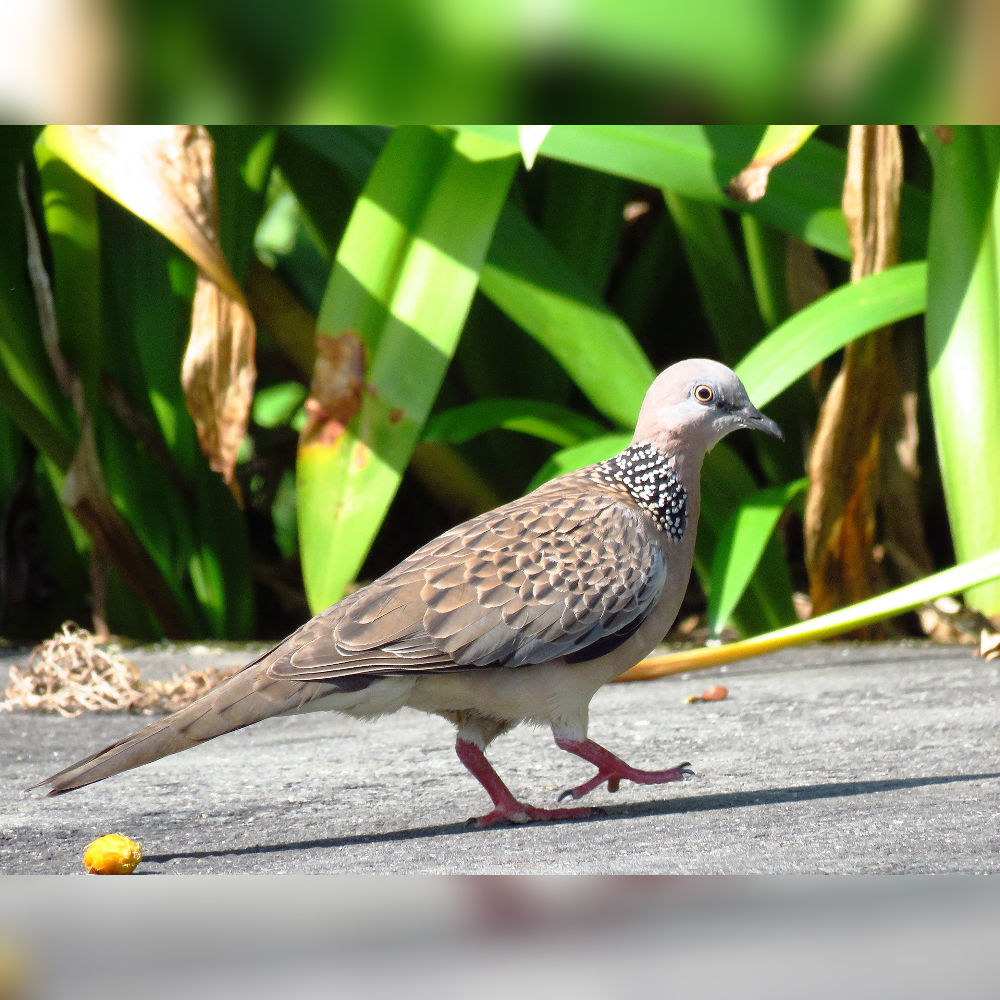
Spotted Dove
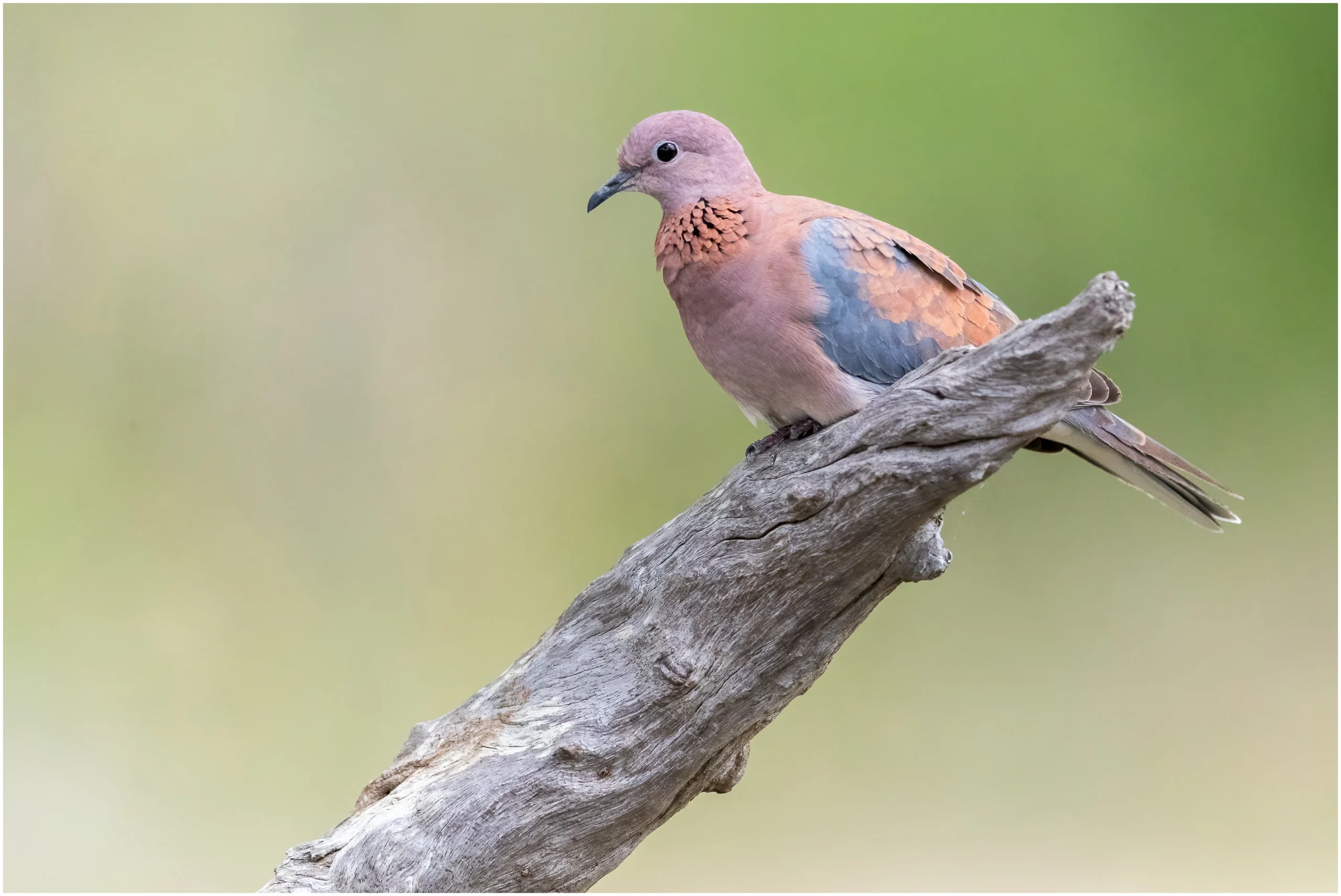
Laughing Dove
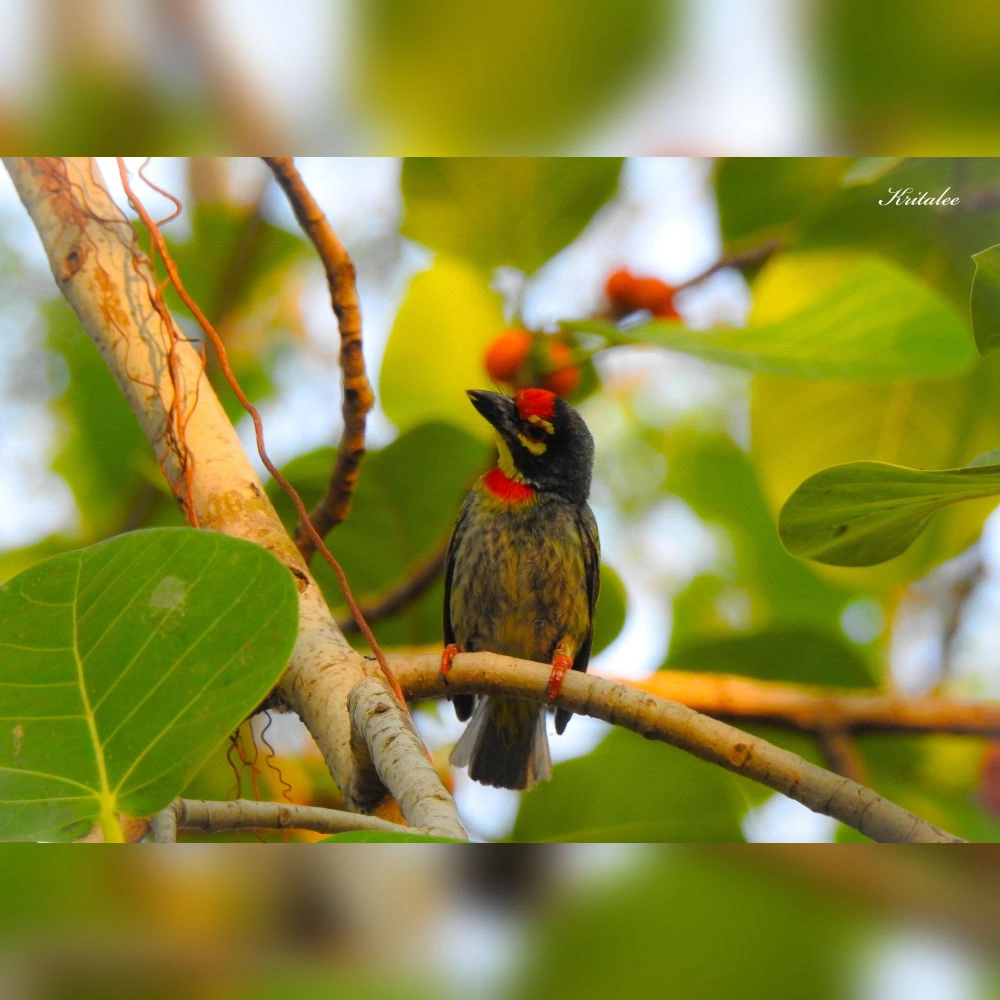
Coppersmith Barbet
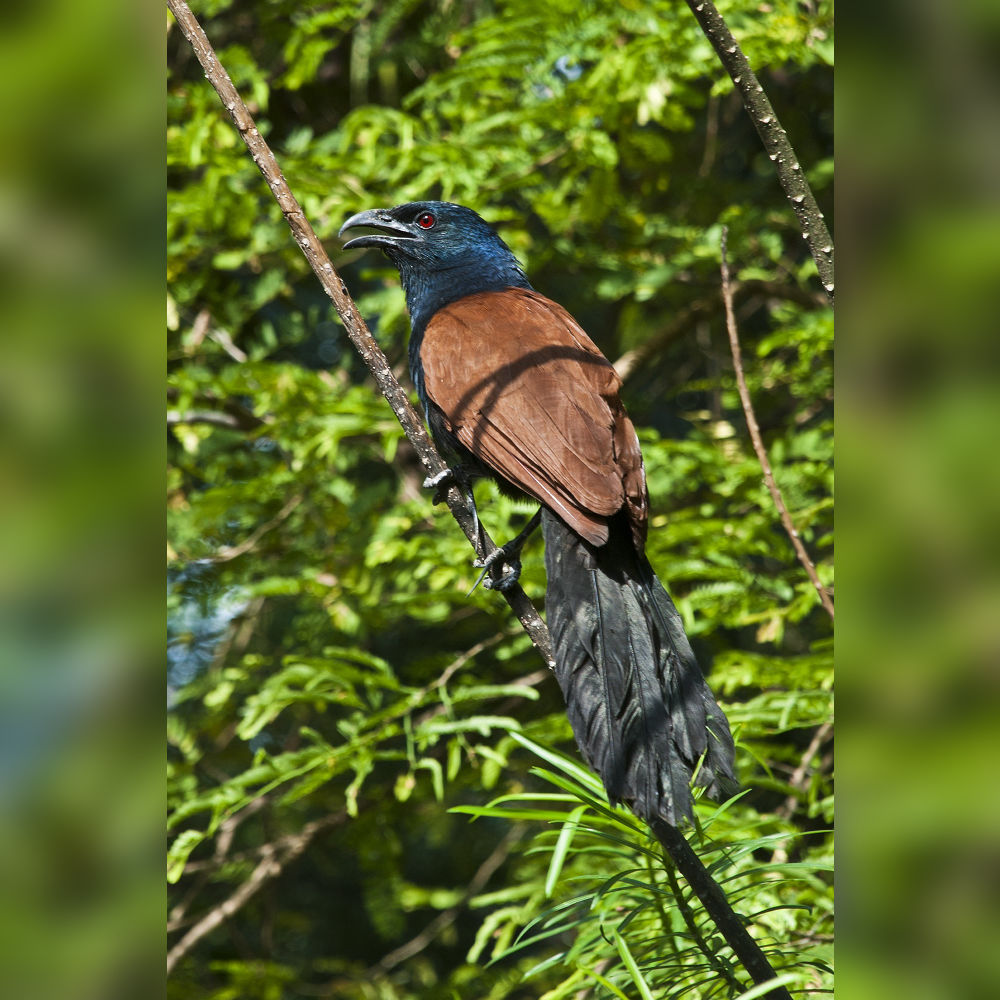
Greater Coucal
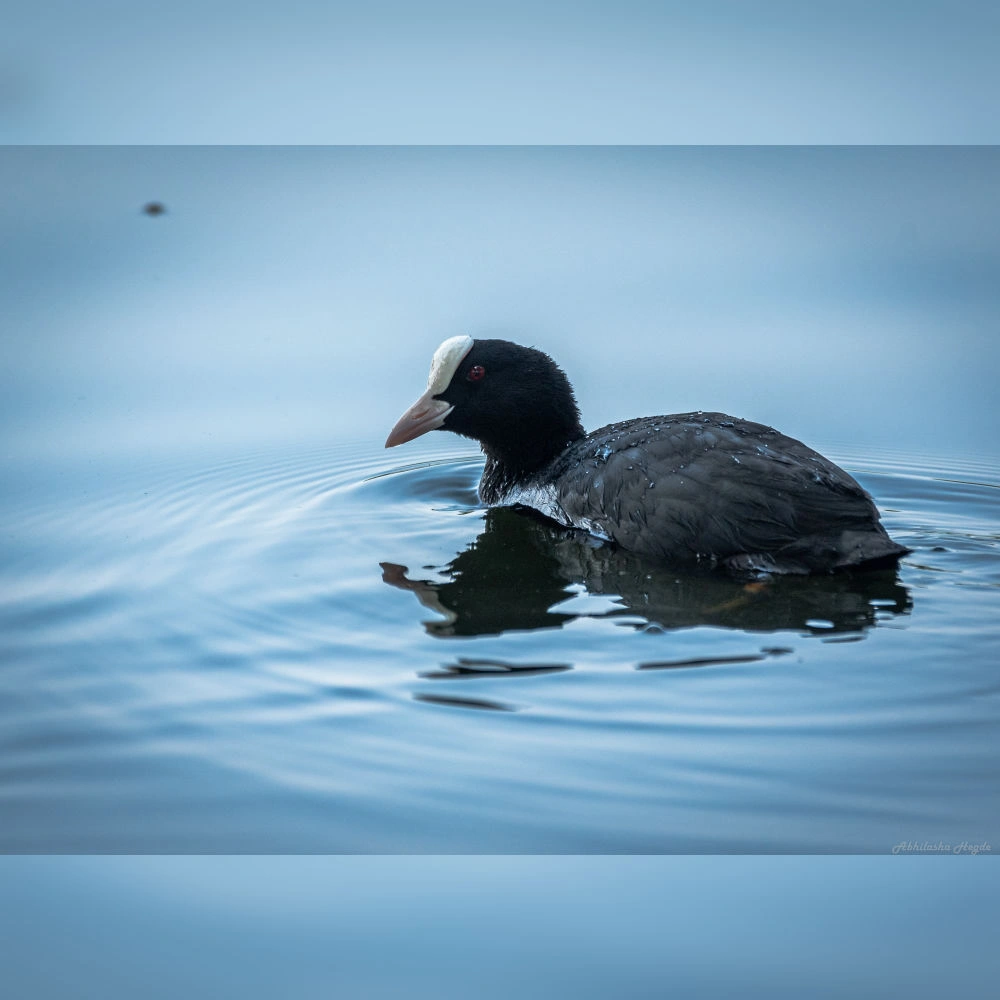
Eurasian Coot
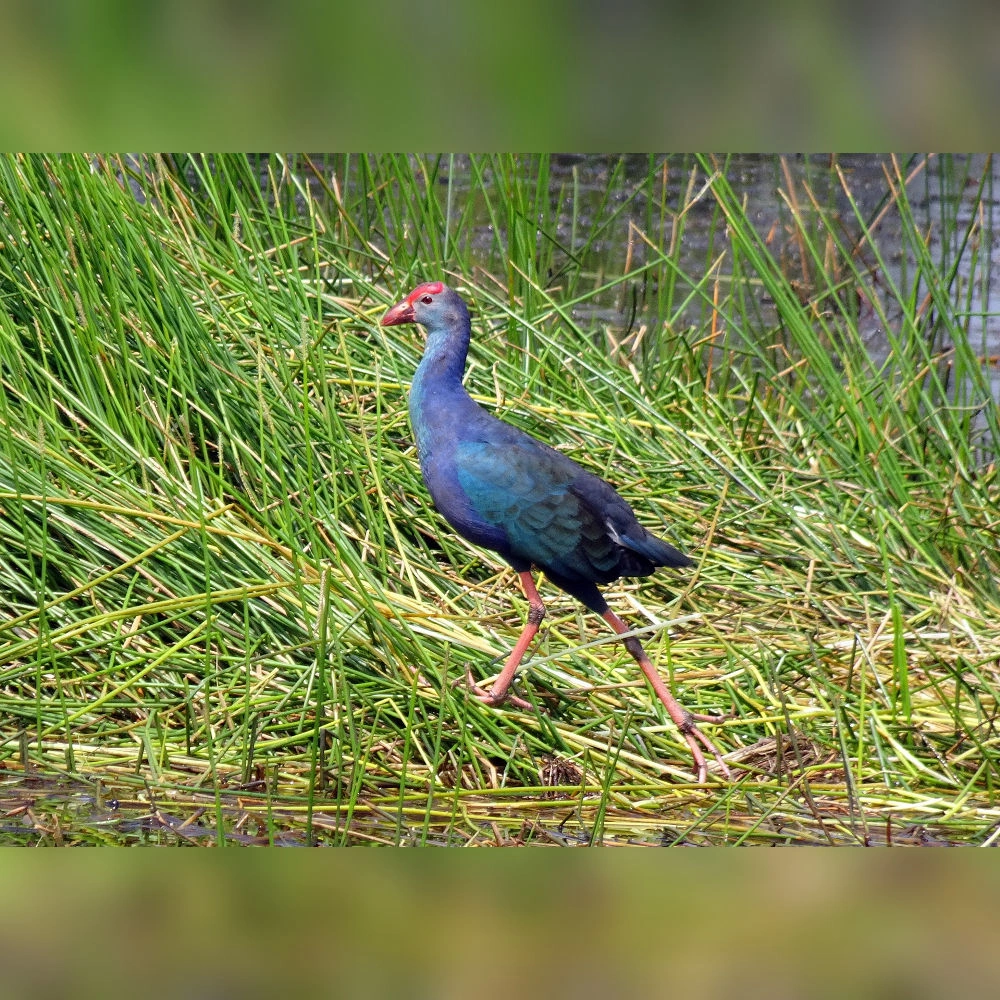
Grey-headed Swamphen
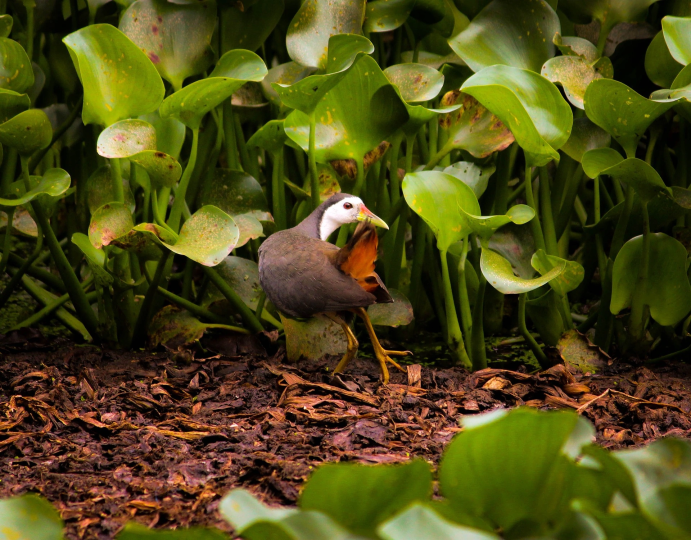
White-breasted Waterhen
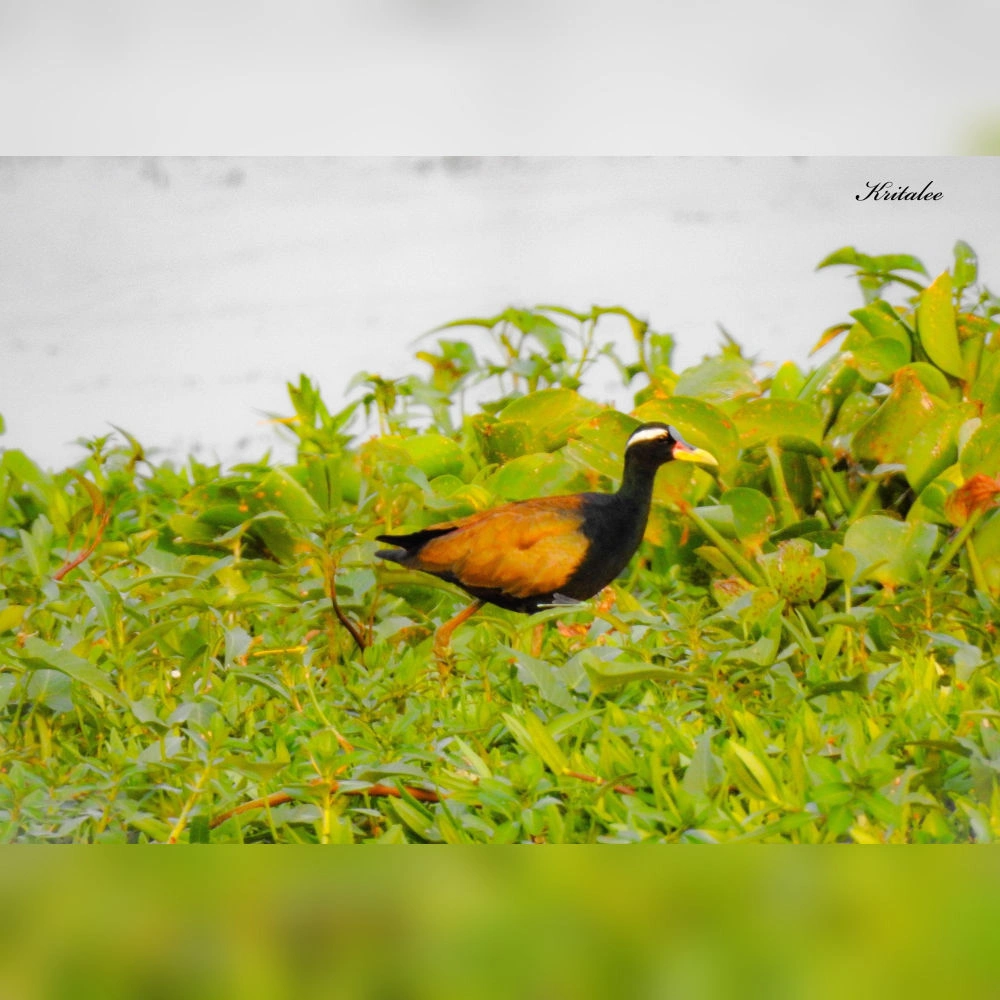
Bronze-winged Jacana
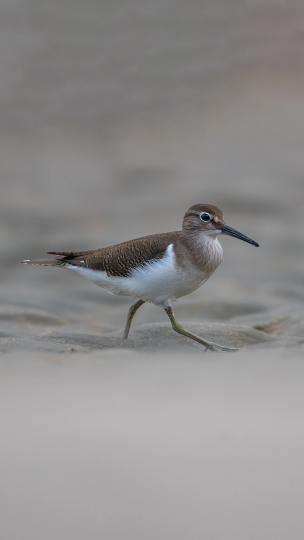
Common Sandpiper
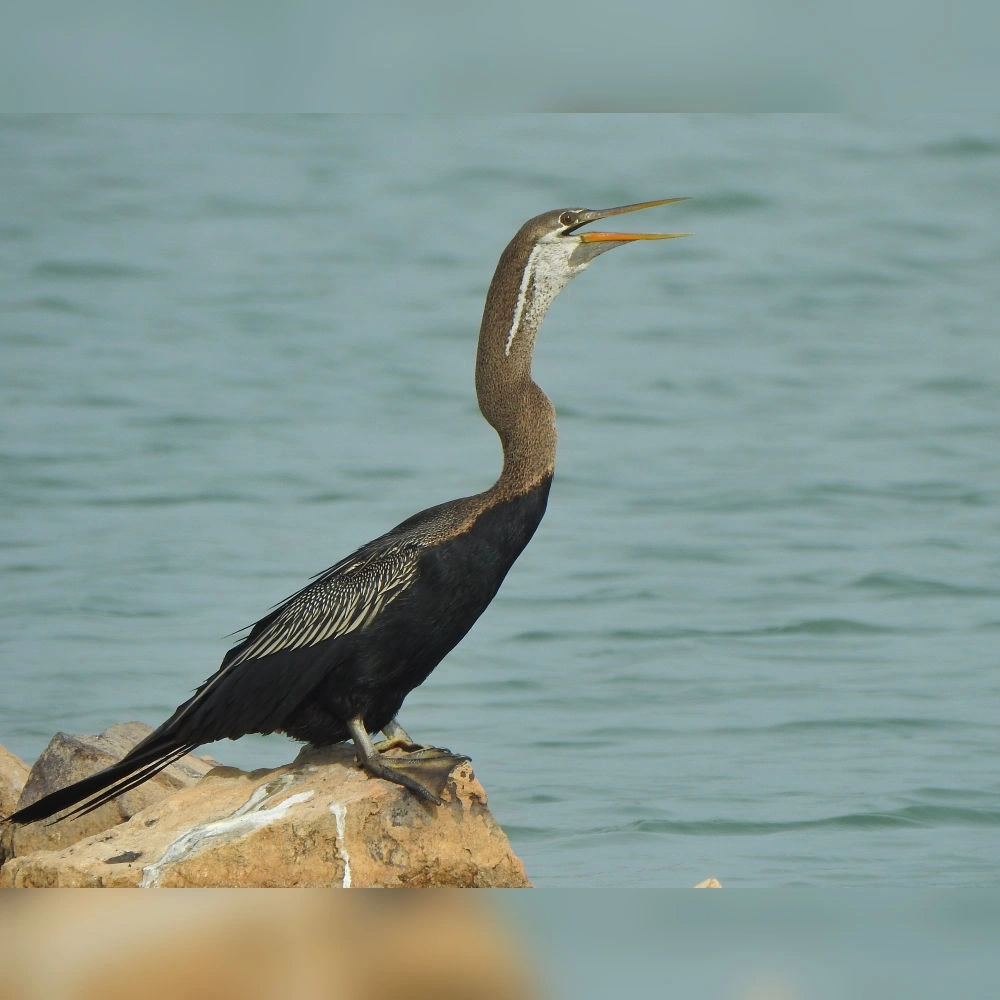
Oriental Darter
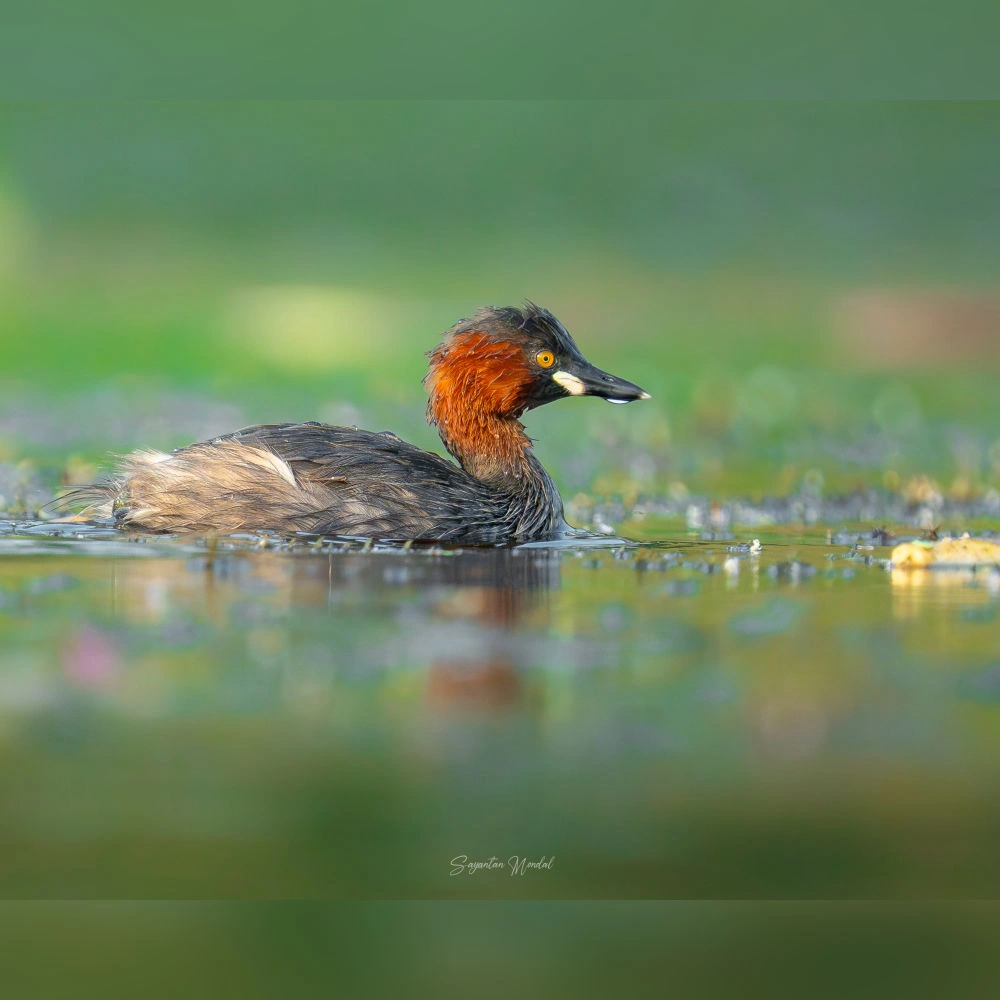
Little Grebe
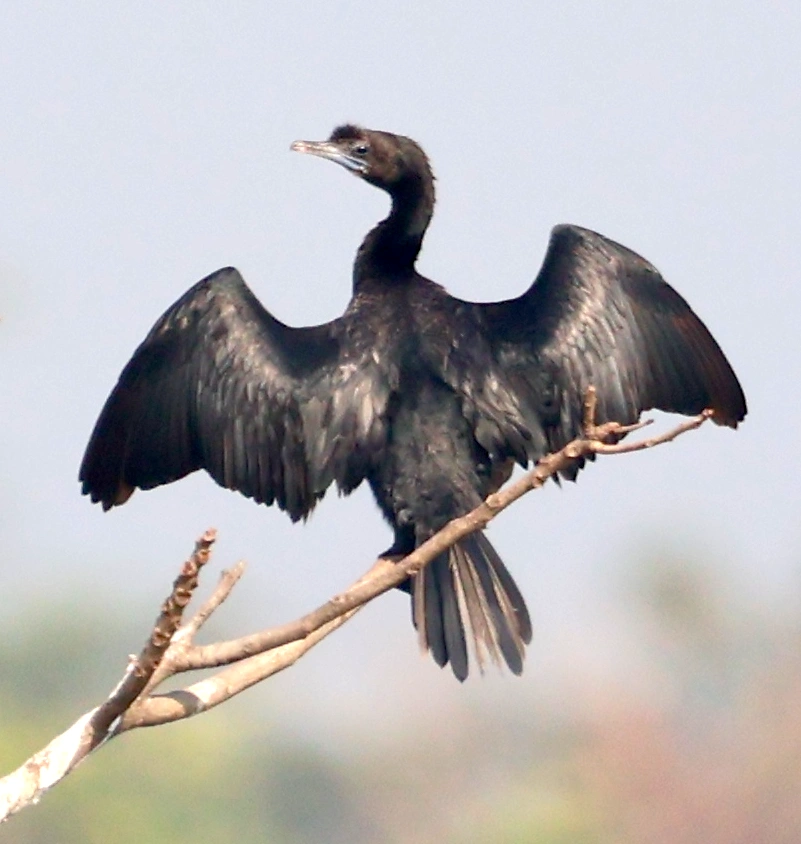
Little Cormorant
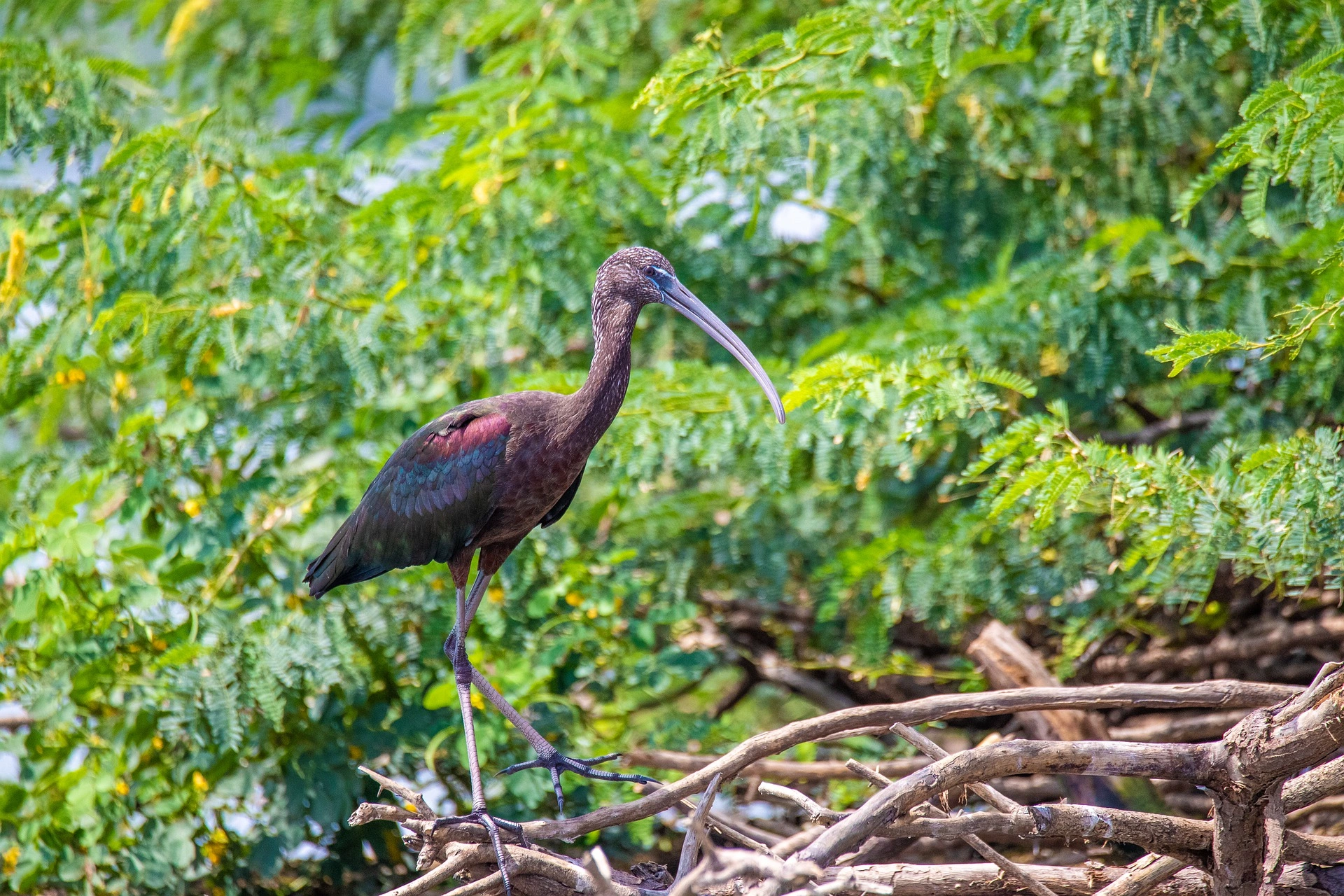
Glossy Ibis
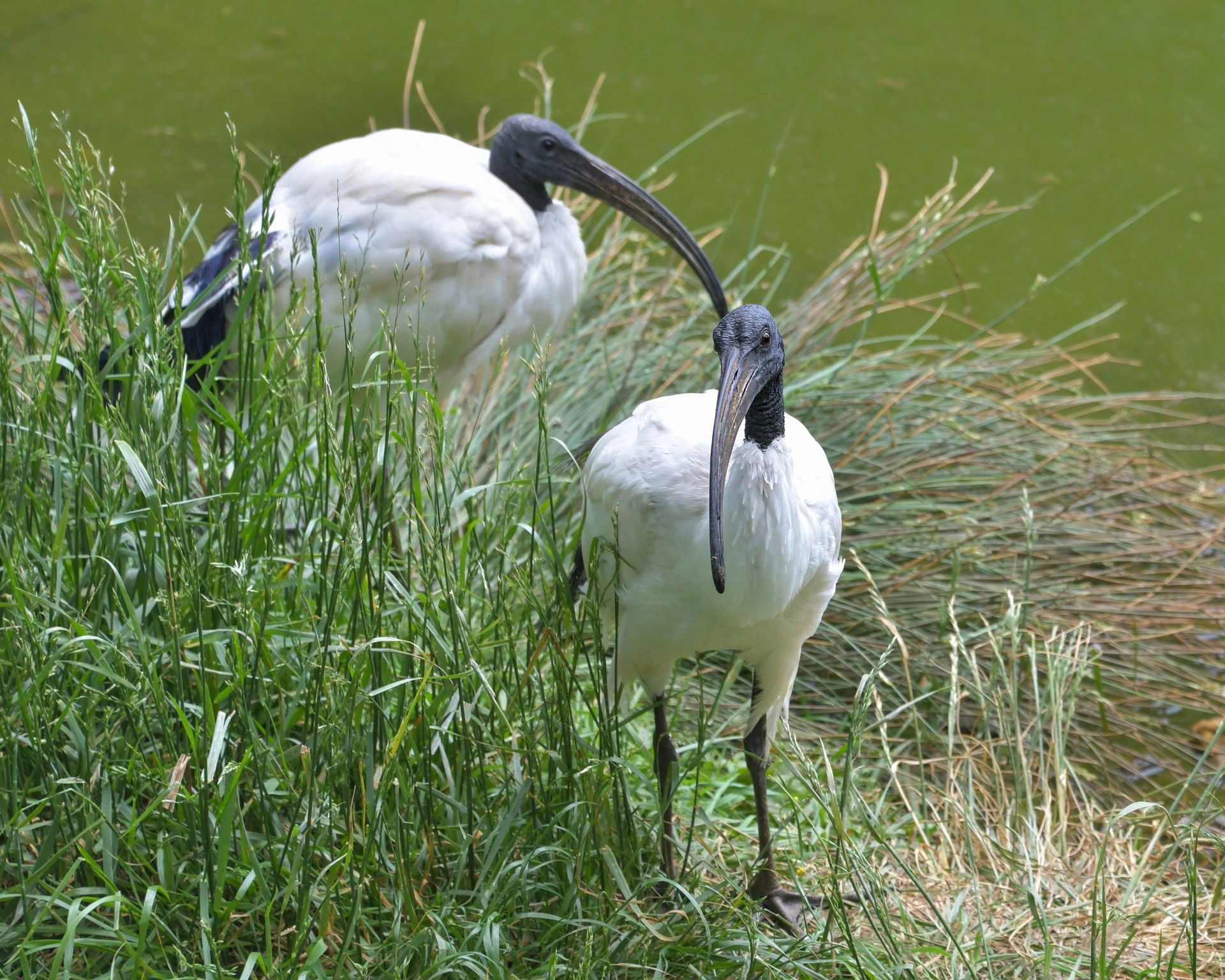
Black-headed Ibis
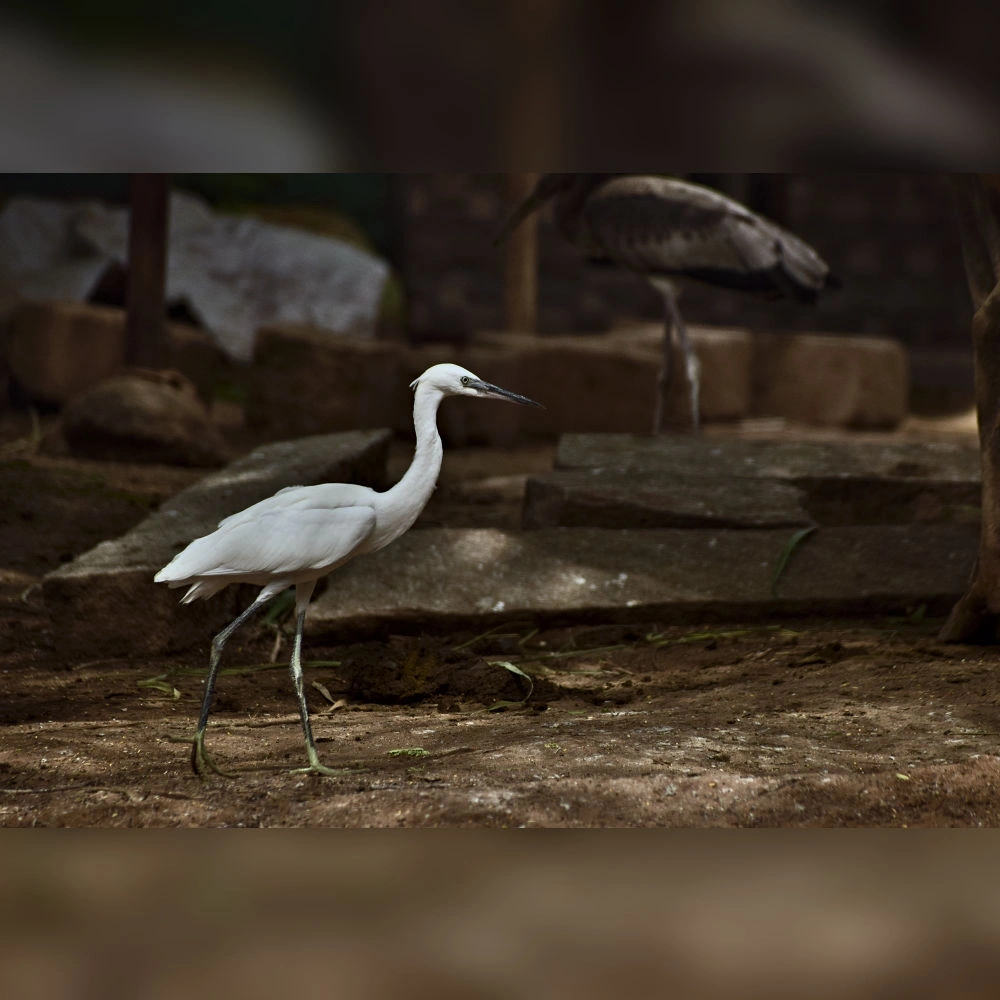
Little Egret
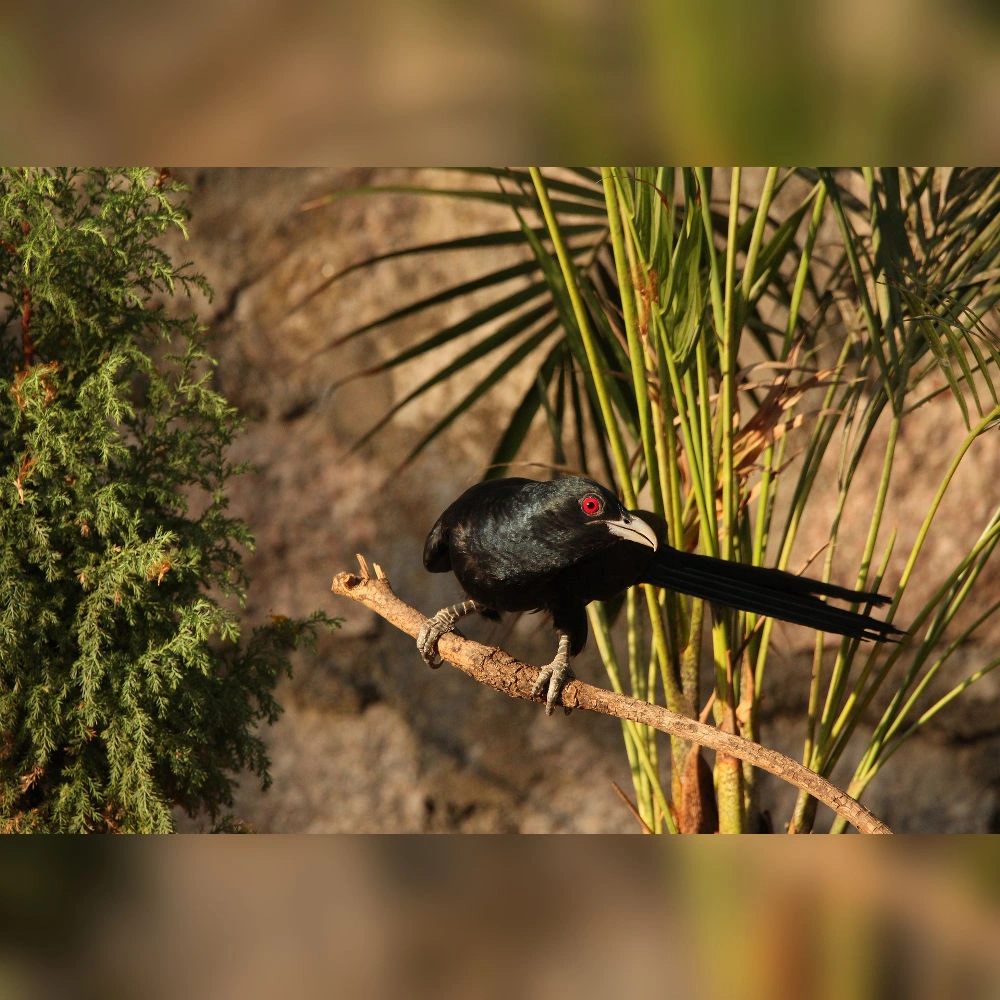

Asian Koel
Summary of Walk
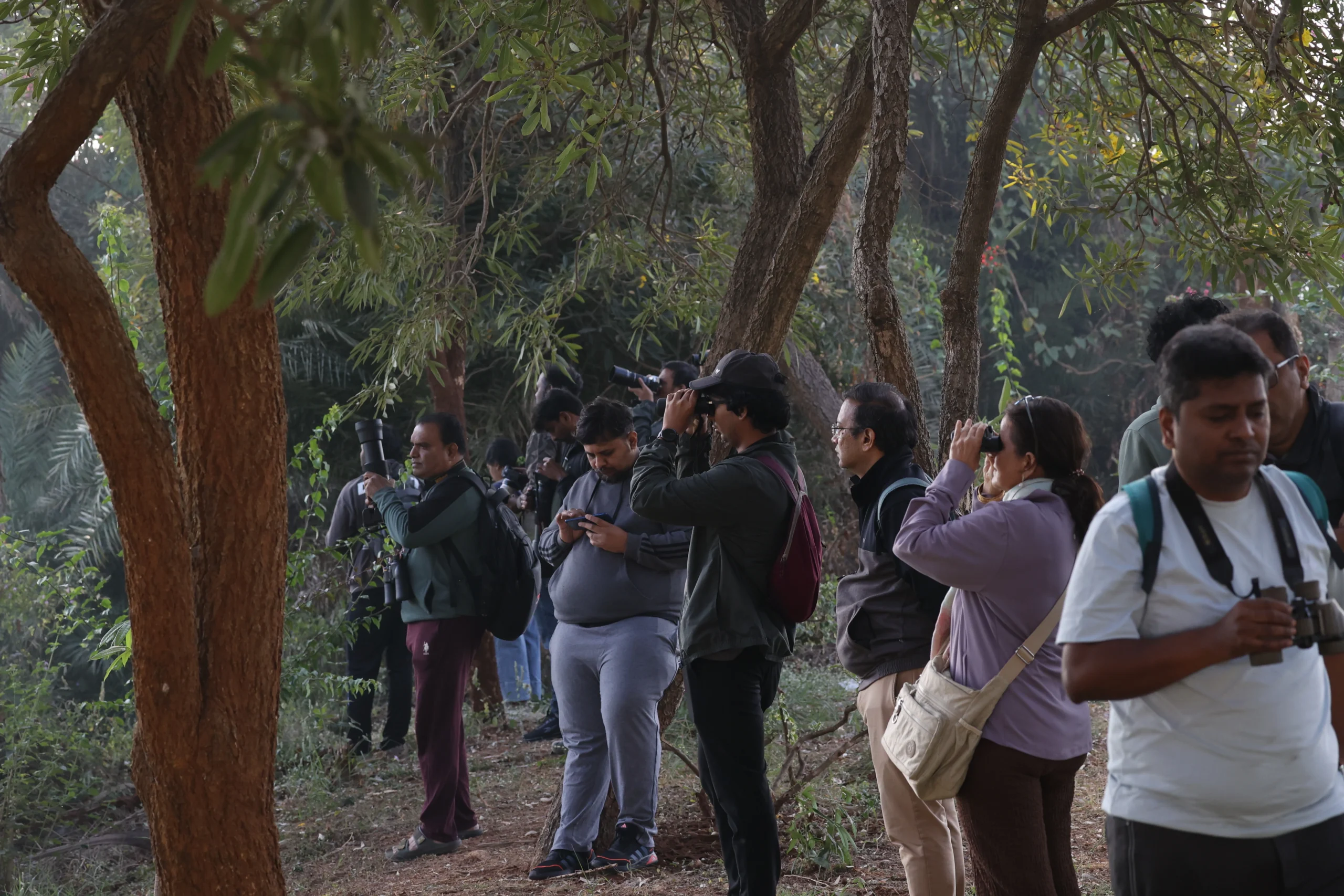
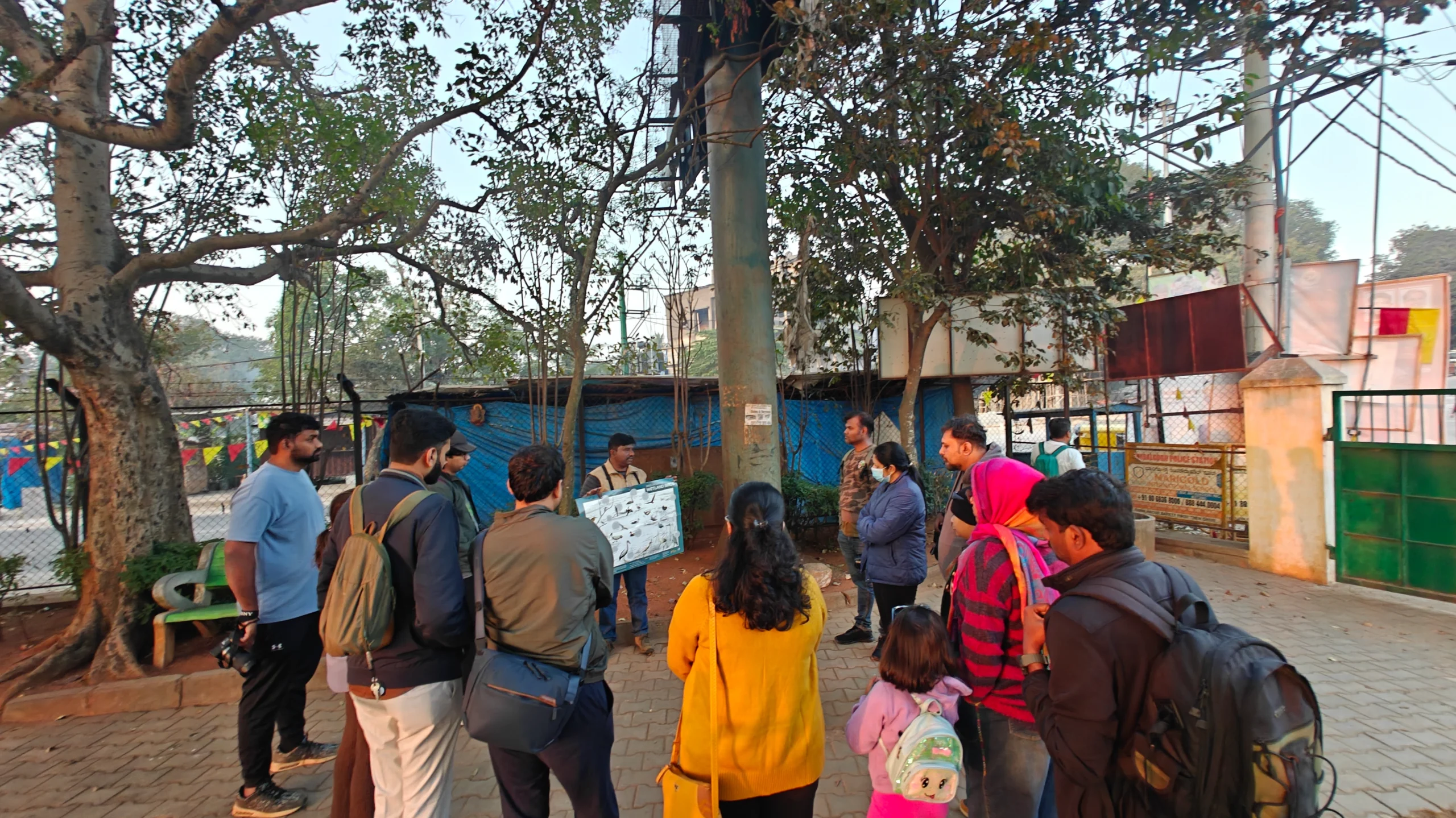
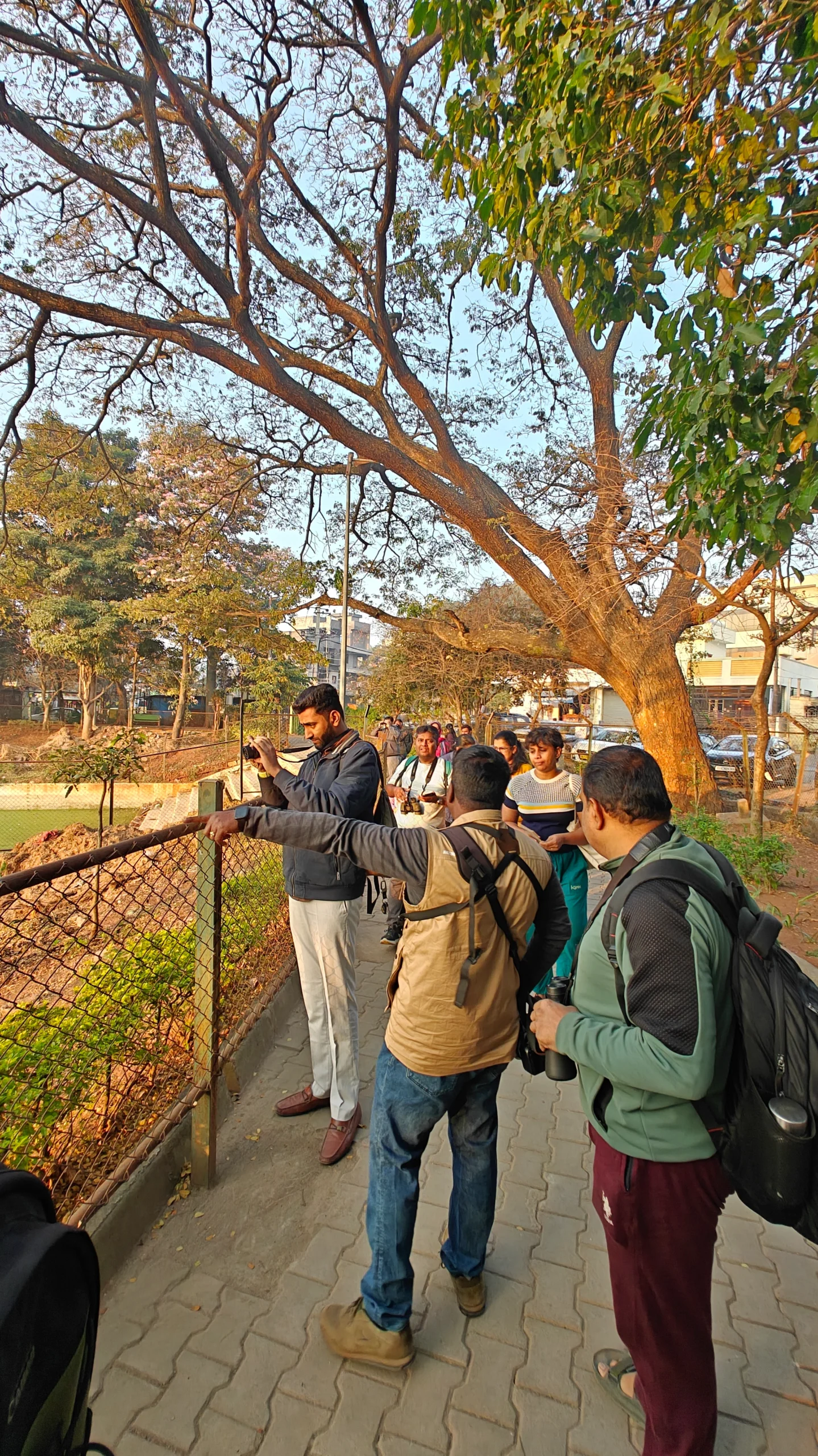
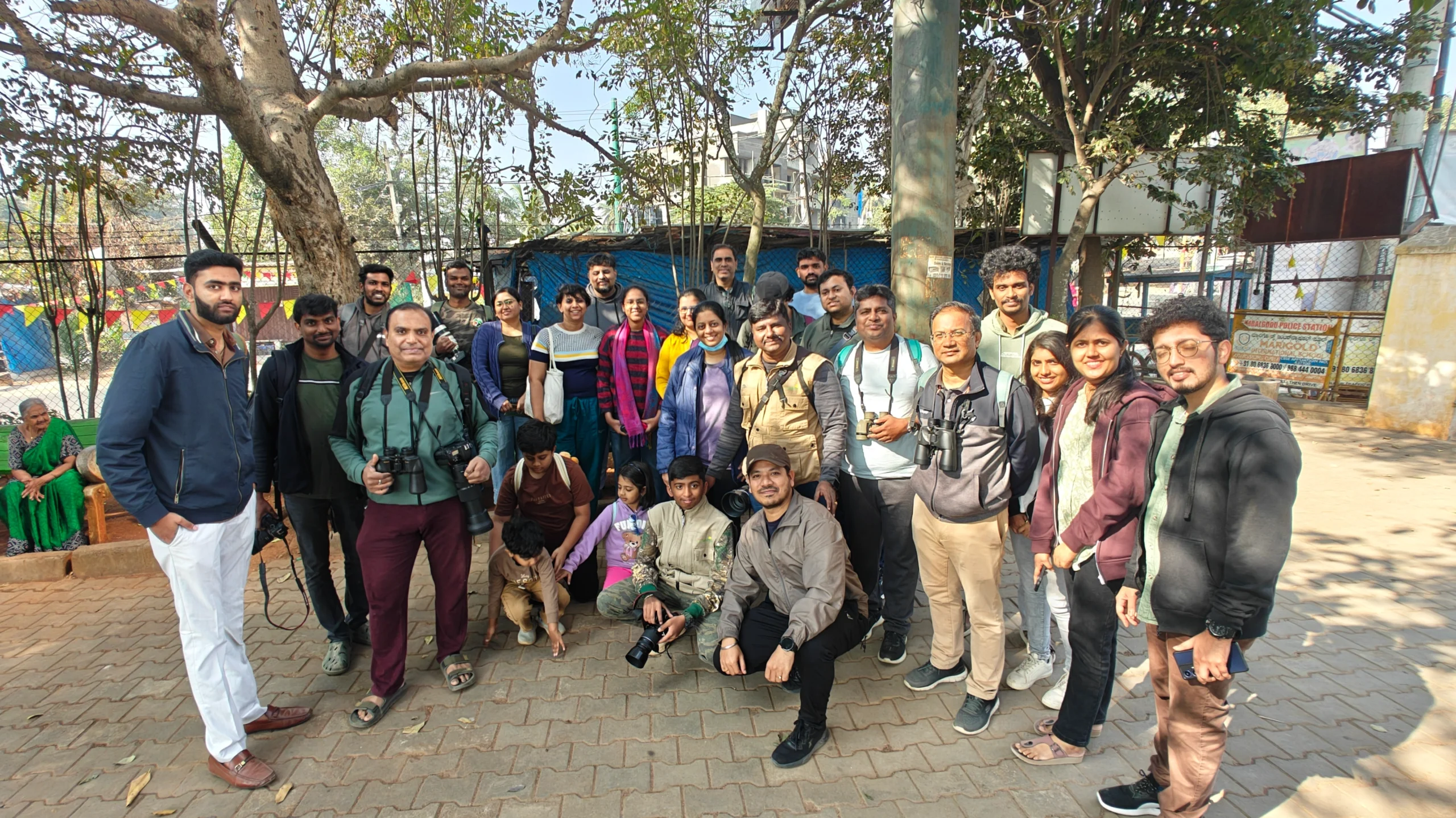
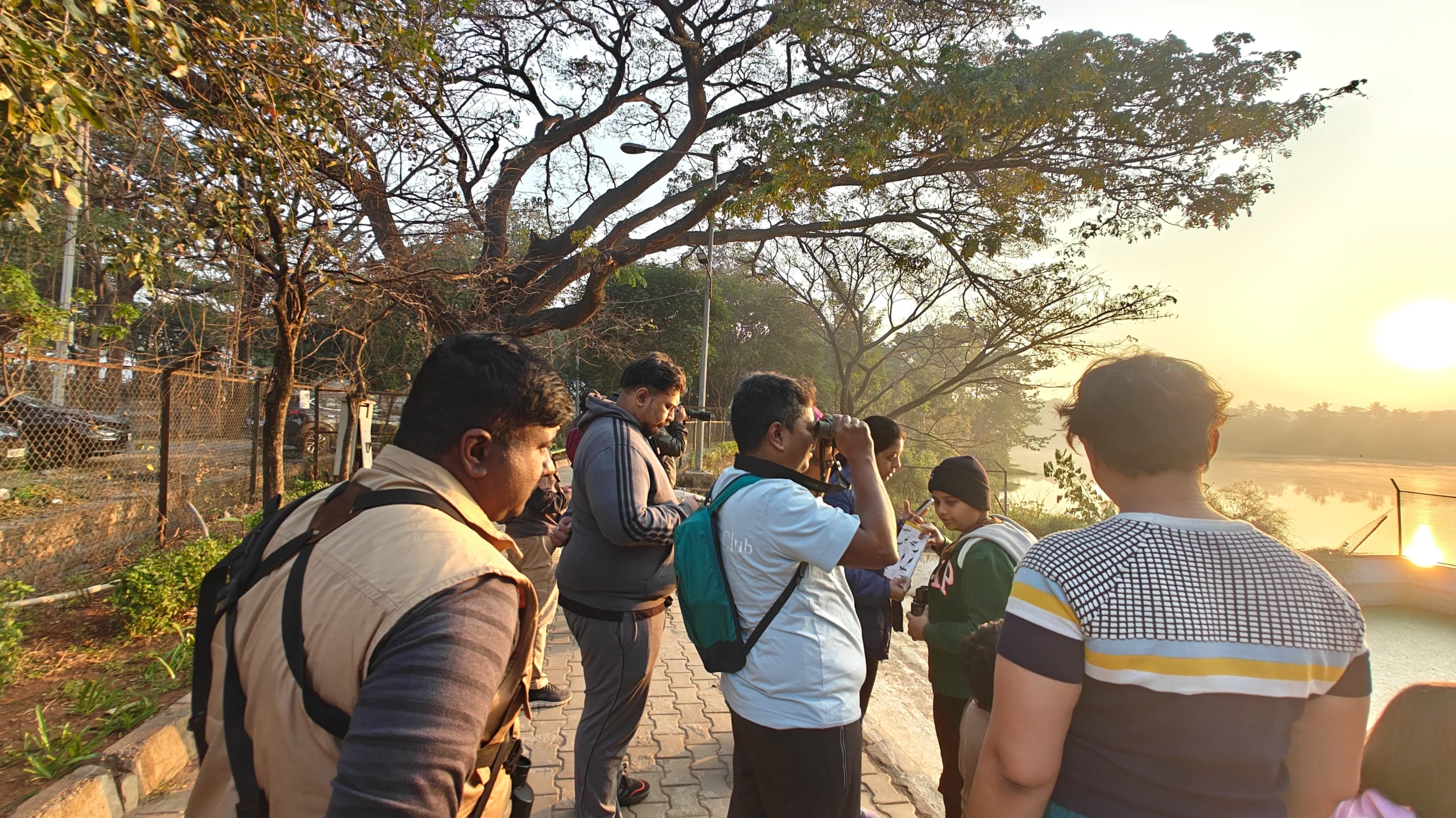
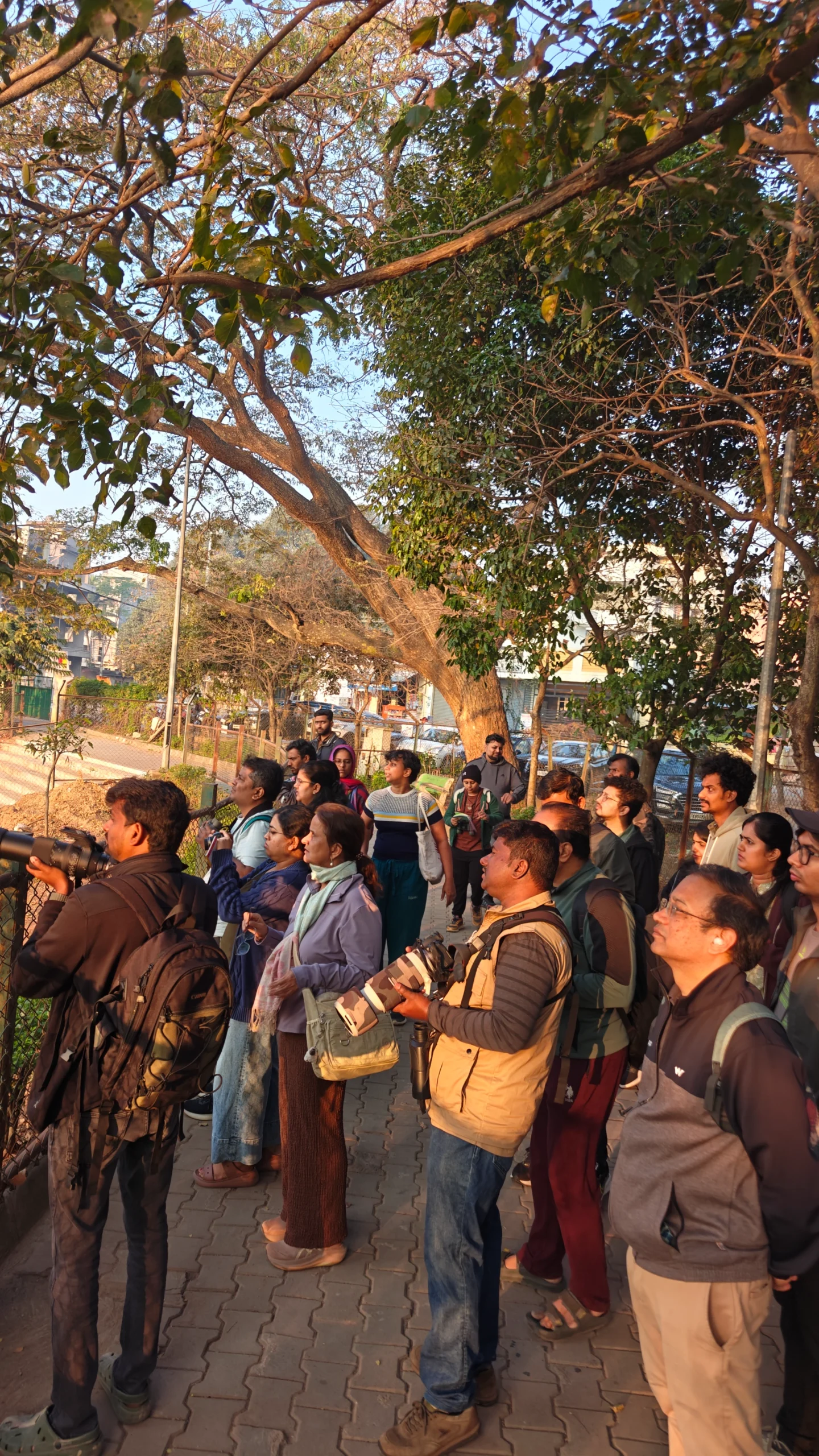
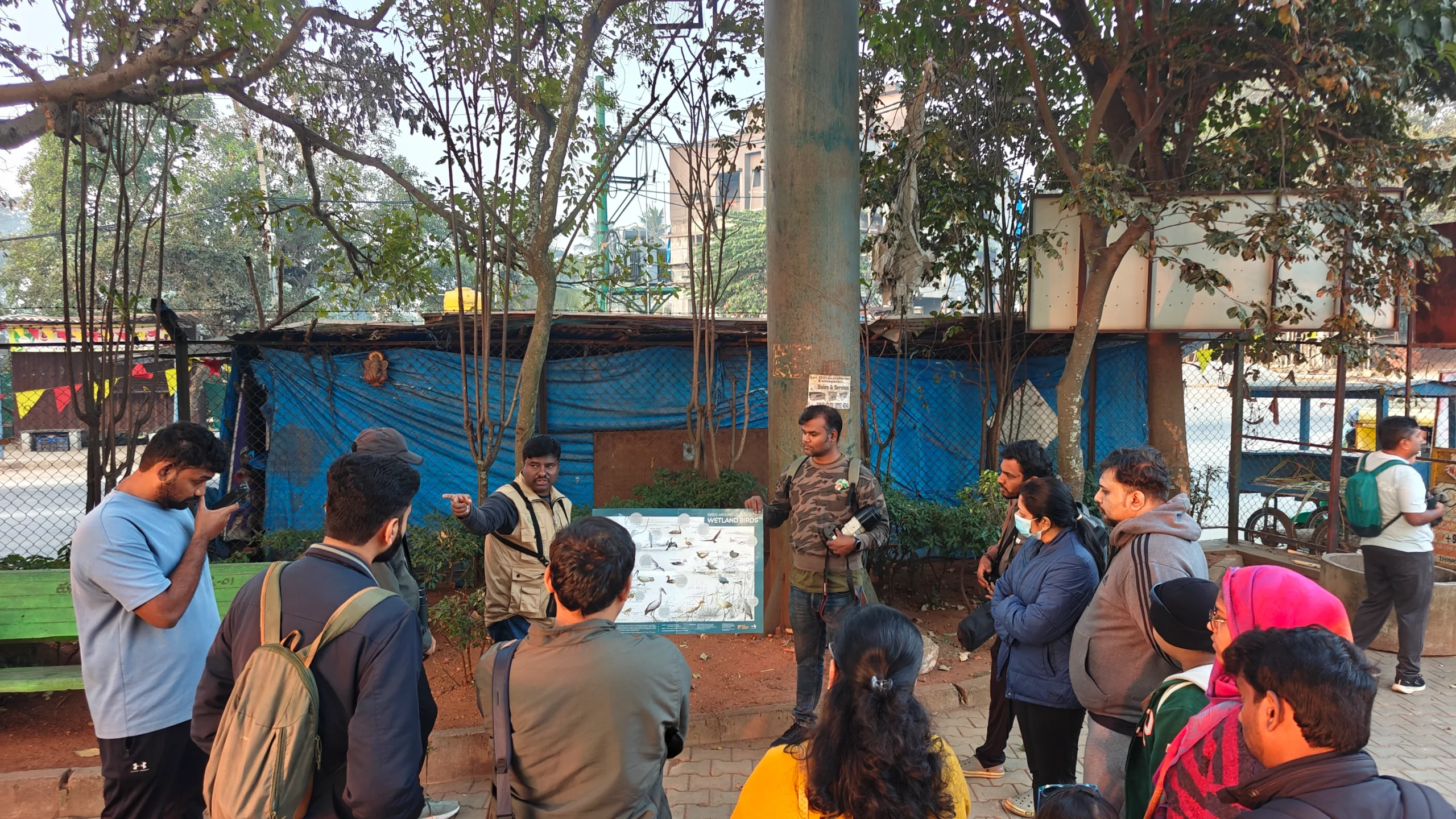
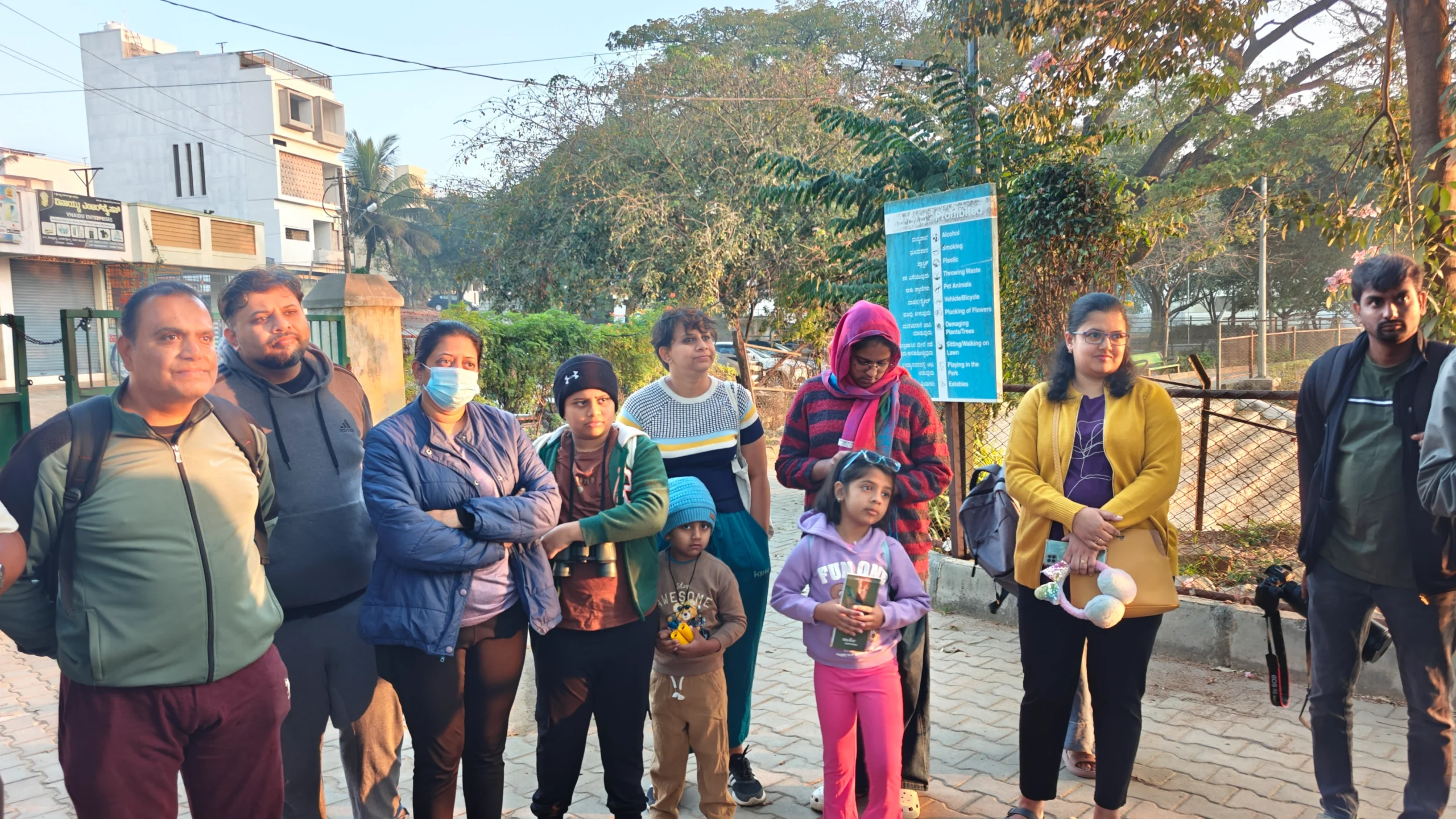
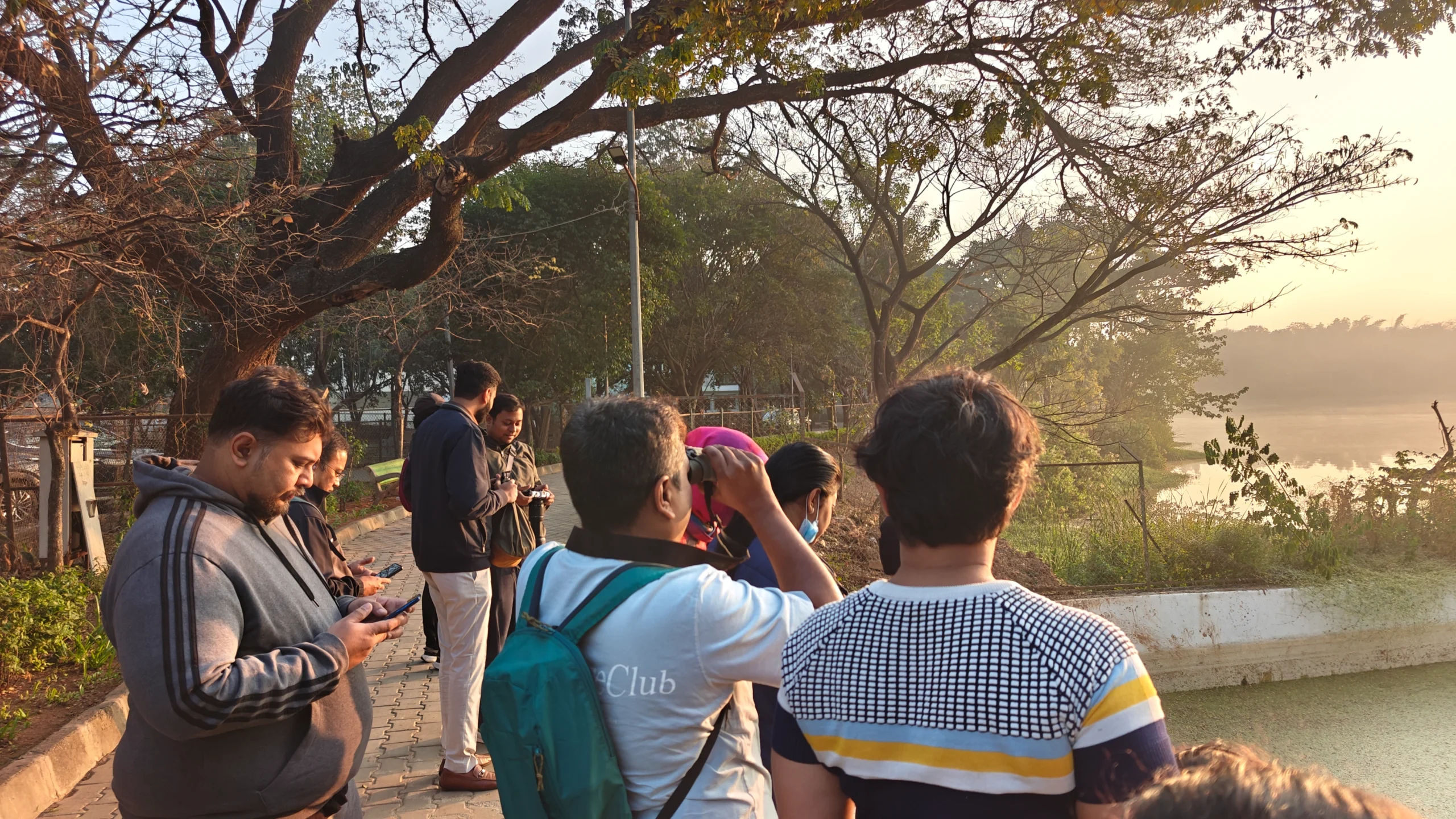
The Kommaghatta Lake bird walk, led by Guruprasad K R, brought together 20 enthusiastic participants for a morning of immersive urban birding and nature learning. As the group explored the lake’s open waters, reed beds, and surrounding scrub, Guruprasad shared insights into bird identification, behavior, and habitat use, helping participants spot a rich variety of waterbirds, waders, and woodland species. The walk fostered lively discussions on migration, wetland ecology, and conservation challenges facing urban lakes, while encouraging mindful observation and appreciation of biodiversity. More than just a birding outing, the walk became a shared experience of connecting with nature, sparking curiosity, and strengthening the community’s bond with Kommaghatta Lake and its wildlife.
Number of Participants
0