

Bird Walk at Konthipulam Wetlands, Thrissur, Kerala
- Ernakulam
- 18 October, 2026
- Rs 250 per head
- Fee collected goes entirely to the bird guide. Ataavi does not retain or profit from this amount.
About Konthipulam Wetlands
In central Kerala, near Irinjalakuda, the Konthipulam wetlands are part of the vast Thrissur Kole, a mosaic of low-lying paddy fields that is part of the Vembanad–Kol Ramsar site. Much of this land lies below sea level. Through the monsoon it floods into a huge shallow lake, and once the water is pumped out, rice is grown on the fertile beds through the dry season. That yearly cycle of flooding, draining, ploughing, planting and harvest creates an ever-changing mix of open water, mudflats, wet grassland, reed-lined canals and bunds dotted with coconut palms. Fish, frogs, snakes, crabs and countless insects thrive in the fields. The Kole as a whole supports a huge gathering of waterbirds and is one of Kerala’s most important wetlands for birds.
For birders, Konthipulam is at its best from autumn through winter, as the fields drain and the migrants arrive. Harriers hunt low over the paddies, eagles soar overhead, and flocks of bee-eaters and Rosy Starlings sweep through. Pipits, munias, prinias and cisticolas fill the grassy bunds. But the Kole wetlands are under pressure. Paddy fields are being filled in for buildings and roads, and heavy pesticide and fertiliser use poisons the food chain. Invasive weeds clog the canals, and clay mining, dumping and illegal hunting add to the toll. Changes in rice farming also affect the water cycle the birds depend on. Supporting traditional paddy farming, cutting chemical use and stopping conversion of the fields are the keys to protecting Konthipulam.

Bird Guide - Syam Sukumaran
He is an experienced bird guide with over 10 years of birdwatching and photography, specialising in wetland birds and with strong expertise in raptors. A regular traveller across the green landscapes of South India, he brings solid regional knowledge and an engaging, field-based approach to birding.
Bird walk Location
Common birds of Konthipulam Wetlands
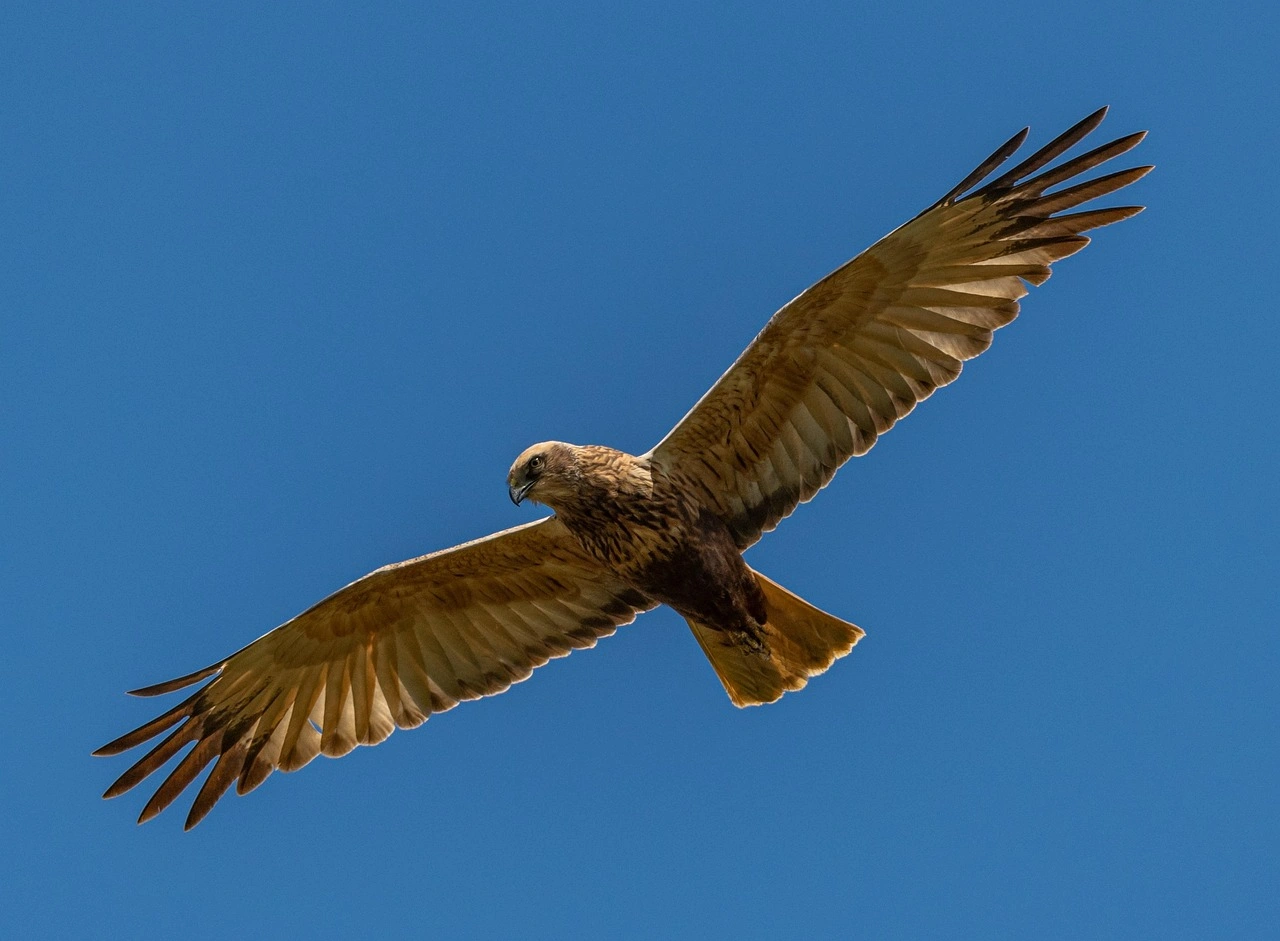
When the Kole fields at Konthipulam drain, raptors arrive. Montagu’s Harrier, slim and graceful, glides low over the paddies on long, narrow wings. The Western Marsh Harrier quarters the reedy margins, and the Booted Eagle circles overhead. These are winter visitors from far to the north. Flocks of Rosy Starlings, pink and black, swirl across the fields. Blue-tailed and Asian Green Bee-eaters swoop after dragonflies, flashing green, blue and chestnut. Down in the grass, the Red Avadavat, a tiny bird with crimson plumage dotted with white spots, feeds in small groups. Paddyfield Pipits run along the bunds, and the Zitting Cisticola rises in a bouncing song flight. Plain and Ashy Prinias call from the tall stems. The shy Lesser Coucal, a smaller cousin of the Greater Coucal, skulks in the dense grass. The Purple Heron hides among the reeds, while Black-headed Ibises probe the mud. The Pied Kingfisher hovers over the canals before diving, and the White-throated Kingfisher calls loudly from a palm. Red-wattled Lapwings, Common Sandpipers, Black Drongos and Asian Koels complete the scene, and the little Spotted Owlet watches from a tree hollow at dusk.

Western Marsh Harrier

Booted Eagle
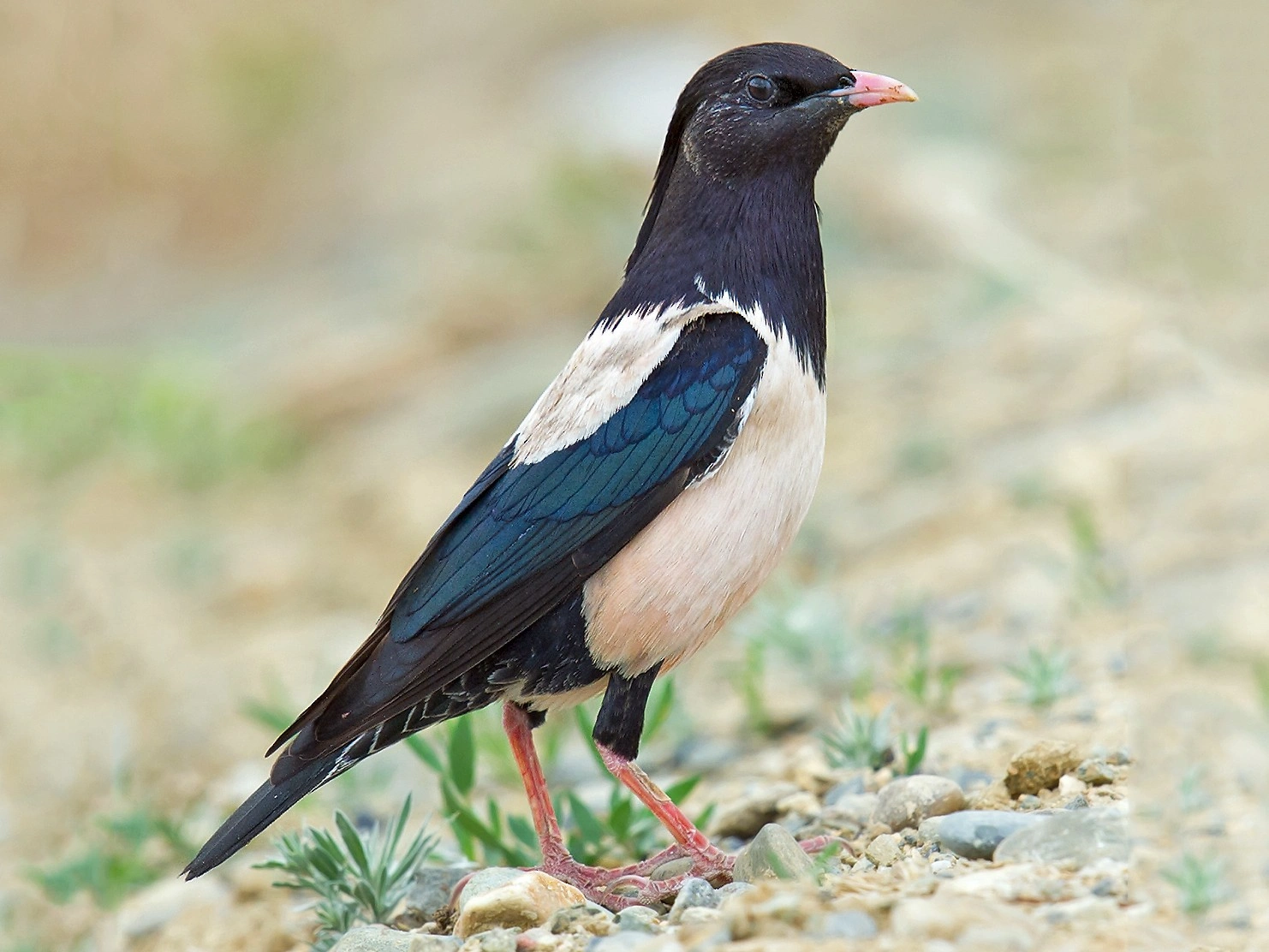
Rosy Starling
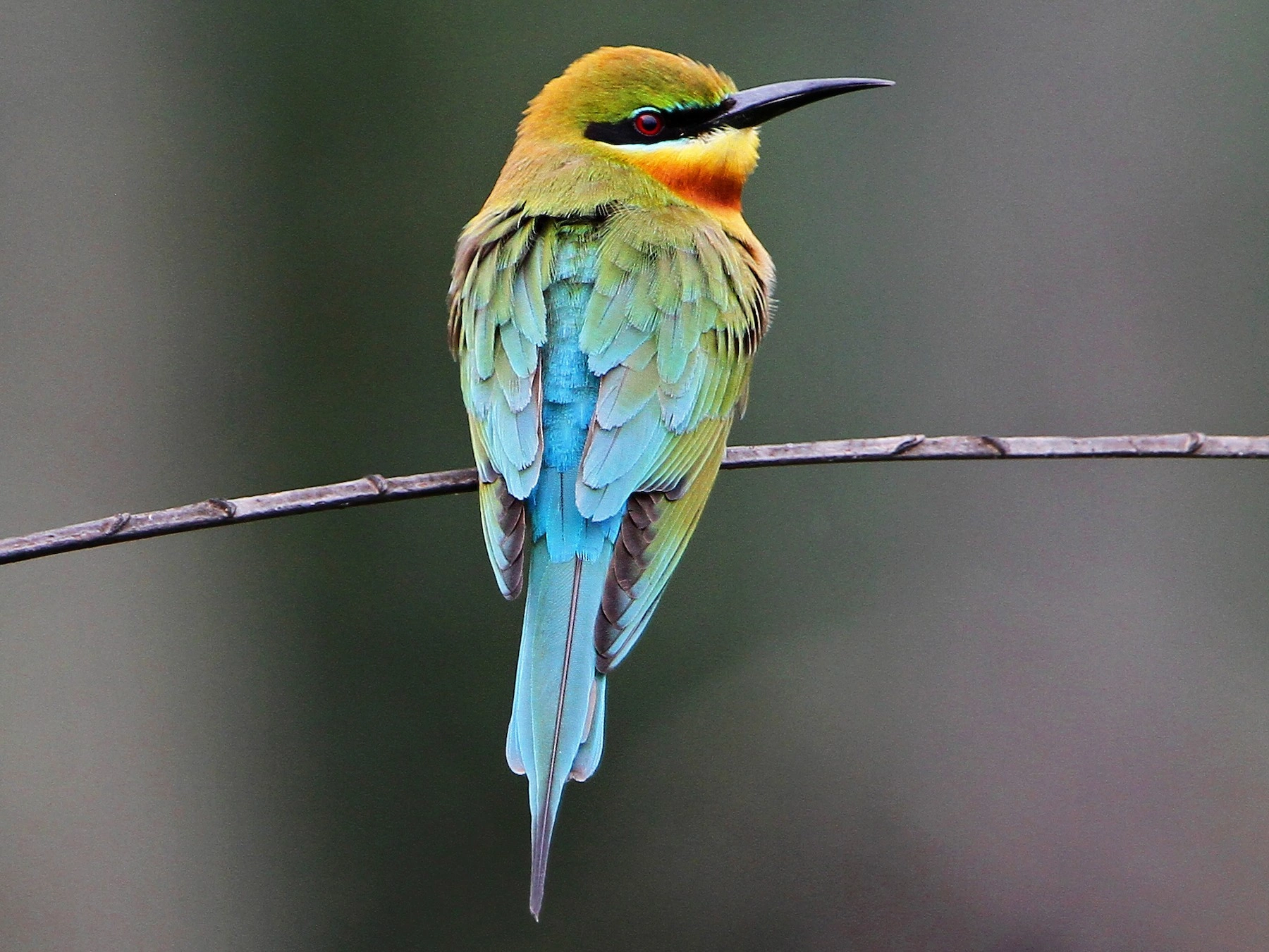
Blue-tailed Bee-eater

Asian Green Bee-eater
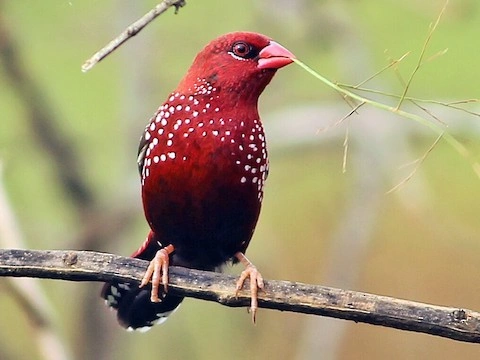
Red Avadavat
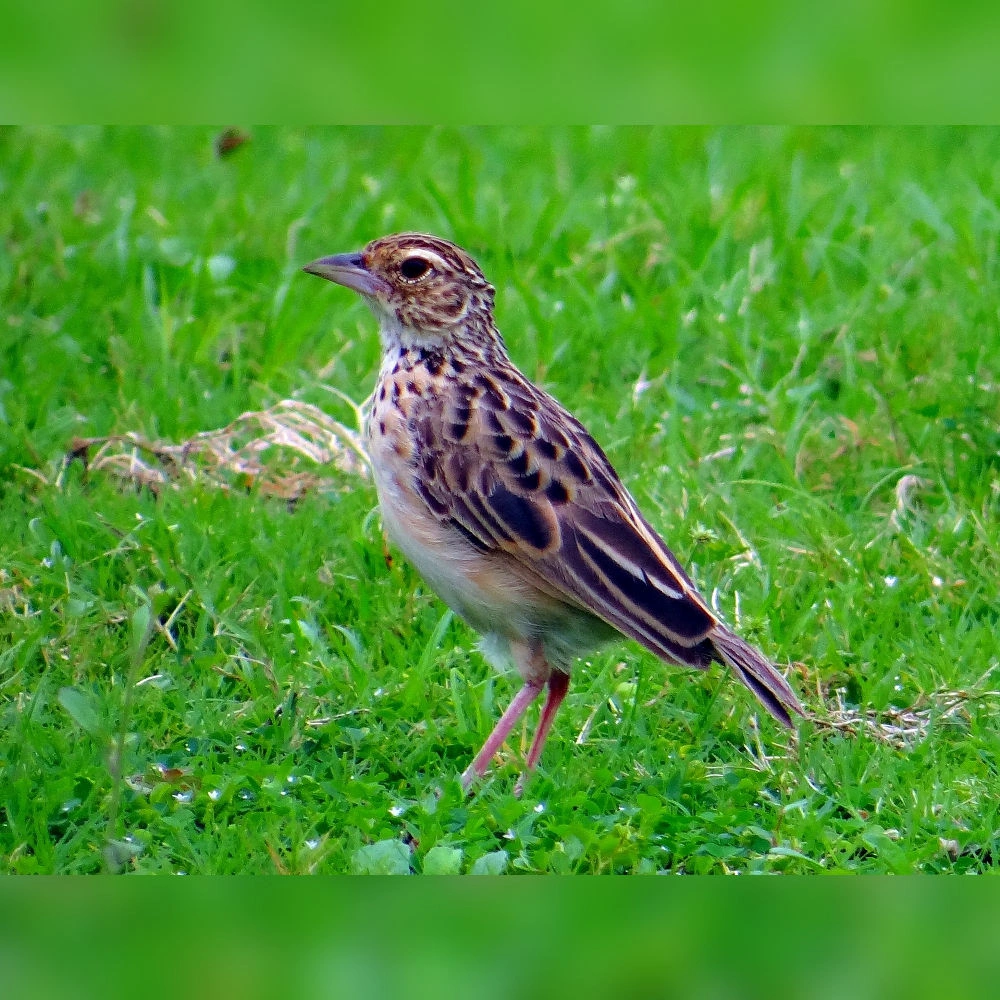
Paddyfield Pipit
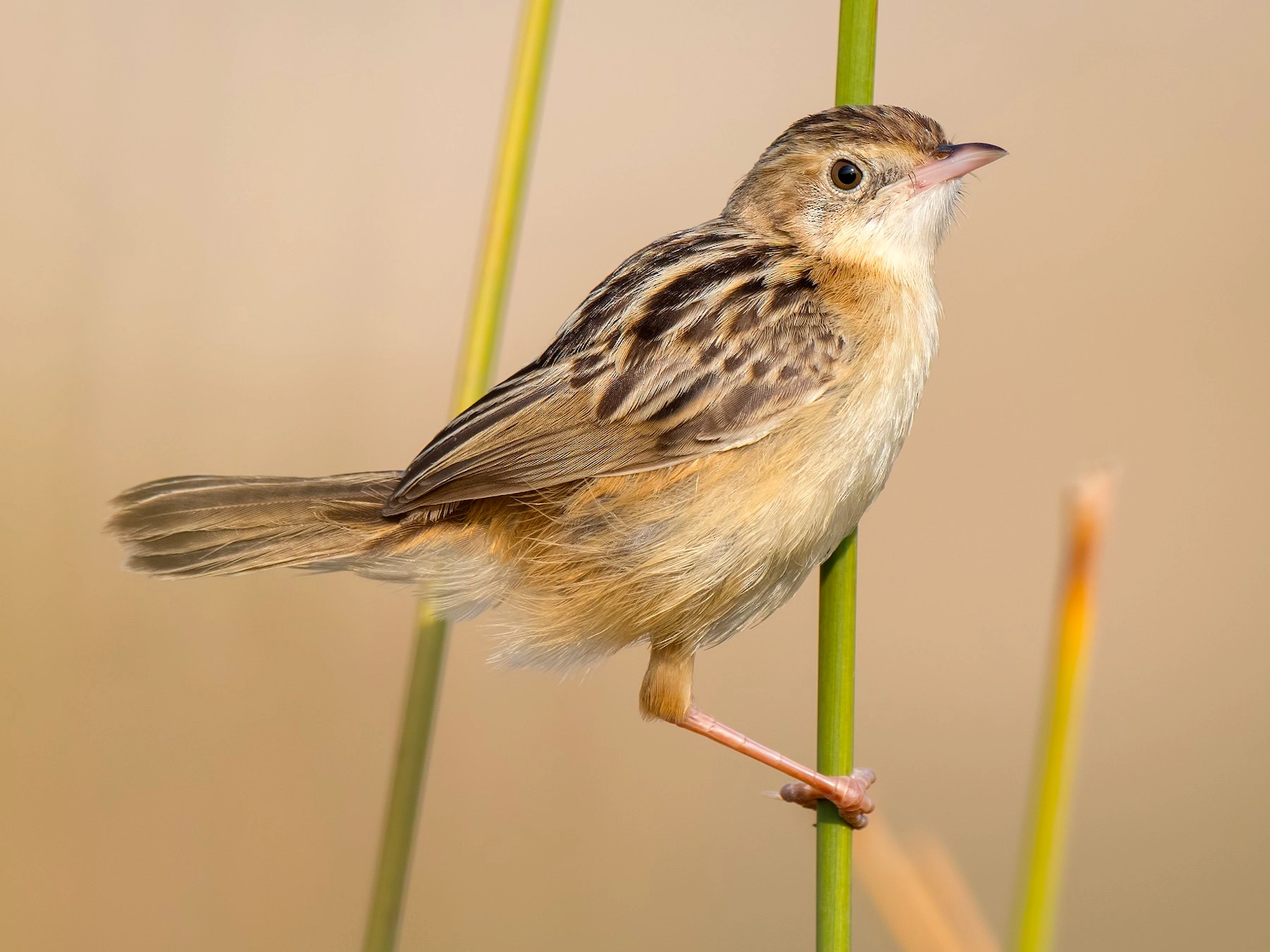
Zitting Cisticola
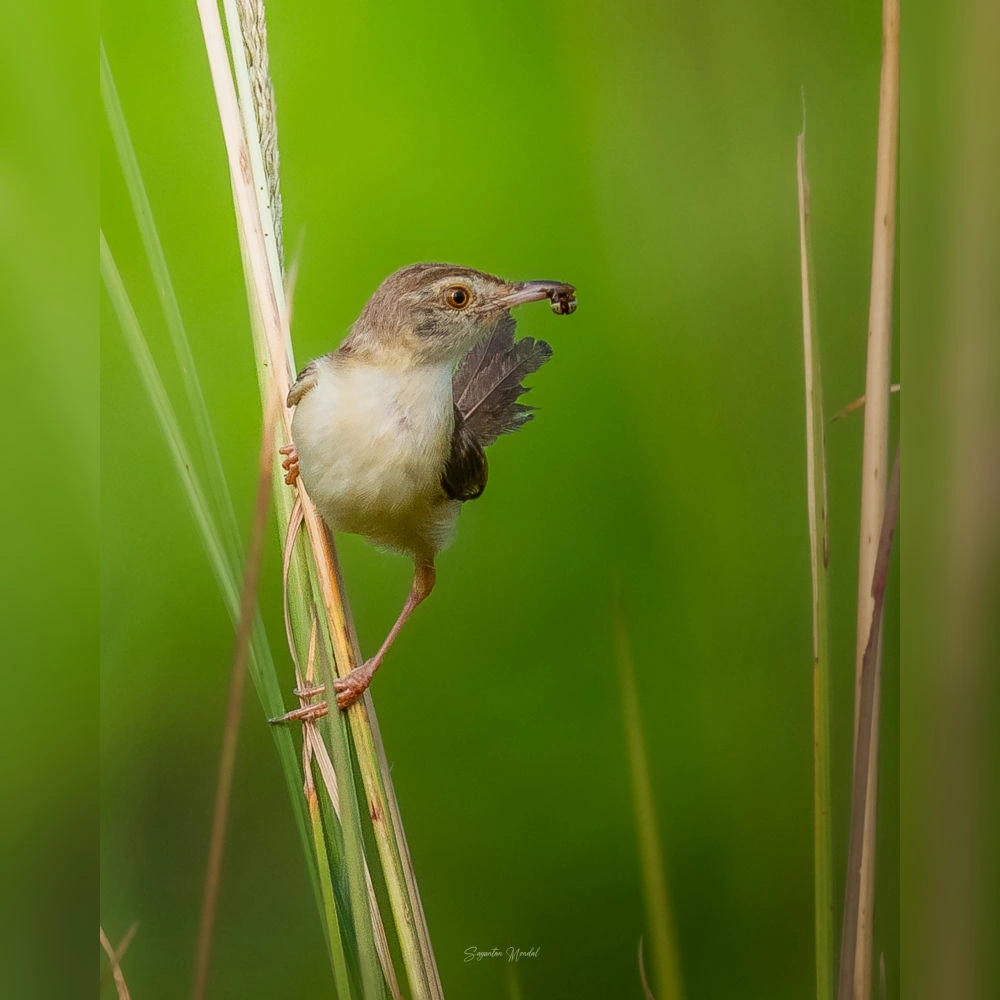
Plain Prinia
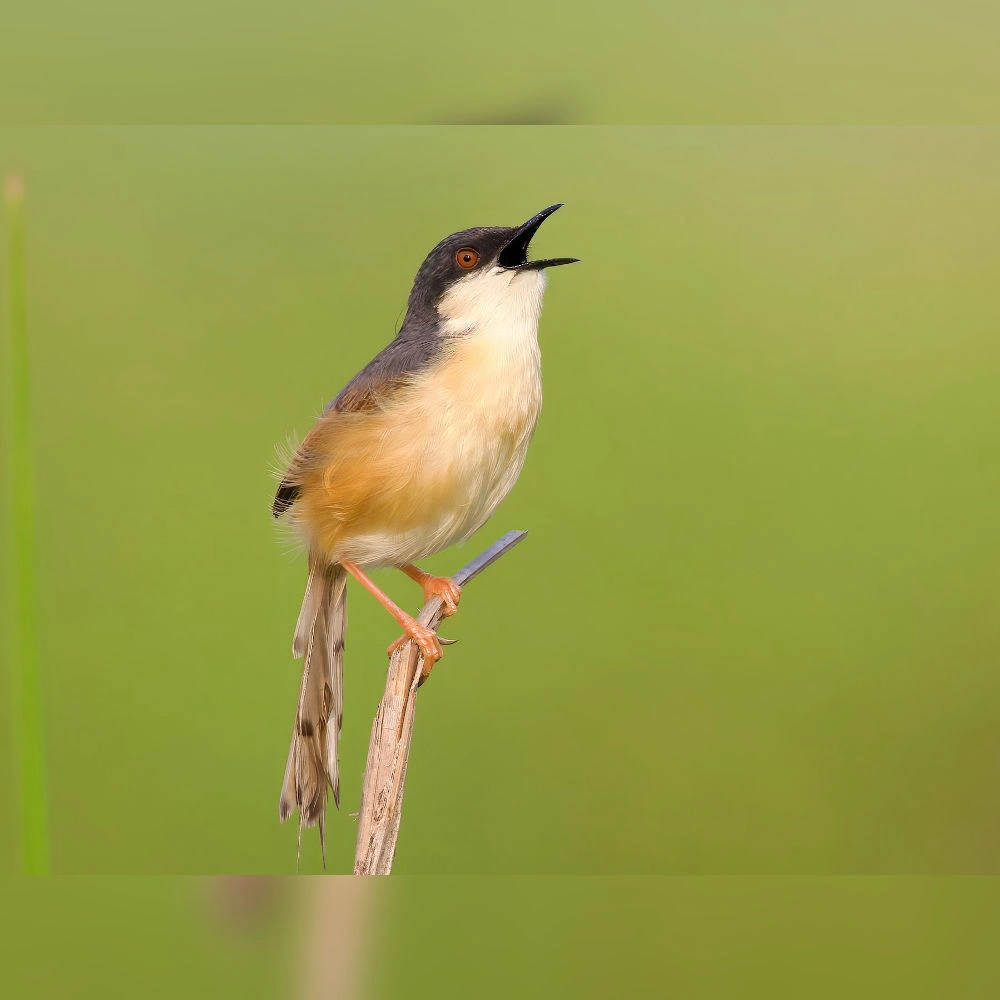
Ashy Prinia

Lesser Coucal
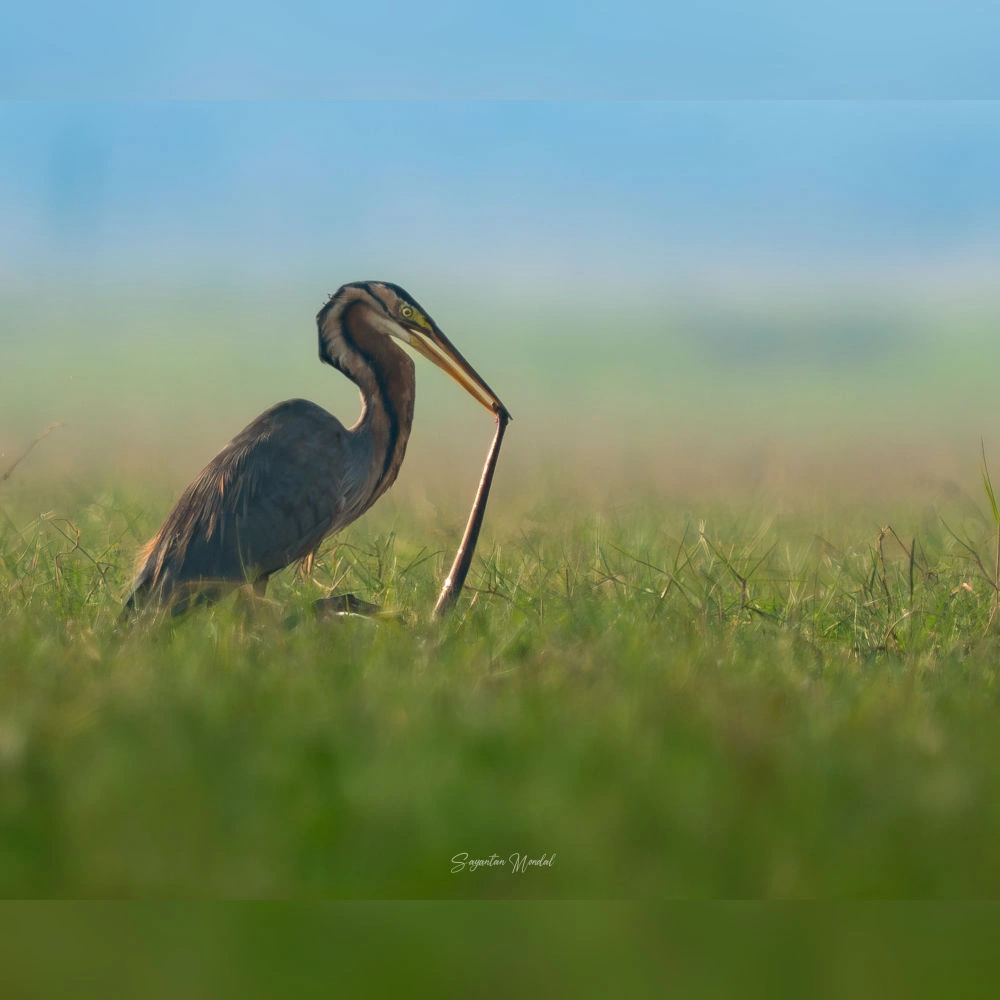
Purple Heron
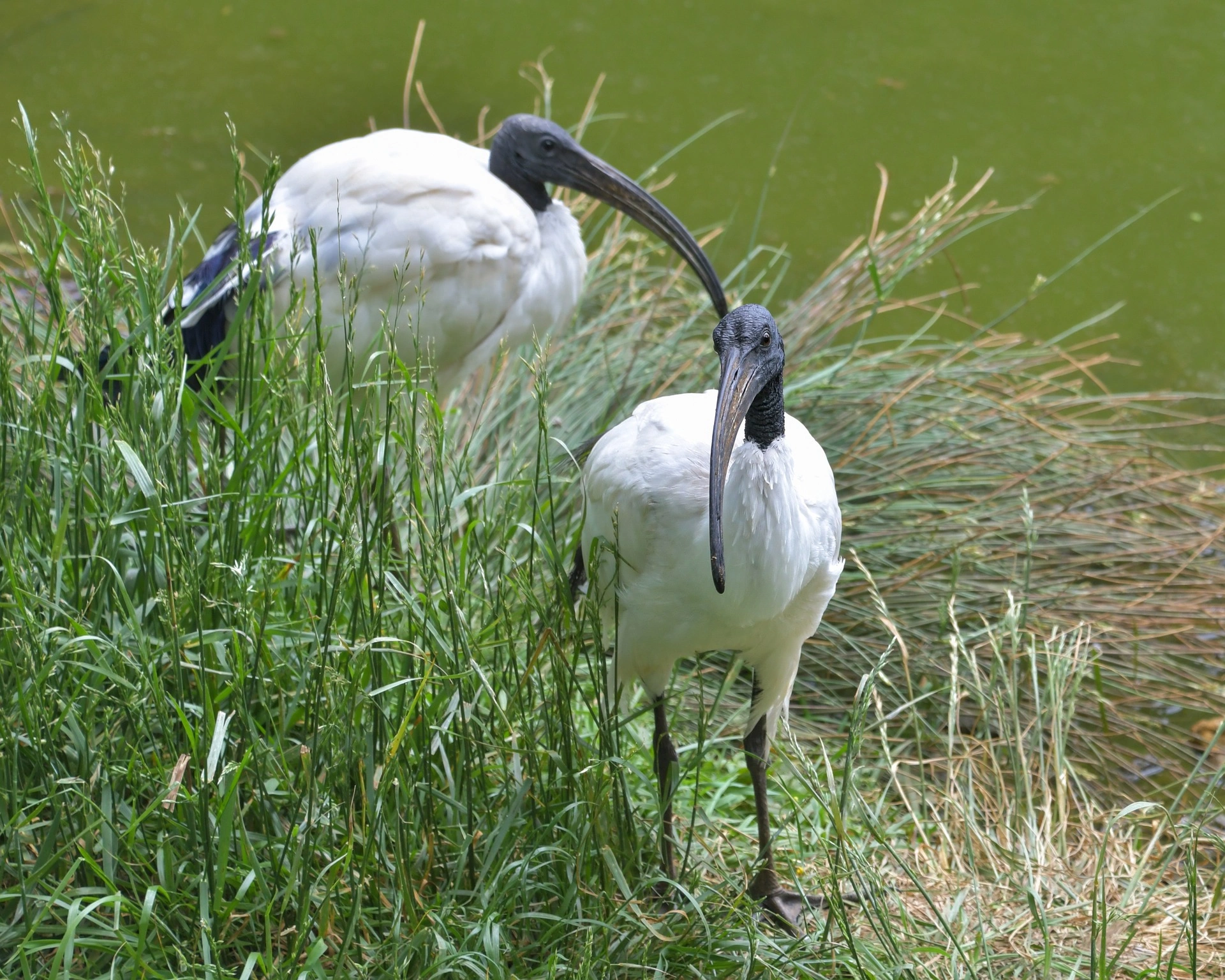
Black-headed Ibis
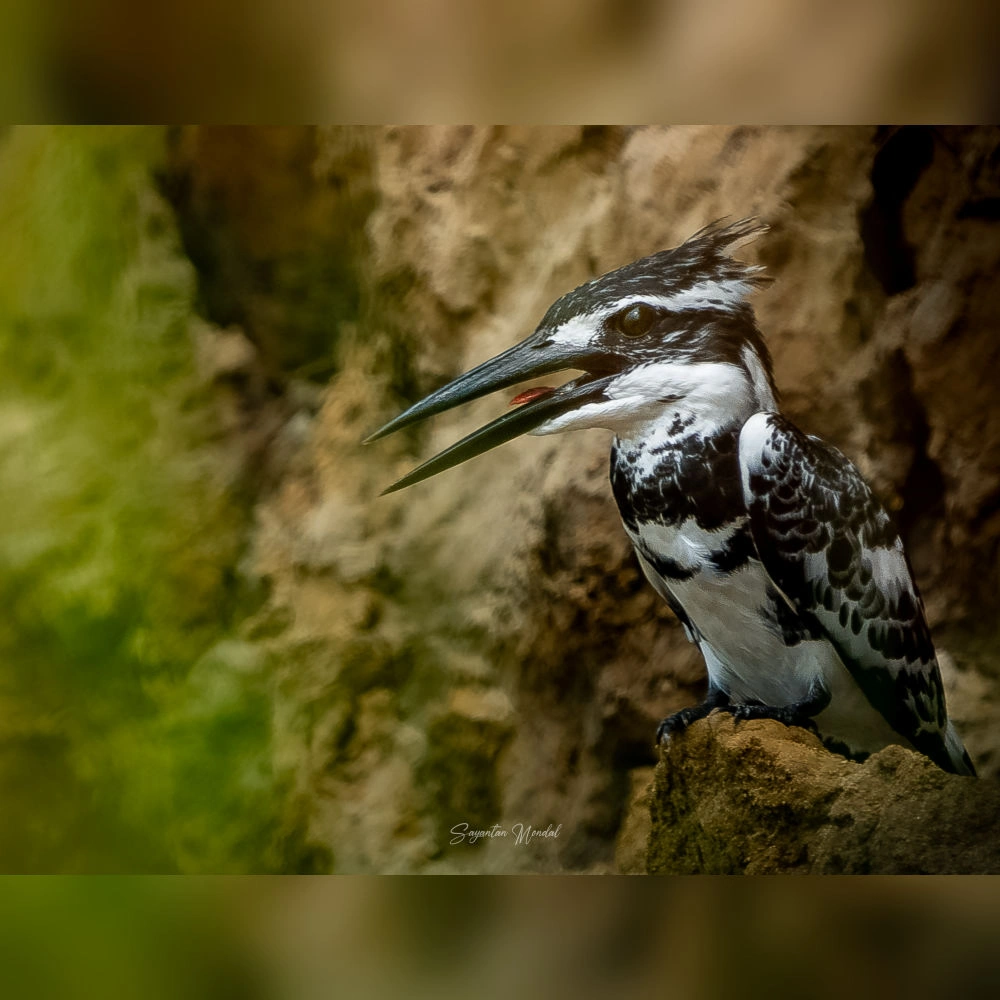
Pied Kingfisher
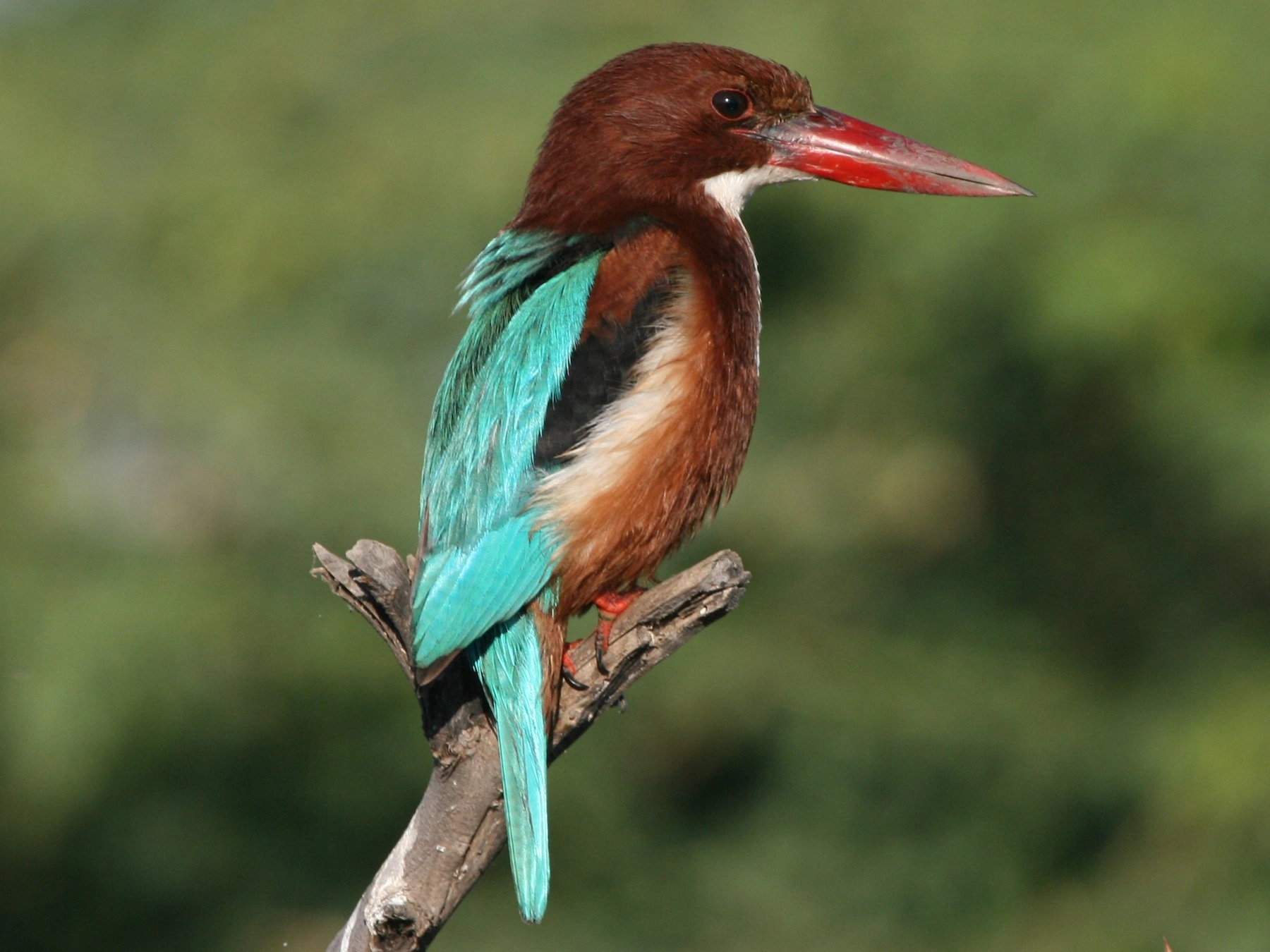
White-throated Kingfisher
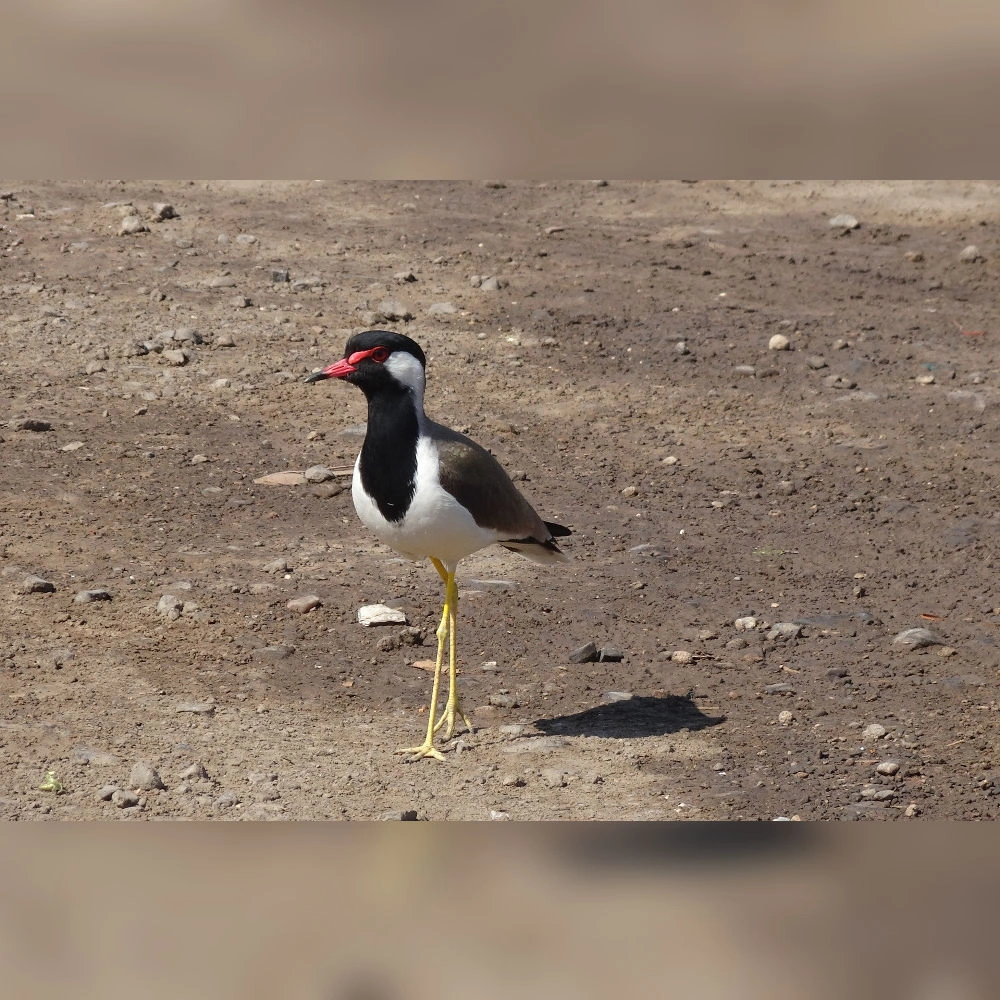
Red-wattled Lapwing
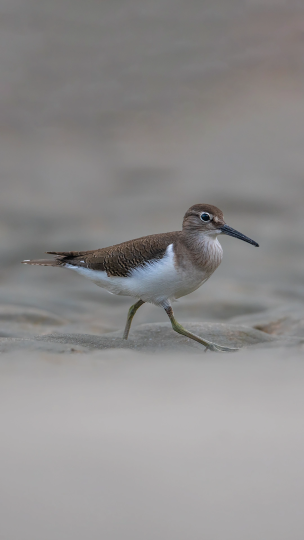
Common Sandpiper

Spotted Owlet
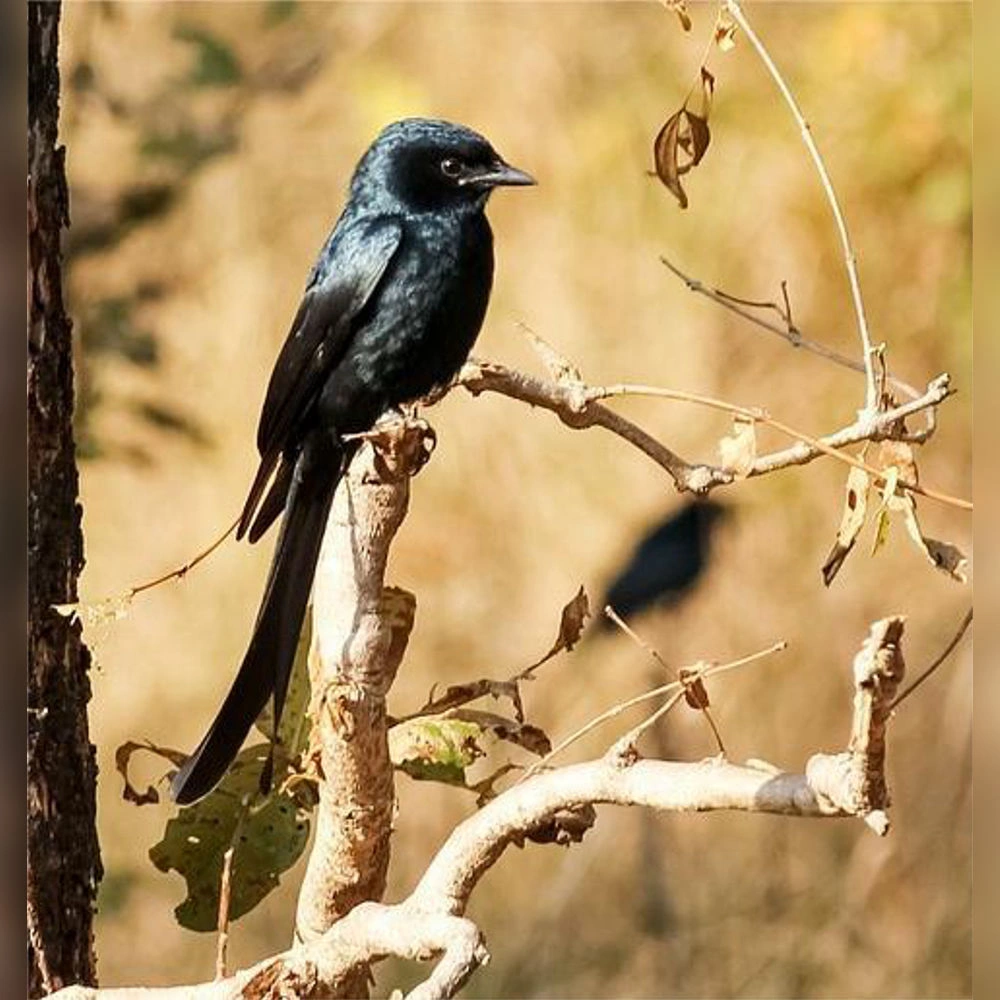
Black Drongo

Asian Koel
- Fee collected goes entirely to the bird guide. Ataavi does not retain or profit from this amount.