


Loading Events

Bird Walk at Kopra Dam Chhattisgarh

About Kopra Dam

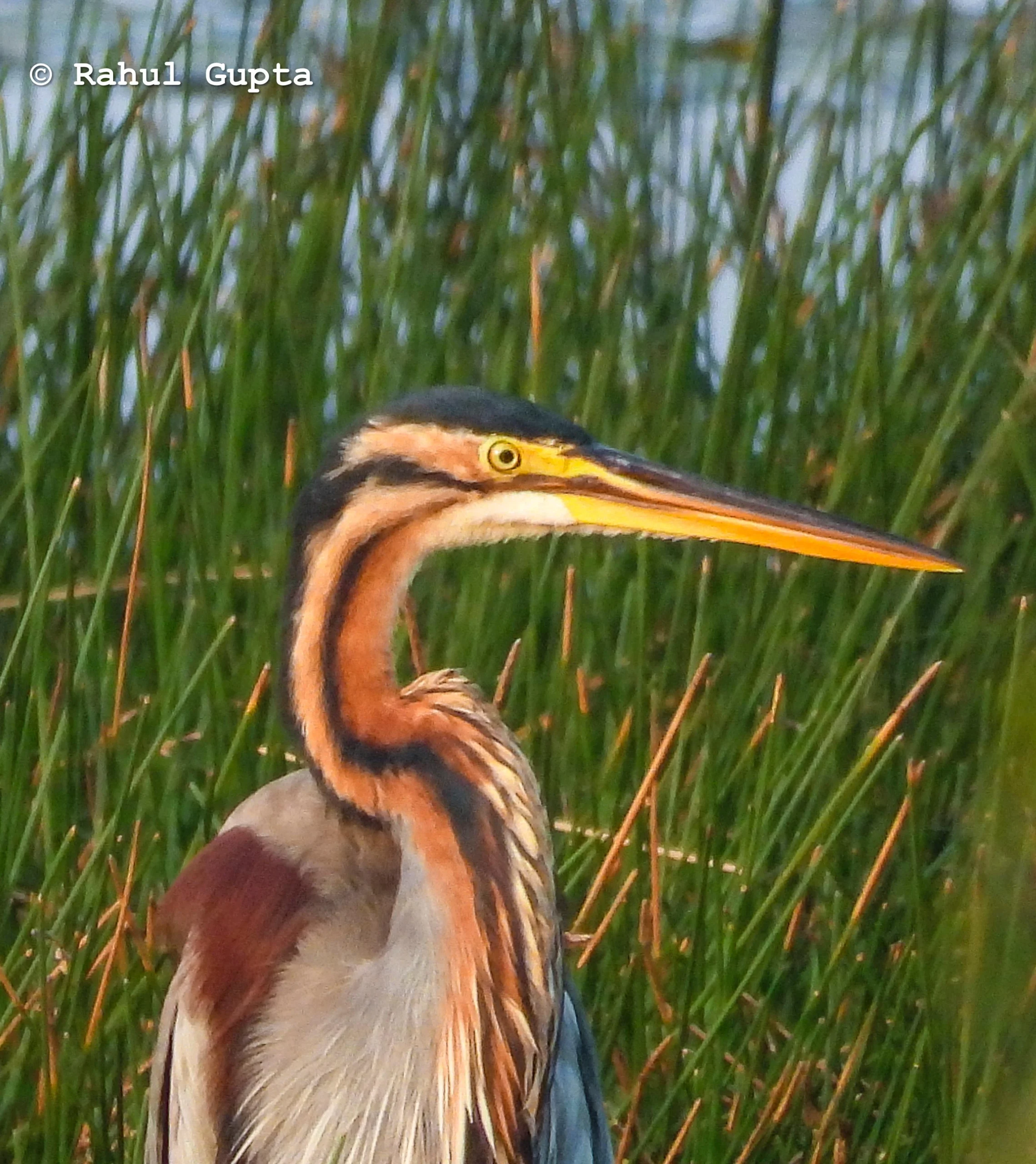
Kopra Dam, located in Bilaspur district of Chhattisgarh, is a freshwater reservoir surrounded by mixed dry deciduous forest, agricultural fields, and open grasslands. The dam provides a mosaic of aquatic and terrestrial habitats—ranging from deep water zones and muddy shallows to vegetated banks that support rich birdlife throughout the year. Waterbirds such as Lesser Whistling-Duck, Indian Spot-billed Duck, Little Cormorant, Purple Heron, and Bronze-winged Jacana are commonly sighted, while the adjoining woodlands host Black Drongo, Indian Roller, Green Bee-eater, and Spotted Dove. During winter, the dam attracts migratory species like Northern Pintail, Common Teal, and Wood Sandpiper, adding to its avian diversity and making it a favored spot for local birdwatchers and researchers.
However, Kopra Dam faces several ecological threats. Increasing human activity around the reservoir—particularly fishing, sand extraction, and grazing—has led to habitat disturbance and reduced nesting opportunities for waterbirds. Agricultural runoff containing pesticides and fertilizers pollutes the water, affecting aquatic life and food availability for birds. Encroachment of wetlands for cultivation and the spread of invasive vegetation further degrade the natural ecosystem. Conservation efforts should focus on community engagement, awareness programs, and promoting sustainable fishing and farming practices. Establishing buffer zones and regular bird monitoring through citizen-science initiatives can help ensure the long-term protection of this biodiverse wetland ecosystem.

Partnered with

Bird Guide: Rahul Gupta

Electrical Engineer by profession, bird guide by passion — blending circuits and songbirds with equal precision.

Bird Guide: Ratnesh Gupta

Nature lover & bird watcher spreading awareness one chirp at a time. Discover, learn, and connect with the wild around you.
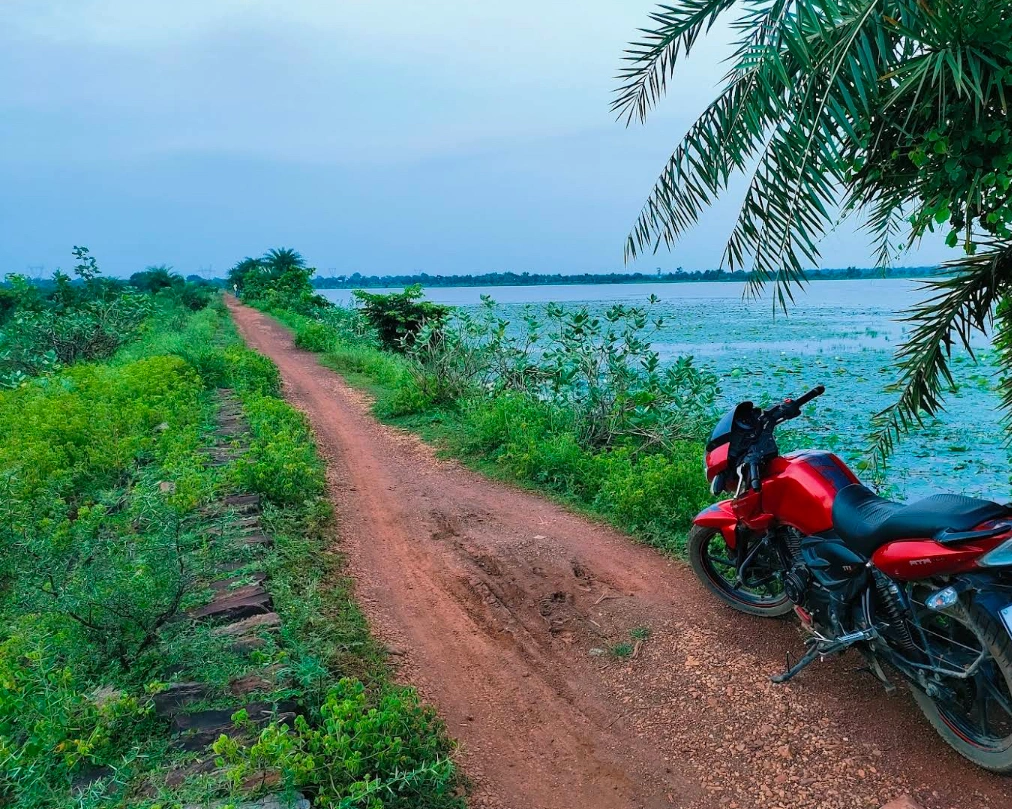
Bird walk Location

Common birds of Kopra Dam

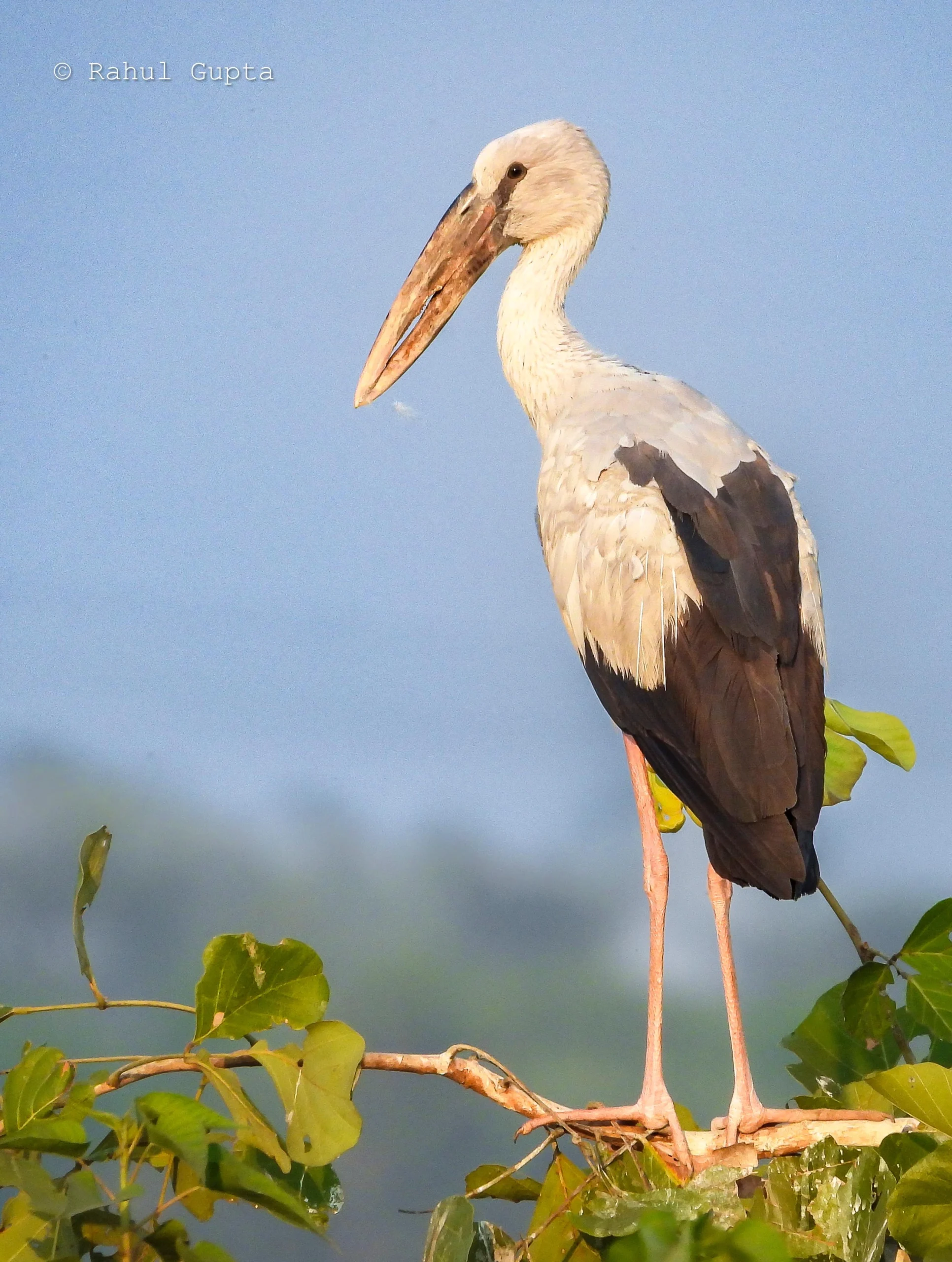
Kopra Dam, situated in Bilaspur district of Chhattisgarh, has emerged as one of the most vibrant birding sites in central India, with over 200 bird species recorded so far. The dam’s diverse habitats — open water, marshes, grass patches, and scrublands — attract both resident and migratory birds in impressive numbers. Waterfowl dominate the landscape in winter, with large flocks of Red-crested Pochards, Eurasian Coots, Gadwalls, Garganeys, and Bar-headed Geese using the reservoir as a crucial stopover and feeding ground. Alongside these are regular sightings of Knob-billed Ducks, Cotton Pygmy-Geese, and Indian Spot-billed Ducks. The shallower fringes are preferred by Black-winged Stilts, Common Sandpipers, Bronze-winged Jacanas, and Pheasant-tailed Jacanas, while herons, egrets, and cormorants such as the Little Cormorant, Great Egret, and Asian Openbill add to the site’s rich wetland diversity.
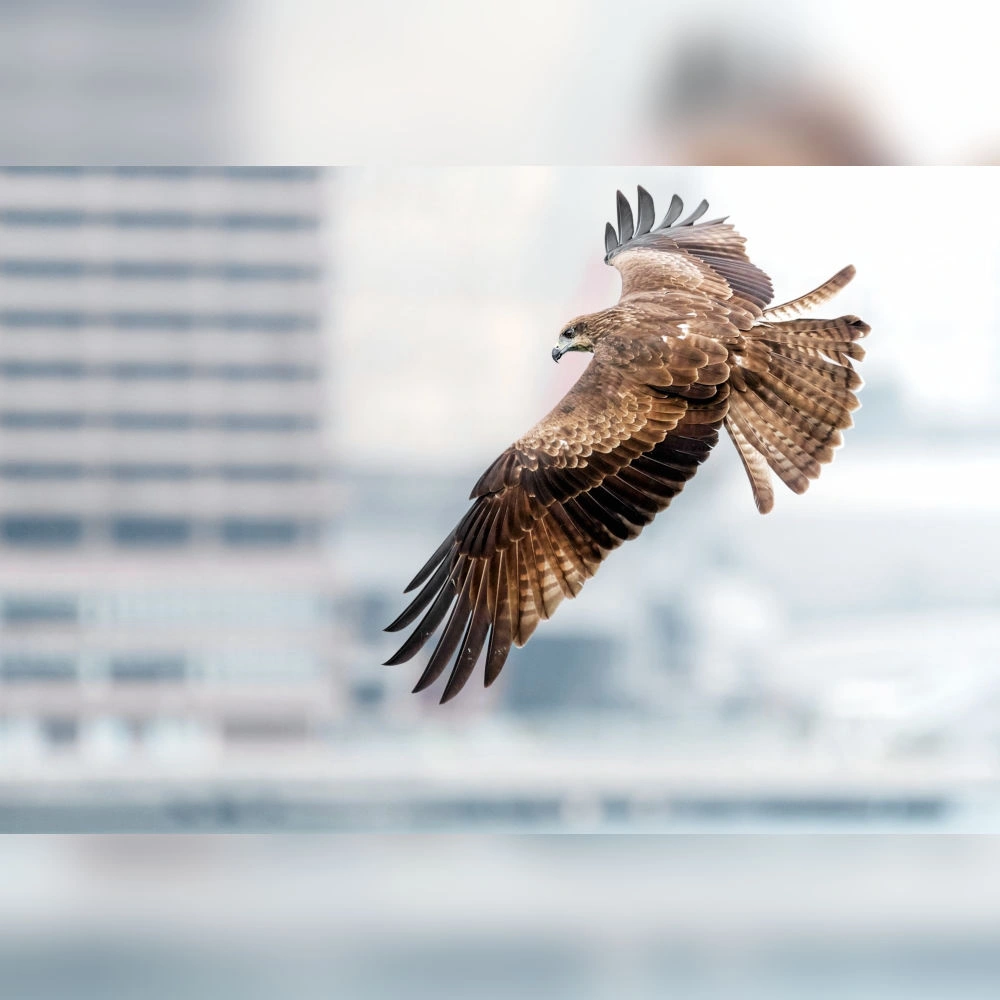
Black Kite
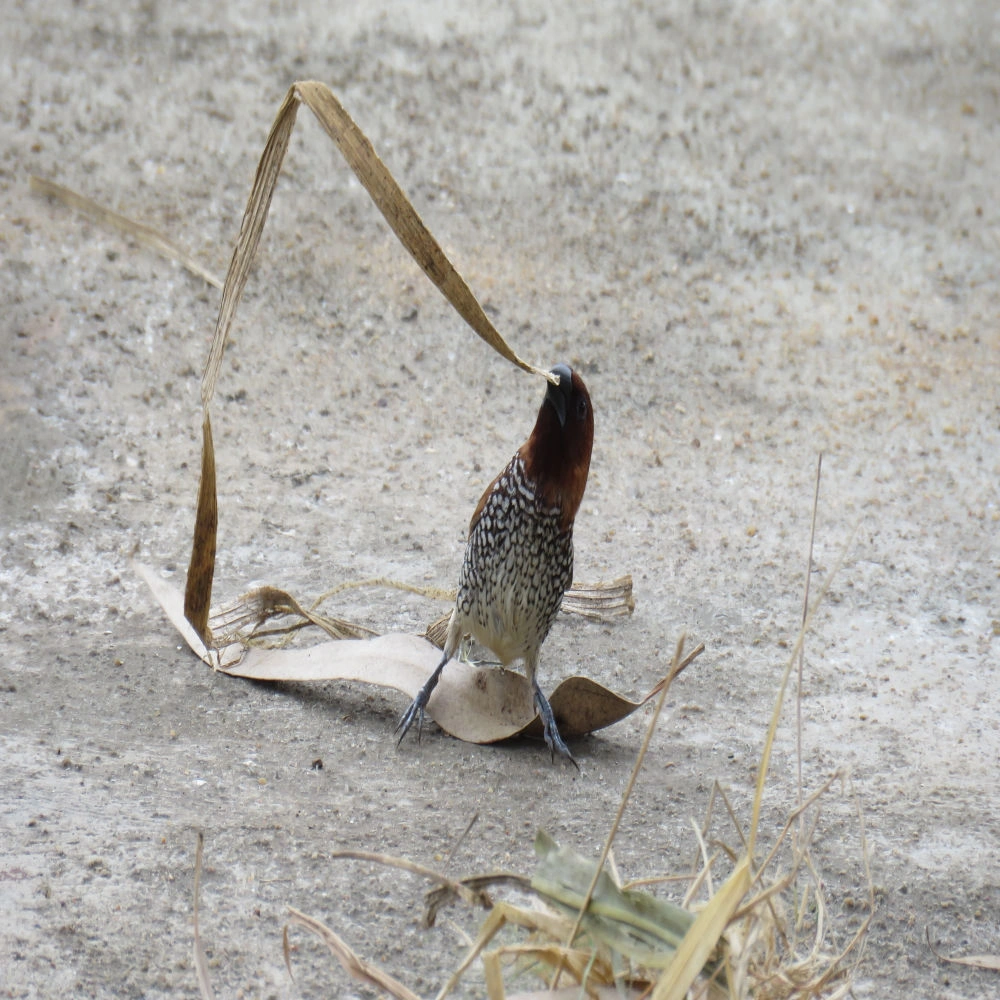
Scaly-breasted Munia
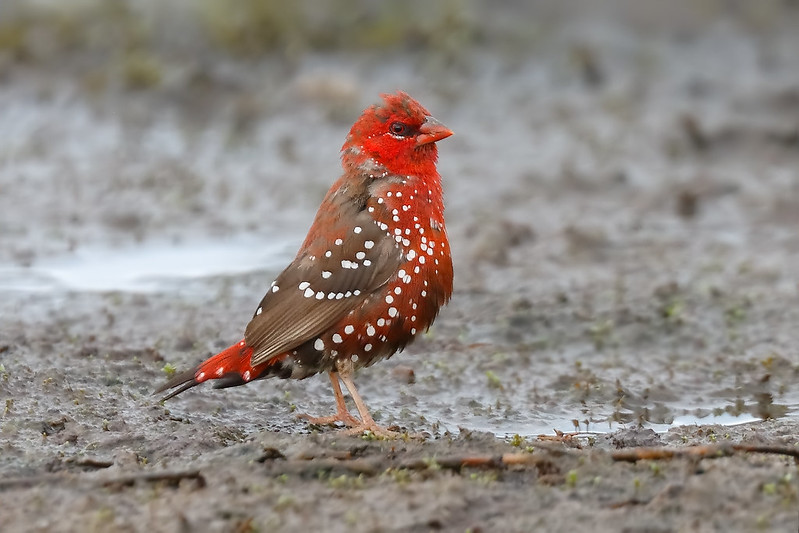
Red Avadavat
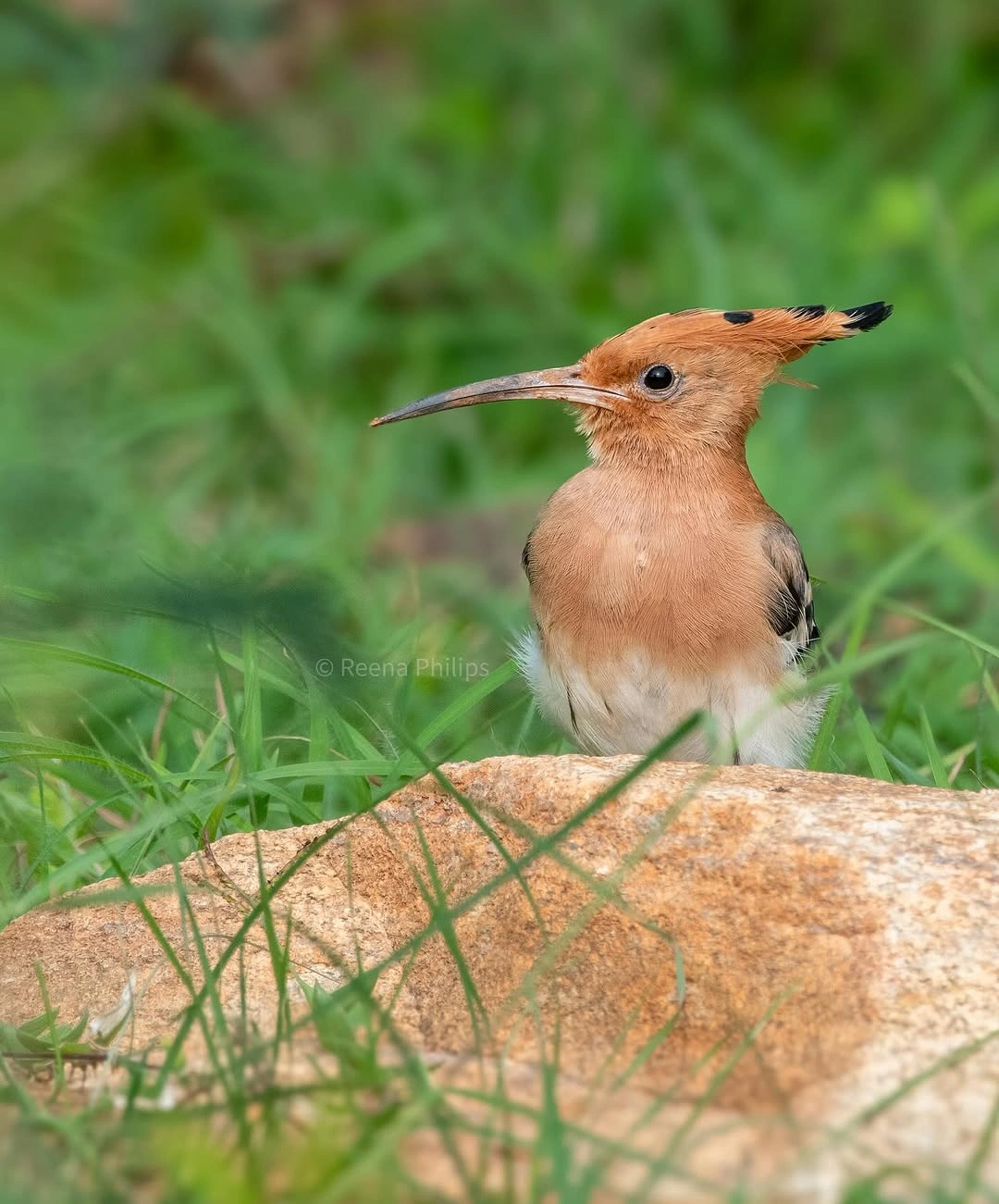
Eurasian Hoopoe
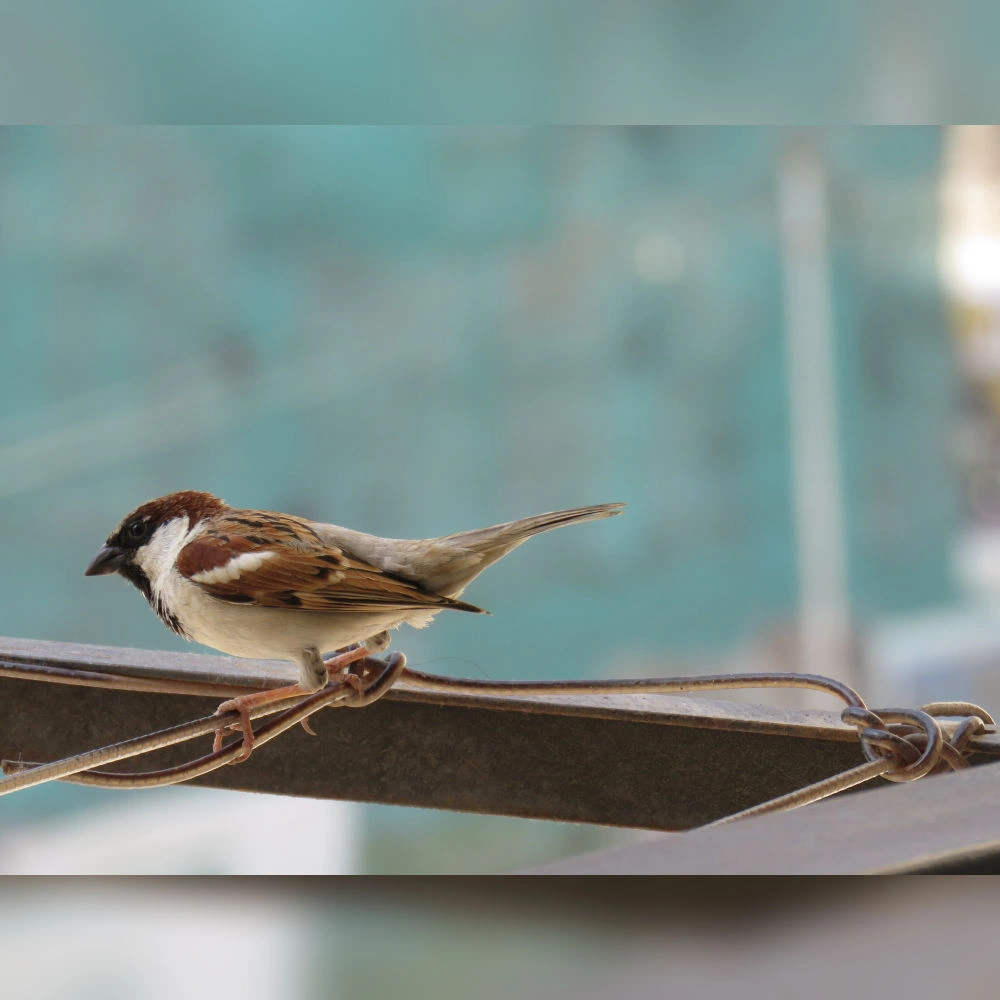
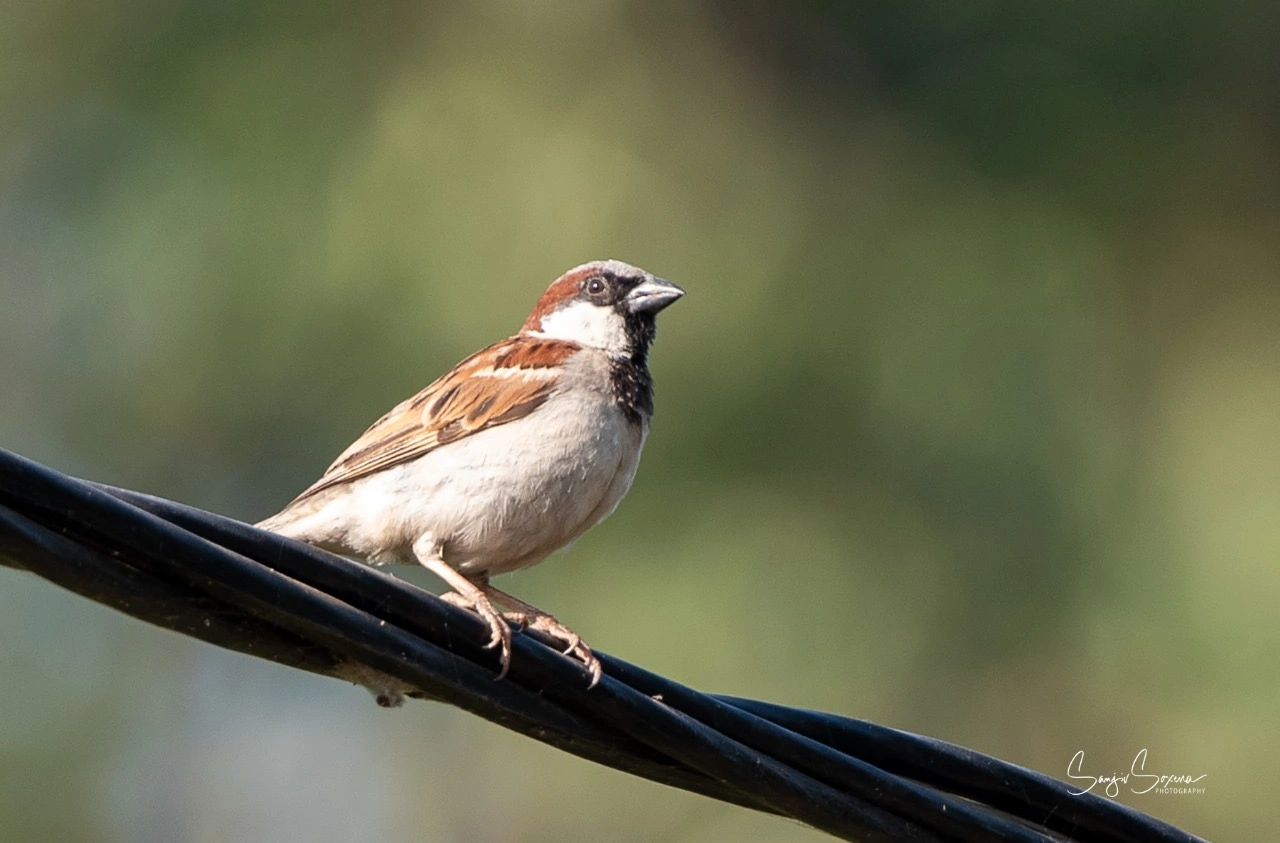
House Sparrow
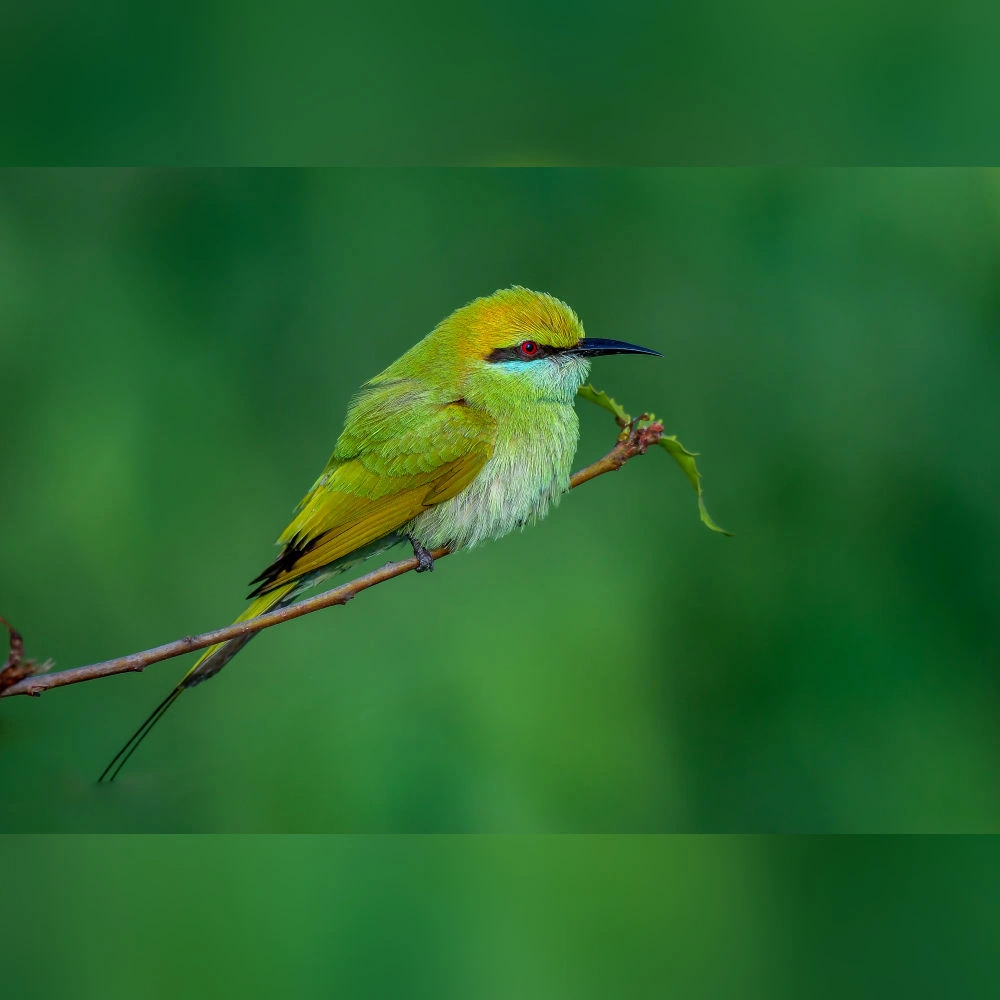
Asian Green Bee-eater
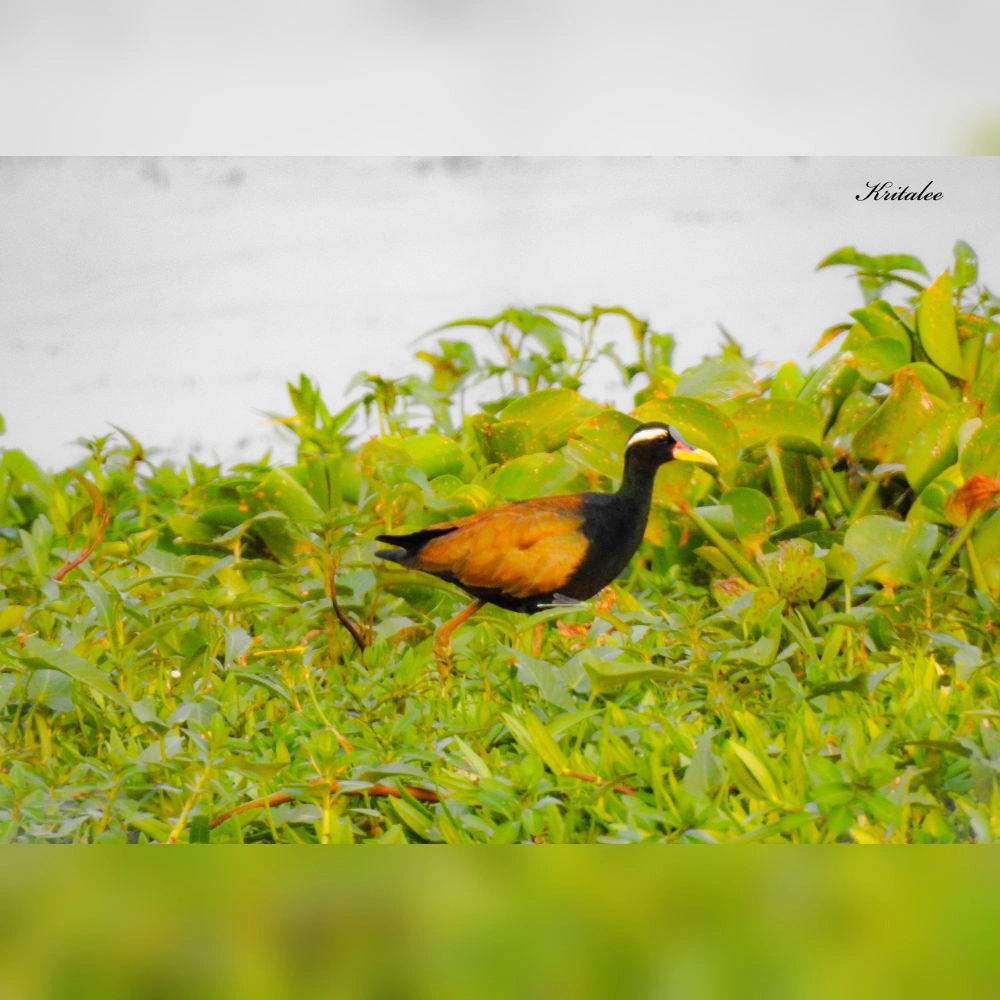
Bronze-winged Jacana
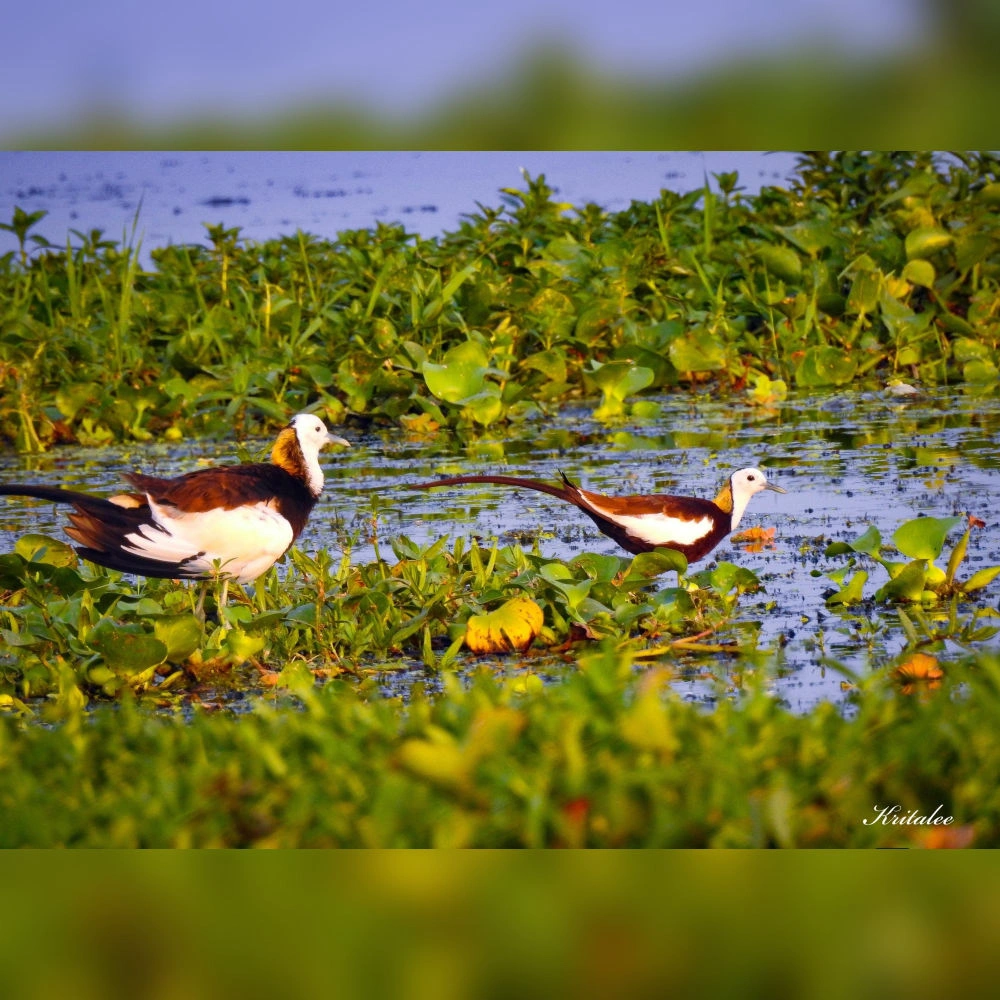
Pheasant-tailed Jacana
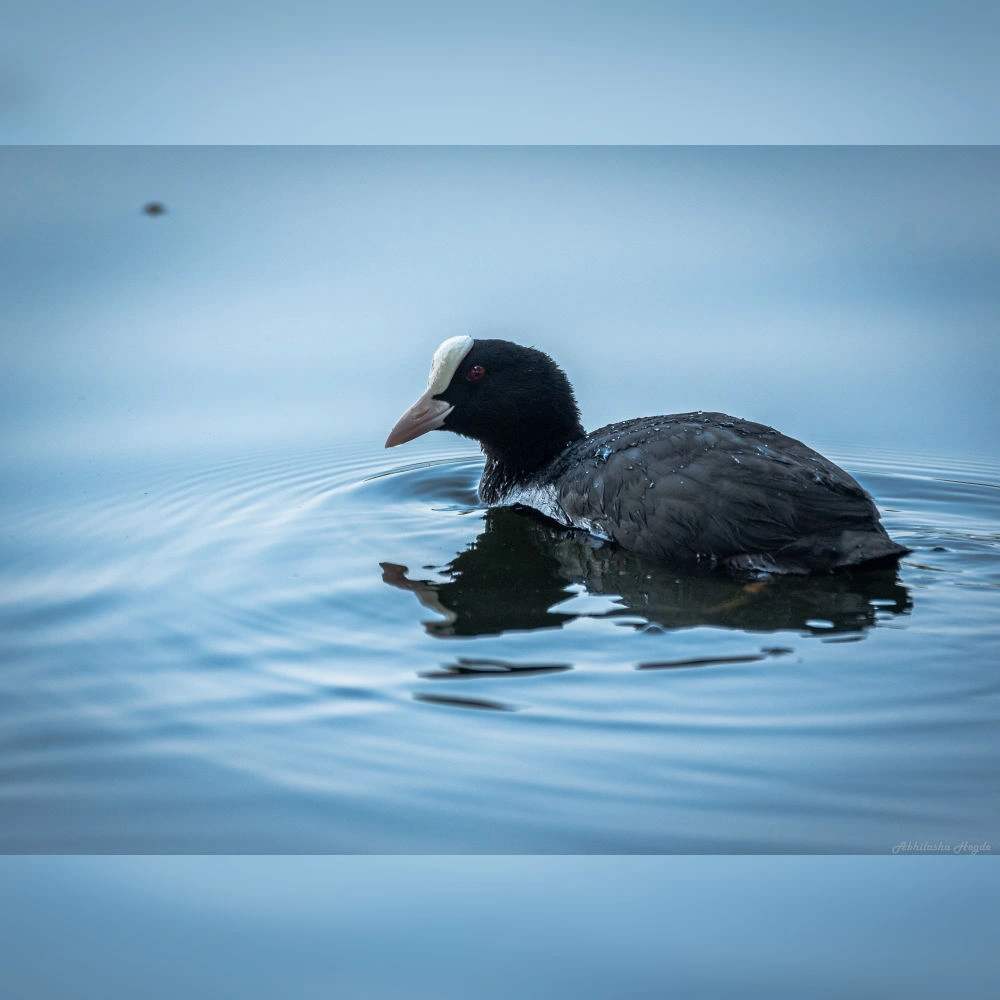
Eurasian Coot
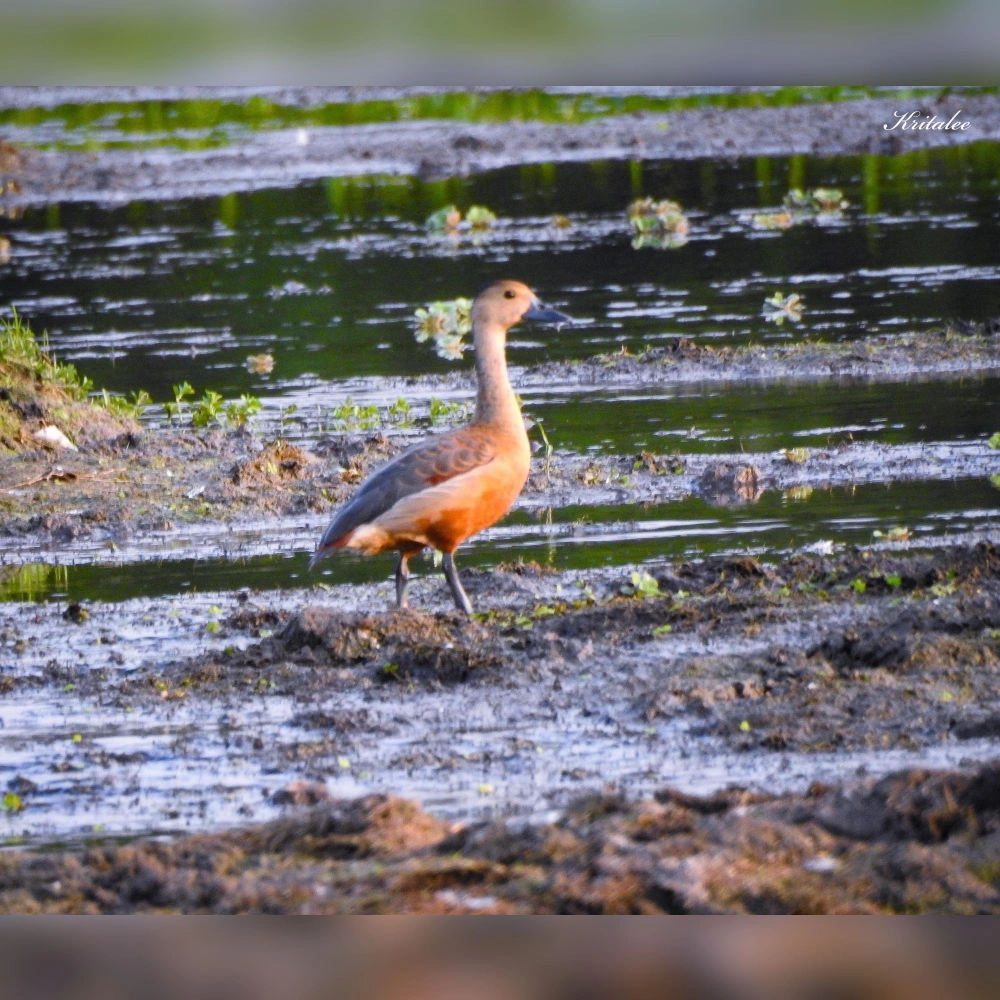
Lesser Whistling Duck
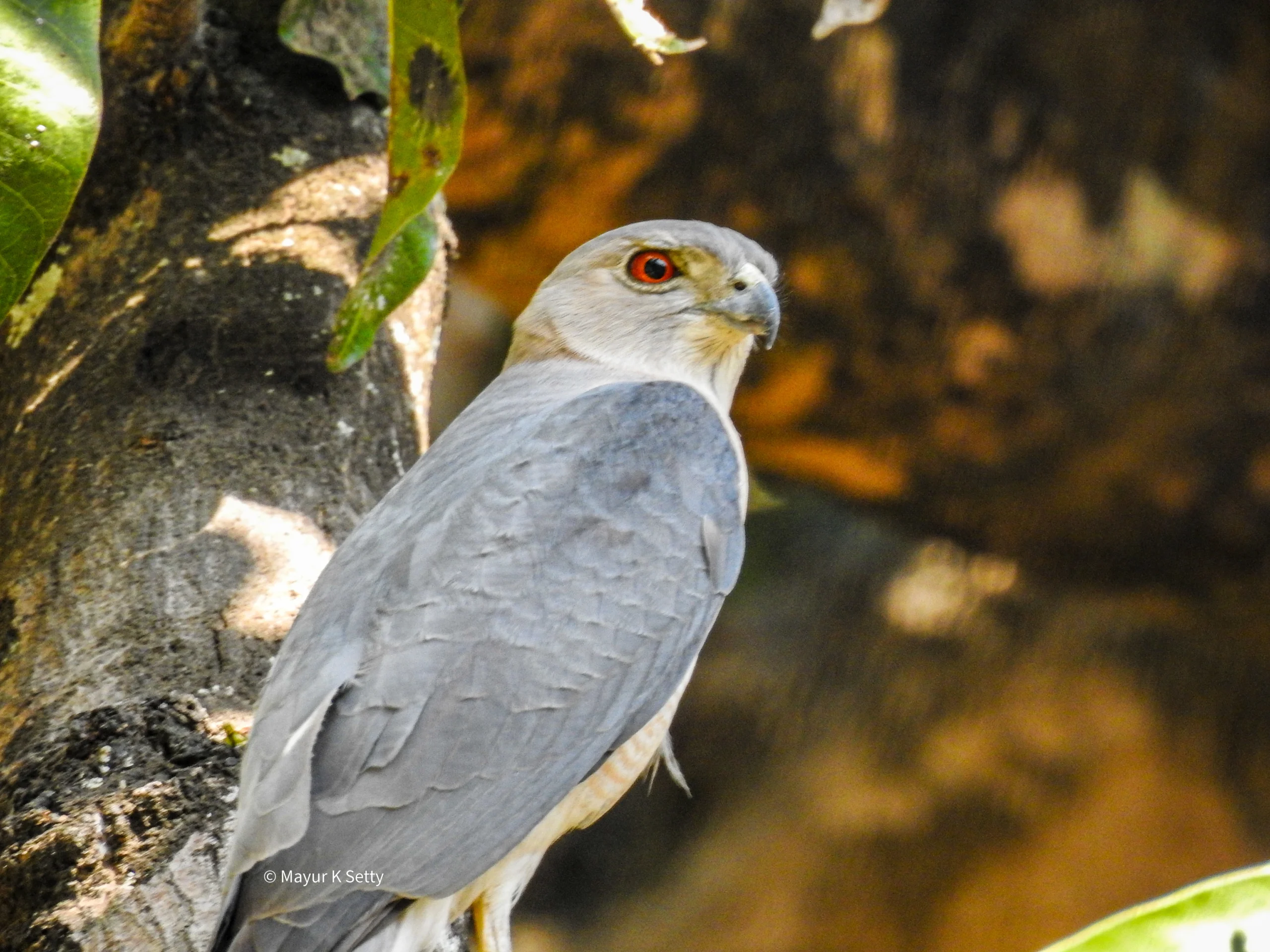
Shikra
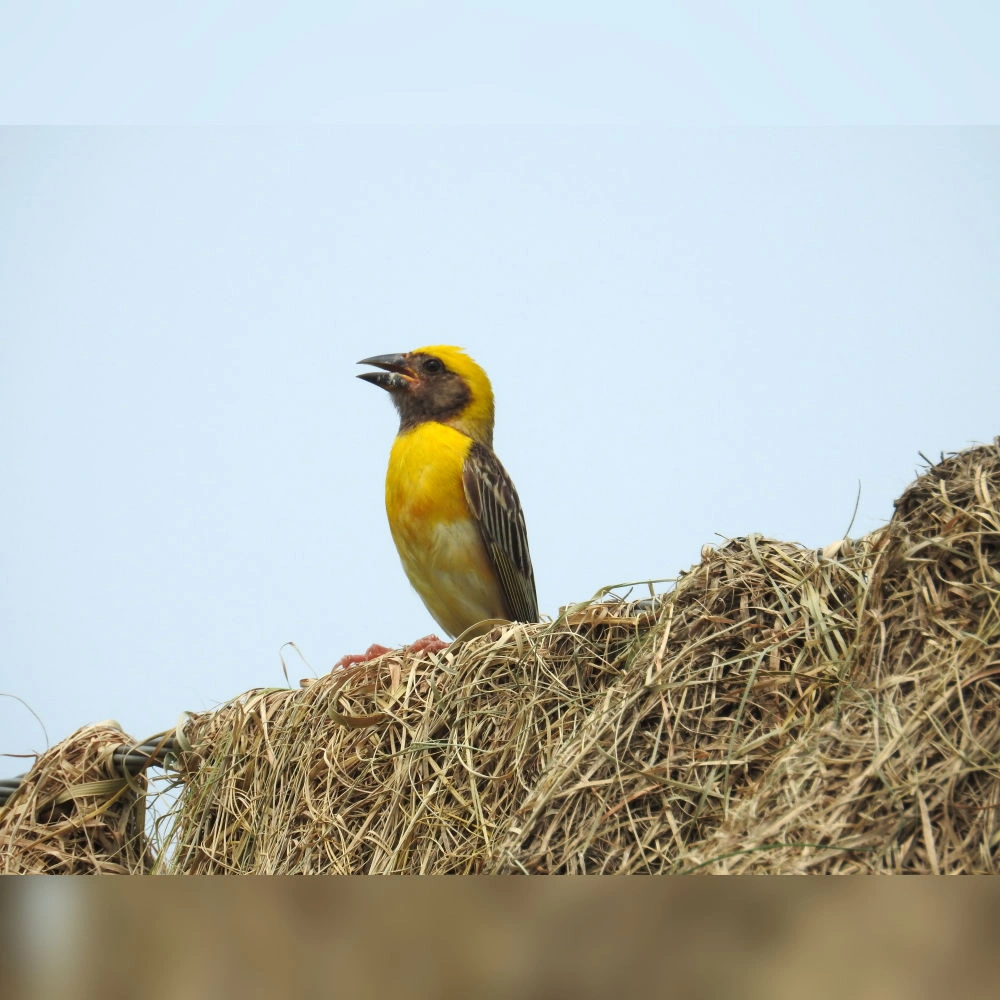
Baya Weaver
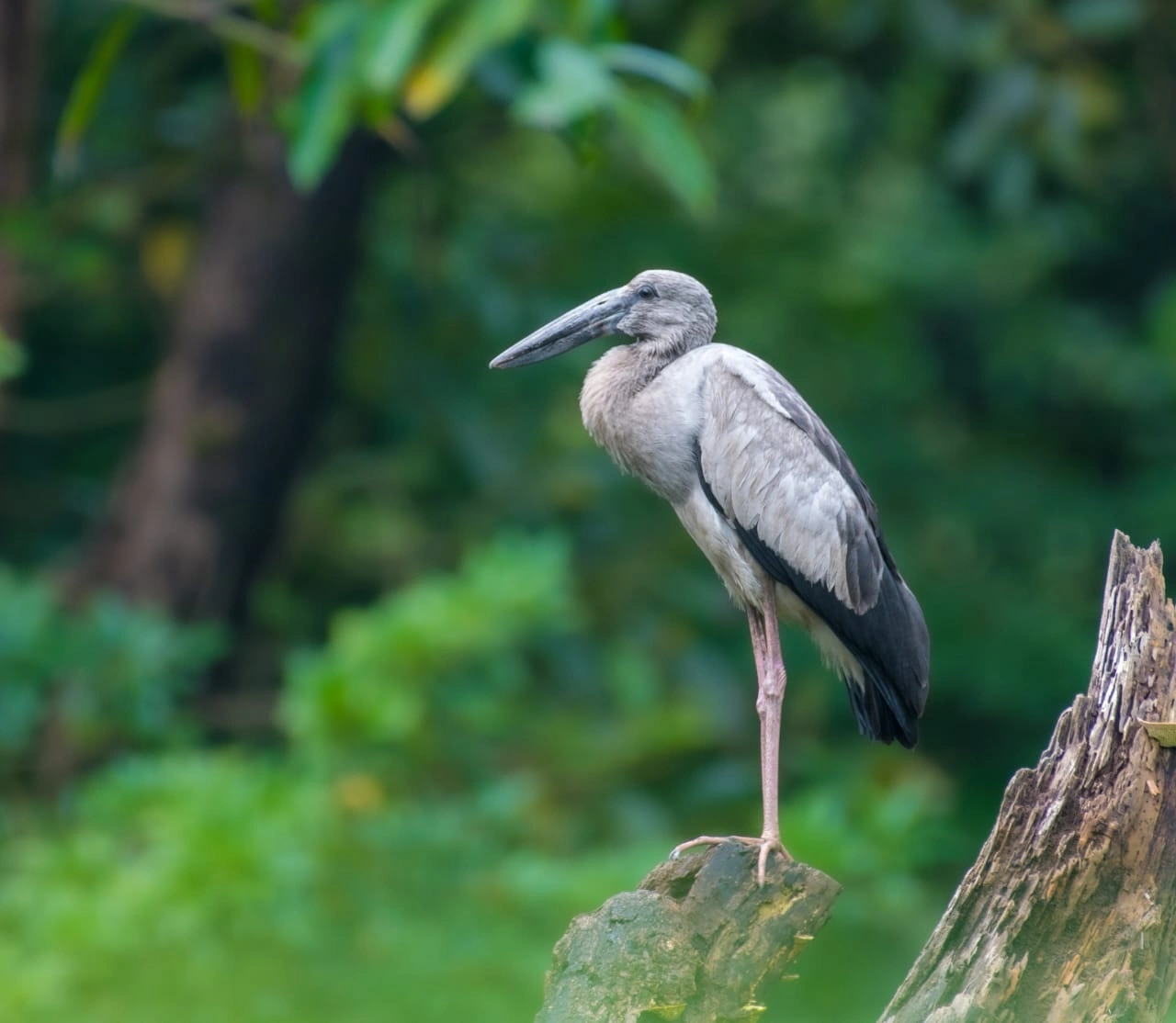
Asian Openbill
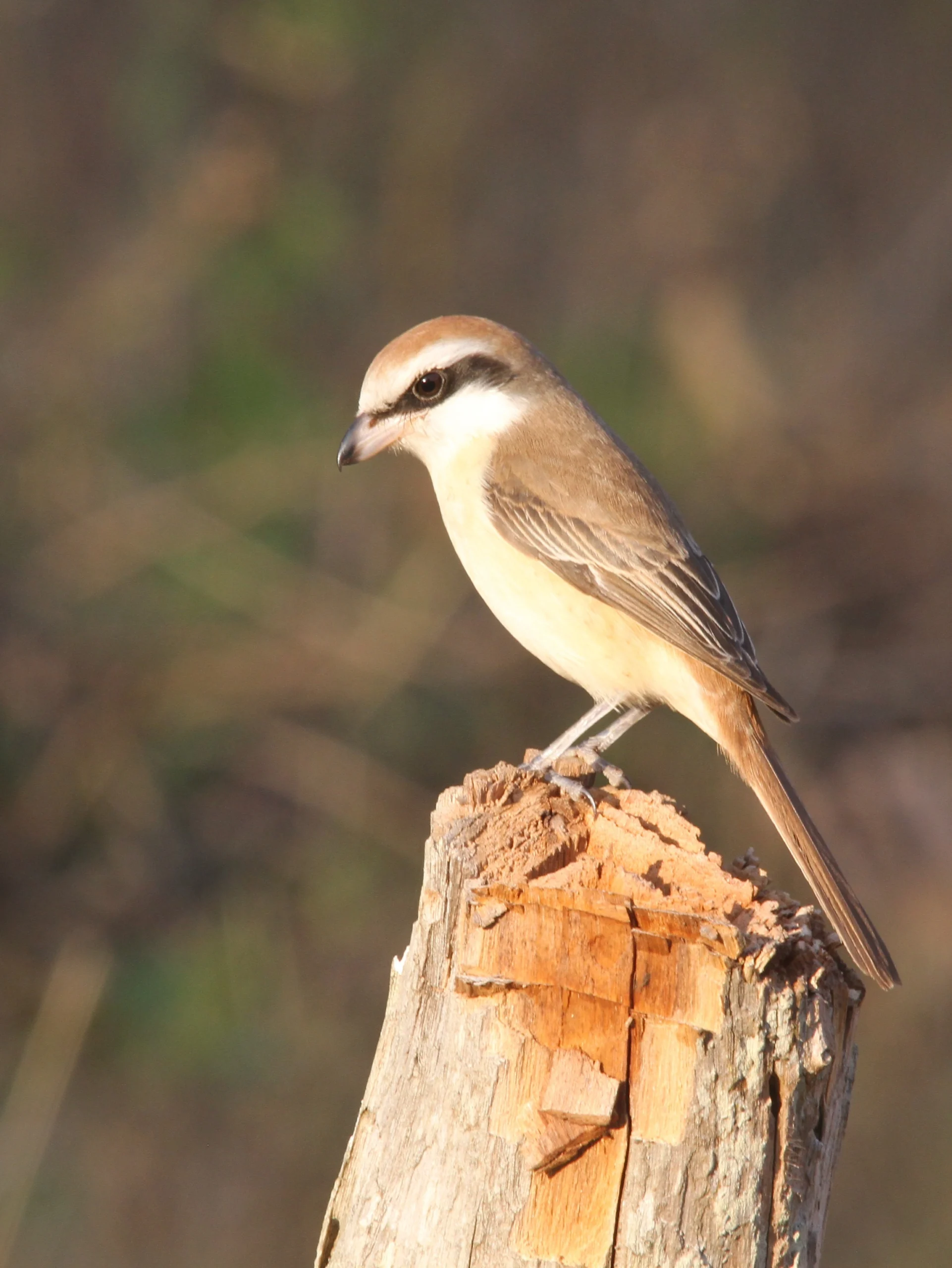
Brown Shrike
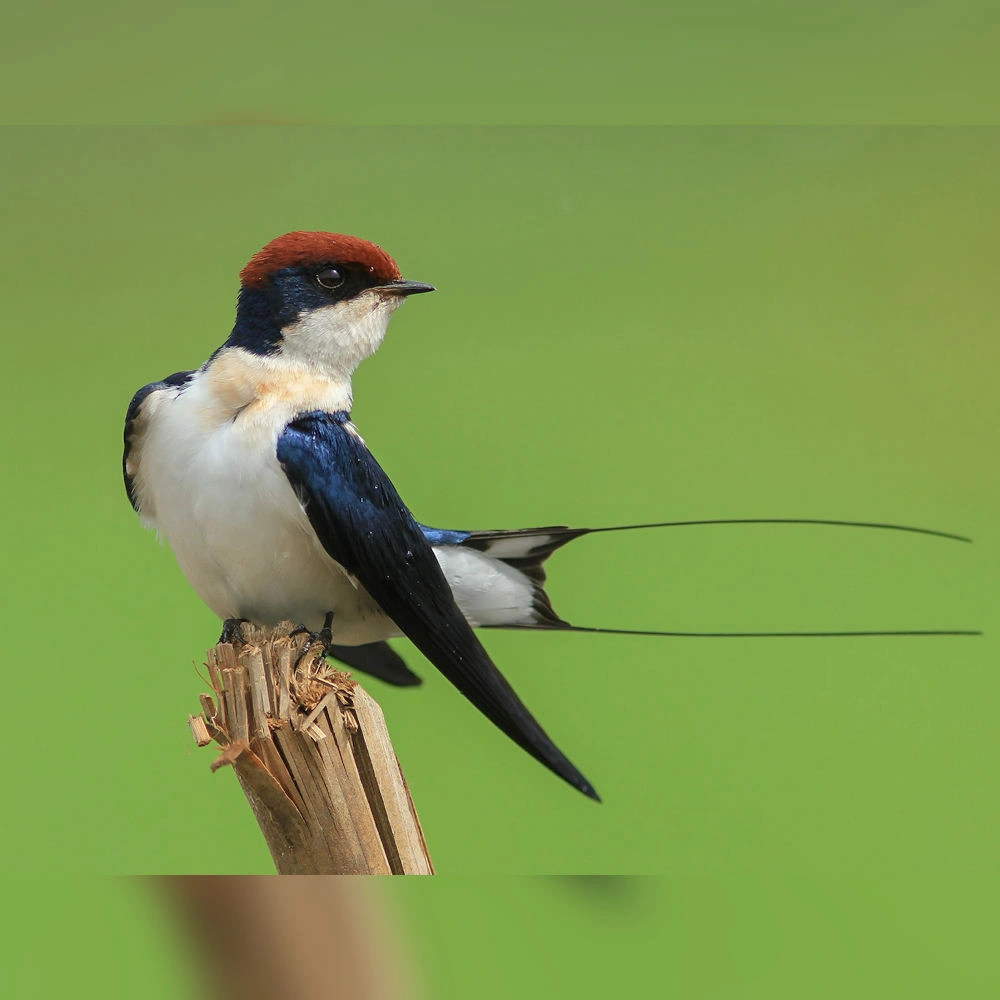
Wire-tailed Swallow
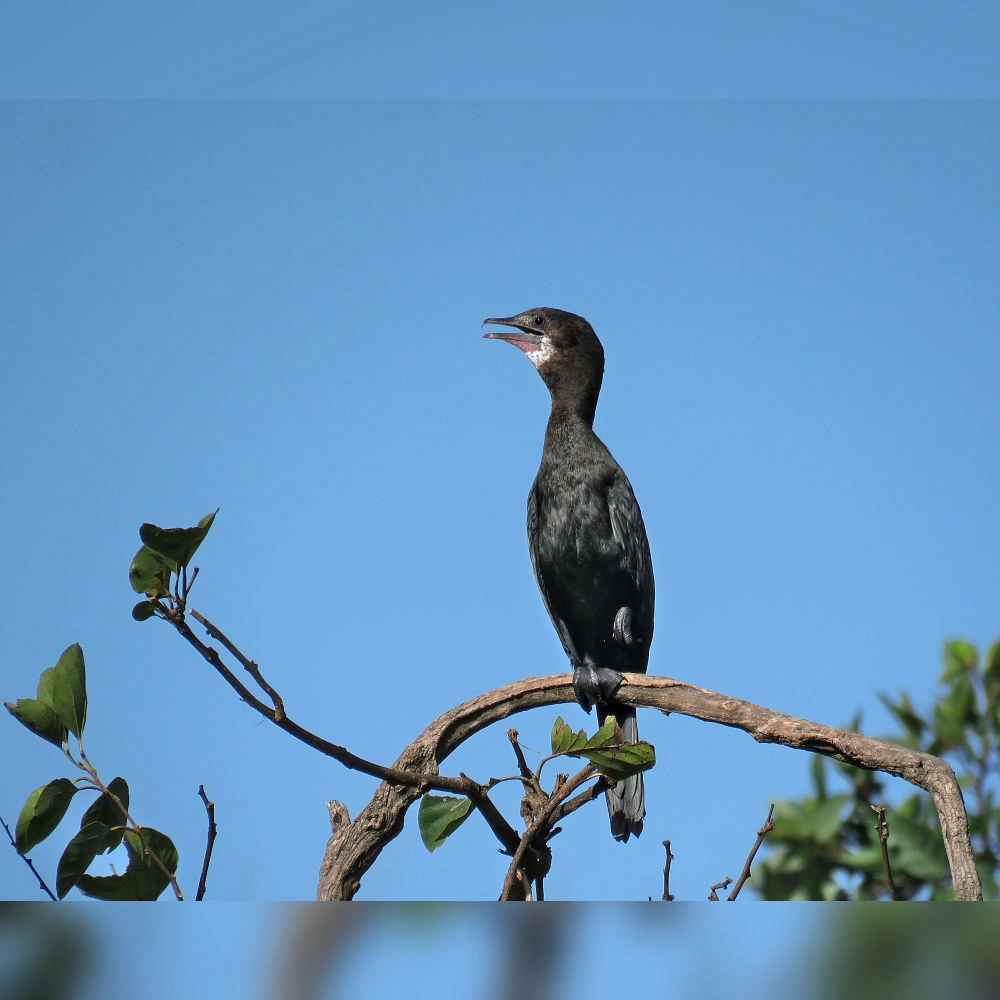
Little Cormorant
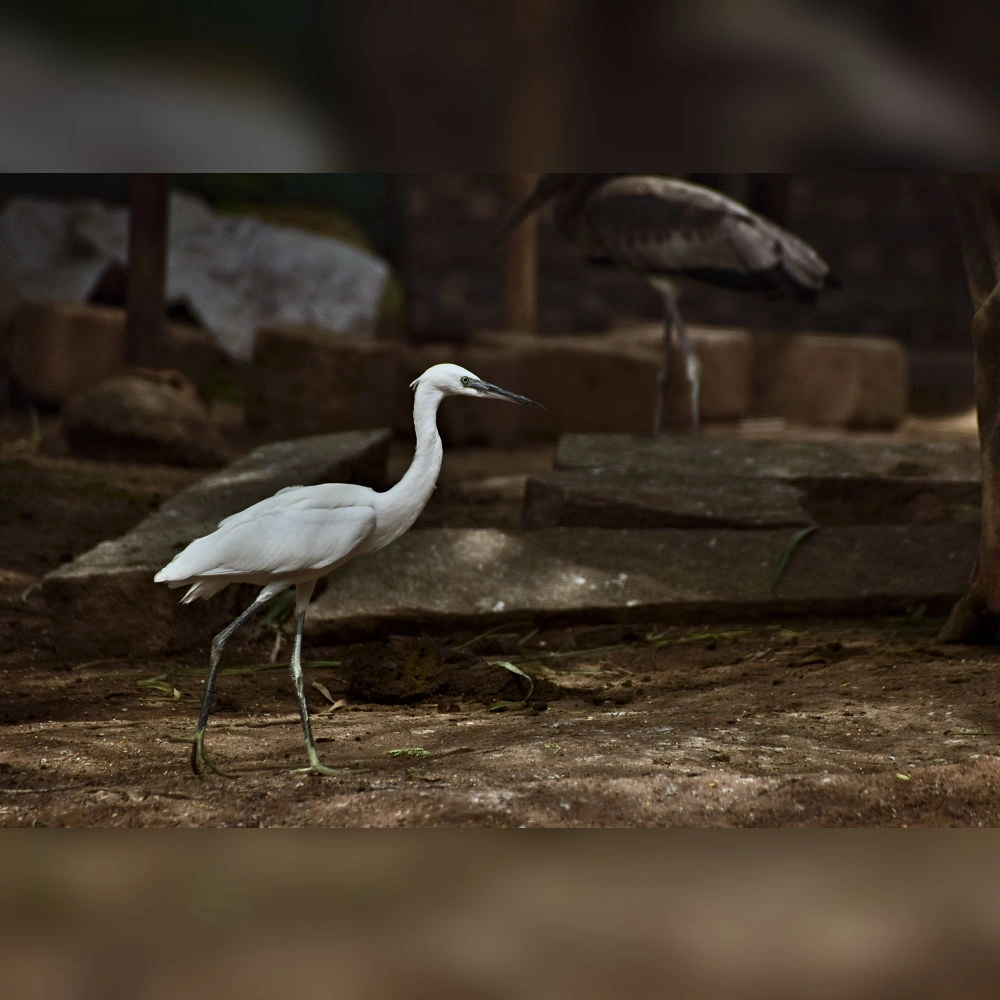
Little Egret
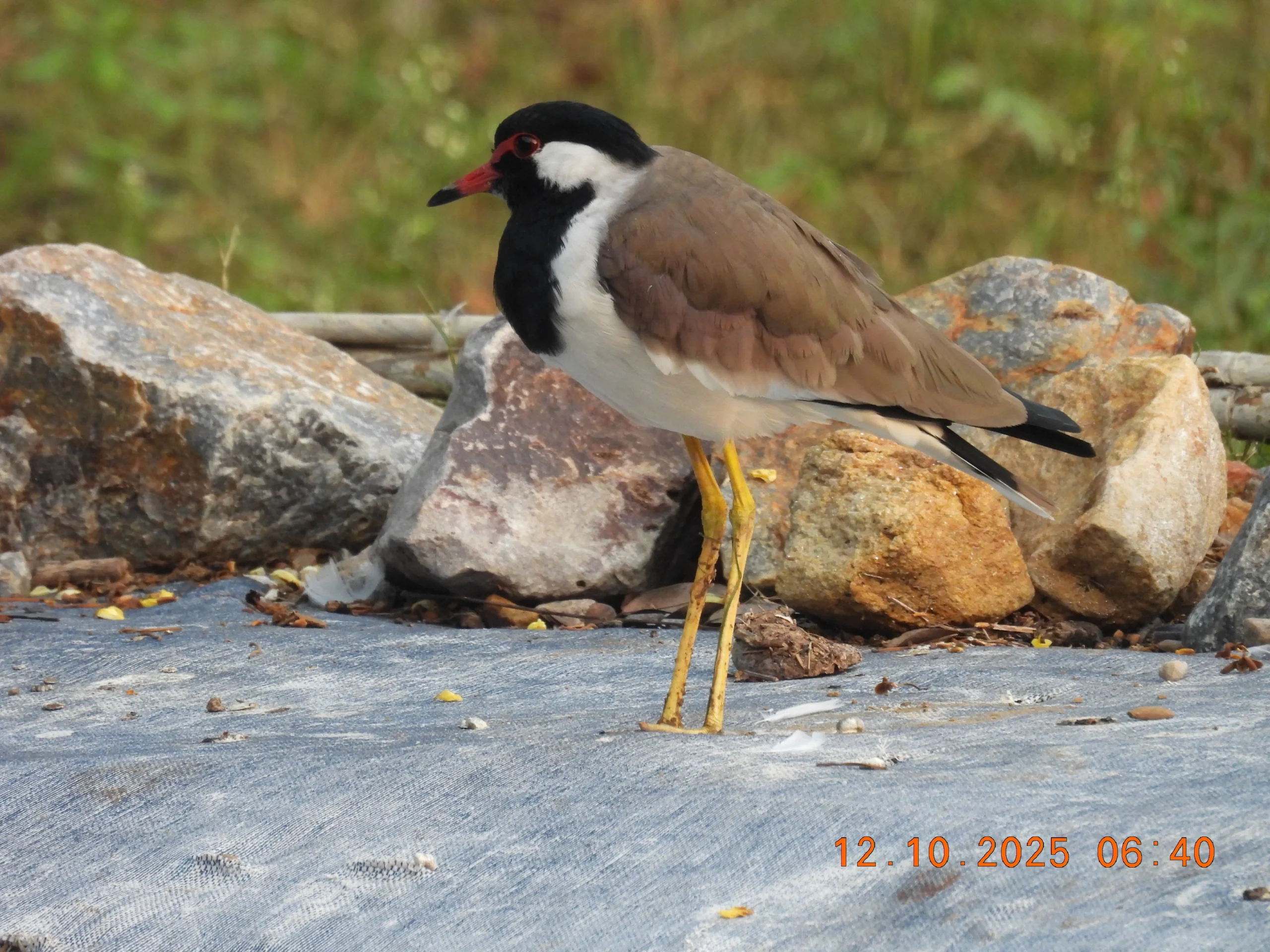
Red-wattled Lapwing
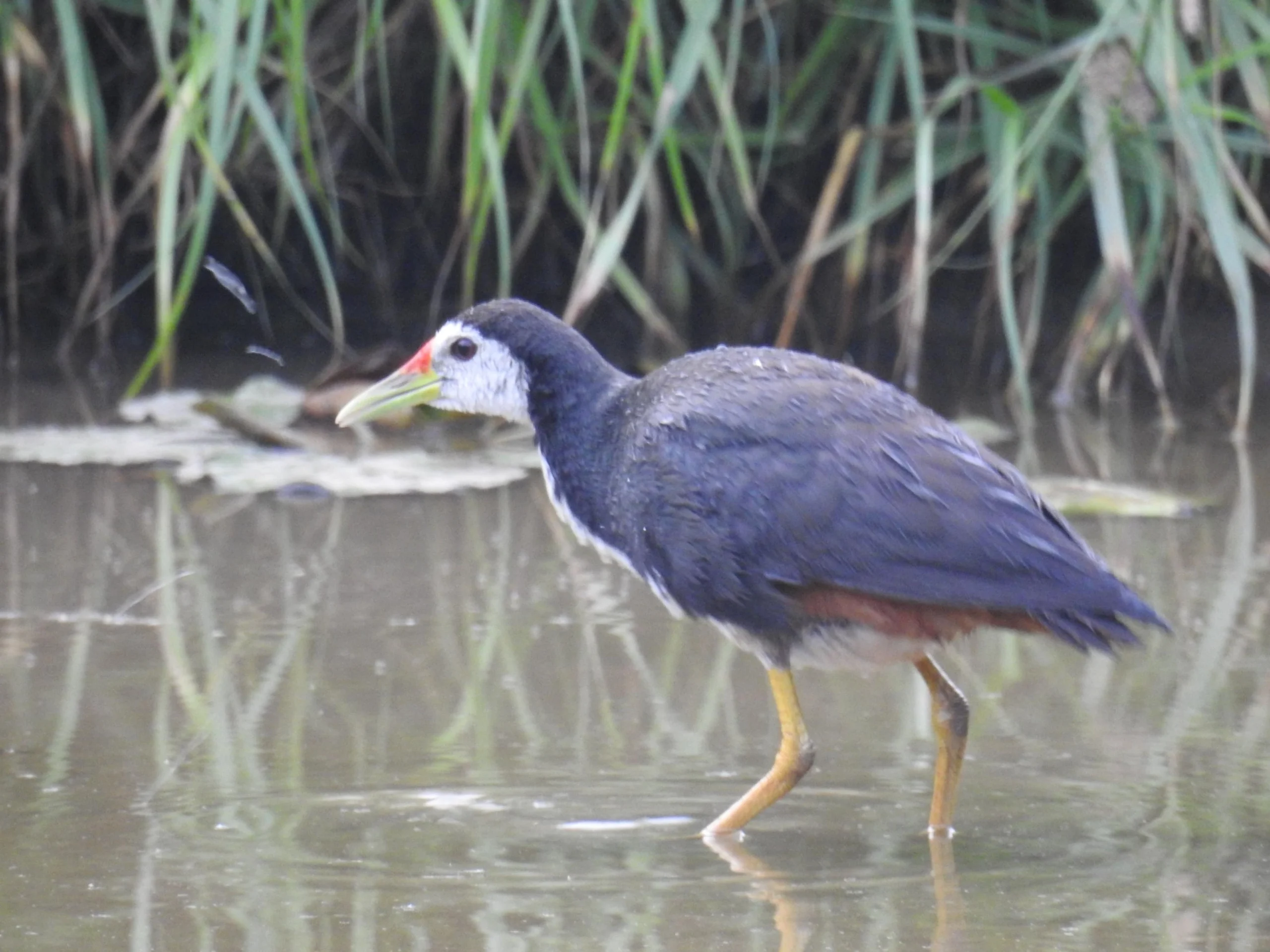
White-breasted Waterhen
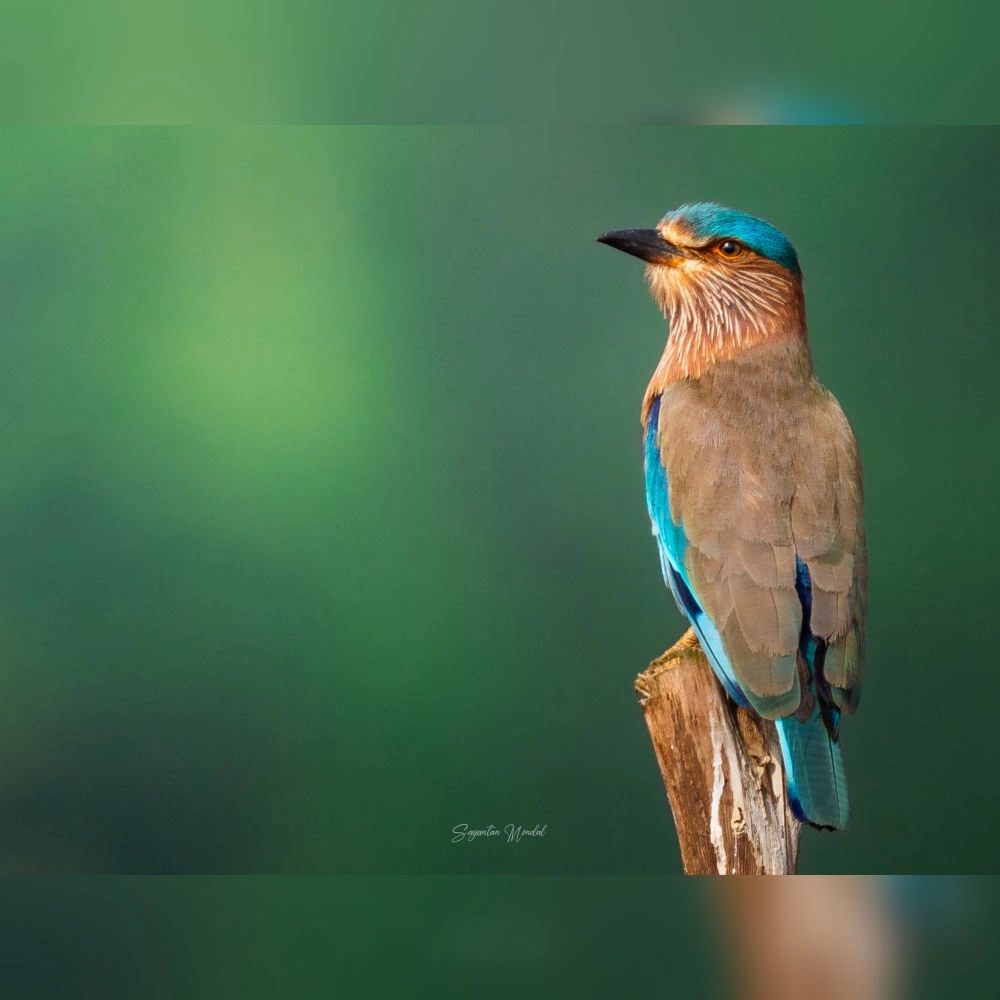
Indian Roller

Summary of Walk

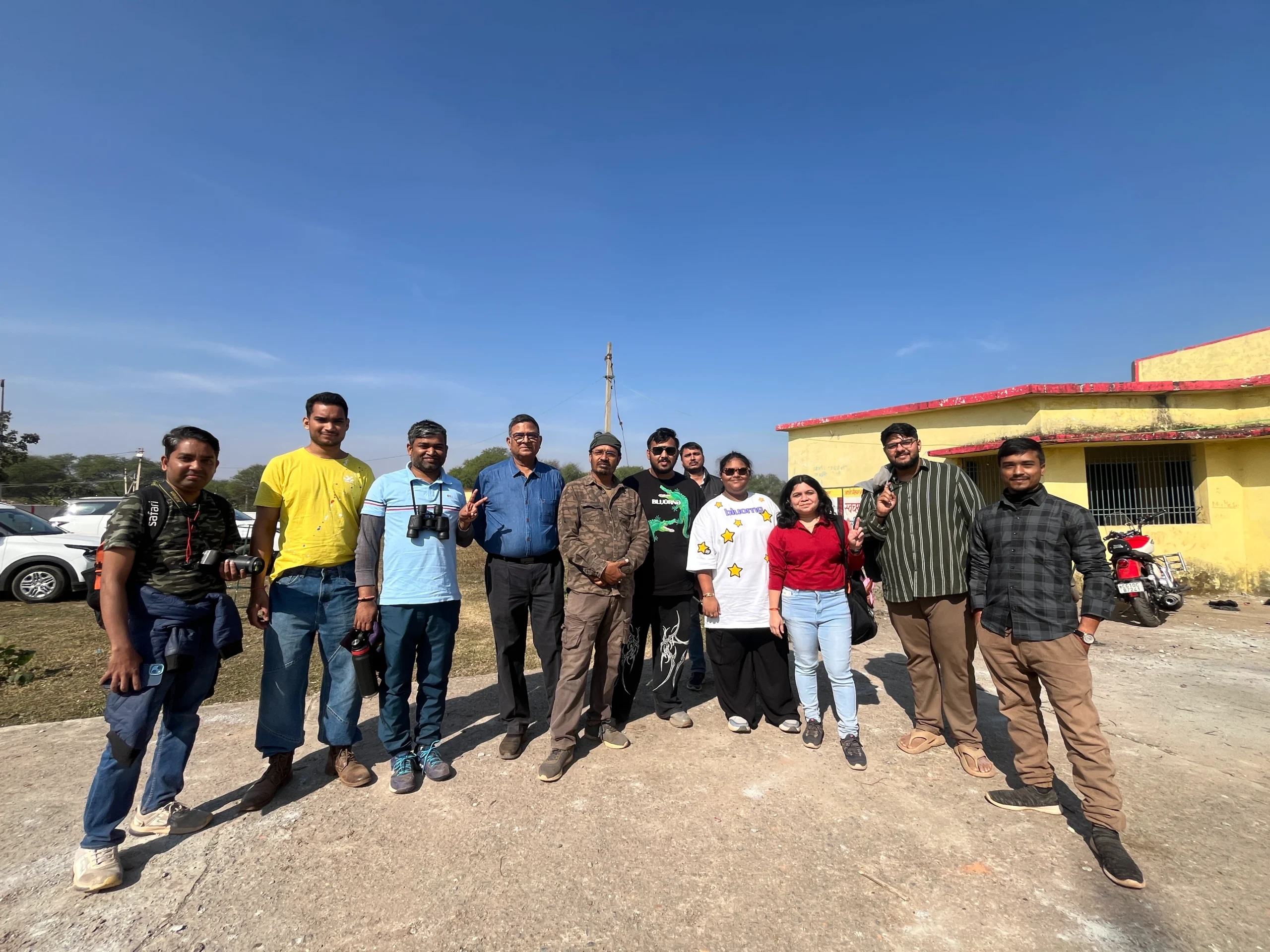
The bird walk at Kopra Dam, Bilaspur, led by Rahul Gupta and Ratnesh Gupta, brought together 12 enthusiastic participants on a crisp early winter morning. For many attendees, this was their first experience observing birds in their natural habitat, making the outing both exciting and eye-opening. Participants were pleasantly surprised to discover the rich avian diversity thriving at a single location, supported by the dam’s unique blend of grassland and wetland ecosystems.
Throughout the walk, munias and ducks emerged as the main attractions, drawing everyone’s attention with their vibrant colours and behaviour. The group also enjoyed notable sightings of winter migrants such as Tufted Duck, Red-crested Pochard, Gadwall, Red Avadavat, and Tricolour Munia, making the session even more memorable. The morning offered a perfect introduction to birdwatching, leaving participants amazed by the biodiversity around them and inspired to explore more of nature’s hidden wonders.
Number of Participants
0
Scroll to Top