


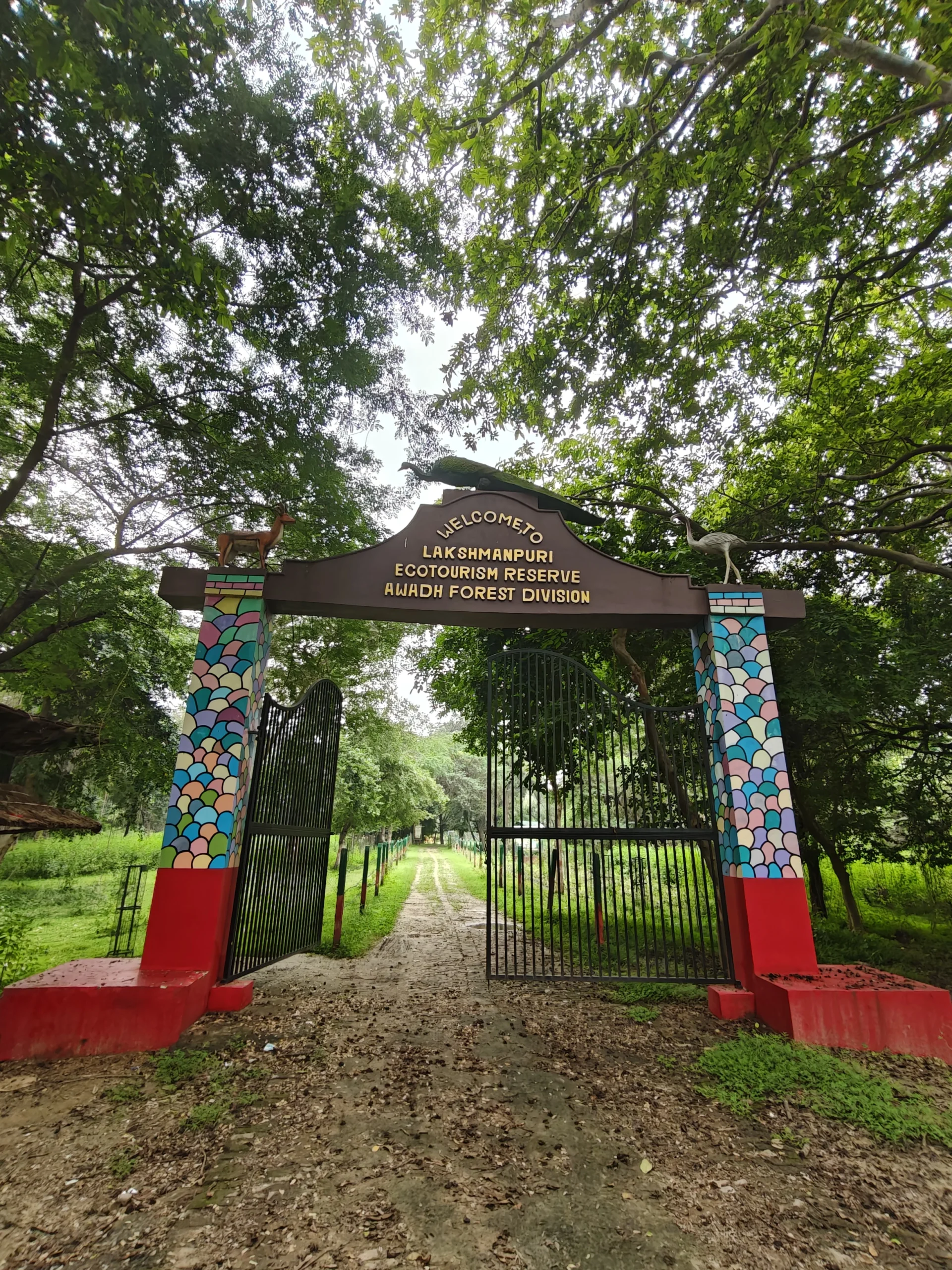
Bird Walk at Lakshmanpuri Ecotourism Reserve, SGPGI, Lucknow, UP
- Lucknow
- 16 November, 2025
- Prateek Kashyap
About Lakshmanpuri Ecotourism Reserve
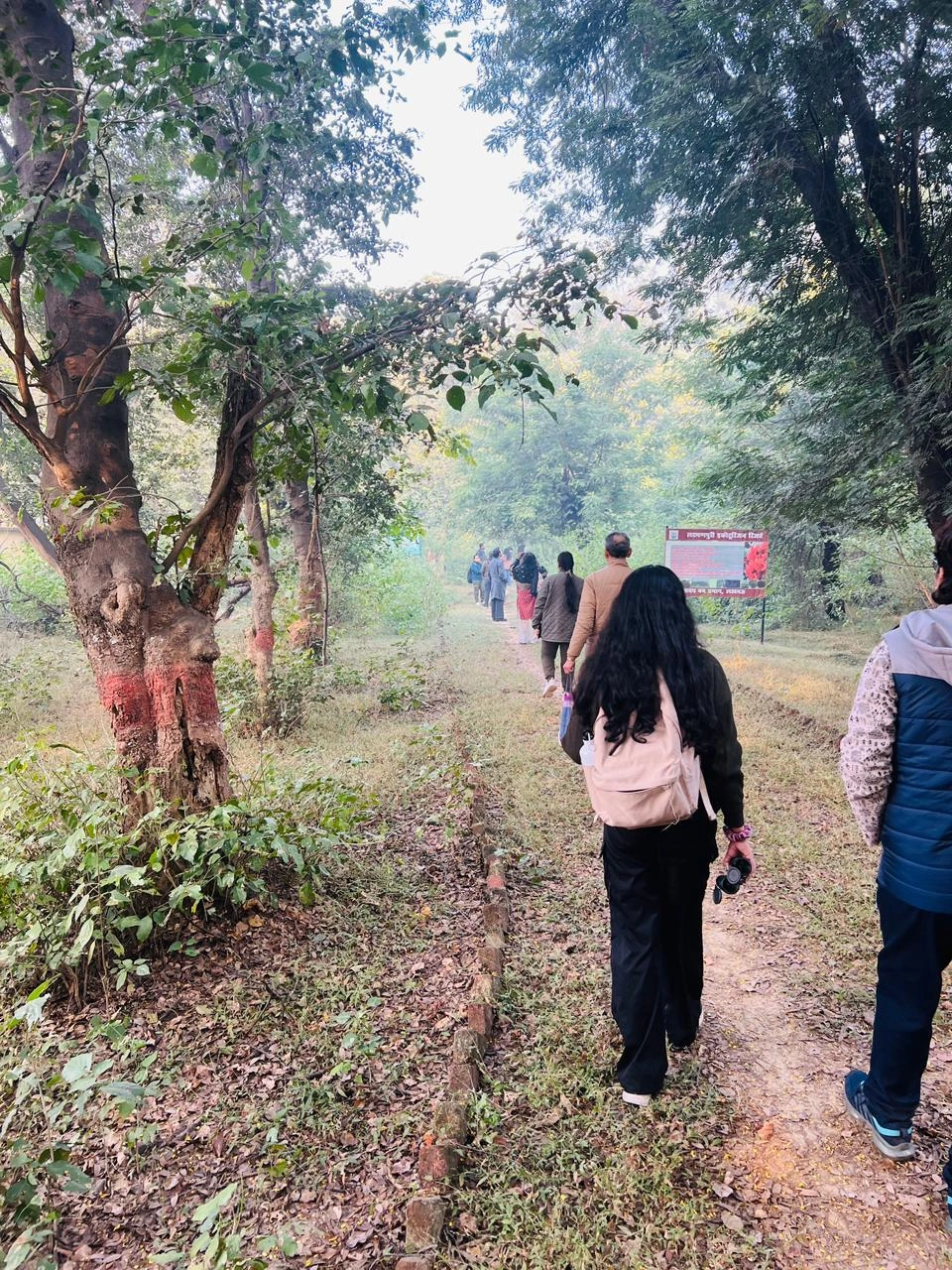
Lakshmanpuri Ecotourism Reserve, located on Rae Bareli Road near SGPGIMS in Lucknow, spans around 12 acres and was inaugurated in 2025 as a green-space designed for both nature enjoyment and education. The reserve retains about 90% of its area in a natural state, and features a 2.5 km nature-trail, dense Miyawaki forest patch, open-gym, children’s park, cycling track, yoga-point and an “oxygen point” planted with high-oxygen trees. The design reflects an emphasis on minimal disturbance to the forest floor, the preservation of native vegetation, and providing an urban refuge for city-residents seeking a connection with nature.
While primarily a recreation and wellness destination, Lakshmanpuri hosts a number of flora and fauna typical of the region—seasonal shrubs, native trees, birdlife and small mammals. As urban encroachment, pollution, littering and heavy foot-traffic rise, the site faces several conservation challenges. To protect its ecological value the reserve management focuses on preserving natural vegetation, reducing paved surfaces, controlling visitor numbers in sensitive zones, and developing awareness programmes among visitors. With careful stewardship, Lakshmanpuri offers a promising model of how urban-green reserves can both serve recreation and support biodiversity within a growing city like Lucknow.
Partnered with

Bird Guide - Prateek Kashyap
A statistician-turned-wildlifer with over 12 years of birding experience in the Teria, with key roles in Bengal Florican and Dudhwa Rhino conservation projects. Known for documenting rare birds and snakes, combining field expertise with ecological insight.
Bird walk Location
Common birds of Lakshmanpuri Ecotourism Reserve
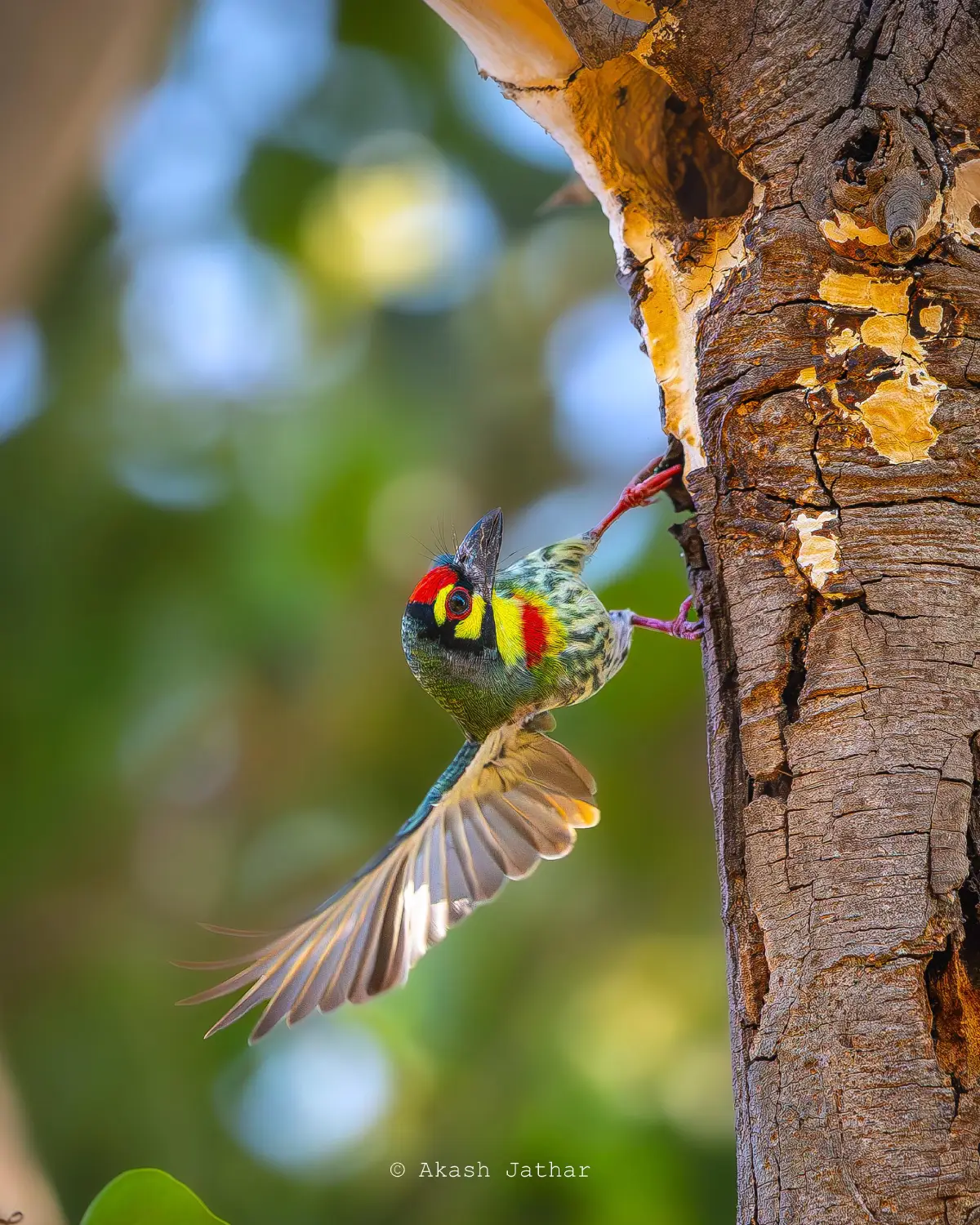
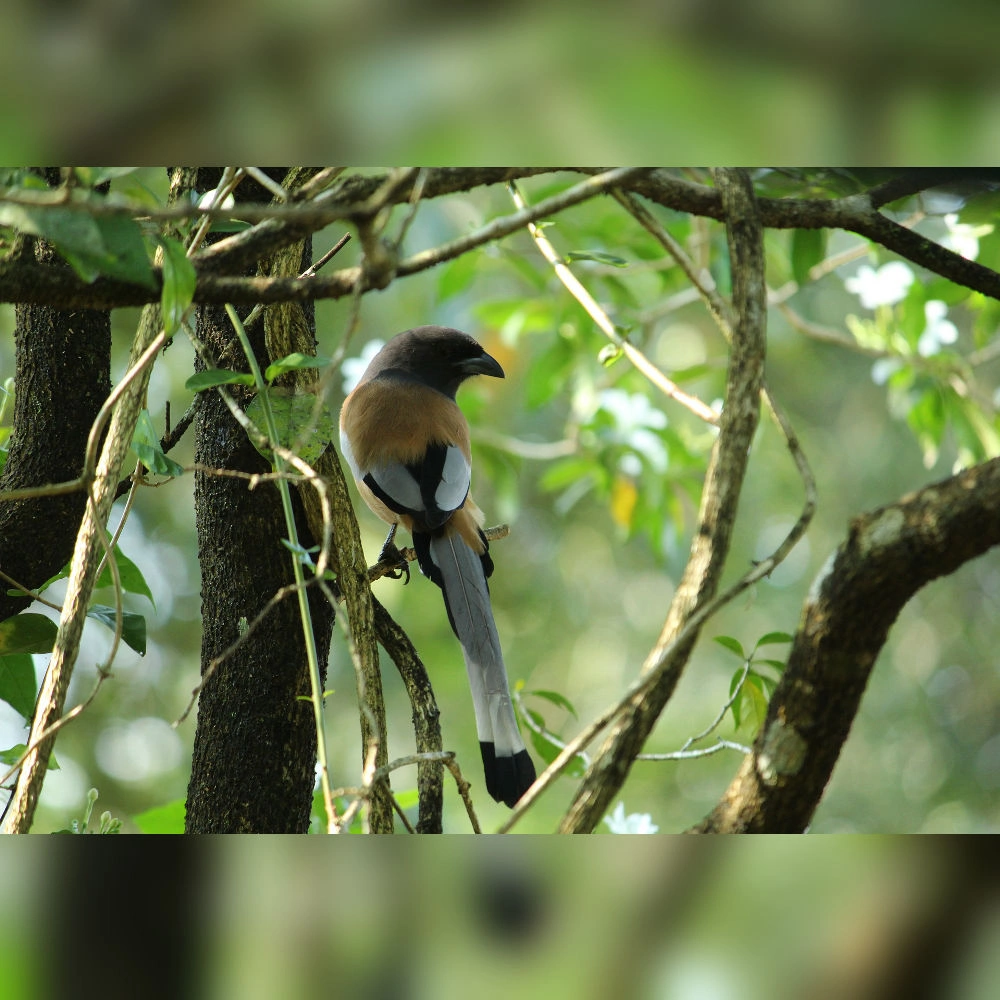
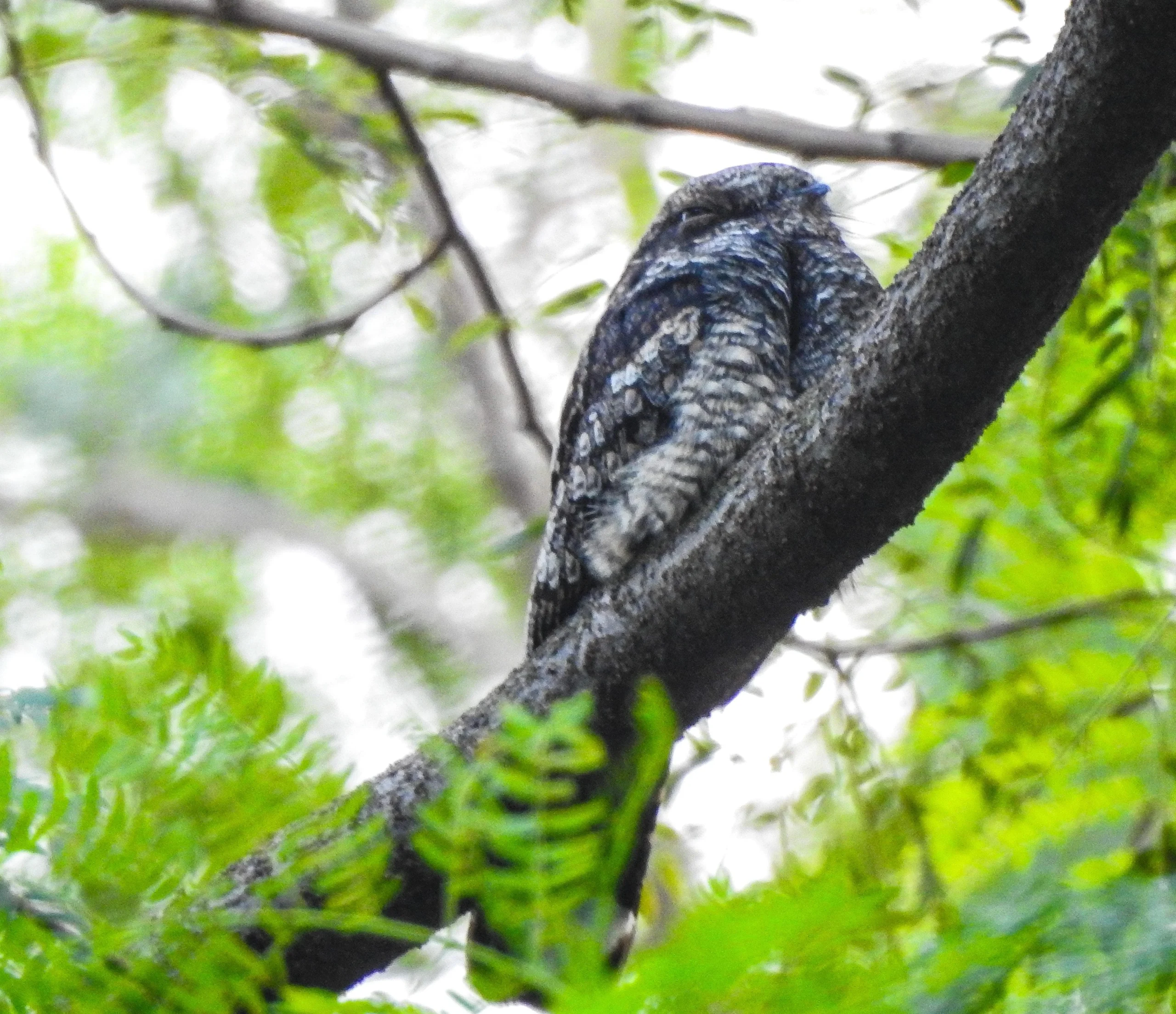
Common residents like the Coppersmith Barbet, Rufous Treepie, Grey Hornbill, Grey Francolin, and Peacock are often seen foraging or calling from the tree canopy and undergrowth. Raptors such as the Shikra, Black Kite, and Black-winged Kite patrol the skies, while Red-wattled Lapwings occupy open patches and pathways near the reserve’s water bodies. The presence of Jungle Nightjar and Jungle Owlet indicates a healthy tree cover suitable for roosting and nesting, while the colorful Alexandrine Parakeet, Common Kingfisher, and White-throated Kingfisher add vibrancy to the avian community.
The reserve also shelters a variety of smaller woodland and garden birds that thrive in its native vegetation. Green Bee-eaters, Hoopoes, Ashy Prinias, and Chestnut-bellied Nuthatches are common sights, while Red-vented and Red-whiskered Bulbuls fill the area with constant calls. In the flowering and fruiting seasons, Black-hooded and Golden Orioles frequent the canopy, adding bright splashes of yellow. The presence of Long-tailed Shrikes, Brown Shrikes, and Spangled Drongos highlights the mix of open and semi-wooded habitats that attract both insectivores and omnivores. Together, this diversity of species not only enriches the visitor experience but also underscores the reserve’s ecological importance as a thriving urban refuge for birds within Lucknow city.

Coppersmith Barbet

Rufous Treepie

Jungle Nightjar
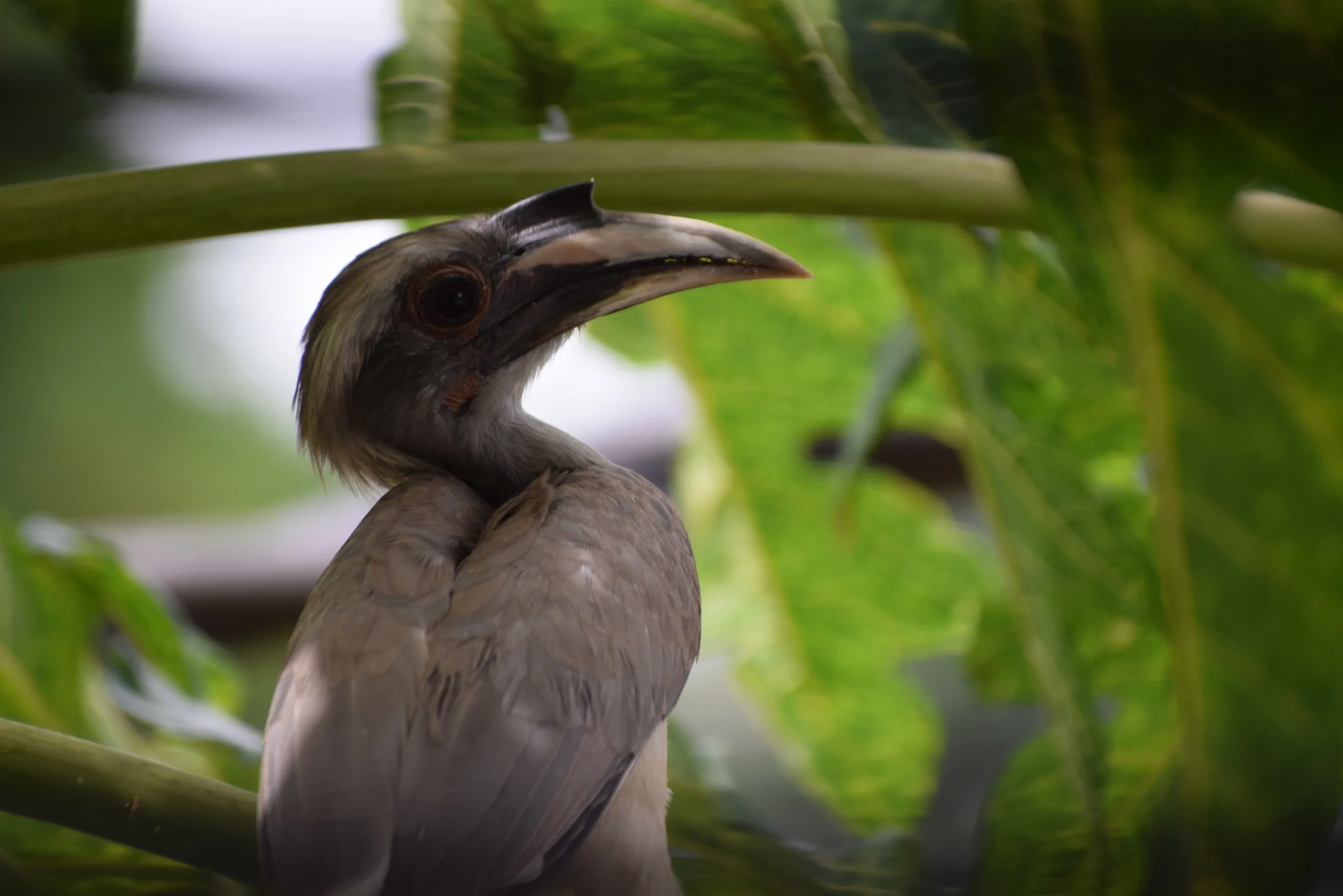
Indian Grey Hornbill

Black Kite
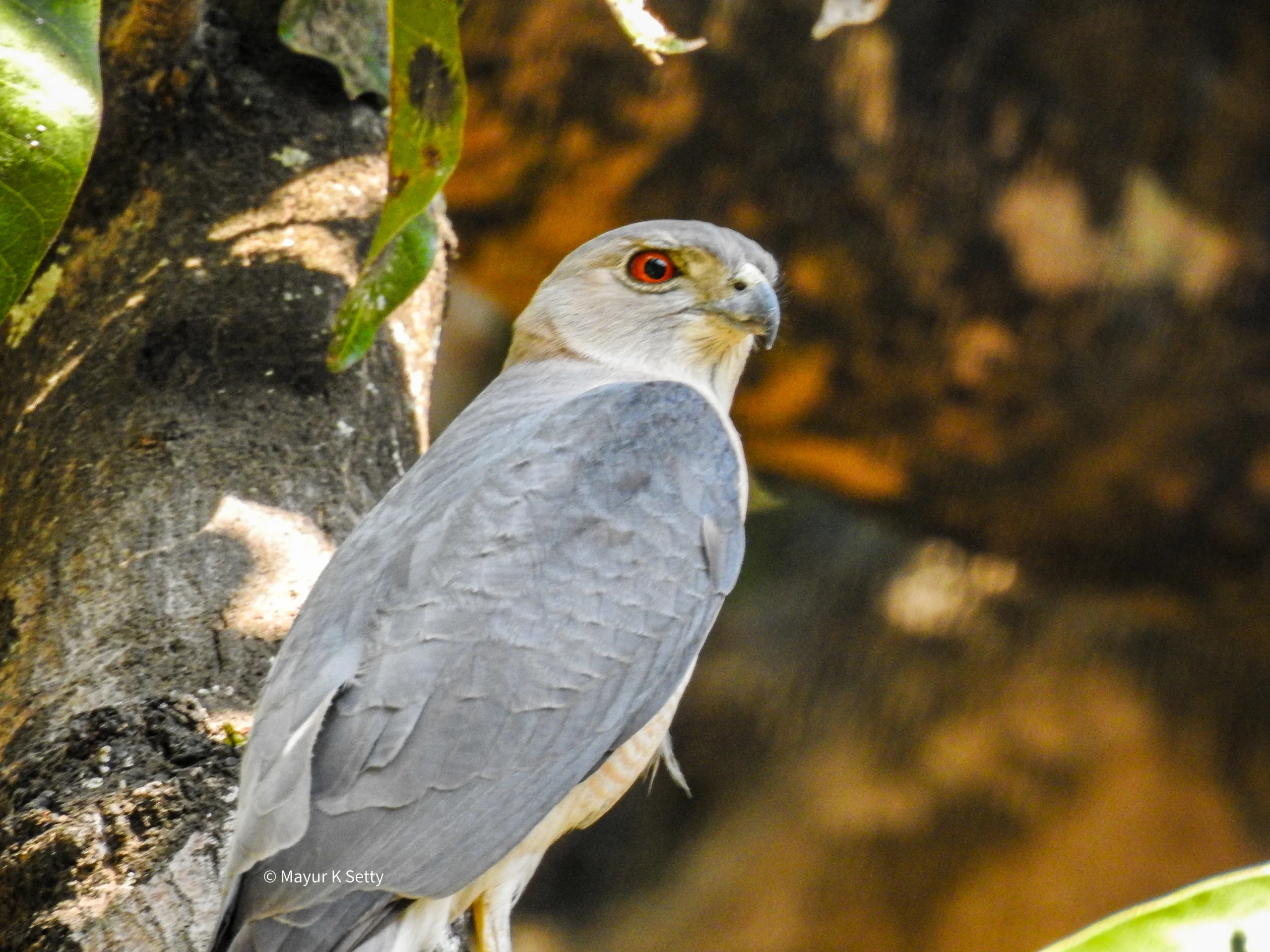
Shikra
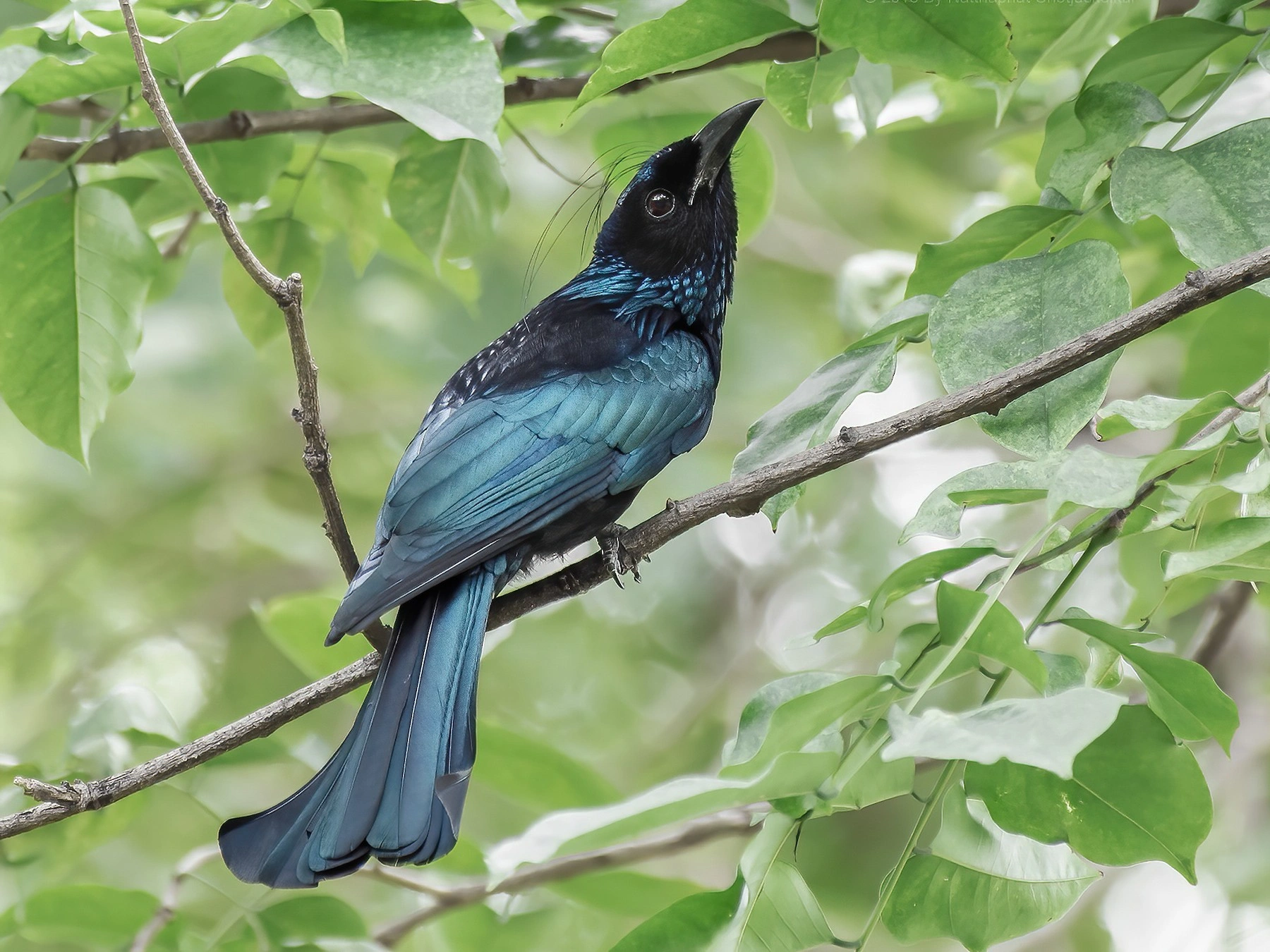
Hair-crested Drongo
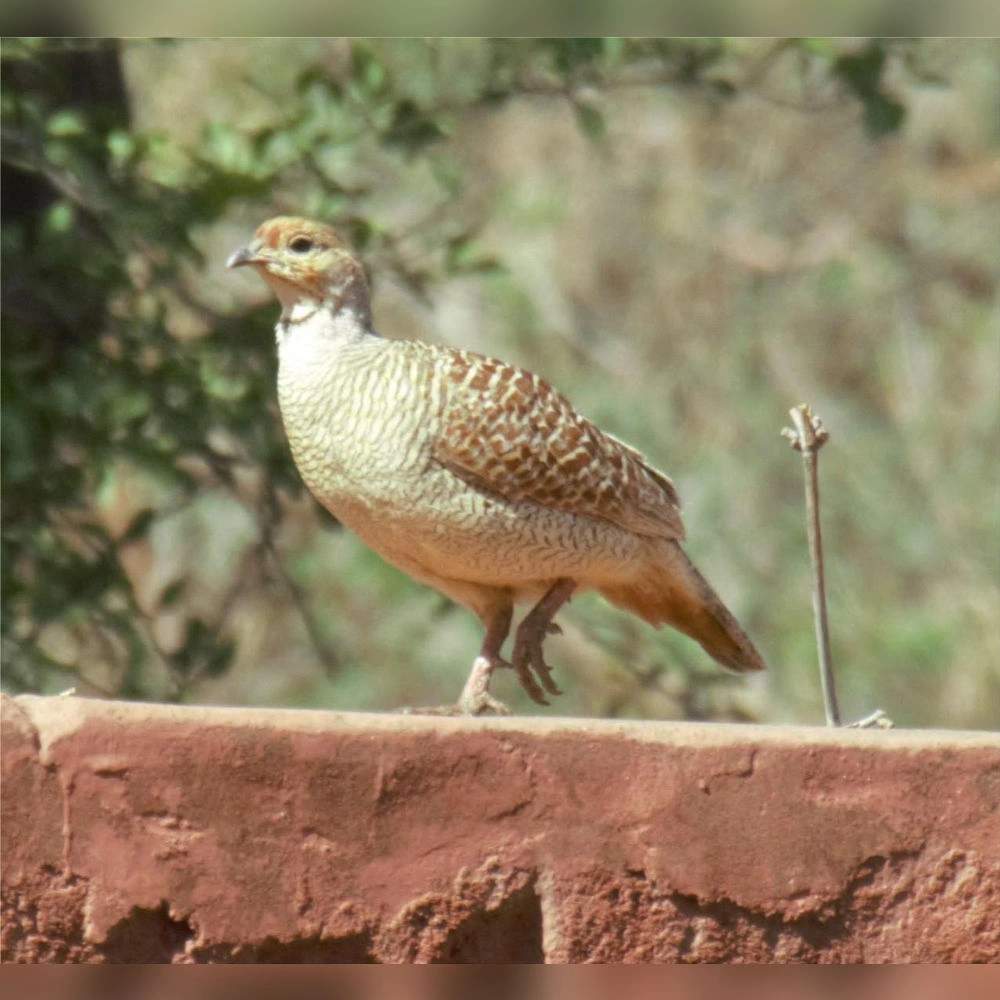
Grey Francolin
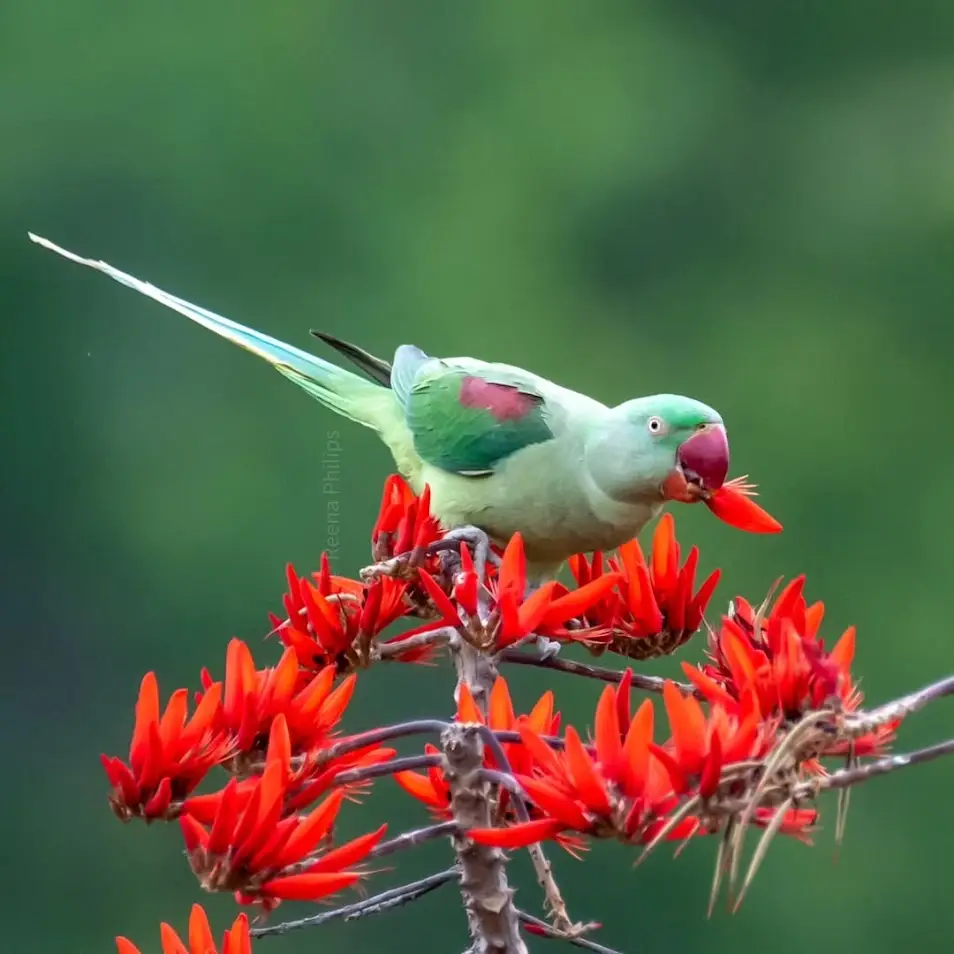
Alexandrine Parakeet
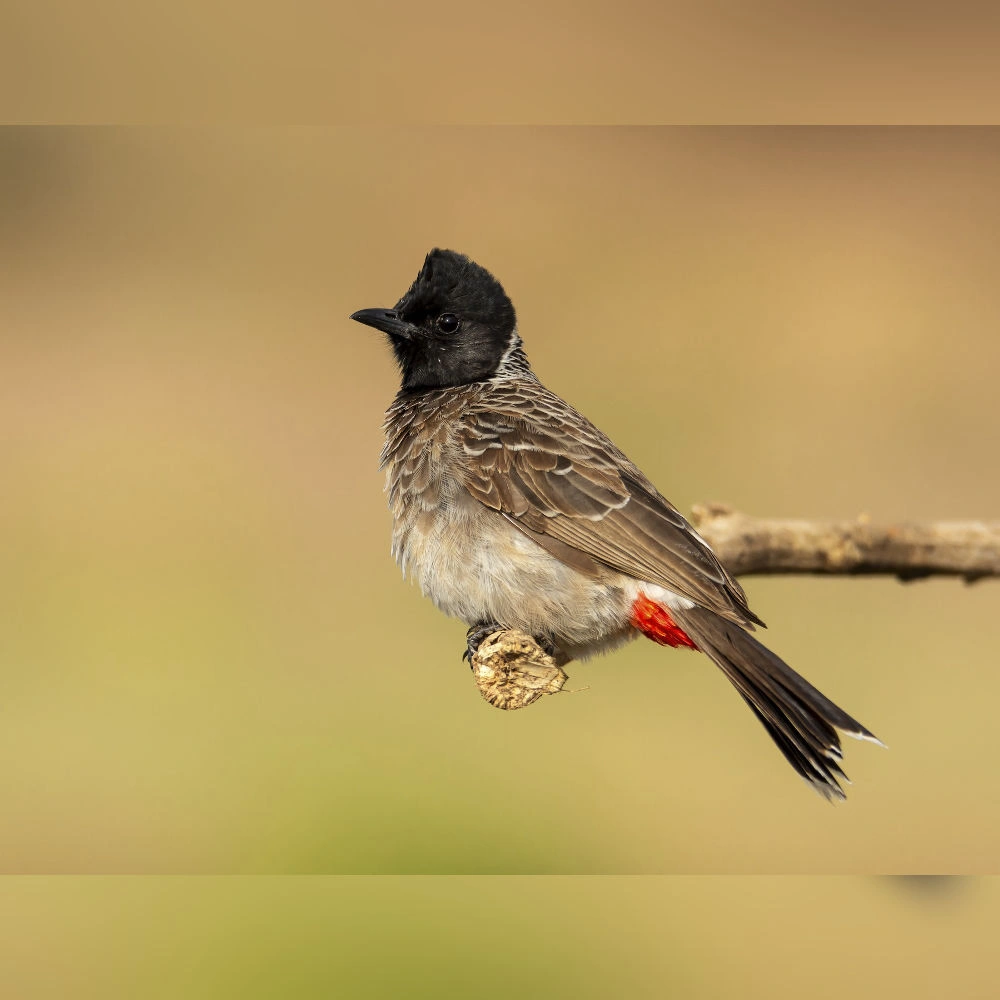
Red-vented Bulbul
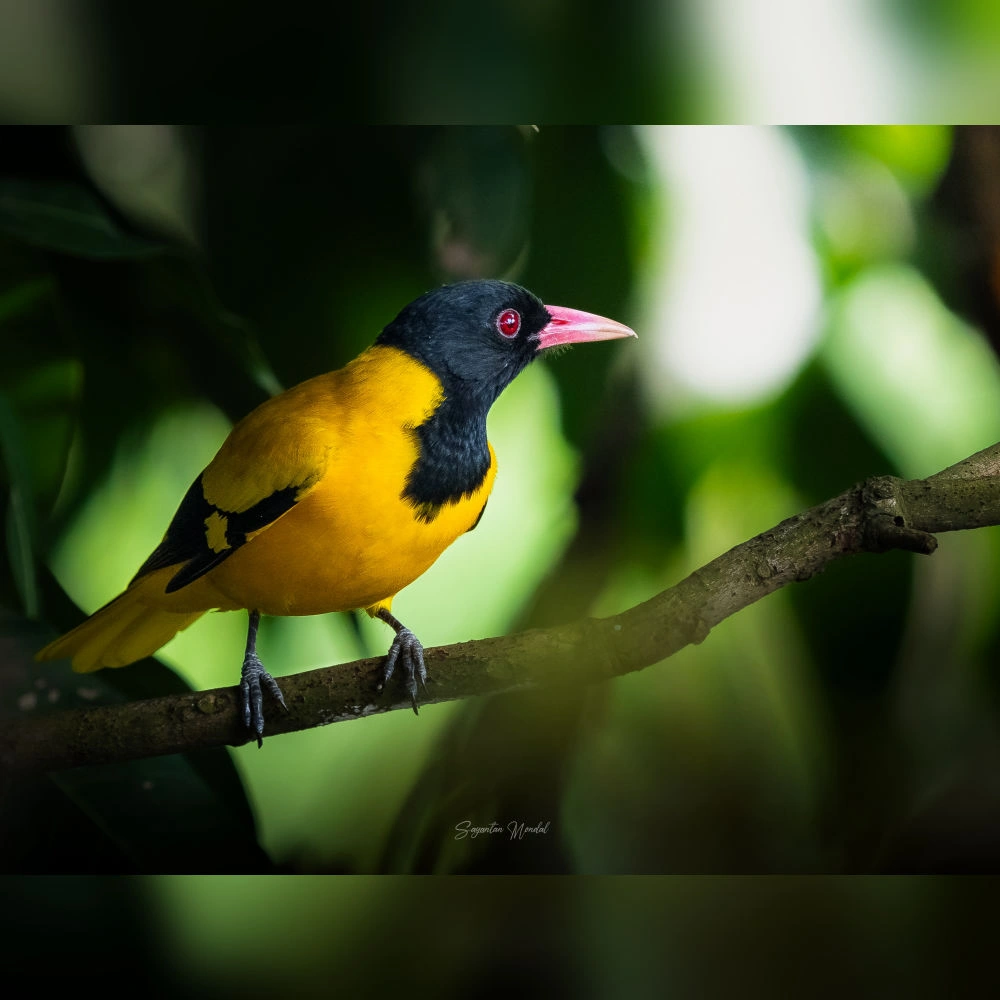
Black-hooded Oriole
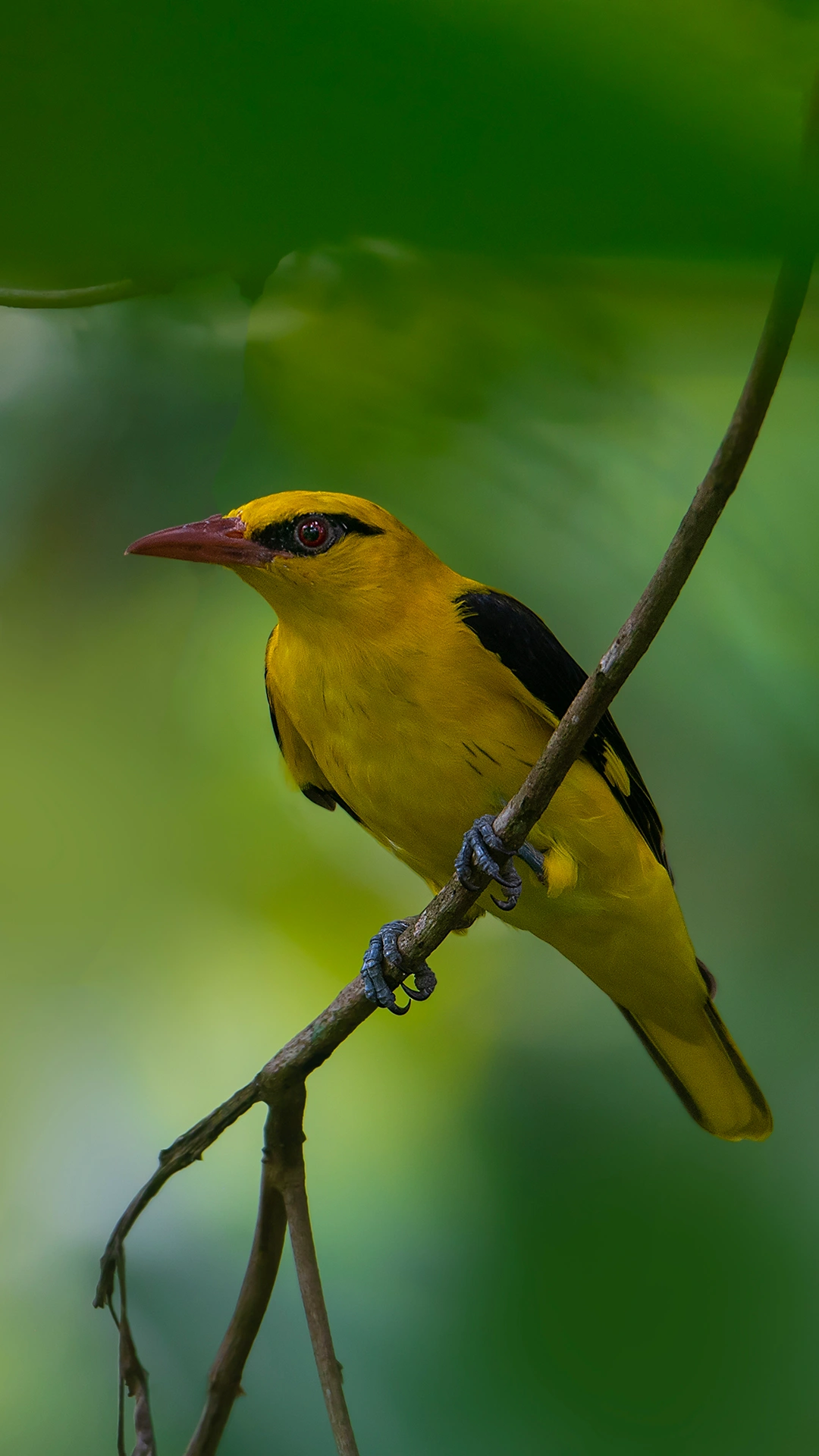
Indian Golden Oriole
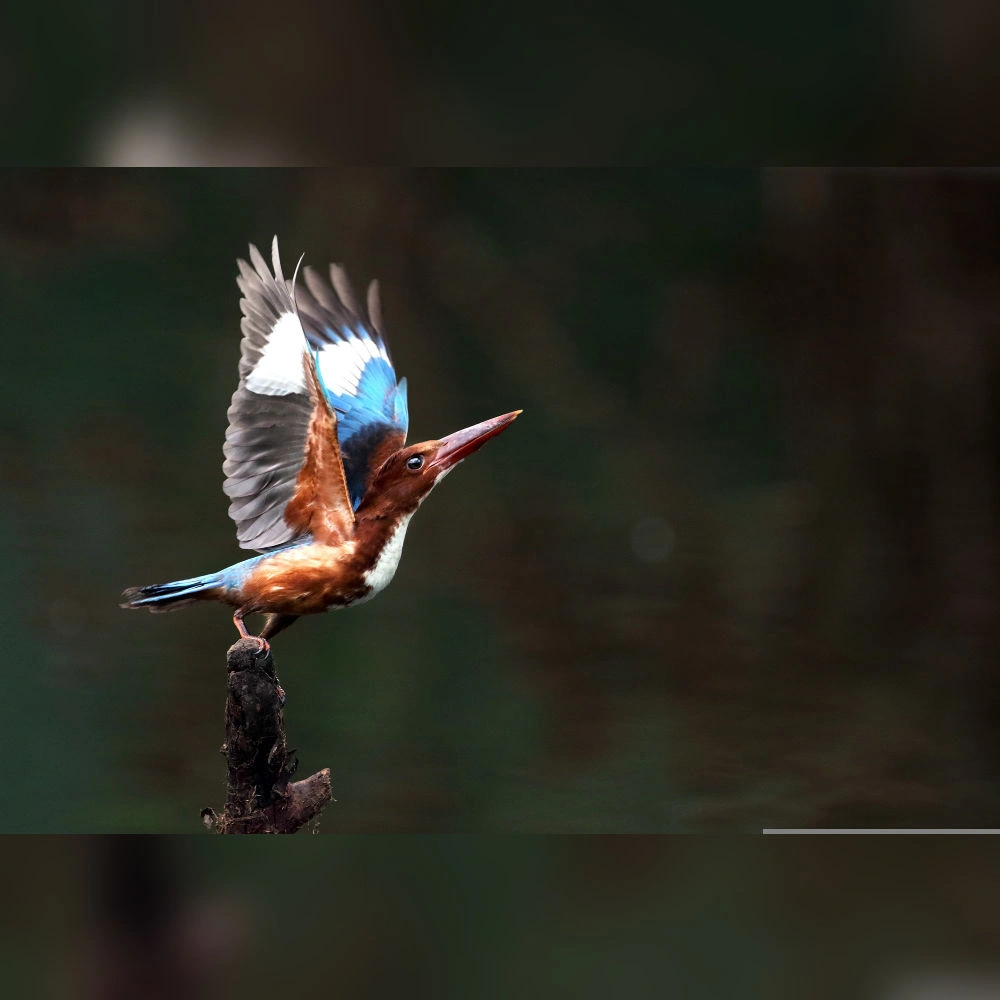
White-throated Kingfisher
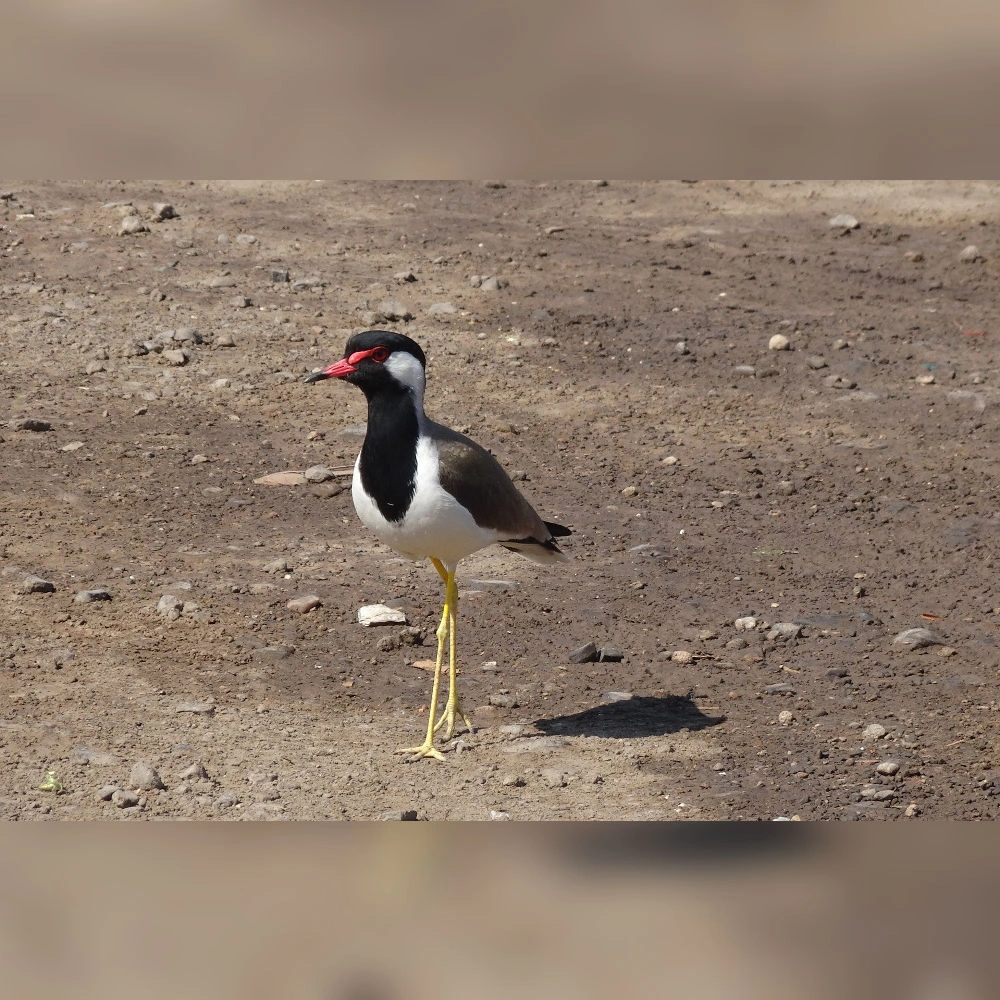
Red-wattled Lapwing
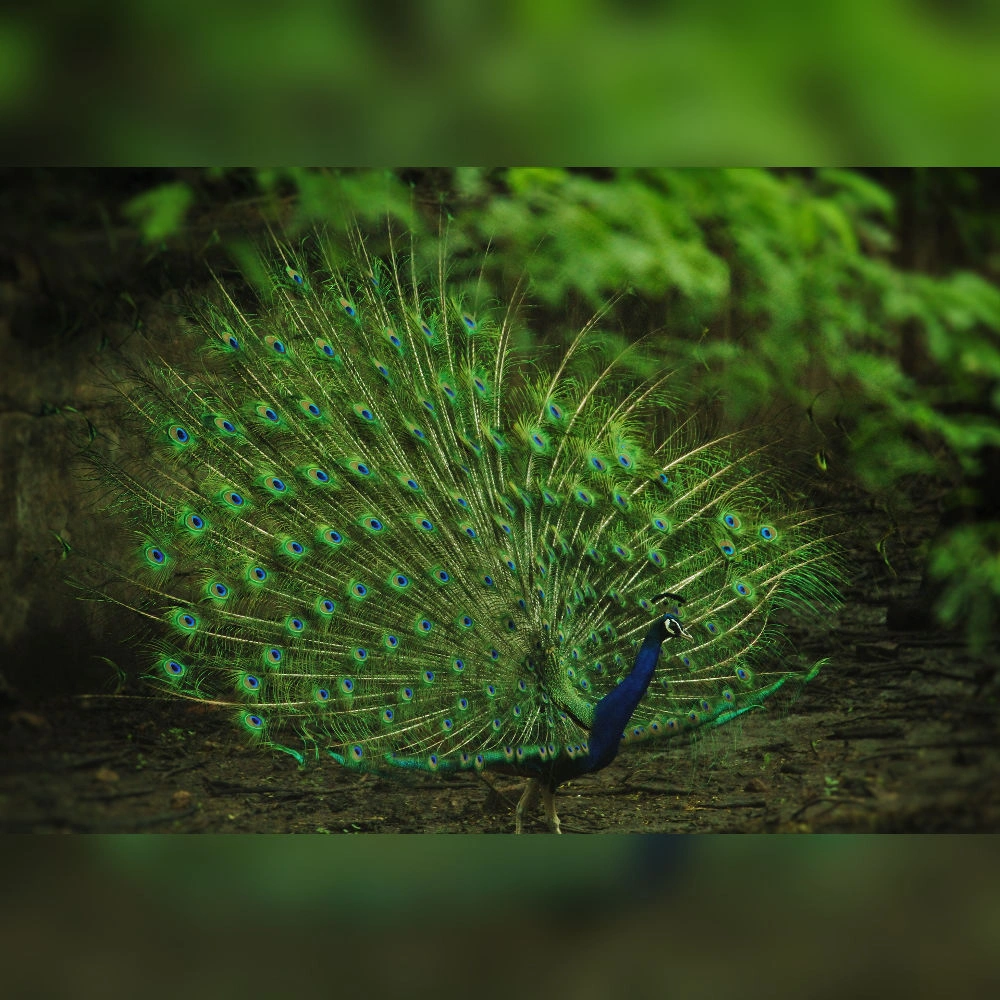
Indian Peafowl
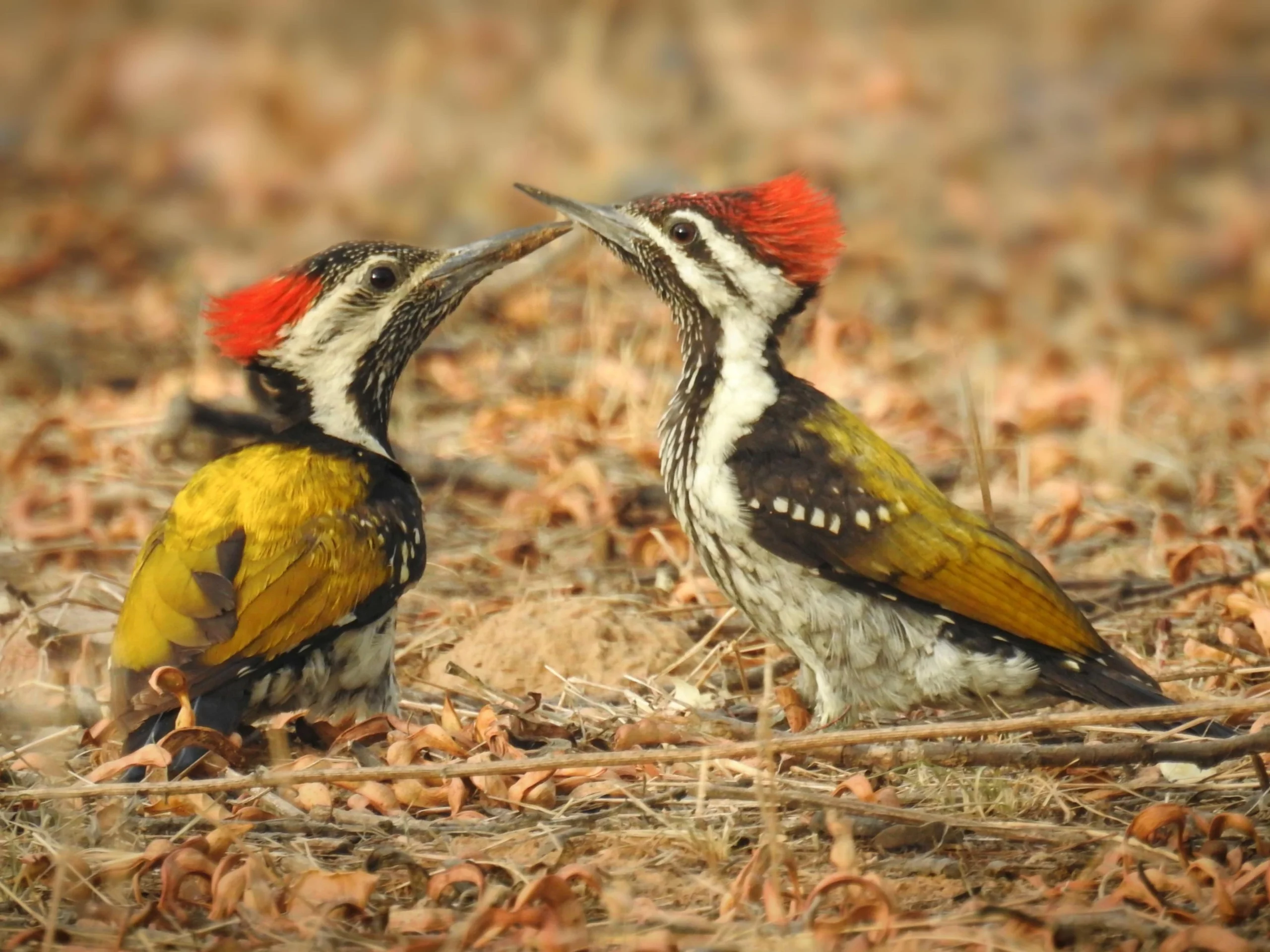
Black-rumped Flameback
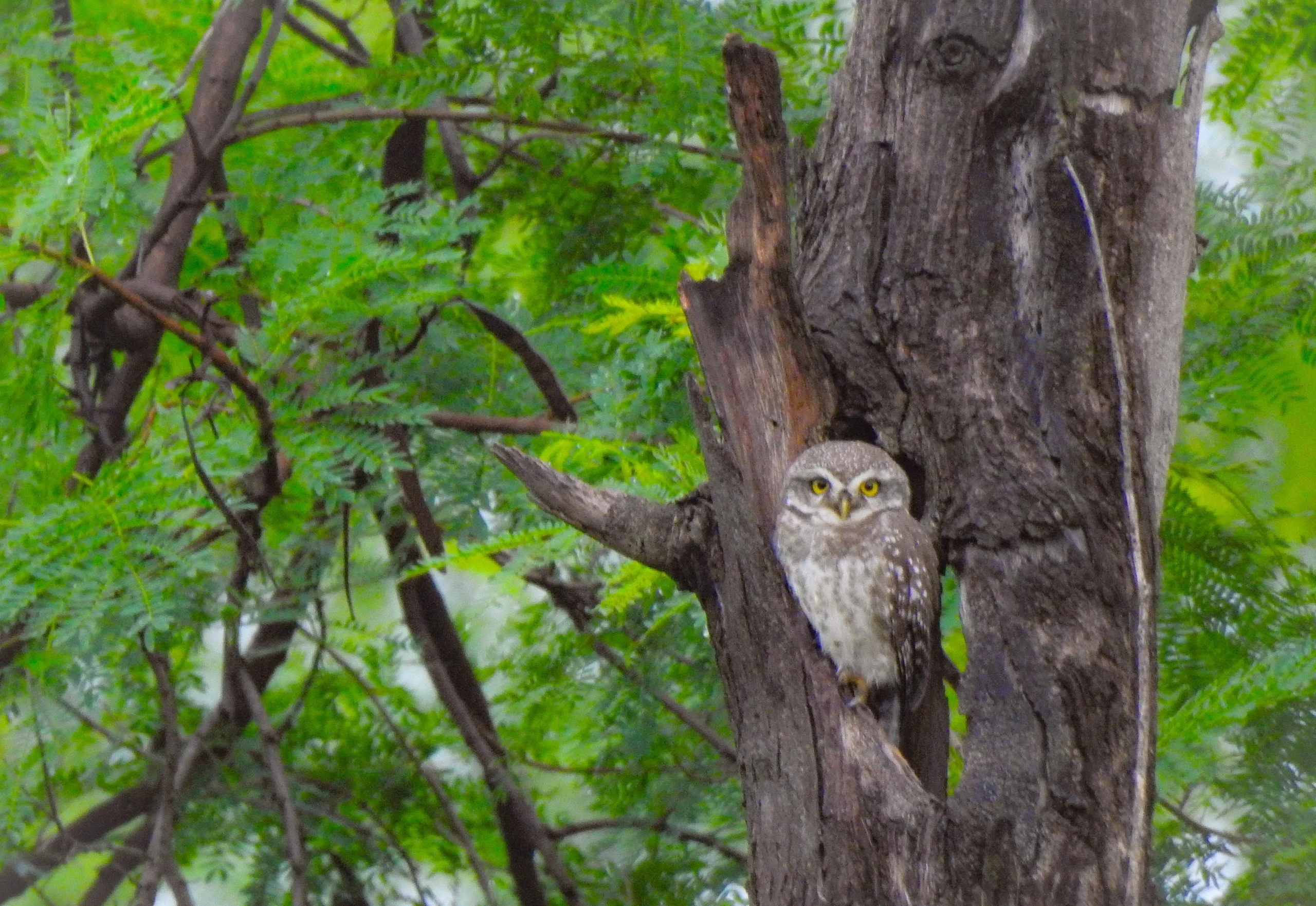
Spotted Owlet

Red-whiskered Bulbul
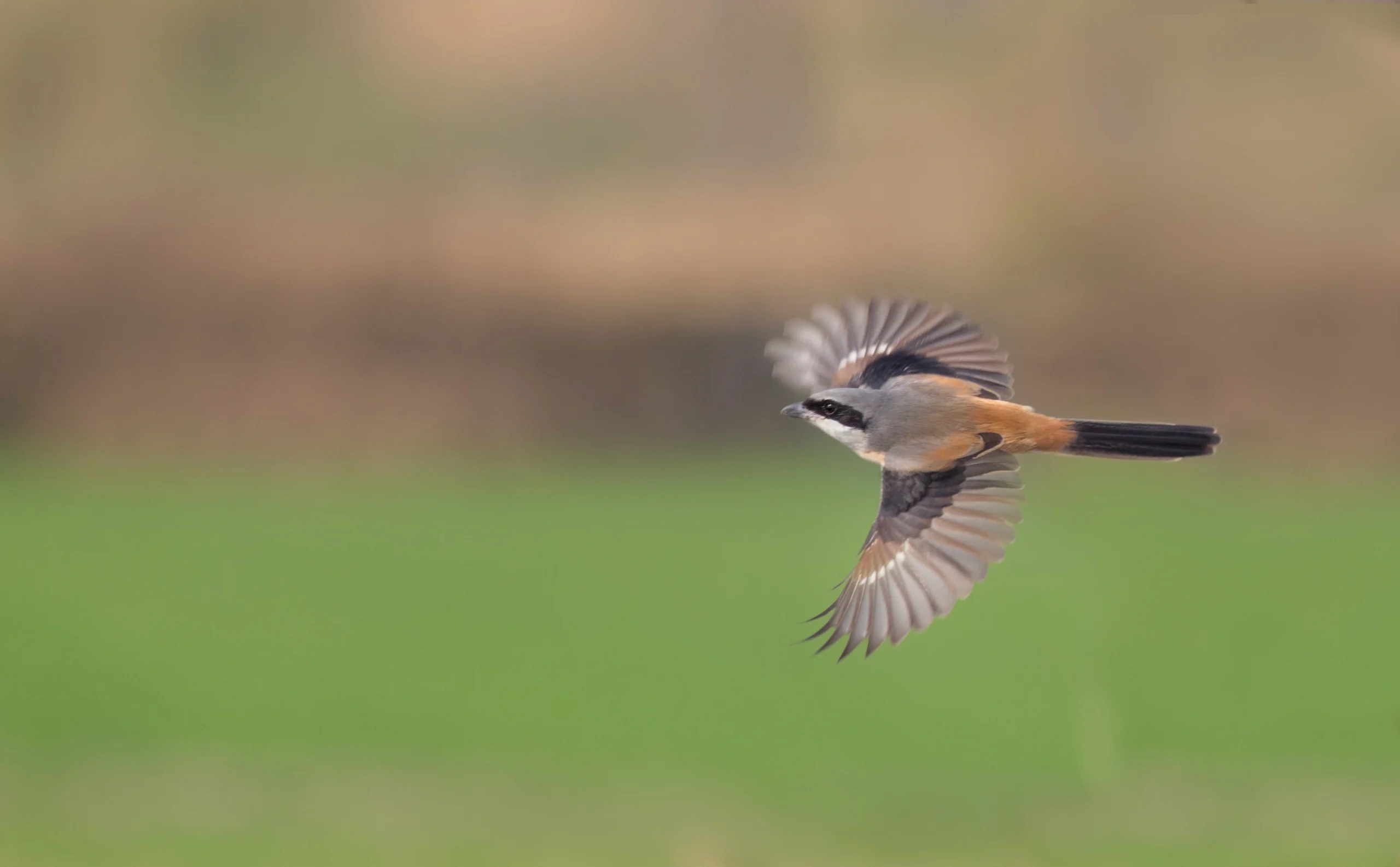
Long-tailed Shrike
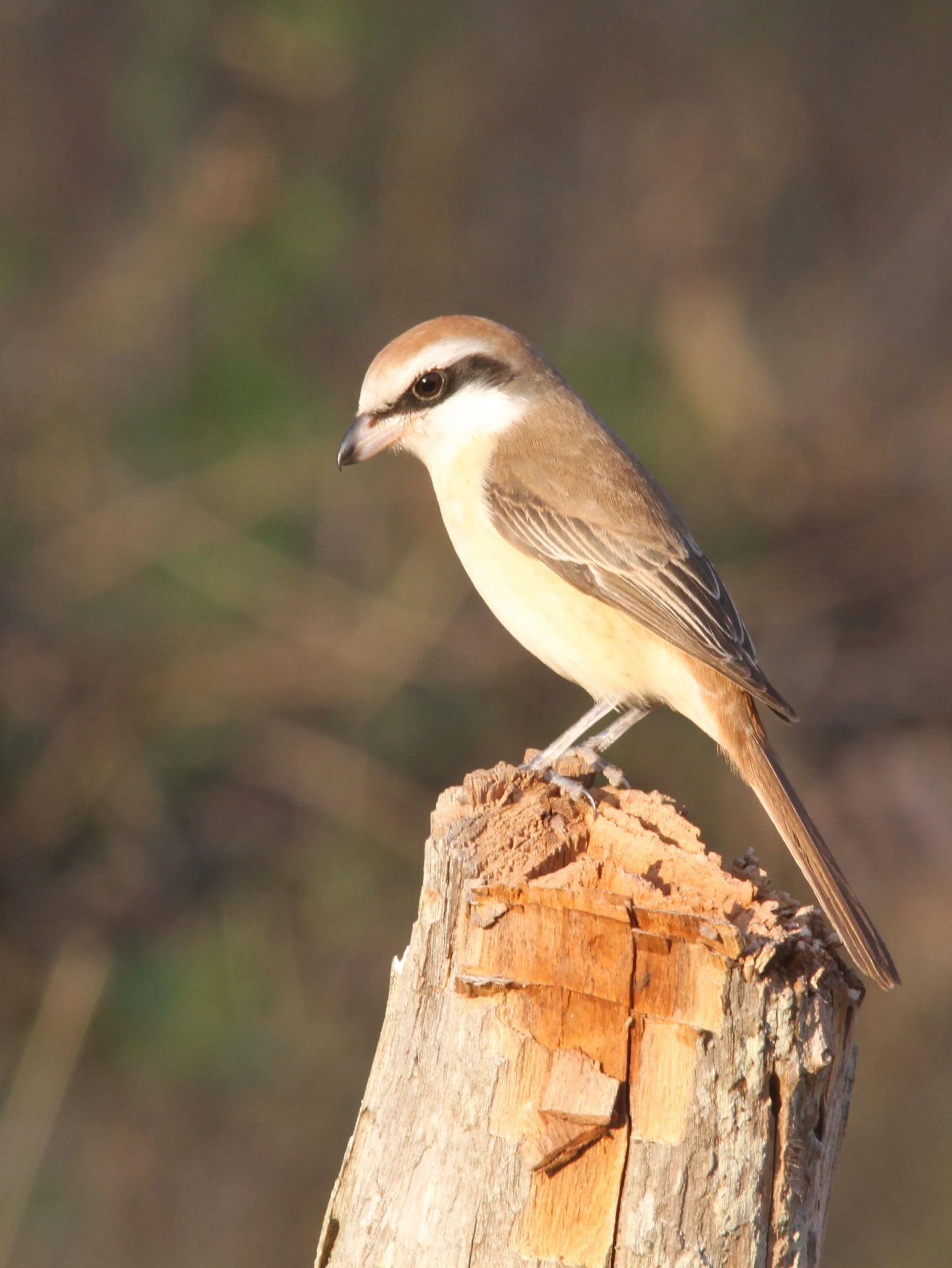
Brown Shrike
Summary of Walk
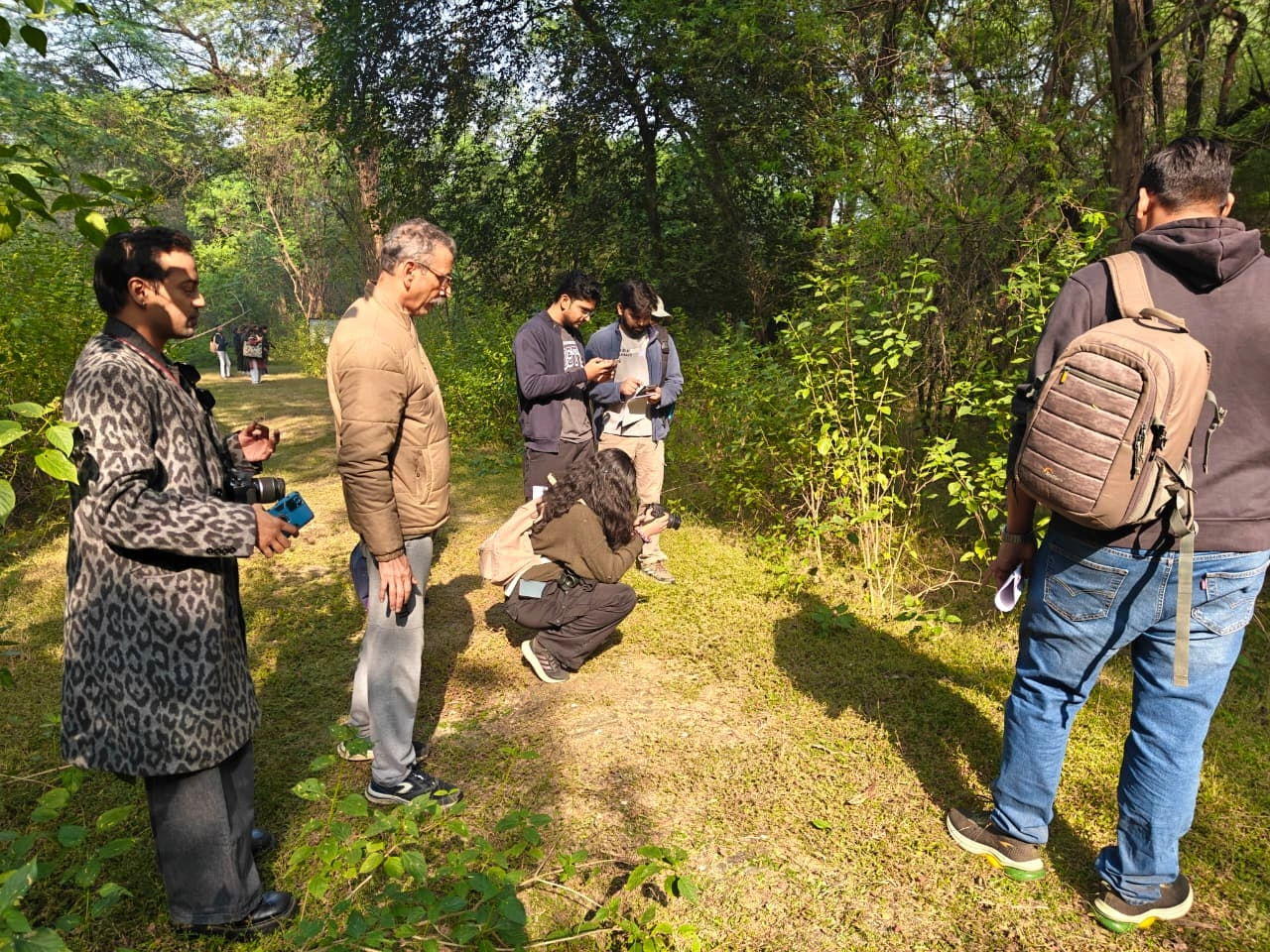
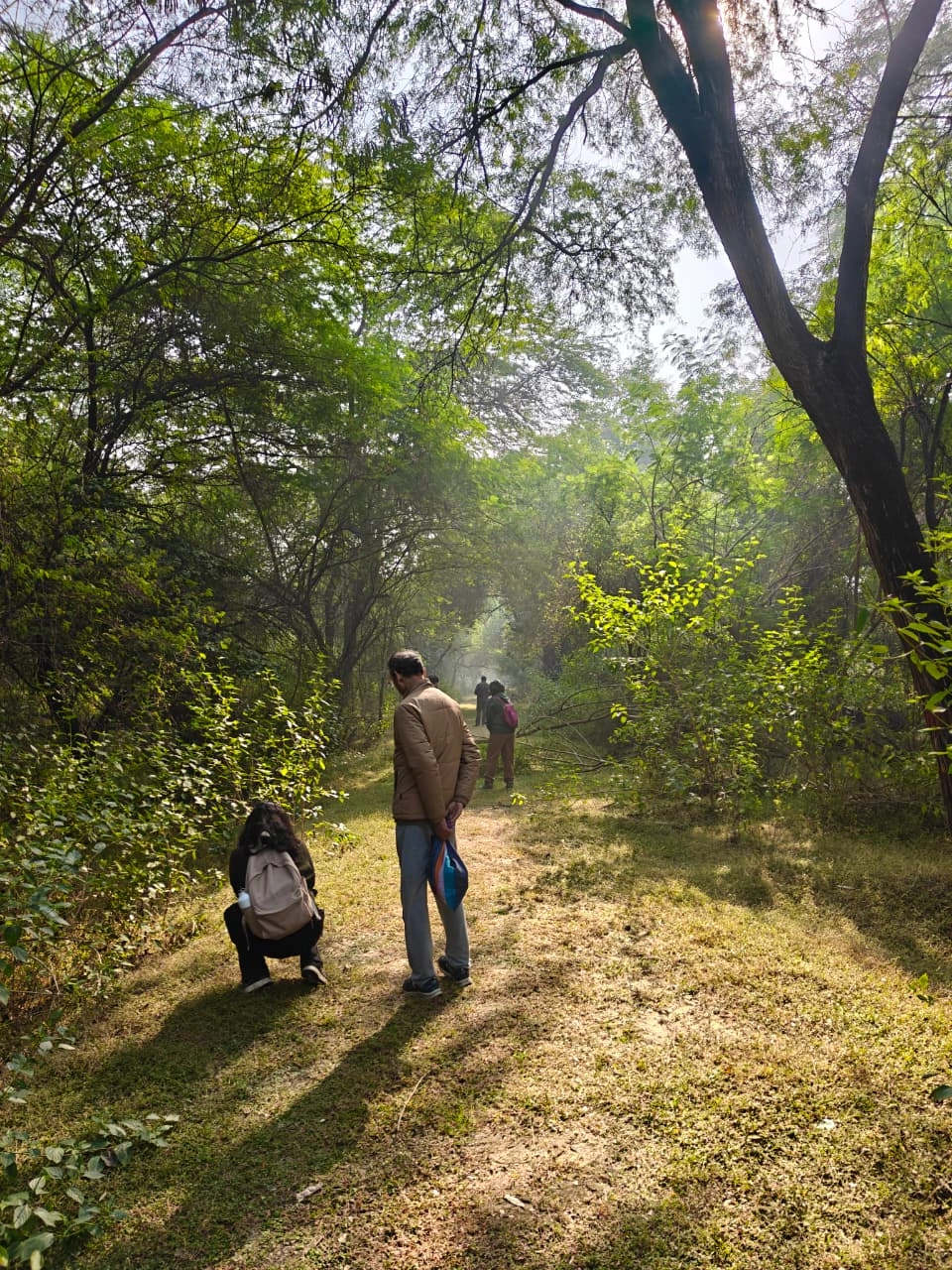
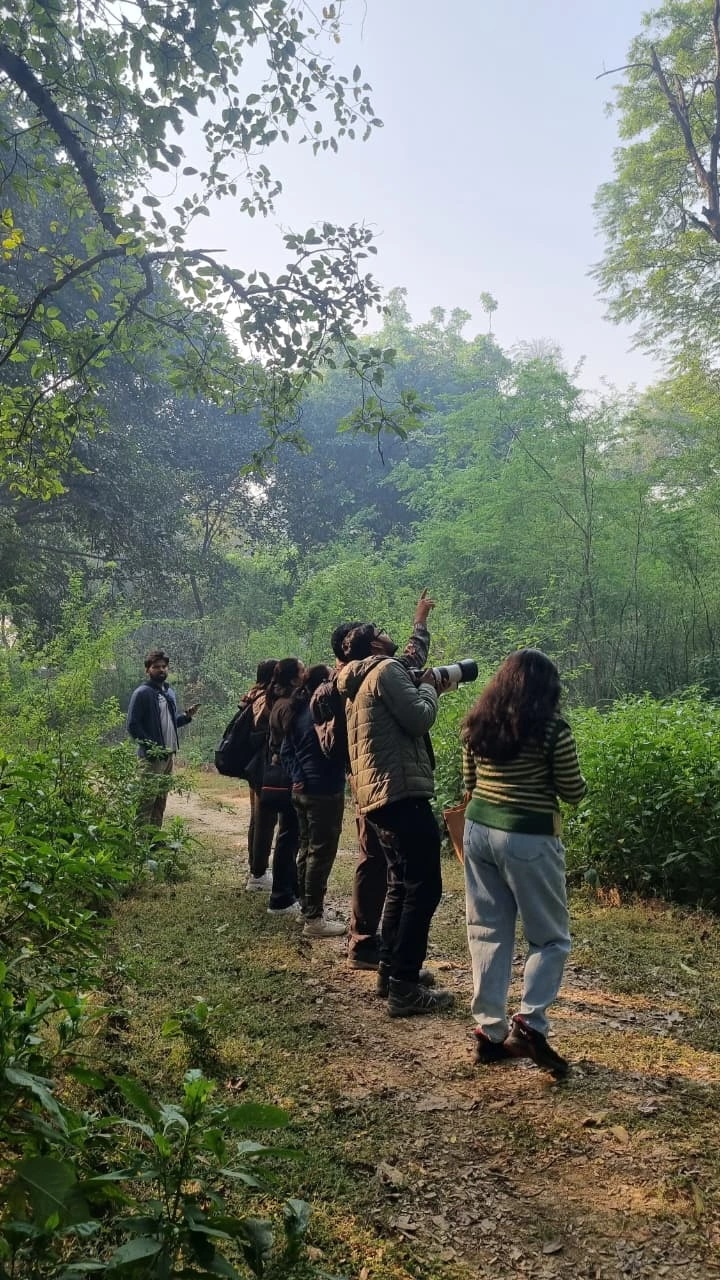
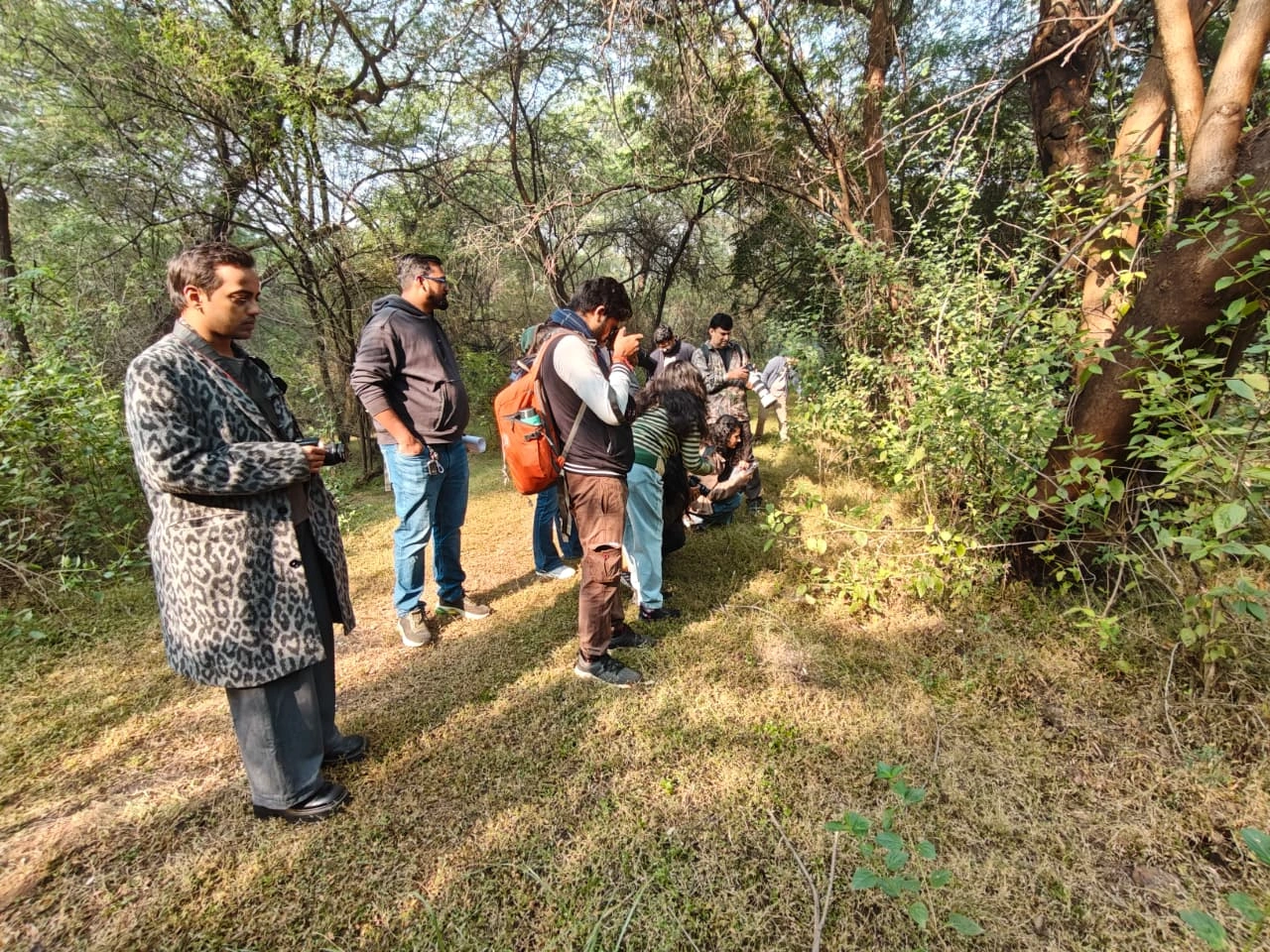
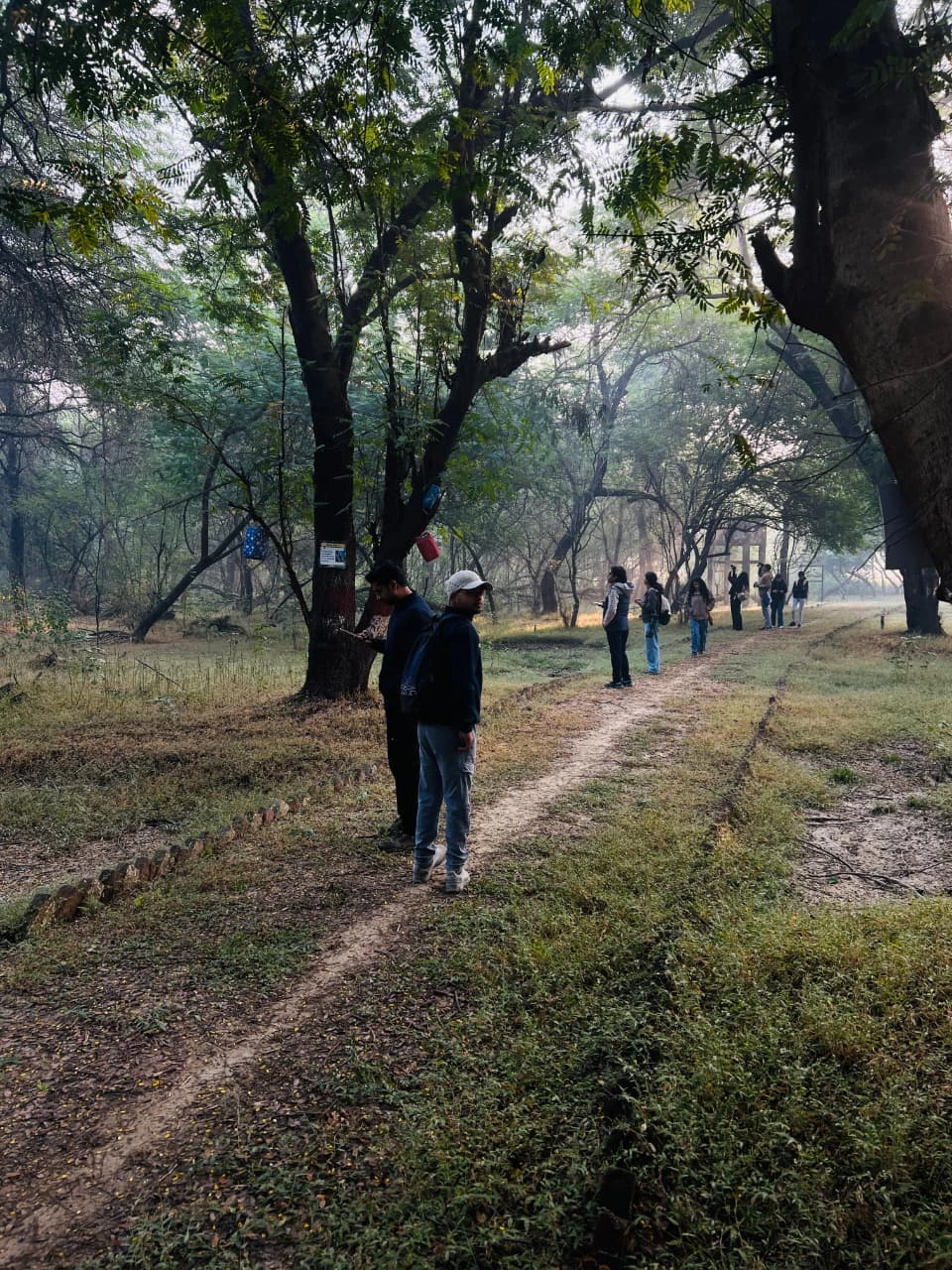
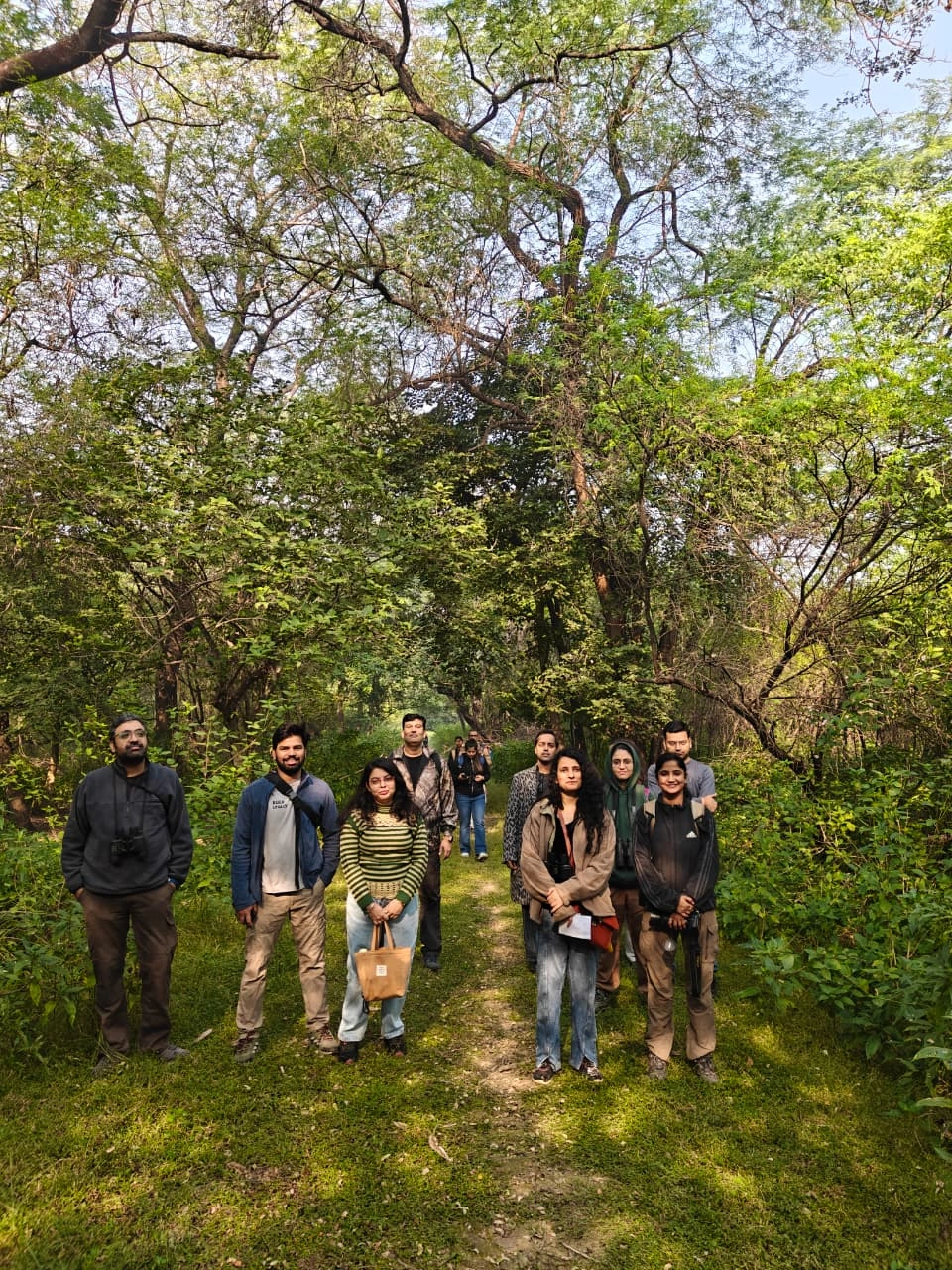
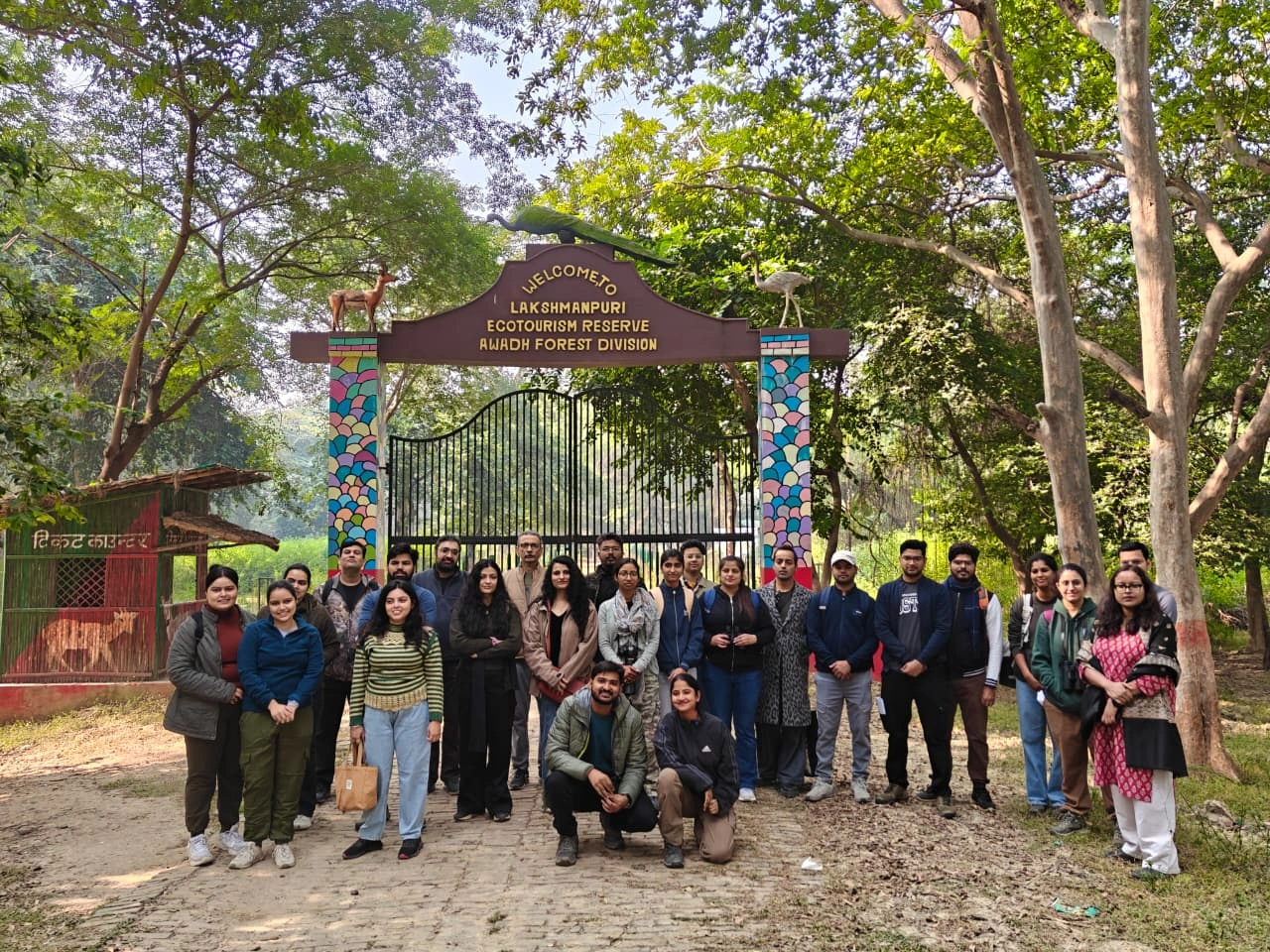
At the Lakshmanpuri Ecotourism Reserve, 21 participants explored the serene woodland habitat and recorded 34 bird species. The walk featured memorable sightings of Fire-breasted Flycatcher, Jungle Owlet, Grey-headed Canary Flycatcher, Indian Nuthatch, Tickell’s Blue Flycatcher, and even a Black Drongo carrying a kill. The diversity of forest birds made the trail exceptionally enriching.
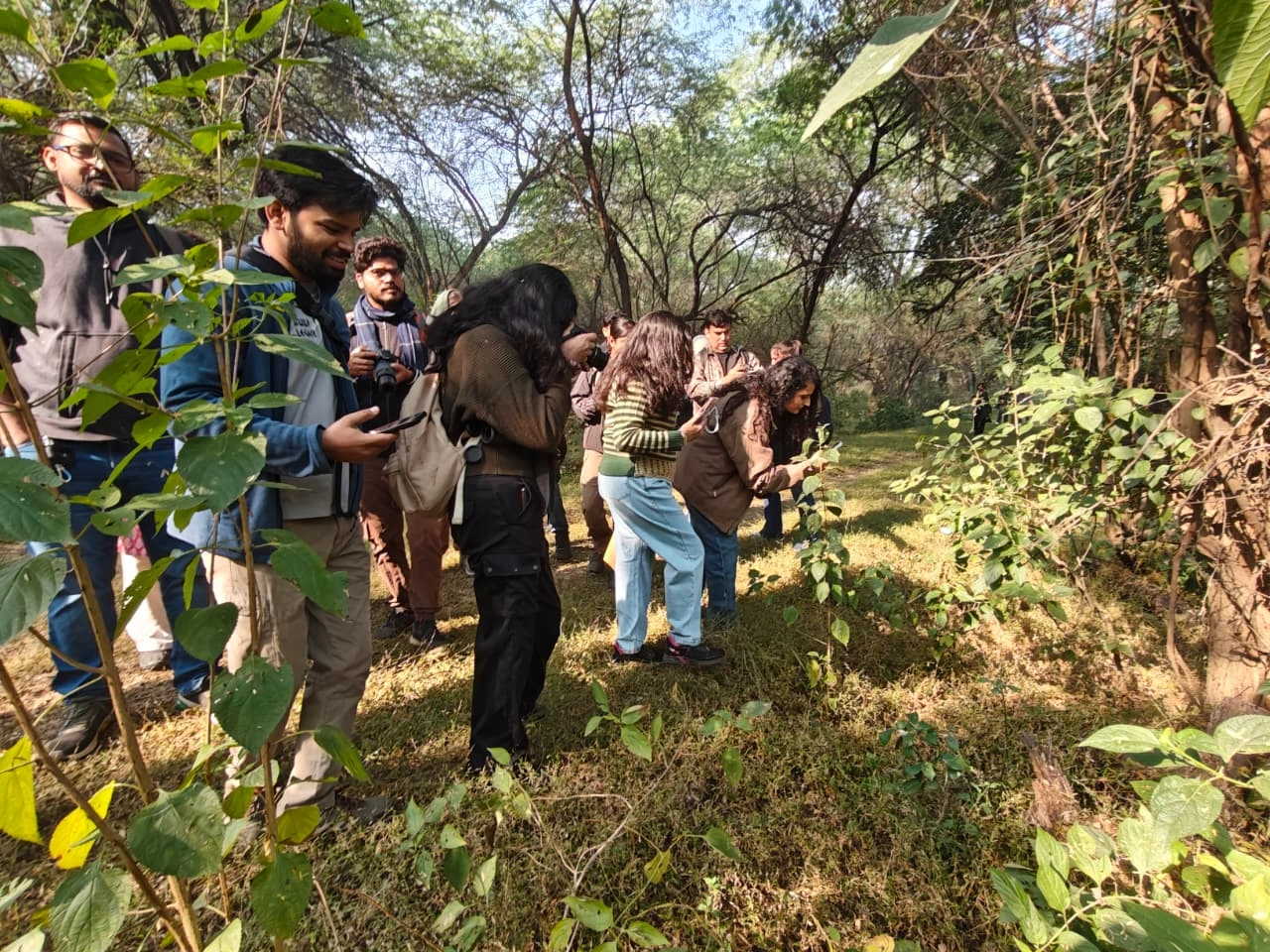
Prateek highlighted the importance of birdwatching as both a recreational and conservation activity. Participants learnt fascinating stories about species behaviour and ecology, along with how new technologies like the Ataavi app simplify bird identification. The walk inspired everyone to continue exploring the outdoors and contribute to conservation awareness.
Number of Participants
0