Loading Events

Bird walk at Lingambudhi Lake, Mysuru

About Lingambudhi Lake

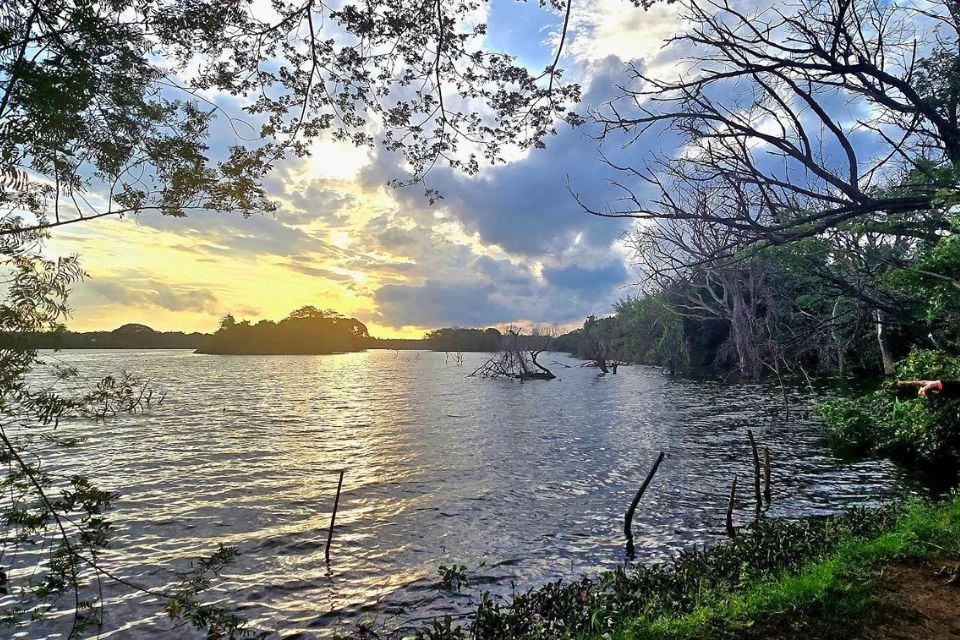
Lingambudhi Lake is a large freshwater lake situated on the southwestern outskirts of Mysuru, Karnataka, and is one of the city’s most important urban wetlands. Originally constructed as a reservoir to supply water for irrigation, the lake has evolved into a significant ecological asset, supporting a variety of aquatic and terrestrial habitats. Surrounded by dry deciduous woodland, scrub vegetation, grasslands, and agricultural fields, Lingambudhi Lake forms part of a larger green landscape that provides essential ecosystem services such as groundwater recharge, flood regulation, and habitat for wildlife. Its serene environment and accessibility have also made it a popular destination for nature walks, birdwatching, and environmental education.
The lake is recognized as one of Mysuru’s premier birding locations, attracting a remarkable diversity of resident and migratory bird species throughout the year. Extensive open water, marshy edges, mudflats, and tree-lined shores create ideal feeding, nesting, and roosting habitats for waterbirds and woodland birds alike. During the winter months, the lake hosts numerous migratory ducks, waders, and other wetland-dependent species, while the surrounding vegetation supports a rich assemblage of passerines and raptors. The combination of diverse habitats and relatively undisturbed surroundings makes Lingambudhi Lake an important refuge for urban biodiversity and a valuable site for conservation awareness.

Bird Guide - Kavya M

She is a passionate birder from Mysuru, has been exploring the city’s rich avian life for many years. Love watching birds and helping others notice the small wonders around them
Bird walk Location

Common birds of Lingambudhi Lake

Lingambudhi Lake supports an impressive diversity of birds, making it a favourite destination for birdwatchers in Mysuru. Commonly observed species include the Spot-billed Pelican, Painted Stork, Asian Openbill, Black-headed Ibis, Oriental Darter, Little Cormorant, Great Cormorant, Grey Heron, Purple Heron, Indian Pond Heron, Little Egret, Intermediate Egret, Great Egret, Little Grebe, Purple Swamphen, White-breasted Waterhen, Bronze-winged Jacana, Pheasant-tailed Jacana, Black-winged Stilt, River Tern, White-throated Kingfisher, Pied Kingfisher, Common Kingfisher, Black Drongo, Indian Roller, Red-vented Bulbul, Purple Sunbird, Ashy Prinia, Indian Robin, Rose-ringed Parakeet, and White-cheeked Barbet. During winter, the lake also attracts a variety of migratory ducks, gulls, and shorebirds, further enhancing its rich avian diversity.
Oriental Darter
Little Cormorant
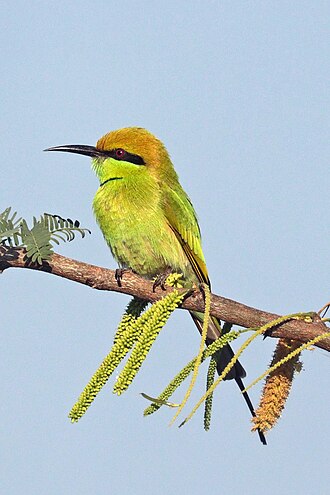
Asian Green Bee-eater
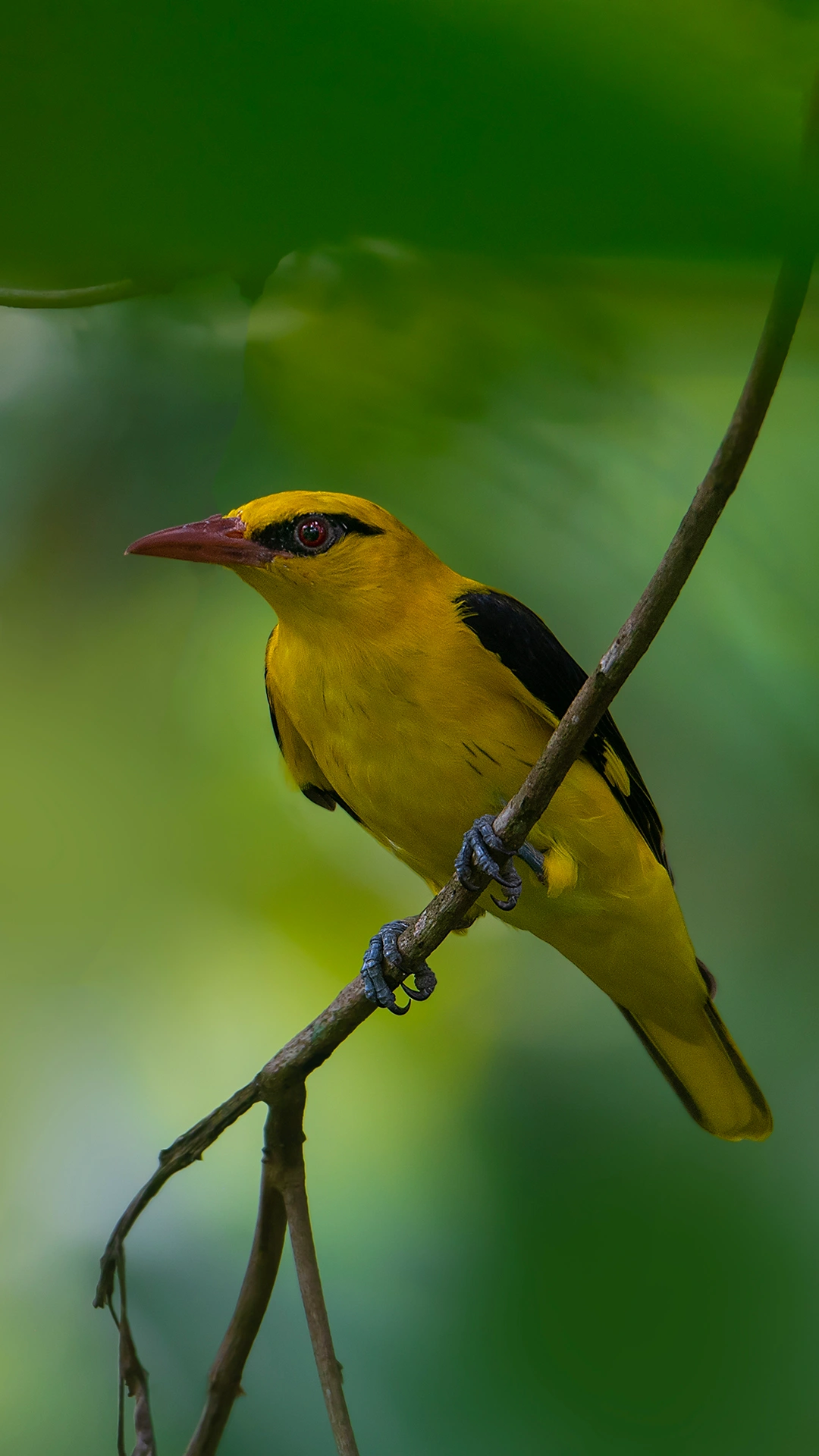
Indian Golden Oriole
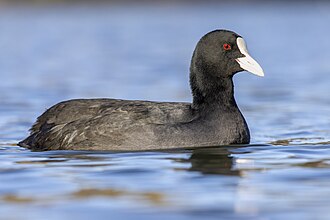
Eurasian coot
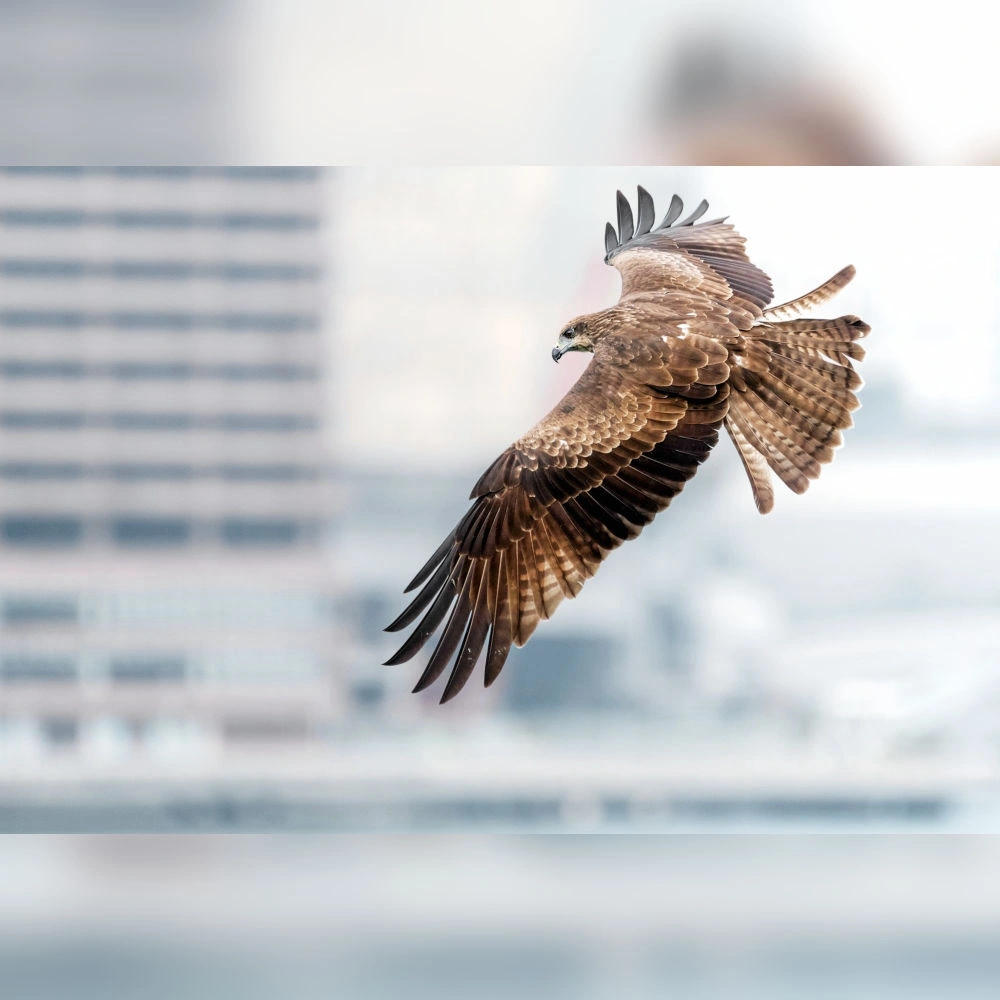
Black Kite
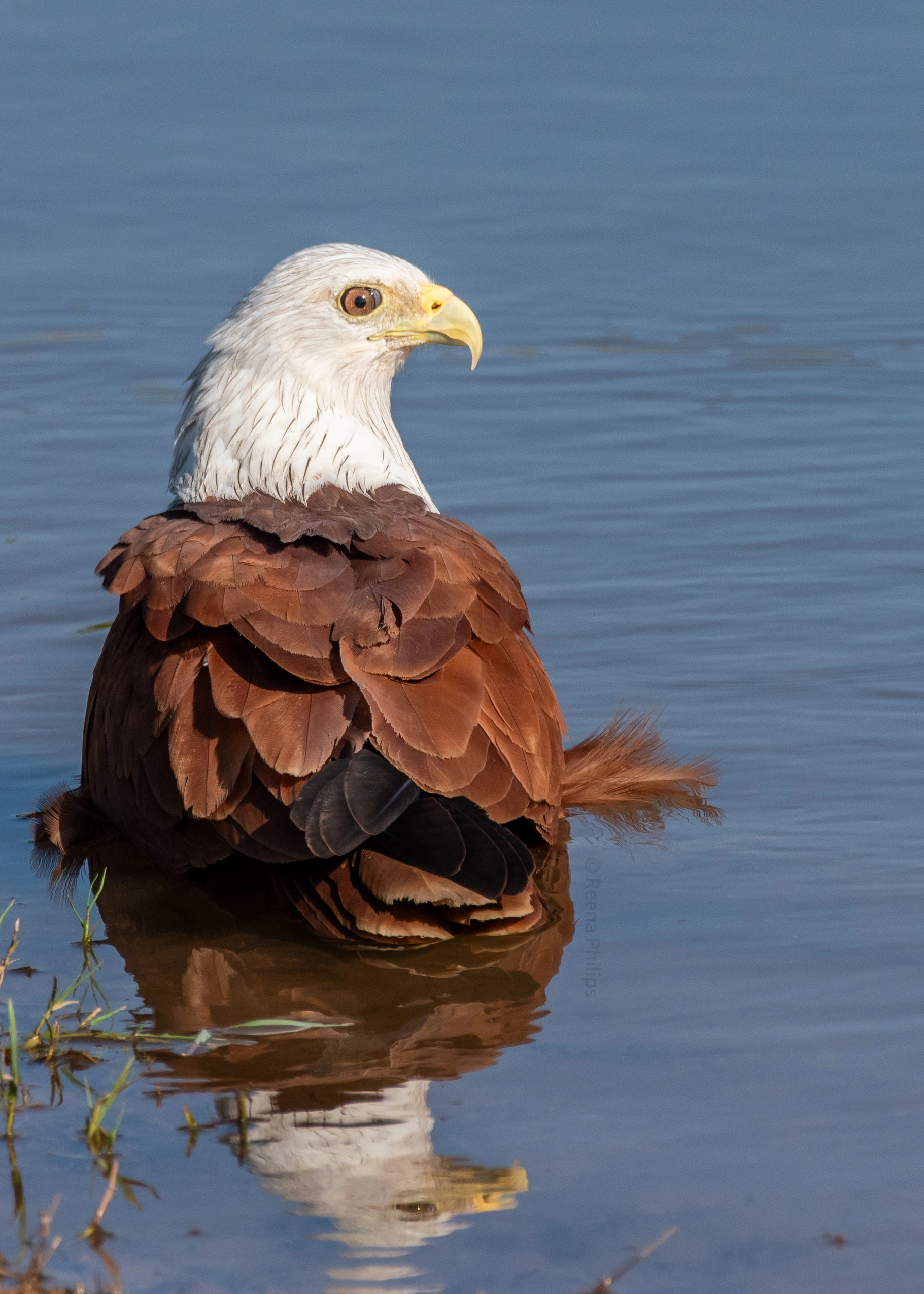
Brahminy Kite
Brown-headed Barbet
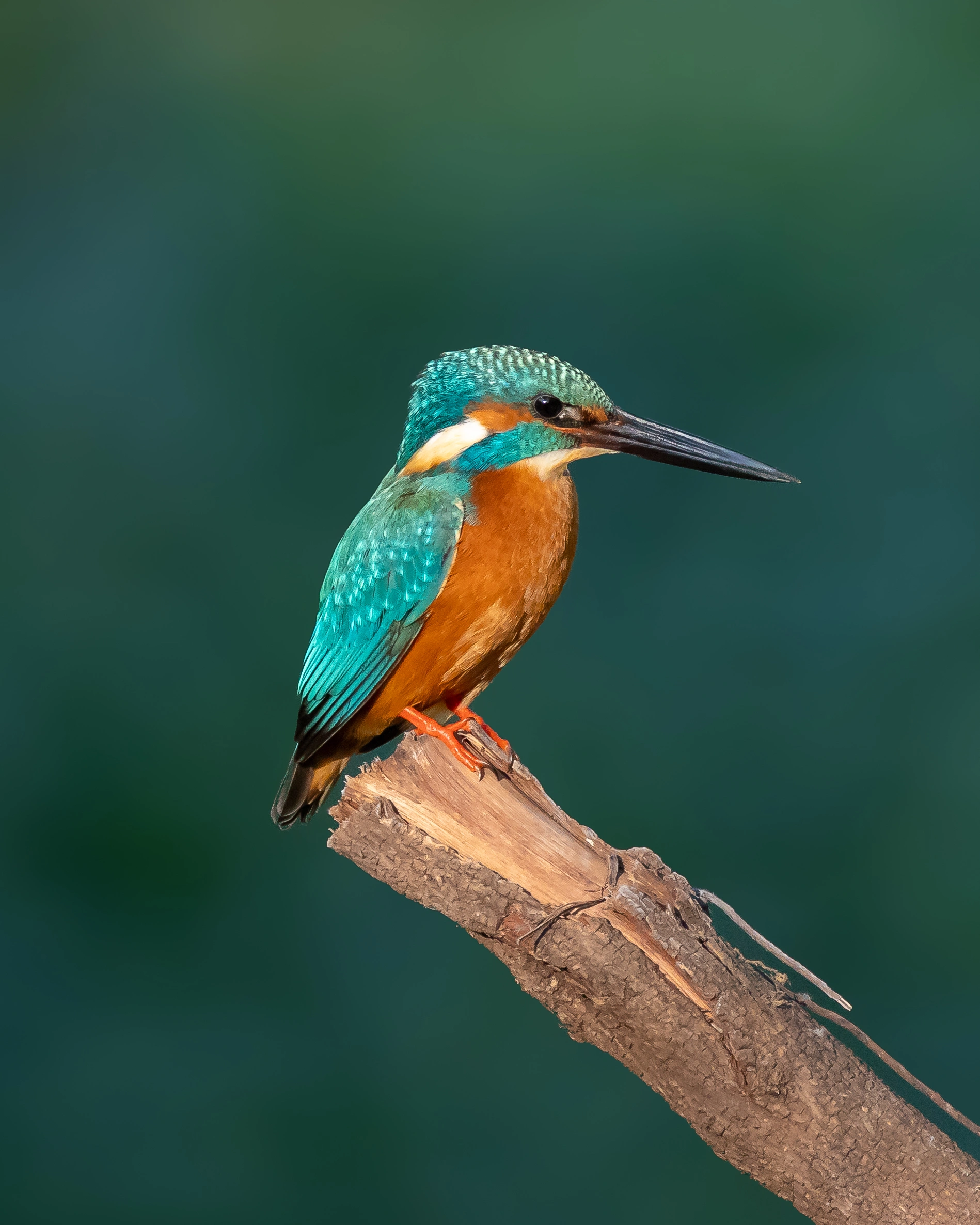
Common Kingfisher
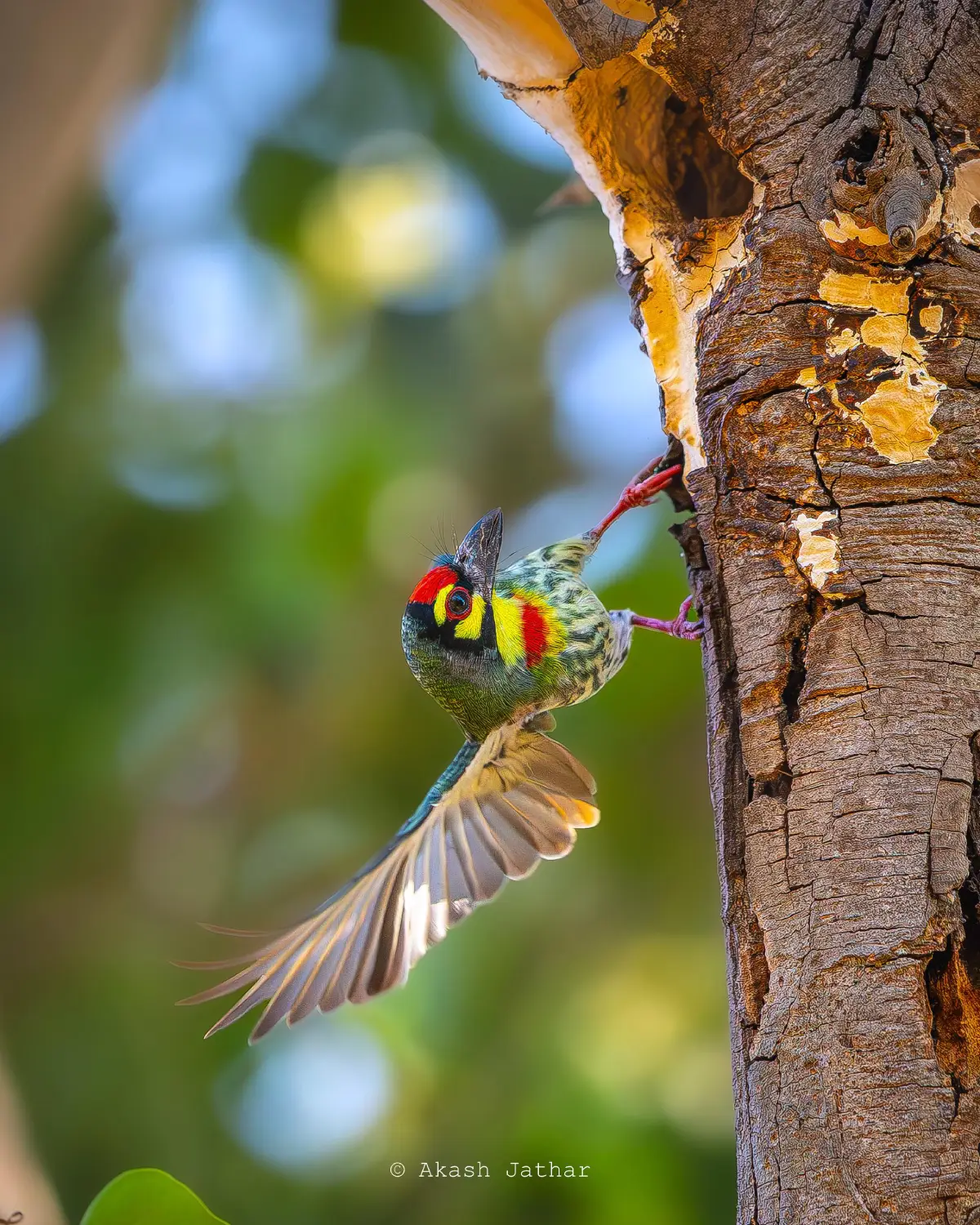
Coppersmith Barbet
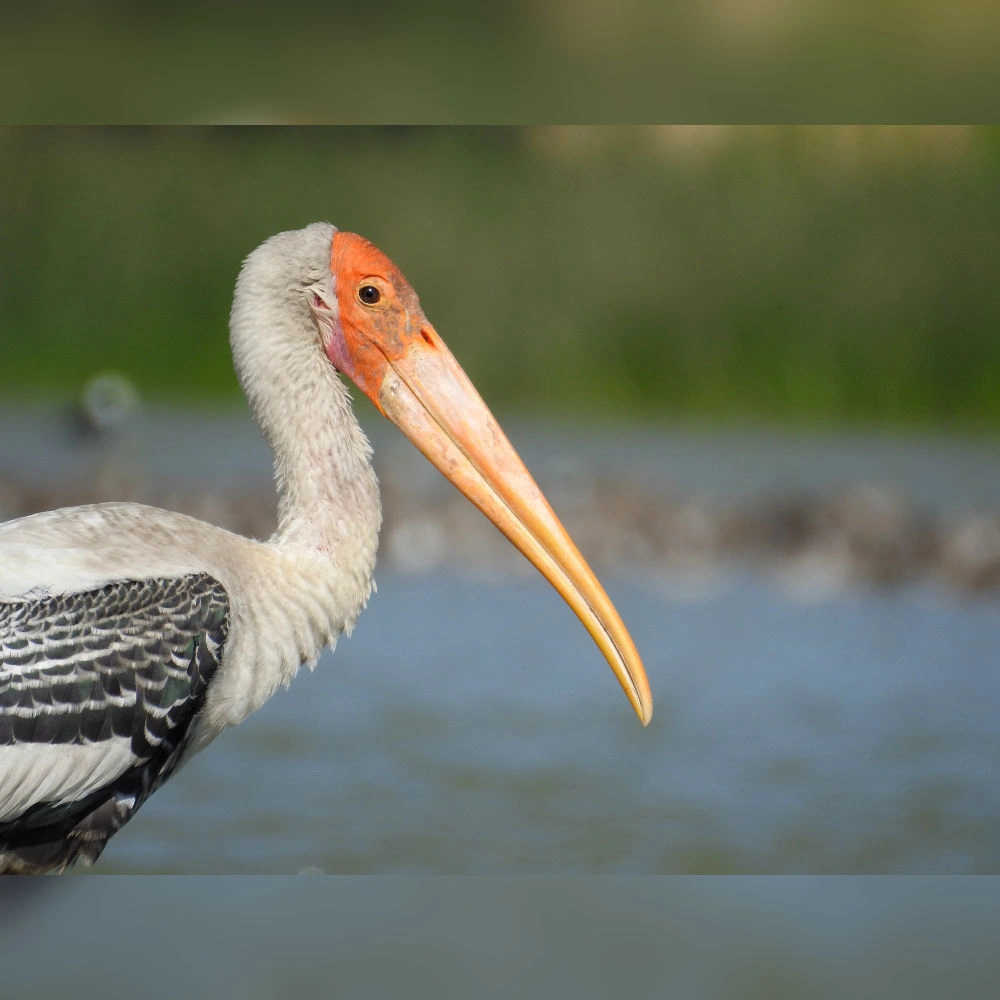
Painted Stork
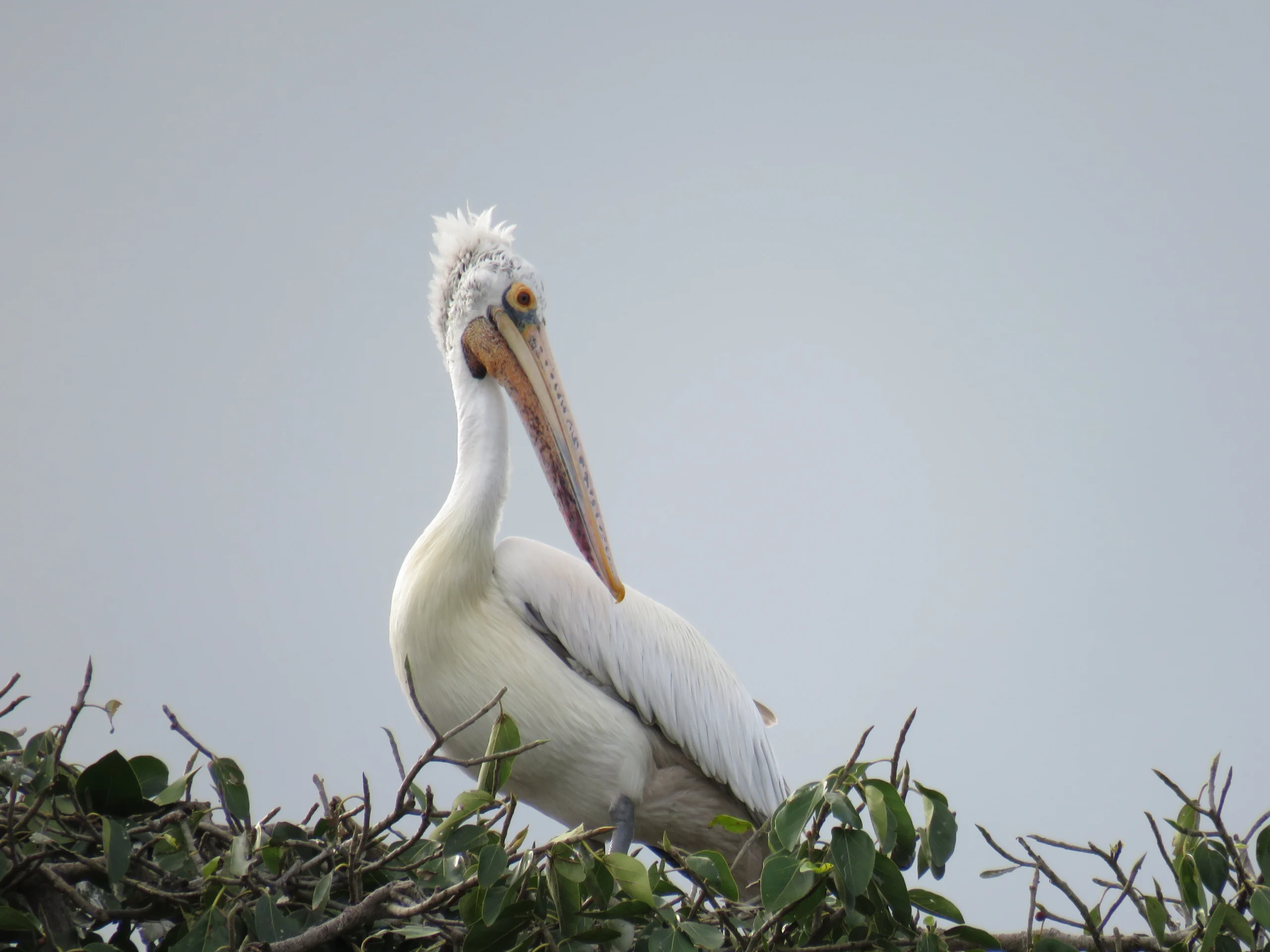
Spot-billed Pelican
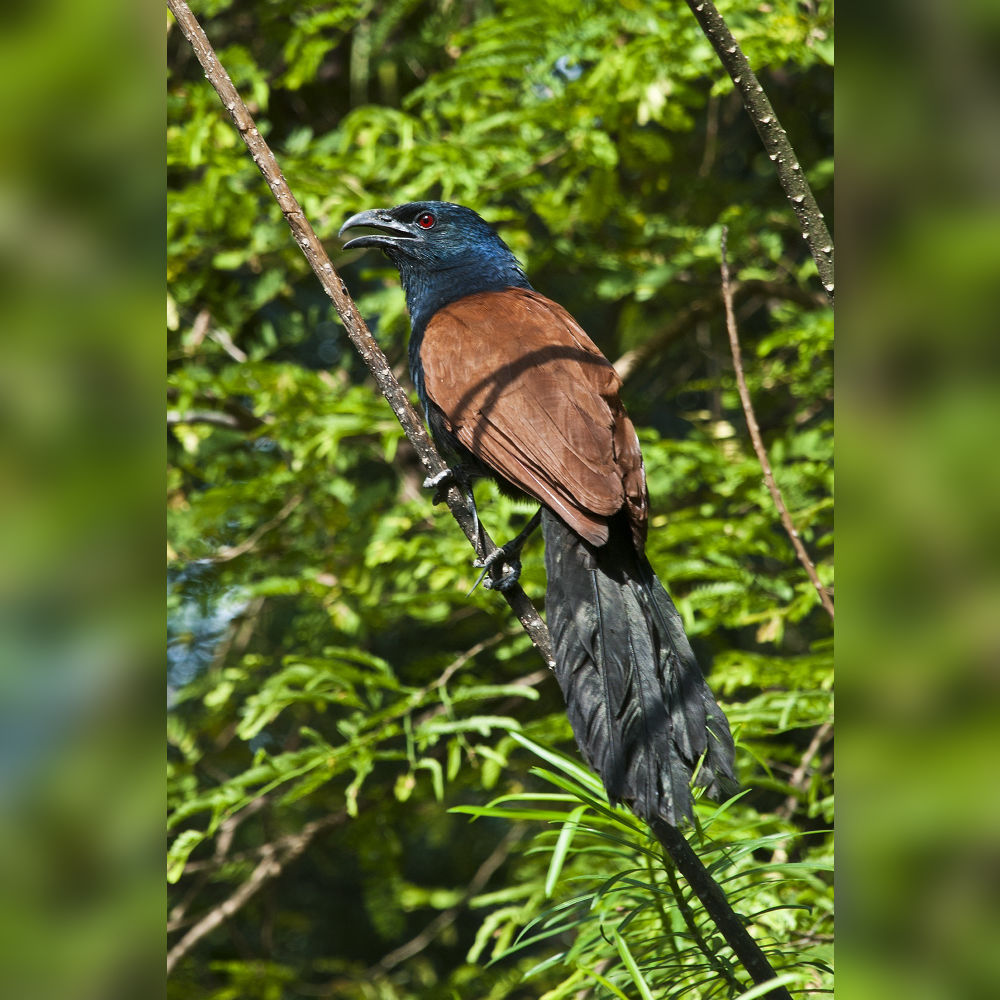
Greater Coucal
Indian Cormorant
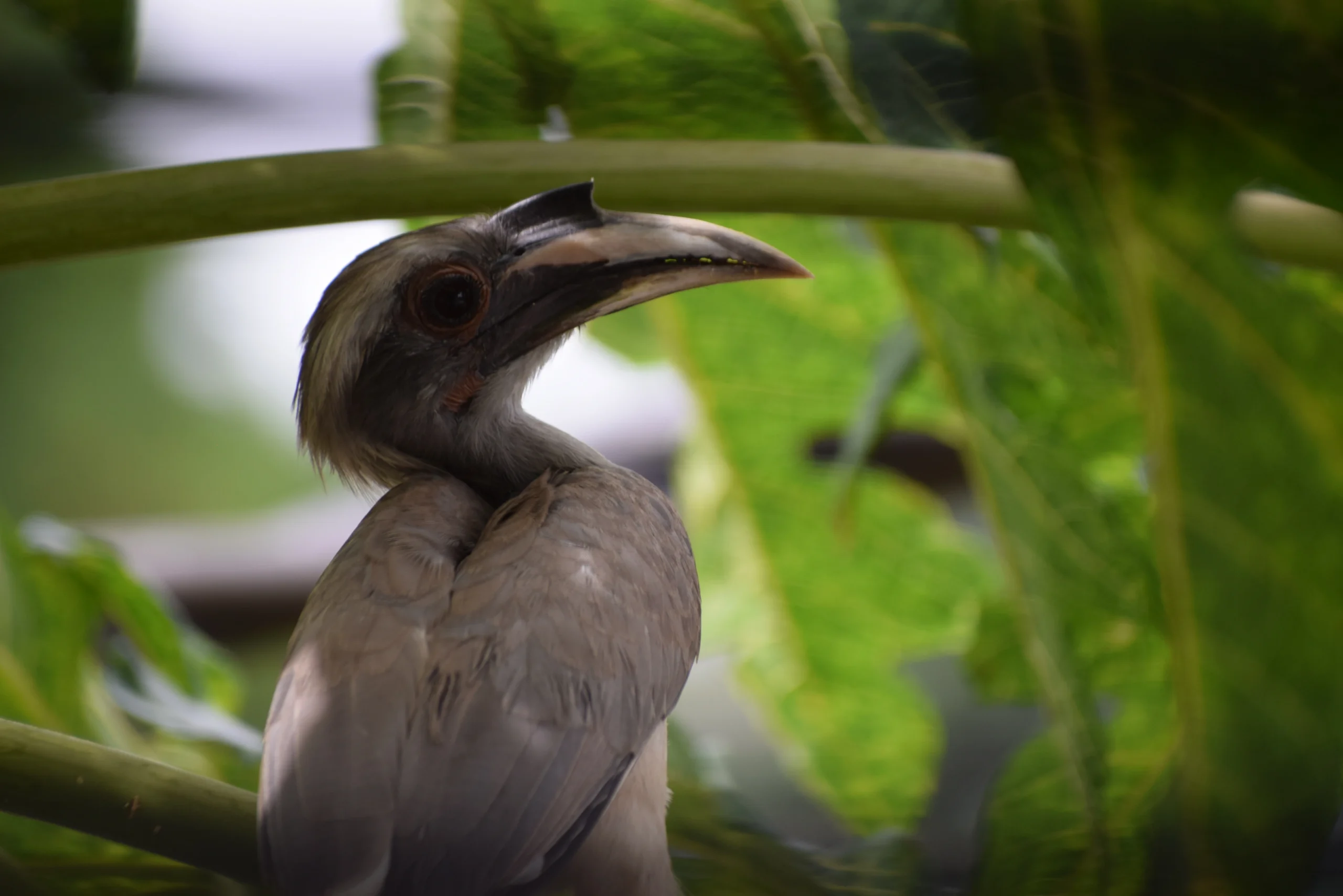
Indian Grey Hornbill
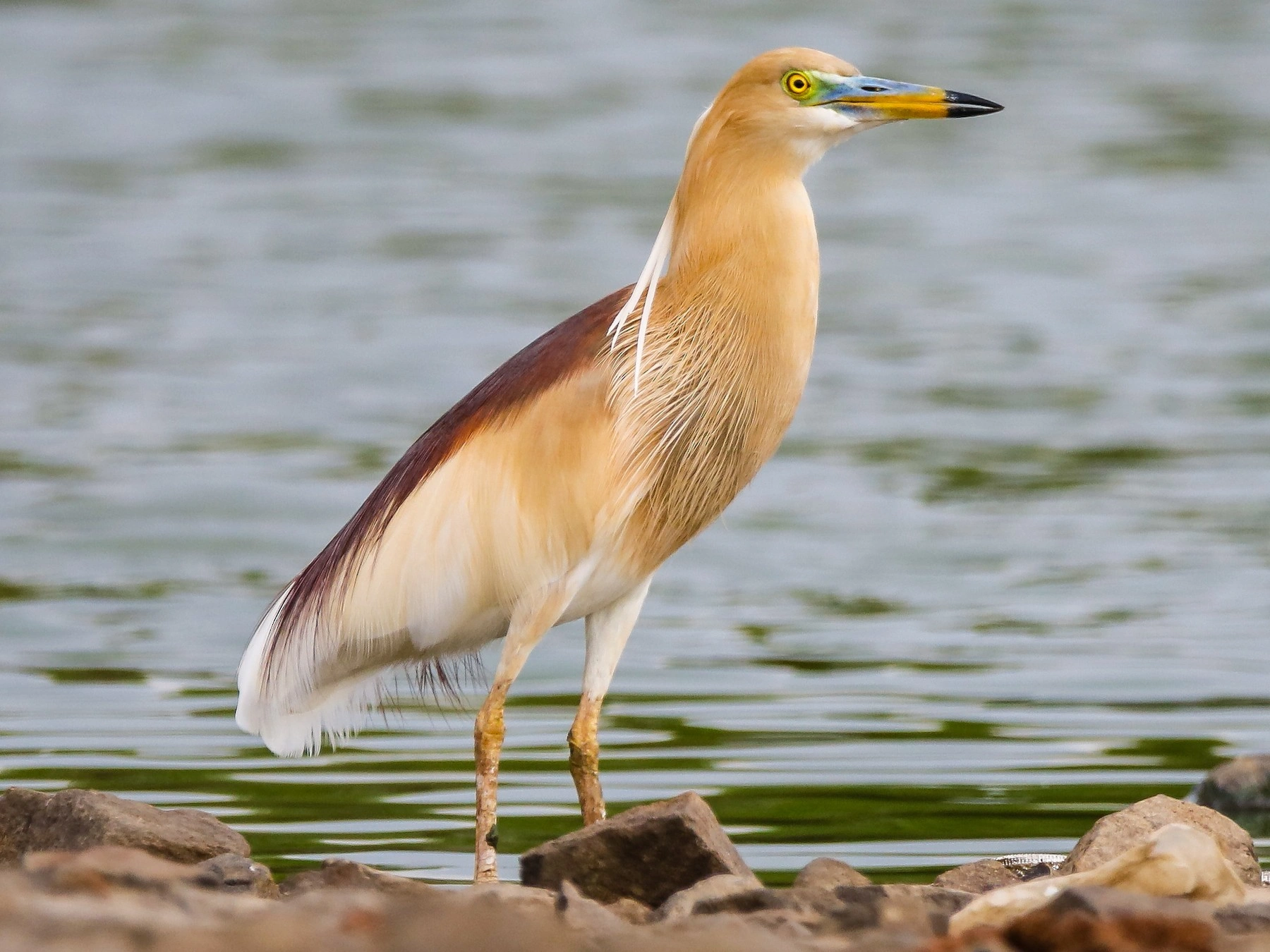
Indian Pond-Heron
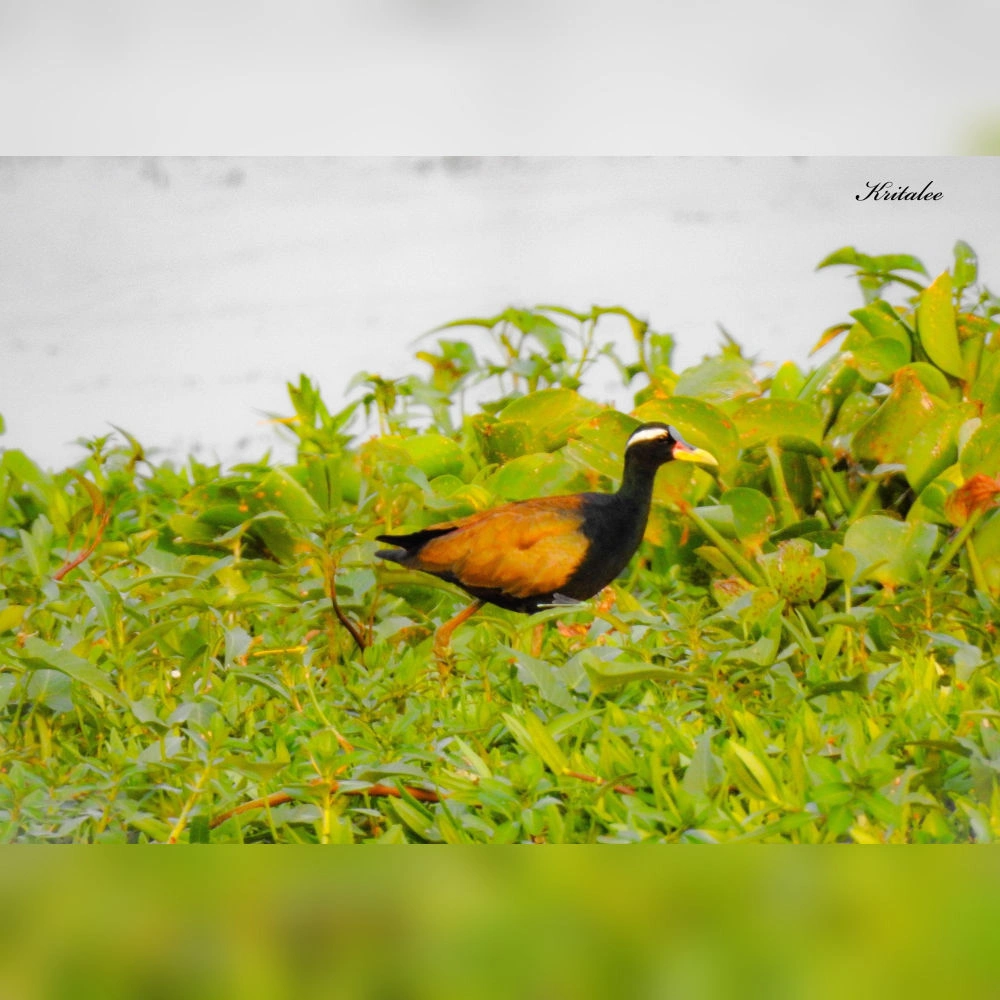
Bronze-winged Jacana
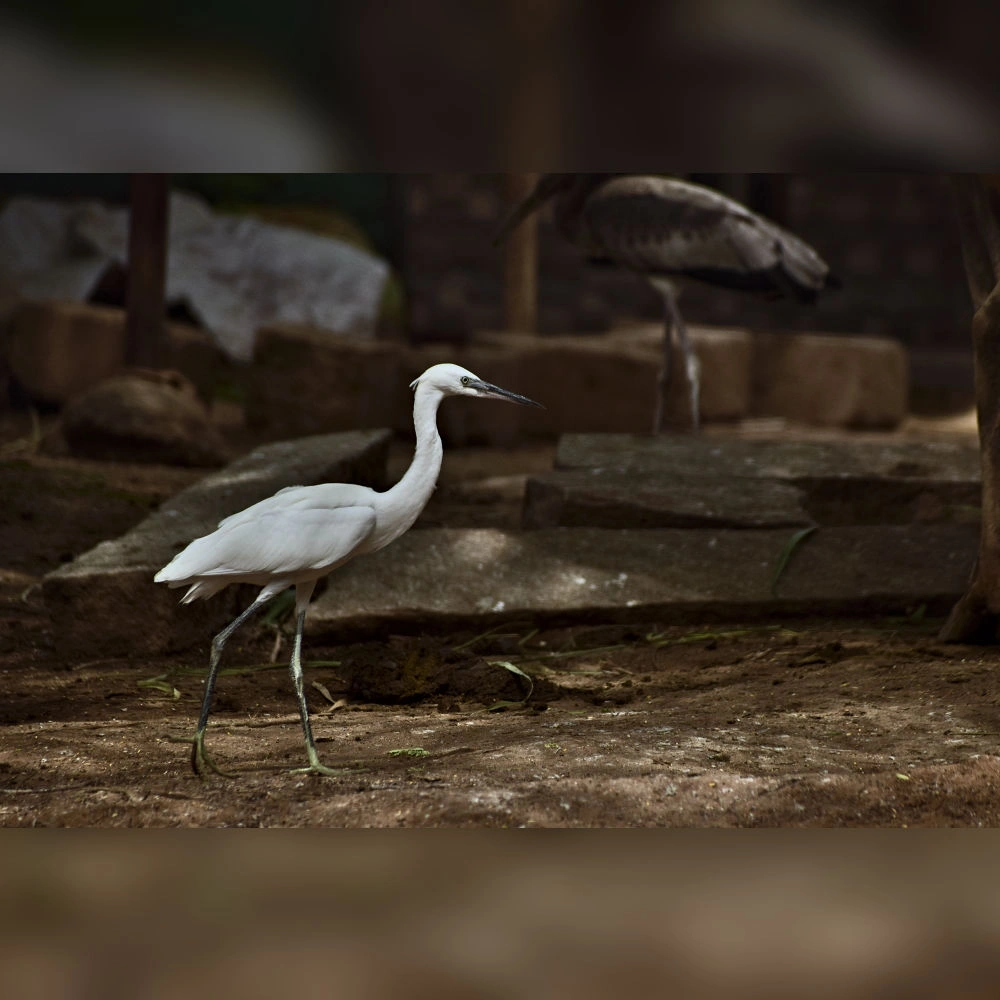
Little Egret
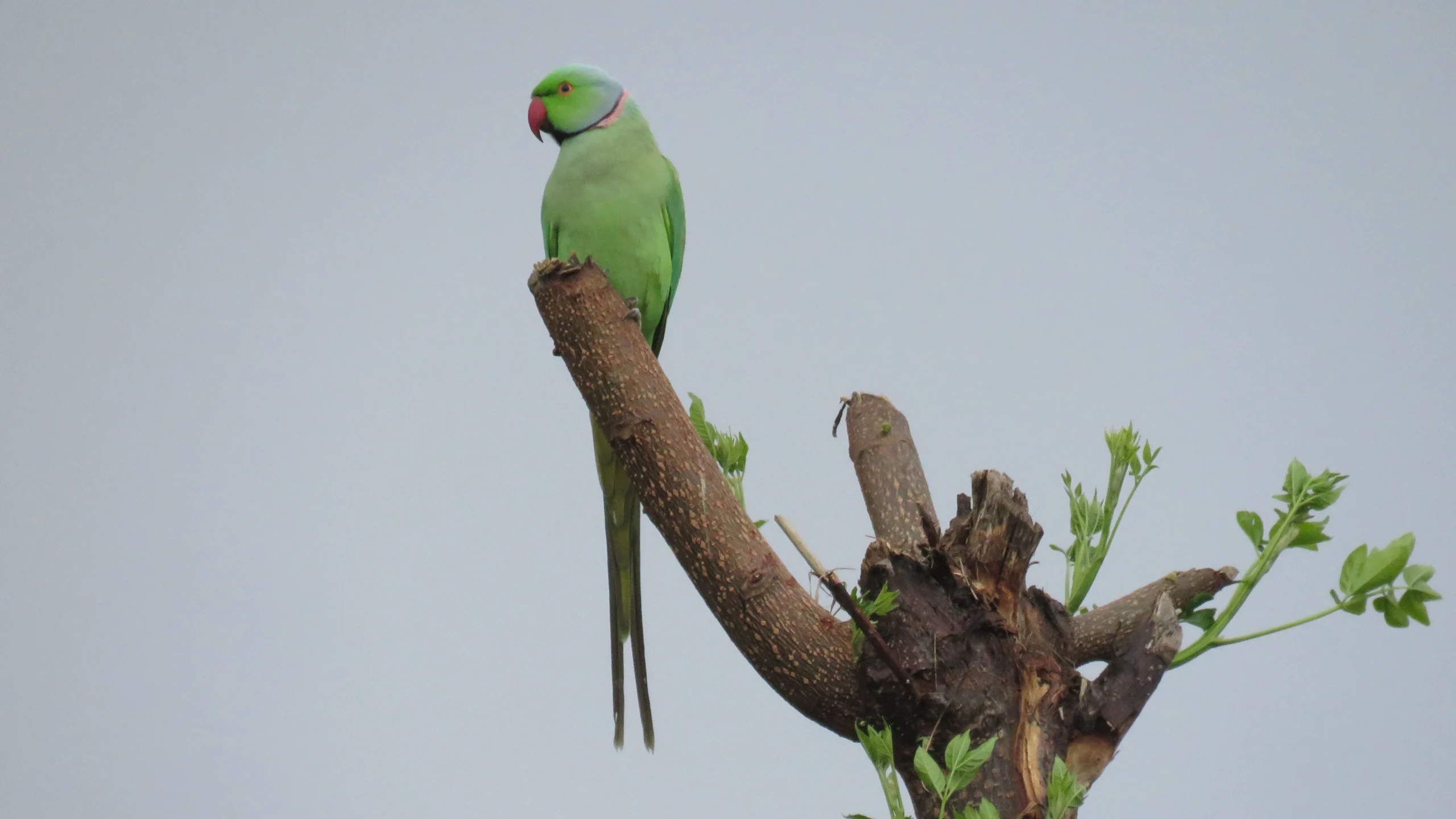
Rose-ringed Parakeet
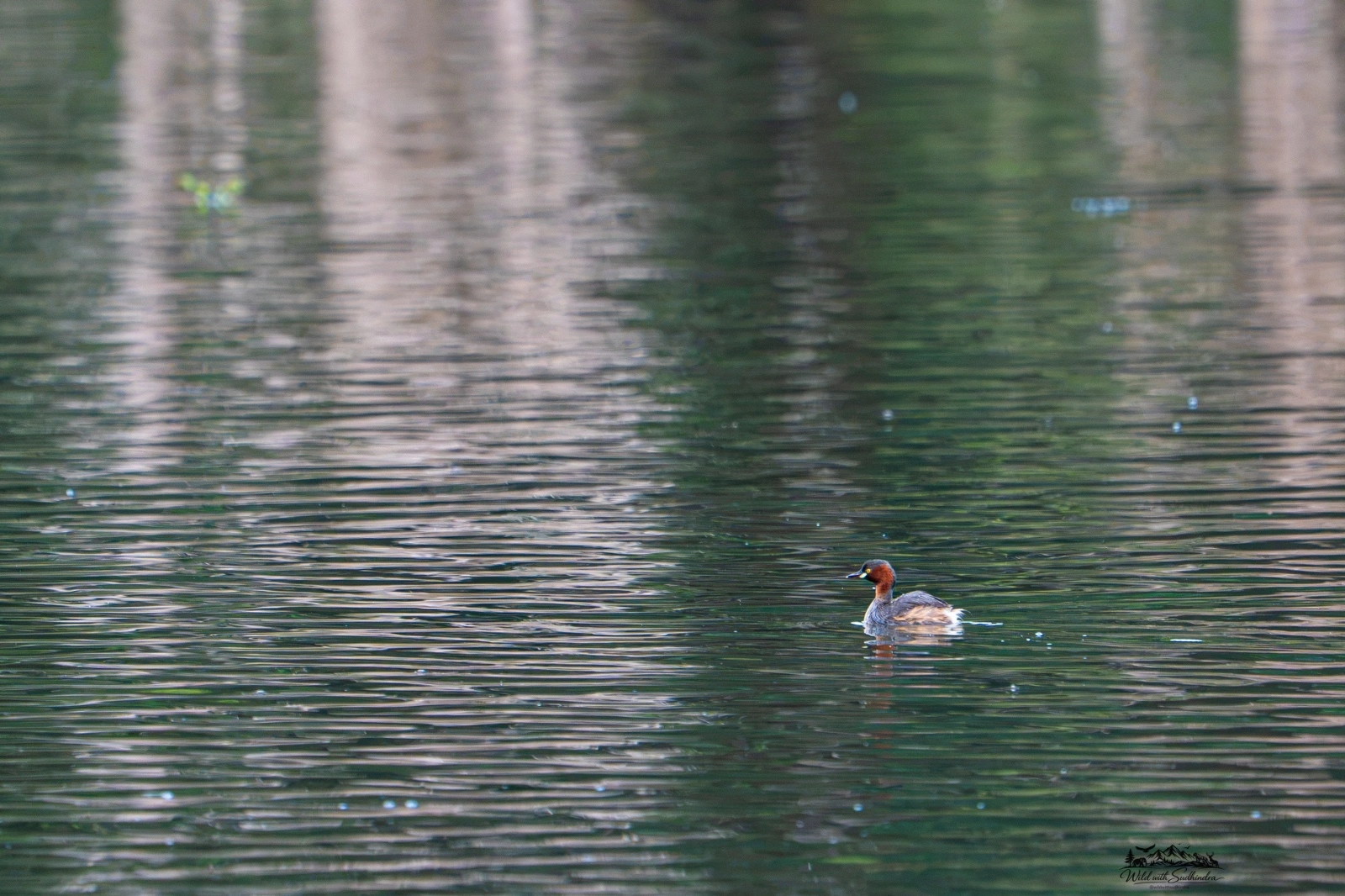
Little grebe

Summary of Walk

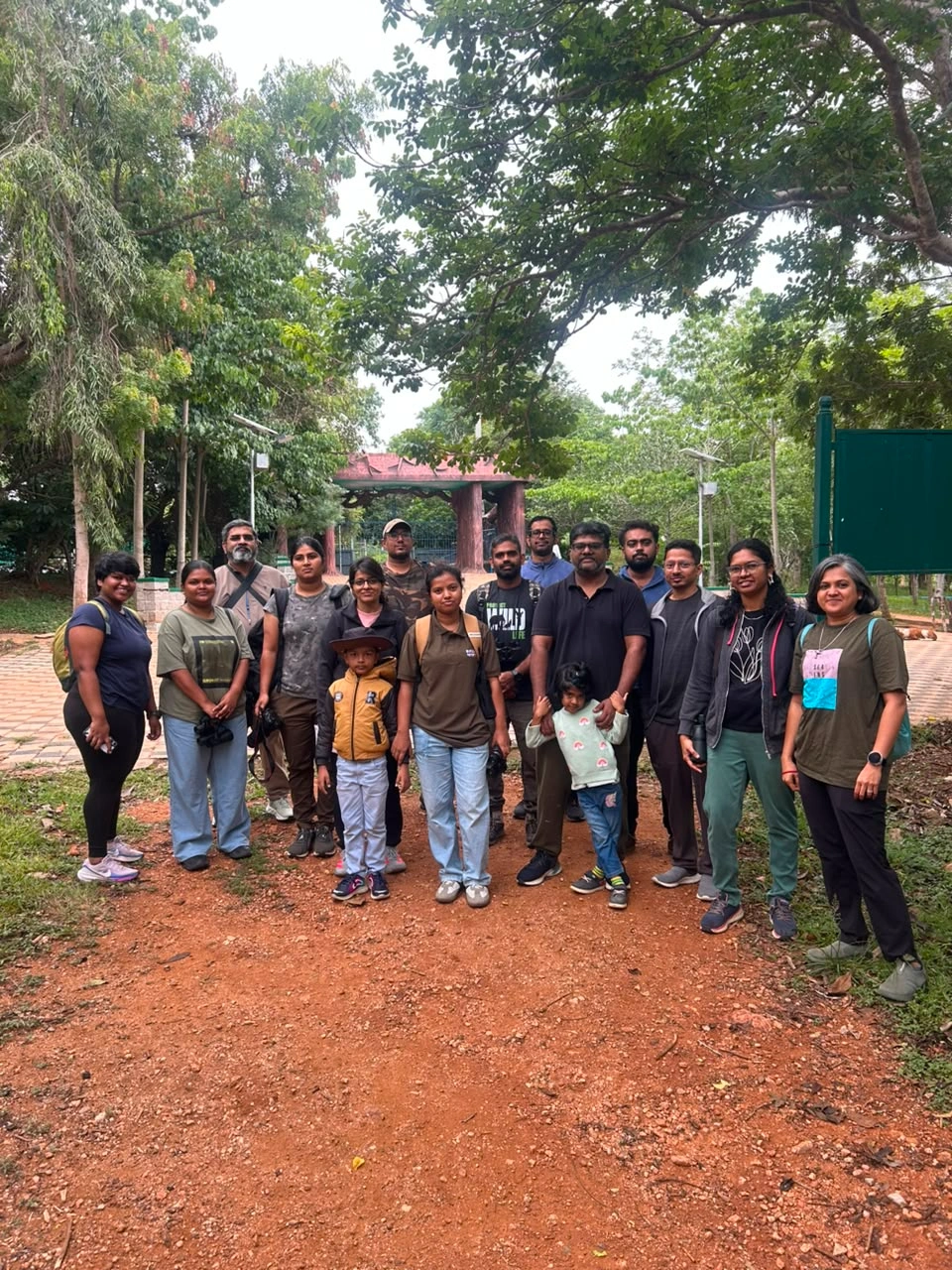
On 8th August 2026, a bird walk took place at Lingambudhi Lake in Mysuru, guided by Kavya M, with 21 participants joining the morning session. Lingambudhi Lake is a popular urban birding spot known for its mix of open water, reed beds and surrounding greenery, and the walk began with an engaging conversation about birds and bird photography before the group set out to explore the trail. Over the course of the walk, participants recorded 23 species, and many shared photographs from previous outings, which the group enjoyed identifying together, adding a nice collaborative touch to the session.
The walk offered several delightful sightings, starting with a White-throated Kingfisher that posed beautifully near the beginning of the trail, giving everyone a great opportunity for close observation. Participants were also excited to come across an Indian Paradise Flycatcher nest, one of the more interesting finds of the morning. Other highlights included the Tickell’s Blue Flycatcher, the Common Tailorbird, and the ever-present Eurasian Coot gliding across the lake’s waters. Throughout the outing, participants actively discussed bird facts and shared their own observations, making it an interactive and enjoyable experience filled with learning and discovery at one of Mysuru’s cherished lake habitats.

Number of Participants
0
Scroll to Top