

Bird Walk at Lonikand Reservoir, Pune, Maharashtra
- Pune
- 4 April, 2026
- Kamlakar Bhopatkar
About Lonikand Reservoir
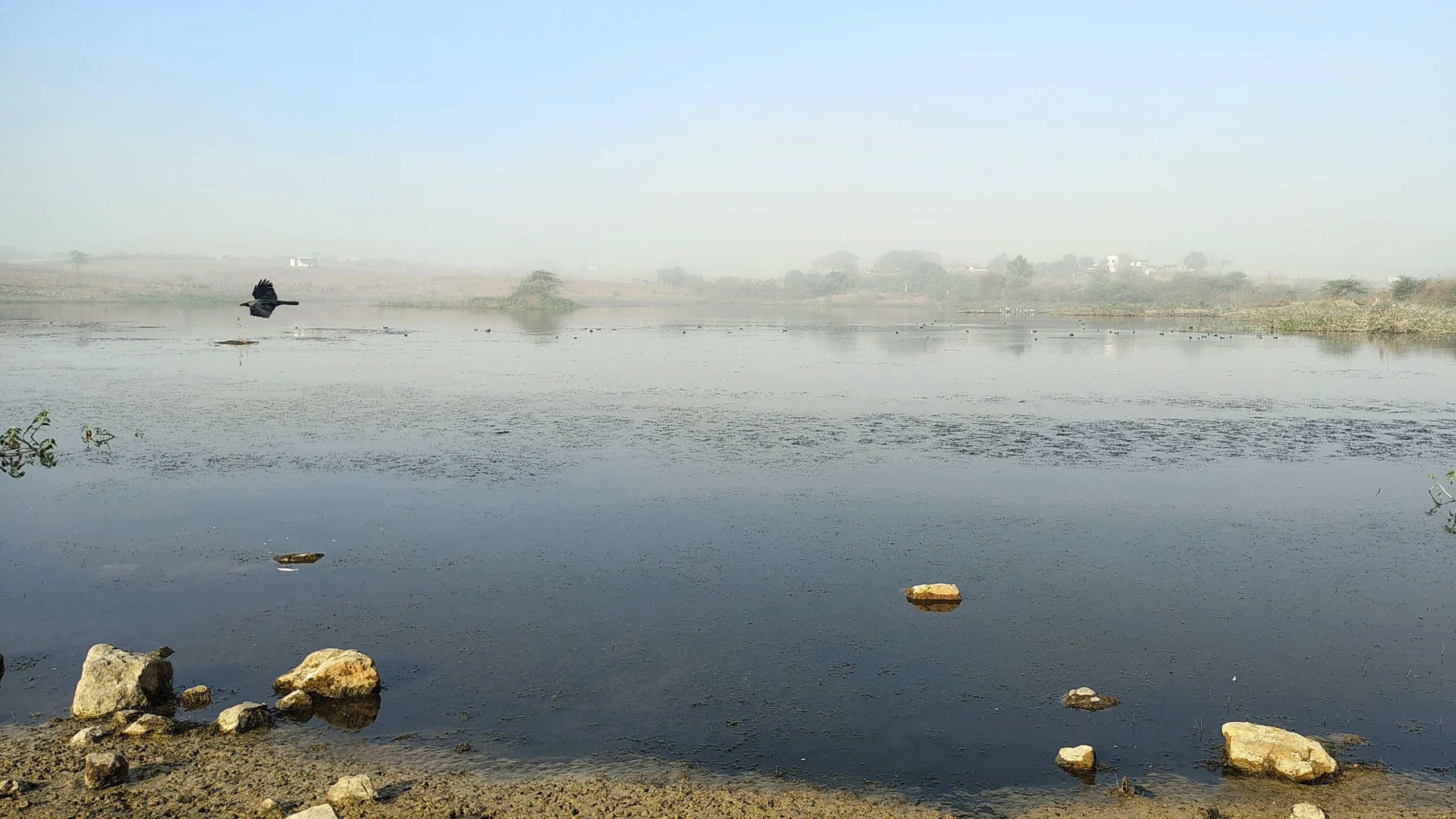
Nestled on the outskirts of Pune, Lonikand Reservoir is a serene freshwater expanse that quietly supports a rich and dynamic ecosystem. Surrounded by open grasslands, agricultural fields, and patches of scrub vegetation, the reservoir creates a mosaic of habitats ideal for a wide range of wildlife. Seasonal water fluctuations expose mudflats that attract waders, while deeper sections support fish and aquatic life. Native grasses, reeds, and scattered trees provide shelter for insects, amphibians, and small mammals, making the area a thriving ecological pocket amidst a semi-urban landscape.
For birders, Lonikand Reservoir is a rewarding destination, especially during winter when migratory birds arrive in large numbers. From flocks of ducks and waders along the edges to raptors soaring overhead, the diversity keeps every visit engaging. Early mornings are particularly vibrant, with bird calls echoing across the water and activity at its peak. However, like many peri-urban wetlands, Lonikand faces increasing threats from pollution, encroachment, water extraction, and habitat disturbance. Protecting such wetlands is crucial—not only for birdlife but also for maintaining ecological balance—ensuring that Lonikand continues to serve as a haven for biodiversity and a peaceful escape for nature lovers.

Bird Guide - Kamlakar Bhopatkar
An ex-educationist in Computer Science with 20+ years of teaching experience and an amateur birder(eBird count - 375+) who is on a mission to share the joy of birding.
Bird walk Location
Common birds of Lonikand Reservoir
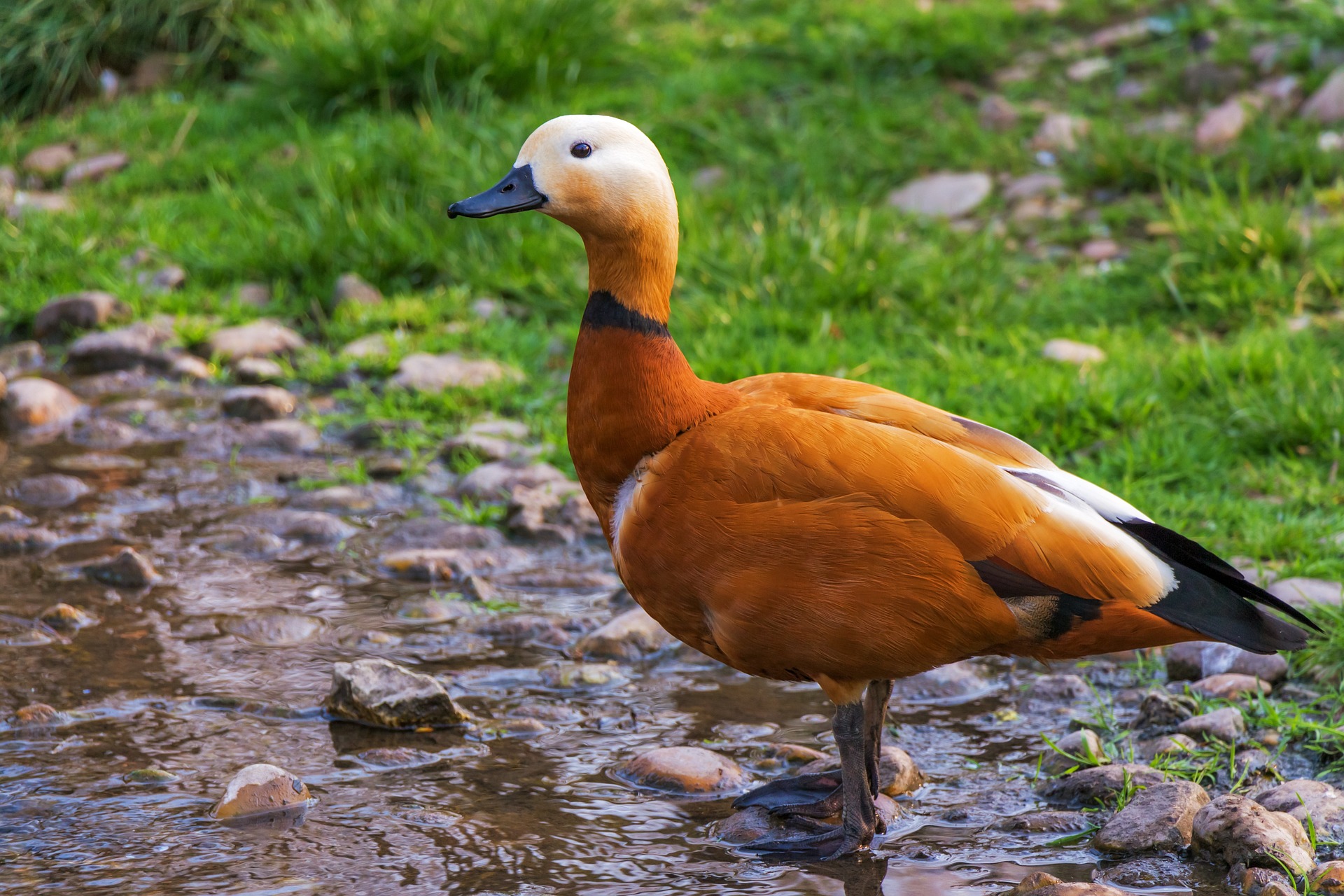
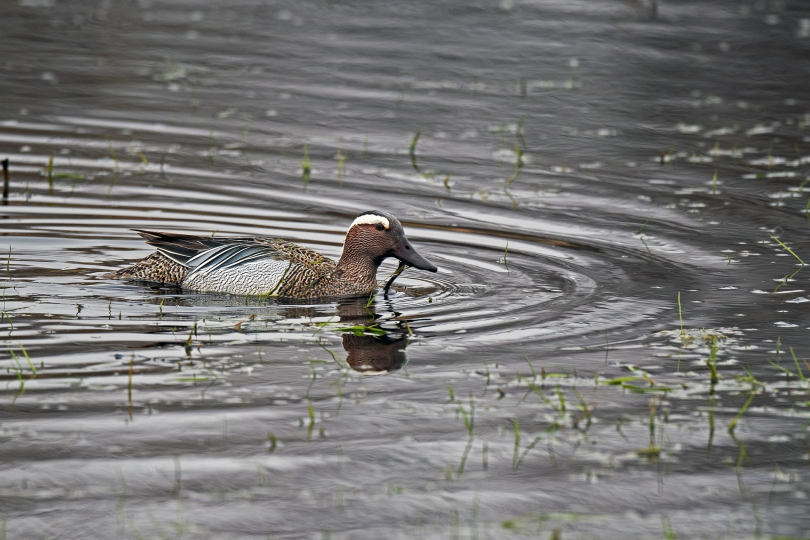
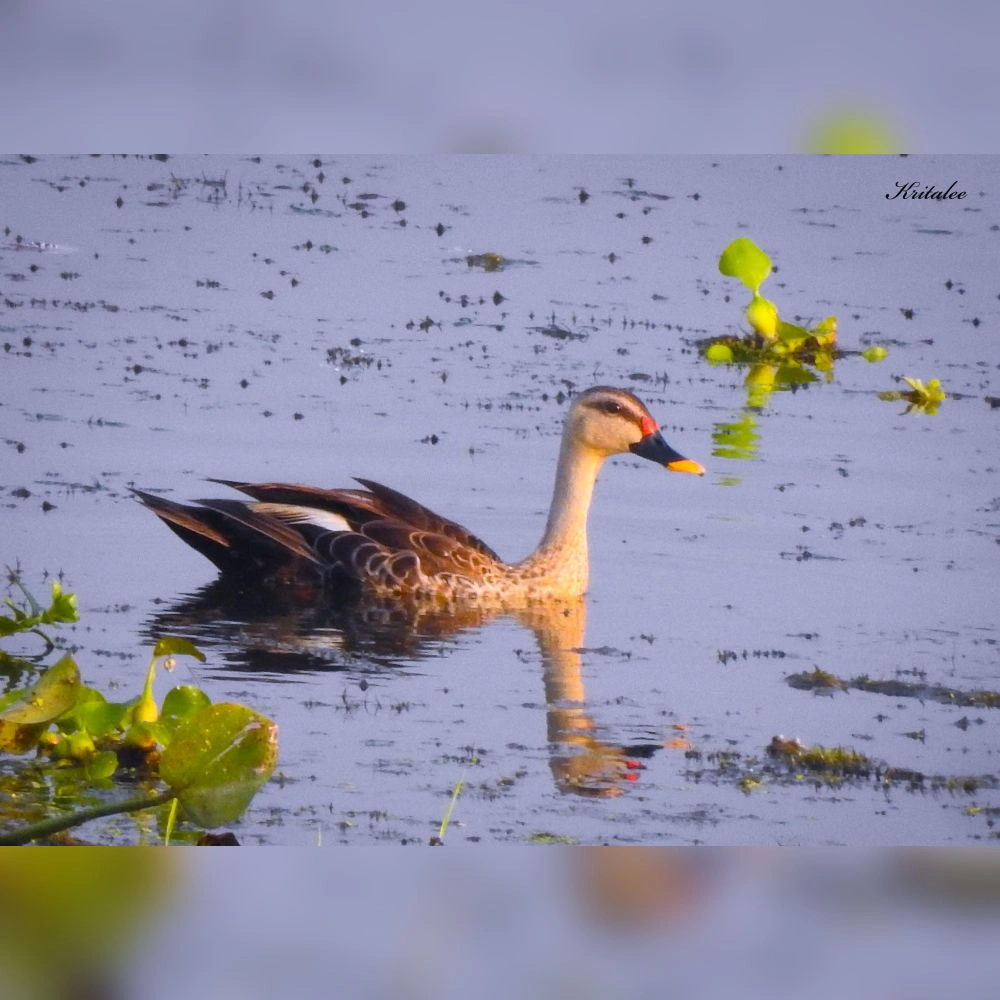
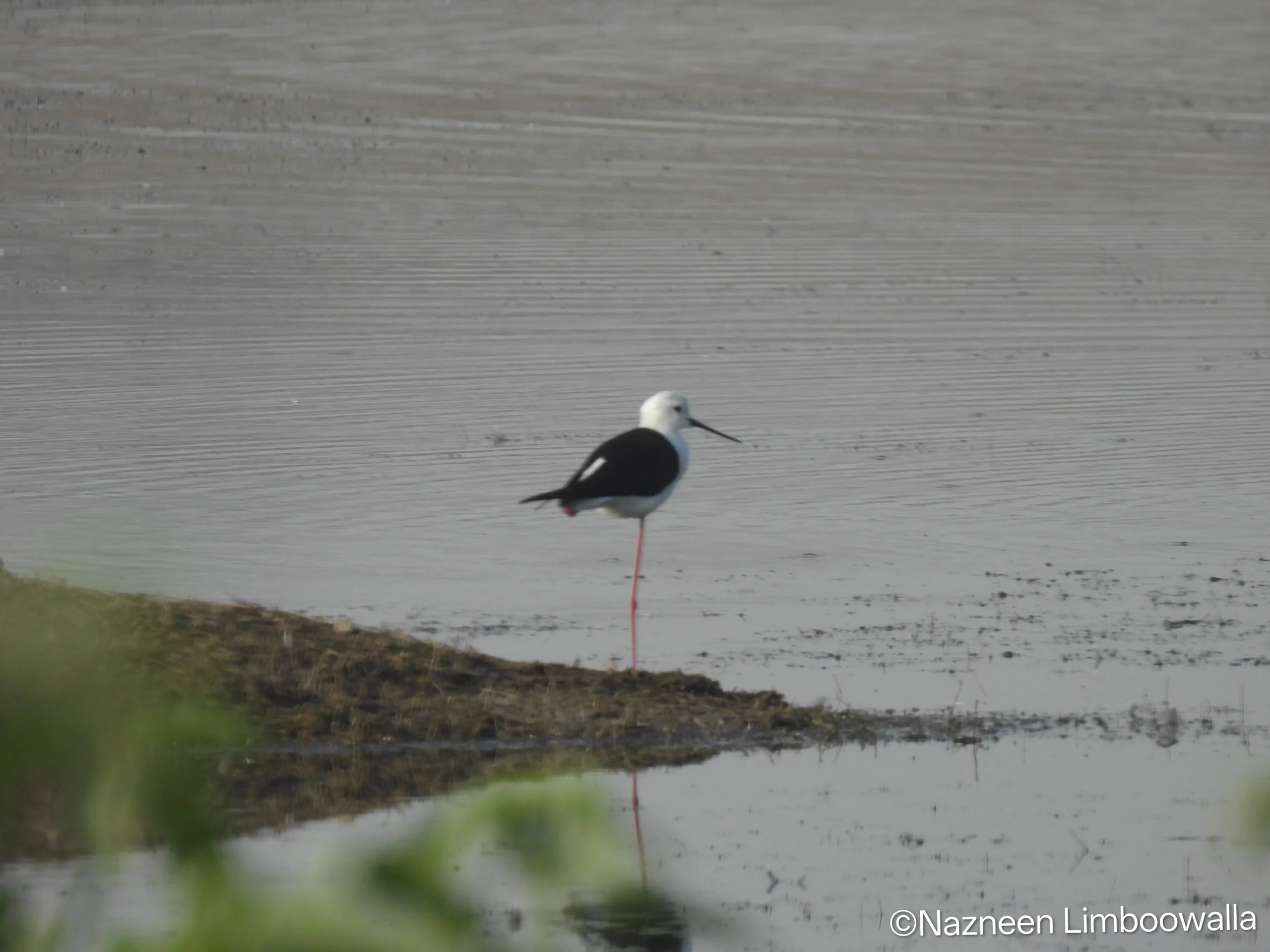
The birdlife at Lonikand Reservoir transforms this quiet wetland into a vibrant stage of movement and migration, especially during the winter months. Flocks of waterfowl like the Ruddy Shelduck, Garganey, and Indian Spot-billed Duck glide across the water, while large gatherings of Eurasian Coot and Little Cormorant create constant activity on the surface. Along the muddy edges, elegant waders such as the Black-winged Stilt, Little Ringed Plover, and various sandpipers—including Common Sandpiper and Wood Sandpiper—forage delicately, while the striking Eurasian Spoonbill and Glossy Ibis add a sense of elegance to the wetland scene.
Beyond the water, the surrounding habitat is alive with diverse bird activity. The sharp calls of the Red-wattled Lapwing echo across open ground, while birds like the Gray-headed Swamphen and Little Grebe move gracefully through aquatic vegetation. Raptors such as the Western Marsh Harrier patrol the skies, and flashes of colour appear in species like the Common Kingfisher and White-throated Kingfisher. The surrounding scrub and fields host birds like the Long-tailed Shrike, Indian Robin, Siberian Stonechat, and the unusual Eurasian Wryneck, creating a dynamic birding experience where every corner reveals something new.

Ruddy Shelduck

Garganey

Indian Spot-billed Duck
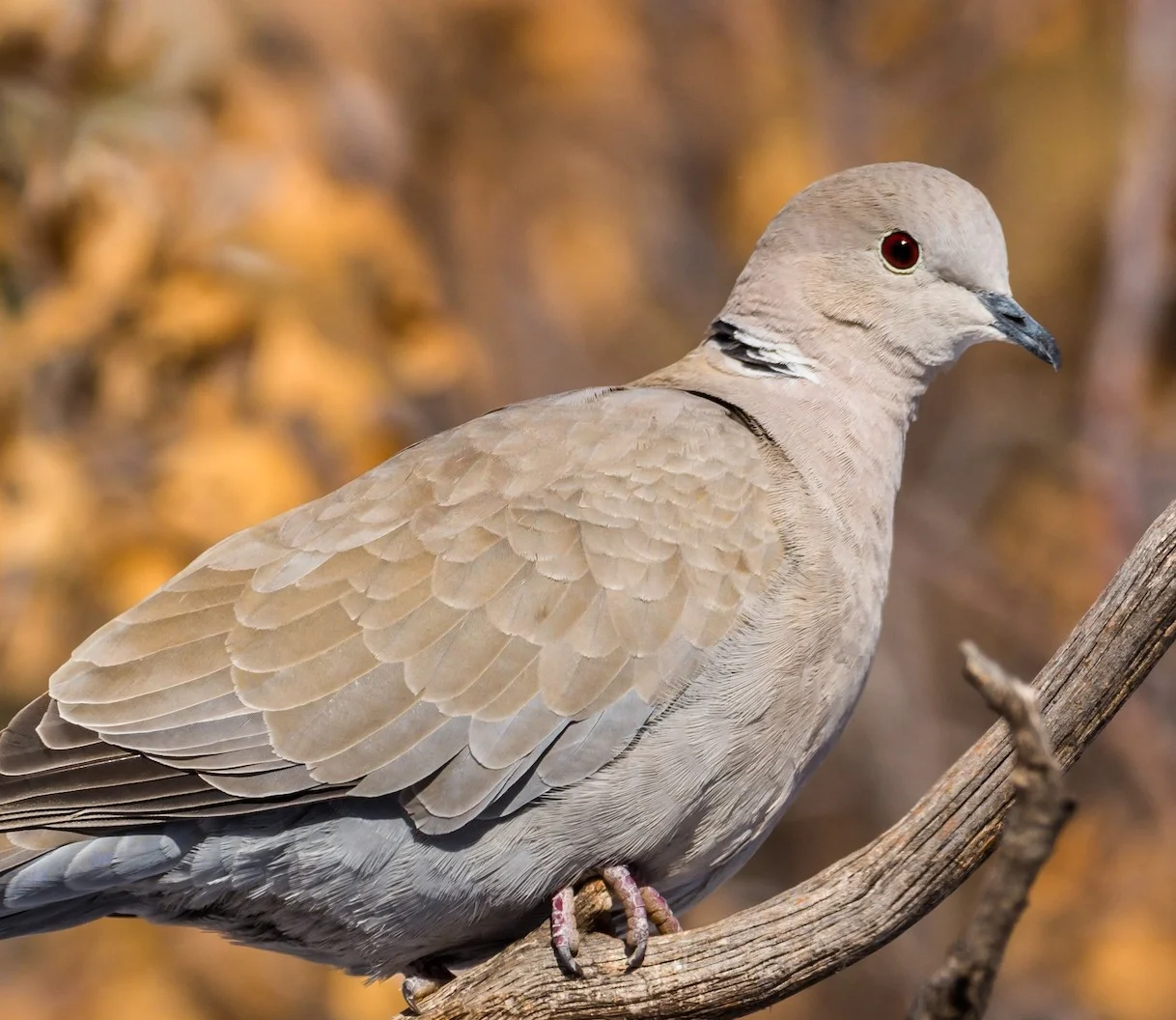
Eurasian Collared Dove
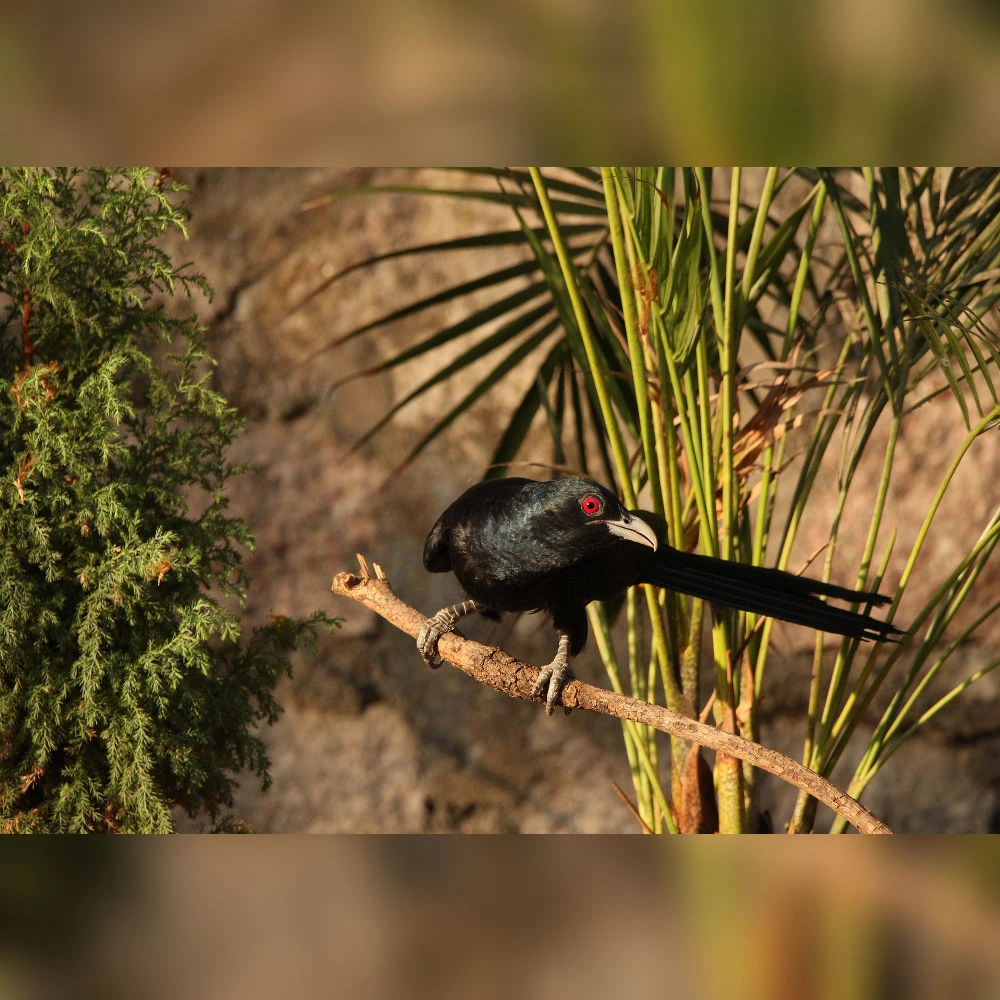
Asian Koel
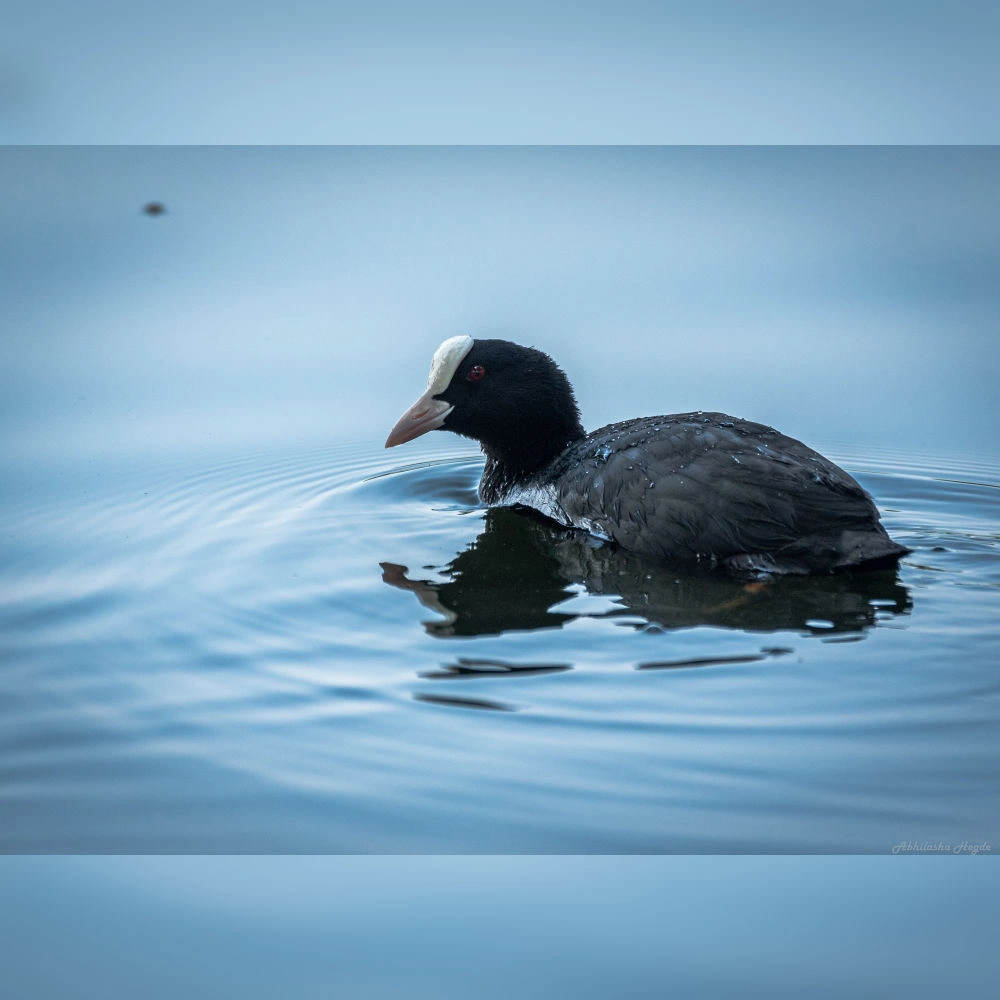
Eurasian Coot
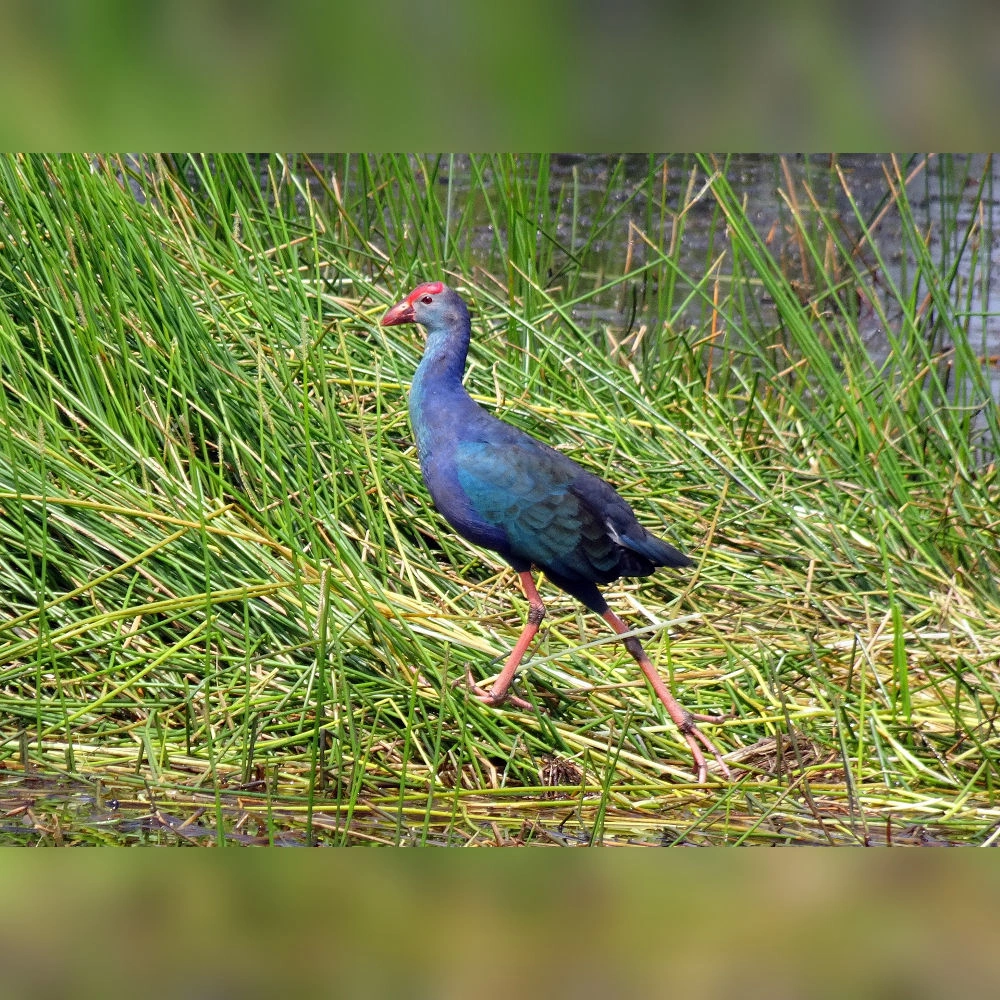
Gray-headed Swamphen
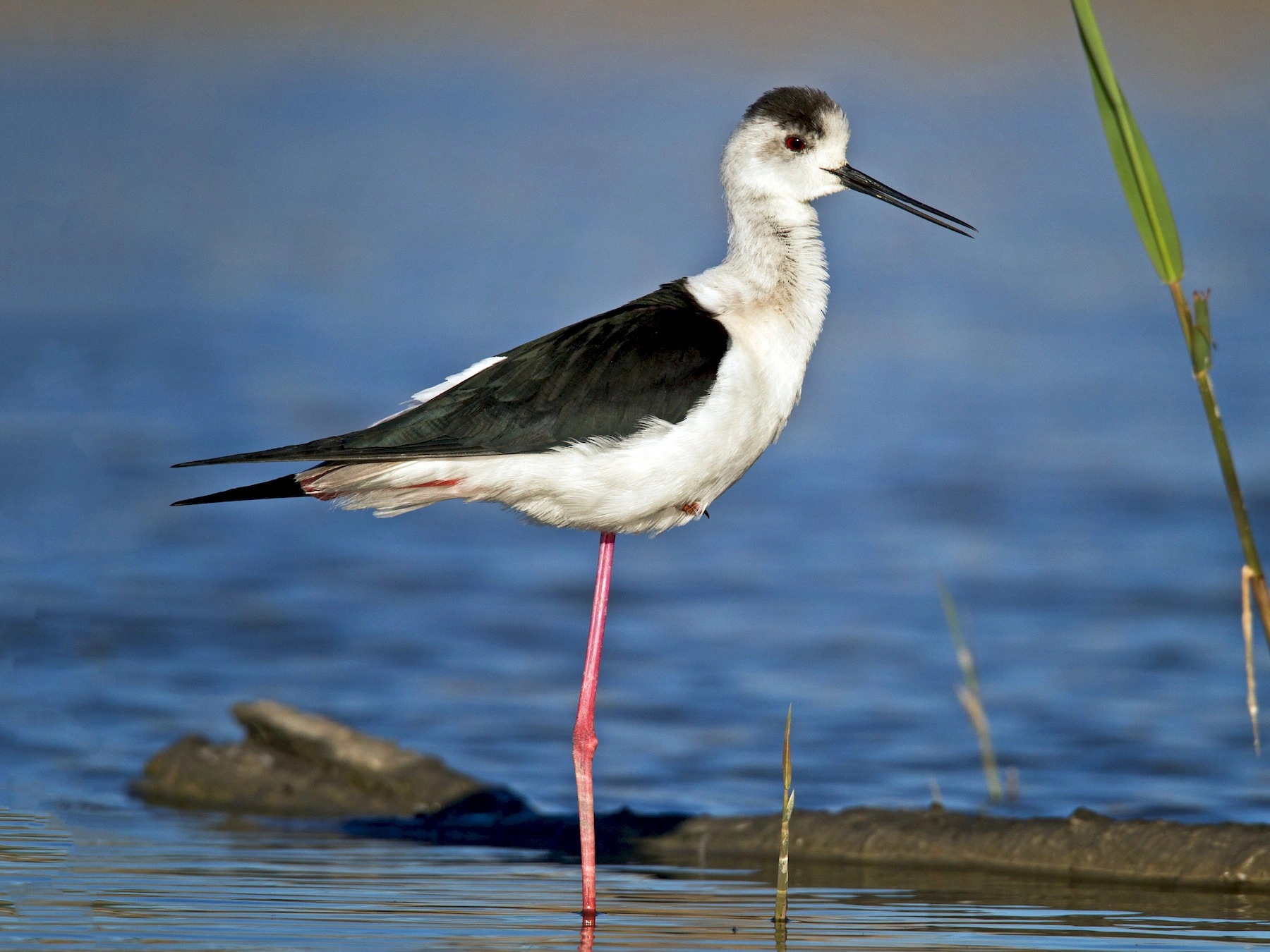
Black-winged Stilt
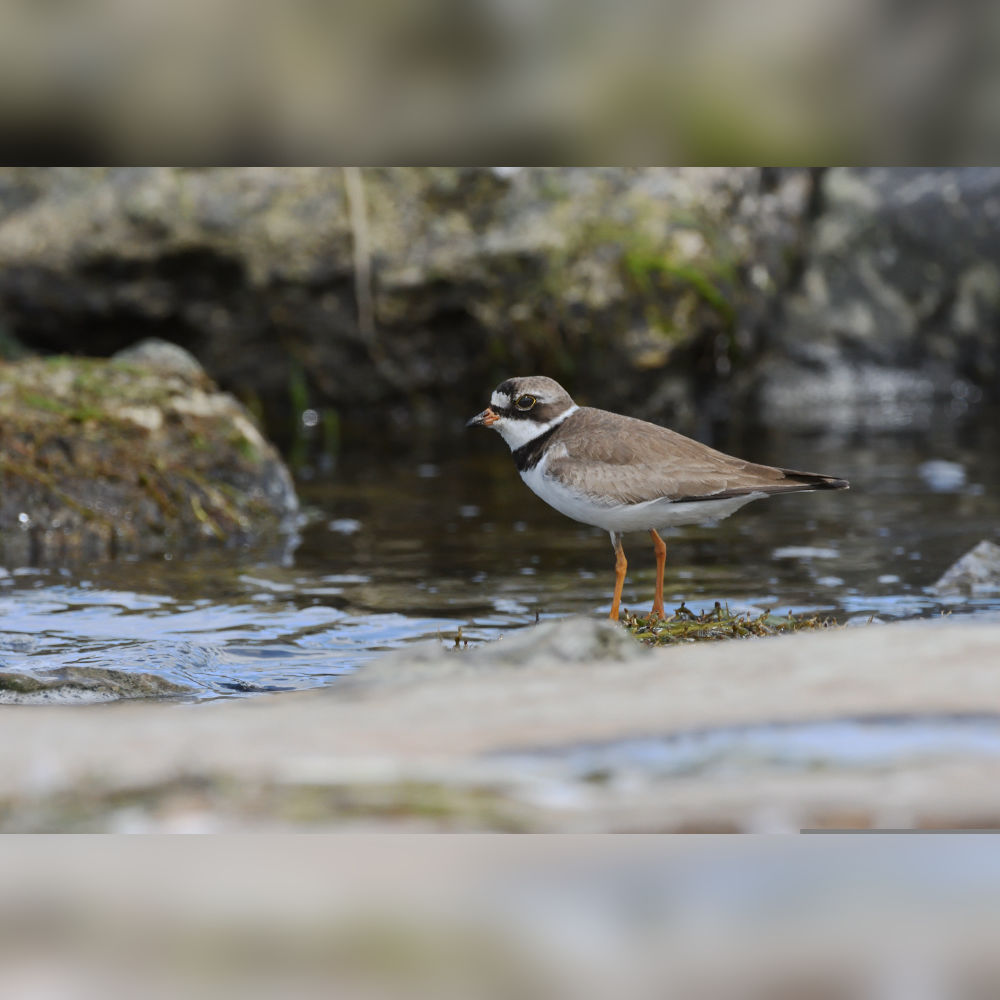
Little Ringed Plover
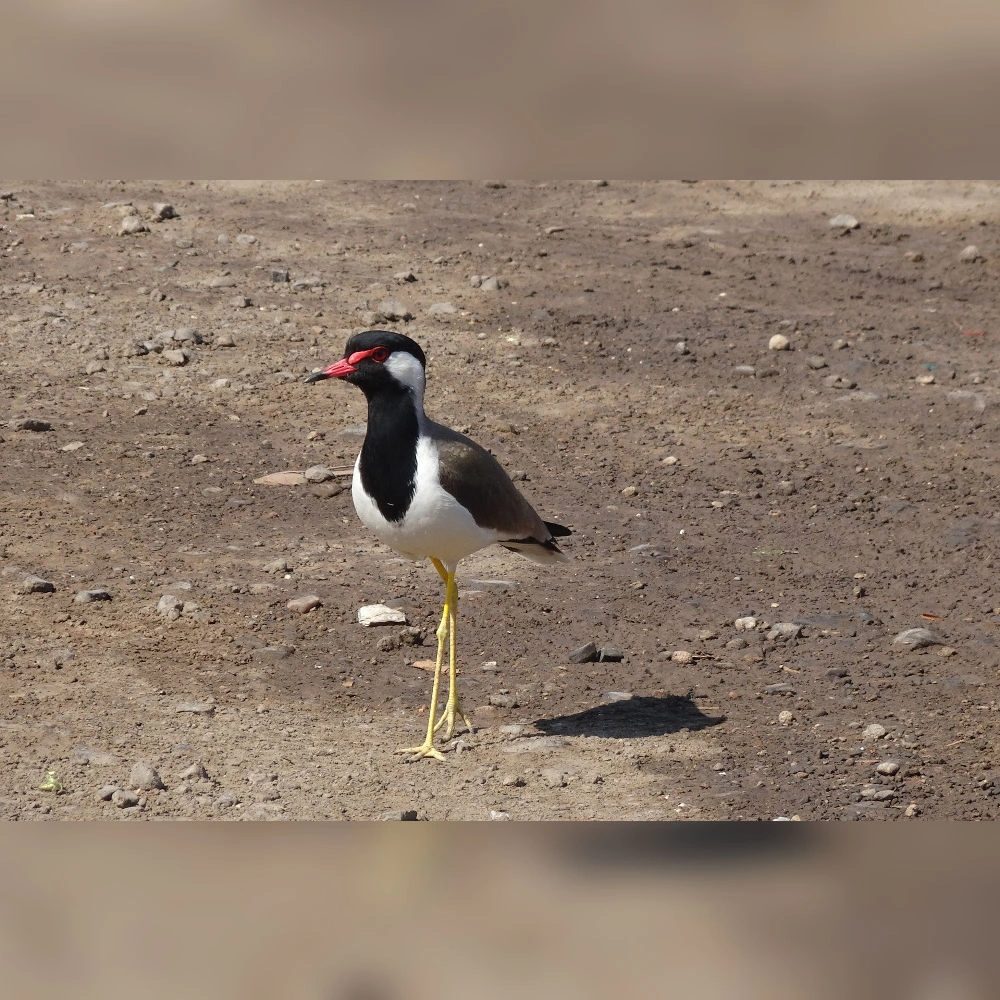
Red-wattled Lapwing
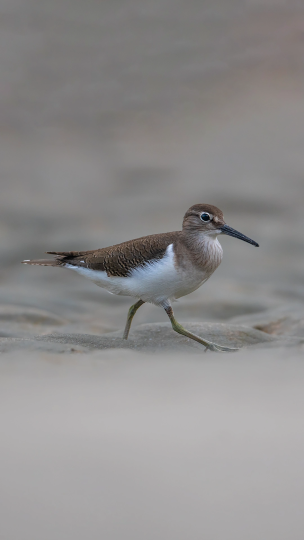
Common Sandpiper
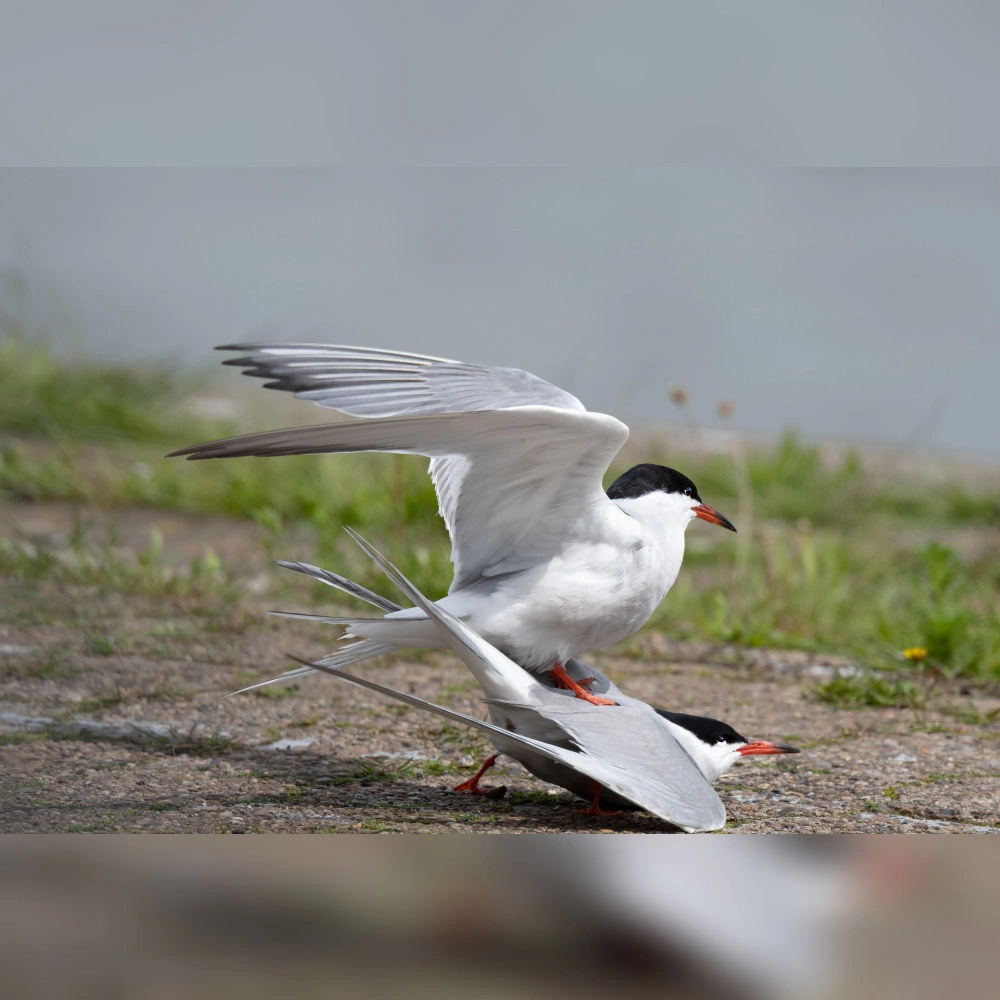
River Tern
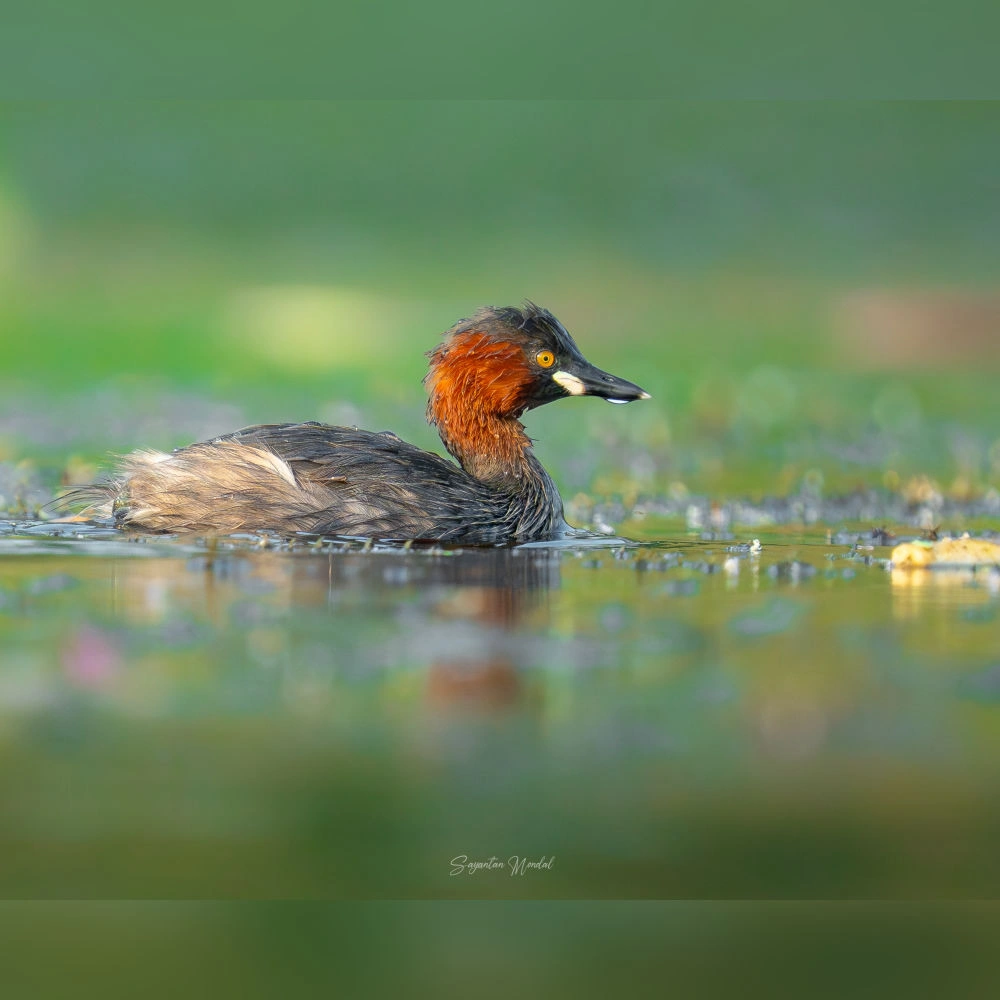
Little Grebe
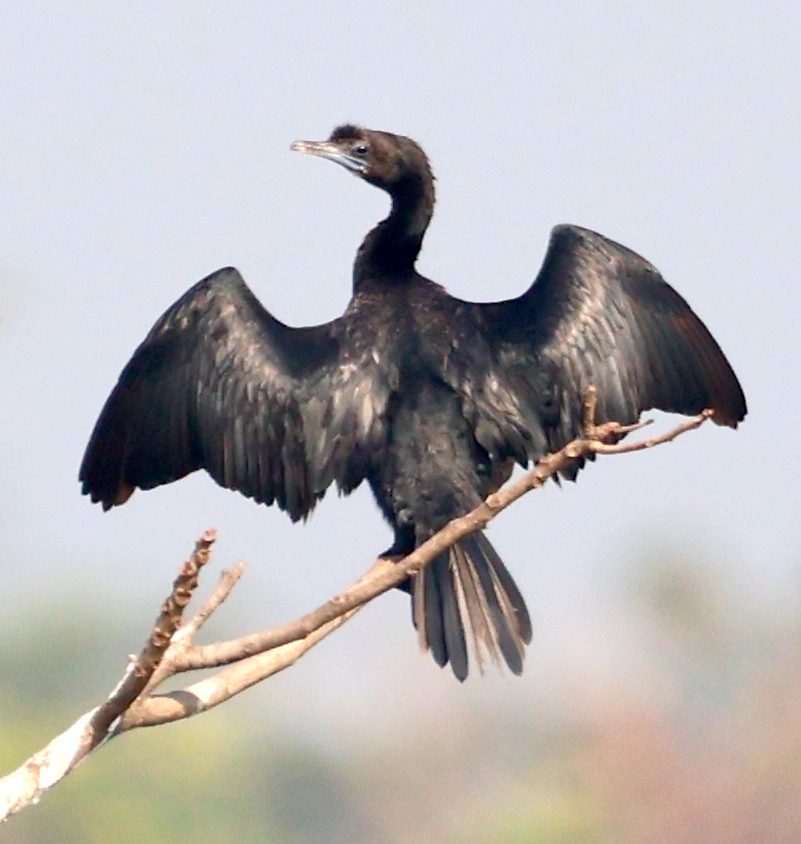
Little Cormorant
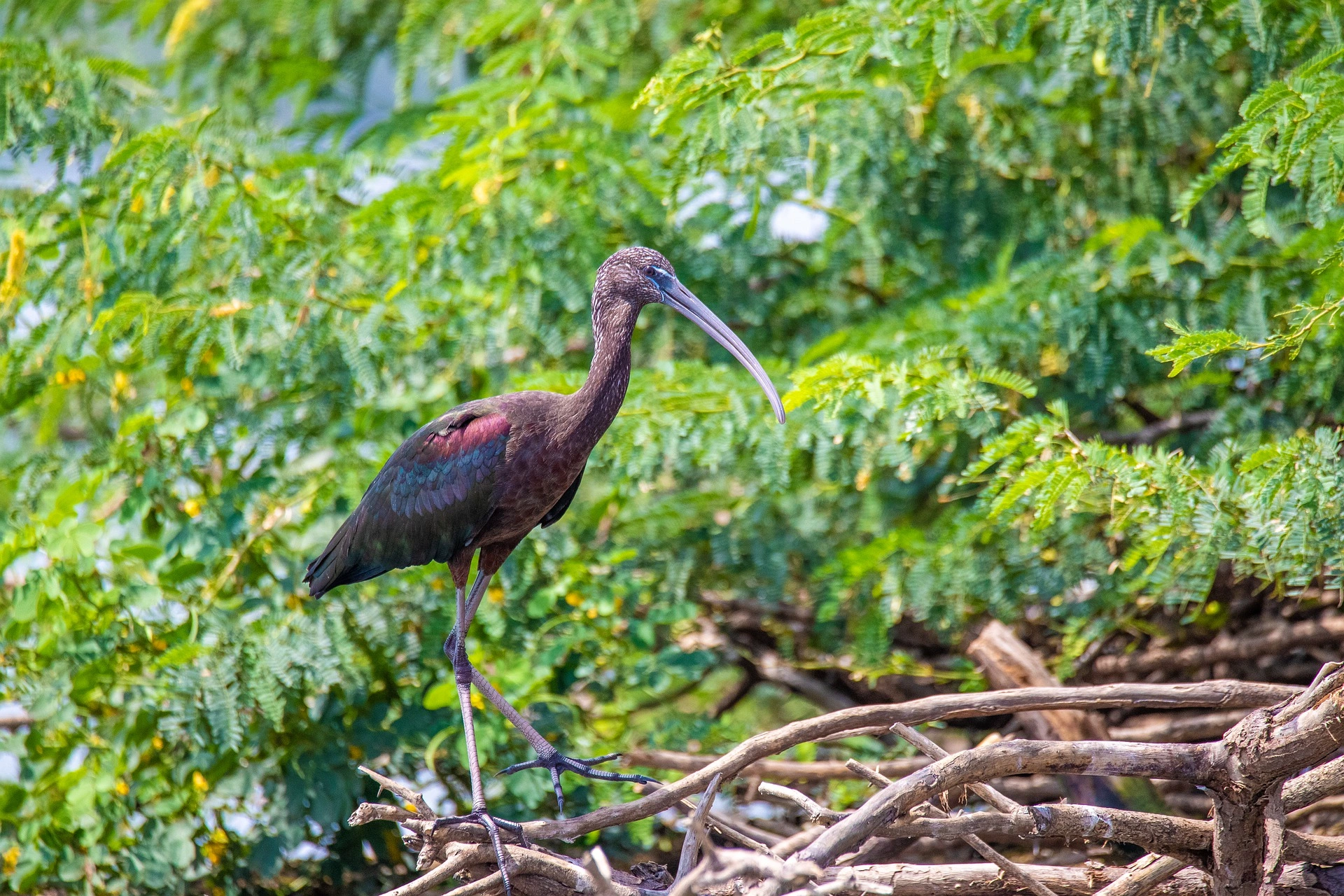
Glossy Ibis
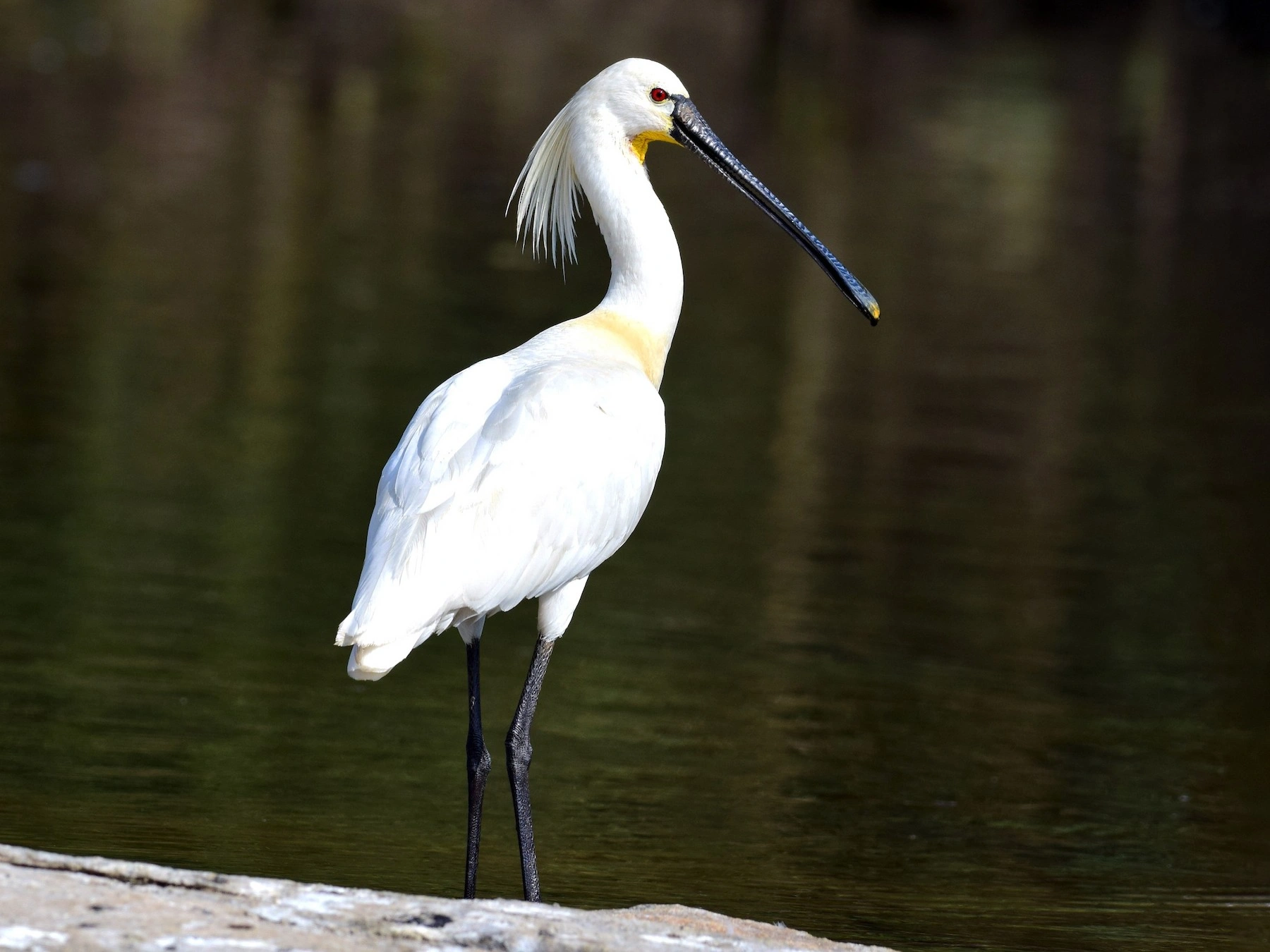
Eurasian Spoonbill
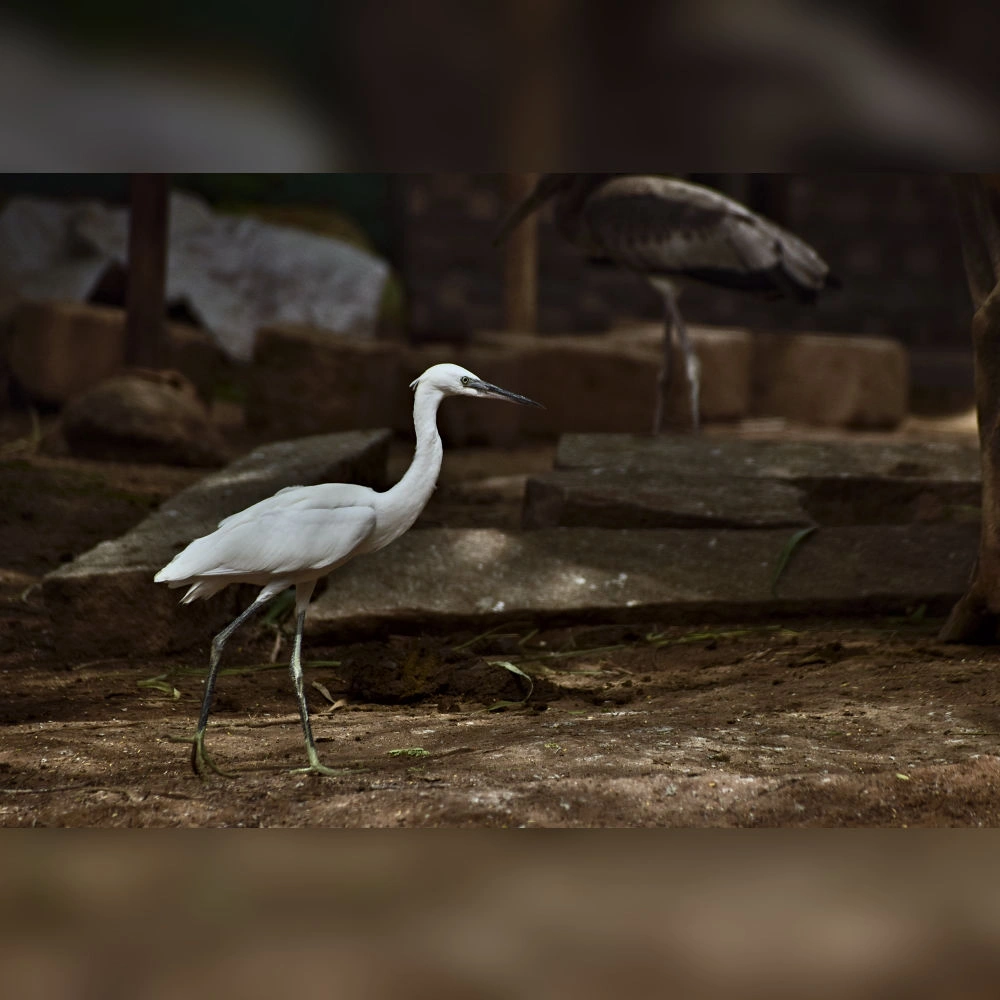
Little Egret
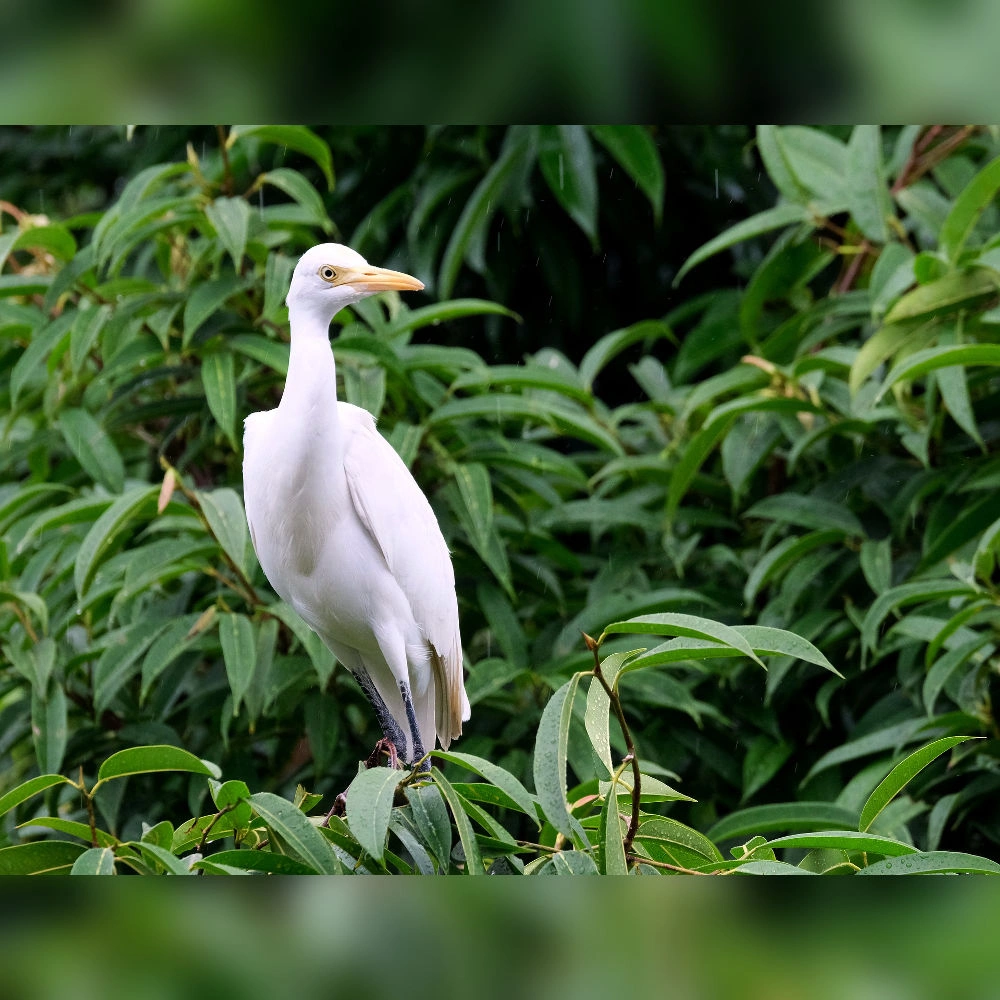
Eastern Cattle Egret
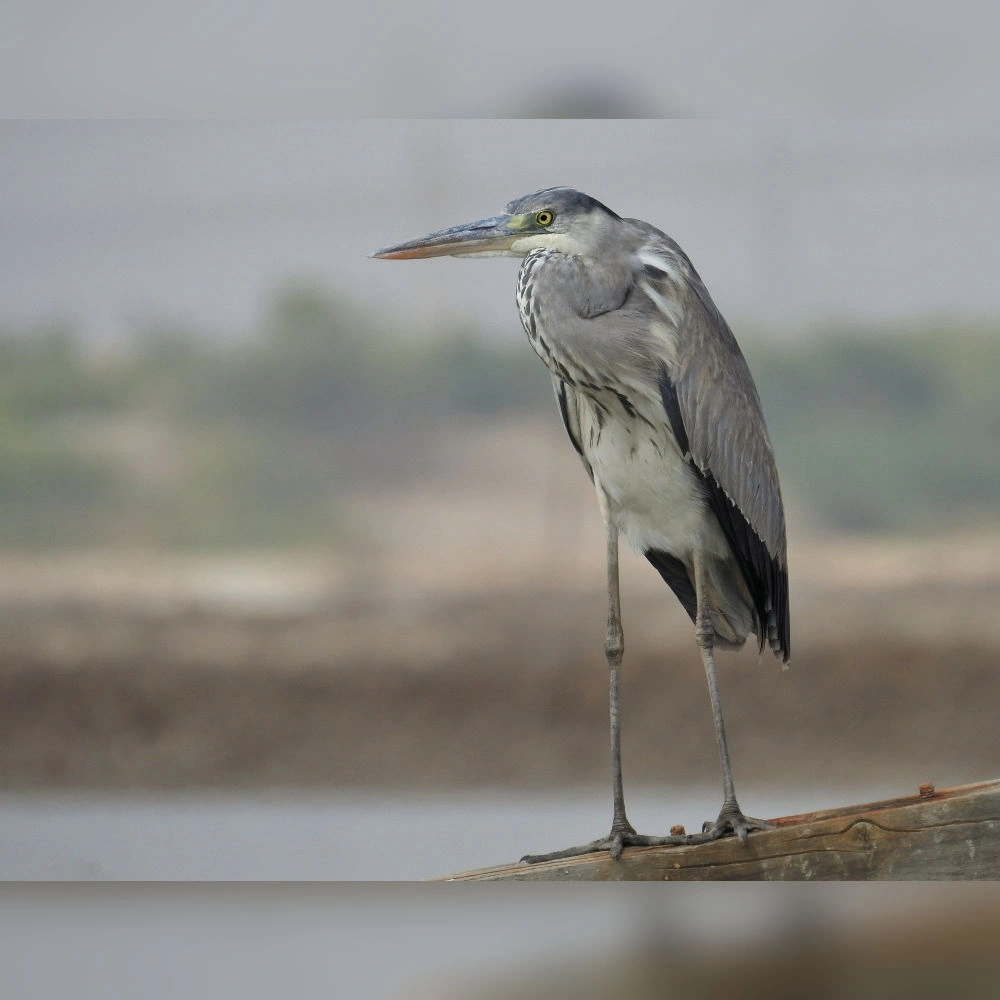
Gray Heron
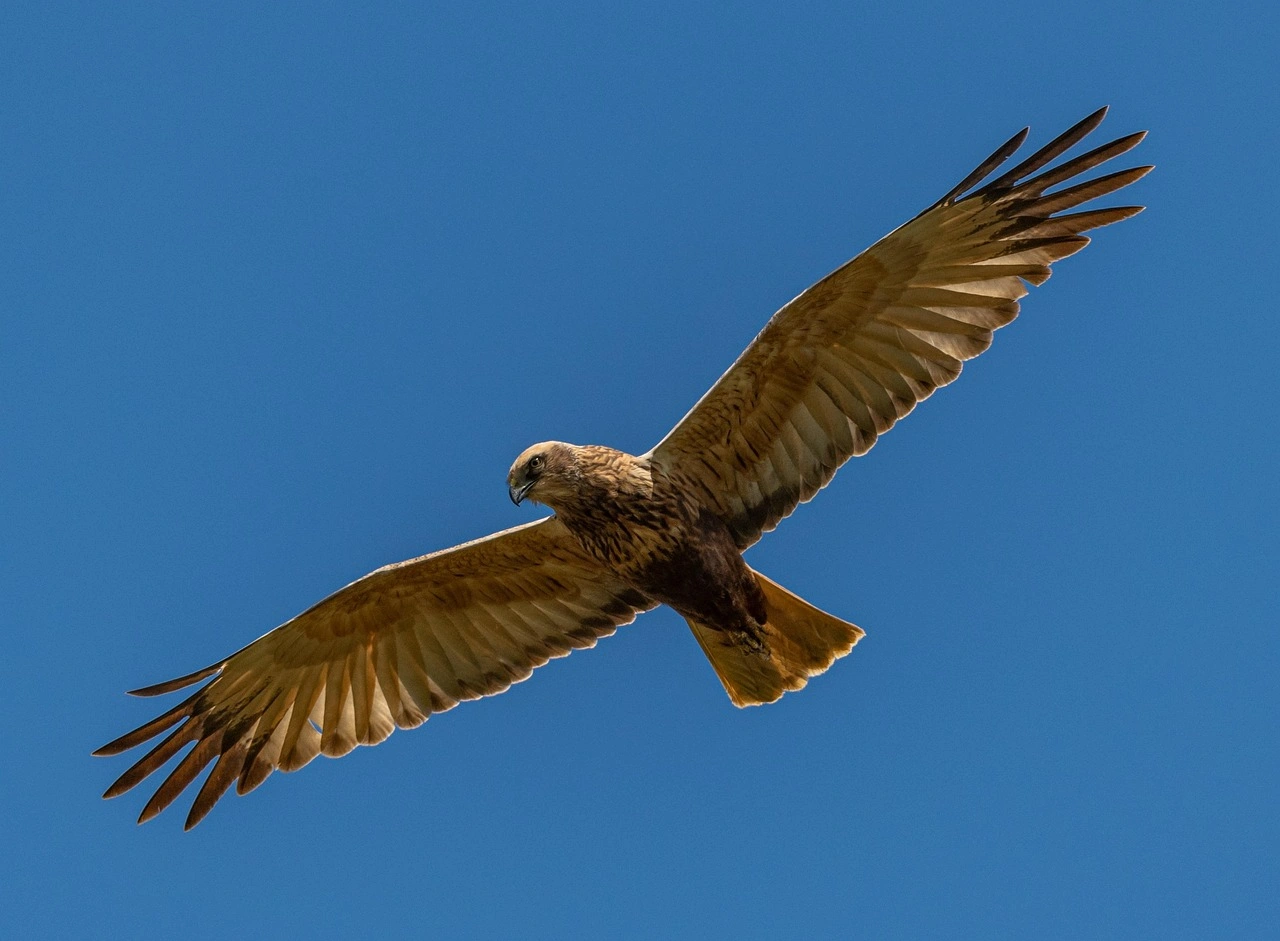

Western Marsh Harrier
Summary of Walk
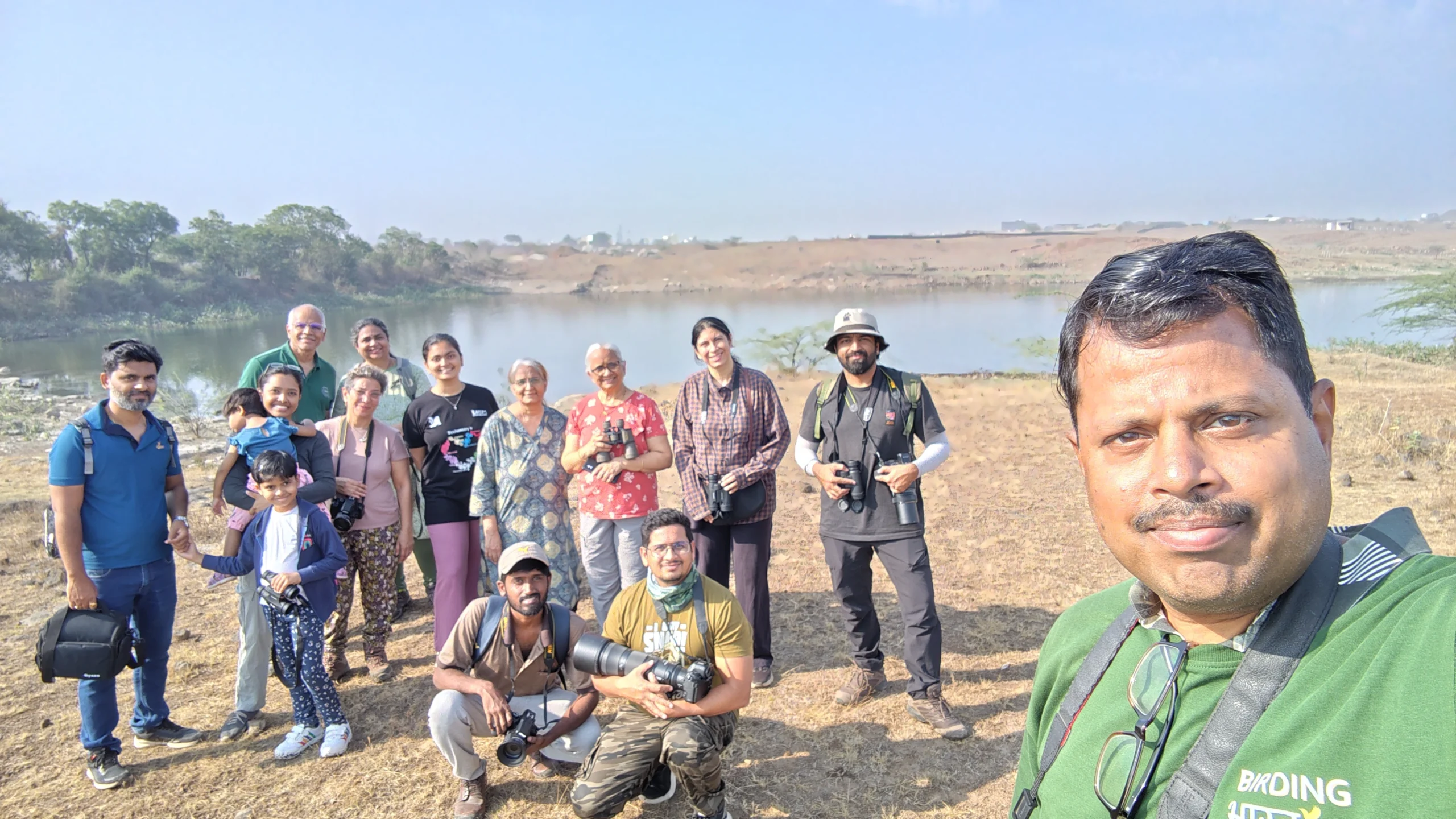
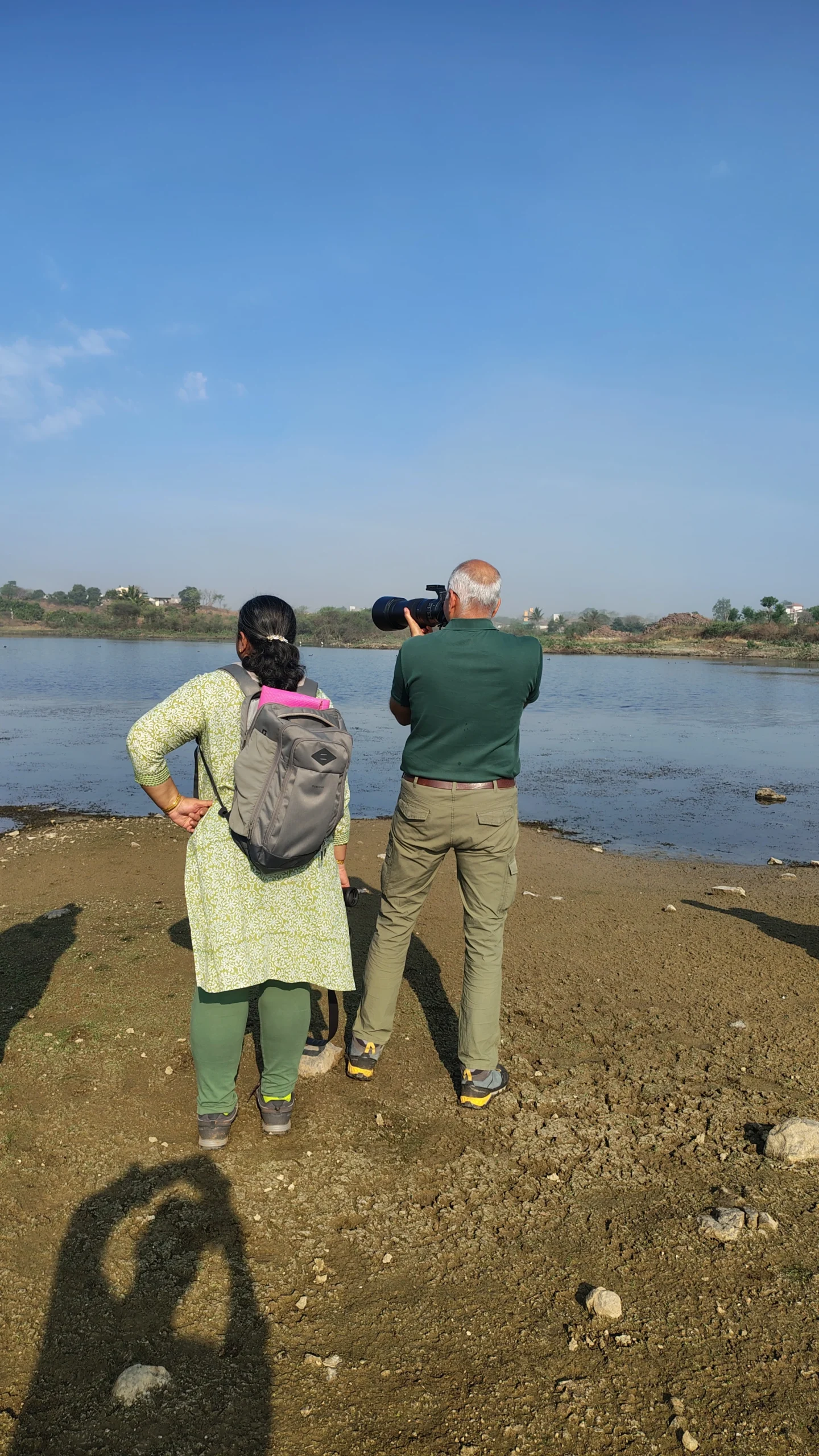
The bird walk at Lonikand Reservoir, Pune brought together 12 participants under the guidance of Kamlakar Bhopatkar, recording a rich 33 species in this underrated wetland habitat on the city’s outskirts. The reservoir and its surrounding grasslands hosted a wide diversity—from ducks like Spot-billed Ducks, Garganey, Little Grebes, and Coots to waders such as Wood Sandpipers, Little Ringed Plovers, and Black-winged Stilts. The landscape also supported an active community of passerines including Clamorous Reed Warblers, Rufous-tailed Larks, Indian Robins, and Yellow-eyed Babblers, making it an ideal learning ground for birders of all levels.
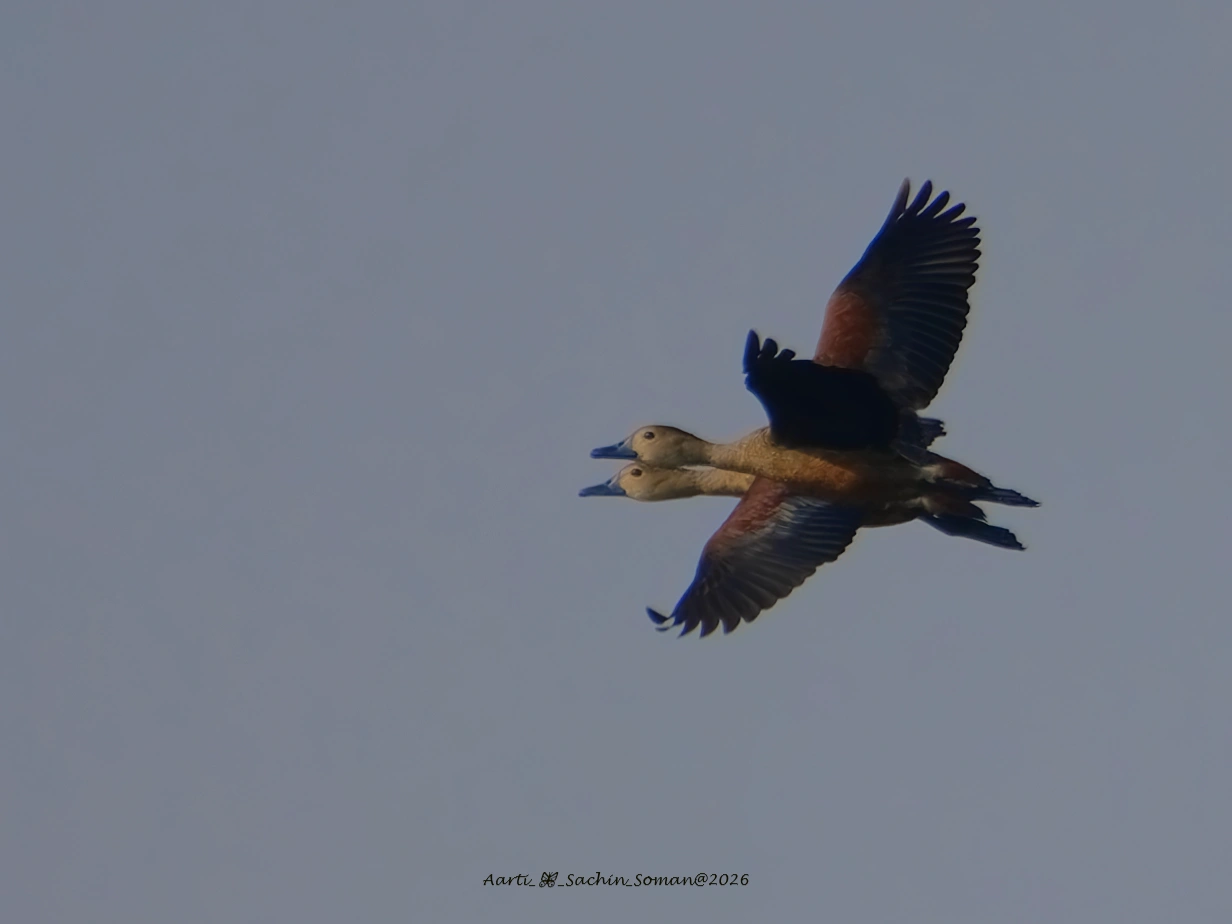
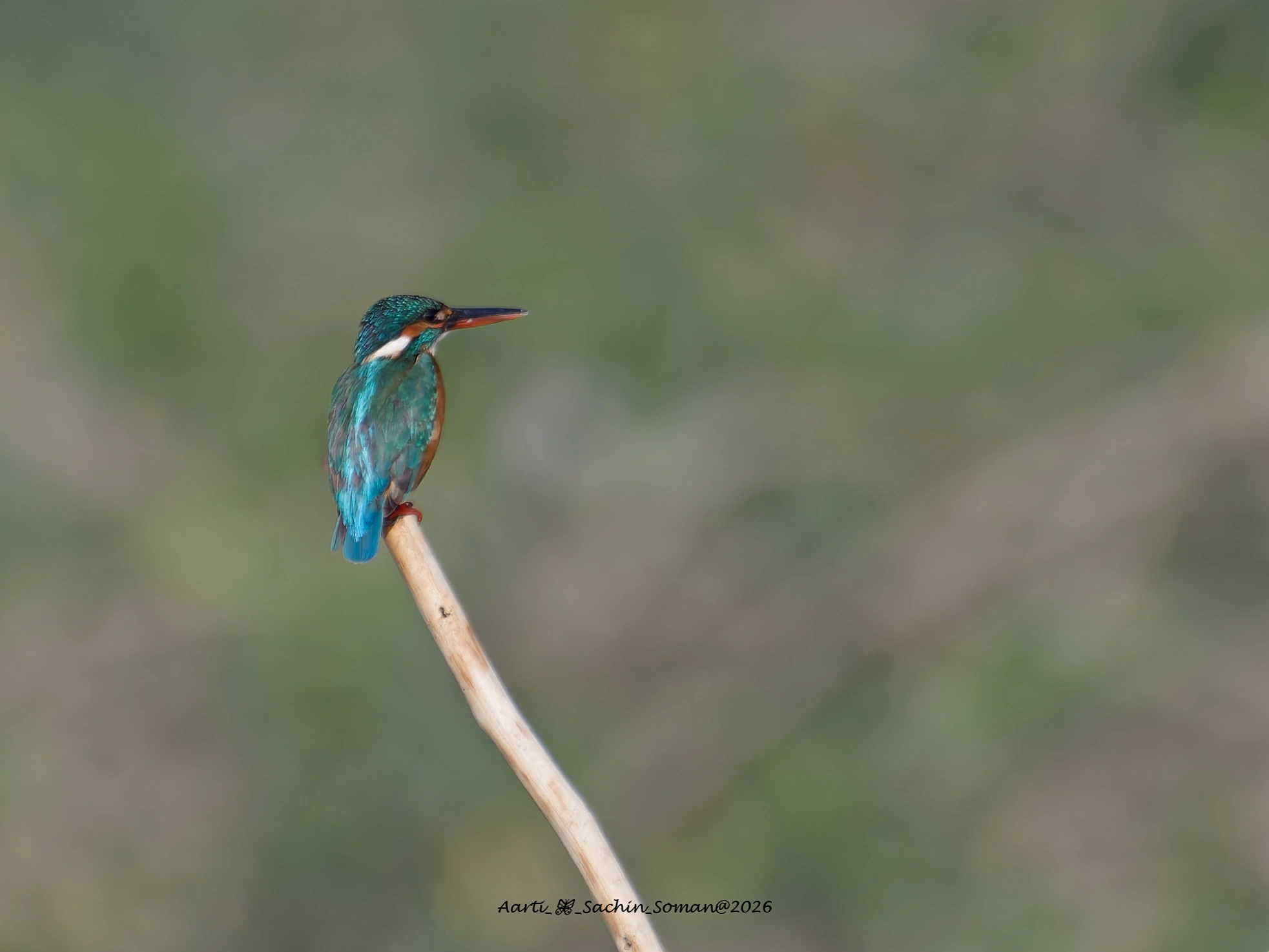
The walk was highly interactive, with participants appreciating hands-on guidance in bird identification, behavior observation, and photography techniques. Memorable highlights included a close sighting of a Eurasian Spoonbill, a Common Kingfisher’s perfect perch, Garganey ducks in flight, and an intense mid-air skirmish between four Black Drongos. The experience was made even more engaging with the DOPE personality icebreaker, adding a fun and personal dimension to the morning.
Number of Participants
0