

Loading Events

Bird Walk at Maharashtra Nature Park, Mumbai

About Maharashtra Nature Park

Located in the heart of Dharavi, Maharashtra Nature Park (MNP) is Mumbai’s unexpected green miracle, a thriving man-made forest that rose from a former dumping ground. Inaugurated in 1994, with its first sapling planted by the legendary Dr. Salim Ali, MNP today is home to over 160 species of birds, 80+ species of butterflies, and and countless insects and amphibians, playing a key role in preserving biodiversity. It’s not just a birding hotspot, it’s a living example of what ecological restoration and community effort can achieve in the middle of a busy city.
Spread over 37 acres, MNP now features dense plantations, nature trails, bamboo groves, mangrove patches, and a central pond that attracts a variety of birds and butterflies. Amidst the chaos of Mumbai’s urban sprawl, this regenerated woodland offers a peaceful refuge for walkers, birdwatchers, students, and nature lovers. It also serves as an outdoor classroom for environmental education, especially for children from neighboring low-income communities. Ecologically, MNP acts as a vital green lung for the city—moderating temperatures, aiding groundwater recharge, improving air quality, and buffering against floods through its vegetation and wetlands.

Partnered with

Bird Guide - Rohan J Rane

He is a passionate birder from Mumbai, has been exploring the city’s rich avian life for many years. 18 years old wildlife photographer who is on a mission to see the flora and fauna of our mother nation INDIA

Bird walk Location

Common birds of Maharashtra Nature Park

With over 160 bird species recorded within its 37-acre expanse, MNP has emerged as a critical avifaunal refuge in the heart of the megacity. The park’s blend of dense woodland, open clearings, mangroves, and wetland patches creates diverse microhabitats that sustain both resident and migratory birds across seasons. Common residents like the Coppersmith Barbet, Rose-ringed Parakeet, White-throated Kingfisher, and Red-vented Bulbul are frequently seen and heard along the trails. The central pond attracts Indian Cormorants, Black-winged Stilts, Pond-Herons, and seasonal visitors such as Whiskered Terns, Temminck’s Stint, and Green Sandpipers.
MNP also hosts raptors like the Black Kite, Shikra, and the elusive Greater Spotted Eagle—indicators of a balanced urban food web. Occasional sightings of Painted Storks, Glossy Ibises, and River Terns highlight its importance for migratory species. With its surprising bird diversity in the heart of a dense metropolis, the park plays a vital role in supporting urban wildlife, offering nature-based learning, and reminding the city of its wild side worth conserving.
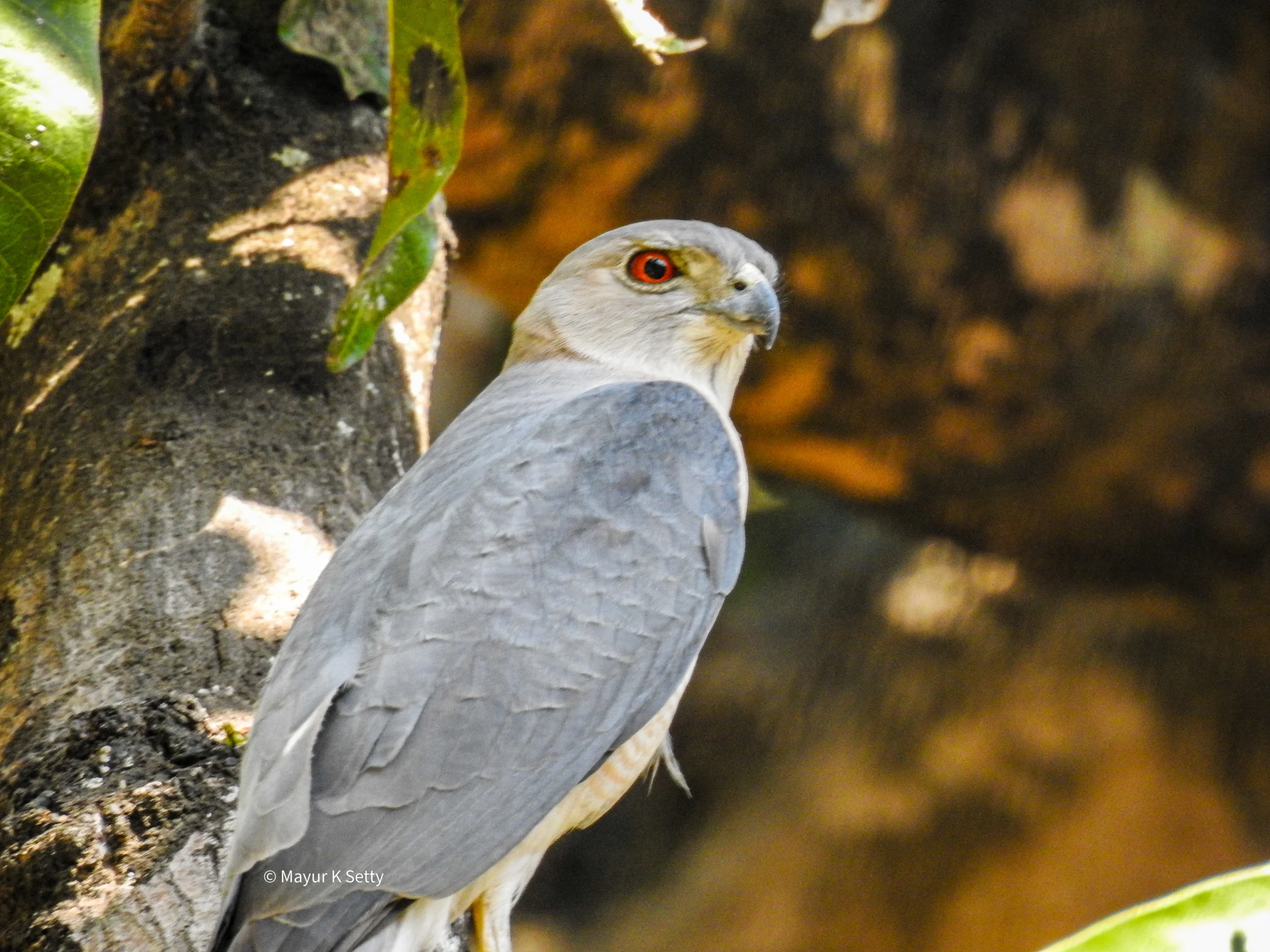
Shikra
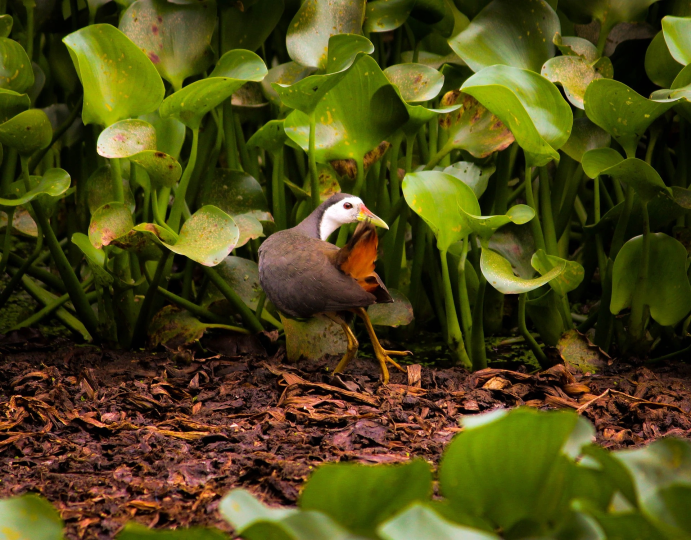
White-breasted Waterhen
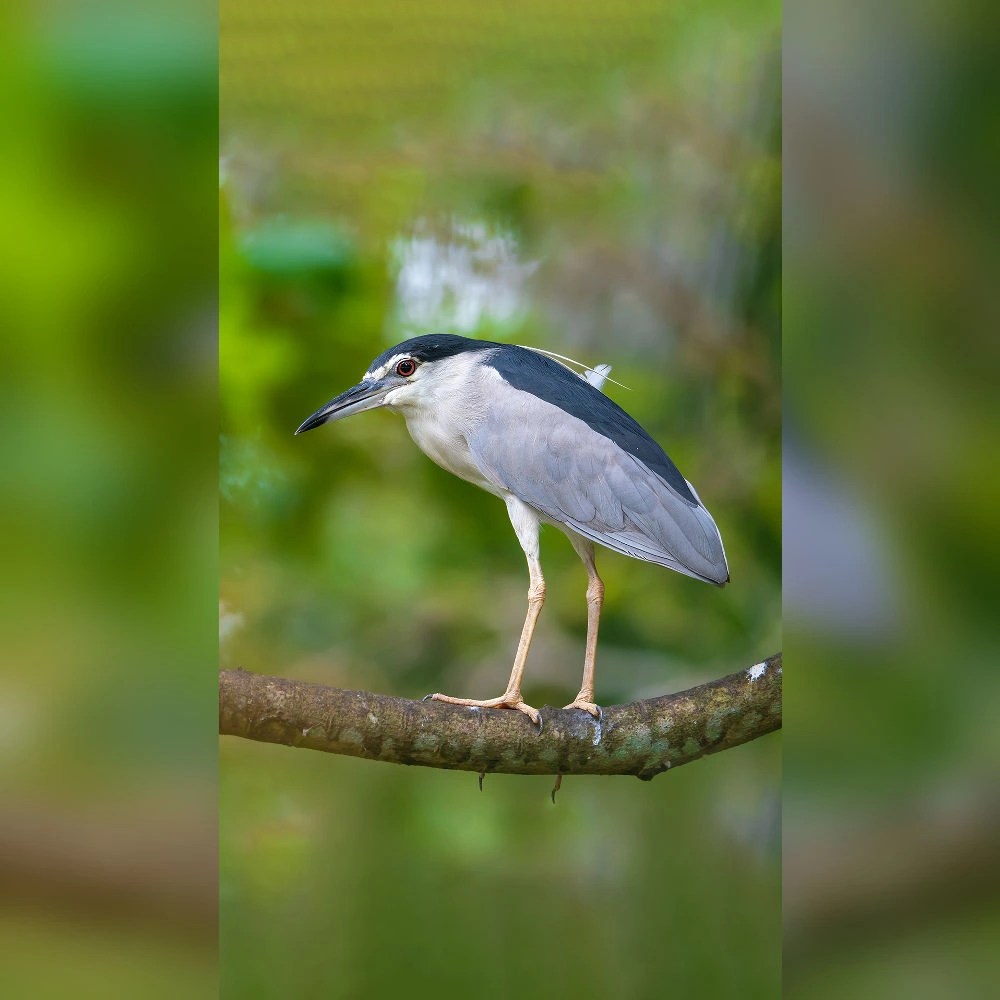
Black Crowned Night Heron
Black-winged Stilt
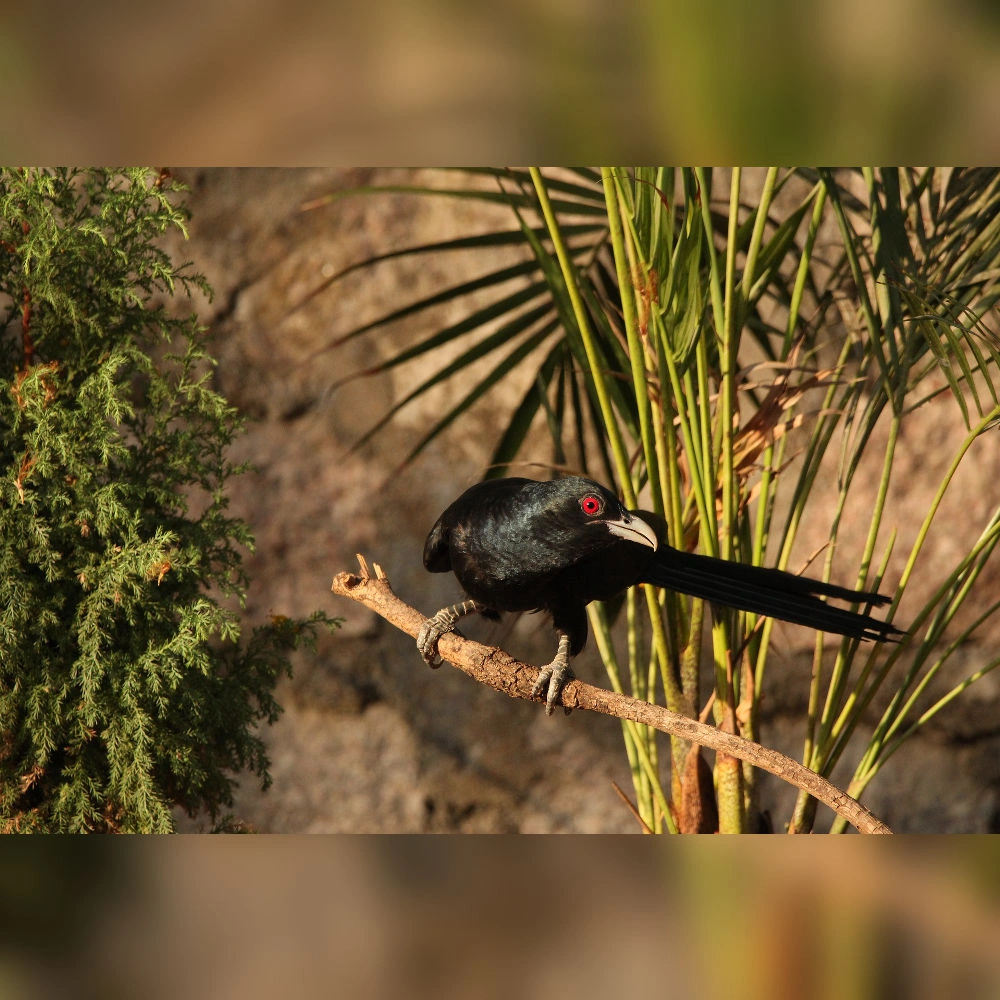
Asian Koel
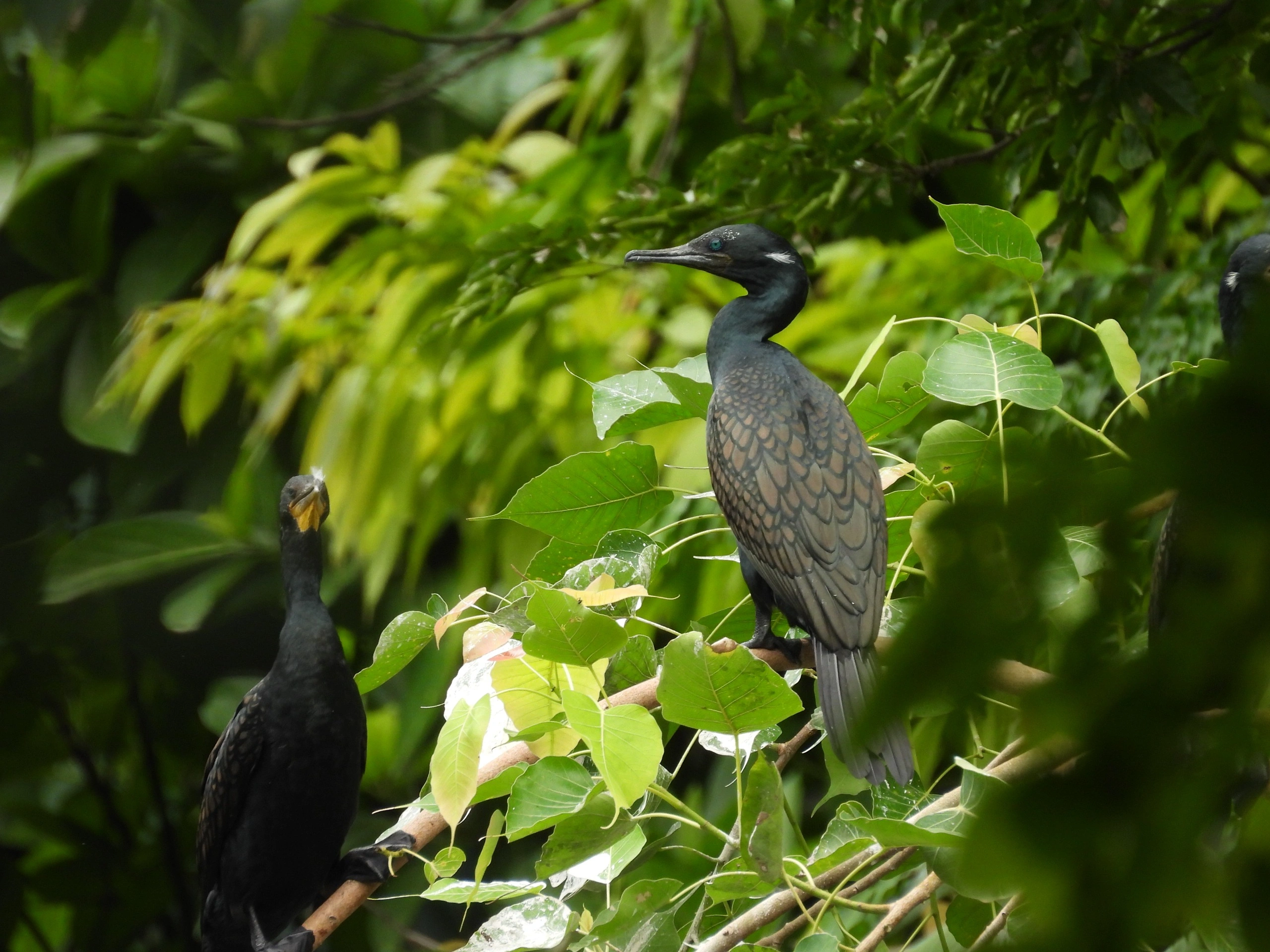
Indian Cormorant
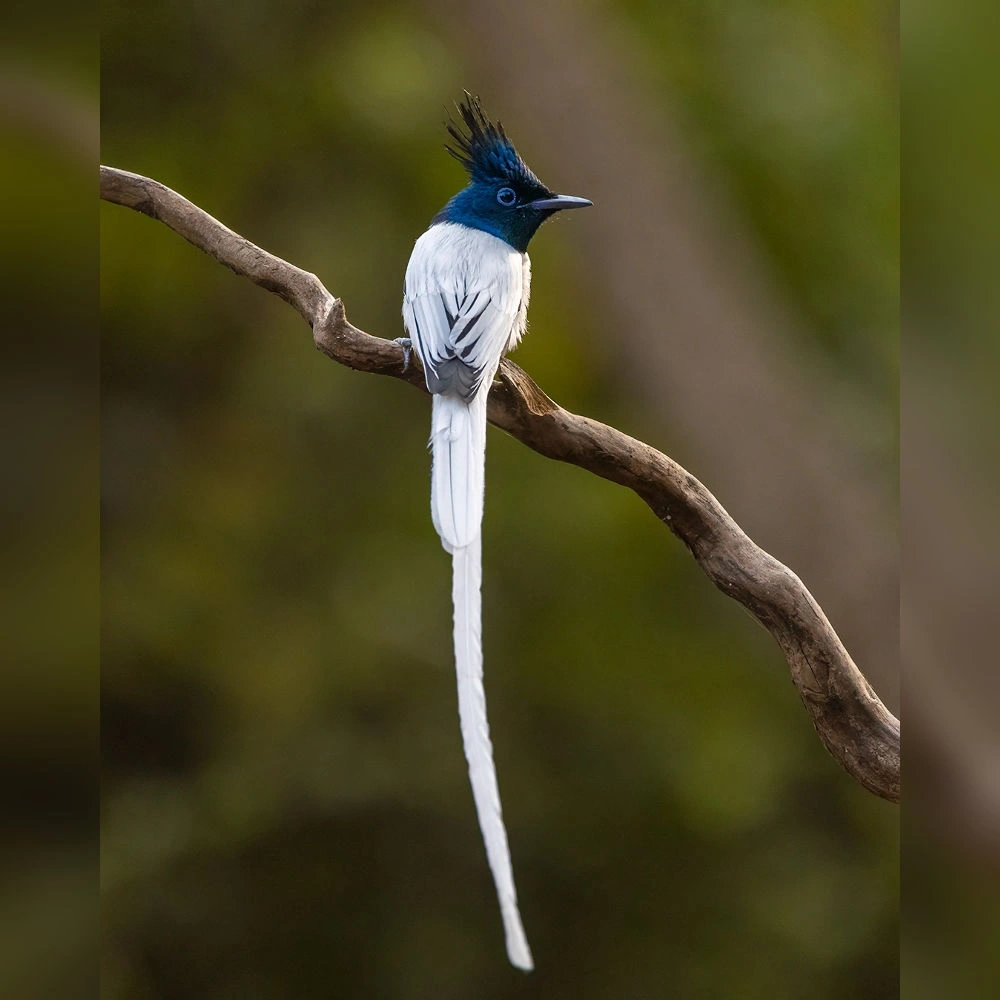
Indian Paradise Flycatcher
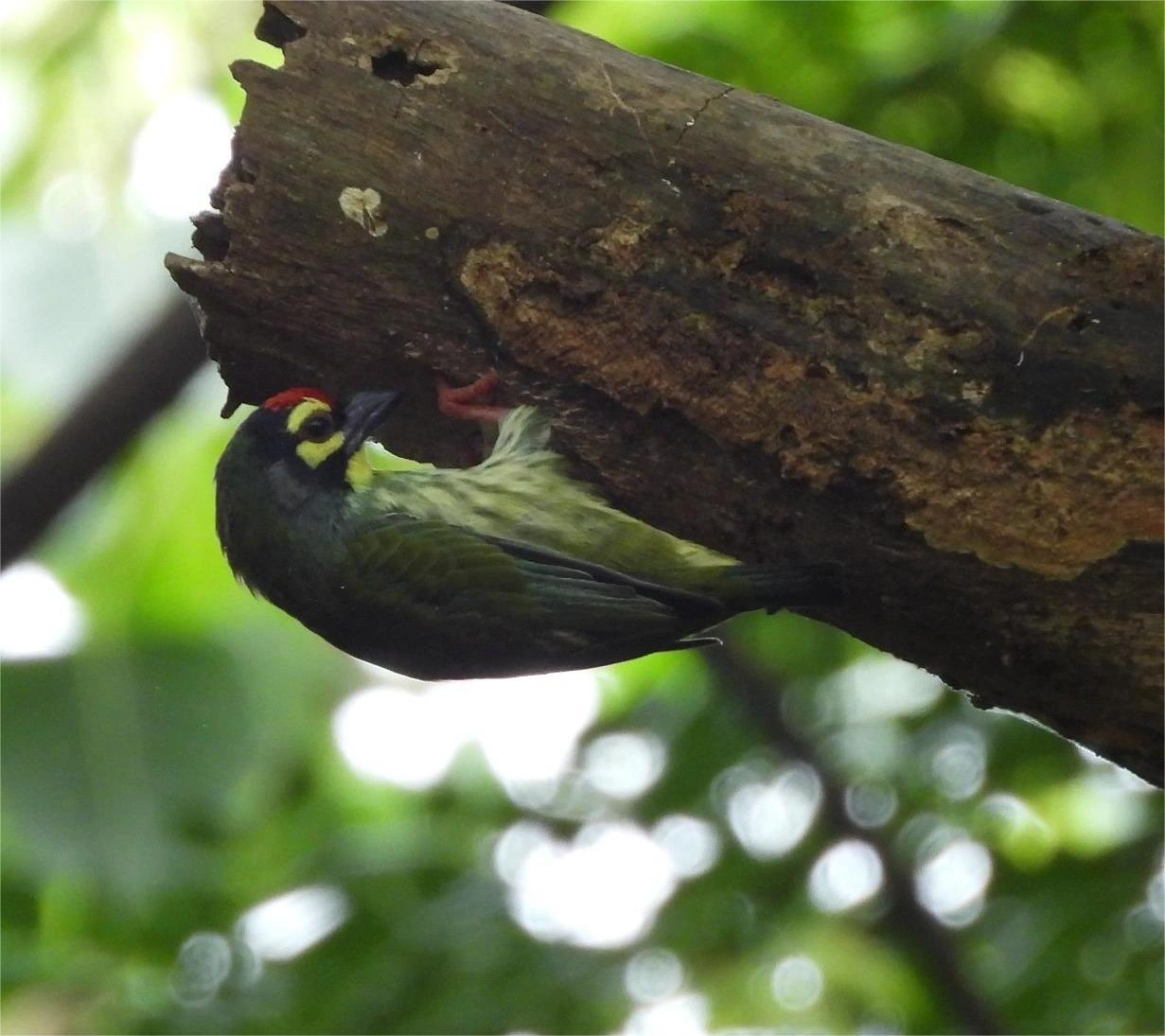
Coppersmith Barbet
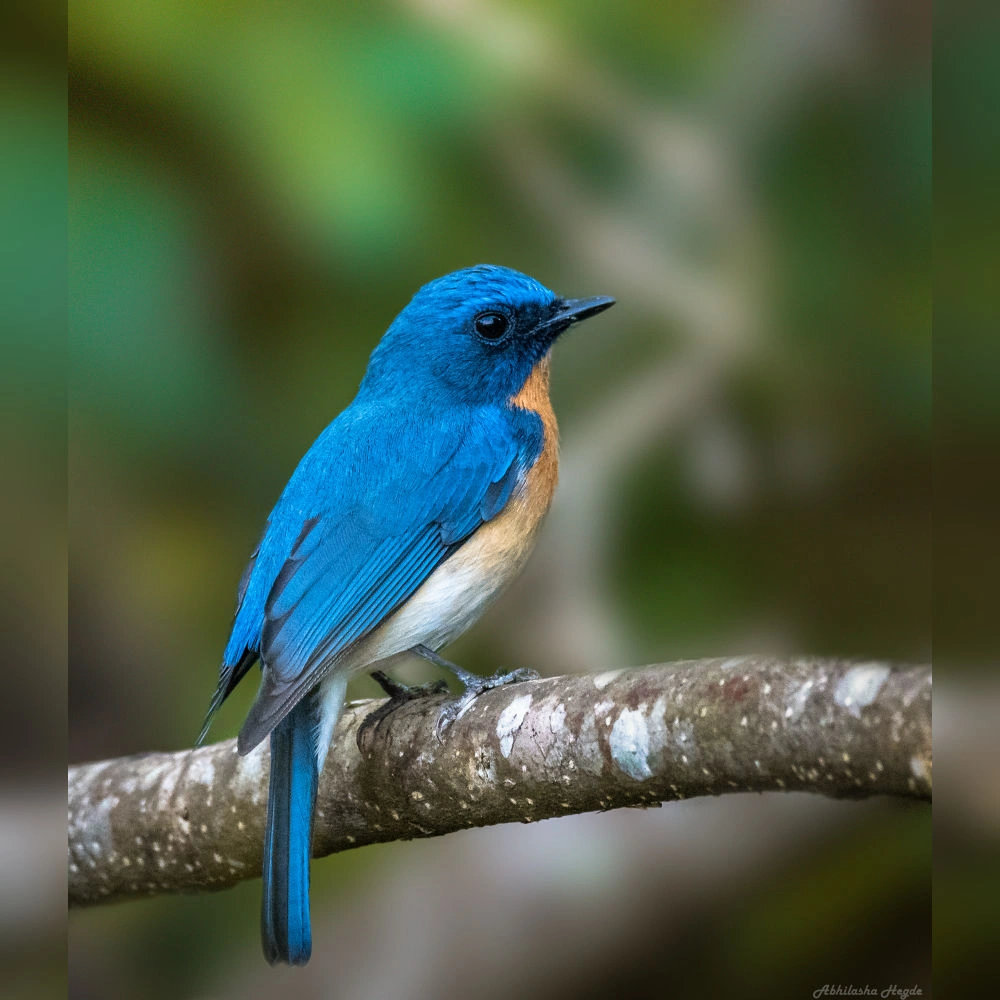
Tickell's Blue Flycatcher
Eurasian Curlew
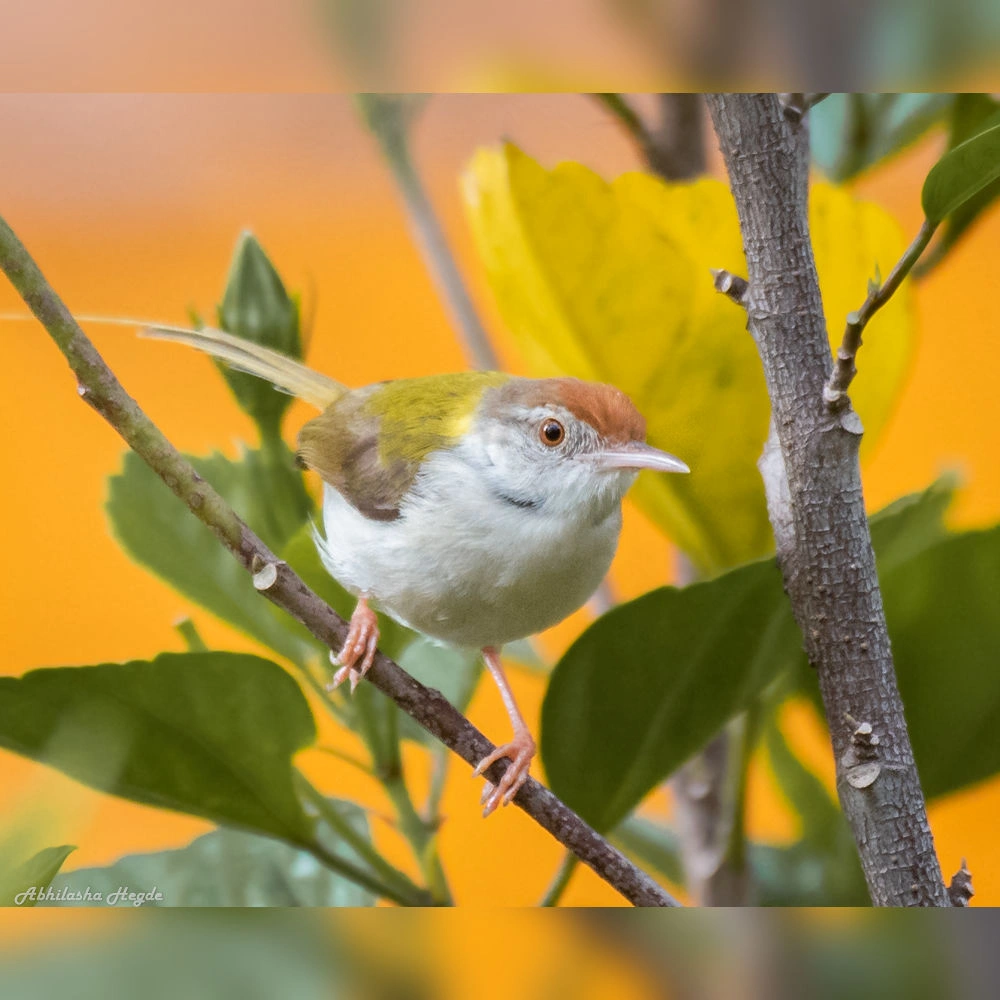
Common Tailorbird
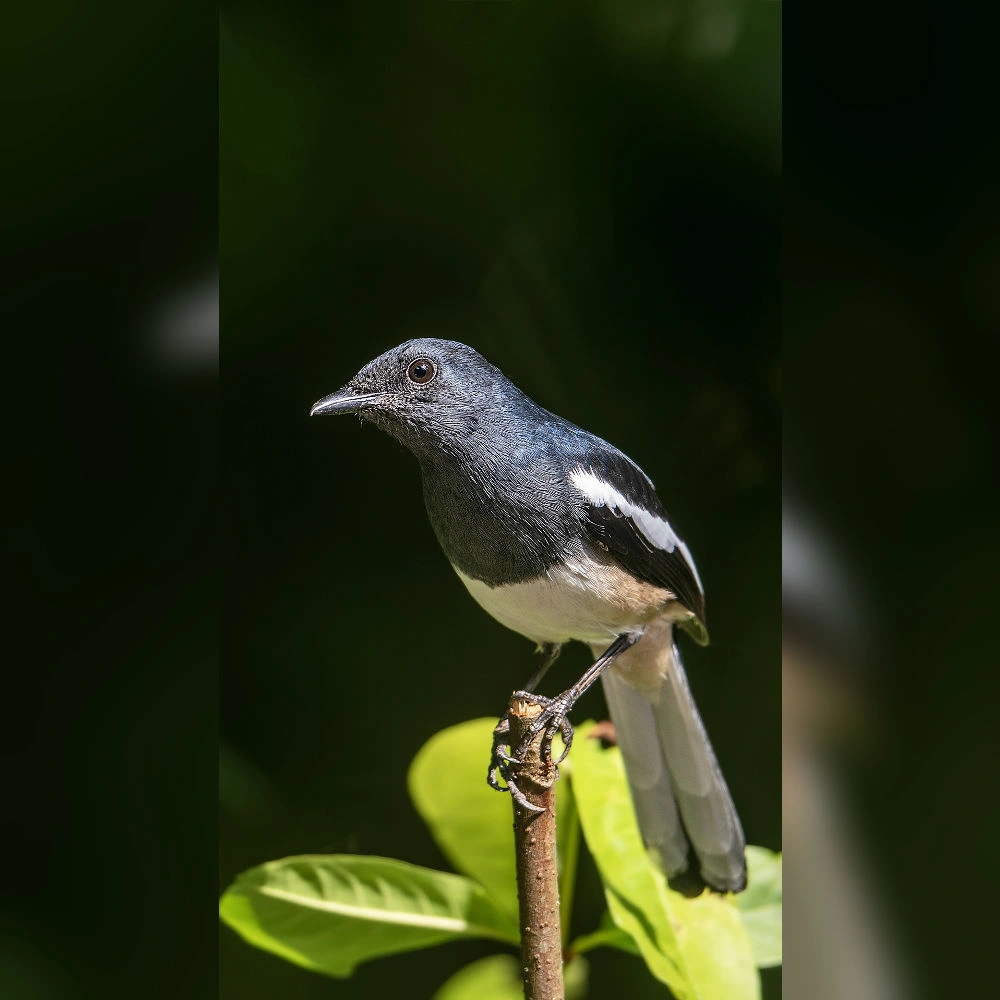
Oriental Magpie Robin
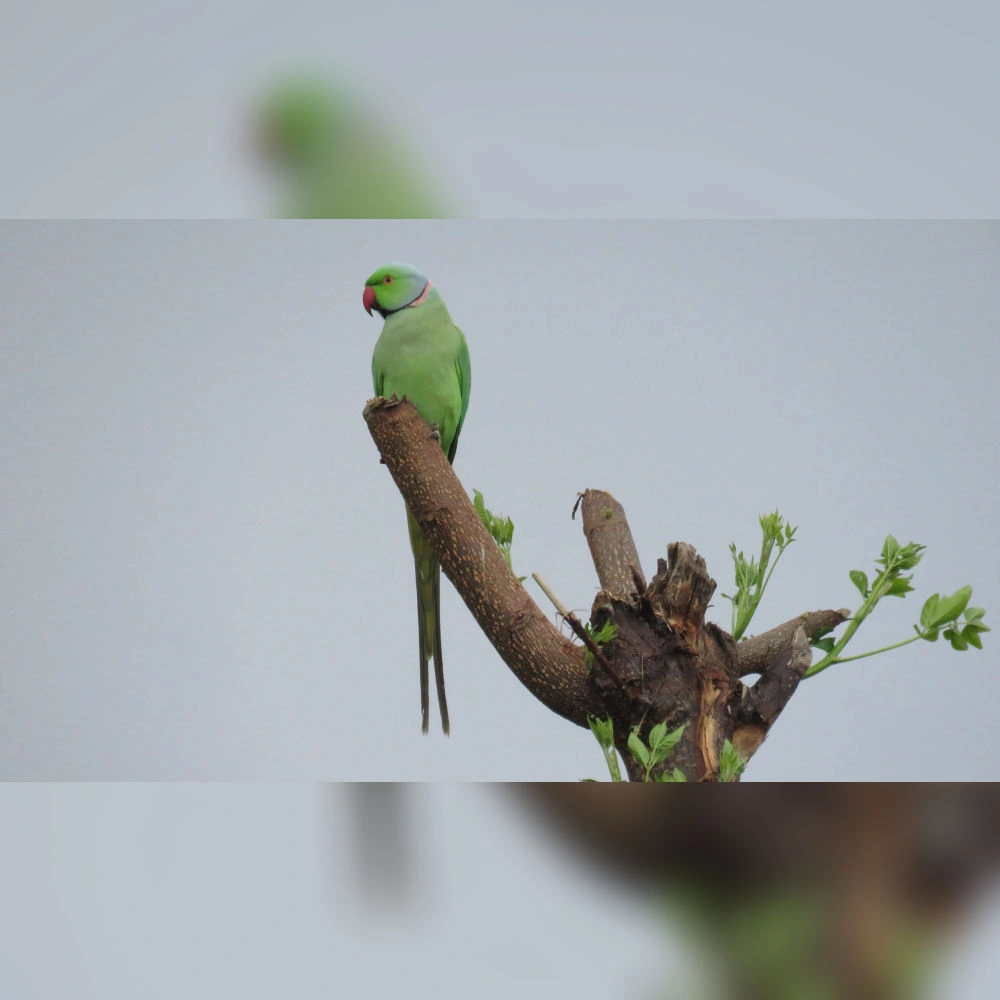
Rose-ringed Parakeet
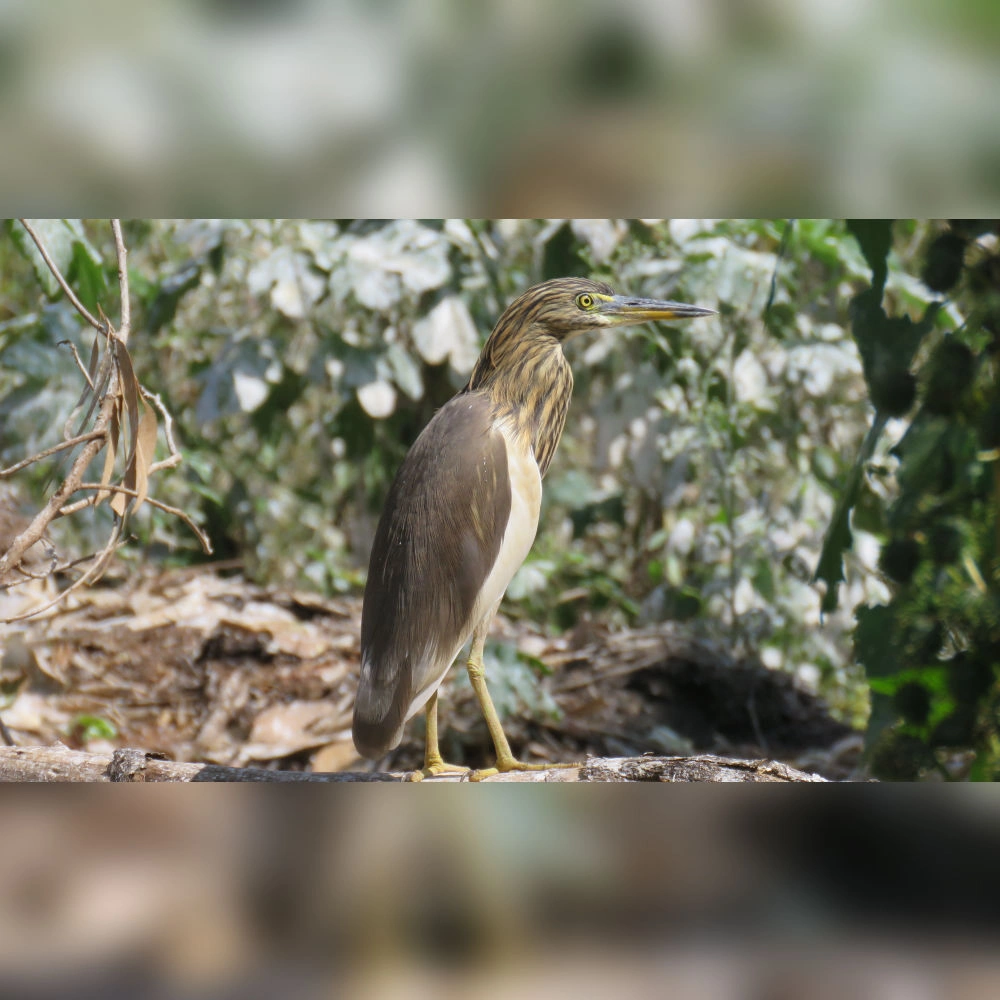
Indian Pond Heron
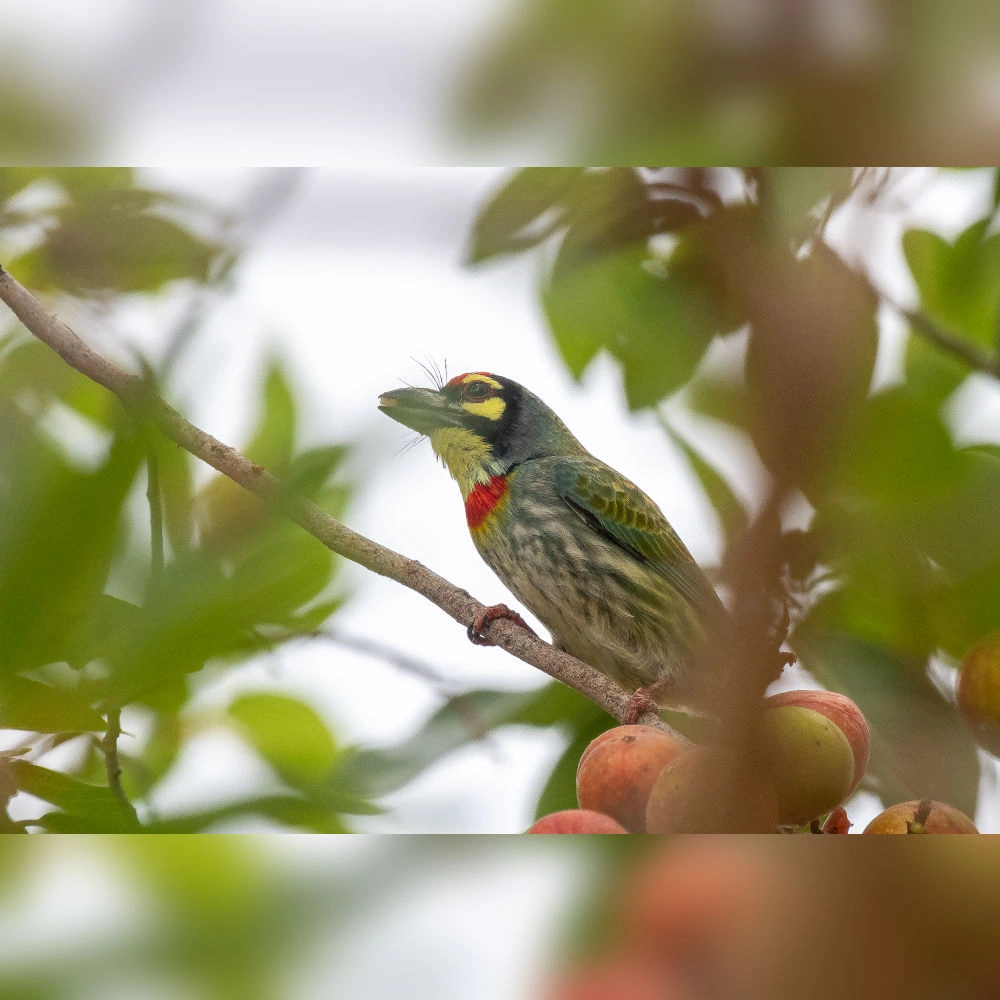
Coppersmith Barbet
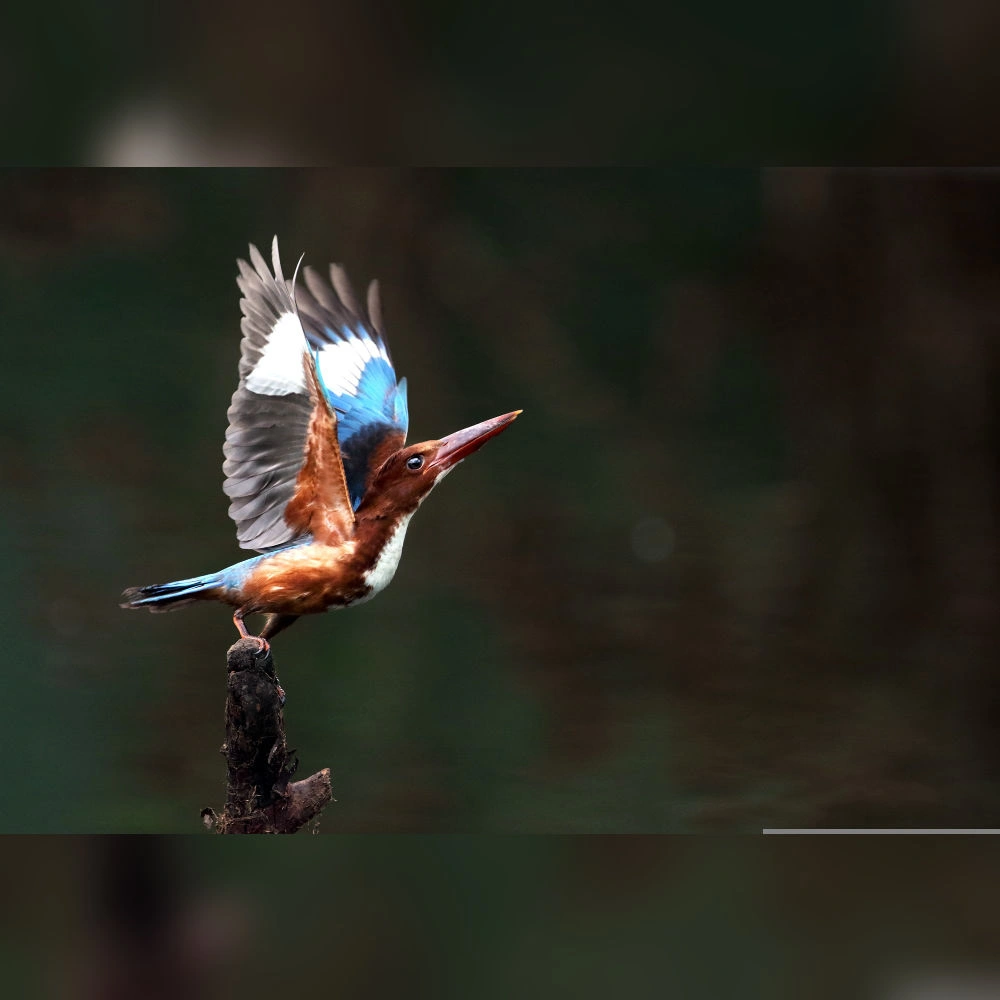
White-throated Kingfisher
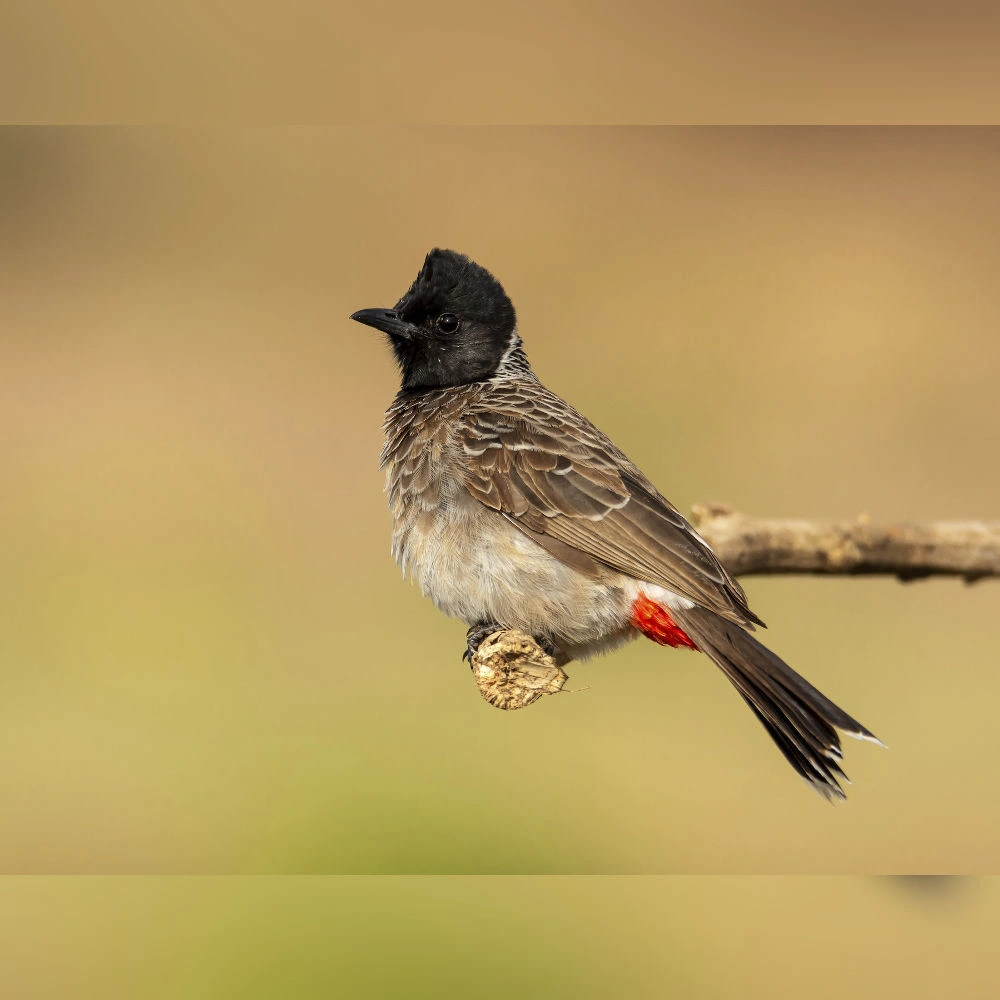
Red-vented Bulbul
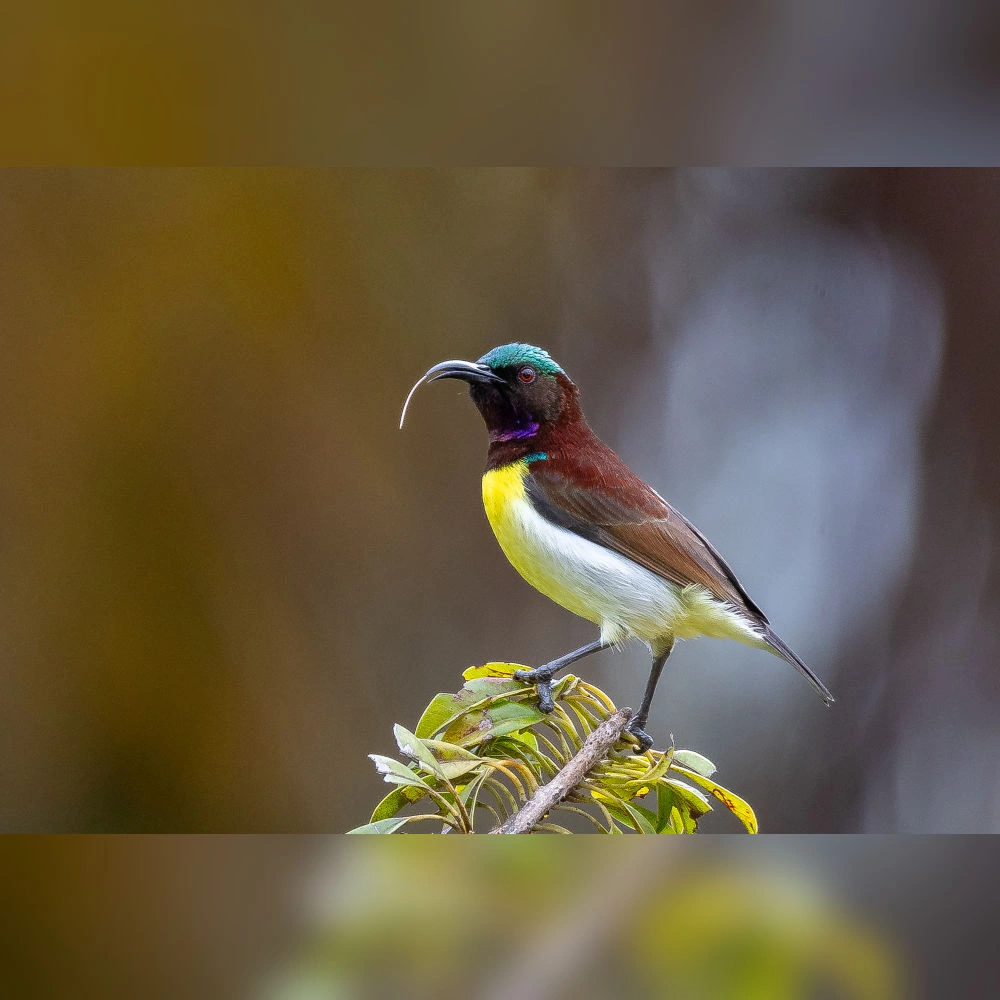
Purple-rumped Sunbird
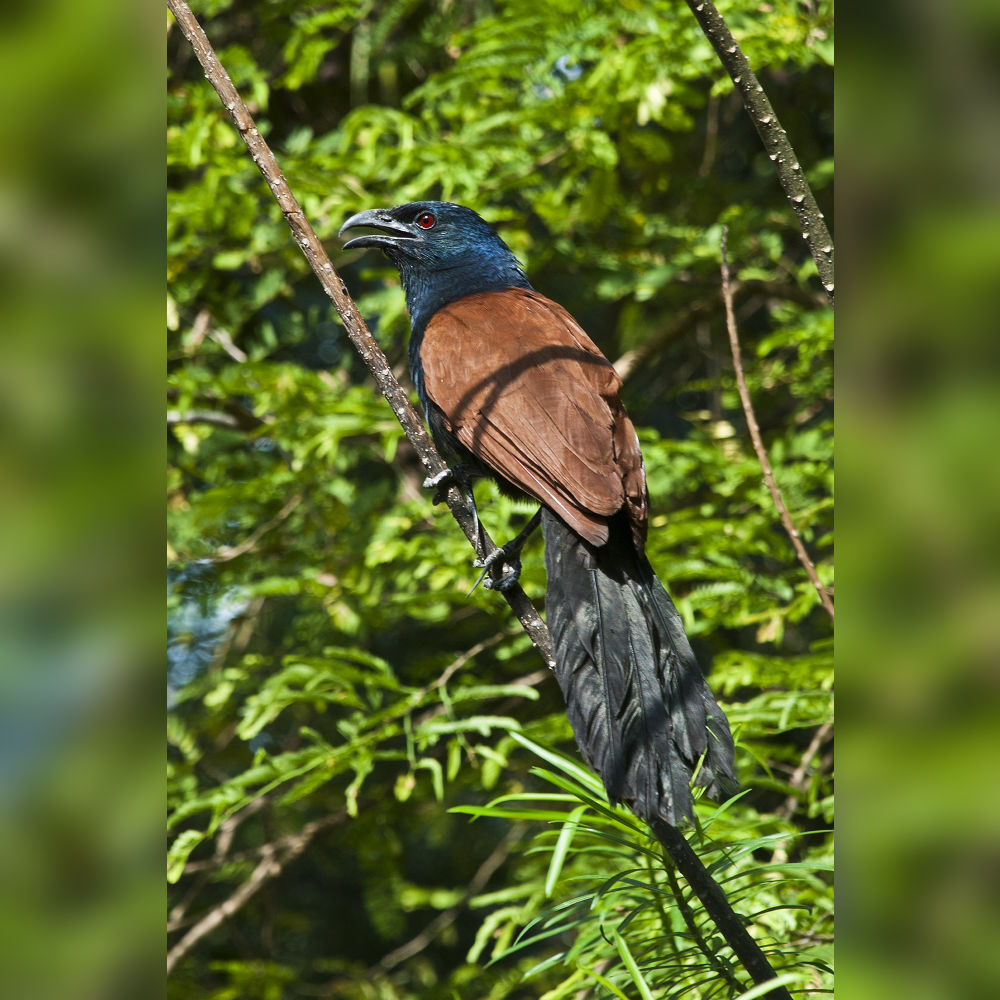
Greater Coucal
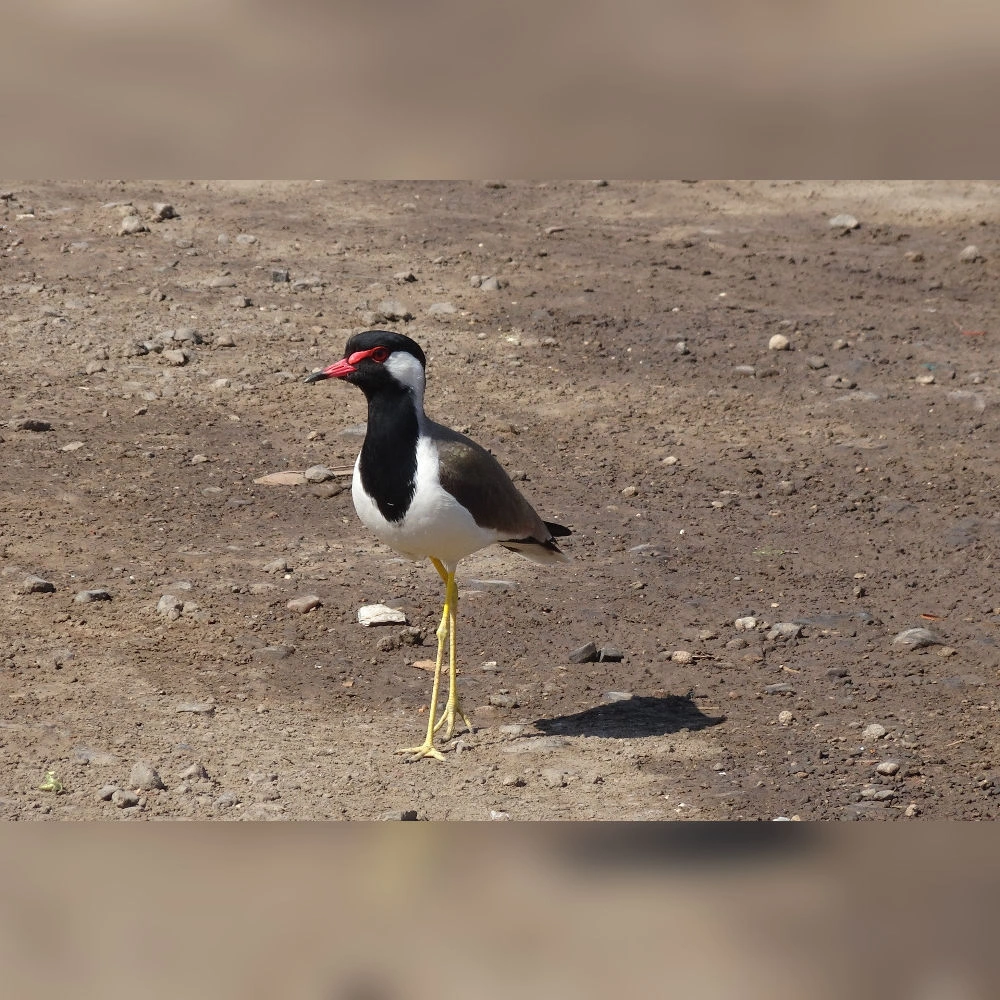
Red-wattled Lapwing

Summary of Walk

Eight participants joined the Ataavi bird walk at Maharashtra Nature Park for a refreshing monsoon morning surrounded by lush greenery. Although persistent rain reduced bird activity and limited the overall number of species observed, the group thoroughly enjoyed exploring the scenic trails through one of Mumbai’s important urban biodiversity parks. The 1.4-kilometre walk provided ample opportunities to appreciate the thriving monsoon ecosystem, with discussions extending beyond birds to include the remarkable diversity of other wildlife flourishing during the rainy season. One of the biggest surprises of the outing was encountering two enormous Indian Giant Land Snails, which fascinated participants and highlighted the rich biodiversity supported by the park during the monsoon. Among the bird highlights were the elegant Spot-breasted Fantail, the ever-secretive Greater Coucal, and the majestic Brahminy Kite soaring overhead. Despite recording fewer birds than anticipated, participants appreciated the opportunity to observe nature in its monsoon splendour while learning about urban ecosystems and seasonal changes in bird activity. The walk demonstrated that successful nature outings are measured not only by species counts but also by meaningful wildlife encounters and shared experiences in the outdoors.
Number of Participants
0
Scroll to Top