
Loading Events

Bird walk at Manas Lake, Pune , Maharashtra

About Manas Lake

Manas Lake is a peaceful freshwater reservoir located on the outskirts of Pune, surrounded by rolling hills, grasslands, scrub forests, agricultural fields, and patches of woodland. The lake’s open waters, marshy edges, and tree-lined banks provide ideal habitat for a wide range of aquatic plants, insects, fish, amphibians, reptiles, and birds. Its scenic setting and relatively undisturbed environment make it one of Pune’s popular destinations for birdwatching, wildlife photography, and nature walks throughout the year.
The lake supports an impressive diversity of resident waterbirds and woodland species, while migratory birds arrive during the winter to further enrich its biodiversity. Like many freshwater wetlands around expanding cities, Manas Lake faces challenges from urbanisation, pollution, invasive vegetation, and habitat disturbance. Continued conservation efforts, responsible recreation, and wetland protection are essential to preserving this valuable ecosystem and its rich birdlife.

Bird Guide - Arnav Gandhe

He is a professional wildlife biologist with over 13 years of birding experience, having worked with the Wildlife Institute of India, Wildlife Conservation Trust, The Habitats Trust, and several other conservation projects. He has conducted avian surveys, biodiversity assessments, and long-term bird monitoring across India, and presented his research on urban avian diversity at the Bird India Symposium 2025.

Bird walk Location

Common birds of Manas Lake

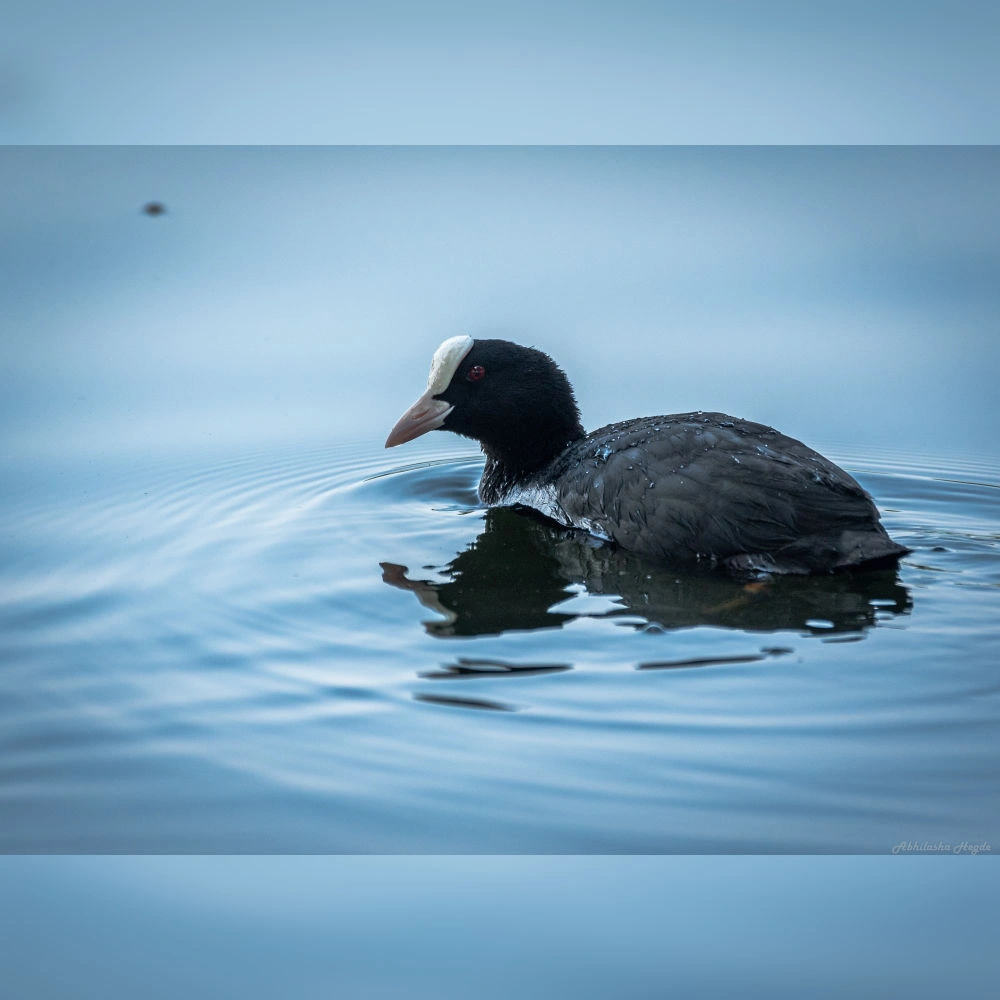
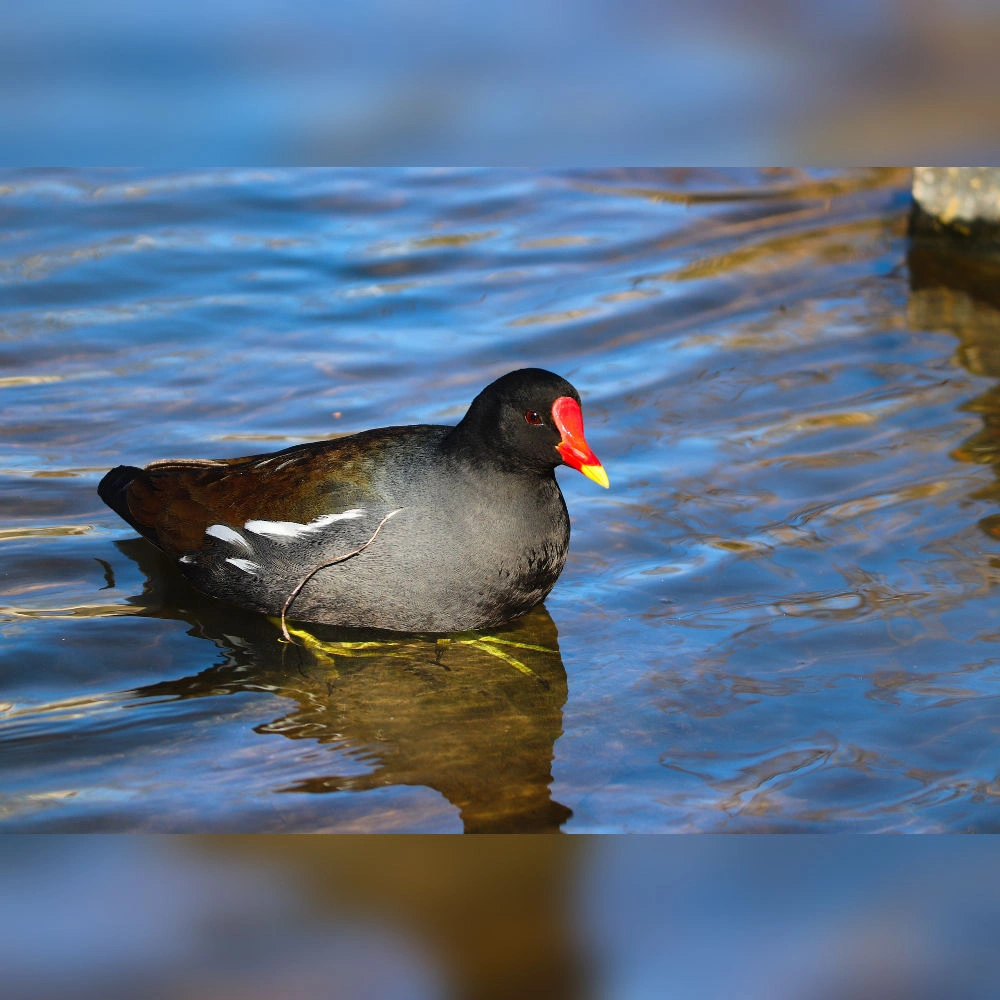
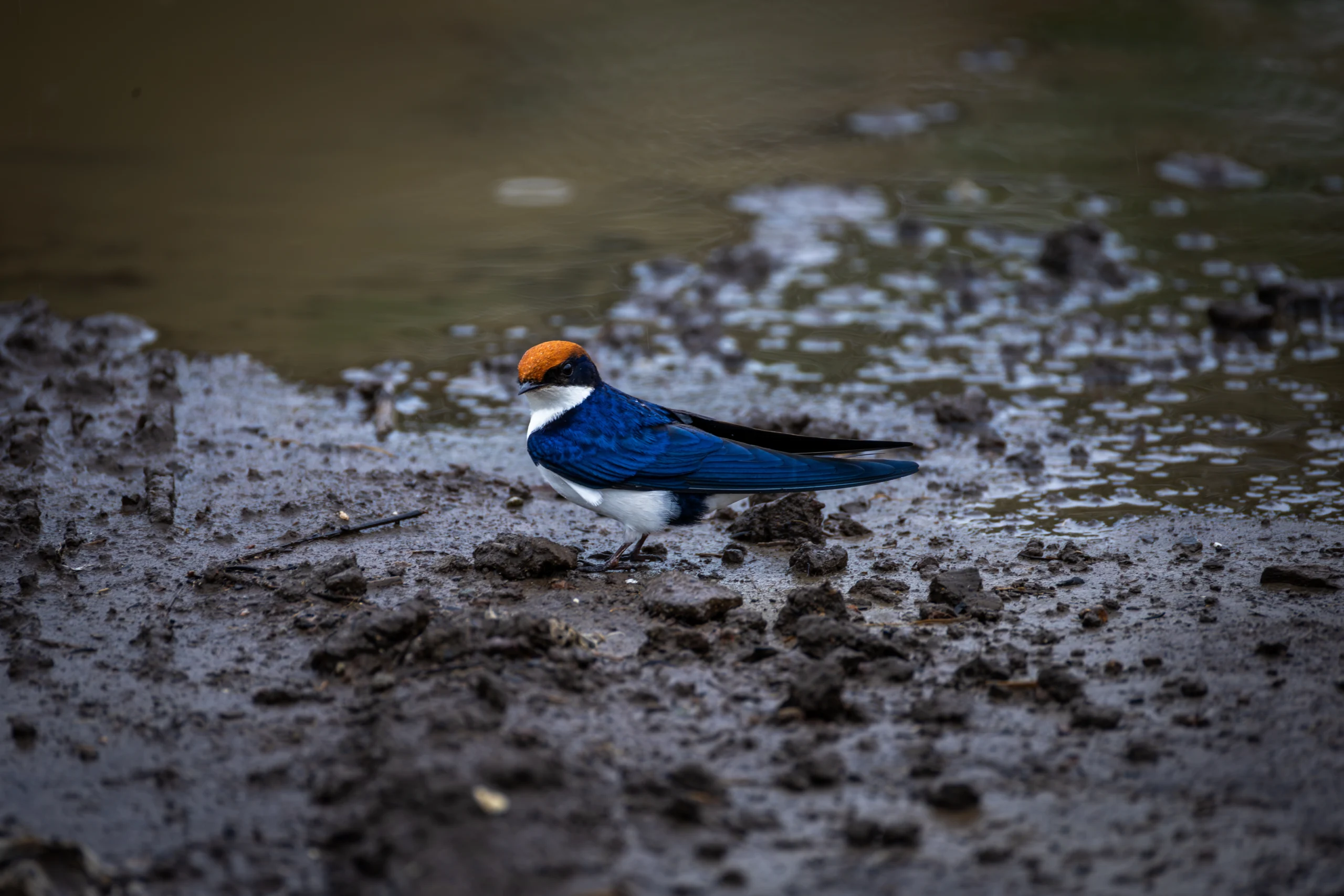
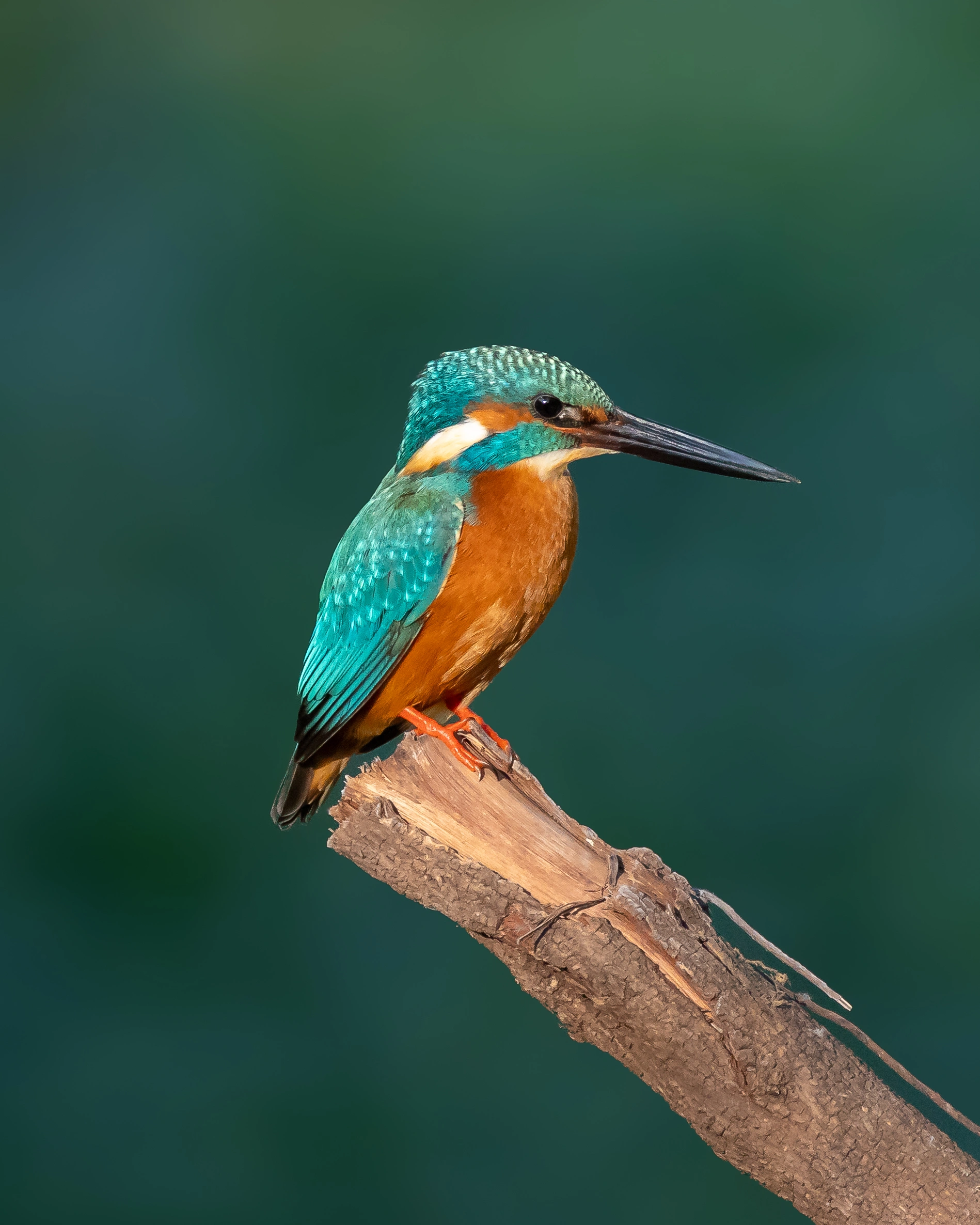
Manas Lake offers excellent birdwatching opportunities, with its wetlands and surrounding woodlands supporting a rich variety of species. The lake is home to Eurasian Coots, Indian Spot-billed Ducks, Eurasian Moorhens, Little Grebes, White-breasted Waterhens, Grey Herons, Purple Herons, Red-naped Ibises, and both Common and White-throated Kingfishers. The surrounding trees and open countryside attract Oriental Honey-buzzards, Shikras, Indian Golden Orioles, Wire-tailed Swallows, Red-rumped Swallows, and many other woodland and grassland birds. This combination of wetland specialists, soaring raptors, and colourful songbirds makes Manas Lake one of the most rewarding birding locations in the Pune region.
Common Kingfisher
Eurasian Coot
Eurasian Moorhen
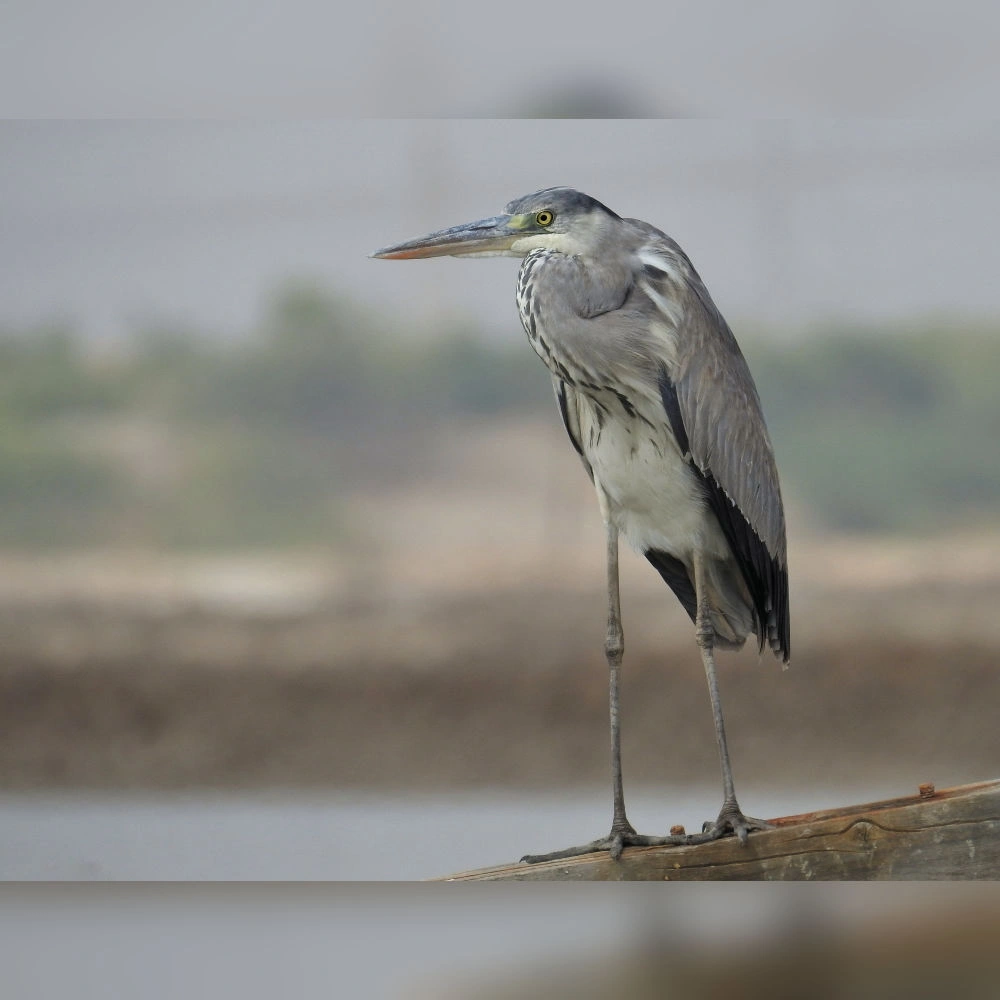
Grey Heron
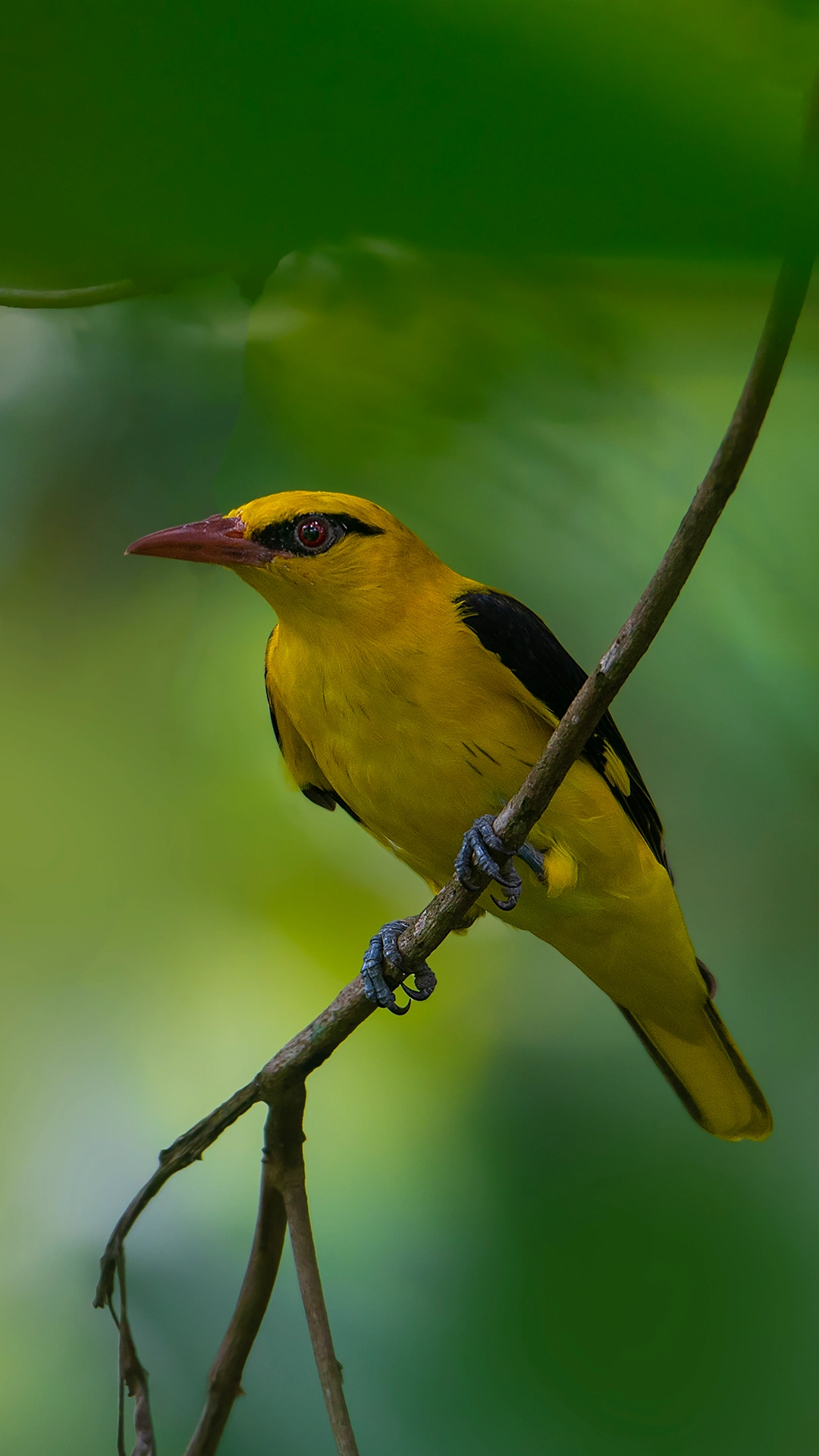
Indian Golden Oriole
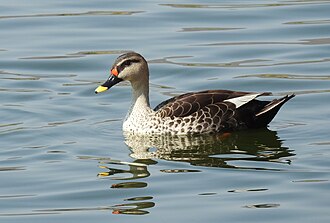
Indian Spot-billed Duck
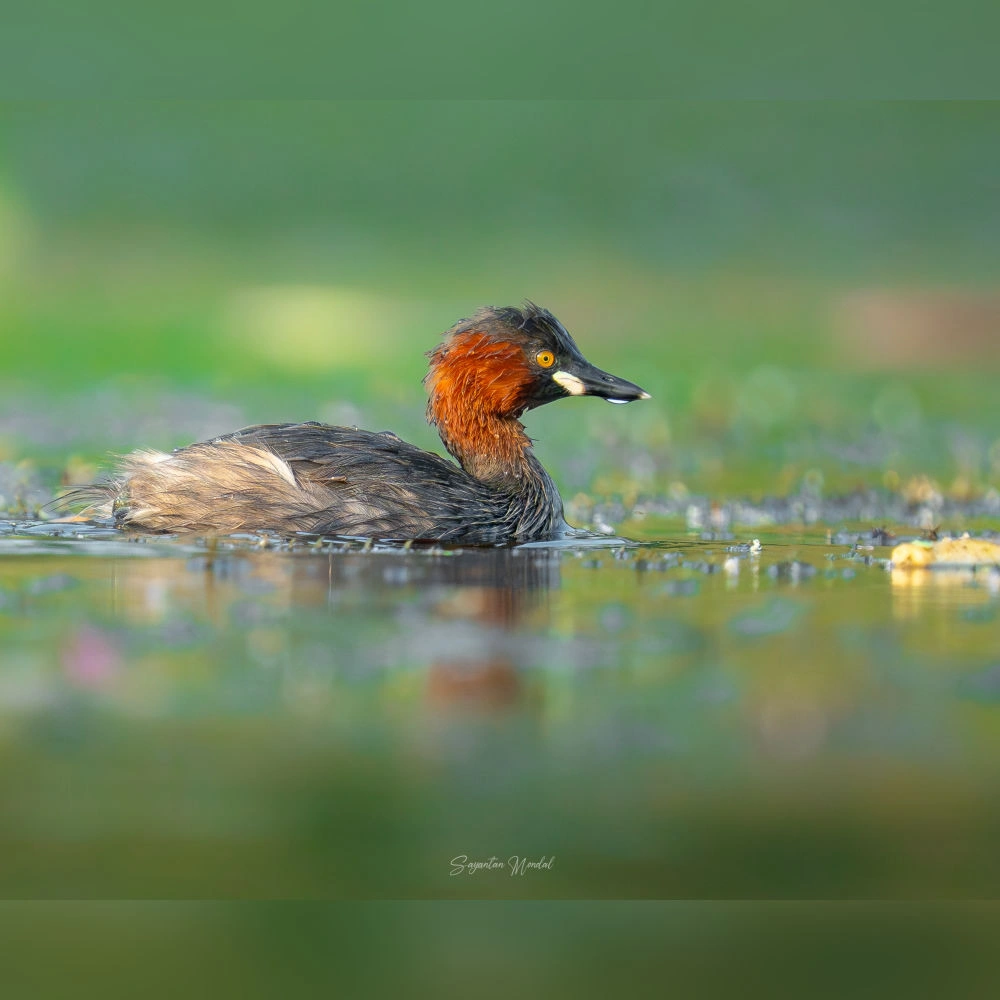
Little Grebe
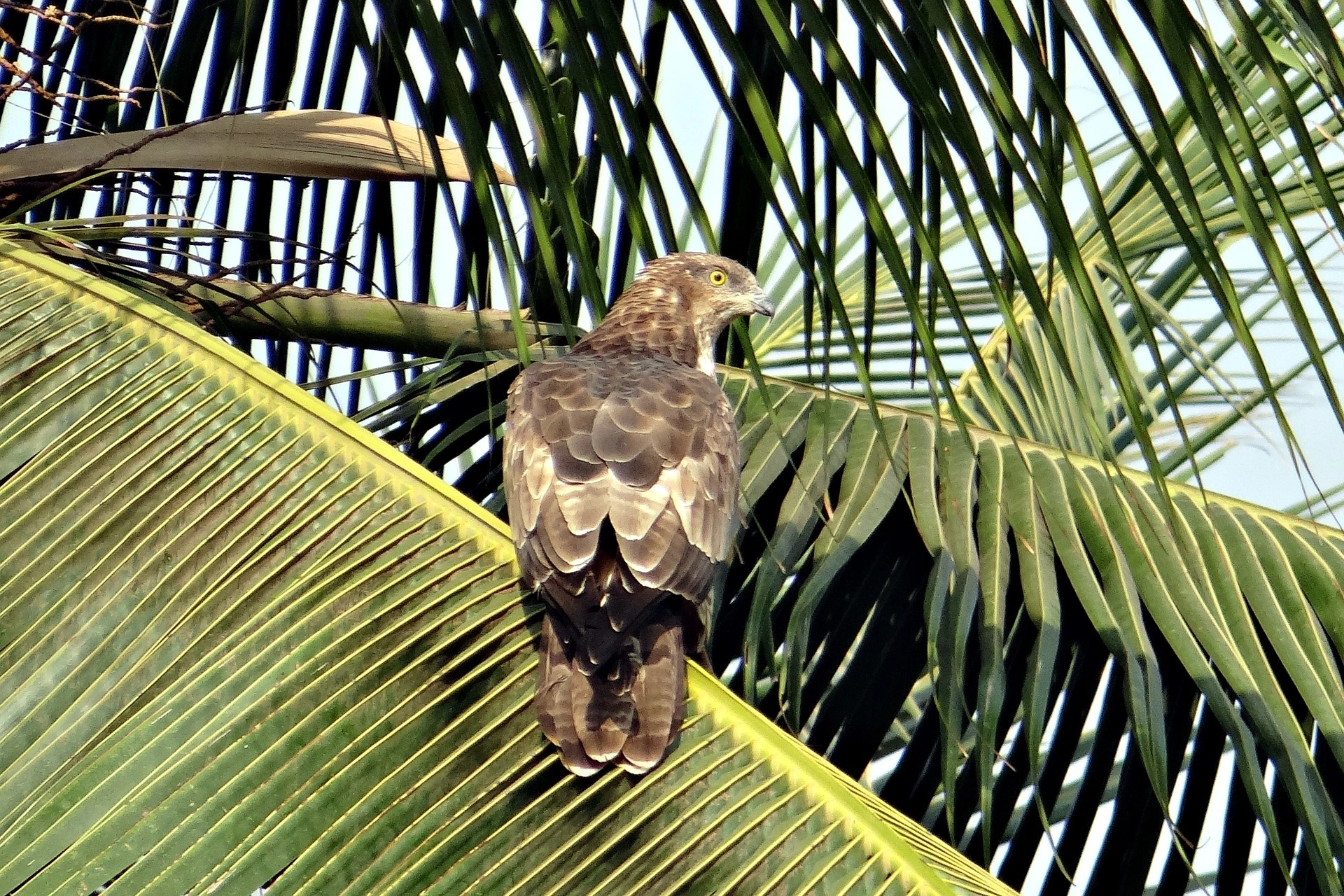
Oriental Honey-buzzard
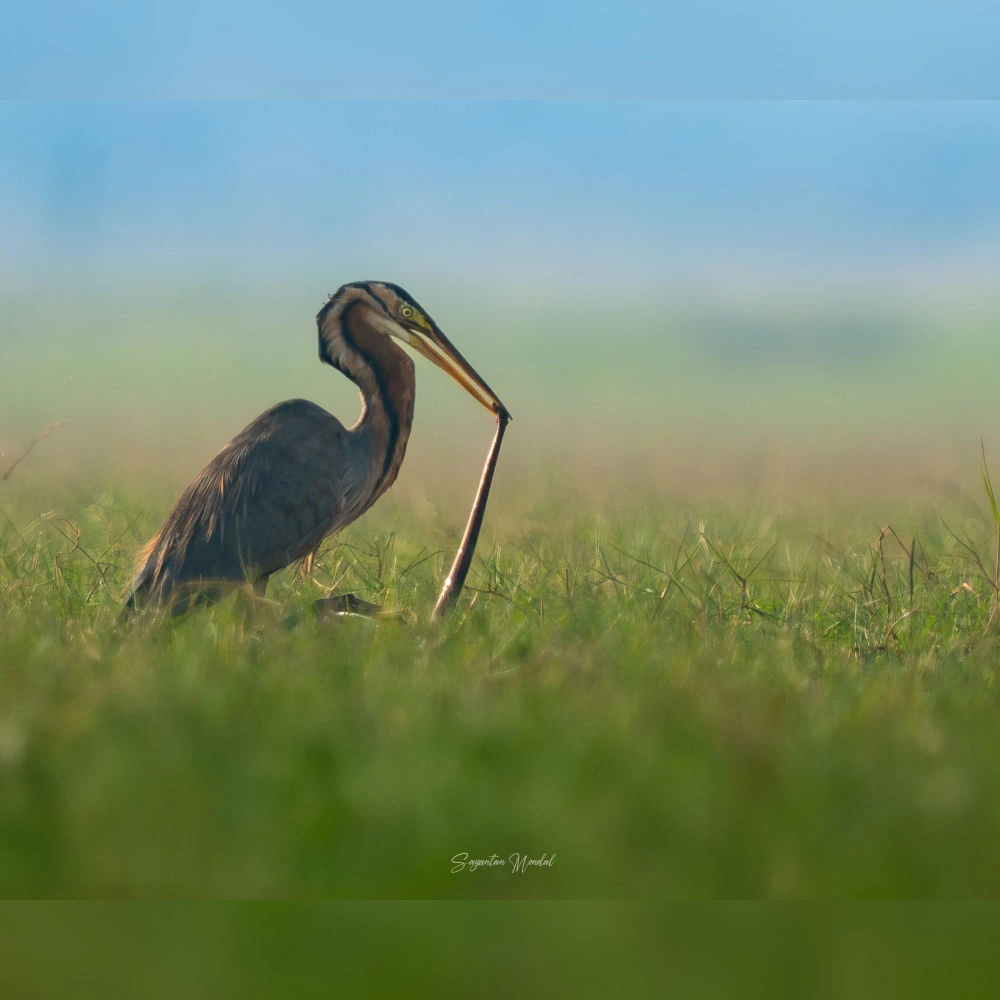
Purple Heron
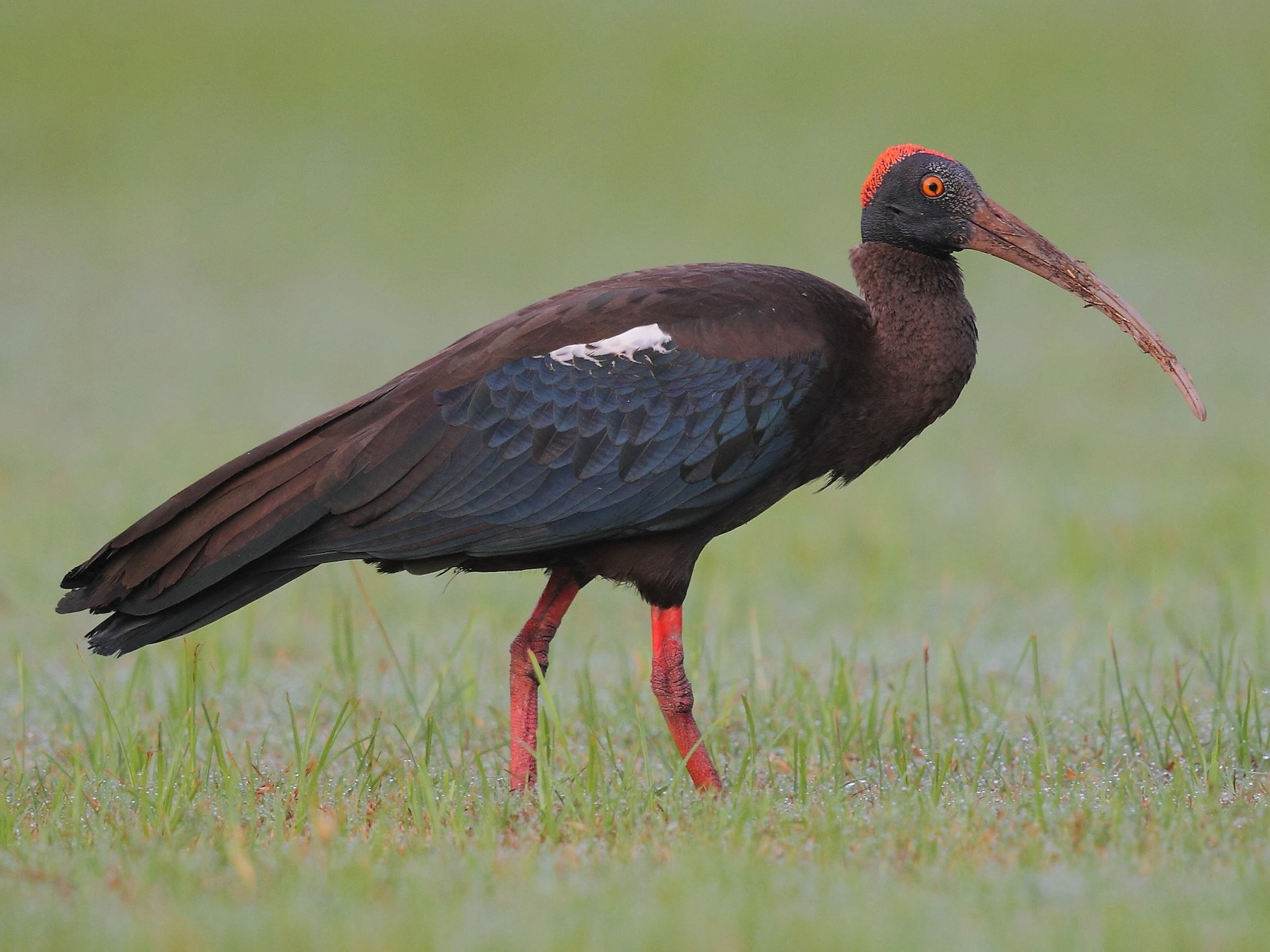
Red-naped Ibis
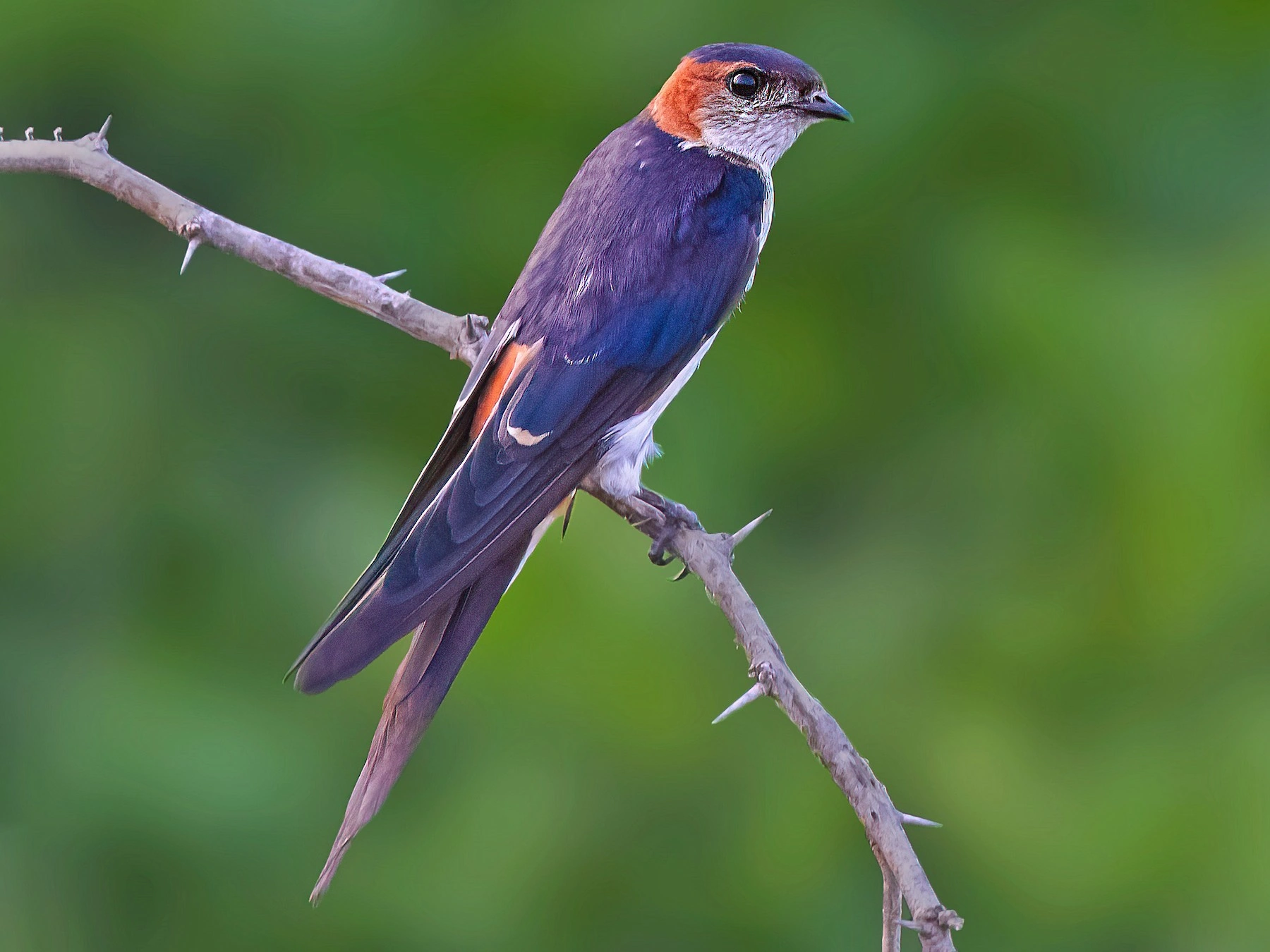
Red-rumped Swallow
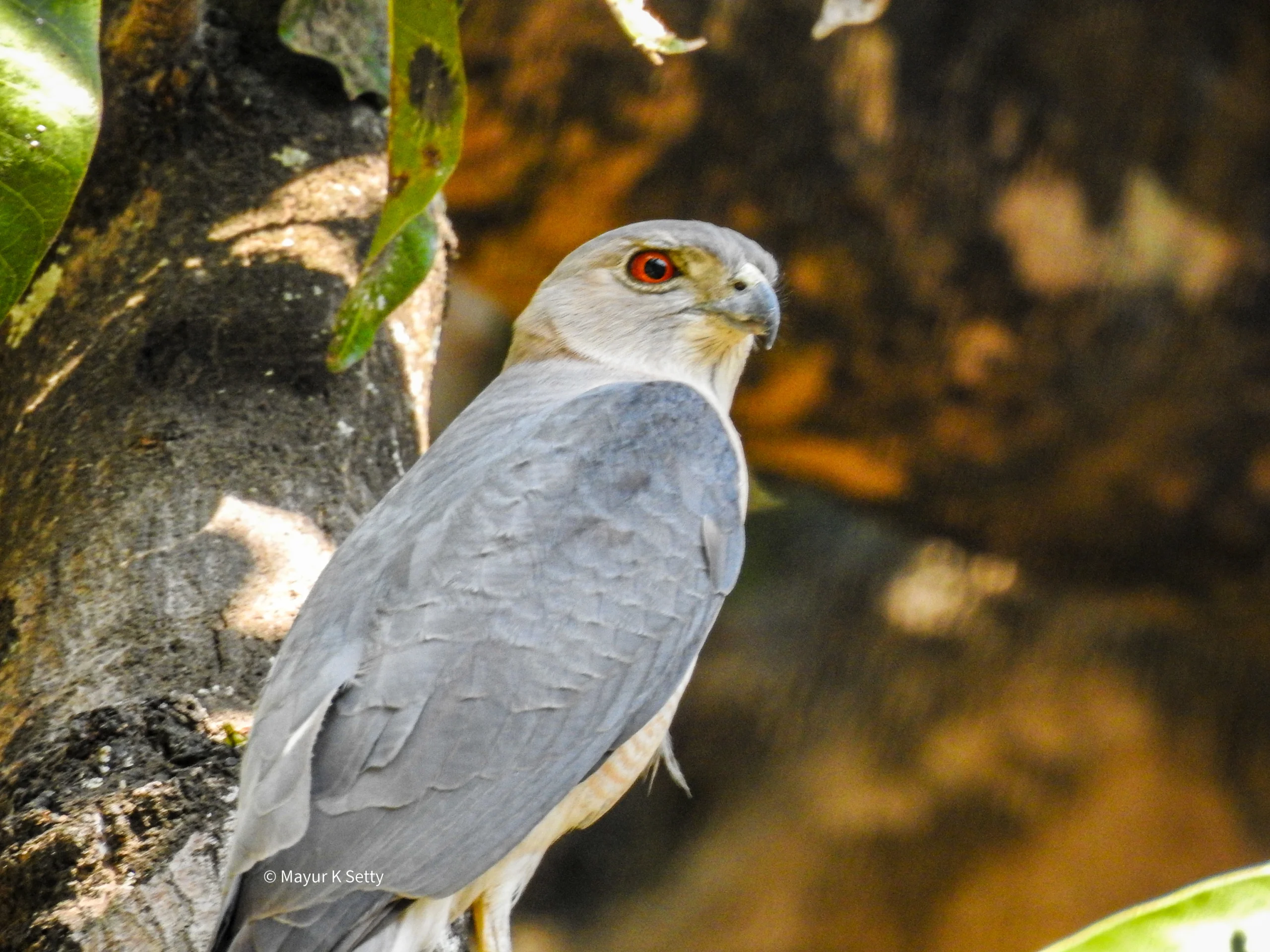
Shikra
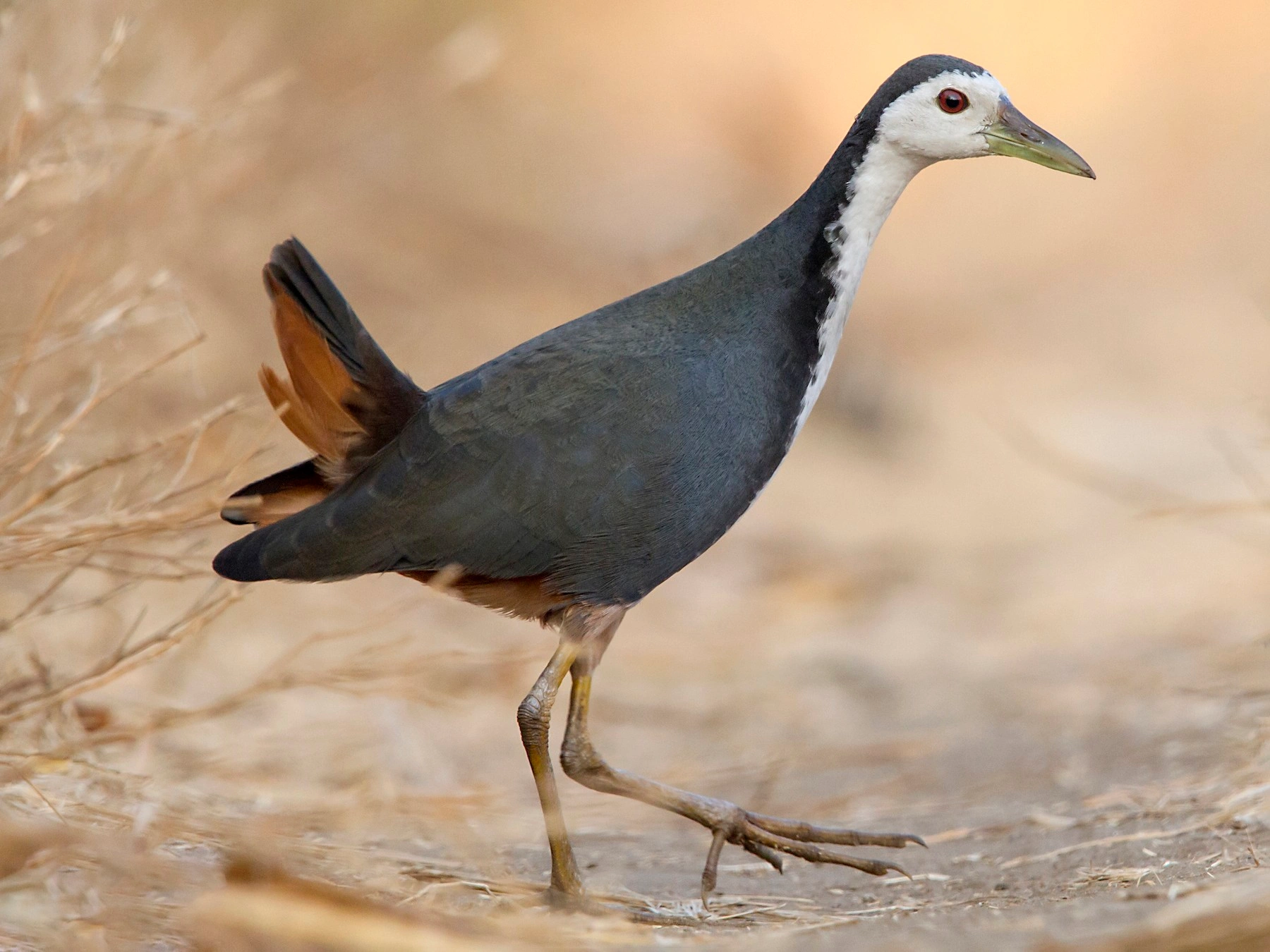
White-breasted Waterhen
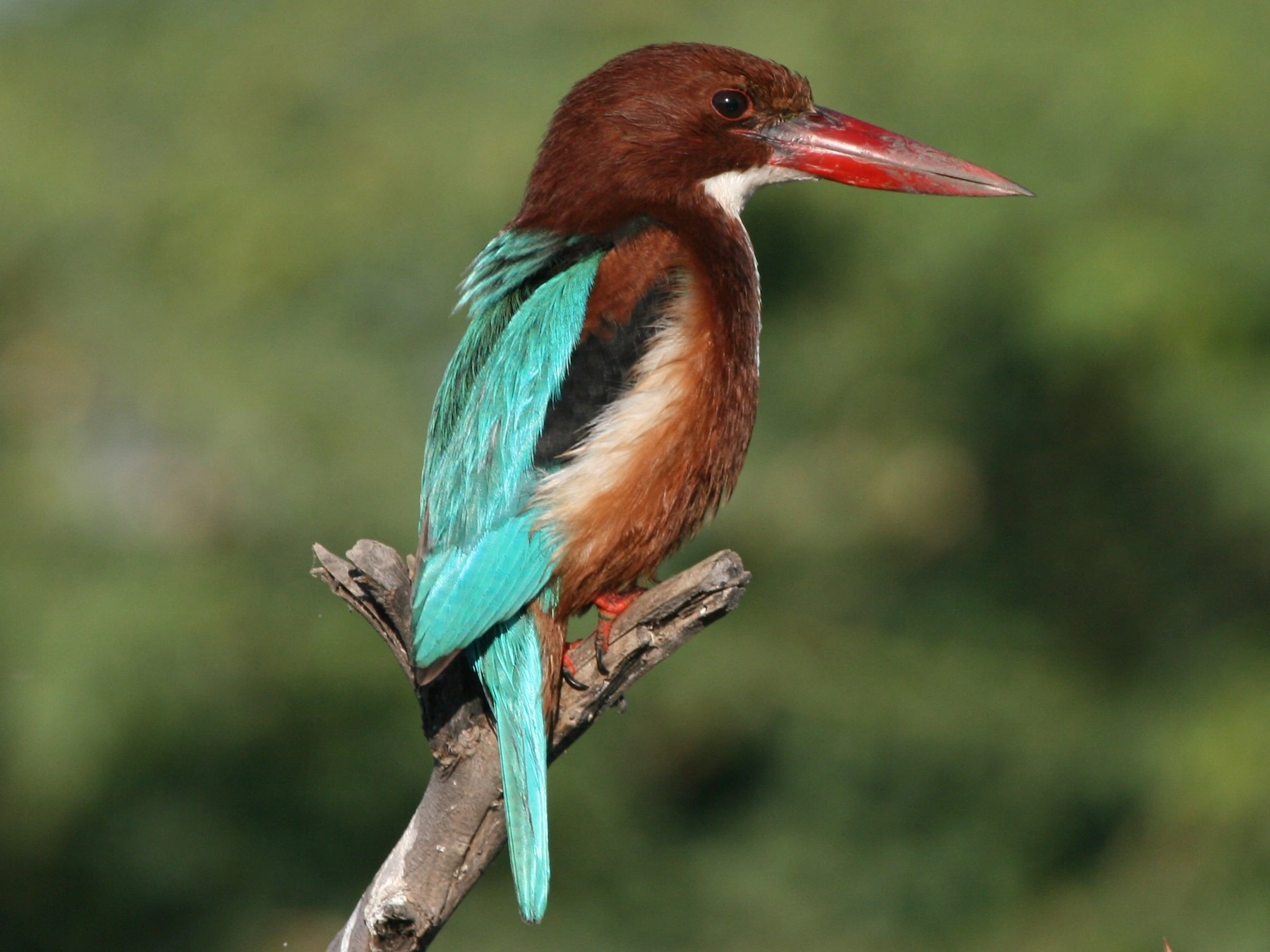
White-throated Kingfisher
Wire-tailed Swallow
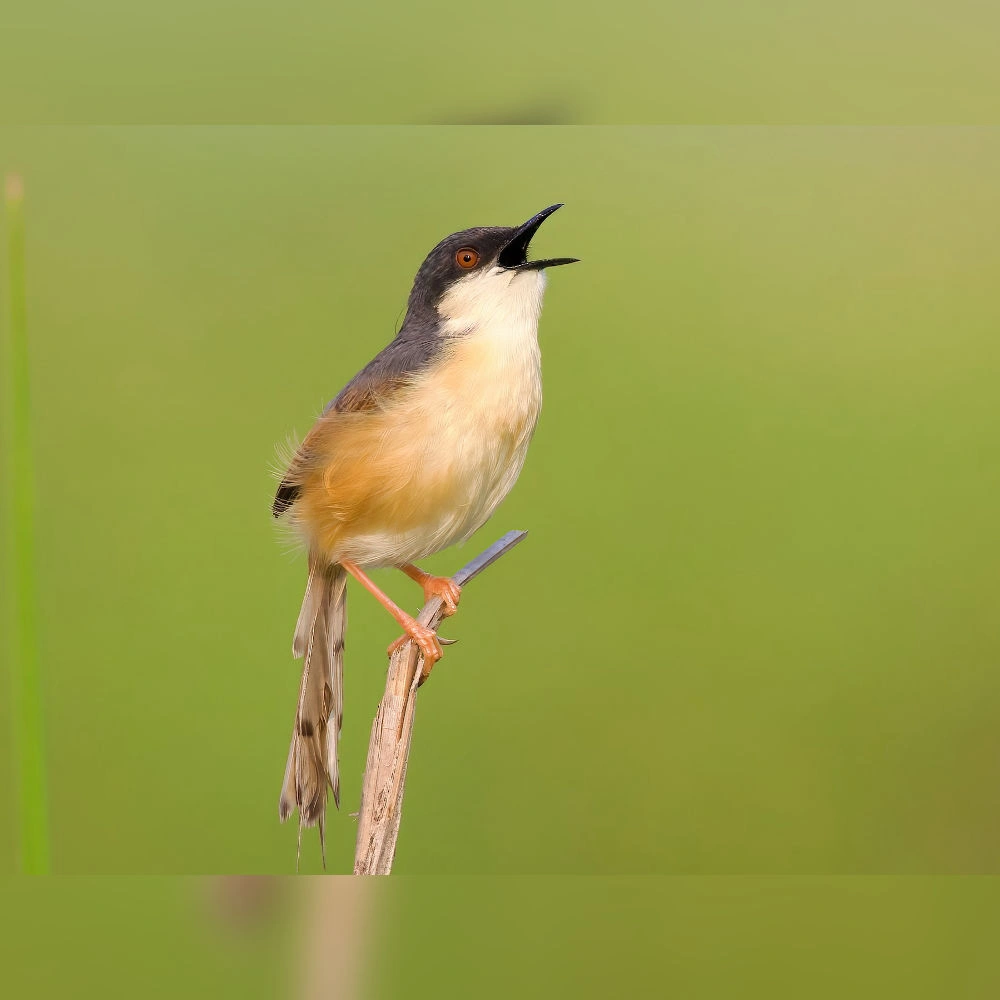
Ashy Prinia
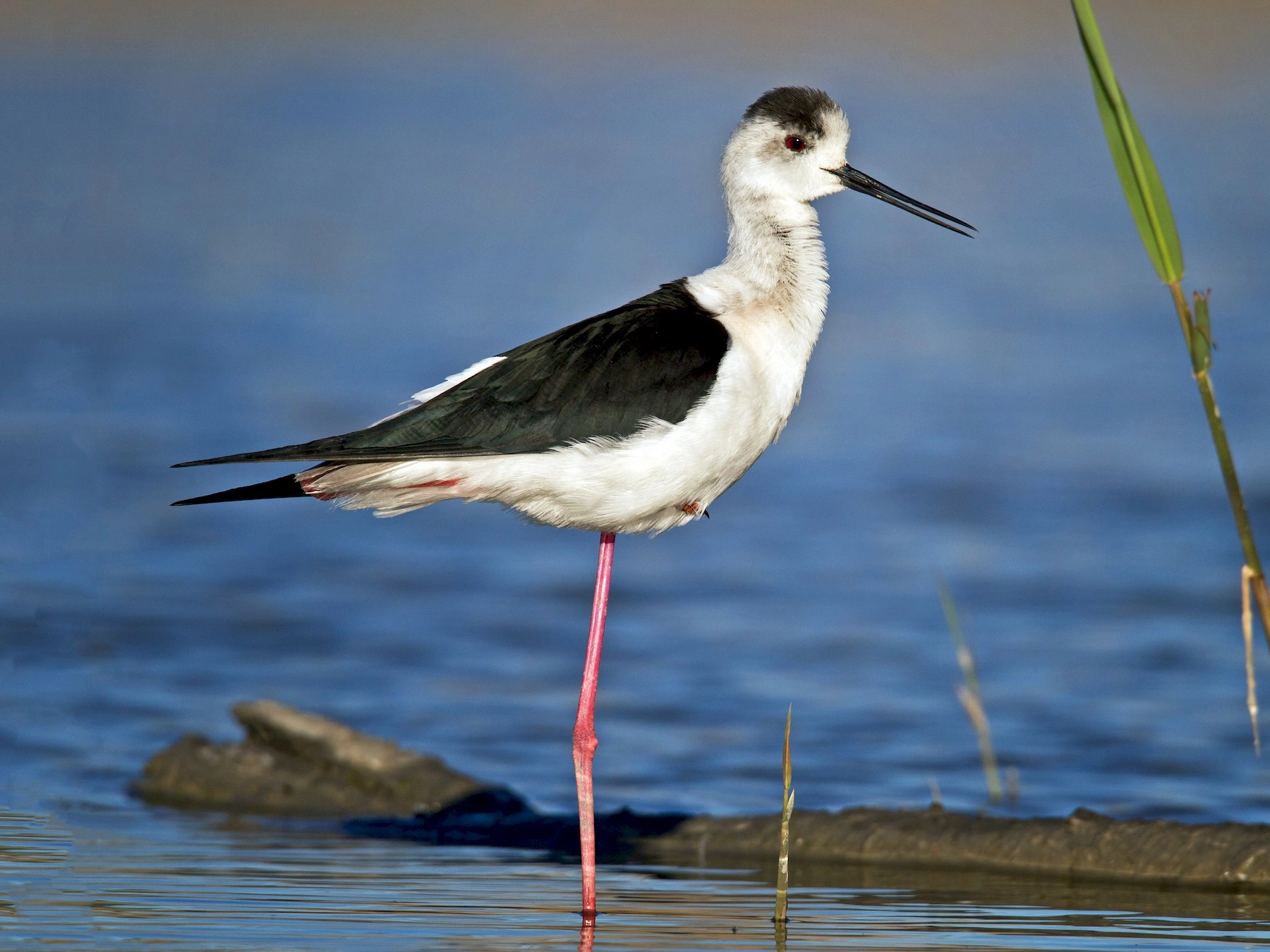
Black-winged Stilt
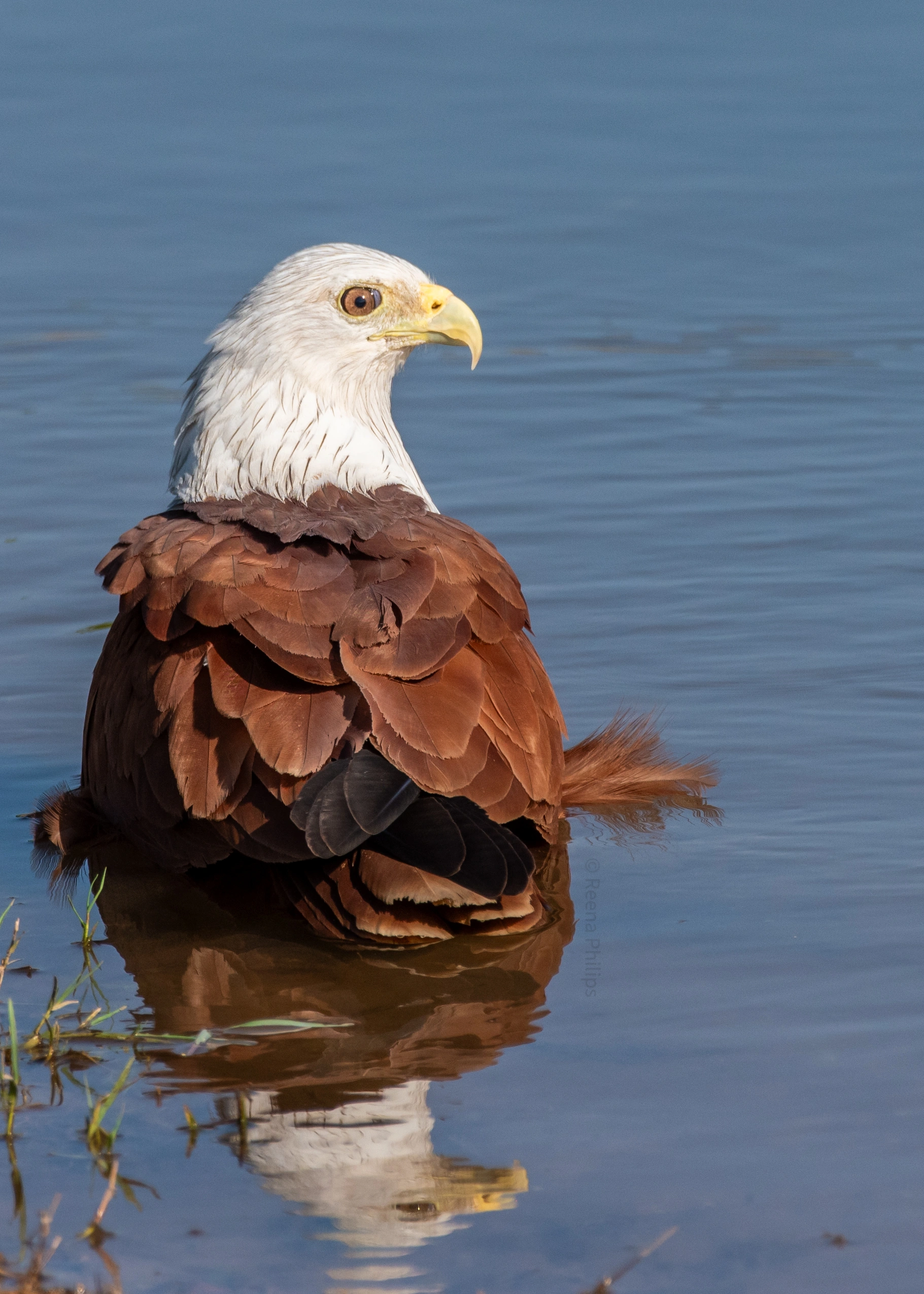
Brahminy Kite
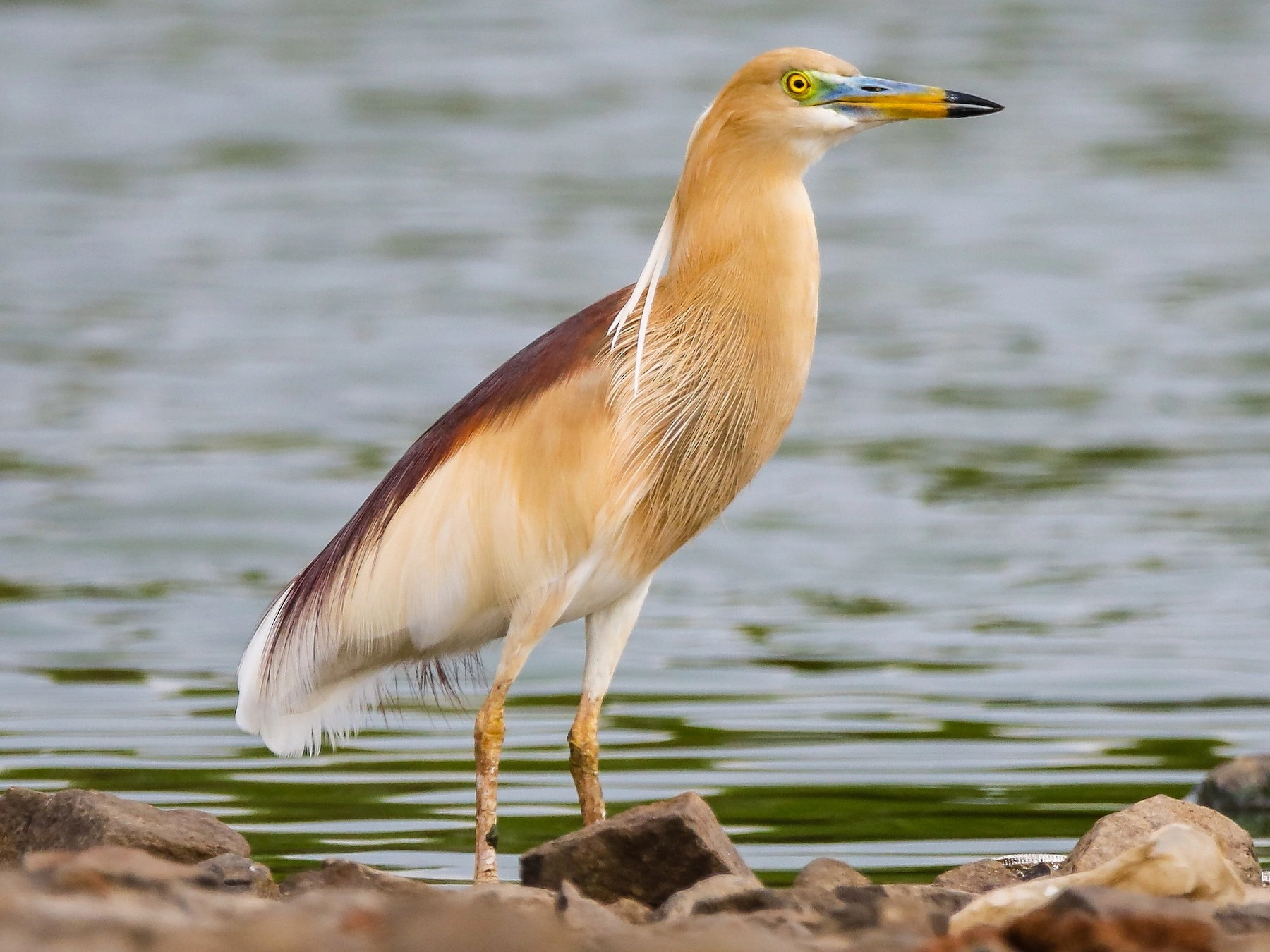
Indian Pond-Heron
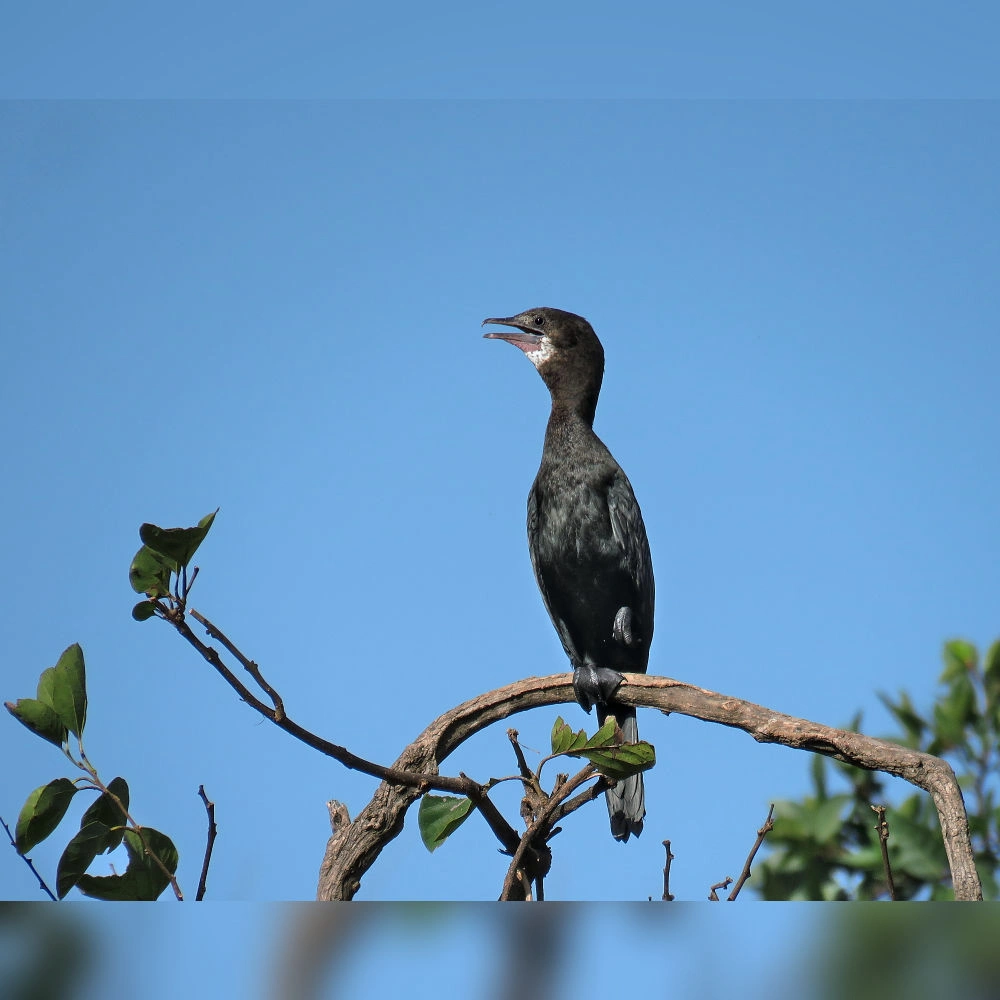
Little Cormorant

Summary of Walk

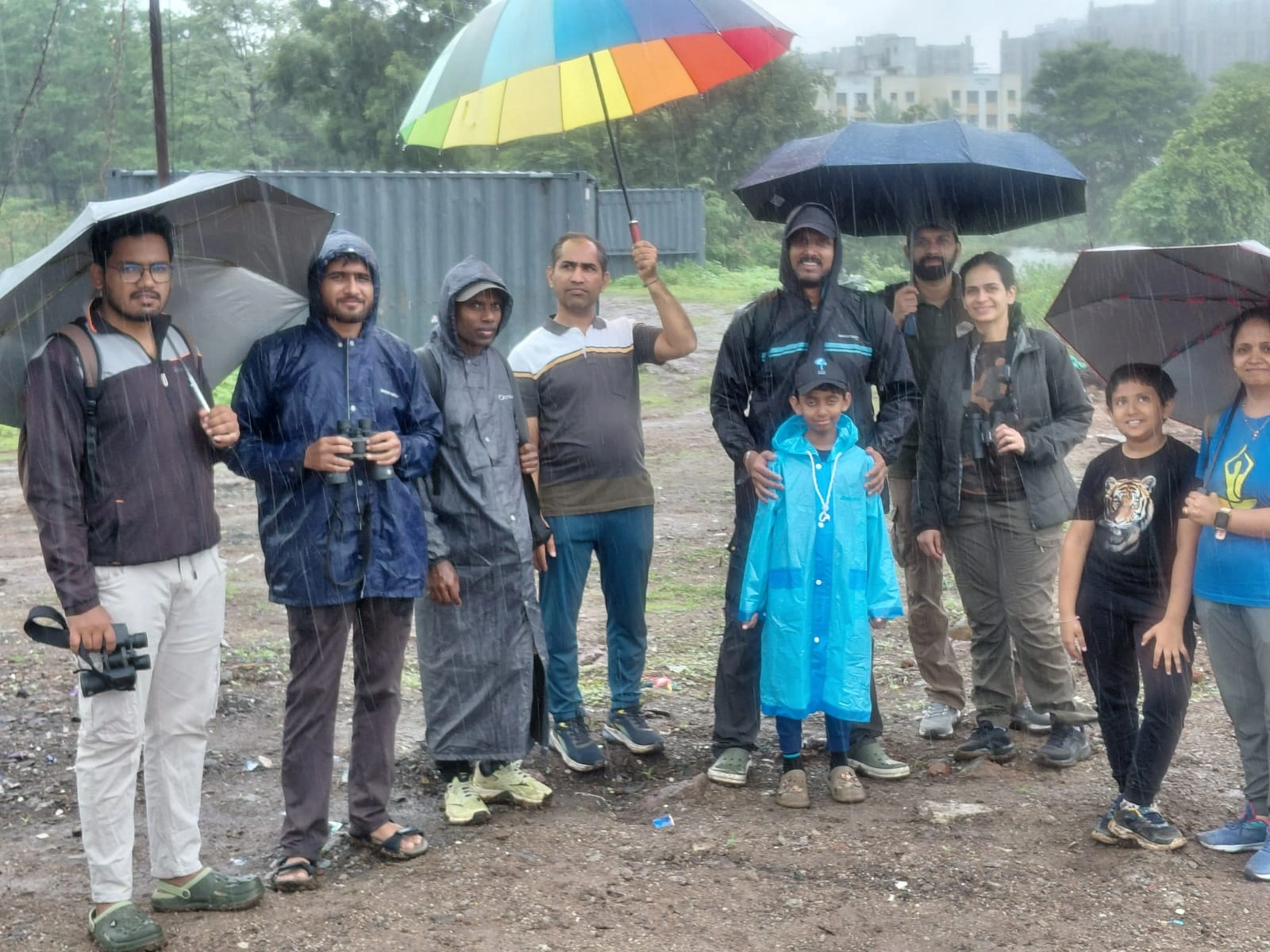
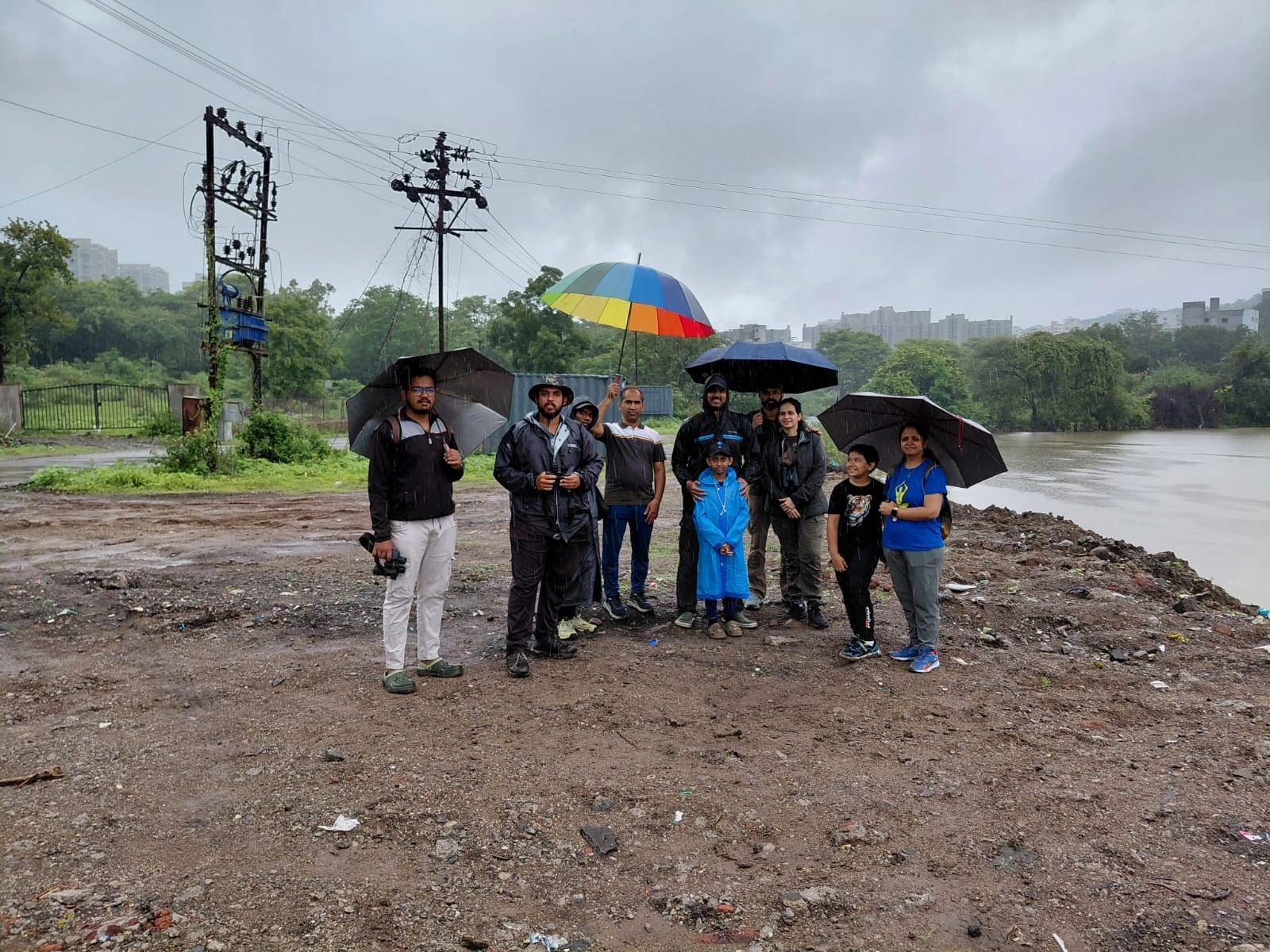
A group of 10 participants joined the guided bird walk at Manas Lake, Bhugaon, where a rainy morning and overcast skies created perfect conditions for an engaging birding experience. While the weather initially suggested a quiet outing, the lake soon proved otherwise, rewarding the group with remarkable bird activity and fascinating wildlife behaviour. Participants enjoyed lively discussions on bird identification, natural history, and the geography of the area, making the walk both educational and enjoyable. The enthusiasm of the group contributed to an interactive morning as they explored the wetland and surrounding vegetation, eventually recording over 30 bird species. One of the biggest highlights was spotting all three kingfisher species together in a single location—Pied Kingfisher, Common Kingfisher, and White-throated Kingfisher—a memorable sight for everyone present. Other notable species included Great Cormorant, Black-crowned Night Herons, Lesser Whistling Ducks, Indian Spot-billed Ducks, Yellow-eyed Babbler, Small Minivets, Baya Weavers, and Wire-tailed Swallows. The morning also produced remarkable wildlife interactions, including a Grey Heron stealing prey directly from a Great Cormorant and a pair of Indian Grey Mongooses attempting to hunt waterhens, offering participants a rare glimpse into predator-prey dynamics. Manas Lake continues to showcase the rich biodiversity thriving within Pune’s urban wetlands and highlights the importance of conserving these valuable ecosystems.
Number of Participants
0
Scroll to Top