

Loading Events

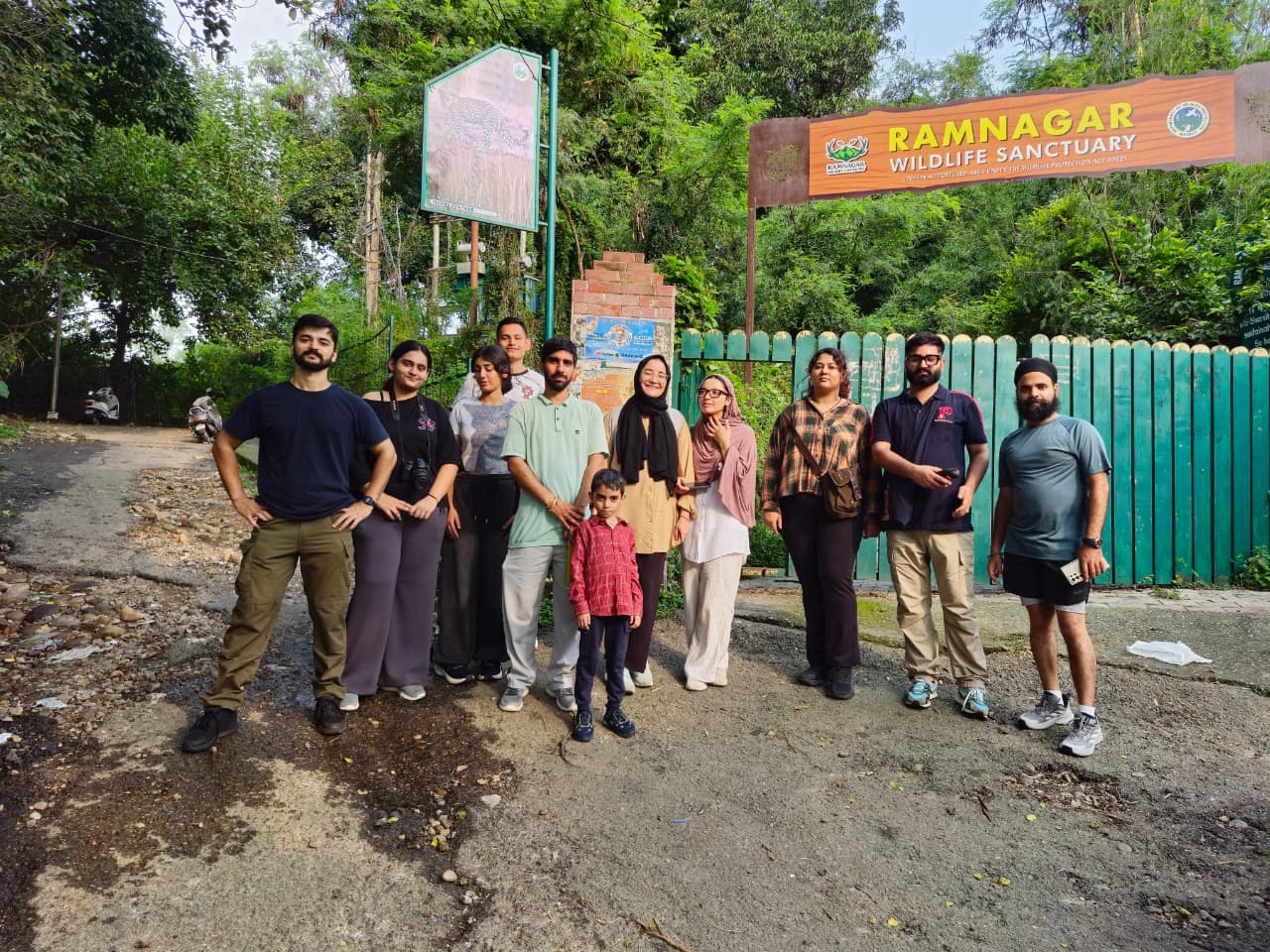
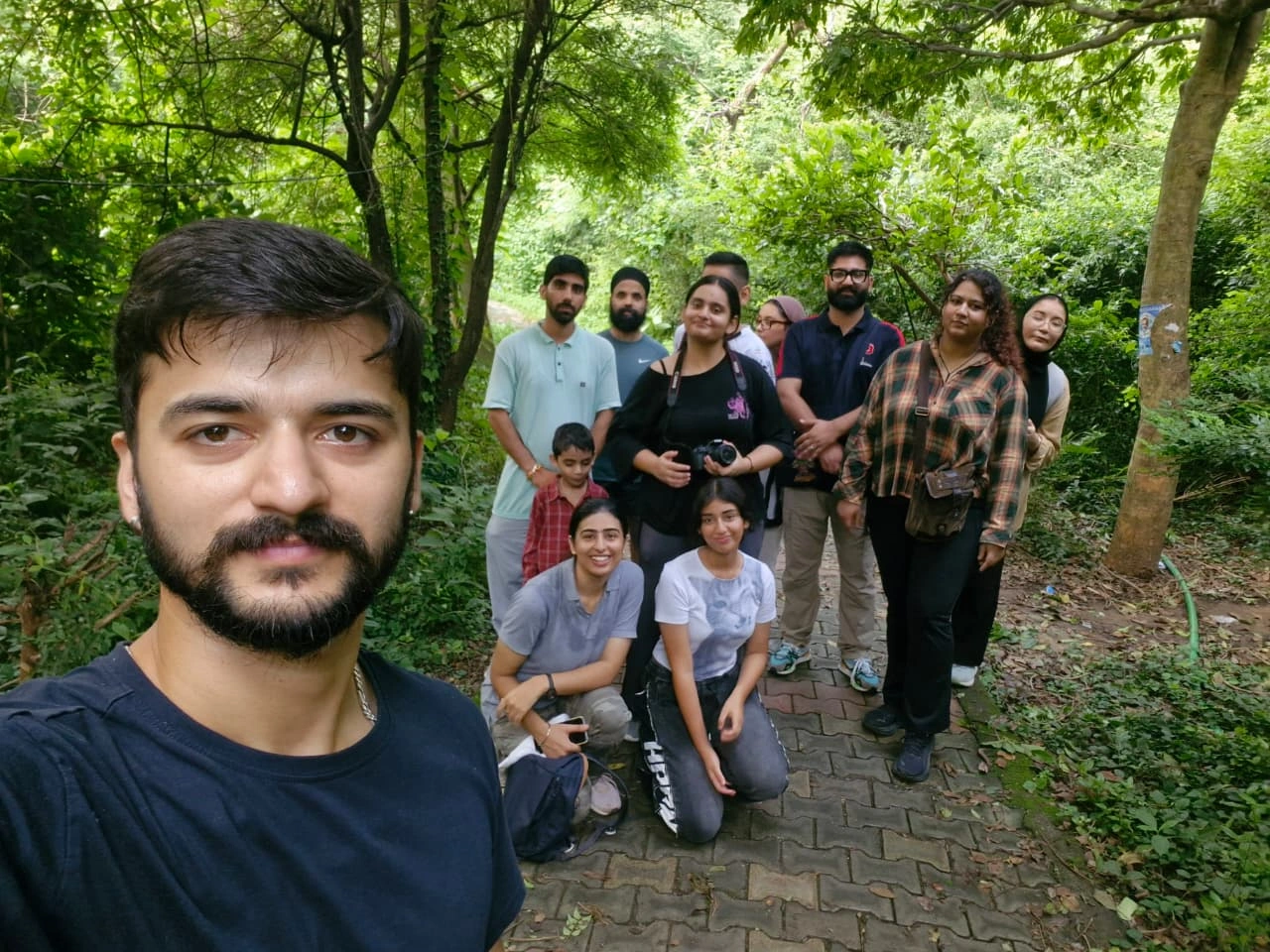
Bird Walk at Manda Track, Jammu

About Manda Track

Manda Track is located in the Jammu region of Jammu & Kashmir and offers a green and relatively natural landscape close to the city. The area is characterised by a mix of scrub vegetation, woodland patches, open grassy areas and cultivated or human-influenced landscapes, creating a variety of habitats within a relatively accessible birding route. The changing terrain and vegetation provide opportunities to observe birds associated with both the Himalayan foothills and the plains of Jammu.
The natural setting around Manda also makes it valuable as a green refuge within the expanding Jammu landscape. Seasonal changes influence the vegetation, availability of insects and water, and consequently the birds that use the area. The surrounding forests and scrub provide feeding, nesting and roosting opportunities, while open areas are used by species that forage on the ground or hunt insects in flight. As development and human activity increase around Jammu, protecting such natural spaces becomes important for maintaining local biodiversity. For birdwatchers, Manda Track offers an opportunity to explore the varied birdlife of the Jammu region while enjoying a relatively peaceful landscape close to the city.

Bird Guide: Tanvi Sharma

Tanvi is a nature educator with a background in Zoology and a postgraduate degree in Environmental Sciences. Passionate about nature and especially birds, she enjoys spending time outdoors and sharing her knowledge with others. As a bird guide, she hopes to deepen her connection with nature while inspiring more people in her community to discover birdwatching as a rewarding hobby.
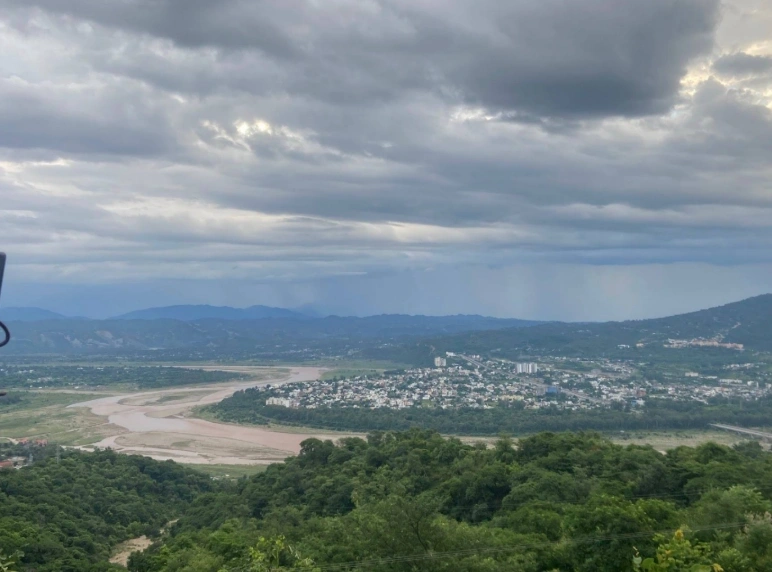
Bird walk Location

Common birds of Manda Track

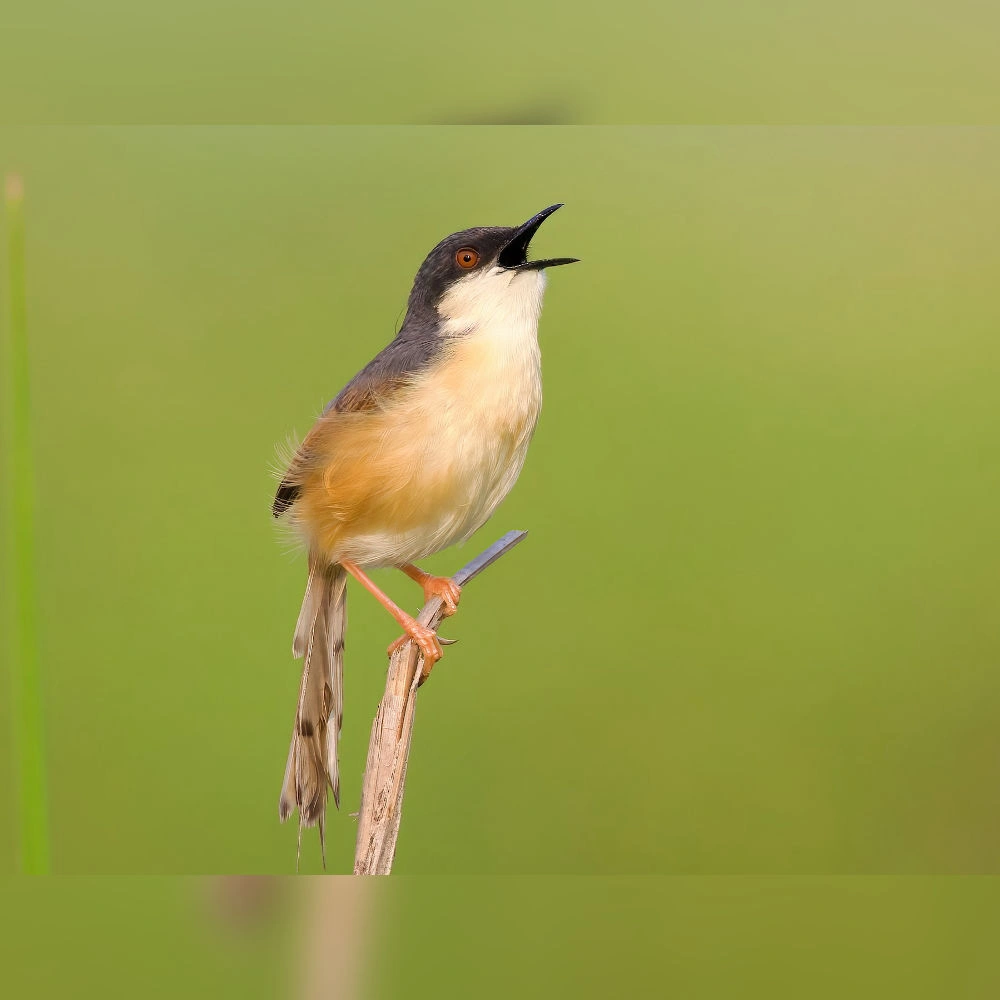
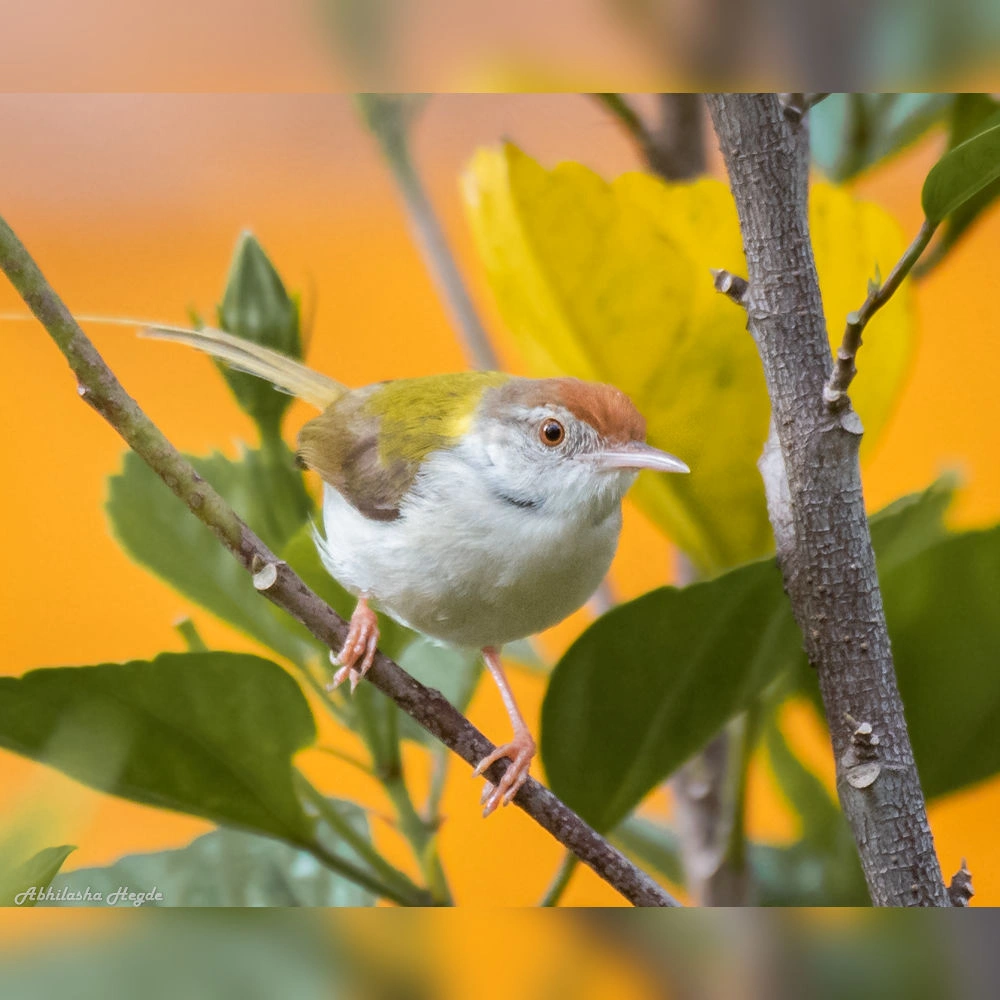
Manda Track near Jammu offers a pleasant birding experience through a varied landscape of open scrub, vegetation, woodland patches and cultivated areas. This habitat mosaic supports a mix of resident birds and species that favour open country, with Ashy Prinia, Plain Prinia, Common Tailorbird, Red-vented Bulbul and Scaly-breasted Munia frequently associated with the grassy and shrubby sections. The track is also a good place to look for colourful species such as Purple Sunbird, Asian Green Bee-eater, Blue-tailed Bee-eater and White-throated Kingfisher. Larger birds including Rufous Treepie, Indian Grey Hornbill, Brown-headed Barbet and Greater Coucal add variety to the woodland and tree-lined stretches, while Baya Weaver can be associated with suitable grassland and nesting areas. The open sections of Manda Track provide opportunities to observe species such as Brown Rock Chat, White Wagtail and Red-wattled Lapwing, while Black Drongo and Ashy Drongo can often be seen scanning open areas for insects. More familiar urban and semi-urban species, including House Crow, Common Myna, Rock Pigeon and Spotted Dove, are also part of the landscape. The presence of Rose-ringed Parakeet and Asian Koel adds to the diversity of tree-dwelling birds. The combination of scrub, trees, open ground and nearby human-modified habitats makes Manda Track useful for observing how birds adapt to different environments. Early mornings are particularly rewarding for birdwatching, when activity and vocalisations are at their highest.
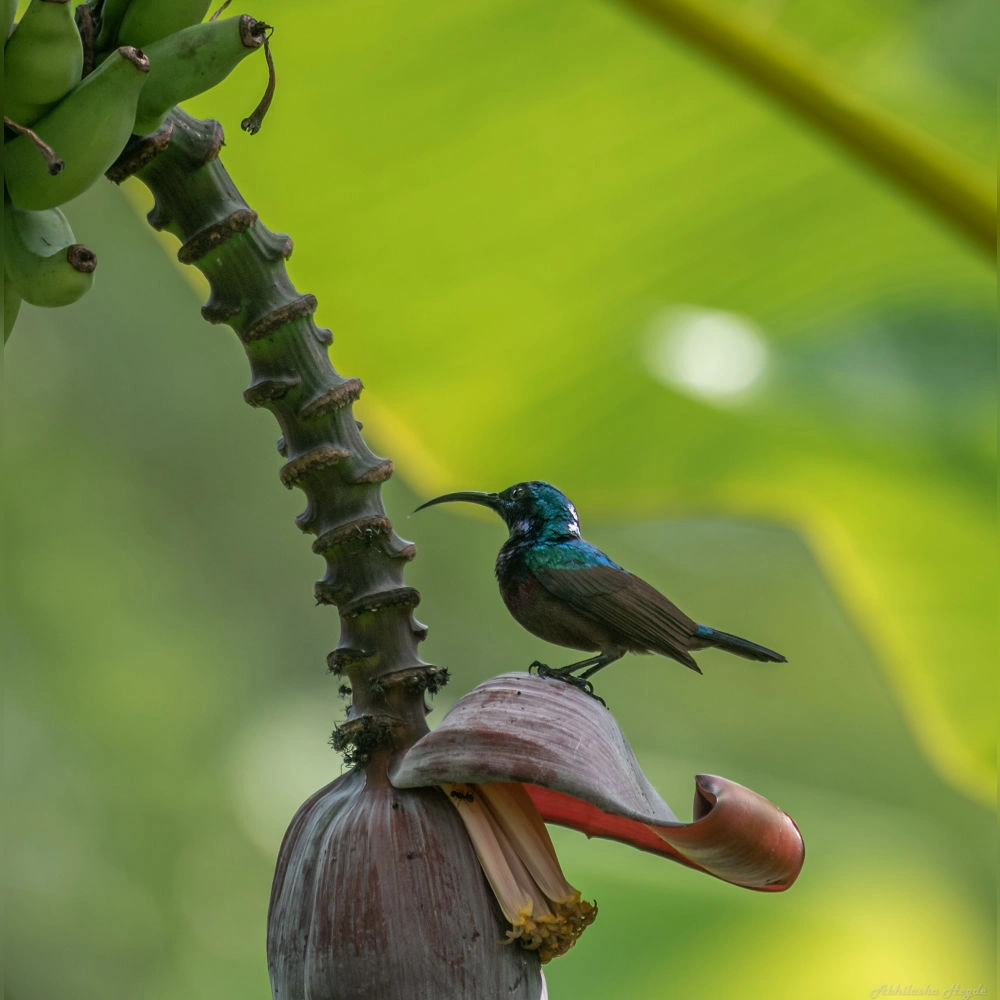
Purple Sunbird
Ashy Prinia
Common Tailorbird
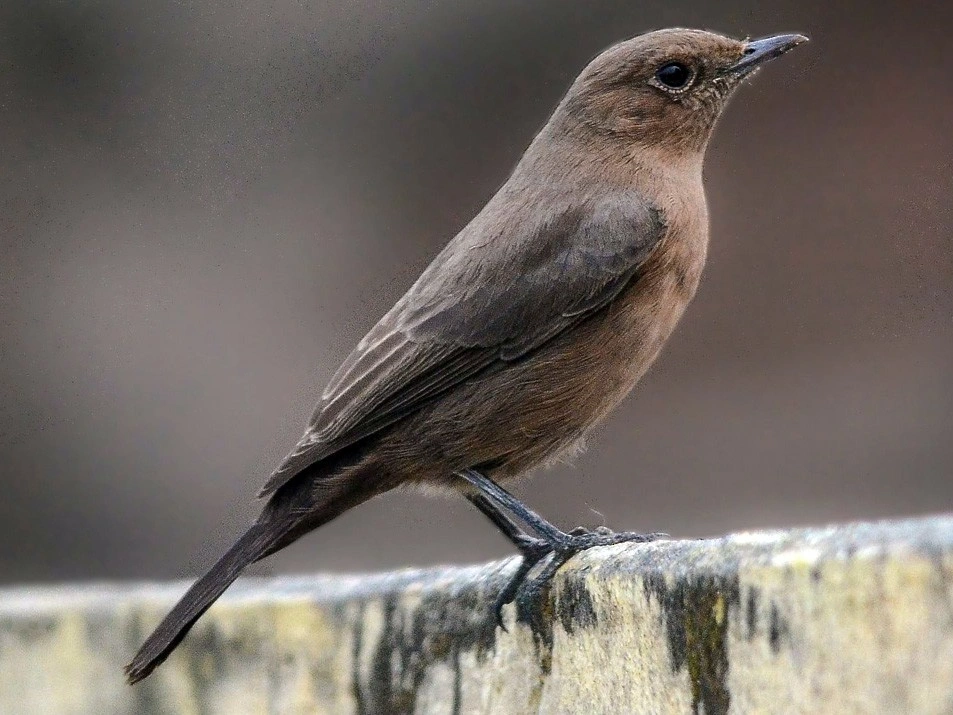
Brown Rock Chat
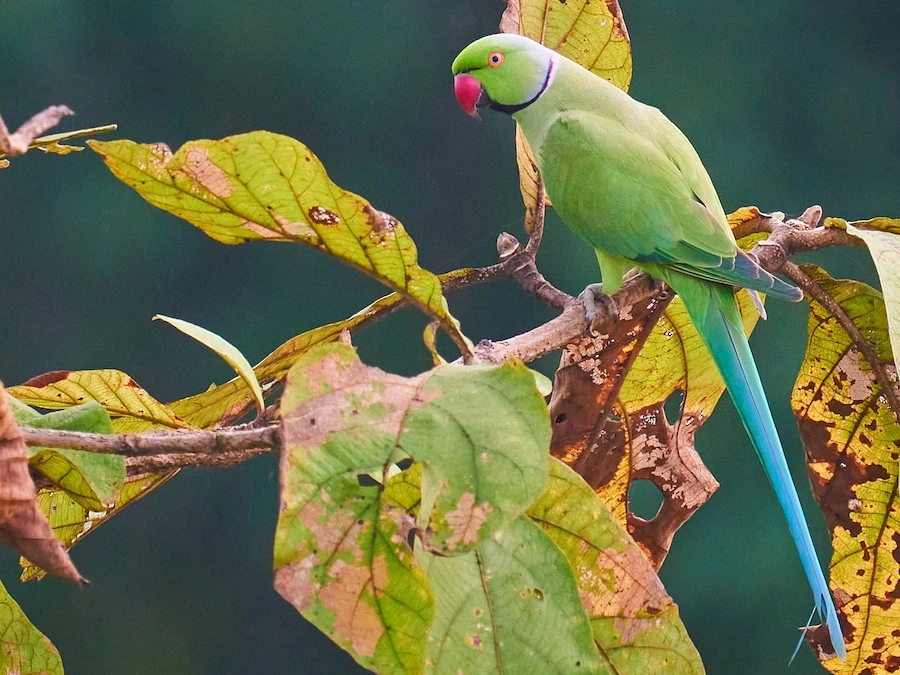
Rose-ringed Parakeet
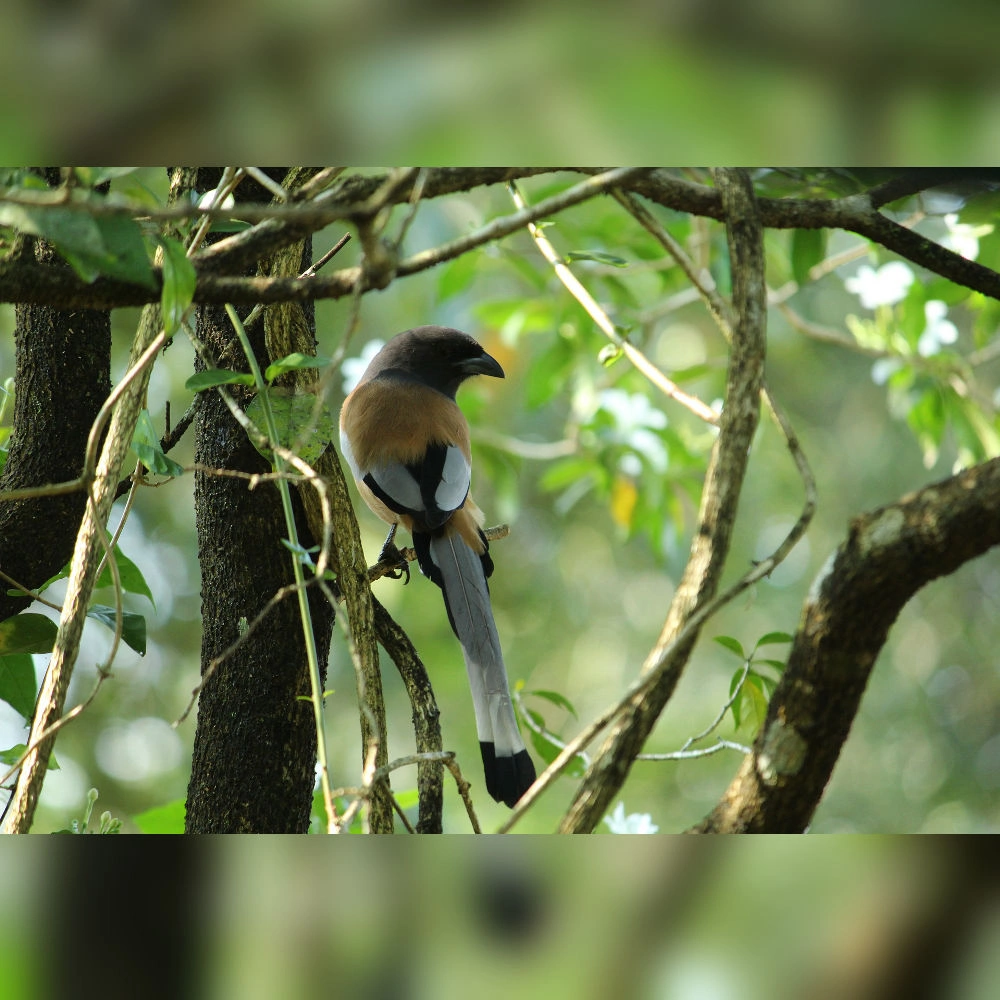
Rufous Treepie
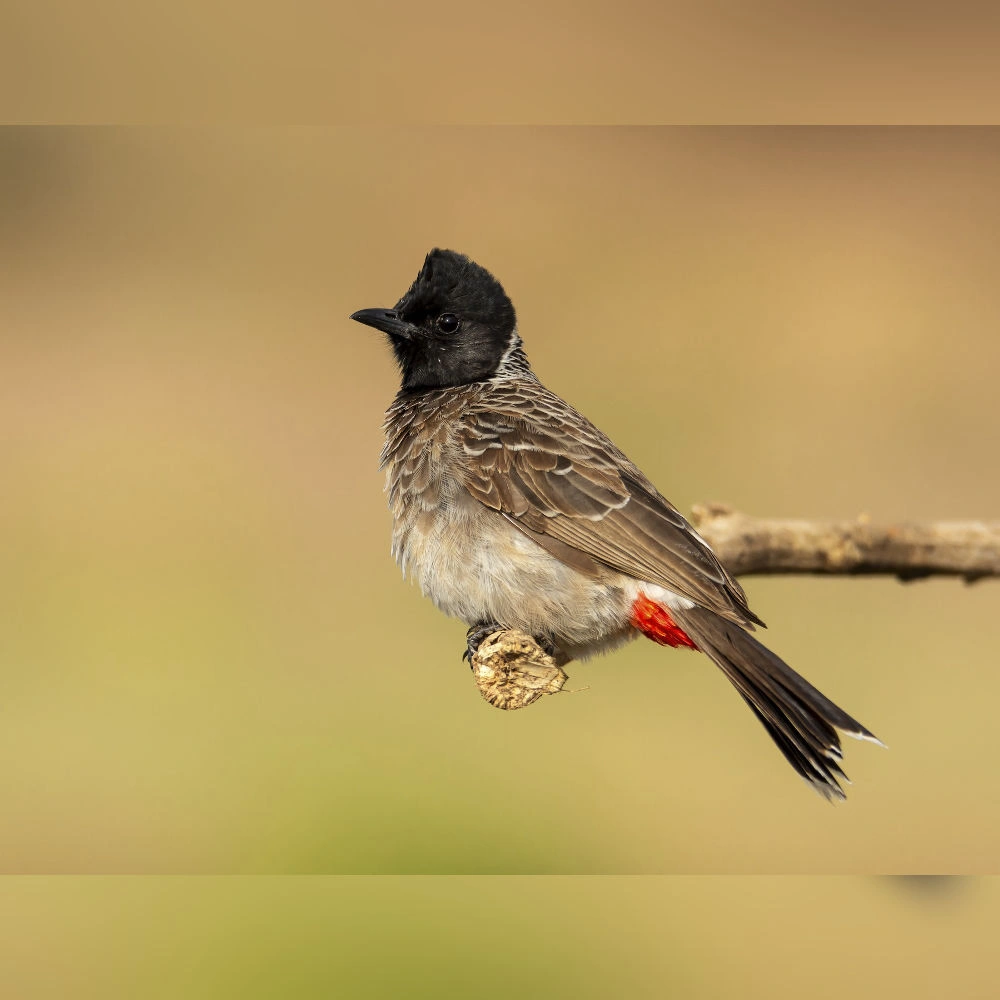
Red-vented Bulbul
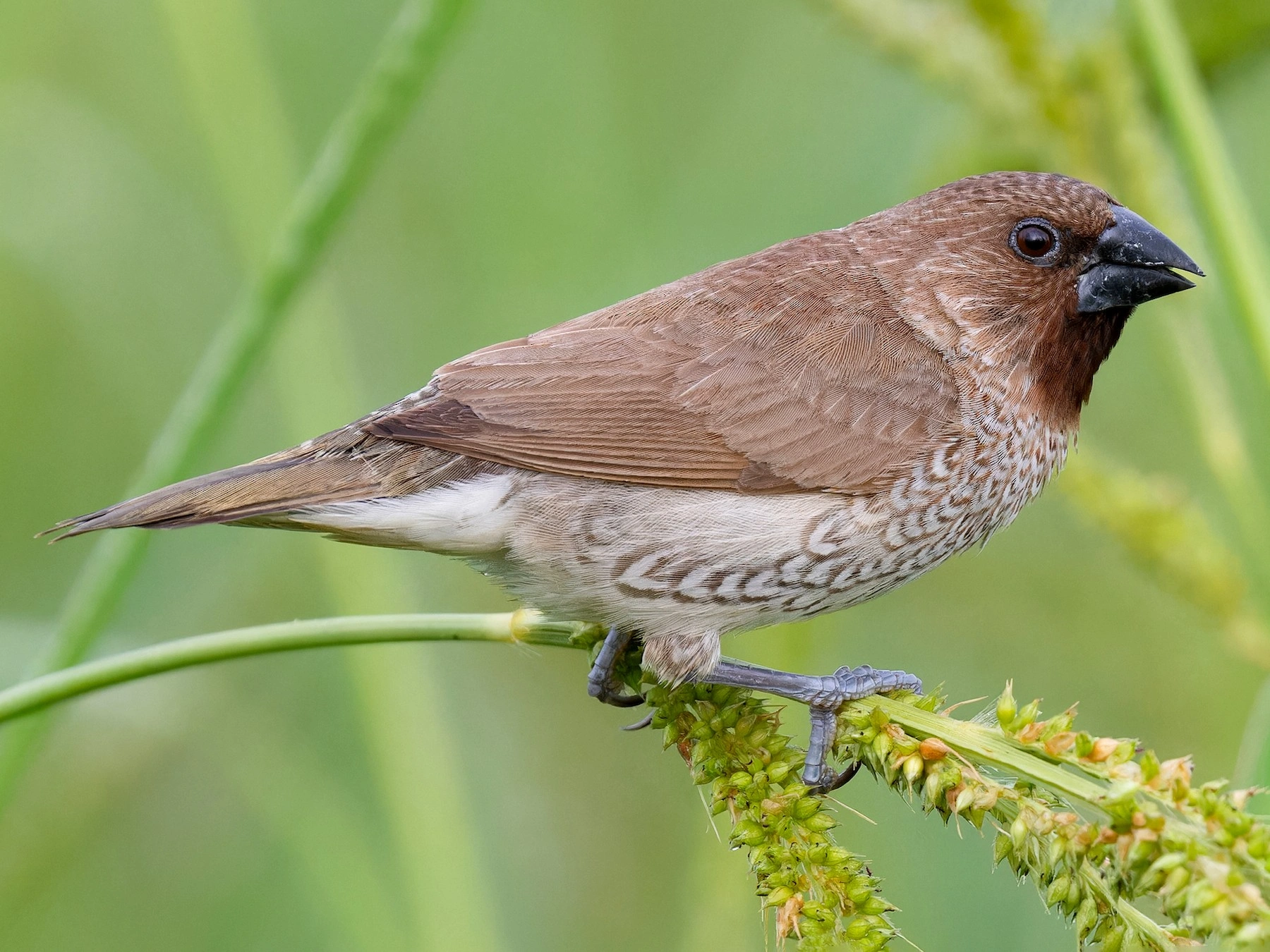
Scaly-breasted Munia
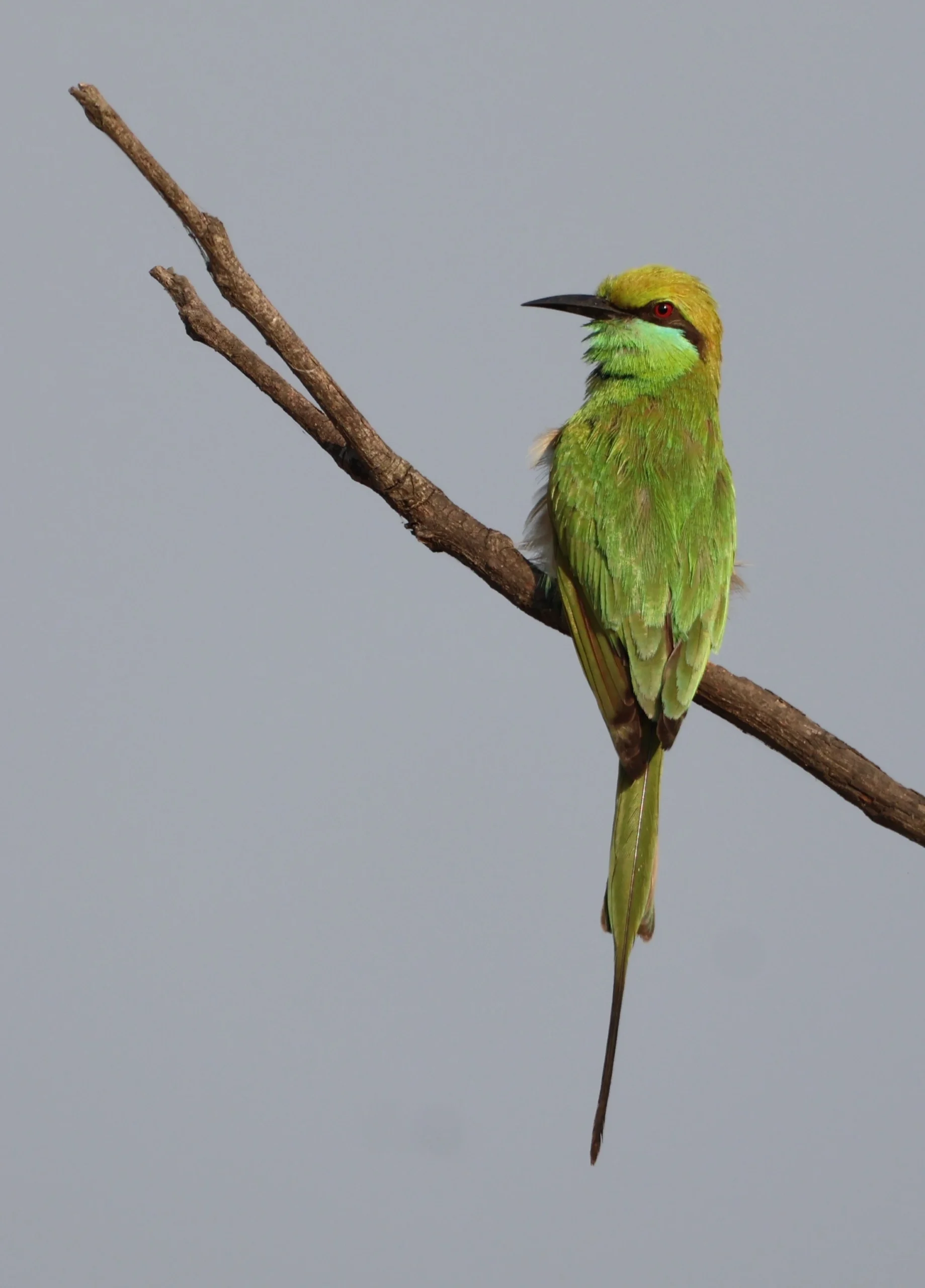
Asian Green Bee-eater
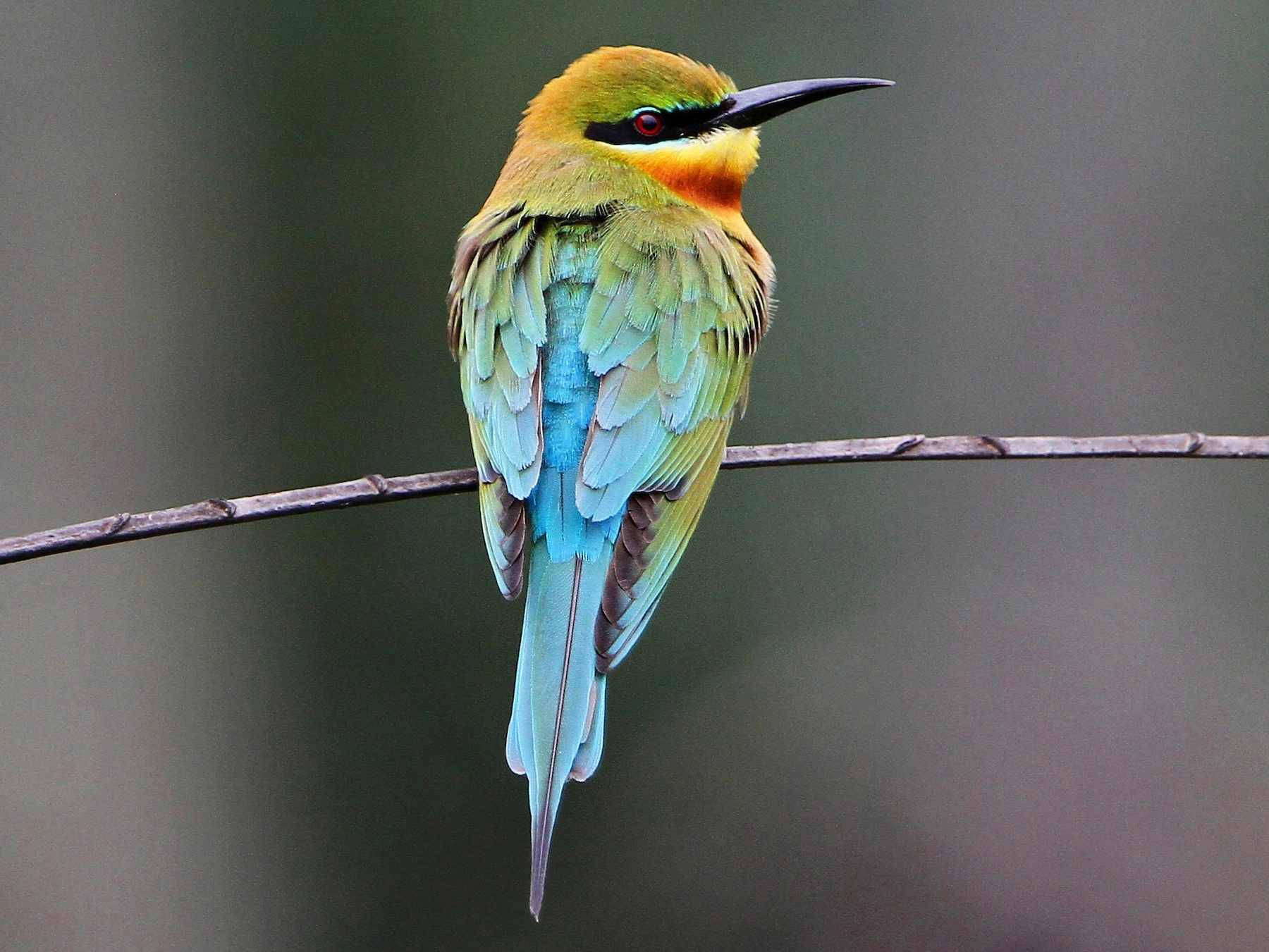
Blue-tailed Bee-eater
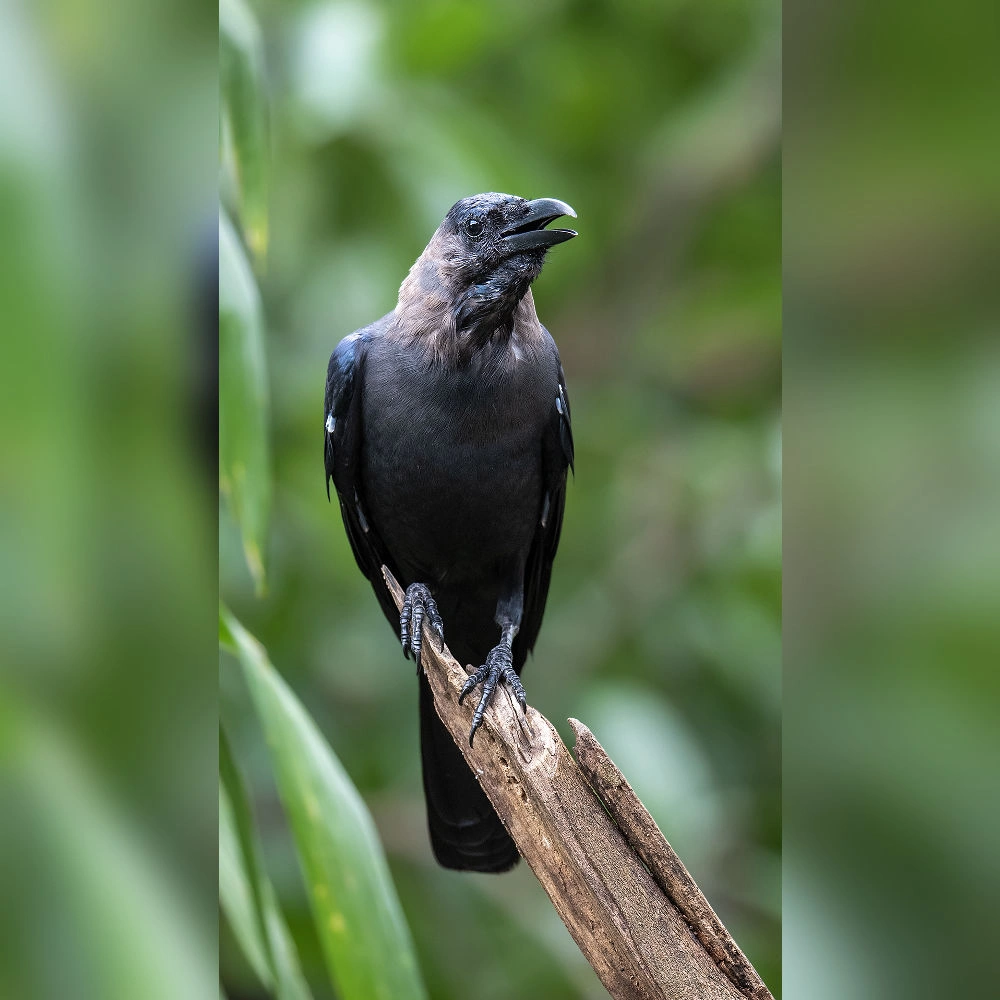
House Crow
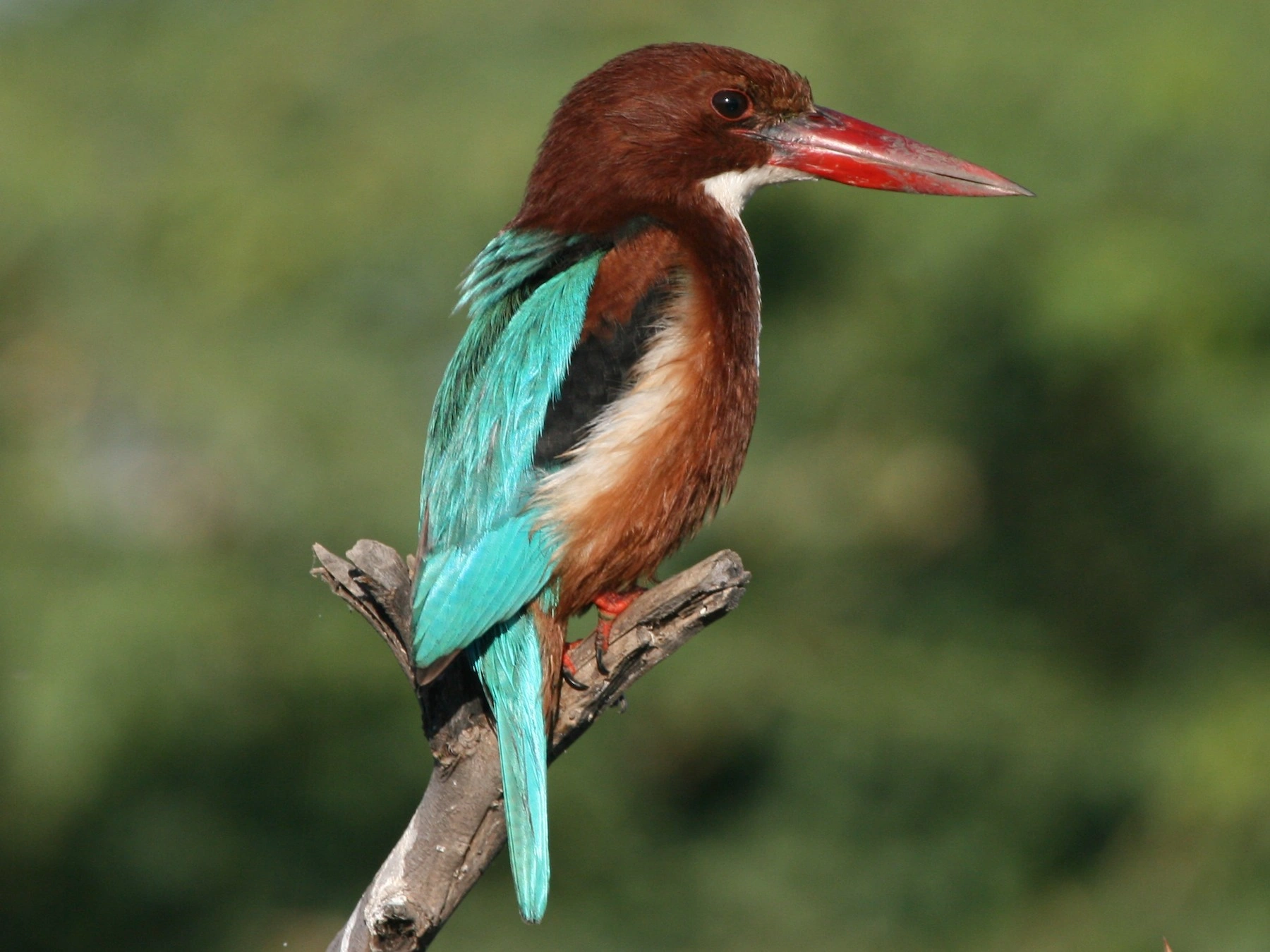
White-throated Kingfisher
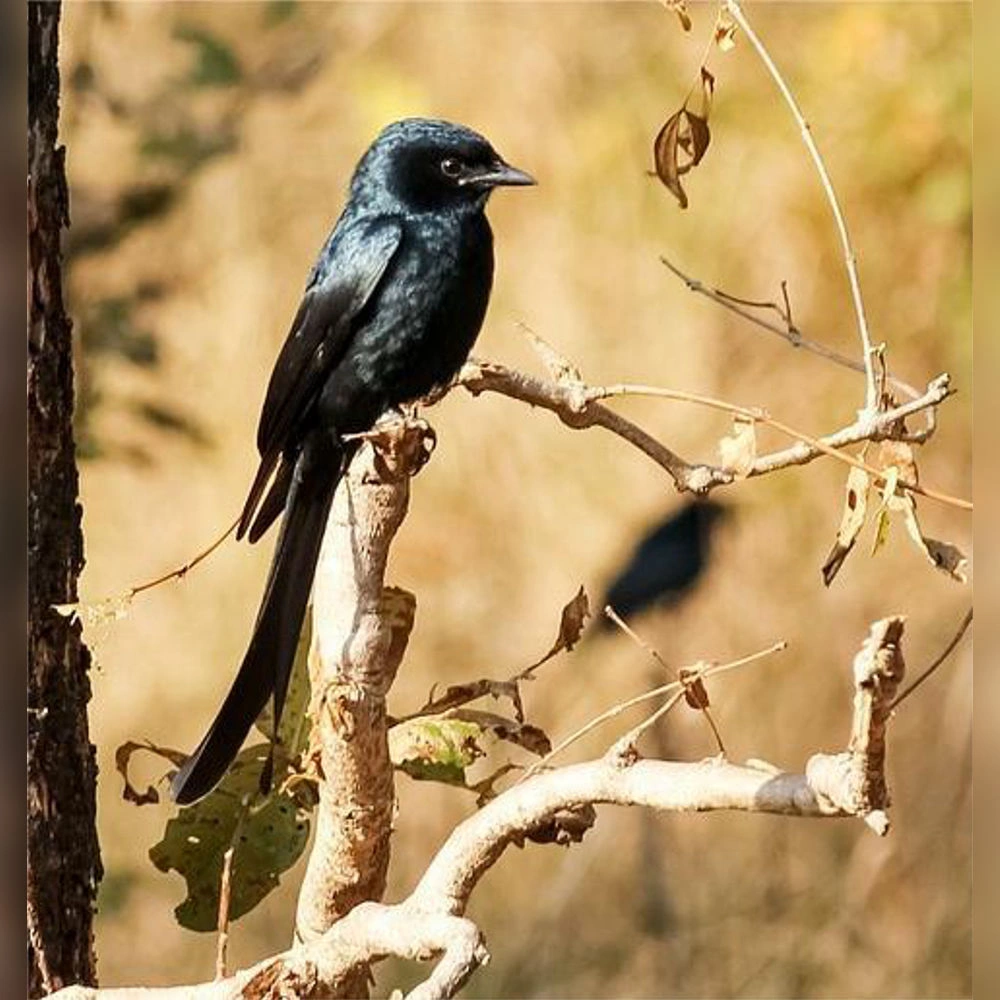
Black Drongo
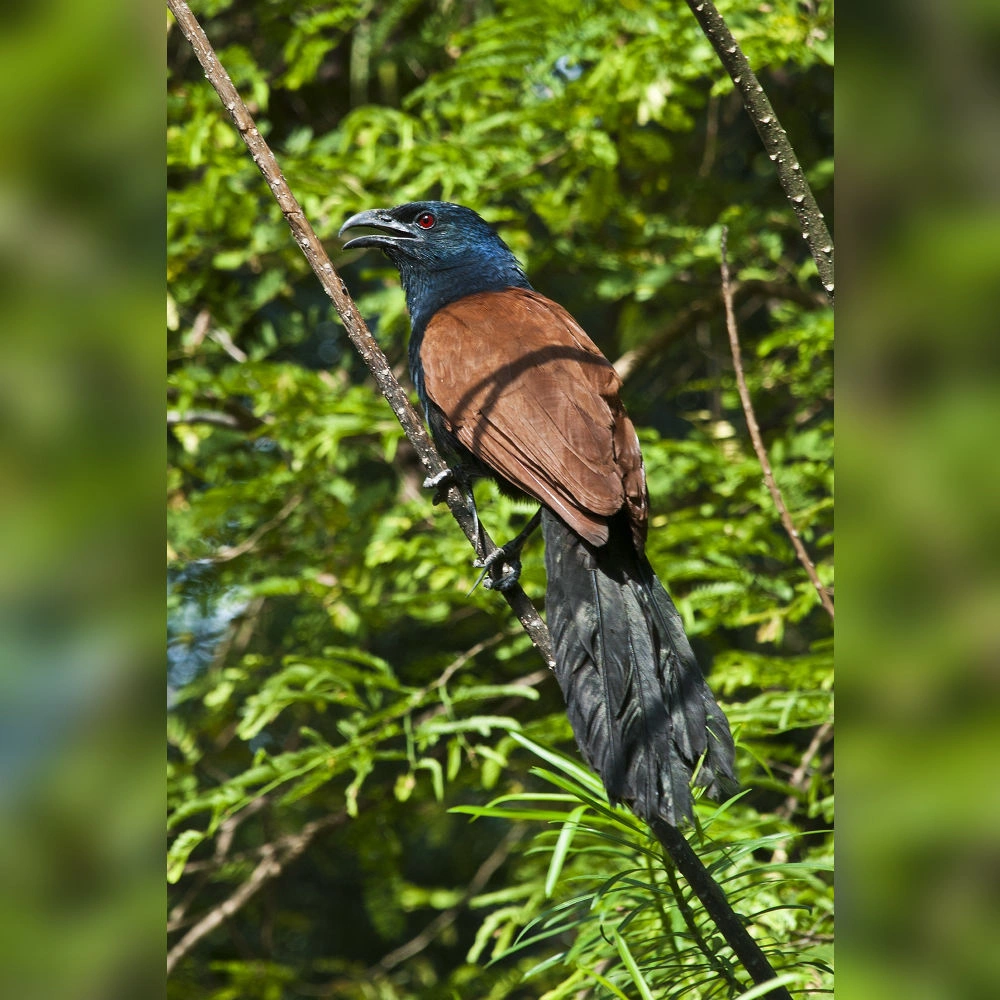
Greater Coucal
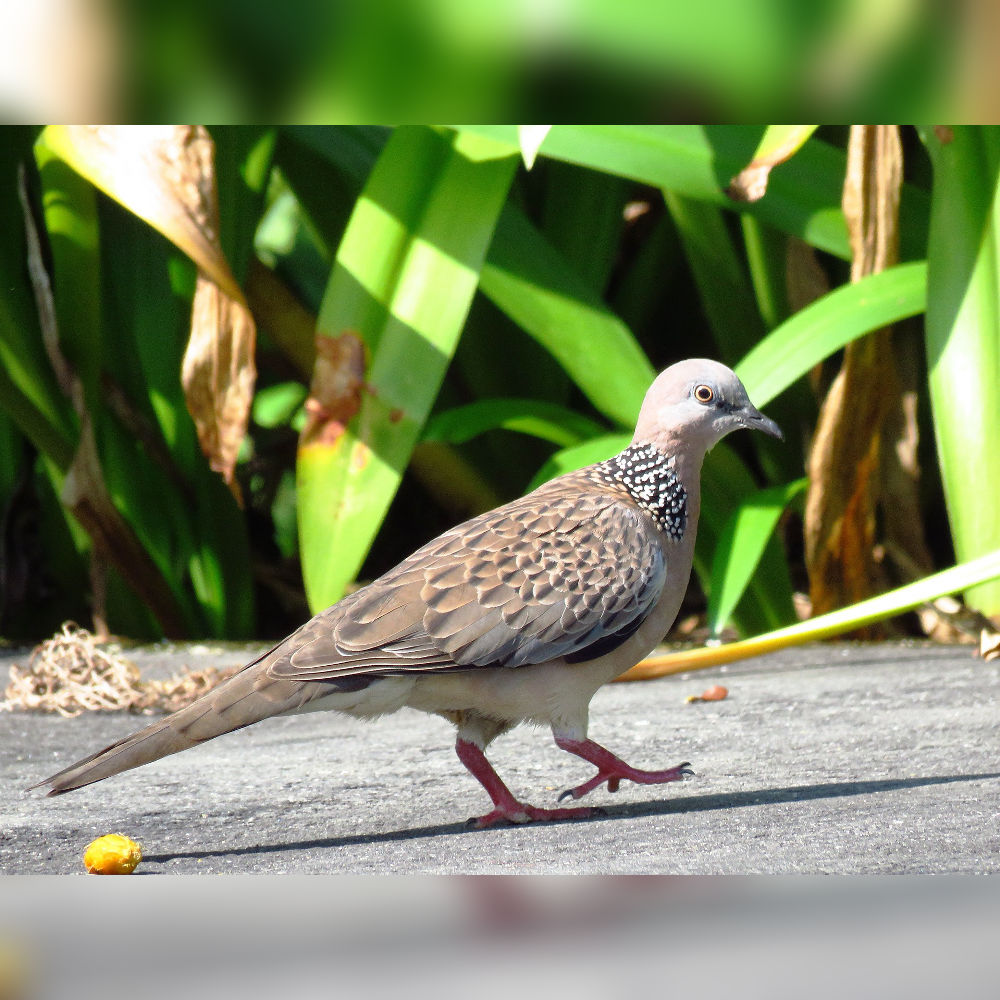
Spotted Dove
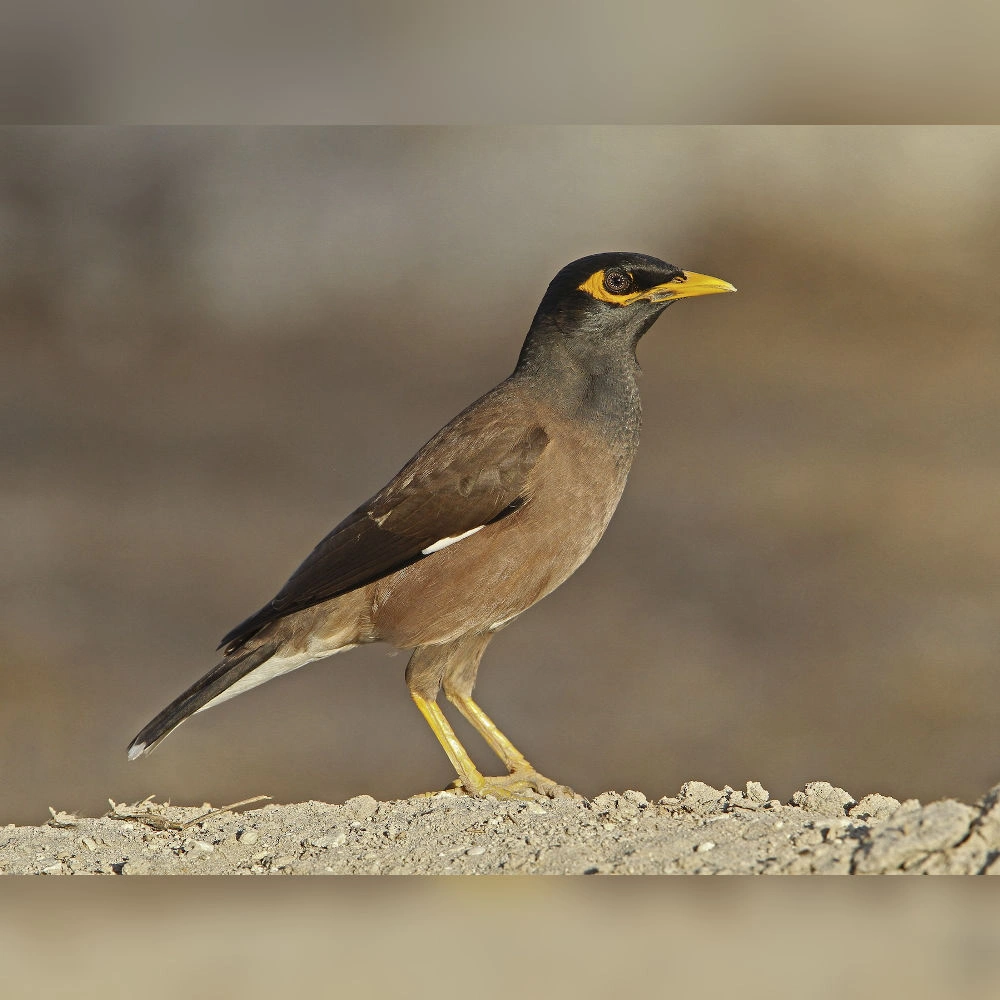
Common Myna
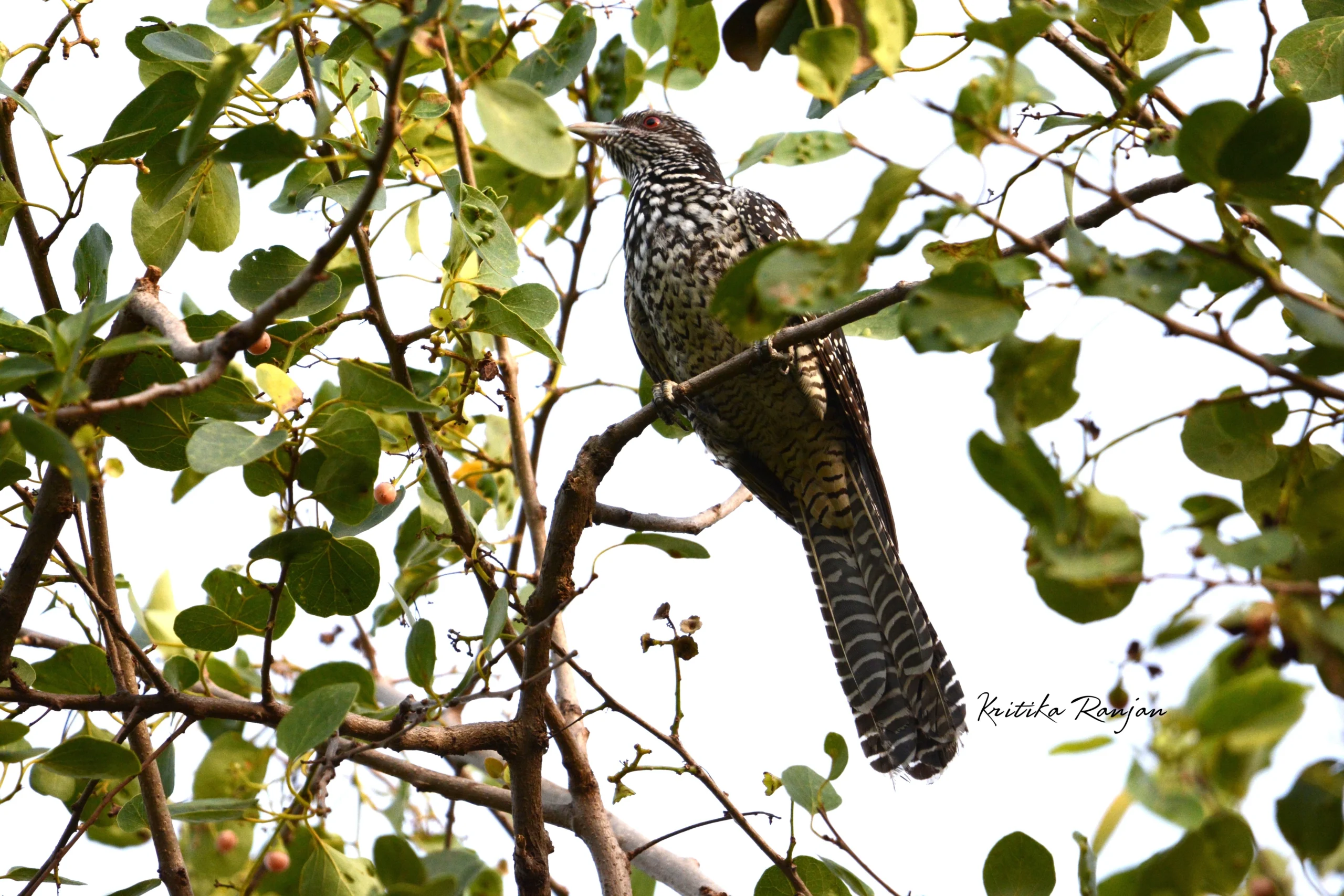
Asian Koel
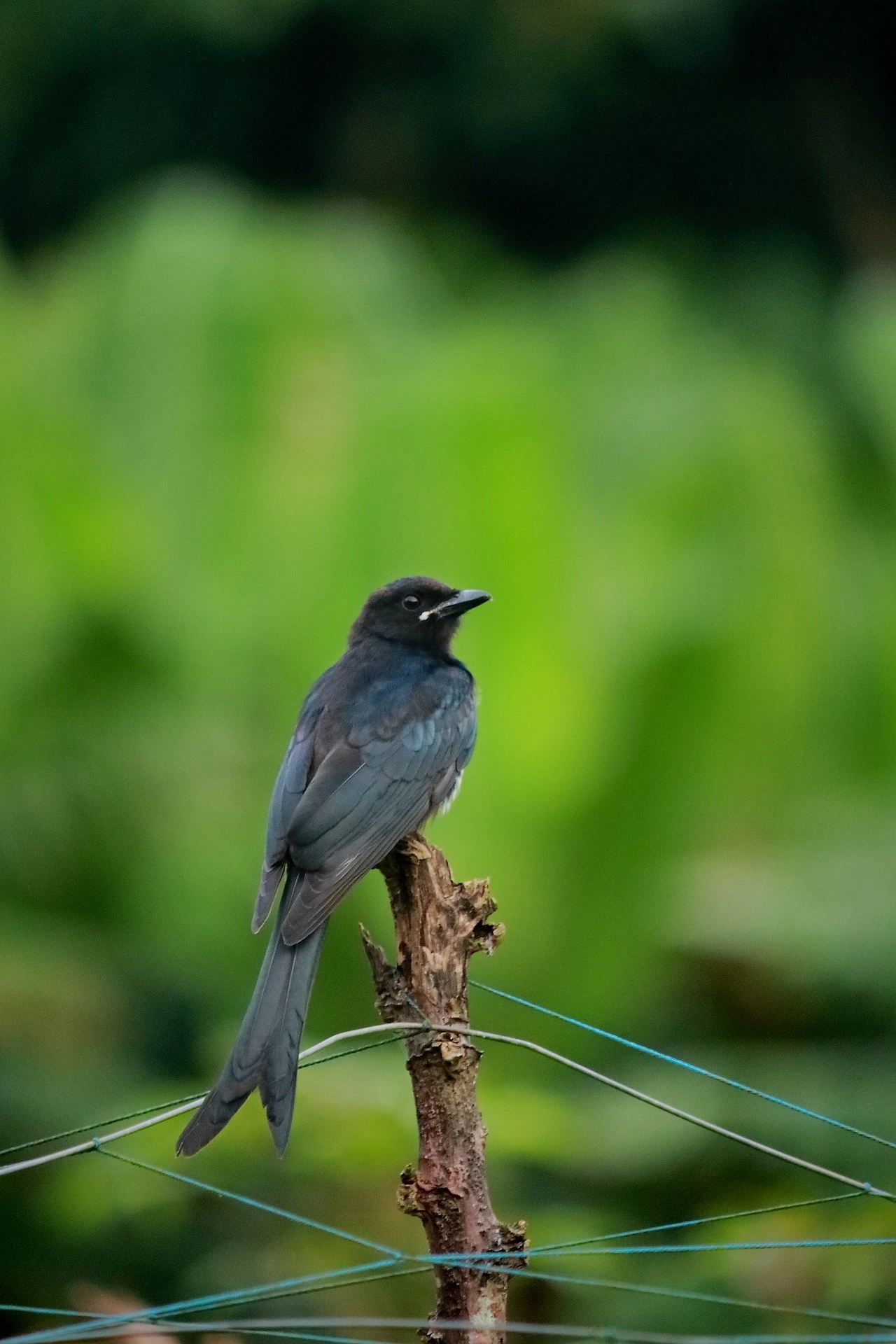
Ashy Drongo
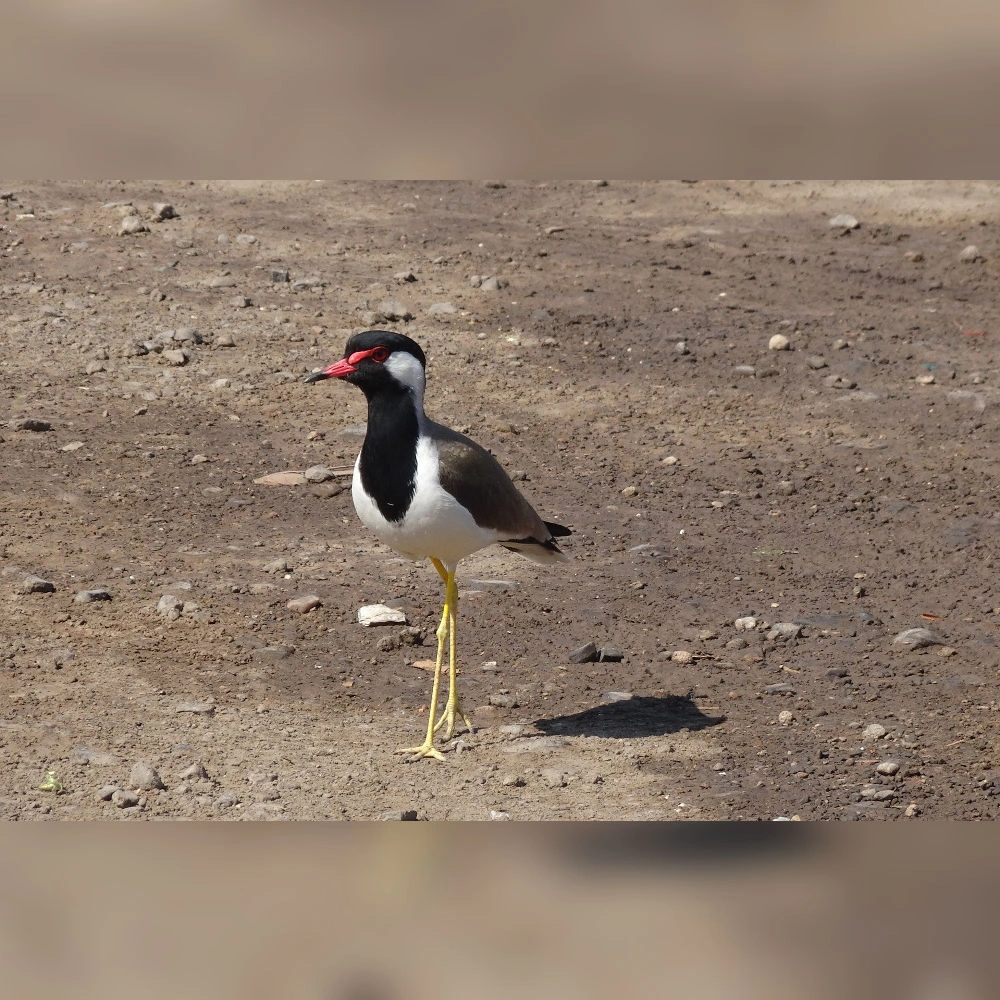
Red-wattled Lapwing
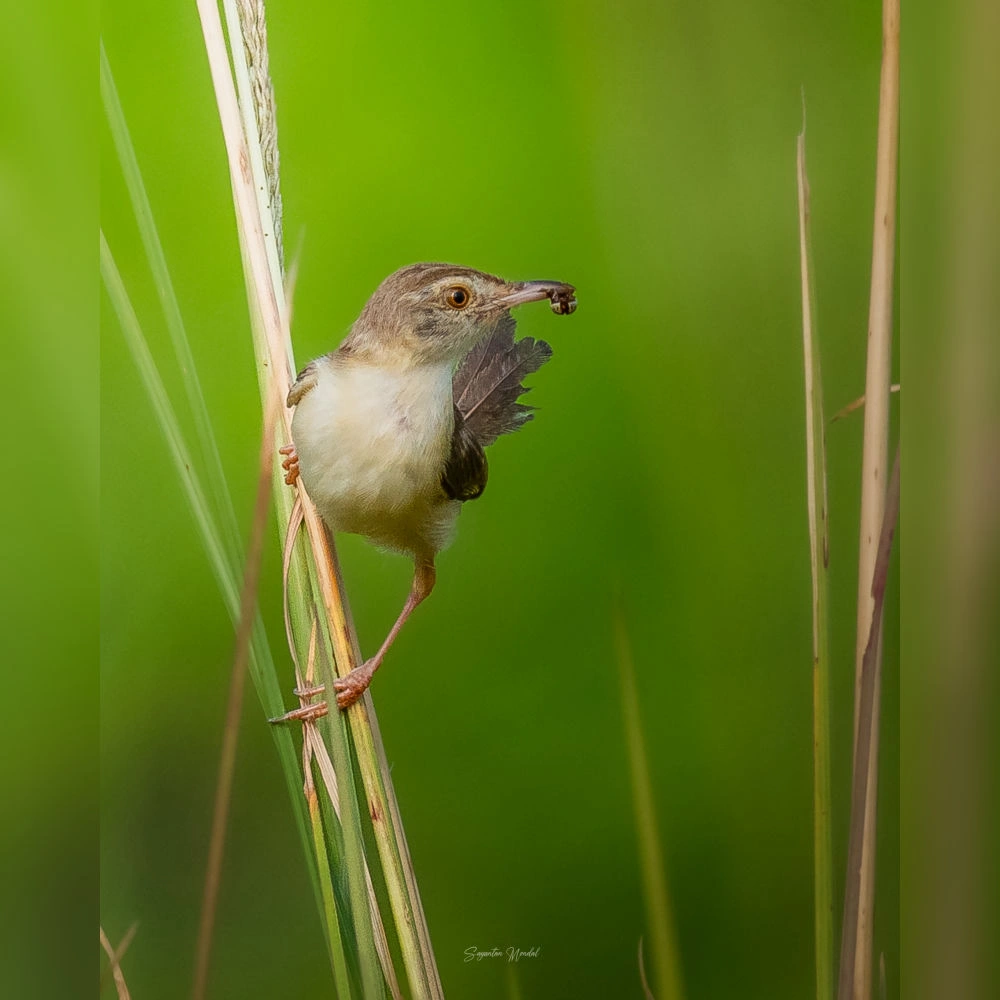
Plain Prinia
Scroll to Top