

Loading Events

Bird Walk at Manipur Lake, Ahmedabad

About Manipur Lake

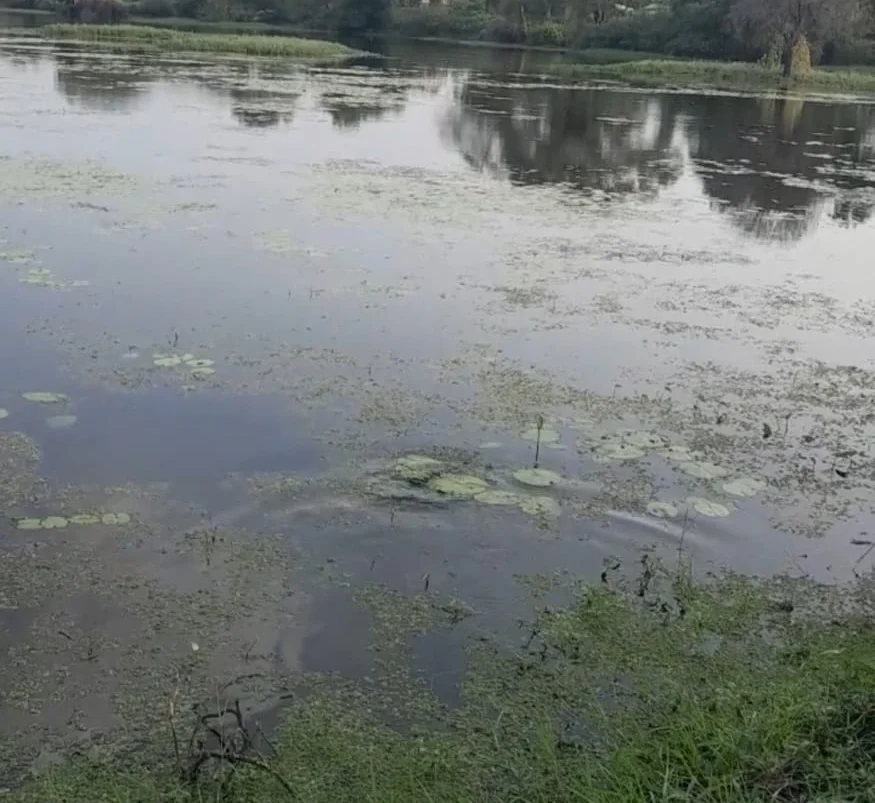
Manipur Lake is a waterbody in the Sanand region of Ahmedabad district, situated near the villages of Godhavi and Palodiya. The lake lies within a landscape where open areas, agricultural land, village settlements, and developing urban infrastructure meet, creating a mix of natural and human-modified habitats. Its open water and surrounding vegetation provide an important local habitat for aquatic and terrestrial wildlife, while seasonal changes in rainfall and water levels influence the character of the wetland throughout the year. The relatively open surroundings also make the lake an interesting setting for observing birds and other wildlife away from the more densely built-up parts of Ahmedabad.
The landscape around Manipur Lake is undergoing gradual transformation as the Sanand region continues to develop. Maintaining the lake’s water quality, natural edges, surrounding vegetation, and drainage connections is therefore important for retaining its ecological value. Reducing pollution, disturbance, and encroachment around the waterbody can help protect the habitat available to wetland and open-country species. As an urbanising landscape expands around Ahmedabad, smaller lakes such as Manipur Lake can provide valuable pockets of open habitat and contribute to the wider network of wetlands and green spaces in the region.

Bird Guide - Parth and Paahi Parikh

With over 25 years of birdwatching experience, he has participated in more than 12 wildlife surveys and contributed two articles to vernacular magazines. He has also appeared in two television interviews on DD Girnar and showcased his wildlife photography through six exhibitions. As an iNaturalist Ambassador for the Ahmedabad region, he actively promotes citizen science and biodiversity awareness. He has also conducted wildlife and birdwatching workshops for schools and colleges, sharing his knowledge and passion for nature with the next generation.
Paahi is a 9 year old bird enthusiast who loves to lead bird walks with her father.
Bird walk Location

Common birds of Manipur Lake

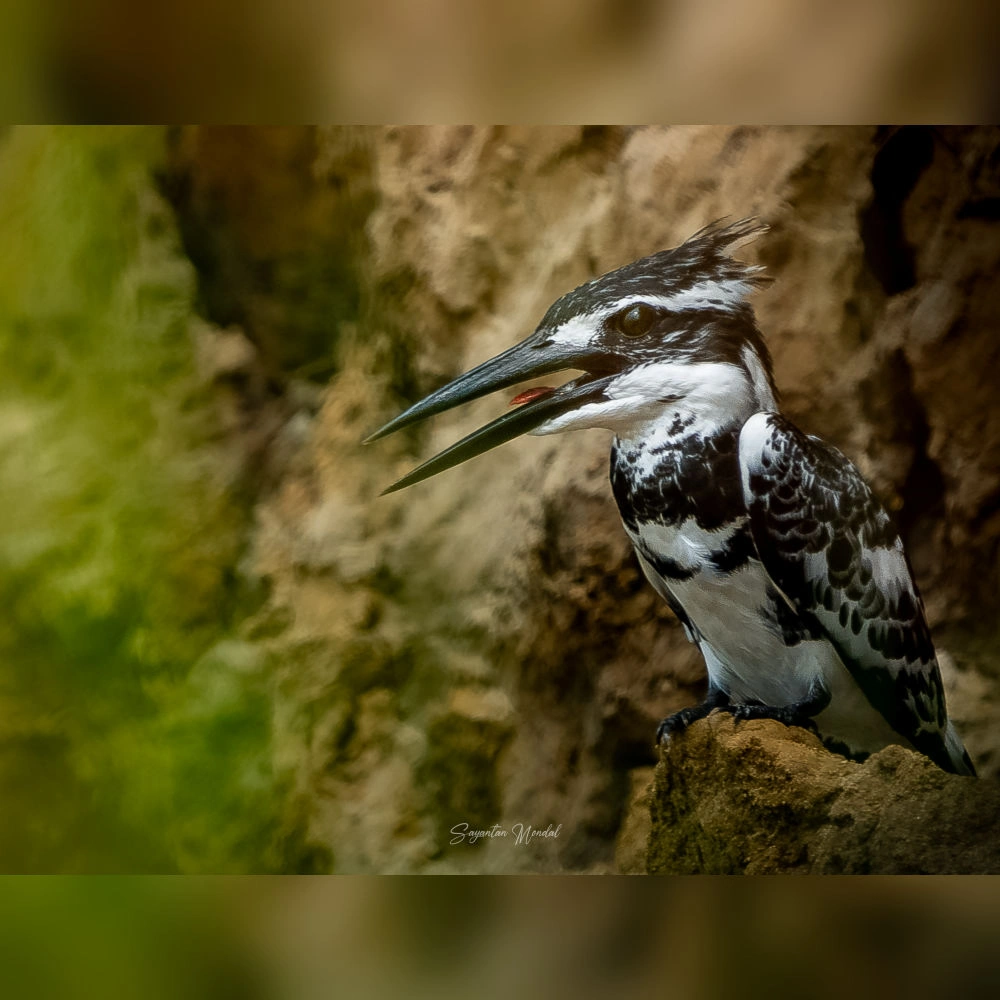
Manipur Lake supports a diverse range of wetland, shoreline, and woodland birds, reflecting the variety of habitats around the waterbody. The lake attracts several kingfishers, including Pied Kingfisher, White-throated Kingfisher, and Common Kingfisher, while Indian Snakebird and Little Cormorant make use of the open water. Bronze-winged Jacana, Pheasant-tailed Jacana, Black-winged Stilt, Little Grebe, Striated Heron, and White-breasted Waterhen add to the wetland diversity, while Wood Sandpiper and Common Sandpiper are associated with the lake’s shallow edges. The surrounding vegetation supports species such as Little Green Bee-eater, Spotted Owlet, Plum-headed Parakeet, Rose-ringed Parakeet, Grey Hornbill, Coppersmith Barbet, and Sykes’s Warbler. Together, these birds highlight the importance of Manipur Lake as a habitat supporting both aquatic and terrestrial birdlife.
Pied Kingfisher
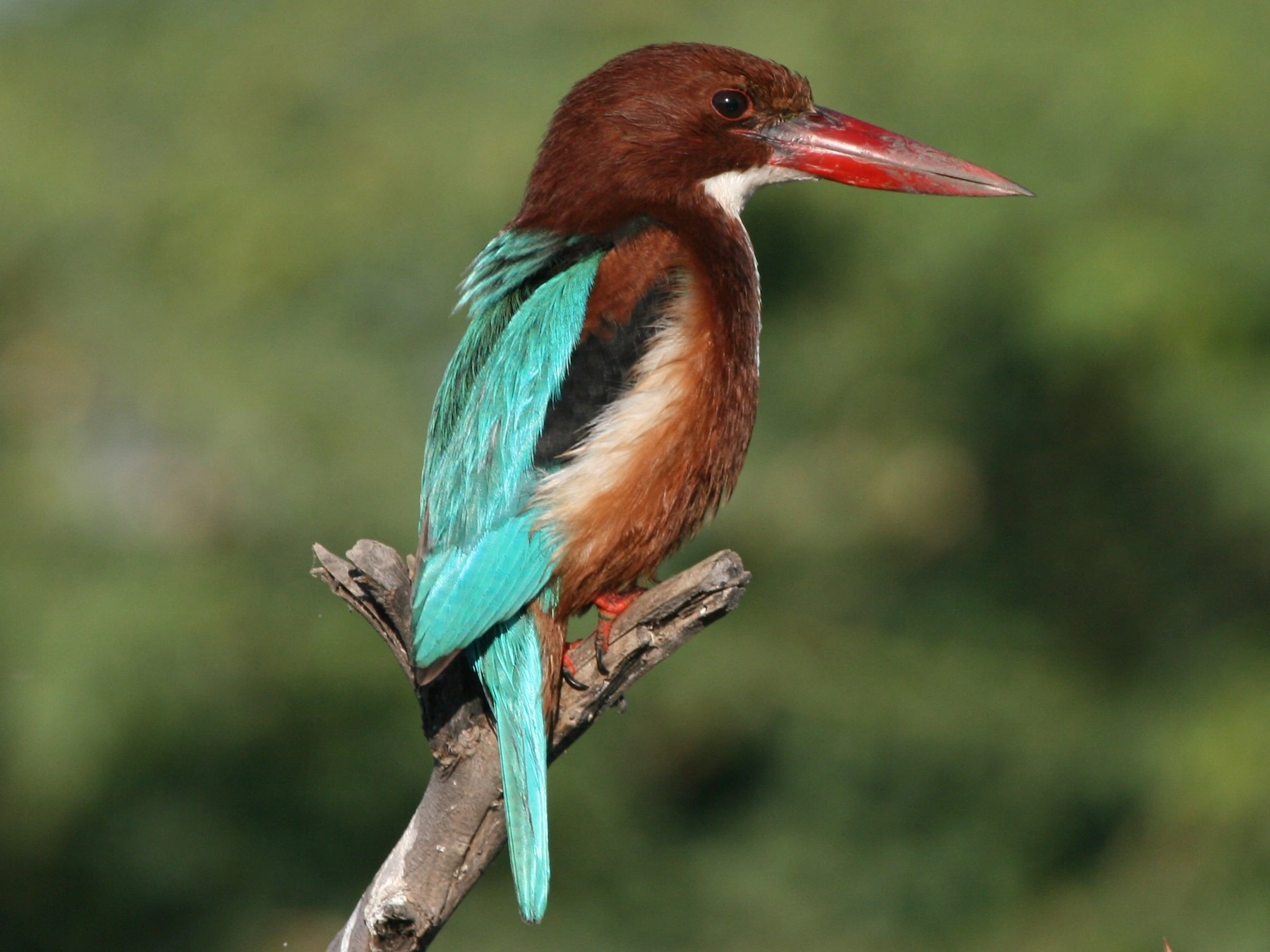
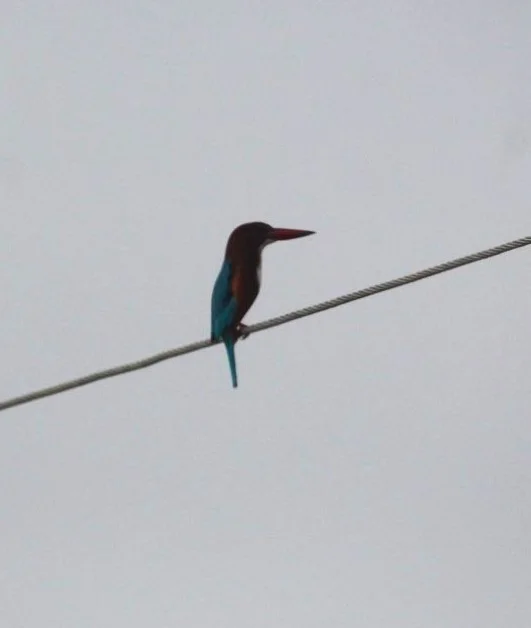
White-throated Kingfisher
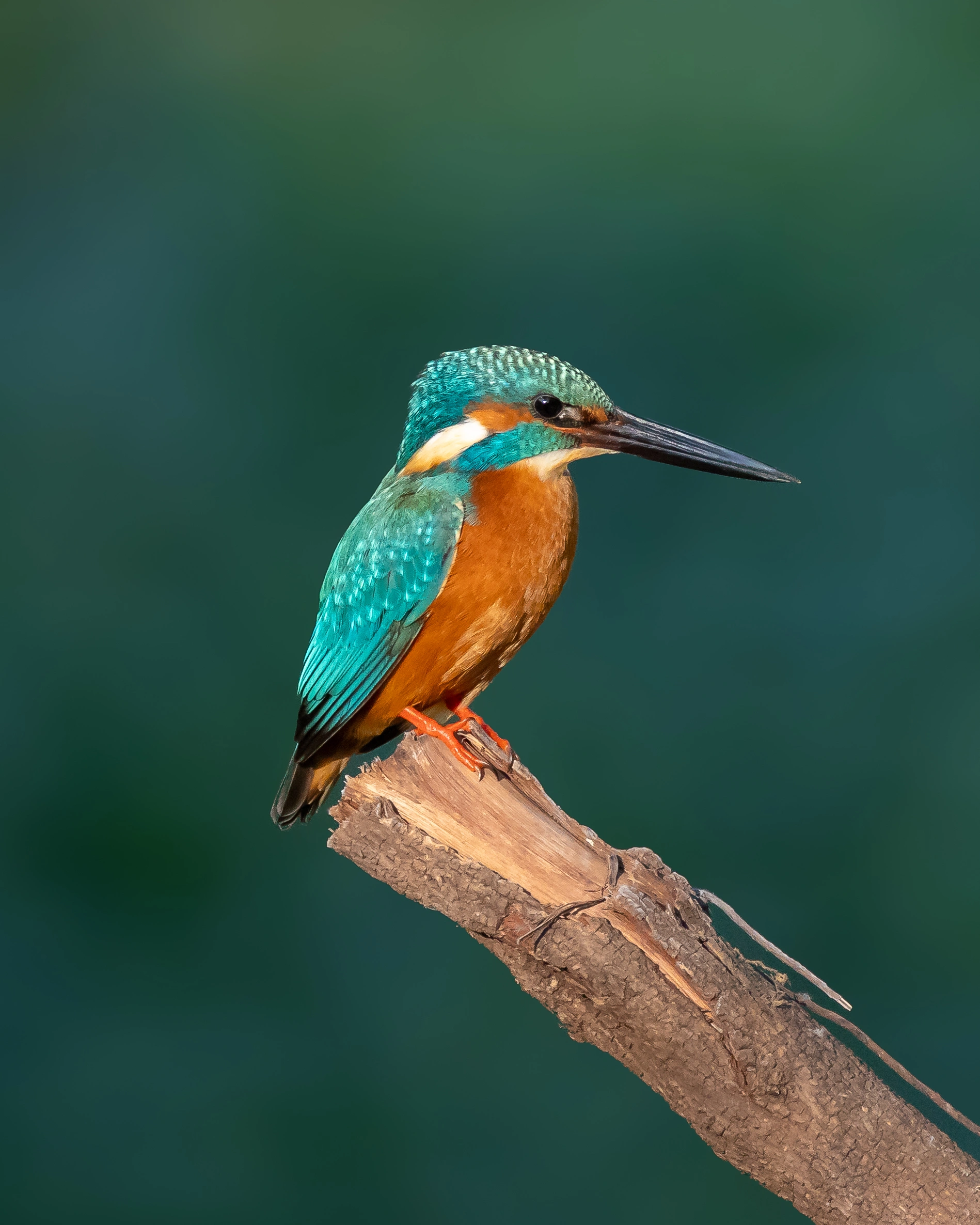
Common Kingfisher
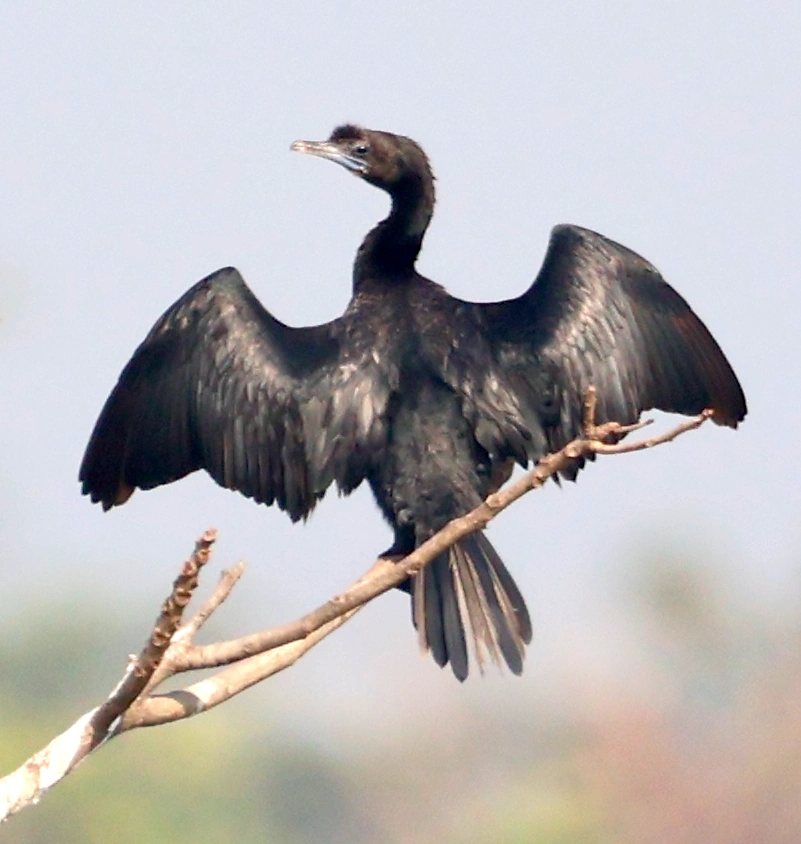
Little Cormorant
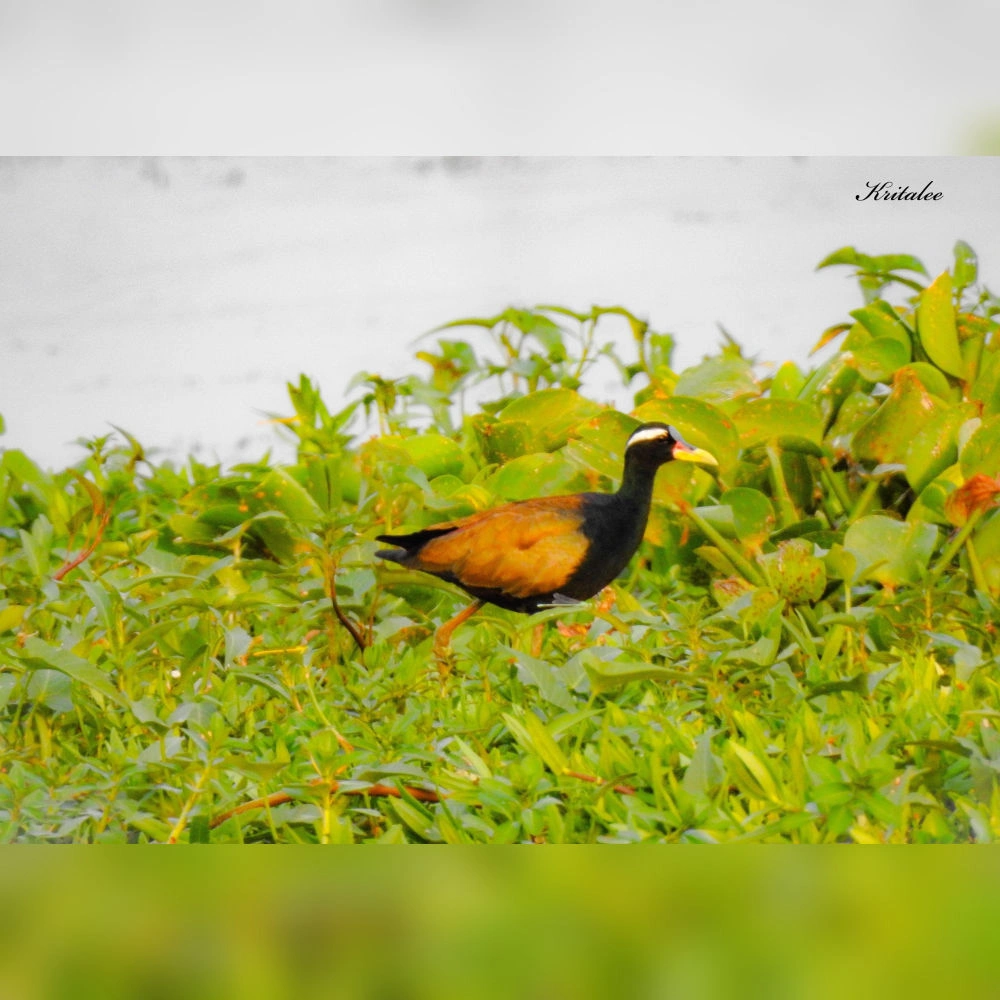
Bronze-winged Jacana

Pheasant-tailed Jacana
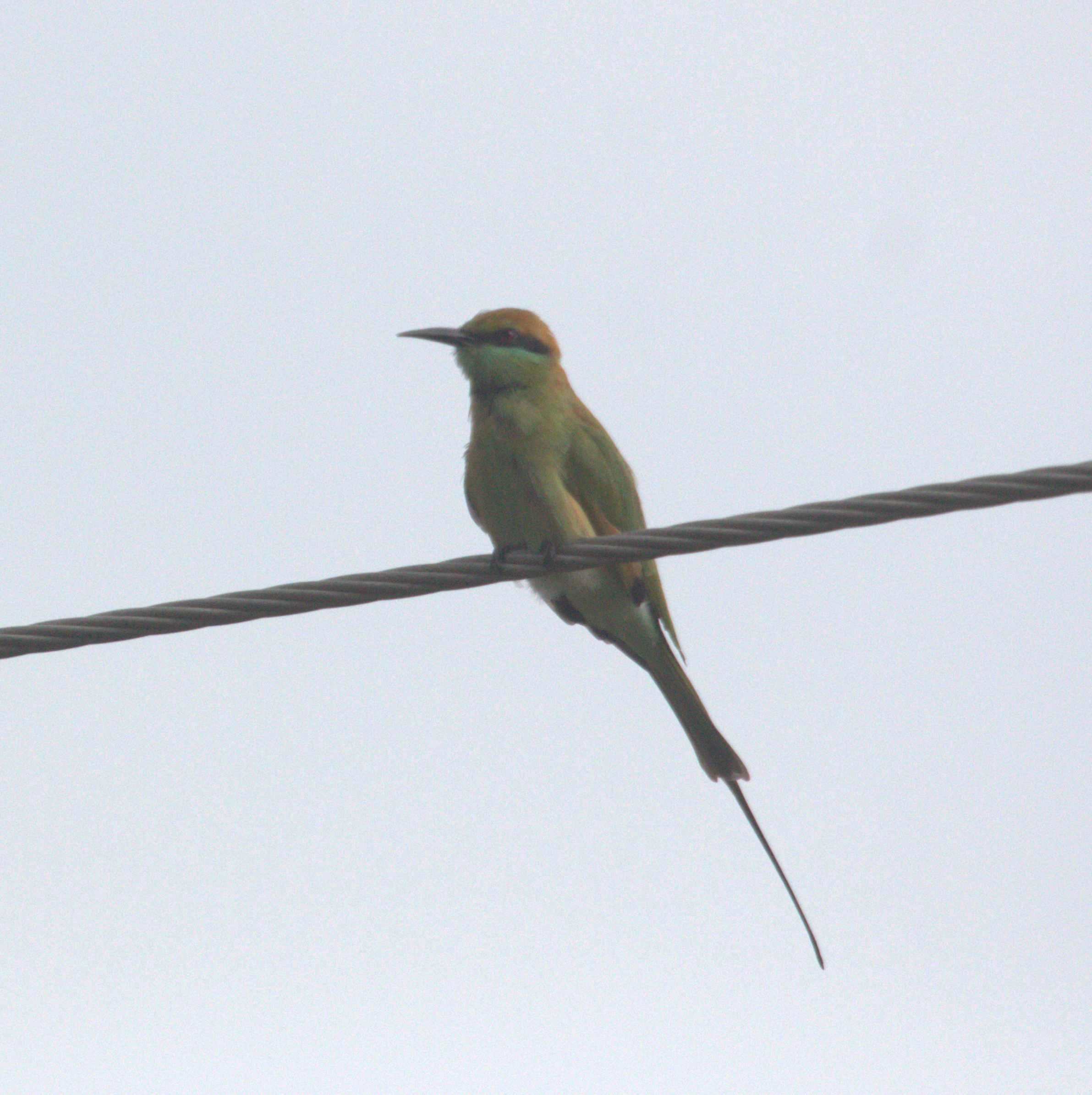
Asian Green Bee-eater
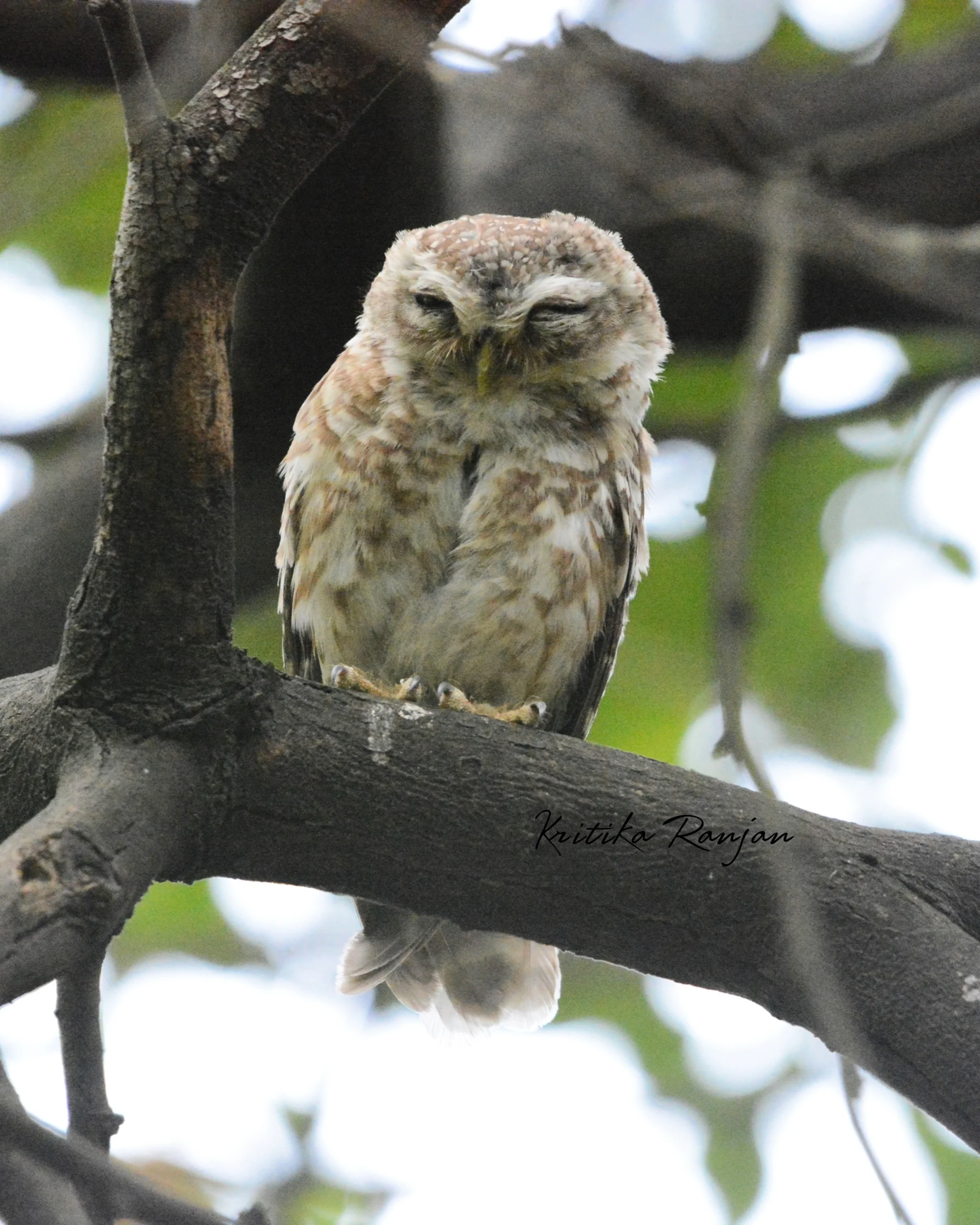
Spotted Owlet
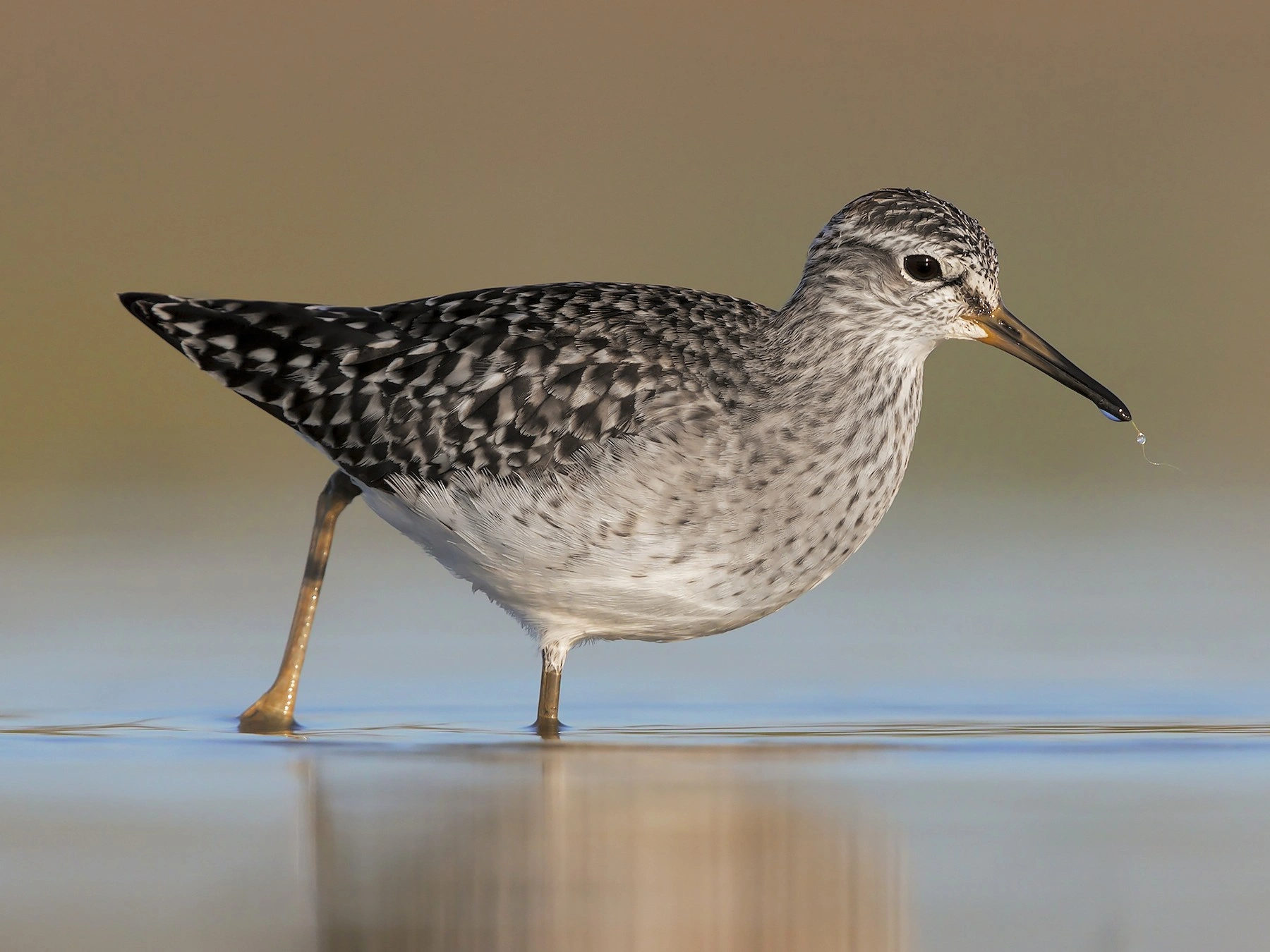
Wood Sandpiper
Common Sandpiper
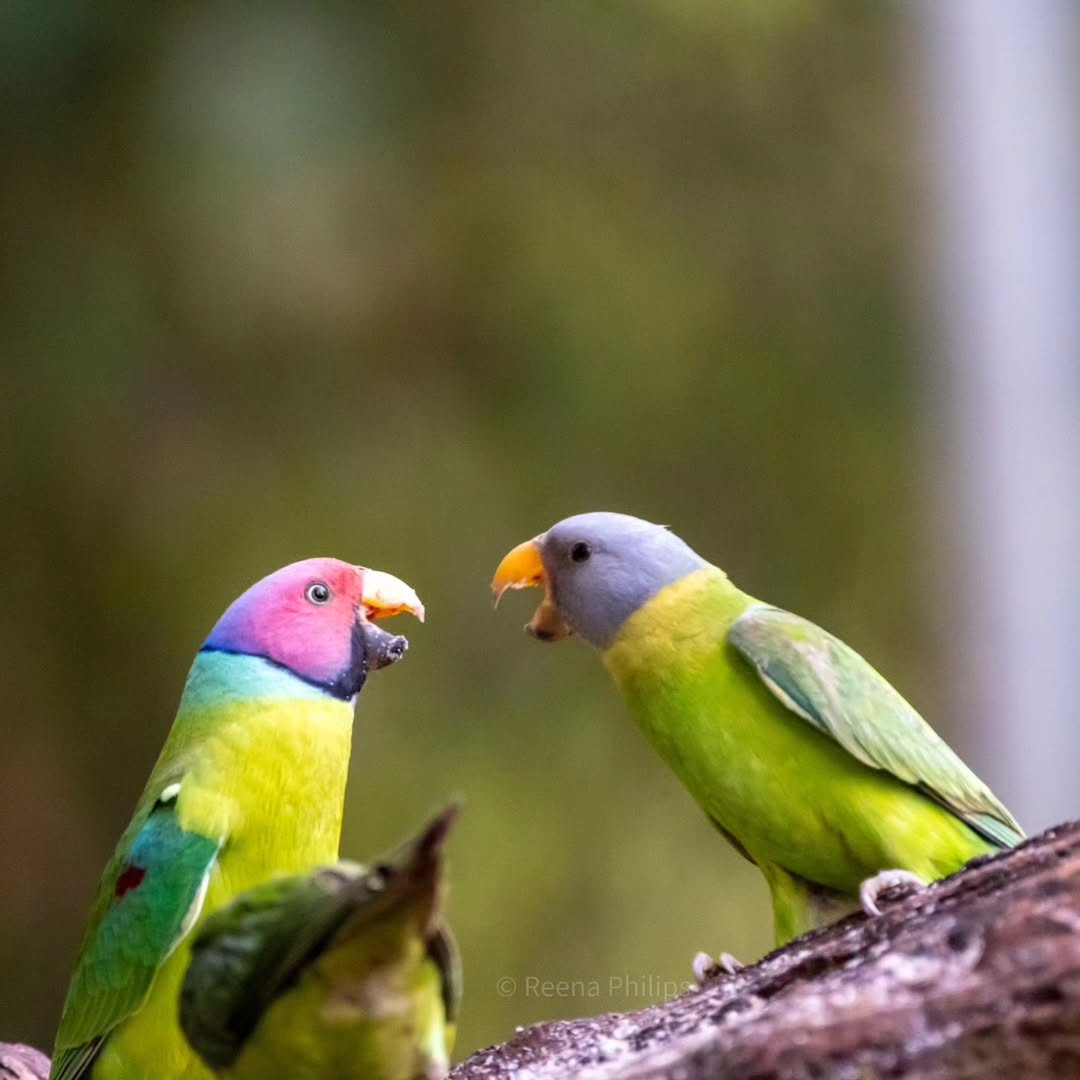
Plum-headed Parakeet
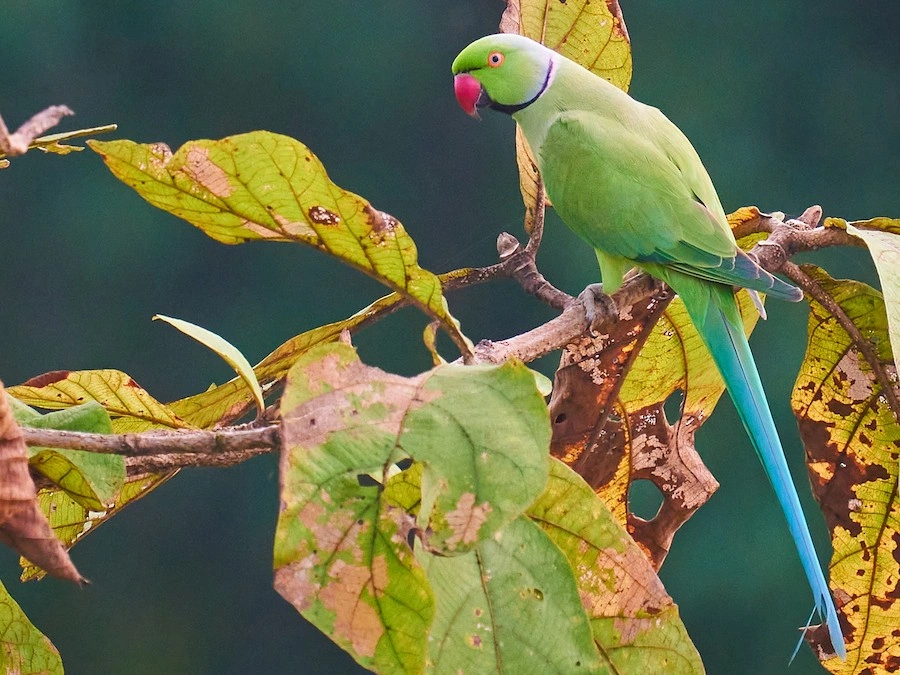
Rose-ringed Parakeet
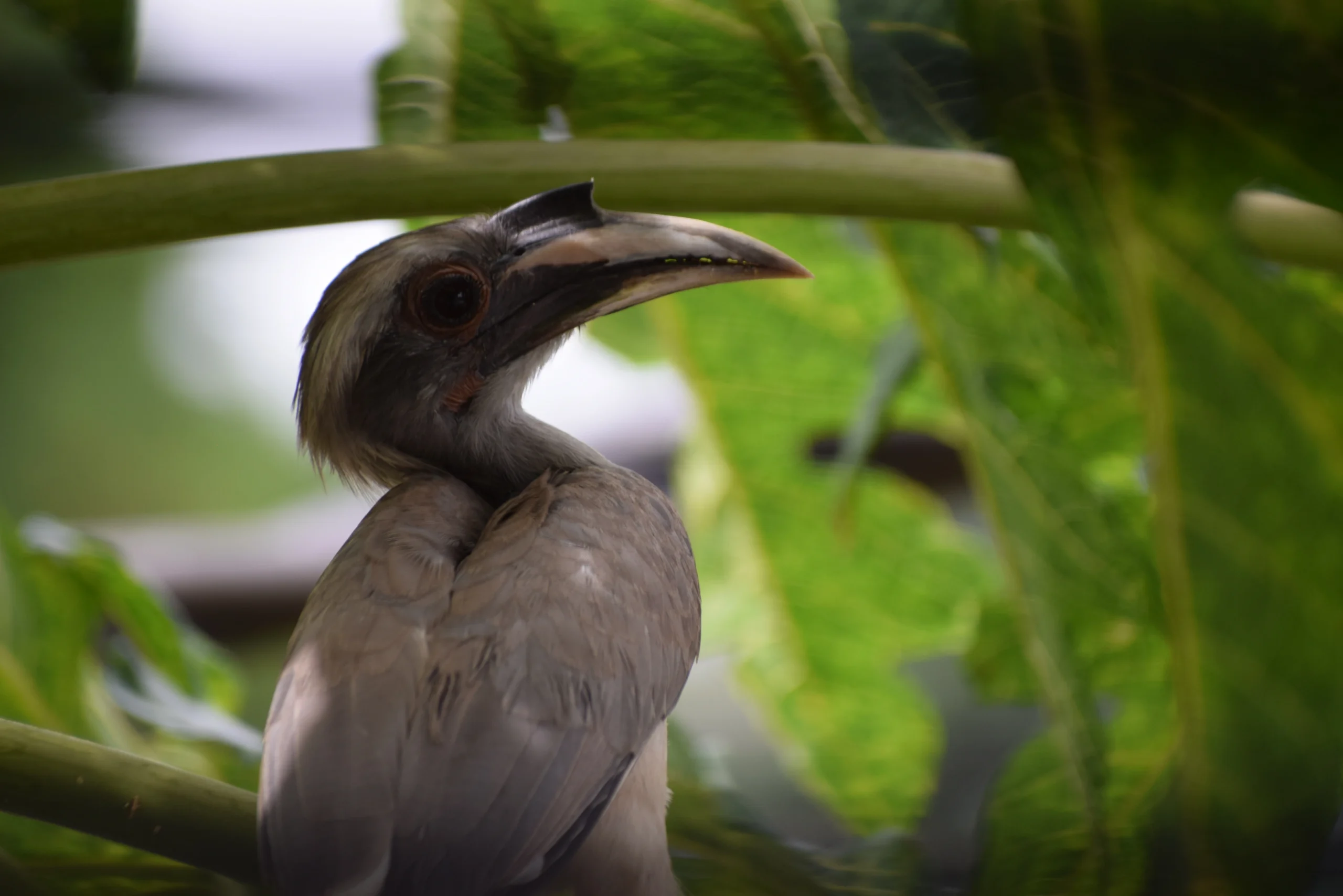
Indian Grey Hornbill
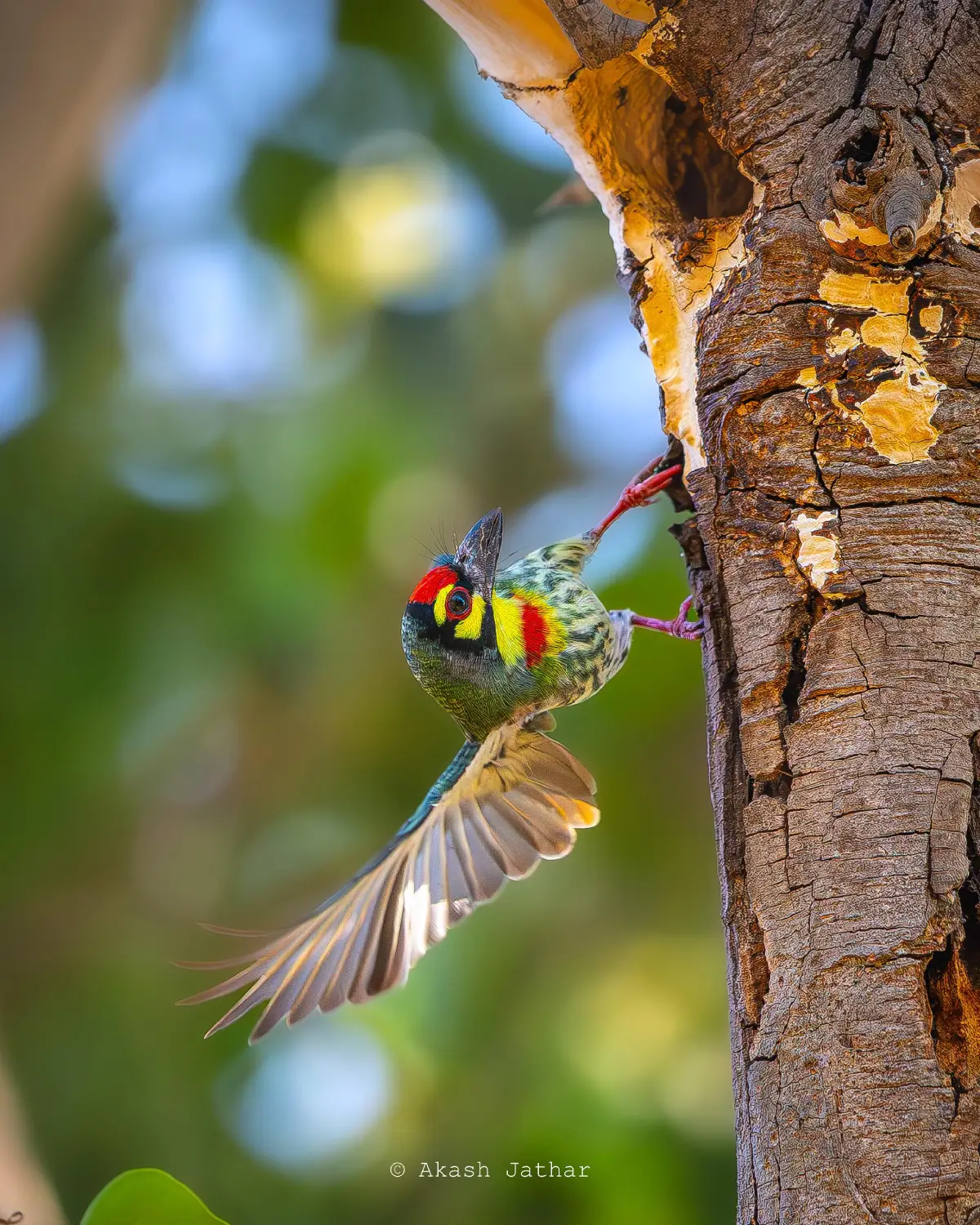
Coppersmith Barbet
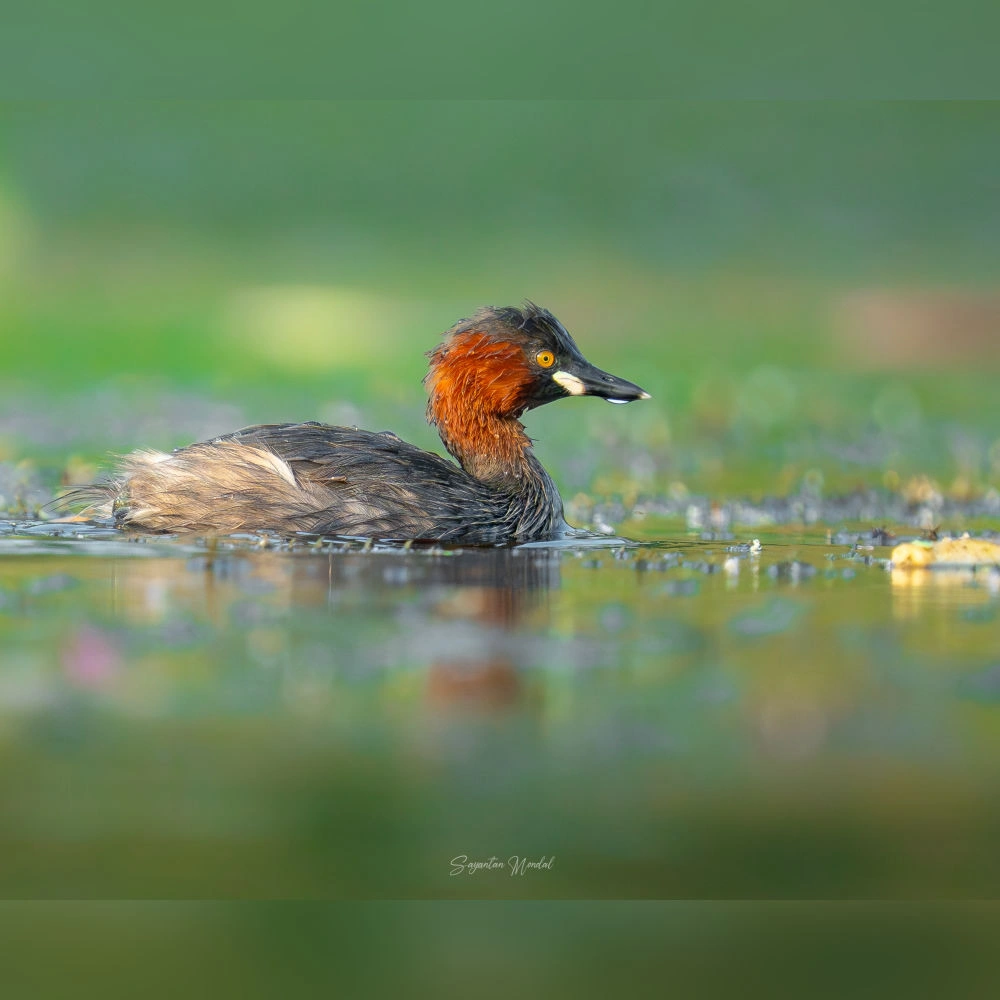
Little Grebe
Striated Heron
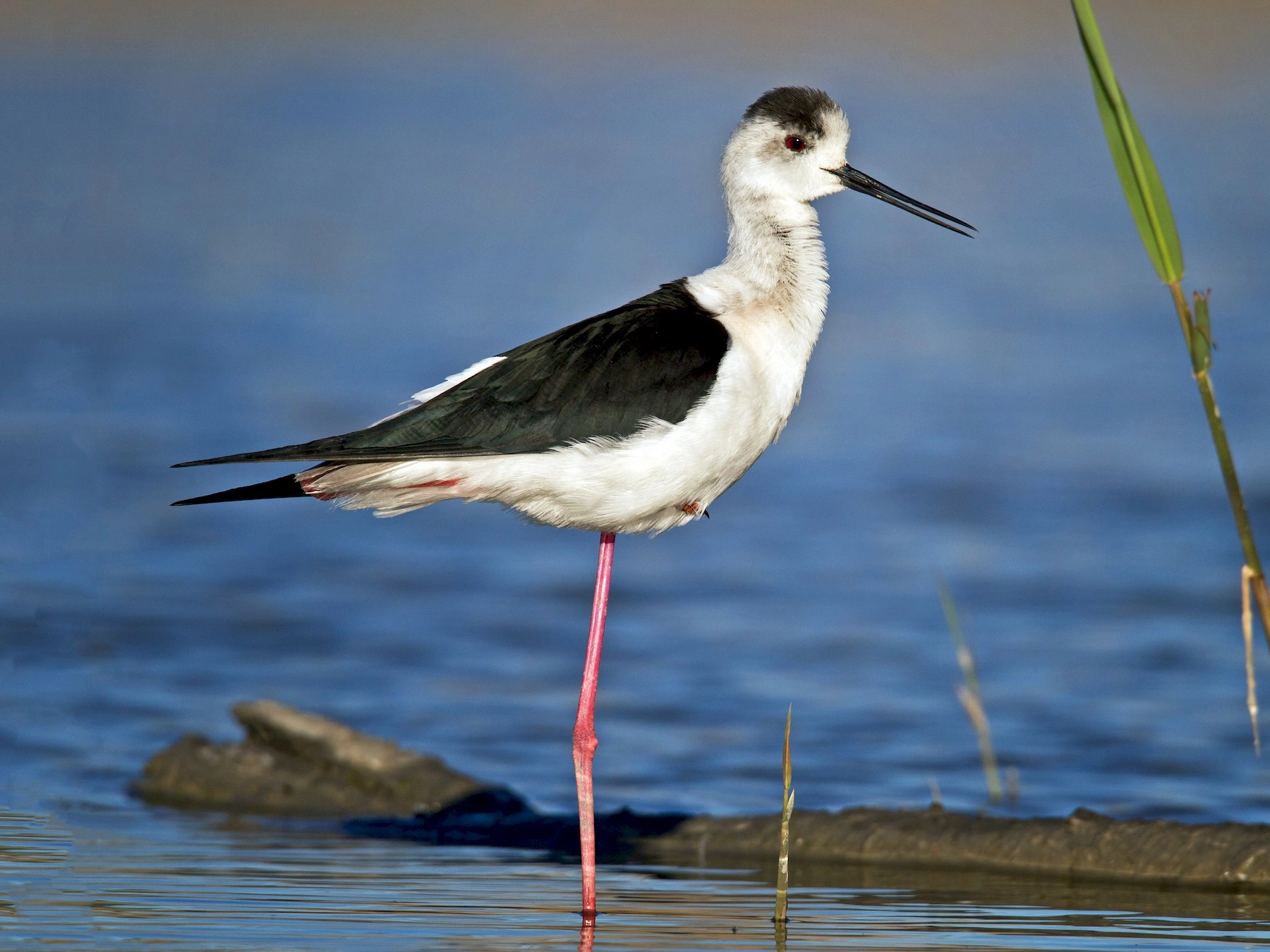
Black-winged Stilt
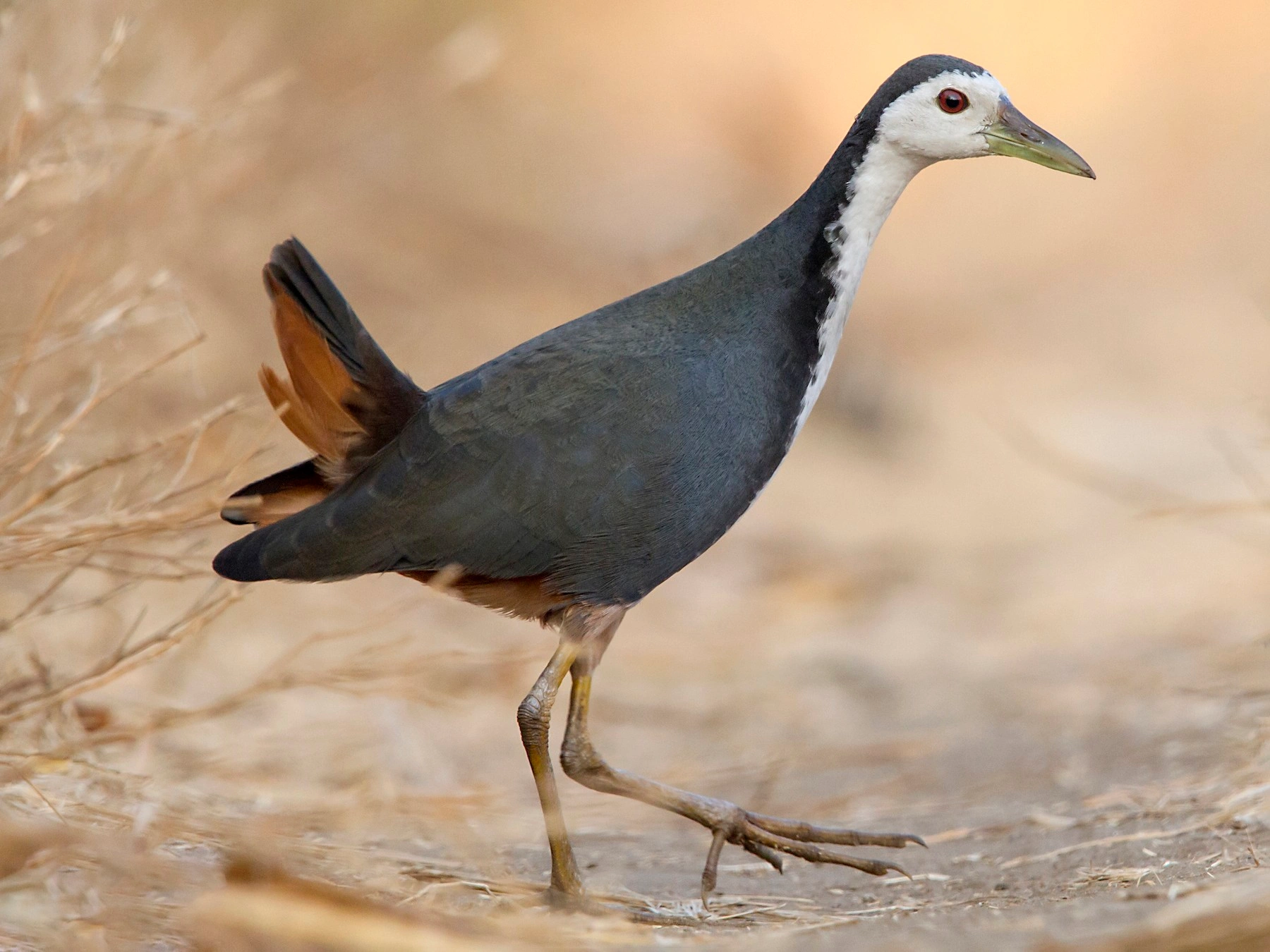
White-breasted Waterhen
Jungle Babbler
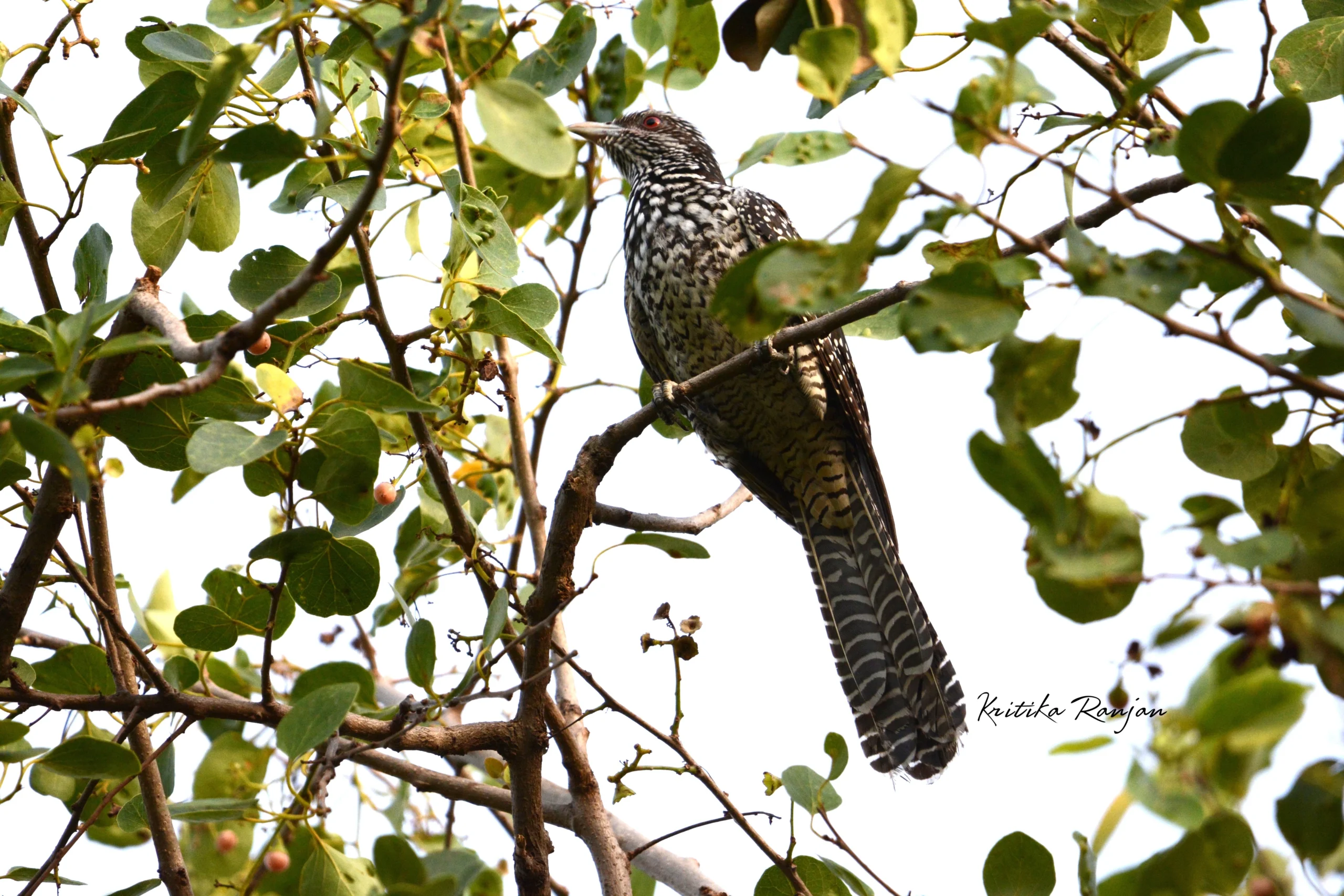
Asian Koel

Summary of Walk

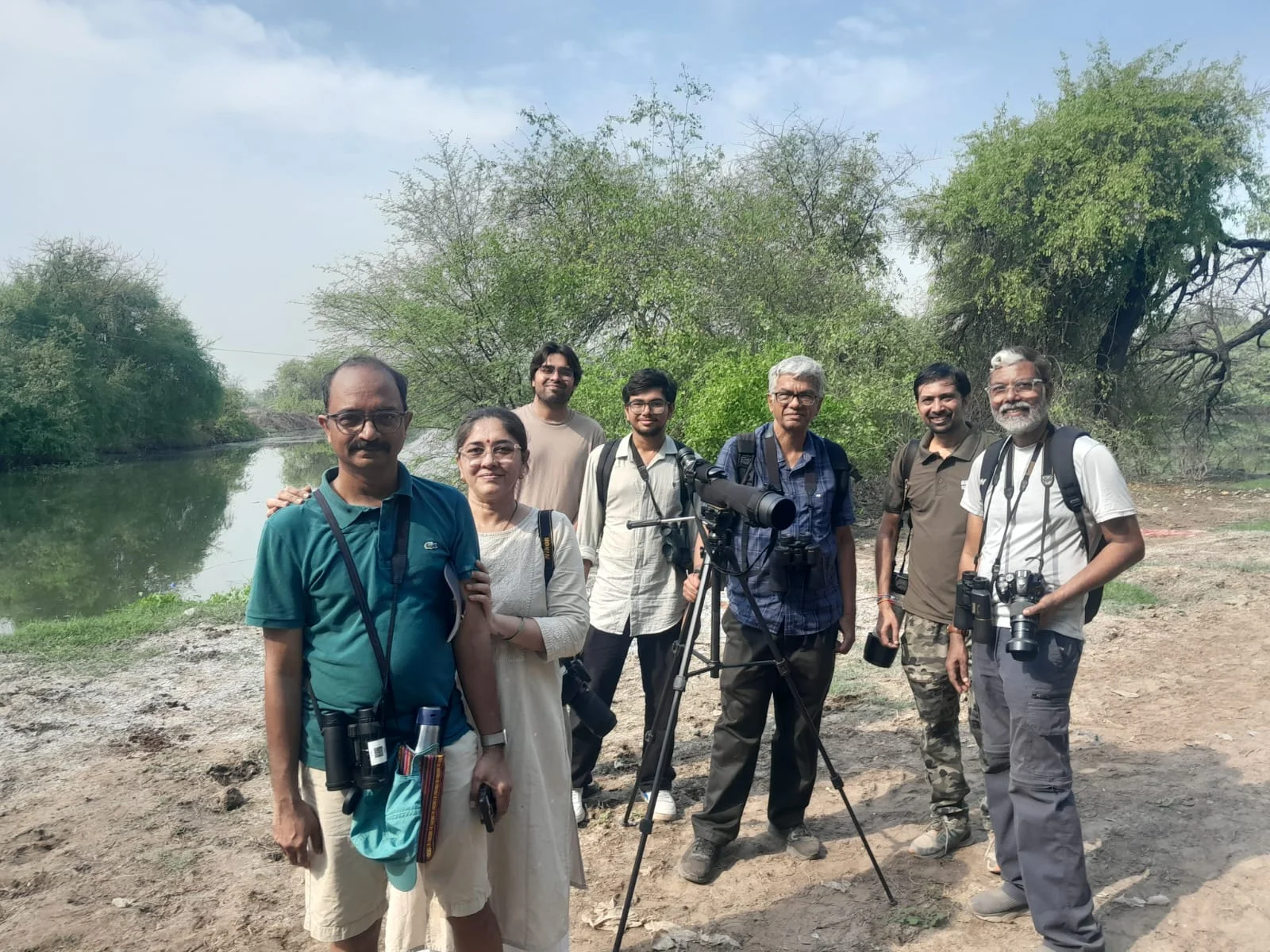
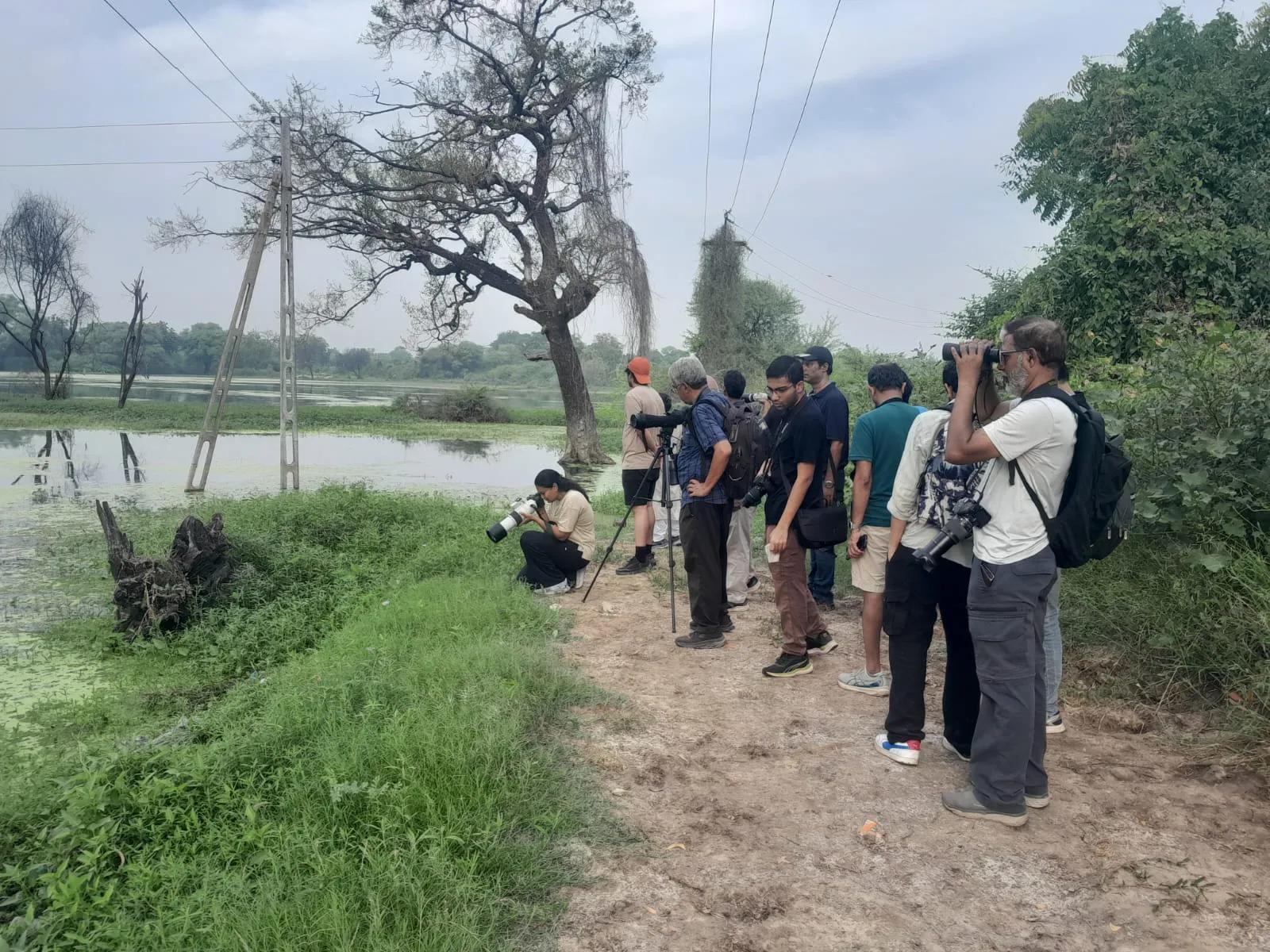
Six birders joined guides Parth and Paahi Parikh at Manipur Lake near Ahmedabad on 18 October for a walk that turned out to be one of the most memorable of the season, with a spectacular 73 species recorded, an outstanding tally for a spot so close to a busy city. The walk began sharp at 7:15 am, with some participants arriving early to try their hand at bird photography. The group was greeted by Grey Hornbills, Yellow-footed Green Pigeons and Coppersmith Barbets, and Parth explained how fruiting trees like the banyan are a boon for birdwatchers, because all of these birds are frugivores whose diet consists mainly of fruit. A friend of the guides had brought a spotting scope, which let everyone see each bird in the lake magnified, down to the finest details of feather, tail and eye. The group saw many uncommon birds, including the Yellow-crowned Woodpecker, the Black Redstart, the Black-tailed Godwit, the passage migrant European Roller and the Indian Golden Oriole. They also saw six Spotted Owlets, two of which gave excellent views and photographs, and a flock of around fifty egrets from which the participants learned to tell the species apart. There was great curiosity about butterflies and damselflies too, and Parth explained the major types of butterflies and why they are such good indicators of a healthy microenvironment. The enthusiasm of the participants was wonderful, and the walk was a boon for photographers. Parth thanked everyone and encouraged them to gear up for the next walk. It was a rich, joyful morning that showed how much life can be found on the edge of a great city.
Number of Participants
0
Scroll to Top